
Puffer Vest Manufacturer for Streetwear Brands & Startups
Partner with a proven puffer vest manufacturer offering 5-step QC, low MOQ, in-house sampling, and fast global delivery — built for emerging designers and bold streetwear labels.
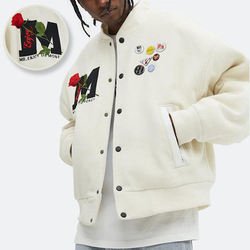
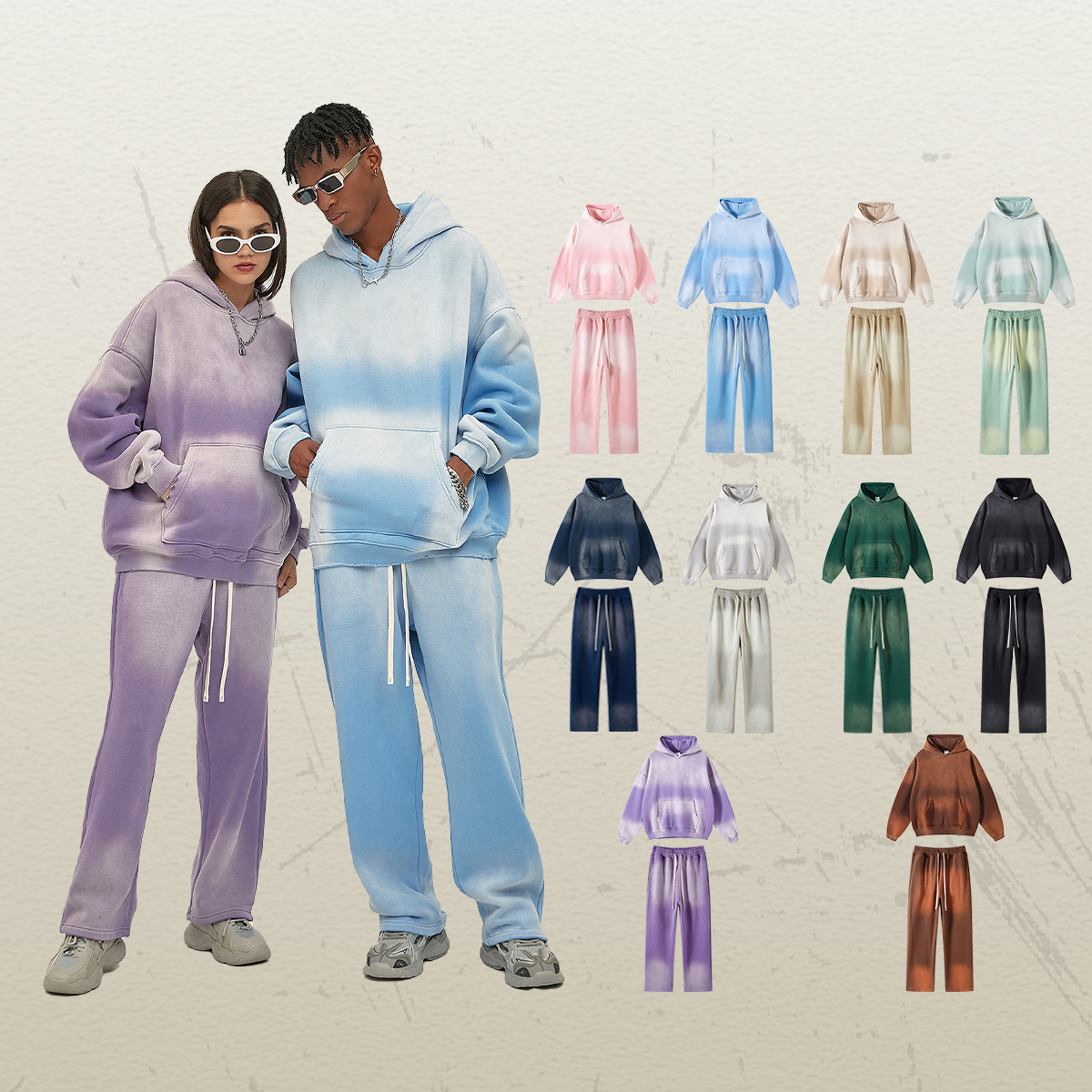
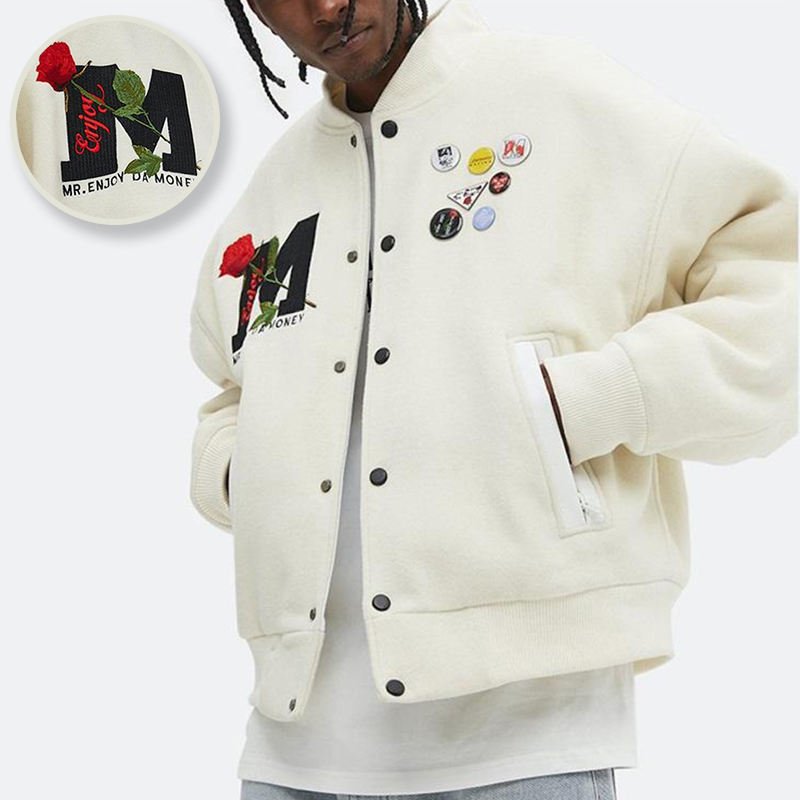
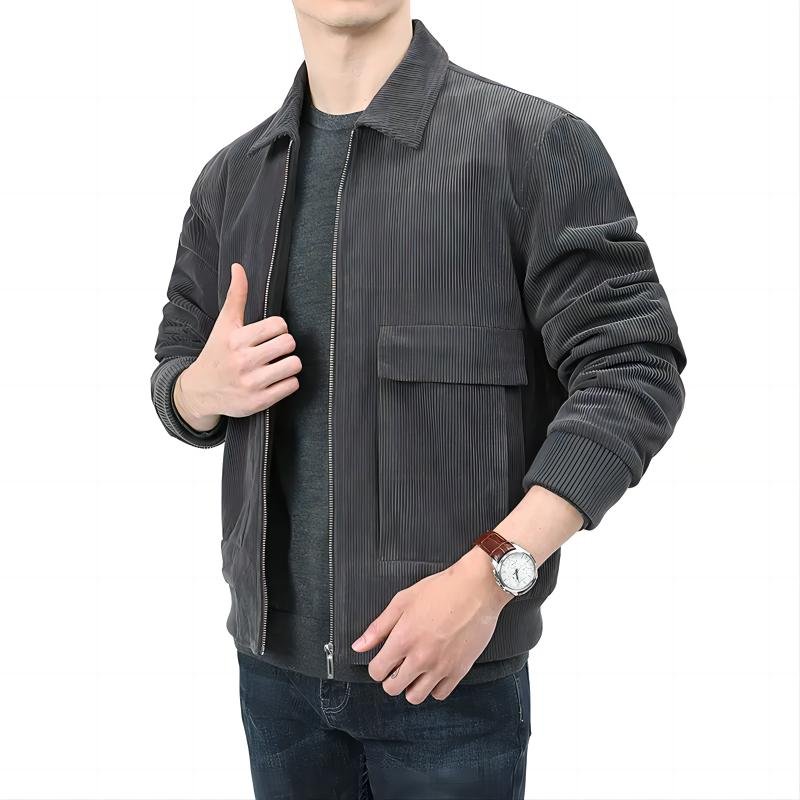
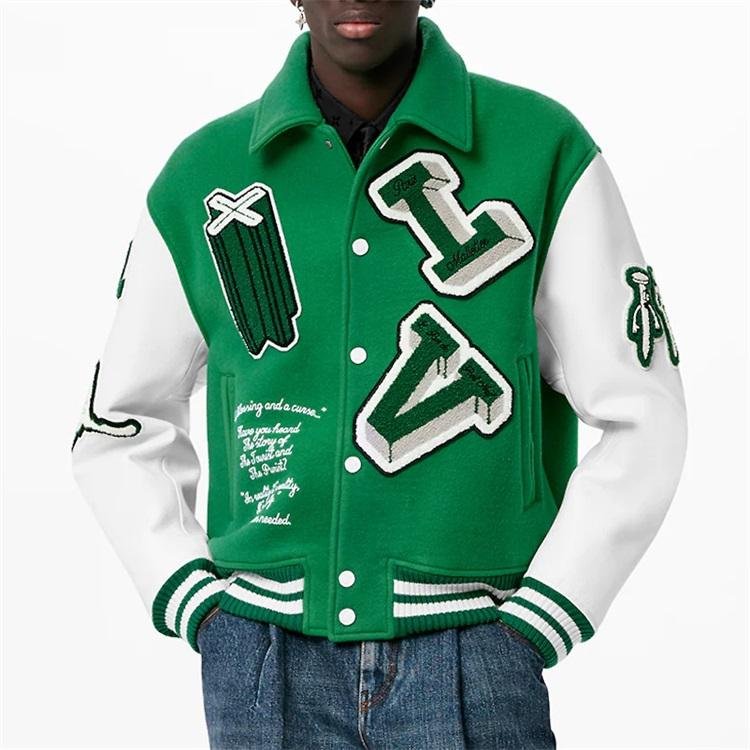
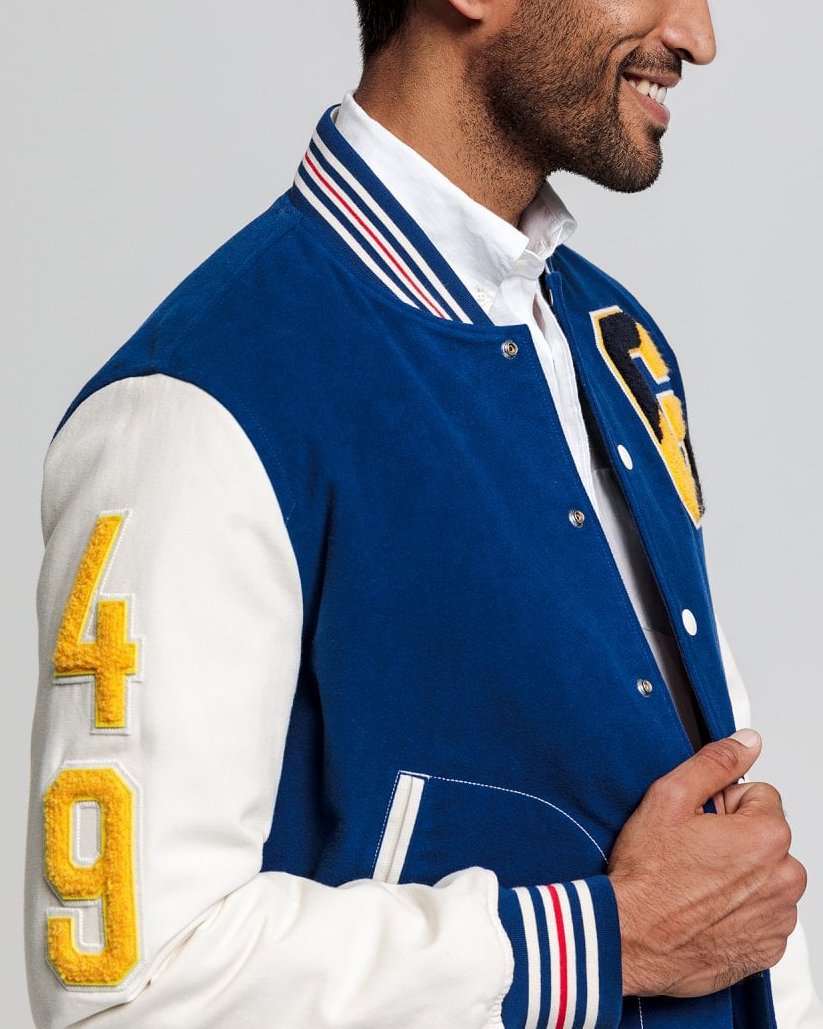
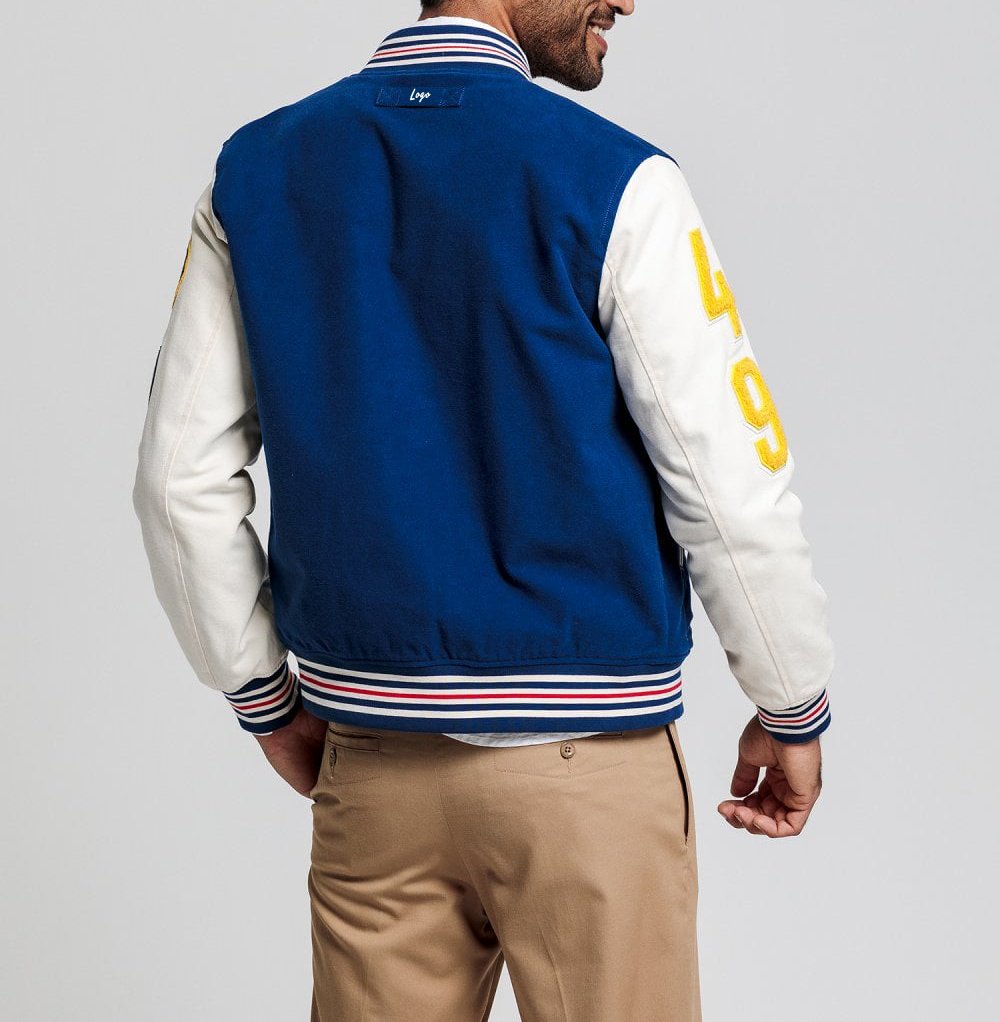
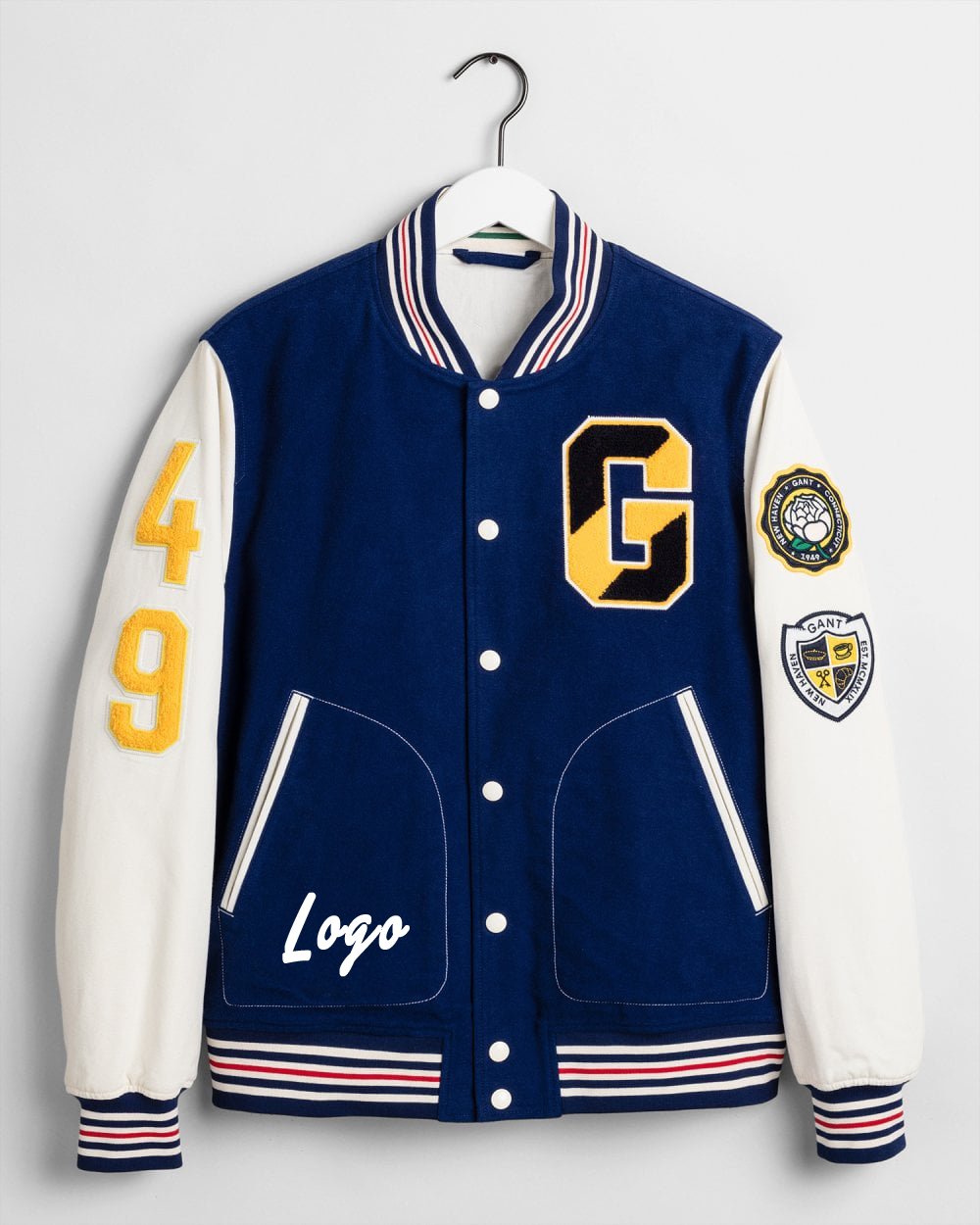
Puffer Vest Design Gallery — Explore Our Collections
Why Brands Choose Our Puffer Vest Manufacturer
From startup-friendly MOQs and rapid sampling to a zero-compromise 5-step QC guarantee — every advantage built around your brand’s growth.
5-Step QC, Zero Compromises
Materials to finished goods — our proprietary 5-step QC catches defects at every production stage before anything ships.
Low MOQ for Growing Brands
Launch your first puffer vest line without massive minimums — purpose-built for startups, independents, and emerging streetwear labels.
Samples Ready in 7 Days
Our in-house sampling team delivers production-ready prototypes fast, so you approve and move to bulk production sooner.
Full OEM & ODM Capability
Bring your own files or let our 15-member R&D team design exclusive puffer vest styles tailored to your brand.
Direct Access to Specialists
Work one-on-one with streetwear production experts who translate your vision into trend-driven, manufacture-ready garments every time.
Global Shipping, 100+ Countries
End-to-end logistics support covering customs, freight, and delivery — your order arrives on schedule, anywhere in the world.
One Puffer Vest Manufacturer for Every Style & Silhouette
From oversized bombers to sleeveless technical styles and fitted streetwear cuts, our production team brings every puffer vest silhouette to life with precision craftsmanship and zero-compromise quality.
Oversized Bomber Puffer Vests
Streetwear brands want exaggerated, drop-shoulder bomber silhouettes, but most factories default to standard fits. Sourcing a manufacturer who can nail true oversized proportions with consistent cross-size grading is a constant struggle.
Our pattern engineers master drop-shoulder construction and true oversized grading from XS to 4XL. Every piece clears our 5-step QC, so your boldest silhouettes ship consistently — run after run.
Sleeveless Technical Puffer Vests
Technical sleeveless vests demand sealed baffles, even fill distribution, and functional details that most general apparel factories lack the expertise or machinery to execute at scale without defects.
Our in-house team engineers precision baffling, performance fill channels, and functional details like zip-through plackets and media ports — all verified through sewing and finished-goods QC before your order ships.
Fitted Streetwear Puffer Vests
Independent designers and startups need slim, tailored puffer silhouettes but can rarely afford the high MOQs or lengthy sample processes that lock most factories' best technical work behind big orders.
Low MOQ minimums and a 15-person in-house sampling team mean fitted, precision-seamed puffer vests go from concept sketch to final sample fast — without the budget shock of a traditional factory.
Bulk-Ready Branded Puffer Vests
Global apparel retailers sourcing puffer vests in volume need a manufacturer who can maintain consistent quality across thousands of units, hit tight seasonal windows, and handle complex global logistics.
Scaled production backed by our parent factory's capacity, fast turnaround scheduling for seasonal drops, and end-to-end global shipping support keeps your shelves stocked and your QC reports clean.
Premium Fabrics From Your Dedicated Puffer Vest Manufacturer
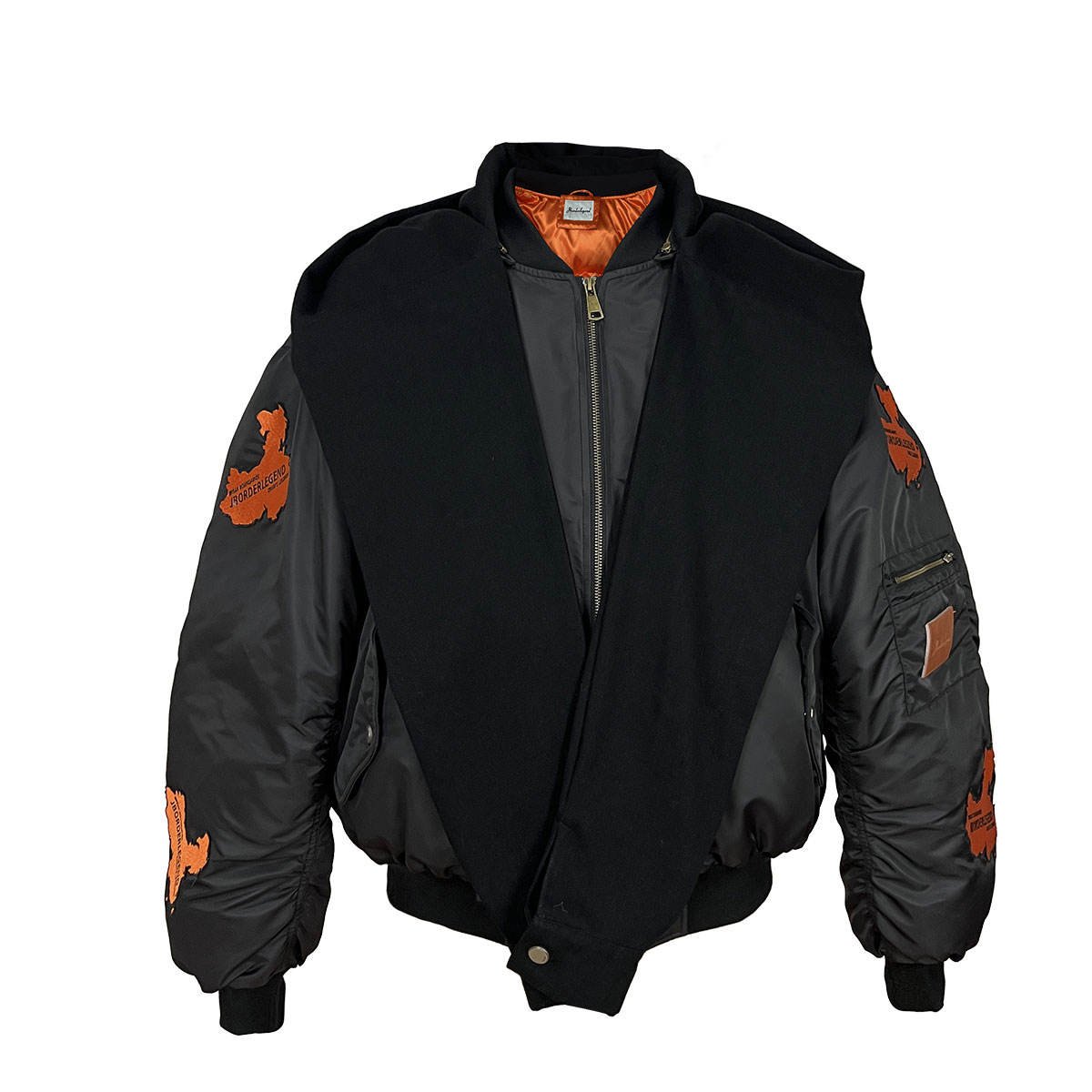
Nylon Shell Fabric
Lightweight 40-70D nylon shell delivers a sleek, glossy hand-feel with superior tear resistance and wind-blocking performance. Ideal for streetwear puffer vests demanding a polished aesthetic and lasting everyday durability.
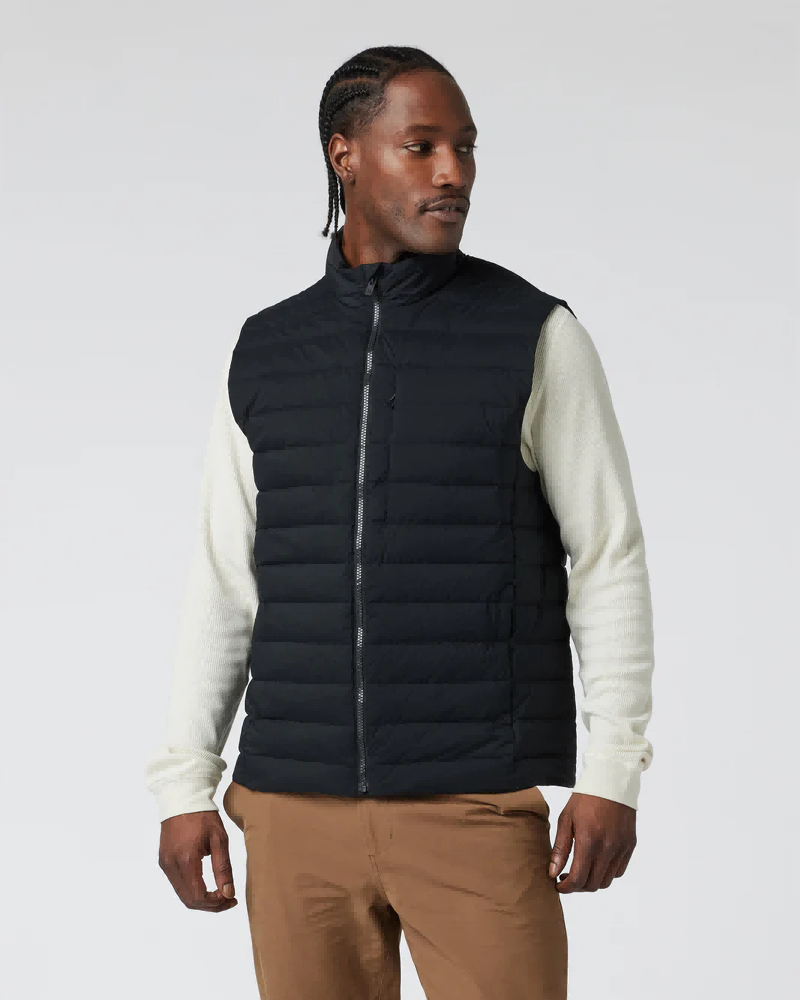
Polyester Ripstop Shell
50D ripstop weave features a grid-reinforced structure that stops tear propagation on contact. Matte finish and featherlight weight make it a go-to choice for technical streetwear puffer vests needing rugged abrasion resistance.
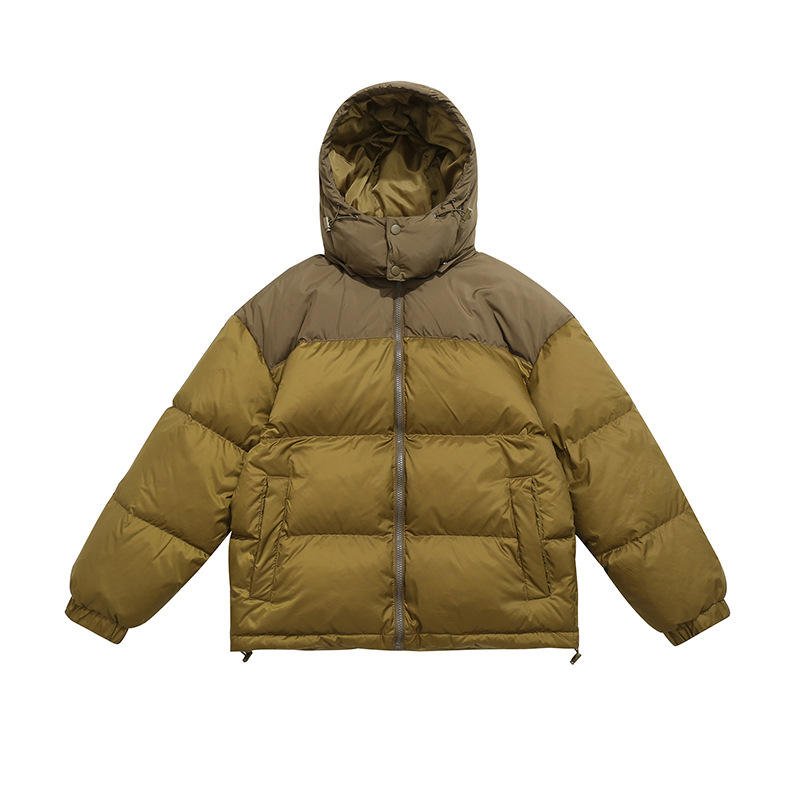
Recycled Polyester Shell
GRS-certified fabric made from post-consumer PET bottles matches virgin polyester in strength and hand-feel. Perfect for eco-conscious brands building puffer vest collections with measurable sustainability credentials and a reduced carbon footprint.
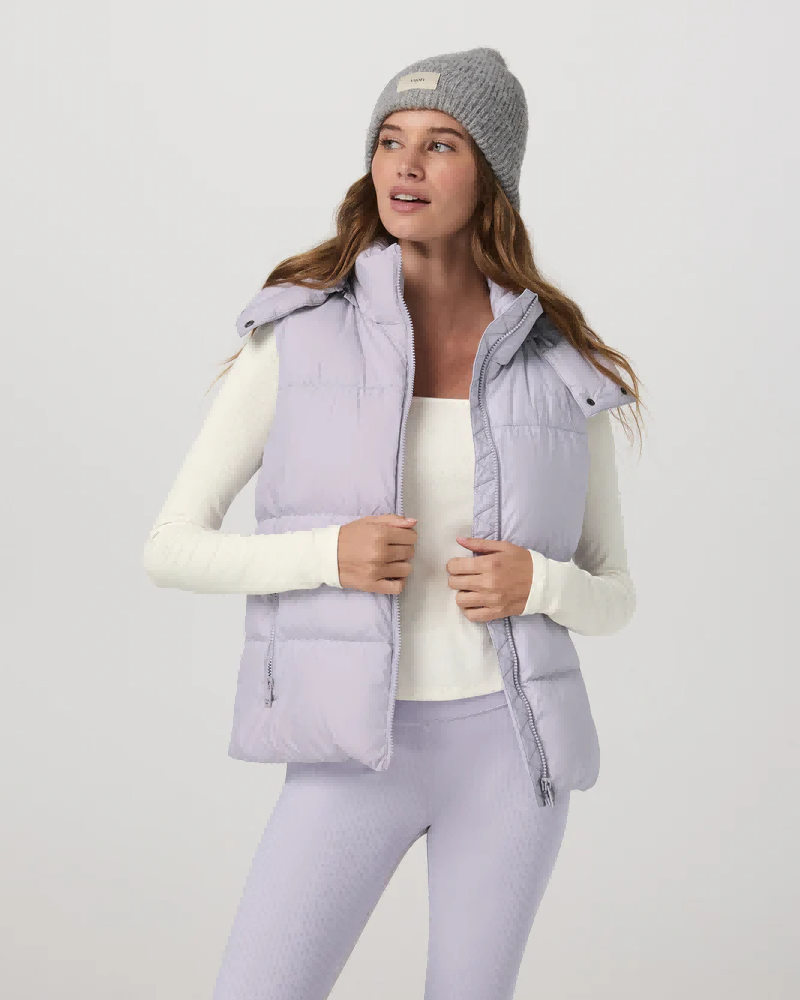
Down-Proof Taffeta
Ultra-fine 20D polyester taffeta with down-proof calendaring treatment prevents fill migration at every seam. Silky-smooth interior hand-feel makes it the preferred lining for premium down-filled and feather-insulated puffer vest styles.
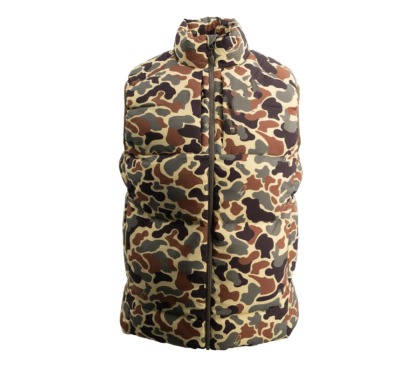
Technical Matte Shell
75D matte polyester shell offers a soft, luxe hand-feel and a low-sheen finish trending across high-end streetwear labels. Built-in DWR water-repellent treatment delivers all-season functional performance for trend-driven puffer vest collections.
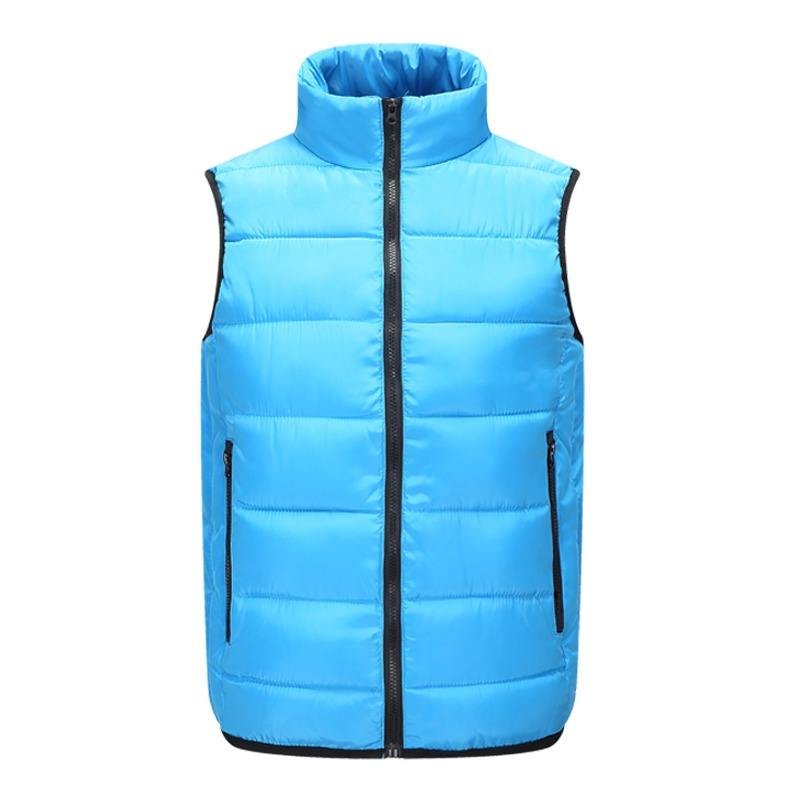
Stretch Nylon Blend
88/12 nylon-spandex four-way stretch fabric provides unrestricted mobility and a body-conforming silhouette. Designed for athletic and lifestyle puffer vests targeting active streetwear audiences who demand both performance and bold, contemporary style.
Production Techniques From Your Puffer Vest Manufacturer
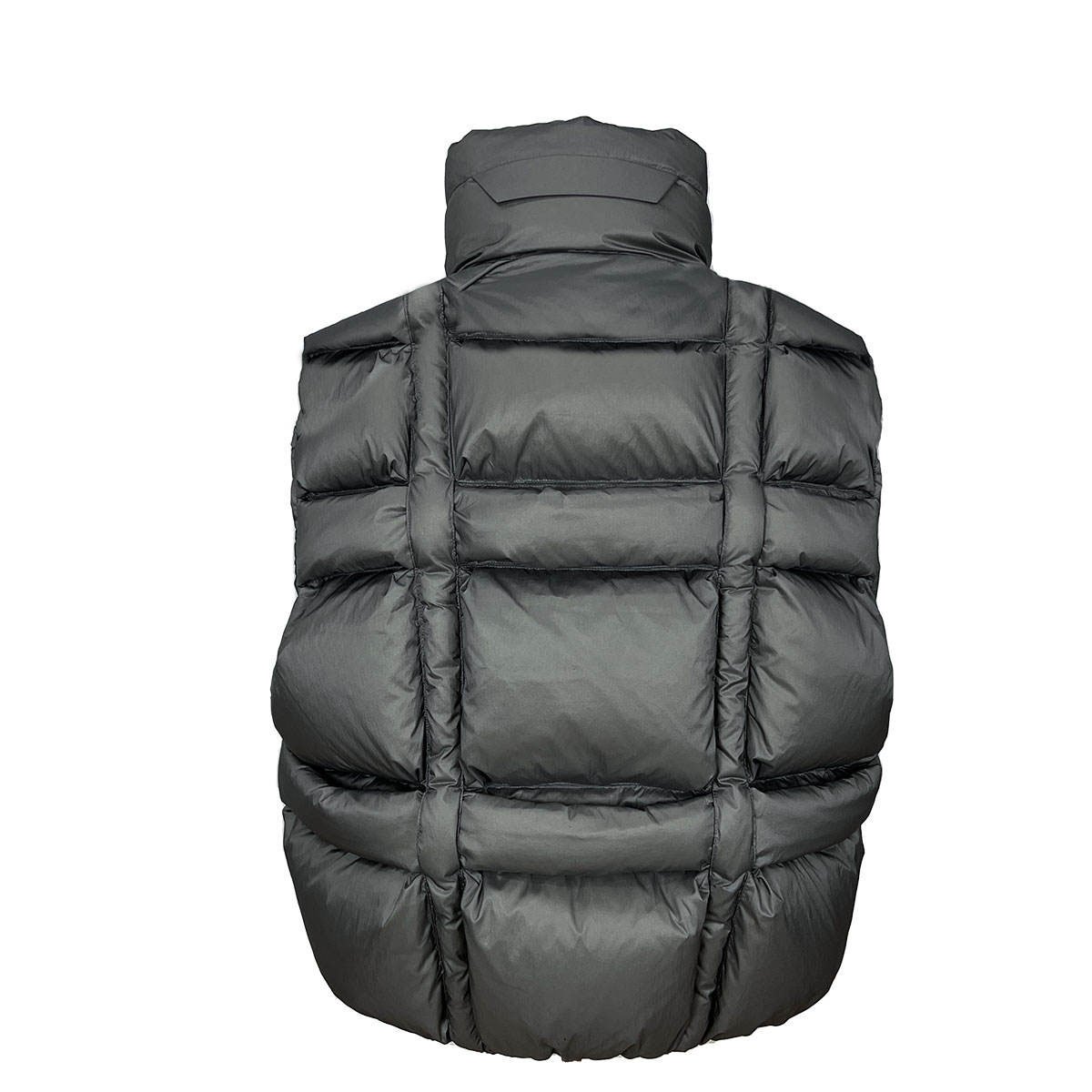
Box Quilting
The iconic grid-stitched finish that locks fill firmly in place, delivering a structured, premium silhouette. Ideal for streetwear puffer vests demanding crisp geometric patterns and consistent insulation retention wash after wash.
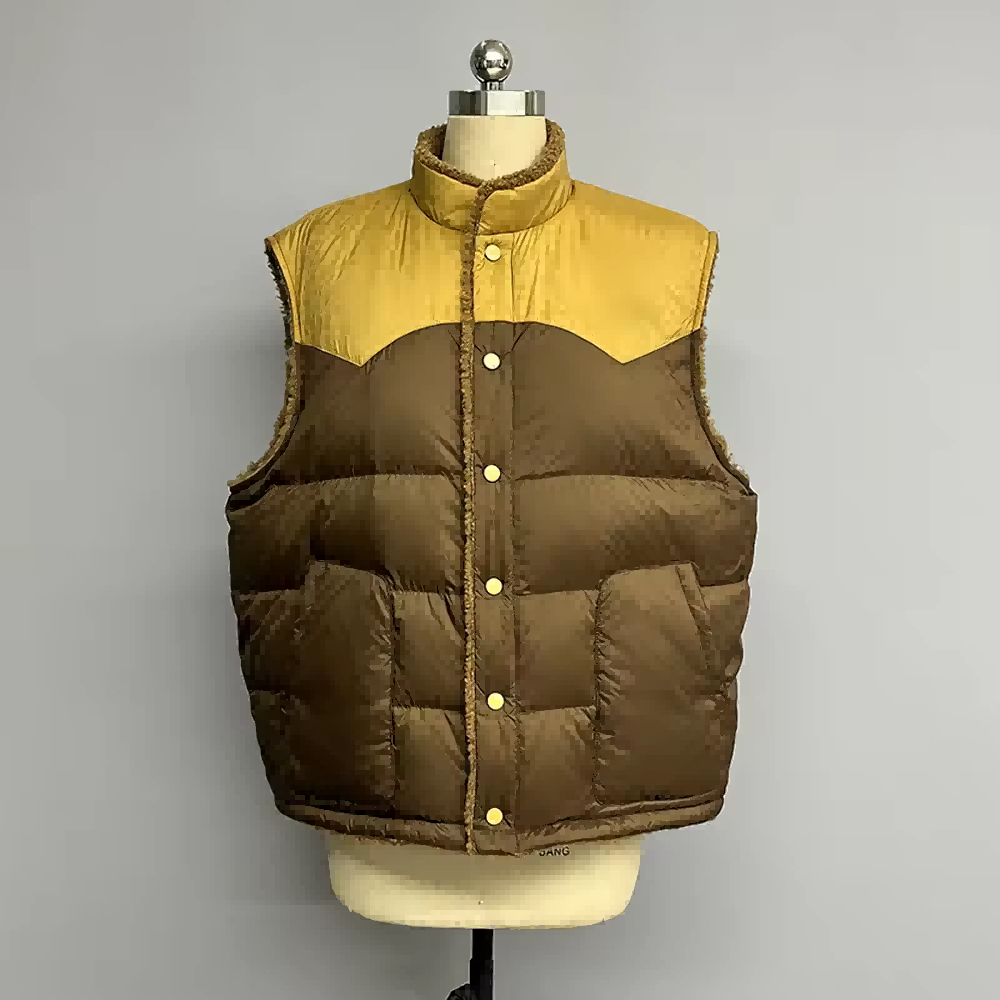
Channel Quilting
Parallel vertical or horizontal channels distribute fill evenly across panels for a sleek, elongated look. Maximizes thermal performance while giving puffer vests a clean, modern profile favored by trend-driven streetwear labels.
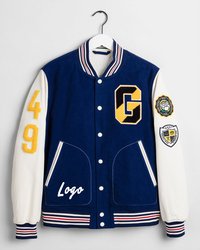
Embroidery Application
Raised thread-based decoration stitches logos, streetwear motifs, and graphic elements directly onto fabric. Produces tactile, long-lasting branding that withstands repeated washing without cracking, fading, or any loss of definition.
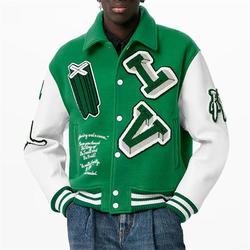
Screen Printing
High-opacity ink forced through precision mesh screens creates bold, flat graphic prints on panels. Perfect for large-format streetwear artwork, color-blocked designs, and signature chest or back graphics on finished vests.
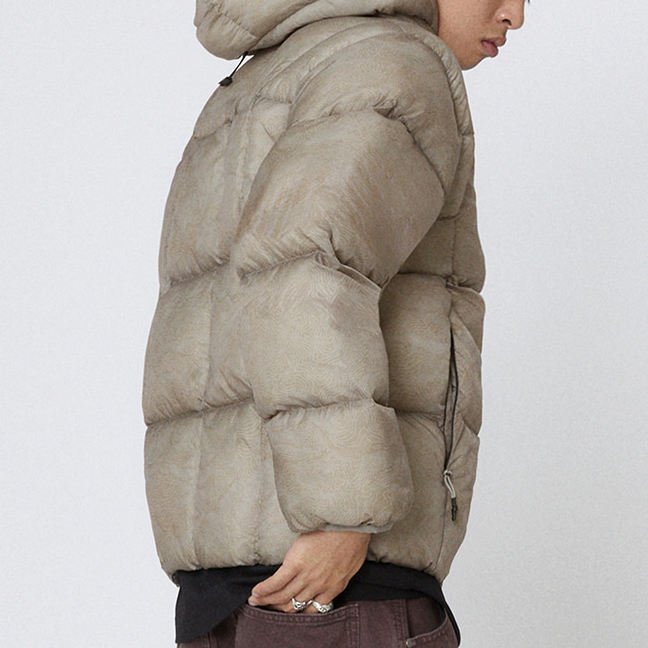
Sublimation Printing
A dye-infused heat process permanently embeds full-color photographic artwork into fabric fibers. Enables limitless gradient and all-over pattern options without adding weight, surface texture, or any risk of ink peeling.
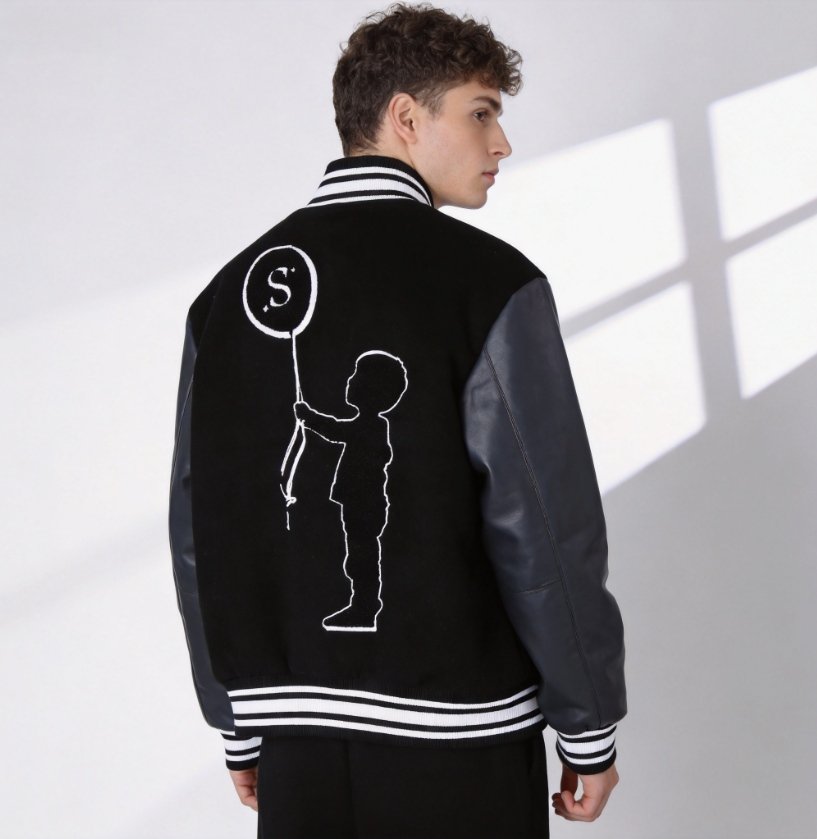
Woven Label Application
Custom woven labels, heat-transfer tags, and rubberized patches applied with precision at every designated point. Covers neck labels, hem tags, sleeve logos, and interior care instructions to deliver complete brand authenticity.
Premium Hardware & Finishing Accessories for Your Puffer Vest
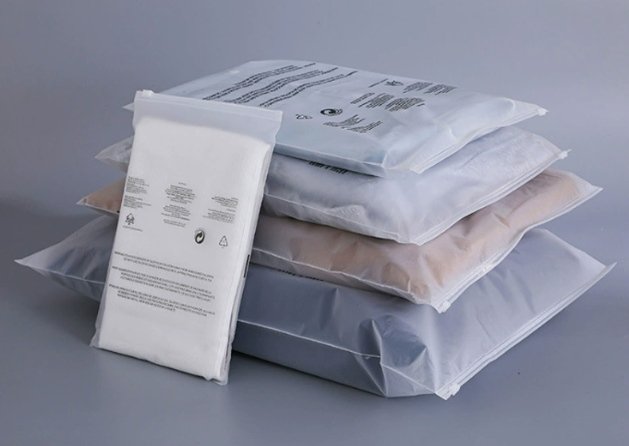
YKK Zippers
Premium YKK zippers deliver smooth, reliable operation on front plackets and zippered pockets. Sourced from the world’s leading zipper manufacturer, they signal quality at every touch point on your puffer vest.
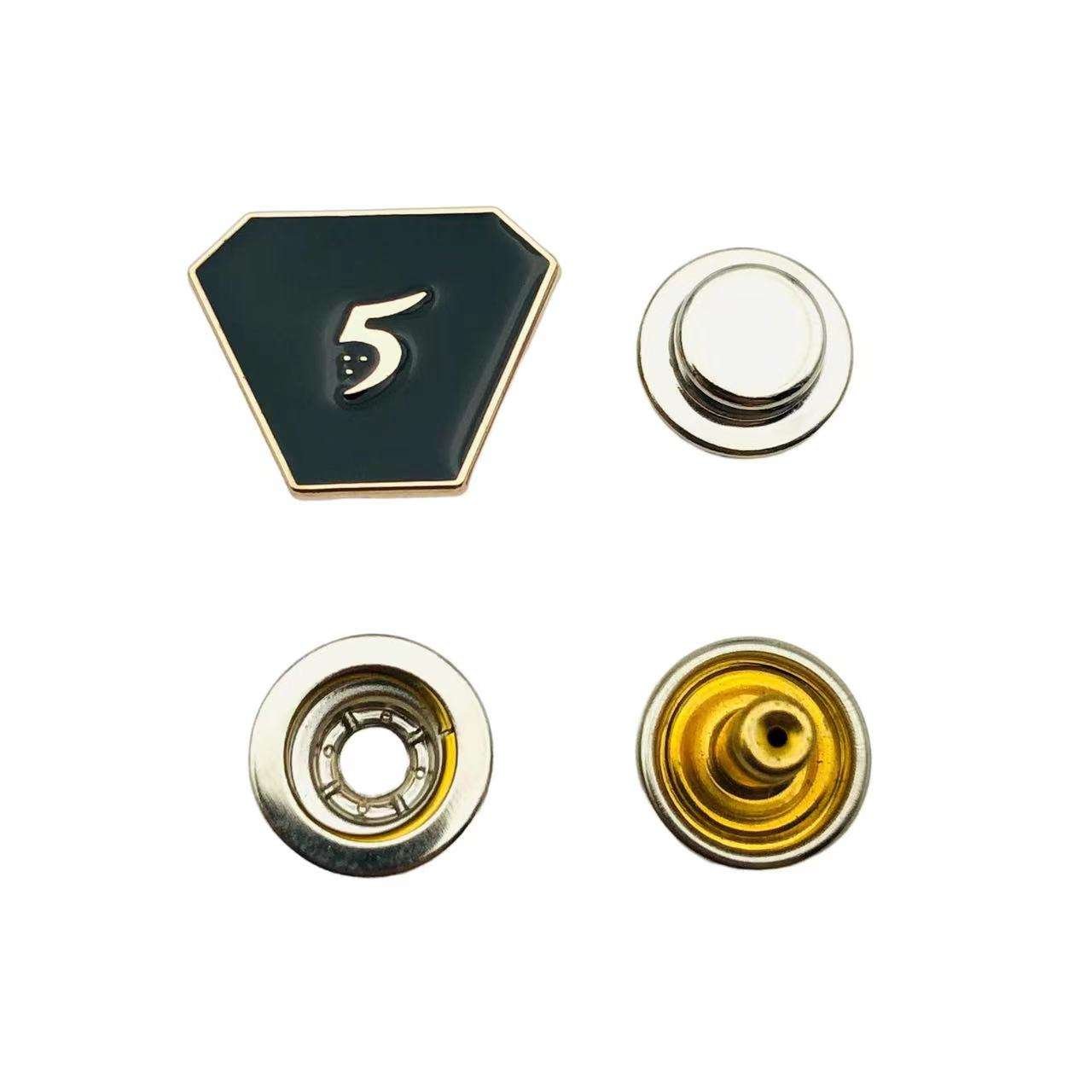
Snap Buttons
Metal snap buttons add a refined, utilitarian edge to pocket flaps and adjustable hem tabs. Available in matte, polished, or antique finishes to complement your brand’s streetwear aesthetic perfectly.
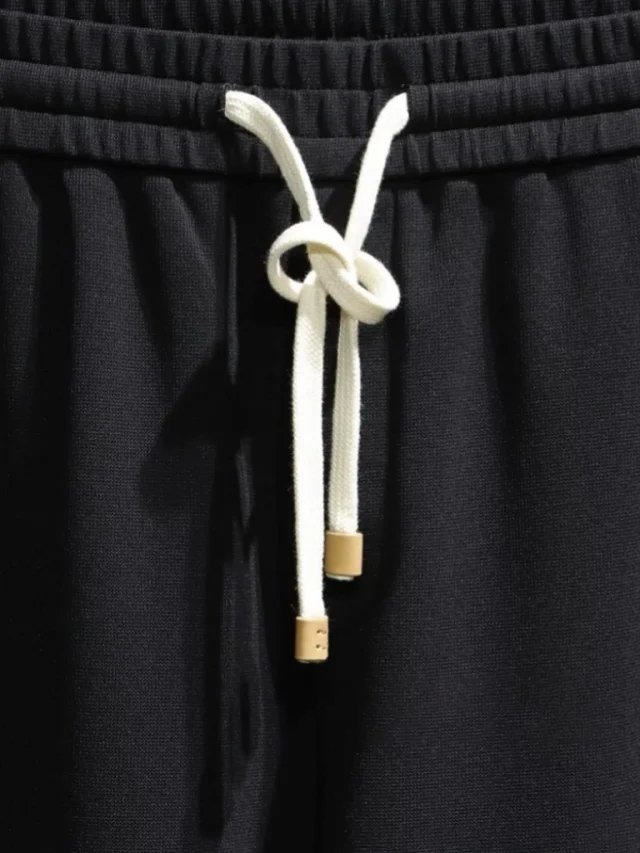
Drawcord & Tipping
Woven or cord drawcords with custom metal or plastic tipping keep hem fit adjustable and on-brand. Matched to your colorway, they elevate the silhouette of every finished puffer vest.
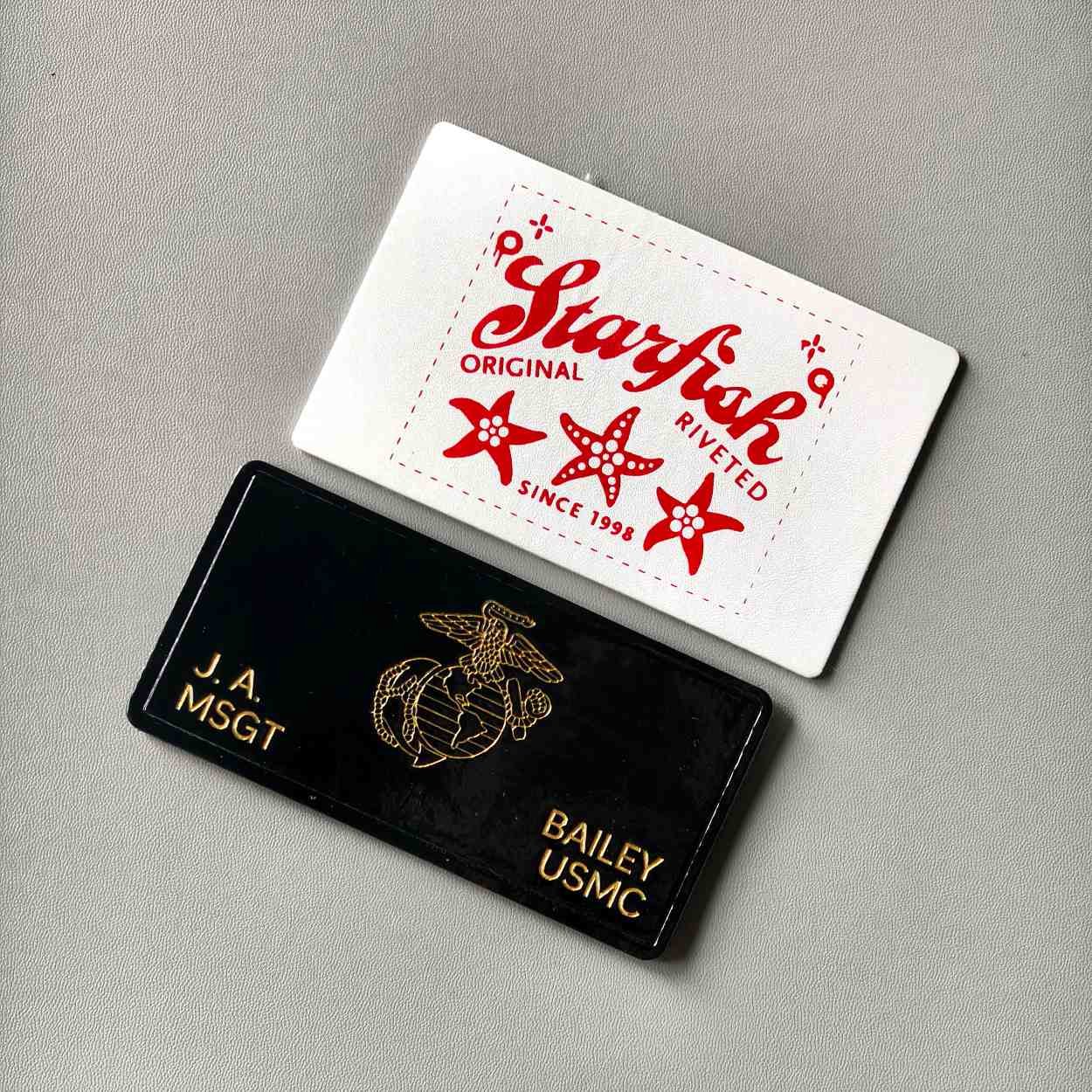
Woven Brand Labels
Custom woven labels sewn at the neck or side seam anchor your brand identity inside every garment. Intricate logos, wordmarks, and tone-on-tone weaves are all achievable at low MOQ.
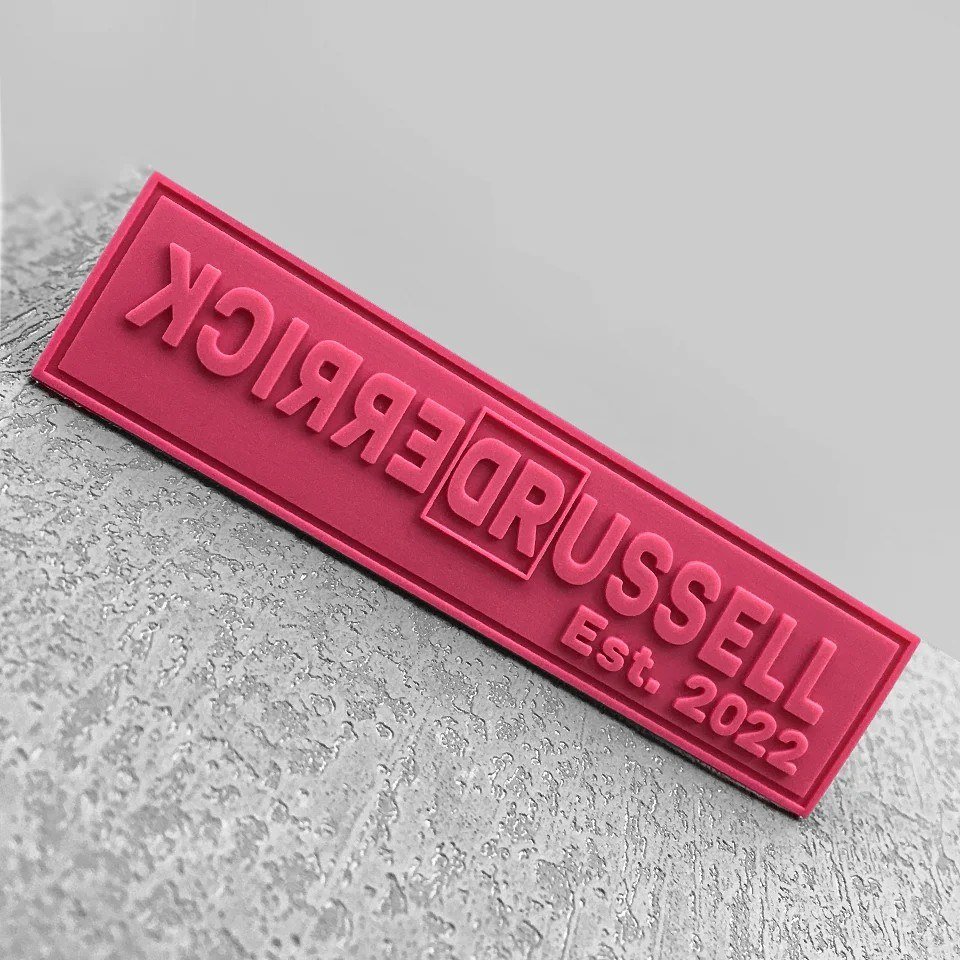
Branded Hangtags
Printed or die-cut hangtags display your logo, story, and pricing at point of sale. Attached with custom string or zip ties, they complete the unboxing experience for customers worldwide.
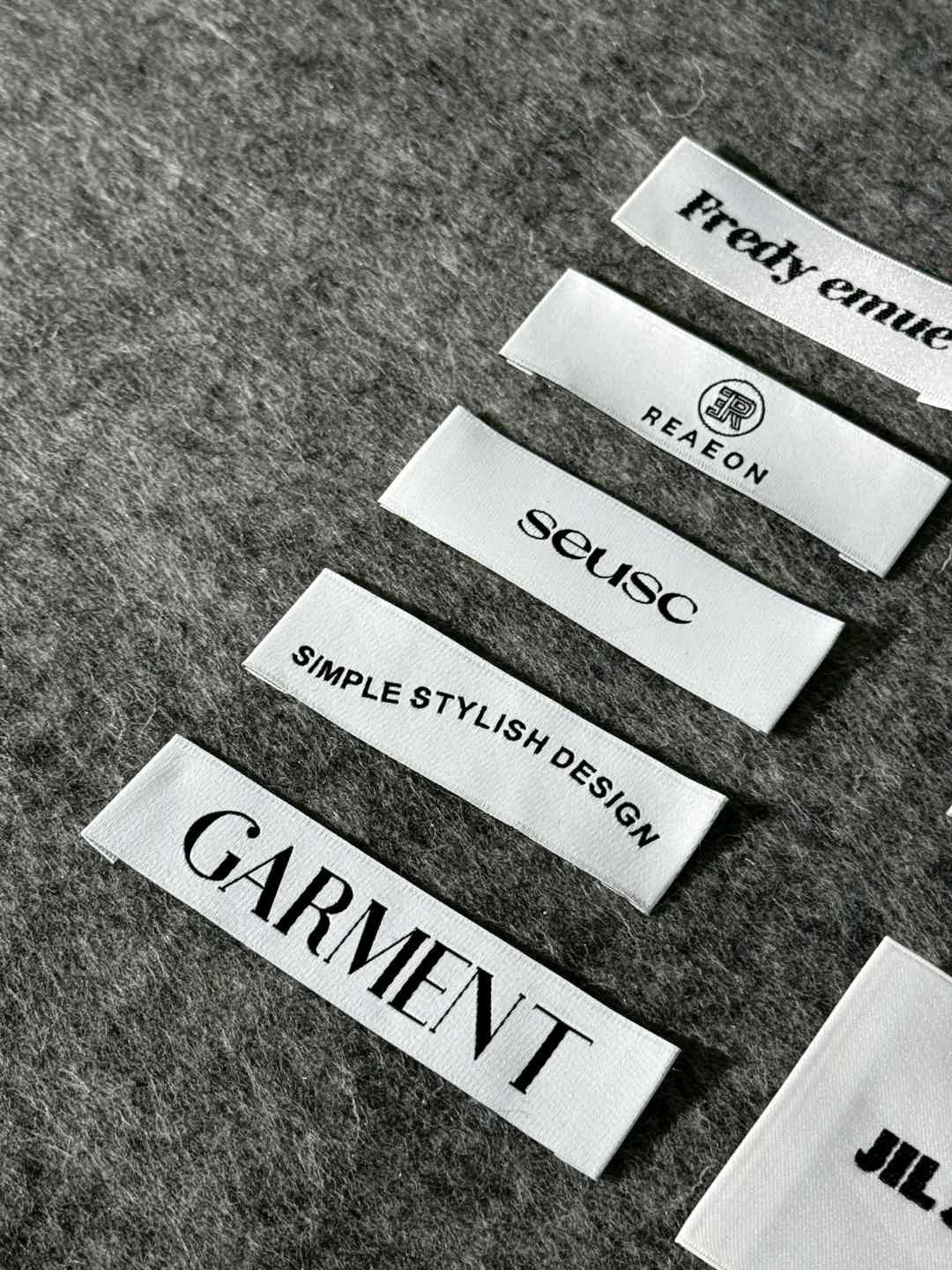
Care Labels
Printed or woven care labels ensure global compliance with fabric composition and washing instructions. Required in every market, they are sized, placed, and produced to match your exact brand standards.
Puffer Vest Manufacturer Built on Quality & Trust
Founded in 2024 by Tesla Luo — a second-generation garment industry veteran with over 10 years of manufacturing experience and 6 years focused exclusively on streetwear — Clothing Manufacturer Ltd. was built to fix a problem Luo witnessed firsthand: factories shipping orders with zero mid-production quality checks. Our founding mission is simple: restore global trust in Chinese apparel manufacturing through hard work, transparency, and uncompromising standards.
Based in Humen Town, Dongguan — the historic heartland of China’s garment industry — we operate with the agility of a dedicated streetwear specialist and the production capacity of our established parent company, Dongguan TuoZhen Clothing Co., Ltd. Our 15-person R&D team, 10 production patents, and battle-tested manufacturing infrastructure give brands at every stage the consistency and scalability to grow, with clients across more than 100 countries and regions worldwide.
What truly distinguishes us as a puffer vest manufacturer is our proprietary 5-step QC process, which embeds quality checks at the materials, cutting, craftsmanship, sewing, and finished goods stages — not as an afterthought at the end. Pair that with low MOQ options for emerging brands, an in-house design and sampling team, fast seasonal turnarounds, and full global logistics support, and you have a production partner built to grow with you.
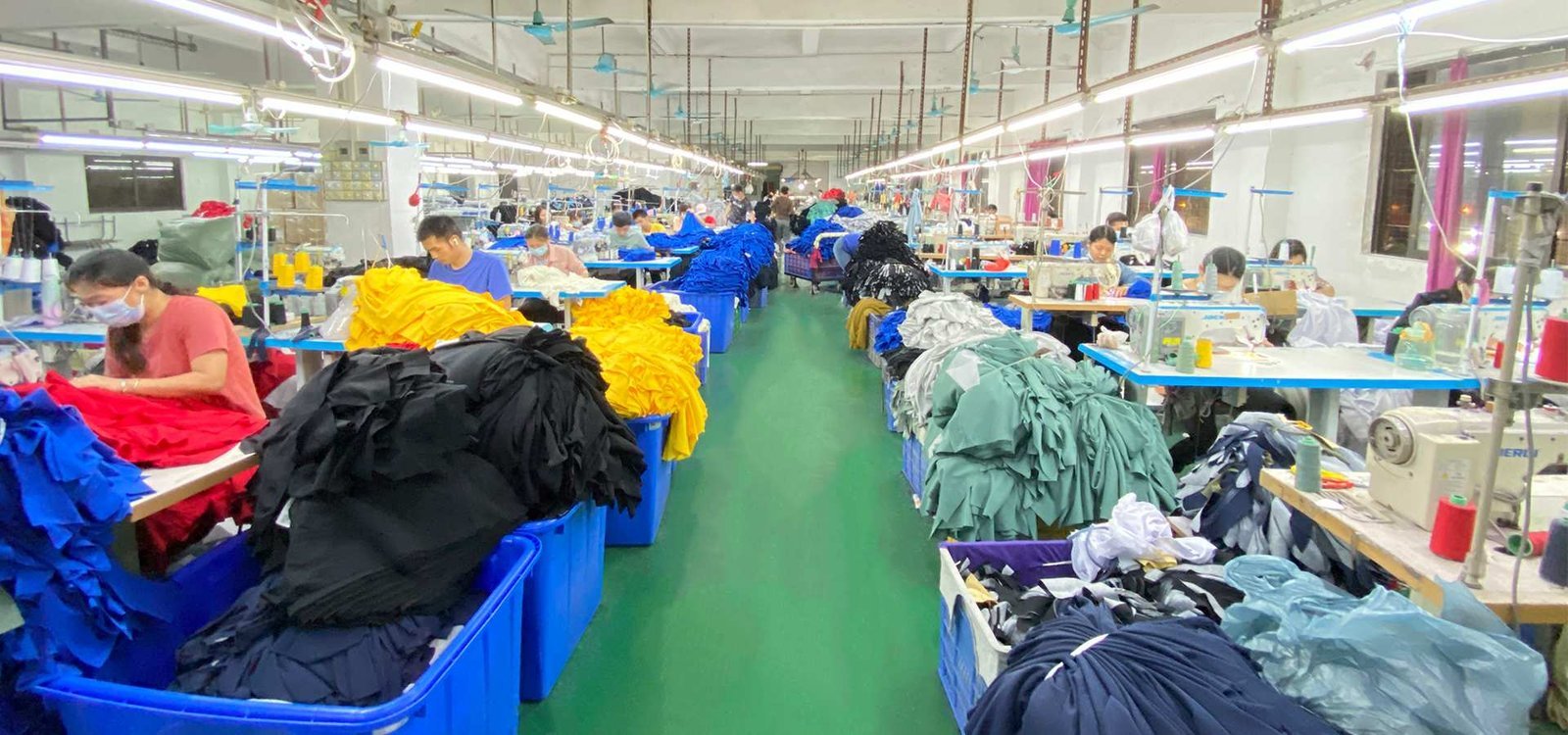
The 5-Step QC Guarantee From Your Puffer Vest Manufacturer
5 Checkpoints Built Into Every Production Order
Most factories inspect only at the finish line. We inspect at every milestone. Our five-stage QC framework covers materials, cutting, craft, sewing, and final inspection — catching defects before they compound across your entire bulk run.
- Materials QC: fabric weight, fill power, and hardware verified before a single panel is cut
- Cutting QC: panel dimensions and pattern accuracy cross-checked against your approved spec sheet
- Craft QC: construction method and design details reviewed at the mid-production stage
- Sewing QC: stitch density, seam integrity, and baffle alignment confirmed in real time on the line
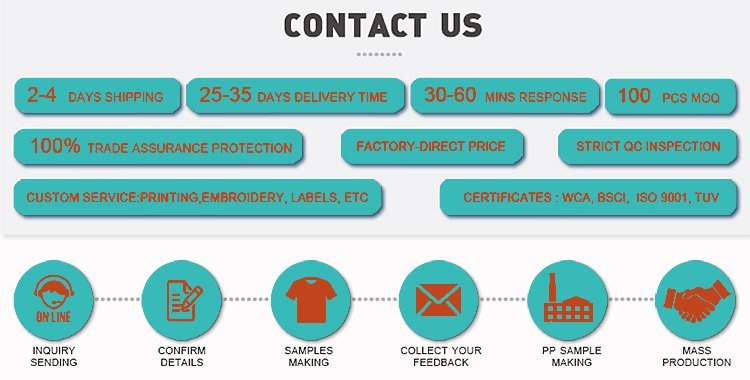
Early Detection Stops Bulk Disasters Before They Scale
A defect caught at the materials stage costs minutes to correct. The same defect found in finished goods costs thousands in rework, delayed launches, and customer returns. In-line quality control is the only reliable safeguard for your brand.
- Fabric flaws flagged before cutting eliminates the risk of a total-order loss
- Mid-production checks stop compounding errors from spreading across hundreds of finished units
- Documented QC reports issued at every stage give you full, transparent production visibility
- Final finished-clothing inspection confirms every piece matches your approved pre-production sample exactly

Precision QC Targeting Puffer Vest Failure Points
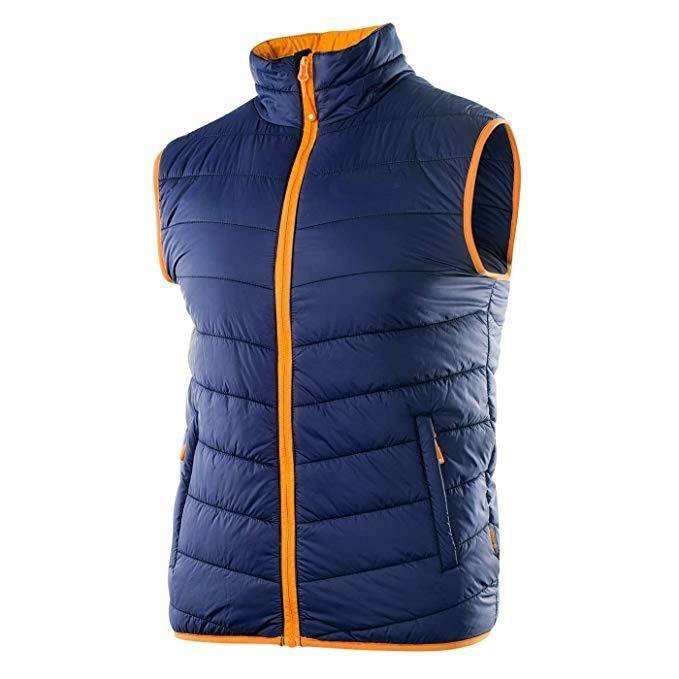
Puffer vests carry unique construction risks — uneven fill distribution, misaligned baffles, and failing hardware top the defect list. Our craft and sewing QC stages specifically target these failure zones so none of them reach your customer.
- Fill weight and chamber distribution verified during craft QC to guarantee consistent warmth across every unit
- Baffle stitch lines and panel seams inspected for even tension, alignment, and uniform spacing
- Zipper pulls, snaps, and drawcord hardware stress-tested before final packaging
- Shell and lining colorfastness assessed in advance to prevent post-delivery fading complaints
QC Transparency Your Brand Can Show Customers
We document every QC stage with written reports and photographic records. Whether you are a startup launching your debut collection or a scaling streetwear label managing seasonal drops, our records give you the proof of quality your buyers demand.
- Stage-by-stage QC documentation provided for every production run, not just spot checks
- Pre-shipment inspection reports available to share directly with your retail or wholesale buyers
- 15-person R&D team and 10 production patents underpin every quality standard we enforce
- Low MOQ structure means emerging brands get the same rigorous QC as high-volume orders
Puffer Vest Manufacturer Comparison: Us vs. Traditional Suppliers
Not all manufacturers are equal. See the concrete differences that protect your brand, your budget, and your launch timeline.
← 左右滑动查看 →
From Order to Delivery — How Your Puffer Vest Gets Made
Every order follows the same disciplined six-phase workflow, so you get full process visibility and a predictable timeline from first brief to warehouse arrival.
Tech Pack Review & Sample
We audit your tech pack, lock specifications, and produce a pre-production sample for your sign-off before any bulk manufacturing begins.
Material Sourcing & QC
Premium puffer vest fabrics, insulation fill, and hardware are sourced and cleared through Step 1 materials QC testing before production starts.
Precision Cutting & Marking
Panels are digitally graded and precision-cut to pattern; Step 2 cutting QC testing confirms accurate sizing across every size run.
Production & In-Line QC
Sewing lines run with Step 3 craft QC and Step 4 sewing QC checks applied continuously, catching defects before they can compound.
Final Inspection & Packing
Every finished vest clears Step 5 finished-goods inspection — measurements, stitching, and branding verified — then poly-bagged and carton-packed to spec.
Dispatch & Global Shipping
Cartons ship via sea, air, or express with full tracking, commercial invoices, and customs documentation coordinated by our logistics support team.
How to Order from Your Puffer Vest Manufacturer
Five clear steps take you from first brief to bulk delivery — with full transparency, in-house sampling, and our 5-step QC built in at every stage.
Submit Your Tech Pack and Design
Share your design files, colorways, fabric references, and size specs. Our in-house design team reviews every detail and follows up within one business day.
Receive Your Quote and Order a Sample
Get a clear, itemized quote matched to your MOQ and timeline. Order a development sample to verify fit, fabric hand-feel, and craftsmanship before any bulk commitment.
Approve the Sample and Place Your Order
Review your physical sample and request refinements at no extra cost. Once satisfied, confirm your bulk purchase order and lock in your agreed production schedule.
Enter Production with 5-Step QC Checkpoints
Your puffer vests move through materials, cutting, craft, sewing, and finished-goods inspections — defects caught early, not discovered after packing. Zero-compromise quality, every unit.
Receive Global Delivery with Full Support
Your order ships worldwide with tracking, customs documentation, and logistics coordination handled by our team — direct to your warehouse or fulfillment center on schedule.
Industry Certifications Backing Every Puffer Vest Manufacturer Standard
What Our Brand Customers Say About Their Puffer Vest Manufacturer
We launched a 500-unit puffer vest drop in just 42 days with zero returns on our first run. After two failed supplier relationships, Clothing Manufacturer Ltd.’s 5-step QC process finally gave us the consistency our customers actually expect.
Our sample rejection rate dropped by 90% compared to our previous factory. Three revision rounds, every detail executed perfectly. For an indie designer working with tight margins, that level of precision combined with low MOQ flexibility is genuinely a game-changer.
We validated 4 colorway samples before committing to an 800-unit bulk order. Turnaround was fast, communication was fully transparent, and we sold out in under 2 weeks. Hands-down the best puffer vest manufacturer we have ever partnered with.
Puffer Vest Manufacturer FAQs
Straight answers to the questions every brand, startup, and designer asks before placing their first order — no runaround, no fine print surprises.
What is the minimum order quantity (MOQ) for your puffer vest manufacturer services?
How do I know you are an experienced puffer vest manufacturer for streetwear brands?
Do you offer samples before I commit to a bulk order?
How long does it take to receive a sample from your factory?
What payment terms do you accept for bulk production orders?
Can you handle rush orders for time-sensitive seasonal collections?
How does a responsible puffer vest manufacturer protect my design files and intellectual property?
What is your defect and return policy if something goes wrong with my order?
Which puffer vest manufacturer is the best fit for influencer and creator brands?
The Complete Buyer’s Guide to Choosing a Puffer Vest Manufacturer
Discover how to evaluate any puffer vest manufacturer with confidence — from fabric specs and fill power to MOQ tiers, customization options, quality checkpoints, and the sourcing mistakes that cost brands time and money.
1. What Is a Puffer Vest Manufacturer and Why It Matters
A puffer vest moves through at least six distinct production stages — shell cutting, lining preparation, baffle channel stitching, fill insertion (down or synthetic), channel sealing, and finishing — each requiring specialized equipment and trained operators. Errors at any single stage, such as uneven baffle spacing or incomplete channel sealing, create cold spots and visible defects that customers return and brands cannot resell.
Three supplier types serve this market, and the differences in cost, accountability, and capability are significant. Trading companies source from multiple factories and add a 20–40% markup without controlling production; CMT (Cut, Make, Trim) factories execute your patterns but supply nothing — no fill, no hardware, no finishing; full-package OEM/ODM puffer vest manufacturers handle the entire chain from fabric sourcing and fill specification (measured in fill power, typically 550–800+ FP for down) to pattern development, sewing, and final QC inspection.
Fill insertion accuracy — typically 80–150 g per panel — requires calibrated fill chambers that most general garment factories do not own. Baffling demands programmable stitching machines, and down handling requires OEKO-TEX or RDS-certified supply chains to satisfy EU and US import compliance. Choosing a specialist puffer vest manufacturer over a generic CMT vendor cuts defect rates, protects brand reputation, and preserves margins by eliminating costly late-stage rework.
| Supplier Type | Scope | Typical Markup | Best For |
|---|---|---|---|
| Trading Company | Sources from third-party factories | 20–40% | Off-shelf commodity orders |
| CMT Factory | Cuts, makes, trims — buyer supplies all materials | Low cut-make fee | Brands with in-house sourcing |
| Full-Package OEM/ODM | Design, sourcing, fill, sewing, QC | 0% on materials | End-to-end brand production |
2. A Brief History of the Puffer Vest in Fashion and Function
In 1936, Eddie Bauer patented the first quilted down jacket in the United States, laying the technical foundation for the puffer silhouette. The sleeveless vest variant emerged shortly after as alpine climbers prioritized core warmth without restricting arm mobility on technical ascents.
By the 1970s and 1980s, brands like REI and The North Face standardized the puffer vest as performance outerwear, engineering baffled chambers to maximize down fill power — rated 550 to 800-plus — while keeping pack weight minimal. This outdoor-performance chapter locked in the vest’s functional DNA: channel-stitch construction, YKK zippers, and DWR-coated nylon shells built to precise GSM specifications.
The cultural pivot came in two waves. Hip-hop artists adopted oversized puffer vests in the early 1990s as street-credible statement pieces, converting a utility garment into a status symbol embraced by skate and graffiti communities alike. Then the 2010s athleisure boom and the 2020s sustainability shift — driven by recycled-PET fill alternatives and OEKO-TEX certified shells — pushed the puffer vest onto high-fashion runways and into direct-to-consumer streetwear drops.
This evolution carries direct sourcing implications for any buyer evaluating a puffer vest manufacturer. A heritage-outdoor aesthetic demands higher fill power, taped seams, and technical trims, while a hip-hop-inflected streetwear drop calls for oversized patterning, bold Pantone-matched colorways, and custom embroidery or screen-print finishing. Knowing which chapter of the vest’s history your brand inhabits lets you filter manufacturers by the exact capabilities — and quality checkpoints — your aesthetic actually requires.
3. Types of Puffer Vests Every Buyer Should Know
Not every puffer vest serves the same customer or channel. When briefing a puffer vest manufacturer, knowing these six categories — and their fill, shell weight, and price positioning — prevents costly specification errors.
| Type | Typical Fill | Shell Weight | Retail Price Band |
|---|---|---|---|
| Classic Baffle-Quilt Down | 600–800 FP goose or duck down | 40–70gsm nylon | $80–$180 |
| Channel-Stitch Synthetic | 100g polyester (PrimaLoft-type) | 50–80gsm polyester | $50–$120 |
| Packable Ultralight | 800+ FP down or 60g synthetic | 20–30gsm ripstop nylon | $100–$220 |
| Oversized Streetwear | 200–300g polyester slab fill | 70–100gsm nylon or twill | $60–$150 |
| Hybrid Softshell-Puffer | 80–120g synthetic baffles | 200–300gsm bonded softshell | $90–$200 |
| Heated/Tech-Integrated | Carbon-fiber heating panels | 100–150gsm shell | $150–$400 |
Classic Down and Synthetic Fill Vests

Classic baffle-quilt vests use 600–800 fill-power down for premium thermal-to-weight ratios, targeting outdoor and lifestyle retail.
Channel-stitch synthetics use 100g polyester fill and tolerate wet conditions, making them better suited for active or budget-focused lines.
Packable Ultralight and Oversized Silhouettes
Packable vests compress to fist-size using 800+ FP down in 20–30gsm ripstop shells, retailing from $100–$220.
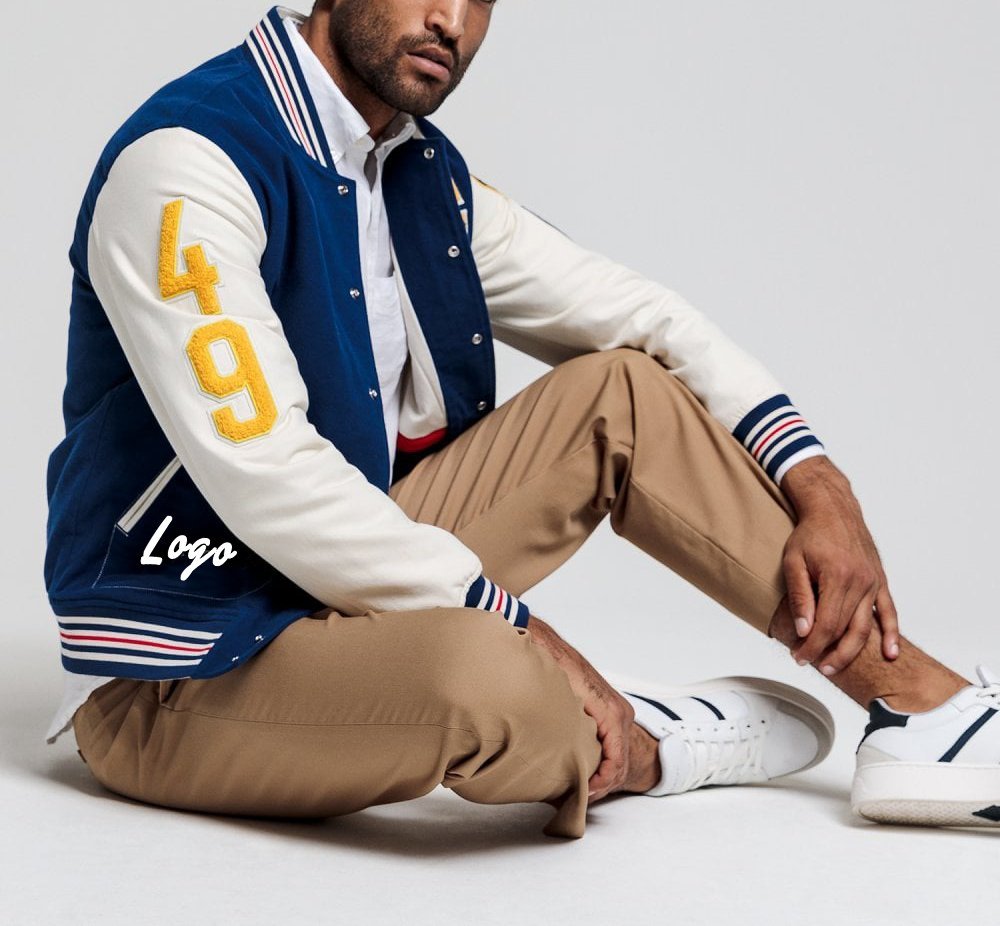
Oversized streetwear silhouettes run in 200–300g polyester fill with heavier 70–100gsm shells, built for a bold drop-shoulder aesthetic.
Hybrid Softshell and Heated Vest Styles
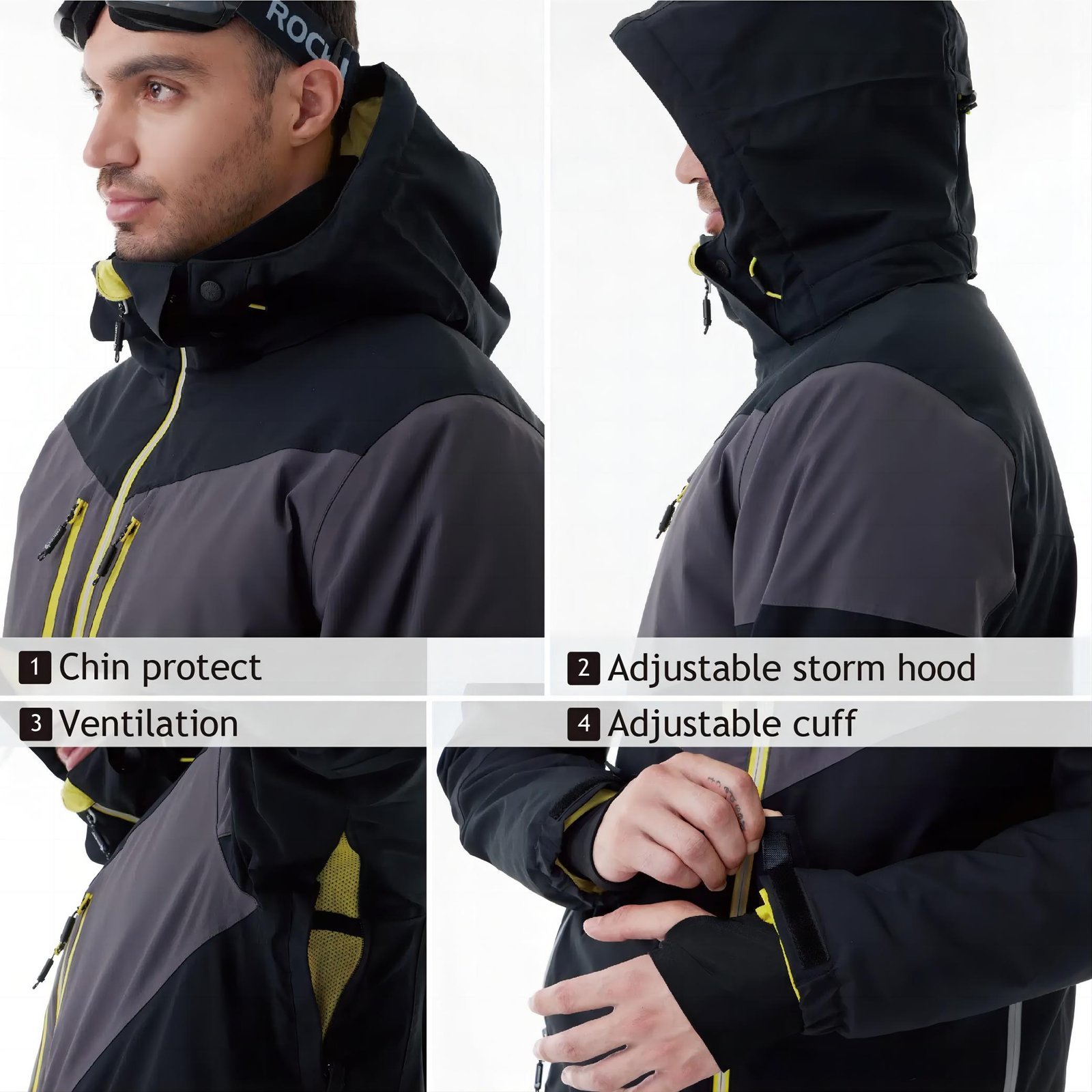
Hybrid softshell-puffer vests bond 200–300gsm softshell panels to quilted baffles, suited for technical outdoor and workwear crossover markets.
Heated vests embed carbon-fiber or graphene heating elements with USB-C power input, commanding $150–$400 retail and targeting tech-forward consumers.
4. Materials and Fabrics Used by Puffer Vest Manufacturers
Every puffer vest manufacturer controls two material axes: shell fabric and fill type. Together, these choices determine warmth-to-weight ratio, care requirements, price tier, and sustainability credentials before a single panel is cut.
| Fill Type | Warmth Rating | Vegan-Friendly | Typical Cost Uplift |
|---|---|---|---|
| White Duck Down | High (600–700 FP) | No | Baseline |
| Grey Goose Down | Very High (800–900 FP) | No | +20–30% |
| PrimaLoft | High | Yes | +15–25% |
| Thinsulate | Medium-High | Yes | +10–20% |
| Recycled Polyester Fiberfill | Medium | Yes | +0–5% |
Shell Fabric Options and GSM Specs
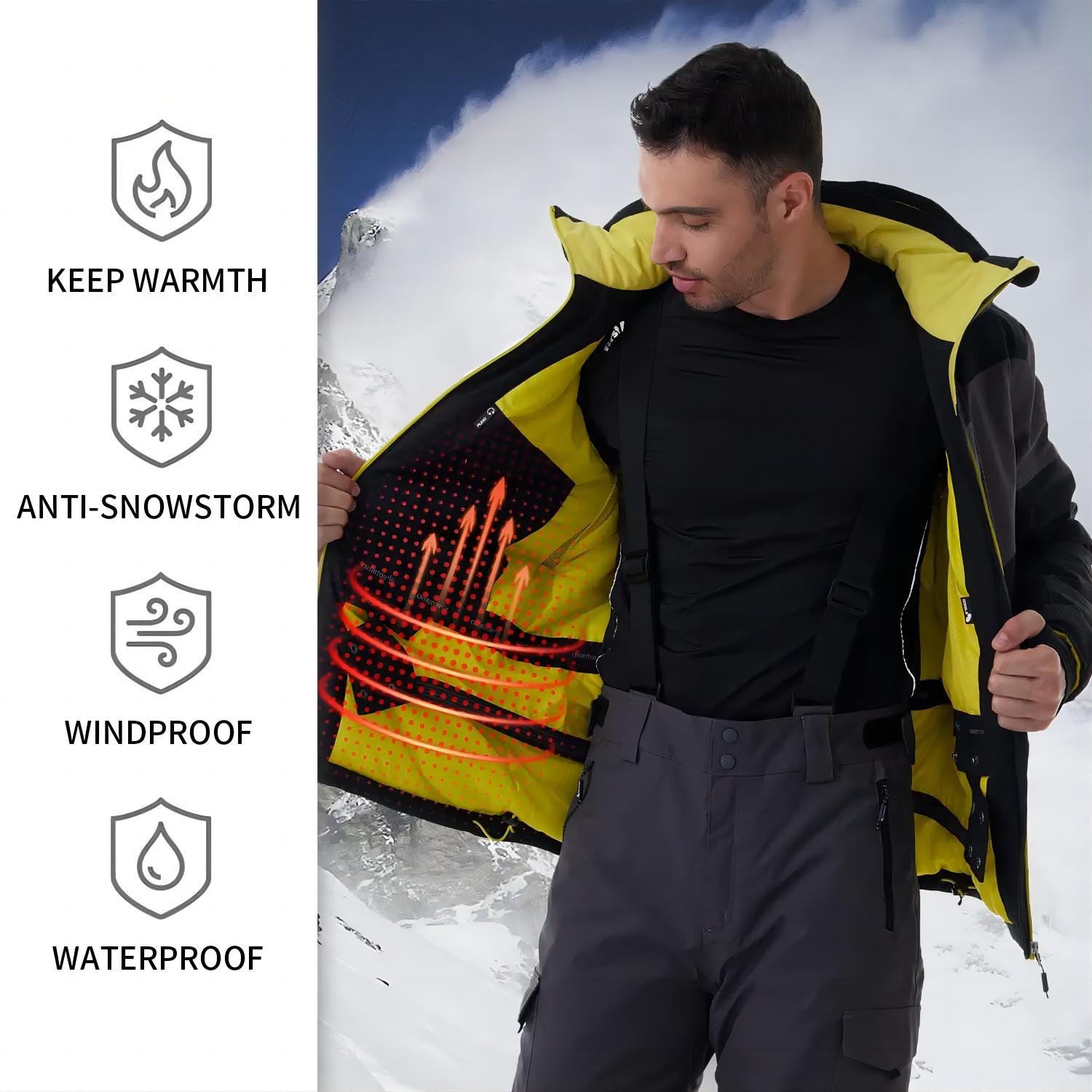
Nylon ripstop (40–70 GSM) offers superior tear resistance and is the default shell for technical streetwear styles. Polyester taffeta (50–80 GSM) costs less and dyes easily, making it the volume workhorse. Recycled PET shells carry OEKO-TEX or GRS certification and command a 10–15% premium over virgin polyester.
- Waxed cotton (200–300 GSM): water-repellent heritage aesthetic, hand-wash only
- Fleece-bonded shells: built-in surface texture, no separate liner needed, adds 80–120 GSM to panel weight
Fill Types, Warmth Ratings, and Care
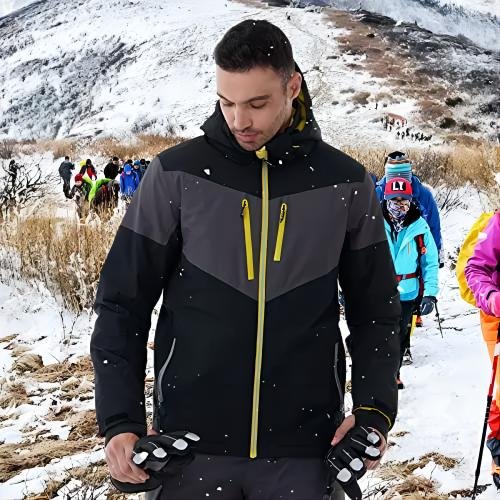
White duck down (600–700 fill power) delivers the best warmth-to-weight ratio among natural fills; grey goose down reaches 800–900 fill power at a 20–30% cost premium and requires professional dry-cleaning. Synthetic fills — PrimaLoft, Thinsulate, and recycled polyester fiberfill — retain loft when wet, machine-wash safely, and satisfy vegan sourcing policies.
5. Customization Options Offered by a Puffer Vest Manufacturer
A puffer vest manufacturer can adjust dozens of variables before a single stitch is sewn. Understanding which levers carry tooling fees or higher MOQs — and which are handled in-house — saves costly revisions later.
Silhouette, Length, and Collar Height
Vest length spans cropped (~24 in.) to longline (~32 in.), each needing a separate pattern block. Collar height — stand, mock neck, or notch — adds no tooling fee when derived from an existing block.
Non-standard hems such as asymmetric drop-back or elasticated drawcord add $0.50–$1.50 per unit in labor cost.
Baffling Patterns and Fill Distribution
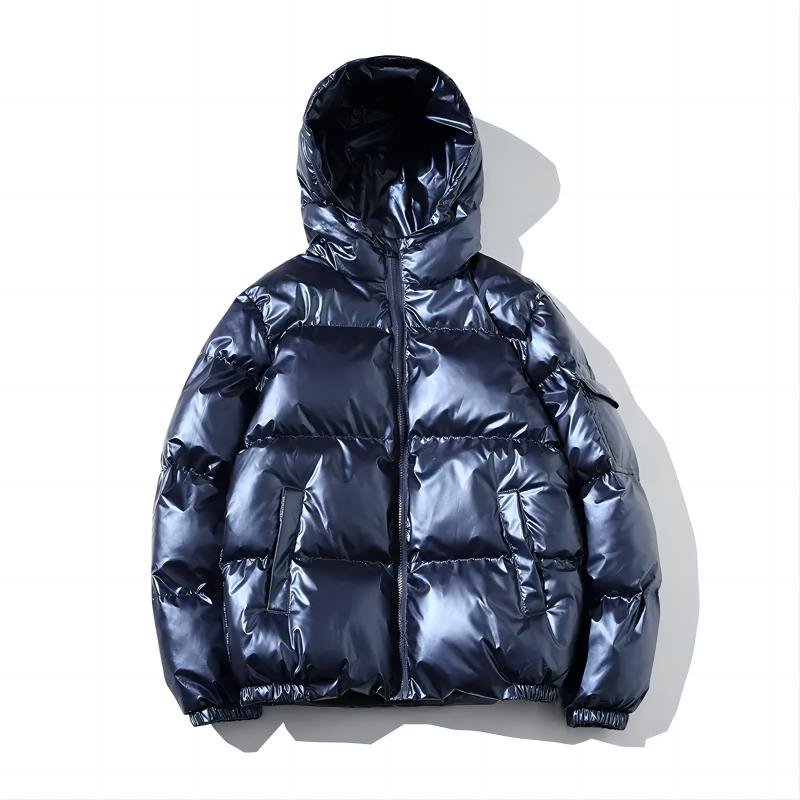
Four standard layouts — horizontal, vertical, diamond, and chevron — are sewn in-house at most factories. Diamond and chevron channels add 8–15% to per-unit cost versus a basic horizontal baffle.
Pattern changes below a 300-unit run typically trigger a $50–$150 sample or tooling fee.
Zipper Style, Color, and Pocket Layout
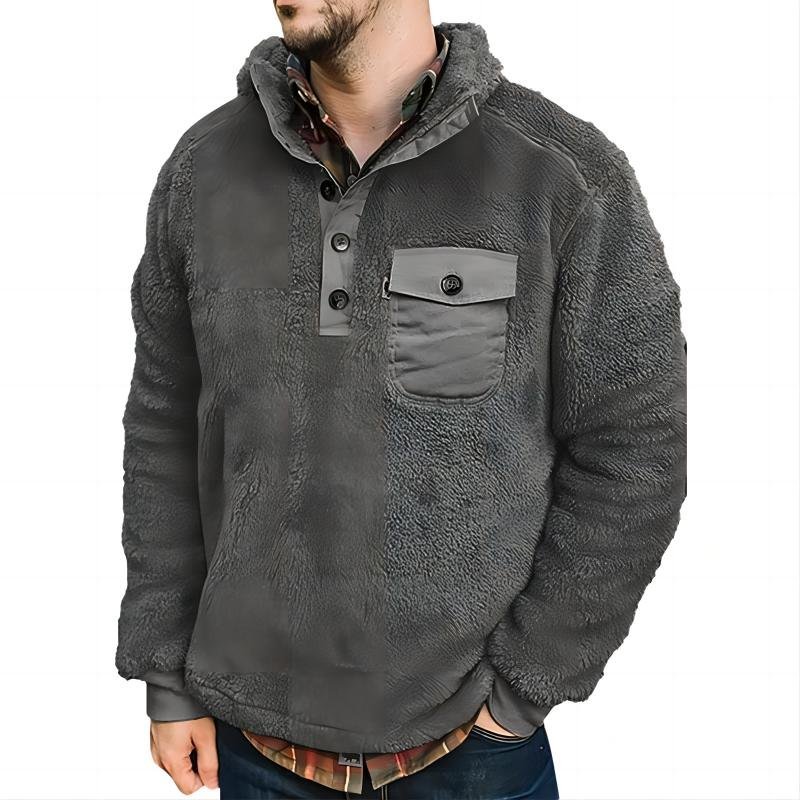
YKK or SBS coil and molded-tooth zippers are sourced from trim suppliers; custom color-matched zippers require 200+ units to justify a dye lot. Pocket configurations — chest zip, hand-warmer, interior mesh — are cut and sewn in-house above 100 units with no extra tooling charge.
Lining Prints, Embroidery, and Heat Transfers
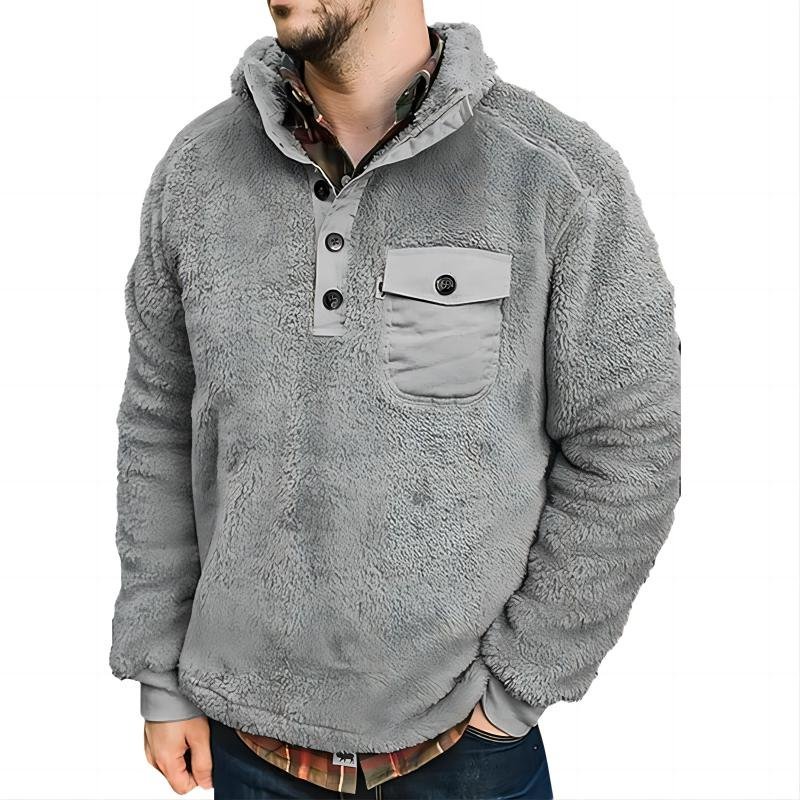
Custom allover lining prints need a 50-meter mill minimum, pushing effective MOQ to 150–200 pieces per colorway. Chest embroidery and woven badges are outsourced to dedicated trim suppliers, adding 7–15 business days.
Heat-transfer logos are applied in-house above 50 units with no tooling fee.
Custom Labels, Hang Tags, and Woven Badges
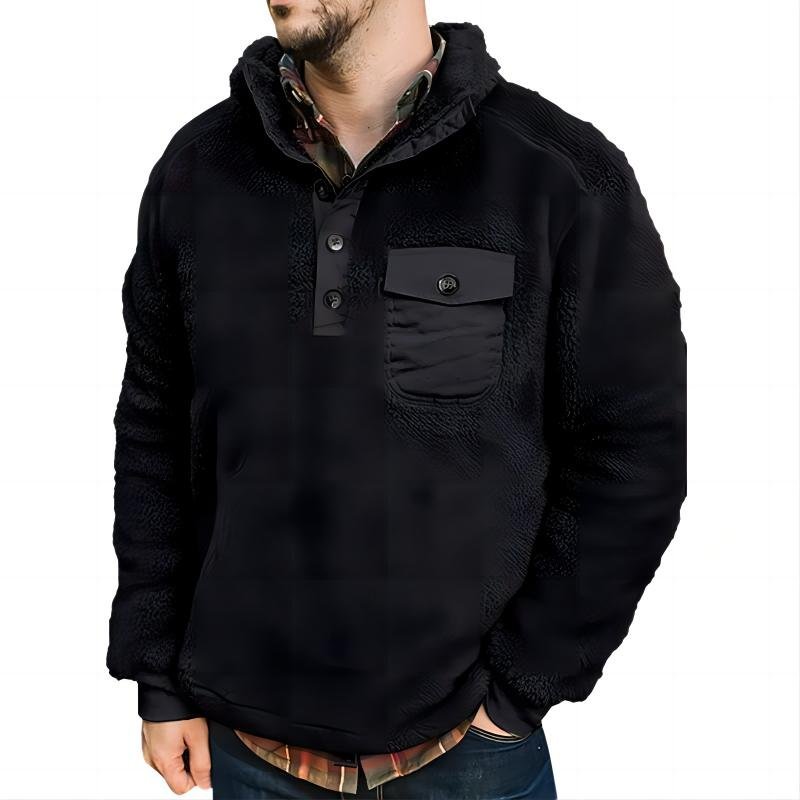
Woven neck labels and badges carry a $30–$80 setup fee and 100-piece minimum at the trim supplier. Printed satin labels and hang tags need no tooling and ship within 10 days.
Rubber patch badges require a silicone mold at $60–$120 per design — a one-time cost amortized across reorders.
6. Key Construction Quality Elements to Inspect
Writing pass/fail thresholds into your tech pack is the fastest way to hold any puffer vest manufacturer accountable before bulk production begins. These seven benchmarks cover the structural points most likely to generate customer returns or long-term brand damage.
| Quality Element | Pass | Fail |
|---|---|---|
| SPI | 8–10 | Below 7 |
| Seam tape peel | 15+ PSI | Under 15 PSI |
| Fill weight variance | ±5g of spec | Over 5g |
| Baffle alignment | ±2mm | Over 3mm |
| Zipper pull strength | 15+ kgf | Below 15 kgf |
| Bar-tack stitches | 42+ | Under 42 |
| Snap separation force | 15+ lbs | Under 15 lbs |
Stitch Density and Seam Sealing
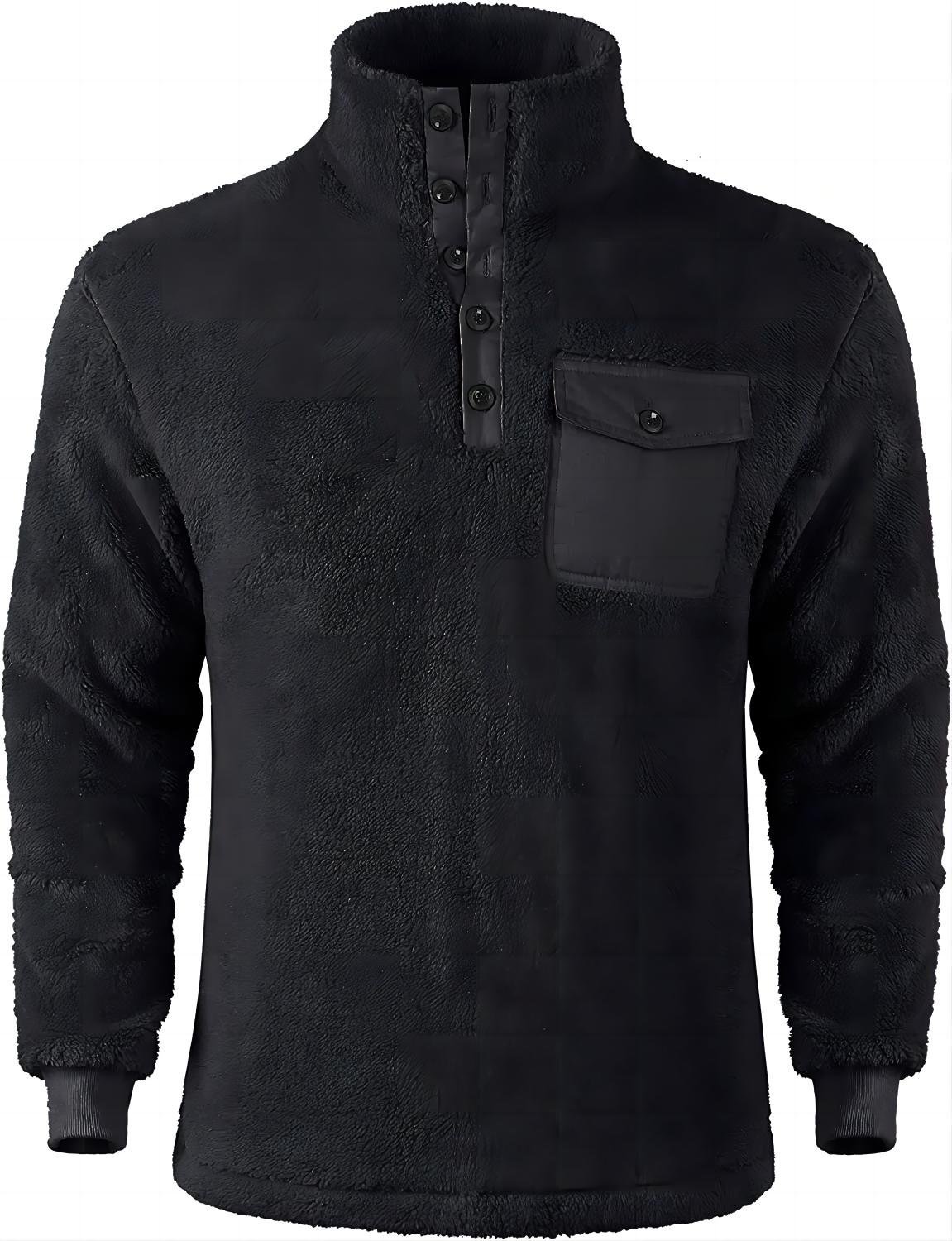
Shell seams require 8–10 SPI minimum; below 7 SPI, seam integrity fails under lateral tension. Water-resistant styles need heat-sealed or taped shoulder seams rated to 15+ PSI peel resistance — confirm this via a peel-adhesion test report.
Down-Proof Shell and Baffle Alignment
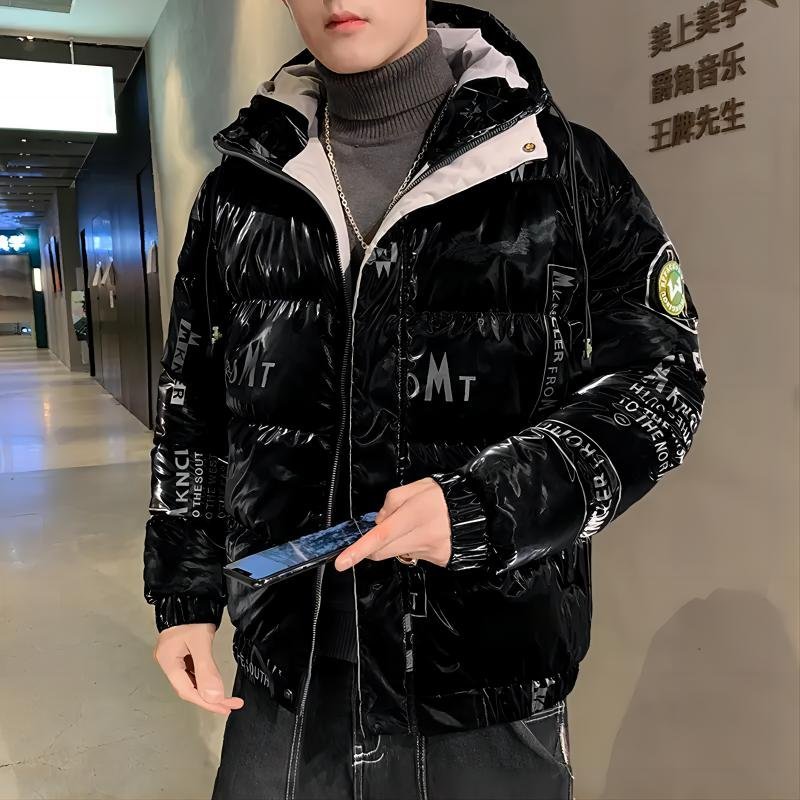
Shell fabric must exceed 230 thread count with a calendered finish to block feather bleed-through; request an EN 12132-1 rub-test certificate. Baffle seams must align within ±2mm across matched panels — beyond 3mm, loft becomes visibly uneven and structural integrity is compromised.
Fill Weight, Zipper Pull, and Finishing Hardware
Fill weight per unit must stay within ±5g of spec; request batch QC weight logs from the puffer vest manufacturer at every 200-unit interval. YKK #5 or #8 coil zippers are the industry baseline — pull strength must exceed 15 kgf; bar-tacks need 42+ stitches; snap closures must resist 15 lbs of separation force.
7. How to Choose the Right Puffer Vest Manufacturer for Your Brand
Selecting the right puffer vest manufacturer shapes your brand’s margin, quality consistency, and growth ceiling. Six checkpoints, applied in sequence, cut through factory noise and reveal which partners can actually deliver at your scale.
Define MOQ and Budget Upfront
Boutique factories typically accept MOQs of 30–100 units per style, while large-scale manufacturers set floors at 500–1,000 units. Lock in your per-unit target cost and landed-duty budget before contacting any factory, so negotiations start from a clear position.
Verify Certifications Before Sampling
Request audit certificates for BSCI, WRAP, or OEKO-TEX Standard 100; for down-filled vests, add RDS (Responsible Down Standard) to the checklist. Expired or missing certificates shift compliance liability onto your brand if a retailer or customs authority audits your supply chain.
Assess Sample Speed and Tech-Pack Literacy
A competent factory returns a sealed sample within 10–20 days of receiving a complete tech pack. If a factory asks you to ‘simplify’ your spec sheet, that signals weak pattern-making capability — a serious red flag for branded streetwear with complex construction details.
Check Capacity Against Growth Projections
Cross-reference a factory’s stated monthly output against your 12-month growth forecast. A facility capped at 5,000 units per month cannot support a DTC brand projecting 10× order growth — locking you into a disruptive supplier switch mid-season.
Audit Reference Clients and Responsiveness
Request two or three verifiable reference clients and confirm order volume, lead times, and defect rates directly. Pair this with a 48-hour communication test: send a detailed spec question and measure how precisely — not just how quickly — the factory responds.
Large-Scale Factories vs. Boutique Partners
Large-scale puffer vest manufacturers offer lower unit costs and higher throughput but enforce rigid MOQs and standardized workflows. Boutique factories serve indie brands and DTC startups with lower entry points and dedicated account management — typically at a 10–20% unit-cost premium worth paying at launch.
8. Common Mistakes Brands Make When Sourcing a Puffer Vest Manufacturer
Even experienced buyers repeat costly errors when sourcing a puffer vest manufacturer for the first time. Catching these pitfalls early prevents launch delays, customs rejections, and expensive customer returns.
Skipping the Factory Audit
Brands that skip a factory audit — virtual or in-person — often discover mid-production that the facility lacks baffle-sewing machinery. The result is uneven fill distribution and bulk rejection.
Fix: request a video factory walkthrough and a completed audit checklist before signing any purchase order.
Accepting a Sample Without Locking Specs
A signed sample does not freeze production specs. Without a tech pack locking fill weight (e.g., 80 g/m²), shell GSM, and baffle width, bulk units can deviate 15–20% from the approved sample.
Fix: issue a countersigned spec sheet before bulk cutting begins.
Ignoring Fill-Weight Tolerances
Fill weight tolerance is typically ±5 g per panel. Brands that omit this figure receive vests that feel thin in winter markets or get flagged by consumer protection labs.
Fix: state tolerances explicitly in the purchase order and request fill-weight test reports per production lot.
Choosing Price Over Compliance
The cheapest quote often signals uncertified fill — no RDS (Responsible Down Standard) or OEKO-TEX STANDARD 100 documentation. Uncertified down can fail EU or US customs inspection, triggering shipment seizure.
Fix: require valid RDS and OEKO-TEX certificates from any puffer vest manufacturer before approving bulk production.
Underestimating Down-Sourcing Lead Times
Premium duck or goose down is sourced seasonally; certified fill can add 30–45 days before sewing even begins. Brands assuming a 30-day total timeline miss retail windows entirely.
Fix: build a 75–90 day production calendar when ordering down-filled vests.
Failing to Negotiate a Re-Make Clause
Without a contractual re-make clause, a factory that ships defective units owes no obligation to replace them. Customer return costs then fall entirely on the brand.
Fix: negotiate a re-make or credit clause covering defect rates above 2% before signing the manufacturing agreement.
9. Step-by-Step: How to Launch Your Brand with a Puffer Vest Manufacturer
Turning a concept into a shipping-ready vest involves seven sequential stages. Mapping each step against a realistic timeline helps you set accurate delivery windows and avoid costly surprises with your puffer vest manufacturer.
Build Your Tech Pack and Mood Board
A complete tech pack includes flat sketches, a bill of materials (BOM), Pantone color codes, fill-weight specs (80g–150g poly-fill or down), and key construction notes.
Allow 5–7 days to finalize the pack before contacting any factory.
Issue RFQ to Shortlisted Factories
Send a concise RFQ to 3–5 vetted factories covering MOQ, unit price at target volume, sample fees, and lead time.
Evaluate responses within 5–7 business days; eliminate any supplier that cannot provide itemized quotes.
Proto Sample Approval
Proto samples typically arrive within 10–15 days of RFQ acceptance. Review fill distribution, baffle construction, YKK zipper quality, and label placement.
One revision round is standard; budget 7–10 additional days per iteration.
PP Sample, PO, and Deposit
A pre-production (PP) sample confirms the bulk fabric lot, trim colors, and final construction before mass cutting begins.
Once approved, issue the Purchase Order and pay a 30–50% deposit to lock your production slot. Ex-factory lead time runs 30–45 days from PO confirmation.
Inline QC and Final Inspection
Schedule inline QC at 30–50% production completion to catch sewing defects early — this mirrors a five-step quality methodology covering materials, cutting, craftsmanship, sewing, and finished goods.
Conduct a final AQL 2.5 inspection before packing, and approve or reject within 48 hours to avoid slot delays.
Freight, Customs, and Documentation
Book freight 2–3 weeks before the cargo-ready date. Required documents include a commercial invoice, packing list, bill of lading, and correct HS code classification for insulated vests.
Door-to-door sea transit from Dongguan to major US ports averages 20–28 days.
10. Pricing and Cost Breakdown by Puffer Vest Manufacturer Tier
FOB pricing from a puffer vest manufacturer in Dongguan typically runs 12–18% lower than DDP quotes because import duties and last-mile freight are excluded. DDP shifts logistics risk to the factory, adding $1.50–$3.00 per unit via air-freight or $0.40–$0.80 per unit via sea, depending on destination.
Clothing Manufacturer Ltd. accepts orders from 50 units — far below the 500-unit floor most traditional bulk puffer vest manufacturers require. That low-MOQ model lets startups test colorways and silhouettes before committing to large runs, with the same five-step QC process applied at every order size.
Add-on services carry one-time tooling or setup fees that amortize quickly at volume.
- Embroidery setup: $30–$80 per colorway; no per-unit surcharge above 200 units
- Custom YKK zipper tooling: $120–$300 one-time fee; often waived at 500+ units
- Hang-tag printing (4-color offset): $0.08–$0.18 per tag; $50 plate setup fee
- Third-party QC inspection (BSCI-aligned): $180–$280 per man-day, on-site at factory
| Order Quantity | Unit Price (FOB) | Sample Cost | Lead Time |
|---|---|---|---|
| 50 units | $22–$32 | $80–$120 | 25–30 days |
| 100 units | $18–$26 | $80–$120 | 20–25 days |
| 500 units | $14–$20 | $60–$100 | 18–22 days |
| 1,000 units | $11–$16 | $60–$100 | 15–20 days |
| 5,000+ units | $8–$12 | $50–$80 | 12–18 days |
Partner With a Puffer Vest Manufacturer Built for Brands
7-day sample turnaround, zero MOQ for trial orders, and our 5-step QC guarantee — your strongest collection starts here.