
Lightweight Puffer Jacket Manufacturer for Trendy Brands & Startups
Partner with a trusted lightweight puffer jacket manufacturer delivering premium craftsmanship, trend-driven designs, low MOQs, and fast turnaround — backed by a zero-compromise 5-step QC guarantee.
Lightweight Puffer Jacket Collections
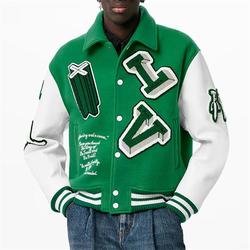
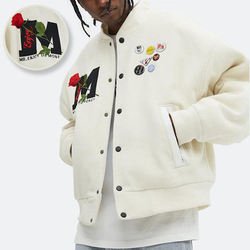
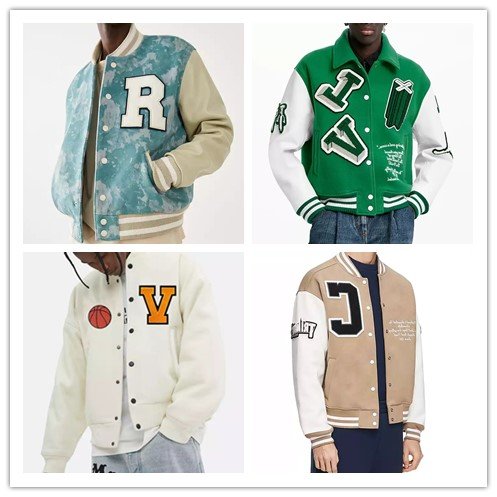
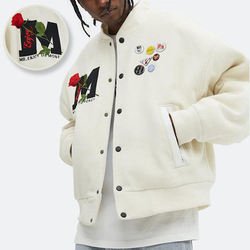
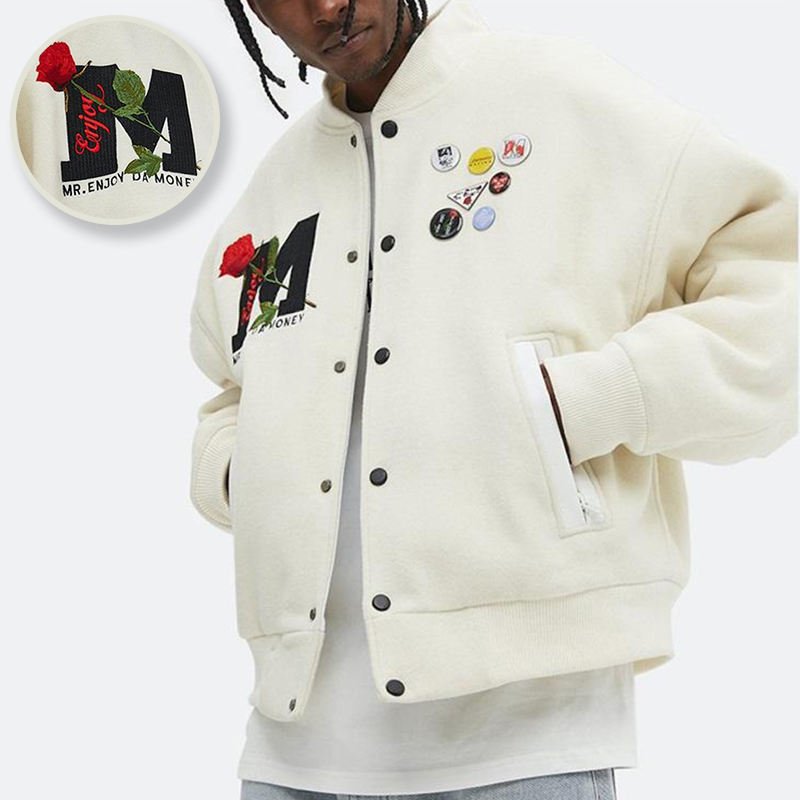
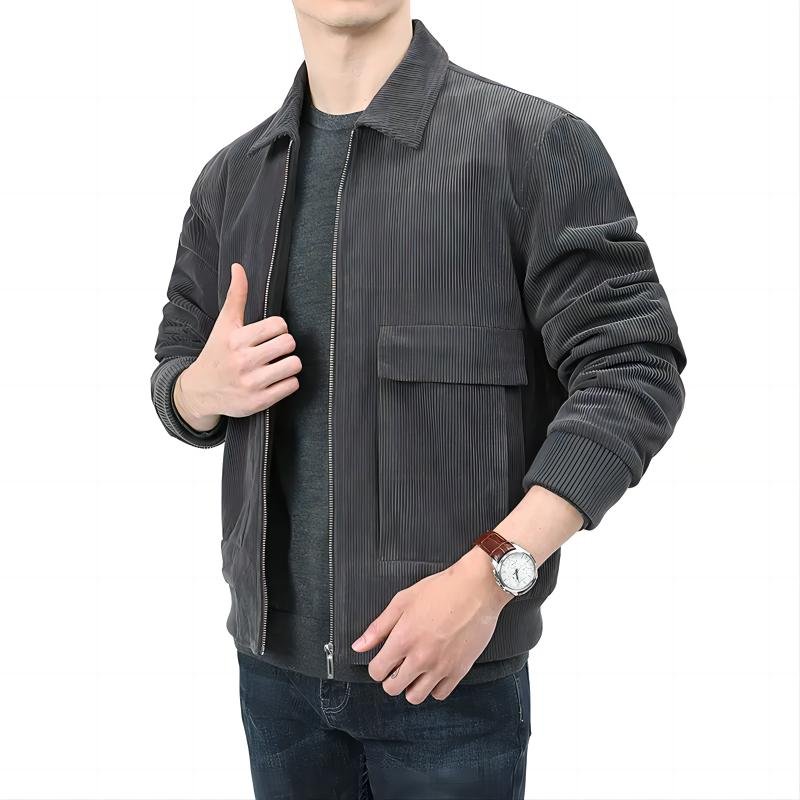
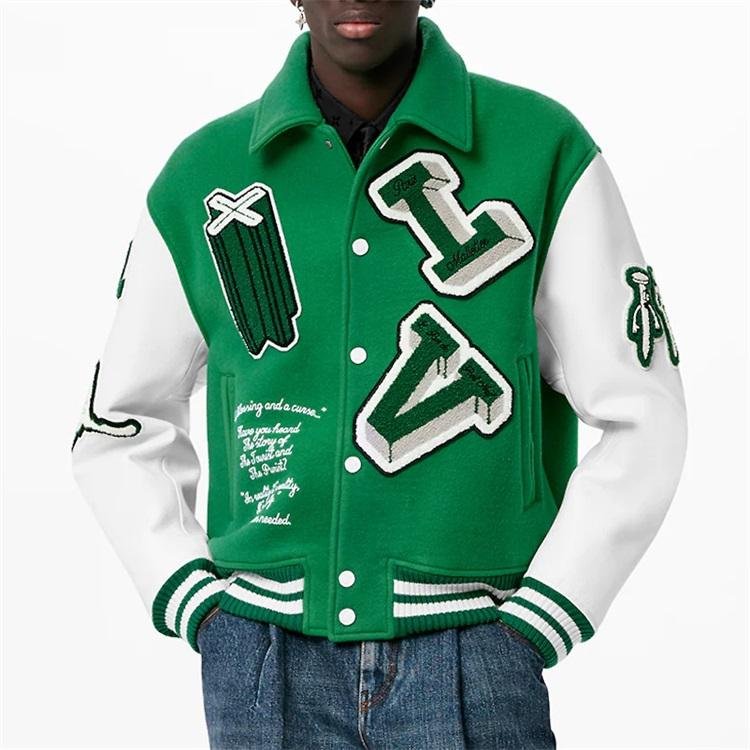
Why Choose Our Lightweight Puffer Jacket Manufacturer
Six procurement-ready advantages that make Clothing Manufacturer Ltd the partner global streetwear brands and startups trust.
Five-Step QC, Zero Defects
Our proprietary 5-step process tests materials, cutting, crafting, sewing, and finished garments — catching defects before they leave our floor.
50-Piece Minimum Order
Start small, scale fast. Our 50-piece MOQ lets emerging puffer brands launch new collections without overextending their budget or inventory.
7-Day Free Sample Service
Approve a true-to-spec physical sample in just 7 days — at no charge — before committing to full production runs.
Streetwear Trend Expertise
Our 15-member R&D team decodes streetwear culture — bold graphics, drop silhouettes, and statement motifs — built into every puffer jacket.
Ships to 100+ Countries
End-to-end logistics support delivers your finished puffer jackets reliably to buyers across more than 100 countries and regions worldwide.
Transparent, All-In Pricing
No hidden fees, no surprises. Clear per-unit quotes from sampling through bulk production so your procurement team can plan with confidence.
Lightweight Puffer Jacket Manufacturer for Every Brand Category
Four distinct silhouette categories — each engineered to serve a different corner of the streetwear and apparel market.
Classic Streetwear Puffers
Streetwear brands need bold, culture-driven puffer silhouettes that connect with hip-hop and skate communities — yet few manufacturers truly understand those aesthetics at the cut-and-sew level.
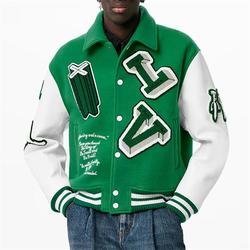
Our team's deep streetwear fluency — covering skeleton motifs, graffiti-inspired colorblocking, and cross elements — translates your creative direction into finished jackets that earn real credibility on the street.
Oversized Drop-Shoulder Silhouettes
Oversized fits require precise pattern grading to achieve intentional volume without shapeless drape — many factories cut corners, leaving brands with ballooning prototypes that miss the editorial look their customers pay for.
Our in-house sampling team engineers oversized templates with structured shoulders and deliberate volume, delivering the fashion-forward silhouette your market demands at consistent quality across every production run.
Cropped and Fitted Styles
Cropped silhouettes demand millimeter-accurate pattern work and consistent sizing across production runs — small errors create fit complaints and returns that erode margins for startups and independent designers just scaling up.
Our 5-step QC process catches sizing deviations at the cutting stage — not after sewing — so every cropped jacket ships true-to-spec, protecting your margins and brand reputation from day one.
Performance-Tech Hybrid Puffers
Retailers and influencer brands entering the active-lifestyle space need lightweight puffer jackets combining technical fabrics and water-resistant finishes with the streetwear aesthetic their audiences demand — a balance most factories cannot deliver.
We source and test performance fabrics in-house, integrating waterproof membranes, reflective trims, and bonded seams into polished silhouettes, backed by our 5-step QC guarantee for technical integrity on every order.
Premium Fabrics From a Trusted Lightweight Puffer Jacket Manufacturer
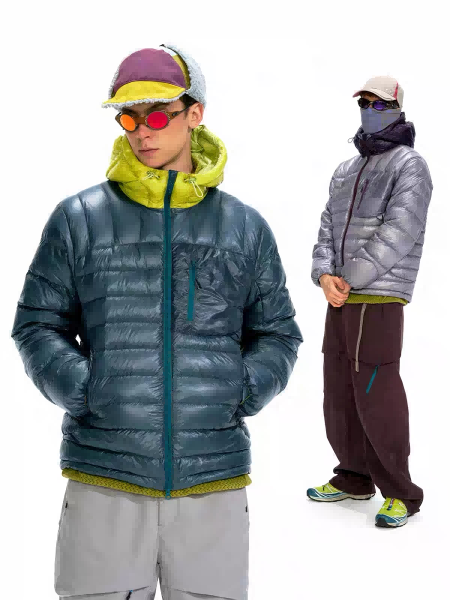
Nylon Taffeta Shell
A featherweight outer fabric with a smooth, silky hand-feel and tightly woven structure. At 40–60 gsm, it delivers superior wind resistance and packs down compactly — ideal for ultra-light, streetwear-ready puffer shells.
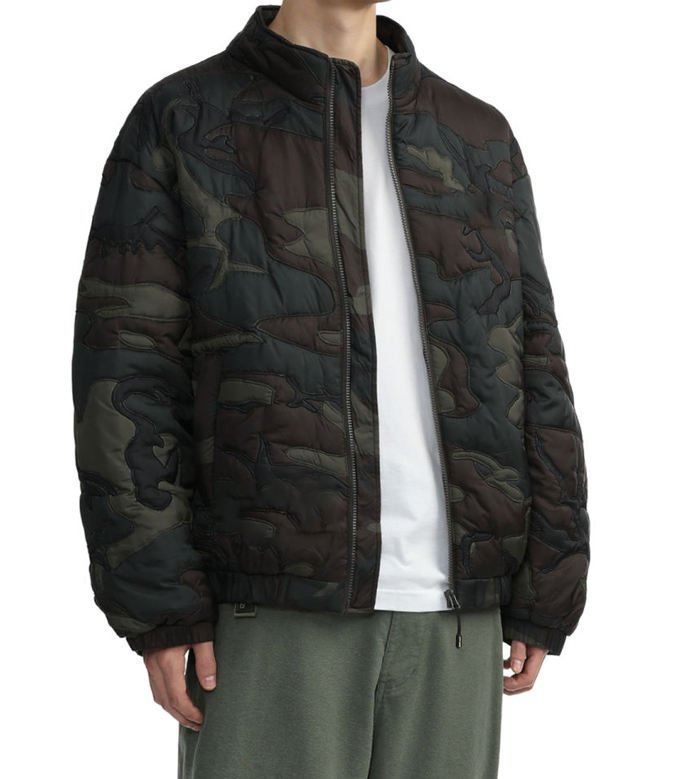
Polyester Microfiber
An ultra-fine weave with a soft, brushed texture offering exceptional breathability and moisture management. At 50–80 gsm, it provides lightweight insulation and a premium drape perfectly suited to transitional-season puffer designs.
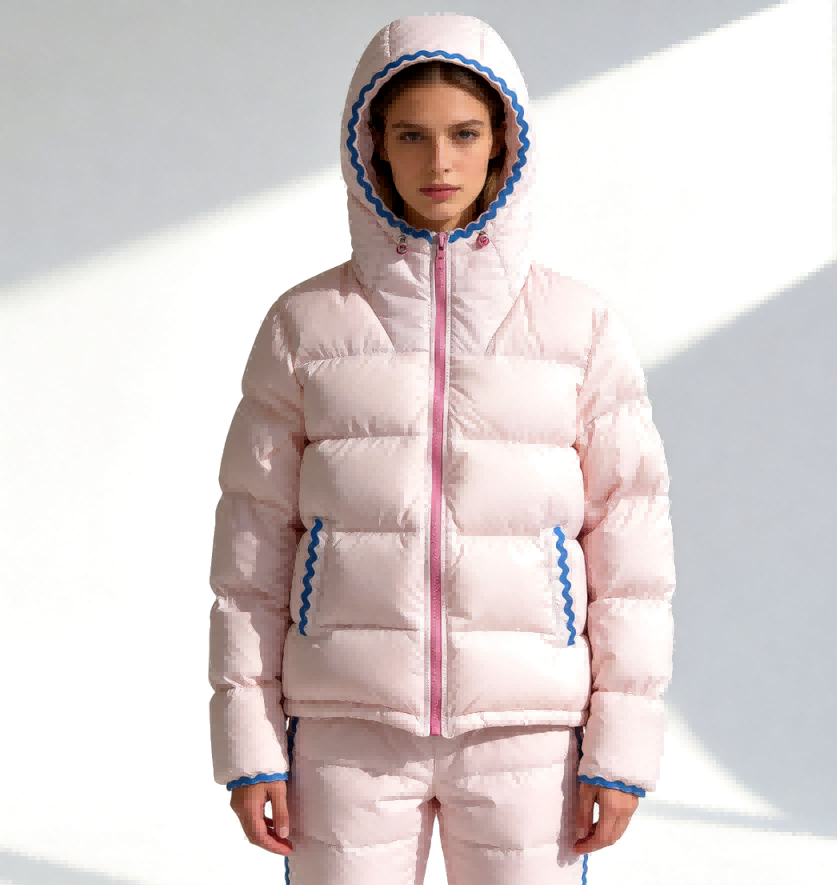
Recycled Ripstop Nylon
An eco-conscious ripstop structure with a crosshatch weave delivering outstanding tear resistance at just 60–70 gsm. A built-in DWR finish ensures water repellency, making it the go-to for durable outdoor and streetwear puffer styles.
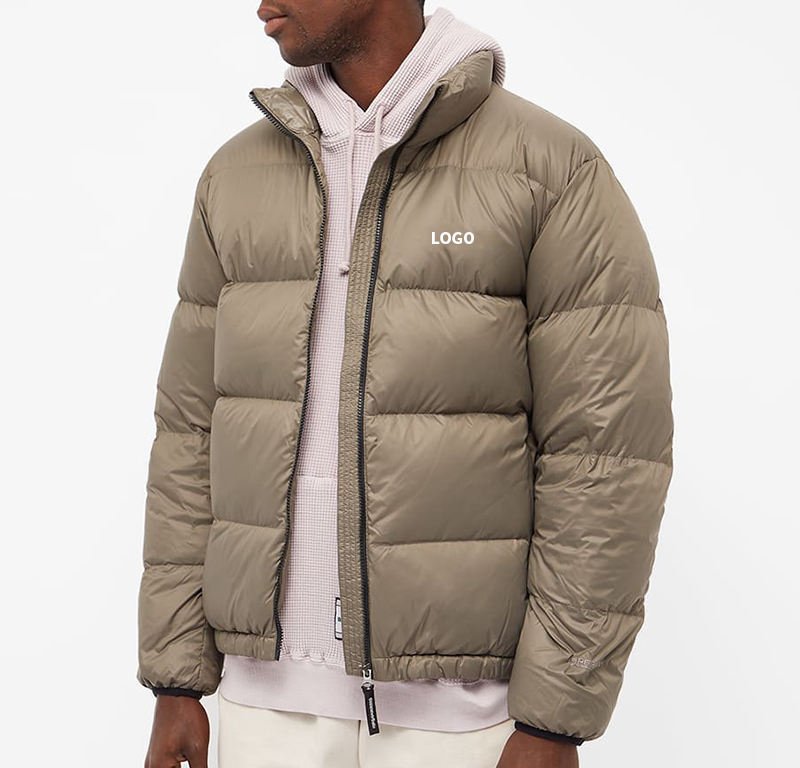
Thermal Synthetic Fill
A premium down-alternative insulation that replicates the loft and warmth of natural down. Hypoallergenic and moisture-resistant, it retains thermal performance even when damp — perfect for performance puffer jackets targeting cold-climate markets.
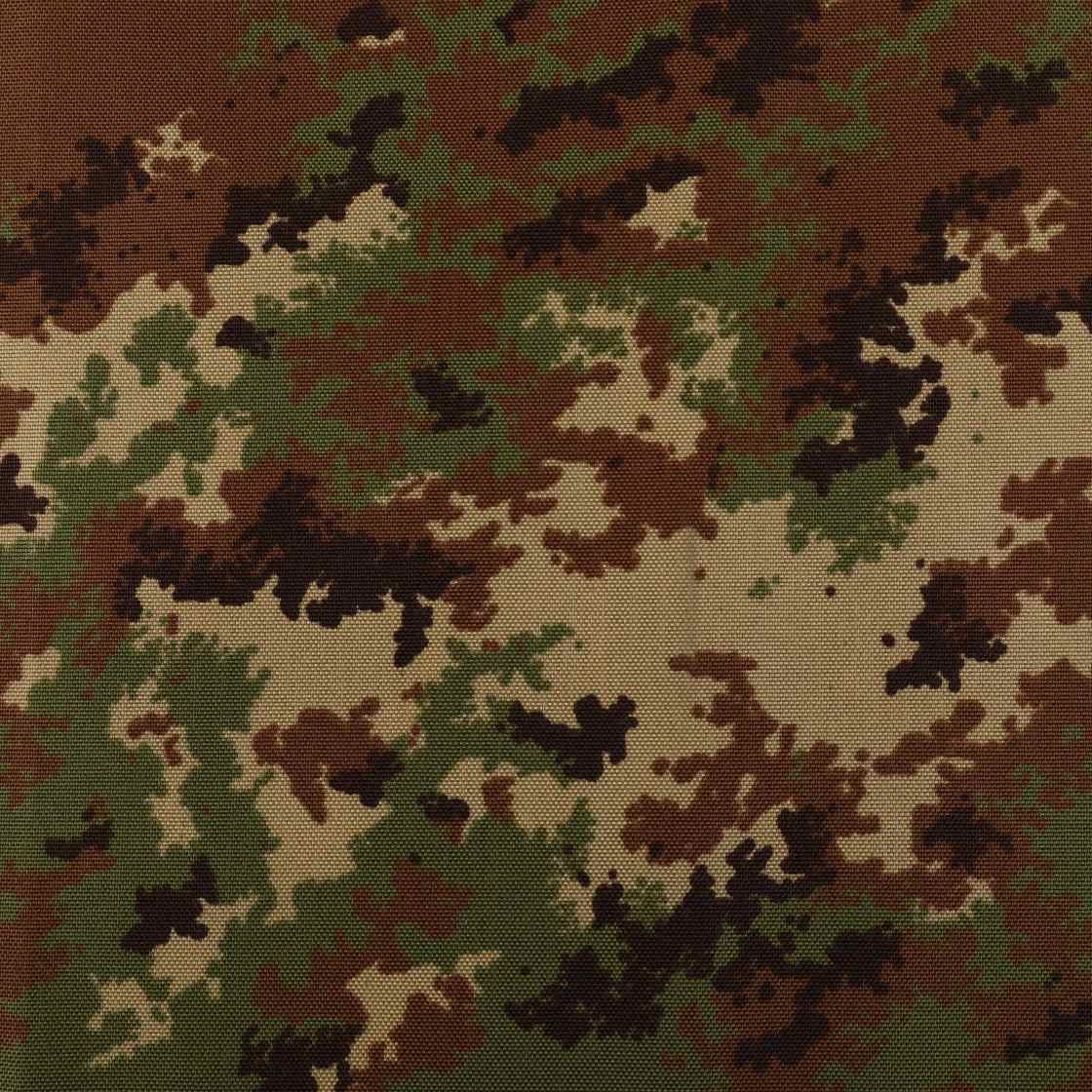
Water-Resistant Dobby
A textured polyester dobby weave featuring an inherent DWR coating that combines subtle visual interest with reliable waterproofing. At 75–90 gsm, it suits urban streetwear puffers demanding both on-trend aesthetics and everyday weather protection.
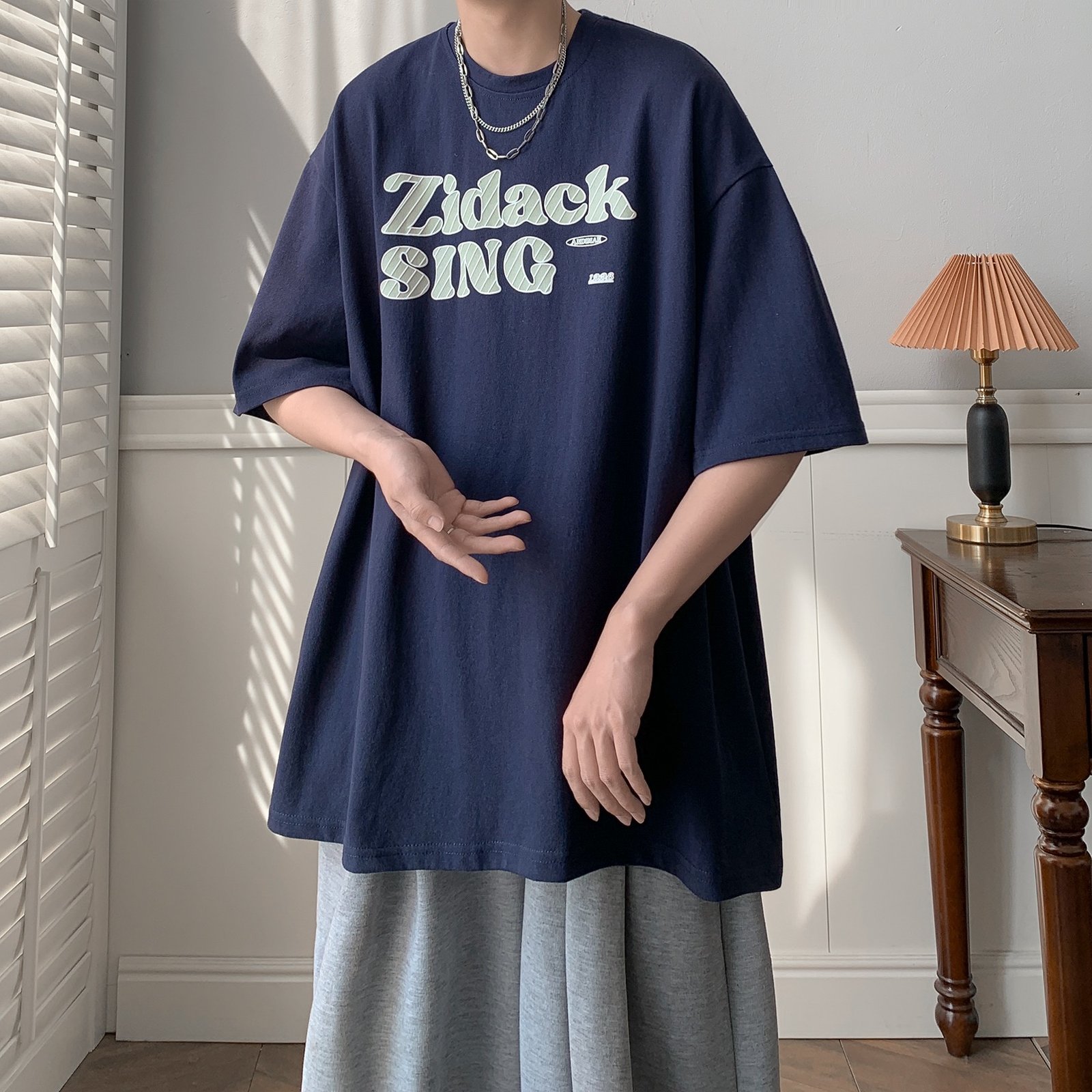
Recycled PET Shell
Crafted from post-consumer plastic bottles, this eco-certified polyester maintains a smooth, durable finish at 60–80 gsm. Brands gain a verified sustainability credential without sacrificing warmth, structure, or the premium hand-feel streetwear consumers expect.
Advanced Finishing Techniques for Every Lightweight Puffer Jacket Design
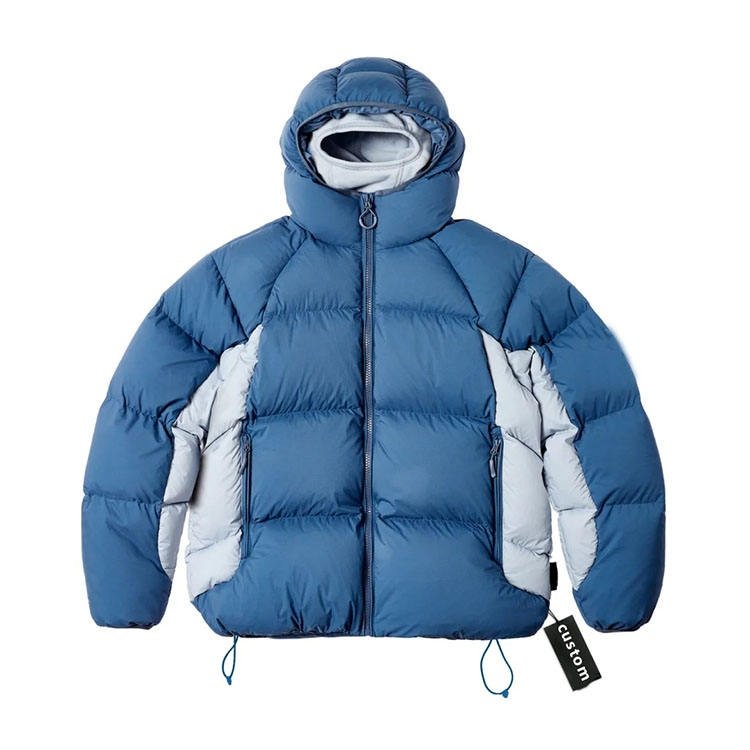
Screen Printing
Bold, ink-saturated graphics applied directly to shell fabric panels. Produces vivid, wash-resistant streetwear visuals ideal for oversized back prints, chest logos, and striking typographic statements on puffer jacket exteriors.
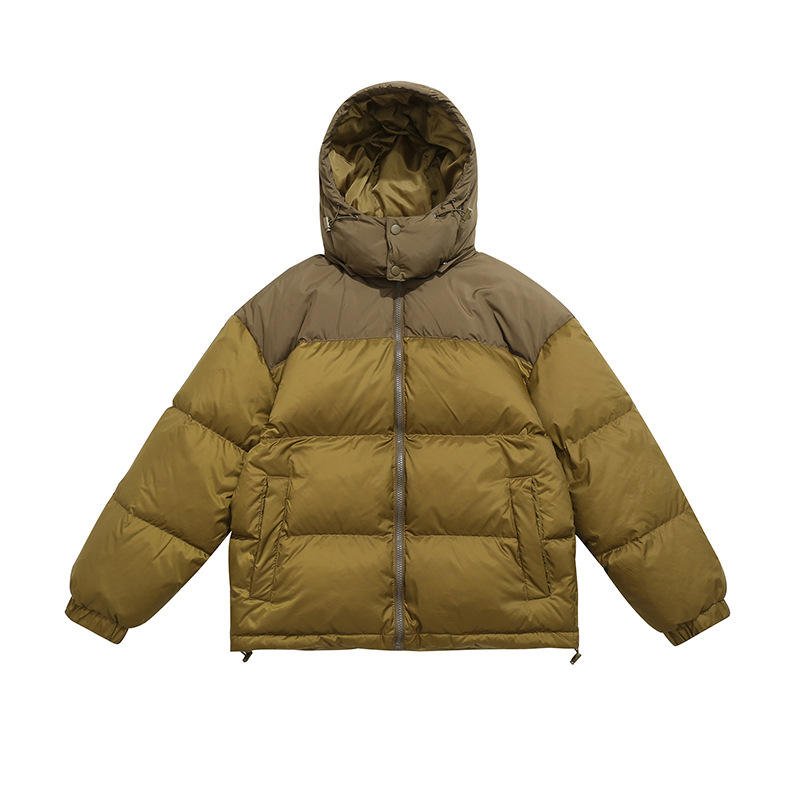
Sublimation Printing
Heat-transfer dye process that fuses full-color artwork into fabric at the molecular level. Delivers photo-realistic, edge-to-edge patterns with zero cracking — perfect for all-over graphic puffer jacket designs.
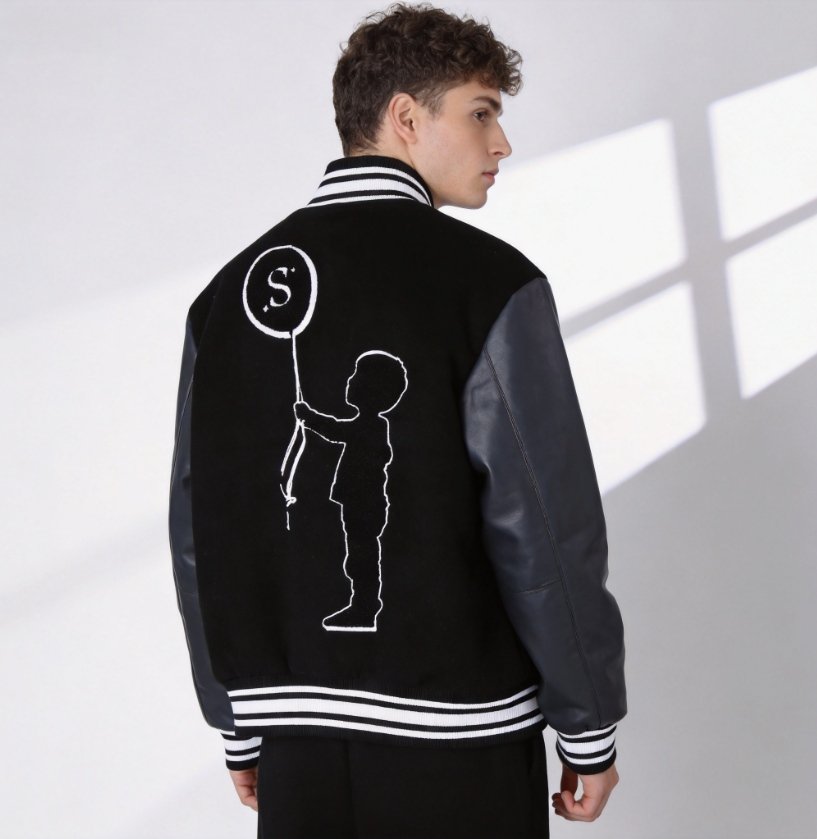
Precision Embroidery
High-density thread designs stitched directly into quilted panels or outer shell fabric. Adds premium texture and dimensional branding — ideal for chest crests, sleeve badges, and collarbone logo placements.
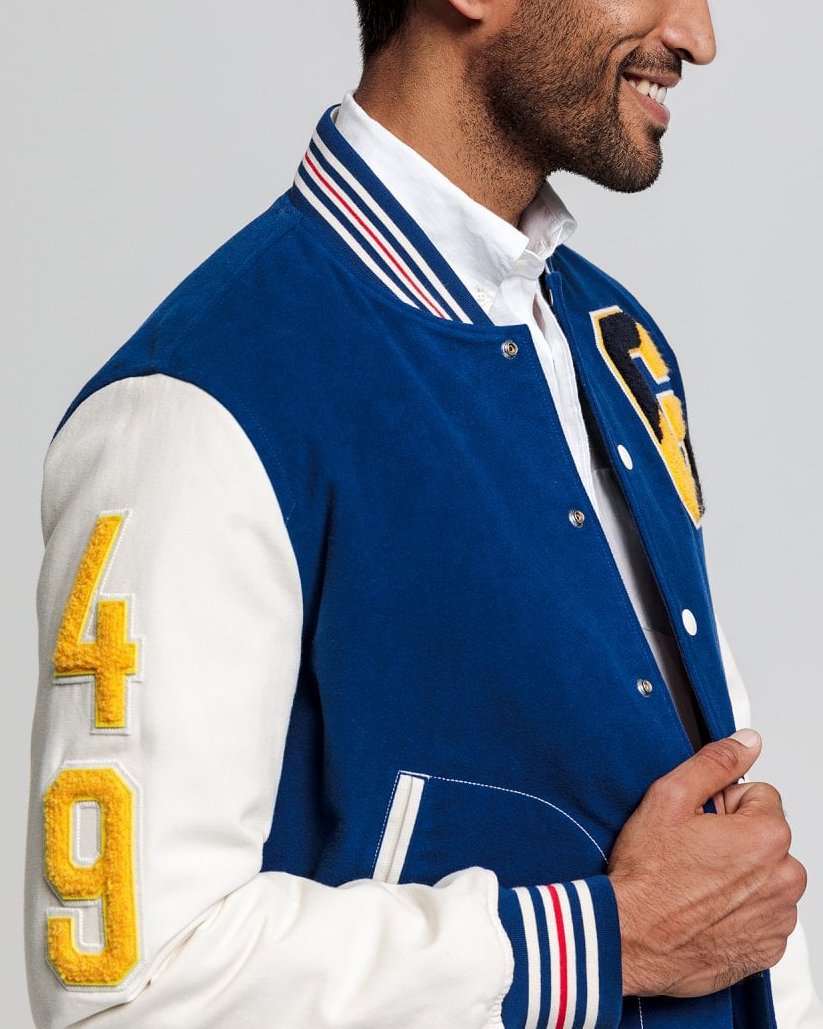
Appliqué & Patch
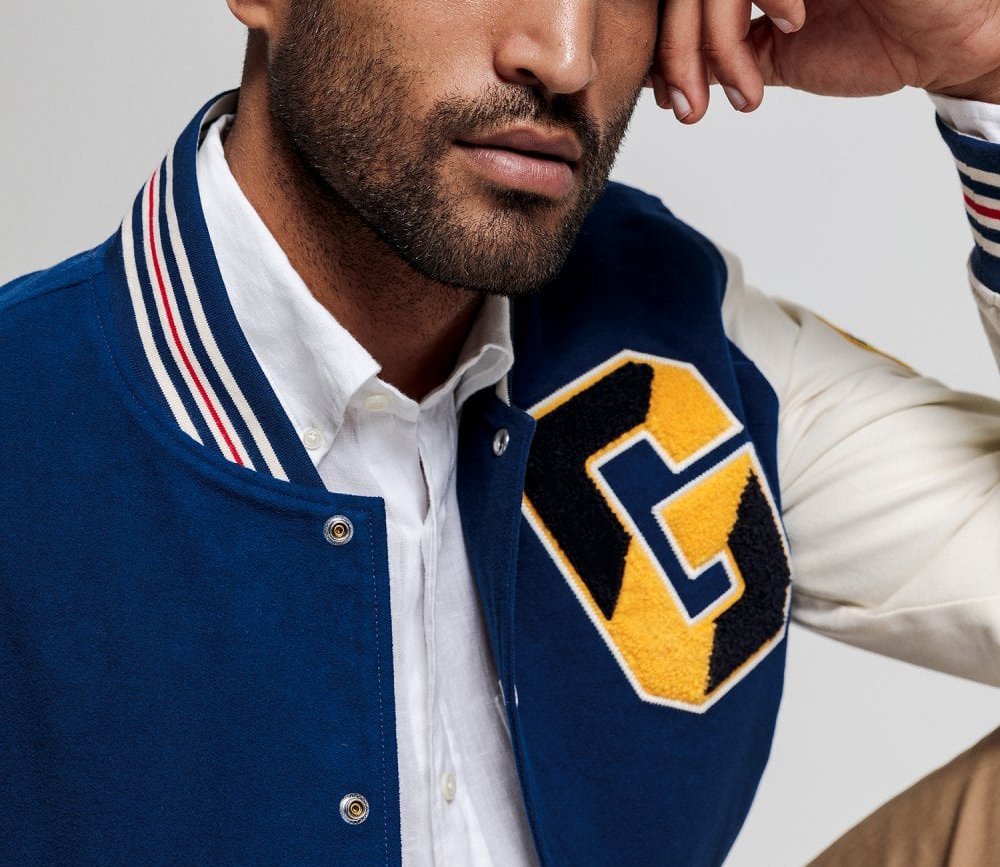
Cut-fabric or woven patches heat-bonded or hand-stitched onto the jacket surface. Creates layered, tactile branding with streetwear-authentic character — perfect for oversized logos, mascots, and heritage-style badge placements.

Heat-Seal Transfer
High-pressure thermal bonding applies detailed graphic films to shell fabric without stitching. Produces clean, rubberized or metallic finishes that withstand repeated washing while maintaining razor-sharp graphic edges over time.
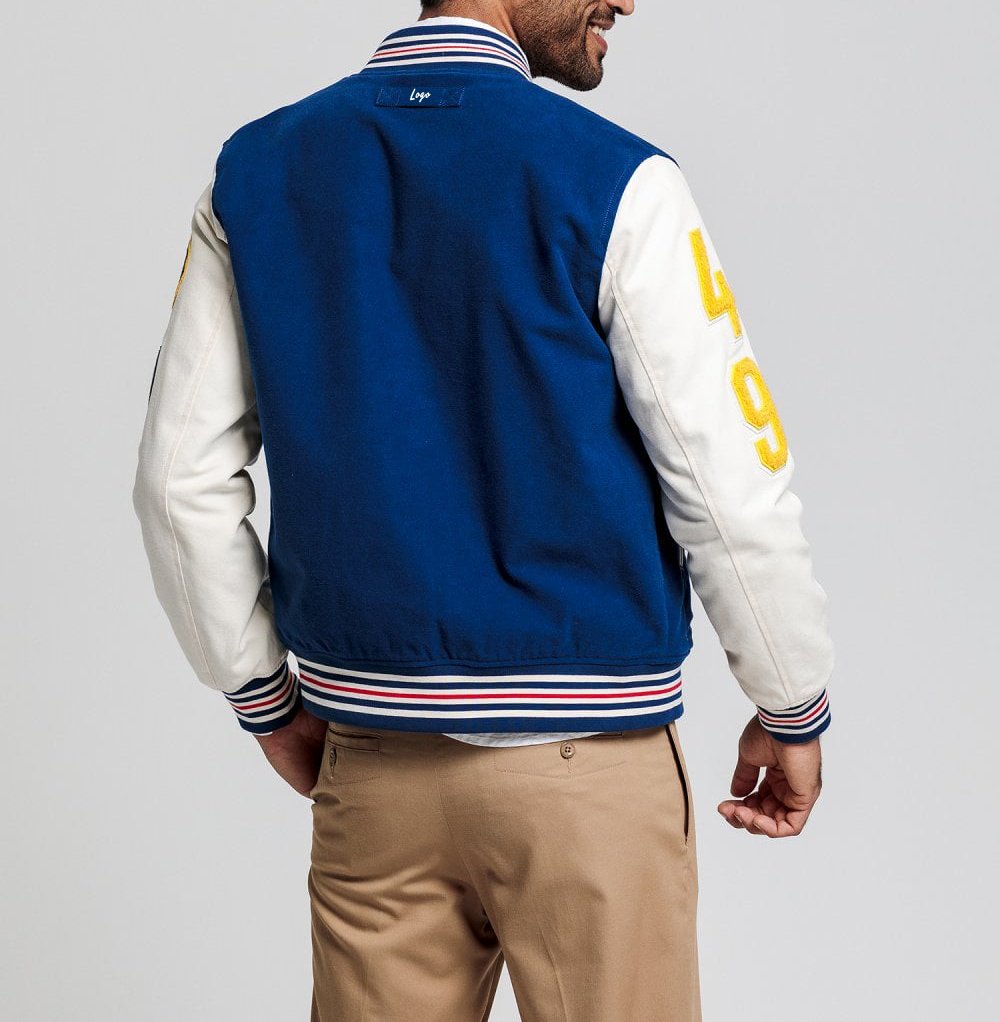
Laser-Cut Overlay
Precision laser-cut panels and woven mesh overlays fused onto the outer shell. Adds graphic depth, geometric texture, and high-fashion dimension that elevate puffer jacket designs well above standard streetwear offerings.
Customizable Hardware & Trims From Your Lightweight Puffer Jacket Manufacturer
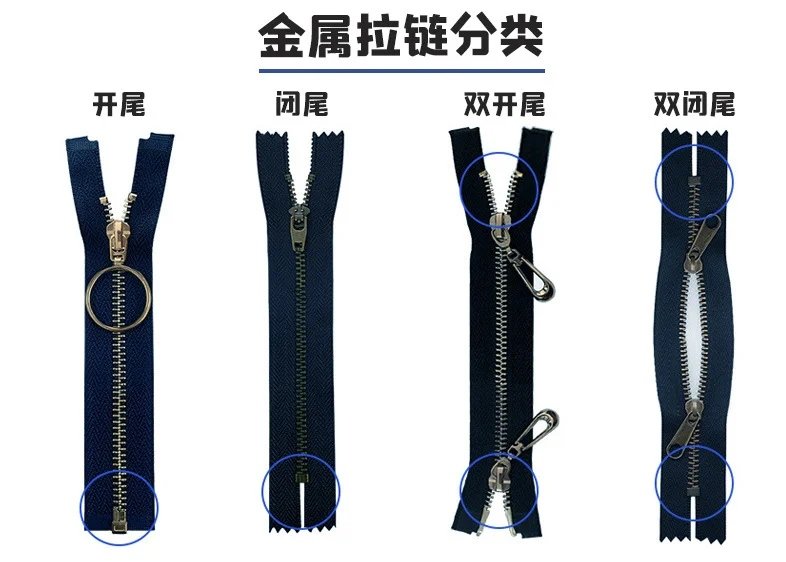
YKK Zippers
Industry-standard YKK zippers in coil, reverse, or two-way configurations deliver smooth operation and lasting durability across front closures, pockets, and sleeve vents, with custom zipper pulls available to reinforce brand differentiation at every opening.
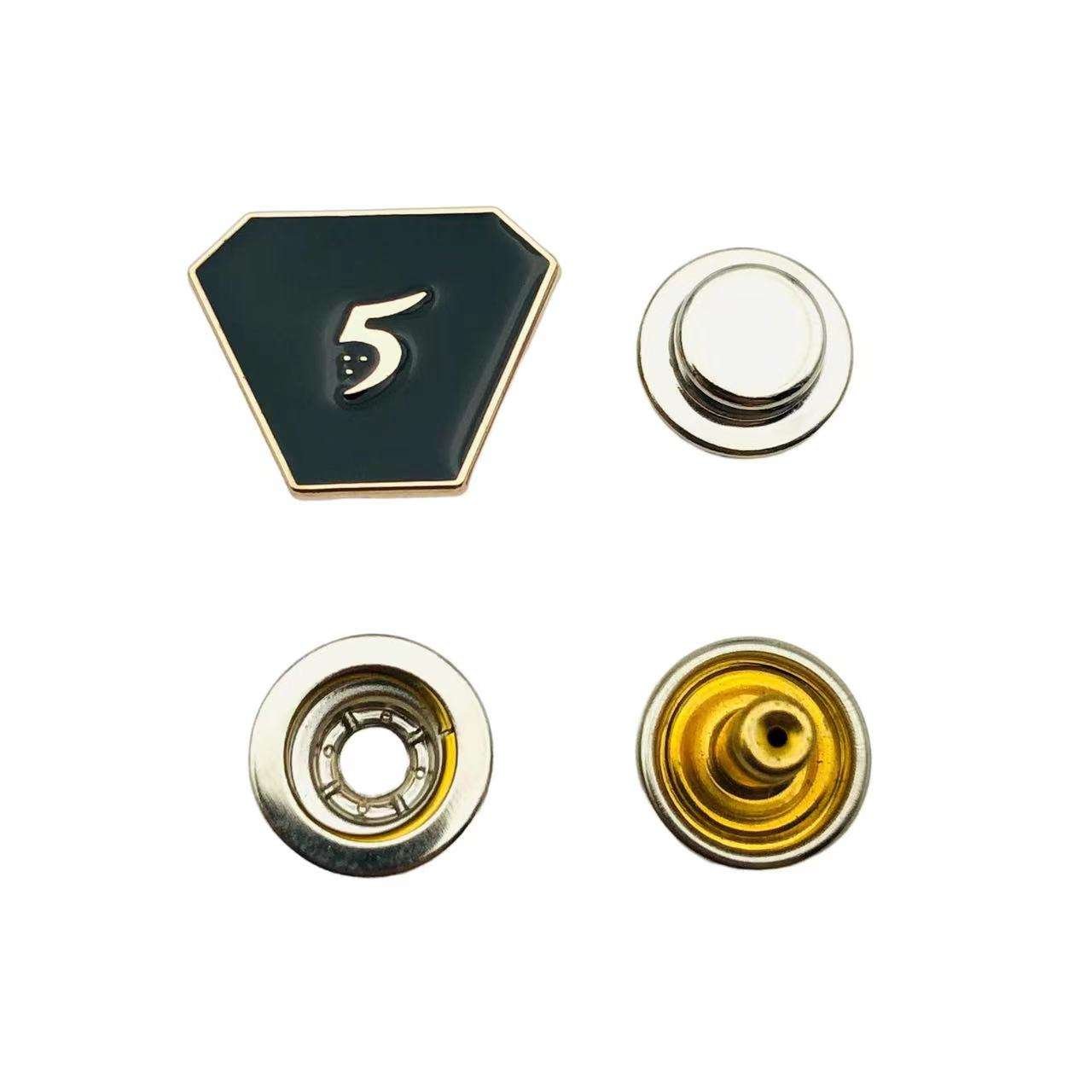
Snap Buttons
Press-fit snap buttons in matte, gloss, or antique metal finishes provide clean, reliable closure on storm flaps, cuffs, and collar tabs, reinforcing both functional performance and the premium streetwear aesthetic your customers expect.
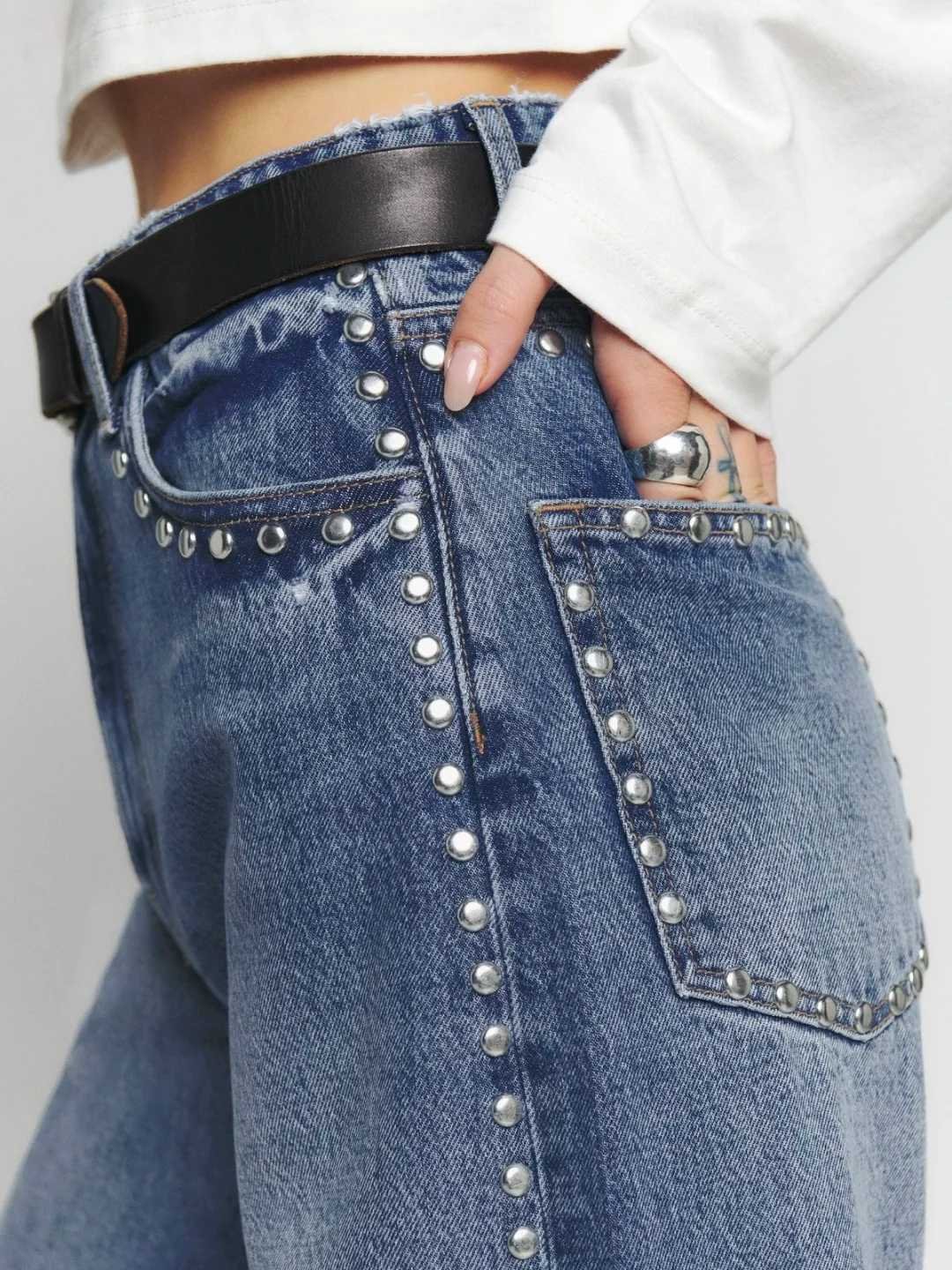
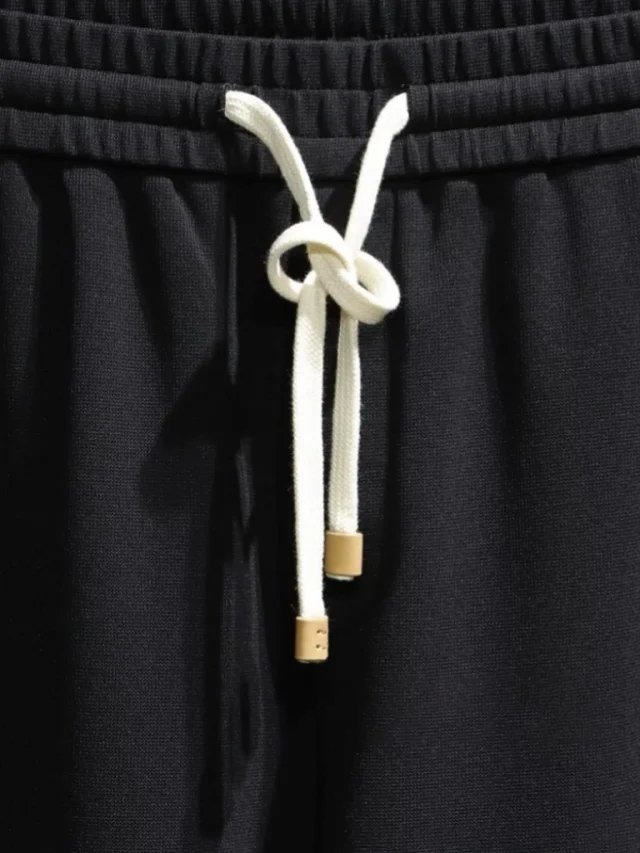
Drawcord & Tipping
Flat or round drawcords in matching or contrast colorways, finished with metal or silicone aglet tipping, allow wearers to customize fit at hems and hoods while adding a signature hardware detail that elevates overall brand identity.
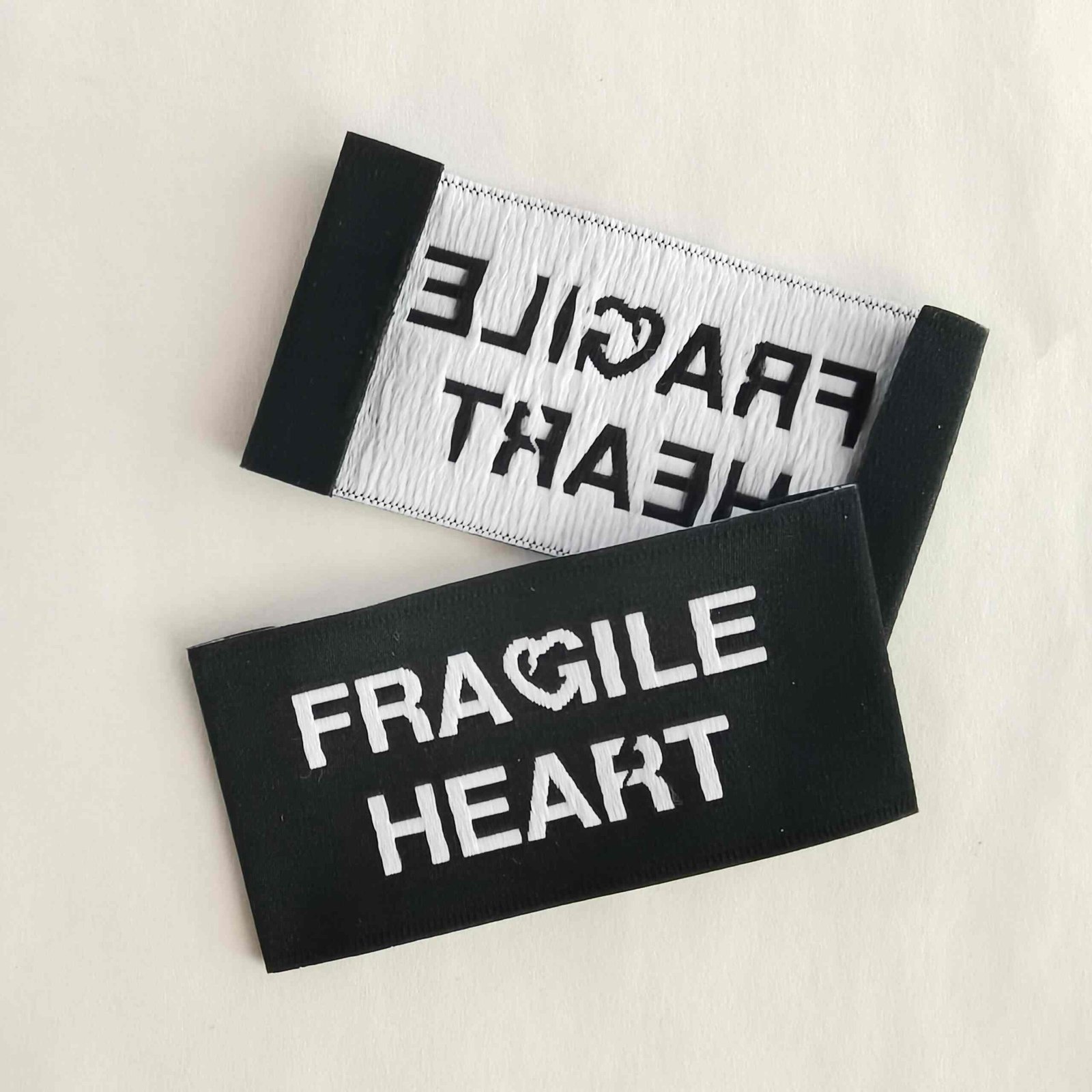
Woven Labels
Custom woven labels carrying your logo, care instructions, and size data are precisely sewn at the neckline, hem, or interior pocket, creating a professional, tactile brand touchpoint that signals quality the moment a customer checks the tag.
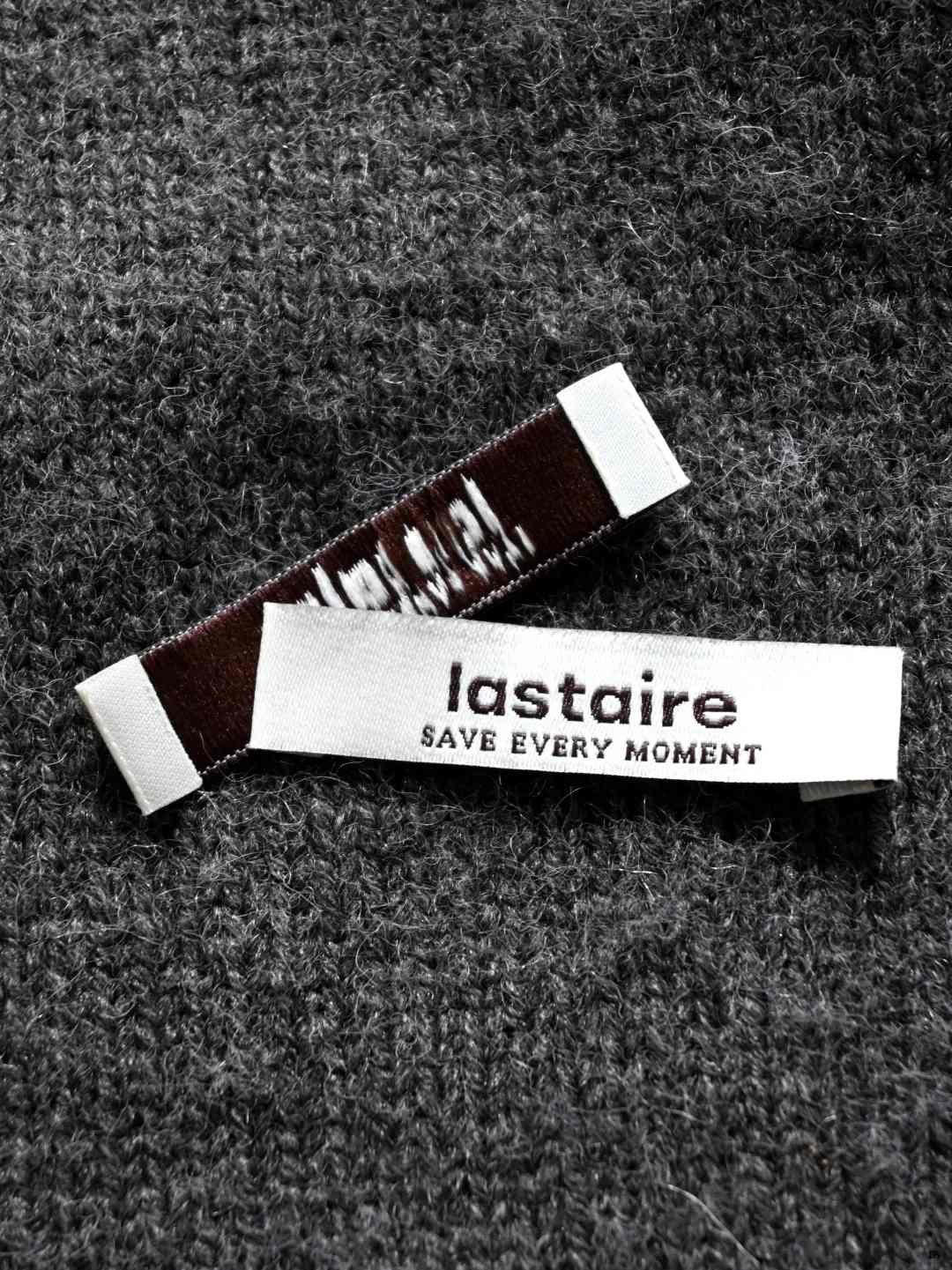
Custom Patches
Embroidered or woven patches applied by heat seal or lock-stitch sewing deliver bold graphic expression on sleeves, chests, and back yokes, turning each jacket into a canvas for streetwear storytelling and collectible brand identity.
Metal Eyelets
Reinforced metal eyelets in gunmetal, brass, or chrome finishes are precisely set into hood channels, hem drawcord exits, and ventilation zones, keeping cord routing secure and ensuring hardware details stay sharp through seasons of heavy wear.
Lightweight Puffer Jacket Manufacturer Built on Integrity
Founded in 2024 by Tesla Luo, a second-generation garment professional with over 10 years of production experience and 6 years of specialized streetwear expertise, Clothing Manufacturer Ltd. exists to eliminate low-quality apparel from global markets. Raised inside Dongguan’s manufacturing hub and trained across every production role, Luo built a company where rigorous quality control is embedded at every stage, not treated as an afterthought.
As a trusted lightweight puffer jacket manufacturer, we have served clients across more than 100 countries, personally supported over 200 customers, and helped emerging labels grow into global influencer brands with hundreds of thousands of followers. Our 15-member R&D team and 10 proprietary production patents, backed by parent company Dongguan TuoZhen’s infrastructure, give clients both the agility of a focused streetwear specialist and serious production scale.
Our proprietary 5-step QC methodology covers materials, cutting, craft, sewing production, and finished garment inspection, catching defects early rather than after your order ships. Combined with an in-house design and sampling team, low MOQ options for emerging brands, fast turnaround for seasonal collections, and global shipping support, we are the manufacturing partner built to grow with your brand from first drop to full-scale production.
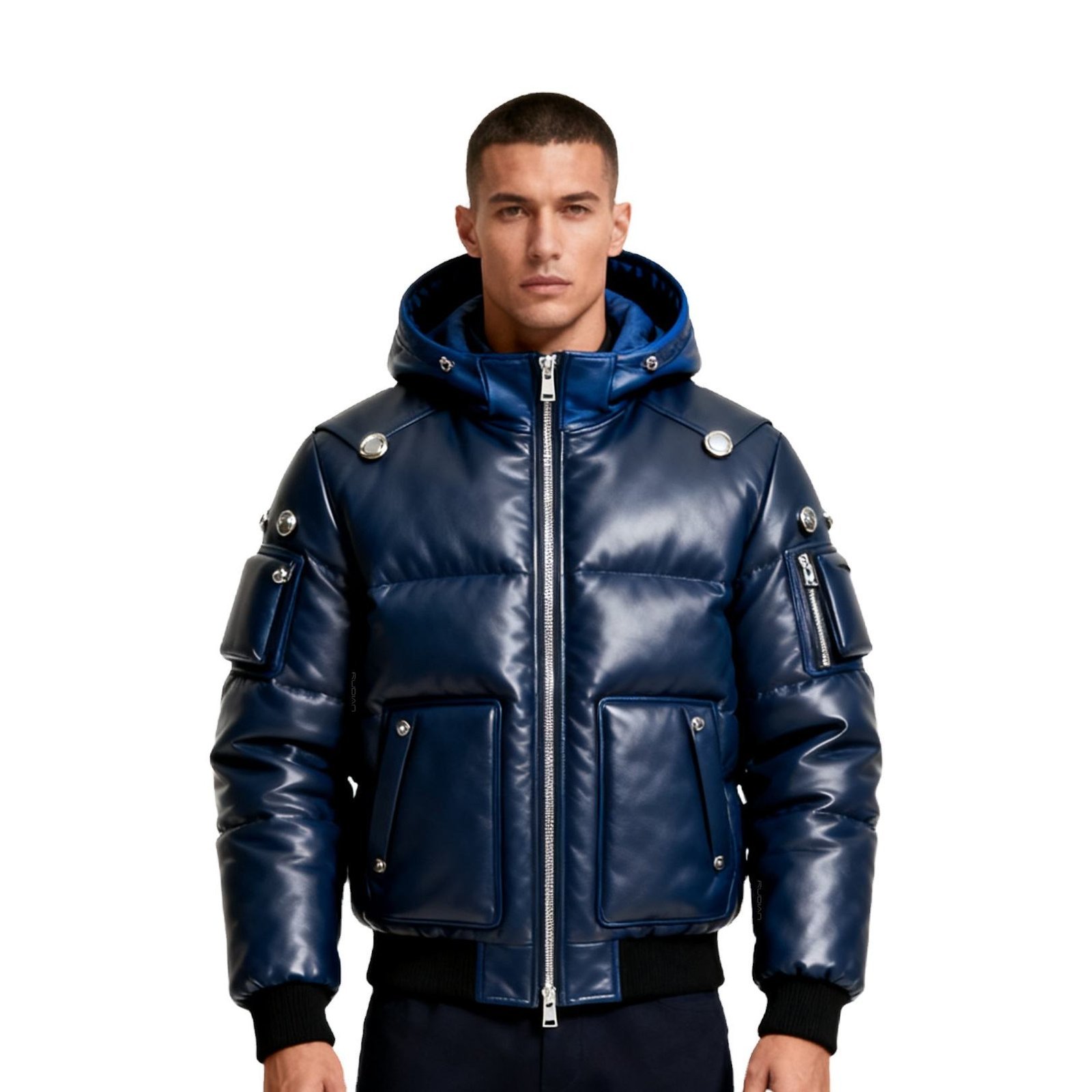
Four Core Strengths of a Premier Lightweight Puffer Jacket Manufacturer
Trend Forecasting and Streetwear Design
Our 15-member R&D team tracks global streetwear trends — from skeleton motifs to color-block patterns — translating cultural signals into cutting-edge lightweight puffer jacket silhouettes that keep your brand ahead of every season.
- 15-person in-house R&D team covering trend research, design development, and technical innovation
- Deep expertise in streetwear motifs: skeleton, animal prints, graffiti, cross, and demon-and-angel elements
- Season-ready concept boards shared with clients before a single sample is cut
- 10 registered patents reflecting proprietary design and production innovations since founding
Rapid Prototyping and Low-MOQ Sampling
From tech pack to finished prototype, our in-house sampling team moves quickly — giving startups and independent designers access to professional-grade samples with low minimum order quantities, so you validate fit and style before committing to full production runs.
- Low MOQ thresholds built specifically for emerging labels and first-collection designers
- In-house sampling team delivers prototypes with precision pattern-making and accurate fit
- Quick-turn sampling cycles support tight seasonal launch windows without quality trade-offs
- Iterative digital tech-pack reviews with clear revision rounds to lock in your spec
Quality-First Production, Zero Compromise
Every lightweight puffer jacket that leaves our facility passes a proprietary 5-step QC process covering materials, cutting, clothing craft, sewing, and finished-goods inspection — catching defects at each stage so nothing substandard ever reaches your customers.
- 5-step QC: materials testing, cutting check, clothing craft review, sewing audit, and final inspection
- Quality checkpoints embedded throughout production, never treated as an end-of-line afterthought
- Photographic defect documentation shared transparently with clients at each QC milestone
- Founded specifically to eliminate the no-QC shortcut that damages the reputation of Chinese manufacturers
Seamless Global Shipping and Logistics Support
We manage end-to-end logistics so your lightweight puffer jacket order arrives on schedule, wherever your customers are. From customs declaration and inspection to final-mile coordination, our experienced team handles the complexity while you focus on growing your brand.
- Active shipping coverage across more than 100 countries and regions worldwide
- In-house handling of customs declaration, inspection procedures, and international freight coordination
- Production schedules calibrated to your seasonal launch calendar for on-time delivery
- Dedicated order management team providing status updates from production start to doorstep
What Sets Our Lightweight Puffer Jacket Manufacturer Apart
Not all puffer jacket factories are built the same. Here is exactly how Clothing Manufacturer Ltd stacks up against the average overseas supplier.
← 左右滑动查看 →
How Your Lightweight Puffer Jacket Is Built: A 5-Step Quality Journey
Every production phase has a dedicated quality gate — because defects caught early never reach your customers or your brand.
Fabric & Material QC
Every shell fabric, fill material, and trim is tested for weight, durability, and thermal performance before a single pattern piece is cut.
Cutting & Marking QC
Patterns are verified for precision before cutting begins, ensuring every panel aligns correctly and material yield is optimized to minimize waste.
Sewing Production QC
In-line inspectors verify seam strength, stitch density, and panel alignment at every checkpoint, catching defects early so they never advance to the next stage.
Finishing & Craft QC
Zippers, baffles, heat-seal tape, prints, and embroidery are checked against your spec sheet to confirm every craft detail meets brand standards precisely.
Final Inspection & Packing
Each completed jacket passes a full-garment audit covering measurements, appearance, and functionality before being packed and cleared for global shipment.
Begin Production With Our Lightweight Puffer Jacket Manufacturer in 3 Steps
From first concept to finished bulk order — our streamlined onboarding keeps timelines tight and quality non-negotiable at every stage.
Submit Your Tech Pack or Design
Upload your tech pack, reference images, or concept sketches. Our in-house design and sampling team reviews your requirements and confirms feasibility within 24 hours.
Receive Quote, Sample & Expert Advice
Within 7 days, receive a transparent quote, a free sample, and a personalized design consultation — zero hidden fees and no lengthy back-and-forth.
Approve, Produce & Ship Worldwide
Confirm your approved sample, activate our 5-step QC guarantee, and move into full bulk production backed by end-to-end global logistics support from our team.
Certifications & Compliance Standards
Trusted by Global Brands & Startups for Lightweight Puffer Jacket Manufacturing
We grew our streetwear label from zero to 87,000 Instagram followers in 9 months. The 5-step QC meant our puffer drops had zero defect returns — two full seasons in a row. Clothing Manufacturer Ltd. is embedded in our growth plan.
As a first-time designer, their low MOQ let us launch a 60-piece puffer collection without overcommitting capital. Production was delivered in 21 days — 5 days ahead of schedule. We reordered within 6 weeks. This team actually delivers.
We evaluated 14 suppliers before choosing Clothing Manufacturer Ltd. Per-unit costs dropped 27% and our defect rate fell below 0.4%. Their 5-step quality control process is transparent and auditable — that accountability is rare at this price point.
Lightweight Puffer Jacket Manufacturer FAQ: Your Questions Answered
Everything B2B buyers, startups, and global retailers need to know before placing their first order — from MOQ and sampling to QC guarantees and shipping.
What is the MOQ for a lightweight puffer jacket manufacturer like Clothing Manufacturer Ltd?
How long does puffer jacket sampling take, and what does a sample cost?
Which lightweight puffer jacket manufacturer can meet tight seasonal deadlines?
What payment terms and deposit structure does Clothing Manufacturer Ltd offer?
How does the 5-step QC guarantee work for puffer jacket orders?
Will you sign an NDA to protect my puffer jacket design IP?
What customization is available for a lightweight puffer jacket order?
How does Clothing Manufacturer Ltd manage global shipping and logistics?
How do I know Clothing Manufacturer Ltd is a trustworthy lightweight puffer jacket manufacturer?
The Complete Buyer’s Guide to Choosing a Lightweight Puffer Jacket Manufacturer
A structured decision framework covering supplier criteria, fill materials, customization options, construction quality standards, and the most costly sourcing mistakes brands make when partnering with a lightweight puffer jacket manufacturer.
1. What Is a Lightweight Puffer Jacket Manufacturer?
A dedicated lightweight puffer jacket manufacturer occupies a precise niche in the global apparel supply chain, engineered around three technical pillars: fill-power expertise (typically rated from 550 to 800+ cuin for down, or a defined tog value for synthetic fills), proprietary baffling technology, and shell fabric sourcing in the 20–50 GSM range using nylon or polyester ripstop. These are not capabilities a general outerwear facility inherits by default — they require specialized equipment, calibrated workflows, and category-specific R&D investment.
A general CMT (cut, make, trim) factory supplies labor for sewing and assembly but rarely holds in-house knowledge of baffle stitch geometry, seam-sealing methods, or down-proof fabric certification. Specialized manufacturers source OEKO-TEX-certified shell materials, validate fill distribution via weight-per-baffle checks, and run functional loft tests — quality gates a generalist factory skips entirely.
For emerging brands and independent designers, this distinction is commercially critical: sourcing from a specialist reduces rework rates, shortens sampling cycles, and delivers consistent fill weight across production runs of 300–1,000 units. Clothing Manufacturer Ltd., based in Humen Town, Dongguan — a historic hub of China’s garment industry — applies a five-step QC methodology that embeds checks at materials, cutting, craft, sewing, and final inspection stages, rather than relying solely on end-of-line review.
Retailers and streetwear labels entering the puffer category should expect a specialist to provide technical spec sheets covering fill weight in grams per panel, baffle count, and shell GSM — data a general factory typically cannot supply with production-run accuracy.
2. Evolution of Lightweight Puffer Jacket Manufacturing
In 1936, Eddie Bauer received the first U.S. patent for a quilted down jacket, establishing the template that outdoor gear makers refined over the next four decades. High fill-power down — rated at 600 to 850+ cuin — became the benchmark insulation metric as expedition brands competed on warmth-to-weight ratios, driving demand for lighter shell fabrics and tighter baffle geometry.
PrimaLoft, developed for the U.S. Army in 1983 and commercialized by the late 1980s, broke down’s monopoly on premium insulation. Synthetic microfiber fills retained loft when wet, pushing every serious lightweight puffer jacket manufacturer to diversify insulation sourcing and re-engineer baffle construction for thinner, more compressible shells using 20D to 40D ripstop nylon face fabrics.
After 2010, the industry pivoted sharply toward sustainable inputs: recycled PET fill, Responsible Down Standard (RDS)-certified clusters, and OEKO-TEX 100-certified shell fabrics. Heat-seal baffle technology replaced traditional sewn-through quilting, eliminating cold-spot stitch lines and enabling 15-gram face fabrics without sacrificing loft — a manufacturing shift that required capital investment in ultrasonic welding equipment and new pattern-cutting workflows.
By 2018, streetwear and fashion labels had transformed the puffer from utilitarian outerwear into a cultural statement piece. Cropped silhouettes, oversized proportions, and tonal channel stitching demanded new production precision — laser-cut panels, bonded seams, and Pantone-matched shell dyeing became standard capabilities that any competitive lightweight puffer jacket manufacturer must now offer alongside thermal performance benchmarks.
3. Types of Products a Lightweight Puffer Jacket Manufacturer Offers
A capable lightweight puffer jacket manufacturer produces at least six distinct silhouette categories, each optimized for a different fill, end use, and buyer profile. Matching the right style to your collection prevents costly sampling revisions downstream.
Packable Down Jackets

Goose or duck down at 550–800 fill power compresses into a palm-sized pouch, making this the go-to style for travel retail.
Outdoor lifestyle brands and global retailers targeting cold-weather markets favor this style for its warmth-to-weight ratio and compressibility.
Synthetic-Fill Puffers
Polyester fills such as PrimaLoft or recycled PET insulation retain loft when wet, unlike down, with MOQs typically starting at 100–300 units.
Startups and eco-conscious brands favor this fill; OEKO-TEX certified options add a retail compliance advantage without significant cost increases.
Hybrid Insulated Styles
Down panels at the core pair with synthetic fill at moisture-prone shoulder and underarm zones for a balanced construction.
Activewear-adjacent streetwear labels are the natural audience; expect a 15–20% price premium over single-fill designs due to increased cut-and-sew complexity.
Oversized Streetwear Puffers
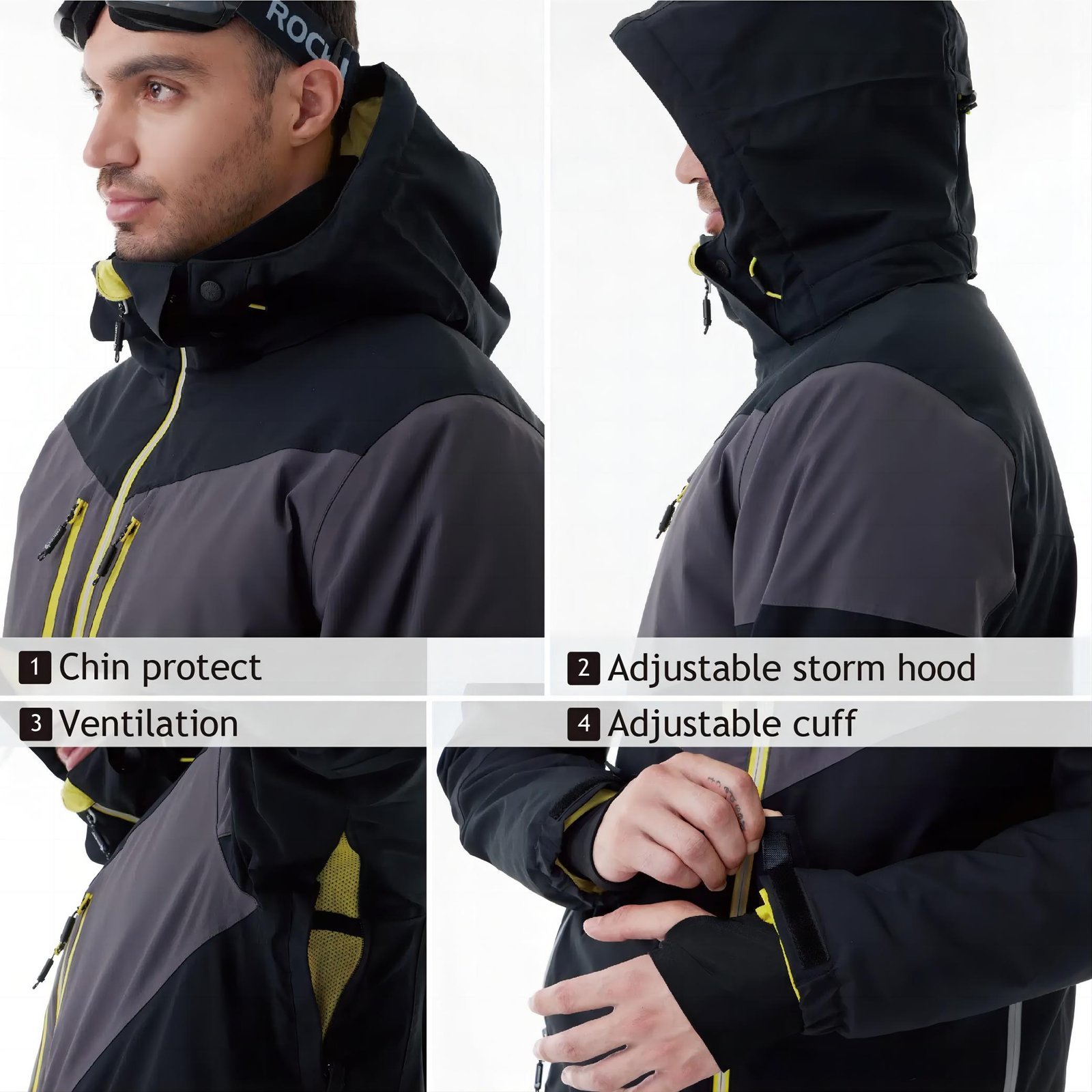
Drop-shoulder cuts with 3–4 inches of extra chest ease define the oversized silhouette that dominates current streetwear collections.
This is the highest-demand style for influencer brands and independent designers sourcing from a lightweight puffer jacket manufacturer targeting youth culture.
Puffer Vest Styles
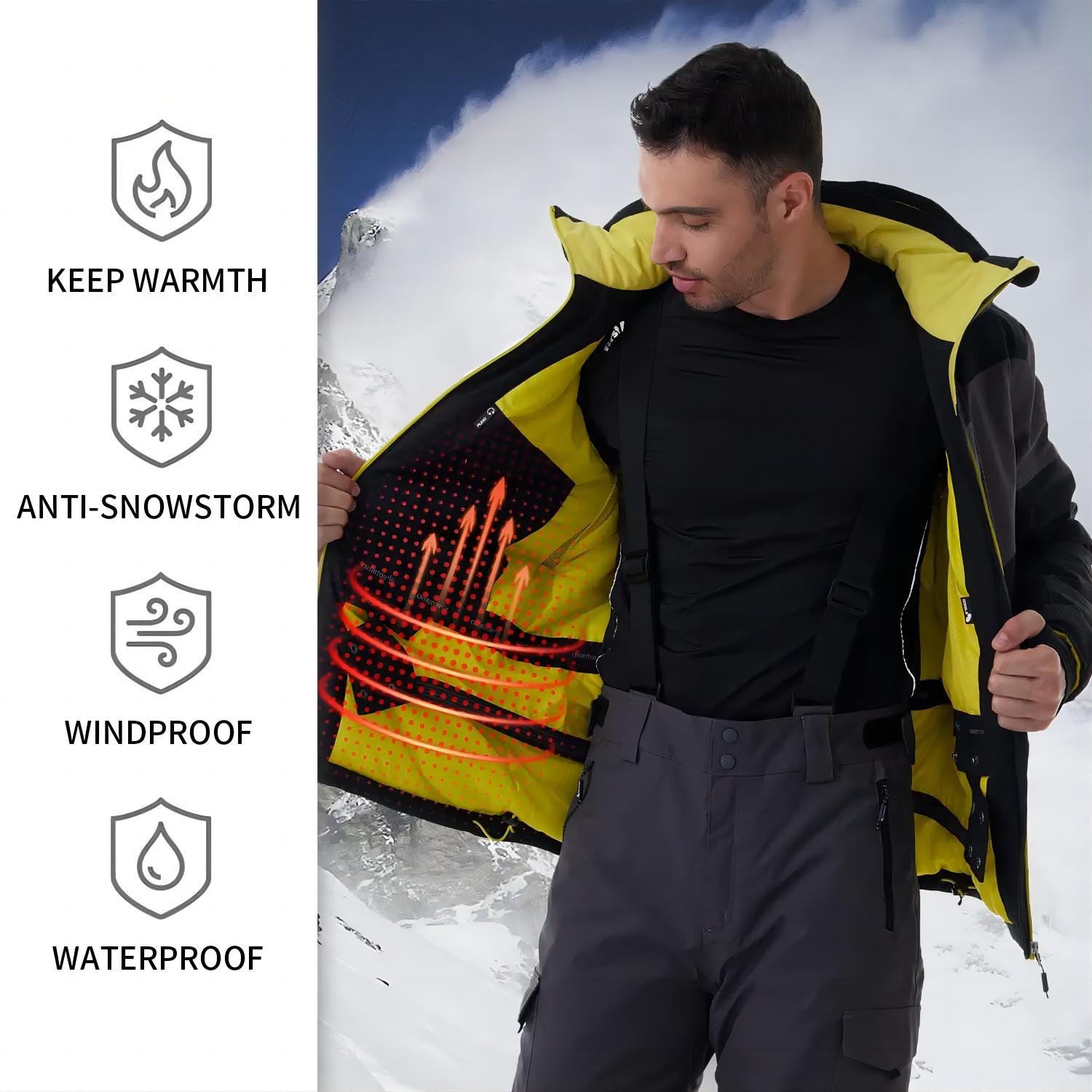
Sleeveless puffer vests offer torso warmth without sleeve bulk and layer cleanly over hoodies or long-sleeves.
Retailers building capsule collections and creator brands use vests as lower-MOQ accent pieces that extend a line without new pattern development costs.
Cropped and Fashion-Forward Silhouettes
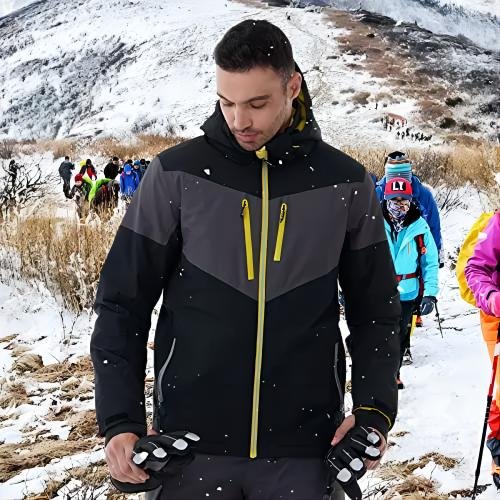
Cropped lengths at hip or above-waist pair naturally with high-waisted bottoms for a streetwear editorial look.
Fashion startups and influencer brands prioritize these silhouettes to signal trend awareness; they typically ship in smaller initial runs of 50–150 units per colorway.
4. Materials & Fabrics Used by Top Lightweight Puffer Jacket Manufacturers
Material selection drives roughly 40–60% of a puffer jacket’s finished performance and cost. A skilled lightweight puffer jacket manufacturer treats shell, lining, and insulation as one integrated system — each choice directly affects packability, warmth, weight, and retail price tier.
| Insulation Type | Warmth-to-Weight | Cost Tier | Wet Performance | Sustainability Rating |
|---|---|---|---|---|
| 800-Fill Goose Down | Excellent | Premium ($$$) | Poor | RDS-certified |
| 600-Fill Duck Down | Good | Mid ($$) | Poor | RDS-certified |
| PrimaLoft Gold | Very Good | Mid–Premium ($$–$$$) | Excellent | bluesign / recycled option |
| Thinsulate 150g | Good | Mid ($$) | Good | OEKO-TEX Standard 100 |
| Recycled Synthetic | Moderate | Budget–Mid ($–$$) | Good | GRS-certified |
Shell Fabrics: Ripstop, Polyester, and Recycled RPET
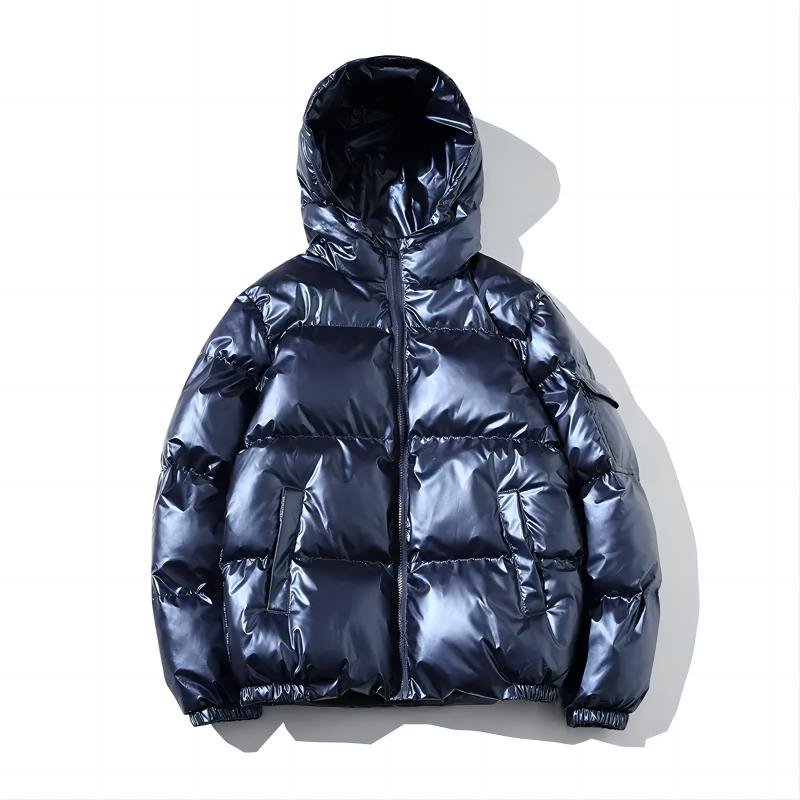
Ripstop nylon (20D–70D, 40–80 GSM) delivers the best tear resistance at low weight — ideal for premium packable styles. Standard polyester (50D–75D) offers a lower cost with acceptable durability for mid-range production runs.
Recycled RPET shells carry GRS (Global Recycled Standard) certification and match virgin polyester in tensile strength. All three shell types accept DWR (Durable Water Repellent) finishing, rated 10,000–20,000 mm hydrostatic head on performance grades.
Insulation Types and Performance Trade-Offs
Fill power measures warmth-to-weight: 800-fill RDS-certified goose down leads in loft per gram but performs poorly when wet. PrimaLoft Gold and Thinsulate 150g remain insulating when saturated — a decisive edge for performance and lifestyle applications.
Recycled synthetic fill closes most of the performance gap with virgin synthetic while earning GRS certification, now a baseline requirement for EU and US specialty retailers.
Lining Fabrics and Sustainability Certifications
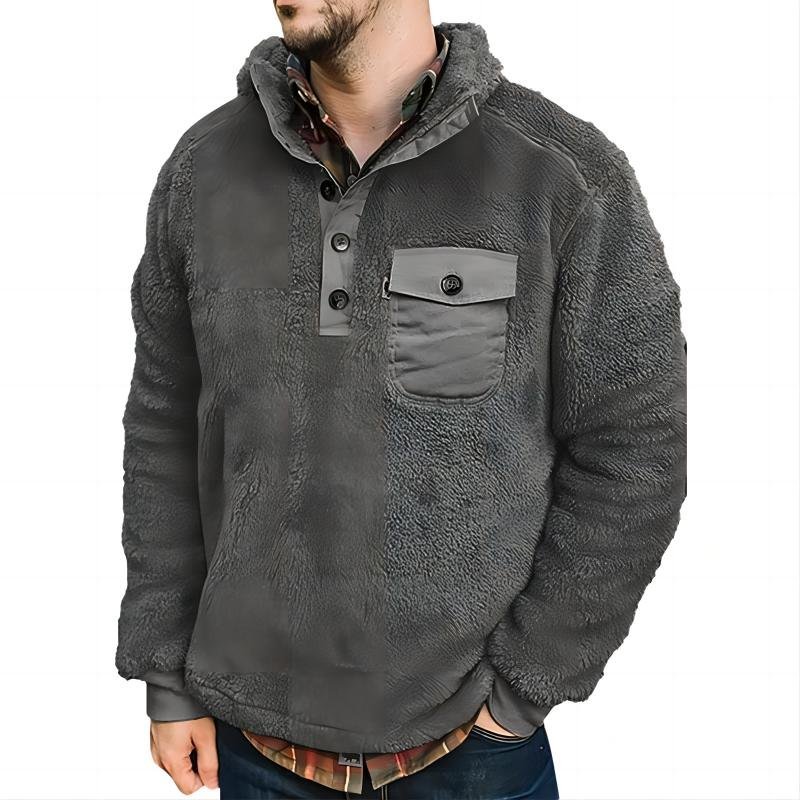
Taffeta polyester lining (30D–50D, 50–70 GSM) is the packable puffer standard — low weight, low friction, and baffle-compatible. Brushed tricot and microfleece linings add 30–50 GSM and suit lifestyle or mid-layer styles where comfort outweighs pack size.
OEKO-TEX Standard 100 and bluesign certify chemical safety across shell and lining fabrics. EU and US specialty retailers increasingly require these alongside GRS for any recycled-content claim.
5. Customization Options Offered by a Lightweight Puffer Jacket Manufacturer
Any reputable lightweight puffer jacket manufacturer separates customization into two tracks: stock-program modifications and full custom development. Understanding which tier fits your launch controls MOQs, lead times, and per-unit cost before your first sample request.
| Customization Tier | Examples | Typical MOQ | Lead Time Add |
|---|---|---|---|
| Stock Program | Label swap, approved colorway, heat-transfer logo | 100–300 pcs | 0–7 days |
| Mid Custom | Embroidery, custom hardware, private label packaging | 300–500 pcs | 15–25 days |
| Full Custom | Original baffle shape, proprietary quilting, custom dye | 500+ pcs | 60–90 days |
Quilting Patterns and Colorway Development
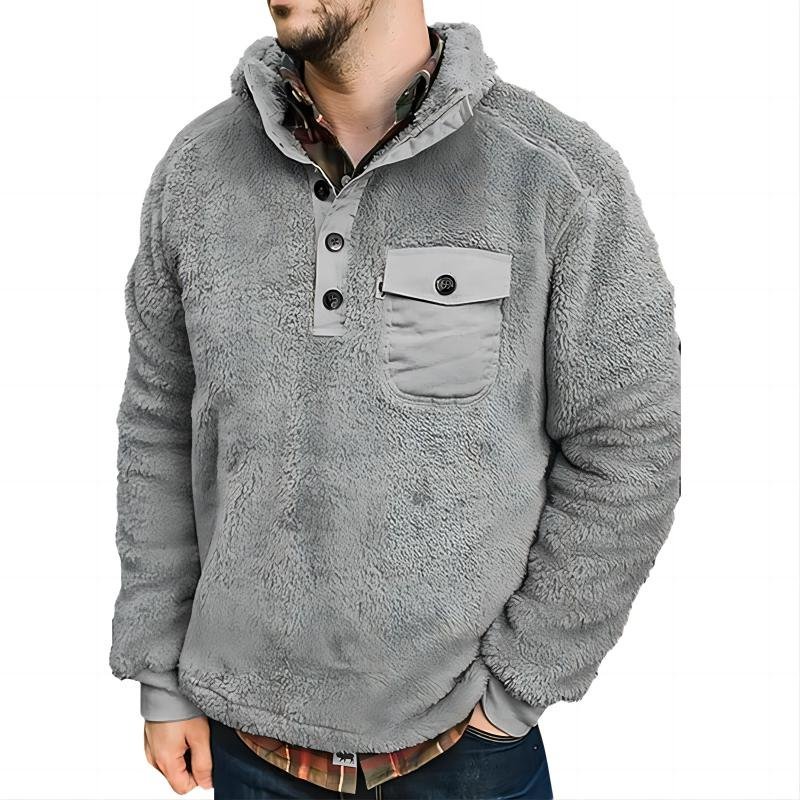
Stock programs offer 4–8 pre-set baffle shapes; full custom quilting requires a new cutting die and 500-piece minimums. Colorway development from a Pantone reference runs 2–3 lab-dip rounds and 15–25 extra days.
Custom dye lots require 300+ meters of shell fabric per color to be cost-viable at a competitive price per unit.
Labels, Logos, and Hardware Details
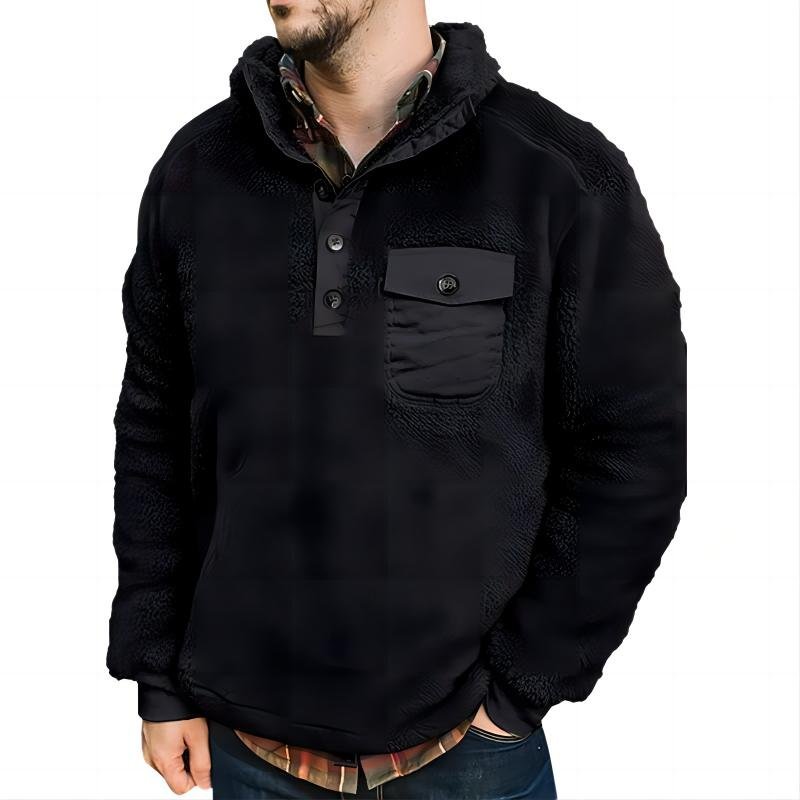
Woven neck labels carry no separate MOQ beyond the jacket order minimum; embroidery requires 200+ pieces to cover digitizing fees. Heat-transfer and screen-print graphics remain viable under 300 units, while YKK zipper pulls with custom engravings need 500-piece tooling runs.
Pantone-matched snap buttons and cord tips are available at 300-piece minimums with no tooling charge.
Private Label Packaging Options
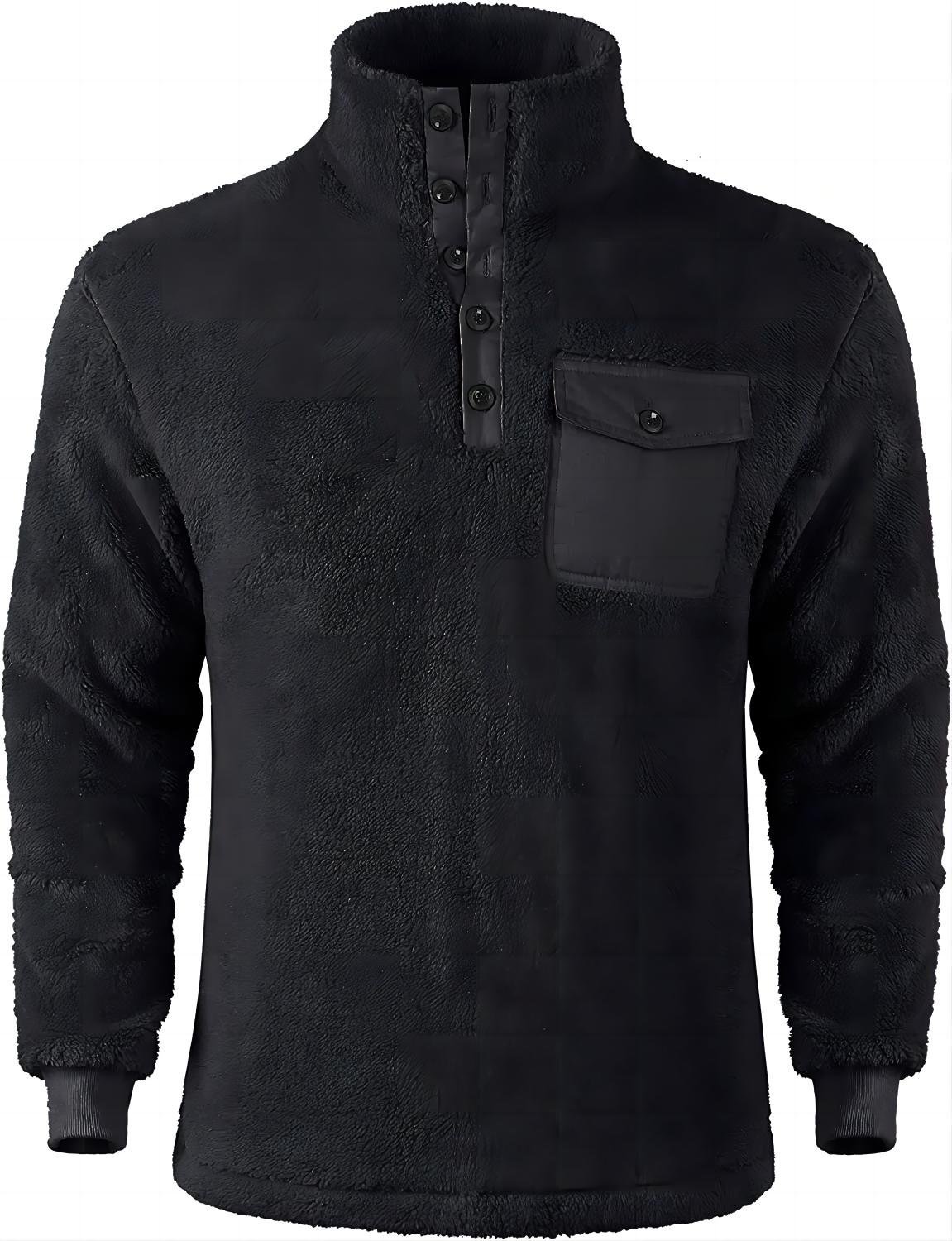
Branded poly bags, hang tags, and tissue paper can be added at 200-piece minimums with a 7–10 day lead-time premium. Retail-ready printed boxes or premium garment bags require 500-piece runs and 20–30 extra days.
Establishing packaging specs at the sampling stage prevents costly revisions during bulk production.
6. Key Construction Quality Elements to Verify
A structurally sound lightweight puffer jacket fails or succeeds at six measurable checkpoints. Auditing each one — ideally referencing named QC stages — reveals whether a lightweight puffer jacket manufacturer embeds quality controls during production or catches defects only after they ship.
Baffle Stitch Integrity and Down Leakage Prevention
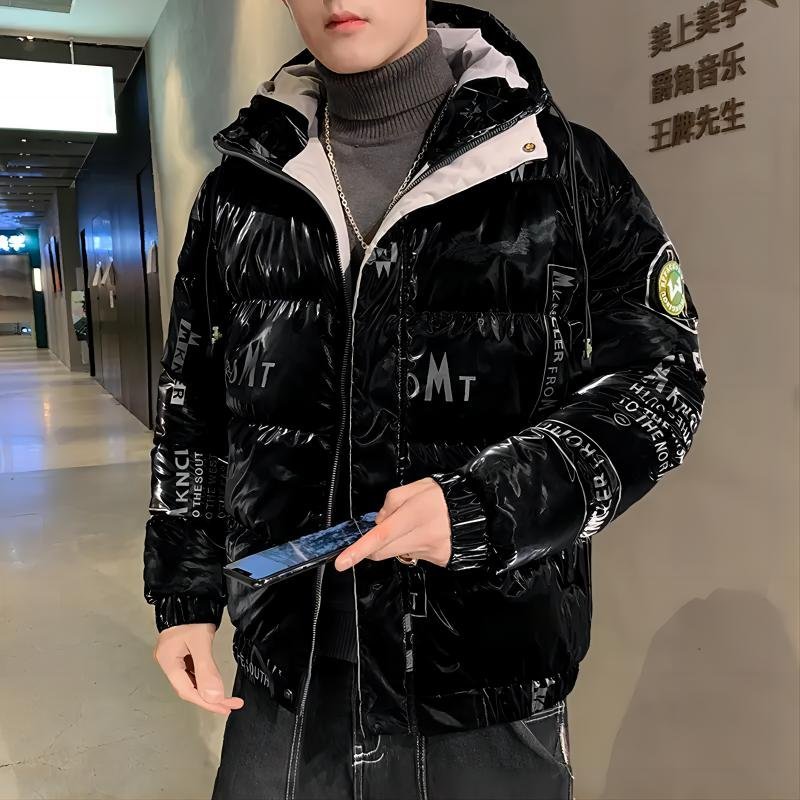
Through-stitch and box-baffle constructions are tested by pulling baffle seams at 15–20 N of force during sewing production QC. Any gap wider than 0.5 mm risks down migration, causing cold spots.
A cutting QC checkpoint should also verify panel alignment before stitching begins, since misaligned baffles compound leakage risk across a full batch.
Seam Sealing and Stitch Count Standards
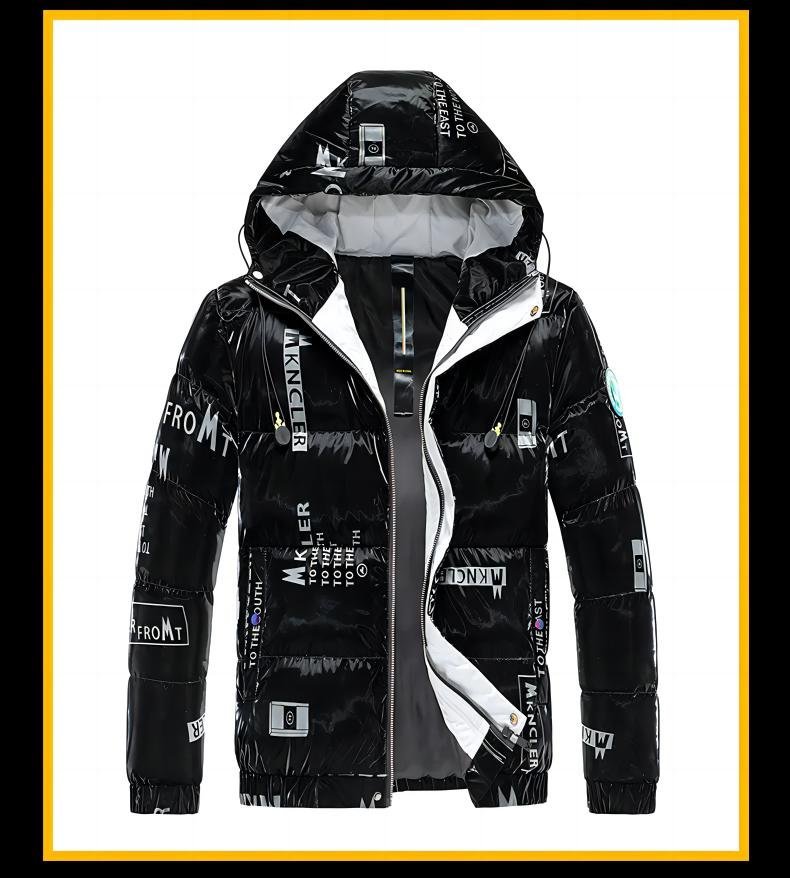
Industry standard for shell seams is 8–12 stitches per inch (SPI); fewer than 7 SPI signals weak construction prone to early separation. Taped seams — heat-bonded strips applied over needle holes — are mandatory on waterproof shells to prevent moisture ingress.
YKK vs. Off-Brand Zipper Performance
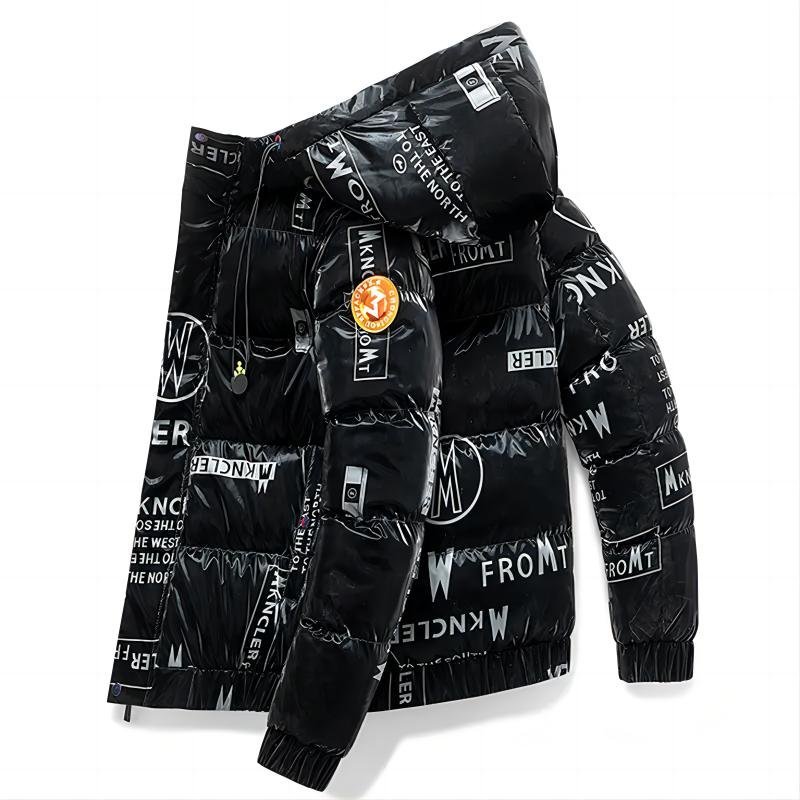
YKK zippers carry a rated cycle life of 2,000–5,000 opens under ASTM D2061 pull-force standards. Off-brand alternatives frequently fail the slider retention test at under 500 cycles — a gap buyers can confirm by requesting third-party test reports before approving a bulk order.
Fill Weight Consistency Across a Batch
Batch-level fill weight variance beyond ±3 g per jacket signals inadequate weighing controls during stuffing. A finished clothing QC inspection should include random pull-and-weigh sampling — a minimum of 5 units per 100-piece run — to catch inconsistencies before shipment.
Shell Fabric Delamination Resistance
Bonded or coated shells rated below 3,000 mm hydrostatic head pressure delaminate within one season of regular use. Request wash-cycle delamination data: credible manufacturers test bonding integrity after 20–30 machine-wash cycles as part of materials QC testing.
Packability and Compression Testing
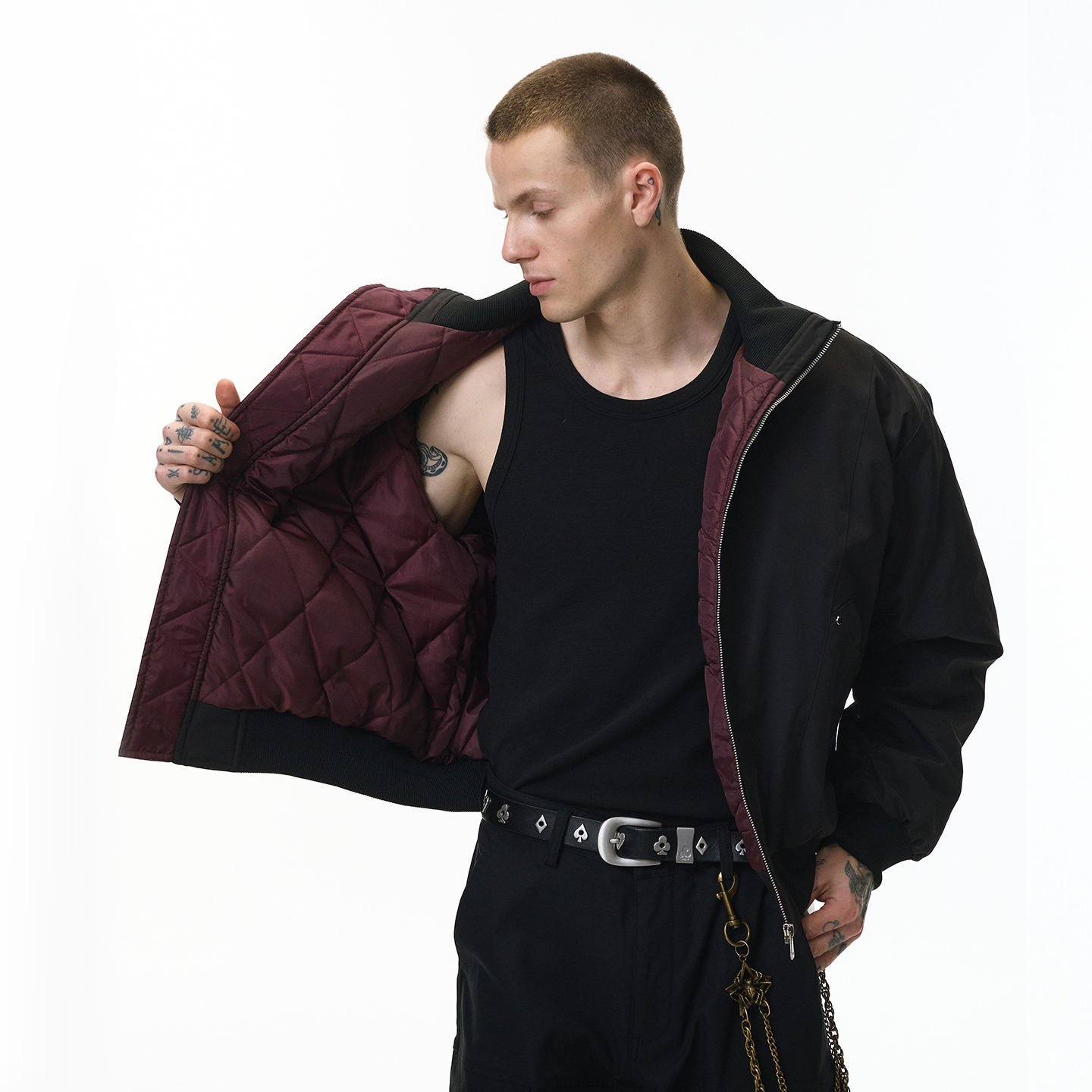
Compression volume is measured in liters; a well-constructed 100 g fill-weight jacket should pack to under 1.5 L. Materials QC testing should confirm shell fabric GSM — typically 20–30 GSM for packable constructions — before cutting begins, since heavier shells block compressibility regardless of fill quality.
7. How to Choose the Right Lightweight Puffer Jacket Manufacturer
Shortlisting a reliable lightweight puffer jacket manufacturer demands a structured evaluation beyond pricing — verify certifications, sample timelines, MOQ tiers, and fill sourcing before committing. Skipping any single criterion risks quality failures after bulk deposits are paid.
Certifications and Audit Reports
Third-party audits — BSCI, WRAP, and ISO 9001 — confirm a factory meets baseline labor and quality-system standards.
Request the actual certificate issue dates; certifications older than two years without renewal signal lapsed compliance. OEKO-TEX Standard 100 matters additionally when fill or shell fabric contacts skin directly.
Vetting Manufacturers at Trade Shows
Canton Fair, held twice yearly in Guangzhou, lets buyers inspect physical samples and meet production staff face-to-face before signing any contract.
Bring your own hand samples to test fill loft and shell fabric weight on the spot. Ask which finished products the factory actually produced, not merely prototyped for display.
Sample Rounds and Lead Times
A credible factory delivers proto samples within 7–14 days of receiving technical packs.
Request a size-graded sample set — not a single hero size — before approving bulk production. Manufacturers quoting 30-plus days for a first sample often signal outsourced pattern work or strained capacity.
MOQ Flexibility and Fill Operations
MOQ tiers for puffer jackets typically range from 100–300 pieces per style at specialist streetwear factories to 500-plus at standard cut-and-sew operations.
Confirm whether down or synthetic fill is processed in-house or outsourced; in-house fill lines reduce fill-weight variance and shorten overall lead times by eliminating a vendor handoff.
Communication and Brand References
Response time under 24 hours during business hours is a reliable baseline for operational competence — slow replies before an order rarely improve after one.
Ask for references from brands of comparable volume and style. A manufacturer that has served clients across 100-plus countries demonstrates proven logistics and order-management scale. Confirm a dedicated account manager, not a rotating sales rep, will own your production from sampling through shipment.
8. Common Mistakes Brands Make When Sourcing a Lightweight Puffer Jacket Manufacturer
Even experienced buyers lose margin and miss launch windows by repeating the same sourcing errors with a lightweight puffer jacket manufacturer. Six patterns account for the majority of costly project failures — most are preventable with a single corrective step.
Prioritizing Price Over Fill-Weight Accuracy
A quote 10% below market often signals 40g/m² down fill where 60g/m² was specified. Jackets that miss fill-weight fail warmth-to-weight claims and generate returns. Require a fill-weight certificate matched to a sealed sample before committing to any supplier.
Skipping Pre-Production Samples
Bypassing PP samples to save 2–3 weeks routinely exposes baffling misalignment or shell delamination at bulk stage — a 6–8 week corrective delay. Approve a sealed, countersigned sample before authorizing the cut.
Ignoring RDS and GRS Certification
EU and North American retailers increasingly require Responsible Down Standard (RDS) or Global Recycled Standard (GRS) documentation at the purchase-order stage. A factory without active certification blocks retail placement outright. Verify certificate numbers and expiry dates before signing any contract.
Underestimating Custom Baffling Lead Times
Standard channel baffling ships in 30–45 days; custom baffle patterns add 15–20 days for tooling and trial stitching. Brands that ignore this buffer routinely miss Q4 shipping windows. Build the extra lead time into the production calendar before placing the order.
Failing to Lock In Bulk Fill Pricing
Down and synthetic fill prices fluctuate 15–30% seasonally. Negotiating a unit price without fixing the fill cost leaves brands absorbing sudden spikes at bulk stage. Add a cost-cap clause or lock fill pricing explicitly in the purchase contract.
Neglecting Retail Packaging Compliance
Major retailers mandate poly-bag thickness of 0.04mm minimum, suffocation-warning text, and precise barcode placement. Non-compliant packaging triggers chargebacks of 5–15% of invoice value. Specify every packaging requirement in the tech pack before bulk production begins.
9. Steps to Launch Your Brand With a Lightweight Puffer Jacket Manufacturer
Launching with a lightweight puffer jacket manufacturer follows a repeatable six-step workflow. Brands that map each stage before placing an order reduce costly revisions, shorten lead times, and protect margins from the first production run.
Define Your Tech Pack and Fill Spec
A complete tech pack includes shell fabric GSM, fill weight (typically 60–120g for lightweight styles), baffle construction, zipper spec (YKK #5 is standard), and Pantone color callouts. Incomplete specs force factories to guess, inflating sample rounds and total cost.
Request Factory Shortlist and Quotes
Share your tech pack with 3–5 vetted factories and request itemized quotes covering unit cost at your target MOQ, sample fees, and lead times. Quality manufacturers typically respond within 5–7 business days.
Order and Evaluate Proto Samples
Proto sample fees run $80–$200 per style. Evaluate fill distribution, stitch count per inch, seam strength, and zipper pull consistency against your tech pack spec before requesting revisions.
Negotiate MOQ and Payment Terms
MOQ from China-based manufacturers typically starts at 100–300 units per style. Standard payment terms are 30% deposit with 70% balance before shipment via T/T wire transfer. Negotiate extended terms at higher volume tiers.
Confirm Compliance Docs and QC Plan
Request OEKO-TEX Standard 100 test reports for shell and lining fabrics before approving bulk materials. Confirm the factory runs in-line quality checks — not just end-of-line inspection — to catch defects early across all five production stages.
Approve Pre-Production Sample and Release
The pre-production sample is the binding quality benchmark — sign off only after verifying fill weight, colorway accuracy, and label placement. Release the production order in writing with an agreed AQL inspection date and delivery milestone.
10. Pricing & Cost Breakdown From a Lightweight Puffer Jacket Manufacturer
50 units per colorway is the typical entry MOQ at a lightweight puffer jacket manufacturer, where cutting and setup overhead keeps per-unit cost at its peak. Synthetic-fill jackets at this tier typically land between $32 and $42, depending on shell fabric weight, baffle construction, and trim complexity.
300 units is the inflection point where price breaks of 20–30% over the 50-unit rate emerge, driven by pattern amortization and bulk material purchasing. Full-custom work — custom shell, lining, fill weight, labels, and packaging — adds roughly $4–$8 per unit over stock pricing at any tier.
800-fill-power down commands a 40–60% premium over comparable synthetic fills at identical quantities, reflecting certified cluster sourcing and IDFL testing overhead. Lead times extend by 5–10 additional days at higher-spec tiers as down procurement and fill certification precede cutting.
| Quantity Tier | Fill Type | Customization Level | Est. Unit Cost | Lead Time |
|---|---|---|---|---|
| 50–99 units | Synthetic | Stock | $32–$42 | 20–25 days |
| 100–299 units | Synthetic | Semi-Custom | $24–$32 | 28–35 days |
| 100–299 units | 650-Fill Down | Semi-Custom | $38–$52 | 30–38 days |
| 300–499 units | Synthetic | Full Custom | $19–$26 | 35–42 days |
| 500–999 units | 650-Fill Down | Full Custom | $26–$36 | 38–45 days |
| 1,000+ units | 800-Fill Down | Full Custom | $18–$28 | 45–55 days |
Your Lightweight Puffer Jacket Manufacturer, Ready When You Are
Get a free design consultation, fast response, and a dedicated account manager backed by our 5-step QC guarantee.