
Hooded Puffer Jacket Manufacturer for Streetwear Brands & Startups
Partner with a hooded puffer jacket manufacturer built for trendy labels — low MOQ, 5-step QC guarantee, trend-driven designs, and global shipping from Dongguan.
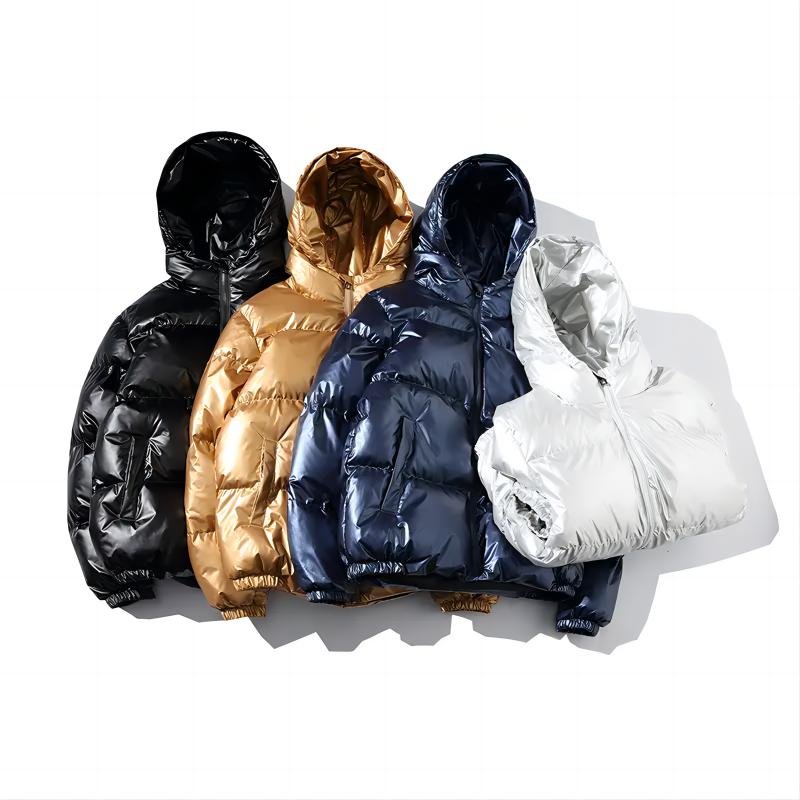
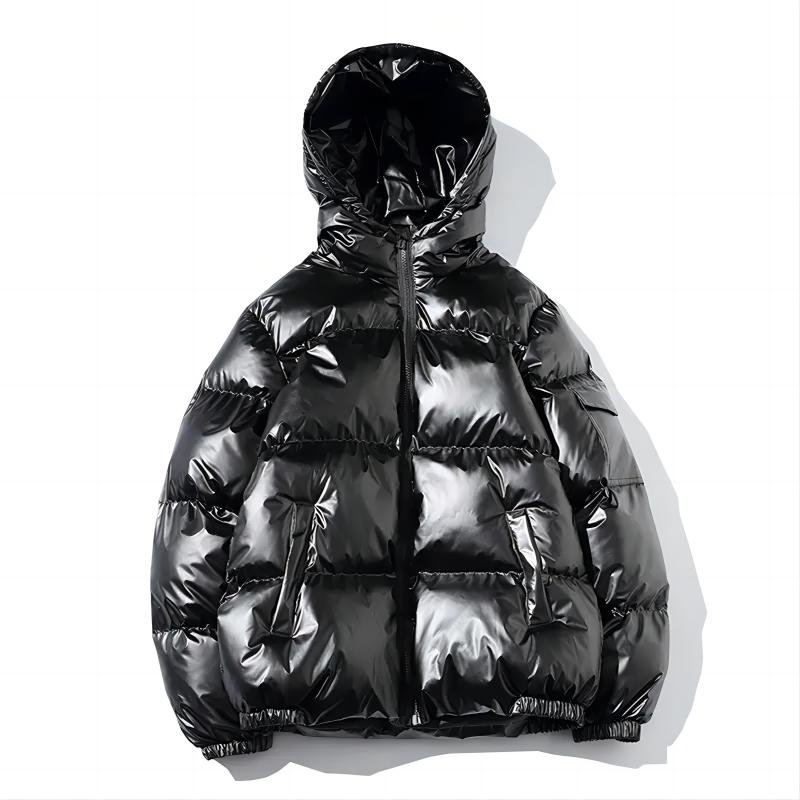
Our Hooded Puffer Jacket Collection
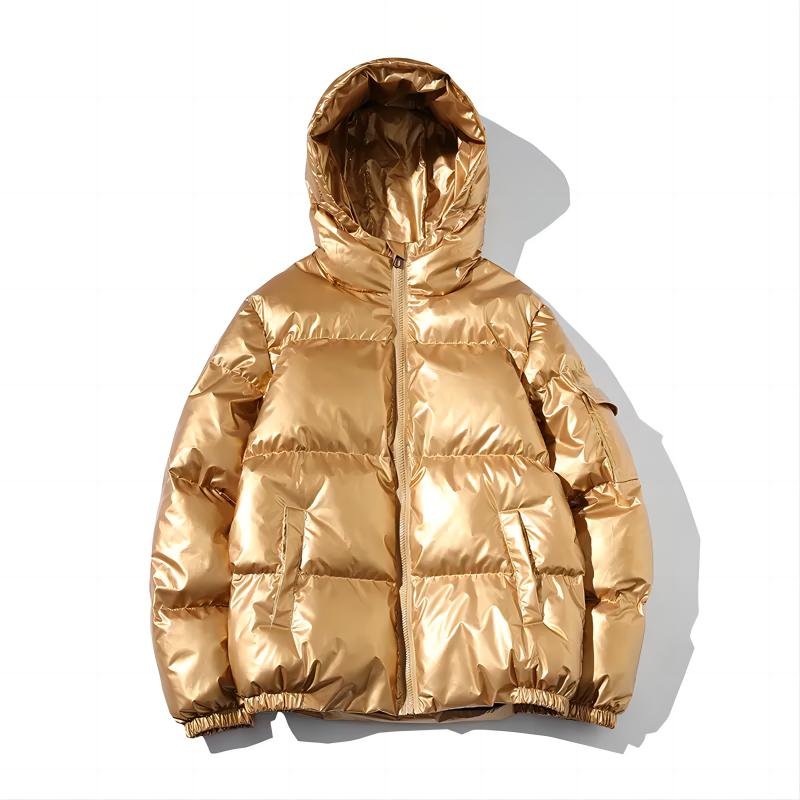
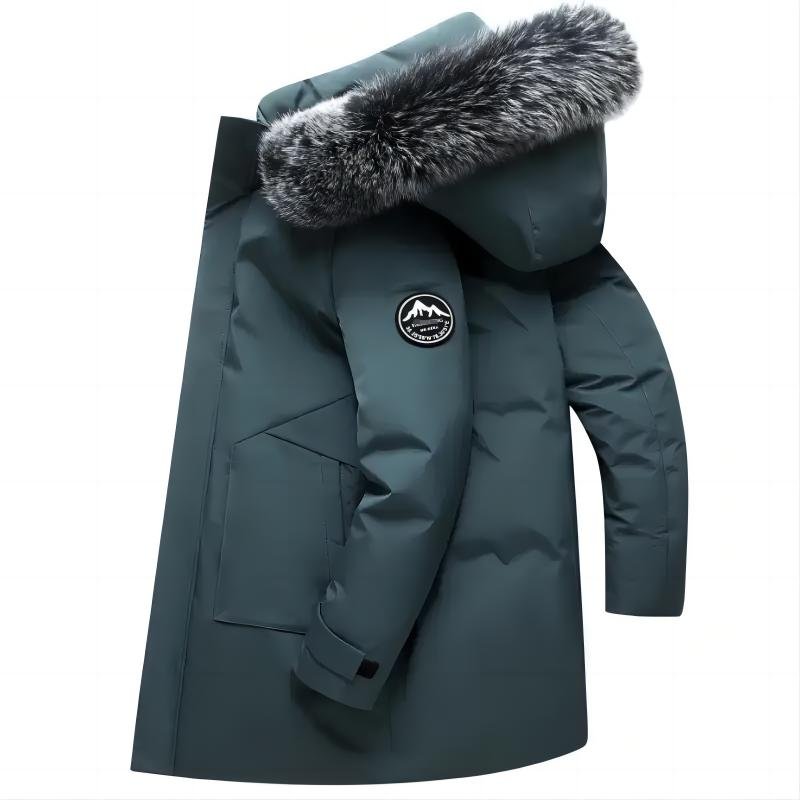
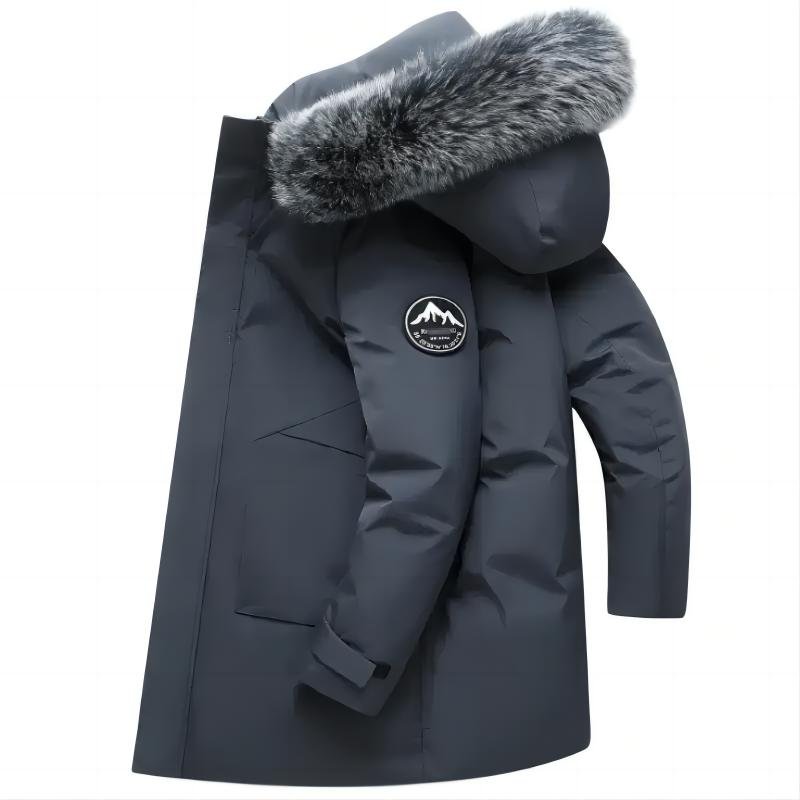
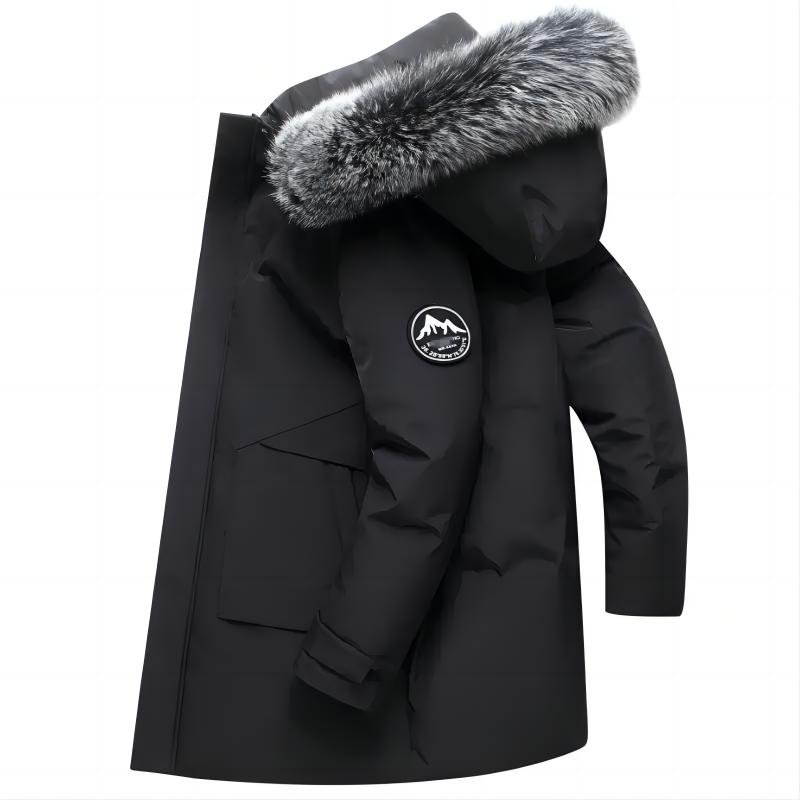
Why Choose Our Hooded Puffer Jacket Manufacturer
Six reasons emerging streetwear brands and global retailers trust us to deliver premium hooded puffer jackets — on time, every time.
5-Step Zero-Compromise QC Guarantee
Materials, cutting, craft, sewing, and finished-garment checks catch defects before they ship — not after they reach your customers.
Low 50-Piece MOQ
Start small, scale fast. A 50-piece minimum lets new brands and independent designers launch without overcommitting on inventory or capital.
7-Day Sample Turnaround
Our in-house sampling team delivers physical prototypes in as few as 7 days, keeping your seasonal calendar and investor deadlines on track.
In-House Streetwear Design Team
15 R&D specialists fluent in skeleton, graffiti, animal-print, and cross motifs translate your vision into production-ready tech packs from day one.
10+ Years Streetwear Production Expertise
Founded by a veteran with a decade in streetwear manufacturing, we have helped brands grow from zero to hundreds of thousands of followers.
Global Shipping & Logistics Support
End-to-end logistics, customs declaration, and international freight management ship finished hooded puffer jackets reliably to 100-plus countries worldwide.
Hooded Puffer Jacket Manufacturer: Styles Built for Every Brand
From classic quilted silhouettes to oversized streetwear drops, our hooded puffer jacket manufacturing adapts to your aesthetic, MOQ, and launch timeline — with zero compromise on quality.
Classic Quilted Puffer Jackets
Emerging labels need a timeless silhouette that translates across demographics, but rigid factory templates and steep minimums make fully branded classic quilted puffers out of reach for early-stage brands.
Our low-MOQ classic quilted hooded puffer jacket program lets startups launch with as few as 50 units, fully branded with custom stitch patterns, color blocking, and premium branded hardware.
Oversized Streetwear Puffer Drops
Streetwear and influencer brands demand oversized, trend-forward cuts that drop fast, but most manufacturers lack the cultural fluency and speed needed to deliver collections that feel genuinely authentic.
Our in-house design team leverages deep streetwear expertise to develop oversized silhouettes quickly, with fast-turnaround sampling that helps creator brands move from concept to a sold-out drop on schedule.
Hybrid Insulated Tech Puffers
Performance-focused retailers need jackets that blend technical insulation with street-ready aesthetics, yet finding a hooded puffer jacket manufacturer with both materials engineering and trend-forward design under one roof is rare.
Our 15-member R&D team and 5-step QC process ensure every hybrid insulated jacket passes materials testing, craft inspection, and finished-goods review before a single unit leaves the production floor.
Seasonal Collection Bulk Runs
Global apparel retailers running tight seasonal windows suffer costly chargebacks when suppliers skip mid-production checks, causing finish defects and size inconsistencies that damage sell-through rates and long-term brand reputation.
Five embedded QC checkpoints and full global logistics support allow retailers to scale seasonal puffer jacket orders confidently, with consistent quality across every unit and on-time delivery to any market.
Premium Fabrics for Hooded Puffer Jackets
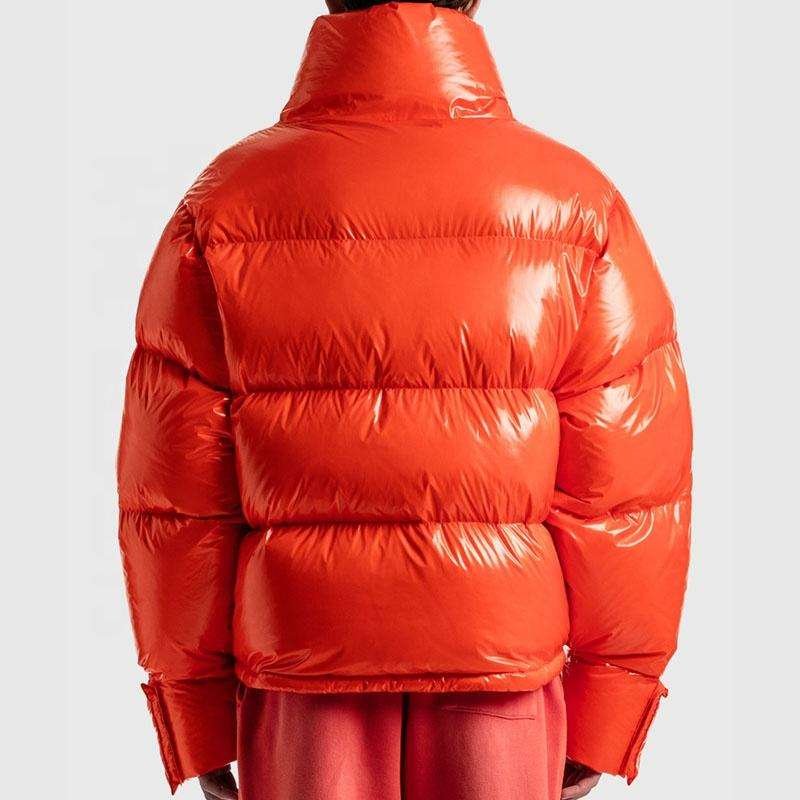
Water-Resistant Nylon
A lightweight, tightly woven shell with a smooth, silky hand-feel and DWR finish. Built for performance puffer silhouettes demanding weather protection without sacrificing packability. Performs reliably down to -10°C.
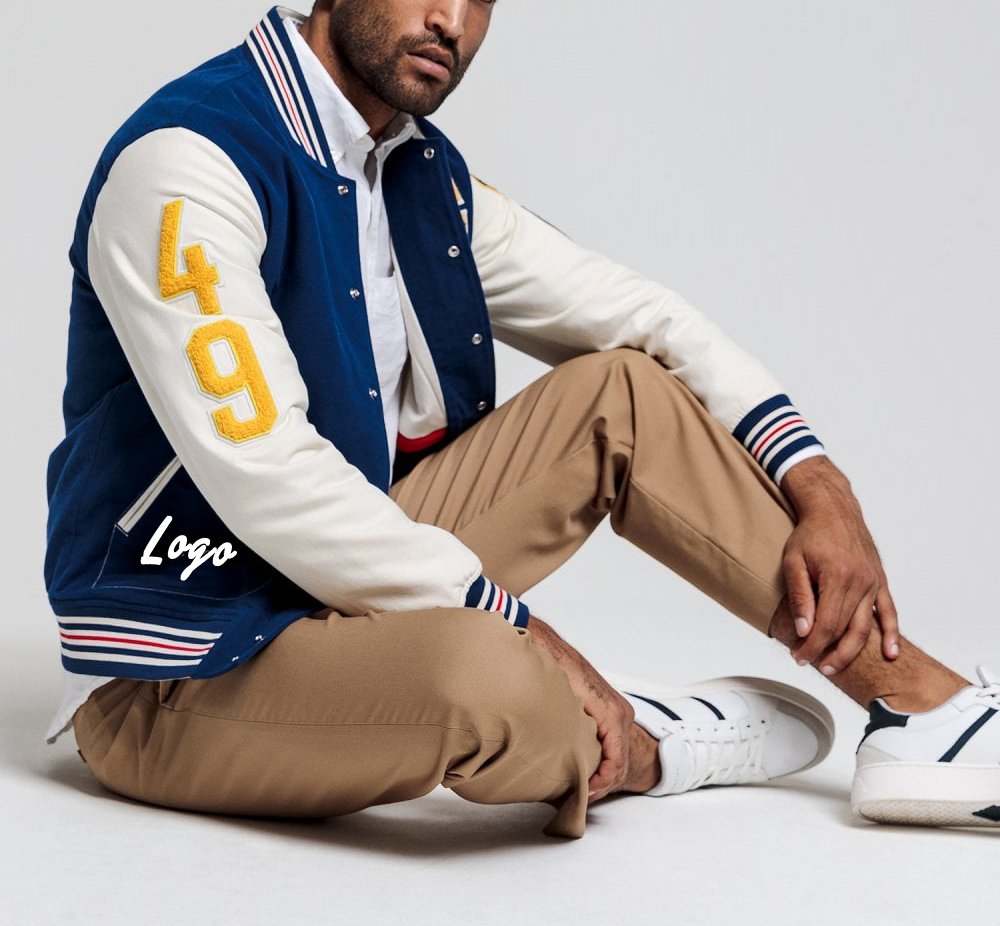
Matte Polyester Shell
A sleek, non-reflective polyester shell favored in urban streetwear puffer collections. Wind-resistant with a soft-touch matte surface, it delivers a premium look at a competitive 50–70gsm shell weight.
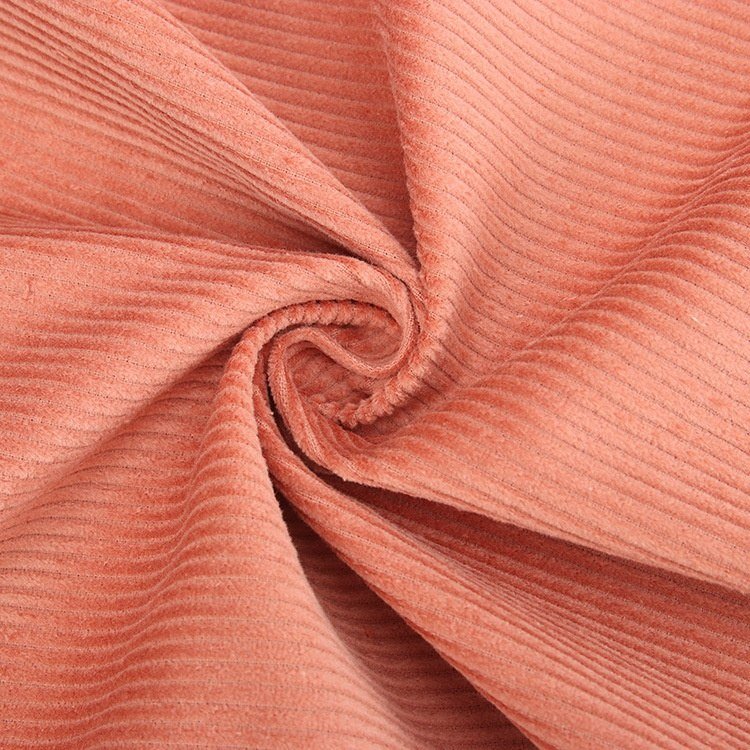
Recycled Polyester
Crafted from post-consumer PET bottles, this GRS-certified shell offers the same durability and water resistance as virgin polyester — ideal for sustainability-focused brands building eco-conscious outerwear lines.
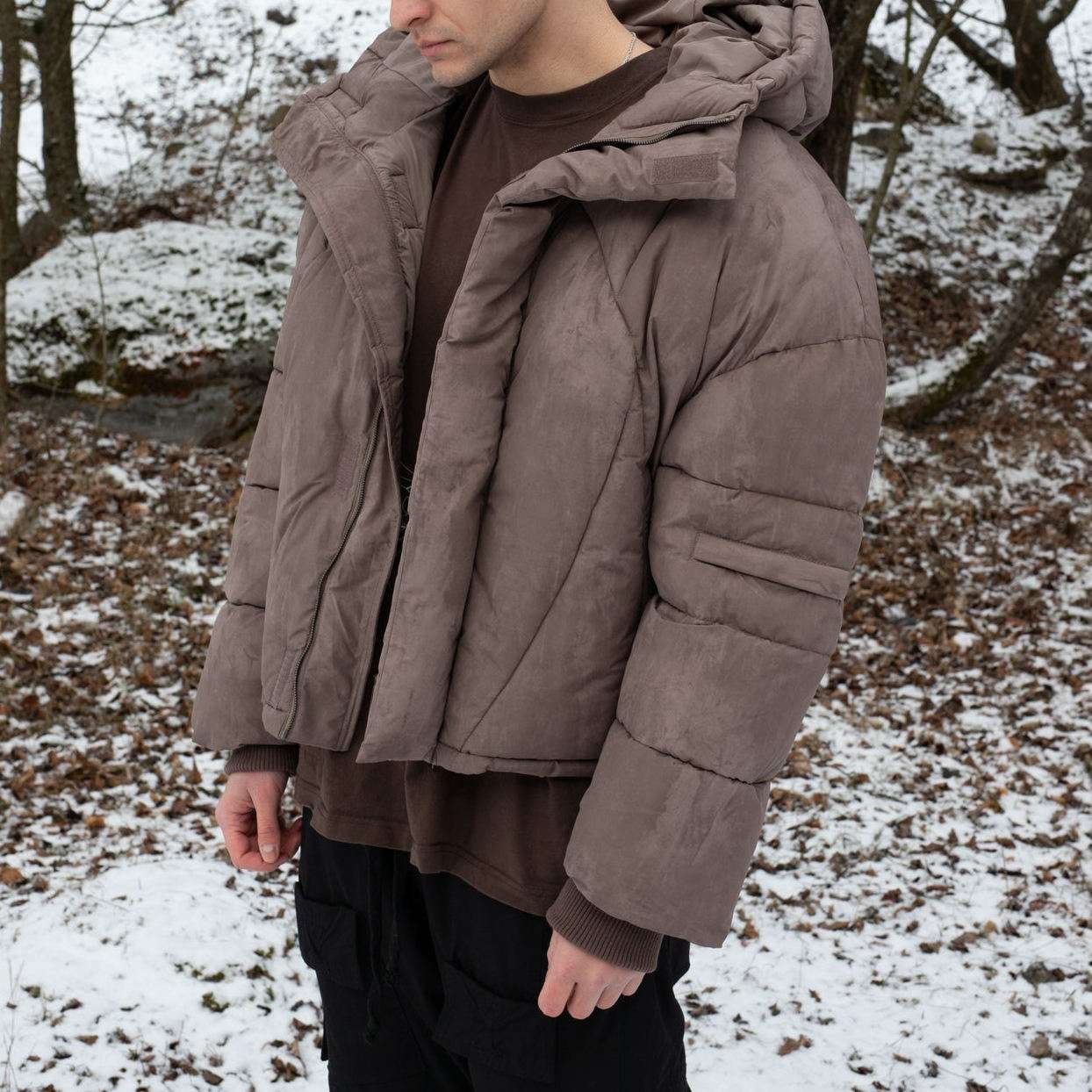
Premium Poly-Nylon Blend
A high-performance blend combining polyester’s color retention with nylon’s abrasion resistance. Delivers a smooth, durable puffer shell with a subtle sheen — a natural fit for influencer and premium retail collections.
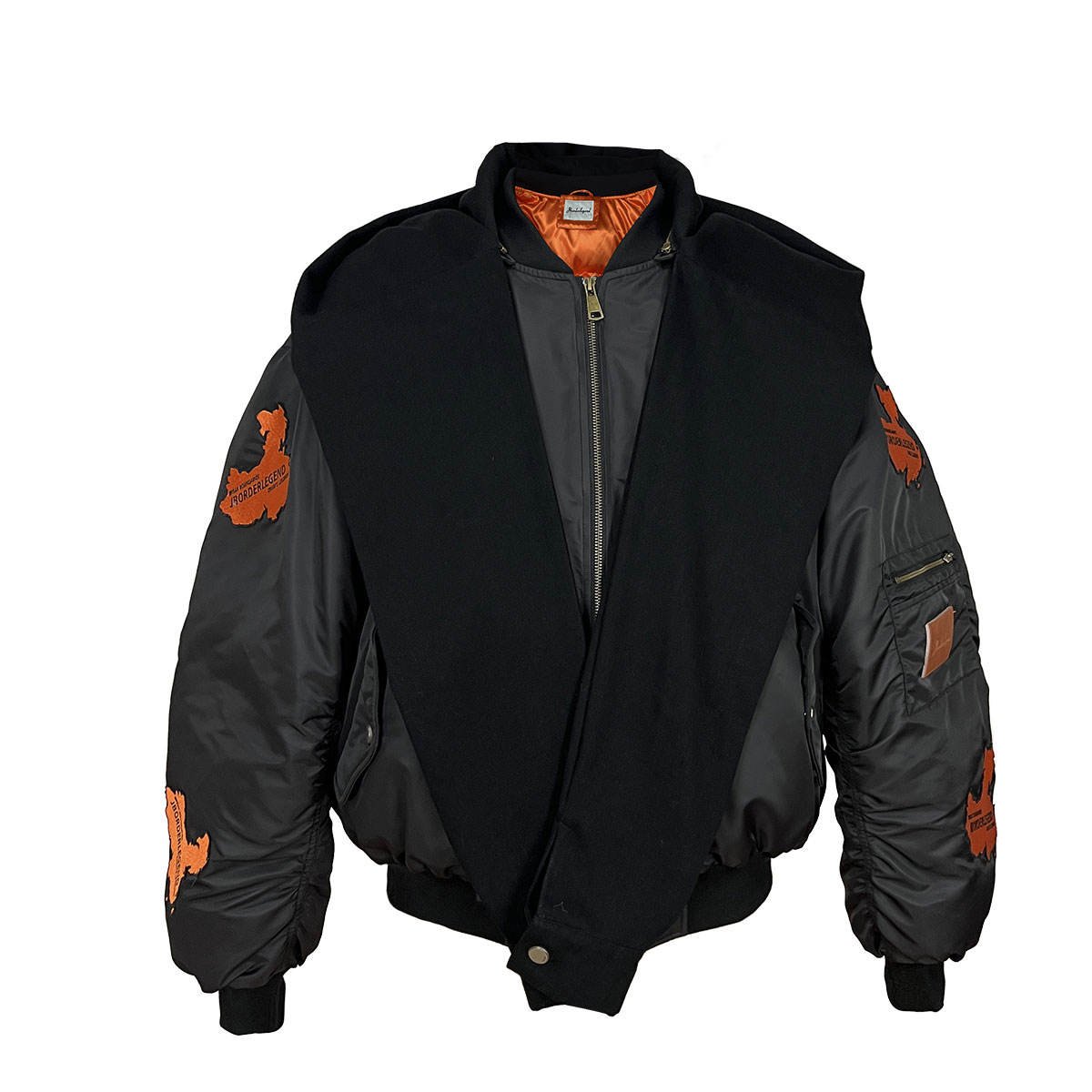
Ripstop Nylon
A grid-reinforced nylon shell that resists tears and punctures without adding bulk. Lightweight at 40–60gsm, it is the go-to technical fabric for active and tactical-inspired streetwear puffer silhouettes.
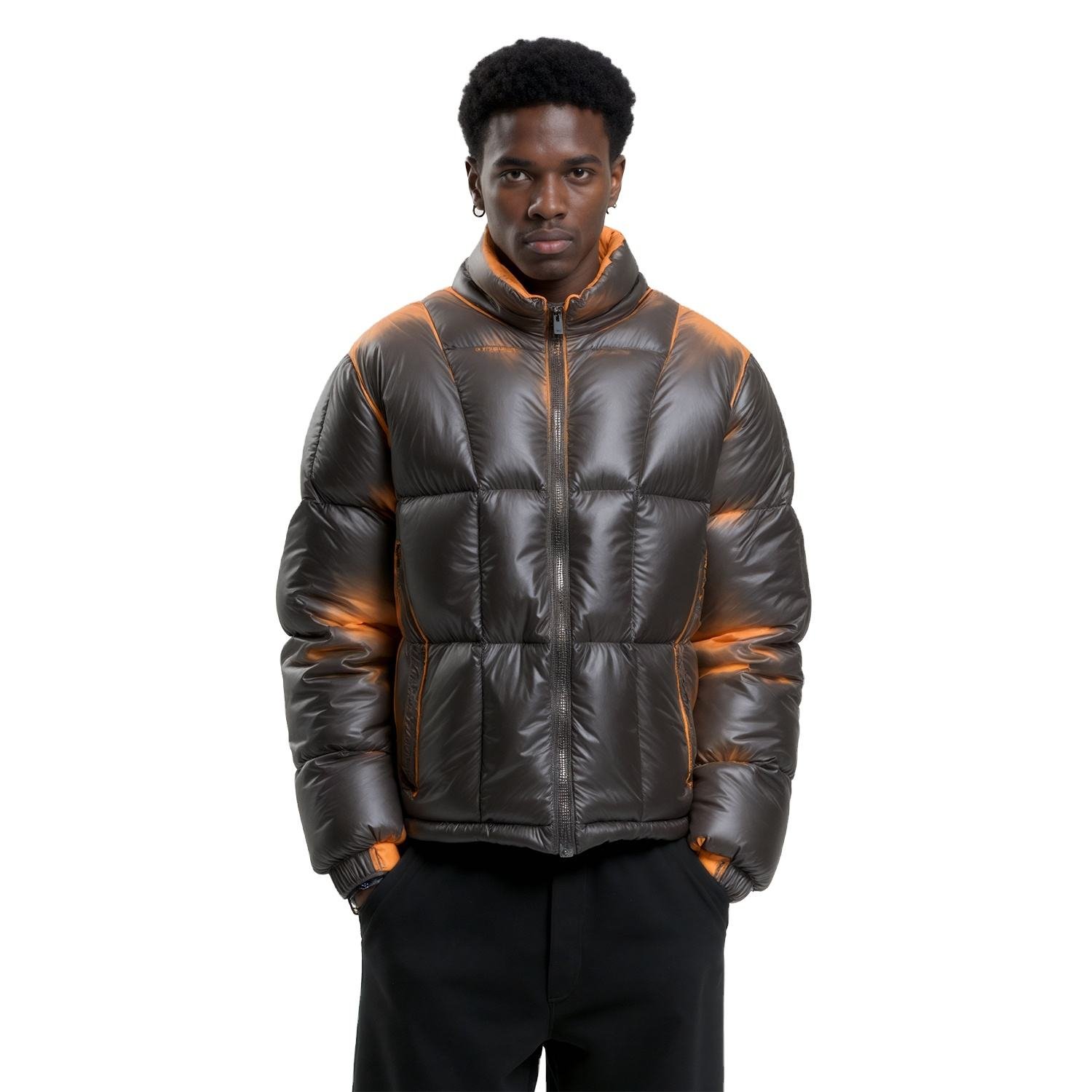
Down-Proof Taffeta
An ultra-tight-weave polyester taffeta engineered to prevent fill migration from down or synthetic insulation. Its crisp hand-feel and high thread count deliver a polished, refined finish on premium puffer styles.
Printing & Decoration Techniques That Bring Your Streetwear Vision to Life
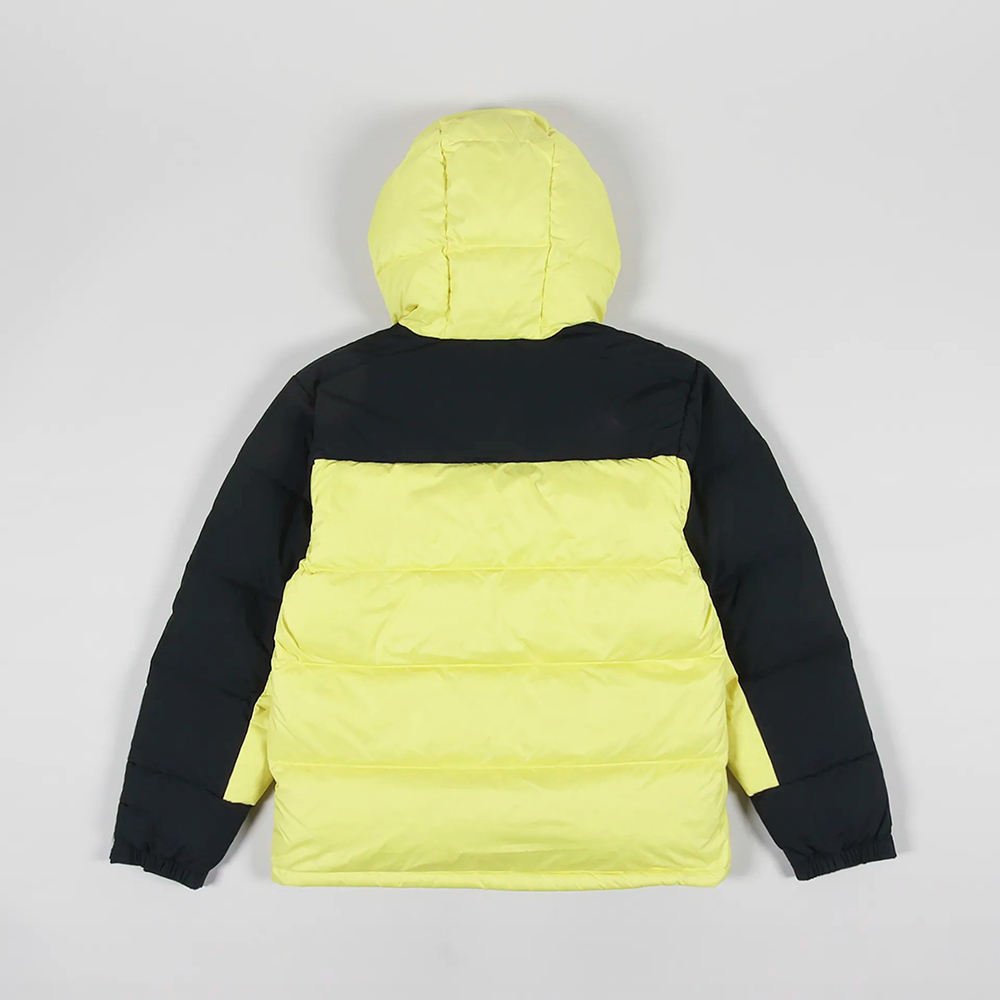
Screen Printing
A streetwear staple: screen printing lays down bold, opaque graphics — skeleton motifs, graffiti art, custom illustrations — directly on puffer shell fabric with razor-sharp edges and wash-resistant color vibrancy.
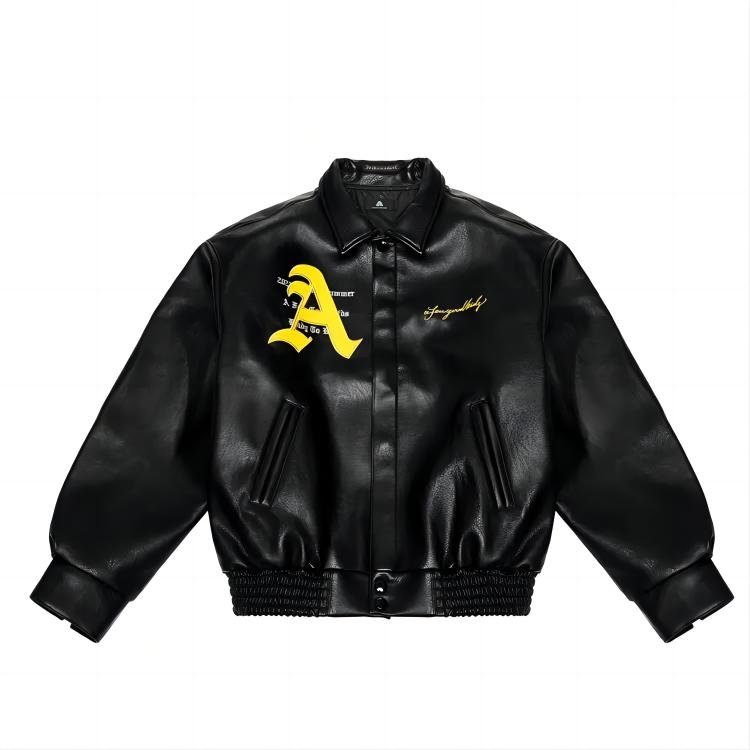
Custom Embroidery
Raised thread work elevates chest logos, sleeve patches, and hood badges with a premium tactile finish. Industrial-grade machines replicate intricate streetwear iconography with precise stitch counts and long-term wear durability.
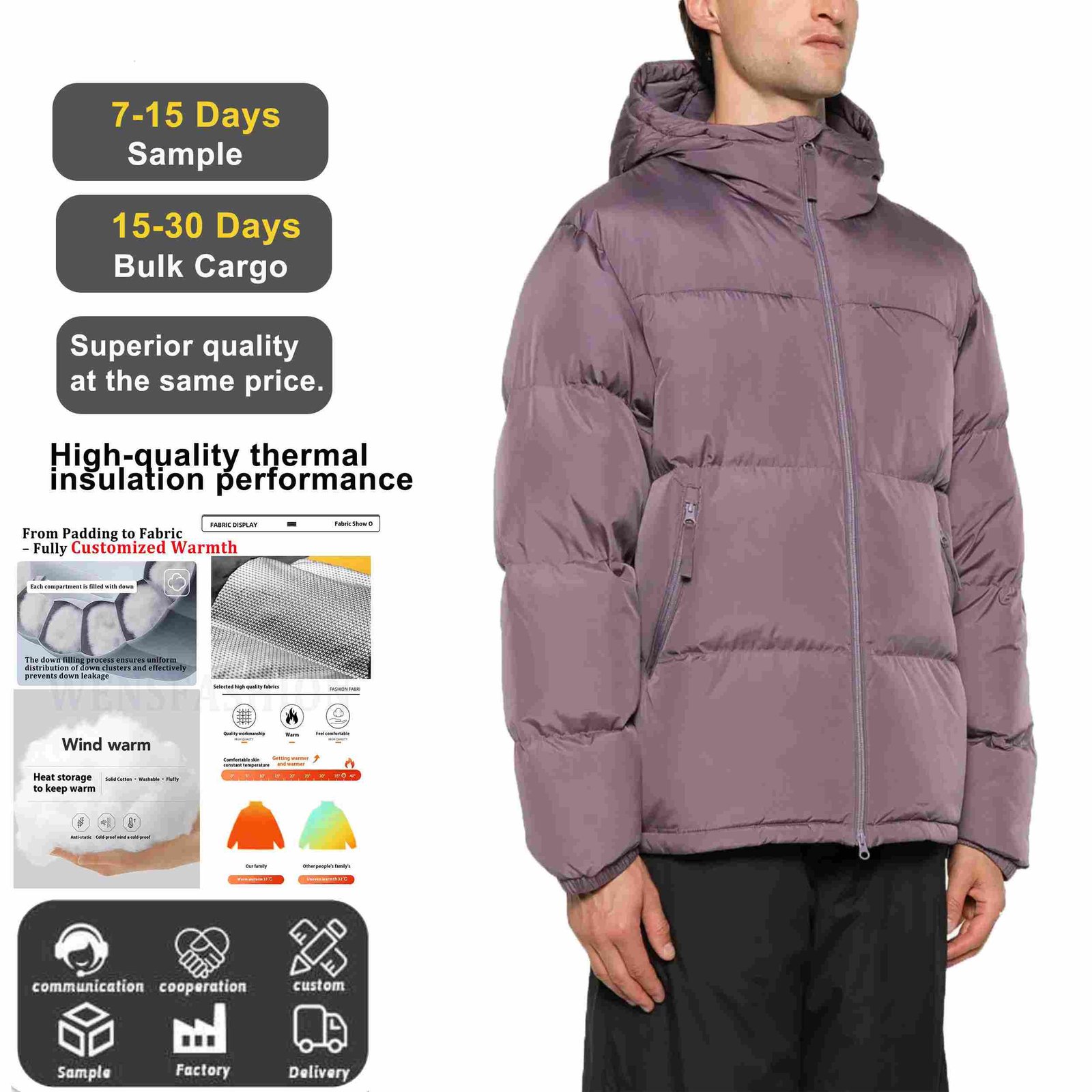
Heat Transfer Vinyl
Ideal for photorealistic imagery and complex multi-color designs, heat transfer vinyl bonds permanently to shell fabric, delivering smooth color gradients, fine detail, and flexible durability through seasons of heavy wear.
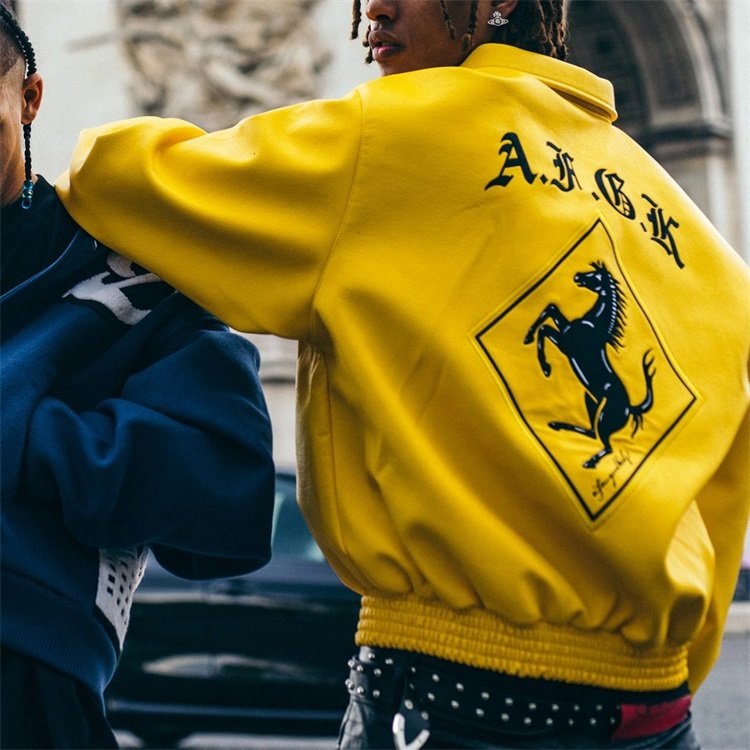
3D Puff Printing
Puff ink expands under heat to create a raised, dimensional effect on logos and lettering — a high-impact streetwear finish that adds depth and texture, making brand marks pop from any distance.
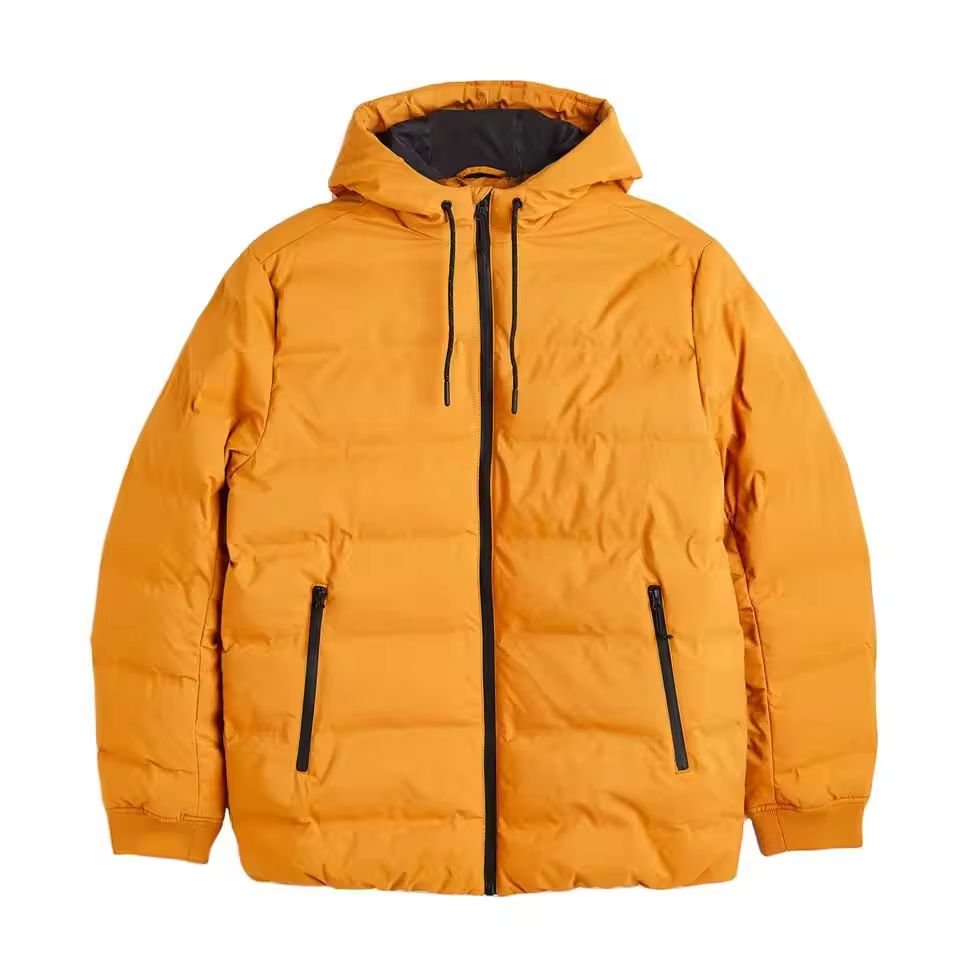
Dye Sublimation
Full-color, all-over printing that bonds ink into fabric at a molecular level, producing edge-to-edge graphics with photographic clarity, vibrant saturation, and zero hand feel — perfect for statement puffer jacket designs.
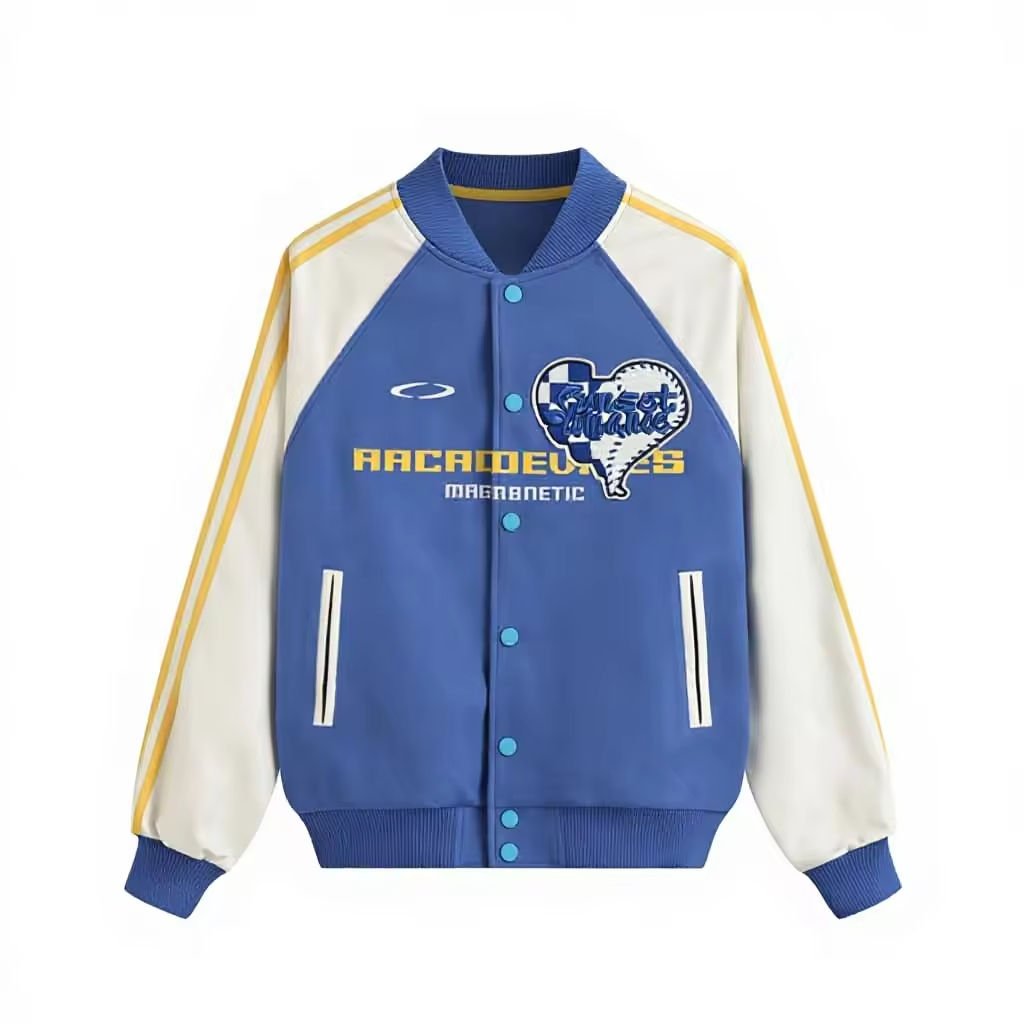
Woven Brand Labels
Custom woven neck labels and hang tags reinforce brand identity at every touchpoint. Available in damask, satin, and taffeta weaves with full-color logo reproduction and soft, skin-friendly premium-feel finishes.
Branded Trims & Hardware — Total Customization Control
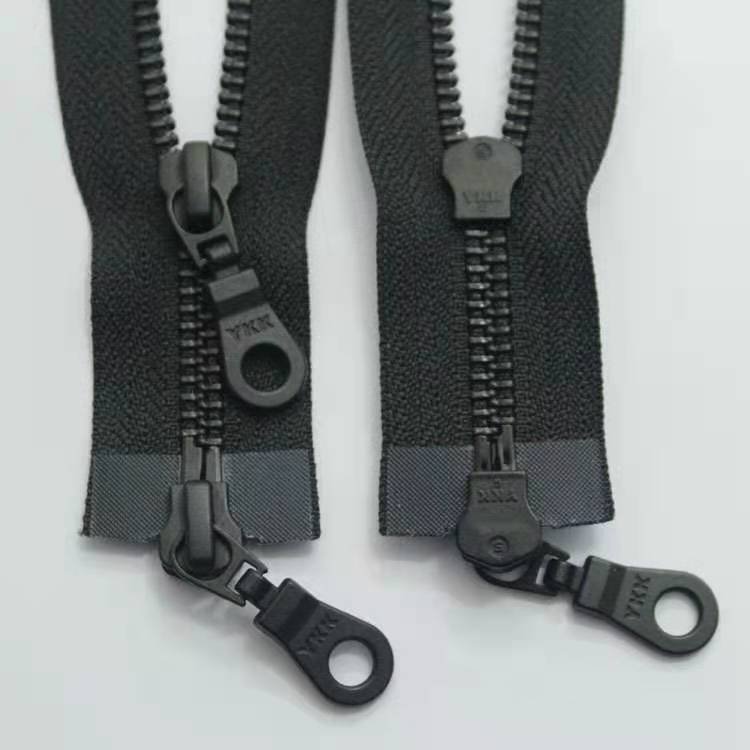
YKK Metal Zippers
Premium YKK-sourced metal zippers deliver smooth, reliable closure on every hooded puffer jacket. Available in gunmetal, brass, and custom finishes to reinforce your brand’s premium positioning at first touch.
Branded Drawcords
Custom logo-tipped drawcords woven or dyed to your exact brand palette. Hood drawcords double as a high-impact branding moment, finished with heat-molded or metal aglets for a clean, streetwear-ready look.
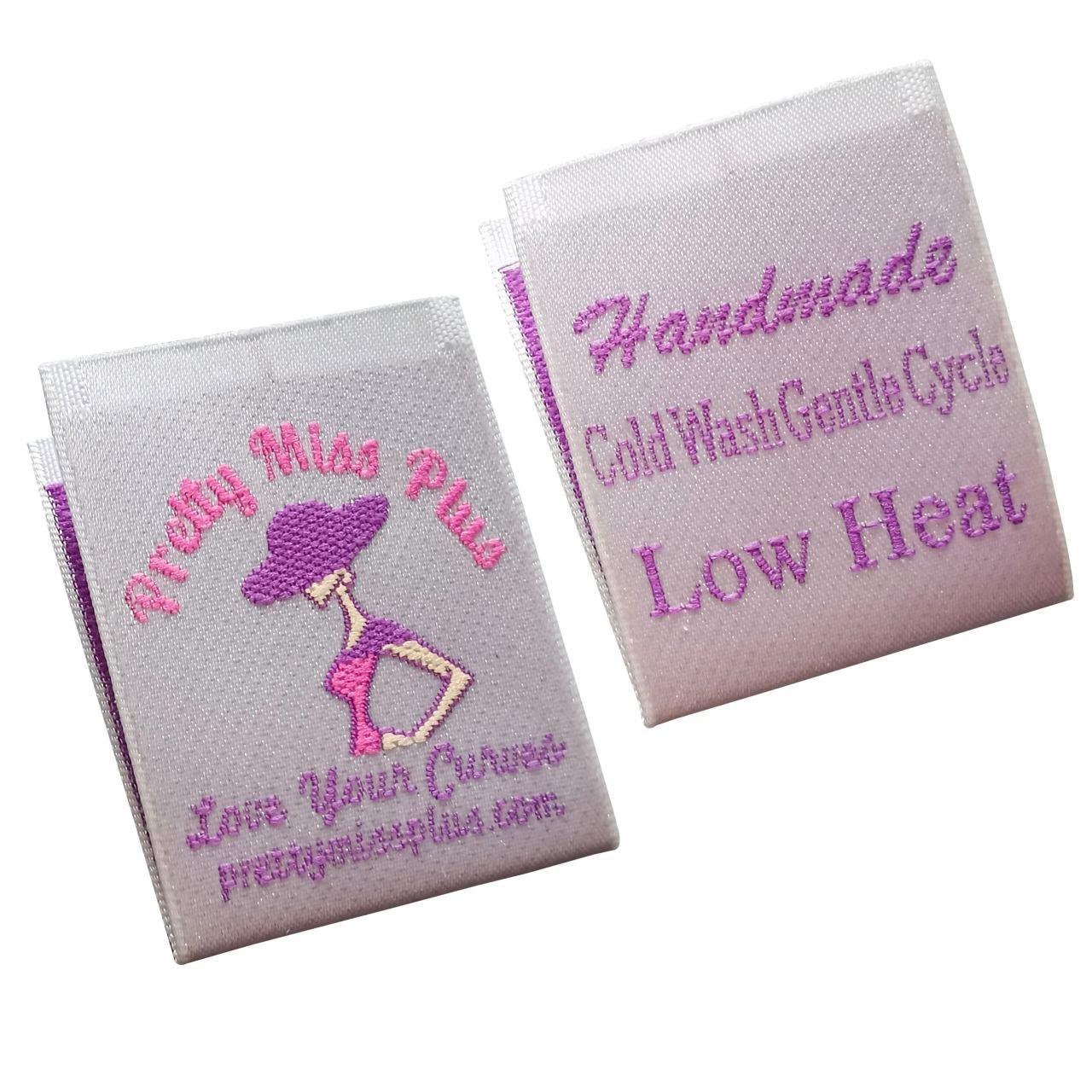
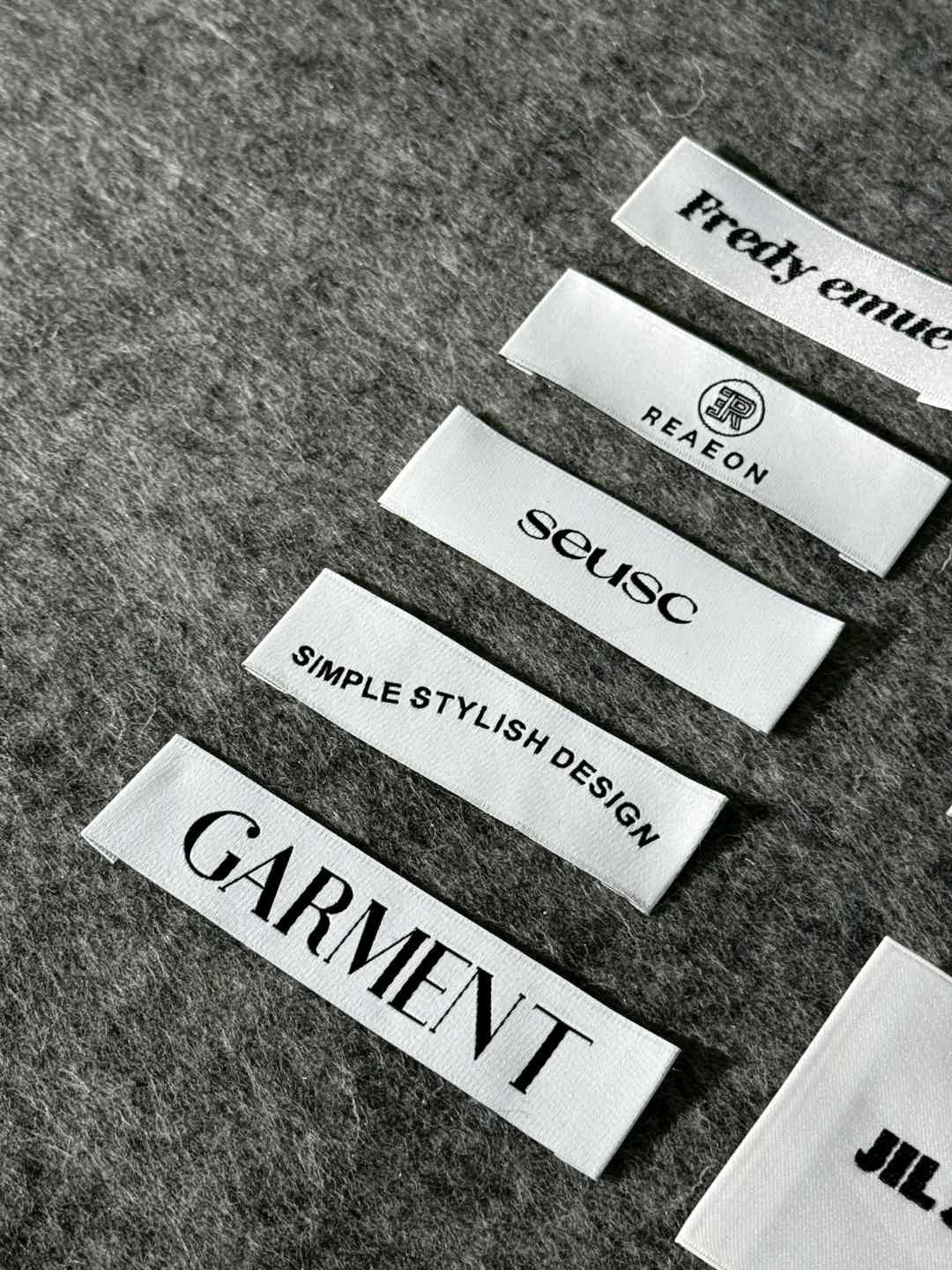
Woven Neck Labels
High-definition woven labels stitched at the collar carry your logo, care instructions, and size information with a premium hand-feel that budget printed alternatives simply cannot match.
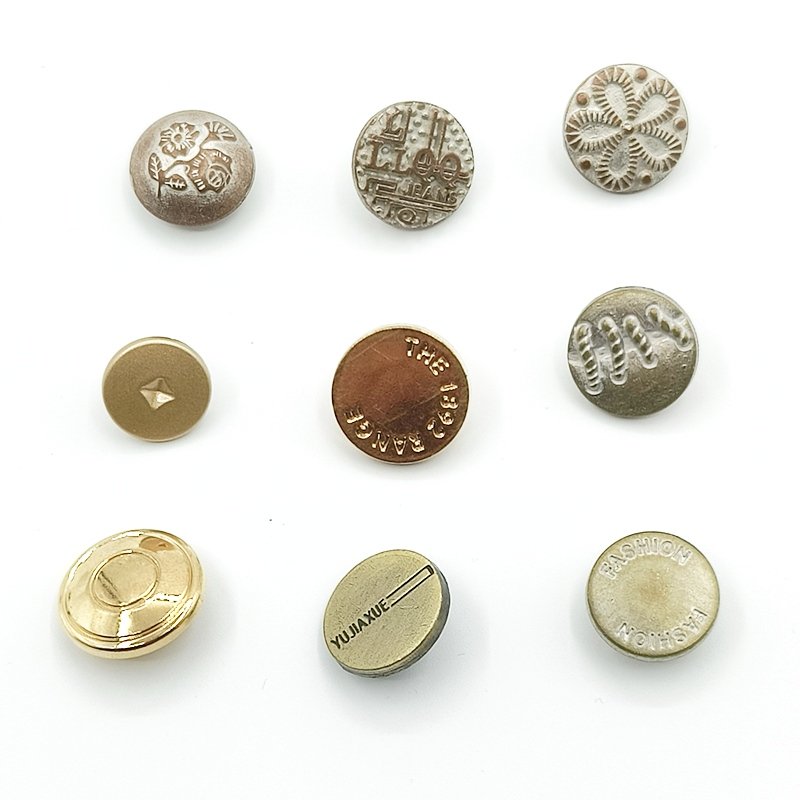
Snap Buttons
Heavy-duty metal snap buttons in custom finishes secure pockets, plackets, and storm flaps with satisfying precision. Every button is tested under our 5-step QC process to ensure consistent closure strength throughout production.
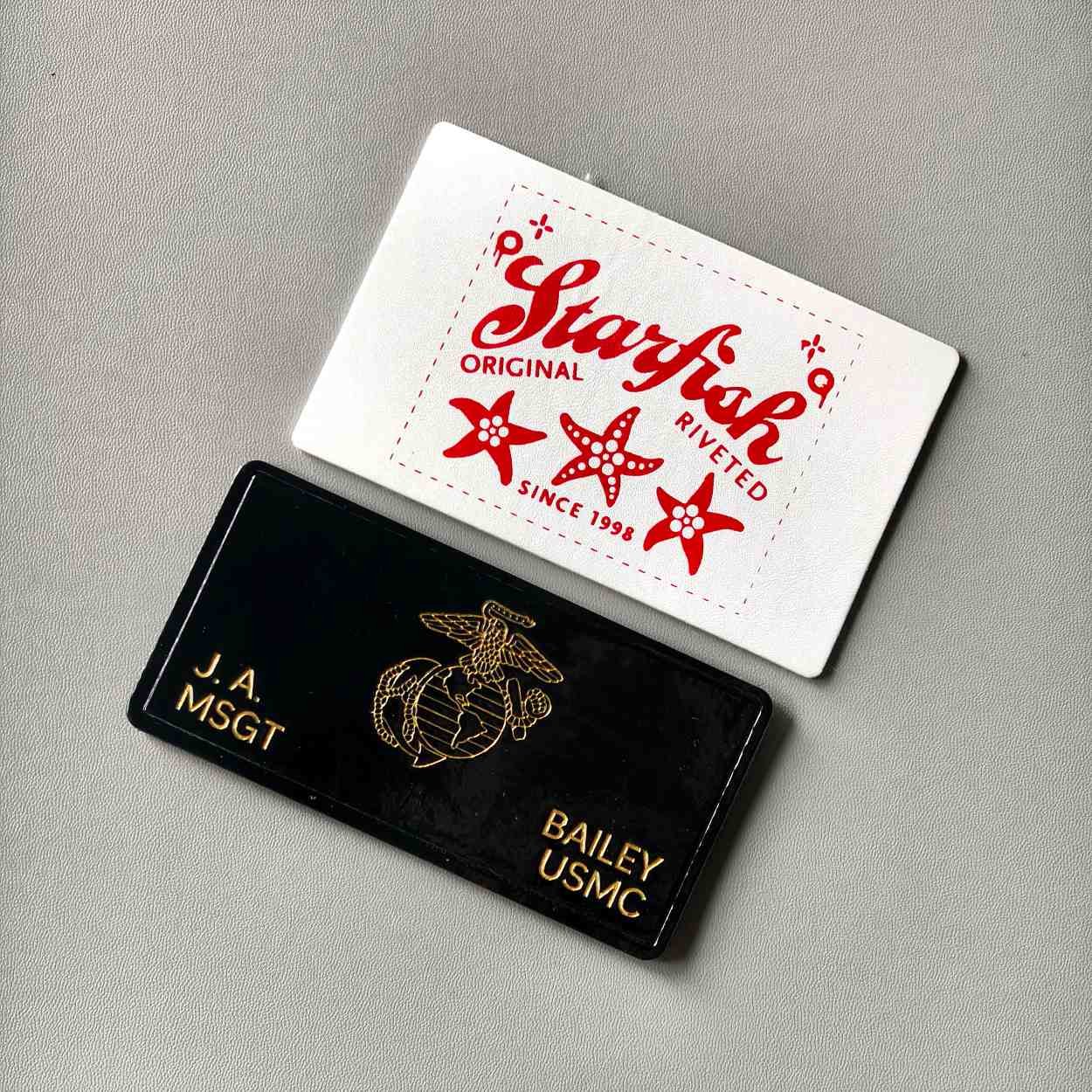
Custom Chest Patches
Embroidered or silicone chest patches translate your streetwear graphics into durable, tactile brand marks. Heat-bonded or sewn-on options available — ideal for proprietary logos, seasonal drops, and limited-edition collections.
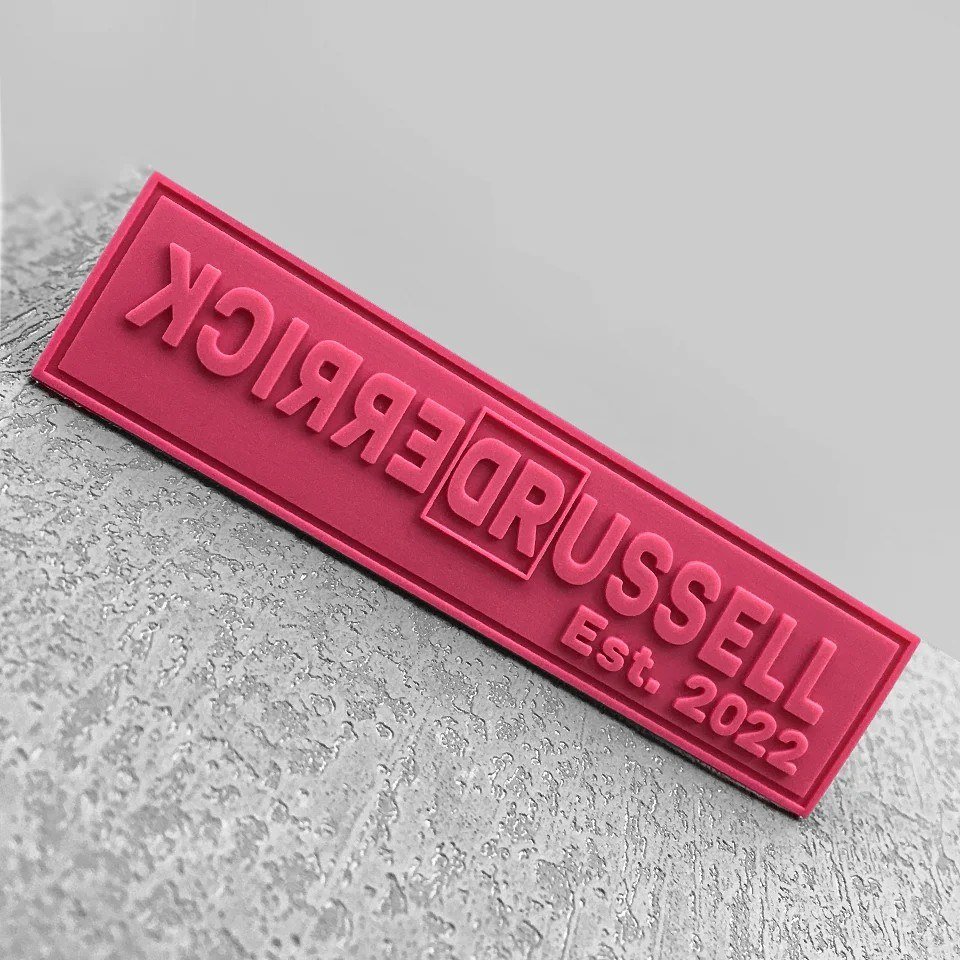
Printed Hang Tags
Full-color hang tags on heavy cardstock communicate your brand story, sizing, and care details. Die-cut shapes, foil accents, and QR codes available — retail-ready and shipped with every completed order.
Hooded Puffer Jacket Manufacturer: Our Story & Expertise
Founded by Tesla Luo in 2024, Clothing Manufacturer Ltd. was built on one conviction: Chinese garment manufacturing deserves better. After 10-plus years in production — including 6 years immersed in streetwear culture — Tesla personally witnessed factories ship straight from sewing to packaging without a single quality check. He launched this company to change that, anchoring every order in a rigorous 5-step QC guarantee.
Operating as a focused division within Dongguan TuoZhen Clothing Co., Ltd., a proven manufacturer based in Humen Town, Guangdong, we combine startup agility with established production capacity. Our 15-member R&D team holds 10 patents and has delivered orders to clients across more than 100 countries. Whether you need a low-MOQ debut run or a high-volume seasonal collection, we scale seamlessly alongside your brand.
As a dedicated hooded puffer jacket manufacturer for streetwear labels, influencer brands, and independent designers worldwide, we embed quality inspection at every production stage — materials, cutting, crafting, sewing, and final finish — never only at the end. Backed by an in-house design and sampling team, fast turnaround capability, and global logistics support, we are the manufacturing partner built for brands that refuse to compromise.
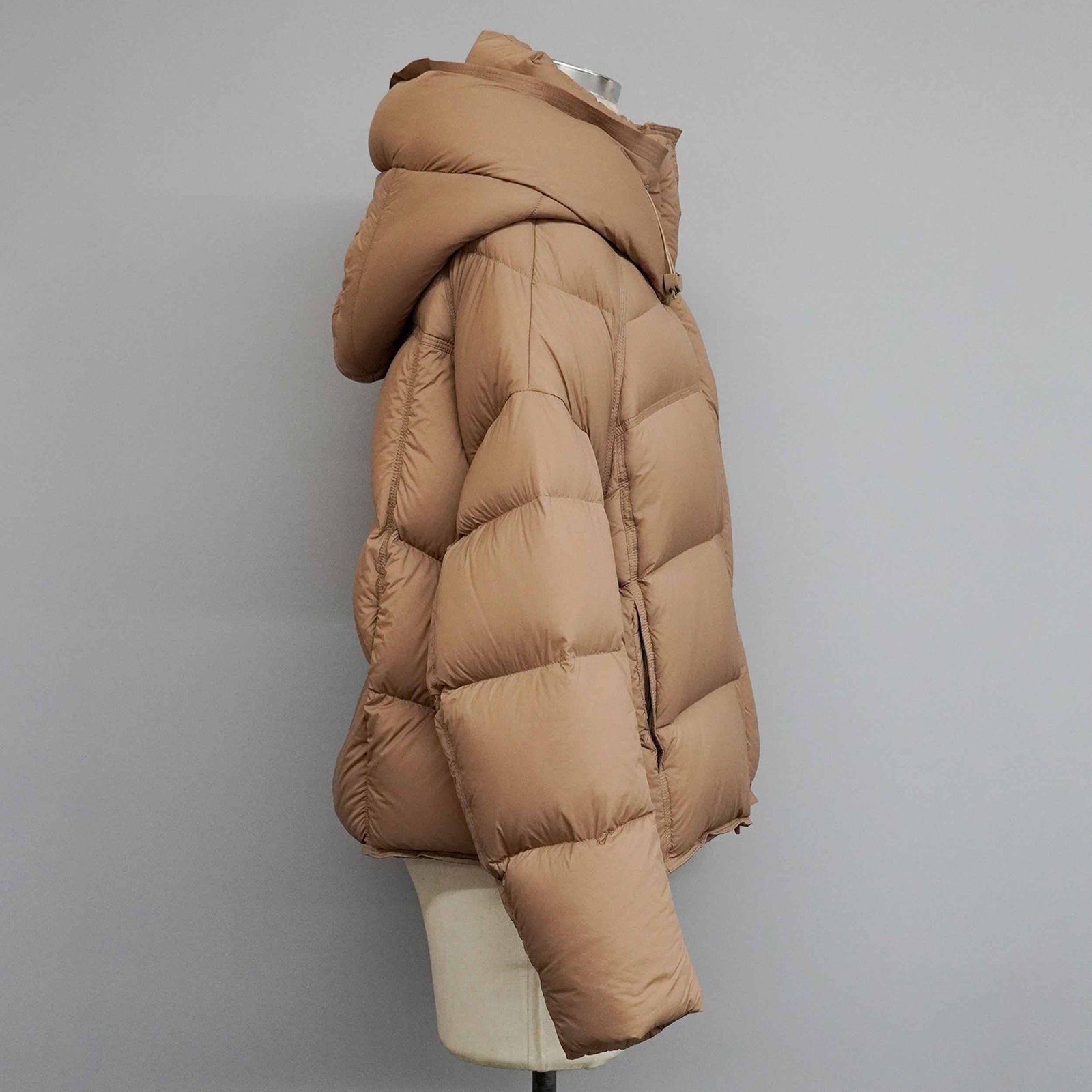
The Hooded Puffer Jacket Manufacturer Built for Your Brand
Zero-Defect Quality Built Into Every Stage
Our proprietary five-step QC methodology embeds quality checkpoints at every production stage — from raw materials through finished garments — catching defects early so every piece meets your exacting brand standards without last-minute surprises.
- Materials QC: fabric weight, fill power, and water resistance verified before cutting begins
- Cutting QC: panel accuracy and grain alignment checked to eliminate downstream sewing errors
- Sewing production QC: stitch density, seam strength, and zipper function tested mid-line
- Finished garment inspection: every jacket audited against your approved sample before packing
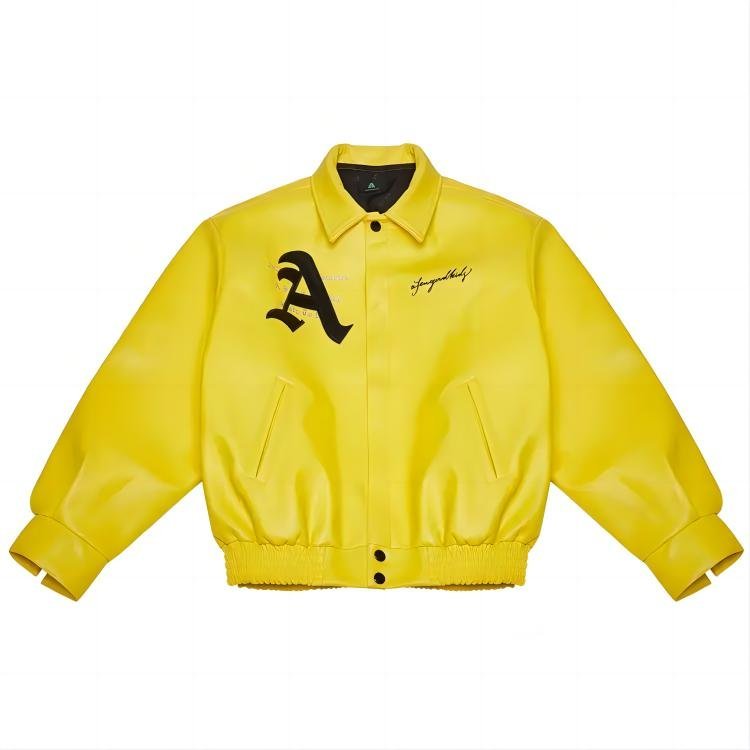
15-Person R&D Team, 10 Patents, Zero Guesswork
Our in-house design and R&D team of 15 specialists — backed by 10 production patents — translates your streetwear vision into precise tech packs, samples, and scalable production-ready patterns without outsourcing a single creative step.
- Full tech pack development from concept sketches or mood boards
- Streetwear-native designers fluent in graffiti, rose, skeleton, and animal-print motifs
- Fast sample revision cycles with detailed fit notes and approval tracking
- Pattern engineering optimized for consistent sizing across high-volume production runs
Low MOQ, Fast Samples, No Compromise
Emerging brands and established retailers both benefit from our flexible minimums and rapid sample turnaround. We support startups launching their first hooded puffer jacket line as readily as scaling brands needing high-volume seasonal replenishment.
- Low MOQ options tailored for independent designers and influencer brands
- Accelerated sample turnaround engineered to meet tight seasonal collection deadlines
- Scalable production capacity that grows alongside your brand's ambitions
- Dedicated account managers guide every order from first sample to final delivery
Global Logistics from Dongguan to Your Doorstep
Rooted in Humen Town — China’s premier garment manufacturing hub — we coordinate end-to-end logistics, customs documentation, and international shipping to deliver your hooded puffer jackets to customers across 100-plus countries without delays or compliance surprises.
- Export documentation and customs declaration handled entirely in-house
- Air and sea freight options with partnerships across major global carriers
- Real-time order tracking and proactive shipping updates at every milestone
- Proven delivery experience spanning 100-plus countries and regions worldwide
How We Stand Apart as a Hooded Puffer Jacket Manufacturer
Evidence-based differences across every stage — from QC checkpoints to global delivery.
← 左右滑动查看 →
From Tech Pack to Delivery: Your Hooded Puffer Jacket Manufacturer Production Timeline
Six quality-locked phases take your concept from design file to doorstep — with QC checkpoints built into every stage so nothing leaves our floor below standard.
Design Review & Consultation
Share your tech pack or concept sketch. Our in-house design team reviews every spec, flags risks, and aligns construction details before a single sample is cut.
Sample Development & Approval
Our sampling team builds your prototype hooded puffer jacket to exact specs. You review, request revisions, and sign off before full production is authorized.
Materials QC & Precision Cutting
Every fabric and trim lot is tested against our 5-step QC standards. Only materials that pass rigorous inspection advance to precision cutting, eliminating defects at the source.
Sewing with Live Checkpoints
Trained technicians monitor seams, stitching, and construction at every sewing station. In-line QC checkpoints catch and correct issues immediately, keeping your entire run consistent.
Final Inspection & Packing
Every finished jacket passes a comprehensive finished-goods QC audit covering fit, hardware, and finish. Only zero-defect pieces are packed and cleared for shipment.
Global Shipping & Support
We coordinate customs documentation, logistics, and last-mile delivery to your warehouse worldwide. Your dedicated account manager remains on hand through arrival and beyond.
Partner With a Hooded Puffer Jacket Manufacturer in 5 Simple Steps
From your first design brief to worldwide delivery, our proven process gives emerging brands and established labels full visibility and confidence at every stage.
Submit Your Tech Pack or Brief
Share your design files, sketches, or concept ideas. Our in-house design team translates every detail into a precise, production-ready specification for your hooded puffer jacket.
Receive Your Quote and Timeline
Within 24 to 48 hours, receive a transparent quote covering materials, sampling, and bulk pricing, plus a confirmed timeline matched to your seasonal launch window.
Approve Samples Before Bulk Runs
Our sampling team builds physical prototypes for your review. Inspect fit, fabric, and finish before committing — zero bulk production starts without your full approval.
Produce With Our 5-Step QC
Your approved design enters full production backed by our five-step quality control process, checking materials, cutting, craftsmanship, sewing, and finished goods on every single unit.
Ship Globally With Full Support
Finished jackets are packed and dispatched worldwide. Our logistics team manages customs documentation, real-time tracking, and post-delivery follow-up so your brand arrives on time, every time.
Certified Quality From a Hooded Puffer Jacket Manufacturer You Can Trust
What Brands Say About Our Hooded Puffer Jacket Manufacturing
We launched our debut collection with just 50 units per colorway — no MOQ pressure, no compromises. Samples arrived in 11 days and every jacket passed our own check before we even looked at their QC report. Sold out in under 48 hours. Incredible partner for a first-time brand.
We scaled from 400 to 1,500 units per style across two seasonal drops and had zero quality rejections. Their 5-step QC process flagged a stitching tension issue in pre-production that would have cost us roughly $8,000 in returns. On-time delivery both seasons, no excuses.
I went from 12k followers to over 200,000 after dropping our branded puffer line. The heavyweight feel and clean embroidery basically sold themselves in every unboxing video. Second run turned around in 3 weeks. Clothing Manufacturer Ltd. is the reason my brand looks like a legit label.
Your Hooded Puffer Jacket Manufacturer Questions, Answered
Everything streetwear brands, startups, and global retailers need to know before placing an order — MOQ, sampling speed, QC, IP protection, defect handling, and shipping, all covered.
What is the minimum order quantity (MOQ) for a hooded puffer jacket manufacturer like Clothing Manufacturer Ltd.?
How quickly can I receive a sample from your hooded puffer jacket manufacturer?
What payment terms does your hooded puffer jacket manufacturer accept?
How does your 5-step quality control process protect my puffer jacket order?
How do you protect my designs and intellectual property?
What happens if I receive defective hooded puffer jackets after delivery?
Do you offer global shipping, and how are freight costs calculated?
Can I fully brand my hooded puffer jackets with custom labels, tags, and hardware?
The Complete Buyer’s Guide to Hooded Puffer Jacket Manufacturer
Everything streetwear brands, fashion startups, and global retailers need to evaluate a hooded puffer jacket manufacturer — from materials and construction standards to customization options, supplier red flags, and a clear step-by-step launch framework.
1. What Is a Hooded Puffer Jacket Manufacturer?
A hooded puffer jacket manufacturer is a cut-and-sew facility that manages the full production chain: shell fabric sourcing, insulation filling (80/20 duck down or 100g–300g polyester synthetic fill), baffle chamber stitching, and finished garment assembly. Not every apparel factory can run this category — insulation chambers, fill-power grading, and channel seam sealing all require dedicated equipment and operators trained specifically in outerwear construction.
Three sourcing models define how buyers engage with this supplier type. Private-label production means the factory cuts and sews to your specification under your brand name with no design input. OEM (Original Equipment Manufacturer) follows the buyer’s own technical packs and graded patterns. ODM (Original Design Manufacturer) gives the buyer a factory-developed silhouette they adapt for their label. Startups commonly begin with ODM to lower development costs, then shift to OEM or fully custom spec as volume scales.
Shell fabric handling is the clearest signal of a genuine specialist. Puffer shells require low-denier nylon (20D–70D) or polyester ripstop rated down-proof — typically below 1.0 cfm air permeability — and must be cut and sewn without needle-hole leakage. Baffle stitching alignment must be precise; even minor seam drift shifts fill distribution and creates cold spots that fail thermal performance testing.
Founded in 2024 in Humen Town, Dongguan, Clothing Manufacturer Ltd functions as a full-service hooded puffer jacket manufacturer for streetwear brands, fashion startups, and independent designers. The company offers OEM and ODM models, operates with a 15-member R&D team, and applies a five-step quality control process — covering materials, cutting, craft, sewing, and finished goods — backed by founder Tesla Luo’s 10-plus years of hands-on garment production experience.
2. Brief History and Market Evolution of Puffer Jackets
In 1936, Eddie Bauer patented the first quilted down jacket after nearly dying from hypothermia — establishing the puffer jacket as serious outdoor utility wear. For the next four decades, down fill (measured in fill power, typically 550–900 FP) defined the category, and production remained concentrated in alpine and expedition outfitting.
By the mid-1980s, designers like Norma Kamali pulled the silhouette into urban fashion, and hip-hop artists made oversized puffer styles cultural currency through the 1990s. This streetwear adoption transformed the category from a niche technical product into a volume-driven mass-market item, pushing manufacturers to develop lower-cost synthetic fill — PrimaLoft was commercialized in 1989 — alongside traditional goose and duck down.
From 2010 onward, fast-fashion cycles compressed trend windows, while OEKO-TEX and the Responsible Down Standard (RDS) introduced compliance requirements that serious manufacturers had to absorb into their workflows. Quilting innovations — channel stitch, box baffle, sewn-through, and thermally welded seams — multiplied as brands competed on both aesthetics and thermal performance.
For buyers sourcing from a hooded puffer jacket manufacturer today, that century of iteration matters practically: fill types, baffle construction, and certification tiers directly affect landed cost, lead time, and your product’s marketing claims. Recognizing that puffer silhouettes tend to cycle on roughly 7–10 year arcs lets you time colorway refreshes and design updates ahead of the next demand peak — rather than chasing trends at their most expensive point.
3. Types of Hooded Puffer Jackets a Manufacturer Can Produce
A capable hooded puffer jacket manufacturer should master at least six distinct construction categories. Matching the right silhouette to your target consumer directly impacts sell-through rates and long-term brand equity.
| Type | Fill Weight | Target Consumer | Branding Potential |
|---|---|---|---|
| Cropped/Oversized | 80–150g | Streetwear youth, 16–28 | Chest logo panels, graphic prints |
| Longline Parka | 150–250g | Urban commuters, premium casual | Embroidery, woven interior labels |
| Lightweight Packable | 60–100g | Travel, activewear shoppers | Branded stuff-sack, co-branding |
| Heavyweight Expedition | 250–400g | Outdoor, workwear buyers | Patch branding, technical detailing |
| Vest-Hybrid/Reversible | 100–200g | Retailers, multi-SKU brands | Dual colorway, reversible panel print |
| Sustainable/Recycled Fill | 80–150g | Eco-conscious Gen Z | OEKO-TEX hang tag, recycled-fill label |
Streetwear Crop and Longline Parka Styles
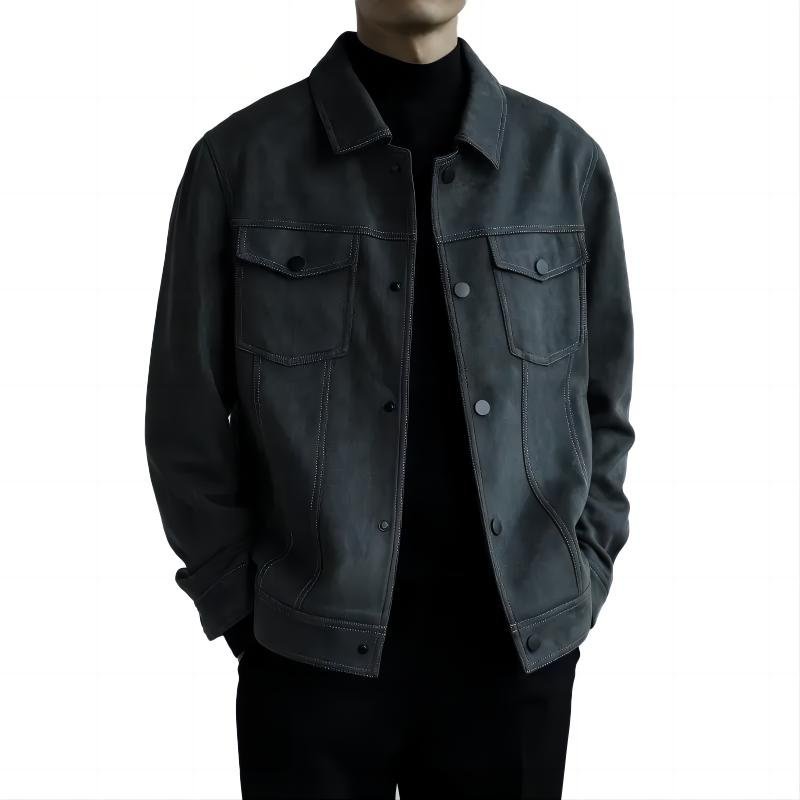
Cropped and oversized cuts use 80–150g fill and target 16–28-year-old streetwear buyers seeking bold, statement silhouettes. Longline parka-length styles run 150–250g and appeal to urban commuters and premium casualwear shoppers. Both formats offer strong logo-placement potential across chest panels and sleeves.
Lightweight Packable and Heavyweight Expedition Coats
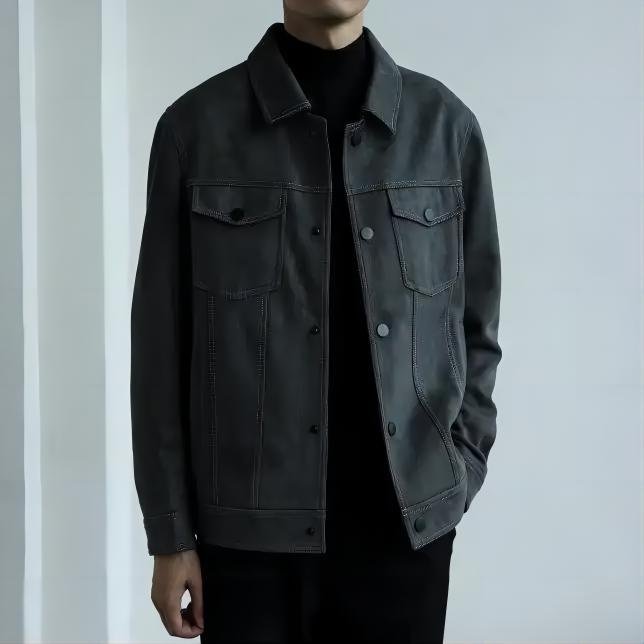
Packable designs compress to a palm-sized pouch at 60–100g fill, suiting travel and activewear brands. Heavyweight expedition coats at 250–400g fill target outdoor and workwear audiences who prioritize thermal performance. Packables command high perceived gifting value; expedition coats support premium retail price points.
Vest-Hybrid, Reversible, and Sustainable Fill Designs
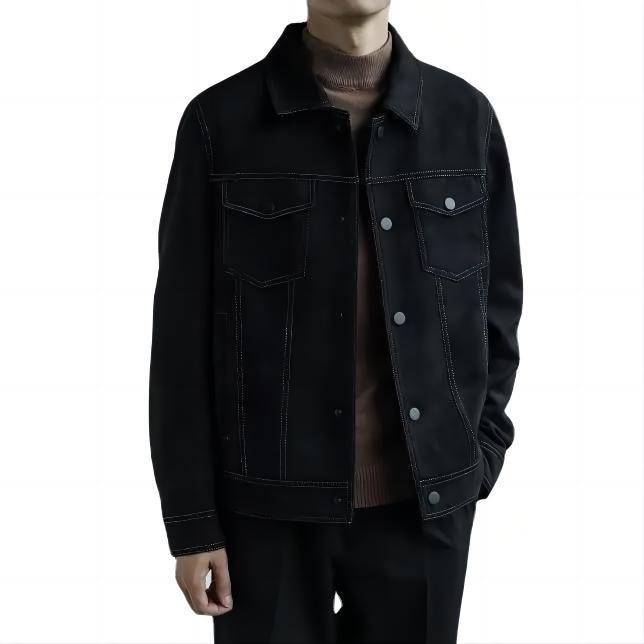
Vest-hybrid and reversible styles deliver two looks per SKU, reducing inventory complexity for global apparel retailers. Sustainable variants use REPREVE or rPET recycled fill at 80–150g, targeting eco-conscious Gen Z shoppers. OEKO-TEX certification on fill and shell materials strengthens sustainable branding credentials and hang-tag storytelling.
4. Materials and Fill Options: What Your Manufacturer Should Offer
Material selection determines warmth-to-weight ratio, durability, and sustainability compliance for any hooded puffer jacket. A qualified hooded puffer jacket manufacturer should source certified shell fabrics, linings, and insulation fills that satisfy both performance specs and retail-compliance requirements.
| Fill Type | Warmth Rating | Cost Tier | Key Certifications | Vegan-Friendly |
|---|---|---|---|---|
| White duck down | High (600–750 FP) | Mid | RDS, OEKO-TEX | No |
| Goose down | Very High (800–900 FP) | Premium | RDS, bluesign | No |
| PrimaLoft / Thinsulate | High (wet + dry) | Mid–High | bluesign, OEKO-TEX | Yes |
| Recycled polyester fill | Moderate | Budget–Mid | OEKO-TEX Standard 100 | Yes |
Shell Fabrics and Lining Options
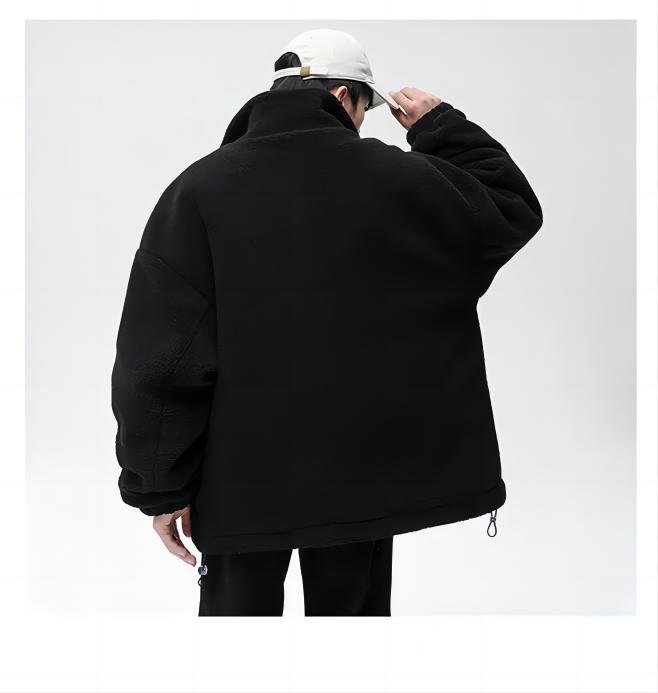
Nylon ripstop (70D–210D, 40–80 GSM) delivers superior tear resistance; polyester taffeta (50–75 GSM) is lighter and more cost-effective for fashion-forward styles. Recycled PET shells carry bluesign or OEKO-TEX Standard 100 certification, while woven oxford (150–200 GSM) suits durable streetwear silhouettes.
For linings, 40–50 GSM polyester taffeta is standard. Premium pieces upgrade to 60–80 GSM dobby weave for improved hand feel and moisture management.
Choosing the Right Insulation Fill
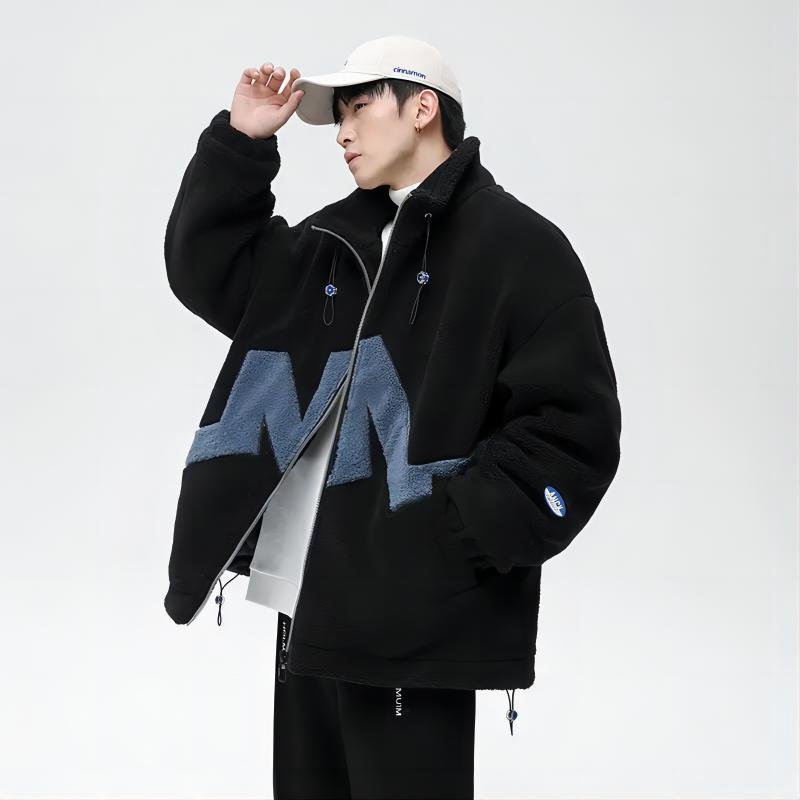
White duck down (600–750 fill power) balances warmth and cost; goose down (800–900 FP) achieves superior loft-to-weight ratios for ultra-light performance styles. Both require RDS (Responsible Down Standard) certification for ethical sourcing compliance.
Synthetic fills — PrimaLoft Gold and Thinsulate 200g — retain warmth when wet and are fully vegan-friendly. Recycled polyester fill (100–200 GSM) is the entry-level eco option, typically OEKO-TEX Standard 100 certified.
5. Customization Options Every Hooded Puffer Jacket Manufacturer Should Provide
A qualified hooded puffer jacket manufacturer should offer end-to-end customization — not just a color swap. Briefing your factory on every detail from day one prevents costly sample revisions and protects your brand identity at scale.
Custom Quilting Patterns and Baffle Widths
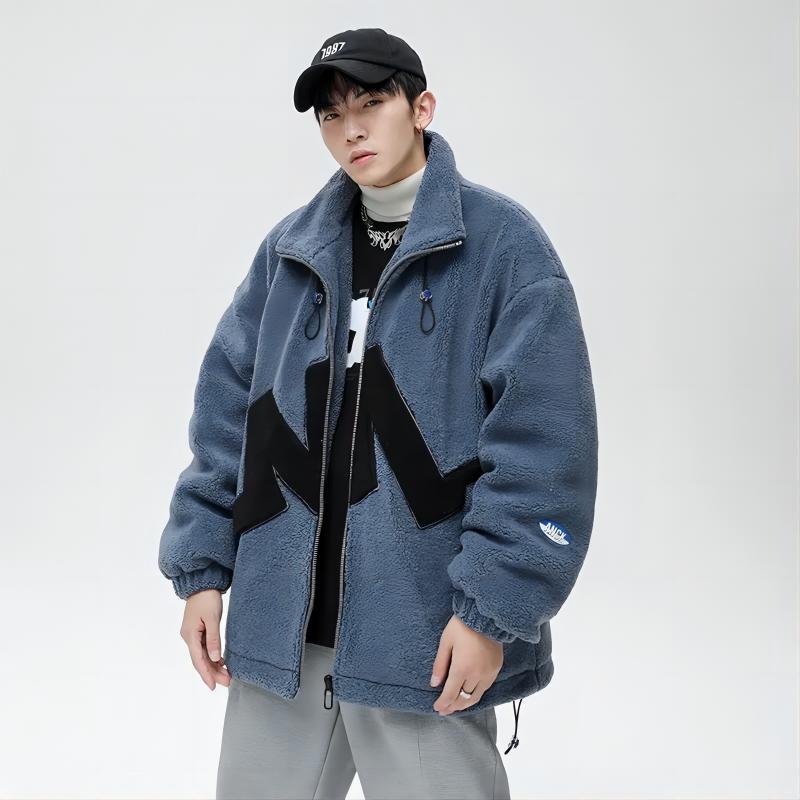
Baffle width ranges from 1.5 cm to 6 cm; narrower channels read as premium, wider baffles as casual streetwear.
Custom quilting paths — diamond, box, chevron — are achievable on nylon shells above 40D. Include stitch density and thread color in your tech pack.
Labels, Logos, and Decoration Techniques
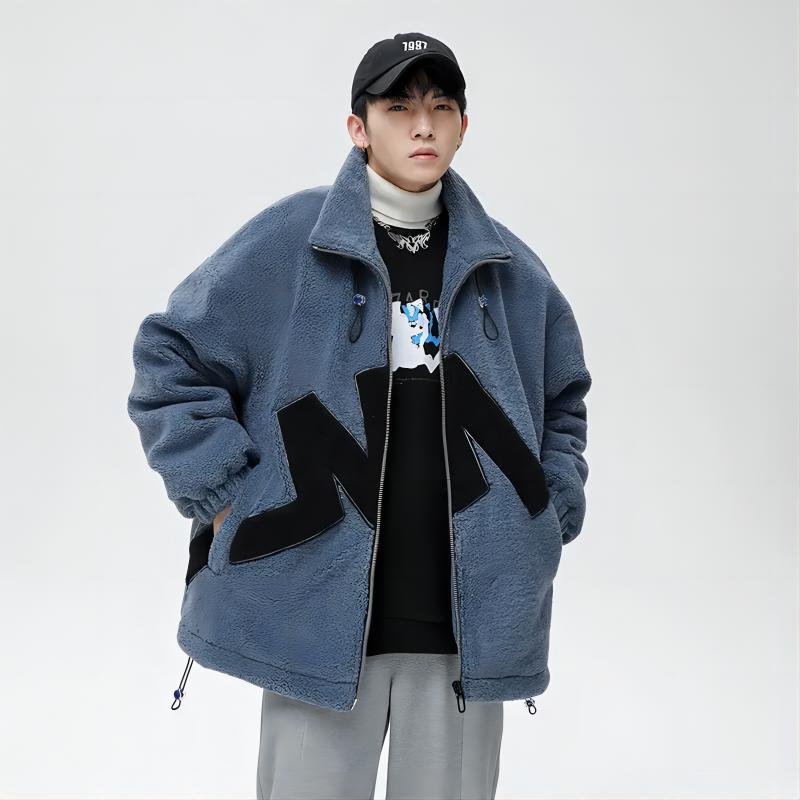
Woven neck labels, heat-transfer prints, and embroidered logos are the three standard branding options.
On 20D–70D puffer shells, dense embroidery risks puncturing the fabric — use heat-seal woven patches or puff print (3D silicone ink) instead. Reserve direct embroidery for panels above 100D.
Hardware: Zippers, Pullers, and Closures
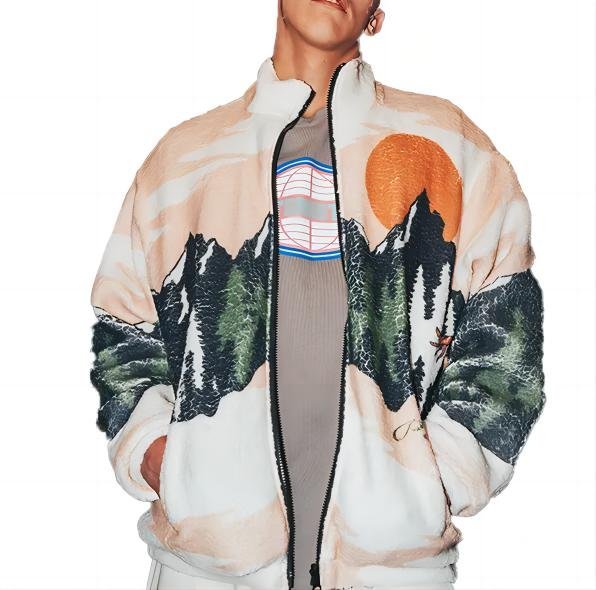
YKK #5 and #8 coil zippers are the outerwear standard; custom laser-engraved pullers are available from 500-piece MOQs.
Specify snap closures, drawcords, and cord-locks by finish (matte, brushed, or antique) and material (ABS plastic vs. zinc alloy) in the bill of materials.
Printed Linings and Pantone Colorways
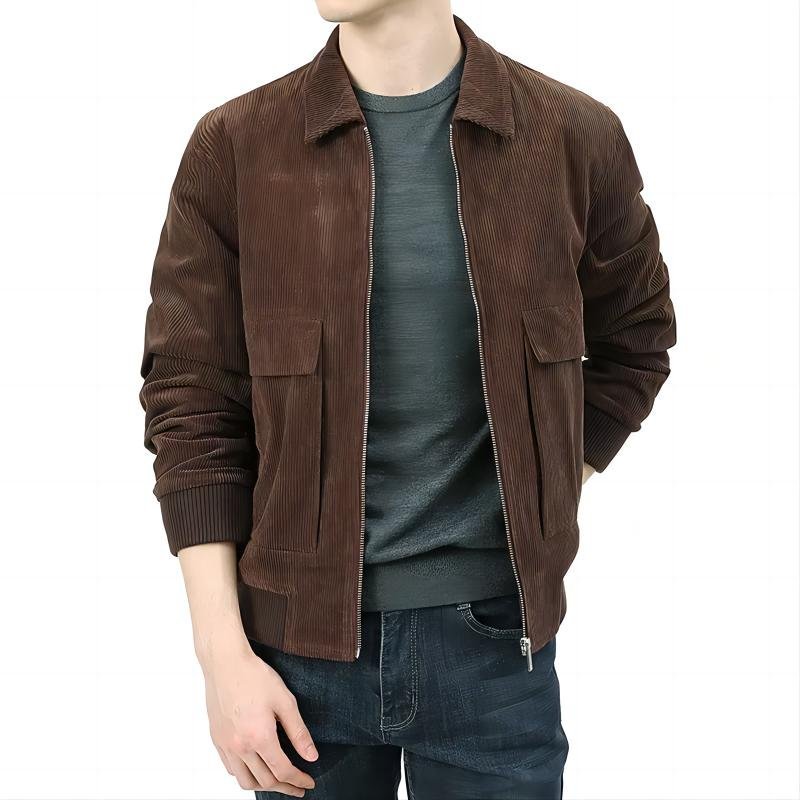
Sublimation-printed linings require 100% polyester taffeta; minimum print runs are typically 100 meters per colorway.
Supply Pantone TPX or TPG codes — never RGB or hex — for shell colorways. Request a lab-dip swatch before bulk cutting to confirm color match within ΔE 1.5.
6. Key Construction Quality Elements to Inspect
Production samples expose structural failures that generate returns and brand damage. Knowing exactly what to probe at each stage separates a premium hooded puffer jacket manufacturer from one that skips inline quality control.
Baffle Stitching and Down Leakage
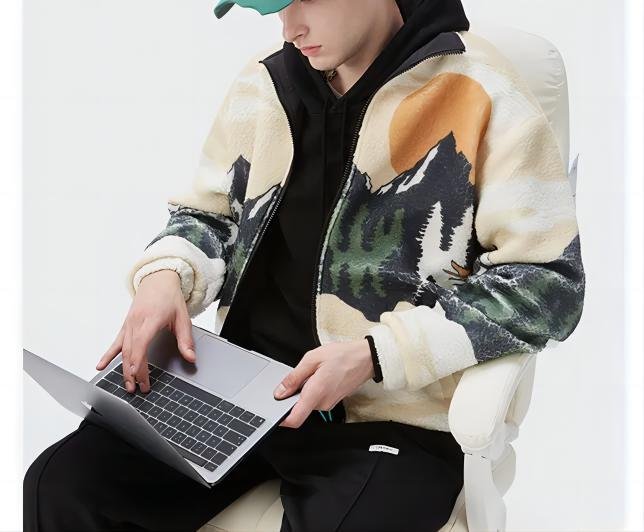
Baffle stitch tension must be consistent — loose seams allow down clusters to migrate and escape within 5–10 wash cycles. Request a 30-minute tumble test on pre-production samples; zero visible leakage is the acceptable standard. Deviations in baffle width above ±3 mm signal inconsistent cutting templates or sewing drift.
Seam Sealing and DWR Finish
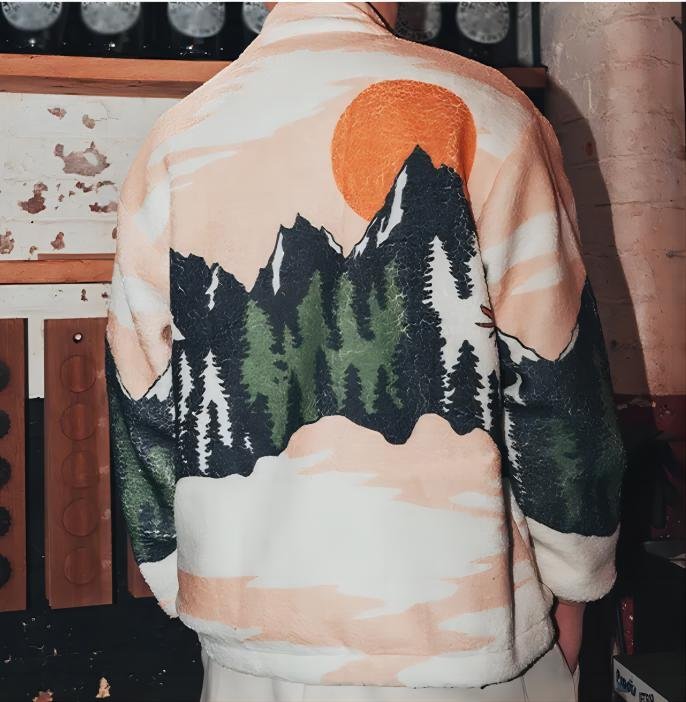
Taped or welded seams are mandatory on outerwear; untaped seams fail at hydrostatic pressure below 1,500 mm. DWR finish should achieve a spray rating of 80 or higher per AATCC 22 on initial testing. Confirm PFAS-free DWR chemistry if targeting EU or California markets where fluorinated compounds face active restrictions.
Hood Structure and Zipper Hardware
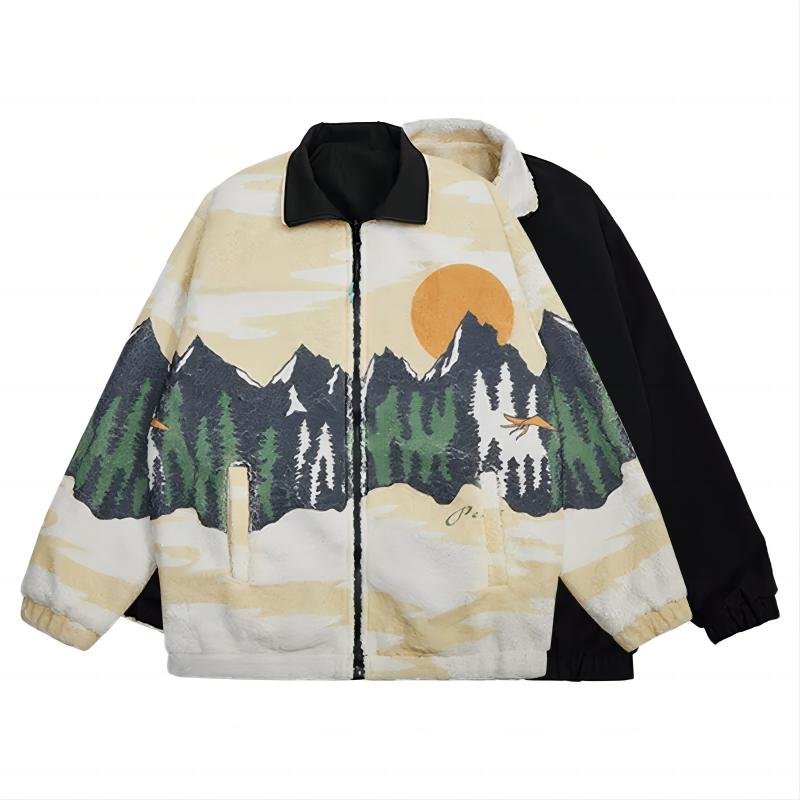
A structured hood requires a wire or boning channel at the brim; floppy hoods indicate missing internal support and fail fit testing. YKK zippers deliver 3,000+ open-close cycles without failure — generic alternatives rarely meet this threshold. Confirm drawcord anchor points are bar-tacked; loose anchors fail under moderate tension.
Fill Distribution and Weight Tolerance
Even fill distribution requires channel-by-channel down weighing during sewing production QC; visual inspection alone misses 10–15% variance between baffles. Finished-garment weight should fall within ±5% of spec — deviation signals over-stuffing or under-fill that stresses seams.
- Shell colorfastness: grade 4–5 on AATCC 8 crocking and grade 4 on wash testing
- Fill weight per baffle: verify against cutting ticket before final seam closure
- Garment weight variance above ±5% of spec triggers re-inspection of all affected units
7. How to Choose the Right Hooded Puffer Jacket Manufacturer
Choosing the right hooded puffer jacket manufacturer requires more than price comparison. This structured six-point framework helps brands at every growth stage avoid costly sourcing mistakes.
Verify Outerwear Factory Specialization
Puffer jackets demand baffle construction, down-proof shell weaving, and sealed seams — skills absent from general cut-and-sew facilities. Ask whether the factory runs dedicated outerwear lines with mid-production QC at every stage, not only a final inspection.
MOQ Flexibility for Your Growth Stage
Startups typically need MOQs of 50–100 units per style; scale brands require 300–500-plus. Confirm the factory offers tiered minimums rather than a rigid floor that locks out smaller launch orders before you can prove market fit.
Sample Speed and Tech Pack Support
Industry-standard sample turnaround is 10–20 days; factories with dedicated sample rooms can hit 7–10 days. Verify the factory accepts tech packs and returns annotated fit comments — not just a sample — before committing to a production run.
Certifications to Audit Before Signing
Request certificate numbers and verify with the issuing body directly — logos on a website prove nothing.
- OEKO-TEX Standard 100: no harmful substances in fabric or fill
- BSCI or WRAP: ethical labor and social compliance audits
- ISO 9001: documented quality management systems
- REACH: required for EU market entry on shell and lining
References and Alibaba Sourcing Risks
Alibaba listings mix legitimate factories with trading companies that hold no production capacity. Request three references from brands at your tier — startup, mid-market, or scale — and contact them directly to confirm lead times, defect rates, and communication quality.
8. Common Mistakes Buyers Make When Sourcing a Hooded Puffer Jacket Manufacturer
Even experienced buyers trip over the same sourcing pitfalls when working with a hooded puffer jacket manufacturer. Catching these errors before production starts saves money, time, and entire seasonal collections.
Skipping Pre-Production Samples
Bypassing the pre-production sample to shorten timelines is the single most expensive shortcut in outerwear sourcing. A misaligned baffle width or incorrect down distribution cannot be corrected after bulk cutting.
Budget 10–14 days for sample review — it compresses your defect-correction cycle and prevents costly bulk reruns.
Underspecifying Fill Power in Tech Packs
Tech packs that list only ‘down fill’ without specifying fill power (650FP, 700FP, 800FP) invite quiet substitution by factories sourcing cheaper fill.
Lock in fill power, fill weight in grams, and down-to-feather ratio — typically 90/10 or 80/20 — in writing before any sample is cut.
Ignoring Duty and Tariff Implications
HS code 6201 outerwear tariffs vary significantly by sourcing country. US Section 301 tariffs on Chinese-origin jackets can add 25%+ to landed cost, eroding margin on entry-price SKUs.
Map your HTS code and applicable trade agreements — USMCA, GSP — before signing any production contract.
Choosing Factories Without Outerwear Experience
A factory skilled in T-shirts lacks the baffle-stitching, welded-seam, and down-proofing expertise that puffer construction demands. Seam failures and fill leakage are the predictable result.
Request a factory profile showing prior puffer jacket runs, certifications such as OEKO-TEX or RDS (Responsible Down Standard), and a trim list from a previous outerwear order.
Neglecting Lab-Dip Approval and Trim Sourcing
Approving colorways via Pantone reference alone — without a physical lab-dip sign-off — routinely produces off-shade bulk fabric that cannot ship on time.
Simultaneously, assuming a factory holds YKK zipper, cord-lock, or snap inventory causes mid-run delays. Confirm all trim sourcing in writing before issuing cutting authorization.
9. Steps to Launch Your Brand with a Hooded Puffer Jacket Manufacturer
Launching a puffer jacket collection demands a structured workflow, not guesswork. The six steps below give fashion startups and independent designers a clear sequence from first sketch to delivered cartons.
Finalize Your Design Concept and Tech Pack
A tech pack is the single source of truth your hooded puffer jacket manufacturer uses to quote, sample, and produce accurately. Include flat sketches, colorways in Pantone references, fill weight (100–200 g/m²), stitch density, and all trim details before contacting any factory.
Request and Evaluate Factory Quotes
Send your tech pack to at least three factories and compare MOQ, unit price at 100, 300, and 500 pieces, sample lead time, and payment terms. Clothing Manufacturer Ltd accepts low-MOQ orders, making it a practical on-ramp for first-collection brands.
Order and Approve a Pre-Production Sample
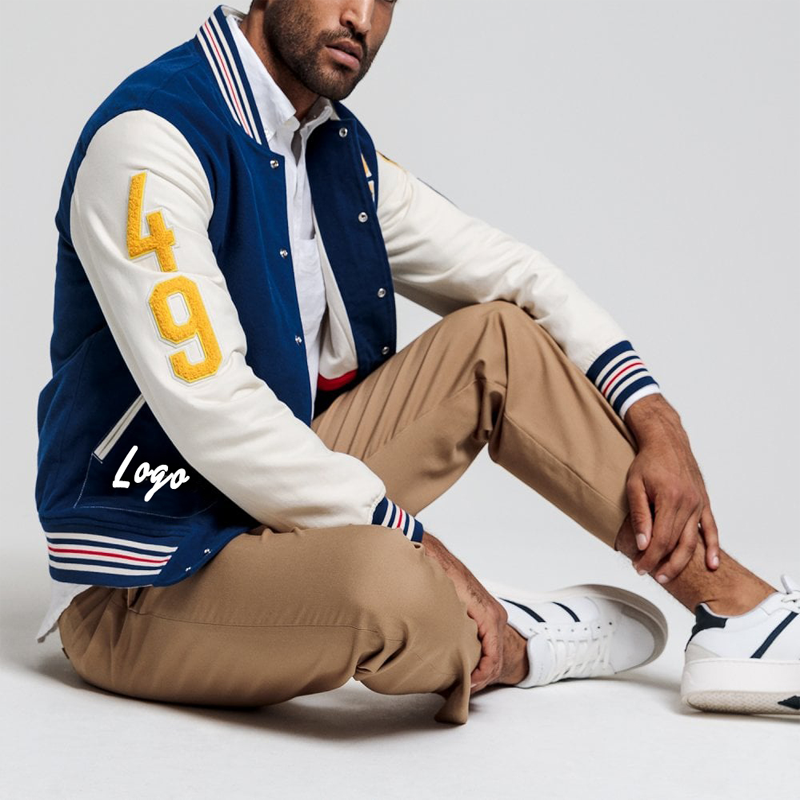
A sealed pre-production sample locks in construction, fit, and colorway before bulk cutting begins. Request a 7–14-day turnaround and review shell fabric hand-feel, baffle stitch alignment, YKK zipper action, and hood drawcord hardware before signing off.
Confirm Bulk Material Sourcing and Lab Dips
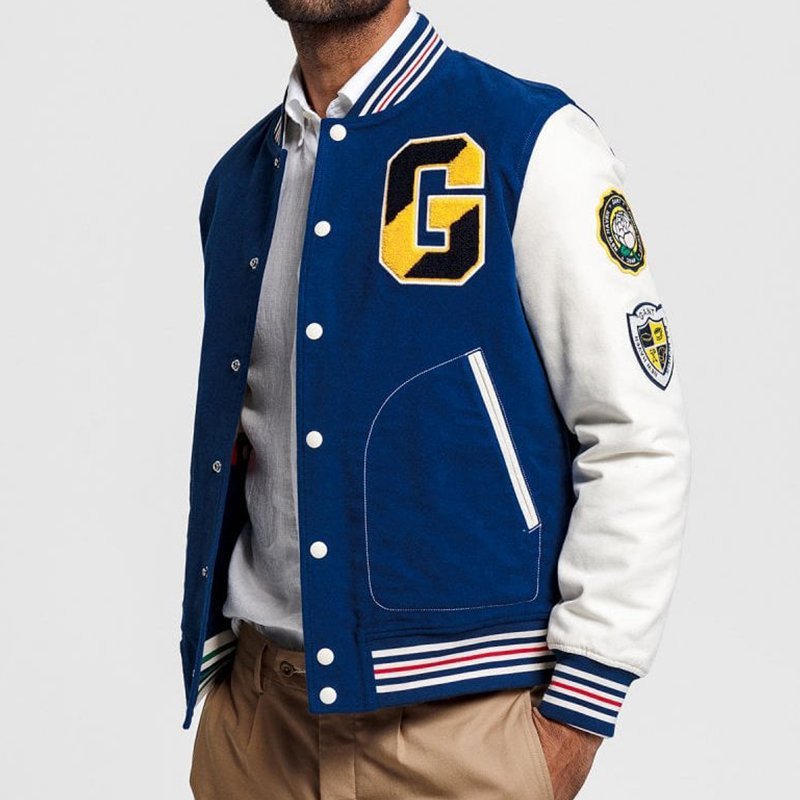
Bulk fill material — down clusters or recycled polyester wadding — must be tested and certified (OEKO-TEX Standard 100 or RDS) before cutting begins. Approve lab-dip color swatches against your Pantone reference under D65 lighting to prevent shade variance across sizes.
Manage Production QC Milestones
Insist on inline QC reports at cutting, sewing, and finishing stages — not just a final end-of-line check. Clothing Manufacturer Ltd’s five-step QC methodology covers materials, cutting, craft, sewing, and finished-garment inspection, catching defects before they compound across hundreds of units.
Arrange Inspection, Shipping, and Customs Docs
Book a third-party AQL 2.5 inspection before cargo is loaded. Confirm the factory supplies a commercial invoice, packing list, bill of lading, and any required certificates — OEKO-TEX, care-label compliance — so customs clearance proceeds without delays.
10. Pricing Guide: What to Expect from a Hooded Puffer Jacket Manufacturer
At 50 units, a qualified hooded puffer jacket manufacturer typically quotes $28–$45 per piece; that range drops to $13–$22 at 500 units, where production efficiencies in cutting and sewing start to compound. Volume savings accelerate most sharply between 100 and 300 units — the tier where most streetwear startups cross from custom-sample pricing into true bulk manufacturing rates.
Sample costs run $60–$150 per style regardless of order size, since pattern-making and proto-sewing are fixed-labor events. Budget one to two rounds of sampling before locking a final spec — second-round corrections typically cost 40–60% of the first sample fee.
Add-on costs below represent the most common spec upgrades; PrimaLoft licensing carries the steepest per-unit premium and requires minimum yardage commitments from the fill supplier. Freight mode is the largest variable in landed cost: air runs roughly 6–10x more per kilogram than sea and is practical only for rush replenishments or sample shipments under 50 kg.
- Custom woven or printed labels: +$0.30–$0.80 per unit
- YKK zippers or specialty snap hardware: +$1.50–$3.00 per unit
- PrimaLoft licensed fill upgrade: +$4.00–$8.00 per unit
- Air freight vs. sea freight: ~$4–$6/kg vs. ~$0.40–$0.80/kg landed delta
| Quantity Tier | Est. Unit Price (USD) | Lead Time | Sample Cost (USD) |
|---|---|---|---|
| 50 units | $28–$45 | 25–35 days | $100–$150 |
| 100 units | $22–$36 | 20–30 days | $80–$130 |
| 300 units | $16–$26 | 18–25 days | $70–$120 |
| 500 units | $13–$22 | 15–22 days | $60–$100 |
| 1,000+ units | $9–$16 | 12–20 days | $50–$80 |
Launch Your Line With a Hooded Puffer Jacket Manufacturer
50-piece MOQ, 7-day samples, our 5-step QC guarantee, and worldwide shipping — everything your brand needs to move fast and launch with confidence.