
Premium Cropped Puffer Jacket Manufacturer for Global Brands
As a trusted cropped puffer jacket manufacturer, we deliver 5-step QC-guaranteed craftsmanship, low MOQs, and fast turnarounds — built for streetwear labels and startups worldwide.
Cropped Puffer Jacket Collections
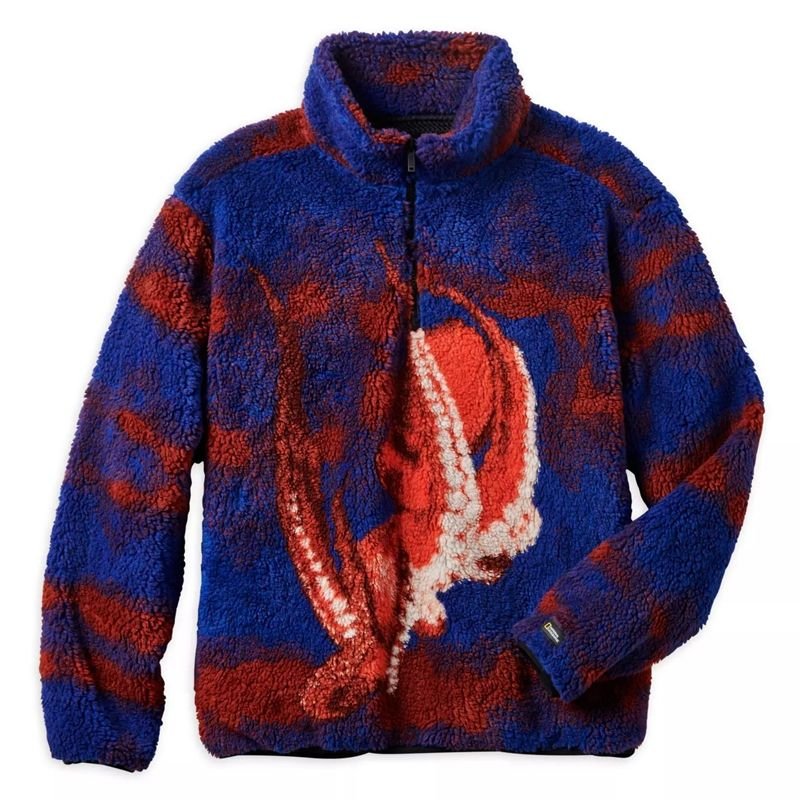
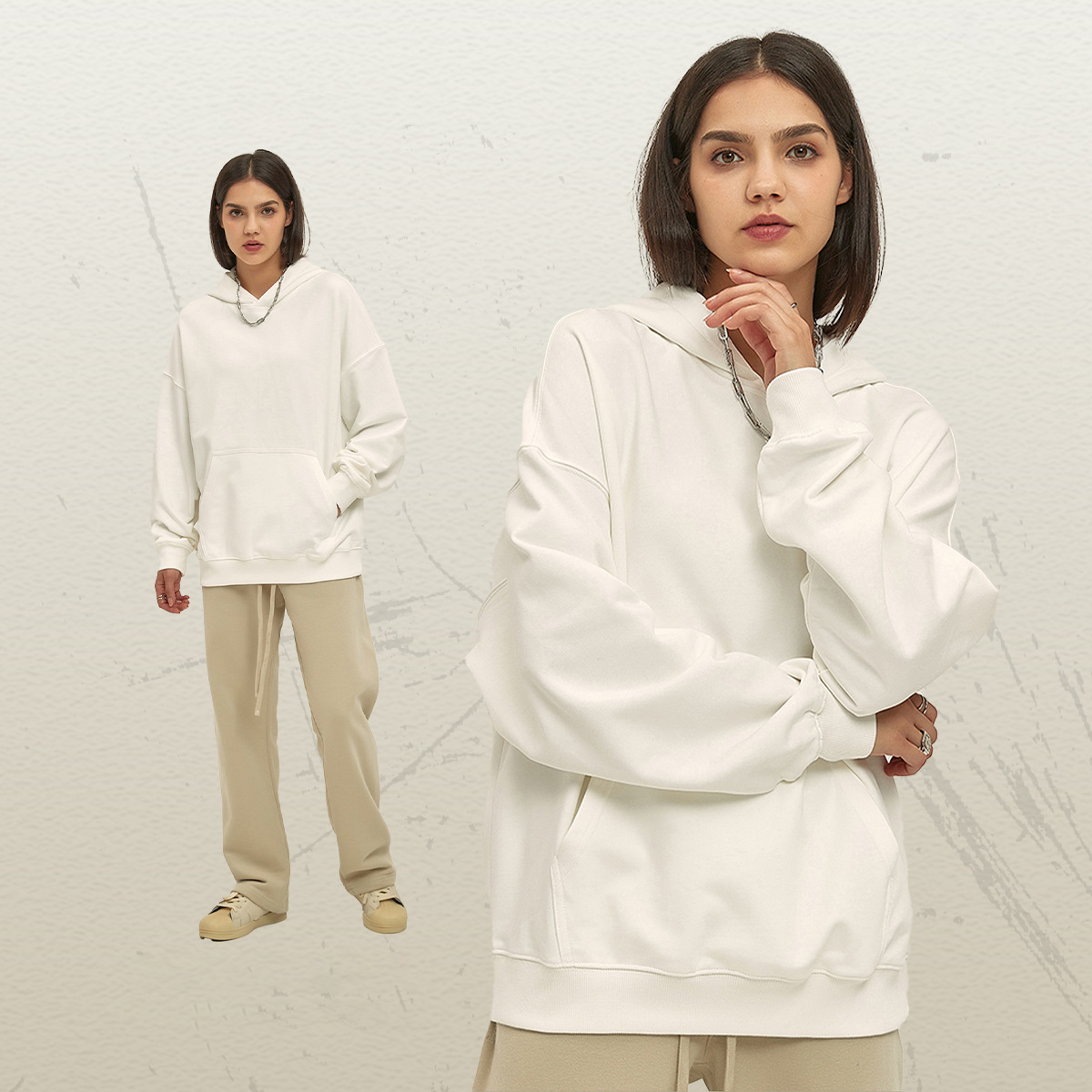
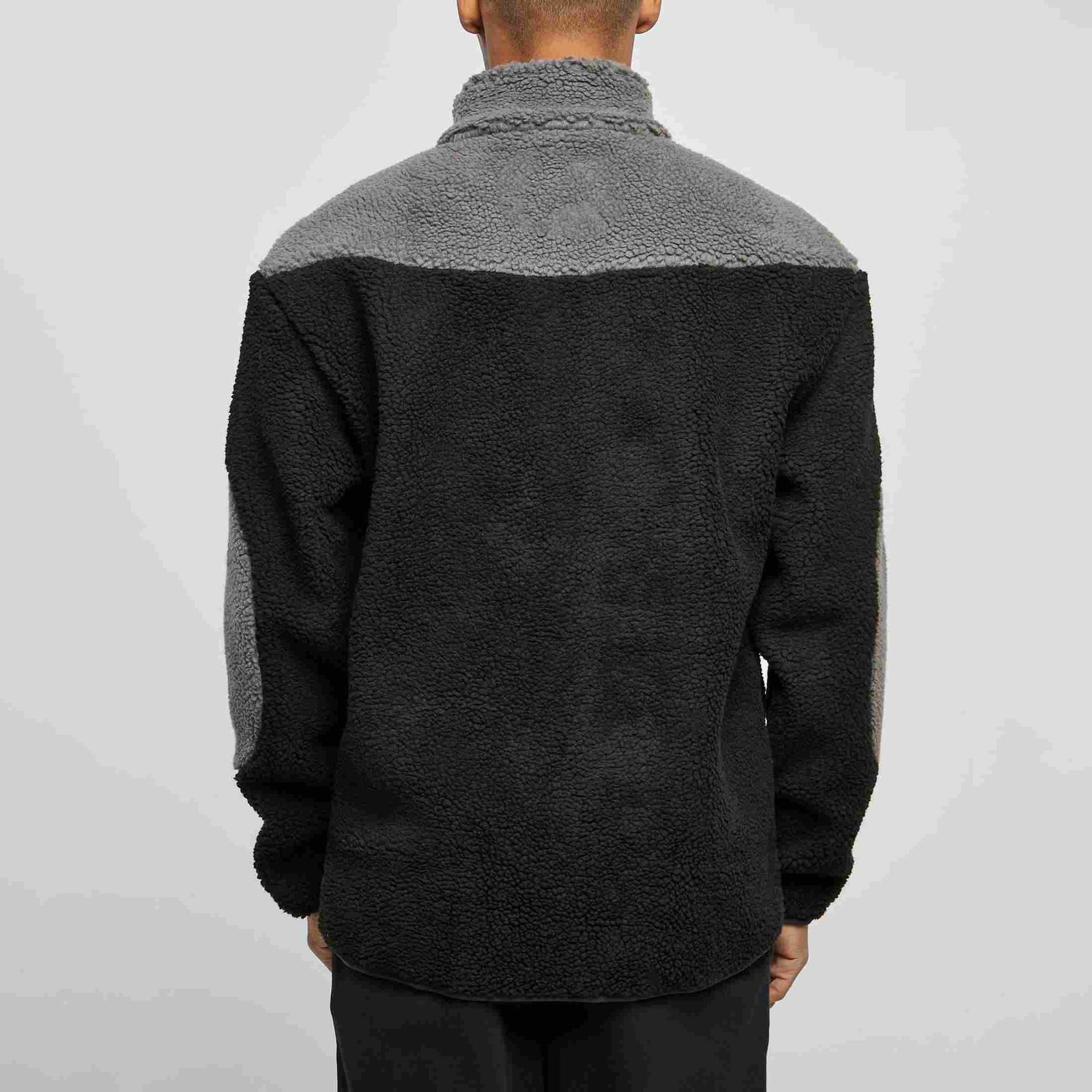
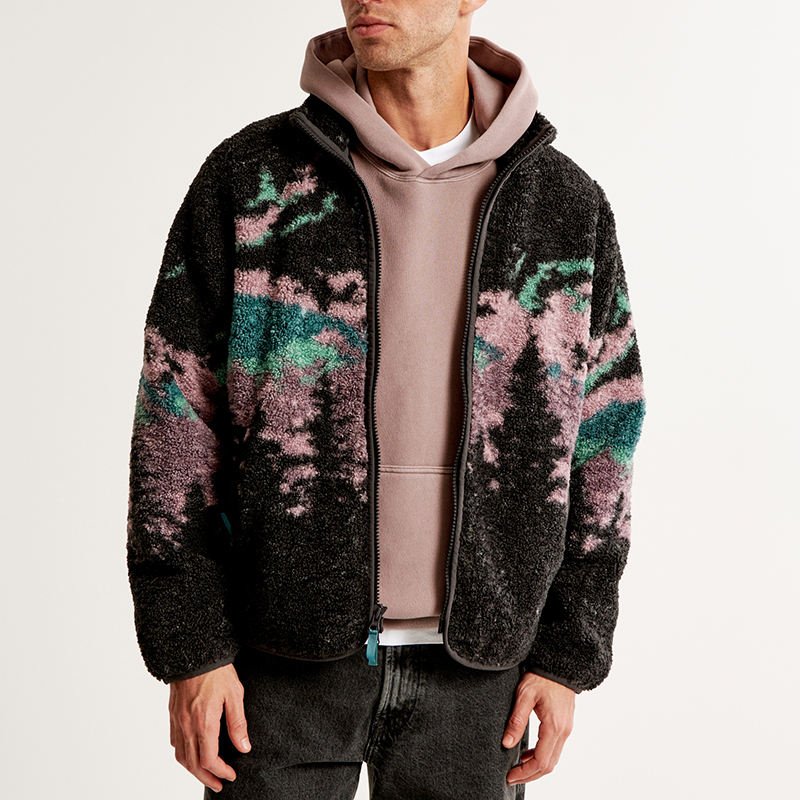
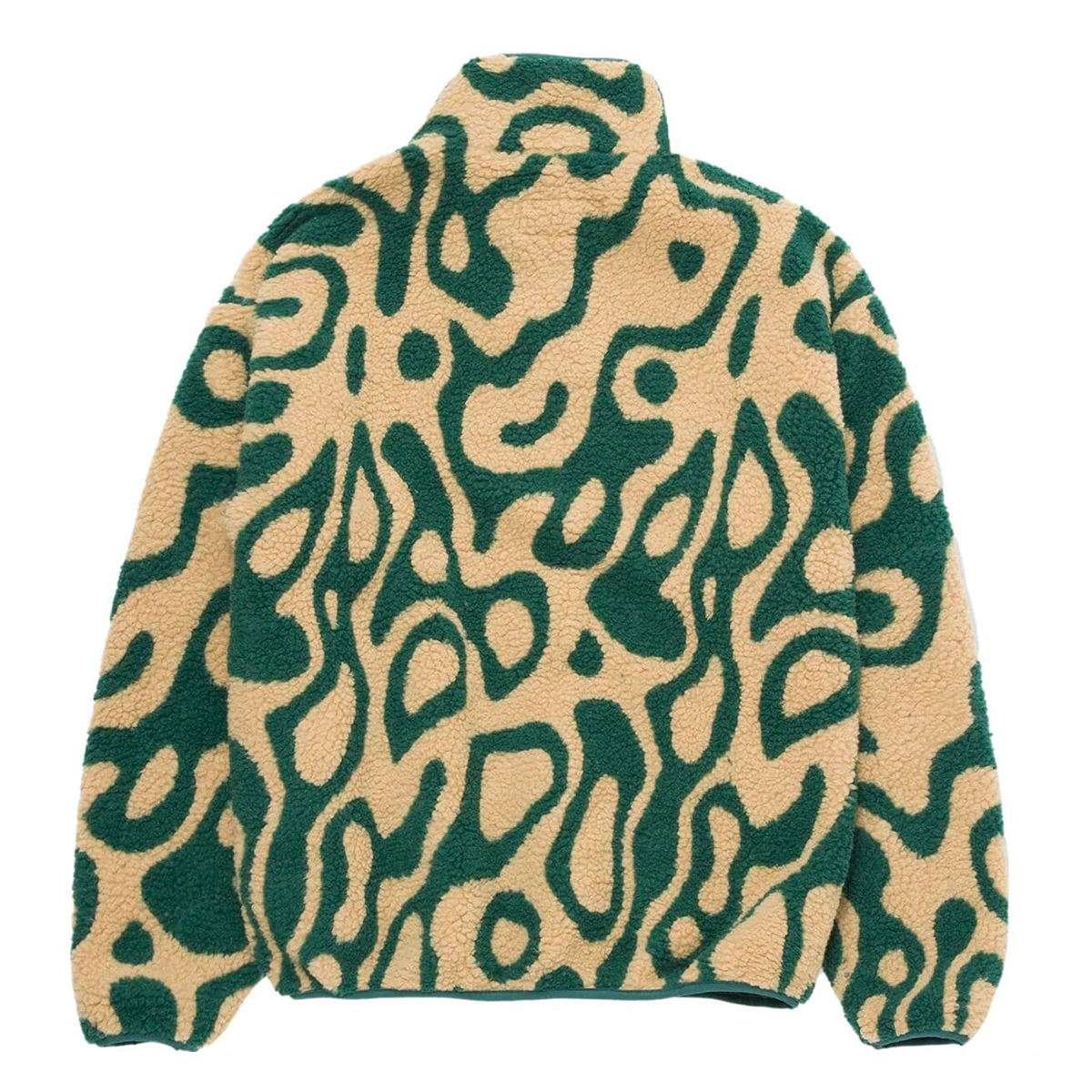
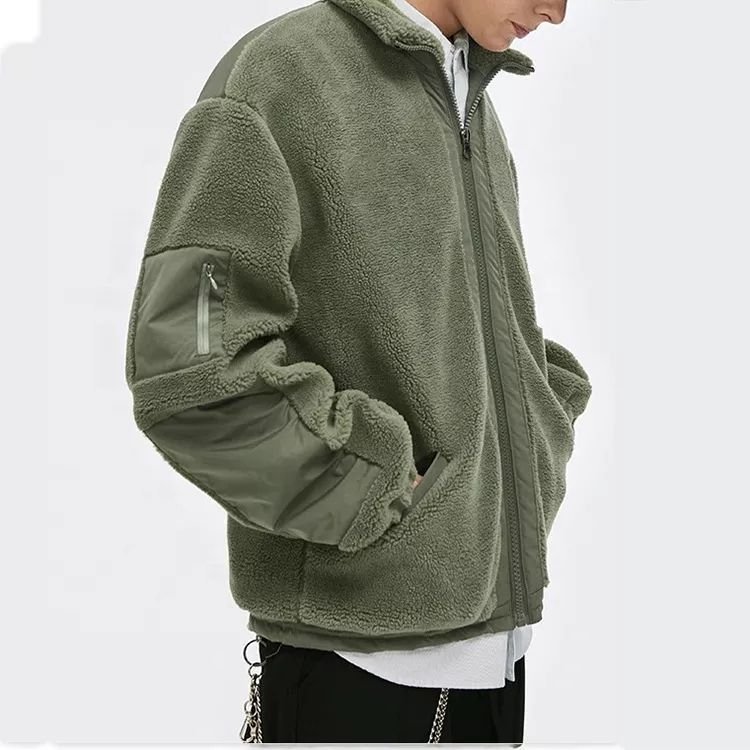
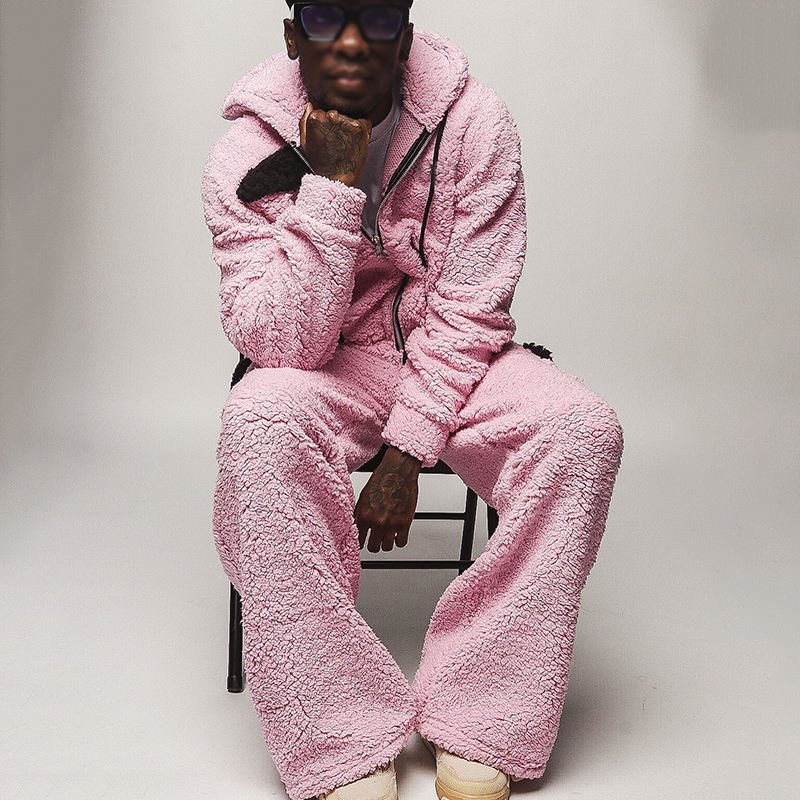
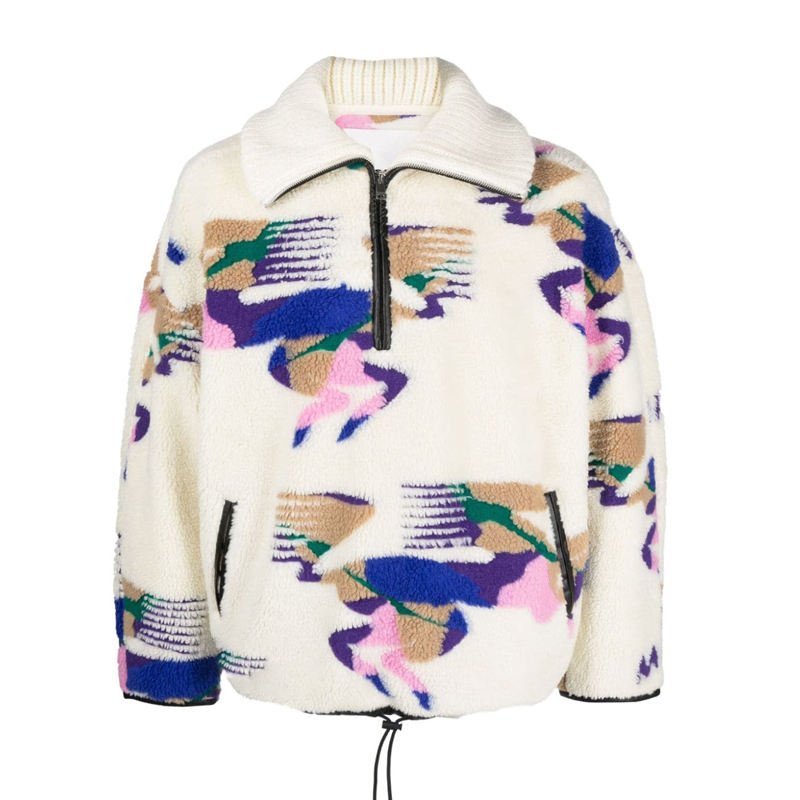
Why Brands Trust Our Cropped Puffer Jacket Manufacturer
From a founder with 10-plus years in garment production to a proprietary 5-step QC system, every advantage here was earned on the factory floor.
5-Step QC Guarantee
Our proprietary five-step process inspects materials, cutting, crafting, sewing, and finishing — catching defects early so zero-compromise quality ships every time.
In-House Design & Sampling
Our 15-member R&D team drives design, pattern development, and rapid sampling in-house for faster revisions and pixel-perfect brand alignment.
Low MOQ, Startup-Friendly
Emerging labels and independent designers launch with confidence thanks to low minimum order quantities built to fit lean budgets and test-market drops.
Fast Seasonal Turnarounds
Speed-to-market is engineered into every workflow, delivering quick proto samples and full production runs that keep your seasonal drops on schedule.
10+ Years OEM Expertise
Founder Tesla Luo’s decade-plus of hands-on production experience — spanning every factory role — means every order receives seasoned, detail-driven manufacturing oversight.
Global Shipping & Logistics
We handle customs, documentation, and worldwide delivery across 100-plus countries so your finished jackets arrive reliably, on time, and ready to sell.
Cropped Puffer Jacket Manufacturer: Our Style Categories
From hooded silhouettes to bold color-blocked statements, every style we manufacture is backed by our 5-step QC guarantee and built to perform in the most competitive streetwear markets worldwide.
Hooded Cropped Puffer Jacket
Streetwear brands need a go-to outerwear hero that delivers instant street credibility. Sourcing a hooded cropped cut with proper fill power, structured hood geometry, and on-trend proportions from a reliable manufacturer is rarely straightforward.
Our hooded cropped puffer delivers bold silhouettes with precision-stitched baffles, performance-grade fill, and customizable hood structures — giving your brand a flagship outerwear piece that converts on social media and sells through every season.
Sleeveless Cropped Puffer Vest
Designers building layering-focused collections struggle to find a manufacturer that executes a clean cropped vest silhouette with consistent fill distribution, flat-laying seams, and the finish quality demanded by fashion-forward retail and influencer audiences.
Our sleeveless cropped puffer vests feature even insulation distribution, refined edge stitching, and versatile colorway options — a high-margin layering staple that pairs effortlessly with your existing line and resonates with trend-driven consumers year-round.
Oversized Cropped Puffer Jacket
Brands chasing the oversized streetwear moment need exaggerated proportions executed with intention — not just a larger shell. Getting the sleeve-to-body ratio, baffle scale, and drop-shoulder fit right demands a manufacturer fluent in contemporary street aesthetics.
We engineer oversized cropped puffer jackets with deliberate proportioning, scaled quilting patterns, and drop-shoulder precision — delivering the coveted bulky-yet-cropped silhouette that drives engagement, fuels UGC, and positions your brand at the forefront of street culture.
Fitted Cropped Puffer Jacket
Independent designers building premium streetwear lines need a fitted cropped puffer that holds its sleek shape without sacrificing warmth. Most manufacturers lack the slim-baffle engineering and seam control required to achieve a polished, body-skimming silhouette at scale.
Our fitted cropped puffer uses narrow-channel baffle engineering and stretch-compatible fabrics to deliver a sleek, performance-ready silhouette — ideal for brands targeting consumers who demand warmth without compromising on tailored, refined streetwear aesthetics.
Color-Blocked Cropped Puffer Jacket
Brands wanting bold statement outerwear struggle to find a manufacturer capable of precise color-blocking — matching panels seamlessly across fabric lots, maintaining color integrity wash after wash, and hitting tight seasonal colorway deadlines without quality falling short.
Our color-blocked cropped puffer jackets feature precision panel alignment, Pantone-matched fabric sourcing, and rigorous dye-lot QC — delivering head-turning outerwear that photographs brilliantly, stands out on the sales floor, and anchors your seasonal campaign.
Premium Insulation & Shell Fabrics from a Leading Cropped Puffer Jacket Manufacturer
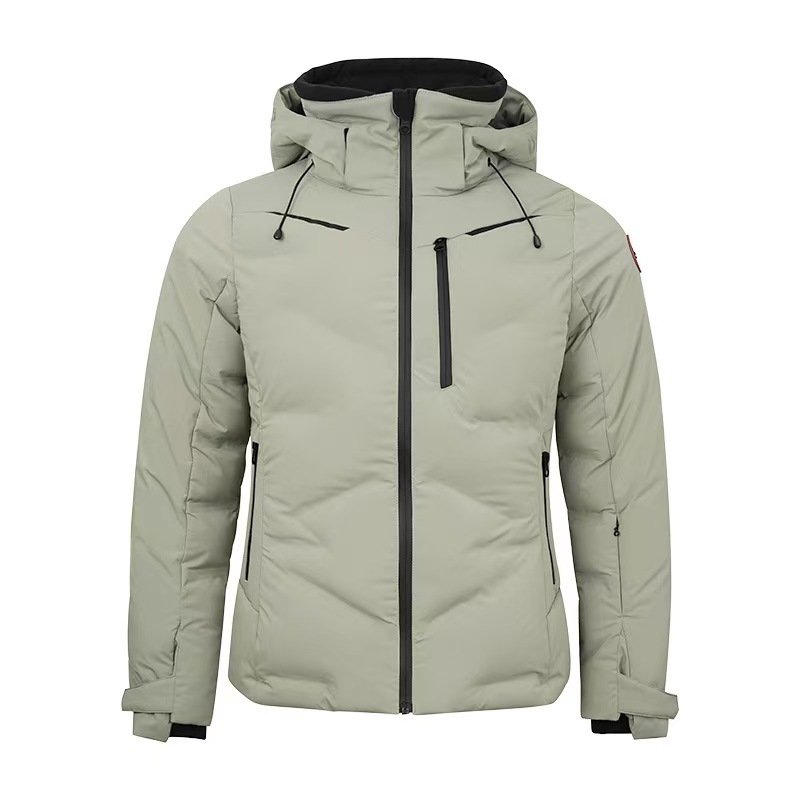
White Duck Down
Premium 90/10 down-to-feather blend with 600–800 fill power. Delivers an exceptional warmth-to-weight ratio in cropped puffer silhouettes, with superior loft recovery that maintains shape across high-volume seasonal collections.
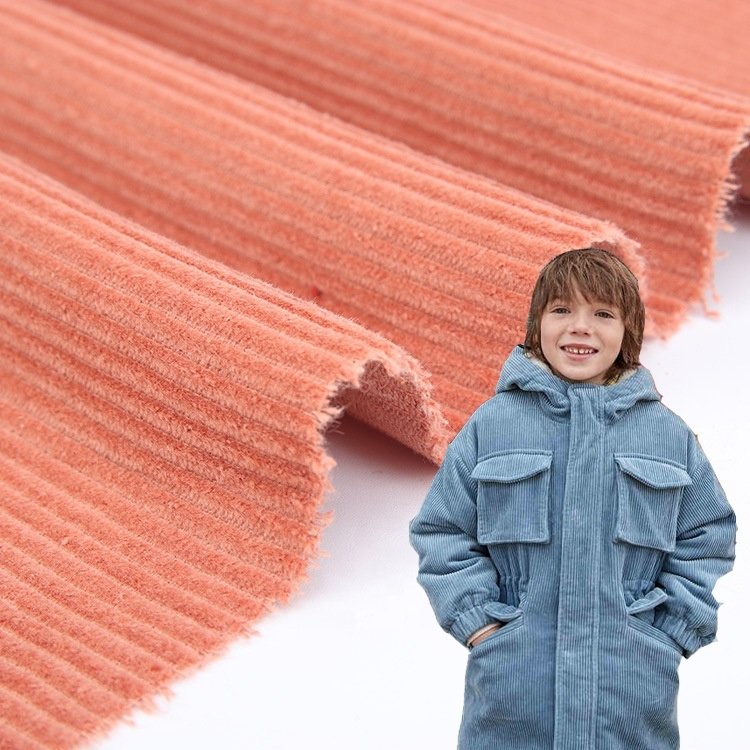
Recycled Polyester Fill
Post-consumer PET synthetic insulation engineered to retain warmth even when wet. Allergy-friendly and sustainability-certified, available in 100–200g fill weights — ideal for eco-conscious streetwear brands building responsible outerwear lines.
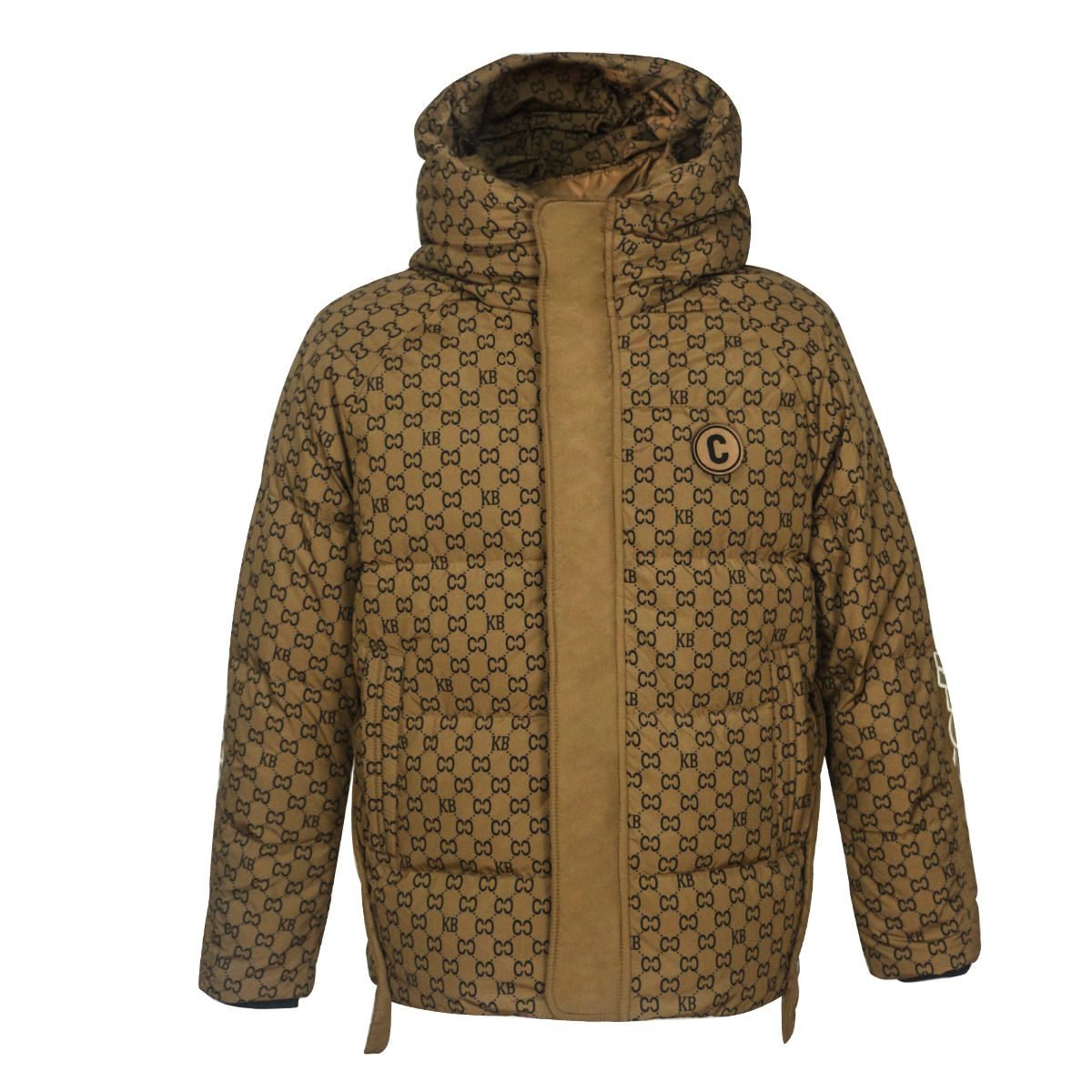
Ripstop Nylon Shell
Lightweight 40D–70D outer shell with grid-reinforced tear resistance. Delivers a sporty, athletic aesthetic popular in streetwear cropped puffers, with excellent abrasion resistance supporting bold colorways and oversized graphic treatments.
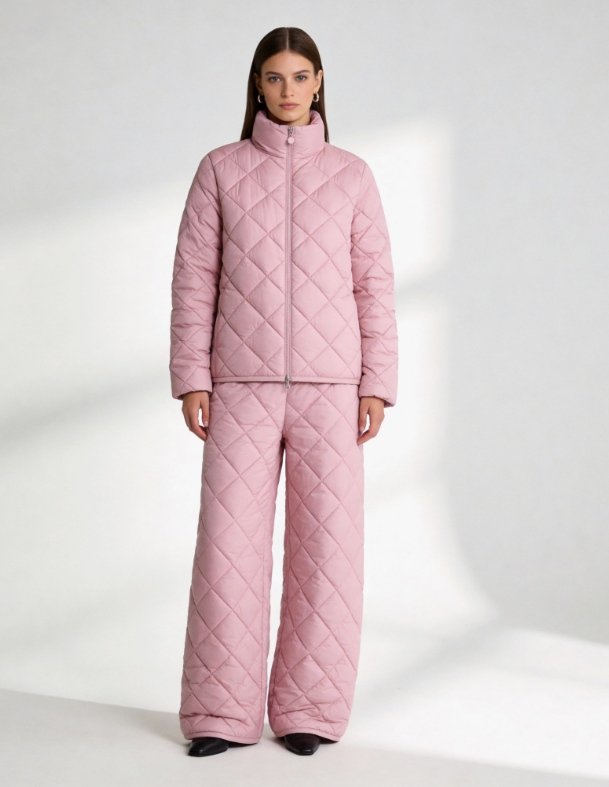
Matte Satin Polyester
Smooth 75D polyester shell with a low-luster, luxe hand-feel and fluid drape. A premium outer fabric for fashion-forward cropped puffer jacket styles targeting influencer, creator, and boutique retailer audiences.
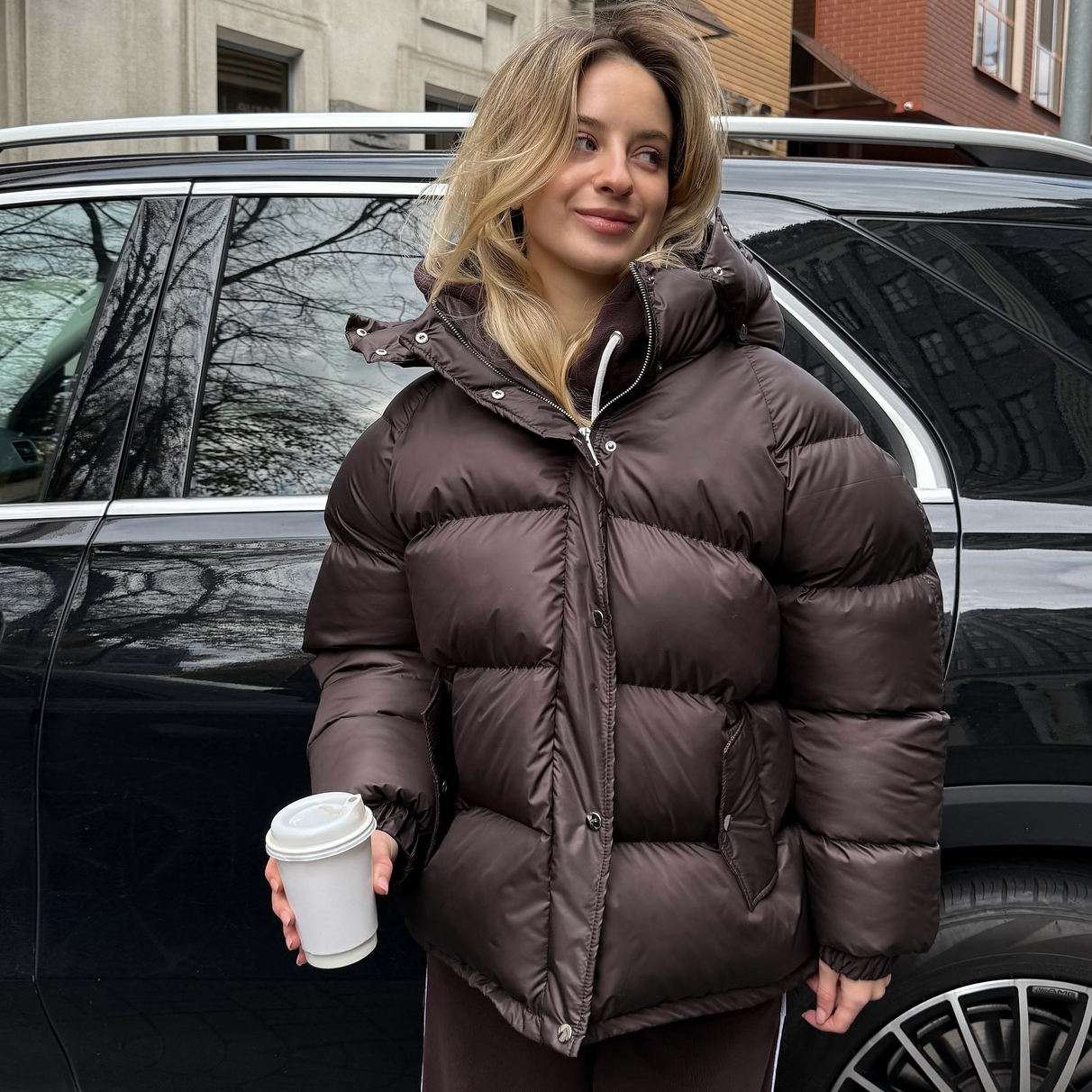
Oxford Nylon Shell
Textured 210D nylon offering robust abrasion resistance and a rugged, street-ready aesthetic. Well-suited for heavyweight cropped puffer styles with structured baffling, utility hardware, and bold oversized graphic detailing.
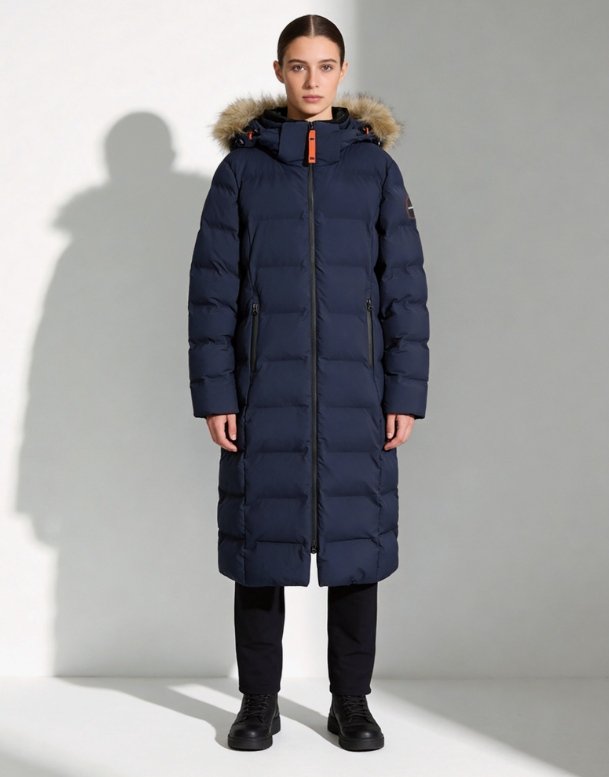
Down-Proof Twill
Tightly woven 20D–30D shell fabric engineered to prevent fill migration in baffled puffer construction. Essential technical base cloth for achieving clean, defined quilt lines in precision cropped puffer jacket production.
Expert Techniques from a Leading Cropped Puffer Jacket Manufacturer
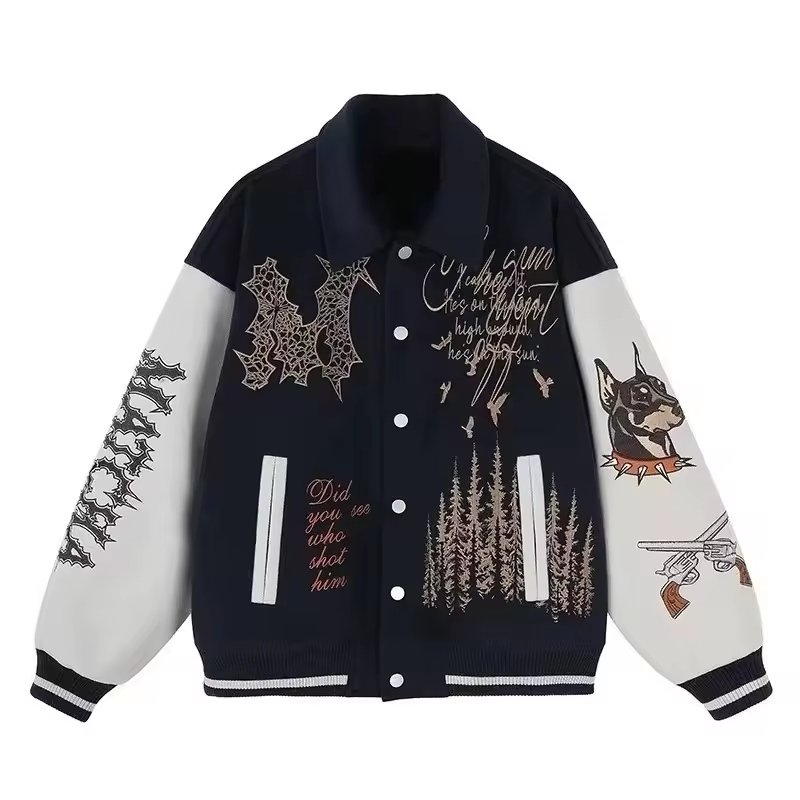
Custom Embroidery
High-thread-count embroidery delivers raised, tactile branding on chest panels, sleeves, and back yokes. Durable stitch construction withstands repeated washing and maintains crisp logo definition on technical puffer fabrics.
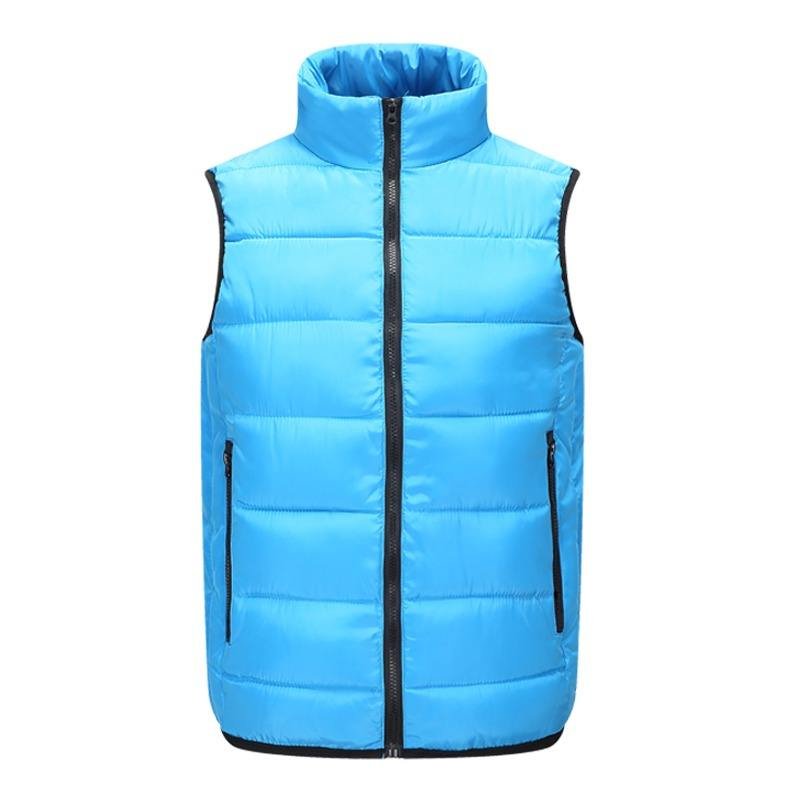
Screen Printing
Plastisol and water-based screen inks bond precisely to quilted puffer panels, delivering vivid, opaque graphics with clean edges. Ideal for bold streetwear motifs, limited drops, and high-impact brand statements.
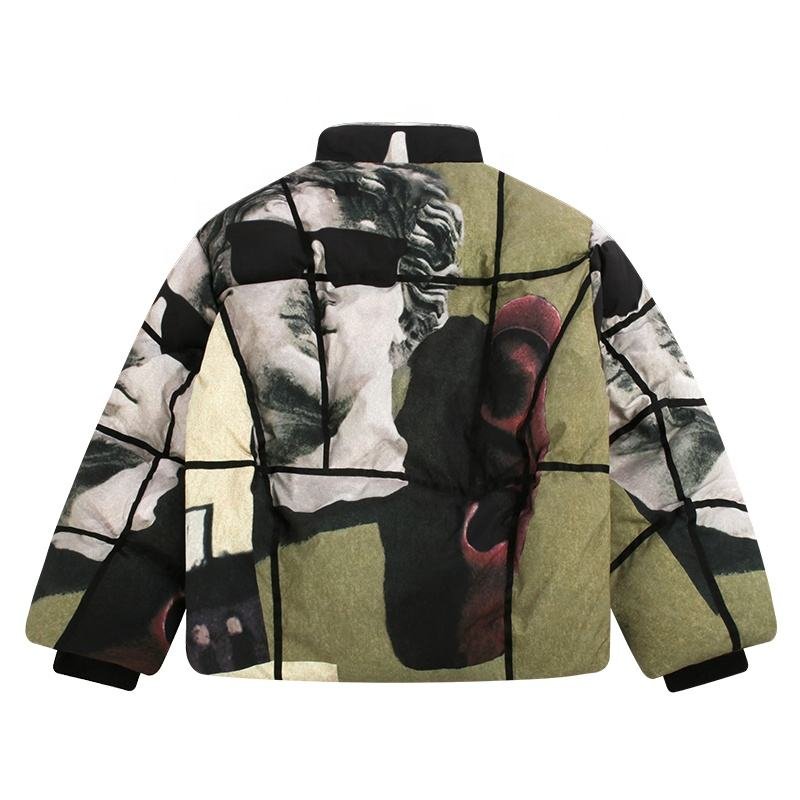
Heat Transfer
Premium heat transfer films apply photorealistic graphics, foil finishes, and holographic effects to puffer shell fabrics without cracking or peeling, preserving each jacket’s flex, drape, and water-resistant coating.
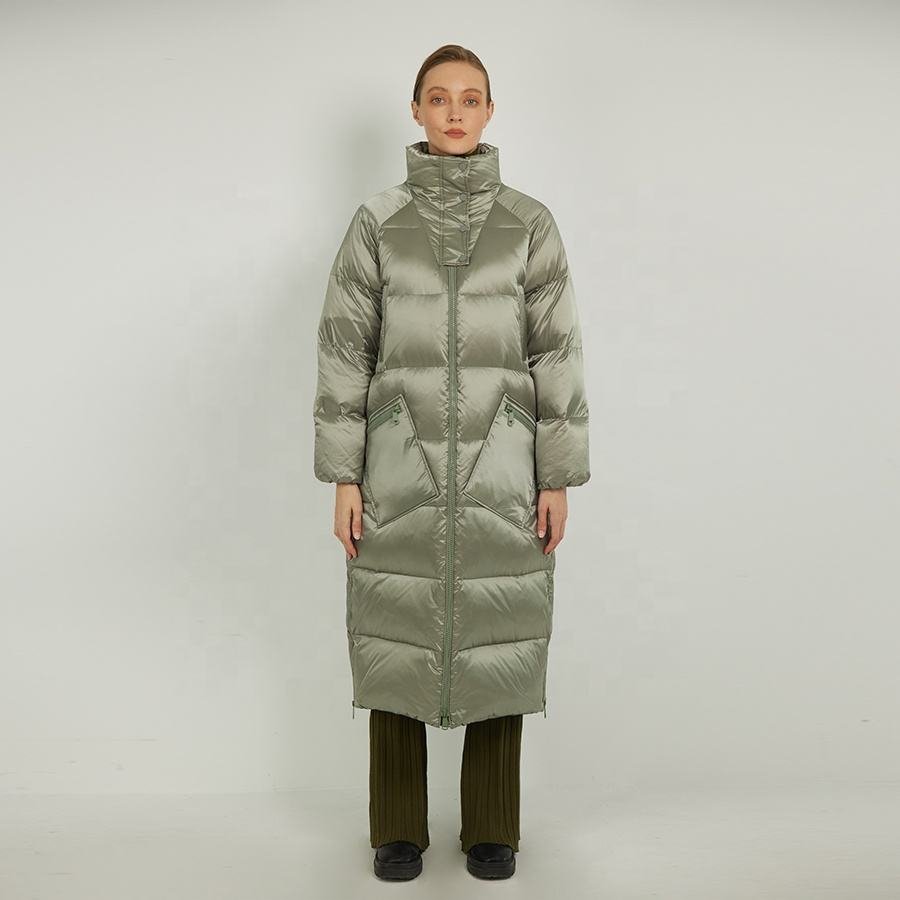
Custom Quilt Stitching
CNC-guided quilting machines execute diamond, baffle, channel, and bespoke geometric stitch patterns, locking insulation in place while creating the signature structured aesthetic that defines standout cropped puffer silhouettes.
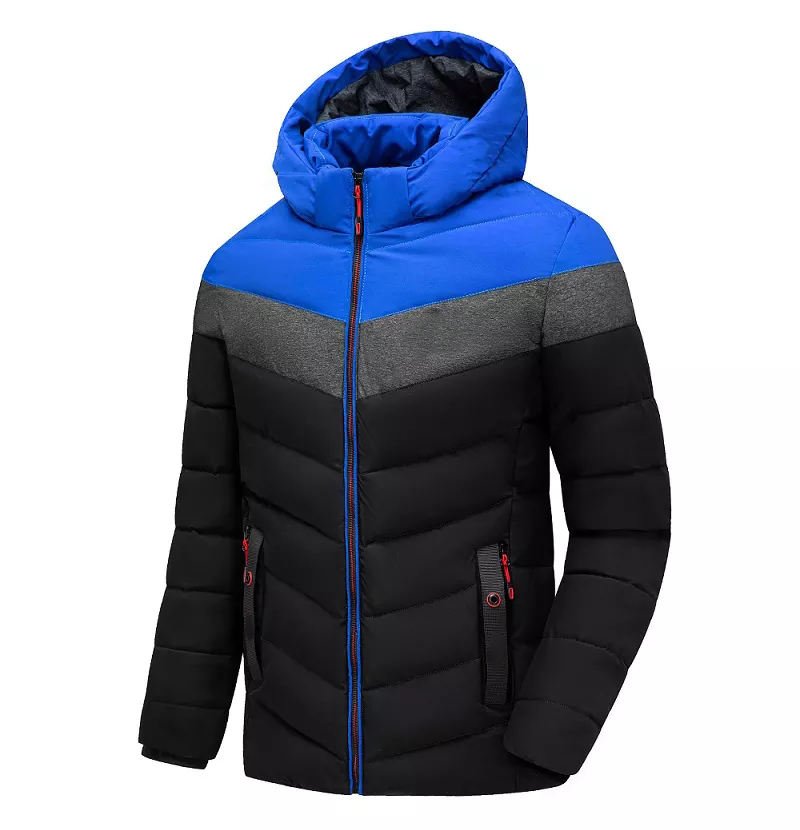
Sublimation Printing
Dye-sublimation infuses color molecules directly into polyester shell fabrics, producing all-over prints with unlimited color gradients, sharp detail, and fade-resistant vibrancy that survives repeated washing and extended daily wear.
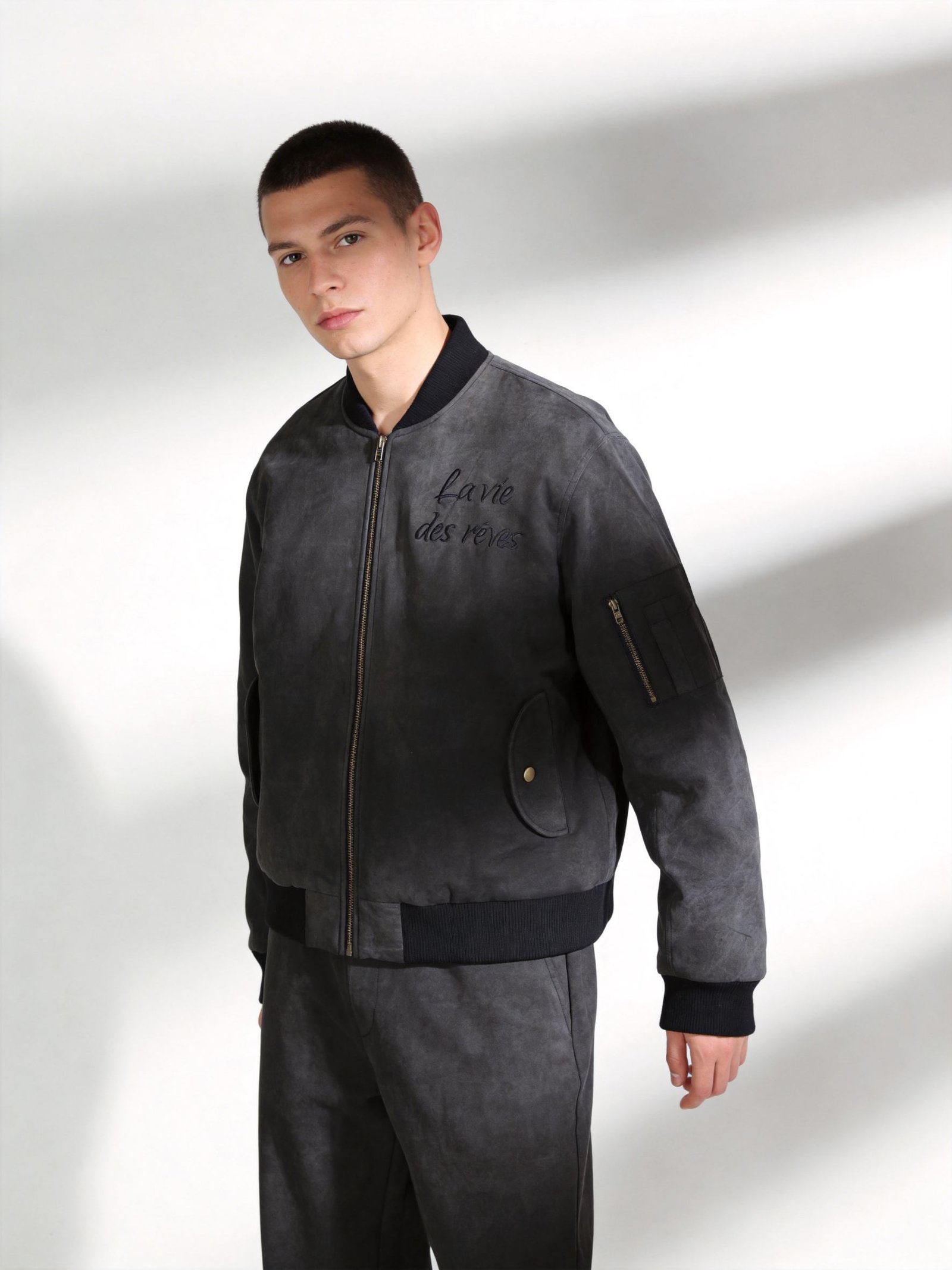
Patch Application
Woven, PVC, leather-look, and rubber patches are heat-pressed or sewn onto shell fabrics at precise coordinates, adding dimensional branding elements that elevate perceived quality and collector appeal on every piece.
Trim & Hardware Options to Define Your Brand Identity
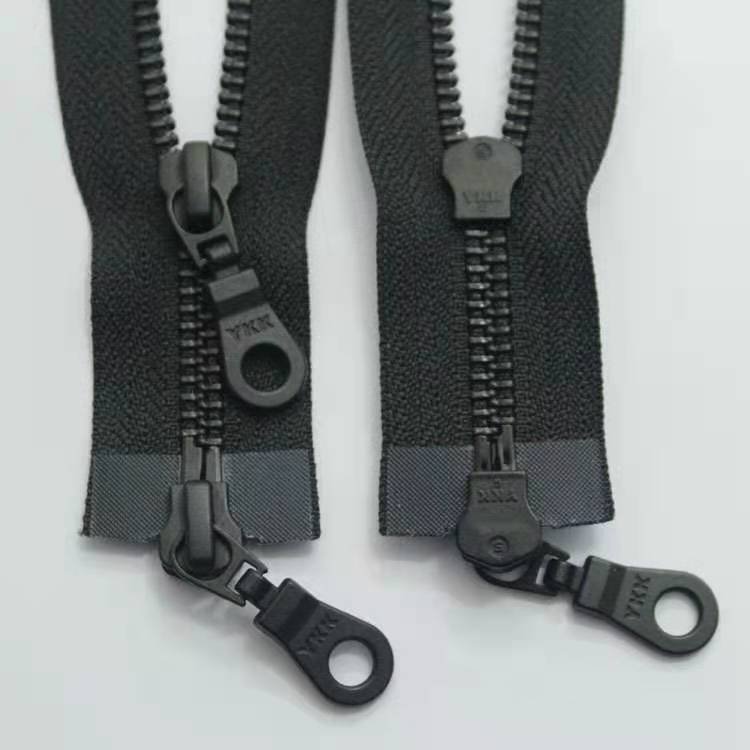
YKK Zippers
Industry-standard YKK zippers deliver smooth, durable closure on jacket fronts, pockets, and vents. Available in coil, invisible, and reverse styles with custom pulls in brand-matched colors and metallic finishes.
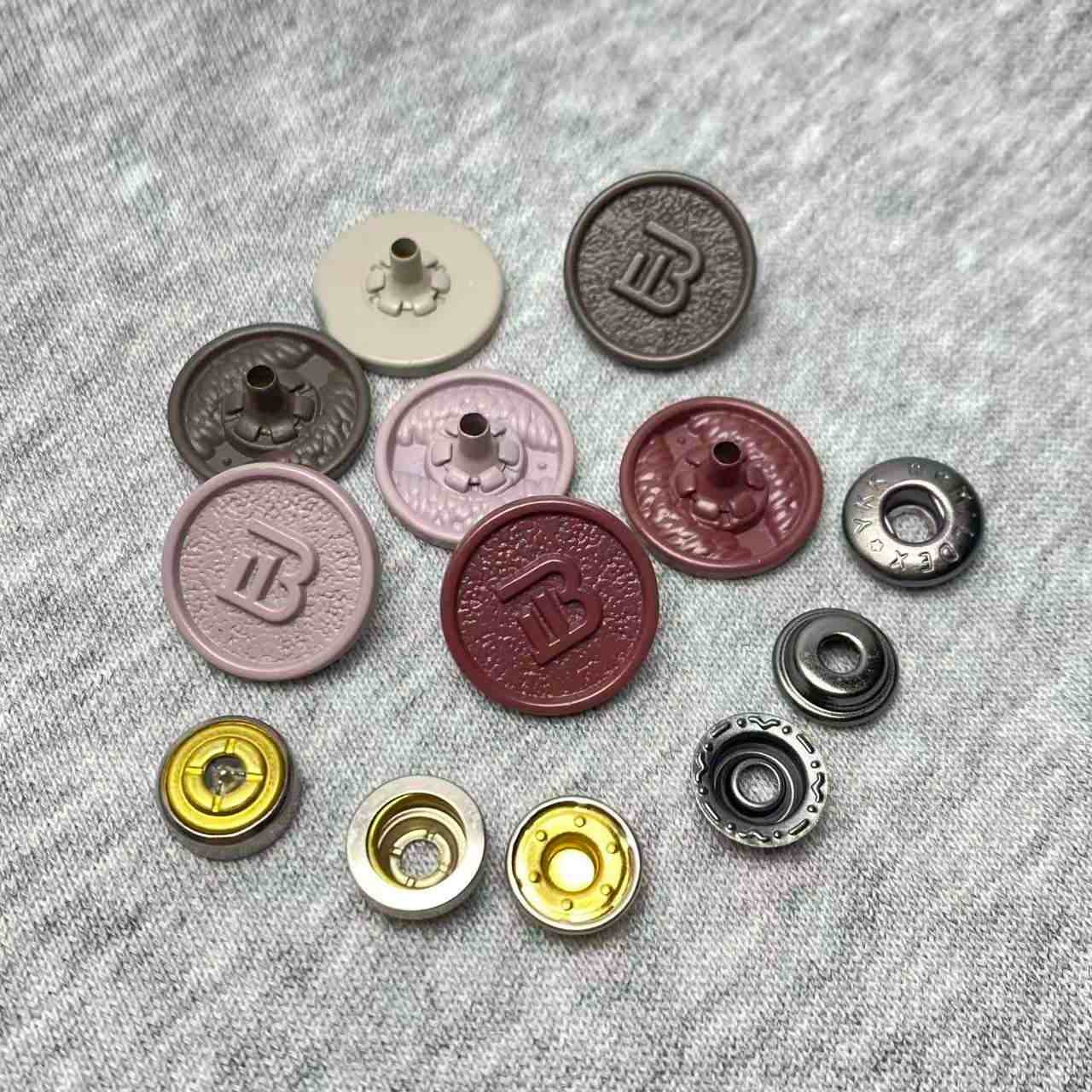
Snap Buttons
Heavy-duty snap buttons provide secure, tool-free fastening on plackets and storm flaps. Sourced in brass and resin with custom finishes — matte, gunmetal, or antique — to suit any brand aesthetic.
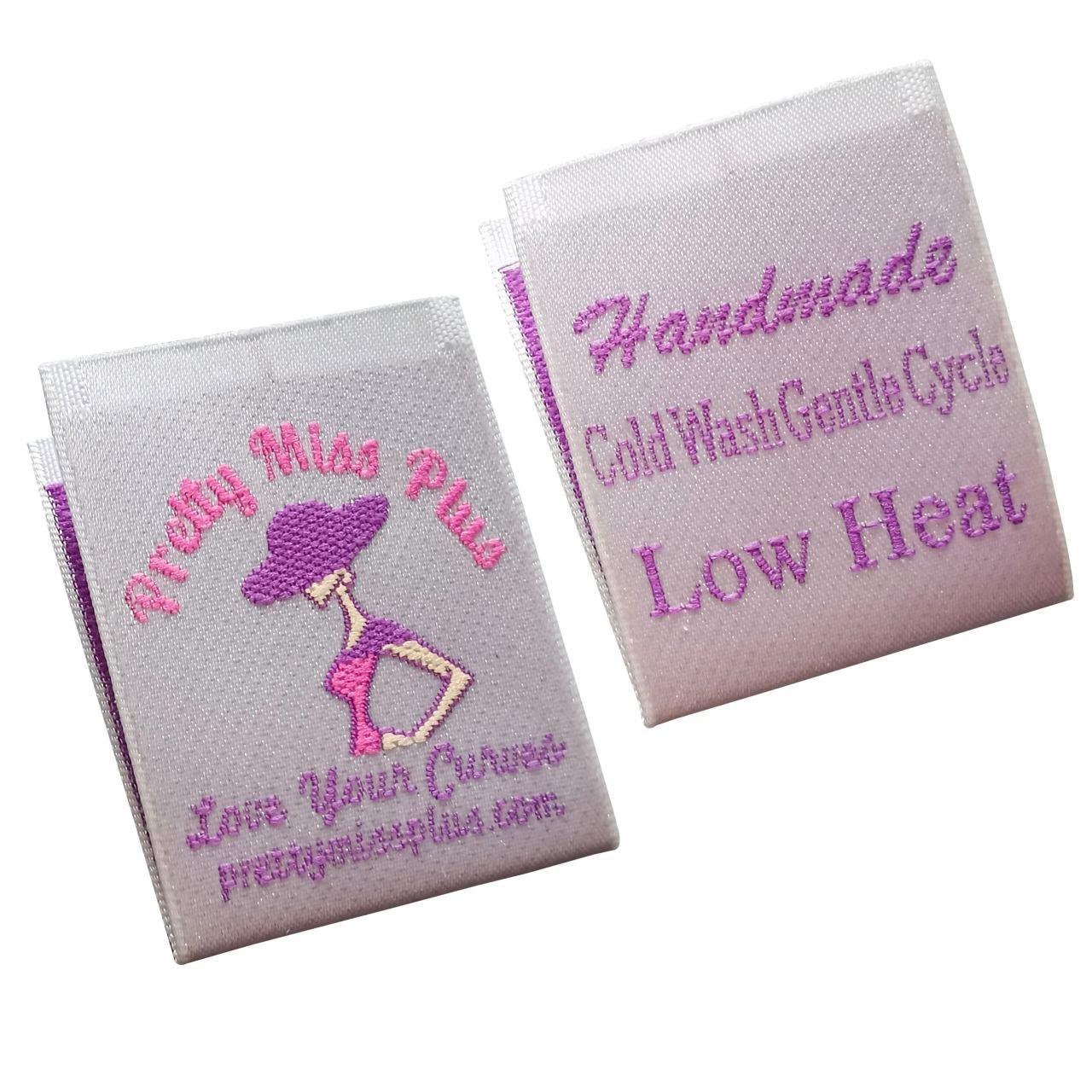
Woven Labels
Custom woven labels carry your brand mark at the neckline, hem, or cuff with sharp precision. High-thread-count damask and taffeta options retain fine logo detail for a premium in-garment branding experience.
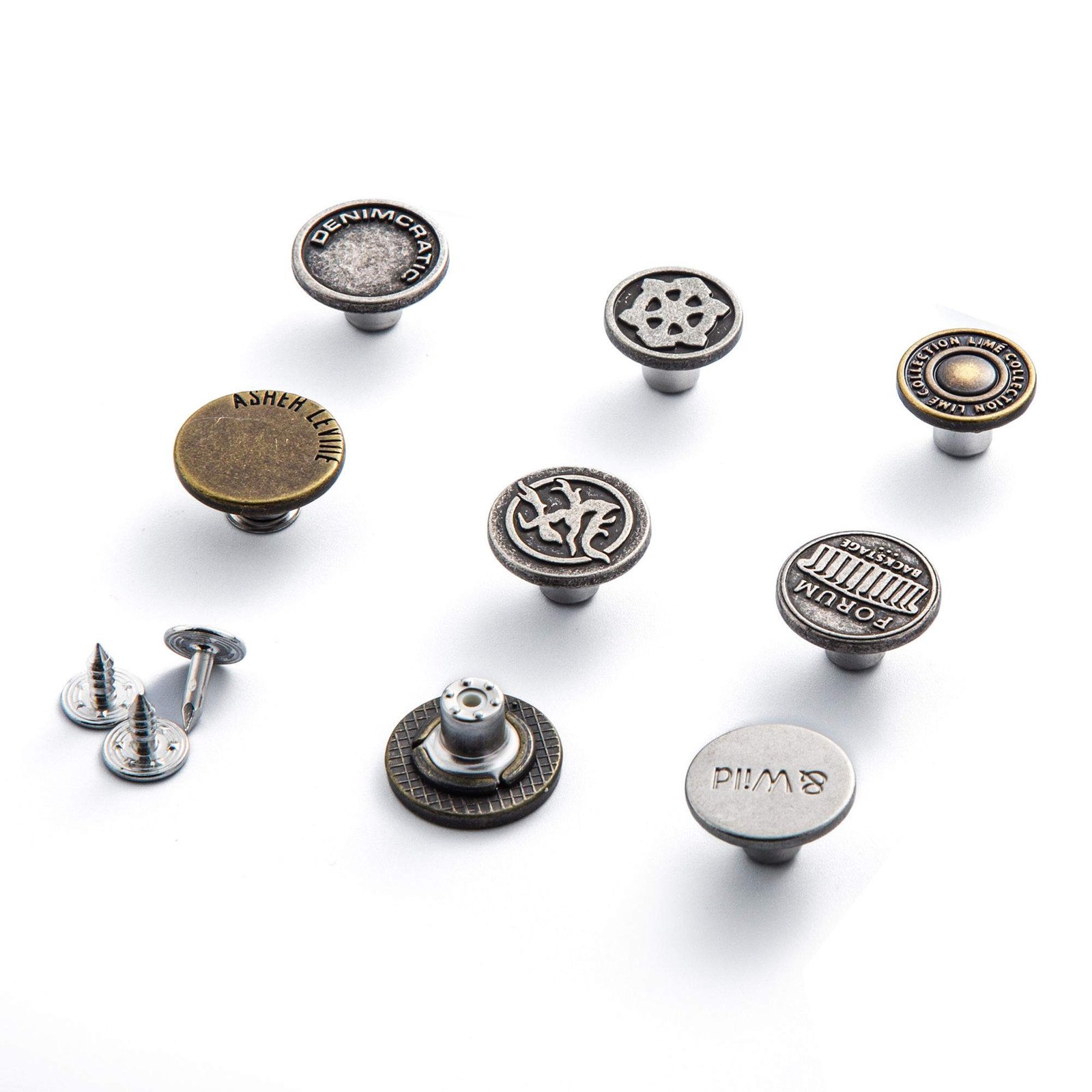
Drawcord & Tipping
Adjustable drawcords in cotton, nylon, or paracord styles let wearers customize fit at hoods and hems. Metal or rubber tipping in branded colors adds a polished, streetwear-ready accent to every jacket.
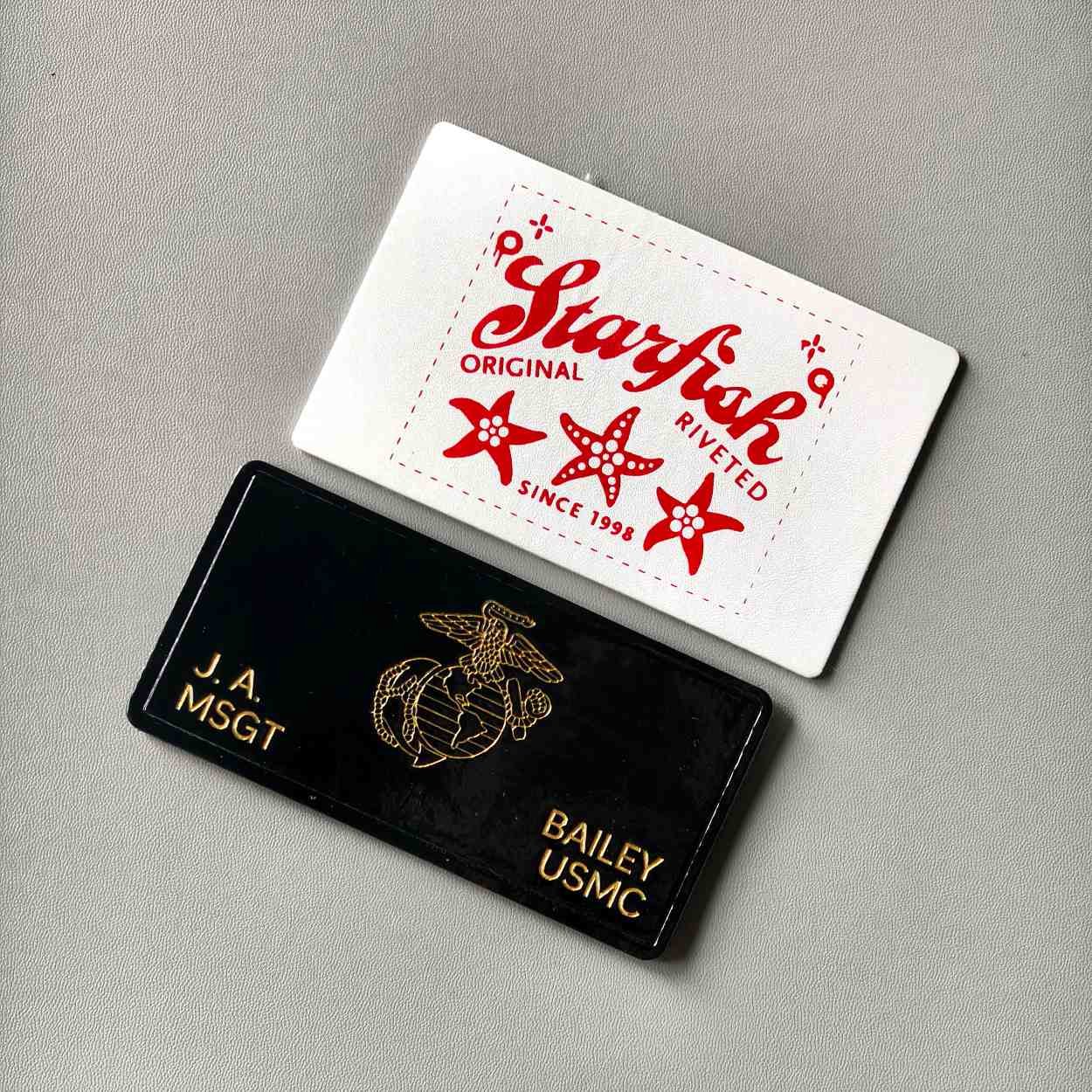
Custom Patches
Embroidered and woven patches deliver bold graphic identity to sleeves, chests, and backs. Compatible with heat-seal or sew-on application, they support intricate streetwear motifs including skeletons, roses, and cross-inspired designs.
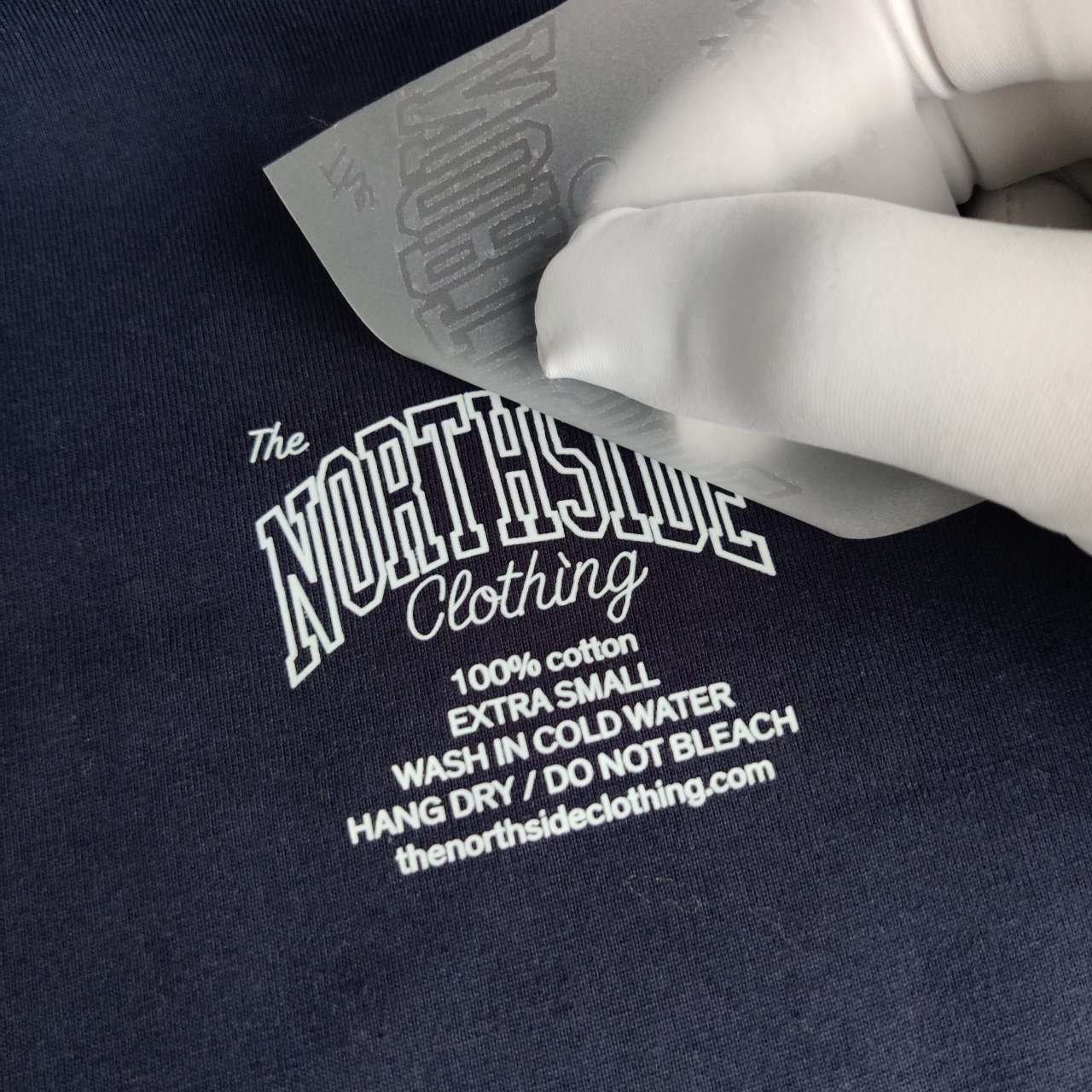
Branded Hangtags
Foil-stamped or printed hangtags communicate brand story, sizing, and care details at retail. Paired with branded string and barcode stickers, they complete the packaging experience and elevate your product’s perceived value.
A Cropped Puffer Jacket Manufacturer Rooted in Heritage
Founded in 2024 by Tesla Luo, Clothing Manufacturer Ltd. was built on over 10 years of apparel manufacturing expertise and 6 years of specialized streetwear experience. A second-generation garment professional whose parents both held senior factory roles, Luo spent summers rotating through every production stage in Dongguan Humen — sewing, cutting, QC, and shipping — giving him an unmatched command of what quality manufacturing truly demands.
Our mission was born from a hard truth: too many Chinese factories ship orders without a single quality check during production. Luo built this company to change that, embedding a proprietary 5-step QC process — covering materials, cutting, craft, sewing, and finished goods — at every stage, not just at the end. Today, Clothing Manufacturer Ltd. serves brands across more than 100 countries from our base in Humen Town, Dongguan, backed by the full production infrastructure of our parent company, Dongguan TuoZhen Clothing Co., Ltd.
Whether you are a streetwear startup placing your first low-MOQ order or a global retailer scaling a seasonal cropped puffer jacket line, we bring the same in-house design and sampling team, fast turnaround timelines, and deep cultural fluency in streetwear aesthetics to every project. With an R&D team of 15 and 10 registered production patents, we are the cropped puffer jacket manufacturer built to grow with your brand.
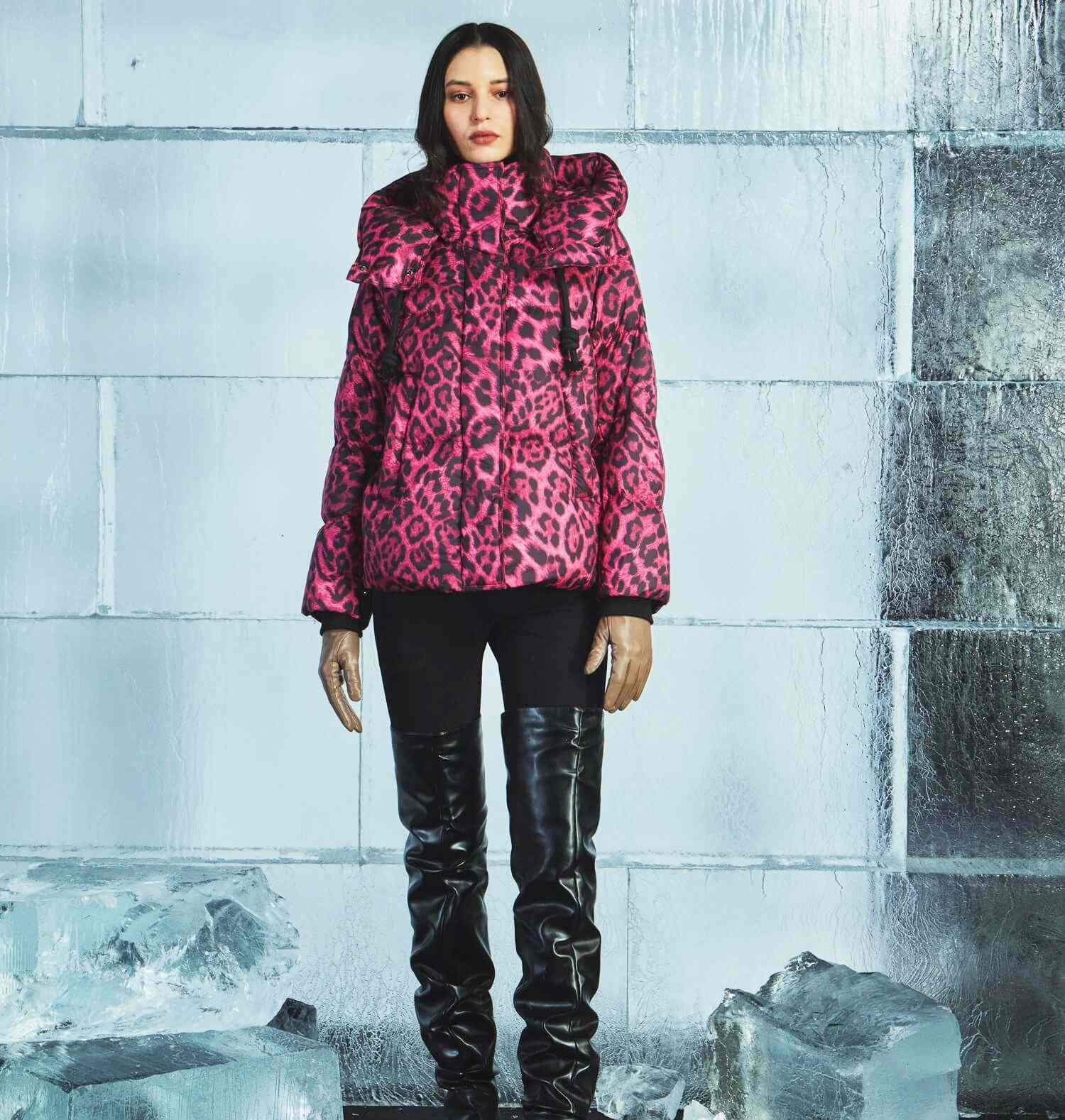
Our Cropped Puffer Jacket Manufacturer QC Guarantee
Upstream QC: Materials and Cutting Verified First
Every cropped puffer jacket starts with two critical upstream gates. We test incoming fabrics, insulation fills, and trims before a single cut is made, then inspect every panel for dimensional accuracy before production begins — eliminating defects at the source.
- Fabric weight, colorfastness, and pilling resistance tested on every incoming roll
- Insulation fill power and distribution verified against your approved spec sheets
- Cut panel dimensions and grain alignment inspected before sewing begins
- Defective materials quarantined and replaced before they reach the production line
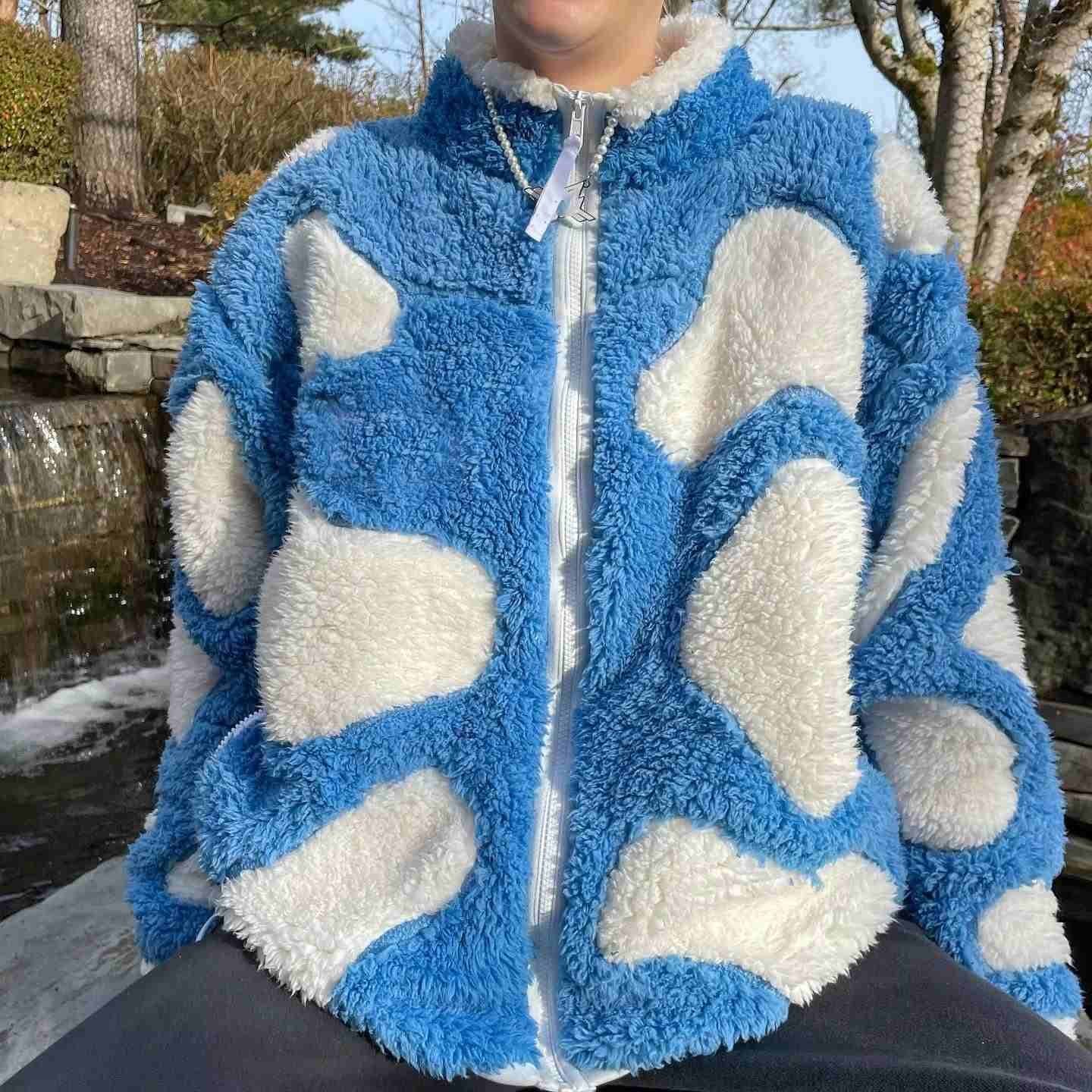
In-Process Craft and Sewing QC Checkpoints
Quality must be built in, not inspected afterward. Our craft and sewing QC stages audit stitch density, seam integrity, and construction details while the jacket is still on the line, so corrections take seconds — not costly reworks after the order is complete.
- Clothing craft QC reviews pocket placement, zipper alignment, and hardware attachment accuracy
- Sewing QC monitors stitch count, thread tension, and seam allowances in real time
- Baffling and quilting patterns verified for consistent, even insulation distribution
- Defective pieces flagged and corrected immediately — nothing defective advances downstream
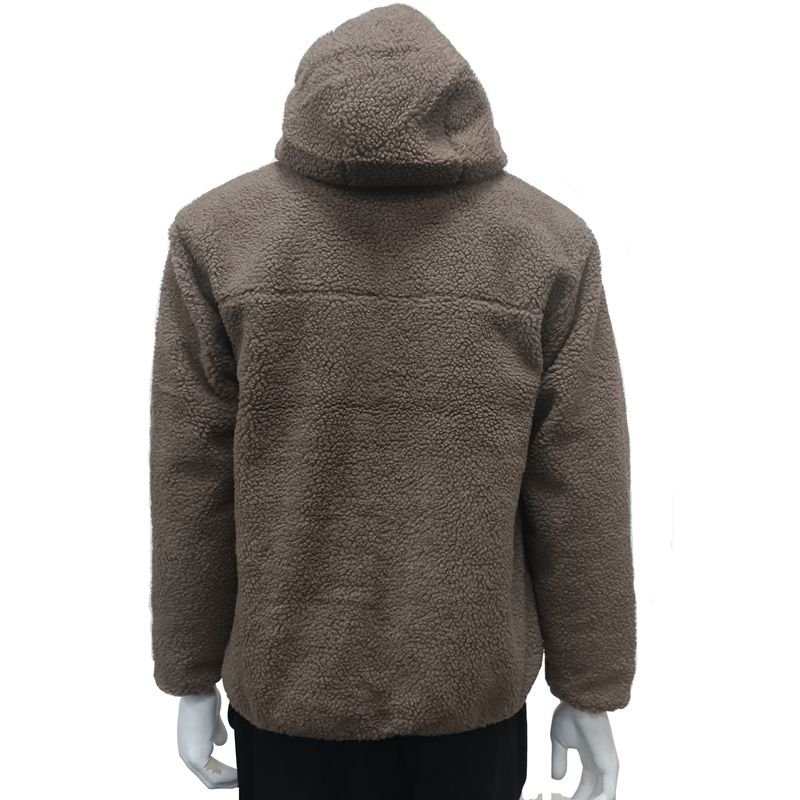
Final Finished-Jacket Inspection Before Every Shipment
Step five is our last line of defense: a comprehensive finished-product audit covering appearance, function, and brand compliance. Every jacket is fully reviewed before it is packed, so your customers receive a product that represents your brand exactly as intended.
- Full visual scan for stitching, trimming, loose threads, and surface defects
- Zipper, snap, and closure functionality tested on every finished unit
- Measurements cross-checked against your approved tech pack tolerances
- Packing, labeling, and hangtag accuracy confirmed before dispatch
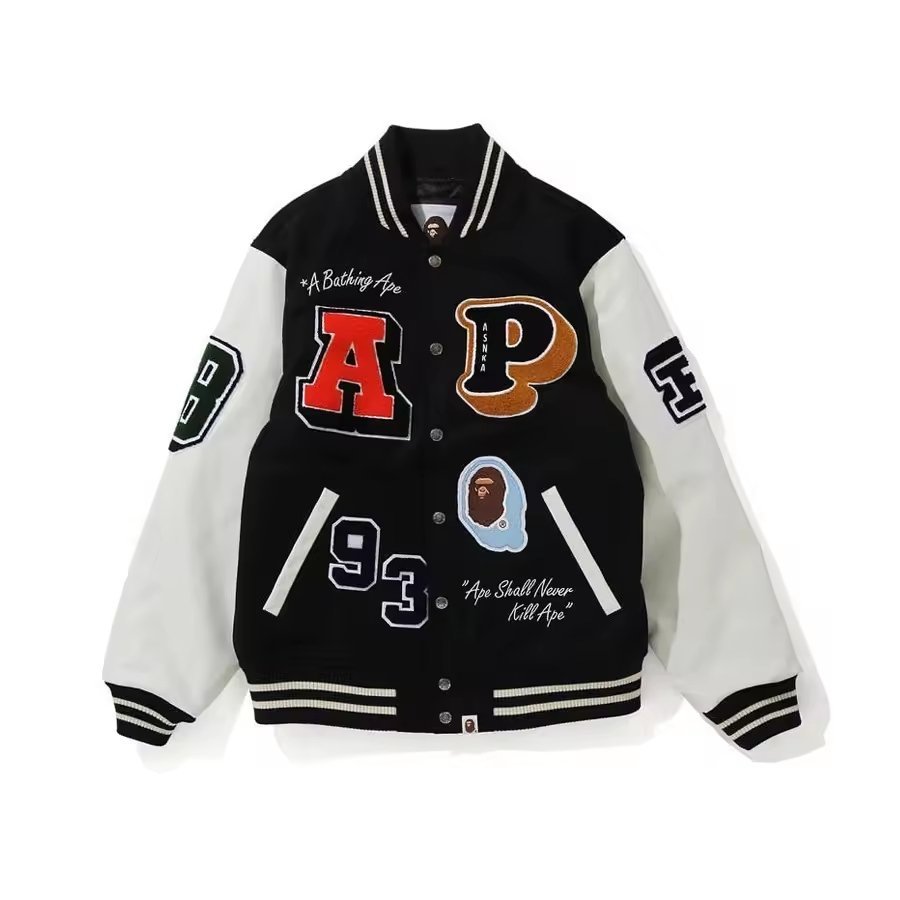
Consistent QC Standards Across Every Order Volume
Whether you are launching a 100-piece debut run or scaling a full seasonal collection, our five-step QC framework applies without exception. Emerging streetwear startups and global retailers receive the same rigorous inspection — low MOQ never means lower standards.
- Identical QC rigor from sample production through large-scale seasonal runs
- Low MOQ options for influencer brands and independent designers entering the market
- Detailed QC reports shared with clients after each inspection stage
- In-house R&D team of 15 and 10 production patents backing every quality claim
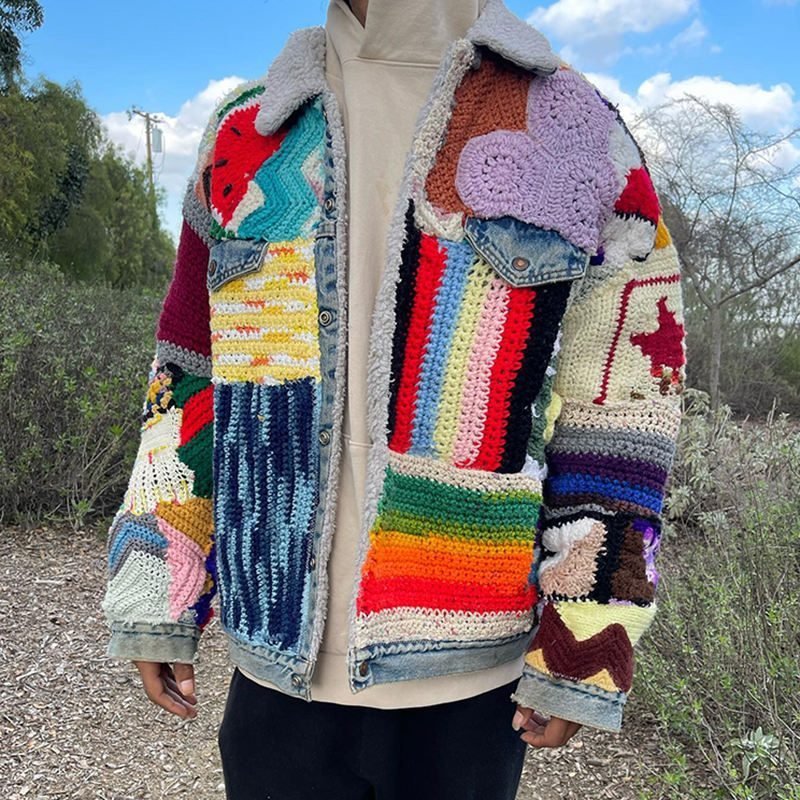
Why Our Cropped Puffer Jacket Manufacturer Standards Outperform Traditional Suppliers
Most factories skip mid-production checks entirely — sewing straight to packaging with zero quality gates. We embed five verified checkpoints into every order so your brand ships defect-free product, every time.
← 左右滑动查看 →
From Concept to Delivery: Our Cropped Puffer Jacket Manufacturer Timeline
A transparent six-phase roadmap with our 5-step quality control built in at every stage — so you always know exactly where your order stands.
Fabric Sourcing & Materials QC
We handpick premium puffer fabrics and insulation fills, then run materials QC testing to confirm every input meets our strict streetwear-grade standards before production begins.
Pattern Making & Cutting QC
Our in-house design and sampling team develops precise patterns and conducts cutting QC testing to ensure every panel is dimensionally accurate before advancing to the next stage.
Printing, Embroidery & Craft QC
Custom graphics, embroidery, and hardware details are applied under clothing craft QC testing, catching errors early so your brand’s streetwear identity is executed without compromise.
Sewing, Assembly & Inline QC
Skilled sewers construct each cropped puffer jacket under ongoing sewing production QC testing, with station-level checks that eliminate defects before they can compound downstream.
Finished Goods QC Inspection
Every completed garment clears our finished clothing quality QC inspection — measurements, stitching, zipper function, and fill integrity all verified before a single piece is approved for packing.
Packing & Global Shipping
Orders are professionally packed, customs documentation prepared, and shipments dispatched with full logistics support, delivering your collection on schedule to clients across 100-plus countries.
Start Your Cropped Puffer Jacket Order in Four Steps
From first design file to final delivery, our streamlined process keeps you informed and in control at every stage of production.
Submit Your Tech Pack or Brief
Share your design files, sketches, or reference samples. We review your cropped puffer jacket requirements and return a detailed production quote within 24 hours.
Approve Your Samples and Timeline
Our in-house sampling team builds prototypes for your review. Refine fabrics, construction details, and fit until every sample meets your exact brand standards.
Enter Bulk Production With Full QC
Approved styles move into manufacturing under our 5-step quality control process, covering materials, cutting, craft, sewing, and final garment inspection at every stage.
Receive, Launch, and Scale
We handle global shipping and logistics directly to your warehouse. Low MOQs and scalable capacity let you grow from debut drop to full seasonal production.
Certified Cropped Puffer Jacket Manufacturer: Global Standards, Verified
Hear from Our Global Brand Partners
We scaled our cropped puffer line from 200 to 1,500 units in a single season without one QC rejection. Clothing Manufacturer Ltd.’s five-step process caught every issue before it reached us — our customer return rate dropped to nearly zero.
As a startup with a 50-unit MOQ, I didn’t expect this level of polish. Our first drop sold out in 48 hours, and the influencer collab built around those samples hit over 80K impressions. The sampling team nailed our vision on the second revision.
We source seasonal orders across three continents, and Clothing Manufacturer Ltd. consistently delivers within our 30-day window. Batch-to-batch quality is rock solid — something we genuinely struggled to find with other cropped puffer jacket manufacturers.
Cropped Puffer Jacket Manufacturer: Answers to Your Questions
Everything you need to know before placing your first order with Clothing Manufacturer Ltd.
What is the minimum order quantity for a cropped puffer jacket manufacturer like Clothing Manufacturer Ltd.?
How long does sampling take when working with your cropped puffer jacket manufacturer team?
What does your 5-step quality control process actually cover?
Can a cropped puffer jacket manufacturer handle full custom branding and hardware?
What payment terms do you offer for new and returning clients?
How do you protect my designs and intellectual property?
What global shipping and logistics options does your factory support?
How quickly can a cropped puffer jacket manufacturer produce a seasonal collection?
The Complete Buyer’s Guide to Choosing a Cropped Puffer Jacket Manufacturer
Discover how to evaluate every cropped puffer jacket manufacturer on quality, materials, MOQs, and lead times — with a proven decision framework, supplier vetting criteria, and the critical mistakes brands must avoid before placing their first order.
1. What Is a Cropped Puffer Jacket Manufacturer?
Three distinct service models define the cropped puffer jacket manufacturer landscape: OEM (Original Equipment Manufacturing), ODM (Original Design Manufacturing), and private label. An OEM partner builds to your approved tech pack and owns no design rights, while an ODM supplier offers pre-developed silhouettes you badge under your own label — a faster path to market but with less differentiation.
Cut-and-sew factories handle only fabric assembly, requiring you to supply pre-cut panels; full-package producers manage everything from fabric sourcing and pattern-making to finishing and poly-bagging under one roof. For most streetwear and startup brands placing initial MOQs of 100–300 units per colorway, a full-package partner eliminates the coordination overhead that cut-and-sew models demand.
The cropped silhouette — typically ending 10–20 cm above the natural waist — demands tighter baffle alignment, proportional down-fill distribution, and hem finishing that standard outerwear patterns do not account for. Factories without dedicated streetwear or athleisure experience routinely miscalculate fill power ratios (commonly 500–800 FP) across shortened body panels, producing jackets that look boxy or lose loft near the hem.
A full-package specialist with a 15-member R&D team and dedicated streetwear tooling catches proportion errors at the sample stage, before they replicate across a full size run. Sourcing a cropped puffer jacket manufacturer separately from a general outerwear vendor is therefore a risk-management decision as much as a design one.
| Factory Model | What You Provide | Design Ownership | Best For |
|---|---|---|---|
| OEM | Tech pack and approved fabrics | Buyer | Brands with in-house design teams |
| ODM | Brand name and colorway selections | Supplier | Startups seeking faster market entry |
| Private Label | Purchase order | Supplier | Retailers scaling proven styles |
2. The Evolution of the Cropped Puffer Jacket in Fashion
By the early 1990s, the puffer jacket had already logged two decades as technical ski-wear, but hip-hop artists and skate crews began cropping the silhouette at the waist to signal street credibility over function. Labels such as Starter and FUBU popularized the shorter cut in urban markets, and the style spread rapidly through music videos and the emerging sneaker culture of that decade.
The 2010s recast the cropped puffer as a luxury object: Moncler’s runway collaborations and The North Face ‘Purple Label’ partnership with Nanamica introduced shell fabrics as light as 20D ripstop nylon and pushed the silhouette into premium retail positioning. That repositioning demonstrated to streetwear brands that a cropped puffer could command both cultural authority and high margins, accelerating demand for manufacturers capable of executing precise baffling geometry, consistent baffle widths, and branded YKK hardware at scale.
After 2020, the cropped puffer jacket cemented its status as a streetwear and influencer staple, with TikTok and Instagram Reels haul videos routinely driving sell-through across creator audiences exceeding 100,000 followers. This concentrated demand pressure pushed the cropped puffer jacket manufacturer ecosystem to specialize: dedicated pattern libraries for cropped lengths — typically 45–55 cm body length — fill-power testing protocols for 90/10 down-to-feather ratios, and short-run MOQs of 50–100 units designed specifically to serve independent labels and creator brands launching limited capsule drops.
3. Types of Cropped Puffer Jackets a Manufacturer Can Produce
A capable cropped puffer jacket manufacturer must handle at least six distinct silhouette categories. Knowing each construction profile helps buyers match brand vision to actual factory capability before placing a first order.
Quilted Boxy Crop
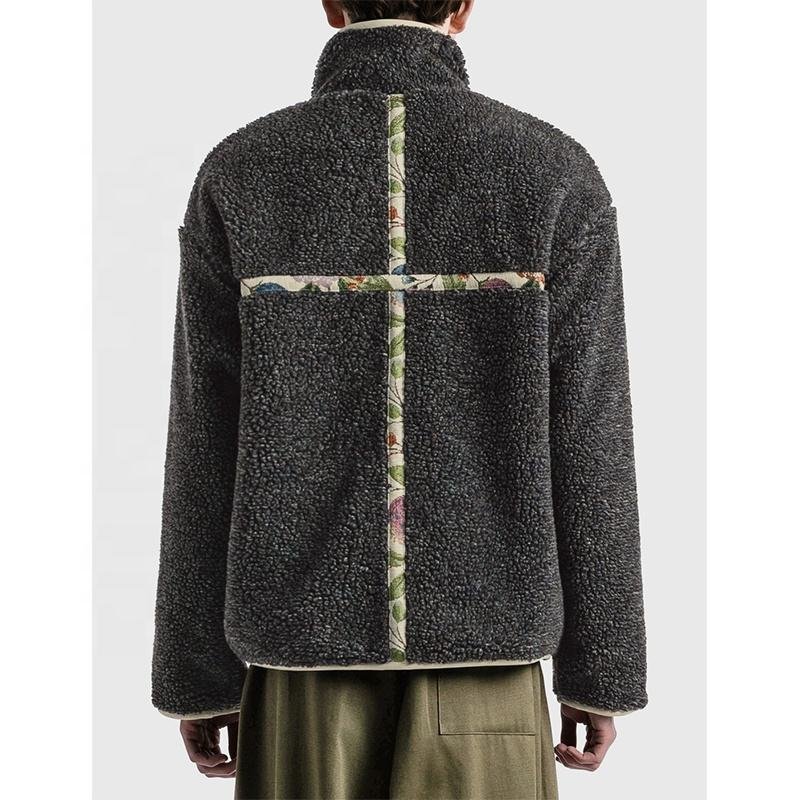
Box-cut shells use 3–5 cm channel quilting to prevent fill migration. Dropped shoulder seams keep fit gender-neutral, making this the default choice for unisex drops. Retail positions comfortably in the $80–$150 mid-market tier.
Fitted Hooded Crop
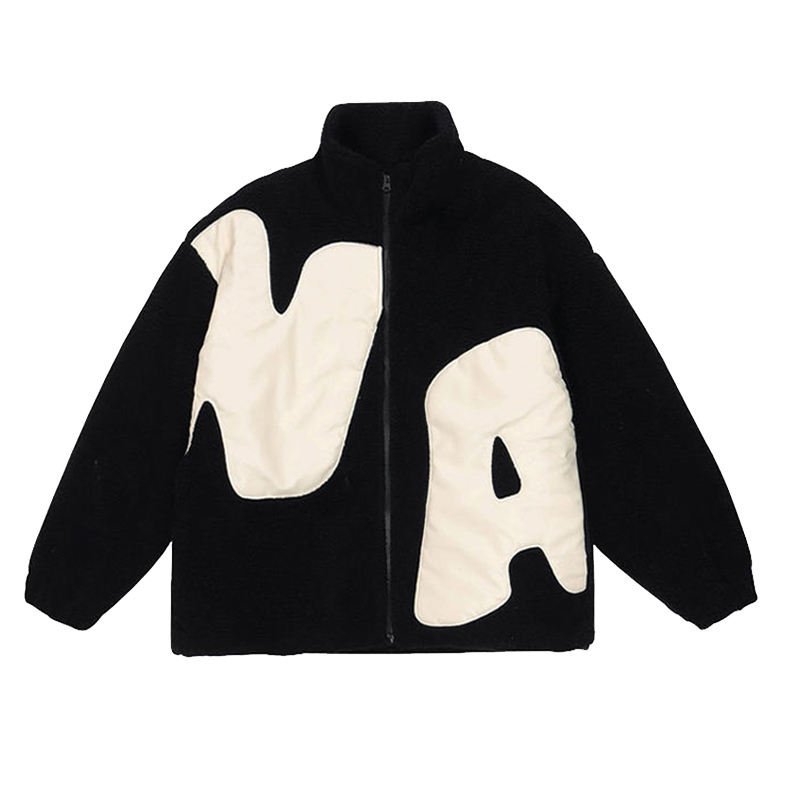
Princess-seam panels create a contoured fit without bulk, typically requiring 20–30% more pattern pieces than boxy styles. An attached hood with a drawcord adds cold-weather function. Women’s contemporary and activewear-adjacent labels drive primary demand.
Reversible Crop Puffer
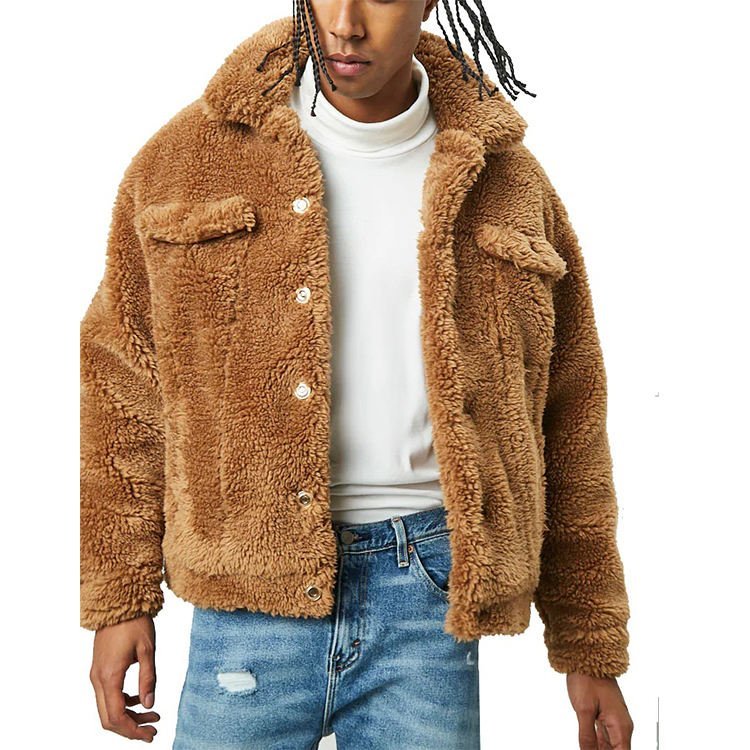
Two outer shells joined at every seam with no raw edges visible doubles fabric SKUs and raises cut-and-make cost 25–40%. Confirm a factory’s seam-mapping capability before committing. Premium brands use reversibility to support $180–$300 retail price.
Longline Crop Hybrid
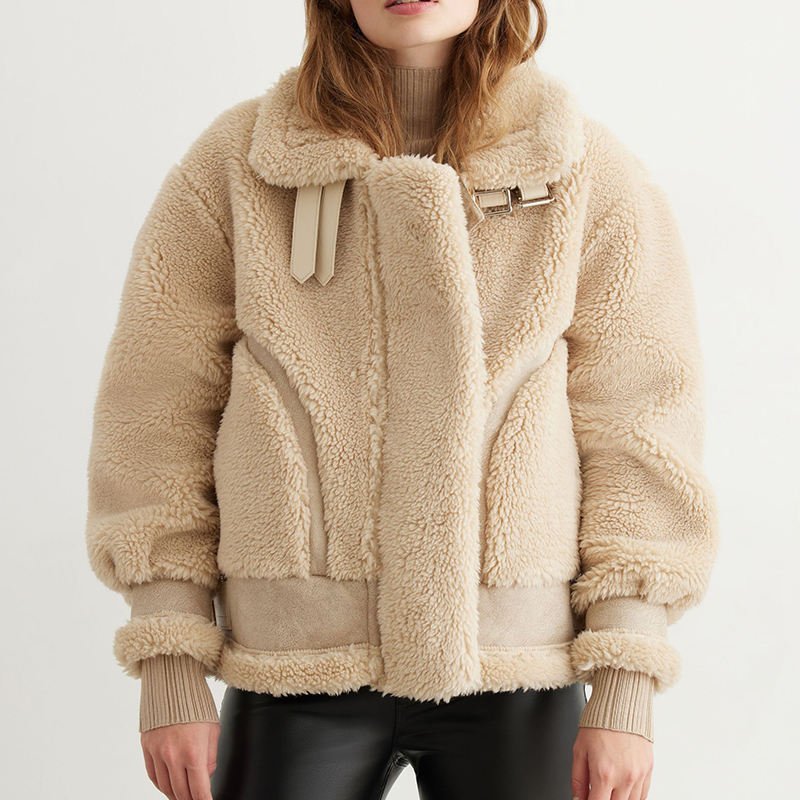
Longline crop sits 5–8 cm below the hip yet reads as ‘cropped’ against oversized bottoms — a silhouette gap many buyers overlook. Side slits and curved hems require extra pattern complexity. Targets elevated streetwear and transitional-season collections.
Packable Ultra-Light Crop
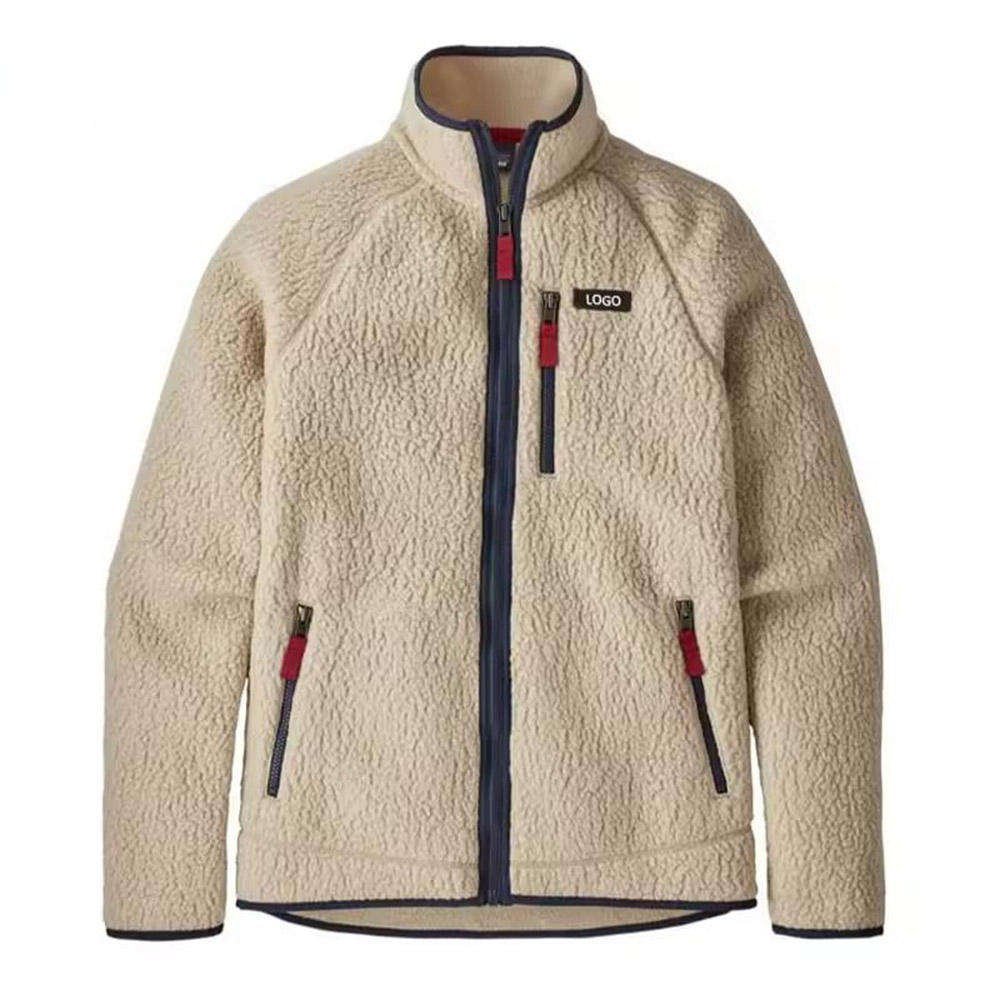
Ultra-light packable styles use 20D ripstop nylon shells filled with 700–800 fill-power down or PrimaLoft synthetic. A built-in stuff-sack pocket requires an extra lining step. Travel and outdoor-lifestyle DTC brands price these at $120–$250.
Oversized Streetwear Crop
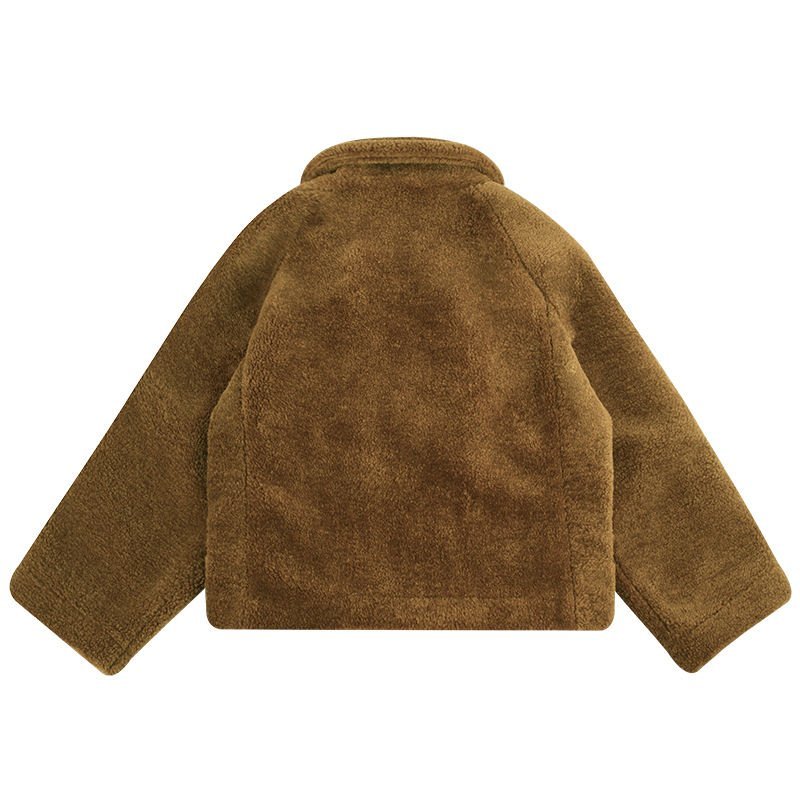
Oversized crop silhouettes drop the shoulder 4–6 cm beyond the natural point and pair with a short hem for proportion contrast. Bold graphic quilting and YKK-branded hardware are baseline expectations. MOQs typically start at 100–200 pieces per colorway.
4. Materials & Fabrics Used by a Cropped Puffer Jacket Manufacturer
Material choices determine a cropped puffer jacket’s warmth-to-weight ratio, weather performance, and sustainability credentials. Every skilled cropped puffer jacket manufacturer evaluates shell fabrics, linings, and insulation fills against climate targets, price points, and certification requirements before sampling begins.
| Fill Type | Warmth Rating | Fill Weight | Cost Tier | Certifications |
|---|---|---|---|---|
| Down 550–650 FP | Medium | 120–150g | Mid | RDS, OEKO-TEX |
| Down 750–900 FP | Very High | 80–120g | Premium | RDS, OEKO-TEX |
| PrimaLoft Gold | High | 100–160g | Mid-High | bluesign, GRS |
| Thinsulate 200g | Medium | Fixed loft | Mid | OEKO-TEX |
| Recycled Poly Fill | Low–Medium | 140–200g | Budget | GRS |
Shell Fabrics, GSM Ranges, and Finishes
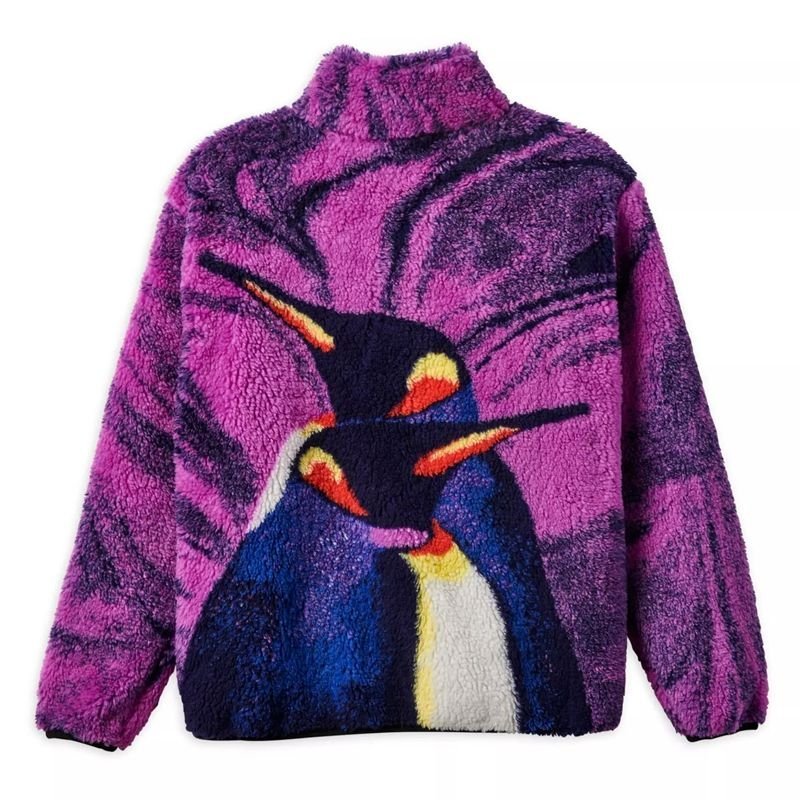
Nylon ripstop (70D, 100–120 GSM) resists tearing and suits technical streetwear silhouettes. Polyester dobby (80–100 GSM) offers structured texture at a lower cost. Recycled PET shells carry GRS certification and are increasingly requested by sustainability-led brands.
All quality shells receive a DWR finish rated to 20–50 wash cycles. Matte finishes dominate minimalist streetwear aesthetics; high-gloss PU-coated options align with Y2K-revival drops. bluesign-certified fabrics confirm responsible chemical management during dyeing and finishing.
Lining Materials and Interior Options
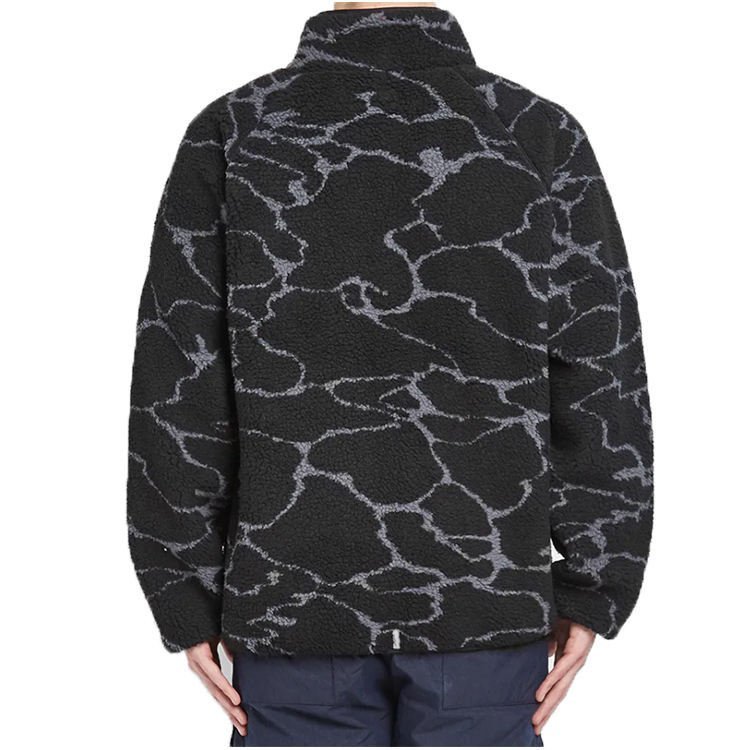
Polyester taffeta (50–75 GSM) is the industry-standard lining — lightweight, slippery for easy on/off, and cost-effective at scale. Mesh panels improve breathability in active-fit versions, while anti-static satin linings signal premium positioning.
Insulation Fills Compared
Down clusters graded by fill power (550–900 FP) deliver the highest warmth-to-weight ratio, with RDS certification confirming ethical sourcing. Synthetic options — PrimaLoft Gold and Thinsulate 200g — retain loft when wet, a key advantage for streetwear worn in variable conditions.
Recycled polyester fill (GRS-certified) suits eco-positioned brands at the lowest cost tier. Fill weights typically run 80–200g depending on target warmth rating.
5. Customization Options Offered by a Cropped Puffer Jacket Manufacturer
A skilled cropped puffer jacket manufacturer customizes at every production stage, from quilt geometry and hardware brand to retail packaging. Knowing which upgrades carry tooling fees or elevated MOQs protects margin from the start.
| Decoration Method | Placement | Setup Cost | Durability |
|---|---|---|---|
| Woven label | Neck or hem | None | High |
| Heat-transfer | Chest or sleeve | None | Medium |
| Embroidery | Chest or baffle | $30–$60/design | High |
| Custom lining print | Interior | 500m fabric min | High |
| Screen print | Chest or back | $50–$80 | Medium |
Silhouette Grading & Quilting Design
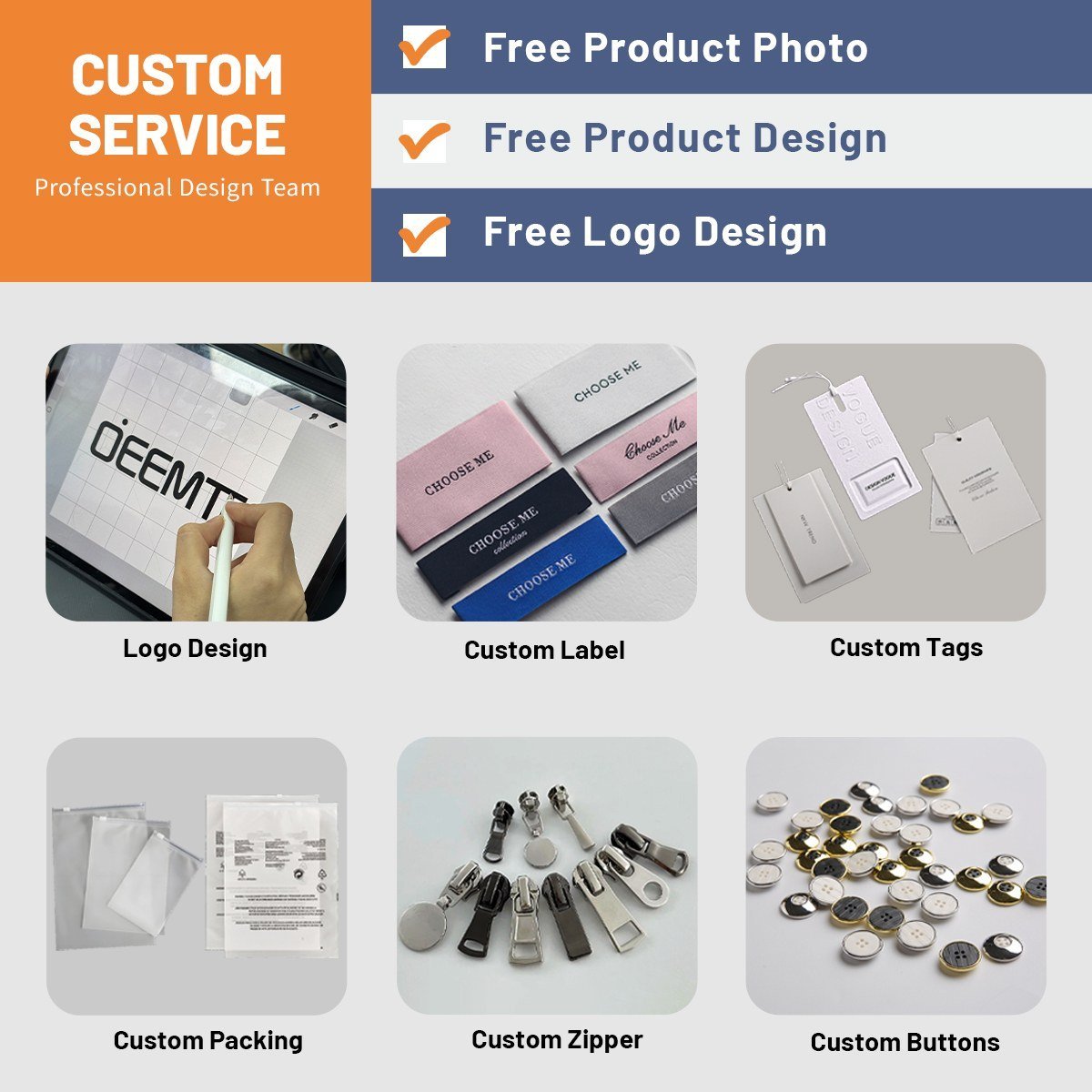
Silhouette grading from XS to 4XL adds no extra cost on standard production runs. Custom quilt patterns — channel, diamond, box, or branded geometric — require a pattern tooling fee of $80–$150 and a 200-unit MOQ.
Hardware: Zippers, Snaps & Toggles
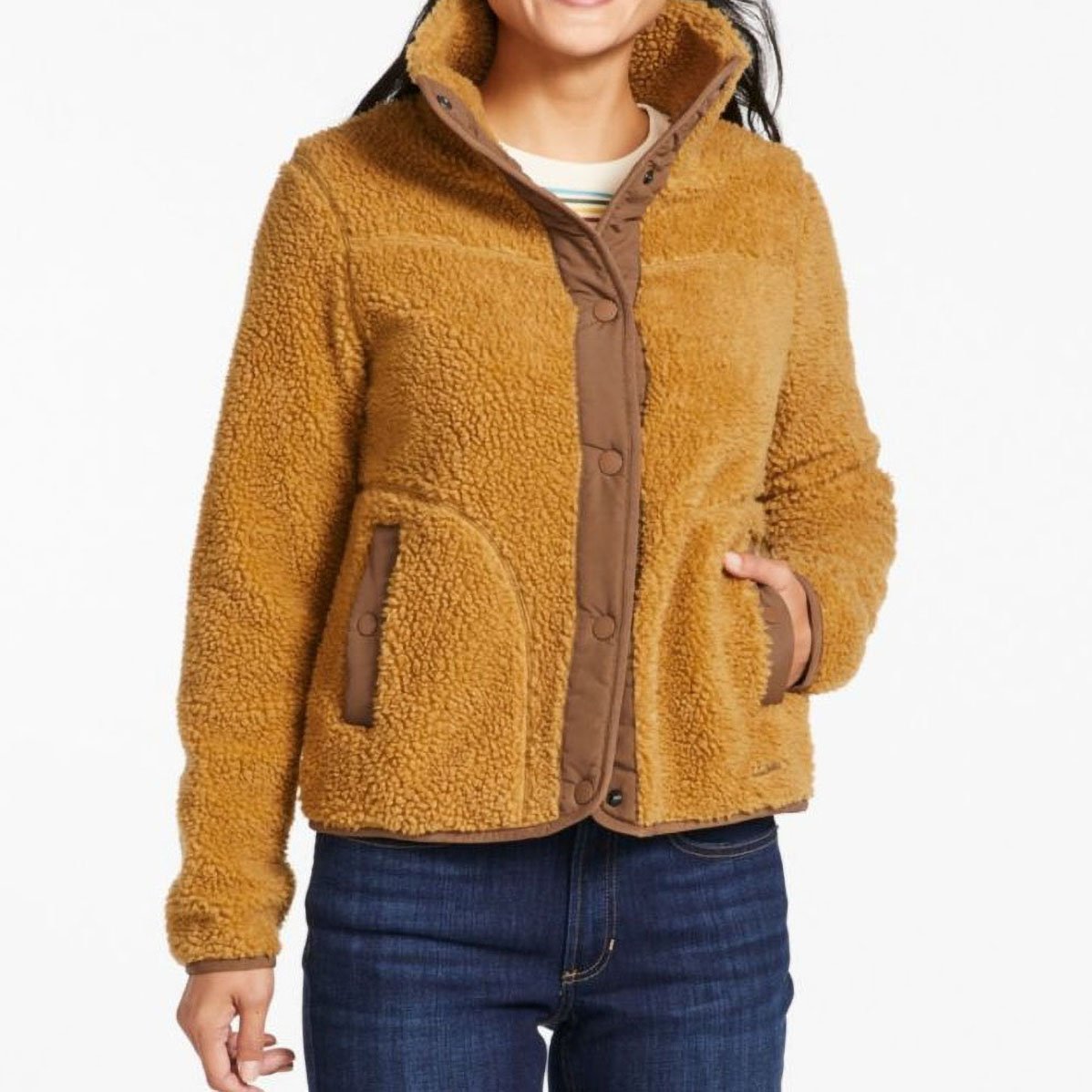
YKK #5 coil zippers are the standard entry spec; upgrading to YKK Vislon or RIRI metal zippers adds $0.80–$2.50 per unit with no tooling fee. Custom branded snap buttons or cord toggles require a die-cut mold fee of $120–$200 and a 300-unit minimum.
Branding, Labels & Decoration
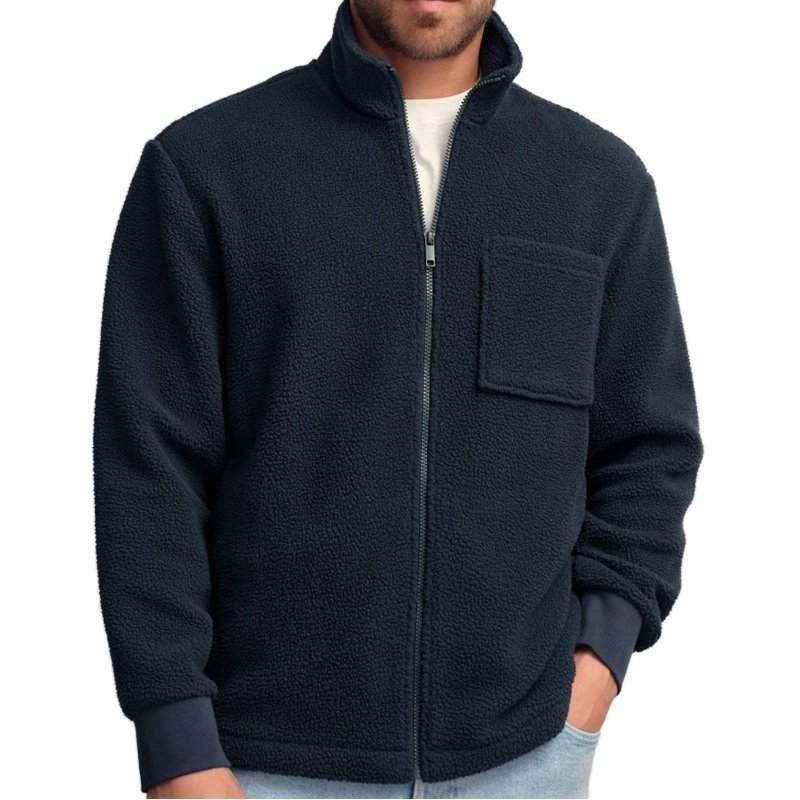
Woven labels and heat-transfer logos carry no tooling fees at most manufacturers, while embroidery on baffles requires a digitizing setup of $30–$60 per design. Custom lining prints need a minimum 500-meter fabric commitment.
Hang Tags & Retail Packaging
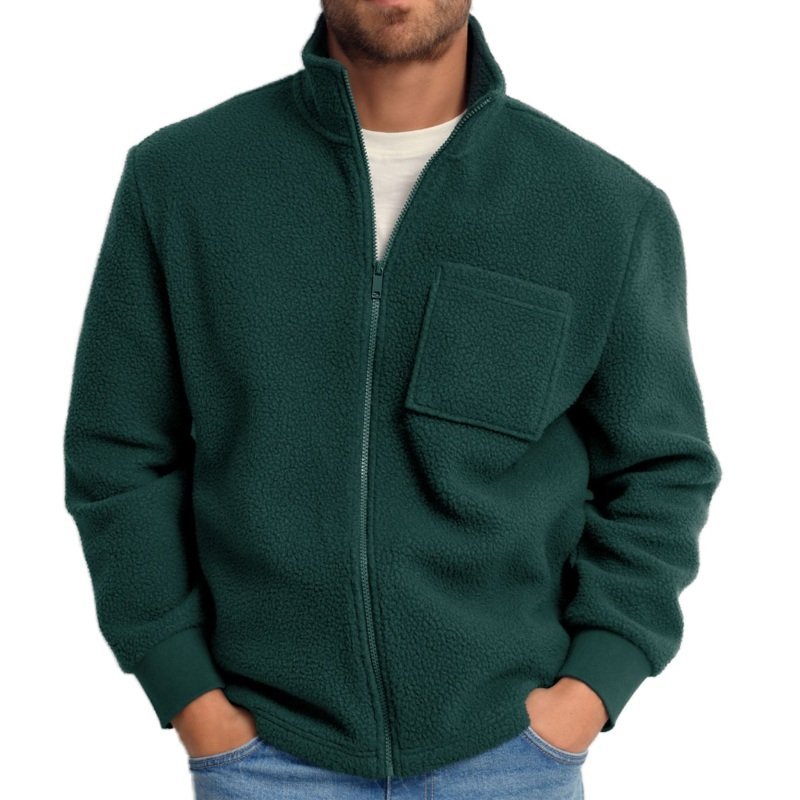
Custom hang tags, polybags, and branded tissue paper typically require 500-unit minimums and add $0.20–$0.80 per unit. Retail-ready packaging such as drawstring pouches or rigid boxes carries a one-time die-cut fee of $100–$180.
6. Key Construction Quality Markers to Demand From Any Manufacturer
A cropped puffer jacket manufacturer’s true quality shows in construction details invisible at first glance. Knowing these markers before reviewing a sample protects your brand from costly reworks and returns.
Baffle Stitch Density and Cold-Spot Prevention
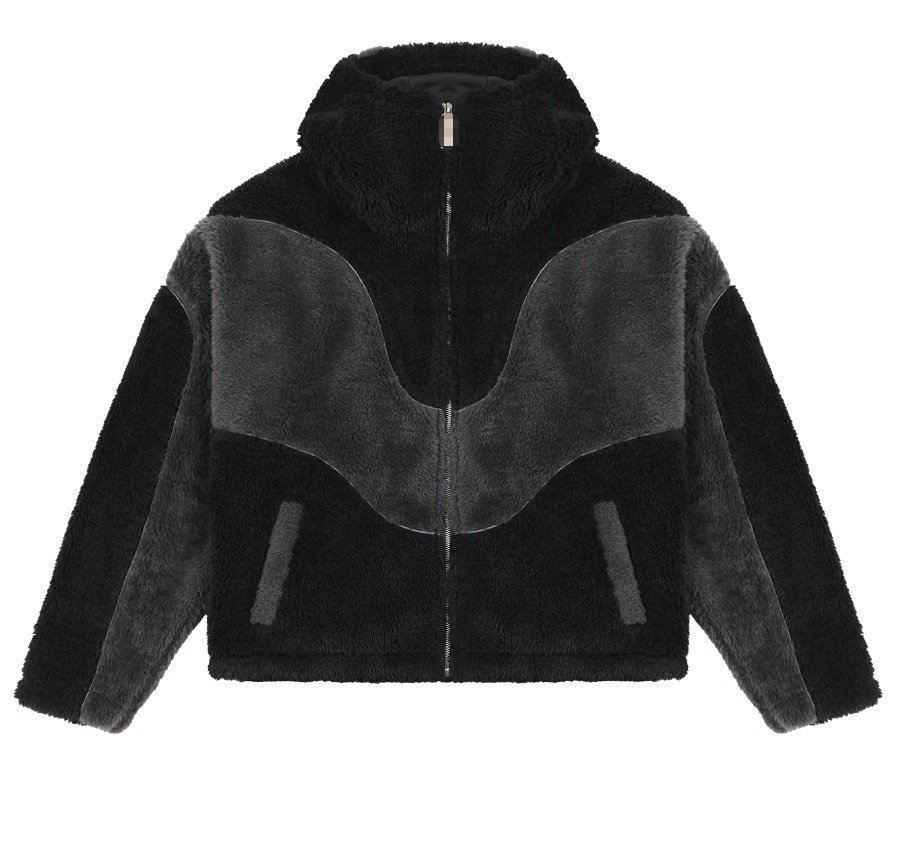
Baffle channels sewn below 4 stitches per inch allow down to migrate, creating cold spots. Require 7–8 stitches per inch on all baffle seams. Test a sample by bunching and releasing — fill should redistribute within 5 seconds.
Seam-Sealing Grades: Taped, Welded, or Raw
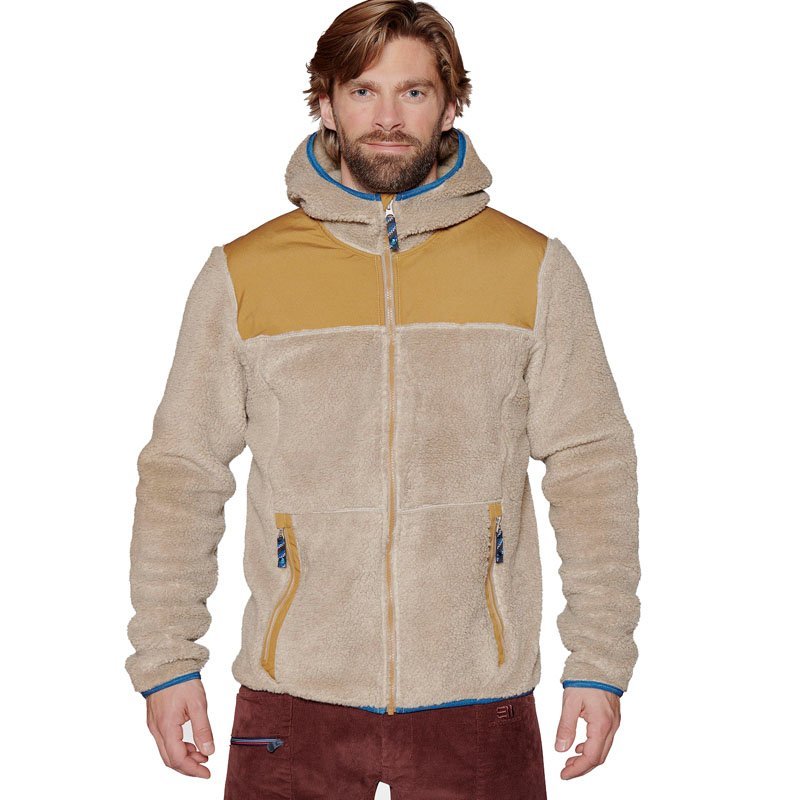
Taped seams bond a polyurethane strip over stitching; welded seams use heat bonding with no needle holes — the gold standard for waterproofing. Raw, unsealed seams are acceptable only for fashion pieces not marketed as weather-resistant.
Down-Proof Lining Thread Count
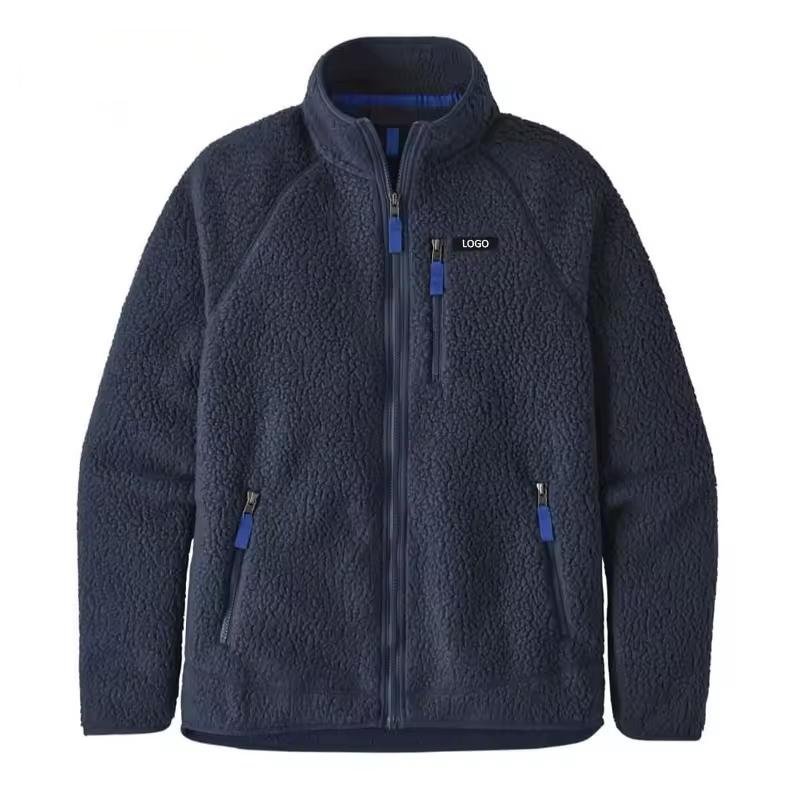
Down-proof lining requires a minimum 230-thread-count taffeta or ripstop to prevent feather strike-through. Request lining GSM between 50–80 and confirm OEKO-TEX Standard 100 certification on all inner fabrics.
Zipper Storm Flap and Hem Finishing
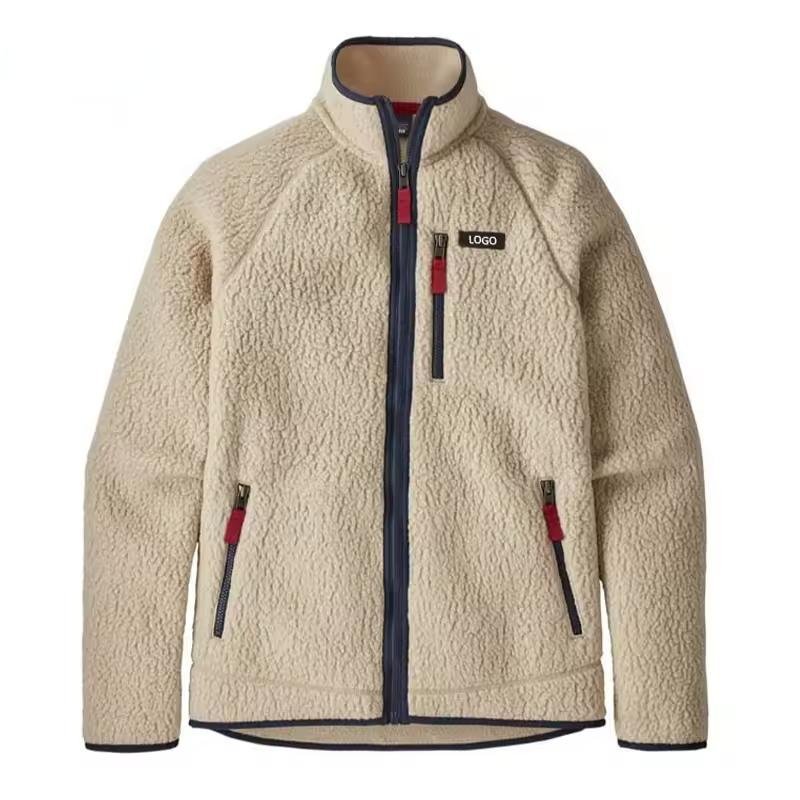
A storm flap behind the main zipper should extend at least 3 cm and be bartacked at the base to block wind infiltration. Hems and cuffs finished with flatlock stitching resist internal abrasion far better than single-needle topstitching.
Fill Weight Consistency Across a Production Run
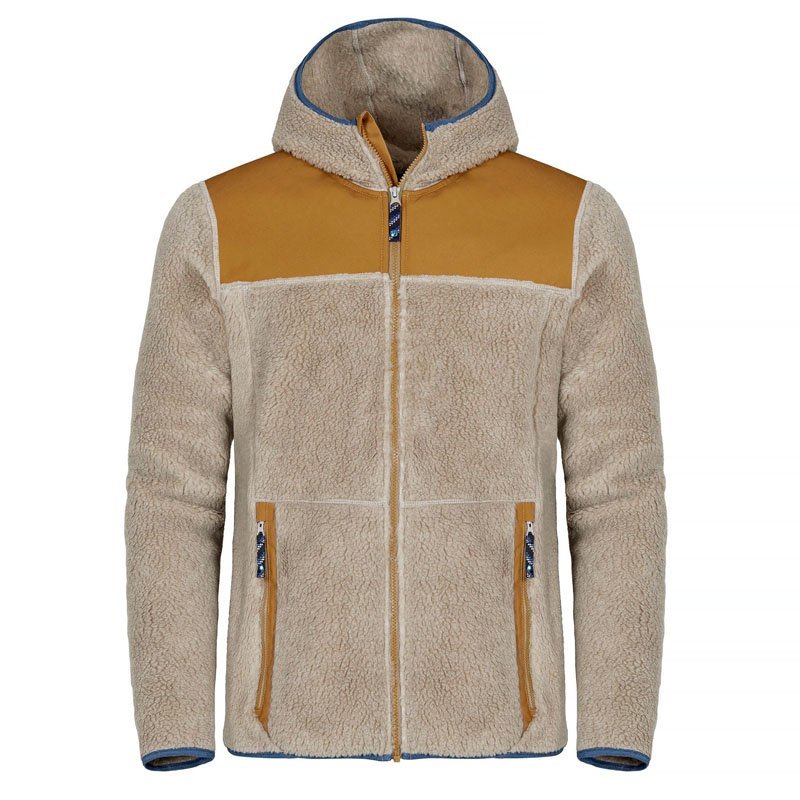
Fill weight should vary no more than ±3 g per jacket across a production run. Request a fill-weight audit report covering at least 10% AQL sampling — any manufacturer unable to provide this data should be disqualified.
QC Inspection Brief Checkpoints
Build a one-page inspection brief specifying each checkpoint before sampling. Share it to align on pass/fail criteria before bulk production.
- Baffle stitch count: minimum 7–8 SPI verified with a loupe
- Fill weight per jacket: ±3 g tolerance, 10% AQL sample
- Seam-seal grade: taped or welded confirmed on seam cross-section
- Lining thread count: 230+ taffeta, no feather strike-through on finished garment
- Storm flap depth: minimum 3 cm, bartack secured at base
7. How to Choose the Right Cropped Puffer Jacket Manufacturer for Your Brand
Selecting the right cropped puffer jacket manufacturer determines your brand’s quality ceiling, margin structure, and speed to market. Run each candidate through six concrete checkpoints before signing a sample agreement or transferring any deposit.
Define Your Volume Tier and MOQ Tolerance
Most factories set MOQs between 100–500 units per style for cut-and-sew puffer jackets; drop-shipping-adjacent suppliers may start at 30 but charge 20–40% premiums. Know your sell-through velocity before negotiating — committing above your capacity creates dead inventory.
Audit Factory Certifications Thoroughly
Request audit reports for BSCI, WRAP, or ISO 9001 — not verbal promises. Certifications older than 24 months or covering only a sub-facility are red flags. A cropped puffer jacket manufacturer supplying global retailers typically holds at least one active third-party audit.
Assess Sampling Speed and Tech-Pack Support
First-sample lead times under 10 days signal an in-house pattern room; 15–25 days suggests outsourced cutting. Confirm the factory can read a detailed tech pack or generate one from a reference garment — vendors who cannot are a production risk.
Evaluate Communication Responsiveness
A 24-hour reply window on WhatsApp or email during business hours is the minimum baseline. Request a dedicated account manager fluent in English — miscommunication on fill-power specs or Pantone colorways causes costly rework and shipment delays.
Check Client References and Brand Profiles
Request three verifiable brand references and review their live product pages or storefronts. Influencer-driven labels with 10,000–100,000 followers shipping consistently are stronger proof of a manufacturer’s reliability than a single high-profile celebrity drop.
Compare Pricing Structures and Payment Terms
Standard trade terms run 30% deposit with 70% paid before shipment; factories demanding 100% upfront offer no production recourse. Compare ex-works (EXW) pricing against FOB Guangdong to calculate true landed cost before accepting any quote.
8. Common Mistakes Brands Make When Sourcing a Cropped Puffer Jacket Manufacturer
Sourcing errors at the manufacturing stage cost brands money, time, and market credibility. The six mistakes below are the most common ones a cropped puffer jacket manufacturer relationship will expose — and each is preventable.
Prioritizing Price Over Fill-Power Specs
Duck down fill-power ranges from 400 to 800+. Ordering the cheapest fill without specifying a minimum fill-power rating results in flat, uninsulating jackets returned by customers.
Require a written fill-power certificate from your cropped puffer jacket manufacturer before approving any bulk run.
Skipping Pre-Production Samples
A pre-production sample reveals fit, stitching density, and baffle construction before cutting bulk fabric. Skipping it saves roughly $150–300 upfront but risks a full-order rejection costing 10–20× more.
Always approve a sealed sample with signed-off measurements and fill weight before bulk cutting begins.
Underestimating Lead Times for Peak Season
Peak-winter orders placed after August face 90–120-day lead times due to down allocation backlogs. Brands booking capacity in Q1 secure better fill grades and on-time delivery.
Missing this window often means downgraded fill, air-freight surcharges, or a missed selling season entirely.
Omitting Shell Denier From the Tech Pack
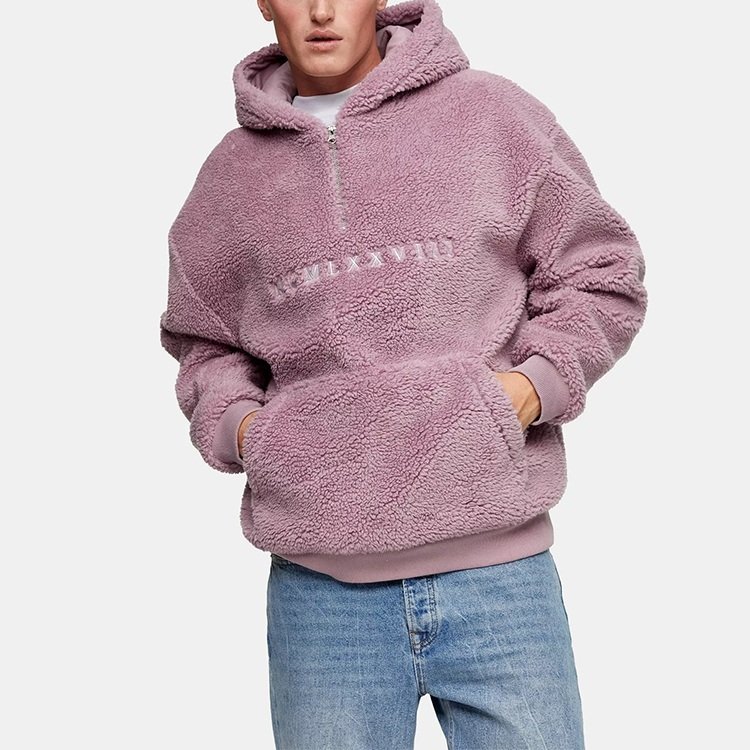
Shell denier determines tear resistance and waterproof coating durability — a 20D shell performs very differently from a 40D shell. Tech packs omitting this spec let factories substitute cheaper fabric without breaching the contract.
Always specify denier, weave type, and DWR finish in writing.
Ignoring Destination-Market Labeling Compliance
US CPSC regulations and EU Textile Regulation 1007/2011 each require specific fiber content, country-of-origin, and care labeling. Non-compliant labels trigger customs holds or retail chargebacks.
Confirm exact label requirements per destination market with your factory before bulk production begins.
Overlooking MOQ Scalability for Growth
A 500-unit MOQ per colorway suits a launch run but creates a ceiling when scaling to 2,000+ units. Switching factories mid-growth resets sample approvals and delays timelines by months.
Negotiate tiered MOQ terms upfront and verify that your manufacturer holds sufficient capacity to scale alongside your brand.
9. Steps to Launch Your Brand With a Cropped Puffer Jacket Manufacturer
Launching with a cropped puffer jacket manufacturer requires more than a design idea — it demands a structured workflow from tech pack to delivery. The seven steps below give startups and independent designers a clear, repeatable roadmap.
Build Your Tech Pack
A tech pack is the factory’s production blueprint. Include a flat sketch in at least 2 colorways, a BOM listing shell fabric GSM, fill weight in grams, YKK zipper size, and Pantone color codes for every colorway.
Request Factory Quotes and Capability Audits
Send your tech pack to 3-5 factories and request itemized quotes covering fabric, labor, trim, and packaging. Verify MOQ thresholds — typically 100-300 units per style — alongside certifications such as BSCI or OEKO-TEX before committing.
Approve the Pre-Production Sample
The pre-production sample is the single most critical gating checkpoint. Evaluate fill distribution, seam flatlock quality, zipper pull tension, and down-proof shell integrity; written approval signals the factory to proceed to bulk cutting.
Confirm Bulk Material Sourcing
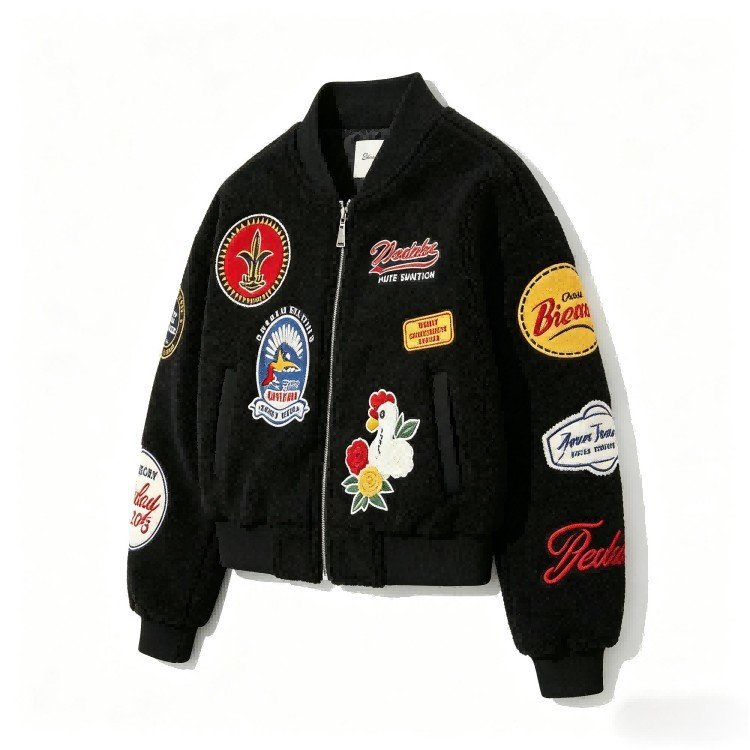
Lock bulk fabric and fill before production begins. Verify the shell (80-100 GSM nylon or polyester), fill material (600-800 fill-power down or 150-200 GSM poly-fill), and all trims match the approved sample exactly.
Schedule Inline and Final QC Inspections
A five-step QC methodology covering materials, cutting, craft, sewing, and finished goods catches defects throughout production rather than only at shipment. Book an inline check at 20-30% completion and a final AQL inspection before cargo release.
Arrange Freight, Customs, and Launch Timeline
Sea freight runs 25-45 days ex-factory; air freight 5-10 days. Prepare a commercial invoice, packing list, and certificate of origin at least 2 weeks before cargo readiness, and build 60-90 days total lead time into your launch calendar.
10. Pricing & Cost Breakdown When Working With a Cropped Puffer Jacket Manufacturer
Sampling fees at a cropped puffer jacket manufacturer run $80–$180 per prototype, reflecting shell fabric weight (40–70D nylon or polyester) and fill chamber complexity; most factories credit this fee against the first production order once MOQ is met.
$32–$45 per unit is the typical FOB range for a 50–100-unit run; that figure drops to $14–$18 at 500+ units. Fill material is the largest cost variable: recycled polyester fill (80–120g/m²) adds $1.50–$3.00 per unit, while 90/10 white duck down adds $6–$12.
$0.80–$2.50 per piece covers embroidered logo add-ons; custom woven labels run $0.15–$0.40 each, and all-over sublimation printing adds $2–$5 per unit. Lead times range from 15–20 days on established reorders to 45–60 days for new first-run production.
Three costs sit above FOB when calculating total landed price: sea freight ($0.80–$1.80 per unit), U.S. Section 301 import duty (7.5–25% on China-origin outerwear), and a customs broker flat fee (~$150 per shipment). A $20 FOB unit commonly lands at $28–$32 — model this before setting your retail price.
| Quantity Tier | MOQ | Est. Unit Price (FOB) | Sample Fee | Lead Time |
|---|---|---|---|---|
| 50–100 units | 50 units | $32–$45 | $80–$180 | 30–45 days |
| 101–300 units | 100 units | $24–$32 | $80–$150, credited on order | 25–40 days |
| 301–500 units | 300 units | $18–$24 | Credited on order | 20–35 days |
| 500+ units | 500 units | $14–$18 | Credited on order | 15–30 days |
Launch Your Line With a Cropped Puffer Jacket Manufacturer You Can Trust
From low MOQs and in-house sampling to our 5-step QC guarantee — get your collection moving today.