
Wholesale Polo Shirts for Streetwear Brands — 50-Piece MOQ
Order wholesale polo shirts with full custom OEM production, streetwear-ready designs, and a 5-step QC guarantee — starting at just 50 pieces.
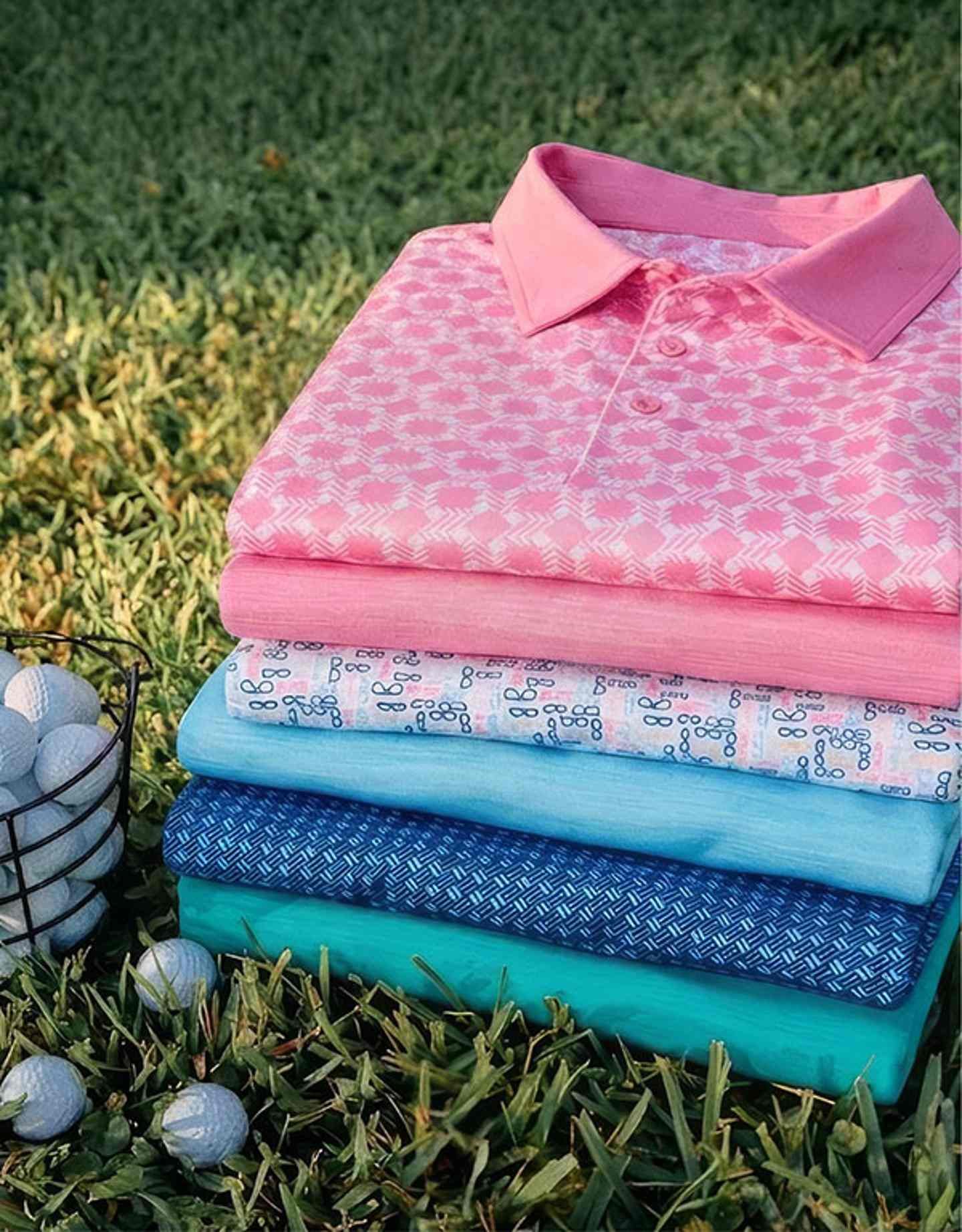
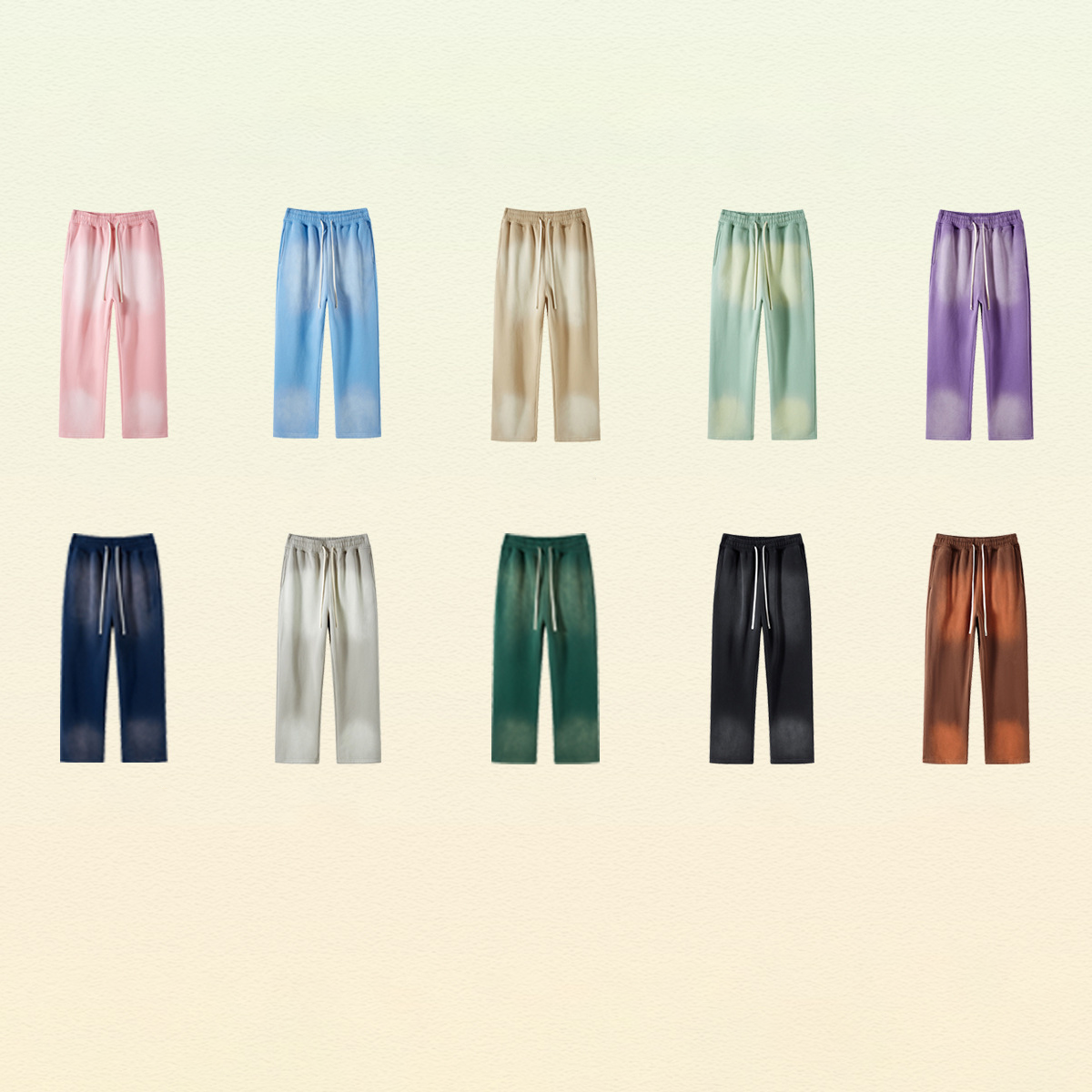
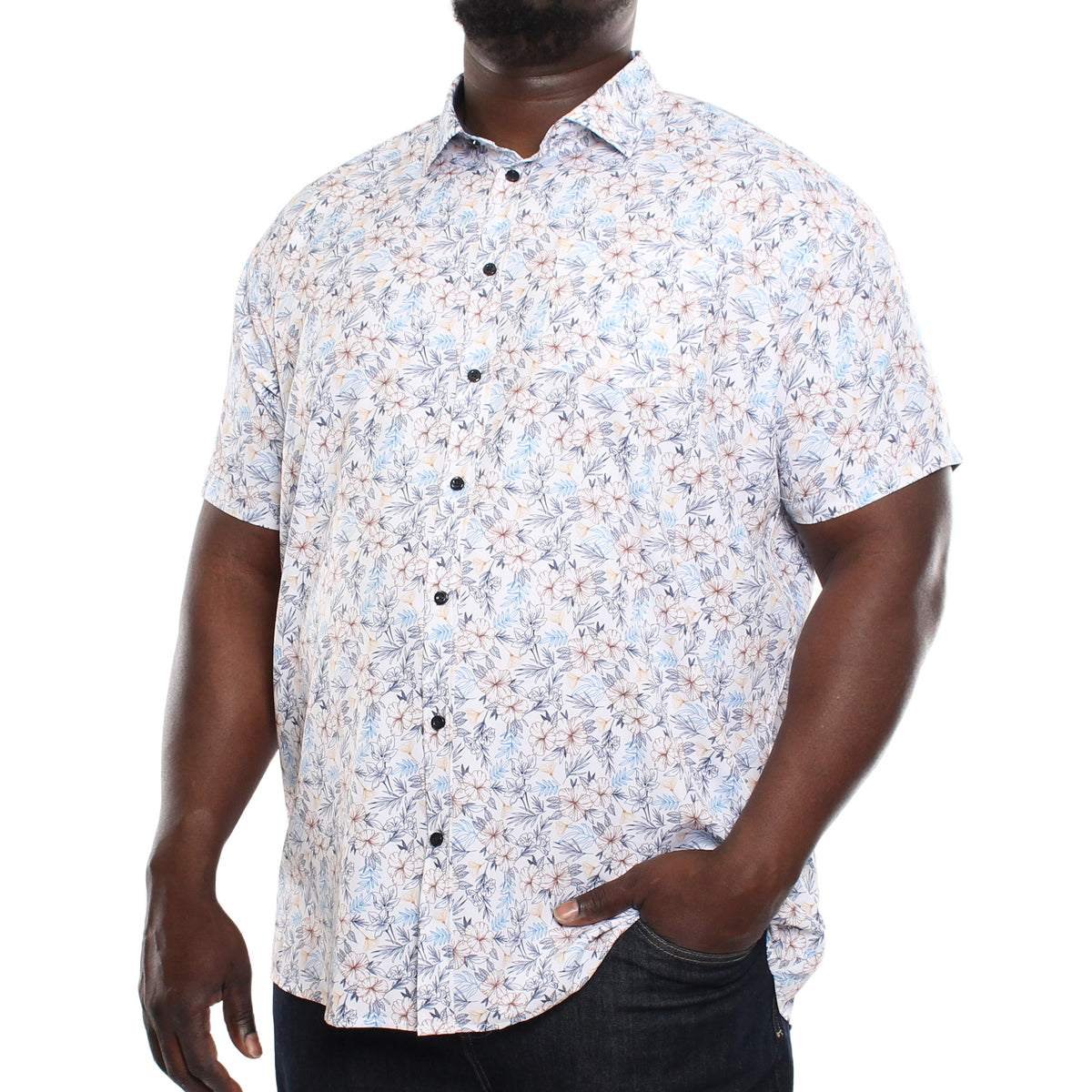
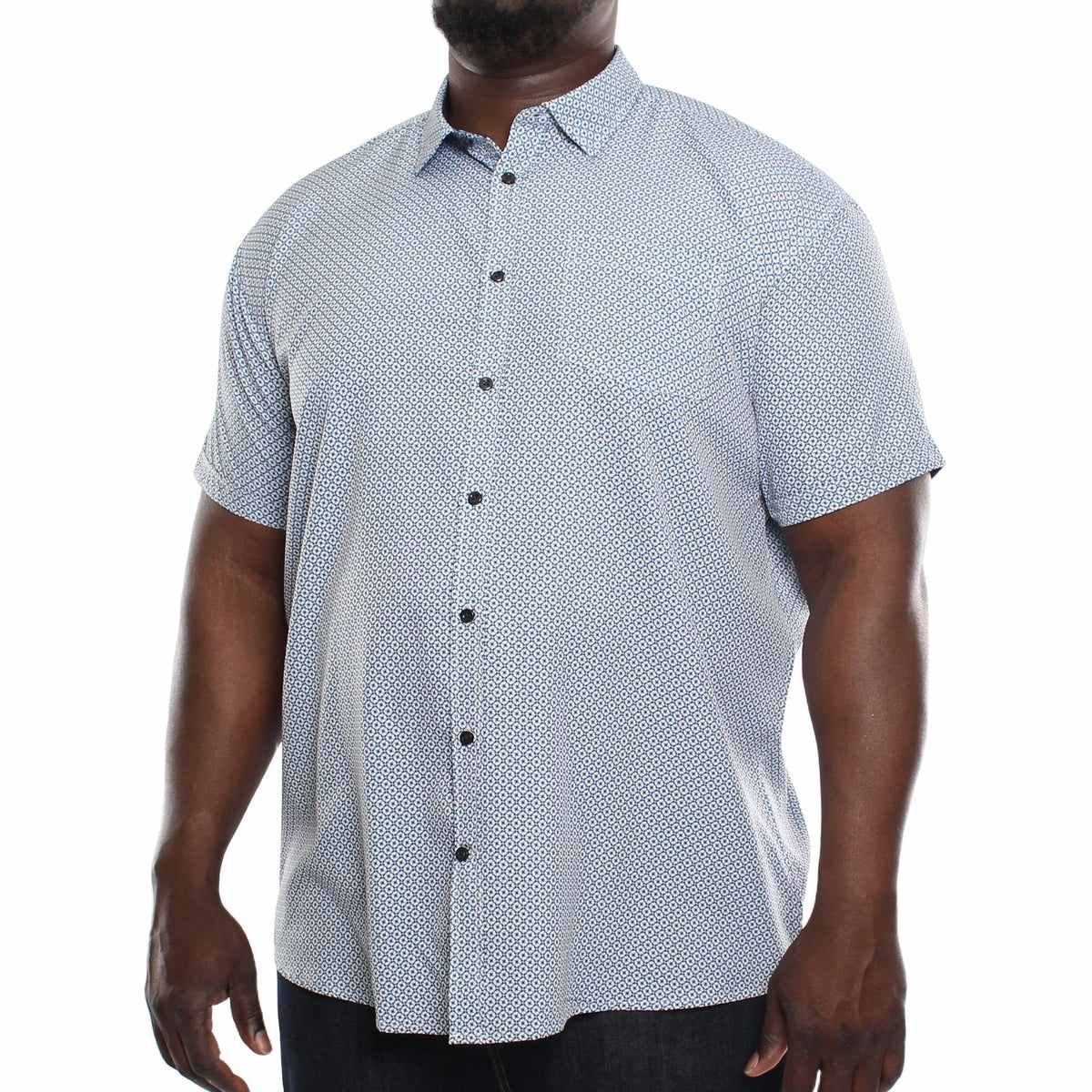
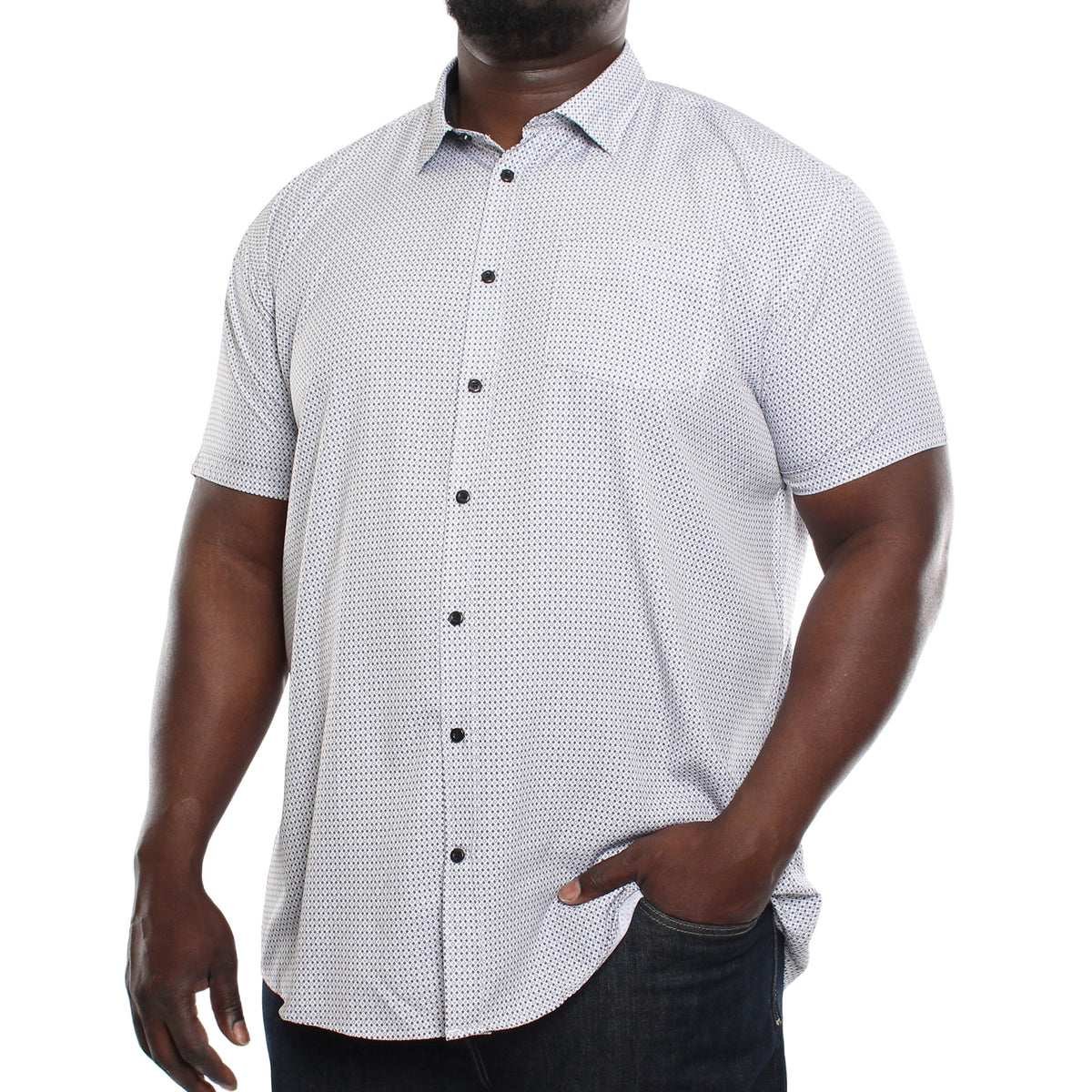
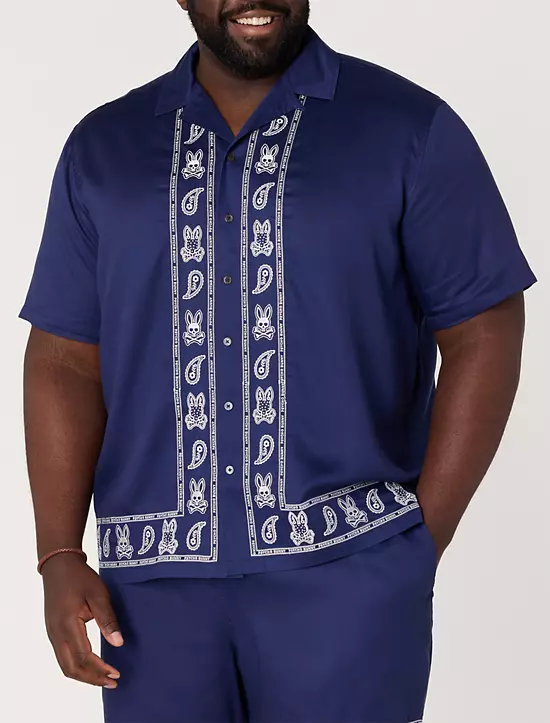
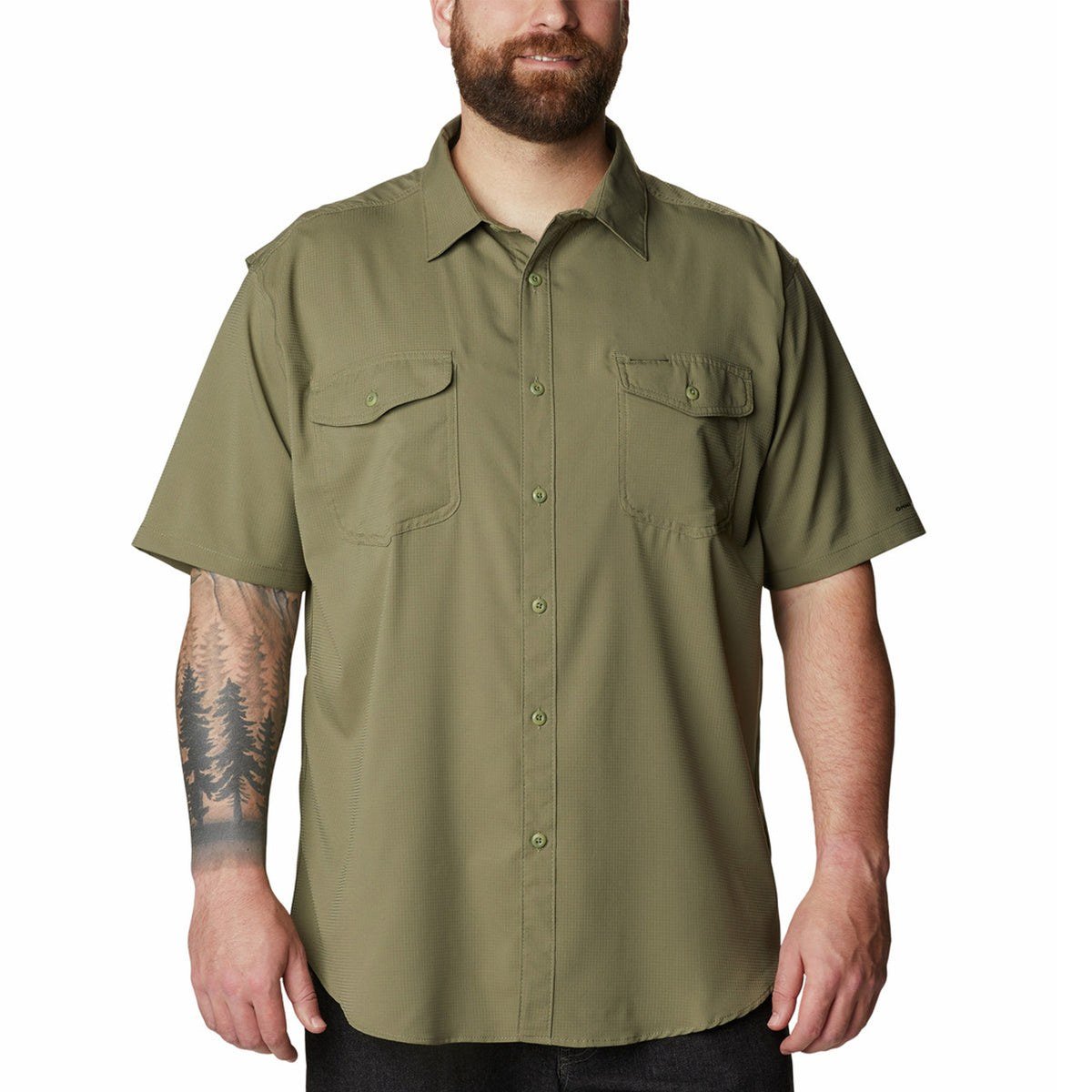
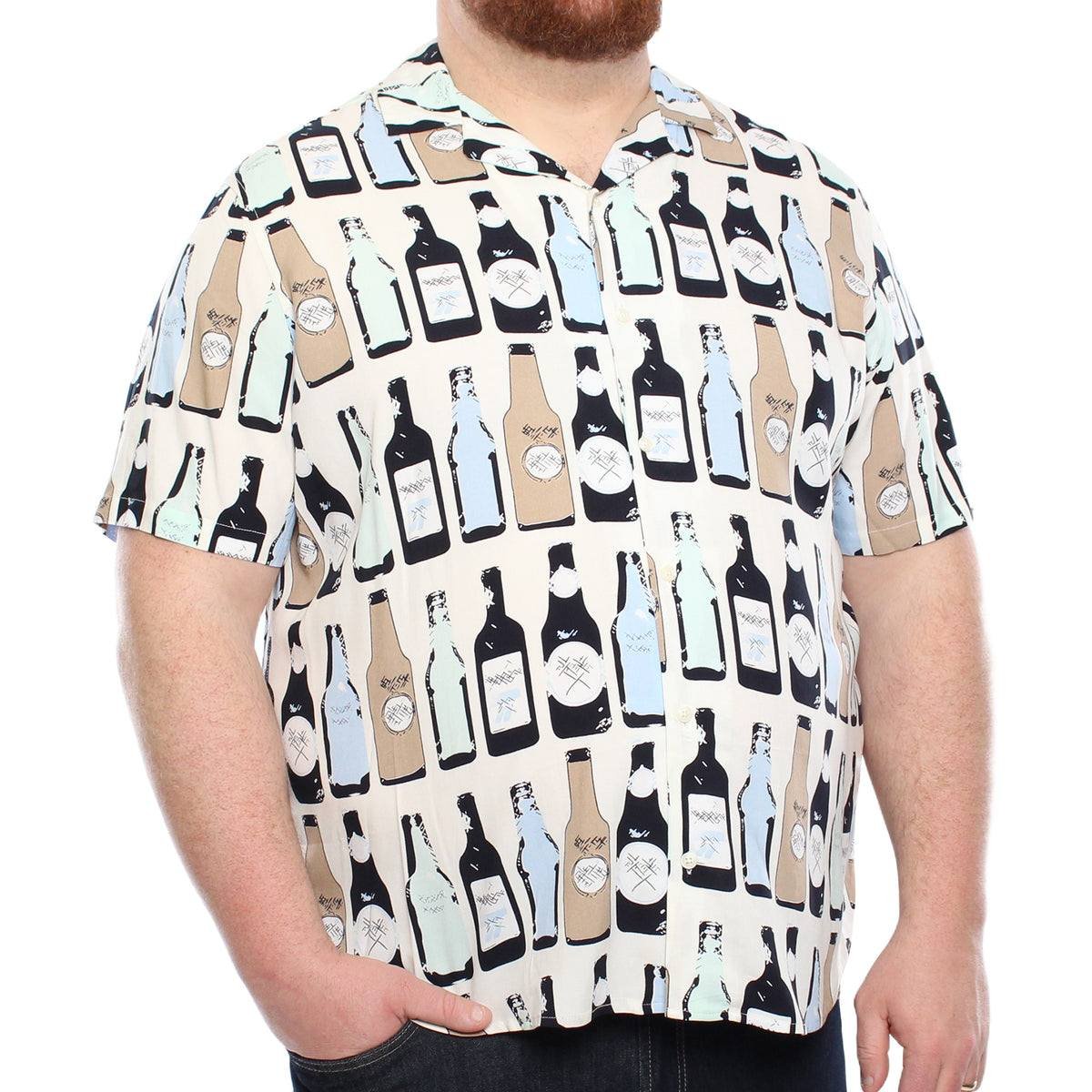
Premium Polo Shirt Collections — View Our Quality Range
Why Choose Our Wholesale Polo Shirts
Six buyer-proven advantages that make Clothing Manufacturer Ltd the trusted OEM partner for streetwear brands worldwide.
5-Step Quality Control Guarantee
Every polo passes five production-stage inspections — from raw materials to finished goods — so defective items never reach your customers.
Low MOQ for Emerging Brands
Start with as few as 50 pieces per style, giving new streetwear labels an accessible entry point to premium production.
Fast Sampling & Seasonal Turnaround
Our in-house design and sampling team delivers prototypes rapidly, keeping your brand ahead of every seasonal drop.
Deep Streetwear Design Expertise
Six-plus years immersed in streetwear culture — skate, hip-hop, graffiti — means designs that genuinely resonate with your target audience.
Shipping to 100+ Countries
Full global logistics and customs support ensures your wholesale polo shirts arrive on time, wherever your customers are located.
Transparent OEM Partnership Support
Dedicated account management, clear communication, and complete OEM documentation keep your production on track from first sample to final shipment.
Wholesale Polo Shirts Built for Every Brand Type
From influencer drops and startup debuts to retailer-scale seasonal runs, we match the right polo style, fabric, and customization method to your brand’s exact needs.
Influencer Brands Dropping Limited Runs
You need limited-edition polo releases that sell out fast, but most manufacturers deliver generic cuts with zero streetwear edge — leaving your audience underwhelmed and your brand lost in a crowded feed.
We produce streetwear-inspired wholesale polo shirts with full-print graphics and bold motifs. A 50-piece MOQ and fast turnaround mean you drop on trend, build hype, and reorder before momentum fades.
Startups Launching Their First Collection
High MOQs from large factories price you out before your first sale. You need professional custom polos without locking capital into thousands of units you have no guarantee of moving.
Our 50-piece MOQ and in-house sampling team guide you from first sketch to finished wholesale polo shirts — premium quality, manageable commitment, and a launch that positions you as a serious label from day one.
Global Retailers Scaling Seasonal Lines
Seasonal windows are unforgiving. A late or inconsistent polo shipment empties shelves and erodes buyer trust — yet most suppliers treat promised timelines as flexible suggestions, not binding commitments.
Our 5-step QC process and reliable production timelines ensure every wholesale polo shirt order lands on spec and on schedule, season after season, across every market in your distribution network.
Streetwear Brands Owning Their Aesthetic
Off-the-shelf polos do not speak your visual language. You need custom embroidery, all-over prints, and signature motifs — but factories without genuine streetwear expertise produce designs that read as mass-produced, never authentic.
Our team's deep fluency in streetwear culture — from skeleton graphics to cross and rose motifs — translates your creative brief into wholesale polo shirts that carry your brand's DNA in every stitch.
Performance Brands Demanding Technical Fabrics
Moisture-wicking, four-way stretch, and anti-odor performance fabrics are easy for suppliers to promise and hard to verify. Substandard construction drives returns and quietly destroys hard-won customer loyalty.
We source and QC-test technical fabrics at every production stage, delivering custom wholesale polo shirts whose performance specs your active customers can feel — backed by our zero-compromise 5-step quality guarantee.
Premium Fabrics for Your Wholesale Polo Shirts
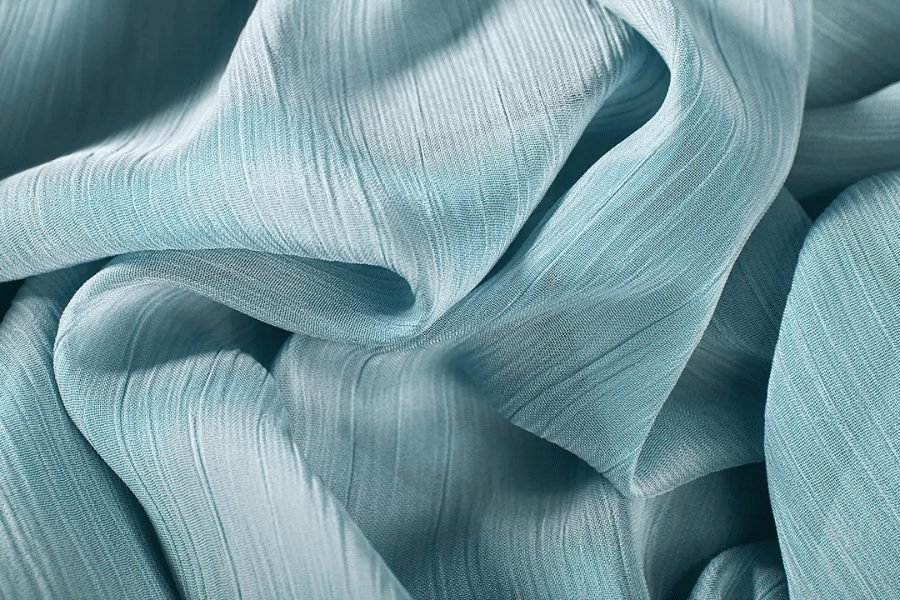
Heavyweight Pique Cotton
The gold standard for structured polo construction. This 220–240 GSM tightly knit pique delivers a crisp hand-feel, lasting shape retention, and excellent breathability — ideal for premium branded and streetwear wholesale polo shirts.
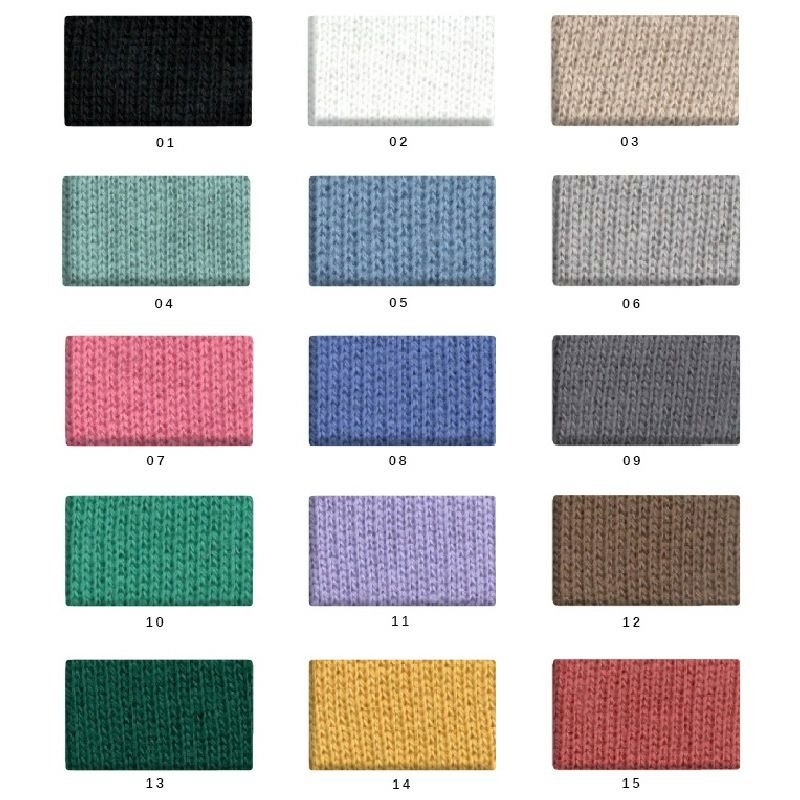
French Terry Cotton
A 280–320 GSM loopback fabric with a smooth face and plush pile reverse. Its relaxed, substantial drape suits oversized and layering polo styles favored by independent designers and emerging streetwear labels.
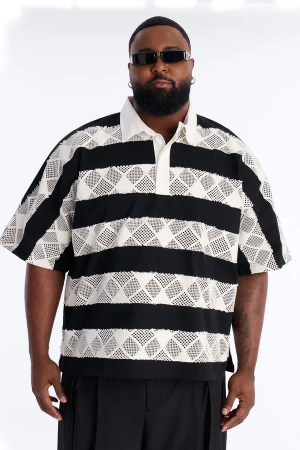
Performance Polyester Mesh
Lightweight at 150–180 GSM with four-way stretch and rapid moisture-wicking properties. Engineered for athletic-crossover polos — a top pick for influencer brands and creator lines blurring the line between sport and street.
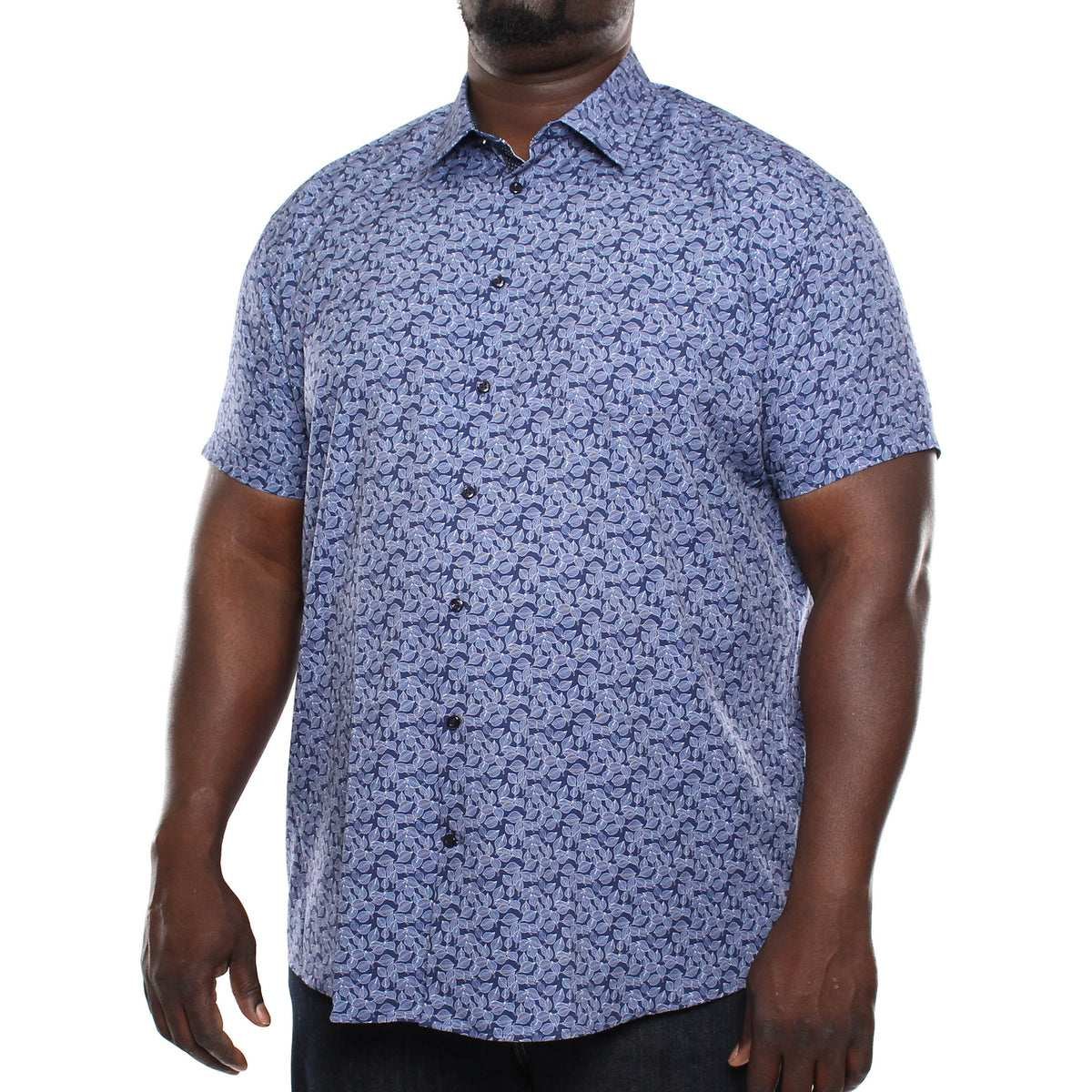
Cotton-Spandex Blend
A 95/5 cotton-to-spandex ratio at 200–220 GSM combining natural softness with 10–15% stretch recovery. Delivers a flattering slim silhouette for trend-forward wholesale polo shirts targeting fashion-forward global retail buyers.
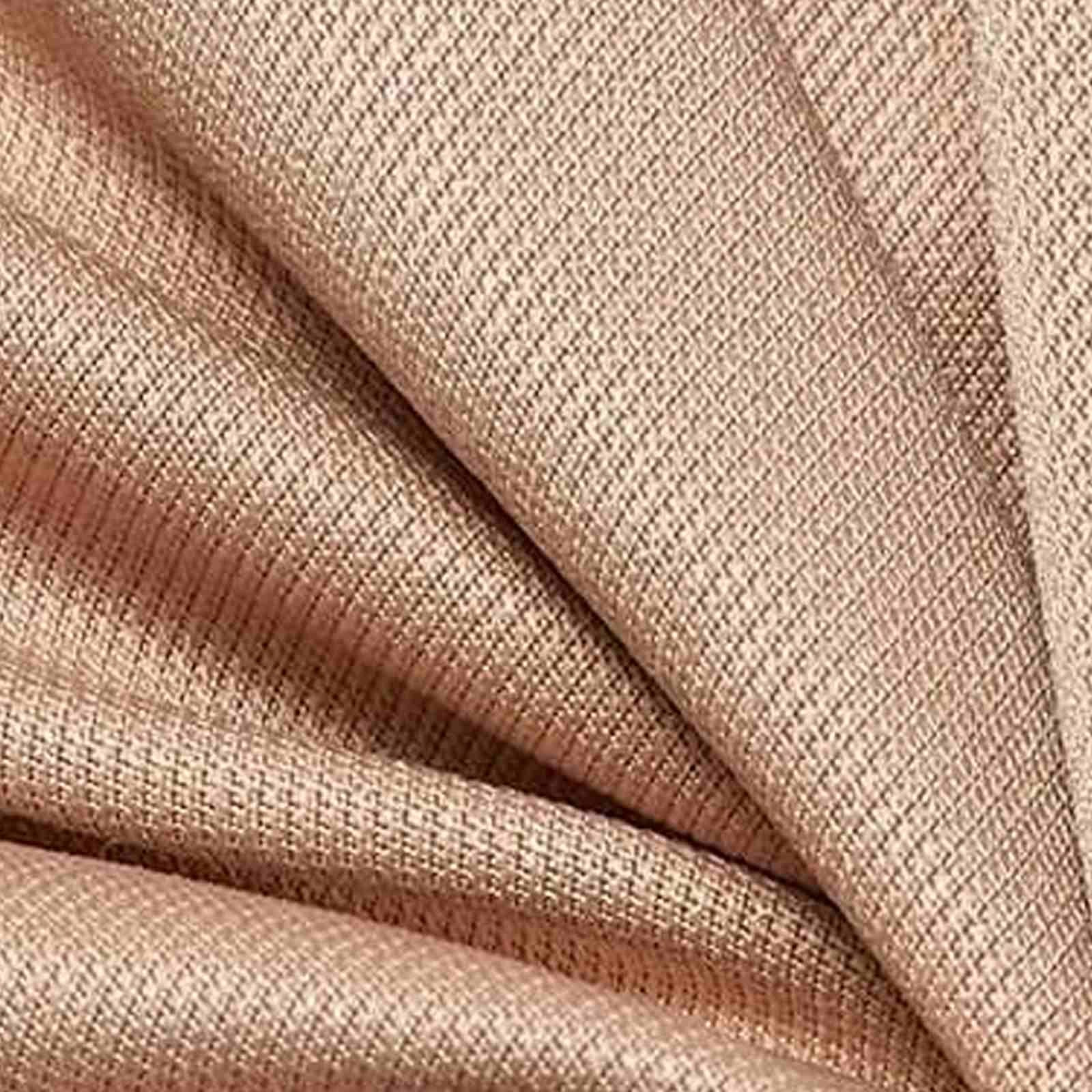
Organic Cotton Pique
GOTS-certified 100% organic cotton at 210–230 GSM with a naturally soft hand-feel and minimal environmental footprint. The preferred material for eco-conscious streetwear brands and sustainability-led retailers entering the premium wholesale polo market.
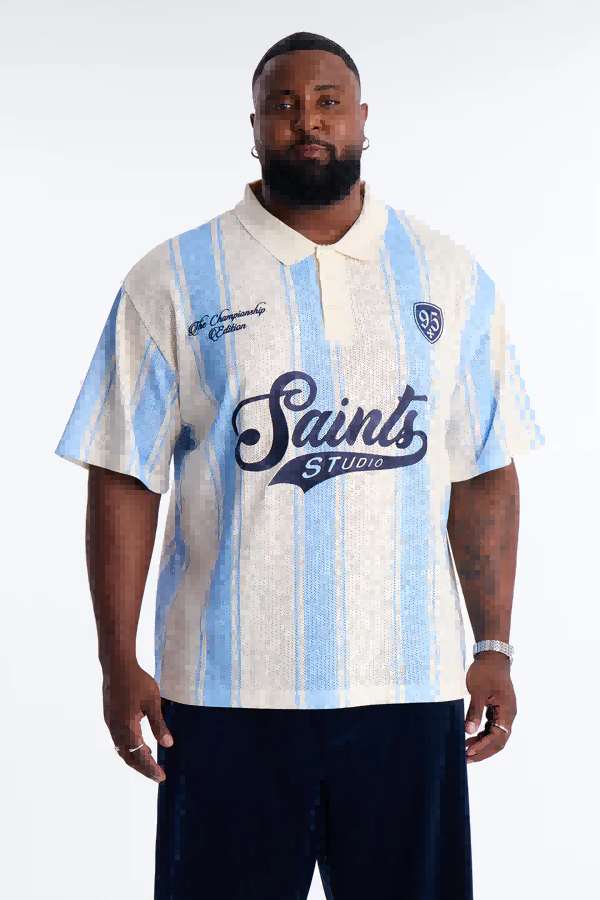
Bamboo-Cotton Blend
A 70/30 bamboo-to-cotton ratio at 190–210 GSM offering ultra-soft drape, natural antibacterial properties, and passive temperature regulation. Perfect for luxury lifestyle polo lines and wellness-aware brand positioning in competitive global markets.
Customization Methods for Wholesale Polo Shirts
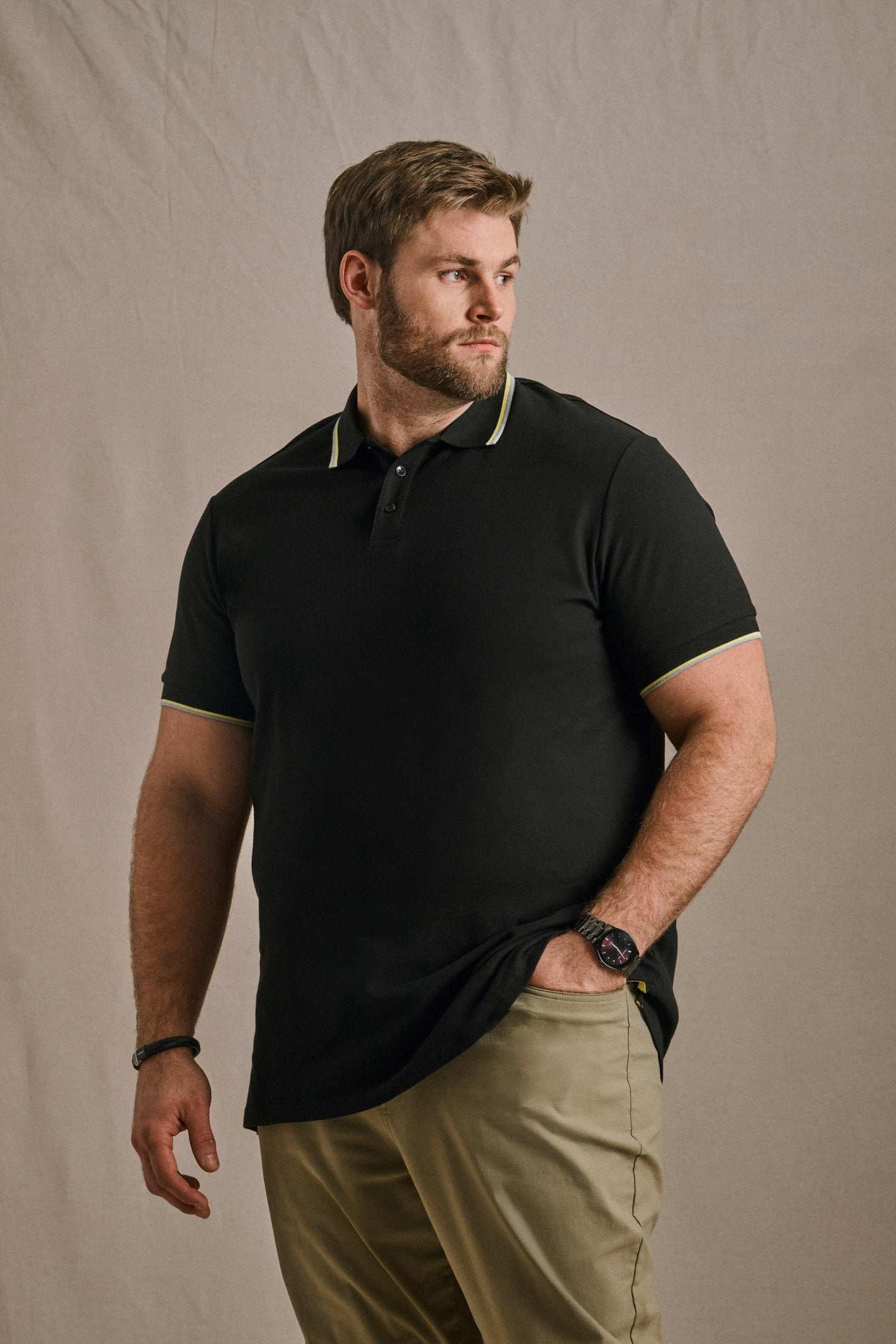
Embroidery
Thread-based logo application that creates a premium, three-dimensional finish. Ideal for chest crests, collar branding, and sleeve placements. Withstands hundreds of wash cycles — the go-to choice for durable, upscale streetwear polo identity.
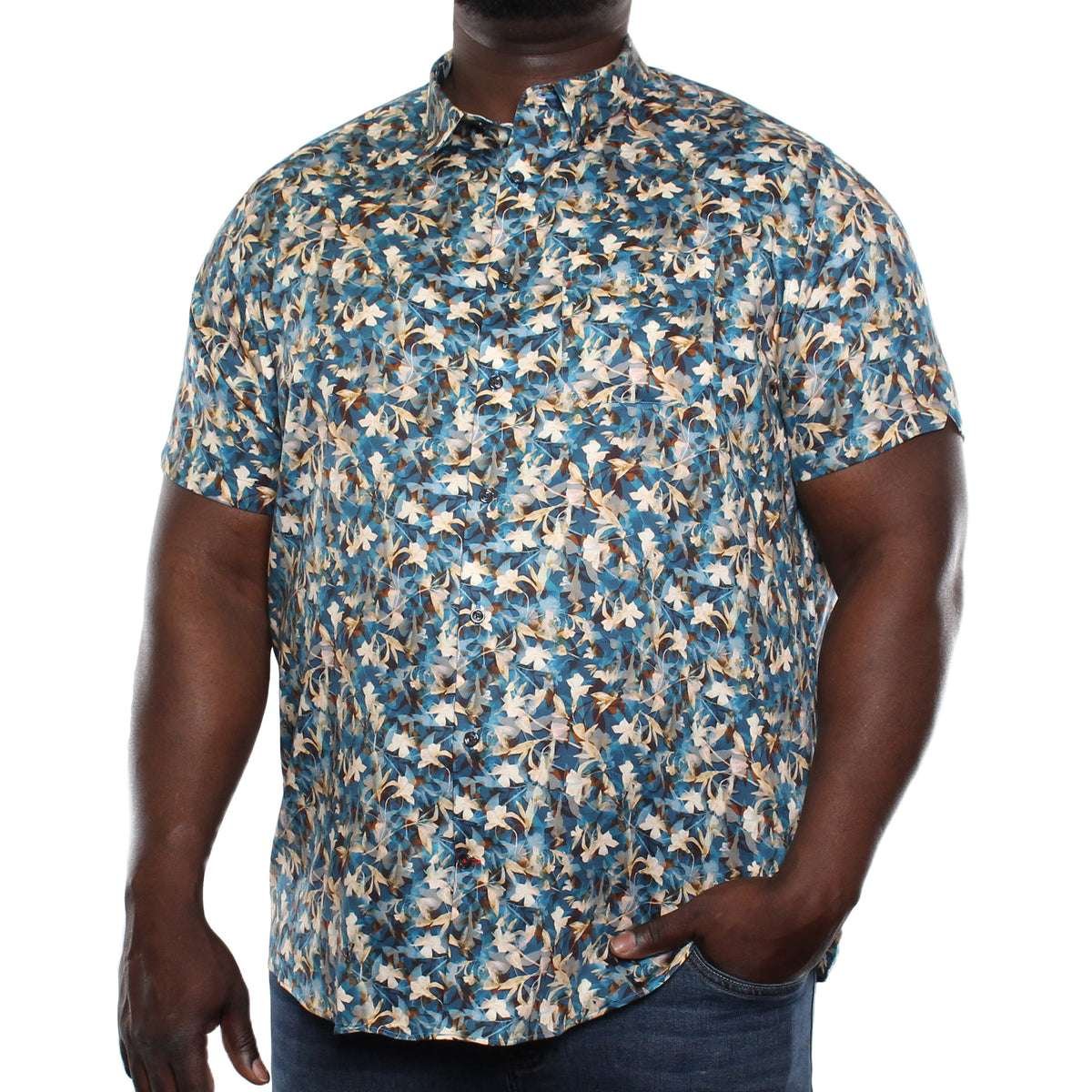
Screen Printing
High-opacity inks pressed through fine mesh screens for bold, vibrant graphics with sharp edges. Delivers consistent color saturation across large production runs — a cost-effective, high-impact solution for volume wholesale polo shirt orders.
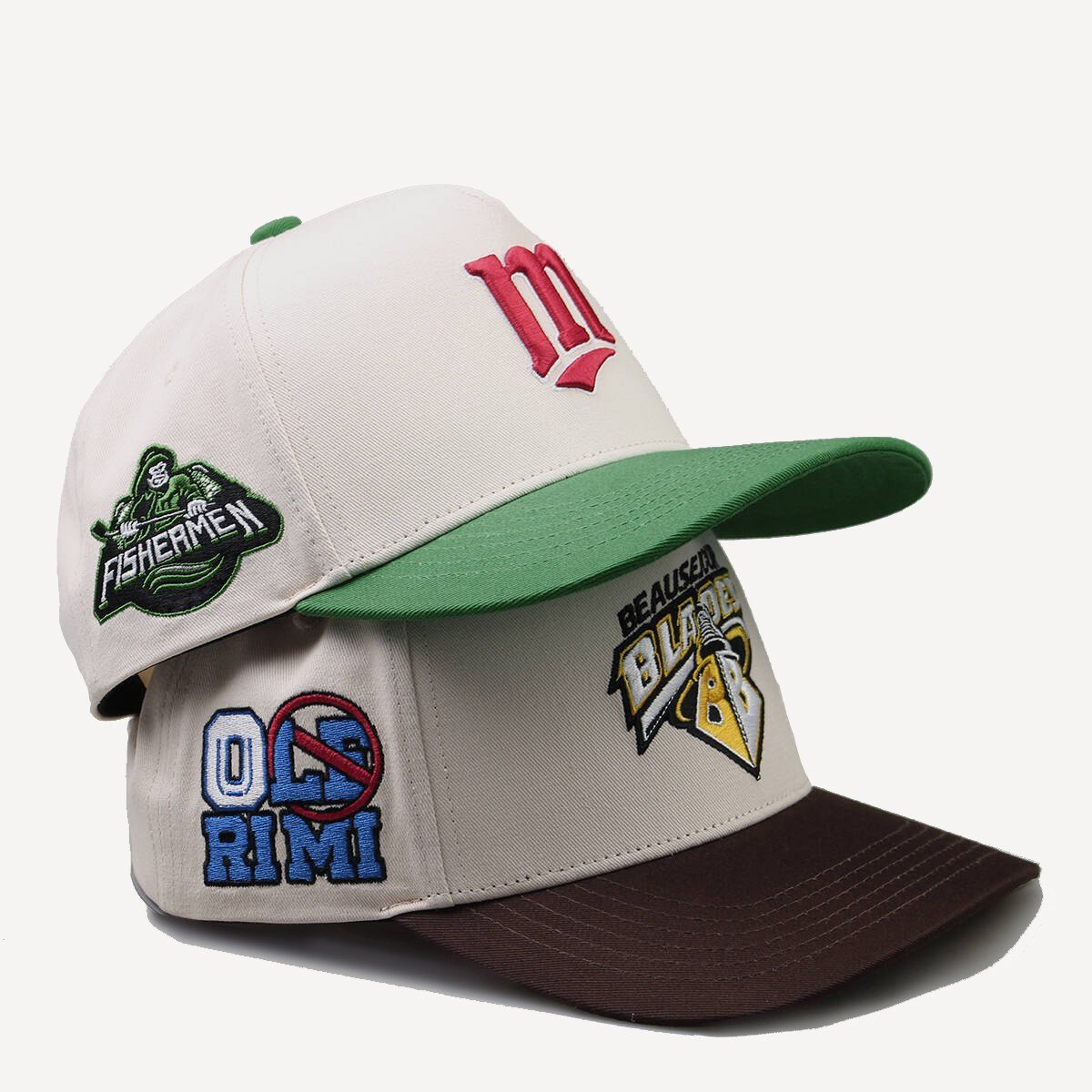
Sublimation Printing
Dye infused directly into polyester fibers for all-over, photographic-quality designs that never crack or peel. Colors are permanently locked into the fabric — perfect for full-panel streetwear polo graphics and bold seasonal collections.
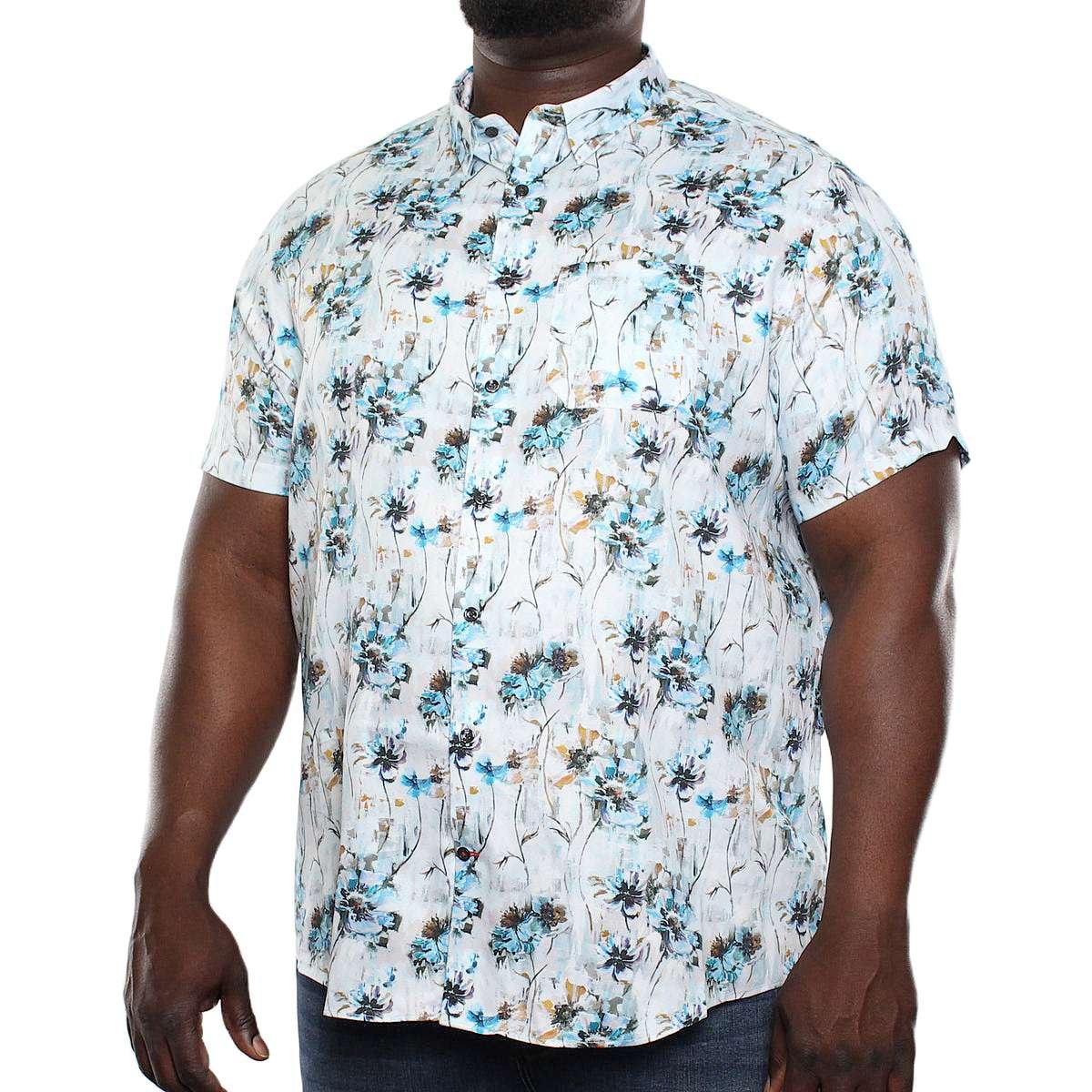
Heat Transfer
Pre-designed artwork bonded under calibrated heat and pressure for a smooth, vivid finish. Supports complex gradients and photorealistic imagery — ideal for limited production runs, specialty logo placements, and fast-turn seasonal polo drops.
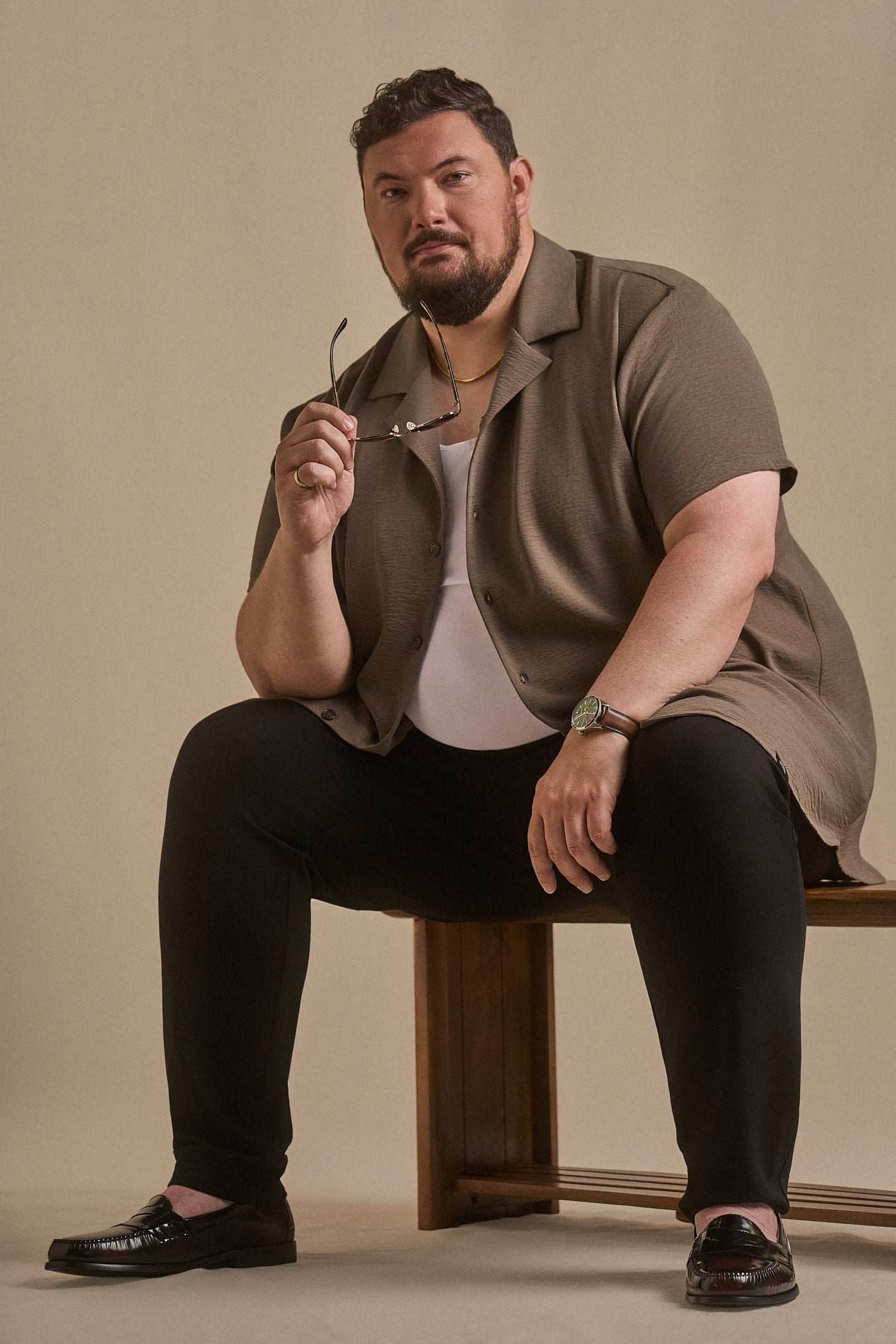
DTG Printing
Direct-to-garment inkjet technology deposits water-based inks with photo-quality precision and unlimited color options. Best for intricate streetwear graphics, prototype sampling, and short-run wholesale polo shirt orders that demand fine detail reproduction.
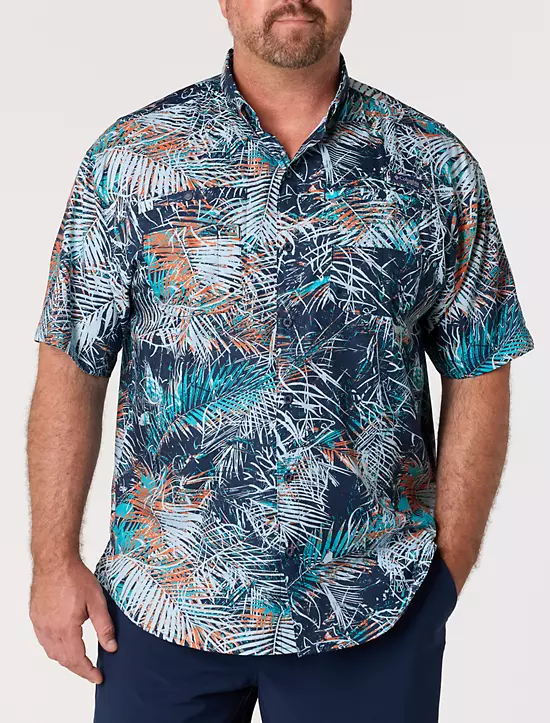
Patch Application
Custom woven or embroidered patches sewn or heat-bonded onto collars, cuffs, and chest pockets. Delivers tactile, high-end brand identity on polo shirts — a signature technique favored by influencer labels and independent designer collections.
Accessories & Custom Details for Wholesale Polo Shirts
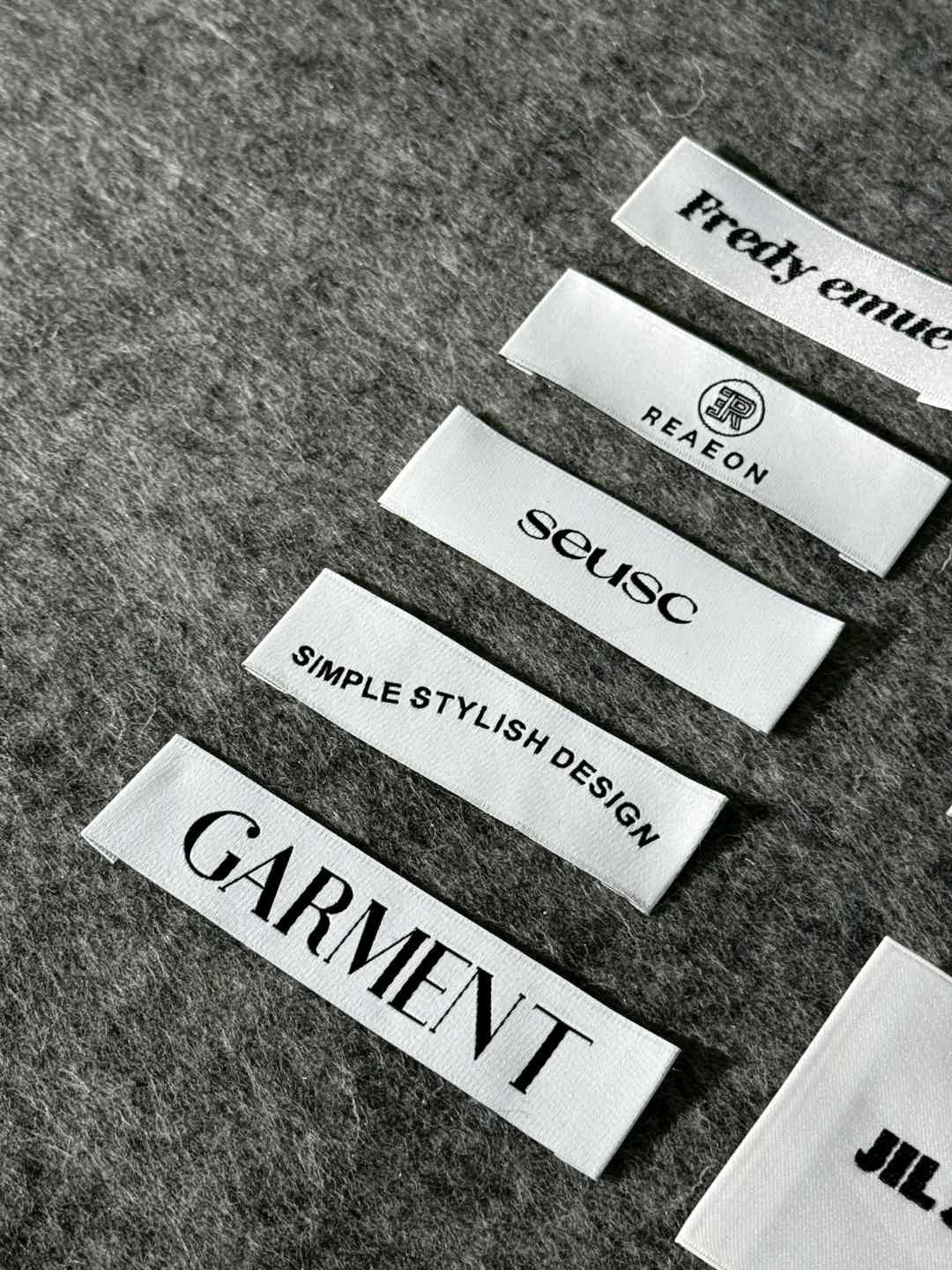
Woven Brand Labels
Precision-woven labels placed at the collar, hem, or interior neckline carry your logo and brand typography in fine detail — a defining identity mark our in-house team programs to your exact specification.
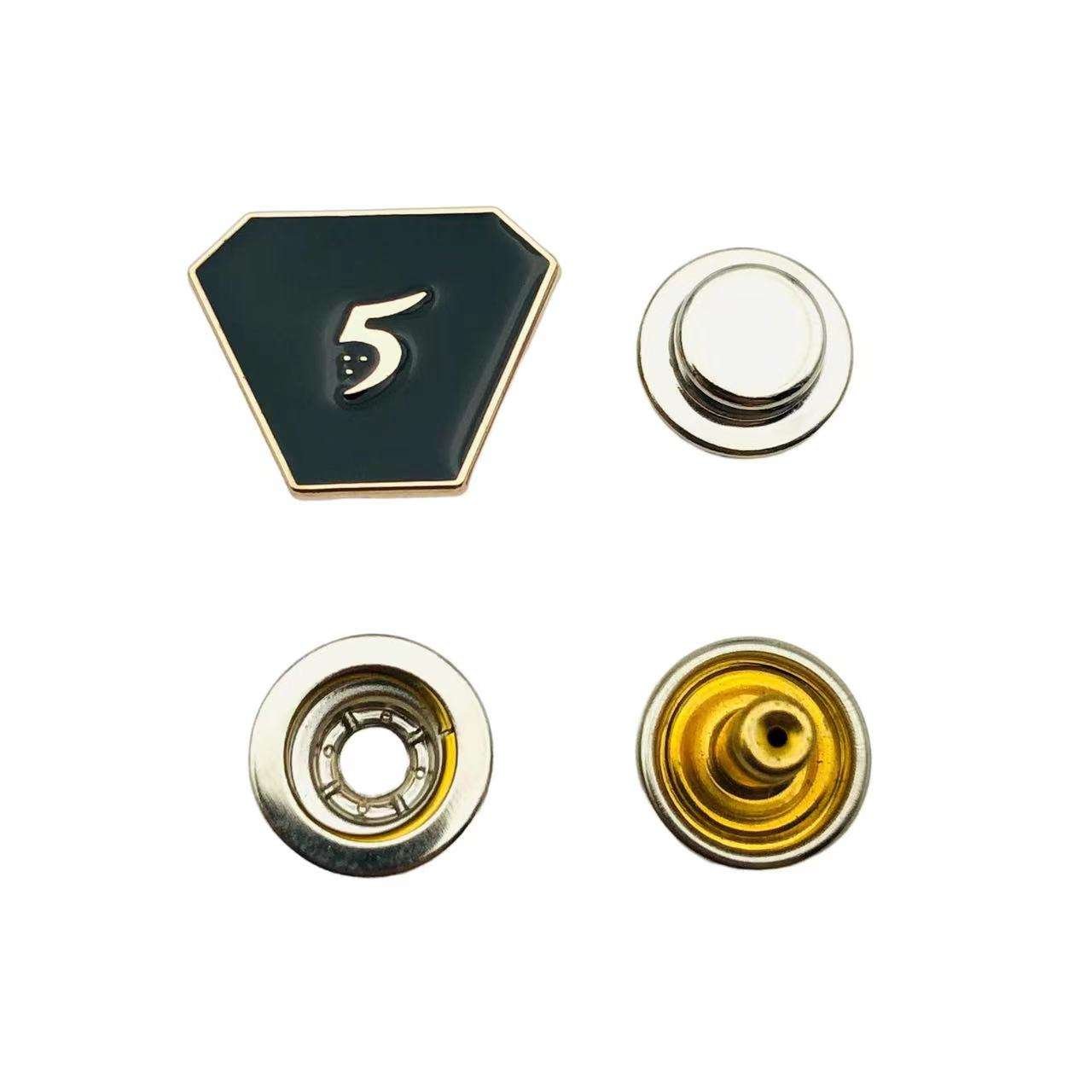
Metal Snap Buttons
Streetwear-ready metal snap buttons replace standard polo placket buttons for a bolder, cleaner closure. Available in matte black, antique brass, and custom-lacquered finishes matched precisely to your brand palette and aesthetic direction.
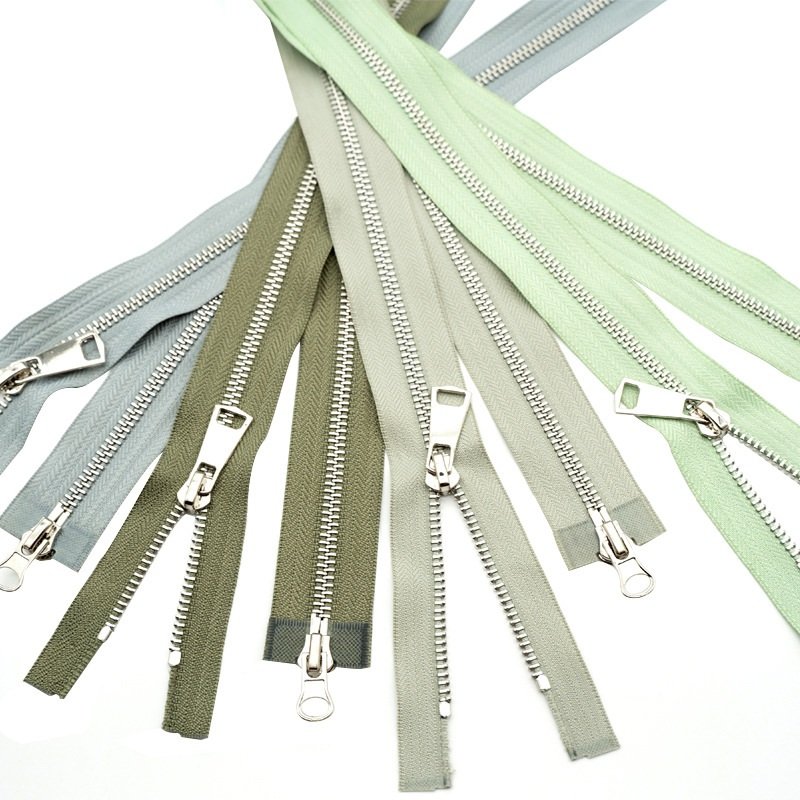
YKK Premium Zippers
Sourced from certified YKK partners, these zippers are built into polo plackets and chest pocket openings. Smooth pull action, branded zipper tabs, and multiple finish options guarantee a closure that performs and impresses.
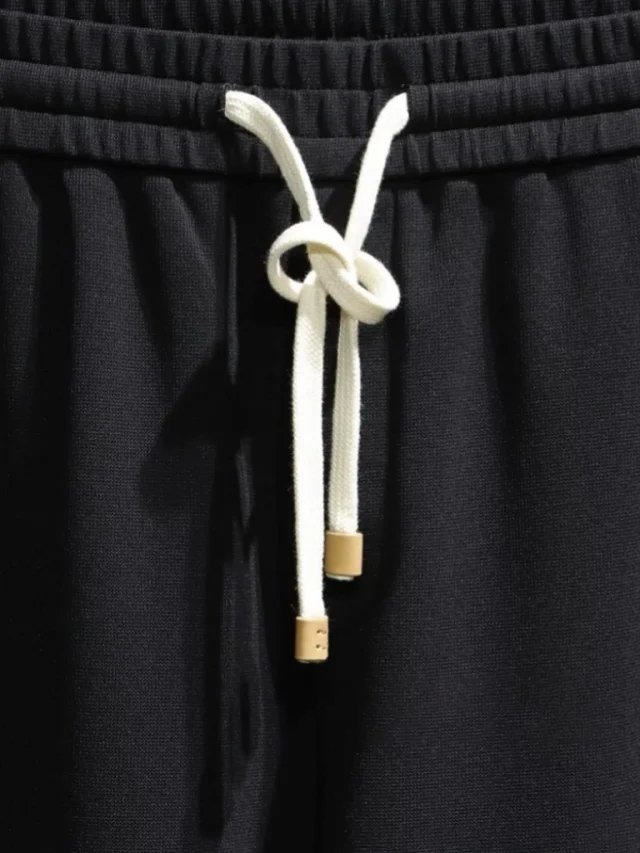
Drawcord & Tipping
Flat or round drawcords threaded through polo hem channels add a functional streetwear edge. Custom tipping caps in your brand colors finish each cord cleanly — a small detail that signals serious brand intent.
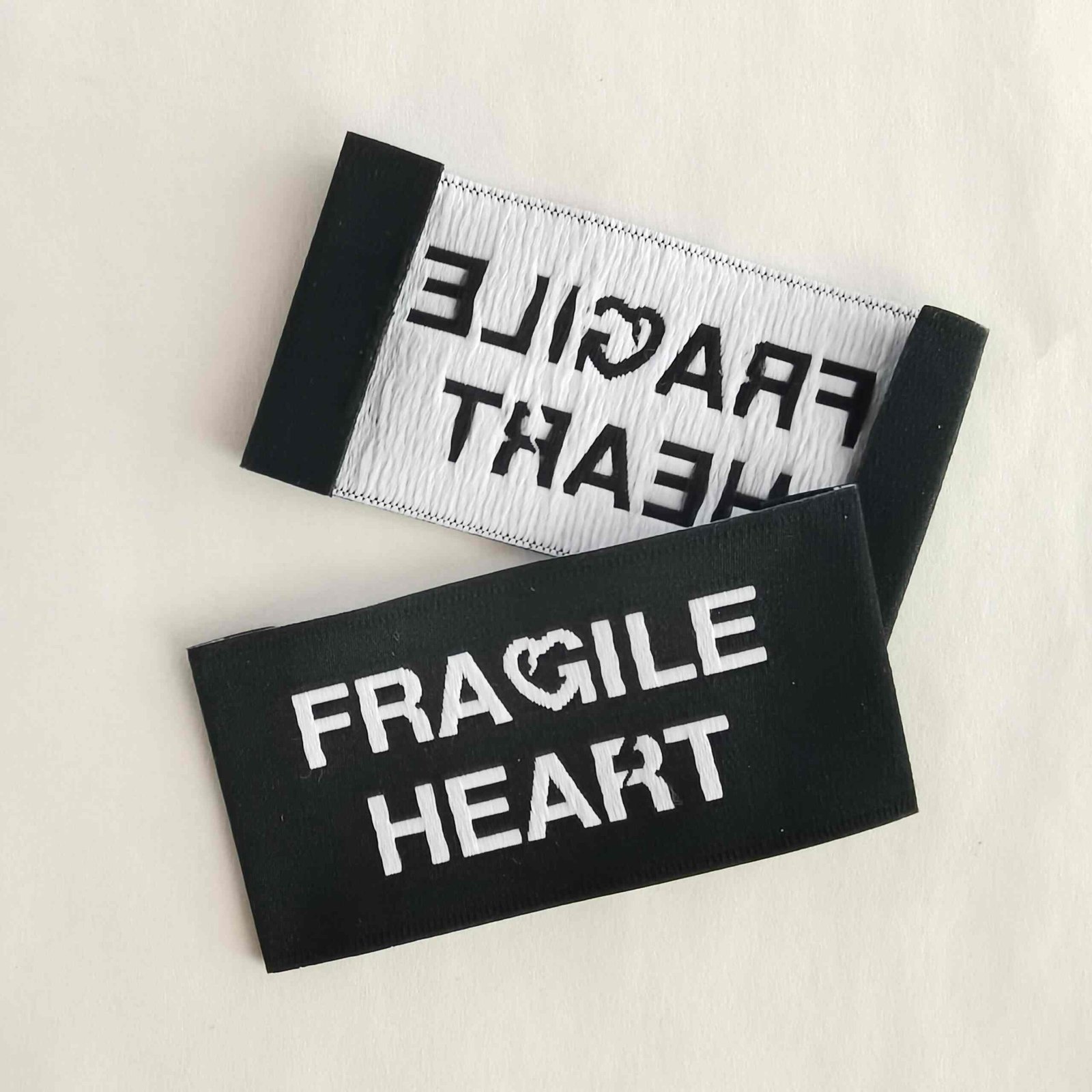
Woven & Embroidered Patches
High-fidelity woven or embroidered patches applied to polo sleeves, chests, or backs reproduce logos and streetwear motifs with sharp clarity. Perfect for capsule drops and influencer collaborations demanding a premium, collectible feel.
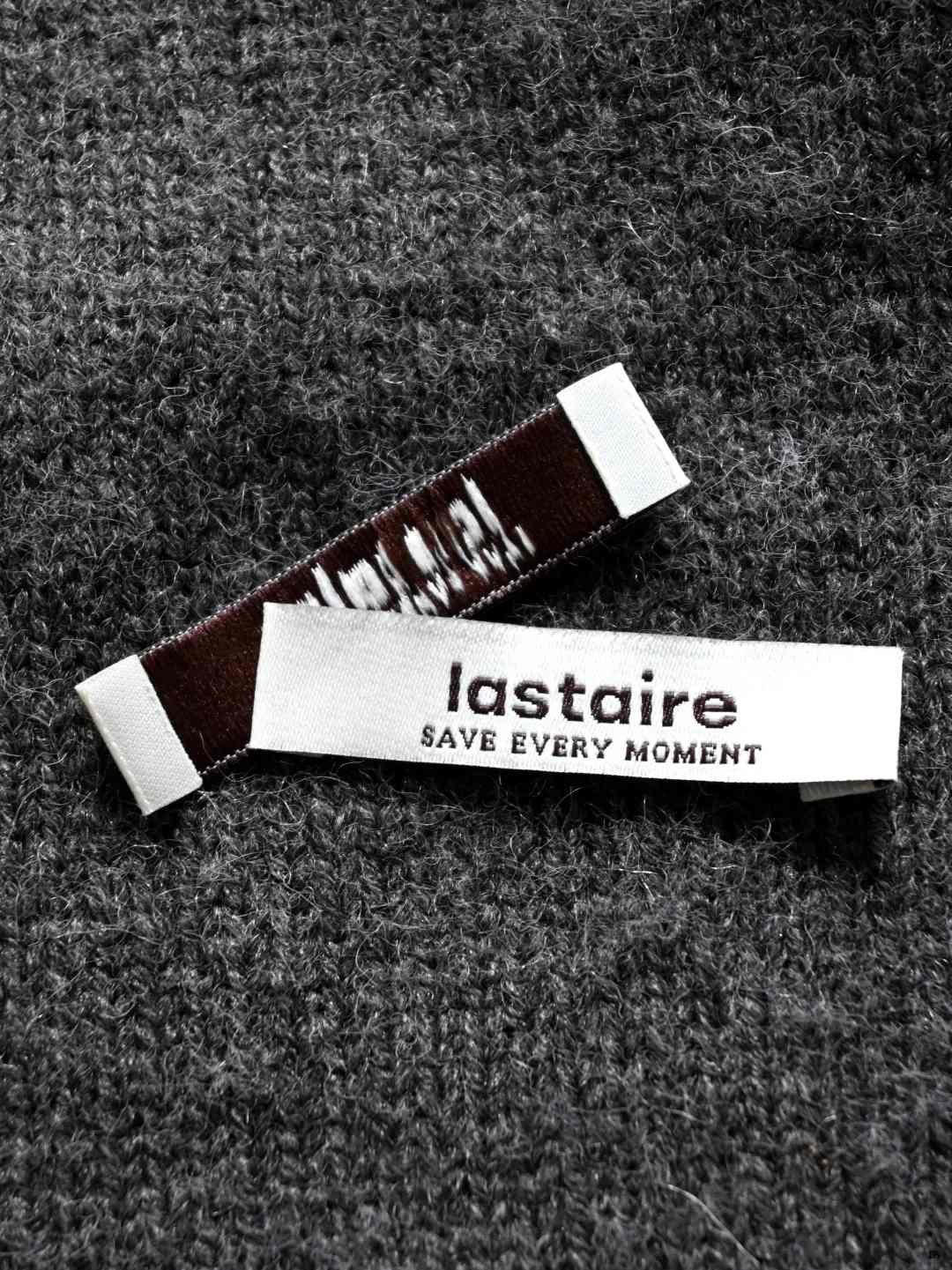
Care & Brand Tags
Satin-printed or woven care tags sewn into each polo communicate fabric care, sizing, and brand identity. Our 5-step QC process verifies correct placement and full legibility on every single unit before shipment.
Wholesale Polo Shirts Crafted by Streetwear Experts
Clothing Manufacturer Ltd. was founded in 2024 by Tesla Luo, who grew up on factory floors in Dongguan’s Humen Town — the heartland of China’s garment industry. With parents who rose through senior manufacturing roles, Tesla rotated through every production stage from sewing and cutting to quality control and shipping before graduating college. That foundation drives our mission: to produce wholesale polo shirts and streetwear with the craftsmanship global brands deserve, backed by a proprietary 5-step QC guarantee built into every stage of production.
After personally serving over 1,000 clients and helping emerging influencer labels scale from zero to hundreds of thousands of followers, Tesla recognized a systemic problem — factories skipping quality checks between sewing and packaging. Clothing Manufacturer Ltd. was built as the direct answer: transparent production, low MOQs for startups, fast turnaround for seasonal drops, and an in-house design and sampling team fluent in streetwear’s most defining motifs — from bold graphics and skeleton elements to rose, animal print, and cross patterns rooted in hip-hop, skate, and street culture.
Today, we serve trendy brands, independent designers, and global apparel retailers across more than 100 countries. Our 15-member R&D team, 10 production patents, and access to the full manufacturing infrastructure of our parent company, Dongguan TuoZhen Clothing Co., Ltd., give clients the agility of a specialist and the scale of an established operation — all underpinned by the quality-first principles that define every pair of wholesale polo shirts we produce.
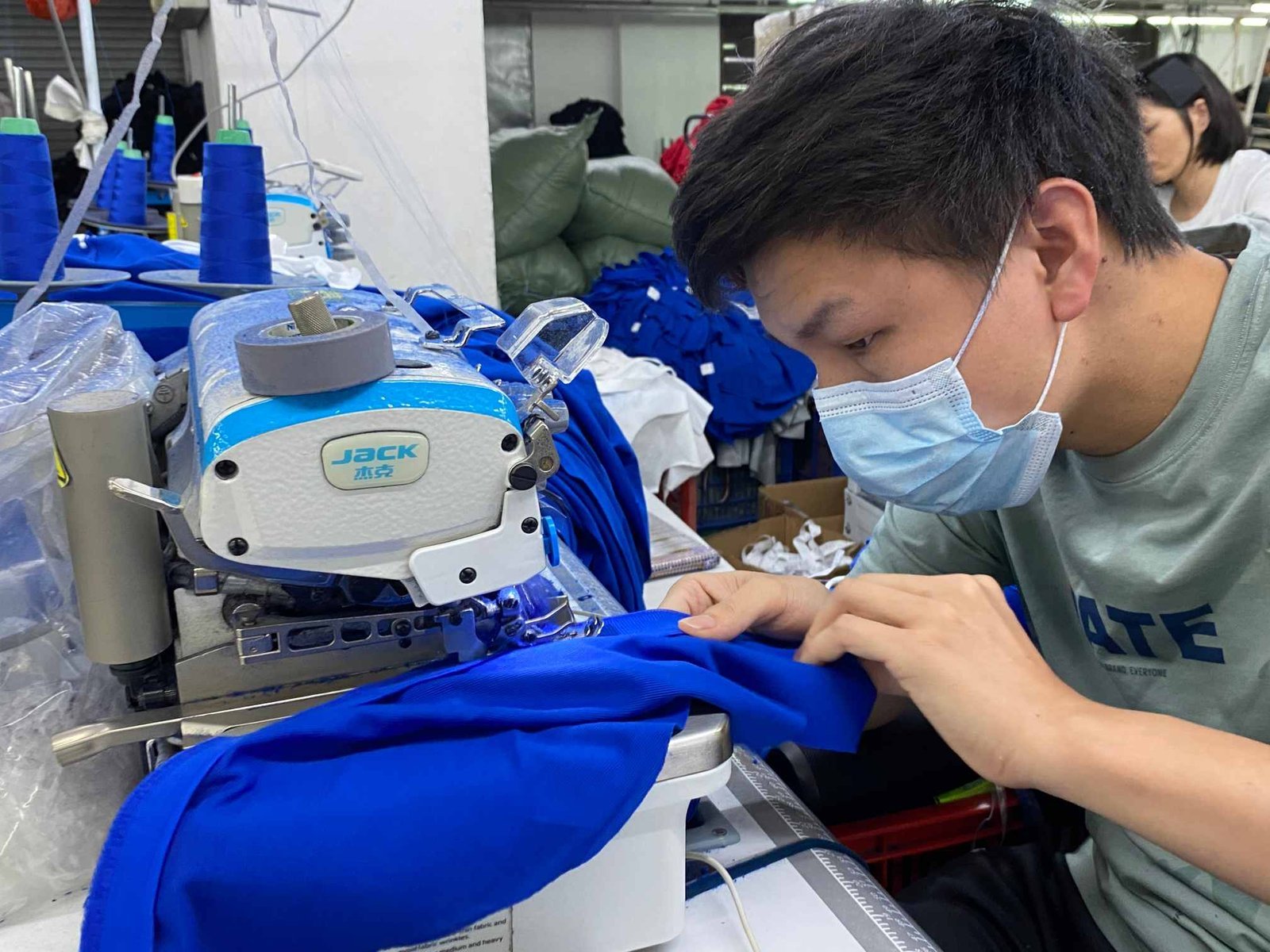
Wholesale Polo Shirts Built on a 5-Step Quality Guarantee
Step 1: Materials Testing — No Fabric Compromise
Before a single polo shirt enters production, every fabric batch undergoes rigorous tensile strength, colorfastness, and shrinkage testing. Only materials that pass our documented standards advance — protecting your brand from defects at the source.
- Colorfastness verified across 30+ wash and rub cycles
- Tensile strength and pilling resistance checked per incoming batch
- Shrinkage percentage and GSM weight validated before any cutting begins
- Fabric only approved when it meets every documented internal standard
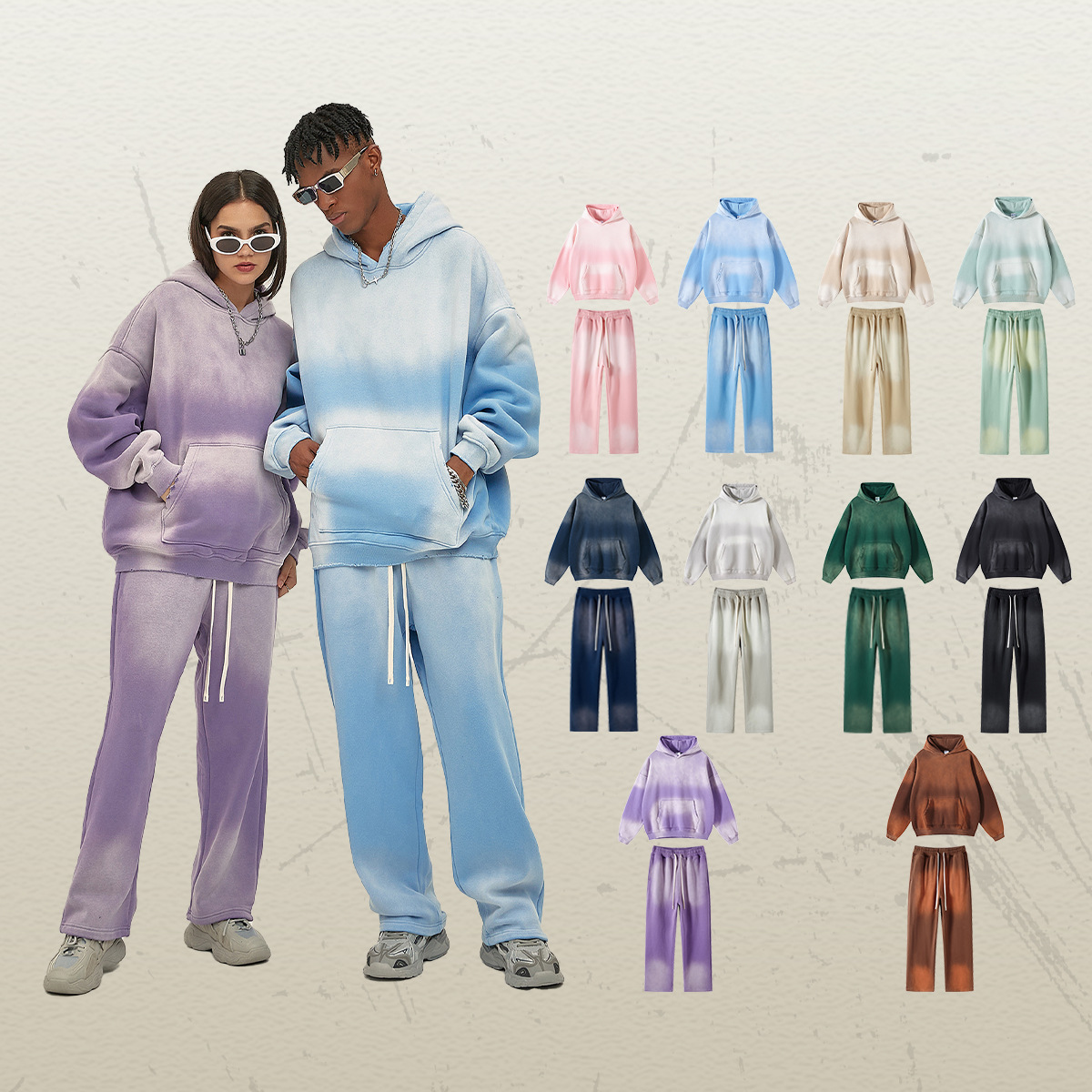
Cutting and Craft QC for Precision
Accurate cutting and flawless garment construction form the backbone of every wholesale polo shirt we produce. Our QC team inspects pattern alignment, seam allowances, and craft execution before bulk sewing ever begins.
- Pattern alignment verified against approved tech packs panel by panel
- Seam allowance tolerances checked to within millimeter accuracy
- Embroidery, printing, and trim placements audited at the sampling stage
- Craft defects flagged and corrected before bulk sewing is authorized
Step 4: Sewing Production QC on the Line
Rather than waiting until finished goods, our QC inspectors walk the sewing floor in real time. Stitch density, thread tension, collar construction, and button placement are checked continuously throughout each polo shirt production run.
- Inline sewing inspections conducted every 50 to 100 units on every run
- Stitch density, thread tension, and seam integrity monitored live
- Collar, placket, and sleeve alignment verified mid-production
- Defects corrected on the spot — never passed to the next production stage
Step 5: Finished-Goods Inspection Before Every Shipment
Every completed polo shirt batch receives a full AQL-standard finished-goods inspection. Measurements, pressing quality, packaging integrity, and labeling accuracy are all validated before your order leaves our Dongguan facility — zero compromise, every time.
- AQL 2.5 measurement and workmanship audit on every finished polo batch
- Ironing quality, folding consistency, and packaging condition reviewed per unit
- Barcode, label, and hangtag accuracy verified per SKU before packing
- Detailed QC report issued and shared with every outgoing shipment
How Our Wholesale Polo Shirts Outperform Typical Suppliers
Most factories skip the steps that matter most. See exactly how Clothing Manufacturer Ltd delivers where generic wholesale suppliers fall short — from quality control to creative support.
← 左右滑动查看 →
From Order to Delivery: How We Produce Your Wholesale Polo Shirts
Six transparent phases, five embedded quality checkpoints, zero surprises — built to deliver premium streetwear polos on time, every time.
Order & Design Confirmation
Submit your specs, artwork, and branding details. Our in-house design team reviews everything and locks your approved tech pack within 48 hours.
Sampling & Client Approval
We produce pre-production samples for your review. Revisions move fast so your wholesale polo shirt design is fully signed off before bulk production begins.
Materials & Cutting QC
All fabrics clear our Step 1 materials QC test, then Step 2 cutting QC verifies panel accuracy, grain alignment, and zero-defect cutting before any sewing starts.
Sewing & Craft Production QC
Step 3 clothing craft QC and Step 4 sewing production QC run live on the line, catching stitch faults, print misregistration, and construction errors in real time.
Finished Garment Inspection
Every polo shirt completes our Step 5 finished clothing QC — measurements, color consistency, trims, and presentation are verified against your locked pre-production sample.
Packing & Global Dispatch
Garments are folded, tagged, and packed to your exact spec, then shipped via your chosen freight channel with full tracking and customs documentation included.
How to Order Wholesale Polo Shirts: The Process
Six straightforward steps — built around fast communication, low minimums, and the 5-step QC guarantee that protects your brand at every stage.
Share Your Design or Tech Pack
Submit your artwork, tech pack, or concept. Our in-house sampling team reviews your brief and responds within 24 hours with tailored production recommendations.
Receive Your Quote and Free Samples
Get a transparent quote starting at just 50 pieces, plus physical samples to evaluate fabric quality, fit, construction, and print or embroidery accuracy firsthand.
Approve Samples and Lock Your Order
Review samples, request any refinements, and confirm final specs. Once approved, your wholesale polo shirt order enters our production queue with a committed delivery window.
Produce Under Our 5-Step QC
Our proprietary QC process checks materials, cutting, craftsmanship, sewing, and finished garments — catching and correcting defects at every stage, never only at the end.
Clear Final Inspection Before Ship
Every finished unit passes a comprehensive final inspection. Zero-defect batches only leave the floor — we will not ship product that fails our published quality standards.
Receive Your Order, Delivered Worldwide
We manage global logistics, customs documentation, and tracking, delivering your wholesale polo shirts to your warehouse or fulfillment center reliably and on schedule.
Certified Standards Behind Our Wholesale Polo Shirts
What Brands Say About Our Wholesale Polo Shirts
We launched our debut polo collection in just 19 days — 300 units, zero defects. Their 5-step QC caught every issue before shipping. We’ve since placed three reorders and are scaling to 1,000 units this season.
With 85K followers, quality defines my brand. Clothing Manufacturer Ltd. delivered 500 custom polos in under three weeks — my drop sold out in 48 hours. The embroidery precision and fit consistency were next level.
As a startup, low MOQ made all the difference. Our 150-piece order shipped to six countries on schedule, and customer return rates dropped below 1%. We had no idea this level of quality was possible at wholesale pricing.
Frequently Asked Questions About Wholesale Polo Shirts
Everything streetwear brands, startups, and global retailers need to know before placing their first order with Clothing Manufacturer Ltd.
What is the minimum order quantity (MOQ) for wholesale polo shirts?
How long does it take to receive a sample of my custom wholesale polo shirts?
Can I fully customize wholesale polo shirts with my brand’s logos, graphics, and labels?
What quality control process do you use to ensure consistent production quality?
How do you protect my designs and intellectual property when I place an order?
What payment terms are available for bulk wholesale polo shirt orders?
Do you offer bulk discounts on large wholesale polo shirt orders?
Which countries do you ship to, and how long does delivery take?
What production lead time should I expect after sample approval?
The Complete Buyer’s Guide to Wholesale Polo Shirts
Discover a proven decision framework for sourcing wholesale polo shirts — covering fabric grades, construction standards, supplier vetting criteria, customization options, pricing tiers, and the critical mistakes new brands must avoid before placing their first bulk order.
1. What Are Wholesale Polo Shirts?
A polo shirt is defined by three structural elements: a knitted ribbed collar, a front placket with 2–3 buttons at the neckline, and short sleeves — features that separate it from crewneck tees, woven dress shirts, and henley styles. Most wholesale polo shirts are constructed from piqué cotton or interlock knit fabric, with finished weights typically ranging from 180 to 260 GSM. These construction details make the polo a versatile B2B staple ordered across streetwear, corporate, and retail channels worldwide.
Wholesale polo shirts are purchased in bulk by fashion startups building first capsule collections, independent designers seeking OEM production, global apparel retailers managing seasonal replenishment, and creator brands launching merchandise drops. Buying wholesale unlocks per-unit pricing that is typically 40–70% lower than retail cost, compared with sourcing single units or small retail quantities. That margin differential is what makes wholesale the default production path for any brand intending to resell at scale.
Minimum order quantities for wholesale polo shirts typically start at 50–200 pieces per colorway with standard manufacturers, though low-MOQ OEM partners may accept runs as small as 30 units for custom programs. Per-unit cost drops materially at volume breakpoints — commonly at 100, 300, and 500 units — making MOQ tier decisions a direct lever on gross margin before a single quote is requested.
For first-time buyers, wholesale polo shirts rank among the most accessible product categories to launch: standardized construction and broad fabric availability keep production risk manageable. Sampling lead times for polo programs typically run 7–14 days, with bulk production starting at 30–45 days depending on fabric sourcing and customization scope.
2. A Brief History of the Polo Shirt
In 1926, French tennis champion René Lacoste debuted a short-sleeved, ribbed-collar shirt on the court — a radical departure from the stiff, long-sleeved button-downs players had worn for decades. His design used breathable piqué cotton, a waffle-weave fabric that wicked sweat and allowed arm movement, setting the technical benchmark the category still references today.
By 1972, Ralph Lauren reintroduced the polo silhouette under his Polo brand, widening the collar, dropping the hem, and pitching it to American prep culture. That repositioning transformed a performance garment into a status symbol, cementing consumer expectations around clean structure, a defined placket, and a slightly relaxed fit.
Since the early 2010s, labels from Supreme to Palace have reclaimed the polo as a streetwear staple — oversizing the silhouette, sourcing heavyweight piqué above 240 GSM, and layering in graphic embroidery or garment-washed colorways that signal authenticity to younger consumers. Today’s wholesale polo shirts sit at the intersection of that athletic heritage and street-culture edge.
That layered history means buyers arrive with specific instincts: they expect structured collars that hold their roll, durable pearl or horn-finish buttons, and precise flat-lock or chain-stitch seaming along the placket. Understanding where the polo came from is the fastest way to understand why those construction details matter when evaluating any wholesale polo shirts supplier.
3. Types of Wholesale Polo Shirts to Know
Not all wholesale polo shirts serve the same buyer. Six distinct categories dominate sourcing, each carrying its own GSM range and end-consumer profile — matching the right type to your brand identity prevents costly inventory missteps.
Classic Piqué Polo
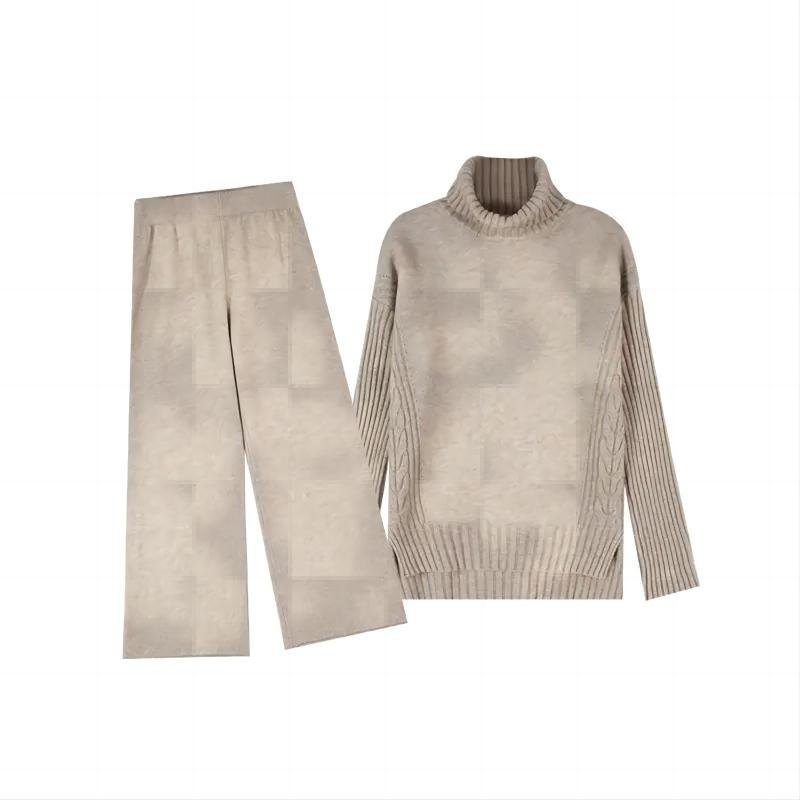
The 200–240 GSM double-knit piqué weave defines this category’s structured drape and breathable texture. Corporate uniform programs, golf labels, and preppy lifestyle brands are the primary buyers. It fits MOQ tiers of 100–300 pieces at accessible mid-range price points.
Performance Moisture-Wicking Polo
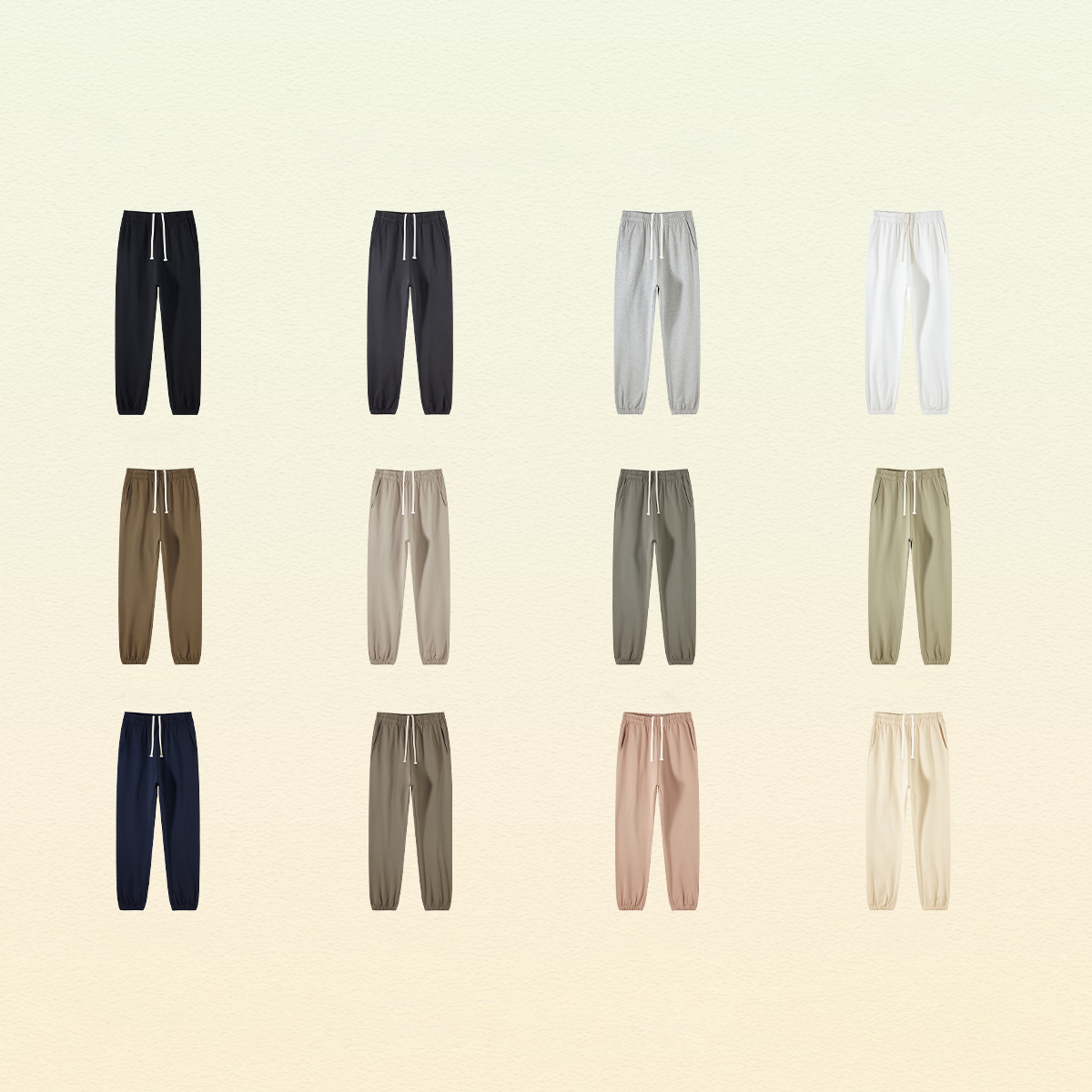
140–180 GSM polyester or poly-cotton blends with moisture-wicking finishes dominate this segment. Athleisure labels, fitness influencers, and sport brands drive the highest volume orders. OEKO-TEX certification is a baseline expectation among European and North American retail buyers.
Oversized Streetwear Polo
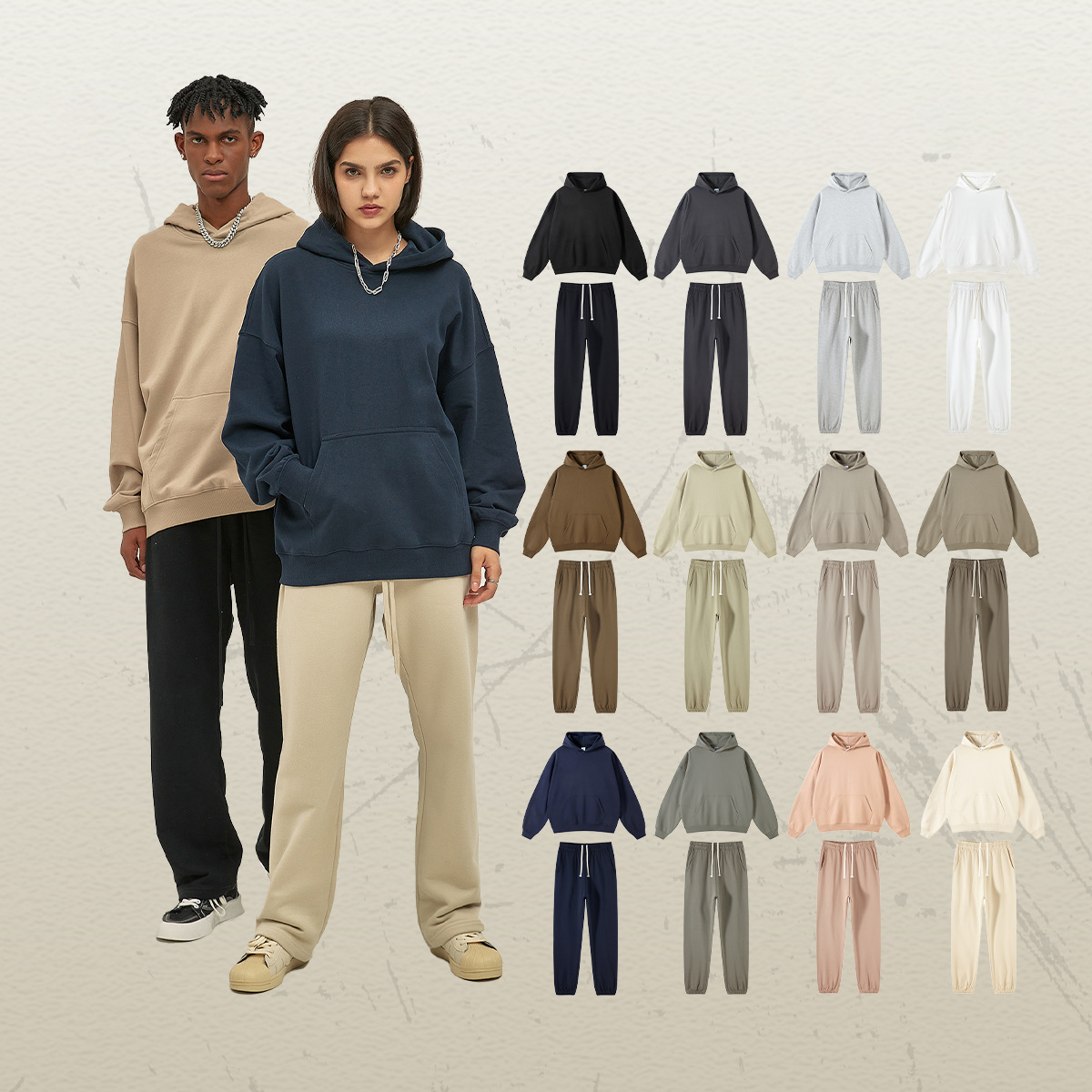
180–240 GSM heavyweight piqué cut 2–4 sizes above standard creates the drop-shoulder silhouette streetwear buyers demand. Hip-hop, skate, and youth fashion brands source this style most aggressively. Oversized embroidery and screen-print patches are the default customization methods.
Long-Sleeve Polo
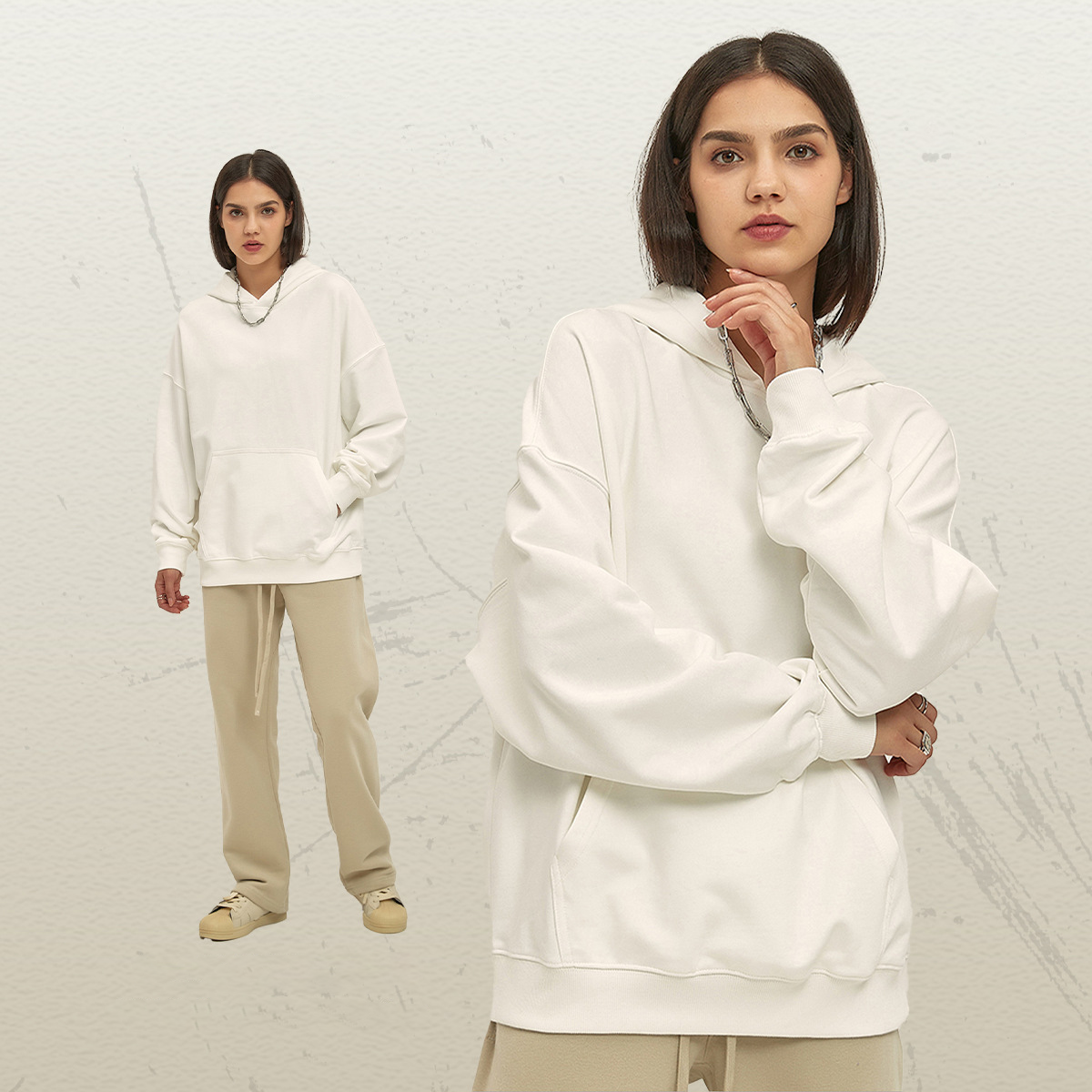
220–260 GSM interlock or piqué construction extends a brand’s seasonal range into fall drops. Independent designers and preppy-streetwear hybrids use this style to expand SKU depth without new fabric development. Ribbed 1×1 or 2×2 cuffs are the standard finish.
Rugby Polo
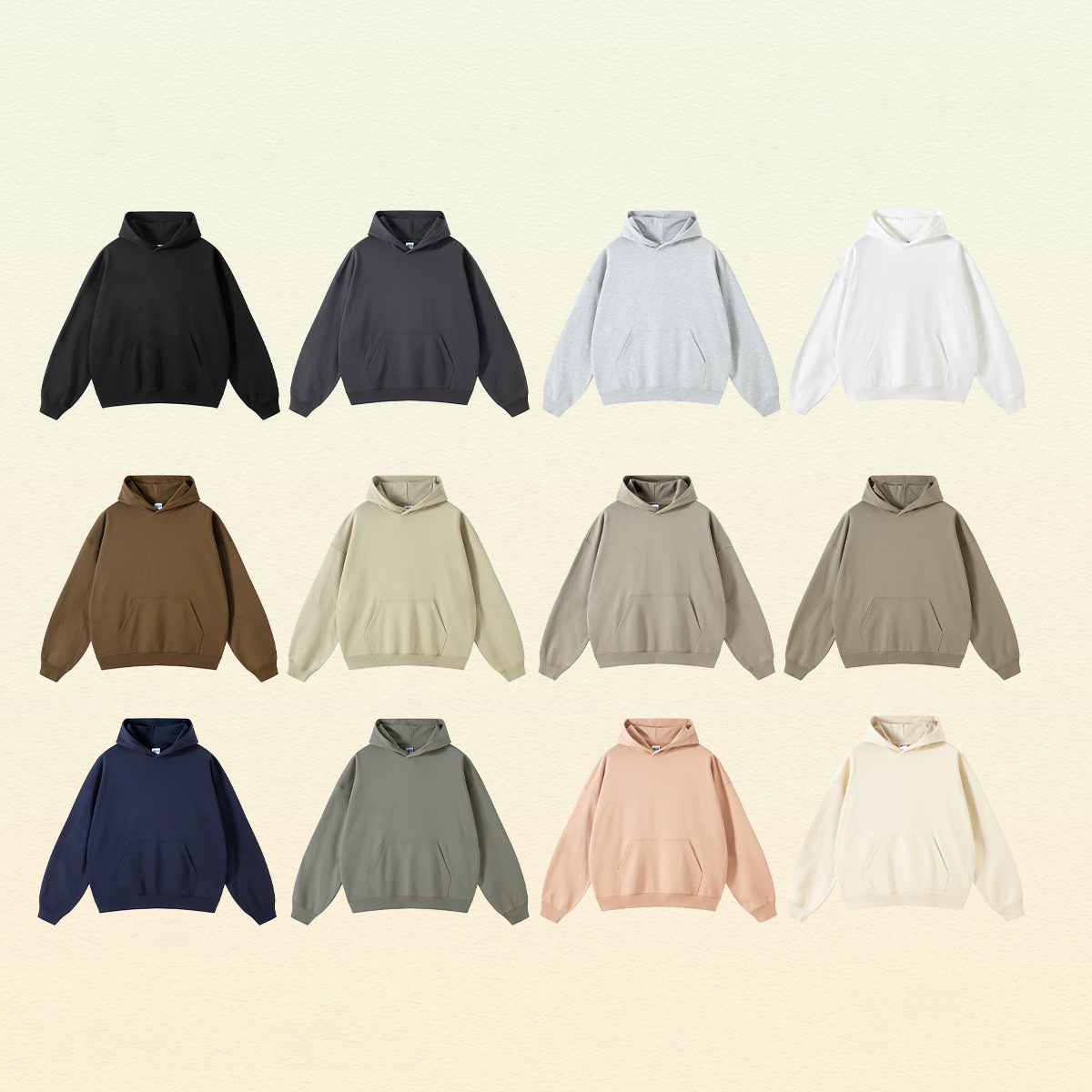
280–320 GSM heavy cotton with reinforced placket stitching defines the rugby polo. Workwear labels, vintage-revival brands, and team sports retailers value its durability above all else. Woven chest stripes in 2–4 Pantone-matched tones are the signature visual.
Zip-Neck Polo
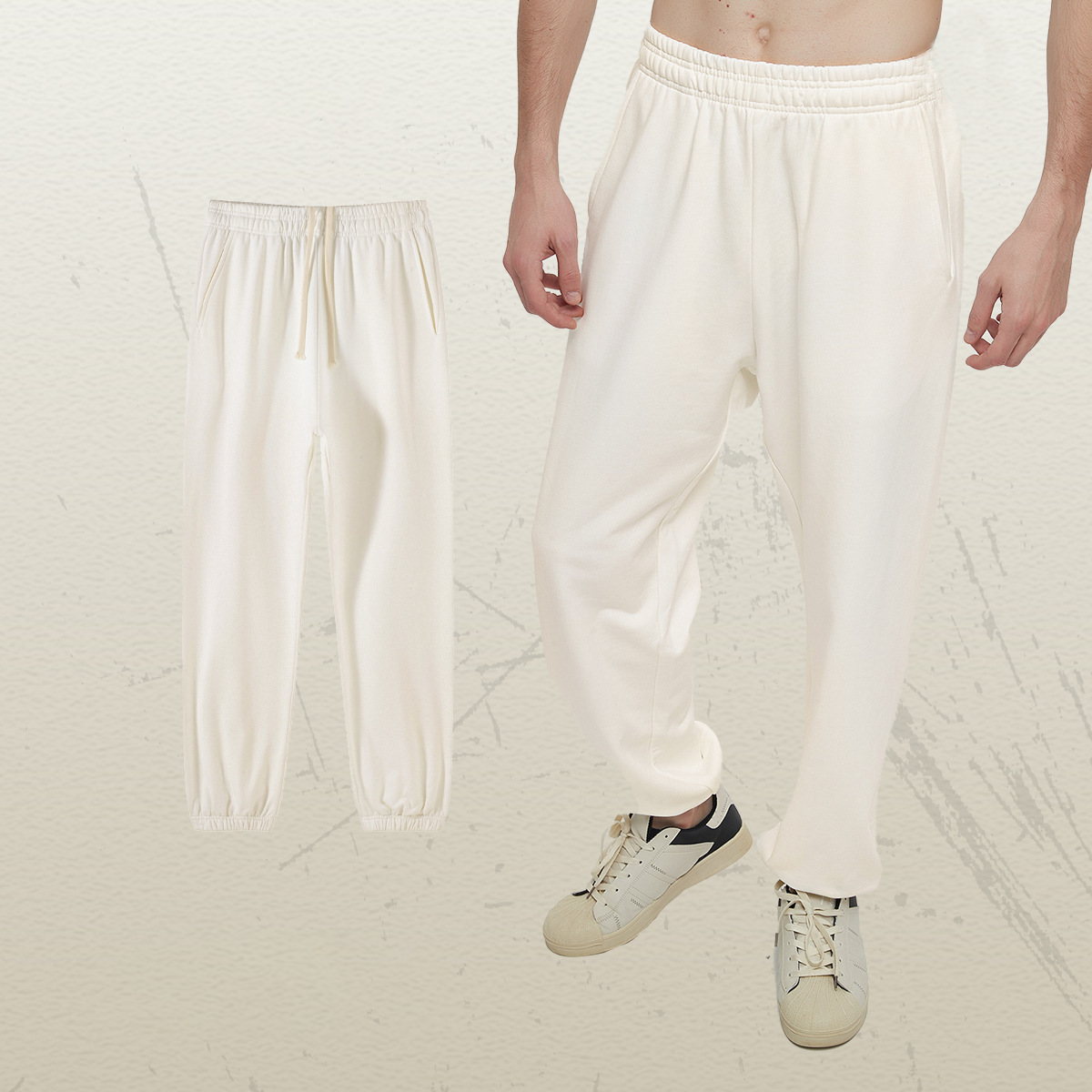
A 220–260 GSM body with a YKK half-zip placket suits both sport and smart-casual consumers. Tech brands, corporate gifting buyers, and lifestyle labels favor the cleaner neckline. This style typically commands a 15–20% price premium over standard button plackets.
4. Best Fabrics and Materials for Wholesale Polo Shirts
Fabric choice determines how wholesale polo shirts perform across climate zones, wash cycles, and brand price tiers. The five materials below span classic retail to performance activewear — match them to your target market before placing an order.
| Fabric | GSM Range | Best Use Case | Sustainability | Relative Cost |
|---|---|---|---|---|
| 100% Cotton Piqué | 180–240 gsm | Classic retail, corporate | Medium (GOTS certifiable) | Low–Mid |
| Cotton-Poly Piqué (60/40) | 170–220 gsm | Uniforms, everyday streetwear | Low | Low |
| Polyester Performance Mesh | 120–160 gsm | Sport, athleisure polo | Low–Med (rPET option) | Low |
| Cotton-Modal Blend | 180–230 gsm | Premium fashion, sensitive skin | Medium–High | Mid–High |
| Recycled PET (rPET) | 150–200 gsm | Eco brand positioning | High (GRS certified) | Mid |
| Bamboo Blend | 160–210 gsm | Tropical markets, luxury basics | High (OEKO-TEX) | Mid–High |
Cotton Piqué: The Industry Standard

100% ring-spun cotton piqué at 180–220 gsm delivers the classic polo texture — breathable, structurally stable, and GOTS certifiable for premium positioning. Cotton-poly blends (60/40) add wrinkle resistance and cut per-unit cost by roughly 10–15%, making them the default choice for uniform and everyday streetwear programs.
Performance and Sustainable Alternatives
Polyester performance mesh at 120–160 gsm wicks moisture faster than cotton and holds color through 50+ industrial wash cycles — a strong fit for sport or athleisure polo lines. Recycled PET and bamboo blends carry GRS or OEKO-TEX certification, giving eco-conscious brands a credible sustainability story without sacrificing drape or hand-feel.
5. Customization Options for Wholesale Polo Shirts
Six decoration methods apply to wholesale polo shirts, each with distinct MOQs, durability ratings, and streetwear versus corporate suitability profiles. Matching technique to application prevents costly reprints and ensures the finished garment survives commercial laundry cycles.
| Technique | Setup Cost | Per-Unit Cost | Wash Durability | Best Fit |
|---|---|---|---|---|
| Embroidery | $50–$150 | $3–$8 | 50+ washes | Corporate & streetwear |
| Screen Printing | $30–$80/color | $1–$4 | 30–50 washes | Streetwear graphics |
| Heat Transfer | $0–$20 | $1.50–$3 | 20–30 washes | Samples / short runs |
| Sublimation | $80–$200 | $2–$5 | 50+ washes | Full-coverage streetwear |
| Woven Labels | $50–$120 | $0.30–$0.80 | Lifetime | Brand identity |
Embroidery for Chest Logos and Collar Tipping
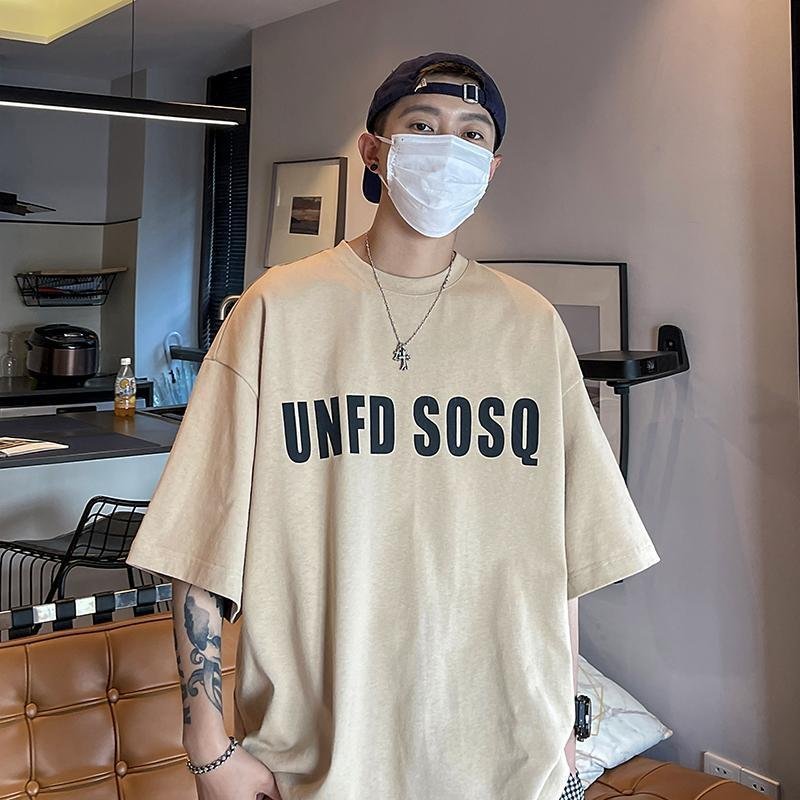
Embroidery handles up to 15,000 stitches per placement without losing definition after 50+ wash cycles. Standard placements include left chest (up to 4 by 4 inches), collar tipping in contrast thread, and back yoke — MOQ typically starts at 12 pieces per colorway.
Streetwear brands favor tonal thread on dark bases for an understated look; corporate accounts prefer raised, multicolor crests on light ground fabric.
Screen Printing, Heat Transfer, and Sublimation
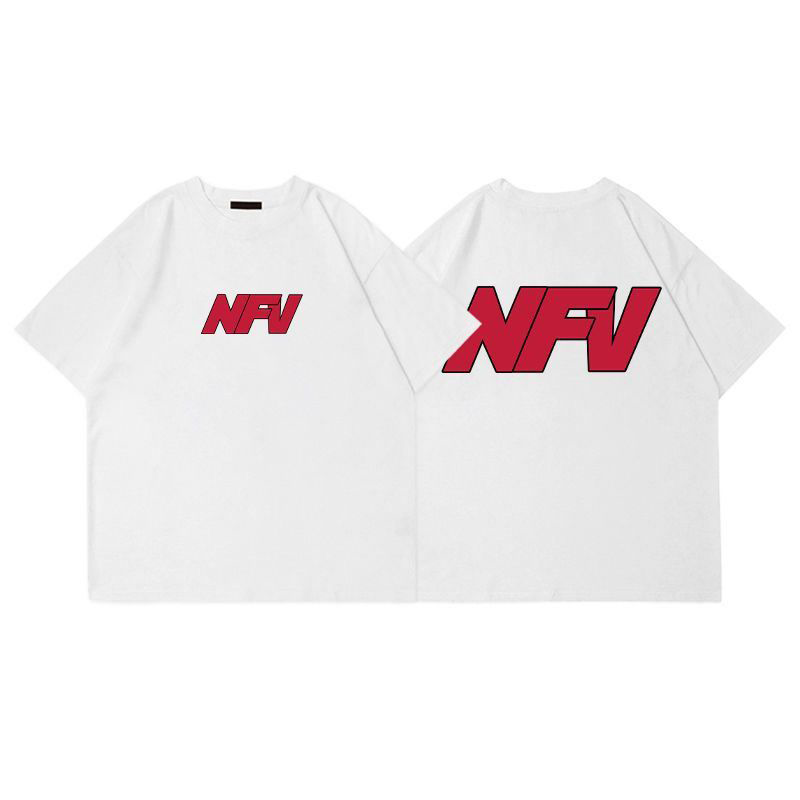
Screen printing requires one screen per Pantone color at MOQ 24–50 pieces, delivering 30–50 wash cycles of durability on piqué. Heat transfer drops MOQ to 1–12 pieces — right for samples — but fades noticeably after 20–30 washes.
Sublimation bonds dye into polyester fibers at the molecular level, achieving 50+ wash durability and enabling full-coverage streetwear graphics; it requires 100% polyester or a poly-blend base fabric.
Hardware, Woven Labels, and Bespoke Trims
Woven labels sewn at the back collar or hem carry brand identity across 50+ washes without ink fade — setup runs $50–$120 with per-unit costs of $0.30–$0.80. Custom buttons in resin, metal, or corozo nut and contrast collar/cuff binding are available from MOQs of 50–100 pieces.
These trim details signal premium construction and are the fastest way to differentiate a streetwear polo from a generic wholesale blank.
6. Key Construction Quality Elements to Inspect
Cheap polo shirts fail at predictable points — collar curl, puckered plackets, or hems that unravel within 10 washes. Auditing these construction details before committing to a bulk run of wholesale polo shirts prevents expensive reruns.
Collar Reinforcement and Roll Resistance
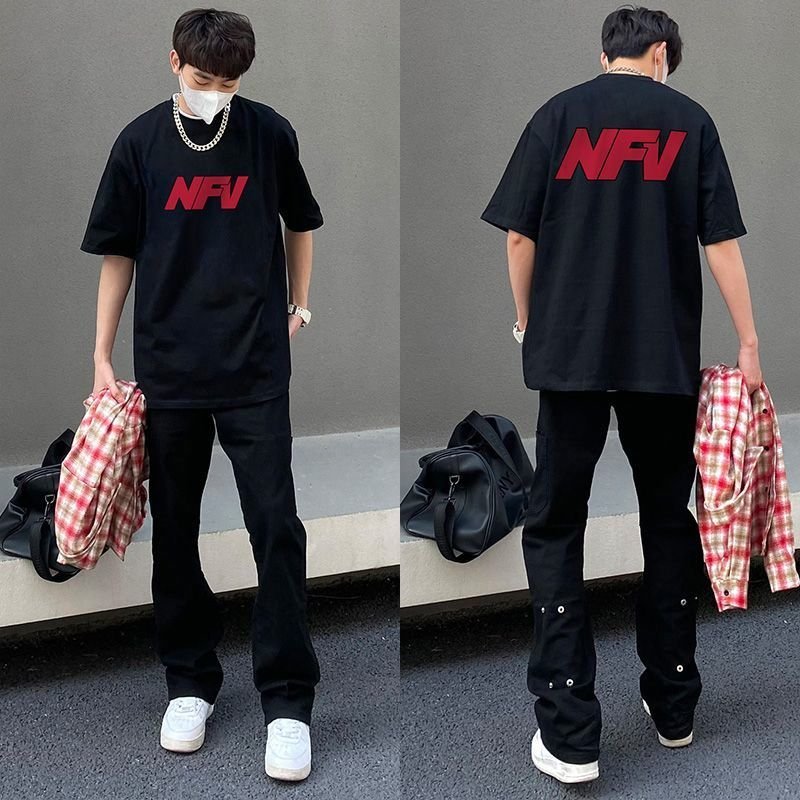
Collar fusing or interfacing at a minimum weight of 70 GSM prevents roll after repeated washing. Request a wash test on your sample — 20 cycles at 40°C — and inspect for curl. A quality interlining should bond flush with no edge separation or bubbling.
Placket Stitching: Flat vs. Raised
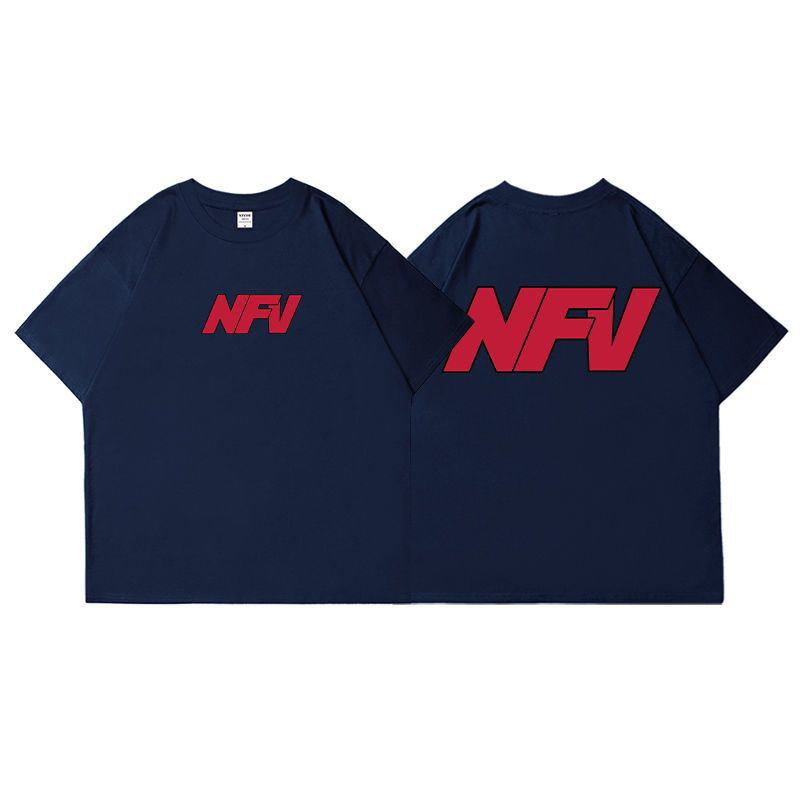
Flat plackets use a single-needle topstitch; raised plackets add a welt finish that signals higher-grade construction. Check stitch density — 10–12 stitches per inch is the baseline; below 8 spi risks seam gape under lateral stress. Consistent row spacing indicates a well-calibrated machine.
Side-Seam vs. Tubular Construction
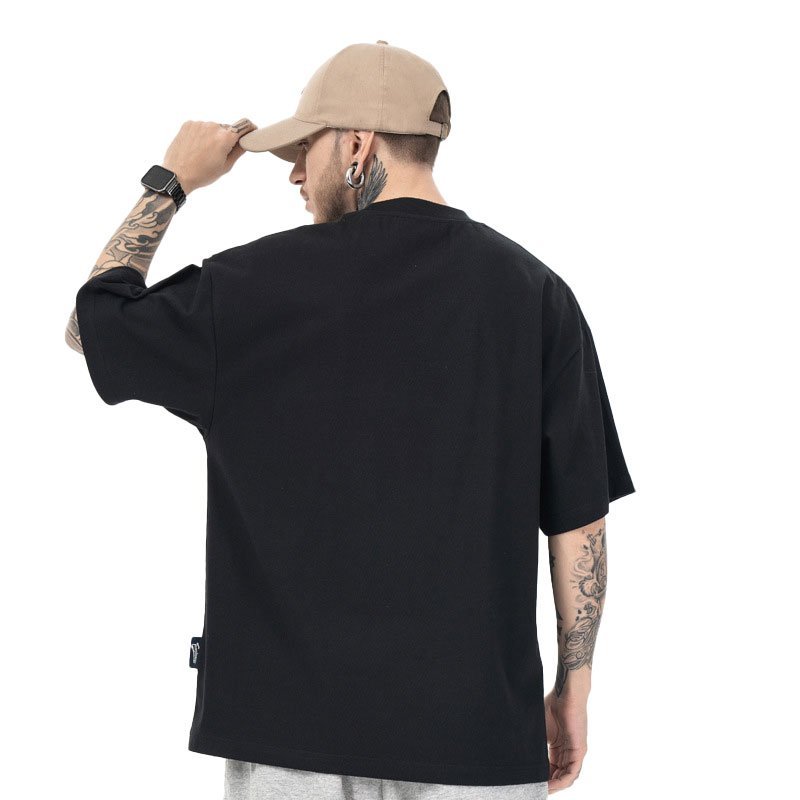
Tubular-knit bodies (no side seam) are cheaper to produce but prone to torquing after washing. Side-seam construction allows waist shaping and accepts flatlock or overlocked 401-chainstitch seams for long-term durability. For streetwear silhouettes, side-seam is the production standard.
Hem Finish and Thread Quality
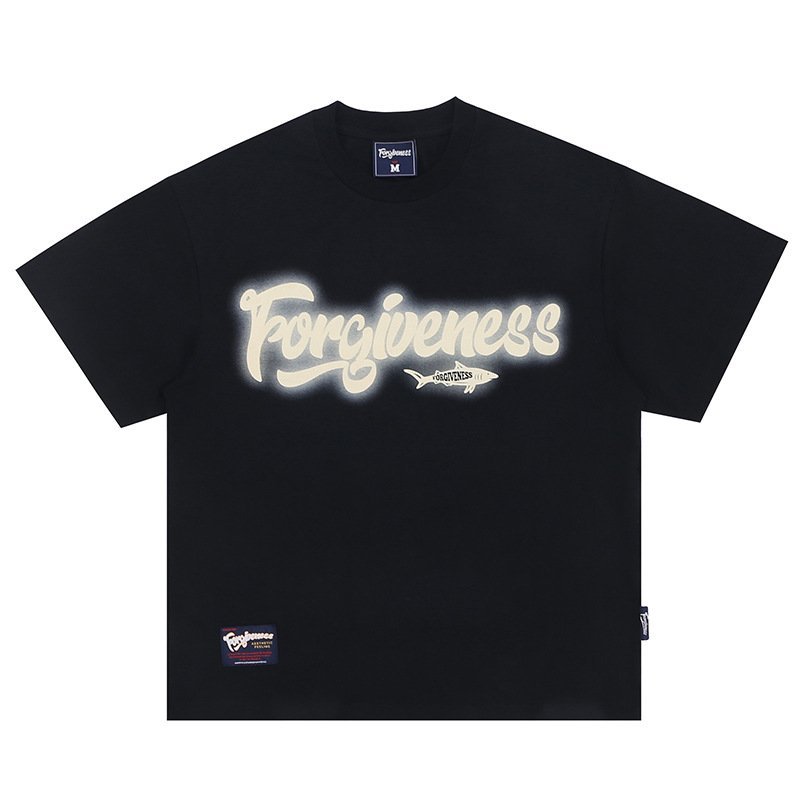
A clean hem measures 1.5–2 cm folded and stitched with a coverstitch that lies flat without puckering. Thread quality matters — 40/2 ring-spun polyester-core thread holds tension better than open-end cotton. Request a tug test on sample hem corners before approving bulk production.
Button Quality: Corozo vs. Plastic
Corozo buttons (natural tagua nut) hold dye evenly and resist edge chipping across 100+ wash cycles; standard ABS plastic buttons crack at the attachment hole within 20–30 washes. Check shank depth — a 2.5 mm shank minimum prevents pull-through on lightweight piqué fabric.
7. How to Choose the Right Wholesale Polo Shirts Manufacturer
Vetting a wholesale polo shirts supplier before placing a 200–500 unit debut order can prevent costly production failures. Focus on four checkpoints: capability type, MOQ structure, third-party certifications, and communication standards — each reveals how a factory actually operates.
OEM vs. ODM Capabilities
OEM factories build to your spec sheet; ODM factories offer existing patterns you modify with branding. For creator brands launching custom fits, OEM with in-house pattern grading across XS–3XL is essential.
Ask suppliers for previous tech packs they have executed. A factory that cannot share a sample spec sheet is likely outsourcing your order.
MOQ Flexibility and Sample Turnaround
Reliable manufacturers offer 100–300 unit MOQs per colorway for startups, not flat 1,000-unit minimums. Sample turnaround should be 7–14 days; anything longer suggests capacity problems or poor prioritization.
Always request a sealed sample before bulk production begins. No sample policy is an immediate disqualifier — it means no physical QC benchmark exists for your run.
Certifications That Actually Matter
OEKO-TEX Standard 100 certifies fabric free of harmful substances — essential for brands marketing to health-conscious consumers. BSCI and WRAP audits verify ethical labor conditions; GOTS certification applies when organic cotton is specifically claimed.
Request certificate numbers and verify them on the issuing body’s public registry before signing any purchase order.
Supplier Green Flags and Red Flags
A quick side-by-side separates reliable polo shirt manufacturers from risky ones before you commit budget.
| Signal | Green Flag | Red Flag |
|---|---|---|
| Sampling | Sealed sample delivered in 7–14 days | No sample policy offered |
| Lead time | Written, SKU-level production schedule | Vague or verbal estimates only |
| Certifications | OEKO-TEX/BSCI numbers publicly verifiable | Claims with no certificate proof |
| Account management | Dedicated account manager assigned | Single generic inbox only |
8. Common Mistakes When Buying Wholesale Polo Shirts
Even experienced buyers make costly sourcing errors with wholesale polo shirts. Six recurring mistakes account for most rejections, returns, and missed launch windows — and every one is preventable with a simple process change.
Skipping the Pre-Production Sample
A missing pre-production sample means the first sign of a mismatched collar rib or off-Pantone color appears on 500 finished units. Request a sealed sample before cutting begins and reference it against every production batch.
Ignoring GSM Specifications
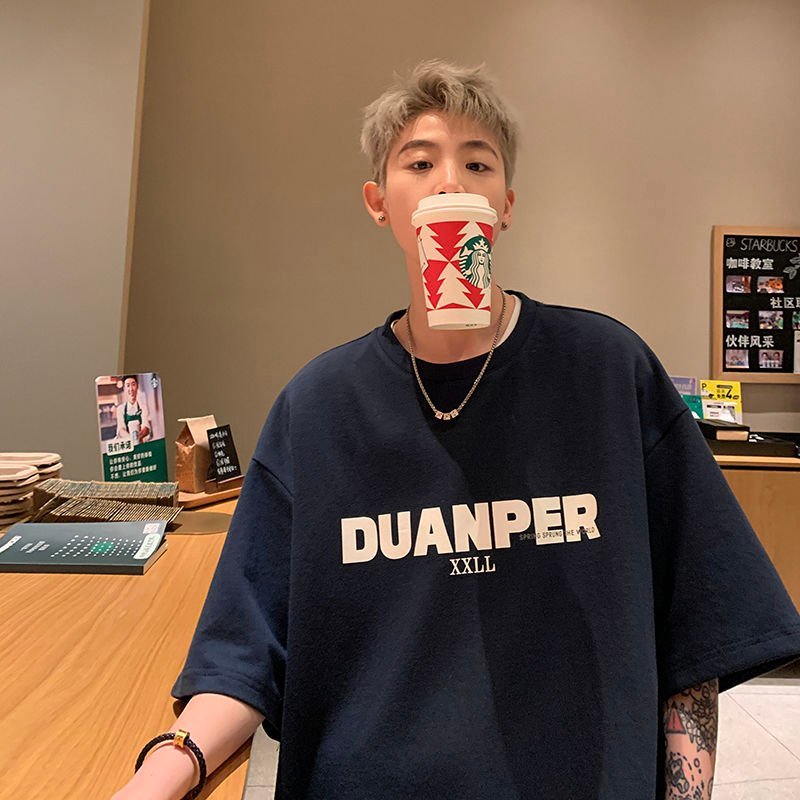
Polo shirts for streetwear typically run 200–260 GSM; ordering without specifying GSM lets factories substitute lighter 170 GSM fabric that pills and loses shape after three washes. Lock the GSM in writing on your tech pack.
Underestimating Lead Times
Standard polo production runs 25–45 days after sample approval; adding custom embroidery or woven labels extends that by 7–14 days. Build a 15-day buffer into every launch calendar to absorb shipping or customs delays.
Choosing Price Over Certification
A $0.80-per-unit saving disappears when a retail partner rejects a shipment lacking OEKO-TEX Standard 100 or BSCI audit compliance. Verify certifications before placing any order, not after.
Ordering a Single Size Ratio
Stocking only one size — typically M or L — creates immediate stockouts in XS and XL while leaving midrange SKUs unsold. A balanced S/M/L/XL ratio of 1:2:2:1 fits most streetwear demographics without overbuying.
Neglecting Packaging Requirements
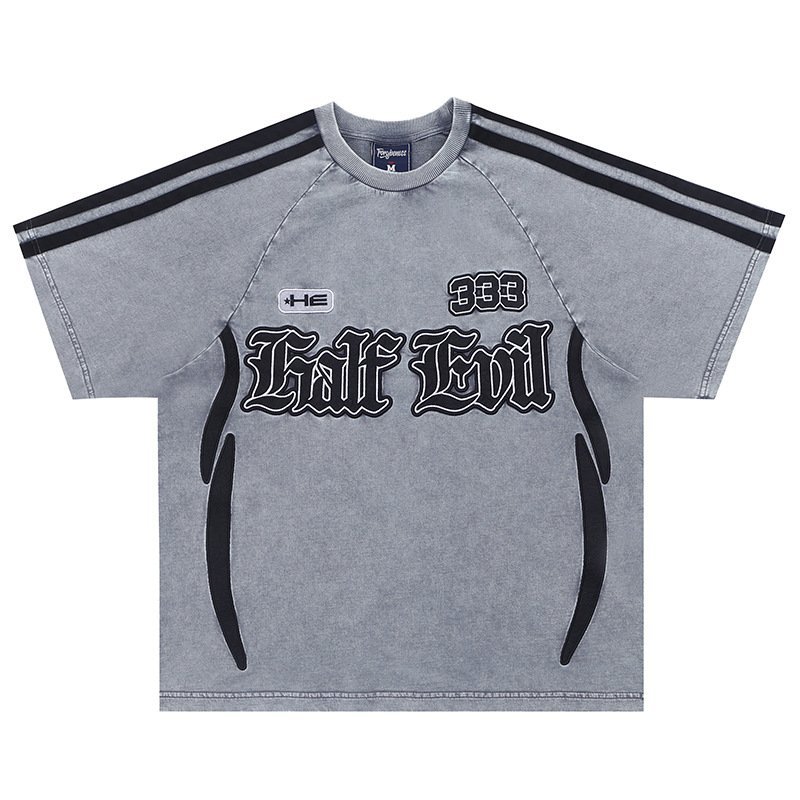
Retail partners and 3PLs routinely impose specific poly-bag gauges, hangtag placement, and barcode formats. Ignoring these triggers re-packing fees of $0.30–$1.00 per unit or outright refusal at the distribution center. Confirm packaging specs in the purchase order.
9. Steps to Launch Your Brand with Wholesale Polo Shirts
Launching a polo shirt line requires moving through eight sequential decisions before cutting a single yard of fabric. Skipping any stage — especially pre-production sample approval — is the most common cause of costly bulk-order errors for streetwear startups sourcing wholesale polo shirts.
Define Your Niche and Set Cost Targets
Drop-shoulder oversized, fitted pique, and open-collar terry represent the three primary streetwear polo silhouettes; select one and align it to your brand aesthetic — hip-hop, skate, or varsity — before any supplier contact.
A 3–5× retail markup is the industry benchmark; at a $60 retail price, cap your landed unit cost at $12–$20 and lock that ceiling before requesting any quotes.
Shortlist Suppliers and Evaluate Samples
3–5 OEM suppliers is the optimal shortlist size; confirm each has documented MOQs under 200 units and verifiable in-line QC records before requesting a sample.
$30–$80 is the typical paid-sample range for a Chinese OEM polo. Evaluate fabric weight (200–240 GSM target), stitching tension, collar shape, and colorfastness against your Pantone swatch.
Confirm Artwork, Approve PPS, and Place Order
300 DPI minimum applies to any bitmap reference for embroidery; vector files with Pantone codes are required for screen-print and heat-transfer artwork. Lock colorways to 3–4 per style to keep per-color MOQ thresholds manageable.
One approved pre-production sample (PPS) is the mandatory gate before bulk cutting begins. Request weekly production-stage photos tracking cutting, sewing, and finishing progress after PPS sign-off.
Plan Packaging and Fulfillment
Packaging specs — poly-bag, rigid box, or branded tissue wrap — must be finalized before bulk production starts, as they directly set carton dimensions and per-unit freight cost. Confirm Incoterms (FOB vs. DDP) and 3PL or direct-to-consumer routing at the same stage.
SKU barcodes and OEKO-TEX-compliant care labels added to the tech pack before production allow the factory to apply them inline, eliminating costly post-pack rework.
10. Wholesale Polo Shirts Pricing, MOQs, and Lead Times
160–220 GSM piqué is the fabric grade range that most directly separates value-tier from premium wholesale polo shirts — ring-spun cotton at 220 GSM costs roughly 25–40% more per unit than an open-end cotton version at the same quantity. Decoration complexity and manufacturing origin are the two other primary cost levers buyers should model before placing an order.
50 units per colorway is the typical MOQ floor at established OEM factories in Dongguan, with meaningful price breaks kicking in at 100, 300, and 500 units. Pre-production samples generally run $60–$120 each and are credited toward bulk orders above 300 units at most suppliers.
Embroidery stitch count, screen color count, and fabric substrate each add to base price in predictable increments — a chest embroidery plus sleeve screen print combination stacks $1.50–$4.00 onto the per-unit cost. Build both the decoration add-on and a quality-control margin into your landed cost model before finalizing MOQ and retail pricing.
- Embroidery: $1.00–$2.50/unit for under 10,000 stitches; +$0.50 per additional 5,000 stitches
- Screen print: $0.50–$1.50/unit per color; screen setup $25–$60 each
- All-over sublimation: $1.80–$3.50/unit; requires 100% polyester substrate
- DTF / heat transfer: $0.80–$2.00/unit; no screen or stitch minimums
| Quantity Tier | Est. Unit Price (USD) | Lead Time | Sample Cost |
|---|---|---|---|
| 50 units | $8.50–$12.00 | 20–25 days | $80–$120 |
| 100 units | $6.50–$9.00 | 18–22 days | $80–$120 |
| 300 units | $5.00–$7.50 | 15–20 days | $60–$100 (often credited) |
| 500 units | $4.00–$6.00 | 14–18 days | $60–$100 (often credited) |
| 1,000+ units | $3.00–$5.00 | 12–16 days | Often waived |
Launch Your Wholesale Polo Shirts Collection Today
Low 50-piece MOQ, 5-step QC guarantee, fast turnaround, and full OEM support built for brands that mean business.