
Pique Polo Shirt Manufacturer — Low MOQ, 5-Step QC Guarantee
As your dedicated pique polo shirt manufacturer, we deliver 7-day samples, a 50-unit MOQ, and a proprietary 5-step quality guarantee built for streetwear brands worldwide.
Our Pique Polo Collection
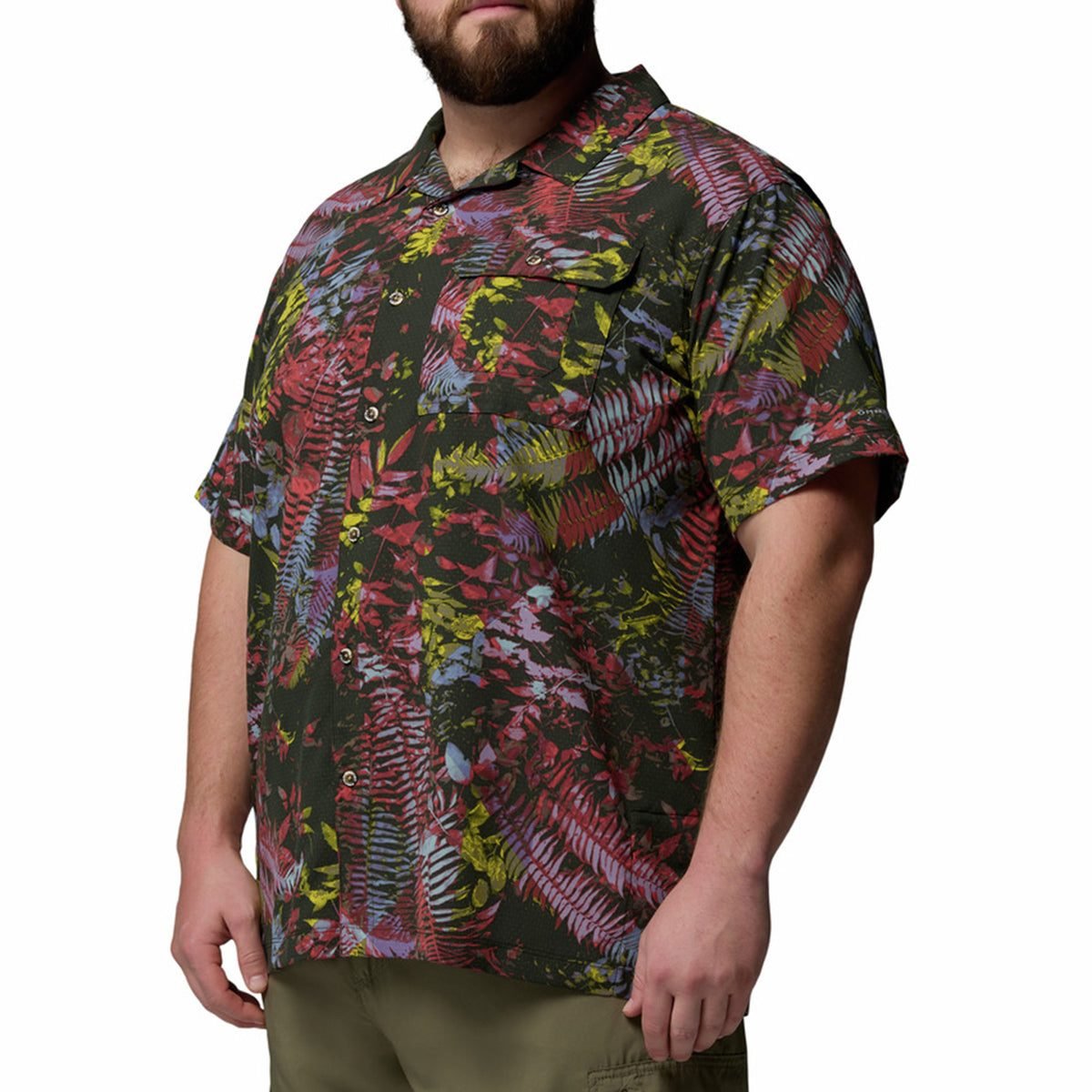
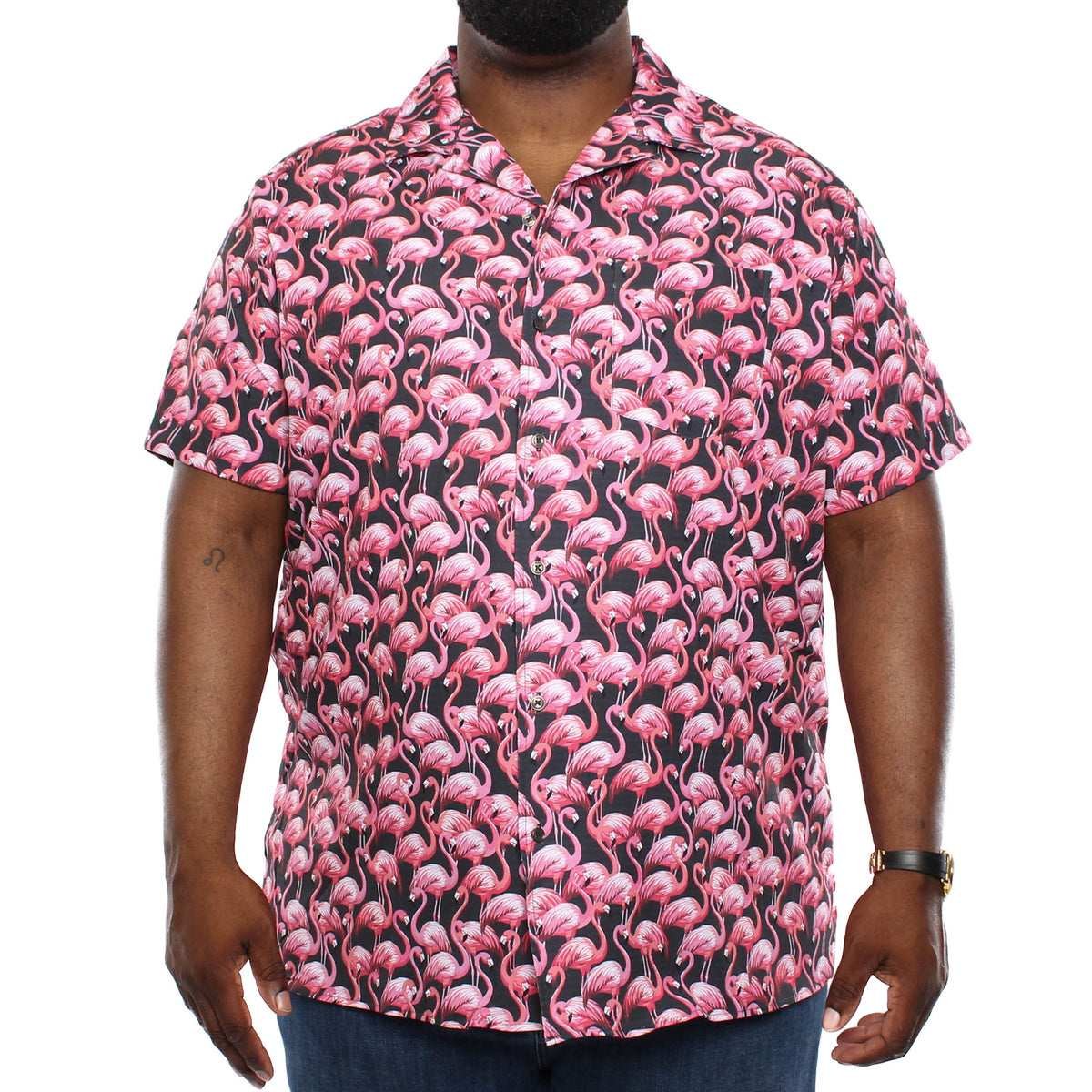
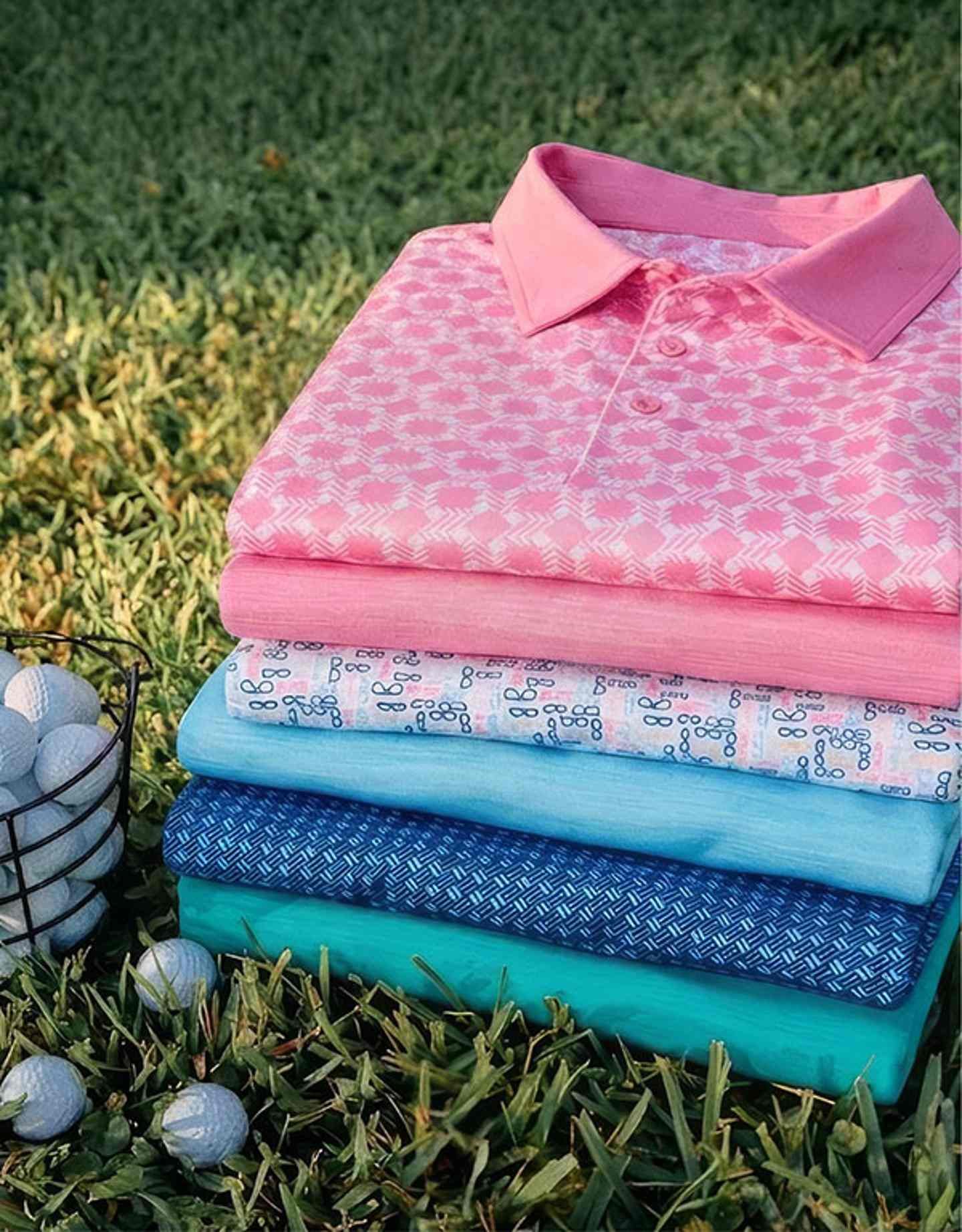
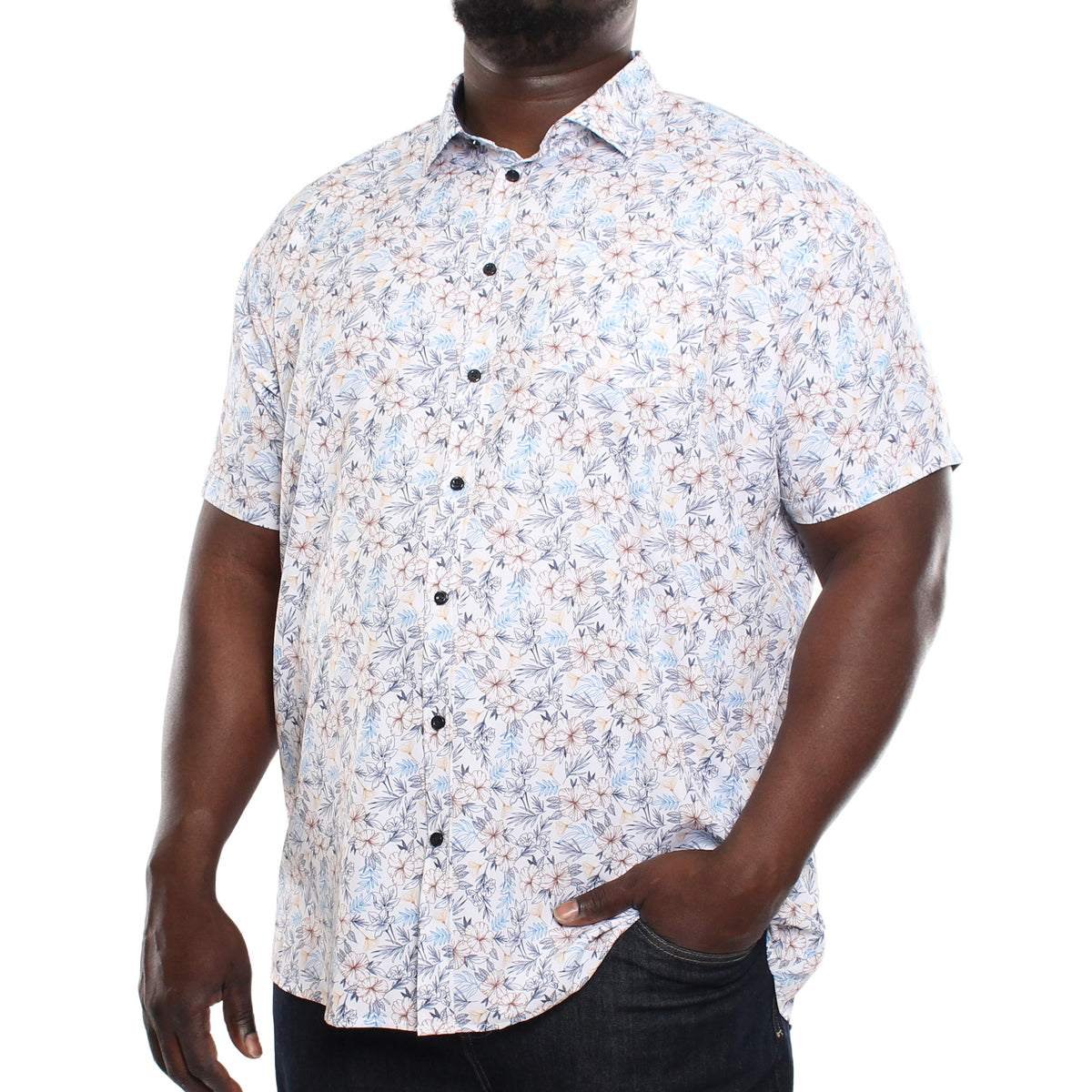
Why Brands Choose Our Pique Polo Shirt Manufacturer
From low MOQ to a 5-step QC guarantee, every advantage is engineered to help streetwear brands and startups launch with total confidence.
Zero-Defect 5-Step QC Guarantee
Our proprietary five-step quality control process catches defects at every stage, from raw materials through finished garment inspection.
Low 50-Unit Minimum Order
Launch your first pique polo line with as few as 50 units, perfect for startups and independent designers testing new styles.
7-Day Sample Turnaround
Receive production-ready pique polo samples within 7 days, keeping your seasonal launch calendars firmly on track.
In-House Design & Sampling Team
Our 15-member R&D team collaborates on pattern development, colorways, and custom branding from initial concept through final approval.
Deep Streetwear Design Expertise
Over 6 years of specialized streetwear experience spanning bold graphics, signature motifs, and trend-driven pique polo silhouettes.
Global Shipping & Logistics Support
End-to-end logistics management delivers your finished pique polo shirts to customers across more than 100 countries worldwide.
Pique Polo Shirt Manufacturer for Every Style & Fit
From timeless silhouettes to bold streetwear drops, every style is produced with premium pique fabric and protected by our 5-step QC guarantee at every stage of production.
Classic Fit Polo Perfected
Retailers and brand owners need a timeless, clean-cut polo that appeals to broad audiences without sacrificing premium feel or precise sizing consistency across large production runs.
Our classic fit pique polo delivers structured shoulders, a tailored chest, and consistent sizing across every batch, backed by our 5-step QC guarantee for retail-ready quality at scale.
Oversized Streetwear Polo Drop
Streetwear and trendy brands want an oversized silhouette that feels intentional and fashion-forward, not just a bigger shirt — and they need small-batch sampling before committing to a full run.
We engineer drop shoulders, relaxed hems, and boxy cuts that read as intentional streetwear design, with low MOQ options so emerging labels can test the market before scaling up production.
Custom Embroidered Logo Polo
Influencer brands and creator labels need rich embroidery that elevates perceived value — but poor registration, thread pull, and puckering from overseas factories consistently destroy the premium look they paid for.
Our in-house embroidery team delivers tight registration, zero puckering, and thread-matched colorways across every unit, so your logo lands with the premium presence your brand commands.
Custom-Dyed Exclusive Colorways
Independent designers and fashion startups need exclusive, on-trend colorways to differentiate their collections, but achieving consistent dye lots across multiple production runs is notoriously difficult.
We source premium pique fabric and execute custom dyeing with precise Pantone matching and dye-lot consistency checks, giving your seasonal drops the exclusive palette your audience won't find anywhere else.
Bold Streetwear Print Polo
Brands inspired by hip-hop, graffiti, and street art culture need bold all-over or placement prints that hold up after washing — cheap screen printing cracks and fades after just a few cycles.
We apply high-durability print techniques on premium pique and stress-test wash-fastness through our QC process, so your bold graphics stay sharp and on-brand throughout the garment's full lifecycle.
High-Performance Pique Polo
Global apparel retailers sourcing activewear-adjacent styles need performance pique that wicks moisture and moves freely — but most factories sacrifice technical fabric quality for lower unit costs.
We manufacture performance pique polos using moisture-wicking, stretch-integrated fabrications with fast turnaround for seasonal collections, so your buyers get technical-feel style without any compromise on craftsmanship.
Premium Pique Fabrics From Your Pique Polo Shirt Manufacturer
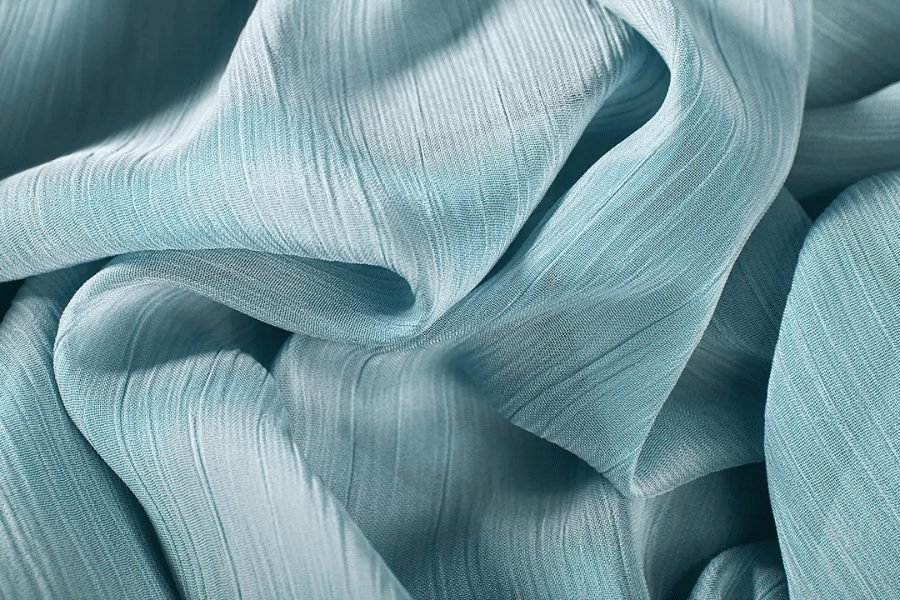
100% Cotton Pique
The timeless foundation of any polo program — soft, breathable, and naturally moisture-absorbent. Ideal for lifestyle and streetwear styles, this construction delivers classic raised texture and clean structure at 220–240 gsm.
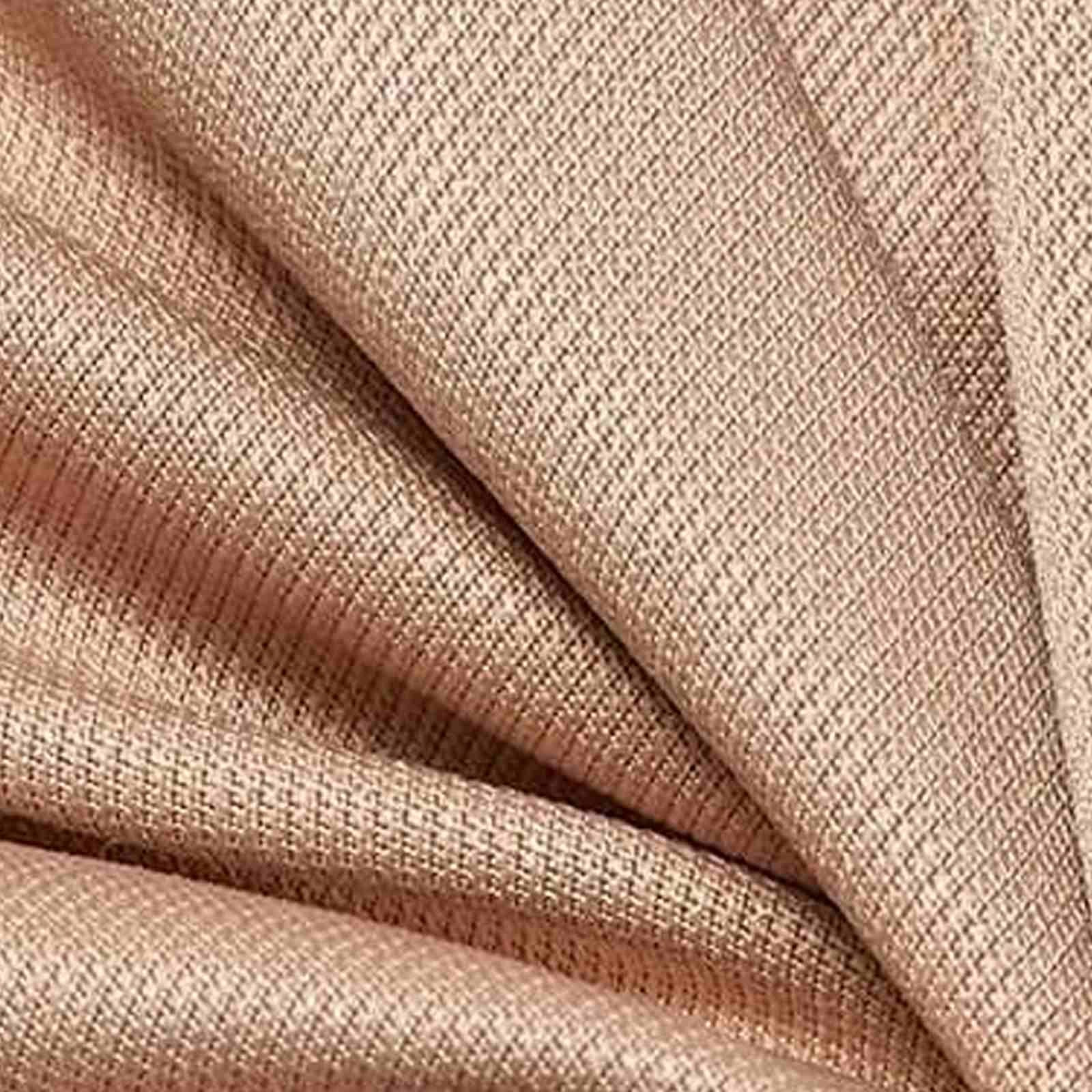
Poly-Cotton Pique
A 65/35 poly-cotton blend marrying cotton’s comfort with polyester’s wrinkle resistance and shape retention. Perfect for brand merchandise and everyday wear lines demanding consistent fit and color vibrancy wash after wash.
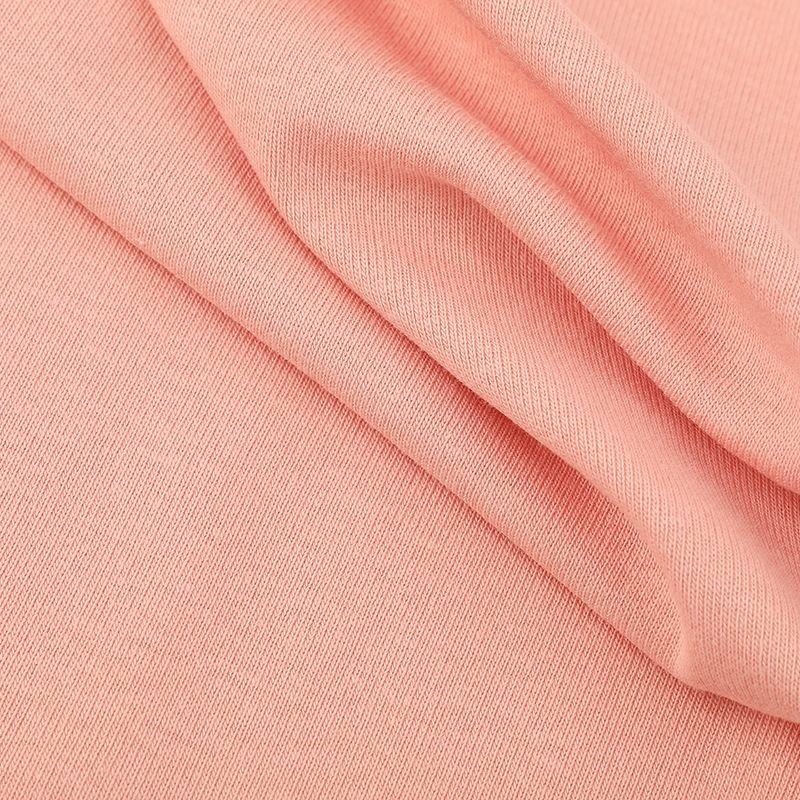
Heavyweight Cotton Pique
A substantial 260–280 gsm construction delivering a bold, structured hand-feel built for elevated streetwear polo styles. The added weight creates a premium drape and long-wearing durability suited to high-ticket brand offerings.
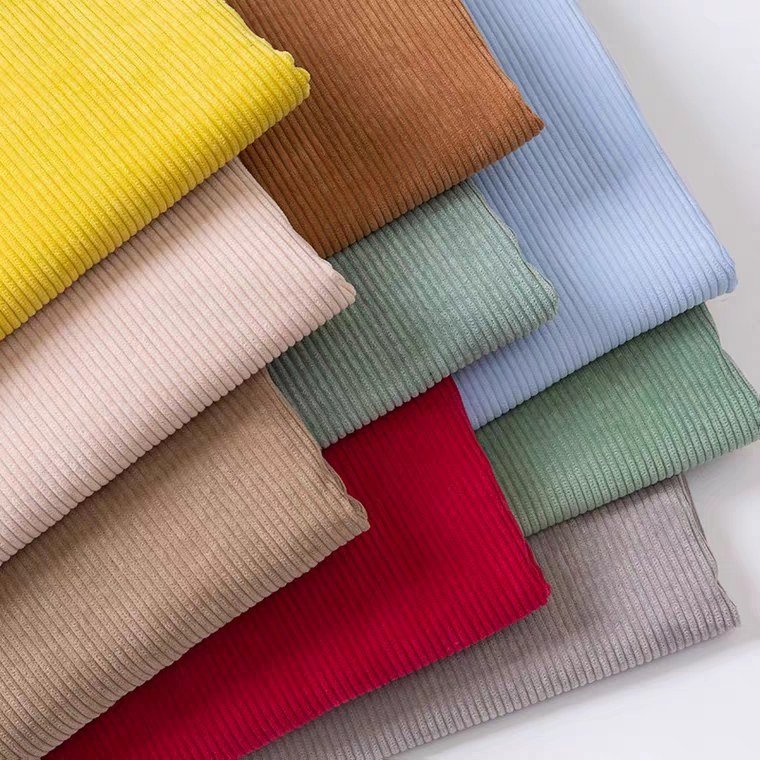
Fine-Weave Pique
A tightly knit, smooth-surfaced pique at 180–200 gsm offering a silky hand-feel and refined luxury appearance. The go-to choice for designer and fashion-forward polo lines where sharp embroidery registration and print clarity are critical.
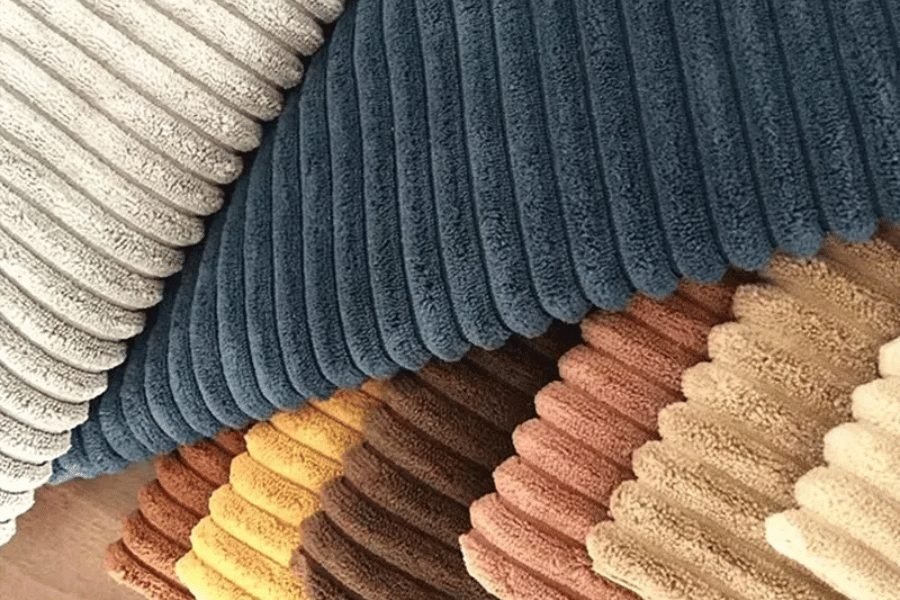
Performance Pique
An engineered poly-spandex pique with four-way stretch and moisture-wicking properties for athletic-streetwear crossover styles. Delivers unrestricted movement and fast-dry comfort, making it a natural fit for influencer activewear and sports-inspired collections.
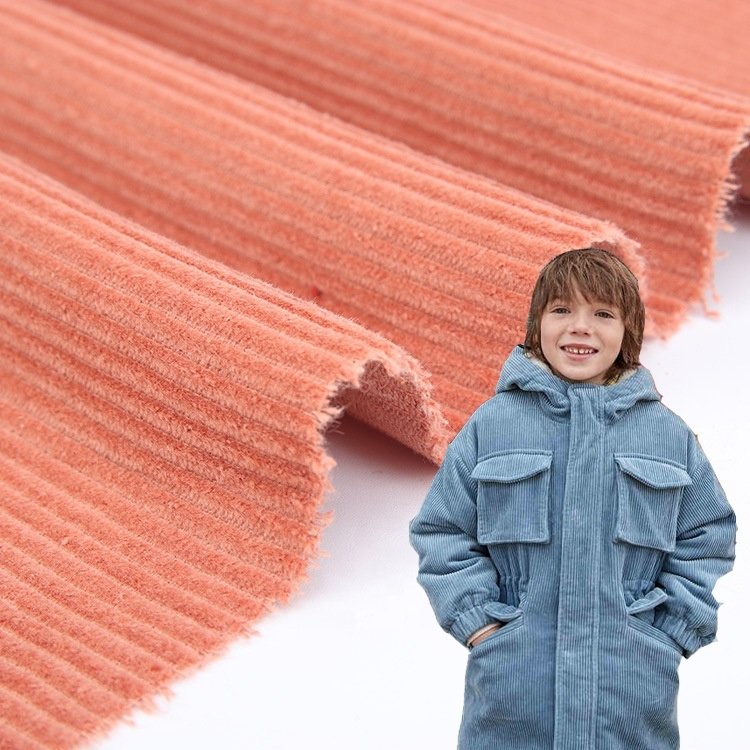
Organic Cotton Pique
GOTS-certifiable organic cotton pique at 220 gsm — sustainably sourced, chemical-free, and ultra-soft against the skin. Ideal for eco-conscious brands and creator lines with a compelling sustainability story to share with their audience.
Production Processes & Techniques from a Leading Pique Polo Shirt Manufacturer
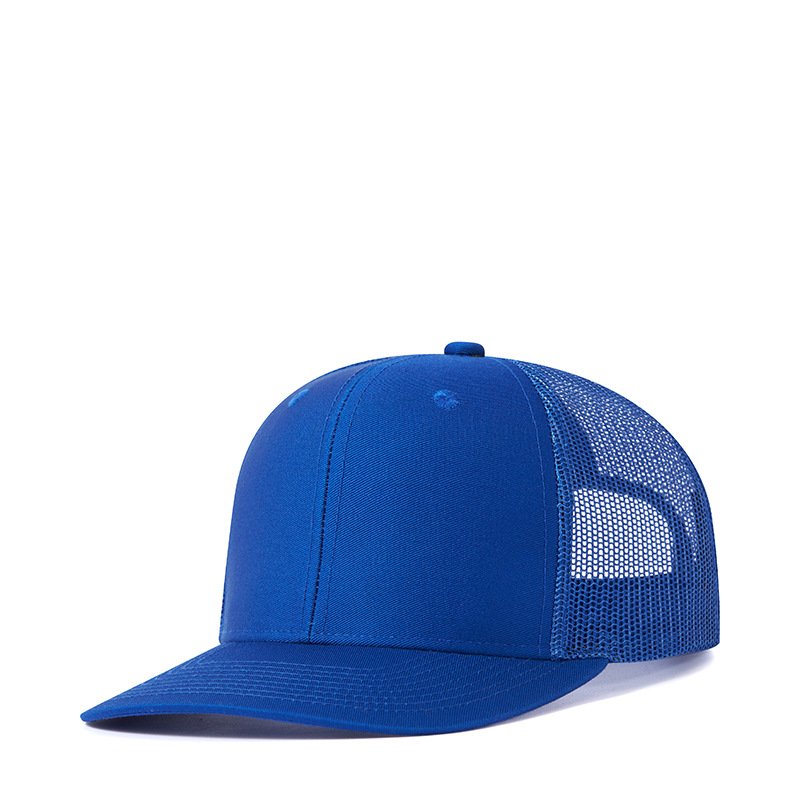
Precision Fabric Cutting
Computer-guided cutting systems shape every pique panel to exact tolerances, eliminating fabric waste and guaranteeing a consistent fit across all units — from a 50-piece startup run to a full retail order.
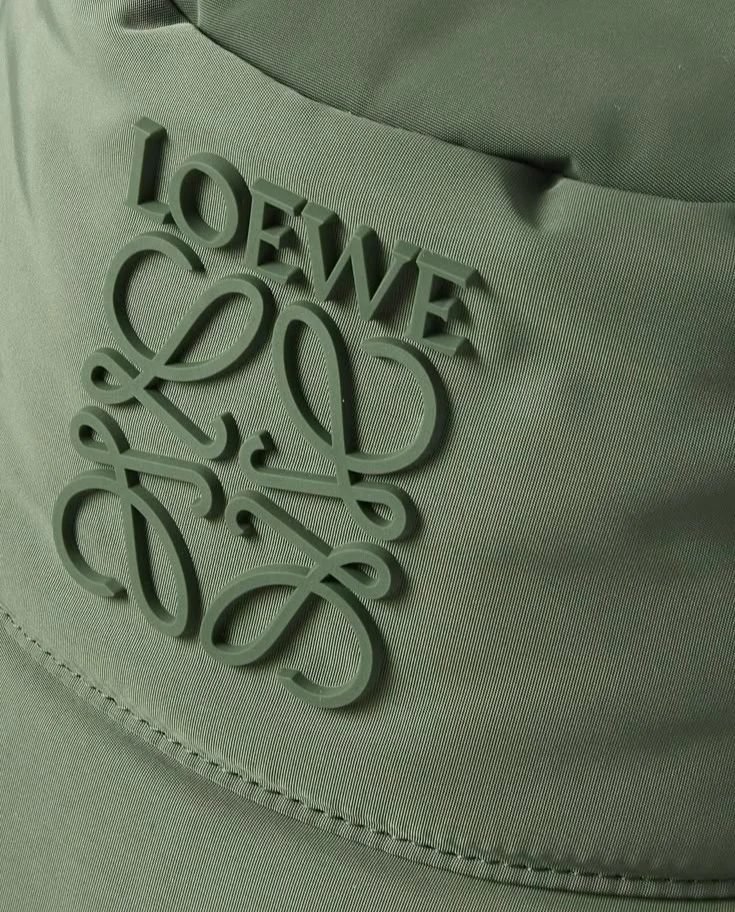
Screen Printing
High-opacity plastisol and water-based inks are pressed through precision mesh screens, delivering sharp, vibrant graphics on pique surfaces with wash-fast durability engineered to withstand 50-plus laundry cycles.
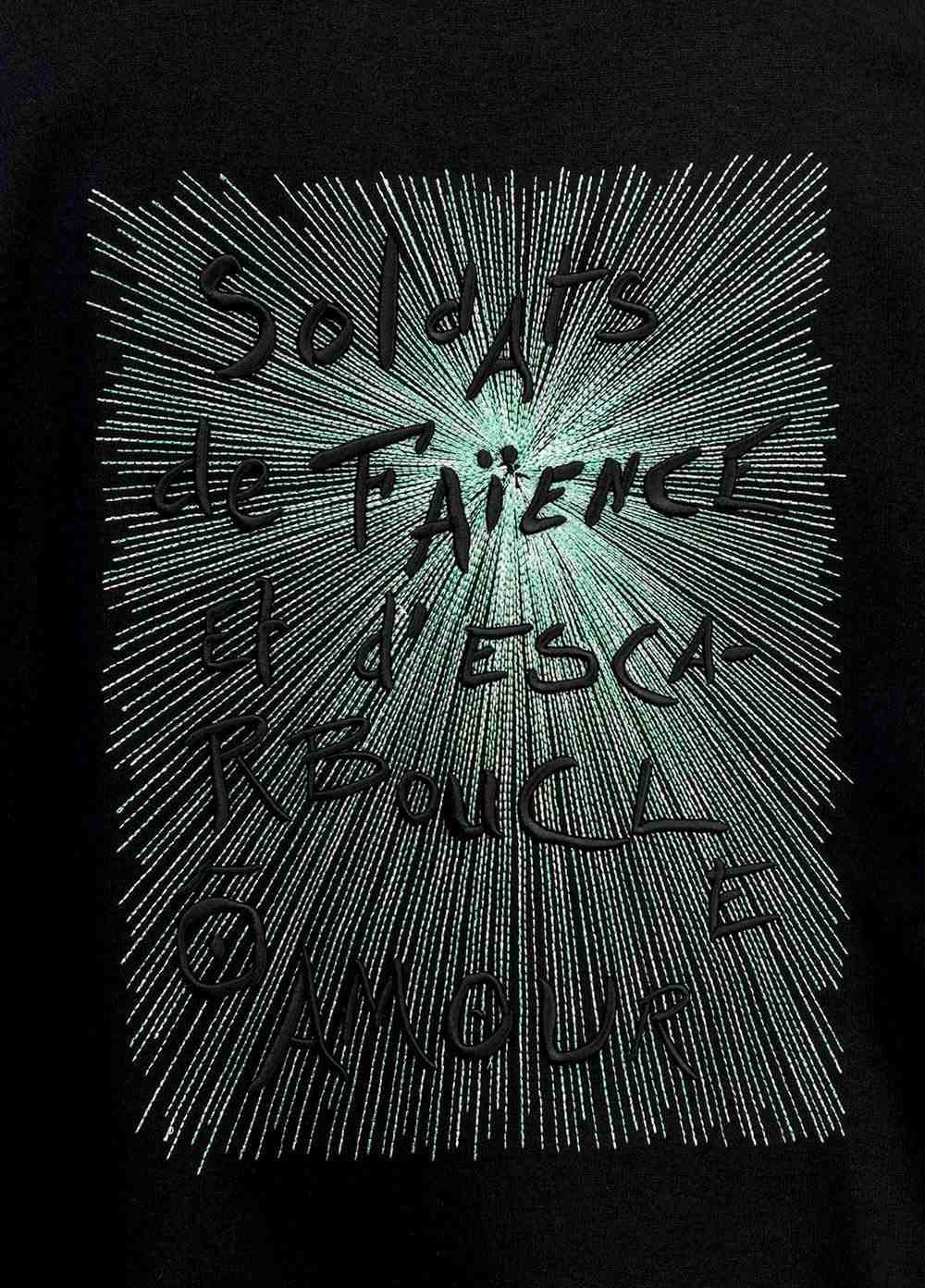
Expert Embroidery
Multi-head embroidery machines render brand logos and streetwear motifs — skulls, roses, cross elements, and more — in dense raised thread on pique polo chests and collars with sharp line detail and true color fidelity.
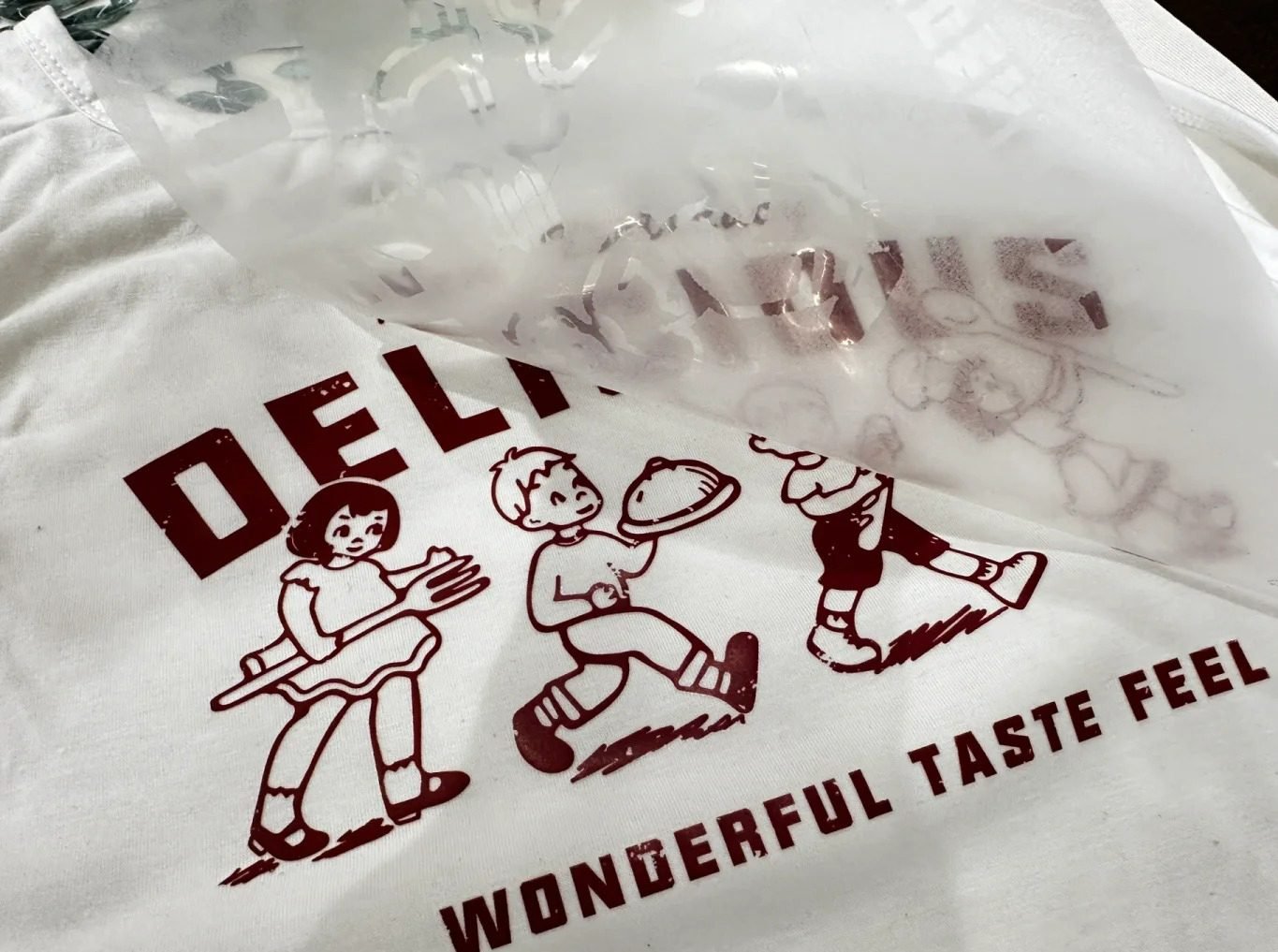
Sublimation Printing
Dye-sublimation bonds full-spectrum artwork directly into pique polyester yarns, producing seamless all-over patterns with photographic clarity that will never crack, peel, or fade after repeated washing.
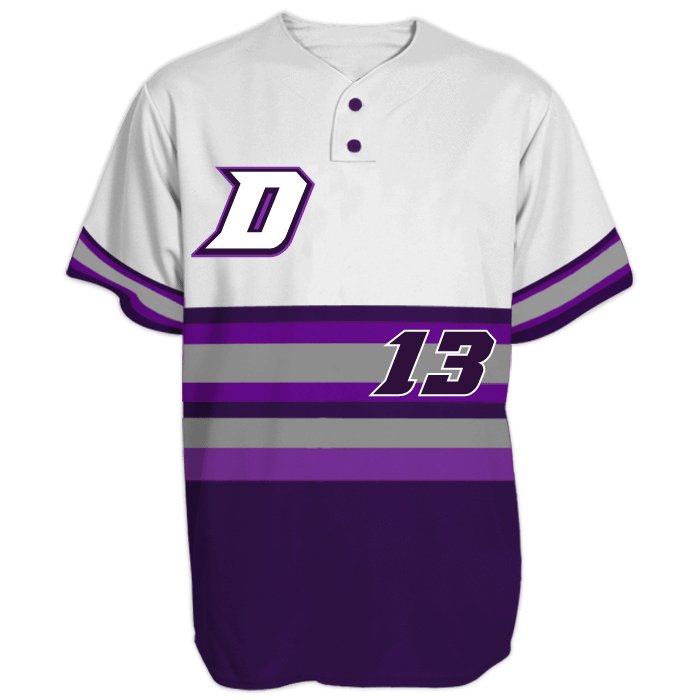
Custom Garment Dyeing
Reactive and vat dyeing saturates pique cotton yarns before knitting, achieving consistent Pantone-accurate color matching across entire production runs with zero tonal variation between batches.
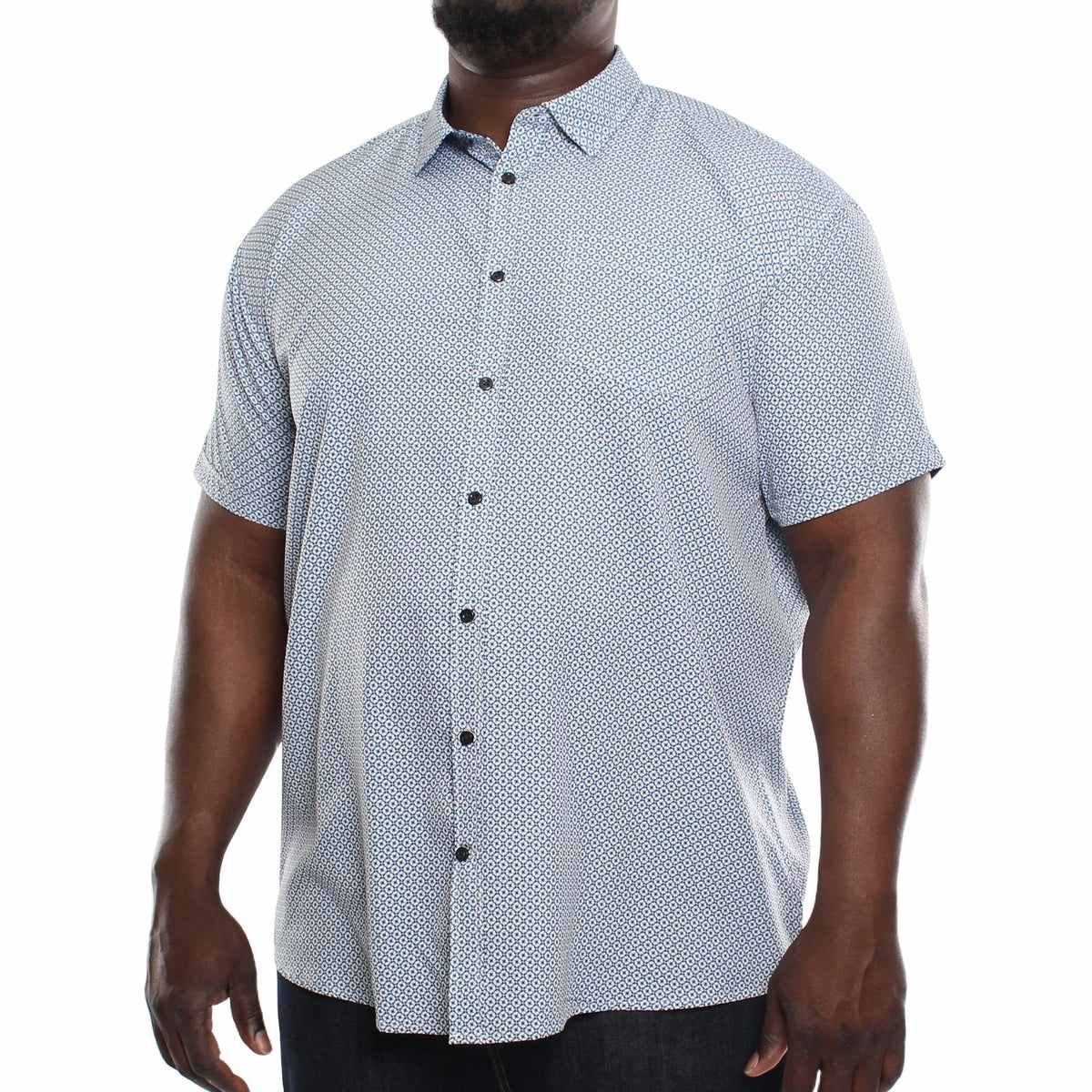
Retail-Grade Finishing
Steam pressing, tension boarding, and lint removal give every polo a retail-ready profile, while our final 5-step QC inspection confirms construction integrity before packaging and global shipment.
Complete Customization From Your Pique Polo Shirt Manufacturer
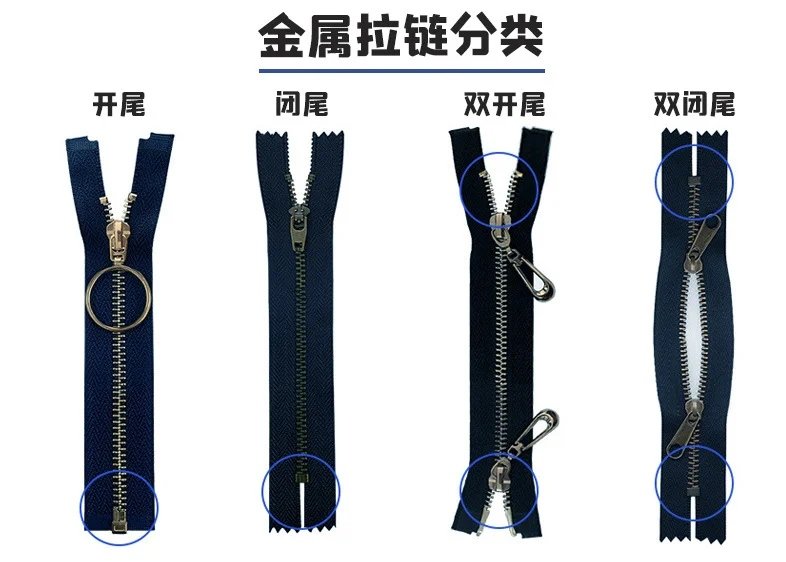
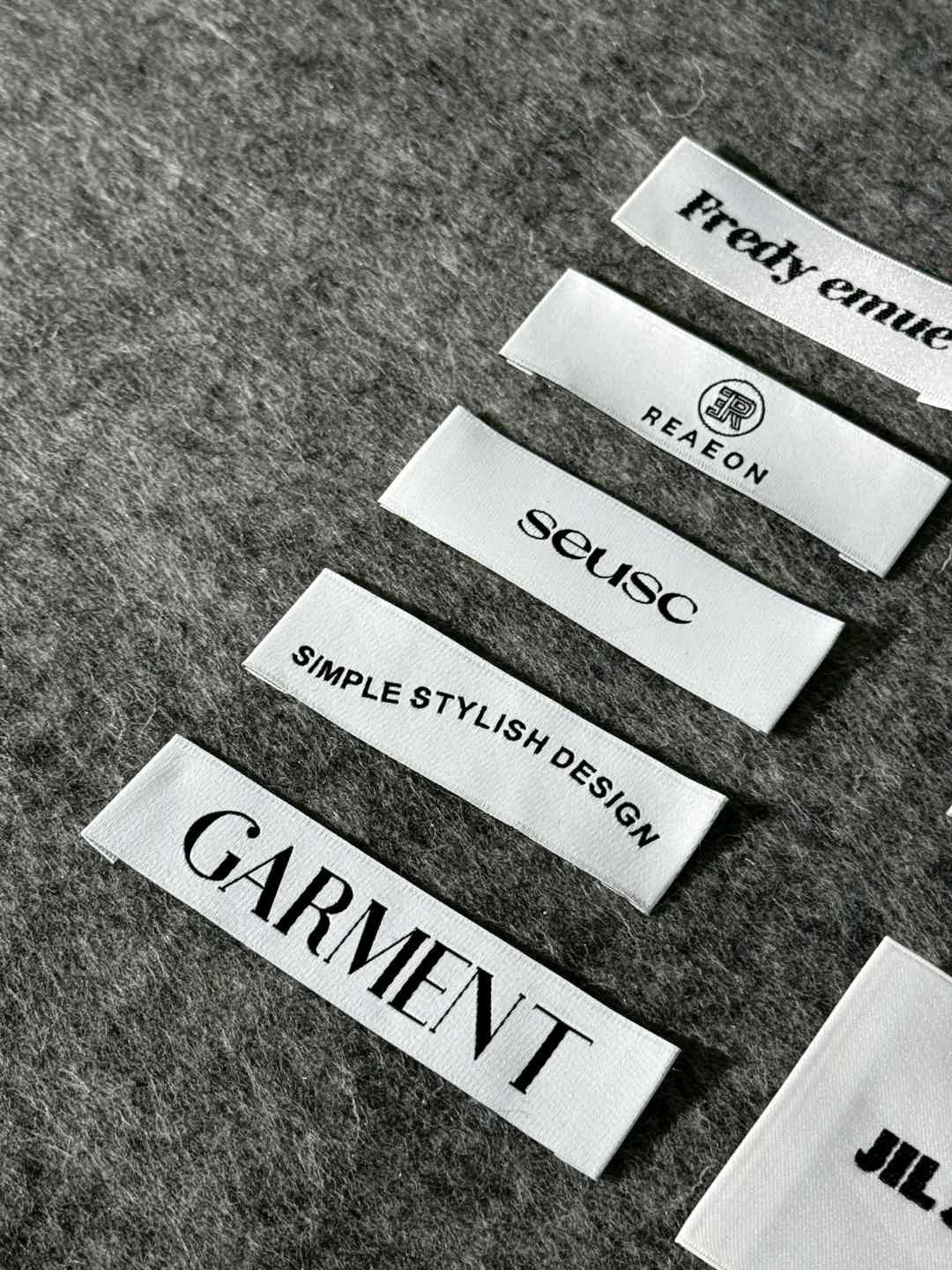
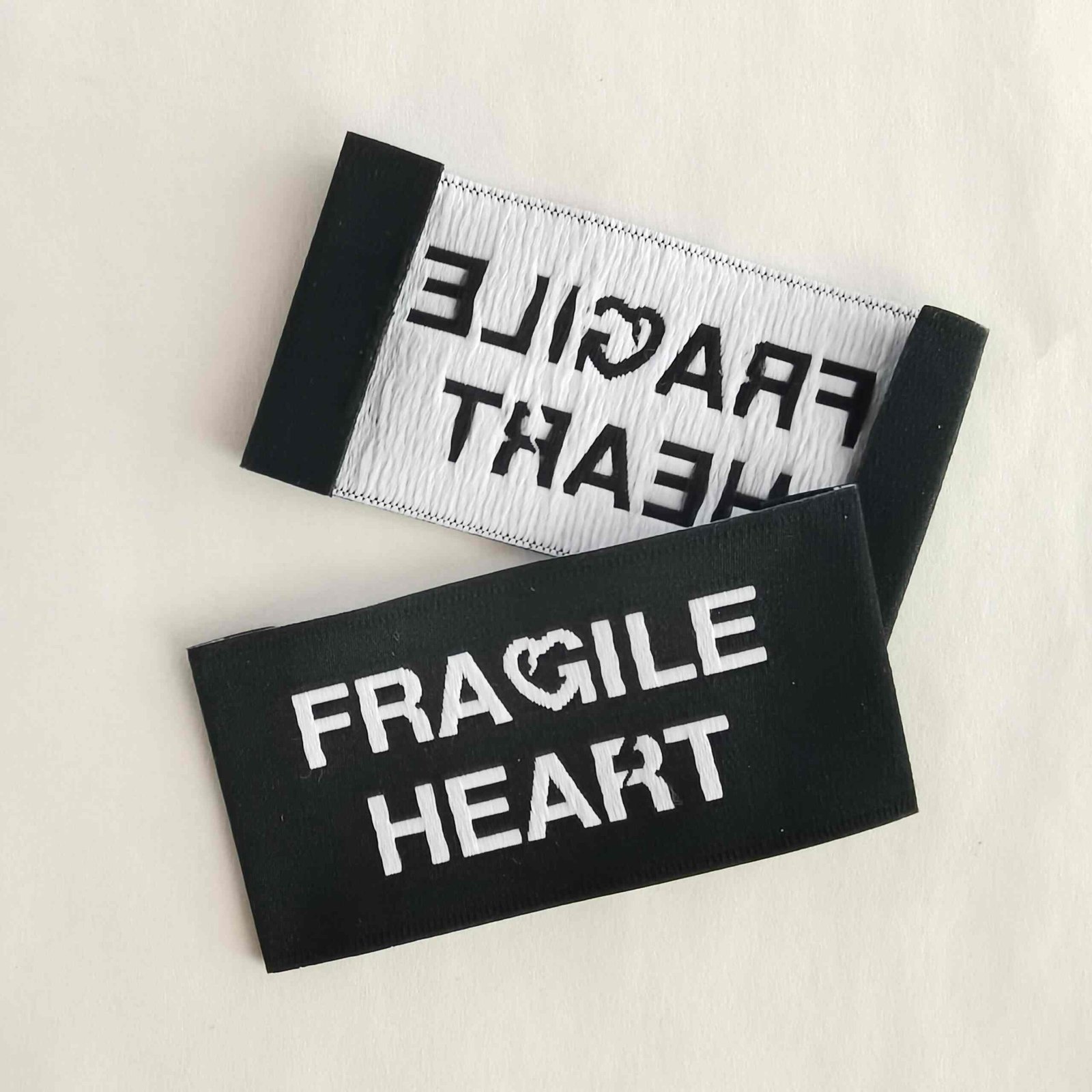
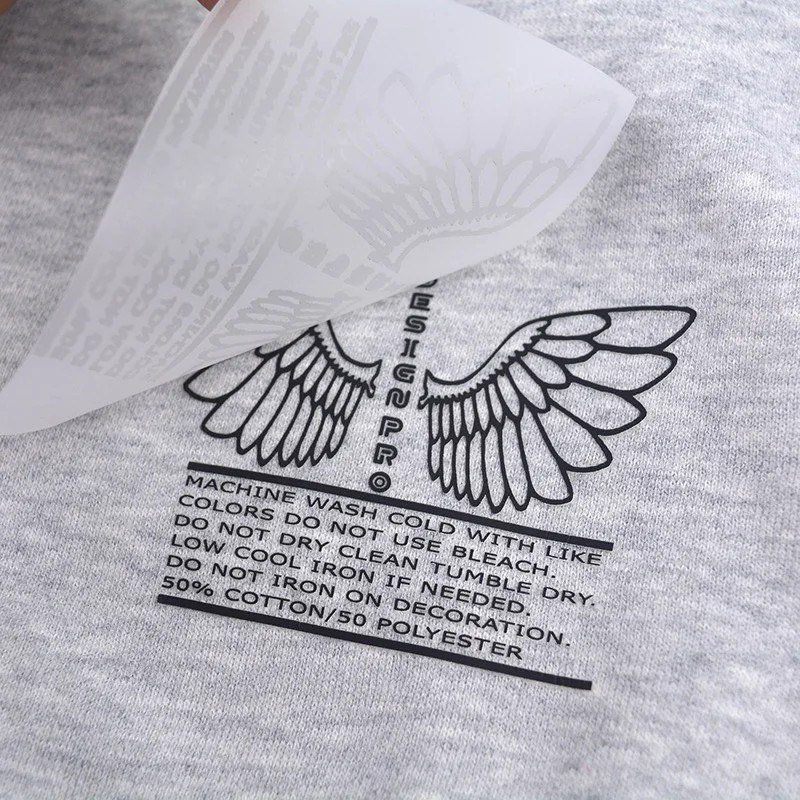
Woven Brand Labels
Custom woven neck and hem labels bearing your logo, sizing, and care instructions, stitched into every pique polo to reinforce brand identity and communicate craftsmanship from the very first touch.
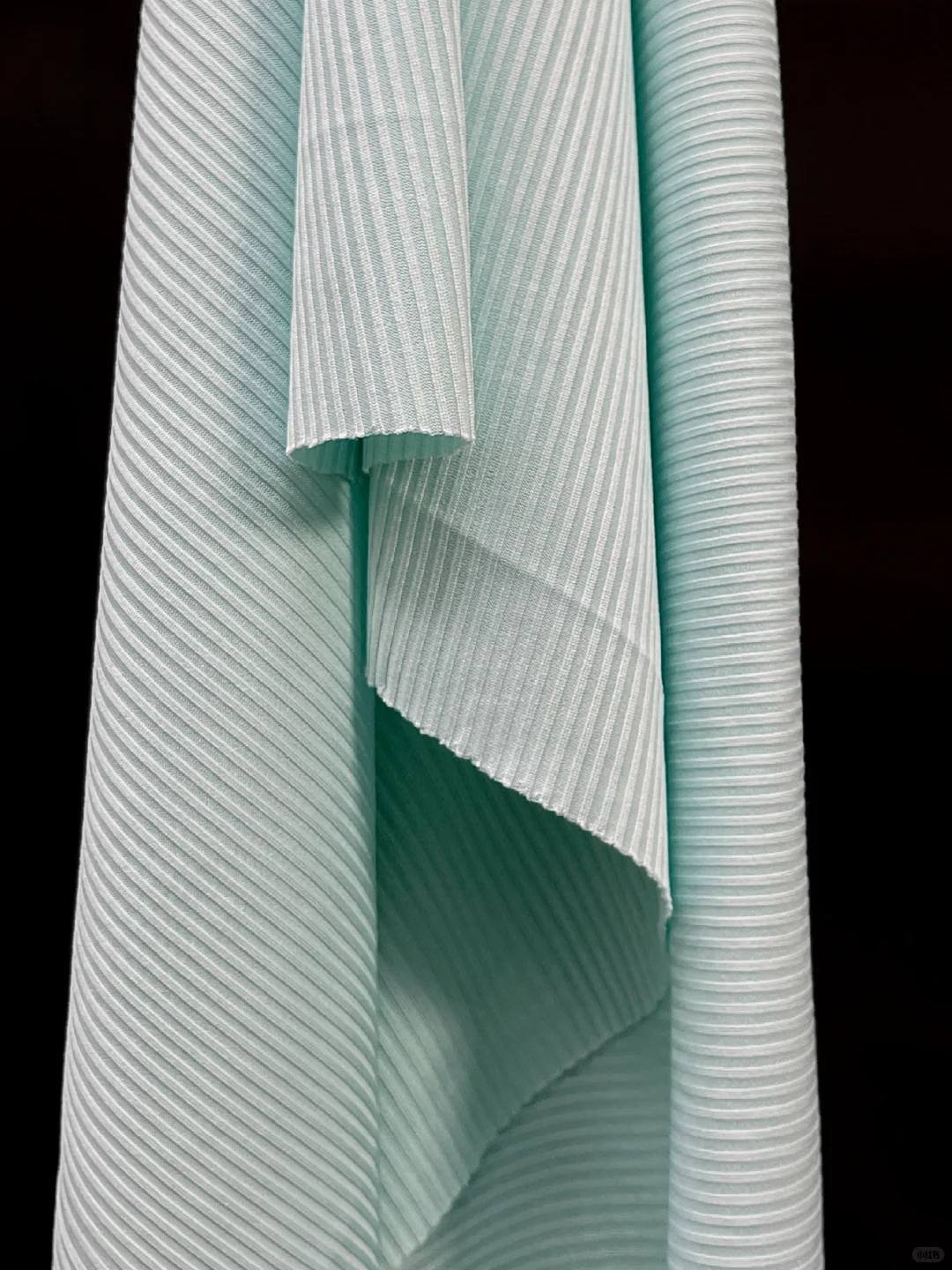
Sleeve Rib Cuffs
Precisely engineered ribbed cuffs for polo sleeves, available in contrast or tonal colorways, delivering a clean finish, consistent fit, and a streetwear-ready detail that instantly elevates your collection.
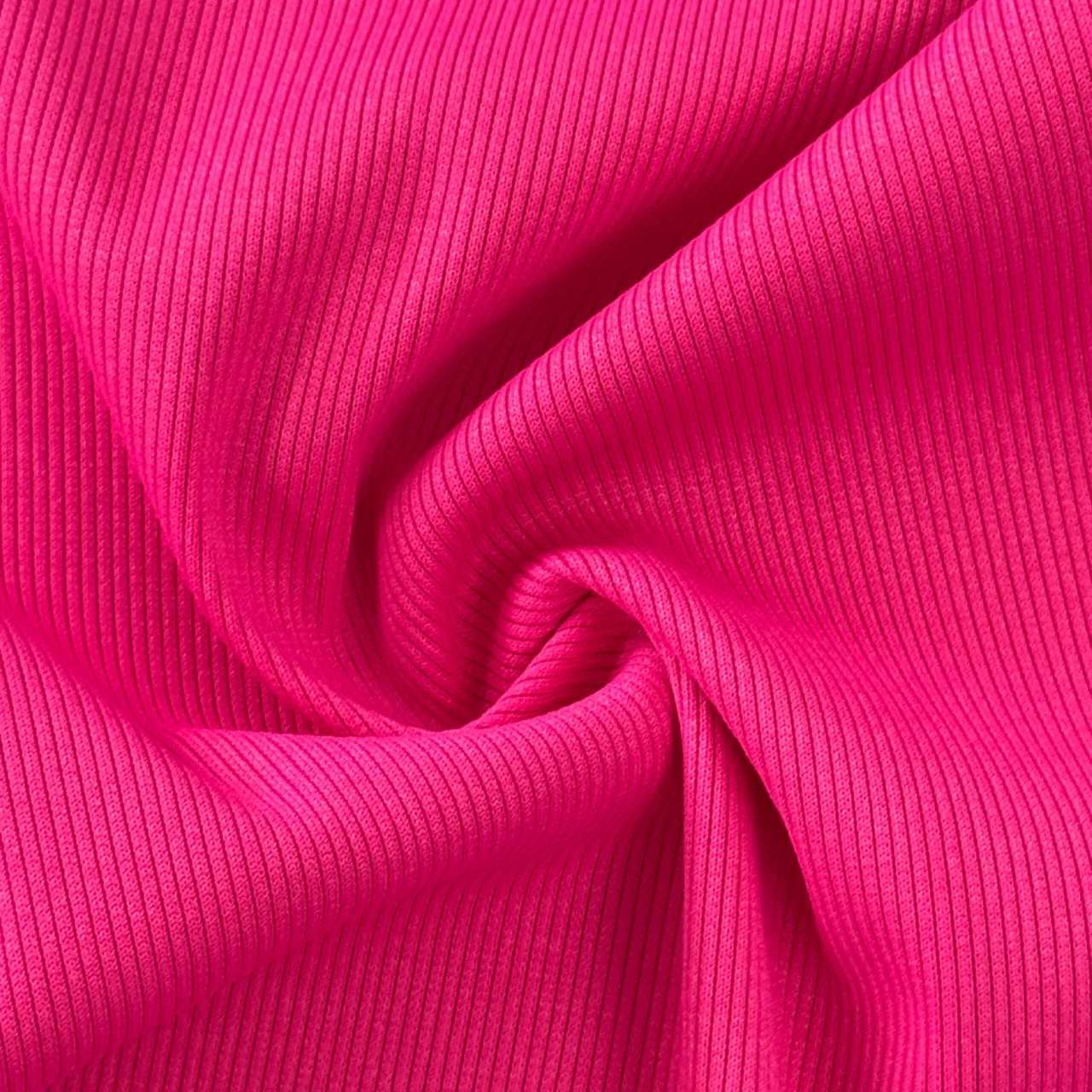
Collar Interlining
Hidden internal interlining that keeps pique polo collars crisp, structured, and lying flat wear after wear, protecting your brand’s signature silhouette through repeated washing and heavy daily use.
Custom Hangtags
Full-color printed or kraft hangtags featuring your logo, brand story, or QR codes, attached to every finished polo to create a retail-ready presentation that impresses buyers and end consumers alike.
Branded Packaging
Custom poly bags, tissue wrapping, and box packaging designed to your label’s aesthetic, delivering a premium unboxing experience that strengthens your streetwear identity across both retail and direct-to-consumer channels.
About Our Pique Polo Shirt Manufacturer
Clothing Manufacturer Ltd was founded in 2024 by Tesla Luo, a garment industry veteran with over 10 years of production experience and 6 years specializing in streetwear. Raised in a family of apparel professionals and personally trained across every production role — sewing, cutting, QC, packing, and shipping — Luo launched this company with one mission: to eliminate low-quality clothing by embedding rigorous quality control at every stage of manufacturing.
As a trusted pique polo shirt manufacturer, we serve brands across more than 100 countries, from fashion startups and independent designers to global apparel retailers and influencer lines. Backed by parent company Dongguan TuoZhen Clothing Co., Ltd., our 15-member R&D team, 10 proprietary patents, and low MOQ policies make premium, scalable production accessible to brands at every stage of growth.
What sets us apart is our proprietary 5-step QC methodology — spanning materials sourcing, cutting, craft execution, sewing production, and finished-goods inspection — ensuring defects are caught early, not discovered after shipping. Pair that with 7-day sample turnaround, in-house design and sampling, and full global logistics support, and you have a manufacturing partner built to help streetwear and trendy brands grow with confidence.
Our Pique Polo Shirt Manufacturer Capabilities
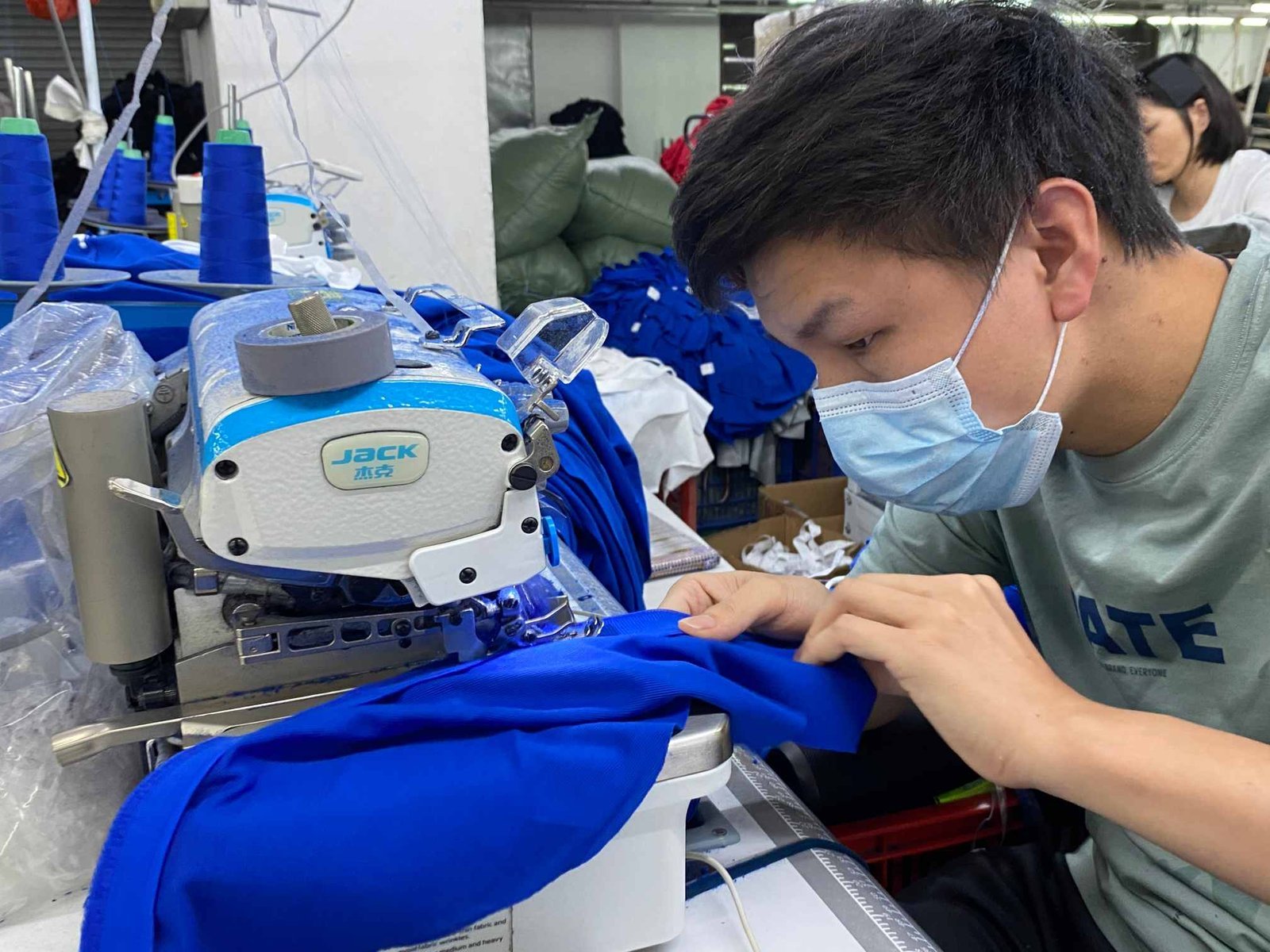
5-Step QC Built Into Every Production Run
Unlike manufacturers who inspect only at the end, our five-step quality control process embeds testing at every stage — from raw materials through cutting, crafting, sewing, and finished goods — so defects are caught early and every pique polo ships perfect.
- Materials QC: fabric weight, pique texture, and color-fastness verified before cutting begins
- Cutting and Craft QC: panels and construction techniques inspected mid-production
- Sewing Production QC: stitch density, seam strength, and alignment checked on the line
- Finished Goods Inspection: every polo re-examined before packing for shipment
Rapid Prototyping With 7-Day Sample Turnaround
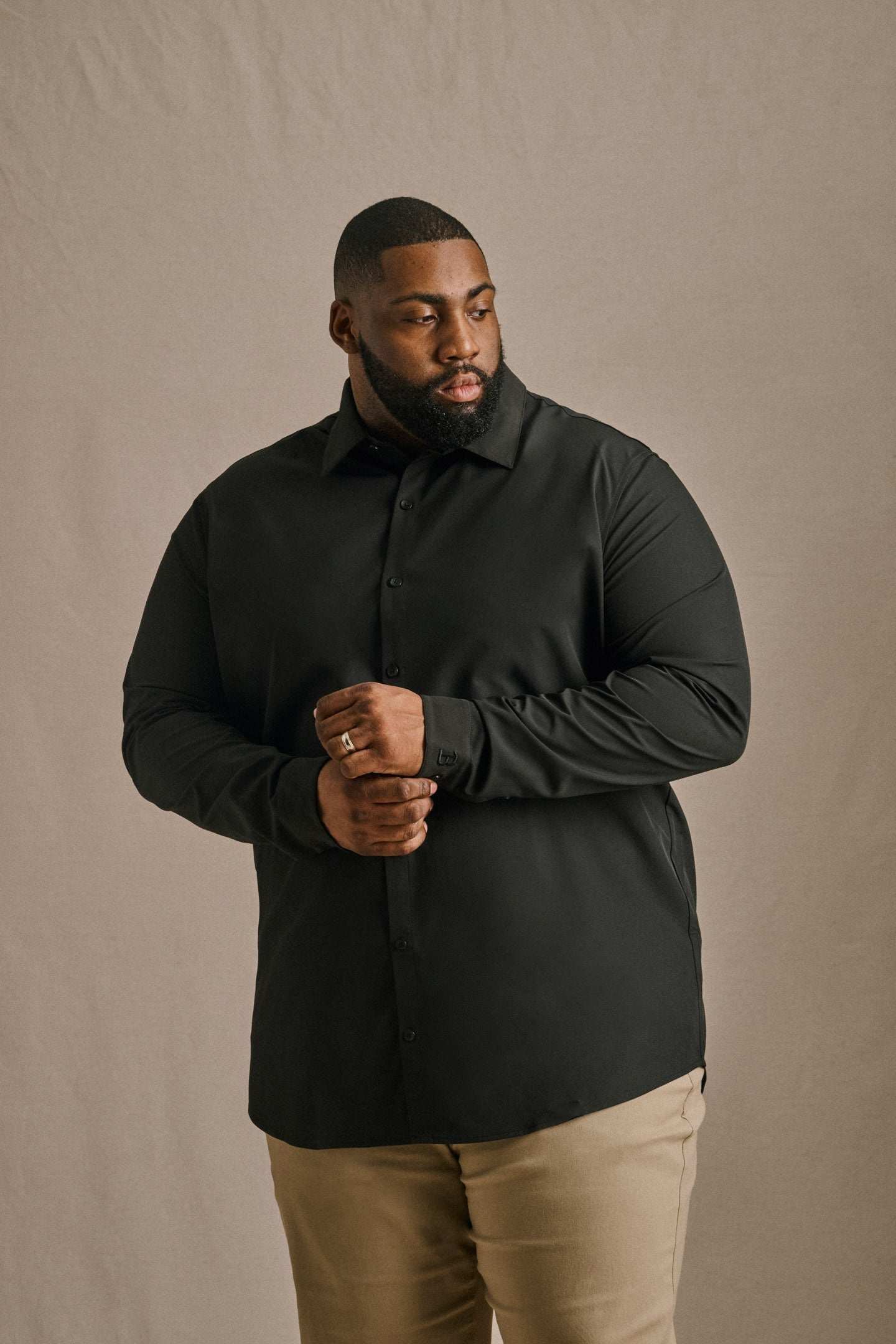
Speed matters when trends move fast. Our in-house sampling team delivers physical pique polo shirt samples within 7 days, letting you approve fabrics, fit, and colorways before full production begins — ideal for seasonal drops and influencer brand launches.
- Physical samples delivered in as few as 7 business days
- Dedicated sampling team handles pique knit construction and custom trims
- Revisions incorporated quickly so you hit your launch window on time
- Low MOQ on sampling runs — perfect for startups testing new colorways
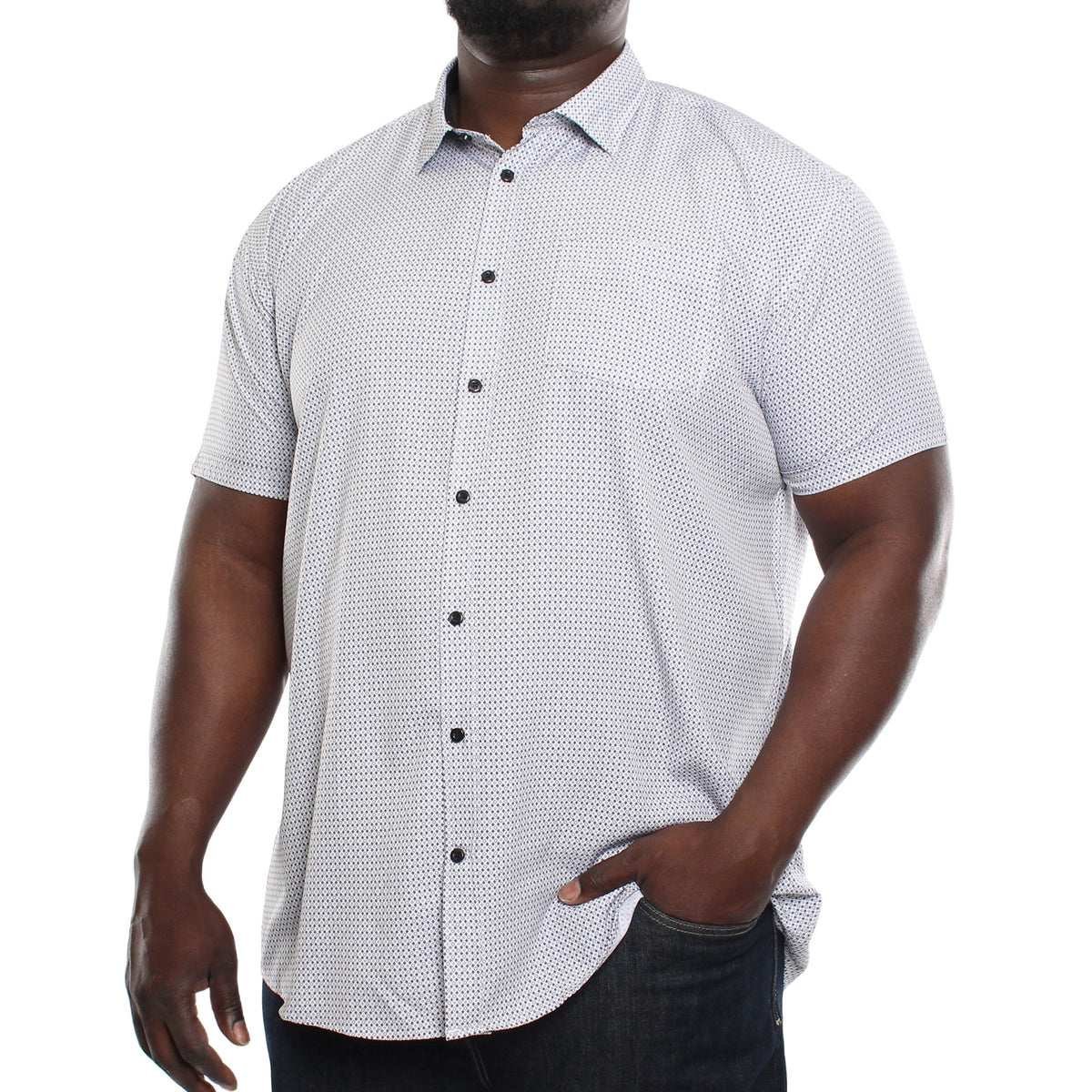
15-Person R&D Team Fluent in Streetwear
Our 15-member R&D team lives and breathes streetwear culture — from skeleton and graffiti motifs to bold colorblocking and tonal textures. Whether you bring finished artwork or a mood board, we translate it into production-ready designs backed by 10 registered patents.
- 15 in-house designers and technicians specializing in streetwear aesthetics
- Full pattern development, grading, and tech-pack creation included
- 10 proprietary process patents ensuring unique construction techniques
- Fluent in hip-hop, skate, graffiti, and contemporary street fashion trends
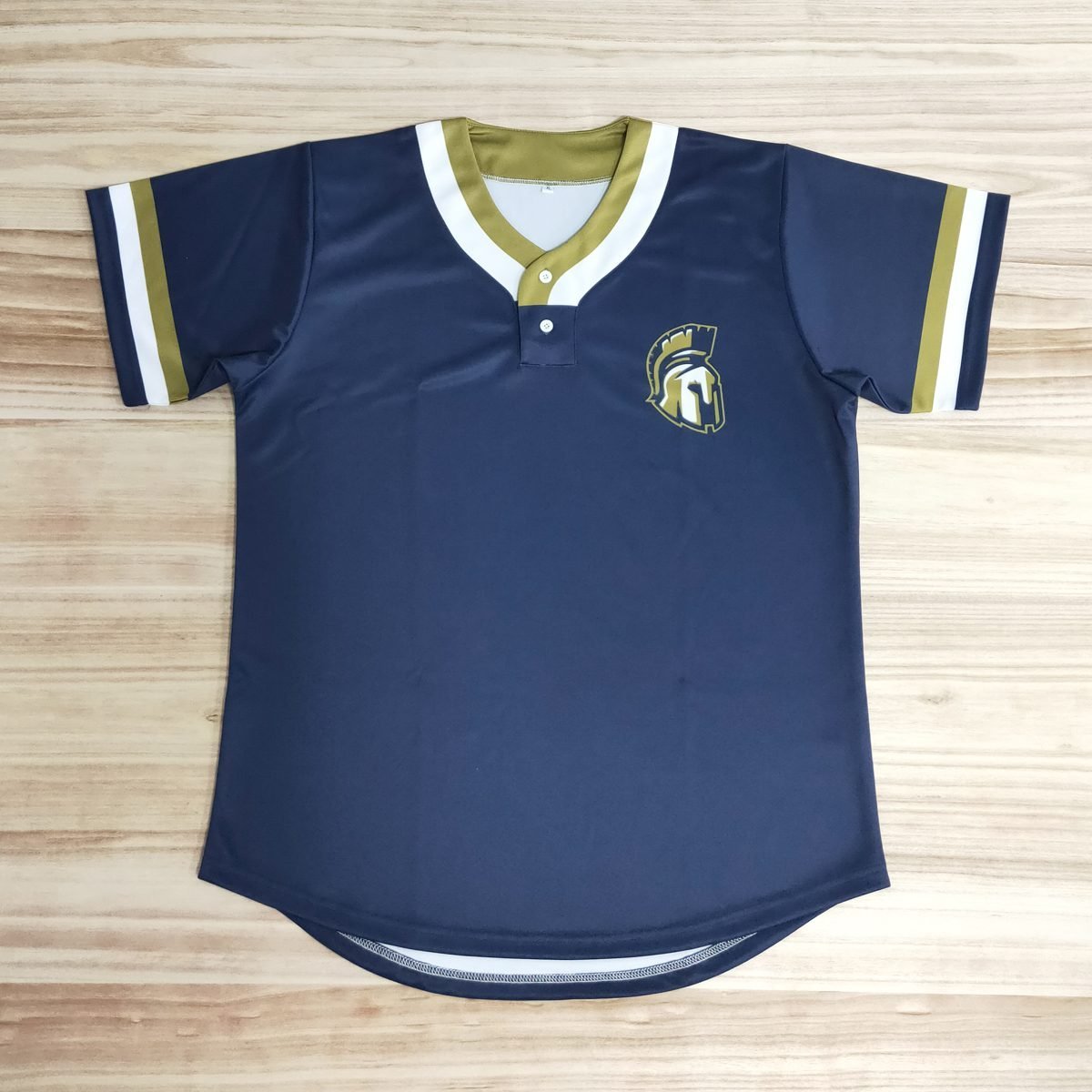
End-to-End Logistics to 100+ Countries
From Humen Town, Dongguan — China’s garment manufacturing heartland — we coordinate customs declaration, international freight, and door-to-door delivery to brands in over 100 countries. Our logistics team handles the complexity so you focus on growing your brand, not chasing shipments.
- Experienced in international customs declaration and inspection procedures
- Air, sea, and express freight options to match your timeline and budget
- Serving streetwear and trendy brands across North America, Europe, Southeast Asia, and beyond
- Transparent order tracking and dedicated communication throughout every transit leg
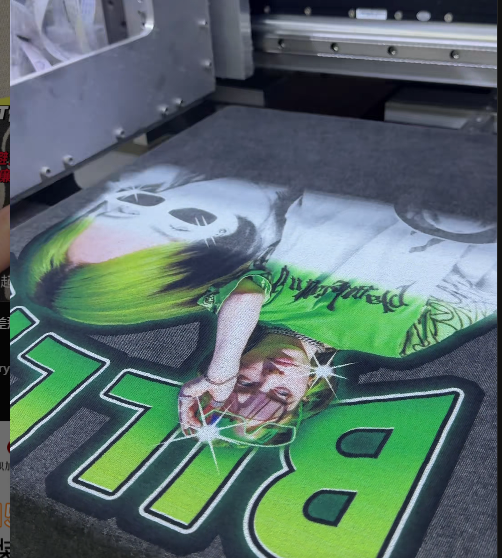
Why Choose Our Pique Polo Shirt Manufacturer
Not all manufacturers are created equal. See how Clothing Manufacturer Ltd outperforms traditional suppliers on every metric that matters to growing brands.
← 左右滑动查看 →
From Order to Delivery: Our Pique Polo Shirt Manufacturer QC Process
Quality is not a final checkpoint — it is built into every phase of production, from raw fabric selection to your doorstep.
Materials Sourcing and QC
We rigorously select and test premium pique fabrics, verifying weight, color fastness, and shrinkage before a single yard enters production.
Cutting and Pattern QC
Patterns are graded and markers checked for accuracy. Each cut piece is inspected for grain alignment and dimensional precision before moving forward.
Clothing Craft QC Check
Embroidery, printing, and trim placements are validated against approved tech packs, ensuring every detail of your pique polo design meets exact specifications.
Sewing Production QC
Inline inspections run throughout the sewing line, catching seam defects, stitch count issues, and construction flaws before they multiply across your order.
Finished Goods Inspection
Every completed polo undergoes a rigorous final audit covering measurements, appearance, function, and packaging compliance, ensuring zero-defect shipments reach your warehouse.
Packaging and Global Dispatch
Orders are folded, tagged, and packed to your spec, then dispatched via trusted freight partners with full tracking and customs documentation included.
How to Partner With a Leading Pique Polo Shirt Manufacturer
Five straightforward steps take you from first inquiry to globally shipped, quality-guaranteed pique polo shirts — with our team guiding every stage of the journey.
Submit Your Inquiry or Tech Pack
Share your design brief, tech pack, or concept with our team. We respond within 24 hours with tailored guidance and an initial pricing estimate for your pique polo order.
Approve Your Sample and Quotation
We develop a pre-production sample using your chosen pique fabric and trims, delivering it within 7 days for your review, feedback, and final approval before bulk production begins.
Confirm and Place Your Bulk Order
Lock in your order — even at low MOQ — and our in-house team finalizes your production schedule, sourcing premium pique materials and allocating full manufacturing capacity for your collection.
Track Production Under 5-Step QC
Your pique polos move through our proprietary five-step quality control process — materials, cutting, crafting, sewing, and finished-goods checks — catching and correcting defects at every production stage.
Receive Your Globally Shipped Order
Final-inspected garments are professionally packaged and dispatched via your preferred logistics channel, with complete documentation and tracking support ensuring smooth customs clearance to any destination worldwide.
Certified Pique Polo Shirt Manufacturer You Can Trust
Trusted by Global Brands & Startups
We launched our pique polo line with just a 50-piece MOQ and sold out in 3 weeks. The fabric weight, stitching, and branding were flawless. We’ve since scaled to 500-piece runs — best pique polo shirt manufacturer decision we’ve ever made.
As a new designer, I needed fast samples and quality I could trust. My first sample arrived in 7 days, and the 5-step QC meant zero rejects across my 200-unit debut order. The drop sold out online within 48 hours.
We source pique polos for 12 retail markets across Europe and Asia. Clothing Manufacturer Ltd. hits our 21-day production window every time, with zero QC failures across our last three bulk orders. Their logistics team handles customs seamlessly.
Frequently Asked Questions About Our Pique Polo Shirt Manufacturer
Everything streetwear brands, startups, and global retailers need to know before placing their first order.
What is the minimum order quantity (MOQ) at your pique polo shirt manufacturer?
How long does sampling take, and is there a sample fee?
How does the 5-step QC guarantee work at your facility?
Which pique polo shirt manufacturer certifications and compliance standards do you meet?
What payment terms and methods do you accept?
How do you protect my designs and intellectual property?
Can your design team help if I do not have a finished tech pack yet?
What are typical lead times for a bulk pique polo shirt manufacturer production run?
What shipping and logistics options do you offer for international buyers?
The Complete Buyer’s Guide to Choosing a Pique Polo Shirt Manufacturer
Everything streetwear brands, fashion startups, and global retailers need to evaluate suppliers, avoid costly sourcing mistakes, and build a clear decision framework for partnering with the right pique polo shirt manufacturer.
1. What Is a Pique Polo Shirt Manufacturer?
Pique knit fabric is engineered with a waffle-weave or honeycomb cell structure that elevates yarn loops to create raised surface texture, yielding finished fabrics that typically range from 180 to 240 GSM. This construction traps air between cells, producing measurable breathability advantages over single-jersey and French terry knits — a performance attribute that makes pique the dominant construction for polo shirts across sport, streetwear, and retail channels.
A dedicated pique polo shirt manufacturer operates circular-knit machinery calibrated for pique construction, maintains in-house pattern rooms with tensioned collar-rib attachment capabilities, and sources consistent trim — including YKK or equivalent placket buttons — at repeatable quality levels. General apparel factories lack this vertical specialization, often substituting open-end spun yarns for ring-spun cotton and skipping collar-fusing steps, defects that only become visible after the first wash cycle.
Streetwear labels, fashion startups, and global retailers sourcing from a dedicated pique polo shirt manufacturer gain consistent stitch density, Pantone-matched color reproducibility, and compliance certifications such as OEKO-TEX Standard 100 that generalist factories rarely sustain at low MOQ tiers. Scalability is the second driver: a specialist can fulfill 100-piece sampling orders and expand to 5,000-unit production runs on identical tooling and construction specs.
Operations like Clothing Manufacturer Ltd. reinforce that consistency through a five-stage QC methodology covering materials, cutting, craft, sewing, and finished-garment inspection — replacing the industry-common single end-of-line check. For brands at any growth stage, that embedded quality infrastructure is the practical difference between repeatable product and costly rework.
2. The Evolution and History of the Pique Polo Shirt
René Lacoste designed the first piqué polo in 1926 as a breathable alternative to the stiff Oxford shirts worn on tennis courts. The signature waffle-weave fabric — produced by interlocking loops in a double-knit construction — allowed sweat to wick away from the body, a functional advantage that made the style immediately practical for competitive athletes.
By the 1950s, the silhouette had migrated from courts to country clubs, cementing its place in American preppy culture. Fabric weights shifted from heavy hand-knit constructions of around 220–250 GSM toward lighter 180–200 GSM circular-knit piqué, as industrial knitting machinery enabled faster, more consistent output at tighter stitch tolerances than any artisan process could sustain.
The 1980s and 1990s pulled the polo firmly into streetwear — hip-hop artists and skate culture adopted oversized fits and bold colorways, expanding the silhouette’s demographic reach well beyond its sporting roots. Modern circular-knit machines now produce piqué continuously, delivering uniform stitch density across high-volume runs with far greater repeatability than earlier hand-frame methods.
For sourcing teams, this century-long demand curve is a practical signal: the polo is a proven, low-risk SKU with stable sell-through across retail, corporate, and streetwear channels. Partnering with an experienced pique polo shirt manufacturer means accessing both the garment’s heritage construction standards and the modern quality-control processes that protect margin and brand reputation at scale.
3. Types of Pique Polo Shirt Manufacturer Production Models
Every pique polo shirt manufacturer structures production under one of five distinct models, each carrying different MOQ floors, sample lead times, and IP ownership terms. Matching the right model to your brand stage prevents costly over-commitment and missed launch windows.
OEM: Brand-Spec Production
OEM requires the buyer to supply complete tech packs, fabric specifications, and approved trims before production begins. MOQs typically start at 200–500 pieces per colorway, with sample lead times of 7–10 days. Best suited to established retailers with finalized designs and in-house product development teams.
ODM: Manufacturer-Supplied Designs
ODM suppliers offer existing silhouettes and ready-made patterns that buyers rebrand as their own. MOQs drop to 50–200 pieces, and samples can arrive in 5–7 days. Ideal for fashion startups launching quickly without a dedicated technical design team on staff.
Private Label Ready-Made Polos
Private-label programs supply finished pique polos carrying only the buyer’s woven label. MOQs range from 100–300 pieces with 3–5 day sample turnarounds. Suited to influencer brands testing a new SKU before committing to a fully custom development cycle.
Cut-and-Sew Custom Development
Cut-and-sew custom builds every garment from raw fabric to finished piece per client specifications. MOQs commonly start at 300–500 pieces with sample lead times of 10–14 days. Best for brands demanding unique silhouettes, proprietary fabric weights, or exclusive colorway constructions.
White-Label Programs
White-label programs deliver unbranded finished polos that buyers label post-production. MOQs can be as low as 50 pieces with 3–7 day lead times — the fastest route to market. Creator brands and micro-retailers use this model to test sell-through before investing in custom tooling.
4. Materials and Fabrics: What Top Manufacturers Offer
Fabric selection determines how a pique polo wears, markets, and holds after 50 wash cycles. Every credible pique polo shirt manufacturer stocks at least four base options, each mapped to a distinct end-use, GSM range, and price tier.
| Fabric Type | GSM Range | Best Use | Price Premium |
|---|---|---|---|
| 100% Cotton Pique | 180–240 | Streetwear drops, premium retail | Base (0%) |
| Cotton-Polyester Blend | 180–220 | Corporate uniforms, basics | -5% to 0% |
| Performance Polyester | 140–180 | Athletic, activewear lines | +5% to +10% |
| Organic / GOTS Cotton | 180–240 | Sustainable brands, DTC | +15% to +25% |
| Recycled Fiber (rPET) | 160–200 | Eco streetwear, retail | +10% to +20% |
100% Cotton and Cotton-Blend Pique
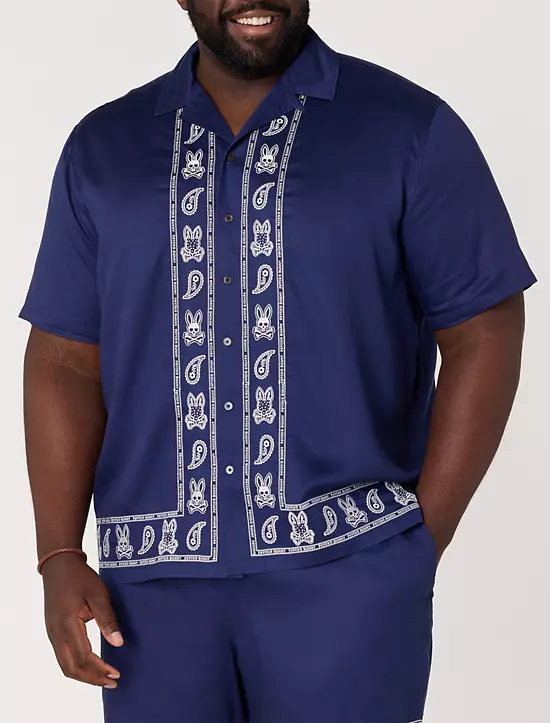
Ring-spun 100% cotton pique runs 180–240 GSM with a soft hand-feel ideal for streetwear drops and premium retail. Cotton-polyester blends (60/40 or 65/35) sit at 180–220 GSM, adding shape retention and shrink resistance — the standard choice for corporate uniform programs.
Performance Polyester and Recycled Fibers
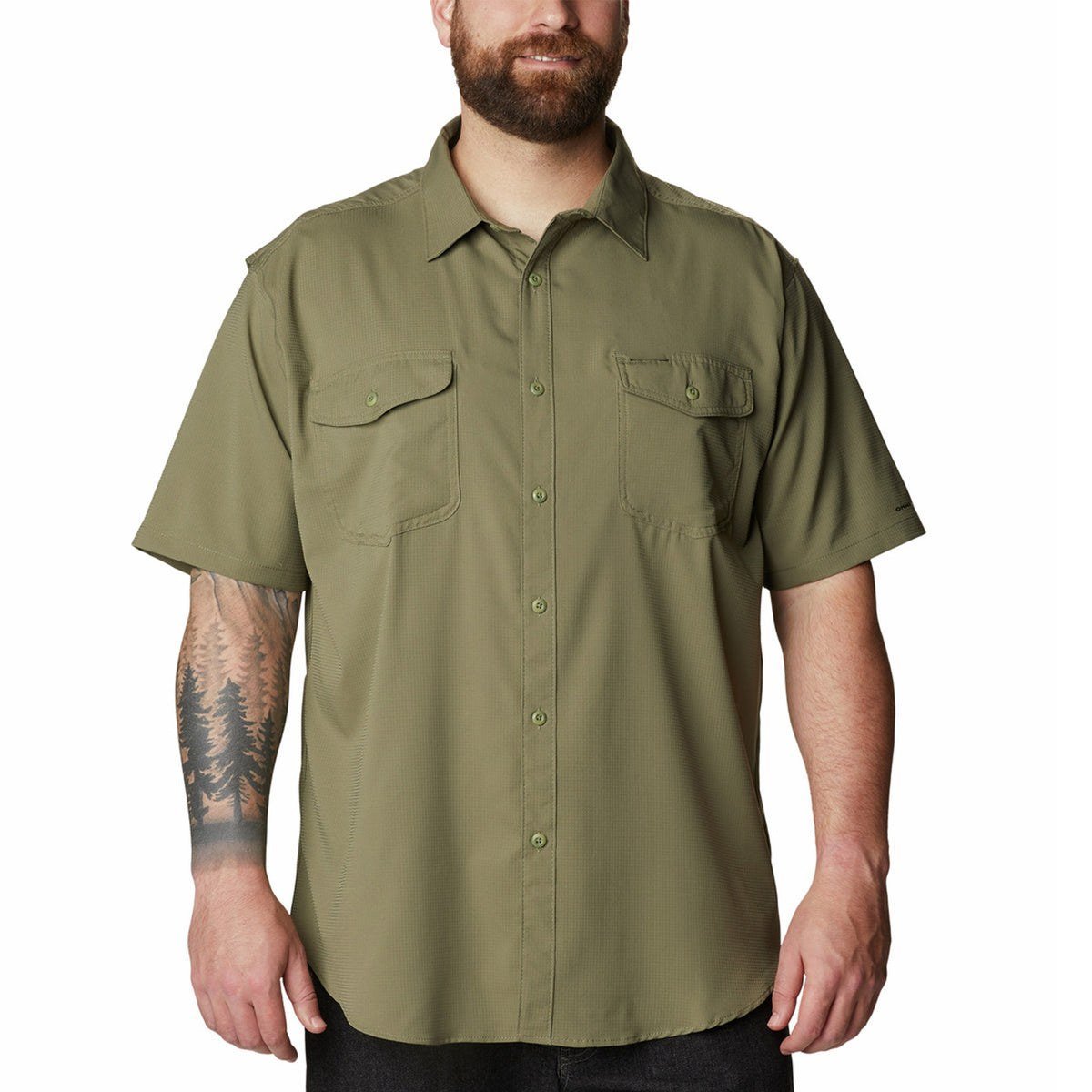
Performance polyester pique (140–180 GSM) integrates moisture-wicking channels directly into the knit structure, making it the go-to for athletic and activewear drops. Recycled-fiber options — typically rPET blends at 160–200 GSM — deliver comparable performance with a reduced footprint, favored by eco-conscious streetwear labels.
Organic and GOTS-Certified Cotton
GOTS-certified organic cotton pique shares the 180–240 GSM range of conventional cotton but carries a 15–25% fabric price premium. Brands targeting sustainable retail or DTC channels often require GOTS documentation at the sampling stage — confirm certification status before committing to bulk orders.
5. Customization and Decoration Options for Branded Polos
A skilled pique polo shirt manufacturer should offer at least 6–8 decoration methods. Choosing the right technique balances per-unit cost, visual weight, and whether the buyer targets streetwear or corporate markets.
Embroidery: Chest Logos and Sleeve Hits
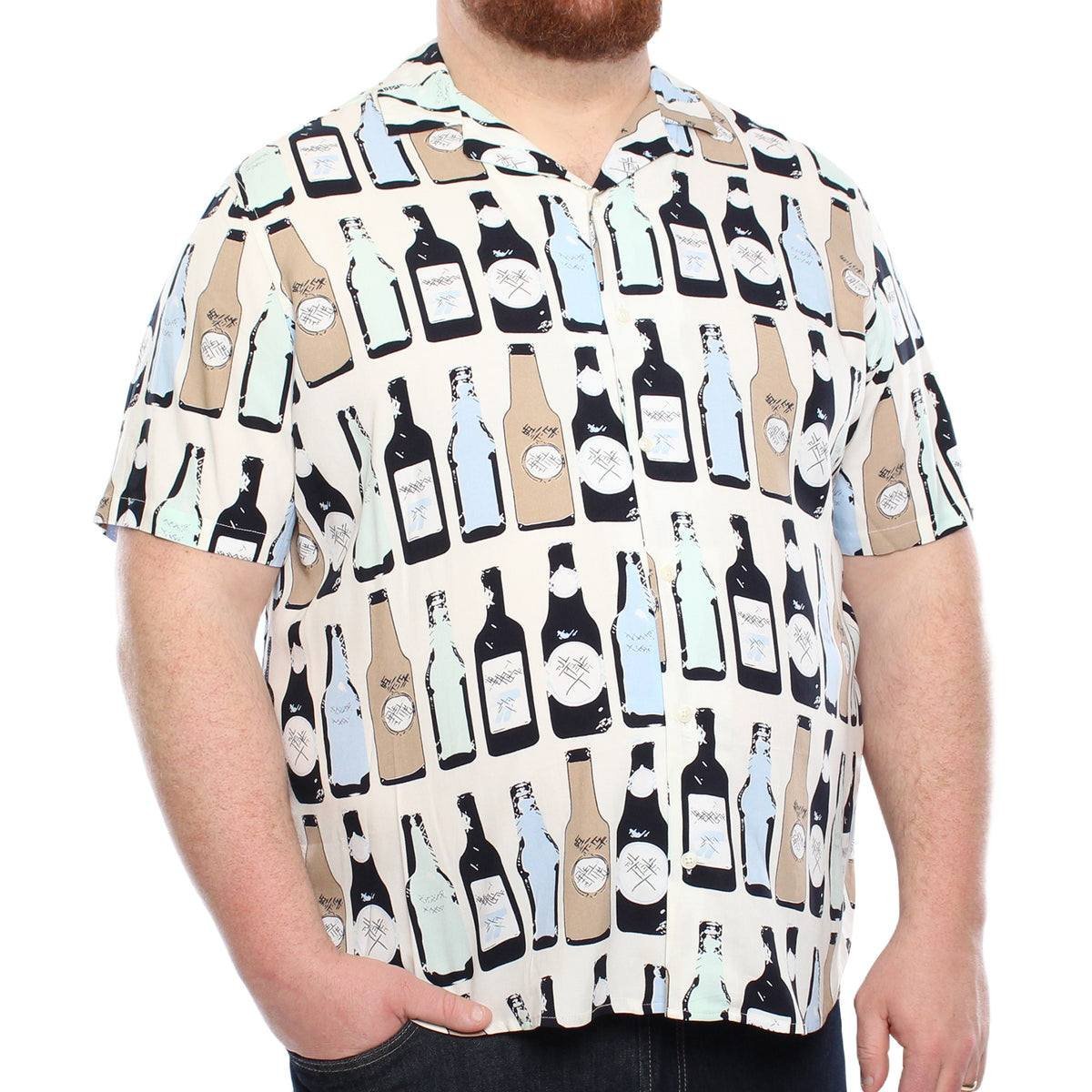
Embroidery runs $0.50–$3.00 per placement depending on stitch count (5,000–15,000 stitches typical for a chest logo). It projects premium tactile quality, making it a top choice for corporate gifting and heritage polos. Streetwear labels use tonal or puff embroidery for a bolder dimensional effect.
Screen Printing for Graphic-Forward Designs
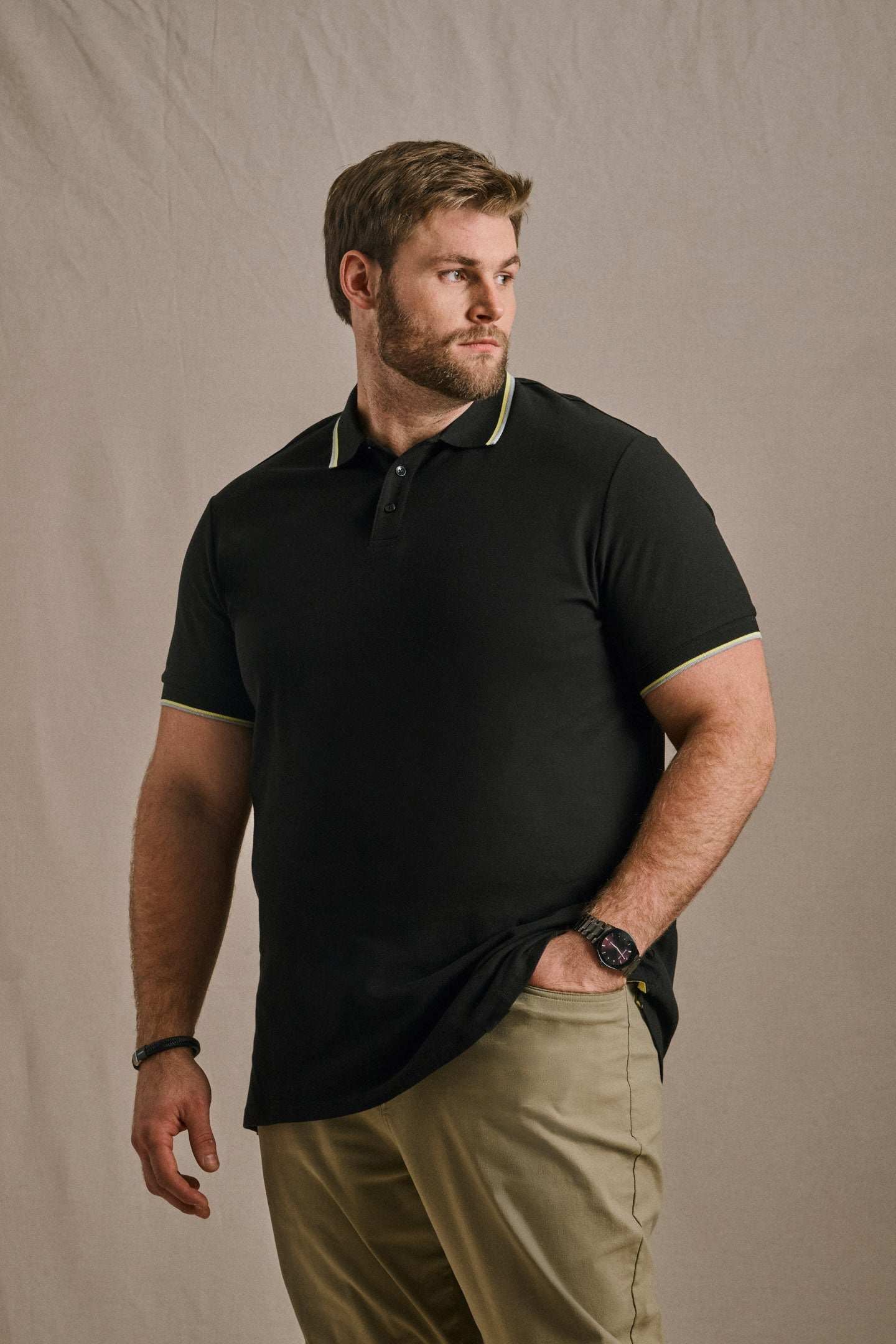
Screen printing costs $1.50–$4.00 per color per piece at 100-unit MOQs, with up to 6 Pantone-matched spot colors. High ink opacity suits oversized graphic polos favored by streetwear audiences. Corporate buyers rarely choose it for polos due to hand-feel concerns on fine pique.
Heat Transfer and Sublimation
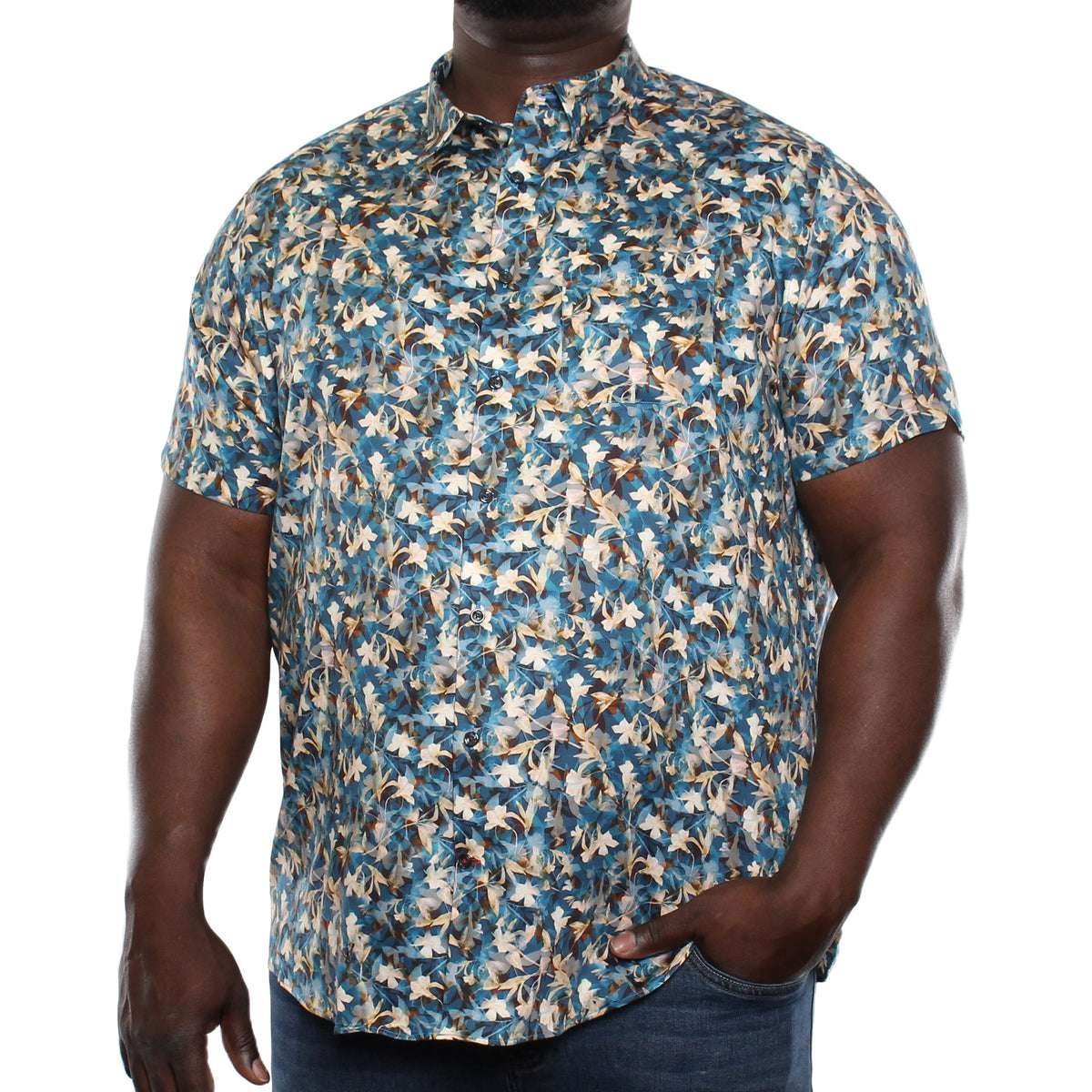
Heat transfer is low-cost ($0.30–$0.80 per piece) and ideal for photographic or gradient logos with no minimum color charge. Sublimation bonds dye directly into polyester-blend pique, enabling all-over prints without added hand feel. Both resonate with influencer brands needing fast turnaround on small runs.
Woven Labels and Custom Buttons
Woven neck labels cost $0.05–$0.15 each at 500-piece minimums and define perceived brand tier more than most buyers expect. Custom resin or metal shank buttons ($0.10–$0.30 each) add tactile brand identity. Streetwear buyers frequently swap stock white buttons for matte black or custom-debossed alternatives.
Bespoke Collar and Cuff Rib Colors
Custom rib-knit collar and cuff colors require Pantone matching and typically carry a 300–500 unit MOQ per colorway. The contrast-tip collar — a polo staple since the 1980s — commands a $0.80–$1.50 premium per garment. Streetwear brands use unexpected rib colors to signal exclusivity and limited-edition status.
6. Key Construction Quality Elements to Evaluate in Samples
A well-made pique polo reveals its quality long before it reaches retail. Evaluating samples against specific construction benchmarks — not just appearance — protects your brand from costly returns and reorder disputes.
Yarn Count and Pique Stitch Density
Ring-spun cotton yarns in the 30s–40s count range produce the tighter, smoother surface associated with premium pique. Request a fabric spec sheet confirming GSM between 200–240 for structured polos.
Stitch density below 28 wales per 10 cm signals a loose knit prone to distortion after washing.
Collar Interlining and Roll
A properly fused collar uses a woven interlining that holds its roll without curling after 30 wash cycles. Ask the factory for the interlining GSM and fusion bond strength.
A delaminating collar is the single most common defect in production-grade polos and the hardest to catch before bulk shipping.
Placket Stability and Button Type
A clean placket lies flat under tension without puckering — test by stretching the shirt horizontally 3–4 inches. This reveals whether the fusing is even across the full placket length.
Button material matters: horn and corozo buttons cost 3–5× more than plastic but signal premium quality to consumers and resist heat-press distortion.
Side Seam vs. Tubular Body Construction
Side-seam construction allows precise sizing and shape retention; tubular-knit bodies cut costs but shift during wear, misaligning the polo front. For fitted or tailored silhouettes, always specify side seams in your tech pack.
Hem Finish and Colorfastness Rating
A quality hem uses double-needle topstitch at 5–6 mm from the edge — single-stitched hems fray faster under retail washing. Request ISO 105-C06 colorfastness test results from the factory.
A score below 4 on the 5-point scale indicates dye bleed risk; most premium retailers require a minimum rating of 4–4.5.
7. How to Choose the Right Pique Polo Shirt Manufacturer
Selecting the right pique polo shirt manufacturer takes more than comparing price sheets. Audit five criteria — certifications, sampling speed, MOQ terms, communication, and capacity — to separate reliable partners from risky vendors.
Certifications to Verify Before Committing
Prioritize factories holding OEKO-TEX Standard 100, BSCI, or ISO 9001 certifications; these confirm chemical safety, ethical auditing, and management-system rigor. Request certificates with expiry dates and verify them directly on the issuing body’s online registry before placing any order.
MOQ Flexibility and Sample Turnaround
Startups should target manufacturers offering MOQs of 50–100 pieces per colorway. Sample turnaround of 7 days or fewer indicates an organized sampling workflow. A factory quoting 3–4 weeks for a single sample is signaling production bottlenecks that compound at scale.
Communication Quality and English Fluency
Send a multi-part inquiry covering GSM spec, Pantone reference, and a construction detail; measure response time and accuracy. A reply within 24 hours using correct technical language signals the English fluency and operational discipline required for complex branded production.
Production Capacity for Scale-Up
Request daily output figures and lead times for both 500-piece and 2,000-piece runs. Manufacturers based in established garment hubs — Dongguan Humen, for example — access shared cutting and finishing infrastructure that supports rapid scale-up without compromising turnaround.
Client References and Track Record
Request three references in your product category and ask each about defect rates, on-time delivery, and reorder experience. A manufacturer with documented history of helping emerging labels grow to large online audiences demonstrates scalable, hands-on partnership.
8. Common Mistakes Brands Make When Sourcing a Manufacturer
First-time overseas sourcing exposes creator brands to avoidable losses. Recognizing the six most common pitfalls before placing any order with a pique polo shirt manufacturer can prevent thousands in rework, delays, and legal exposure.
Choosing on Price Alone
Factories quoting 30–40% below market rates typically skip mid-production QC checks. Without verifying fabric GSM (180–220 for standard pique) and OEKO-TEX certification, you receive polos that pill or shrink after five washes, triggering returns that erase your margin.
Skipping Sealed Samples and Wash Tolerances
A countersample locked before bulk production is your legal benchmark for collar rib tension, Pantone color matching, and stitch density. Always specify shrinkage tolerance (≤3% per AATCC 135) and wash-fastness rating in the tech pack — verbal agreements are unenforceable.
Underestimating Peak-Season Lead Times
Standard cut-and-sew production runs 30–45 days; Q4 and Chinese New Year periods add 3–4 weeks. Brands placing October orders routinely miss holiday ship windows. Build a 60-day buffer into any seasonal launch calendar.
Skipping Audits and Ignoring IP Clauses
Unaudited suppliers may lack WRAP or BSCI certification, exposing brands to labor-compliance liability in key retail markets. Insert IP ownership clauses covering tech packs, patterns, and embroidery files into every supplier contract before sampling begins.
9. Steps to Launch Your Brand with a Pique Polo Shirt Manufacturer
Launching a polo line requires sequential decisions, each compressing or expanding your total lead time. Most startups underestimate the front-end documentation phase — a tight tech pack cuts sample revision rounds from 3–4 down to 1–2.
| Step | Action | Timeline |
|---|---|---|
| Tech Pack | Spec sheet, Pantone refs, measurements | 1–2 weeks |
| Shortlist | RFQs to 3–5 manufacturers | 3–5 days |
| Sampling | Order and evaluate proto samples | 7–14 days |
| Negotiate | Lock pricing, MOQ, payment terms | 3–5 days |
| Pilot Run | 200–500 unit trial production | 3–4 weeks |
| QC Inspection | AQL 2.5 pre-shipment audit | 1–2 days |
| Shipping | Sea or air freight | 5–35 days |
Define Your Spec Sheet and Tech Pack
A complete tech pack includes fabric weight (220–240 GSM), Pantone color refs, stitch density, collar spec, and wash instructions. Missing even one field adds 7–10 days in revision rounds.
Allocate 1–2 weeks here before contacting any pique polo shirt manufacturer.
Shortlist Manufacturers and Request Samples
Identify 3–5 candidates via trade directories, referrals, and factory audits. Send identical RFQs so pricing and MOQ responses stay comparable.
Sample lead time typically runs 7–14 days. Evaluate GSM consistency, seam flatness, colorfastness, and collar roll during review.
Negotiate Terms and Place a Pilot Run
Standard payment terms run 30% deposit, 70% before shipment. MOQs for pique polos typically start at 100–300 units per colorway at CMT factories.
A pilot run of 200–500 units validates production quality before scaling. Budget 3–4 weeks for production.
Pre-Shipment Inspection and Final Fulfillment
Commission an AQL 2.5 inspection on 10–15% of units before releasing the balance payment. A five-stage QC process — materials, cutting, craft, sewing, finished goods — catches defects early.
Sea freight from Guangdong takes 18–35 days to the US or EU; air freight takes 5–7 days at 4–6× the cost.
10. Pricing and Cost Breakdown by Order Tier
Unit prices from a pique polo shirt manufacturer drop 60–70% between the 50-piece and 1,000-piece tier — a standard 180–220 GSM ring-spun cotton pique polo averages $18–$24 at 50 units and falls to $6–$9 at 1,000-plus units.
Sample costs run $50–$80 for a 7-day pre-production prototype and are typically credited against your first bulk order. Embroidery digitizing carries a one-time setup fee of $20–$50; screen print adds $30–$60 per screen color — both become negligible above 300 pieces.
Lead times compress as volume rises: 50-piece orders typically ship in 25–30 days, while 1,000-piece orders leave the factory in 12–18 days. Brands operating under OEKO-TEX or GOTS compliance programs should confirm fabric certifications are in place before the cutting-QC stage to avoid delays.
| Quantity Tier | Est. Unit Price (USD) | Sample Cost | Lead Time | Min. Decoration Options |
|---|---|---|---|---|
| 50 pcs | $18–$24 | $50–$80 | 25–30 days | Screen print, heat transfer |
| 100 pcs | $14–$18 | $50–$80 | 20–25 days | Screen print, embroidery |
| 300 pcs | $10–$14 | $50–$80 | 18–22 days | Embroidery, screen print, puff print |
| 500 pcs | $8–$11 | $50–$80 | 15–20 days | All methods incl. sublimation |
| 1,000+ pcs | $6–$9 | $50–$80 | 12–18 days | All methods + woven label |
Partner With a Trusted Pique Polo Shirt Manufacturer
Get 7-day samples, low MOQ, and a 5-step QC guarantee built for streetwear brands, startups, and global retailers ready to scale.