
Embroidered Polo Shirt Manufacturer for Global Streetwear Brands
Partner with a trusted embroidered polo shirt manufacturer delivering premium craftsmanship, low MOQ flexibility, and a zero-compromise 5-step QC guarantee to brands across 100+ countries.
Our Embroidered Polo Shirt Collection
Why Choose Us as Your Embroidered Polo Shirt Manufacturer
From zero-defect quality control to influencer-ready streetwear, six reasons global brands trust Clothing Manufacturer Ltd.
5-Step Quality Control Guarantee
Materials, cutting, craft, sewing, and final inspection — five embedded checkpoints ensure every embroidered polo leaves our facility defect-free.
Low MOQ for Startups
Launch without massive upfront risk. Our flexible minimums make premium embroidered polos accessible to emerging brands and independent designers.
Fast Sampling & Turnaround
Our in-house sampling team delivers prototypes rapidly, keeping your seasonal collections on schedule and your brand ahead of trends.
In-House Design Expertise
A 15-member R&D team backed by 10 patents transforms your streetwear vision into production-ready embroidered polo designs with precision.
Global Shipping & Logistics
We manage end-to-end fulfillment to 100-plus countries, handling customs, freight, and delivery so your polos arrive on time.
Streetwear Culture Fluency
From skeleton motifs to bold animal prints, our embroidered polos are rooted in authentic hip-hop and street art aesthetics.
The Embroidered Polo Shirt Manufacturer for Every Brand Stage
From first-drop startups to high-volume global retailers, our production solutions are built around your scale, timeline, and creative vision.
Launching Your First Collection
New streetwear labels need a trusted embroidered polo shirt manufacturer but face prohibitive MOQs and no design support, making it nearly impossible to test the market without massive upfront investment.
Low MOQs, in-house sampling, and our 5-step QC guarantee let you launch an on-trend, on-spec embroidered polo collection that builds brand credibility and shelf appeal from day one.
Scaling a Viral Drop
Influencer brands live by tight drop windows, but most factories sacrifice quality for speed, leaving creator-backed polo lines riddled with defects that destroy credibility with a hard-won, hype-driven audience.
Our streetwear-fluent team and fast seasonal turnarounds deliver embroidered polos on schedule, with every unit passing our 5-step inspection so your drop lands on time and sells with confidence.
Consistent Quality at Scale
Global retailers sourcing embroidered polos across multiple SKUs face costly returns and markdown risk when supplier quality varies batch to batch, eroding margins and damaging their reputation with end consumers.
Our 5-step QC process and 10 production patents deliver embroidered polo collections with zero-defect consistency at any volume, protecting your margins and your brand's reputation on every reorder.
Defining a Streetwear Identity
Bold streetwear concepts get diluted when manufacturers lack cultural fluency, producing generic embroidered polo styles that strip the edge from skeleton motifs, graphic color blocking, and statement design details.
Our 15-strong R&D team and 6-plus years of streetwear expertise translate your boldest ideas into embroidered polo shirts that resonate culturally and move product with your target audience.
Corporate Team Polo Programs
Corporate buyers need embroidered polo shirts that project professionalism at scale, but typical factories miss exact brand color matches, produce uneven logo embroidery, and fail to commit to reliable reorder timelines.
Precision thread-color matching, stitch-consistent embroidery on every unit, and our 5-step QC process ensure your branded polo program looks impeccable and delivers the same standard on every reorder.
Premium Materials From a Trusted Embroidered Polo Shirt Manufacturer
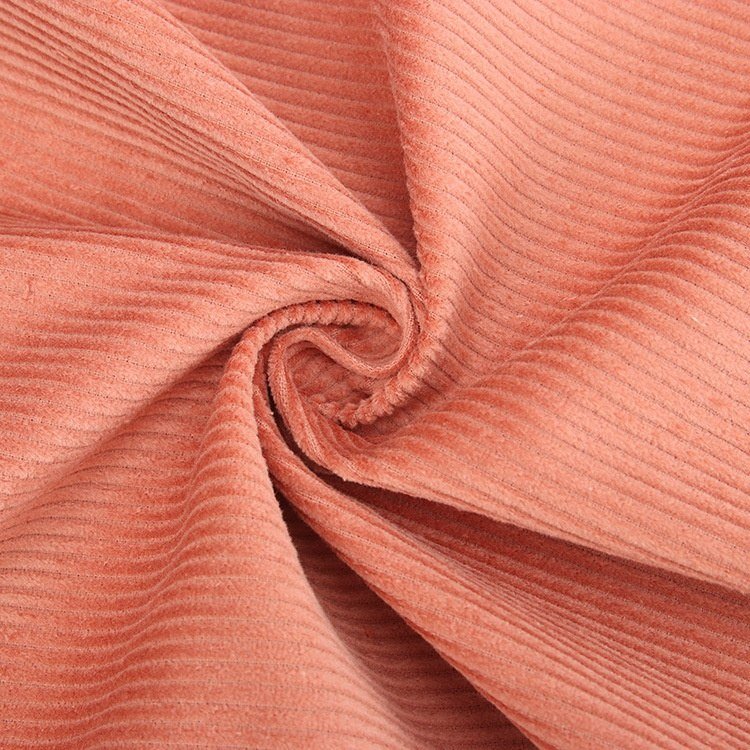
100% Pique Cotton
Classic textured weave offers superior embroidery grip for crisp stitch definition with zero puckering. Breathable and durable at 220-240 gsm, it is the go-to fabric for premium casual and streetwear polo collections.
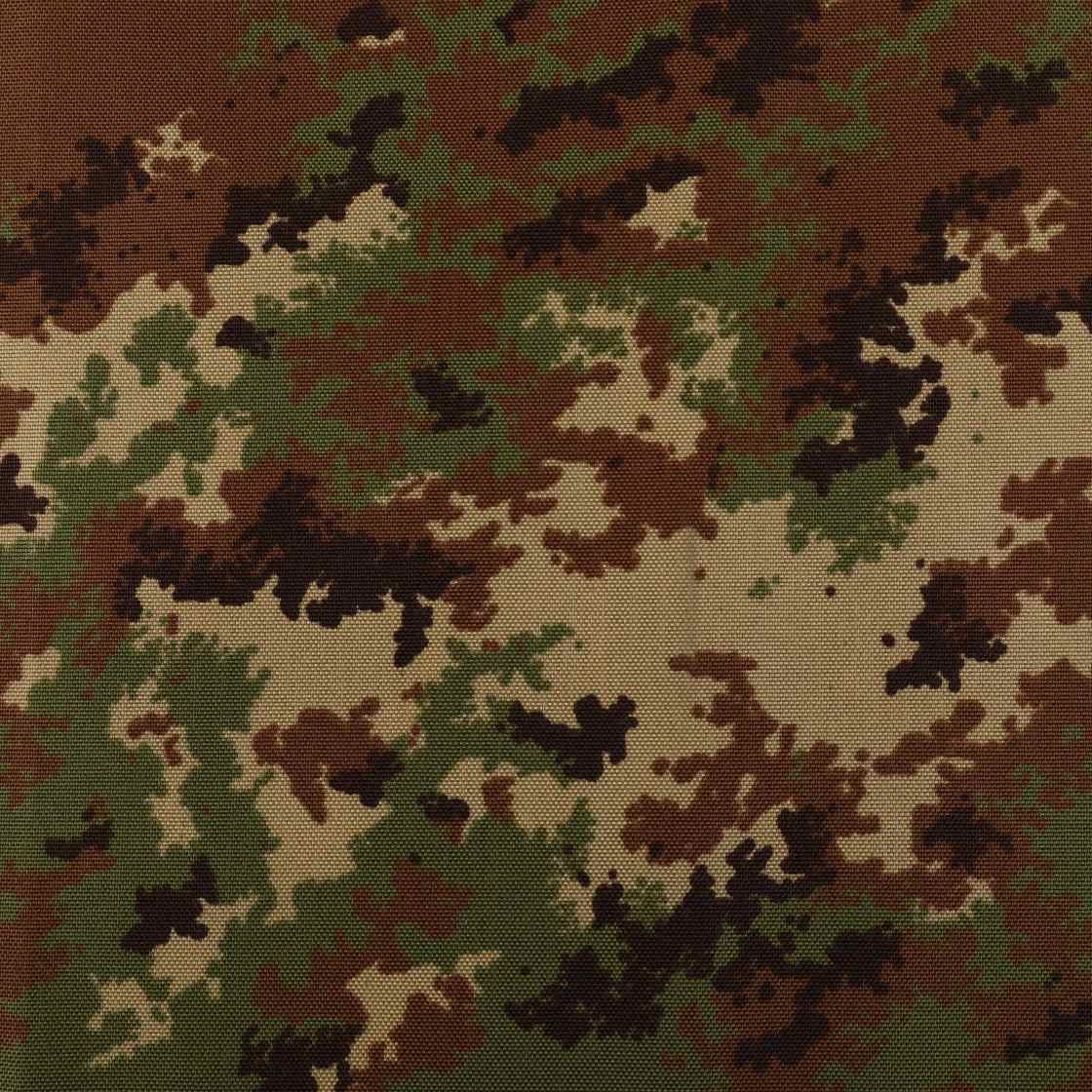
Cotton-Poly Pique
A 60/40 blend combining cotton breathability with polyester shape retention. Resists shrinking and wrinkles, stabilizes fabric during hooping, and suits high-volume brand orders requiring consistent, durable embroidery results across large production runs.
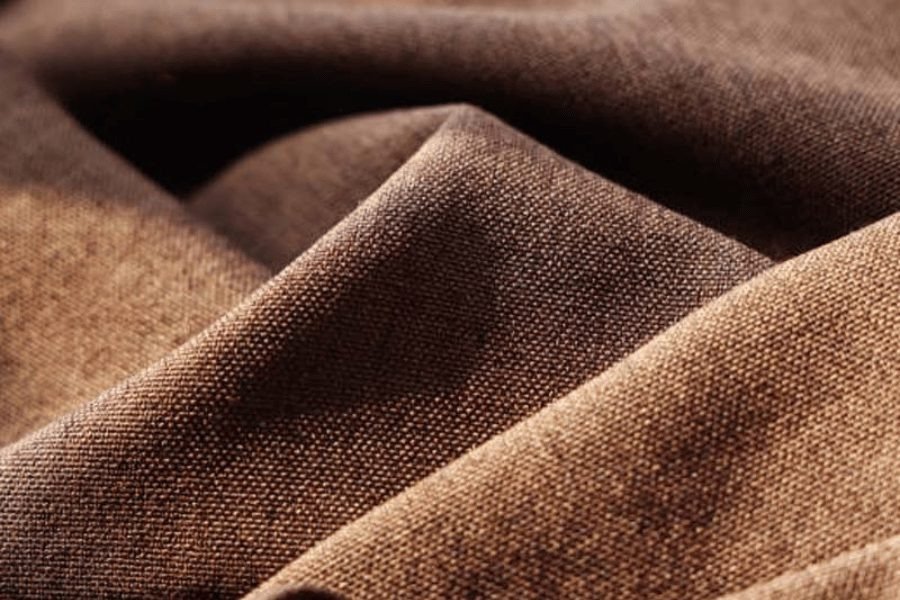
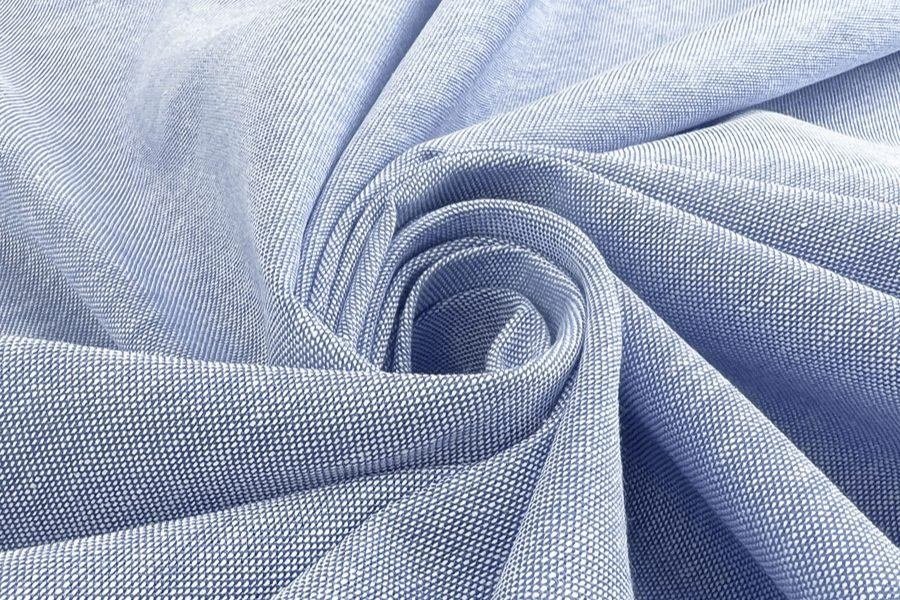
Organic Pique Cotton
GOTS-certified organic cotton in a classic pique weave. Delivers embroidery-friendly texture and 220 gsm weight while meeting the sustainability demands of eco-conscious streetwear brands and retailers targeting environmentally aware consumers.
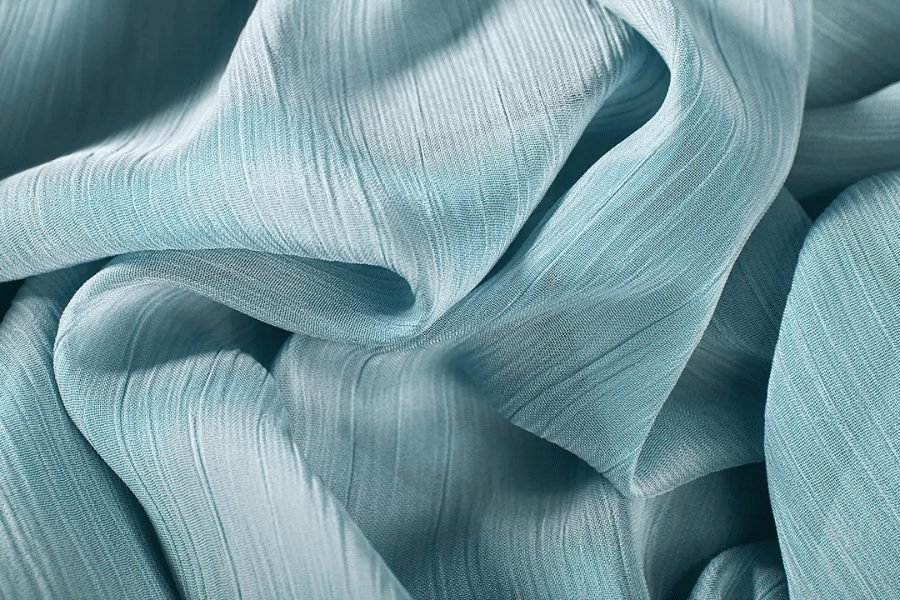
Interlock Double Knit
Dense double-knit construction creates an ultra-smooth, stable surface perfect for intricate embroidery artwork. Heavier at 250-280 gsm with excellent drape, suited for premium lifestyle and luxury streetwear polo collections.
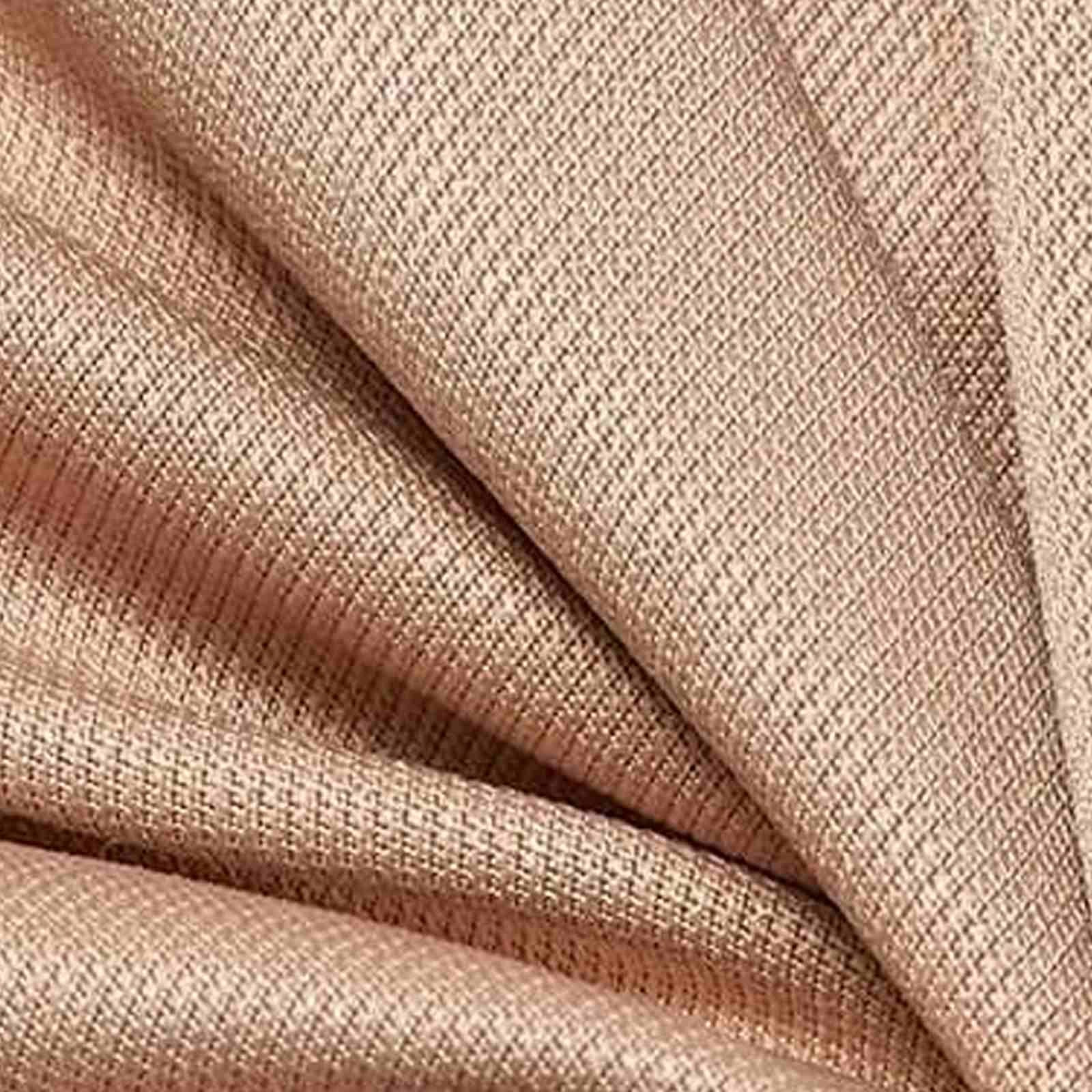
Heavyweight Ottoman Rib
Bold horizontal rib texture adds visual depth and structure. At 260-300 gsm, this firm cotton-poly fabric resists distortion during embroidery hooping and delivers a high-end, tailored hand-feel for statement streetwear polos.
Embroidery & Finishing Techniques From a Premium Embroidered Polo Shirt Manufacturer
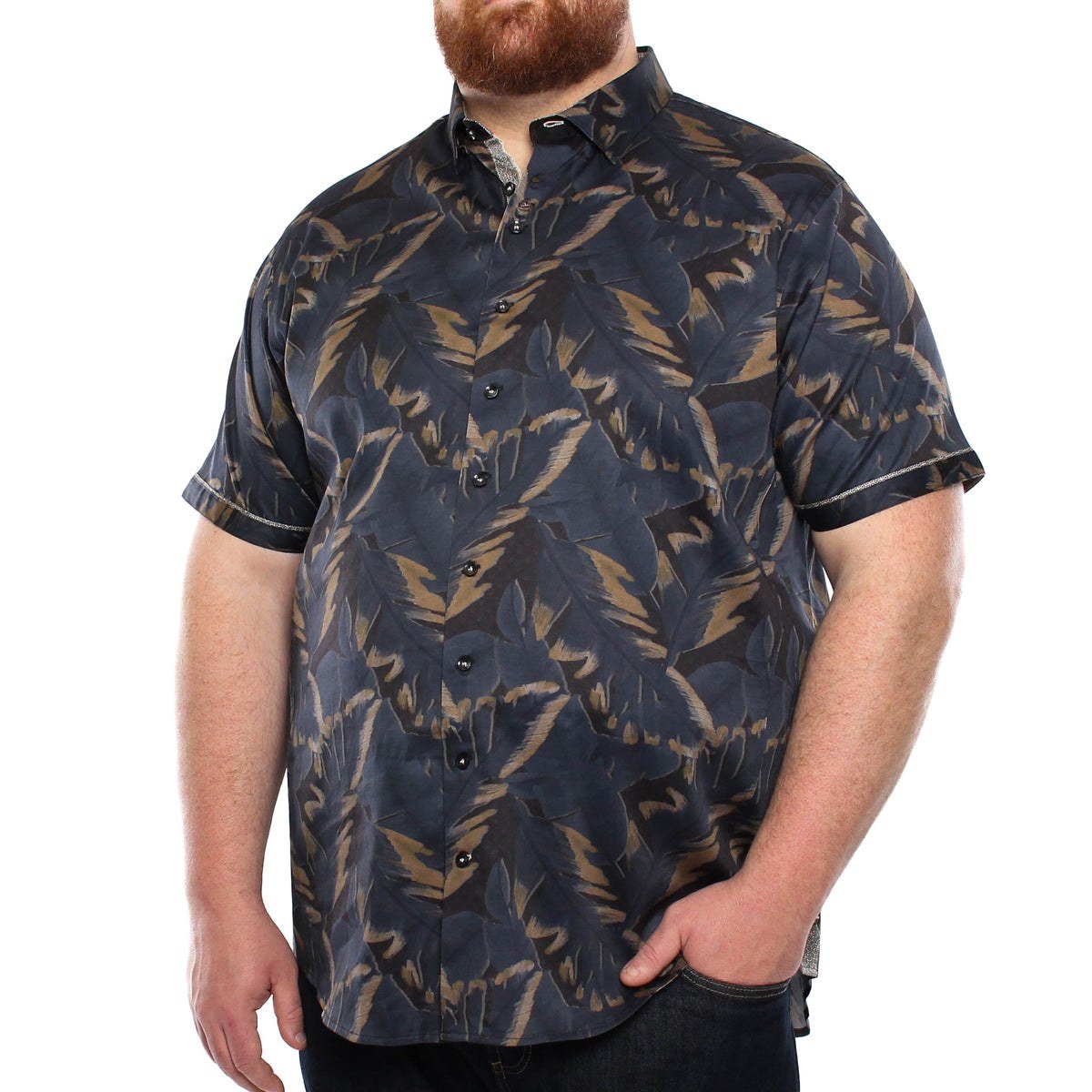
Precision Embroidery
Multi-head computerized embroidery renders crisp logos, lettering, and streetwear motifs directly on polo shirts. Thread-lock backing adds rich dimensional texture and guarantees wash-fast durability across hundreds of laundering cycles.
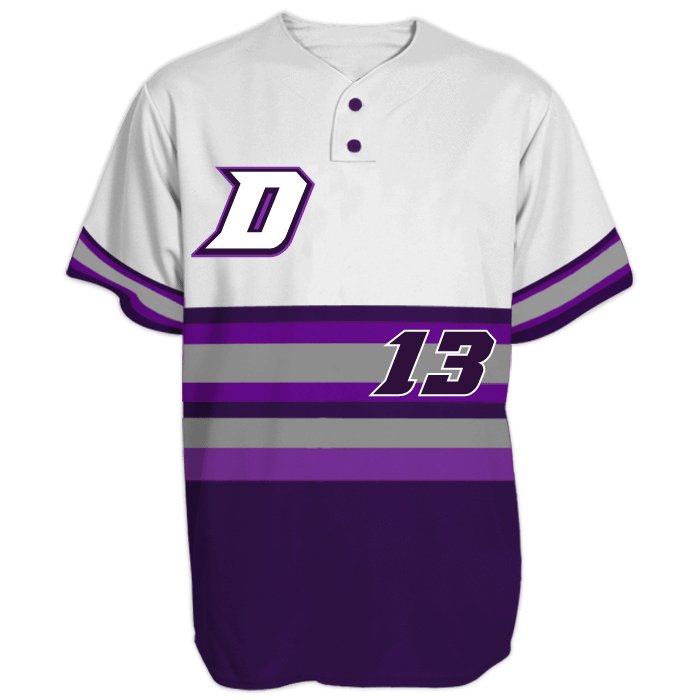
Screen Printing
High-opacity inks pressed through fine mesh screens produce bold, street-ready graphics with sharp edges and consistent color reproduction across large production runs on cotton-blend and pique polo fabrics.
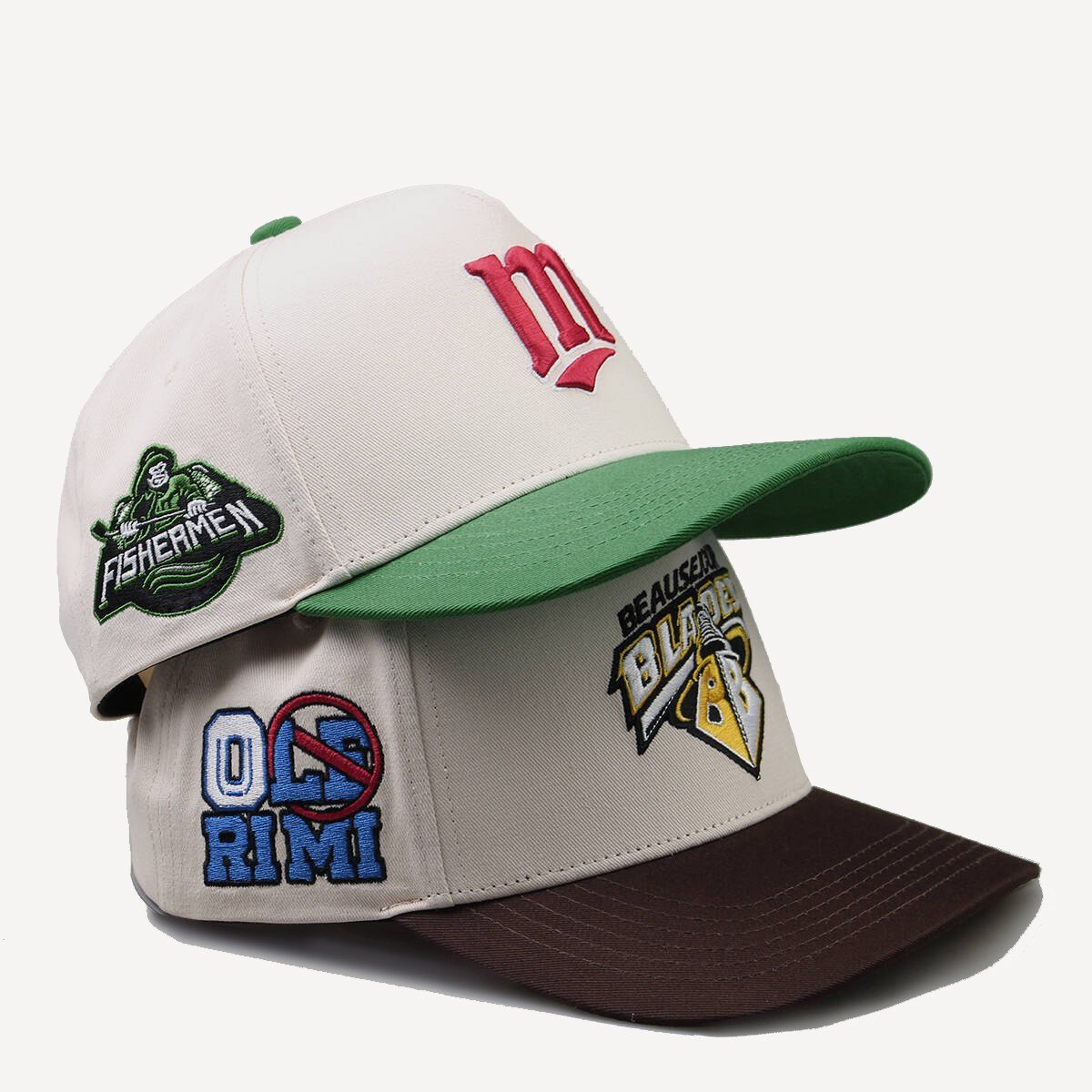
Dye Sublimation
Heat-activated dye bonds permanently into polyester fibers for all-over, photo-quality prints that never crack or peel — ideal for gradient-heavy streetwear patterns and full-panel custom polo designs.
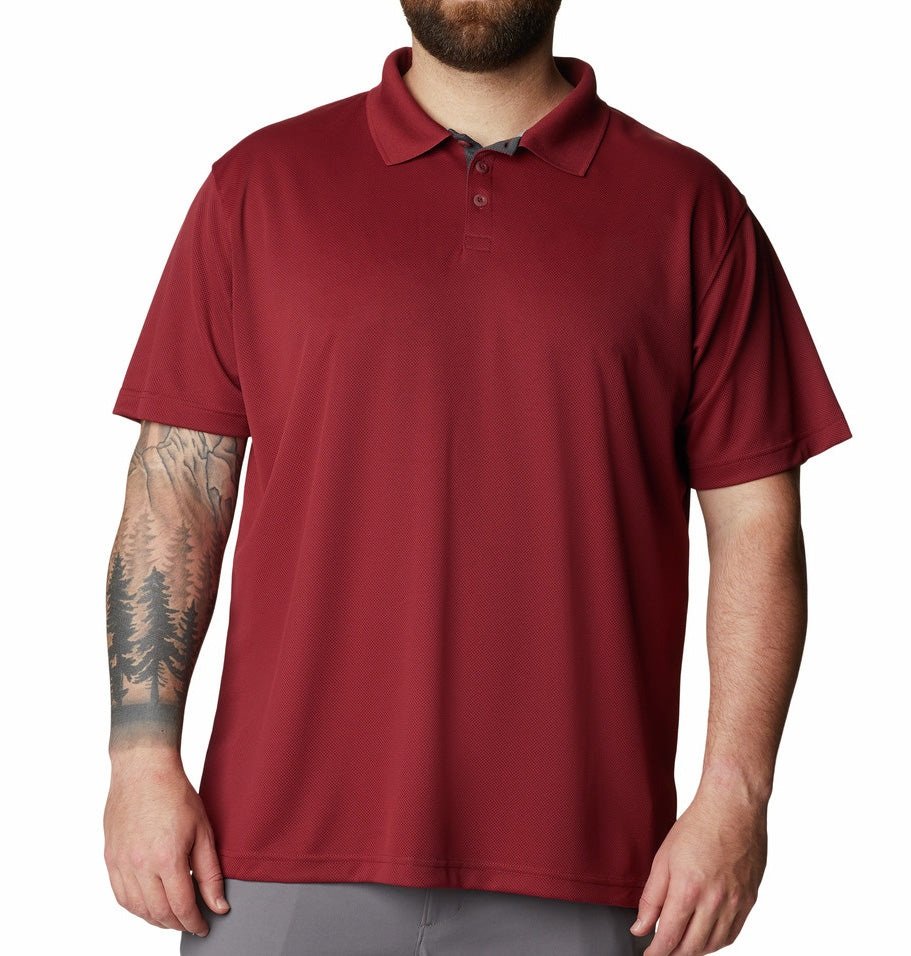
Heat Transfer
High-resolution vinyl or specialty transfer film applied under calibrated heat and pressure creates detailed, full-color artwork with metallic, holographic, or glow-effect finishes for standout brand identity on every polo.
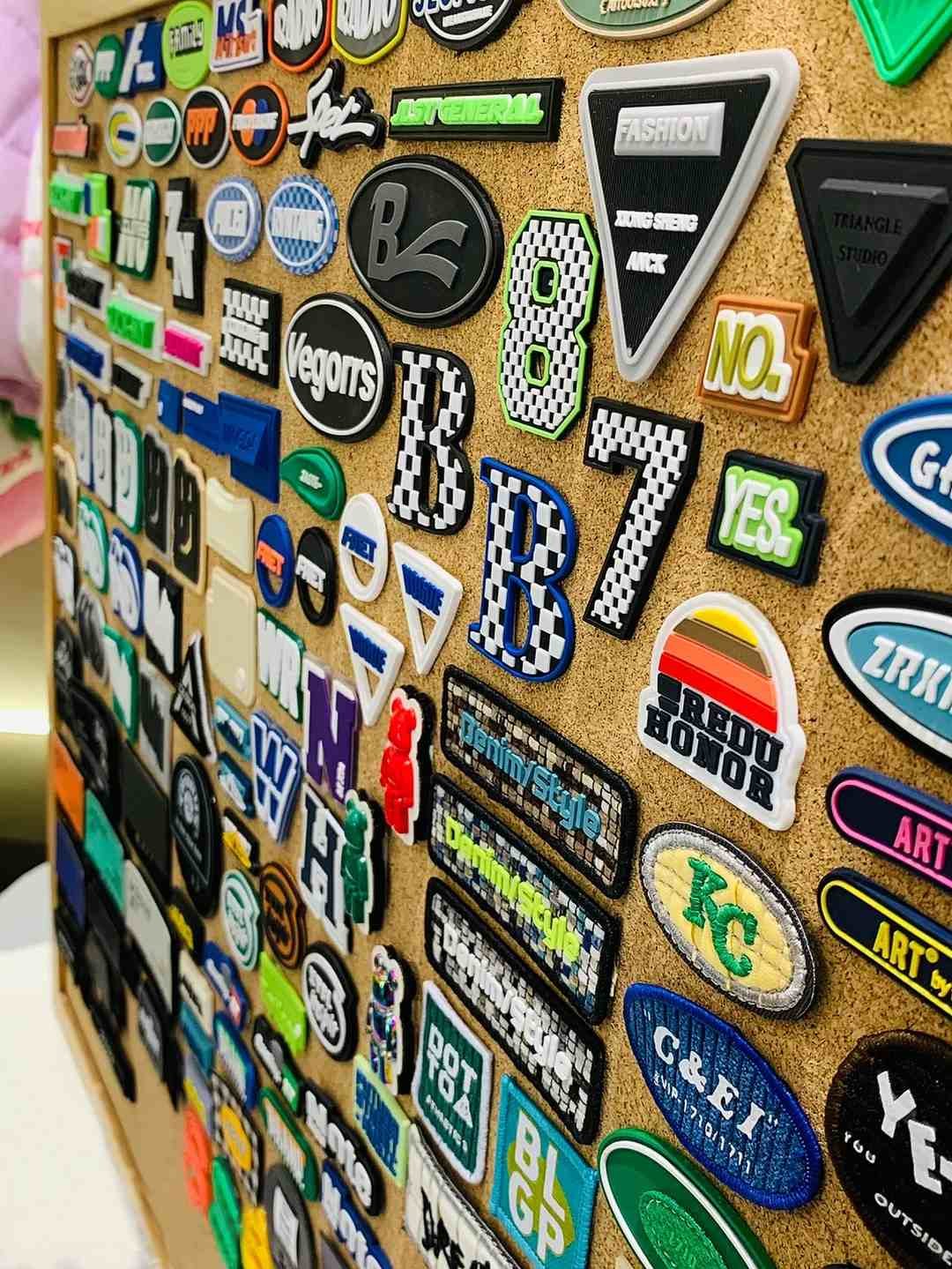
Patch Application
Woven, chenille, or PVC patches sewn or bonded onto chest pieces, sleeves, or back yokes add premium tactile dimension and elevate perceived brand value across streetwear and influencer polo collections.
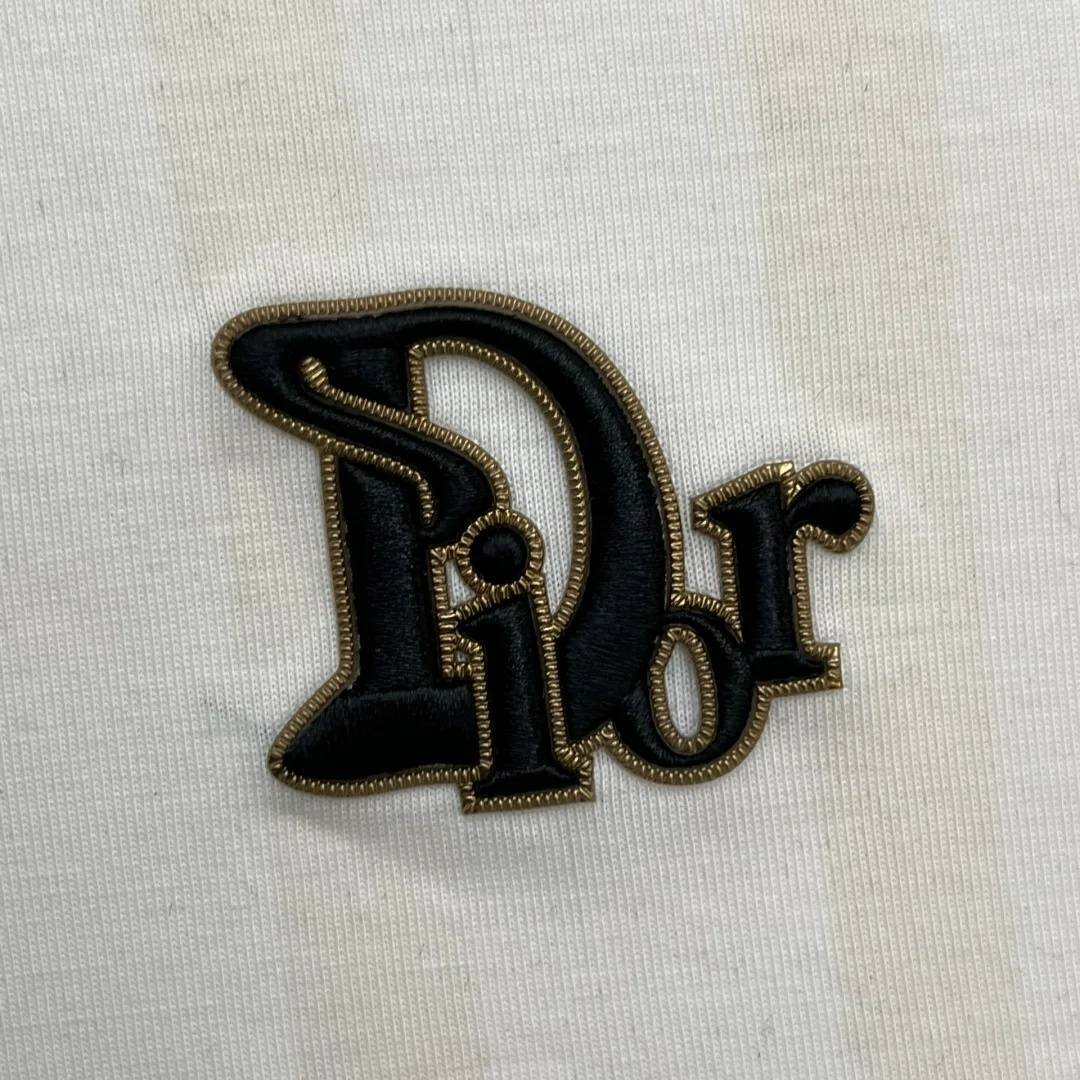
Custom Stitching
Decorative topstitching, contrast thread detailing, and chain-stitch accents give polo shirts an artisan, bespoke finish that signals craftsmanship and sets your streetwear collection apart from mass-market alternatives.
Customization & Hardware Options for Embroidered Polo Shirts
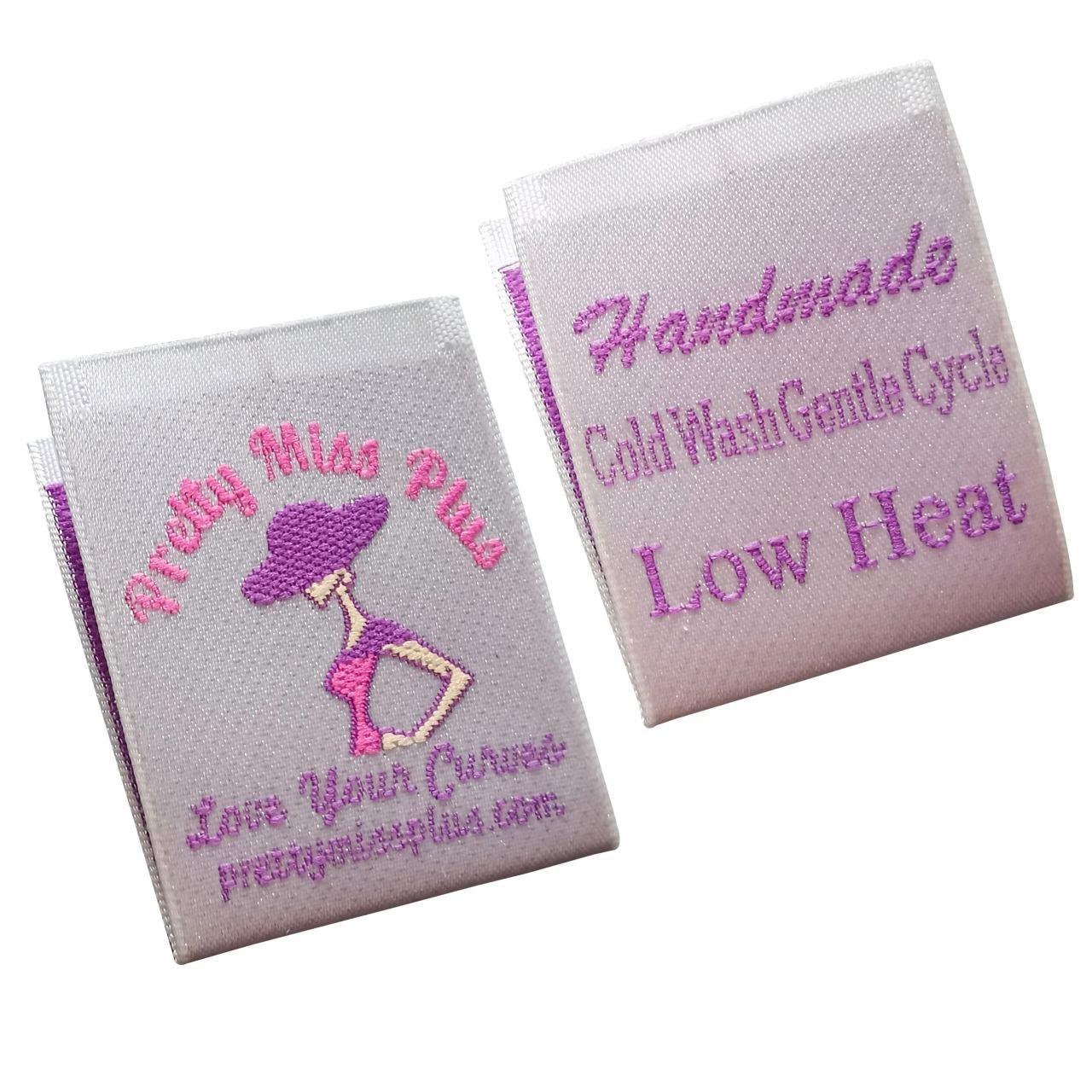
Woven Labels
Custom-woven brand labels stitched into the collar, hem, or neckline deliver a premium, professional finish. Available in any size, color, or thread count to perfectly match your brand identity and elevate perceived quality.
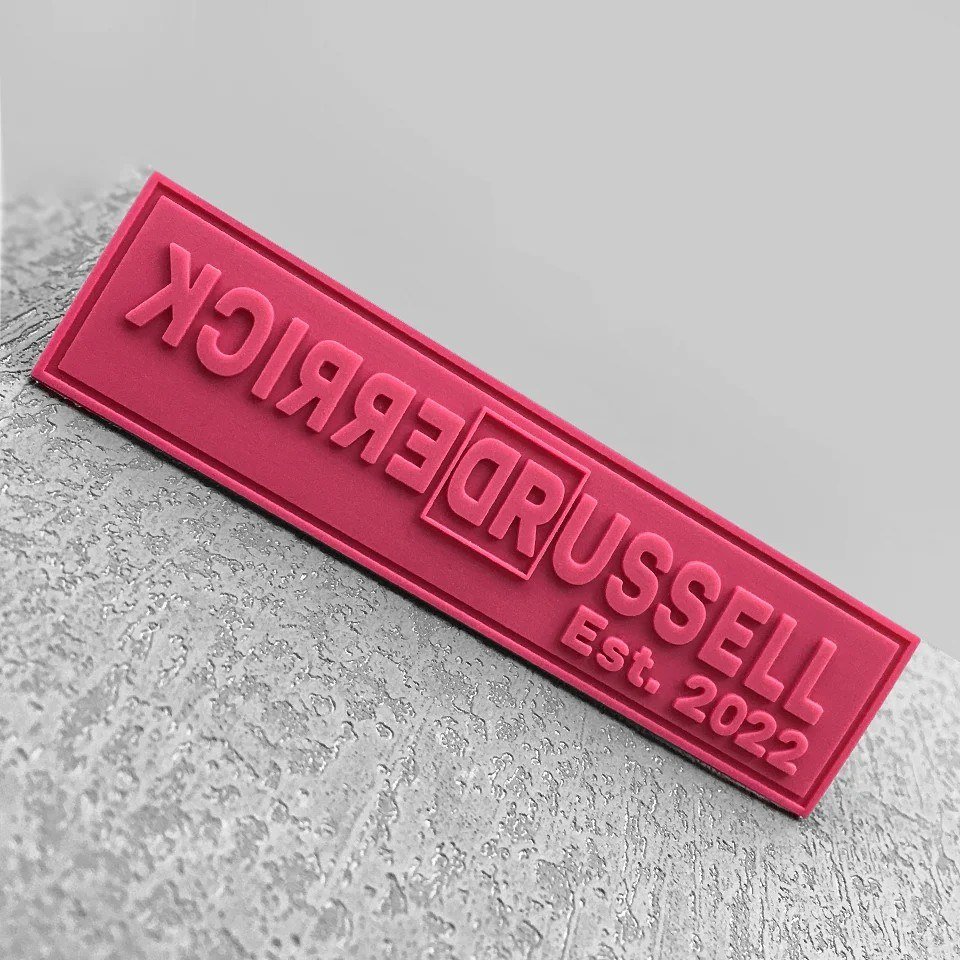
Custom Hangtags
Branded card or paper tags printed with your logo, sizing, and care instructions. Attached at the placket or hem, they reinforce brand identity and elevate perceived value at every point of sale.
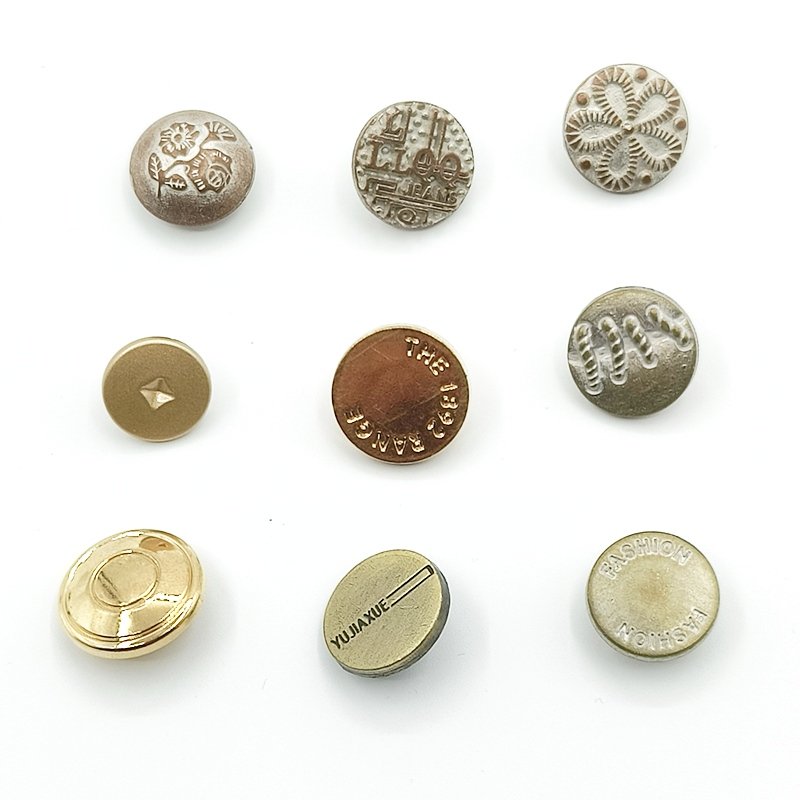
Snap Buttons
Durable metal or resin snap fasteners replace traditional buttons on polo plackets for a modern streetwear edge. Available in custom finishes — matte, polished, or antique — to complement your brand’s full color palette.
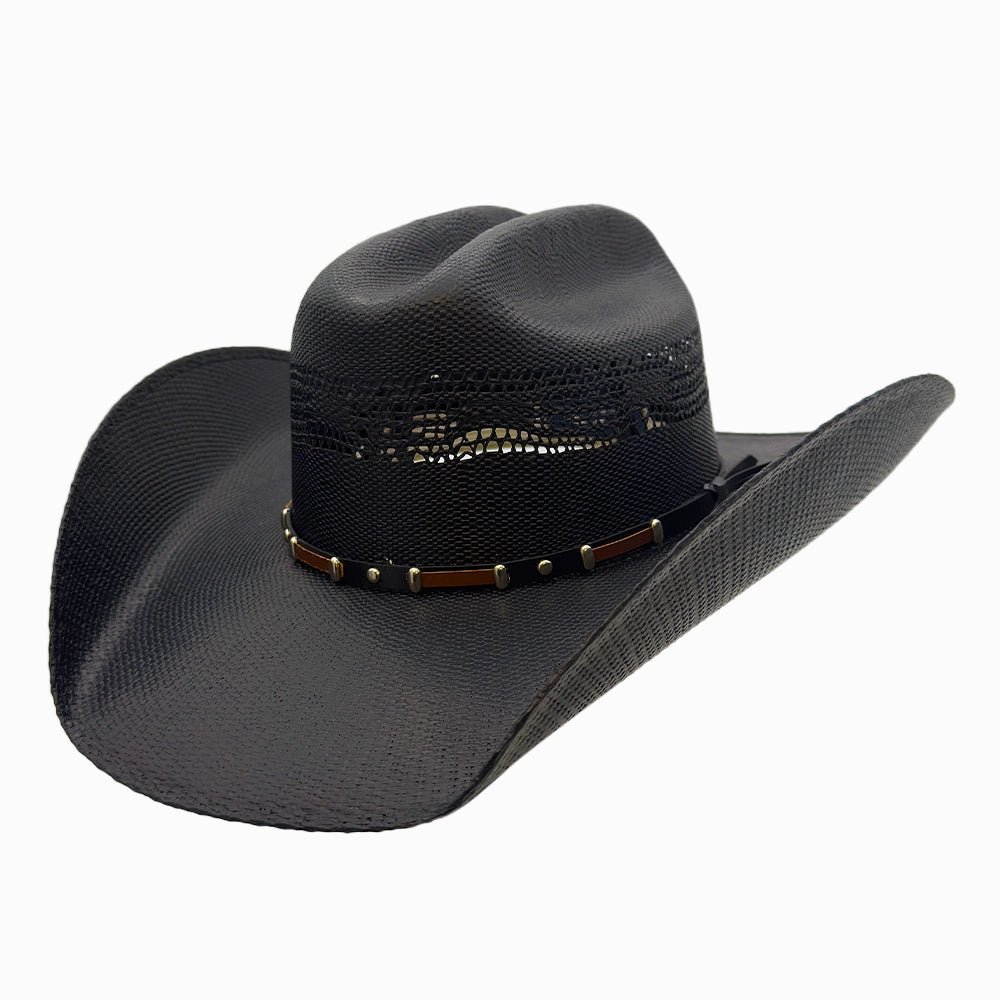
Embroidered Patches
Fully custom embroidered patches applied to chest, sleeve, or back panels amplify brand presence. Crafted in-house by our 15-member R&D team with precision thread work and firm backing for long-lasting adhesion.
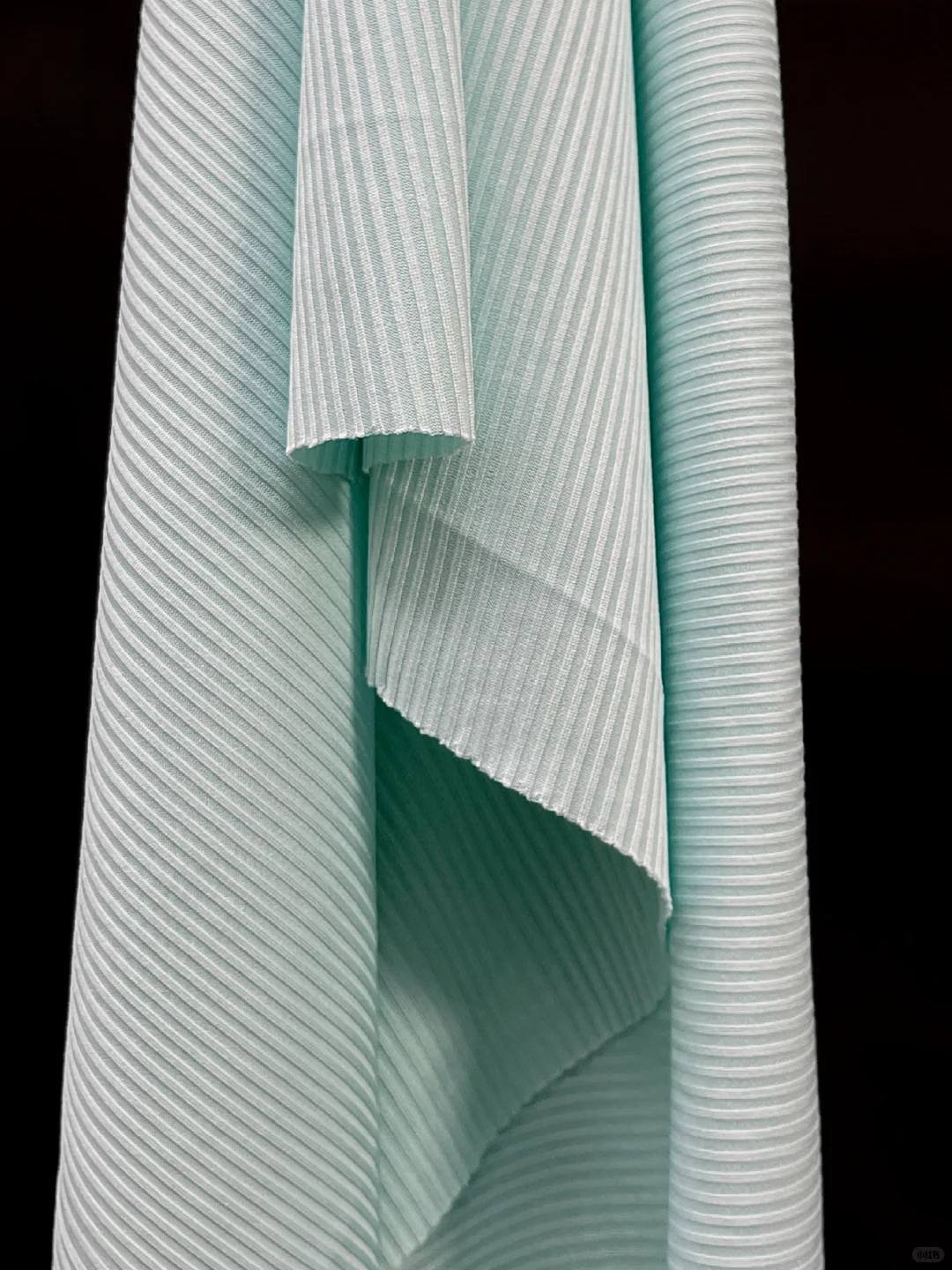
Collar Tipping
Contrasting stripe trim applied to collar edges and sleeve cuffs — a signature polo detail that sets your style apart. Choose from dozens of color combinations to create a distinctive, unmistakably on-brand look.
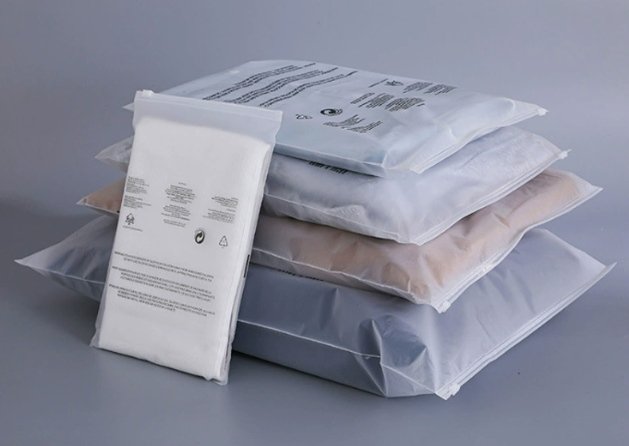
YKK Zippers
Premium YKK zip plackets offer a contemporary alternative to button-front polos, favored by streetwear labels worldwide. Available in hidden or exposed styles with custom puller options to match your collection’s overall aesthetic.
Embroidered Polo Shirt Manufacturer Built on Integrity
Clothing Manufacturer Ltd. was founded in 2024 by Tesla Luo, a garment industry veteran who grew up on factory floors in Dongguan — the heartland of Chinese apparel production. With more than 10 years of manufacturing experience and 6 years specializing in streetwear, Tesla built this embroidered polo shirt manufacturer around one non-negotiable conviction: rigorous quality control at every stage, never just at the end.
Since launch, we have served brands across more than 100 countries and regions, from first-collection startups to established global retailers. Our proprietary five-step QC system — covering materials, cutting, craftsmanship, sewing, and finished goods inspection — eliminates defects before they ship. Pair that with low MOQ options and fast turnaround for seasonal collections, and brands at every growth stage get premium production without compromise.
What sets us apart is our 15-member in-house R&D and design team, 10 active production patents, and deep cultural fluency in streetwear aesthetics. Backed by the infrastructure of our parent company, Dongguan TuoZhen Clothing Co., Ltd., we combine the agility of a boutique streetwear specialist with the capacity and global logistics support of a proven manufacturing operation.
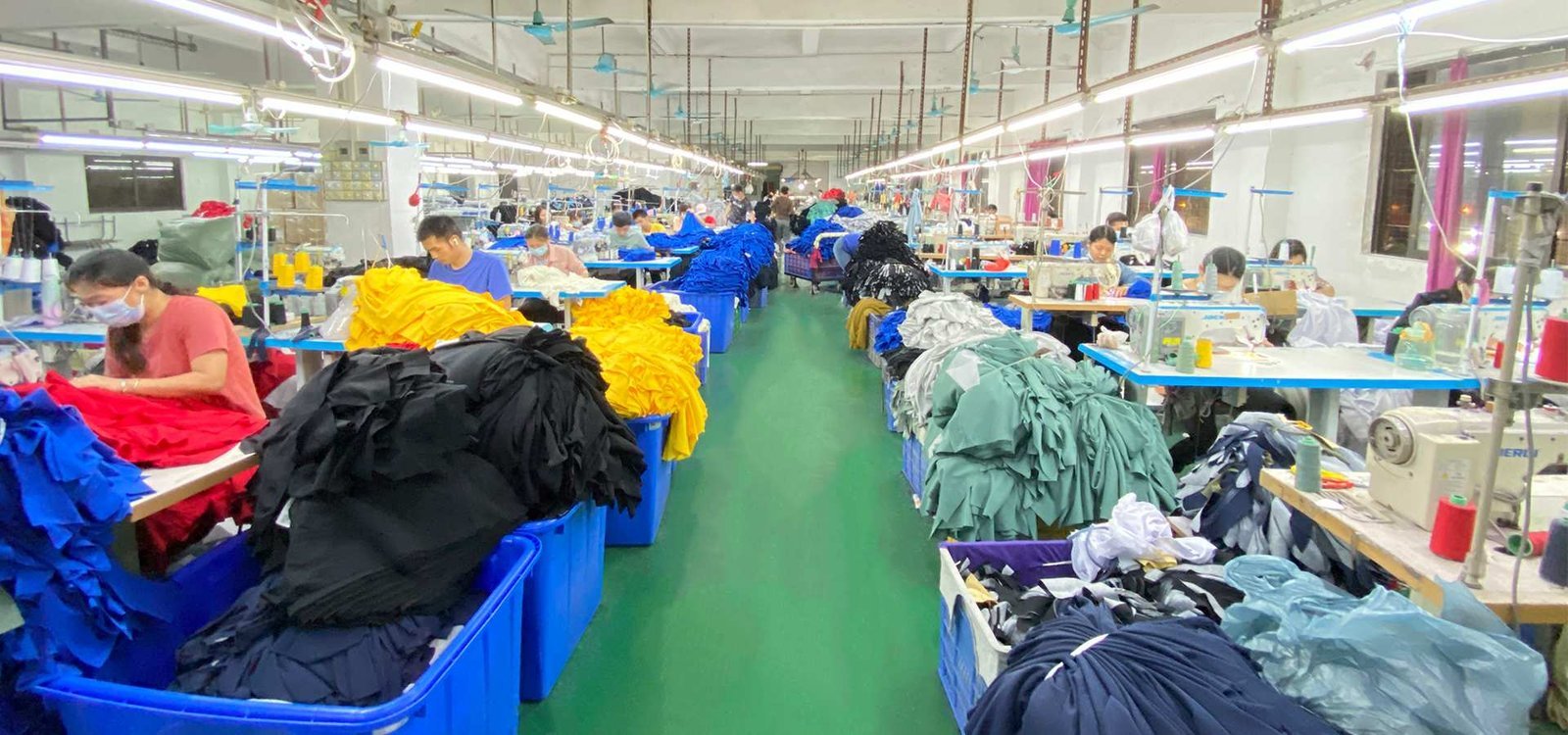
From Design to Delivery: Your Embroidered Polo Shirt Manufacturer
In-House Design Team Built for Streetwear
Our 15-member R&D team takes your concept from rough reference to production-ready artwork, handling pattern development, embroidery placement mapping, and color-way proofing entirely in-house — so revisions move fast and your creative vision stays intact throughout sampling.
- 15-member in-house R&D and sampling team fluent in streetwear aesthetics and motifs
- Full pattern development, tech-pack creation, and embroidery digitizing under one roof
- Low MOQ thresholds let emerging brands sample and launch without committing to large runs
- Iterative revision cycles with dedicated order-follow-up managers assigned to every project
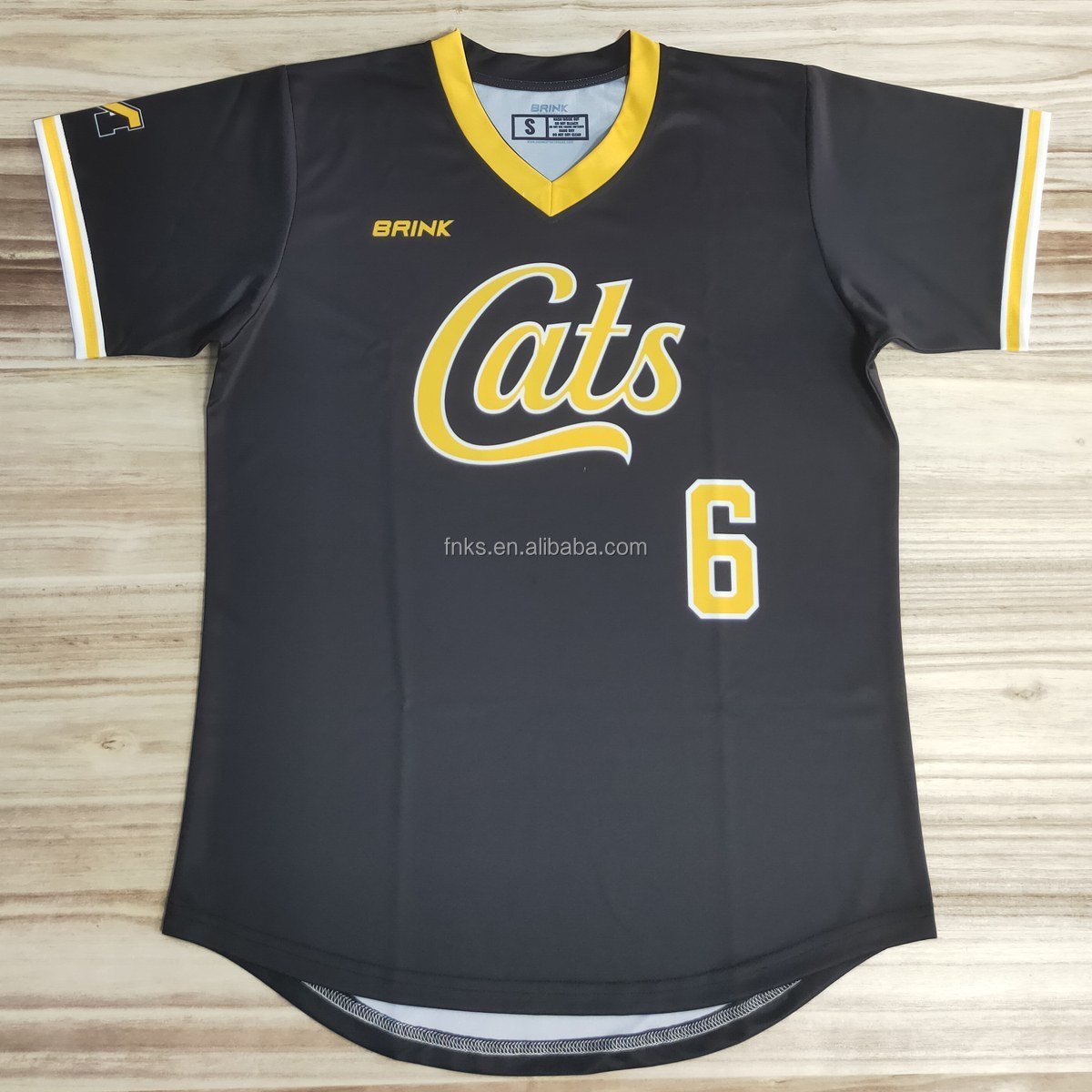
Proprietary 5-Step QC at Every Production Stage
Most factories inspect only at the end. As a quality-first embroidered polo shirt manufacturer, we run five embedded checkpoints — materials through finished garment — catching defects where they originate, not after they multiply across thousands of units.
- Stage 1 and 2: Fabrics, threads, and cut panels verified before a single stitch is sewn
- Stage 3: Embroidery placement, density, and stitch coverage inspected mid-production
- Stage 4: Seam integrity, construction, and craft standards validated on the sewing line
- Stage 5: Every finished polo measured, pressed, and signed off before it reaches your hands
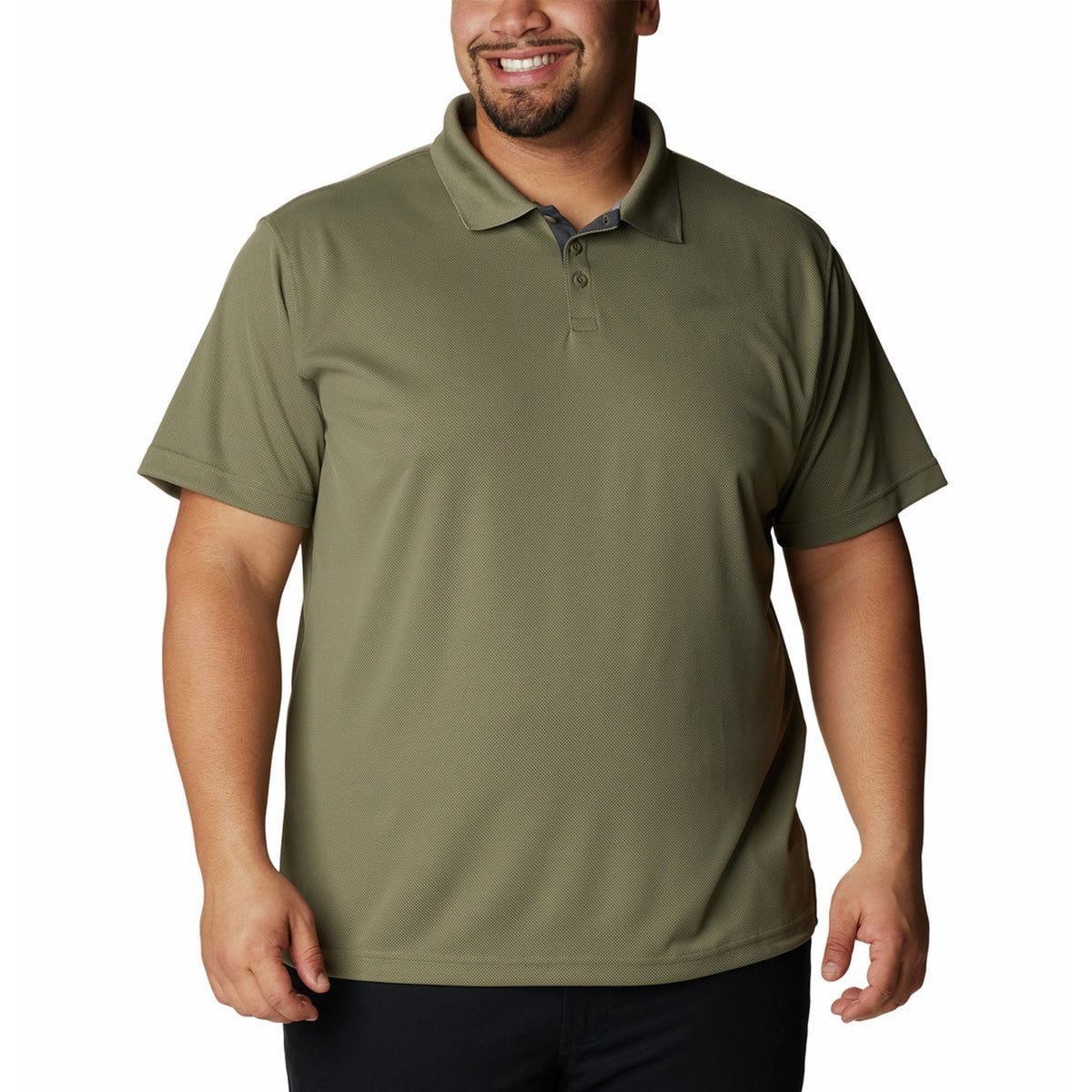
Rapid Sampling Cycles for Seasonal Drops
Streetwear and influencer timelines wait for no one. Our accelerated sampling workflow compresses development without cutting corners, giving your team approved pre-production samples early enough to photograph, promote, and pre-sell ahead of every seasonal window.
- Digital tech-packs accepted to eliminate back-and-forth design translation and delays
- Streamlined approval loops keep sampling cycles short without sacrificing accuracy
- Proven track record producing influencer and creator collections that scale from 50 to 50,000 units
- Experience across 100-plus countries means we anticipate regional compliance requirements upfront
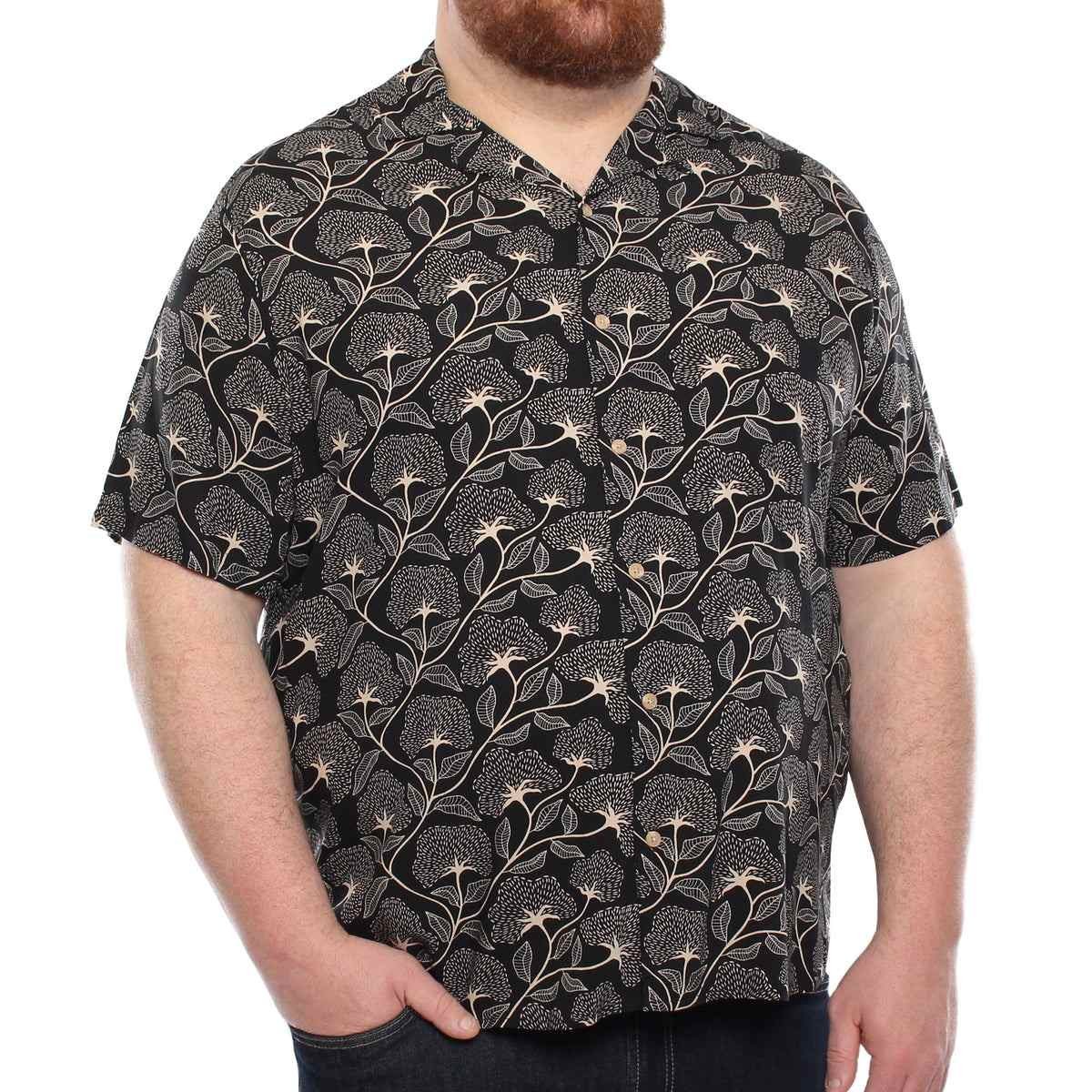
End-to-End Global Shipping and Logistics
From our Humen Town facility to brands across more than 100 countries, our in-house international trade team handles customs documentation, inspection filings, and carrier coordination — so your embroidered polo order clears borders smoothly and arrives on schedule.
- Established export routes to North America, Europe, Southeast Asia, and the Middle East
- Customs declaration and inspection paperwork prepared and managed entirely in-house
- Flexible freight options — express air, sea freight, and consolidated loads — matched to your budget and deadline
- Proactive shipment tracking and milestone updates so you always know where your order stands
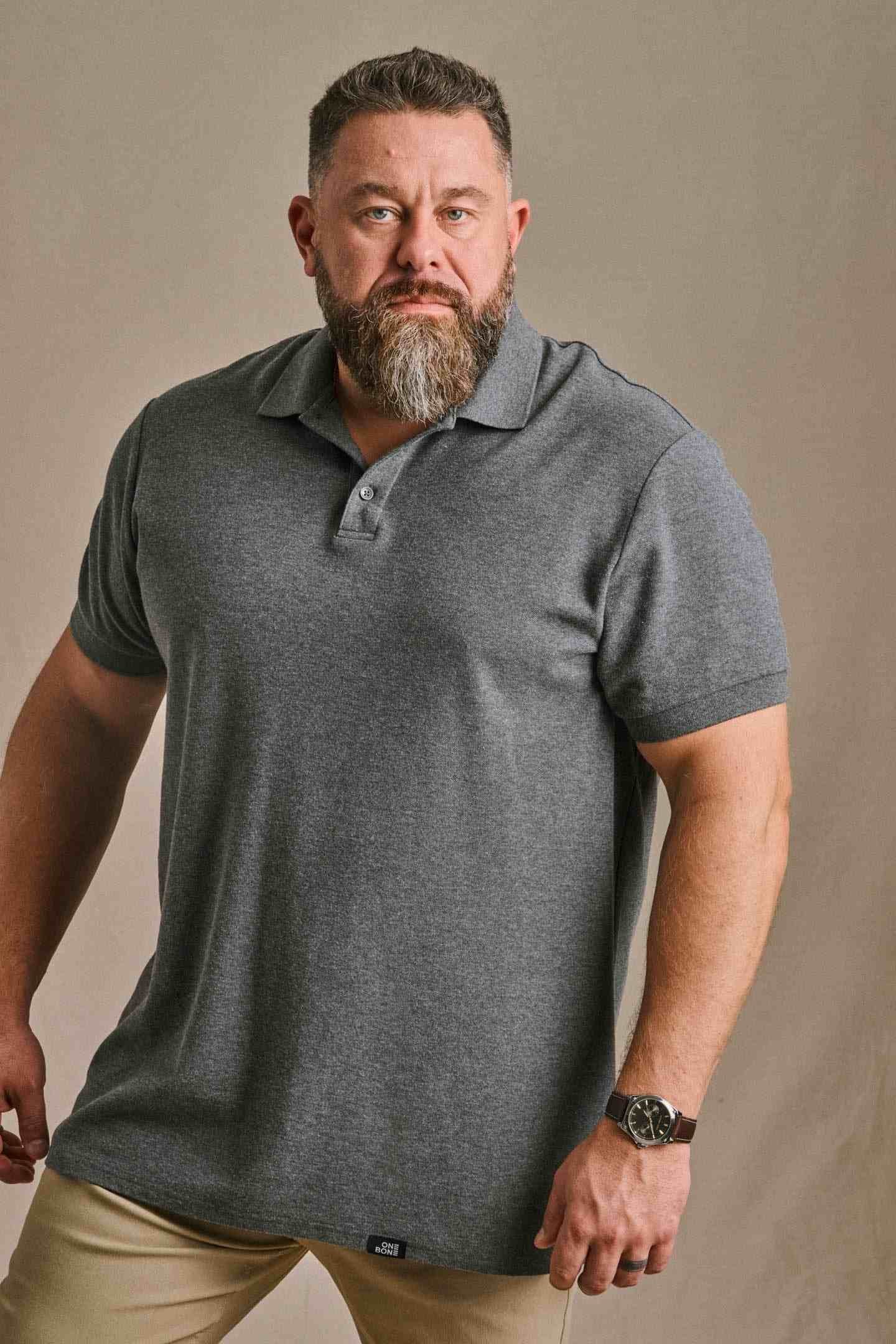
The Embroidered Polo Shirt Manufacturer Brands Trust
See how our 5-step QC, in-house design team, and global reach stack up against typical suppliers — row by row.
← 左右滑动查看 →
Inside the Process of a Trusted Embroidered Polo Shirt Manufacturer
From raw fabric to your doorstep, every production phase is guarded by a dedicated QC check — so defects never reach your brand.
Materials QC Testing
Fabrics, embroidery threads, and trims are rigorously tested for weight, colorfastness, and tensile strength before a single stitch is made.
Cutting QC Testing
Every pattern panel is precision-checked for accurate dimensions, grain alignment, and clean-cut edges, eliminating fit errors before production begins.
Embroidery & Craft QC
Embroidery placement, thread tension, stitch density, and color accuracy are verified on approval samples before the full production run proceeds.
Sewing Production QC
In-line inspectors audit seam strength, stitch consistency, and collar construction at every sewing station to catch and correct defects early.
Finished Garment Inspection
Every completed polo is individually measured and assessed for embroidery quality, symmetry, and overall finish against your approved pre-production sample.
Packing & Global Shipping
Orders are professionally folded, poly-bagged, and dispatched via your preferred freight channel with full documentation and end-to-end tracking support.
Partner With a Trusted Embroidered Polo Shirt Manufacturer in 4 Simple Steps
From first concept to global delivery, our streamlined process makes launching or scaling your branded polo collection faster and simpler than you expect.
Share Your Design or Tech Pack
Submit your design files, tech pack, or concept brief. Our in-house team reviews your requirements and responds with a tailored production plan within 24 hours.
Receive Your Quote and Free Sample
Get a competitive, itemized quote plus a complimentary pre-production sample so you can verify fabric quality, embroidery detail, and fit before committing to bulk.
Approve and Launch Bulk Production
Once you sign off on the sample, we begin bulk production backed by our 5-step QC process, catching defects at every stage from cutting to finished goods.
Receive Your Order Worldwide
We manage global shipping and logistics, delivering your branded embroidered polo shirts on time to any destination, with full tracking and dedicated after-sales support.
The Certifications Behind Our Embroidered Polo Shirt Manufacturing
What Our Brand Partners Say
We switched to Clothing Manufacturer Ltd for our embroidered polo line and saw a 40% drop in return rates almost immediately. Their 5-step QC process catches defects before they ship. Our 300-piece run was delivered in 18 days — faster than any previous manufacturer we’d used.
As a startup, low MOQ was non-negotiable for us. We launched our first embroidered polo collection with just 50 pieces per colorway and sold out in under two weeks. The in-house sampling team perfected the design before a single unit hit production — zero wasted samples.
We scaled from 0 to 87,000 followers in one year, and our embroidered polo drops were a huge driver. Clothing Manufacturer Ltd shipped to customers across 14 countries with no logistics hiccups. Our audience consistently comments on the quality — that reputation is priceless.
Embroidered Polo Shirt Manufacturer FAQs: Everything You Need to Know
Clear, specific answers to the questions every brand asks before placing their first order with us.
What is the minimum order quantity at your embroidered polo shirt manufacturer?
How do I choose a reliable embroidered polo shirt manufacturer in China?
What quality control process does your embroidered polo shirt manufacturer use?
How long does it take to produce custom embroidered polo shirts?
How much does a pre-production sample cost, and is that fee refundable?
What payment terms do you offer for bulk polo shirt orders?
How do you protect my embroidery designs and brand intellectual property?
Do you support global shipping and logistics for finished polo orders?
Can I get custom woven labels, hangtags, and branded packaging with my polo order?
The Complete Buyer’s Guide to Choosing an Embroidered Polo Shirt Manufacturer
Discover how to evaluate every embroidered polo shirt manufacturer against quality, MOQ, and lead-time benchmarks — with a clear decision framework, supplier criteria checklist, and the most costly sourcing mistakes brands must avoid.
1. What Is an Embroidered Polo Shirt Manufacturer?
An embroidered polo shirt manufacturer is a vertically integrated production partner operating multi-head embroidery machines — typically 6 to 15 heads per frame — alongside polo-specific cut-and-sew lines equipped for collar fusing, reinforced placket stitching, and cuff ribbing. A generic CMT (cut, make, trim) factory handles flat fabric and basic seams; it rarely stocks digitizing software, embroidery hooping jigs, or the tensioning expertise needed to render fine logo detail on piqué or interlock knit without puckering.
Digitizing is the defining capability gap. Converting a brand’s vector artwork into stitch-path data — managing underlay layers, density (typically 0.4–0.5 mm stitch spacing), and pull-compensation for stretchy polo fabrics — requires a trained digitizer, not a generic machine operator. Manufacturers who digitize in-house control turnaround and sample accuracy; those who outsource it add 5–10 days and lose quality oversight at the source.
Polo-specific construction demands further specialization: collar stand height, 3-button or 5-button plackets, set-in versus shirt-sleeve cuffs, and side-vent finishing each require dedicated pattern blocks and press-mold tooling that a print-on-demand platform simply does not hold. A true embroidered polo shirt manufacturer maintains these assets alongside OEKO-TEX certified fabric sourcing and a multi-stage QC pipeline — not a single end-of-line visual check.
For streetwear labels, independent designers, and global retailers, the answer is direct: a generic factory produces a polo; a specialist produces a branded polo that holds its shape, registers its embroidery cleanly, and ships consistently at scale. If logo placement, stitch fidelity, and collar construction matter to your end customer, a specialist is not optional.
2. A Brief History of the Embroidered Polo Shirt
In 1926, René Lacoste debuted the short-sleeved piqué cotton shirt on the tennis court, replacing stiff formal whites with a breathable, ribbed-collar silhouette that athletes could actually move in. That single design decision locked in the polo shirt’s DNA — placket collar, two-button closure, hemmed tail — a blueprint virtually unchanged a century later.
Ralph Lauren’s 1972 Polo line turned the garment into a status symbol by centering a small embroidered pony on the chest. That logo stitch — clean, color-fast, dimensionally raised above the fabric — outperformed screen print on knit fabrics because it didn’t crack, peel, or flatten after washing. Brands quickly learned that embroidery signals permanence; it became the decoration of choice wherever longevity and perceived value mattered.
By the 1990s, computerized multi-head embroidery machines and DST digitizing software transformed what once required skilled hand stitchers into a repeatable, scalable process. Stitch counts, density, and underlay settings could be saved as digital files, letting factories reproduce a 5,000-stitch chest logo identically across thousands of units. This precision lowered per-unit costs while raising consistency — exactly what growing brands needed.
Today, streetwear labels, influencer brands, and independent designers are driving a new wave of embroidered polo shirt demand, using tonal thread work, oversized chest patches, and sleeve embroideries to push the silhouette into drop-culture territory. That creative complexity requires a manufacturing partner with advanced DST digitizing capability, tight thread-tension control, and a stage-by-stage QC process — which is why selecting the right embroidered polo shirt manufacturer has never carried more commercial weight.
3. Types of Embroidered Polo Shirts Every Manufacturer Offers
An experienced embroidered polo shirt manufacturer maintains at least five distinct silhouettes in production. Each style targets a different end-use, fabric weight range, and embroidery zone — knowing which fits your brand saves costly sampling rounds.
Classic Piqué Polo
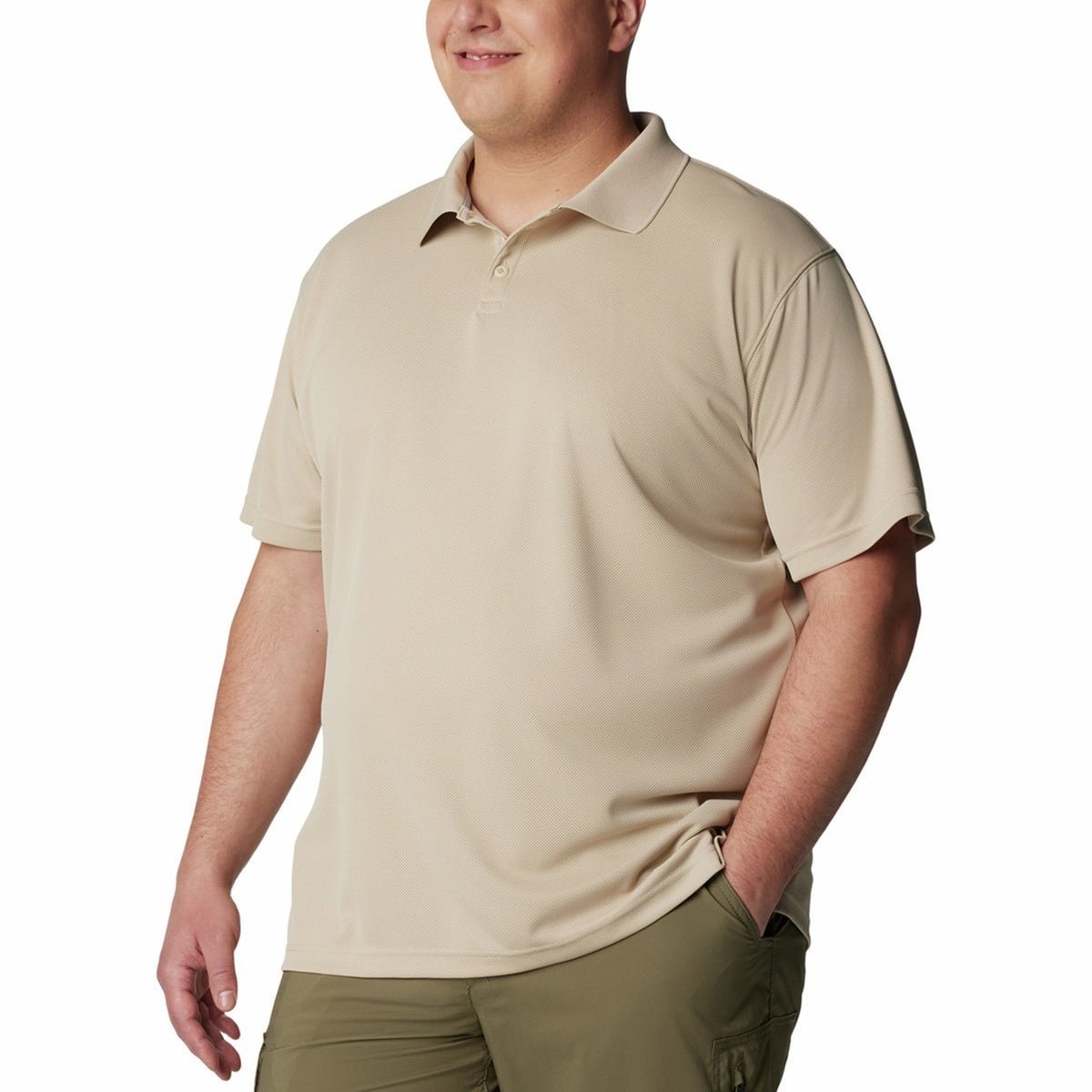
The classic piqué polo, typically 200–240 GSM cotton or cotton-poly blend, dominates corporate gifting and uniform programs. Standard embroidery placement sits at the left chest, with optional sleeve or right-chest secondary logos for corporate identity packages.
Performance Moisture-Wicking Polo
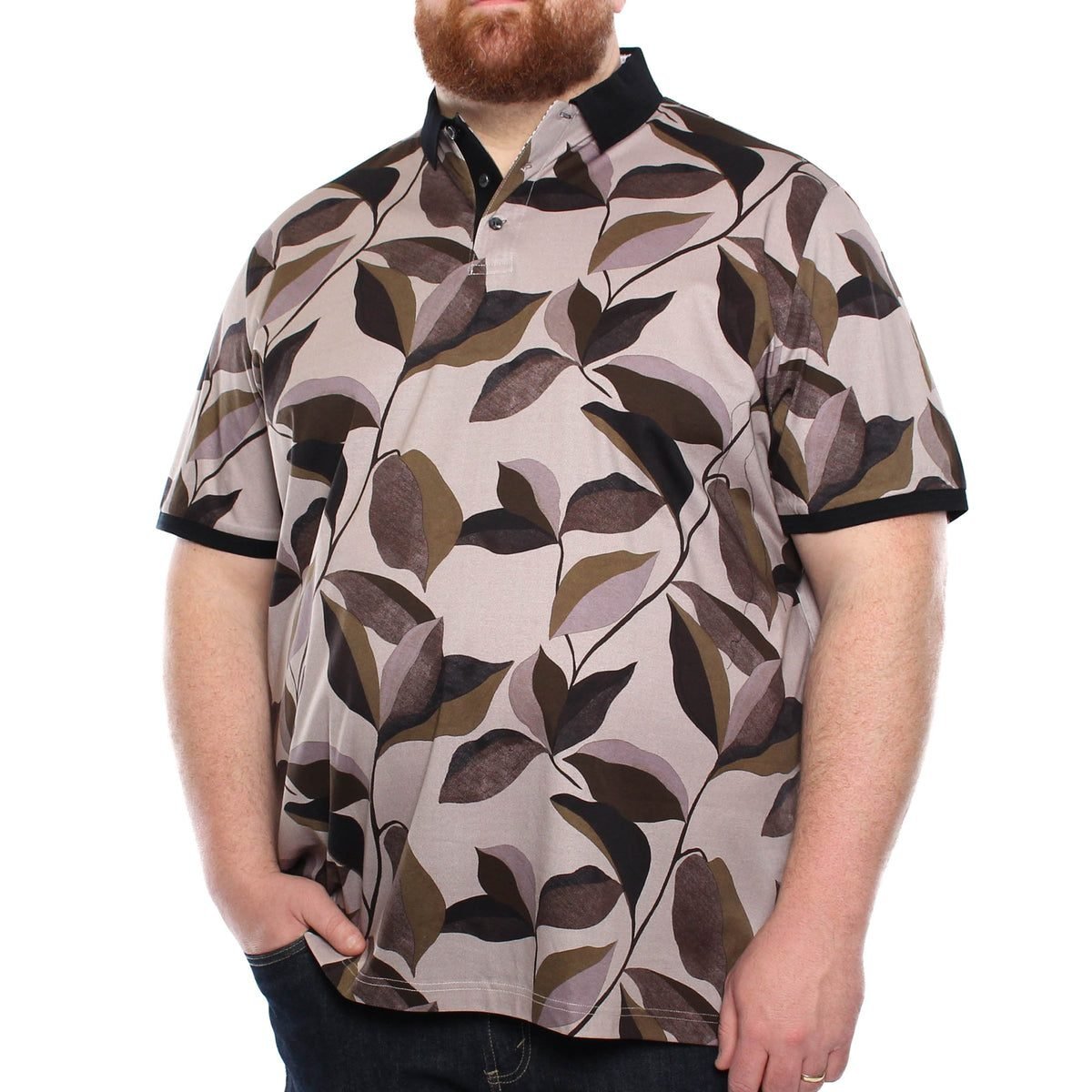
Constructed from 140–180 GSM polyester or poly-spandex, performance polos suit activewear labels and sports teams. Embroidery is kept under 10,000 stitches to prevent backing stiffness on stretch fabrics; left-chest and sleeve placements are most common.
Slim-Fit Fashion Polo
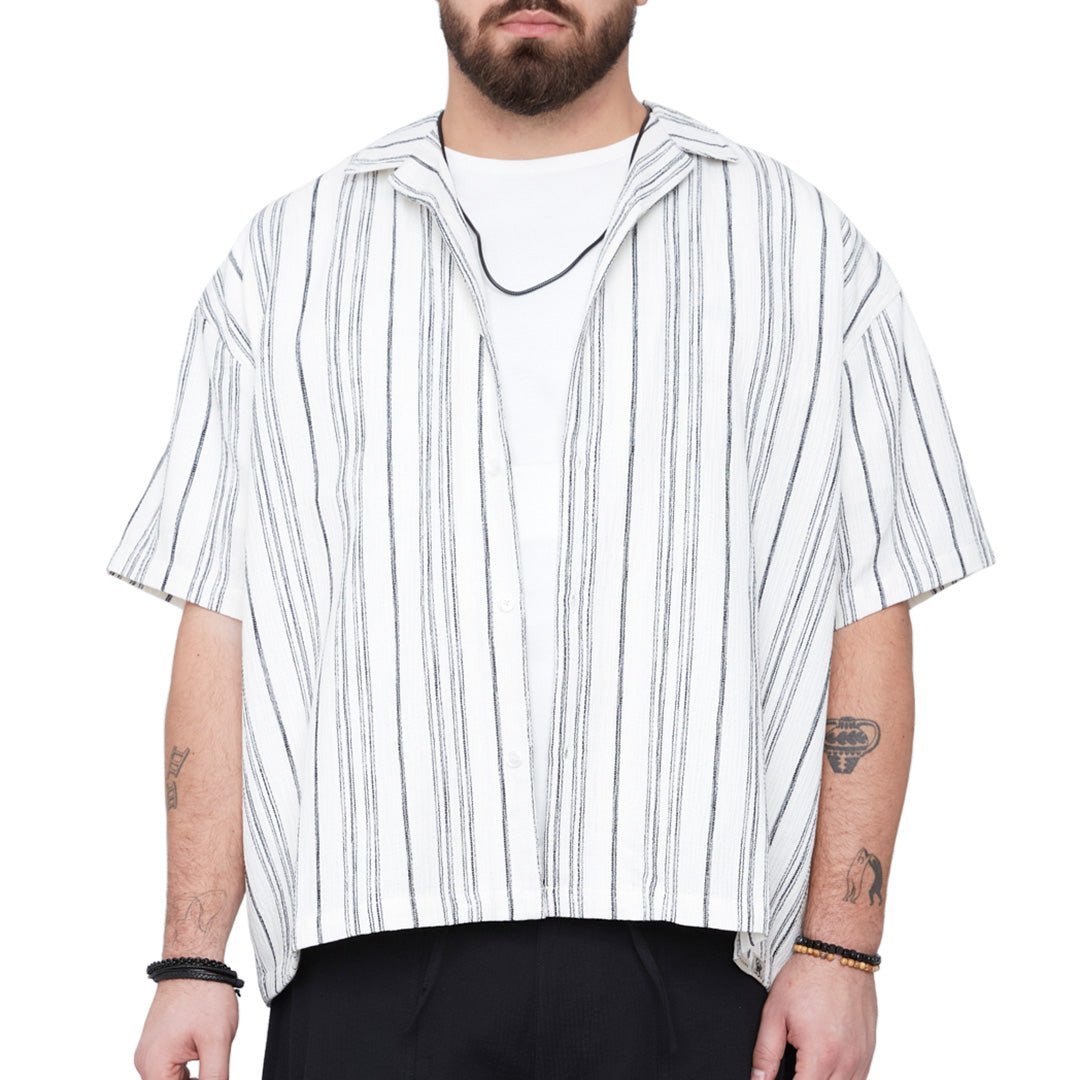
Slim-fit fashion polos run 180–220 GSM in ring-spun cotton or cotton-modal blends, targeting contemporary retail and influencer brands. Embroidery at the back yoke or an oversized left-chest panel signals a premium, editorial aesthetic over the utilitarian left-chest standard.
Oversized Streetwear Polo
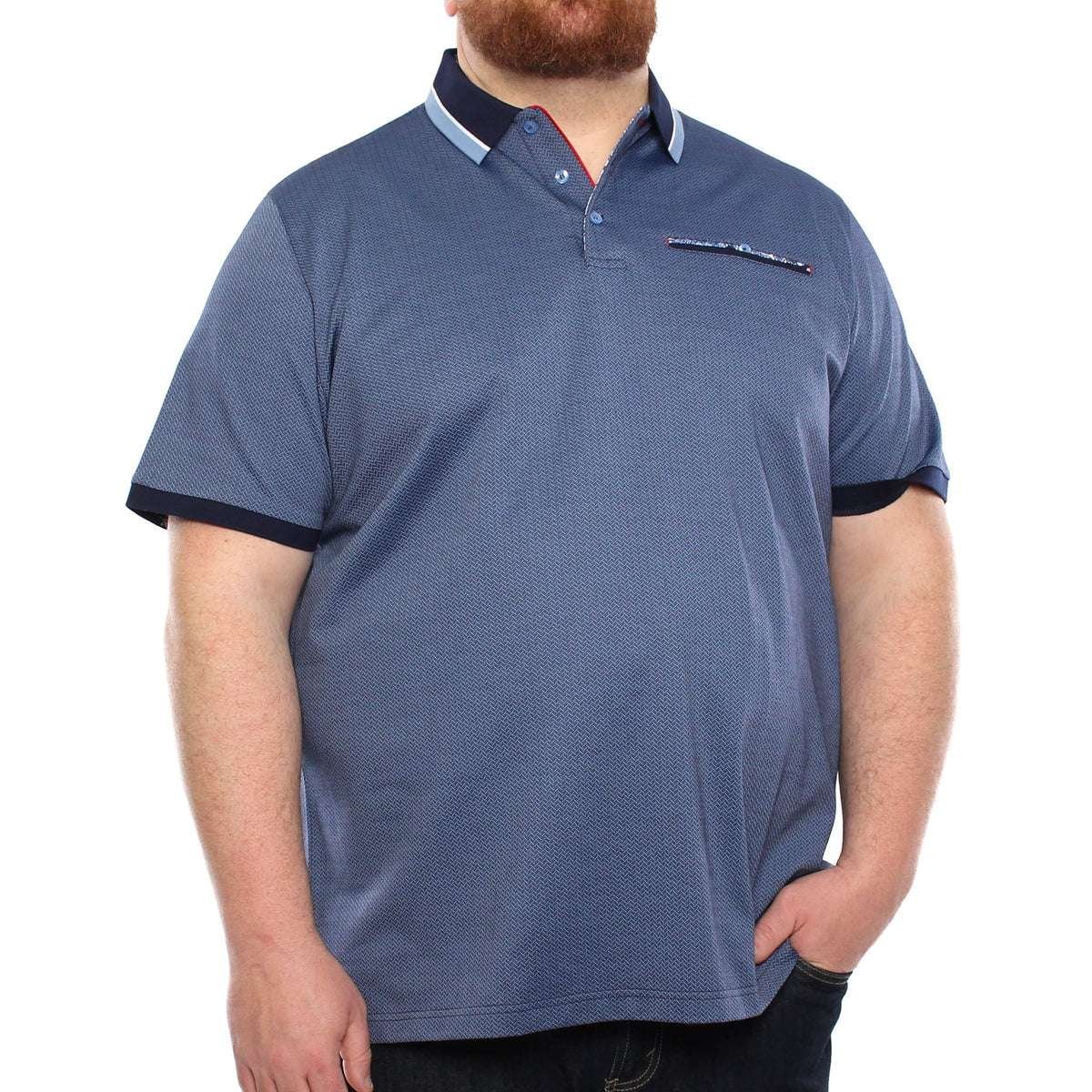
Oversized polos, 220–280 GSM, are the go-to silhouette for streetwear drops and creator-brand limited runs. Large back-yoke embroidery, sleeve wraps, and tonal thread work distinguish them; an embroidered polo shirt manufacturer with streetwear depth handles these placements without puckering.
Henley-Collar Polo
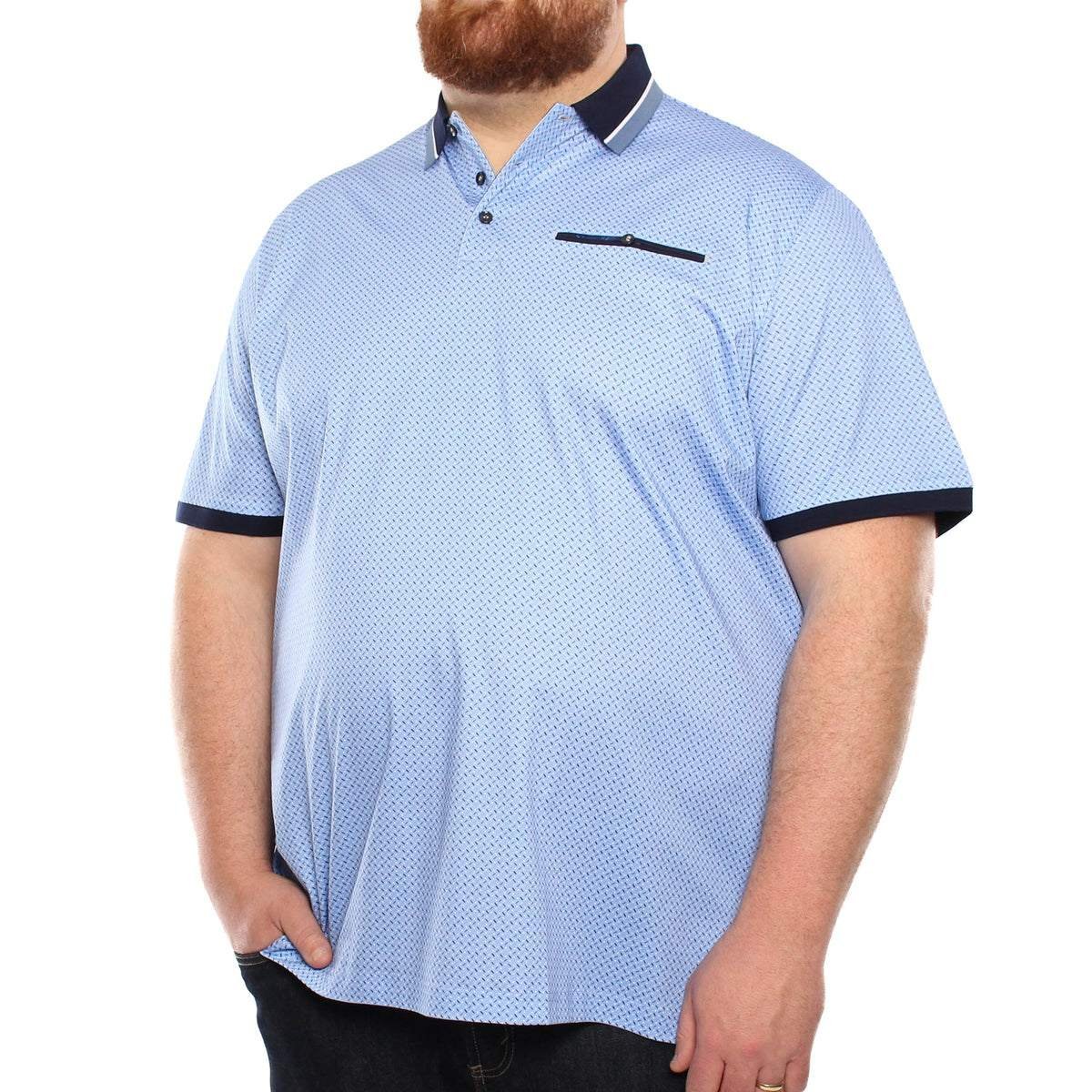
The henley-collar polo — featuring a button placket without a traditional collar — runs 200–250 GSM and appeals to independent designers and trendy brands seeking a fashion-forward alternative. Left-chest micro-embroidery or sleeve insignia preserves the clean, minimal silhouette.
4. Materials & Fabrics Used by Embroidered Polo Shirt Manufacturers
Fabric selection is the single variable that most directly shapes embroidery quality on a finished polo. Every embroidered polo shirt manufacturer worth partnering with stocks at least four fabric categories, each with distinct implications for stitch density, backing type, and puckering risk.
| Fabric Type | GSM Range | Best For | Embroidery Compatibility | Price Tier |
|---|---|---|---|---|
| Cotton Piqué | 180–240 | Everyday branded polos | High — minimal puckering | Mid |
| Poly-Cotton Blend | 190–220 | Promo and retail basics | Medium — needs tear-away backing | Low–Mid |
| 100% Polyester | 140–180 | Activewear / moisture-wicking | Low — limit to <8,000 stitches | Low |
| Supima Cotton | 220–240 | Premium / luxury brands | Very High — fine detail capable | High |
| Organic Cotton | 200–240 | Eco-conscious brands | High — OEKO-TEX / GOTS certified | High |
Cotton Piqué: The Standard Foundation
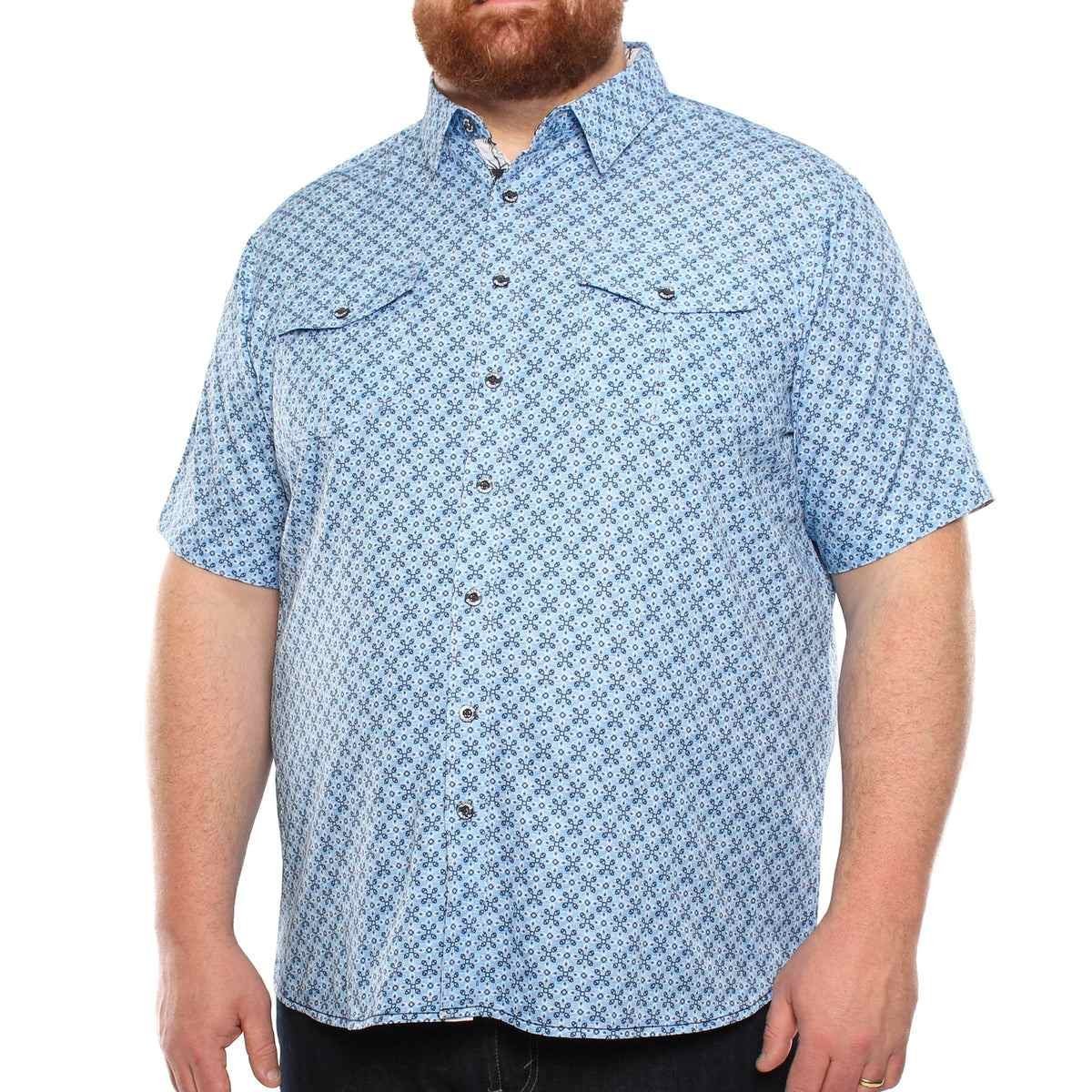
Cotton piqué at 180–240 GSM is the industry benchmark for polo shirts worldwide. Its raised waffle weave distributes embroidery stitches evenly, reducing puckering when paired with a cut-away backing.
Ring-spun cotton piqué at 200 GSM delivers the best balance of structure, drape, and embroidery hold for most branded applications.
Poly-Cotton Blends and Performance Polyester
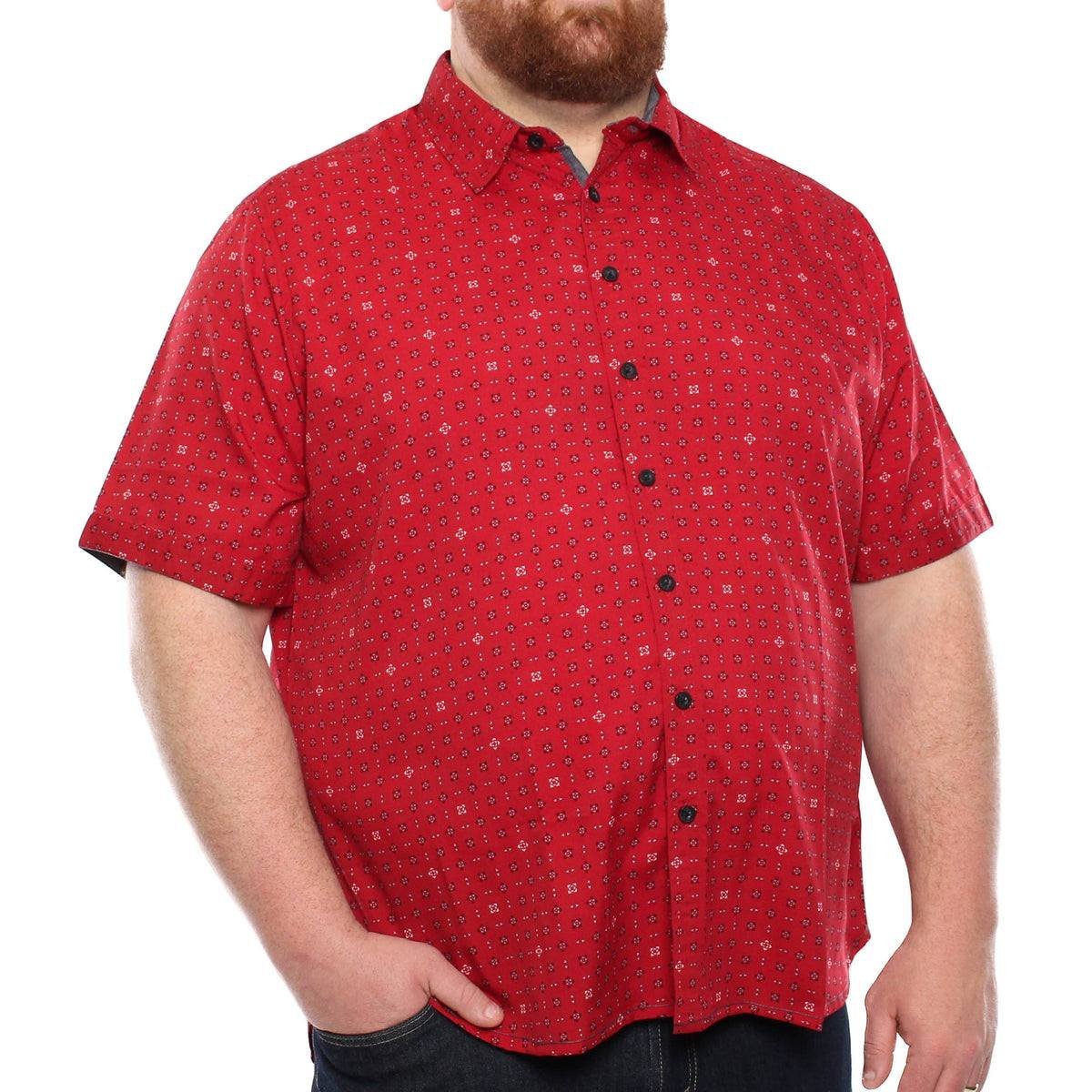
A 65/35 poly-cotton blend (190–220 GSM) offers wrinkle resistance at lower cost but requires a tear-away backing to prevent distortion under dense stitch counts.
100% polyester performance piqué (140–180 GSM) suits moisture-wicking activewear; however, it is the most puckering-prone substrate — keep designs under 8,000 stitches.
Premium Options: Supima and Organic Cotton
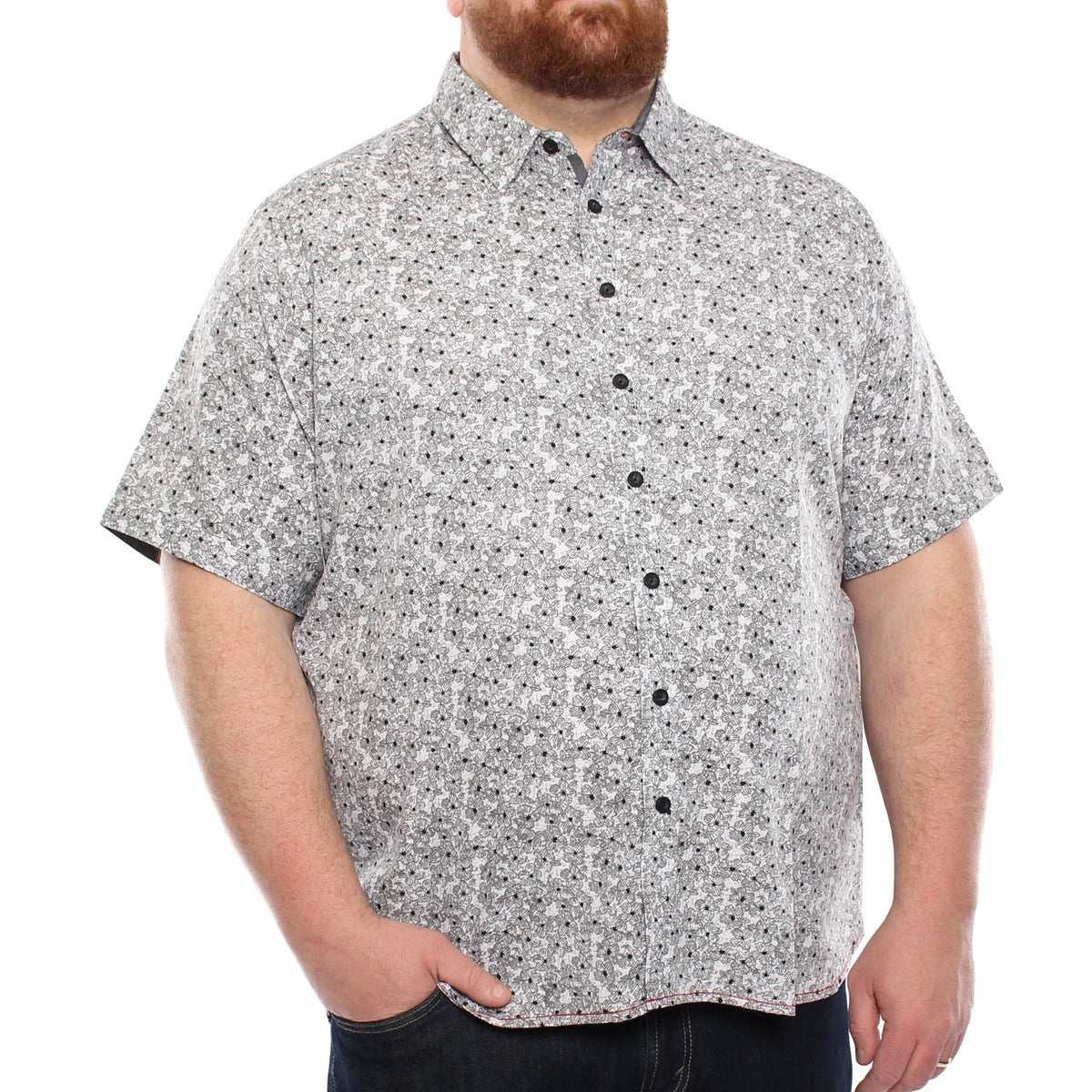
Supima cotton (220–240 GSM) features longer staple fibers than standard combed cotton, producing a smoother surface that holds fine embroidery detail with minimal pull distortion.
OEKO-TEX- or GOTS-certified organic cotton piqué carries a 20–35% fabric cost premium but directly answers sustainability requirements from retail buyers and eco-conscious end consumers.
5. Customization & Embroidery Options Your Manufacturer Should Provide
A capable embroidered polo shirt manufacturer offers six core embroidery techniques plus non-stitch add-ons that together define brand identity. Decoration choices directly affect retail price points, wash durability, and production lead time.
| Technique | Stitch Count | Cost Tier | Wash Durability |
|---|---|---|---|
| 2D Flat Embroidery | 3,000–10,000 | Low–Mid | 50+ washes |
| 3D Puff Embroidery | 5,000–15,000 | Mid | 40–50 washes |
| Chain-Stitch | 2,000–8,000 | Mid–High | 60+ washes |
| Tone-on-Tone | 4,000–12,000 | Mid | 50+ washes |
| Patch Embroidery | 8,000–20,000 | High | 70+ washes |
Flat, Puff, and Chain-Stitch Techniques
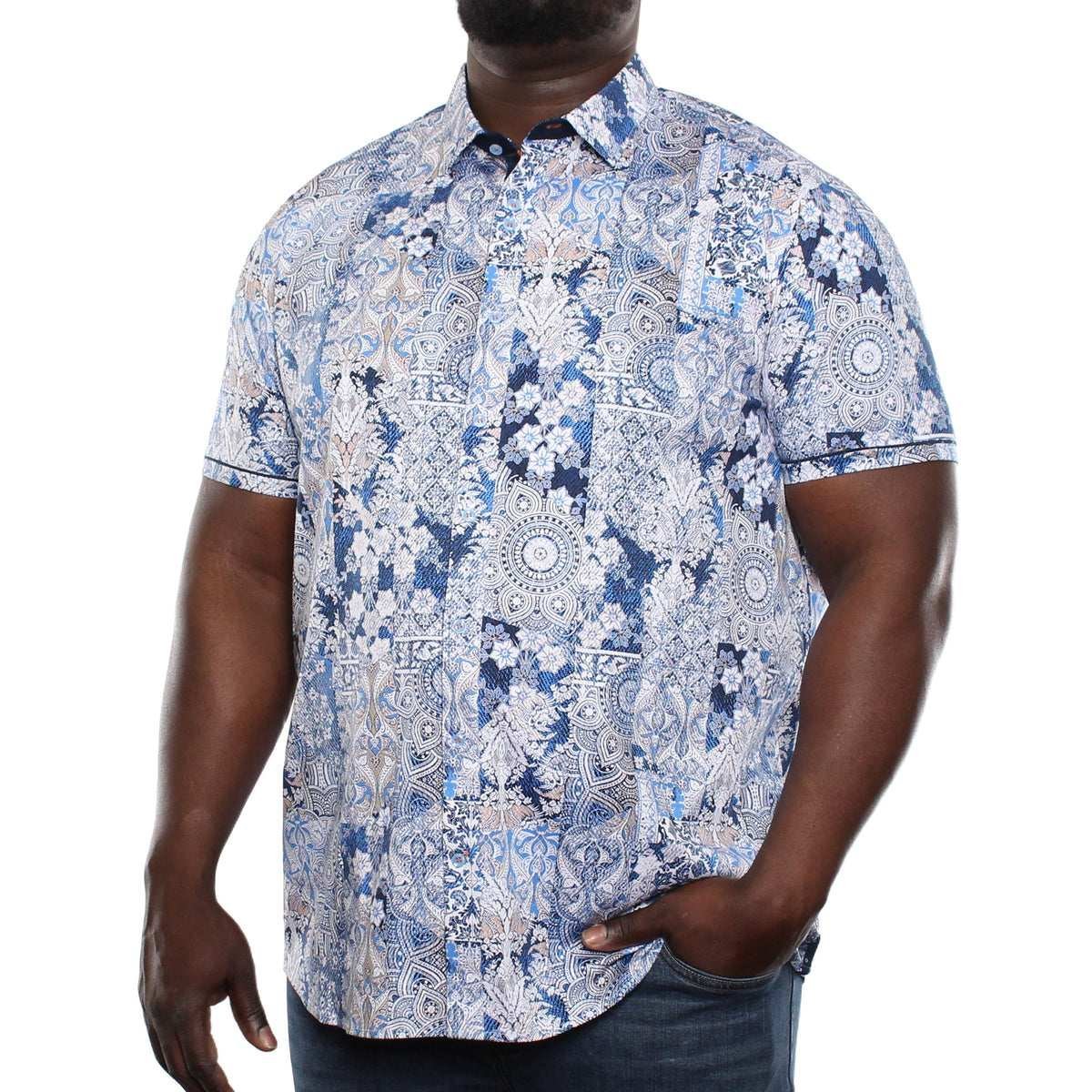
2D flat embroidery suits logos under 10,000 stitches and is the entry-level choice for left-chest placement. 3D puff adds foam underlay for bold streetwear badges; chain-stitch, run on Cornely machines, delivers a looped texture prized in heritage collections.
Tone-on-Tone and Patch Embroidery
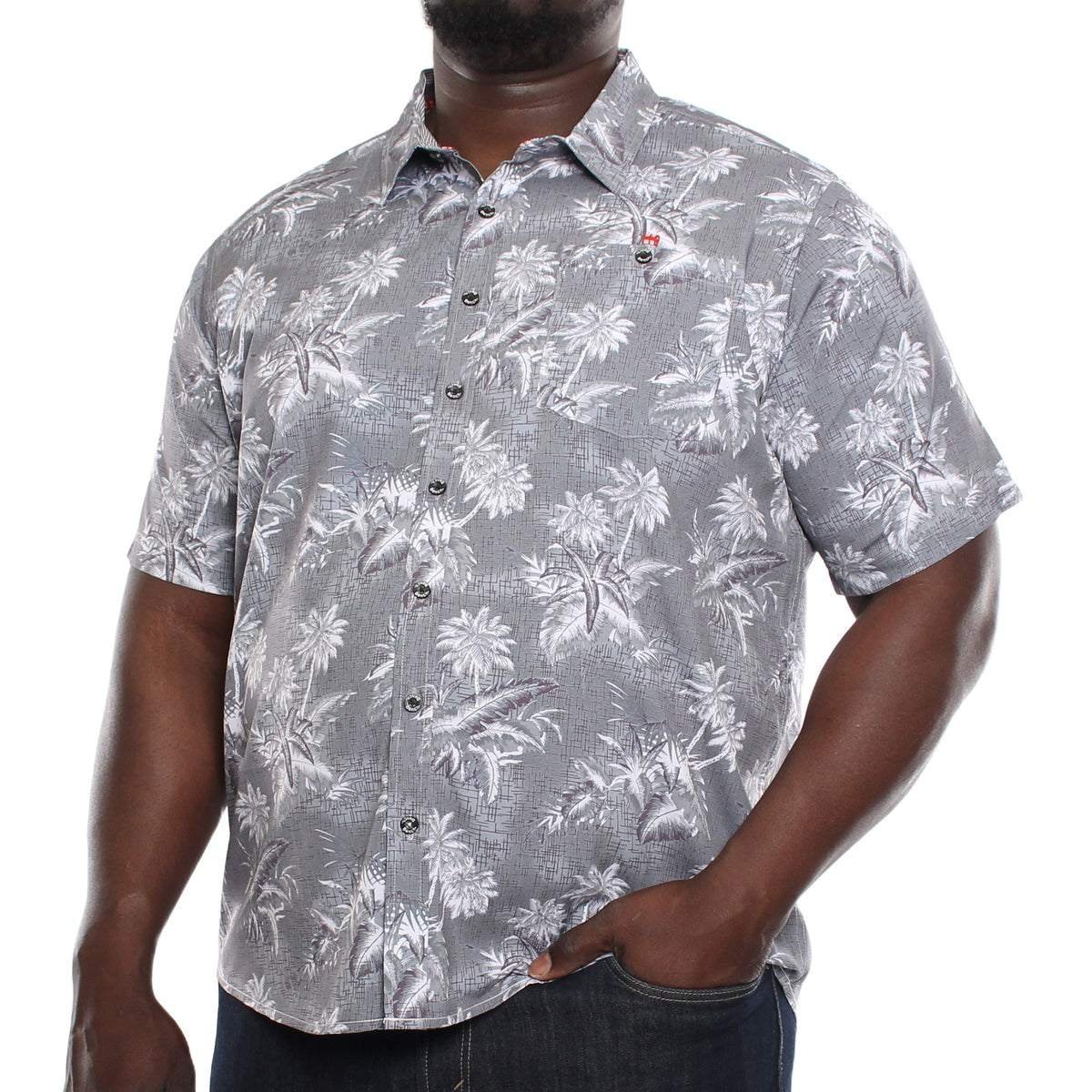
Tone-on-tone stitches thread matching the base fabric, producing a subtle logo visible only under directional light — popular in luxury polo lines. Patch embroidery is stitched separately at 8,000–20,000 stitches then heat-bonded or sewn on, enabling logo swaps across multiple colorways.
Non-Embroidery Brand Add-Ons

Custom resin or metal buttons in 16L–24L sizes replace generic stock buttons and immediately lift perceived quality. Woven neck labels, contrast collar tipping, and custom hangtags — combined with an embroidered logo — complete a fully private-label polo without significant lead-time impact.
6. Key Construction Quality Elements to Demand From Any Manufacturer
Spec sheets alone rarely catch construction failures — knowing which structural markers to mandate separates a reliable embroidered polo shirt manufacturer from one that ships problems. Embed these standards in your tech pack before sampling begins.
Collar Roll and Interfacing Integrity
Collar roll depends on woven fusible interfacing bonded at a minimum 80 g/sm weight under heat press at 150°C for 12 seconds. Under-spec interfacing causes collar curl within 5 washes. Request a peel-strength test on fabric swatches before bulk cutting approval.
Placket Alignment and Seam Strength
Placket centerline deviation must not exceed ±2 mm across the full placket length. Side-seam strength should meet ASTM D1683 minimum 15 lbf for woven polo fabrics. Specify lockstitch (ISO 301) for placket edges to prevent thread unraveling.
Hem Stitch Type and Side-Seam Consistency
Double-needle hem stitching at 4.8 mm stitch width produces a flat, durable finish that single-needle hems cannot replicate on stretch piqué. Side-seam stitch density should run 12–14 stitches per inch. Specify flatlock seams on performance piqué styles to eliminate chafing at the seam allowance.
Embroidery Backing and Thread Color-Fastness
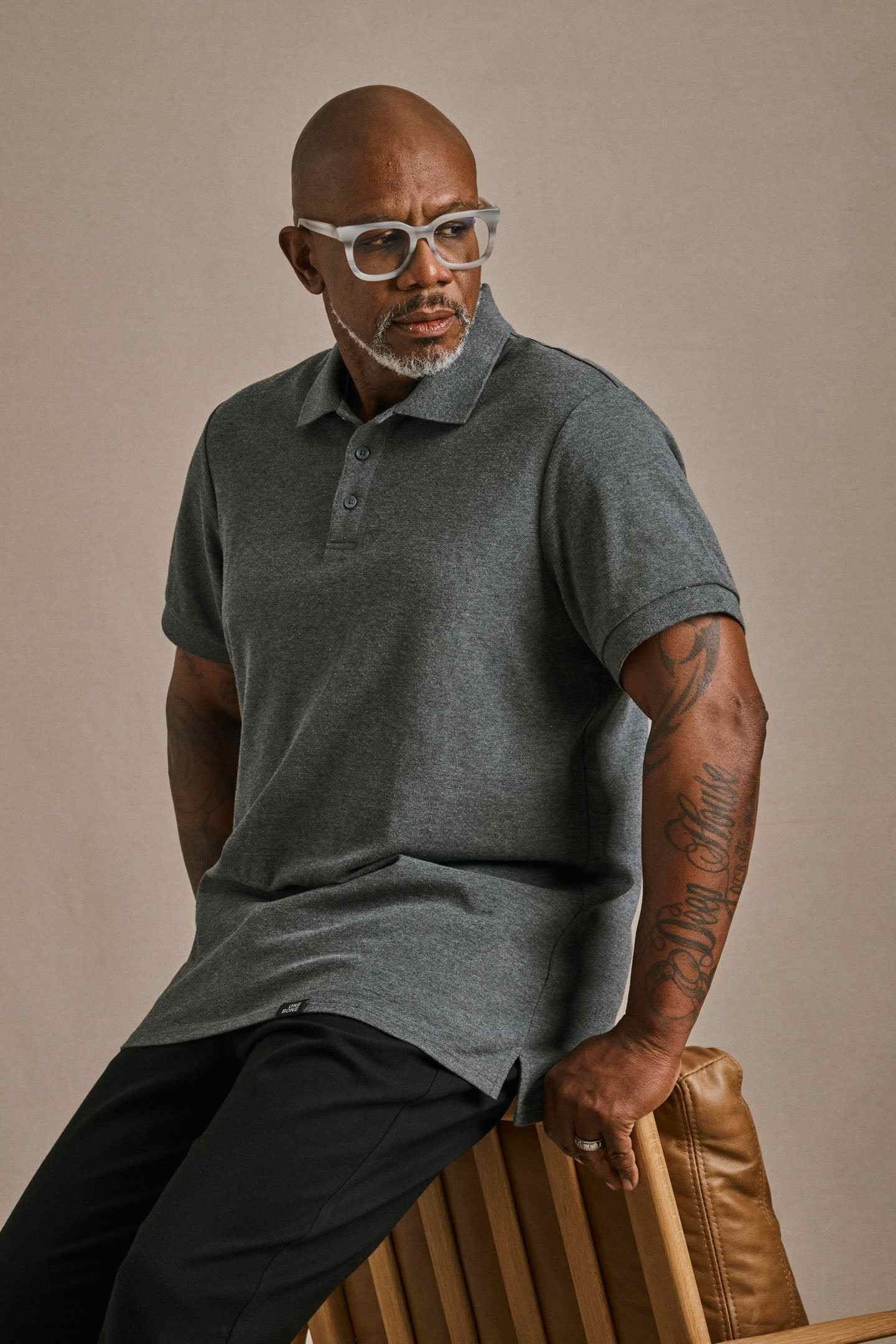
Cut-away stabilizer at 60–75 g/sm is the baseline for chest-logo zones on piqué polo fabric; tear-away backing causes puckering after 10 washes. Thread must pass ISO 105-C06 at Grade 4 minimum for wash color-fastness. Upper thread tension calibrated between 100–130 cN prevents loop formation on the fabric face.
7. How to Choose the Right Embroidered Polo Shirt Manufacturer
Choosing the right embroidered polo shirt manufacturer requires a structured evaluation across five dimensions — not just a price quote. Vet machinery, samples, MOQ terms, lead times, and certifications before committing any production budget.
Verify Embroidery Machinery Brand and Capacity
Multi-head commercial machines from Tajima, Barudan, or ZSK signal genuine production scale. A 12- or 15-head unit processes polo chests, cuffs, and plackets simultaneously, reducing cycle time 40-60% versus single-head setups.
Ask for machine count and model documentation — a credible embroidered polo shirt manufacturer provides this without hesitation.
Request Digitizing Samples and Stitch-Out Proofs
Digitizing quality determines how a logo translates to thread. Request a physical stitch-out proof on the same piqué or interlock fabric specified for production — not scrap material.
Evaluate thread density, underlay consistency, and pull compensation on curved seams. Poor digitizing causes puckering that no post-press finishing can correct.
Audit MOQ Flexibility and Sampling Fees
Standard MOQ for embroidered polos runs 50-200 pieces per colorway. Sampling fees typically range $30-$150 per prototype and are often credited against bulk orders.
MOQs above 300 pieces per style signal a factory built for large brand volumes — not startups or independent designers testing new SKUs.
- MOQ 50-200 pcs/colorway suits most small-to-mid brands
- Sample fees $30-$150; confirm credit policy before ordering
- Rigid MOQs over 300 pcs indicate limited startup flexibility
Confirm Bulk and Repeat-Order Lead Times
Bulk orders average 25-45 days from approved sample; repeat orders using saved digitizing files typically ship in 15-20 days. Ask whether quoted lead times include fabric sourcing — some factories quote production-only, excluding 7-14 days of material procurement.
Assess Communication and Key Certifications
English-language response under 24 hours on business days is a baseline requirement. Delayed replies compound into missed production windows at scale.
Verify OEKO-TEX Standard 100 (fabric chemical safety), GOTS (organic fiber sourcing), or BSCI (ethical factory audit) certifications — each addresses a distinct compliance layer buyers and retailers increasingly require.
8. Common Mistakes Brands Make When Sourcing an Embroidered Polo Shirt Manufacturer
First bulk orders with an embroidered polo shirt manufacturer expose brands to five recurring, costly sourcing mistakes. Catching them before production begins protects margins and prevents quality failures at retail.
Skipping the Stitch-Out Approval Stage
A stitch-out is a physical embroidery sample sewn on production fabric before bulk begins. Skipping it locks in errors — misaligned placement, wrong density, puckered fabric — across every unit.
Fix: require a signed stitch-out approval confirming thread color, stitch count, and placement before any bulk run starts.
Not Specifying Pantone Thread Colors
Thread suppliers interpret visual samples differently, causing color drift between dye lots and reorders. Specifying Pantone-mapped thread codes — Madeira or Isacord numbers — eliminates that ambiguity.
Fix: include the exact thread code in your tech pack and request a physical swatch confirmed against your Pantone target before bulk.
Choosing Low-MOQ Factories Without Scale Capacity
A 4-head embroidery machine fills a 100-piece MOQ but bottlenecks at 500-plus units, stretching lead times from 15 days to 45 or more.
Fix: confirm the factory runs 12-head or larger machines, ask for total installed head count, and match capacity to your projected 12-month volumes before signing.
Ignoring Fabric Shrinkage Before Embroidery
Polo piqué knits at 220–280 GSM shrink 3–8% after the first wash. Embroidering before pre-shrinking causes the rigid stitch field to pucker and distort the logo on finished garments.
Fix: require a pre-shrink wash and a shrinkage test report — per AATCC 135 — before the cutting stage begins.
Failing to Lock In Repeat-Order Pricing
Without a contract clause, repeat orders often cost 10–20% more as raw material prices shift between seasons — a surprise many startups absorb too late.
Fix: negotiate a price-lock clause covering at least two reorder cycles in your initial purchase agreement, tied to a documented raw-material index.
9. Steps to Launch Your Brand With an Embroidered Polo Shirt Manufacturer
For first-order runs of 200–500 units, a structured launch workflow prevents costly rework and missed deadlines. Clothing Manufacturer Ltd. guides each client through six sequential milestones — tech pack through final shipment — with every quality gate intact.
Finalize Tech Pack and Digitize Artwork
A tech pack detailing fabric GSM, Pantone color codes, stitch placement, and size grading gives a factory everything needed to price and produce accurately.
Submit vector artwork (AI or EPS format) for digitizing — the process of converting your design into machine-readable stitch data. Clothing Manufacturer Ltd. reviews both files before sampling begins to catch specification gaps early.
Approve Mock-Up and Physical Stitch-Out Sample
Before cutting bulk fabric, review a digital mock-up confirming embroidery placement, thread colors, and garment colorway.
Once approved, request a physical stitch-out sample — a sewn single-unit prototype. Assess thread density, loop count, and backing stability before signing off. Revisions at sample stage cost days; bulk-stage corrections cost multiples of your original sample fee.
Confirm Fabrics and Place Your Production Order
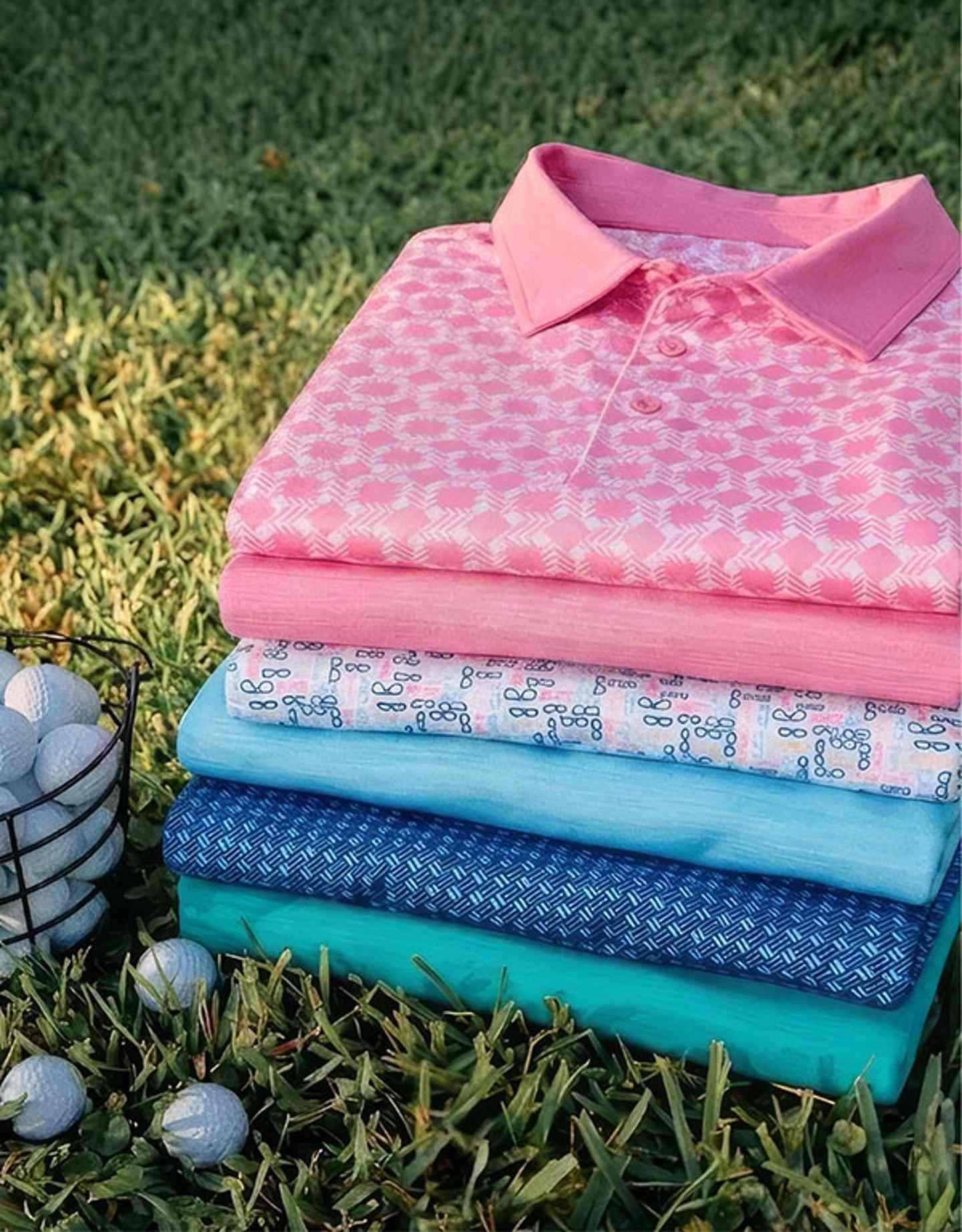
Request physical swatches in your target GSM and yarn type — ring-spun cotton piqué for a premium polo — and confirm colorways against Pantone standards before committing.
Orders of 200–500 units typically carry a 30% deposit upfront, with the 70% balance released before shipment. Milestone payments protect both parties and align factory scheduling to your launch date.
Conduct Pre-Shipment QC Inspection
Working with a dedicated embroidered polo shirt manufacturer, Clothing Manufacturer Ltd.’s five-step QC methodology covers materials, cutting, craft, sewing, and finished goods — flagging defects at every production stage rather than only at the end.
Before authorizing final payment, request an inspection report with AQL sampling data covering stitching uniformity, embroidery registration, and colorfastness. Clearing this gate protects your brand’s first impression at launch.
10. Pricing & Cost Guide for Embroidered Polo Shirt Manufacturing
Unit price at an embroidered polo shirt manufacturer typically runs $8–$28 depending on fabric weight (180–280 GSM piqué or interlock), stitch count, and order volume. Total landed cost — unit price plus digitizing, sampling, freight, and import duties — routinely runs 25–40% above the per-shirt quote.
3D puff embroidery and designs exceeding 10,000 stitches add 15–30% to flat-embroidery unit pricing; factor this in when quoting complex chest badges or full-sleeve logos. Sea freight adds roughly $0.40–$1.20 per unit on a 300-piece order; air freight can triple that figure.
Digitizing is a one-time fee per colorway; reorders on the same design carry no additional setup cost. A manufacturer with in-house digitizing — rather than outsourced — shortens revision cycles and protects artwork fidelity across production runs.
| Quantity Tier | Unit Price Range (USD) | Digitizing Setup Fee | Sample Cost | Typical Lead Time | Recommended For |
|---|---|---|---|---|---|
| 50 units | $18–$28 | $50–$100 | $80–$150 | 15–20 days | Startup / test drop |
| 100 units | $14–$20 | $50–$100 | $80–$150 | 18–22 days | Early-stage brand |
| 300 units | $11–$15 | $50–$80 | $60–$120 | 20–25 days | Growing brand |
| 500 units | $9–$13 | $30–$60 | $60–$120 | 22–28 days | Established label |
| 1,000+ units | $8–$11 | $0–$30 | $50–$100 | 25–35 days | Retailer / wholesale |
Launch Your Line With an Expert Embroidered Polo Shirt Manufacturer
From first sample to global delivery, our 5-step QC and low MOQ make scaling your streetwear brand effortless.