
Blank Polo Shirts Wholesale — Premium Quality, Low MOQ, Fast Sampling
Source blank polo shirts wholesale with confidence: 5-step QC guarantee, in-house sampling, and global shipping for streetwear brands, startups, and retailers.
Our Blank Polo Shirt Collection
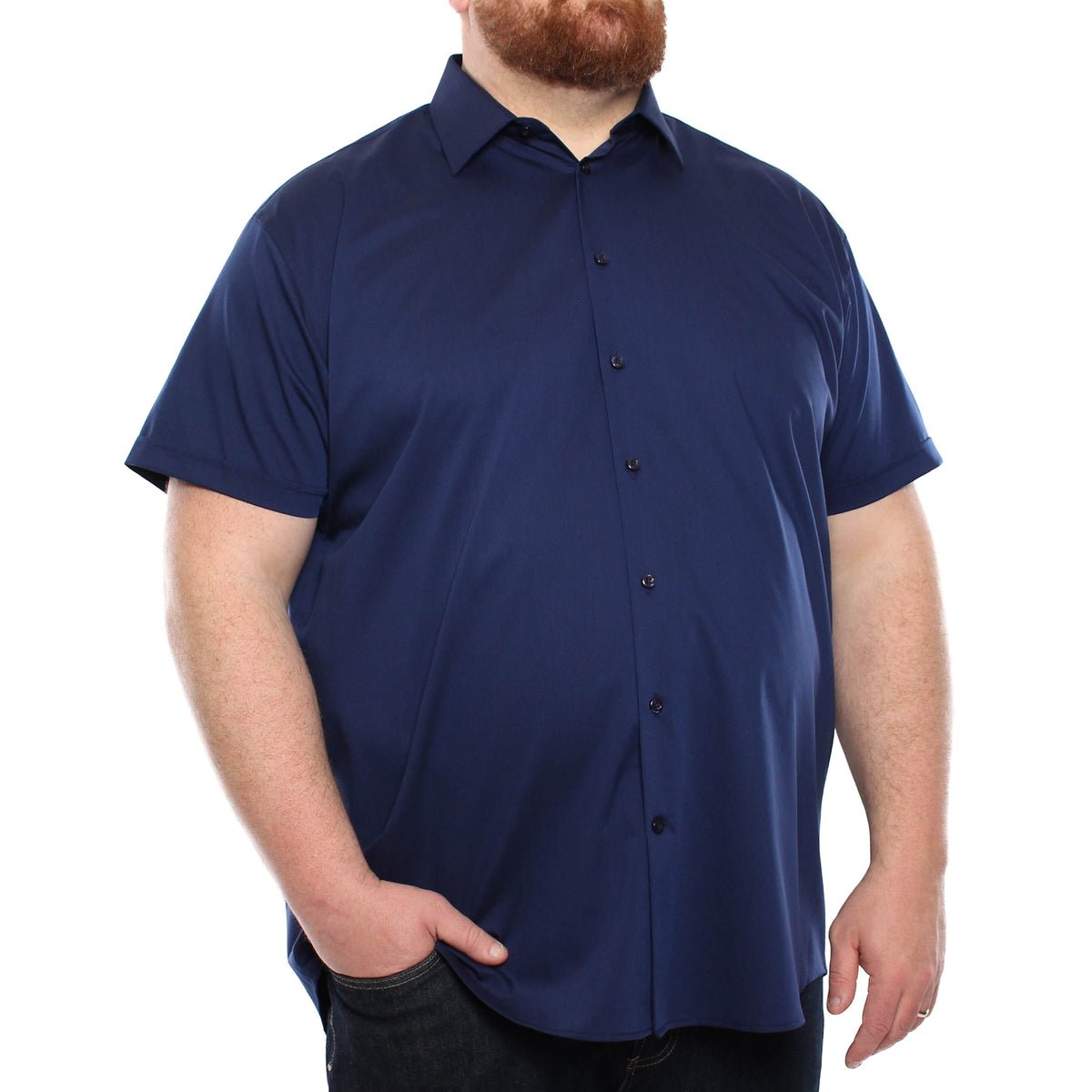
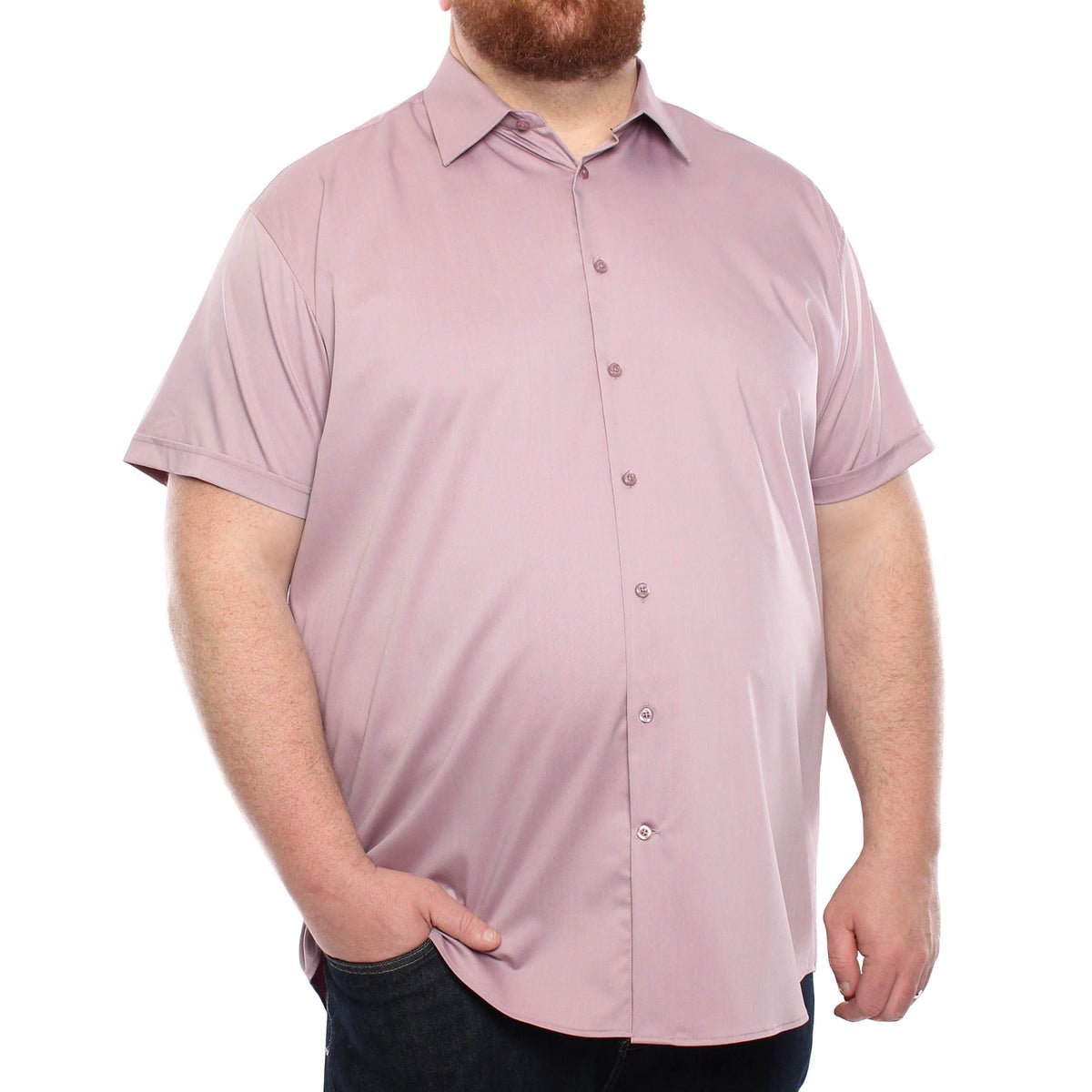
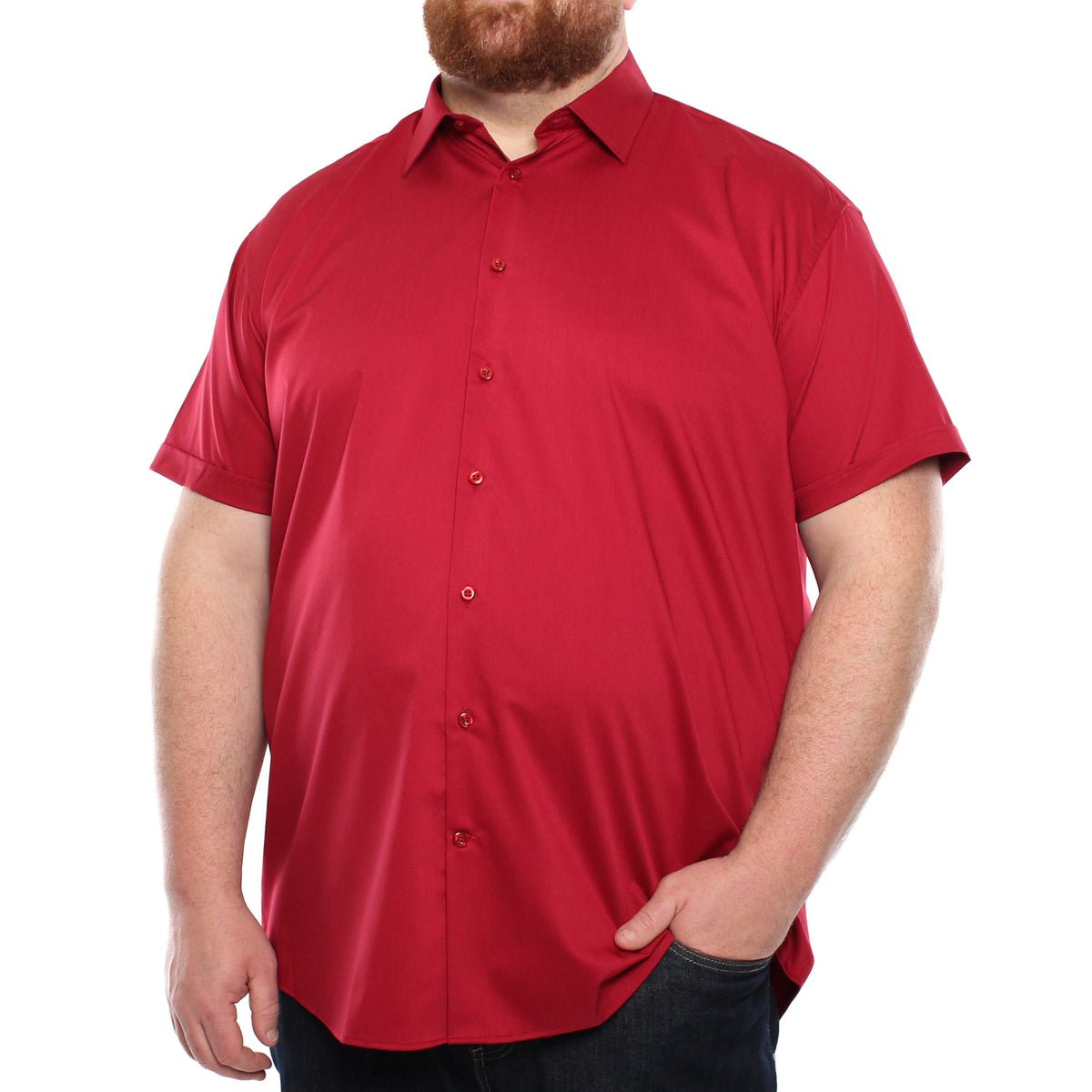
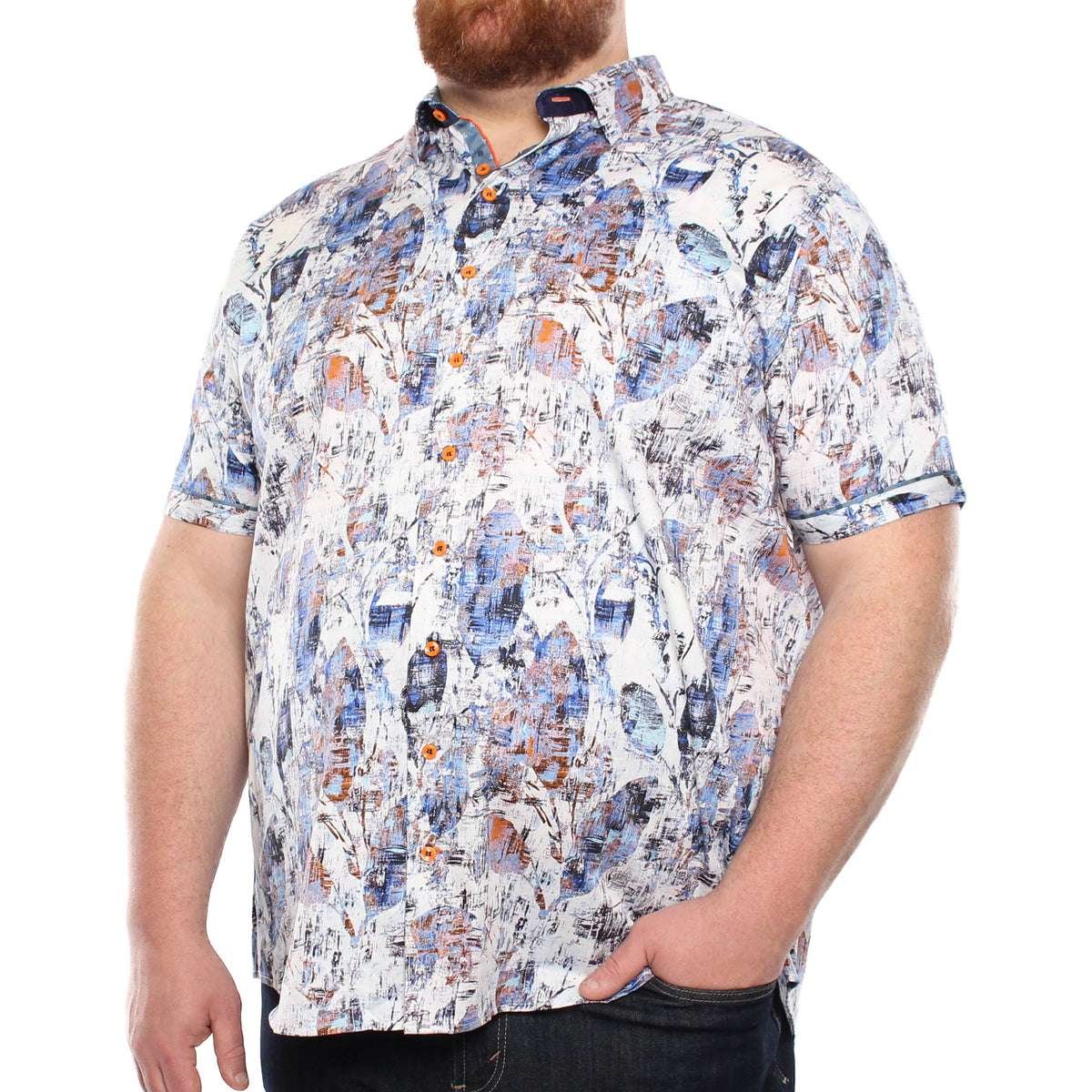
Why Choose Our Blank Polo Shirts Wholesale
From a 50-piece MOQ to a 5-step QC guarantee, every advantage is built for brands that refuse to compromise on quality.
5-Step QC Guarantee
Quality checks at every production stage — materials, cutting, craft, sewing, and finished garment — so defects never reach your door.
50-Piece Low MOQ
Start small and scale fast. Our 50-piece minimum lets emerging brands and startups launch without overcommitting on inventory.
Fast Seasonal Turnaround
Streamlined production workflows and in-house sampling keep lead times tight, so your drops land on schedule every time.
In-House Design & Sampling
Our 15-member R&D team turns your concepts into production-ready samples quickly, with 10 patents backing our streetwear innovations.
Global Shipping & Logistics
We handle customs, logistics, and international freight to 100+ countries, so your blank polo shirts wholesale order arrives without hassle.
Streetwear Production Expertise
10+ years of apparel experience and deep streetwear cultural knowledge mean we produce for influencer lines and trend-driven brands with precision.
Blank Polo Shirts Wholesale for Every Brand Vision
From men’s classic cuts to women’s premium fits and performance styles, identify the blank polo that aligns with your brand positioning and production goals.
Men’s Classic Polo Drops
Streetwear labels need heavyweight blank polo shirts that hold screen prints and embroidery without distortion — and simply can't afford long lead times between seasonal drops.
Our men's classic blank polo shirts wholesale, starting at 50 pieces, arrive print-ready fast, letting you launch limited drops on your own schedule without overcommitting inventory.
Women’s Premium Polo Line
Independent designers need women's fitted blank polos in premium fabrics that photograph well and justify boutique pricing — without being locked into high minimums they can't move.
Our women's premium blank polo range pairs low MOQ with in-house sampling and a 5-step QC guarantee, giving your line a quality foundation that supports confident retail pricing.
Performance Polos at Scale
Global apparel retailers sourcing performance polo shirts need consistent quality across large runs, predictable logistics, and a manufacturing partner who maintains standards as volumes grow.
Our 5-step QC process and global shipping support ensure every performance polo meets spec across every run, with full production traceability from fabric selection to final inspection.
Creator Brand Polo Launches
Influencer brands risk locking up capital in unproven colorways before their audience validates the fit and style — but most wholesale suppliers won't flex on high minimum orders.
Start with a 50-piece run on our blank polo shirts wholesale, test which styles resonate with your followers, then scale fast with quick turnaround and a flexible reorder system.
Premium Fabrics for Blank Polo Shirts Wholesale
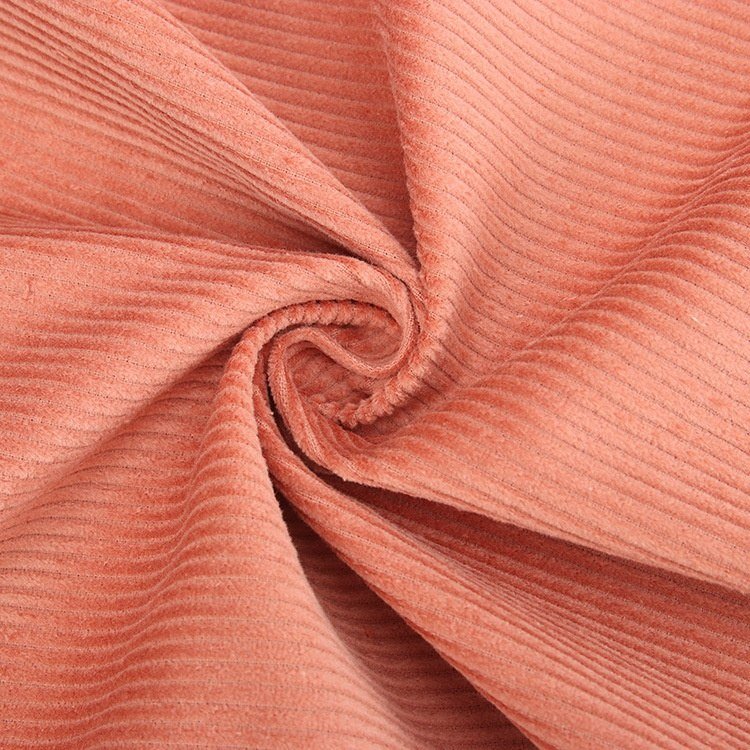
Classic Pique Cotton
The definitive polo fabric at 180-220 gsm. Breathable, structured, and pill-resistant, it delivers the crisp texture and polished finish demanded by retail brands, corporate programs, and everyday streetwear collections alike.
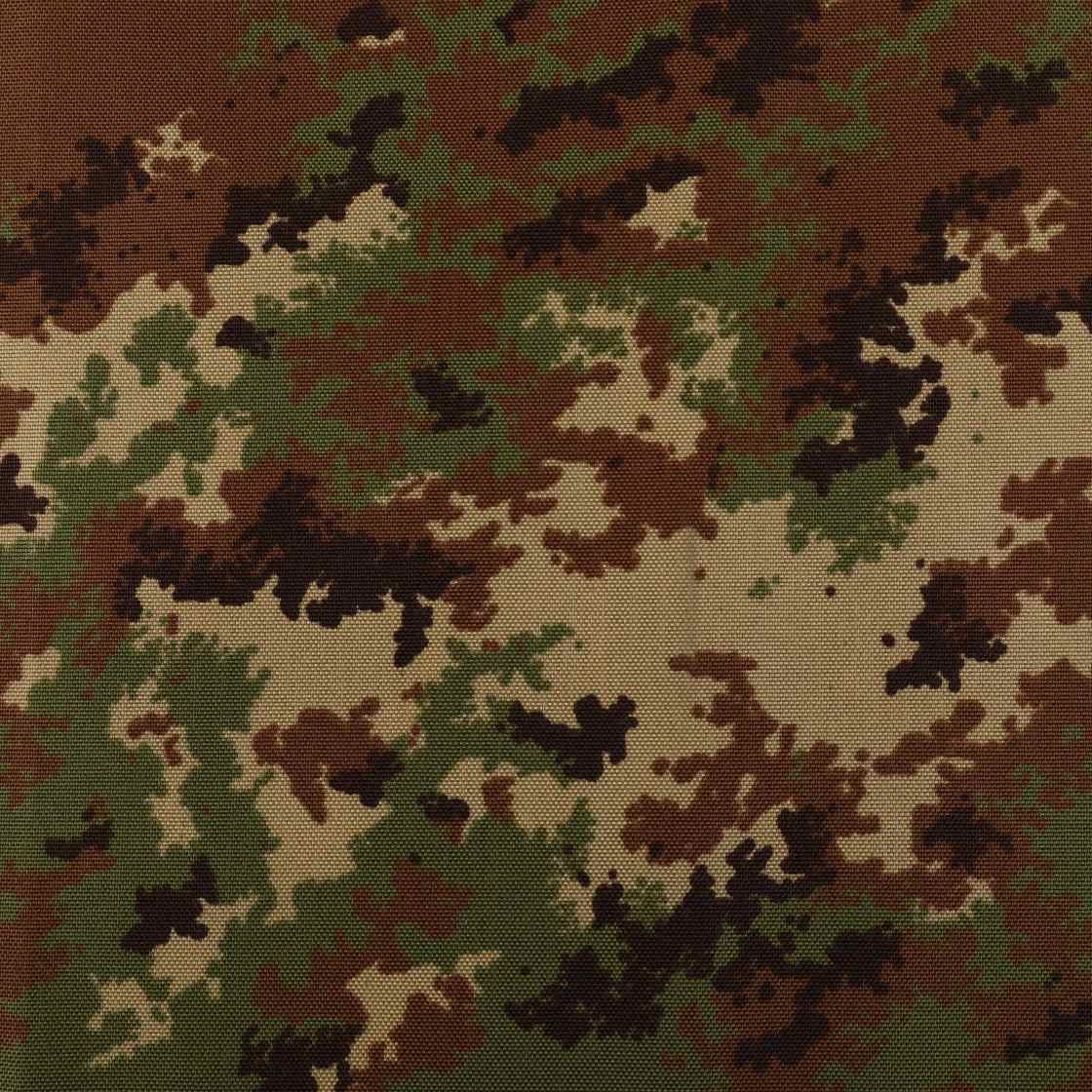
Heavyweight Jersey Cotton
A dense 250-280 gsm smooth-face knit with substantial drape and a premium hand-feel. The go-to choice for streetwear labels and independent designers building bold, long-lasting polo silhouettes that stand out on the rack.
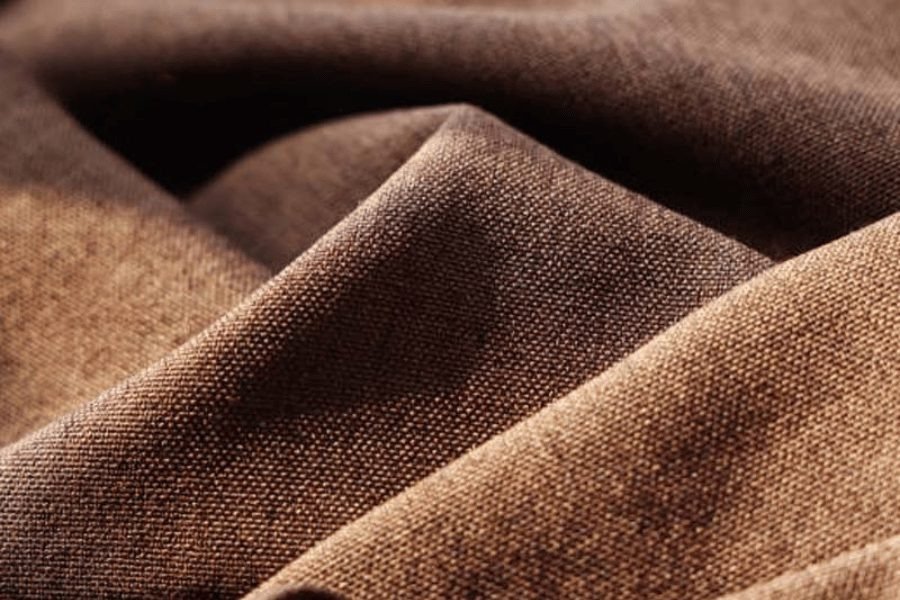
Performance Polyester Mesh
Lightweight 140-160 gsm fabric featuring 4-way stretch, moisture-wicking channels, and rapid-dry construction. Engineered for athleisure and activewear polo lines where all-day comfort and UV resistance are non-negotiable technical requirements.
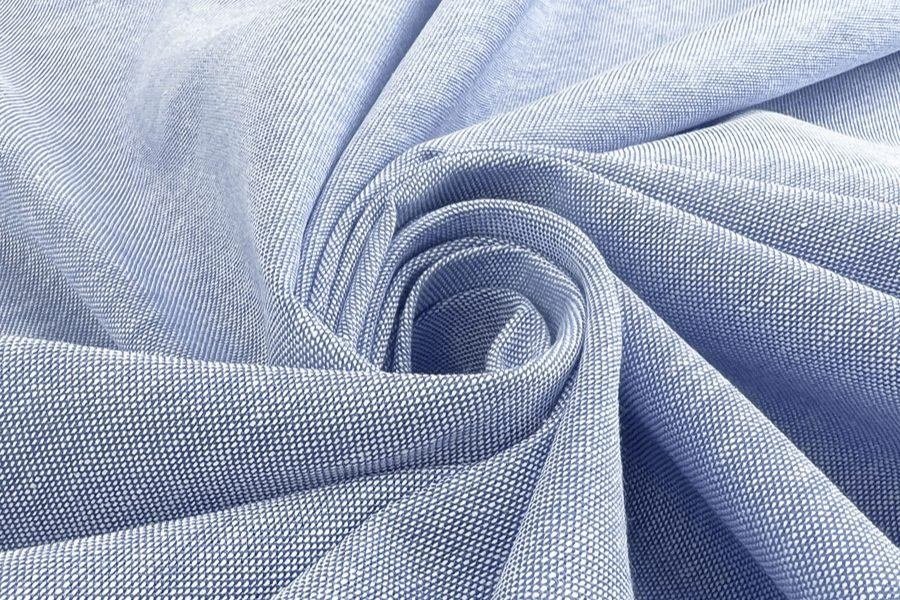
CVC Blend Pique
A cotton-rich 60/40 CVC blend at 200-230 gsm that marries cotton softness with polyester’s dimensional stability. Minimizes shrinkage, locks in print color vibrancy wash after wash, and performs reliably across high-volume retail programs.
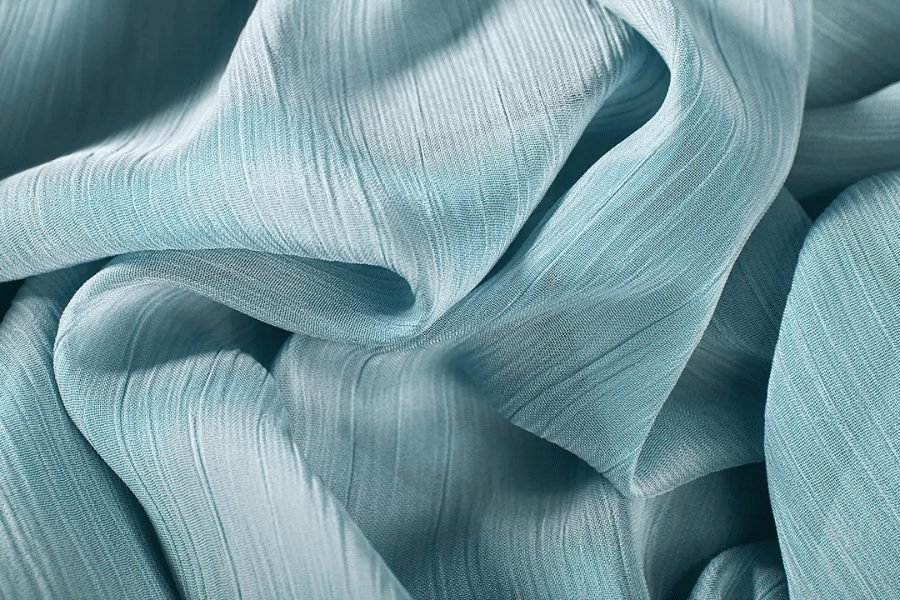
Organic Cotton Pique
GOTS-certifiable 190-210 gsm pique sourced from sustainably farmed cotton with zero harmful dyes. Purpose-built for eco-conscious brands and sustainable fashion startups that need soft, breathable polos backed by verifiable environmental credentials.
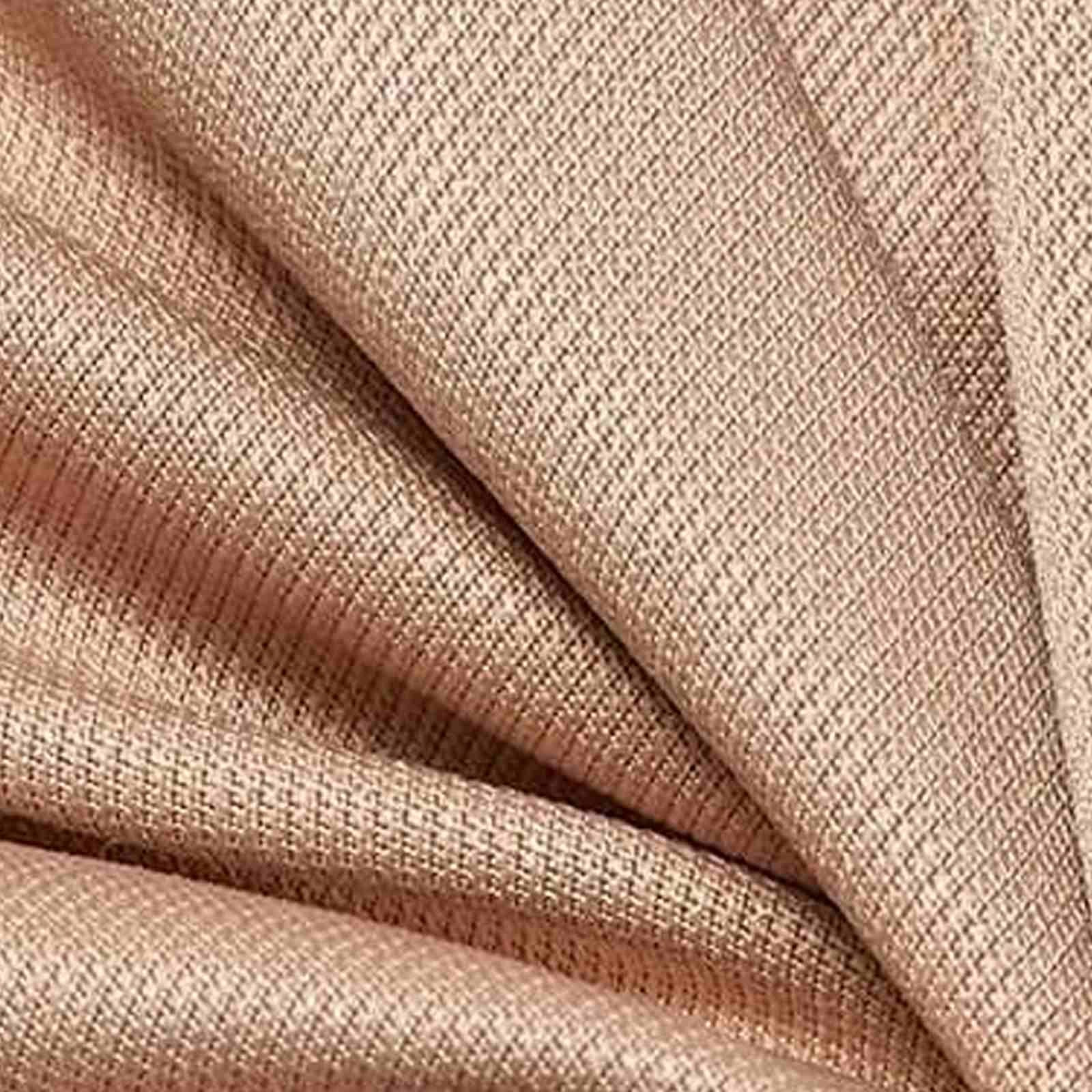
French Terry Cotton
A 220-260 gsm loopback knit with a plush interior and clean exterior surface. Ideal for relaxed, oversized polo cuts favored by lifestyle and influencer-driven labels seeking that premium casual feel with streetwear-ready weight.
Customization & Printing Options for Blank Polo Shirts Wholesale
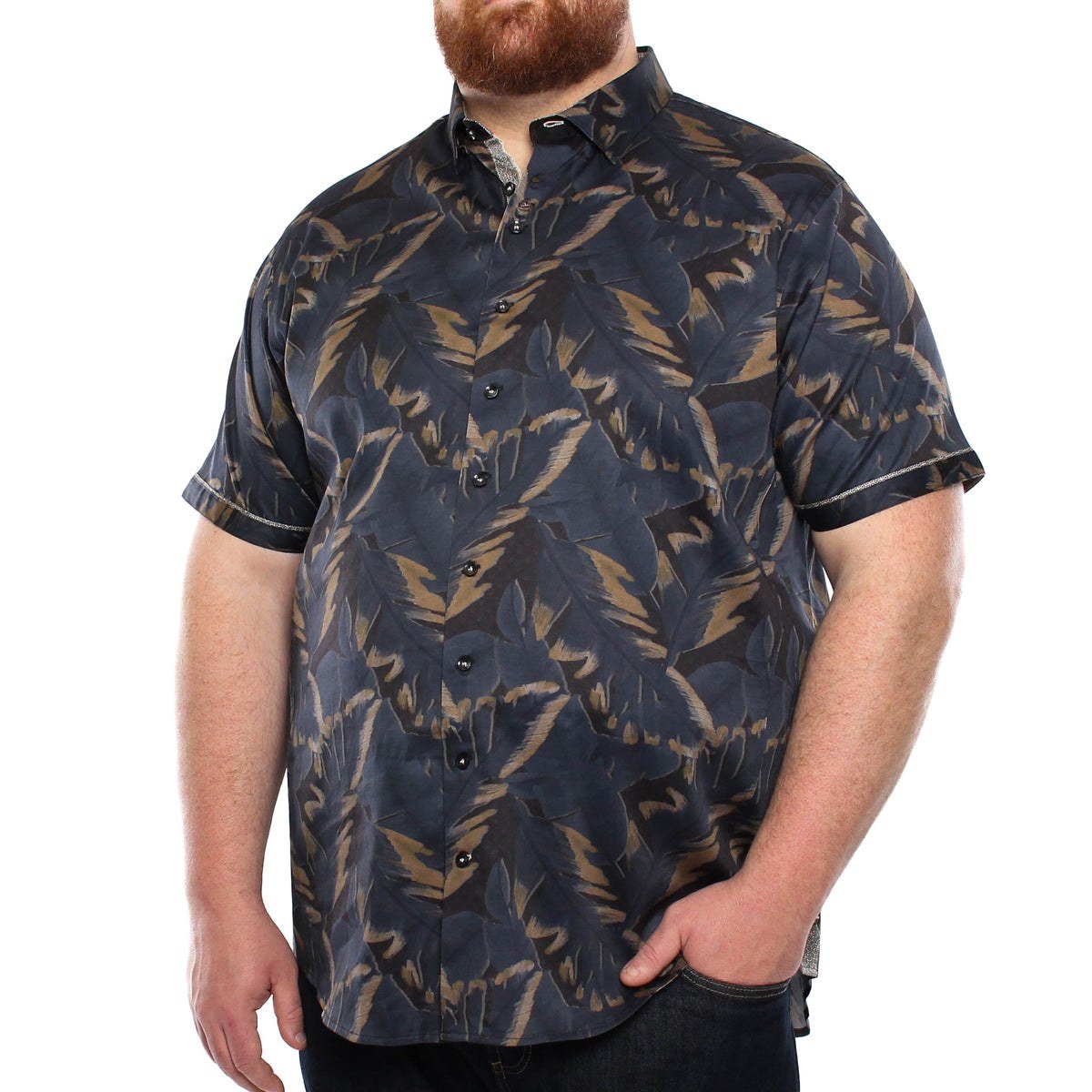
Precision Embroidery
Thread-stitched logos and graphics are applied directly to the polo chest, collar, or sleeve, producing a premium raised texture with exceptional wash durability — the go-to finish for streetwear and corporate brand identity.
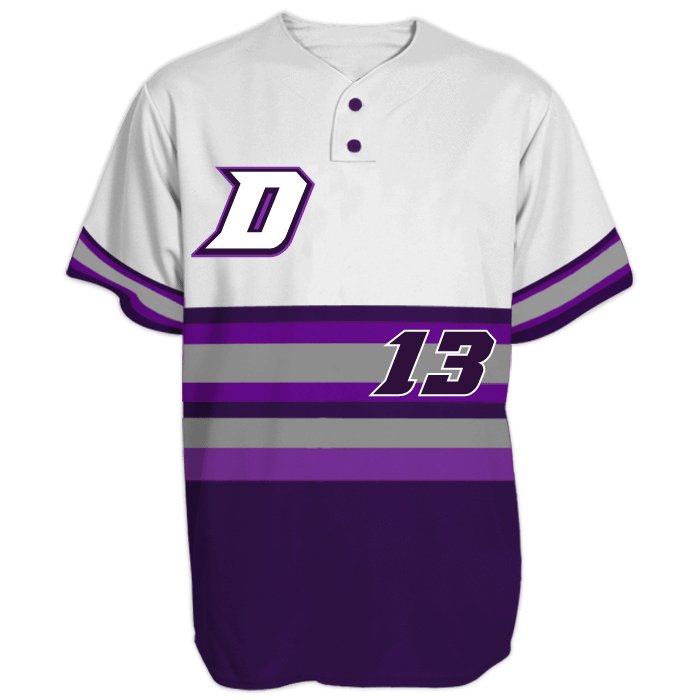
Screen Printing
High-opacity ink is forced through a mesh stencil onto the polo fabric, delivering vivid, long-lasting color blocks and bold graphics — ideal for high-volume blank polo wholesale runs requiring consistent, repeatable output.
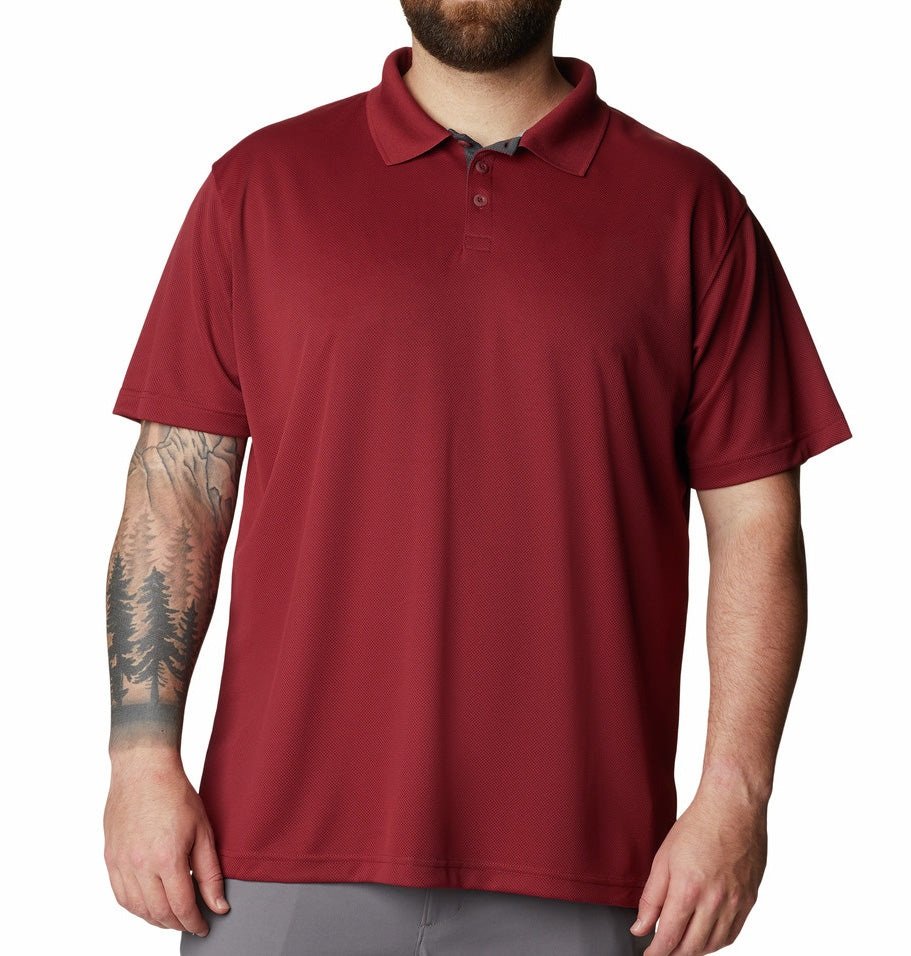
Sublimation Printing
Heat-transfer dye is permanently bonded into polyester polo fibers at the molecular level, creating full-coverage, photographic-quality prints that resist fading, cracking, or peeling even after hundreds of wash cycles.
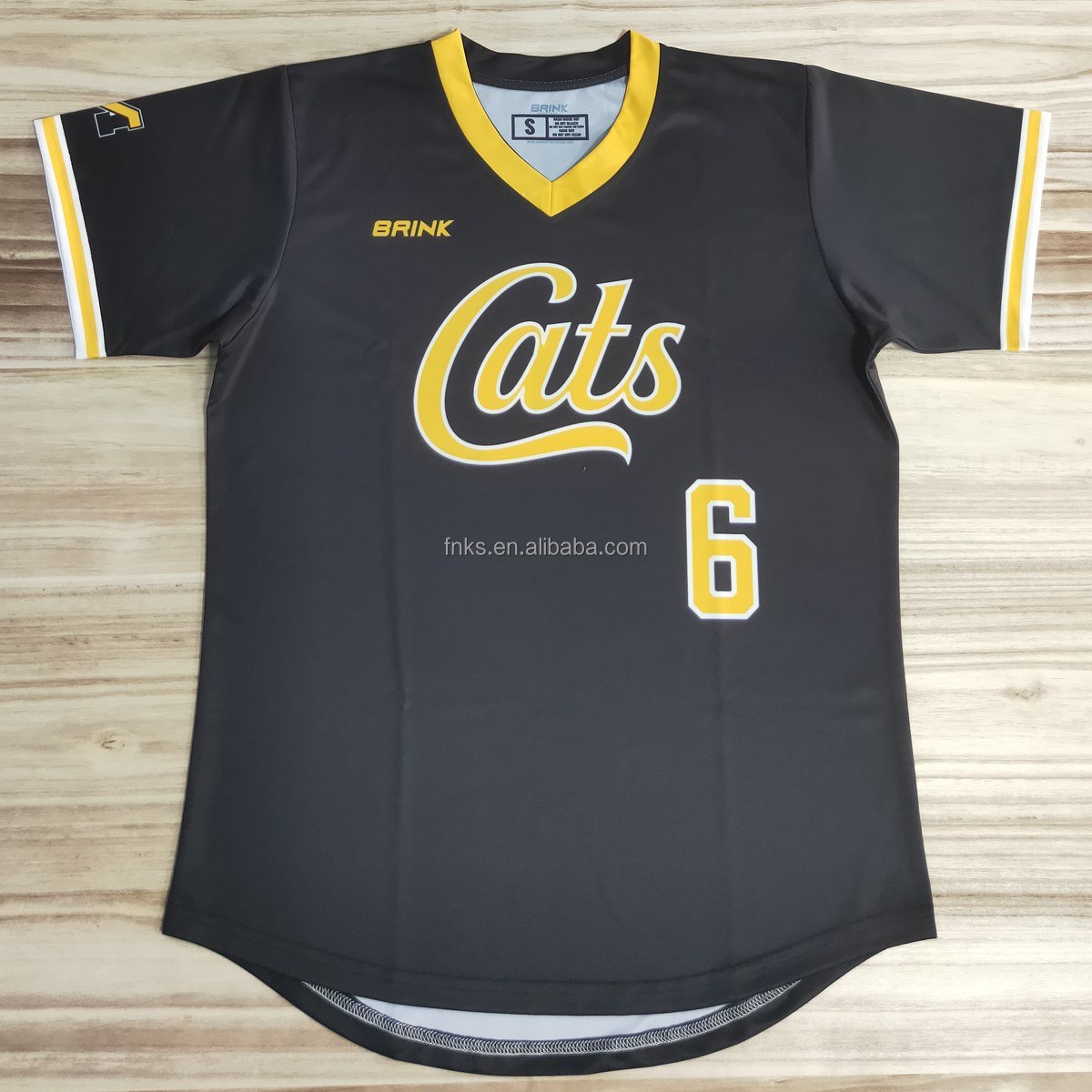
DTG Printing
Inkjet technology deposits water-based pigment directly onto the polo surface, enabling photo-realistic full-color artwork with fine detail and no screen setup — perfect for low-MOQ sampling and custom influencer-line drops.
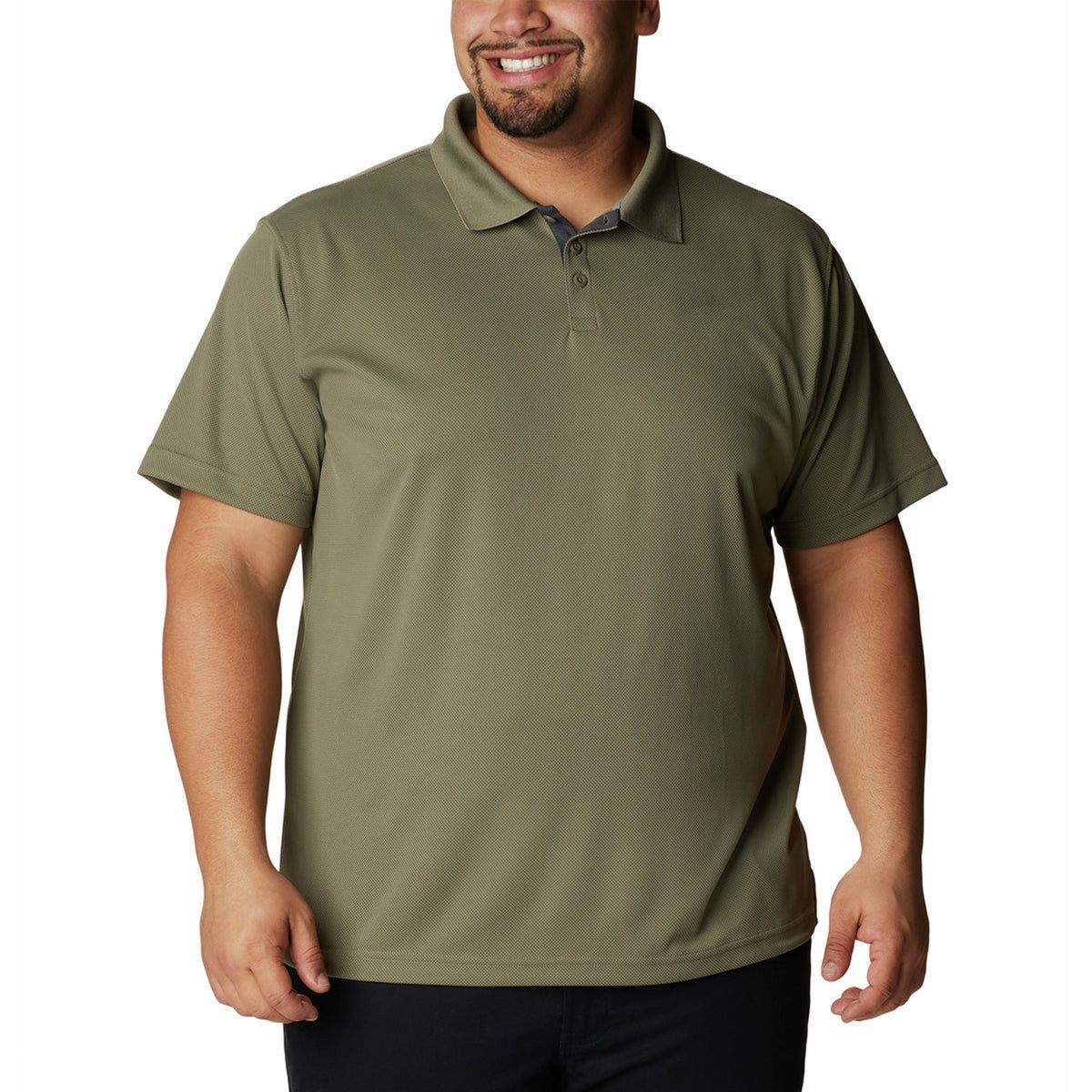
Heat Transfer
Pre-printed designs are pressed onto the polo under controlled heat and pressure, delivering crisp graphics with specialty finishes including metallics, holographics, and foils — a favorite for trend-driven streetwear collections.

Woven Patch Application
Custom woven or embroidered patches are precision-sewn or heat-bonded onto any section of the polo, adding a tactile, high-end brand detail widely favored by premium streetwear labels and creator-brand collections.
Premium Trims & Accessories for Blank Polo Shirts Wholesale
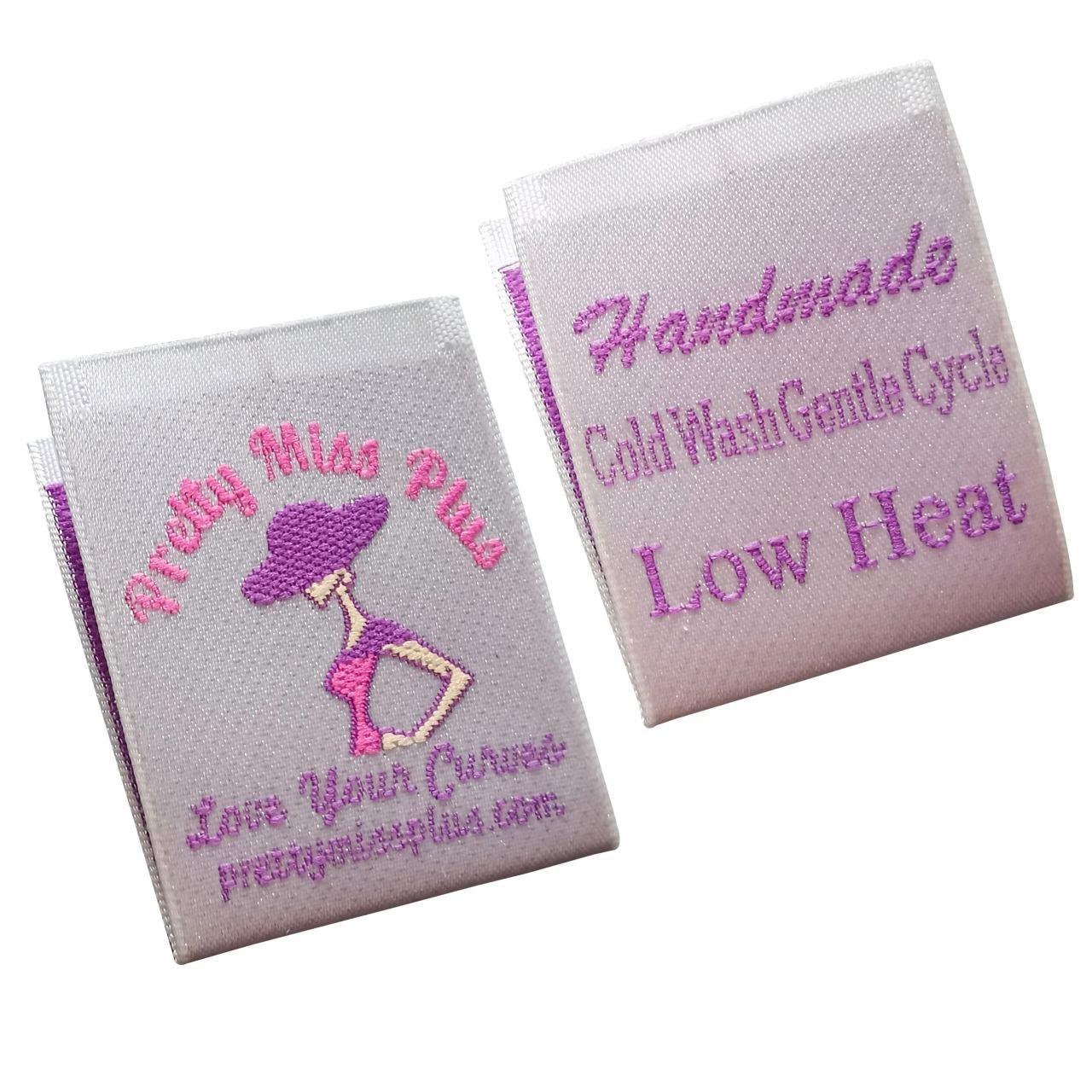
Woven Collar Labels
Custom woven labels stitched inside the polo collar display your brand name, size, and care symbols. Available in satin, cotton, or damask weave to match your precise label finish requirements.
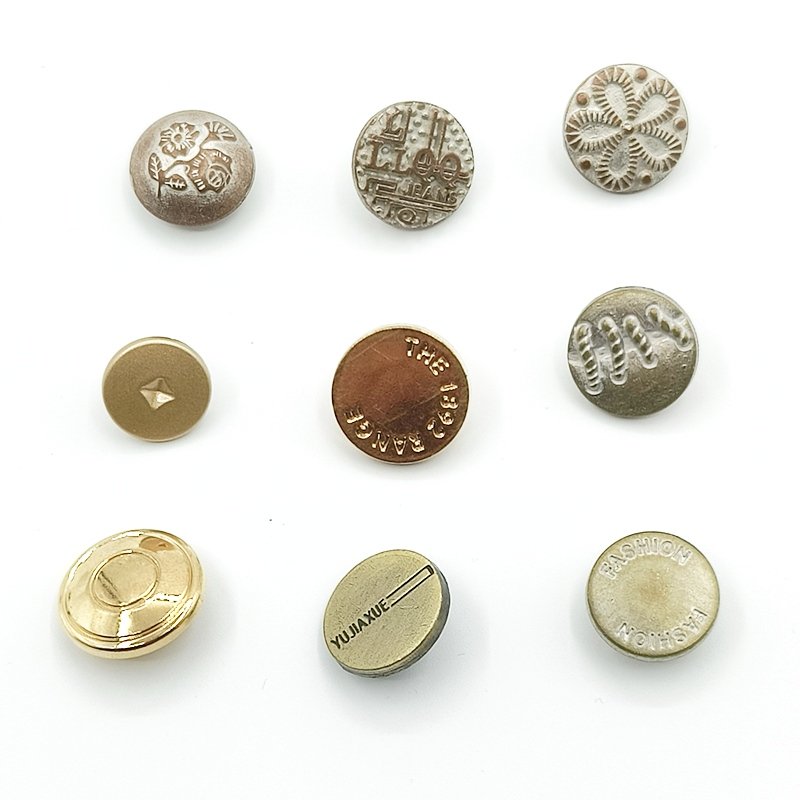
Custom Placket Buttons
Resin or pearl-effect buttons in your chosen color, diameter, and shank style, hand-matched to your polo placket width for a polished, consistent finish that holds up through repeated industrial laundering.
Retail Hangtags
Full-color or specialty-finish hangtags featuring your logo, size callout, and QR code, attached via branded string or pin — the final touch that transforms every polo into a shelf-ready retail product.
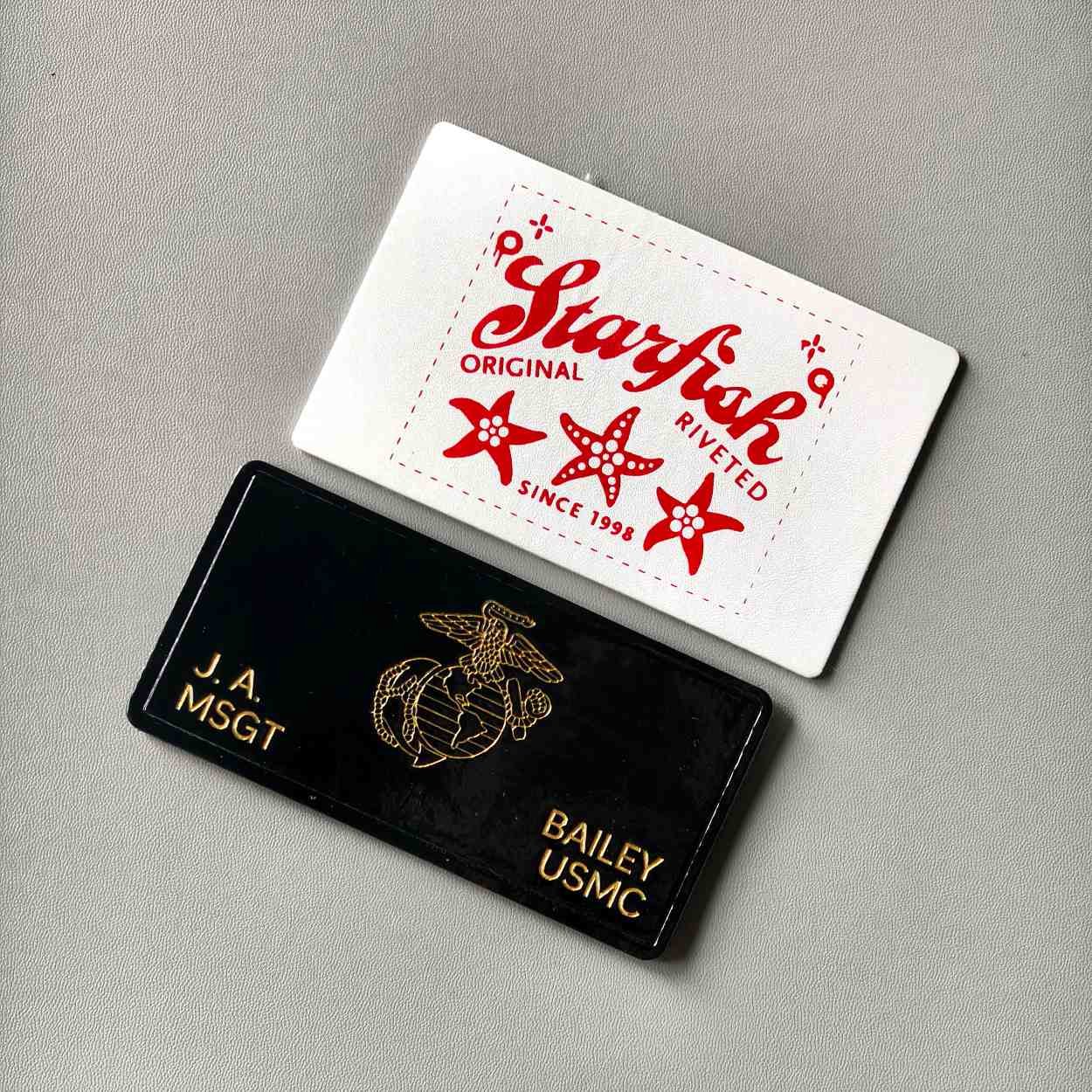
Embroidered Patches
Custom woven or embroidered patches in any shape — chest emblems, sleeve badges, or back graphics — heat-sealed or sewn onto polo panels for durable, brand-forward streetwear identity on every piece.
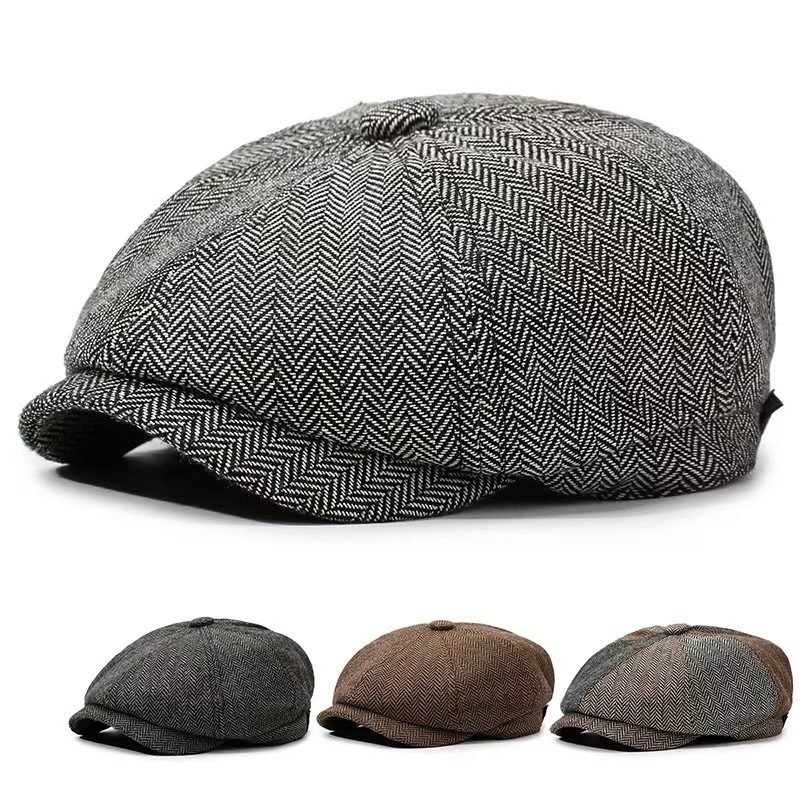
Twill Neck Tape
Branded twill tape sewn inside the collar seam reinforces structure, adds comfort against the skin, and delivers a subtle premium branding detail that signals expert craftsmanship on every finished polo shirt.
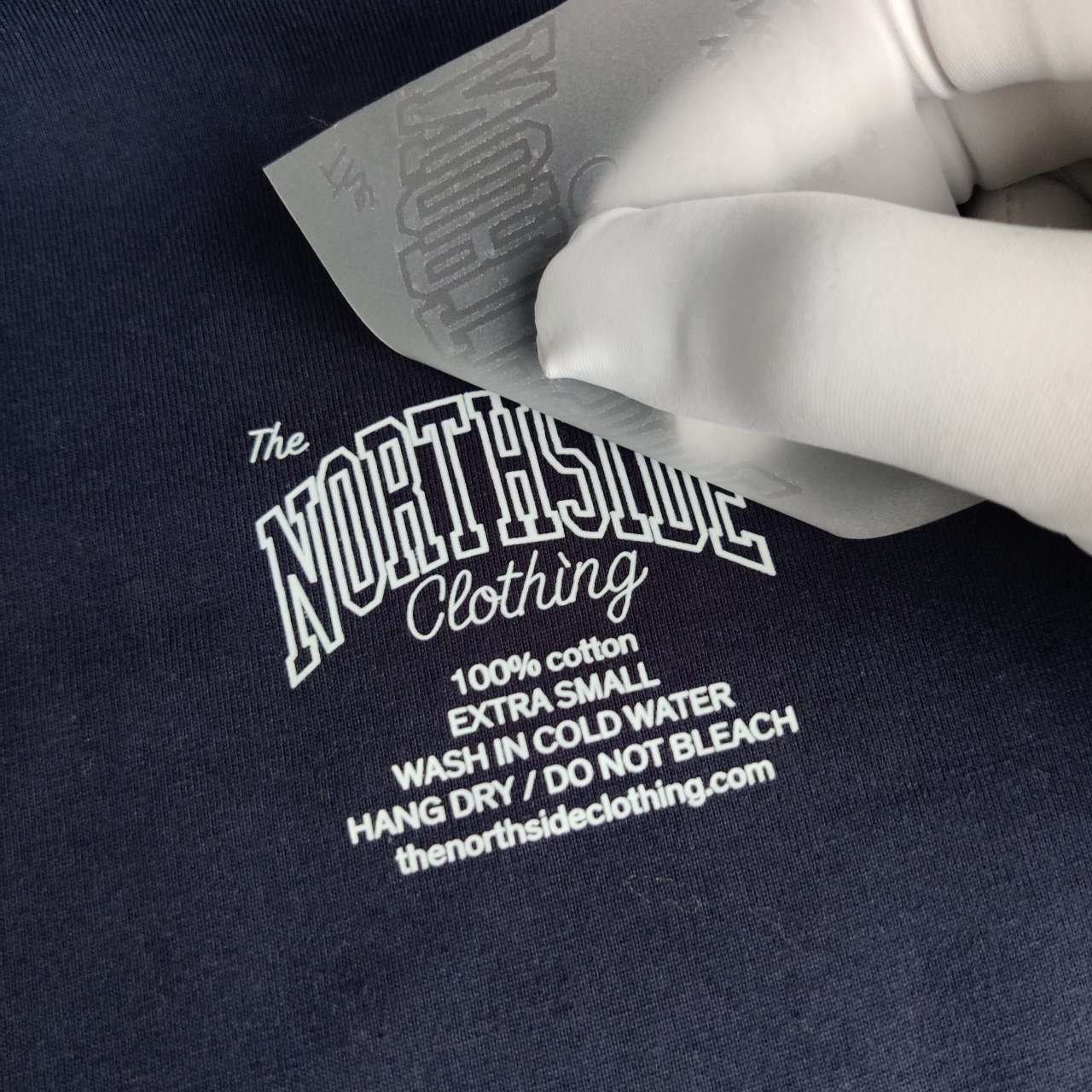
Heat Transfer Labels
Soft, tagless heat-transfer labels printed with your brand identity, size data, and care instructions — bonded directly to the inner collar or hem for a clean, itch-free finish on premium polo orders.
About Clothing Manufacturer Ltd.
Founded in 2024 by Tesla Luo, Clothing Manufacturer Ltd. was born from a simple conviction: Chinese garment manufacturing deserves better. After witnessing factories ship orders without a single quality check, Luo — who grew up rotating through every production role in Dongguan’s factories — set out to change the standard. Today, whether clients are sourcing blank polo shirts wholesale or launching a full streetwear line, every order is backed by a proprietary 5-step QC guarantee that covers materials, cutting, craftsmanship, sewing, and final inspection.
Operating from Humen Town, Dongguan — the historic heart of China’s apparel industry — and backed by the established infrastructure of parent company Dongguan TuoZhen Clothing Co., Ltd., we combine startup agility with proven production capacity. Our 15-member R&D team, 10 registered patents, and low MOQ from 50 pieces make us an ideal partner for fashion startups, independent designers, influencer brands, and global retailers at every stage of growth.
Since our launch, we have served clients across more than 100 countries and regions, helping brands grow from zero to hundreds of thousands of followers. With in-house design and sampling, fast turnaround for seasonal collections, and end-to-end global logistics support, Clothing Manufacturer Ltd. is built to be more than a supplier — we are the production backbone your brand can rely on.
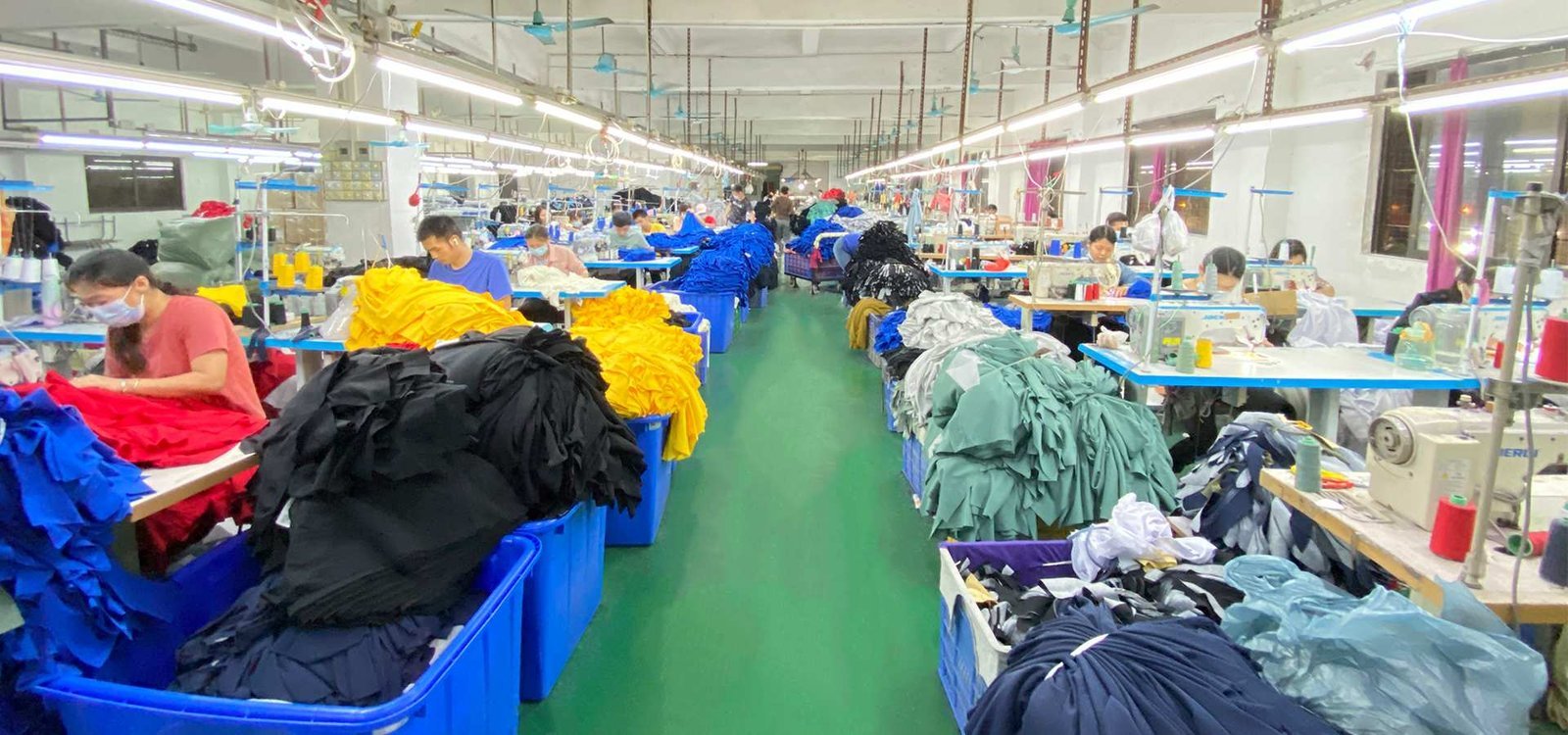
Our 5-Step Quality Guarantee for Blank Polo Shirts Wholesale
Step 1: Materials Pass Before Production Begins
Every blank polo shirts wholesale run starts with rigorous materials QC. Fabric weight, colorfastness, shrinkage resistance, and pilling performance are tested before a single panel is cut, eliminating defects at the source.
- Fabric weight and GSM verified against your specification sheets
- Colorfastness tested under wash and UV light exposure conditions
- Shrinkage and pilling resistance confirmed prior to any cutting
- Non-compliant materials rejected and replaced before production advances
Step 2: Precision Cutting Eliminates Downstream Errors
Cutting errors compound into costly rework at every stage that follows. Our cutting QC verifies panel dimensions, grain alignment, and layered stack uniformity so every polo component matches your approved sample exactly.
- Panel dimensions measured against approved tech pack tolerances
- Grain line and pattern placement verified per style requirement
- Layered fabric stacks inspected for cross-ply consistency throughout
- Faulty panels flagged, re-cut, and re-inspected before proceeding
Continuous In-Line Sewing and Craft Inspection
Steps 3 and 4 run simultaneously with production. Clothing craft details and sewing quality are monitored at every workstation — catching collar shaping errors, stitch tension variance, and seam misalignment before they multiply.
- Collar shaping, placket finish, and hem evenness inspected per piece
- Stitch density and tension validated at every sewing workstation
- Sleeve attachment, side seam alignment, and cuff finish checked mid-run
- Defective units pulled, corrected, and re-inspected before advancing
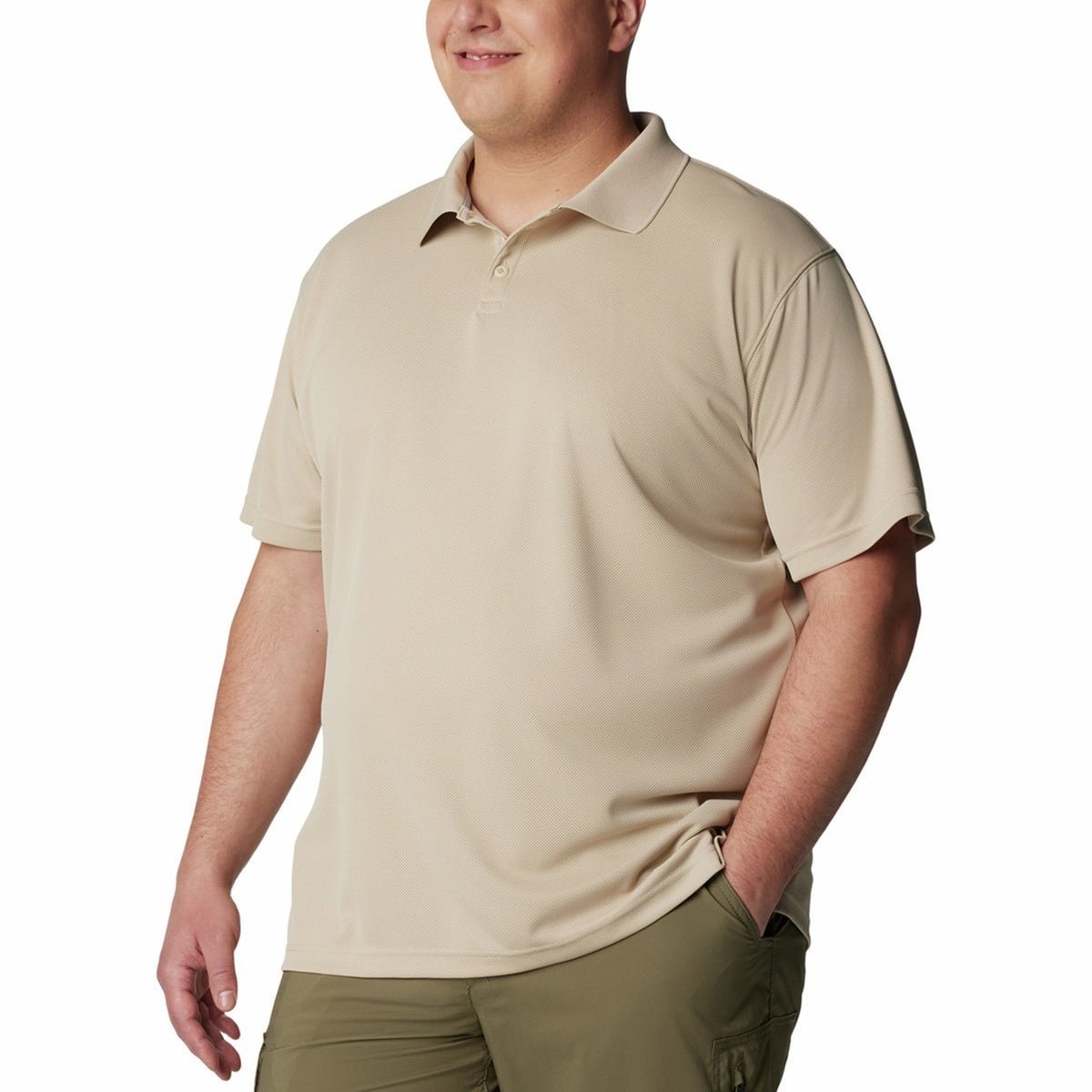
Step 5: Zero-Defect Final Inspection Before Shipment
Before any blank polo shirts wholesale order leaves our factory, every finished piece clears a comprehensive five-point final audit covering appearance, measurements, construction, packaging, and labeling — so your inventory arrives customer-ready, every time.
- Full measurement audit against your approved size specification sheets
- Visual check for staining, thread pulls, uneven hems, and color consistency
- Label placement, hang tags, and polybag packaging verified to your brand standards
- Only pieces passing all five QC stages are cleared for dispatch
How We Compare to Other Blank Polo Shirts Wholesale Suppliers
Not all wholesale suppliers are equal. See why brands worldwide choose Clothing Manufacturer Ltd. over generic bulk vendors.
← 左右滑动查看 →
From Order to Doorstep: Your Blank Polo Shirts Wholesale Timeline
Standard production runs complete in 4–8 weeks, with 2-week rush options available. A quality checkpoint guards every phase so your order ships right the first time.
Order Confirmation & Sampling
Share your specs and receive a physical sample within days. Rush-sample options are available. Approve before any bulk polo production begins.
Materials Sourcing & QC
Every fabric and trim is sourced and stress-tested against our Step 1 materials QC standard, locking in quality before a single panel is cut.
Cutting & Pre-Production Check
Polo panels are cut to your approved patterns. Step 2 cutting QC validates accuracy, grain alignment, and consistency before sewing lines open.
Sewing & Inline Inspection
Skilled operators sew each polo while Step 3 craft QC and Step 4 sewing QC run continuously, catching defects mid-line rather than after completion.
Finishing & Final QC Clearance
Garments are ironed, labelled, and cleared through Step 5 finished-goods inspection. Only pieces that pass every standard advance to packing.
Packing & Global Dispatch
Orders are packed to spec, documented for customs clearance, and dispatched via your preferred freight route to any of our 100-plus served countries.
How to Order Blank Polo Shirts Wholesale
Five clear steps take you from first inquiry to delivered product — with real-time updates, zero guesswork, and Tesla Luo’s decade-plus of production expertise behind every stage.
Submit Specs or Browse Our Blanks
Share your polo shirt requirements — fabric weight, collar style, colors, and quantity — or browse our ready-to-customize blank selections. Our team responds within hours.
Receive Your Quote and Sample Plan
Within 24 hours, we send a detailed quote with itemized pricing, MOQ confirmation from 50 pieces, and a clear pre-production sampling schedule.
Review and Approve Your Samples
Our in-house sampling team produces physical pre-production samples, each cleared through our 5-step QC process before shipping to you for final sign-off.
Confirm and Lock In Production
Once samples are approved, place your bulk order. We schedule production immediately and keep you updated with transparent progress reports and a confirmed delivery window.
Receive, Brand, and Scale
We manage global shipping and logistics so your blank polo shirts wholesale order arrives on time, fully inspected, and ready to brand, retail, or distribute.
Certifications & Compliance for Blank Polo Shirts Wholesale
Brands That Grew With Our Blank Polo Shirts Wholesale
We launched our first streetwear drop with just 50 units per colorway — the low MOQ made it possible. Clothing Manufacturer Ltd.’s 5-step QC meant zero defects on arrival. We sold out in 3 days and reordered 300 units the following week.
As a creator launching my first merch line, I needed a partner who understood deadlines. They delivered 150 polo shirts in 18 days, well ahead of my campaign. My drop sold through 90% of inventory within 48 hours of going live.
We place quarterly orders of 1,500-plus units across 6 SKUs. Clothing Manufacturer Ltd. has held a defect rate under 0.5% on every batch. Finding a supplier with that level of consistency at scale is rare — they are now our primary production partner.
Frequently Asked Questions: Blank Polo Shirts Wholesale
Straight answers on MOQ, lead times, sampling, quality guarantees, and everything else you need to place your order with confidence.
What is the minimum order quantity for blank polo shirts wholesale?
How long does sampling take, and does the sample cost apply to my bulk order?
Can I add custom labels, tags, and branding to blank polo shirts wholesale orders?
What payment terms do you accept for bulk polo shirt orders?
How do you protect my designs and brand IP during production?
What quality guarantee comes with every blank polo shirts wholesale order?
What shipping options are available, and how long does delivery take?
Can a brand-new startup order blank polo shirts wholesale with no prior order history?
What fabric options are available for blank polo shirts?
The Complete Buyer’s Guide to Blank Polo Shirts Wholesale
Discover a proven decision framework for sourcing blank polo shirts wholesale — covering fabric grades, MOQ thresholds, decoration methods, supplier vetting criteria, and the critical mistakes that cost brands time and money.
1. What Are Blank Polo Shirts Wholesale?
50 to 500 pieces per colorway is the standard MOQ window when sourcing blank polo shirts wholesale — undecorated, unbranded polo shirts purchased in bulk and customized after delivery. No screen prints, embroidery, heat transfers, or labels are applied at the manufacturing stage; your team or a contract decorator adds artwork, Pantone-matched colorways, and woven neck labels on receipt. This separation of production from decoration defines the blank wholesale model and suits brands at every growth stage.
Retail polo shirts typically carry a 3x–5x markup over factory cost; blank polo shirts wholesale sourcing compresses that spread to roughly 1.5x–2x landed cost. Orders below 50 units generally price near retail, while 300-piece runs unlock the lowest per-unit rates and priority production scheduling. Streetwear labels, startups, and global retailers rely on this model to lock in consistent fabric specifications — GSM, ring-spun cotton count, collar rib weight — across every reorder.
7–15 days is a typical lead time for blanks in standard fabrications, versus 30–60 days for fully custom, pre-printed alternatives. Independent designers entering at a 50-piece MOQ can test a new silhouette with minimal capital exposure before scaling. Retailers reaching 500-plus pieces per SKU gain leverage to negotiate private-label tagging and fabric exclusivity.
- Cost control: pay for decoration once, on your own schedule, at wholesale unit economics.
- Brand consistency: identical fabric weight, Pantone reference, and collar rib spec on every reorder.
- Speed to market: blanks ship 7–15 days versus 30–60 days for pre-printed custom stock.
2. A Brief History and Evolution of the Polo Shirt
The polo shirt traces its roots to the 1920s, when British polo players adopted button-collar cotton shirts to keep collars flat during matches. Early versions were heavyweight woven fabric — purely utilitarian, with no pretense of mainstream fashion appeal.
In 1933, René Lacoste replaced that stiff woven construction with a short-sleeve piqué cotton jersey, introducing a breathable knit that moved freely with the body. That single material decision — from woven to piqué — established the construction benchmark the global industry still references today.
Ralph Lauren repositioned the polo as a preppy status symbol through the 1970s and 1980s, pushing it from sports courts into everyday wardrobes across North America and Europe. By the 2000s, streetwear and athleisure labels reclaimed it with oversized silhouettes, dropped shoulders, tonal embroidery, and graphic-heavy customization, turning a classic into a canvas for bold self-expression.
That streetwear resurgence drove steep demand for blank polo shirts wholesale, as private-label startups and direct-to-consumer brands required undecorated inventory at scale for screen printing, embroidery, and heat-transfer applications. A century of reinvention — from polo field to runway to street — has proven one constant: every successful evolution depended on sound foundational craftsmanship. Collar roll, fabric weight, and seam construction that hold up in sport must hold up under decoration processes, which is exactly why rigorous quality control at every production stage is non-negotiable for any brand sourcing blanks today.
3. Types of Blank Polo Shirts Wholesale Explained
Blank polo shirts wholesale span five core silhouettes, each suited to a distinct customer profile and decoration method. Matching the right cut and fabric weight to your audience prevents costly overstock and repeat re-orders.
Classic Piqué Polo
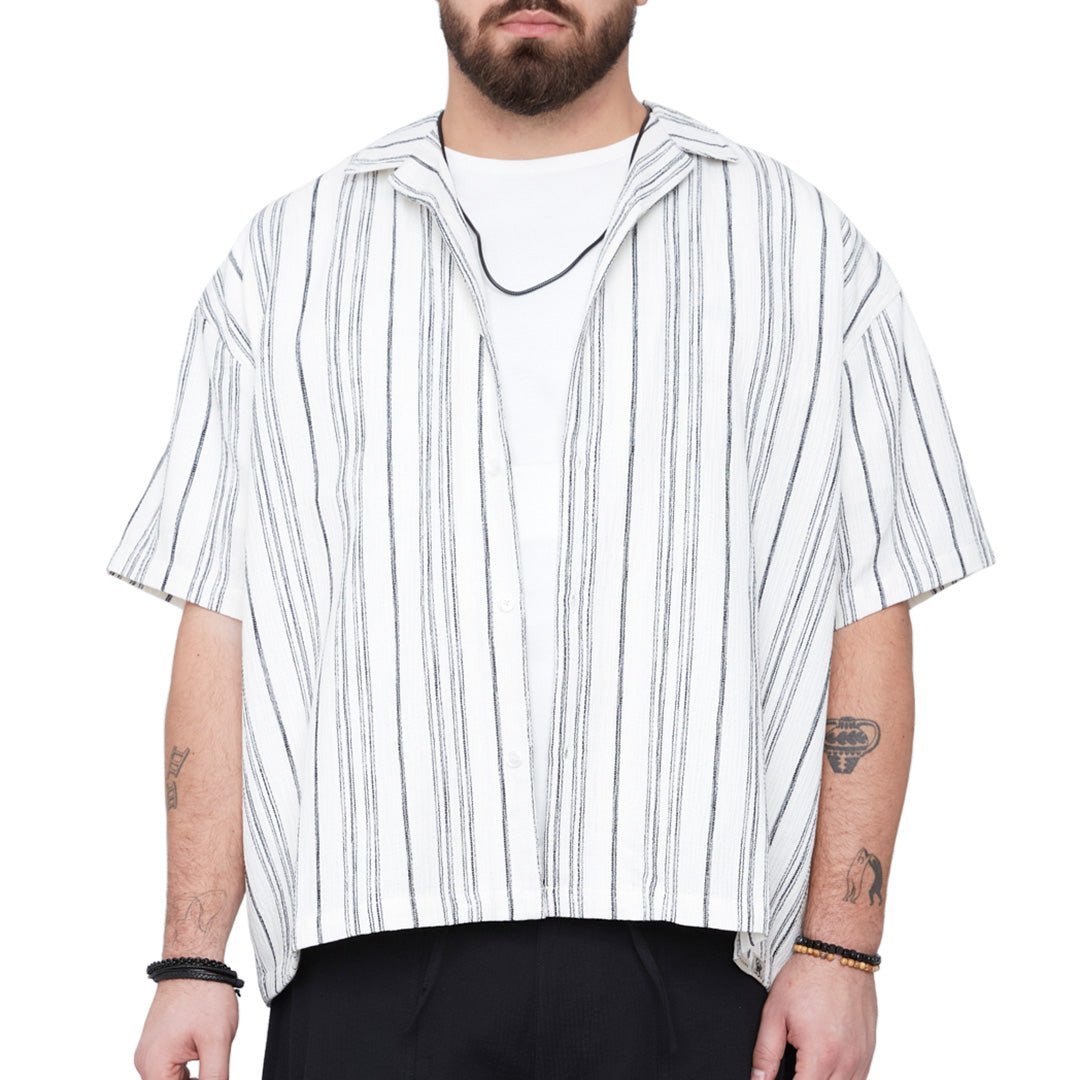
The classic piqué polo runs 180–220 GSM and is the workhorse of corporate gifting and golf markets worldwide. Its textured knit surface accepts embroidery cleanly, making it the top choice for logo-heavy brand programs and uniform orders.
Performance Moisture-Wicking Polo
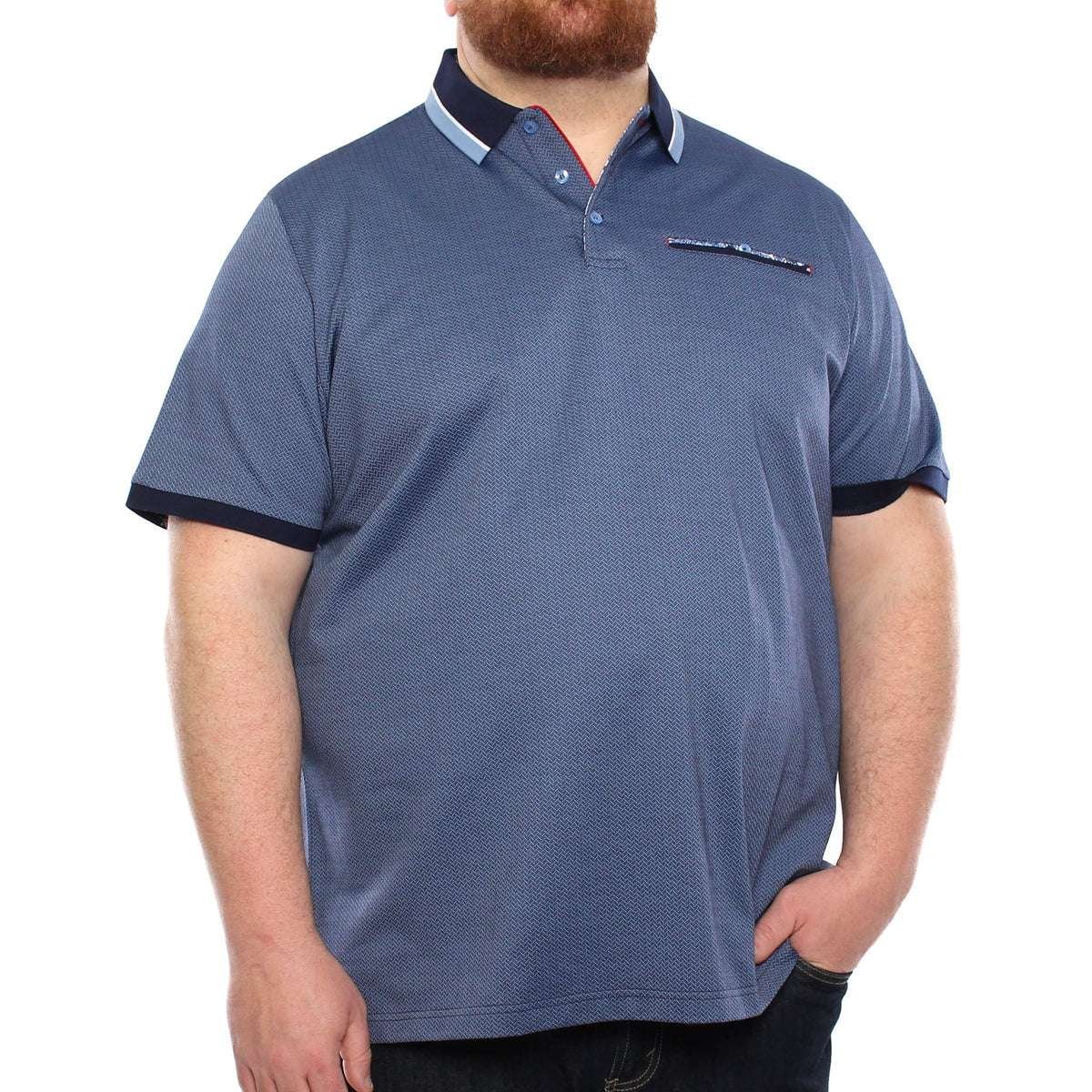
Performance polos use 100% polyester or poly-spandex blends at 140–170 GSM, engineered for moisture management and four-way stretch. Golfers, sports teams, and activewear labels favor this silhouette; sublimation and heat-transfer decoration hold best on smooth synthetic faces.
Slim-Fit vs. Relaxed-Fit Polo
Slim-fit silhouettes at 180–200 GSM target fashion-forward retail and influencer drops, where a tapered chest and shorter hem read as premium. Relaxed-fit, cut with 2–4 cm extra chest allowance, suits corporate uniforms and demographics who prioritize comfort over silhouette.
Long-Sleeve Polo
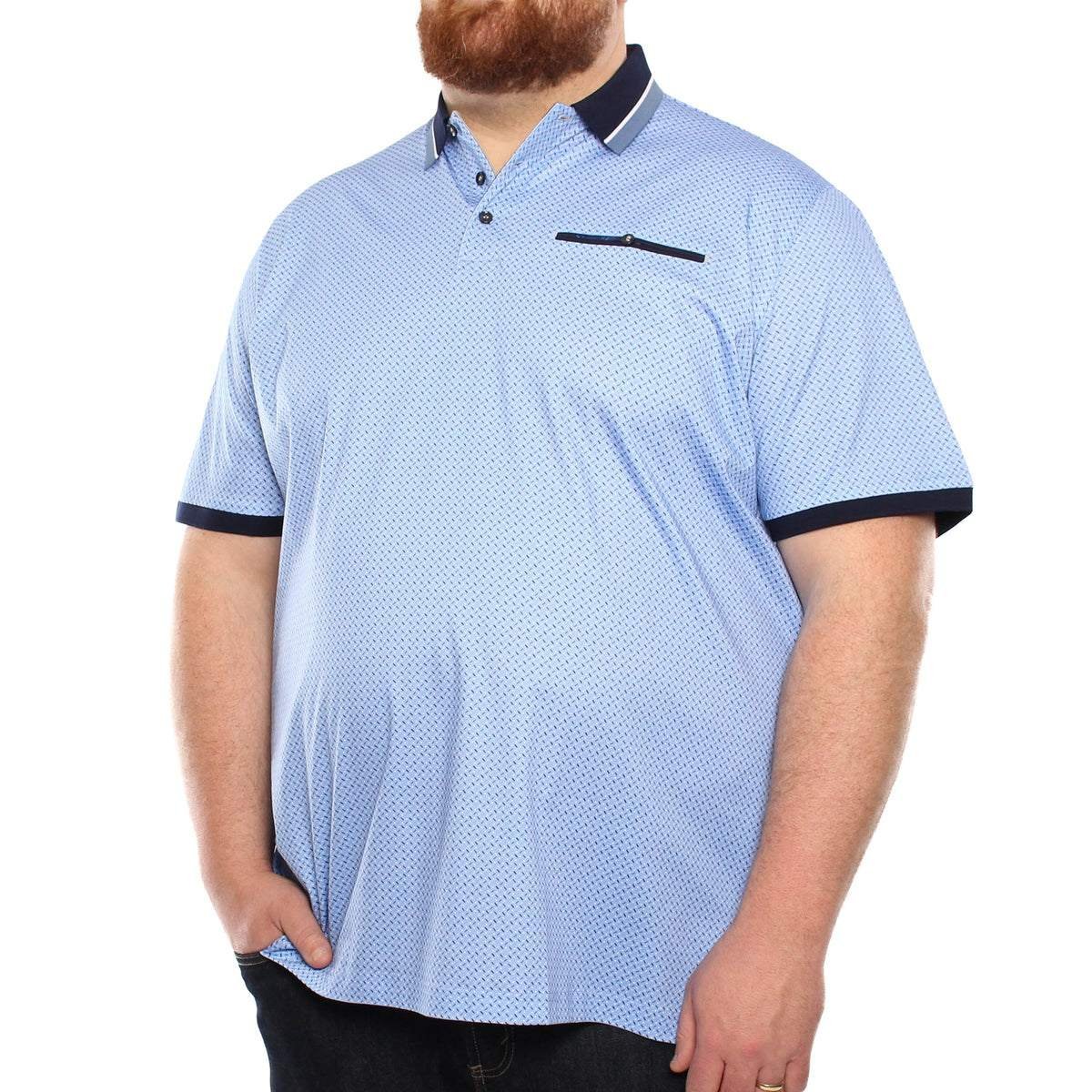
Long-sleeve polos in 200–240 GSM extend seasonal range into fall and cooler-climate markets. Corporate accounts and luxury-adjacent brands favor this silhouette for a refined look; chest embroidery and woven neck labels are the standard decoration choice.
Oversized Streetwear-Cut Polo
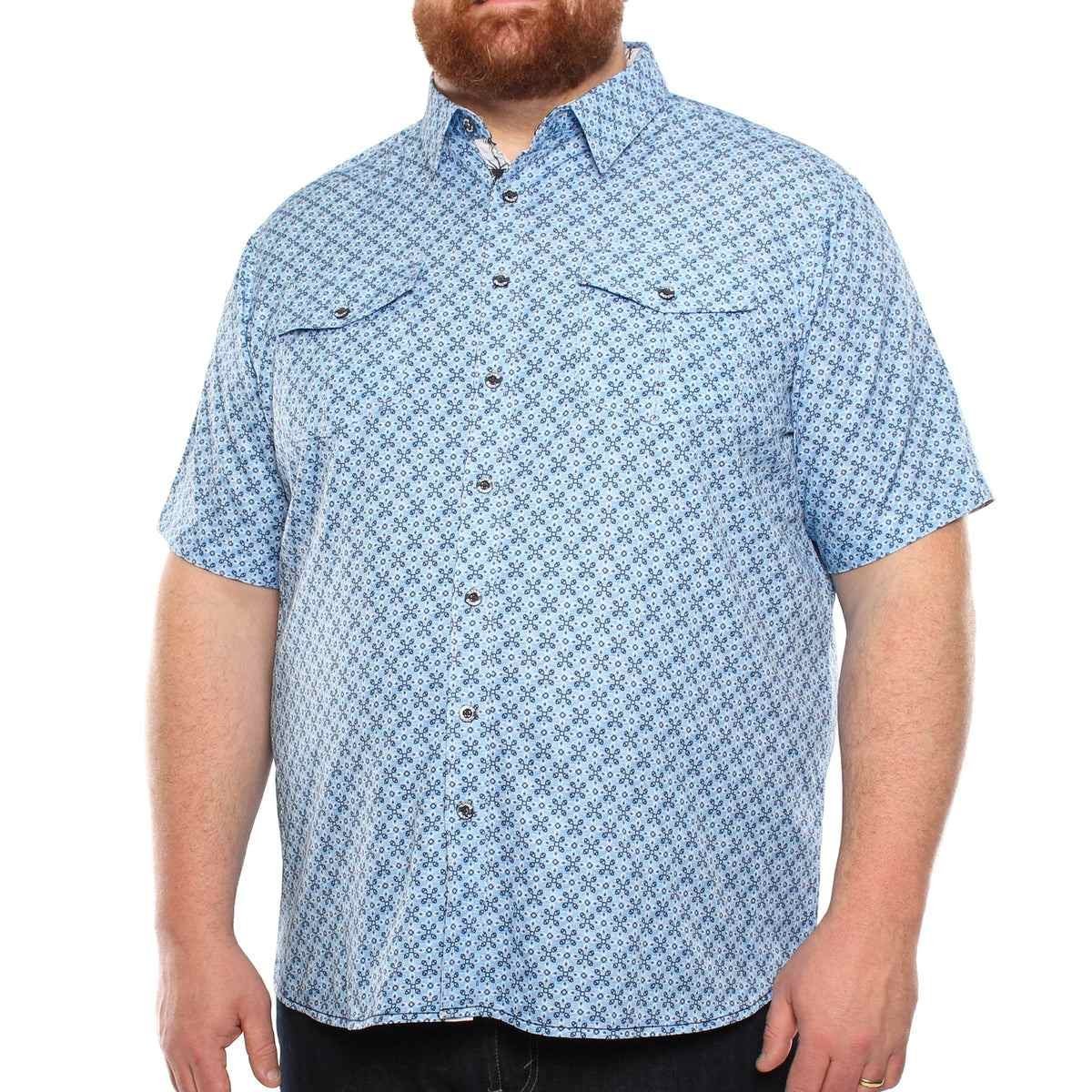
Oversized polos drop 2–4 sizes below standard grading and run 220–260 GSM for added body and structure. Streetwear consumers and creator brands prize the boxy drape; screen printing and puff-ink graphics — staples of hip-hop and skate aesthetics — read best on this wider canvas.
4. Materials and Fabrics: What to Look for in Wholesale Polos
Fabric selection determines breathability, wash durability, and embroidery performance — the wrong GSM or fiber blend compounds into returns and brand credibility loss. For blank polo shirts wholesale buyers, the 180–280 GSM range covers virtually every end-use, but each fabric category carries distinct trade-offs worth mapping before placing an order.
| Fabric Type | GSM Range | Best Use Case | Decoration Fit | Price Tier |
|---|---|---|---|---|
| 100% Cotton Piqué | 200–240 | Casual, corporate, streetwear | Embroidery, screen print | Low–Mid |
| Cotton-Poly Blend | 180–220 | Everyday wear, uniforms | Screen print, heat transfer | Low |
| Performance Polyester | 160–200 | Sport, activewear | Sublimation, heat transfer | Low–Mid |
| Bamboo-Cotton Blend | 200–240 | Premium lifestyle, boutique | Embroidery, screen print | Mid–High |
| Recycled Polyester (rPET) | 170–210 | Eco brands, sustainability retail | Sublimation, heat transfer | Mid–High |
Cotton Piqué: The Industry Baseline
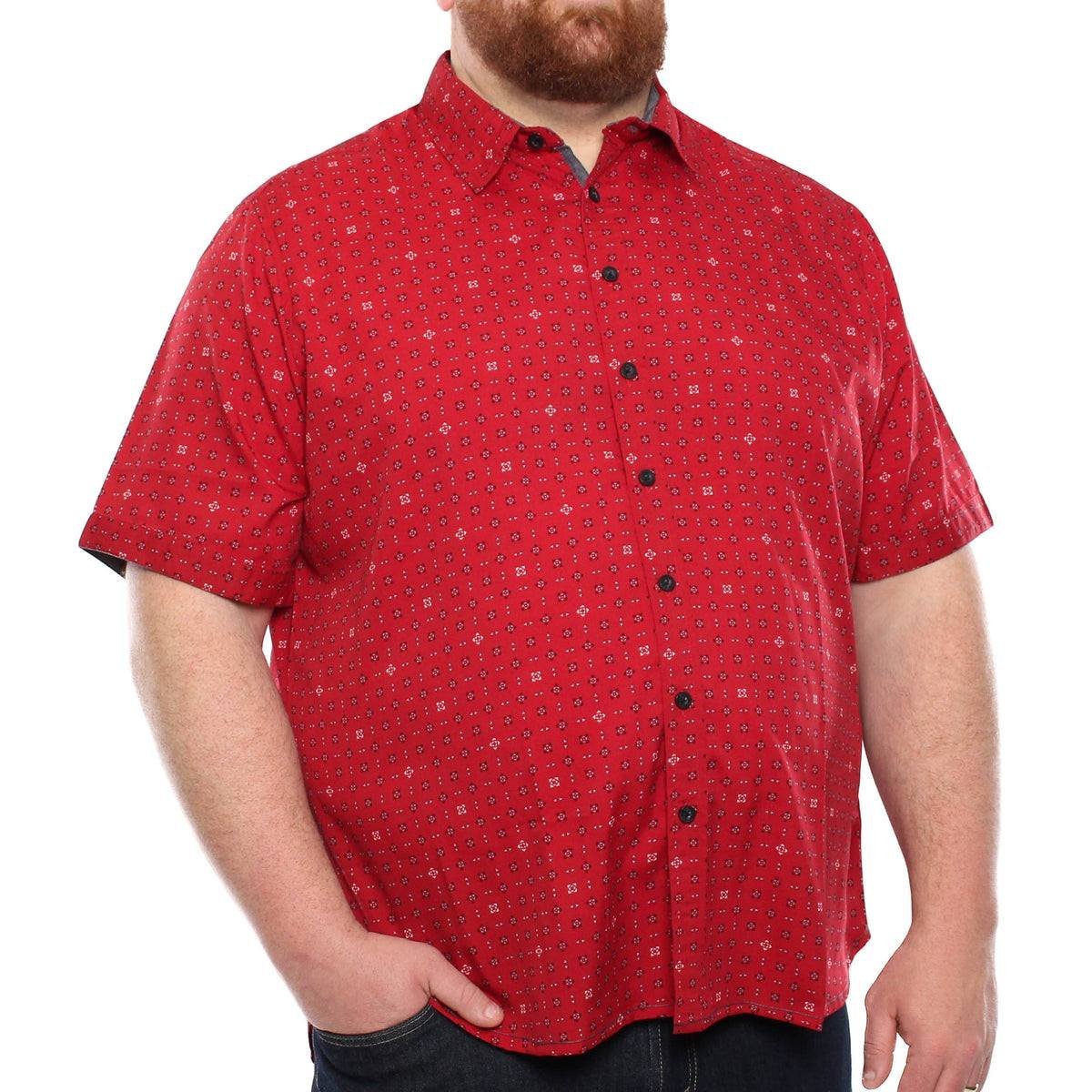
100% ring-spun cotton piqué at 200–240 GSM is the polo market’s workhorse. It breathes well, passes OEKO-TEX Standard 100 requirements for most retail channels, and holds embroidery thread without distortion.
Shrinkage risk runs 3–5% before pre-washing, so grading specs should account for that variance at cut.
Blends and Performance Fabrics
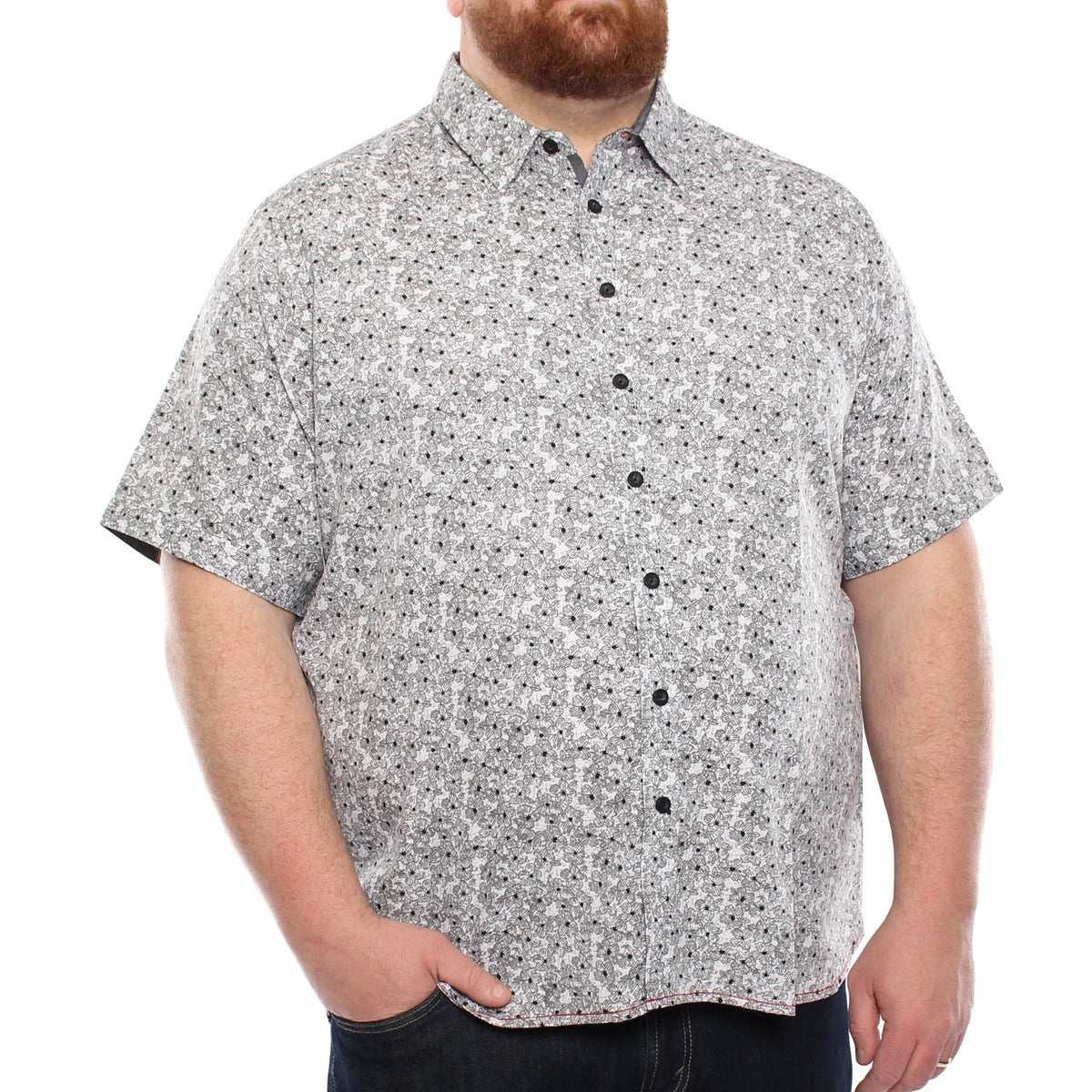
65/35 cotton-polyester at 180–220 GSM cuts shrinkage below 2% and reduces unit cost by 10–15% versus pure cotton. Performance polyester at 160–200 GSM targets activewear and moisture-wicking end uses.
Screen printing and heat transfer bond more reliably to poly blends than direct embroidery does — specify your decoration method before locking in fabric.
Sustainable and Bamboo Options
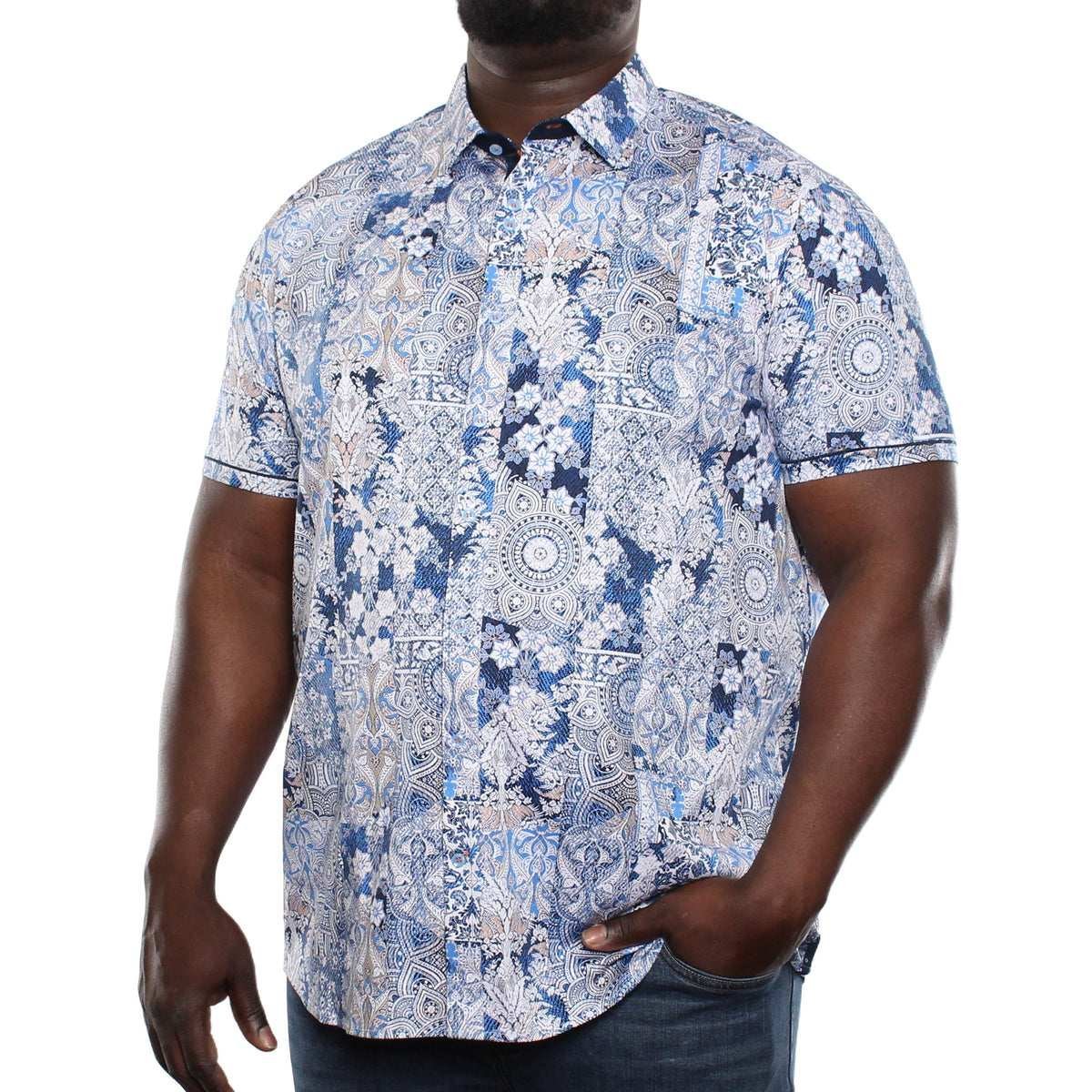
Bamboo-cotton blends (typically 70/30) at 200–240 GSM deliver a silkier hand-feel and natural antimicrobial properties, justifying premium retail positioning. Recycled polyester (rPET) certified under GRS (Global Recycled Standard) resonates with sustainability-driven global retailers.
Both categories carry a 15–25% unit price premium over conventional cotton — build that delta into your margin model early.
5. Customization and Decoration Options for Wholesale Polo Shirts
Decoration method determines cost, durability, and brand fit for blank polo shirts wholesale orders. Five techniques dominate the market, each with distinct setup fees, per-unit economics, and fabric requirements that directly affect your margins.
| Method | Setup Cost | Per-Unit Cost | Wash Durability | Best Fabric | Brand Fit |
|---|---|---|---|---|---|
| Embroidery | $20–$50 digitizing fee | $3–$8 | 50+ washes | Cotton piqué | Corporate, premium streetwear |
| Screen Print | $30–$60 per color | $1–$4 | 40–50 washes | Cotton, cotton blends | Streetwear, sports |
| Puff Print | $30–$60 per color | $2–$5 | 30–40 washes | Cotton | Streetwear, bold logos |
| Heat Transfer Vinyl | $5–$15 per design | $2–$5 | 30–40 washes | Cotton, polyester | Influencer drops, small runs |
| Sublimation | $0–$20 per design | $2–$6 | 50+ washes | 100% polyester only | Sports, performance brands |
Embroidery for Logo Placement
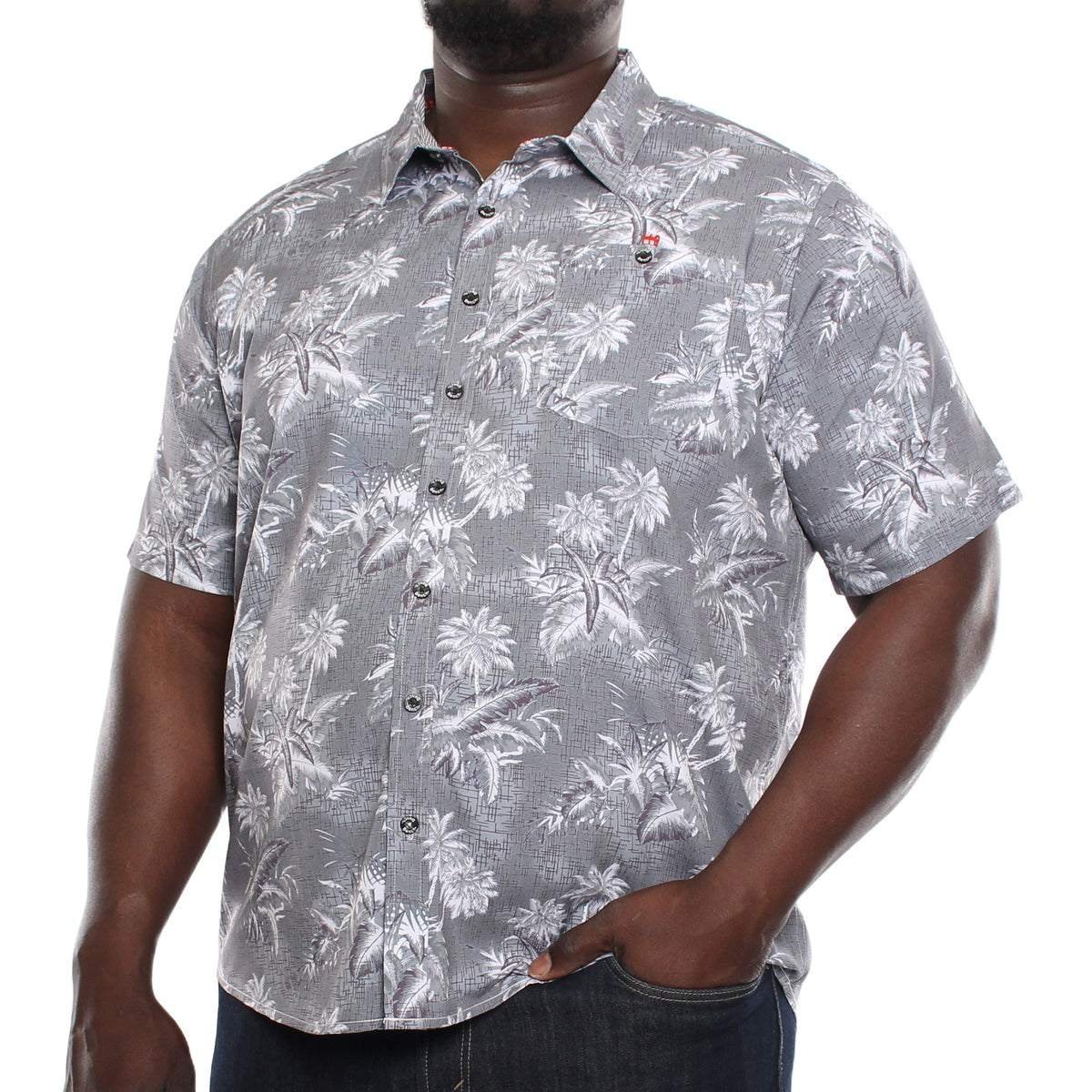
Embroidery suits left-chest and sleeve placements on cotton piqué polos, with digitizing fees of $20–$50 per design and a 15,000-stitch cap before thread density causes fabric puckering. Durability exceeds 50 wash cycles, making it the standard for corporate gifting and premium streetwear logos.
Screen Printing and Puff Print
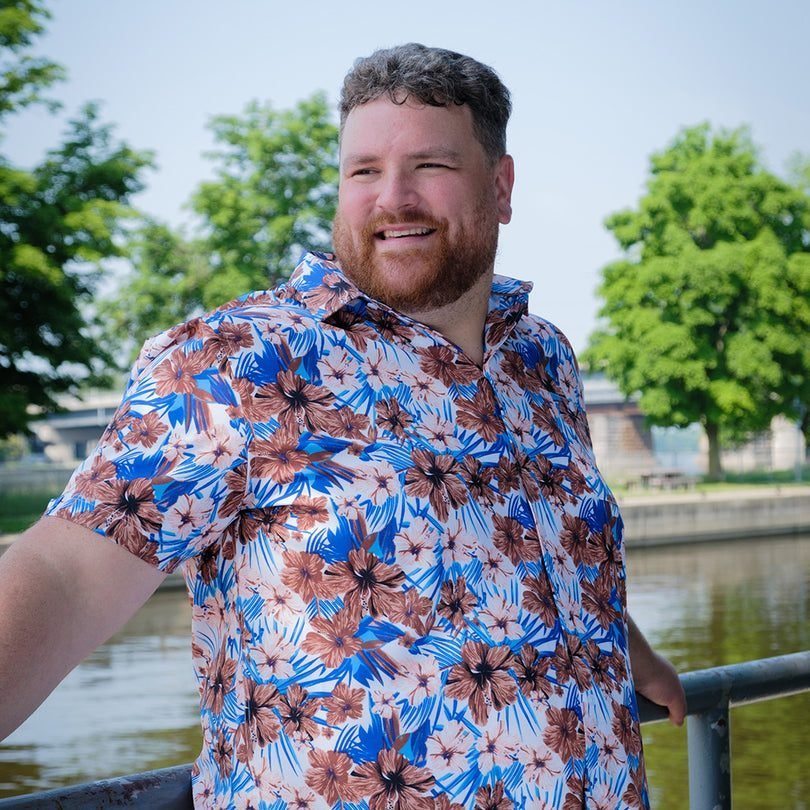
Screen printing runs $1–$4 per unit after a $30–$60 per-color setup fee, performing best on 180–220 GSM cotton polo blanks. Puff print uses the same screens but adds a heat-activated raised texture streetwear brands favor — wash durability drops to 30–40 cycles.
Sublimation and Heat Transfer Vinyl
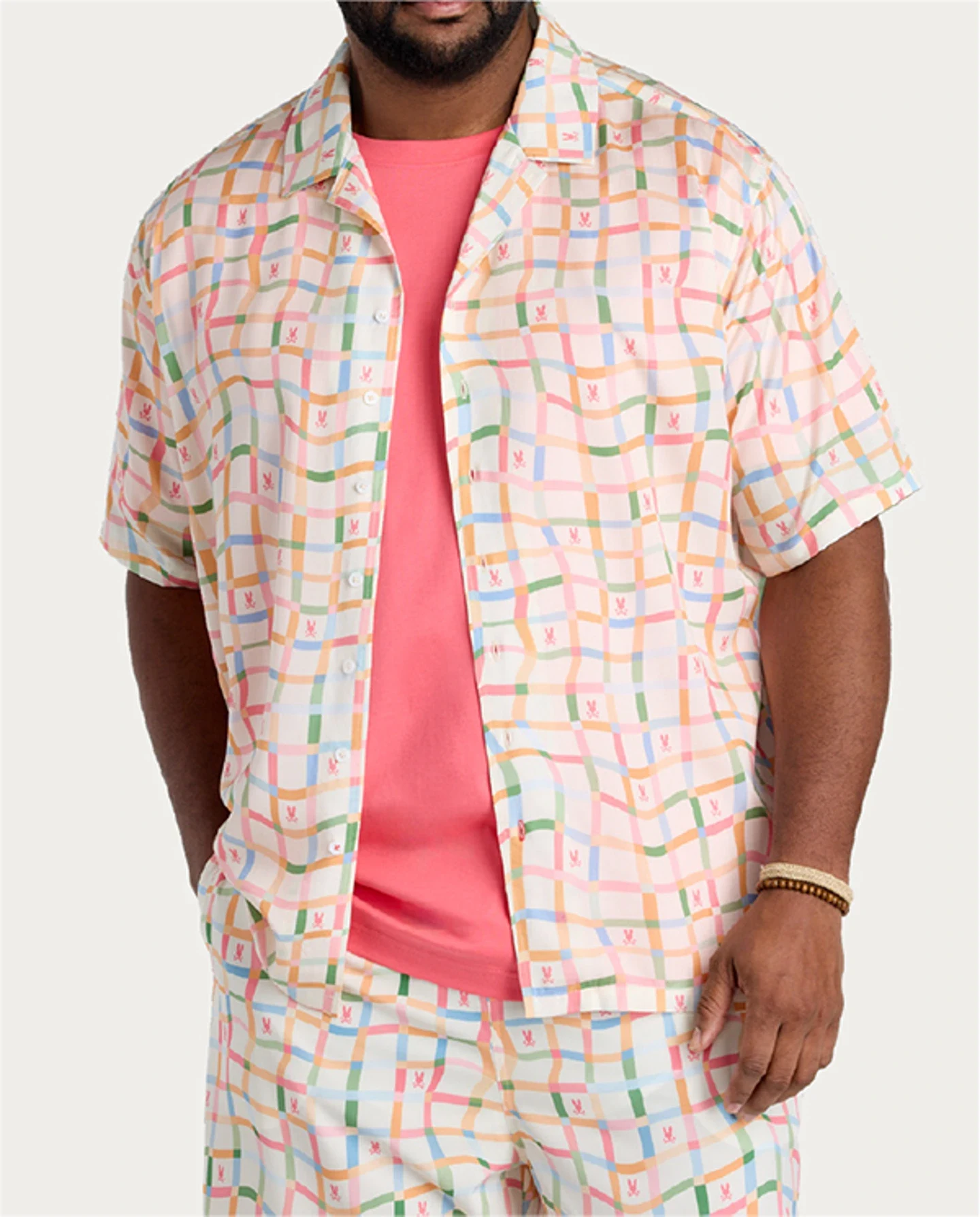
Sublimation requires 100% polyester fabric — it produces faded, washed-out results on cotton — but delivers photographic full-coverage prints with 50+ wash-cycle durability at $2–$6 per unit. Heat transfer vinyl (HTV) carries minimal setup ($5–$15) and works across fabrics, making it ideal for influencer drops under 50 units.
6. Key Construction Quality Elements Buyers Must Inspect
Before committing to bulk volume, evaluating construction details separates durable, on-brand polos from costly returns. Key physical checkpoints — from collar knit weight to colorfastness ratings — reveal manufacturing discipline and pre-shipment consistency.
Collar Reinforcement and Rib Knit Quality
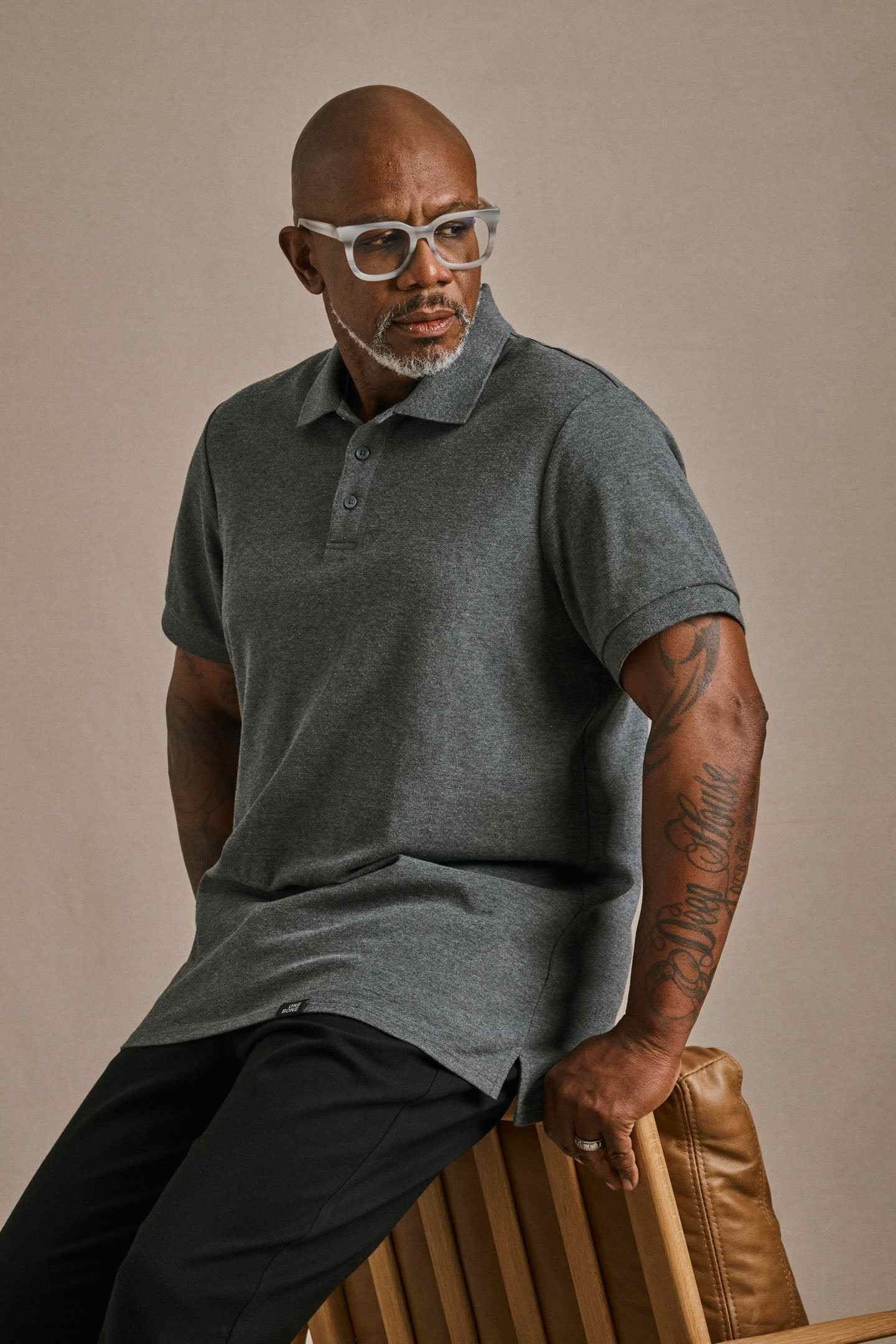
Collar rib knit should be 1×1 or 2×2 construction with a minimum 200 GSM weight to resist stretching after 30+ wash cycles. Fused interlining inside the collar band adds shape retention — its absence is a common cost-cut that buyers miss on initial inspection.
Side Seam vs. Tubular Construction
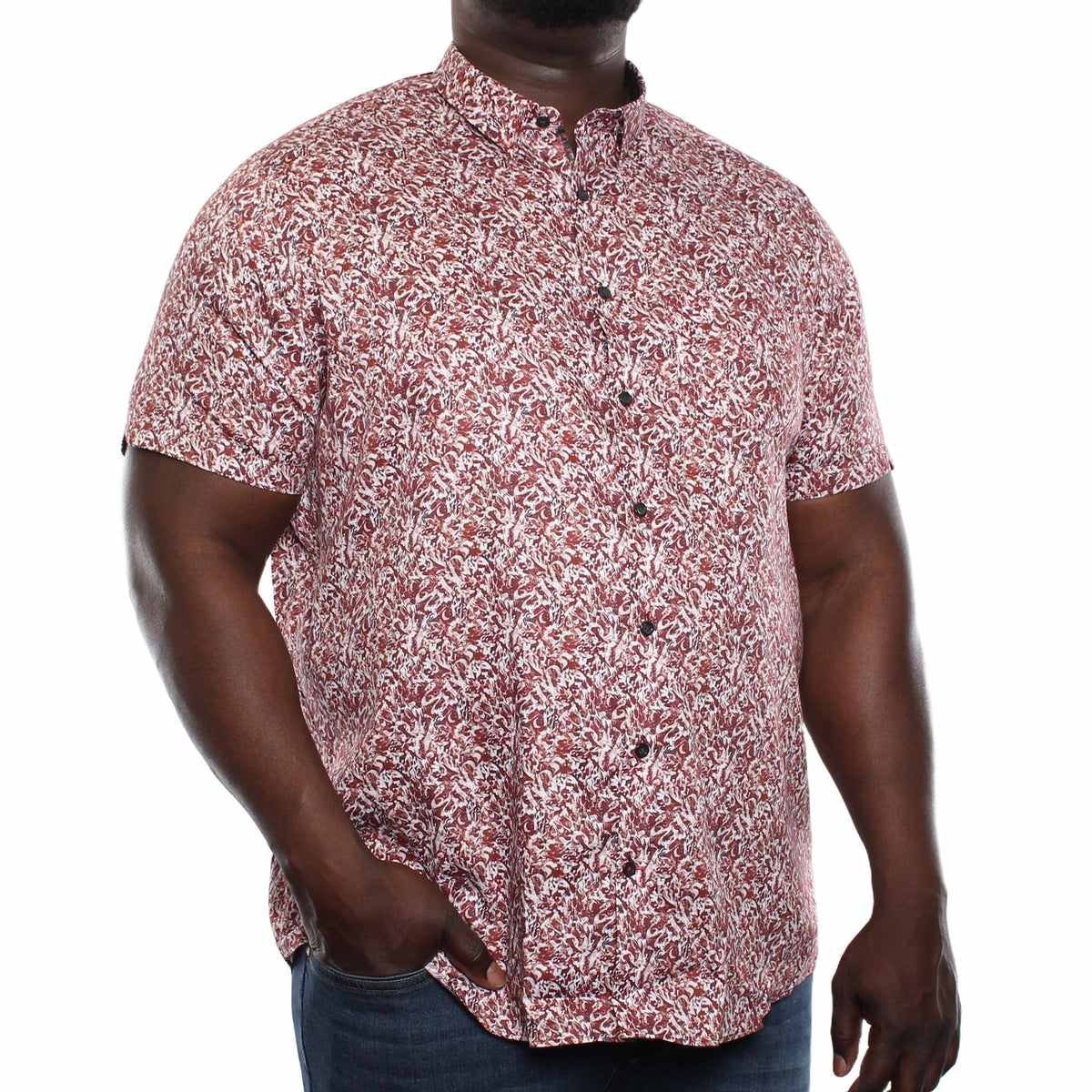
Tubular-knit bodies eliminate lateral seams to reduce cost but restrict tailored fit adjustability. Side-seam construction with flatlock or chainstitch finishing at 5–7 SPI (stitches per inch) produces cleaner alignment and better tensile durability under repeated stress.
Button Quality and Placket Stitching Standards
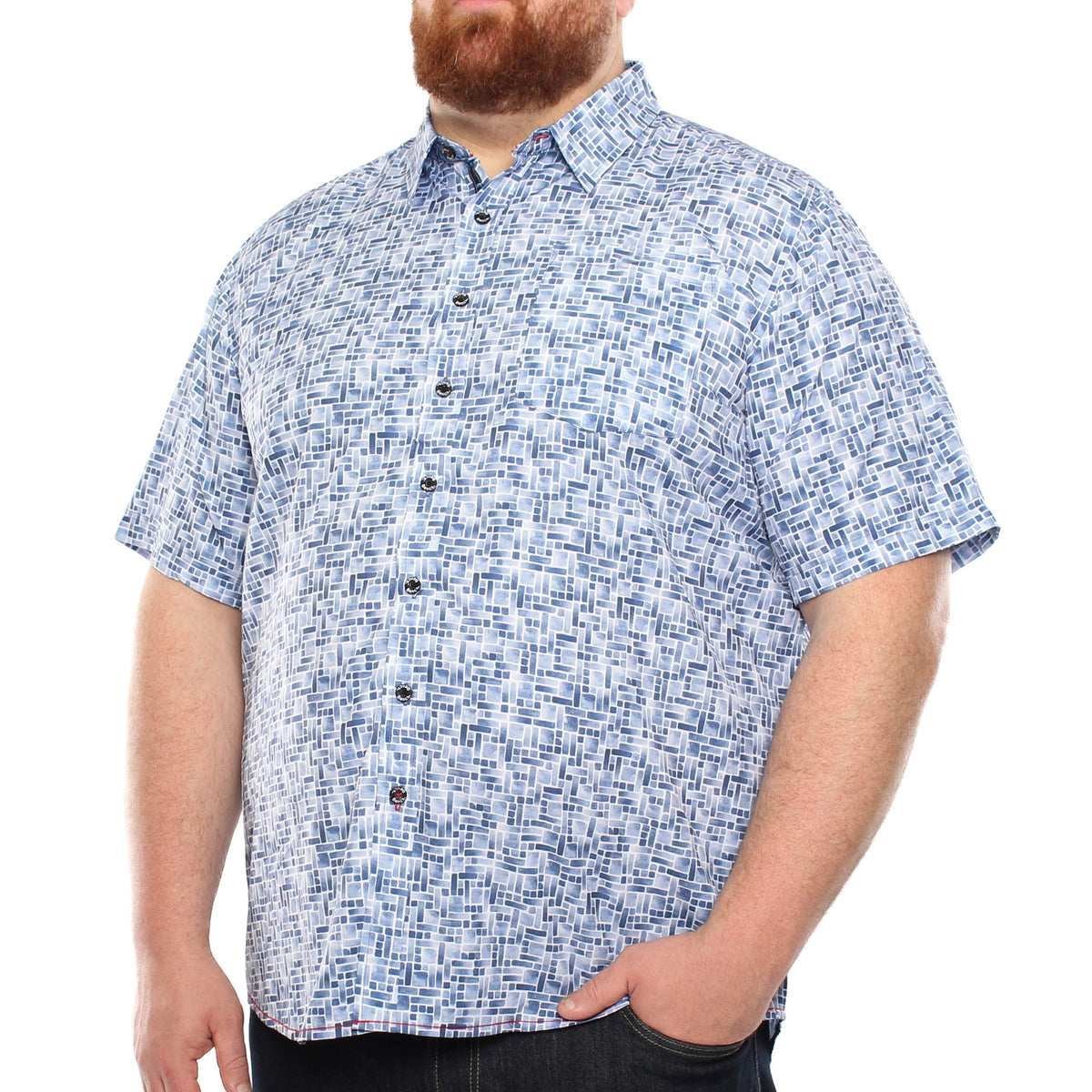
Genuine horn buttons resist cracking through repeated laundering; low-grade plastic buttons show UV yellowing within 90 days. Double-needle placket stitching at 2.5mm stitch width holds tension on both sides of the band — single-needle plackets indicate budget-grade construction.
Hem Finish and Colorfastness Ratings
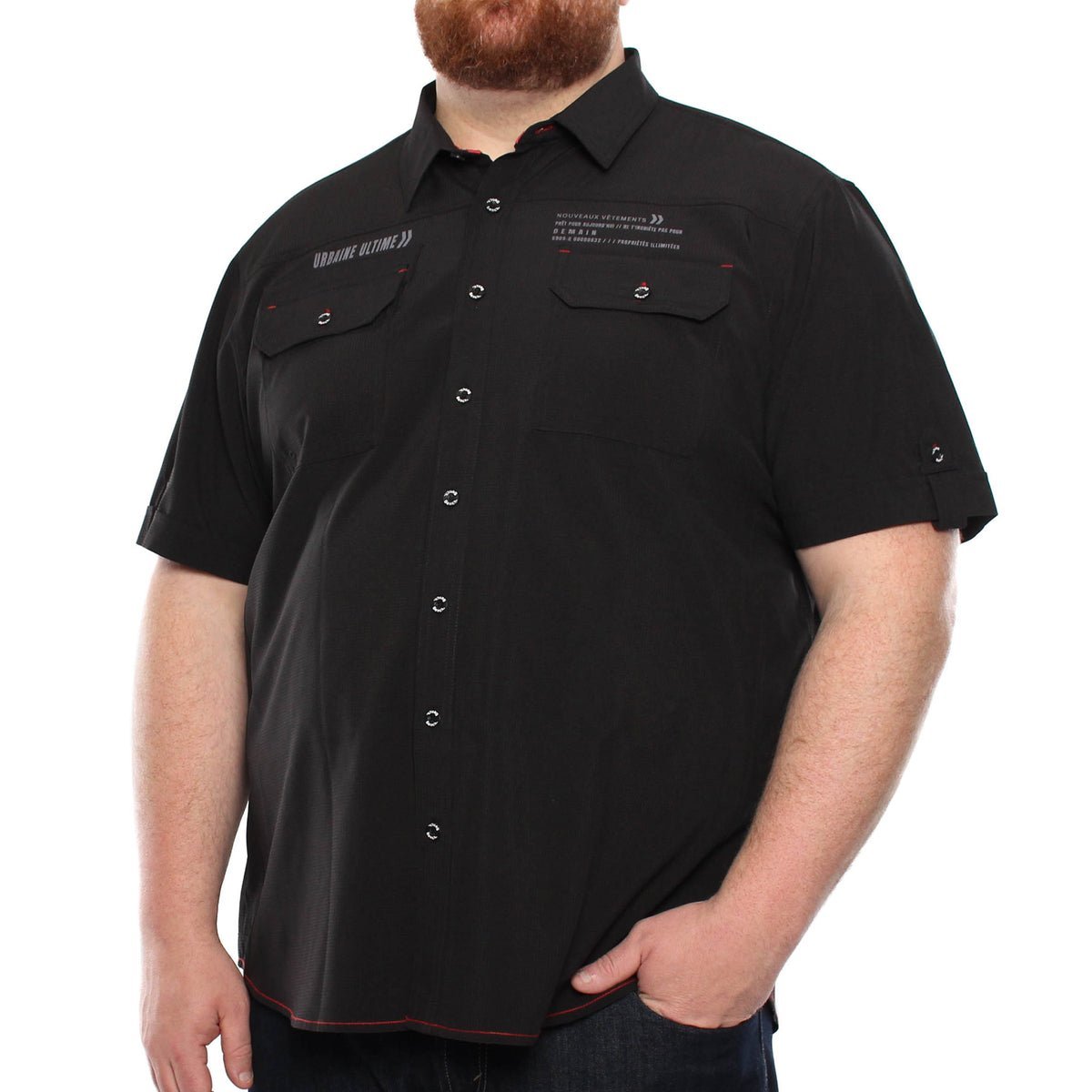
Twin-needle cover stitch delivers 4–6 rows of thread coverage on a properly finished polo hem; raw-edge or single-turn alternatives unravel after industrial laundering. AATCC colorfastness standards rate wash, rubbing, and light resistance on a 1–5 scale — demand Grade 4 minimum for wash and Grade 3–4 for crocking.
Five-Step QC Process as the Benchmark
Clothing Manufacturer Ltd. embeds quality checks at five sequential stages — materials, cutting, garment craft, sewing production, and finished product — catching defects before they compound across a run. This framework means collar irregularities flagged at the cutting stage never reach the sewing floor, reducing rework costs and pre-shipment rejection rates for blank polo shirts wholesale buyers.
7. How to Choose a Blank Polo Shirts Wholesale Manufacturer
Sourcing blank polo shirts wholesale from the wrong supplier type costs more than money — it costs lead time, quality consistency, and brand credibility. Vet every candidate against four hard criteria before placing a single order.
Trading Companies vs. Direct Factories
Trading companies resell goods from third-party factories, adding a 15–40% markup and a communication layer that delays problem-solving. Direct factories own their production lines, offering tighter QC integration, 7–14 day sample turnaround, and lower per-unit costs at equivalent MOQs.
MOQ Flexibility and Scalability
Standard wholesale minimums run 300–500 pieces per colorway, blocking test runs for new brands. Suppliers offering 50-piece MOQs let emerging labels validate demand before scaling to 500+ pieces per SKU, preserving cash flow without sacrificing access to quality production.
Certifications to Require
OEKO-TEX Standard 100 certifies fabric free from harmful substances — essential for EU and US market entry. GOTS confirms organic fiber integrity throughout the supply chain. ISO 9001 signals documented quality management. Always request certificates with valid expiry dates; expired documents indicate lapsed compliance.
Five Questions to Ask Every Supplier
Ask these five questions before signing any purchase order — evasive or vague answers disqualify a supplier immediately.
- What is your minimum order quantity per colorway, and does it drop for repeat orders?
- How many business days does a pre-production sample take, and what is the sample fee?
- Which certifications do you hold — OEKO-TEX, GOTS, ISO 9001 — and can you share current documents?
- Do you perform in-line quality checks during cutting, sewing, and finishing, or only a final inspection?
- Can we visit the factory floor or receive a third-party audit report before our first order?
8. Common Mistakes When Buying Blank Polo Shirts Wholesale
First-time wholesale buyers lose margin and miss launch windows by repeating a handful of avoidable sourcing errors. Knowing where blank polo shirts wholesale orders go wrong lets you build safeguards before you commit budget.
Ignoring GSM Specs and Fabric Weight
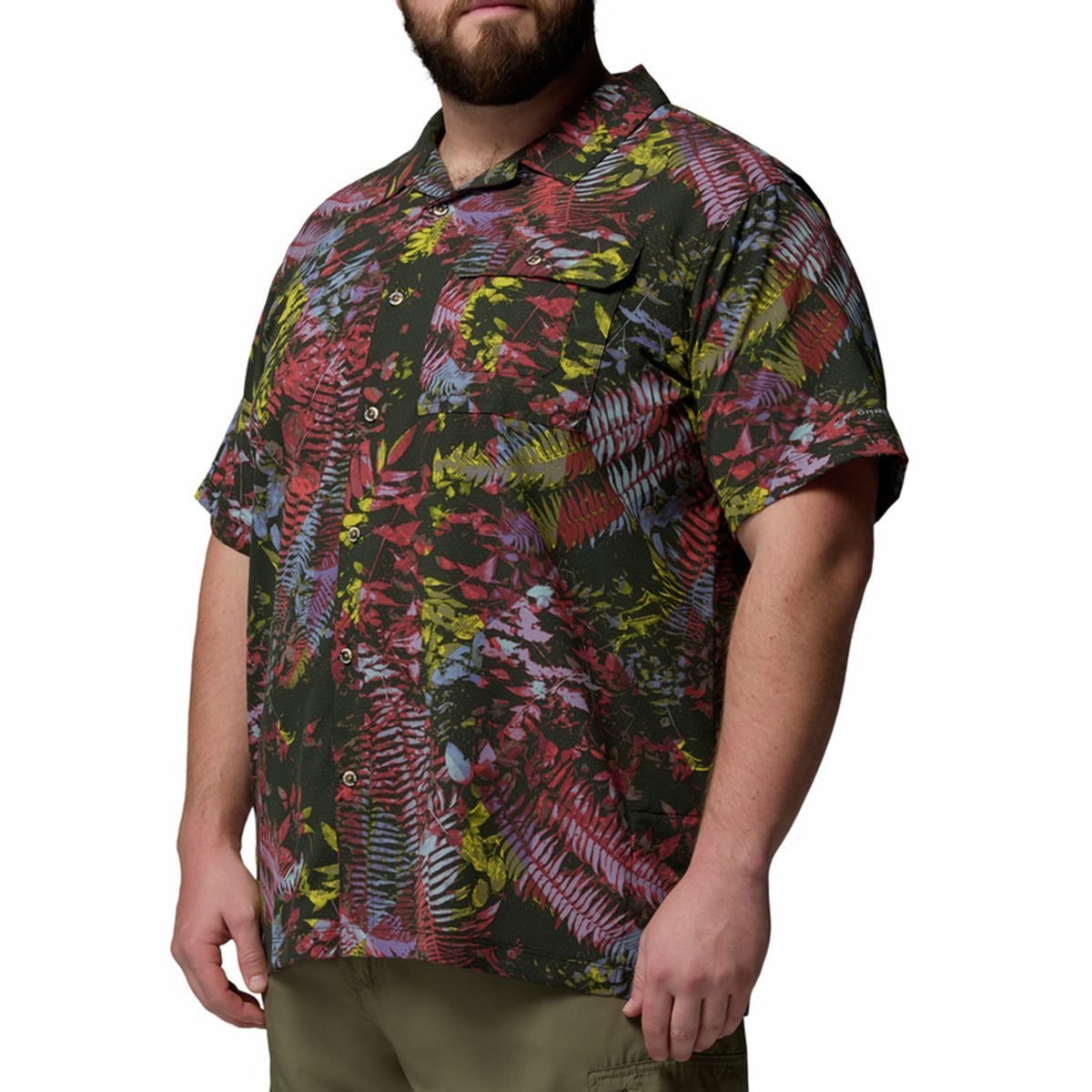
Polo pique fabric typically ranges from 180 GSM to 240 GSM. Ordering below 180 GSM to cut costs produces thin, pill-prone fabric that loses shape after 10–15 washes. Request the exact GSM value in writing and ask for a swatch to verify weight before confirming your order.
Skipping Samples to Save Upfront Cost
A pre-production sample costs $30–$80 but protects a $2,000–$10,000 bulk order from colorway drift, shrinkage surprises, and collar misalignment. Skipping this step is the single fastest way to receive 300 unusable units. Always approve a sealed counter-sample before authorizing full production.
Under-Ordering and Losing Color Consistency
Ordering 50 units per color across a 5-colorway run with no reorder plan risks Pantone dye-lot variance when you restock 3 months later. Most factories recalibrate dye batches between runs, making exact color matching nearly impossible without a stored dye formula. Order a buffer of 10–15% above projected sell-through to avoid this.
Choosing Suppliers With No QC Documentation
A supplier that cannot provide written QC records — cutting tolerances, sewing defect rates, wash-test results — is skipping in-line inspection entirely. This is one of the most pervasive cost-cutting practices in garment manufacturing. Require any supplier to share their documented QC framework before placing an order.
Overlooking Lead Times for Peak Season
Standard production lead times run 25–45 days, but factory queues lengthen by 30–50% heading into Q4 and around Chinese New Year. Placing orders in October for a November drop is a recurring error that forces brands into air freight at 4–6× sea-freight cost. Lock production slots 60–90 days before your target ship date.
9. Steps to Launch Your Brand with Blank Polo Shirts Wholesale
Launching a polo brand requires deliberate sequencing before a single unit ships. The five steps below form an actionable checklist for startups sourcing blank polo shirts wholesale.
Define Your Style and Target Customer
Identify silhouette first — classic fit (22–24-inch chest), slim cut, or boxy drop-shoulder.
Note your target customer’s preference: streetwear youth favors oversized; corporate gifting requires tailored plackets. Document fabric weight (180–220 GSM piqué) in a written brief before approaching any supplier.
Sample and Stress-Test Before Committing
Request samples from 2–3 suppliers simultaneously; allow 10–15 days for delivery. Run a 30-wash color-fastness test and a wear trial checking pilling, shrinkage, and seam stress. Reject any sample exceeding 3% dimensional shrinkage.
Lock In Decoration Method and Artwork Specs
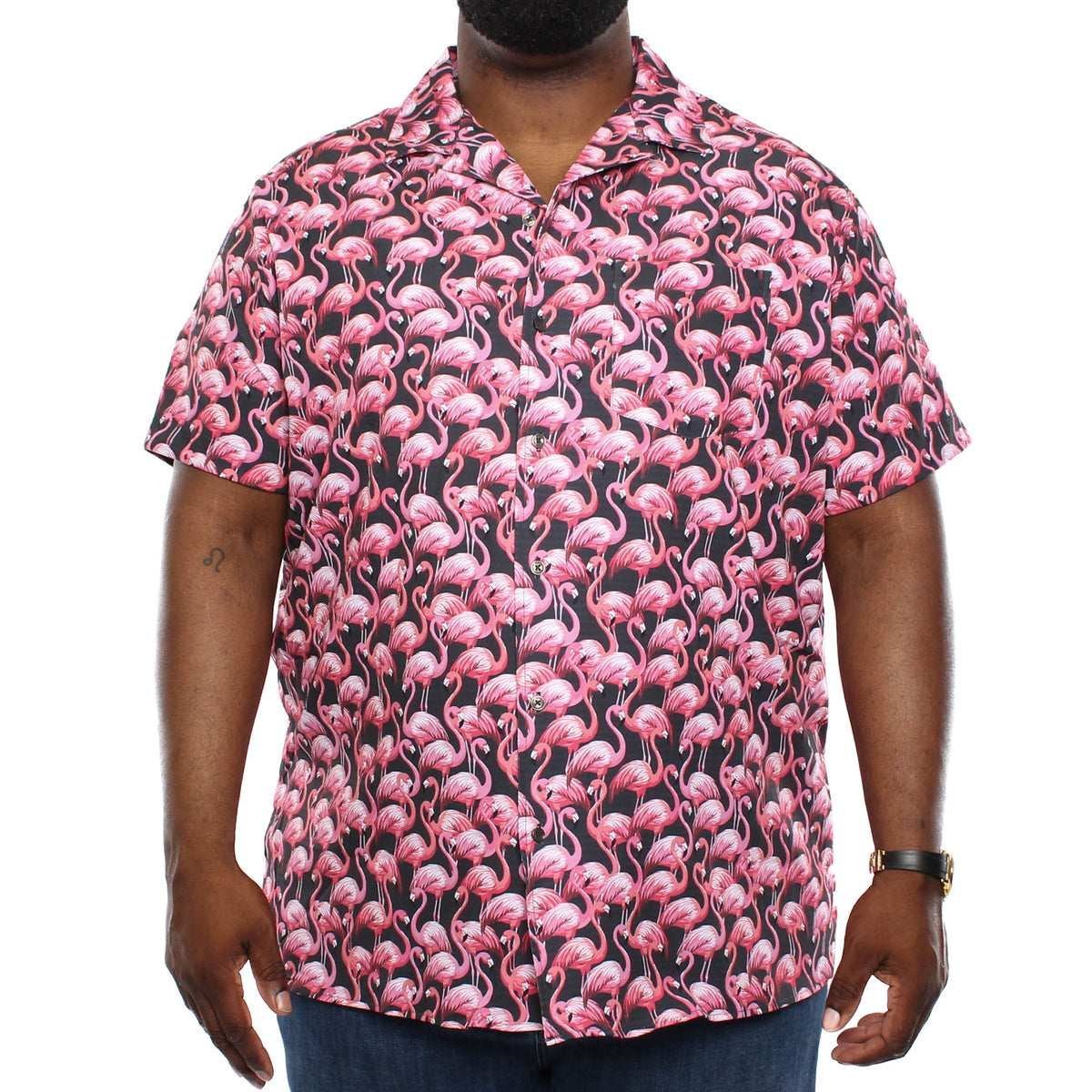
Finalize decoration: embroidery for a premium look, screen print for streetwear graphics, or heat transfer for sub-50-piece runs. Supply Pantone codes and vector artwork in EPS format. Confirm ink type — plastisol vs. water-based — before approving the strike-off.
Place a Trial Order at Minimum MOQ
Most manufacturers set MOQ at 50–100 pieces per colorway; start there to limit risk while gathering real sell-through data. Confirm lead time (15–25 days) and request a pre-production sample before full cutting starts.
Execute QC, Packaging, and Brand Storytelling
Inspect finished units against AQL 2.5 — measure chest and body length to ±0.5 cm tolerance. Treat packaging as a DTC marketing channel, not an afterthought.
- Woven neck labels with care instructions satisfy import compliance and signal quality.
- Hang tags with QR codes linking to your brand story drive zero-cost content.
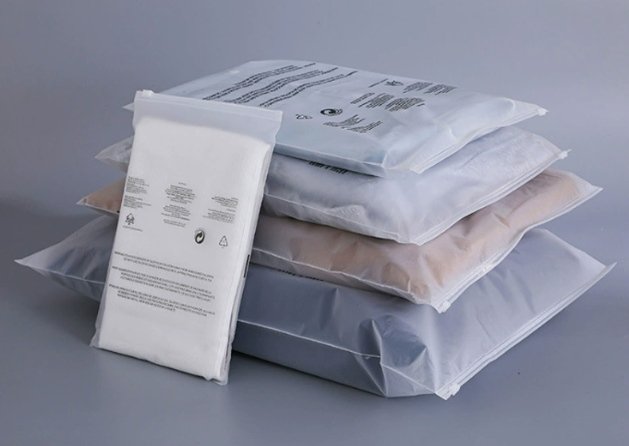
- Branded poly bags with tissue paper lift perceived value and trigger unboxing posts.
10. Blank Polo Shirts Wholesale Pricing: What to Budget Per Tier
Four variables drive unit cost on blank polo shirts wholesale: order quantity, fabric GSM (180–260 GSM is the standard production range), collar construction (flat-knit vs. rib-knit adds $0.20–$0.50/unit), and compliance certifications — OEKO-TEX Standard 100 or GOTS approval adds $0.30–$0.80/unit to base cost. Custom woven neck labels and branded hangtags push unit cost an additional $0.30–$0.80.
Landed cost = unit price + decoration + freight + import duties. Sea freight runs $0.80–$1.50/unit on a standard carton shipment; air freight runs $3.00–$6.00/unit. US import duties on cotton knit polo shirts (HTS 6105.10) typically fall between 19.7% and 32% ad valorem — build this into your margin calculation before confirming an order.
- Embroidery (left-chest, 5k stitches): +$1.50–$3.00/unit; one-time digitizing setup $30–$50
- Screen print (1-color front chest): +$0.80–$1.50/unit; screen setup $25–$40 per color
- All-over sublimation: +$2.50–$5.00/unit; no screen fee; 250-unit minimum applies
- Custom woven neck label: +$0.30–$0.60/unit; eliminates blank manufacturer tag
- Heat-transfer tagless label: +$0.20–$0.40/unit; most cost-effective at 500+ units
| Qty Tier | Unit Price (USD) | Fabric Grade | GSM Range | Lead Time |
|---|---|---|---|---|
| 50 units | $8.50–$12.00 | Standard piqué | 180–200 | 18–22 days |
| 100 units | $6.50–$9.50 | Standard piqué | 180–200 | 16–20 days |
| 250 units | $5.00–$7.50 | Mid-grade piqué/jersey | 200–220 | 14–18 days |
| 500 units | $4.00–$6.00 | OEKO-TEX eligible piqué | 200–240 | 12–16 days |
| 1,000+ units | $2.80–$4.50 | Premium/performance blend | 220–260 | 10–14 days |
Ready to Source Your Blank Polo Shirts Wholesale?
Fast samples, 50-piece MOQ, and our 5-step QC guarantee — backed by 10-plus years of streetwear manufacturing expertise.