
Premium Custom Plus Size Clothing for Streetwear Brands
Empower your label with expertly crafted custom plus size clothing. Low MOQ, fast turnaround, and rigorous quality control at every production stage.
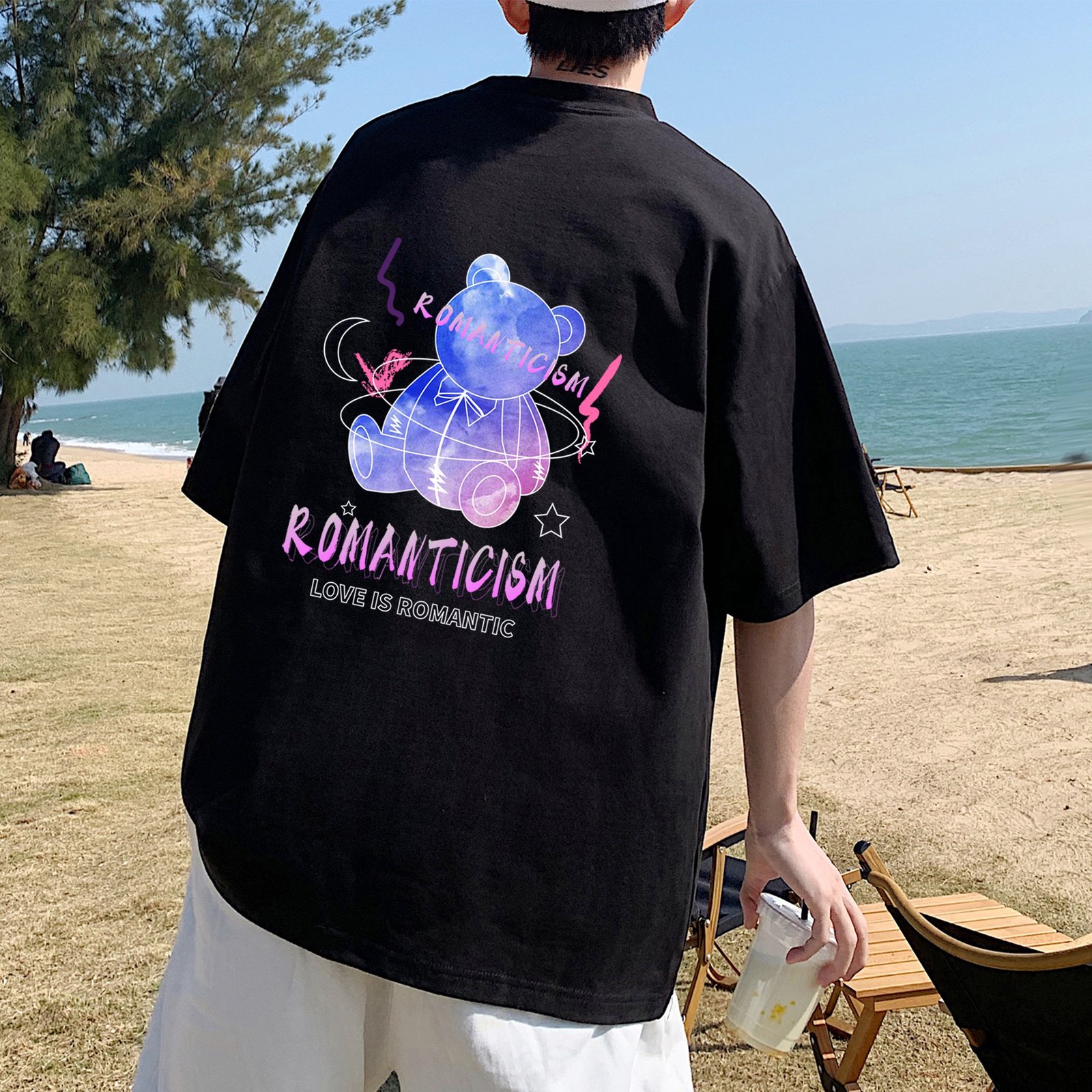
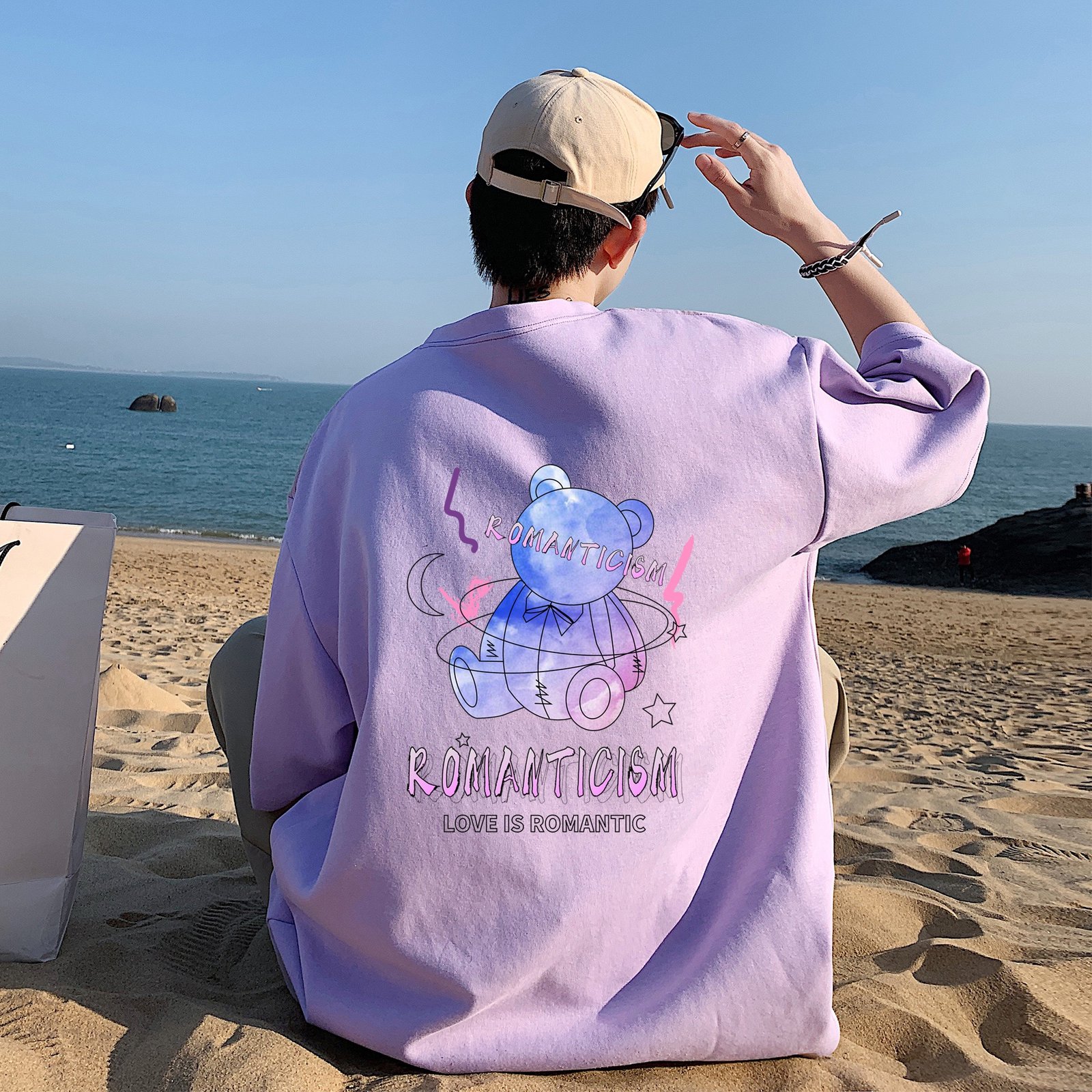
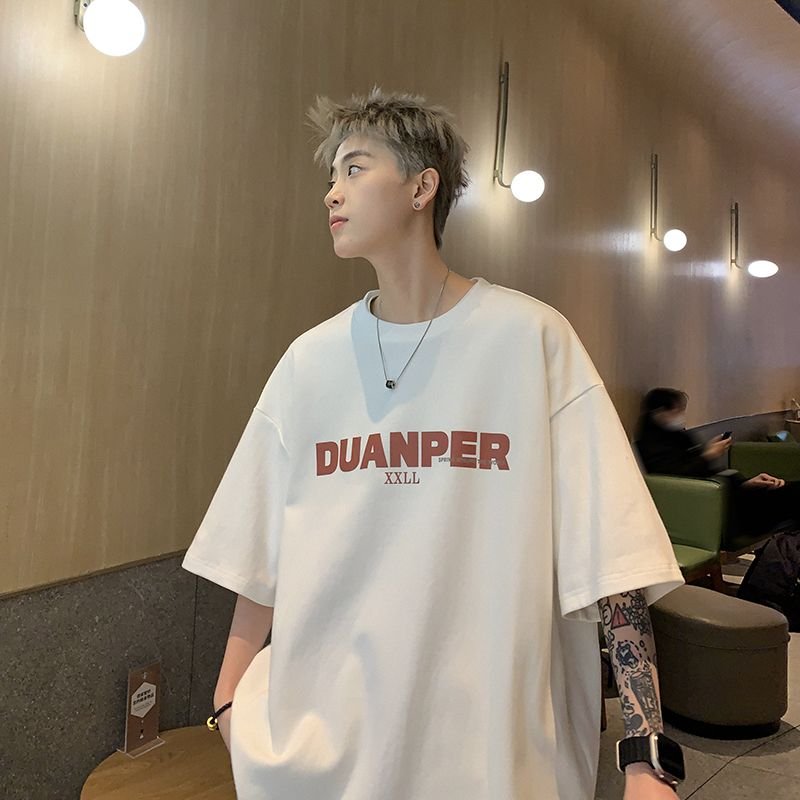
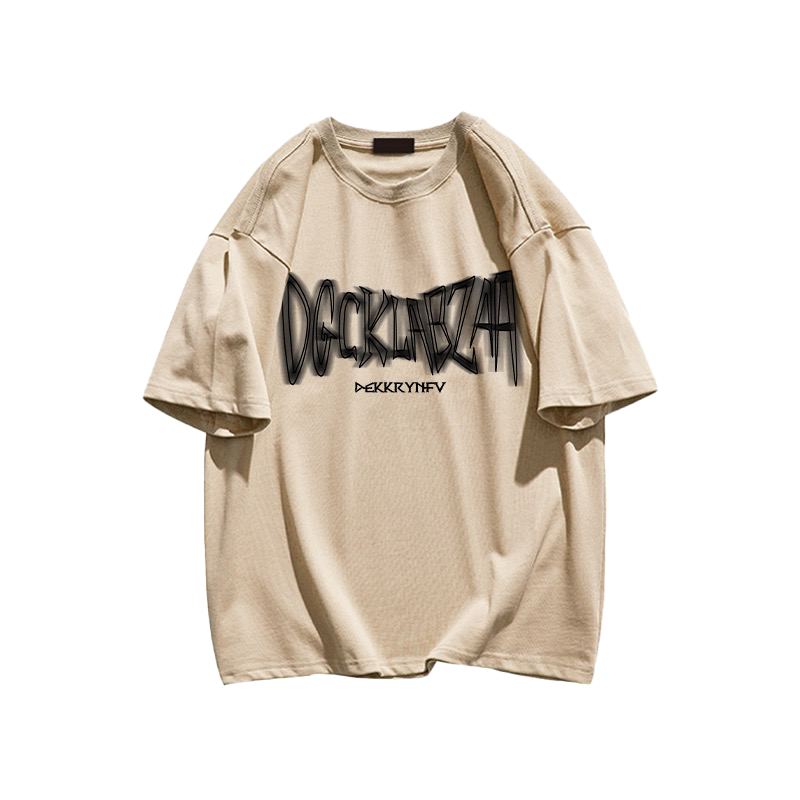
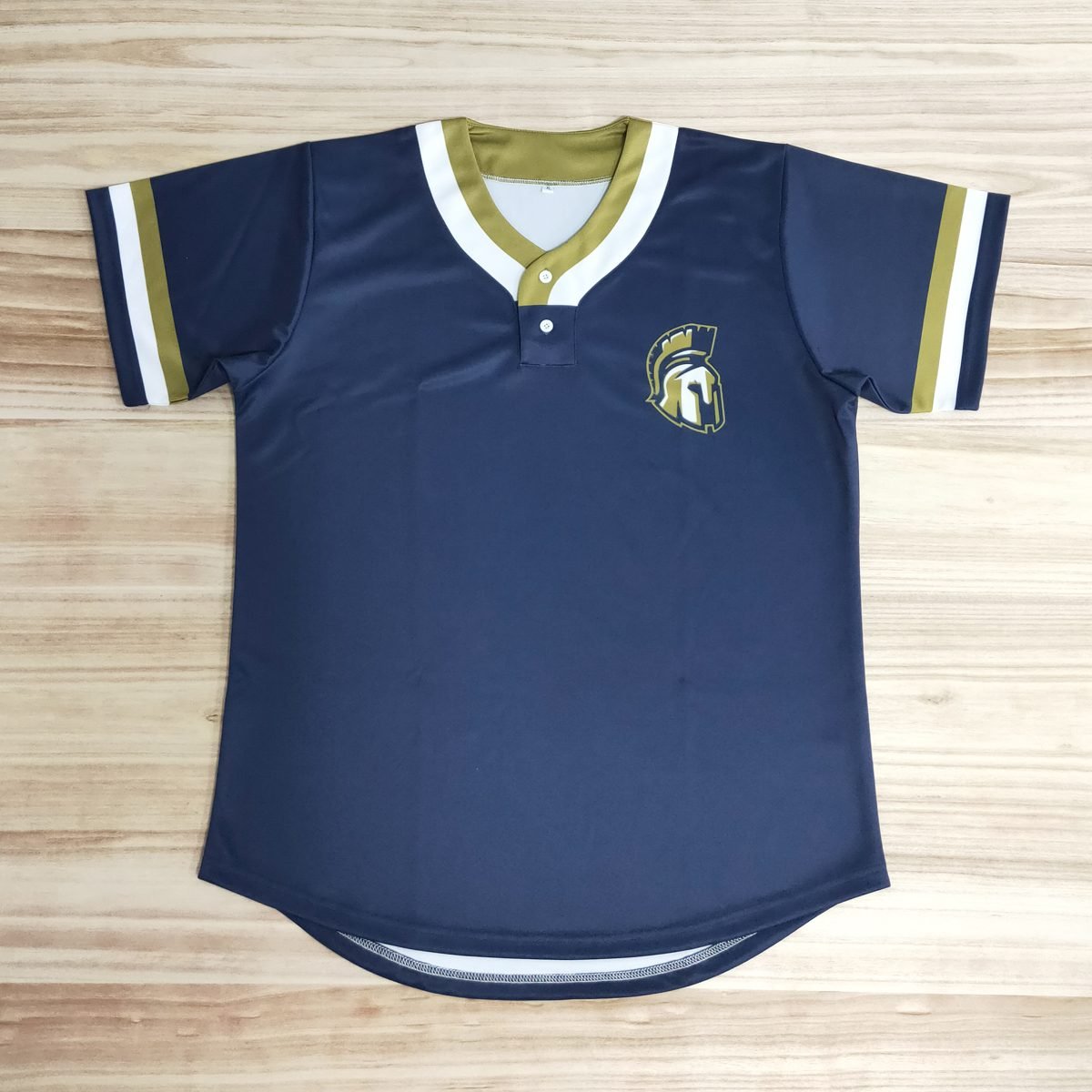
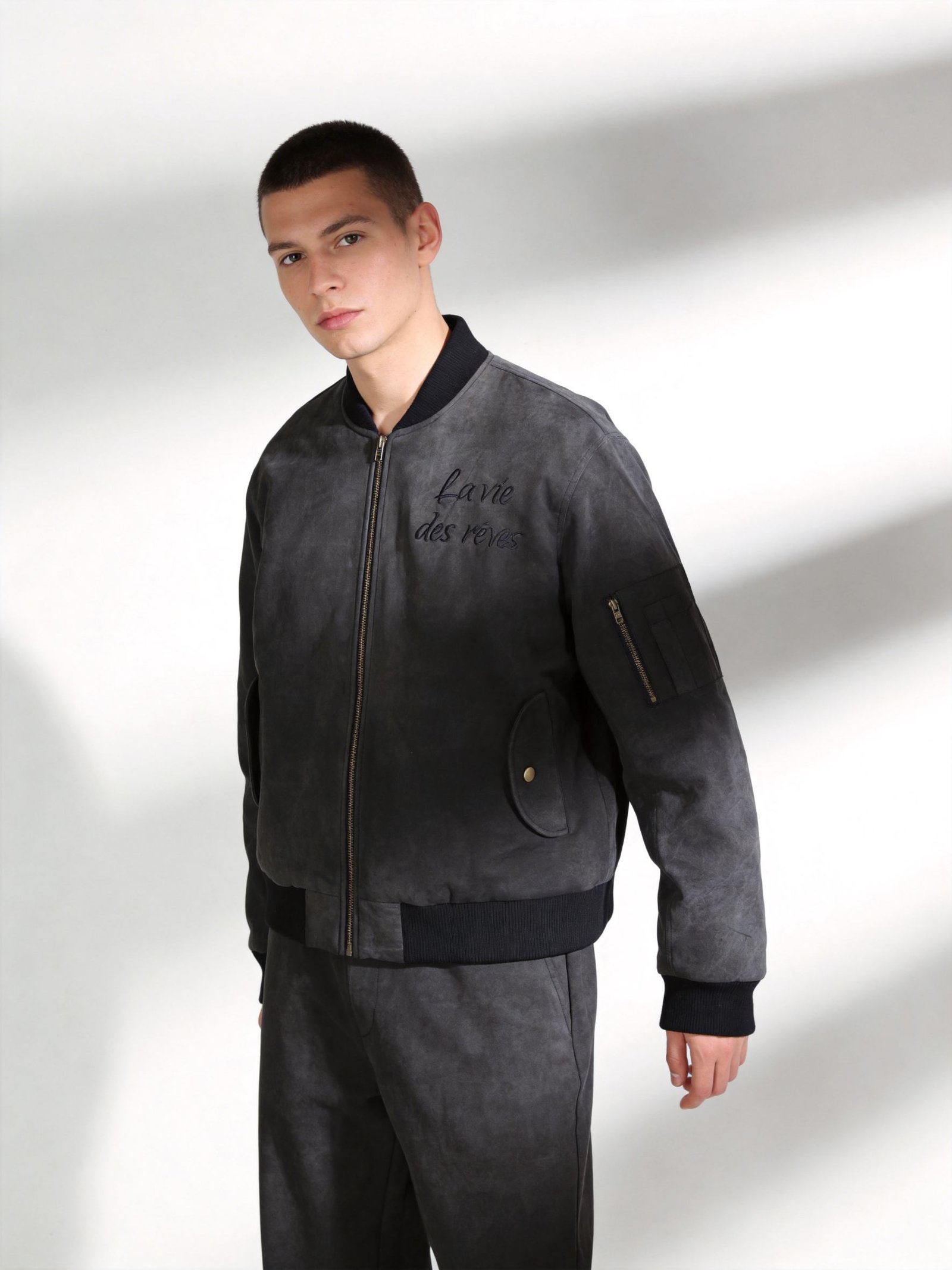
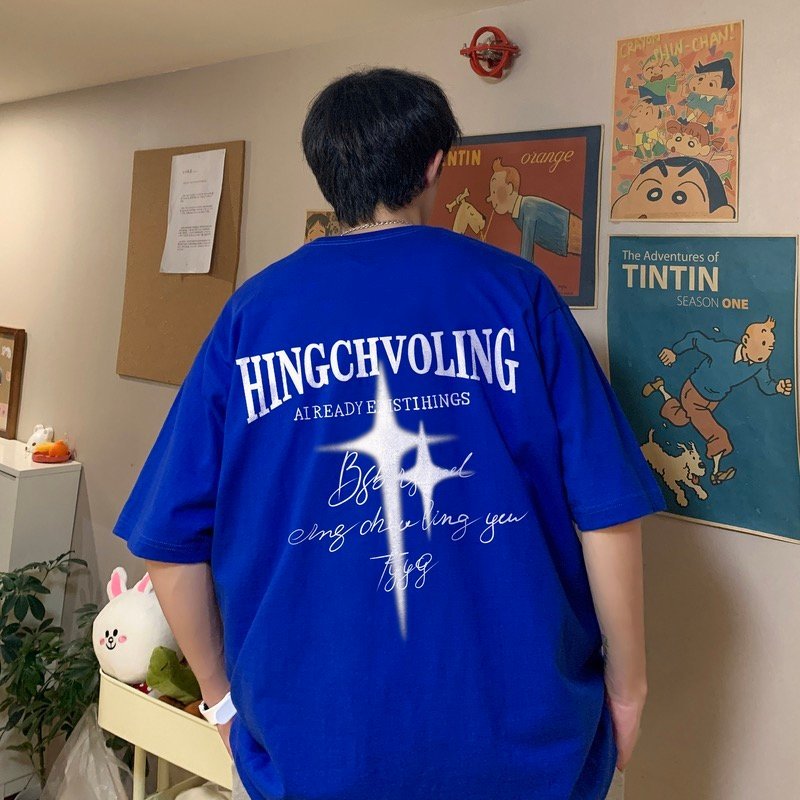
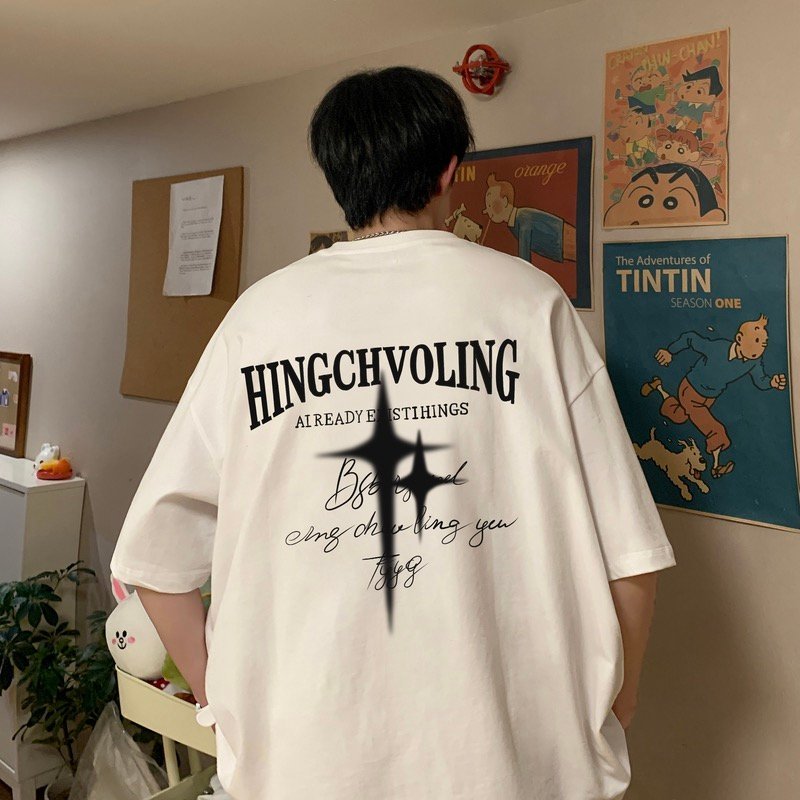
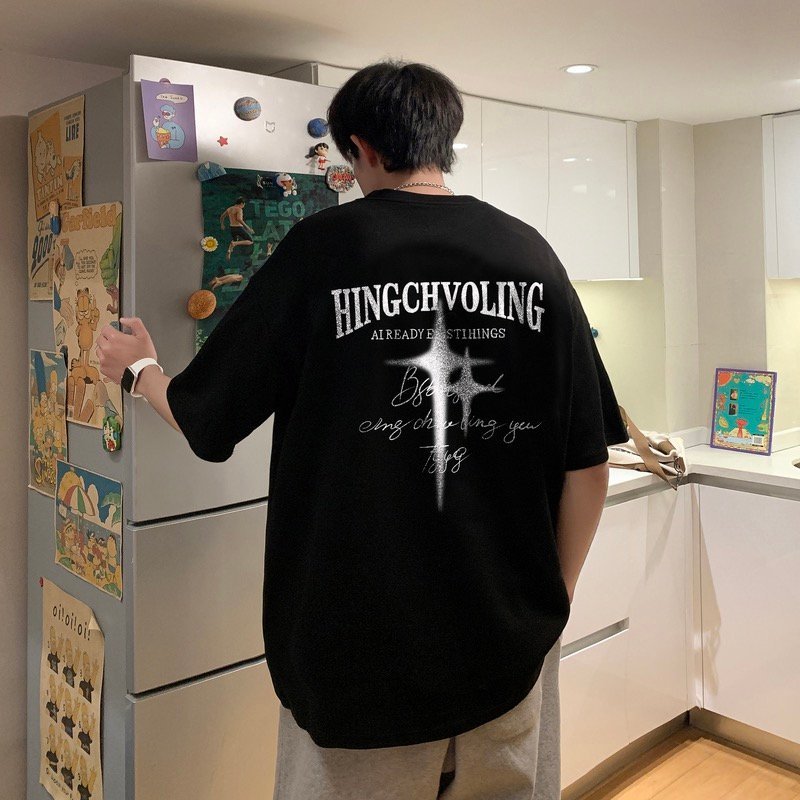
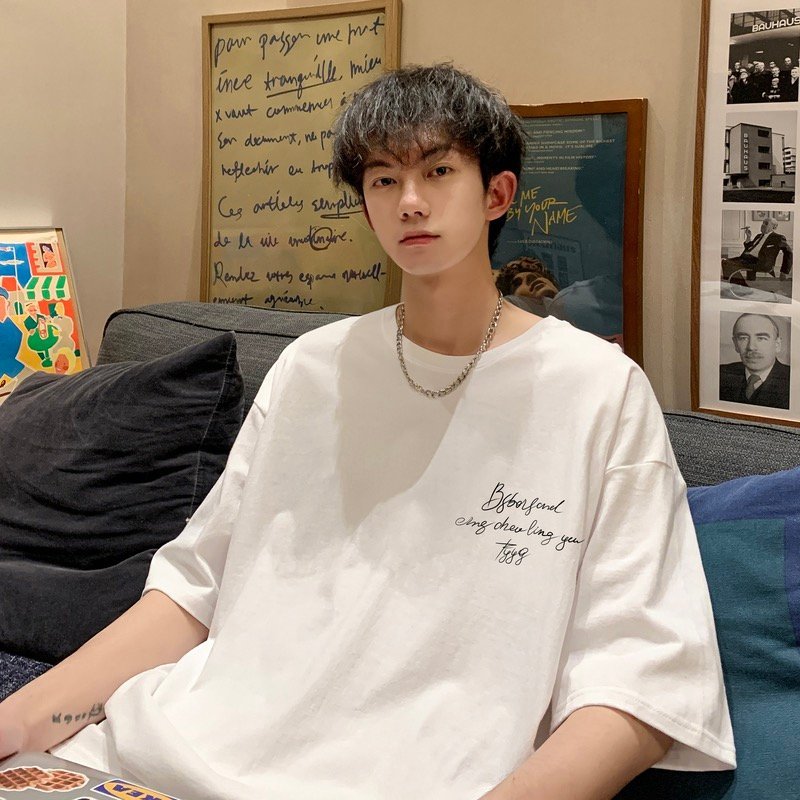
Custom Plus Size Apparel Gallery
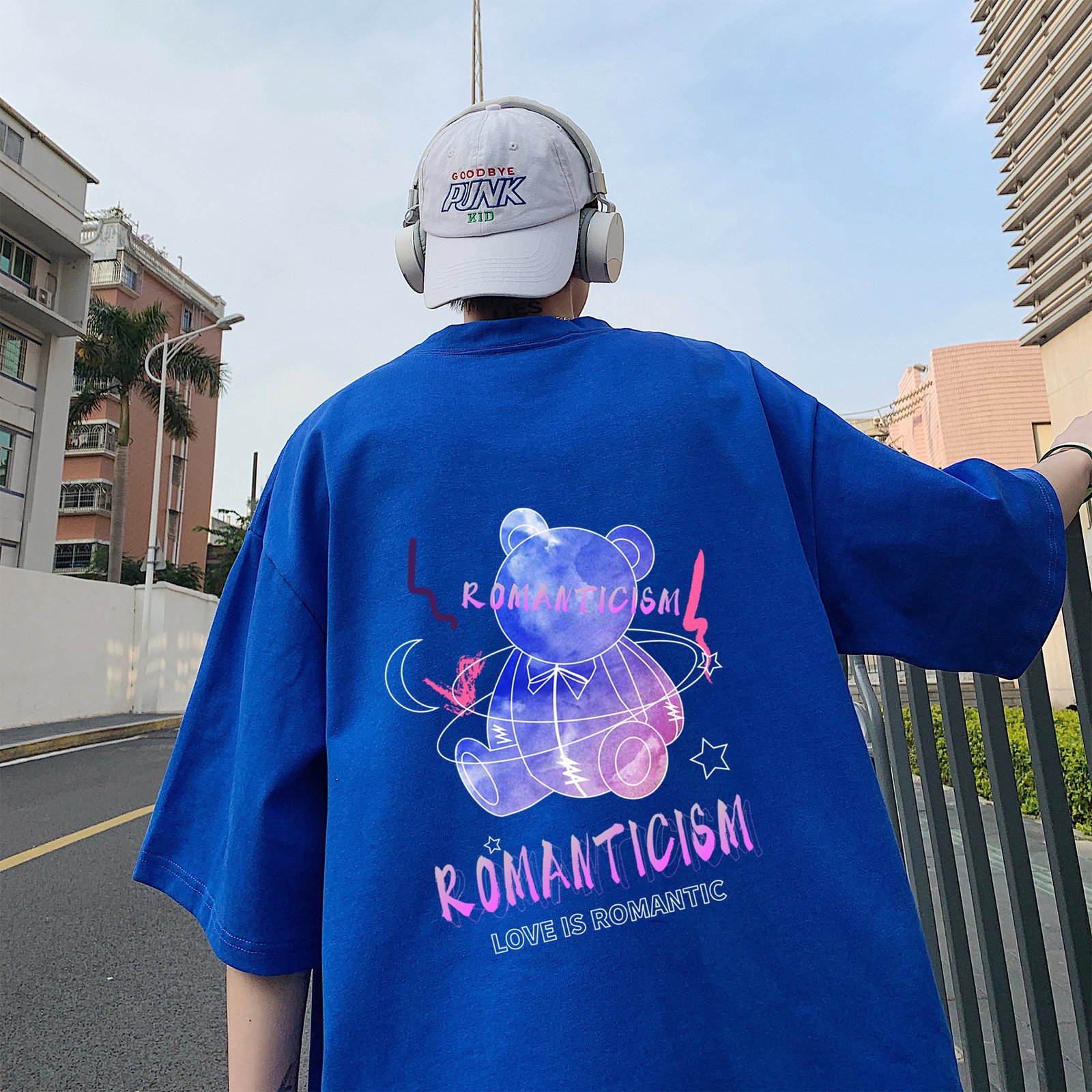
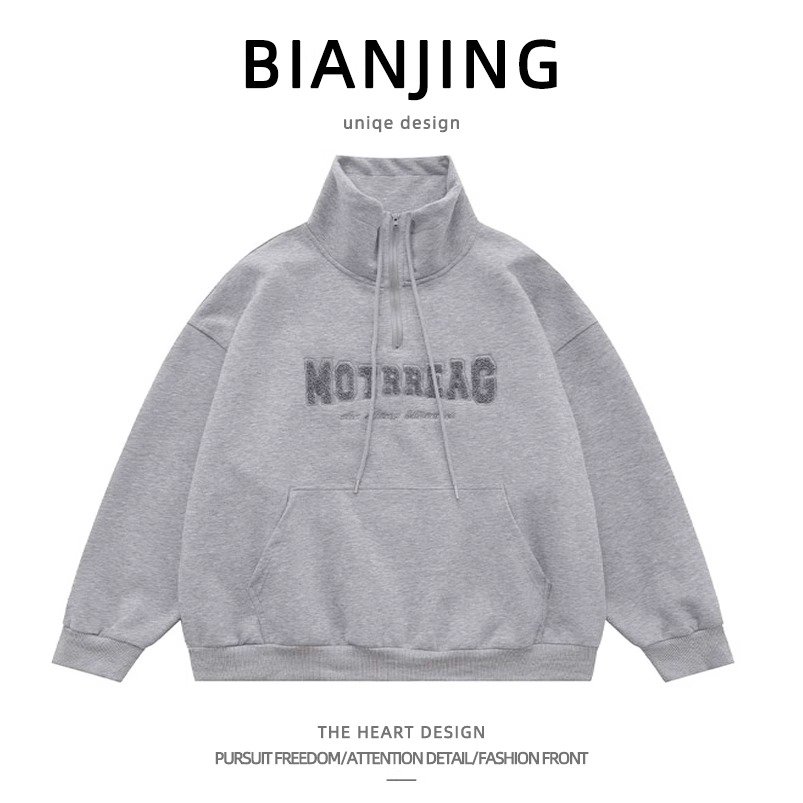
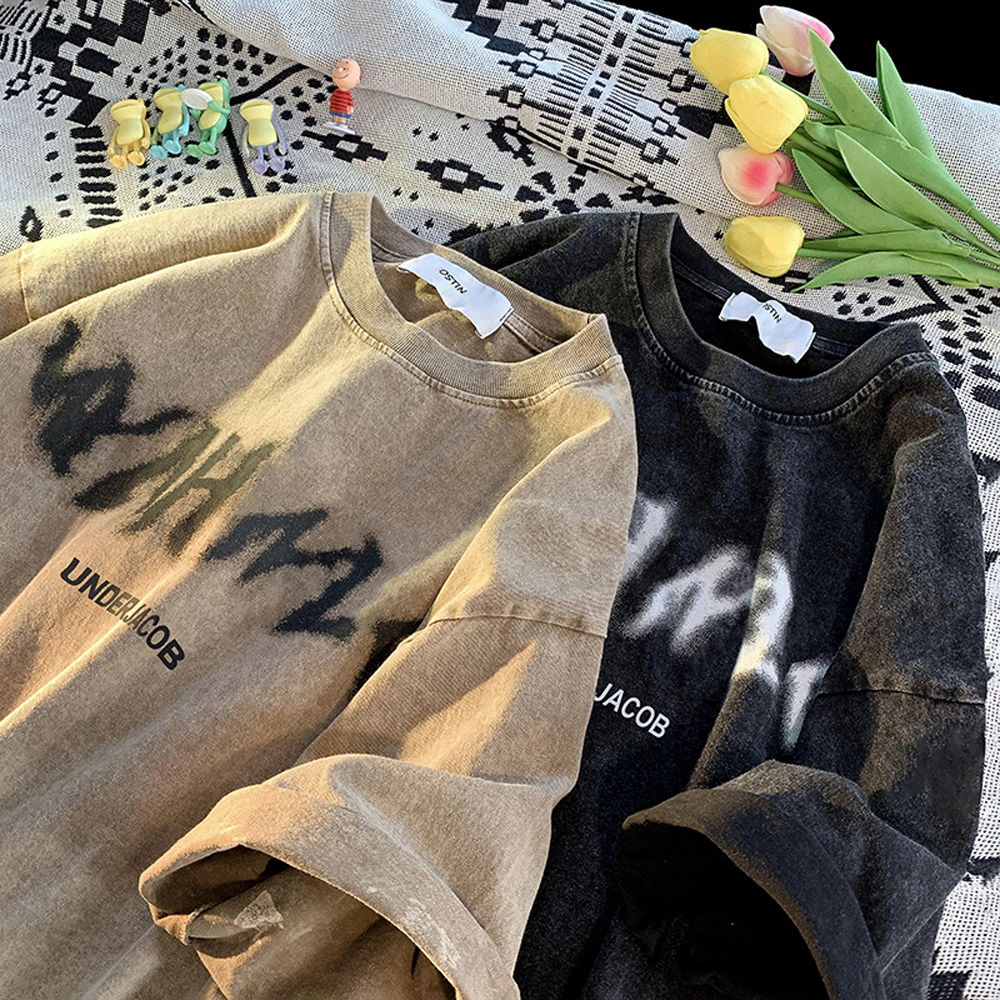
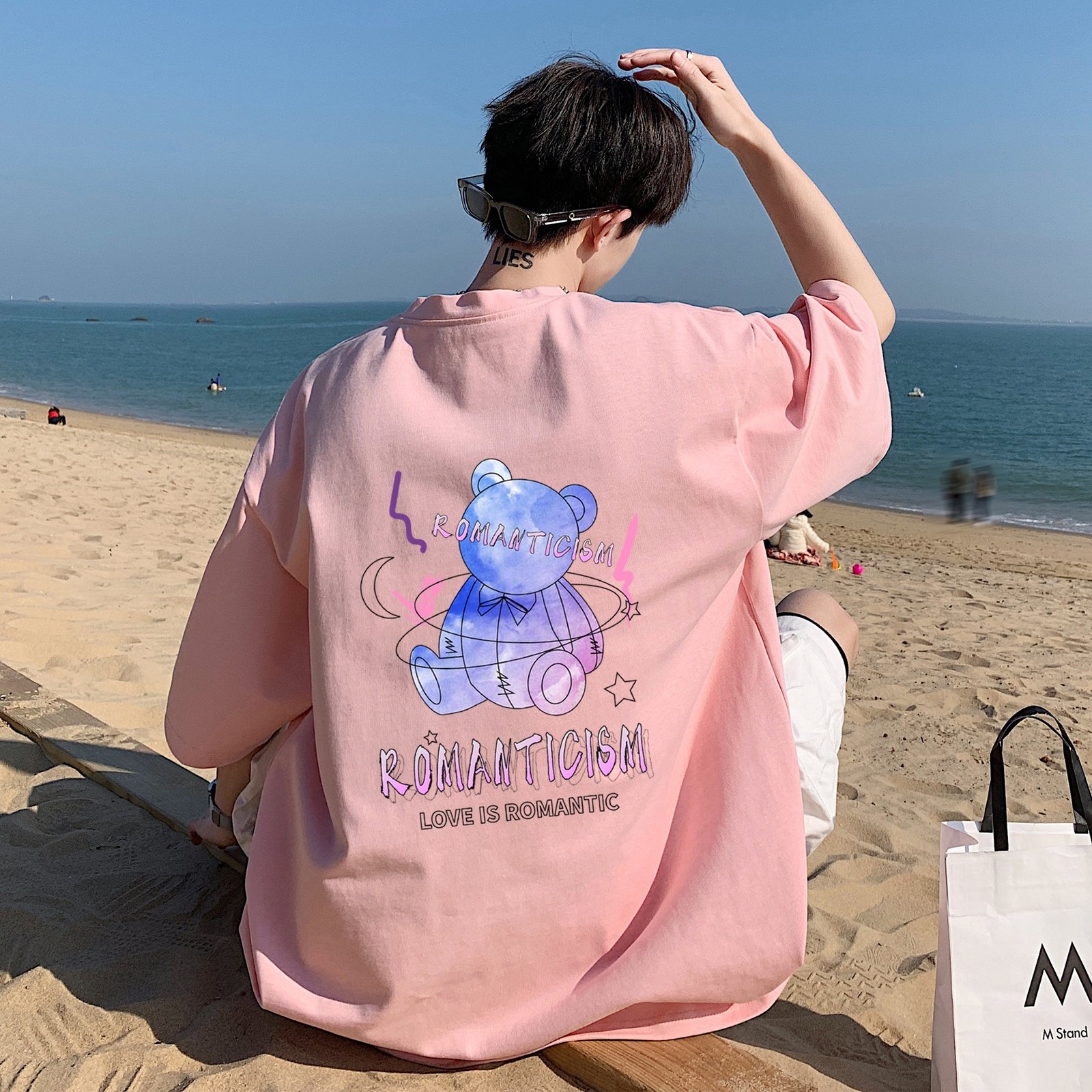
Why Brands Choose Our Custom Plus Size Clothing Production
From emerging streetwear labels to established retailers, we deliver premium custom plus size clothing with zero-compromise quality, fast turnaround, and transparent collaboration every step of the way.
5-Step Quality Control Guarantee
Every custom plus size garment passes rigorous QC at materials, cutting, craft, sewing, and final inspection stages before shipping.
Low MOQ for Startups
Launch your custom plus size line without massive inventory risk. We support emerging brands with flexible minimum order quantities.
Fast Turnaround for Seasonal Drops
Meet tight deadlines with our streamlined production process, perfect for trend-driven streetwear collections and influencer brand launches.
In-House Design and Sampling Team
Our 15-member R&D team transforms your vision into production-ready patterns and samples tailored for plus size fit and streetwear aesthetics.
Global Shipping and Logistics Support
Serving customers in over 100 countries with transparent customs, freight coordination, and reliable delivery to your warehouse or fulfillment center.
Streetwear and Influencer Expertise
Deep cultural fluency in streetwear design elements, from oversized silhouettes to bold graphics, ensuring authentic style for your plus size audience.
Custom Plus Size Clothing Categories We Produce
From oversized hoodies to tailored jackets, we solve the unique fit, fabric, and construction challenges of plus-size streetwear across every garment type.
Plus Size Tees & Tops
Standard tees ride up, bind at shoulders, or create unflattering proportions. Generic sizing ignores body diversity, leaving customers frustrated and brands with high return rates.
Our pattern team grades every size with adjusted shoulder slopes, longer body lengths, and reinforced necklines. Five-step QC ensures consistent fit across your entire size run.
Oversized Hoodies & Sweatshirts
Plus-size hoodies often lack structure, sag at pockets, or feature hoods that don't sit properly. Poor fabric choice leads to pilling and shape loss after washing.
We engineer hoodies with reinforced kangaroo pockets, properly scaled drawstrings, and heavyweight fleece that holds its shape. Low MOQ lets you test colorways before scaling.
Streetwear Jackets & Outerwear
Jackets require complex construction and precise armhole placement. Many manufacturers lack expertise in plus-size outerwear, resulting in restricted movement and poor drape.
Our 15-member R&D team patterns jackets with articulated sleeves, extended back lengths, and strategic seam placement. Cutting QC testing prevents fabric waste and fit issues.
Dresses & Jumpsuits
Dresses demand advanced grading to balance waist definition, bust support, and hip room. Startups struggle to find manufacturers willing to produce small batches of complex plus-size styles.
We offer in-house sampling with fit adjustments before production. Our sewing team specializes in lining, darts, and princess seams that flatter every curve at any order size.
Pants & Bottoms
Plus-size pants face rise, inseam, and thigh proportions that standard grading can't solve. Cheap construction leads to crotch blowouts and waistband roll, damaging brand reputation.
We build pants with reinforced stress points, properly scaled rise curves, and waistband stays. Finished clothing quality inspection catches stitching flaws before they reach your customers.
Premium Fabrics for Custom Plus Size Clothing
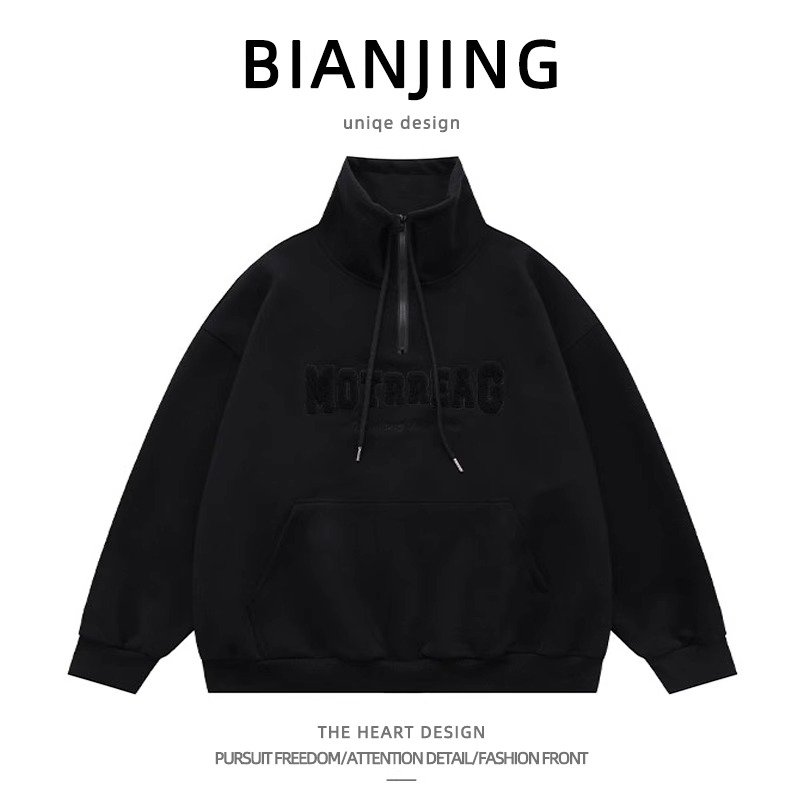
Heavyweight Cotton Terry
Dense, plush looped fabric ideal for oversized hoodies and sweatshirts. Weight: 320–400 GSM. Excellent shape retention and soft hand-feel ensure comfort and structure across extended size ranges, perfect for streetwear staples.
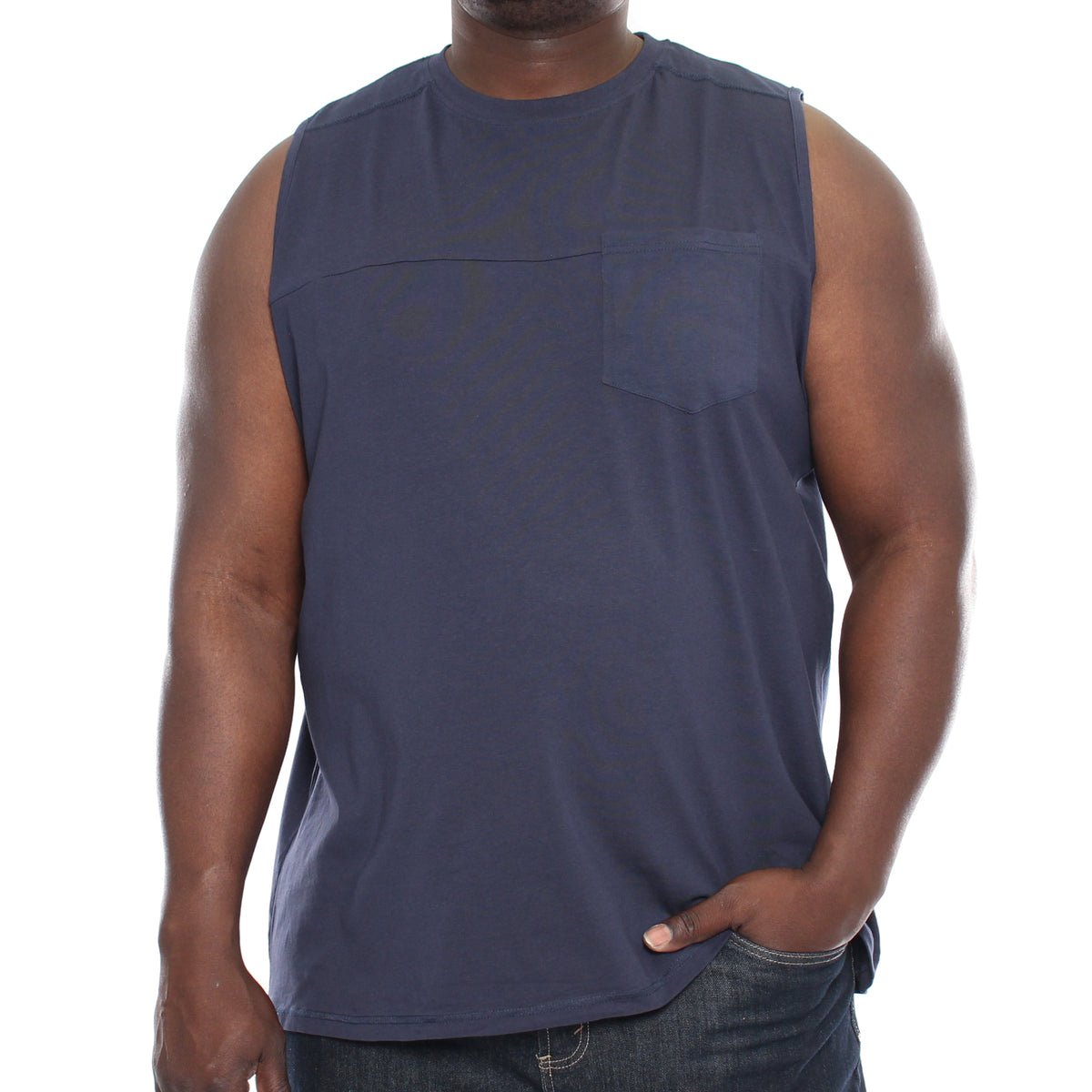
French Terry Blend
Smooth face with looped interior, offering breathability and moderate stretch. Weight: 240–280 GSM. Popular for joggers, crewnecks, and layering pieces that require drape and recovery in custom plus size clothing production.
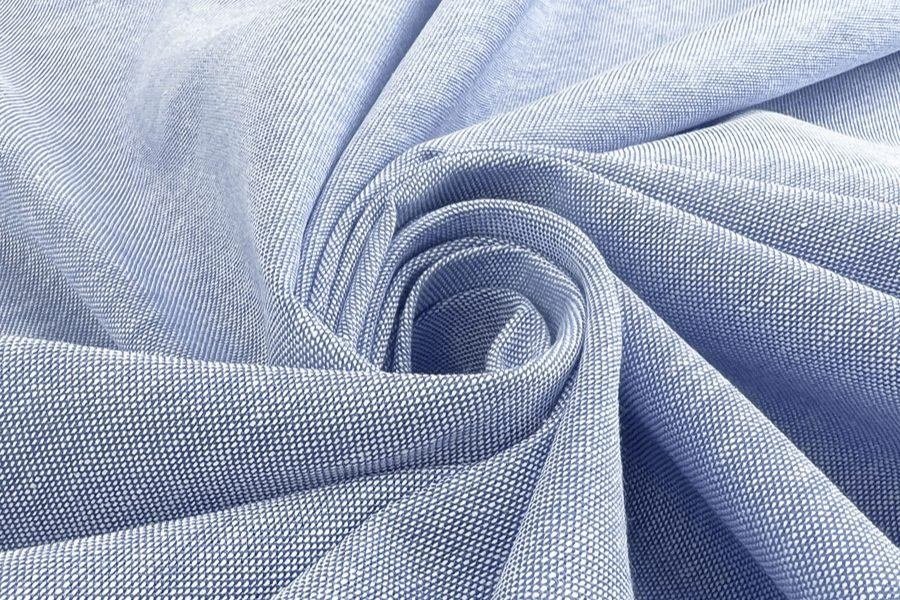
Performance Polyester Tricot
Moisture-wicking knit with four-way stretch and quick-dry properties. Weight: 180–220 GSM. Ideal for activewear-inspired streetwear, track pants, and athletic-cut tops requiring elasticity and durability across all size grading.
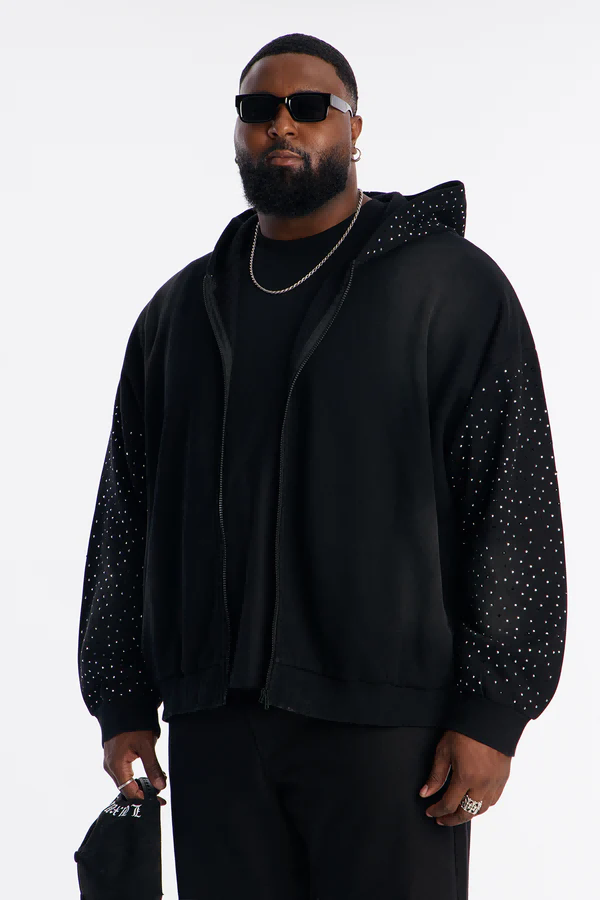
Organic Cotton Fleece
Brushed interior, sustainable fiber sourcing, and GOTS-certified options available. Weight: 280–340 GSM. Delivers premium softness and warmth for eco-conscious brands producing custom plus size hoodies, sweatpants, and loungewear collections.
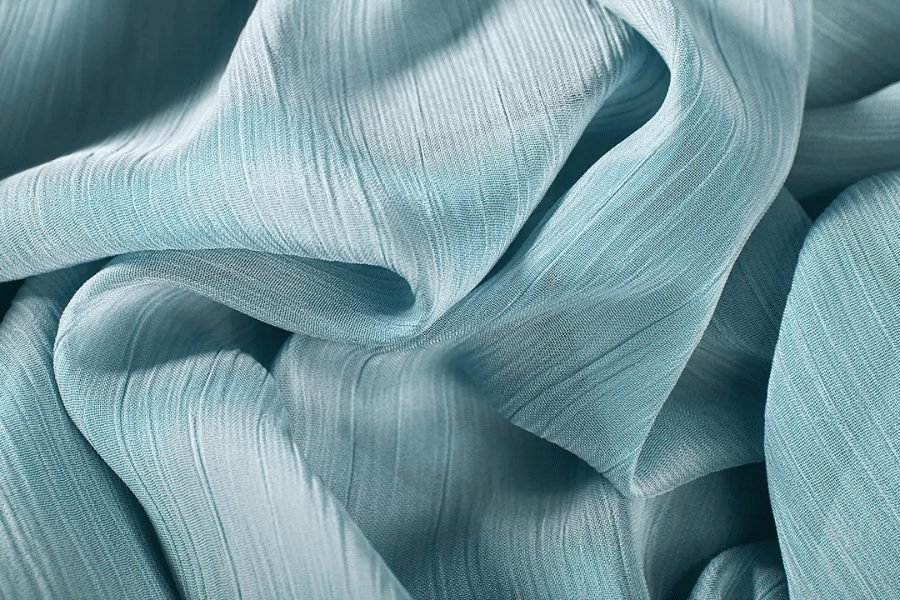
Heavyweight Twill Canvas
Diagonal weave construction offering exceptional durability and structure. Weight: 280–320 GSM. Perfect for cargo pants, jackets, and utility-style streetwear where fabric integrity and crisp silhouette are essential in larger sizes.
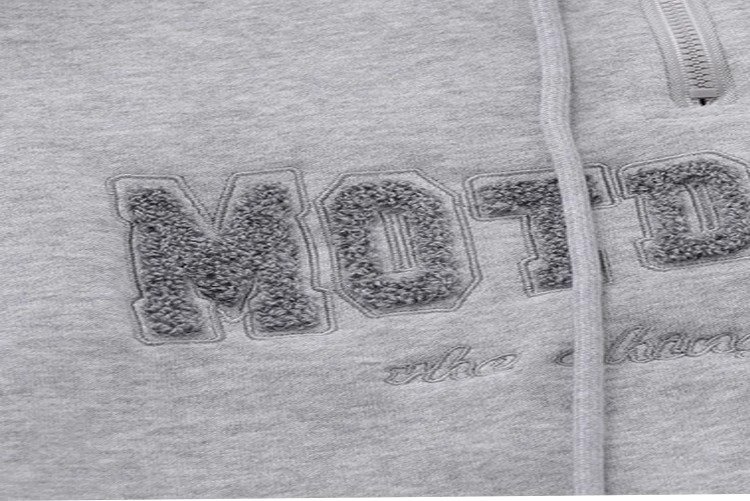
Polar Fleece
Ultra-soft synthetic pile with superior insulation and minimal weight. Weight: 200–300 GSM. Excellent for outerwear, zip-ups, and cold-weather streetwear requiring warmth without bulk, maintaining comfort across all custom plus size garments.
Advanced Production Techniques for Custom Plus Size Clothing
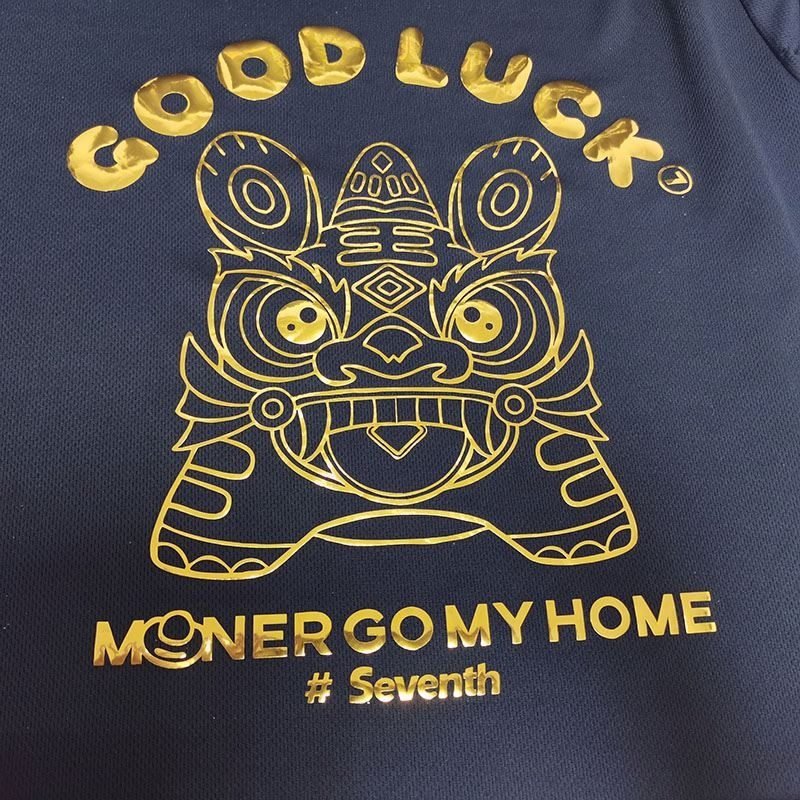
Screen Printing
High-opacity ink layers deliver vibrant, bold graphics that withstand repeated washing. Ideal for streetwear logos, oversized prints, and multi-color designs on custom plus size clothing with exceptional color saturation and durability.
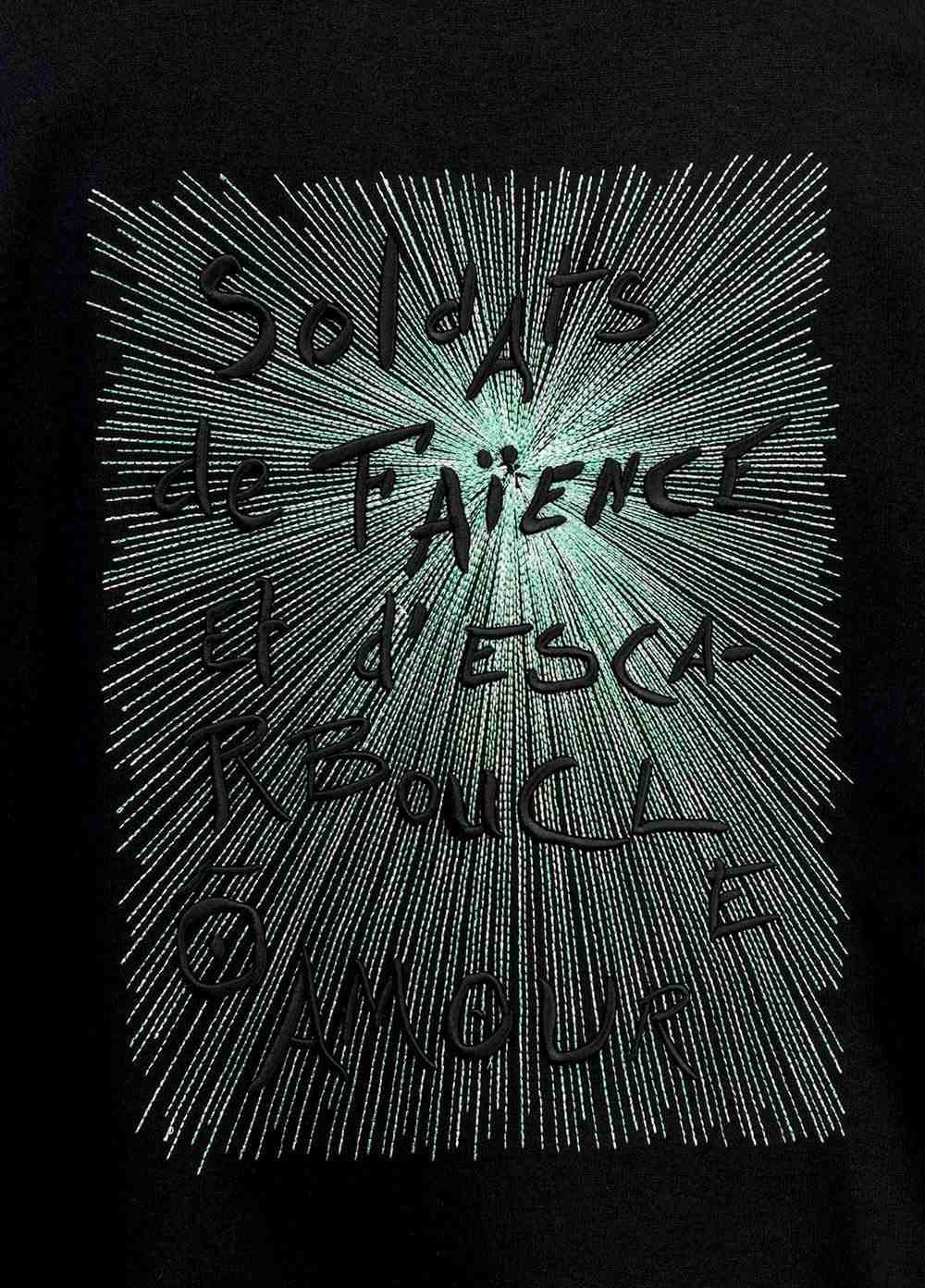
Embroidery
Premium thread stitching creates raised, textured logos and intricate patterns that add dimension and luxury. Perfect for branding on hoodies, jackets, and caps with long-lasting, professional-grade finish that elevates any piece.
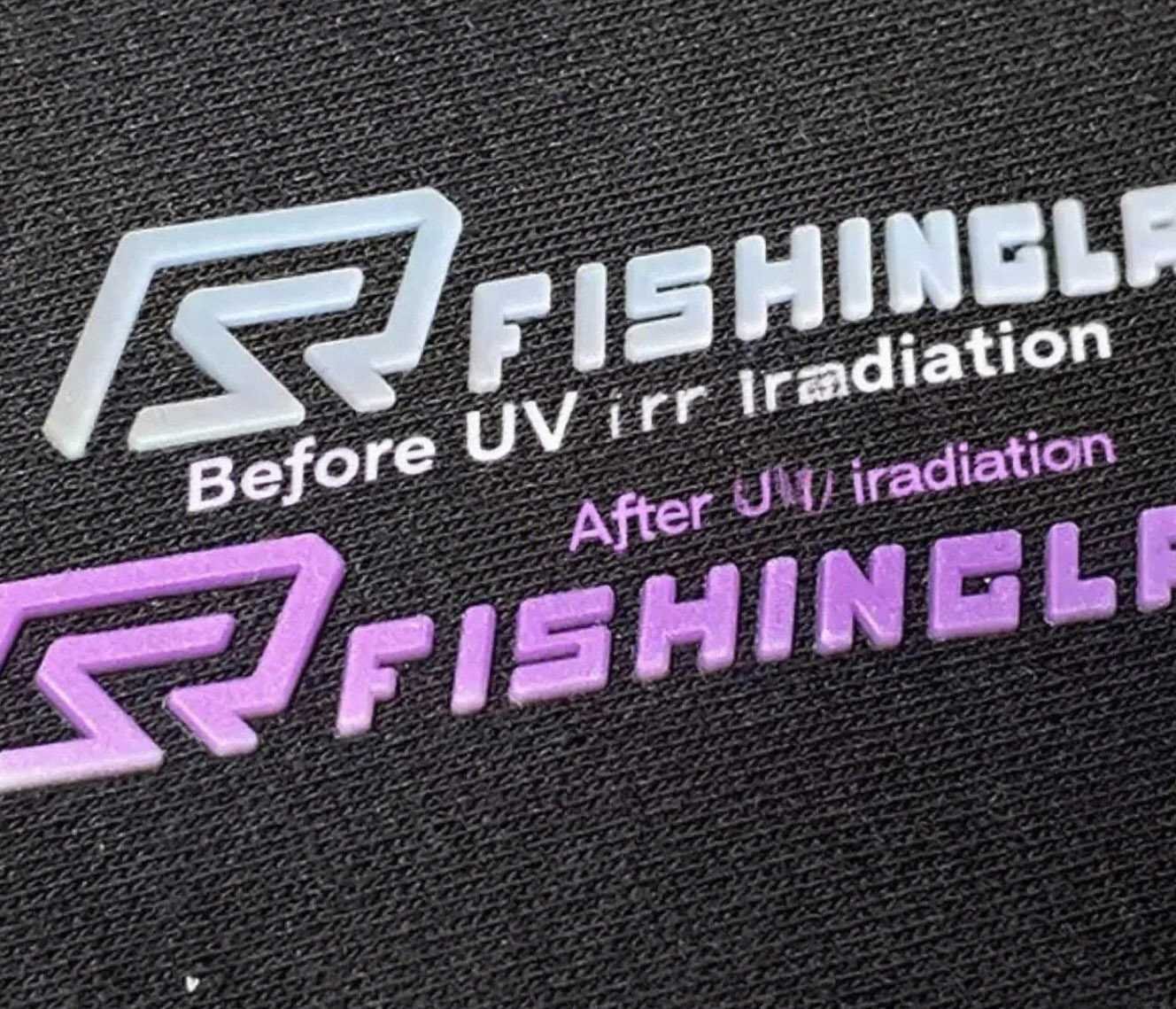
Direct-to-Garment Printing
Digital inkjet technology enables photo-realistic detail and unlimited color gradients without setup costs. Best for complex artwork, small-batch runs, and influencer collaborations requiring fast turnaround on custom plus size apparel.
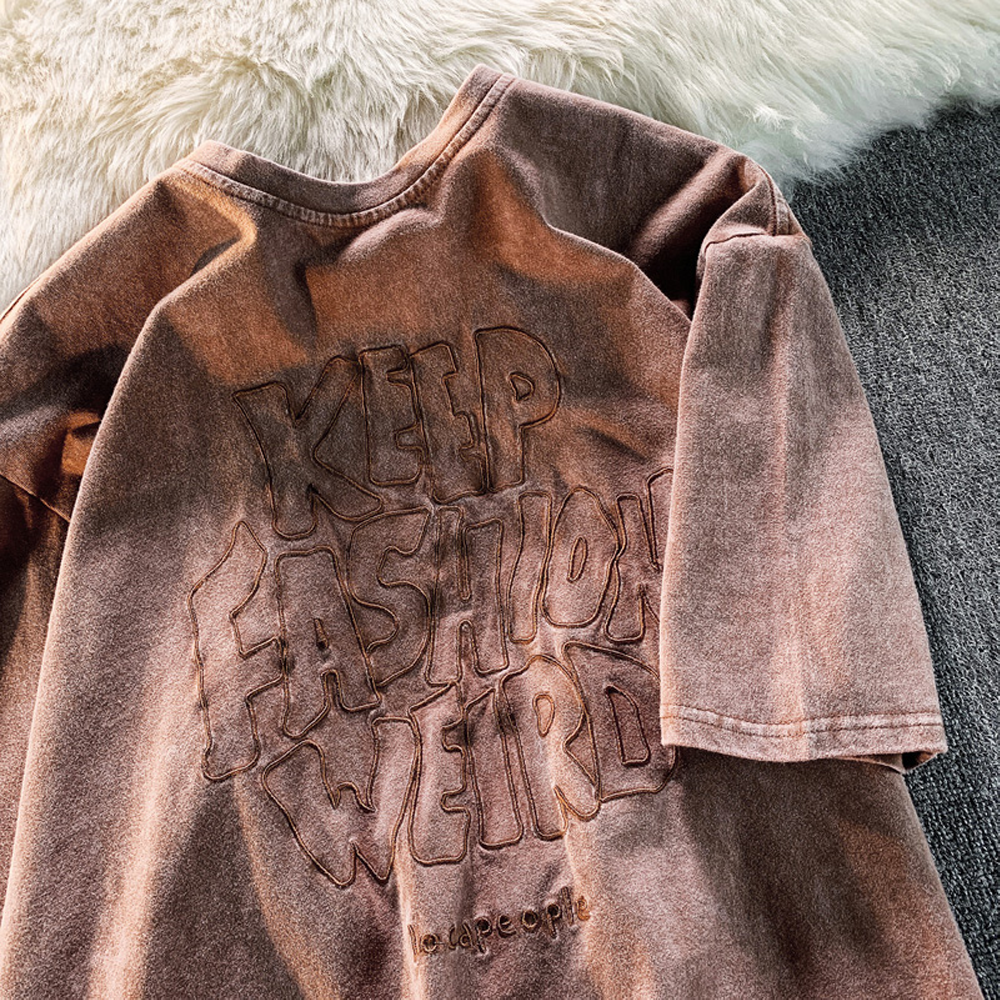
Sublimation Printing
Heat-activated dye infusion bonds permanently with polyester fabrics for all-over prints that never crack or fade. Delivers seamless, edge-to-edge graphics on activewear and performance streetwear with breathable, lightweight results.
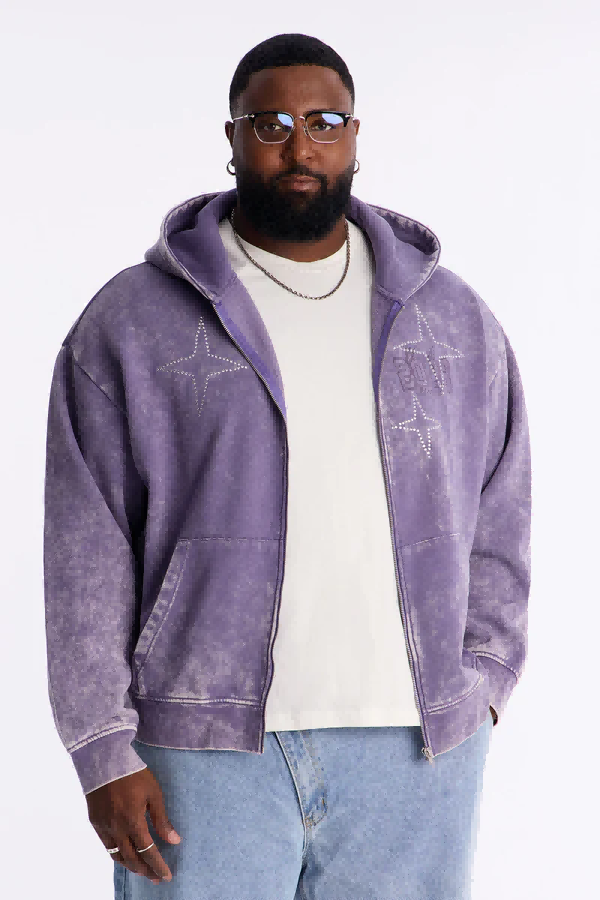
Custom Dyeing
Precision garment dyeing achieves unique colorways, vintage washes, and trend-driven hues unavailable in stock fabrics. Our controlled processes ensure consistent color matching across all sizes for cohesive custom plus size collections.
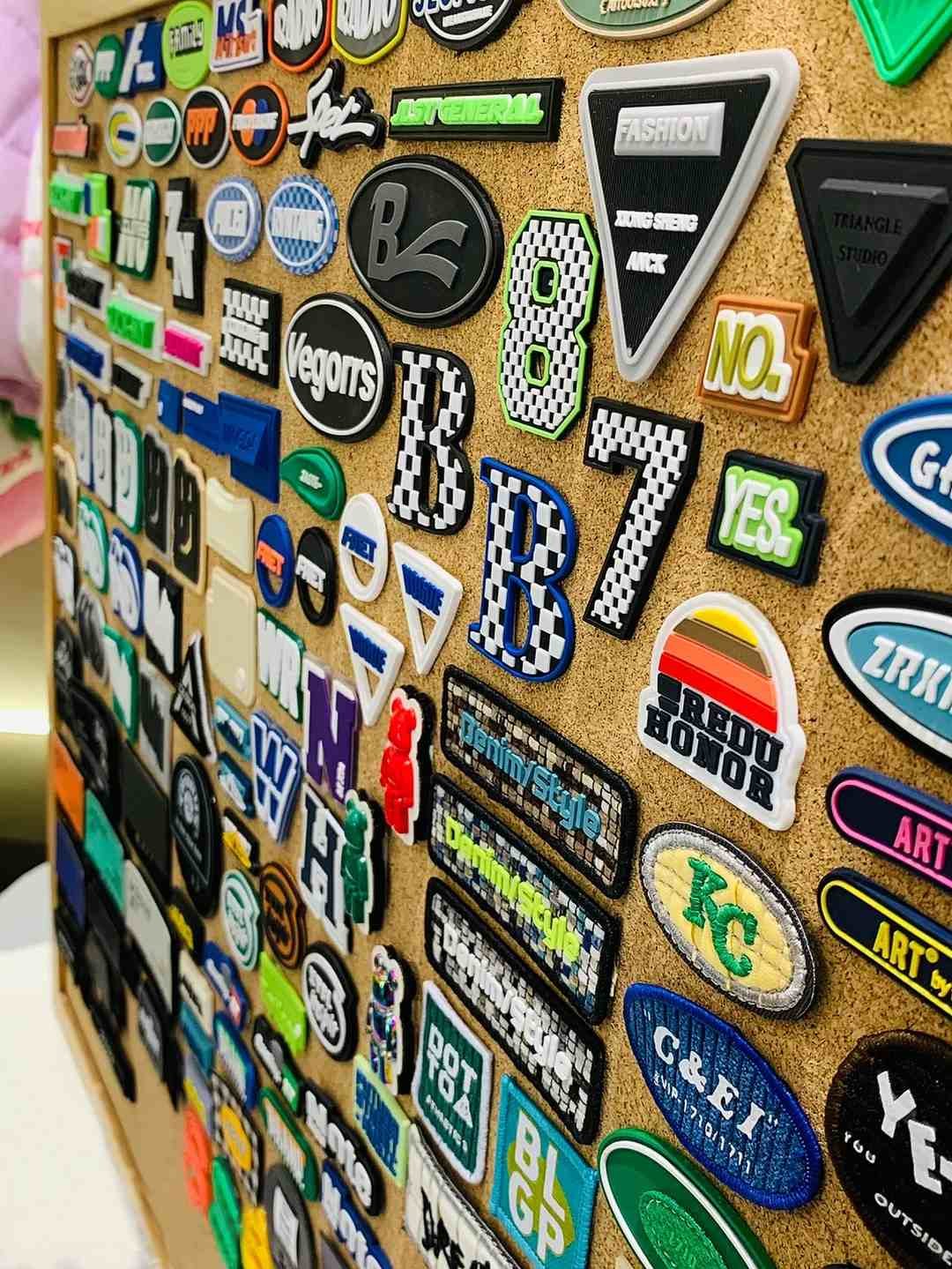
Patch Application
Woven or embroidered patches are heat-sealed or stitched onto garments for removable branding and layered visual interest. Popular for streetwear collaborations, limited editions, and designs requiring tactile, three-dimensional embellishment.
Premium Trims & Accessories for Custom Plus Size Clothing
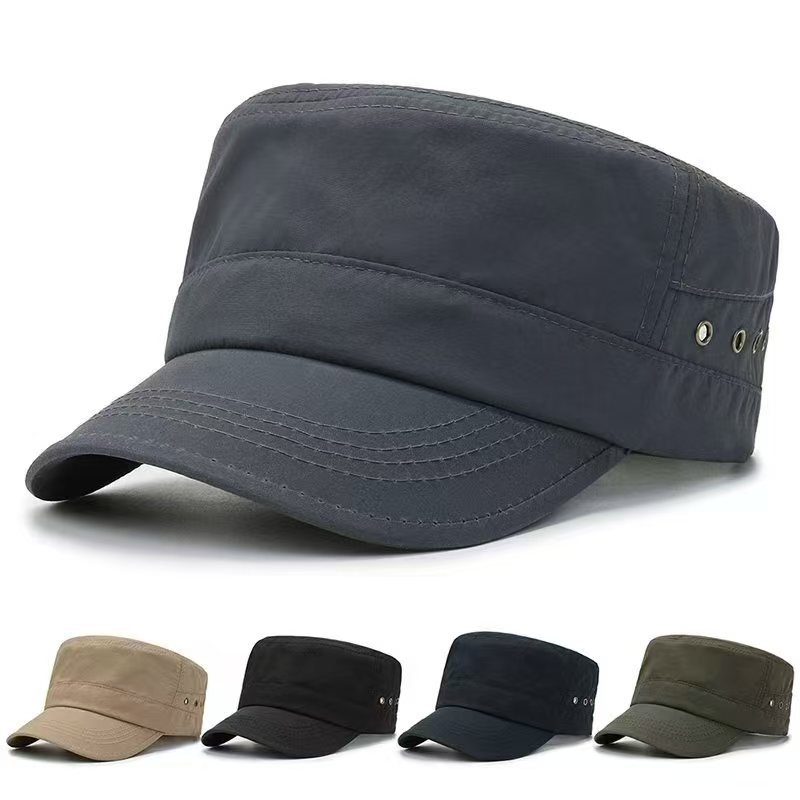
YKK Zippers
Industry-leading YKK zippers engineered for smooth operation and long-lasting durability. Essential for hoodies, jackets, and joggers where reliable function meets premium feel across all plus size garments.
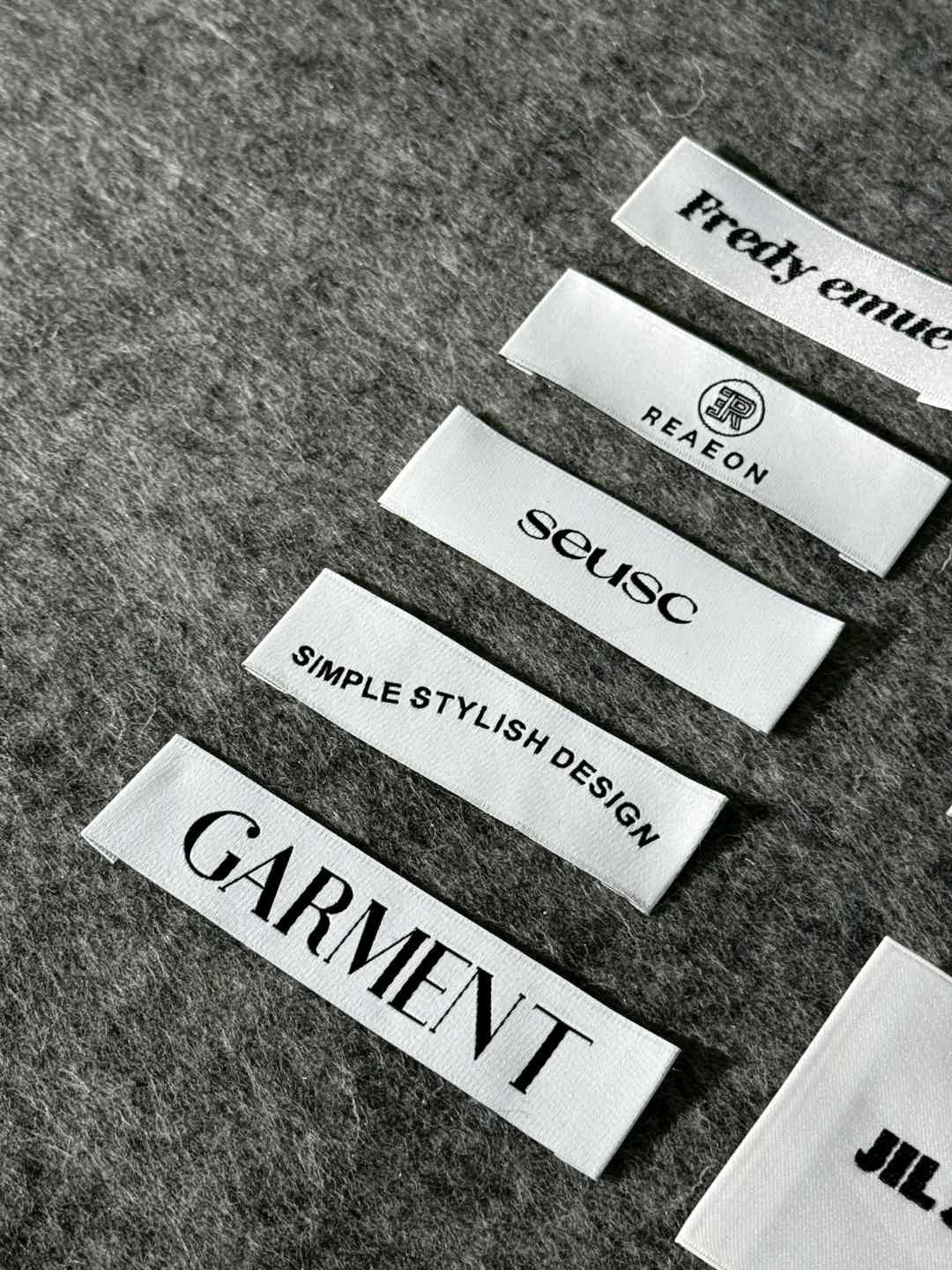
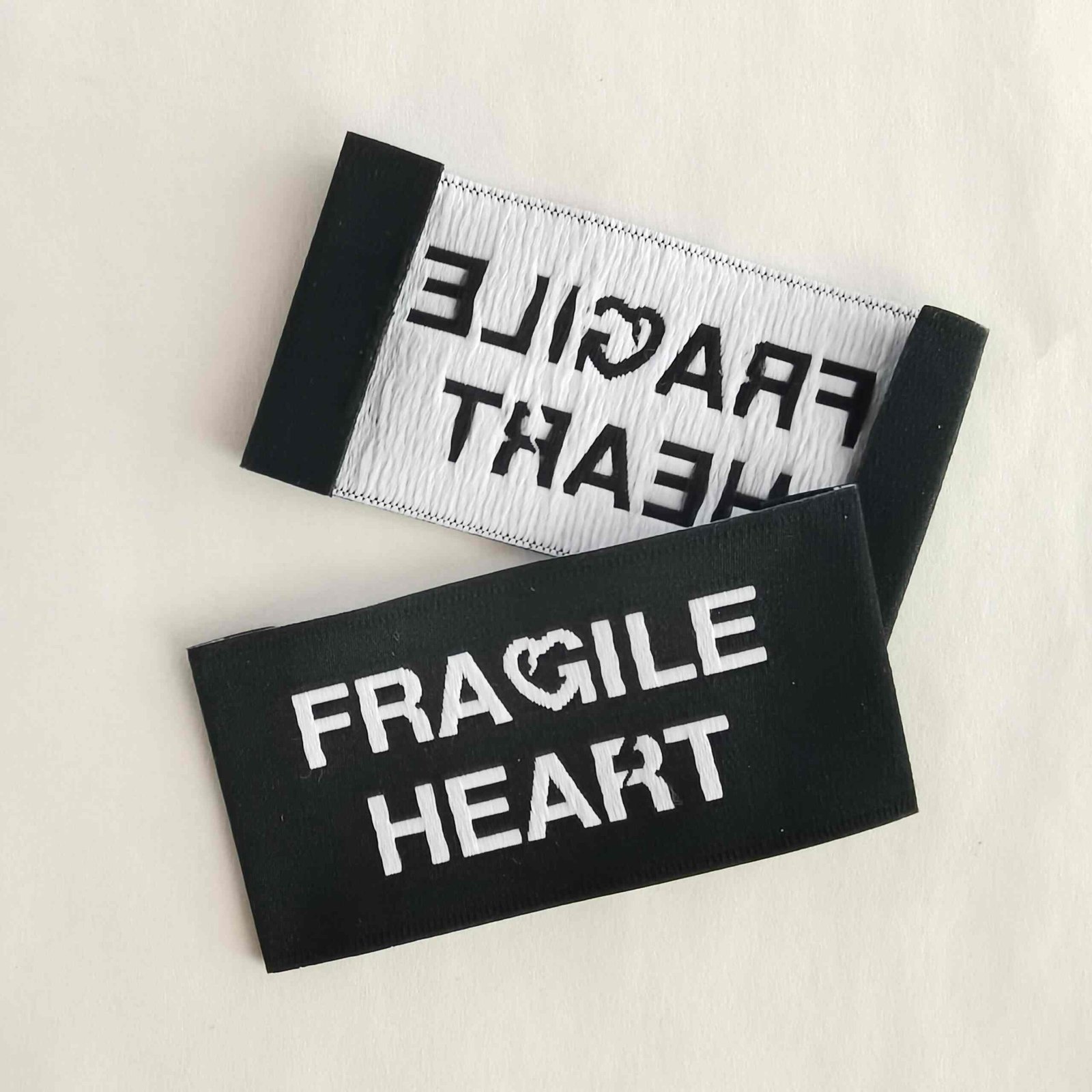
Custom Woven Labels
High-definition woven labels featuring your logo and brand details with precision threading. Perfect for neck labels, side seams, and exterior branding that withstands repeated washing and wear.
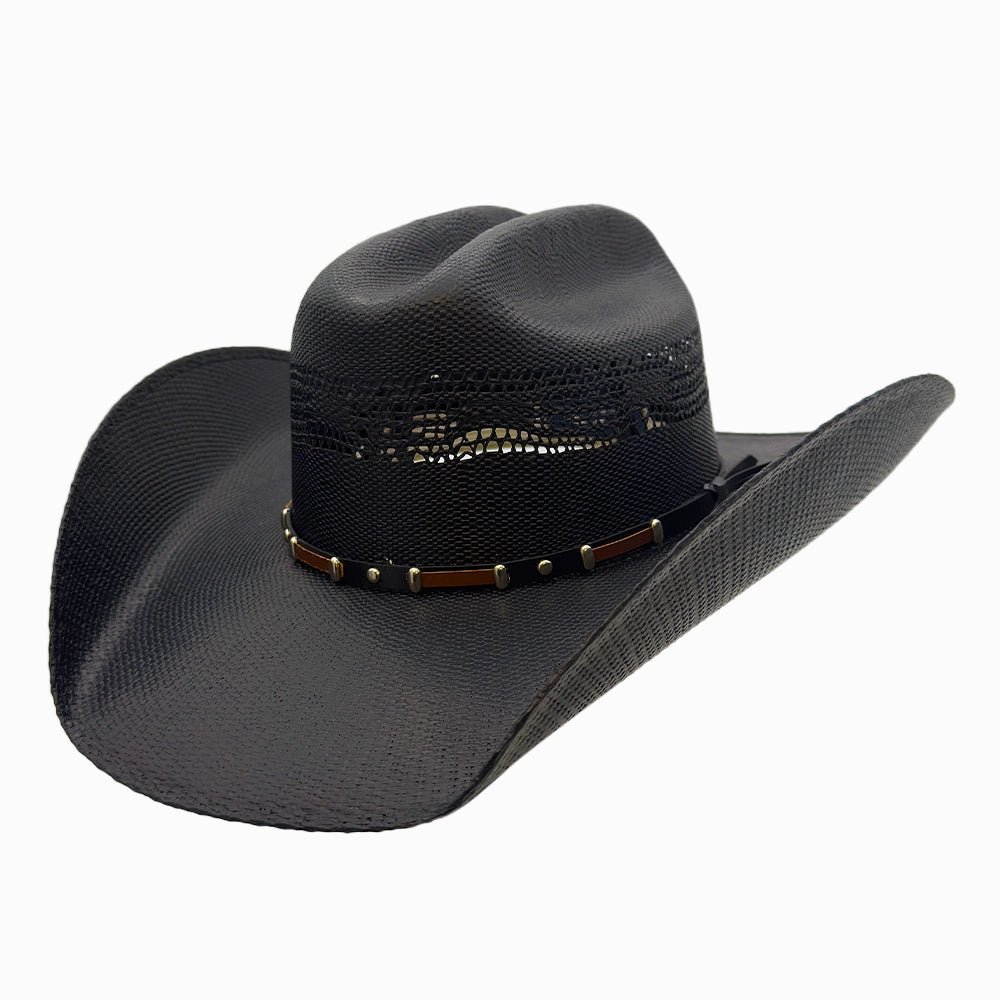
Embroidered Patches
Bold embroidered patches that bring dimension and texture to your streetwear designs. Ideal for sleeves, chest placements, and back panels, adding authentic street credibility to custom plus size collections.
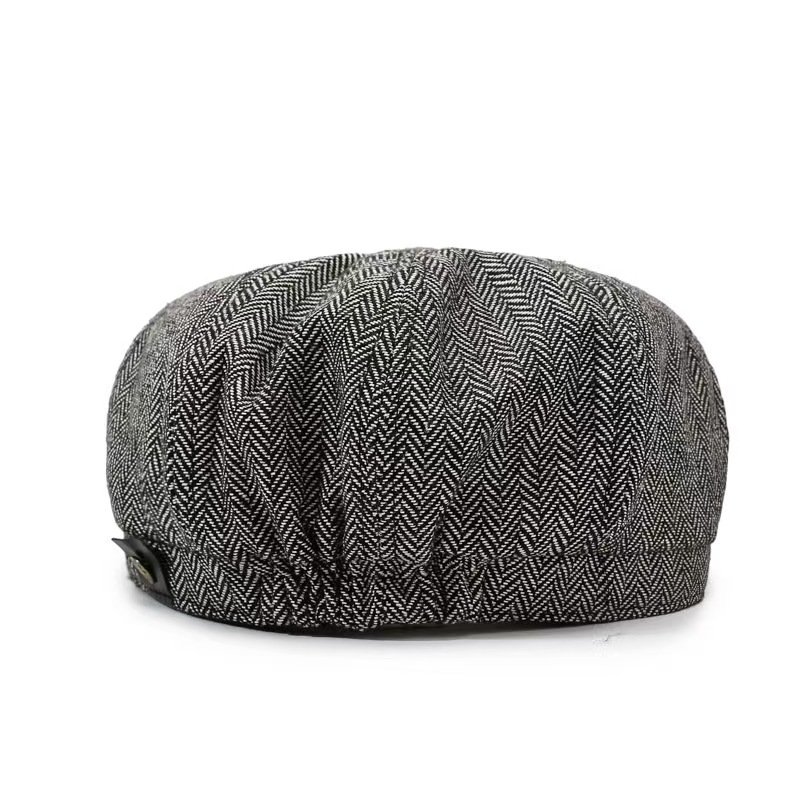
Metal Snap Buttons
Heavy-duty metal snap buttons in gunmetal, brass, and custom finishes. Reinforce openings on oversized shirts, jackets, and cargo pants while adding industrial streetwear aesthetic to plus size apparel.
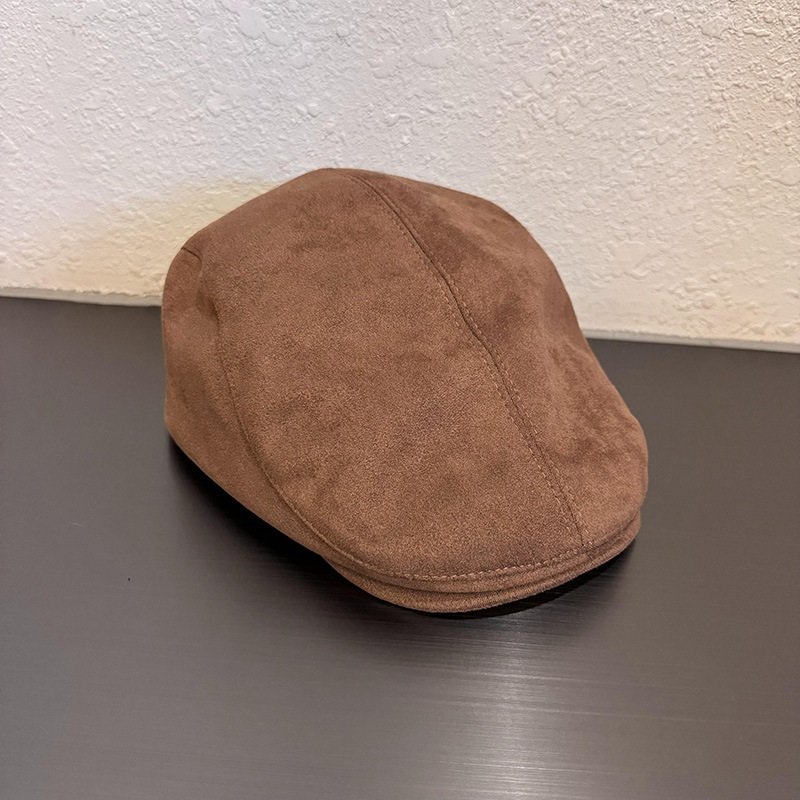
Custom Drawcords
Branded drawcords and tipping in custom colors with metal or plastic aglets. Functional and stylish for hoodies, sweatpants, and shorts, ensuring adjustable fit across diverse plus size body types.
Printed Hangtags
Custom-designed hangtags printed on premium cardstock with your brand story and care instructions. The first physical touchpoint that communicates quality and professionalism to your customers at unboxing.
About Clothing Manufacturer Ltd.
Founded in 2024 by Tesla Luo, Clothing Manufacturer Ltd. was born from over 10 years of garment production experience and a mission to restore the global reputation of Chinese manufacturing. Luo grew up immersed in the apparel industry, working every factory role from sewing to quality control, and witnessed firsthand how many manufacturers skipped critical QC steps. Determined to counter this trend, he built a company on rigorous testing, transparency, and craftsmanship—specializing in custom plus size clothing and streetwear for brands worldwide.
We serve fashion startups, independent designers, influencer lines, and global retailers across more than 100 countries. Our 15-member R&D team and proprietary 5-step quality control process ensure every garment—from cutting to finished product—meets the highest standards. With low MOQs, fast turnaround, and in-house design support, we empower emerging and established brands to deliver premium custom plus size clothing their customers will love.
Backed by our parent company Dongguan TuoZhen Clothing Co., Ltd., we combine the agility of a focused streetwear specialist with the production capacity of an established manufacturer. Our commitment is simple: zero-compromise quality, trend-driven design, and a partnership approach that helps your brand grow from first collection to global recognition.
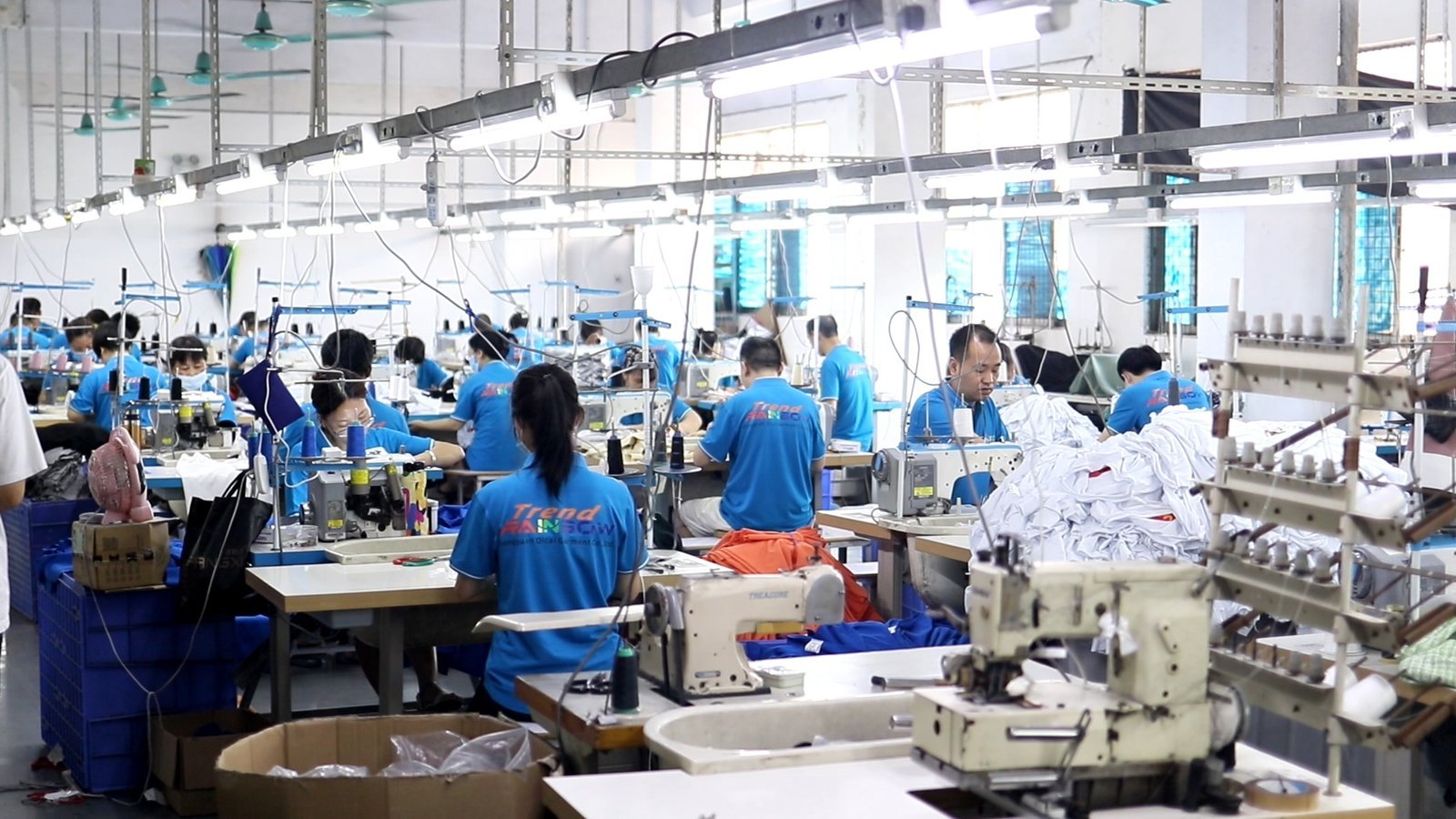
Our 5-Step Quality Control Process for Custom Plus Size Clothing
Materials QC Testing
Every fabric roll undergoes rigorous inspection before cutting begins. We verify weight, stretch recovery, colorfastness, and dimensional stability to ensure your custom plus size clothing maintains its fit and appearance through repeated wear and washing.
- Fabric weight and density verification against specifications
- Four-way stretch and recovery testing for plus size comfort
- Colorfastness testing to prevent fading and bleeding
- Shrinkage analysis to guarantee accurate sizing
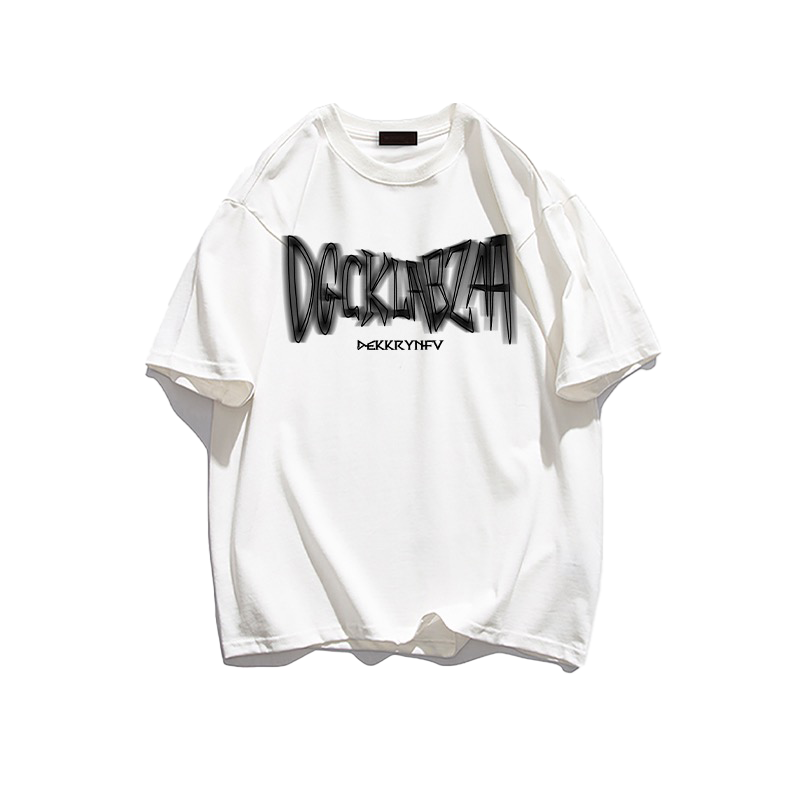
Cutting QC Testing
Precision cutting is critical for plus size garments where fit tolerances are tighter. Our cutting QC verifies pattern accuracy, grain alignment, and piece matching to ensure every panel contributes to the perfect drape and silhouette your brand demands.
- Pattern piece accuracy checked against approved samples
- Grain line alignment verified on every cut piece
- Symmetry inspection for left-right panel matching
- Size marker validation to prevent cutting errors
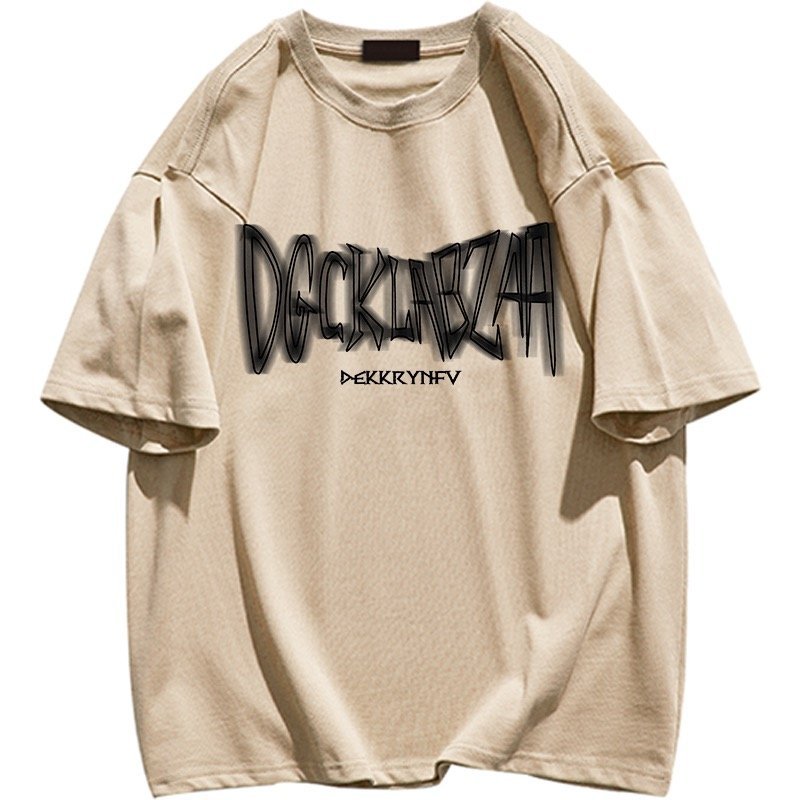
Clothing Craft QC Testing
Before assembly begins, we inspect all preparatory work including interfacing application, pocket construction, and detail elements. This mid-process checkpoint catches issues early, preventing costly rework and ensuring your custom plus size clothing meets streetwear quality standards.
- Interfacing adhesion and placement verification
- Pre-sewn component inspection for pockets and trims
- Embroidery and print quality checks before assembly
- Hardware and accessory attachment point reinforcement
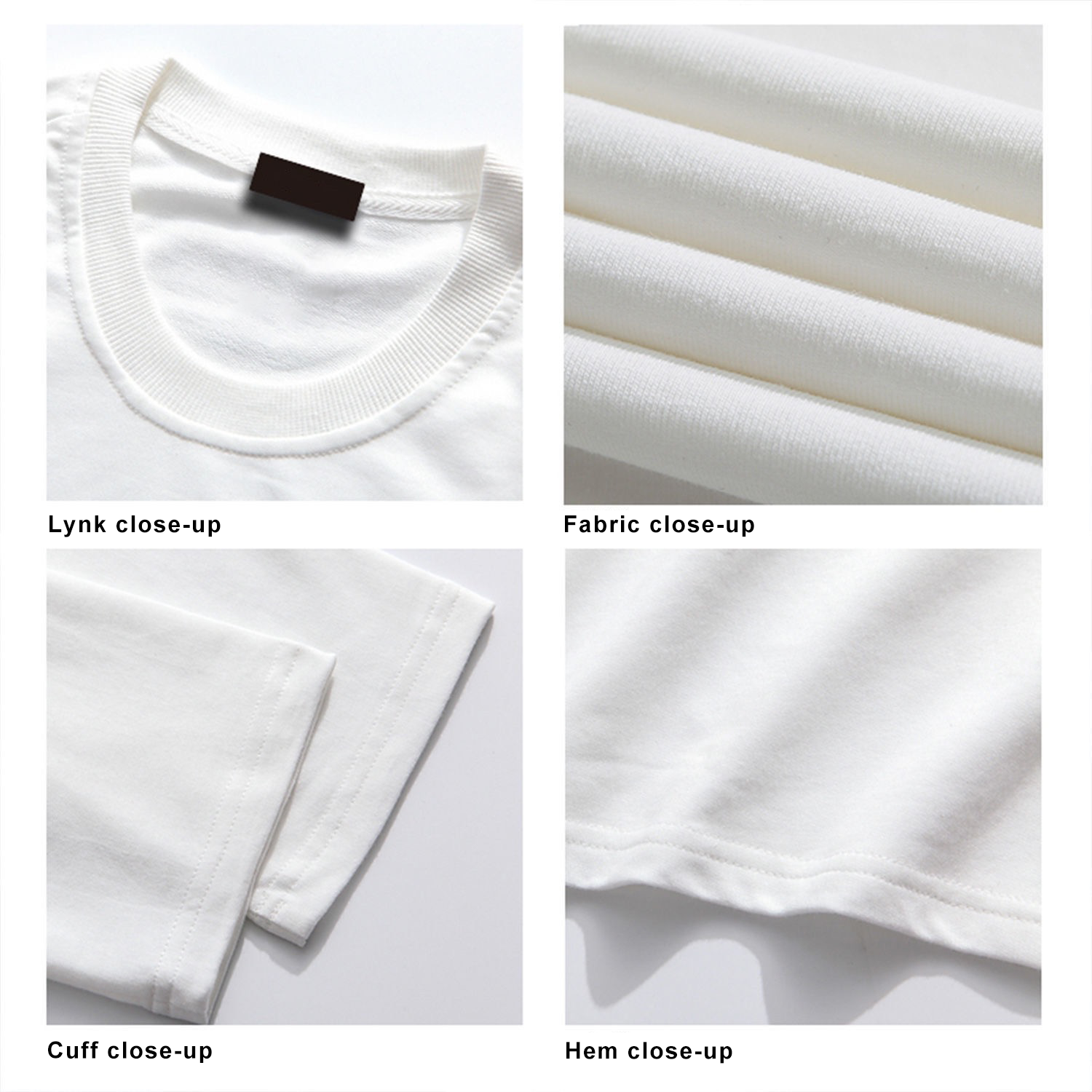
Sewing Production QC Testing
Real-time quality monitoring during assembly ensures every seam, topstitch, and construction detail meets specifications. Our floor inspectors check garments at critical construction milestones, not just at the end, eliminating the defects that damage brand reputation.
- Seam strength and stitch density verification throughout assembly
- Topstitching alignment and tension consistency checks
- Fit point inspection at shoulders, waist, and hip junctions
- In-line corrections before garments reach finishing
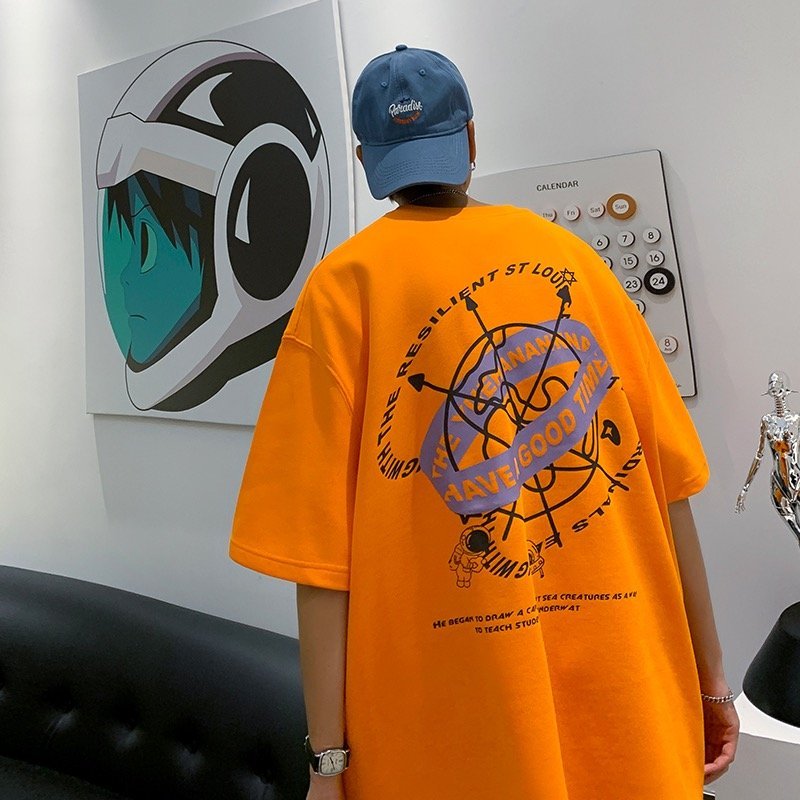
Finished Clothing Quality Inspection
The final checkpoint before packaging: comprehensive inspection of completed garments under proper lighting. We verify measurements, appearance, function, and presentation standards to ensure only flawless custom plus size clothing ships to your customers worldwide.
- Full measurement verification against approved size specs
- Visual inspection for thread, stains, and fabric flaws
- Functional testing of zippers, buttons, and closures
- Packaging presentation and labeling accuracy confirmation
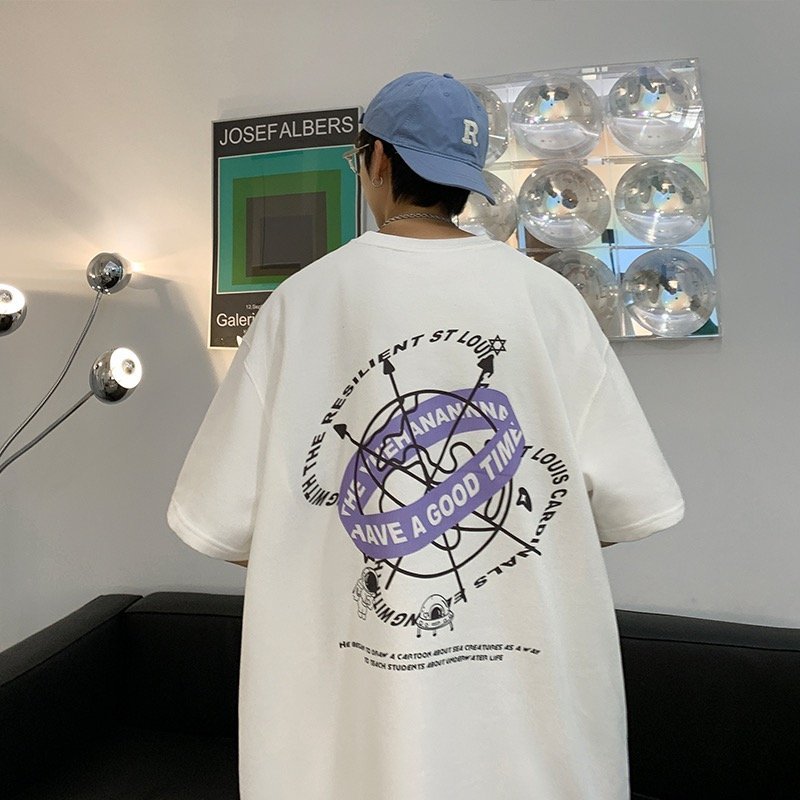
How We Outperform Typical Custom Plus Size Clothing Manufacturers
When your brand reputation depends on fit, quality, and reliability, the choice is clear. See how our 5-step QC process and streetwear expertise deliver what generic plus size manufacturers cannot.
← 左右滑动查看 →
From Design to Delivery: Custom Plus Size Clothing Production
Transparent lead times and quality checkpoints at every phase ensure your custom plus size clothing line launches on schedule with zero compromises.
Tech Pack Review
Our design team reviews your specifications, confirms sizing grades for plus size fits, and validates fabric choices to ensure technical feasibility before sampling begins.
Sample Development & Approval
We produce initial samples with precise plus size grading, incorporating your feedback through revision rounds until fit and finish meet your brand standards.
Bulk Production & QC
Full-scale manufacturing begins with our 5-step quality control process embedded at materials, cutting, craft, sewing, and finishing stages to eliminate defects early.
Final Inspection & Packing
Completed garments undergo comprehensive finished clothing quality inspection, then are folded, bagged, and boxed to your packaging specifications with brand labeling applied.
Global Shipping & Delivery
We coordinate international logistics, handle customs documentation, and provide tracking so your custom plus size collection arrives ready for launch in your target market.
How to Partner With Us for Custom Plus Size Clothing
From concept to delivery, our streamlined five-step process ensures your custom plus size streetwear meets exacting standards with transparent communication at every stage.
Submit Your Tech Pack
Share your design specifications, size grading, fabric preferences, and quantity requirements. Our team reviews every detail to ensure technical feasibility and accurate quoting.
Review Quote and Order Samples
Receive a transparent cost breakdown and timeline within 24 hours. Approve pricing, then we produce pre-production samples across your full size range for fit verification.
Approve Samples and Finalize Details
Inspect samples for fit, construction, and finishing. Request revisions if needed, then sign off on final specifications before bulk production begins with locked-in standards.
Track Bulk Production with QC
Your order moves through our five-step quality control process—materials, cutting, craft, sewing, and finished inspection—with milestone updates ensuring zero-defect output throughout manufacturing.
Receive Global Shipping and Support
Finished garments are professionally packed, inspected one final time, and shipped worldwide with full logistics coordination. Post-delivery support ensures complete satisfaction with your custom plus size collection.
Certifications & Quality Standards for Custom Plus Size Clothing
Brands Trusting Us for Custom Plus Size Clothing
We launched our plus size streetwear line with zero experience. Their low MOQ and 5-step QC process helped us grow from 0 to 47,000 followers in eight months with consistent quality every drop.
Switching to Clothing Manufacturer reduced our sampling time by 35% and eliminated fit issues. Their understanding of custom plus size clothing construction means our customers finally get streetwear that actually fits.
As an independent designer, I needed a partner who understood inclusive sizing without compromise. Their in-house team nailed our oversized hoodies and cargo pants. We saw 62% repeat purchase rate in our extended sizes.
Common Questions About Custom Plus Size Clothing Orders
What is the minimum order quantity for custom plus size clothing?
How long does it take to produce custom plus size clothing orders?
Do you charge for samples of custom plus size clothing designs?
What payment terms do you offer for bulk custom plus size clothing orders?
Can you ship custom plus size clothing internationally?
How do you protect my designs and intellectual property?
Can I request revisions during the custom plus size clothing sampling process?
Do you offer volume discounts for large custom plus size clothing orders?
What quality control measures apply to custom plus size clothing?
The Complete Buyer’s Guide to Custom Plus Size Clothing Manufacturing
Navigate the sourcing landscape with confidence. This guide delivers a proven decision framework, critical supplier evaluation criteria, and the most common pitfalls to avoid when ordering custom plus size clothing for your brand.
1. What Is Custom Plus Size Clothing?
Custom plus size clothing refers to made-to-order garments engineered for sizes 14 and above (US) or 44 and above (EU), manufactured to a brand’s exact specifications rather than adapted from standard sizing blocks. Unlike off-the-rack plus lines that simply scale up smaller patterns, true custom plus size clothing incorporates fit engineering that accounts for different body proportions, curve placement, and garment balance across the chest, waist, hip, and shoulder. This approach requires dedicated pattern grading, sample development, and quality control testing at each size tier to ensure proper drape and comfort.
The global plus size apparel market reached USD 536.7 billion in 2023 and continues to expand as brands recognize that approximately 68% of women in the United States wear size 14 or above. Standard custom apparel services often stop at size 12 or treat larger sizes as add-ons with upcharges, while dedicated custom plus size manufacturing integrates inclusive sizing from the design phase. Proper fit engineering addresses longer torso lengths, fuller busts, and proportional sleeve and inseam adjustments that off-the-rack scaling cannot achieve.
Brands invest in custom plus size lines because the demographic represents significant purchasing power and loyalty when served with well-fitted, trend-forward designs. Streetwear labels, independent designers, and global retailers increasingly demand manufacturers who understand that plus size production is not a niche afterthought but a core category requiring specialized grading expertise, appropriate fabric selection for stretch and recovery, and rigorous quality inspection across every size run.
2. The Evolution of Custom Plus Size Clothing
Before 1980, ready-to-wear garment manufacturers used inconsistent grading methods that simply scaled base patterns proportionally, producing plus size pieces with poor shoulder fit, inadequate bust darts, and ill-fitting waistlines. ASTM International published its first standardized size charts in the late 1980s, establishing reproducible measurement protocols, yet most factories continued to apply vanity sizing and linear scaling rather than engineering distinct fit blocks for curvy body types.
The body-positive movement gained mainstream traction between 2012 and 2016, driven by social media influencers who showcased diverse body shapes and demanded better-fitting options from brands. Hashtags and online communities created measurable commercial pressure: retailers who ignored plus size segments lost market share, while those investing in inclusive sizing saw double-digit growth. This cultural shift forced manufacturers to acknowledge that curvy bodies require independent pattern development, not merely enlarged versions of straight-size blocks.
By 2020, technical grading software and 3D body-scan databases enabled manufacturers to develop engineered fit blocks that account for proportional differences in hip-to-waist ratio, full bust adjustments, and back-width variance. Leading factories now maintain separate master patterns for plus size ranges, applying grade rules that preserve armhole depth, crotch length, and neckline balance across sizes 1X through 5X. Quality-focused manufacturers implement five-step QC testing to verify that each graded size meets fit standards at materials, cutting, craft, sewing, and finished-garment stages, ensuring consistent quality rather than relying on post-production inspection alone.
3. Types of Custom Plus Size Clothing
Custom plus size clothing spans five core categories, each with distinct fit engineering and fabric requirements. Brands ordering from manufacturers must understand the technical challenges and customization priorities for activewear, casualwear, dresses and formalwear, outerwear, and uniforms to ensure proper grading and construction.
Activewear and Performance Apparel
Leggings, sports bras, and performance tops require four-way stretch fabrics in 240–320 GSM ranges with moisture-wicking properties. High-impact sports bras demand reinforced underbust bands, wider straps (minimum 1.5 inches), and encapsulation or compression designs that distribute weight across shoulders and torso.
Fit challenges include preventing roll-down waistbands on leggings (solved with taller, elasticated waistbands) and ensuring compression garments provide support without restricting movement. Brands typically request custom gussets, mesh ventilation panels, and reflective trim for visibility.
Casualwear Essentials
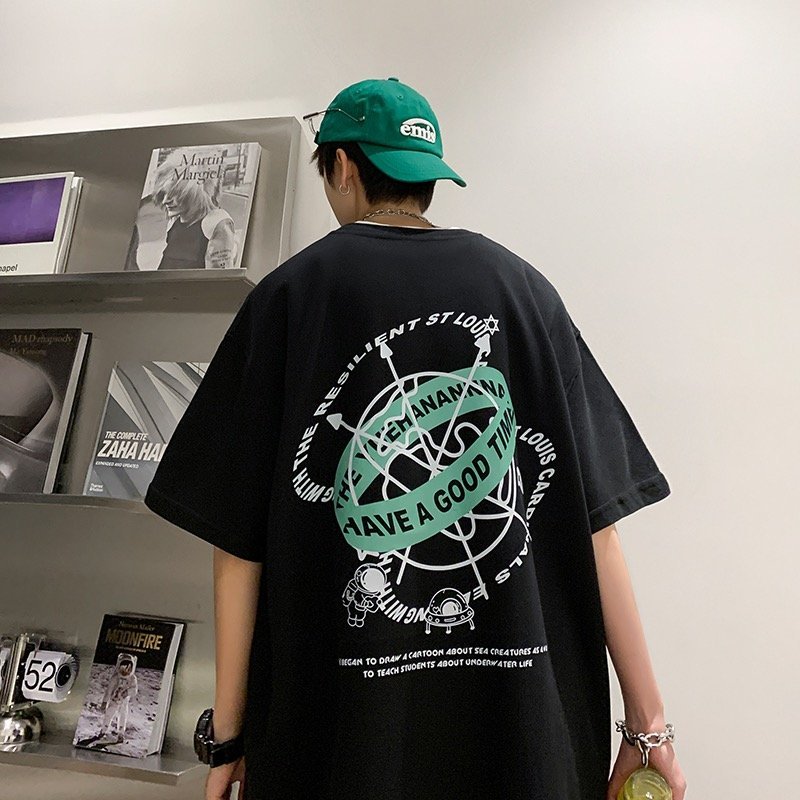
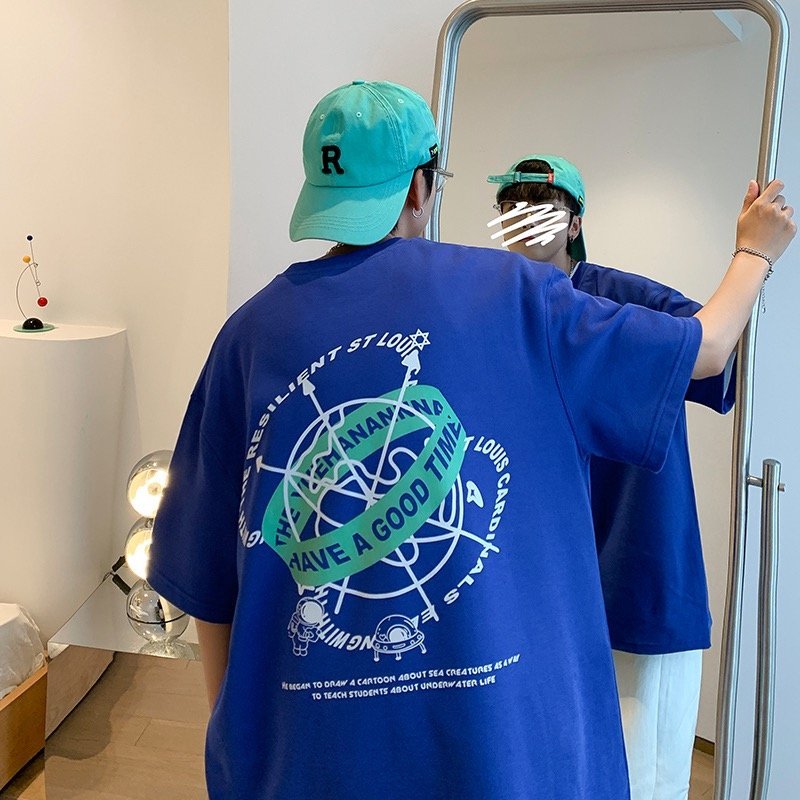
T-shirts, hoodies, and joggers dominate plus size orders, using ring-spun cotton (180–220 GSM), French terry (260–300 GSM), or cotton-poly blends. Hoodies require drop-shoulder construction or raglan sleeves to accommodate fuller busts and arms, while joggers need tapered legs with elastic cuffs sized to prevent binding at the calf.
Common customization requests include longer torso lengths (add 2–3 inches to standard), curved hems on tees to prevent riding up, and kangaroo pockets with reinforced stitching. Streetwear brands often add screen-printed graphics, embroidered logos, or woven labels on these staples.
Dresses and Formalwear
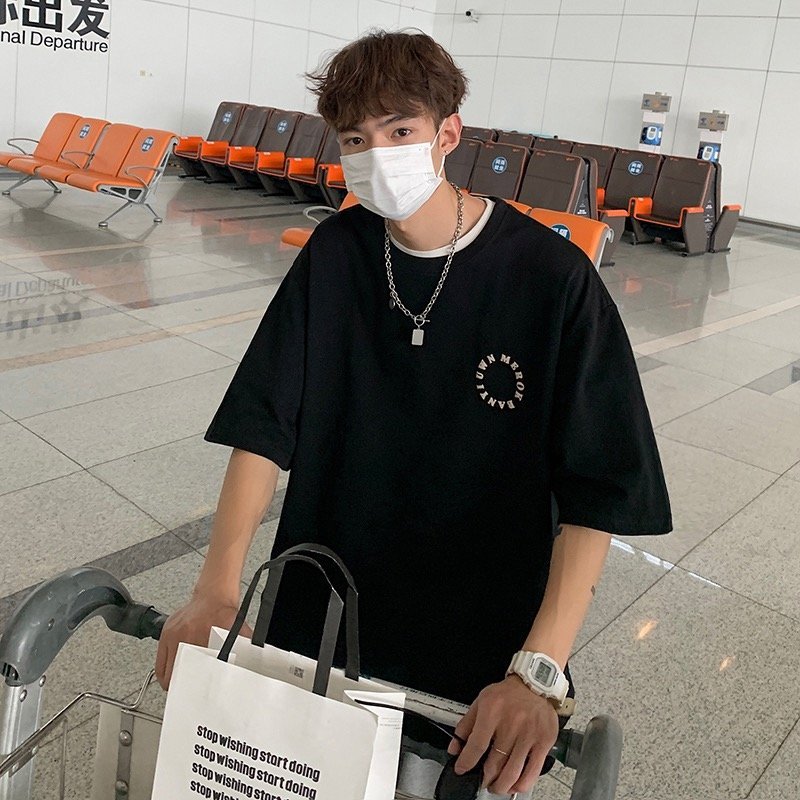
Dresses require proportional bust-to-hip grading (typically 2-inch increments per size) and structured bodices with princess seams or darts to shape fabric around curves. Formalwear uses medium-weight crepe (200–250 GSM), ponte knit, or woven fabrics with 2–5% spandex for controlled stretch.
Fit challenges include preventing gaping at armholes, ensuring waistlines sit at natural waist, and adding boning or internal corsetry for strapless styles. Brands request custom lining, adjustable straps, and hidden zippers with hook-and-eye closures for secure fit.
Outerwear and Jackets
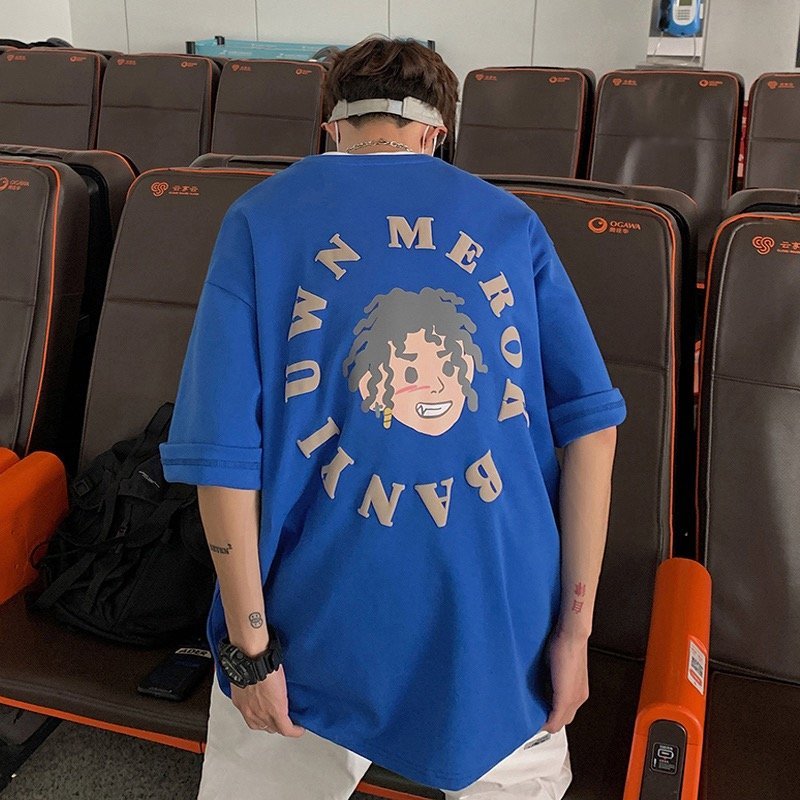
Coats, bomber jackets, and parkas demand extended sizing with wider armholes (add 1–2 inches), longer sleeves, and adjustable waist cinches. Fabrics range from quilted nylon (100–150 GSM shell with polyester fill) to heavyweight denim (12–14 oz) and wool blends (300+ GSM).
Typical requests include two-way zippers for ease of movement, interior pockets sized for phones and wallets, and detachable hoods. Manufacturers must grade collar stands and lapel widths proportionally to maintain visual balance across size runs.
Uniforms and Workwear
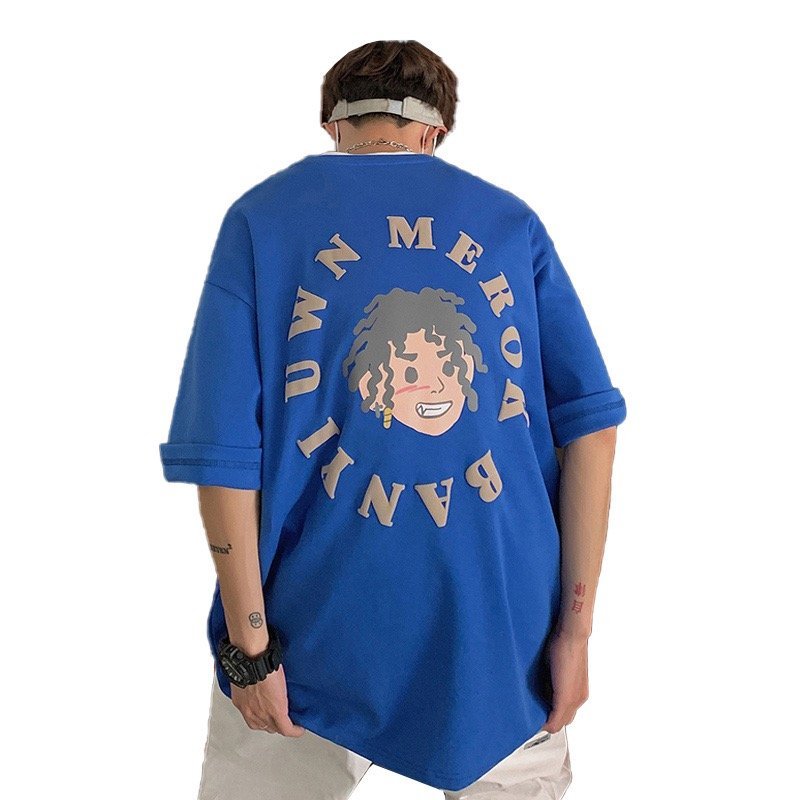
Corporate uniforms, hospitality apparel, and medical scrubs require durable fabrics (poly-cotton twill 200–240 GSM) with soil-release finishes and industrial laundry resistance. Scrub tops need set-in sleeves with gussets and side vents for mobility, while pants use elastic-back waistbands or drawstring closures.
Brands ordering uniforms prioritize color consistency (Pantone matching across batches), reinforced stress points (bar tacks at pockets), and functional details like pen loops, badge tabs, and cargo pockets. Extended sizing must maintain professional silhouettes without excess fabric.
4. Materials and Fabrics for Custom Plus Size Clothing
Fabric choice determines fit, comfort, and durability in custom plus size clothing. Stretch recovery, breathability, and drape at stress points separate professional-grade garments from budget alternatives that lose shape after a few wears.
| Fabric Type | Weight (GSM) | Stretch % | Best Applications | Care Properties |
|---|---|---|---|---|
| Cotton Jersey (5–10% Spandex) | 180–220 | 15–25% | T-shirts, dresses, casual tops | Machine wash warm, tumble low |
| Modal Blend | 200–240 | 10–20% | Loungewear, activewear, base layers | Machine wash cold, hang dry |
| Bamboo Spandex | 190–230 | 20–30% | Athleisure, yoga pants, fitted tops | Cold wash, air dry recommended |
| Performance Knit (Polyester) | 220–280 | 25–40% | Sportswear, leggings, high-movement pieces | Machine wash cold, quick dry |
| Denim + Elastane (3–5%) | 280–340 | 5–15% | Jeans, jackets, structured bottoms | Wash inside-out cold, line dry |
| Ponte Roma (Double Knit) | 260–320 | 15–25% | Blazers, trousers, structured dresses | Machine wash gentle, reshape flat |
5. Customization and Decoration Options for Custom Plus Size Clothing
Branding custom plus size clothing requires careful attention to decoration placement, fabric stretch, and wash durability. Larger garment surfaces and high-stretch fabrics demand techniques that preserve both comfort and visual integrity across extended wear cycles.
Screen Printing Placement Considerations
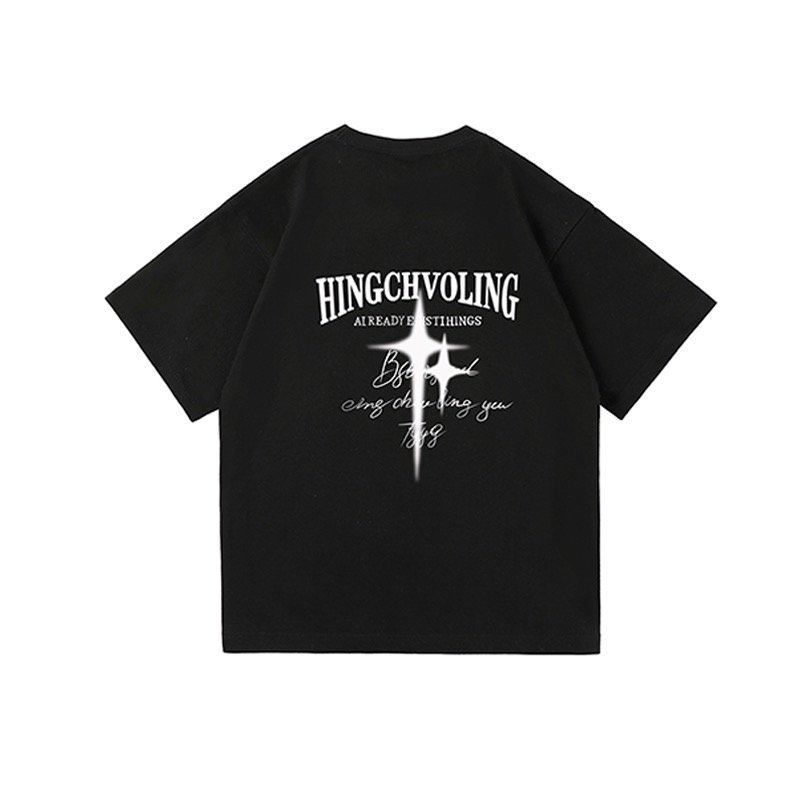
Screen printing on plus size garments involves larger print areas and adjusted placement to account for body contours. Standard chest placements often shift or distort on extended sizes; designers typically position prints 1–2 inches lower and wider to maintain visual balance.
Water-based inks offer superior breathability on larger surface areas compared to plastisol, reducing stiffness on high-stretch zones. Clothing Manufacturer Ltd. applies its five-step QC process to verify ink adhesion and stretch recovery, ensuring prints remain crack-free through repeated laundering.
Embroidery on Stretch Fabrics
Embroidery digitizing for plus size garments requires density adjustments to prevent puckering on knit fabrics with 20–40% stretch. Standard 4–5 mm stitch lengths can pull and distort; experienced digitizers reduce density by 10–15% and use water-soluble stabilizers that dissolve post-production.
Placement on high-flex zones—sleeve cuffs, side seams—demands careful backing selection. Cutaway stabilizers provide permanent support, while tear-away options suit low-movement areas like chest logos.
Heat Transfer Vinyl and Sublimation
Heat transfer vinyl (HTV) suits small-batch custom plus size orders with MOQs as low as 10 pieces. Polyurethane-based HTV maintains elasticity on stretch fabrics, whereas standard PVC cracks after 15–20 washes on high-movement areas.
Sublimation printing works exclusively on polyester blends (minimum 65% polyester), offering full-color, all-over designs without adding weight. The dye-bonding process ensures zero surface texture, critical for plus size activewear where added layers cause discomfort.
Woven Labels and Hang Tags
Woven labels and hang tags reinforce brand identity without affecting garment stretch. High-density woven labels (up to 500 threads per inch) deliver sharp logo detail on neck tapes and side seams, while printed satin labels offer a softer hand for inside placements.
Hang tags communicate size inclusivity and care instructions; brands typically use 300 gsm cardstock with matte lamination. Clothing Manufacturer Ltd. includes custom label and hang-tag setup in its design services, ensuring consistent branding across all size ranges.
6. Key Quality and Construction Elements
Custom plus size clothing demands construction techniques that differ fundamentally from standard-size production. True plus size manufacturing addresses body proportions, stress distribution, and comfort through specialized pattern grading and reinforced seam work, not simple circumference scaling.
Pattern Grading: Proportional vs. Linear Scaling
Standard grading scales patterns uniformly across all measurements, which distorts fit in plus sizes. True plus size grading adjusts armhole depth by 0.5–0.75 inches per size grade, crotch depth by 0.75–1 inch, and shoulder slope angles to match natural body proportions.
Proportional grading curves waist-to-hip ratios and neckline placement independently, ensuring that a 3X garment fits like a thoughtfully designed piece rather than a stretched-out medium. Clothing Manufacturer Ltd. applies non-linear grading curves developed through its 15-member R&D team, ensuring each size grade reflects real body geometry.
- Armhole depth increases 0.5–0.75 in. per grade to prevent binding
- Crotch depth adjusts 0.75–1 in. independently of inseam
- Shoulder slope and neckline placement scaled by proportion, not circumference
Reinforced Seams and Stress-Point Construction
Plus size garments experience higher tension at seams, waistbands, and pocket openings. Double-needle stitching (two parallel rows 3–6 mm apart) distributes load across a wider surface, while flatlock seams eliminate bulk and chafing in high-movement zones like inseams and underarms.
Bar tacks—dense zigzag reinforcements 8–12 mm long—anchor stress points at pocket corners, fly ends, and belt loops. Seam allowances widen to 1.5–2 cm (versus the standard 1 cm) to prevent thread pull-through under repeated strain, a critical detail verified during sewing production QC testing in Clothing Manufacturer Ltd.’s five-step quality control process.
7. How to Choose a Custom Plus Size Clothing Manufacturer
Selecting the right manufacturing partner for custom plus size clothing requires rigorous vetting across technical capability, quality infrastructure, and operational flexibility. A factory’s expertise in plus size pattern development and grading determines whether your finished garments deliver proper fit and comfort across extended size ranges.
Verify Pattern Making and Grading Expertise
Ask whether the factory employs dedicated plus size pattern makers who understand proportional grading beyond simple scaling. A robust grading library should span at least 1X through 6X (or equivalent numeric sizes 14–32) with adjustments for bust, hip, shoulder, and sleeve proportions at each increment.
Request sample grade rules and ask how they handle curve accommodation in waistbands, armholes, and necklines. Factories experienced in plus size construction will reference specific ease allowances and adjustment points rather than generic size charts.
Assess MOQ Flexibility and Sampling Policy
Minimum order quantities often rise for extended size runs due to pattern complexity and fabric waste. Confirm whether the factory offers per-style or per-colorway MOQs, and whether they allow mixed size ratios within a single order.
Request fit samples in at least three sizes (e.g., 1X, 3X, 5X) before committing to production. Clothing Manufacturer Ltd. implements a five-step QC process including materials, cutting, craft, sewing, and finished-garment inspection to catch fit and construction issues early.
Evaluate Fabric Sourcing and QC Rigor
Plus size garments demand fabrics with adequate stretch recovery, opacity, and durability. Ask suppliers to specify GSM ranges, fiber blends, and whether they source performance knits or wovens with reinforced stress points.
Confirm that quality control includes stress testing on seams, closures, and high-tension areas such as inseams and underarms. Factories that skip in-process QC—moving straight from sewing to packing—cannot reliably deliver garments that withstand real-world wear across diverse body types.
8. Common Mistakes When Ordering Custom Plus Size Clothing
Even experienced brands make critical errors when entering the plus size market. Understanding these pitfalls—and their fixes—protects your investment and ensures customer satisfaction from the first production run.
Using Standard Grading Instead of Plus Size Blocks
Standard grading simply scales patterns proportionally, creating poor fit in sizes 1X and above. Plus size bodies require independent blocks that account for different proportions in bust, waist, hip, and arm measurements.
Work with manufacturers who maintain dedicated plus size pattern libraries. Clothing Manufacturer Ltd. applies its five-step QC testing to verify that each size grade reflects true plus size construction, not linear scaling.
Choosing Fabrics with Insufficient Stretch Recovery
Fabrics below 5% spandex content often lose shape after wear, especially in areas of tension. Plus size garments require materials with 15–25% stretch and strong recovery to maintain structure.
Specify fabrics with tested recovery ratings. Request swatch testing under tension before committing to bulk yardage, and confirm GSM values match your garment’s intended use.
Skipping Fit Model Diversity and Wear Testing
Fitting on a single model size misses critical issues across the size range. Real wear testing reveals problems in movement, seam stress, and comfort that static fittings cannot.
Budget for fit samples in at least three sizes (e.g., 1X, 2X, 4X) and conduct 8-hour wear tests. Document feedback on mobility, seam placement, and fabric performance before approving production.
Underestimating Fabric Consumption and Budget
Yardage increases non-linearly; a 3X garment may require 40–60% more fabric than a medium, not a simple 20% bump. Failing to budget for extended size runs leads to shortfalls and delays.
Request detailed fabric consumption charts from your manufacturer for each size. Build 10–15% buffer into your fabric orders and confirm per-unit costs across the full size range before signing contracts.
9. Steps to Launch Your Custom Plus Size Clothing Line
Launching a custom plus size clothing line requires a structured roadmap that balances design vision, technical precision, and market validation. Each phase—from initial research to production—includes critical checkpoints to control timeline and budget while ensuring fit accuracy across extended size ranges.
Conduct Market Research and Size Surveys
Begin by surveying your target demographic to identify preferred silhouettes, pain points with existing brands, and actual body measurements. Collect data from at least 50 respondents across sizes 1X–5X to establish realistic grading increments.
Allocate 2–4 weeks and a budget of $500–$2,000 for online surveys, focus groups, or social media polls. This baseline informs your size chart and prevents costly pattern revisions later.
Develop Tech Packs with Plus Size Grading Specs
Create detailed tech packs that specify measurements, tolerances (±0.5 inch for critical points), fabric weight (e.g., 240–280 GSM French terry), and construction methods. Include a grading chart showing how each measurement scales across your size range.
Share tech packs with manufacturers during the sourcing phase to verify they understand plus size pattern adjustments—armhole depth, hip ease, and shoulder slope often require non-linear grading beyond size XL.
Source a Manufacturer with Proven Plus Size Expertise
Evaluate suppliers based on portfolio samples in sizes 2X and above, minimum order quantities (50–200 pieces per style is common for plus size specialists), and quality control protocols. Request references from brands that produce extended sizing.
Clothing Manufacturer Ltd. applies a five-step QC methodology—materials, cutting, craft, sewing, and finished garment inspection—to catch fit and construction errors before shipment, a critical safeguard when grading across wide size ranges.
Order Fit Samples and Conduct Wear Trials
Order fit samples in at least three sizes (e.g., 1X, 3X, 5X) to validate grading accuracy. Budget $30–$80 per sample and 3–4 weeks for production and shipping.
Conduct wear trials with diverse fit models representing different body shapes within each size. Document ease of movement, fabric tension at stress points (underarms, hips, waist), and length proportions to refine patterns before full production.
10. Pricing and Cost Considerations
Custom plus size clothing typically costs 15–25% more per unit than standard sizes due to increased fabric consumption, specialized grading, and reinforced construction. A basic cotton tee in 2XL–4XL may require 30–40% more fabric than a size M, while hoodies and activewear demand premium materials and additional stitching to ensure durability across stress points.
Minimum order quantities for custom plus size clothing generally start at 50 units per style per color, though some manufacturers offer lower MOQs for sampling or test launches. Setup fees cover pattern grading across the full size range (typically 1X–5X or 18–28), sample development, and quality control testing. Clothing Manufacturer Ltd. implements a five-step QC process—materials testing, cutting inspection, craft verification, sewing checks, and finished garment review—ensuring every piece meets structural and aesthetic standards before shipment.
Lead times vary by order complexity and quantity: 50–100 units typically require 18–25 days, while orders of 500+ units may extend to 30–40 days to accommodate fabric sourcing, grading, and multi-stage quality inspections. Sampling fees range from 80–150 USD per style depending on garment complexity, fabric type, and decoration methods. Brands should budget for fabric waste rates of 8–12% in plus size production, as larger pattern pieces require careful nesting and cutting to minimize scrap.
| Quantity Tier | Basic Tee (USD) | Hoodie (USD) | Activewear (USD) | Setup Fee (USD) | Lead Time (Days) |
|---|---|---|---|---|---|
| 50 units | 8.50–11.00 | 22.00–28.00 | 15.00–20.00 | 120–150 | 18–25 |
| 100 units | 7.20–9.50 | 19.00–24.00 | 13.00–17.00 | 100–130 | 20–28 |
| 250 units | 6.00–8.00 | 16.00–21.00 | 11.00–15.00 | 80–110 | 25–32 |
| 500 units | 5.20–7.00 | 14.00–18.50 | 9.50–13.00 | 60–90 | 28–35 |
| 1000+ units | 4.50–6.20 | 12.00–16.00 | 8.00–11.50 | 40–70 | 30–40 |
Ready to Launch Your Custom Plus Size Clothing Line?
Get a free quote today and discover how our 5-step QC process, low MOQs, and streetwear expertise bring your vision to life.