
Bulk Plus Size Clothing with 5-Step QC and Low MOQ
Partner with Clothing Manufacturer Ltd. for bulk plus size clothing production that combines trend-driven streetwear design, rigorous quality control, and flexible minimums for emerging brands.
Bulk Plus Size Clothing Styles & Samples
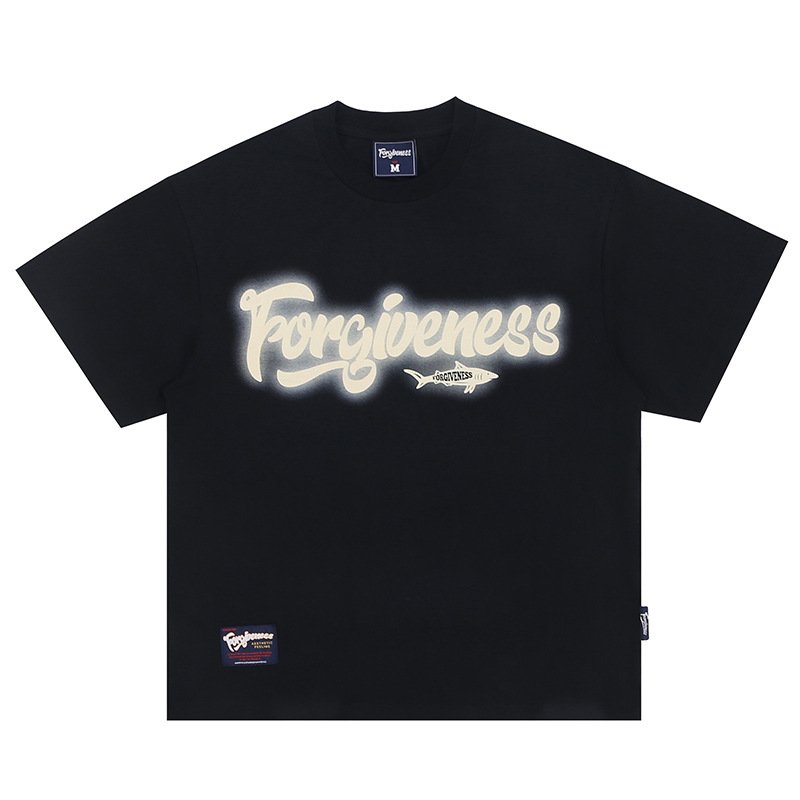
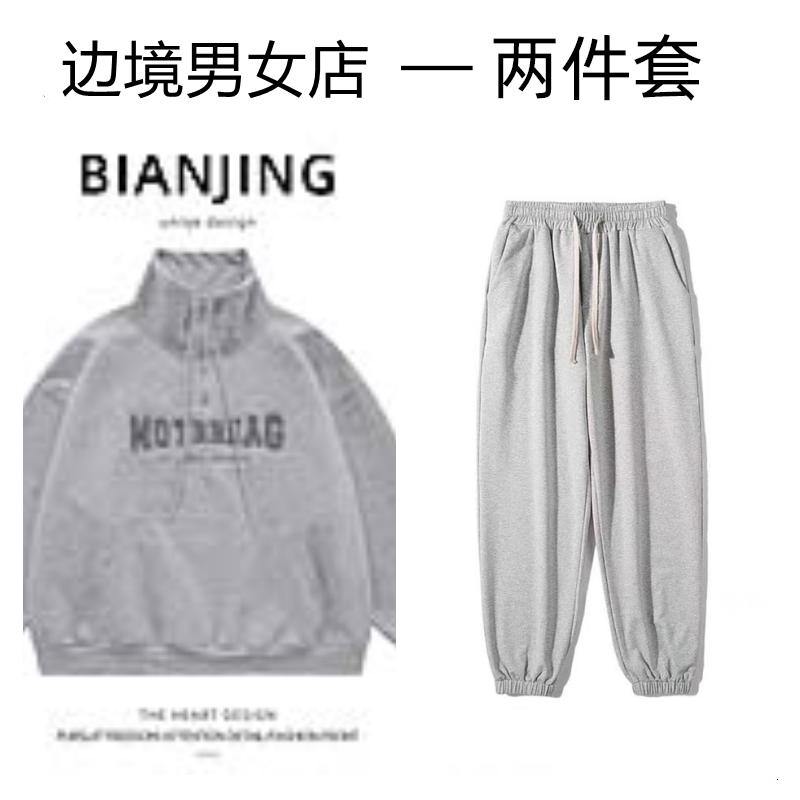
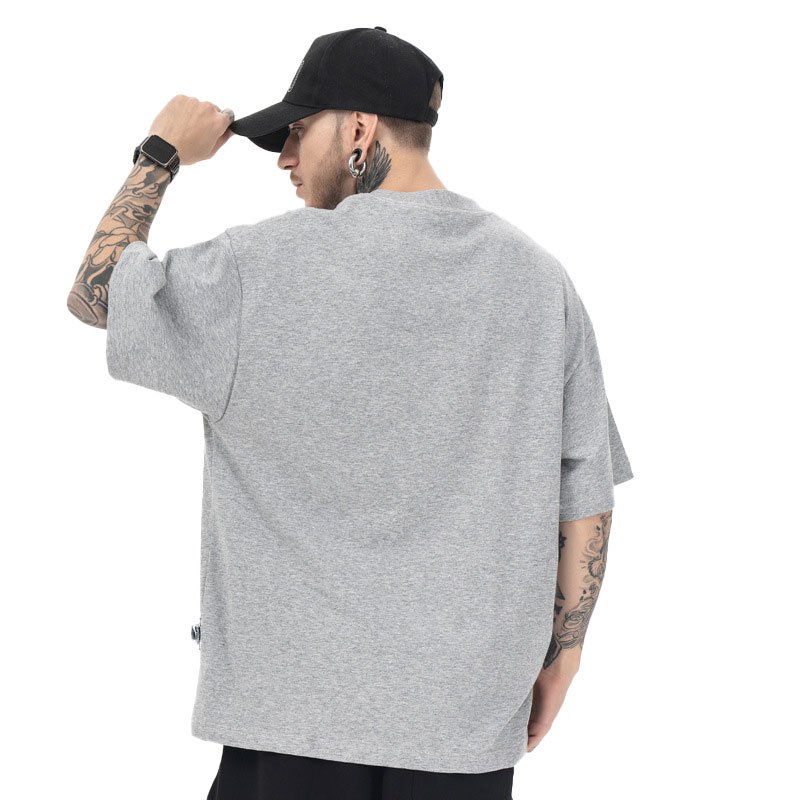
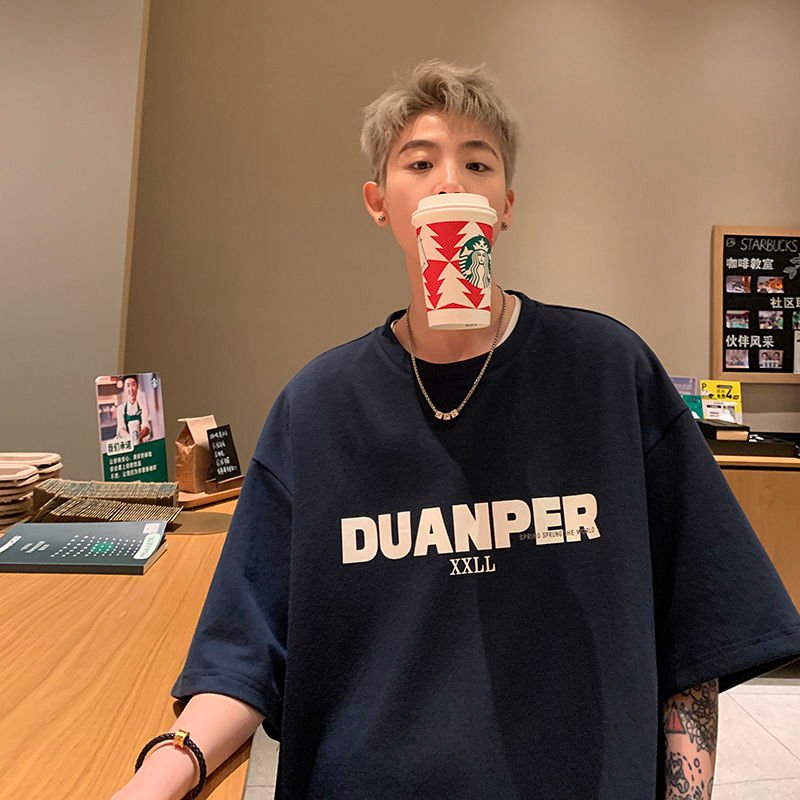
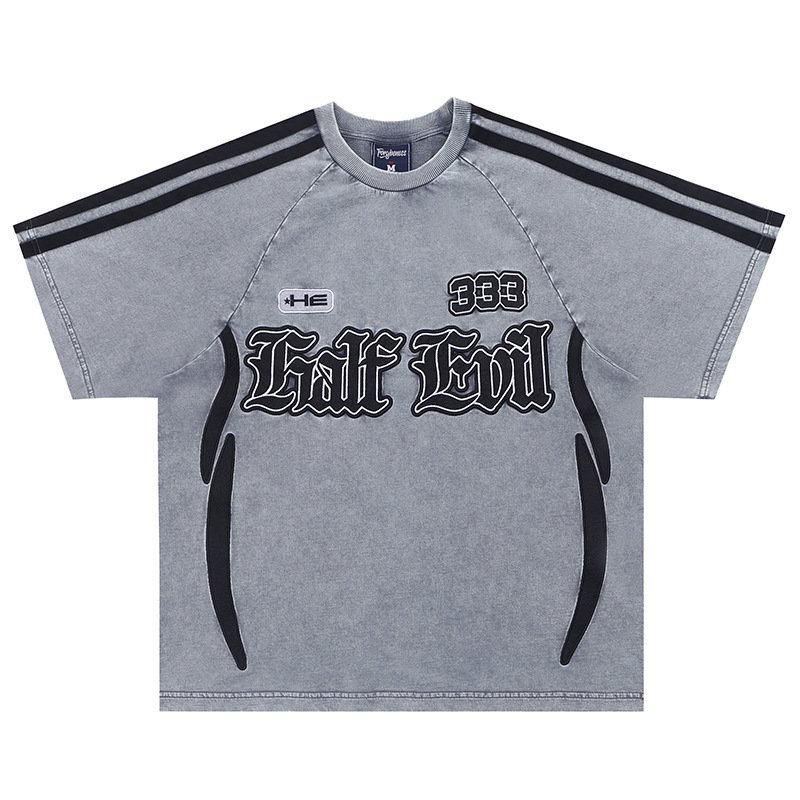
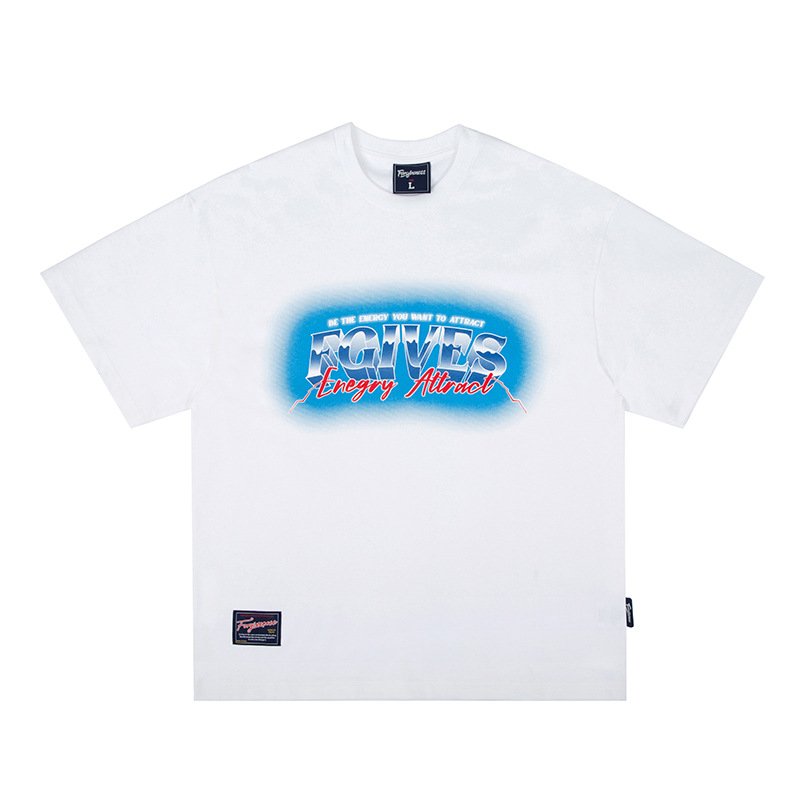
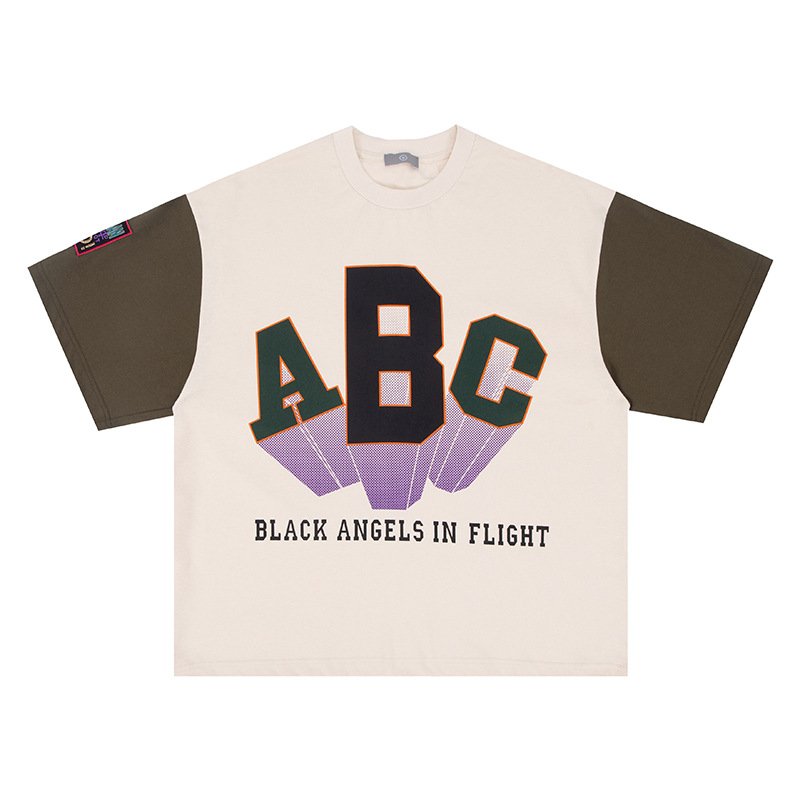
Why Bulk Plus Size Clothing from Clothing Manufacturer Stands Out
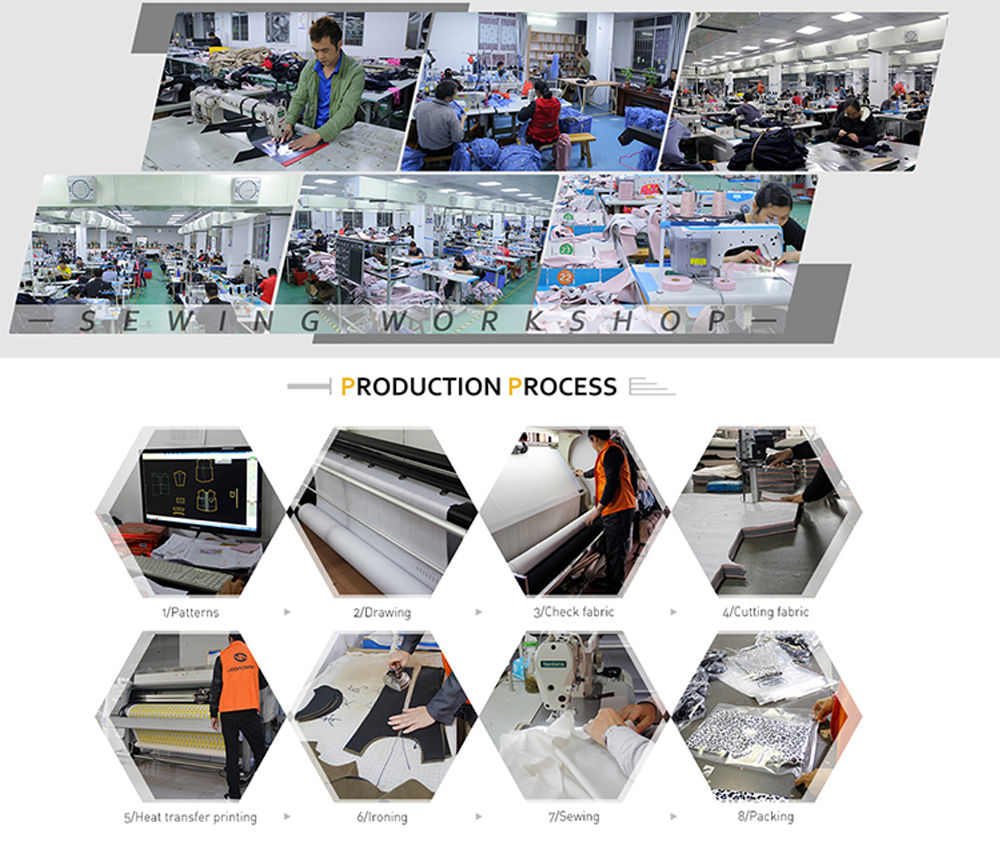
5-Step Quality Control Guarantee
Every bulk plus size garment passes materials, cutting, craft, sewing, and finished-product QC testing before shipment—no shortcuts, no defects.
Low MOQ for Startups
Launch your plus size streetwear line without massive inventory risk. We support emerging brands with flexible minimum order quantities.
Fast Sampling and Turnaround
In-house design and sampling team delivers prototypes quickly, ensuring your seasonal collections hit the market on schedule every time.
Streetwear Design Expertise
Six years specializing in streetwear aesthetics—skeleton motifs, bold graphics, and trend-driven silhouettes that resonate with your audience.
Global Shipping and Logistics
Seamless international fulfillment to over 100 countries. We handle customs, documentation, and delivery so you focus on growing your brand.
15-Person R&D Team
Dedicated in-house designers and technicians with 10 patents, ready to collaborate on custom plus size patterns and innovative construction.
Bulk Plus Size Clothing Categories & Use Cases
From streetwear hoodies to athleisure joggers, discover how our bulk plus size clothing production serves diverse brand needs with precision fit, trend-driven design, and rigorous quality control.
Plus Size Streetwear Hoodies
Streetwear brands struggle to find manufacturers who understand oversized fit proportions for plus sizes while maintaining the bold graphics and premium construction that define authentic street style.
Our 5-step QC process ensures every hoodie features accurate grading, reinforced stitching at stress points, and vibrant print quality—delivering the oversized aesthetic plus size customers demand without compromising durability.
Plus Size Graphic Tees
Independent designers launching plus size lines face minimum order quantities too high for initial collections, while worrying whether graphic placements will scale properly across extended size ranges.
With low MOQ options and an in-house design team experienced in plus size pattern grading, we help startups launch confidently with perfectly positioned graphics and consistent quality across all sizes.
Plus Size Joggers & Athleisure
Retailers ordering bulk plus size athleisure often receive products with poor waistband elasticity, inadequate rise measurements, or fabric that pills after minimal wear—leading to returns and damaged reputation.
Our materials QC testing and sewing production QC ensure proper elastic tension, anatomically correct rise and inseam proportions, and premium anti-pilling fabrics that maintain shape and comfort through repeated wear.
Plus Size Dresses & Outerwear
Fashion brands expanding into plus size outerwear and dresses need manufacturers who understand drape, structure, and silhouette challenges unique to extended sizes, not just scaled-up patterns from standard sizing.
Our R&D team and 10 production patents enable us to engineer flattering cuts with proper dart placement, reinforced seams, and balanced proportions—delivering elevated pieces that celebrate plus size bodies authentically.
Influencer Plus Size Collections
Creator brands launching capsule collections need fast turnaround for seasonal drops and global shipping coordination, but most manufacturers can't deliver speed and quality simultaneously for plus size bulk orders.
Leveraging our parent company's infrastructure and streamlined QC workflow, we produce trend-responsive bulk plus size clothing on accelerated timelines with full logistics support to over 100 countries and regions.
Premium Fabrics for Bulk Plus Size Clothing
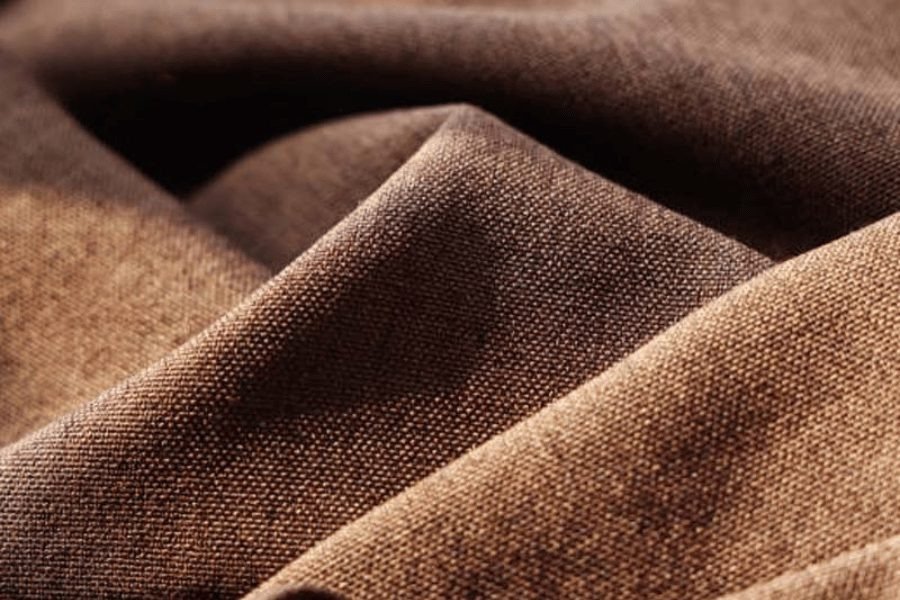
Cotton Jersey Knit
Soft, breathable fabric with excellent stretch recovery, ideal for plus size tees, hoodies, and lounge apparel. Medium weight (180-220 GSM) offers structure without sacrificing comfort, ensuring garments maintain their shape through repeated wear and washing.
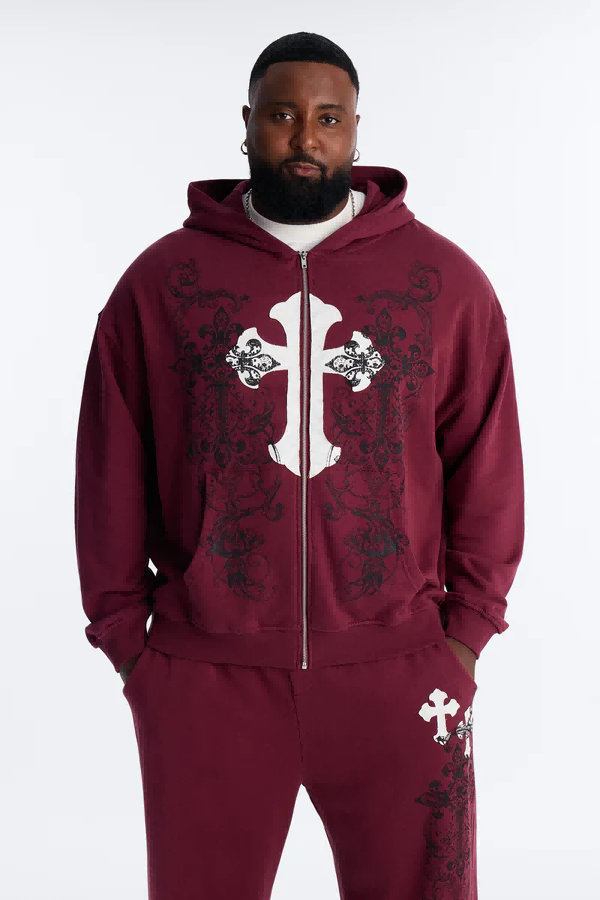
French Terry
Plush looped interior with smooth exterior face, perfect for plus size streetwear sweatshirts and joggers. Mid-heavyweight construction (280-320 GSM) provides warmth and durability while the natural stretch accommodates movement and ensures lasting comfort across all size categories.
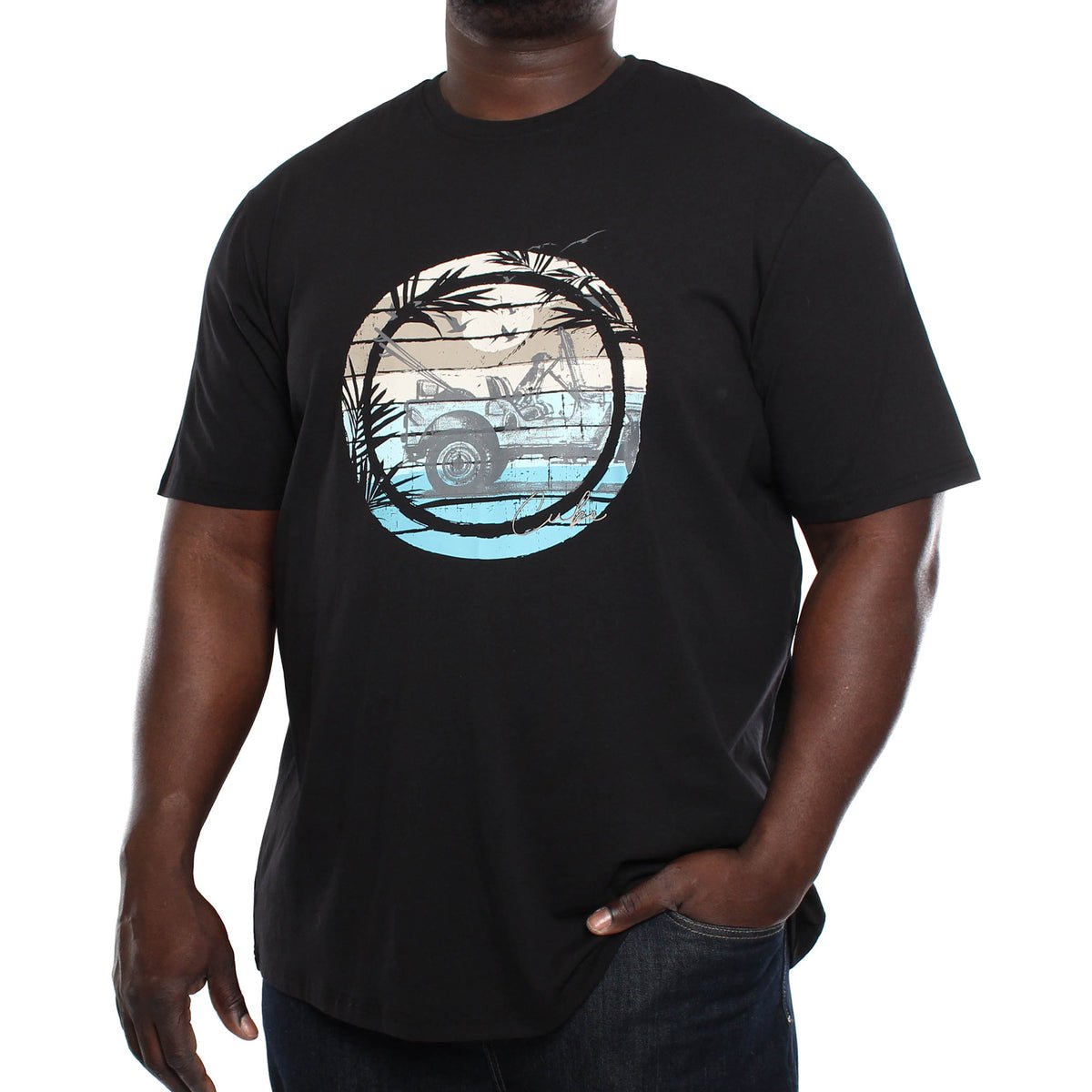
Cotton Poly Blend
Strategic blend combining cotton breathability with polyester resilience, engineered for plus size activewear and everyday streetwear. The 60/40 ratio minimizes shrinkage and wrinkling while maintaining soft hand-feel, crucial for consistent sizing in bulk production runs.
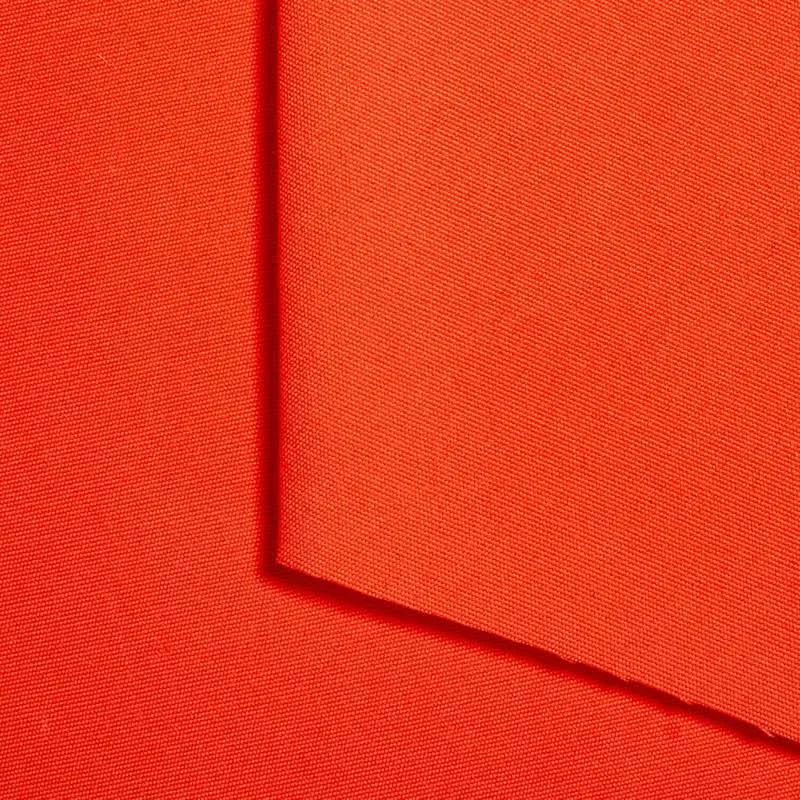
Heavyweight Fleece
Premium brushed interior fleece delivering maximum warmth for plus size outerwear and oversized streetwear silhouettes. Substantial 320-380 GSM weight provides structure and drape, while anti-pilling finish ensures garments retain their premium appearance through extended use.
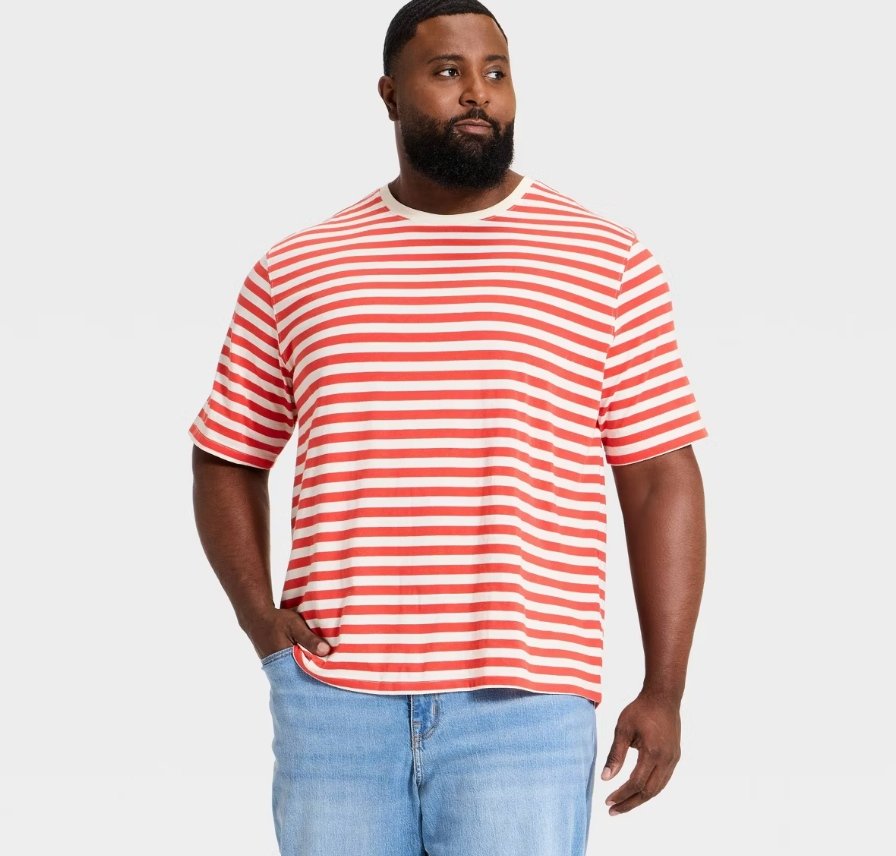
Organic Cotton
Sustainably sourced, chemical-free fabric ideal for conscious brands producing plus size basics and streetwear essentials. Natural fiber breathability and hypoallergenic properties make it perfect for sensitive skin, while GOTS-certified options align with eco-focused brand values.
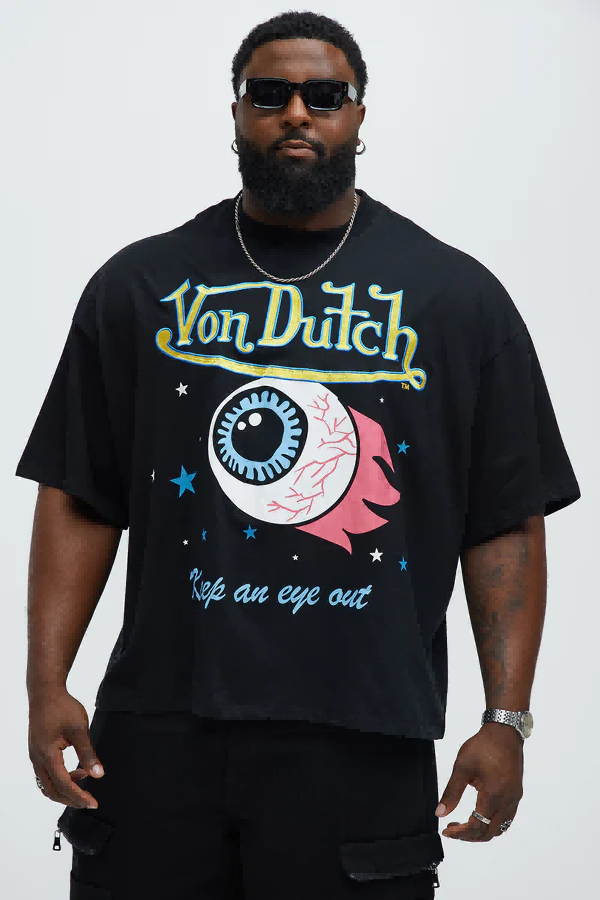
Stretch Twill
Durable diagonal weave with added elastane for superior fit in plus size bottoms, jackets, and structured streetwear pieces. The 2-4% stretch content ensures comfortable movement and shape retention, while the tight weave construction delivers professional finish and longevity.
Production Techniques for Bulk Plus Size Clothing
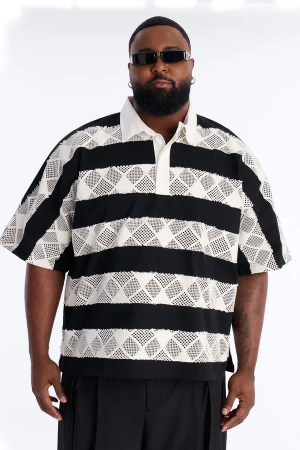
Screen Printing
High-opacity ink layers ideal for bold graphics and large logos on bulk plus size clothing. Delivers vibrant, long-lasting color with excellent washability and cost efficiency for medium to large production runs.
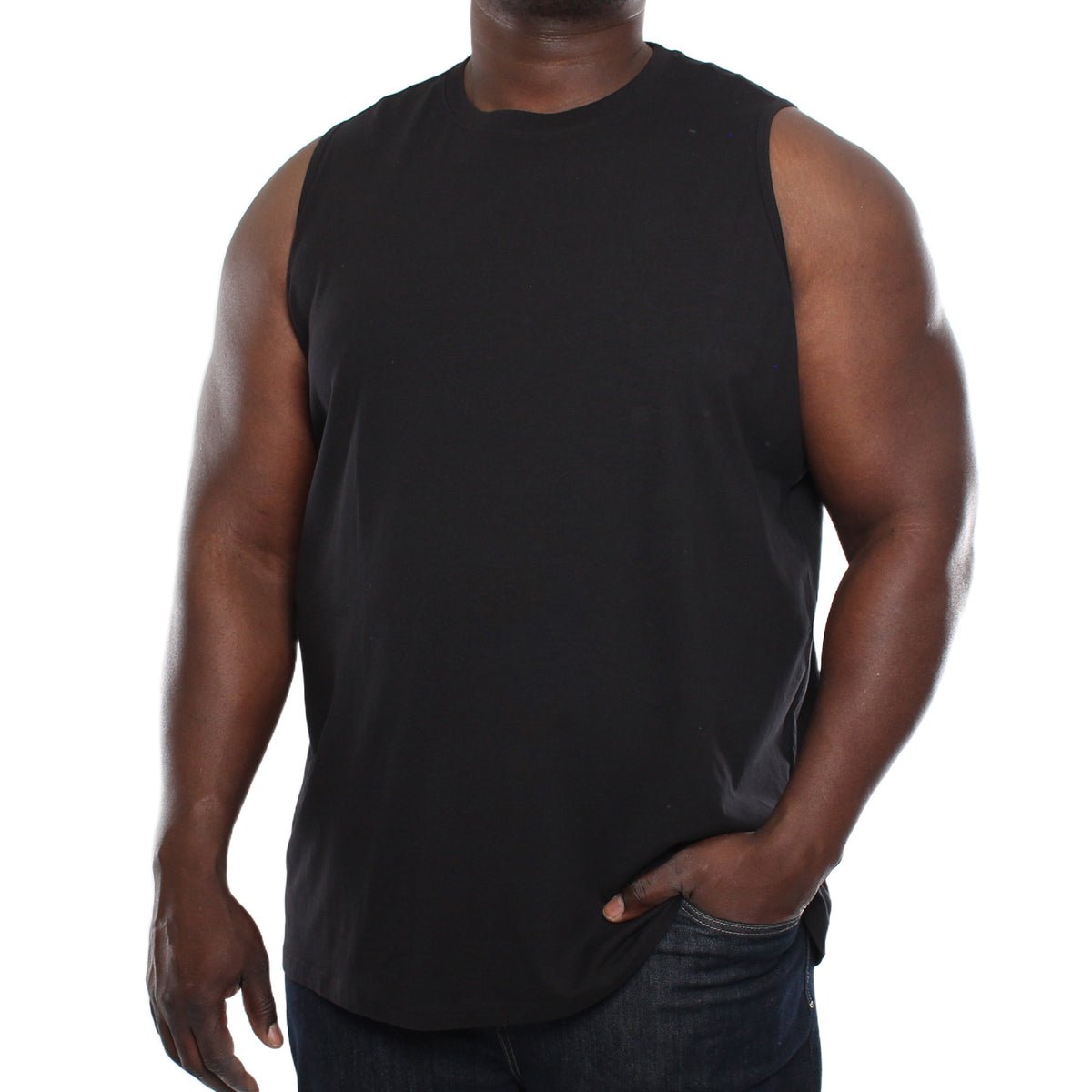
Embroidery
Premium thread stitching that adds dimension and texture to streetwear designs. Perfect for logos, monograms, and intricate patterns on bulk plus size clothing, offering unmatched durability and a luxury finish.
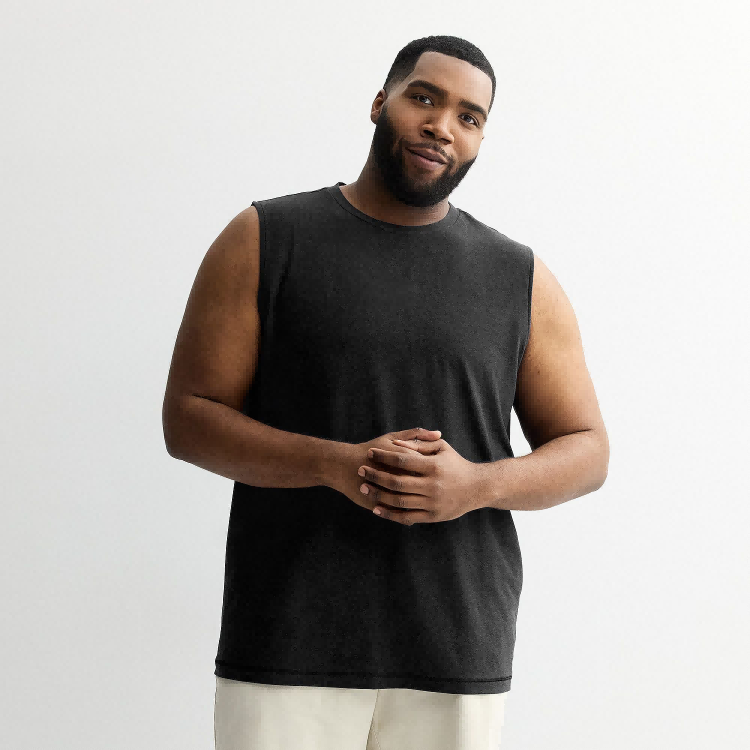
Direct-to-Garment (DTG)
Digital inkjet printing for photorealistic detail and unlimited color palettes. Ideal for complex artwork, small batch customization, and on-demand bulk plus size clothing orders with soft, breathable results.
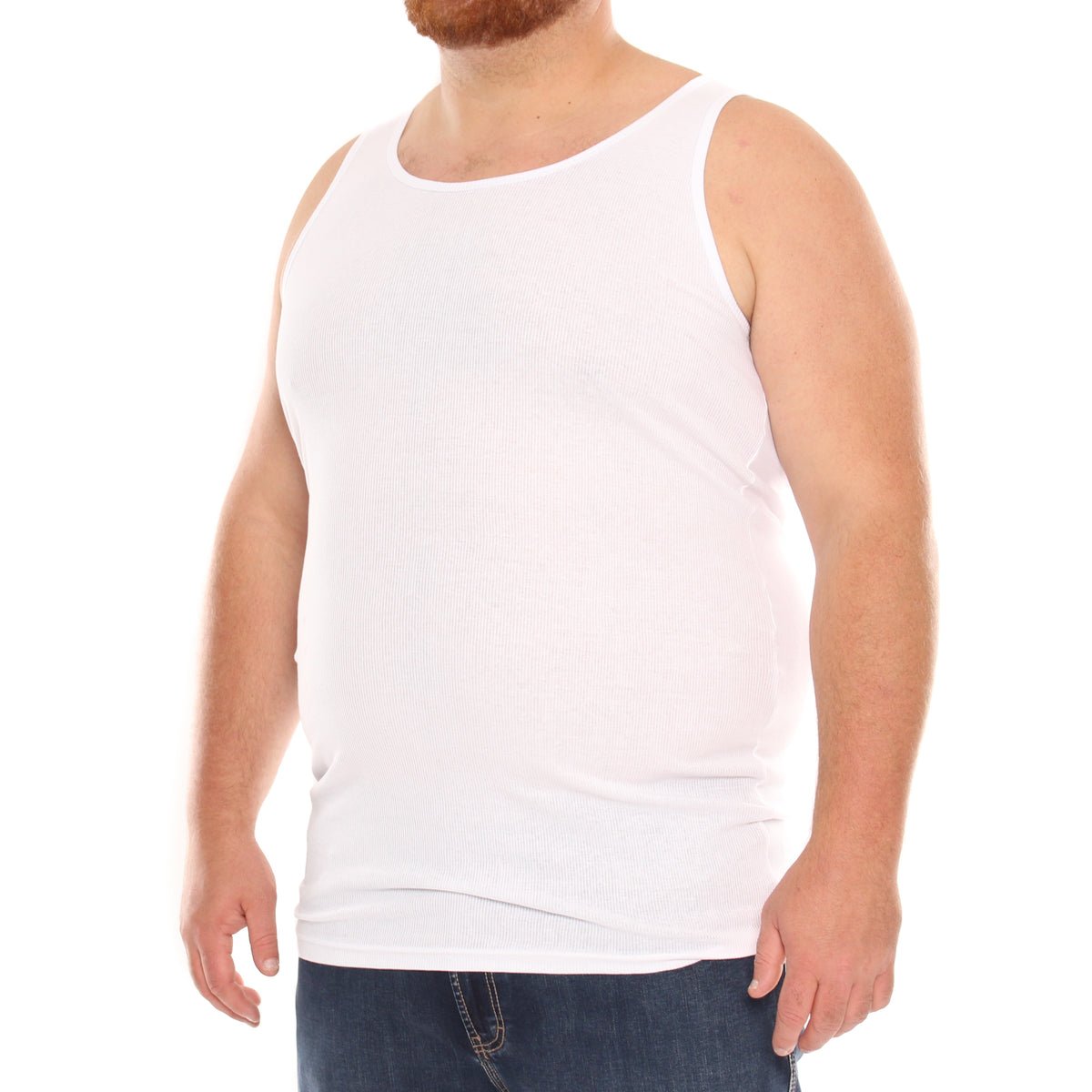
Sublimation Printing
Heat-activated dye infusion that bonds permanently with polyester fabrics. Creates all-over prints, gradients, and vivid patterns on bulk plus size clothing with zero hand feel and fade-resistant performance.
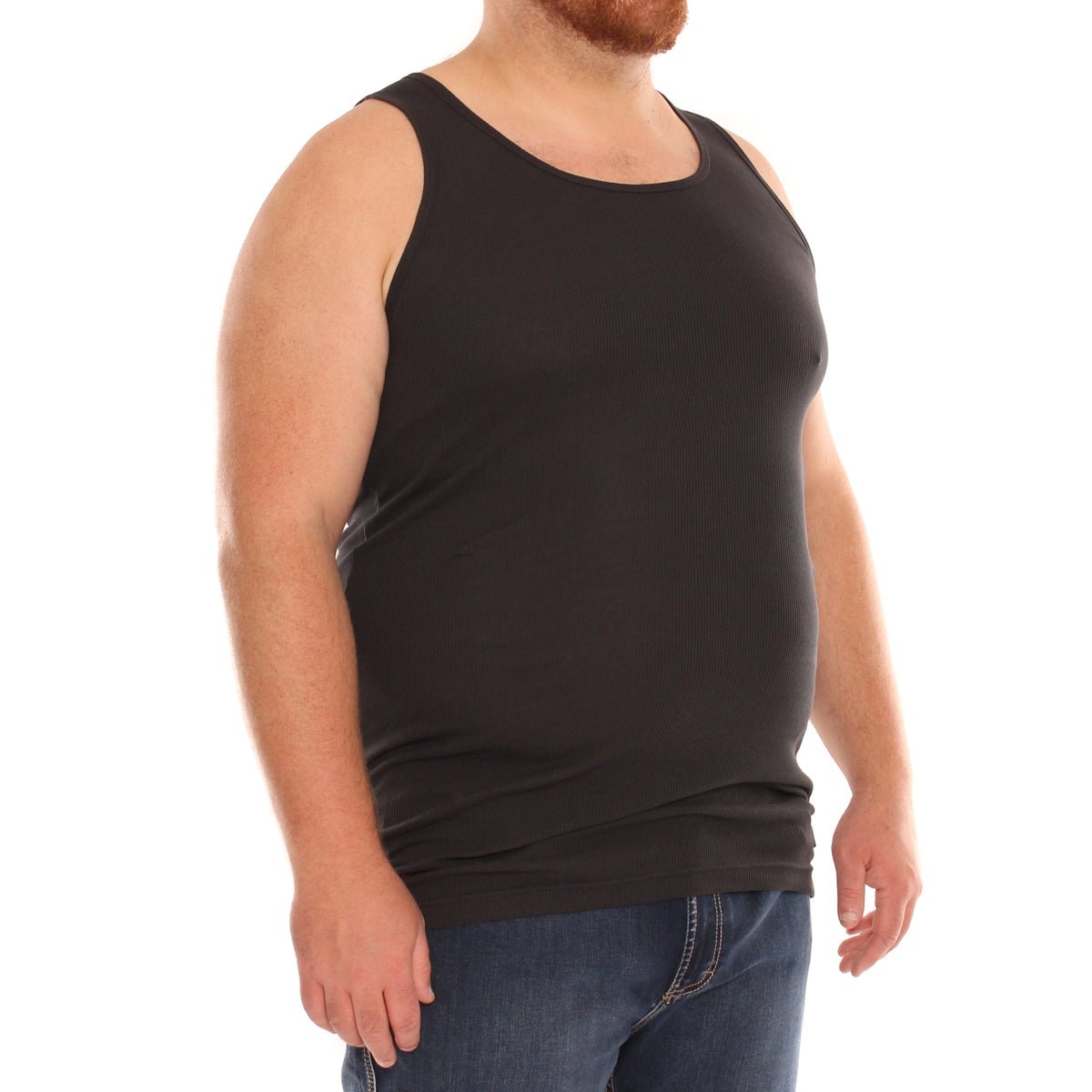
Heat Transfer
Versatile vinyl or plastisol application for detailed graphics, numbers, and specialty finishes. Enables quick turnaround on bulk plus size clothing orders with crisp edges and consistent quality across extended sizes.
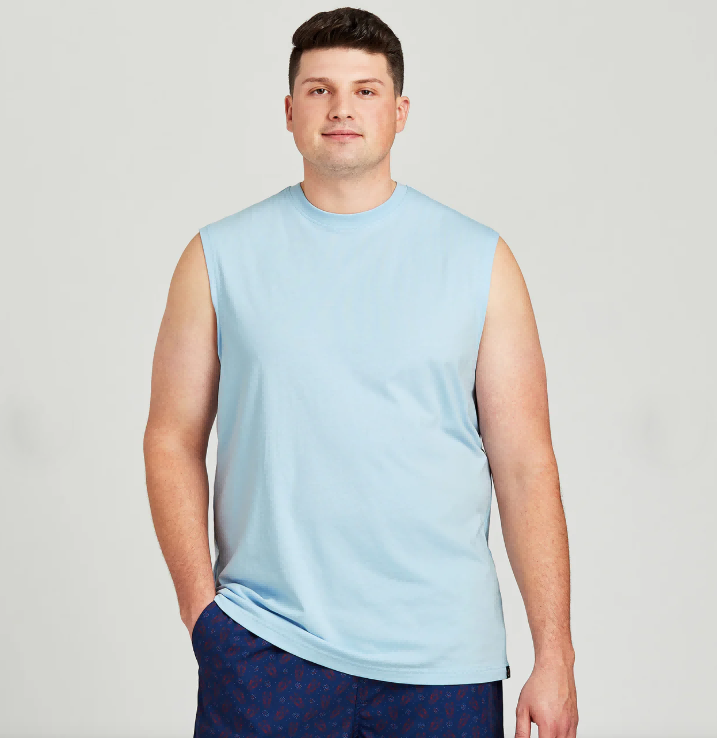
Patch Application
Woven or embroidered patches sewn or heat-sealed onto garments for dimensional branding. Adds streetwear authenticity to bulk plus size clothing with removable or permanent attachment options and tactile appeal.
Accessories & Finishing Options for Bulk Plus Size Clothing
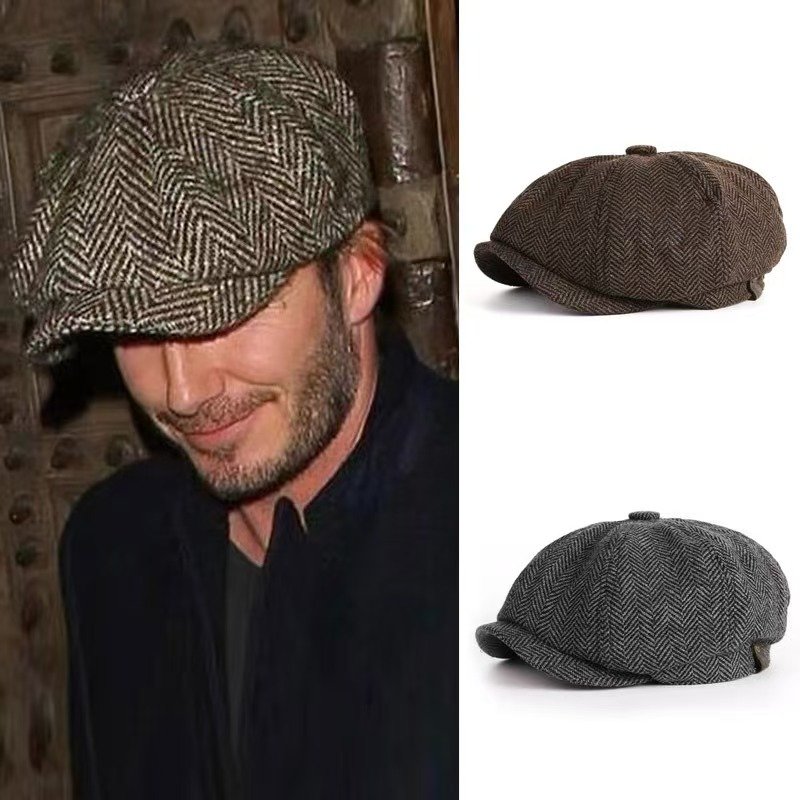
YKK Zippers
Premium YKK zippers engineered for strength and smooth operation on bulk plus size clothing. Ideal for hoodies, jackets, and pants where durability and reliable closure are essential for extended wear and frequent use.
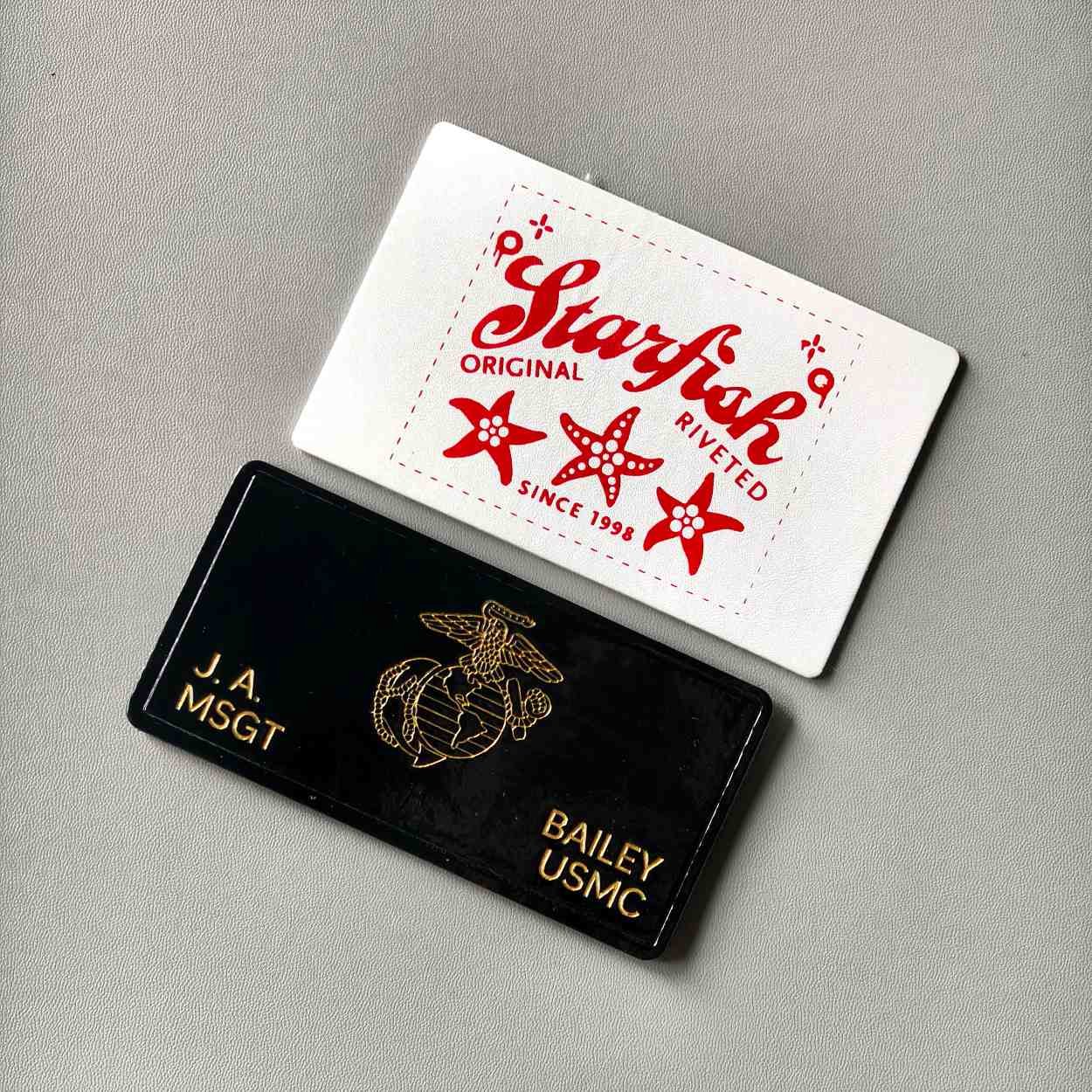
Custom Woven Labels
High-definition woven labels with your brand logo and care instructions. Applied to necklines, waistbands, or side seams on bulk plus size clothing to deliver a professional finish and strengthen brand recognition.
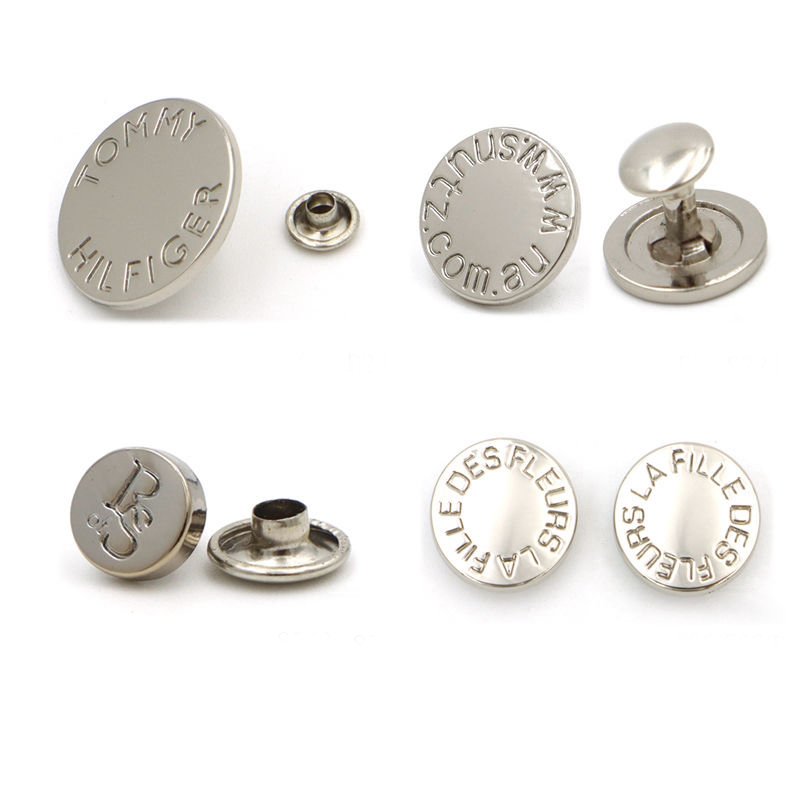
Metal Snap Buttons
Durable metal snap buttons for secure closures on jackets, shirts, and cardigans. Tested under our 5-step QC process to ensure consistent fastening performance across all bulk plus size clothing sizes.

Custom Embroidered Patches
Eye-catching embroidered patches featuring your logo, streetwear graphics, or unique designs. Applied to sleeves, chest, or back panels to add dimension and brand personality to bulk plus size clothing collections.
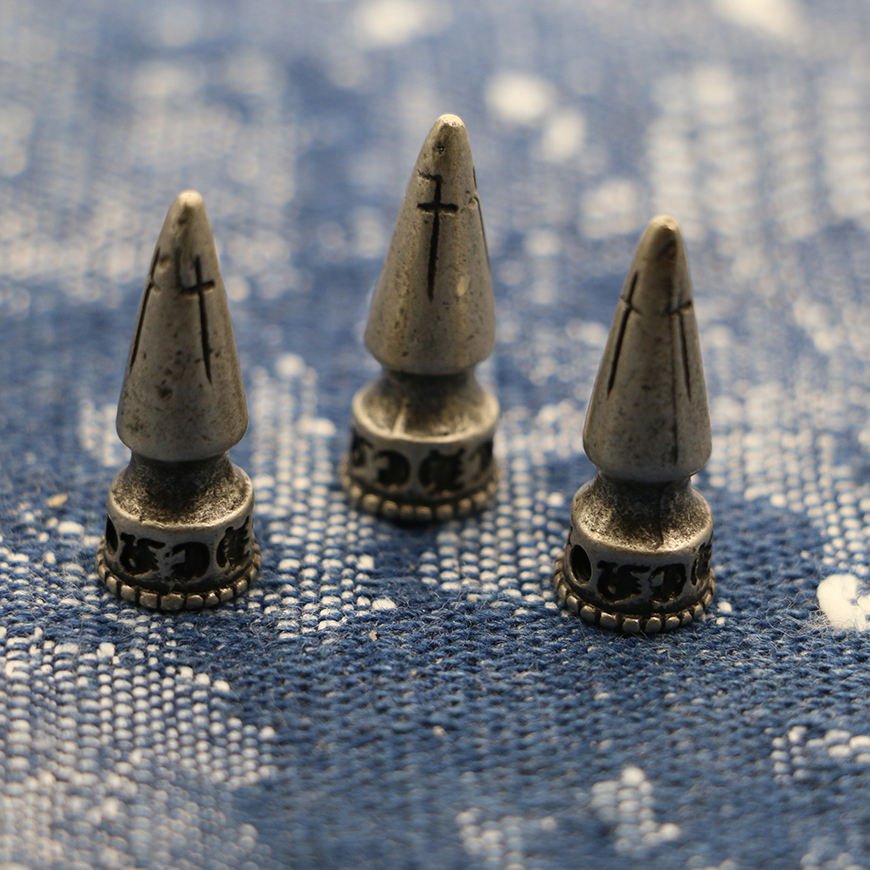
Reinforced Drawcords & Tipping
Heavy-duty drawcords with metal or plastic tipping for hoodies, joggers, and outerwear. Engineered for extended sizing to provide reliable adjustment and a premium feel on all bulk plus size clothing pieces.
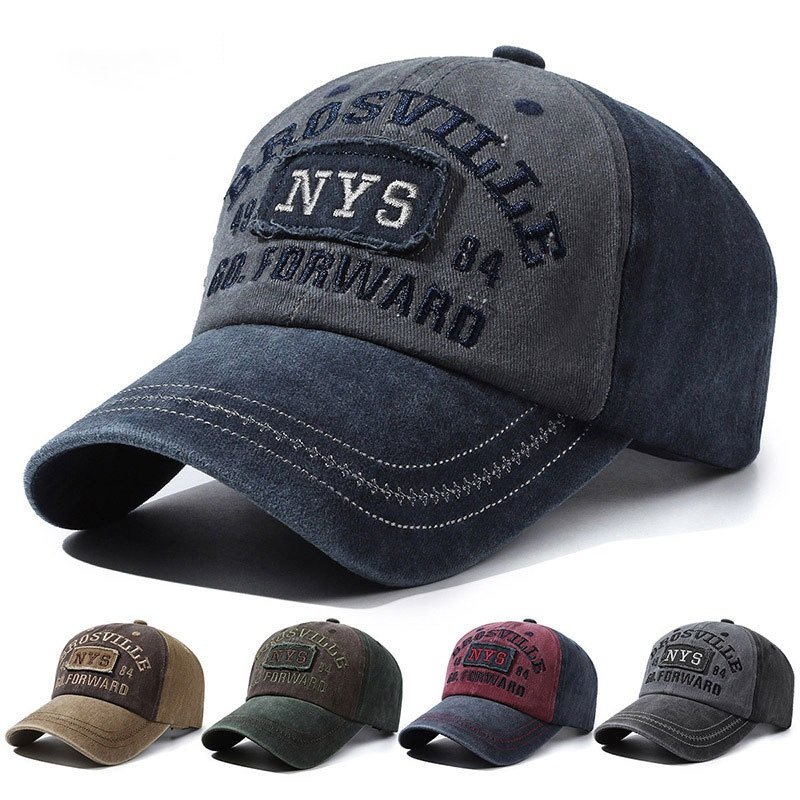
Custom Hangtags
Professionally designed hangtags printed on premium cardstock with your branding, sizing, and product details. The finishing touch that presents your bulk plus size clothing with retail-ready professionalism and brand consistency.
About Clothing Manufacturer Ltd
Founded in 2024 by Tesla Luo, Clothing Manufacturer Ltd was born from a mission to eliminate low-quality clothing through rigorous quality control. With over 10 years of production experience and 6 years specializing in streetwear, Tesla witnessed too many manufacturers skip critical QC steps. He established our company to restore trust in Chinese garment manufacturing, serving trendy brands, startups, and retailers who demand excellence in bulk plus size clothing and streetwear production.
Backed by parent company Dongguan TuoZhen Clothing Co., Ltd., we combine startup agility with established manufacturing infrastructure. Our 15-member R&D team and 10 patents support clients across 100+ countries and regions. Every order undergoes our proprietary 5-step quality control process—from materials testing through final inspection—ensuring that bulk plus size clothing and all garments meet exacting standards before shipping.
We partner with fashion startups, influencer brands, and global retailers who refuse to compromise on quality. Whether you’re launching your first collection or scaling an established line, our low MOQ options, fast turnaround times, and transparent communication empower you to bring premium bulk plus size clothing to market with confidence.
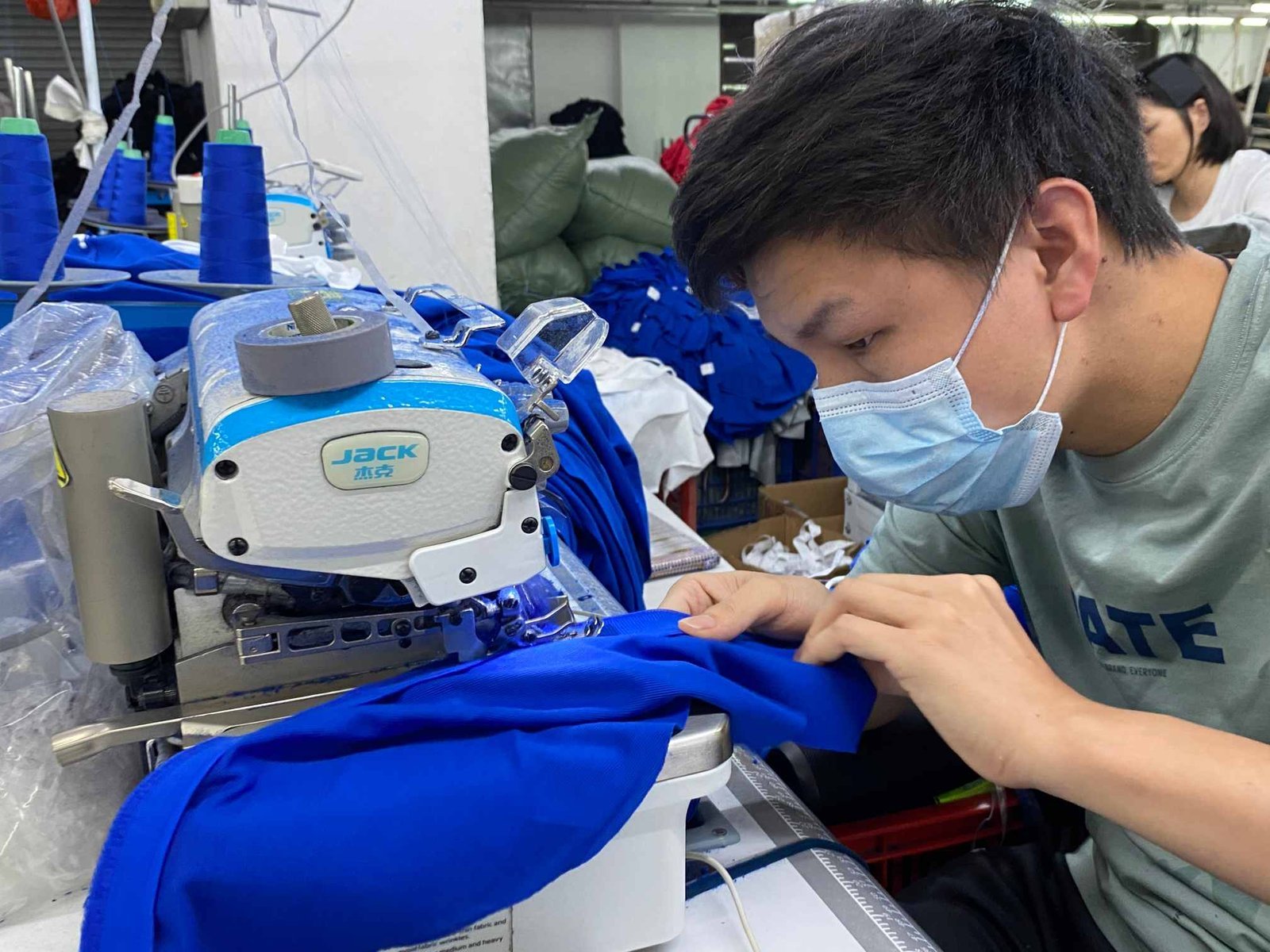
Our 5-Step Quality Control Process for Bulk Plus Size Clothing
Materials QC Testing
Every fabric roll and trim component is inspected before production begins. We verify weight, stretch recovery, colorfastness, and dimensional stability to ensure your bulk plus size clothing starts with premium-grade materials that meet streetwear durability standards.
- Fabric weight and composition verification against specifications
- Stretch and recovery testing for plus-size fit integrity
- Colorfastness checks to prevent fading and bleeding
- Pre-production material approval with detailed reports
Cutting QC Testing
Pattern pieces are measured and validated immediately after cutting to catch sizing errors before they reach the sewing floor. Our cutting QC ensures accurate grading across extended size ranges, eliminating the fit inconsistencies common in bulk orders.
- Digital measurement verification of all pattern pieces
- Size-range accuracy checks for consistent plus-size grading
- Fabric alignment and grain-line inspection
- Immediate correction of cutting deviations before sewing
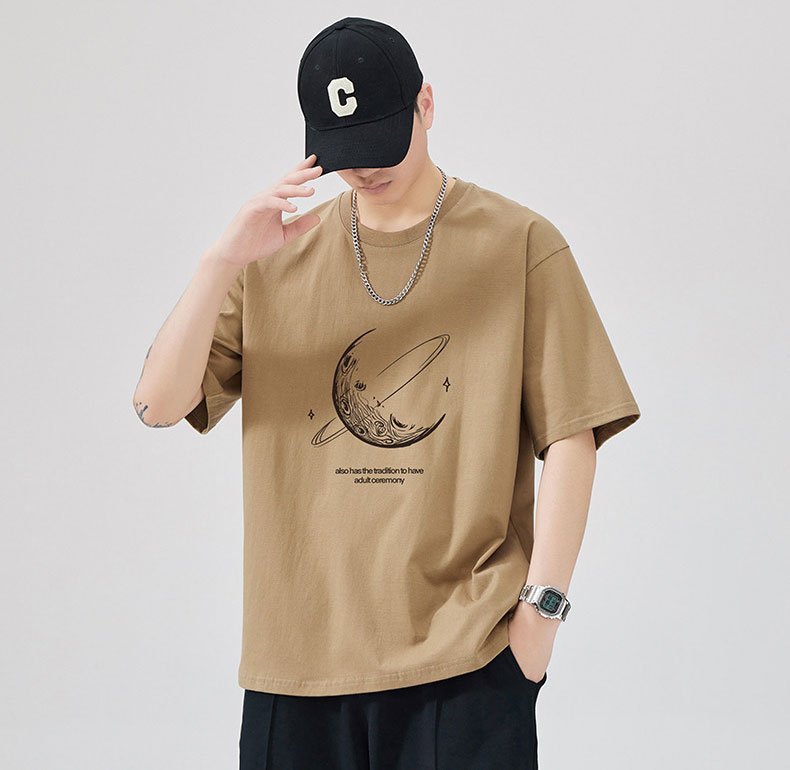
Clothing Craft QC Testing
Specialized construction techniques for plus-size garments are validated during assembly. We inspect reinforced seams, strategic paneling, and stress-point construction to guarantee garments withstand real-world wear while maintaining the bold aesthetic streetwear brands demand.
- Reinforced seam and stress-point construction verification
- Fit and drape assessment on plus-size dress forms
- Stitching tension and thread quality inspection
- Design element placement accuracy for extended sizes
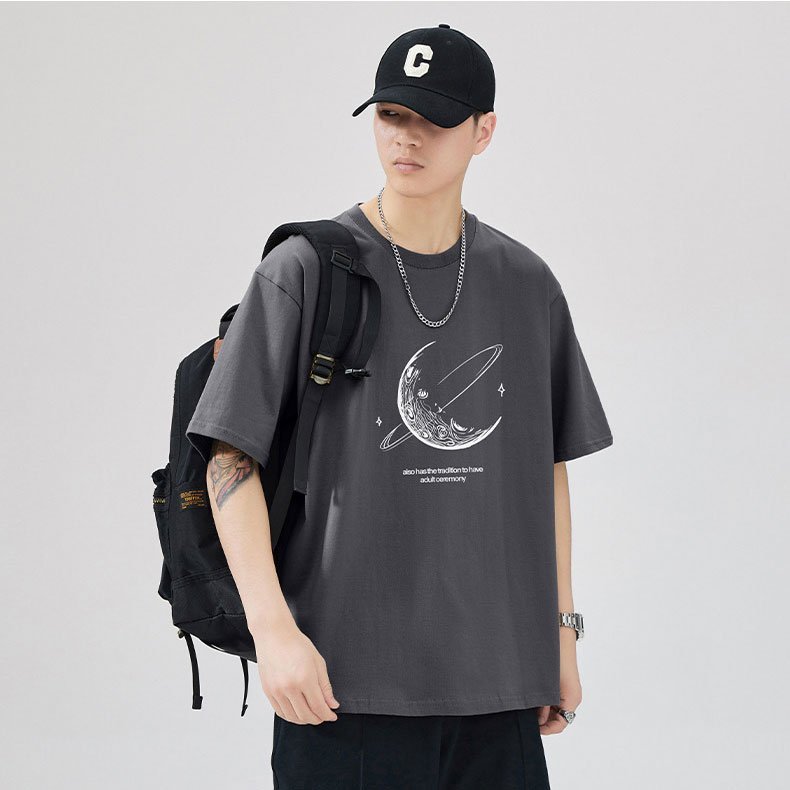
Finished Clothing Quality Inspection
Every completed garment undergoes comprehensive final inspection before packaging. Our QC team checks measurements, examines all seams and finishes, tests hardware and trims, and verifies branding placement to ensure zero defects reach your customers.
- Full garment measurement audit against tech packs
- Visual inspection of all seams, hems, and finishes
- Hardware functionality and trim attachment testing
- Packaging and labeling accuracy verification
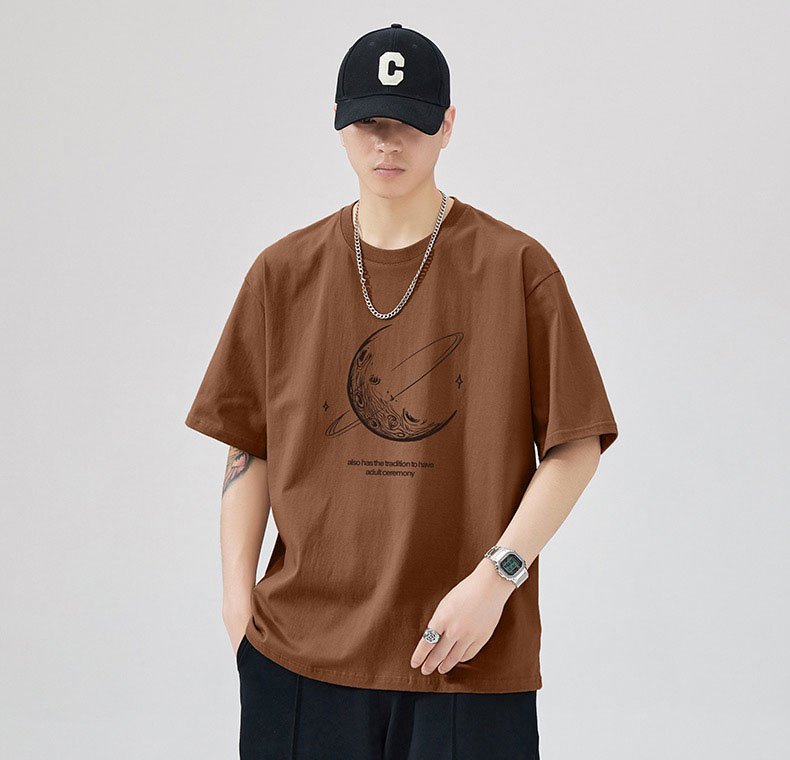
Why Choose Clothing Manufacturer for Bulk Plus Size Clothing Orders
Most bulk plus size clothing suppliers cut corners on quality and flexibility. We built our business on rigorous QC, transparent communication, and supporting brands at every stage—from your first 50-piece order to full-scale production runs.
← 左右滑动查看 →
Bulk Plus Size Clothing Production Timeline
Our streamlined six-phase process ensures your bulk plus size clothing order moves from tech pack to final shipment with rigorous quality control at every stage.
Tech Pack Submission
Submit your designs, sizing specs, and fabric preferences. Our team reviews requirements and confirms feasibility for bulk plus size clothing production within 24 hours.
Sampling & Approval
We produce pre-production samples with accurate plus size grading. You review fit, construction, and finishing before bulk manufacturing begins.
Material Sourcing & Cutting
Premium fabrics are sourced and inspected through materials QC testing. Patterns are graded for plus sizes, then cutting QC ensures precision for every piece.
Sewing & Craft QC
Skilled sewers construct garments using streetwear techniques. Clothing craft QC and sewing production QC testing catch defects early, maintaining our zero-compromise quality standard.
Finished Garment Inspection
Every bulk plus size clothing item undergoes finished clothing quality QC inspection. We verify measurements, stitching, print quality, and overall appearance before approval.
Packing & Global Shipping
Approved garments are professionally packed with your branding requirements. Our logistics team coordinates global shipping with full tracking and customs support.
How to Order Bulk Plus Size Clothing from Clothing Manufacturer
Our streamlined process takes you from concept to delivery with transparent communication, low MOQs, and our signature 5-step QC guarantee at every stage.
Submit Your Tech Pack
Share your design specifications, sizing requirements, fabric preferences, and quantity needs. Our team reviews your bulk plus size clothing project within 24 hours.
Receive Quote and Sample Options
Get a detailed quote with transparent pricing, MOQ options, and timeline. Choose from digital mockups or physical samples to validate fit and quality.
Approve Samples and Finalize Details
Review and approve physical samples for construction, sizing, and fabric. Confirm final specifications, colorways, branding, and packaging before bulk production begins.
Track Production with QC Updates
Your bulk order enters our 5-step quality control process with checkpoints at materials, cutting, craftsmanship, sewing, and finished garment inspection stages.
Receive Global Shipment and Support
Finished bulk plus size clothing is packed, inspected, and shipped worldwide with full logistics support. Track your order until it reaches your warehouse.
Certifications & Quality Standards for Bulk Plus Size Clothing
Bulk Plus Size Clothing Success Stories from Streetwear Brands & Retailers
We launched our plus size streetwear line with 2,500 units and zero defects. The 5-step QC process caught issues early, and our customers love the fit and quality. Repeat order rate jumped to 68%.
Scaled our bulk plus size clothing orders from 150 to 4,000 units per collection in just 8 months. Low MOQ let us test designs, and turnaround times kept us ahead of seasonal drops.
Our influencer brand needed bulk plus size hoodies fast. Delivered 1,200 pieces in 18 days with perfect embroidery and print alignment. Sold out in 72 hours. Best manufacturing partner we’ve worked with.
FAQ: Bulk Plus Size Clothing Ordering & Production
What is the minimum order quantity for bulk plus size clothing?
How long does production take for bulk plus size clothing orders?
Do you provide samples before I place a bulk plus size clothing order?
What payment terms do you offer for bulk orders?
How do you handle shipping and logistics for international bulk orders?
How is my design protected when ordering bulk plus size clothing?
What customization options are available for bulk plus size clothing?
Do you offer discounts for larger bulk plus size clothing orders?
What is your production capacity for bulk plus size clothing?
The Complete Buyer’s Guide to Bulk Plus Size Clothing for Your Brand
Navigate the wholesale plus-size apparel market with confidence. This guide delivers a proven decision framework, essential supplier criteria, quality benchmarks, and the most common sourcing mistakes to avoid when ordering bulk plus size clothing.
1. What Is Bulk Plus Size Clothing?
Bulk plus size clothing refers to wholesale apparel in extended sizes — typically 1X through 6X or numerical sizes 14 through 32 — ordered in volume for retail distribution, brand launches, or e-commerce fulfillment. Unlike standard-size wholesale, plus-size garments require adjusted pattern grading, additional fabric yardage (often 20–40% more per unit), and construction techniques that account for different body proportions and stress points. Minimum order quantities for bulk plus size clothing typically range from 100 to 500 pieces per style, though some manufacturers accept lower MOQs for startups testing the market.
The plus-size apparel segment has grown at 5–7% annually over the past five years, driven by demographic shifts and increasing brand inclusivity. In the United States alone, approximately 68% of women wear size 14 or above, yet plus-size offerings historically represented less than 20% of available inventory at many retailers. This supply-demand gap creates opportunity for brands willing to invest in proper fit, quality fabrics, and size-inclusive marketing.
Bulk plus size clothing differs from standard wholesale in three key areas: pattern development requires specialized grading rules rather than simple proportional scaling, quality control must verify fit across a wider range of measurements, and packaging often needs reinforced seams and higher GSM fabrics (200–280 GSM for knits, 10–14 oz for denim) to ensure durability and customer satisfaction. Brands entering this category should evaluate whether their design aesthetic, supply chain, and quality standards can meet the expectations of a historically underserved but highly loyal customer base.
2. Evolution of the Plus Size Apparel Market
In 2006, only 16% of U.S. women could find their size in mainstream retail stores, despite 67% wearing size 14 or above. The plus size apparel market remained segregated in separate ‘women’s’ sections with outdated silhouettes and limited color palettes, reflecting an industry that treated extended sizing as an afterthought rather than a core category. Traditional manufacturers imposed minimum order quantities of 3,000–5,000 units per style and required separate pattern grading systems, creating cost barriers that discouraged retailer investment.
The body-positivity movement gained commercial momentum between 2015 and 2018, driven by social media campaigns and influencer-led brands that proved demand for trend-driven bulk plus size clothing. Retailers including ASOS, Boohoo, and Missguided expanded their curve collections to mirror their core ranges, while direct-to-consumer brands launched with size-inclusive offerings from day one. This shift forced manufacturers to develop streamlined grading techniques and invest in digital pattern-making software that reduced setup costs and enabled smaller production runs.
By 2023, manufacturing innovations had lowered typical MOQs for bulk plus size clothing to 300–800 pieces per style, with some factories offering as few as 100 units for test collections. Advanced cutting equipment and modular production lines allowed manufacturers to handle mixed-size orders without significant cost penalties, while five-step quality control processes ensured consistent fit across the full size spectrum. These improvements have made 2024–2025 the optimal entry point for brands seeking to capture a global plus size market projected to exceed $320 billion by 2028.
3. Types of Bulk Plus Size Clothing
Wholesale bulk plus size clothing spans six core product categories, each with distinct fit engineering and target demographics. Understanding which segments align with your brand positioning drives profitability and minimizes inventory risk.
Activewear
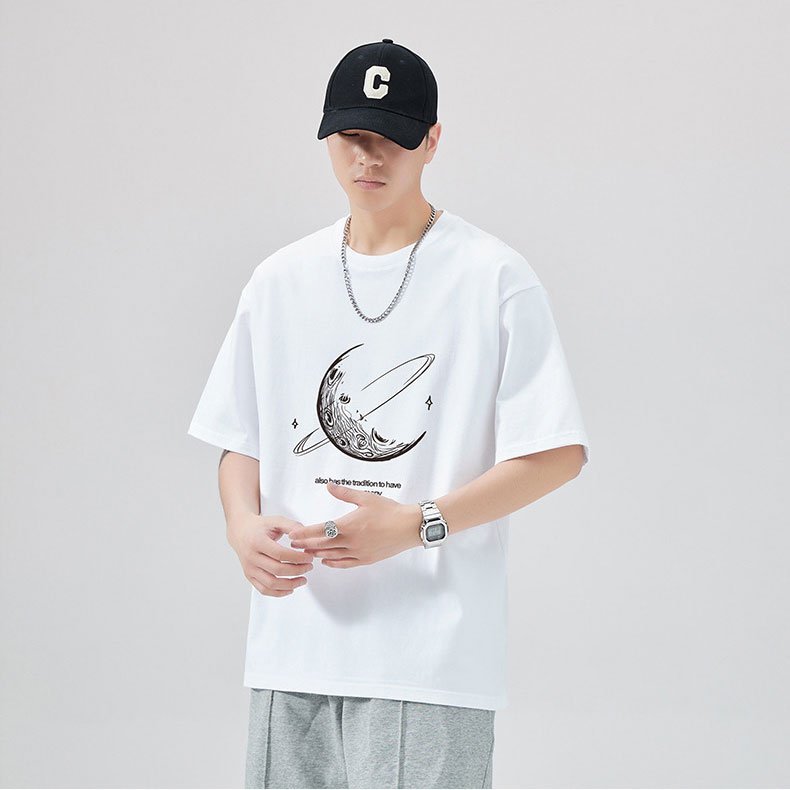
Plus size activewear requires four-way stretch fabrics (typically 250–320 GSM) and reinforced flatlock seams to withstand movement. Leggings, sports bras with wide underband construction, and moisture-wicking tops dominate orders.
Fitness influencers and athleisure brands drive 40–50 percent of activewear demand, seeking bold prints and inclusive sizing that mirrors straight-size collections.
Casualwear
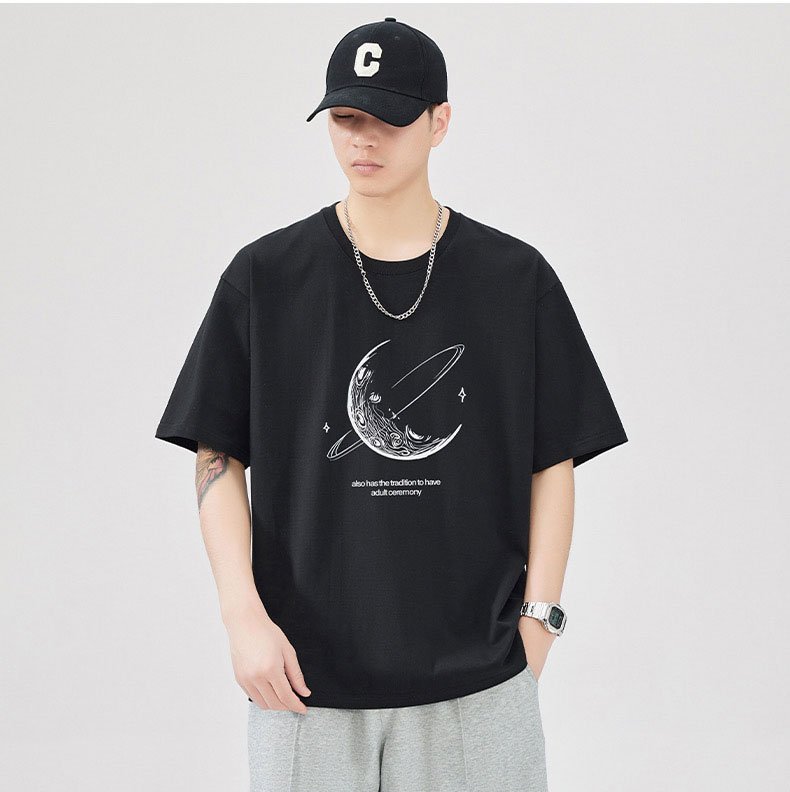
T-shirts, hoodies, and joggers in ring-spun cotton or cotton-poly blends form the highest-volume category. Oversized fits and dropped shoulders appeal to streetwear audiences, while tapered waistbands and side vents address comfort.
Fashion startups and independent designers favor casualwear for low MOQs (often 50–100 pieces per style) and fast turnover, making it ideal for testing new graphics or seasonal drops.
Dresses and Outerwear
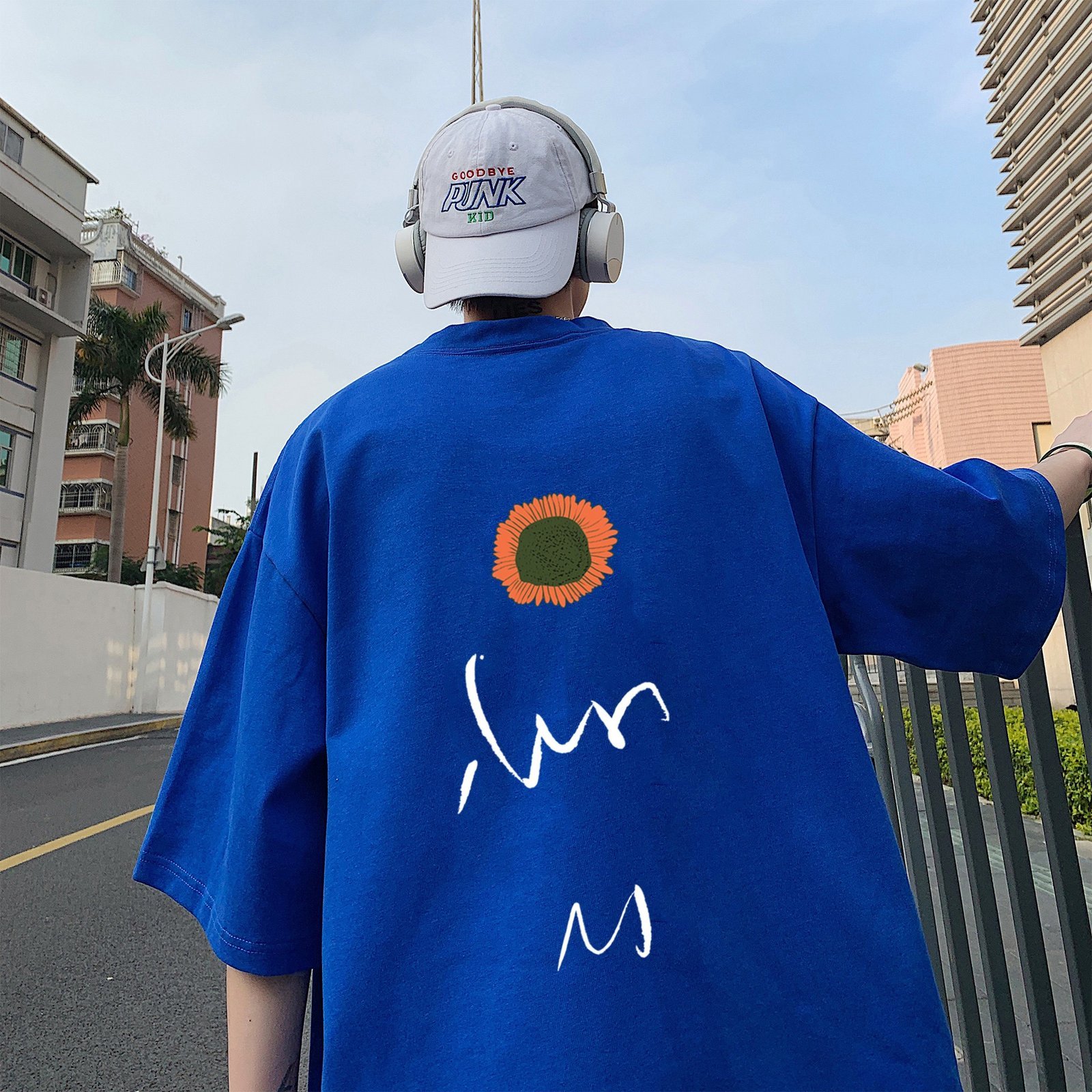
Midi and maxi dresses with empire waists or wrap silhouettes require precise grading to maintain proportions across size runs. Outerwear—bomber jackets, parkas, denim—demands reinforced zippers (YKK preferred) and lining that prevents fabric stress.
Global retailers stock these categories for seasonal peaks, balancing trend-forward designs with timeless cuts that reduce markdown risk.
Intimates and Workwear
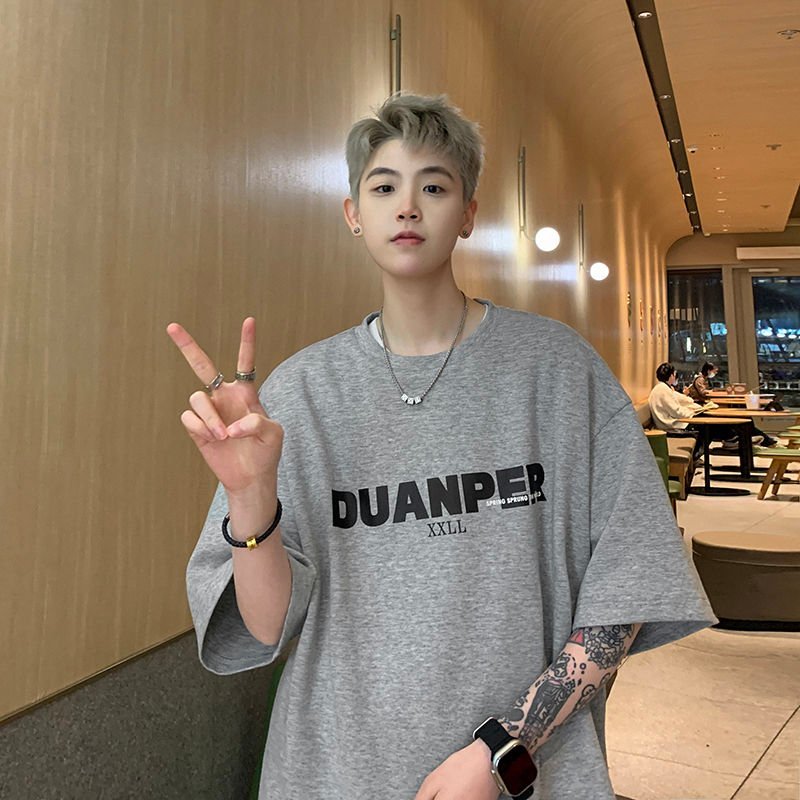
Intimates need multi-panel construction and elastic that retains shape after 50-plus washes. Workwear—blazers, trousers, button-downs—requires structured fabrics (200–280 GSM) and professional finishes like bound buttonholes.
Creator brands entering corporate or loungewear niches prioritize these categories, though higher pattern complexity raises per-unit costs by 15–25 percent compared to casualwear.
4. Materials and Fabrics for Bulk Plus Size Clothing
Fabric selection for bulk plus size clothing demands higher performance standards than straight-size production. Extended sizes require materials that deliver superior stretch recovery, breathability, and structural integrity to ensure comfort and longevity across diverse body types.
| Fabric Type | GSM Range | Stretch % | Ideal Applications |
|---|---|---|---|
| Stretch Cotton Blend | 200–260 | 20–30% | T-shirts, tanks, casual tops |
| Modal / Modal-Spandex | 180–220 | 15–25% | Activewear, loungewear, underlayers |
| Ponte Knit | 280–320 | 25–40% | Dresses, pants, blazers, structured pieces |
| Performance Polyester-Spandex | 200–240 | 30–40% | Athleisure, leggings, high-movement wear |
| Denim with Elastane | 10–12 oz | 15–20% | Jeans, jackets, durable outerwear |
Why Stretch and Recovery Matter in Extended Sizes
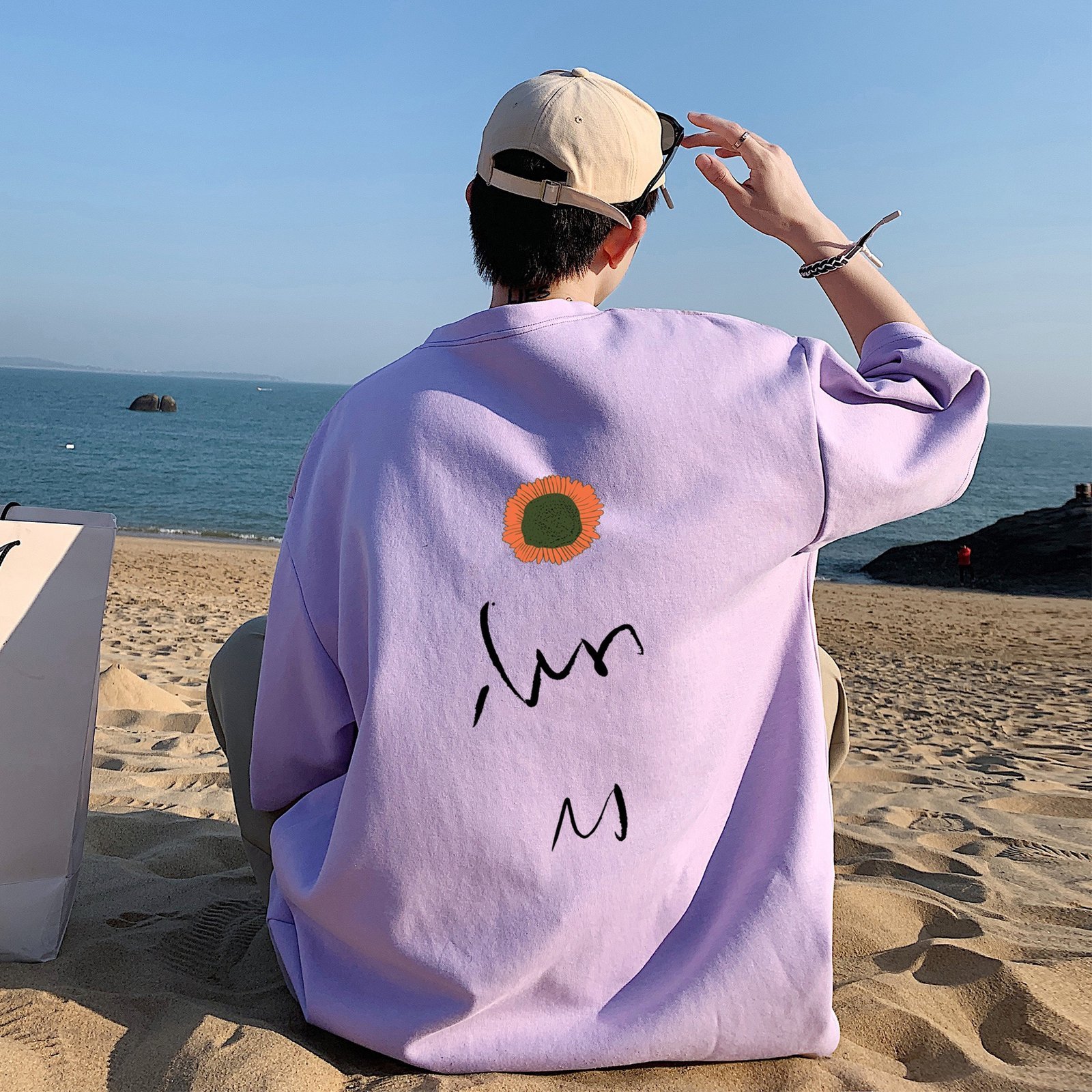
Plus-size garments experience greater tension across seams, hips, and waistbands during everyday movement. Fabrics with 15–40% stretch and strong recovery prevent bagging, sagging, and premature failure. Cotton-spandex blends (95/5 or 92/8 ratios) and ponte knits deliver the elastic memory needed to maintain shape after repeated wear and washing.
Poor recovery fabrics lose elasticity within 10–15 wash cycles, leading to returns and brand damage. Clothing Manufacturer Ltd. tests stretch and recovery at the materials QC stage of its five-step quality control process, ensuring every fabric batch meets minimum snap-back standards before cutting begins.
Best Fabric Types for Plus Size Apparel
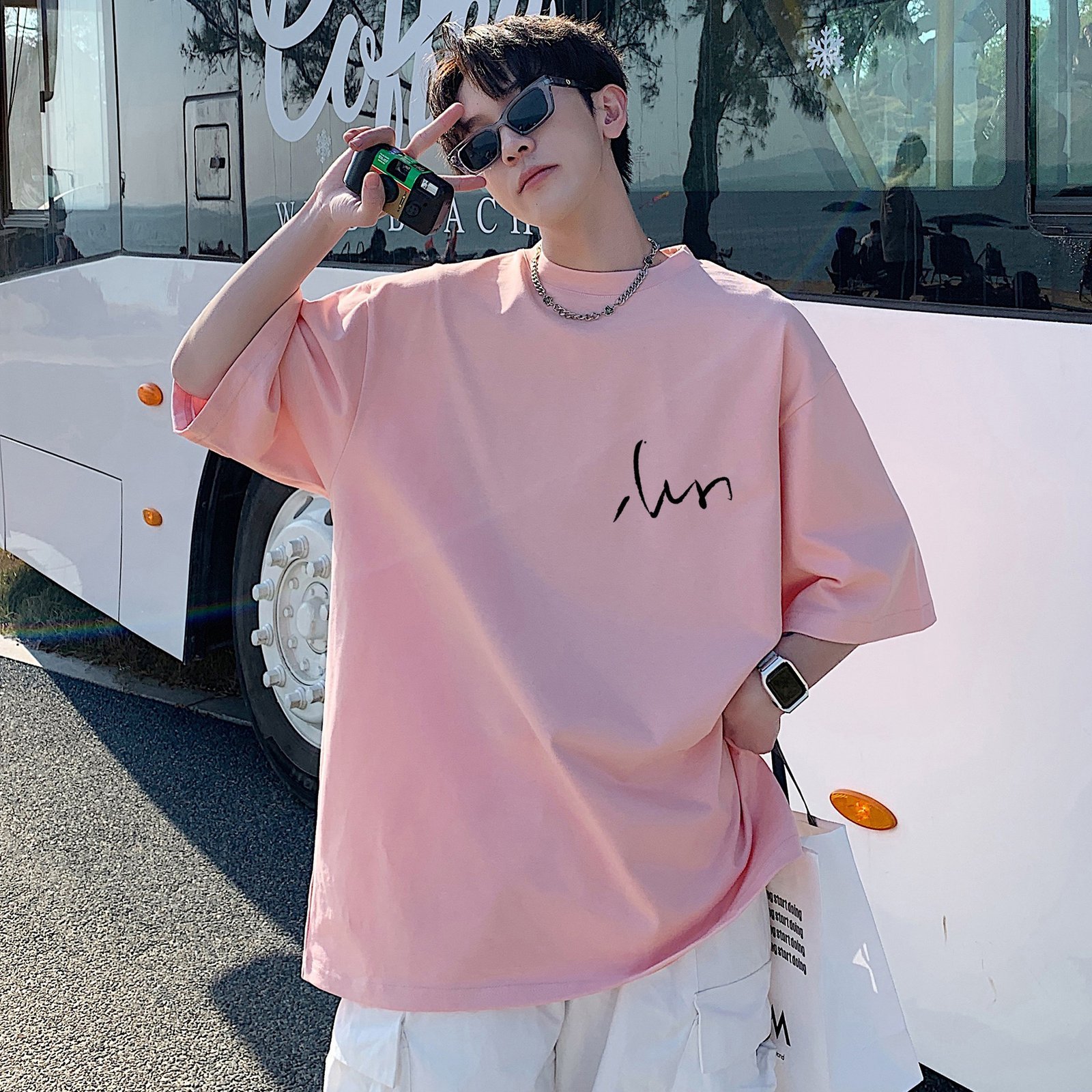
Stretch cotton blends (200–260 GSM) anchor most plus-size basics, offering breathability and 20–30% stretch for tees, tanks, and casual wear. Modal and modal-spandex blends (180–220 GSM) provide superior drape and moisture-wicking for activewear and loungewear. Ponte knit (280–320 GSM) delivers structure and recovery for dresses, pants, and blazers, while performance fabrics (200–240 GSM polyester-spandex) suit athleisure and high-movement garments.
Denim with 2–4% elastane (10–12 oz) remains essential for jeans and jackets, balancing durability with comfort. Each fabric type serves distinct garment categories, and Clothing Manufacturer Ltd. stocks all five to support diverse streetwear and trendy collections.
5. Customization and Decoration Options for Bulk Plus Size Clothing
Branding bulk plus size clothing requires careful technique selection to accommodate extended sizing while maintaining decoration quality across larger surface areas. Placement, durability, and minimum order quantities vary significantly by method, influencing both upfront costs and per-unit economics for streetwear brands and independent designers.
| Technique | Setup Cost | Per-Unit Cost | Durability (Washes) | Best Use Case |
|---|---|---|---|---|
| Screen Printing | $15–$50/screen | $0.50–$2.50 | 50+ | High-volume orders, bold graphics |
| DTG | $0 | $3–$8 | 25–40 | Low MOQ, full-color designs |
| Heat Transfer | $0 | $0.30–$1.20 | 30–50 | Names, numbers, simple logos |
| Embroidery | $20–$75 digitizing | $2–$10 | 100+ | Premium branding, structured garments |
| Woven Labels | $50–$150 setup | $0.10–$0.50 | 100+ | Neck/hem labels, hang tags |
Screen Printing for High-Volume Orders
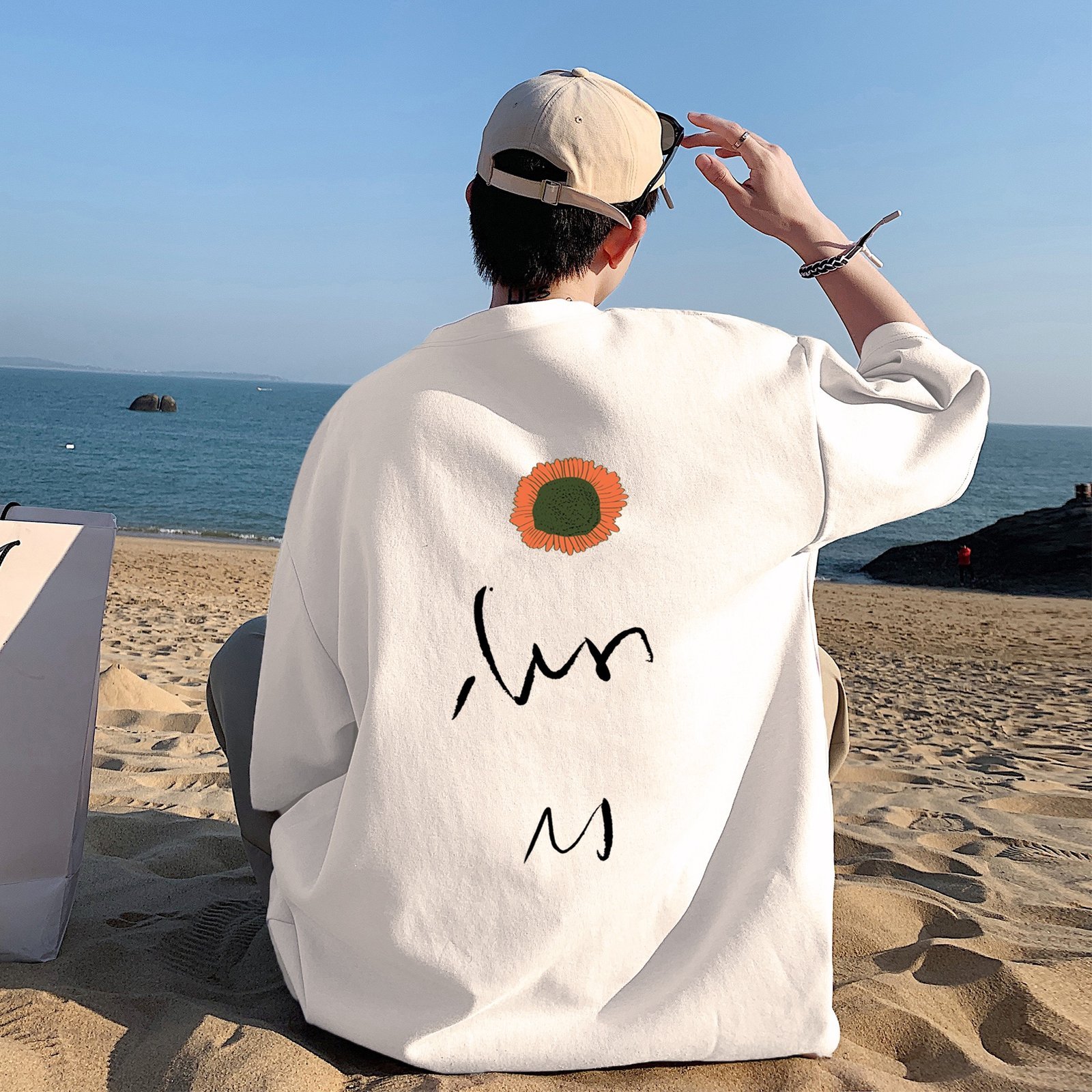
Screen printing remains the most cost-effective decoration method for orders exceeding 100 pieces per design. Setup costs range from $15 to $50 per screen depending on color count, but per-unit costs drop to $0.50–$2.50 for standard placements.
Plus size garments require larger screen frames and higher ink volumes for chest prints spanning 14–16 inches versus the standard 12-inch width. Plastisol inks offer superior opacity on dark fabrics, while water-based inks provide softer hand feel critical for body-contour fits. Durability exceeds 50 washes when properly cured at 320°F for 60 seconds.
Direct-to-Garment and Heat Transfer
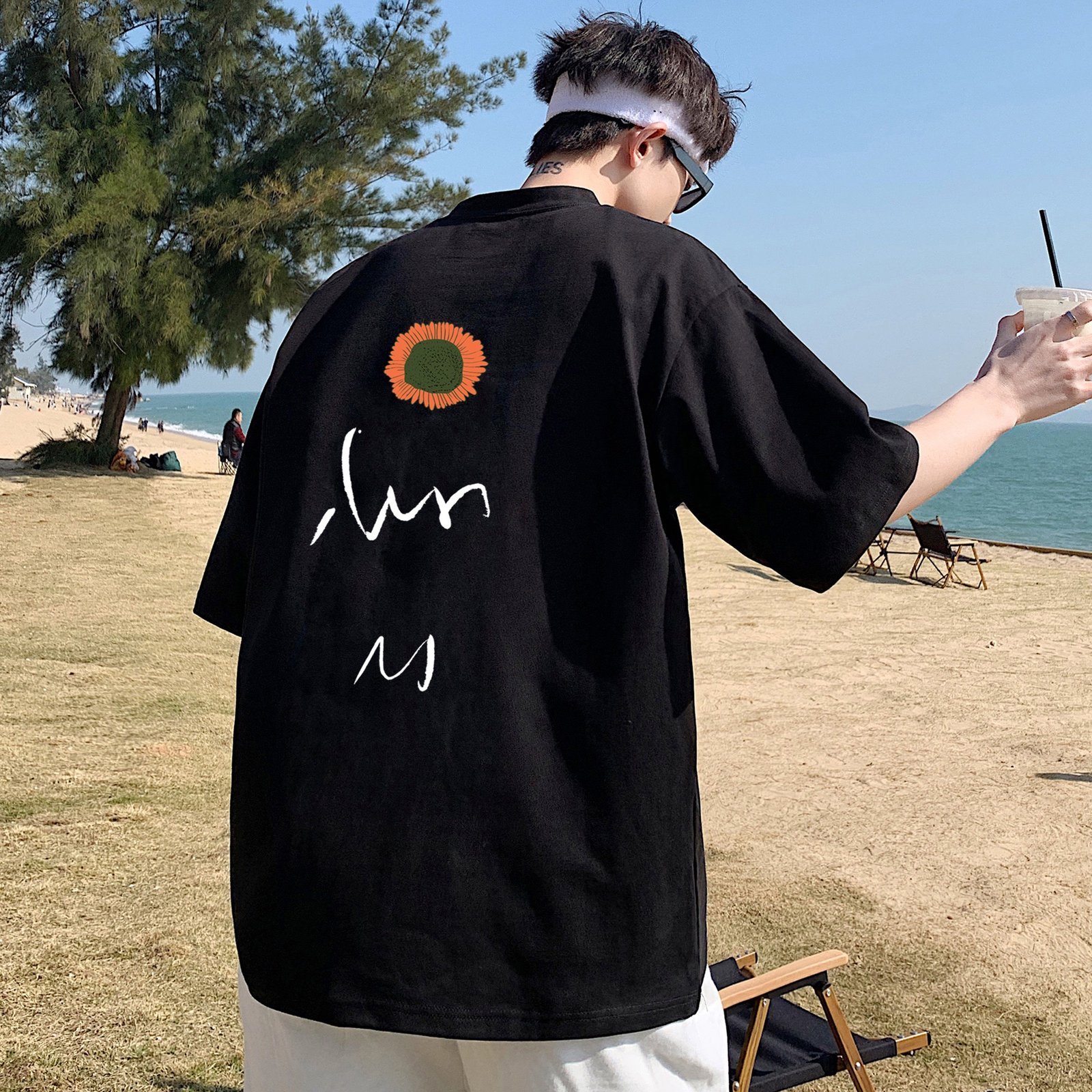
DTG printing eliminates setup fees and supports full-color designs with no minimum order quantity, making it ideal for test runs and influencer capsule collections. Per-unit costs range from $3 to $8 depending on print size and garment color.
Heat transfer vinyl works well for names, numbers, and simple logos, with material costs of $0.30–$1.20 per placement. Both methods require pre-treatment on larger garments to ensure ink adhesion across stretch zones. Wash durability averages 25–40 cycles for DTG and 30–50 for quality heat transfer vinyl.
Embroidery and Woven Labels
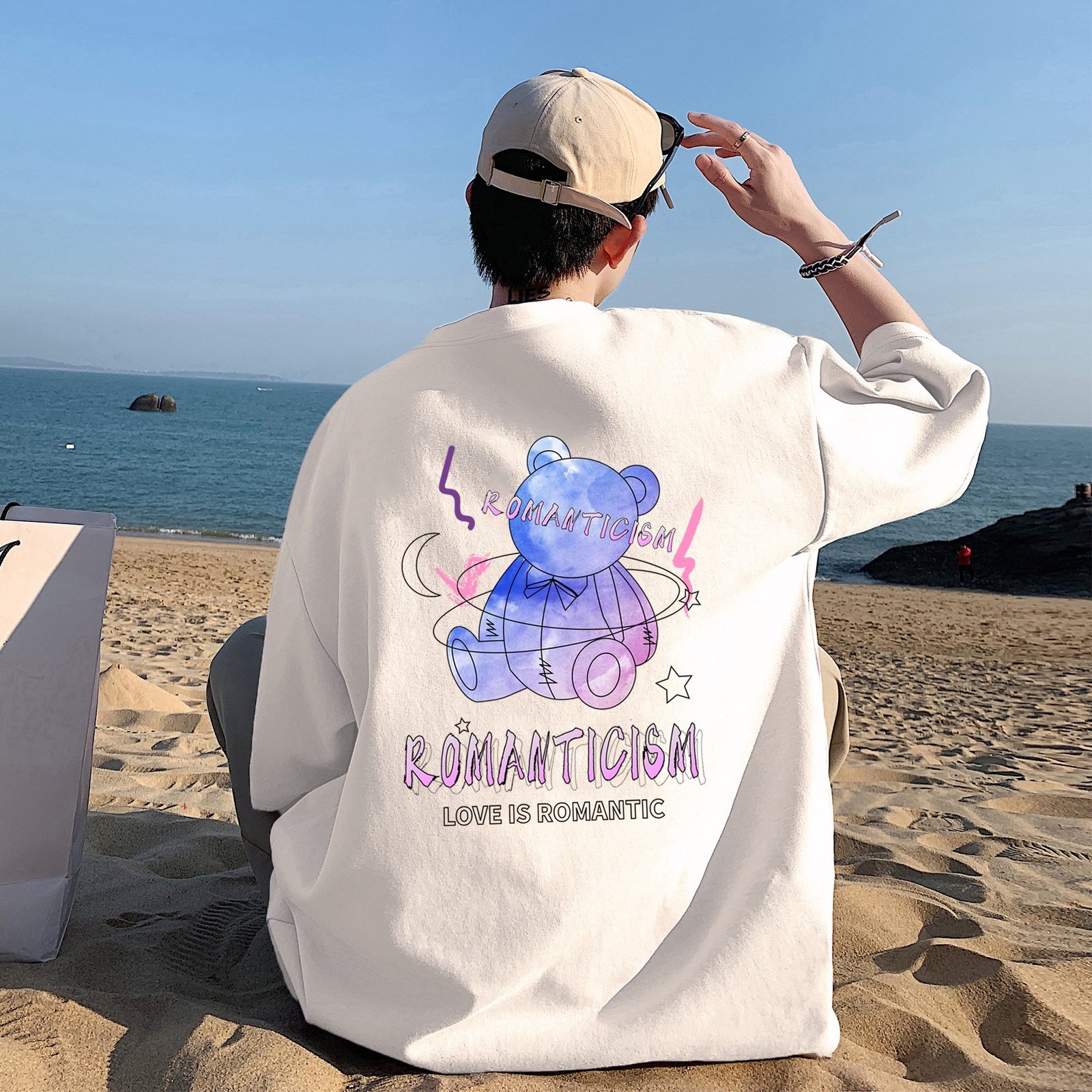
Embroidery delivers premium branding with stitch counts of 5,000–15,000 per design. Digitizing fees start at $20–$75 per logo, and per-unit costs range from $2 to $10 based on stitch density and placement.
Plus size hoodies and jackets require reinforced backing to prevent puckering on chest or sleeve embroidery exceeding 4 inches. Woven labels and hang tags add brand identity at $0.10–$0.50 per piece with minimums of 500–1,000 units. Embroidery withstands 100+ washes without fading, making it the most durable option for bulk plus size clothing collections.
6. Key Quality Elements in Bulk Plus Size Clothing
Quality failures in bulk plus size clothing often stem from factories that simply scale up standard patterns rather than apply proper grading techniques. Poor grading causes fit complaints, high return rates, and brand reputation damage. Buyers must verify construction competence during sample approval to avoid costly production errors.
Proper Grading vs. Scaled-Up Patterns
True plus-size grading adjusts proportions at multiple body points — bust, waist, hip, shoulder, and sleeve — rather than uniformly enlarging a base pattern. Factories experienced in plus-size production add width and length incrementally across size runs, maintaining balance and drape.
Scaled-up patterns create garments that fit poorly at shoulders, armholes, and necklines, leading to return rates exceeding 30 percent in some categories. Clothing Manufacturer Ltd. applies grading rules developed over 10 years of production experience, ensuring each size increment reflects real body-shape variation rather than simple multiplication.
Reinforced Seams and Stress Points
Plus-size garments experience greater tension at inseams, armholes, and side seams, requiring double-stitched or flatlock seams with higher thread counts. Factories should use polyester core-spun thread rated for 3,000 meters per cone to prevent breakage.
Reinforced bar tacks at pocket openings and belt loops prevent tearing during wear. The company’s five-step QC process includes sewing production testing to verify stitch density meets 12–14 stitches per inch on stress seams.
Stretch Retention and Colorfast Dyes
Fabrics blended with 5–10 percent spandex must retain elasticity after 50 wash cycles, tested by measuring recovery percentage after extension. Poor-quality spandex loses shape within 10 washes, causing sagging and customer dissatisfaction.
Colorfast dyes rated ISO 105-C06 level 4 or higher prevent fading and color transfer. Clothing Manufacturer Ltd. conducts materials QC testing on incoming fabrics to confirm dye stability and stretch performance before cutting begins.
7. How to Choose a Bulk Plus Size Clothing Manufacturer
Selecting the right manufacturer for bulk plus size clothing requires verifying specialized grading expertise, production capacity, and quality systems that address fit across extended size ranges. Unlike standard apparel, plus-size production demands pattern grading that maintains proportional balance at every size, rigorous fit testing, and MOQ policies that accommodate emerging brands.
Verify Plus-Size Grading and Fit Expertise
Request graded spec sheets for sizes 1X through 4X or 14 through 24 to confirm the factory uses proportional grading rules rather than simple scaling. Manufacturers experienced in plus-size production maintain fit models in multiple size categories and conduct wear tests to ensure garments drape correctly across bust, waist, and hip measurements.
Ask whether the factory employs dedicated pattern makers for extended sizes and how many plus-size collections they have produced in the past 12 months. Clothing Manufacturer Ltd. applies its five-step QC process to every size run, catching fit deviations during cutting QC and sewing production QC rather than at final inspection.
Confirm MOQ Flexibility and Sample Policy
Minimum order quantities for bulk plus size clothing typically range from 100 to 500 pieces per style per colorway, but flexible manufacturers offer lower MOQs for startups testing new designs. Confirm whether the factory allows mixed size ratios within a single order and whether sample orders (often 5 to 10 pieces) are available before committing to full production.
Clarify sample turnaround times, which generally span 7 to 14 days for basic styles and 14 to 21 days for complex streetwear designs with embroidery or screen printing.
Check Certifications and Quality Systems
Look for WRAP, BSCI, or ISO 9001 certifications that signal adherence to labor standards and process controls. Factories with documented QC protocols perform inspections at materials receipt, cutting, mid-production, and final packing, reducing defect rates below 2 percent.
Request a walkthrough of the factory’s quality checkpoints and ask how defects are logged and corrected. Clothing Manufacturer Ltd. introduced its proprietary five-step QC methodology in February 2025, embedding testing at materials, cutting, craft, sewing, and finished-goods stages to eliminate the common practice of skipping in-process inspections.
Red Flags: Generic Charts and No Fit Models
Avoid suppliers who provide only generic size charts copied from competitors or who cannot demonstrate fit-model testing for plus sizes. Factories that lack dedicated grading software or pattern adjustments for extended sizes often produce garments with poor armhole placement, inadequate rise, or unbalanced hemlines.
Additional warning signs include reluctance to share production timelines, absence of client references in your size range, and communication delays exceeding 24 hours during initial inquiries.
8. Common Mistakes When Ordering Bulk Plus Size Clothing
Ordering bulk plus size clothing without understanding category-specific requirements leads to costly returns, brand damage, and inventory waste. Five common errors account for most production failures, each preventable through informed planning and manufacturer collaboration.
Using Standard-Size Grading
Applying straight-size grading formulas to extended ranges produces poor fit because proportions change non-linearly above size 14. Standard grading adds uniform increments across all measurements, but plus-size bodies require adjusted ratios for bust-to-waist differentials, sleeve pitch, and rise depth.
Consequence: garments that gap at necklines, bind across shoulders, or ride up result in 35–50% return rates. Corrective action: request manufacturer pattern libraries developed specifically for plus-size proportions, and insist on fit samples in at least three sizes (1X, 2X, 4X) before bulk production.
Ignoring Fabric Stretch Requirements
Choosing woven or low-stretch knits without accounting for movement and recovery needs creates restrictive garments. Plus-size clothing requires fabrics with 20–40% four-way stretch and excellent recovery to maintain shape after wear.
Consequence: seam failure and customer complaints about comfort drive negative reviews. Corrective action: specify minimum stretch percentages and request fabric weight recommendations from your manufacturer’s R&D team during material selection.
Skipping Fit Samples
Proceeding directly to bulk production without physical fit samples risks discovering fit flaws only after thousands of units ship. Clothing Manufacturer Ltd.’s five-step QC process includes pre-production samples, but brands must test on diverse body types.
Consequence: entire production runs become unsellable, costing 100% of investment plus disposal fees. Corrective action: budget 3–4 weeks and $150–$300 per style for fit samples, and test on models representing your target size range.
Underestimating Lead Times
Plus-size production requires 10–15% longer lead times than standard ranges due to pattern development, additional fabric yardage, and specialized quality checks. Rushing orders forces manufacturers to skip critical QC steps.
Consequence: missed launch dates or quality compromises damage brand credibility. Corrective action: add 2–3 weeks to standard timelines and communicate seasonal deadlines early in the planning cycle.
9. Steps to Launch Your Bulk Plus Size Clothing Brand
Launching a size-inclusive brand requires distinct milestones beyond standard apparel startups. The roadmap below outlines research, pattern development, fit validation, and go-to-market steps tailored to bulk plus size clothing production, with realistic timelines for each phase.
Market Research and Niche Selection
Identify underserved segments within plus-size categories — activewear, formalwear, or streetwear — by analyzing competitor size charts and customer reviews. Allocate two to four weeks to survey target demographics on fit pain points, preferred fabrics, and price tolerance.
Document common complaints about gaping, short torsos, or narrow shoulders to inform your grading strategy. This research phase shapes your tech-pack specifications and minimizes costly sample revisions later.
- Survey 50–100 potential customers on fit issues and style gaps
- Map competitor size ranges (typically 1X–4X or 14–28)
- Define your size run and corresponding body measurements
Tech-Pack Creation with Proper Grading
Develop detailed tech packs that include a full grade rule for each size, specifying increments at bust, waist, hip, sleeve, and rise. Partner with a pattern maker experienced in plus-size grading to ensure proportional scaling rather than simple linear increases.
Clothing Manufacturer Ltd.’s five-step QC process begins at materials testing, so accurate tech packs reduce errors before cutting. Expect one to two weeks for initial tech-pack development and grading tables.
- Specify grade increments (typically 2″ bust, 2″ waist, 2″ hip per size)
- Include construction details: seam allowances, topstitching, reinforcements
- Request digital mockups or flat sketches for client approval
Sample Rounds and Fit Testing
Order pre-production samples in at least three sizes — smallest, mid-range, and largest in your run — and conduct fit sessions with models matching those measurements. Budget two to three sample rounds, each requiring 10–14 days turnaround.
Document fit adjustments photographically and update tech packs before bulk production. Rigorous fit testing at this stage prevents returns and negative reviews once inventory ships.
- Test samples on models spanning your full size range
- Check ease at bust, hip, armhole depth, and inseam length
- Approve final sample before authorizing cutting QC
Small Production Run and Market Launch
Place an initial order of 200–500 units per style to validate demand without overcommitting capital. A small run typically ships in four to six weeks, including cutting QC, sewing QC, and finished-garment inspection.
Launch with size-inclusive marketing that highlights real fit photography and transparent size charts. Collect customer feedback on fit and quality to refine future orders and build credibility in size-inclusive communities.
10. Pricing and Cost Breakdown for Bulk Plus Size Clothing
Bulk plus size clothing pricing varies by garment complexity, order volume, and decoration method. Basic plus size tees (sizes 2X–5X) start at $4.50–$6.00 per unit for orders of 100 pieces, while hoodies and joggers range from $12.00–$18.00 per unit at the same tier. Minimum order quantities typically begin at 50 units per design, though some manufacturers accept smaller runs at higher per-piece costs.
Decoration add-ons significantly impact final pricing. Screen printing adds $1.50–$3.00 per location for orders under 200 units, while direct-to-garment (DTG) printing costs $3.00–$5.00 per print regardless of volume. Embroidery runs $2.50–$6.00 per design depending on stitch count, and heat-transfer vinyl averages $2.00–$4.00 per placement.
Lead times compress as order size increases. Orders of 50–100 units typically require 18–25 days from approval to shipment, while 500-unit runs take 20–28 days and orders exceeding 1,000 pieces extend to 25–35 days. Clothing Manufacturer Ltd. implements its five-step QC methodology across all volume tiers, ensuring materials QC testing, cutting QC testing, clothing craft QC testing, sewing production QC testing, and finished clothing quality QC inspection at every stage without additional fees.
Complex garments with multiple fabric panels, zippers, or specialty finishes add 20–40% to base pricing. Brands planning collections should budget for sampling costs of $80–$150 per prototype and factor in fabric surcharges for performance blends or organic cotton, which typically add $1.00–$2.50 per unit.
| Quantity Tier | Basic Tee (per unit) | Hoodie/Jogger (per unit) | Lead Time (days) |
|---|---|---|---|
| 50 units | $5.50–$7.00 | $15.00–$20.00 | 18–25 |
| 100 units | $4.50–$6.00 | $12.00–$18.00 | 20–26 |
| 500 units | $3.80–$5.00 | $10.00–$15.00 | 20–28 |
| 1,000+ units | $3.20–$4.50 | $8.50–$13.00 | 25–35 |
Ready to Order Bulk Plus Size Clothing? Get Your Quote
Join 100+ countries trusting our 5-step QC guarantee, low MOQ, and fast turnaround for premium streetwear manufacturing.