
Premium Big and Tall Polo Shirt Manufacturer for Streetwear Brands
Your trusted big and tall polo shirt manufacturer with 5-step quality control, low MOQ for startups, fast sampling, and global shipping support.
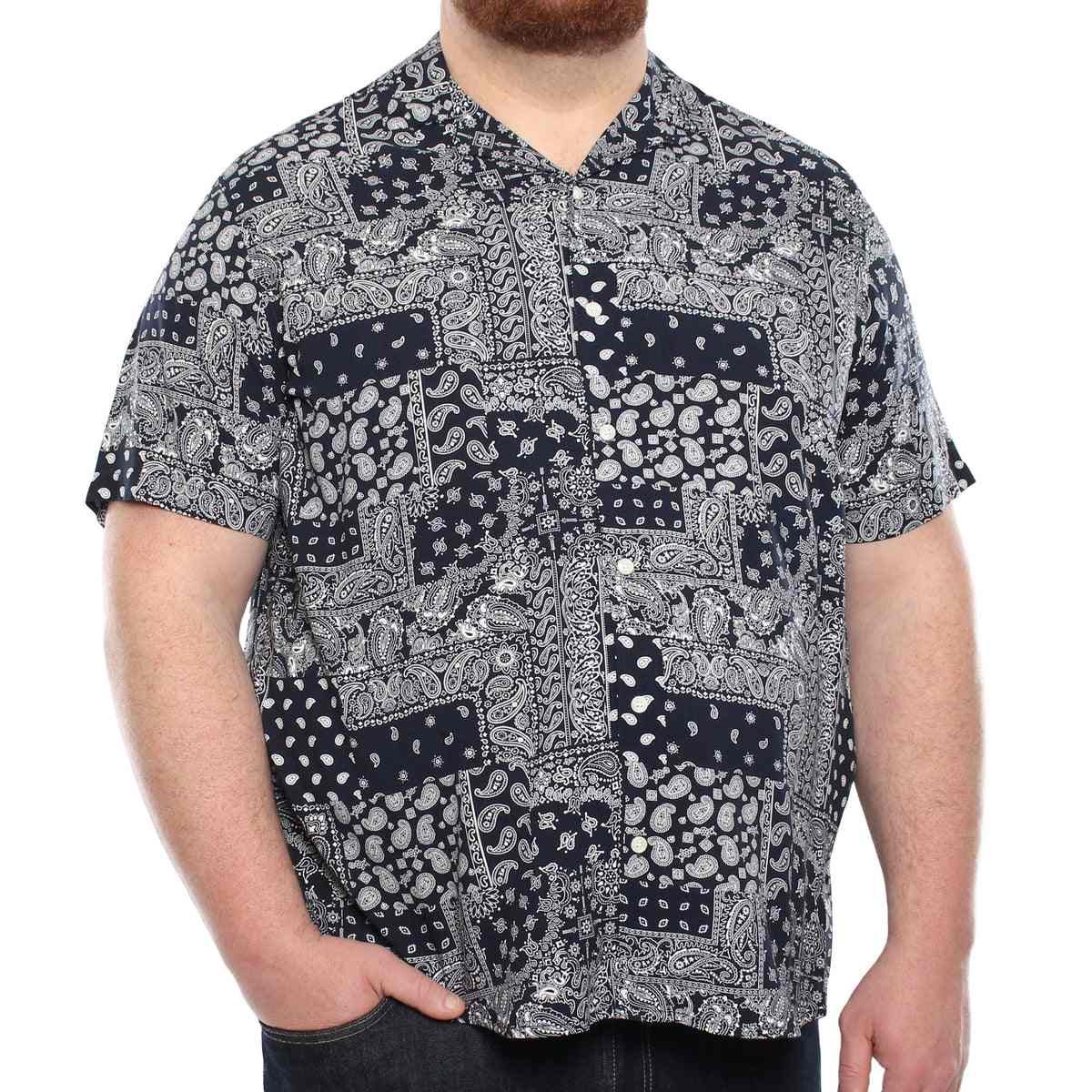
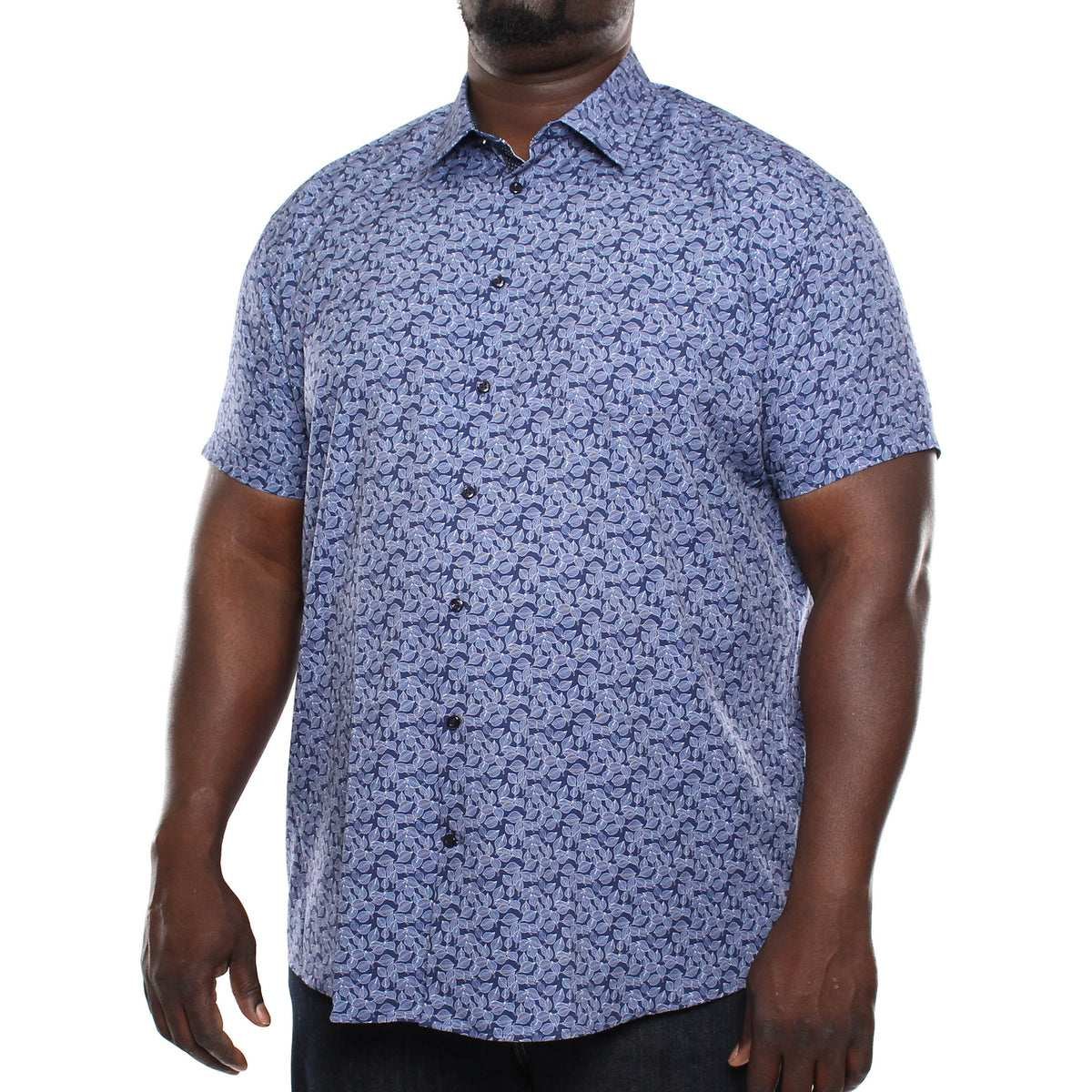
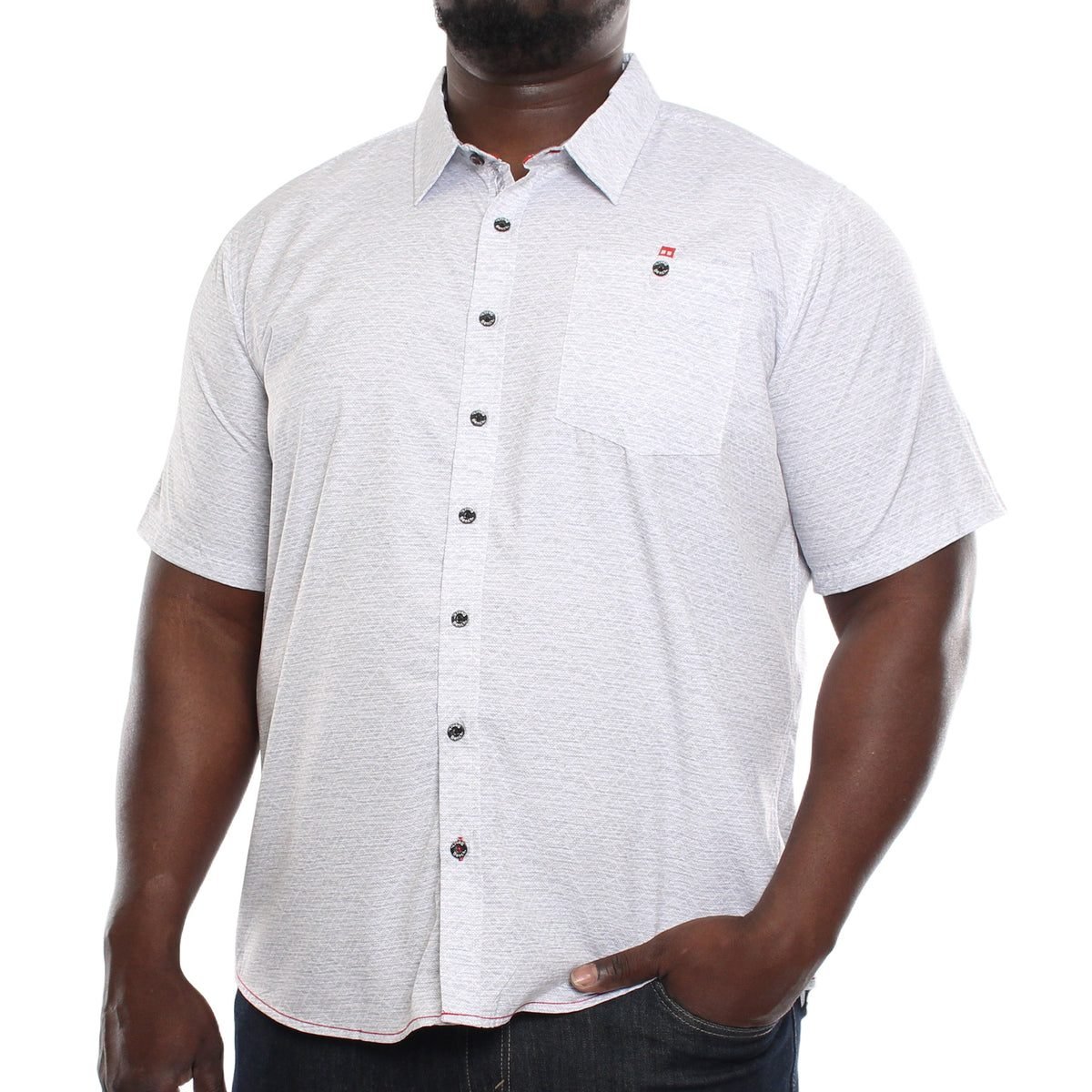
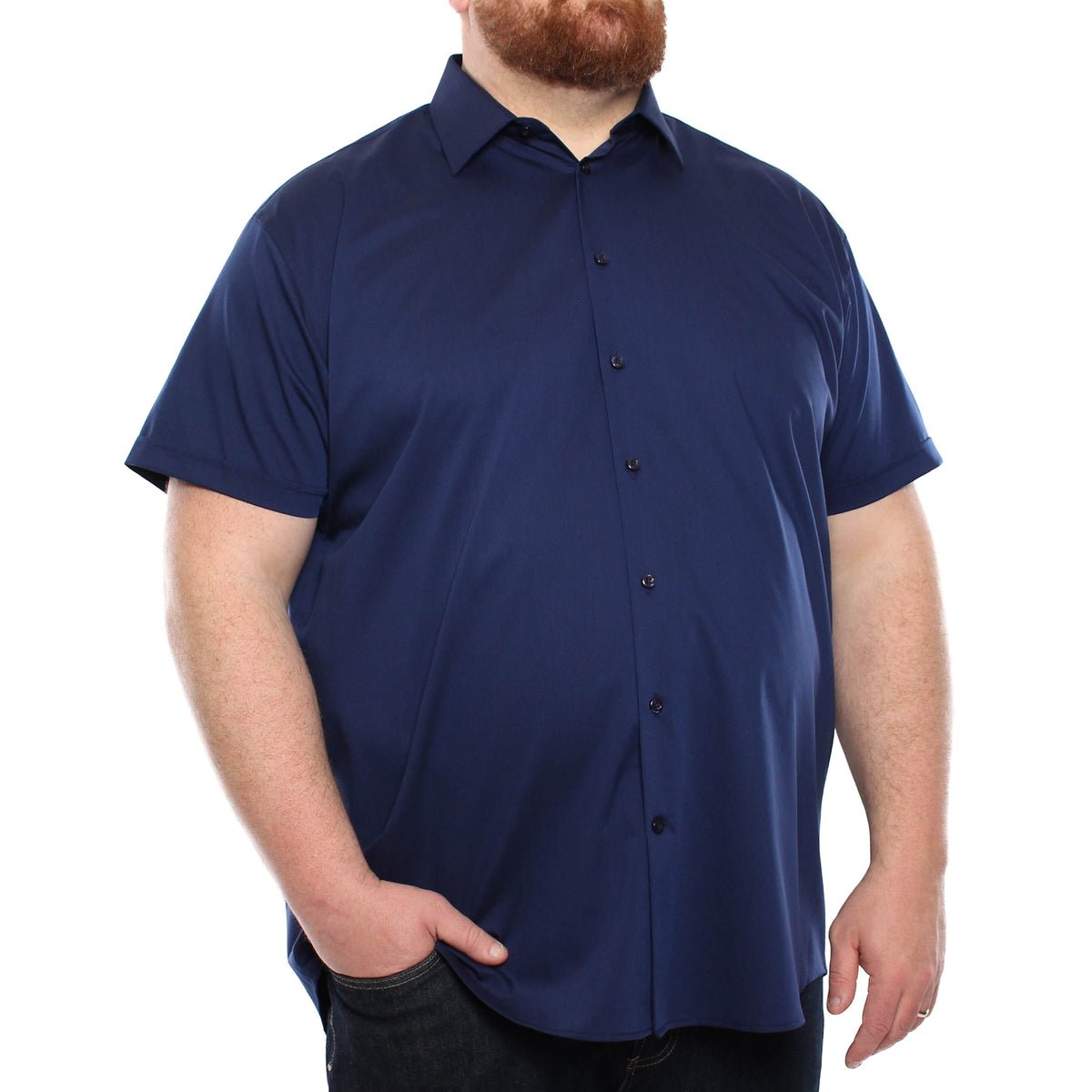
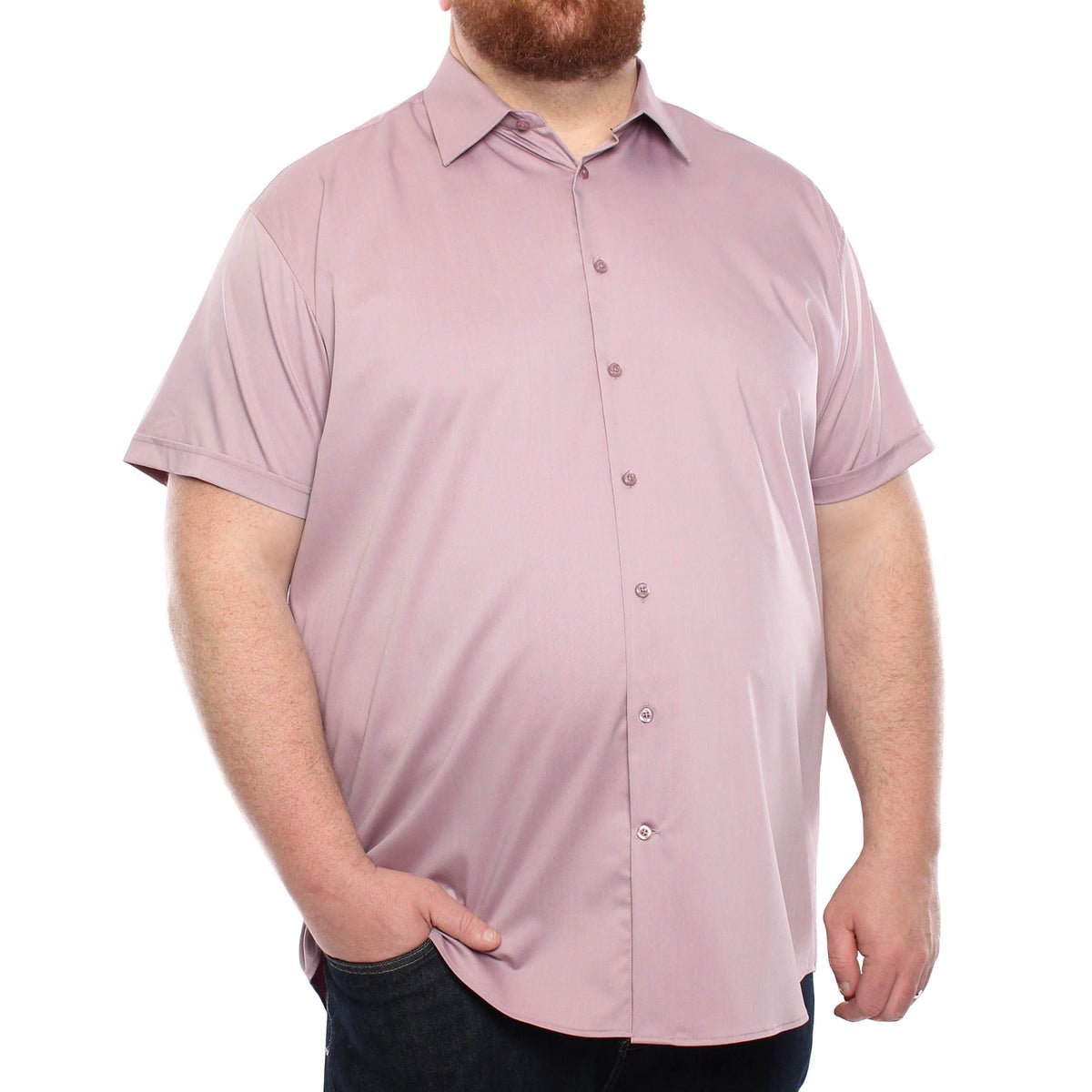
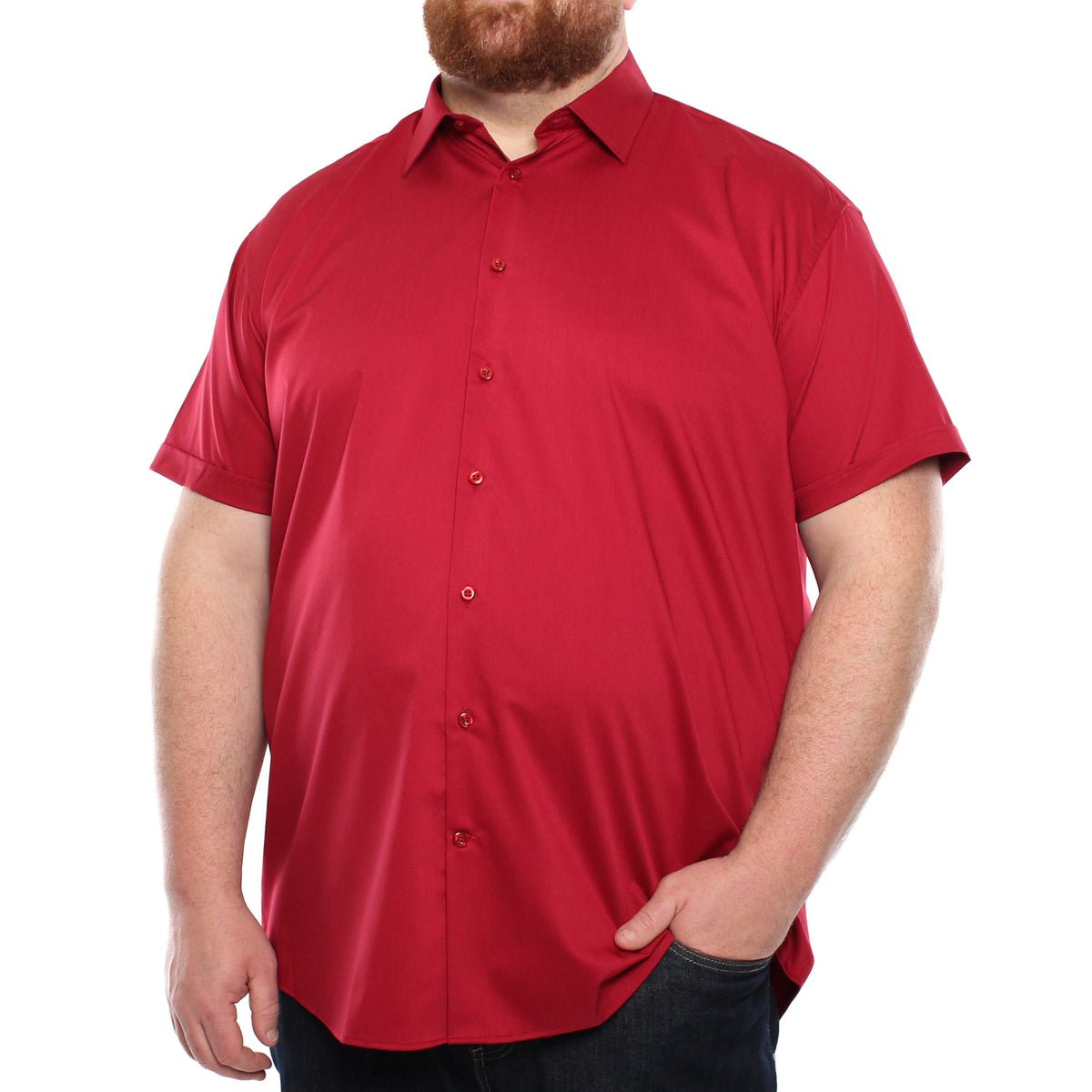
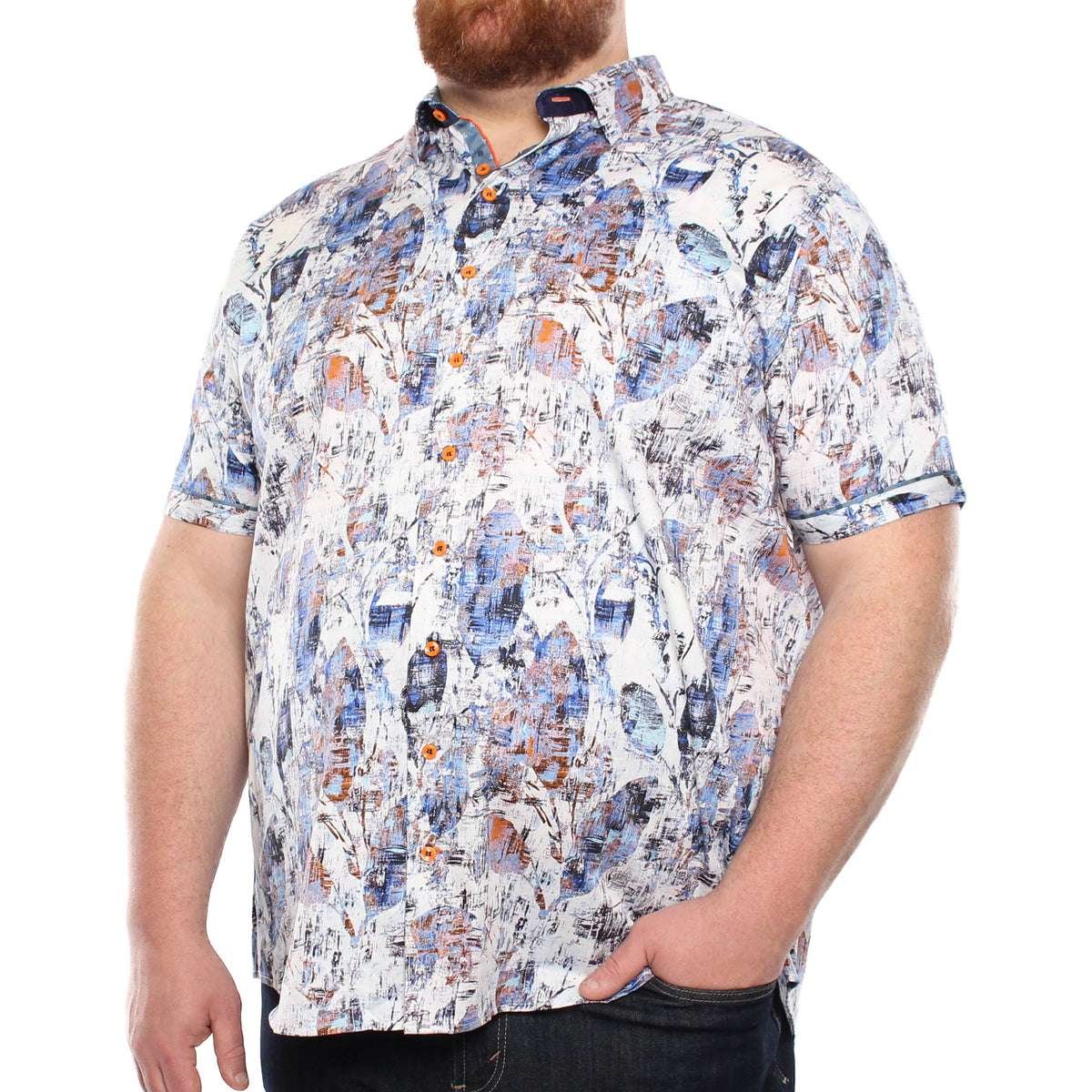
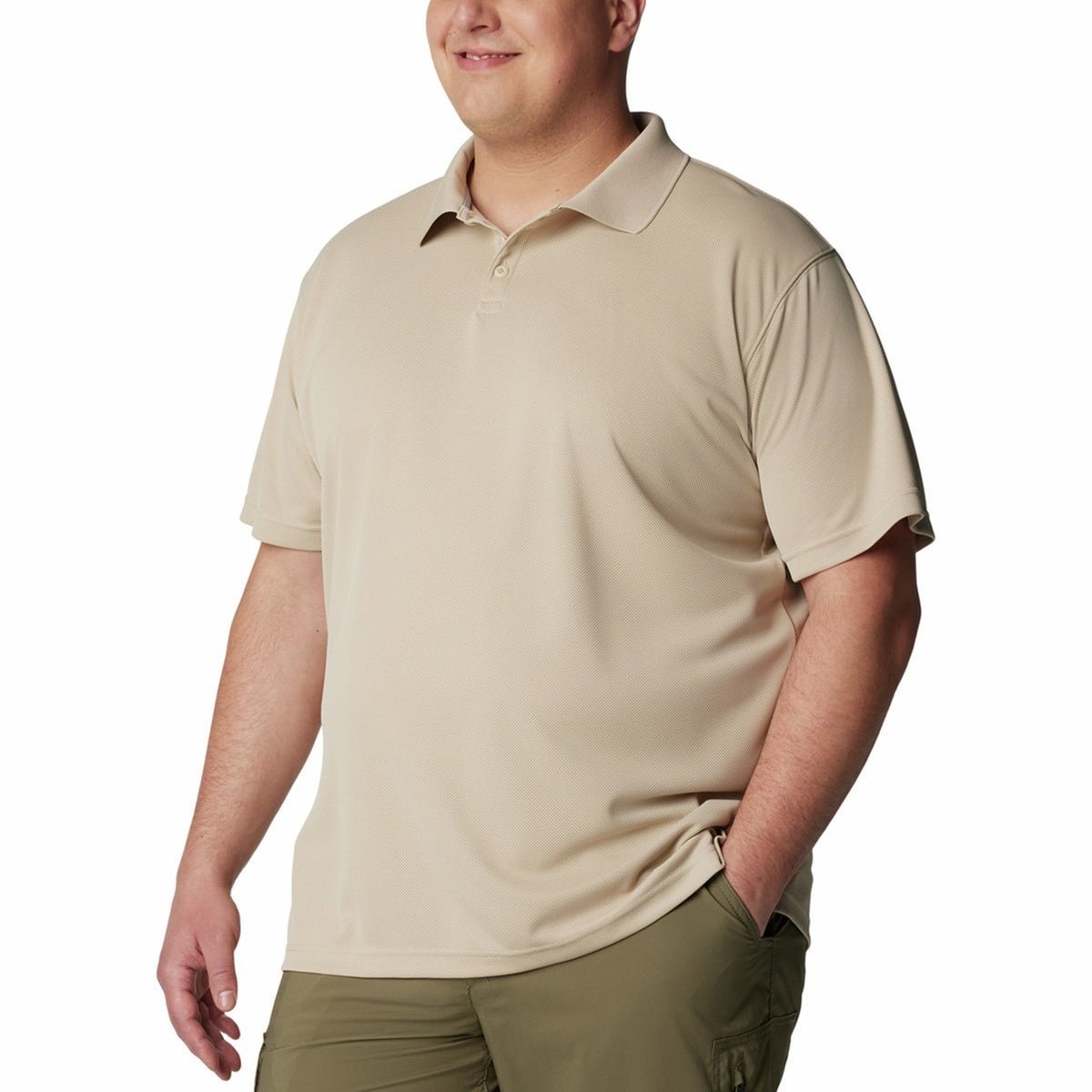
Big and Tall Polo Shirt Samples in Action
Why Our Big and Tall Polo Shirt Manufacturer Stands Out
From 5-step QC to flexible MOQs, we deliver premium big and tall polos that meet the demands of growing streetwear brands and global retailers.
5-Step Quality Control Guarantee
Every big and tall polo undergoes rigorous testing at materials, cutting, craft, sewing, and finished garment stages for zero-defect delivery.
Low MOQ for Startups
Launch your big and tall polo line without massive inventory risk. We support emerging brands with flexible minimum order quantities.
Fast Turnaround for Seasonal Drops
Meet tight deadlines with our streamlined production workflow. Get your big and tall polos ready for peak selling seasons on time.
In-House Design and Sampling Team
Our 15-member R&D team brings your vision to life with custom patterns, fits, and streetwear-inspired details for big and tall sizes.
Global Shipping and Logistics Support
Serving customers in over 100 countries with transparent customs, reliable freight forwarding, and end-to-end logistics coordination for big and tall orders.
Streetwear and Influencer Expertise
Six years of specialized streetwear production experience ensures your big and tall polos resonate with trend-driven audiences and influencer brands.
Big and Tall Polo Shirt Manufacturer Categories & Customization
Whether you’re launching classic embroidered polos or bold streetwear designs, our big and tall polo shirt manufacturing expertise covers every style and technique your brand needs.
Classic Embroidered Polos
Brands need timeless big and tall polos with premium embroidered logos that maintain crisp detail on larger sizes without puckering, thread breaks, or distortion during production and wear.
Our precision embroidery setup and 5-step QC process deliver flawless logo placement and stitch quality on every big and tall polo, ensuring your branding looks sharp across all extended sizes.
Screen-Printed Streetwear Polos
Streetwear brands struggle to find manufacturers who understand bold graphics, oversized prints, and trend-driven designs while maintaining print durability and color vibrancy on big and tall polo silhouettes.
Leveraging 6 years of streetwear expertise, we produce eye-catching screen-printed big and tall polos with vibrant, wash-resistant graphics that resonate with your audience and withstand repeated wear.
Sublimation & All-Over Print Polos
Designers seeking full-coverage patterns and photographic prints on big and tall polos face limitations with traditional printing methods that can't achieve seamless, edge-to-edge designs on extended sizes.
Our sublimation capabilities deliver unlimited color options and seamless all-over prints on big and tall polos, bringing your most creative visions to life with zero compromise on pattern continuity.
Performance & Technical Polos
Athletic and activewear brands need big and tall performance polos with moisture-wicking, stretch, and breathability features, but struggle to find manufacturers who can engineer technical fabrics for extended sizing.
We source and manufacture high-performance big and tall polos with advanced moisture management and four-way stretch, backed by rigorous testing at every production stage to ensure comfort and durability.
Premium Fabrics for Big and Tall Polo Shirt Manufacturer Projects
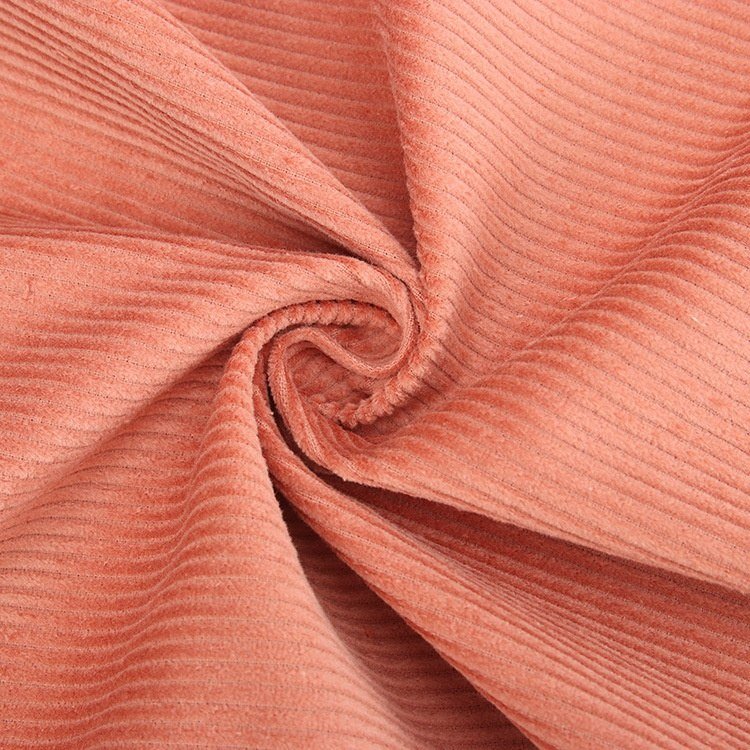
Cotton Piqué
Classic honeycomb weave delivers breathability and structure. Ideal for traditional polos with a crisp hand-feel. Weight: 180–220 GSM. Holds shape through repeated wear and washing, perfect for retail and uniform lines.
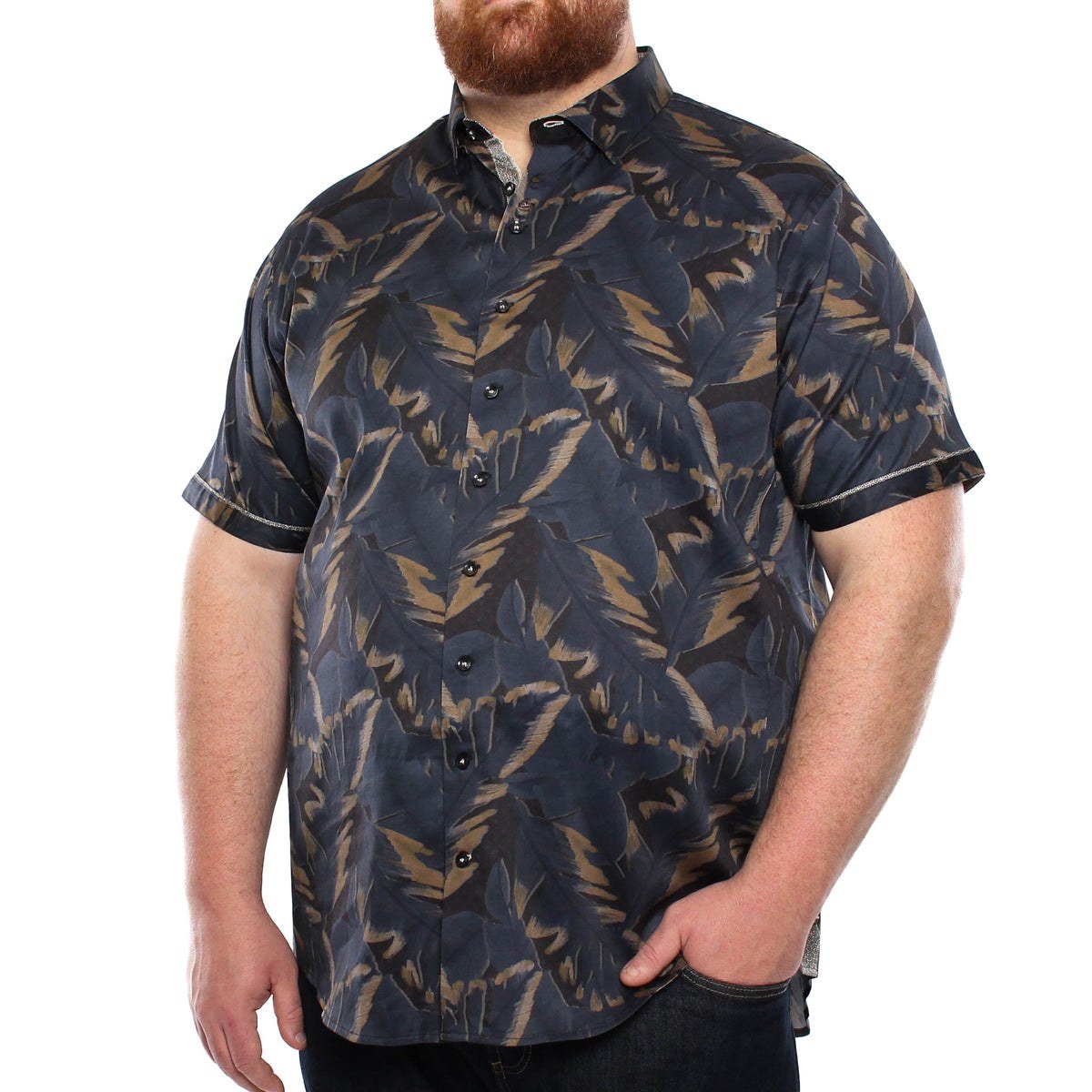
Performance Poly-Blend
Moisture-wicking polyester-cotton blend engineered for active wear and athleisure polos. Four-way stretch ensures comfort in extended sizes. Weight: 200–240 GSM. Quick-dry properties make it ideal for sports and lifestyle brands.
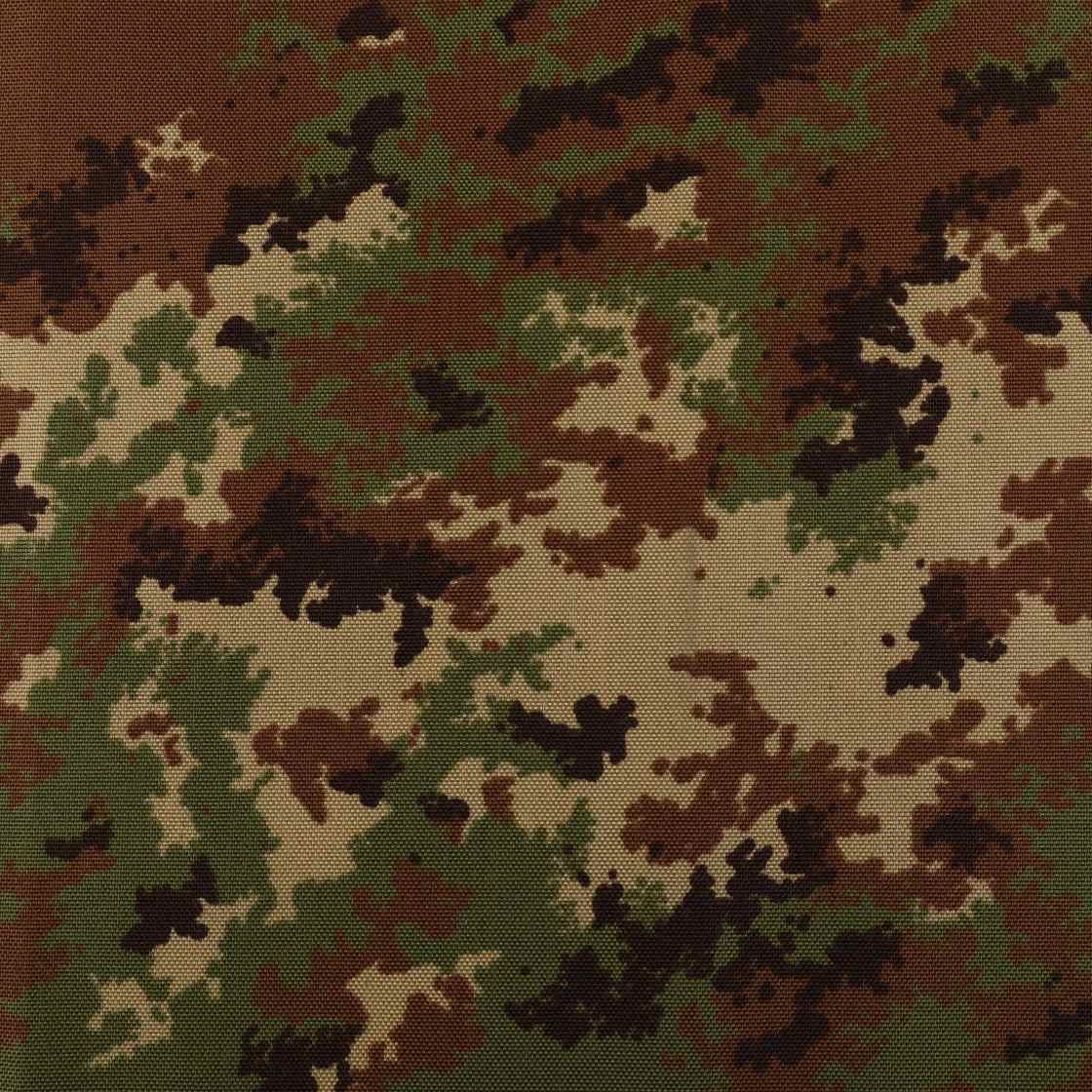
Organic Cotton Jersey
Soft, sustainable single-knit jersey with GOTS-certified organic cotton. Smooth hand-feel suits casual, eco-conscious brands. Weight: 160–200 GSM. Excellent drape and recovery maintain fit integrity across big and tall proportions.
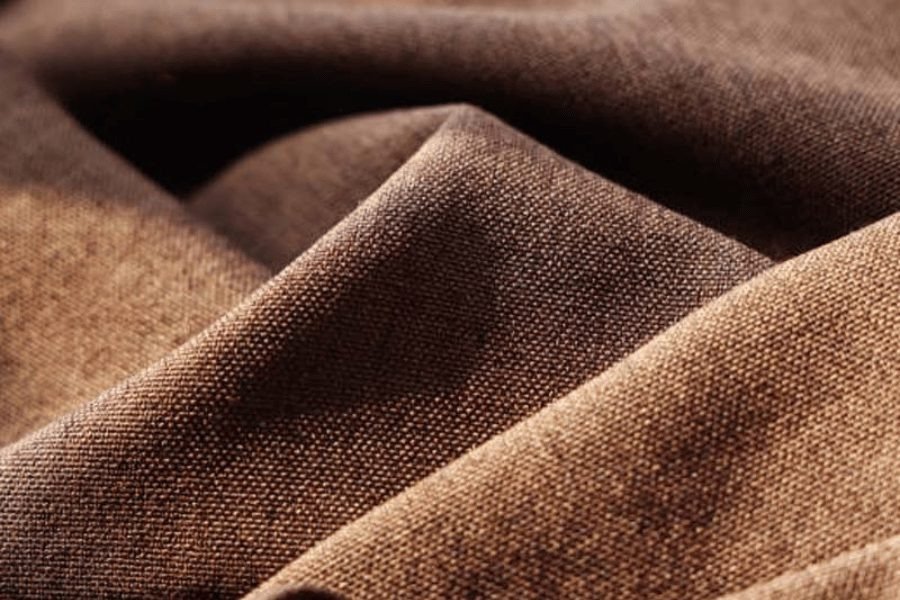
Heavyweight Interlock
Double-knit interlock construction provides superior opacity and durability for premium polos. No curling edges, stable structure. Weight: 240–280 GSM. Ideal for luxury streetwear lines requiring substantial fabric body and longevity.
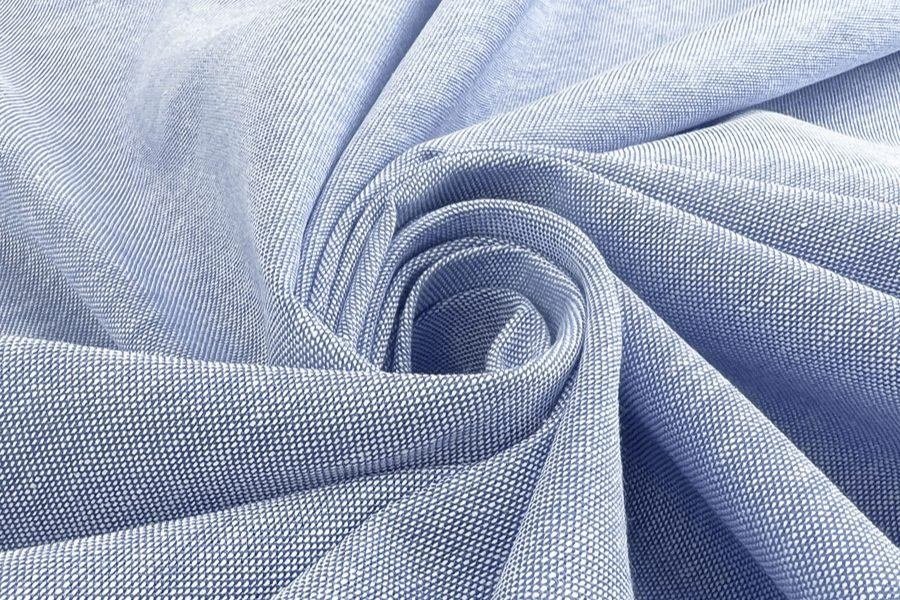
Bamboo-Cotton Blend
Eco-friendly blend combining bamboo viscose with combed cotton for silky texture and natural antimicrobial properties. Weight: 180–220 GSM. Exceptional softness and temperature regulation appeal to premium casual and resort wear markets.
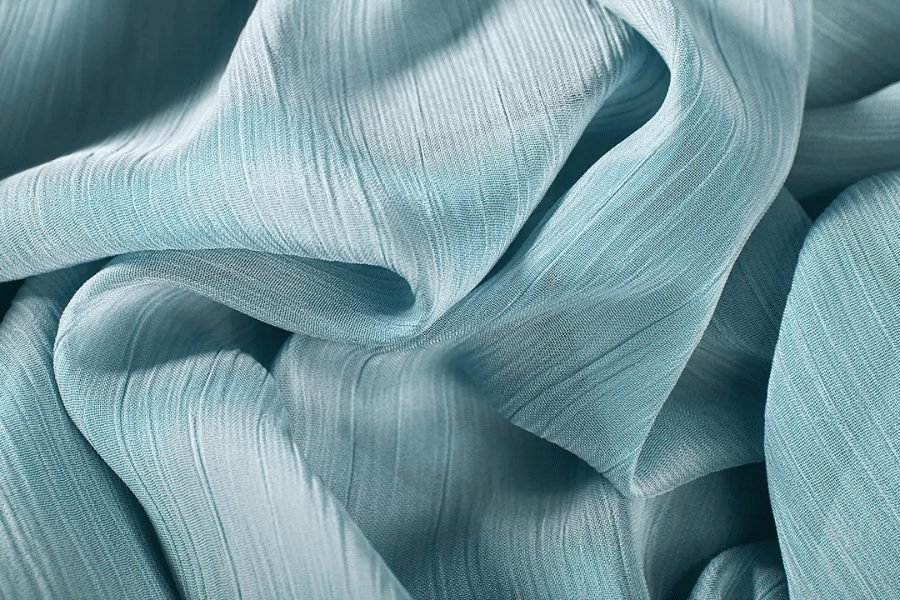
Technical Mesh Piqué
Engineered mesh structure with enhanced ventilation channels for maximum breathability. Lightweight yet durable. Weight: 150–190 GSM. Perfect for performance golf polos and activewear targeting warm-climate markets and athletic audiences.
Customization Techniques for Your Big and Tall Polo Shirt Manufacturer Needs
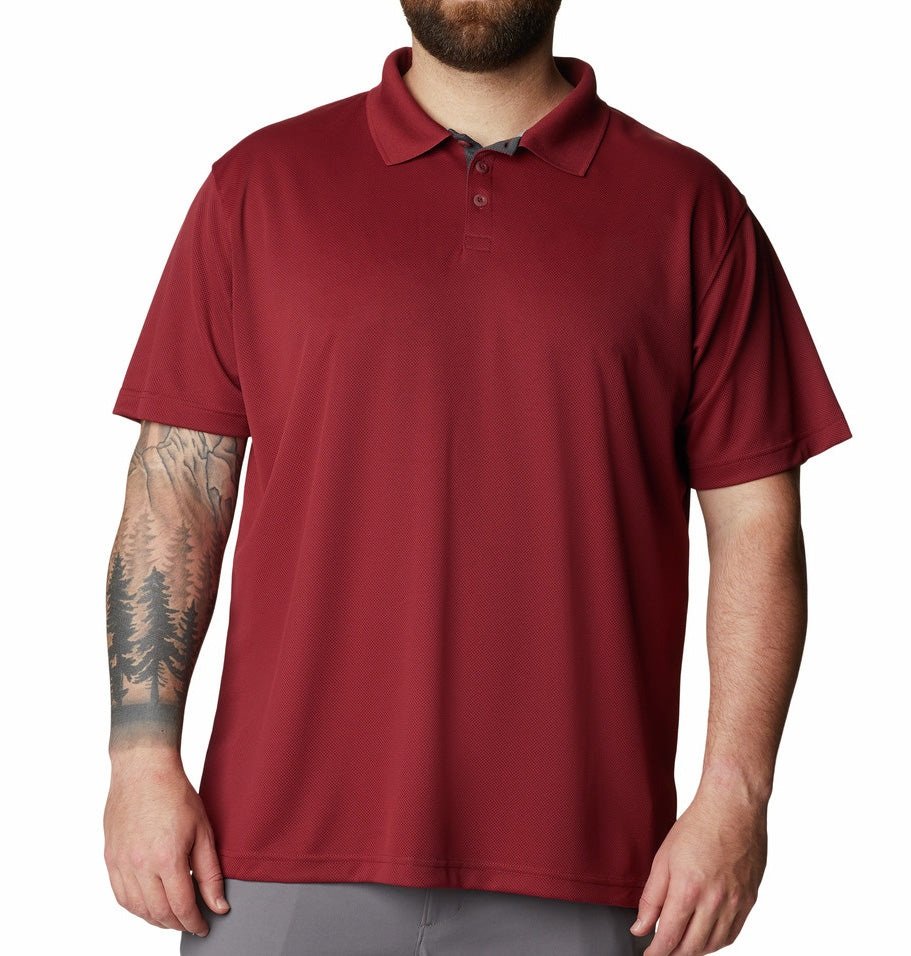
Embroidery
Premium thread embroidery for logos, monograms, and custom designs. Creates a raised, textured finish that conveys luxury and durability. Ideal for chest logos, sleeve badges, and back neck branding on big and tall polos.
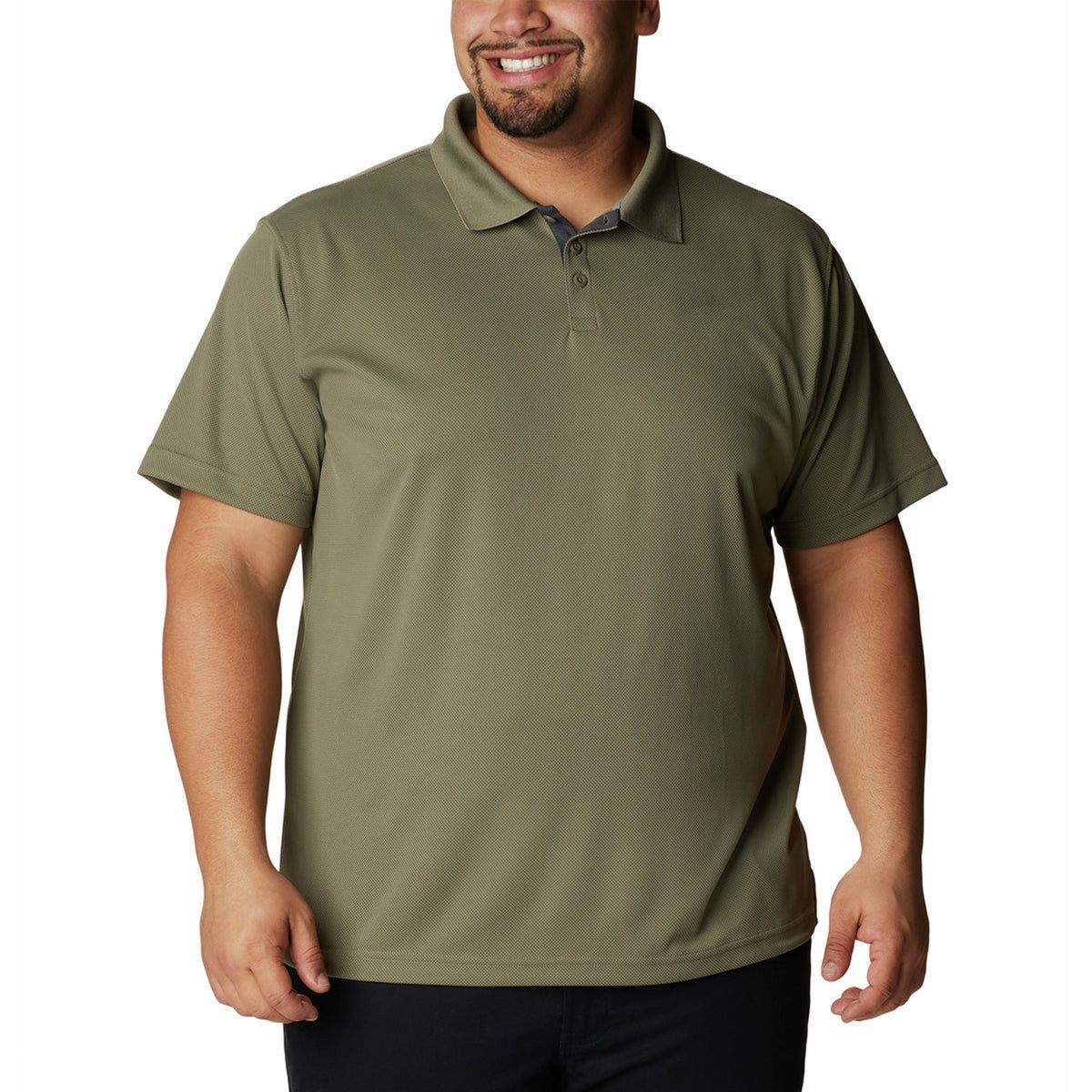
Screen Printing
High-opacity ink application for bold graphics, text, and multi-color designs. Delivers vibrant, long-lasting color with excellent wash resistance. Perfect for large chest prints, back graphics, and streetwear-inspired artwork on oversized polos.
Sublimation Printing
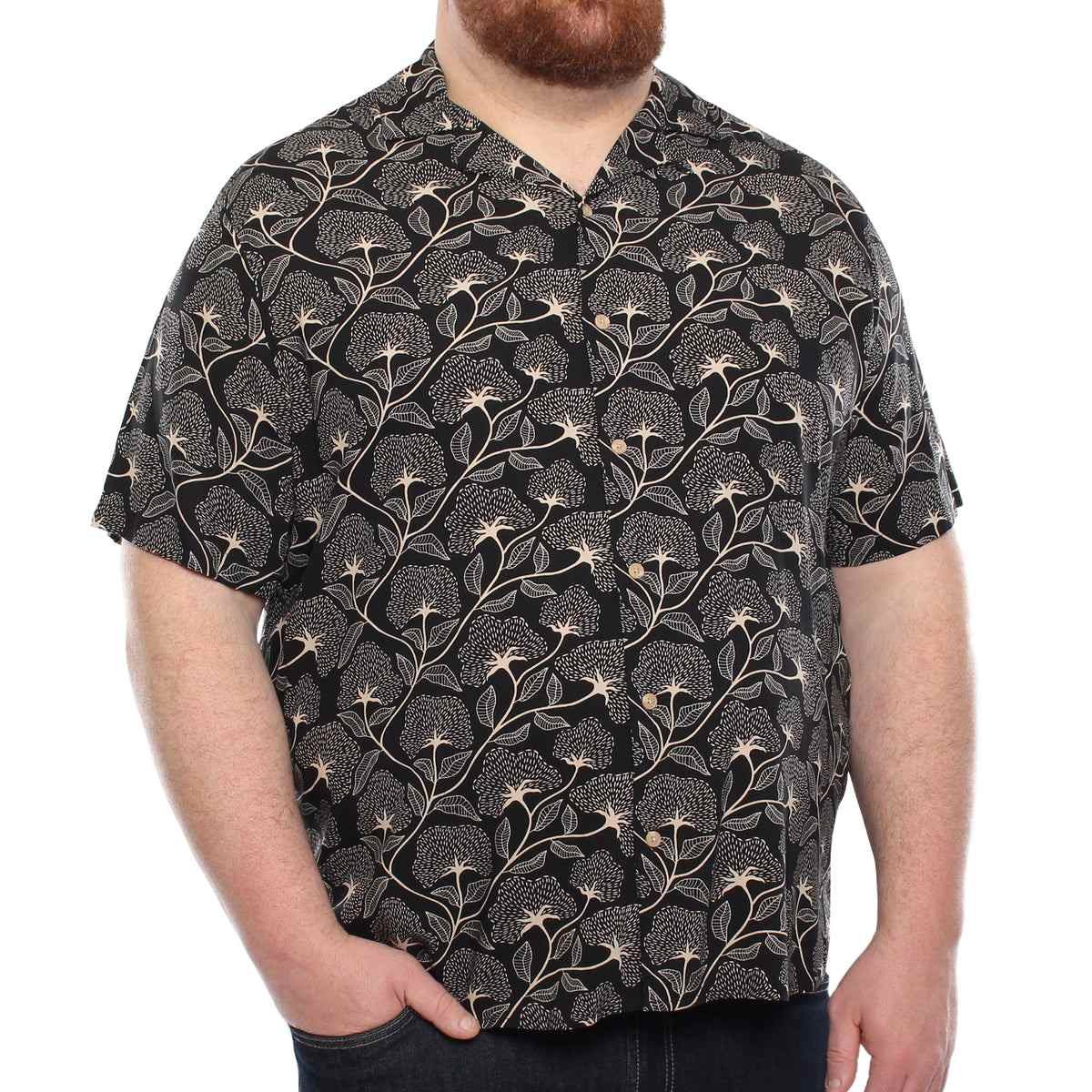
Dye-sublimation process that infuses ink directly into fabric fibers for all-over patterns and photo-realistic designs. Produces soft-hand, breathable prints with no cracking or peeling. Best suited for polyester and performance polo blends.
Woven Labels
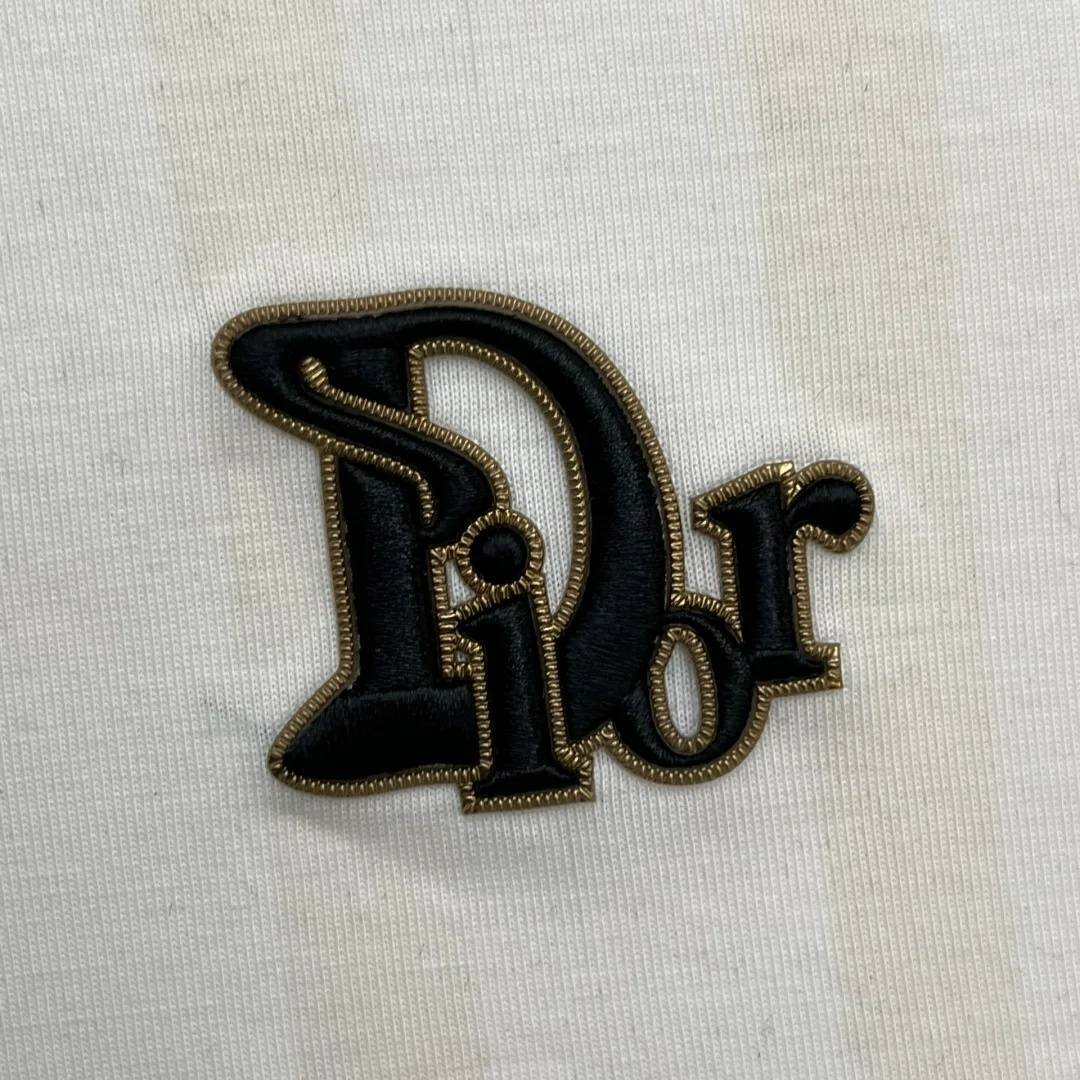
Custom woven brand labels in polyester or damask for neck, hem, and pocket placements. Provides a professional, high-end finish with intricate logo detail and superior durability through repeated washing and wear.
Custom Hang Tags
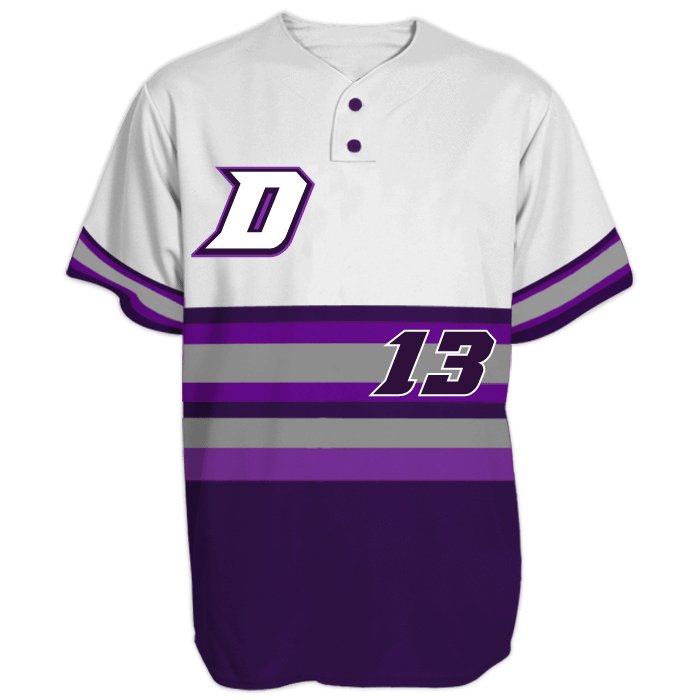
Branded hang tags printed on premium card stock or specialty materials with custom shapes, finishes, and attachments. Reinforces brand identity at point of sale and communicates care instructions, sizing, and brand story effectively.
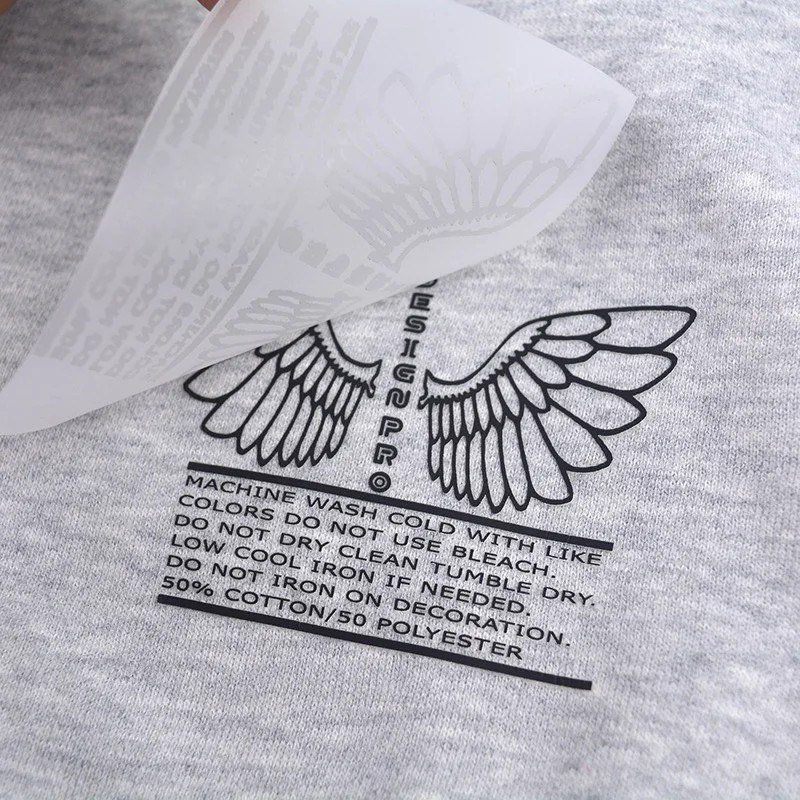
Heat Transfer
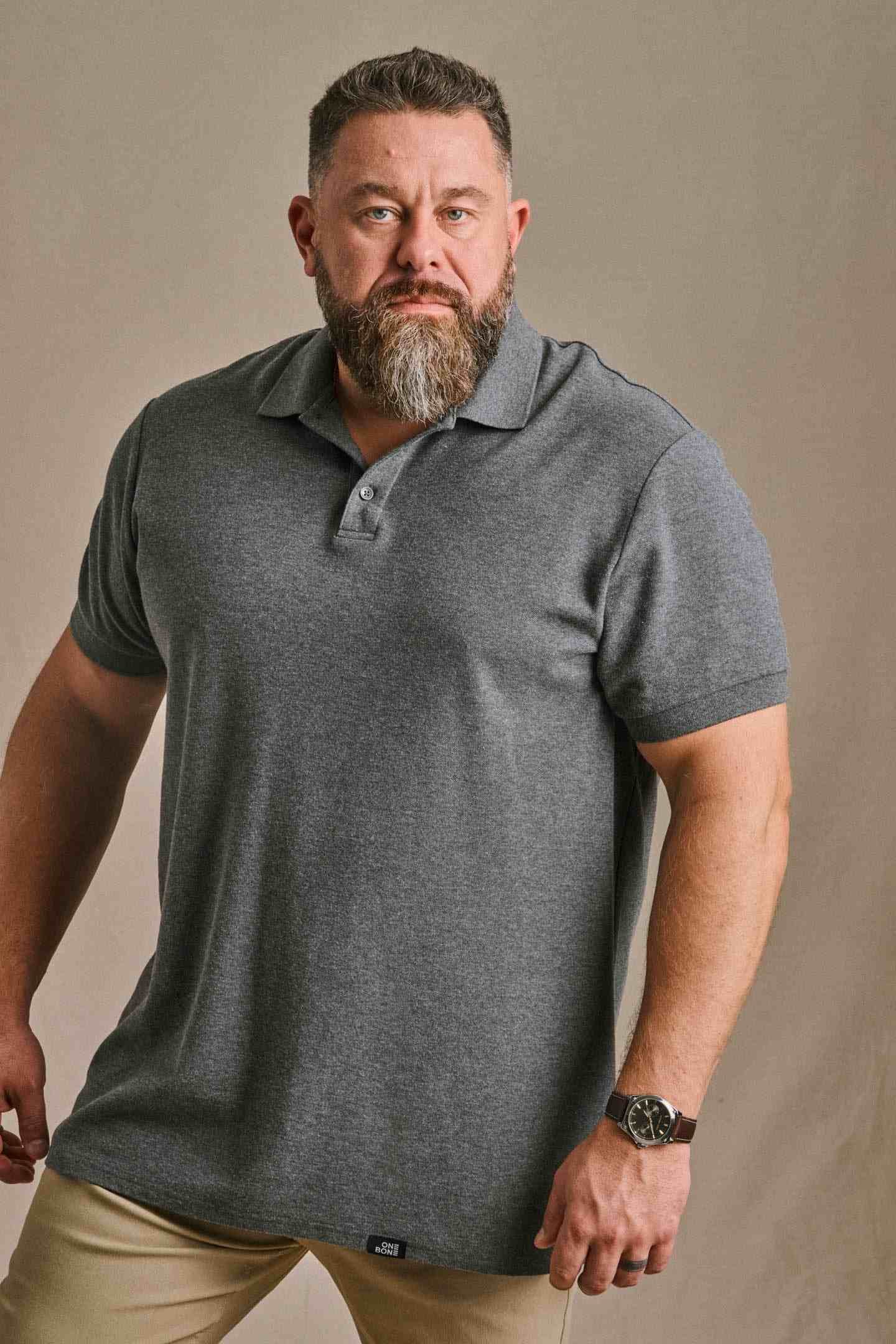
Precision heat-applied graphics using vinyl, plastisol, or specialty transfer films. Offers sharp detail, smooth finish, and flexibility for small-batch or complex multi-color designs. Ideal for numbers, names, and intricate streetwear motifs on big and tall polos.
Hardware & Finishing Accessories for Your Big and Tall Polo Shirt Manufacturer Needs
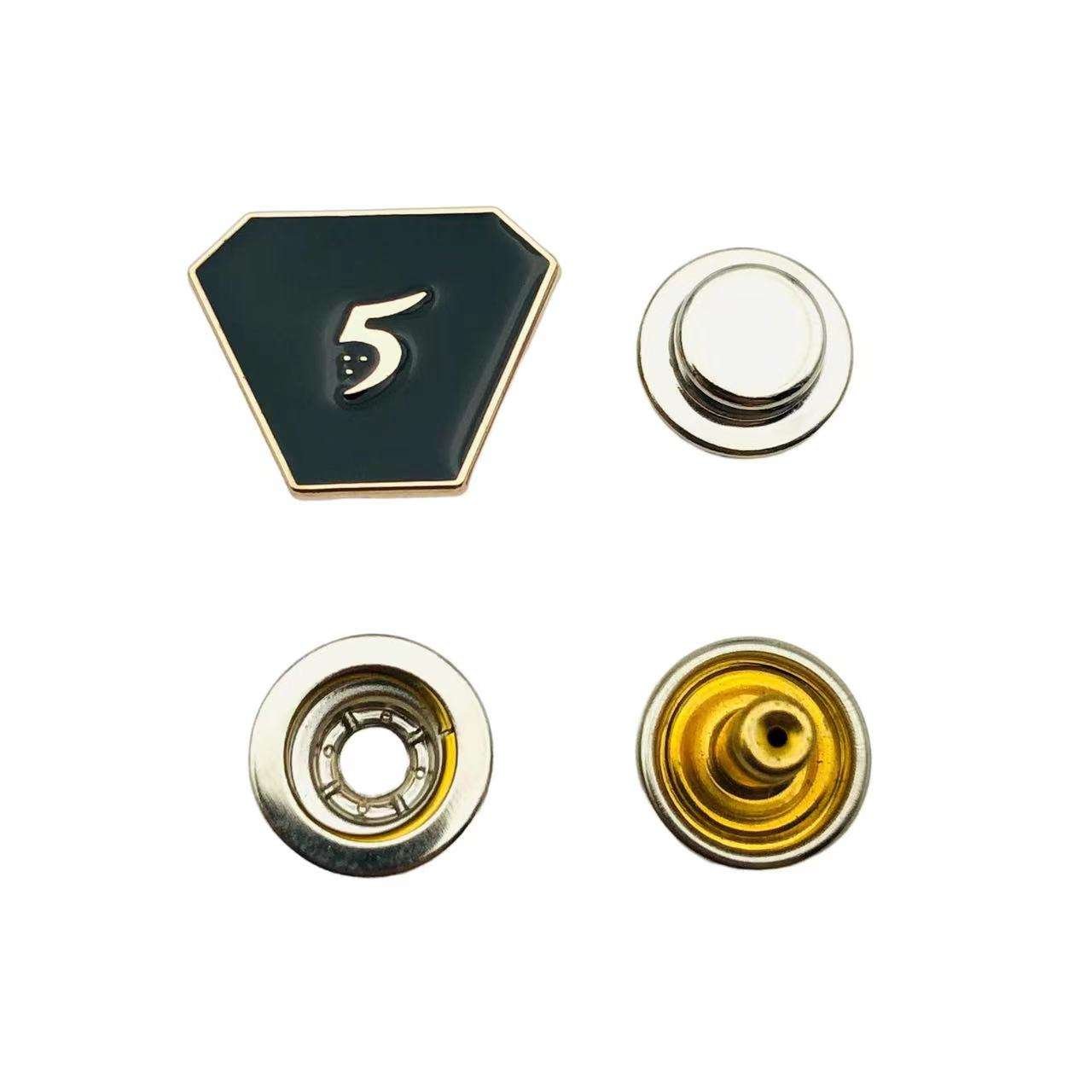
Reinforced Snap Buttons
Durable metal or resin snap closures for plackets and collar points. Ideal for big and tall polos requiring extra strength at stress points, available in custom finishes to match your brand aesthetic and withstand repeated wear.
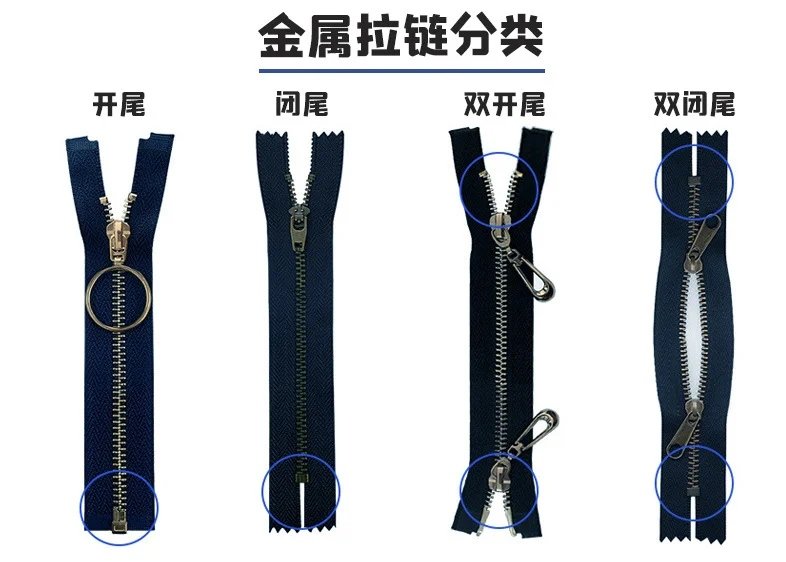
YKK Premium Zippers
Industry-leading YKK zippers for quarter-zip and full-zip big and tall polo styles. Smooth operation, exceptional durability, and customizable pulls ensure functionality meets premium branding on every garment we produce.
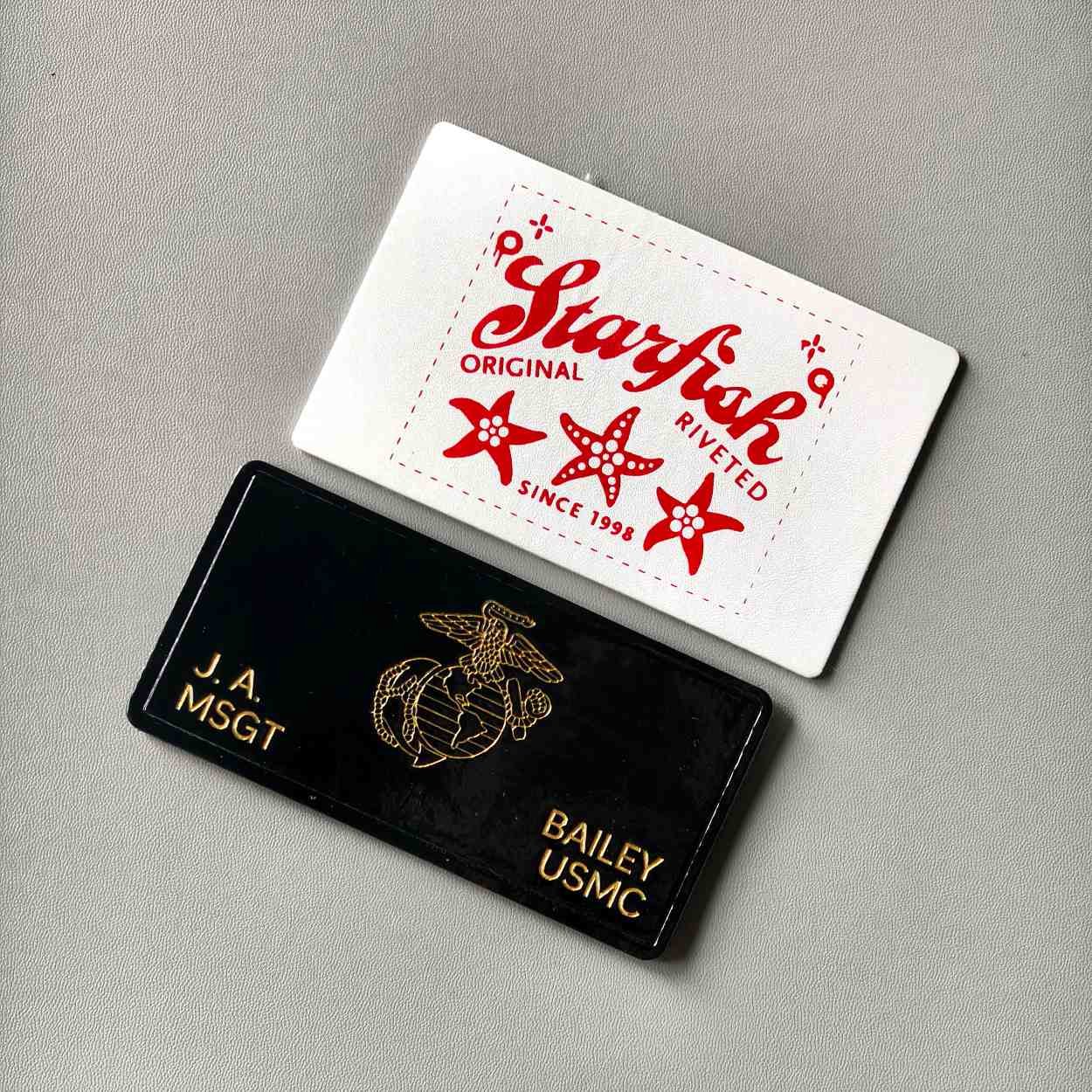
Custom Woven Labels
High-definition woven brand labels for neck, hem, or sleeve placement. Communicate your brand story with crisp detail and soft hand-feel, designed to withstand our 5-step QC process and hundreds of wash cycles.
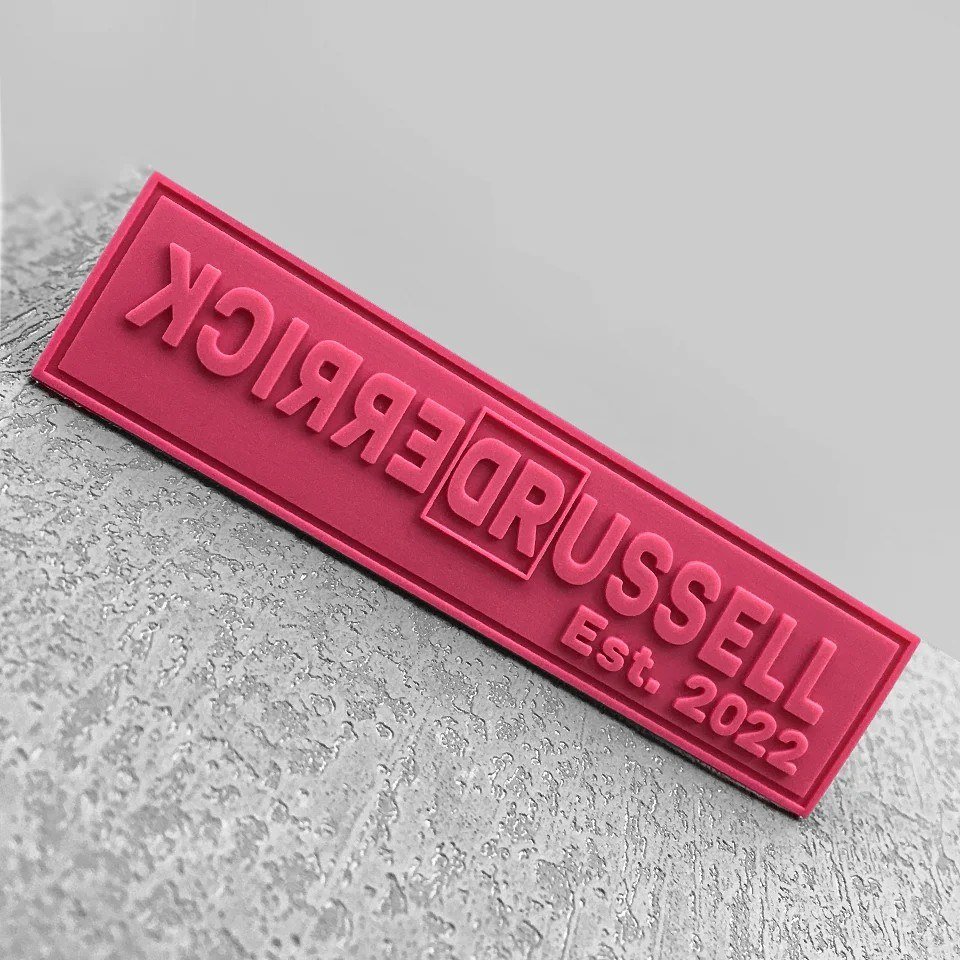
Branded Hang Tags
Custom-printed or embossed hang tags that showcase your brand identity at point of sale. We design tags with premium cardstock, unique shapes, and finishing options that make your big and tall polos stand out on retail racks.
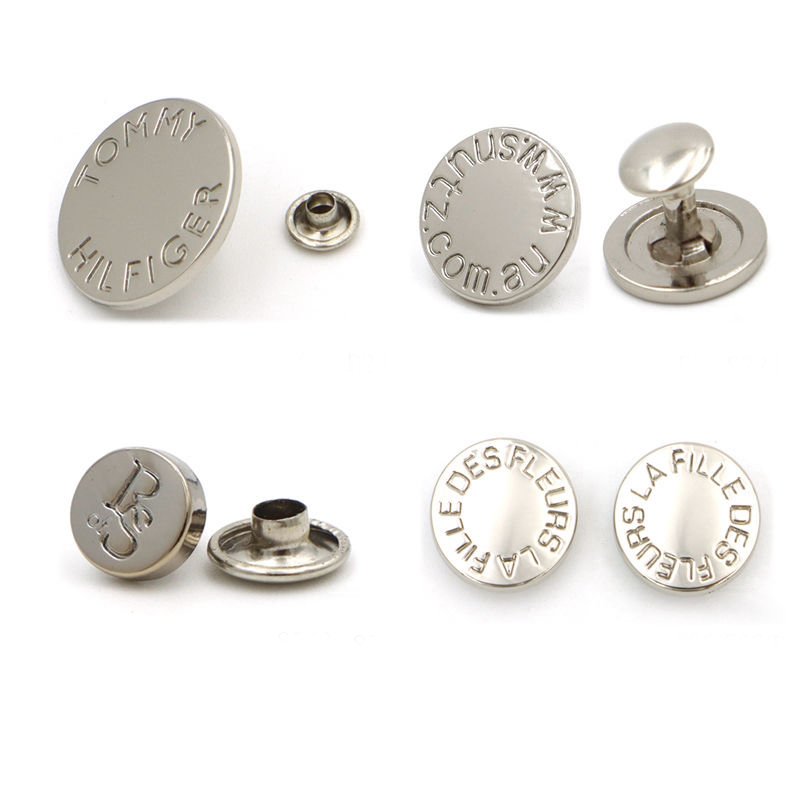
Drawcord & Tipping
Contrast-tipped drawcords for adjustable hems or hoods on hybrid polo designs. Add functional detail and streetwear edge with custom color combinations, metal or plastic aglets, and reinforced stitching for extended durability.
Embroidered Custom Patches
Woven or embroidered patches applied to sleeves, chest, or back for bold branding. Perfect for streetwear-inspired big and tall polos, these patches add texture, dimension, and a premium finish that elevates perceived value.
About Clothing Manufacturer Ltd.
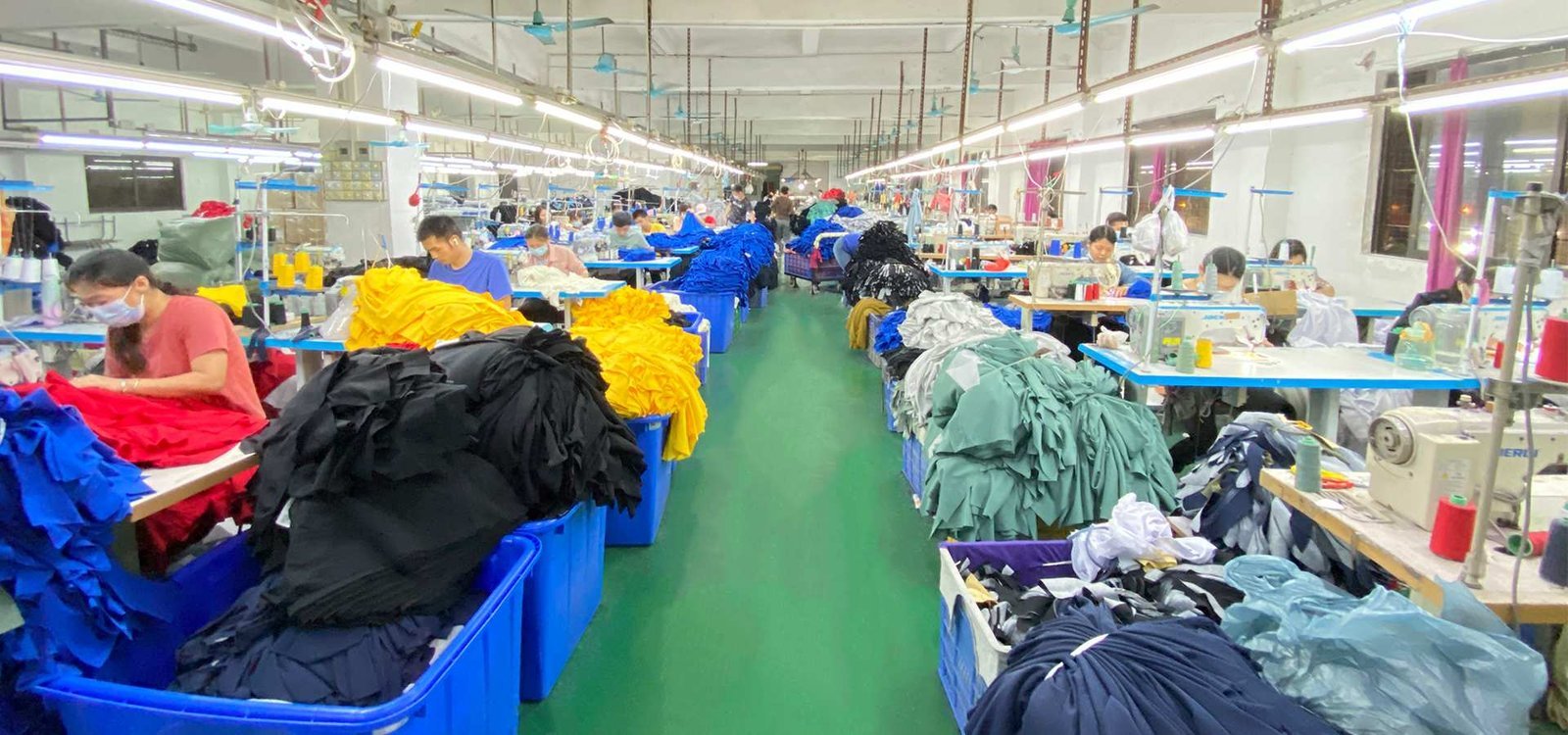
Founded in 2024 by Tesla Luo, Clothing Manufacturer Ltd. brings over a decade of garment production expertise to every big and tall polo shirt manufacturer project. Raised in a family of apparel professionals and trained across every factory role, Tesla witnessed how shortcuts in quality control damaged the reputation of Chinese manufacturers—and built this company to restore trust through rigorous, five-step QC testing at every production stage.
Today we serve trendy brands, fashion startups, independent designers, and global retailers across more than 100 countries. Our 15-member R&D team and 10 patents support low-MOQ orders, fast turnaround for seasonal collections, and in-house design and sampling. Whether you’re launching your first big and tall polo line or scaling an established brand, we combine premium craftsmanship with transparent communication and zero-compromise quality standards.
Our mission is simple: eliminate low-quality clothing from the market. By embedding quality checks from fabric inspection through final packaging, we ensure every big and tall polo shirt meets the standards your customers expect—and that Chinese garment manufacturers earn the respect they deserve in global markets.
Our 5-Step Quality Control Process for Big and Tall Polo Shirt Manufacturing
Materials QC Testing Before Production
Every fabric roll, thread spool, and trim component is inspected before cutting begins. We verify weight, stretch recovery, colorfastness, and dimensional stability to ensure your big and tall polo shirts maintain their fit and appearance after repeated wear and washing.
- Fabric weight and GSM verification against specifications
- Colorfastness testing to prevent fading and bleeding
- Stretch and recovery analysis for extended size ranges
- Trim and button durability assessment
Cutting QC Testing for Precision
Pattern pieces are measured and audited immediately after cutting to catch sizing errors before sewing starts. This critical checkpoint prevents costly mistakes in big and tall proportions, where even small deviations compromise fit and comfort across extended size charts.
- Pattern piece measurement against graded size specs
- Grain line and fabric direction verification
- Notch and alignment mark accuracy checks
- Cut quantity and matching validation
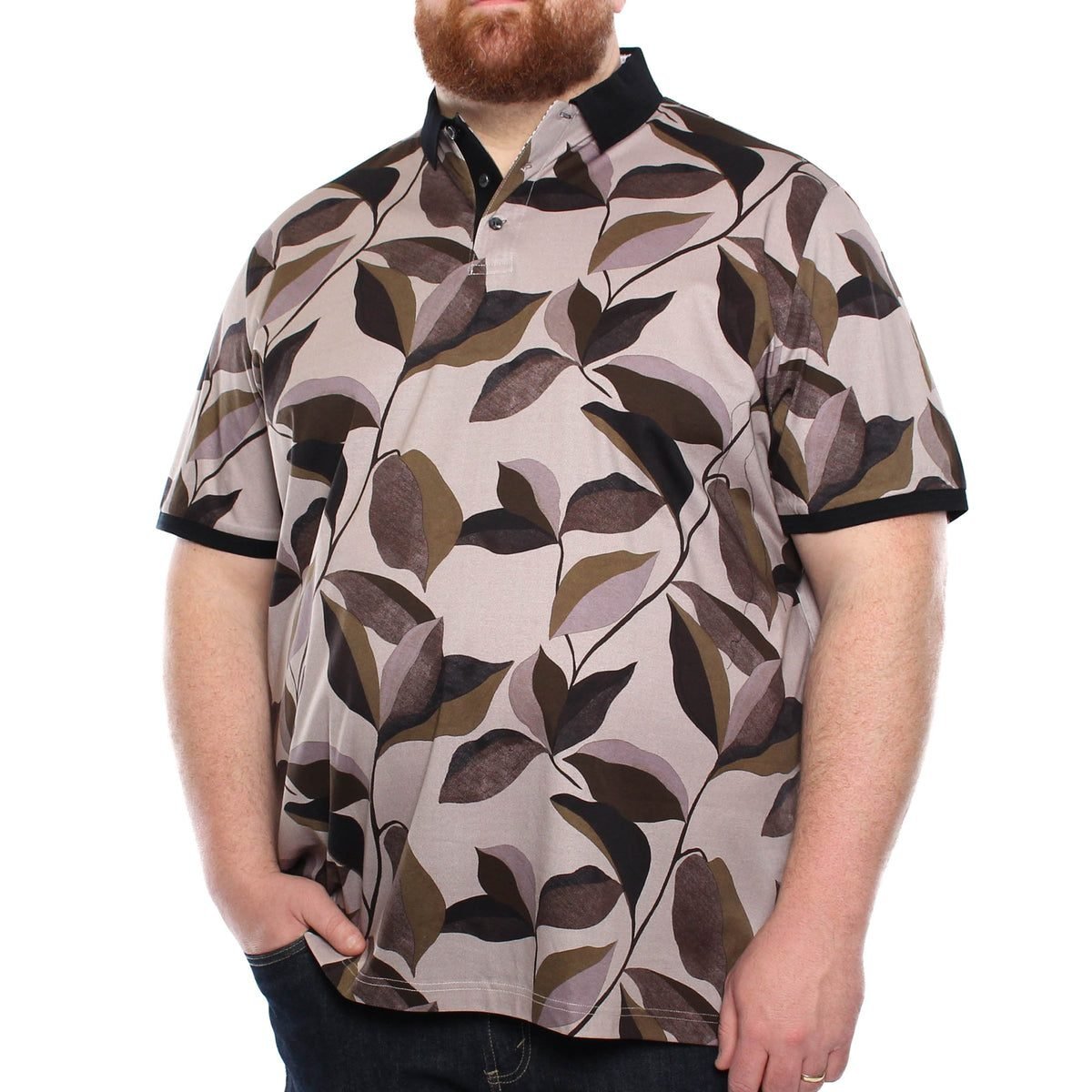
Clothing Craft and Sewing Production QC
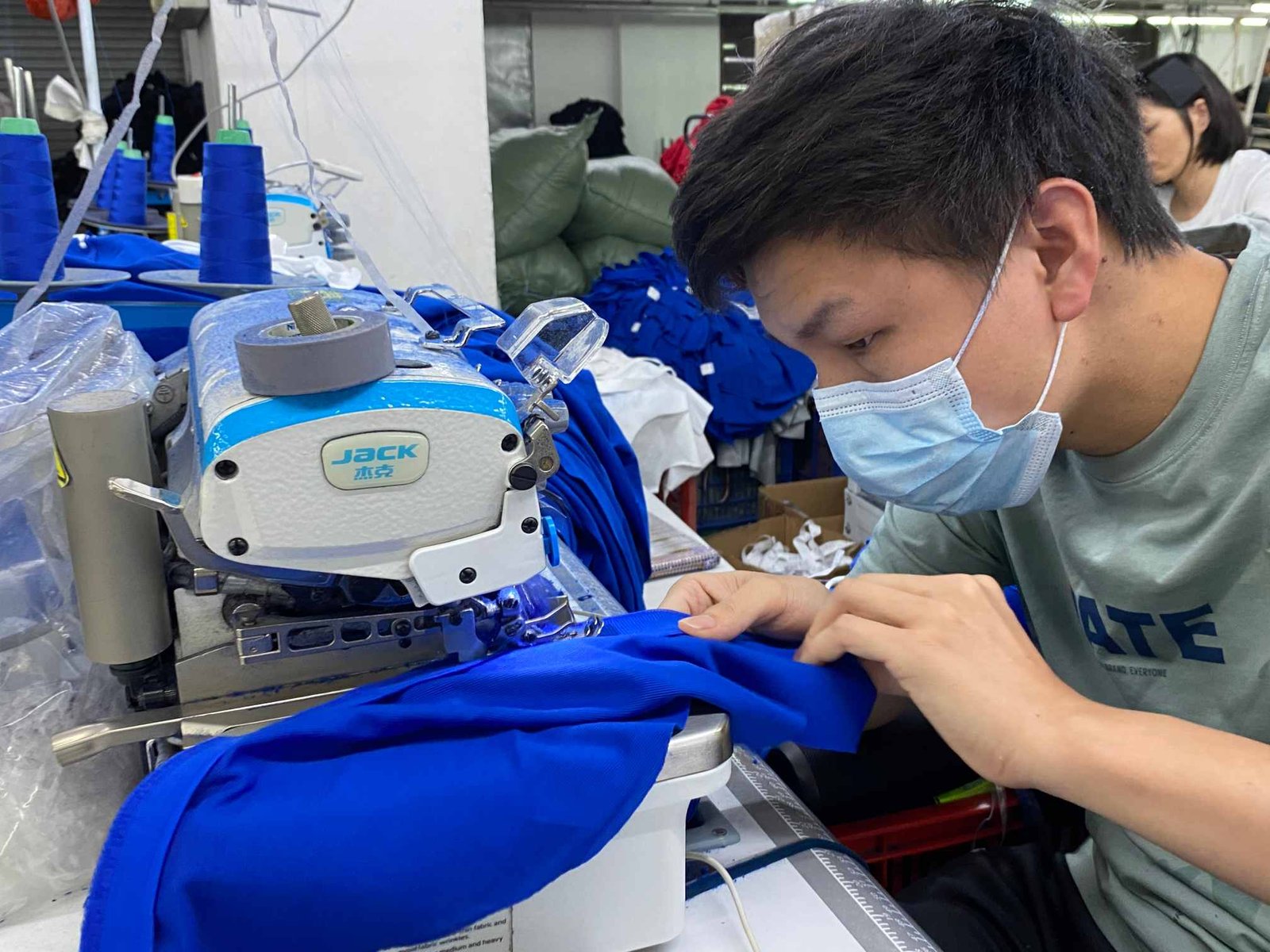
Our quality inspectors monitor active production lines, checking stitch density, seam allowances, collar symmetry, and placket alignment as garments move through workstations. This in-process testing catches defects immediately, unlike competitors who inspect only finished goods after it’s too late to correct systemic issues.
- Real-time stitch quality and tension monitoring
- Collar and cuff symmetry verification during assembly
- Placket alignment and buttonhole placement checks
- Shoulder and side seam allowance consistency
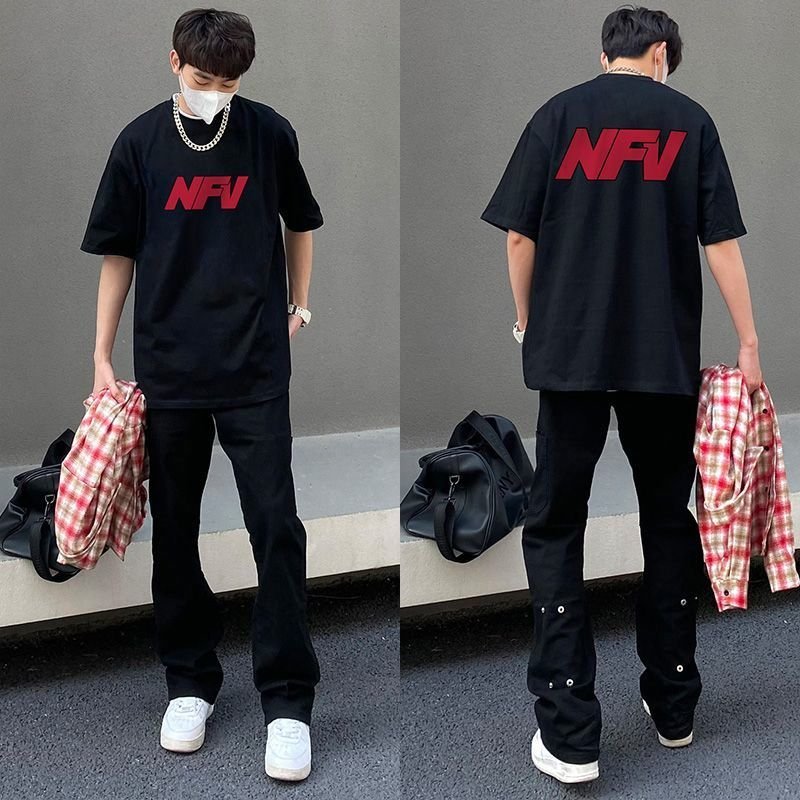
Finished Clothing Quality Final Inspection
Completed big and tall polo shirts undergo comprehensive final inspection covering measurements, appearance, functionality, and packaging readiness. Every garment is examined under proper lighting, tried for button function, and measured at key points to guarantee it meets your brand standards before shipment.
- Full garment measurement verification across all sizes
- Visual inspection for loose threads and fabric flaws
- Button, zipper, and trim functionality testing
- Pressing quality and packaging presentation check
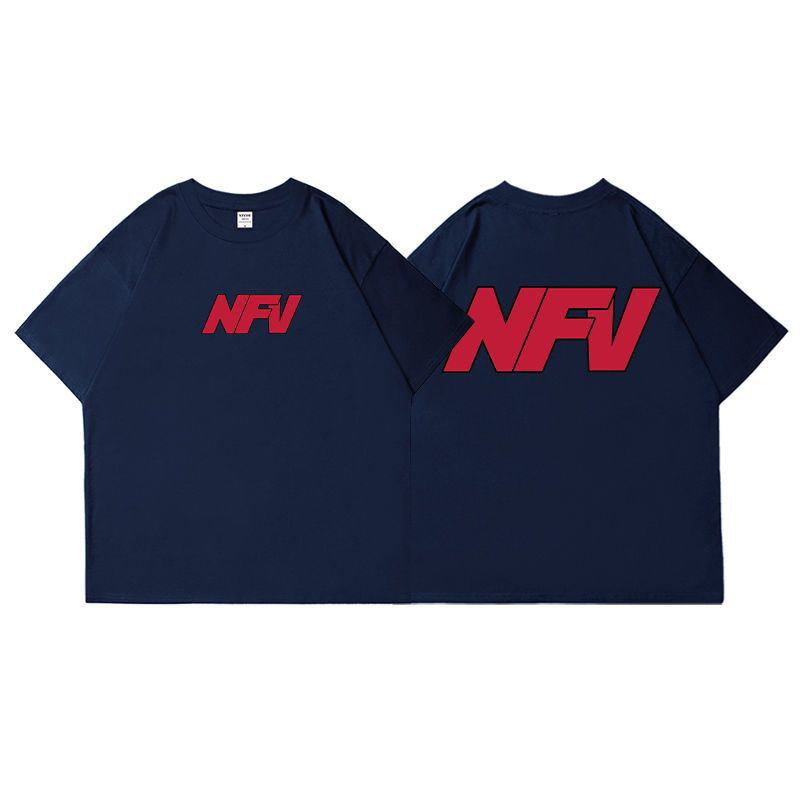
Why Choose Our Big and Tall Polo Shirt Manufacturer
We deliver the quality control, flexibility, and support that typical low-cost suppliers skip—ensuring your big and tall polo shirts meet the standards your brand deserves.
← 左右滑动查看 →
From Order to Delivery: Our Big and Tall Polo Shirt Manufacturer Timeline
Transparent production phases with built-in quality checkpoints at every stage, ensuring your big and tall polos meet premium standards from tech pack to final shipment.
Tech Pack Review
Our team analyzes your design specifications, sizing charts, fabric preferences, and branding requirements to ensure perfect alignment before sampling begins.
Sampling & Approval
We create pre-production samples with your chosen fabrics and sizing. Revisions are included until you approve fit, finish, and construction quality.
Bulk Production Launch
Production begins with materials QC and cutting QC testing. Our 15-member R&D team monitors every batch to maintain consistency across extended sizes.
In-Line Quality Control
Sewing production QC testing and clothing craft QC testing catch defects early. Each big and tall polo passes three quality gates during assembly.
Final Inspection & Packing
Finished clothing quality QC inspection verifies measurements, stitching, and branding. Garments are pressed, folded, and packed to your retail or shipping specifications.
Global Shipping & Delivery
We coordinate logistics, customs documentation, and tracking for seamless delivery to your warehouse or fulfillment center anywhere in the world.
How to Partner With a Big and Tall Polo Shirt Manufacturer
From concept to delivery, our streamlined workflow ensures your big and tall polo collection launches on time with zero quality compromises.
Submit Your Tech Pack
Share your design specifications, sizing requirements, fabric preferences, and branding details. Our team reviews your tech pack and confirms feasibility within 24 hours.
Receive Quote and Samples
We provide transparent pricing with low MOQ options and produce pre-production samples. Review fit, fabric quality, and construction before committing to bulk orders.
Approve Samples and Finalize
Confirm all details including measurements, colors, trims, and packaging. Our team locks in your specifications and schedules production with clear timelines and milestones.
Begin Bulk Production with QC
Your order enters our 5-step quality control process covering materials, cutting, craftsmanship, sewing, and final inspection. Real-time updates keep you informed throughout production.
Ship and Receive Your Order
Finished big and tall polos are professionally packed and shipped via your preferred logistics partner. We handle customs documentation and provide full tracking for global delivery.
Certifications & Quality Standards from Your Big and Tall Polo Shirt Manufacturer
Big and Tall Polo Shirt Manufacturer Success Stories
We launched our plus-size polo collection with Clothing Manufacturer Ltd and grew from 0 to 52,000 followers in 8 months. Their 5-step QC caught sizing inconsistencies early, and the fit feedback from our customers has been incredible.
As an influencer brand targeting big and tall customers, quality is everything. Their low MOQ let us test three colorways first. We sold out in 72 hours and reordered 400 units. The polos hold up wash after wash.
We needed oversized polos for our streetwear drop with custom embroidery and a tight 5-week deadline. They delivered on time with zero defects across 350 pieces. Our return rate dropped from 12% to under 2% compared to our old manufacturer.
Big and Tall Polo Shirt Manufacturer: Frequently Asked Questions
What is the minimum order quantity (MOQ) with your big and tall polo shirt manufacturer?
How long does it take to receive samples from a big and tall polo shirt manufacturer?
Can your big and tall polo shirt manufacturer accommodate custom sizing beyond standard big and tall ranges?
What payment terms do you offer for big and tall polo production orders?
How do you protect my designs and intellectual property during manufacturing?
What are the shipping costs and options for international orders of big and tall polos?
Are there limits to customization options for big and tall polo shirts?
How does your 5-step QC process apply to big and tall polo shirt orders?
Can you handle rush orders or fast turnaround for seasonal big and tall polo collections?
The Complete Buyer’s Guide to Choosing a Big and Tall Polo Shirt Manufacturer
This comprehensive guide walks you through the essential decision framework for selecting the right big and tall polo shirt manufacturer, covering critical supplier criteria, quality benchmarks, customization options, and the most common sourcing mistakes to avoid when launching your extended-size apparel line.
1. What Is a Big and Tall Polo Shirt Manufacturer?
A big and tall polo shirt manufacturer specializes in producing extended-size garments typically ranging from XL through 6XL and beyond, with distinct ‘Big’ (wider proportions, standard length) and ‘Tall’ (longer body and sleeves, standard width) classifications. Unlike standard apparel producers who scale patterns uniformly, these manufacturers employ advanced grading techniques that adjust chest, waist, sleeve, and length measurements independently to maintain proper fit across each size increment.
Standard manufacturers often apply simple proportional scaling—adding 1 inch to all dimensions per size—which distorts fit and creates garments that hang poorly on larger frames. Extended-size specialists use differential grading, adjusting armhole depth by 0.5 inches while increasing chest by 2 inches, or lengthening back rise without widening shoulders. This engineering requires pattern makers with specific training in body morphology across weight and height ranges, plus sample fitting on diverse body types rather than a single fit model.
Brands need dedicated big and tall polo shirt manufacturers because collar construction, placket reinforcement, and side-seam stress points require different specifications at 3XL than at Medium. A manufacturer experienced in extended sizes understands that fabric stretch recovery, interlining weight, and button placement must adapt to garment scale—a 6XL polo demands heavier interfacing and reinforced shoulder seams to prevent sagging. Clothing Manufacturer Ltd. applies its five-step quality control methodology across all size ranges, testing fit integrity and construction durability from cutting through finished inspection to ensure every extended-size polo meets the same standards as core sizes.
2. Evolution of Big and Tall Apparel Manufacturing
Before the 1950s, extended-size menswear was exclusively the domain of bespoke tailors who drafted custom patterns for individual clients. The first dedicated big and tall retail chains emerged in the United States during the 1960s, but manufacturing remained limited to basic silhouettes with minimal style variation. Early mass-produced extended-size garments often used simple grade rules that scaled standard patterns proportionally, resulting in poor fit across shoulders, sleeves, and torso length.
Digital pattern grading software introduced in the 1990s allowed manufacturers to apply size-specific adjustments rather than uniform scaling. By the 2010s, 3D body scanning technology enabled brands to capture accurate measurements across diverse body types, feeding data into grading algorithms that account for variations in chest depth, arm length ratios, and neck-to-waist proportions. These advances significantly improved fit accuracy for big and tall polo shirt manufacturer operations, reducing return rates and customer dissatisfaction.
Market growth accelerated after 2015 driven by three factors: rising obesity rates in North America and Europe (CDC data shows adult obesity above 40 percent in key demographics), body-positivity movements demanding inclusive sizing from major retailers, and e-commerce platforms that reduced the stigma of shopping extended sizes. Global demand for big and tall menswear now grows at approximately 5 to 7 percent annually, with polo shirts representing a high-volume category due to their versatility in casual and business-casual wardrobes.
Manufacturers who integrate quality control at every production stage—materials inspection, cutting verification, and finished garment testing—deliver the fit consistency that extended-size customers require, distinguishing serious producers from those who treat big and tall lines as afterthoughts.
3. Types of Big and Tall Polo Shirt Manufacturers
Big and tall polo shirt manufacturers operate across distinct production models, each suited to different brand needs and order volumes. Understanding these categories helps buyers align their sourcing strategy with business goals and budget constraints.
Full-Package vs. CMT Manufacturers
Full-package manufacturers handle fabric sourcing, pattern development, cutting, sewing, and finishing under one contract. MOQs typically start at 300–500 units per style, ideal for startups and independent designers who lack supply-chain infrastructure.
CMT (cut-make-trim) producers work with client-supplied materials, offering lower per-unit costs but requiring buyers to manage fabric procurement and logistics. This model suits established brands with existing supplier networks and MOQs often drop to 200 units when materials are provided.
Small-Batch Specialists vs. High-Volume Factories
Small-batch specialists accept orders from 50–300 pieces, providing flexibility for test collections and influencer brands launching limited drops. Lead times run 4–6 weeks, and per-unit costs are 15–25% higher than volume pricing.
High-volume factories require 1,000+ units per style but deliver economies of scale with 30–40% lower unit costs and access to advanced equipment like automated cutting and inline quality inspection systems.
Private-Label vs. Custom-Design Houses
Private-label manufacturers offer pre-designed polo templates with logo placement and colorway customization. MOQs start at 100–200 units with 3–4 week turnarounds, suited for retailers seeking fast market entry.
Custom-design houses provide full pattern development, grading for extended sizes, and tech-pack execution. These partners charge sampling fees of 50–150 USD per prototype and require 300+ unit MOQs, ideal for brands building proprietary fits and signature details.
Vertically-Integrated vs. Sourcing-Network Models
Vertically-integrated producers own knitting, dyeing, cutting, and sewing facilities, ensuring tighter quality control and 20–30% faster lead times. Clothing Manufacturer Ltd. operates this model through its parent company Dongguan TuoZhen Clothing Co., Ltd., applying five-step QC testing across all production stages.
Sourcing-network manufacturers coordinate multiple subcontractors for fabrics and trims, offering broader material options but variable quality oversight. This model works for brands prioritizing fabric variety over process transparency.
4. Materials and Fabrics for Big and Tall Polo Shirts
Fabric selection for big and tall polo shirts directly impacts fit retention, drape, and customer satisfaction across extended size ranges. Larger garments require fabrics with superior stretch recovery and dimensional stability to prevent sagging at stress points. A big and tall polo shirt manufacturer must balance weight, elasticity, and performance features to ensure garments maintain their shape through repeated wear and washing.
| Fabric Type | GSM Range | Best Use Case | Price Tier |
|---|---|---|---|
| 100% Cotton Pique | 180–200 | Classic retail polos | Low |
| Cotton-Spandex Blend | 200–220 | Everyday big & tall wear | Mid |
| Polyester-Cotton (60/40) | 190–210 | Workwear, uniforms | Mid |
| Performance Polyester | 160–180 | Activewear, sports polos | High |
| Four-Way Stretch Blend | 220–240 | Premium comfort fit | High |
Natural vs. Synthetic Fiber Blends
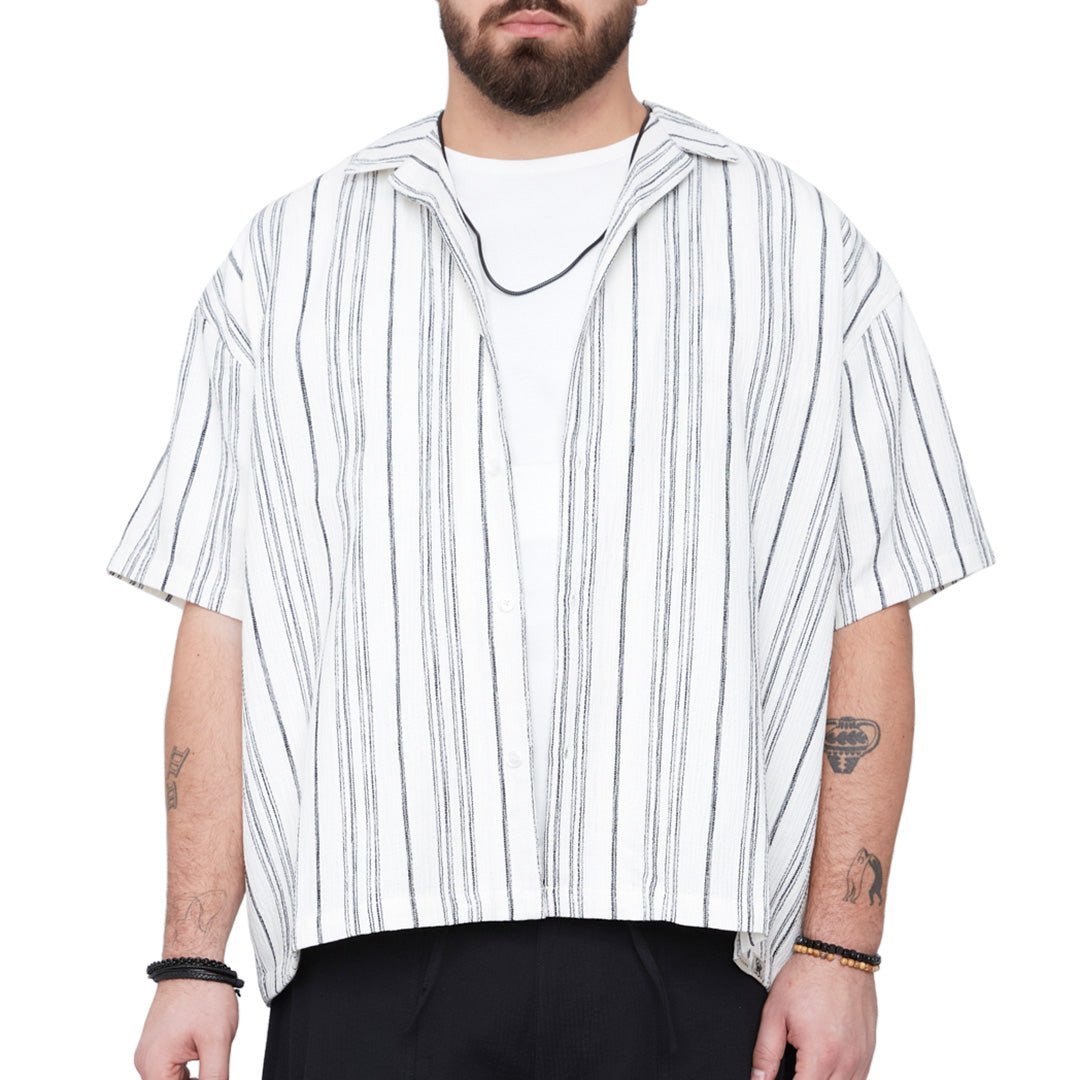
Pure cotton pique offers breathability and a classic hand feel but lacks the recovery properties needed for larger sizes. Blends of 95% cotton with 5% spandex or 60/40 cotton-polyester combinations deliver stretch and shape retention without sacrificing comfort.
Synthetic-dominant blends (65% polyester, 35% cotton) resist shrinkage and hold dye better, critical for consistent sizing in big and tall production runs. Natural fibers alone often stretch out at armholes and hems in sizes 2XLT and above.
GSM Weight and Drape Considerations
Fabric weight measured in grams per square meter determines drape and durability. Lightweight polos (160–180 GSM) suit performance applications but may appear sheer in larger sizes. Mid-weight fabrics (200–220 GSM) provide optimal opacity and structure for big and tall frames.
Heavyweight options (240+ GSM) deliver premium hand feel and longevity but increase material costs by 20–30%. Heavier fabrics also reduce the risk of fabric stress lines across the chest and shoulders in extended sizes.
Stretch and Recovery Properties
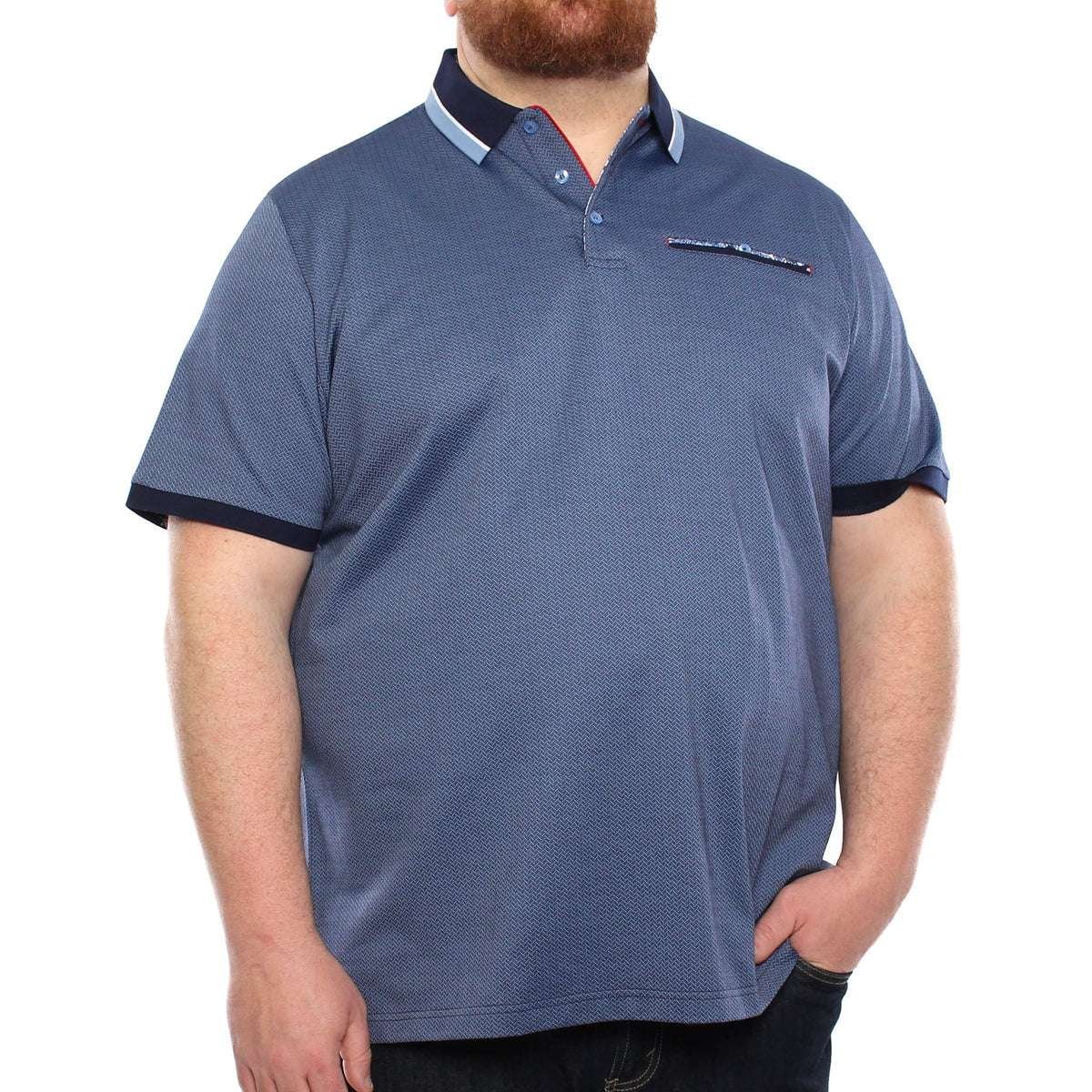
Two-way stretch (horizontal) is standard, but four-way stretch fabrics improve comfort in big and tall polos by accommodating movement across shoulders and torso. Spandex content of 3–5% ensures garments return to original dimensions after stretching.
Poor recovery leads to bagging at elbows and waistbands, a common complaint in extended sizes. A big and tall polo shirt manufacturer should test fabric recovery after 50 wash cycles to verify long-term performance.
Moisture-Wicking and Performance Features
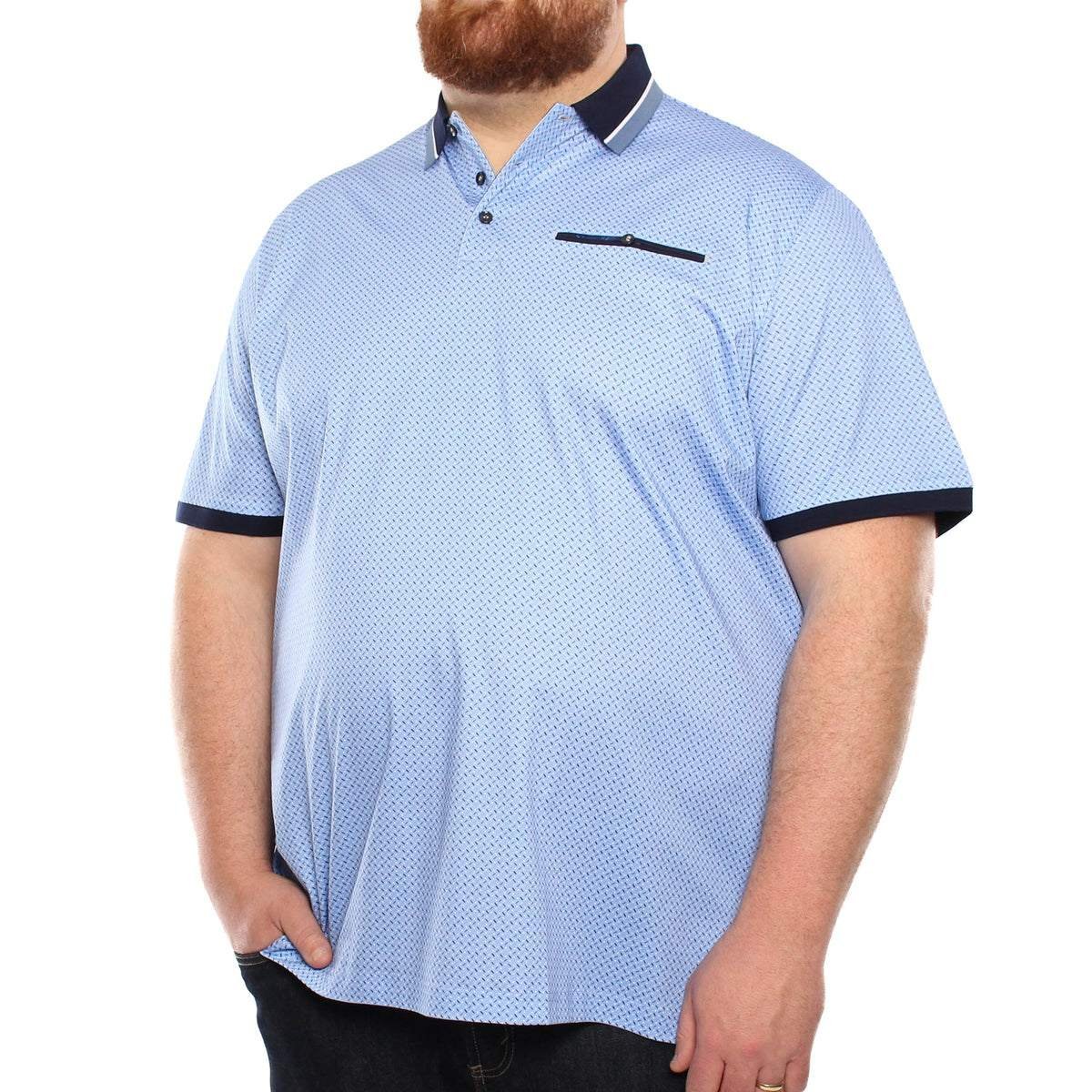
Performance polyester blends with moisture-wicking finishes transport sweat away from the skin, essential for active customers in larger sizes. CoolMax and similar technologies add 15–25% to fabric cost but reduce returns related to comfort.
Antimicrobial treatments and UV protection (UPF 30+) appeal to outdoor and workwear segments. These features require fabric pre-treatment and add complexity to quality control testing during production.
5. Customization and Decoration Options with a Big and Tall Polo Shirt Manufacturer
Branding and personalization techniques for big and tall polo shirts require adjustments for larger surface areas and fabric stress points. A big and tall polo shirt manufacturer must account for extended embroidery fields, ink coverage, and decoration placement that maintains visual balance across sizes 2XL to 6XL and beyond.
| Decoration Method | Setup Cost | Per-Unit Cost | Durability (Washes) | Ideal MOQ |
|---|---|---|---|---|
| Embroidery | $50–$150 | $2–$8 | 100+ | 50–100 |
| Screen Printing | $75–$200 | $1.50–$4 | 50+ | 100–500 |
| DTG | $0 | $6–$12 | 25–30 | 1–50 |
| Heat Transfer | $0 | $3–$6 | 20–25 | 1–100 |
| Appliqué | $100–$250 | $8–$15 | 100+ | 100–200 |
Embroidery: Chest, Sleeve, and Back Placement
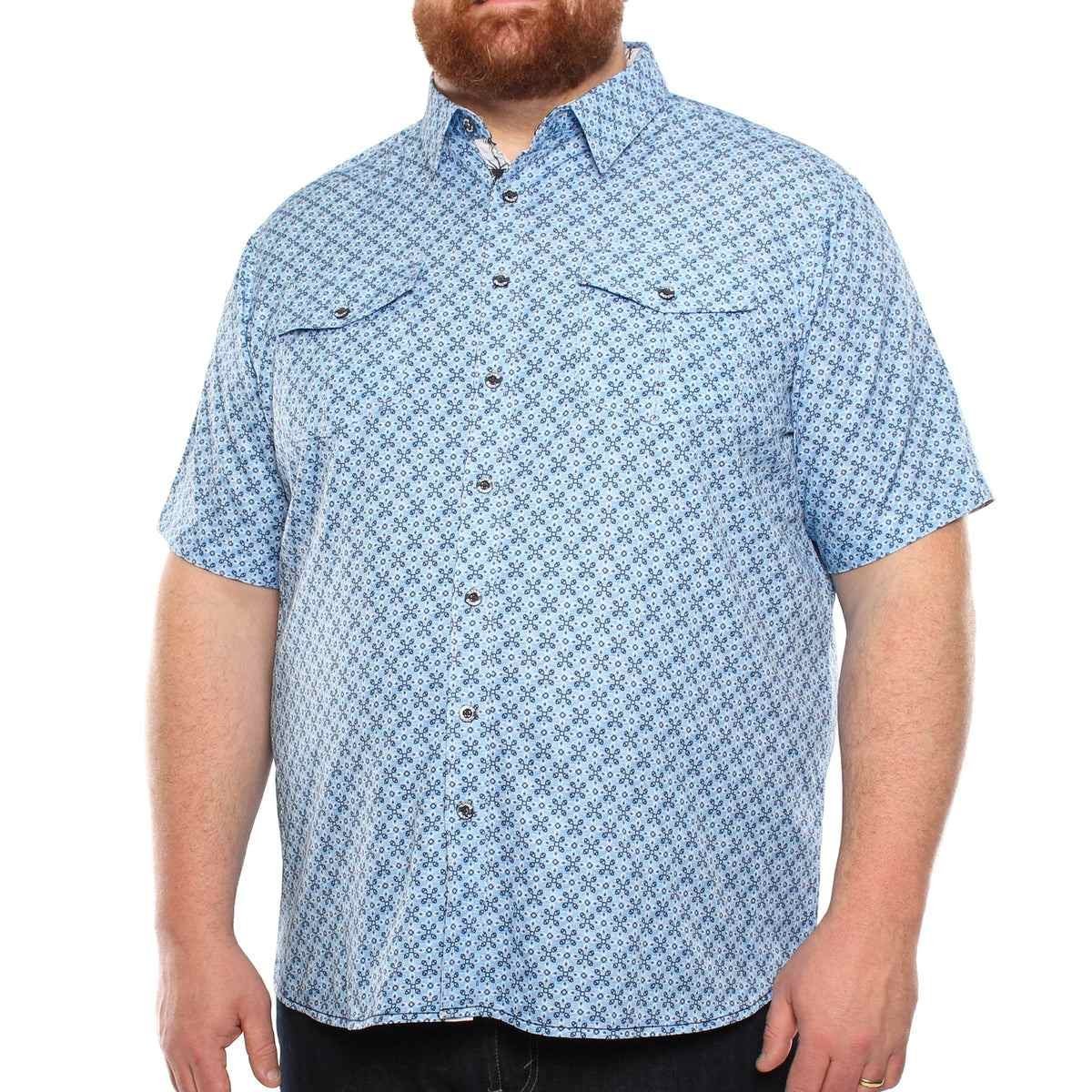
Embroidery remains the most durable decoration method for extended-size polos, with chest logos typically scaled from 3.5 inches wide on standard sizes to 4.5–5 inches on 4XL and above. Left-chest placement sits 7–8 inches down from the shoulder seam on big and tall garments to maintain proportion.
Setup costs run $50–$150 per design depending on stitch count; per-piece embroidery adds $2–$8 based on logo size and thread count. MOQ impact is moderate: 50–100 pieces per colorway is standard. Back embroidery and sleeve decoration require hoop changes and increase labor time by 30–40 percent, raising per-unit costs accordingly.
Screen Printing and Direct-to-Garment
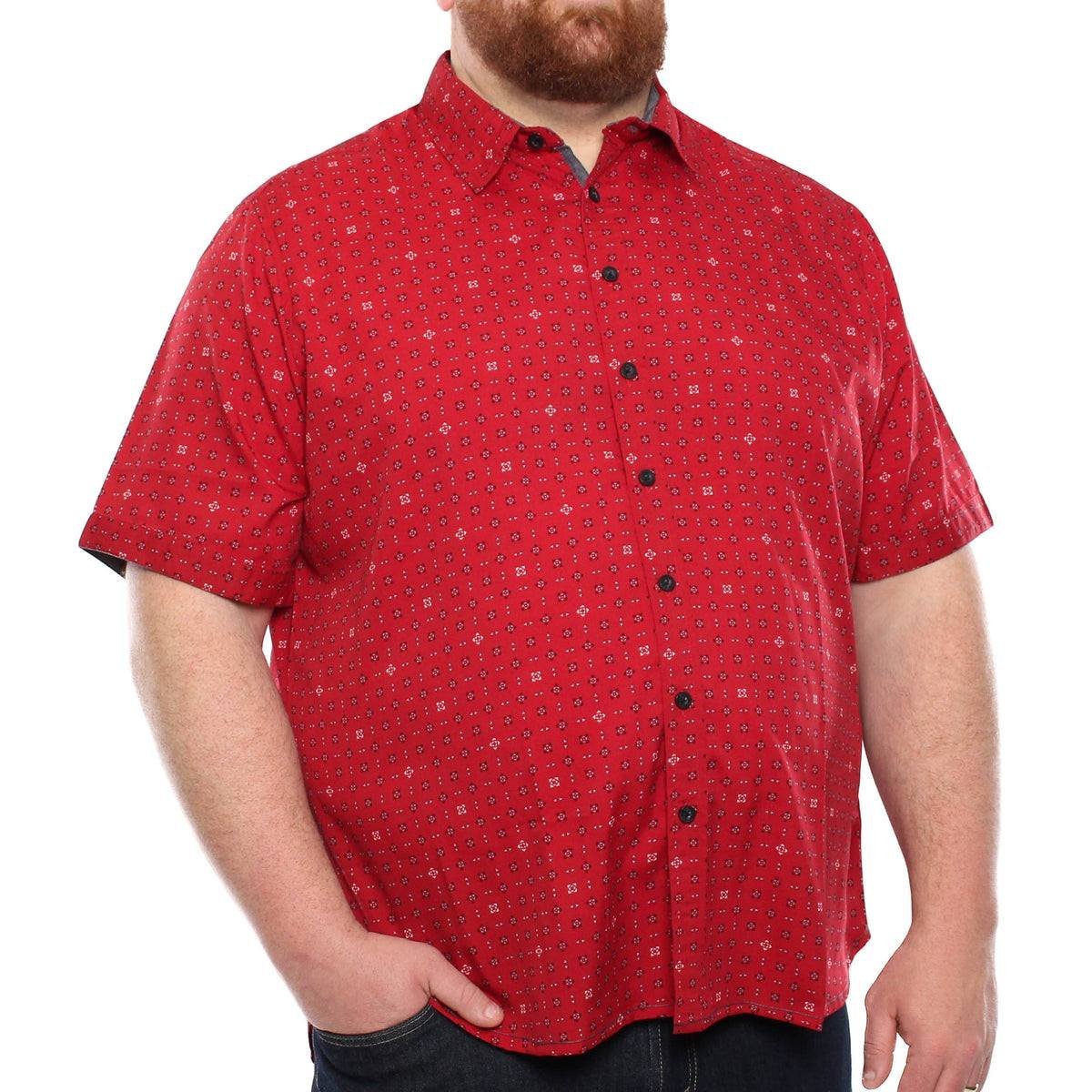
Screen printing offers the lowest per-piece cost at high volumes—$1.50–$4 per print after setup—but requires separate screens for each size run when printing large back or chest graphics. DTG eliminates setup fees and handles full-color designs without minimums, costing $6–$12 per shirt, ideal for test runs under 50 units.
Durability differs: plastisol screen prints last 50+ washes with minimal cracking, while DTG prints may fade after 25–30 washes on high-cotton blends. Larger garment surfaces demand higher ink volumes, increasing material costs by 15–20 percent on 3XL-plus sizes.
Heat Transfer and Appliqué
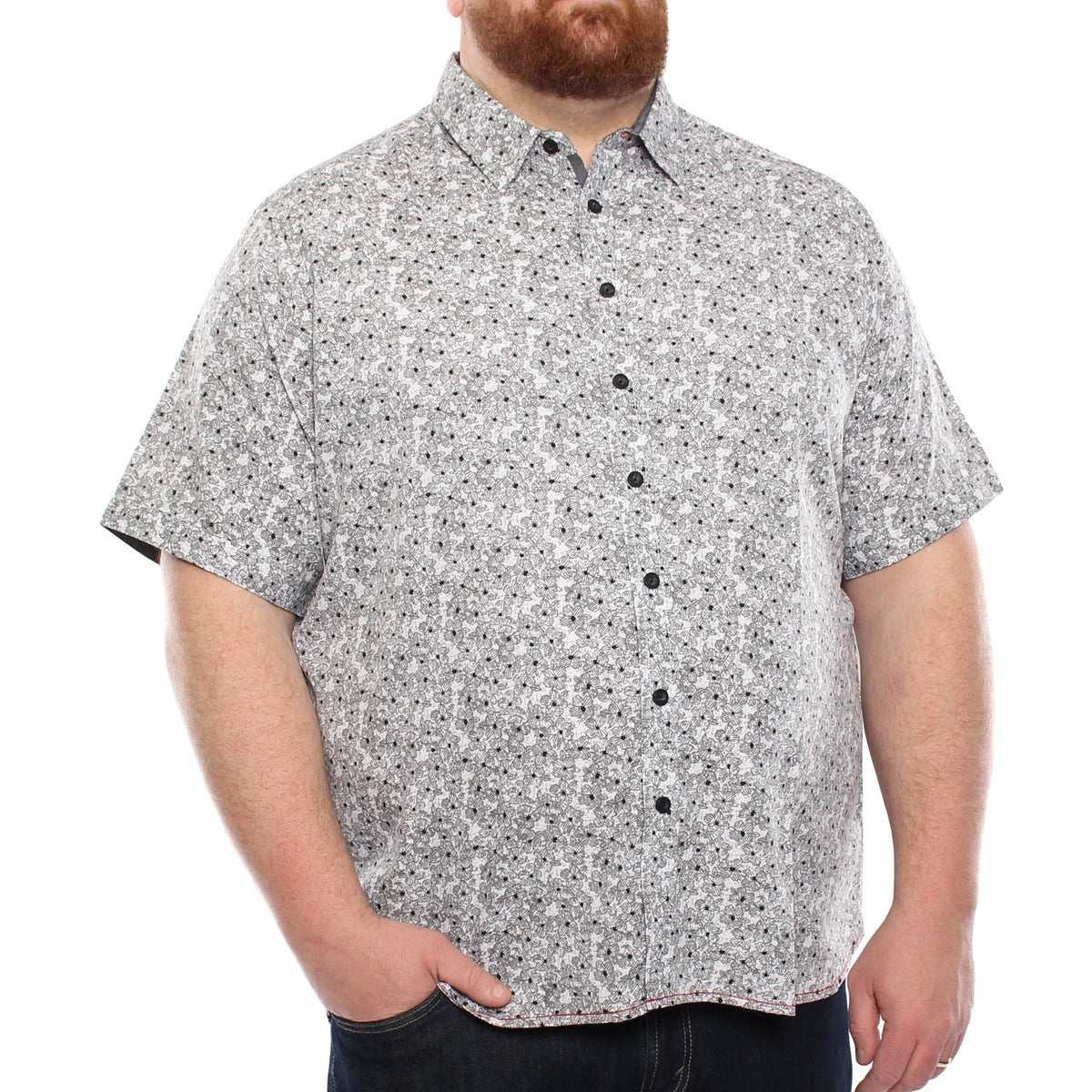
Heat-transfer vinyl applies quickly at $3–$6 per piece with no setup cost, making it suitable for small batches and numbered team polos. Durability is lower: transfers may peel after 20–25 washes, especially at stress points on larger garments.
Appliqué—sewn fabric patches—offers premium texture and withstands 100+ washes, but setup and sewing time push costs to $8–$15 per unit. MOQs of 100–200 pieces are common due to labor intensity.
Woven Labels and Hang Tags
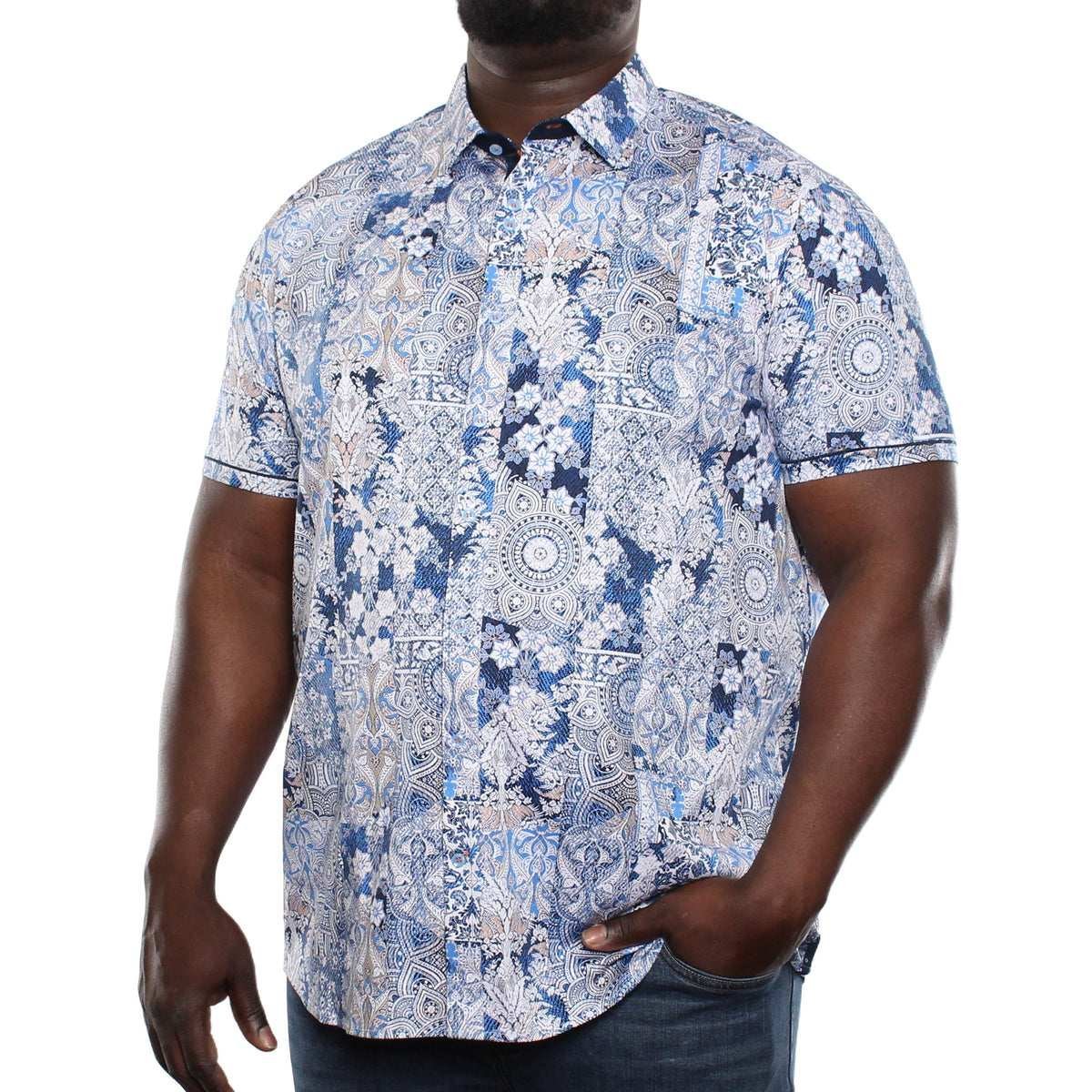
Woven neck labels and custom hang tags reinforce brand identity without affecting garment performance. Woven labels cost $0.15–$0.50 each with MOQs of 500–1,000 pieces; printed satin labels drop to $0.05–$0.12 but fade faster.
Hang tags range from $0.10 for simple cardstock to $0.80 for multi-fold designs with metallic foil. Big and tall lines benefit from size-specific hang tags that communicate fit details and care instructions tailored to extended sizing.
6. Key Quality and Construction Elements in Big and Tall Polos
Extended-size polos experience greater mechanical stress at seams, collars, and plackets than standard cuts. Premium big and tall polo shirt manufacturer partners implement reinforced construction at every critical point to ensure garments withstand repeated wear and washing cycles without distortion or failure.
Collar Construction and Interfacing
Collars in big and tall polos require fusible or sewn-in interfacing rated at 60–80 GSM to maintain shape through laundering. Budget manufacturers skip interfacing or use thin adhesives that bubble after three washes.
Premium collars feature a three-piece construction with separate stand and fall pieces, plus topstitching at 3–5 mm intervals to lock the interfacing. Verify that collar points align symmetrically and that the neckband seam is cleanly finished with bias tape or overlock stitching.
Shoulder and Side Seam Reinforcement
Larger garments generate higher tension across shoulder and side seams during movement. Premium manufacturers use double-needle chain stitch or flatlock seams with 12–14 stitches per inch, compared to single-needle lockstitch at 8–10 SPI in budget production.
Shoulder seams should include twill tape reinforcement (10–12 mm width) to prevent stretching. Side seams benefit from bar-tack reinforcement at hem and armhole stress points, a detail often omitted in lower-tier factories.
Hem and Cuff Finishing
Hem and sleeve cuffs in extended sizes require ribbed knit bands with at least 5% spandex content to maintain elasticity. Budget versions use single-ply fabric that loses recovery after 10–15 wash cycles.
Premium hems feature double-turned construction with coverstitch (top and bottom looper threads visible) rather than single-fold chainstitch. Cuff width should scale proportionally: 50–60 mm for big sizes, 55–65 mm for tall cuts.
Button and Placket Quality
Placket construction in big and tall polos demands reinforced facings and buttonhole bar-tacks rated for 2,000+ cycles. Premium manufacturers use 11–13 mm resin or natural shell buttons with four-hole cross-stitch attachment, while budget versions rely on two-hole snap-on buttons that detach easily.
Placket width should measure 25–30 mm with double-fold facing and edge topstitching. Verify buttonhole stitch density reaches 300–400 stitches per hole to prevent fraying under tension.
7. How to Choose the Right Big and Tall Polo Shirt Manufacturer
Selecting a big and tall polo shirt manufacturer requires evaluating technical capability, production flexibility, and quality assurance systems. A systematic vetting process across five core dimensions helps brands identify partners who deliver consistent fit, scalable capacity, and transparent operations.
Assessing Size-Range Expertise and Fit Samples
Request graded spec sheets for sizes XLT through 6XL and fit samples in at least three extended sizes. Manufacturers experienced in big and tall construction will provide detailed armhole depth, back length, and chest width measurements that accommodate larger frames without simply scaling up standard cuts.
Red flags include reluctance to produce fit samples before production or inability to articulate pattern adjustments for tall versus big proportions. Ask how many big and tall SKUs the factory has produced in the past 12 months and request client references in the extended-size segment.
Evaluating MOQ Flexibility and Scalability
Minimum order quantities for big and tall polos typically range from 100 to 500 pieces per colorway, with lower MOQs critical for startups testing size assortments. Confirm whether the factory can accommodate mixed-size runs and whether per-unit pricing adjusts as volume scales from 500 to 5,000 pieces.
Watch for rigid MOQ policies that force over-ordering of less common sizes (4XL+) or penalize small initial orders with prohibitive setup fees exceeding 30 percent of garment cost.
Verifying Certifications and Ethical Compliance
Request copies of WRAP, BSCI, or equivalent social-compliance audits and OEKO-TEX or similar fabric certifications. Factories implementing documented quality control systems—such as a five-step QC methodology covering materials, cutting, craft, sewing, and finished inspection—demonstrate process maturity that reduces defect rates below 2 percent.
Absence of third-party certifications or vague responses about labor practices signal potential compliance risks that can damage brand reputation in North American and European markets.
Reviewing Lead Times and Production Capacity
Standard lead times for big and tall polo production range from 30 to 60 days after sample approval, depending on fabric sourcing and order complexity. Confirm the factory’s monthly output capacity and whether they allocate dedicated lines for extended-size garments to avoid bottlenecks during peak seasons.
Red flags include lead times under 20 days for custom orders, which often indicate corner-cutting on QC, or inability to provide a production schedule showing your order slot and milestone dates.
Comparing Communication and Sampling Processes
Evaluate response times (under 24 hours for emails), clarity of technical specifications, and willingness to iterate on samples until fit and construction meet your standards. Manufacturers offering digital tech packs, photo updates at each QC stage, and direct access to production managers enable smoother collaboration than those relying solely on sales intermediaries.
Watch for generic responses to technical questions about stitching, fabric weight, or grading, which suggest limited hands-on production knowledge or reliance on subcontractors without direct oversight.
8. Common Mistakes When Sourcing from a Big and Tall Polo Shirt Manufacturer
First-time buyers working with a big and tall polo shirt manufacturer often stumble over sizing complexities that standard-fit production never reveals. Avoiding these five pitfalls saves both time and costly rework cycles.
Neglecting Fit Testing Across the Full Size Range
Many brands test only mid-range samples (2XL or 3XL) and assume grading will scale correctly to 5XL and 6XL. Fit issues in sleeve pitch, armhole depth, and torso length frequently appear only at the extremes of the size curve.
Request wear-test samples in your smallest big-and-tall size and your largest size. Check shoulder slope, collar stand height, and placket positioning on live models before approving production.
Underestimating Fabric Consumption and Costing
A 5XL polo consumes 40–60% more fabric than an XL, yet inexperienced buyers apply flat per-unit pricing across all sizes. This discrepancy erodes margins on larger sizes and can trigger unexpected surcharges mid-production.
Request a tiered costing sheet that breaks out fabric yardage and labor by size bracket (2XL–3XL, 4XL–5XL, 6XL+). Build size-specific retail pricing to protect profitability.
Ignoring Grading Accuracy and Proportional Scaling
Linear grading—adding the same increment at every size jump—produces distorted proportions in big and tall ranges. Sleeves become too narrow, side vents misalign, and pocket placement drifts off-center.
Verify that your big and tall polo shirt manufacturer uses proportional grading rules that adjust chest, waist, hip, and sleeve independently. Review grade-rule charts and request fit samples at two-size intervals.
Skipping Pre-Production Samples
Rushing to bulk production without a pre-production sample (PPS) in final fabrics and trims is the single costliest mistake. Color shifts, shrinkage rates, and construction details often differ between development samples and production runs.
Always approve a PPS in your actual production fabric before releasing the order. Clothing Manufacturer Ltd.’s five-step QC process includes materials and cutting QC, but a PPS catch errors before they multiply across thousands of units.
Failing to Plan for Size-Specific Packaging and Labeling
Big and tall garments require larger polybags, deeper carton dimensions, and clear size callouts on hangtags. Standard packaging often splits at the seams or obscures size information, frustrating retail partners and end customers.
Specify polybag dimensions (minimum 16×20 inches for 4XL+) and carton specs upfront. Include prominent ‘Big & Tall’ or size-range labels on outer packaging to streamline warehouse sorting and reduce returns.
9. Steps to Launch Your Big and Tall Polo Line
Launching a big and tall polo line requires a structured approach from initial research through final delivery. Each phase has distinct deliverables and timelines that keep your project on track and minimize costly revisions.
Market Research and Target Customer Profiling
Define your customer demographic by analyzing size distribution data, preferred fit styles (athletic vs. relaxed), and price sensitivity within the big and tall segment. Survey existing customers or study competitor reviews to identify unmet needs in collar construction, sleeve length, and torso proportions.
Allocate 2–3 weeks for this phase and produce a one-page customer profile document with target age range, income bracket, and top three fit pain points.
Tech Pack Development and Size Specification
Create detailed tech packs specifying fabric type, GSM, colorways, and graded measurements for each size from 2XL to 5XL. Include tolerance ranges (typically ±1 cm for body measurements) and construction details such as rib-knit collar width and placket button spacing.
Budget 1–2 weeks and deliver a complete tech pack with at least six size points of measure per garment component.
Sampling and Fit Approval Process
Order pre-production samples in at least three sizes spanning your range to validate pattern grading and fabric drape. Conduct fit sessions with real big and tall testers, documenting shoulder slope, armhole depth, and hem length against your spec sheet.
Expect 3–4 weeks including shipping; approve samples in writing before advancing to bulk production.
Placing Your First Production Order
Confirm minimum order quantities (typically 300–500 units per colorway for polos), payment terms (30% deposit, 70% before shipment), and lead time (45–60 days standard). Reference the five-step QC methodology—materials, cutting, craft, sewing, and finished inspection—in your purchase order to ensure checkpoints align with your standards.
Quality Control and Inspection Protocols
Require in-process QC reports at cutting and mid-sewing stages, plus a final AQL 2.5 inspection before shipment. Specify critical defects (misaligned plackets, uneven hems) and acceptable tolerance levels in your QC checklist.
Plan for third-party inspection if order value exceeds $10,000.
Logistics and Fulfillment Planning
Select shipping method based on urgency: sea freight (30–40 days, lowest cost per unit) or air freight (5–7 days, higher cost). Arrange customs clearance, import duties, and warehouse receiving at least two weeks before your planned launch date.
Prepare SKU barcodes and inventory management systems to track size-specific stock levels from day one.
10. Pricing and Cost Considerations
Extended-size polo production typically incurs a 15–25% premium over standard sizing due to increased fabric consumption, specialized grading systems, and lower production volumes that reduce economies of scale. A 3XLT polo shirt consumes approximately 30% more fabric than an XL, while pattern grading for tall and big proportions requires dedicated technical expertise that many big and tall polo shirt manufacturer operations build into their unit costs. Clothing Manufacturer Ltd. applies its five-step QC process uniformly across all size ranges, ensuring that quality standards remain consistent even as fabric yardage and cutting complexity increase.
Hidden costs frequently catch buyers off guard: sampling fees for extended sizes range from $50–$150 per prototype depending on fabric and construction complexity, while shipping expenses rise 20–35% for big and tall garments due to greater weight and cubic volume. Size-specific packaging—reinforced poly-bags and larger cartons—adds $0.15–$0.40 per unit, and decoration setup costs (screen printing, embroidery) remain fixed regardless of garment size, making them proportionally more expensive on smaller test runs.
Order quantity directly impacts unit economics. At 100 units, fixed costs (sampling, grading, screen setup) distribute across fewer pieces, driving per-unit prices higher. Scaling to 1,000+ units amortizes these expenses and unlocks volume discounts on fabric procurement, cutting lead times while reducing cost per polo. Lead times extend 1–2 weeks for initial big and tall orders as manufacturers validate fit and grading, then normalize once patterns are finalized.
| Order Quantity | Price per Unit (USD) | Lead Time | Decoration Setup |
|---|---|---|---|
| 100 units | $12.50–$16.00 | 25–30 days | $150–$250 |
| 500 units | $9.00–$11.50 | 20–25 days | $150–$250 |
| 1,000 units | $7.50–$9.50 | 18–22 days | $150–$250 |
| 2,500 units | $6.00–$8.00 | 15–20 days | $150–$250 |
Ready to Launch Your Big and Tall Polo Shirt Line?
Partner with a trusted big and tall polo shirt manufacturer. 5-step QC, low MOQ, 7-day samples, and global shipping to 100+ countries.