
Premium 4x 5x 6x Clothing Manufacturer for Streetwear Brands
Partner with a trusted 4x 5x 6x clothing manufacturer offering 50-piece MOQ, 5-step quality control, and proven expertise in extended-size streetwear production.
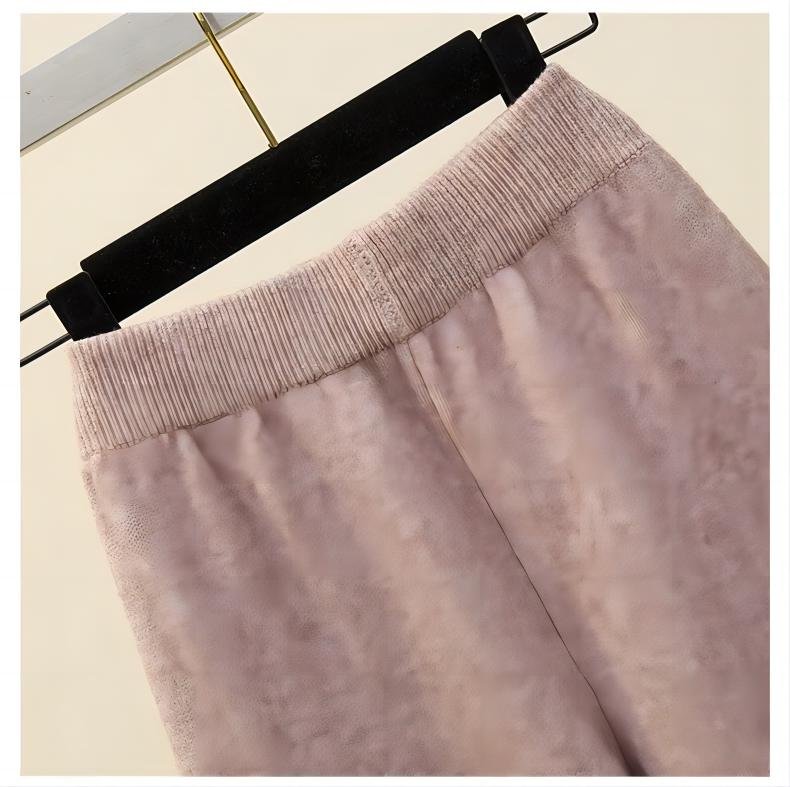
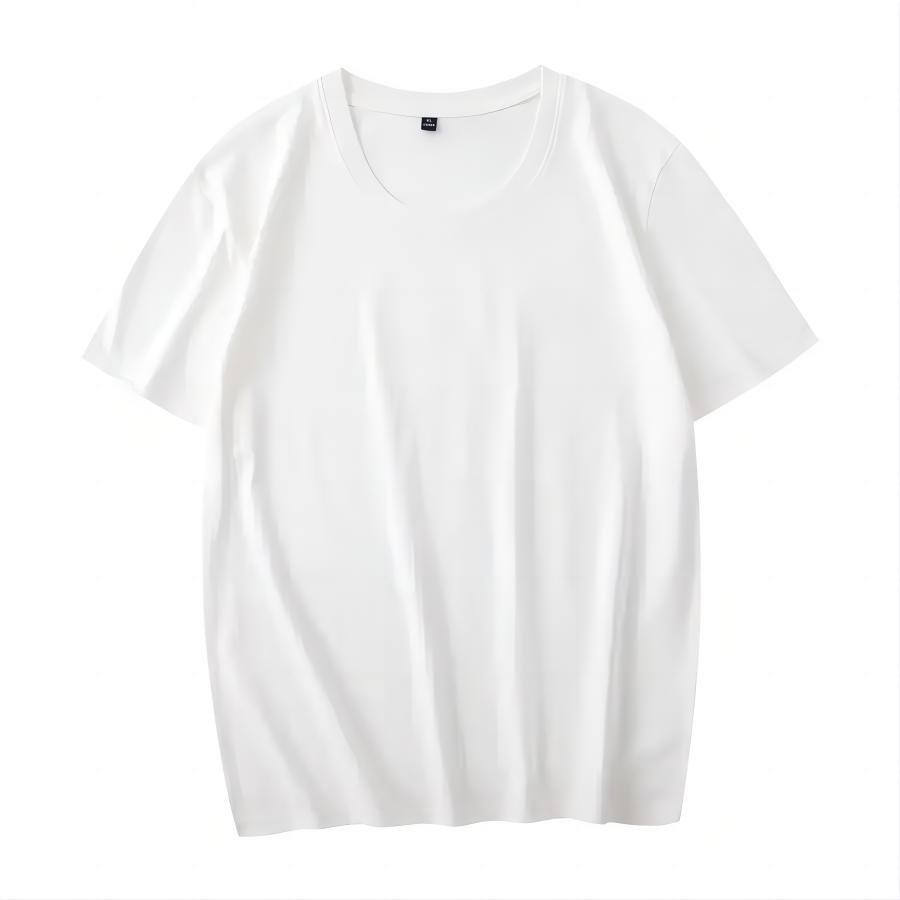
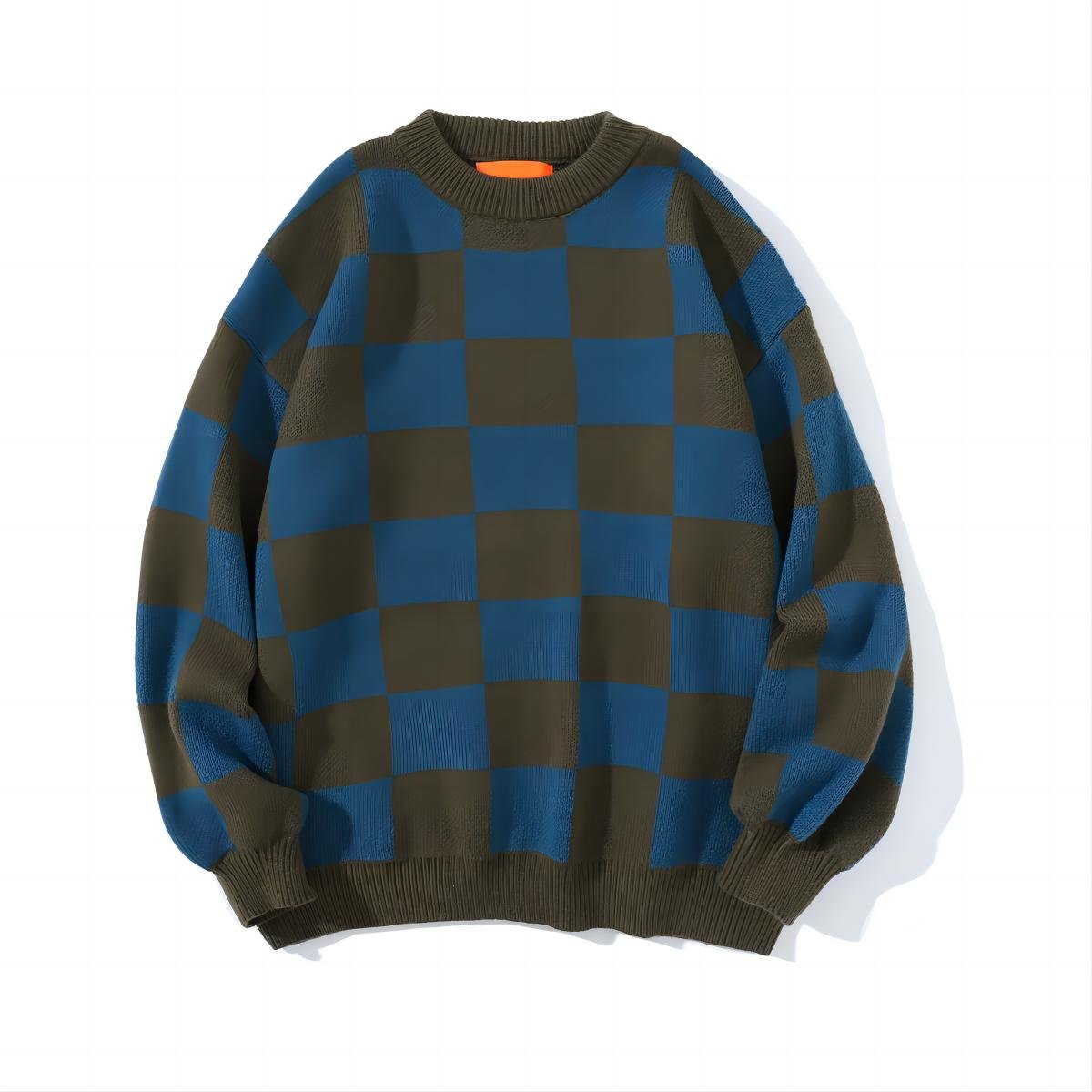
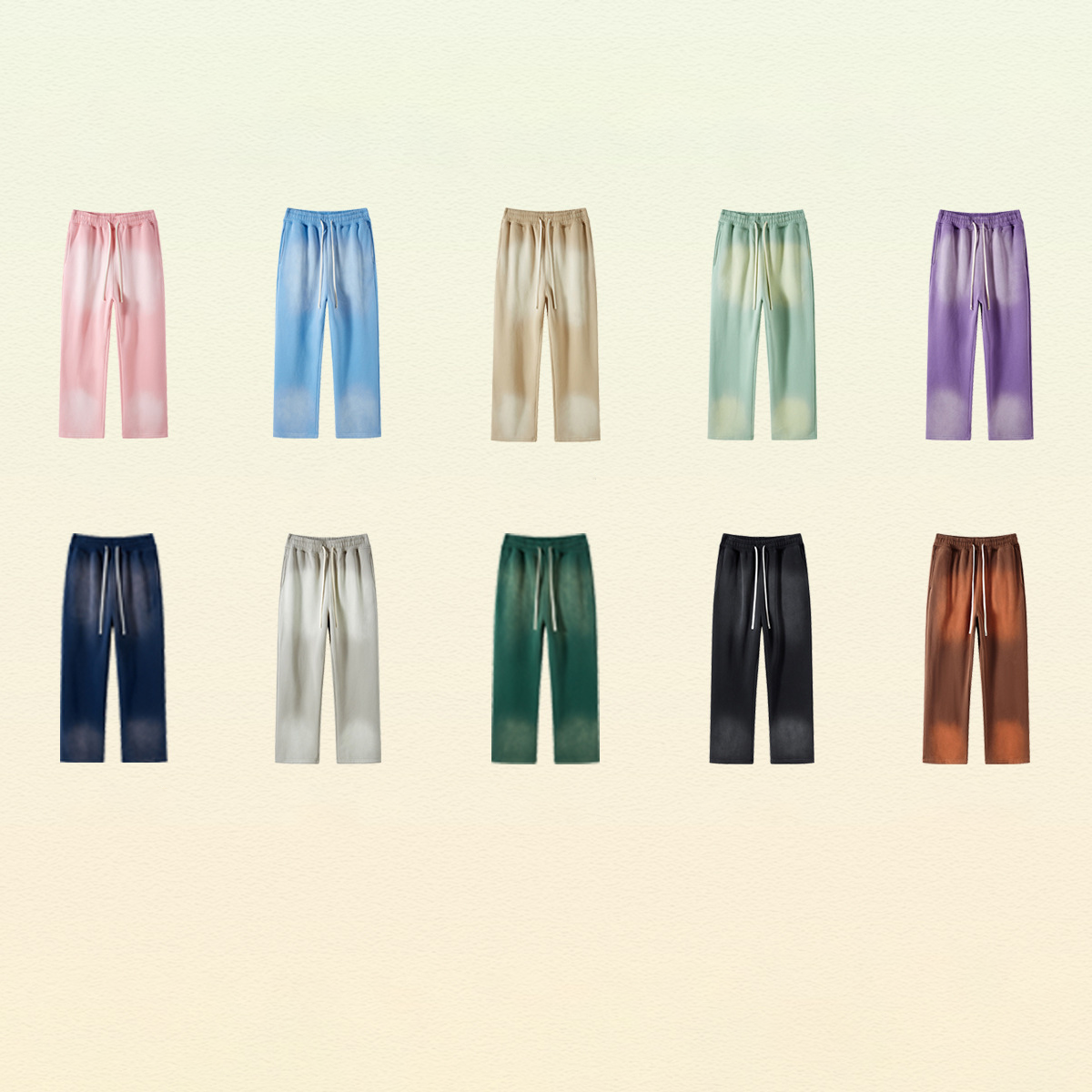
Extended Size Apparel Collection
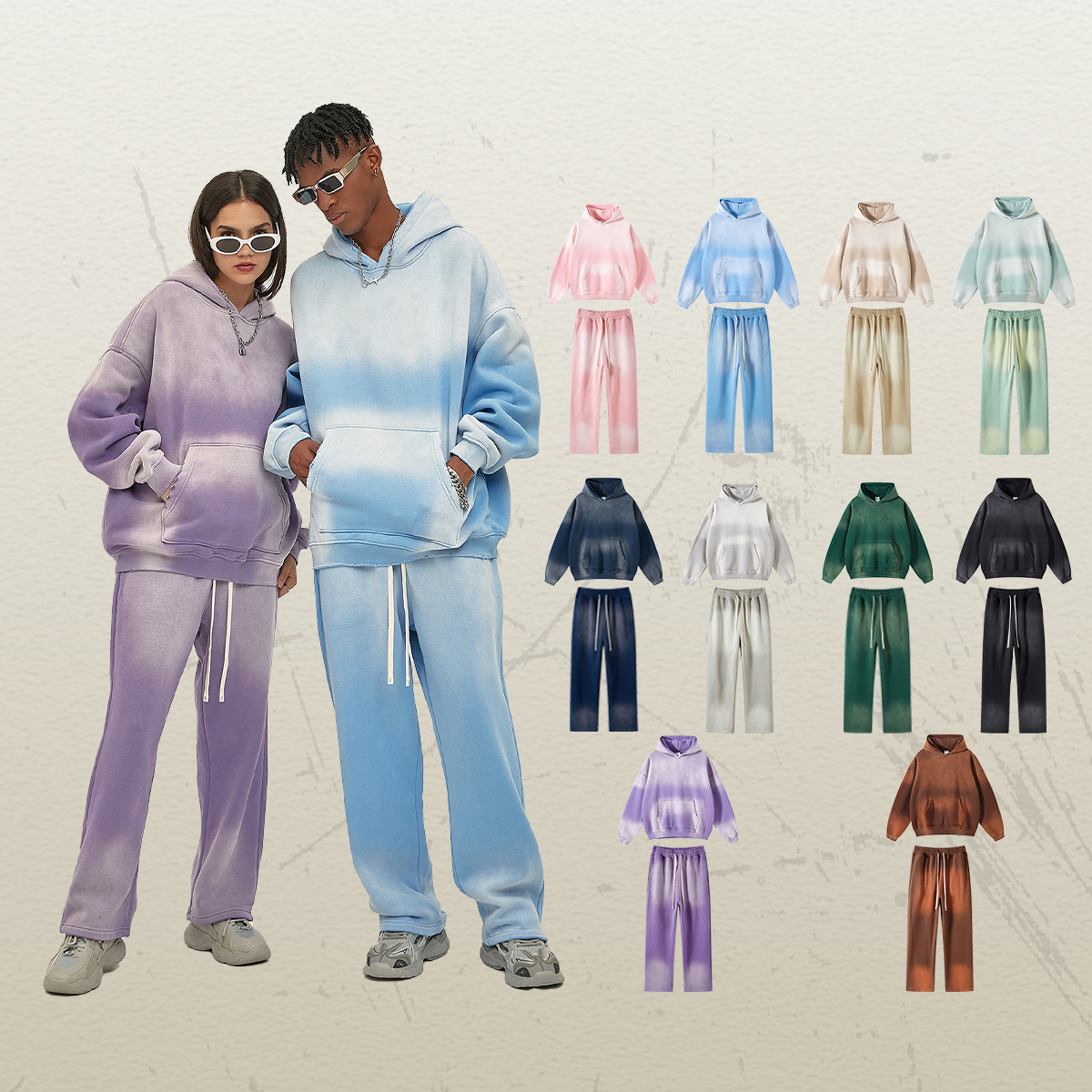
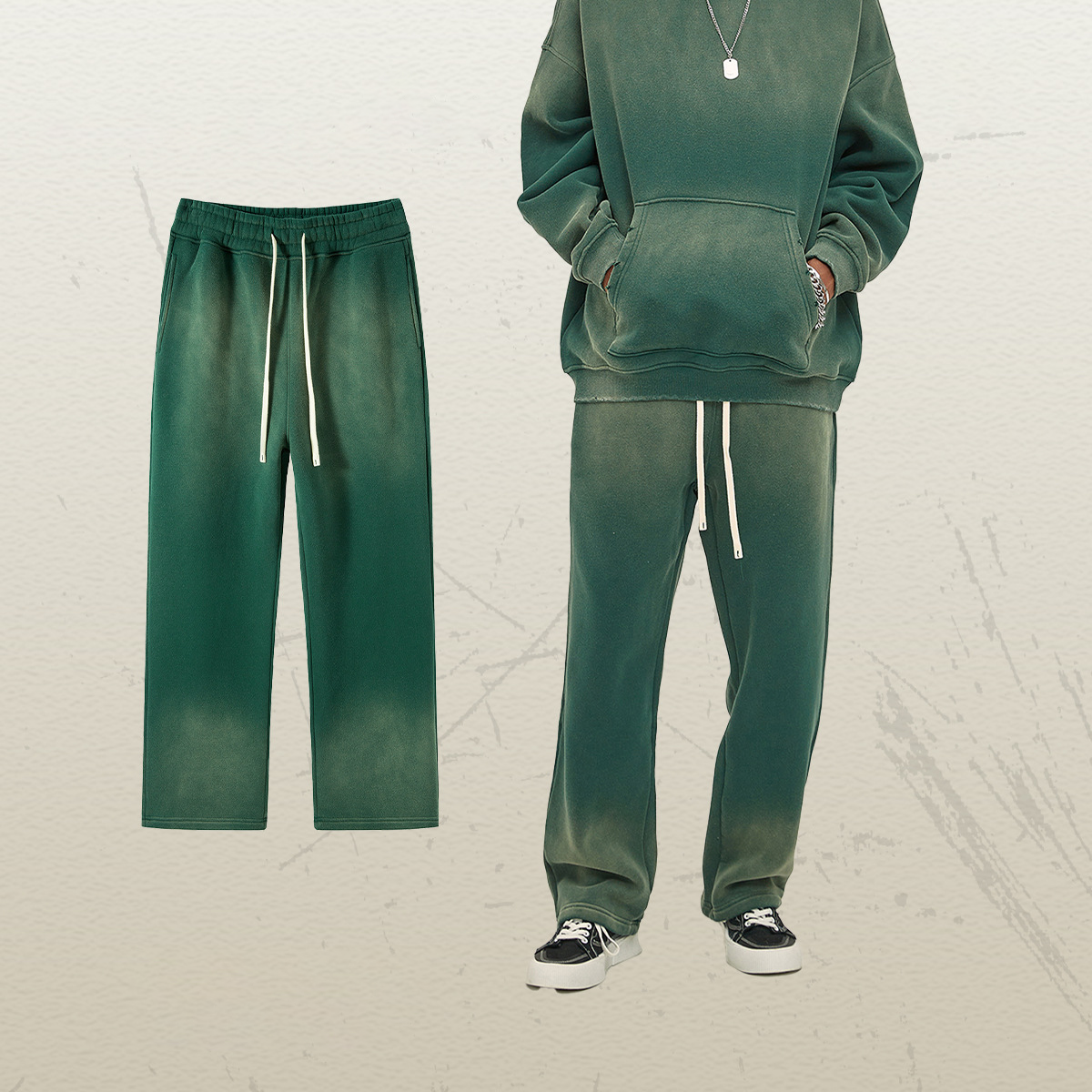
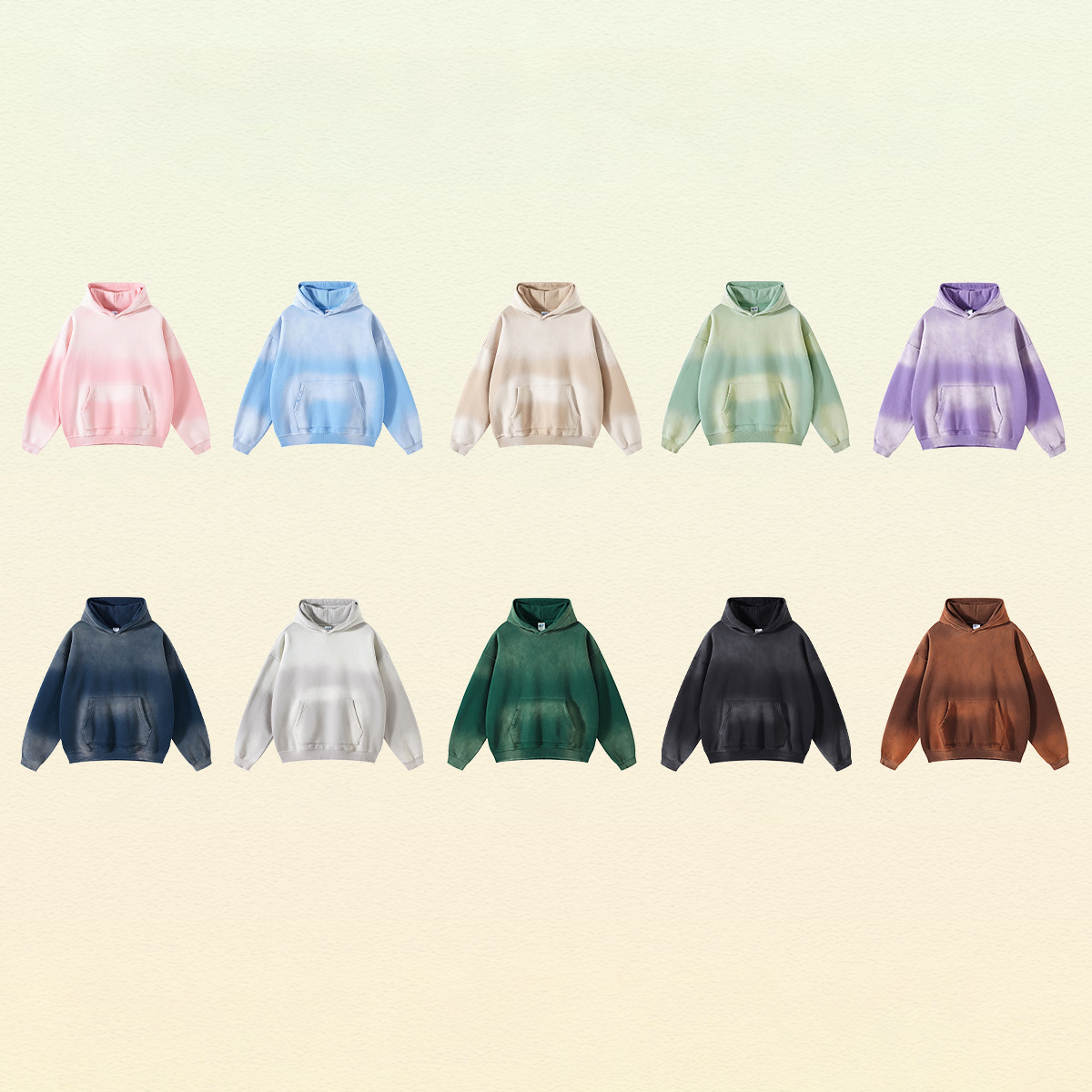
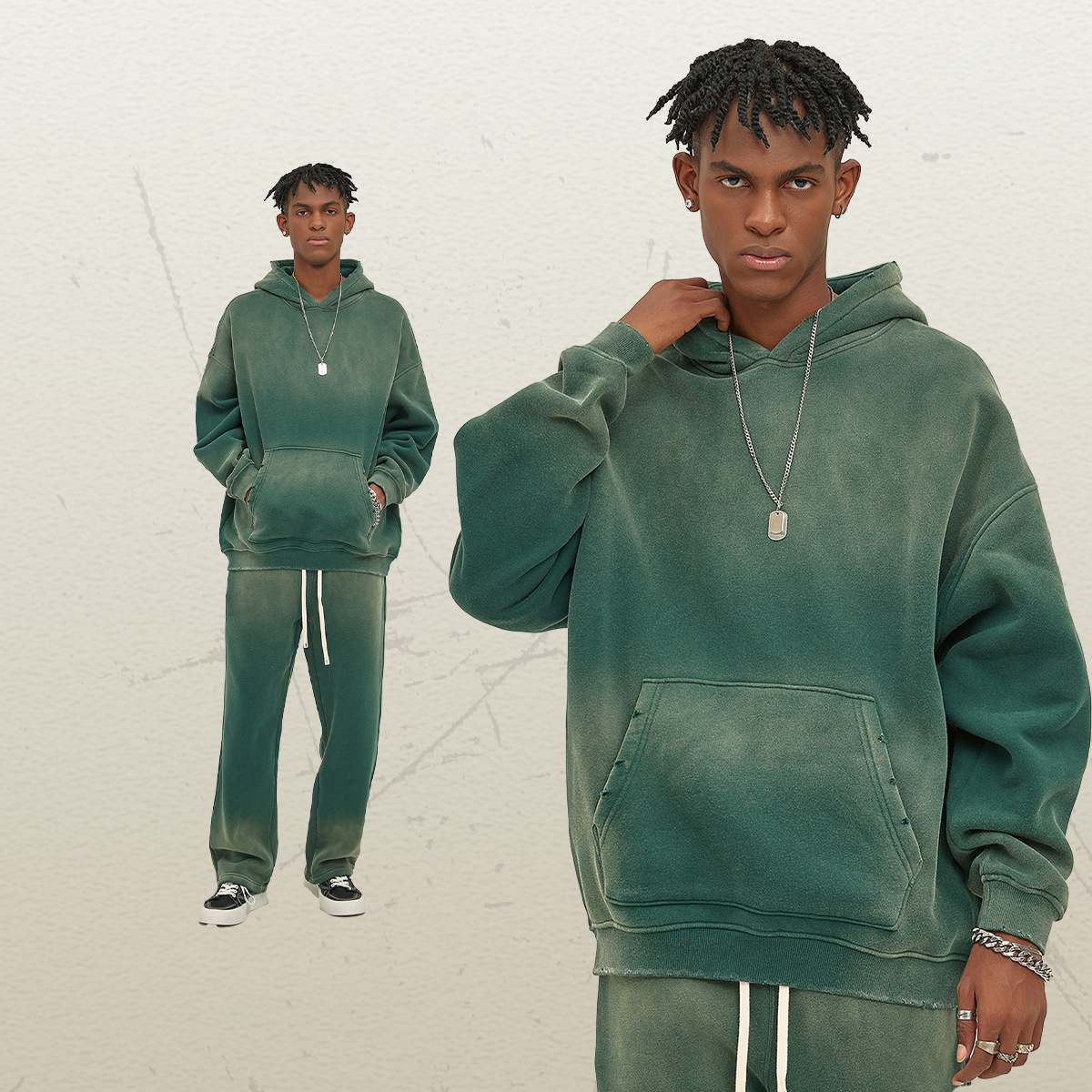
Why Brands Choose Our 4x 5x 6x Clothing Manufacturer
5-Step QC Guarantee
Every extended-size garment passes through materials, cutting, craft, sewing, and finished-product quality testing before shipment.
50-Piece Minimum Order
Launch or test your 4x 5x 6x line without massive inventory risk. Perfect for startups and emerging brands.
7-Day Sample Turnaround
Our in-house design and sampling team delivers extended-size prototypes fast so you can meet seasonal deadlines.
Streetwear Sizing Expertise
Six years specializing in oversized, boxy cuts and trend-driven fits that streetwear audiences demand in larger sizes.
In-House Pattern Grading
Our 15-member R&D team ensures proportional, flattering fits across all extended sizes, not just scaled-up templates.
Global Shipping & Logistics
Seamless customs, freight, and door-to-door delivery to over 100 countries. We handle the complexity for you.
4x 5x 6x Clothing Manufacturer Categories We Produce
From oversized hoodies to cargo pants, we manufacture extended-size streetwear across every category with precision grading, reinforced construction, and our 5-step QC guarantee.
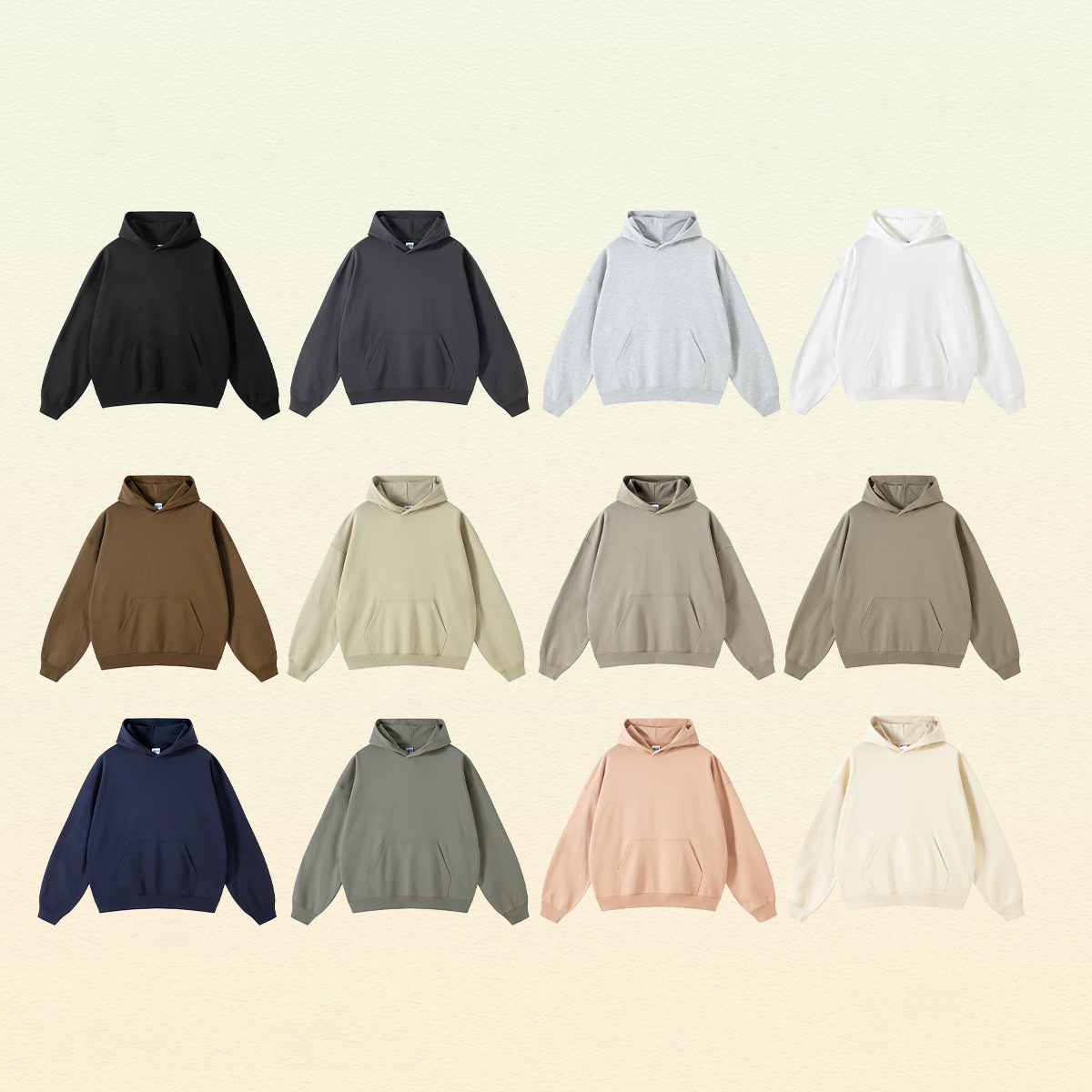
Extended Size Hoodies
Many manufacturers struggle to maintain proper hood proportions, sleeve length, and kangaroo pocket placement when scaling patterns to 4x 5x 6x sizes, resulting in awkward fits that don't sell.
Our specialized grading techniques ensure balanced proportions across all extended sizes, with reinforced shoulder seams and ribbing that maintains shape through wear and washing, delivering hoodies your customers will love.
Oversized Streetwear Tees
Oversized tees in extended sizes require careful attention to shoulder drop, hem curve, and neckline stability. Poor grading creates unflattering silhouettes that miss the mark for trend-conscious plus-size customers.
We engineer oversized fits with precise shoulder placement and balanced proportions from 4x through 6x, using reinforced necklines and quality fabrics that drape correctly for the authentic streetwear aesthetic your brand demands.
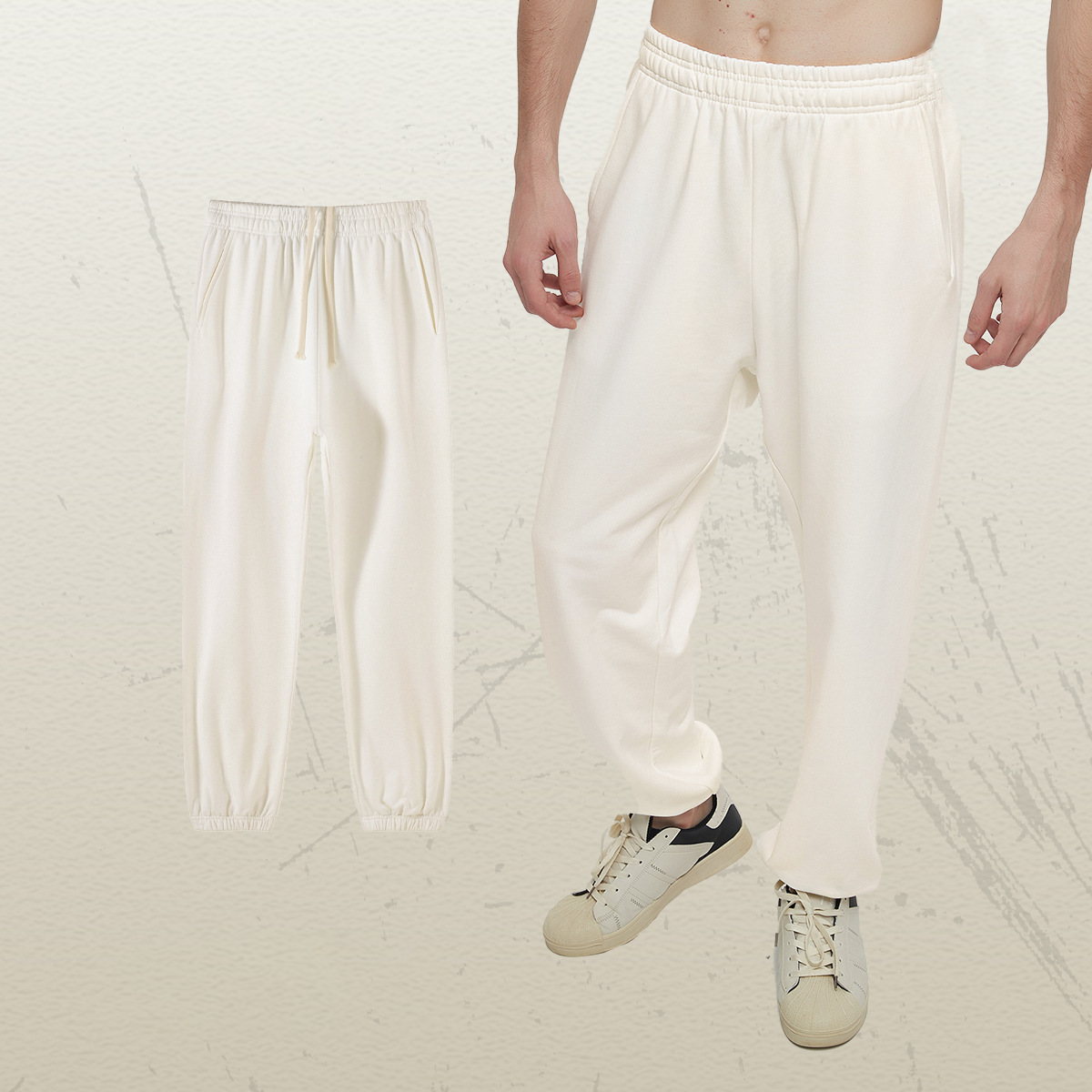
Cargo Pants & Joggers
Extended-size bottoms often fail due to improper rise calculations, pocket placement issues, and elastic waistbands that roll or dig in. These technical failures lead to returns and damaged brand reputation.
Our pattern development team expertly grades rise, inseam, and pocket positions for 4x 5x 6x sizes, using reinforced waistbands and quality hardware to deliver joggers and cargos with superior comfort and durability.
Streetwear Jackets & Outerwear
Jackets in 4x 5x 6x require complex grading for armhole depth, zipper length, and lining construction. Many factories lack the expertise to produce outerwear that moves comfortably and looks proportional.
We manufacture bombers, coaches jackets, and puffer styles with proper armhole engineering and reinforced stress points, ensuring your extended-size outerwear offers both style and functionality across every size run.
Custom Streetwear Collections
Launching a complete extended-size streetwear line requires a 4x 5x 6x clothing manufacturer who understands trend-driven design elements while managing low MOQs and fast turnarounds for emerging brands testing new markets.
With 50-piece MOQs, in-house sampling, and 6 years of streetwear expertise, we help startups and influencer brands launch cohesive extended-size collections that align with seasonal trends and pass our rigorous 5-step quality control.
Premium Fabrics for 4x 5x 6x Clothing Manufacturer Production
Heavyweight Cotton Jersey
Premium 240-280 GSM cotton jersey delivers exceptional structure and shape retention in extended sizes. Ideal for oversized tees, hoodies, and streetwear staples that maintain drape without clinging. Breathable, durable, and perfect for year-round collections.
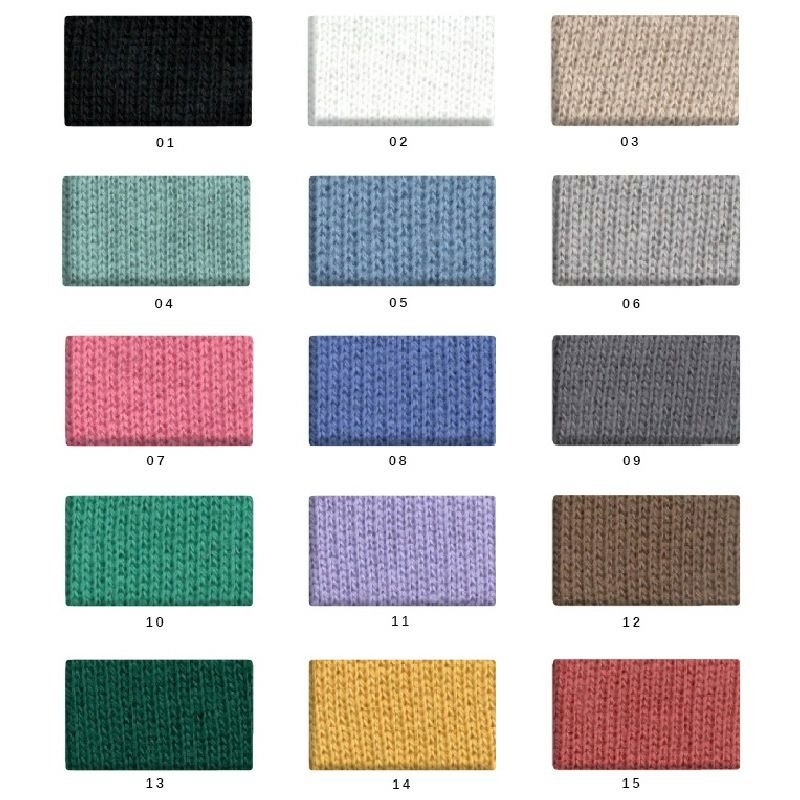
French Terry
Soft looped interior with smooth exterior face, typically 280-320 GSM. Perfect for sweatshirts, joggers, and athleisure pieces requiring stretch recovery and comfort in larger size runs. Maintains elasticity and resists pilling through repeated wear.
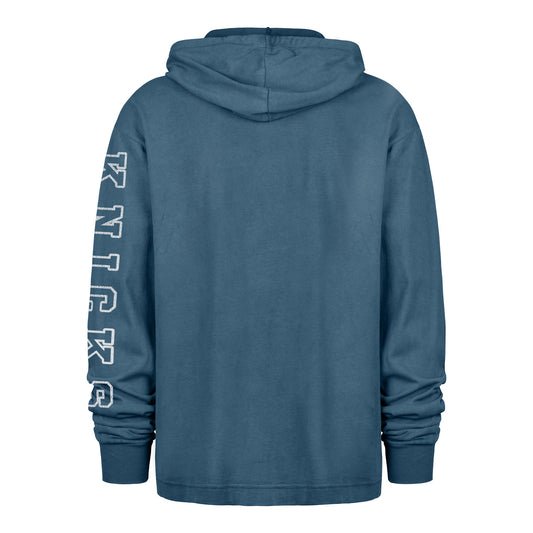
Polar Fleece
Luxuriously soft 300-360 GSM fleece with excellent warmth-to-weight ratio for extended-size outerwear and hoodies. Anti-pill finish ensures longevity. Provides consistent insulation and cozy hand-feel without adding bulk to 4x, 5x, and 6x garments.
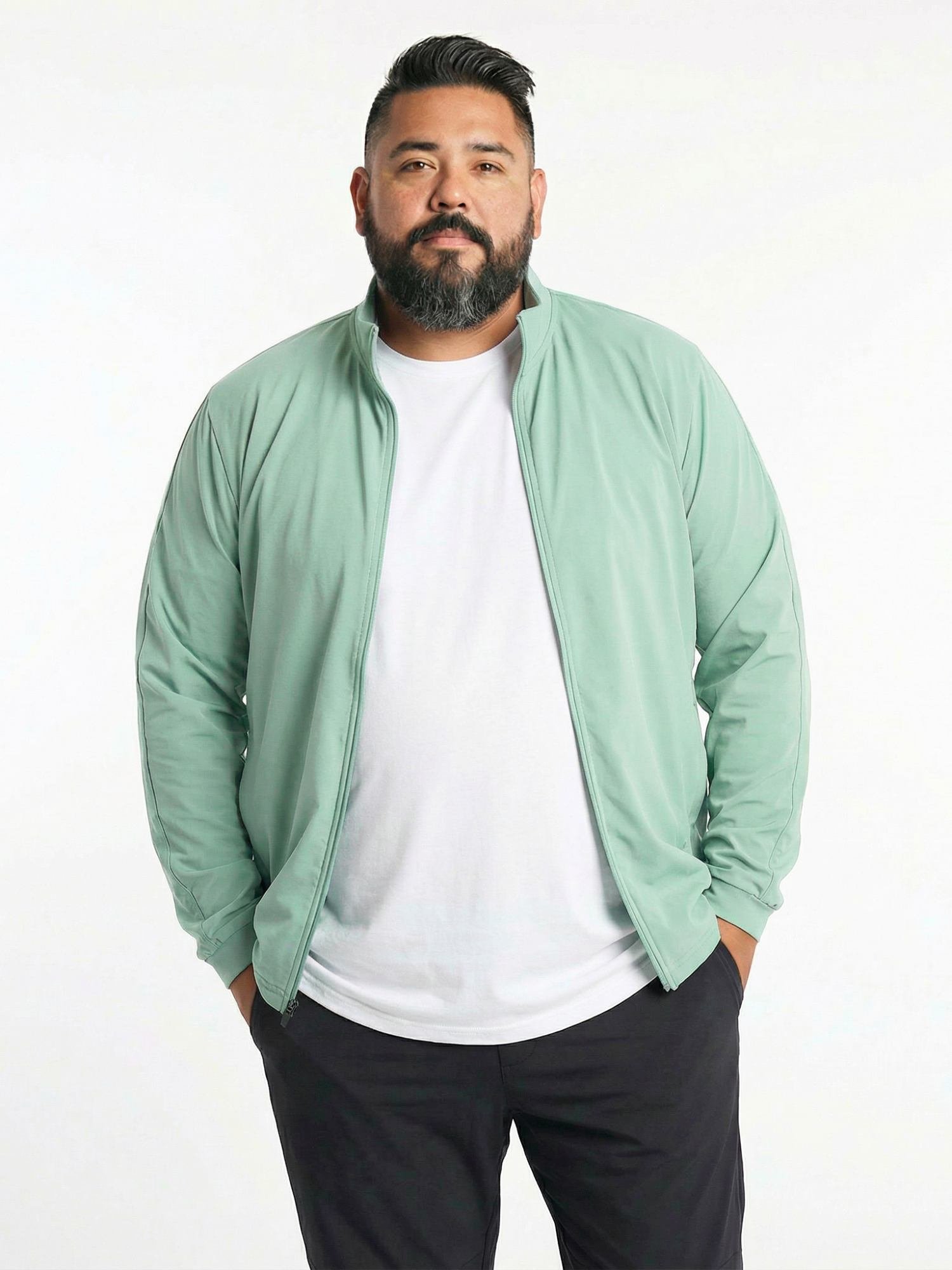
Performance Polyester Blend
Moisture-wicking poly-cotton or poly-spandex blends engineered for activewear and performance streetwear. Four-way stretch ensures mobility and recovery in extended sizes. Quick-dry properties and shape retention make it ideal for athletic-inspired collections.
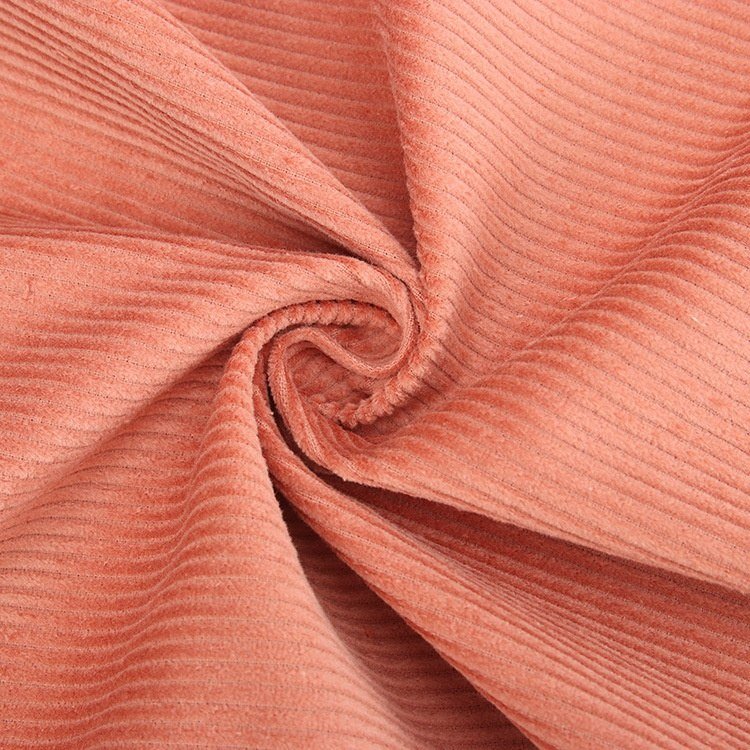
Organic Cotton Terry
Sustainable 260-300 GSM organic cotton with GOTS-certified traceability. Luxurious texture and natural breathability appeal to eco-conscious brands offering inclusive sizing. Slightly heavier weight provides structure while remaining soft and comfortable.
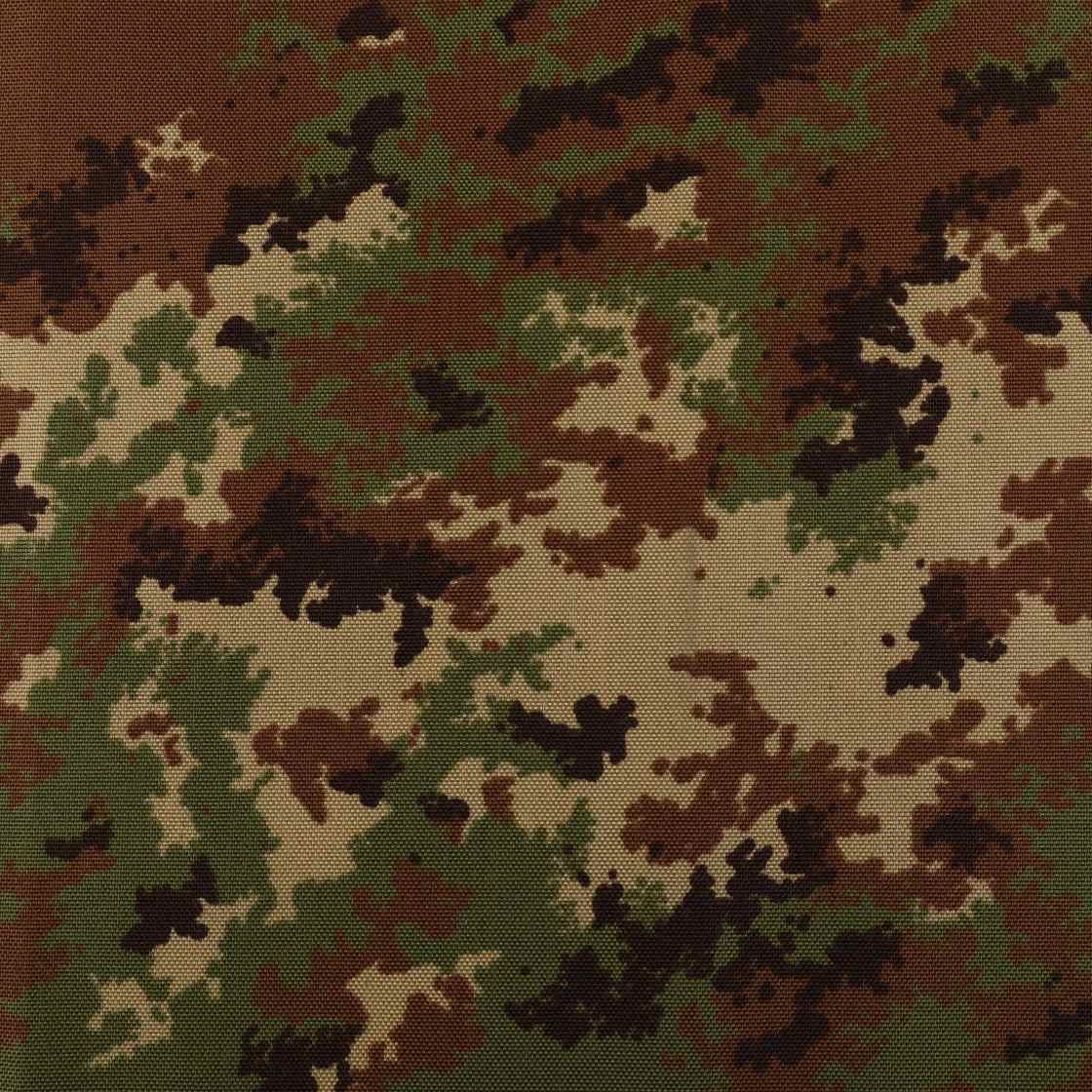
Blended Rib Knit
Cotton-spandex rib knit with excellent stretch and recovery, typically 5-10% elastane content. Essential for cuffs, collars, and waistbands on extended-size garments requiring secure fit without restriction. Maintains elasticity wash after wash.
Advanced Production Processes for 4x 5x 6x Clothing Manufacturer Excellence
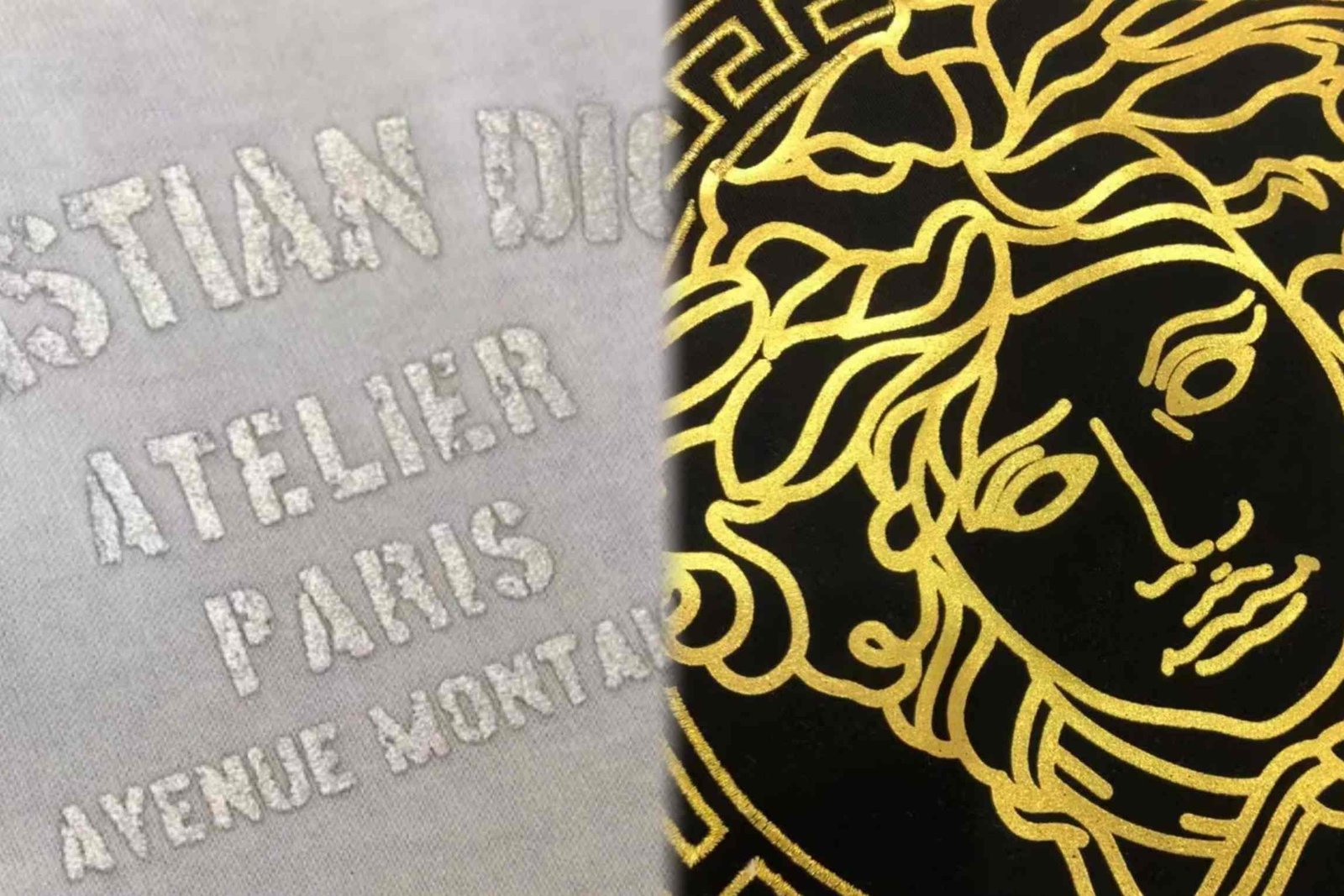
Screen Printing
High-opacity ink application ideal for bold streetwear graphics on extended sizes. Delivers vibrant, long-lasting prints that withstand repeated washing. QC-tested at materials, cutting, craft, sewing, and finished stages for perfect registration and color consistency.
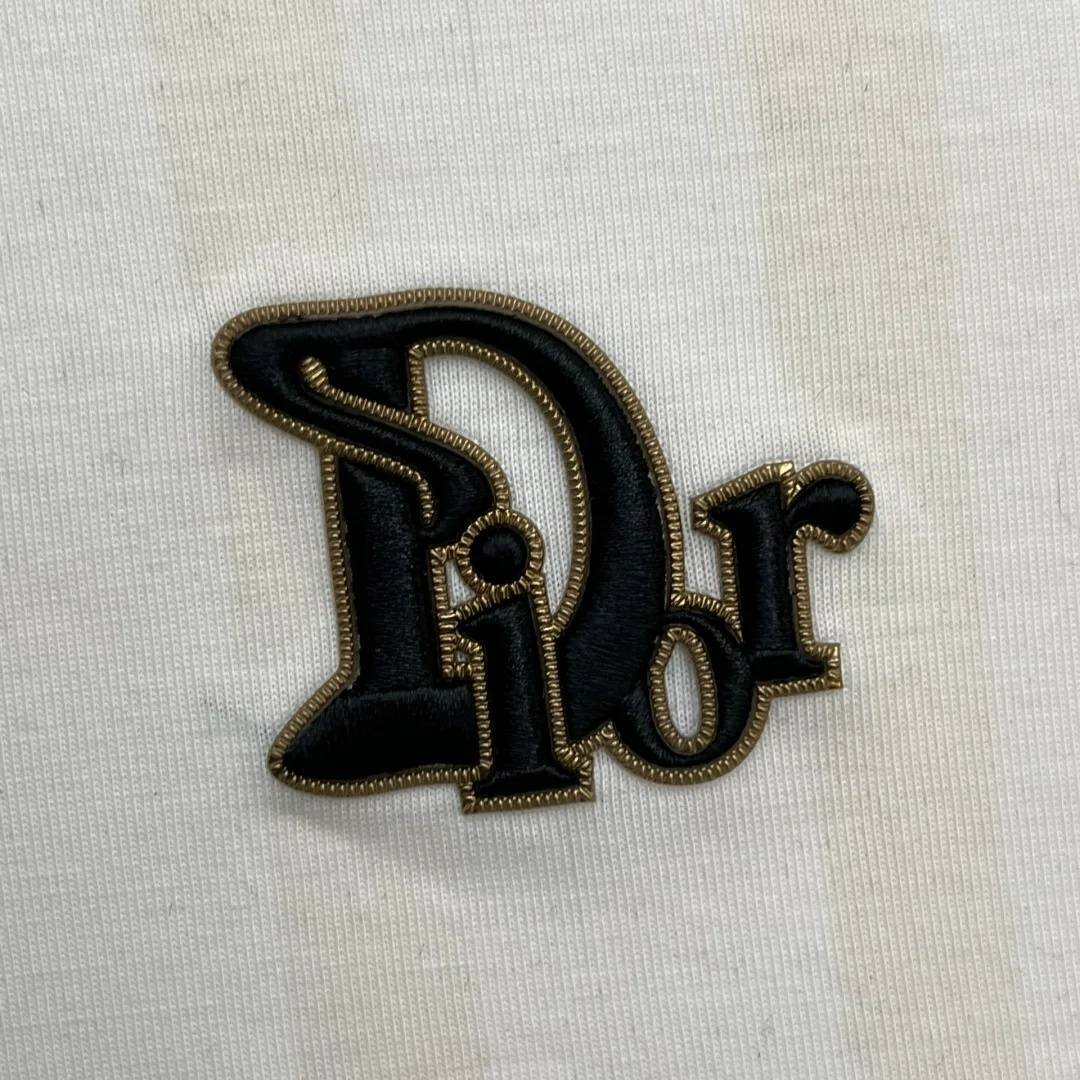
Embroidery
Premium thread work for logos, text, and intricate designs on 4x-6x garments. Creates a dimensional, luxury finish with exceptional durability. Each piece undergoes craft and finished QC testing to verify stitch density and thread tension.
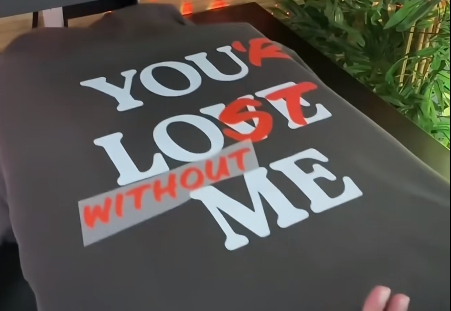
Sublimation Printing
Full-color dye infusion for all-over patterns and photographic designs on extended-size polyester blends. Produces soft-hand, fade-resistant graphics. Materials and cutting QC ensure proper fabric preparation before heat transfer for flawless results.
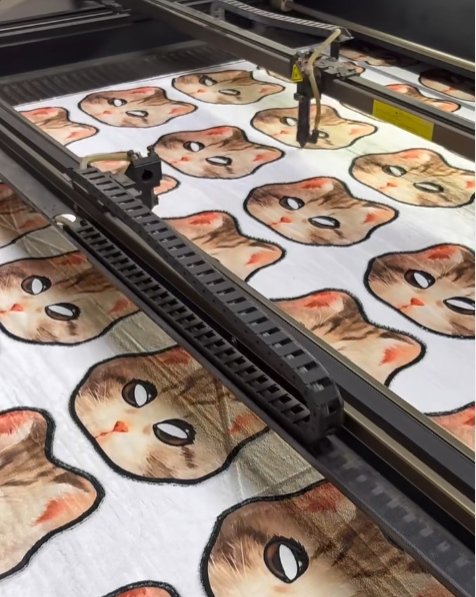
Heat Transfer
Versatile application method for custom graphics, numbers, and specialty finishes on larger garments. Offers quick turnaround with excellent detail reproduction. Sewing production and finished QC verify proper adhesion and placement on every extended-size piece.
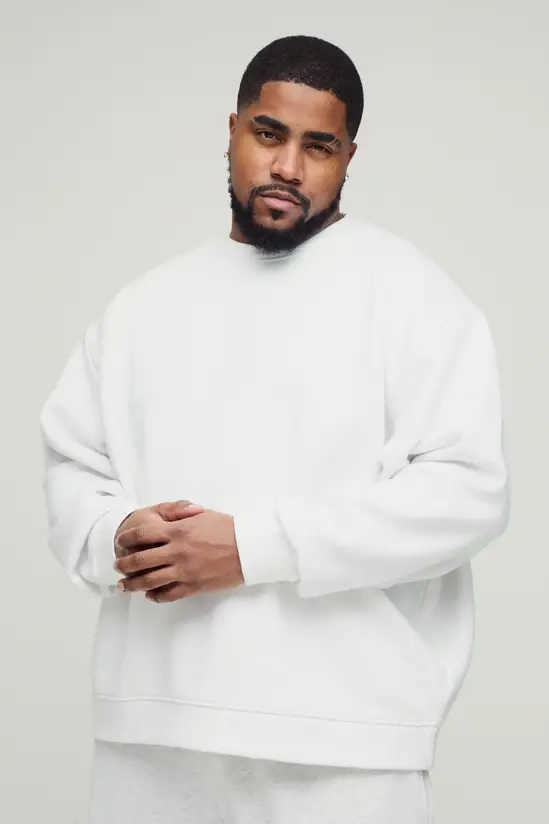
Custom Dyeing
Specialized color matching and garment dyeing for unique streetwear palettes in 4x 5x 6x sizes. Achieves consistent hue saturation across larger fabric panels. Materials QC testing confirms colorfastness and uniformity before cutting and construction begin.
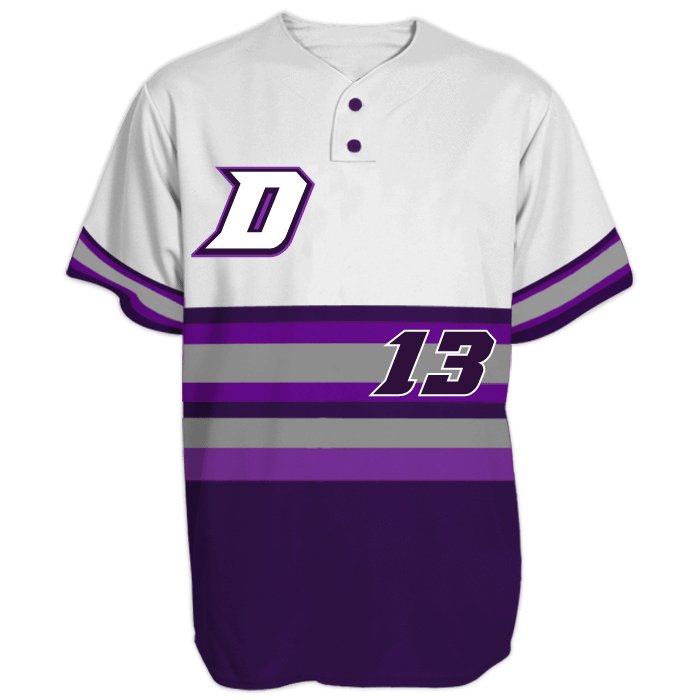
Pattern Grading
Technical scaling that maintains design integrity and fit proportions from standard to extended sizes. Our team ensures proper ease, drape, and silhouette across the full size range. Cutting and craft QC validate pattern accuracy at every production stage.
Customizable Trims & Accessories for Your 4x 5x 6x Clothing Manufacturer Orders
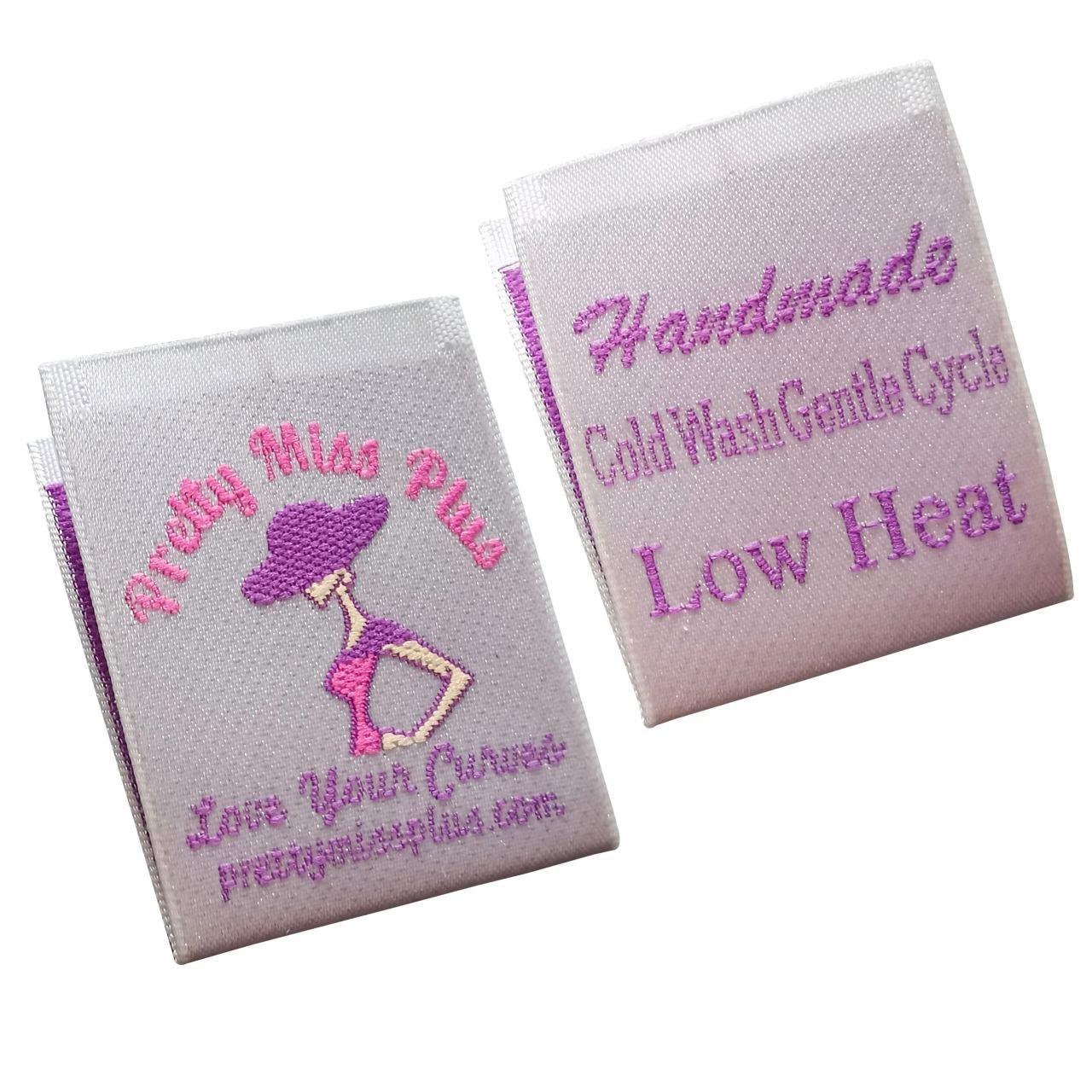
Woven Labels
Custom woven brand labels in any size or design, sewn into necklines, hems, or side seams. Perfect for establishing brand recognition and communicating care instructions on extended-size garments with professional finishing.
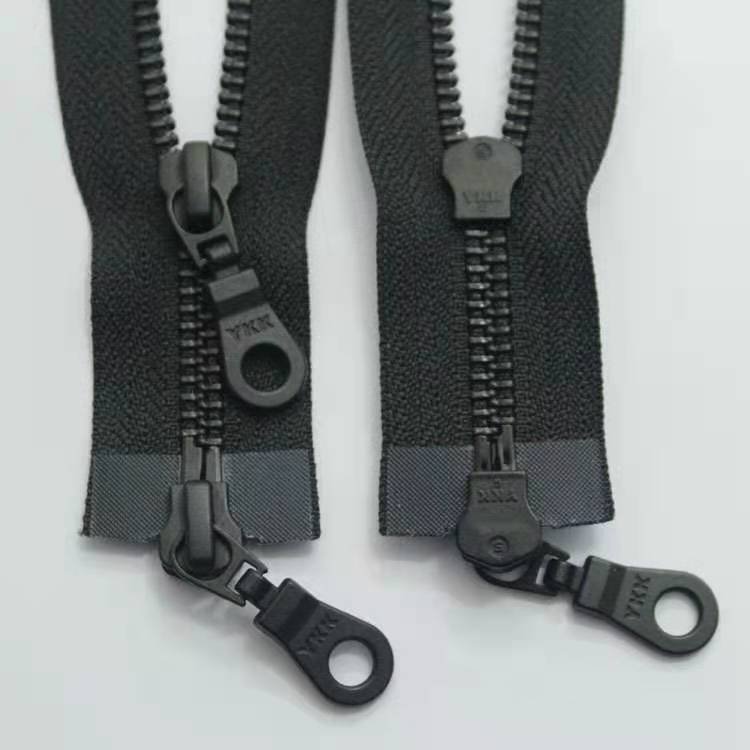
YKK Zippers
Premium YKK metal or coil zippers engineered for durability and smooth operation. Ideal for hoodies, jackets, and joggers in 4x 5x 6x sizes where reliability under stress is critical for customer satisfaction.
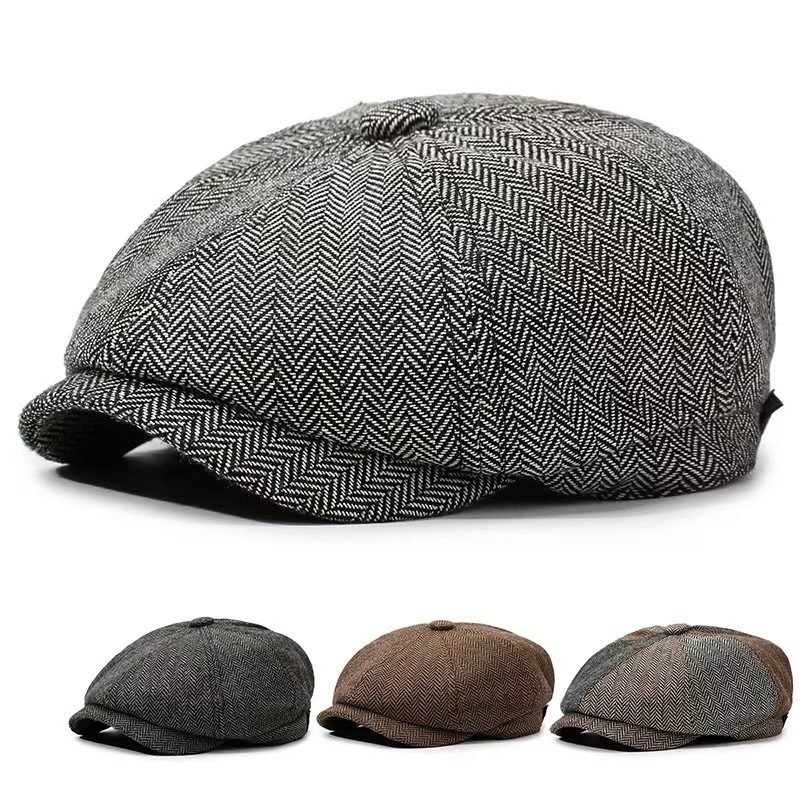
Custom Patches
Embroidered or woven patches featuring your logo, artwork, or streetwear graphics. Applied to sleeves, chest, or back panels to add dimension and premium visual impact to oversized and extended-size collections.
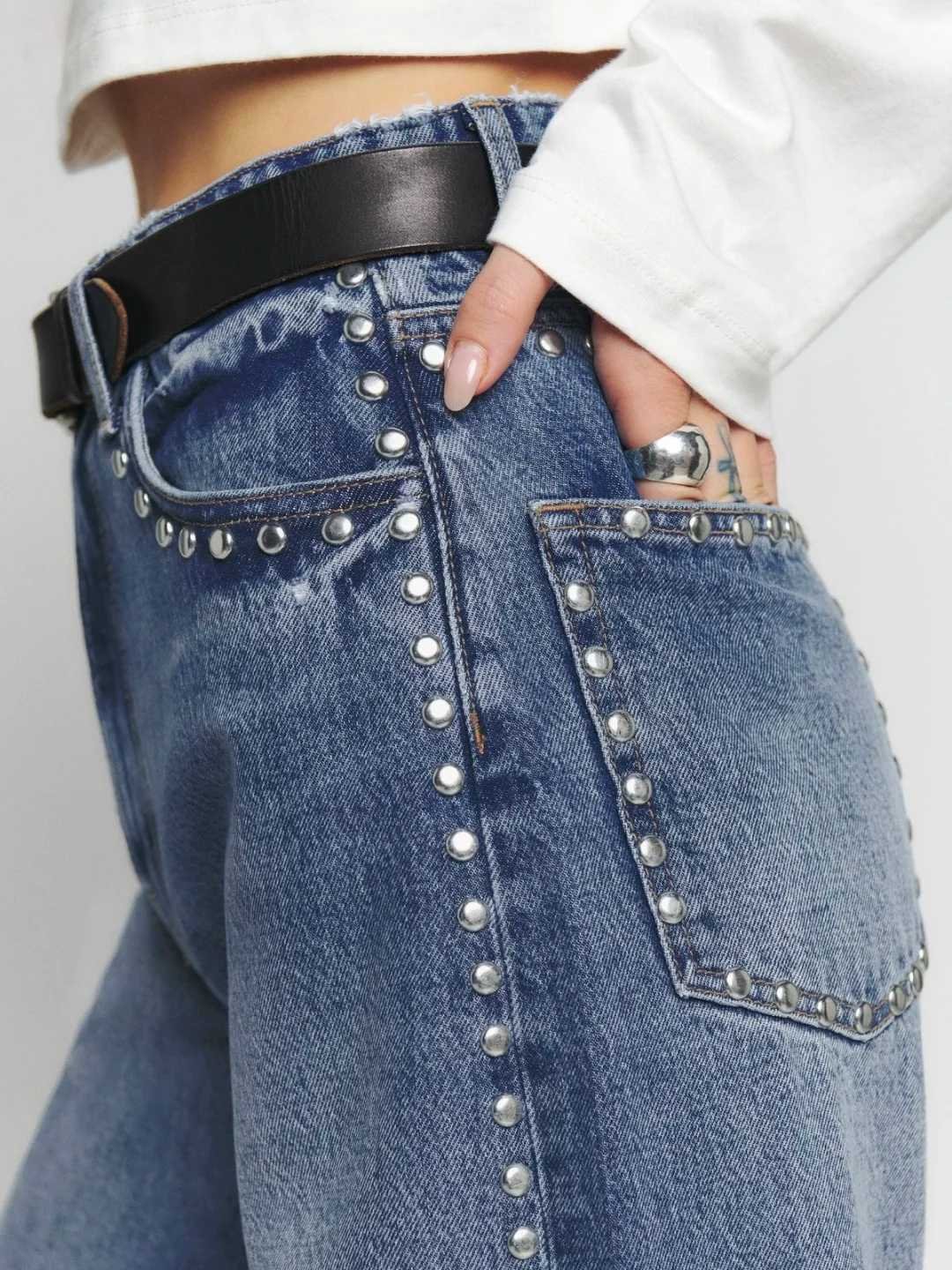
Drawcords & Tipping
Reinforced drawcords with custom-color metal or plastic tipping for hoodies and joggers. Essential for adjustable fit and streetwear aesthetics, tested through our 5-step QC process for pull strength and durability.
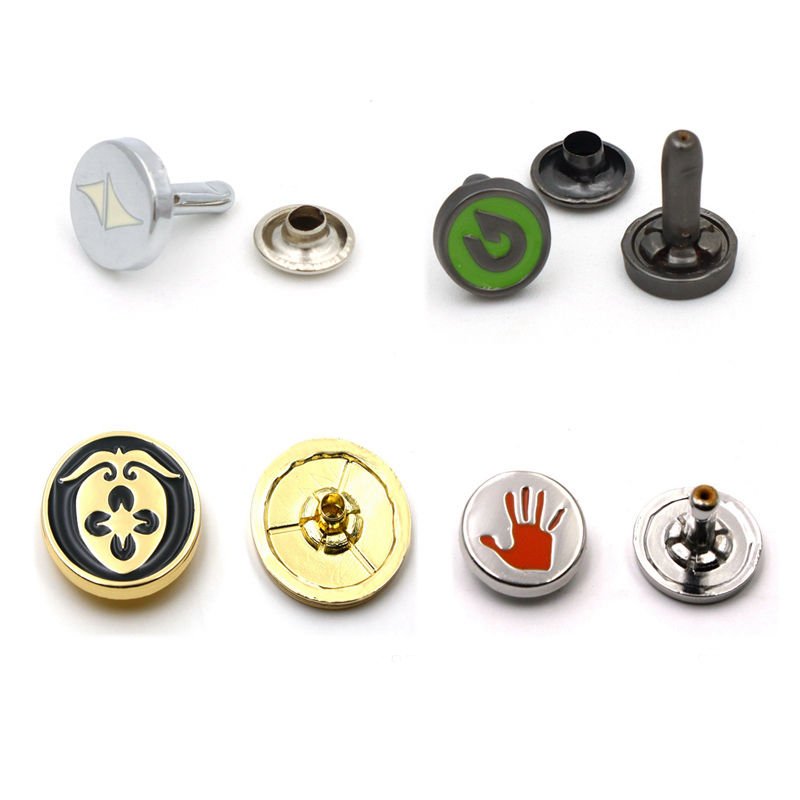
Snap Buttons
Heavy-duty metal snap buttons and rivets for jackets, shirts, and reinforced stress points. Ensures secure closures on extended-size garments where traditional buttons may fail under repeated use and washing.
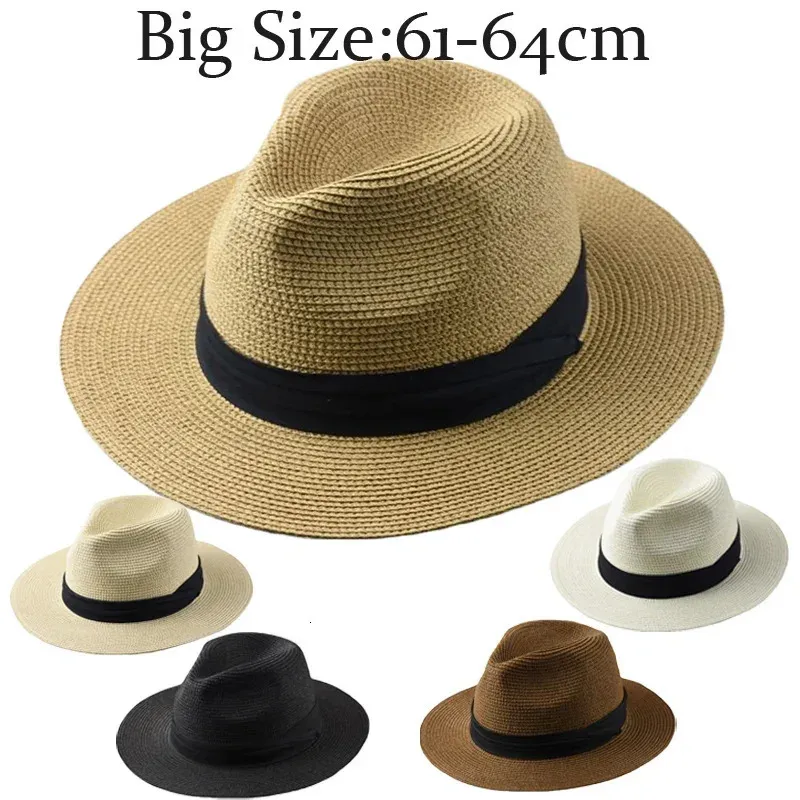
Custom Hangtags
Die-cut hangtags printed on premium cardstock with your branding, size information, and care details. The first touchpoint for retail customers, reinforcing quality perception before your extended-size garment is even worn.
About Clothing Manufacturer Ltd.
Founded in 2024 by Tesla Luo, Clothing Manufacturer Ltd. was built on a mission to restore trust in Chinese garment manufacturing. Tesla brings over 10 years of apparel production experience and 6 years specializing in streetwear, with deep roots in the industry through his parents’ senior factory roles. His hands-on experience across every production stage—from cutting to quality control—shaped our zero-compromise approach.
We serve streetwear brands, fashion startups, and global retailers across 100+ countries, offering premium craftsmanship for extended sizes including 4x 5x 6x clothing manufacturing. Our proprietary 5-step quality control system ensures every garment meets rigorous standards at each production phase, eliminating the irresponsible practices that damage industry reputation. With a 15-member R&D team and 10 patents, we deliver trend-driven designs with reliable quality.
Whether you’re launching your first collection or scaling an established line, we combine low MOQ flexibility with enterprise-grade quality assurance. Our expertise in streetwear culture and extended-size production techniques ensures your brand receives garments that meet global market expectations and empower your customers with confidence.
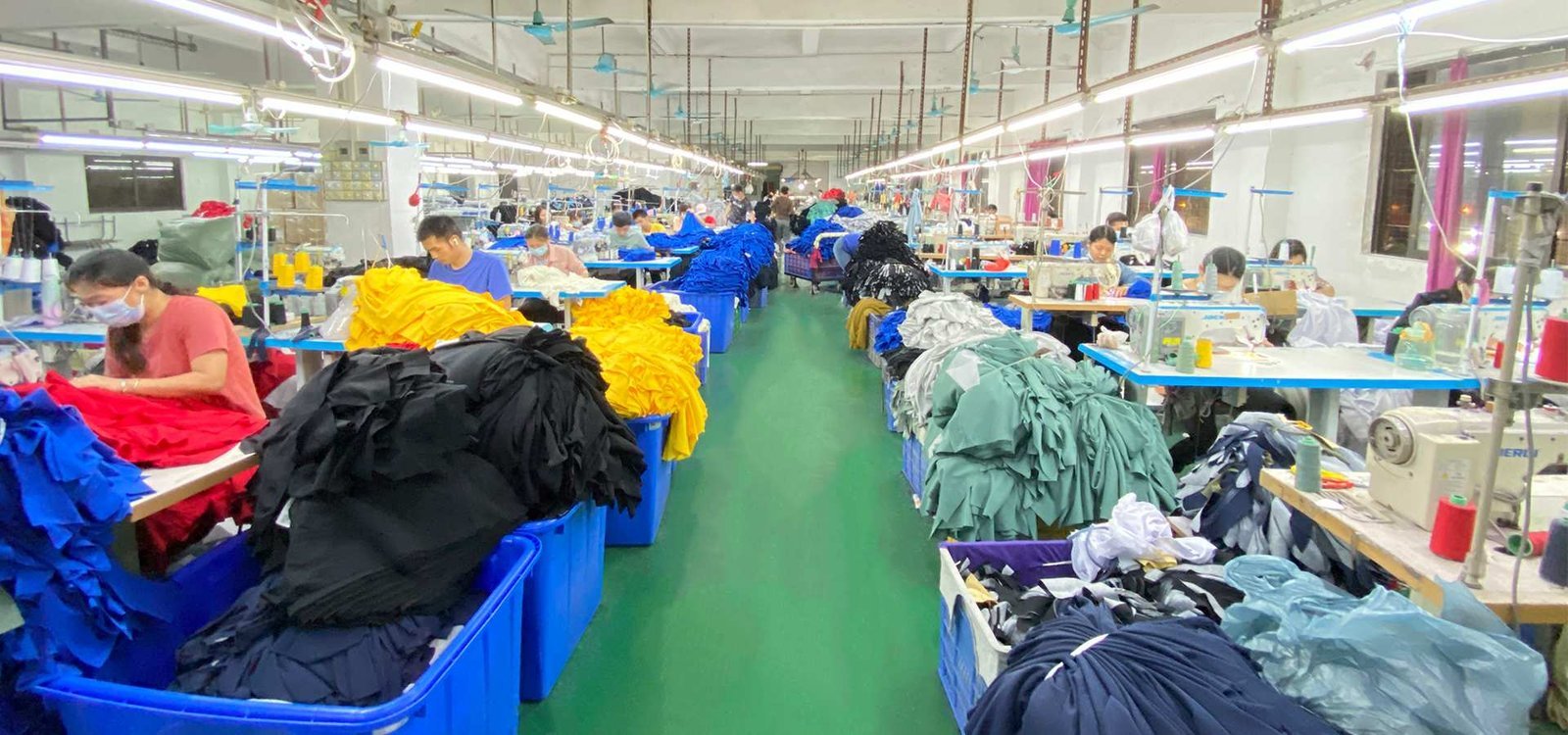
Our 5-Step Quality Control System for 4x 5x 6x Clothing Manufacturer Excellence
Materials QC Testing Before Production
Every fabric roll destined for extended-size garments undergoes rigorous inspection before cutting begins. We verify weight, stretch recovery, colorfastness, and dimensional stability to ensure your 4x, 5x, and 6x pieces maintain their shape and appearance through repeated wear and washing.
- Fabric weight verification against specifications to guarantee consistent drape in larger sizes
- Four-way stretch recovery testing for activewear and performance streetwear fabrics
- Colorfastness assessment using industry-standard washing and light exposure protocols
- Shrinkage pre-testing to ensure accurate grading and fit across all extended sizes
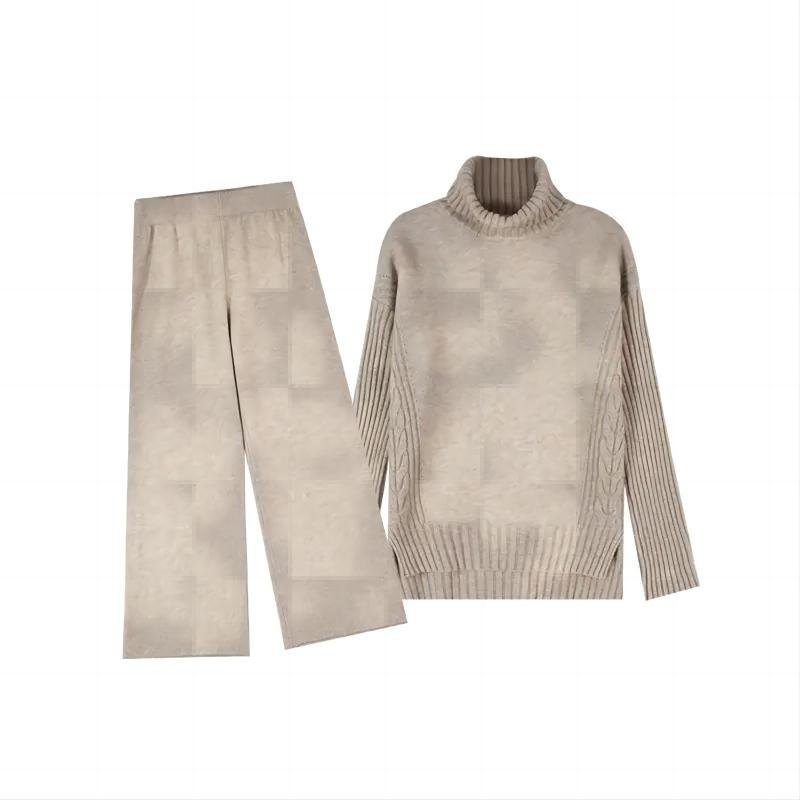
Cutting QC for Pattern Accuracy
Precision cutting is critical for extended sizes where even minor deviations compound across larger pattern pieces. Our cutting QC checkpoint verifies grain alignment, pattern matching, and dimensional accuracy on every panel before it reaches the sewing floor, eliminating fit issues at the source.
- Laser-guided alignment checks on all major pattern pieces for symmetrical construction
- Grain-line verification to prevent twisting and distortion in finished garments
- Pattern matching inspection for prints and stripes across seam lines
- Panel measurement audits comparing cut pieces against approved tech packs
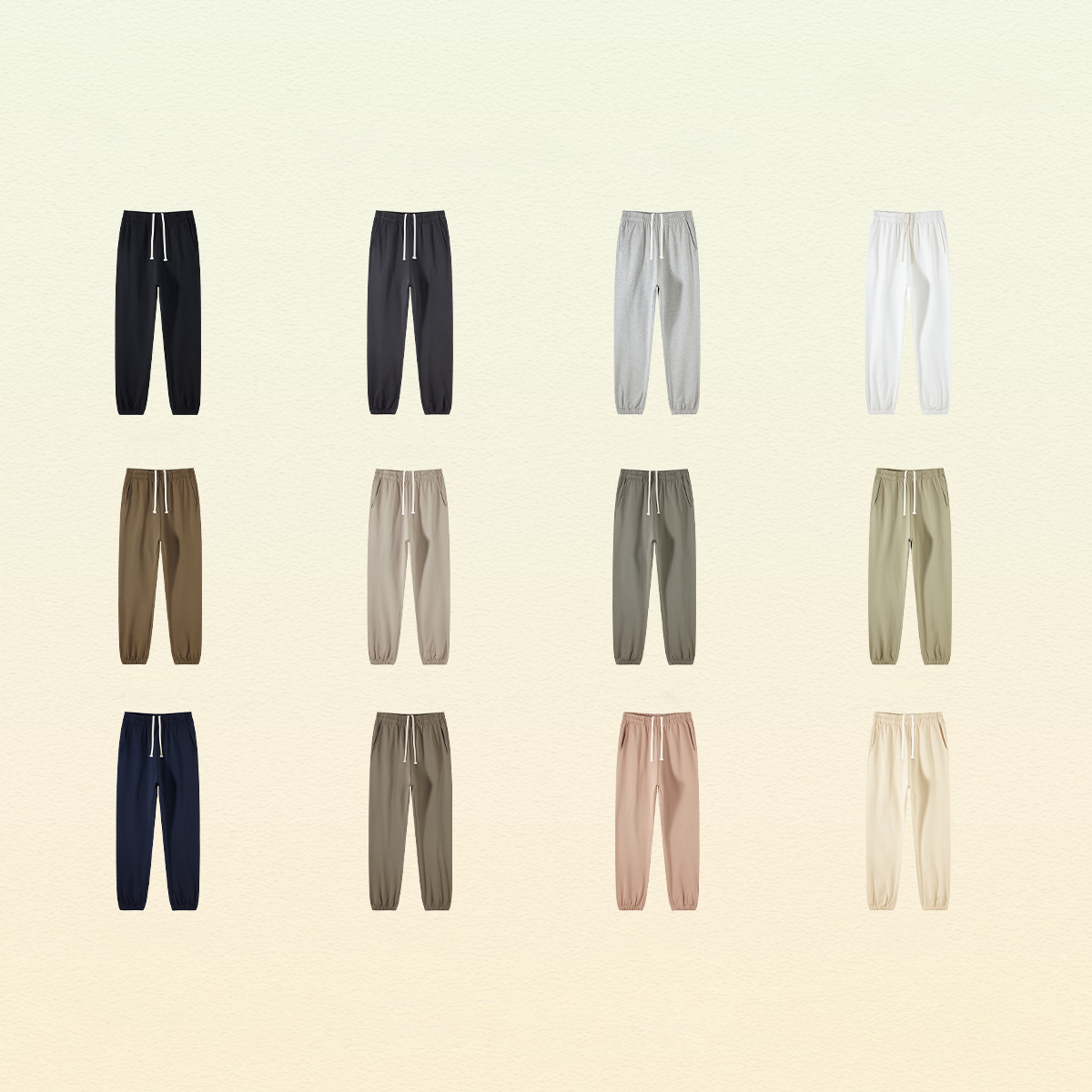
Clothing Craft QC During Assembly
As your extended-size garments take shape, our craft QC specialists monitor stitch integrity, seam allowances, and construction techniques. This mid-production checkpoint catches errors while corrections are simple and cost-effective, ensuring structural soundness in every 4x 5x 6x piece we manufacture.
- Stitch density verification at stress points including armholes, crotch seams, and shoulders
- Seam allowance consistency checks to prevent puckering and ensure durability
- Reinforcement inspection at pocket attachments, buttonholes, and high-stress zones
- Interlining and stabilizer placement audits for collars, cuffs, and plackets
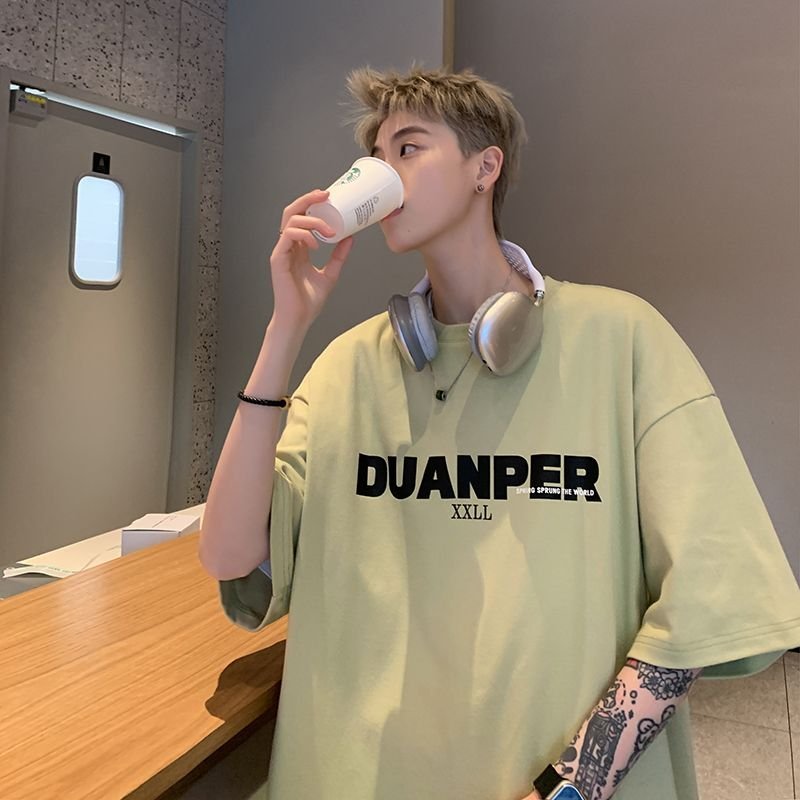
Final Finished Clothing Quality Inspection
Before packaging, every completed garment passes through comprehensive final inspection covering measurements, appearance, functionality, and finishing details. Only pieces that meet all specifications earn our approval, guaranteeing that your customers receive extended-size streetwear that reflects your brand’s quality standards.
- Full garment measurement verification against approved size charts and tolerances
- Surface inspection for loose threads, skipped stitches, stains, and fabric flaws
- Functional testing of all zippers, snaps, buttons, drawstrings, and closures
- Pressing and presentation review ensuring retail-ready appearance and proper folding
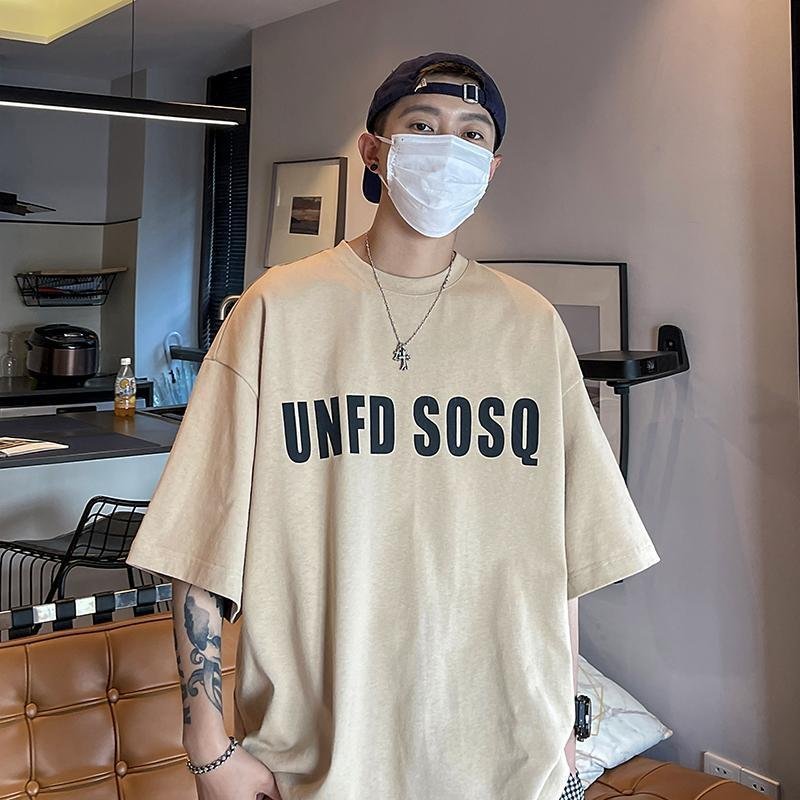
How We Outperform Typical 4x 5x 6x Clothing Manufacturer Competitors
Most extended-size manufacturers cut corners on quality checks and force high minimums. We built our process differently—with rigorous QC at every stage and flexible MOQs that support brands at any scale.
← 左右滑动查看 →
Our 4x 5x 6x Clothing Manufacturer Production Workflow
A transparent, quality-first process designed for streetwear brands launching or scaling extended-size collections with confidence and speed.
Tech Pack Submission
Submit your designs, sizing specs, and fabric preferences. Our team reviews extended-size grading requirements and confirms material availability within 24 hours.
Sampling & Approval
We produce pre-production samples in 4x, 5x, and 6x sizes, ensuring fit accuracy and construction quality before you approve for bulk production.
Bulk Production Launch
Your order enters our streamlined production line with materials QC and cutting QC testing, the first two steps of our rigorous 5-step quality control system.
Sewing & Craft QC
Garments are sewn with reinforced seams for extended sizes while our team conducts clothing craft QC and sewing production QC testing at every stage.
Final QC & Packing
Finished clothing quality QC inspection ensures every piece meets our zero-compromise standards. Approved garments are carefully pressed, folded, and packed to your specifications.
Global Shipping & Delivery
We coordinate international logistics, customs documentation, and tracking for your extended-size order, delivering to over 100 countries with full transparency and support.
How to Partner With a 4x 5x 6x Clothing Manufacturer
From concept to delivery, our streamlined process makes extended-size production transparent, efficient, and quality-assured at every stage.
Submit Your Tech Pack
Share your design specifications, fabric preferences, and sizing requirements. Our team reviews your 4x 5x 6x apparel needs within 24 hours.
Receive Quote and Samples
Get transparent pricing with no hidden fees and pre-production samples crafted by our in-house design team for fit approval.
Approve Production Standards
Review sample quality, confirm fabric selections, and finalize construction details before we begin your bulk order with our 5-step QC guarantee.
Monitor Bulk Manufacturing
Track your order through cutting, sewing, and finishing stages. Quality checks at every production phase ensure consistent extended-size fit.
Receive Global Delivery
Your finished apparel ships with full logistics support and documentation. Fast turnaround gets your seasonal collection to market on schedule.
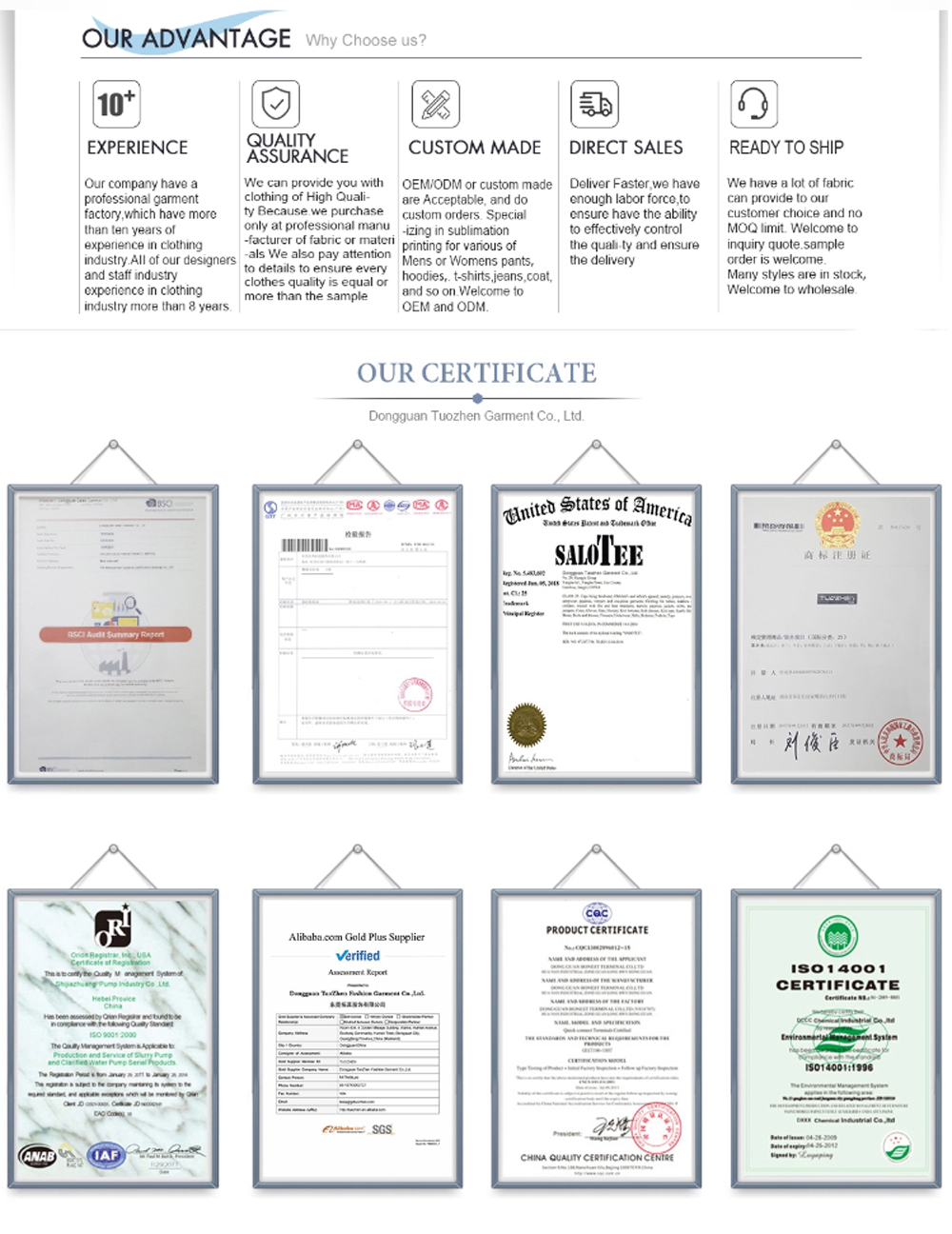
Certifications & Quality Standards for 4x 5x 6x Clothing Manufacturer
4x 5x 6x Clothing Manufacturer Success Stories
We launched our first 4x 5x 6x streetwear collection with just 75 pieces. Within 8 months, our extended-size line grew from 400 to 12,000 Instagram followers and now represents 35% of our total revenue.
Their 5-step QC process is no joke. We dropped 3 seasonal 4x 5x 6x collections last year with zero quality complaints. The fit consistency across extended sizes kept our influencer customers coming back every drop.
As a plus-size fashion startup, finding a 4x 5x 6x clothing manufacturer who understood streetwear was impossible until we found them. Low 50-piece MOQ let us test designs, and we scaled to 500+ units per style within 6 months.
Frequently Asked Questions About 4x 5x 6x Clothing Manufacturer
What is the minimum order quantity for a 4x 5x 6x clothing manufacturer?
How long does production take for extended sizes?
Do you charge extra for sampling in 4x 5x 6x sizes?
Can a 4x 5x 6x clothing manufacturer ship to North America and Europe?
What payment terms do you offer for new brands?
How do you protect my designs and intellectual property?
Can you source specialty fabrics for extended-size streetwear?
Are there design limitations when working with a 4x 5x 6x clothing manufacturer?
What quality control measures apply to extended sizes?
The Complete Buyer’s Guide to 4x 5x 6x Clothing Manufacturer
Navigate the extended-size manufacturing landscape with confidence. This guide delivers a proven decision framework, essential supplier criteria, quality benchmarks, and the critical mistakes to avoid when sourcing 4x, 5x, and 6x apparel for your brand.
1. What Is a 4x 5x 6x Clothing Manufacturer?
A 4x 5x 6x clothing manufacturer is a specialized apparel production facility that designs, patterns, and produces garments in extended sizes—typically 4XL, 5XL, and 6XL—with technical expertise in pattern grading, reinforced construction, and inclusive sizing standards. These factories maintain cutting tables wider than the industry-standard 1.8-meter width to accommodate larger pattern pieces, employ graders trained in proportional scaling beyond 3XL, and integrate reinforced stitching at stress points including armholes, inseams, and waistbands. Standard manufacturers often lack the grading algorithms and construction knowledge required to scale patterns accurately past 3XL, resulting in ill-fitting garments with distorted proportions, inadequate ease allowances, and premature seam failure.
The global plus-size apparel market reached USD 281.7 billion in 2023 and continues to grow as consumers demand size-inclusive collections from streetwear brands, fashion startups, and retailers. Dedicated 4x 5x 6x clothing manufacturers address this demand by maintaining size-specific fit models, adjusting rise measurements and sleeve pitch for larger frames, and testing fabric stretch recovery across extended size runs. Clothing Manufacturer Ltd., founded in 2024 by Tesla Luo in Dongguan Humen, applies its proprietary five-step quality control methodology—materials QC testing, cutting QC testing, clothing craft QC testing, sewing production QC testing, and finished clothing quality QC inspection—to every extended-size order, ensuring that 4XL through 6XL garments meet the same construction standards as smaller sizes and that no defects escape undetected during production.
2. Evolution of Extended-Size Apparel Manufacturing
In the 1990s, extended-size apparel was relegated to specialty catalogs and department-store corners, offering boxy, unfashionable designs in limited colorways. Manufacturers treated 4x 5x 6x clothing as an afterthought, grading patterns from misses sizes without adjusting proportions, resulting in poor fit and low consumer satisfaction. The average plus-size offering featured fewer than 30 percent of the trend-driven styles available in standard sizes, reinforcing the perception that fashion stopped at size 2X.
The mid-2000s marked a turning point as consumer advocacy groups and online communities demanded inclusive sizing and trend-parity. Brands such as Torrid and Lane Bryant began hiring fit models in extended sizes and investing in dedicated grading standards that accounted for body-shape variation across 4x, 5x, and 6x. By 2010, digital pattern grading software enabled manufacturers to create independent size blocks rather than simple scale-ups, improving shoulder slope, armhole depth, and hip-to-waist ratios for larger frames.
3D body scanning technology entered mainstream production around 2015, allowing factories to capture thousands of body measurements and refine fit algorithms for sizes 4x through 6x. These advances reduced sample iterations by 40 percent and cut lead times for extended-size collections. Today, the body-positive movement and influencer-driven demand have elevated 4x 5x 6x clothing from niche to necessity, with streetwear and trendy brands integrating extended sizing into core product lines rather than treating it as a separate category.
3. Types of 4x 5x 6x Clothing Manufacturers
Extended-size manufacturers operate across distinct service models, each suited to different brand needs and production workflows. Understanding these categories helps you match factory capabilities with your sourcing strategy and budget.
Full-Package Extended-Size Specialists
Full-package 4x 5x 6x clothing manufacturer partners handle design development, fabric sourcing, pattern grading, production, and quality control under one roof. MOQs typically start at 100–300 pieces per style, with lead times of 45–60 days from approval to shipment.
Ideal for fashion startups and independent designers who lack in-house technical teams or established fabric suppliers. These factories provide tech packs, source materials at wholesale rates, and manage the entire production cycle, reducing coordination overhead for emerging brands.
- Design consultation and tech-pack development included
- Factory sources fabrics, trims, and packaging materials
- Single point of contact for entire production process
- Higher per-unit cost but lower operational complexity
Cut-Make-Trim (CMT) Factories
CMT facilities cut patterns, sew garments, and attach trims using fabrics and materials you supply. MOQs often drop to 50–150 pieces per colorway, with 25–35 day production windows once materials arrive.
Best suited for established brands with dedicated fabric buyers or retailers who negotiate textile contracts directly. You control material quality and costs but assume responsibility for yardage calculations, shrinkage allowances, and delivery timing to the factory.
- Lower production fees; you supply all fabrics and trims
- Requires accurate yardage planning and logistics coordination
- Shorter lead times once materials are on-site
Streetwear and Fashion-Forward Plus-Size Factories
Specialized streetwear 4x 5x 6x clothing manufacturer facilities combine extended grading with trend-driven design elements like oversized fits, graphic placements, and premium finishing. MOQs range from 50–200 pieces, with 40–50 day lead times.
Perfect for influencer brands, creator labels, and trendy retailers targeting youth and urban markets. These factories understand streetwear construction details—dropped shoulders, boxy silhouettes, heavy embroidery—and adapt patterns to maintain design integrity across 4x, 5x, and 6x sizes.
- Expertise in oversized cuts, graphic alignment, and bold trims
- Familiar with streetwear fabric weights (280–400 GSM fleece)
- Serve influencer brands and independent designers globally
4. Materials and Fabrics for 4x 5x 6x Clothing Manufacturer
Extended-size garments demand fabrics engineered for stretch recovery, durability under stress, and comfort across larger surface areas. A 4x 5x 6x clothing manufacturer must source textiles that maintain shape through repeated wear while offering breathability and freedom of movement.
| Fabric Type | Stretch % | Weight (GSM) | Best Use Case | Price Tier |
|---|---|---|---|---|
| Cotton-Spandex Jersey | 5–10% | 180–220 | T-shirts, basics | $ |
| French Terry | 5–8% | 280–320 | Hoodies, joggers | $$ |
| Stretch Twill | 2–5% | 240–300 | Pants, jackets | $$ |
| 4-Way Stretch Poly | 20–30% | 150–200 | Activewear, leggings | $$$ |
| Organic Cotton Blend | 5–10% | 200–240 | Eco-conscious basics | $$$ |
Knit Fabrics for Extended Sizes
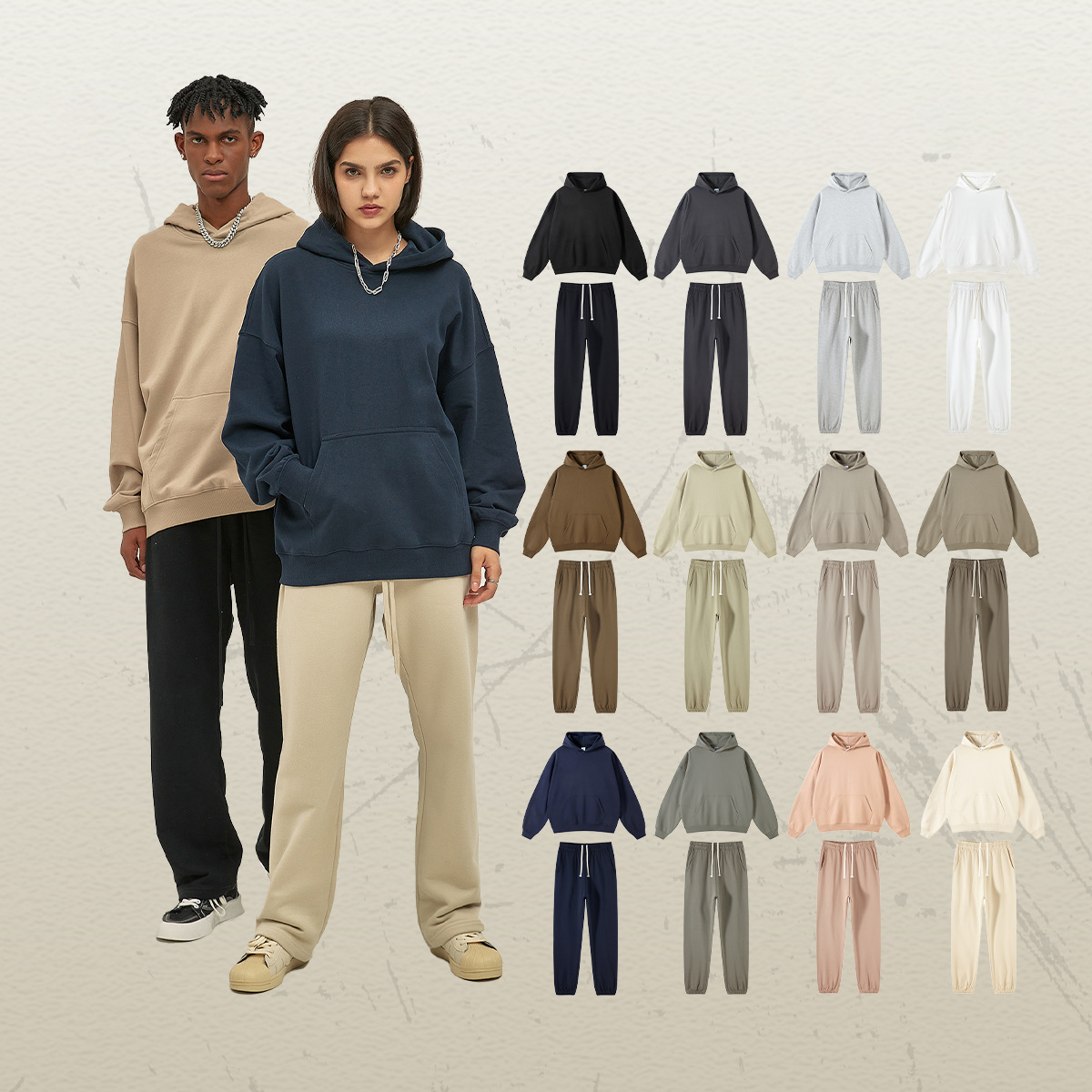
Jersey knits with 5–10% spandex deliver essential 2-way or 4-way stretch, recovering shape after stress. French terry, typically 280–320 GSM, provides structure and breathability for hoodies and joggers without clinging. Rib knits at cuffs and waistbands offer 30–50% stretch, ensuring snug but comfortable finishes that accommodate movement.
Ring-spun cotton jersey outperforms open-end alternatives in softness and pilling resistance, critical for garments in constant friction zones. Blends of 95% cotton and 5% elastane balance comfort with recovery, preventing sagging at elbows and knees.
Woven Fabrics: Structure and Durability
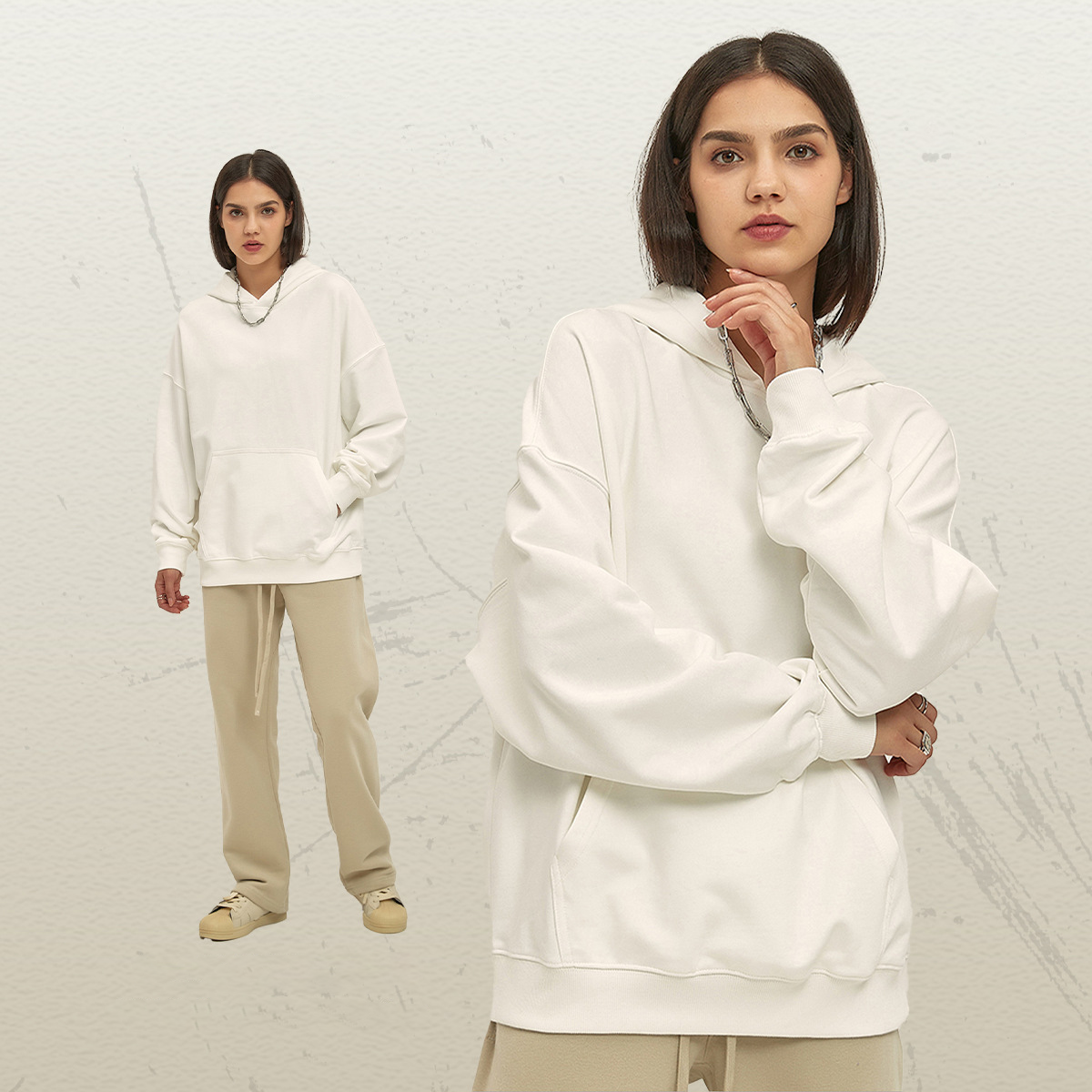
Twill weaves at 240–300 GSM provide diagonal ribbing that resists tearing and hides stress lines common in extended sizes. Stretch denim incorporating 2–3% spandex allows waistbands and thighs to flex without bagging. Poplin, lighter at 120–150 GSM, suits button-ups but requires reinforced seams at stress points.
Woven fabrics lack inherent stretch, so spandex blends are non-negotiable for 4x–6x garments. Twill’s durability makes it ideal for pants and jackets where abrasion resistance matters.
Performance and Technical Fabrics
Moisture-wicking polyester blends (150–200 GSM) pull sweat away from skin, reducing chafing in high-friction areas. Anti-microbial treatments and flatlock seams prevent irritation during extended wear. Four-way stretch fabrics with 20–30% elastane content support athletic and athleisure lines, maintaining compression without constriction.
Technical fabrics cost 15–30% more than standard knits but deliver superior performance for activewear and streetwear hybrids targeting plus-size consumers.
Sustainable and Eco-Friendly Options
GOTS-certified organic cotton and recycled polyester blends meet growing demand for ethical production without sacrificing stretch or durability. Bamboo-viscose knits offer natural breathability and softness at 180–220 GSM, though they require careful handling during production. OEKO-TEX Standard 100 certification ensures fabrics are free from harmful chemicals, a priority for garments in prolonged skin contact.
Sustainable fabrics typically add 10–20% to material costs but align with brand values for eco-conscious streetwear and designer labels.
5. Customization and Decoration Options
Extended-size garments present unique decoration challenges due to larger print areas, increased fabric stretch, and heavier construction. A 4x 5x 6x clothing manufacturer must select techniques that maintain visual clarity across wider panels while accommodating the movement and weight of plus-size fabrics.
| Technique | Setup Cost | Per-Unit Cost | Durability (Washes) | Best Fabric Match |
|---|---|---|---|---|
| Screen Printing | 120–180 USD | 0.50–1.20 USD | 50+ | Cotton, poly-cotton blends |
| Embroidery | 25–50 USD | 1.50–3.00 USD | 100+ | French terry, fleece, piqué |
| DTG Printing | 0 USD | 2.50–4.50 USD | 50–80 | 100% cotton, tri-blends |
| Heat Transfer | 0 USD | 0.80–1.80 USD | 25–40 | Polyester, nylon, low-stretch |
Screen Printing for Extended-Size Streetwear
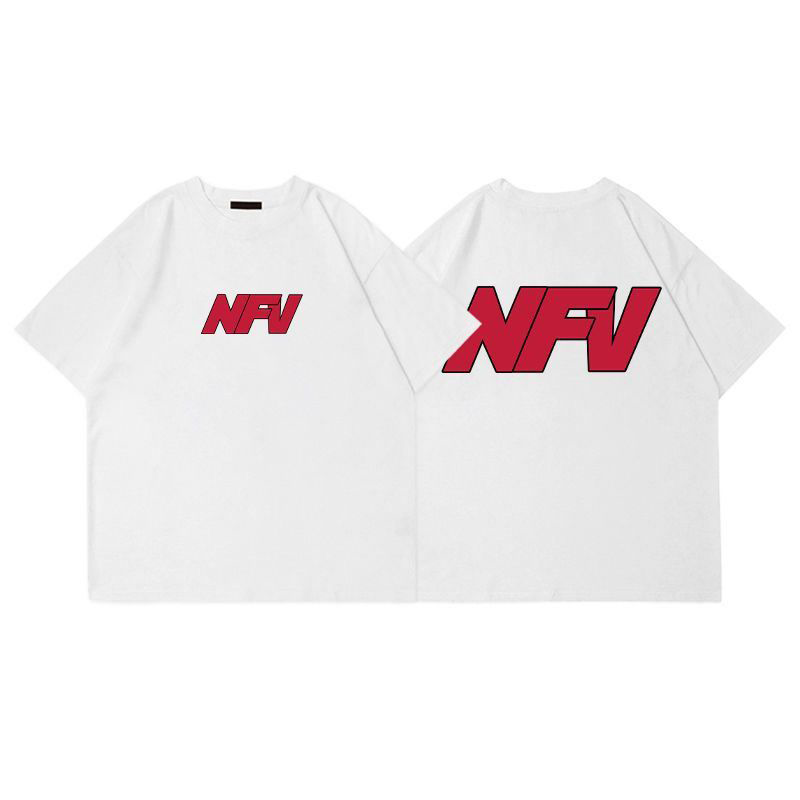
Screen printing remains the most cost-effective decoration method for runs above 50 pieces, but extended sizes require modified ink formulations and placement strategies. Plastisol inks offer superior opacity on dark streetwear fabrics, while water-based inks reduce hand-feel on lightweight cotton blends.
Print placement on 4x–6x garments must account for chest width spanning 28–32 inches and torso length exceeding 32 inches. Designs scaled proportionally from standard sizes often appear cramped; experienced manufacturers redraw artwork to maintain visual balance across larger panels, positioning graphics 3–4 inches lower than on medium sizes to avoid distortion across the bust or midsection.
Embroidery Density and Stabilization
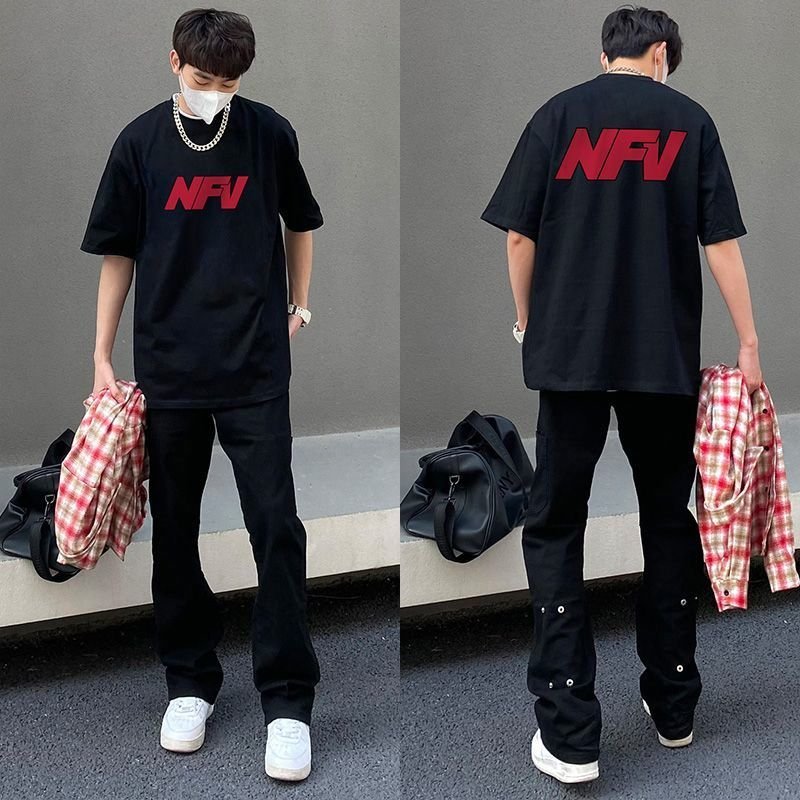
Embroidery on stretch fabrics used in extended sizes—French terry, jersey, or spandex blends—requires cut-away or tear-away stabilizers rated for 6,000–9,000 stitches per square inch. Under-stabilized embroidery puckers on heavier knits, while excessive density causes fabric tunneling.
Left-chest logos on 4x–6x hoodies typically measure 3.5–4 inches wide, compared to 3 inches on standard sizes. Stitch density should not exceed 8,000 per square inch on fabrics with more than 5% elastane to preserve fabric recovery and prevent thread breakage during wear.
Heat Transfer and Direct-to-Garment Printing
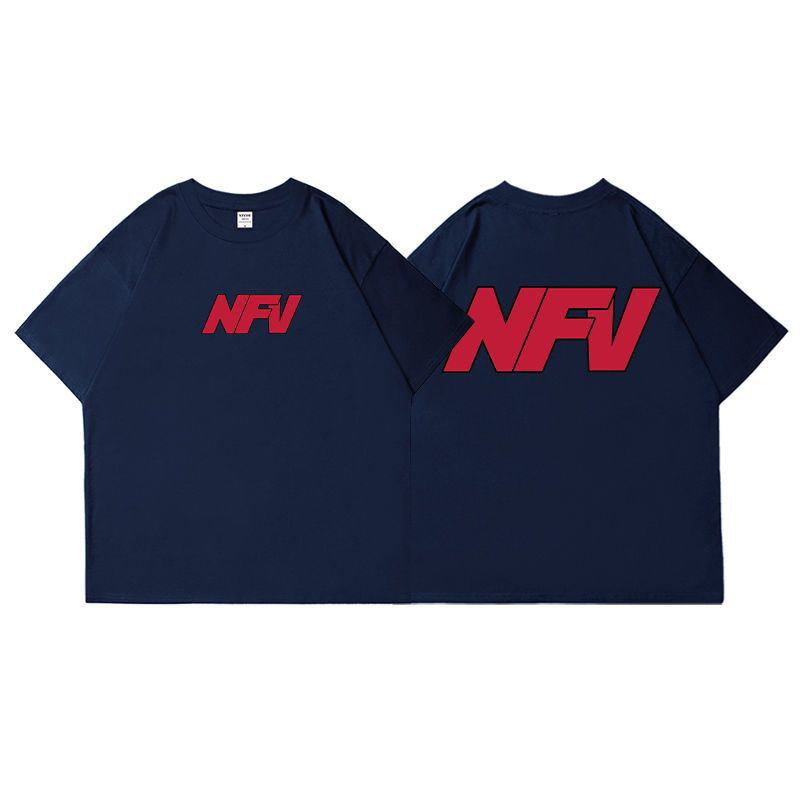
DTG printing handles complex streetwear graphics—skulls, graffiti, multicolor patterns—without setup costs, making it ideal for test runs under 50 pieces. Pre-treatment chemistry must be adjusted for fabrics above 280 GSM to ensure ink penetration and wash durability exceeding 50 cycles.
Heat-transfer vinyl works for names, numbers, and simple logos but may crack on high-stretch zones like underarms or side panels on extended sizes. Manufacturers experienced with 4x 5x 6x clothing apply transfers at 305–320°F for 12–15 seconds, using lower pressure on heavyweight fleece to avoid flattening the fabric nap.
Custom Labels, Tags, and Packaging
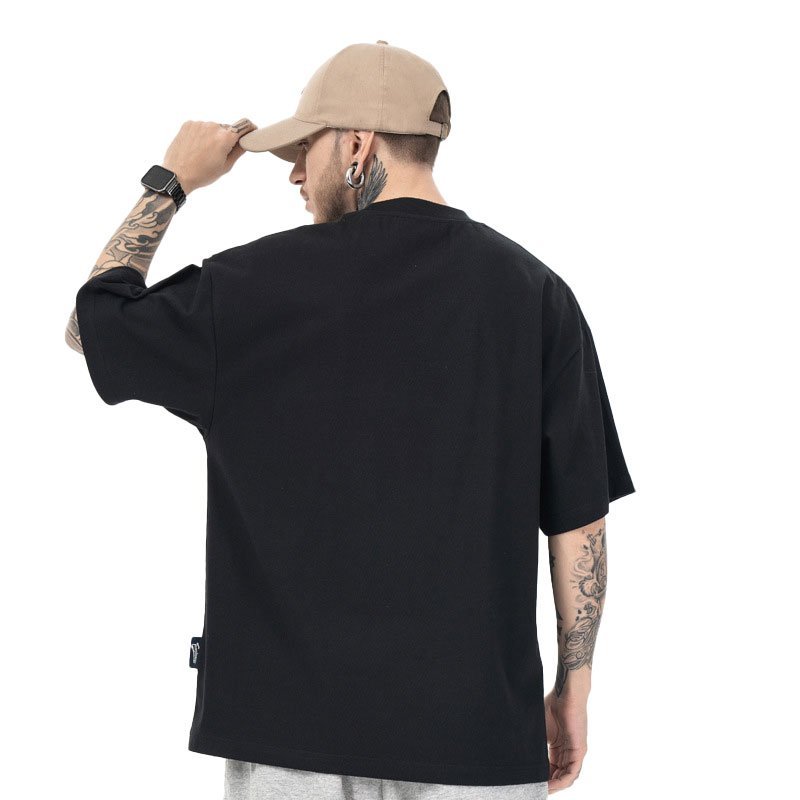
Woven labels for extended-size streetwear typically measure 2–2.5 inches wide to match neckline proportions, compared to 1.5 inches on standard sizes. Satin or damask weave labels withstand industrial washing better than taffeta, critical for brands targeting retail channels with strict hangtag and care-label compliance.
Custom poly bags for 4x–6x garments require 14×18-inch or 16×20-inch dimensions; standard 12×15-inch bags cause creasing and returns. Branded tissue wraps, sticker seals, and thank-you cards add 0.08–0.15 USD per unit but significantly boost unboxing experience for influencer and creator brands shipping direct-to-consumer.
6. Key Quality Elements in 4x 5x 6x Clothing Manufacturing
Extended-size garments demand stricter quality protocols than standard runs because fit errors and construction weaknesses are magnified at 4x 5x 6x scales. Clothing Manufacturer Ltd. applies its five-step QC methodology—materials testing, cutting checks, craft inspection, sewing verification, and finished-garment review—to catch defects before they reach customers.
Pattern Grading Accuracy
Proportional grading adjusts multiple body dimensions (chest, waist, hip, sleeve, rise) independently, while simple grade-rule scaling enlarges all measurements uniformly and produces boxy, unflattering silhouettes. A 4x hoodie graded by rule alone may fit the chest but gap at the armhole or bind across the shoulders.
Accurate grading requires tech packs with size-specific measurements for every panel, verified during cutting QC testing. Poor grading drives return rates above 30 percent in extended-size collections, eroding brand reputation and margin.
Reinforced Seams and Stress Points
Underarm gussets, crotch seams, waistband attachments, and pocket openings bear higher tension in larger sizes and require bar-tack stitching or double-needle flatlock construction. Standard single-needle seams fail within weeks of regular wear.
Clothing Manufacturer Ltd. inspects stress-point reinforcement during sewing production QC testing, ensuring thread count and stitch density meet streetwear durability standards for active lifestyles.
Fit Testing and Sample Approval
Live model fittings in each extended size reveal drape, mobility, and proportion issues invisible in flat tech packs. Brands should request samples in 4x, 5x, and 6x on models matching target demographics before approving bulk production.
Adjustments to armhole depth, back length, and hem curve often emerge only during on-body testing, preventing costly remakes and customer dissatisfaction.
Fabric Pre-Shrinking and Testing
Cotton-blend fleece and French terry can shrink 3–5 percent in length and 2–3 percent in width after the first wash, turning a fitted 5x into an unwearable 4x. Pre-shrinking fabric or accounting for shrinkage in pattern dimensions is non-negotiable.
Materials QC testing verifies shrinkage rates, colorfastness, and pilling resistance before cutting begins, eliminating post-sale complaints.
Finishing Details
Hem topstitching must use stretch thread and cover-stitch machines to prevent popping when fabric stretches. Elastic waistbands require 1.5–2-inch widths in extended sizes to distribute pressure evenly and avoid rolling.
Finished clothing quality QC inspection checks stitch-per-inch density (12–14 SPI for knits), thread tension, and trim alignment, ensuring every garment meets the same standard regardless of size.
7. How to Choose the Right 4x 5x 6x Clothing Manufacturer
Selecting a 4x 5x 6x clothing manufacturer requires a structured vetting process that examines technical capability, production flexibility, and quality systems. The right partner will demonstrate proven extended-size expertise, transparent processes, and scalable minimums that match your brand stage.
Verify Extended-Size Expertise and Portfolio
Request lookbooks showing completed 4x–6x garments with fit details, grading charts, and client references. Manufacturers experienced in extended sizing will provide pattern samples demonstrating proper proportional grading across chest, waist, hip, and sleeve measurements.
Red flag: suppliers who claim ‘we can make any size’ without showing past extended-size work or grading documentation.
Assess MOQ Flexibility and Scalability
Compare minimum order quantities across 50-piece, 100-piece, and 500-piece tiers to match your launch volume and growth trajectory. Clothing Manufacturer Ltd. offers 50-piece MOQs for startups, enabling brands to test extended sizes without overcommitting inventory.
Confirm whether per-piece pricing drops at higher volumes and whether the factory can scale from trial runs to reorders of 1,000+ units.
Evaluate Sampling Process and Turnaround
Clarify the sequence: digital mockups (3–5 days), fit samples (7–10 days), and pre-production samples (10–14 days). Factories offering all three stages allow you to validate fit and construction before bulk production begins.
Red flag: manufacturers who skip fit-sample rounds or refuse to provide pre-production prototypes.
Check Quality Control Protocols
Ask whether QC occurs only at final inspection or throughout production. Clothing Manufacturer Ltd.’s five-step methodology—materials QC, cutting QC, craft QC, sewing QC, and finished-goods inspection—catches defects early and reduces rework.
Request AQL standards (typically 2.5 for apparel) and ask how many checkpoints exist between fabric roll and finished garment.
Review Communication, Lead Times, and Payment Terms
Confirm response times (within 24 hours), production lead times (typically 25–45 days for bulk orders), and payment structures (30% deposit, 70% before shipment is standard).
Red flag: vague timelines, requests for full payment upfront, or inconsistent contact during sampling.
8. Common Mistakes When Sourcing a 4x 5x 6x Clothing Manufacturer
Brands entering extended-size production often repeat avoidable errors that lead to poor fit, high returns, and wasted investment. Understanding these pitfalls and their preventive strategies saves time and protects brand reputation.
Assuming Standard Grading Scales Up Accurately
Proportions change significantly beyond size 2X; simply adding inches to chest and waist measurements creates garments that fit poorly in shoulders, sleeves, and rise. A 4X customer may require different armhole depth and back width ratios than linear grading predicts.
Work with a 4x 5x 6x clothing manufacturer experienced in non-linear grading rules. Request graded spec sheets and review how shoulder slope, armhole, and inseam adjust across the full size range before approving patterns.
Skipping Fit Models in Target Size Range
Testing samples only on standard-size models leaves extended-size fit unvalidated, resulting in returns and negative reviews. Fit issues in 4X–6X often appear in areas invisible on smaller samples: underarm binding, hip swing, and back length.
Hire or partner with fit models who wear 4X, 5X, and 6X. Conduct wear tests for at least 4 hours to identify pressure points and mobility restrictions that static try-ons miss.
Choosing the Cheapest Bid Without Vetting Quality
Low quotes often reflect shortcuts: skipped QC steps, inferior stitching, or fabrics that pill and lose shape after one wash. Extended sizes demand reinforced seams and higher-grade materials to withstand stress; budget bids rarely deliver either.
Request samples before committing. Inspect stitch density (12–14 SPI minimum), seam reinforcement at stress points, and fabric hand. Verify the manufacturer implements in-process QC, not only final inspection.
Ignoring Fabric Stretch and Recovery Testing
Fabrics that perform well in smaller sizes may lack recovery in extended sizes, causing bagging at knees and elbows. Recovery failure is the top cause of fit complaints in sizes 4X and above.
Specify fabrics with at least 5% spandex for knits and request stretch-recovery test results (ASTM D2594). Clothing Manufacturer Ltd.’s materials QC testing verifies recovery before cutting to prevent post-wash deformation.
Underestimating Lead Times for Sampling and Revisions
Extended-size pattern development requires multiple fit iterations; brands that budget standard 4-week sampling timelines face delays when revisions surface fit issues. Each round adds 10–14 days.
Allocate 6–8 weeks for sampling and two fit rounds. Communicate size-range requirements upfront so the manufacturer schedules grading and fit-model sessions in the initial quote and timeline.
9. Steps to Launch Your Brand with a 4x 5x 6x Clothing Manufacturer
Launching an extended-size streetwear line requires a clear roadmap from initial concept through delivery and customer feedback. The process involves six interconnected phases that balance design vision, technical precision, and quality assurance to ensure your 4x 5x 6x clothing manufacturer delivers products that resonate with your target audience.
Define Your Size Range and Target Customer
Start by mapping your size range (typically 4x through 6x corresponds to chest measurements 58–70 inches) and articulating a body-positive fit philosophy. Document whether you prioritize relaxed streetwear silhouettes or tailored fits, and specify any design accommodations such as longer torso lengths or reinforced seams.
Your messaging should reflect authentic inclusivity rather than afterthought sizing. Share your fit philosophy with your 4x 5x 6x clothing manufacturer early so grading rules align with your brand values and customer expectations.
Develop Tech Packs and Grading Specs
Create detailed tech packs that include flat sketches, fabric specifications (GSM, composition, stretch percentage), colorways with Pantone references, and trim details. Grading specs must define how each measurement scales across 4x, 5x, and 6x to maintain proportional fit.
Provide grade rules for key points of measure: chest, waist, hip, sleeve length, and rise. Clothing Manufacturer Ltd.’s R&D team reviews tech packs during the materials QC and cutting QC stages of their five-step process to catch discrepancies before sewing begins.
Request and Approve Samples
Order pre-production samples in at least two sizes (typically 4x and 6x) to verify fabric hand, construction quality, and fit across your range. Evaluate seam strength, print placement, and whether the garment maintains its silhouette under stress.
Request revisions for any issues identified in fabric weight, stitching, or proportions. Iterative sampling ensures your final production run meets both aesthetic and durability standards before committing to bulk orders.
Place Your First Production Order
Negotiate minimum order quantities (MOQs often start at 50–100 pieces per colorway for extended sizes) and clarify deposit terms, typically 30–50 percent upfront with balance due before shipment. Confirm lead times, usually 25–45 days depending on order complexity and fabric availability.
Secure a written production agreement that specifies quality standards, delivery dates, and payment milestones to protect both parties and establish clear expectations.
Coordinate QC and Shipping
Schedule quality inspections at multiple production stages. Clothing Manufacturer Ltd. implements materials QC, cutting QC, craft QC, sewing QC, and finished-goods QC to catch defects early and reduce rework costs.
Arrange pre-shipment inspections and coordinate logistics, including customs documentation and freight forwarding. Request photographic QC reports and random sample pulls to verify that bulk production matches approved samples before final payment.
Plan for Inventory and Feedback Loops
Allocate inventory based on size-run data from similar brands or pre-orders; extended sizes often see different sell-through rates than core sizes. Set up fulfillment workflows and prepare customer service teams to handle fit questions and returns.
Collect fit feedback through surveys, reviews, and return analysis. Share insights with your 4x 5x 6x clothing manufacturer to refine grading specs and construction for subsequent production runs, creating a cycle of continuous improvement.
10. Pricing and Cost Breakdown for 4x 5x 6x Clothing Manufacturer
Extended-size garments in 4x, 5x, and 6x typically cost 10–20% more than standard sizes due to increased fabric consumption, specialized pattern grading, and longer cutting and sewing cycles. A 5x hoodie may require 30–40% more fabric than an XL equivalent, while grading accuracy demands additional technical time to maintain fit proportions across larger measurements. These cost drivers are unavoidable but manageable when manufacturers apply efficient workflows and volume pricing.
Clothing Manufacturer Ltd. offers transparent tier-based pricing for 4x 5x 6x clothing manufacturer orders, with minimums starting at 50 pieces per style per color. Unit costs decrease as order volume rises, reflecting economies of scale in fabric procurement, cutting efficiency, and setup amortization. Sampling costs are fixed per style and apply before bulk production begins, ensuring that fit, construction, and finishing meet brand standards before scaling.
Additional costs include custom woven or printed labels (typically $0.15–0.50 per garment), poly-bag or hang-tag packaging ($0.10–0.30 per unit), and international shipping calculated by weight and destination. Lead times range from 3 to 6 weeks depending on order complexity, fabric availability, and decoration requirements. Clients should budget an extra 5–10 days for sampling and revisions before final production runs commence.
| Garment Type | 50 pcs | 100 pcs | 250 pcs | 500+ pcs | Lead Time |
|---|---|---|---|---|---|
| T-shirt (4x–6x) | $8.50–10.00 | $7.20–8.50 | $6.00–7.20 | $5.00–6.00 | 3–4 weeks |
| Hoodie (4x–6x) | $18.00–22.00 | $15.50–18.00 | $13.00–15.50 | $11.00–13.00 | 4–5 weeks |
| Joggers (4x–6x) | $12.00–15.00 | $10.50–12.00 | $9.00–10.50 | $7.50–9.00 | 3–5 weeks |
Ready to Launch Your 4x 5x 6x Clothing Line?
Partner with a manufacturer that delivers premium extended-size streetwear, 50-piece MOQ, and our exclusive 5-step QC guarantee on every order.