
Custom Padded Jackets Designed for Global Streetwear Brands
We manufacture custom padded jackets for streetwear labels, startups, and independent designers worldwide — backed by a 5-step QC guarantee and fast sample turnaround.
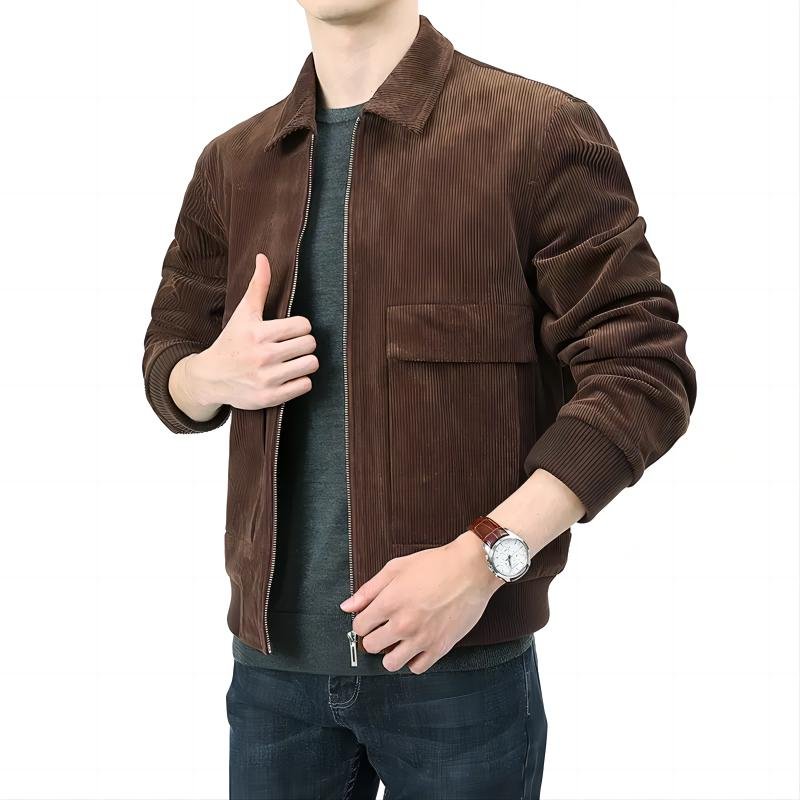
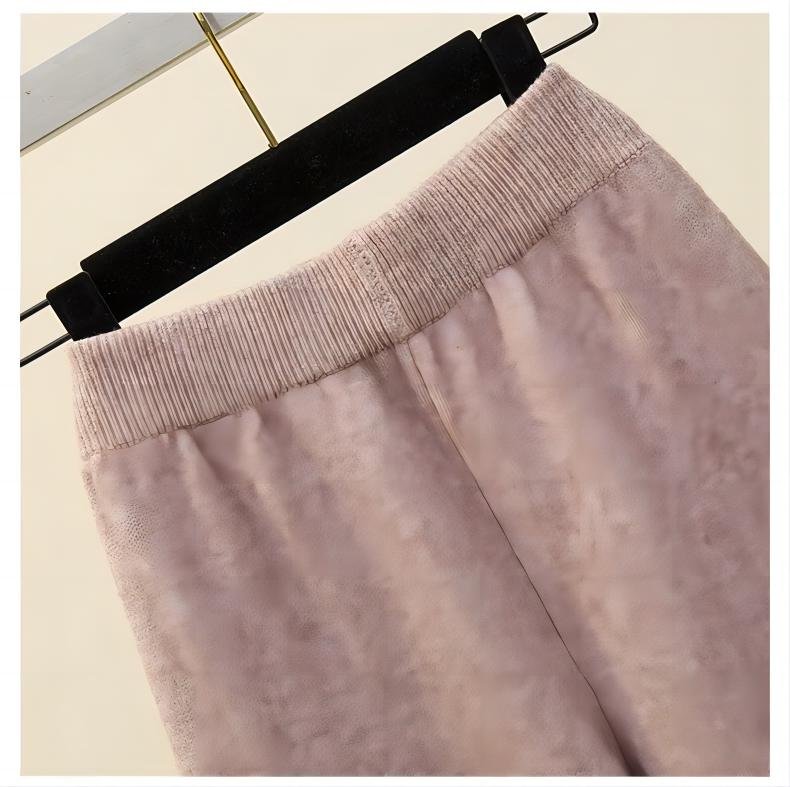
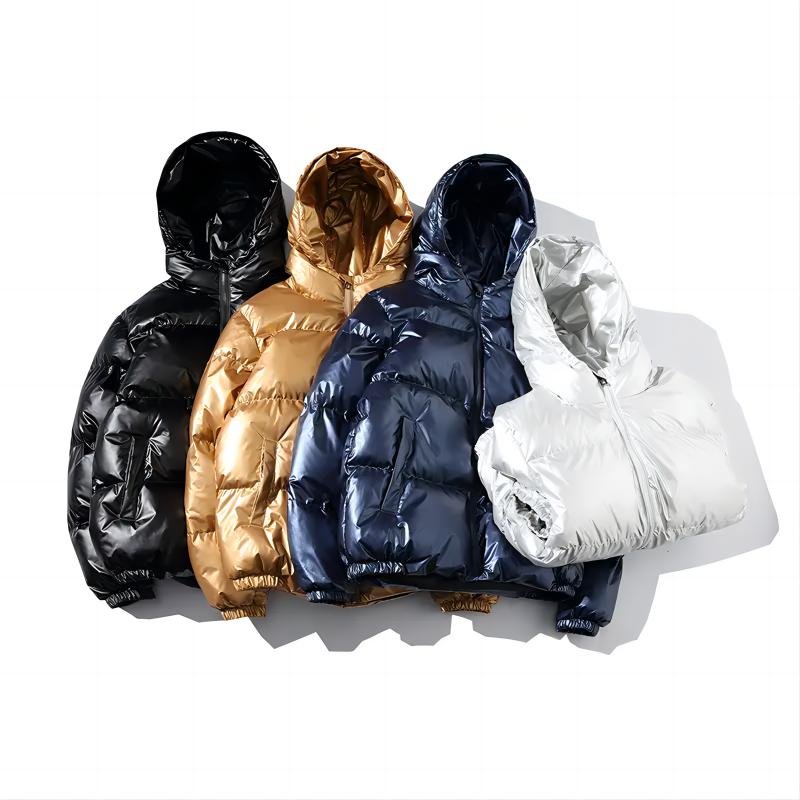
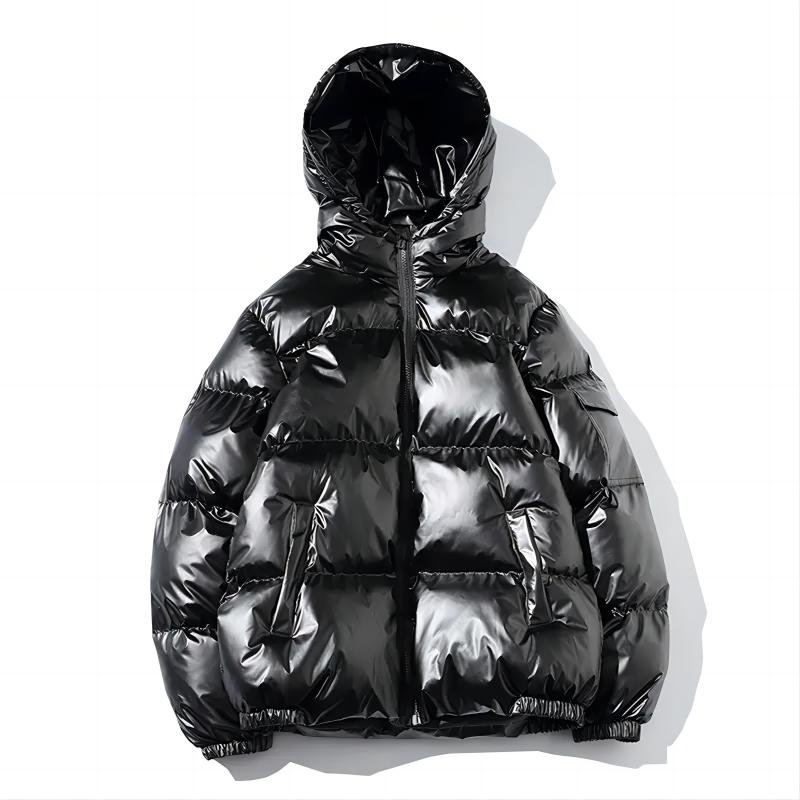
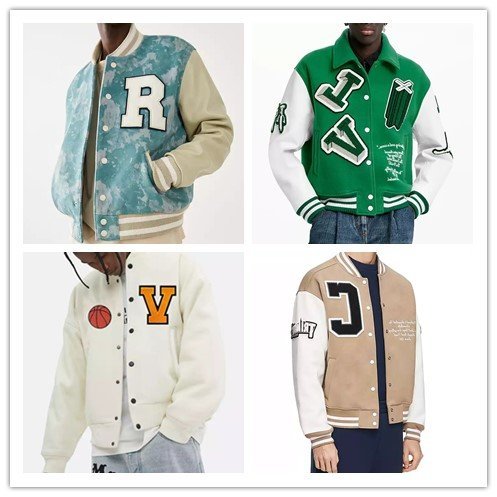
Featured Custom Padded Jacket Designs
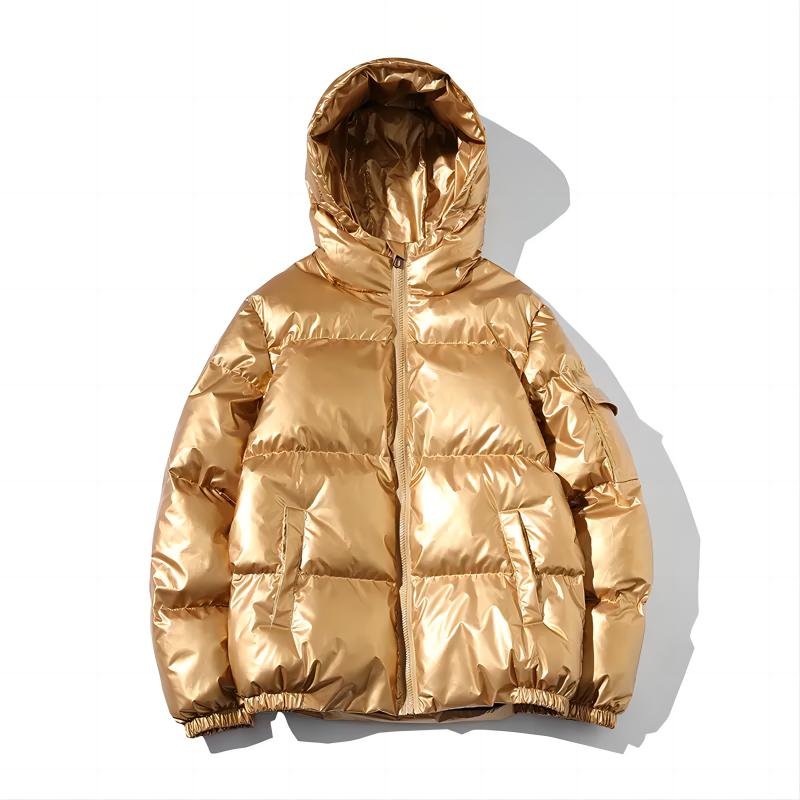
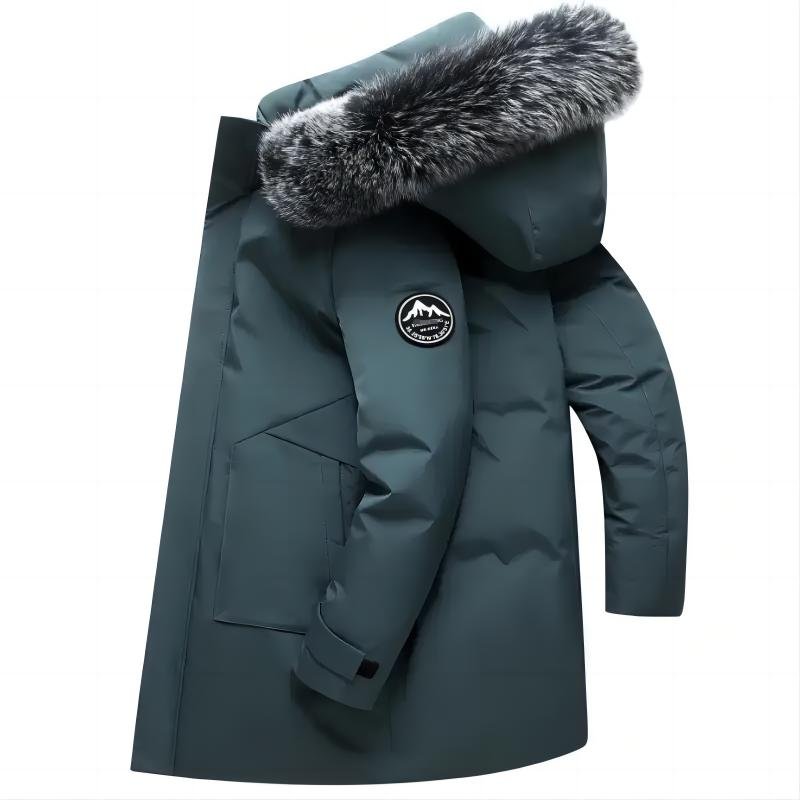
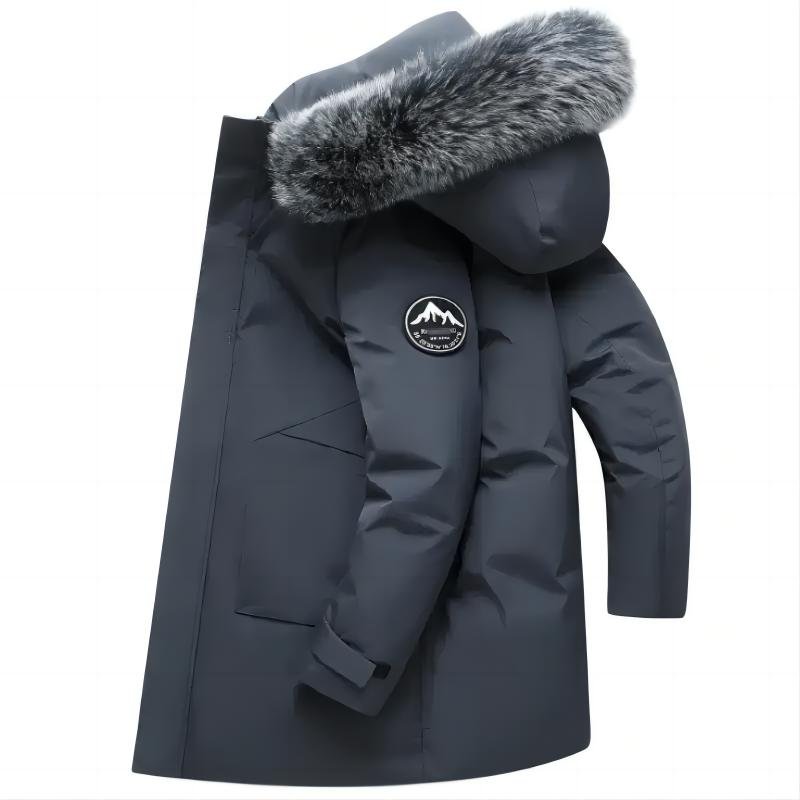
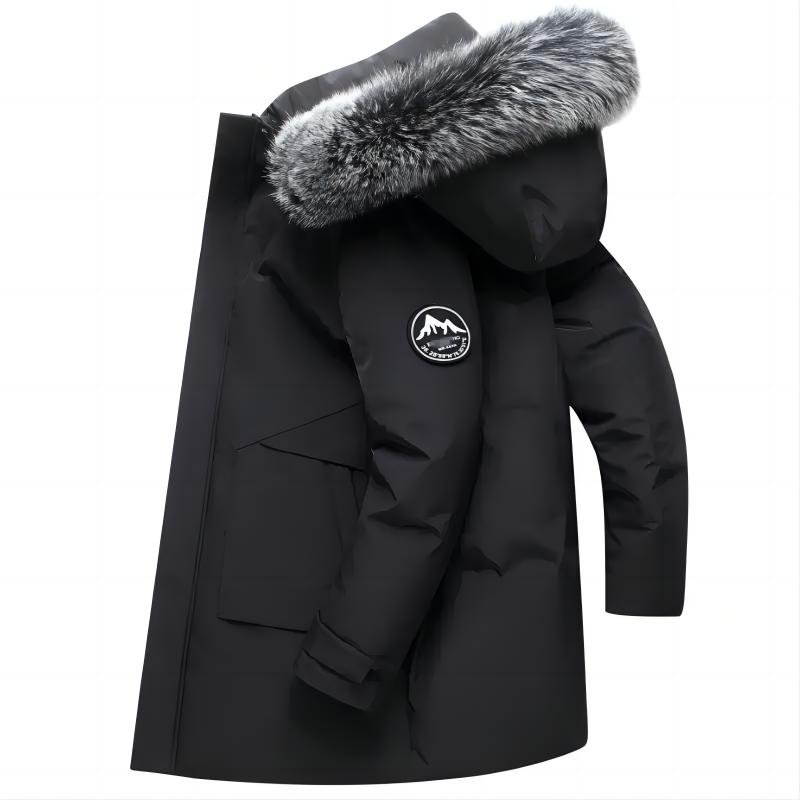
Why Custom Padded Jackets From Us Stand Out
From zero-defect quality control to low MOQs and global delivery, every advantage is built into our process — not bolted on.
5-Step Zero-Defect QC
Our proprietary QC checks span materials, cutting, craft, sewing, and final inspection — defects caught early, never shipped.
In-House Design & Sampling
A 15-member R&D team handles patterns, samples, and streetwear styling — faster iteration, tighter fit, zero outsourcing surprises.
Low MOQ for Emerging Brands
Startup-friendly minimums let new labels launch their first custom padded jackets without overextending inventory budgets.
Fast Seasonal Turnarounds
Agile production scheduling keeps your drops on time — critical for trend-driven streetwear and influencer collection launches.
Global Shipping & Logistics
We manage customs, export documentation, and delivery to 100+ countries, so your product arrives on shelves without friction.
Decade-Deep Streetwear Expertise
Over 10 years of production experience and 1,000+ served brands means your jackets are built by people who live the culture.
Custom Padded Jackets for Every Brand Style
From first-drop startups to global retailers, our manufacturing capabilities flex to match your vision, your aesthetic, and your volume.
Fashion Startups, First Collection
You have a bold jacket concept but no factory relationships, and most manufacturers demand high minimums that devour your budget before you sell a single piece.
Our low-MOQ custom padded jackets program and in-house sampling team take you from sketch to saleable product fast, with our 5-step QC guarantee protecting every unit.
Streetwear Brands, Oversized Bombers
Your audience demands oversized silhouettes and heavy graphic work every season, but finding a factory fluent in streetwear culture that can execute complex artwork at pace is a constant grind.
Our streetwear-specialist designers, versed in skeleton, graffiti, and bold-print motifs, engineer oversized custom padded jackets that hit the cultural moment on a timeline your drop calendar can count on.
Influencer Brands Scaling Fast
A viral moment means your audience wants product immediately. Your current supplier's lead time is too long, and a delayed drop kills momentum you have no chance to recapture.
Our agile production model and global logistics support compress turnaround so your custom padded jacket collection ships while the hype is live, not three weeks after it peaks.
Global Retailers, Consistent Quality
Scaling to retail volumes while maintaining uniform quality across thousands of units is exactly where most manufacturers fall apart, leaving you with costly returns and damaged buyer relationships.
Our five-step QC process checks materials through finished garment, delivering consistent custom padded jackets at scale that meet retailer standards across 100-plus markets worldwide.
Premium Embroidered Streetwear Labels
Your buyers expect meticulous craftsmanship — precise embroidery, even fill distribution, and luxury trims — but manufacturers who genuinely meet that standard without punishing sampling fees are extraordinarily hard to find.
Our 15-member R&D team and 10 production patents enable intricate embroidery and technical construction, giving your embroidered custom padded jackets the premium hand-feel your customers will pay a premium for.
Premium Fabrics for Custom Padded Jackets
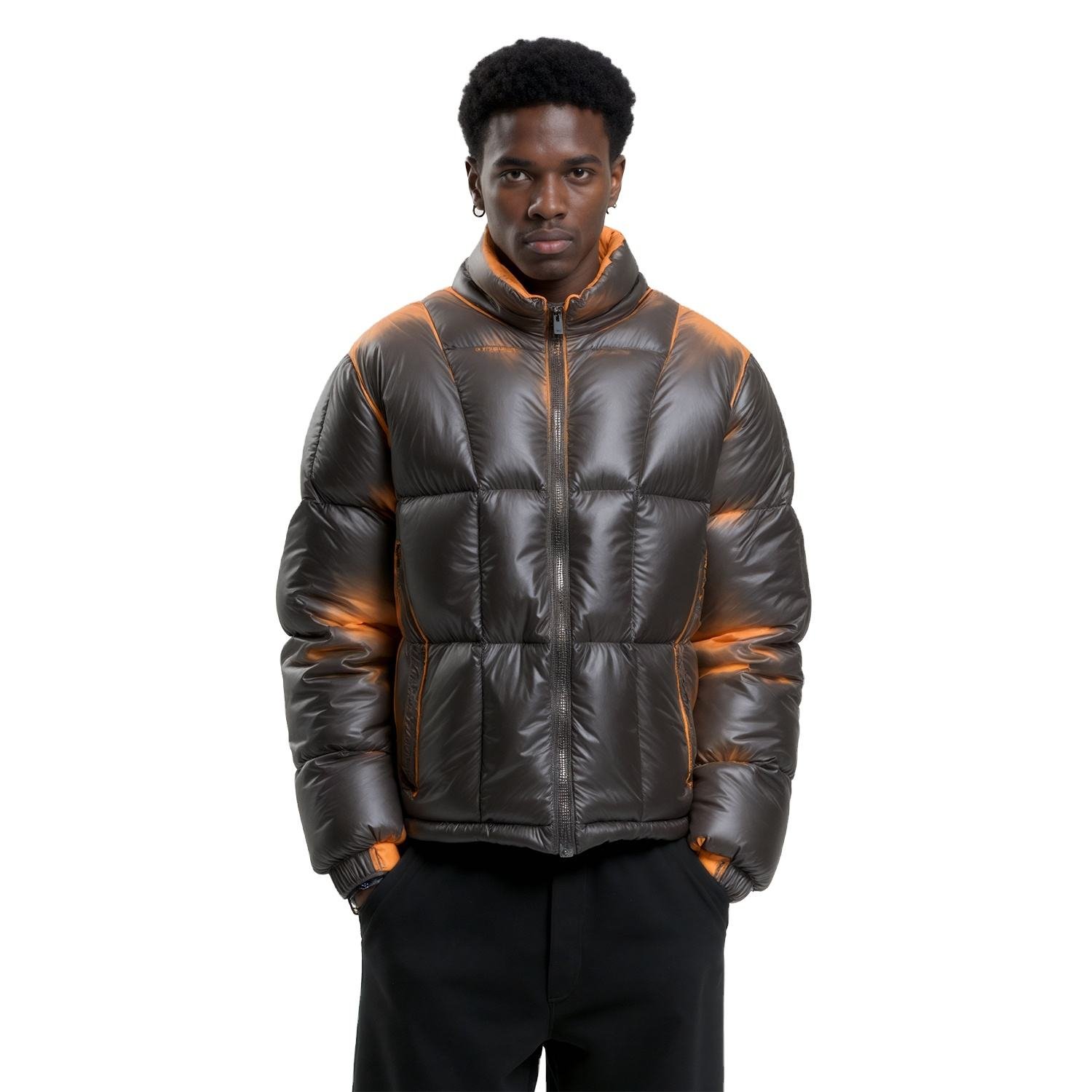
Nylon Ripstop Shell
A lightweight shell fabric with a reinforced crosshatch weave that prevents tears from spreading. Ideal for streetwear puffer shells, it offers excellent wind resistance at a versatile 70D weight.
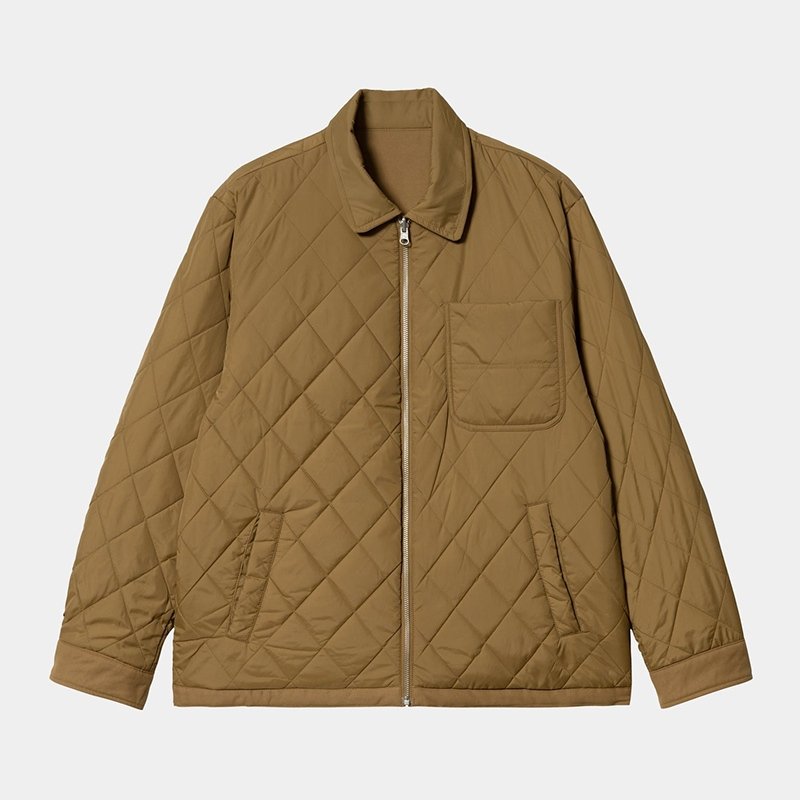
Polyester Taffeta
Smooth, crisp, and clean to the touch, this 210T taffeta is the go-to shell and lining choice for padded jackets, delivering a sharp drape with reliable moisture-barrier performance.
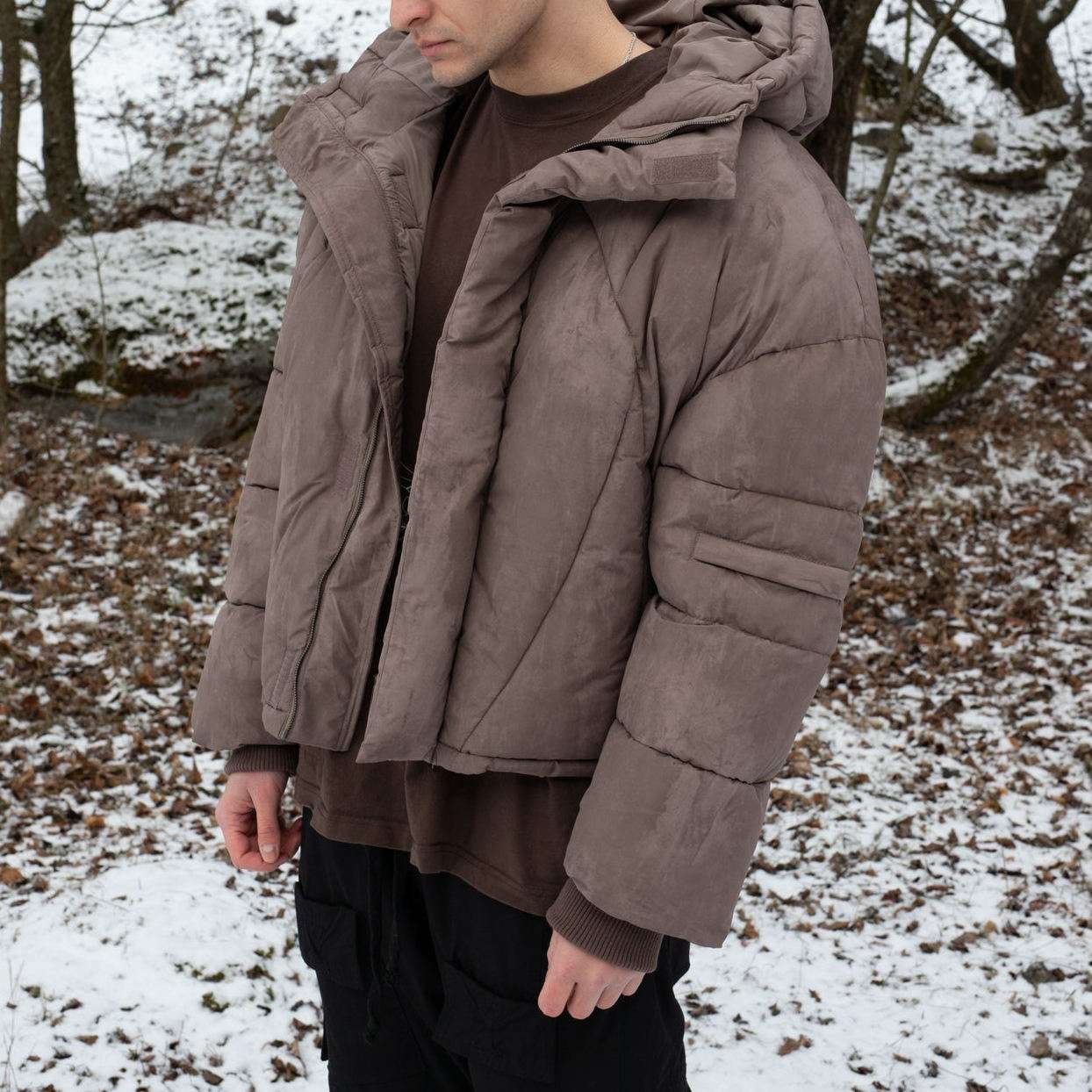
Recycled Polyester
Made from post-consumer PET bottles, this eco-certified shell matches virgin polyester in tensile strength and color vibrancy while reducing carbon footprint — ideal for sustainability-driven streetwear brands.
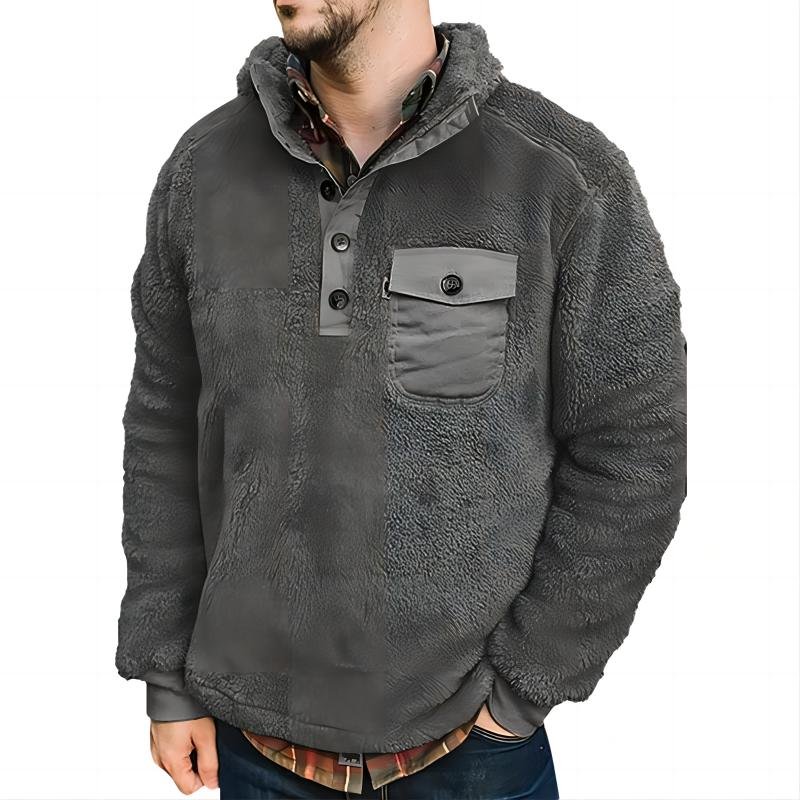
CORDURA Nylon
Battle-tested for extreme abrasion resistance, CORDURA rates up to 10x tougher than standard nylon. Its matte, structured texture suits heavy-duty streetwear, workwear-influenced outerwear, and technical padded jacket collections.
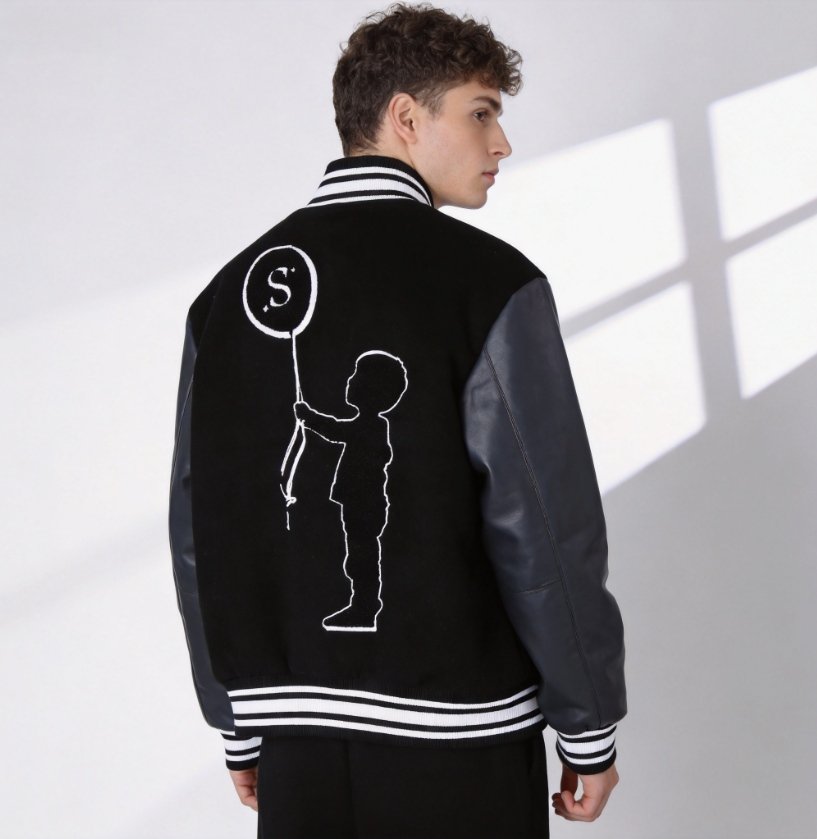
Stretch Performance Blend
A polyester-spandex composite offering 4-way stretch and a body-mapped fit. At 230 GSM, it retains heat efficiently while allowing full range of motion — perfect for athletic and performance-oriented padded jackets.
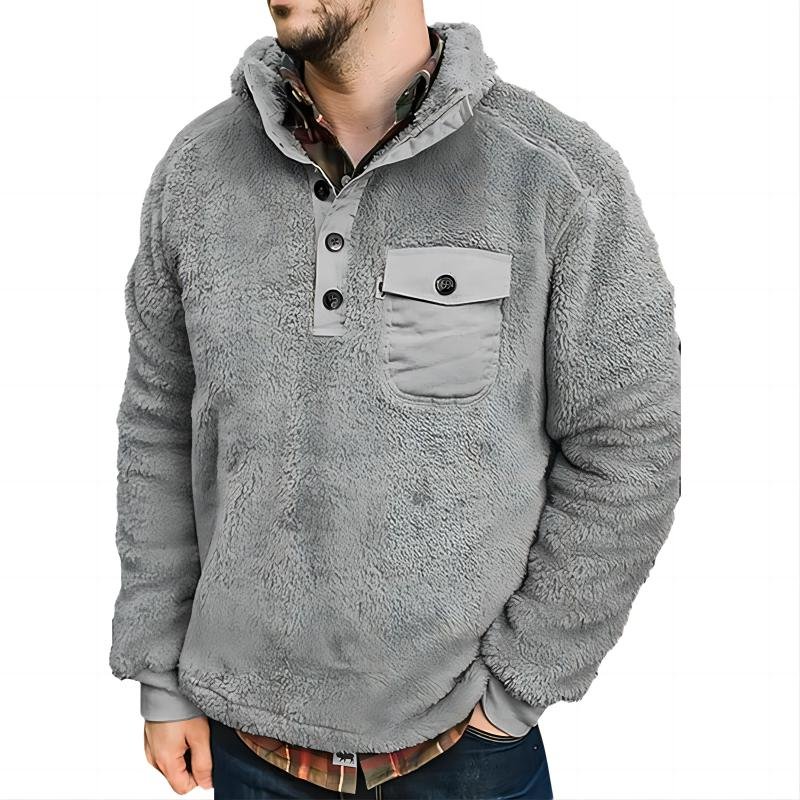
Matte Oxford Nylon
A medium-weight 300D Oxford nylon with a subtle matte finish and durable water-repellent coating. Its structured, premium hand-feel suits fashion-forward padded jacket silhouettes and elevated streetwear lines.
Production Techniques for Custom Padded Jackets
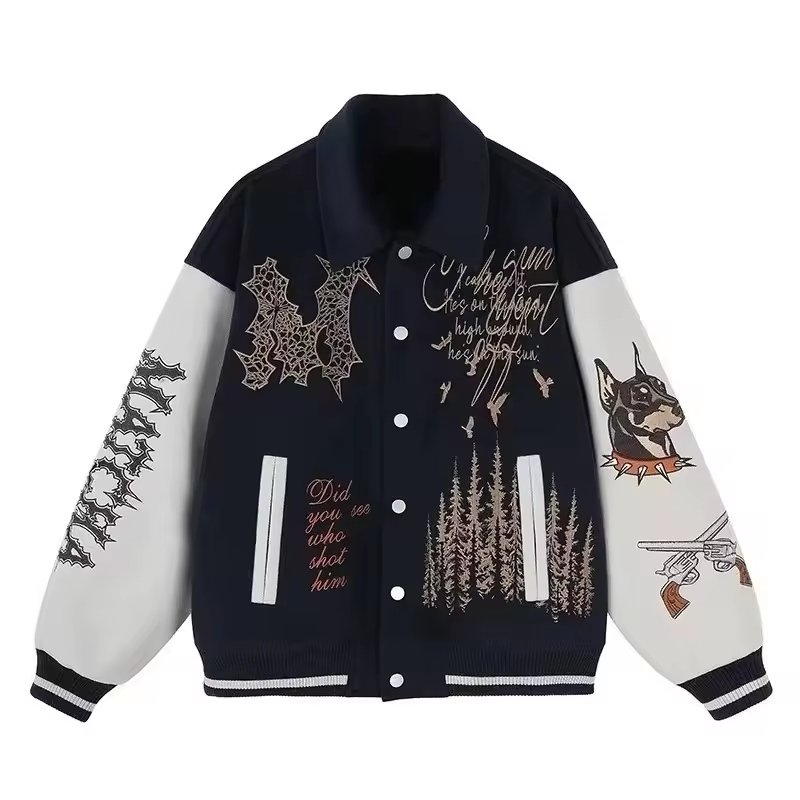
Precision Embroidery
Raised thread work adds premium depth and dimension to chest logos, sleeve badges, and back graphics. Wash-resistant construction makes embroidery the defining branding statement for any custom padded jacket.
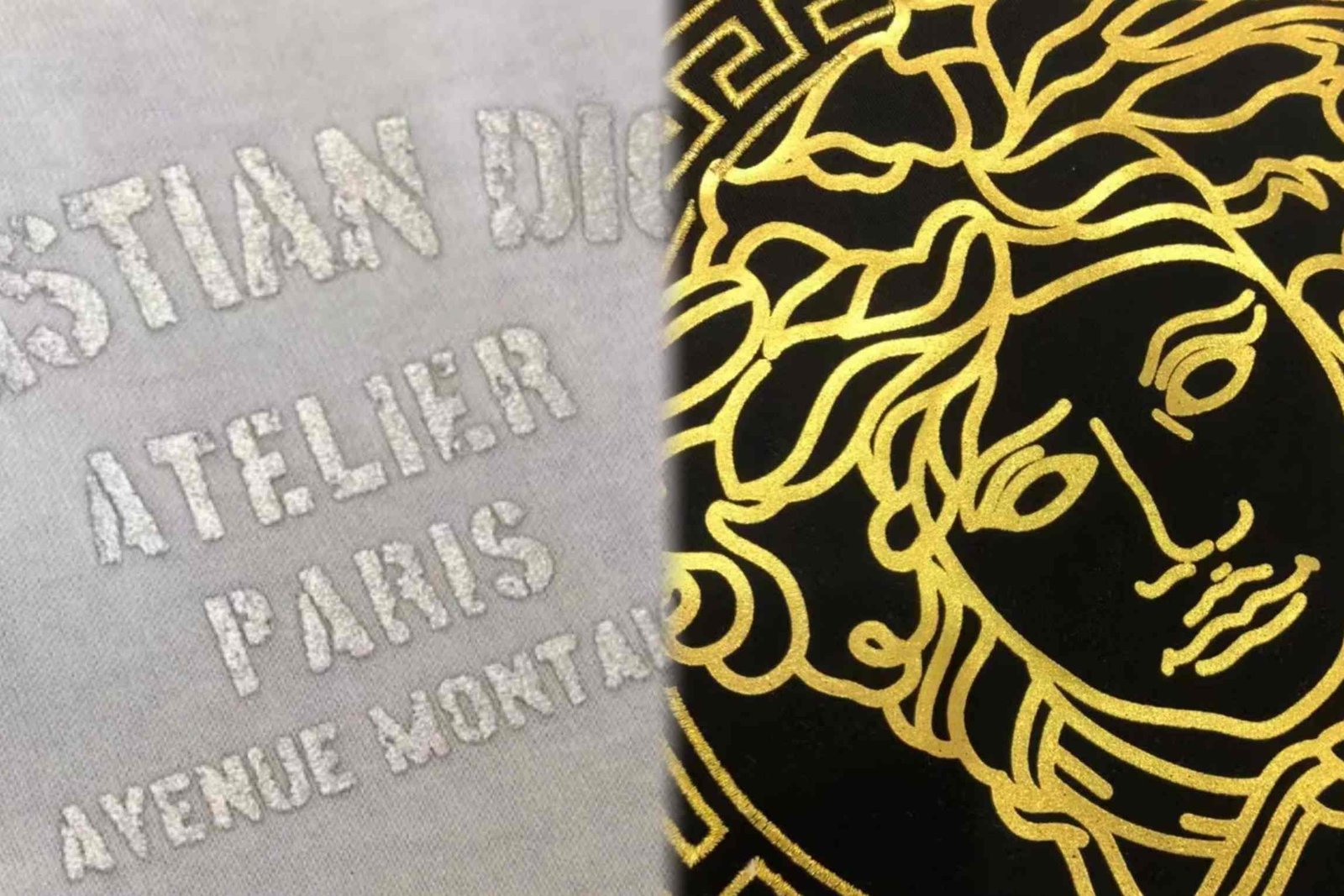
Screen Printing
High-opacity inks applied directly to fabric deliver vivid, streetwear-ready graphics and sharp color blocks. Ideal for bold large-format chest and back artwork that stays vibrant through repeated heavy washing.
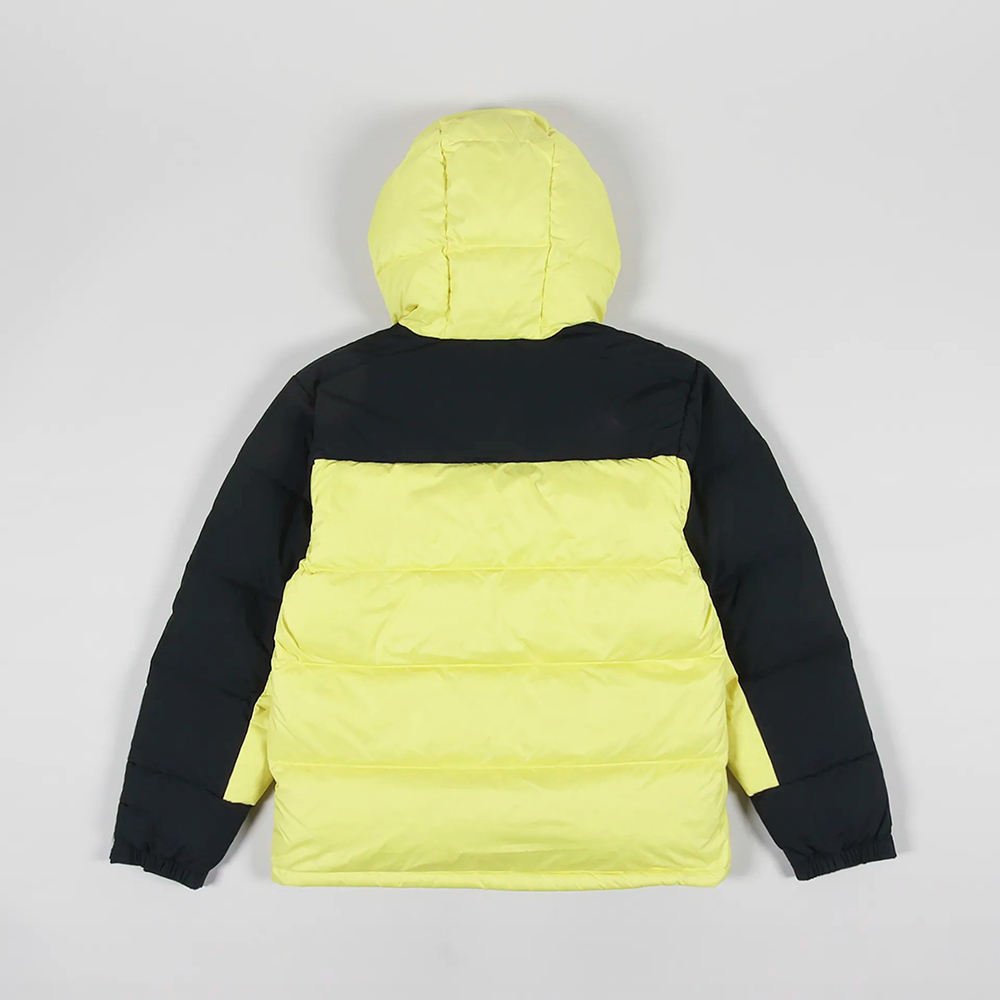
Sublimation Printing
Dye infused directly into synthetic fabrics produces photographic-quality, all-over graphics with zero cracking or peeling. Unlocks full-spectrum, edge-to-edge color across every panel of your custom padded jacket.
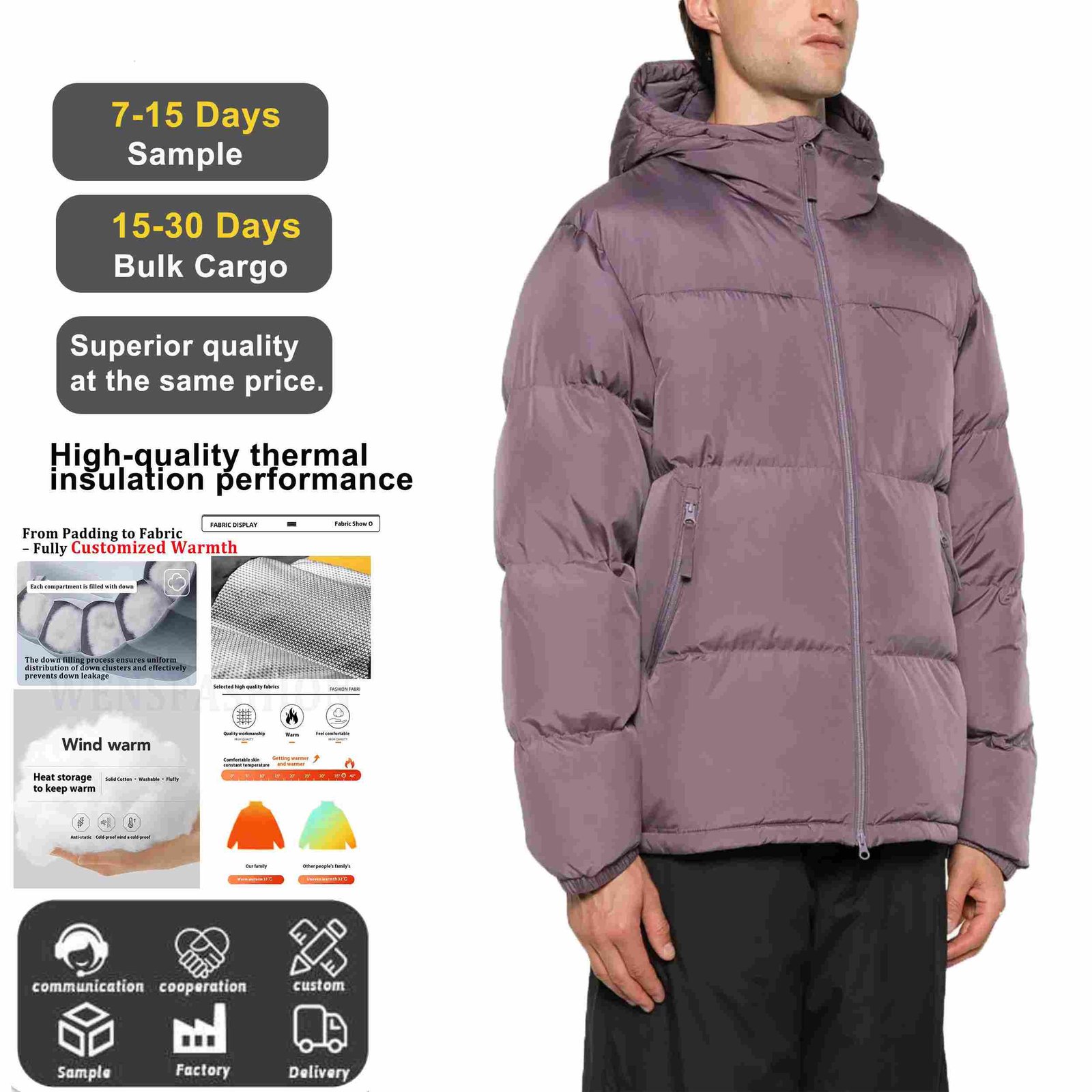
Heat Transfer
Precise transfer application brings intricate multi-color artwork, metallic finishes, and reflective accents to life. Adds striking visual impact and a premium tactile quality to any custom padded jacket silhouette.
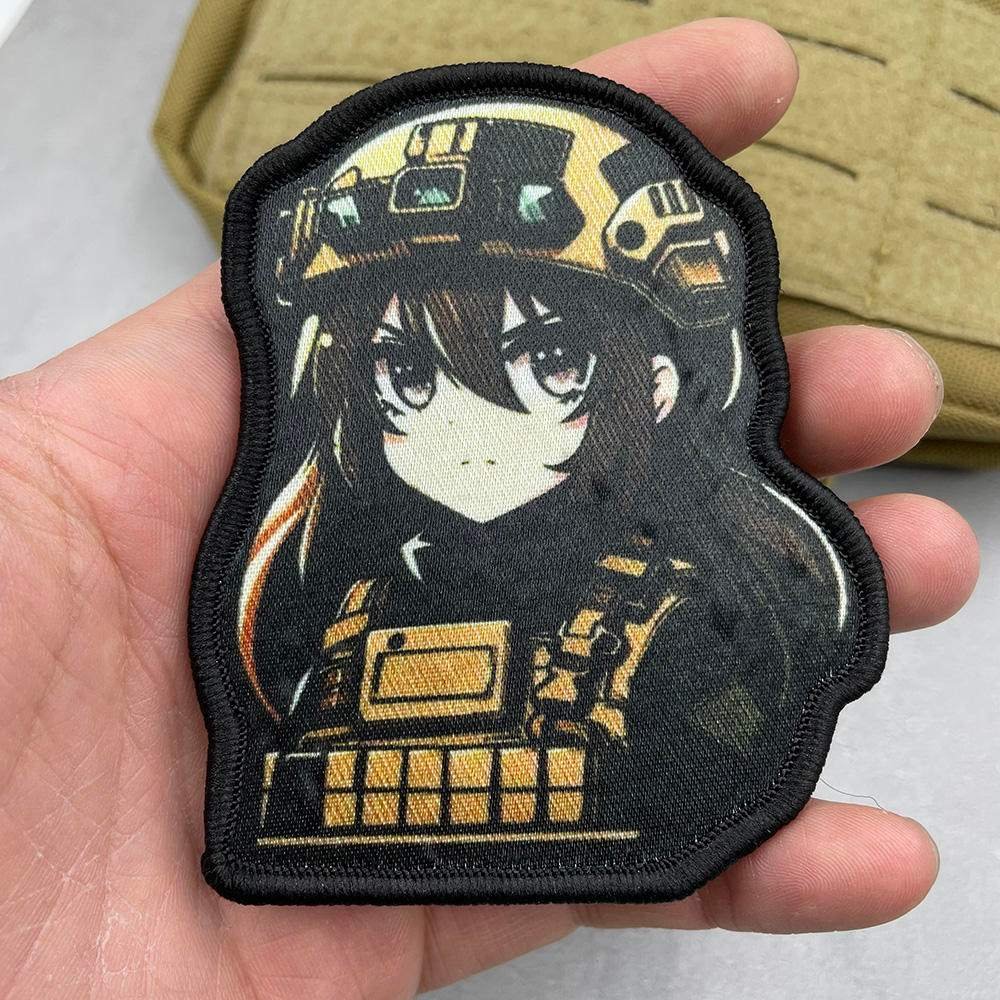
Woven Labels
Fine-thread woven neck and care labels deliver a polished, retail-ready finish that communicates brand identity clearly while meeting international care-instruction and compliance standards for global distribution.
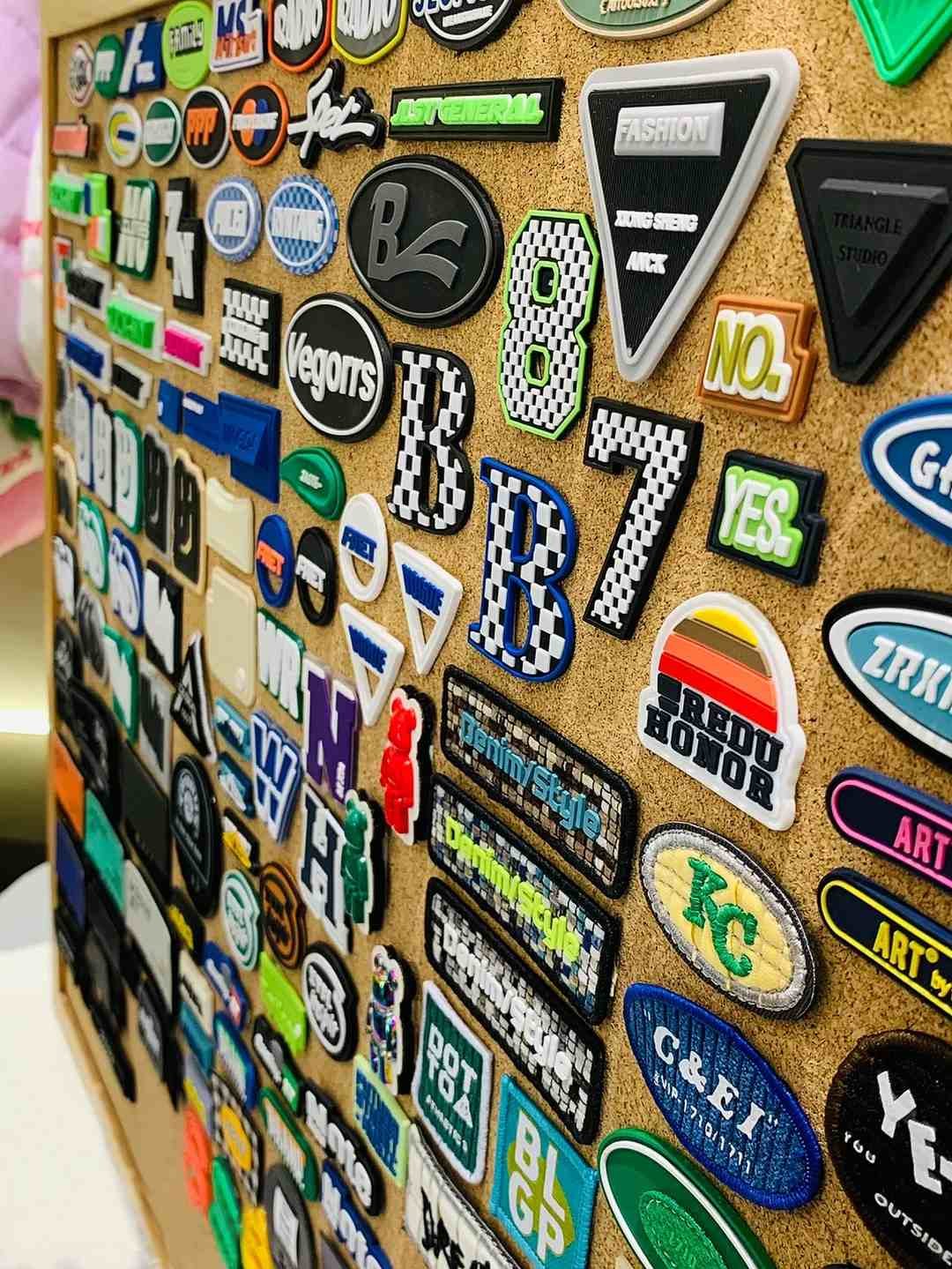
Specialty Finishes
Rubber patches, silicone prints, foil overlays, and stone-wash treatments create trend-forward texture and tactile contrast — signature details that make every custom padded jacket instantly recognizable on the rack.
Hardware & Finishing Touches for Custom Padded Jackets
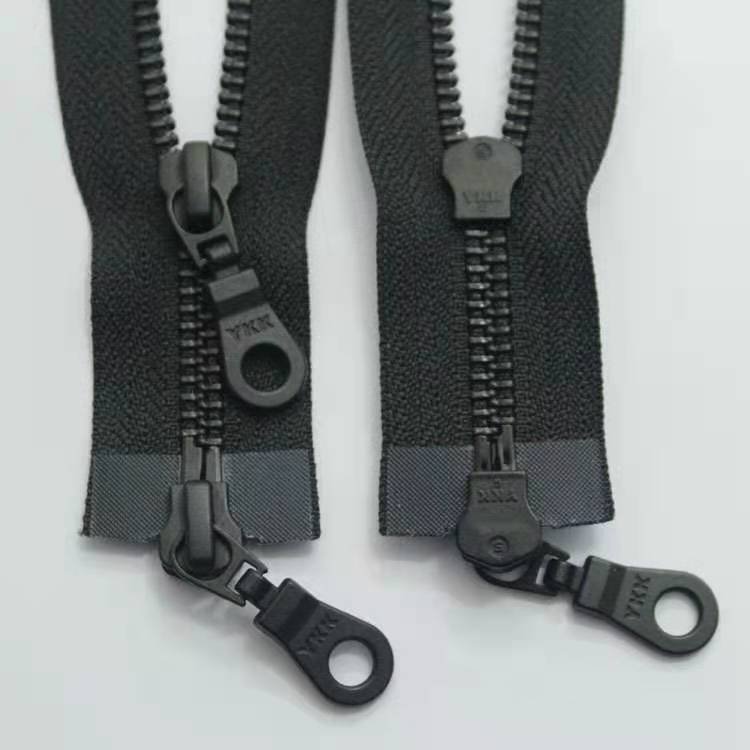
YKK Premium Zippers
Industry-standard YKK zippers deliver smooth, snag-free operation on every custom padded jacket. Available in antique brass, gunmetal, and matte black finishes to align with your brand’s streetwear colorway and aesthetic.
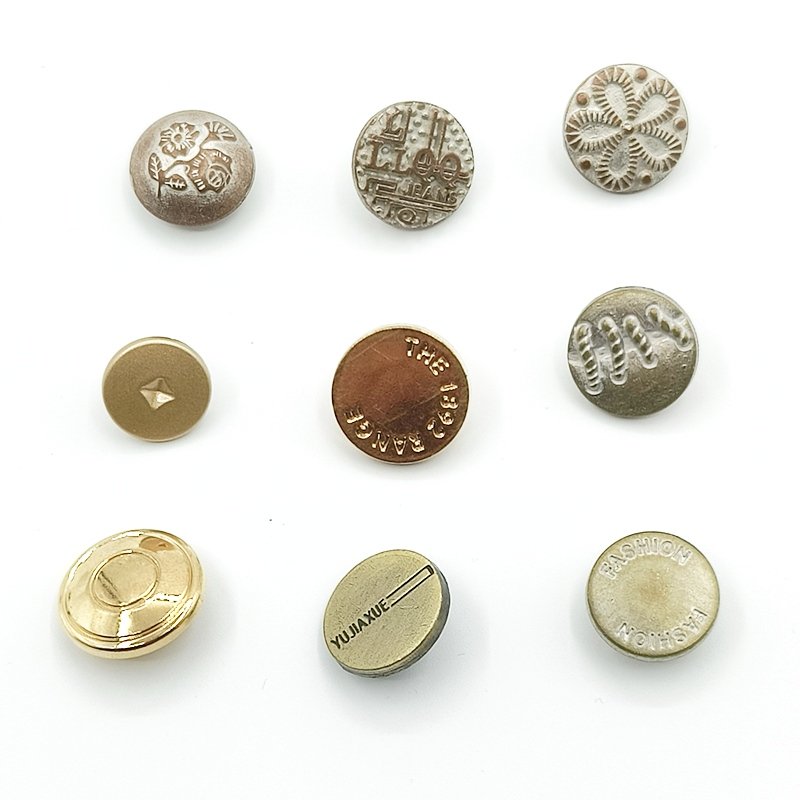
Metal Snap Buttons
Heavy-duty metal snap buttons reinforce front plackets, pocket flaps, and cuff closures on padded jackets. Choose polished silver, antique gold, or matte black to complement your overall design and brand identity.
Custom Drawcords
Woven or braided drawcords in brand-matched colors add functional style to hoods and hemlines. Tipped ends prevent fraying and maintain a clean, premium finish through repeated wear and washing cycles.
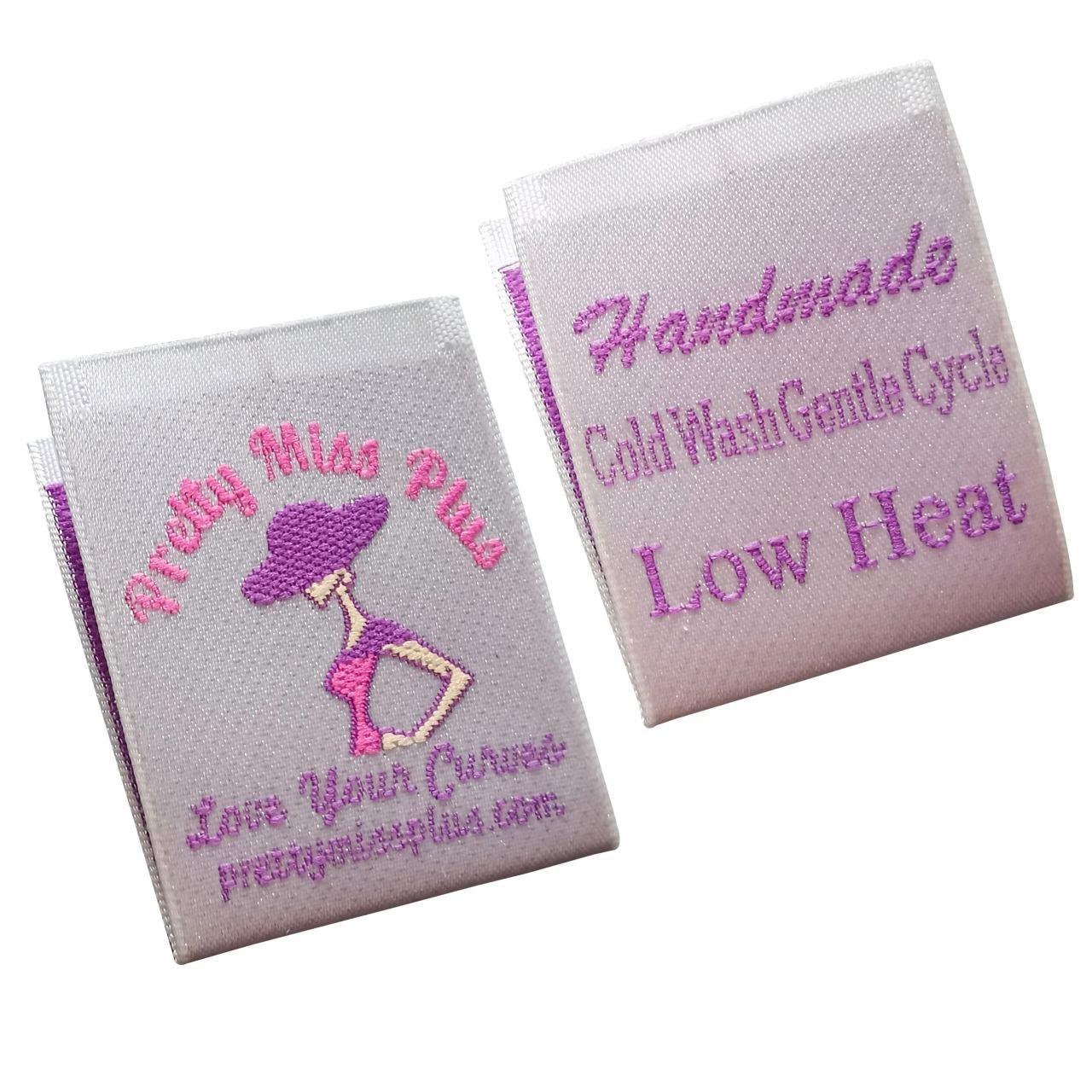
Woven Brand Labels
Precision-woven neck and interior labels display your brand name, sizing, and care instructions with clarity. Heat-resistant thread and a tight weave keep labels legible and intact throughout the full lifespan of the jacket.
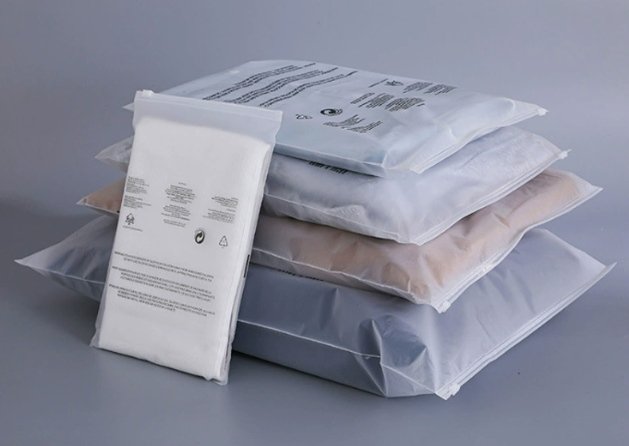
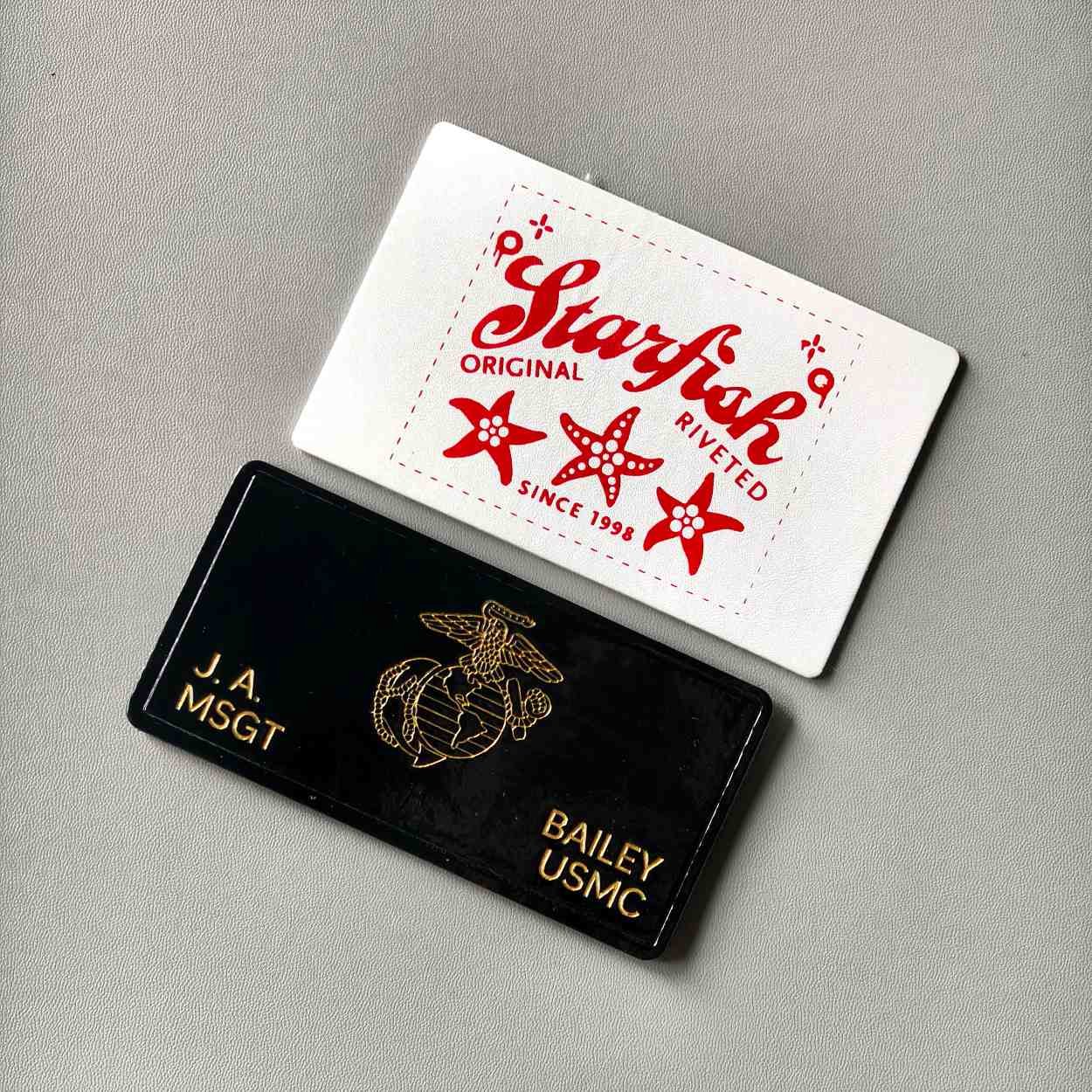
Embroidered Patches
Sewn or iron-on embroidered patches deliver bold, tactile logo placement on chests, sleeves, or backs. A premium branding detail favored by streetwear and influencer labels looking to stand out with custom padded jackets.
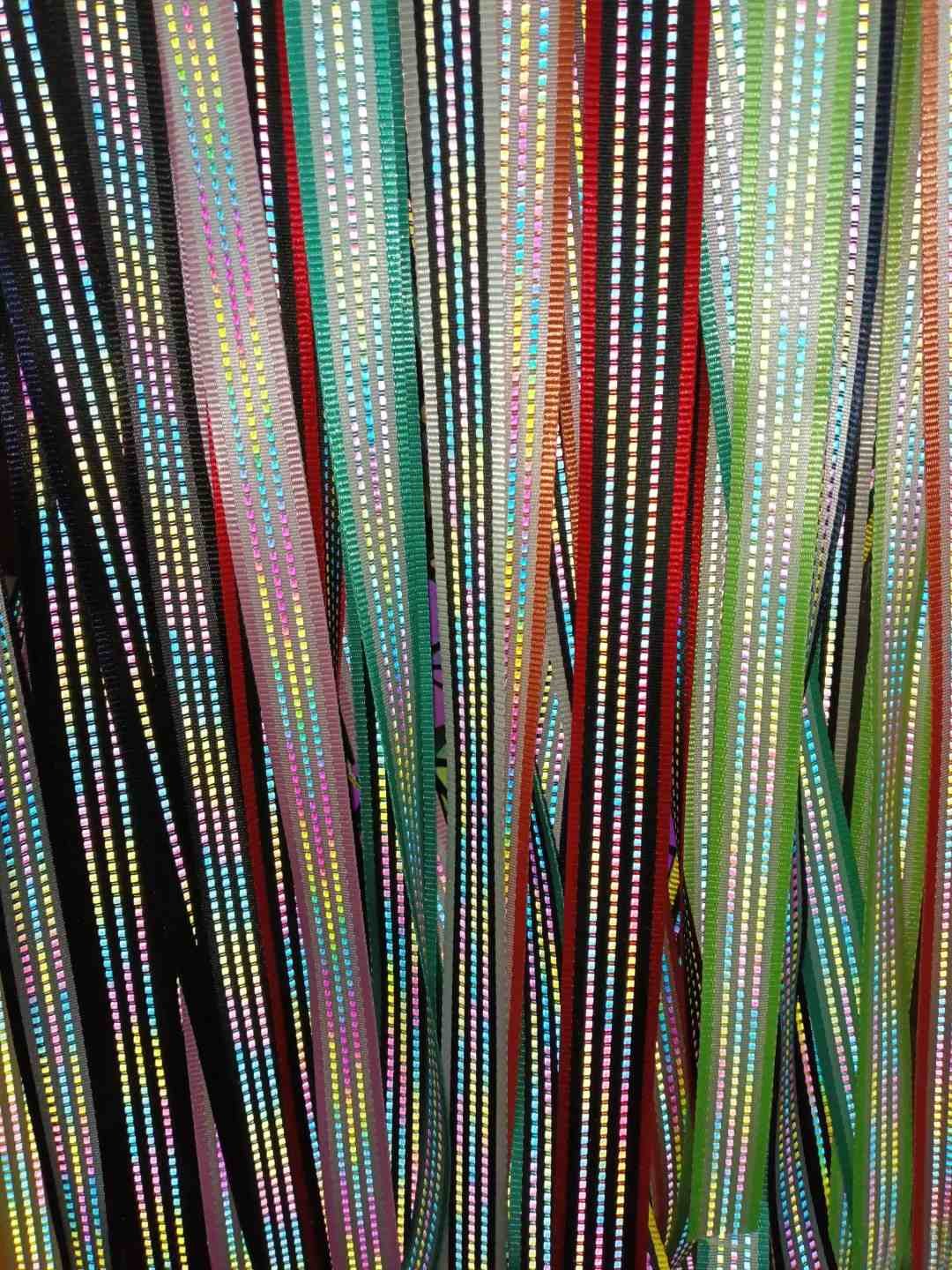
Reflective Trim
Strategically applied reflective piping and heat-transfer tape boost low-light visibility while adding a modern, technical edge. A high-impact finishing detail that resonates strongly with performance-inspired and urban streetwear collections.
The Streetwear Specialists Behind Custom Padded Jackets
Clothing Manufacturer Ltd was founded in 2024 by Tesla Luo in Humen Town, Dongguan — one of China’s most iconic garment manufacturing hubs. With over 10 years of full-cycle production experience and 6 years of dedicated streetwear specialization, Tesla launched this venture with a clear mission: to eliminate low-quality apparel by enforcing rigorous quality control at every stage of manufacturing, not just at the finish line.
As a sub-brand of Dongguan TuoZhen Clothing Co., Ltd., we pair the sharp focus of a streetwear specialist with the scale and resources of an established manufacturing operation. Our 15-member R&D team holds 10 proprietary patents, and our in-house design and sampling capabilities support low MOQ runs for emerging brands and fast turnarounds for seasonal collections — serving clients across more than 100 countries worldwide.
Our defining edge is a proprietary 5-step QC methodology covering materials testing, cutting, craft, sewing production, and finished garment inspection. Where most manufacturers skip in-process checks, we identify and correct defects at every stage. This zero-compromise philosophy has made us the trusted production partner for streetwear labels, influencer brands, independent designers, and global retailers who demand that their custom padded jackets consistently meet the highest standards.
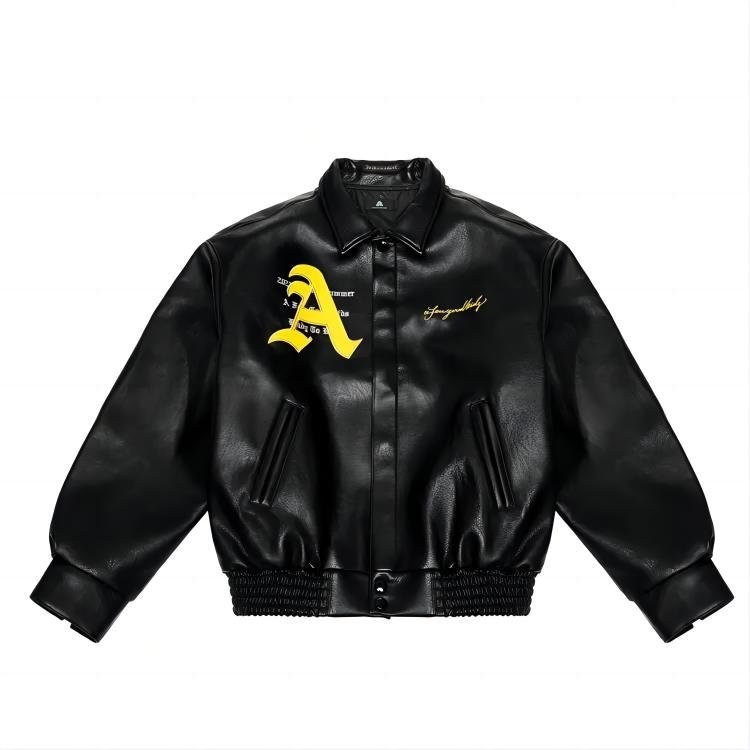
The Strengths Behind Our Custom Padded Jackets
5-Step QC: Zero Defects, Every Order
Most factories inspect only at the end. Our proprietary five-step QC methodology embeds quality checks at materials intake, cutting, crafting, sewing, and final inspection — so every custom padded jacket leaving our facility meets exacting standards without exception.
- Materials QC testing before a single cut is made
- Cutting and craft QC catch patterning errors early in production
- Sewing production QC monitors stitch consistency and seam strength in real time
- Final finished-garment inspection completed before packing and shipment
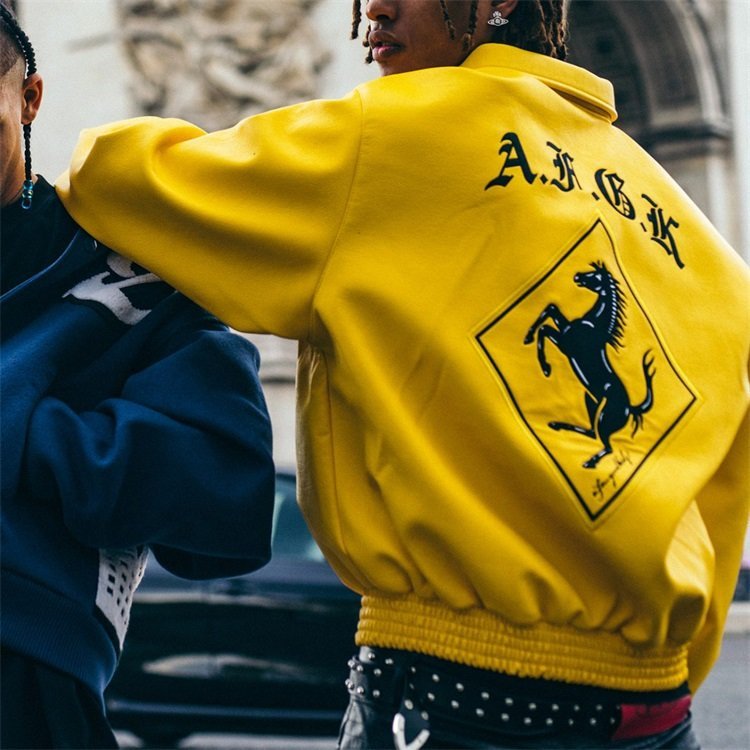
15-Member R&D Team, 10 Patents, Pure Streetwear
Our in-house design and R&D team of 15 specialists lives and breathes streetwear culture — from skeleton and cross motifs to graffiti-inspired colorways. With 10 production patents, we translate bold creative visions into manufacturable custom padded jacket samples with precision.
- Deep expertise across hip-hop, skate, graffiti, and street art aesthetics
- In-house sampling reduces revision cycles and compresses lead times
- Low MOQ options let emerging brands test new designs without overcommitting
- 10 patents covering proprietary construction methods and finishing innovations
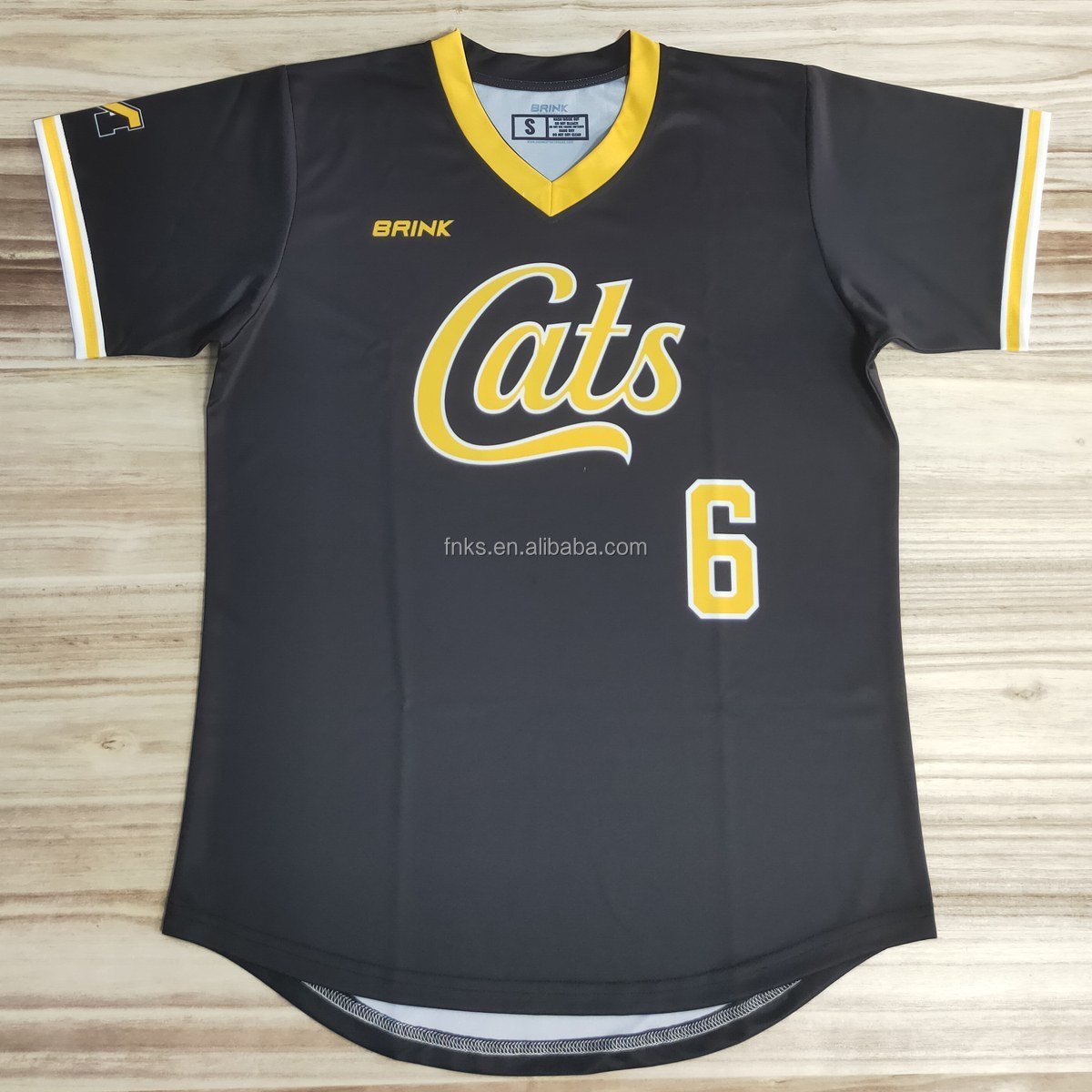
Global Shipping, 100+ Countries Served
From our Dongguan manufacturing hub, we manage end-to-end logistics, customs documentation, and international freight so your custom padded jackets arrive on schedule. Our team handles compliance requirements and import regulations for every major market worldwide.
- Full customs declaration and inspection documentation support
- Vetted freight partners offering express and standard delivery options
- Consolidated shipping solutions to reduce per-unit landed costs
- Real-time order tracking with proactive communication at every milestone
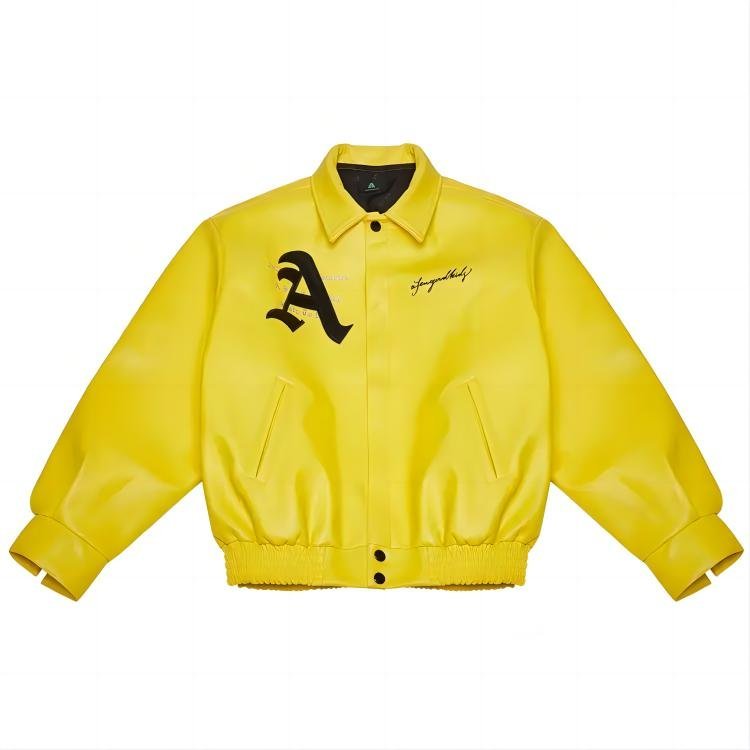
Trend-Forecasting Built Into Every Collection
Founder Tesla Luo’s deep immersion in global streetwear culture powers our trend-forecasting capability. We identify emerging aesthetics — war graphics, mystical symbols, animal prints, and beyond — helping your brand stay ahead of the curve every season.
- Continuous research into hip-hop, sports culture, and street art movements
- Seasonal design briefs tailored to each brand's target audience and positioning
- Fast sample turnaround keeps time-sensitive seasonal launches on track
- Proven track record scaling influencer brands from first drop to hundreds of thousands of followers
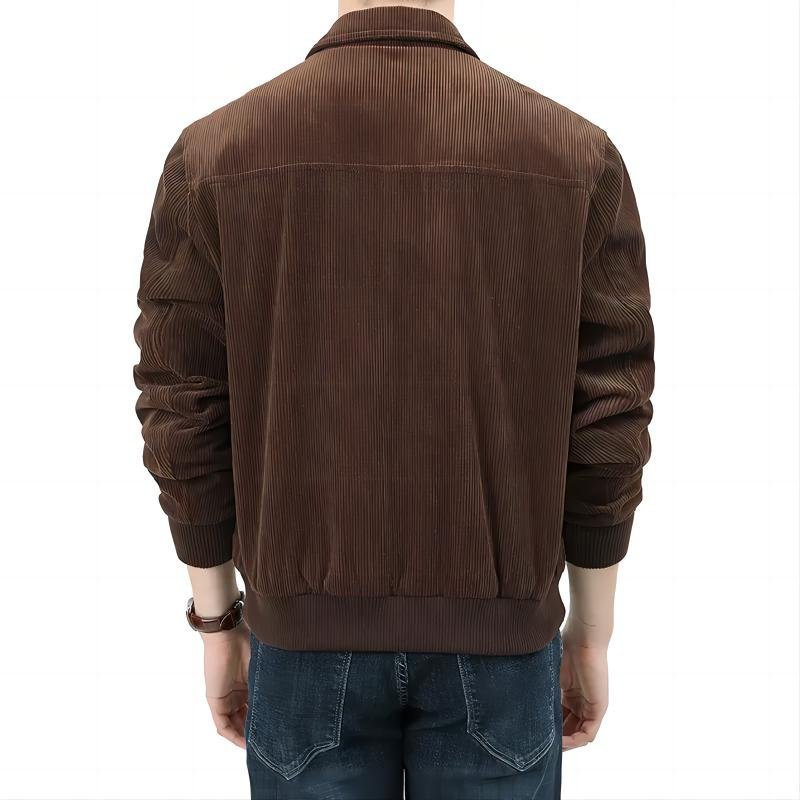
How We Compare: Custom Padded Jacket Quality Standards
See how Clothing Manufacturer Ltd raises the bar on every custom padded jacket, from first sample to final shipment.
← 左右滑动查看 →
Our Custom Padded Jacket Production Process
Quality is not a final checkpoint — it is built into every phase. Here is exactly how we manufacture your custom padded jackets, with our 5-step QC embedded throughout.
Sourcing and Material QC
We handpick premium streetwear-grade fabrics and run rigorous material QC testing before a single panel of your custom padded jacket is ever cut.
Pattern and Sample Development
Our in-house design and sampling team builds precise patterns and production-ready samples, refining fit and construction until every detail matches your brand specifications.
Cutting and Craft QC
Each panel is cut to exact tolerances and inspected at the craft stage — embroidery, prints, and hardware placements are all verified before sewing begins.
Sewing and Production QC
Live QC checks run continuously along the sewing line, catching seam defects, stitch inconsistencies, and alignment issues in real time — never left to the end.
Final Inspection and Finishing
Every completed jacket undergoes a full finished-goods inspection covering measurements, zipper function, insulation loft, and overall appearance against your approved spec sheet.
Packing and Global Shipping
Garments are folded, tagged, and packed to your exact requirements, then dispatched via trusted global logistics partners to your warehouse — anywhere in the world.
How to Order Custom Padded Jackets — 5 Simple Steps
From your first design brief to global delivery, here is exactly how we work together — transparent communication and quality checks at every stage.
Submit Your Design Brief
Send your tech pack, reference photos, or design concept and we will confirm your custom padded jacket requirements within 24 hours.
Receive Your Quote and Timeline
We provide a transparent, itemized quote and a clear sample production schedule matched to your MOQ, budget, and seasonal delivery window.
Approve and Order Production Samples
Our in-house design and sampling team builds precision prototypes, applying our 5-step QC process from fabric inspection through finished construction.
Review, Iterate, and Confirm
Evaluate your samples, request any refinements, and sign off on your bulk order knowing every detail has been rigorously tested and approved.
Manufacture, Inspect, and Ship Globally
Your custom padded jackets enter full production under our 5-step QC framework, then ship worldwide with complete logistics support and tracking.
Certifications & Quality Standards for Custom Padded Jackets
What Our Clients Say About Our Custom Padded Jackets
We launched our first custom padded jacket drop and sold out 300 units in 48 hours. Their 5-step QC caught a stitching defect during sampling that would have cost us thousands in returns. The quality rivals labels we have admired for years.
As a startup with a tight budget, low MOQ was non-negotiable. They delivered 50 custom padded jacket samples in under 12 days, and my first production run of 200 pieces had zero returns. I have already placed my third reorder.
Our creator brand grew from 10,000 to 95,000 followers in one season — our custom padded jackets were central to that momentum. Clothing Manufacturer Ltd. shipped 500 units across 12 countries on schedule with zero quality complaints from any customer.
Frequently Asked Questions About Custom Padded Jackets
Everything B2B buyers need to know before placing an order — from MOQ and lead times to IP protection and global shipping.
What is the minimum order quantity (MOQ) for custom padded jackets?
How long does sampling take for custom padded jackets?
How much does a sample cost, and is the fee applied to my bulk order?
What payment terms do you offer for bulk production orders?
How do you protect my designs and intellectual property when I source custom padded jackets from you?
How many design revisions are included during the sampling stage?
What are typical shipping timelines and costs for bulk custom padded jacket orders?
Are your fabrics and fill materials ethically and sustainably sourced?
The Complete Buyer’s Guide to Custom Padded Jackets
Discover a proven decision framework for sourcing custom padded jackets — covering materials, construction quality, customization options, supplier evaluation criteria, pricing tiers, and the most costly mistakes brands make before placing their first bulk order.
1. What Are Custom Padded Jackets?
Three distinct layers define every padded jacket: an outer shell fabric, a thermal insulation fill — typically 80–200 GSM polyester wadding or 550–800 fill-power down — and an inner lining. That insulation layer is what separates a padded jacket from a standard shell or blouson; it traps dead air to deliver measurable warmth without added bulk.
A typical wholesale blank locks in 3–5 variables you cannot change: shell fabric, fill weight, colorway, fit, and hardware. Custom padded jackets invert that: you supply a tech pack or design brief and the manufacturer builds to your specification, from Pantone-matched shell to branded YKK zipper pullers.
Four production tiers define what ‘custom’ means at the factory level: private label, bespoke pattern, custom colorways, and custom branded hardware. MOQs typically run 100–300 units per style for full cut-and-sew custom, and each tier adds at least one sample approval round to the timeline.
5 brand-critical variables — silhouette, fit, fill spec, colorway, and hardware — are fixed when you buy a wholesale blank; custom padded jackets hand control of all 5 back to you. That shift from blank-decorating to spec-owning is what separates a label from a brand, and why serious streetwear and retail buyers choose custom manufacturing.
- Private label: your branding applied to an existing factory base pattern — the fastest path to market.
- Bespoke pattern: original silhouette built from your tech pack, with fit approval before bulk production.
- Custom colorways: shell and lining matched to Pantone or lab-dip reference, typically 1–3 approval rounds.
- Custom branded hardware: YKK zippers with engraved pullers, woven care labels, and debossed snaps.
2. A Brief History of Padded Jacket Design
In 1936, Eddie Bauer received the first U.S. patent for a quilted down jacket — a design born from functional necessity after nearly dying of hypothermia, not from any fashion ambition. Through the 1940s and 1950s, military cold-weather programs standardized channel-quilted nylon shells with goose-down insulation for field use, establishing the technical construction vocabulary still in use today. By the 1960s, alpine and expedition brands had refined the silhouette into sub-zero-rated, compressible outerwear for mountaineers.
The 1980s transformed the puffer from gear-room staple to street-level status symbol, driven by hip-hop culture, New York block culture, and athletes who wore oversized down silhouettes as badges of identity. By the early 1990s, labels commanding 3–5× markup multiples over production cost had proven that insulated outerwear could anchor a premium positioning. The puffer jacket became a fixture in graffiti, skateboarding, and music-video aesthetics — the same cultural thread that runs through today’s custom padded jackets collections.
Modern production now spans 40–80g fill-weight recycled polyester puffers, 700-fill-power goose-down bombers, and sherpa-lined hybrid shells, with OEKO-TEX Standard 100 and Responsible Down Standard (RDS) certifications increasingly required by global retail buyers. Nearly nine decades of continuous commercial demand — across recessions, wars, and trend cycles — confirm that padded outerwear is not a seasonal fad but one of apparel’s most structurally durable categories.
3. Types of Custom Padded Jackets for Your Brand
Silhouette choice directly shapes perceived value and target demographic. Custom padded jackets fall into six core construction types, each suited to a distinct customer profile and brand positioning.
Classic Puffer / Quilted Jacket
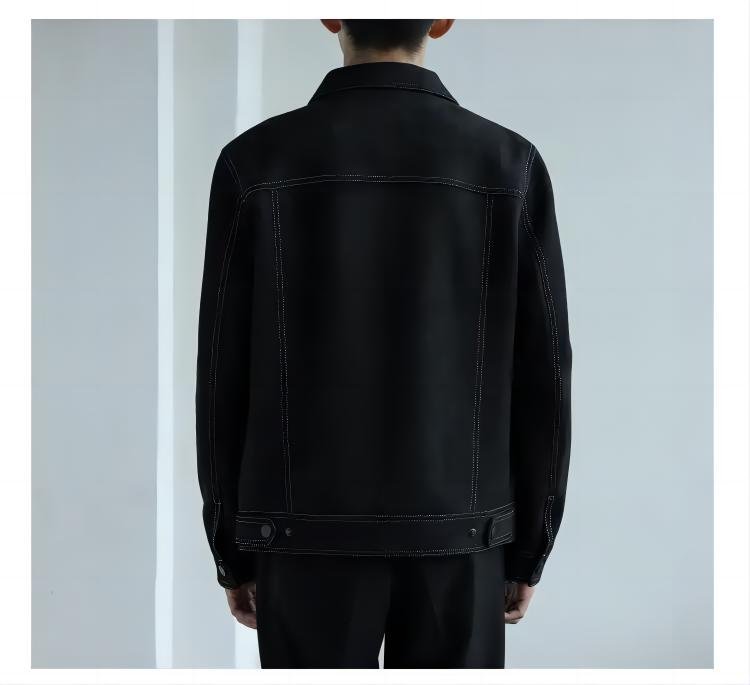
The box-quilted or channel-quilted puffer runs hip to mid-thigh and uses 80–120 GSM fill. It targets the widest demographic — men’s, women’s, and unisex lines — making it a reliable core SKU for new and established brands alike.
Longline Puffer
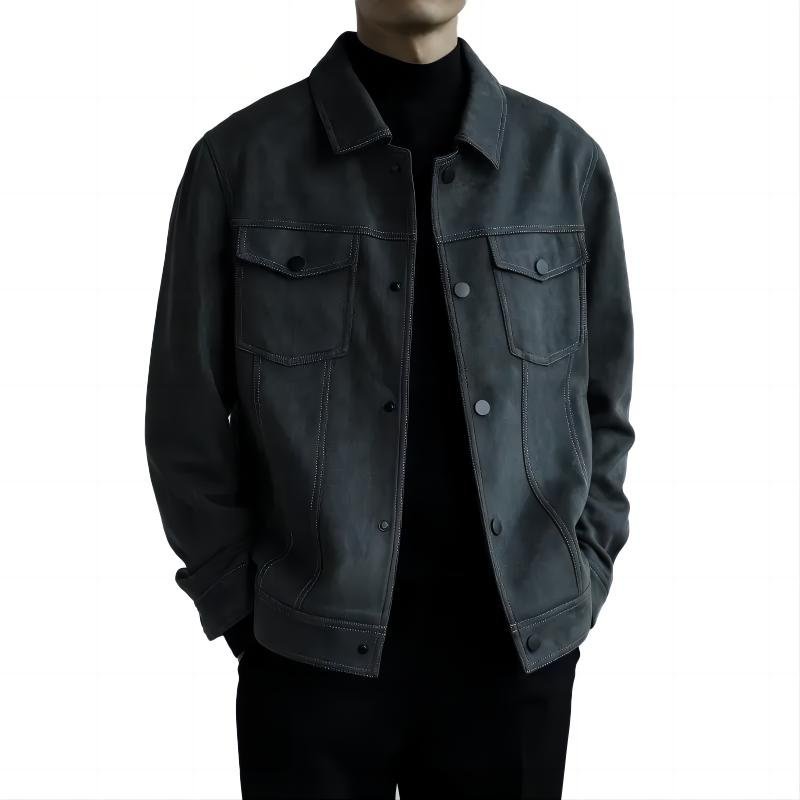
Hem lengths of 90–120 cm create a fashion-forward silhouette that performs well in colder-climate markets and elevated streetwear drops. Influencer and premium labels favor it for editorial imagery and higher perceived retail value.
Gilet / Padded Vest
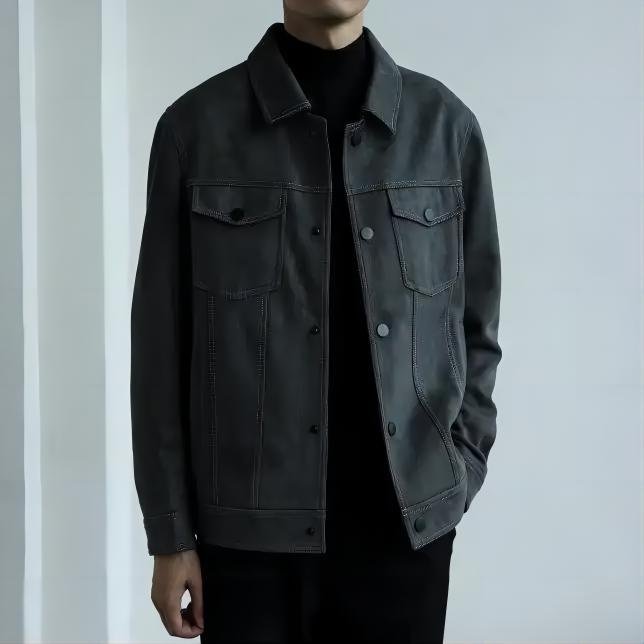
The sleeveless gilet layers over hoodies and fleeces, ideal for transitional-season sell-through from September through November. Lower fabric cost versus full-sleeve styles makes it an accessible first SKU for startups with tight MOQ targets.
Hybrid Softshell-Padded Jacket
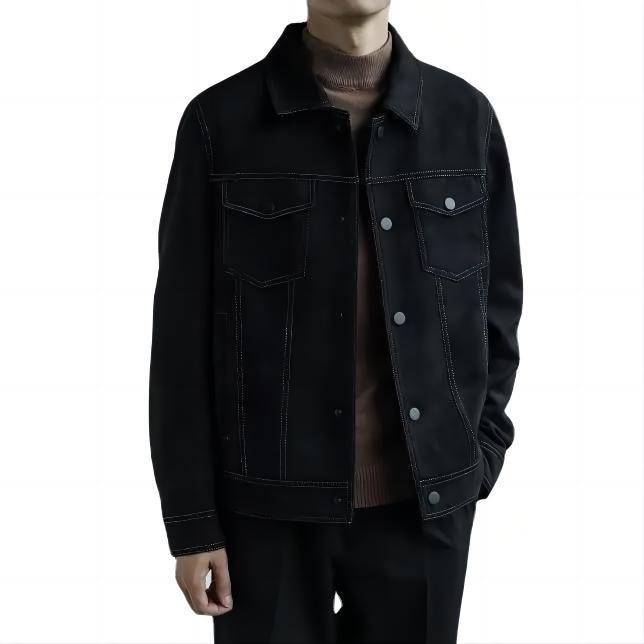
Softshell-padded hybrids bond a 4-way stretch woven shell with a 40–60 GSM baffle insert, delivering mobility alongside warmth. Activewear-adjacent and outdoor-lifestyle brands choose this construction for technical credibility without full-performance pricing.
Cropped Streetwear Puffer
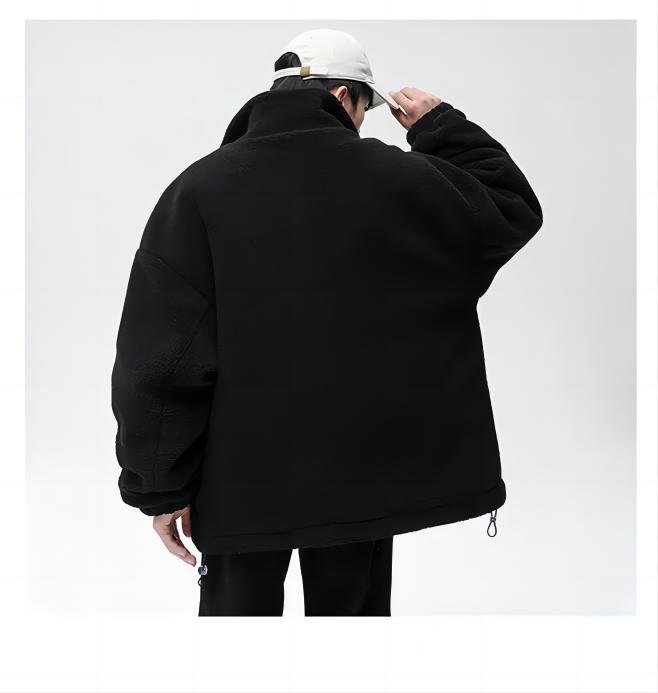
A hem at or above the natural waist reads as distinctly streetwear and pairs with high-rise bottoms and cargo pants. Brands targeting 18–28-year-old consumers use this silhouette to anchor limited-edition capsule drops.
Reversible Padded Jacket
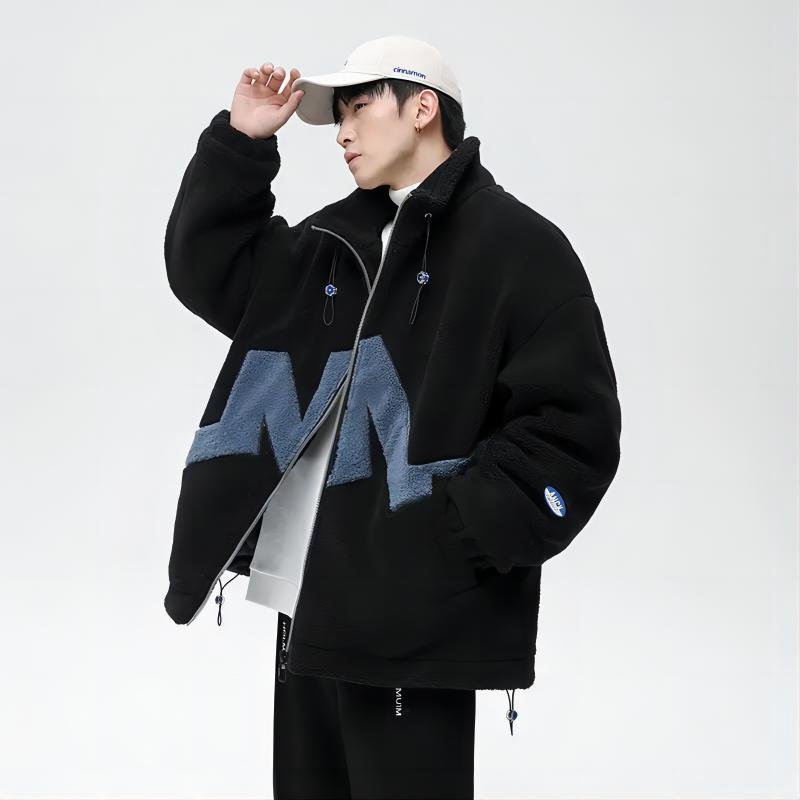
Two-in-one construction — typically a printed shell reversing to a solid — doubles styling options at roughly 1.4× the FOB cost of a single-face jacket. Brands use this to justify higher retail price points and reduce per-SKU inventory risk.
4. Materials & Fabrics for Custom Padded Jackets
Material selection drives warmth-to-weight ratio, water resistance, and sustainability credentials — making it the most consequential spec decision when sourcing custom padded jackets. Shell, fill, and lining choices together determine your brand’s performance tier, ethical positioning, and cost structure.
| Fill Type | Warmth Rating | Weight | Eco Status | Cost Impact |
|---|---|---|---|---|
| White Goose Down (700–900 FP) | Very High | Very Light | Low (RDS optional) | Highest |
| Duck Down (550–650 FP) | High | Light | Low (RDS optional) | High |
| Synthetic Fiberfill | Medium | Moderate | Medium | Low |
| Recycled PET Fill | Medium | Moderate | High (GRS certified) | Low |
Shell Fabric Options for Outer Performance
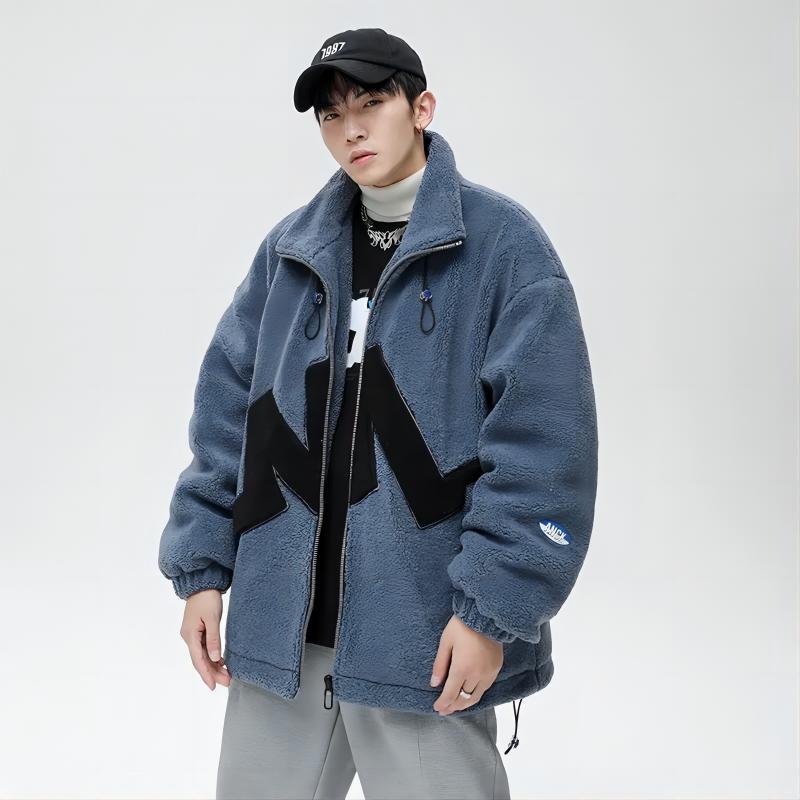
70D nylon ripstop weighs roughly 90–120 GSM and offers superior tear resistance for performance-oriented streetwear. 100% recycled polyester (rPET) shells meet OEKO-TEX Standard 100 and signal eco-positioning to conscious consumers.
Waxed cotton shells (200–300 GSM) deliver vintage aesthetics and passive water repellency but add significant weight. DWR-treated polyester shells achieve 80–90% water resistance at 20–40% lower cost than waxed alternatives.
Fill Types and Fill Power Ratings
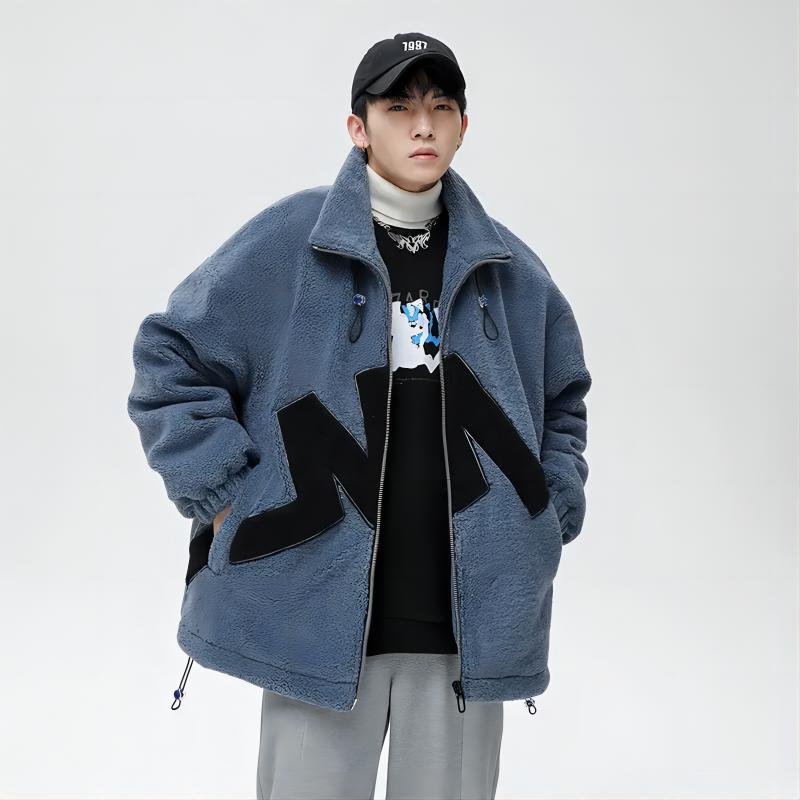
Fill power measures loft per ounce — 550 FP suits mid-season use, 700–800 FP targets true winter performance, and 900+ FP commands premium retail positioning. Duck down (550–650 FP) costs 20–35% less than white goose down at equivalent loft.
Synthetic fiberfill (150–400 GSM) retains insulation when wet and is fully vegan — critical for PETA-aligned brands. Recycled PET fill uses post-consumer plastic bottles and earns GRS (Global Recycled Standard) certification.
Lining Materials and Their Trade-Offs
Taffeta nylon (50–70D) is the industry-default lining — lightweight, slippery for easy on/off, and available from 30 GSM. Fleece or brushed polyester linings add 80–150 GSM but improve perceived warmth without increasing fill costs.
For premium positioning, quilted satin or dobby-weave linings elevate the unboxing experience and justify 15–25% higher retail price points.
5. Customization & Decoration Options for Custom Padded Jackets
Personalizing custom padded jackets spans three distinct technique categories — structural, decorative, and branding — each carrying different MOQ thresholds and lead-time implications that production timelines must account for.
| Technique | Placement | MOQ Impact | Lead-Time Added |
|---|---|---|---|
| Color-block paneling | Body / sleeves | No MOQ premium | +5–10 days |
| Custom quilting pattern | Full body or panels | No MOQ premium | +5–7 days |
| Chest / sleeve embroidery | Chest, sleeve, back | 50-piece min. | +3–5 days |
| Printed lining | Interior body | 100-piece min. | +7–10 days |
| Heat-transfer label | Neck or interior | No MOQ premium | +2–3 days |
| Custom zipper pulls | Front zip, pockets | 200-piece min. | +3–5 weeks |
| Woven labels | Neck, hem, side seam | 100-piece min. | +7–14 days |
| Private label packaging | Hang tag, poly bag | 50-piece min. | +7–14 days |
Structural Customization Techniques
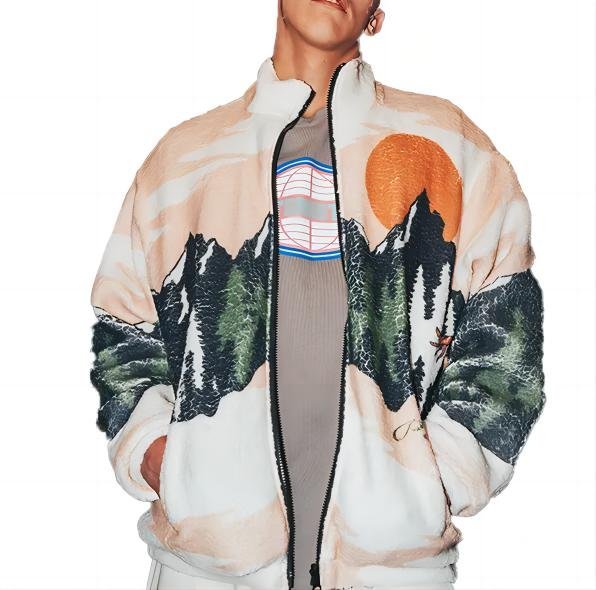
Color-block paneling and custom quilting patterns are built into the cut-and-sew stage, adding 5–10 business days to a standard schedule.
Quilting pitch (1-inch diamond vs. 2-inch channel) affects insulation loft and visual texture; finalize it before pattern-making to avoid costly mid-production rework.
Decorative Application Techniques
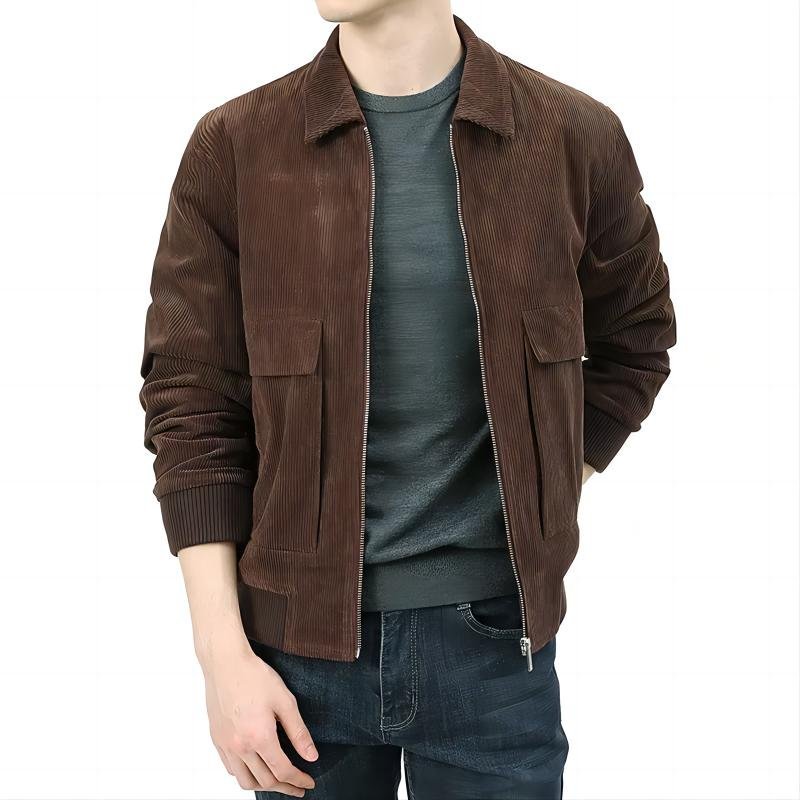
Chest embroidery and sleeve badges are the most-requested decorative additions; most streetwear factories set a 50-piece MOQ for standard logo embroidery and add 3–5 days to production.
Heat-transfer labels offer a clean, tagless finish and add roughly 2–3 days. Full sublimation printed linings — a brand statement inside the jacket — require 100-piece MOQs and 7–10 additional production days.
Branding, Hardware, and Packaging
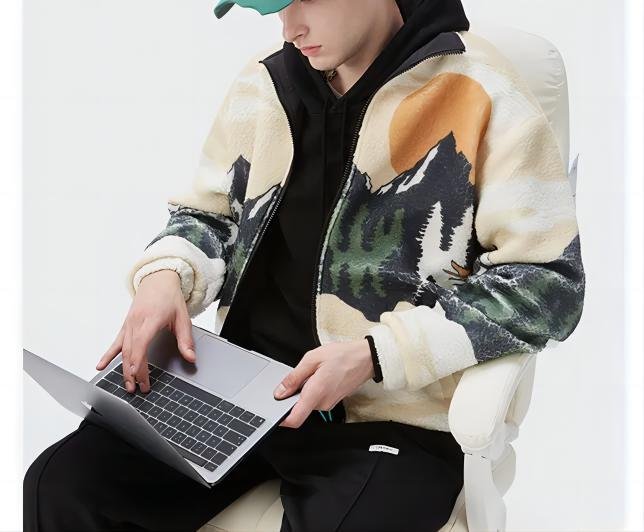
Custom YKK or equivalent zipper pulls, Pantone-matched snaps, and branded buttons need 3–5 weeks if custom-molded, with 200-piece MOQs typical.
Woven labels and care labels add 7–14 days and require vector artwork files. Private label hang tags and poly bags complete the brand experience with minimal MOQ impact.
6. Key Construction Quality Elements to Inspect
Ordering custom padded jackets without a structured QC checklist risks costly rework and missed delivery windows. Seven checkpoints separate a durable, brand-worthy jacket from one that fails on its first cold-weather season.
Stitch Density and Seam Sealing
Seam integrity is measured in stitches per inch (SPI); 10-12 SPI is the minimum for outerwear stress points. Loose or skipped stitches at armhole junctions are the most common failure point found during bulk inspection.
Baffle Construction and Cold Spot Prevention
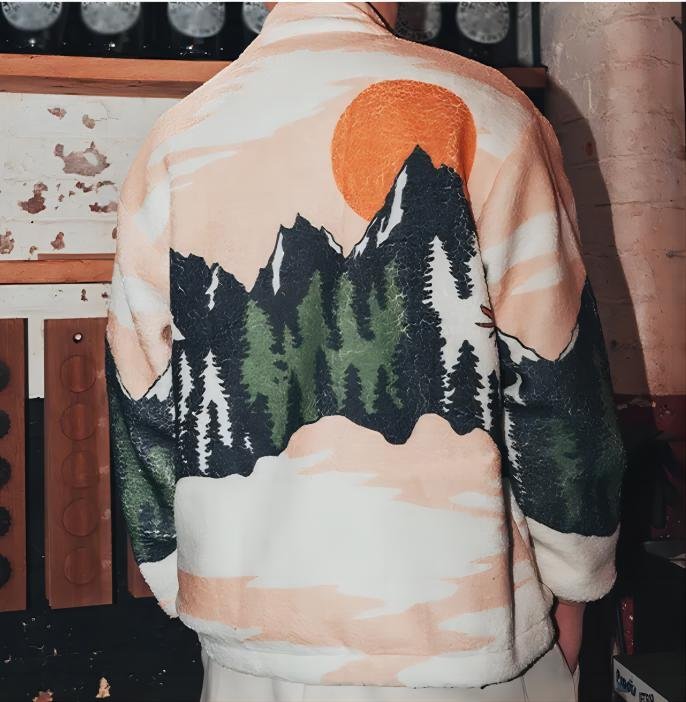
Stitched-through baffles are the most common construction but create cold spots where thread compresses the fill. Box baffles add a fabric wall between inner and outer shells, maintaining loft across every panel — critical for jackets rated below 0°C.
Zipper Grade and Hardware Specification
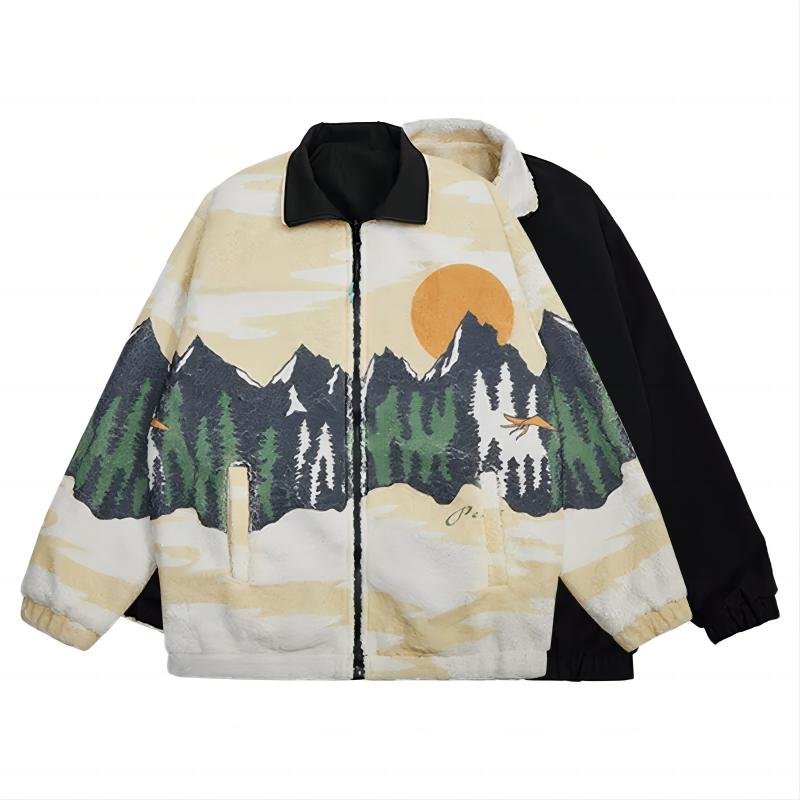
YKK #5 and #8 zippers are the industry benchmarks for main closures on outerwear; generic alternatives fail pull-force tests at a fraction of the rated cycle count. Specify zipper grade, pull color, and autolock vs. non-lock sliders in your tech pack before sampling.
Fill Weight Consistency Across Panels
Fill weight is measured in grams per square meter (GSM) and should not vary more than ±5 GSM between panels in a finished garment. Request panel-by-panel fill weight data from your manufacturer’s cutting QC stage; inconsistency creates visible lumping and uneven warmth distribution.
Shell Delamination Resistance
Bonded or laminated shells must pass a peel-strength test; the industry standard is a minimum 3N/cm bond force. Ask for wash-cycle results — delamination typically surfaces after 20-30 home washes when the adhesive or laminate film is substandard.
Cuff, Hem, and Label Attachment
Ribbed cuffs should show no raw edge exposure and must maintain stretch recovery after repeated extensions. Woven labels must be bar-tacked at all four corners; heat-transfer labels require a minimum 160°C bond temperature to pass a 25-wash durability standard.
7. How to Choose the Right Custom Padded Jackets Manufacturer
Vetting a manufacturer for custom padded jackets requires more than a price quote — you need a structured checklist covering compliance, production capabilities, and responsiveness before placing any order. Skipping this due diligence is the fastest way to lose an entire seasonal launch window.
Certifications and Compliance Standards
BSCI, ISO 9001, and OEKO-TEX Standard 100 are the three baseline credentials to request upfront. BSCI audits labor and social practices; ISO 9001 confirms documented quality systems; OEKO-TEX certifies fabric is free of harmful substances — a hard requirement for EU and US retail compliance.
MOQs and Sample Turnaround Time
Most padded jacket factories set MOQs between 50 and 300 units per colorway; anything above 500 for a startup signals poor fit. Sample turnaround should run 7–15 business days — suppliers quoting beyond 20 days likely lack a dedicated sample team, which directly threatens your go-to-market timeline.
In-House vs. Outsourced Embroidery
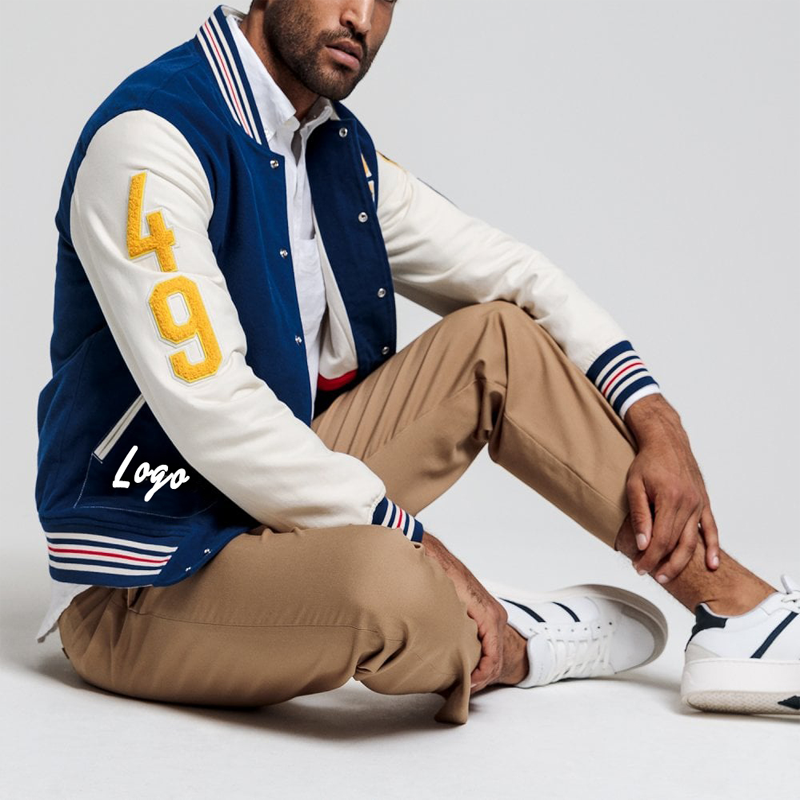
In-house embroidery gives direct control over stitch density, thread tension, and Pantone color matching — critical for chest logos on custom padded jackets. Outsourced embroidery introduces a second facility handoff where placement tolerances and color consistency frequently drift beyond acceptable range.
Communication Speed and Brand References
Request at least two verifiable brand references or case studies showing client growth from startup to scaled production runs. Response time under 24 hours during initial outreach signals the operational discipline you will need when production issues surface mid-run.
Red Flags That Signal a Bad Partner
Walk away when a supplier cannot provide a firm production lead time in writing or has no formal sample policy. Refusal of third-party factory audits and vague QC language — ‘we check everything’ with no documented stage-by-stage process — reliably indicate a factory skipping in-line quality testing entirely.
8. Common Mistakes Buyers Make with Custom Padded Jackets
Even experienced buyers repeat the same five sourcing errors with custom padded jackets. Catching each one early saves money, protects brand reputation, and keeps reorders consistent across seasons.
Skipping the Pre-Production Sample
Approving spec sheets without a physical sample is the costliest shortcut in padded jacket production. Fill distribution, baffle alignment, and zipper pull weight only reveal themselves on a real garment. Request a sealed pre-production sample before any cutting begins.
Under-Specifying Fill Weight
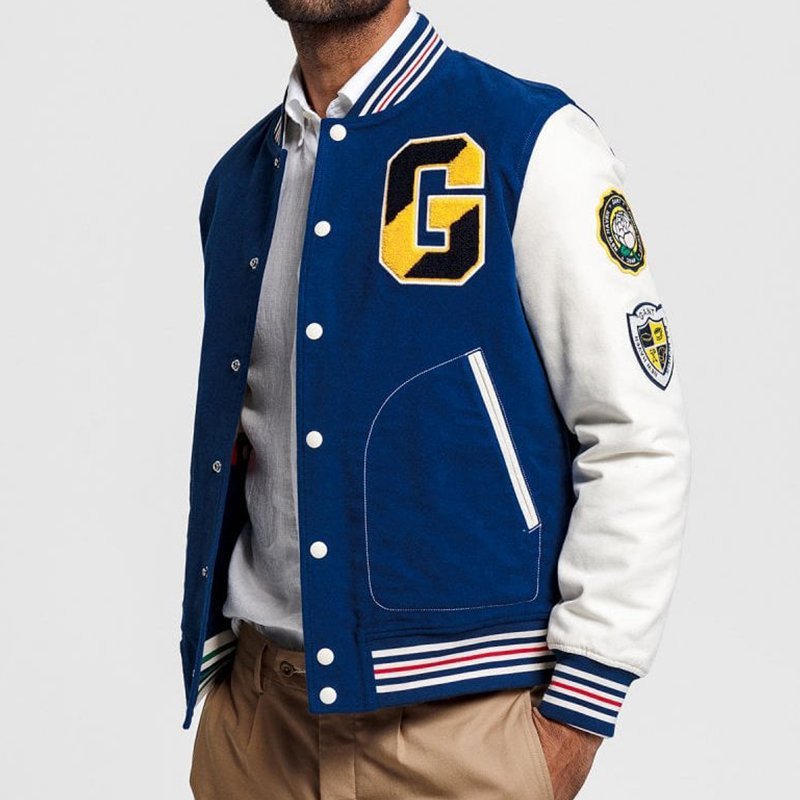
Fill weight is measured in grams per garment or GSM; without a locked spec, factories may default to 80g when you assumed 150g. The result is inconsistent warmth across units. Lock fill weight, fill power (cuin rating), and chamber distribution in your tech pack.
Ignoring Size Grading for International Markets
A US Large differs from a Korean or Brazilian Large by 2–4 cm at the chest. Shipping one size run globally generates high return rates. Provide market-specific grade rules or request a graded spec sheet before bulk cutting.
Over-Customizing at Low MOQ
Adding embroidery, custom YKK zipper pulls, and reflective tape to a 100-piece run layers setup costs across too few units, pushing unit price 40–60% above a plain jacket. Pick two signature details at launch and expand customization as MOQ scales.
Not Locking Fabric Dye Lots Across Reorders
Shell fabric dyed in different lots can shift 1–2 Pantone steps with the same color code. On reorders placed 6–12 months later, mismatched lots make new and old stock look inconsistent on the sales floor. Store the original dye lot reference and request a reserved fabric batch when reordering.
9. Steps to Launch Your Brand with Custom Padded Jackets
Moving from research to production requires a clear sequence. The five steps below give fashion startups and creator brands a repeatable launch framework for custom padded jackets — from first customer insight to retail-ready cartons.
Define Your Target Customer and Seasonal Need
Identify whether your buyer runs cold-weather commutes, festival circuits, or gym-to-street occasions — each demands a different fill weight (100–300g) and drop month. Map your target sell date back 90–120 days to set your factory deadline.
Select Silhouette and Materials
Choose from puffer, quilted liner, or oversized shell silhouettes and pair with a fill — 90/10 duck down or 100–200g recycled polyester. Specify outer fabric weight (75D–210D nylon or polyester) and request OEKO-TEX certified options.
Request Samples and Run QC Review
A pre-production sample costs $80–$200 and should be reviewed against a tech pack checklist: stitching density (8–10 SPI), seam integrity, zipper brand (YKK preferred), and fill distribution. Flag issues before bulk cutting begins.
Place Your Production Order with Milestone Terms
Standard factory terms run 30% deposit upon order confirmation, 70% balance before shipment. MOQs for custom padded jackets typically start at 100–300 pieces per colorway; negotiate milestone inspections at cutting and sewing stages.
Plan Delivery, Labeling, and Retail-Ready Packaging
Confirm care labels comply with destination-market regulations (FTC in the US, EU Regulation 1007/2011 for fiber content). Allow 7–14 days for poly-bagging, hang-tag attachment, and carton labeling before your freight booking cutoff.
10. Pricing & Cost Breakdown for Custom Padded Jackets
Prices for custom padded jackets shift most sharply at the 100- and 500-unit thresholds, where factory economics meaningfully reduce per-unit cost. Fill power rating, shell fabric weight (GSM), and decoration complexity are the three biggest cost levers — a 600-fill-power down jacket in a 150-gsm ripstop shell with all-over embroidery can run 2–3× the price of a basic polyester-fill puffer.
Customization add-ons each carry a measurable per-unit cost impact; factor these into your landed cost before setting retail margin.
- Embroidery digitizing: $50–$120 one-time setup fee, plus $0.80–$2.50 per unit depending on stitch count
- Custom woven lining: adds $1.50–$3.00 per unit; jacquard patterns cost more than solid-color weaves
- Private label woven neck and care tag: adds $0.30–$0.80 per unit, typically viable at 300+ unit runs
- Heat-transfer or screen-print chest logo: adds $0.50–$1.20 per unit; oversized placements run higher
- YKK zipper upgrade over generic hardware: adds $0.40–$1.00 per zipper per unit
| Quantity Tier | Est. Unit Price (USD) | Lead Time | Sample Cost (USD) |
|---|---|---|---|
| 50 units | $38–$55 | 20–25 days | $80–$120 |
| 100 units | $28–$42 | 18–22 days | $80–$120 |
| 300 units | $20–$32 | 15–20 days | $60–$100 |
| 500 units | $16–$26 | 15–18 days | $60–$100 |
| 1,000+ units | $11–$18 | 12–15 days | $50–$80 |
Ready to Launch Your Custom Padded Jacket Line?
Limited sampling slots available. Send your tech pack today — no commitment, just premium custom padded jackets built exactly to your vision.