
Cotton Padded Jacket Manufacturer for Streetwear Brands
Partner with a trusted cotton padded jacket manufacturer backed by 10+ years of expertise, 5-step QC, low MOQ, and 7-day sample turnaround for global brands.
Premium Padded Jacket Designs We Create
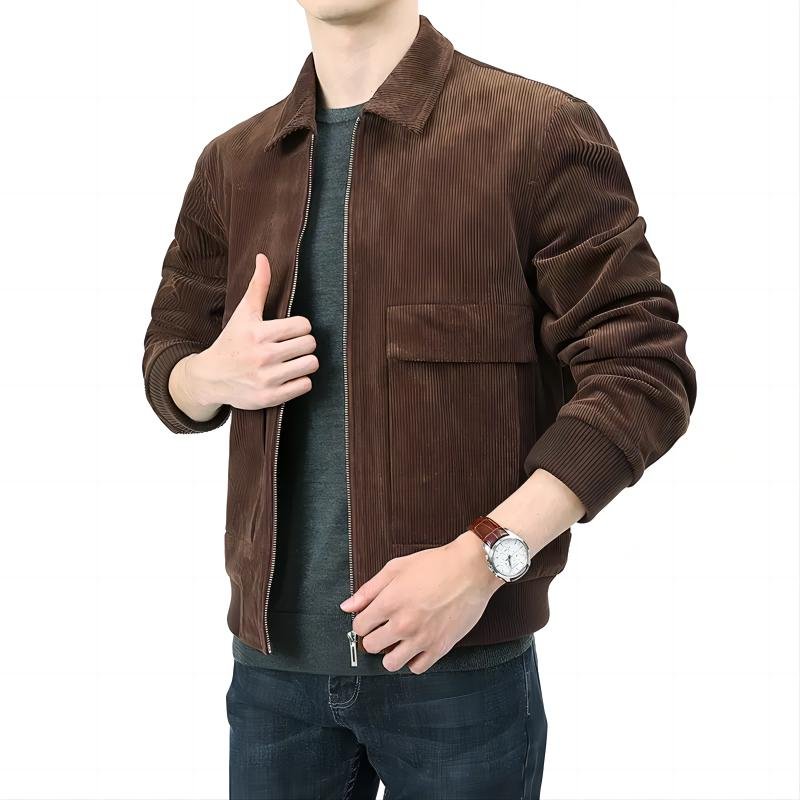
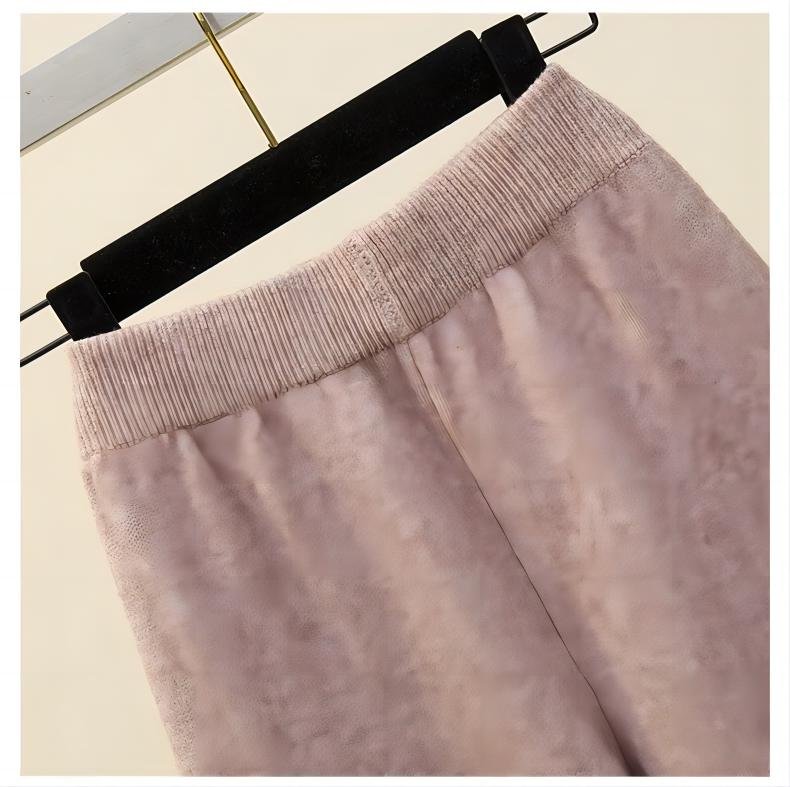
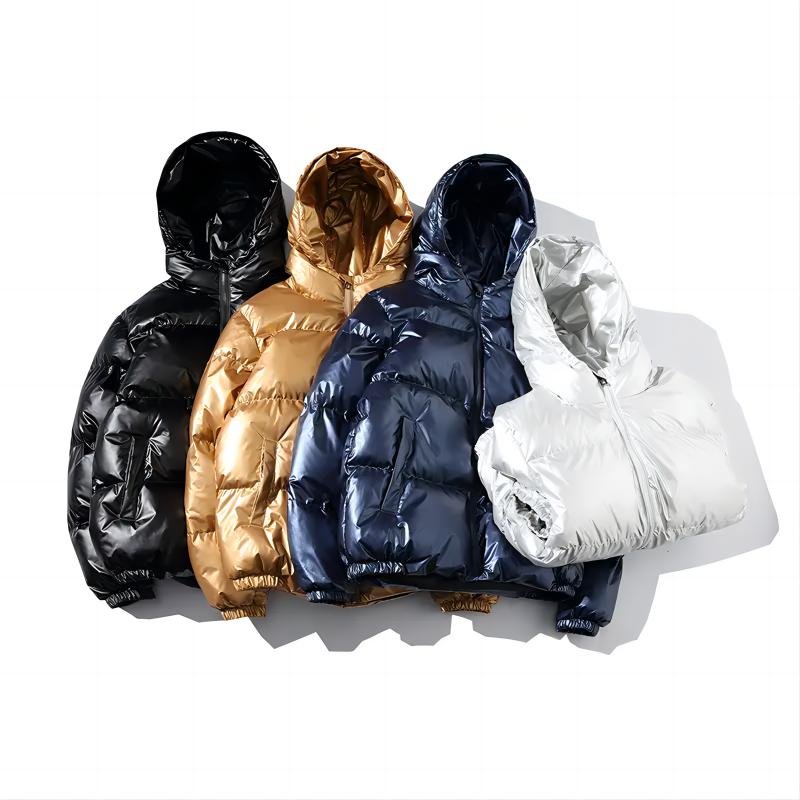
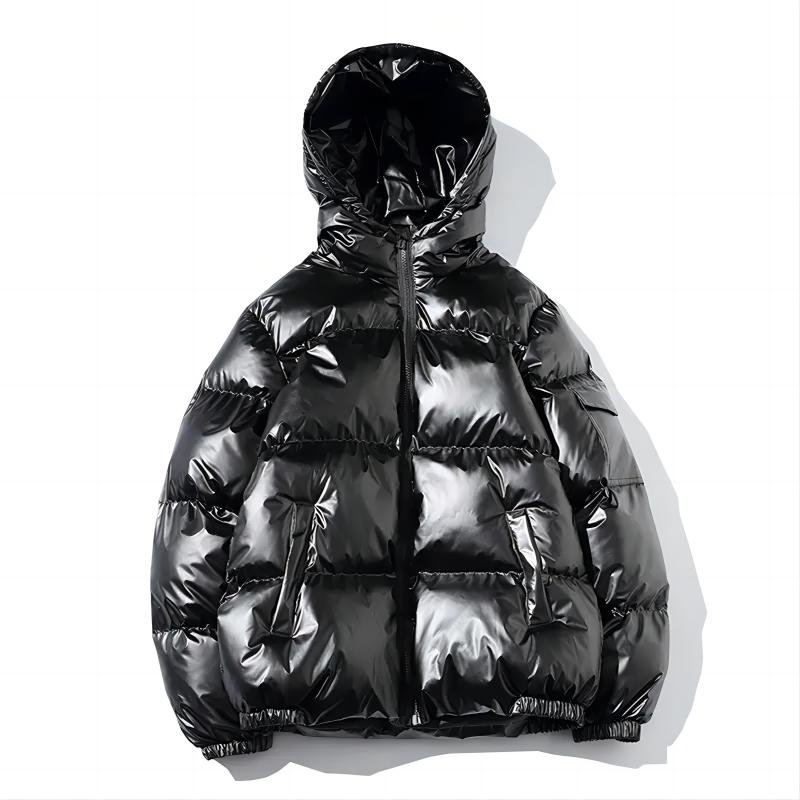
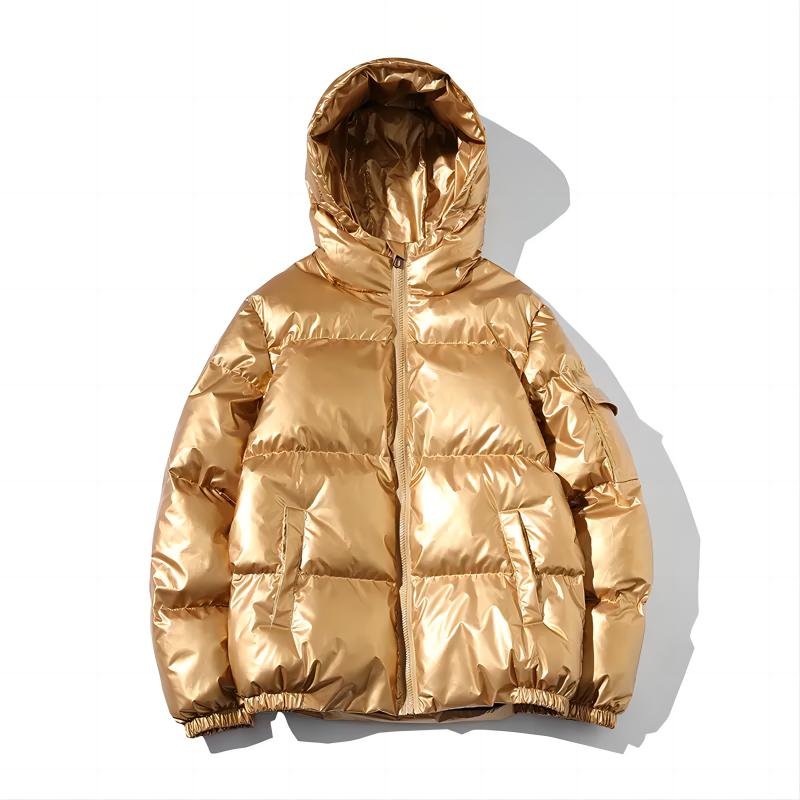
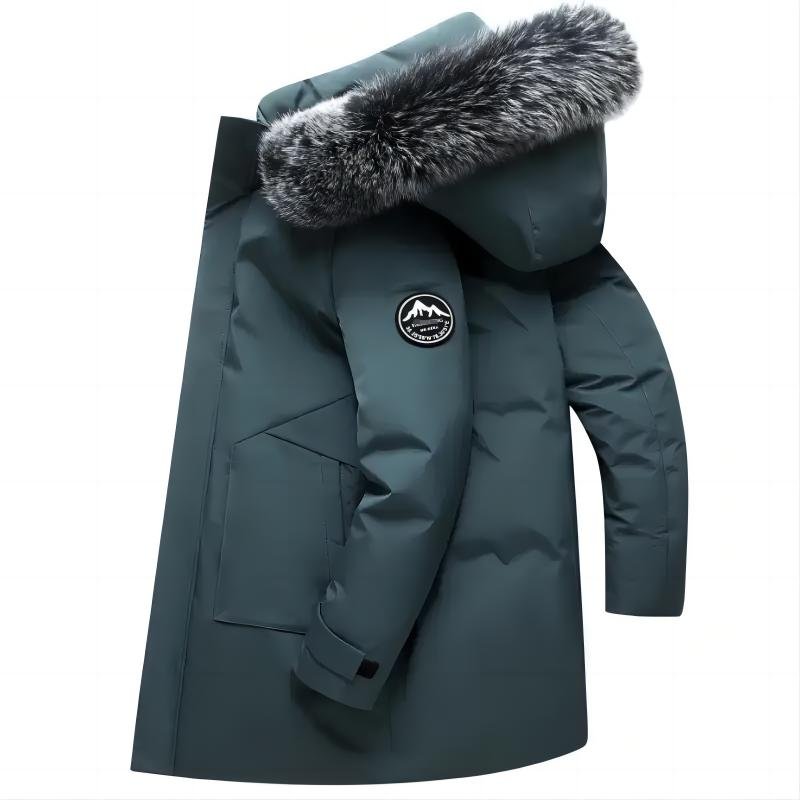
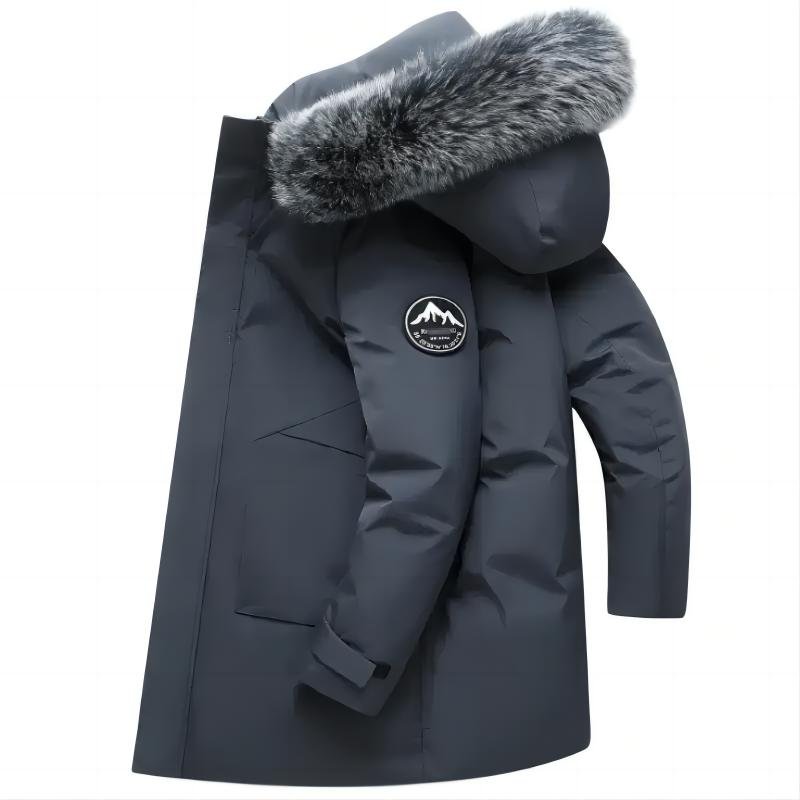
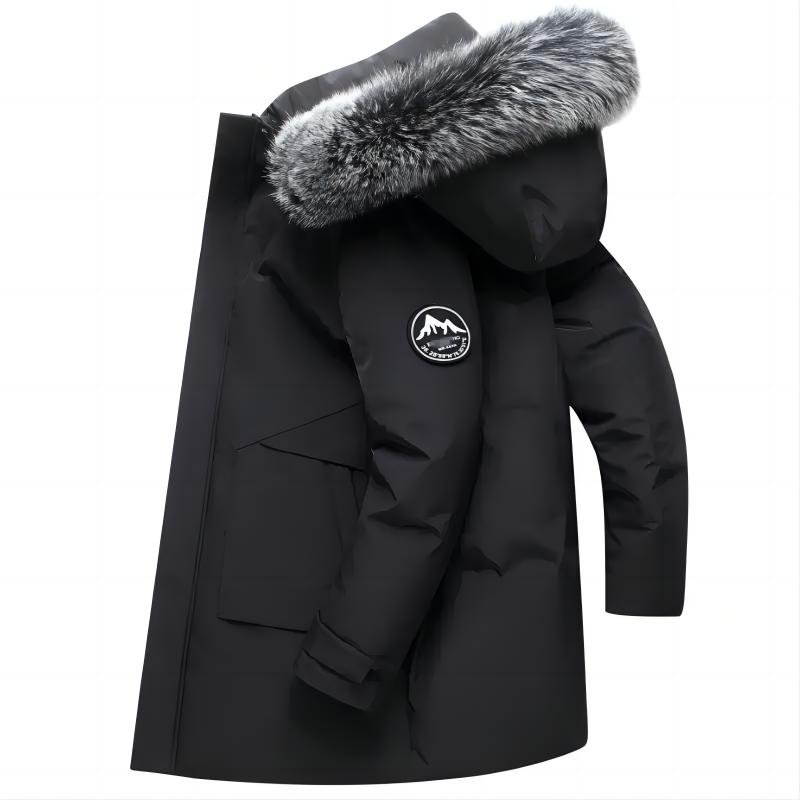
Why Our Cotton Padded Jacket Manufacturer Stands Out
From low-MOQ sampling to global bulk production, here is why streetwear brands and startups trust us as their go-to production partner.
Zero-Defect QC, Every Production Stage
Our proprietary 5-step QC process inspects materials, cutting, crafting, sewing, and finished garments so defects never ship to your customers.
Low MOQ for Emerging Brands
Launch your padded jacket line without massive minimums — perfect for startups and independent designers placing their first production runs.
Samples Ready in 7 Days
Receive production-ready samples in as little as 7 days, keeping your brand on schedule for fast-moving seasonal drops.
In-House Streetwear Design Expertise
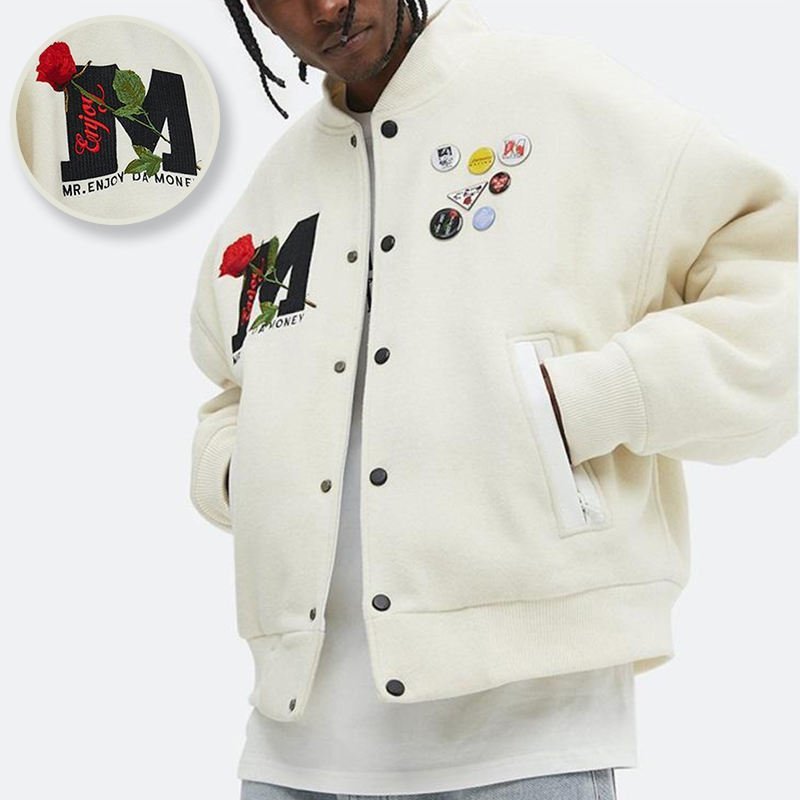
Our 15-member R&D team masters streetwear’s boldest motifs — from skeleton graphics to rose prints — for trend-driven collections.
Worldwide Shipping & Logistics Support
We handle customs, freight, and last-mile delivery to 100-plus countries, so your padded jackets reach customers without delays.
Built for Influencer-Scale Growth
We have launched brands from zero to tens of thousands of followers, scaling production reliably as your audience and orders grow.
Cotton Padded Jacket Manufacturer Specialized in Every Style
From classic hooded puffers to bold streetwear silhouettes, we produce the padded jacket categories your brand needs — backed by our 5-step QC guarantee and low MOQs built for brands at every stage.
Hooded Puffer Jacket Lines
Brands sourcing hooded puffers need precise baffle stitching, consistent fill weight, and structured hoods that hold their shape — and a manufacturer who delivers these standards reliably across every production batch.
Our 5-step QC process verifies fill consistency, seam integrity, and hood construction at every stage — so your hooded puffers arrive retail-ready, batch after batch, without variation.
Lightweight Quilted Jackets
Quilted jacket designs demand perfectly flat stitching, zero puckering, and pattern precision that many factories cannot maintain — especially at the low order quantities that emerging brands actually need.
Our in-house sampling team perfects your quilting pattern before bulk production begins, delivering sharp, puckering-free jackets at low MOQs that give growing brands real flexibility and launch confidence.
Sleeveless Puffer Vest Drops
Launching a vest SKU means mastering armhole construction, balanced fill distribution, and fast sampling turnarounds — challenges that trip up brands partnering with manufacturers who lack specialized outerwear expertise.
We produce cotton padded sleeveless vests with clean armhole finishes and rapid sample turnarounds, keeping your seasonal drops on schedule and your inventory ready exactly when trends peak.
Trendy Streetwear Puffer Drops
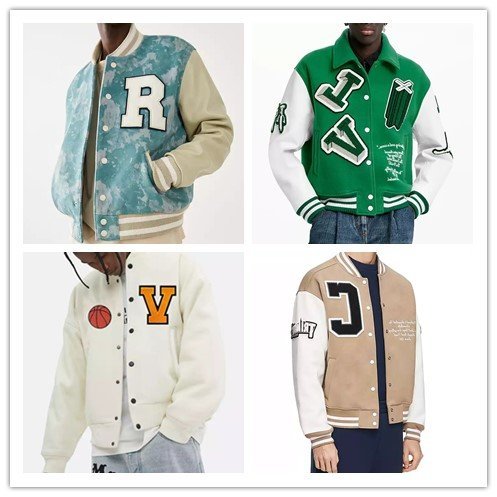
Streetwear and influencer labels need oversized silhouettes, bold graphic treatments, and culture-fluent production partners — not factories that only handle basics and consistently misread the streetwear aesthetic entirely.
With genuine streetwear expertise and a 15-member R&D team, we execute bold puffer concepts — oversized fits, graphic prints, unique hardware — at the speed your influencer drops demand.
Premium Outerwear Fabrics From a Trusted Cotton Padded Jacket Manufacturer
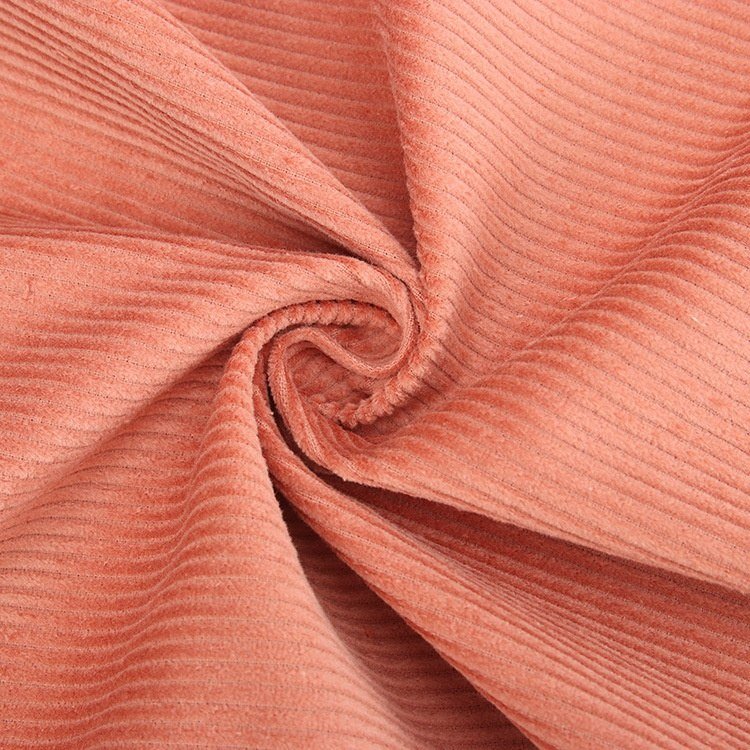
Ripstop Nylon Shell
A lightweight, tear-resistant outer shell woven in a reinforced grid pattern. Available in 70D to 210D weights, it provides excellent wind resistance, holds DWR coatings effectively, and suits technical streetwear silhouettes perfectly.
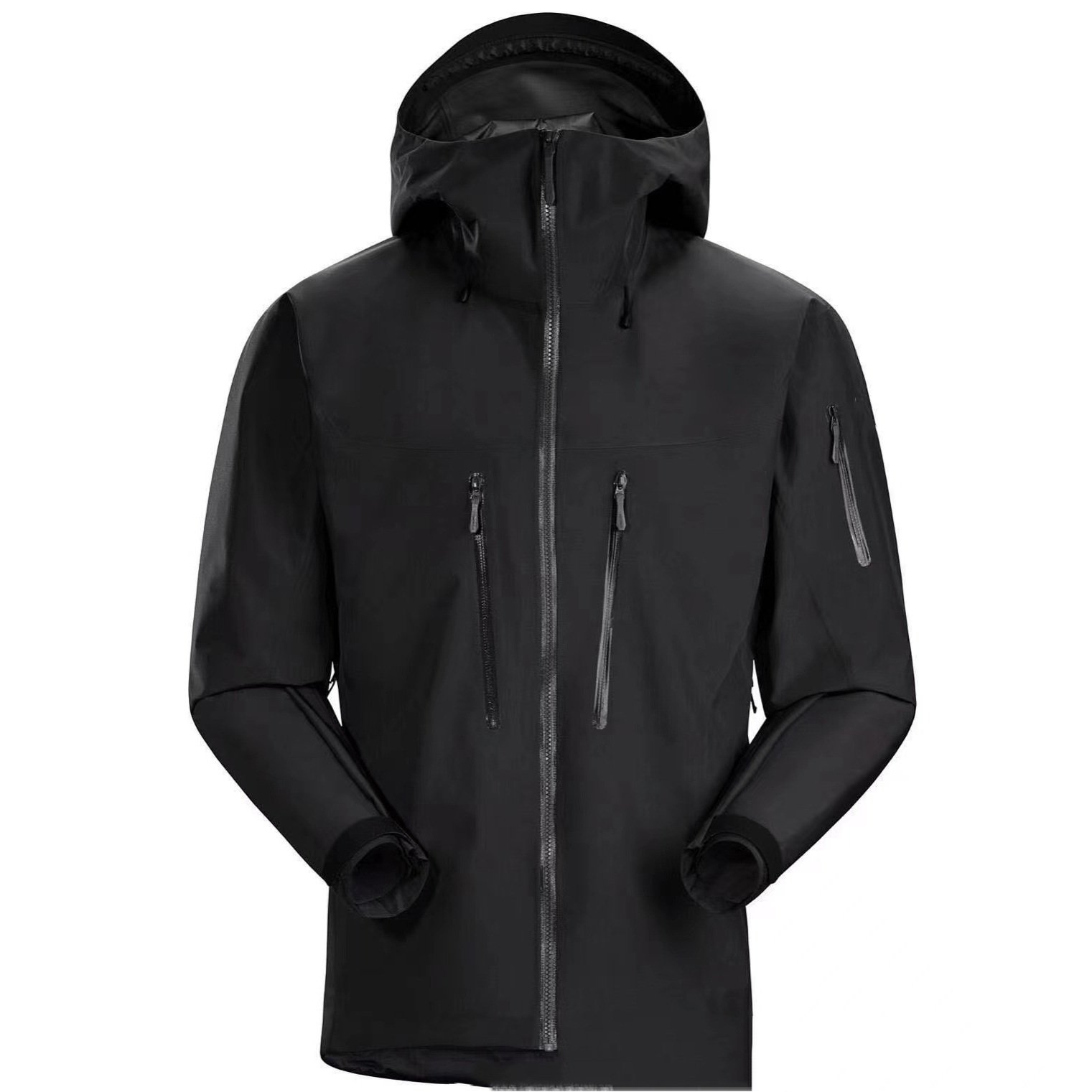
Down-Proof Taffeta
A tightly constructed polyester taffeta with ultra-high thread count engineered specifically to prevent down and feather blowout. At 20 to 40 gsm, it delivers a silky smooth hand feel ideal for lightweight packable shells.
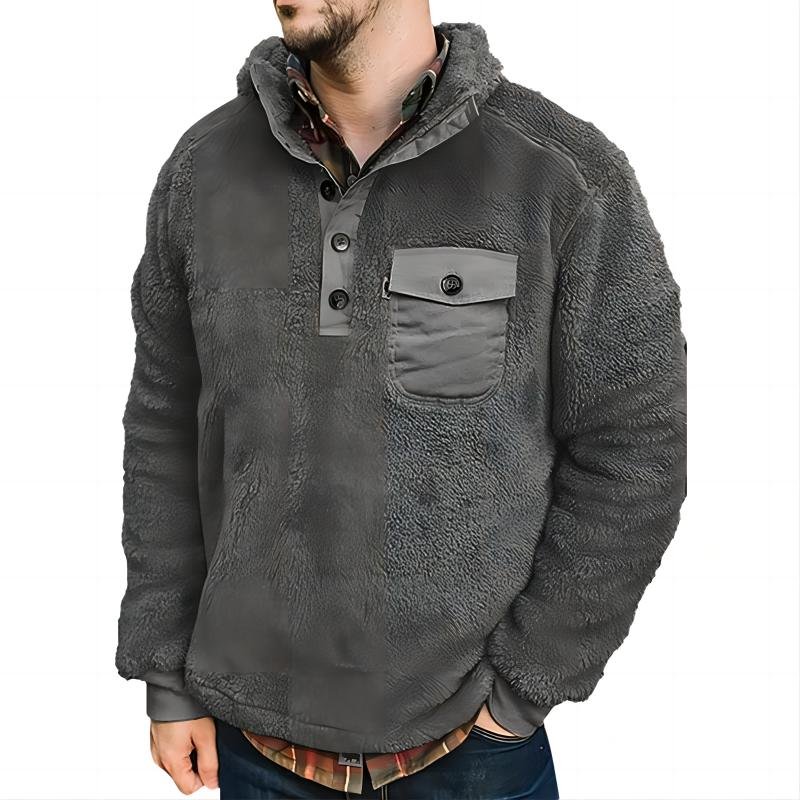
Cotton Twill Shell
A medium-weight woven cotton fabric delivering a clean matte finish and soft hand feel. Ranging 200 to 280 gsm, this breathable material is the cornerstone of structured padded outerwear with a premium streetwear aesthetic.
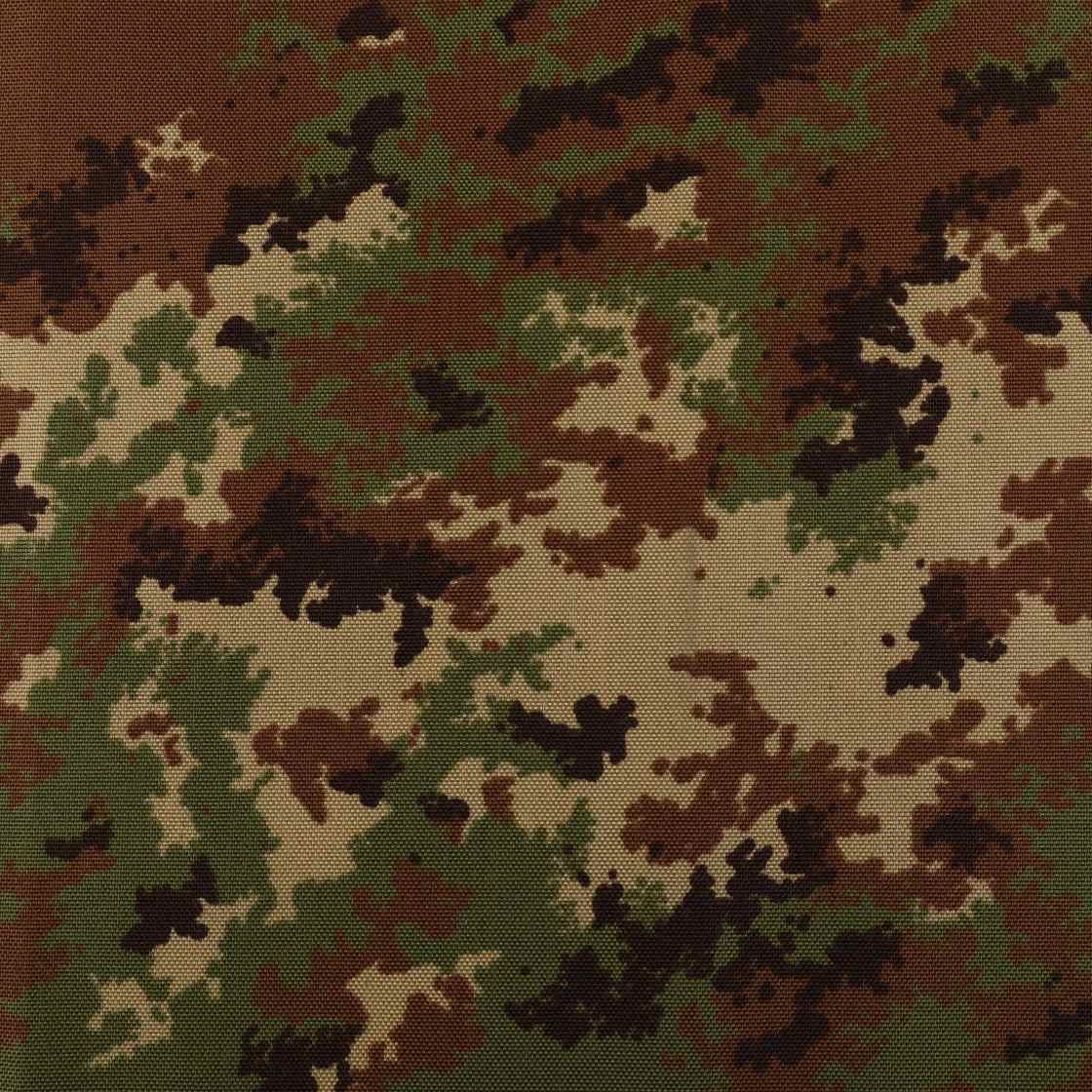
Recycled PET Fill
Eco-certified insulation crafted from post-consumer recycled PET bottles, offering warmth comparable to virgin polyester fill. Available in 80 to 200 gsm loft weights, it appeals strongly to sustainability-driven streetwear and lifestyle brands.
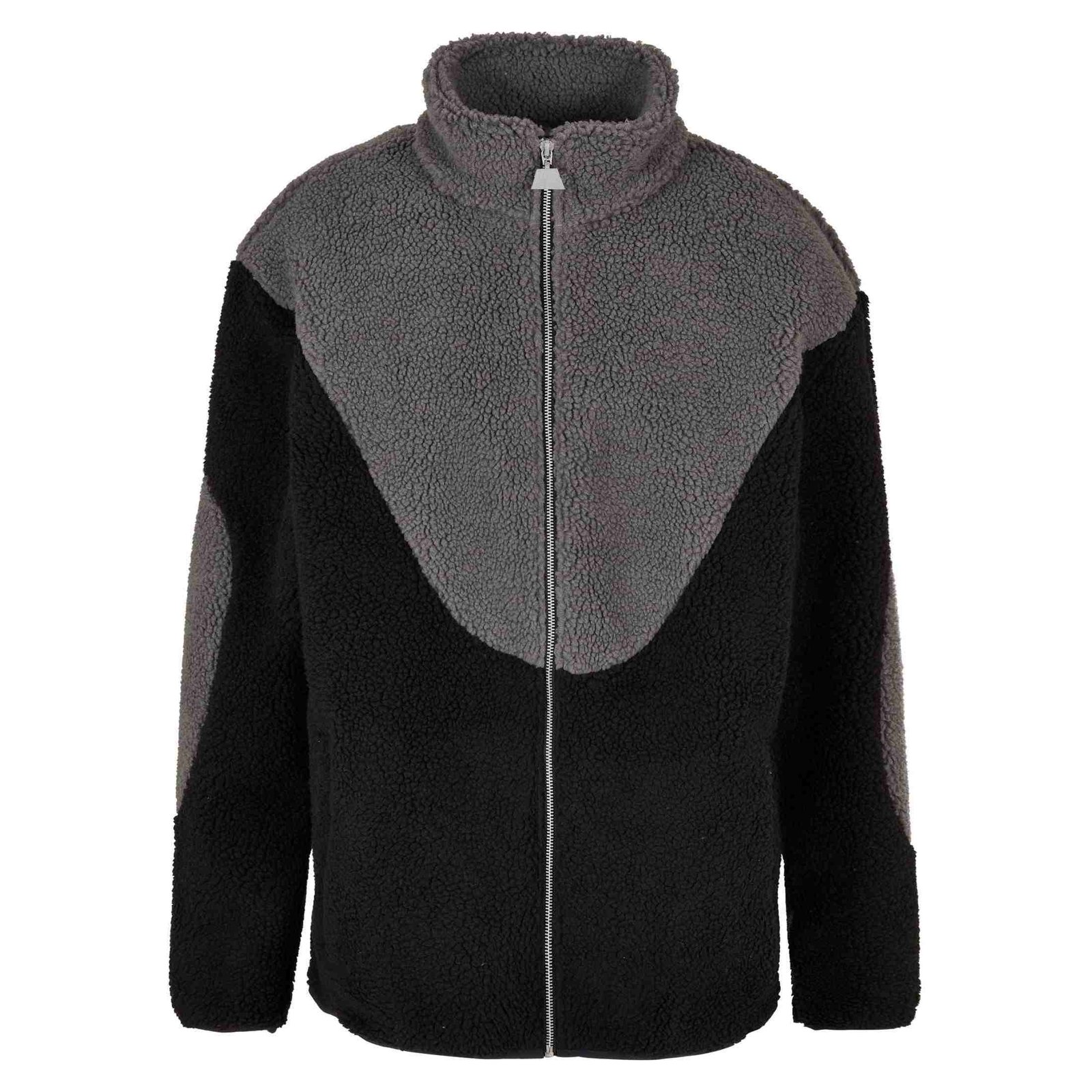
Polar Fleece Lining
An anti-pilling brushed fleece lining delivering excellent thermal retention and a plush next-to-skin feel. Available at 180 to 300 gsm, it adds cozy warmth to padded jacket interiors without contributing noticeable bulk.
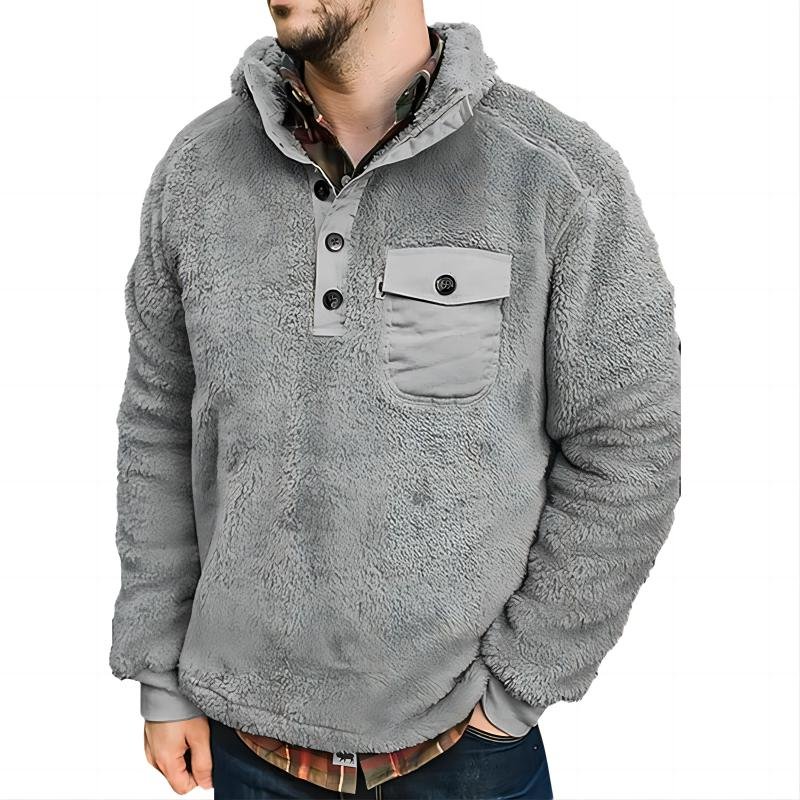
Cotton-Poly Ripstop
A cotton-polyester ripstop blend merging natural breathability with synthetic tear resistance. At 160 to 220 gsm with a subtle grid texture, it serves as an ideal outer shell for durable, street-ready padded outerwear.
Production Excellence From Your Cotton Padded Jacket Manufacturer
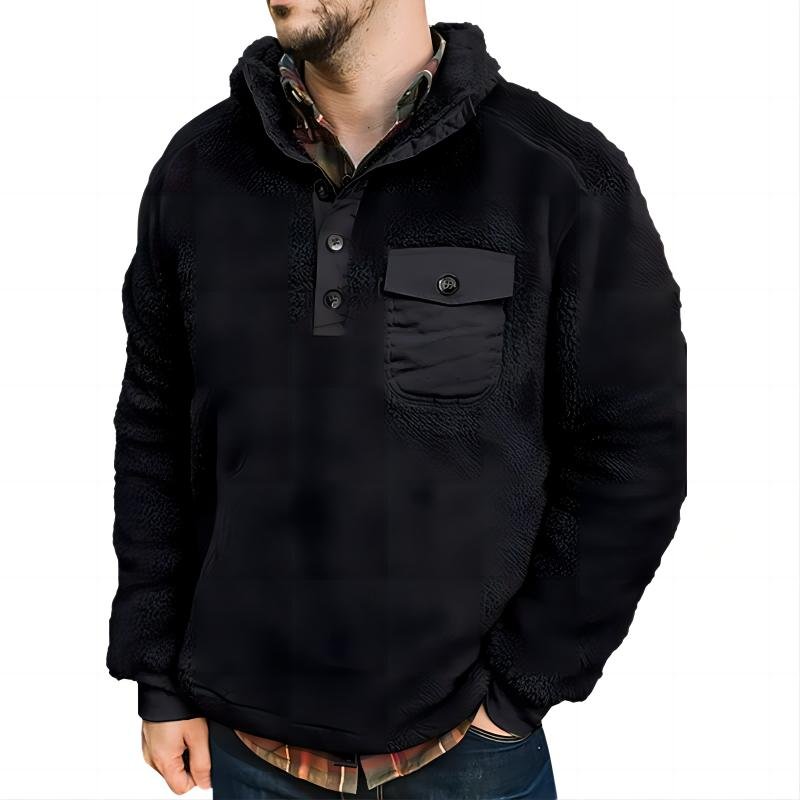
Padding Insertion
Precision-controlled cotton fill is distributed evenly across each jacket panel, achieving consistent loft and warmth retention. Fill weights are calibrated per style, from lightweight liners to heavy-duty winter shells.
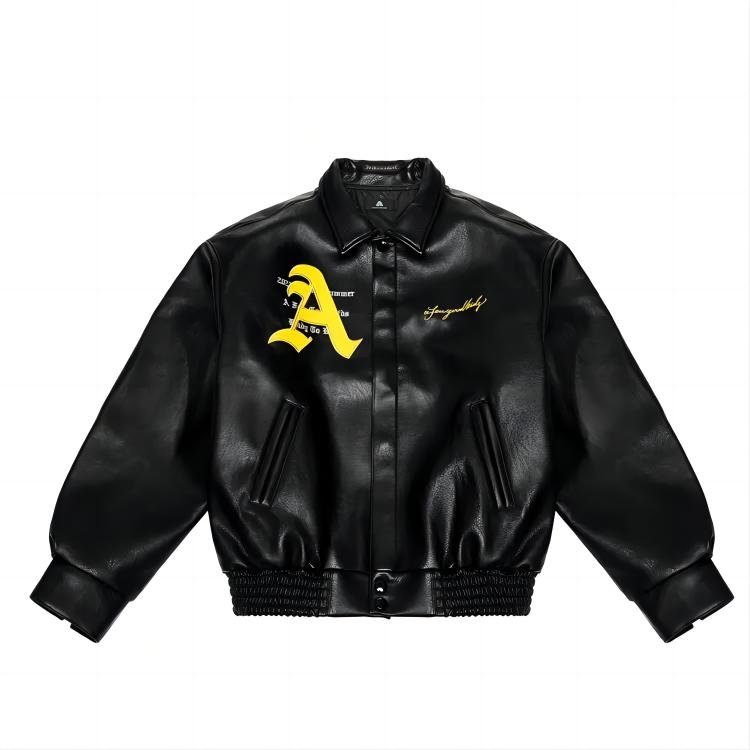
Channel Quilting
Computerized quilting machines stitch geometric or fully custom-pattern baffles that lock padding in place, prevent shifting, and create the signature textured surface streetwear and performance outerwear brands demand.
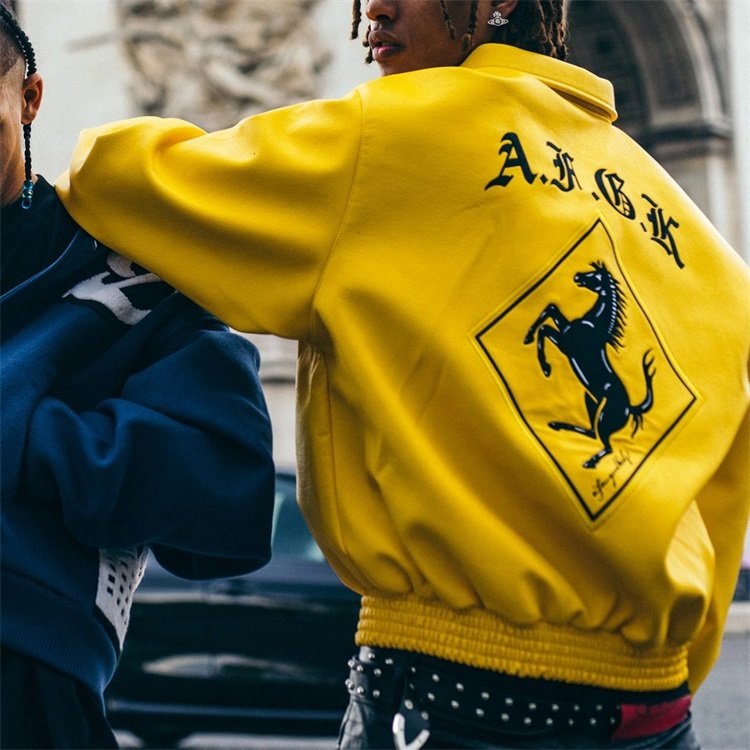
Screen Printing
High-opacity plastisol and water-based inks are pressed through precision screens onto the outer shell, delivering bold, wash-resistant graphics and streetwear-ready branding elements that stay vivid collection after collection.
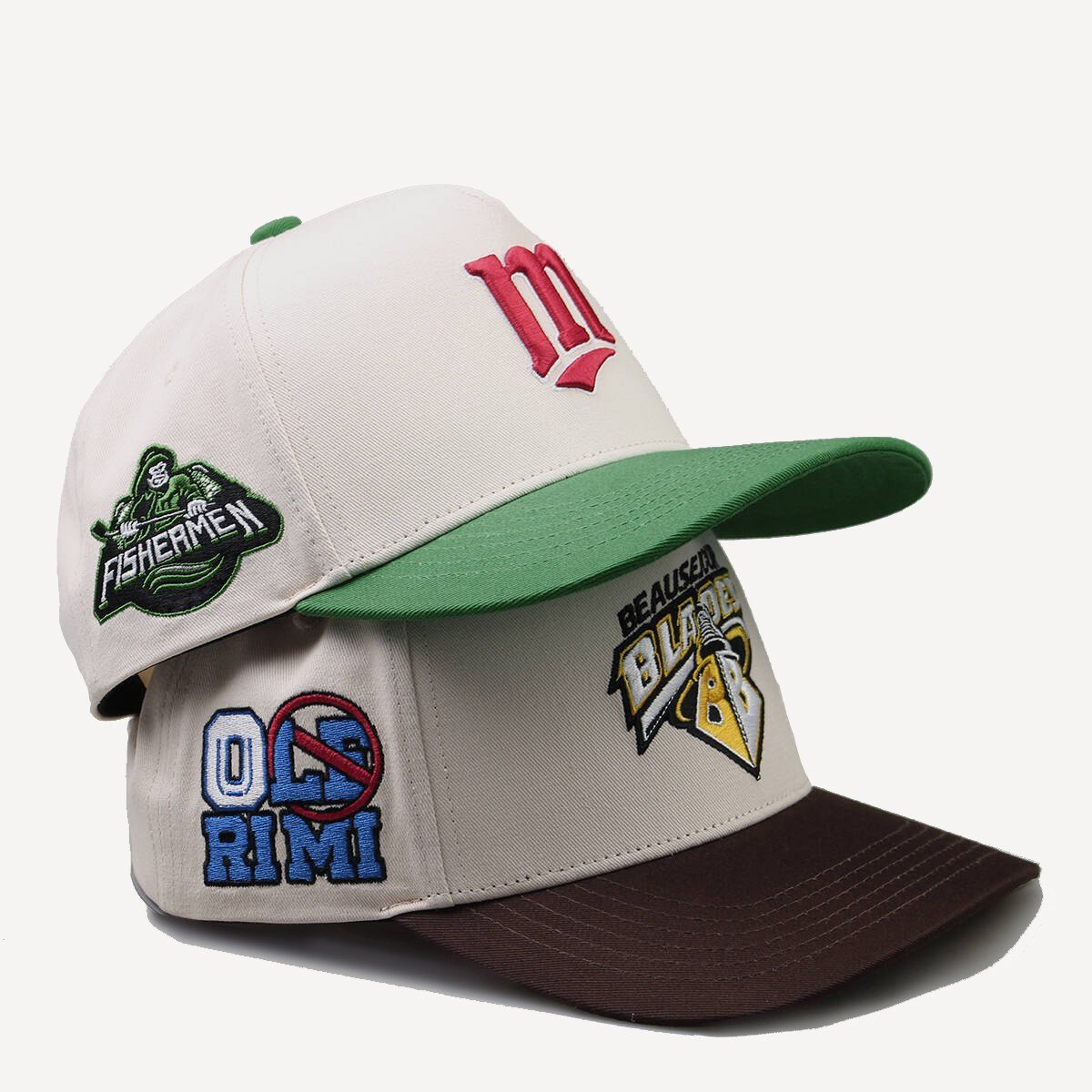
Custom Embroidery
Multi-head CNC embroidery machines execute intricate logos, lettering, and motifs on panels before assembly, producing raised, textured branding with thread counts and backing matched to each specific fabric weight.
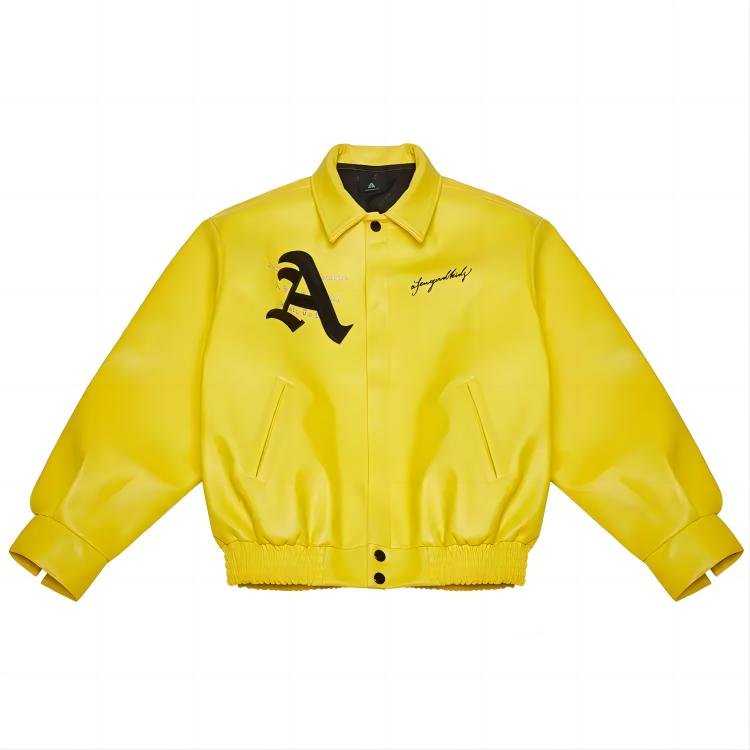
Garment Dyeing
Fully assembled jackets are drum-dyed to achieve lived-in washed tones and exclusive seasonal colorways unavailable in bolt fabric, delivering the tonal depth trending streetwear and influencer brands consistently demand.
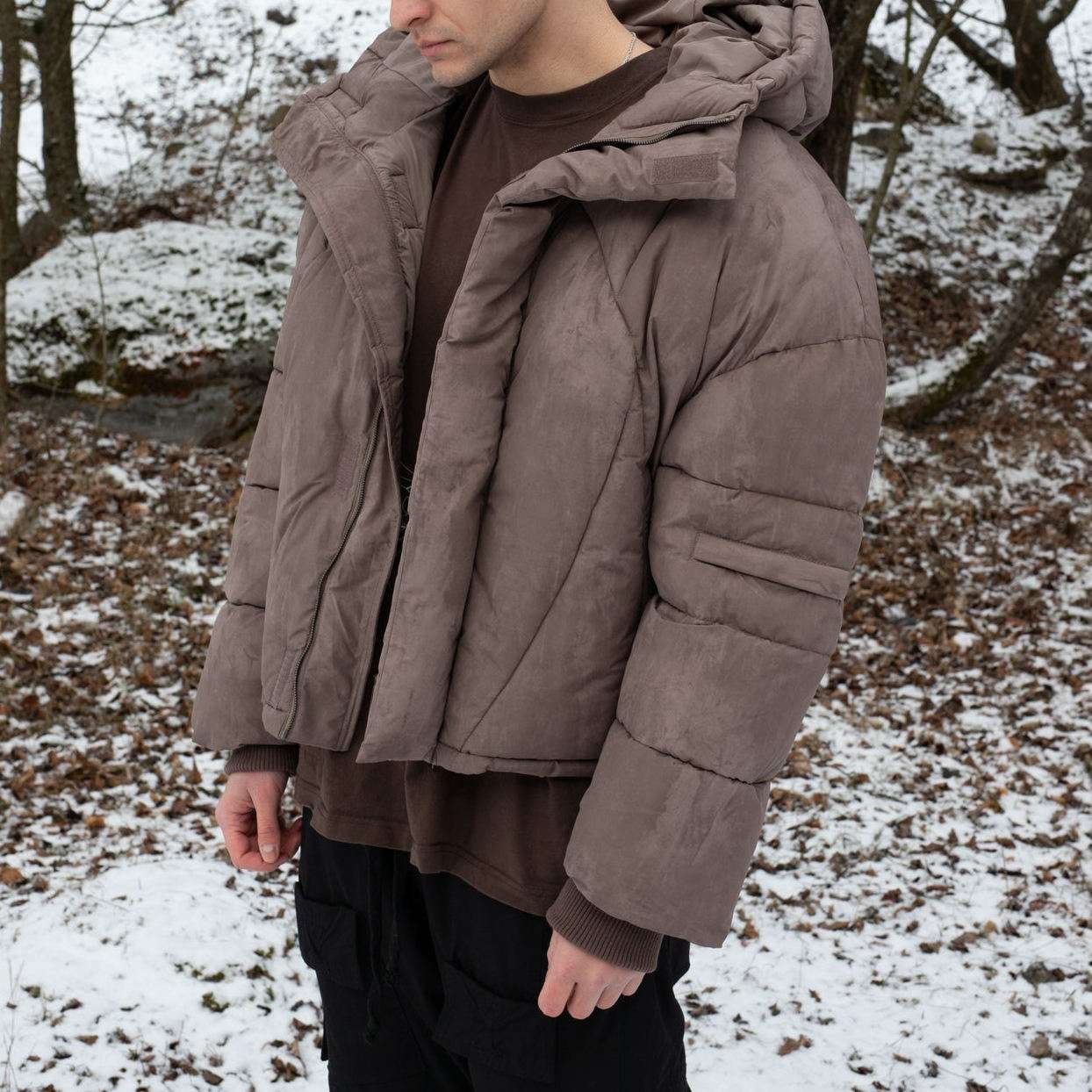
Heat Transfer Application
Digitally rendered artwork is transferred onto shell fabric via precision heat and pressure, enabling photorealistic prints, reflective accents, and intricate multi-color designs without raising the surface or adding unwanted bulk.
Signature Finishing Touches From Your Cotton Padded Jacket Manufacturer
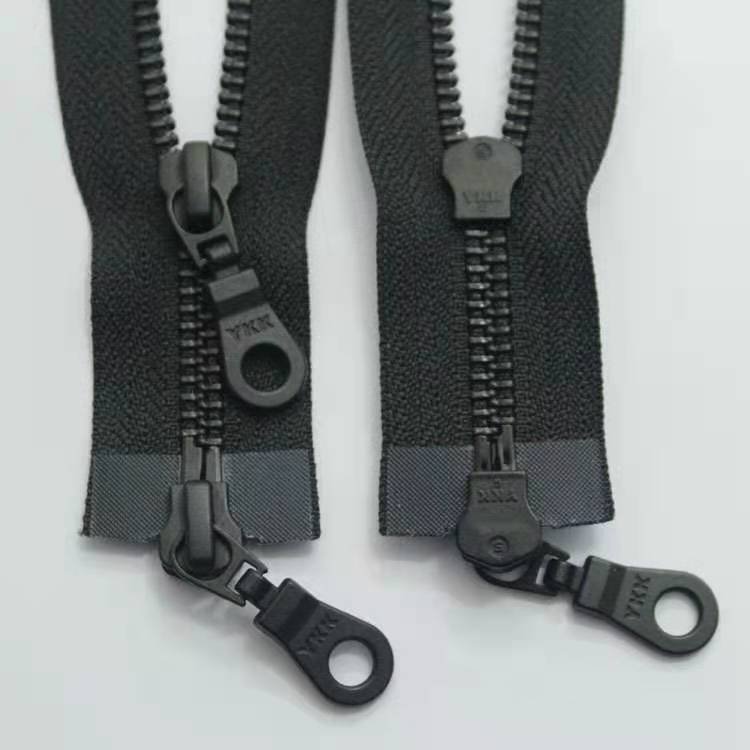
YKK Zippers
Industry-standard YKK zippers deliver smooth, durable closure on front openings, chest pockets, and vents. Available in coil, invisible, and chunky-tooth styles to match your padded jacket’s performance and streetwear aesthetic.
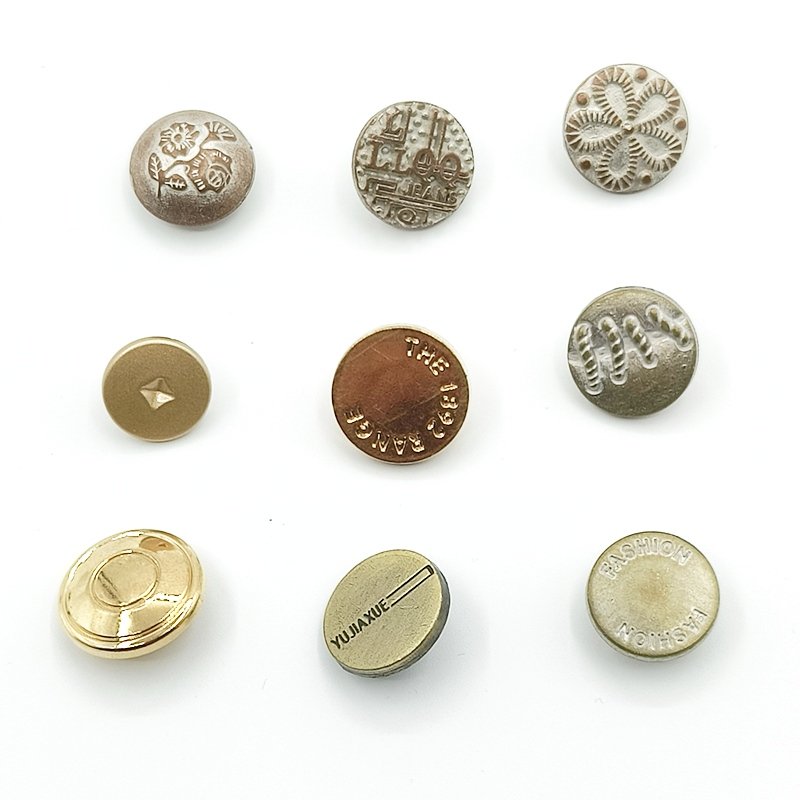
Snap Buttons
Heavy-duty snap buttons secure plackets, pocket flaps, and storm cuffs with a clean, reliable close. Available in matte or gloss metal finishes to align with your brand’s streetwear identity and seasonal colorways.
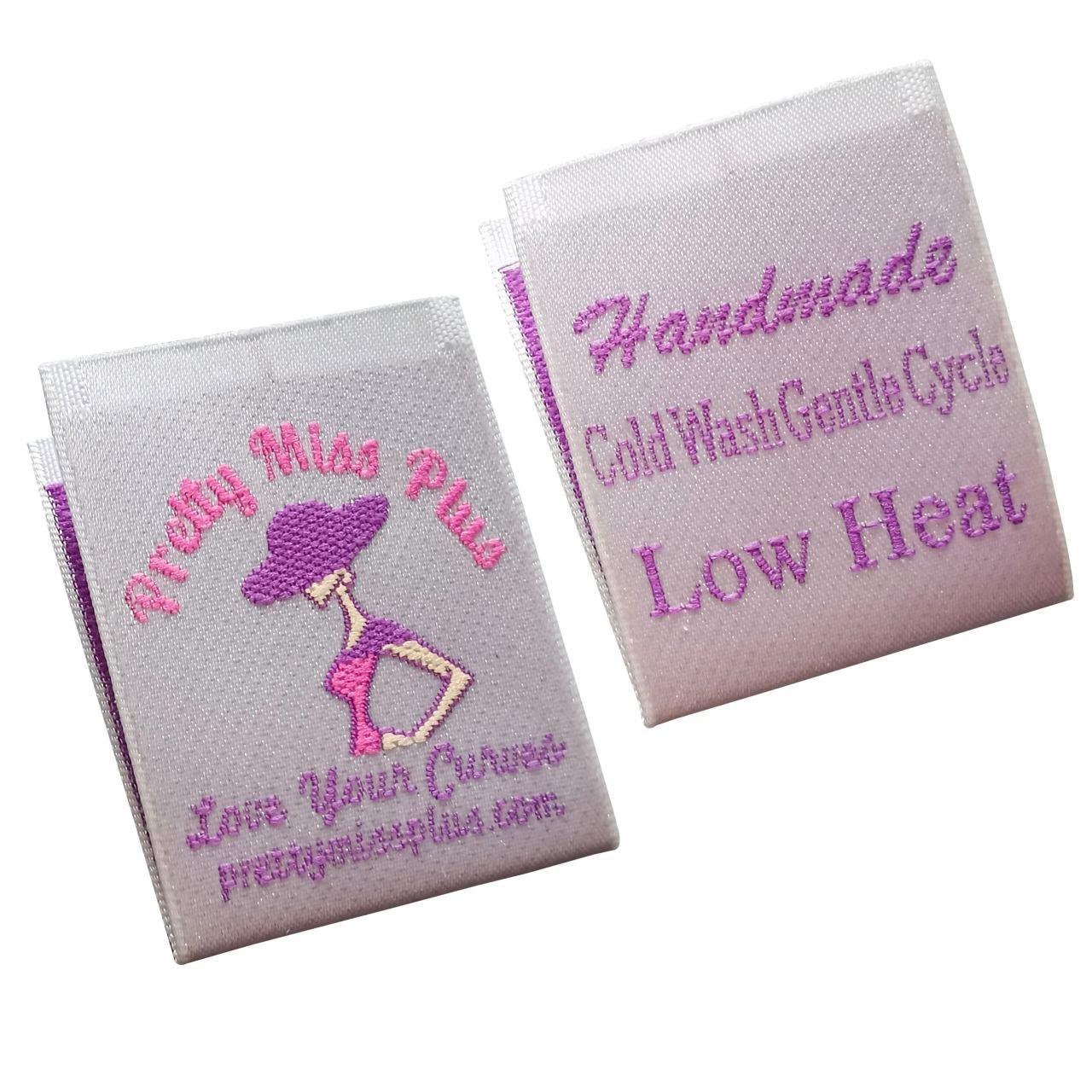
Woven Labels
Custom woven labels are sewn into neck seams, side hems, or sleeve interiors to carry your brand mark. Offered in a range of thread colors, sizes, and weave densities for crisp, lasting logo definition.
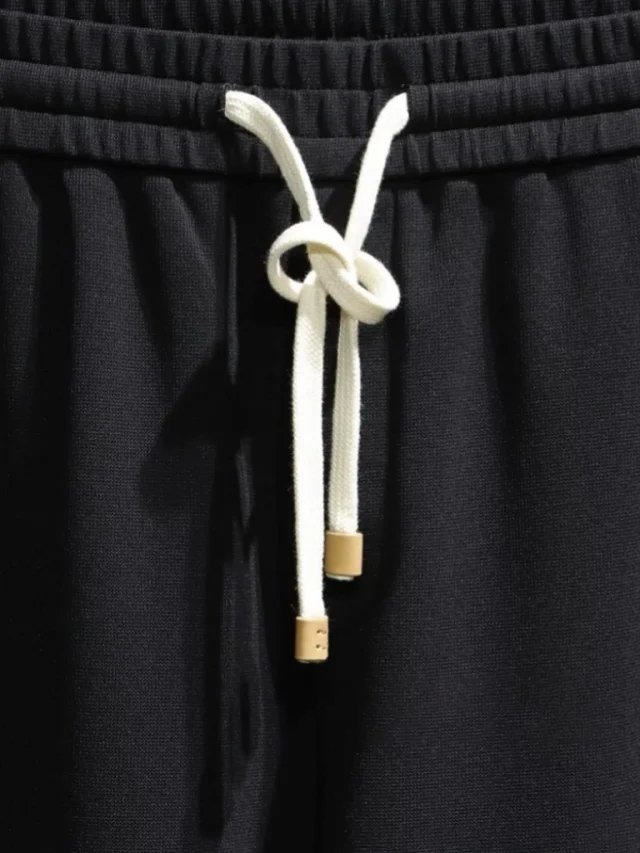
Drawcord & Tipping
Adjustable drawcords with branded aglet tipping run through hood channels and hem tunnels to seal out cold. Choose flat, round, or reflective cord styles with metal or custom-molded tips for a premium hand feel.
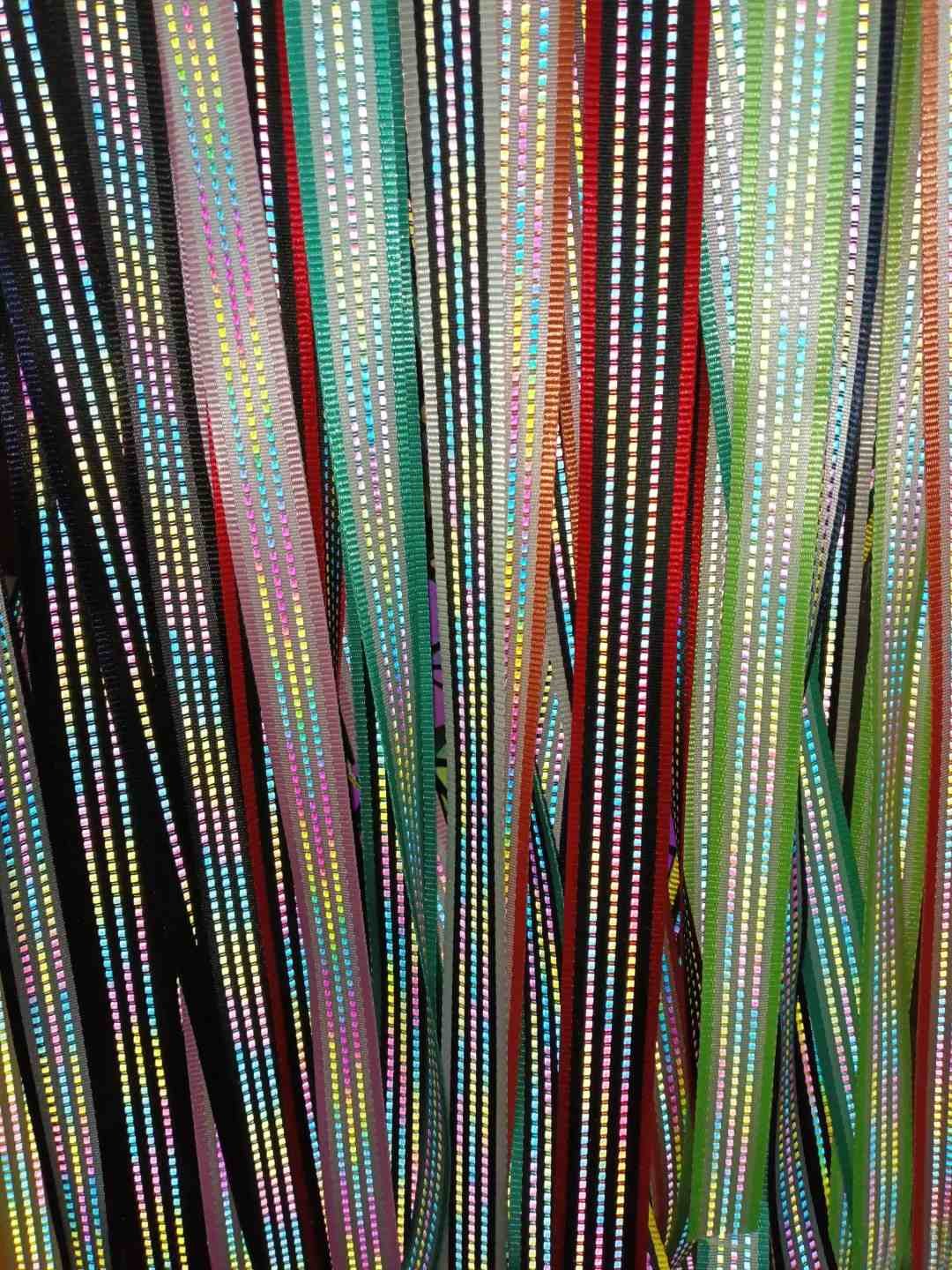
Reflective Trim
Heat-applied or stitched reflective tape runs along shoulders, chest panels, and sleeve seams to boost after-dark visibility and add a high-impact streetwear detail to your cotton padded jacket silhouette.
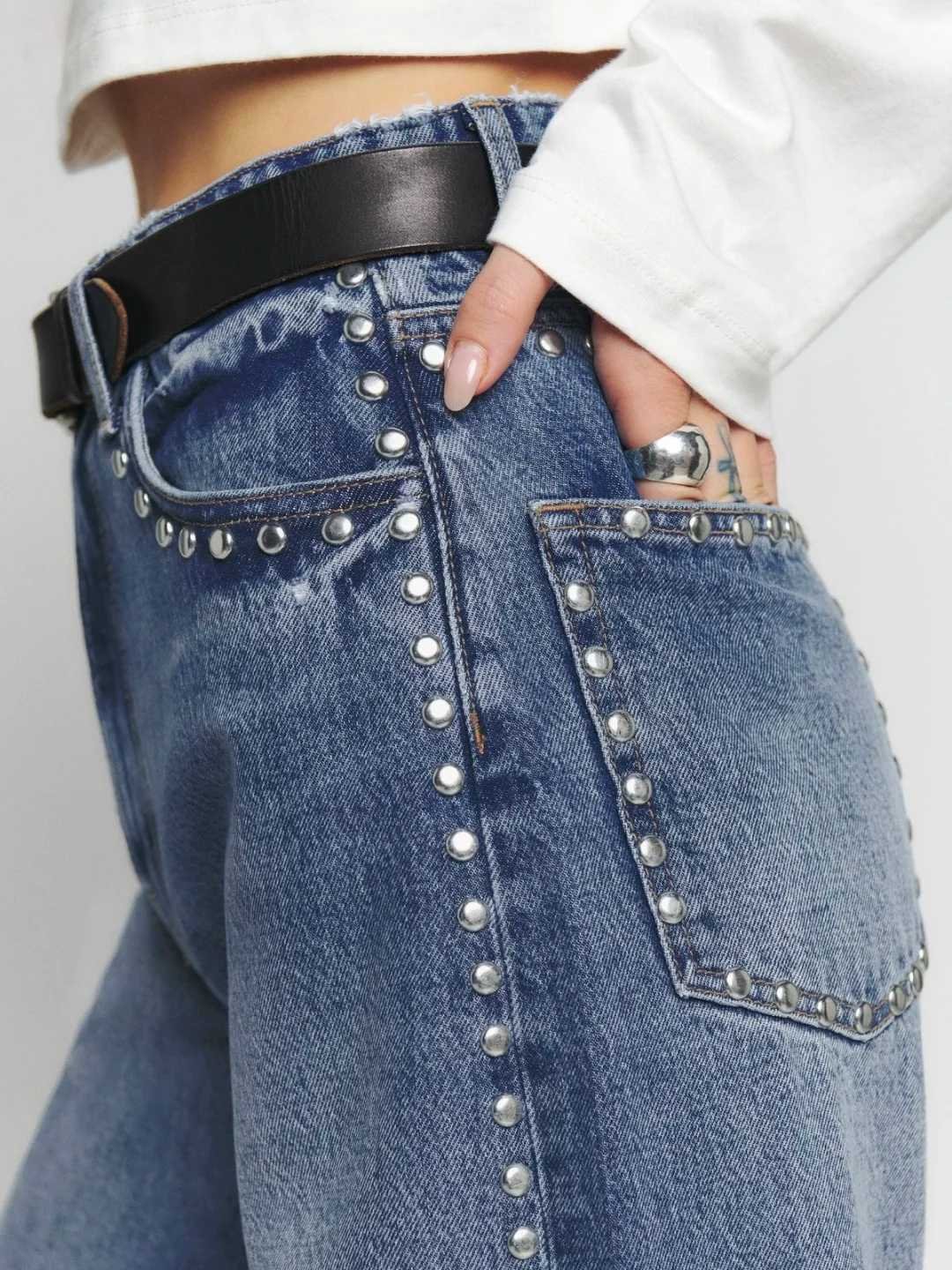
Custom Hangtags
Branded hangtags in card stock, kraft, or coated finishes attach via metal eyelets or wax cord, communicating your story, care instructions, and sizing at the point of sale to elevate perceived brand value.
A Cotton Padded Jacket Manufacturer Driven by Purpose
Founded in 2024 by Tesla Luo, Clothing Manufacturer Ltd was born from over 10 years of hands-on apparel experience and a lifelong connection to garment manufacturing. Raised in a family where both parents held senior factory roles, Tesla spent summers rotating through every production department in Dongguan Humen, gaining an unmatched, ground-level understanding of how exceptional clothing is actually made.
After leading a 20-person foreign trade team and personally serving over 1,000 clients — including American streetwear brands Mifland and Emline — Tesla witnessed a troubling industry pattern: factories skipping quality control entirely. He founded Clothing Manufacturer Ltd with one clear mission: to restore trust in Chinese manufacturing through a proprietary 5-step QC process that inspects every stage, from raw materials to finished garment.
Today, Clothing Manufacturer Ltd operates with a 15-member R&D team, holds 10 production patents, and ships to customers across more than 100 countries and regions. As a cotton padded jacket manufacturer offering in-house design, sampling, and low MOQ options, we partner with streetwear brands, fashion startups, and global retailers at every stage of growth — from debut collections to full-scale seasonal production.
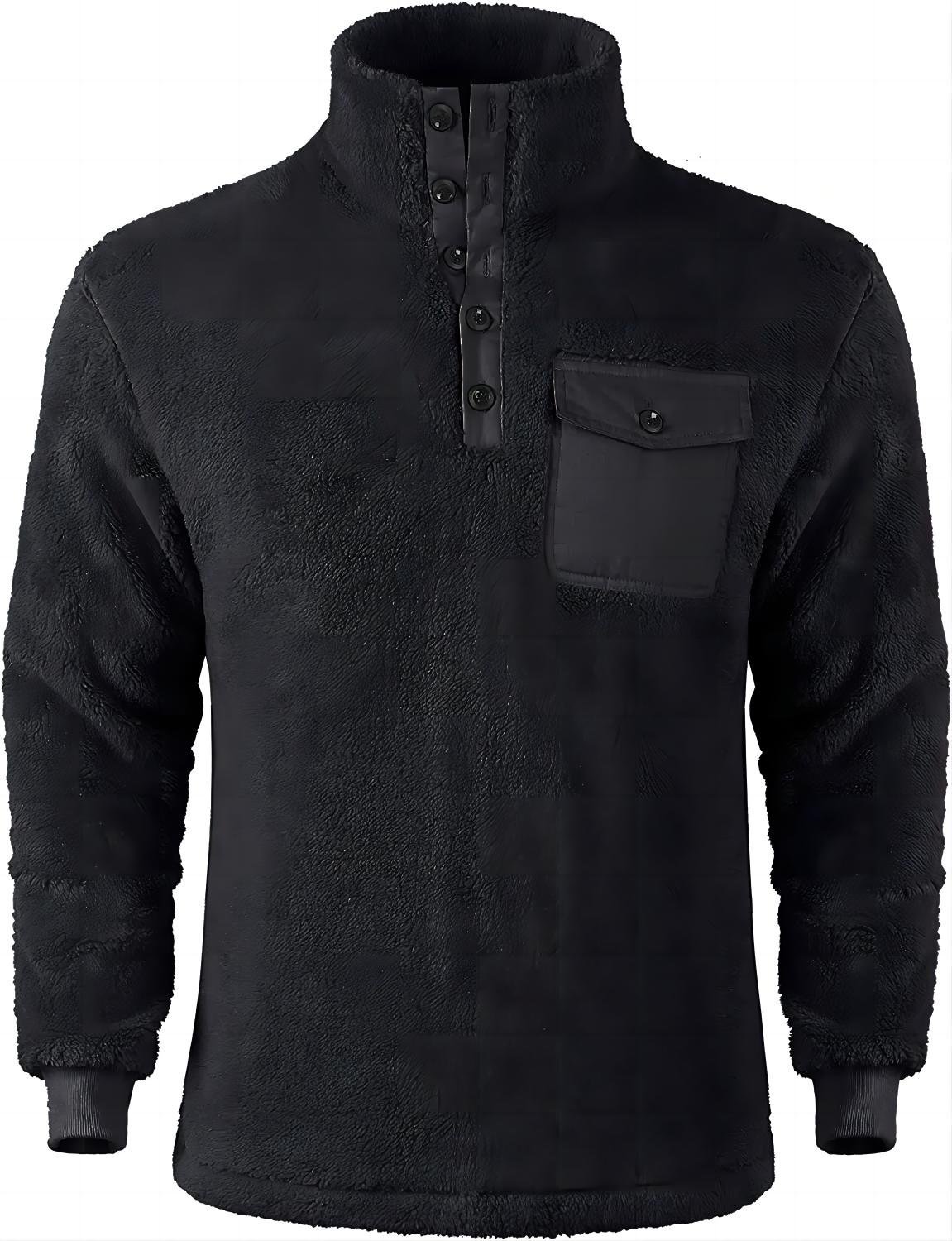
The 5-Step QC Guarantee Behind Every Cotton Padded Jacket
Fabric Integrity: Zero Defects Enter Production
As a dedicated cotton padded jacket manufacturer, we test every fabric roll before a single cut is made. Step 1 materials QC verifies weight, composition, colorfastness, and fill density — only certified inputs advance to the line.
- Fabric weight and fiber composition checked against approved spec sheets
- Colorfastness and wash-shrinkage tested before bulk-cutting begins
- Padded fill density confirmed to meet thermal performance specs
- Non-conforming rolls quarantined and replaced before production starts
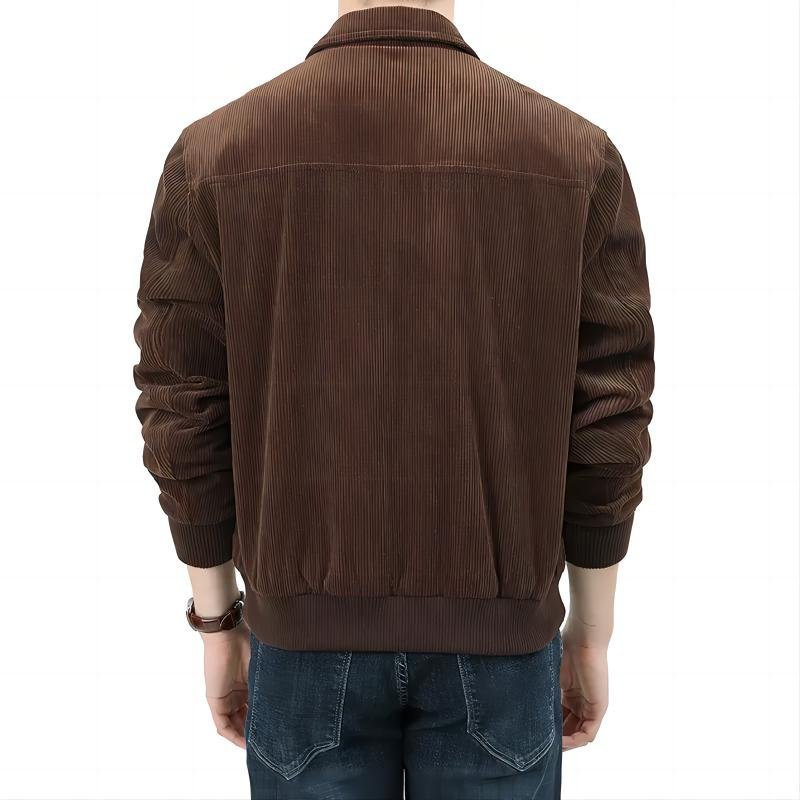
Cutting Precision That Protects Every Pattern
Inaccurate cuts compound into costly downstream defects. Our Step 2 cutting QC tests marker alignment, layer counts, and cut-edge quality on every pattern piece — so your silhouettes arrive true-to-spec before sewing begins.
- Marker alignment verified against approved tech packs and graded patterns
- Layer counts and bundle labeling confirmed across all size runs
- Cut-edge quality inspected to prevent fraying and seam misalignment
- Rejected cut panels re-cut immediately — nothing substandard advances
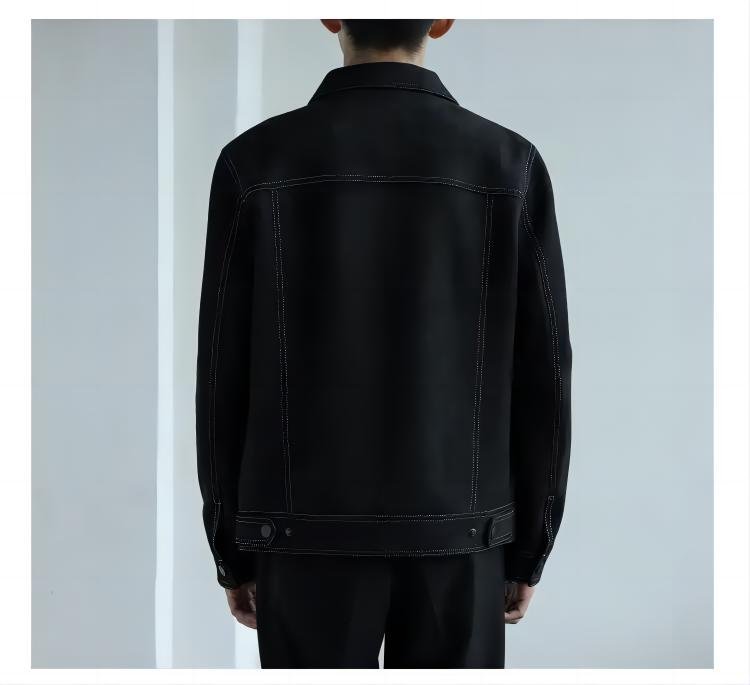
Inline Craft and Sewing QC Stops Defects Early
Steps 3 and 4 target the highest-risk stages of production. Inline inspectors audit stitch density, seam allowances, quilting alignment, and hardware attachment on every batch — catching and correcting faults before they multiply across the run.
- Stitch density and tension measured against garment-specific standards
- Quilting panel alignment inspected across front, back, and sleeves
- Zipper, snap, and hardware attachment strength tested mid-production
- Defective pieces pulled, corrected, and re-inspected before final assembly
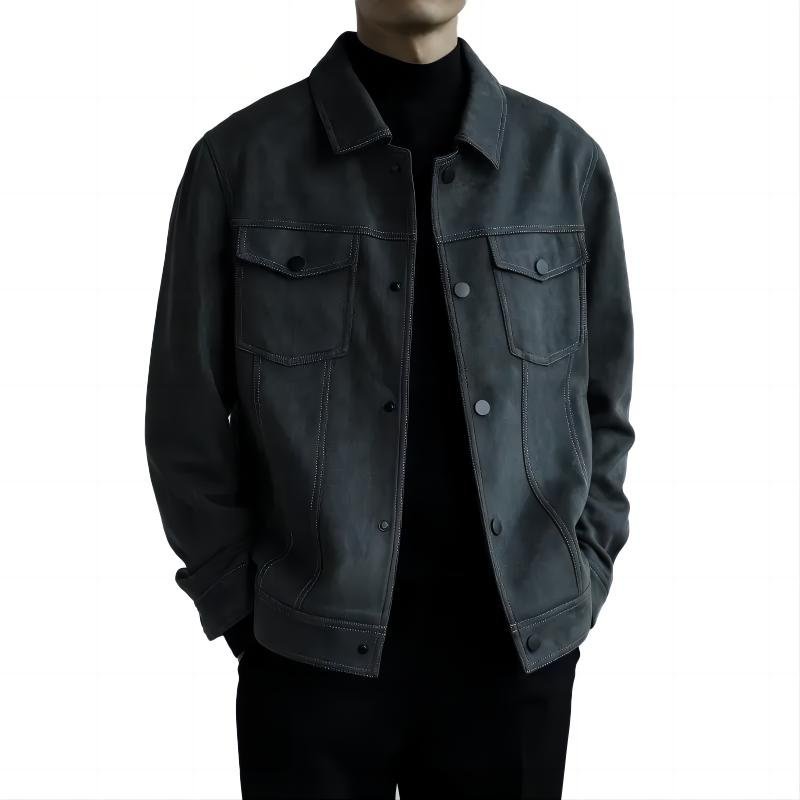
Final Inspection Ensures Every Jacket Ships Right
Step 5 is the last gate before packing. Every finished jacket undergoes a full appearance check, measurement audit, and packaging verification — so streetwear brands, retailers, and independent designers receive a shipment they can sell with confidence.
- 100% measurement audit against the approved bulk fit sample
- Visual scan for stitching, fill distribution, and surface defects
- Label, hang-tag, and barcode accuracy verified per client order sheet
- Packing integrity and carton count audited before container loading
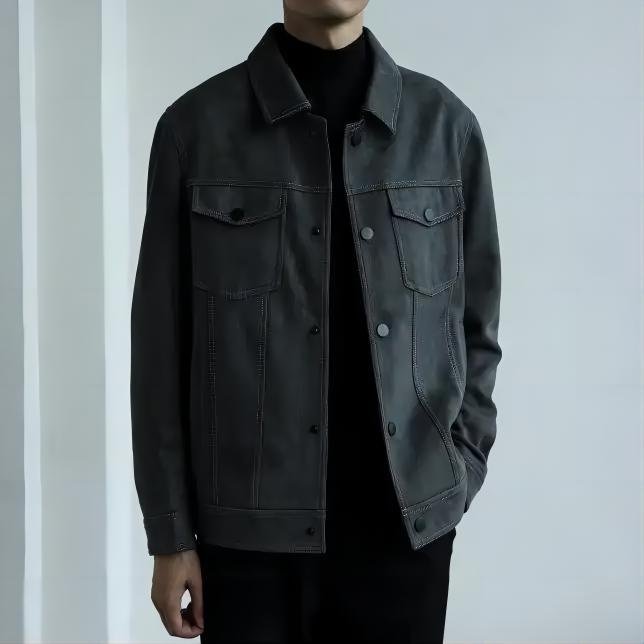
Why Brands Choose Us Over Other Cotton Padded Jacket Manufacturers
Not all manufacturers are built the same. See exactly how Clothing Manufacturer Ltd outperforms typical factories on the dimensions that matter most to growing streetwear brands.
← 左右滑动查看 →
Your Cotton Padded Jacket Manufacturer Timeline — From Sample to Bulk Delivery
Clear phases, zero surprises. Every order follows our proven production roadmap, engineered for speed, quality, and complete buyer confidence.
Tech Pack Review & Brief
Share your design files or let our in-house team build a detailed tech pack covering fabric specs, construction details, colorways, and sizing grading for sign-off.
Sampling & Design Approval
Our dedicated sampling team produces prototypes to your exact spec. Review fit, fabric hand-feel, and finishing quality — revisions are included until you approve the final sample.
Bulk Material Sourcing
We source premium cotton padding, outer shells, linings, and trims from vetted suppliers. All incoming materials pass our Step 1 QC test before any cutting begins.
Cutting & Sewing Production
Full bulk production launches under tightly monitored workflows. Cutting QC and sewing production QC checkpoints are enforced at every stage to catch and correct defects early.
5-Step QC Final Inspection
Every finished jacket passes our proprietary 5-step QC process — covering materials, cutting, garment craft, sewing, and final inspection — ensuring zero-defect outgoing product.
Packing & Global Shipping
Jackets are folded, tagged, and packed to your brand specifications. We manage export documentation and global logistics, delivering to customers in over 100 countries worldwide.
How to Order From a Cotton Padded Jacket Manufacturer in 4 Steps
From your first sketch to final shipment, our streamlined process keeps you in control and your launch on schedule.
Submit Your Tech Pack or Brief
Share your design files, size specs, or mood-board concepts. Our team reviews every detail and delivers a tailored quote within 24 hours.
Receive Your Quote and Samples
We send a transparent, itemized quote and craft pre-production samples so you can approve fit, fabric weight, and finish before committing to bulk.
Approve and Launch Production
Once samples are signed off, we lock in your timeline, confirm low-MOQ terms, and begin bulk production backed by our 5-step QC guarantee.
Track Your Order to Delivery
We manage global logistics, customs documentation, and real-time order updates so your cotton padded jackets arrive on schedule, wherever you are worldwide.
Certifications That Prove Our Cotton Padded Jacket Manufacturing Meets Global Standards
Global Brands Trust Our Cotton Padded Jacket Manufacturer
We scaled from 200 to 1,500 units per colorway in just two seasons with zero QC rejections. Their 5-step quality process caught every defect before bulk — our customer return rate dropped to nearly zero. Best production partner we’ve had.
As a first-time designer, I was worried about high MOQs. They worked with just 50 pieces, samples arrived in 12 days, the fit was spot-on, and we sold out our debut drop in under 48 hours. Genuinely game-changing for a startup.
We’ve placed three seasonal bulk orders totaling over 8,000 padded jackets. Every shipment arrived on schedule and defect rates stayed below 0.5%. The most reliable cotton padded jacket manufacturer we’ve partnered with in six years of global sourcing.
Frequently Asked Questions About Our Cotton Padded Jacket Manufacturer
Everything streetwear brands, startups, and independent designers need to know before placing their first order.
What is the minimum order quantity for a cotton padded jacket manufacturer like Clothing Manufacturer Ltd.?
How long does it take to receive samples from your cotton padded jacket manufacturer?
How does your cotton padded jacket manufacturer protect my designs and intellectual property?
What customization options does your cotton padded jacket manufacturer offer?
How much does sampling cost, and is the fee credited toward my bulk order?
What payment terms do you offer for new and returning clients?
What quality control process do you use during production?
Do you offer global shipping and logistics support?
How quickly will you respond to my inquiry, and what does the onboarding process look like?
The Complete Buyer’s Guide to Cotton Padded Jacket Manufacturer
Discover a proven decision framework for vetting every cotton padded jacket manufacturer — covering materials, construction standards, customization options, supplier red flags, and step-by-step sourcing milestones so your brand launches with confidence.
1. What Is a Cotton Padded Jacket Manufacturer?
A cotton padded jacket manufacturer handles the full production cycle of insulated outerwear — fabric sourcing, pattern grading, cut-and-sew assembly, and finished-goods packaging. Two factory models define the category: CMT (cut, make, trim) operations that process buyer-supplied materials, and full-package OEM/ODM suppliers that source fabrics, develop patterns, and ship finished units under the client’s label.
Cotton batting, available in fill weights from 80 to 300 GSM, is naturally breathable and hypoallergenic — properties polyester fiberfill and synthetic down alternatives cannot match. That distinction makes OEKO-TEX certifiable cotton-fill construction a specialized skill, which is why streetwear labels and retailers route this work to a dedicated cotton padded jacket manufacturer rather than a generalist CMT factory.
MOQs at specialist factories typically start at 50–100 units per colorway for ODM styles and 100–300 units for fully custom OEM programs. OEM arrangements give brands complete design ownership via buyer-supplied tech packs; ODM models let startups and creator labels adapt existing silhouettes — a lower-risk, faster path to a first collection. Both structures are sized for brands scaling from launch to mass retail, not just large-volume incumbents.
Clothing Manufacturer Ltd., based in Humen Town, Dongguan — a historic center of China’s garment industry — operates as a full-package specialist with a 15-member R&D team, 10 production patents, and a five-step quality control process covering materials, cutting, craft, sewing, and finished-goods inspection. That end-to-end QC structure, absent in many generalist CMT factories, is the core value proposition for fashion startups, influencer brands, and retailers who need consistent output at scalable volumes across more than 100 global markets.
2. A Brief History of Cotton Padded Jacket Manufacturing
By the 13th century, quilted cotton batting appeared in military gambesons and peasant workwear across Asia and Europe, valued for thermal insulation and low material cost. Industrial sewing machines in the late 1800s allowed factories to standardize quilted liner construction, and by World War II, padded cotton shells were issued as standard cold-weather military gear across multiple nations.
Between 1975 and 1995, outdoor brands and sportswear labels commercialized the padded jacket silhouette for civilian use, pairing it with nylon and polyester shells that reduced weight and improved weather resistance. Mass adoption through the 1980s pushed annual global production of insulated outerwear past hundreds of millions of units, establishing quilted jackets as a mainstream apparel category rather than purely functional workwear.
China’s Pearl River Delta — including Guangdong’s Humen Town — emerged in the 1990s as the world’s dominant cotton padded jacket manufacturing corridor, leveraging integrated supply chains for shell fabrics, batting, and YKK-compatible hardware. Bangladesh and Vietnam scaled significantly after 2005, each developing specialized export zones targeting 280–400 GSM wadding garments for European and North American retailers operating on BSCI- and WRAP-audited factory floors.
After 2015, demand from streetwear labels and social-media-driven creator brands reshaped factory models: buyers began requesting minimum order quantities of 30–100 pieces alongside paid sample programs with 7–15 day turnarounds. This low-MOQ, sample-first pressure pushed Asian manufacturers to invest in modular cutting systems and smaller dye lots, accelerating the broader shift toward OEKO-TEX certified fill materials and recycled cotton padding options valued by the cotton padded jacket manufacturer segment today.
3. Types of Cotton Padded Jackets a Manufacturer Can Produce
A qualified cotton padded jacket manufacturer should offer at least seven silhouette and construction categories, each mapping to a distinct GSM range, retail channel, and styling context — from streetwear drops to scalable private-label basics.
Puffer and Channel-Quilted Jackets
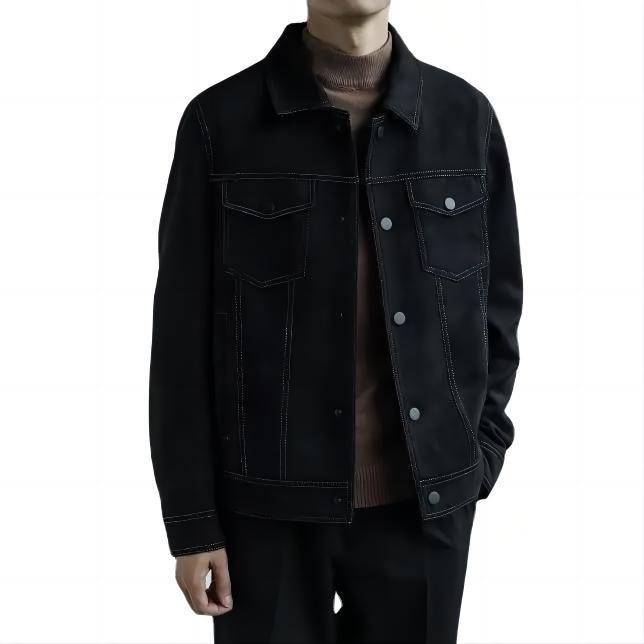
Channel quilting runs parallel stitch lines 3–6 cm apart, trapping 150–250 GSM cotton fill per panel. The bold volume suits streetwear drops and influencer-merch capsules. Trendy brands targeting hero outerwear SKUs most often specify this construction.
Box-Quilted Jackets
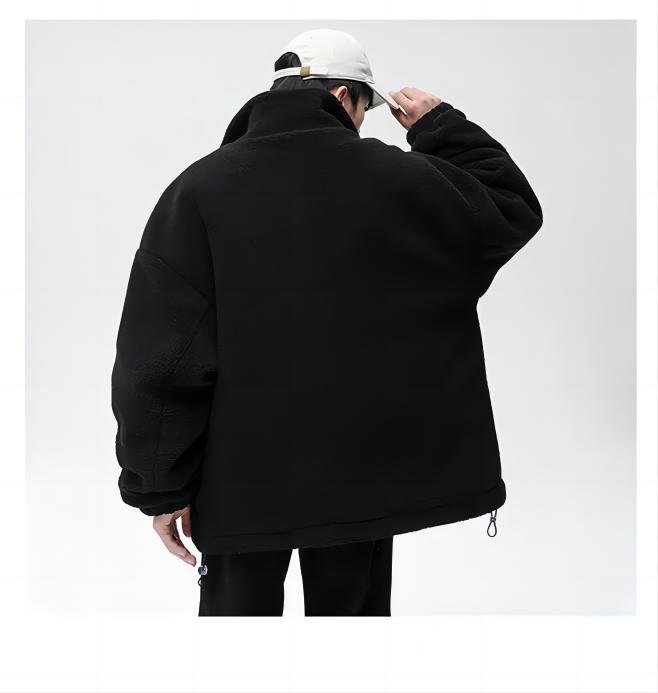
Box quilting stitches a 5–8 cm grid across the shell, distributing 120–200 GSM fill evenly. The structured surface suits retail-basics programs and private-label lines where consistent appearance matters. Global apparel retailers drive most volume in this category.
Lightweight Liner Jackets
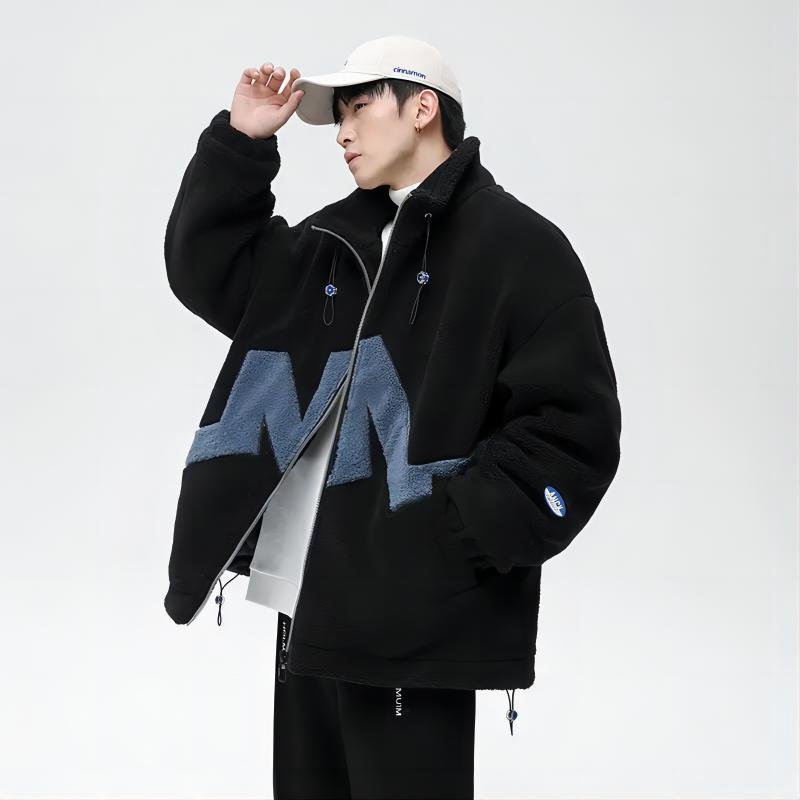
Liner jackets carry 80–130 GSM lightweight cotton padding inside a slim shell built for layering or mild-weather wear. Independent designers and startups favor this silhouette for season-spanning collections. Reduced fill weight keeps per-unit costs competitive.
Reversible Padded Styles
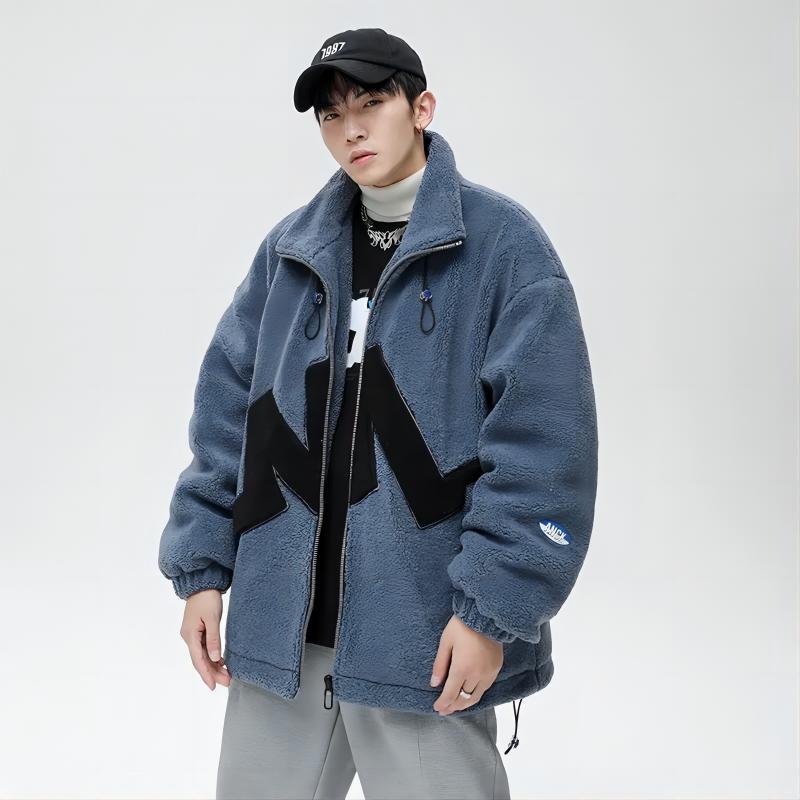
Reversible jackets bond two finished-face fabrics around 100–160 GSM cotton fill, hiding seam allowances on both sides. The dual-use proposition suits influencer and creator brands seeking high perceived value per SKU. Seam tape and turn-and-topstitch closures are standard.
Longline Parka Cuts
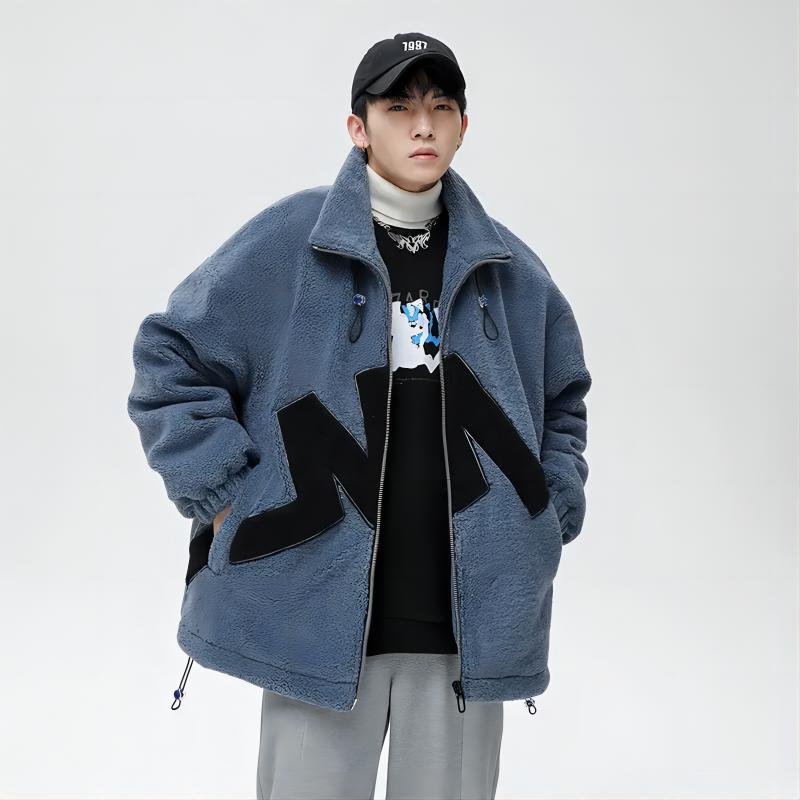
Longline parkas extend to mid-thigh or below-knee, requiring 200–300 GSM fill to hold silhouette weight without collar collapse. Streetwear labels and global retailers both order this cut — it photographs strongly for editorial and performs in colder-climate markets.
Cropped Bomber Styles
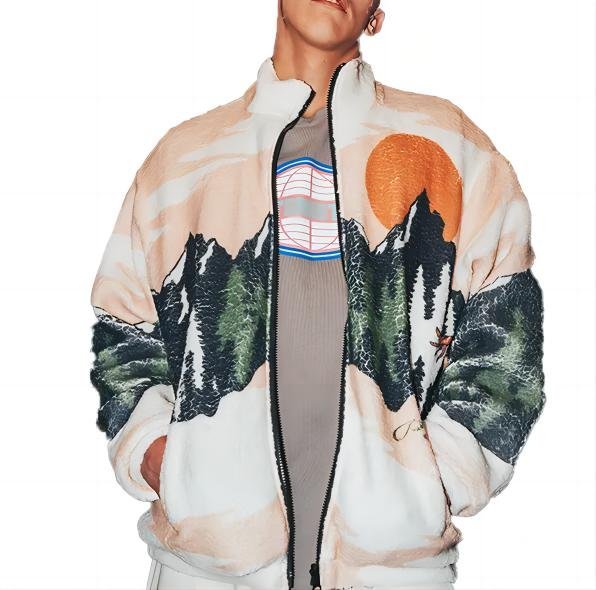
Cropped bombers sit at or above the natural waist with 120–180 GSM fill, light enough to layer over hoodies. This silhouette dominates streetwear drops targeting 18–28-year-old consumers. Ribbed cuffs and hem bands are standard construction details.
Hybrid Shell and Padded Constructions
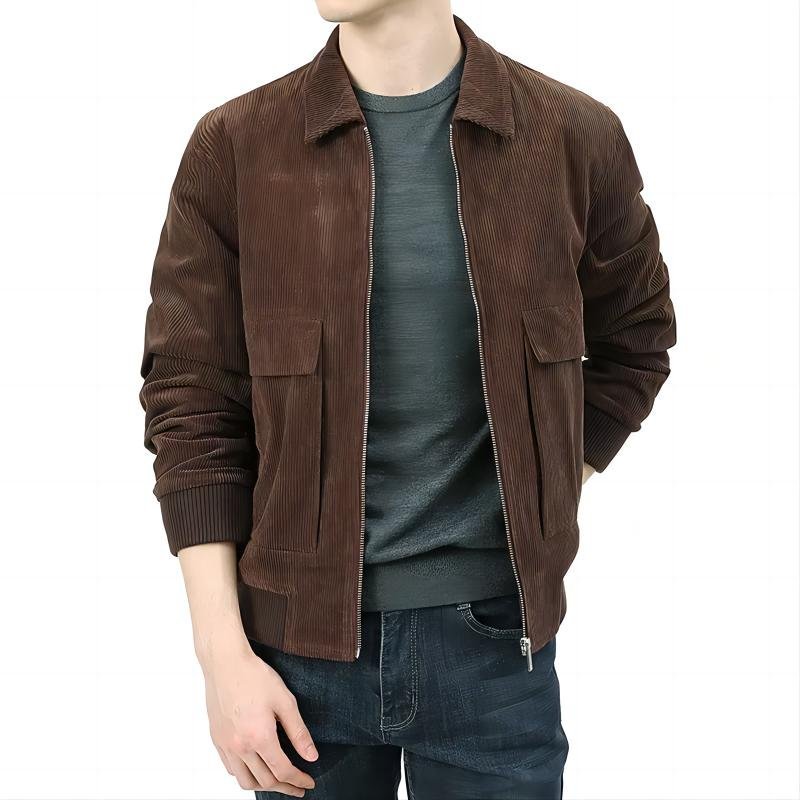
Hybrid constructions pair a water-resistant shell — typically 70D nylon — with 100–180 GSM cotton padding applied selectively to body zones while sleeves remain unpadded. Performance-leaning streetwear labels and outdoor-influenced retailers order this for its technical visual aesthetic.
4. Materials & Fabrics Used by a Cotton Padded Jacket Manufacturer
Every cotton padded jacket manufacturer works across three distinct material layers — shell, lining, and fill. Each carries measurable GSM ranges and performance trade-offs that directly affect warmth, drape, and OEKO-TEX or GRS certification eligibility.
| Fabric Type | Typical GSM | Hand-Feel | Use-Case | Sustainability Rating |
|---|---|---|---|---|
| Ripstop nylon-cotton | 160–200 | Crisp, durable | Active/streetwear shells | Low-moderate |
| Waxed cotton | 280–380 | Stiff, waxy | Heritage/workwear styles | Moderate |
| Plain twill | 180–240 | Smooth, soft | Fashion/lifestyle jackets | Moderate |
| Taffeta lining | 40–80 | Slippery, light | All jacket linings | Low-moderate |
| Fleece lining | 180–280 | Plush, warm | Cold-weather styles | Moderate (recycled option) |
| Raw cotton batting | 100–200 | Soft, natural | Eco-conscious fills | High — OEKO-TEX eligible |
| Recycled cotton fill | 120–180 | Lofted, medium | Sustainable collections | High — GRS eligible |
| Cotton-poly fill | 120–200 | Resilient | Budget/mid-range lines | Low-moderate |
Outer Shell Fabrics
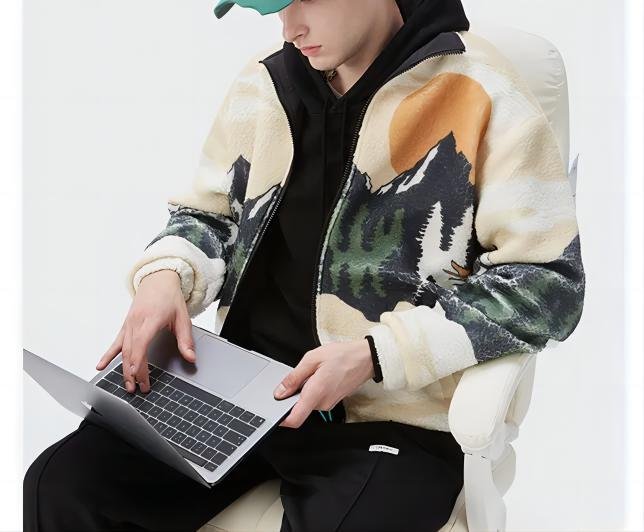
Ripstop nylon-cotton blends (160–200 GSM) resist tearing and suit active streetwear silhouettes. Waxed cotton (280–380 GSM) delivers weather resistance with a rugged hand-feel, while plain twill (180–240 GSM) offers softer drape for fashion-forward cuts.
Lining Options
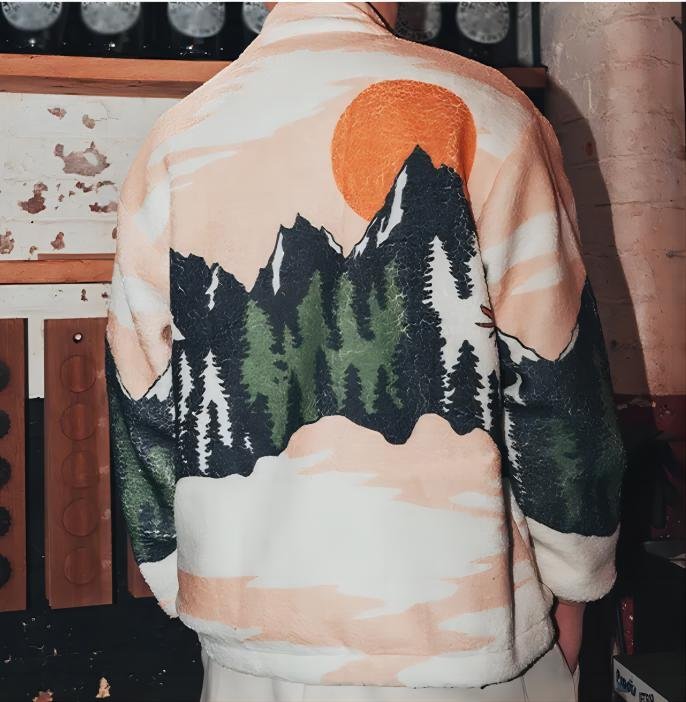
Taffeta (40–80 GSM) is the industry default — lightweight, slippery, and easy to layer over fill. Fleece linings (180–280 GSM) add loft and warmth; jersey (150–200 GSM) delivers a soft, athletic hand-feel suited to lifestyle and streetwear drops.
Fill Types and Sustainability
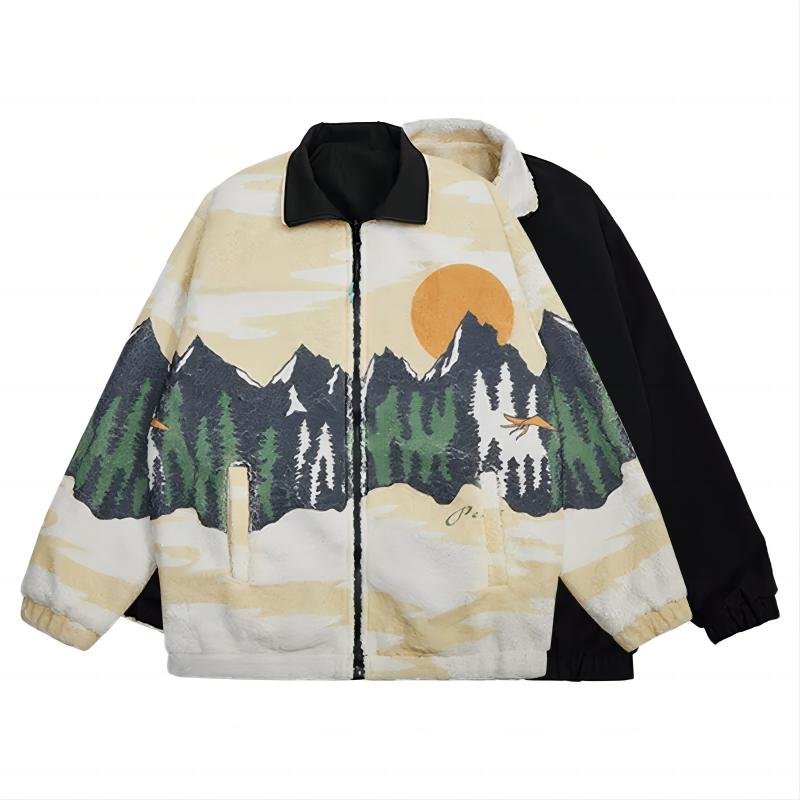
Raw cotton batting (100–200 GSM) is breathable and OEKO-TEX 100 certifiable, making it the cleanest fill choice. Recycled cotton fill blends post-consumer fiber with polyester at 120–180 GSM, qualifying for GRS recycled-content claims. Cotton-poly blends improve shape retention over pure cotton at a lower price point.
5. Customization & Decoration Options Offered by Manufacturers
A cotton padded jacket manufacturer can decorate virtually every panel, seam, and interior surface. Technique selection directly affects MOQ thresholds, lead time, and wash durability — all decisions best confirmed before first sampling.
| Technique | Placement | MOQ Impact | Durability |
|---|---|---|---|
| Custom quilting | Shell panels | No added MOQ | Permanent |
| Woven label | Neck, hem, cuff | 100 pcs min | Permanent |
| Embroidery | Chest, sleeve, back yoke | 50–200 pcs | Excellent |
| Screen print | Shell panels | 100 pcs min | Good (30–50 washes) |
| Heat transfer | Chest, back | 50 pcs min | Moderate (20–30 washes) |
| Woven patch | Sleeve, chest | 50 pcs min | Excellent |
| Custom zipper pull | Zipper tape | 300 pcs min | Permanent |
| All-over print lining | Interior panels | 200 pcs min | Good |
Quilting Patterns and Woven Labels
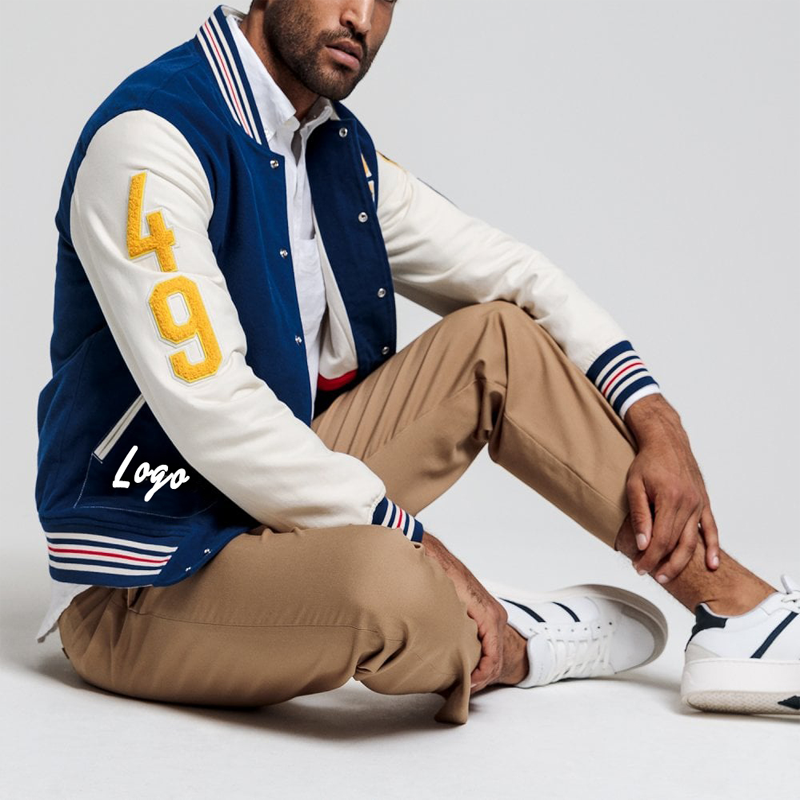
Custom stitch maps — box, diamond, chevron, or bespoke — carry no extra MOQ because quilting is sewn during primary production. Woven labels at the neck, hem, or cuff start from 100-piece minimums and remain durable for the garment’s full lifespan.
Embroidery, Screen Print, and Heat Transfer
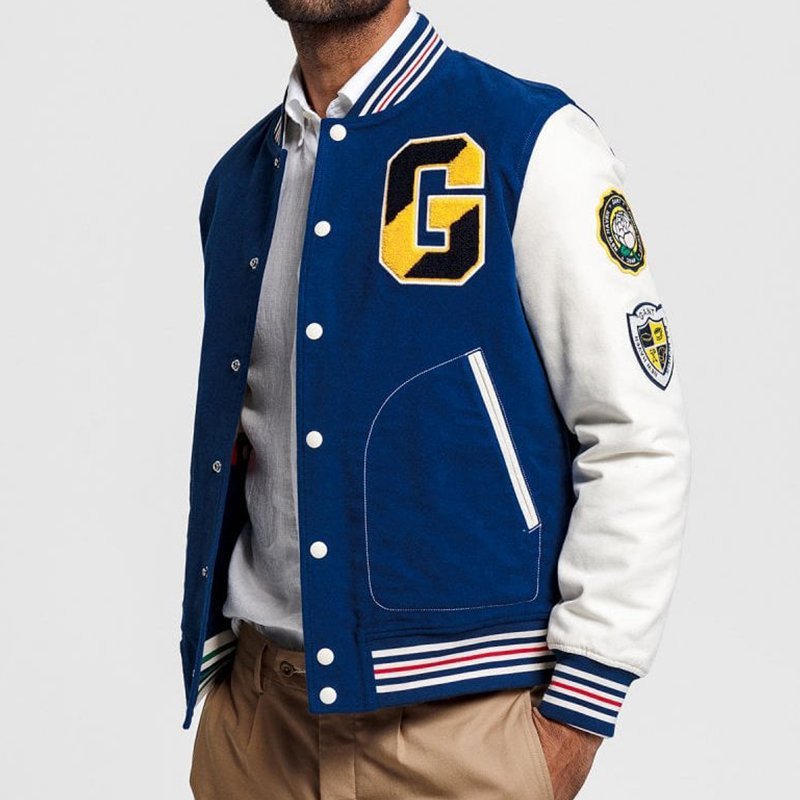
Chest, sleeve, and back-yoke embroidery typically activates at 50–200 pieces and withstands 4,000+ wash cycles — the gold standard for branded marks. Screen printing on shell panels suits bold graphic streetwear at 100-piece minimums but fades after roughly 30–50 washes without water-based ink upgrades.
Hardware, Patches, and Custom Linings
Custom branded zipper pulls — sourced from YKK or equivalent — require 300-piece minimums due to tooling costs. Woven and chenille patches apply at 50-piece minimums with excellent durability. All-over printed linings need 200+ pieces due to fabric printing minimums but deliver the strongest interior brand impression.
Private-Label Packaging Options
Polybag printing, branded hang tags, tissue wrapping, and shipper-box logos each carry independent MOQs of 100–500 pieces. Coordinating packaging Pantone colors with shell decoration ensures a consistent unboxing experience — critical for influencer and DTC brands.
6. Key Construction Quality Elements to Evaluate
Construction flaws in padded jackets rarely surface until after the first wash cycle. Buyers need concrete checkpoint language at the factory level to separate a reliable cotton padded jacket manufacturer from one that cuts corners.
Quilting Stitch Density and Tension
Specify 8–10 stitches per inch (SPI) on all quilting lines; deviation beyond ±1 SPI signals tension problems that cause fill migration over time.
Request a cross-section cut sample to verify even cotton distribution between channels before approving bulk production.
Baffle and Channel Integrity
Baffle walls sewn between shell and lining prevent fill migration — inspect channel ends for double-stitched closures with a minimum 1 cm seam allowance throughout.
A 30°C wash test on three pre-production units confirms channel integrity holds before the full batch runs.
Zipper Brand and Gauge Standards
YKK zippers carry a gauge rating — 3#, 5#, or 8# — indicating coil size and load tolerance; outerwear jackets require at minimum a 5# gauge.
Write zipper brand and gauge into the tech pack to prevent substitution with generic alternatives that fail at higher rates under cold-weather flex stress.
Bartack Reinforcement and Fill Weight
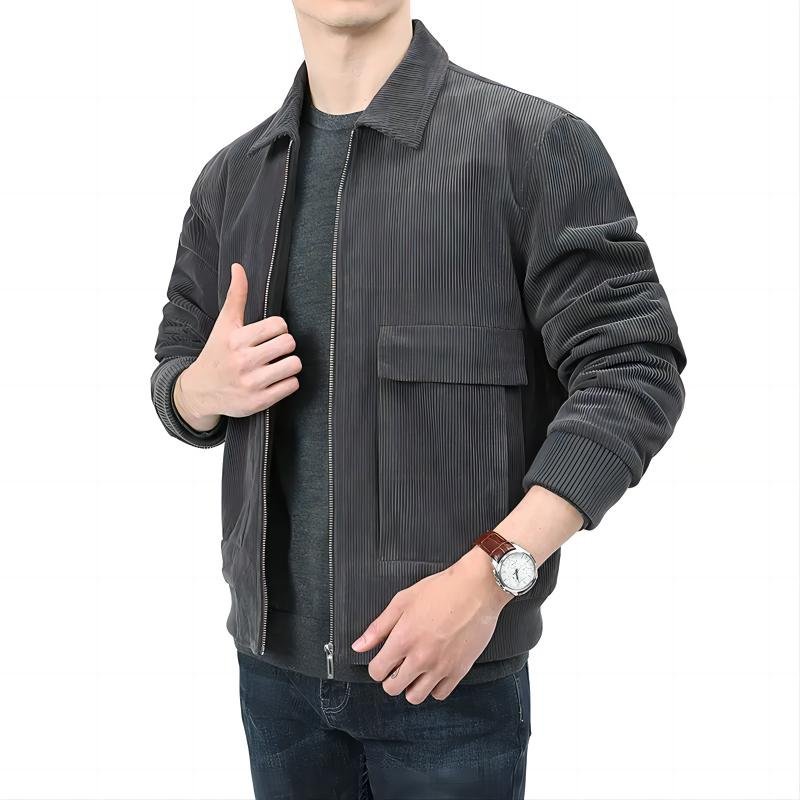
Bartack stitching — a dense zigzag block — must appear at pocket corners, zipper bases, and hood attachment points; its absence is a clear low-quality signal.
Specify fill weight tolerance of ±5 g per unit and request batch-level fill weight logs to catch warmth inconsistency across a retail run.
Shell Fabric Weight Verification
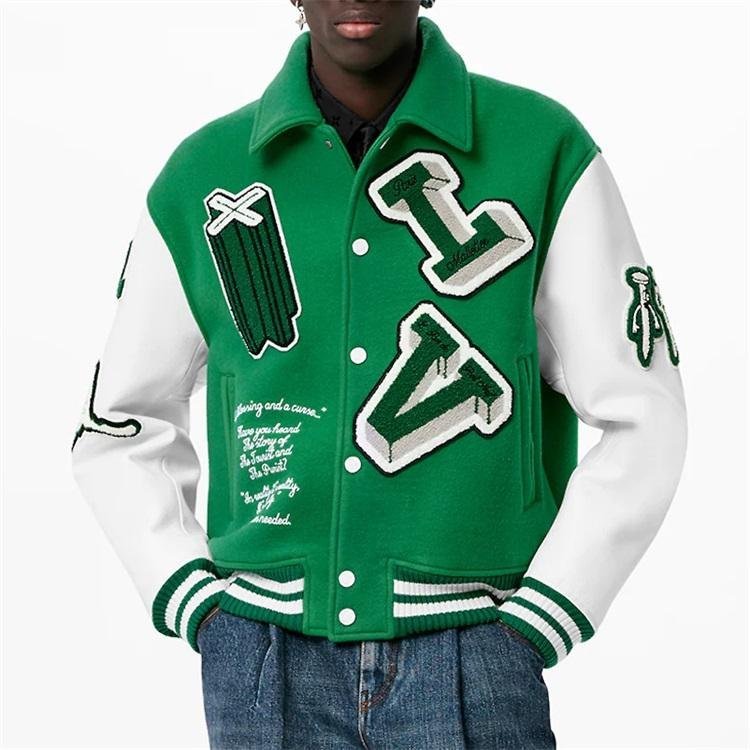
Shell fabric should measure 100–150 GSM for lightweight styles and 150–200 GSM for heavy outerwear; request a GSM test certificate per fabric lot.
Verify shell weight against the tech pack spec before cutting begins — substituting lighter fabric to reduce cost is a common tactic among low-quality producers.
7. How to Choose the Right Cotton Padded Jacket Manufacturer
Selecting the right cotton padded jacket manufacturer takes a disciplined framework, not guesswork. Fix your MOQ floor and landed-cost ceiling before outreach — those two filters eliminate most mismatched factories in the first pass.
Set Your MOQ and Budget Ceiling First
Mid-tier factories typically require 300–500 units per colorway; low-MOQ specialists like Clothing Manufacturer Ltd accommodate smaller initial runs suited to brand launches. Calculate landed cost — ex-factory price plus freight, duties, and QC fees — before comparing any quotes.
Audit Factory Certifications Rigorously
Demand OEKO-TEX Standard 100 for fill and shell fabric safety, GOTS for organic-cotton claims, BSCI or WRAP for social compliance, and ISO 9001 for process control. Verify each certificate number on the issuing body’s public registry — expired or unverifiable documents are an immediate disqualifier.
Evaluate Sample Speed and Communication
A capable factory returns a proto-sample within 7–14 days; delays beyond 21 days signal capacity or workflow problems. Send a test inquiry in English and measure response time — a coherent reply within 4 business hours with clear technical language signals reliable account management.
Score Portfolios, Fabric Libraries, and Red Flags
Request a fabric library showing GSM options (150–400 gsm for padded outerwear) and a client portfolio with comparable category experience. Score finalists on a weighted matrix: certifications (30%), sample turnaround (25%), communication (20%), MOQ flexibility (15%), price competitiveness (10%).
- Green: Published OEKO-TEX or BSCI certificate number verifiable on the issuing body’s registry
- Green: Proto-sample delivered within 10 days, annotated with a full tech spec sheet
- Green: English-fluent account manager replies within 4 business hours consistently
- Red: No mid-production QC checkpoints — quality inspection only at the final stage
- Red: Refuses to share reference client names or comparable outerwear production photos
8. Common Mistakes Buyers Make When Sourcing a Manufacturer
Even seasoned buyers repeat costly sourcing errors when partnering with a cotton padded jacket manufacturer for the first time. Catching these six mistakes before placing an order protects your margins, brand reputation, and launch schedule.
Skipping Pre-Production Samples to Save Cost
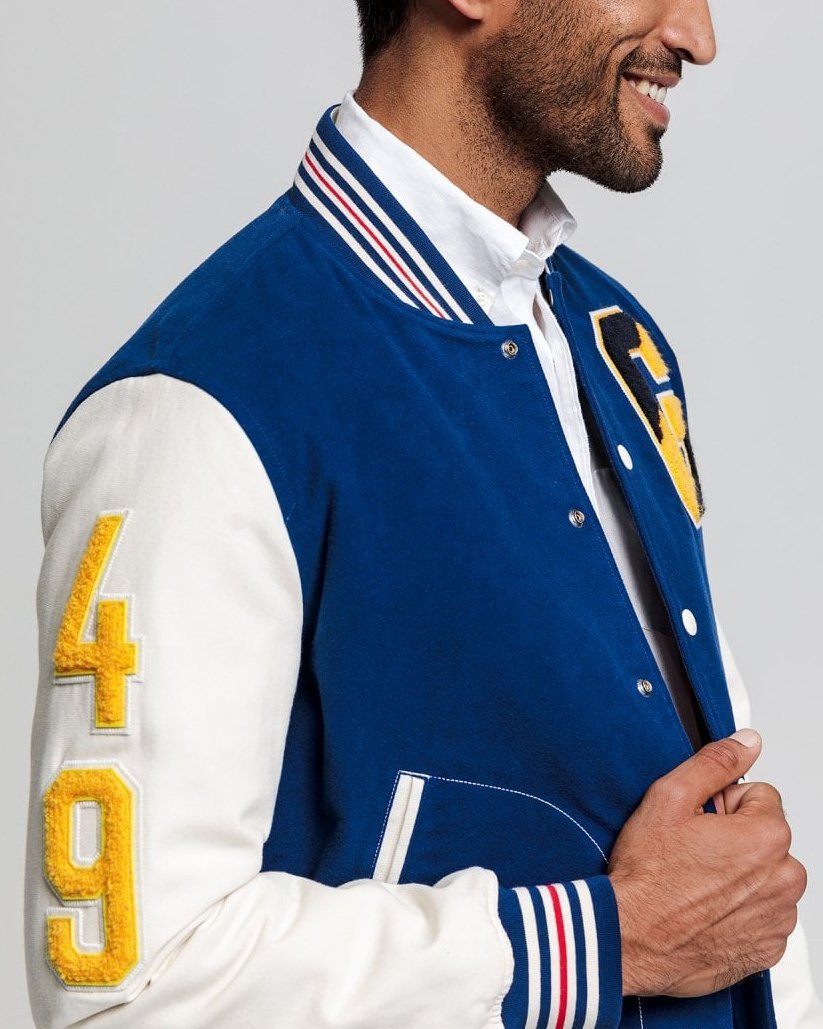
Bypassing samples to avoid the $150–$300 sampling fee is the most expensive shortcut in apparel sourcing. Always approve a sealed pre-production sample before authorizing bulk cutting — it locks in fit, fill loft, and stitching standards.
Failing to Specify Fill GSM in Writing
Verbal agreements on fill weight are unenforceable. Specify cotton fill GSM — typically 80–200 g/m² depending on warmth rating — in your purchase order and tech pack; factories without a written spec routinely under-stuff garments to cut material costs.
Ignoring Lead-Time Buffers for Holiday Drops
Holiday orders placed fewer than 90 days out frequently arrive late. Add a 15–20% buffer to the factory’s quoted lead time and confirm sea-freight booking windows at order placement, not after production closes.
Choosing Factories on Price Alone
A per-unit quote 20–30% below market average almost always signals skipped QC stages or inferior fill material. Request a factory audit or five-step QC documentation — covering materials, cutting, craft, sewing, and finished-goods inspection — before signing any contract.
Not Requesting Lab Test Reports for Fill Content
Fill content fraud — labeling recycled fiber as cotton — is common and carries regulatory risk in EU and US markets. Request OEKO-TEX or third-party lab test reports certifying actual fiber composition before accepting any bulk shipment.
Overlooking IP and Design Protection Clauses
Design theft is a documented risk when sharing proprietary patterns with overseas factories. Include non-disclosure and IP ownership clauses in every contract, specifying that all patterns, tech packs, and tooling remain the buyer’s exclusive property.
9. Steps to Launch Your Brand With a Cotton Padded Jacket Manufacturer
Launching a streetwear drop or influencer merch run with a cotton padded jacket manufacturer follows a predictable seven-step sequence. Compressing that cycle — without skipping QC — is what separates on-time sellouts from missed season windows.
Brief, Tech-Pack, and Factory Shortlisting
A complete tech-pack includes flat sketches, fabric GSM (typically 200–300 GSM for the shell), Pantone color codes, stitch count, and hardware specs such as YKK zippers.
Send identical RFQs to 3–5 factories simultaneously and compare MOQ tiers, sample lead times (7–14 days is standard), and quality certifications such as OEKO-TEX or BSCI.
Sample Ordering and Fit Approval
Order at least 2 samples per colorway; streetwear drops often require 3–4 revision rounds to confirm graphic placement, silhouette, and fill weight.
Clothing Manufacturer Ltd.’s five-step QC process begins at the materials stage, so sample fabrics already pass materials and cutting checks before prototypes reach your hands.
Bulk Placement, Deposit, and In-Line QC
Standard trade terms require a 30% deposit on bulk order confirmation, with the balance settled before shipment.
Request in-line inspection reports covering cutting and sewing stages — Clothing Manufacturer Ltd. runs four QC checkpoints before final inspection, surfacing defects early rather than at end-of-line when corrections cost significantly more.
Freight, Customs, and Reorder Trigger
Influencer merch timelines typically allow 25–35 days sea freight or 5–7 days air from Guangdong Province. Confirm HS codes for padded outerwear (6201 or 6202 series) with your customs broker before goods ship to avoid port delays.
Set a reorder trigger at 30% remaining inventory so the next bulk run lands before stockout and your drop’s momentum carries into the follow-up release.
10. Pricing & Cost Breakdown for Cotton Padded Jacket Manufacturing
Unit pricing at a cotton padded jacket manufacturer scales sharply between 50 and 300 units, where fabric roll minimums are typically satisfied and per-cut waste drops noticeably.
Fill GSM, shell fabric grade, and hardware specs are the three largest per-unit cost levers outside of quantity: upgrading from 150 GSM to 300 GSM cotton fill adds roughly $2–4 per unit; switching from a generic polyester taffeta shell to 300D nylon ripstop adds $3–6; and specifying YKK zippers over unbranded pulls adds $0.50–1.50 per zipper pull.
- Custom quilting pattern: $80–$150 one-time setup fee; $0.80–$1.50 per-unit add-on cost.
- Embroidery setup (per placement): $30–$80 digitizing fee; $1.20–$3.00 per unit by stitch count.
- Woven label setup: $60–$100 plate fee; $0.08–$0.20 per label at production volume.
- Hang-tag printing (4-color offset): $50–$120 setup fee; $0.05–$0.15 per tag.
| Quantity Tier | Est. Unit Price (USD) | Lead Time | Sample Cost (USD) |
|---|---|---|---|
| 50 units | $28–$42 | 25–30 days | $120–$180 |
| 100 units | $22–$34 | 22–28 days | $100–$150 |
| 300 units | $17–$26 | 20–25 days | $80–$120 |
| 500 units | $14–$21 | 18–23 days | $60–$100 |
| 1,000+ units | $10–$16 | 15–20 days | $50–$80 |
Partner With a Trusted Cotton Padded Jacket Manufacturer Today
Seasonal collections ship in 60 days — low MOQ, 5-step QC, and global logistics for brands ready to scale.