
Suede Jacket Manufacturer for Streetwear Brands — Low MOQ, Premium Quality
Partner with a trusted suede jacket manufacturer offering 5-step QC, in-house design, and flexible low minimums for fashion startups and global streetwear brands.
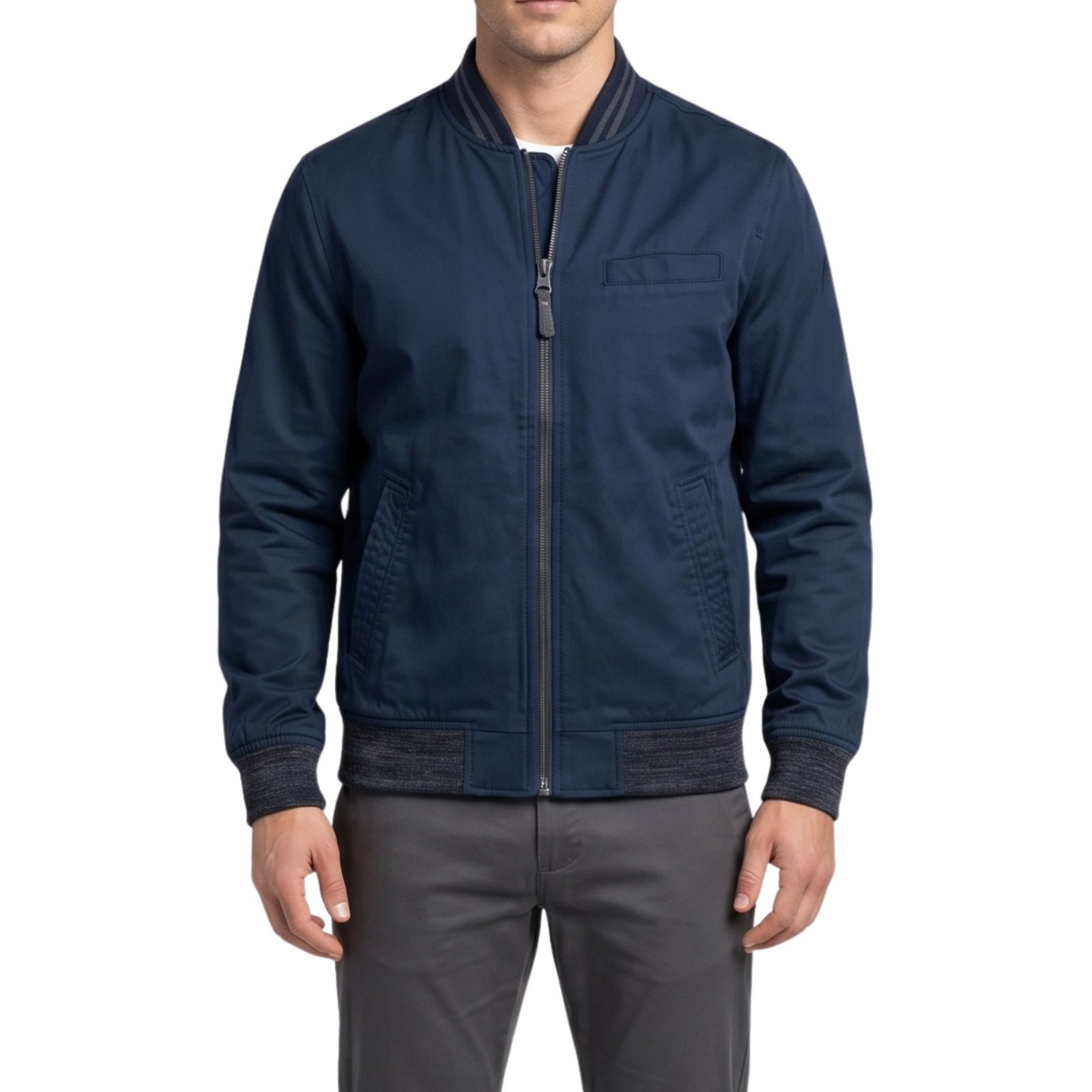
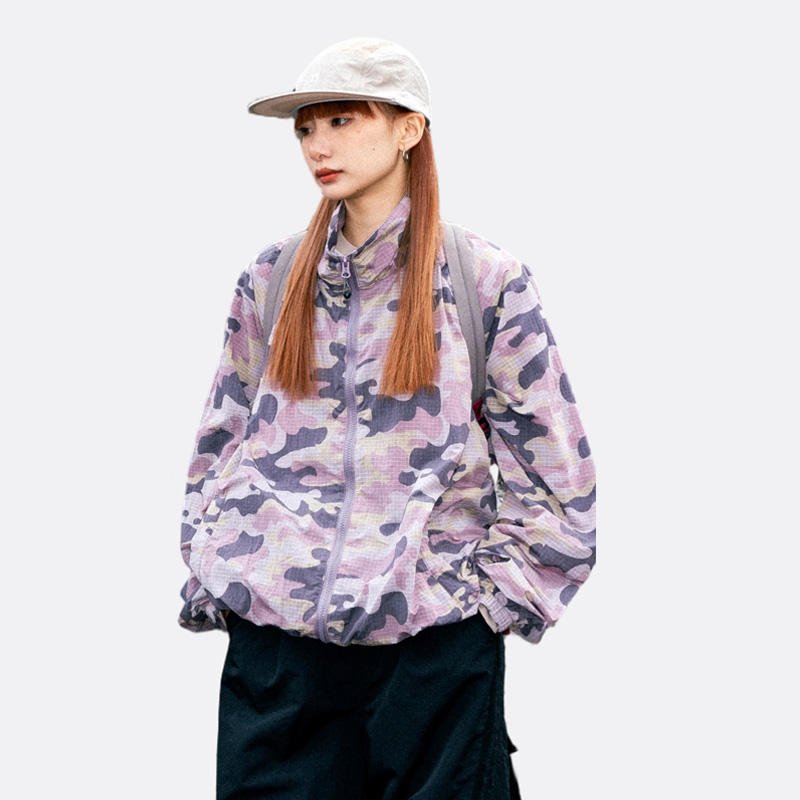
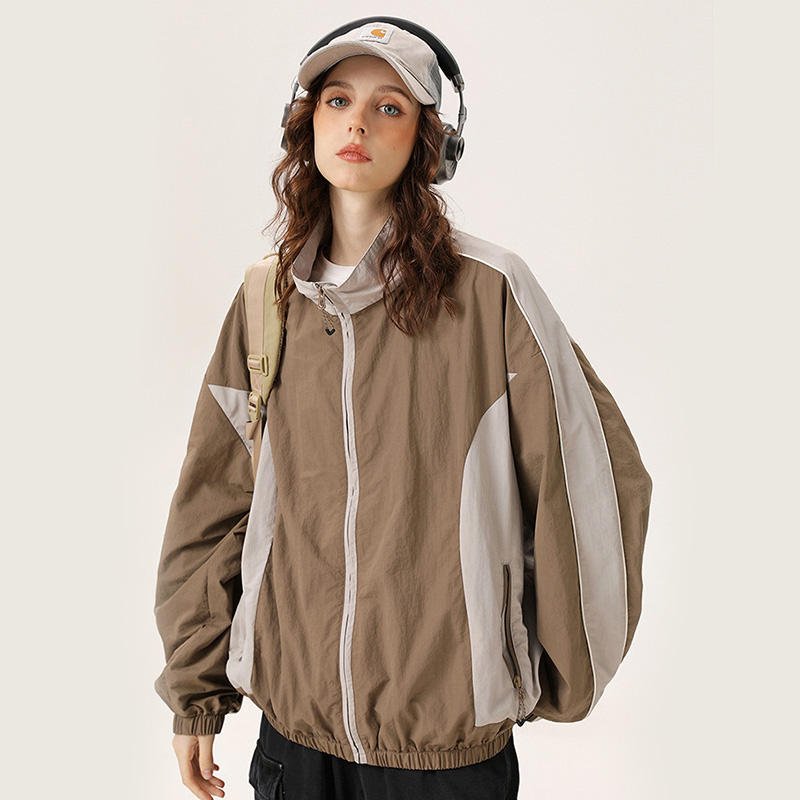
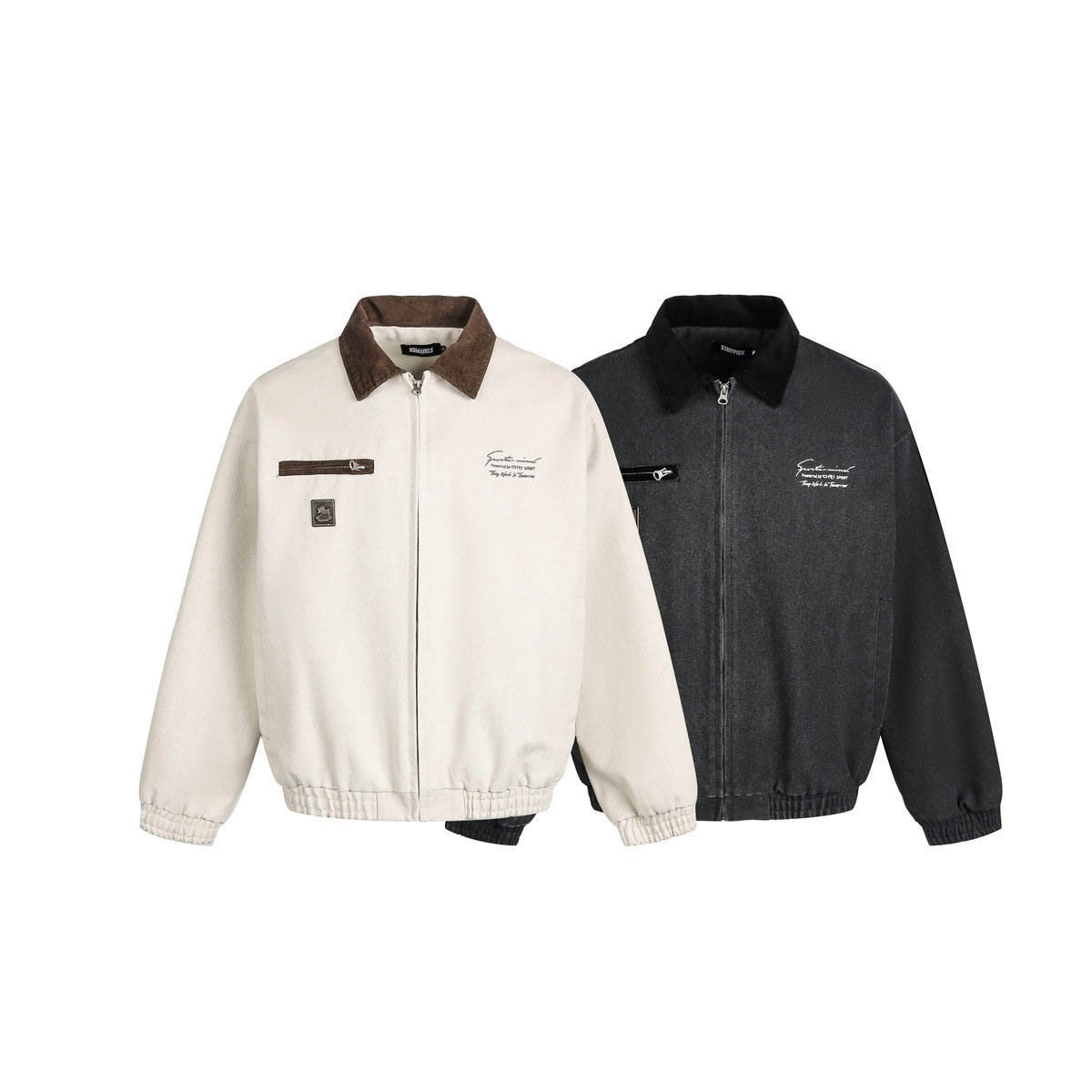
Suede Jacket Collections — Premium Styles & Finishes
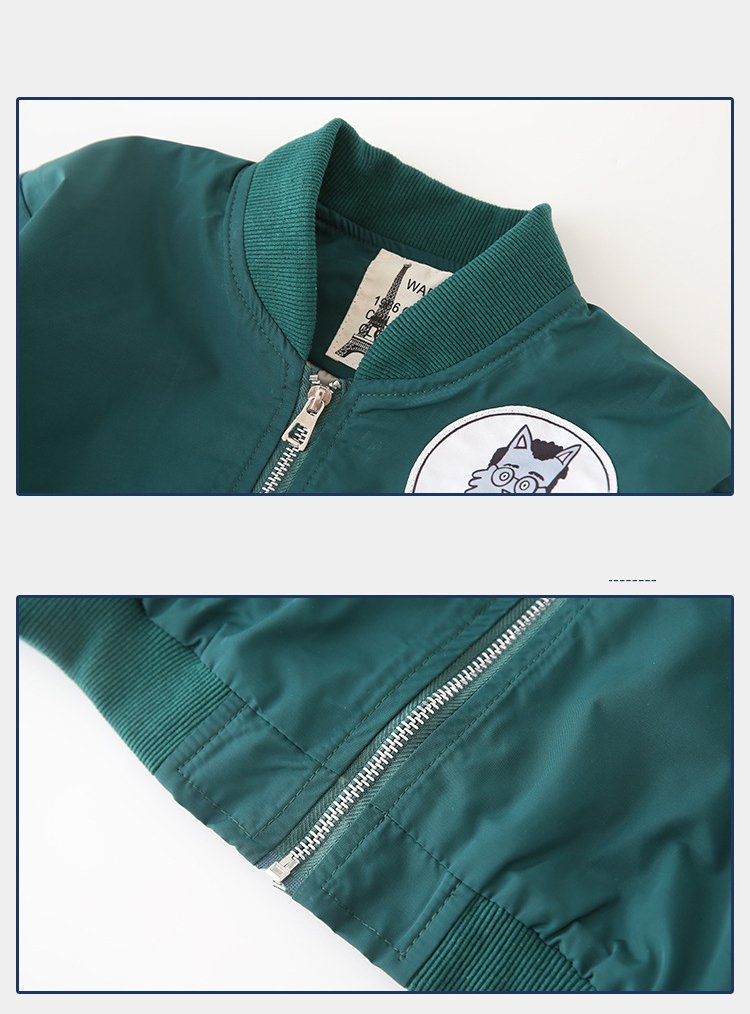
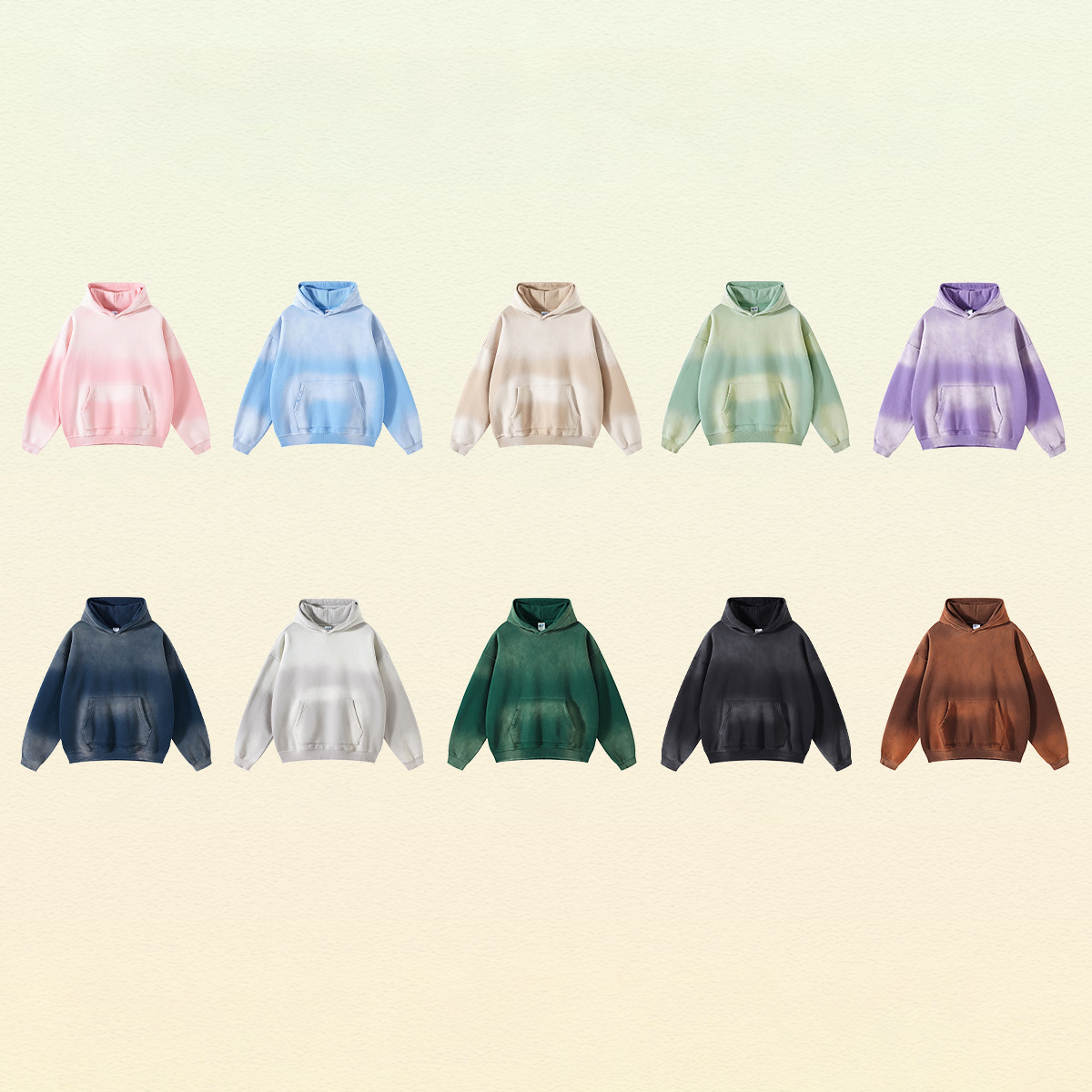
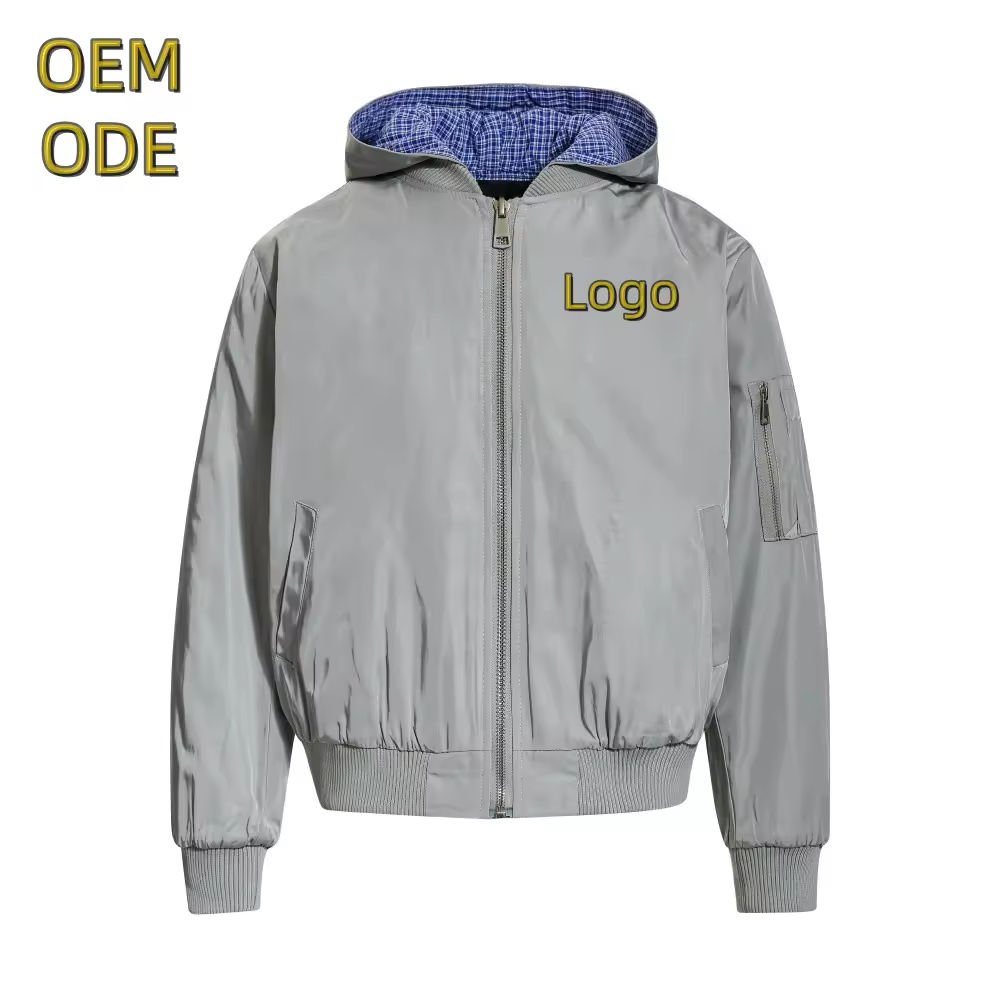
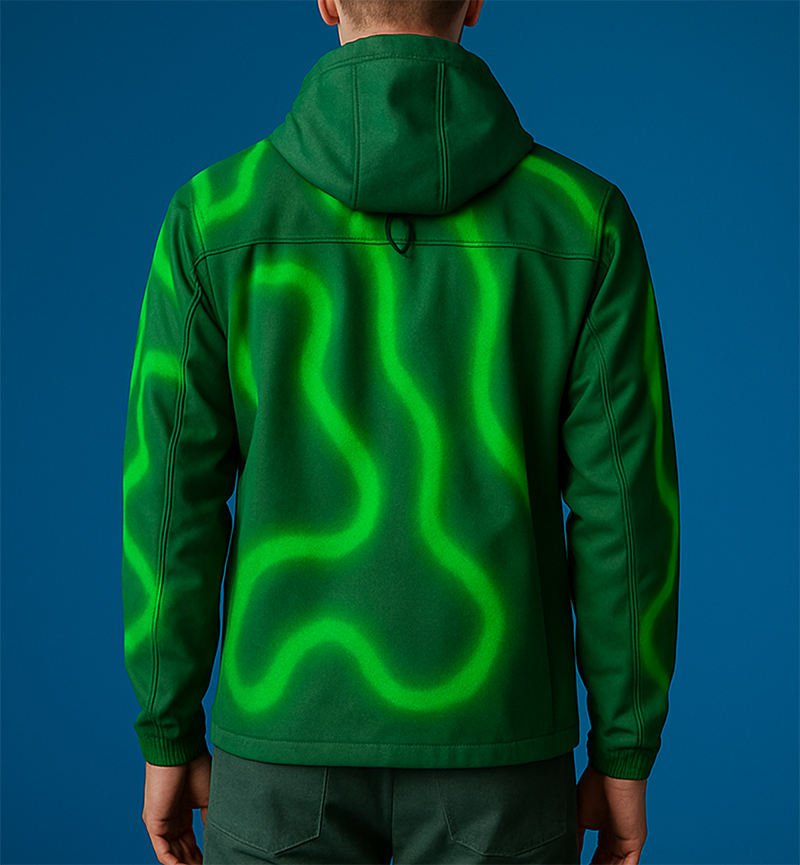
Why Choose Our Suede Jacket Manufacturer
5-Step QC Guarantee
Every suede jacket passes rigorous quality checks at materials, cutting, craft, sewing, and final inspection stages before shipment.
Low MOQ for Startups
Launch your suede jacket line without massive inventory risk. We support emerging brands with flexible minimum order quantities.
Fast Sampling & Turnaround
In-house design team delivers quick samples and fast production cycles to meet your seasonal collection deadlines every time.
Streetwear Design Expertise
Our 15-member R&D team specializes in trend-driven streetwear aesthetics, bringing bold suede jacket designs to life flawlessly.
Global Shipping & Logistics
Seamless international shipping to over 100 countries with full customs support, tracking, and on-time delivery guarantees.
10+ Years Manufacturing Experience
Backed by a decade of apparel production expertise and proven processes that ensure consistent, premium suede jacket quality.
Suede Jacket Manufacturer for Every Streetwear Vision
From classic biker styles to oversized streetwear cuts, we bring your suede jacket designs to life with precision craftsmanship and flexible customization.
Oversized Suede Bomber Jackets
Streetwear brands struggle to find manufacturers who understand oversized fits and can maintain consistent proportions across sizes while delivering the relaxed, trend-driven silhouette their audience demands.
We produce oversized suede bombers with precise pattern grading and streetwear-specific fit expertise, ensuring every piece captures the authentic dropped-shoulder aesthetic your brand needs to stand out.
Custom Biker Jacket Designs
Independent designers need biker-style suede jackets with custom hardware, unique collar treatments, and asymmetric zippers, but most manufacturers lack the technical skills or refuse low-quantity orders.
Our in-house design team collaborates on custom biker jacket details—from moto collars to branded zippers—with low MOQs perfect for emerging brands testing new collections and building influencer buzz.
Embroidered & Printed Suede Jackets
Fashion startups want bold back prints, intricate embroidery, and custom graphics on suede, but worry about artwork distortion, color accuracy, and damage to delicate suede materials during decoration.
We execute complex embroidery and screen printing on suede with specialized equipment and QC testing at every stage, delivering vibrant, precise artwork that enhances your jackets without compromising material integrity.
Classic Fit Suede Jackets
Global retailers require timeless suede jacket styles with refined tailoring and consistent quality across large production runs, but need a partner who can scale without sacrificing craftsmanship or delivery speed.
Our 5-step quality control process ensures every classic suede jacket meets premium standards from cutting through final inspection, with scalable production capacity and global logistics support for retail-ready orders.
Influencer Capsule Collections
Influencer brands launching limited suede jacket drops need fast turnaround, trend-aligned designs, and Instagram-worthy quality, but can't commit to massive order quantities or long lead times that kill momentum.
We specialize in rapid sampling and short-run production for creator brands, delivering trend-driven suede jackets with premium finishes in time for seasonal launches, helping you build hype and sell out fast.
Premium Suede & Leather Materials for Every Suede Jacket Manufacturer
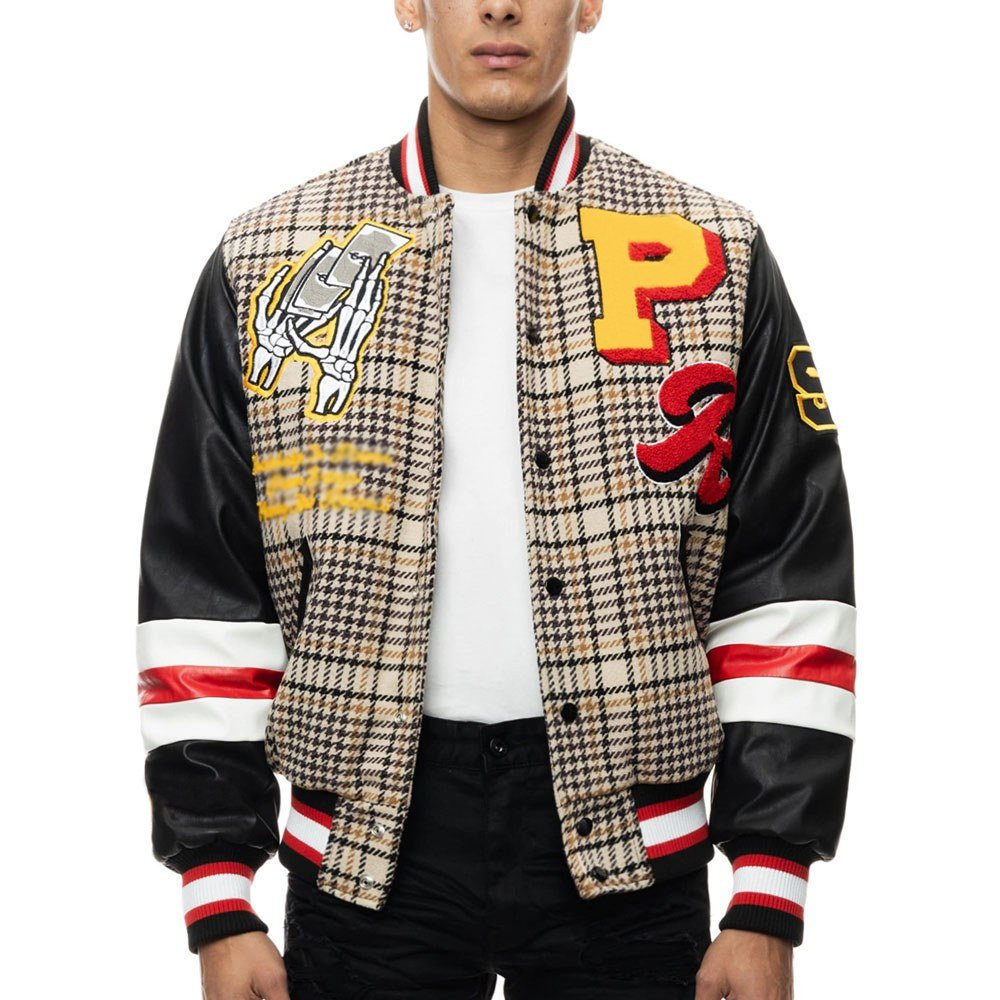
Lamb Suede
Ultra-soft, lightweight suede with a velvety nap and luxurious drape. Ideal for premium streetwear jackets requiring refined texture. Typically 0.6–0.8mm thickness with excellent breathability and natural stretch for comfort.
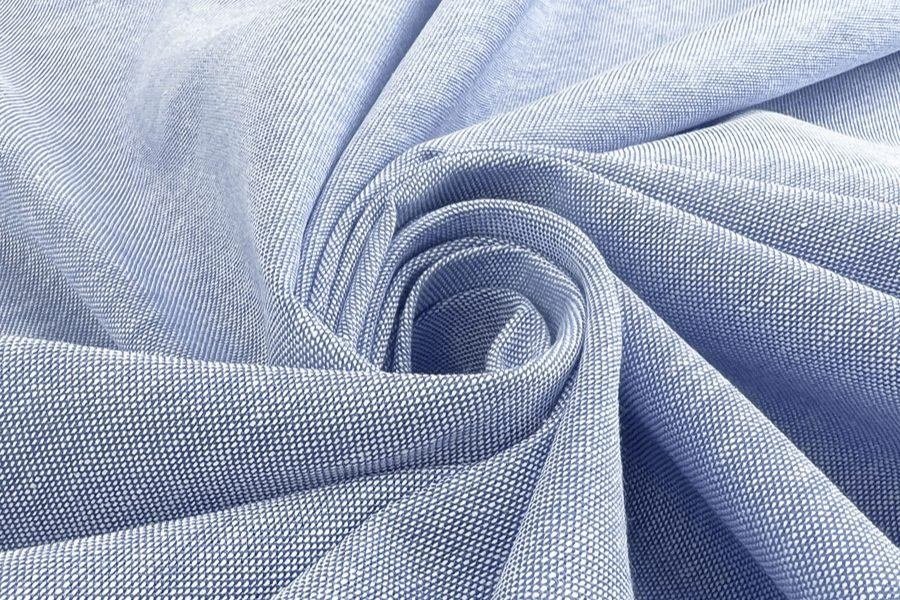
Cow Suede
Durable, medium-weight suede with robust texture and superior abrasion resistance. Perfect for everyday streetwear outerwear that balances style and longevity. Standard thickness 0.9–1.2mm with firm hand-feel and consistent grain.
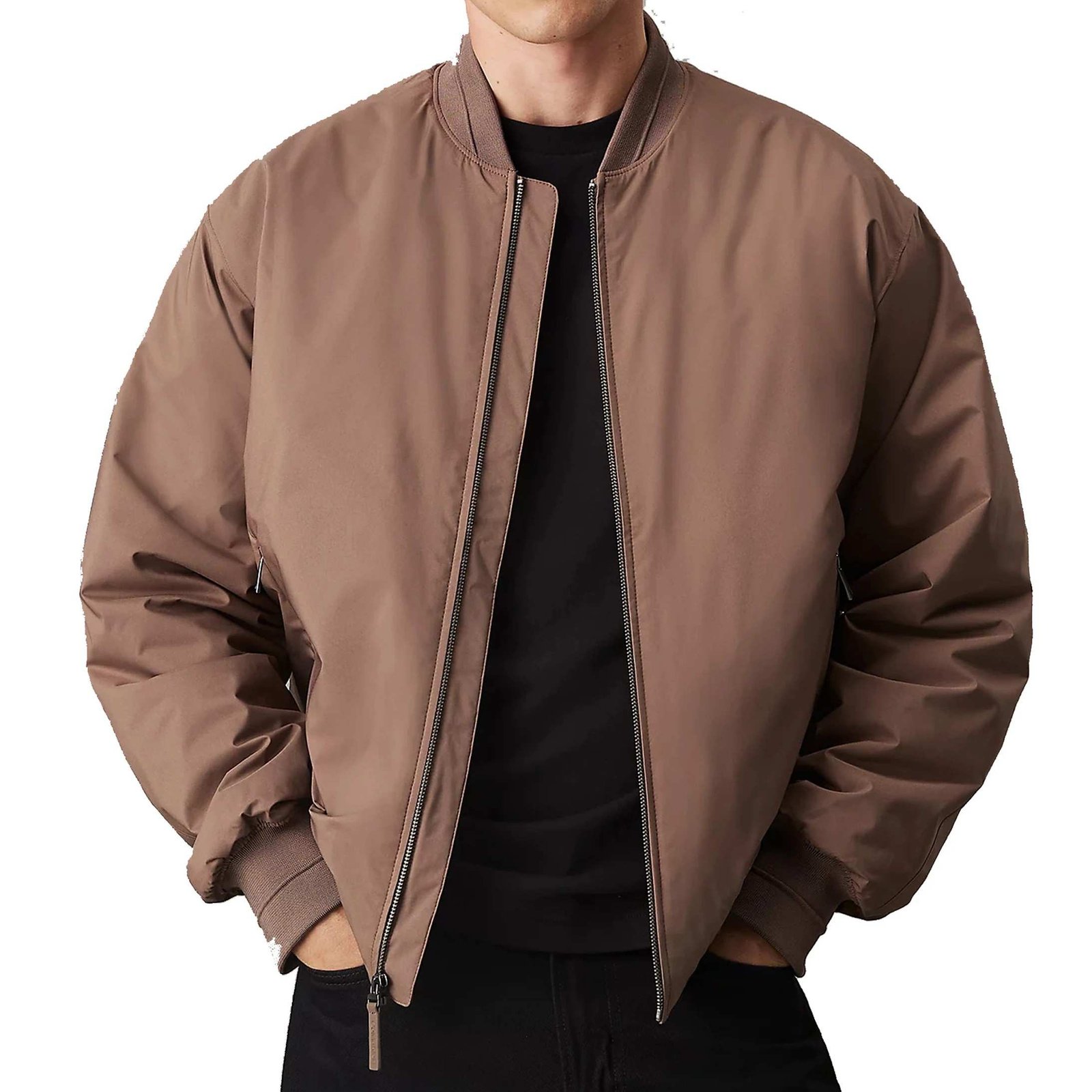
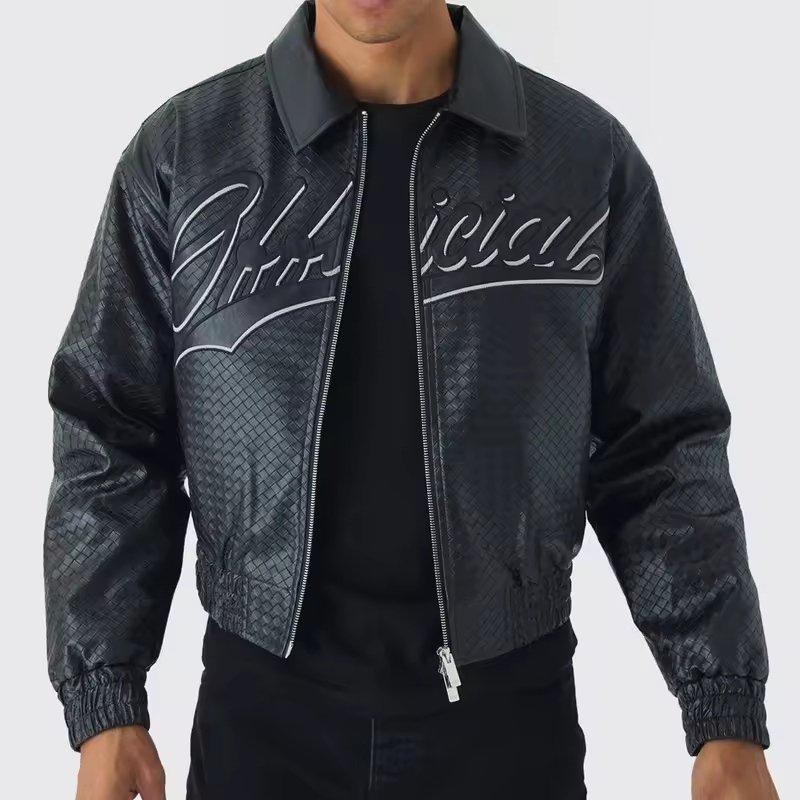
Premium Faux Suede
High-quality synthetic suede with consistent texture and animal-friendly production. Delivers authentic suede aesthetics at accessible price points for emerging brands. Uniform thickness with excellent colorfastness and easy-care properties.
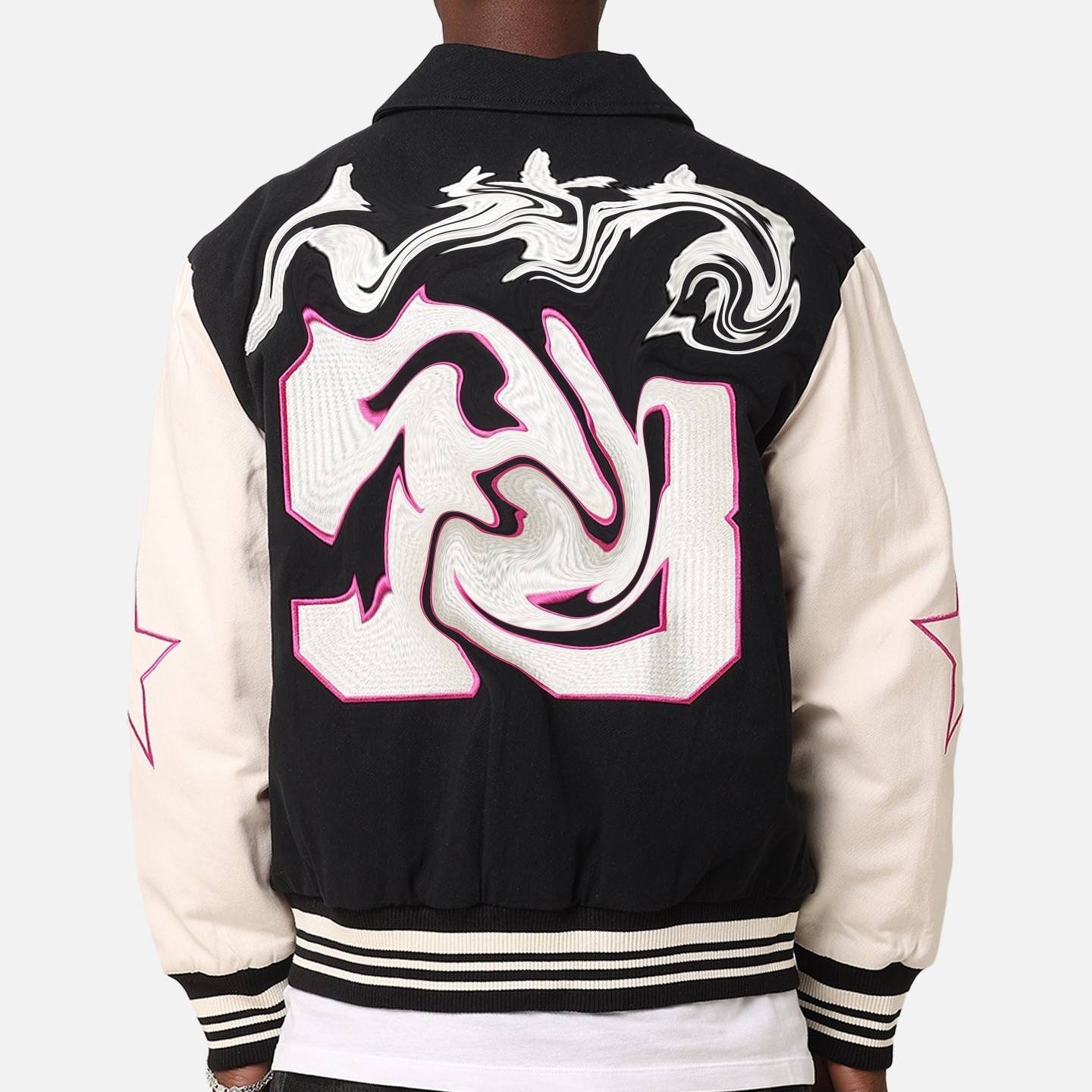
Split Suede
Cost-effective genuine leather suede from the lower hide layer with natural texture. Ideal for trend-driven collections requiring authentic material at volume pricing. Thickness 0.7–1.0mm with characteristic rustic appearance and breathability.
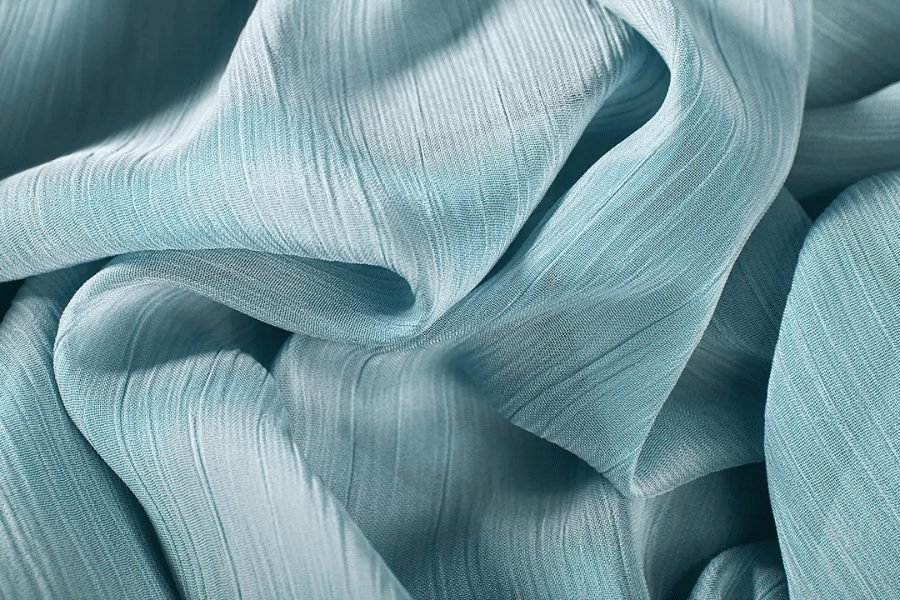
Microfiber Suede
Advanced synthetic material engineered for superior durability and stain resistance. Perfect for performance streetwear requiring low-maintenance, weather-resistant properties. Consistent weight with enhanced tensile strength and color retention.
Advanced Suede Jacket Manufacturer Production Techniques
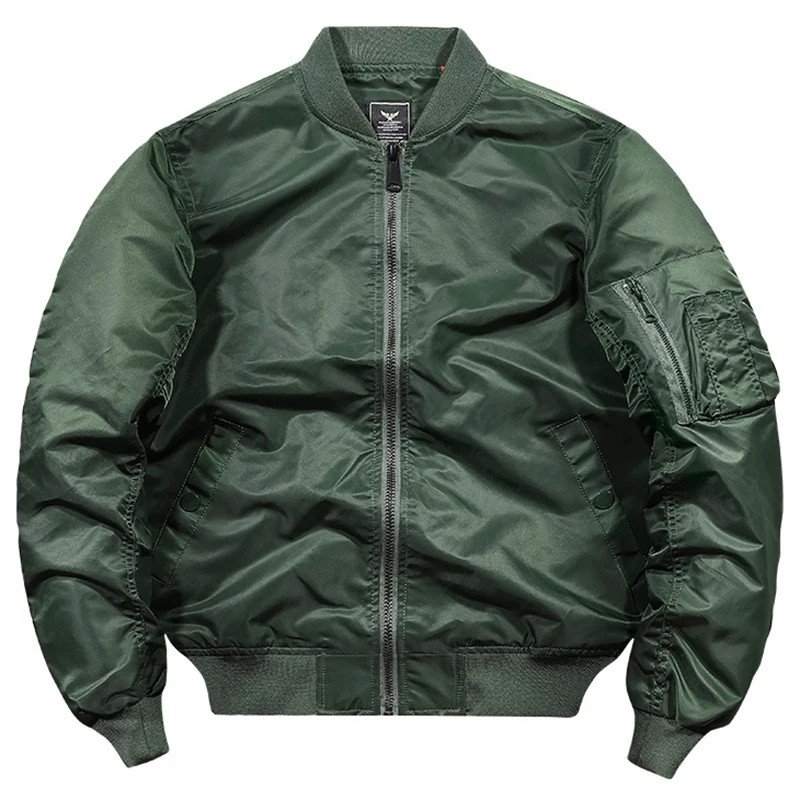
Precision Hand-Cutting
Expert pattern cutting tailored to suede’s unique grain and texture ensures zero material waste and perfect panel alignment. Every piece is cut with meticulous attention to nap direction for consistent color depth and luxurious visual appeal across your entire jacket.
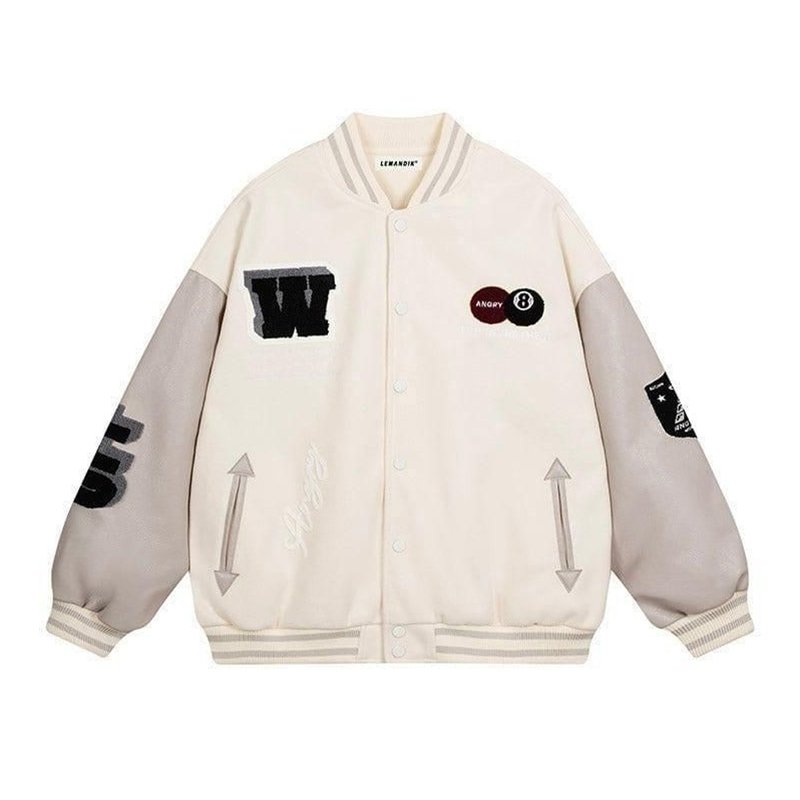
Reinforced Stitching
Specialized needle techniques and thread selection designed specifically for suede prevent tearing and puckering while maintaining clean, flat seams. Our precision stitching delivers structural integrity and a refined finish that withstands daily streetwear use without compromising aesthetics.
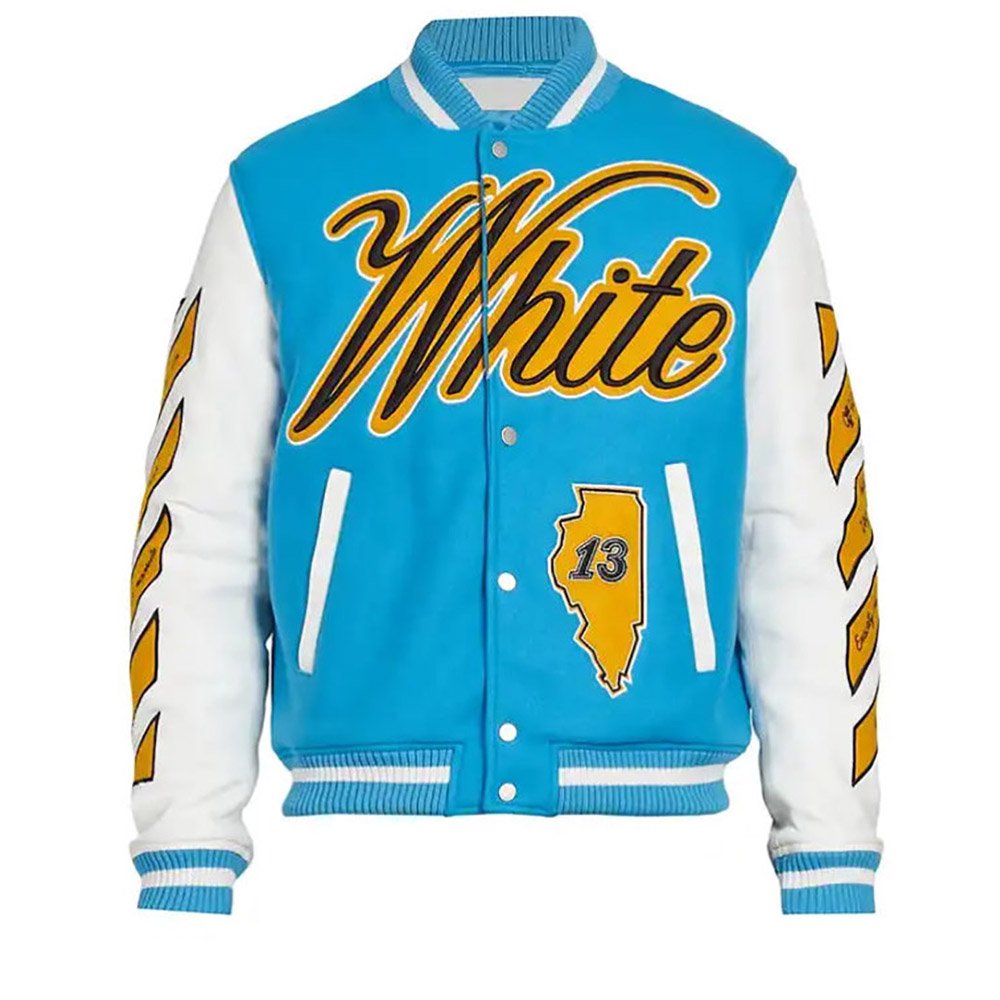
Custom Embroidery
High-density embroidery with backing stabilizers creates bold logos, intricate designs, and dimensional artwork on suede without distortion. Perfect for streetwear branding, our embroidery process ensures crisp detail and long-lasting color vibrancy that elevates your jacket’s visual impact.
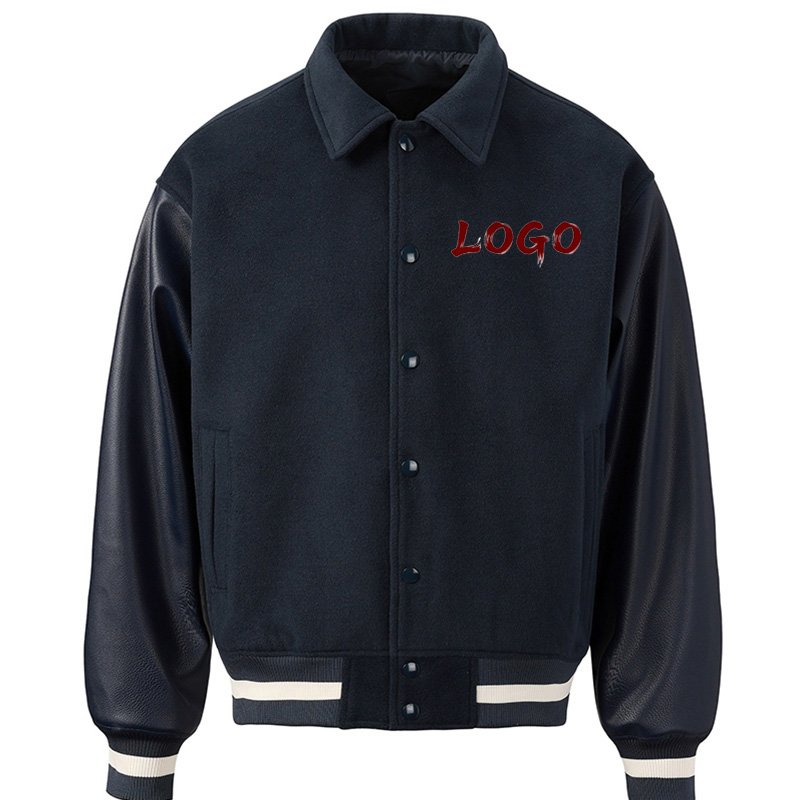
Screen Printing
Specialty suede-compatible inks deliver vibrant graphics, oversized prints, and statement designs with excellent adhesion and flexibility. Our screen printing process creates eye-catching streetwear elements that resist cracking and fading while maintaining the suede’s natural texture and breathability.
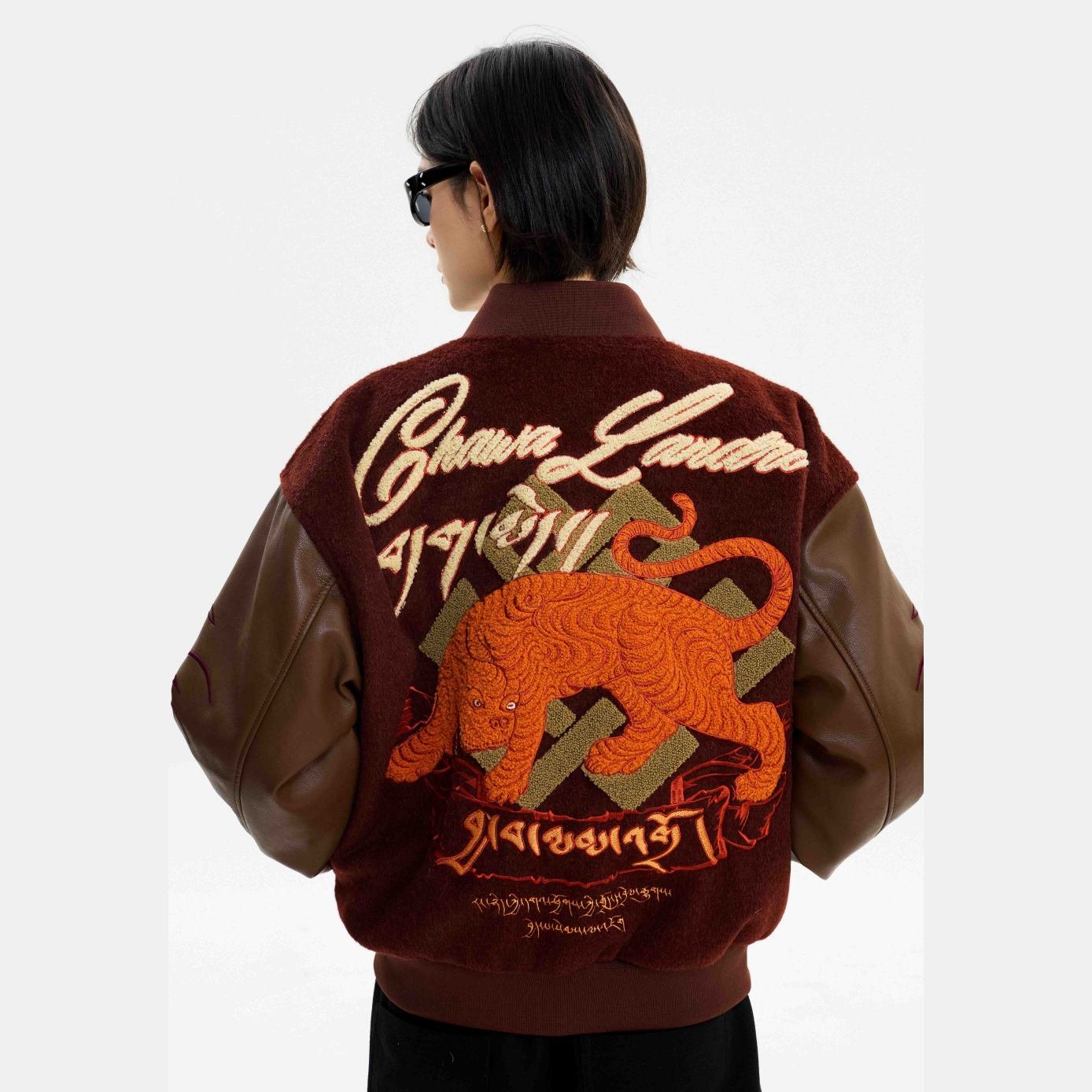
Heat Transfer Application
Precision heat-press technology applies patches, metallic foils, and graphic transfers with controlled temperature to prevent suede damage. This process enables complex multi-color designs and reflective details that add depth and streetwear edge to your custom jackets.
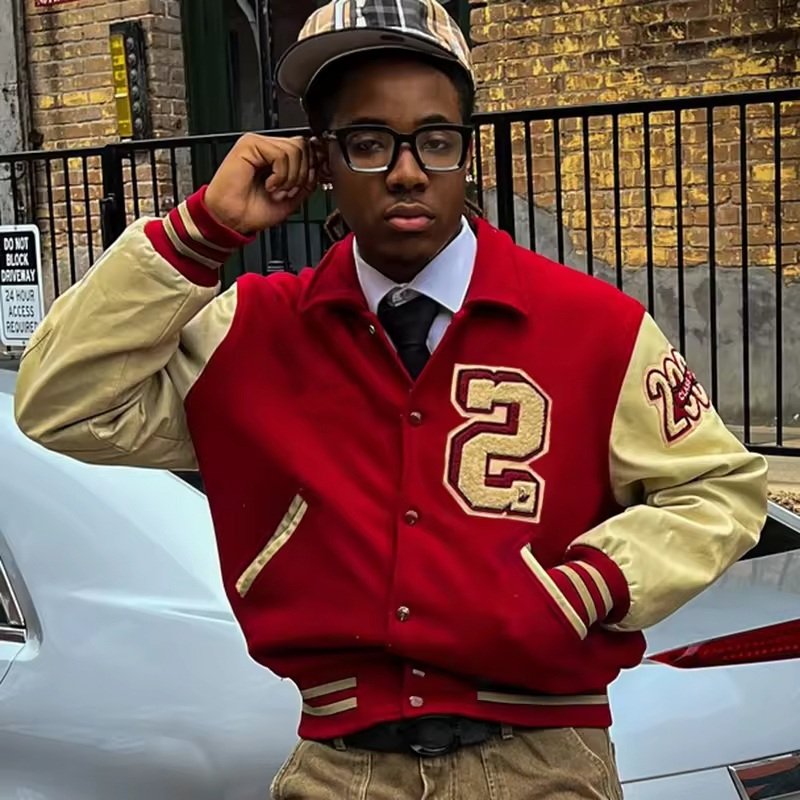
Hardware Installation
Expert application of zippers, snaps, rivets, and custom metal trims using reinforced backing ensures secure attachment without suede tearing. Our hardware installation process combines functional durability with design-forward aesthetics, delivering the premium details streetwear customers expect.
Premium Hardware & Trims for Suede Jacket Manufacturer Excellence
YKK Zippers
Industry-leading zippers engineered for smooth operation and long-lasting durability. Perfect for front closures, chest pockets, and sleeve details on suede jackets where quality hardware reflects premium craftsmanship.
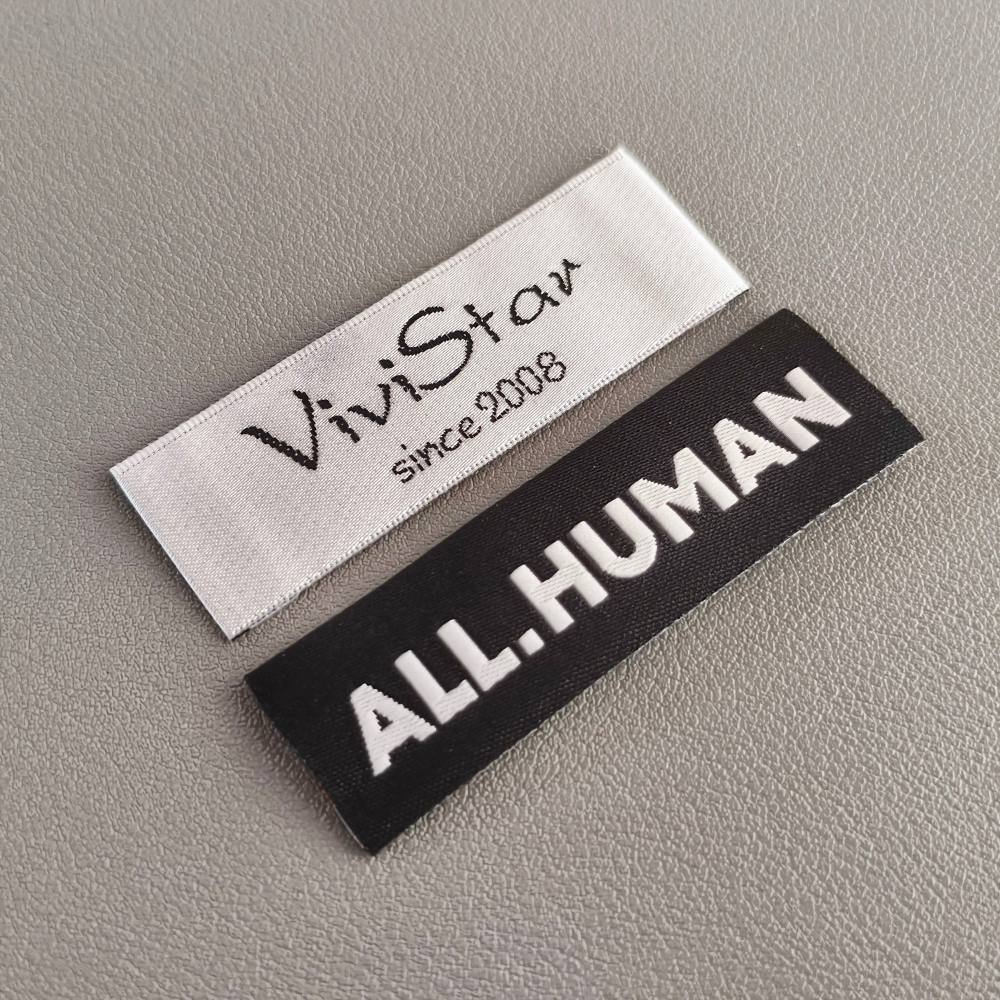
Custom Leather Patches
Debossed or embossed genuine leather patches that showcase your logo with tactile luxury. Ideal for sleeve branding, interior labels, or back neck placement on suede jackets for distinctive brand recognition.
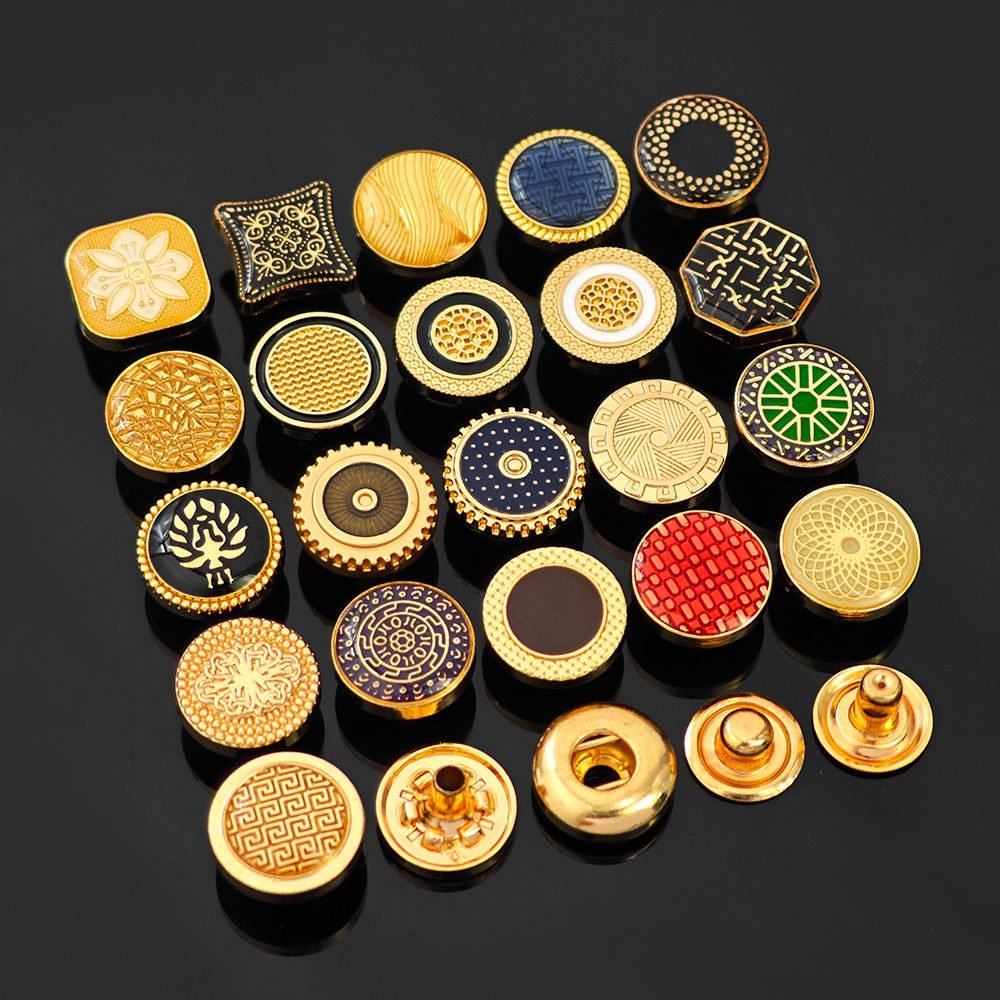
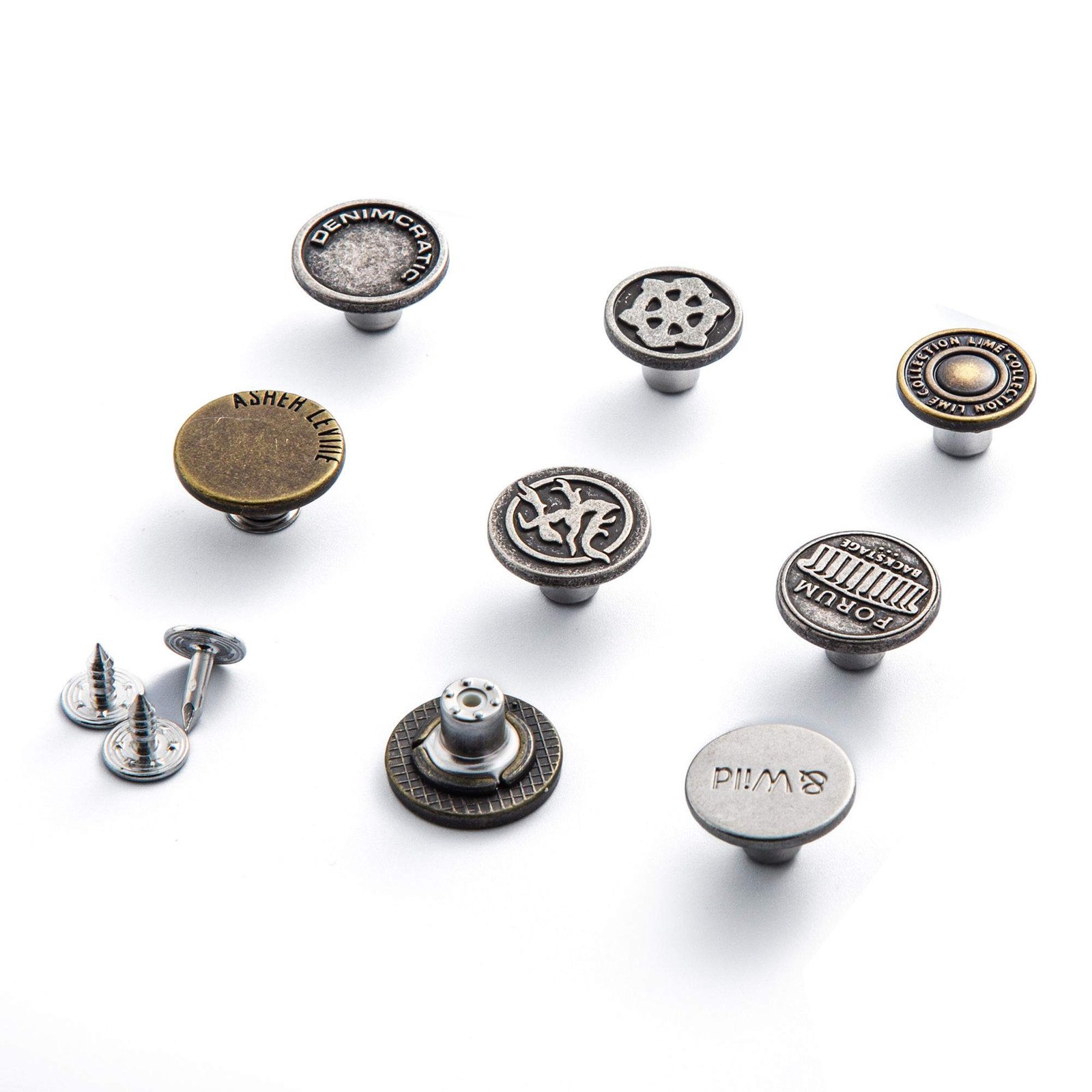
Metal Snap Buttons
Heavy-duty snap fasteners in brushed nickel, antique brass, or matte black finishes. Essential for cuffs, collar closures, and pocket flaps on suede jackets, combining functional strength with streetwear aesthetic appeal.
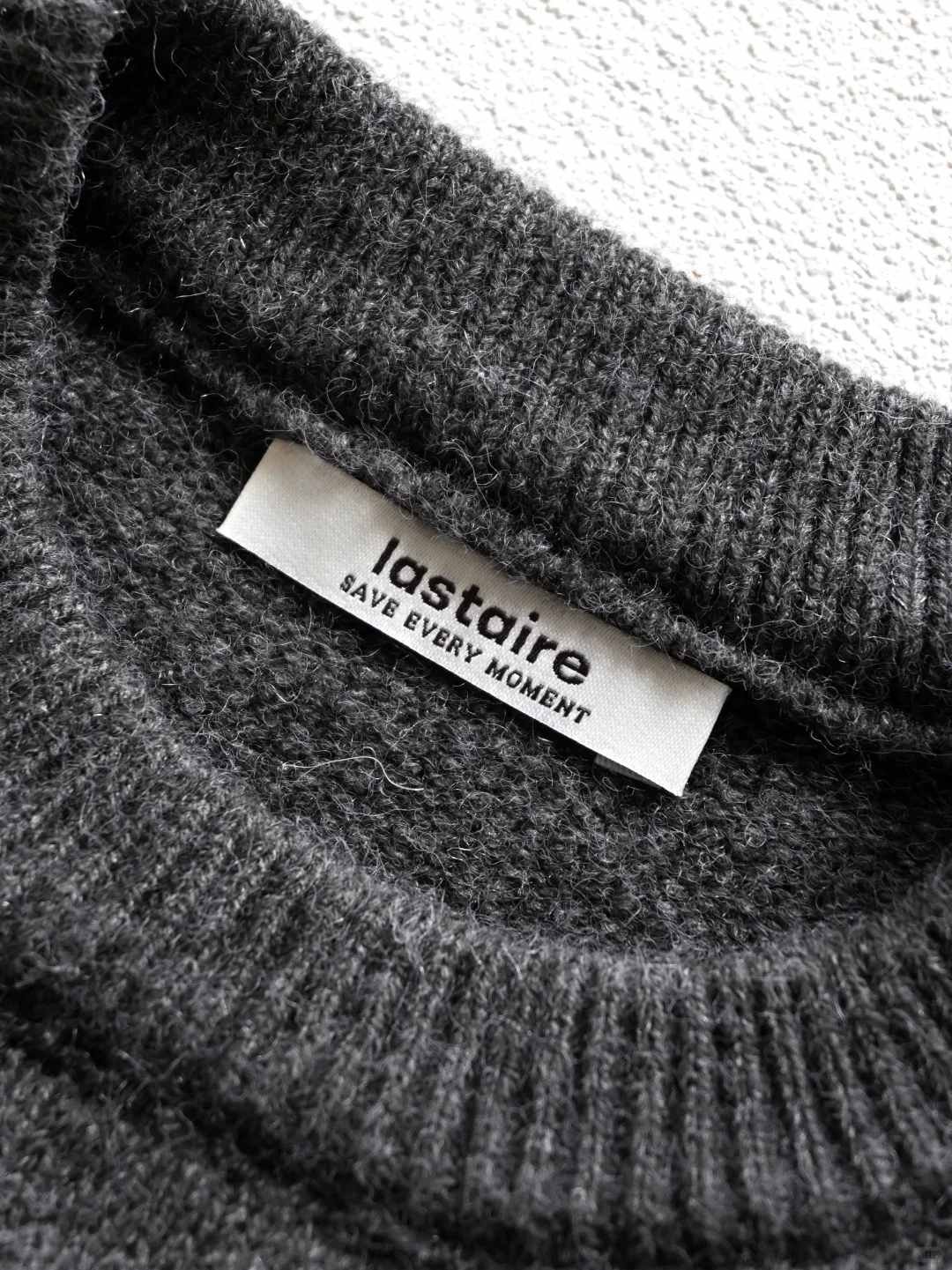
Woven Brand Labels
High-density woven labels with intricate logo detail and soft hand feel. Sewn into interior necklines, side seams, or pocket interiors to authenticate your suede jacket line with professional finishing touches.
Drawcords & Tipping
Custom-colored drawcords with metal or branded aglet tipping for adjustable hems and hoods. Adds functional style to suede bomber jackets and hooded designs while reinforcing your brand’s color palette and identity.
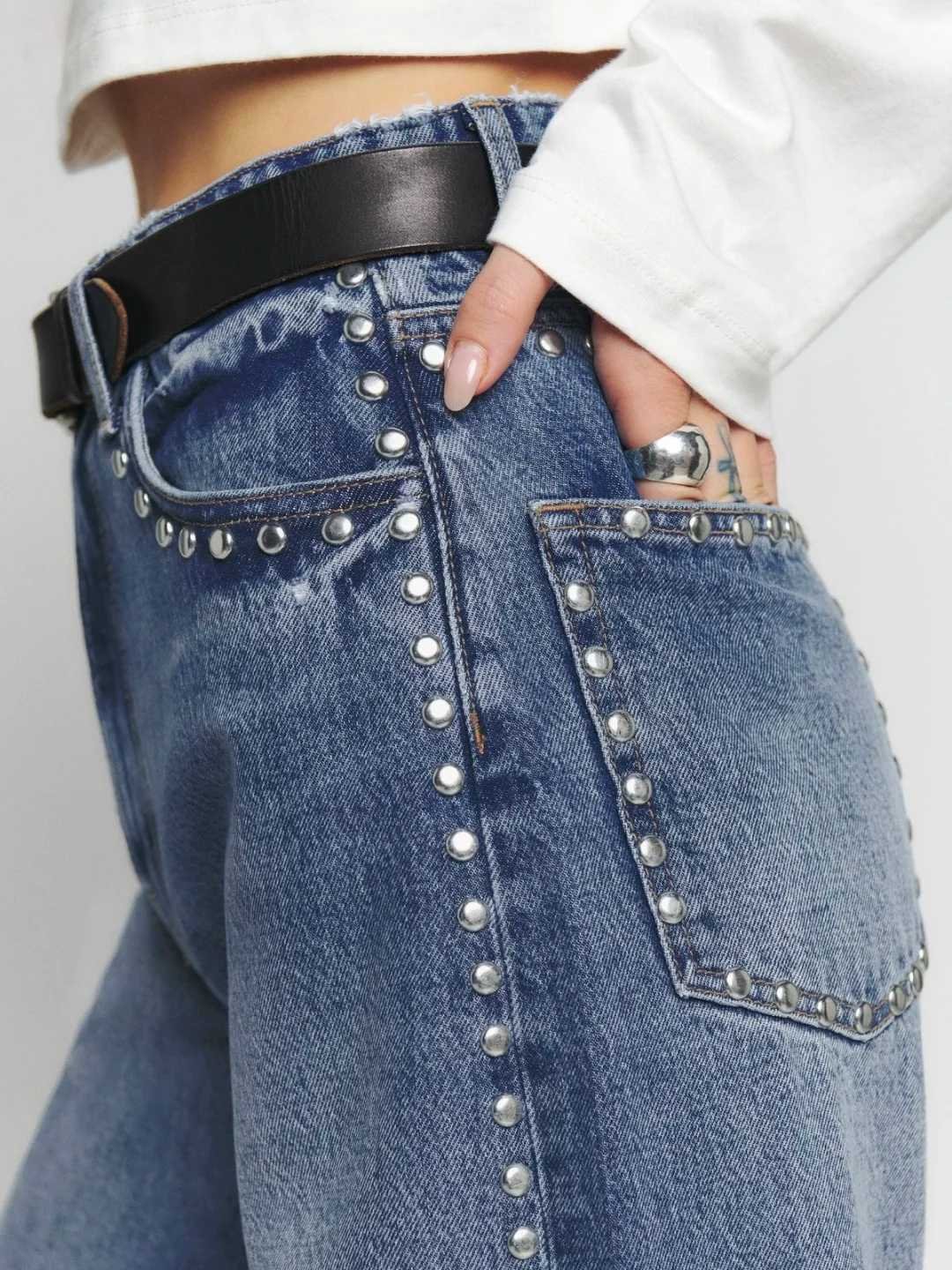
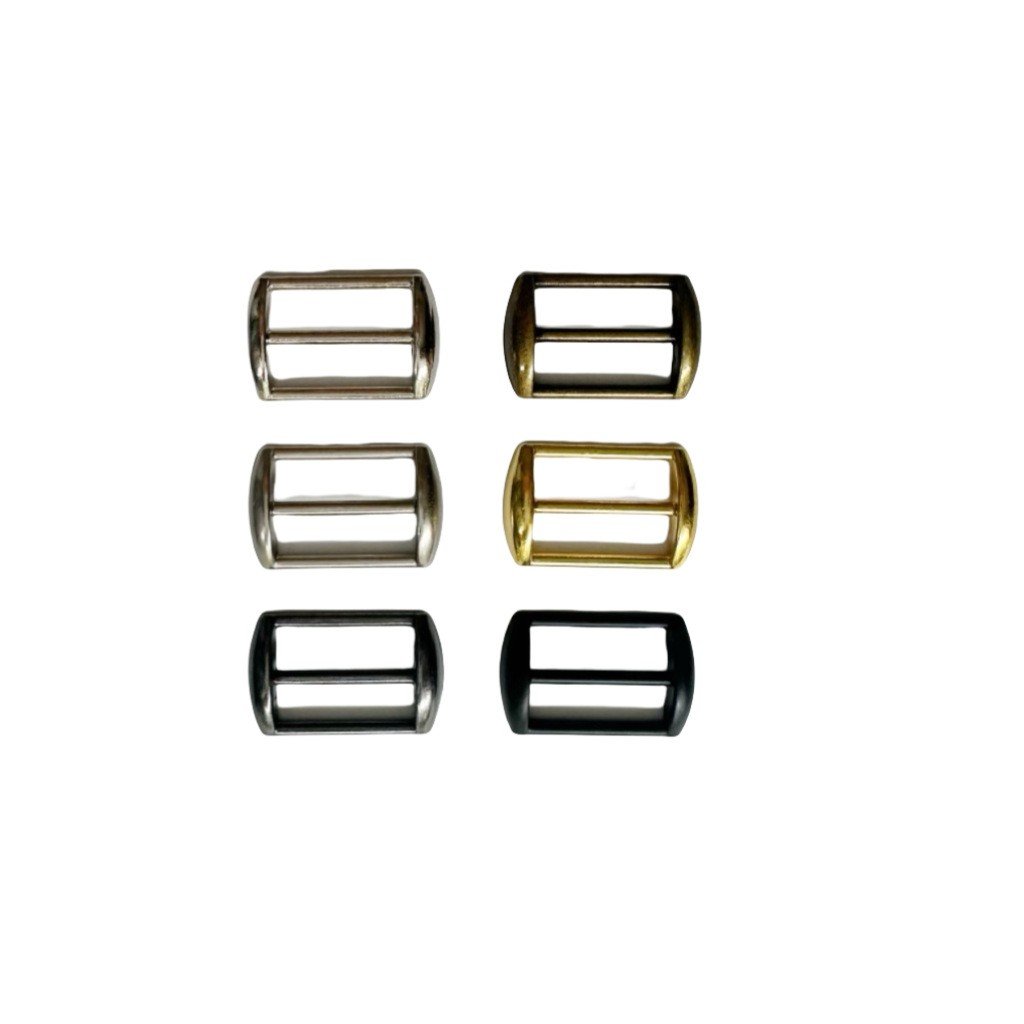
Custom Metal Hardware
Branded zipper pulls, D-rings, buckles, and rivets in premium metal finishes. These signature details transform standard suede jackets into statement pieces that communicate quality and attention to detail at every touchpoint.
Trusted Suede Jacket Manufacturer Since 2024
Founded by Tesla Luo in August 2024, Clothing Manufacturer Ltd was built on a mission to restore quality standards in Chinese apparel production. With over 10 years of manufacturing experience and 6 years specializing in streetwear, we’ve served brands across 100+ countries, eliminating low-quality output through rigorous testing at every production stage.
From childhood, our founder worked hands-on in every garment production role—sewing, cutting, quality control, packing, and shipping—gaining comprehensive knowledge that shapes our suede jacket manufacturing today. This deep expertise, combined with our parent company’s infrastructure and a 15-member R&D team holding 10 patents, ensures premium craftsmanship for streetwear brands, startups, and independent designers worldwide.
What sets us apart is our proprietary 5-step quality control guarantee introduced in February 2025. Unlike typical manufacturers who skip in-process testing, we inspect materials, cutting, craft, sewing, and finished garments—ensuring every suede jacket meets exacting standards. We offer low MOQs for emerging brands, fast turnaround for seasonal collections, and global shipping support to bring your vision to life.
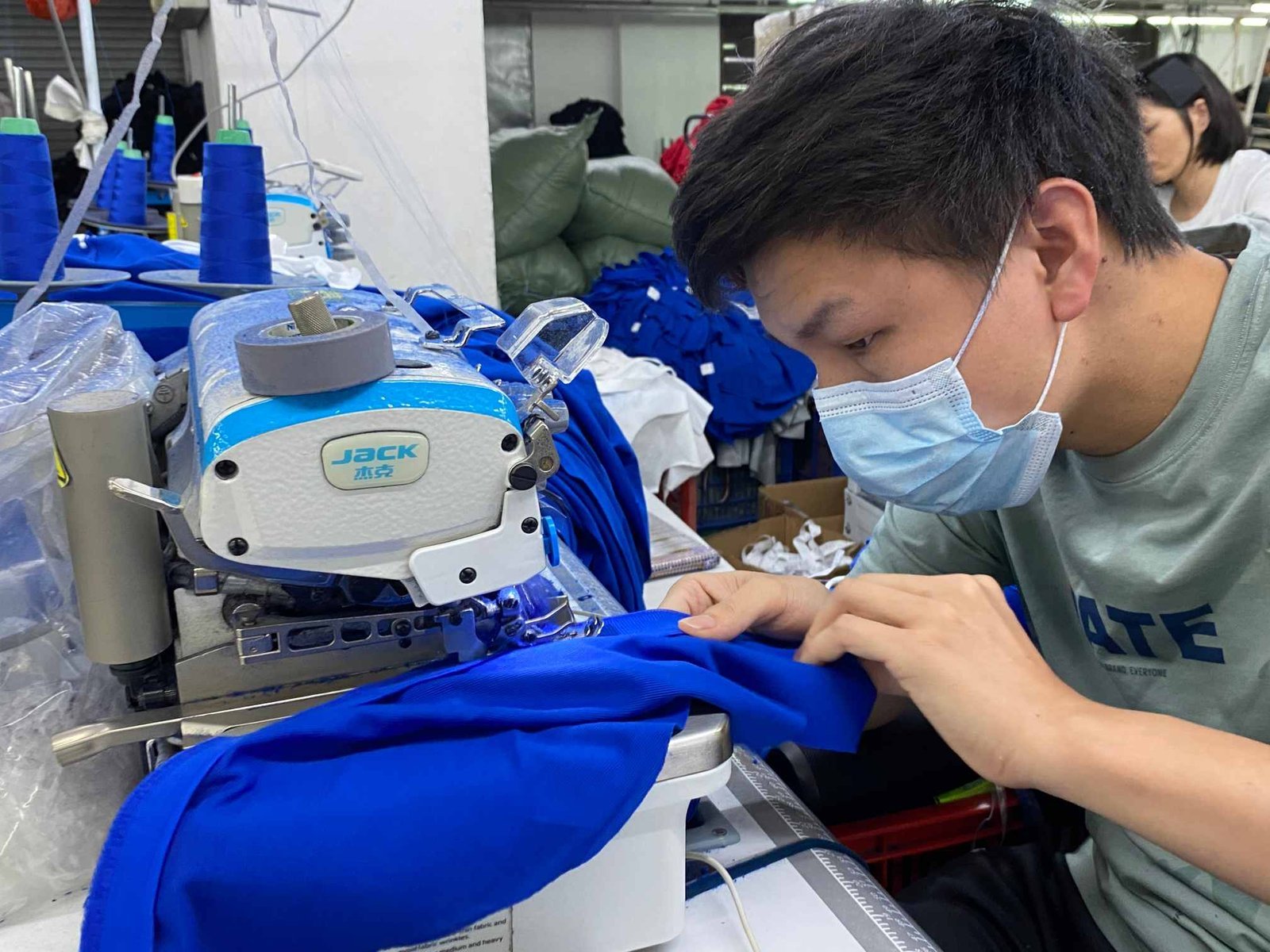
Our 5-Step Quality Control Guarantee for Every Suede Jacket
Materials QC Testing Before Production Starts
Every suede hide and leather panel undergoes rigorous inspection before cutting begins. Our team verifies grain consistency, thickness uniformity, color accuracy, and surface quality against your specifications. This first checkpoint eliminates material defects that typical suede jacket manufacturers miss, ensuring only premium-grade materials enter production.
- Grain texture and color consistency verified across all hides
- Thickness measured at multiple points to meet garment specs
- Surface inspected for scars, scratches, and imperfections
- Material certificates reviewed and documented for traceability
Cutting QC Testing for Precision Patterns
After pattern development, our quality control team inspects every cut piece for dimensional accuracy and grain direction. We verify that pattern pieces match technical specifications and that suede nap flows consistently. This stage prevents fit issues and visual inconsistencies that emerge from careless cutting practices common in the industry.
- Pattern dimensions checked against approved tech packs
- Suede nap direction verified for uniform sheen and appearance
- Matching panels sorted and bundled to ensure color consistency
- Cut edges inspected to prevent fraying during assembly
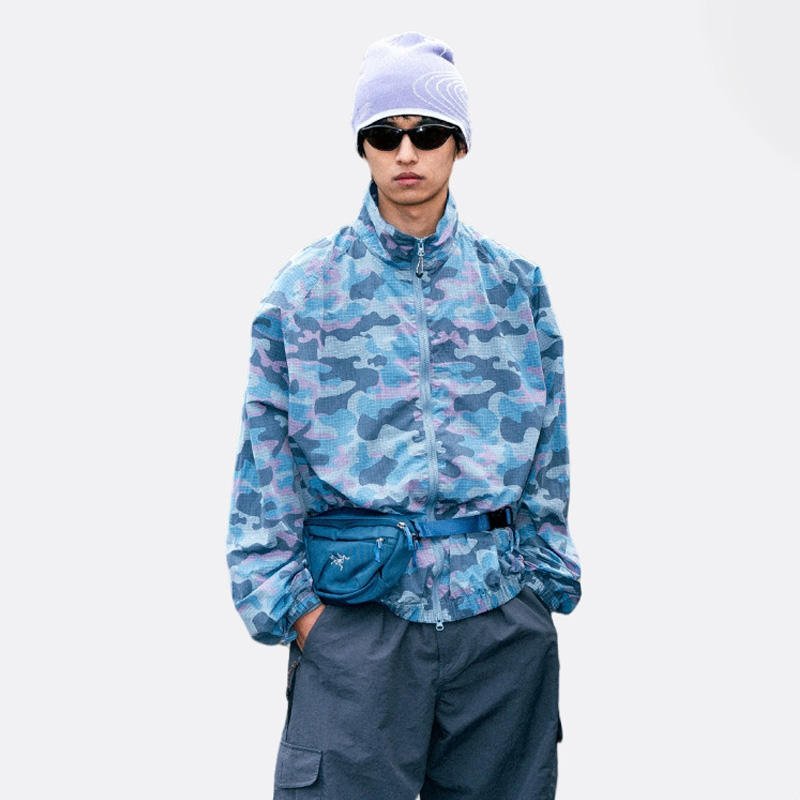
Clothing Craft QC Testing During Assembly
As your suede jacket takes shape, our craft specialists evaluate construction techniques at critical junctures. We inspect seam allowances, stitch tension, lining attachment, and hardware placement before proceeding to the next stage. This real-time quality check catches construction errors early, when corrections are simple and cost-effective rather than after full assembly.
- Seam construction and stitch density verified at every join
- Lining attachment inspected for smooth drape and no puckering
- Hardware placement checked for symmetry and secure fastening
- Collar, cuffs, and hem construction reviewed for durability
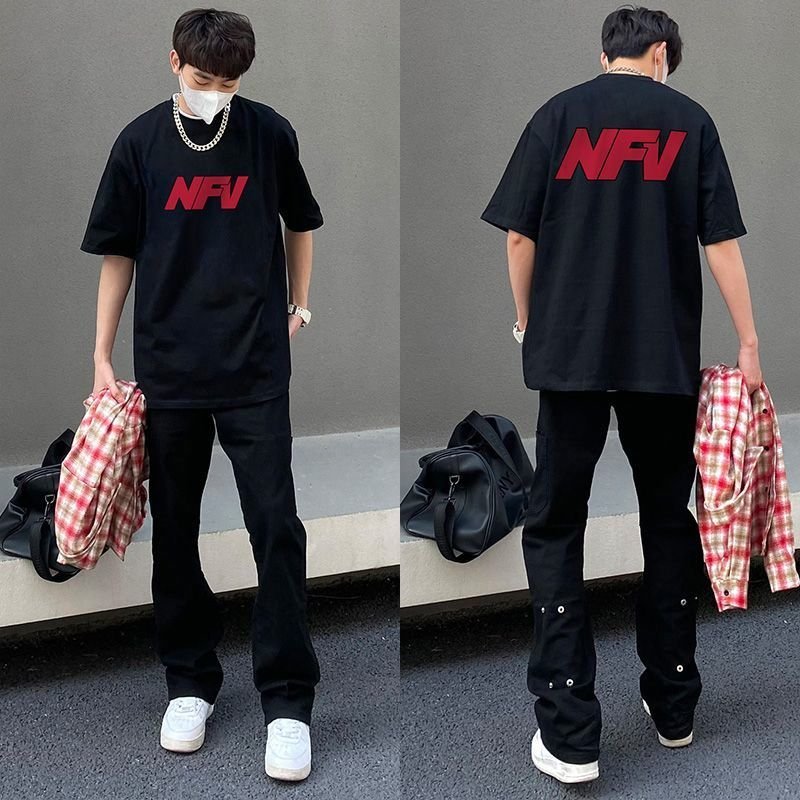
Sewing Production and Final Inspection QC
Once assembly is complete, each suede jacket undergoes comprehensive sewing production QC followed by finished garment inspection. Our team examines stitch integrity, zipper function, button security, and overall workmanship. We then conduct final quality inspection covering measurements, appearance, and packaging standards before your order ships—a double-check system most suede jacket manufacturers skip entirely.
- All stitching inspected for consistency, strength, and clean finish
- Zippers, snaps, and closures tested for smooth operation
- Final measurements verified against size specifications
- Garment pressed, packaged, and documented with QC certification
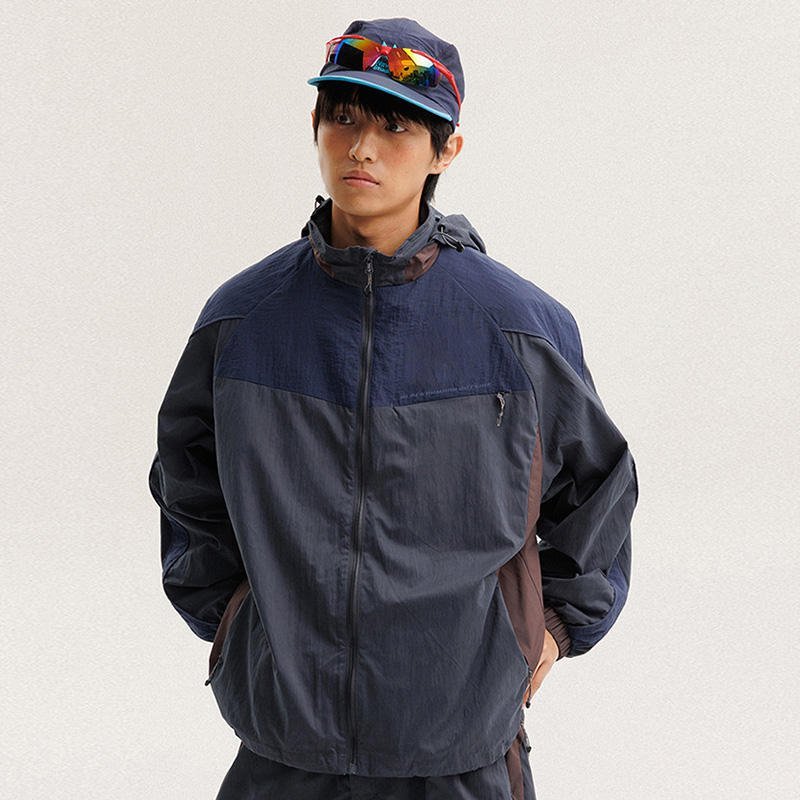
Suede Jacket Manufacturer vs. Typical Suppliers
We deliver premium suede jackets with rigorous quality control at every production stage, low minimums for emerging brands, and streetwear design expertise that typical suppliers simply cannot match.
← 左右滑动查看 →
Suede Jacket Manufacturer Production Timeline — From Fabric to Finished Product
Our proven 6-phase workflow ensures every suede jacket meets premium quality standards through integrated checkpoints at every stage of production.
Fabric Sourcing & Approval
Premium suede and leather materials selected and tested. Material QC testing confirms texture, weight, color consistency, and durability before production begins.
Design & Sample Development
In-house design team creates tech packs and develops samples. Pattern adjustments and fit revisions completed with client feedback integration throughout.
Cutting & Component Preparation
Precision cutting with dedicated QC testing for pattern accuracy. All jacket panels, linings, and reinforcements inspected before moving to production floor.
Sewing & Craft Assembly
Skilled artisans assemble suede jackets with clothing craft QC and sewing production QC testing at critical construction milestones to catch defects early.
Finished Product Quality Inspection
Comprehensive finished clothing quality QC inspection covers stitching, hardware, fit, finishing, and overall appearance. Only approved units proceed to packing.
Packing & Global Shipping
Professional packaging with brand labeling and care instructions. Global logistics support ensures reliable delivery with full customs documentation and tracking.
How to Order Custom Suede Jackets from Our Suede Jacket Manufacturer
From concept to delivery, our streamlined process ensures your suede jacket line launches on time with zero compromise on quality.
Submit Your Tech Pack
Share your design specs, fabric preferences, and quantity requirements. No tech pack? Our 15-person R&D team can develop one for you at no extra cost.
Review Quote & Approve Samples
Receive a detailed quote within 24 hours and physical samples within 7–10 days. Request adjustments until the fit, finish, and feel are perfect.
Approve Production & QC Begins
Once you confirm, we launch our 5-step quality control process—from materials inspection through cutting, crafting, sewing, and final finished-garment checks.
Receive Your Bulk Order
Your suede jackets ship on schedule with full logistics support. Every piece passes rigorous QC testing before it leaves our Dongguan facility.
Certified Suede Jacket Manufacturer — Proven Quality & Compliance
Customer Success Stories — Suede Jacket Manufacturer Partners
We launched our first suede jacket collection with only 50-piece MOQ. The 5-step QC caught every detail before shipping. Within 6 months, our Instagram grew from 2,000 to 47,000 followers thanks to the premium quality.
As an influencer brand, timing is everything. Clothing Manufacturer Ltd delivered three seasonal suede jacket drops on schedule with zero defects. Our return rate dropped to under 1% and customer reviews improved dramatically.
We tested four suede jacket manufacturers before finding Clothing Manufacturer Ltd. Their material selection and craftsmanship are unmatched. Our retailer reorders increased 340% after switching, and the QC process gives us total confidence.
Suede Jacket Manufacturing — Frequently Asked Questions
What is the minimum order quantity for a suede jacket manufacturer?
How long does it take to produce custom suede jackets?
Does your suede jacket manufacturer provide sampling services?
What customization options are available for suede jackets?
What payment terms does a suede jacket manufacturer typically offer?
How do you protect my designs and intellectual property?
What shipping and logistics support does your suede jacket manufacturer provide?
How does your 5-step QC process apply to suede jacket production?
Can a suede jacket manufacturer handle both small startup orders and large retailer volumes?
The Complete Buyer’s Guide to Choosing the Right Suede Jacket Manufacturer
Navigate the complexities of sourcing premium suede jackets with confidence. This guide delivers a proven decision framework, essential supplier evaluation criteria, quality benchmarks, and the most common mistakes fashion brands make when partnering with a suede jacket manufacturer.
1. What Is a Suede Jacket Manufacturer?
A suede jacket manufacturer specializes in producing outerwear from suede leather, a material that requires distinct handling compared to woven or knit fabrics used in standard garment production. Unlike general clothing factories that focus on cotton, polyester, or blended textiles, a suede jacket manufacturer maintains expertise in cutting, stitching, and finishing delicate napped leather without damaging its soft surface texture. These facilities typically employ specialized cutting dies, industrial leather sewing machines with walking feet, and trained operators who understand grain direction and hide yield optimization.
Suede differs fundamentally from conventional apparel materials because it is a natural animal hide with inconsistent thickness, stretch properties, and surface characteristics across each skin. Standard garment factories lack the equipment and knowledge to handle these variables, leading to uneven seams, visible marks from improper pressing, or wasted material from incorrect pattern layout. A dedicated suede jacket manufacturer uses quality control protocols at the material inspection, cutting, and assembly stages to ensure each hide is graded, each panel is cut to avoid blemishes, and each stitch penetrates without tearing the delicate nap.
For fashion brands launching suede collections, partnering with a specialized manufacturer reduces sample iteration cycles and production defects. Clothing Manufacturer Ltd. applies its proprietary five-step QC methodology—materials QC testing, cutting QC testing, clothing craft QC testing, sewing production QC testing, and finished clothing quality QC inspection—to suede jacket production, ensuring that every stage addresses the unique challenges of working with leather rather than treating it as a standard fabric.
2. The Evolution of Suede Jacket Manufacturing
Suede jackets originated as functional workwear in the early 20th century, prized for their durability and wind resistance in ranching and outdoor labor. By the 1960s and 1970s, counterculture movements adopted suede as a symbol of rebellion and individuality, transforming it from utilitarian garment to fashion statement worn by musicians, artists, and youth subcultures.
The 1980s marked suede’s integration into luxury fashion, as European and American design houses elevated the material through refined tailoring and premium finishes. High-end suede jacket manufacturers began implementing specialized tanning processes and precision cutting techniques to achieve consistent nap direction and color uniformity, raising quality benchmarks across the industry.
Modern streetwear culture has driven a resurgence in suede jacket demand since the 2010s, blending vintage silhouettes with contemporary design elements like oversized fits, bold colorways, and graphic embellishments. Today’s suede jacket manufacturer employs industrial-scale production methods including laser cutting for pattern accuracy, computerized grading systems, and multi-stage quality control protocols that were unavailable to artisanal workshops of earlier decades.
Manufacturing has evolved from hand-cutting individual panels and manual stitching to automated fabric spreading, CNC cutting tables, and programmable sewing machines capable of handling suede’s delicate surface without damage. Despite automation, quality standards remain anchored in skilled craftsmanship—experienced operators still assess nap consistency, hand-finish seams, and conduct visual inspections to ensure each jacket meets specifications before packaging and shipment.
3. Types of Suede Jacket Manufacturers
Suede jacket manufacturers operate across distinct tiers defined by minimum order quantities, specialization depth, and target clientele. Understanding these categories helps brands match production partners to their scale, budget, and design complexity.
Full-Service Luxury Manufacturers
These facilities serve high-end fashion houses requiring bespoke suede sourcing, hand-finishing, and intricate construction. MOQs typically start at 2,000–5,000 units per style, with lead times extending 90–120 days.
Price points range from $180–$400 per jacket wholesale, reflecting premium lambskin suede, hand-stitched details, and multi-stage QC protocols. Ideal for established luxury labels with proven retail distribution and significant capital reserves.
Mid-Tier Specialists
Contemporary brands targeting department stores and online retail partner with mid-tier suede jacket manufacturers operating at 500–2,000 unit MOQs. These factories balance quality and cost, offering pigmented suede options, standard fit blocks, and 60–75 day production cycles.
Wholesale pricing sits between $65–$150 per jacket. Capabilities include basic customization—label placement, colorway selection, hardware swaps—without full pattern development. Best suited for brands with established sales channels and predictable reorder volumes.
Low-MOQ Flexible Factories
Startups, influencer brands, and independent designers rely on manufacturers accepting 50–500 unit orders. Clothing Manufacturer Ltd. operates in this segment, applying its five-step QC process—materials testing, cutting checks, craft inspection, sewing QC, and finished garment review—to smaller production runs.
Lead times compress to 30–45 days, with per-unit costs of $55–$120 depending on suede grade and detailing. These partners provide pattern adjustments, sample iterations, and direct communication, enabling emerging brands to test markets without overcommitting inventory capital.
Private-Label Suppliers
Retailers seeking ready-made suede jacket designs with minimal customization source from private-label suppliers offering pre-developed styles. MOQs range from 200–1,000 units, with fixed colorways and standardized sizing.
Pricing starts at $40–$80 wholesale, sacrificing design exclusivity for speed and cost efficiency. QC rigor varies widely; many skip in-process testing, leading to inconsistent seam quality and finish defects. Suitable for price-sensitive retailers prioritizing fast turnaround over brand differentiation.
4. Suede Materials and Fabric Options
A suede jacket manufacturer sources and works with multiple suede types, each offering distinct texture, weight, and durability profiles. Understanding material characteristics—from nap density to finishing treatments—helps brands align fabric choice with target price points and end-use performance.
| Material Type | Durability Rating | Typical Cost Range | Best Applications |
|---|---|---|---|
| Lambskin Suede | Medium | $8–15/sq ft | Luxury fashion, lightweight jackets |
| Pigskin Suede | Medium-High | $5–10/sq ft | Casual streetwear, everyday outerwear |
| Cowhide Suede | High | $6–12/sq ft | Workwear, heavy-duty jackets, vintage styles |
| Synthetic/Vegan | Low-Medium | $3–7/sq ft | Budget lines, eco-brands, fast fashion |
Genuine Leather Suede Types
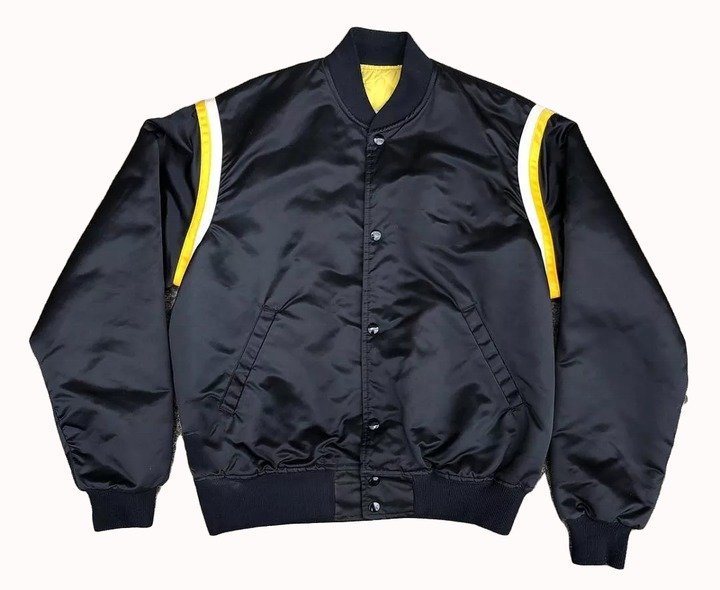
Lambskin suede delivers the softest nap and lightest weight (2–3 oz per sq ft), making it ideal for luxury fashion pieces that prioritize drape and hand-feel. Pigskin suede sits in the mid-range at 3–4 oz per sq ft, offering a slightly coarser texture with visible pore patterns and better abrasion resistance than lamb. Cowhide suede weighs 4–6 oz per sq ft, provides the highest durability for workwear and outerwear, and accepts distressed or waxed finishes that enhance water resistance.
Manufacturers apply brushed finishes to raise the nap for a uniform, velvety surface, waxed treatments to add subtle sheen and moisture repellency, or distressed effects that create vintage, worn-in aesthetics. Each finishing step adds 8–15 percent to material cost but significantly differentiates the final garment’s look and performance.
Synthetic and Vegan Alternatives
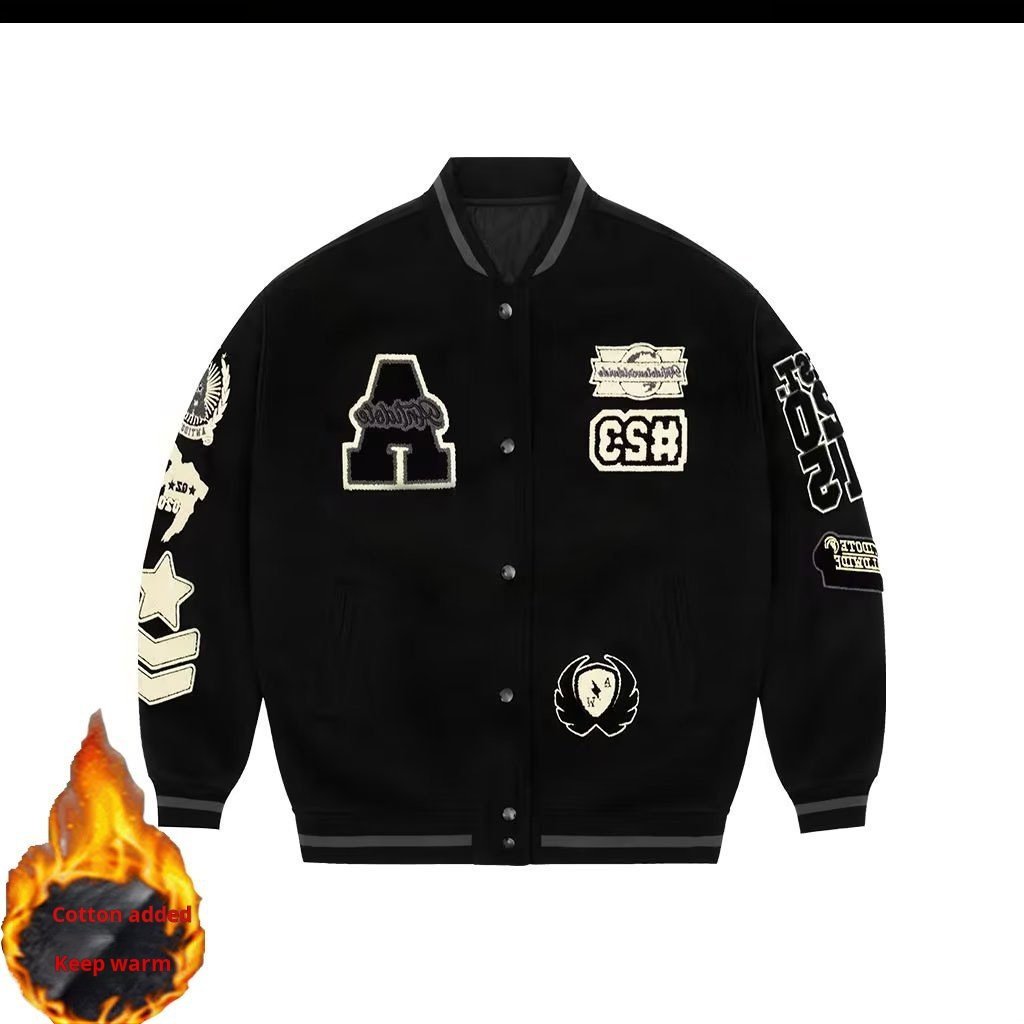
Polyester microsuede and polyurethane-based vegan suede replicate the nap texture of genuine leather at 30–50 percent lower cost, appealing to eco-conscious and budget-driven brands. Synthetic options typically weigh 3–4 oz per sq ft, resist staining better than natural suede, and require no animal sourcing, meeting PETA-approved vegan standards.
However, synthetic suede lacks the breathability and patina development of genuine leather, and its durability under repeated flexing is lower. Brands targeting premium streetwear or heritage aesthetics often favor genuine suede, while fast-fashion and influencer labels leverage synthetics for accessible price points and faster production cycles.
5. Customization and Design Options for Suede Jackets
A suede jacket manufacturer’s customization range determines whether your brand can differentiate in competitive streetwear and fashion markets. Most factories offer silhouette, hardware, lining, and decoration options, but capabilities and minimums vary widely by supplier.
Silhouette and Pattern Options
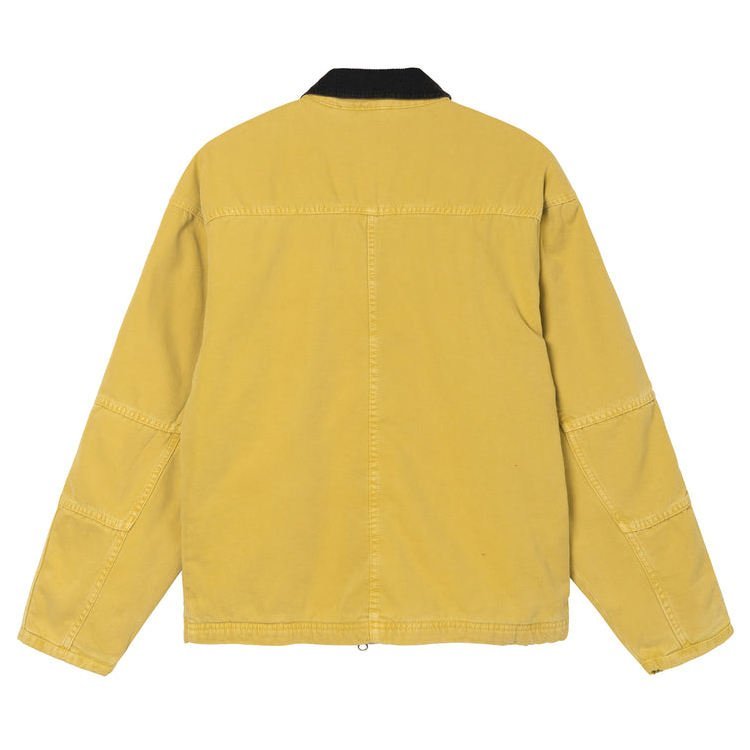
Established suede jacket manufacturers typically offer four core silhouettes: bomber, moto (biker), trucker, and blazer styles. Each requires distinct pattern blocks and construction methods.
Bomber styles use ribbed cuffs and waistbands, moto jackets feature asymmetric zippers and snap lapels, trucker cuts include chest pockets and back yokes, and blazer silhouettes demand tailored shoulders and notched collars. Custom pattern development adds 7–14 days to lead time and may raise MOQ from 100 to 200 pieces per colorway.
Hardware and Closure Systems
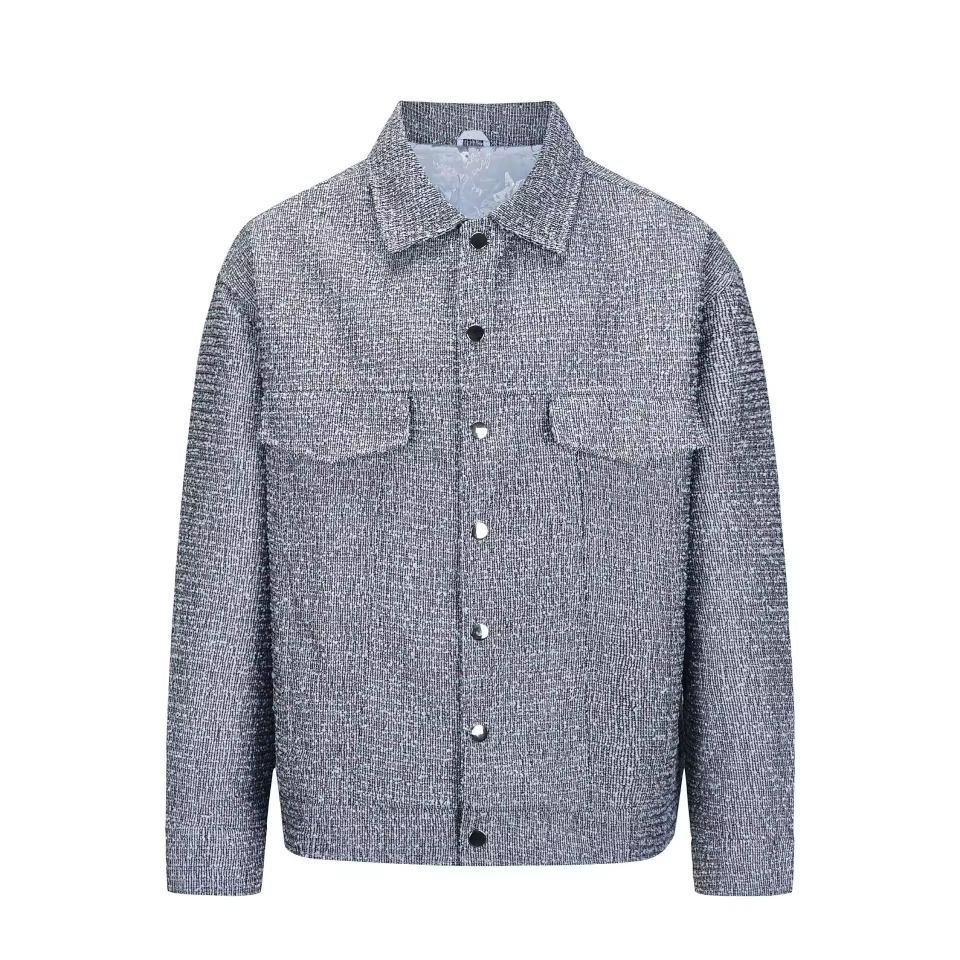
Hardware choices—zippers, snaps, buckles, and D-rings—directly affect durability and brand positioning. YKK metal zippers cost $2–$4 per unit versus $0.50 for generic nylon coils; brass snaps and adjustable belt buckles add $1–$3 per jacket.
Most manufacturers stock antique brass, gunmetal, and silver finishes. Custom plating or logo-engraved hardware requires 500–1,000 piece minimums and extends lead time by 10–15 days.
Lining Materials and Color Matching
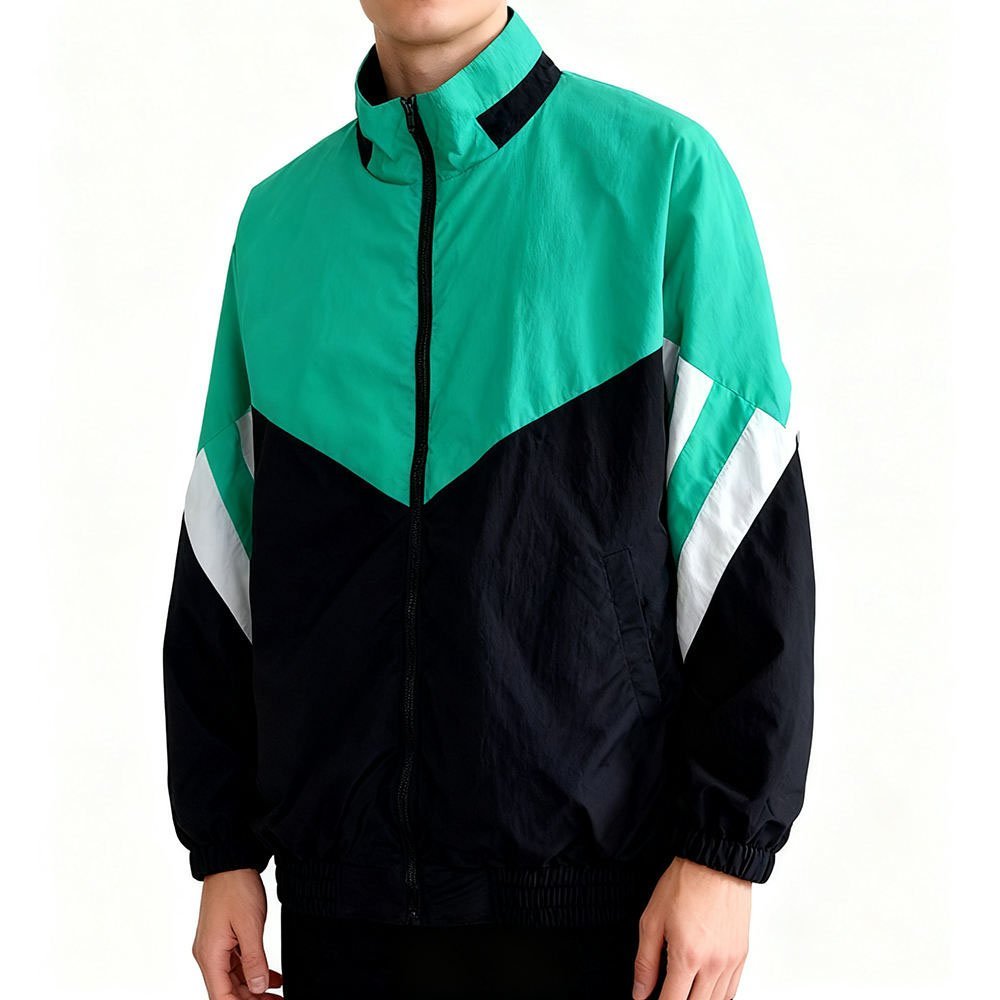
Standard linings include polyester taffeta (60–80 GSM), satin (90–110 GSM), and quilted padding for insulated styles. Premium options—cupro, viscose twill, or printed silk—add $3–$8 per jacket.
Pantone color-matching services ensure lining, thread, and hardware finishes align with brand palettes. Factories typically match up to three custom colors per style without MOQ increase, but each additional shade may require 50-piece minimums per color.
Decoration Methods: Embroidery, Patches, and Laser Etching
Decoration permanence and cost vary by technique. The table below compares common methods for suede jackets.
| Method | Cost per Unit | Durability (Washes) | MOQ Impact |
|---|---|---|---|
| Embroidery (up to 10k stitches) | $2–$5 | 50+ | No change |
| Woven patches (heat-seal) | $1–$3 | 30–40 | +50 pcs if custom |
| Laser etching | $3–$7 | Permanent | No change |
| Screen-printed labels | $0.50–$1.50 | 20–30 | +100 pcs if custom |
6. Quality Markers in Suede Jacket Construction
Suede jacket quality separates premium products from low-grade imitations that damage brand reputation. A suede jacket manufacturer must demonstrate mastery of construction checkpoints that ensure durability, comfort, and consistent hand-feel across every unit produced.
Stitching Density and Seam Technique
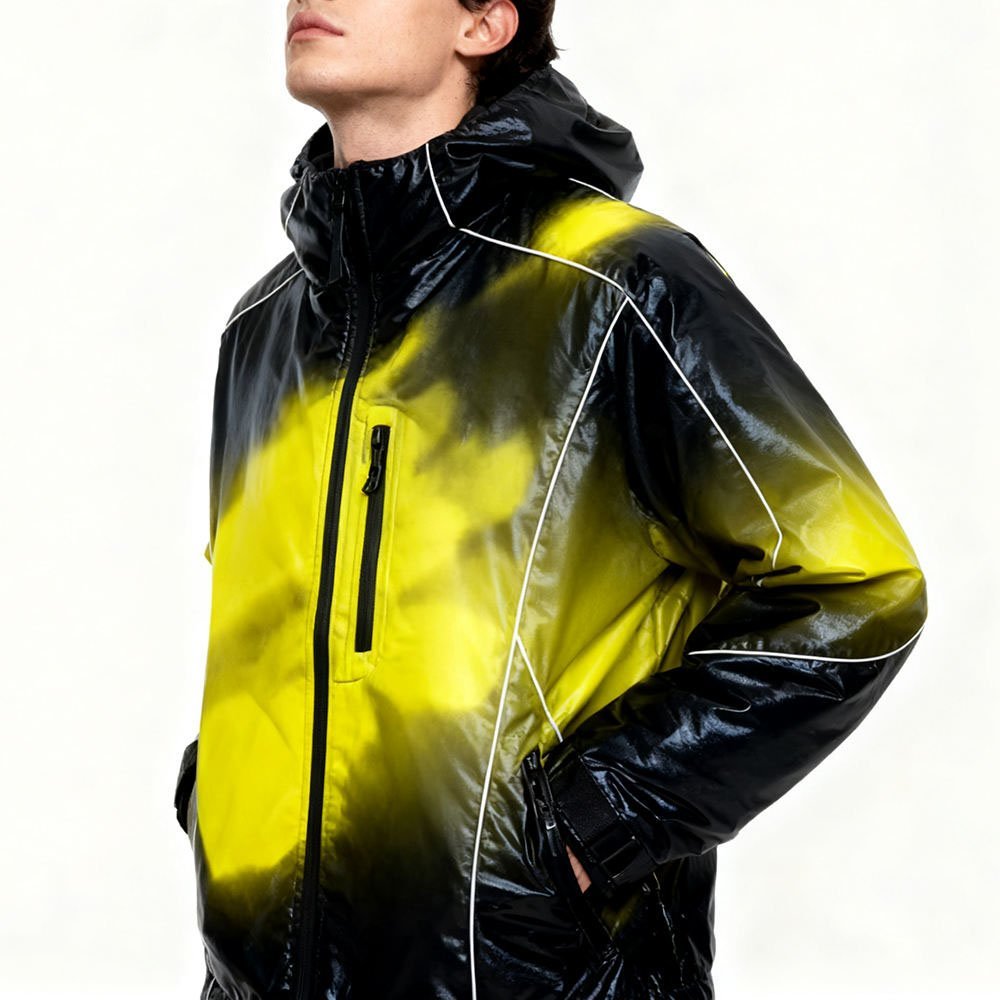
Professional suede jacket construction requires 10–12 stitches per inch to prevent seam failure under stress. Flat-felled seams enclose raw edges and distribute tension evenly, ideal for shoulder and side seams, while topstitched seams provide decorative finish on collars and cuffs.
Inspect sample garments under tension: seams should lie flat without puckering, and thread color must match or complement the suede tone. Skipped stitches or uneven stitch length indicate rushed production and weak points that will unravel during wear.
Panel Alignment and Pattern Matching
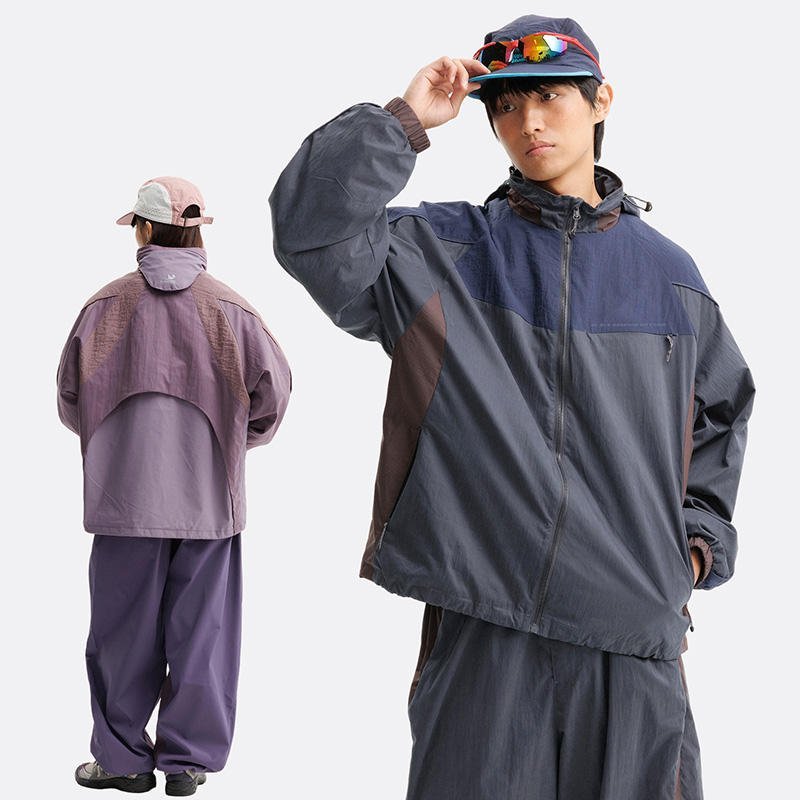
Premium suede jacket manufacturers align nap direction across all panels so light reflection remains uniform. Mismatched nap creates visible color variations that cheapen the garment’s appearance.
Check sleeve attachment points, shoulder seams, and center-back panels: grain lines should run parallel, and any embossed or printed patterns must align within 2 mm at seams. Poor alignment signals careless cutting or inadequate quality control during the cutting QC stage.
Edge Finishing and Lining Attachment
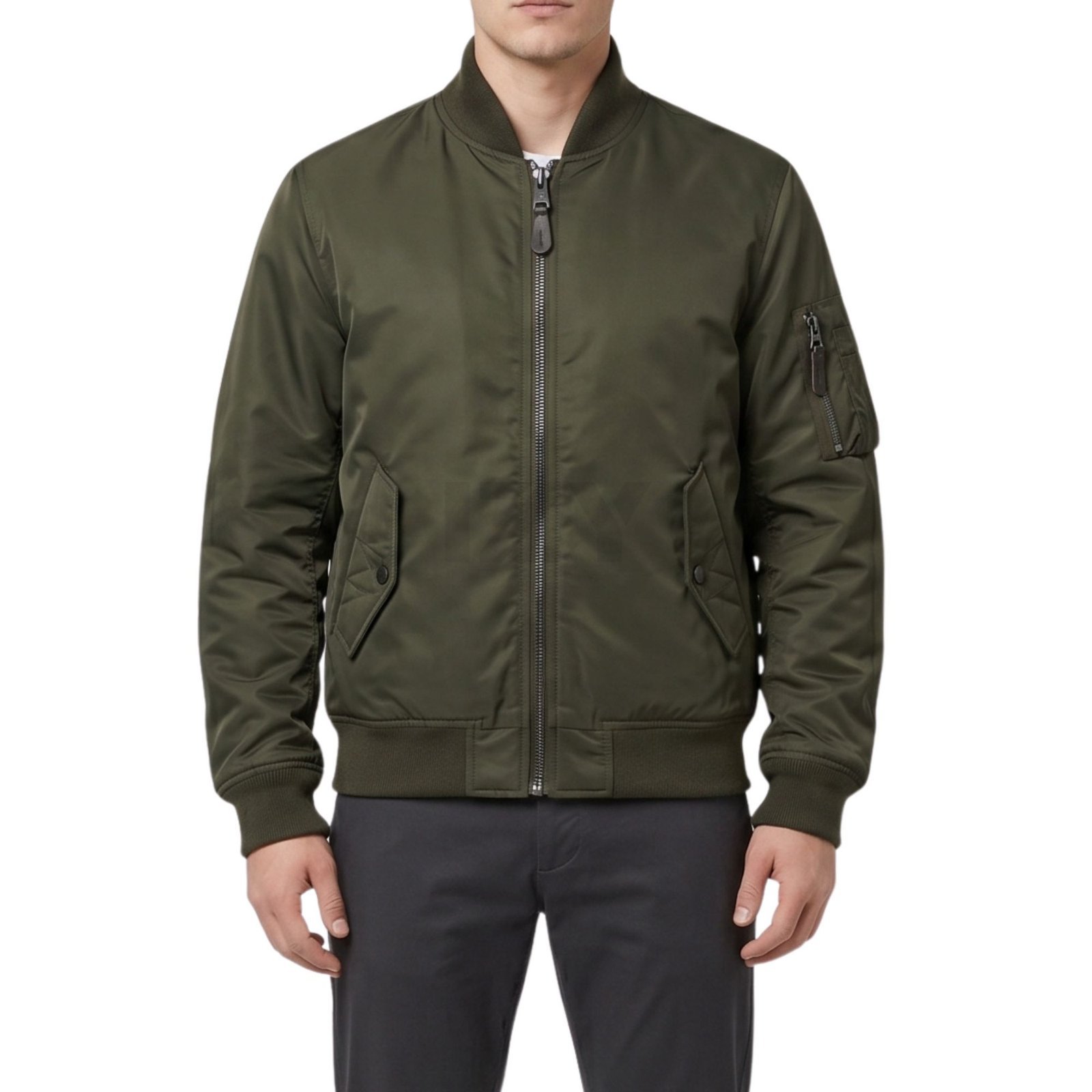
Raw suede edges fray without proper finishing. Quality manufacturers apply piping, binding, or turned-and-topstitched hems to secure edges and extend garment life.
Lining attachment must be secure at armholes, hem, and zipper tape without visible puckering. Hand-stitched blind hems indicate higher-grade finishing, while exposed raw edges or loose lining threads are red flags for substandard construction.
Hardware Durability and Hand-Feel Consistency
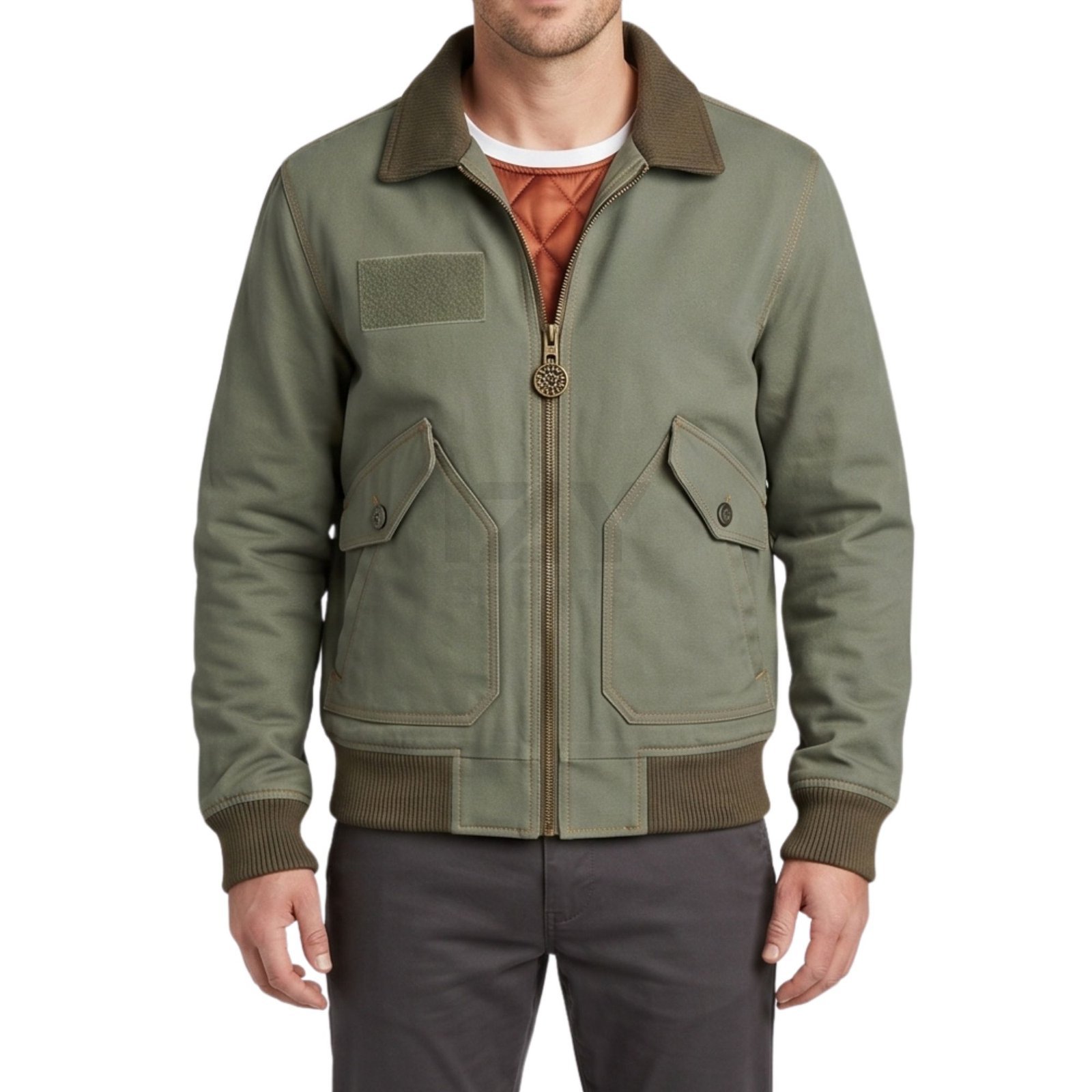
Zippers, snaps, and buttons on suede jackets endure repeated stress. Specify YKK or equivalent metal zippers rated for 1,500+ cycles; plastic hardware fails prematurely and signals cost-cutting.
Hand-feel should remain consistent across chest, sleeves, and back panels. Stiff or slick areas suggest synthetic coating or material substitution. A five-step QC process catches these inconsistencies before finished goods leave the factory.
7. How to Choose the Best Suede Jacket Manufacturer
Selecting the right suede jacket manufacturer requires systematic evaluation across six critical dimensions. A structured checklist ensures you partner with a factory that delivers quality, transparency, and reliability from first sample to final shipment.
Verify Material Sourcing Transparency
Ask for detailed specifications on suede origin, tannery certifications, and leather grading standards. Reputable manufacturers provide full traceability for genuine suede and clearly disclose when using microfiber or split-leather alternatives.
Request swatches with fiber content labels and tannery mill certificates. Factories that hesitate to share sourcing documentation often substitute lower-grade materials mid-production.
Audit Production Capacity and Lead Times
Confirm monthly output volume, peak-season capacity, and typical lead times for sampling (7–14 days) and bulk production (30–45 days for 500–1,000 units). Factories with 15+ R&D staff and established parent companies like Dongguan TuoZhen Clothing Co., Ltd. handle complex orders and tight deadlines more reliably.
Request a production schedule walkthrough to verify cutting tables, sewing lines, and finishing stations match claimed capacity.
Assess Quality Control Protocols
Compare basic end-of-line inspection against systematic five-step QC testing: materials QC, cutting QC, clothing craft QC, sewing production QC, and finished garment inspection. Factories implementing checks at every stage catch defects early, reducing rework and chargebacks.
Ask which checkpoints are documented with photos and how defect rates are tracked. A manufacturer without in-process QC typically ships 5–10% defective units versus under 2% for rigorous protocols.
Review Portfolio and Client References
Examine past suede jacket samples for stitch consistency, lining attachment, and edge finishing. Request references from brands in your tier—startups, independent designers, or retailers—and verify order volumes, repeat-purchase rates, and dispute resolution.
Manufacturers serving 100+ countries with 200+ clients demonstrate proven export logistics and cross-cultural communication skills.
Evaluate Communication and Compliance
Test responsiveness during inquiry: replies within 12 hours and detailed answers signal strong account management. Confirm ethical certifications such as BSCI, WRAP, or Oeko-Tex Standard 100, essential for North American and European retail distribution.
Negotiate MOQ flexibility (many suede jacket manufacturers start at 100–300 units) and payment terms—30% deposit, 70% before shipment is standard, but established relationships may unlock net-30 terms.
8. Common Mistakes When Sourcing a Suede Jacket Manufacturer
Sourcing a suede jacket manufacturer requires careful due diligence at every stage. Many brands—especially startups and independent designers—fall into predictable traps that compromise quality, delay launch timelines, or expose intellectual property. Recognizing these pitfalls before signing a contract saves both time and capital.
Choosing Price Over Quality Vetting
Selecting a suede jacket manufacturer solely on the lowest quote often leads to substandard materials and rushed construction. Suede requires specialized cutting, stitching, and finishing; factories that undercut competitors typically skip mid-production QC or substitute lower-grade hides.
Request material specifications, GSM ratings, and tannery certificates before committing. A rigorous five-step quality control process—covering materials, cutting, craft, sewing, and final inspection—ensures defects are caught early rather than discovered in finished inventory.
Ignoring Material Certifications
Suede sourced without OEKO-TEX, ISO, or tannery traceability documentation may contain restricted chemicals or fail import inspections in the U.S. and EU. Buyers who skip certification checks risk customs holds, costly testing, and brand reputation damage.
Always confirm that the manufacturer provides certificates of analysis for dyes, tanning agents, and finishing treatments. Reputable suppliers maintain transparent documentation and update certificates annually.
Underestimating Suede Processing Lead Times
Suede tanning, dyeing, and finishing add 10–14 days beyond standard fabric timelines. Brands that assume cotton-jacket lead times for suede orders face production delays and missed seasonal windows.
Build 60–75 days into your project schedule for sampling, bulk production, and quality testing. Communicate your launch date upfront so the manufacturer can allocate tannery capacity and coordinate logistics.
Skipping Sample Approval Stages
Approving production without a physical sample invites color mismatches, fit issues, and construction shortcuts. Suede’s texture and drape vary significantly across batches; digital mockups cannot replicate hand-feel or seam durability.
Request a pre-production sample with your exact leather grade, hardware, and stitching specifications. Approve it in writing before bulk cutting begins to lock in quality standards.
Neglecting IP Protection in Contracts
Failing to include non-disclosure and non-compete clauses allows manufacturers to replicate your designs for competitors. Independent designers and influencer brands are especially vulnerable when proprietary patterns or branding elements lack contractual protection.
Insert IP ownership, confidentiality, and exclusivity terms into every manufacturing agreement. Specify that patterns, tech packs, and brand elements remain your property and cannot be shared or reproduced.
Failing to Clarify Defect Policies
Ambiguous defect thresholds lead to disputes over acceptable quality levels (AQL) and replacement responsibilities. Suede’s natural grain variations complicate defect definitions; without written standards, manufacturers may reject claims for legitimate flaws.
Define AQL percentages, acceptable color variance (Delta E), and seam-strength minimums in your contract. Agree on inspection protocols, photographic documentation requirements, and remediation timelines before production starts.
9. Steps to Launch Your Suede Jacket Brand
Launching a suede jacket brand requires coordinated execution across design, sampling, production, and logistics. Each phase includes critical approval gates that prevent costly rework and ensure your final product matches brand vision.
Concept Development and Tech Pack Creation
Begin with design sketches that define silhouette, pocket placement, closure type, and lining details. A complete tech pack includes technical flats, measurement charts (graded across all sizes), construction notes, stitch specifications, and hardware callouts.
Share the tech pack with your suede jacket manufacturer for a feasibility review. Clothing Manufacturer Ltd evaluates each design against production capabilities and flags potential issues — oversized hoods requiring specialized cutting, complex seam finishes, or hardware that extends lead times — before sampling begins.
- Include front, back, and detail views with all seam lines clearly marked
- Specify stitch type (lockstitch, flatlock, topstitch) and thread color for every seam
- Call out zipper brand (YKK preferred), length, and finish (antique brass, matte black)
- Define all label placements: main label, care label, size label, and any woven tags
Material Selection and Swatching
Request physical swatches of suede options — lambskin, goatskin, split cowhide, or synthetic microfiber — to evaluate hand feel, drape, and color accuracy. Lining fabrics (polyester satin, quilted nylon, sherpa) and trims (zippers, snaps, buttons) should arrive together for in-hand comparison.
Approve all materials before the proto sample. Mismatched textures or off-shade suede discovered at the production-sample stage add 2–3 weeks to your timeline and may require new yardage purchases.
Sample Rounds and Approval Gates
The proto sample validates pattern, fit, and construction methods. Expect 10–14 days for a suede jacket proto; review it on a fit model and document every adjustment — sleeve length, shoulder width, hem curve, pocket depth.
The fit sample incorporates your changes; approve it to lock the pattern. The production sample (also called pre-production or salesman sample) uses final materials and hardware. Only after you sign off on the production sample does bulk cutting begin.
- Proto sample: pattern and construction proof, often in substitute fabric
- Fit sample: pattern corrections applied, fit finalized on body
- Production sample: exact materials, final QC checkpoint before bulk order
Order Placement, Production Monitoring, and QC
Place your bulk order with a deposit (typically 30–50 percent). Clothing Manufacturer Ltd applies its five-step QC methodology — materials QC, cutting QC, craft QC, sewing QC, and finished-garment inspection — at every production stage, catching defects before they cascade.
Request progress photos at cutting, mid-sewing, and final inspection. A 500-piece suede jacket order typically requires 25–35 days from deposit to ex-factory, depending on design complexity and material lead times.
Shipping Logistics and Inventory Planning
Coordinate shipping mode (air for speed, sea for cost) and Incoterms (FOB, CIF, DDP) with your suede jacket manufacturer. Air freight from Dongguan to major US or EU ports takes 5–7 days; ocean freight requires 20–30 days plus customs clearance.
Plan inventory allocation by size and colorway before production wraps. Streetwear brands often skew toward M and L (60–70 percent of total units), but validate your size curve with historical sales data or pre-order metrics to minimize deadstock.
10. Pricing and Cost Structure
Suede jacket pricing varies by material grade, order volume, and customization level. Most manufacturers quote unit costs between $45–$85 for genuine suede jackets at 100-unit MOQs, with synthetic suede options starting around $28–$42 per piece. Setup fees for sampling typically range from $150–$300 per style, covering pattern development, grading, and first-article inspection.
Quantity tiers drive per-unit economics: orders of 500+ units unlock 12–18% savings versus 100-piece runs, while 1,000+ unit commitments can reduce costs by 22–28%. Lead times compress as volume rises, because fabric mills prioritize larger yardage orders and cutting rooms achieve better material utilization. Standard production cycles span 35–45 days for initial orders and 25–35 days for repeat styles with approved patterns.
Customization add-ons carry incremental costs that stack quickly. Embroidery averages $2.50–$6.00 per placement depending on stitch count, while custom metal hardware (zippers, snaps, branded pullers) adds $3–$8 per jacket. Lambskin upgrades over split suede can increase unit cost by $18–$30, reflecting raw-material premiums and specialized tanning processes. Shipping from Dongguan to North America or Europe typically runs $4–$9 per jacket for consolidated sea freight and $18–$28 for express air, with DDP terms adding customs clearance and duty into the landed cost.
| Quantity Tier | Price per Unit (Genuine Suede) | Price per Unit (Synthetic Suede) | Lead Time (Days) |
|---|---|---|---|
| 50–99 units | $72–$85 | $35–$42 | 40–45 |
| 100–299 units | $58–$72 | $28–$35 | 35–40 |
| 300–499 units | $52–$62 | $24–$30 | 30–38 |
| 500–999 units | $48–$58 | $22–$28 | 28–35 |
| 1,000+ units | $45–$52 | $20–$25 | 25–32 |
Ready to Launch Your Suede Jacket Line?
Partner with a trusted suede jacket manufacturer offering low MOQ, 5-step QC, and fast turnaround for your brand.