
Men’s Leather Jacket Manufacturer with Low MOQ & 5-Step QC
Partner with a trusted men’s leather jacket manufacturer offering rigorous quality control, flexible minimums for startups, and fast turnaround for your streetwear or designer brand.
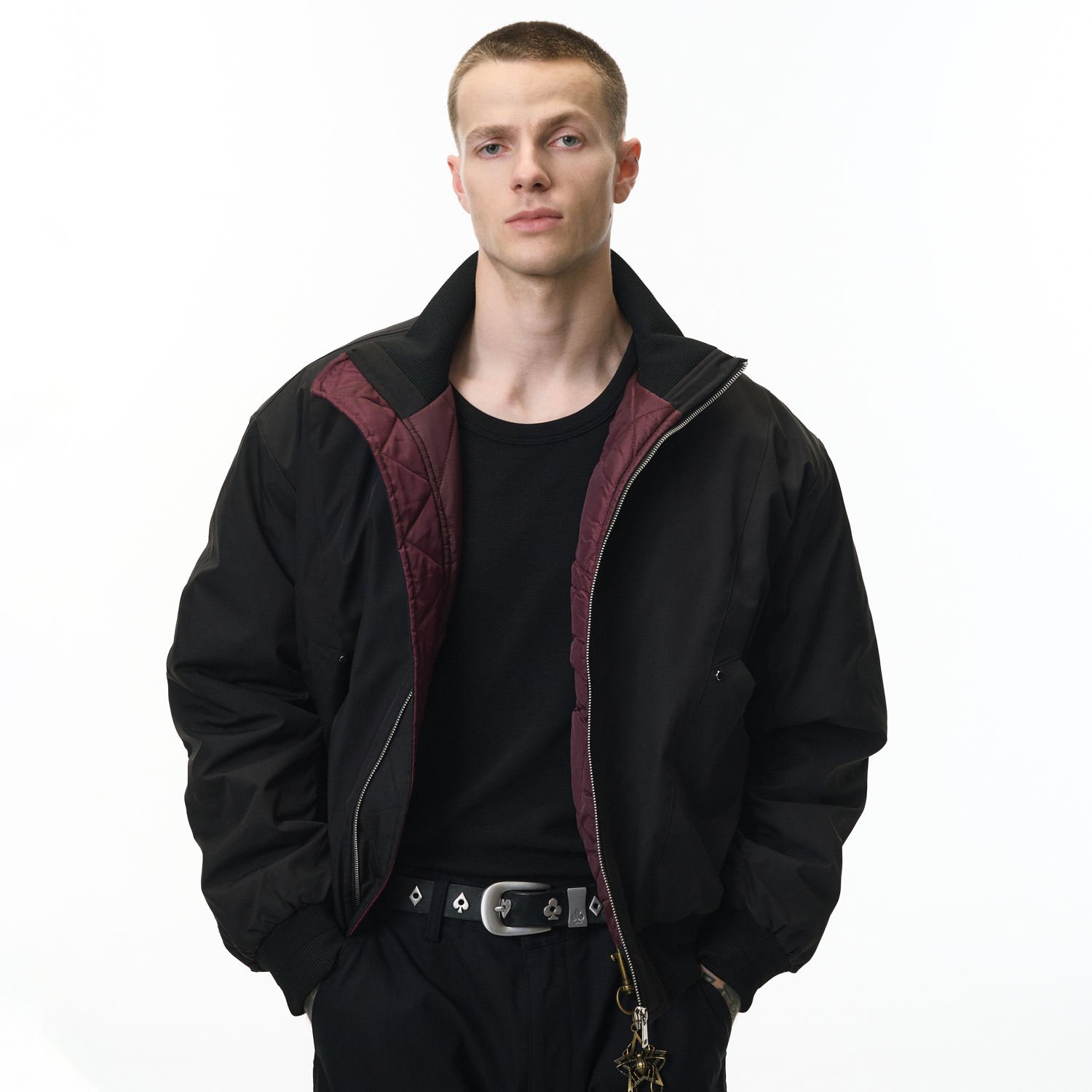
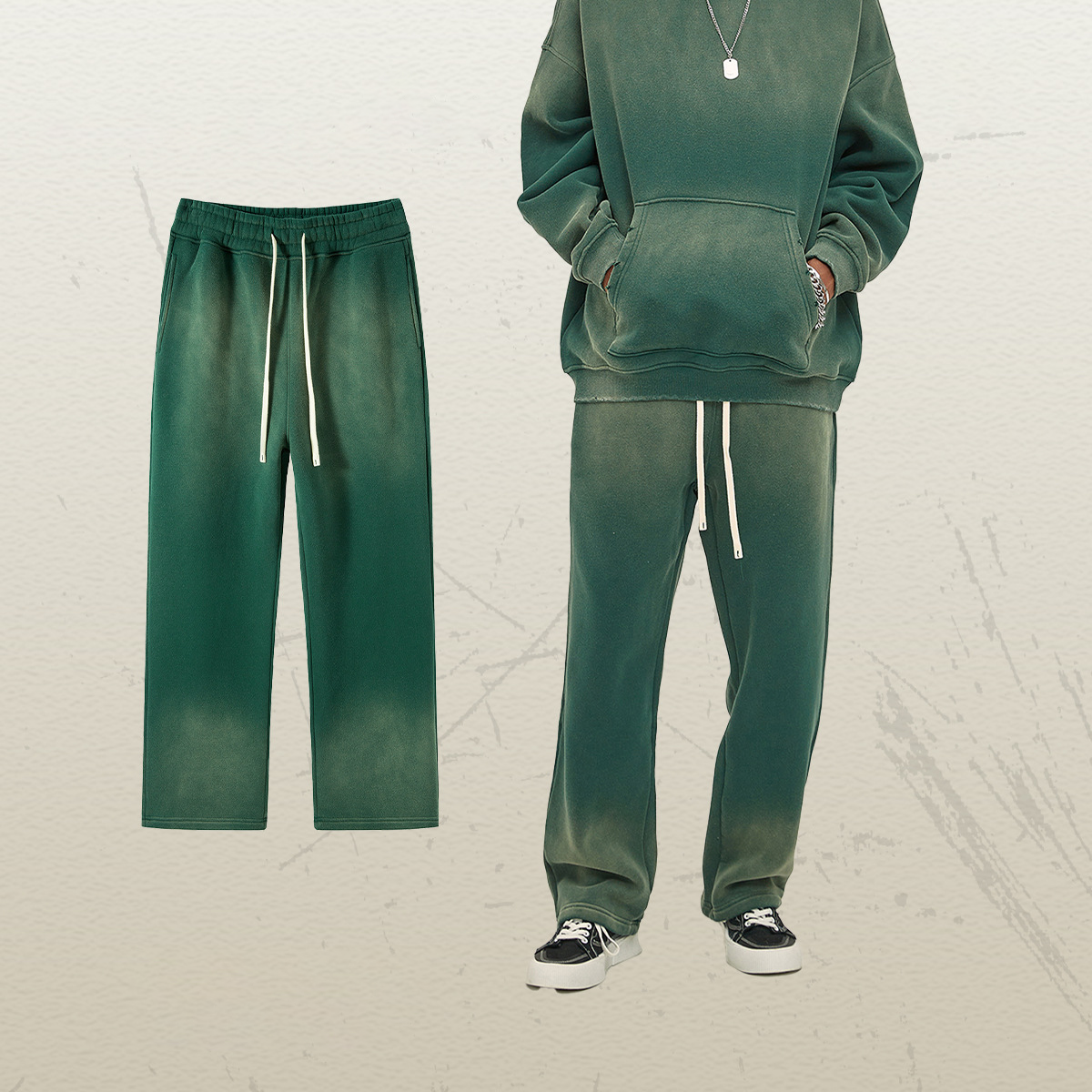
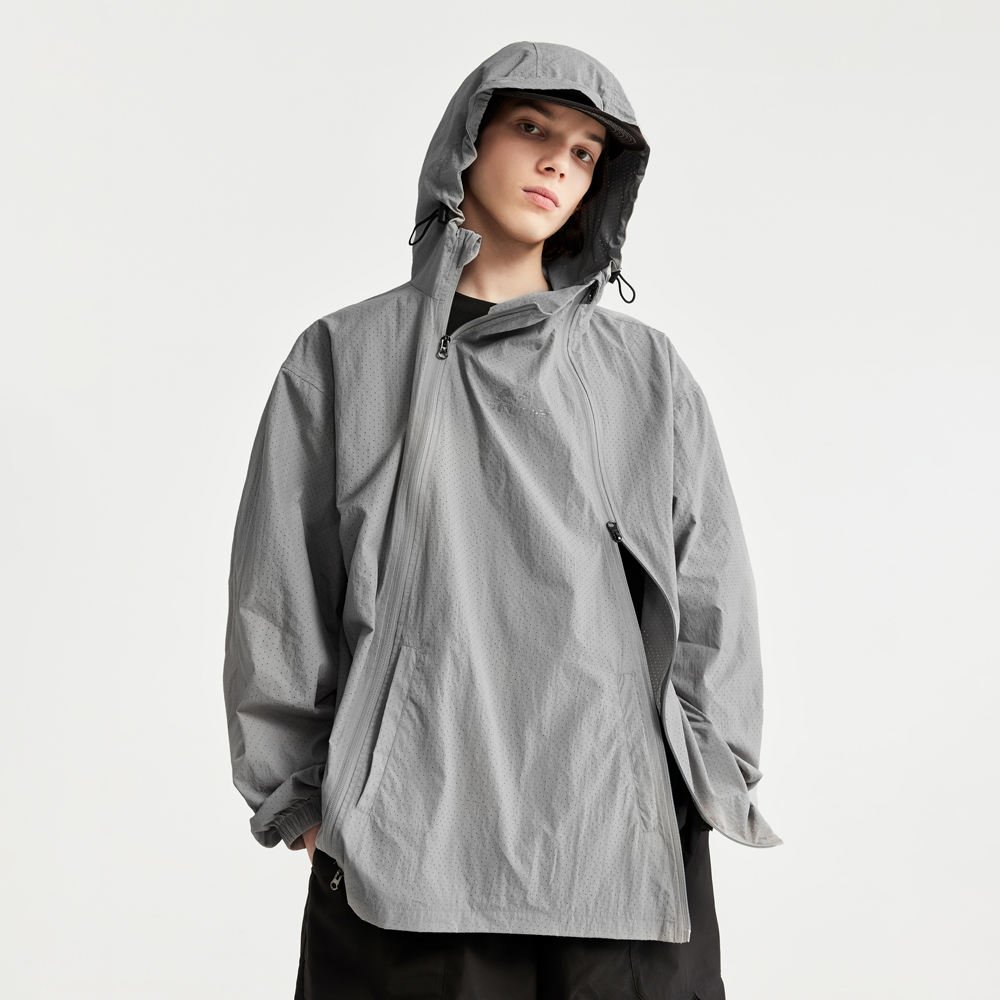
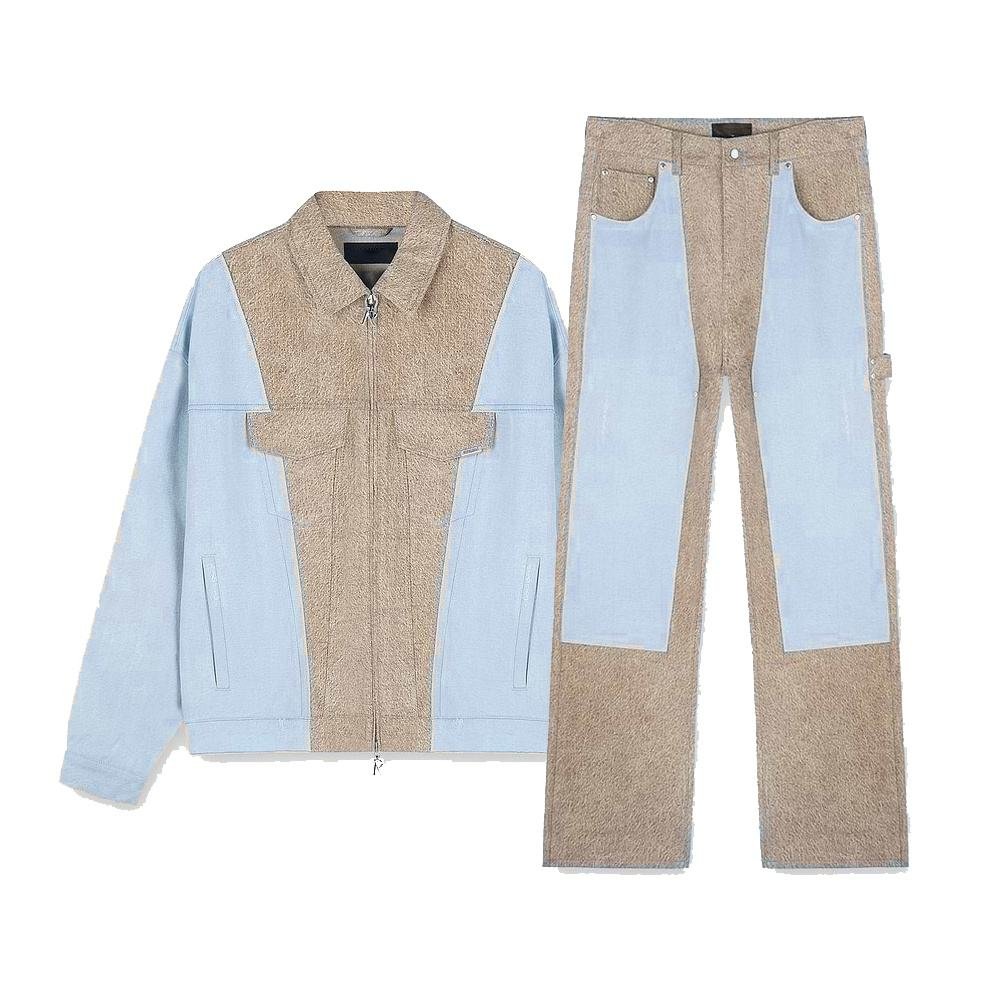
Featured Men’s Leather Jacket Designs
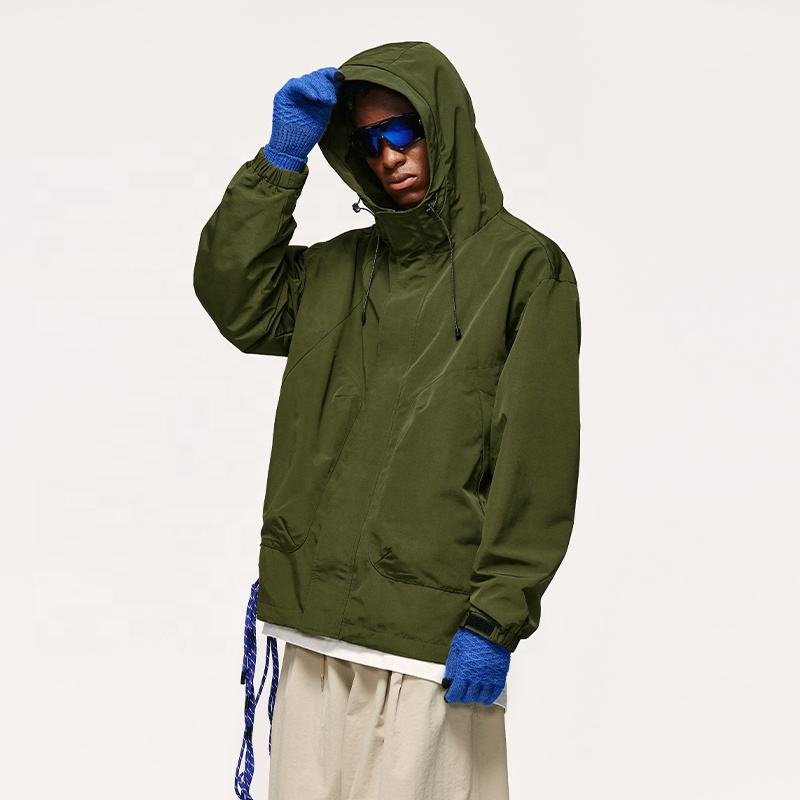
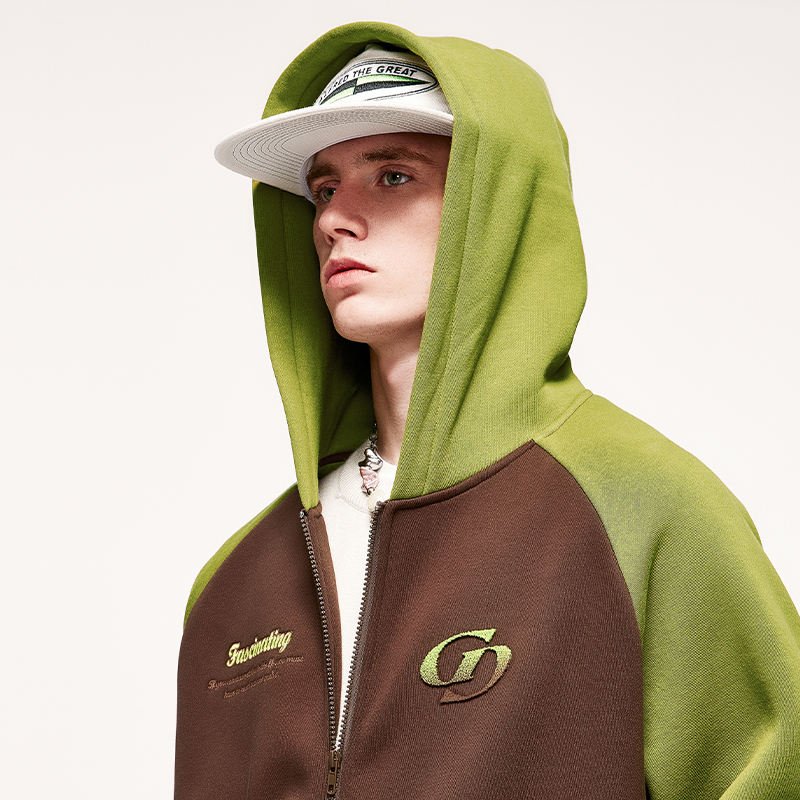
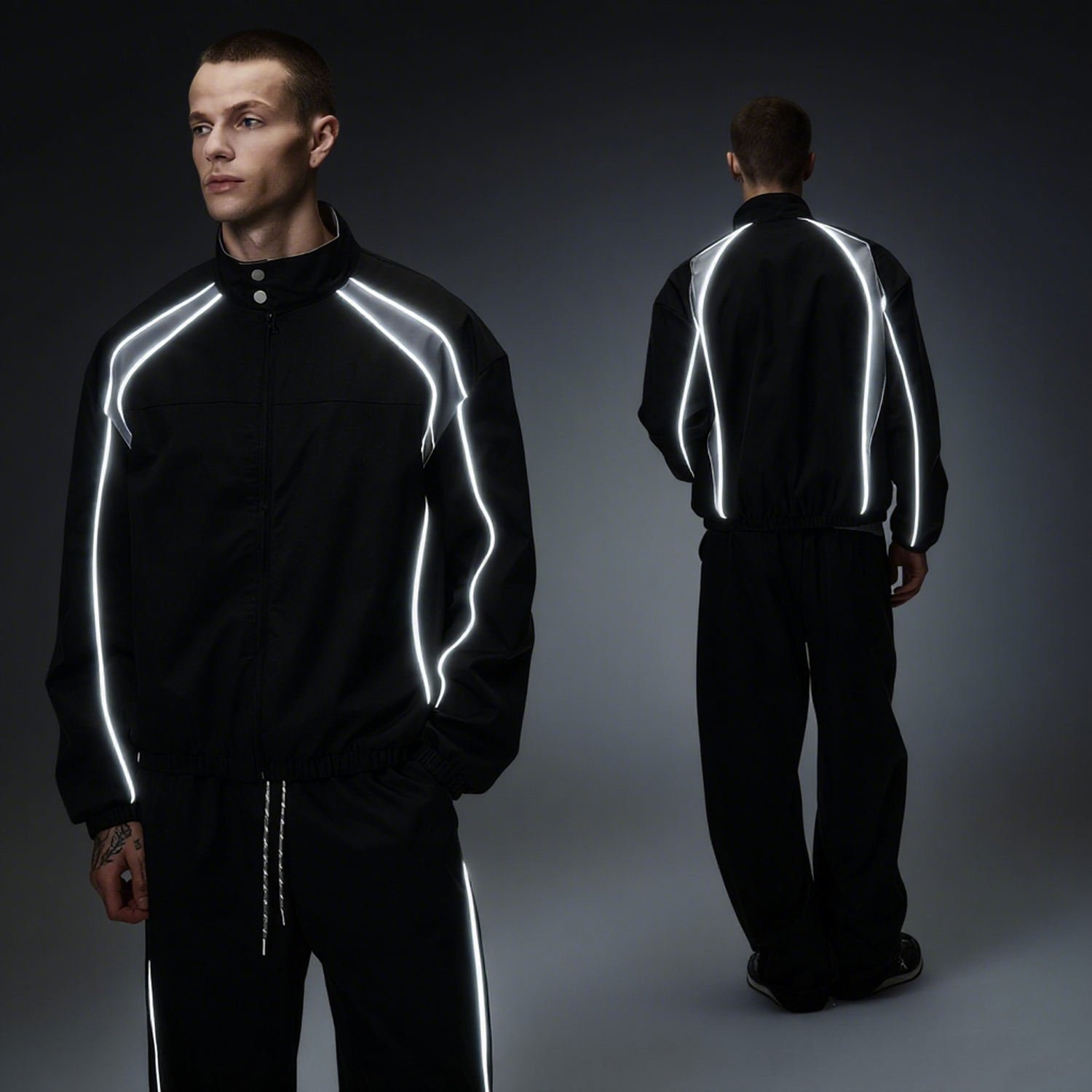
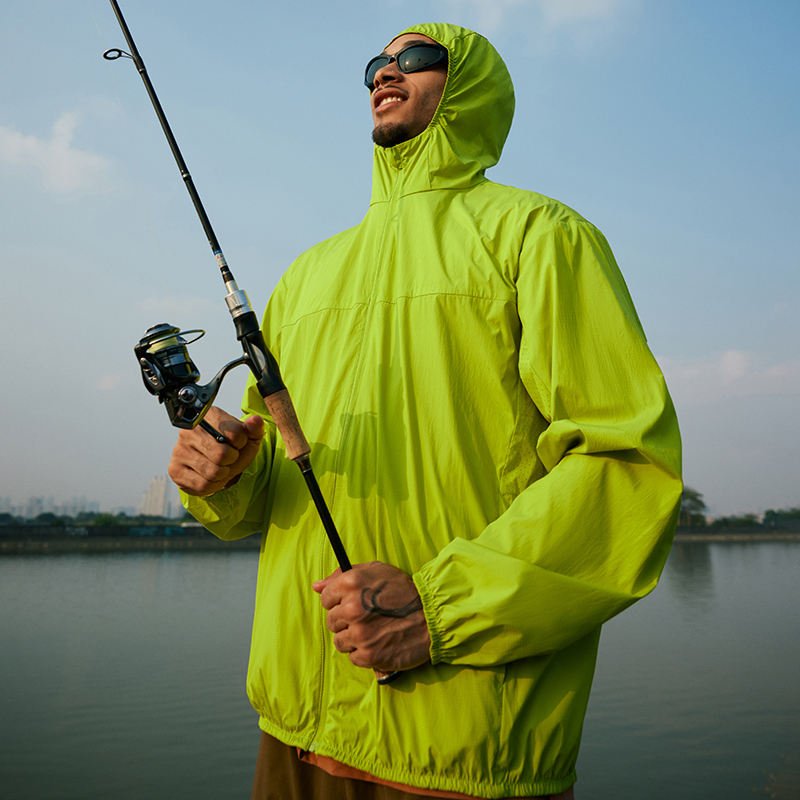
Why Brands Choose Our Men’s Leather Jacket Manufacturer
5-Step Quality Control Guarantee
Every leather jacket undergoes rigorous testing at materials, cutting, craft, sewing, and finished product stages to eliminate defects before shipment.
In-House Design & Sampling Team
Our 15-member R&D team brings your vision to life with custom patterns, technical sketches, and rapid prototyping for leather jackets.
Fast Turnaround for Seasonal Drops
We understand streetwear timelines. Get your men’s leather jacket collections produced quickly to capture trend-driven demand and seasonal windows.
Low MOQ for Emerging Brands
Launch your leather jacket line without massive inventory risk. We support startups and independent designers with flexible minimum order quantities.
Streetwear & Influencer Line Expertise
Over 6 years specializing in trend-driven streetwear production. We’ve helped brands grow from zero to hundreds of thousands of followers.
Global Shipping & Logistics Support
Serving customers in over 100 countries with transparent customs, declaration, and international freight management for seamless leather jacket delivery.
Men’s Leather Jacket Manufacturer for Every Style & Trend
From classic moto to oversized streetwear, our design team and 5-step QC process deliver premium leather jackets across all categories with low MOQ and fast turnaround.
Classic Moto & Biker
Traditional moto jackets require precise pattern work, durable hardware, and authentic detailing that many manufacturers cut corners on, resulting in poor fit and cheap-looking finishes.
We deliver authentic biker jackets with reinforced stitching, premium YKK zippers, and ergonomic paneling. Our cutting QC ensures symmetrical lapels and consistent leather thickness across every piece.
Oversized Streetwear Leather
Oversized silhouettes demand expert pattern grading and trend-forward design elements. Startups struggle to find manufacturers who understand streetwear aesthetics and can execute bold, contemporary cuts.
Our 15-member R&D team specializes in streetwear trends including dropped shoulders, exaggerated proportions, and graphic placements. We've helped influencer brands scale from zero to tens of thousands of followers.
Custom Print & Embroidery
Adding custom graphics, embroidery, or screen prints to leather requires specialized equipment and techniques. Many factories refuse small custom orders or deliver inconsistent print quality that damages brand reputation.
We support low MOQ custom decoration with in-house printing and embroidery capabilities. Our craft QC testing verifies color accuracy, placement precision, and durability before sewing production begins.
Racing-Inspired Performance Jackets
Performance leather jackets need technical features like ventilation panels, stretch inserts, and protective padding while maintaining sleek aesthetics. Poor construction compromises both safety and style.
We integrate functional design elements with fashion-forward styling, using multi-material construction and reinforced impact zones. Our materials QC tests leather durability and stretch panel elasticity to performance standards.
Vintage & Workwear Styles
Authentic vintage and workwear leather jackets require distressed finishes, period-correct hardware, and heavy-duty construction that looks effortless but demands meticulous craftsmanship and quality materials.
We source premium full-grain and distressed leathers with authentic patina. Our sewing production QC ensures durability through reinforced stress points, while our finishing team delivers genuine vintage aesthetics.
Premium Leather Materials From Your Trusted Men’s Leather Jacket Manufacturer
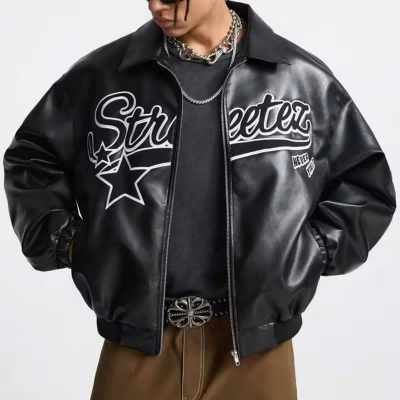
Nappa Leather
Exceptionally soft, supple leather with a smooth, luxurious hand-feel. Chrome-tanned for flexibility and comfort. Lightweight at 0.6-0.9mm thickness. Ideal for contemporary streetwear jackets and fashion-forward designs that prioritize comfort.
Vegetable-Tanned Leather
Eco-friendly leather processed using natural tannins from tree bark. Chemical-free production with sustainable credentials. Develops unique character and warm honey tones with wear. Popular for vintage-inspired and artisan jacket collections.
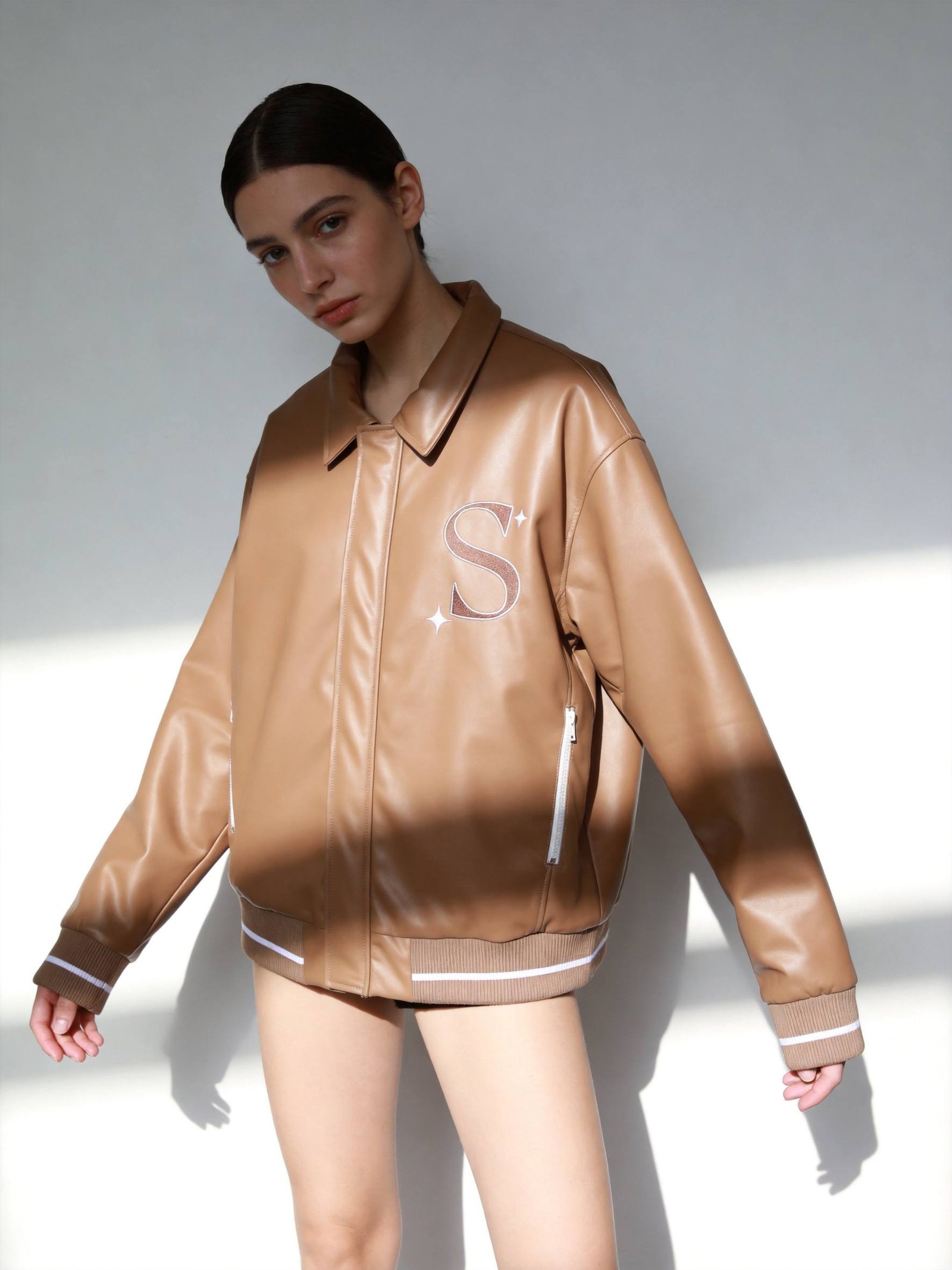
Suede Leather
Soft, napped finish created from the inner split of hide. Delivers distinctive matte texture and casual aesthetic. Requires special care but offers unmatched tactile appeal. Excellent for trucker jackets and relaxed streetwear styles.
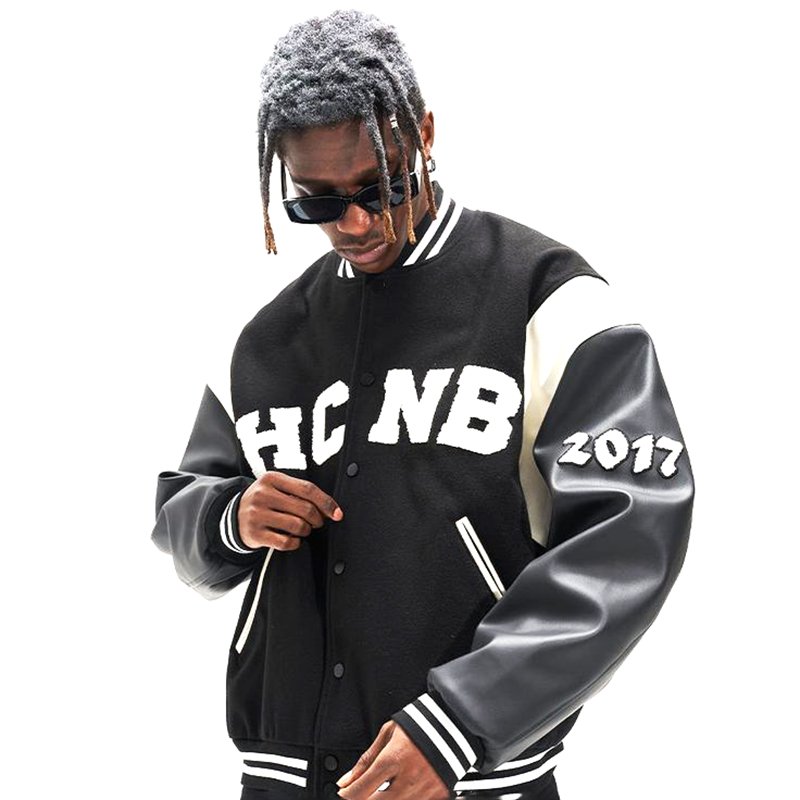
Distressed Leather
Treated leather with intentional worn, vintage appearance and rugged character. Features deliberate creasing, color variation, and aged patina effects. Medium weight 1.0-1.2mm. Perfect for edgy streetwear brands and biker-inspired collections.
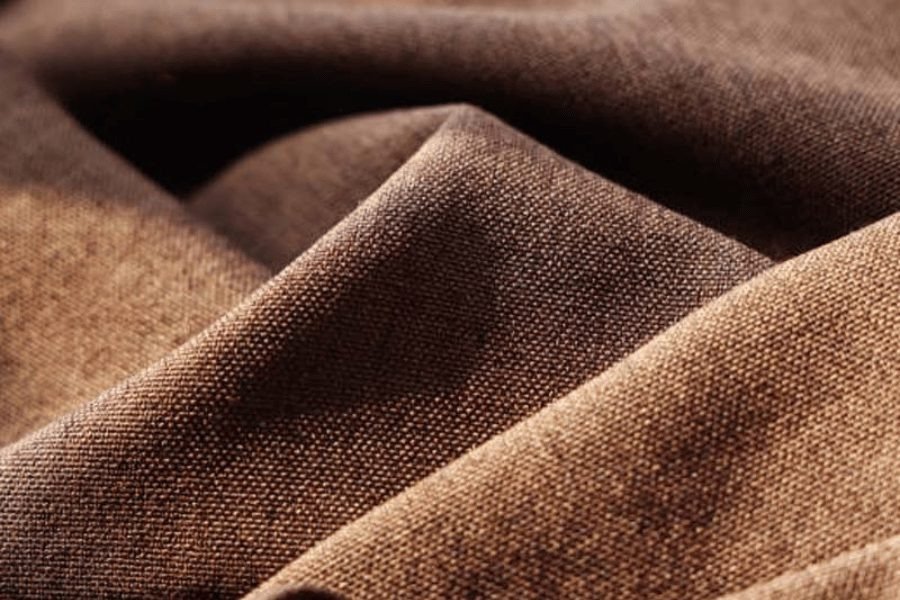
Recycled Leather
Sustainable material crafted from reclaimed leather fibers and bonding agents. Reduces waste while maintaining durability and workability. Cost-effective option with environmental benefits. Suitable for emerging brands prioritizing sustainability and accessible pricing.
Advanced Production Processes for Men’s Leather Jacket Manufacturer
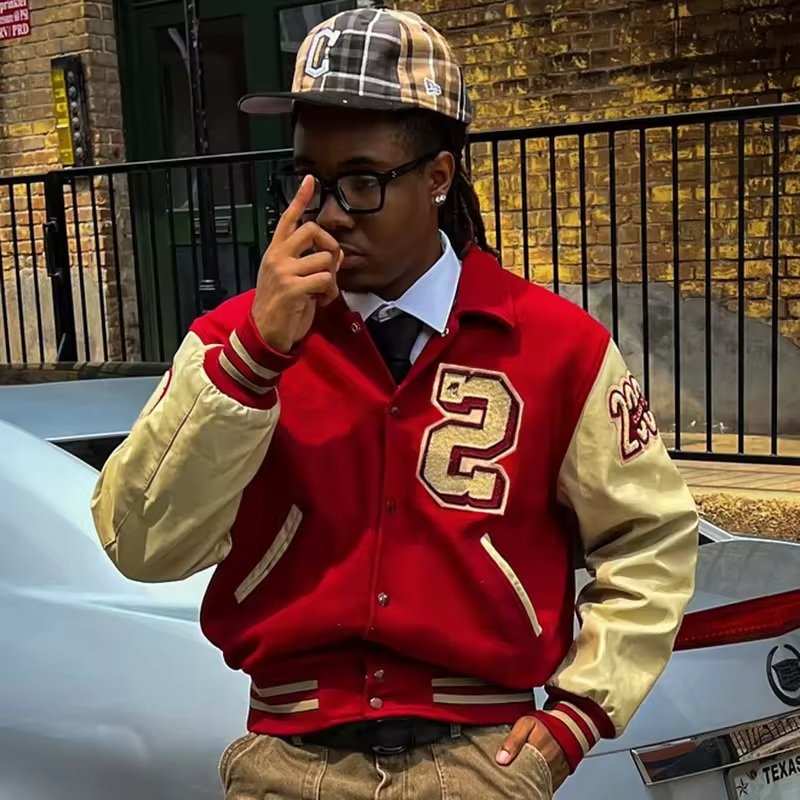
Precision Laser Cutting
Computer-guided laser technology ensures flawless pattern accuracy and intricate detail work on leather panels. Creates clean edges, reduces material waste, and enables complex design elements impossible with traditional cutting methods.
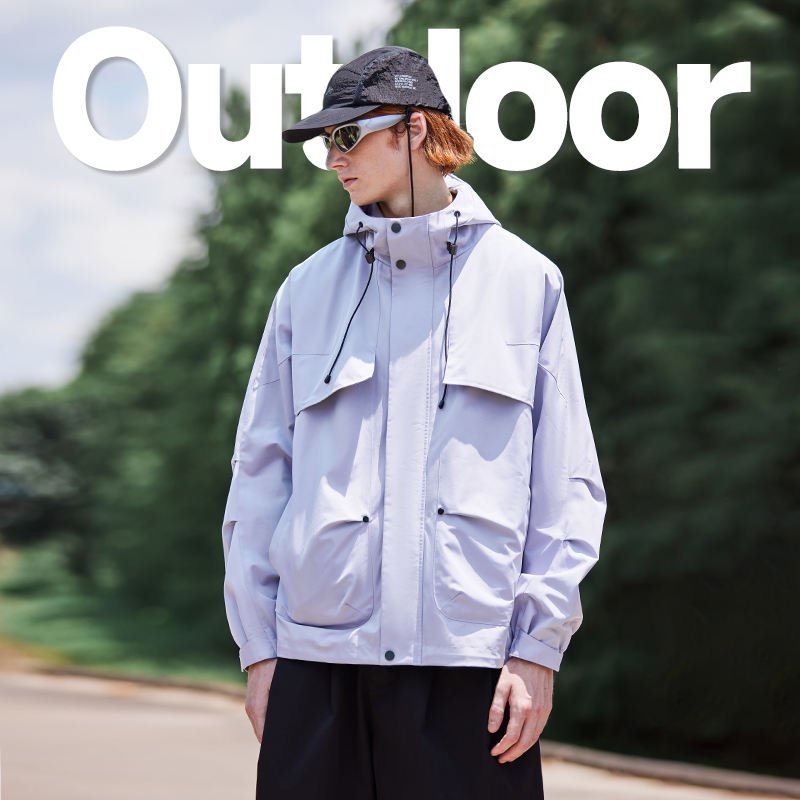
Hand-Stitched Detailing
Skilled artisans execute reinforced seams and decorative stitching by hand for superior strength and authentic craftsmanship. Delivers heirloom-quality construction that withstands years of wear while adding distinctive character to every jacket.
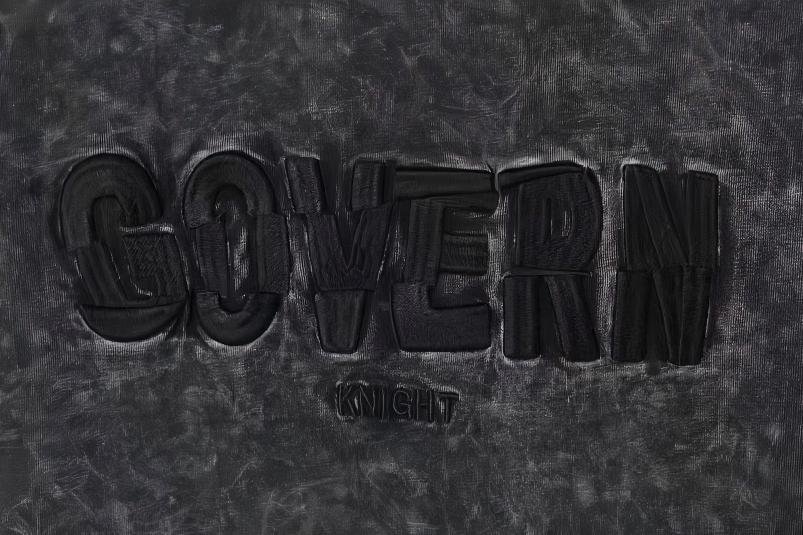
Custom Embroidery Application
High-density thread embroidery brings logos, graphics, and brand elements to life on leather surfaces. Our specialized machines handle delicate leather without puckering, creating bold, three-dimensional designs that elevate brand recognition.
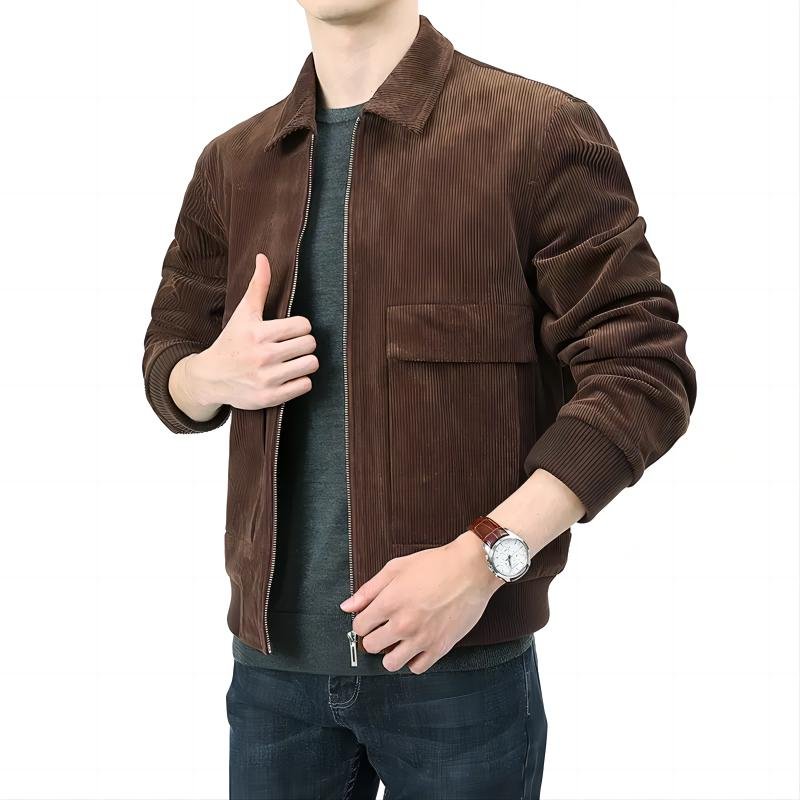
Distressing & Aging
Controlled abrasion, chemical treatments, and finishing techniques create authentic vintage aesthetics and worn-in textures. Each jacket receives custom distressing to match your brand’s streetwear vision, from subtle patina to bold weathered effects.
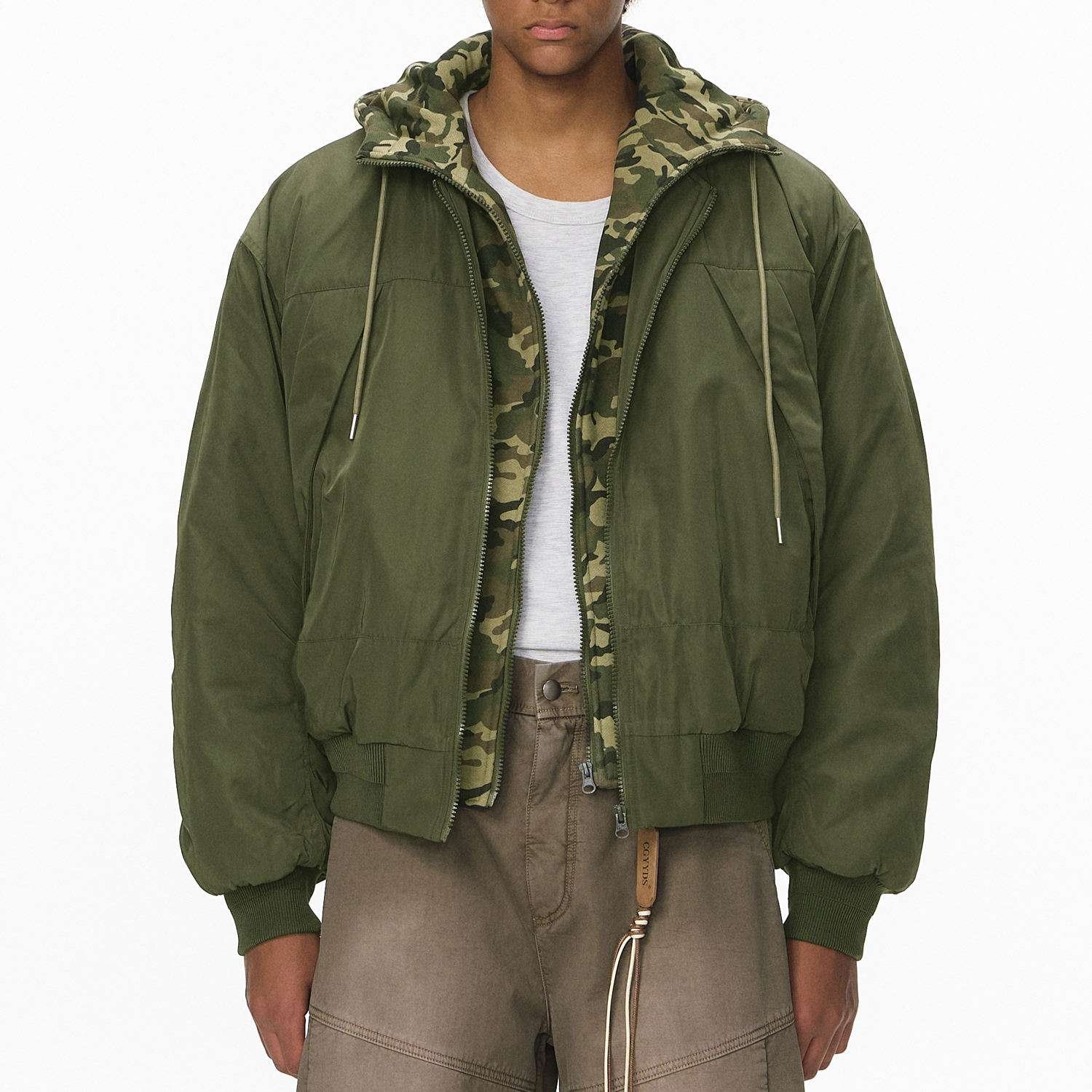
Hardware Integration
Precision installation of zippers, snaps, studs, buckles, and custom metal components using reinforced attachment methods. We source premium hardware globally and secure every element to withstand daily use while maintaining design integrity.
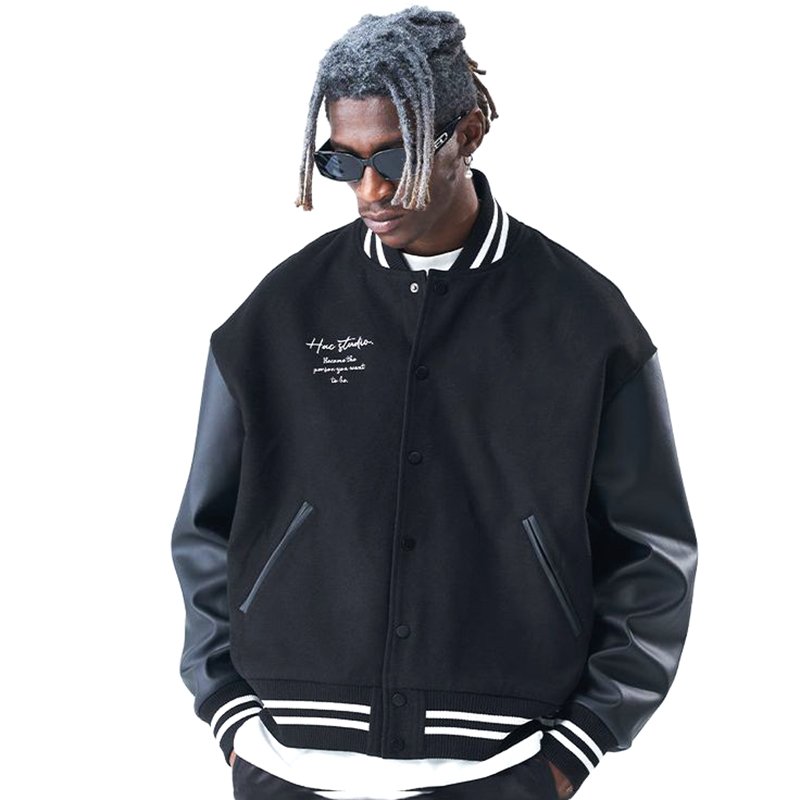
Multi-Layer Construction
Strategic layering of leather, lining, insulation, and reinforcement panels creates structure, comfort, and thermal performance. Our pattern engineers optimize every layer for drape, mobility, and durability through rigorous prototype testing.
Hardware & Finishing Accessories for Men’s Leather Jacket Manufacturer Projects
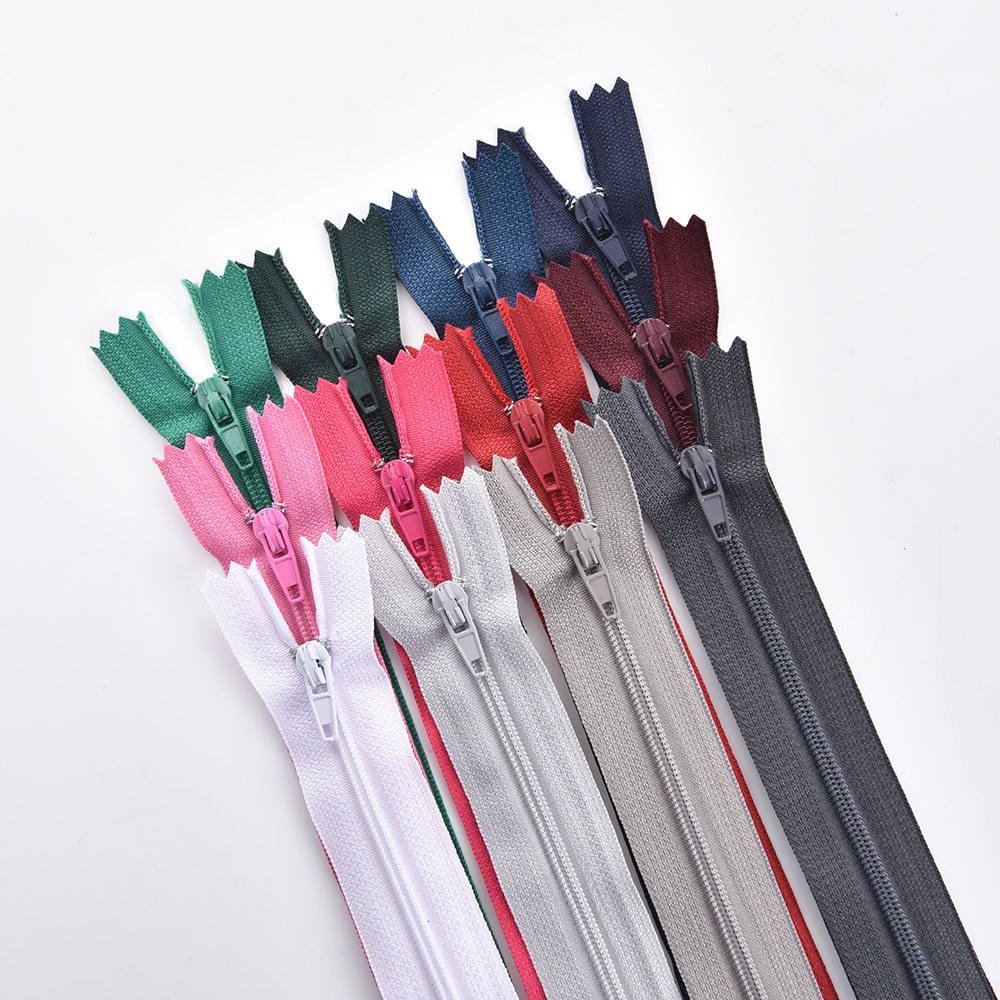
YKK Metal Zippers
Premium YKK metal zippers engineered for durability and smooth operation on leather jackets. Available in antique brass, gunmetal, and silver finishes to match your brand aesthetic. Essential for front closures, pockets, and sleeve details.
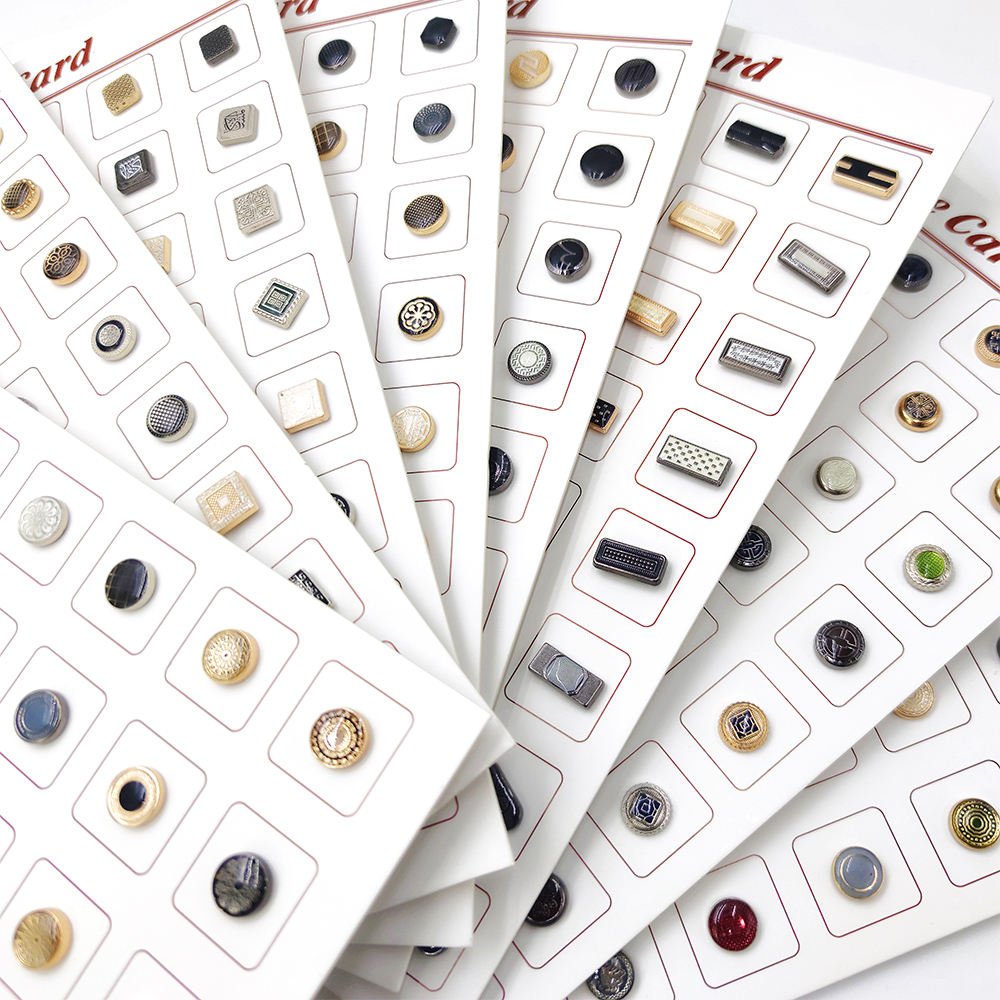
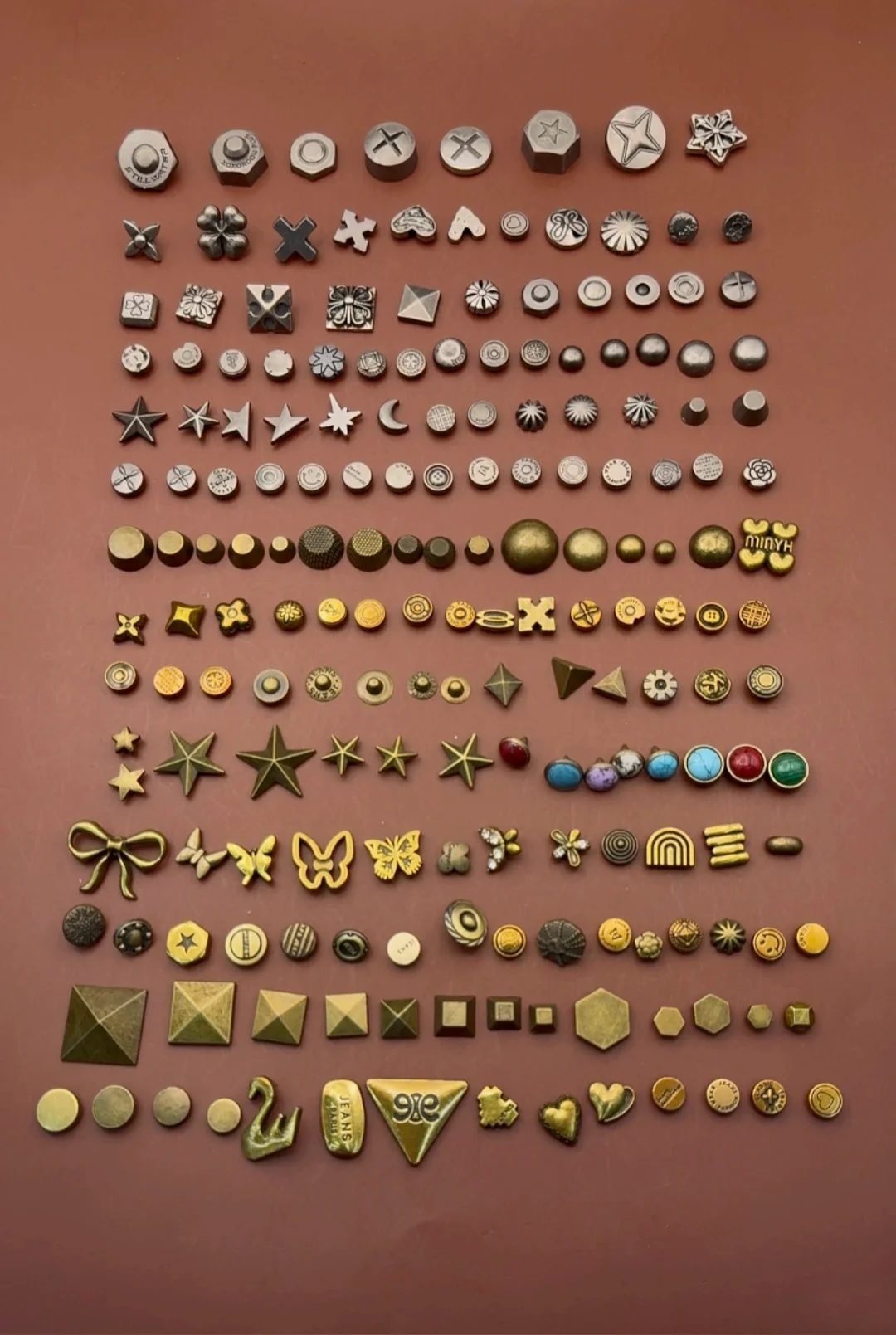
Custom Snap Buttons
Heavy-duty snap buttons in various finishes including matte black, polished nickel, and aged brass. Perfect for collar closures, cuff adjustments, and pocket flaps on men’s leather jackets. Branded engraving available for premium brand identity.
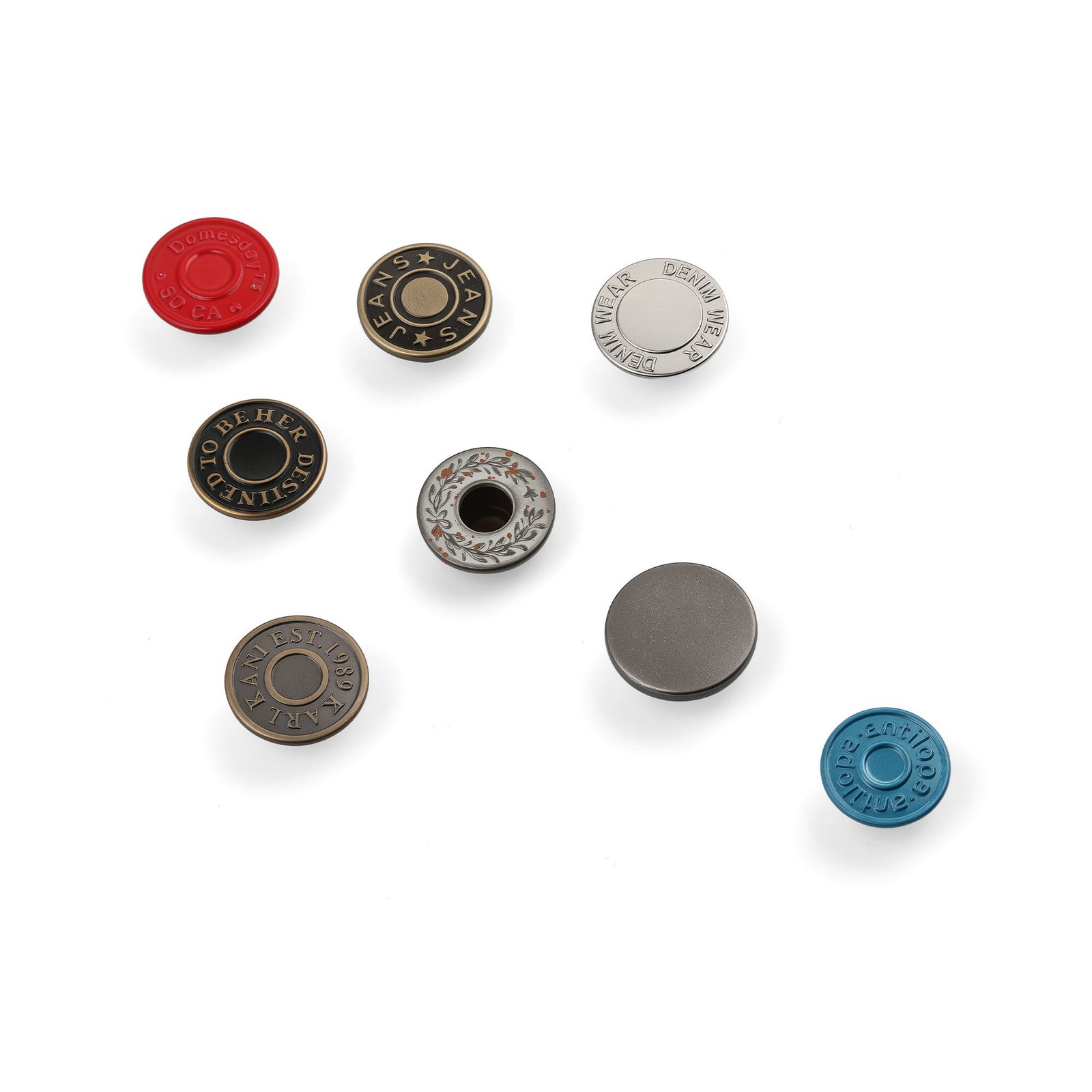
Metal D-Rings & Buckles
Robust metal D-rings and adjustable buckles for belt details, shoulder straps, and waist cinches. Available in multiple metal finishes to complement leather tones. Add functional style and adjustability to bomber and moto jacket designs.
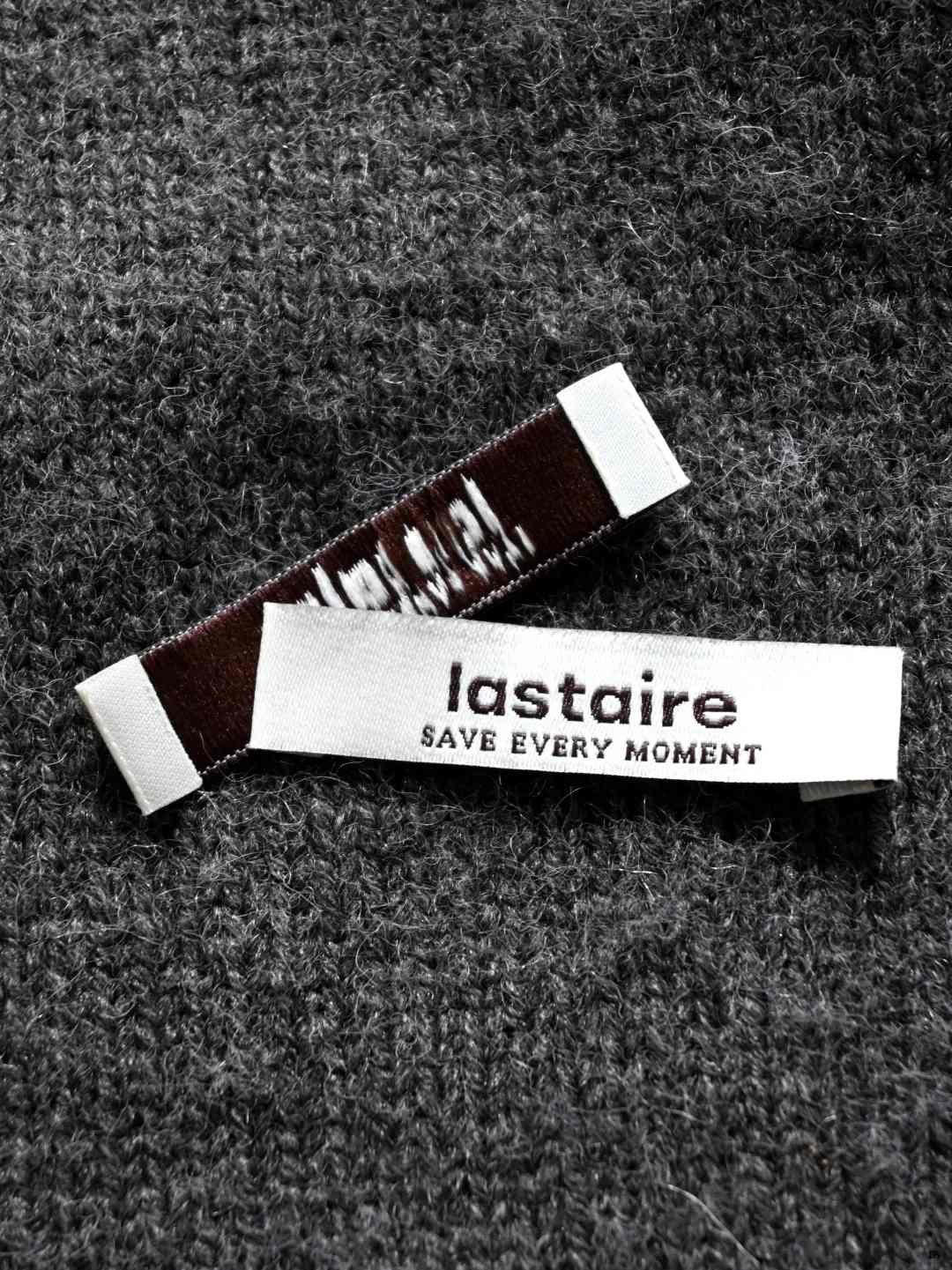
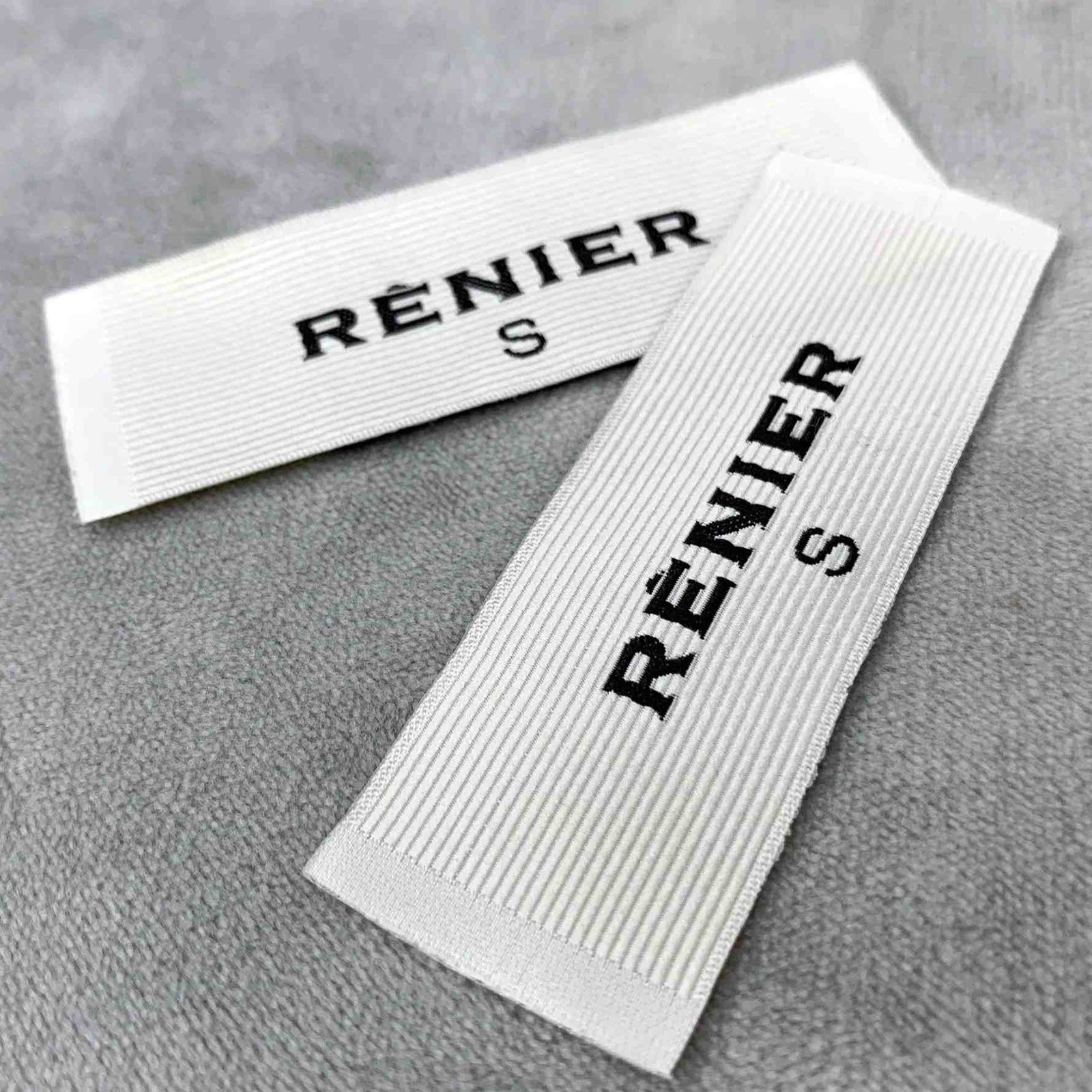
Woven Brand Labels
High-definition woven labels with your brand name and logo for neck, side seam, or interior pocket placement. Durable construction withstands wear and cleaning. Essential for brand recognition and authenticity in every men’s leather jacket.
Custom Leather Patches
Debossed or embossed leather patches featuring your logo, wordmark, or signature design elements. Applied to sleeves, chest, or back yoke for premium branding. Creates tactile brand identity that resonates with streetwear and fashion-forward audiences.
Drawcords & Tipping
Reinforced drawcords with custom metal or plastic tipping for hood and hem adjustments. Available in colors matched to your leather or contrast shades for design impact. Adds functional detail and contemporary styling to leather hooded jackets.
Trusted Men's Leather Jacket Manufacturer
Founded in 2024 by Tesla Luo, Clothing Manufacturer Ltd. emerged from a decade of hands-on production experience and a family legacy in garment manufacturing. After witnessing too many Chinese factories skip critical quality checks, Luo established our company to restore trust in Chinese apparel production through rigorous testing and transparent craftsmanship.
As a specialized men’s leather jacket manufacturer, we combine 6 years of streetwear expertise with our proprietary 5-step QC process—inspecting materials, cutting, craft, sewing, and finished garments at every stage. Our 15-member R&D team and 10 patents support emerging brands and global retailers with low MOQs, fast turnaround, and zero-compromise quality standards.
We’ve served customers across 100+ countries, helping fashion startups and influencer brands scale from zero to thousands of followers. Our mission is simple: empower your brand with premium leather jacket manufacturing that meets the highest standards, delivered with the reliability and expertise you deserve.
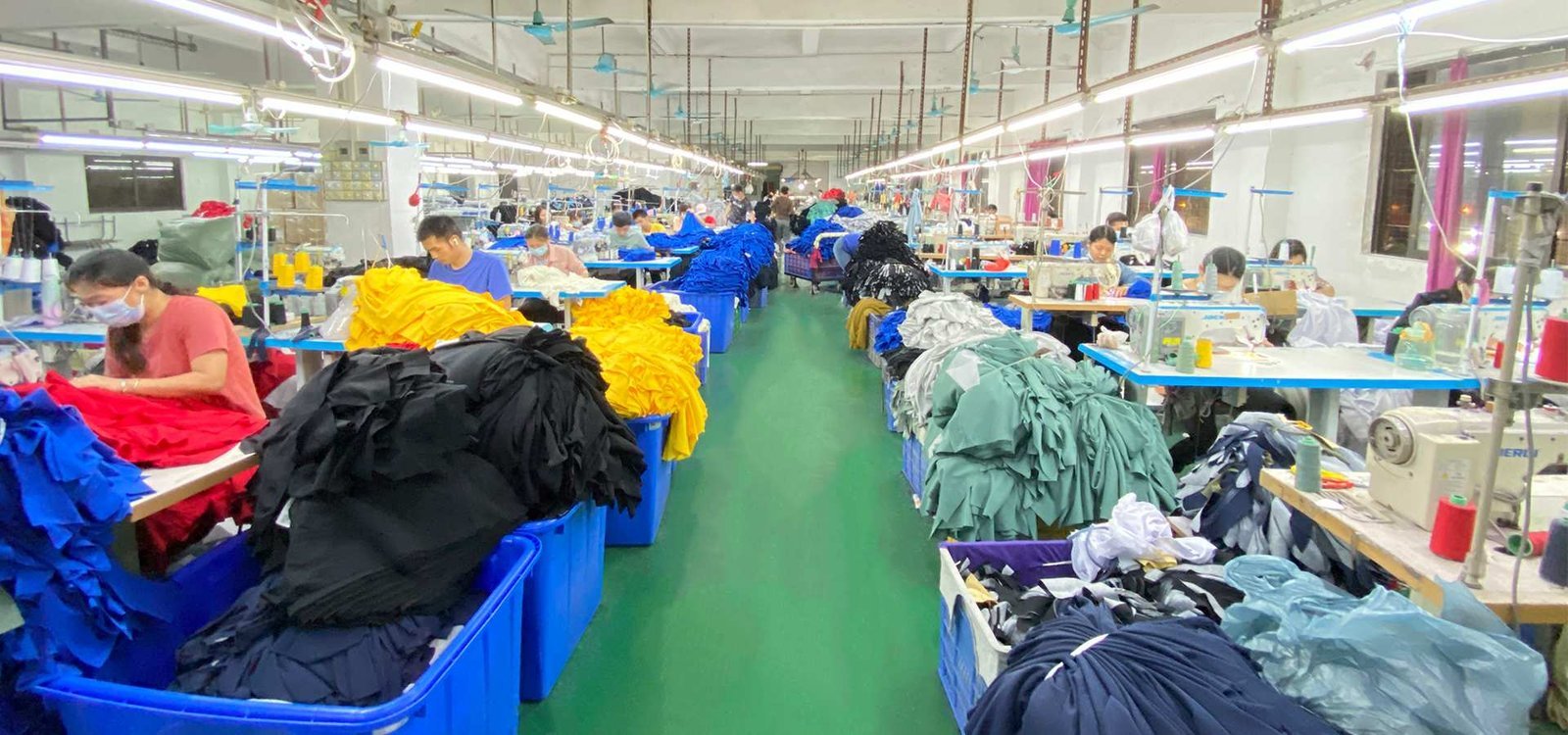
Our 5-Step Quality Control Process for Men’s Leather Jackets
Materials QC Testing Before Production
Every leather hide and component is inspected before cutting begins. As a mens leather jacket manufacturer, we verify thickness, grain consistency, color accuracy, and hardware durability to ensure only premium materials enter production—eliminating defects at the source.
- Leather thickness and grain uniformity verification across every hide
- Color fastness and dye consistency testing to prevent fading or variation
- Hardware stress testing for zippers, snaps, buckles, and rivets
- Lining and trim material inspection for strength and compatibility
Cutting QC Testing for Precision
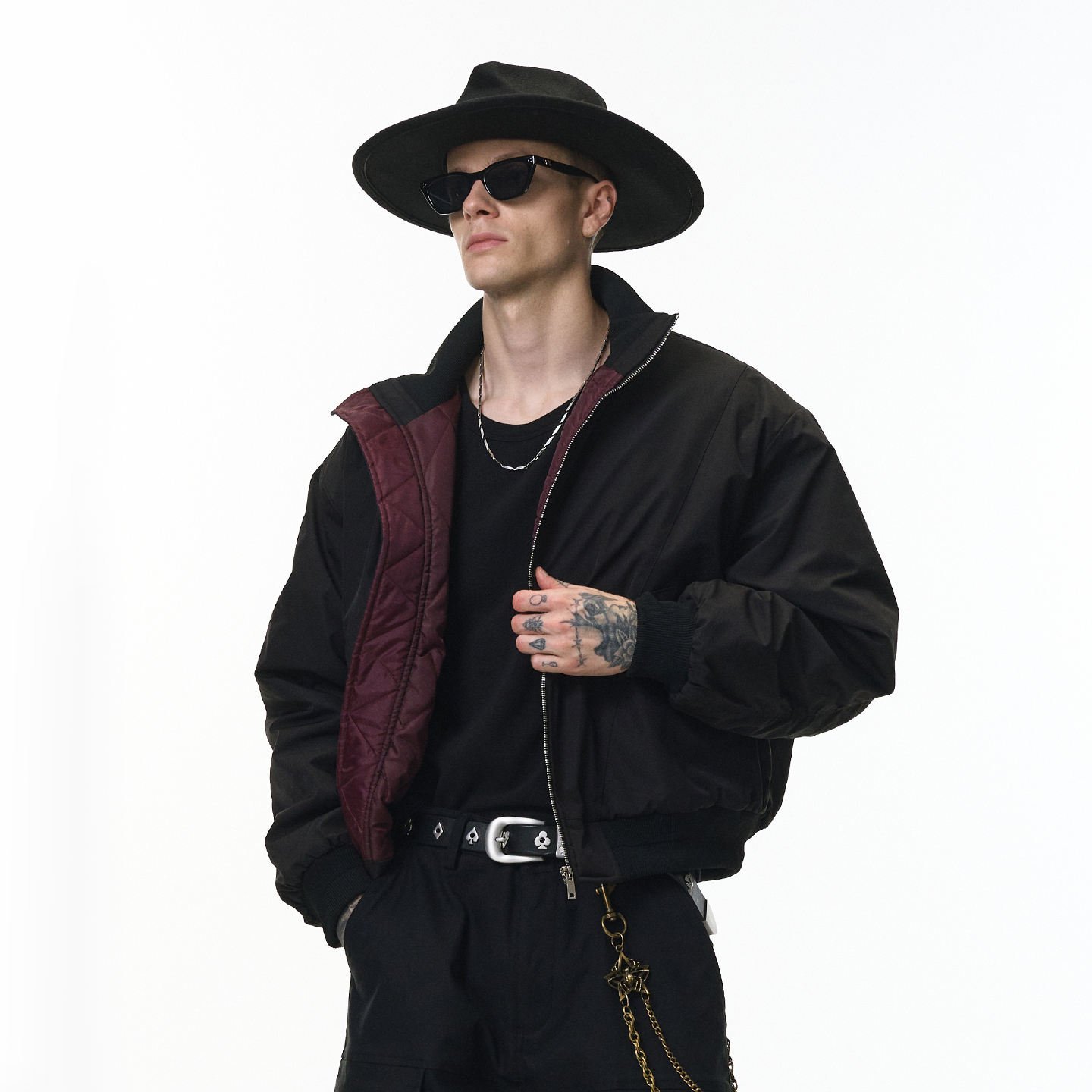
After materials pass inspection, our cutting QC ensures pattern accuracy and leather optimization. We verify that each panel is cut to exact specifications, grain direction is consistent, and no flaws compromise the integrity of your men’s leather jacket design.
- Pattern alignment verification to ensure size accuracy and fit consistency
- Grain direction matching for uniform appearance across all jacket panels
- Flaw identification and marking to avoid weak spots or blemishes
- Cut edge inspection to prevent fraying and ensure clean seam allowances
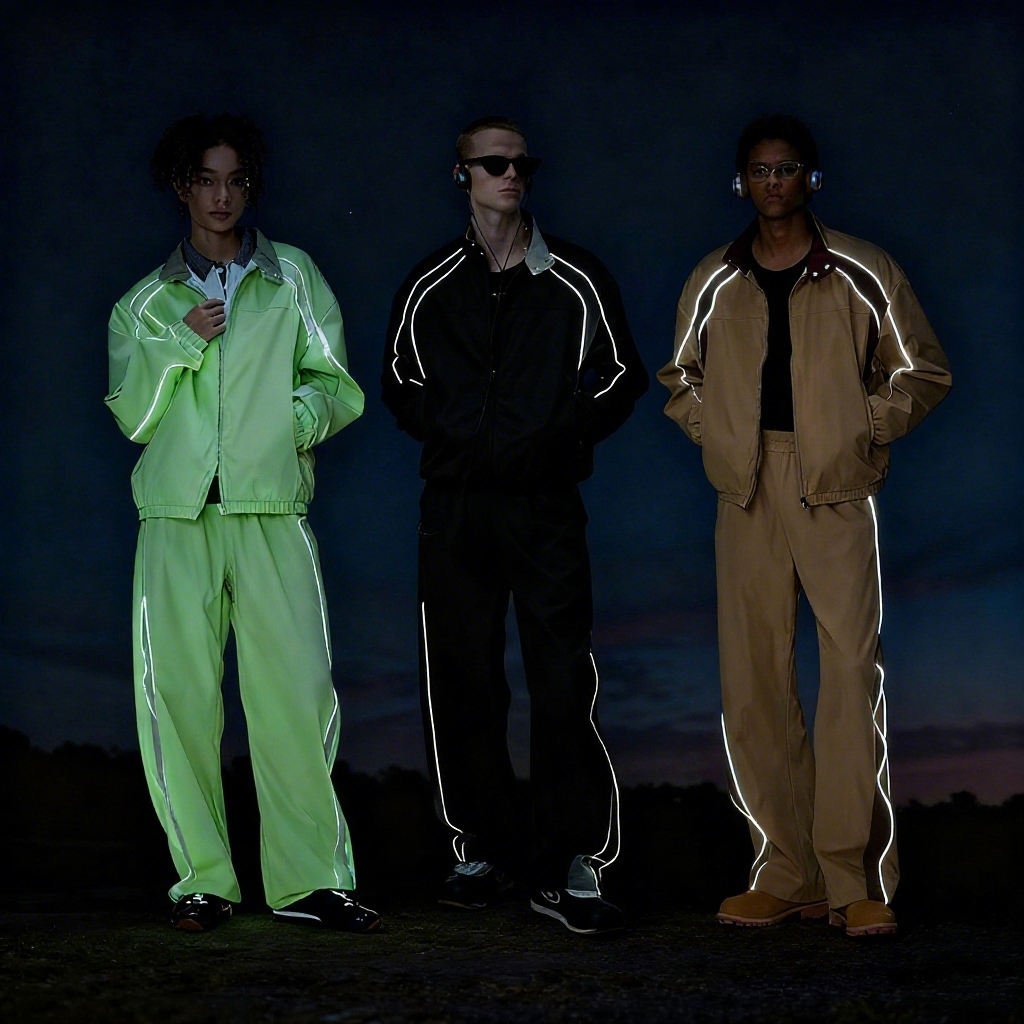
Clothing Craft & Sewing Production QC
During assembly, our team performs real-time quality checks at critical construction milestones. Unlike manufacturers who skip in-process testing, we inspect stitching tension, seam strength, and panel alignment as each jacket progresses through the production line.
- Stitch density and tension monitoring to prevent thread breakage or puckering
- Seam strength testing at stress points including shoulders, sleeves, and pockets
- Panel alignment verification to maintain symmetry and professional appearance
- Zipper installation and functionality testing before final assembly
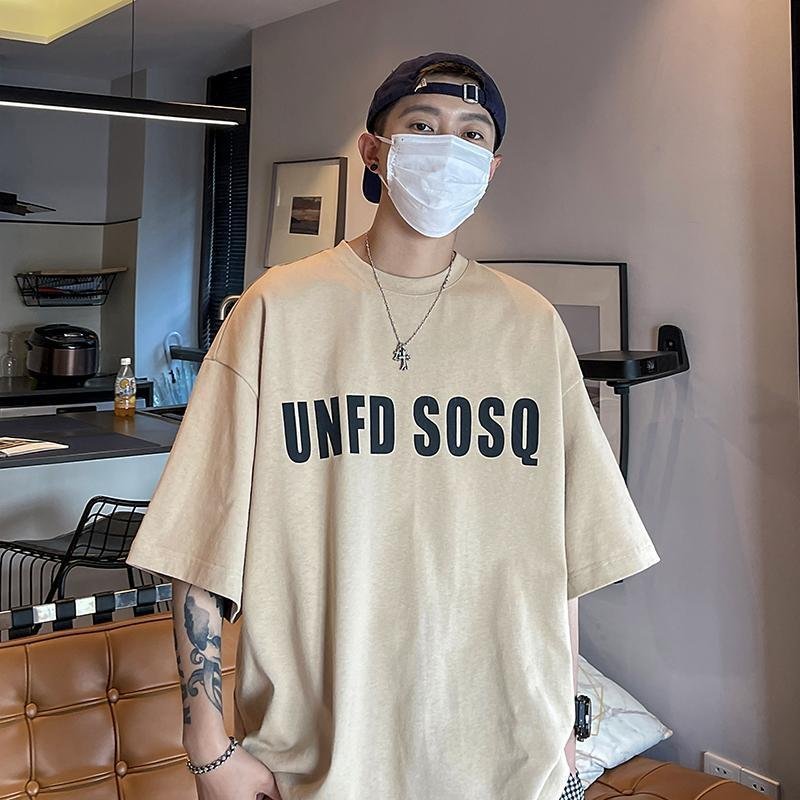
Finished Clothing Quality Final Inspection
Every completed men’s leather jacket undergoes comprehensive final inspection before packaging. We examine fit, finish, hardware function, and overall appearance against your specifications—ensuring only garments that meet our zero-compromise standard reach your customers.
- Fit verification across chest, shoulders, sleeves, and length measurements
- Hardware functionality testing for all zippers, buttons, and closures
- Surface inspection for scratches, stains, loose threads, or imperfections
- Packaging quality check to ensure jackets arrive in pristine condition
How We Compare to Other Mens Leather Jacket Manufacturers
See why global streetwear brands, startups, and independent designers trust Clothing Manufacturer Ltd for premium leather jacket production with uncompromising quality standards.
← 左右滑动查看 →
Men’s Leather Jacket Manufacturer Production Timeline
From concept to delivery, our streamlined process ensures every men’s leather jacket meets our 5-step QC standards and your brand vision.
Design & Sampling
Our in-house team develops tech packs, selects premium leather materials, and creates physical samples for your approval before production begins.
Material Sourcing & Cutting
We source certified leather and hardware, perform materials QC testing, then precision-cut patterns with cutting QC testing to ensure accuracy.
Sewing & Craft QC
Skilled artisans assemble each men’s leather jacket with clothing craft QC testing and sewing production QC testing at every critical stage.
Finishing & Inspection
Jackets undergo final finishing touches, hardware installation, and comprehensive finished clothing quality QC inspection to guarantee zero defects before packaging.
Packaging & Global Shipping
Each jacket is carefully packed with branded labels and tags, then shipped worldwide with full logistics support and tracking documentation.
How to Partner With a Men’s Leather Jacket Manufacturer
From initial design to finished product, our streamlined process makes it easy to bring your leather jacket line to life with confidence and quality assurance.
Submit Your Design or Tech Pack
Share your men’s leather jacket concept, sketches, or full tech pack with measurements, materials, and details. Our team reviews your specifications within 24 hours.
Receive Quote and Sample Timeline
We provide a detailed quote covering materials, production, and shipping, plus a sampling schedule. Low MOQ options available for emerging brands and startups.
Approve Your Sample Jacket
Our in-house team creates a physical sample using your chosen leather and hardware. Review fit, finish, and craftsmanship before bulk production begins.
Begin Bulk Production with QC
Once approved, production starts with our proprietary 5-step quality control process at every stage—materials, cutting, crafting, sewing, and final inspection.
Receive and Launch Your Collection
Finished jackets are inspected, packed, and shipped globally with full logistics support. Your men’s leather jacket line arrives ready to sell and impress.
Certified Men’s Leather Jacket Manufacturer You Can Trust
What Our Men’s Leather Jacket Manufacturer Clients Say
We scaled from 500 to 12,000 leather jackets per season in just 8 months. The 5-step QC process eliminated our defect issues completely, and their low MOQ let us test new styles without huge risk.
Their leather sourcing expertise saved us 30% on material costs while improving quality. We launched three capsule collections with zero production delays. Best mens leather jacket manufacturer we’ve partnered with.
Defect rate dropped from 18% to under 2% after switching manufacturers. Their team understood our influencer brand needs perfectly—fast turnaround, premium finishes, and they handled customs seamlessly for our US market.
Frequently Asked Questions About Working With a Men’s Leather Jacket Manufacturer
What is the minimum order quantity (MOQ) for a men’s leather jacket manufacturer?
How long does it take to produce custom men’s leather jackets from a mens leather jacket manufacturer?
Do you charge for samples, and what is the sampling process?
What payment terms does your mens leather jacket manufacturer offer?
How do you handle shipping, customs, and international logistics for leather jackets?
How does a mens leather jacket manufacturer protect my designs and intellectual property?
What customization options are available for men’s leather jackets?
What quality control measures does your men’s leather jacket manufacturer use?
The Complete Buyer’s Guide to Choosing the Right Mens Leather Jacket Manufacturer
Navigate supplier selection with confidence using our comprehensive framework covering quality benchmarks, customization capabilities, pricing tiers, and critical mistakes to avoid when partnering with a mens leather jacket manufacturer for your brand.
1. What Is a Mens Leather Jacket Manufacturer?
A mens leather jacket manufacturer is a specialized apparel producer that manages the complete production cycle from raw leather procurement through pattern making, cutting, sewing, finishing, and packaging. Full-service manufacturers handle material sourcing, technical pattern development, sample production, bulk manufacturing, and quality assurance under one roof, whereas cut-make-trim (CMT) shops perform only assembly work from client-supplied materials and patterns. Specialized leather jacket factories maintain dedicated equipment — including industrial leather-cutting machines, heavy-duty lockstitch and post-bed sewing machines, and leather-specific finishing tools — that general apparel producers typically lack.
Brands partner with dedicated leather jacket manufacturers rather than general clothing factories because leather demands distinct expertise in hide selection, grain orientation, stretch compensation, and seam reinforcement. A typical production workflow begins with leather grading and inspection, progresses through computerized or hand pattern cutting to maximize yield from irregular hides, then moves to multi-stage assembly where experienced machinists join panels using specialized needles and threads rated for leather’s density. Quality control occurs at each stage rather than only at final inspection, a practice that prevents costly rework and ensures consistent hand-feel and drape.
Standard services from a mens leather jacket manufacturer include custom pattern development from tech packs, pre-production sampling with up to three revision rounds, bulk production with minimum order quantities ranging from 50 to 500 units depending on complexity, in-process and final quality inspection, and retail-ready packaging with hang tags and poly bags.
2. Evolution of Men’s Leather Jacket Manufacturing
During World War I and II, military contracts drove the first large-scale production of men’s leather jackets, with the A-2 flight jacket (1931) and the B-3 bomber jacket (1934) establishing construction standards that manufacturers still reference today. These early pieces required heavy-duty cowhide and sheepskin, pushing tanneries and workshops to develop industrial-grade processes for consistent thickness and durability across thousands of units.
Motorcycle culture in the 1950s transformed leather jackets from functional military gear into symbols of rebellion, prompting manufacturers to shift from military contracts to civilian retail. Brands like Schott NYC scaled production to meet demand from riders and youth subcultures, establishing patterns—asymmetric zippers, snap collars, belted waists—that became templates for modern mens leather jacket manufacturer operations worldwide.
By the 1980s, production migrated to specialized geographic hubs: Italy for luxury craftsmanship, Pakistan for cost-effective cowhide and goat leather, Turkey for mid-tier fashion lines, and China for scalable volume production. Today, Chinese manufacturers in Humen and Guangzhou handle orders from 50 to 10,000 pieces, leveraging automated cutting machines and multi-stage quality control systems that artisan workshops could not achieve at comparable speed or price.
Modern consumer demand for sustainability has driven innovations in chrome-free tanning, water-based finishes, and polyurethane vegan alternatives that mimic full-grain leather. Manufacturers now offer both traditional vegetable-tanned cowhide and plant-based materials, responding to brands seeking ethical sourcing without sacrificing the structure and aesthetic that define men’s leather jackets.
3. Types of Mens Leather Jacket Manufacturer Specializations
Mens leather jacket manufacturer specializations vary widely by production philosophy, design capability, and target market. Understanding which category aligns with your brand’s volume, aesthetic, and timeline ensures efficient sourcing and quality outcomes.
Classic Biker and Moto Specialists
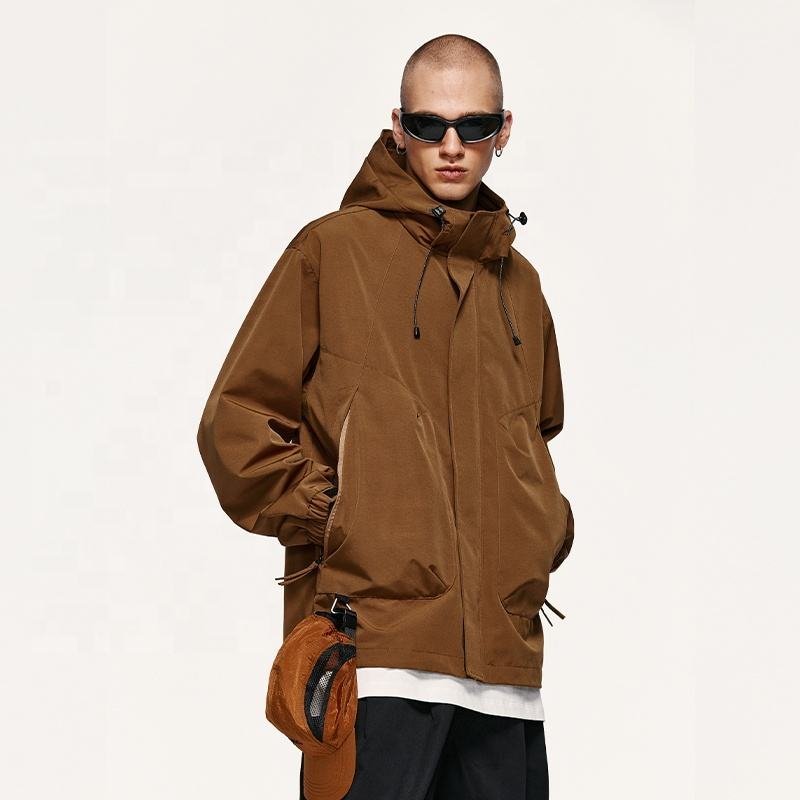
These manufacturers focus on traditional motorcycle jacket construction with heavy-duty hardware, reinforced stitching, and full-grain leather. MOQ typically ranges from 100 to 300 units per style, with lead times of 45 to 60 days.
Best suited for heritage streetwear brands and retailers seeking authentic biker aesthetics. Design flexibility is moderate, centered on classic silhouettes with limited pattern experimentation.
Fashion-Forward Contemporary Producers
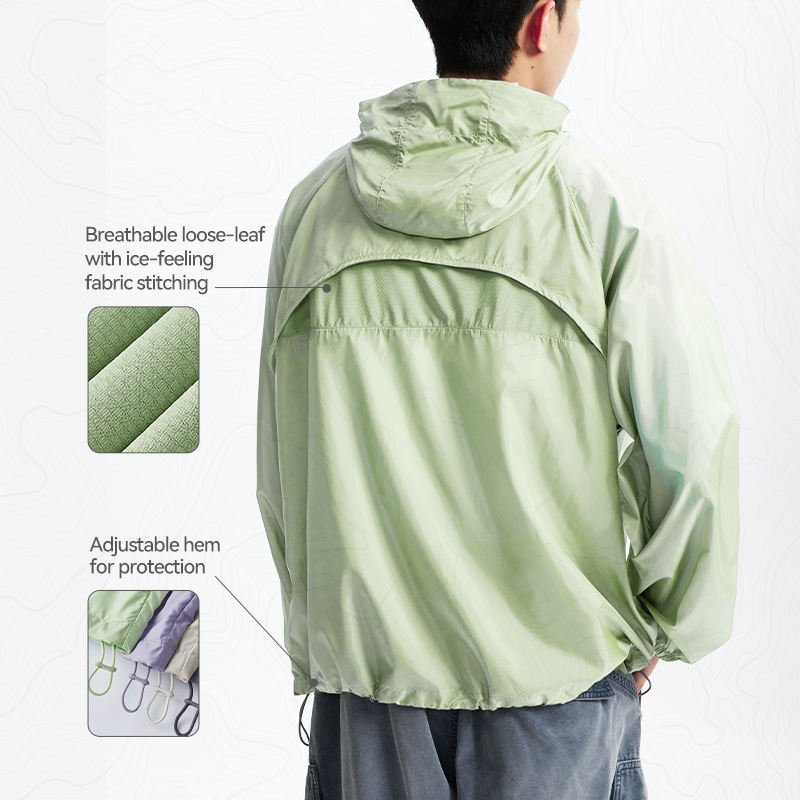
Contemporary mens leather jacket manufacturer operations prioritize trend-driven designs, slim fits, and seasonal color palettes. MOQ often starts at 50 to 150 pieces, with 30 to 45 day lead times for faster market entry.
Ideal for fashion startups and influencer brands requiring agile production and design iteration. These factories offer high customization in cuts, finishes, and branding details.
Luxury Atelier-Style Makers
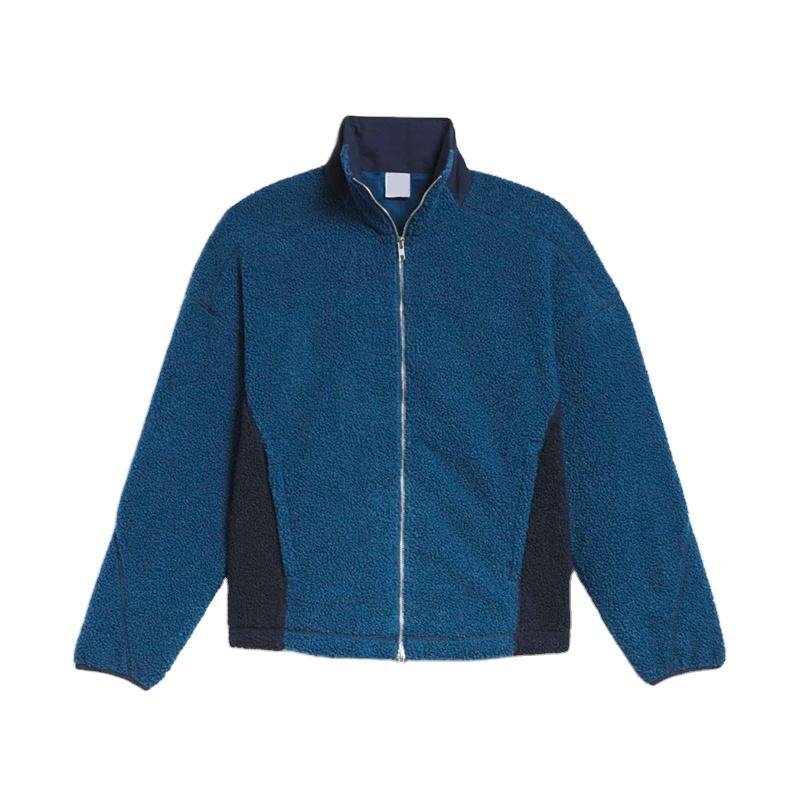
Atelier manufacturers deliver hand-finished jackets with bespoke detailing, exotic leathers, and couture-level craftsmanship. MOQ can be as low as 10 to 30 units, but lead times extend to 60 to 90 days and unit costs are significantly higher.
Suited for premium independent designers and niche luxury labels. Design flexibility is maximum, accommodating one-off prototypes and intricate customization.
Fast-Fashion Volume Factories
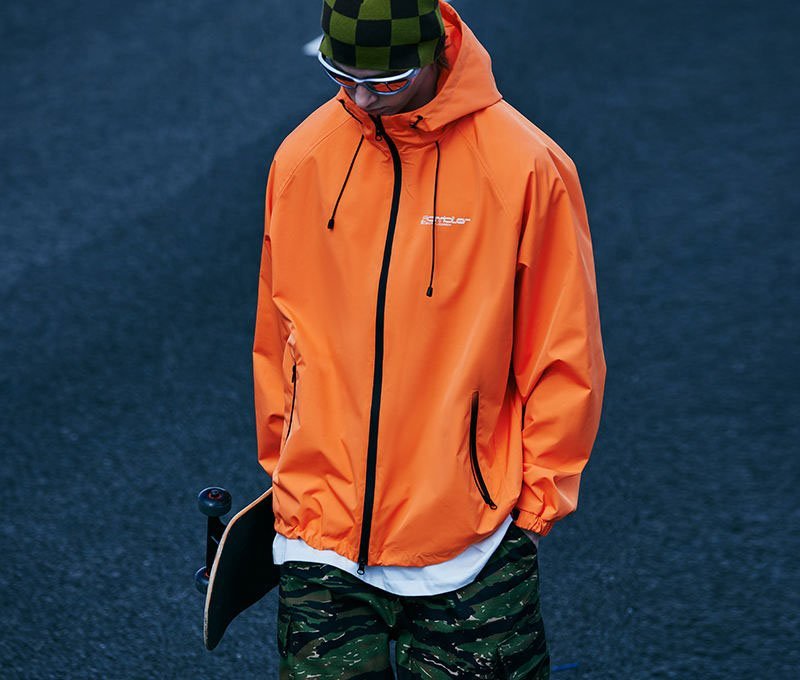
Volume-focused facilities produce standardized styles at scale, with MOQ from 500 to 2,000 pieces and lead times of 25 to 35 days. Material quality and construction often prioritize cost over longevity.
Best for global apparel retailers needing high-volume replenishment. Design flexibility is minimal, limited to colorway and logo placement changes on existing templates.
4. Leather Materials and Quality Grades
Understanding leather grades and tanning methods is critical when selecting a mens leather jacket manufacturer. Material choice directly impacts durability, texture, price point, and brand positioning across premium and budget lines.
| Material Type | Durability Rating | Price Tier | Best Use-Case |
|---|---|---|---|
| Full-Grain Leather | 10+ years | Premium | Luxury collections, heritage brands |
| Top-Grain Leather | 7–10 years | Mid-Range | Core product lines, retail brands |
| Genuine Leather | 3–5 years | Budget | Entry-level SKUs, promotional items |
| Bonded Leather | 1–2 years | Economy | Fast-fashion, disposable lines |
| PU / PVC | 2–3 years | Budget | Vegan lines, trend-driven streetwear |
| Plant-Based (Piñatex, Mylo) | 2–4 years | Premium Eco | Sustainable capsules, influencer collabs |
Leather Quality Grades Explained
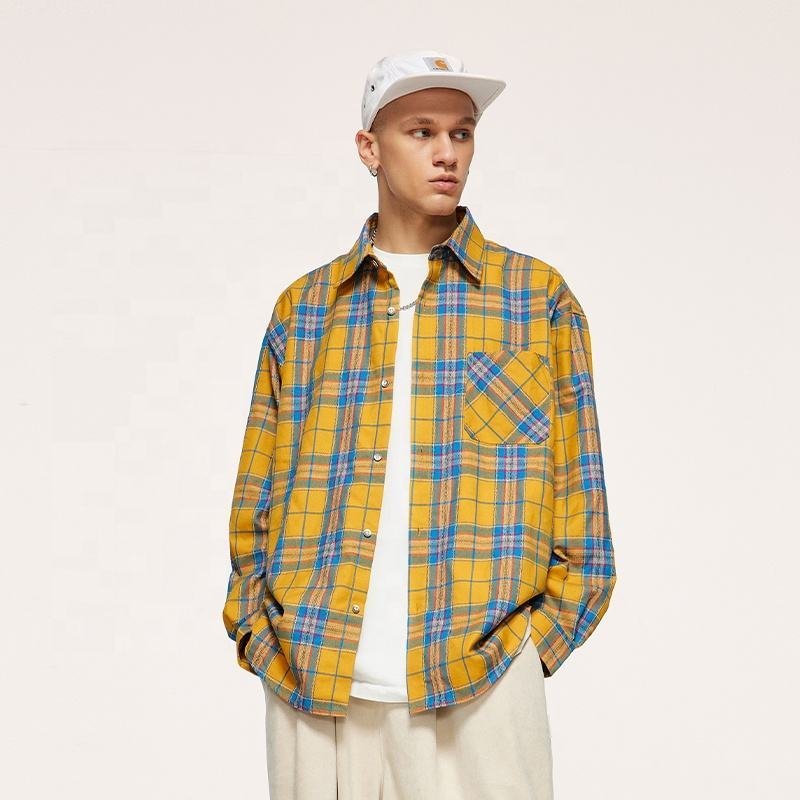
Full-grain leather retains the complete hide surface with natural grain patterns, offering maximum durability and developing a rich patina over time. Top-grain leather has the outer layer sanded and refinished for uniform appearance, balancing quality with cost.
Genuine leather comprises lower hide layers and requires heavy finishing; bonded leather uses leather scraps bonded with polyurethane, suitable only for budget collections. A mens leather jacket manufacturer with rigorous QC will specify exact grade and thickness (typically 0.8–1.2 mm for jackets) in tech packs.
Tanning Methods and Their Impact
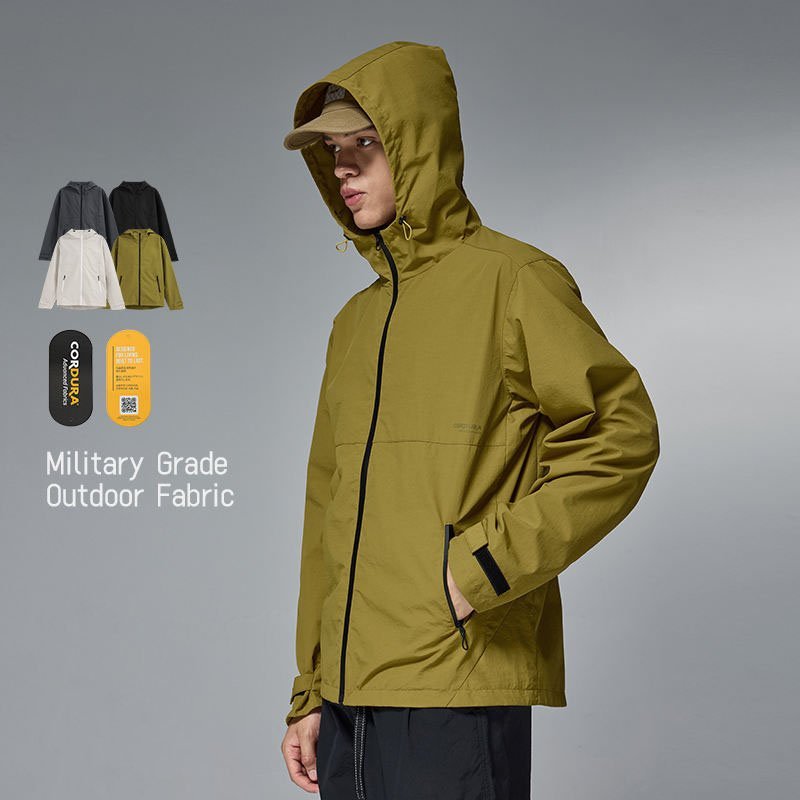
Chrome tanning uses chromium salts, completing in under 24 hours and producing soft, water-resistant leather at lower cost. Vegetable tanning employs natural tannins over weeks, yielding firmer, breathable leather that ages beautifully but commands 30–50% price premiums.
LWG (Leather Working Group) certification audits tanneries for environmental compliance, water use, and chemical management. Brands targeting sustainability should verify that their mens leather jacket manufacturer sources LWG-certified hides.
Vegan and Synthetic Alternatives
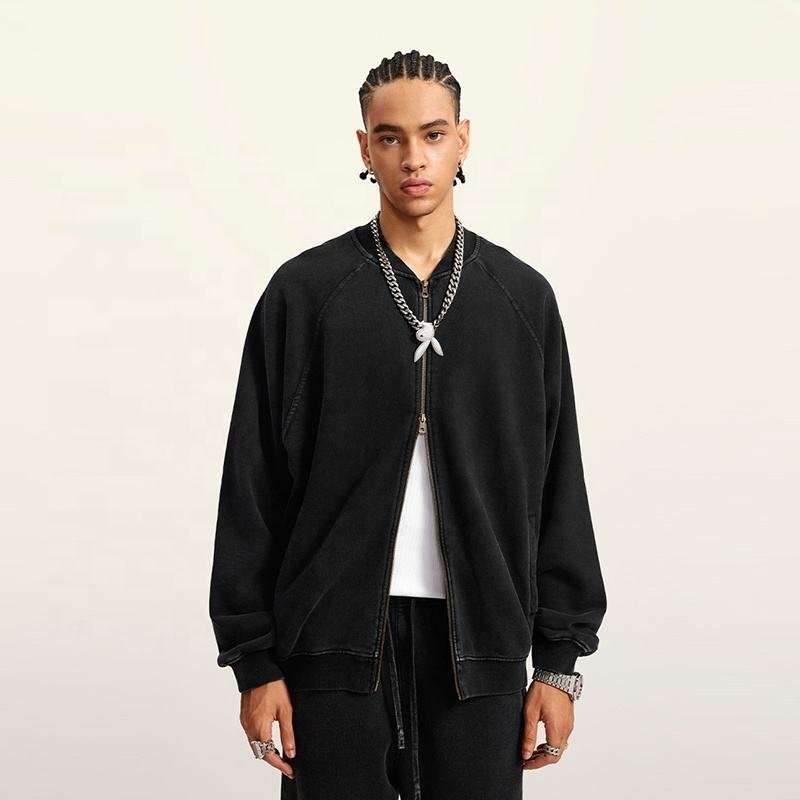
PU (polyurethane) leather offers moderate durability and breathability at entry-level prices; PVC is cheaper but less breathable and environmentally challenging. Plant-based alternatives using pineapple (Piñatex), mushroom (Mylo), or cactus fibers are emerging for eco-conscious lines.
A manufacturer experienced in streetwear can advise on synthetic material performance for high-movement designs. Vegan options suit influencer brands emphasizing sustainability, though durability remains 2–3 years versus 10+ for full-grain.
5. Customization and Branding Options for Mens Leather Jackets
Working with a mens leather jacket manufacturer offers extensive design and branding flexibility to differentiate your collection. Customization spans structural elements, hardware, and finishing details that define your brand identity.
| Branding Method | Cost Tier | Durability (Years) | Best For |
|---|---|---|---|
| Embossed Leather Patch | Medium | 10+ | Premium heritage brands |
| Metal Badge (Riveted) | High | 15+ | Luxury & workwear lines |
| Screen-Printed Lining | Low | 5–7 | Graphic streetwear labels |
| Woven Label | Low | 10+ | Startups & independents |
| Custom Hardware | High | 12+ | Flagship collections |
Design Customization Elements
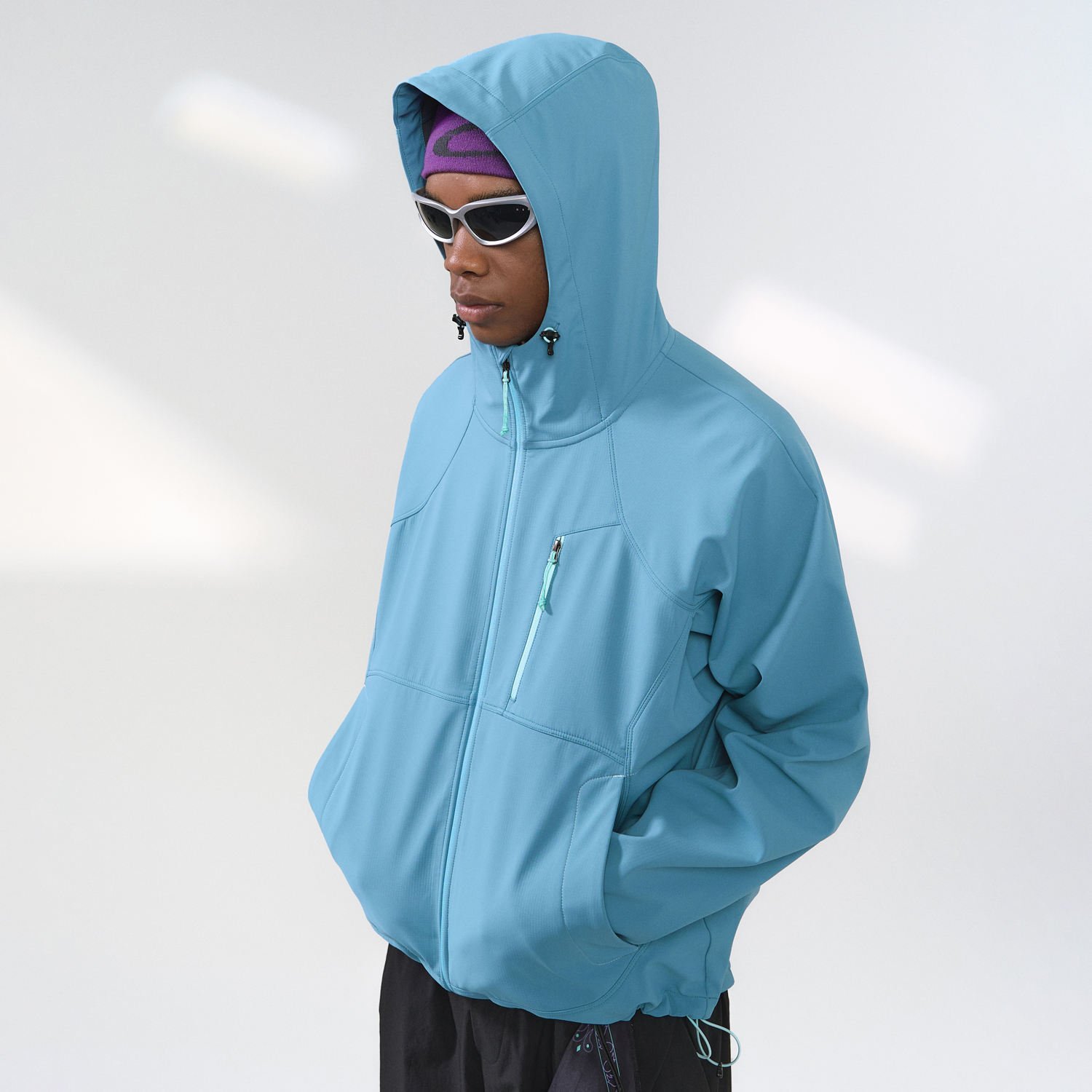
Collar styles range from classic moto asymmetric to band, shirt, and shawl collars, each requiring different pattern engineering. Zipper hardware choices typically include YKK for cost-efficiency or Riri for premium Italian aesthetics, with finishes in antique brass, gunmetal, or polished nickel.
Pocket configurations—welt, patch, zip, or angled entry—affect both function and silhouette. Lining fabrics span quilted polyester (warmth), satin (luxury drape), or printed cotton twill (branding surface), while fit adjustments include sleeve tapering, body length, and shoulder slope to match target demographics.
Branding Techniques for Leather Jackets
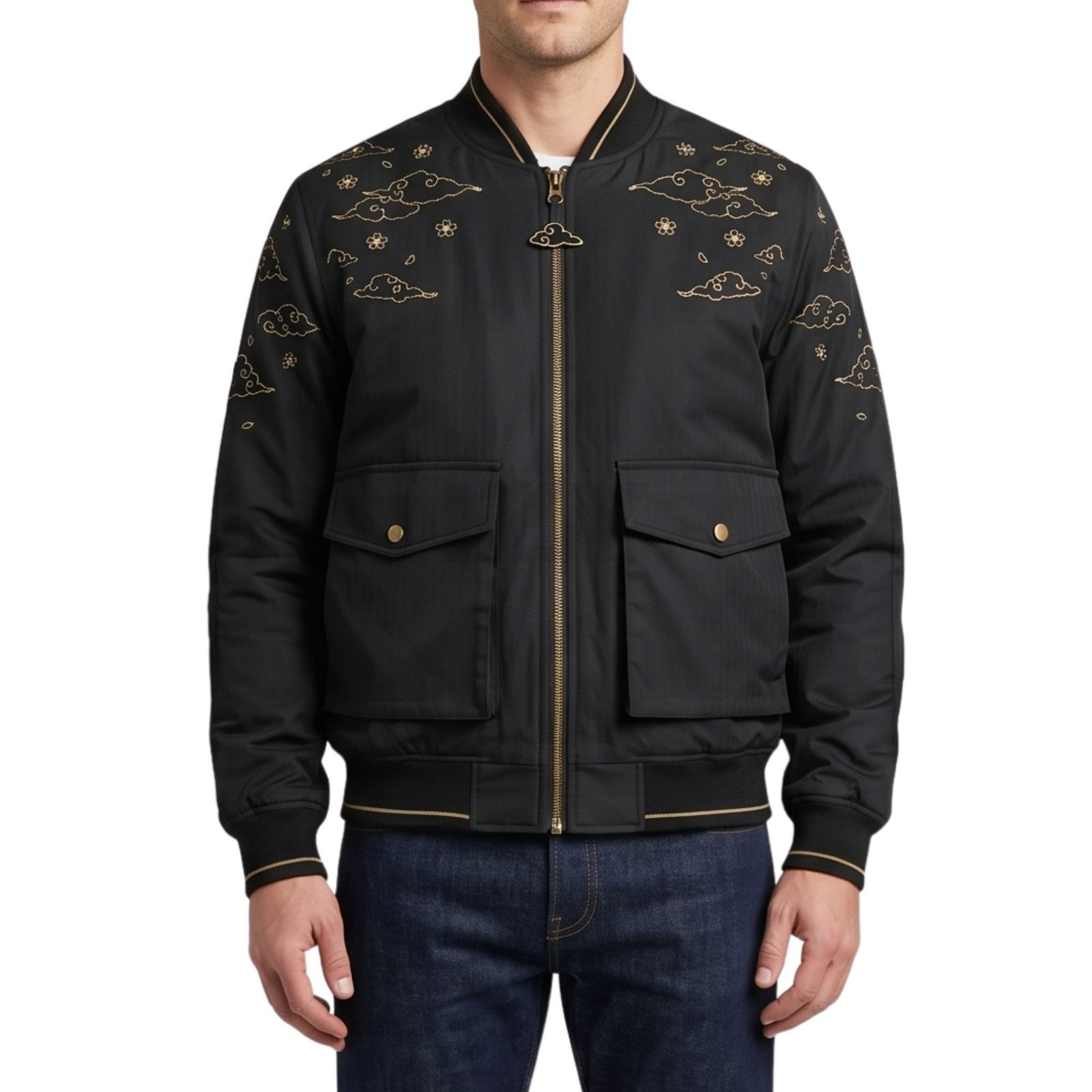
Embossed leather patches deliver a premium, tactile brand mark with durability exceeding 10 years of wear. Metal badges—cast zinc alloy or stamped brass—attach via rivets or screws and suit heritage or military-inspired collections.
Screen-printed linings allow full-color artwork on satin or taffeta, ideal for storytelling graphics. Woven labels sewn into neck or pocket seams provide washable, long-lasting brand tags, while custom hardware (engraved snaps, branded zipper pulls) reinforces identity at every touchpoint.
Color Matching and Sample Development
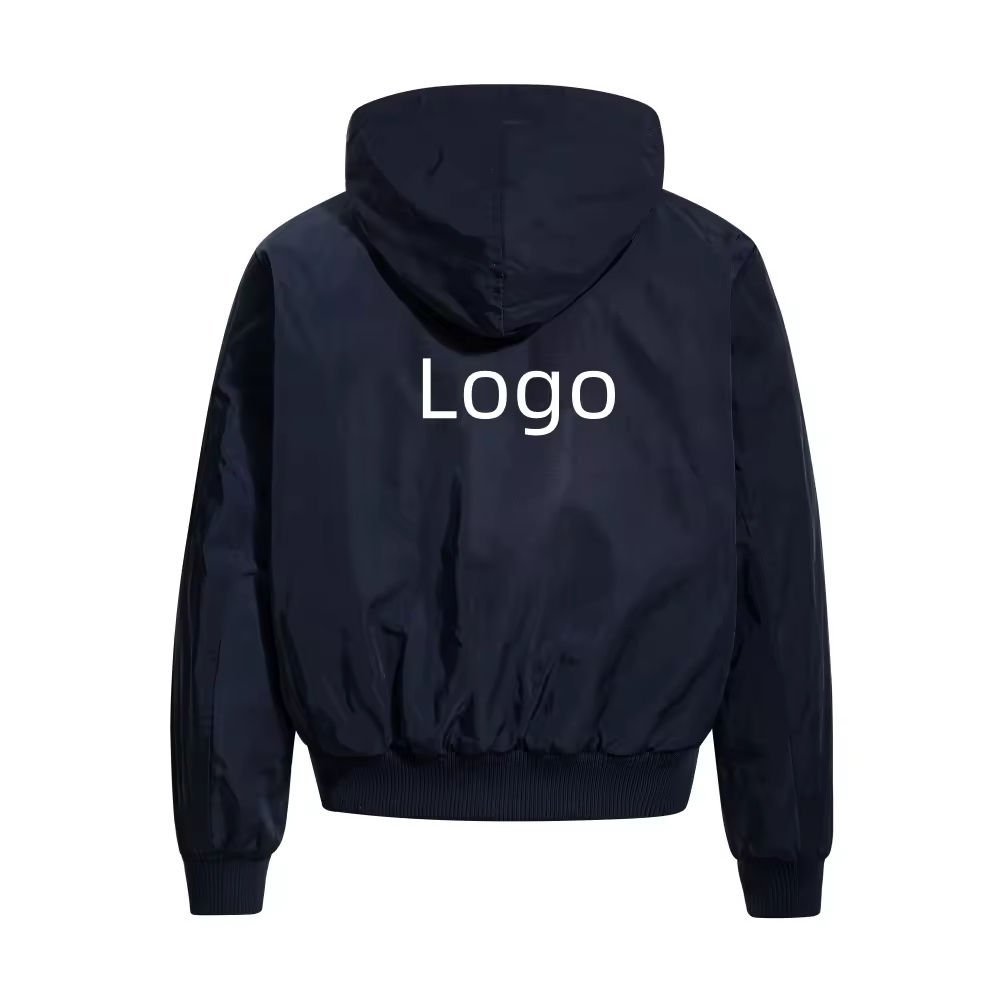
Pantone references guide leather dye formulation, though natural hide variation means ±5% color tolerance is standard. Manufacturers typically produce one pre-production sample within 10–15 days, followed by revision rounds (usually 2–3 cycles) to finalize stitching, hardware placement, and finish.
Design revisions are handled through annotated photos or tech packs; experienced factories like those with 10+ years in streetwear understand iterative refinement and maintain pattern archives for future reorders.
6. Key Quality Indicators in Leather Jacket Construction
Quality benchmarks in leather jacket construction determine durability, aesthetics, and customer satisfaction. Understanding stitch density, seam reinforcement, and finishing techniques enables brands to evaluate samples objectively and avoid common production defects.
Stitch Density and Seam Reinforcement
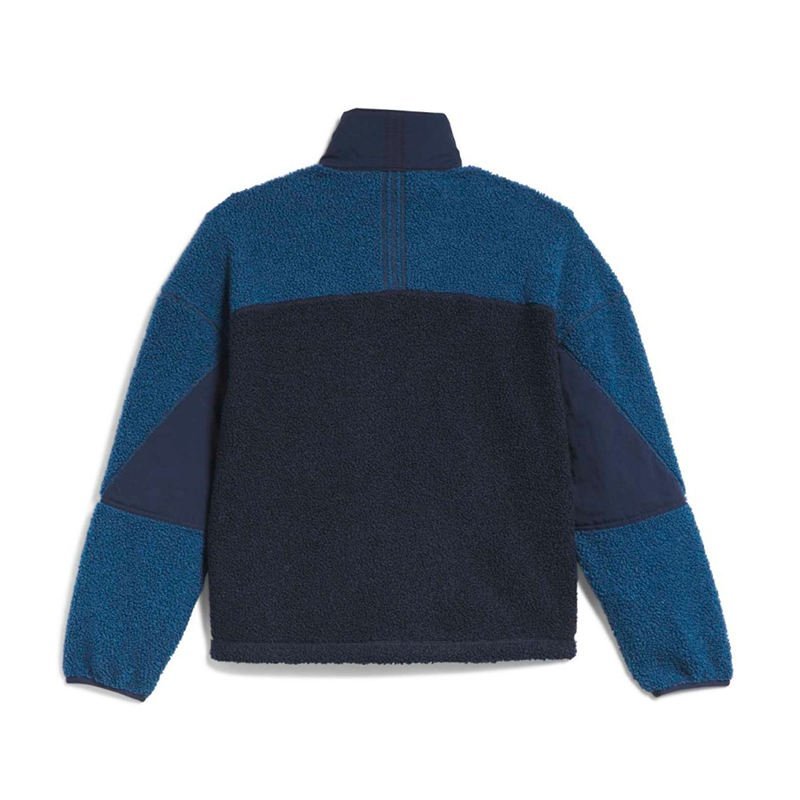
Professional mens leather jacket manufacturers maintain 6–8 stitches per inch (SPI) on main seams for optimal strength without perforating the leather excessively. Armholes, shoulder seams, and pocket edges require double-needle or bar-tack reinforcement to withstand repeated stress.
Inspect samples by gently pulling seams at stress points; quality construction shows no thread slippage or gapping. Clothing Manufacturer Ltd.’s five-step QC process includes sewing production QC testing to catch loose stitching before garments reach finishing.
Lining Attachment and Edge Finishing
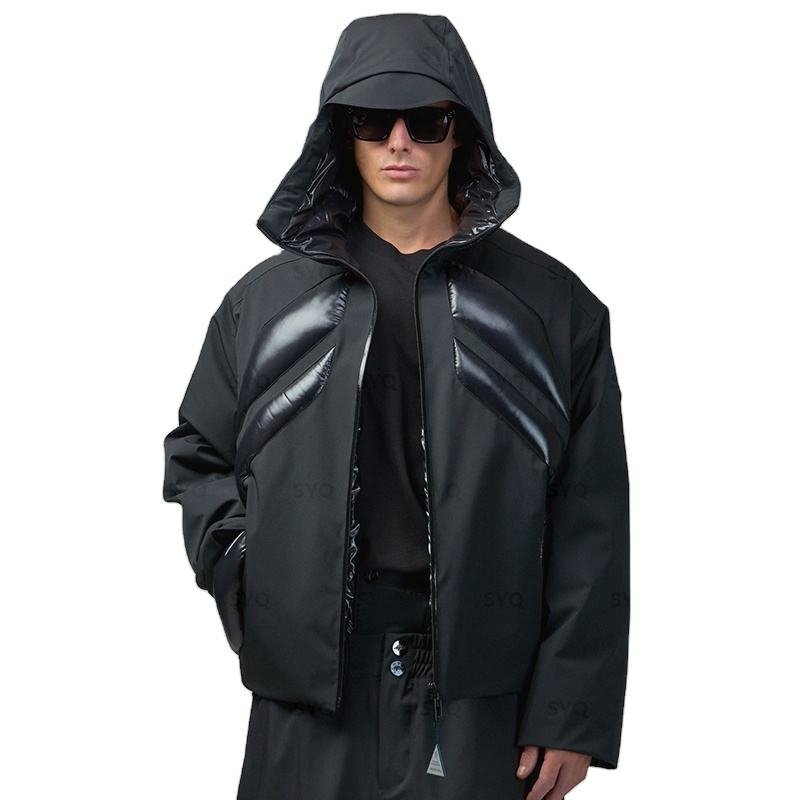
Lining should be independently sewn and then attached at armholes, hem, and cuffs using slip-stitching or clean-finished seams that prevent fraying. Bound edges (piped or taped) offer superior durability compared to raw-cut edges, which fray over time.
Check lining mobility by ensuring it does not pull or pucker when the jacket is worn. Edge finishing quality directly impacts perceived craftsmanship and longevity.
Hardware Quality and Pattern Symmetry
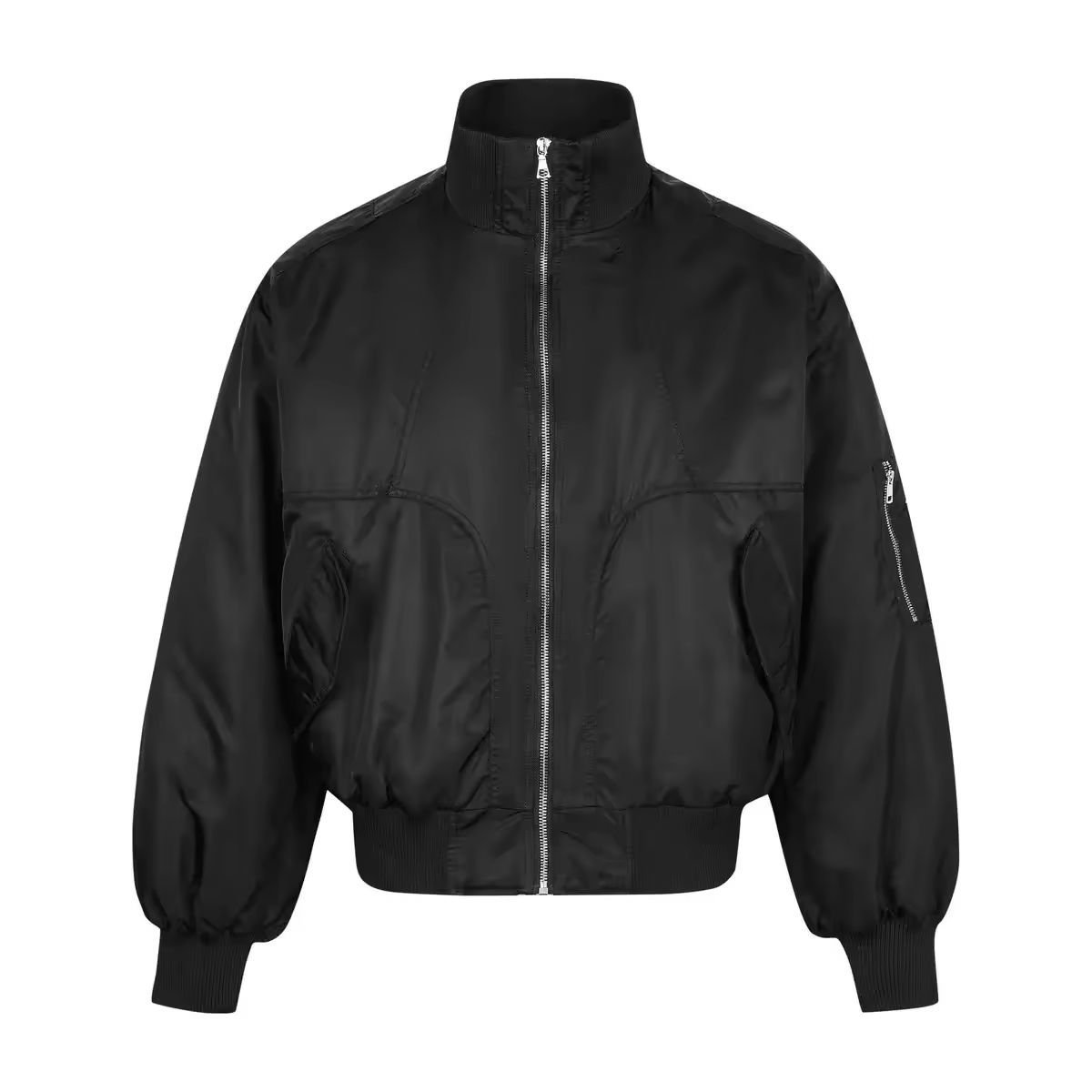
YKK or equivalent metal zippers with lockable sliders and reinforced stitching channels resist wear better than generic plastic alternatives. Snap buttons, buckles, and rivets should be double-post or rivet-backed to prevent pull-through.
Pattern alignment—matching grain direction, dye consistency, and panel symmetry—signals meticulous cutting and material selection. Uneven dye, mismatched grain, or asymmetric lapels indicate rushed QC or substandard hides.
7. How to Choose the Right Mens Leather Jacket Manufacturer
Selecting a mens leather jacket manufacturer requires a systematic evaluation of production capabilities, quality standards, and business practices. A structured decision framework helps brands avoid costly mistakes and build lasting partnerships.
Assess MOQ and Production Capacity
Minimum order quantities for leather jackets typically range from 50 to 500 pieces per style, depending on the manufacturer’s scale and leather sourcing model. Startups and independent designers should prioritize factories offering MOQs below 100 units to test designs without excessive inventory risk.
Production capacity and lead times directly impact your ability to meet seasonal deadlines. Verify the factory can handle your order volume within 45–90 days for standard leather jacket production, including sampling, cutting, sewing, and finishing stages.
Verify Certifications and Quality Documentation
ISO 9001 certification confirms systematic quality management, while BSCI audits verify ethical labor practices. Leather-specific credentials like Leather Working Group (LWG) certification indicate environmentally responsible tanning processes and traceability.
Request documentation of the factory’s quality control procedures. Clothing Manufacturer Ltd.’s five-step QC methodology—materials testing, cutting inspection, craft verification, sewing checks, and finished garment review—exemplifies the structured approach that separates reliable producers from those conducting only final inspections.
Review Portfolio and Communication Responsiveness
Examine past work samples and client references to assess design execution and finishing quality. Manufacturers serving 100+ countries, like Clothing Manufacturer Ltd., demonstrate proven logistics and communication systems for international brands.
Test responsiveness during initial inquiries: replies within 24 hours and clear answers about sampling, pricing, and timelines indicate professional operations. Red flags include reluctance to provide samples, vague cost breakdowns, absence of client references, and missing quality documentation.
8. Common Mistakes When Sourcing a Mens Leather Jacket Manufacturer
Sourcing a mens leather jacket manufacturer requires careful attention to details that many first-time buyers overlook. Avoiding these common pitfalls saves time, money, and protects your brand reputation from the start.
Choosing Price Over Quality Verification
Selecting a manufacturer solely on the lowest quote often leads to substandard leather grades, poor stitching, and high defect rates. Many Chinese factories skip in-process quality checks, moving directly from sewing to ironing without testing—a practice that undermines product integrity.
Request detailed quality control protocols before signing. Clothing Manufacturer Ltd.’s five-step QC methodology (materials, cutting, craft, sewing, and finished-goods inspection) ensures defects are caught early, not after shipping. Always ask for third-party test reports on leather thickness, tensile strength, and colorfastness.
Ignoring Leather Grade Specifications
Failing to specify leather type—full-grain, top-grain, genuine, or bonded—results in material mismatches and customer complaints. Full-grain leather costs 40–60% more than genuine leather but offers superior durability and aging characteristics.
Include leather grade, thickness (1.0–1.2 mm for jackets), and finish type (aniline, semi-aniline, pigmented) in your tech pack. Request swatches and lab certifications before bulk production to confirm the exact material you are paying for.
Skipping Sample Approval and Lead-Time Planning
Leather jackets require 45–60 days for production, significantly longer than cotton garments. Buyers who skip pre-production samples or underestimate timelines face missed launch dates and rushed, error-prone manufacturing.
Always approve a physical sample with correct hardware, stitching, and leather finish. Build 10–14 days into your schedule for sample revisions and another 7–10 days for shipping, especially if using sea freight for bulk orders.
Neglecting IP Protection and Contract Clarity
Design theft is common when contracts lack IP clauses and clear QC benchmarks. Vague payment terms—such as undefined deposit percentages or milestone triggers—create disputes and delay shipments.
Insert non-disclosure agreements and design-ownership clauses into every manufacturing contract. Specify deposit structure (typically 30–50% upfront, balance before shipping), acceptable defect rates (industry standard ≤2%), and penalty terms for missed deadlines to protect your investment.
9. Steps to Launch Your Brand with a Leather Jacket Manufacturer
Launching a leather jacket collection requires a structured production roadmap spanning design, sampling, manufacturing, and logistics. Most brands allocate 12–16 weeks from concept to warehouse delivery, though timelines vary with complexity and order volume.
Concept Development and Tech Pack Creation
Begin with detailed design sketches specifying leather type (lambskin, cowhide, goat), hardware (YKK zippers, snap buttons), lining fabric, and stitching details. A complete tech pack includes graded size measurements, construction notes, colorways, and material specifications.
Provide reference images for collar styles, pocket placements, and any embossing or embroidery. Clear documentation reduces sampling revisions and ensures the mens leather jacket manufacturer interprets your vision accurately.
Manufacturer Vetting and RFQ Process
Request quotes from 3–5 manufacturers, comparing MOQ (typically 100–300 units for leather jackets), unit cost, sampling fees, and lead times. Verify quality systems—Clothing Manufacturer Ltd.’s five-step QC (materials, cutting, craft, sewing, finished inspection) exemplifies rigorous in-line testing.
Ask for portfolio samples in similar leather weights and construction techniques. Check references from brands in your niche to confirm on-time delivery and communication responsiveness.
Sampling, Pre-Production, and Bulk Order
Expect 3–4 weeks for initial samples; plan two rounds for fit adjustments and hardware changes. Conduct a pre-production meeting to lock all specs, colorways, and packaging before issuing a purchase order.
Bulk production typically runs 6–8 weeks for leather jackets, with a 30–50% deposit at order confirmation and balance due before shipment. Schedule in-line QC at 30% and final inspection at 100% completion to catch defects early and maintain brand standards.
10. Pricing and Cost Breakdown for Mens Leather Jackets
Minimum order quantities for leather jacket production typically start at 50 units for genuine leather styles and 100 units for full-grain premium constructions, with per-unit costs declining sharply as volume increases. Setup fees — covering pattern development, grading, sampling, and initial quality control testing — range from $200 to $600 depending on customization complexity, while lead times span 25 to 60 days based on leather sourcing, hardware specifications, and order size.
Leather quality is the dominant cost driver, accounting for 40–55% of total unit cost. Full-grain premium hides command $80–$120 per jacket in material costs alone, whereas genuine leather splits cost $25–$45 per unit. Hardware grade (YKK zippers versus generic alternatives), lining fabric (polyester taffeta versus quilted satin), and stitching complexity (flatlock seams, reinforced stress points) add $8–$20 per jacket. Fully branded customization — embroidered logos, custom hang tags, woven labels, and printed interior branding — increases per-unit costs by $5–$12 compared to basic unbranded production.
Shipping represents 8–12% of landed cost for air freight (7–10 days) and 3–5% for sea freight (25–35 days). Clothing Manufacturer Ltd.’s five-step QC process — materials testing, cutting inspection, craft review, sewing checks, and finished-garment audit — is embedded in quoted pricing, ensuring defect rates below 2% without surprise quality-related fees. Brands ordering 500+ units often negotiate volume discounts of 10–18%, while repeat clients benefit from waived setup charges on subsequent runs using existing patterns.
| Quantity Tier | Genuine Leather (per unit) | Full-Grain Premium (per unit) | Setup Fee | Lead Time |
|---|---|---|---|---|
| 50–99 units | $55–$75 | $110–$145 | $400–$600 | 35–45 days |
| 100–299 units | $48–$65 | $95–$125 | $300–$500 | 30–40 days |
| 300–499 units | $42–$58 | $85–$110 | $250–$400 | 28–38 days |
| 500–999 units | $38–$52 | $75–$98 | $200–$300 | 25–35 days |
| 1,000+ units | $32–$48 | $65–$88 | Waived (repeat) | 25–30 days |
Ready to Launch Your Men’s Leather Jacket Line?
Partner with a trusted mens leather jacket manufacturer. Get a free quote in 24 hours with zero obligation and dedicated support.