
Faux Leather Jacket Manufacturer for Streetwear Brands & Startups
Trusted faux leather jacket manufacturer with 50-piece MOQ, 5-step quality control, and fast turnaround. Empowering global brands with premium craftsmanship and trend-driven designs.
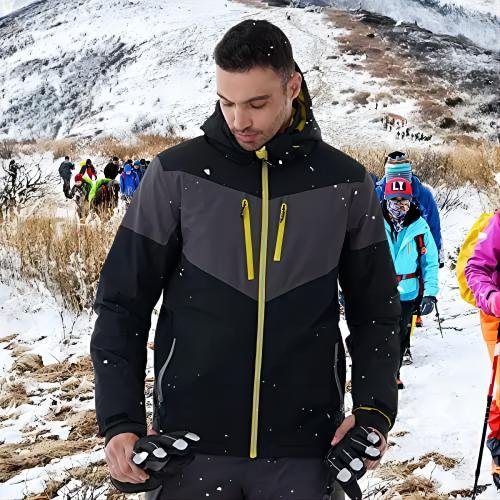
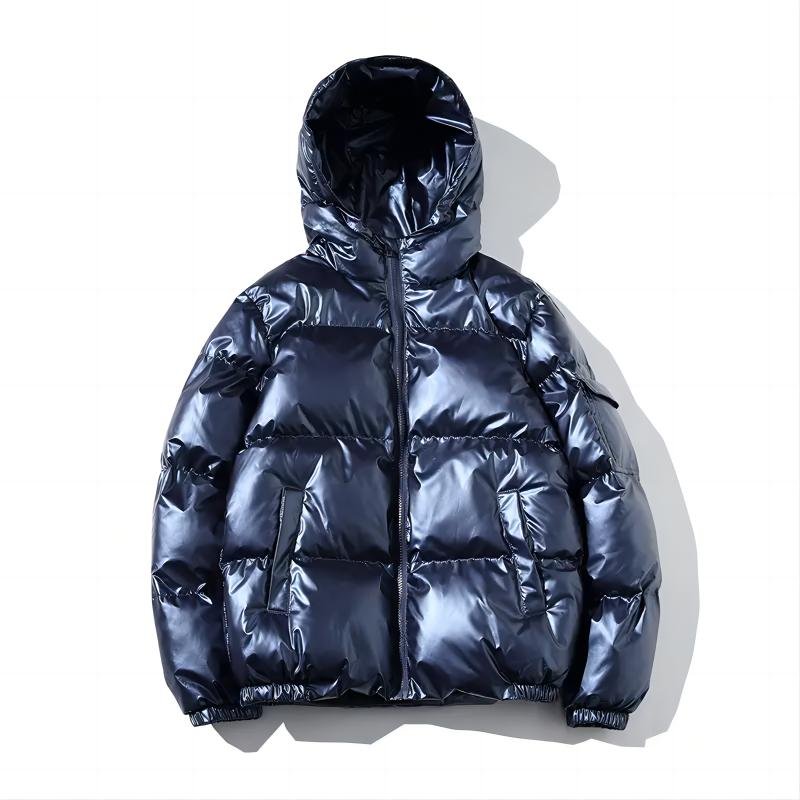
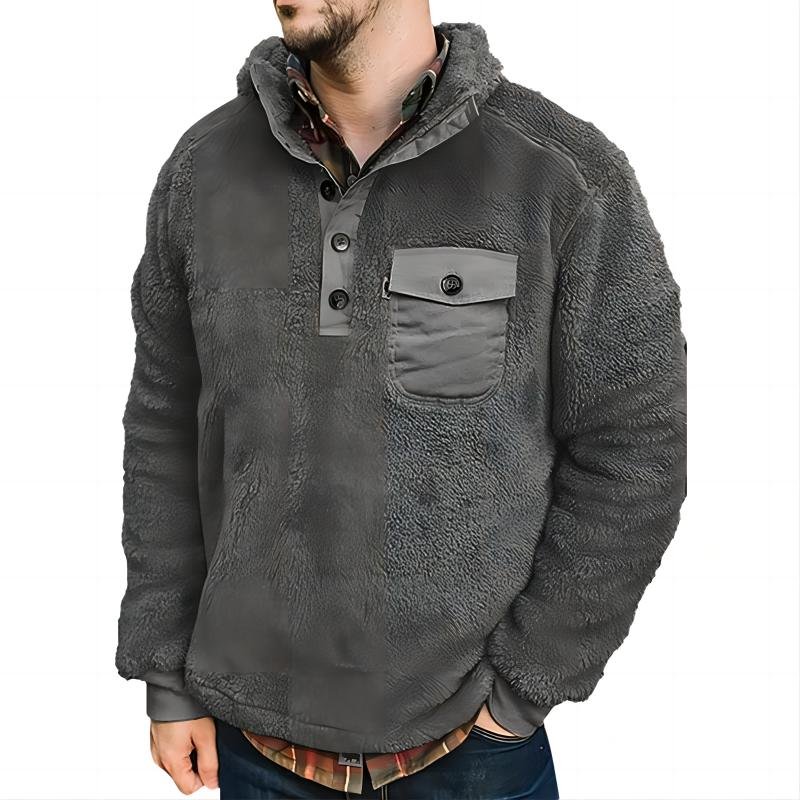
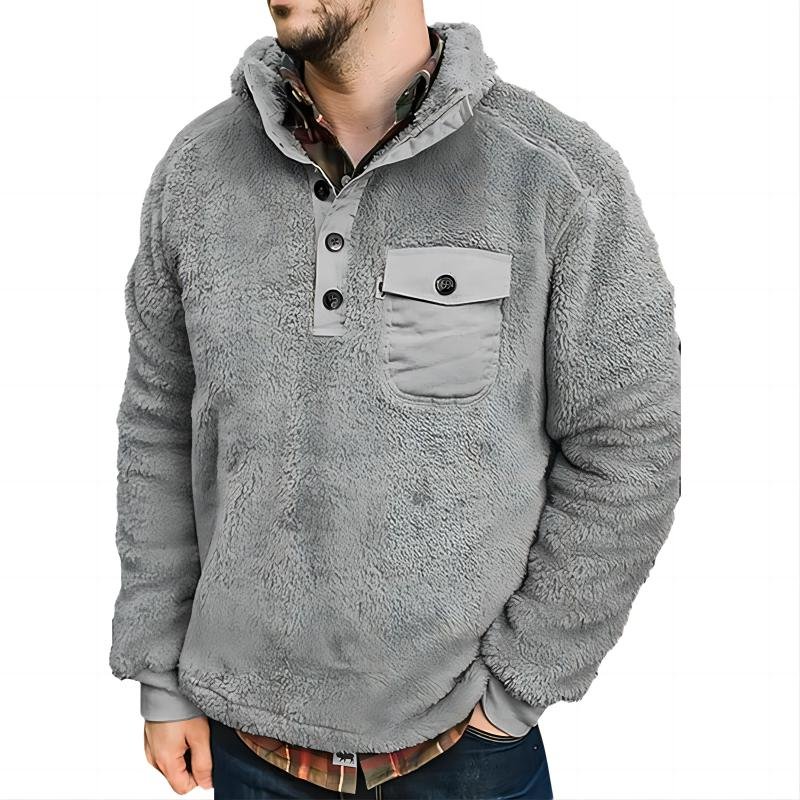
Faux Leather Jacket Collections & Design Samples
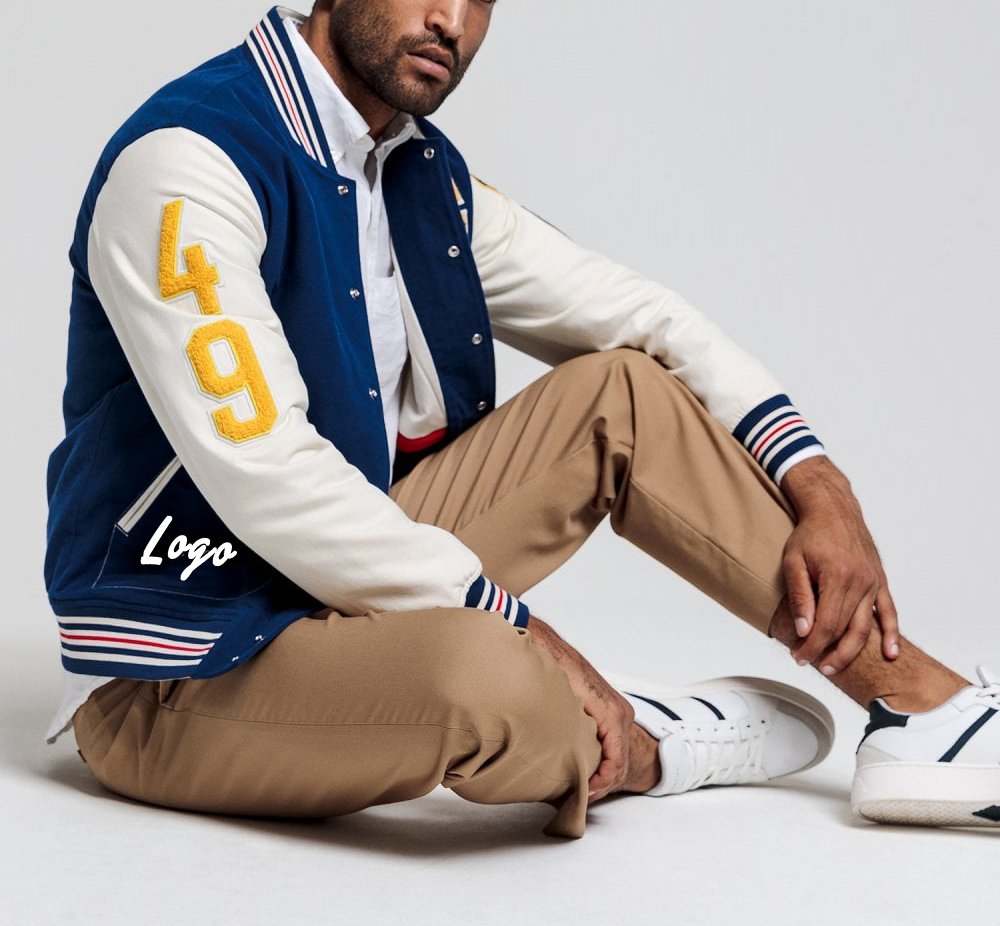
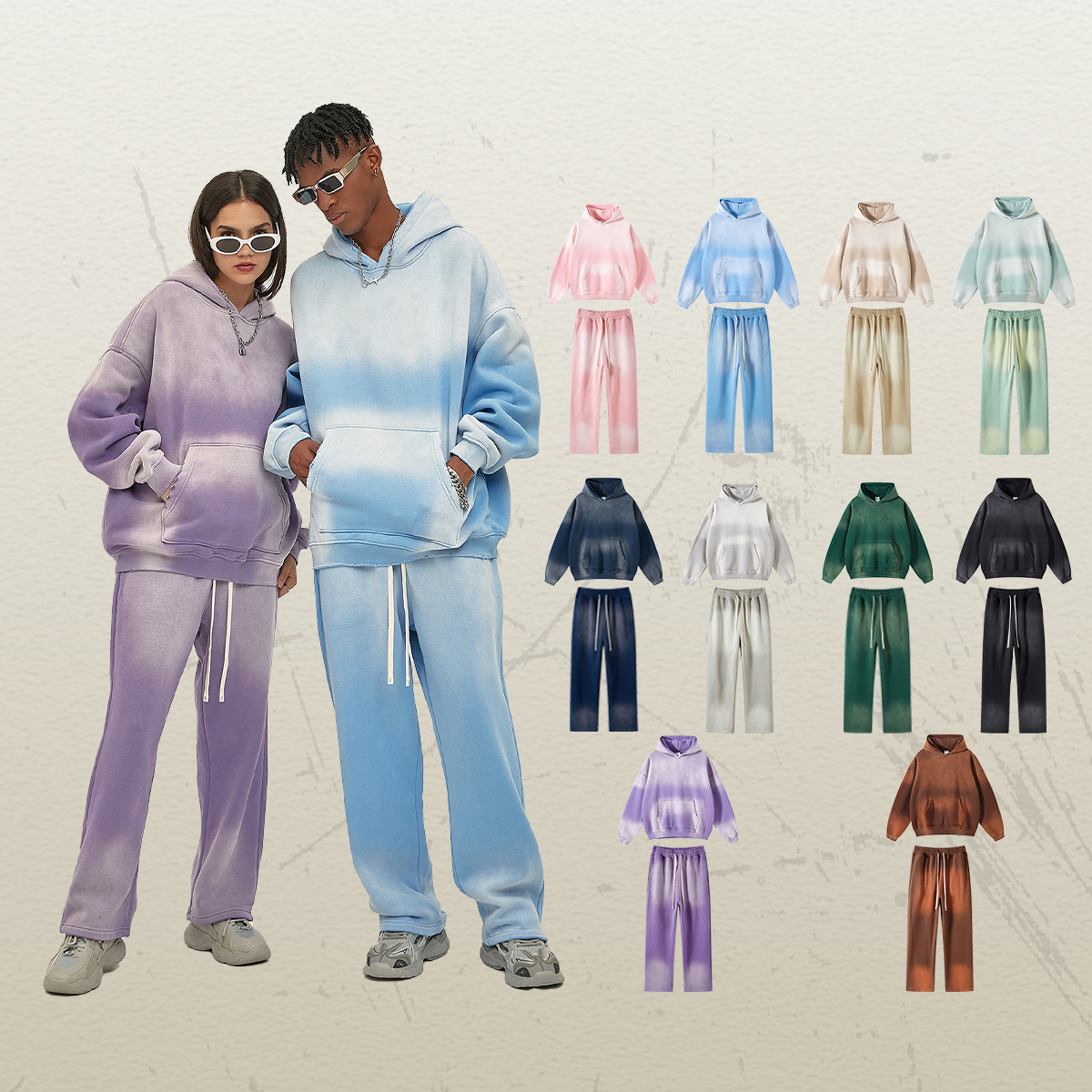
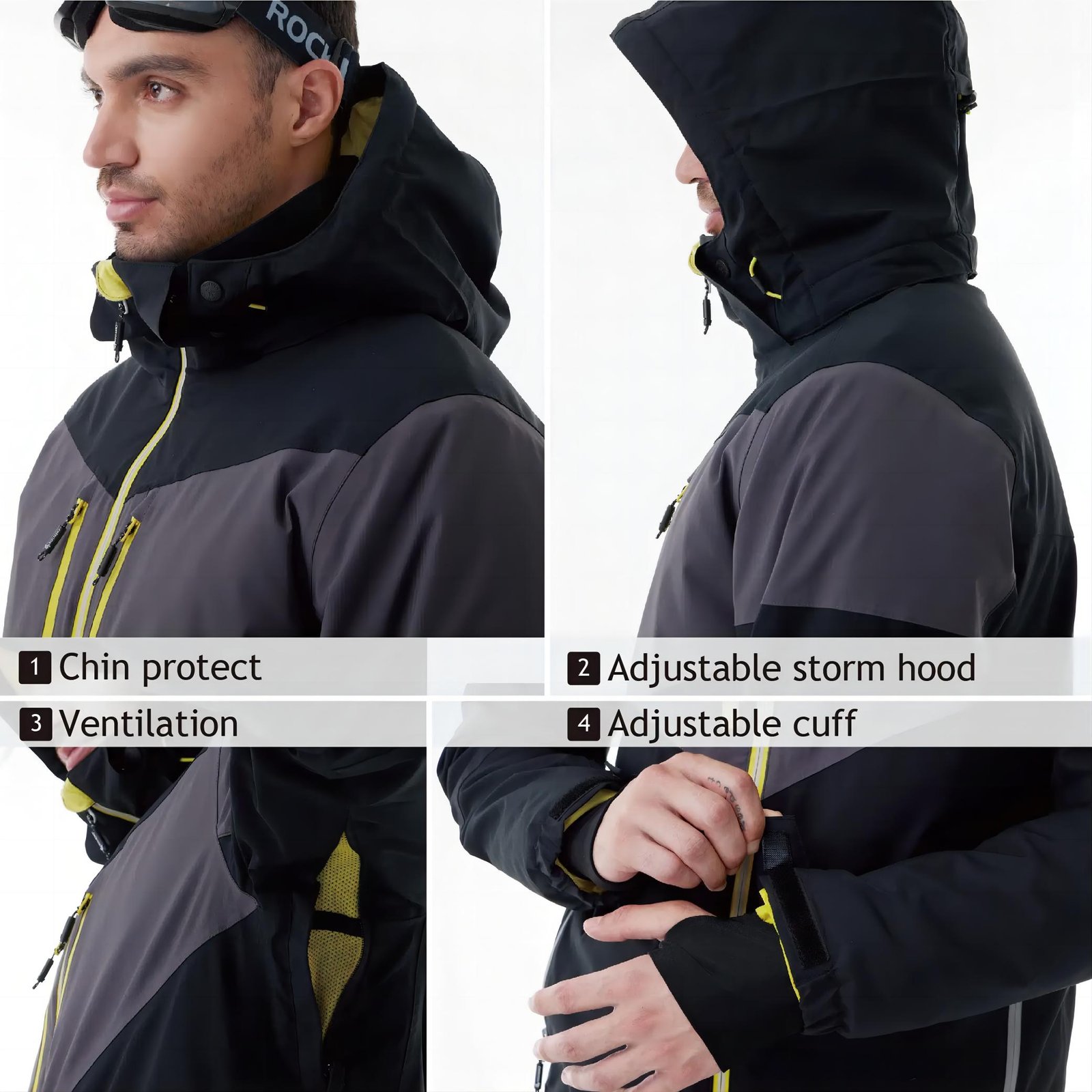
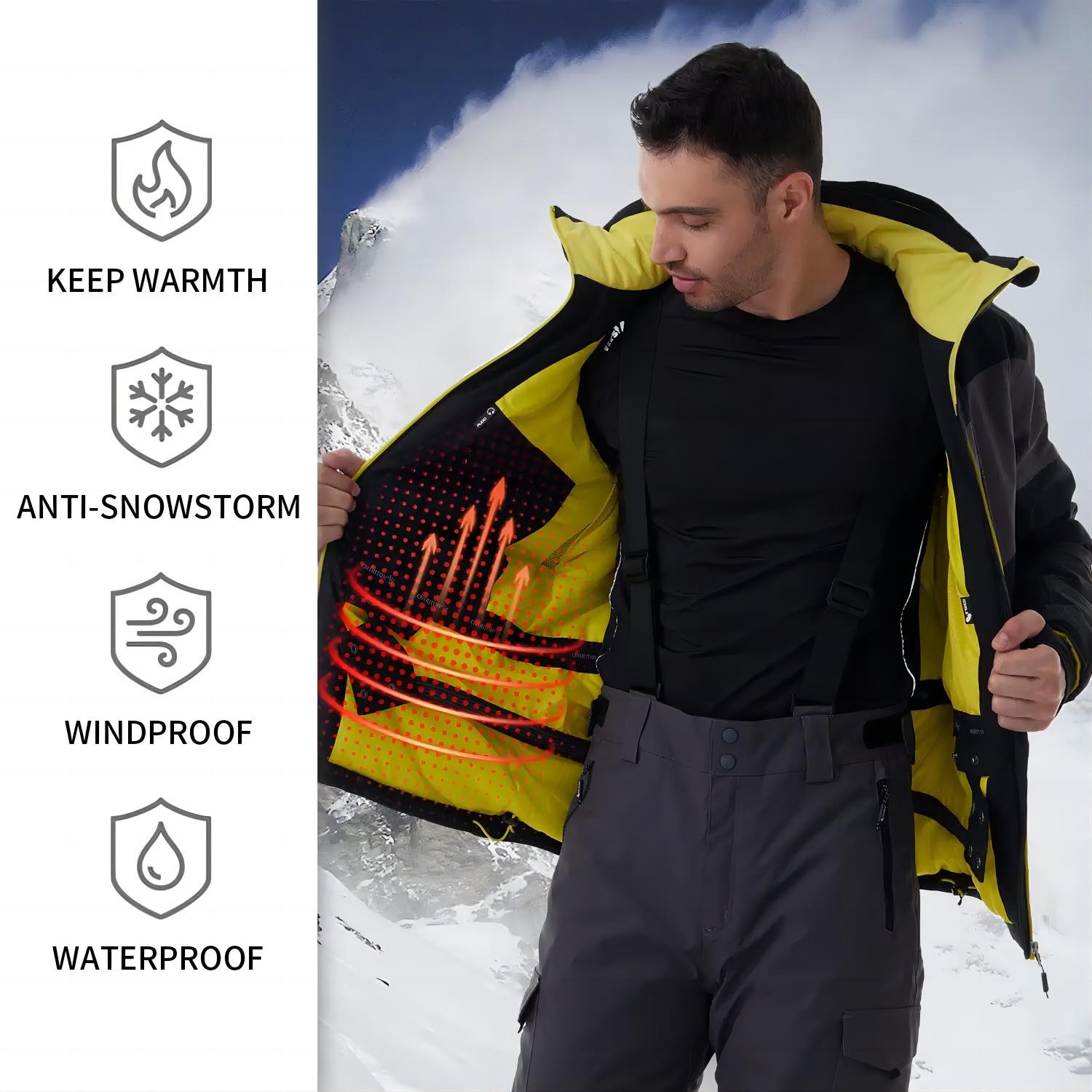
Why Choose Our Faux Leather Jacket Manufacturer
We combine rigorous quality control, low minimums, and streetwear expertise to deliver faux leather jackets that elevate your brand and eliminate production headaches.
5-Step Quality Control Guarantee
Every faux leather jacket passes materials, cutting, craft, sewing, and finished product inspections before shipping to your customers.
50-Piece Minimum Order Quantity
Launch your faux leather jacket line without massive upfront investment. Perfect for fashion startups and independent designers testing new styles.
Fast Sampling and Turnaround
Our in-house design team delivers samples quickly and scales production to meet your seasonal collection deadlines without compromise.
Streetwear Design Expertise
Six years specializing in trend-driven streetwear jackets with bold details, unique hardware, and the aesthetic your audience demands.
In-House Design and Sampling
Our 15-member R&D team and 10 patents ensure your faux leather jacket concepts become production-ready with precision and creativity.
Global Shipping and Logistics
Serving customers in over 100 countries with reliable freight, customs support, and transparent communication from order to delivery.
Faux Leather Jacket Manufacturer Capabilities Across All Styles
From classic moto jackets to trend-driven oversized bombers, we produce every faux leather style with precision craftsmanship and our 5-step QC guarantee.
Moto & Biker Jackets
Traditional moto jackets demand precise panel alignment, durable hardware installation, and asymmetric zipper placement that many manufacturers struggle to execute consistently at scale.
We deliver sharp, structured moto jackets with perfectly aligned seams, premium YKK zippers, and reinforced stitching that withstand rigorous wear while maintaining authentic streetwear edge.
Oversized Bomber Styles
Oversized silhouettes require expert pattern grading and fabric tension control to achieve the relaxed drape without sagging shoulders or awkward bunching around closures.
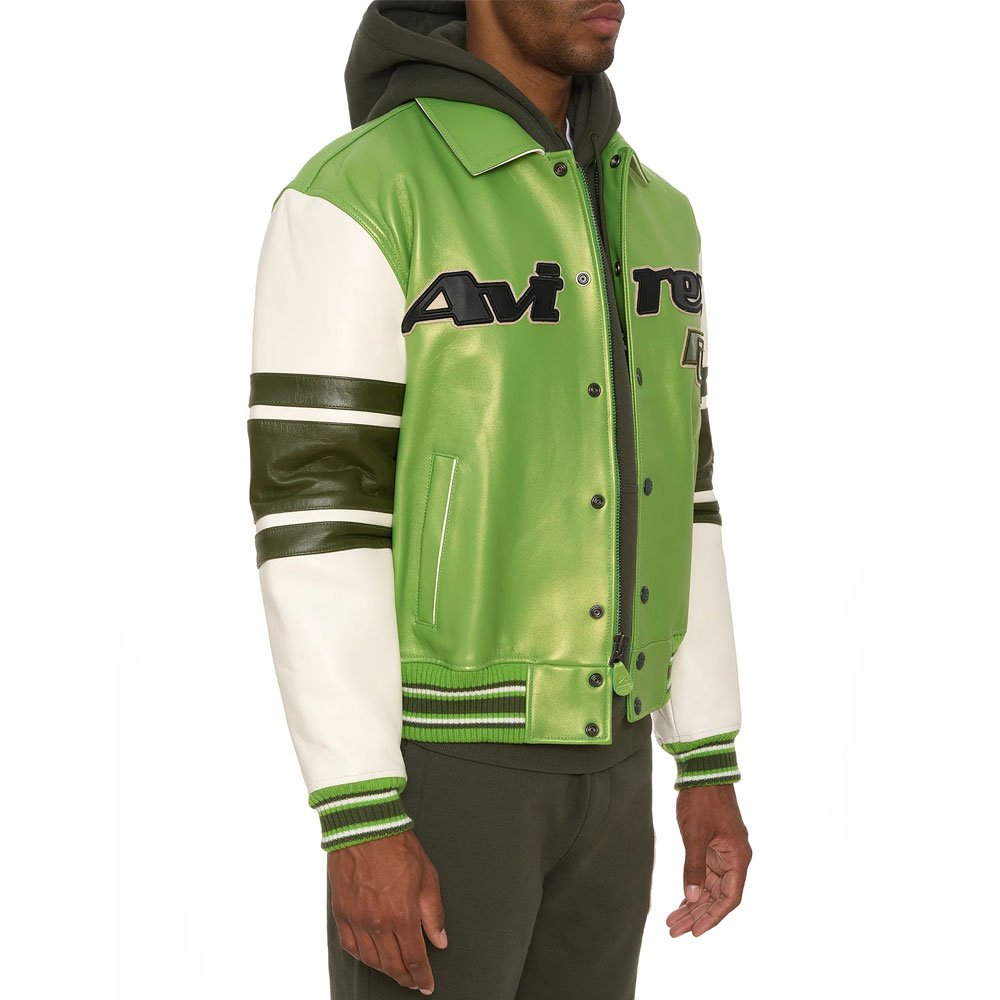
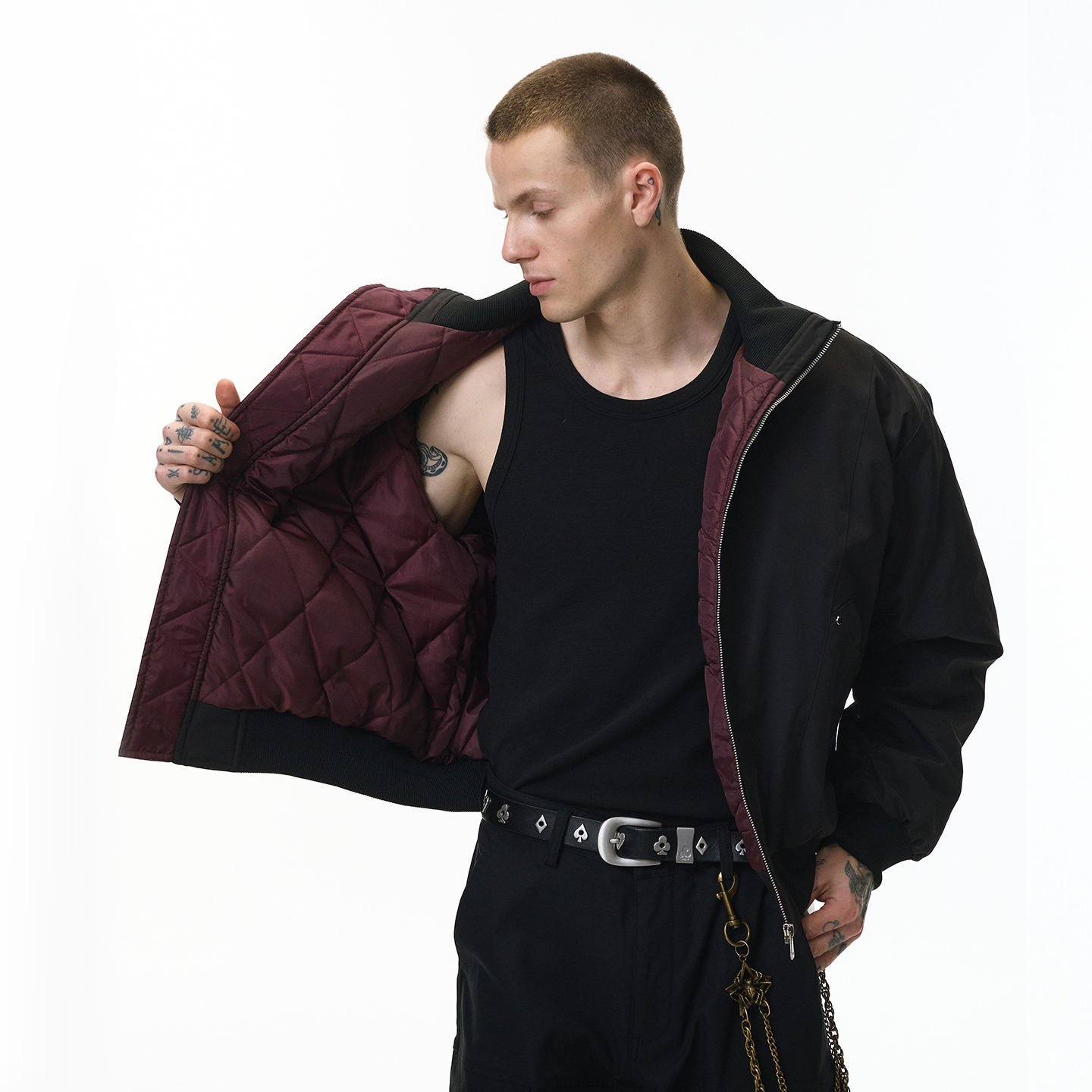
Our pattern team engineers oversized bombers with balanced proportions, clean ribbed cuffs, and the signature relaxed fit that influencer brands and streetwear labels demand for trending collections.
Cropped & Fitted Designs
Cropped faux leather jackets need precise length calculations and body-contour shaping to flatter diverse body types while preserving the edgy, fashion-forward aesthetic of modern streetwear.
We produce cropped jackets with tailored waist shaping, accurate hem lengths, and flattering cuts that photograph beautifully for online retailers and resonate with style-conscious customers.
Embroidered & Embellished Pieces
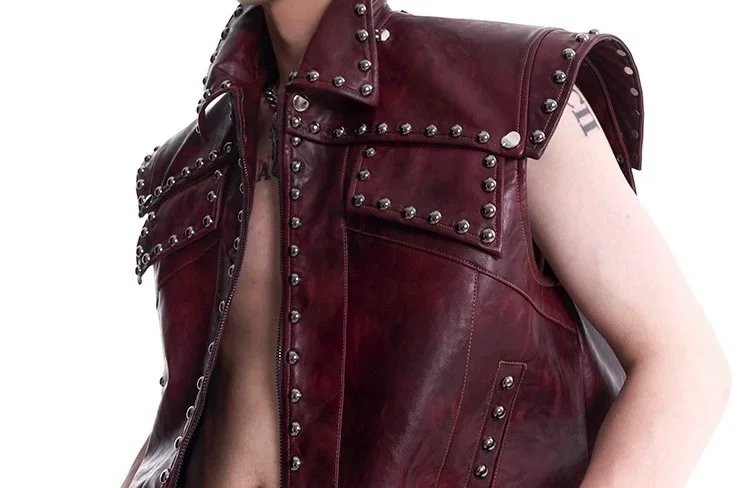
Adding embroidery, patches, or metal studs to faux leather requires specialized equipment and technique to avoid material damage, puckering, or adhesive failure during production.
Our embellishment specialists apply custom embroidery, patches, and hardware with precision placement and reinforced backing, creating standout pieces that elevate brand identity without compromising durability.
Custom Print & Graphic Jackets
Screen printing and heat transfers on synthetic leather surfaces often crack, peel, or fade quickly if improper inks and curing processes are used by inexperienced manufacturers.
We use fade-resistant inks and controlled heat application tested through our 5-step QC process, ensuring vibrant custom graphics remain sharp and intact through repeated wear and washing.
Premium Faux Leather & Synthetic Materials From Your Trusted Faux Leather Jacket Manufacturer
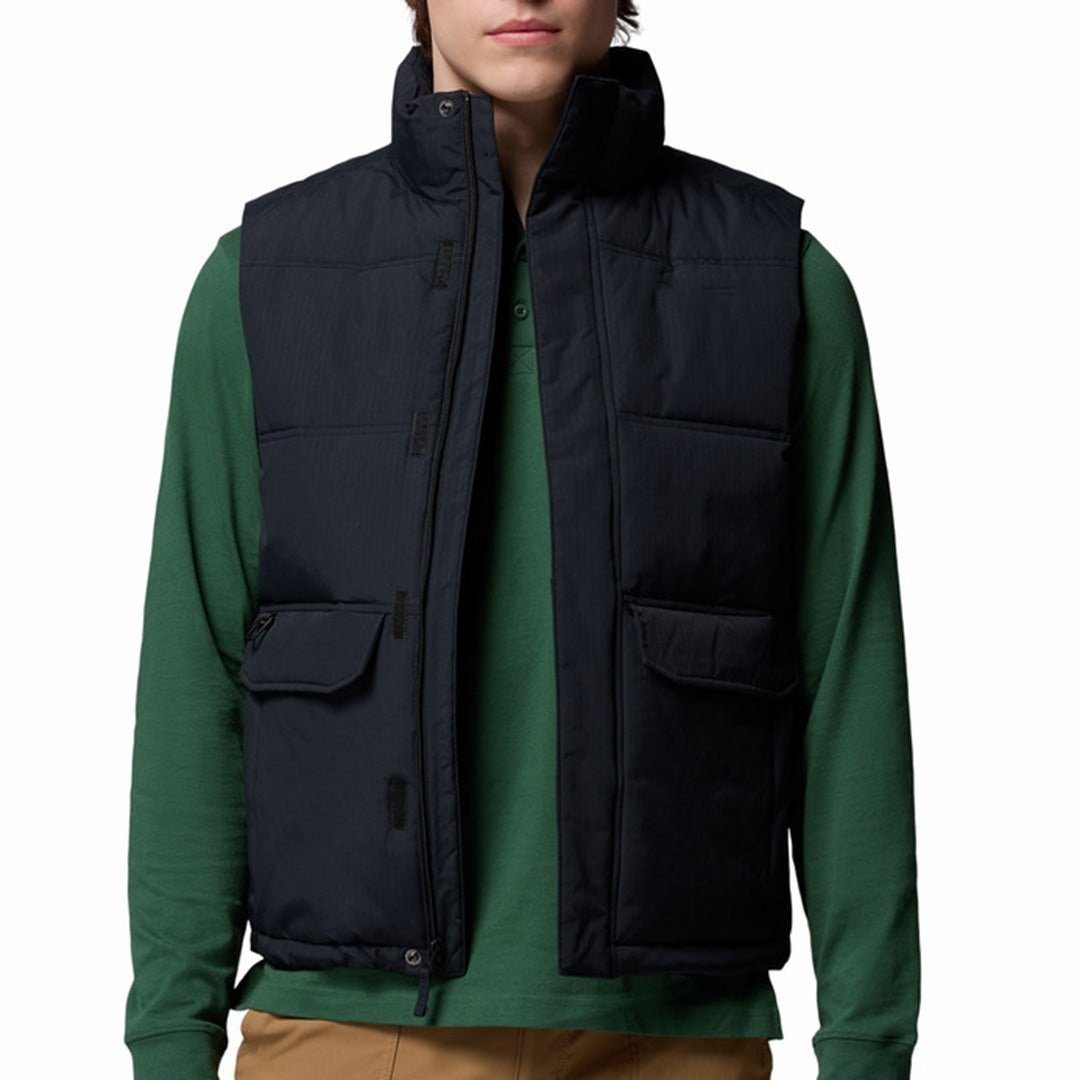
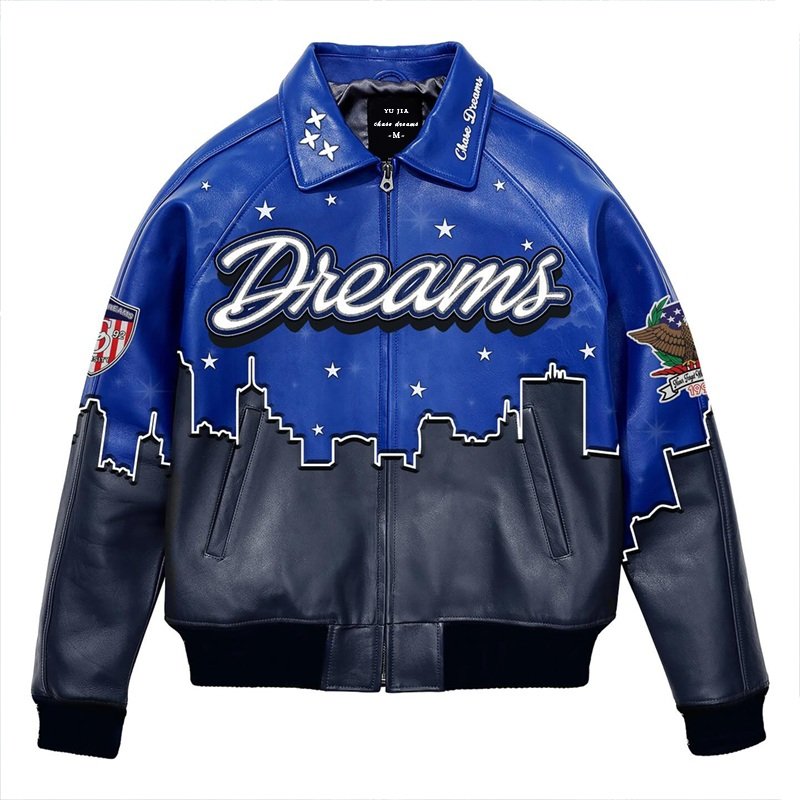
Textured PVC Leather
Durable PVC-coated fabric with embossed grain texture for authentic leather appearance. Perfect for structured streetwear jackets. Weight: 400–500 GSM. High abrasion resistance ensures long-lasting wear for high-traffic retail collections.
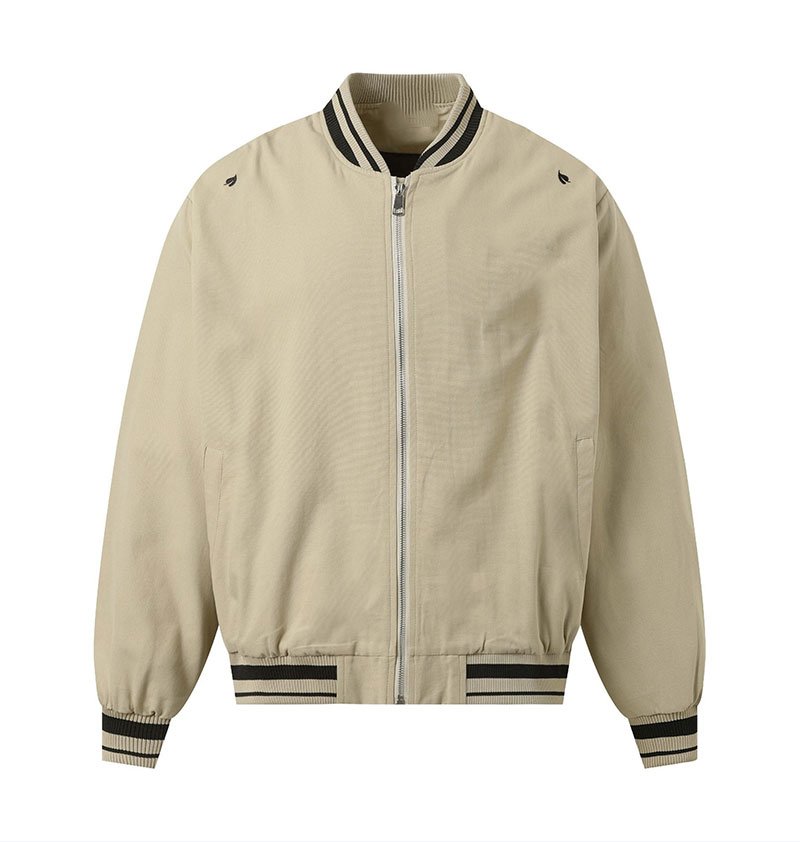
Microfiber Suede
Ultra-soft microfiber synthetic suede with luxurious matte finish. Popular for oversized jackets and layering pieces. Weight: 280–320 GSM. Breathable construction and four-way stretch provide superior comfort for all-day wear.
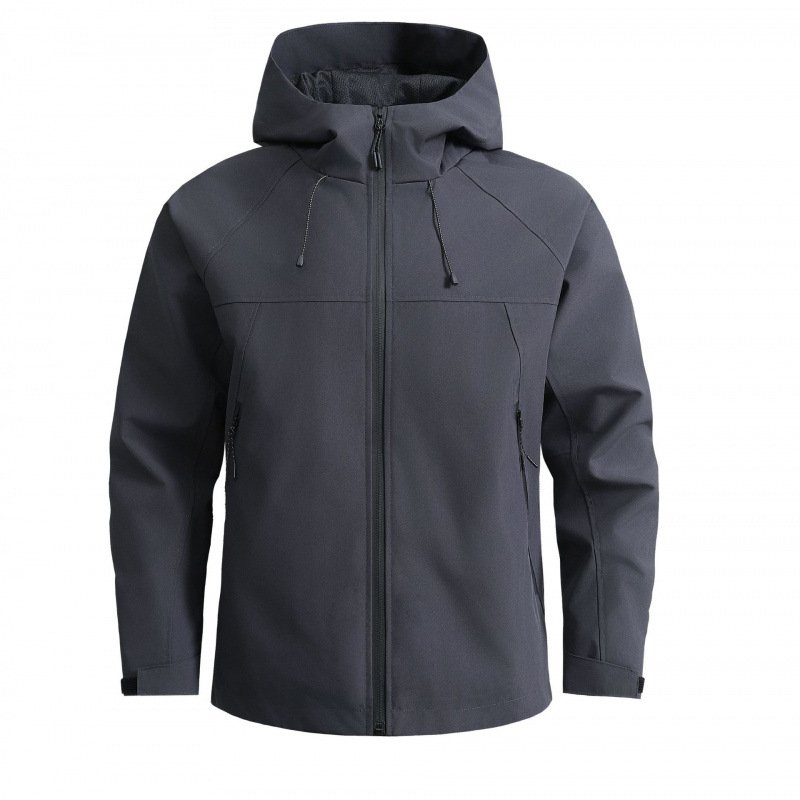
Coated Polyester Blend
Lightweight polyester base with protective coating for weather resistance. Excellent for windbreakers and technical streetwear. Weight: 200–250 GSM. Quick-dry properties and color-fast treatment maintain appearance through repeated washing cycles.
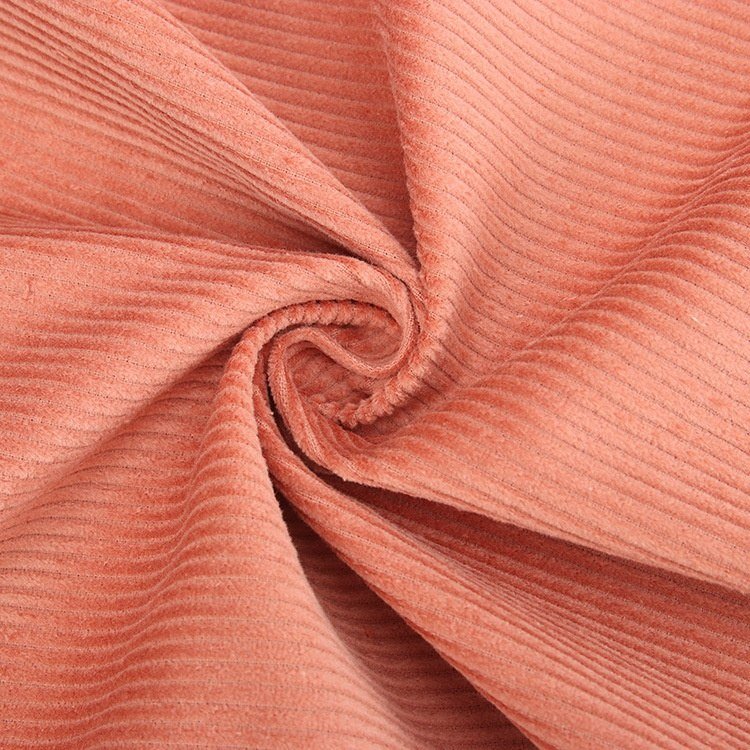
Nappa-Style PU
Premium soft-touch PU leather mimicking genuine nappa texture. Ideal for luxury streetwear and designer collaborations. Weight: 0.7–0.9mm thickness. Exceptional flexibility and rich color depth create elevated aesthetic for high-end brand positioning.
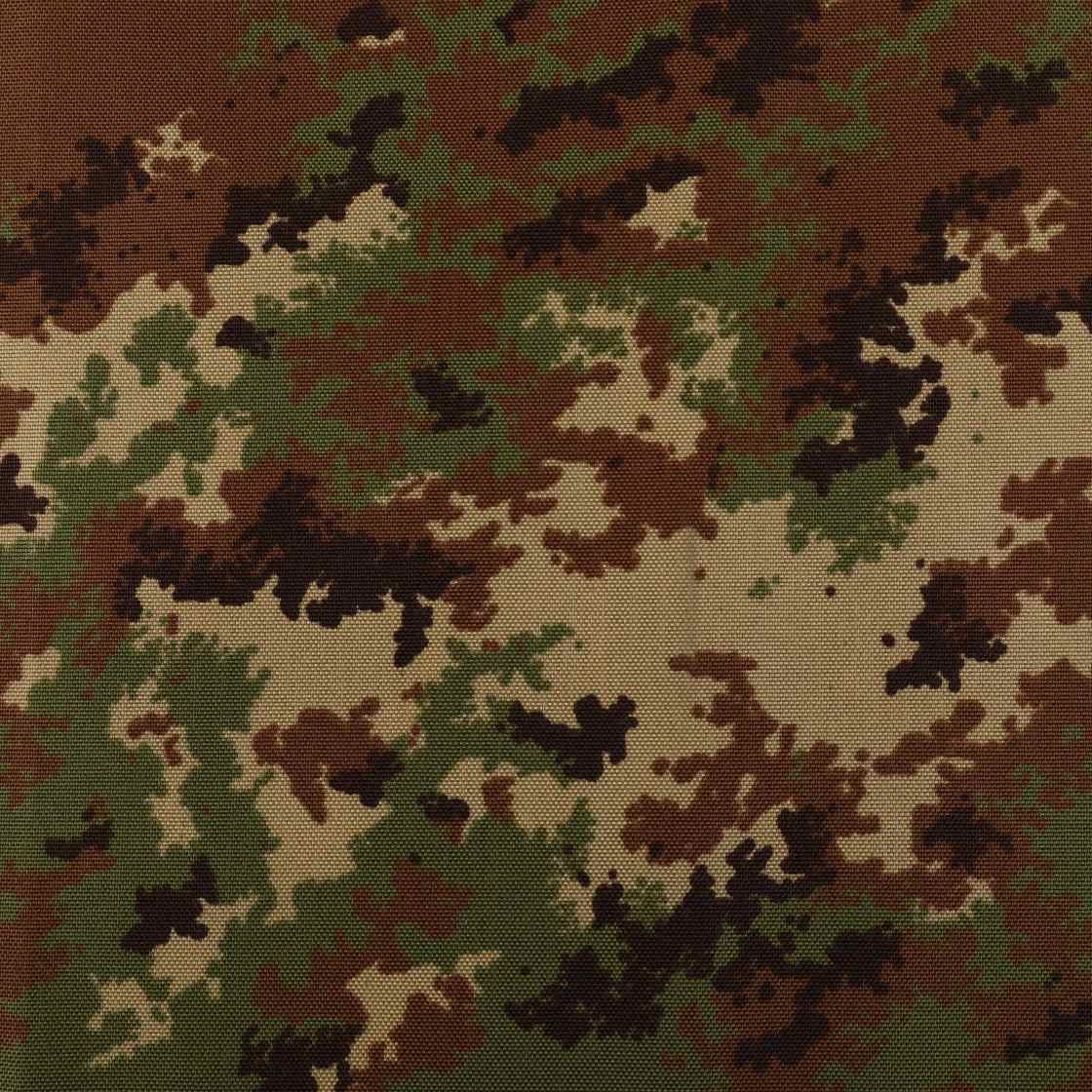
Recycled Vegan Leather
Eco-friendly synthetic leather made from recycled polyester fibers. Perfect for sustainable fashion lines and conscious consumers. Weight: 0.5–0.7mm thickness. GRS-certified material reduces environmental impact while maintaining premium quality and durability.
Faux Leather Jacket Manufacturer Production Techniques & Finishing
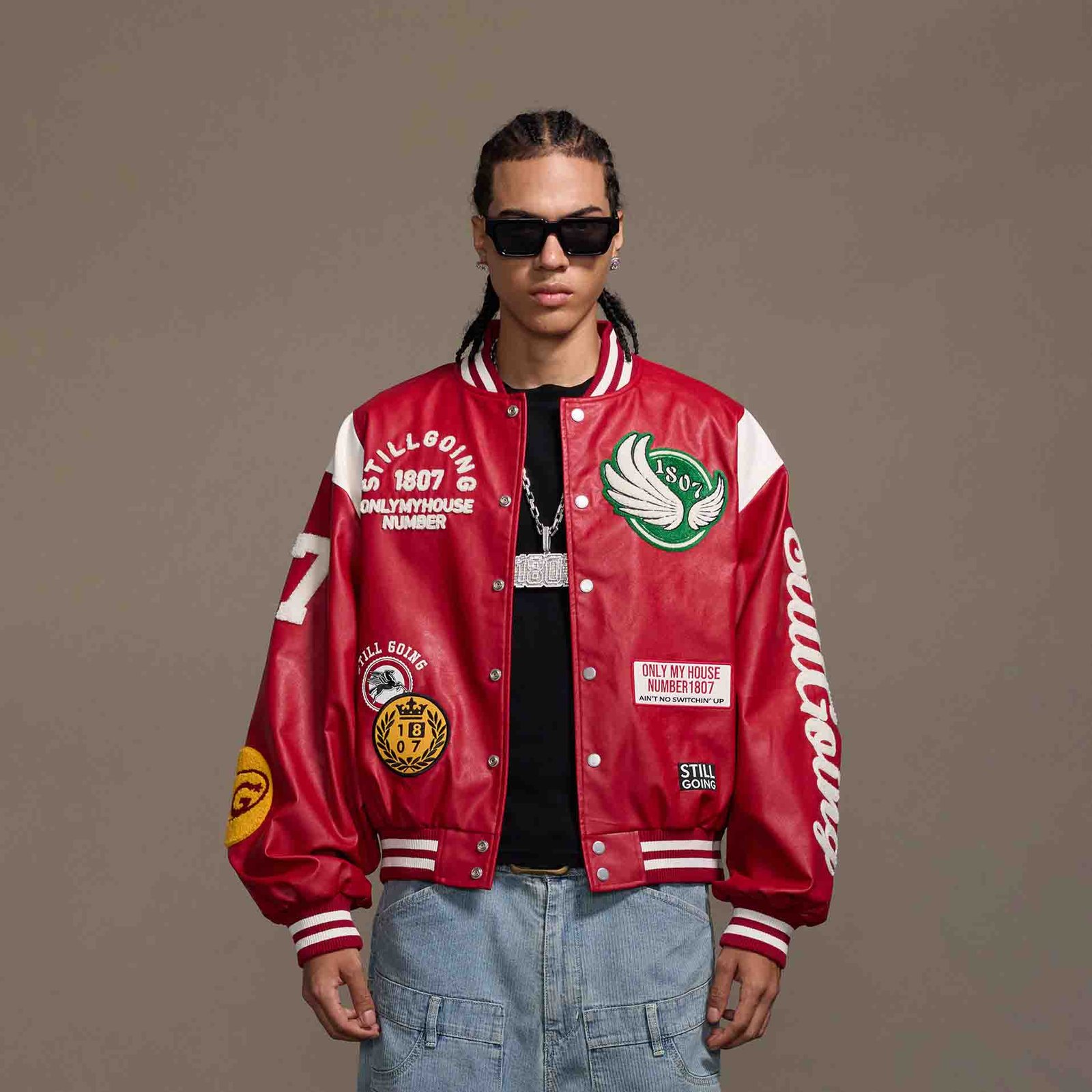
Precision Cutting
Computer-guided cutting technology ensures every faux leather panel is cut with millimeter accuracy, minimizing material waste while guaranteeing consistent sizing and pattern alignment across all jacket components for flawless assembly.
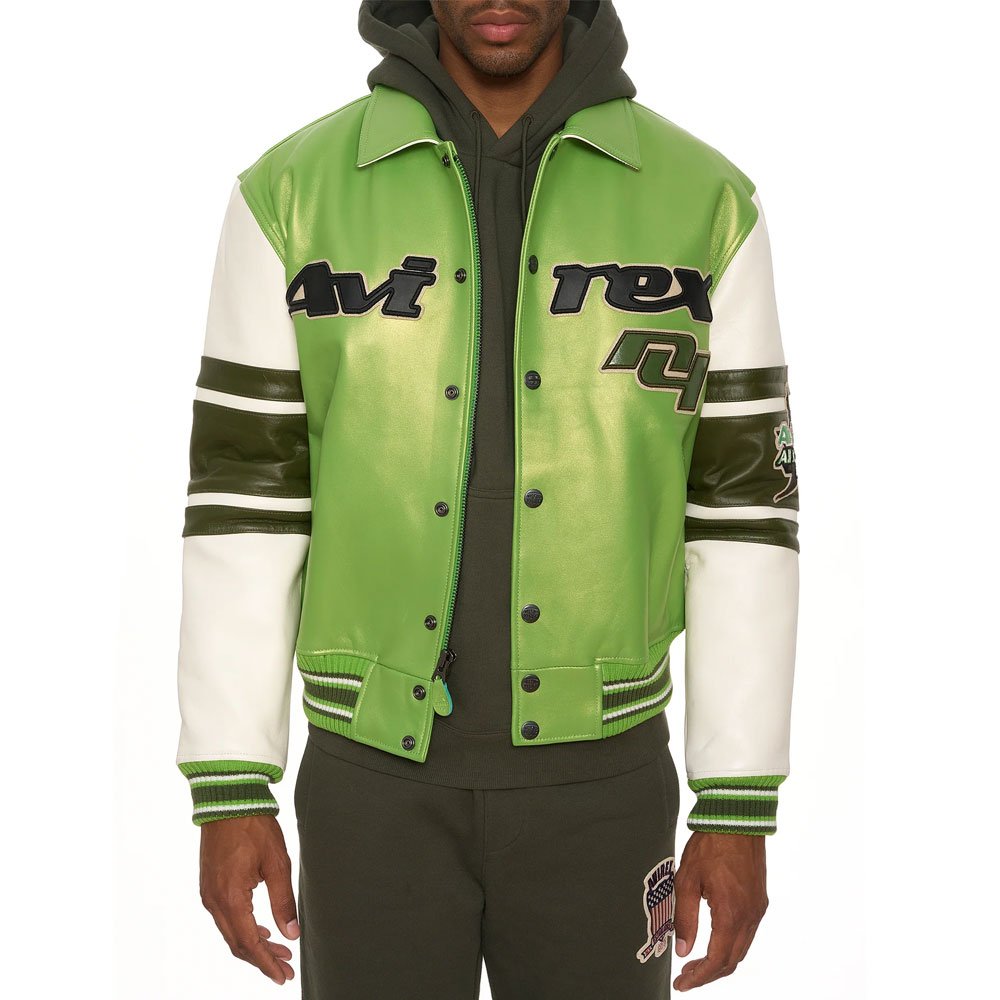
Expert Sewing
Specialized industrial machines and skilled craftspeople handle faux leather’s unique properties, creating strong, even seams that withstand stress points at shoulders, zippers, and pockets while maintaining clean, professional finishing throughout.
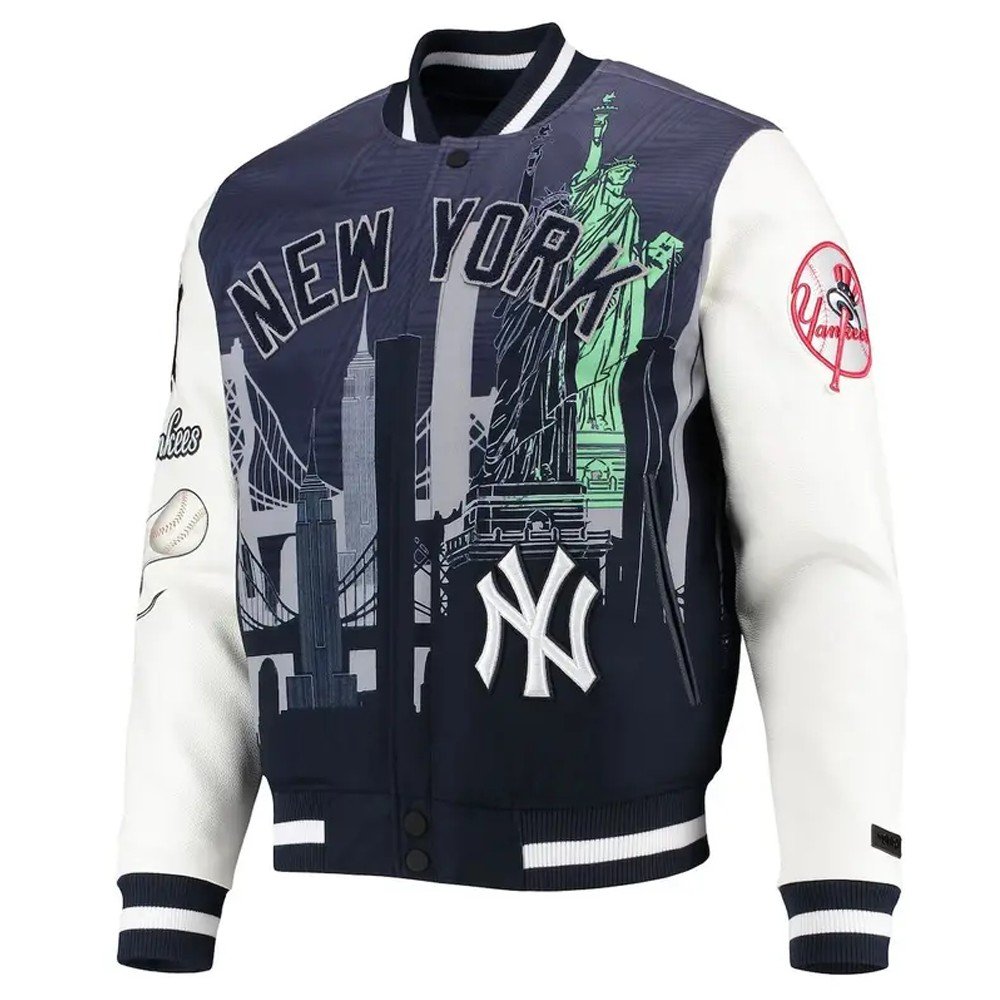
Embroidery Application
High-density embroidery adds dimensional logos, patches, and custom artwork directly onto faux leather surfaces. The result is a premium, tactile branding element that elevates perceived value and reinforces your streetwear identity.
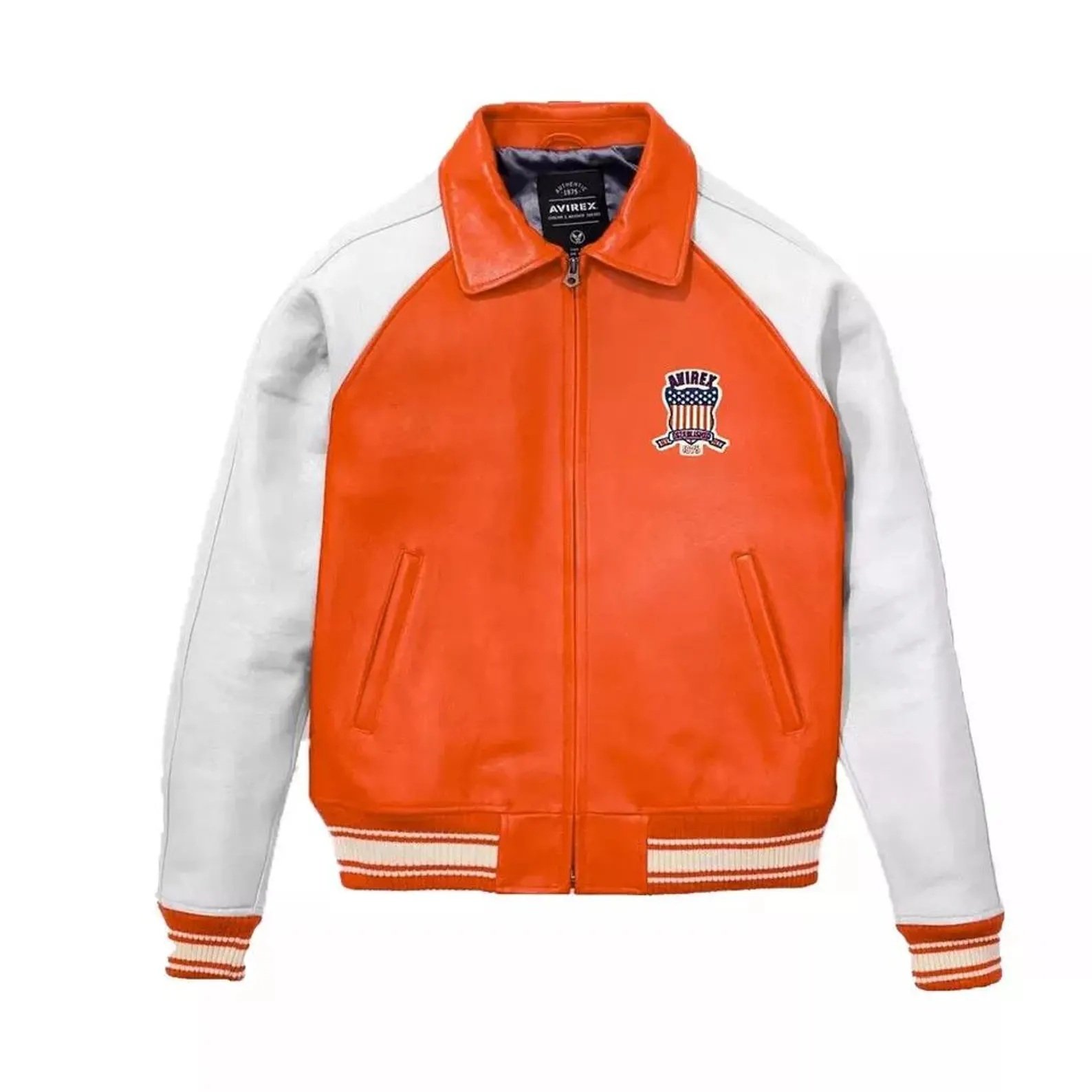
Screen Printing
Durable, vibrant screen printing applies bold graphics, text, and designs to faux leather jacket backs, sleeves, and chest areas. Ink formulations are selected for flexibility and adhesion, ensuring artwork remains crisp through extended wear.
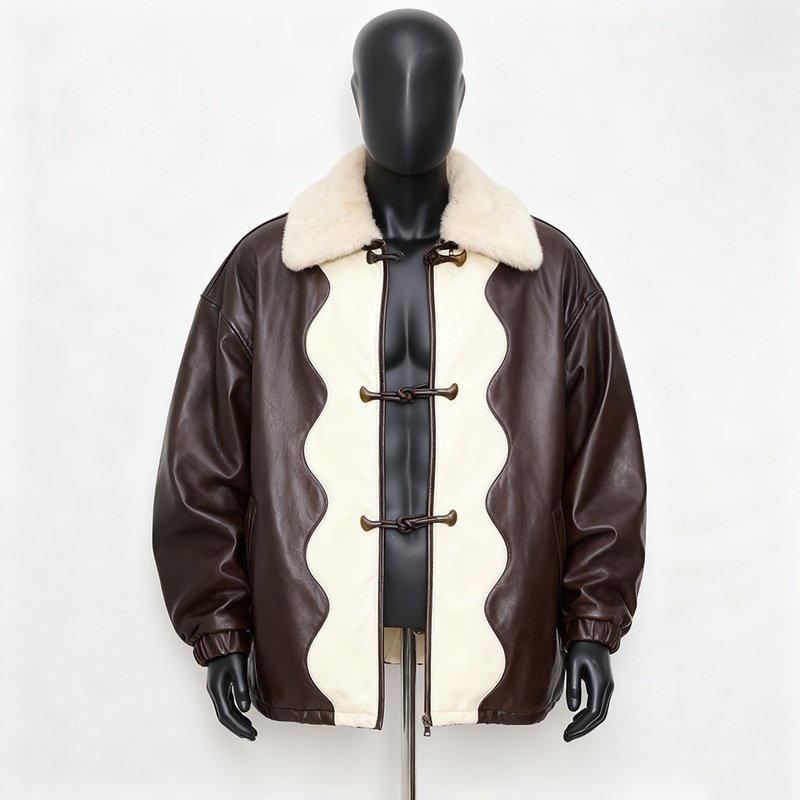
Heat Transfer
Heat-activated transfers bond intricate multi-color designs, gradients, and photographic images onto faux leather with exceptional clarity. This process delivers complex visuals that traditional printing cannot achieve, perfect for limited-edition streetwear drops.
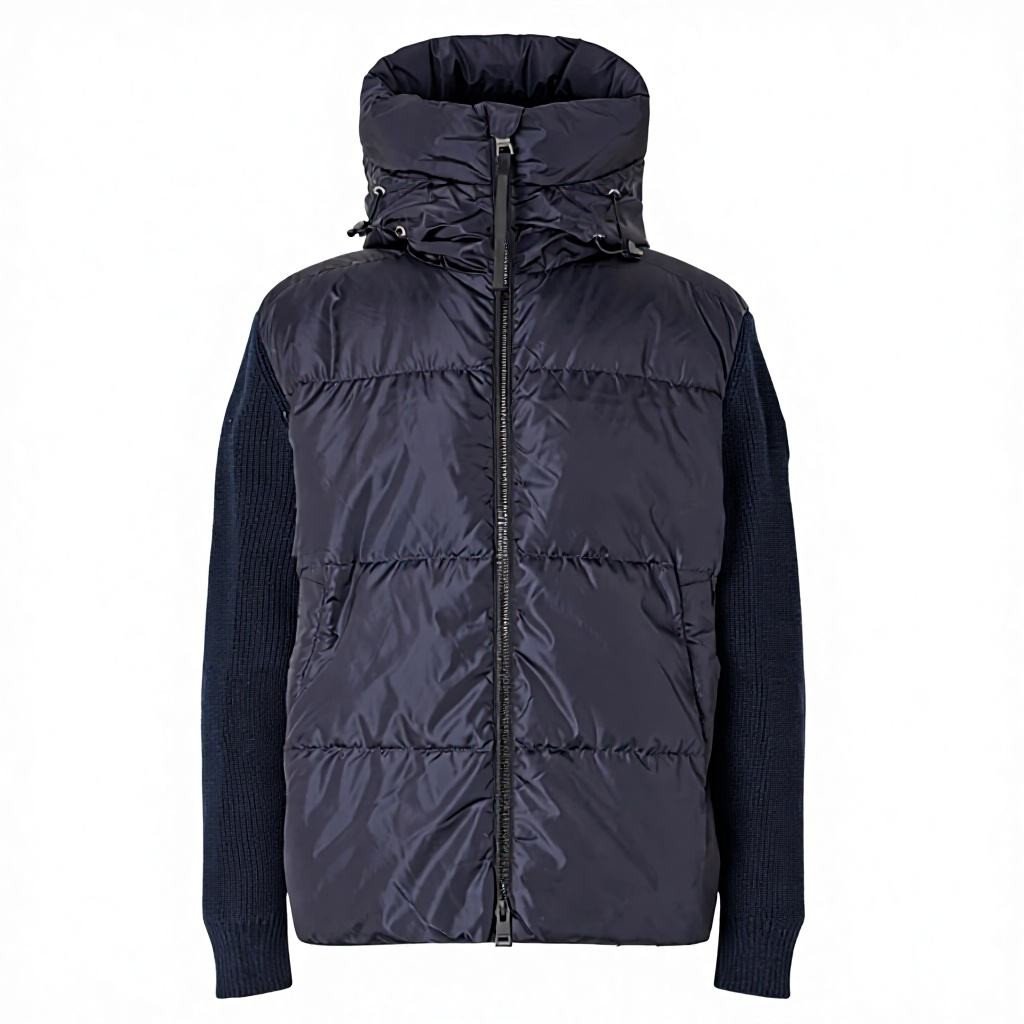
Hardware Installation
Precision installation of zippers, snaps, rivets, buckles, and metal accents completes each jacket’s functionality and aesthetic. Every hardware component is tested under our 5-step QC process to ensure smooth operation and long-term reliability.
Premium Hardware & Finishing Accessories for Faux Leather Jackets
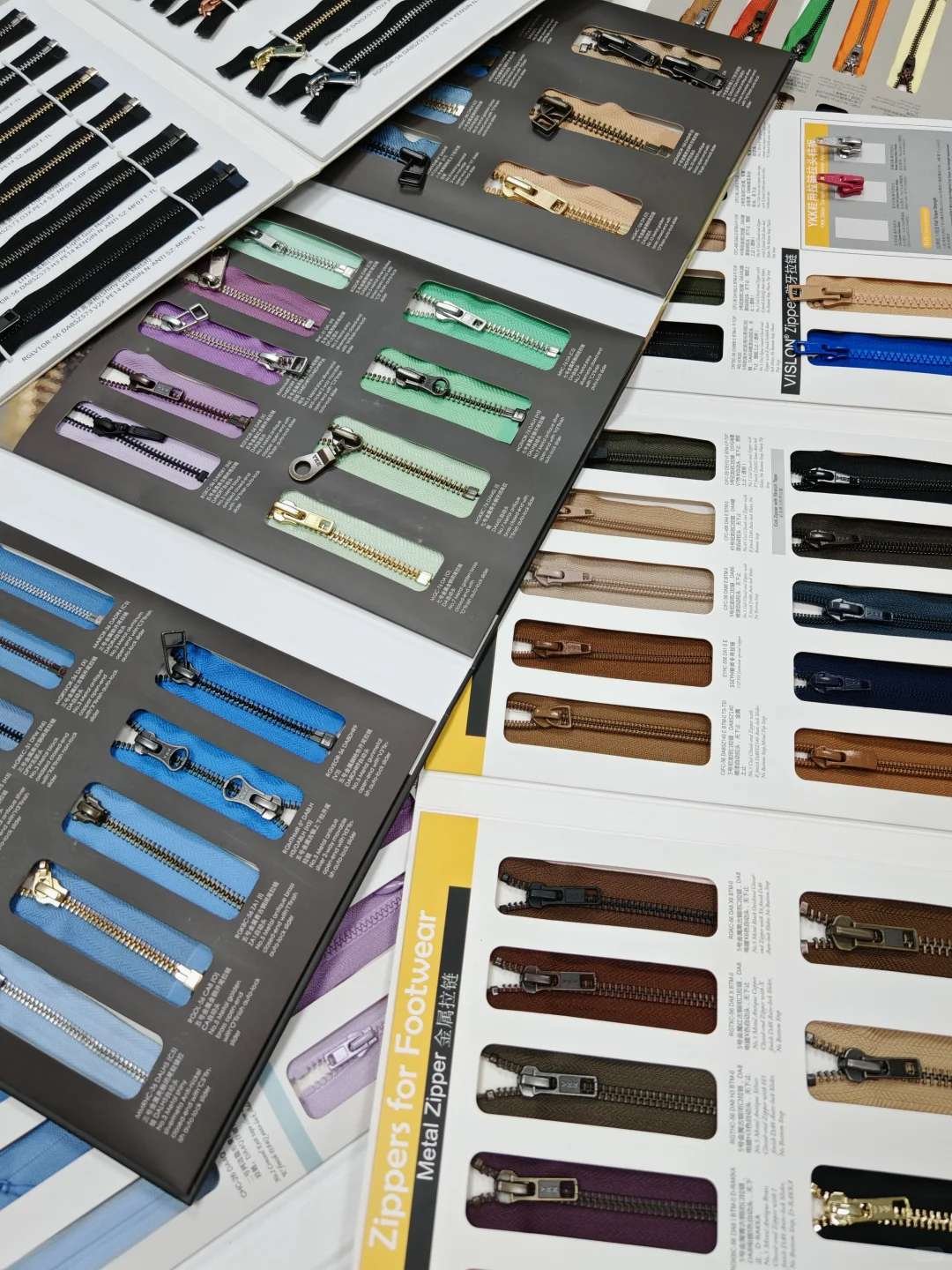
Metal Zippers
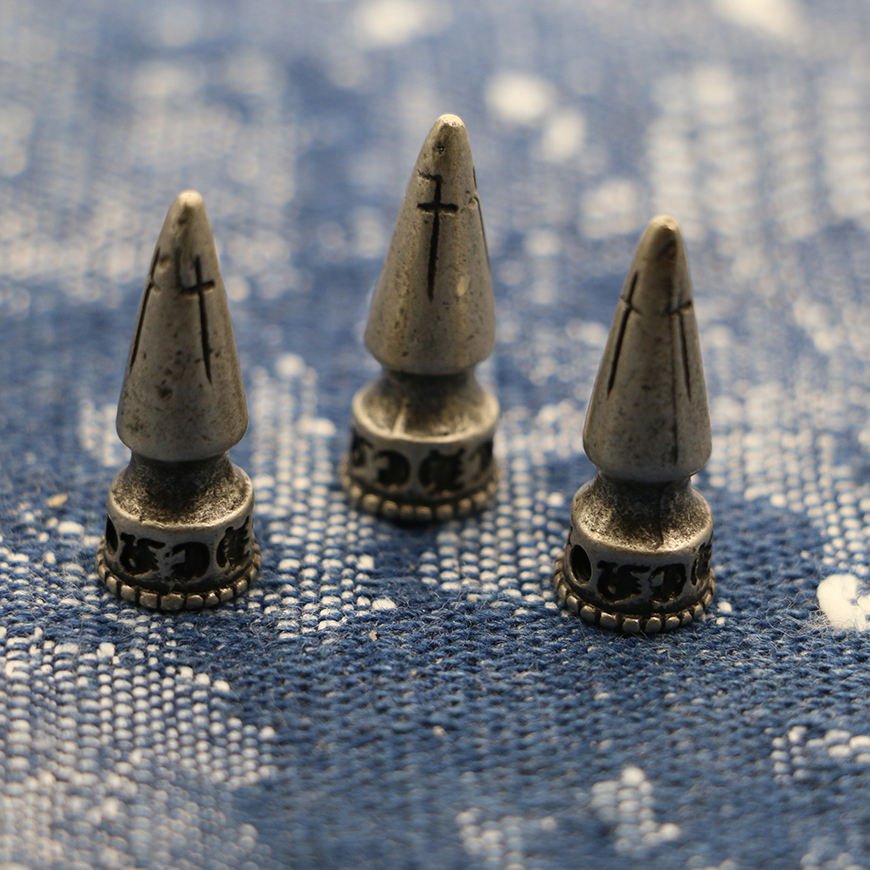
Premium YKK and custom metal zippers engineered for faux leather applications. Available in antique brass, gunmetal, silver, and gold finishes. Essential for front closures, sleeve details, and pocket accents on streetwear jackets.
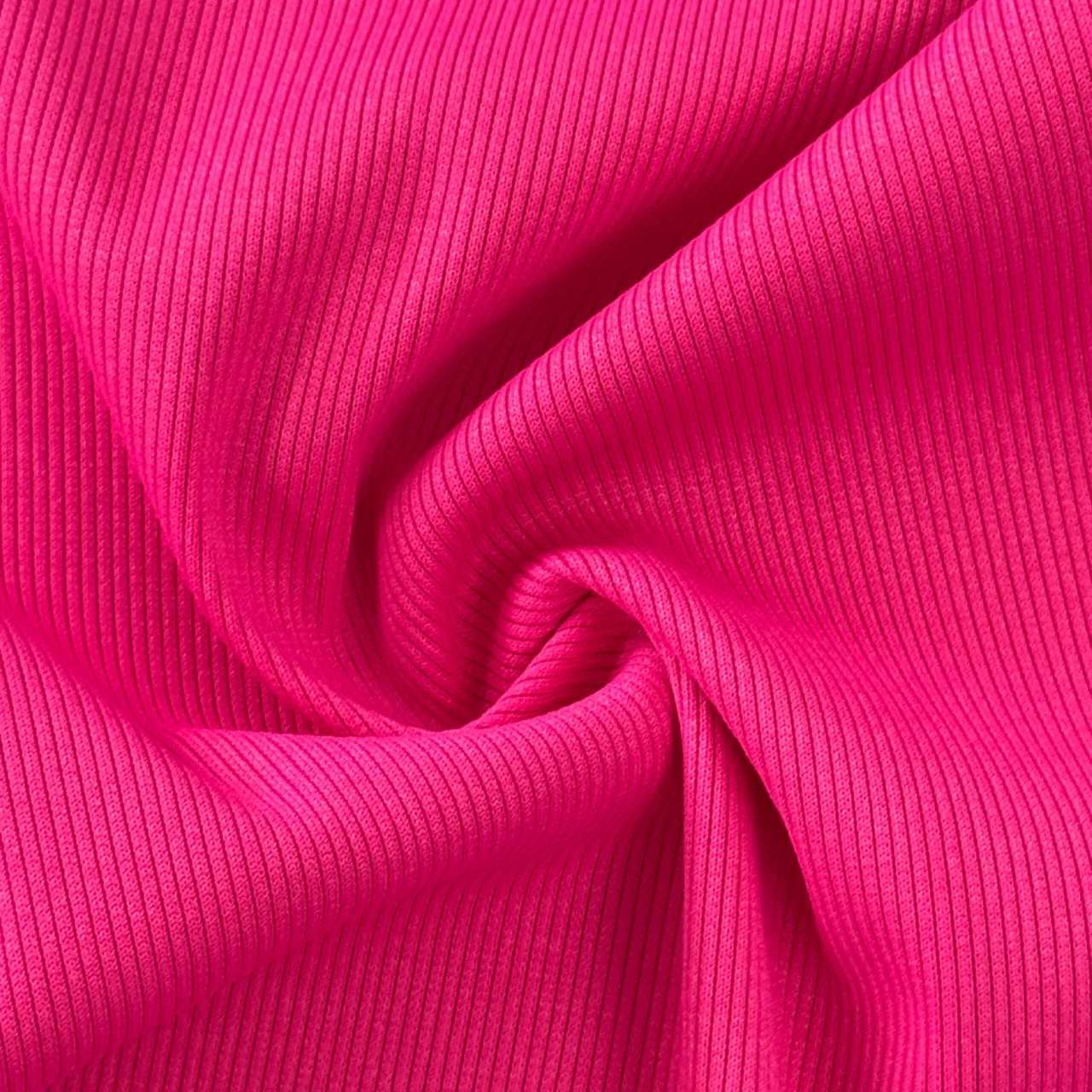
Snap Buttons
Heavy-duty metal snap fasteners in multiple finishes and sizes. Ideal for collar closures, cuff adjustments, and decorative front plackets. Tested for 10,000+ cycles to ensure long-lasting performance on faux leather garments.
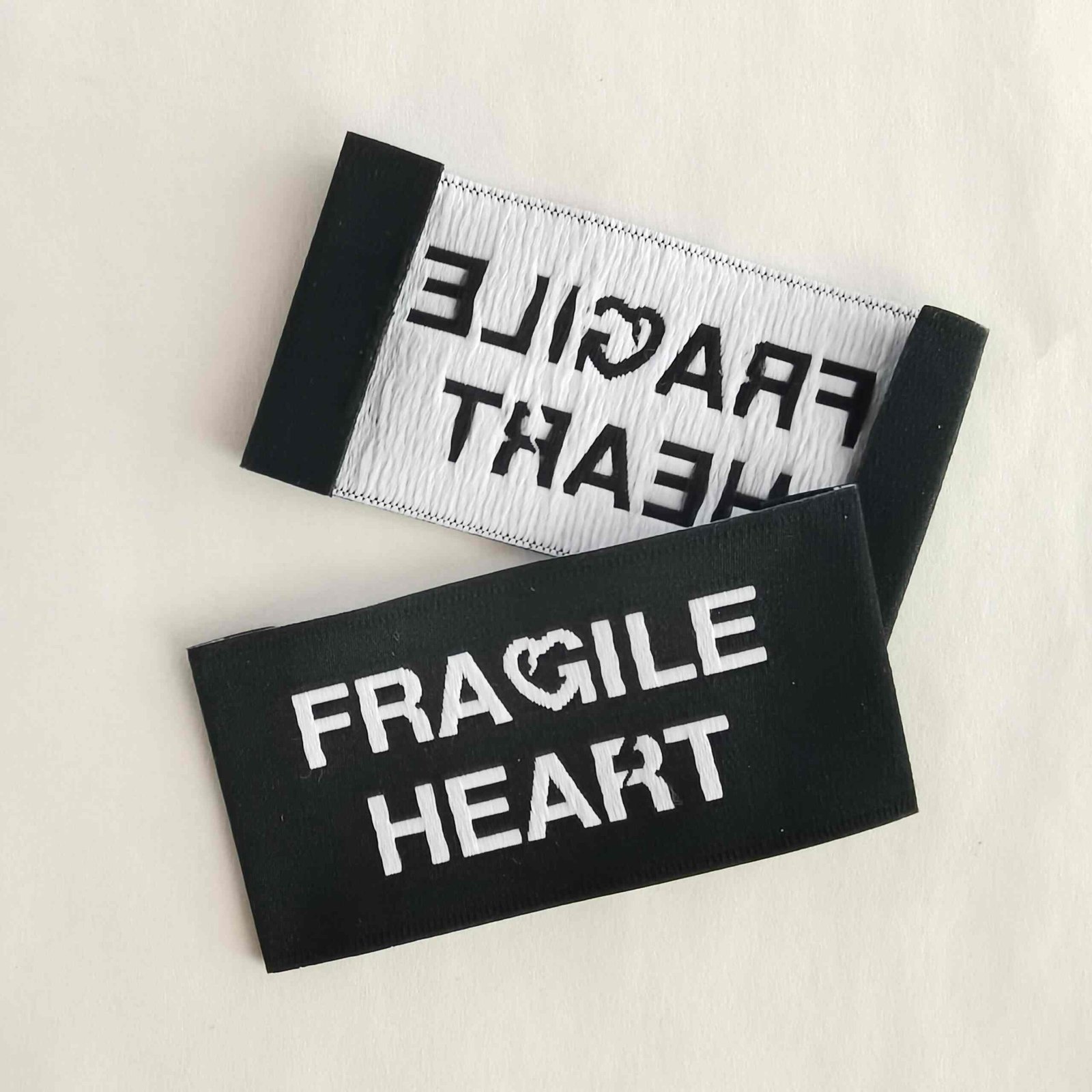
Custom Woven Labels
High-density woven brand labels with fold options for neck, side seam, or exterior placement. Designed to elevate brand identity with crisp logo reproduction and premium damask or satin backing for faux leather jacket collections.
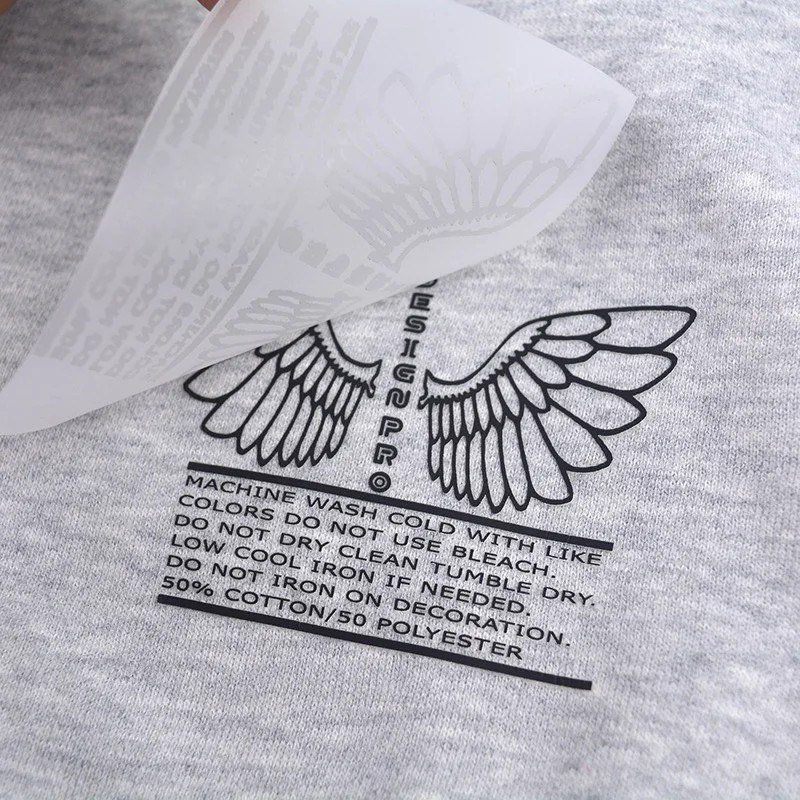
Embroidered Patches
Custom embroidered patches with up to 100% thread coverage for bold streetwear graphics. Heat-seal or stitch-on application. Perfect for back panels, sleeves, and chest branding on faux leather jackets with urban edge.
Drawcords & Tipping
Round or flat drawcords with metal, silicone, or branded aglets for adjustable hems and hoods. Available in matching or contrast colors to complement faux leather tones and enhance functional streetwear design details.
Custom Hangtags
Die-cut, embossed, or foil-stamped hangtags that communicate brand story and quality. Attached with metal chains, cords, or safety loops. Essential for retail presentation and reinforcing premium positioning of faux leather jackets.
Trusted Faux Leather Jacket Manufacturer
Founded in 2024 by Tesla Luo, Clothing Manufacturer Ltd. brings over 10 years of apparel production expertise and 6 years of specialized streetwear experience to every faux leather jacket we craft. Raised in Dongguan’s garment heartland by parents who held senior manufacturing roles, Tesla learned quality from the ground up—rotating through cutting, sewing, QC, and finishing before serving 200+ global clients.
We launched with a mission to restore trust in Chinese manufacturing by eliminating the shortcuts that damage our industry’s reputation. While many factories skip in-process inspections, we implement a rigorous 5-step quality control guarantee at every production stage—from materials and cutting through craft, sewing, and final inspection—ensuring zero defects reach your customers.
Today, our 15-member R&D team and 10 patents support trendy brands, startups, designers, and retailers across 100+ countries. With 50-piece MOQs, fast turnaround for seasonal collections, and full logistics support, we empower emerging labels and established names alike to deliver premium faux leather jackets that reflect their vision and values.
5-Step QC System Every Faux Leather Jacket Manufacturer Should Follow
Materials QC Testing Before Production
Every roll of faux leather undergoes rigorous inspection before cutting begins. We verify grain consistency, thickness uniformity, tensile strength, and color accuracy against your approved samples to ensure only premium synthetics enter our production line.
- Tensile strength and abrasion resistance testing on every material batch
- Color fastness verification to prevent fading and discoloration
- Grain pattern and texture consistency checks across entire rolls
- Supplier certification review and material traceability documentation
Cutting QC Testing for Precision
Our cutting department implements checkpoint inspections to guarantee pattern accuracy and material efficiency. Each cut piece is measured against digital templates, and grain direction is verified to maintain consistent texture across all jacket panels.
- Digital pattern matching to ensure size accuracy within 2mm tolerance
- Grain direction alignment for uniform appearance on finished jackets
- Panel labeling and batch tracking to prevent mixing different dye lots
- Waste reduction protocols that maximize material utilization
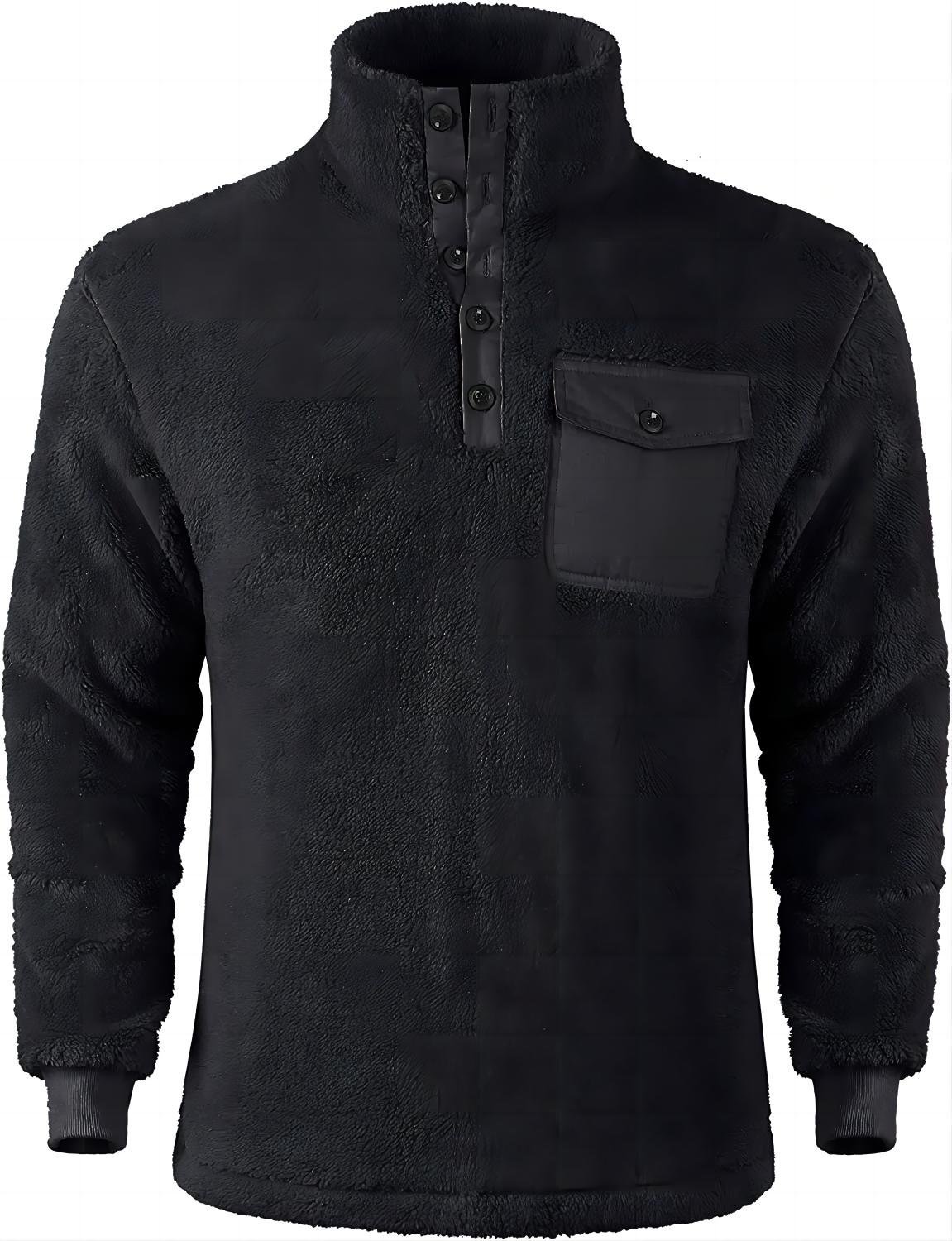
Craft & Sewing Production QC Testing
During assembly, our QC team performs in-line inspections at critical construction stages. We check stitch density, seam strength, zipper alignment, and hardware attachment before pieces move to the next workstation, catching defects early when corrections are simple.
- Stitch-per-inch verification on all seams to meet streetwear durability standards
- Real-time zipper function testing and alignment checks during installation
- Lining attachment and pocket construction inspections at each stage
- Hardware placement accuracy and secure fastening validation
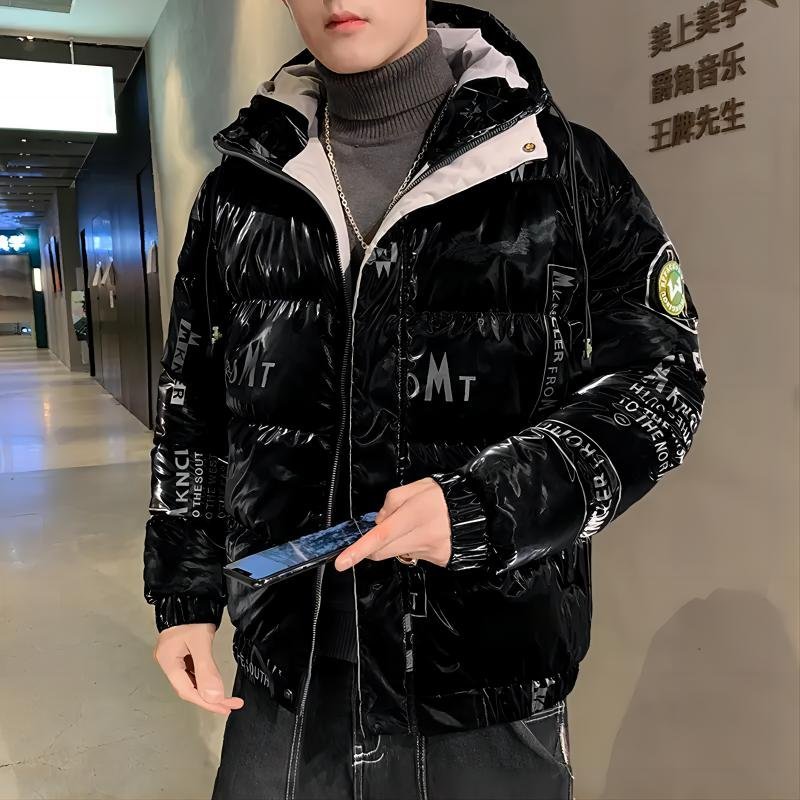
Finished Jacket Quality Final Inspection
Every completed faux leather jacket passes through our comprehensive final QC checkpoint. Inspectors examine fit, finish, hardware functionality, and overall appearance against your brand standards. Only jackets that meet all criteria are approved for pressing, packaging, and shipment.
- Full garment measurement verification against tech pack specifications
- Surface inspection for scratches, marks, or inconsistencies in faux leather
- Functional testing of all zippers, snaps, buttons, and adjustable features
- Final pressing and presentation review before packaging approval
Faux Leather Jacket Manufacturer vs. Standard Suppliers
Most low-cost suppliers skip critical quality checks and lack streetwear design expertise. We embed rigorous QC testing at every production stage and bring deep cultural fluency in trend-driven styles to every faux leather jacket we manufacture.
← 左右滑动查看 →
Faux Leather Jacket Manufacturer Production Timeline
Our end-to-end workflow ensures every jacket meets streetwear standards through systematic quality checks at each production phase, from initial design approval to final shipping logistics.
Design & Material Approval
Review tech packs, approve faux leather samples, and finalize hardware specifications. Materials QC testing begins to verify fabric weight, durability, and finish quality.
Pattern & Cutting Phase
Create production patterns, grade sizes, and execute precision cutting. Cutting QC testing ensures accurate dimensions and minimizes material waste for cost efficiency.
Sewing & Assembly Production
Assemble panels, attach zippers and hardware, and complete stitching. Clothing craft QC testing and sewing production QC testing monitor stitch integrity and construction standards.
Finishing & Final Inspection
Press, clean, and apply branding elements. Finished clothing quality QC inspection verifies every jacket against your specifications before approval for packing and shipment.
Packing & Global Logistics
Custom packaging, carton labeling, and coordinated shipping to your destination. Full documentation support for customs clearance and real-time tracking across all global markets.
How to Partner With Our Faux Leather Jacket Manufacturer
From initial design to finished garments, our streamlined three-step process makes ordering premium faux leather jackets simple for streetwear brands, startups, and independent designers worldwide.
Submit Your Design & Specifications
Send us your tech pack, sketches, or reference images. Our team reviews your faux leather jacket requirements and confirms fabric options, hardware, and customization details within 24 hours.
Receive Quote & Approve Samples
We provide a detailed quote with transparent pricing and timeline. After approval, our in-house team creates physical samples for your review, with revisions included until perfect.
Confirm Bulk Production & Delivery
Once samples are approved, we begin production with our 5-step QC guarantee at every stage. Your finished faux leather jackets ship globally with full logistics support.
Certified Faux Leather Jacket Manufacturer You Can Trust
Faux Leather Jacket Manufacturer Trusted by Streetwear Brands Worldwide
We launched our first faux leather bomber collection with Clothing Manufacturer Ltd and saw zero defect returns across 500 units. Their 5-step QC caught issues before shipping, saving us thousands in customer service costs.
As an influencer brand, we needed 200 custom faux leather jackets in 28 days for our fall drop. They delivered on time with perfect stitching and hardware quality. Our followers loved the premium feel at our price point.
We switched to Clothing Manufacturer Ltd after quality issues with our previous supplier. Their expertise in faux leather production reduced our defect rate from 12% to under 1%, and their 50-piece MOQ let us test new styles without huge risk.
FAQ — Faux Leather Jacket Manufacturer Questions
What is the minimum order quantity for a faux leather jacket manufacturer?
How long does production take with your faux leather jacket manufacturer?
Do you charge for sampling before bulk production?
What payment terms does your faux leather jacket manufacturer offer?
Can I customize designs with a faux leather jacket manufacturer?
How do you protect my designs and intellectual property?
What shipping and logistics support does your faux leather jacket manufacturer provide?
What types of faux leather materials can you work with?
How does your 5-step QC process improve faux leather jacket quality?
The Complete Buyer’s Guide to Choosing the Right Faux Leather Jacket Manufacturer
Navigate supplier selection with confidence. This guide delivers a proven decision framework, essential quality criteria, customization options, and the critical mistakes to avoid when partnering with a faux leather jacket manufacturer for your brand.
1. What Is a Faux Leather Jacket Manufacturer?
A faux leather jacket manufacturer is a specialized apparel production partner that designs, sources materials for, and produces synthetic-leather outerwear at scale. These manufacturers typically offer three service models: OEM (Original Equipment Manufacturer), where the brand provides complete tech packs and the factory executes production; ODM (Original Design Manufacturer), where the factory supplies ready-to-brand designs from its catalog; and full-package services that encompass design consultation, fabric sourcing, sample development, bulk production, and quality control. Clothing Manufacturer Ltd., for example, operates a five-step QC methodology introduced February 12, 2025, covering materials testing, cutting inspection, craft verification, sewing checks, and finished-garment review—a structured approach that addresses the common industry practice of skipping in-process quality gates.
Brands choose faux leather over genuine leather for three primary reasons: ethical positioning (vegan and cruelty-free claims resonate with Gen Z and millennial consumers), cost predictability (synthetic materials eliminate hide-grade variability and price volatility), and production consistency (PU and PVC substrates deliver uniform grain, thickness, and color batch-to-batch). For fashion startups and independent designers, a capable faux leather jacket manufacturer provides access to specialized equipment—high-frequency welding machines, edge-paint applicators, and heavy-duty lockstitch machines—without capital investment, while global apparel retailers benefit from scalable MOQs and repeatable quality standards.
Clothing Manufacturer Ltd. serves customers across more than 100 countries with an R&D team of 15 members and holds 10 patents related to production processes, combining the agility of a streetwear specialist with the infrastructure of its parent company, Dongguan TuoZhen Clothing Co., Ltd.
2. Evolution of Faux Leather Jacket Manufacturing
The first commercial faux leather materials appeared in the 1920s with vinyl and PVC coatings applied to fabric backing, but early versions cracked easily and offered poor breathability. By the 1960s, manufacturers introduced polyurethane (PU) leather, which delivered softer hand-feel and improved flexibility, making it viable for garment applications beyond automotive and furniture upholstery. These early PU formulations still fell short of genuine leather in texture and durability, limiting adoption in fashion markets.
The 1990s marked a turning point as animal-rights movements and vegan lifestyle trends drove demand for cruelty-free alternatives, prompting faux leather jacket manufacturers to refine polymer chemistry and surface embossing techniques. Manufacturers began layering ultra-thin PU films onto woven or knit bases, achieving grain patterns that closely mimicked cowhide, lambskin, and exotic leathers. Simultaneously, improvements in coating technology reduced stiffness and enhanced breathability, addressing the primary complaints of early synthetic leathers.
Since 2010, the rise of streetwear culture and fast fashion has accelerated innovation in faux leather production. Modern faux leather jacket manufacturers now employ multi-layer PU constructions with micro-perforation for air circulation, water-based adhesives to reduce VOC emissions, and bio-based polyols derived from corn or soy to lower carbon footprints. High-end production lines integrate digital printing and laser etching to create custom textures, meeting the bold aesthetic demands of streetwear brands while aligning with sustainability mandates from global retailers. This convergence of fashion trends, material science, and environmental responsibility has elevated faux leather from a budget substitute to a performance fabric in its own right.
3. Types of Faux Leather Jacket Manufacturers
Faux leather jacket manufacturers fall into distinct categories defined by service scope, geographic location, and production specialization. Understanding these types helps brands match their order volume, budget, and quality expectations to the right manufacturing partner.
Full-Package vs. Cut-Make-Trim Manufacturers
Full-package manufacturers handle design development, fabric sourcing, pattern making, sampling, production, and quality control under one roof. They typically require 100–500 piece MOQs and 60–90 day lead times, ideal for startups and independent designers who lack in-house technical teams.
Cut-make-trim (CMT) factories execute sewing and finishing only, expecting clients to supply all materials, patterns, and trims. MOQs often start at 300–1,000 pieces with 30–45 day turnarounds, best suited for established brands with dedicated sourcing and design staff.
- Full-package: end-to-end service, higher per-unit cost, lower client workload
- CMT: lower production cost, requires client-managed supply chain
- Clothing Manufacturer Ltd. offers full-package streetwear production with 50-piece MOQs
Domestic vs. Overseas Faux Leather Jacket Manufacturers
Domestic manufacturers in North America and Europe deliver 2–4 week lead times and simplified communication but charge $45–$85 per jacket at 100-piece runs. Overseas factories in China, Vietnam, and Bangladesh offer $12–$28 per unit pricing with 45–75 day lead times and MOQs from 50–500 pieces.
Dongguan-based facilities like Clothing Manufacturer Ltd. combine competitive overseas pricing with rigorous five-step QC testing, serving over 100 countries since 2024 and supporting brands from zero followers to six-figure influencer labels.
- Domestic: fast turnaround, higher cost, easier logistics
- Overseas: lower per-unit price, longer shipping, scalable volume
Specialist Vegan Outerwear vs. General Apparel Factories
Specialist vegan outerwear manufacturers focus exclusively on synthetic leather jackets, maintaining dedicated faux-leather cutting tools, heat-press stations, and seam-sealing equipment. They typically stock 20–40 PU and PVC fabric variants and understand vegan certification requirements, with MOQs around 100–300 pieces.
General apparel factories produce faux leather jackets alongside hoodies, tees, and pants, offering broader product diversification but less material expertise. MOQs range 200–1,000 pieces; lead times stretch 60–90 days as jackets compete with higher-margin knitwear orders.
- Specialist: deep material knowledge, consistent jacket quality, niche focus
- General: one-stop product range, variable jacket expertise, mixed production priorities
4. Materials and Fabrics Used by Faux Leather Jacket Manufacturers
A faux leather jacket manufacturer typically offers four primary material families, each with distinct performance and cost profiles. Selecting the right substrate determines durability, hand feel, breathability, and alignment with your brand’s sustainability messaging.
| Material Type | Weight/Thickness | Durability (Cycles) | Cost Tier | Common Applications |
|---|---|---|---|---|
| PU Leather | 0.6–1.2 mm | 50,000–100,000 | Mid-range | Streetwear, fashion startups, accessible luxury |
| PVC Leather | 0.5–0.9 mm | 30,000–60,000 | Budget | Fast fashion, promotional lines, high-volume retail |
| Microfiber | 0.8–1.4 mm | 100,000+ | High | Premium collections, designer collaborations |
| Plant-Based (Cactus, Apple, Mushroom) | 0.7–1.0 mm | 40,000–70,000 | Premium/Ultra | Eco-conscious brands, influencer lines, storytelling |
Polyurethane (PU) Leather
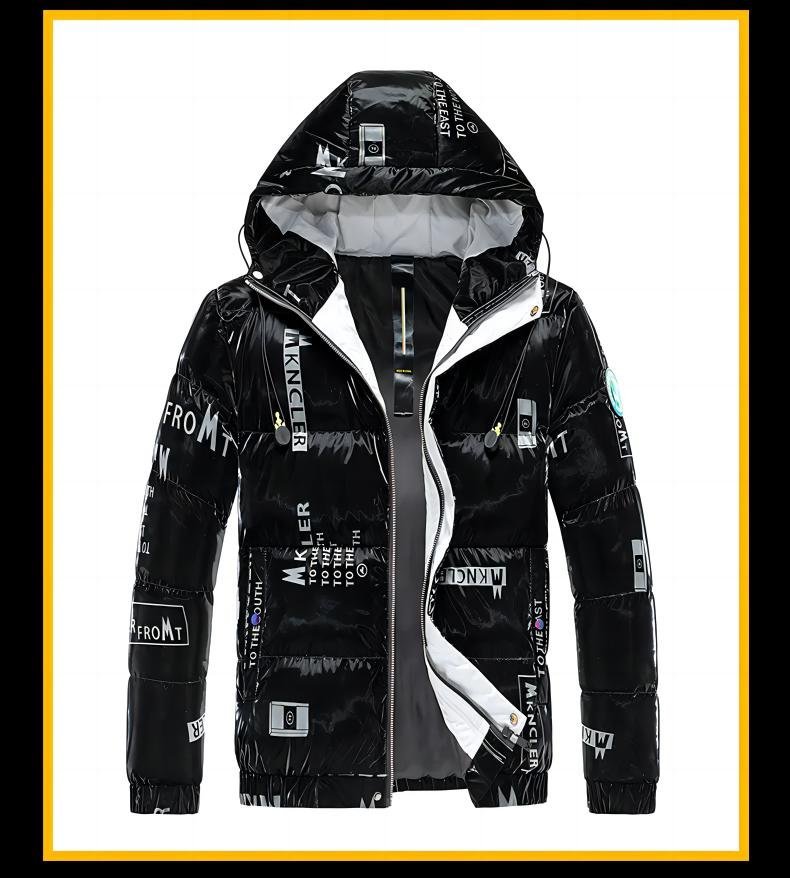
PU leather dominates mid-tier to premium faux leather jacket production, accounting for roughly 60 percent of global synthetic leather apparel. Typical weight ranges from 0.6 to 1.2 mm, with a soft, supple hand that closely mimics genuine leather.
Durability ratings reach 50,000 to 100,000 Martindale cycles for quality grades, and PU breathes better than PVC due to its microporous structure. Cost sits in the mid-range tier, making it ideal for fashion startups and streetwear brands targeting accessible luxury positioning.
Polyvinyl Chloride (PVC) Leather
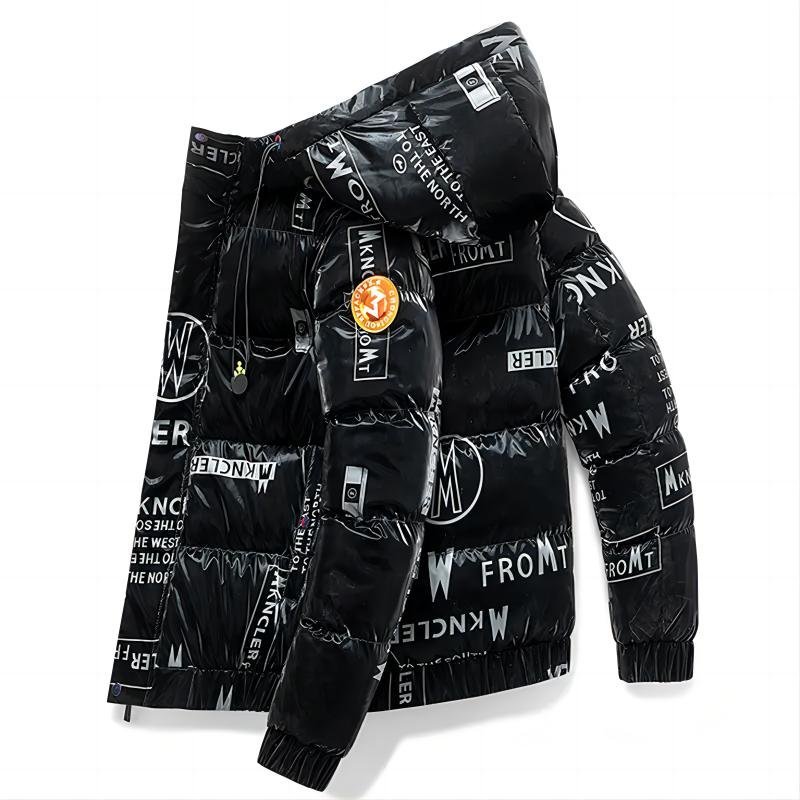
PVC remains the budget workhorse for high-volume, price-sensitive collections. Thickness typically spans 0.5 to 0.9 mm, with a firmer, less breathable hand than PU.
Durability ranges from 30,000 to 60,000 cycles, and PVC resists water and abrasion effectively but lacks breathability, leading to moisture retention. Its low cost tier suits fast-fashion retailers and promotional campaigns where price outweighs comfort.
Microfiber and Plant-Based Alternatives
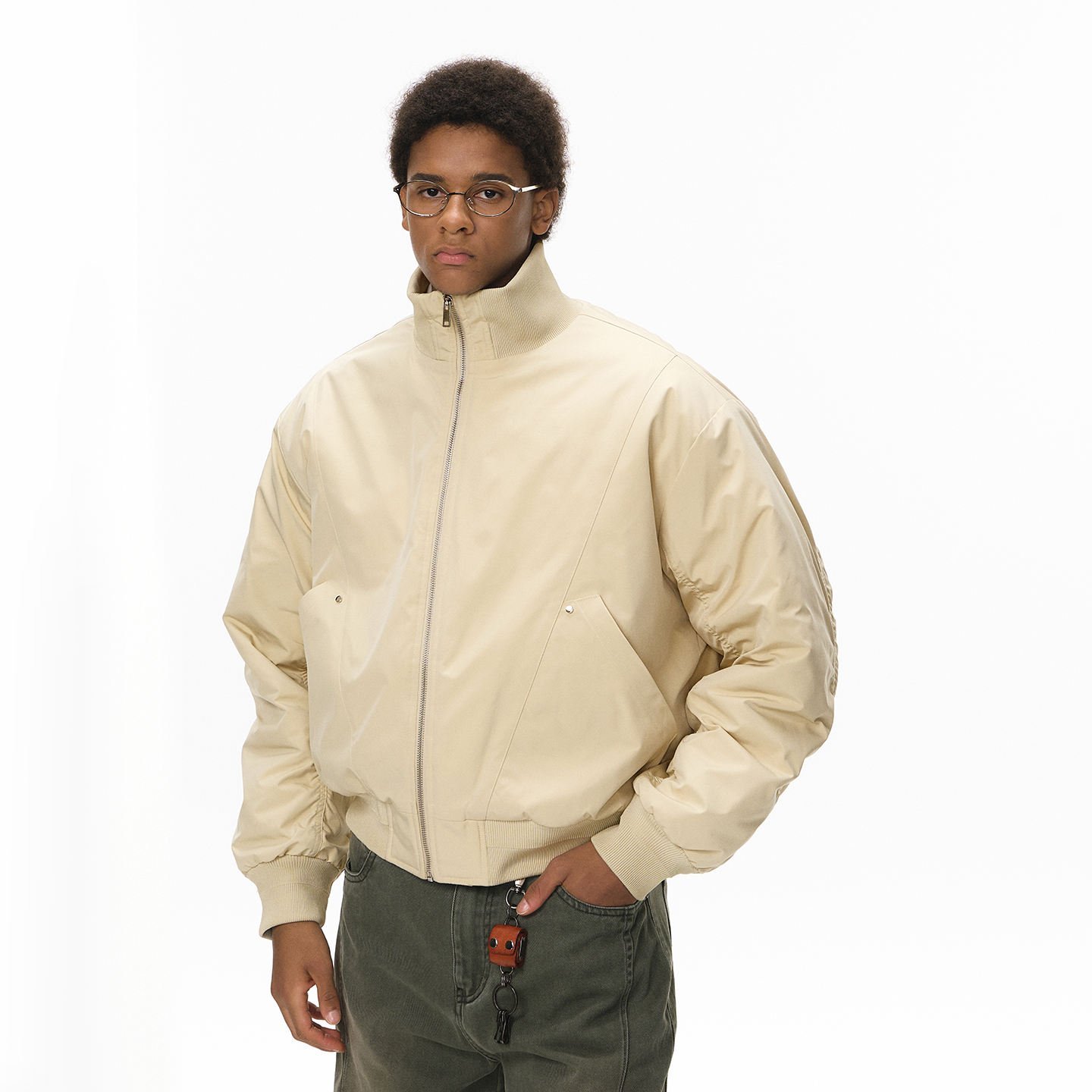
Microfiber leather (0.8–1.4 mm) offers premium hand feel and durability exceeding 100,000 cycles, commanding a high cost tier. Plant-based options—cactus (Desserto), apple (AppleSkin), mushroom (Mylo)—deliver sustainability credentials with weights around 0.7–1.0 mm and moderate durability (40,000–70,000 cycles).
These materials appeal to eco-conscious influencer brands and independent designers seeking differentiated storytelling, though supply chains remain limited and pricing sits at premium or ultra-premium tiers.
5. Customization and Decoration Options with a Faux Leather Jacket Manufacturer
Customization transforms a generic faux leather jacket into a signature brand piece. A faux leather jacket manufacturer with in-house decoration capabilities can offer color matching, surface treatments, hardware upgrades, and structural modifications that differentiate your line in crowded streetwear markets.
| Technique | Setup Cost (USD) | MOQ Impact | Durability (Washes) |
|---|---|---|---|
| Embossing | 150–400 | Moderate (die reuse) | 100+ |
| Laser Etching | 0–50 | Low (digital file) | Permanent |
| Screen Printing | 50–100/color | High (screen prep) | 30–40 |
| Embroidery | 30 digitizing | Low | 50+ |
| Appliqué | Variable | Moderate | 40–60 |
| Custom Hardware | 0–200 | Low to Moderate | Lifetime |
Surface Decoration Techniques
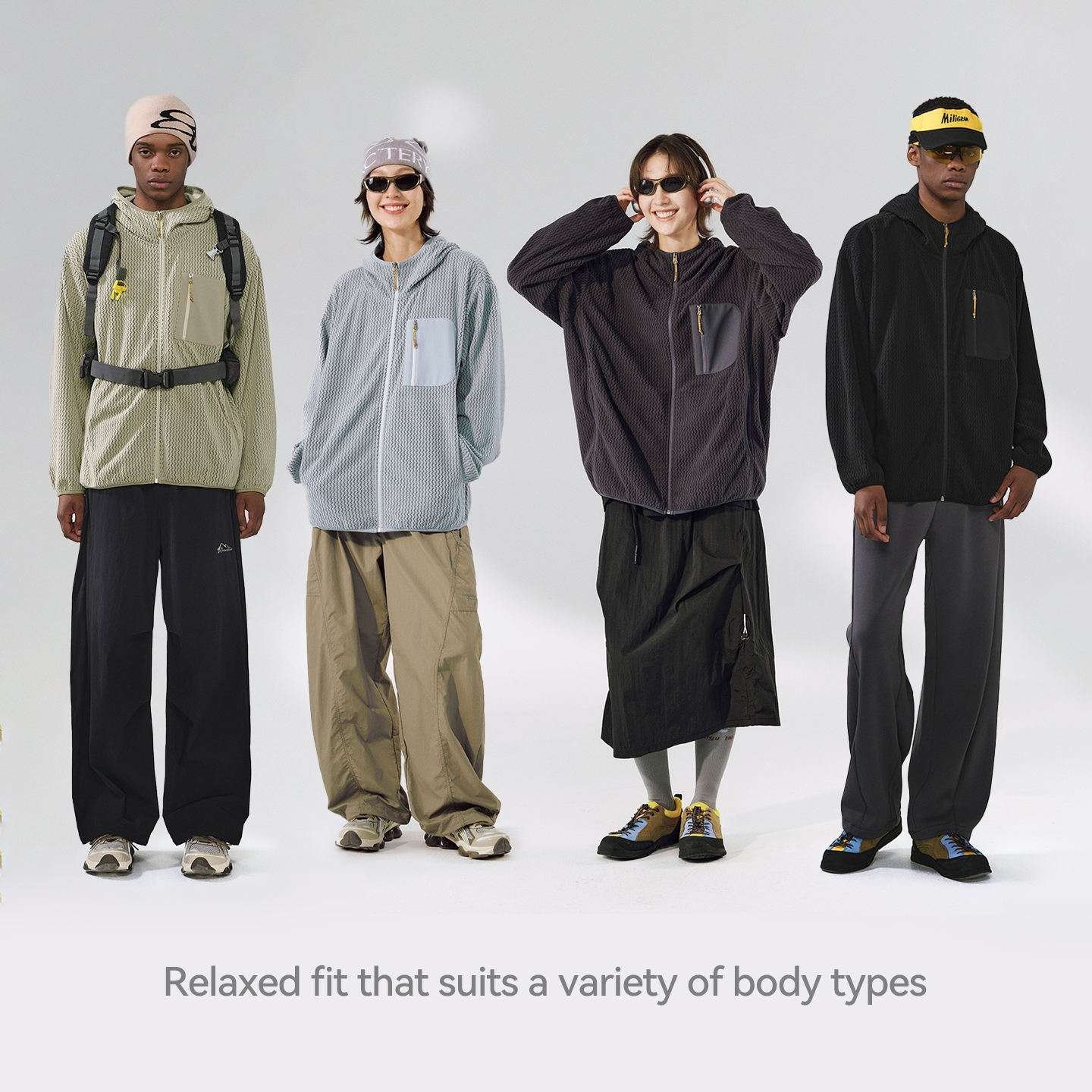
Embossing, perforation, and laser etching create texture and pattern directly on faux leather surfaces. Embossing uses heated dies to press logos or patterns into the material, ideal for subtle branding on sleeves or back yokes. Laser etching burns away the top layer to reveal contrast, popular for intricate skull motifs, rose elements, and mystery symbols common in streetwear.
Perforation punches micro-holes in geometric or custom patterns, adding ventilation and visual interest to panels. Setup costs for embossing dies range from 150 to 400 USD per design, while laser etching incurs minimal setup but higher per-piece time costs.
Applied Decorations
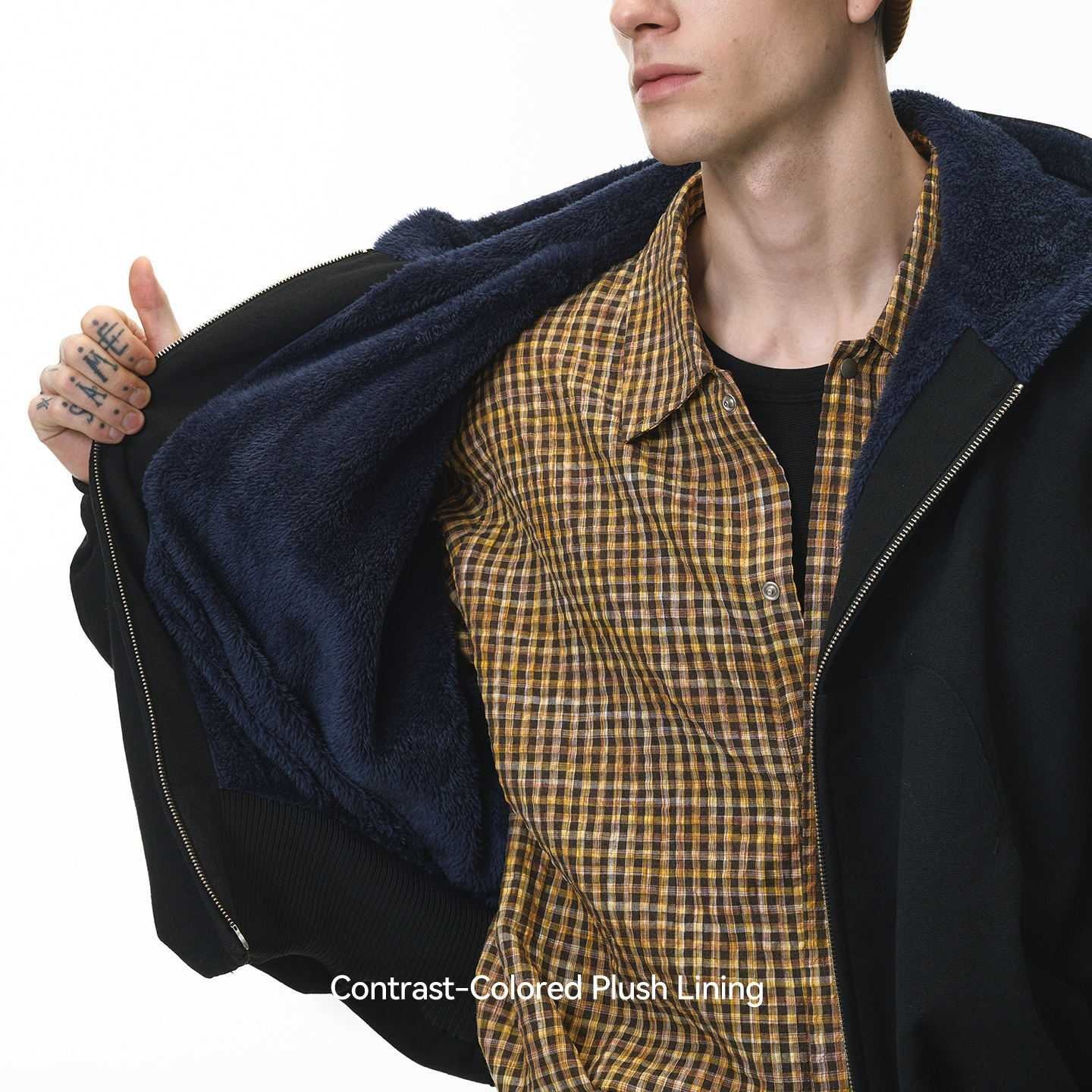
Screen printing, embroidery, and appliqué add color and dimension to faux leather jackets. Screen printing works best on matte PU finishes, delivering bold graphics and text with 50 to 100 USD setup per color. Embroidery creates raised logos and designs, typically charged per 1,000 stitches with 30 USD digitizing fees.
Appliqué layers fabric or leather patches onto the jacket, popular for varsity-style lettering and badge placements. Each technique has durability trade-offs: embroidery withstands 50-plus washes, screen prints last 30 to 40 cycles on faux leather, and appliqué depends on adhesive or stitching quality.
Hardware and Structural Customization
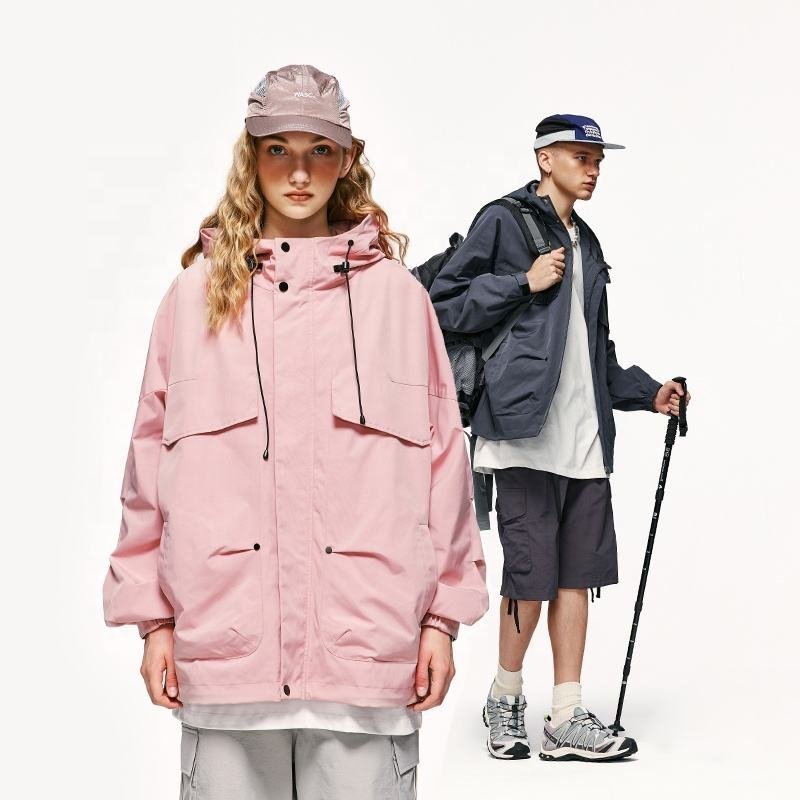
Zippers, snaps, studs, and pocket configurations define both function and aesthetic. YKK metal zippers add 2 to 5 USD per jacket but signal premium quality, while custom pulls and slider colors match brand palettes. Snap buttons and stud embellishments range from gunmetal to antique brass, with installation adding 0.50 to 1.50 USD per piece.
Lining fabric choices—polyester satin, quilted taffeta, or printed twill—affect warmth, drape, and interior branding opportunities. Pocket styles (welt, patch, zippered) and placement require pattern adjustments that impact minimum order quantities, typically requiring 50 to 100 units per configuration to justify setup.
6. Key Quality and Construction Elements in Faux Leather Jackets
Quality faux leather jackets rely on precise construction checkpoints that separate durable garments from returns. A faux leather jacket manufacturer implementing five-step QC testing evaluates seam strength, hardware integrity, finishing, and fit consistency at every production stage to prevent defects before final inspection.
Seam Strength and Stitching Techniques
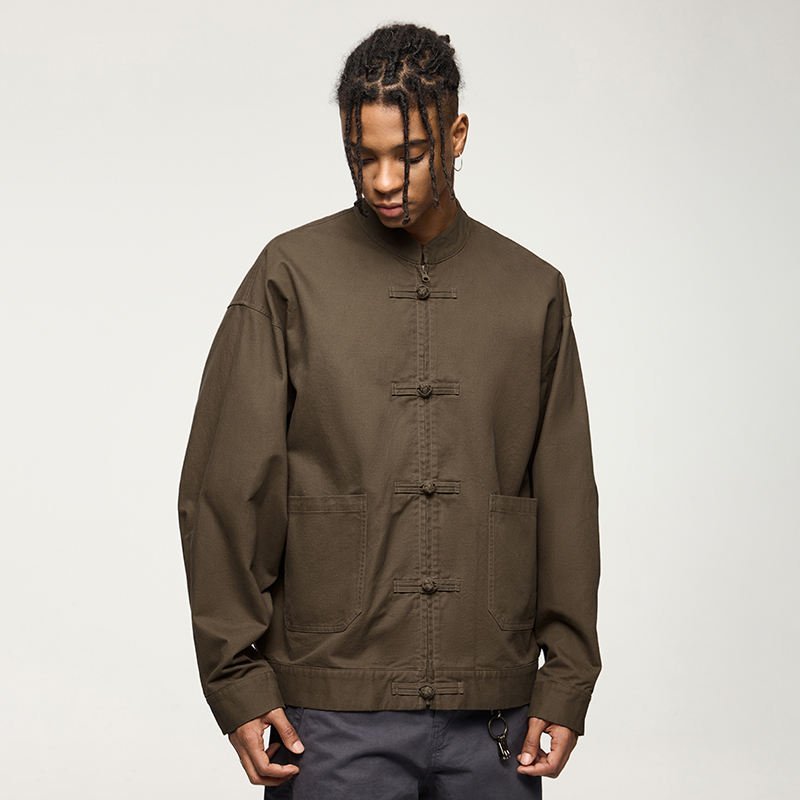
Double-needle stitching at stress points — shoulders, armholes, side seams — delivers 40–60% greater tensile strength than single-needle construction. Flat-felled seams encase raw edges, preventing delamination where PU or PVC coatings meet fabric backings.
Specify stitch density of 10–12 stitches per inch (SPI) for main seams and 12–14 SPI for topstitching in tech packs. Thread must be polyester core-spun to resist abrasion against synthetic leather surfaces, ensuring seams outlast the outer material.
Zipper and Hardware Quality
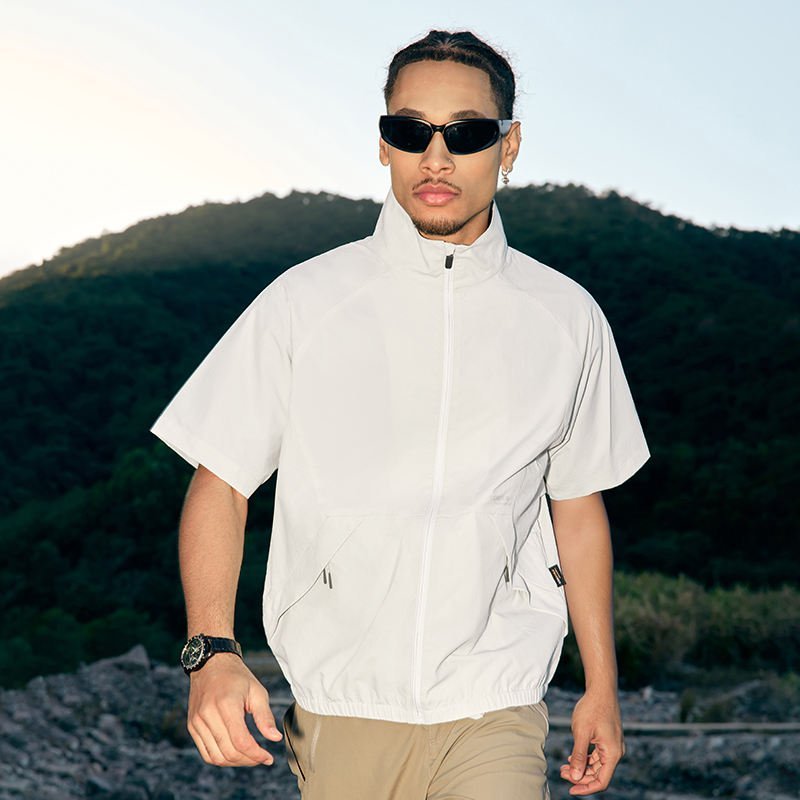
YKK zippers withstand 1,500+ cycles versus 300–500 for generic alternatives, directly impacting customer satisfaction and return rates. Metal pullers and auto-lock sliders prevent mid-wear failures common in budget hardware.
Snap fasteners require pull-force ratings of 25–30 pounds; rivets and grommets should be double-capped to avoid tearing through faux leather. Specify branded hardware in tech packs to ensure consistency across production batches.
Edge Finishing and Adhesive Integrity
Bound or piped edges prevent peeling at hems, cuffs, and pocket flaps where adhesive bonds are weakest. Heat-sealed edges require 160–180°C application to fuse PU layers without scorching.
Adhesive integrity testing during cutting QC and sewing QC stages catches delamination before assembly. Specify solvent-free polyurethane adhesives to maintain flexibility and pass OEKO-TEX or REACH compliance for global retail distribution.
7. How to Choose the Right Faux Leather Jacket Manufacturer for Your Brand
Selecting the right faux leather jacket manufacturer requires a systematic evaluation of credentials, capabilities, and communication standards. A structured vetting process protects your brand from quality failures, missed deadlines, and opaque partnerships that erode customer trust.
Certifications and Compliance Standards
Verify that manufacturers hold OEKO-TEX Standard 100 certification for PU and PVC materials, confirming absence of harmful chemicals. REACH compliance is mandatory for European markets, restricting substances like phthalates and heavy metals.
Vegan labels such as PETA-Approved Vegan signal alignment with cruelty-free positioning. Manufacturers serving global retailers should provide test reports on request, demonstrating transparency in material sourcing and production safety.
Portfolio Review and Sample Quality
Request samples of completed faux leather jackets in weights and finishes similar to your target product. Inspect seam strength, lining attachment, and hardware function across multiple pieces to identify consistency.
Red flags include mismatched stitching density, peeling coatings, or samples that differ significantly from portfolio images. Clothing Manufacturer Ltd. applies a five-step QC process including materials, cutting, craft, sewing, and finished-garment testing to ensure every sample reflects production standards.
Production Capacity and Lead Times
Confirm minimum order quantities align with your launch volume; 50–100 pieces suit emerging brands, while 500+ indicates scalability for growth. Typical lead times range from 25 days for stock-fabric runs to 45 days for custom dyeing and printing.
Ask for capacity schedules during peak seasons (September–November, February–March) to avoid delays. Manufacturers with in-house cutting and finishing lines offer faster turnaround than those outsourcing steps.
Communication and Design Support
Evaluate responsiveness within 24 hours and willingness to iterate on tech packs, grading, and trim details. Strong manufacturers provide pattern adjustments, fabric alternatives, and cost-optimization suggestions without compromising design intent.
Lack of transparency on revisions, vague timelines, or reluctance to share progress photos signals risk. Verify that account managers understand streetwear silhouettes and faux-leather construction nuances to reduce miscommunication.
8. Common Mistakes When Partnering with a Faux Leather Jacket Manufacturer
Fashion startups and independent designers often lose months and thousands of dollars by repeating avoidable errors when selecting a faux leather jacket manufacturer. Understanding these pitfalls before production begins protects your timeline, budget, and brand reputation.
Skipping Sample Approval Stages
Many brands rush from design to bulk production without ordering pre-production samples, discovering fit or finish issues only after 500 units arrive. A startup ordering moto jackets without sample approval found sleeve lengths 2 cm short across the entire run, forcing costly rework.
Always request a physical sample using your exact PU grade, hardware, and lining before authorizing bulk orders. Clothing Manufacturer Ltd.’s five-step QC process includes materials testing and sewing QC, but sample sign-off remains the client’s responsibility to confirm design intent.
Choosing Solely on Price
Selecting the lowest bid often means sacrificing material certifications, consistent quality checks, or reliable lead times. A designer who chose a factory quoting 30% below market rate received jackets with peeling coating and misaligned zippers, losing retail accounts.
Evaluate total cost of ownership: defect rates, rework fees, and brand damage from poor quality outweigh initial savings. Request OEKO-TEX or REACH compliance documentation and ask how many QC checkpoints the manufacturer uses during production.
Underestimating Lead Times and Ignoring Certifications
Independent labels frequently expect 30-day turnarounds for custom faux leather jackets, overlooking fabric sourcing, pattern development, and QC cycles. Standard lead times range 45–75 days depending on order complexity and season.
Simultaneously, brands shipping to the EU or US without REACH or CPSIA test reports face customs holds and fines. Confirm material certifications at the sampling stage and build 10–15 days of buffer into your launch calendar.
9. Steps to Launch Your Faux Leather Jacket Line
Launching a faux leather jacket line requires a structured workflow from concept to delivery. First-time buyers who follow a clear sequence of milestones—research, documentation, sampling, production, and inspection—reduce delays and quality issues by up to 40 percent compared to ad-hoc approaches.
Concept and Trend Research
Spend 1–2 weeks analyzing streetwear trends, competitor styles, and target customer preferences. Identify silhouette details (bomber, biker, oversized), hardware finishes (gunmetal, antique brass), and decoration motifs (embroidery, patches, screen prints) that align with your brand identity.
Compile mood boards, reference images, and fabric swatches to communicate your vision clearly. Document color palettes using Pantone codes and note any sustainability or vegan-certification requirements for your faux leather materials.
Tech Packs and Spec Sheets
Create detailed technical packages that include flat sketches, measurement charts (chest, sleeve, length tolerances ±1 cm), fabric specifications (PU weight 280–350 GSM, backing type), and construction notes (topstitching gauge, seam allowances). A complete tech pack reduces sample revisions by an average of two rounds.
List all trims—zippers (YKK preferred), snaps, labels, hang tags—with supplier part numbers or reference photos. Share these documents with your faux leather jacket manufacturer during the initial inquiry to receive accurate quotes and lead-time estimates.
Sample Approval and Production Order
Request a pre-production sample (typical cost $80–$150 per piece, 10–14 days). Inspect fit, fabric hand-feel, stitching quality, and hardware function. Approve in writing or request specific changes, then confirm the bulk order with a 30–50 percent deposit.
Clarify MOQ (often 50–100 pieces per colorway), payment terms, and delivery Incoterms (FOB, DDP). Schedule a pre-production meeting to review the five-step QC process—materials, cutting, craft, sewing, and finished-garment inspection—ensuring quality checkpoints are locked in before mass production begins.
In-Line QC, Final Inspection, and Logistics
Monitor in-line quality checks at 20 percent, 50 percent, and 80 percent production milestones. Request photo updates of stitching, alignment, and hardware installation to catch defects early. Conduct a final AQL 2.5 inspection before shipment, verifying measurements, colorways, and packaging.
Arrange freight (sea 25–35 days, air 5–7 days) and prepare customs documentation (commercial invoice, packing list, certificates of origin). Total cycle from approved sample to warehouse delivery typically spans 45–60 days, depending on order complexity and shipping method.
10. Pricing and Cost Structures for Faux Leather Jacket Manufacturing
Faux leather jacket unit costs range from $18–$65 depending on material grade (PU, PVC, or microfiber blends), construction complexity (number of panels, hardware quality, lining type), customization level (embroidery, screen printing, woven labels), and order quantity. A basic single-layer PU jacket with minimal detailing at 500 units typically costs $22–$28 per piece, while a multi-panel design with premium microfiber, YKK zippers, and custom embroidery can reach $45–$65 at the same volume. Geographic location also affects pricing: manufacturers in Dongguan and other Guangdong hubs offer competitive rates due to established supply chains and skilled labor pools.
Most faux leather jacket manufacturers require a 30–50% deposit upon order confirmation and the balance before shipment. Setup costs include sampling fees ($80–$200 per prototype depending on complexity), tech pack development if design assistance is needed, and any custom mold or embroidery digitizing charges. Hidden costs frequently overlooked by startups include international freight (air or sea), import duties and tariffs (varies by destination country), and revision fees for design changes after sample approval—each revision round can add $50–$150 and 5–7 days to lead time.
Clothing Manufacturer Ltd. enforces a five-step QC process at materials, cutting, craft, sewing, and finished-goods stages, ensuring consistent quality across all quantity tiers. Buyers should request itemized quotes that separate unit cost, sampling, shipping, and any customization surcharges to compare manufacturers accurately and negotiate volume discounts at 500+ and 1,000+ unit thresholds.
| Quantity Tier | Unit Price Range (USD) | Setup/Sampling Cost | Typical Lead Time |
|---|---|---|---|
| 50 units | $35–$65 | $150–$200 | 25–35 days |
| 100 units | $28–$50 | $120–$180 | 28–38 days |
| 500 units | $22–$38 | $100–$150 | 35–45 days |
| 1,000+ units | $18–$32 | $80–$120 | 40–50 days |
Start Your Faux Leather Jacket Manufacturer Partnership Today
50-piece MOQ, 5-step QC guarantee, and in-house design support. Get your custom faux leather jackets produced with zero compromises.