
Custom Leather Jackets with 50-Piece MOQ and 5-Step QC
Launch your custom leather jackets with confidence. Our proprietary 5-step quality control process ensures every piece meets premium standards—from materials to finished garment. Low 50-piece minimums for emerging brands.
Custom Leather Jacket Gallery
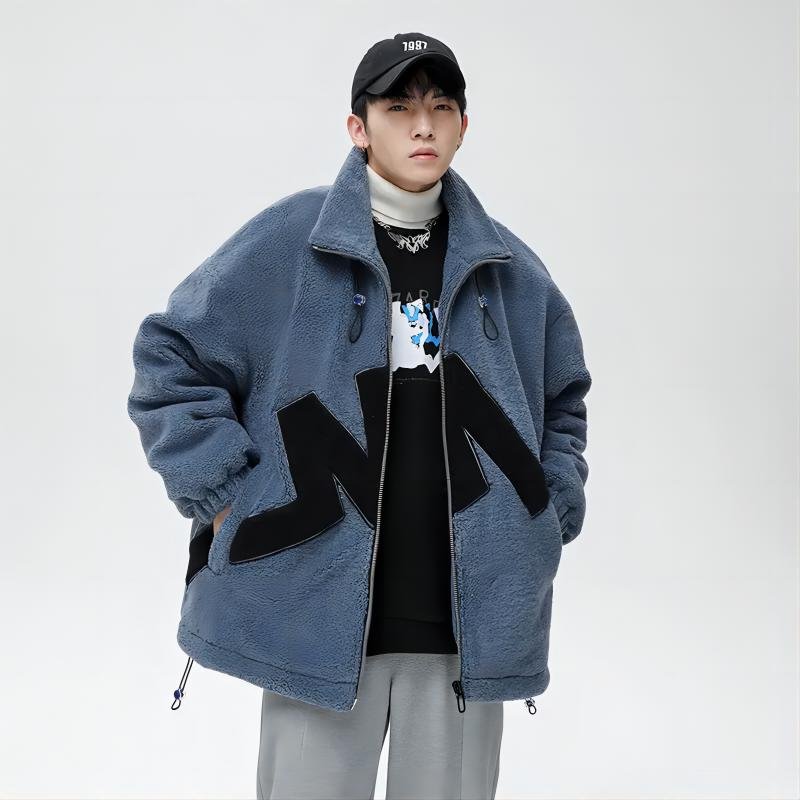
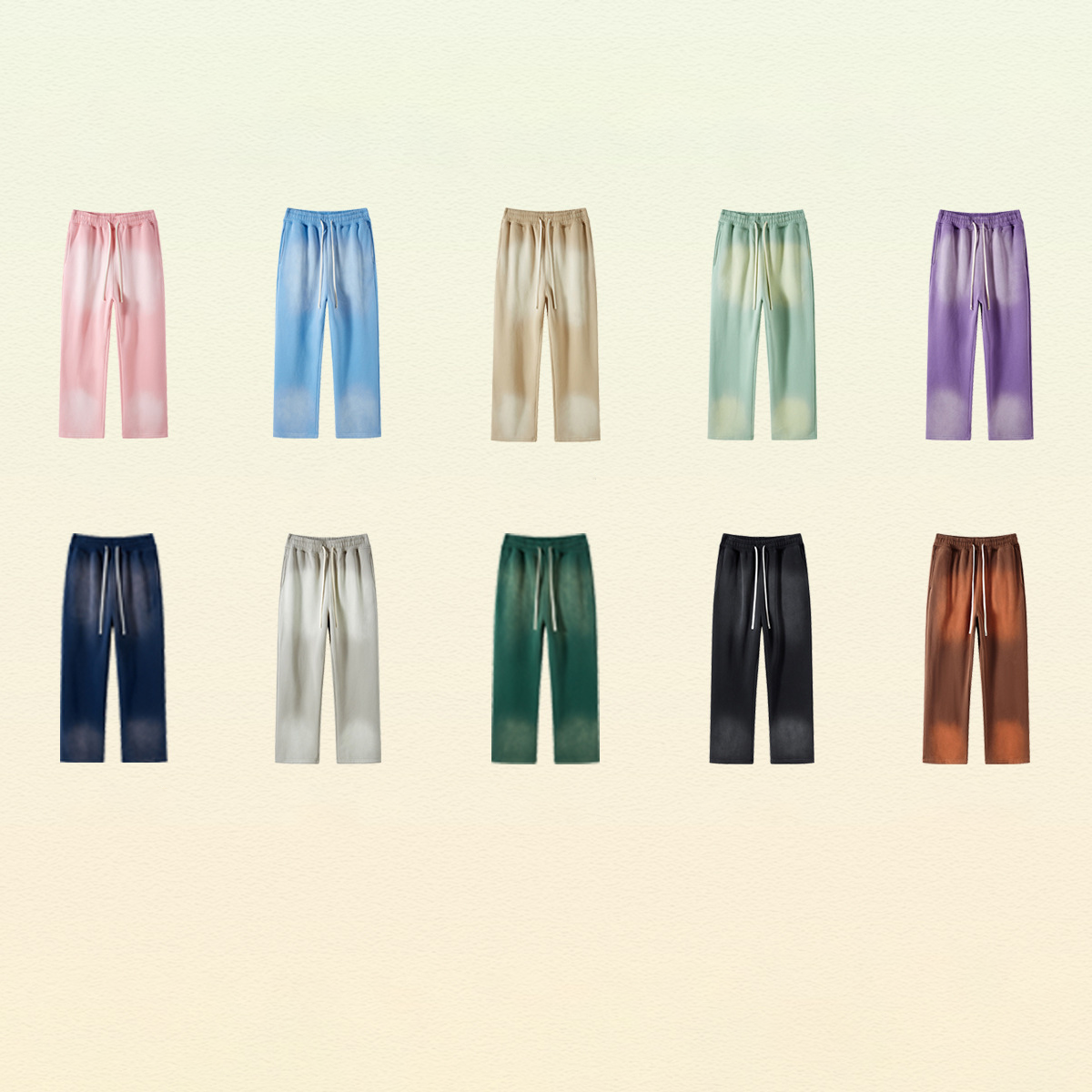
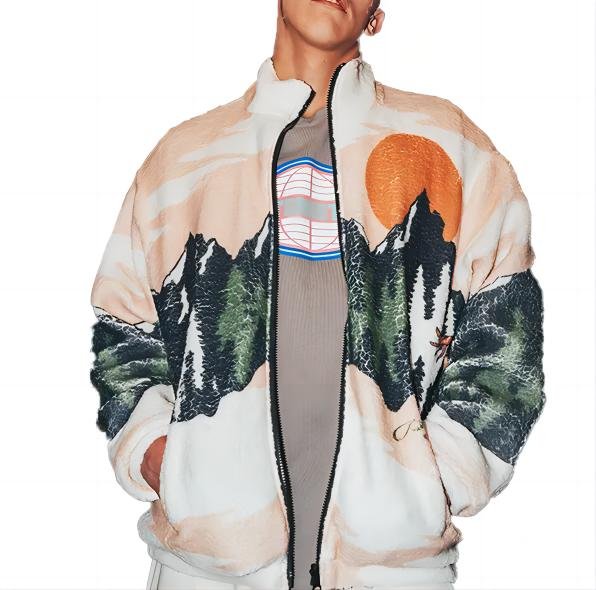
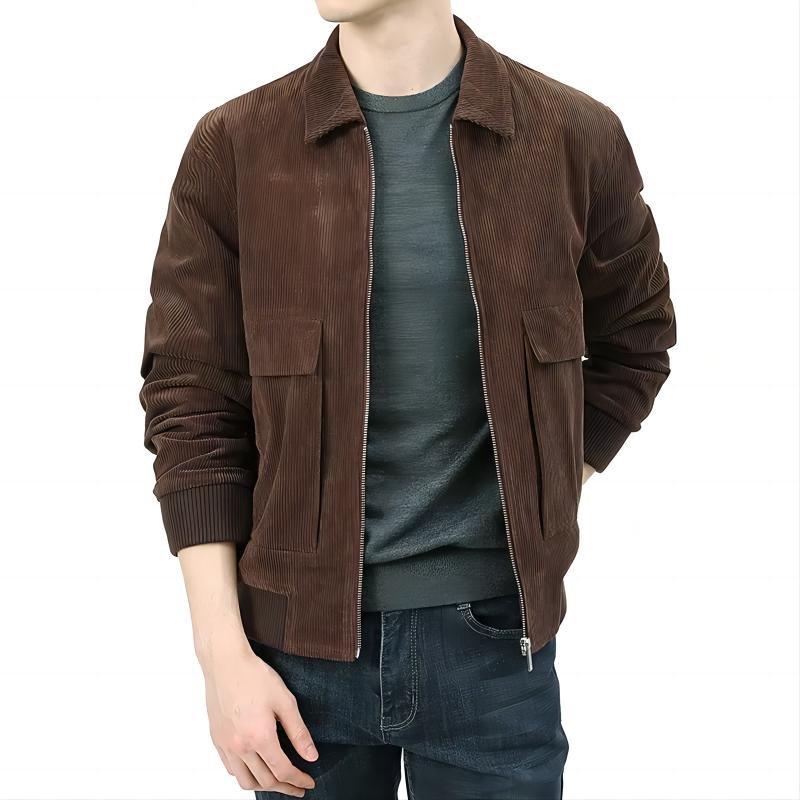
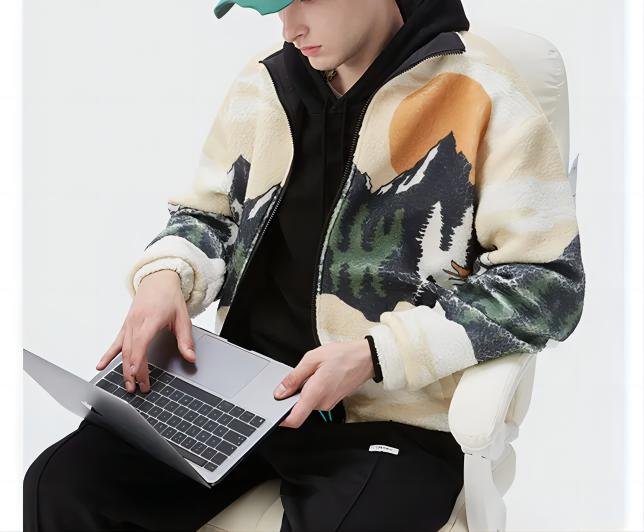
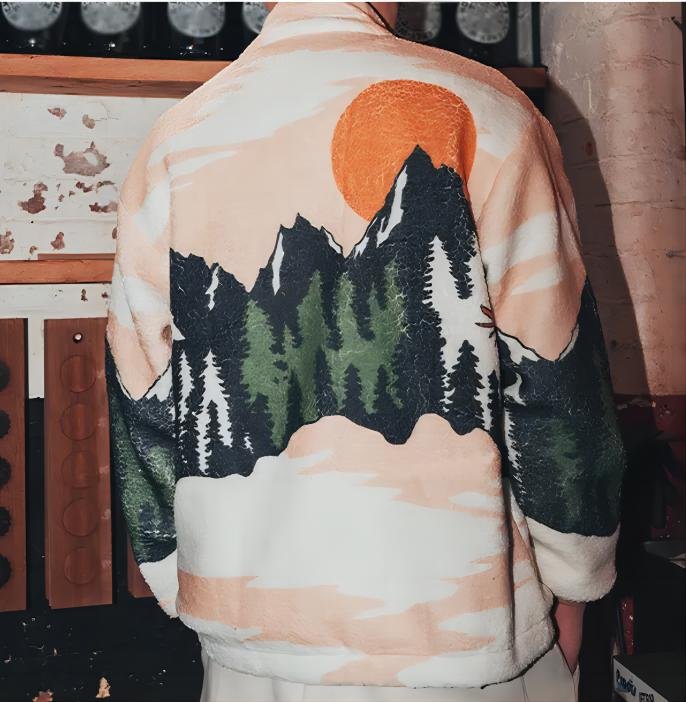
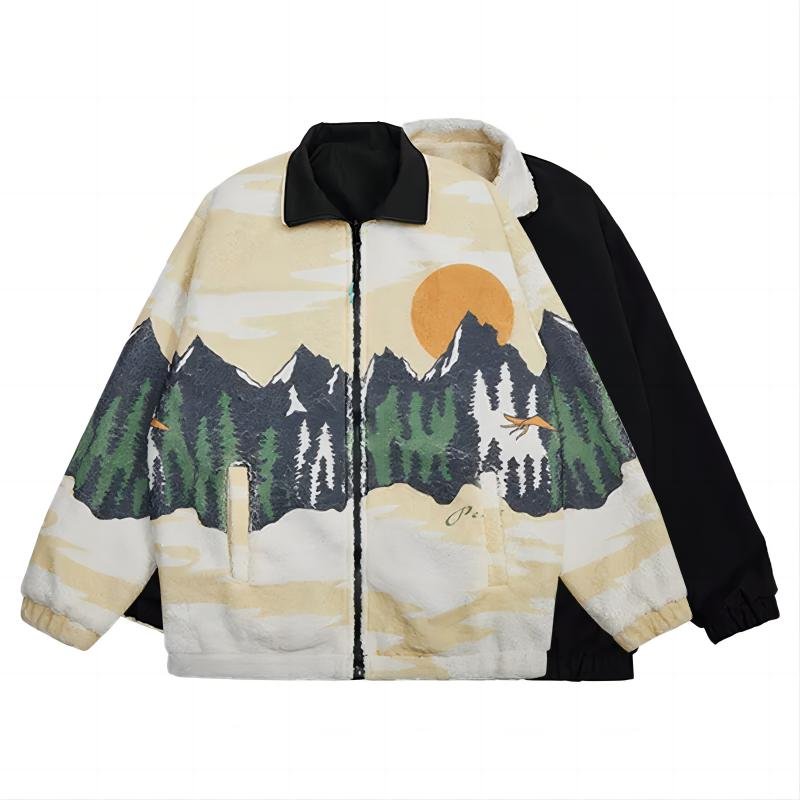
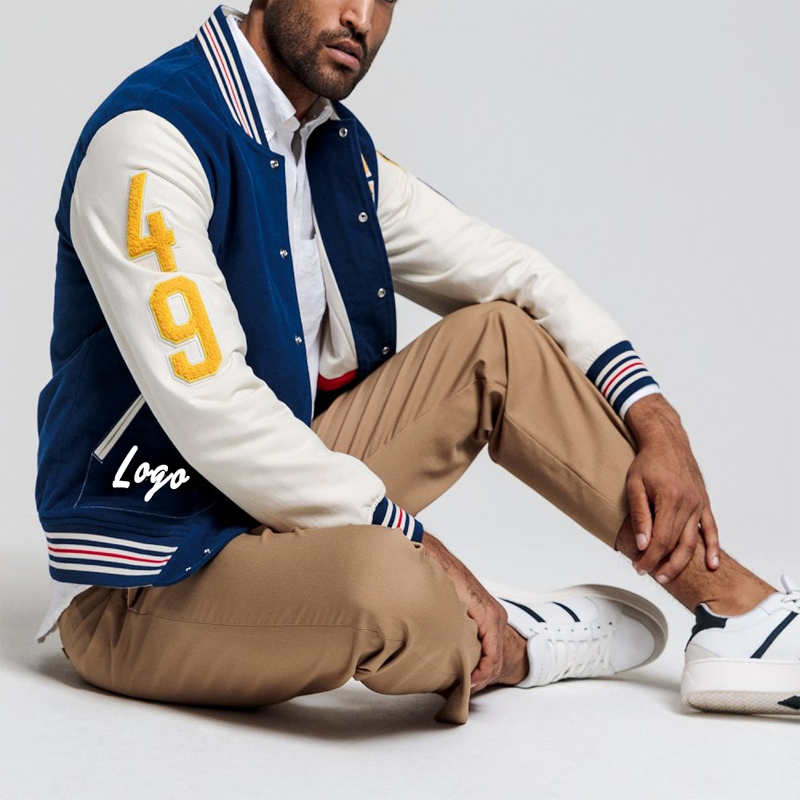
Why Our Custom Leather Jackets Stand Out
5-Step Quality Control Guarantee
Every custom leather jacket undergoes rigorous testing at materials, cutting, craft, sewing, and final inspection stages to ensure zero defects.
In-House Design & Sampling Team
Our 15-member R&D team translates your vision into production-ready patterns with fast sampling turnaround for seasonal collections.
Streetwear Expertise Since 2019
Six years specializing in trend-driven leather jackets with deep knowledge of skeleton, rose, cross, and urban design elements.
50-Piece Minimum Order Quantity
Launch your custom leather jacket line without massive inventory risk. Perfect for fashion startups and independent designers testing new styles.
Fast Production Turnaround
Streamlined workflows and experienced craftspeople deliver custom leather jackets on schedule, keeping your brand ahead of seasonal trends.
Global Shipping & Logistics
Reliable international freight, customs documentation, and delivery tracking to over 100 countries. Your orders arrive safely, on time.
Custom Leather Jacket Styles & Categories
From classic biker silhouettes to oversized streetwear statements, our custom leather jackets are engineered for brands that demand premium craftsmanship and trend-driven design across every collection.
Biker & Moto Jackets
Many manufacturers struggle to deliver authentic biker jacket details—asymmetric zippers, quilted panels, and heavy-duty hardware—without compromising fit or durability, leaving brands with generic, low-quality replicas that fail to capture streetwear authenticity.
Our specialized production team crafts custom leather biker jackets with precision quilting, reinforced stitching, and premium YKK hardware, all validated through our 5-step QC process to ensure every piece meets the rugged aesthetic and durability your brand demands.
Oversized Streetwear Leather Jackets
Emerging streetwear brands need oversized, drop-shoulder leather jackets that balance bold silhouettes with wearability, but most suppliers lack the pattern-making expertise to achieve the relaxed fit and contemporary proportions that resonate with today's youth culture and influencer audiences.
Leveraging our in-house design team's deep streetwear expertise, we develop custom oversized leather jackets with refined drop-shoulder cuts, extended sleeves, and trend-forward proportions—perfected through sampling iterations and backed by our zero-compromise quality guarantee for startups and independent designers.
Designer Collaboration & Limited-Edition Jackets
Independent designers and influencer brands require unique custom leather jackets with intricate embroidery, hand-painted details, or specialty finishes for limited drops, but face high MOQs and inflexible production partners who can't accommodate creative experimentation or fast seasonal turnarounds.
With a 50-piece MOQ and agile sampling capabilities, we empower fashion startups and creator brands to launch exclusive custom leather jacket collections featuring bespoke embellishments, custom hardware, and unique washes—delivered on schedule with full global shipping support to reach your audience anywhere.
Premium Leather Materials for Custom Leather Jackets
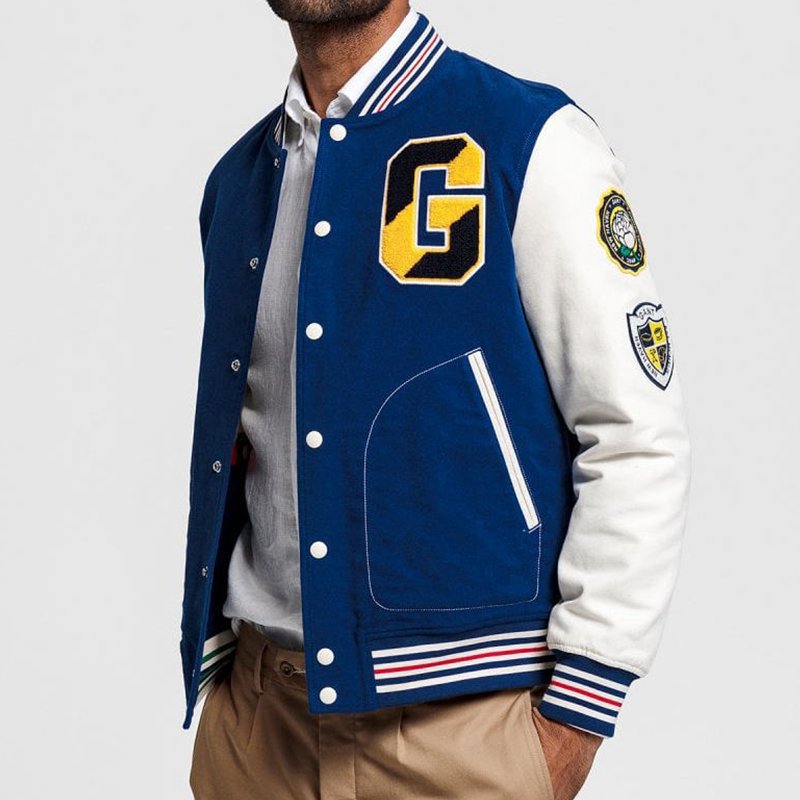
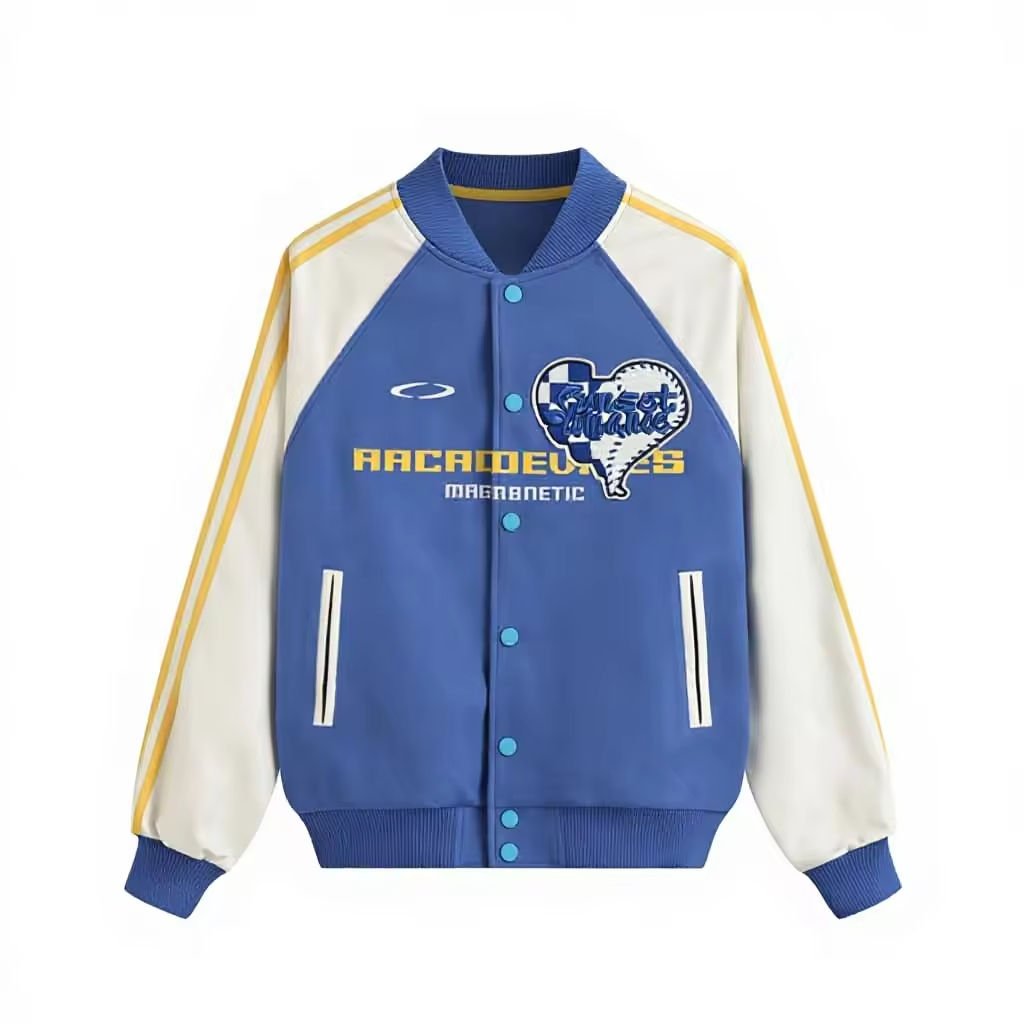
Nappa Leather
Soft, supple leather with buttery hand-feel and smooth finish. Full-grain quality with enhanced flexibility. Weight: 0.6–1.0mm thickness. Perfect for lightweight custom leather jackets, bomber styles, and designs prioritizing comfort without sacrificing premium appearance.
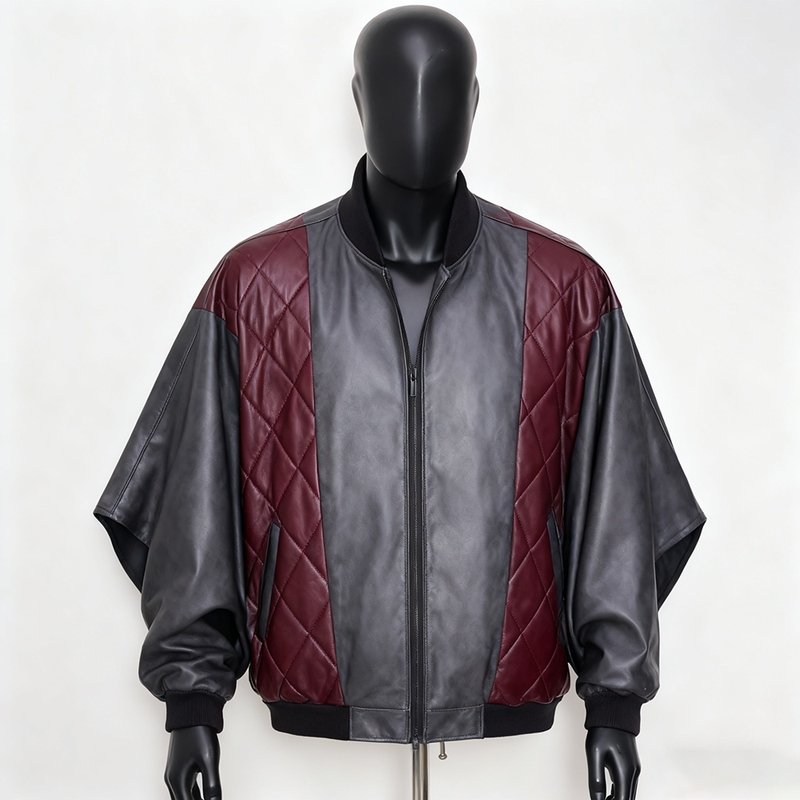
Suede Leather
Velvety napped finish with distinctive texture and matte appearance. Breathable with excellent drape characteristics. Weight: 0.8–1.2mm thickness. Popular for vintage-inspired streetwear jackets, trucker styles, and designs emphasizing tactile richness and retro aesthetics.
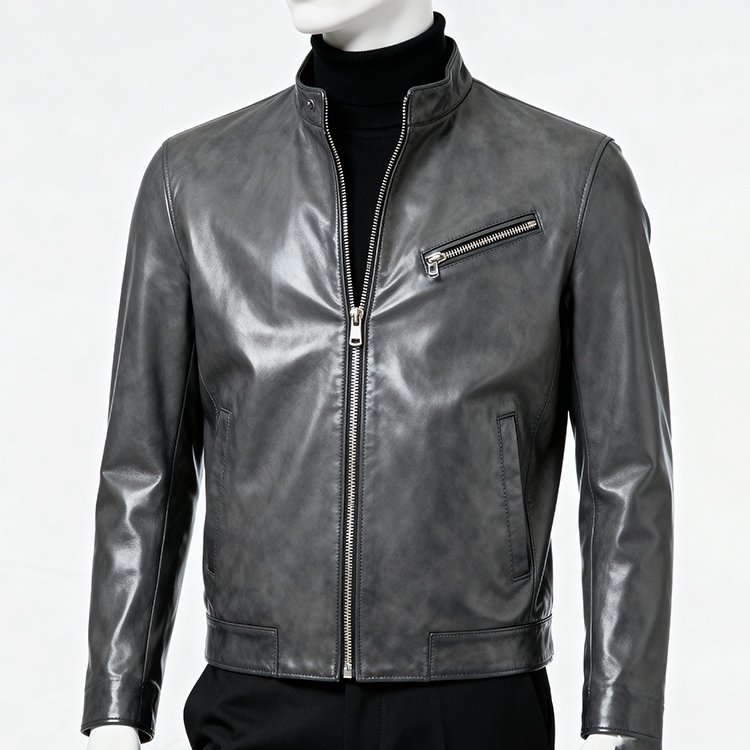
Faux Leather
High-quality polyurethane alternative with leather-like appearance and consistent texture. Animal-free, water-resistant, and easy to maintain. Weight: 0.5–0.9mm thickness. Excellent for vegan brands, cost-effective production runs, and collections requiring uniform color matching.
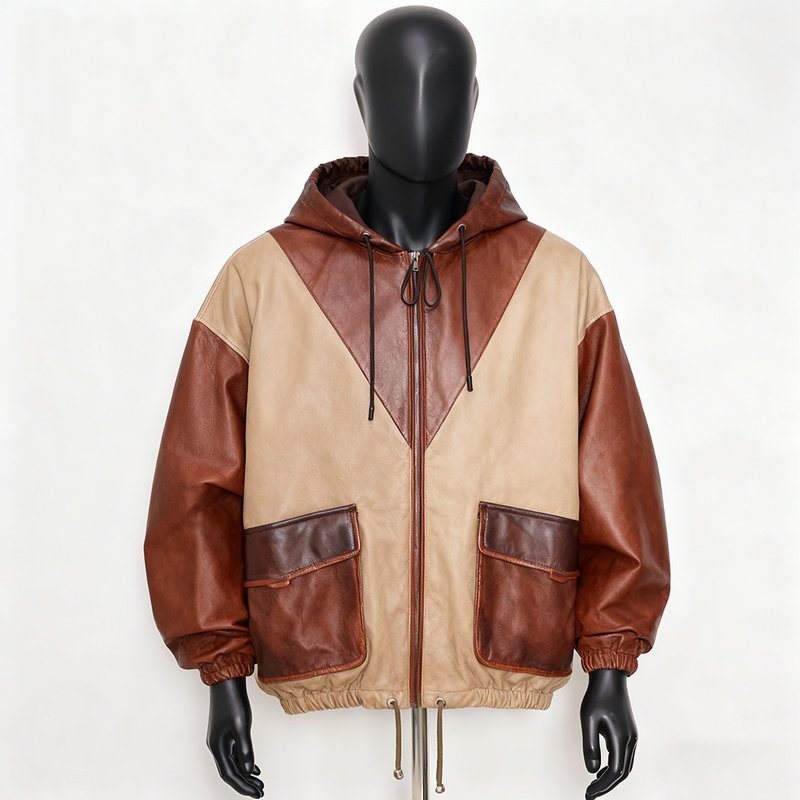
Distressed Leather
Pre-treated genuine leather with intentional wear patterns and vintage character. Full-grain base with enhanced texture variation. Weight: 1.0–1.3mm thickness. Delivers authentic streetwear edge for biker jackets, moto styles, and designs targeting bold, rebellious aesthetics.
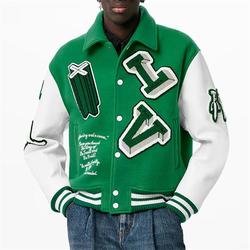
Lambskin Leather
Luxuriously soft, lightweight leather with exceptional comfort and refined drape. Natural grain with delicate hand-feel. Weight: 0.5–0.8mm thickness. Premium choice for high-end custom leather jackets, fashion-forward designs, and brands emphasizing luxury streetwear positioning.
Advanced Production Techniques for Custom Leather Jackets
Precision Hand-Stitching
Expert artisans reinforce critical stress points and create visible topstitching details that enhance durability and deliver the authentic, high-end aesthetic streetwear customers demand from premium custom leather jackets.
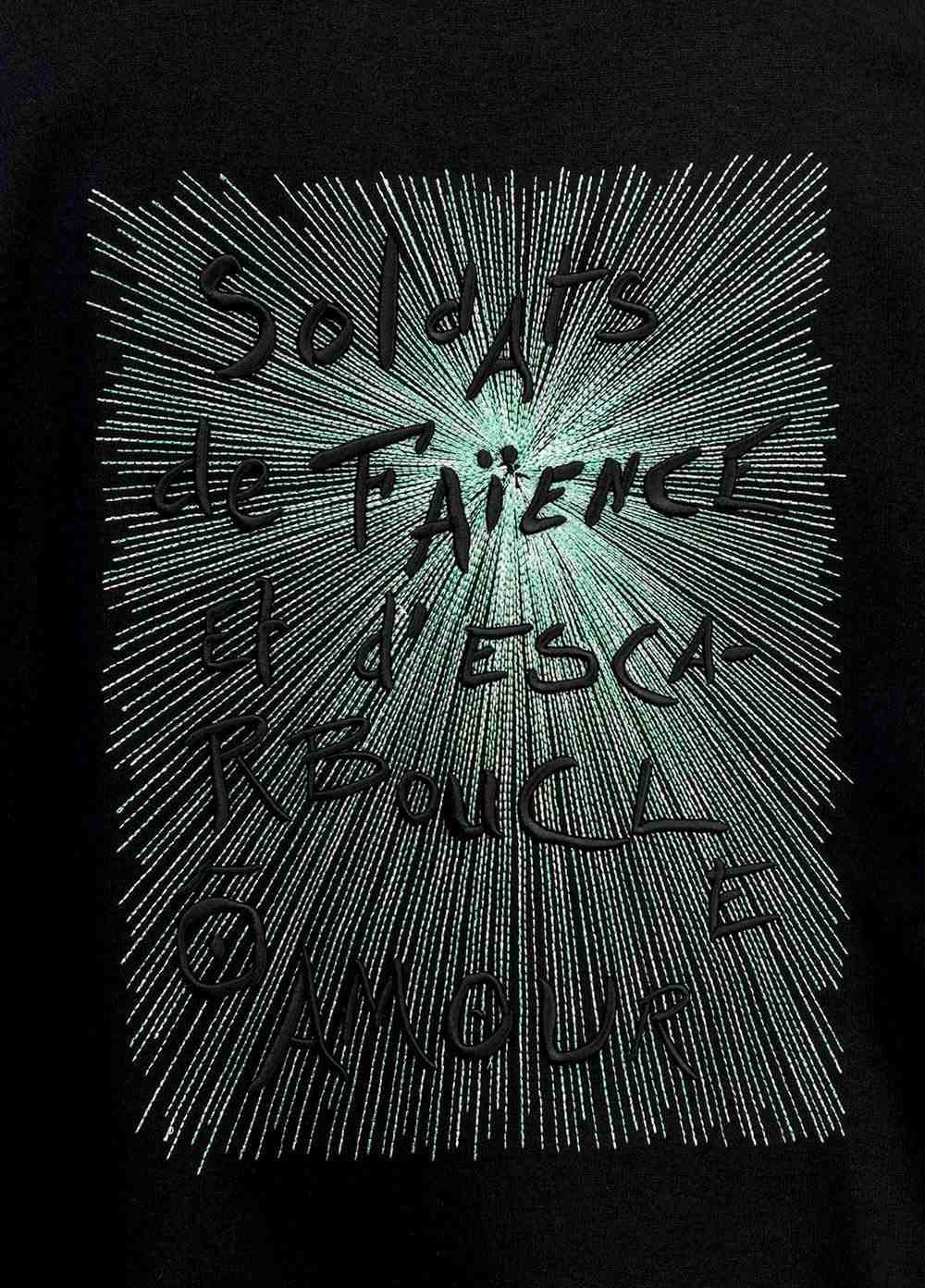
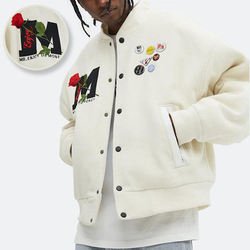
Custom Embroidery
High-density thread embroidery adds dimensional logos, intricate streetwear graphics, and personalized branding directly onto leather surfaces. Colorfast and durable, it elevates brand identity with tactile, luxury appeal.
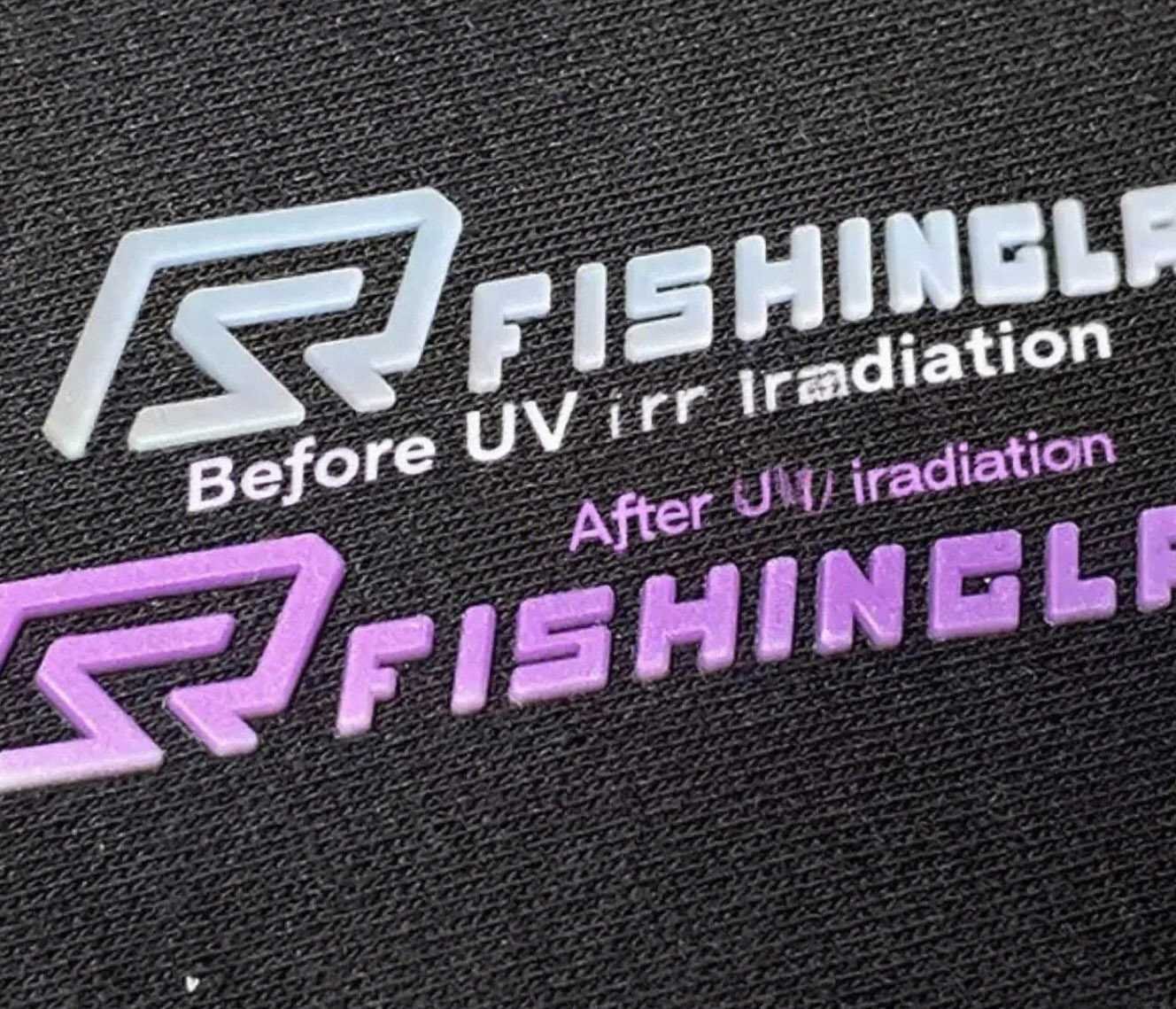
Screen Printing
Specialized leather-safe inks deliver bold, vibrant graphics and patterns with excellent opacity and flexibility. Ideal for large-scale designs, band artwork, and statement streetwear motifs that won’t crack or fade.
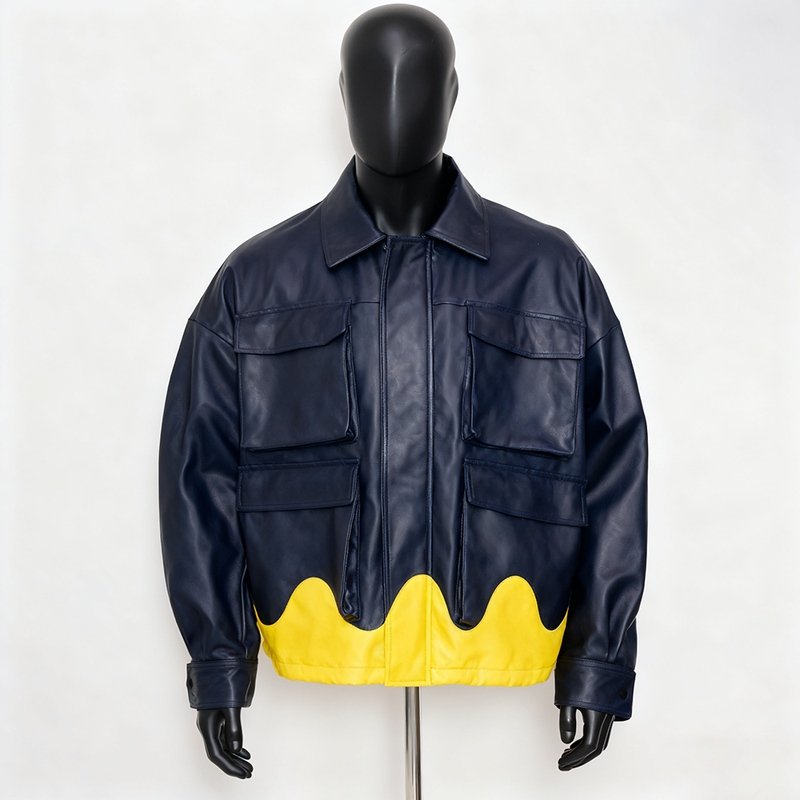
Laser Engraving
Computer-controlled laser technology etches permanent, intricate designs, logos, and textures into leather without compromising material integrity. Perfect for subtle branding, geometric patterns, and unique surface effects on custom leather jackets.
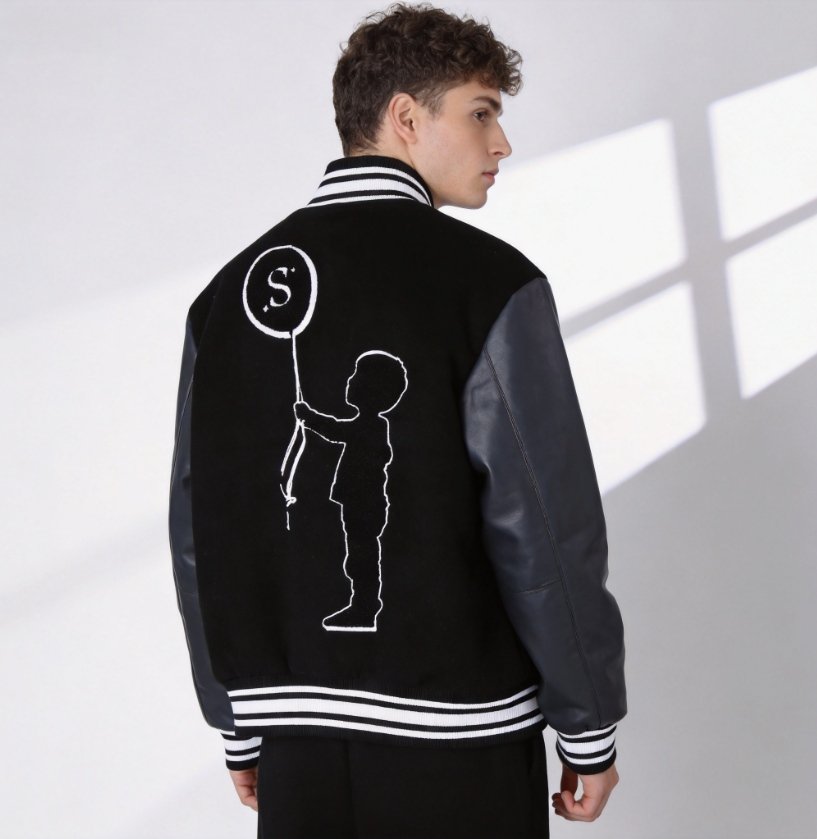
Welt Seaming
Reinforced seam construction technique that joins leather panels with raised, visible stitching for enhanced strength and a signature utilitarian look. Essential for high-wear areas like shoulders, sleeves, and side panels.
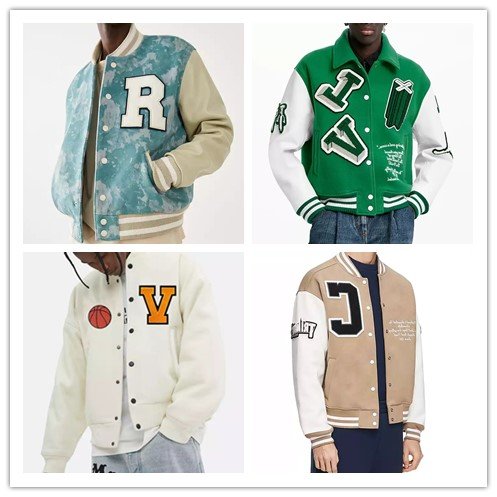
Heat Transfer Application
Applies complex multi-color graphics, photographic images, and gradient designs to leather surfaces using controlled heat and pressure. Delivers sharp detail and vivid color for contemporary streetwear collections requiring bold visual impact.
Hardware & Finishing Accessories for Custom Leather Jackets
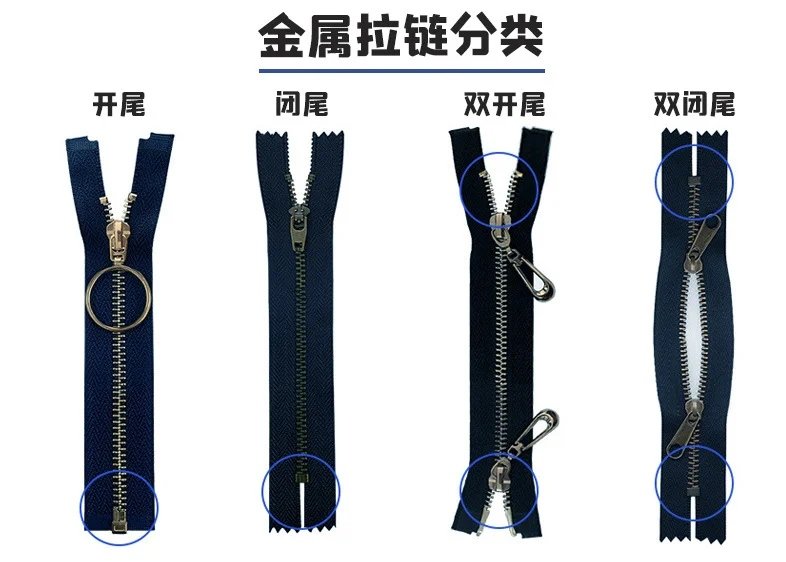
YKK Metal Zippers
Premium Japanese YKK zippers in antique brass, gunmetal, or polished silver finishes. Essential for front closures, sleeve details, and pocket accents on high-end custom leather jackets. Guaranteed smooth operation and durability.
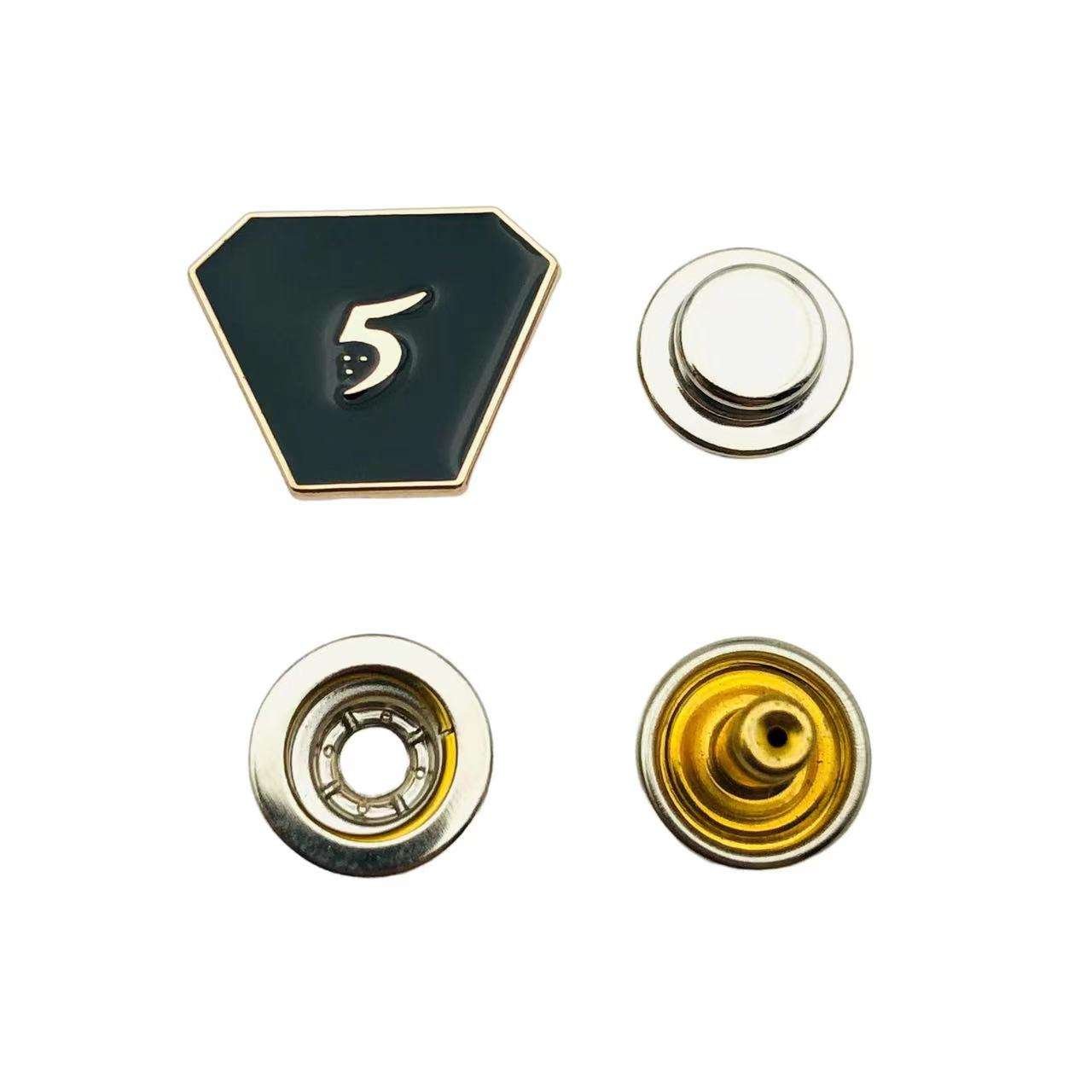
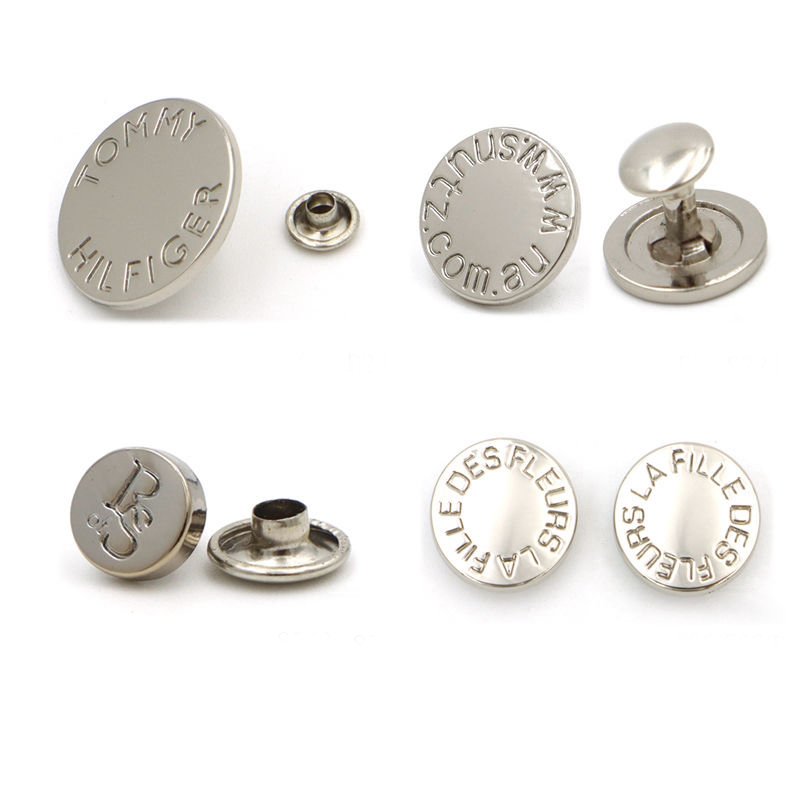
Custom Snap Buttons
Heavy-duty metal snap buttons available in various finishes and sizes. Perfect for collar closures, cuff adjustments, and decorative accents. Can be debossed or engraved with your brand logo for added authenticity.
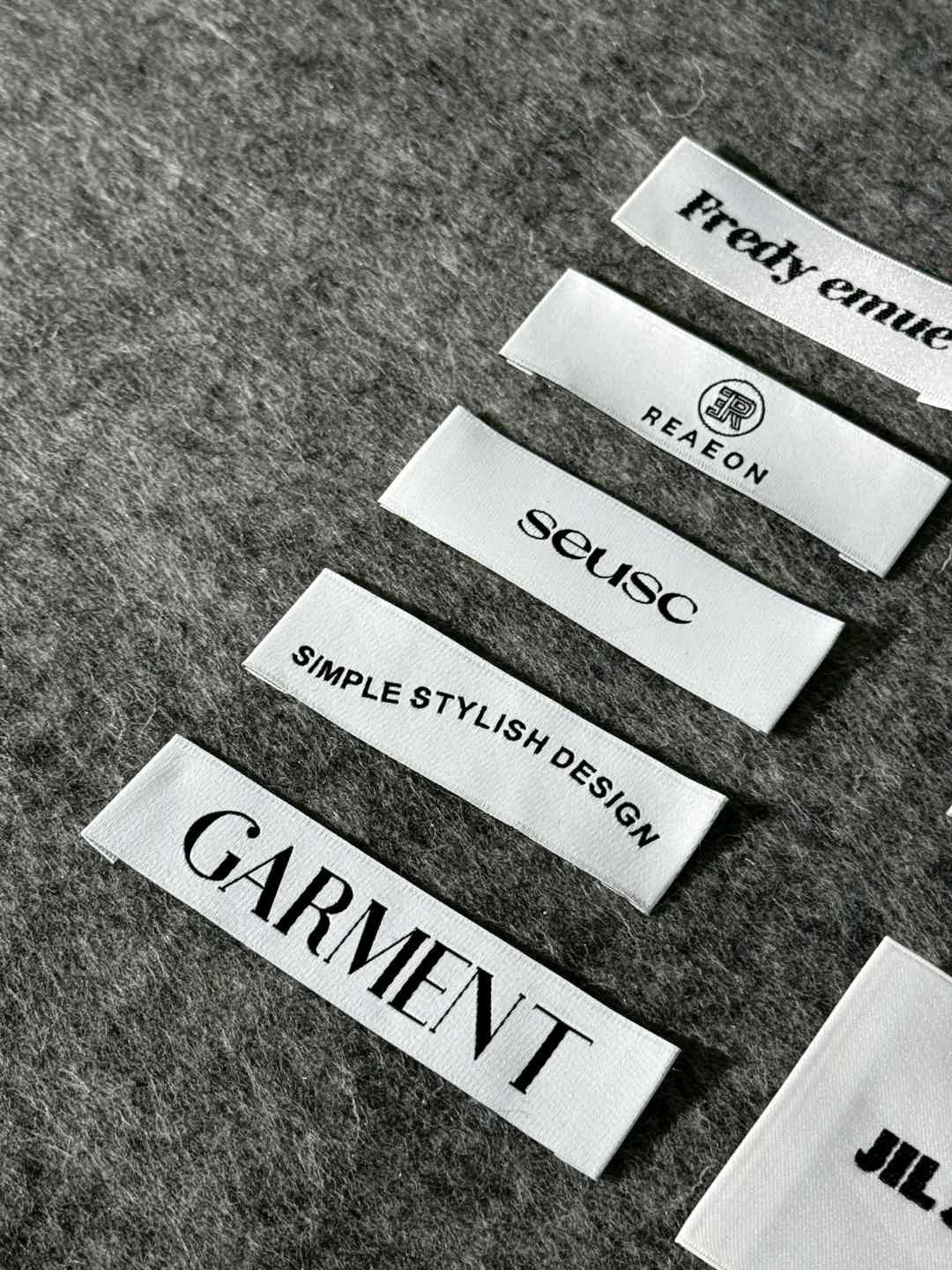
Woven Brand Labels
High-density woven labels with your brand name, logo, and care instructions. Positioned at the neck, interior pocket, or hem. Available in damask, taffeta, or satin weave for a premium finish on every jacket.
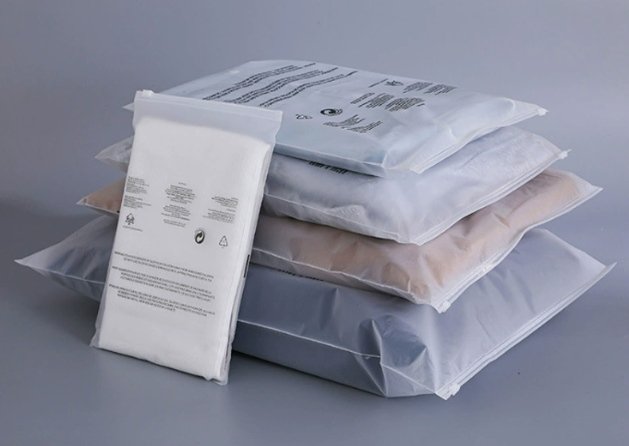
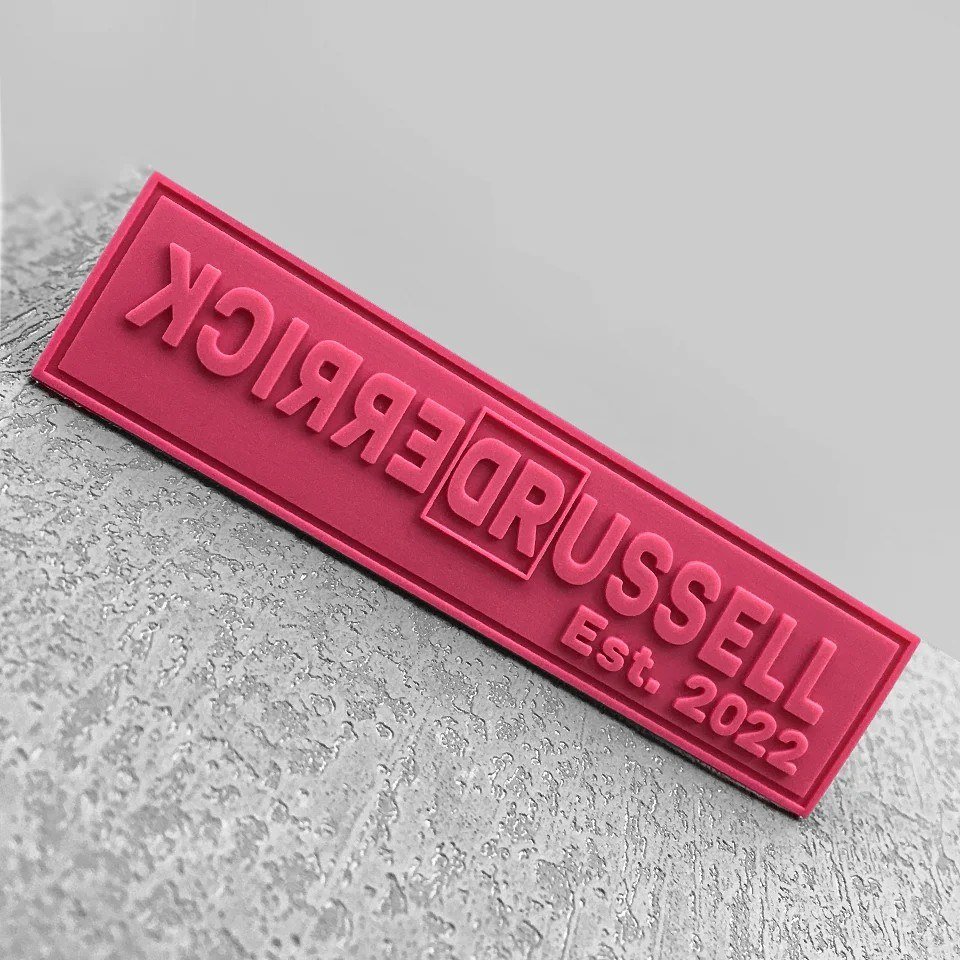
Custom Leather Patches
Debossed or embossed genuine leather patches featuring your logo or design. Applied to sleeves, chest, or back panels. Adds authentic streetwear branding and tactile dimension to custom leather jackets without compromising the aesthetic.
Metal D-Rings & Hardware
Functional and decorative metal D-rings, buckles, and studs in multiple finishes. Used for adjustable waist straps, shoulder epaulettes, and belt details. Reinforces the edgy, utilitarian aesthetic central to streetwear leather jacket design.
Custom Hang Tags
Branded hang tags printed on premium cardstock or leather with your logo, product details, and QR codes. The first touchpoint for customers unboxing your custom leather jackets. Reinforces brand identity and perceived value instantly.
Custom Leather Jackets Built on Quality
Founded in 2024 by Tesla Luo, Clothing Manufacturer Ltd. was born from a decade of manufacturing experience and a mission to restore trust in Chinese garment production. After witnessing too many factories skip quality checks, Luo built a company where rigorous testing isn’t optional—it’s embedded in every custom leather jacket we produce for streetwear brands, startups, and global retailers.
With over 10 years in apparel manufacturing and 6+ years specializing in streetwear, we’ve served customers across 100+ countries. Our 15-person R&D team and 10 production patents support brands at every stage, from emerging designers launching their first custom leather jacket collection to established labels requiring scalable, consistent quality.
What sets us apart is our proprietary 5-step quality control process—materials testing, cutting inspection, craft verification, sewing checks, and final garment review. Every custom leather jacket passes through all five checkpoints, ensuring you receive products that meet exacting standards and reflect the craftsmanship your brand deserves.
Our 5-Step Quality Control Process for Every Custom Leather Jacket
Materials QC Testing Before Production
Every hide and hardware component undergoes rigorous inspection before entering production. We verify leather grade, thickness consistency, color accuracy, and tensile strength to ensure your custom leather jackets start with premium materials that meet spec.
- Leather hide inspection for grain consistency, color match, and defect-free surfaces
- Hardware testing for zippers, snaps, buckles, and rivets to confirm durability standards
- Lining and interlining material verification for weight, shrinkage, and colorfastness
- Supplier certification review and batch documentation for full material traceability
Cutting QC Testing for Precision
After pattern development, our cutting QC ensures every panel is accurate to the millimeter. Miscut pieces are identified and corrected immediately, preventing costly errors downstream and guaranteeing that assembly proceeds with perfectly matched components.
- Digital pattern verification against approved tech packs and grading specifications
- Cut-piece measurement checks for sleeve length, body panels, collar, and pocket dimensions
- Grain direction and nap orientation inspection to maintain consistent leather appearance
- Panel matching for symmetry, especially critical for two-tone and color-blocked designs
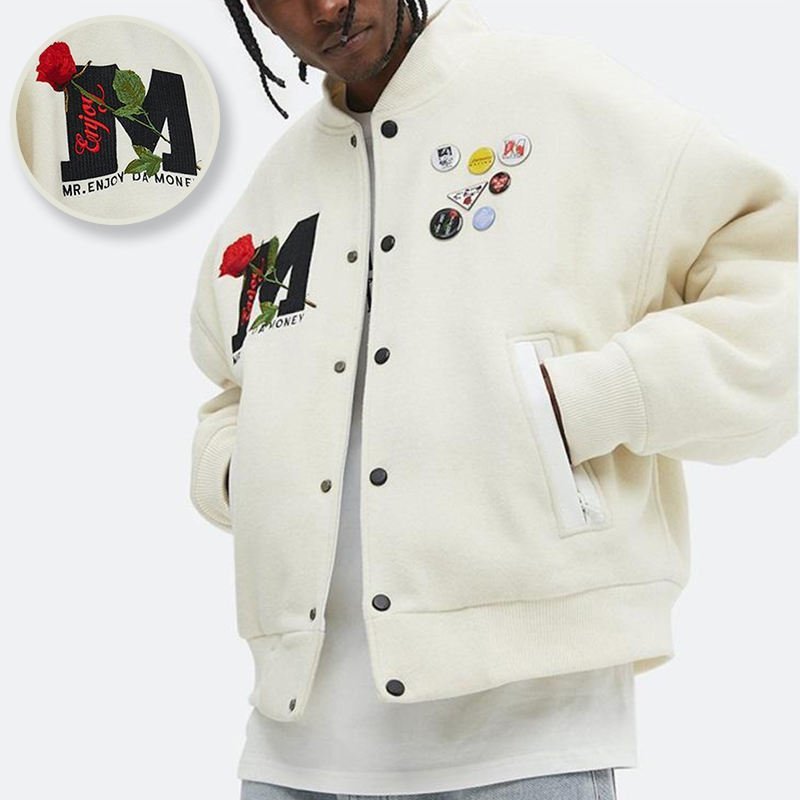
Craft & Sewing Production QC Testing
During assembly, our QC team monitors every workstation. We inspect stitching tension, seam allowances, topstitching alignment, and construction techniques in real time, catching and correcting issues before they compound across your entire custom leather jacket order.
- Stitch-per-inch counts and thread tension checks to prevent puckering or weak seams
- Seam strength testing on high-stress areas like shoulders, armholes, and pocket openings
- Alignment verification for zippers, snaps, and decorative hardware placement
- In-line correction protocol to address defects immediately rather than at final inspection
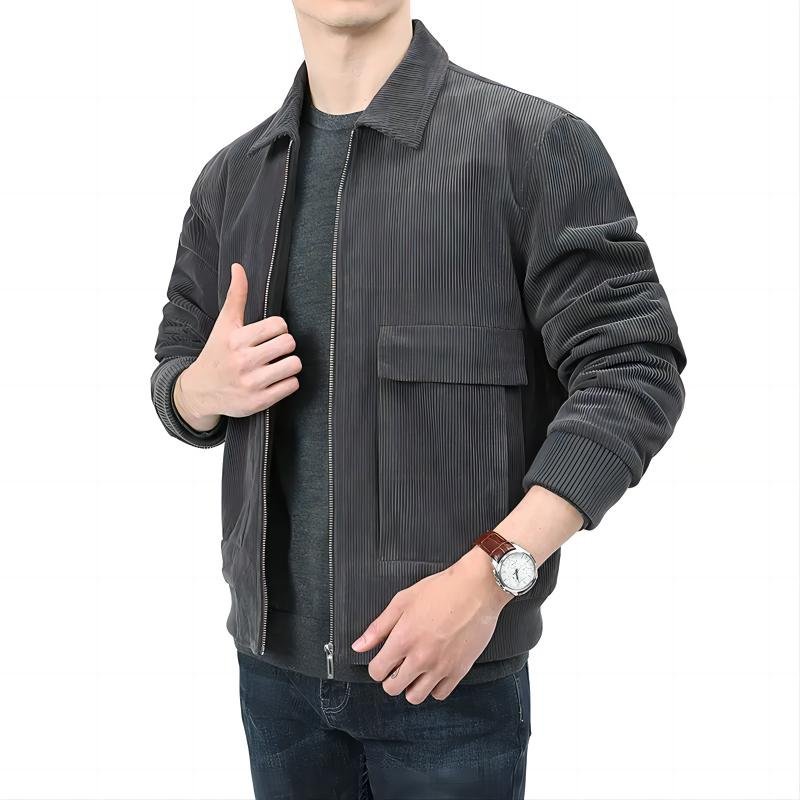
Finished Garment Quality Inspection
Every completed custom leather jacket receives a comprehensive final inspection covering fit, finish, and functionality. Only garments that pass all checkpoints are approved for ironing, packaging, and shipment, ensuring zero-defect delivery to your brand.
- Full garment measurement audit against approved sample and size chart specifications
- Visual inspection for surface blemishes, loose threads, staining, or finishing inconsistencies
- Functional testing of all zippers, buttons, snaps, and adjustable straps under stress
- Packaging QC to confirm correct labeling, hang tags, polybags, and carton documentation
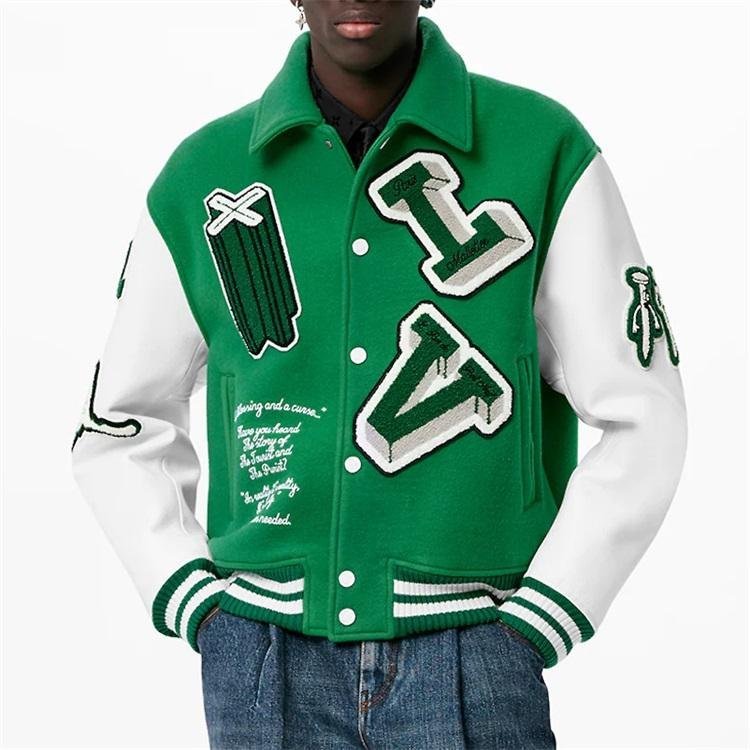
Why Our Custom Leather Jackets Outperform Standard Suppliers
We combine streetwear expertise, rigorous quality control, and transparent collaboration to deliver custom leather jackets that meet the demands of today’s fashion brands—without the compromises typical suppliers force you to accept.
← 左右滑动查看 →
Custom Leather Jacket Production Timeline
From premium leather sourcing to final shipment, every custom leather jacket undergoes our rigorous 5-step QC process at each production phase.
Material Sourcing & Approval
We source premium leather, conduct materials QC testing, and send samples for your approval before production begins. Timeline: 3-5 days.
Pattern Development & Cutting
Expert pattern makers create custom templates, followed by precision cutting and cutting QC testing to ensure accuracy. Timeline: 2-4 days.
Production & Mid-Stage QC
Skilled craftsmen assemble jackets with clothing craft QC testing and sewing production QC testing at every stage. Timeline: 10-15 days.
Finishing & Final Inspection
Hardware installation, ironing, and comprehensive finished clothing quality QC inspection guarantee zero defects before packing. Timeline: 2-3 days.
Packing & Global Shipping
Professional packaging with brand labels and tags, followed by logistics coordination and tracking for worldwide delivery. Timeline: 1-2 days prep.
How to Order Custom Leather Jackets in 3 Simple Steps
From design concept to finished product, our streamlined process makes ordering custom leather jackets fast and transparent—whether you’re a startup launching your first collection or an established brand scaling production.
Submit Your Tech Pack & Design Brief
Share your custom leather jacket designs, specifications, materials preferences, and branding requirements. Our team reviews every detail to ensure production alignment with your vision.
Receive Quote & Sample Timeline
Within 24 hours, we’ll provide a detailed quote covering materials, production, and our 5-step QC process, plus a clear timeline for sampling and bulk delivery.
Approve Sample & Place Bulk Order
Review your physical sample, request any adjustments, then approve for bulk production. Your custom leather jackets enter our quality-controlled manufacturing with full traceability and support.
Certified Quality Standards for Custom Leather Jackets
Customer Success Stories — Brands Scaling with Our Custom Leather Jackets
We launched our first custom leather jacket collection with just 100 pieces. Within 18 months, we scaled to 5,000 units per season with zero quality complaints. Their 5-step QC process is the real deal.
As an influencer brand, we needed custom leather jackets that matched our aesthetic perfectly. Delivered 3 seasonal drops on time with flawless craftsmanship. Our community went from 12K to 87K followers during our partnership.
Their low MOQ let us test custom leather jacket designs without huge risk. First batch of 50 sold out in 72 hours. Now we’re ordering 500+ units quarterly and expanding into EU markets with their logistics support.
Frequently Asked Questions About Custom Leather Jacket Orders
What is the minimum order quantity for custom leather jackets?
How long does it take to produce custom leather jackets from order to delivery?
Can I get samples before placing a bulk order for custom leather jackets?
What payment terms do you offer for custom leather jacket orders?
How do you protect my custom leather jacket designs and intellectual property?
What is included in your 5-step quality control process for custom leather jackets?
How much does shipping cost for custom leather jackets to international destinations?
Can I request design revisions during the sampling process?
Do you offer volume discounts for larger custom leather jacket orders?
The Complete Buyer’s Guide to Custom Leather Jackets for Your Brand
Navigate the complexities of sourcing custom leather jackets with confidence. This guide delivers a proven decision framework, essential supplier criteria, quality benchmarks, customization options, and the most common mistakes to avoid when launching your collection.
1. What Are Custom Leather Jackets?
Custom leather jackets are made-to-order garments manufactured to a brand’s exact specifications, from leather type and hardware to fit, lining, and graphic placement. Unlike off-the-shelf inventory purchased from wholesalers, custom production allows brands to control every design element and build a signature aesthetic that differentiates them in competitive markets. Clothing Manufacturer Ltd. serves streetwear labels, fashion startups, and influencer brands across more than 100 countries, offering 50-piece minimum order quantities and a proprietary five-step quality control process that inspects materials, cutting, craft, sewing, and finished garments.
Three production tiers define the custom landscape: off-the-shelf jackets purchased as-is with no design input, semi-custom options where brands select from preset styles and add logos or minor trim changes, and fully custom manufacturing where every pattern, panel, stitch, and finish is built from scratch. Fully custom production delivers maximum brand differentiation, precise fit grading for target demographics, and material selection aligned with positioning—whether premium full-grain leather for luxury streetwear or durable top-grain hides for high-volume retail lines.
Brands choose custom leather jackets to achieve design control unavailable through wholesale channels, create signature silhouettes that competitors cannot replicate, and align material quality with brand storytelling. Streetwear labels leverage custom production to integrate cultural motifs—skeleton graphics, rose embroidery, cross patches—while fashion startups use it to launch collections that reflect founder vision rather than generic templates. Influencer brands rely on custom manufacturing to translate personal style into scalable product lines that resonate with follower communities and drive conversion.
2. The Evolution of Custom Leather Jackets in Fashion
In 1917 the U.S. Army Air Corps issued the first standardized flight jackets to bomber crews, establishing leather as the material of choice for protection at high altitude. The A-2 bomber and B-3 shearling styles became templates for aviator and bomber jackets that remain in production today. By the 1920s motorcycle clubs adopted heavy horsehide jackets with asymmetric zippers, creating the biker silhouette that Schott Perfecto popularized in 1928.
The 1950s through 1970s transformed leather jackets from functional gear into symbols of rebellion. Marlon Brando’s 1953 film ‘The Wild One’ and the Ramones’ stage uniform in the mid-1970s cemented the moto jacket as countercultural iconography, while aviator styles migrated into civilian fashion. These four core silhouettes—biker, bomber, moto, aviator—defined leather jacket design language for decades.
Digital manufacturing and lower minimum order quantities democratized custom leather jackets starting in the 2010s. Independent designers and influencer brands that previously faced 500-piece factory minimums gained access to 50–100 piece runs, enabling test collections without prohibitive upfront investment. On-demand production models emerged in the 2020s, pairing heritage hand-finishing techniques with flexible order systems.
Today streetwear labels and fashion startups source custom leather jackets using the same tanning and stitching methods rooted in 1940s craftsmanship, but with digitized pattern development, shorter lead times, and rigorous multi-stage quality control that ensures consistency across small-batch orders.
3. Types of Custom Leather Jackets Every Brand Should Know
Choosing the right silhouette for custom leather jackets determines brand positioning, production complexity, and customer appeal. Each jacket type carries distinct hardware, fit, and cultural associations that align with specific demographics and retail price points.
Biker/Moto Jackets
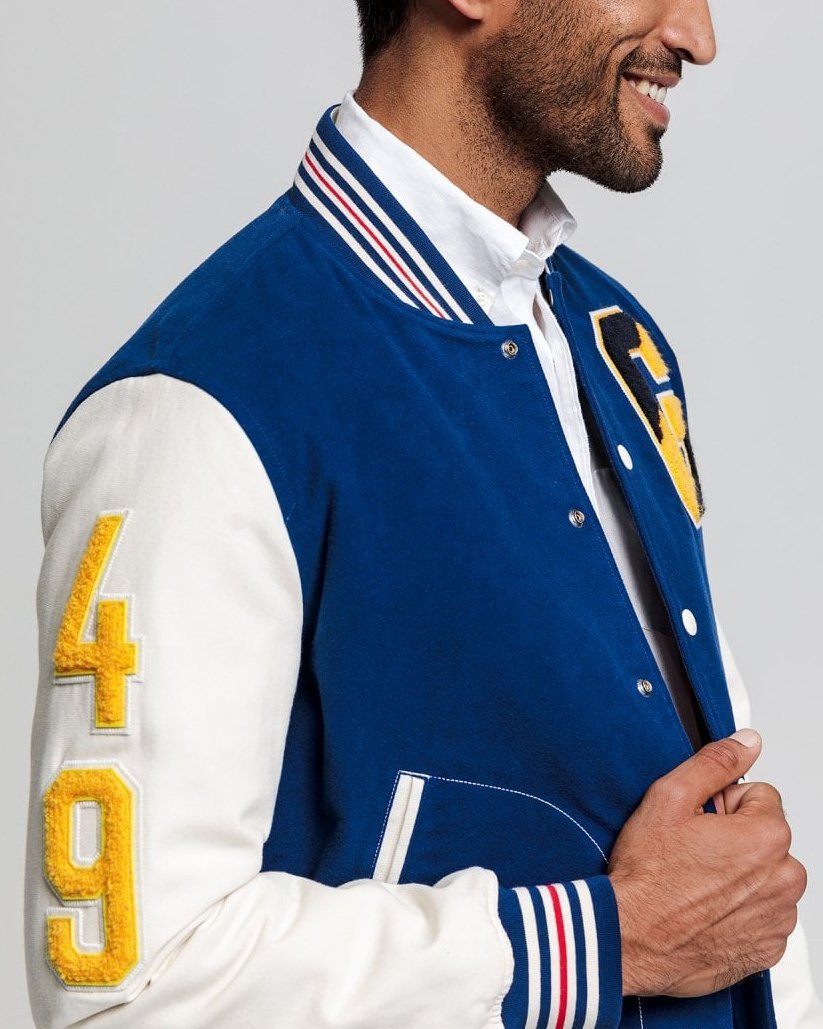
Asymmetric front zippers, wide lapels, and multiple zippered pockets define the biker silhouette. Hardware typically includes YKK metal zippers, snap-down collar tabs, and belt buckles at the waist.
Fit runs cropped at the waist with a slightly boxy shoulder for layering over hoodies. Target audience includes streetwear enthusiasts, rock-inspired brands, and customers aged 18–35 seeking edgy, statement pieces.
Bomber Jackets
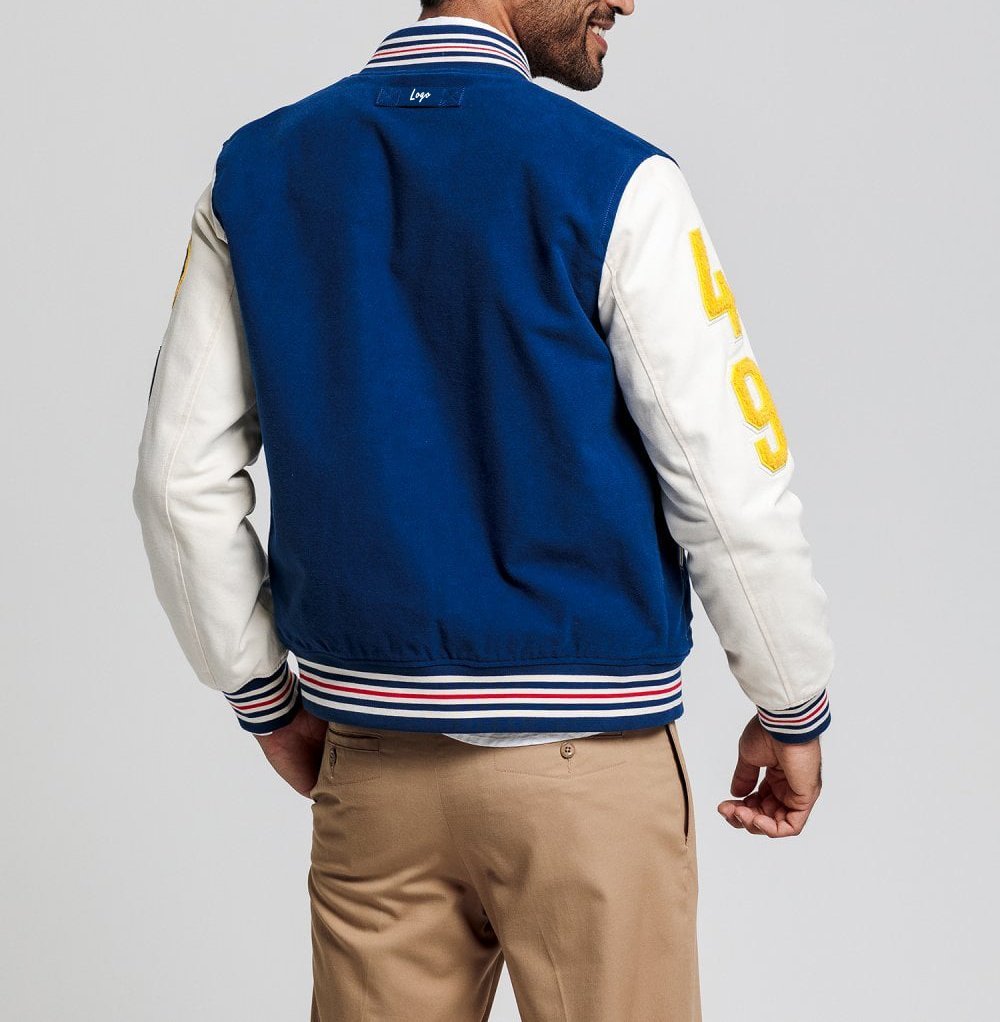
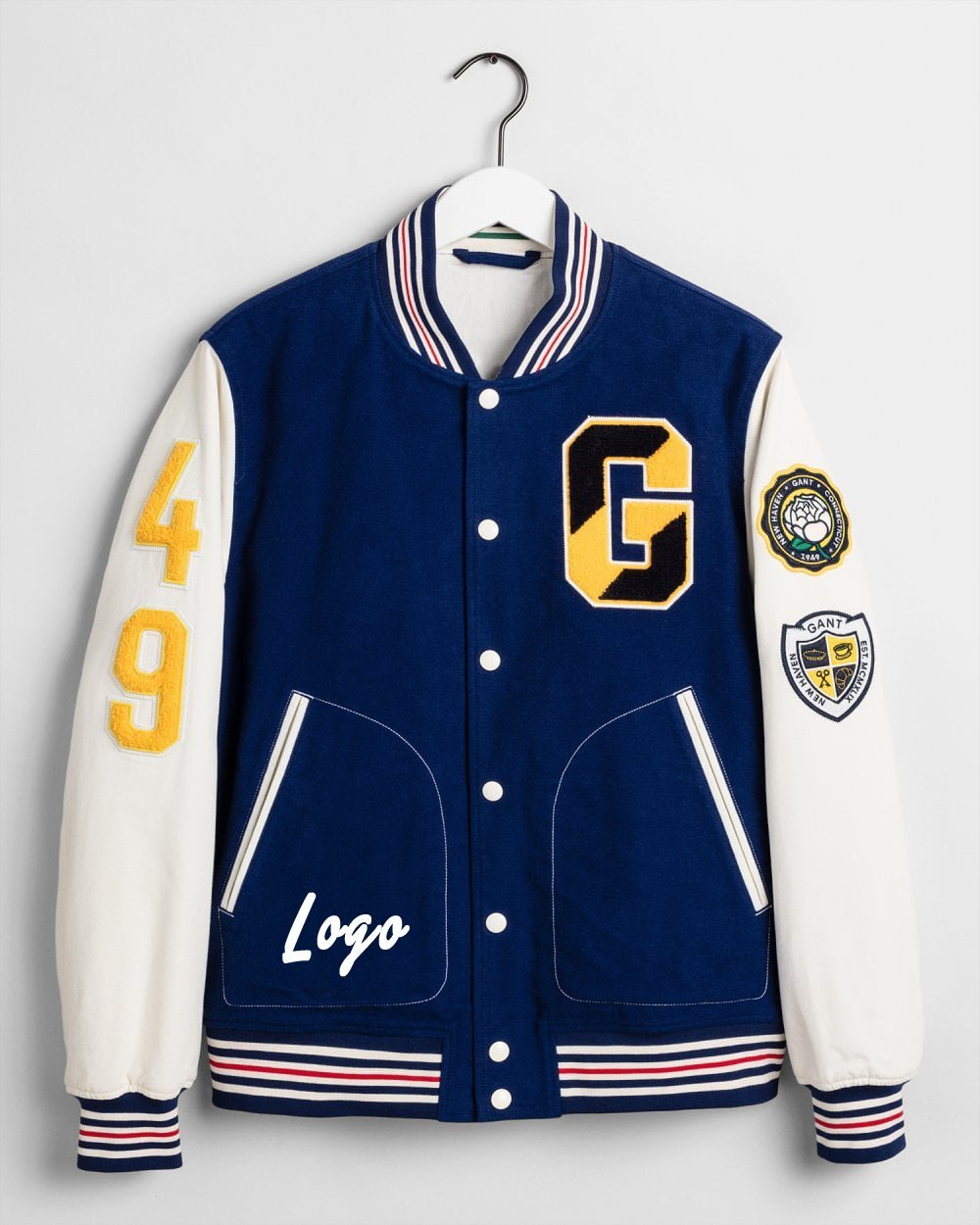
Ribbed cuffs, ribbed hem, and a front zip closure create the classic bomber profile. Most designs feature slash pockets and a rounded collar or stand collar.
Fit is relaxed through the body with elastic waist and cuffs for a blouson effect. Ideal for athleisure brands, casual streetwear lines, and customers valuing comfort and versatility in urban settings.
Racer Jackets
Minimalist design with a straight front zip, band collar, and no lapels distinguishes racer jackets from moto styles. Hardware is streamlined: single main zipper and two side pockets.
Fit is slim and tailored, ending at the hip bone. Appeals to minimalist brands, premium casual labels, and customers aged 25–45 seeking clean, timeless leather outerwear.
Trucker Jackets
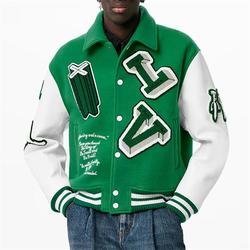
Button-front closures, chest flap pockets with buttons, and a shirt-style collar define trucker jackets. Typically includes side hand pockets and adjustable side tabs.
Fit is boxy and slightly cropped, mirroring denim trucker proportions. Best for Americana brands, vintage-inspired lines, and customers seeking heritage workwear aesthetics in leather.
4. Materials & Leather Types for Custom Leather Jackets
Material selection directly influences production complexity, unit cost, and minimum order quantities for custom leather jackets. Leather type determines not only the final garment’s durability and aesthetic but also cutting efficiency, sewing machine requirements, and quality-control checkpoints across all five QC stages—from materials testing through finished inspection.
| Leather Type | Thickness (oz / mm) | Cost Tier | Best Use Case | Durability Rating |
|---|---|---|---|---|
| Full-Grain | 3–4 oz / 1.2–1.6 mm | High | Premium biker, heritage styles | 8–10 years |
| Top-Grain | 2.5–3.5 oz / 1.0–1.4 mm | Mid-High | Streetwear bombers, moto jackets | 5–8 years |
| Genuine Leather | 1.5–2.5 oz / 0.6–1.0 mm | Mid | Budget fashion jackets | 3–5 years |
| Nubuck | 2–3 oz / 0.8–1.2 mm | Mid-High | Casual, textured designs | 4–6 years |
| Suede | 1.5–2.5 oz / 0.6–1.0 mm | Mid | Lightweight, soft drape styles | 3–5 years |
| Vegan PU | 0.8–1.5 mm | Low-Mid | Fast fashion, ethical lines | 2–5 years |
Common Leather Grades and Their Production Trade-Offs
Full-grain leather retains the entire hide surface, offering maximum durability and natural patina development but requiring skilled cutters to work around imperfections. Top-grain leather is sanded to remove blemishes, yielding uniform appearance and slightly lower cost, though it sacrifices some breathability. Genuine leather—a split layer below top-grain—costs 40–60% less but shows faster wear and limited aging character.
Nubuck and suede are buffed finishes applied to top-grain or split hides respectively, creating soft nap textures that demand specialized cleaning and raise sewing complexity. These finishes increase cutting waste by 10–15% due to directional nap matching, directly affecting MOQ economics.
Vegan and PU Alternatives in Custom Production
Polyurethane (PU) leather and polyester-blend vegan materials typically cost 50–70% less than genuine animal hides and eliminate variability in hide grading, streamlining materials QC testing. Lead times shorten by 5–10 days because synthetic rolls ship faster than tanned hides and require no hide-selection step.
Vegan leathers allow lower MOQs—often 50–100 pieces versus 100–200 for exotic or thick full-grain—because factories face less material waste and can mix synthetic colors without dye-lot concerns. Durability ranges from 2–5 years depending on PU coating weight and backing fabric.
5. Customization & Decoration Options for Custom Leather Jackets
Custom leather jackets offer a wide range of decoration techniques to reinforce brand identity and elevate visual impact. Each method carries distinct cost structures, durability characteristics, and aesthetic results that influence production planning and minimum order quantities.
| Technique | Setup Cost | Durability | Best Application |
|---|---|---|---|
| Embroidery | $50–150 per design | Excellent; resists fading and wear | Logos, text, small crests |
| Screen Printing | $30–80 per screen | Moderate; may crack over time | Large artwork, slogans |
| Heat Transfer | $20–50 per design | Low to moderate; prone to peeling | Full-color graphics, limited runs |
| Laser Engraving | $100–200 setup | Excellent; permanent mark on leather | Monograms, fine text, minimalist logos |
| Metal Badges | $1–5 per unit | Excellent; corrosion-resistant finishes | Premium branding, 3D logos |
| Custom Hardware | $0.50–3 per piece | Excellent; zinc alloy or brass | Zippers, snaps, studs, branded pulls |
| Lining Prints | $40–100 per screen | Good; protected by outer shell | Hidden branding, patterns, artist collabs |
| Leather Patches | $0.80–4 per patch | Excellent; ages with garment | Woven or debossed logos, heritage marks |
6. Key Quality Indicators in Custom Leather Jacket Construction
Premium custom leather jackets are distinguished by construction details that budget factories often overlook or skip entirely. Inspecting stitching, hardware, lining, and finishing during sample approval prevents costly quality failures after bulk production begins.
Stitching Quality and Seam Reinforcement

Lockstitch construction delivers superior durability for stress points — shoulders, armholes, and pocket openings — compared to chain stitch, which unravels easily if one thread breaks. Premium jackets use 6–8 stitches per inch with reinforced bar tacks at seam ends.
Inspect sample seams by pulling gently at armholes and pocket corners; threads should remain tight with no puckering or skipped stitches. Factories that skip mid-production QC testing often deliver jackets with inconsistent stitch density across panels.
Hardware Grade and Zipper Specifications
YKK metal zippers withstand 1,500+ open-close cycles without tooth separation, while generic alternatives fail at 300–500 cycles. Verify zipper branding on sample pulls and request pull-test documentation during factory audits.
Snaps, buckles, and rivets should be corrosion-resistant alloy with even plating; budget hardware shows tarnish or flaking within weeks of wear.
Lining Material and Attachment Method
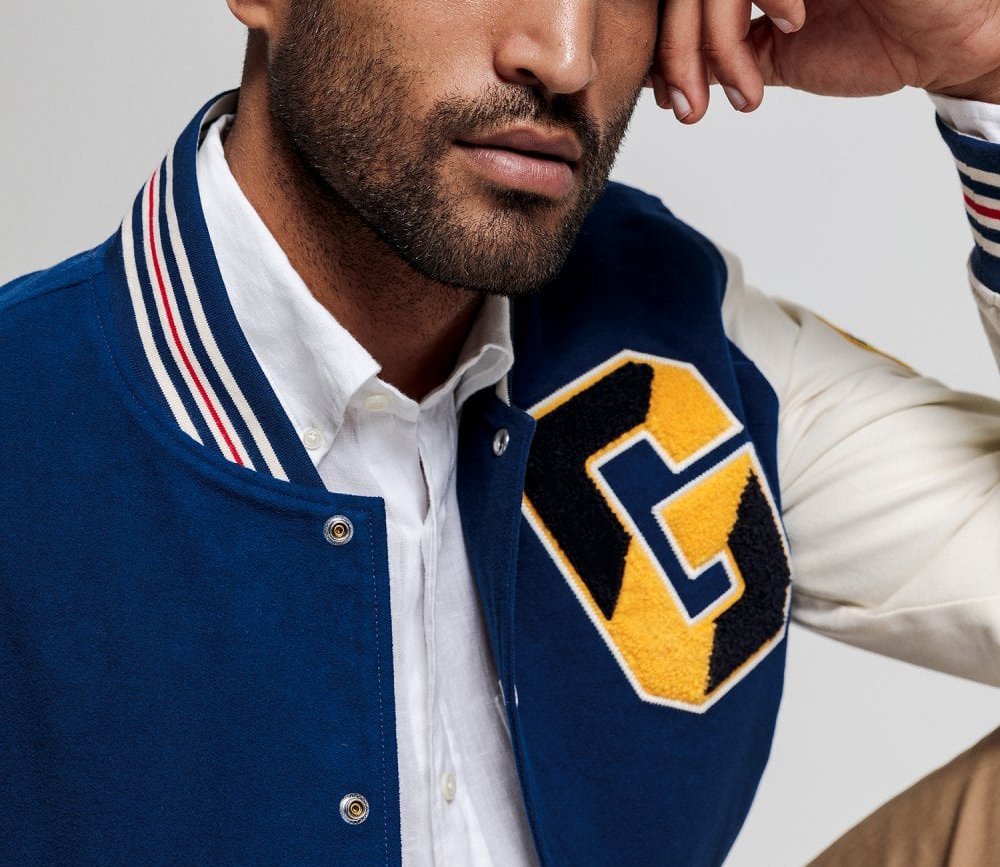
Polyester satin or viscose linings reduce friction and wick moisture better than cheap acetate, which tears at sleeve hems within months. Premium jackets attach lining with French seams or bound edges, not exposed raw stitching.
Check lining tension by inserting your hand into sleeves; excess slack bunches during wear, while over-tight attachment restricts movement and stresses seams.
Edge Finishing and Panel Alignment
Clean edge finishing — turned and topstitched hems, piped seams, or hand-skived overlaps — prevents fraying and signals factory attention to detail. Misaligned panels at collar notches or front plackets indicate rushed cutting or absent QC checkpoints.
During sample inspection, lay the jacket flat and compare left-right symmetry at lapels, pockets, and hem; deviations beyond 3 mm reveal poor pattern grading or careless assembly.
7. How to Choose the Right Manufacturer for Custom Leather Jackets
Selecting a manufacturer for custom leather jackets requires evaluating production capabilities, transparency, and quality systems that align with your brand’s scale and timeline. MOQ flexibility, sourcing practices, and inspection protocols separate reliable partners from high-risk suppliers.
MOQ Flexibility and Sampling Process
Manufacturers typically set MOQs between 50 and 500 pieces per style, depending on leather type and construction complexity. Startups and independent designers benefit from partners offering 50–100 piece minimums, while established brands often commit to 200–500 units to secure better per-unit pricing.
Sampling costs range from $80 to $250 per jacket, with lead times of 10–15 days for initial prototypes. Reputable manufacturers deduct sample fees from production invoices once orders exceed agreed minimums, ensuring your investment contributes to final production rather than sunk cost.
Leather Sourcing Transparency and Certifications
Ask suppliers to disclose tannery names, leather grades (full-grain, top-grain, corrected-grain), and country of origin for all hides. Factories with ISO 9001 certification and partnerships with Leather Working Group–certified tanneries demonstrate commitment to traceability and environmental standards.
Transparent sourcing protects your brand from quality inconsistencies and compliance risks. Manufacturers who hesitate to share tannery documentation or leather test reports often substitute lower-grade materials mid-production.
Quality Control Protocols and Lead Times
Five-step QC processes—covering materials inspection, cutting, craft review, sewing checks, and finished-garment audits—reduce defect rates below 2 percent. Factories conducting inspections only at the final stage typically see 8–12 percent rejection rates, delaying shipments and inflating costs.
Typical lead times for custom leather jackets span 8–12 weeks from approved samples to shipment, including 2–3 weeks for leather procurement, 4–6 weeks for production, and 1–2 weeks for final QC and packing. Rush orders under 6 weeks often compromise quality or incur 20–30 percent surcharges.
Domestic vs. Overseas Production Trade-Offs
Domestic manufacturers offer 3–5 week lead times and simplified logistics but charge $180–$400 per jacket. Overseas production in China’s Guangdong Province delivers $60–$150 unit costs with 8–12 week timelines and access to specialized streetwear expertise, including embroidery, screen printing, and hardware customization.
Communication responsiveness—replies within 12 hours, detailed tech packs, and proactive updates—matters more than geography. Evaluate payment terms (30 percent deposit, 70 percent before shipment is standard) and request references from brands in your category before committing.
8. Common Mistakes When Ordering Custom Leather Jackets
Ordering custom leather jackets requires precision across materials, construction, and compliance. Mistakes at any stage trigger cost overruns, production delays, and quality failures that damage brand reputation and erode margins.
Underestimating Leather Shrinkage and Stretch
Natural leather shrinks 2–5% during tanning and stretches under wear, yet many brands spec patterns without allowance. Jackets arrive tight across shoulders or sleeves grow baggy after two months.
Request pre-shrunk hides and build 3–5% ease into critical measurements. Test samples under simulated wear and cleaning to verify dimensional stability before bulk production.
Skipping Pre-Production Samples
Brands that approve only digital mockups discover fit, color, or hardware mismatches when the first 500 units land. Rework or scrapping an entire run costs 40–70% of order value.
Always order a physical sample in your exact leather grade, lining, and hardware. Wear-test it for three days and inspect every stitch, zipper pull, and snap closure under the five-step QC framework.
Ignoring Lining and Hardware Specifications
Generic ‘polyester lining’ or ‘metal zipper’ callouts yield inconsistent results. Factories default to the cheapest option, and YKK versus unbranded zippers differ in pull strength and corrosion resistance.
Specify lining weight (80–120 GSM), fiber content, and hardware brand (YKK, Riri) with finish type (antique brass, gunmetal). Include Pantone or physical swatches for every trim component.
Unclear Grading and Sizing Charts
Vague size ranges or missing grade rules cause sleeve-length jumps of 4 cm between M and L instead of the standard 1.5 cm increment. Returns spike and inventory becomes unsellable.
Provide a complete grading spec with increments for chest, shoulder, sleeve, and body length across all sizes. Reference ASTM D5585 or ISO standards and validate with fit models in each size bracket.
9. Step-by-Step Process to Launch Your Custom Leather Jacket Line
Launching a custom leather jacket line involves eight distinct phases, each with specific deliverables and decision gates. Typical end-to-end timelines range from 90 to 150 days from concept to first shipment, depending on sampling rounds and material lead times.
Concept and Design Development
Define your jacket silhouette, target retail price, and core design elements—collar style, closure type, pocket configuration, and signature details. Allocate 7–14 days for sketches, mood boards, and internal approvals.
Decision gate: finalize design direction before moving to material sourcing to avoid costly revisions later.
Material and Trim Selection
Source leather hides (lamb, goat, cow), lining fabrics (polyester satin, viscose), hardware (YKK zippers, snaps), and trims within 10–21 days. Request swatches and test cards to verify hand-feel, color accuracy, and weight.
Decision gate: approve all materials in writing; changes after tech pack creation trigger delays and surcharges.
Tech Pack Creation and Manufacturer Vetting
Develop a detailed tech pack with flat sketches, measurements, construction notes, and Bill of Materials. Simultaneously vet manufacturers using the criteria in Section 7; request quotes from 3–5 suppliers.
Allocate 7–10 days for tech pack finalization and 5–7 days for quote comparison. Decision gate: select manufacturer and lock pricing before sampling.
Sampling, Revisions, and Bulk Production
First samples arrive in 15–25 days. Budget two rounds of revisions (10–14 days each). Approve the final sample to trigger bulk orders; production timelines for custom leather jackets span 30–45 days for 50–500 pieces.
Decision gate: sign off on pre-production sample and deposit payment to secure production slot.
Quality Control and Shipping
Implement inspection at materials, cutting, sewing, and finished-goods stages—Clothing Manufacturer Ltd.’s five-step QC methodology catches defects early. Allocate 3–5 days for final inspection and 15–30 days for ocean freight, 5–7 days for air.
Decision gate: approve QC report before shipment release to avoid chargebacks.
Launch and Marketing Coordination
Coordinate product photography, e-commerce listings, and influencer seeding 30 days before inventory arrival. Sync your launch calendar with production milestones to ensure stock availability matches campaign go-live dates.
10. Pricing & Cost Breakdown for Custom Leather Jackets
Custom leather jacket pricing varies significantly by leather grade, quantity tier, and customization complexity. Genuine leather jackets typically start at $85–$110 per unit at 50-piece MOQ, while top-grain leather ranges from $120–$155 per unit and full-grain premium leather commands $180–$240 per unit for the same order size. Setup fees for sampling, pattern development, and grading typically run $150–$400 per style, though many manufacturers waive these costs at higher order volumes.
Quantity breaks deliver substantial per-unit savings across all leather grades. A 100-piece order reduces genuine leather jacket costs to $75–$95 per unit, 250 pieces drop to $65–$85, and 500+ units can reach $55–$75 per piece depending on design complexity. Top-grain and full-grain leathers follow similar discount curves, with 500-unit orders often 25–35% cheaper per jacket than 50-piece minimums.
Decoration and hardware upgrades add measurable costs but differentiate your line. Embroidered logos range from $3–$8 per placement depending on stitch count, while custom metal hardware (zippers, snaps, buckles) adds $8–$20 per jacket. YKK premium zippers, quilted linings, and hand-distressing treatments each contribute $5–$15 to unit cost. Lead times extend from 25–35 days for standard production at 50–100 units to 35–45 days for 250+ piece orders requiring staged cutting and assembly with rigorous QC testing at materials, cutting, craft, sewing, and finished-garment stages.
| Quantity Tier | Genuine Leather | Top-Grain Leather | Full-Grain Leather | Lead Time |
|---|---|---|---|---|
| 50 units | $85–$110 | $120–$155 | $180–$240 | 25–35 days |
| 100 units | $75–$95 | $105–$135 | $155–$210 | 28–38 days |
| 250 units | $65–$85 | $90–$120 | $135–$185 | 32–42 days |
| 500+ units | $55–$75 | $80–$105 | $120–$165 | 35–45 days |
Ready to Launch Your Custom Leather Jacket Line?
Start with just 50 pieces and our 5-step QC guarantee. Get your quote today and bring your streetwear vision to life.