
Premium Biker Leather Jacket Manufacturer — 50-Piece MOQ, 5-Step QC
Your trusted biker leather jacket manufacturer with rigorous quality control at every production stage. Launch your collection with low minimums and zero-compromise craftsmanship.
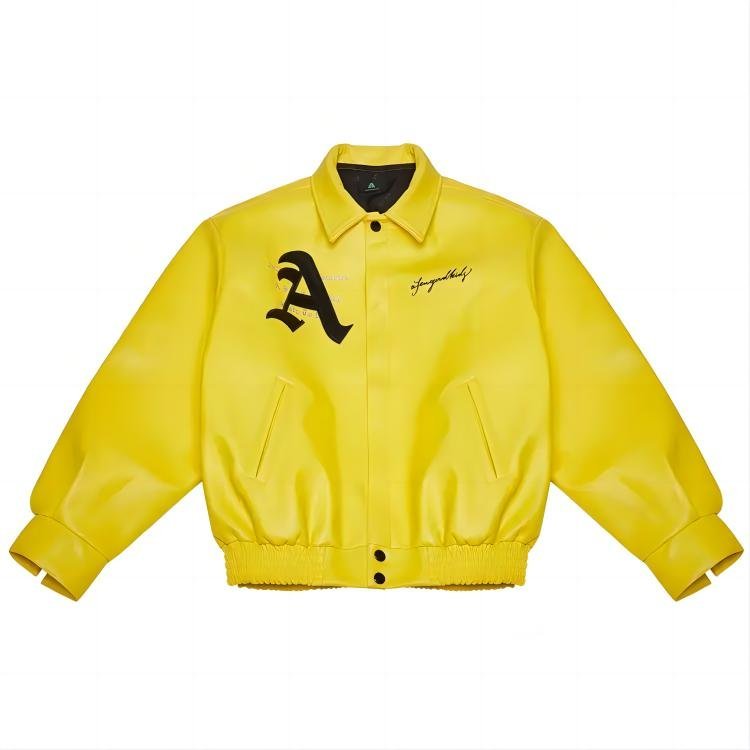
Biker Jacket Gallery — Streetwear & Custom Designs
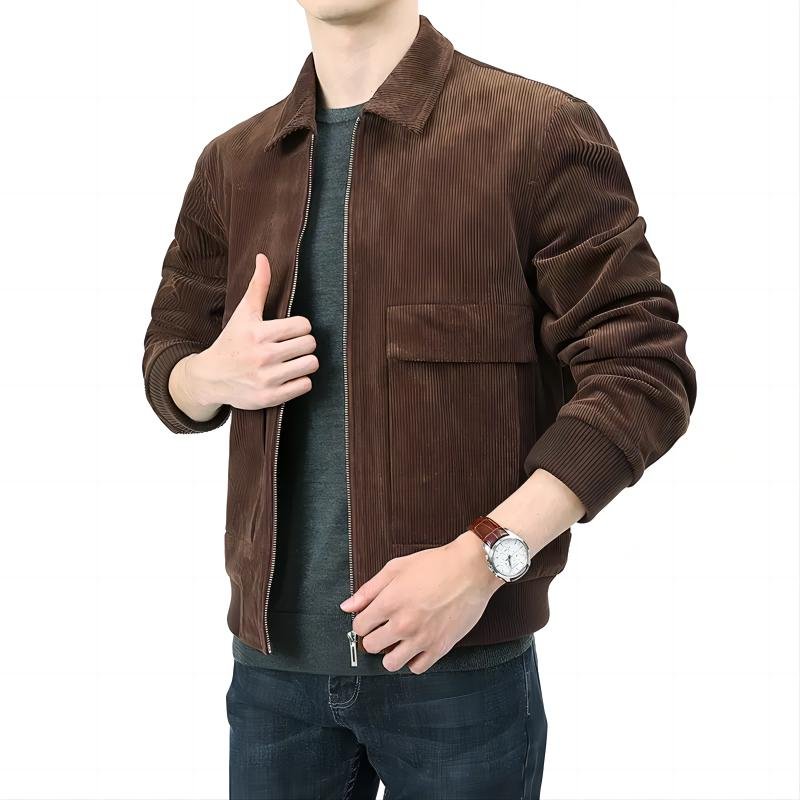
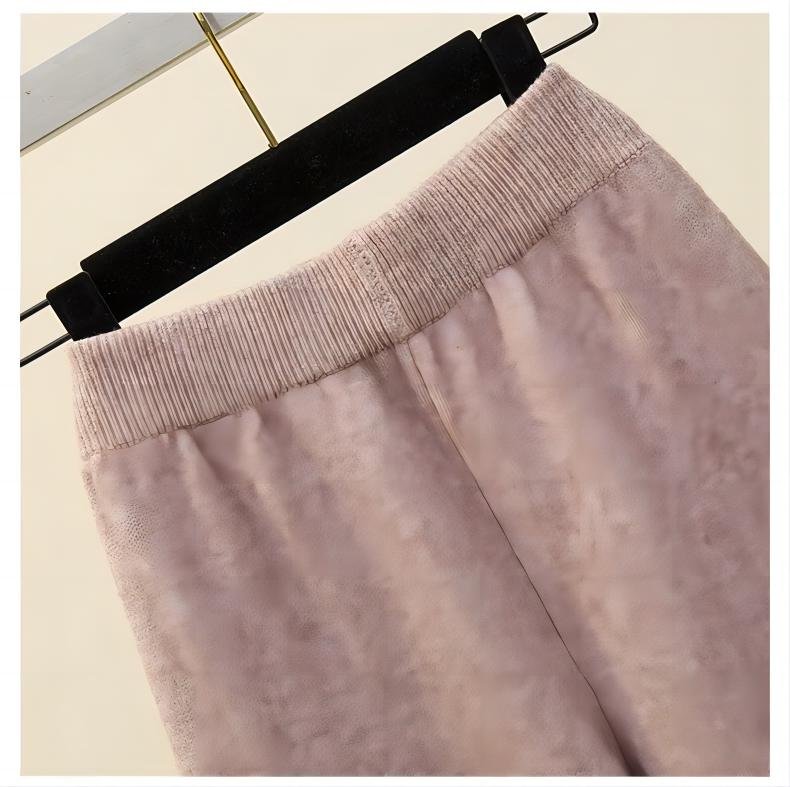
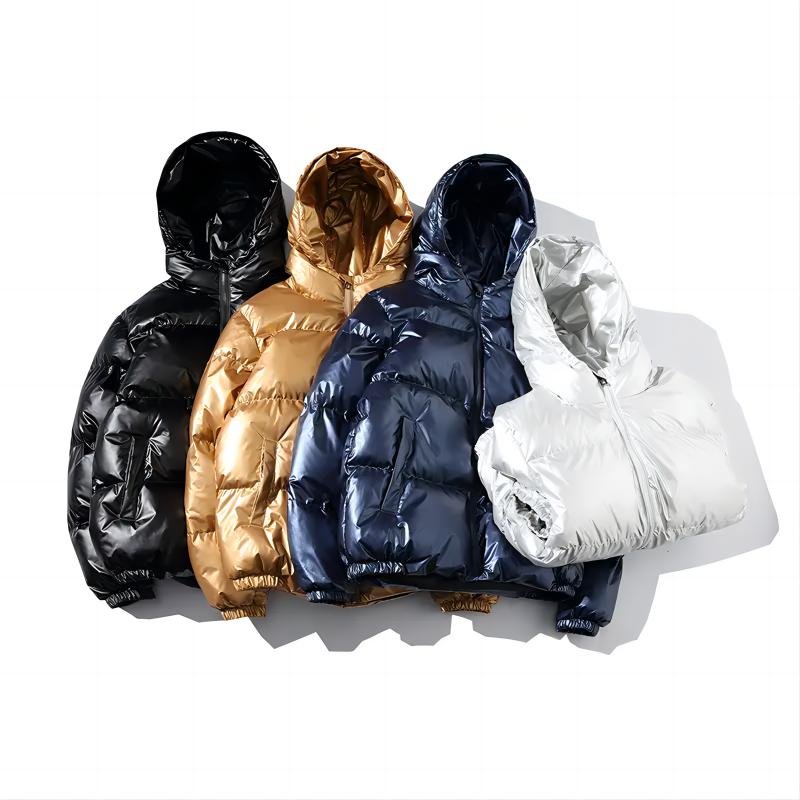
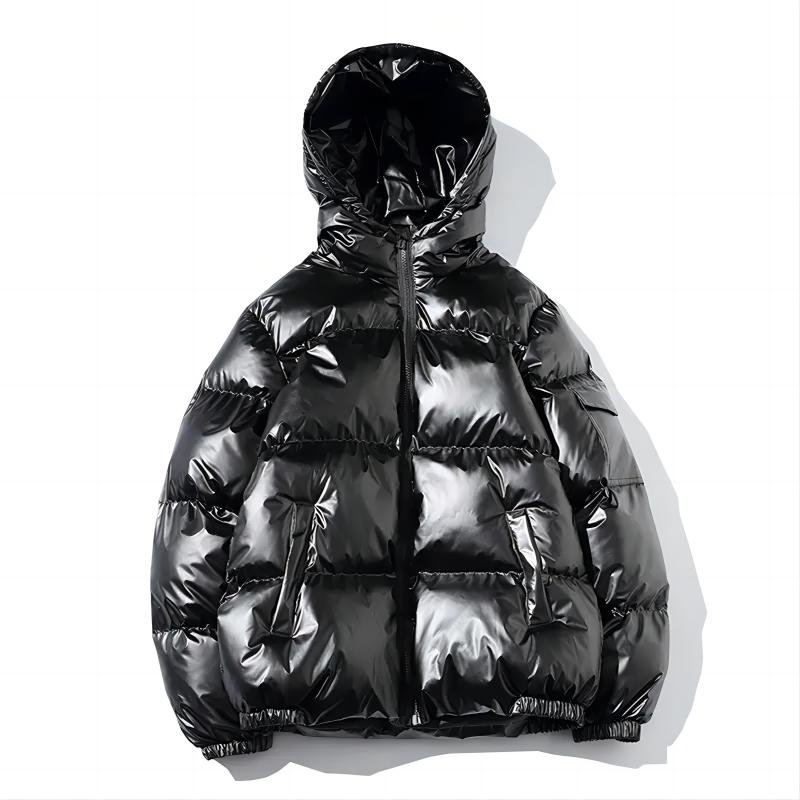
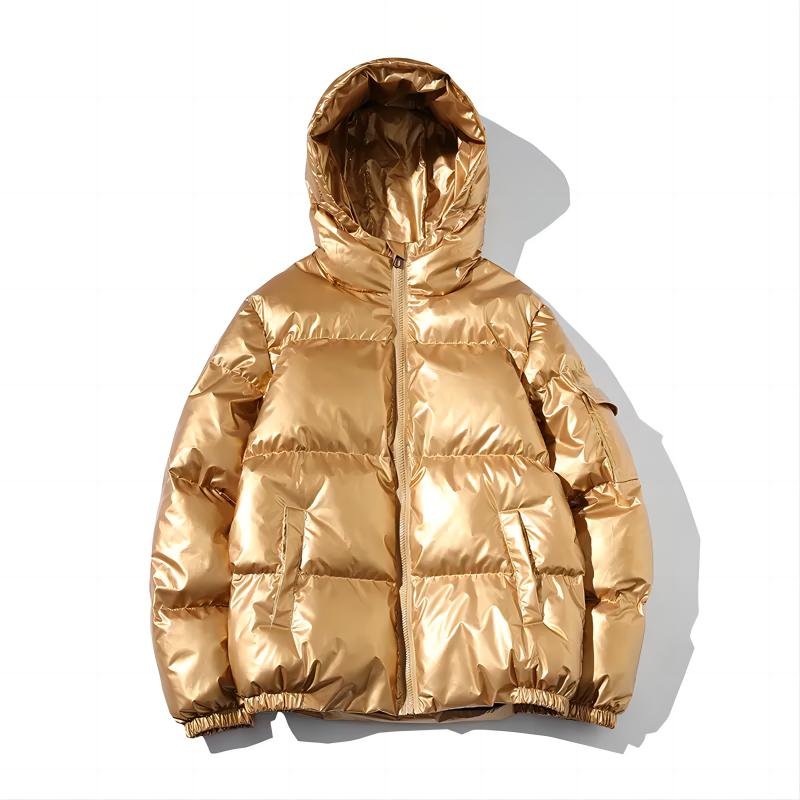
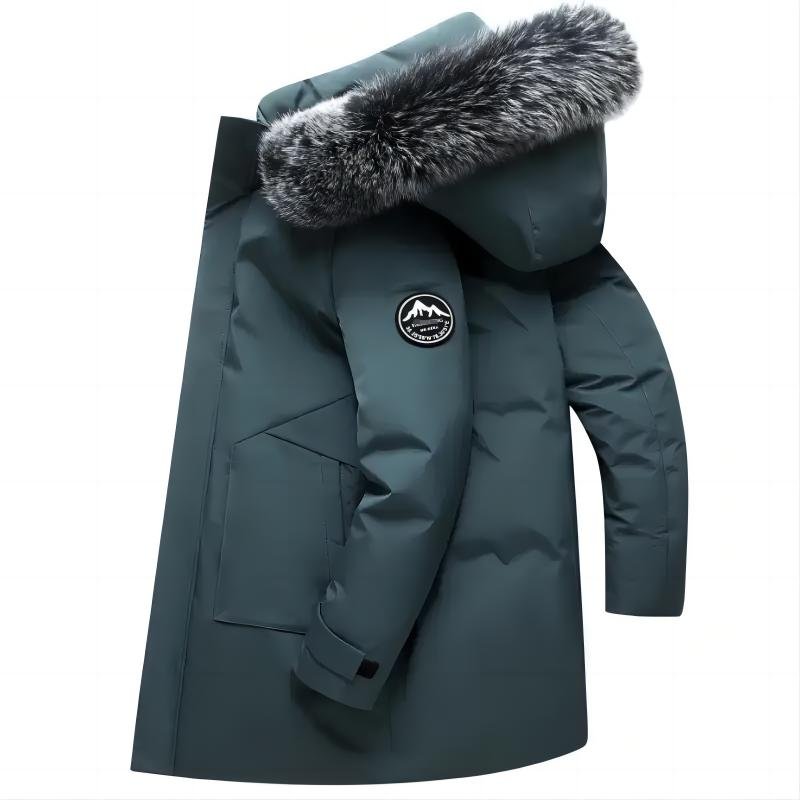
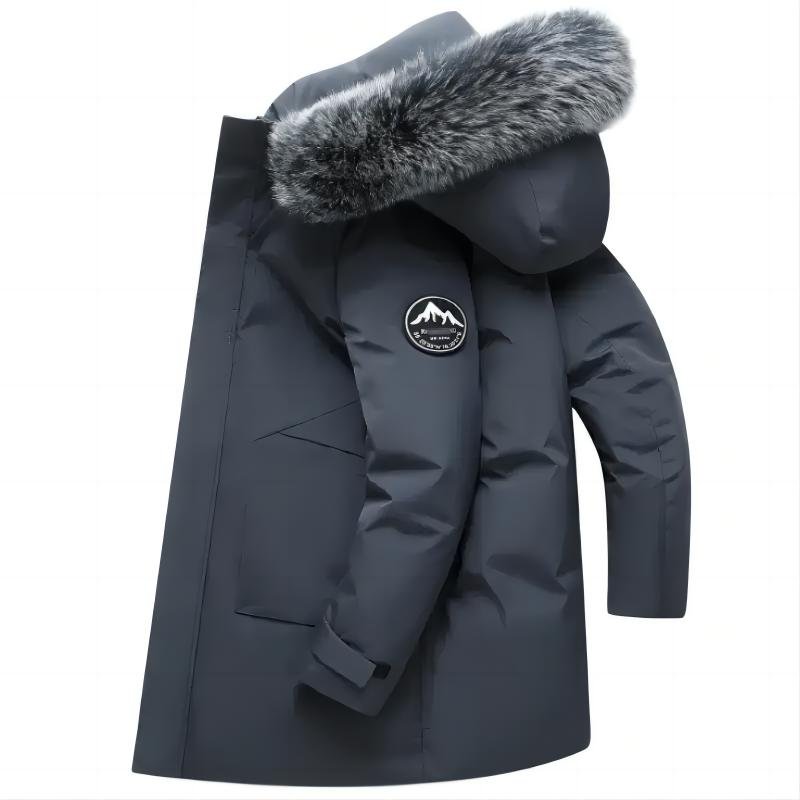
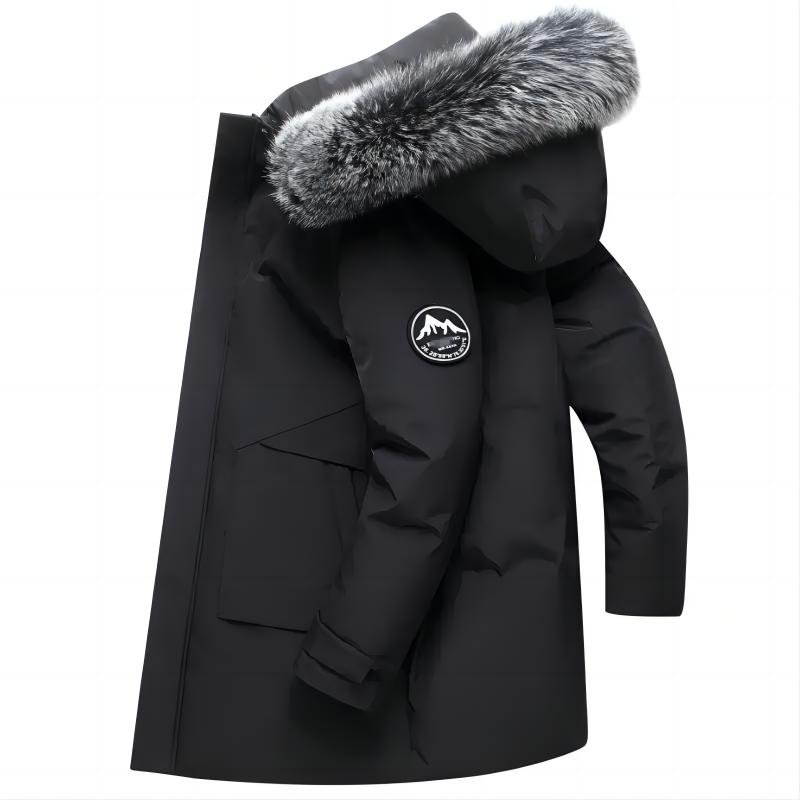
Why Choose Our Biker Leather Jacket Manufacturer
5-Step QC Guarantee
Every biker jacket undergoes rigorous quality control at five production stages—materials, cutting, craft, sewing, and final inspection—ensuring zero defects.
In-House Design & Sampling
Our 15-member R&D team brings your vision to life with expert pattern development, custom embellishments, and 7-day sample turnaround.
50-Piece Low MOQ
Launch your biker leather jacket line without massive inventory risk. Perfect for fashion startups, independent designers, and influencer brands testing new styles.
Fast Seasonal Production
Meet tight deadlines with our streamlined workflow. We deliver trend-driven biker jackets quickly so your collection hits the market on time.
Global Shipping & Logistics
Serving 100+ countries with transparent customs, freight forwarding, and door-to-door delivery. We handle the complexity so you focus on sales.
Streetwear & Influencer Expertise
Six years specializing in streetwear aesthetics—bold hardware, unique washes, and custom details that resonate with trend-conscious audiences worldwide.
Biker Leather Jacket Manufacturer — Classic, Racing & Streetwear Lines
From timeless cruiser styles to high-performance racing gear and trend-driven streetwear designs, our biker jacket production expertise covers every category with precision craftsmanship and rigorous quality control.
Classic Cruiser Jackets
Traditional biker brands need authentic vintage aesthetics with heavy-duty hardware, premium leather grain, and precise stitching that honors heritage motorcycle culture without sacrificing modern durability standards.
We deliver timeless cruiser jackets with hand-selected full-grain leather, reinforced seams, and authentic detailing. Our 5-step QC ensures every stud, zipper, and panel meets classic biker quality expectations.
Racing Performance Jackets
Performance-focused brands require technical construction with impact protection zones, aerodynamic cuts, abrasion-resistant panels, and ventilation systems that meet safety standards while maintaining sleek, athletic silhouettes.
Our production team engineers racing jackets with CE-rated armor pockets, perforation patterns for airflow, and stretch panels for mobility. Rigorous testing at every production stage guarantees performance and safety.
Streetwear Biker Jackets
Trendy brands and influencer lines need fashion-forward biker jackets blending street culture elements—oversized fits, bold graphics, unique colorways, skeleton motifs—with authentic leather craftsmanship that resonates with younger audiences.
We fuse streetwear design expertise with premium leather production, delivering trend-driven biker jackets featuring custom prints, statement hardware, and contemporary cuts. Low 50-piece MOQ supports emerging streetwear brands.
Premium Leather Materials Our Biker Leather Jacket Manufacturer Works With
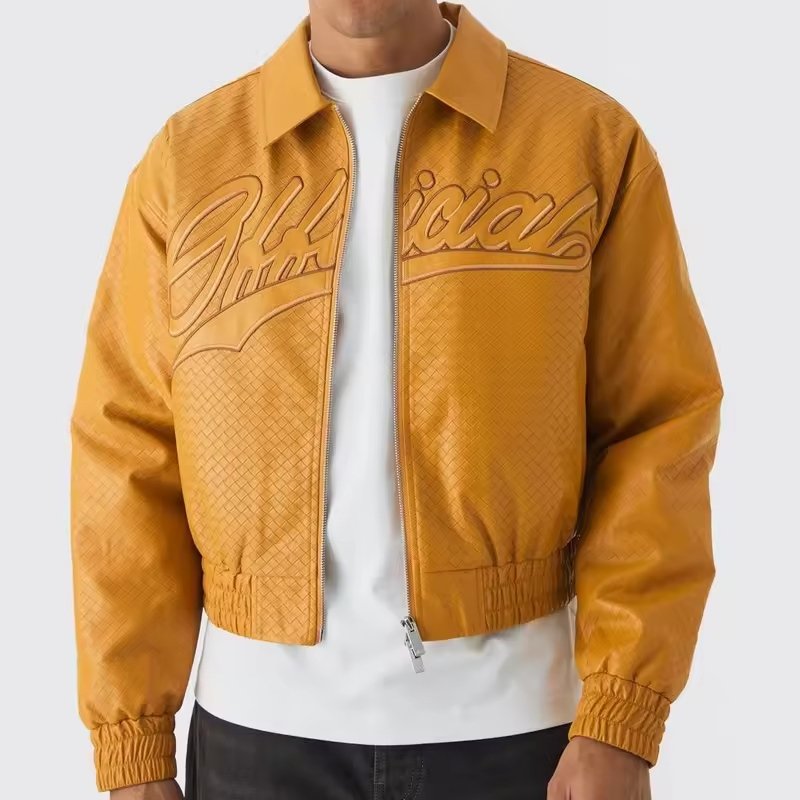
Full-Grain Cowhide
The gold standard for biker jackets. Dense, durable, and develops a rich patina over time. Weight: 1.2–1.4mm thickness. Ideal for classic motorcycle jackets requiring maximum abrasion resistance and longevity.
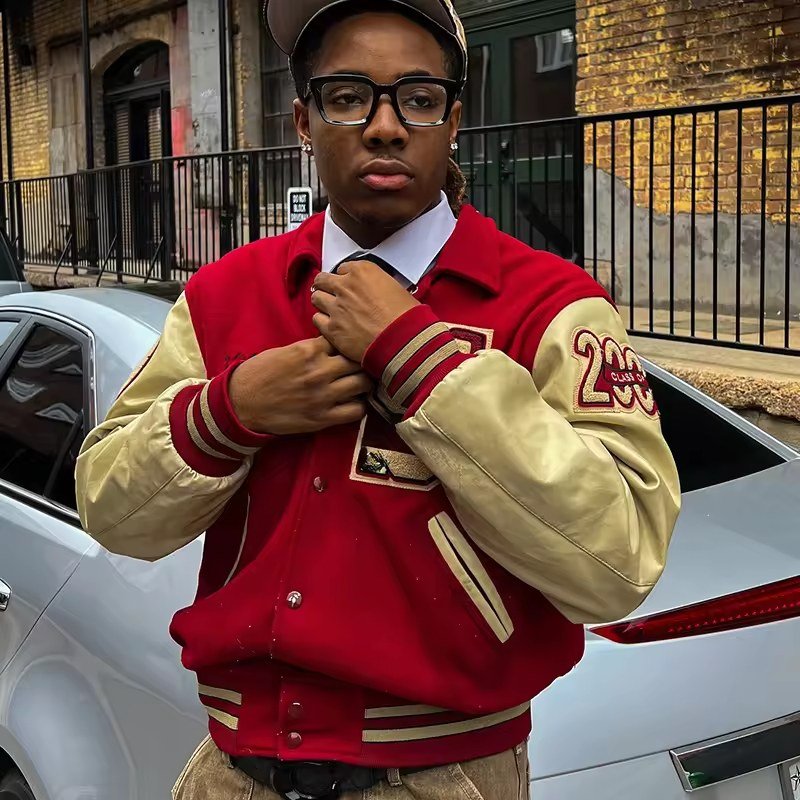
Premium Horsehide
Exceptionally tough yet supple leather with tight grain structure. Weight: 1.0–1.2mm thickness. Favored by vintage enthusiasts and riders seeking authentic heritage biker aesthetics with superior break-in character.
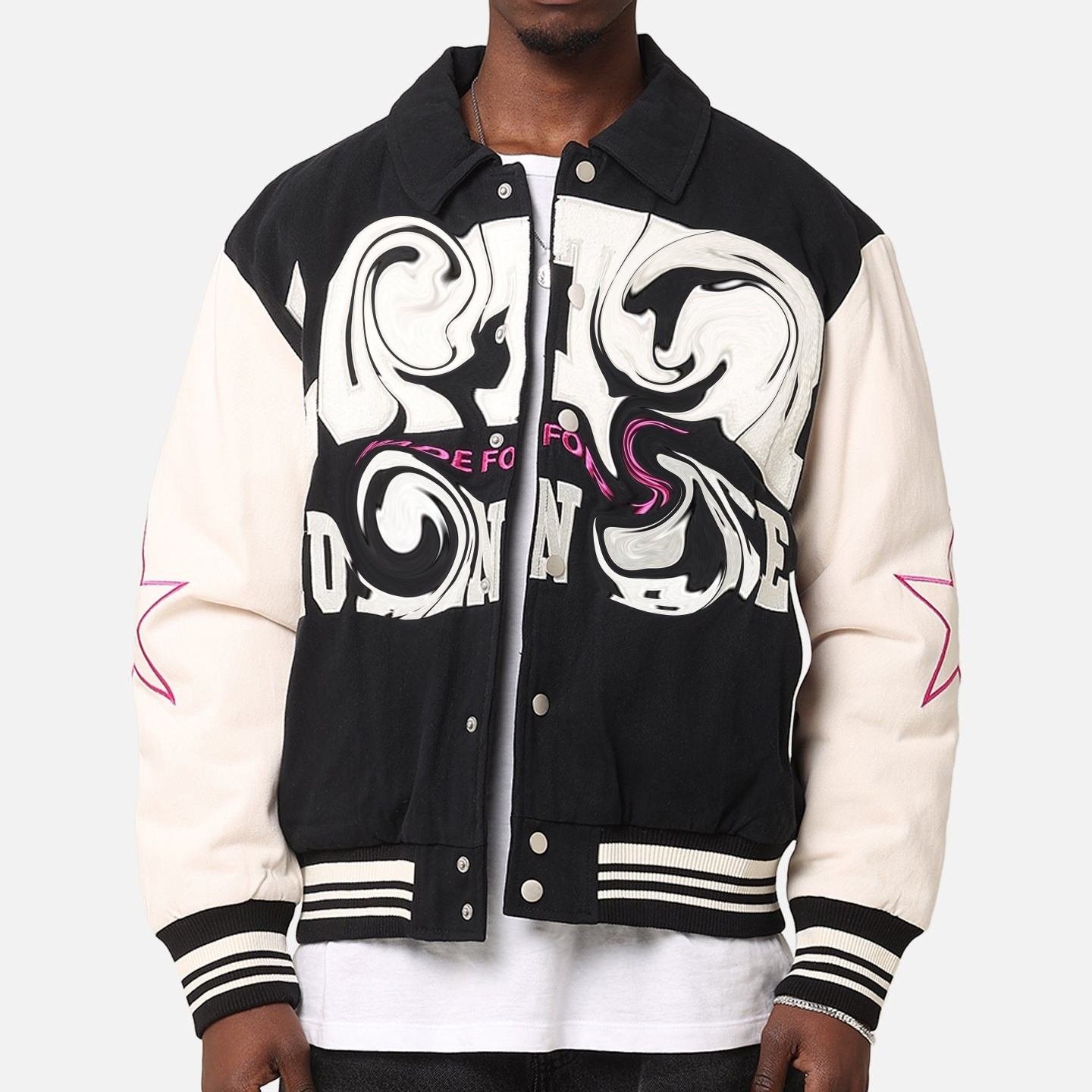
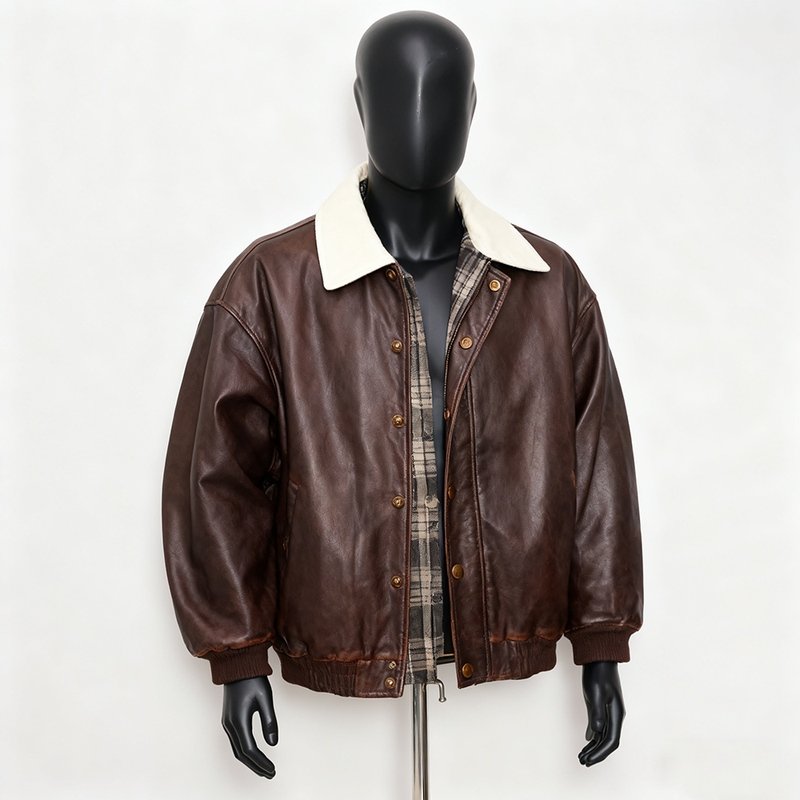
Nappa Leather
Soft, buttery-smooth finish with luxurious hand-feel. Weight: 0.8–1.0mm thickness. Ideal for streetwear-inspired biker jackets and fashion-forward designs prioritizing comfort without sacrificing style.
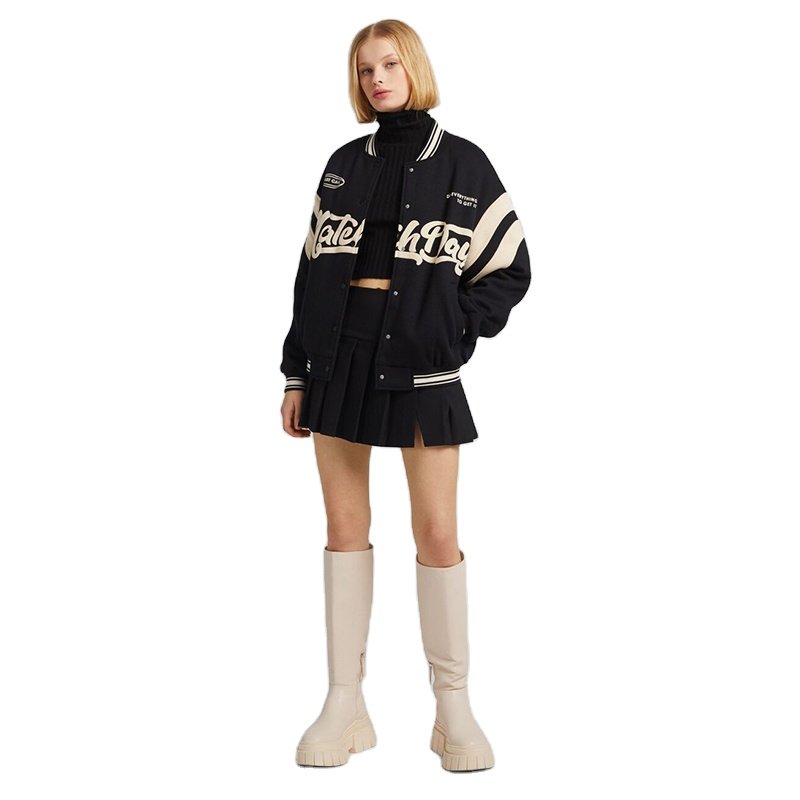
Top-Grain Suede
Velvety napped surface with contemporary matte finish. Weight: 0.9–1.1mm thickness. Popular for modern streetwear biker jackets, offering a softer aesthetic while maintaining durability for urban wear.
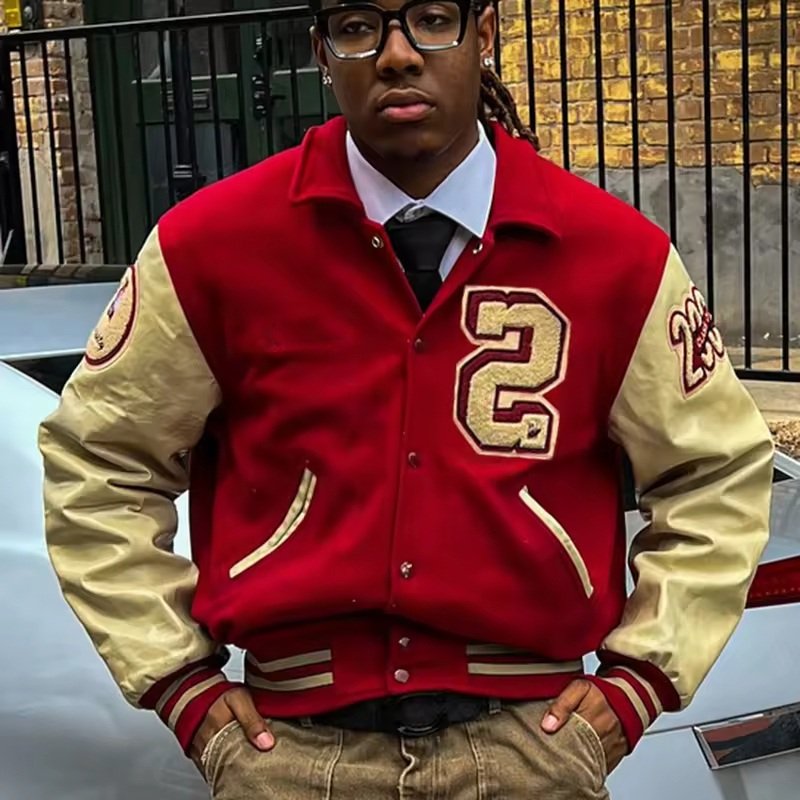
Waxed Leather
Weather-resistant finish with natural water repellency. Dense hand-feel with enhanced protection. Weight: 1.2–1.5mm thickness. Excellent for all-season biker jackets requiring functional performance and rugged durability.
Biker Leather Jacket Manufacturer Production Techniques & Finishing Processes
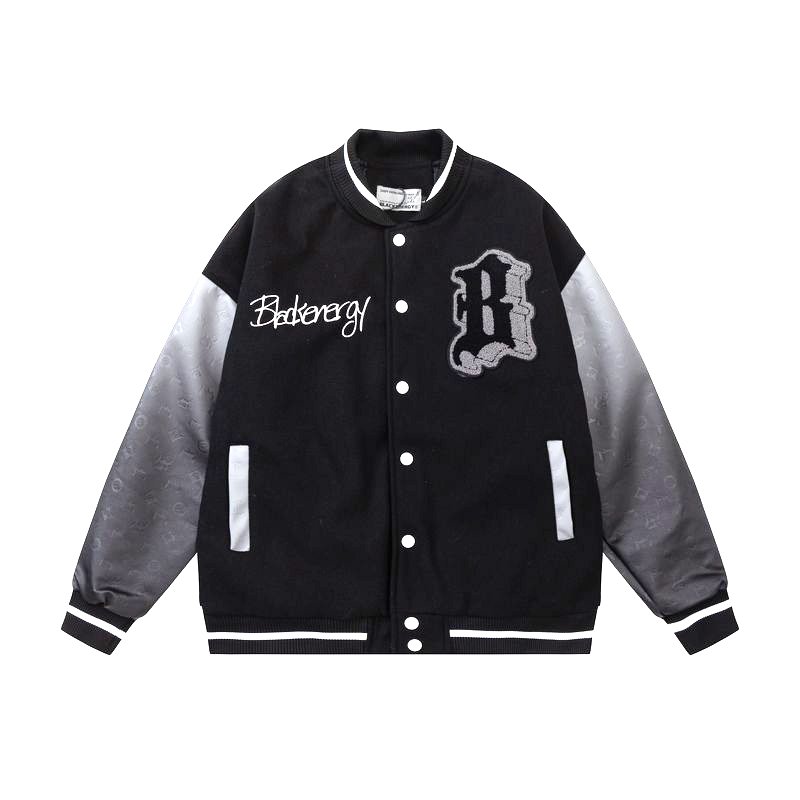
Hand Saddle Stitching
Traditional hand-stitching technique using waxed thread for critical seams and stress points. Delivers superior strength compared to machine stitching, prevents seam failure, and creates the authentic vintage biker aesthetic that defines premium leather jackets.
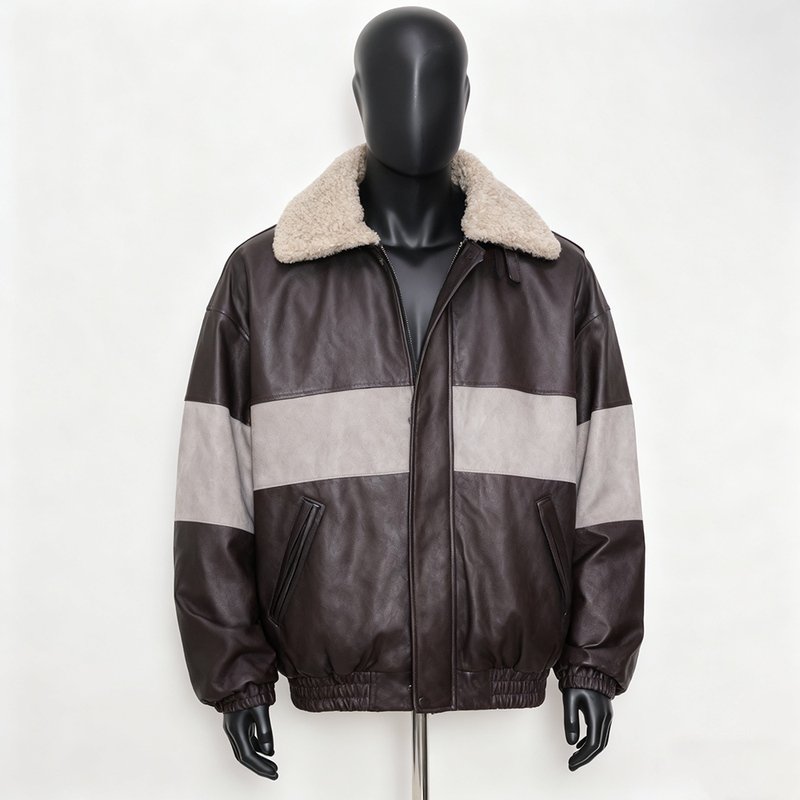
Edge Beveling & Burnishing
Precision edge treatment that smooths and seals raw leather edges on panels, pockets, and hems. Creates a polished, professional finish while preventing fraying and moisture absorption, extending jacket lifespan and elevating visual quality.
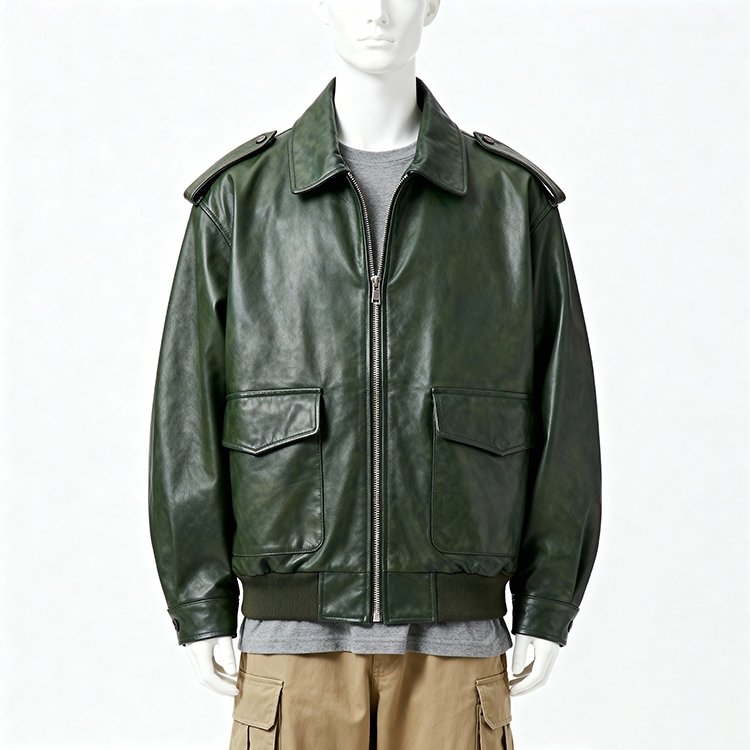
Hardware Installation
Expert application of YKK zippers, snap buttons, D-rings, buckles, and metal studs using reinforced backing. Ensures hardware withstands repeated use without tearing leather, maintains functionality through thousands of cycles, and adds signature biker style details.
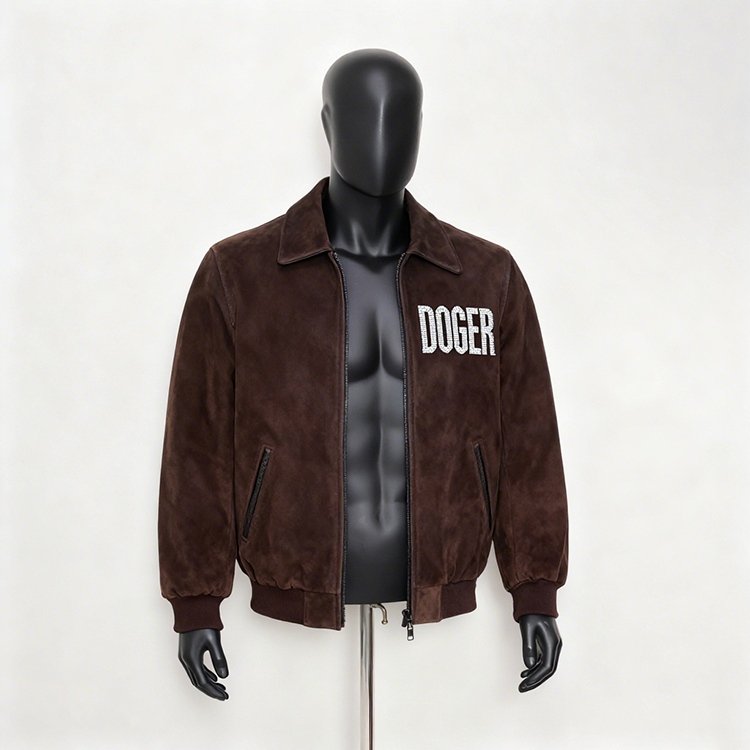
Distressing & Aging
Controlled abrasion, antiquing, and patina techniques that create vintage, worn-in character. Achieves authentic streetwear and retro biker aesthetics, adds depth and texture to leather surfaces, and delivers the lived-in look customers demand.
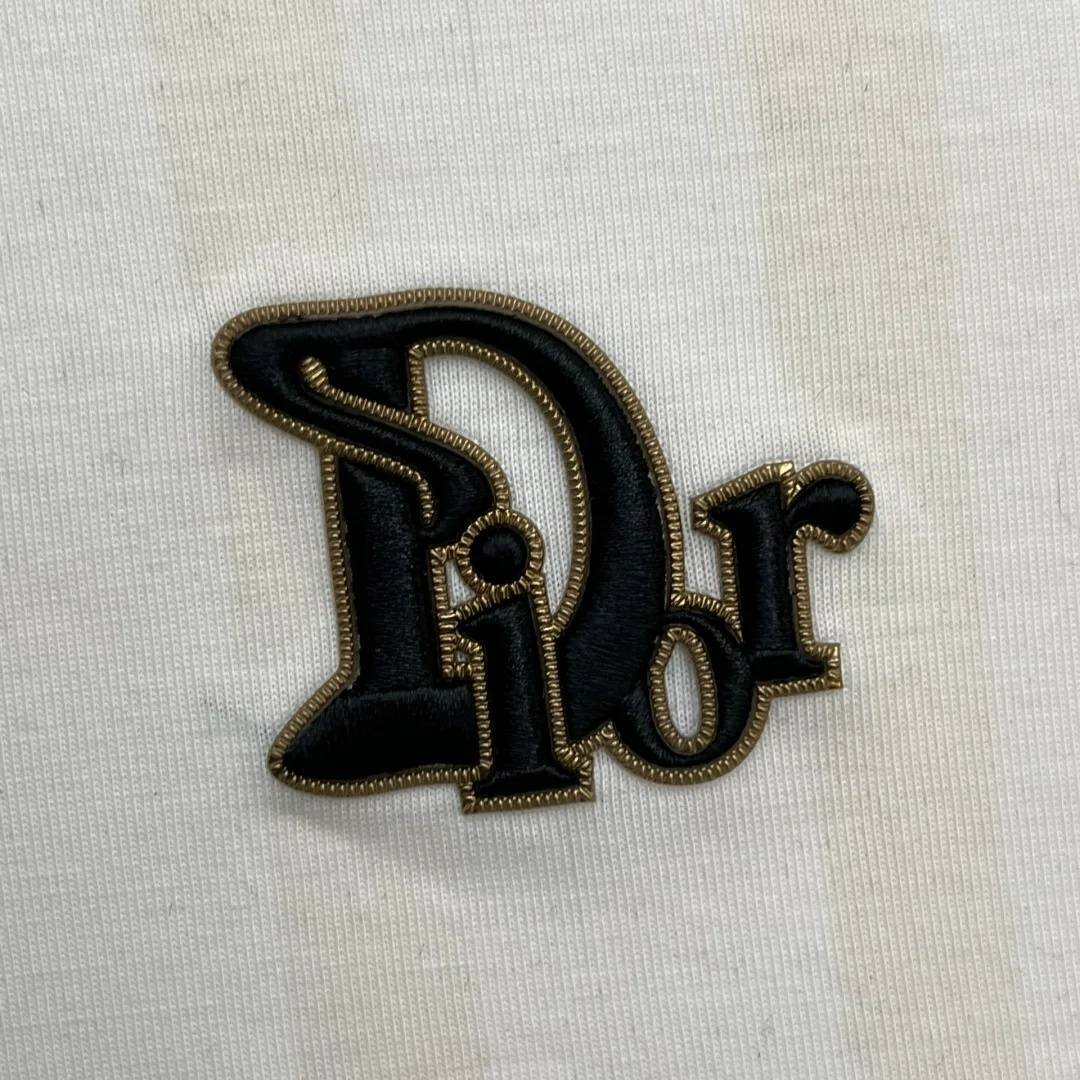
Custom Embroidery
High-density thread embroidery for logos, patches, and graphic elements on leather and lining. Provides permanent branding that won’t fade or peel, creates tactile dimension, and enables unique storytelling through custom artwork and brand identity.
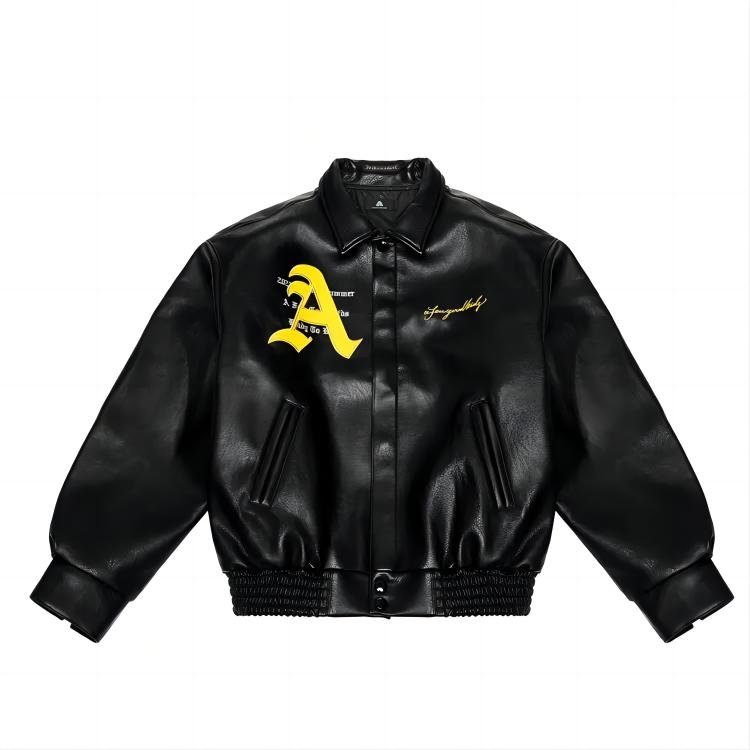
Screen & Sublimation Printing
Advanced ink application for bold graphics, patterns, and color gradients on leather and textile panels. Delivers vibrant, durable artwork that withstands wear and cleaning, perfect for streetwear designs and limited-edition collaborations.
Hardware & Accessories for Biker Leather Jacket Manufacturer
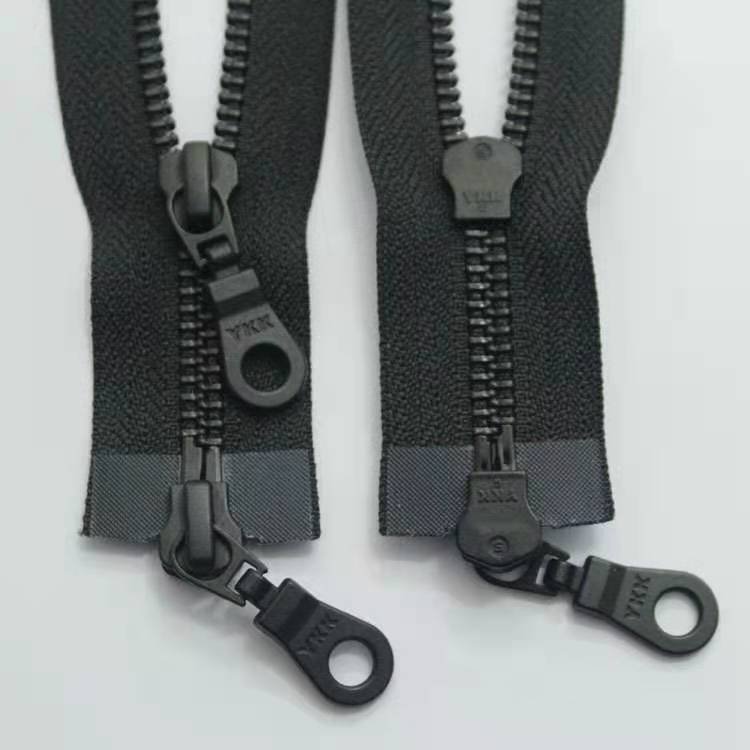
YKK Metal Zippers
Heavy-duty YKK metal zippers engineered for biker jackets. Corrosion-resistant teeth and smooth pull action withstand thousands of cycles. Ideal for front closures, sleeve vents, and chest pockets on leather outerwear.
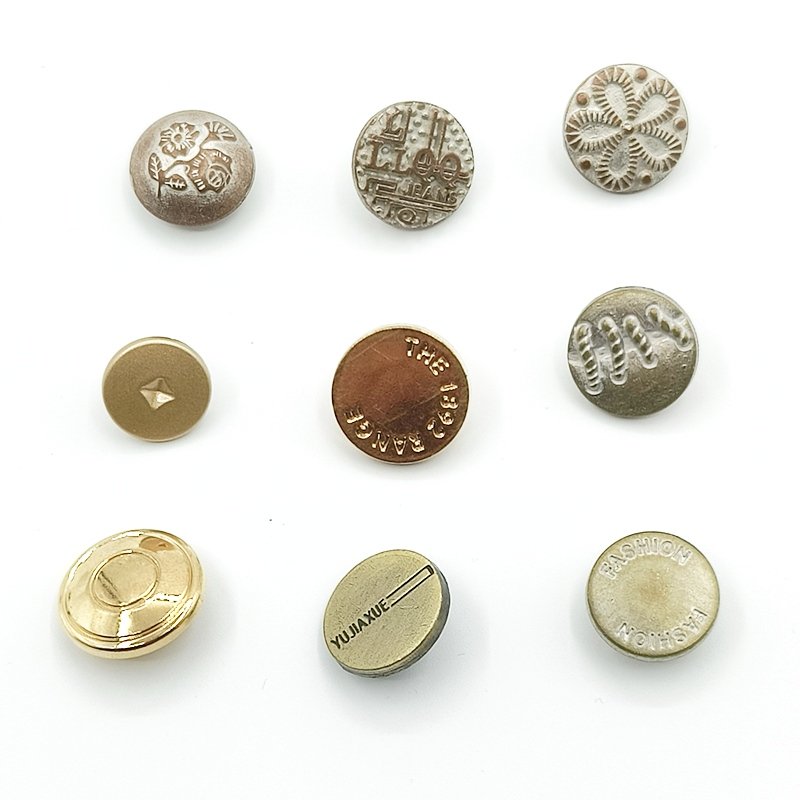
Snap Buttons
Industrial-grade snap buttons in gunmetal, brass, and black finishes. Secure collar stands, storm flaps, and waist belts with reliable hold. Tested to resist wear from frequent use and weather exposure on biker jackets.
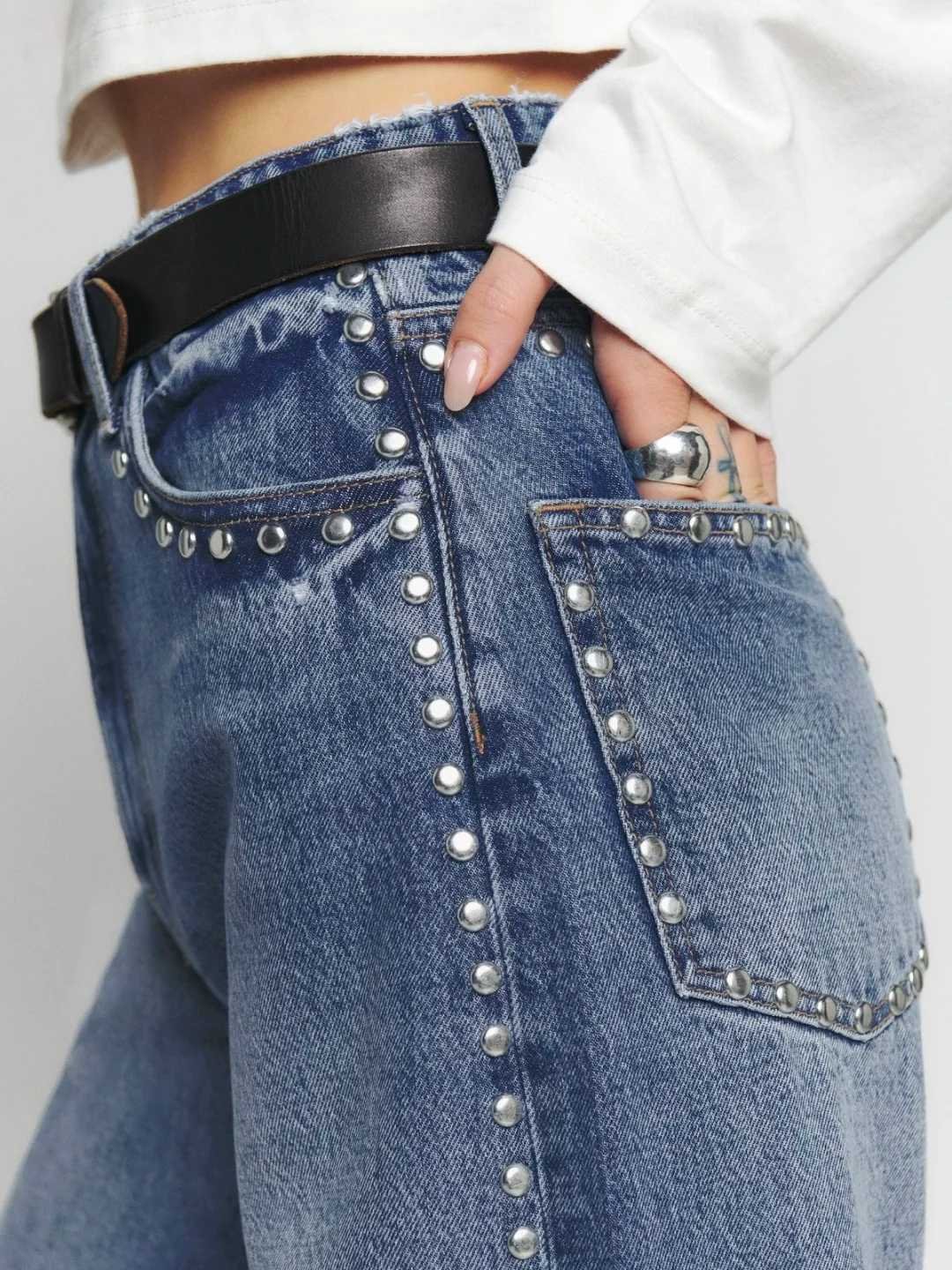
D-Rings & Buckles
Forged metal D-rings and adjustable buckles for waist belts and sleeve straps. Available in nickel, antique brass, and matte black. Essential hardware for authentic biker jacket silhouettes and functional adjustability.
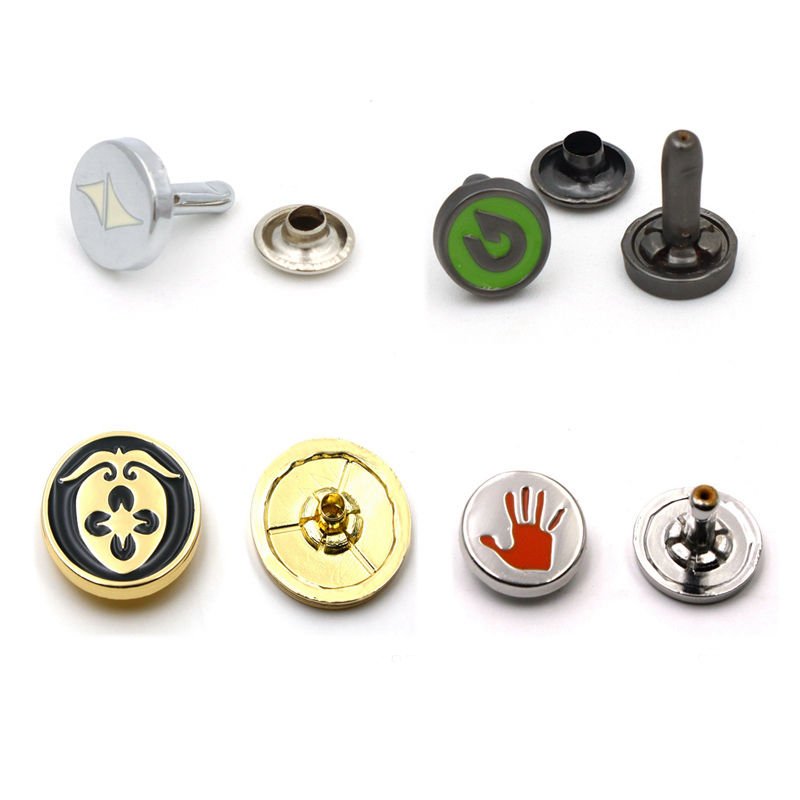
Metal Rivets
Double-cap rivets and stud accents that reinforce stress points and add edge to biker leather jackets. Applied at pockets, shoulders, and lapels. Choose from classic silver, aged brass, or gunmetal finishes.
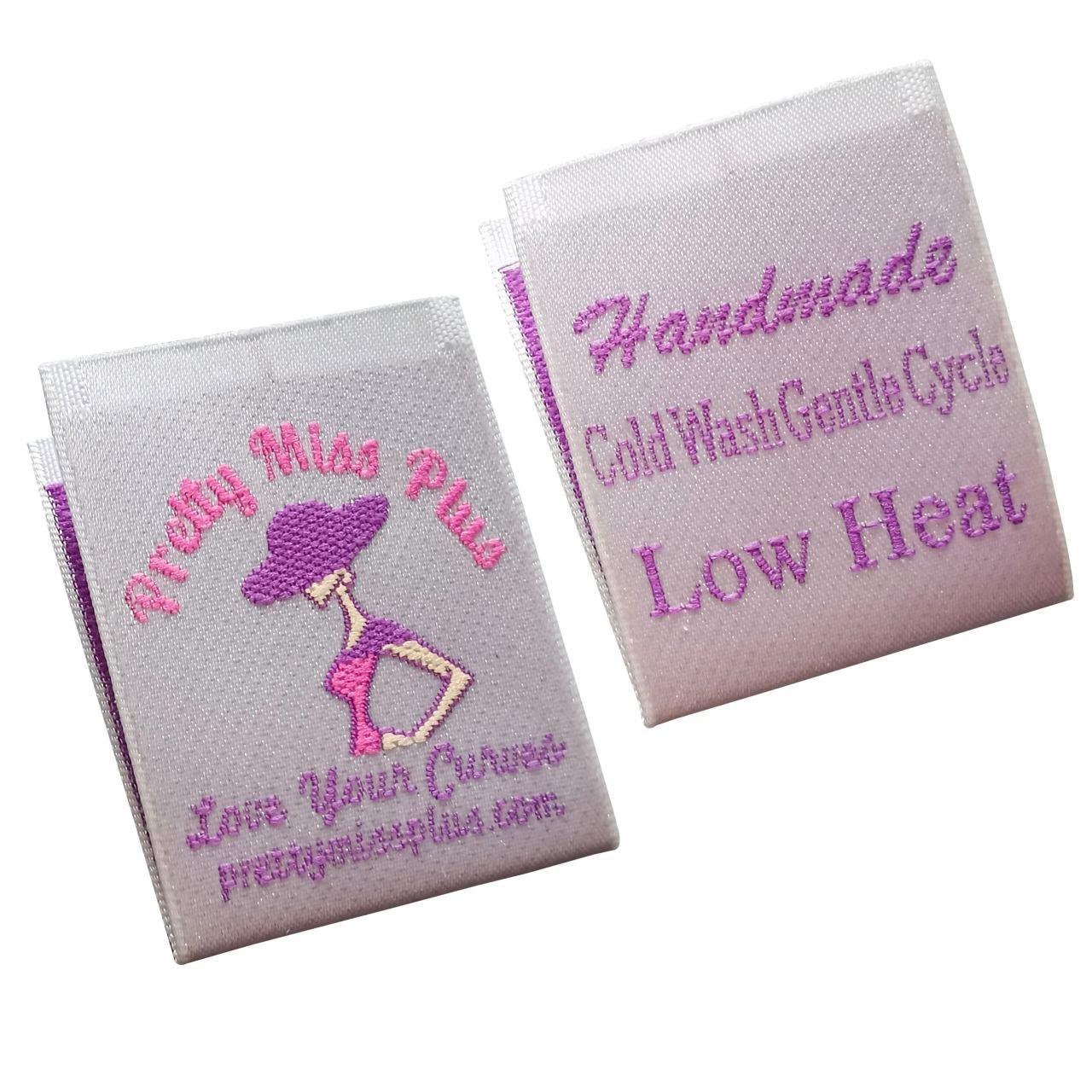
Woven Labels
Custom woven damask or satin labels featuring your brand logo and care instructions. Sewn into neck, side seam, or pocket positions. High-definition weaving captures fine details and withstands repeated washing cycles.
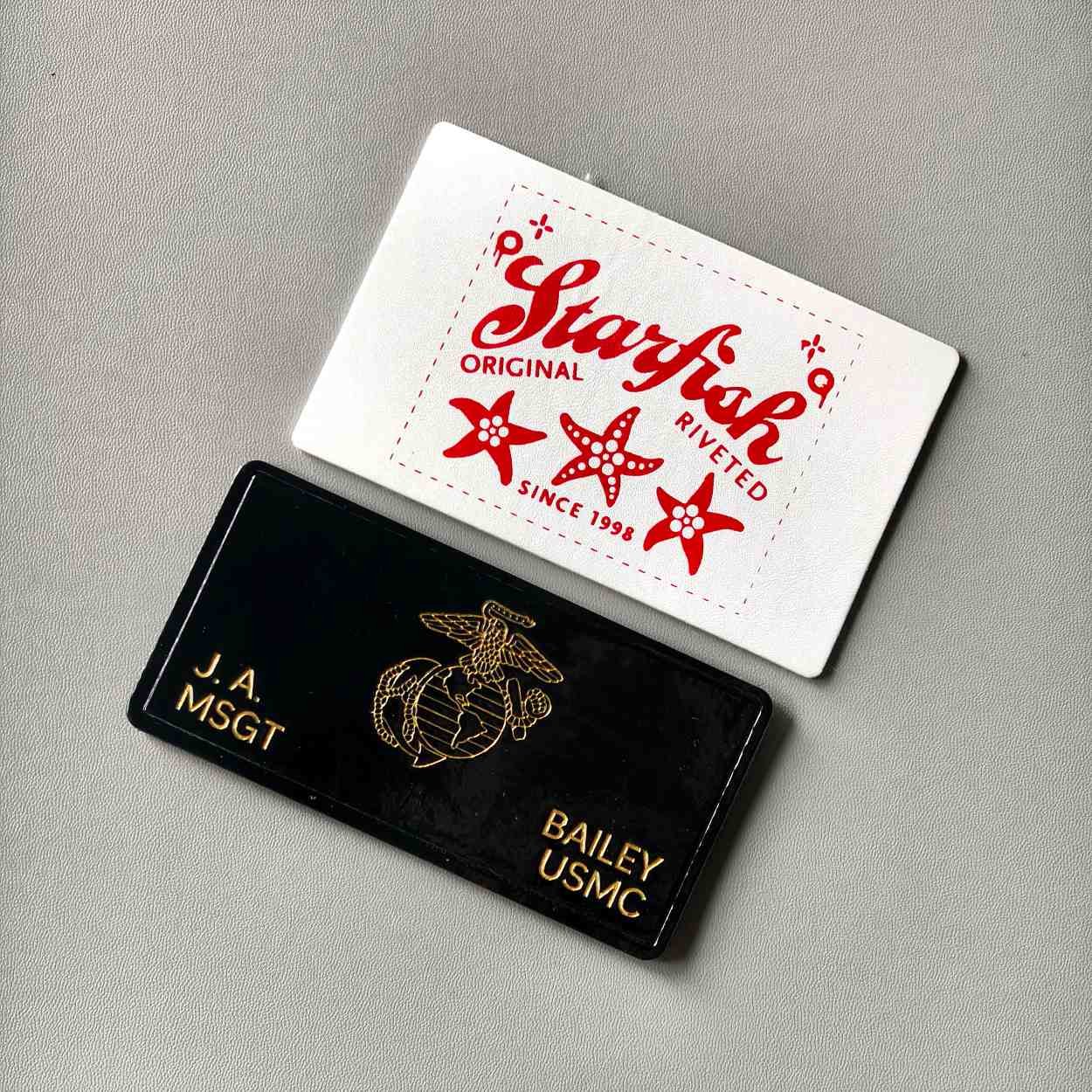
Quilted Lining
Diamond-quilted polyester or satin lining for interior comfort and insulation. Classic biker jacket detail that adds structure and luxury feel. Available in solid colors or custom prints to match your brand aesthetic.
Your Trusted Biker Leather Jacket Manufacturer
Clothing Manufacturer Ltd. was founded in 2024 by Tesla Luo, who brings over 10 years of production experience and 6 years of specialized streetwear expertise. Operating as a sub-brand of Dongguan TuoZhen Clothing Co., Ltd., we leverage established manufacturing infrastructure while focusing exclusively on premium biker leather jackets and streetwear apparel for brands, designers, and retailers worldwide.
Our mission is to restore the reputation of Chinese garment manufacturers through rigorous quality standards. We witnessed too many factories skip critical quality checks, shipping defective products that damage brand trust. That’s why we built our company on a zero-compromise, 5-step QC guarantee that tests materials, cutting, craftsmanship, sewing, and finished garments at every production stage.
With a 15-person R&D team, 10 patents, and customers in over 100 countries, we combine technical expertise with cultural fluency in streetwear design. Whether you’re launching your first biker jacket collection or scaling an established line, we offer low MOQs, fast turnaround, and the quality control that sets your brand apart.
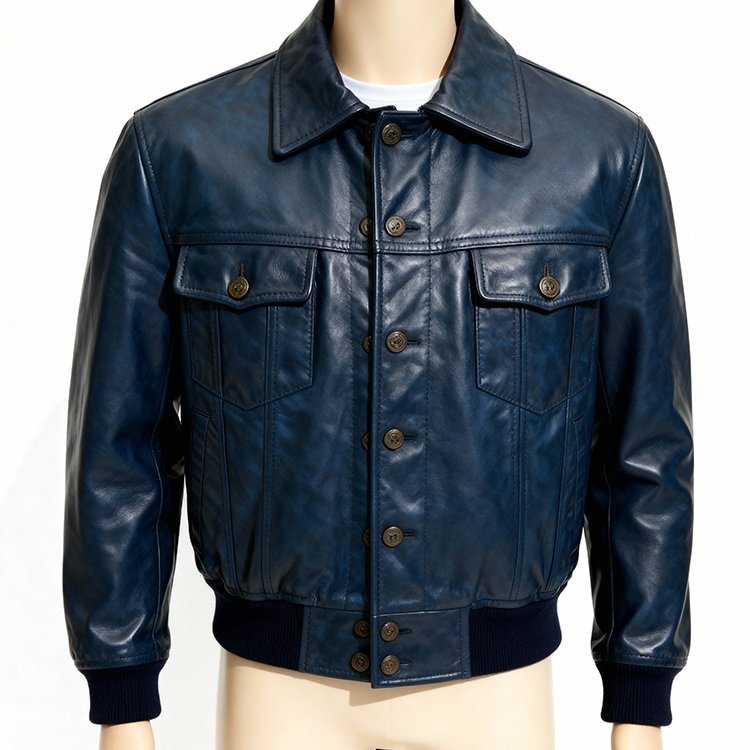
Our 5-Step Quality Control Process for Every Biker Leather Jacket
Materials QC Testing Phase
Before cutting begins, our biker leather jacket manufacturer team inspects every hide and component. We verify leather grade, thickness consistency, hardware durability, and zipper functionality to ensure only premium materials enter production.
- Leather hide inspection for grain uniformity, color consistency, and surface defects
- Hardware stress testing on zippers, snaps, buckles, and studs before assembly
- Lining and interlining fabric verification for weight, stretch, and colorfastness
- Material batch documentation to trace every component throughout production
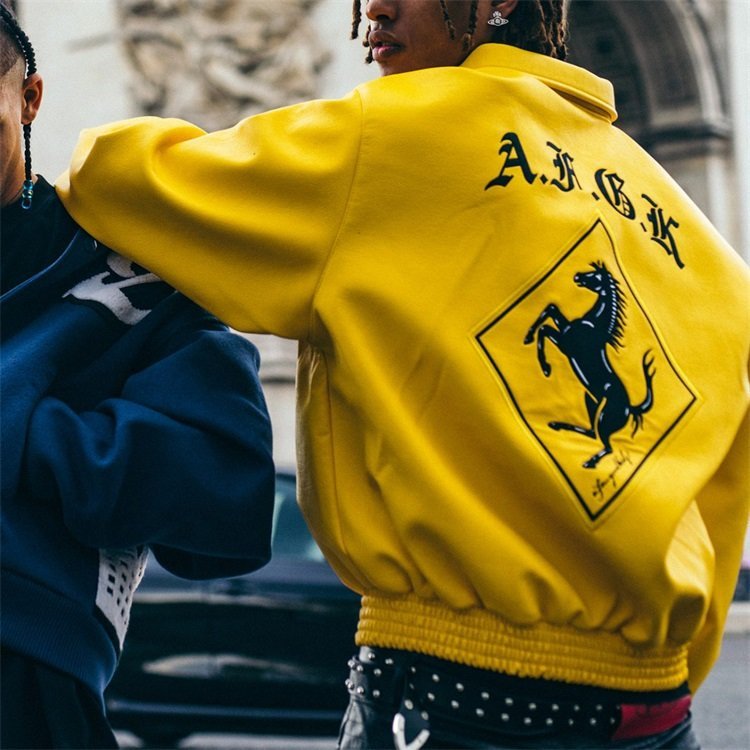
Cutting QC Testing Phase
Pattern accuracy determines fit and material efficiency. Our cutting QC ensures every panel matches technical specifications, with grain direction respected and symmetry verified across left-right pairs before any stitching begins.
- Digital pattern verification against approved tech packs and size grading charts
- Panel dimension checks to prevent fit issues caused by cutting variance
- Leather grain direction alignment for consistent appearance and durability
- Matching panel pairs inspected for symmetry in sleeves, fronts, and back pieces
Clothing Craft QC Testing
Specialized techniques define premium biker jackets. We validate topstitching precision, seam reinforcement strength, lining attachment methods, and hardware placement before full-scale sewing, catching craftsmanship errors early when corrections cost least.
- Topstitching alignment and stitch density checks on visible seams and edges
- Reinforcement stitching validation at stress points like shoulders and armholes
- Hardware installation angle and positioning verified against design specifications
- Lining attachment technique inspection to prevent bunching or pulling
Sewing Production & Finished Quality Inspection
During assembly and at completion, our biker leather jacket manufacturer conducts in-line and final inspections. Every jacket undergoes fit testing, hardware function checks, and visual review to guarantee only flawless pieces reach your customers.
- In-line sewing checks at 25%, 50%, and 75% completion to catch defects early
- Final fit assessment on dress forms to verify silhouette and proportion accuracy
- Comprehensive hardware function testing of every zipper, snap, and adjustable strap
- Surface inspection for scratches, stains, loose threads, and finishing inconsistencies
Why We Stand Apart — Biker Leather Jacket Manufacturer Comparison
Most low-cost suppliers cut corners where it matters most. We built our reputation on transparency, quality control at every stage, and true partnership with brands at every level.
← 左右滑动查看 →
Biker Leather Jacket Manufacturer Production Workflow
From premium leather sourcing to final shipping, every phase includes rigorous quality control checkpoints to ensure your biker jackets meet global standards.
Leather Sourcing & Materials QC
We source premium leather and hardware, conducting materials QC testing to verify thickness, texture, durability, and color consistency before production begins.
Design & Sampling Development
Our 15-member R&D team creates technical patterns and samples, refining fit, stitching details, and hardware placement until your vision is production-ready.
Cutting & Marking QC
Precision cutting of leather panels with cutting QC testing ensures accurate pattern alignment, minimal waste, and consistent sizing across all jacket pieces.
Sewing & Assembly Production
Expert craftsmen assemble jackets with reinforced stitching and hardware installation, while sewing production QC testing monitors every seam and construction detail throughout.
Craft & Finishing QC
Clothing craft QC testing and finished clothing quality inspection verify all zippers, snaps, linings, and topstitching meet our zero-compromise standards before approval.
Packing & Global Shipping
Final inspection, professional packaging with brand labels, and coordinated global logistics ensure your biker leather jackets arrive safely to any destination worldwide.
How to Partner With Our Biker Leather Jacket Manufacturer — 3 Simple Steps
From initial design consultation to bulk production, our streamlined process ensures quality, transparency, and fast turnaround for your biker jacket line.
Submit Your Tech Pack & Design Brief
Share your biker jacket specifications, materials, and design details. We confirm MOQ (as low as 50 pieces), timeline, and pricing within 24 hours.
Receive Quote & Approve Sample
Get a detailed quote and production sample within 7–10 days. Review craftsmanship, fit, and materials before committing to bulk orders.
Approve & Launch Bulk Production
Confirm payment terms and production schedule. Your order enters our 5-step QC process, ensuring every biker jacket meets premium standards before shipping.
Certified Biker Leather Jacket Manufacturer You Can Trust
Customer Success Stories — Biker Leather Jacket Manufacturer Results
Partnered with Clothing Manufacturer Ltd to launch our biker jacket line with just 100 pieces. Their 5-step QC reduced our defect rate to under 1%, and we scaled from zero to 47,000 Instagram followers in 14 months with consistent quality every drop.
We needed a biker leather jacket manufacturer who understood streetwear aesthetics and could deliver fast. They produced 250 custom racing jackets in 35 days with flawless stitching and hardware. Our influencer launch sold out in 72 hours.
After switching from our previous supplier, our customer return rate dropped from 8% to 0.7%. The materials QC and finished garment inspection caught issues our old factory missed completely. Best decision we made for our biker jacket collection.
FAQ — Biker Leather Jacket Manufacturer
What is your minimum order quantity for biker leather jackets?
How fast can a biker leather jacket manufacturer produce samples?
Does your biker leather jacket manufacturer offer free samples?
What payment terms does your biker leather jacket manufacturer accept?
How do you protect our designs and intellectual property?
What is the lead time for bulk biker leather jacket orders?
Can you customize hardware and finishes on biker leather jackets?
Do you provide global shipping and logistics support?
What makes your biker leather jacket manufacturer different from competitors?
The Complete Buyer’s Guide to Choosing the Right Biker Leather Jacket Manufacturer
Navigate the complexities of sourcing premium biker leather jackets with confidence. This guide delivers a proven decision framework, essential supplier evaluation criteria, material specifications, customization options, and critical mistakes to avoid when partnering with a biker leather jacket manufacturer.
1. What Is a Biker Leather Jacket Manufacturer?
A biker leather jacket manufacturer specializes in producing leather outerwear designed for motorcycle culture and streetwear fashion, managing the complete value chain from raw hide selection through tanning, pattern development, cutting, assembly, hardware installation, and finishing. Unlike generic apparel factories that handle cotton or synthetic fabrics, these manufacturers maintain dedicated equipment for leather work—including industrial leather-grade sewing machines with walking feet, skiving tools for edge thinning, and specialized pressing equipment that won’t damage natural grain—and employ craftspeople trained in leather-specific construction techniques such as topstitching, panel alignment, and zipper reinforcement.
Manufacturers operate under three primary business models: OEM (Original Equipment Manufacturer) partners execute your complete technical specifications and patterns; ODM (Original Design Manufacturer) suppliers offer pre-developed designs you can rebrand; and full-service partners provide design consultation, material sourcing, sampling, production, and quality control under one roof. A specialized biker leather jacket manufacturer maintains relationships with tanneries for consistent leather supply in multiple finishes—full-grain, top-grain, nubuck, and distressed treatments—and stocks hardware inventories including YKK zippers, snap fasteners, buckles, and D-rings that meet the durability standards required for motorcycle-grade garments.
Expect core capabilities including pattern grading across size runs, sample development with 7–14 day turnarounds, MOQ flexibility (often 50–200 pieces for leather versus 300–500 for cotton streetwear), and multi-stage quality inspection covering leather defect screening, stitch integrity, hardware function testing, and dimensional accuracy before shipping.
2. The Evolution of Biker Leather Jackets in Fashion
In 1928, Schott NYC introduced the Perfecto jacket for aviators and motorcyclists, establishing the template with its asymmetric front zipper, snap-down lapels, and belted waist—features that remain manufacturing benchmarks for any biker leather jacket manufacturer today. These functional elements were engineered for wind resistance and rider safety, with epaulets preventing shoulder strap slippage and quilted panels protecting against impact.
By 1953, Marlon Brando’s appearance in ‘The Wild One’ transformed the biker jacket from utilitarian gear into rebellion iconography, a shift amplified when the Ramones adopted the style as their uniform in the mid-1970s. This cultural evolution moved the silhouette from motorcycle shops into fashion retail, expanding the target audience from riders to youth subcultures valuing anti-establishment aesthetics. Heritage details—stud placements, collar angles, zipper hardware—became visual shorthand for authenticity that contemporary streetwear brands leverage in their storytelling.
Modern biker leather jacket manufacturers now balance historical accuracy with streetwear trends, integrating oversized fits, dropped shoulders, and graphic embellishments while preserving signature construction methods. Brands sourcing from experienced factories gain access to pattern libraries rooted in 1920s–1970s archetypes, ensuring design credibility. Quality standards inherited from this heritage—reinforced stress points, full-grain leather specifications, metal hardware durability—directly inform the five-step QC protocols that separate premium production from fast-fashion shortcuts, allowing startups and independent designers to anchor collections in nearly a century of proven craftsmanship and cultural resonance.
3. Types of Biker Leather Jacket Styles and Silhouettes
Selecting the right silhouette is critical when sourcing from a biker leather jacket manufacturer, because each style carries distinct cultural associations, construction complexity, and target demographics. Classic and contemporary variants demand different pattern engineering, hardware placement, and finishing techniques that directly impact production timelines and minimum order quantities.
Classic Perfecto and Brando Styles
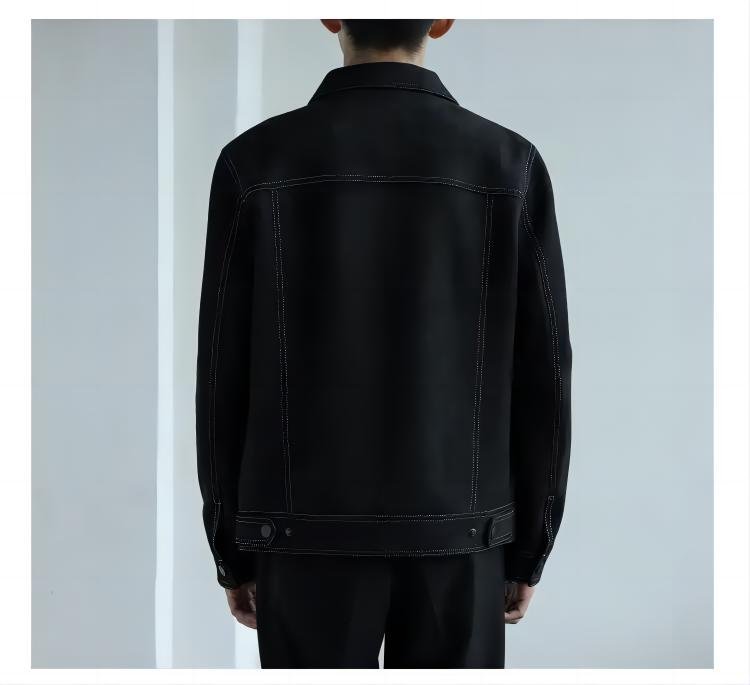
The Perfecto silhouette features asymmetric front zippers, wide lapels, multiple belt closures, and snap-tab collars. Originally designed for motorcycle protection in the 1920s, this style became a cultural icon through films and rock subcultures.
Manufacturing complexity is moderate to high due to diagonal zipper installation, reinforced stress points at shoulders and elbows, and precise lapel construction. Target demographics include heritage streetwear brands, rock-inspired labels, and retailers serving customers aged 25–45 who value authenticity and timeless rebellion.
Café Racer Silhouette
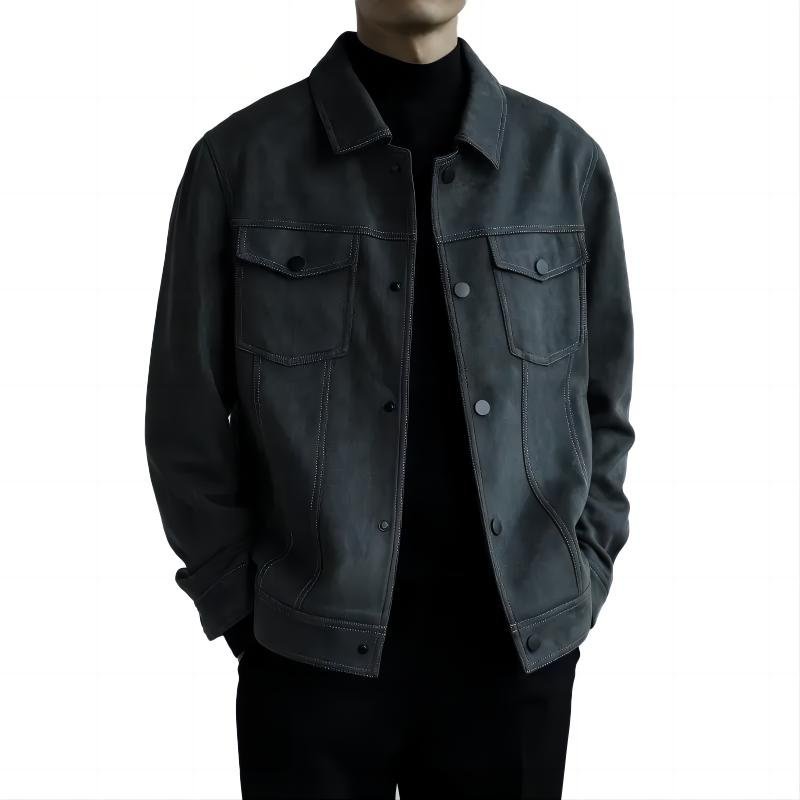
Café racers are distinguished by minimal collar bands, straight front zippers, slim fits, and clean lines without external pockets or heavy hardware. This style emerged from 1960s British motorcycle culture and appeals to minimalist, modern aesthetics.
Production is simpler than Perfecto variants because of fewer hardware components and streamlined pattern pieces. Ideal for fashion startups and independent designers targeting urban professionals and younger consumers who prefer understated, versatile outerwear that transitions from casual to smart-casual contexts.
Oversized Streetwear Fit
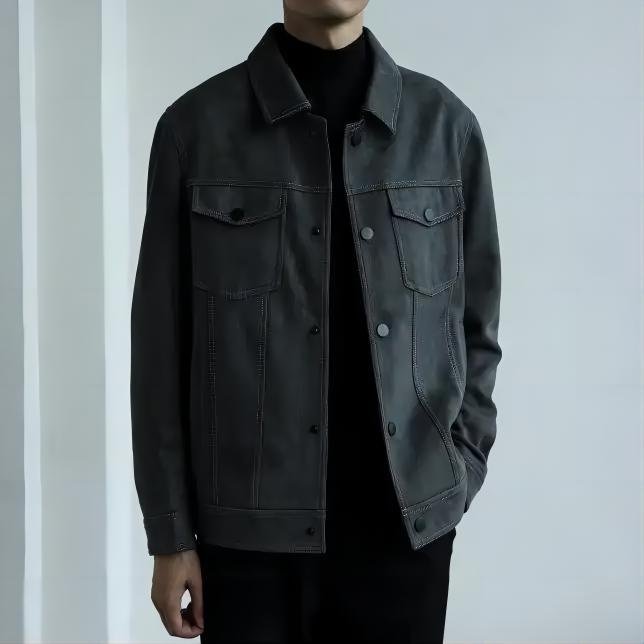
Oversized biker jackets reinterpret moto details with dropped shoulders, extended sleeves, boxy torsos, and exaggerated proportions that align with contemporary streetwear trends. These designs often incorporate bold graphics, oversized hardware, and layered construction.
Manufacturing requires adjusted grading and pattern blocks to maintain balance in oversized silhouettes while preserving functional zipper and pocket placements. This style targets influencer brands, Gen Z and millennial audiences, and labels emphasizing individuality and trend-forward positioning in competitive streetwear markets.
Women’s Cropped Versions
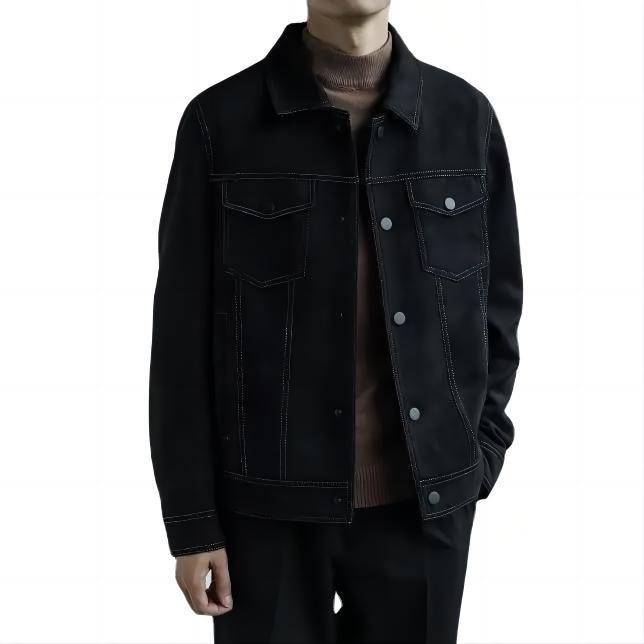
Cropped biker jackets for women feature shorter body lengths ending at the natural waist or above, fitted sleeves, and tailored side seams that create a feminine silhouette while retaining classic moto hardware and zippers.
Production complexity is similar to men’s styles but demands precise fit adjustments and smaller sizing scales. Target demographics include fashion-forward women’s brands, boutique retailers, and direct-to-consumer labels serving customers seeking edgy yet flattering outerwear that pairs with high-waisted bottoms and dresses.
4. Leather Types and Material Specifications
Material choice determines durability, hand-feel, price point, and brand positioning for every biker leather jacket. A biker leather jacket manufacturer must balance weight, tanning method, finish, and cost to meet diverse customer requirements across streetwear labels, independent designers, and global retailers.
| Leather Type | Weight (oz/sq ft) | Durability | Price Tier | Best Use Case |
|---|---|---|---|---|
| Cowhide | 2.5–4.0 | Excellent | Mid-High | Classic biker jackets, heavy-duty streetwear |
| Lambskin | 1.5–2.5 | Moderate | High | Premium fashion pieces, lightweight designs |
| Goatskin | 2.0–3.0 | Very Good | Mid | Versatile jackets, balanced weight and durability |
| Buffalo | 3.0–4.5 | Excellent | Mid | Rugged styles, high-abrasion applications |
| Vegan (PU/PVC) | 1.5–2.5 | Low-Moderate | Low-Mid | Fast-fashion brands, ethical collections |
5. Customization and Branding Options for Biker Leather Jackets
Biker leather jackets offer extensive customization opportunities that define brand identity and differentiate collections in a crowded streetwear market. Hardware, lining, and decoration choices directly impact both production cost and minimum order quantities, requiring careful planning during the design phase.
| Technique | Durability | Cost per Unit | Minimum Order |
|---|---|---|---|
| Embroidery | Excellent (10+ years) | $1.50–5.00 | 50–100 units |
| Screen Printing | Good (3–5 years) | $0.80–2.50 | 100–200 units |
| Laser Engraving | Permanent | $2.00–6.00 | 50 units |
| Woven Patches | Excellent (8+ years) | $0.50–2.00 | 100–300 pieces |
Hardware Selection: Zippers, Snaps, and Buckles
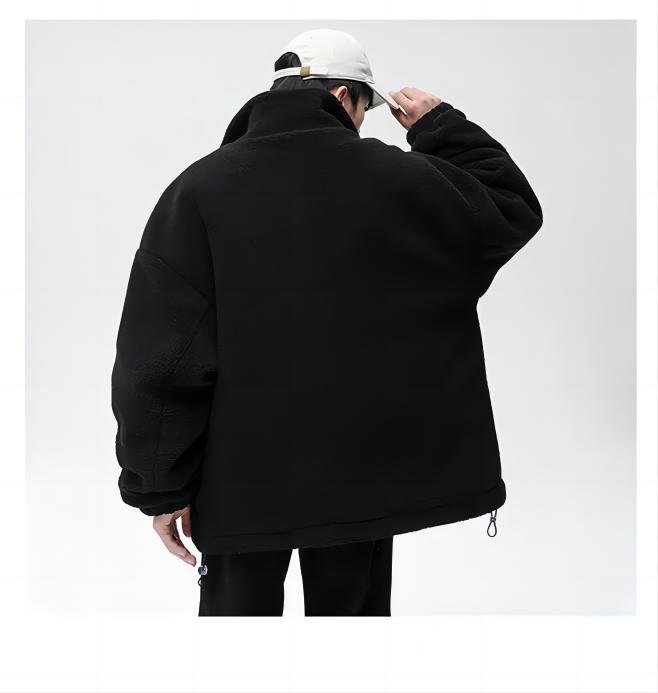
YKK zippers remain the industry standard for biker leather jackets, offering proven durability and smooth operation at moderate cost. Custom-branded zippers and metal pullers typically require 500–1,000 unit minimums and add $2–5 per jacket, while standard YKK options start at $0.80–1.50.
Snaps and buckles range from generic nickel-plated hardware ($0.30–0.60 per set) to custom-engraved or antique-finish options ($1.50–3.00 per set) with 300–500 piece minimums. Clothing Manufacturer Ltd. sources hardware that withstands the five-step QC testing process, ensuring closures function correctly through materials QC, cutting QC, craft QC, sewing QC, and final inspection stages.
Lining Fabrics and Branded Details
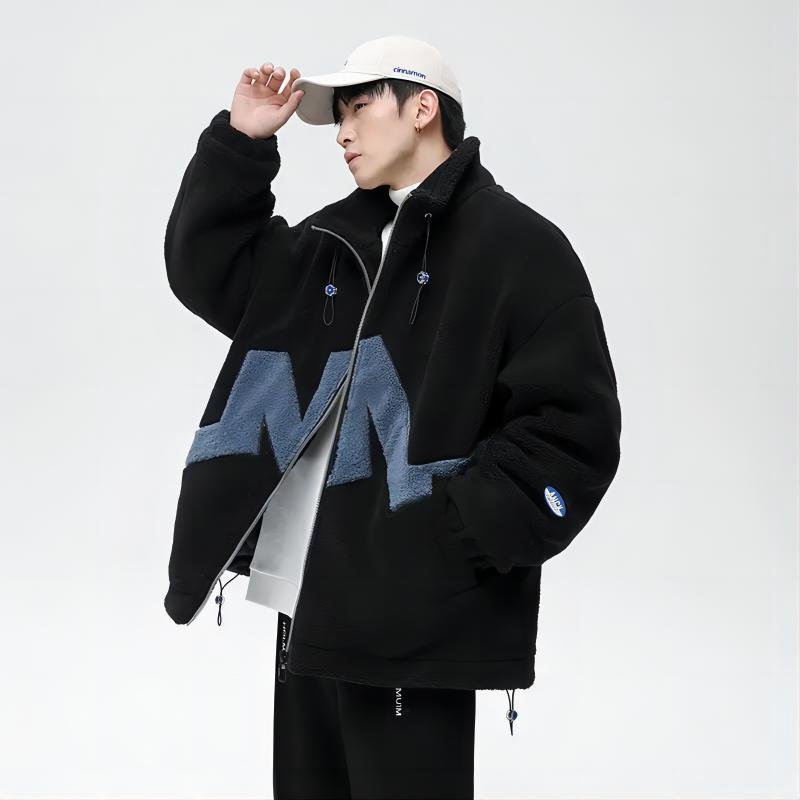
Quilted polyester lining (180–220 GSM) provides warmth and structure at $1.20–2.00 per meter, while satin lining (80–120 GSM) offers a premium hand feel at $0.90–1.50 per meter. Branded jacquard linings with woven logos require 300–500 meter minimums and cost $4–8 per meter, adding significant brand prestige.
Custom colorways in lining fabric expand creative options with no minimum beyond the jacket order itself, allowing startups to differentiate without additional setup investment.
Decoration Techniques and MOQ Trade-offs
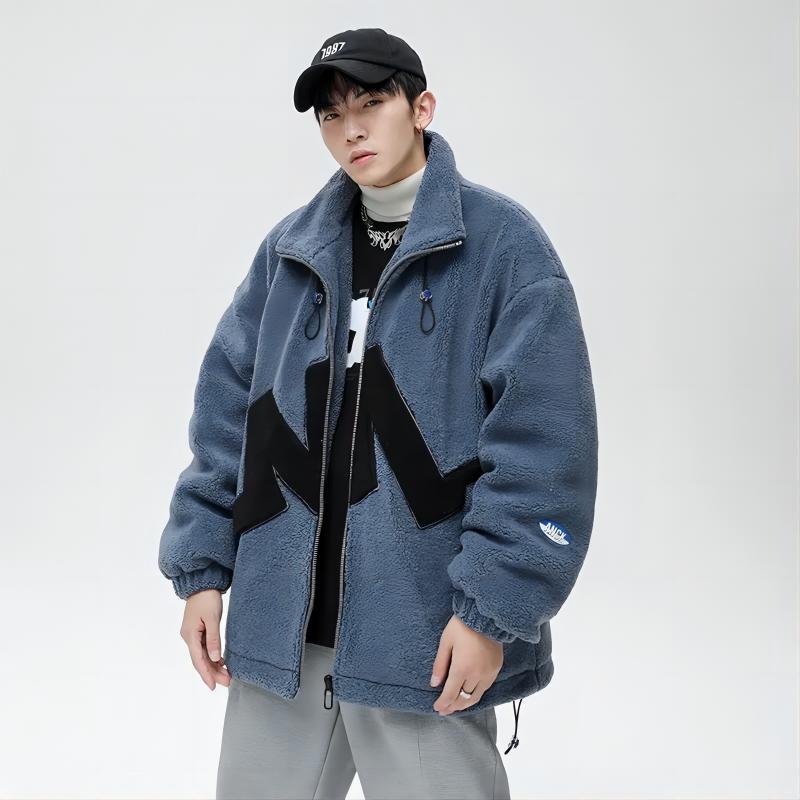
Embroidery delivers exceptional durability for logos and patches, with setup costs of $15–40 per design and per-piece costs of $1.50–5.00 depending on stitch count. Screen printing suits larger graphics at $0.80–2.50 per print with $50–100 screen fees, while laser engraving on leather creates permanent, subtle branding at $2–6 per jacket with minimal setup.
Patches (woven or embroidered) require 100–300 piece minimums at $0.50–2.00 each, offering modular branding flexibility across multiple jacket styles.
6. Key Quality Indicators When Evaluating a Biker Leather Jacket Manufacturer
Quality indicators separate manufacturers who ship defective garments from those who embed testing at every production stage. A biker leather jacket manufacturer must demonstrate mastery of construction details, verifiable inspection protocols, and third-party certifications before you commit to production.
Critical Construction Details
Double-needle lockstitch at 10–12 stitches per inch ensures seam strength under stress, while single-needle topstitching fails at elbows and shoulders within months. Reinforced stress points — armholes, shoulder seams, elbow patches — require bar-tack or triple-stitch anchoring to prevent tearing.
Lining attachment must use lockstitch rather than chain stitch, which unravels if one thread breaks. Hardware anchoring (zipper tape, snap rivets) demands backing patches or interfacing to distribute load across leather grain. Edge finishing (skiving, burnishing, or binding) prevents raw edges from fraying and signals attention to detail.
- Lockstitch density: 10–12 SPI for main seams, 6–8 SPI for topstitching
- Bar-tack reinforcement at pocket corners, zipper ends, and belt loops
- Lining lockstitch with seam allowance ≥ 1 cm to prevent pull-out
Inspection Checkpoints and Sample Audits
Seam strength testing pulls seams at 20–30 lbs to verify thread tension and stitch integrity. Leather grain consistency across panels confirms matching dye lots and uniform thickness (1.0–1.2 mm for fashion biker jackets, 1.2–1.4 mm for moto-grade).
Zipper pull tests cycle YKK or equivalent hardware 500+ times to ensure smooth operation and slider retention. Sample audits should include measuring stitch density with a gauge, checking lining attachment by tugging sleeve hems, and inspecting edge finishing under magnification.
Certifications and Compliance Standards
ISO 9001 certification indicates documented quality management systems, while REACH compliance confirms restricted substances (chromium VI, azo dyes) stay below EU limits. Leather Working Group (LWG) Gold or Silver ratings verify tannery environmental and traceability standards.
Clothing Manufacturer Ltd. implements a five-step QC methodology — materials testing, cutting inspection, craft verification, sewing checks, and finished-product audit — introduced February 12, 2025, to catch defects before ironing and packing. Manufacturers who skip in-process testing and inspect only finished goods ship higher defect rates and incur costly chargebacks.
7. How to Choose the Right Biker Leather Jacket Manufacturer
Selecting a biker leather jacket manufacturer requires a systematic evaluation framework that balances quality, capacity, and compliance. The following criteria form a practical scorecard for vetting suppliers and ensuring alignment with your brand’s standards and growth trajectory.
Verify Leather Sourcing and Traceability
Request documentation for hide origin, tanning processes, and chemical compliance certificates such as REACH or California Prop 65. Reputable manufacturers maintain full traceability from tannery to finished garment.
Clothing Manufacturer Ltd. implements materials QC testing as the first stage of its five-step quality control process, verifying leather grade and finish before cutting begins. This upstream check prevents defects from propagating through production.
Assess Production Capacity and Lead Times
Confirm monthly output volume, current order backlog, and typical turnaround for sampling (7–14 days) versus bulk production (30–60 days for leather jackets). Manufacturers with in-house cutting and sewing lines offer faster iteration than those relying on subcontractors.
Evaluate whether the factory can scale with your brand—startups may need 50–200 units initially but require assurance the supplier handles reorders of 500–2,000 pieces as demand grows.
Review Portfolio, References, and Compliance
Examine past work for brands in your category, requesting client references and photos of finished jackets with visible hardware and stitching detail. Check certifications for ethical labor (WRAP, BSCI) and environmental standards (ISO 14001).
Clothing Manufacturer Ltd. has served customers across more than 100 countries since 2024, offering portfolio review and transparent communication on compliance documentation. Verify the manufacturer’s revision policy—leading suppliers allow 1–2 rounds of sample adjustments before bulk production.
8. Common Mistakes When Sourcing From a Biker Leather Jacket Manufacturer
Sourcing from a biker leather jacket manufacturer requires attention to technical details that many brands overlook. Avoiding these common pitfalls ensures your finished product meets quality standards and market expectations.
Choosing Price Over Quality
Brands often select manufacturers based solely on the lowest unit cost, ignoring leather grade and construction standards. A jacket priced at $45 using bonded leather will fail within months, damaging brand reputation far more than the $15 saved per unit.
Request detailed material specifications including leather thickness (1.0–1.2 mm for premium biker jackets) and tanning method. Clothing Manufacturer Ltd.’s five-step QC process catches substandard materials at the first inspection stage, preventing cost overruns from rework.
Skipping Physical Samples and Ignoring Leather Grades
Digital mockups cannot reveal leather hand-feel, grain consistency, or hardware weight. Brands that approve production from photos alone frequently receive jackets with plastic-coated split leather instead of full-grain hides.
Always order pre-production samples and specify leather grade in writing: full-grain, top-grain, or genuine leather. Verify thickness with a caliper and check for uniform dyeing under natural light.
Underestimating Lead Times and Neglecting Hardware Quality
Vegetable-tanned leather requires 4–6 weeks curing before cutting; chrome-tanned needs 2–3 weeks. Brands that ignore these timelines face delayed launches or receive improperly cured hides that crack prematurely.
Hardware failures—broken zippers, tarnished snaps—account for 30% of customer returns. Specify YKK metal zippers, nickel-free buckles, and rust-resistant rivets in your technical pack, and include hardware testing in your QC checklist.
9. Steps to Launch Your Biker Leather Jacket Brand
Launching a biker leather jacket brand requires a structured workflow from concept to consumer. Most brands require 90–180 days from initial research to first shipment, depending on customization complexity and sample revision cycles.
Market Research and Niche Definition
Define your target customer segment — streetwear enthusiasts, motorcycle riders, or fashion-forward urban consumers — and analyze competitor pricing, silhouettes, and branding. Identify gaps in color palettes, hardware finishes, or fit profiles that differentiate your line.
Allocate 2–3 weeks for this phase, including mood board assembly and initial design sketches that capture your brand’s aesthetic direction.
Tech Pack Creation and Manufacturer RFQ
Develop detailed tech packs specifying leather type (cowhide, lambskin, goatskin), weight (0.9–1.2 mm for jackets), hardware (YKK zippers, snap buttons), lining fabric, and all measurements. Submit RFQs to 3–5 biker leather jacket manufacturer candidates, requesting MOQ, unit cost, sample lead time, and QC protocols.
Vet replies for five-step quality control frameworks and transparent communication; manufacturers offering only end-of-line inspection often ship inconsistent batches.
Sample Approval and Pre-Production Meeting
Order initial samples (typically 1–3 pieces per style) and conduct fit, color, and hardware sign-off within 10–14 days. Schedule a pre-production meeting to confirm leather swatches against Pantone references, verify stitch counts (10–12 per inch for premium finishes), and lock hardware suppliers.
Approve a golden sample that serves as the quality benchmark for bulk production, ensuring all stakeholders sign off before advancing.
Bulk Production, QC, and Logistics
Bulk orders for biker leather jackets require 30–60 days depending on order size and factory capacity. Implement in-line QC checks at cutting, sewing, and finishing stages to catch defects early.
Coordinate sea freight (30–45 days) or air freight (5–7 days) based on budget, and prepare for import duties (typically 16–27% for leather garments into the US). Plan go-to-market campaigns 4–6 weeks before delivery to align inventory arrival with launch momentum.
10. Pricing and Cost Breakdown for Biker Leather Jackets
Biker leather jacket pricing varies by leather grade, hardware quality, and order volume. A 50-unit order of genuine cowhide jackets with standard YKK zippers and polyester lining typically ranges $85–$120 per unit, while premium full-grain leather with custom hardware and quilted satin lining can reach $150–$220 per piece at the same tier. Setup costs for pattern development, grading, and sample production generally fall between $200–$500 per style, absorbed across larger runs but significant for startups testing initial designs.
Leather type drives 40–50% of total manufacturing cost. Genuine cowhide and lambskin occupy the mid-range, while top-grain and full-grain leathers command premiums of 25–40% due to superior durability and finish. Hardware quality—metal zipper grade, snap reinforcement, stud plating—adds $8–$18 per jacket depending on customization level. Lining complexity, from basic taffeta to quilted diamond-stitch satin with inner pockets, contributes $5–$15 per unit.
Labor intensity for biker jackets exceeds standard outerwear by 30–50% due to multiple seam reinforcements, topstitching detail, and hardware installation. A five-step QC process implemented by experienced biker leather jacket manufacturer operations ensures defect rates below 2%, protecting brand reputation but adding 8–12% to base production cost. Lead times compress as volume scales: 50-unit orders require 25–30 days from approval, while 1,000+ unit runs achieve per-unit efficiency in 35–45 days including all quality checkpoints.
| Quantity Tier | Price per Unit (USD) | Setup Cost | Lead Time |
|---|---|---|---|
| 50–99 units | $85–$120 (standard) / $150–$220 (premium) | $200–$500 | 25–30 days |
| 100–299 units | $75–$105 (standard) / $130–$190 (premium) | $200–$500 | 28–35 days |
| 300–499 units | $68–$95 (standard) / $115–$170 (premium) | Negotiable | 30–38 days |
| 500–999 units | $62–$85 (standard) / $105–$155 (premium) | Waived | 32–40 days |
| 1,000+ units | $55–$75 (standard) / $95–$140 (premium) | Waived | 35–45 days |
Partner With a Trusted Biker Leather Jacket Manufacturer
50-piece MOQ, 5-step QC guarantee, and premium craftsmanship. Launch your collection with a manufacturer who delivers quality, every time.