
Wholesale Jeans with 5-Step QC Guarantee
Source premium wholesale jeans for your streetwear brand with rigorous quality control at every production stage, low MOQs, and fast turnaround for seasonal collections.
Wholesale Jeans Collection Showcase
Why Choose Our Wholesale Jeans
5-Step QC Guarantee
Every wholesale jeans order undergoes rigorous quality testing at materials, cutting, craft, sewing, and finished product stages—zero defects shipped.
Low MOQ: 50 Pieces
Launch your jeans line without massive inventory risk. Perfect for fashion startups, independent designers, and emerging streetwear brands testing new styles.
Fast Sampling in 7–10 Days
Get your wholesale jeans samples quickly to meet seasonal deadlines. Our in-house team accelerates development without sacrificing craftsmanship or detail.
In-House Streetwear Design Team
15-member R&D team with 6+ years streetwear expertise. We bring trend-driven washes, cuts, and detailing that resonate with your audience.
Premium Denim & Hardware
Source the best fabrics and hardware for wholesale jeans—stretch selvedge, raw denim, Japanese twill—with full transparency on materials and durability.
Global Shipping & Logistics
Serving 100+ countries with reliable customs, documentation, and on-time delivery. Your wholesale jeans reach you safely, wherever you are.
Wholesale Jeans Categories & Styles
From skinny to baggy, distressed to cargo—explore our complete range of wholesale jeans styles crafted for streetwear brands, independent designers, and global retailers. Every silhouette is backed by our 5-step QC guarantee.
Skinny & Slim Fit Jeans
Skinny jeans demand precise grading and stretch retention to maintain a flattering, body-hugging silhouette across all sizes without losing shape after wear.
We deliver consistent stretch performance and size accuracy through cutting QC testing and sewing production QC, ensuring every pair fits true to spec from XS to XXL.
Baggy & Oversized Jeans
Baggy jeans require perfect proportions and structured fabric to achieve the on-trend relaxed look without appearing sloppy or losing their intended streetwear aesthetic.
Our R&D team engineers balanced silhouettes with premium denim that holds shape, validated at every production stage to deliver the authentic oversized vibe your customers expect.
Cargo & Utility Jeans
Cargo jeans with multiple pockets and hardware demand meticulous pocket placement, reinforced stitching, and durable construction to withstand daily wear while maintaining clean lines.
We apply clothing craft QC testing to every pocket, rivet, and seam, producing cargo wholesale jeans that combine rugged functionality with trend-driven design for streetwear collections.
Distressed & Ripped Jeans
Distressed finishes need controlled fraying and strategic rips that look intentional and authentic, not cheap or prone to unraveling after the first wash cycle.
Our finishing techniques and finished clothing quality QC inspection guarantee distressed wholesale jeans with durable, professionally executed details that elevate your brand's streetwear credibility.
High-Rise & Mid-Rise Jeans
Rise variations must align with current fashion trends and fit comfortably across diverse body types, requiring expert pattern development and precise waistband construction to avoid gaping or discomfort.
Leveraging our in-house design team and materials QC testing, we produce high-rise and mid-rise wholesale jeans with perfect waistband fit and on-trend proportions for every collection.
Premium Denim Fabrics for Wholesale Jeans
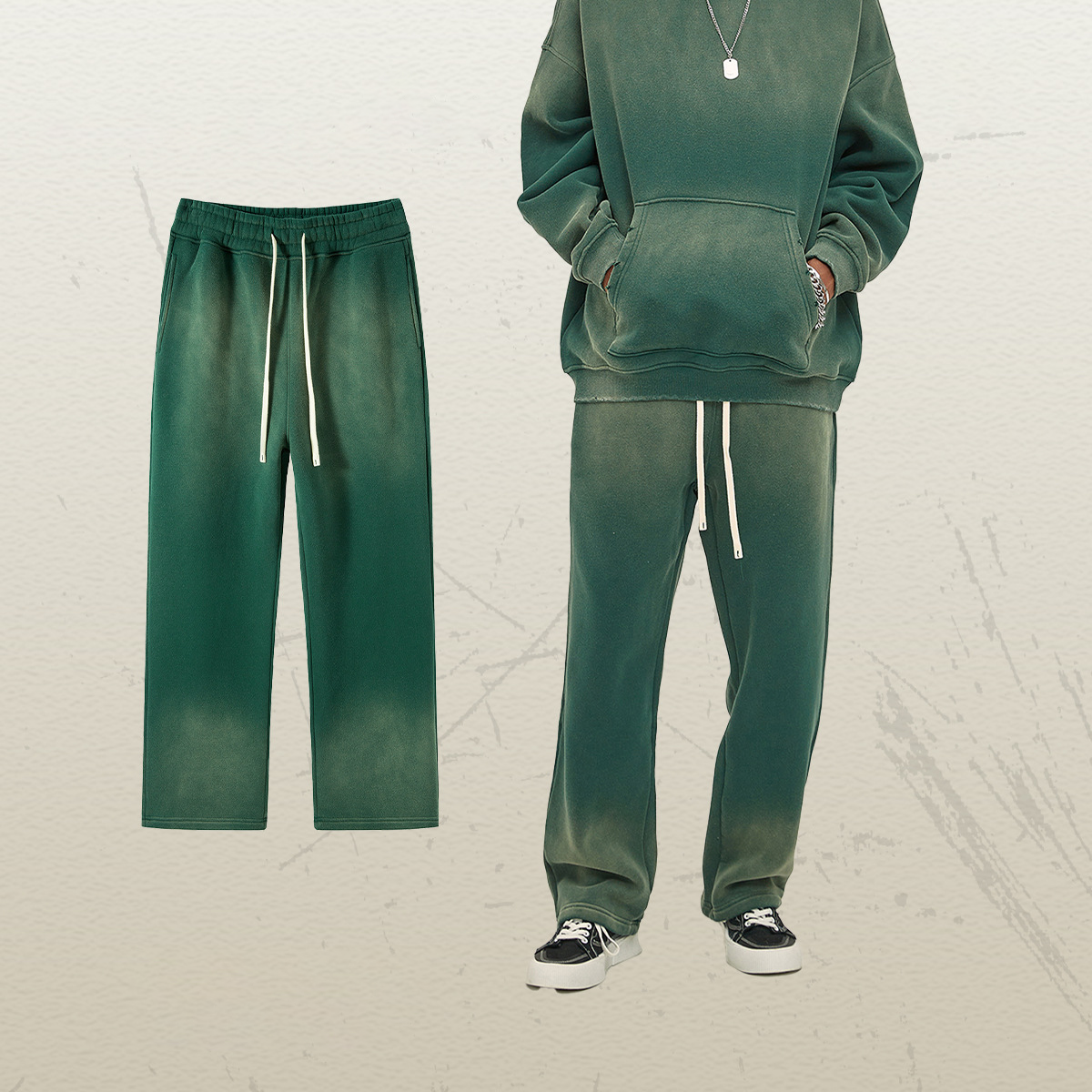
12oz Raw Denim
Classic rigid denim with authentic dry hand-feel, ideal for vintage-inspired streetwear jeans. 100% cotton construction offers natural breathability and develops unique fading patterns over time. Weight: 12 ounces per square yard.
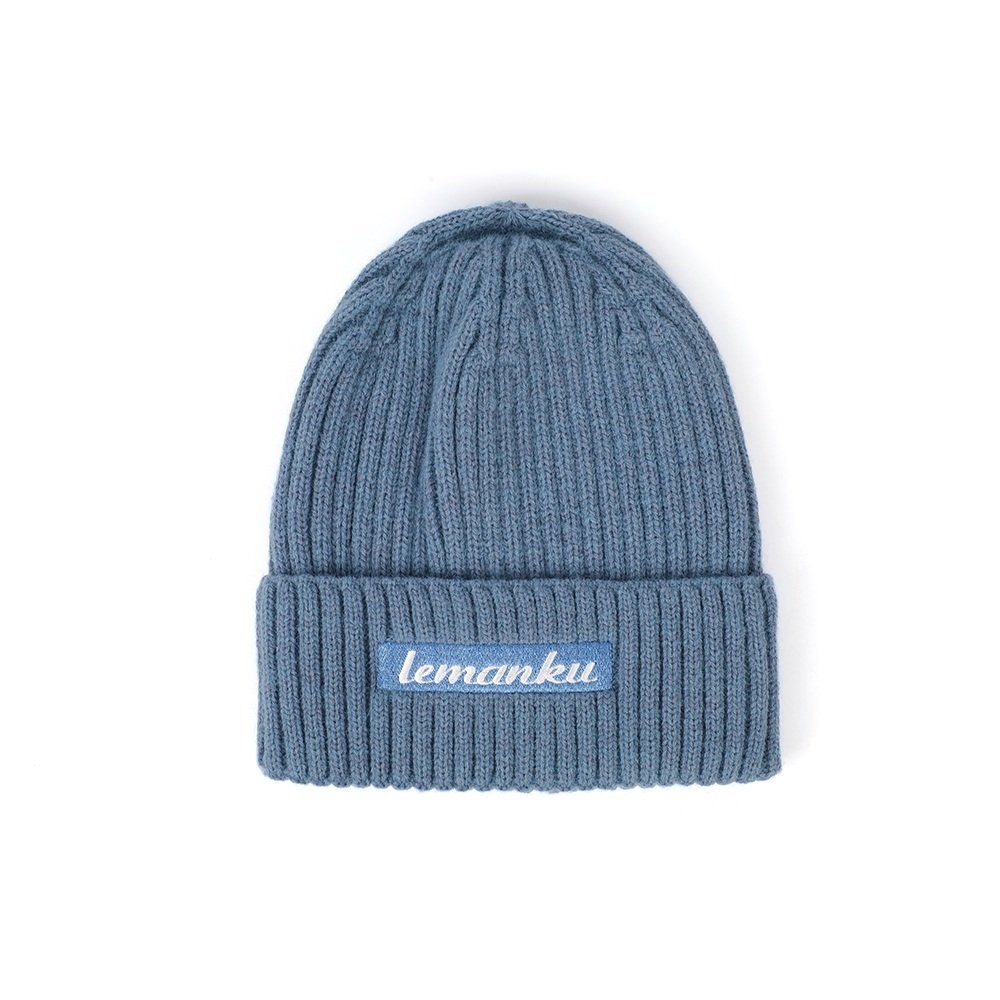
14oz Stretch Denim
Heavyweight denim blended with 2% elastane for comfortable stretch and shape retention. Perfect for modern slim-fit and skinny wholesale jeans that require mobility without sacrificing structure. Excellent recovery after wear.
Organic Cotton Denim
Sustainably sourced organic cotton denim with soft hand-feel and eco-friendly production standards. Ideal for brands prioritizing environmental responsibility while maintaining premium quality. GOTS-certified materials available upon request.
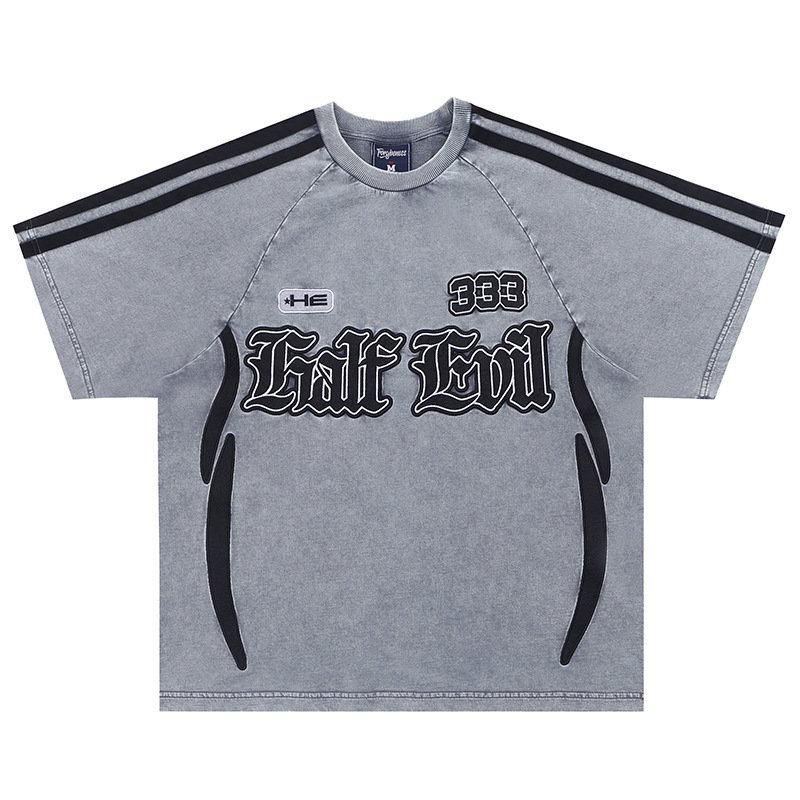
Recycled Denim Blend
Innovative fabric combining recycled cotton fibers with virgin denim for sustainable streetwear collections. Reduces environmental impact while delivering authentic denim texture and durability. Contains minimum 20% post-consumer recycled content.
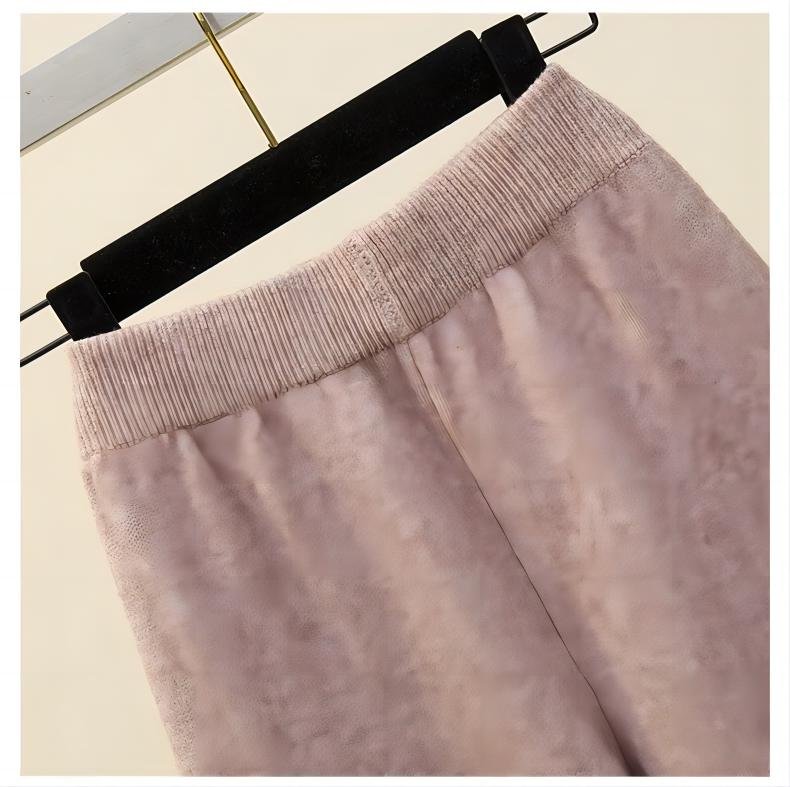
Slub Denim
Textured denim featuring intentional yarn irregularities that create distinctive visual depth and character. Popular for premium streetwear lines seeking unique aesthetic appeal. Adds artisanal quality to finished wholesale jeans.
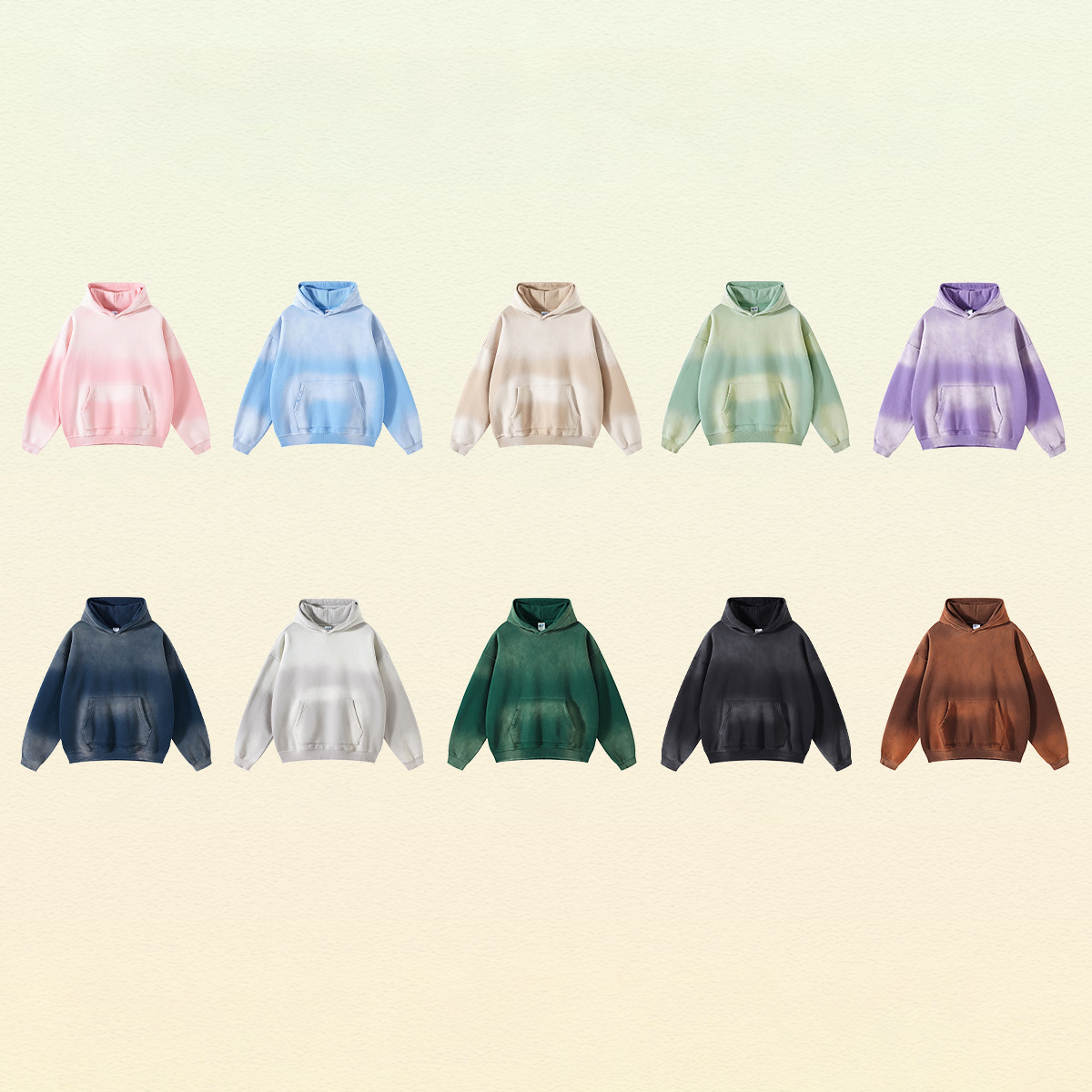
Japanese Selvedge Denim
Premium shuttle-loom denim with self-finished edges and superior durability. Coveted by high-end streetwear brands for its tight weave, rich indigo color, and exceptional aging characteristics. Weight range: 13-16oz available.
Wholesale Jeans Production Techniques
Stone Washing
Tumbling denim with pumice stones creates a soft, lived-in texture and faded appearance. This classic technique delivers authentic vintage aesthetics with enhanced comfort and reduced shrinkage for wholesale jeans that feel broken-in from day one.
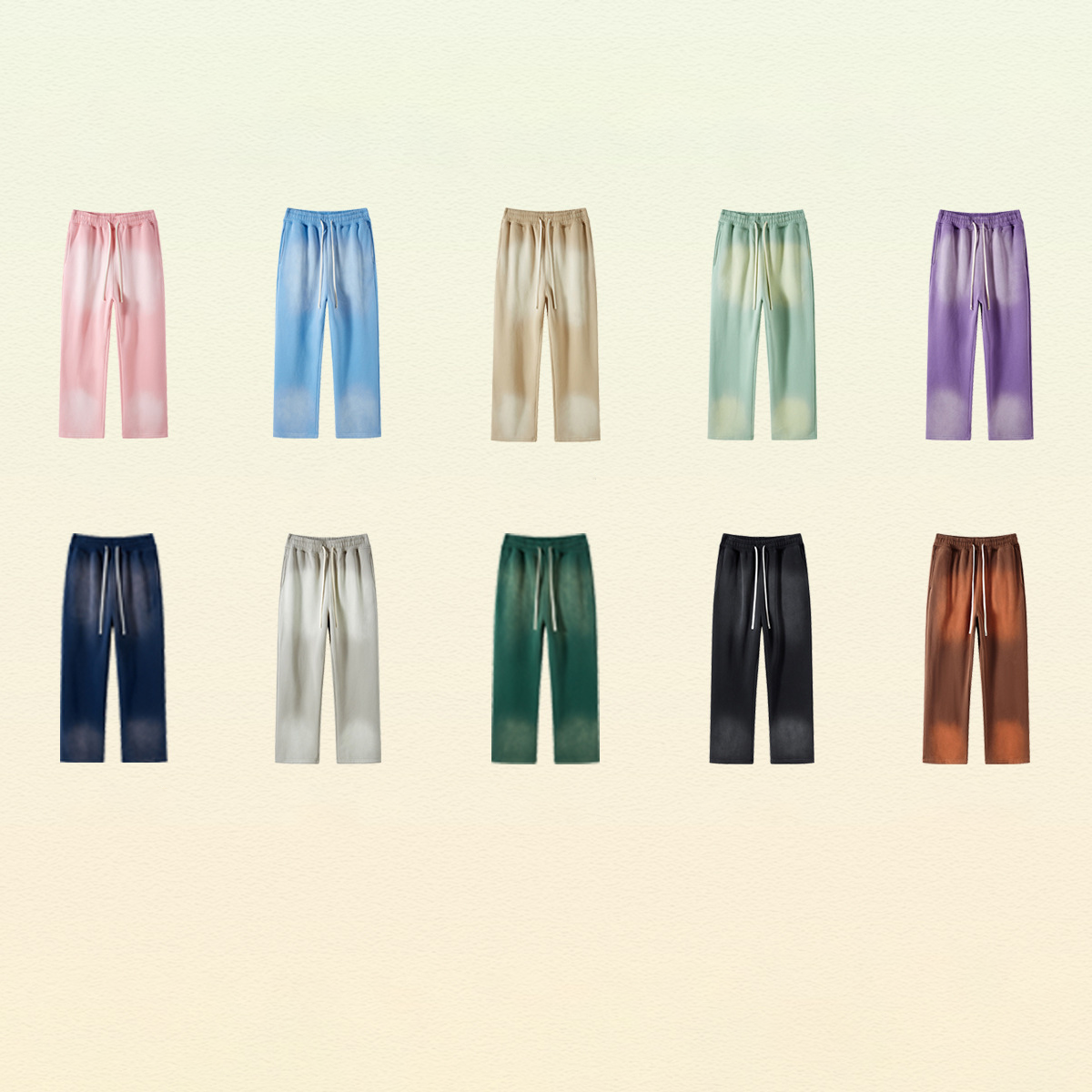
Acid Washing
Chlorine-based treatment produces dramatic marbled patterns and high-contrast fading that define bold streetwear styles. Perfect for wholesale jeans targeting trend-conscious customers who want standout, eye-catching denim with a rebellious edge.
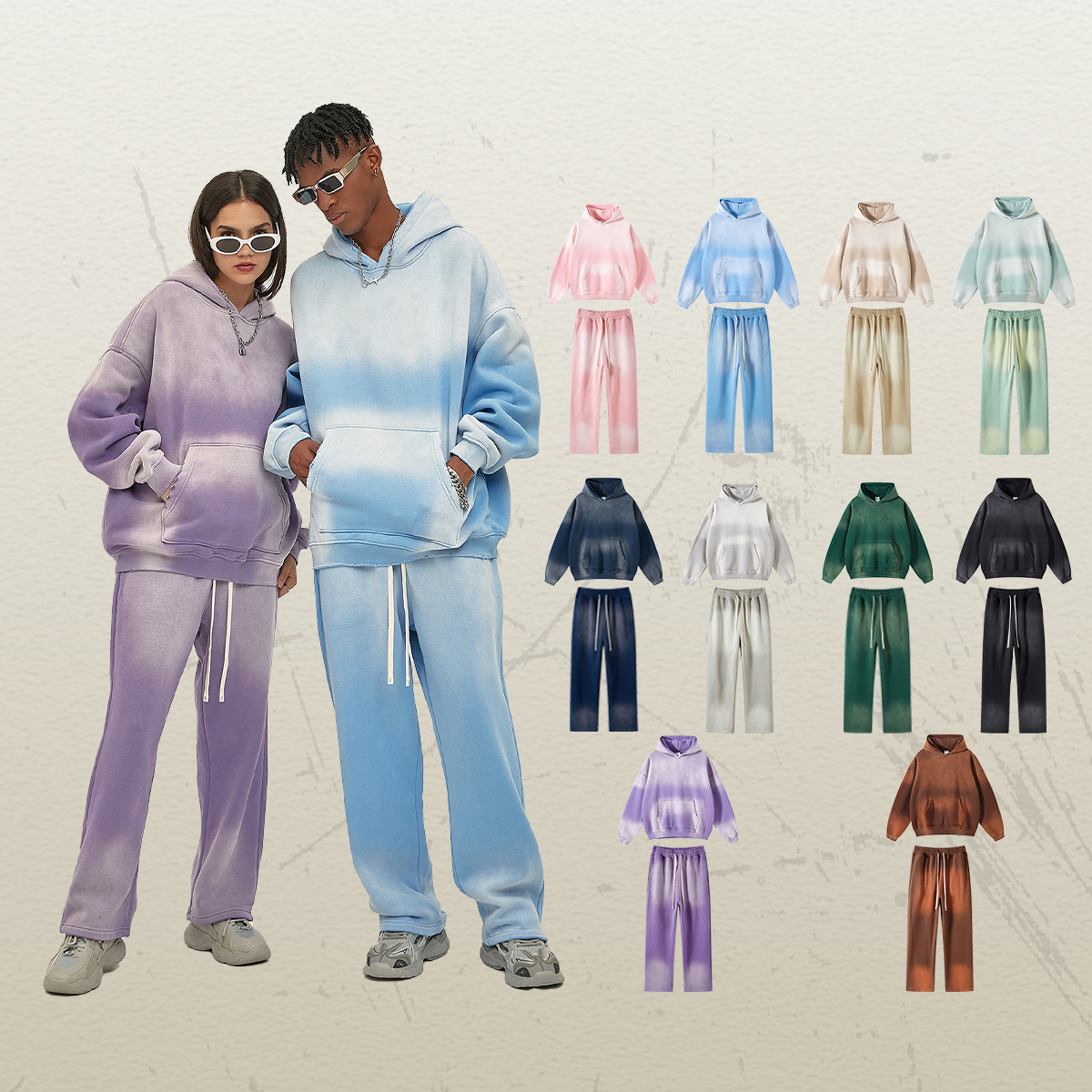
Distressing & Ripping
Precision hand-sanding, whiskering, and controlled tearing create authentic worn details and edgy character. Our artisans craft each distressed element to ensure wholesale jeans maintain structural integrity while delivering the deconstructed aesthetic streetwear brands demand.
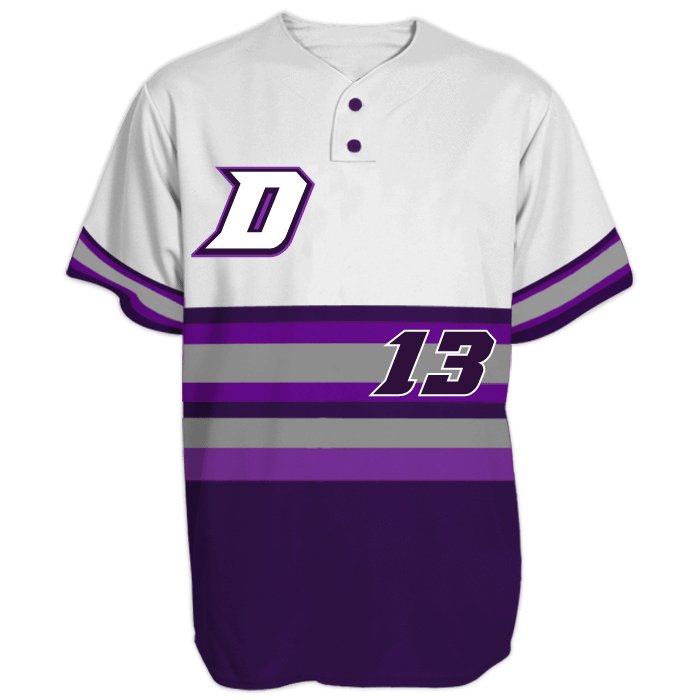
Custom Embroidery
High-density thread work adds logos, graphics, and intricate designs directly into denim fabric. Embroidered details elevate wholesale jeans with premium branding that withstands repeated washing, offering superior durability compared to printed alternatives.
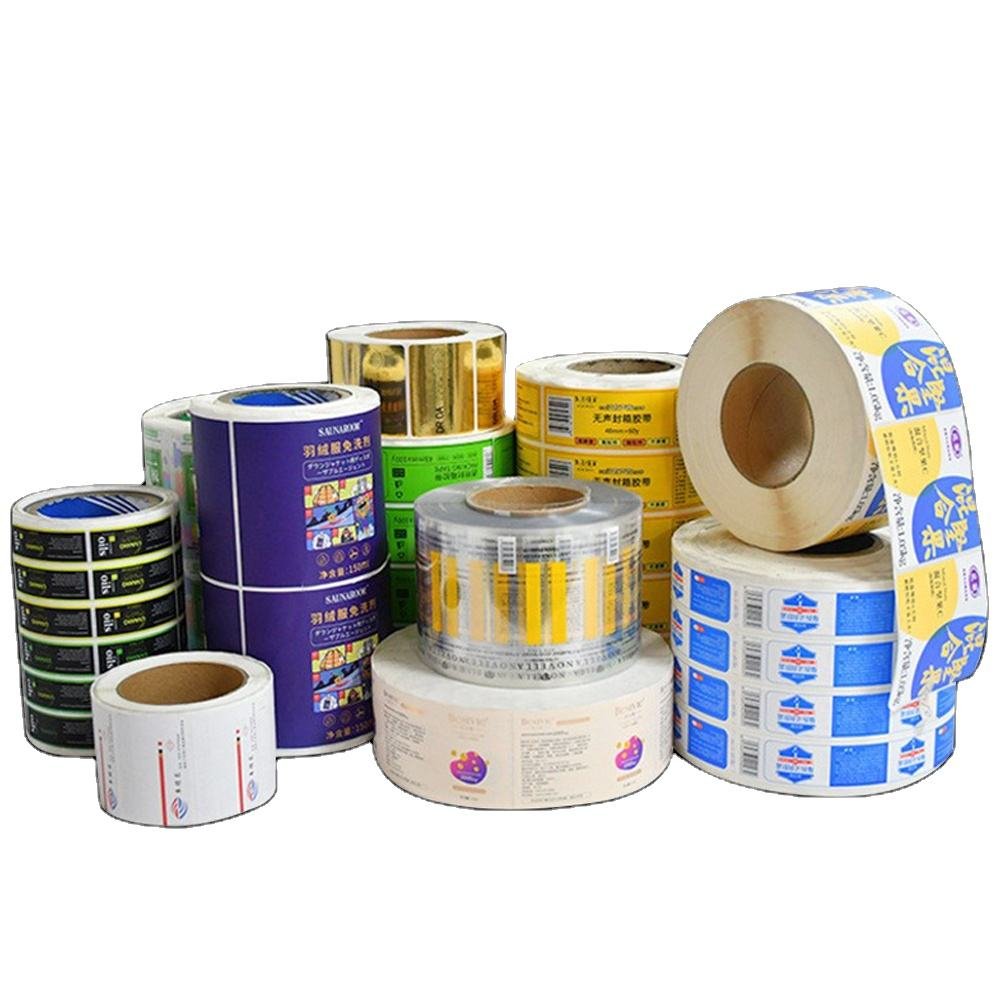
Screen Printing
Vibrant ink application creates bold graphics, patterns, and artwork on denim surfaces. Ideal for wholesale jeans featuring large-scale designs, this process delivers sharp color saturation and excellent wash-fastness when paired with our quality control standards.
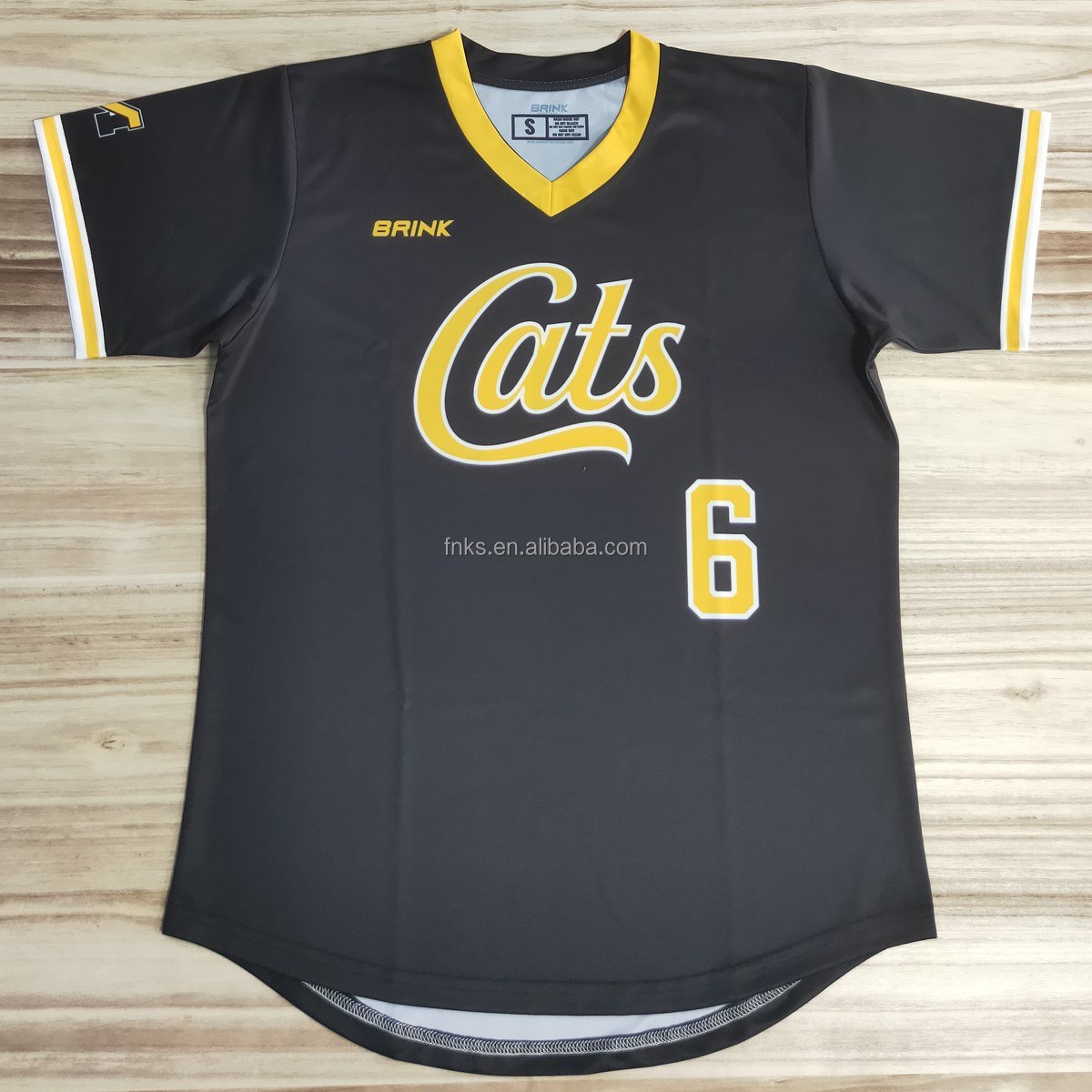
Hardware Attachment
Precision installation of custom buttons, rivets, zippers, and metal accents that define your brand identity. Our hardware application process ensures every component on your wholesale jeans is securely fastened and aligned, passing our rigorous quality inspections.
Wholesale Jeans Hardware & Accessories
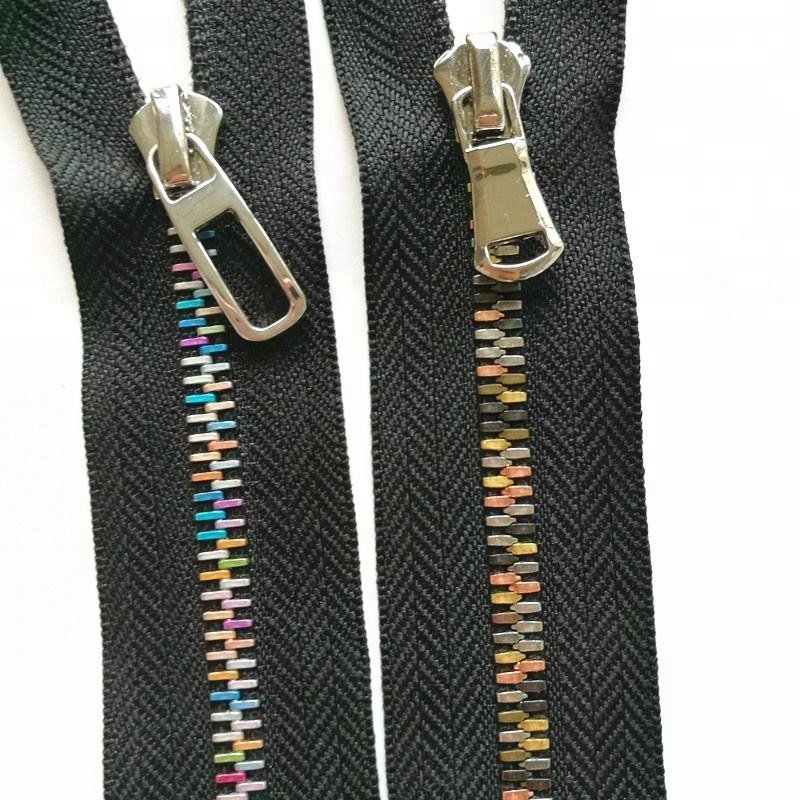
YKK Zippers
Industry-leading YKK metal and coil zippers for fly closures and pocket details. Smooth operation, superior durability, and consistent quality across every wholesale jeans order. Available in antique brass, gunmetal, and custom finishes.
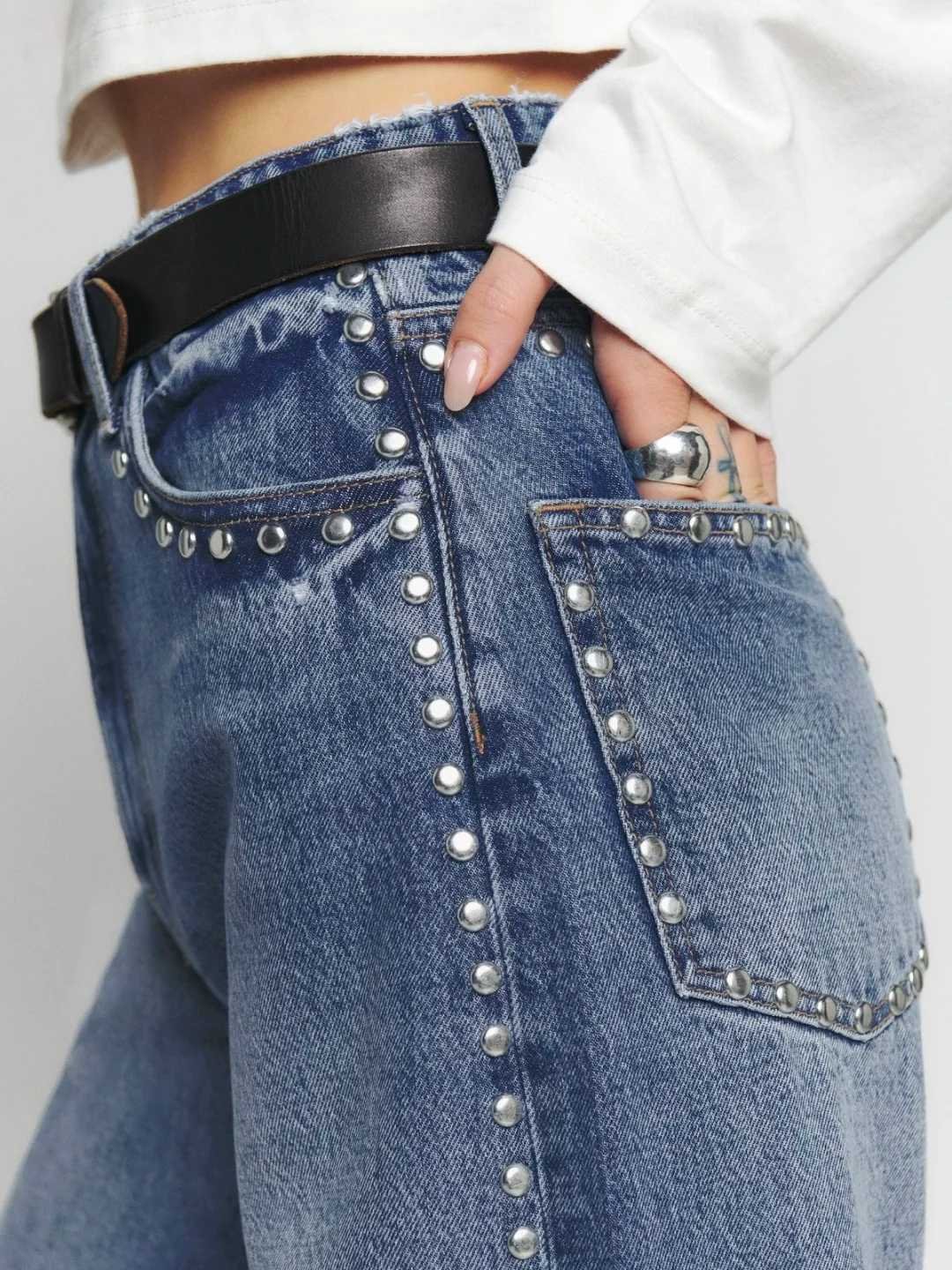
Custom Rivets
Branded metal rivets and studs for pocket corners, belt loops, and decorative accents. Laser-engraved with your logo or design. Essential reinforcement hardware that adds authentic denim character to streetwear jeans collections.
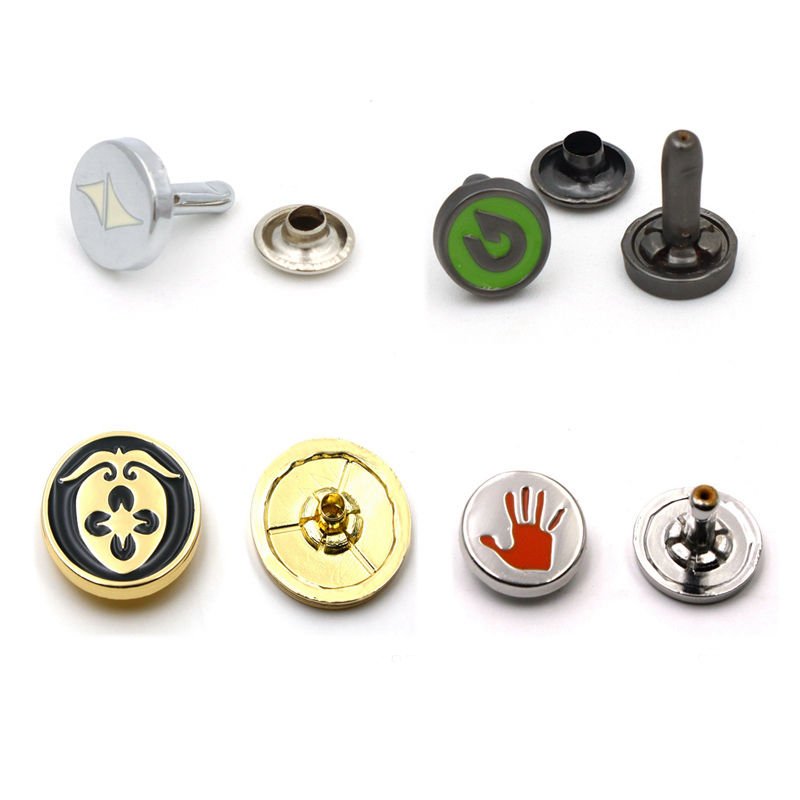
Shank Buttons
Heavy-duty metal shank buttons and tack buttons for waistband closures. Available in brushed nickel, oxidized copper, matte black, and custom-engraved finishes. Tested for pull strength and corrosion resistance in our QC process.
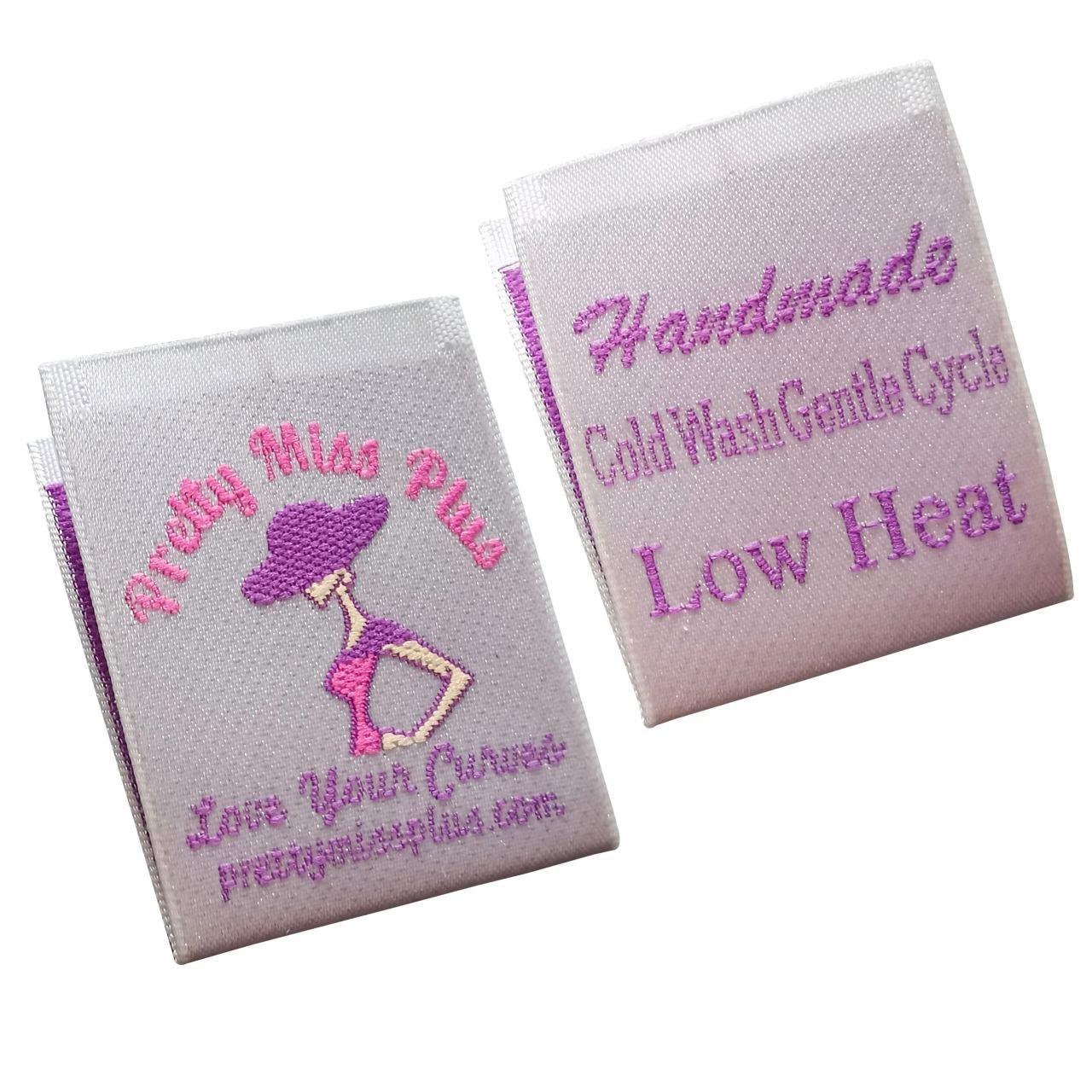
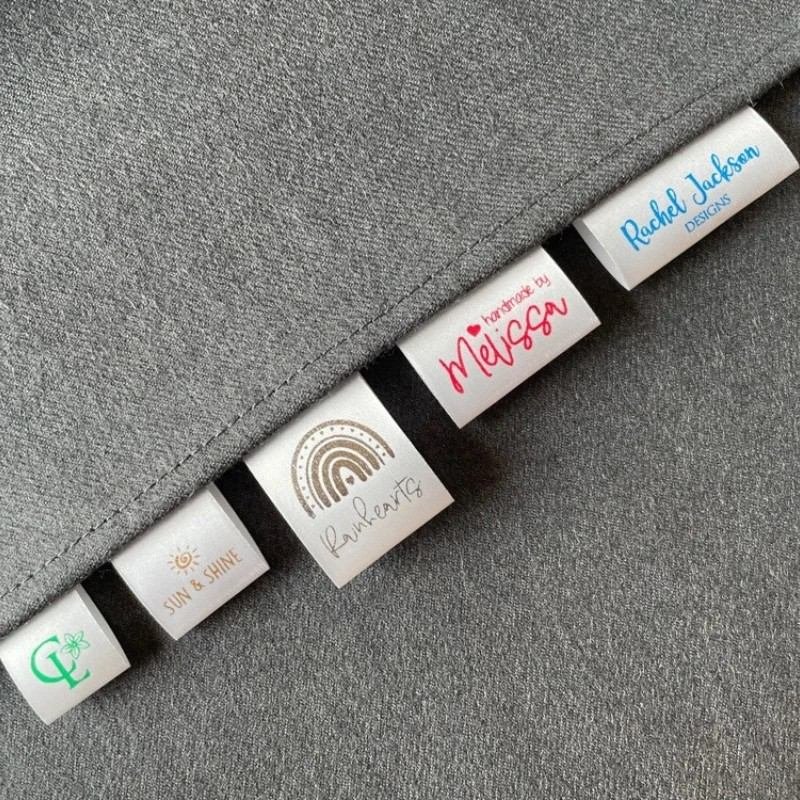
Woven Labels
High-density woven brand labels for waistband, pocket, and outseam placement. Fade-resistant thread, soft backing, ultrasonic or folded edges. Perfect for building brand identity on wholesale jeans with professional finishing.
Leather Patches
Genuine or vegan leather back-waist patches with debossed, embossed, or printed branding. Classic denim detail that elevates perceived value. Available in multiple leather grades, colors, and custom shapes for unique streetwear aesthetics.
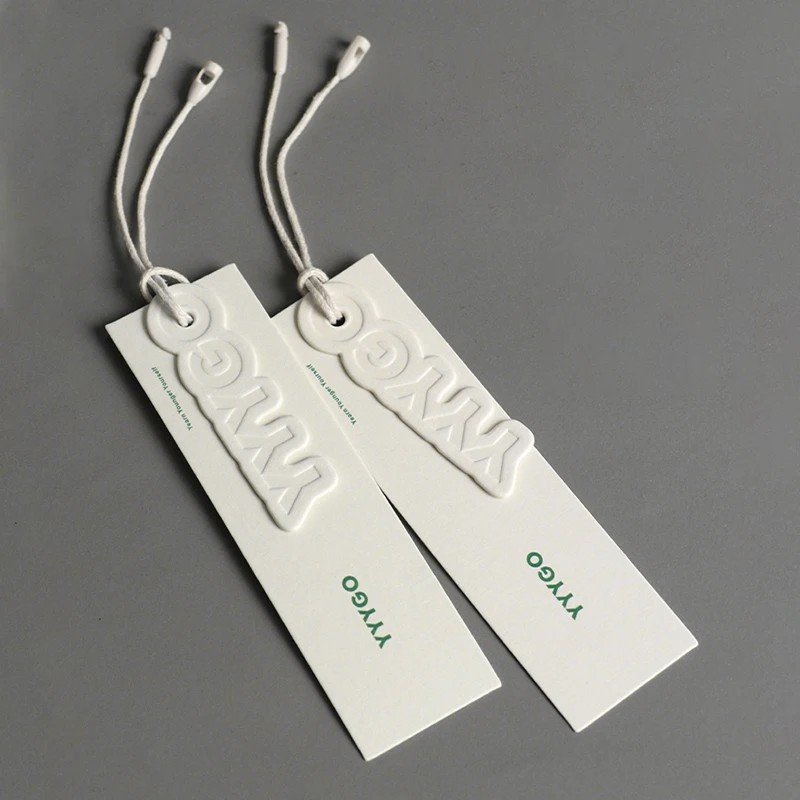
Custom Hangtags
Branded hangtags and swing tags in premium cardstock, recycled kraft, or specialty materials. Printed with your logo, care instructions, and storytelling. Reinforced eyelets and custom string colors complete the unboxing experience.
About Clothing Manufacturer Ltd.
Founded in 2024 by Tesla Luo, Clothing Manufacturer Ltd. brings over 10 years of garment production expertise and 6 years of specialized streetwear experience to wholesale jeans manufacturing. Raised in China’s apparel heartland and trained across every production role from cutting to quality control, Tesla witnessed too many manufacturers skip critical testing steps. He launched our company to restore trust in Chinese garment production through rigorous, quality-first practices.
Today we serve fashion startups, streetwear brands, and global retailers across 100+ countries with premium wholesale jeans backed by our proprietary 5-step QC guarantee. Our 15-person R&D team and 10 patents enable us to deliver trend-driven denim designs with low MOQs, fast turnaround, and zero-compromise quality standards that eliminate defects before they reach your customers.
Unlike faceless contract manufacturers, we partner with brands at every growth stage, combining the agility of a streetwear specialist with the production capacity of our parent company, Dongguan TuoZhen Clothing Co., Ltd. Every pair of wholesale jeans we produce reflects our founder’s commitment to hard work, trustworthiness, and the belief that quality control must be embedded at every stage, not treated as an afterthought.
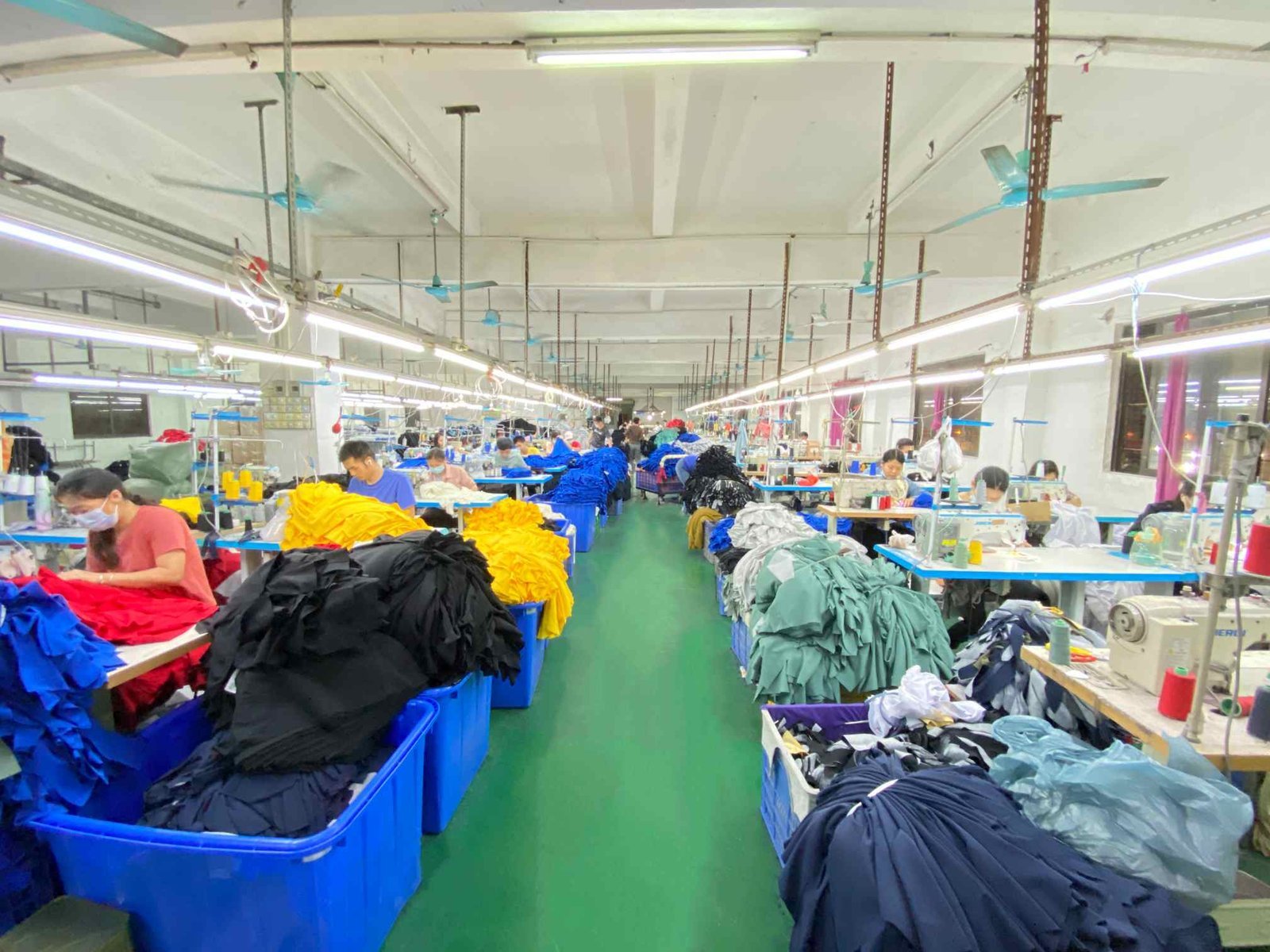
5-Step Quality Control for Wholesale Jeans
Materials QC Testing Before Production
Every denim roll is inspected for weight consistency, colorfastness, stretch recovery, and surface defects before cutting begins. This first checkpoint prevents fabric flaws from reaching your finished wholesale jeans, saving you costly returns and protecting your brand reputation.
- Weight and thickness verification against specifications
- Colorfastness testing to prevent bleeding and fading
- Stretch and recovery testing for performance denim
- Surface inspection for weaving defects and inconsistencies
Cutting QC Testing for Precision
After fabric is cut, each pattern piece is measured and checked for accuracy. Our cutting QC ensures your wholesale jeans maintain consistent sizing across every unit in your order, eliminating the fit variations that frustrate customers and drive up return rates.
- Pattern piece measurement verification against tech packs
- Grain line and fabric direction confirmation
- Notch and marking accuracy checks
- Quantity reconciliation to prevent shortages
Craft & Sewing Production QC Testing
During assembly, our QC team monitors stitch quality, seam strength, and construction techniques in real time. This mid-production checkpoint catches issues like skipped stitches, misaligned pockets, and weak seams before they multiply, ensuring every pair of wholesale jeans meets structural standards.
- Stitch density and tension monitoring throughout sewing
- Seam strength testing on stress points and pocket attachments
- Alignment verification for zippers, pockets, and waistbands
- Real-time correction of technique deviations
Finished Goods Quality Inspection
Before packing, every completed garment undergoes a comprehensive final inspection covering measurements, hardware function, wash quality, and visual defects. Only wholesale jeans that pass all criteria are approved for shipment, guaranteeing that what you ordered is exactly what arrives.
- Full measurement audit against approved samples
- Hardware functionality testing for buttons, zippers, and rivets
- Wash effect consistency and finishing quality review
- Visual inspection for thread ends, stains, and defects
Why Wholesale Jeans Buyers Choose Us Over Competitors
Procurement teams evaluating suppliers for wholesale jeans need concrete evidence of quality, reliability, and partnership value. Here’s how Clothing Manufacturer Ltd. compares to typical low-cost manufacturers.
← 左右滑动查看 →
Wholesale Jeans Production Timeline
Our transparent 5-step QC process ensures every pair of wholesale jeans meets premium standards at every production phase, delivering predictable lead times for your seasonal collections.
Fabric Sourcing & Materials QC
Premium denim fabrics selected and tested for weight, stretch, color fastness, and durability before cutting begins to ensure quality from the start.
Pattern Cutting & Cutting QC
Precision pattern cutting with immediate quality inspection to verify measurements, grain alignment, and fabric integrity before sewing production.
Sewing Production & Craft QC
Expert construction of wholesale jeans with inline quality checks on stitching, seam strength, pocket placement, and hardware attachment throughout assembly.
Finishing & Washing QC
Distressing, washing, and finishing treatments applied with quality testing to confirm wash consistency, color accuracy, and design specifications are met.
Final Inspection & Packaging
Comprehensive finished garment quality inspection covering fit, appearance, measurements, and labeling before professional packing and secure global shipping.
How to Order Wholesale Jeans
From design submission to global delivery, our streamlined ordering process makes wholesale jeans procurement transparent and hassle-free for brands of every size.
Submit Your Design & Tech Pack
Share your jeans design specifications, tech pack, or reference samples with our team. We’ll review your requirements and confirm fabric, hardware, and customization details.
Receive Quote & Free Sample
Get a detailed quote with transparent pricing and MOQ. We produce a free sample for your approval, ensuring every detail matches your vision before bulk production.
Approve Sample & Place Order
Review your sample jeans for fit, finish, and quality. Once approved, confirm your bulk order quantity and production timeline with our sales team.
Production with 5-Step QC
Your wholesale jeans enter production with quality checks at materials, cutting, craft, sewing, and finished garment stages, ensuring zero-compromise quality throughout the manufacturing process.
Final Inspection & Global Shipment
After final QC inspection, your order is professionally packed and shipped worldwide. We provide full logistics support and tracking for complete peace of mind.
Wholesale Jeans Certifications & Quality Standards
Wholesale Jeans Success Stories from Our Partners
We launched our streetwear line with their wholesale jeans and grew from 0 to 47K Instagram followers in 8 months. The 5-step QC meant zero defects in our first 800-unit order. Game changer for our brand credibility.
As a startup, we needed low MOQ wholesale jeans without sacrificing quality. They delivered 350 custom denim pieces in 6 weeks with flawless stitching and hardware. Our defect rate dropped from 12% to under 1%.
Their wholesale jeans expertise helped us scale fast. We ordered 1,200 units across three washes—all passed our strict QC on first inspection. Turnaround was 5 weeks, and our retail partners immediately reordered.
Wholesale Jeans FAQ
What is the minimum order quantity for wholesale jeans?
How long does it take to produce wholesale jeans orders?
Do you charge for wholesale jeans samples?
What payment terms do you offer for wholesale jeans orders?
Can I customize wholesale jeans with my own designs and branding?
What shipping options are available for wholesale jeans?
How do you protect my designs and intellectual property?
What quality control measures ensure wholesale jeans meet my standards?
The Complete Buyer’s Guide to Wholesale Jeans for Fashion Brands
Navigate the wholesale jeans market with confidence. This guide delivers a proven decision framework, essential supplier evaluation criteria, quality benchmarks, customization options, and the most common sourcing mistakes fashion brands must avoid to build profitable denim collections.
1. What Are Wholesale Jeans and Why They Matter
Wholesale jeans are denim garments purchased in bulk directly from manufacturers or suppliers at business-to-business pricing, typically requiring minimum order quantities (MOQs) ranging from 50 to 500 pieces per style depending on the factory and customization level. Unlike retail jeans sold individually to consumers at marked-up prices, wholesale jeans are sold to brands, retailers, and resellers at factory-direct rates that average 40 to 60 percent below retail, enabling buyers to apply their own margins and branding.
The wholesale business model centers on volume efficiency: manufacturers like Clothing Manufacturer Ltd. produce larger runs to reduce per-unit costs, passing savings to brand clients who commit to MOQs and accept lead times of 25 to 45 days for production and quality control. This structure benefits streetwear brands and fashion startups by eliminating the need for in-house production infrastructure, allowing designers to focus on branding, marketing, and customer experience while the manufacturer handles fabric sourcing, cutting, sewing, and finishing under a systematic quality framework.
For independent designers and influencer brands, wholesale jeans offer scalability without capital-intensive factory investment. A startup can launch a denim line with an initial order of 100 to 200 pairs, test market response, and scale production as demand grows. Retailers sourcing wholesale gain access to consistent quality, customizable washes and fits, and transparent pricing structures that support predictable margins, a critical advantage over unpredictable retail supply chains.
2. The Evolution of Denim: From Workwear to Wholesale Jeans
In 1873, Levi Strauss and Jacob Davis patented the first riveted denim work trousers, creating a durable garment for miners and laborers that would define an entire category. For nearly a century, jeans remained functional workwear, sewn in small factories across the United States with heavy cotton denim and reinforced stitching designed to withstand physical labor.
The 1950s and 1960s saw jeans adopted by youth culture and countercultural movements, transforming denim from utilitarian fabric into a symbol of rebellion and self-expression. By the 1980s, designer denim brands commanded retail prices exceeding 100 USD per pair, and manufacturing began shifting from North America and Europe to Asia, where lower labor costs and expanding textile infrastructure made large-scale production economically viable. This globalization accelerated through the 1990s and 2000s as fast fashion retailers demanded shorter lead times and higher volumes, establishing China, Bangladesh, Vietnam, and Turkey as dominant denim production hubs.
Today’s wholesale jeans market reflects both legacy manufacturing expertise and emerging quality standards. Buyers sourcing from regions like Guangdong Province in China access factories with decades of denim experience, advanced wash equipment, and integrated quality control systems that address the inconsistencies plaguing earlier offshore production. Simultaneously, sustainability has become a competitive differentiator: organic cotton, recycled fibers, waterless dyeing, and OEKO-TEX certification now influence wholesale purchasing decisions as brands respond to consumer demand for transparent, low-impact supply chains. Modern wholesale jeans buyers must navigate this landscape by balancing cost, quality assurance, and environmental accountability.
3. Types of Wholesale Jeans: Styles and Fits Explained
Wholesale jeans span seven core silhouettes plus emerging fits, each serving distinct demographics and trend cycles. Understanding MOQ variations by style helps brands allocate budgets and inventory effectively before placing orders.
Skinny and Slim Fits
Skinny jeans taper from hip to ankle with 10–12 inch leg openings, while slim fits offer 13–14 inch openings for a relaxed taper. Both styles target Gen Z and Millennials seeking streamlined silhouettes for layering.
Trend momentum has plateaued since 2022, yet slim fits remain steady sellers for athleisure-adjacent brands. MOQs typically start at 300 pieces per colorway due to pattern complexity and elastic denim requirements.
Straight, Bootcut, and Wide-Leg Styles
Straight-leg jeans maintain a consistent 15–16 inch leg opening from knee to hem, appealing to unisex and workwear-inspired collections. Bootcut styles flare slightly below the knee, popular with Western and heritage brands.
Wide-leg fits exceed 18 inches at the hem, driving 2023–2025 trend cycles among fashion-forward retailers. Manufacturers often require 500-piece MOQs for wide-leg runs due to higher fabric consumption and specialized cutting templates.
Boyfriend, Mom, and Emerging Fits
Boyfriend jeans feature relaxed thighs and rolled cuffs, targeting casual streetwear audiences. Mom jeans sit high-waisted with tapered legs, resonating with vintage-revival and independent designer brands.
Cargo jeans add utility pockets to straight or wide silhouettes, while barrel fits curve outward at the thigh and taper at the ankle—both styles saw 40 percent search growth in 2024. Emerging fits often carry 400–600 piece MOQs as factories test demand and refine grading.
4. Denim Fabrics and Materials for Wholesale Jeans
Fabric choice determines every performance characteristic of wholesale jeans — from durability and comfort to price point and target market. Denim composition, weight, and weave structure directly impact manufacturing cost, wash behavior, and end-user satisfaction. Understanding these variables ensures your wholesale jeans align with brand positioning and customer expectations.
| Fabric Type | Weight Range (oz/yd²) | Stretch % | Typical Use Case | Relative Cost |
|---|---|---|---|---|
| 100% Cotton | 10–16 | 0% | Heritage, workwear, raw denim | Baseline |
| Cotton-Poly Blend | 9–13 | 0% | Value-tier retail, uniforms | −15 to −25% |
| Stretch Denim (Low) | 10–12 | 1–3% | Comfort-fit, casual streetwear | +10 to +15% |
| Stretch Denim (High) | 9–11 | 3–5% | Skinny, athletic fits | +15 to +20% |
| Organic Cotton | 10–14 | 0–2% | Eco-brands, premium lines | +20 to +40% |
| Tencel Blend | 8–11 | 1–3% | Athleisure, luxury streetwear | +30 to +50% |
Core Fabric Compositions
100% cotton denim remains the gold standard for authentic workwear and heritage styles, offering maximum breathability and traditional hand-feel. Cotton-polyester blends (typically 70/30 or 80/20 ratios) reduce production costs by 15–25% and improve wrinkle resistance, making them popular for value-tier wholesale jeans.
Stretch denim incorporates 1–3% elastane (spandex) for comfort fits and 3–5% for high-stretch skinny styles. Adding elastane raises fabric cost by approximately 10–20% but expands size inclusivity and repeat-purchase rates among younger demographics.
Sustainable Denim Alternatives
Organic cotton denim, certified under GOTS standards, commands a 20–40% premium but appeals to eco-conscious streetwear brands and independent designers. Recycled denim blends (post-consumer or post-industrial content) reduce water usage by up to 60% and align with circular fashion narratives.
Tencel (lyocell) blends offer silky drape and moisture management, ideal for premium wholesale jeans targeting athleisure crossover markets. These sustainable fabrics meet growing retailer ESG requirements and influencer brand storytelling needs.
Fabric Weight and Weave Types
Denim weight, measured in ounces per square yard, ranges from lightweight 8–10 oz (summer styles) through mid-weight 10–13 oz (year-round wear) to heavyweight 14–16+ oz (raw denim and workwear). Heavier fabrics increase material cost but deliver superior durability and structure.
Right-hand twill (standard diagonal weave) provides balanced strength and comfort. Broken twill eliminates leg twist during washing, reducing quality complaints. Slub denim features intentional yarn irregularities for vintage texture, adding 5–10% to fabric cost but commanding higher retail margins in trendy brand collections.
5. Customization and Decoration Options for Wholesale Jeans
Wholesale jeans offer extensive branding and decoration pathways that directly influence retail positioning, durability, and per-unit economics. Each customization method carries distinct setup costs, MOQ thresholds, and wash-cycle longevity that brands must weigh against their target market and order volume.
| Decoration Method | Setup Cost (USD) | Per-Unit Cost (USD) | Durability (Washes) | Best For |
|---|---|---|---|---|
| Embroidery | $30–$80 | $1.50–$4.00 | 50+ | Premium branding, back pockets |
| Screen Print (1–3 colors) | $25–$60 | $0.50–$1.80 | 30–40 | Bold graphics, mid-volume runs |
| Heat Transfer | $10–$30 | $0.80–$2.00 | 15–25 | Full-color art, limited drops |
| Leather Patch | — | $0.80–$2.50 | 100+ | Heritage labels, waistbands |
| Laser Engraving | — | $0.60–$1.50 | Permanent | Hardware, minimalist details |
| Custom Wash (stone/acid) | — | $1.50–$4.00 | Varies | Vintage aesthetic, texture |
Embroidery and Patch Applications
Embroidery delivers premium brand presence on back pockets, waistbands, and coin pockets, with thread counts from 5,000 to 15,000 stitches per design. Setup costs range from $30 to $80 per design, with per-unit costs of $1.50 to $4.00 depending on stitch density. Embroidery survives 50+ industrial wash cycles without fraying, making it ideal for heritage and premium streetwear lines.
Leather patches and woven labels add tactile differentiation; genuine leather patches cost $0.80 to $2.50 per unit with 500-piece minimums, while synthetic alternatives start at $0.30. Laser-engraved leather patches combine durability with fine detail, suited to minimalist branding.
Screen Printing and Heat Transfers
Screen printing applies graphics to denim at $25 to $60 setup per color, with per-unit costs of $0.50 to $1.80 for one- to three-color designs. Plastisol inks withstand 30 to 40 washes before cracking; water-based inks offer softer hand feel but fade faster. MOQs typically start at 100 pieces per colorway.
Heat transfers reduce setup to $10 to $30 and enable full-color graphics at $0.80 to $2.00 per placement, but peel after 15 to 25 washes. Best for limited drops and influencer capsules where turnover outpaces durability concerns.
Hardware, Distressing, and Custom Washes
Metal hardware—YKK zippers, custom rivets, branded buttons—costs $0.40 to $1.20 per garment and reinforces quality perception. Laser engraving on hardware or denim adds $0.60 to $1.50 per piece with no color limitations.
Distressing techniques (sanding, whiskering, ripping) and enzyme washes cost $1.00 to $3.50 per unit; stone wash and acid wash add $1.50 to $4.00. Each wash cycle extends lead time by three to five days. Clothing Manufacturer Ltd.’s five-step QC process tests wash consistency and hardware durability at the cutting, sewing, and finished-goods stages, ensuring decoration methods survive real-world use.
6. Key Quality Indicators in Wholesale Jeans Manufacturing
Quality wholesale jeans depend on construction details that many manufacturers skip during inspection. Clothing Manufacturer Ltd.’s five-step QC methodology tests materials, cutting, craft, sewing, and finished garments to catch defects at every stage rather than only at final packaging.
Stitching Standards and Stitch Density
Chain stitch delivers the stretch needed for denim outseams and hems, while lock stitch secures inseams and structural seams. Industry-standard stitch density ranges from 10 to 12 stitches per inch for durability without puckering.
Poor stitching shows uneven spacing, skipped stitches, or loose thread tension. Acceptable tolerances allow ±1 stitch per inch, but visible gaps or bunching indicate inadequate quality control during sewing production.
Bar Tacks, Rivets, and Hardware Placement
Bar tacks reinforce stress points at pocket corners, fly ends, and belt loops, typically measuring 8–12 mm with dense zigzag stitching. Rivets must sit flush at pocket openings and not protrude to avoid fabric tearing.
YKK zippers offer consistent slider action and corrosion resistance, while generic alternatives frequently jam or separate after minimal use. Button shank strength should withstand 15–20 kg pull force; weak shanks tear free during normal wear.
Seam Allowances and Fabric Consistency
Seam allowances of 1.0–1.5 cm prevent fraying and provide structural integrity. Narrow allowances under 0.8 cm unravel after washing, a common shortcut in factories that skip cutting QC testing.
Fabric consistency requires uniform weight and color across all panels. Shade variation exceeding Delta E 1.5 under standard lighting signals batch mismatches or poor dyeing control.
Wash-Fastness and Shrinkage Standards
Wash-fastness testing measures color retention after laundering; grades 4–5 on the ISO 105 scale indicate acceptable performance. Wholesale jeans should shrink no more than 3% in length and 2% in width after the first wash.
Manufacturers who omit pre-production wash testing deliver garments that fade excessively or distort sizing. Clothing Manufacturer Ltd. includes finished clothing quality QC inspection to verify these standards before shipment.
7. How to Choose the Right Wholesale Jeans Manufacturer
Selecting the right wholesale jeans manufacturer determines product quality, delivery reliability, and long-term brand reputation. A systematic evaluation framework covering certifications, capacity, and communication ensures you partner with a factory aligned to your business needs.
Factory Certifications and Compliance
WRAP, BSCI, and OEKO-TEX certifications verify ethical labor practices and chemical safety in denim production. WRAP (Worldwide Responsible Accredited Production) audits social compliance, BSCI covers supply-chain responsibility, and OEKO-TEX Standard 100 tests fabric for harmful substances.
Request current certificates and audit reports before committing to production. Factories without third-party validation often skip quality control steps, increasing the risk of defective wholesale jeans and reputational damage.
Sample Quality and Production Capacity
Order pre-production samples to assess stitch density, denim weight consistency, and finishing accuracy. A quality sample should show uniform topstitching (12–14 stitches per inch), clean bar-tacks at stress points, and color-matched thread.
Verify monthly output capacity and typical lead times—established denim factories produce 50,000–200,000 units per month with 45–60 day lead times. Confirm the factory can scale with your growth without sacrificing the five-step QC process that catches defects at materials, cutting, craft, sewing, and final inspection stages.
MOQ Flexibility and Geographic Trade-Offs
China offers MOQs from 200–500 pieces per style with advanced streetwear expertise, while Bangladesh and Turkey often require 1,000+ minimums. Mexico provides 7–14 day nearshore shipping to the U.S. but typically at 20–30% higher unit costs than offshore.
Evaluate payment terms (30% deposit, 70% before shipment is standard) and communication responsiveness. Check client references and past work portfolios to confirm the manufacturer’s experience with wholesale jeans in your target style and quality tier.
8. Common Mistakes When Sourcing Wholesale Jeans
First-time buyers of wholesale jeans often stumble over preventable errors that delay shipments, inflate costs, and damage brand reputation. Recognizing these pitfalls before placing an order saves time, money, and customer trust.
Ignoring Fabric Shrinkage Allowances
Denim fabrics typically shrink 3–5% after the first wash, yet many buyers skip shrinkage testing and order finished garments to exact retail measurements. When jeans arrive at the warehouse and shrink post-wash, they no longer match size charts, leading to returns and refunds.
Request pre-shrunk fabric or specify shrinkage-compensated patterns during tech-pack development. Reliable manufacturers test fabric shrinkage rates and adjust cutting dimensions accordingly, ensuring finished jeans meet target measurements after customer laundering.
Underestimating Lead Times
Standard wholesale jeans production spans 30–45 days from order confirmation to shipment, yet startups frequently expect delivery within two weeks. Rush orders incur premium fees of 20–30% and may compromise quality if factories skip intermediate QC steps.
Build a production calendar that accounts for fabric sourcing (7–10 days), sampling (5–7 days), bulk manufacturing (15–20 days), and inspection (2–3 days). Clothing Manufacturer Ltd.’s five-step QC process runs parallel to production, minimizing delays while maintaining rigorous testing at materials, cutting, craft, sewing, and finished-goods stages.
Skipping Pre-Production Samples
Ordering bulk wholesale jeans without a physical pre-production sample is the fastest route to costly mistakes in fit, wash, and hardware. A sample costing 50–100 USD reveals construction flaws, color mismatches, and sizing errors before committing to a 500-piece minimum order.
Approve samples in writing and retain them as the quality benchmark for bulk production. Any deviation from the approved sample justifies rejecting shipments or requesting rework.
Neglecting Compliance and Labeling
Different markets enforce distinct labeling and safety standards: the U.S. requires fiber-content and care labels per FTC rules, the EU mandates REACH chemical compliance, and many retailers demand OEKO-TEX or similar certifications. Missing labels or non-compliant materials trigger customs holds and retailer chargebacks.
Provide your manufacturer with market-specific labeling artwork and compliance requirements in the tech pack. Verify that wash instructions, fiber percentages, and country-of-origin tags are sewn in correct positions before bulk production begins.
9. Step-by-Step: Launching Your Brand with Wholesale Jeans
Launching a denim line requires more than design inspiration—it demands structured execution across product development, manufacturing, and market entry. Fashion startups and influencer brands entering the wholesale jeans market face distinct challenges around minimum order quantities, quality assurance, and go-to-market timing.
Define Brand Positioning and Target Customer
Identify whether your wholesale jeans will serve streetwear enthusiasts, premium fashion buyers, or value-conscious retailers. This decision drives fabric weight (10–14 oz denim for workwear, 8–10 oz for athleisure hybrids), fit profiles (slim, straight, relaxed, oversized), and price architecture.
Influencer brands often start with 2–3 hero SKUs rather than full size runs across multiple washes. Map your audience demographics—age, income, style preferences—to inform wash treatments, rise heights, and leg openings that resonate with your core customer.
Create Tech Packs with Measurements and Specs
A complete tech pack includes flat measurements for waist, inseam, rise, thigh, knee, and leg opening across all sizes, plus construction details: stitch type (chain-stitch hems, bar-tacks at stress points), hardware specs (YKK zippers, rivet placement), and wash instructions.
Specify denim weight in ounces, stretch percentage (0% for rigid, 1–2% for comfort stretch, 10%+ for high-stretch), and Pantone references for thread and trim colors. This precision reduces sample revisions and ensures your manufacturer can execute your vision without guesswork.
Request Samples and Implement QC Checkpoints
Order pre-production samples to verify fit, fabric hand-feel, and wash consistency before committing to bulk orders. Evaluate seam strength, pocket alignment, and hem straightness—common failure points in rushed production.
Insist on a five-step QC process: materials inspection, cutting verification, in-line sewing checks, pre-wash audit, and final inspection. Clothing Manufacturer Ltd.’s methodology catches defects early, reducing costly rework and ensuring every pair of wholesale jeans meets your brand standards before shipment.
Negotiate MOQs, Place Orders, and Plan Logistics
Typical wholesale jeans MOQs range from 300–500 pieces per style for new brands, though some manufacturers offer 100-piece minimums for startups testing the market. Negotiate payment terms (30% deposit, 70% before shipment is standard) and lock lead times—45 to 60 days for standard production, 75+ days for custom washes.
Arrange warehousing close to your primary sales channel (e.g., U.S. fulfillment centers for North American e-commerce) and coordinate customs clearance, duties, and final-mile delivery to align inventory arrival with your launch campaign and pre-order fulfillment windows.
10. Wholesale Jeans Pricing and Cost Breakdown
Wholesale jeans pricing follows a tiered structure where unit costs decrease as order volume increases. Most manufacturers set minimum order quantities between 100 and 300 pieces per style, with FOB prices ranging from $8 to $28 depending on fabric weight, wash complexity, and hardware specifications. Lead times typically span 25 to 45 days from order confirmation, though rush production may incur premium fees of 15 to 25 percent.
Fabric choice significantly impacts final unit cost. Basic 10-oz to 12-oz ring-spun denim carries the lowest price point, while premium 13-oz to 14-oz selvedge or Japanese denim adds $3 to $7 per unit. Sustainable options including organic cotton denim certified to GOTS standards or recycled-fiber blends typically command a 20 to 40 percent premium over conventional fabrics, reflecting both raw material costs and certification overhead.
Customization layers additional expenses onto base garment pricing. Standard stone wash or enzyme wash processes are often included in quoted prices, but specialized treatments such as hand-sanding, laser etching, or vintage distressing add $1.50 to $4.50 per piece. Custom branding through embroidered patches, leather labels, or metal rivets incurs one-time setup fees of $80 to $250 plus per-unit decoration costs of $0.40 to $1.80, depending on technique complexity and placement count.
| Quantity Tier | FOB Price per Unit (USD) | Lead Time (Days) | Setup Fee Notes |
|---|---|---|---|
| 100–299 pcs | $18–28 | 35–45 | Custom wash +$200; embroidery setup +$150 |
| 300–499 pcs | $14–22 | 30–40 | Custom wash +$150; embroidery setup +$120 |
| 500–999 pcs | $11–18 | 28–35 | Custom wash +$100; embroidery setup +$80 |
| 1,000–2,499 pcs | $9–15 | 25–32 | Custom wash included; embroidery setup +$60 |
| 2,500+ pcs | $8–12 | 25–30 | All standard customization included |
Start Your Wholesale Jeans Order Today
Partner with a manufacturer that combines premium denim craftsmanship, low MOQ flexibility, and our industry-leading 5-step QC guarantee for every wholesale jeans order.