
Premium Straight Leg Jeans Manufacturer — Low MOQ, Fast Turnaround
Partner with a straight leg jeans manufacturer trusted by streetwear brands worldwide. 5-step QC, in-house design, flexible minimums, and global shipping for startups to established labels.
Straight Leg Jeans Gallery
Why Brands Choose Our Straight Leg Jeans Manufacturer
5-Step QC Guarantee
Every straight leg jean passes materials, cutting, craft, sewing, and finished-product inspections before shipping to eliminate defects at every production stage.
Low MOQ from 50 Pieces
Launch your straight leg jeans line without massive inventory risk. Perfect for startups, influencer brands, and independent designers testing new fits.
7-Day Sampling Turnaround
Our in-house design and sampling team delivers custom straight leg jeans prototypes in one week, keeping your seasonal collections on schedule.
Streetwear Design Expertise
Backed by 6 years of streetwear specialization and 15-member R&D team, we understand trend-driven fits, washes, and finishes your audience demands.
Global Shipping & Logistics
Seamless customs, inspection, and delivery to over 100 countries. We handle international trade processes so you can focus on building your brand.
10+ Years Production Experience
Founded by Tesla Luo with decade-plus manufacturing expertise and 10 patents, ensuring premium craftsmanship and reliable scalability for growing brands.
Straight Leg Jeans Manufacturer Product Lines
From timeless classics to premium selvedge, our straight leg jeans manufacturer capabilities cover every style and wash your brand needs.
Classic Straight Leg Jeans
Fashion startups need versatile, everyday straight leg jeans that appeal to broad audiences but struggle to find manufacturers who deliver consistent fits and quality at accessible MOQs for new brands.
Our classic straight leg jeans combine timeless five-pocket styling with precise pattern grading and our 5-step QC process, ensuring every pair fits perfectly from your first small-batch order to full-scale production.
Premium Selvedge Straight Jeans
Streetwear brands targeting premium segments need authentic selvedge denim with clean finishes and visible shuttle-loom details, but many manufacturers lack the specialized equipment and expertise required for true selvedge construction.
We source genuine selvedge denim and employ traditional construction techniques, delivering premium straight leg jeans with authentic self-edge seams, chain-stitched hems, and the craftsmanship discerning customers expect from high-end denim.
Oversized Straight Fit Jeans
Trendy brands and influencer lines need on-trend oversized straight silhouettes with relaxed thighs and wide legs, but standard manufacturers often default to outdated patterns that miss the mark on contemporary streetwear proportions.
Our in-house design team develops modern oversized straight patterns informed by current streetwear culture, creating jeans with the roomy, statement fit your customers want while maintaining structure and wearability through expert pattern engineering.
Vintage Wash Straight Jeans
Independent designers seeking authentic vintage aesthetics face manufacturers with limited wash capabilities, resulting in generic finishes that lack the nuanced fading, whiskering, and distressing that define true vintage-inspired denim.
We offer a full range of advanced denim finishing techniques including enzyme washes, stone washing, hand-sanding, and laser distressing, producing straight leg jeans with rich, authentic vintage character that elevates your collection and brand story.
Premium Denim Fabrics Your Straight Leg Jeans Manufacturer Uses
Ring-Spun Cotton Denim
Soft, breathable fabric with superior strength and a smooth hand-feel. Ideal for premium straight leg jeans with vintage aesthetics. Typically 12–14 oz, offering excellent drape and durability for everyday wear and streetwear collections.
Stretch Denim
Cotton-elastane blend providing 2–5% stretch for modern comfort and mobility. Perfect for fitted straight leg silhouettes that retain shape after repeated wear. Lightweight to midweight (10–13 oz) with excellent recovery properties.
Selvedge Denim
Premium shuttle-loom woven fabric featuring self-finished edges and tight, durable construction. Favored by streetwear brands for authentic heritage appeal and superior longevity. Typically 13–16 oz with distinctive clean-edge detail and minimal fraying.
Raw Denim
Unwashed, untreated denim that develops unique fading and character over time. Ideal for brands targeting denim enthusiasts and streetwear collectors. Stiff initial hand-feel at 13–15 oz, softens beautifully with wear and personalized aging.
Organic Cotton Denim
Sustainably grown cotton free from synthetic pesticides and fertilizers. Appeals to eco-conscious brands and consumers seeking responsible fashion. Soft, breathable texture at 10–13 oz with GOTS-certifiable traceability and reduced environmental impact.
Cotton-Poly Blend Denim
Durable hybrid fabric combining cotton comfort with polyester’s wrinkle resistance and colorfastness. Cost-effective option for high-volume straight leg jeans production. Midweight 11–13 oz with enhanced shape retention and faster drying time.
Straight Leg Jeans Manufacturer Denim Finishing Techniques
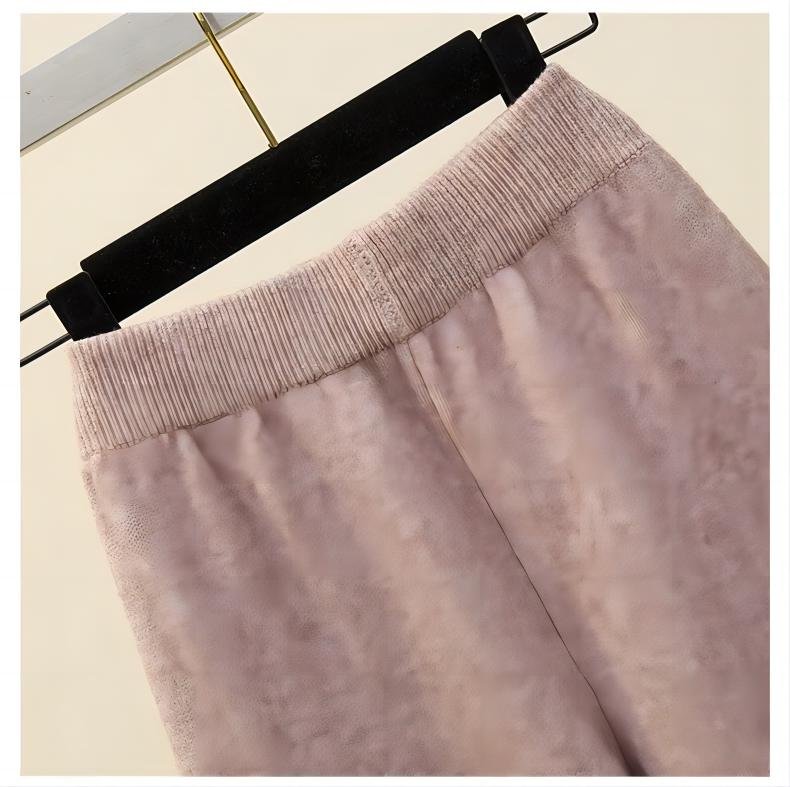
Stone Wash
Tumbling denim with pumice stones creates a soft, worn-in texture and lightened color. This classic finish delivers vintage appeal with enhanced comfort, perfect for casual streetwear collections that demand authentic lived-in character.
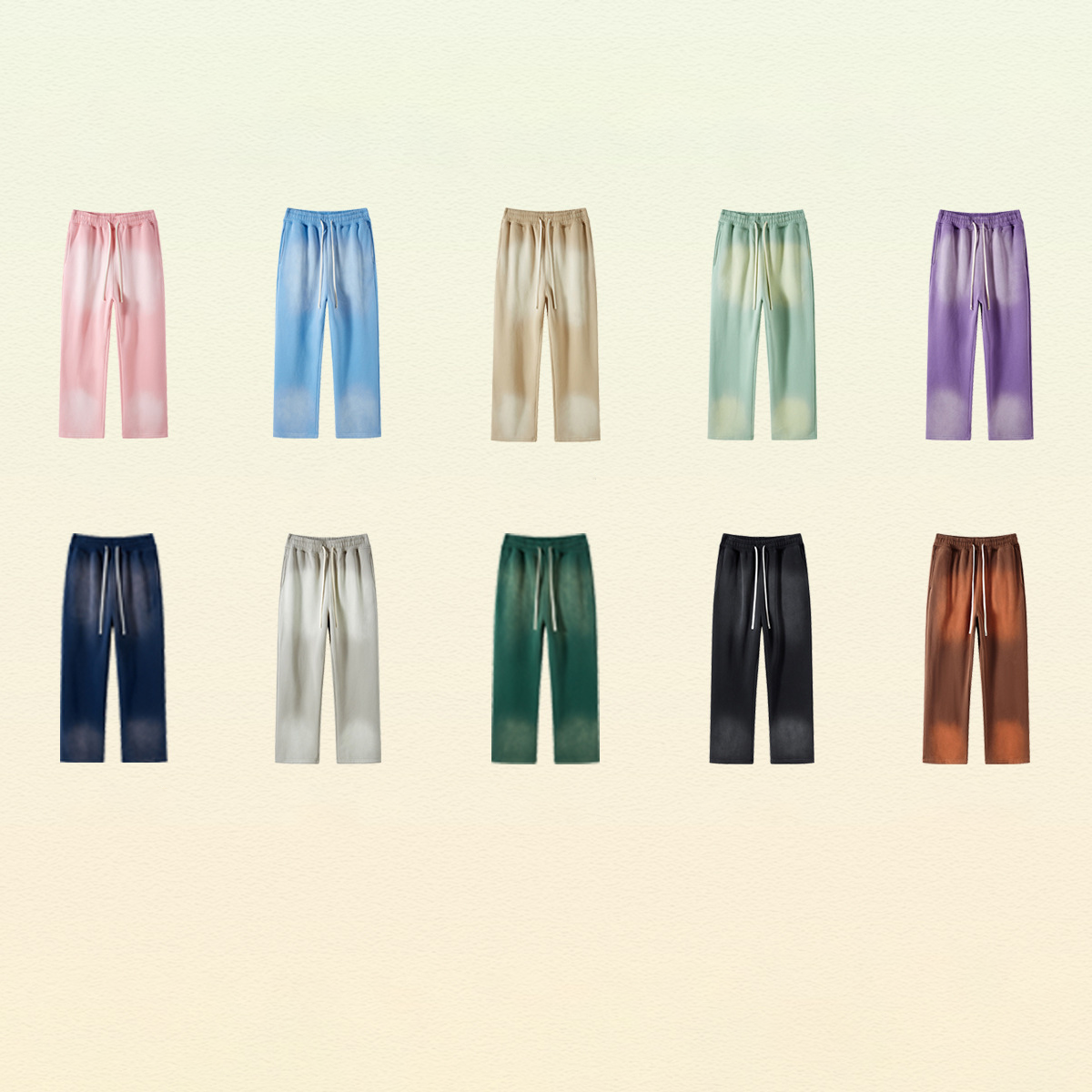
Acid Wash
Chemical treatment produces striking marbled patterns and high-contrast fading for bold, statement pieces. Our controlled acid-wash process ensures consistent results and fabric integrity, ideal for trend-driven brands seeking distinctive visual impact.
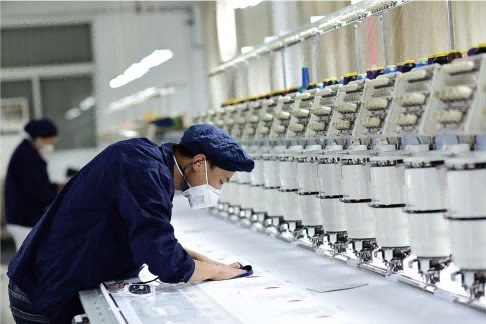
Rope-Dye Indigo
Traditional rope-dyeing creates rich, deep indigo with authentic fading characteristics over time. Multiple dip cycles build layered color that wears beautifully, delivering premium selvage-quality denim for discerning customers who value craftsmanship.
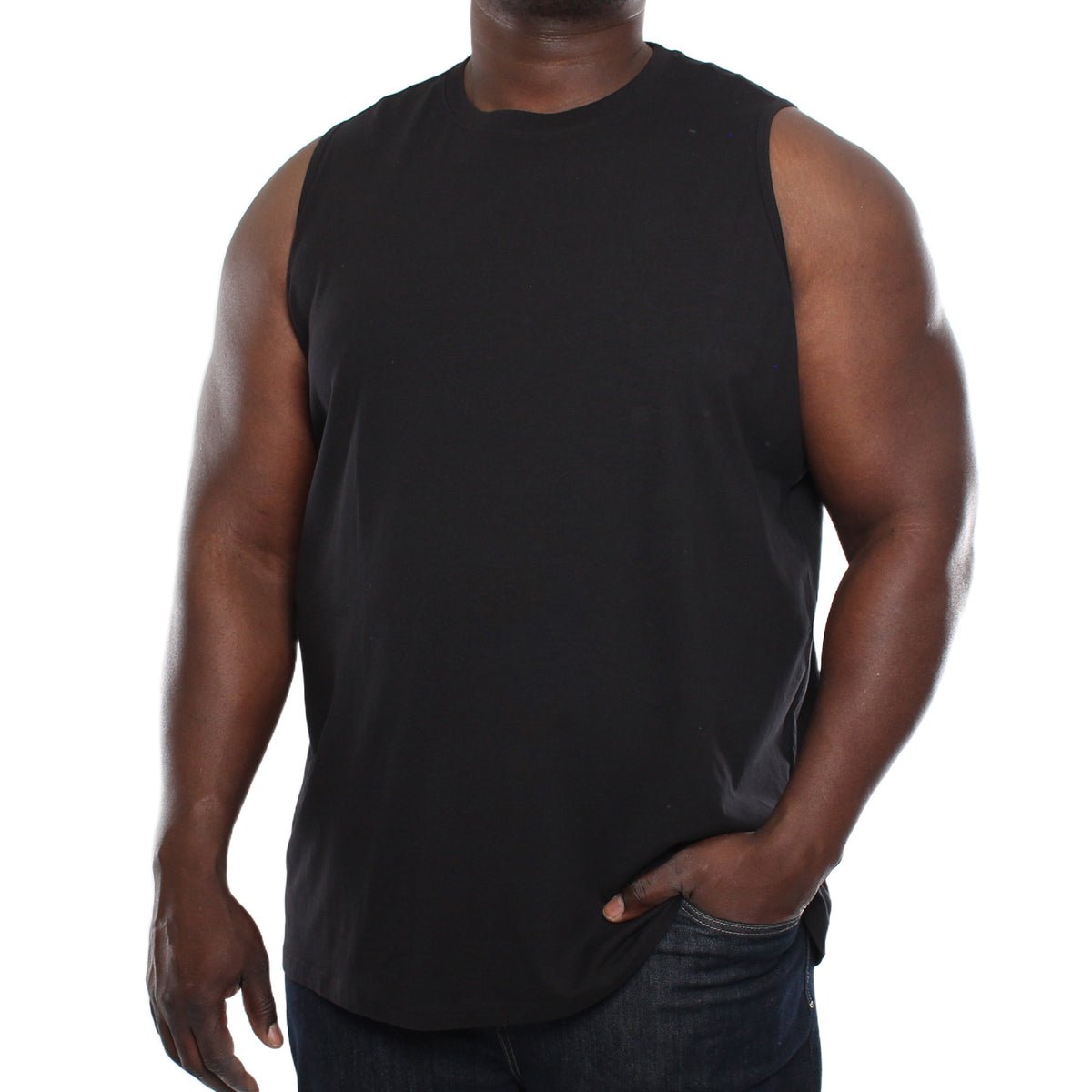
Sanforized Treatment
Pre-shrinking process stabilizes fabric dimensions to prevent post-wash shrinkage and maintain fit integrity. Our sanforized denim ensures size consistency across production runs, eliminating customer complaints and returns from unexpected sizing changes.
Custom Distressing
Hand-guided abrasion, whiskering, and strategic rips create unique worn effects tailored to your design vision. Our artisans replicate your samples precisely or develop original distress patterns that align with current streetwear trends and brand identity.
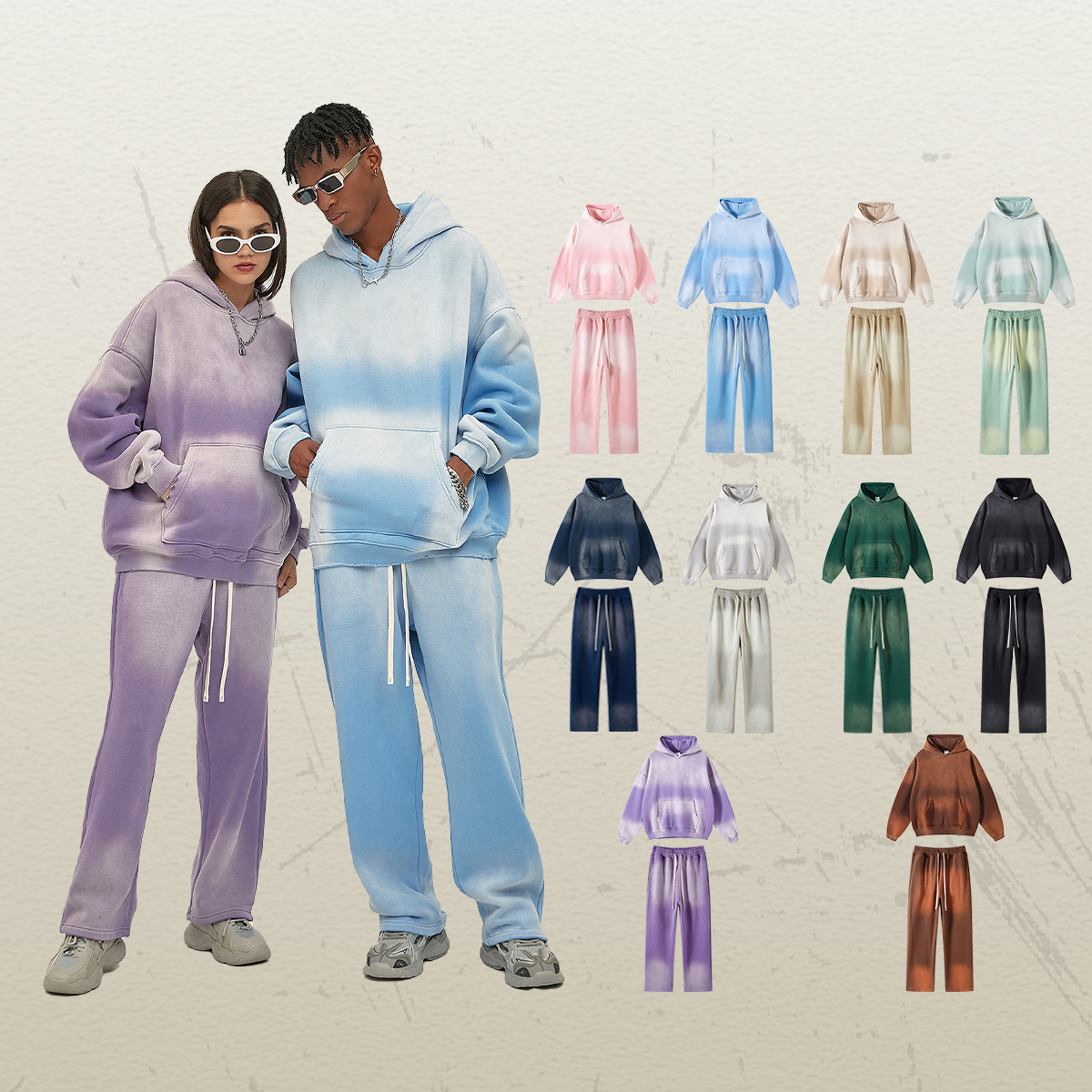
Denim Embroidery
High-density stitching adds logos, graphics, or decorative elements with exceptional detail and durability. Our embroidery withstands repeated washing without fraying, elevating straight leg jeans from basic to branded statement pieces that command premium pricing.
Straight Leg Jeans Manufacturer Hardware & Trims
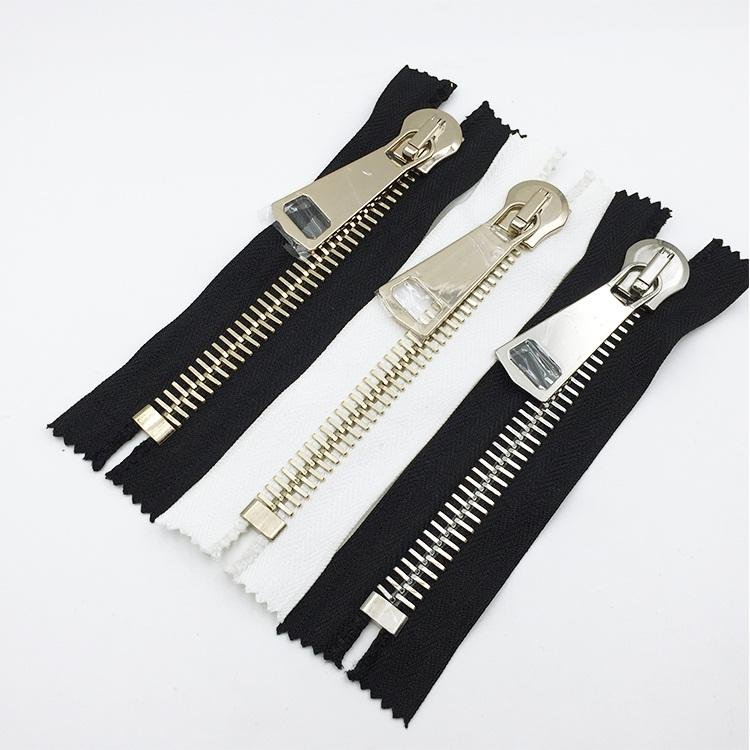
YKK Zippers
Industry-leading YKK zippers ensure smooth operation and long-lasting durability for fly closures and pocket details. Available in antique brass, gunmetal, and custom finishes to match your brand aesthetic and reinforce premium quality perception.
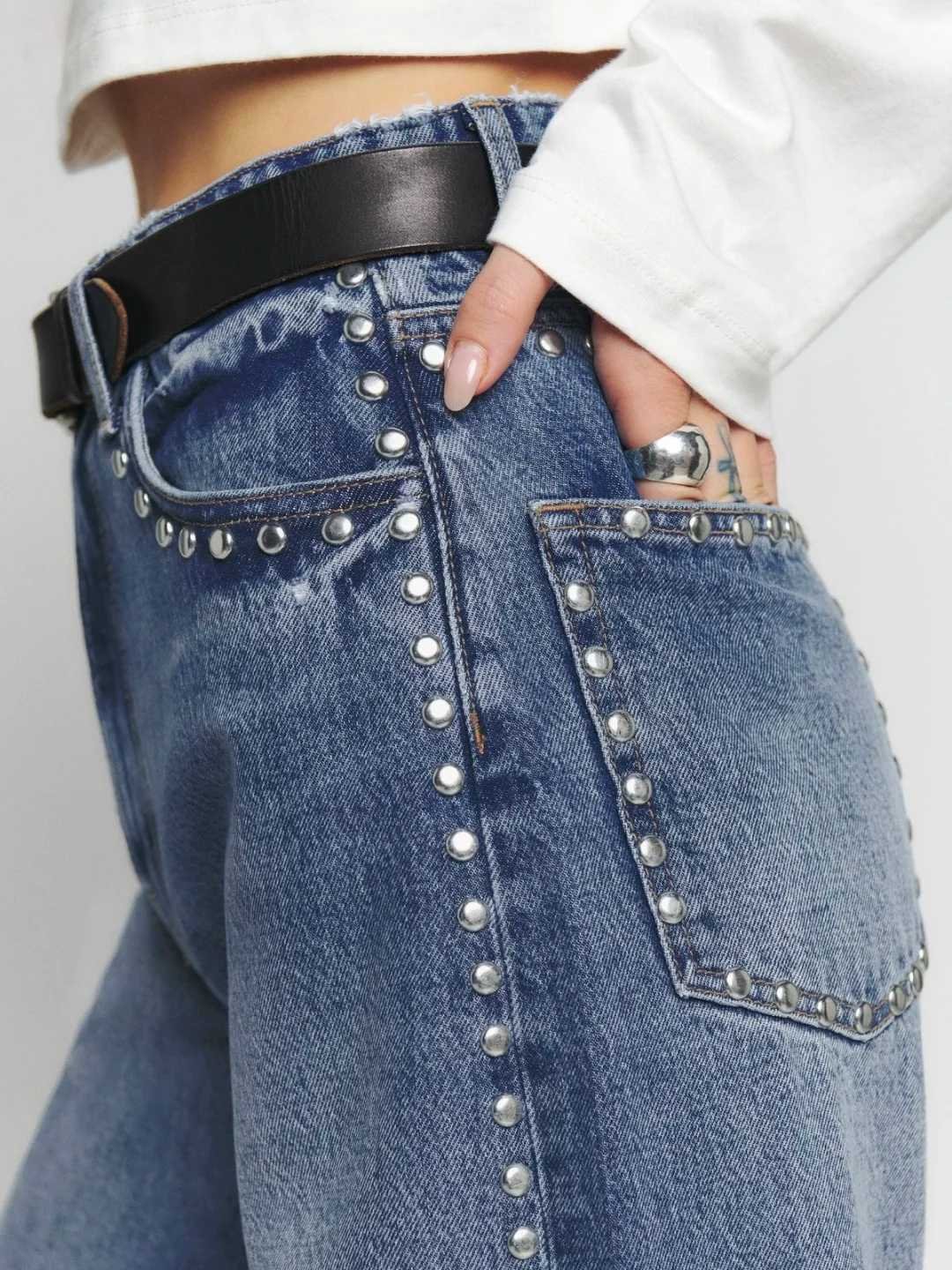
Metal Rivets
Heavy-duty copper or brass rivets reinforce stress points at pockets and seams, delivering authentic denim durability. Choose from classic round, square, or custom-engraved designs that add signature branding to every pair of straight leg jeans.
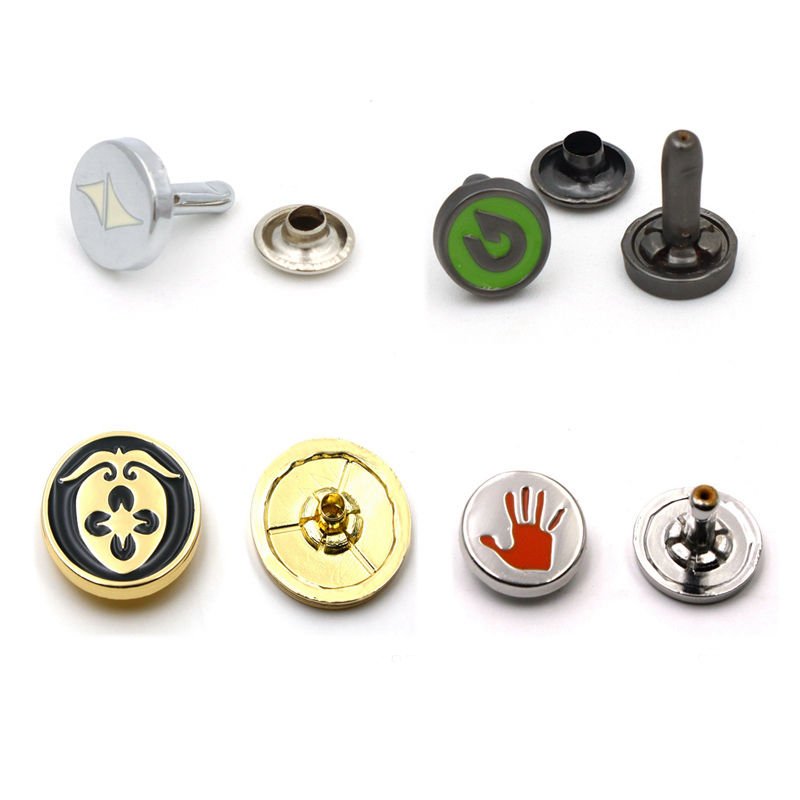
Branded Buttons
Custom-engraved metal buttons and shanks transform standard closures into branded touchpoints. Our straight leg jeans manufacturer team sources antique, polished, or matte finishes with your logo debossed or laser-etched for lasting brand recognition.
Leather Patches
Genuine or vegan leather waistband patches showcase your logo with premium tactile appeal. We offer embossed, debossed, printed, or laser-cut designs in natural tan, black, or custom colors to elevate brand storytelling on every jean.
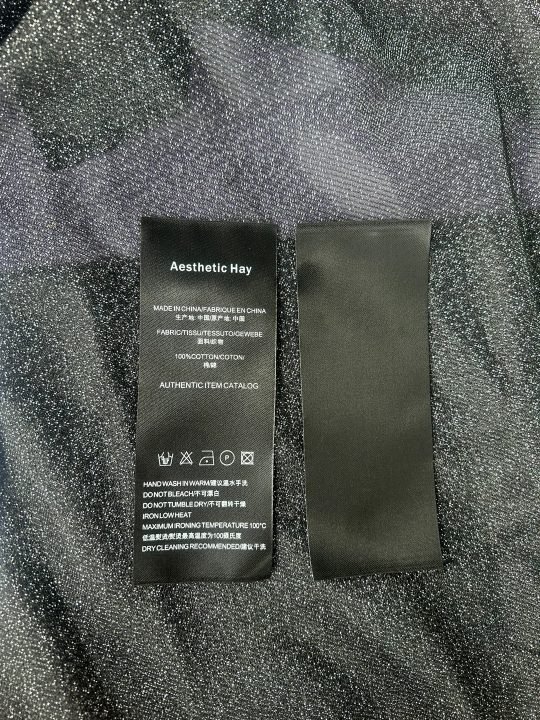
Woven Labels
High-definition woven labels in satin, taffeta, or damask display intricate logos and care instructions with exceptional clarity. Sewn into waistbands, pockets, or outseams, these labels communicate quality and authenticity at every customer touchpoint.
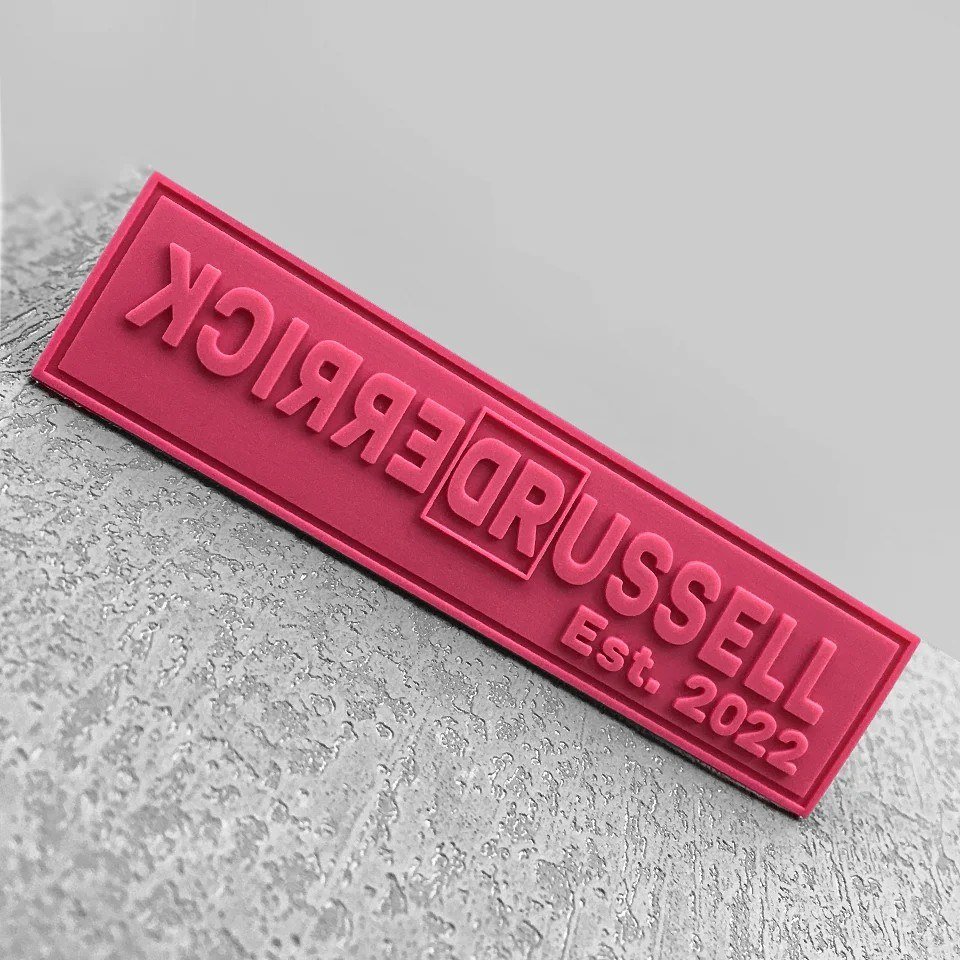
Custom Hangtags
Die-cut, embossed, or foil-stamped hangtags deliver powerful first impressions at retail and unboxing. Our design team collaborates on shapes, finishes, and messaging that align with your brand story and differentiate your straight leg jeans on crowded shelves.
Trusted Straight Leg Jeans Manufacturer
Founded in 2024 by Tesla Luo, Clothing Manufacturer Ltd. brings over 10 years of apparel production expertise and 6 years of specialized streetwear experience to every order. Raised in a garment manufacturing family and trained across every production role, Tesla witnessed too many factories skip quality checks—damaging the reputation of Chinese manufacturers worldwide.
Our mission is to eliminate low-quality clothing through rigorous standards. As a straight leg jeans manufacturer serving over 100 countries, we implement a proprietary 5-step quality control process at every production stage—from fabric inspection to final garment review—ensuring your brand receives only premium-quality denim that meets global standards.
Backed by a 15-member R&D team and 10 production patents, we partner with streetwear brands, fashion startups, and global retailers who demand excellence. With low MOQs, fast turnaround, and transparent communication, we empower emerging and established labels to launch trend-driven straight leg jeans collections with confidence and zero compromise on quality.
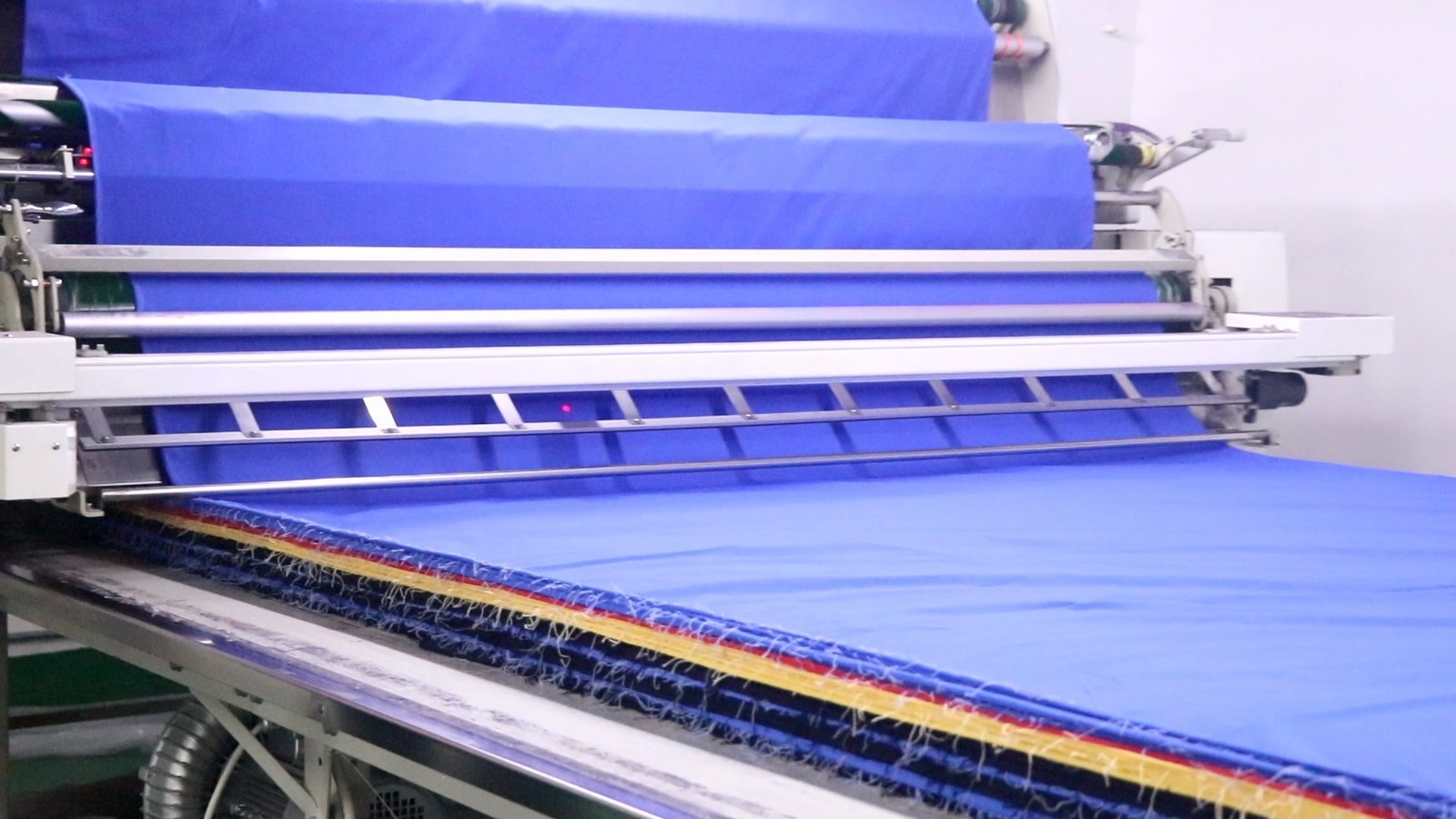
Our 5-Step Quality Control Guarantee for Every Straight Leg Jeans Manufacturer Order
Materials QC Testing Before Production
Every denim roll, thread spool, and trim component undergoes rigorous inspection before it reaches the cutting table. We verify fabric weight, color consistency, stretch recovery, and shrinkage rates to ensure your straight leg jeans meet specifications from the very first step.
- Denim fabric tested for weight tolerance, color fastness, and dimensional stability
- All hardware, zippers, rivets, and buttons inspected for durability and finish quality
- Thread strength and color-match verification to prevent seam failure and shade variation
- Supplier certifications reviewed and material traceability documented for every batch
Cutting QC Testing for Precision
Pattern accuracy determines fit consistency across your entire production run. Our cutting QC stage confirms that every panel is cut to exact measurements, grain alignment is correct, and no fabric flaws compromise the pieces destined for your straight leg jeans.
- Computer-aided cutting systems calibrated daily for micron-level accuracy
- Each cut piece measured against master patterns to eliminate size drift
- Fabric grain and stretch direction verified to maintain uniform drape and recovery
- Defective panels identified and replaced before entering the sewing workflow
Clothing Craft QC Testing During Assembly
As your jeans move through assembly, our craft QC checkpoints catch construction issues in real time. We inspect stitch density, seam alignment, pocket placement, and topstitching before garments progress to the next station, preventing compounded errors.
- Seam strength tested at critical stress points including inseams, rise, and waistband
- Topstitching alignment and stitch-per-inch counts verified against technical packs
- Pocket positioning, bartack reinforcement, and fly construction checked for consistency
- Mid-production audits ensure every operator maintains technique standards
Finished Clothing Quality QC Inspection
Before any straight leg jeans leave our facility, they pass a comprehensive final inspection covering measurements, appearance, functionality, and packaging. Only garments that meet all criteria earn our quality seal and ship to your customers.
- Full measurement audit of waist, inseam, rise, leg opening, and all spec points
- Surface inspection under controlled lighting for stains, pulls, shade variation, or defects
- Functional testing of all closures, buttons, zippers, and stress seams
- Packaging review to ensure correct labeling, folding, and protective wrapping
How We Compare: Straight Leg Jeans Manufacturer vs. Typical Suppliers
When you partner with Clothing Manufacturer Ltd., you get more than just denim production—you get a quality-first straight leg jeans manufacturer with proven expertise, transparent processes, and zero compromise on craftsmanship. Here’s how we stand apart from typical suppliers.
← 左右滑动查看 →
Straight Leg Jeans Manufacturer Production Workflow
Our transparent six-phase process ensures every pair meets our 5-step QC guarantee, with client approvals at critical milestones from fabric selection through final shipment.
Fabric Sourcing & Approval
We source premium denim from trusted mills, submit swatches for your approval, and conduct materials QC testing for weight, stretch, and colorfastness before cutting begins.
Pattern Development & Cutting
Your tech pack is graded into production patterns, fabric is laid and cut with precision, then cutting QC testing verifies accuracy and alignment for every panel.
Sewing & Construction
Skilled operators assemble jeans using specialized denim machinery. Clothing craft QC and sewing production QC testing catch defects in real time, ensuring consistent stitching and fit.
Washing & Finishing
Jeans undergo your specified wash treatments, distressing, or coating. Post-wash inspections confirm color consistency, hand feel, and that all finishing details match your approved sample.
Final QC & Packaging
Finished clothing quality QC inspection checks measurements, hardware, labels, and packaging. Only jeans that pass all five QC checkpoints proceed to ironing, folding, and poly-bagging.
Logistics & Global Shipping
We coordinate customs documentation, freight forwarding, and tracking for door-to-door delivery. You receive shipment updates at every stage until your order arrives ready to sell.
How to Partner With Your Straight Leg Jeans Manufacturer
From initial design to finished product, our streamlined process makes it easy for brands of any size to launch premium straight leg jeans with confidence and clarity.
Submit Your Tech Pack or Design
Share your straight leg jeans specifications, fabric preferences, and fit requirements. Our team reviews your design within 24 hours and provides a detailed quote with timeline and MOQ options.
Approve Samples and Refine Details
Receive production-ready samples in 7-10 days. Work directly with our in-house design team to perfect fit, wash, hardware, and finishing until every detail meets your brand standards.
Place Your Bulk Order Confidently
Once samples are approved, production begins with our 5-step quality control guarantee at every stage. Track progress in real time and receive your finished straight leg jeans ready to ship globally.
Certified Straight Leg Jeans Manufacturer You Can Trust
Customer Stories — Brands Growing With Our Straight Leg Jeans Manufacturer
We scaled from 200 units to 5,000 units in just 6 months thanks to their consistent quality and fast turnaround. The 5-step QC process caught issues our previous manufacturer always missed. Game-changer for our brand.
As a startup, low MOQ was critical. We launched our first straight leg jeans collection with only 150 pieces and sold out in three weeks. Now we’re on our fourth reorder and growing every season.
Their denim expertise helped us nail the perfect fit for our influencer audience. We went from concept to delivery in 45 days, and our return rate dropped to under 2% — unheard of in our experience.
FAQ — Straight Leg Jeans Manufacturing
What is your minimum order quantity (MOQ) as a straight leg jeans manufacturer?
How long does it take to produce straight leg jeans from order to delivery?
Do you offer custom design support for straight leg jeans?
What are your sampling costs and turnaround times for a straight leg jeans manufacturer?
How does your straight leg jeans manufacturer protect my designs and intellectual property?
What payment terms do you offer for straight leg jeans production?
What shipping and logistics options are available for international orders?
Can you match specific denim washes and finishes for straight leg jeans?
How do I get started working with your straight leg jeans manufacturer?
The Complete Buyer’s Guide to Choosing a Straight Leg Jeans Manufacturer
This comprehensive guide walks you through every critical decision point when sourcing straight leg jeans, from fabric selection and construction quality to MOQ negotiation and common pitfalls. Learn the exact criteria that separate world-class manufacturers from mediocre suppliers.
1. What Is a Straight Leg Jeans Manufacturer?
A straight leg jeans manufacturer specializes in producing denim trousers with a consistent leg width from hip to hem, requiring precision pattern-making and grading to maintain uniform leg openings across sizes—typically 15 to 17 inches at the hem for men’s styles and 13 to 15 inches for women’s. Unlike general garment factories that handle diverse categories, these manufacturers maintain dedicated denim expertise in fabric behavior, stretch recovery, and the specific construction techniques that prevent leg twist and ensure the straight silhouette holds through washing and wear.
Specialized straight leg jeans manufacturers offer end-to-end services including sampling, pattern grading across size runs, precision cutting to minimize fabric waste, industrial sewing with chain-stitch and bar-tack reinforcement, enzyme or stone washing for finish effects, and final quality inspection. Clothing Manufacturer Ltd. implements a five-step QC methodology—materials testing, cutting inspection, craft verification, sewing production checks, and finished garment review—introduced February 12, 2025, to catch defects at every production stage rather than only at final output.
Brands select specialized denim producers over generic factories because straight-leg construction demands consistent leg-opening measurements within 3 mm tolerance, experience with denim shrinkage rates of 3 to 5 percent, and knowledge of how different weaves and weights behave during washing cycles. A manufacturer with 10 years of denim production experience understands that ring-spun denim requires different needle gauges and thread tensions than open-end weaves, ensuring seam integrity and silhouette consistency across production runs of 500 to 5,000 units.
2. Evolution of Straight Leg Jeans Manufacturing
Straight leg jeans trace their origins to 1873, when Levi Strauss and Jacob Davis patented riveted denim workwear for miners and laborers in the American West. The introduction of power looms in the late 19th century enabled consistent, high-volume denim weaving, while industrial sewing machines — particularly the bar-tack machine introduced in the early 1900s — allowed factories to reinforce stress points at pocket corners and fly openings, transforming jeans from fragile work garments into durable everyday wear.
Stone washing emerged in the 1980s as the first major finishing innovation, using pumice stones in industrial washers to soften fabric and create faded, lived-in aesthetics that appealed to fashion consumers beyond blue-collar markets. By the 2000s, laser finishing technology replaced many manual distressing processes, allowing straight leg jeans manufacturers to program precise wear patterns, reduce water consumption by up to 90 percent compared to traditional washing, and achieve repeatability across production runs.
Manufacturing geography shifted dramatically between 1990 and 2010, as production moved from the United States — where labor costs averaged 15–25 USD per hour — to Asia, particularly China, Bangladesh, and Vietnam, where costs ranged from 2–5 USD per hour. Recent nearshoring trends have brought some capacity back to Mexico, Central America, and Turkey to serve North American and European markets with shorter lead times of 30–45 days versus 60–90 days for Asian shipments.
Consumer demand for classic, versatile fits has kept straight leg styles relevant through every trend cycle from skinny jeans to wide-leg silhouettes. Straight leg jeans manufacturer order volumes remain stable year-over-year because the silhouette flatters diverse body types, pairs easily with sneakers and boots alike, and bridges casual and smart-casual dress codes without the extremes of tapered or flared cuts.
3. Types of Straight Leg Jeans Manufacturers
Straight leg jeans manufacturers operate across six distinct specialization and scale categories, each serving different brand needs, production volumes, and service requirements. Understanding these types helps buyers match factory capabilities to their business model and growth stage.
Full-Package Manufacturers
Full-package providers handle design development, fabric sourcing, pattern making, sampling, production, and quality inspection under one roof. MOQs typically range from 300 to 1,000 pieces per style, with lead times of 60 to 90 days.
Best for fashion startups and independent designers who lack in-house technical teams. These factories streamline communication and reduce coordination overhead, though unit costs run 15 to 25 percent higher than CMT models due to comprehensive service scope.
CMT (Cut-Make-Trim) Factories
CMT manufacturers execute cutting, sewing, and finishing based on client-supplied fabrics, trims, and tech packs. MOQs start at 500 pieces per colorway, with production cycles of 30 to 45 days.
Ideal for established brands with design teams and fabric procurement networks. Lower per-unit labor costs offset the need for separate material sourcing, but buyers assume responsibility for fabric quality and timely delivery to the factory floor.
Fast-Fashion High-Volume Producers
Large-scale factories prioritize speed and cost efficiency, handling orders from 3,000 to 10,000 pieces with 25 to 35 day turnarounds. Automation and standardized processes keep unit costs low but limit customization options.
Best for global apparel retailers and high-volume e-commerce brands. Quality control varies widely; buyers must verify inspection protocols to avoid the industry-wide practice of skipping in-process QC testing that Clothing Manufacturer Ltd. was founded to eliminate.
Sustainable and Ethical Manufacturers
Certified producers emphasize organic cotton, recycled denim, water-saving washes, and fair labor standards. MOQs range from 300 to 800 pieces, with GOTS, OEKO-TEX, or WRAP certifications adding 10 to 20 percent to base costs.
Targeted at eco-conscious influencer brands and startups building transparent supply chains. Third-party audits and traceability documentation support marketing claims, though longer lead times of 75 to 100 days require advanced planning.
ODM Suppliers with Ready Designs
Original Design Manufacturers offer pre-developed straight leg jean styles with minor customization (labels, hardware, washes). MOQs drop to 200 to 500 pieces, and production completes in 20 to 30 days.
Suited for creator brands and fashion startups testing market demand without design investment. Limited differentiation and shared styles across multiple buyers trade off against speed-to-market and lower upfront costs.
4. Denim Fabrics and Materials for Straight Leg Jeans
Fabric selection determines every aspect of straight leg jeans performance, from fit retention and comfort to manufacturing complexity and price point. A professional straight leg jeans manufacturer offers a spectrum of denim options, each engineered for specific brand positioning and customer expectations. Understanding these material choices ensures your product delivers the right balance of aesthetics, durability, and wearability.
| Fabric Type | Weight (oz) | Stretch % | Typical Use Case | Price Tier |
|---|---|---|---|---|
| 100% Cotton Rigid | 12–14 | 0% | Heritage, workwear, premium selvage | $$–$$$ |
| Cotton + 1–2% Elastane | 10–12 | 10–15% | Everyday comfort, wide appeal | $$ |
| Cotton + 3–4% Elastane | 9–11 | 20–30% | Active lifestyle, athleisure crossover | $–$$ |
| Organic Cotton (GOTS) | 11–13 | 0–2% | Sustainable brands, eco-retail | $$$ |
| Recycled Cotton Blend | 10–12 | 0–3% | Circular fashion, ESG compliance | $$$–$$$$ |
Core Denim Fabric Types and Specifications
100% cotton rigid denim ranges from 10 oz to 14 oz, delivering classic structure and break-in character that appeals to heritage-focused brands. Cotton-stretch blends incorporate 1–3% elastane for comfort stretch or 4–6% for high-stretch performance, maintaining shape recovery across repeated wear cycles.
Selvage denim, woven on shuttle looms with self-finished edges, commands premium positioning and requires specialized cutting and sewing expertise. Organic cotton certified under GOTS and recycled cotton options meet sustainability mandates for eco-conscious labels, though both add 15–30% to raw material costs. BCI (Better Cotton Initiative) and OEKO-TEX Standard 100 certifications verify responsible sourcing and chemical safety, increasingly required by global retailers.
How Fabric Choice Impacts Manufacturing and Fit
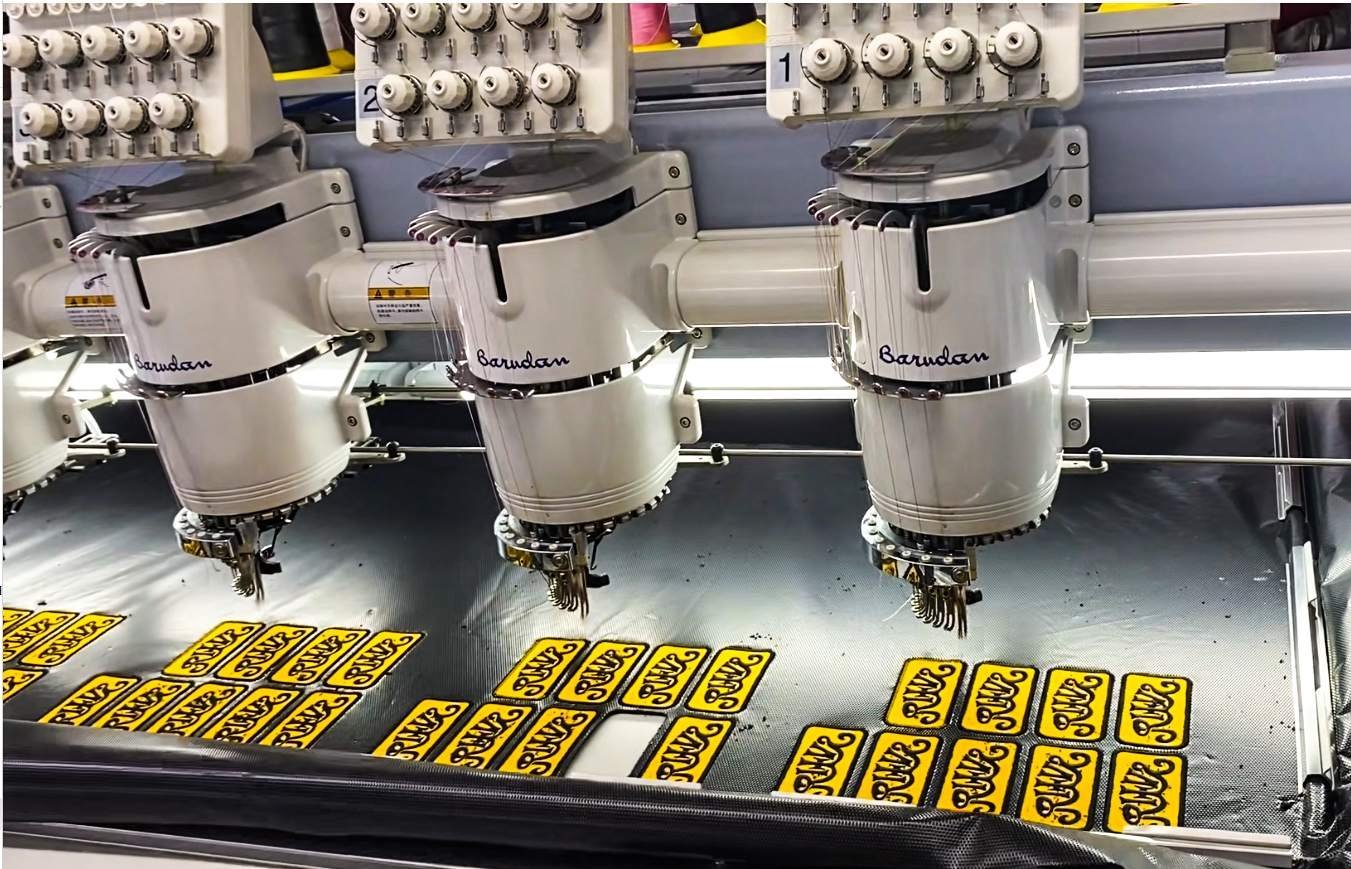
Rigid denim demands higher sewing machine tension and specialized needles, extending production time by 10–15% compared to stretch fabrics. Stretch blends simplify pattern grading and reduce fit complaints, but elastane content above 3% requires careful heat management during pressing to prevent fiber damage.
Fit retention directly correlates with elastane percentage and yarn construction: 1–2% elastane maintains shape for 50+ wears, while fabrics above 4% may relax after 20–30 cycles. A straight leg jeans manufacturer with five-step QC testing verifies stretch recovery and dimensional stability at the materials QC and sewing production QC stages, catching fabric performance issues before finished goods inspection.
5. Customization and Branding Options
A straight leg jeans manufacturer offers dozens of customization and branding touchpoints that transform commodity denim into a signature product. From wash finishes and hardware to embroidery and labels, these options let streetwear brands and independent designers carve out unique market positions without investing in their own production infrastructure.
| Technique | Relative Cost | Durability | Lead Time Impact |
|---|---|---|---|
| Stone / Enzyme Wash | Low | High | +7–10 days |
| Laser Distressing | Medium | High | +5–7 days |
| Embroidery (multi-color) | Medium–High | Medium–High | +10–14 days |
| Custom Metal Hardware | High | Very High | +14–21 days |
| Leather Patch | Medium | High | +7–10 days |
Wash Finishes and Distressing Techniques
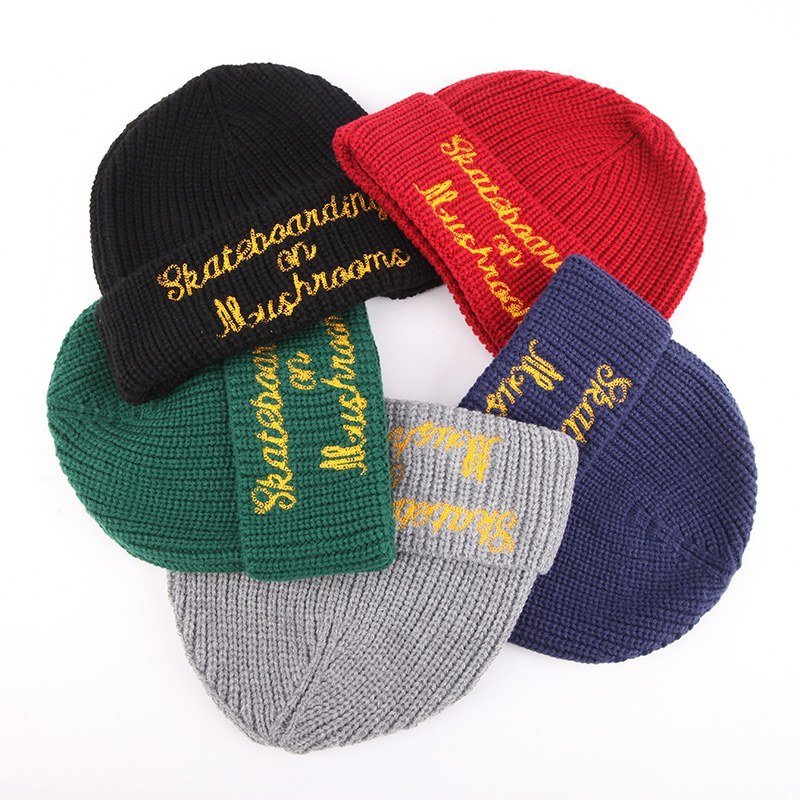
Stone wash, enzyme wash, acid wash, and laser finishing each deliver distinct visual effects and hand feel. Stone wash softens denim through tumbling with pumice stones; enzyme wash uses cellulase enzymes for a cleaner, more controlled fade. Acid wash creates high-contrast marbling, while laser etching offers precise whiskering and distressing patterns without water or chemical waste.
Distressing techniques — hand sanding, grinding, and whiskering — add authentic worn-in character. Many manufacturers combine laser mapping with hand finishing to balance scalability and artisan detail. Lead time for custom washes typically adds 7–10 days versus stock finishes.
Embroidery, Patches, and Decorative Elements
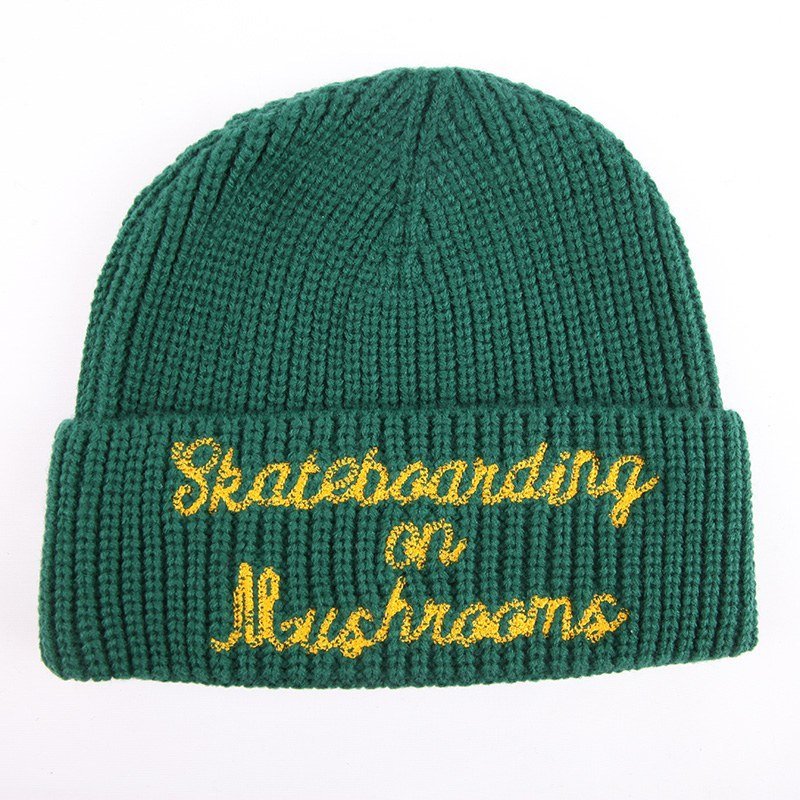
Embroidery placements on back pockets, waistbands, and coin pockets range from simple logo lockups to intricate multi-color artwork. Thread count and stitch density determine durability; 75 denier polyester thread resists fading better than rayon.
Leather patches, woven labels, and printed neck labels reinforce brand identity at every touchpoint. Custom metal hardware — buttons, rivets, shanks, and zipper pulls — can be die-cast with logos or finished in gunmetal, antique brass, or matte black. These details elevate perceived value and justify premium pricing in crowded retail channels.
Custom Stitching, Pockets, and Trim Details
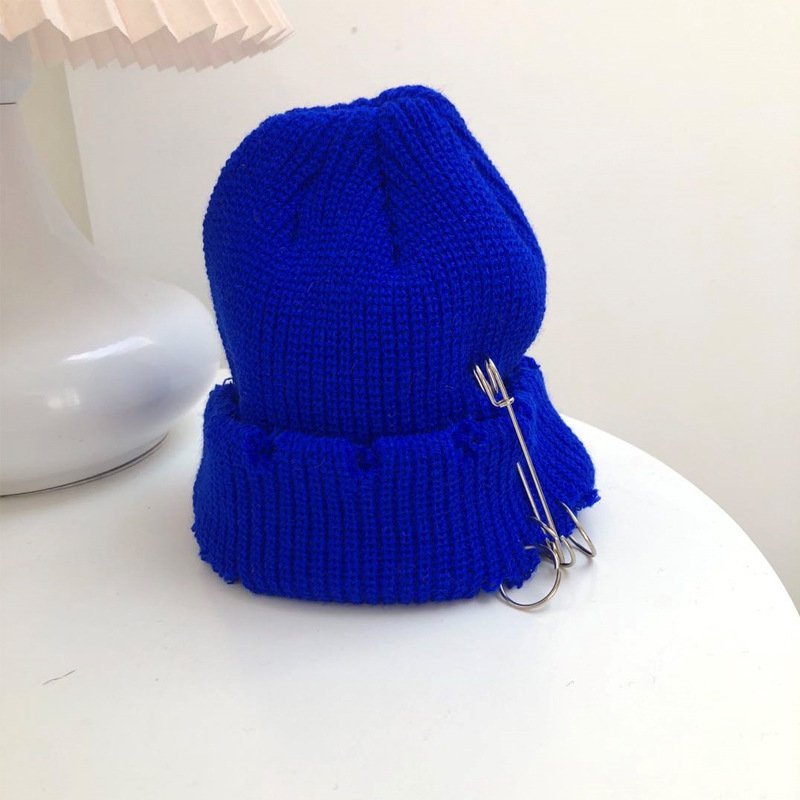
Contrast stitching in colors beyond traditional gold or orange — neon pink, reflective silver, or tonal black — creates instant shelf differentiation. Twin-needle chain stitch on outseams and bartack reinforcement at stress points signal quality construction.
Pocket shapes, depths, and placements can be tailored to brand aesthetics: deeper front pockets for utility, angled coin pockets for streetwear edge, or hidden zip pockets for function. Branded hang tags, care labels, and custom packaging complete the unboxing experience and drive social-media shareability among influencer audiences.
6. Key Quality Indicators in Straight Leg Jeans Construction
High-quality straight leg jeans construction depends on measurable technical details that separate professional manufacturers from low-grade suppliers. Inspecting samples for stitch density, reinforcement placement, and finishing consistency reveals a factory’s commitment to durability and precision.
Stitch Density and Topstitching Quality
Professional denim construction requires 8–10 stitches per inch (SPI) on seams and 6–8 SPI on decorative topstitching. Lower SPI results in weak seams prone to blowouts under tension, while excessive density can perforate fabric and reduce strength.
Topstitching on outseams, yokes, and pockets should show consistent thread tension with no skipped stitches or puckering. Inspect samples under natural light for thread color match and parallel stitch lines; uneven topstitching signals poor machine calibration or operator skill gaps.
Reinforcement at Stress Points
Bar tacks at pocket corners, fly ends, and belt loop bases prevent tear-out under repeated stress. Each bar tack should contain 25–35 stitches in a 0.5 cm span, with thread ends secured by backstitching.
Rivets must be placed at front pocket corners and watch pockets, with double-cap construction that grips both fabric layers. Poorly set rivets pull through denim within weeks of wear, a common defect in factories that skip inline quality checks.
Waistband and Fly Construction
Waistbands should feature interlining or fused interfacing to prevent rolling and maintain shape after washing. The waistband seam must align with the center back yoke seam within 2 mm across all sizes, indicating accurate pattern grading.
Button flies offer superior durability over zippers for heavyweight denim, while YKK or equivalent brass zippers rated for 10,000+ cycles suit lighter weights. Inspect fly facings for clean-finished edges and bar tacks at the bottom stop to prevent zipper separation.
Pattern Consistency and QC Checkpoints
Pattern grading errors cause inseam length variation, misaligned pockets, or twisted leg seams across size runs. Request samples in three non-consecutive sizes (e.g., S, L, XXL) and measure key points against your spec sheet; deviations beyond ±5 mm indicate weak pattern control.
A rigorous straight leg jeans manufacturer implements pre-production approval (PPS), inline inspection during sewing, and final audit before packing. Clothing Manufacturer Ltd.’s five-step QC methodology tests materials, cutting accuracy, sewing quality, and finished garments, catching defects at each stage rather than only at final inspection.
7. How to Choose the Right Straight Leg Jeans Manufacturer
Selecting the right straight leg jeans manufacturer requires systematic evaluation across production capabilities, quality standards, and business terms. A structured vetting process reduces risk and ensures alignment with your brand’s growth trajectory and quality expectations.
Core Selection Criteria
Production capacity and MOQ flexibility define whether a manufacturer can scale with your brand. Startups typically need 200–500 piece minimums, while established labels order 2,000+ units per style. Lead times range from 30 days for stock denim to 60–75 days for custom fabric development.
Certifications signal compliance and quality systems. WRAP, BSCI, and SA8000 cover social accountability; OEKO-TEX Standard 100 and GOTS address chemical safety and organic content. Sampling costs vary from $50–$150 per prototype with 7–14 day turnaround; factories waiving fees often lack rigorous development processes.
Communication capabilities and payment terms directly impact project success. English-fluent account managers reduce errors; 30% deposit / 70% before shipment is standard, though newer suppliers may require 50% upfront. Geographic location affects shipping costs and lead times—Asian manufacturers offer lower unit costs but longer transit, while nearshore options reduce logistics complexity.
- MOQ: 200–500 units (startups) vs. 2,000+ (established brands)
- Lead time: 30–75 days depending on fabric sourcing
- Certifications: WRAP, BSCI, OEKO-TEX, GOTS
- Payment: 30/70 or 50/50 deposit structure
Step-by-Step Vetting Process
Submit an RFQ detailing fabric weight, wash type, hardware specs, and target quantities to 3–5 candidates. Compare quotations for unit cost, sampling fees, and lead times. Request a paid sample to evaluate stitching density, wash consistency, and fit accuracy against your tech pack.
Conduct a factory audit or virtual tour to verify equipment, QC stations, and workforce conditions. Review the manufacturer’s portfolio and request references from brands in your segment. Place a trial order of 200–300 pieces to test communication, on-time delivery, and defect rates before committing to larger production runs.
8. Common Mistakes When Sourcing a Straight Leg Jeans Manufacturer
Sourcing a straight leg jeans manufacturer requires careful evaluation beyond unit price. Many brands encounter avoidable pitfalls that delay launches, inflate costs, or compromise quality when they overlook critical steps in the vetting and contracting process.
Choosing Solely on Price Without Quality Checks
Selecting a straight leg jeans manufacturer based on the lowest quote often leads to defects, inconsistent sizing, and poor finishing. Factories that skip mid-production quality control testing — proceeding directly from sewing to ironing and packing — deliver garments with loose stitching, misaligned seams, and color bleeding.
Request evidence of a structured QC process at materials intake, cutting, sewing, and final inspection stages. Clothing Manufacturer Ltd.’s five-step quality control methodology, introduced February 12, 2025, exemplifies the rigorous testing required to prevent defects before shipment.
Ignoring MOQ and Scalability
Startups frequently underestimate minimum order quantities, locking themselves into 1,000–3,000 unit commitments per colorway before validating market demand. Conversely, brands that outgrow a factory’s capacity face production delays and inconsistent quality when forced to switch manufacturers mid-season.
Confirm the factory’s MOQ range and maximum monthly output during initial discussions. Ensure the straight leg jeans manufacturer can scale from pilot runs of 200–500 units to full production of 5,000+ pieces without compromising lead times or quality standards.
Skipping Sample Approval Stages
Brands that approve production after a single prototype often discover fit, wash, or construction issues only when bulk orders arrive. Denim shrinkage, inseam twisting, and pocket placement errors become costly when identified post-production.
Insist on pre-production samples in every size and wash variant. Conduct wear testing for at least 3–5 wash cycles to verify shrinkage rates stay within 2–3 percent and that color fastness meets ISO 105 standards before authorizing bulk manufacturing.
Unclear Tech Packs Leading to Miscommunication
Vague or incomplete technical specifications cause factories to interpret measurements, stitch types, and hardware differently than intended. Missing details on topstitching thread weight, rivet placement tolerances, or waistband interfacing result in samples that require multiple costly revisions.
Provide tech packs with precise measurements in centimeters, Pantone color codes for thread and labels, stitch-per-inch counts, and annotated photos of seam finishes. Include wash instructions, shrinkage allowances, and hardware specifications (YKK zipper gauge, button diameter) to eliminate ambiguity.
Neglecting Wash and Shrinkage Testing
Failing to test denim wash stability before bulk production leads to customer returns due to excessive shrinkage, color transfer, or fabric pilling. Straight leg jeans in raw or enzyme-washed finishes can shrink 3–5 percent in length and 2–4 percent in waist if not pre-shrunk or tested.
Request third-party lab reports for dimensional stability (AATCC 135), colorfastness to washing (ISO 105-C06), and abrasion resistance (ASTM D3886). Verify that the straight leg jeans manufacturer conducts wash testing on every new denim lot to ensure consistency across production batches.
Underestimating Lead Times for Custom Washes
Custom enzyme washes, stone washes, and distressing treatments add 10–21 days to standard production schedules. Brands that fail to account for wash development, sampling, and approval cycles miss launch windows and incur air-freight costs.
Allocate 14–28 days for wash trials and 60–90 days total lead time for custom straight leg jeans orders. Confirm the factory has in-house or nearby wash facilities to avoid delays from outsourcing laundry processes to third-party vendors.
9. Steps to Launch Your Straight Leg Jeans Brand
Launching a straight leg jeans line requires coordinated planning across eight distinct phases, from initial concept through retail availability. Each stage involves specific deliverables and manufacturer collaboration points that determine timeline and final product quality.
Concept and Trend Research
Begin by analyzing current denim trends, competitor offerings, and target customer preferences for straight leg silhouettes. Document your desired wash treatments, fit profile (relaxed vs. tailored straight), and price-point positioning.
This research phase typically spans 2–3 weeks and informs all downstream decisions on fabric weight, hardware, and construction methods.
Tech Packs and Fit Specifications
Create detailed technical packages specifying measurements for waist, rise, inseam, leg opening, and all key points of measure. Include stitch types, topstitching thread color, pocket styles, and hardware callouts.
A complete tech pack for straight leg jeans should include front and back sketches, graded size charts for all sizes, and trim specifications. Clothing Manufacturer Ltd.’s R&D team reviews tech packs to flag any production feasibility issues before sampling.
Sample Development and Fit Sessions
The straight leg jeans manufacturer produces initial samples in one or two sizes for fit approval. Expect 2–3 weeks for first samples, then iterative rounds to refine rise, leg taper, and finishing details.
Conducting live fit sessions on body models reveals how the straight leg silhouette performs across movement and posture, ensuring the final pattern meets brand standards before bulk production.
Bulk Production and Five-Step QC
Once pre-production samples are approved, the manufacturer schedules cutting, sewing, and finishing. Clothing Manufacturer Ltd. applies materials QC, cutting QC, craft QC, sewing QC, and finished-goods inspection at every stage.
Bulk lead times for straight leg jeans range from 30–45 days depending on order quantity, fabric availability, and wash complexity. Regular QC checkpoints prevent defects from reaching final packing.
10. Pricing and Cost Breakdown
Straight leg jeans manufacturing costs range from $8 to $28 per unit depending on order volume, fabric grade, wash complexity, and customization level. A 100-unit order typically carries a 40–60% premium over 1,000-unit pricing due to setup amortization, while 5,000-unit runs unlock the deepest per-piece discounts and faster lead times. Setup fees for sampling, pattern development, and grading usually fall between $150 and $500 per style, though many manufacturers waive these costs at higher order quantities.
Fabric selection drives 35–45% of total unit cost. Mid-weight ring-spun denim (10–12 oz) costs $3.50–$5.50 per yard, while premium selvedge or stretch blends can reach $8–$12 per yard. Wash processes add $1.50–$6.00 per garment: a simple stone wash runs $1.50–$2.50, enzyme or acid washes $2.50–$4.00, and complex hand-sanding or destroy treatments $4.00–$6.00.
Hardware and trims contribute $0.80–$2.50 per unit. Standard metal buttons and rivets cost $0.30–$0.60, branded YKK zippers $0.50–$1.20, and custom leather patches or woven labels $0.50–$1.00 each. Labor accounts for 20–30% of the final price, with regional variations: China-based facilities like Clothing Manufacturer Ltd. balance competitive labor rates with rigorous five-step QC testing, ensuring quality without the premium markup of domestic U.S. or European production.
Customization level—embroidery, screen printing, unique hardware—adds $1.00–$4.00 per piece depending on complexity. Buyers should budget an additional 10–15% contingency for shipping, duties, and potential revisions to achieve the fit and finish their brand demands.
| Quantity Tier | Price per Unit (USD) | Setup Fee | Lead Time |
|---|---|---|---|
| 100 units | $22–28 | $300–500 | 35–45 days |
| 500 units | $14–18 | $150–300 | 30–40 days |
| 1,000 units | $10–14 | $0–150 | 25–35 days |
| 5,000 units | $8–11 | $0 | 20–30 days |
Ready to Launch Your Straight Leg Jeans Line?
Partner with a trusted straight leg jeans manufacturer. Low MOQ, 5-step QC, and fast turnaround for your brand’s next collection.