
Premium Flare Jeans Manufacturer with 5-Step QC Guarantee
Partner with a flare jeans manufacturer that delivers trend-driven designs, 50-piece MOQ, and rigorous quality control for streetwear brands and fashion startups worldwide.
Flare Jeans Collection Showcase
Why Choose Our Flare Jeans Manufacturer
5-Step Quality Control Guarantee
Every flare jean undergoes rigorous QC at materials, cutting, craft, sewing, and final inspection stages—zero shortcuts, zero defects shipped.
In-House Design & Sampling Team
Our 15-member R&D team translates your vision into production-ready flare jean patterns with 7-day sampling turnaround for seasonal collections.
50-Piece Minimum Order Quantity
Launch your flare jeans line without overcommitting inventory. Perfect for fashion startups, independent designers, and test collections.
Fast Turnaround for Trends
Leverage our streamlined production and 10+ years of streetwear expertise to bring flare jeans from concept to market in weeks.
Global Shipping & Logistics Support
Seamless international fulfillment to 100+ countries with customs, inspection, and freight coordination—your flare jeans delivered on time, anywhere.
Streetwear & Influencer Line Expertise
Trusted by 200+ brands and creators worldwide. We understand trend-driven denim and the bold, quality-first standards your customers expect.
Flare Jeans Manufacturer Categories We Specialize In
From high-rise classics to custom-print statement pieces, we produce every flare jeans style your brand needs with our 5-step QC guarantee and low 50-piece MOQ.
Women’s High-Rise Flare Jeans
Need timeless high-waisted flares that fit perfectly and hold their shape? Many manufacturers struggle with consistent rise measurements and waistband construction that causes gaping or rolling.
We deliver precision-fitted high-rise flares with reinforced waistbands and cutting QC testing that ensures every pair maintains consistent measurements across your entire production run.
Cropped Flare Jeans
Cropped flares require exact hem placement and proportional flare width to nail the trend. Generic manufacturers often miss the balance, resulting in awkward lengths that don't photograph well.
Our in-house design team perfects cropped flare proportions with trend-driven samples ready in 7 days, ensuring your styles hit the right ankle break and flare angle every time.
Lace-Panel Flare Jeans
Decorative lace inserts and embellishments demand specialized sewing techniques and materials coordination that standard denim factories lack, leading to puckering, fraying, and misaligned panels.
With 15-member R&D team and clothing craft QC testing at every stage, we seamlessly integrate lace panels, embroidery, and trims into flare jeans that maintain structural integrity and visual impact.
Acid-Wash Flare Jeans
Achieving consistent acid-wash effects across batches is notoriously difficult. Color variation, uneven fade patterns, and fabric weakening from improper chemical treatment plague most production runs.
Our materials QC testing and finished clothing quality inspection guarantee batch-to-batch color consistency and fabric durability, so your acid-wash flares look intentional, not accidental.
Custom-Print Flare Jeans
Custom prints, graphics, and brand-specific patterns on denim require advanced printing technology and color-fastness testing that many flare jeans manufacturers simply don't offer or rush through.
We bring your unique vision to life with custom digital and screen printing capabilities, backed by sewing production QC testing that verifies print placement, vibrancy, and wash durability before shipping.
Premium Denim Fabrics From Our Flare Jeans Manufacturer
100% Cotton Denim
Classic, breathable denim with authentic hand-feel and natural drape. Ideal for vintage-inspired flare jeans and retro streetwear collections. Typically 10-14 oz weight, offering durability without stiffness for everyday wear and easy break-in.
Stretch Denim Blend
Cotton-elastane blend delivering 2-5% stretch for enhanced comfort and movement. Perfect for body-contouring flare jeans that maintain shape throughout the day. Medium weight (9-12 oz) with excellent recovery properties for active lifestyles.
Organic Cotton Denim
Sustainably grown cotton denim for eco-conscious brands and collections. Soft, breathable fabric with reduced environmental impact, certified organic. Typically 10-13 oz, ideal for premium flare jeans targeting environmentally aware consumers seeking quality and ethics.
Recycled Denim
Post-consumer recycled cotton and polyester blend reducing waste and carbon footprint. Durable, textured fabric perfect for sustainable streetwear lines. Medium-heavy weight (11-14 oz) with unique character and eco-friendly credentials that resonate with Gen Z buyers.
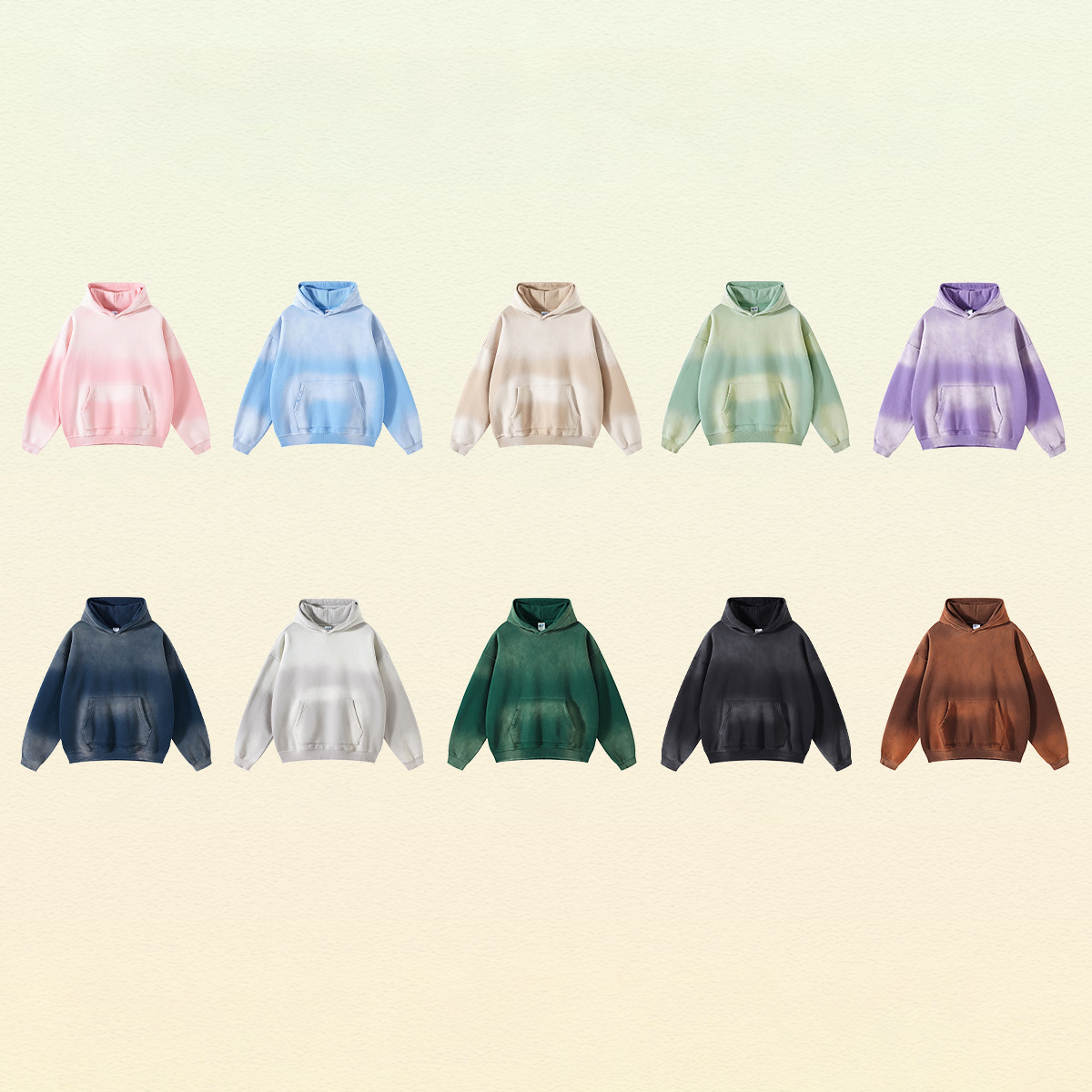
Raw Indigo Denim
Unwashed, deeply saturated indigo denim that develops personalized fading patterns over time. Premium choice for heritage-style flare jeans and collector pieces. Heavyweight (13-16 oz) with rigid hand-feel that softens beautifully, creating one-of-a-kind wear patterns.
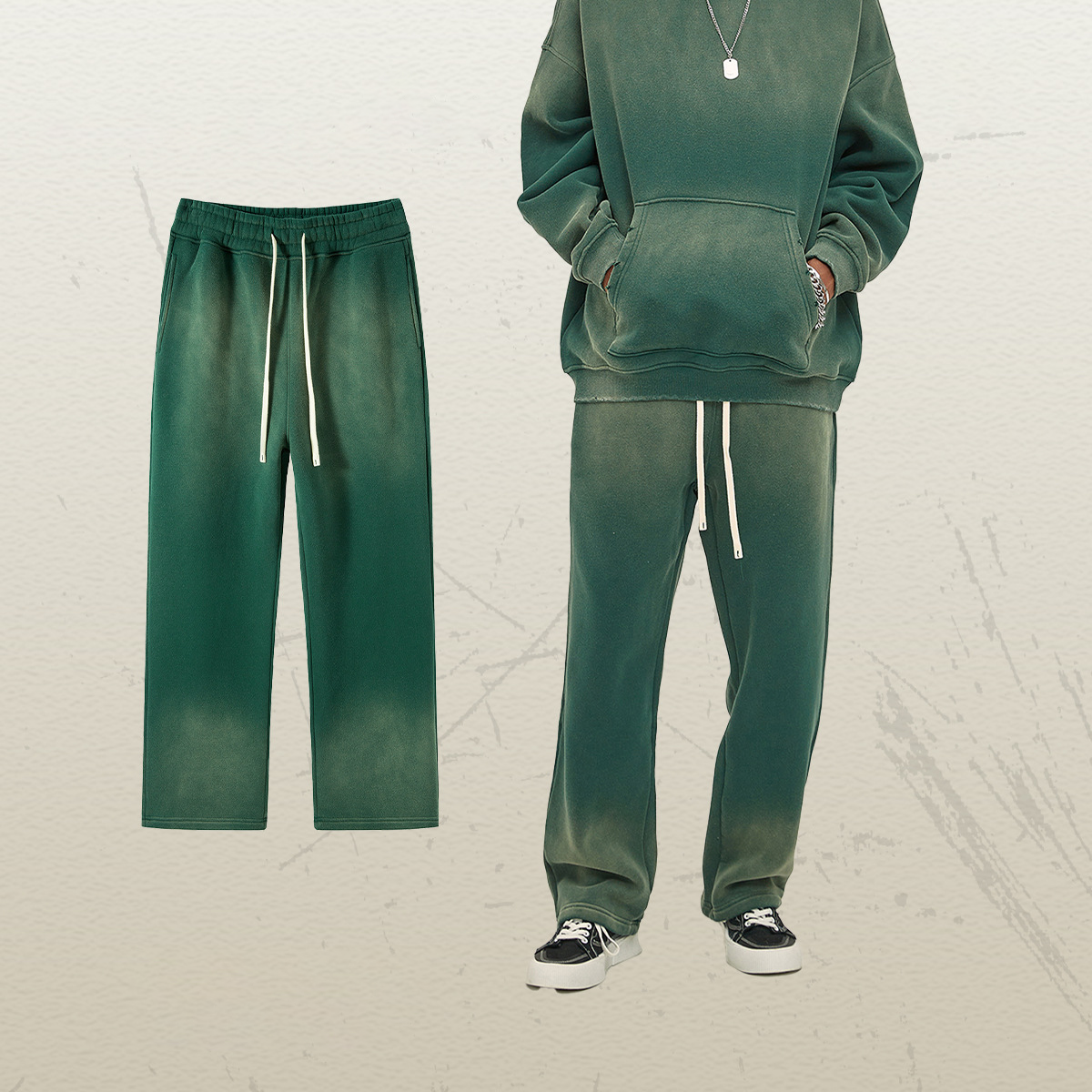
Slub Denim
Textured denim featuring intentional yarn irregularities for vintage, artisanal aesthetic. Creates visual depth and unique character in flare jeans designs. Medium weight (10-12 oz) with distinctive surface texture that elevates casual streetwear with authentic, handcrafted appeal.
Flare Jeans Manufacturer Production Techniques
Acid Washing
Chemical treatment creates marbled, high-contrast vintage effects on flare jeans denim. Delivers distinctive faded patterns with soft hand feel and retro appeal that stands out in any collection.
Stone Washing
Pumice stones tumble with denim to achieve worn-in softness and subtle fading. Produces comfortable, lived-in flare jeans with natural color variation and enhanced drape for everyday wearability.
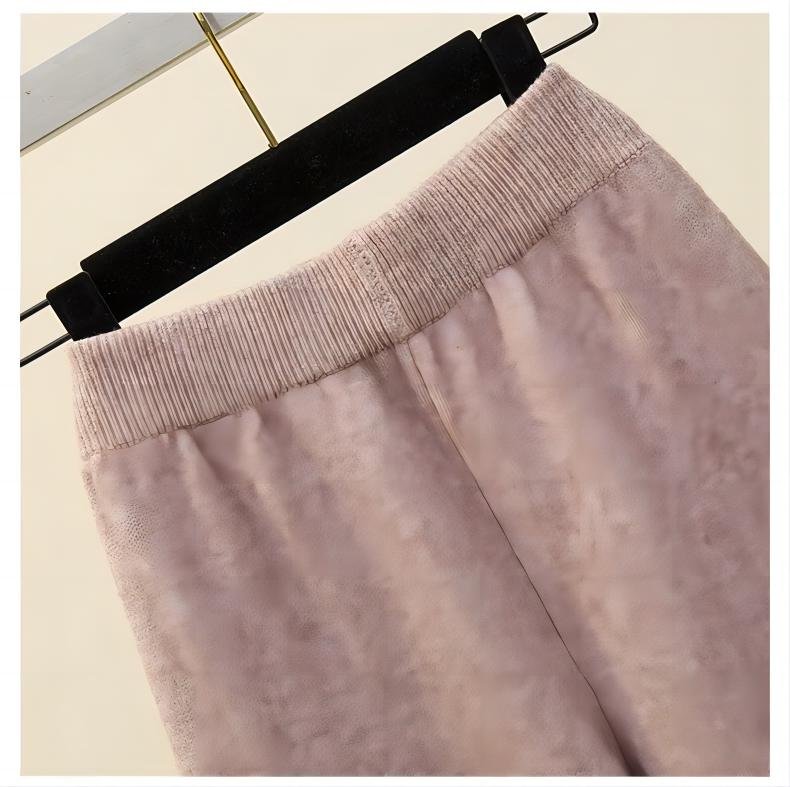
Whiskering
Hand-guided abrasion creates authentic crease lines at hip and thigh areas. Adds dimensional realism to flare jeans, mimicking natural wear patterns for premium vintage-inspired streetwear aesthetics.
Distressing
Controlled sanding, ripping, and fraying techniques produce edgy, deconstructed looks. Delivers bold statement flare jeans with strategic tears and worn edges that resonate with trend-conscious consumers.
Embroidery Detailing
Precision stitching adds custom logos, florals, or graphic motifs to pockets and legs. Elevates flare jeans with dimensional texture and brand storytelling that commands premium positioning.
Screen Printing
Ink application creates vibrant graphics, patterns, or text directly on denim surfaces. Enables bold artistic expression on flare jeans with excellent wash durability and color saturation for influencer-driven designs.
Flare Jeans Hardware & Trims From Your Trusted Flare Jeans Manufacturer
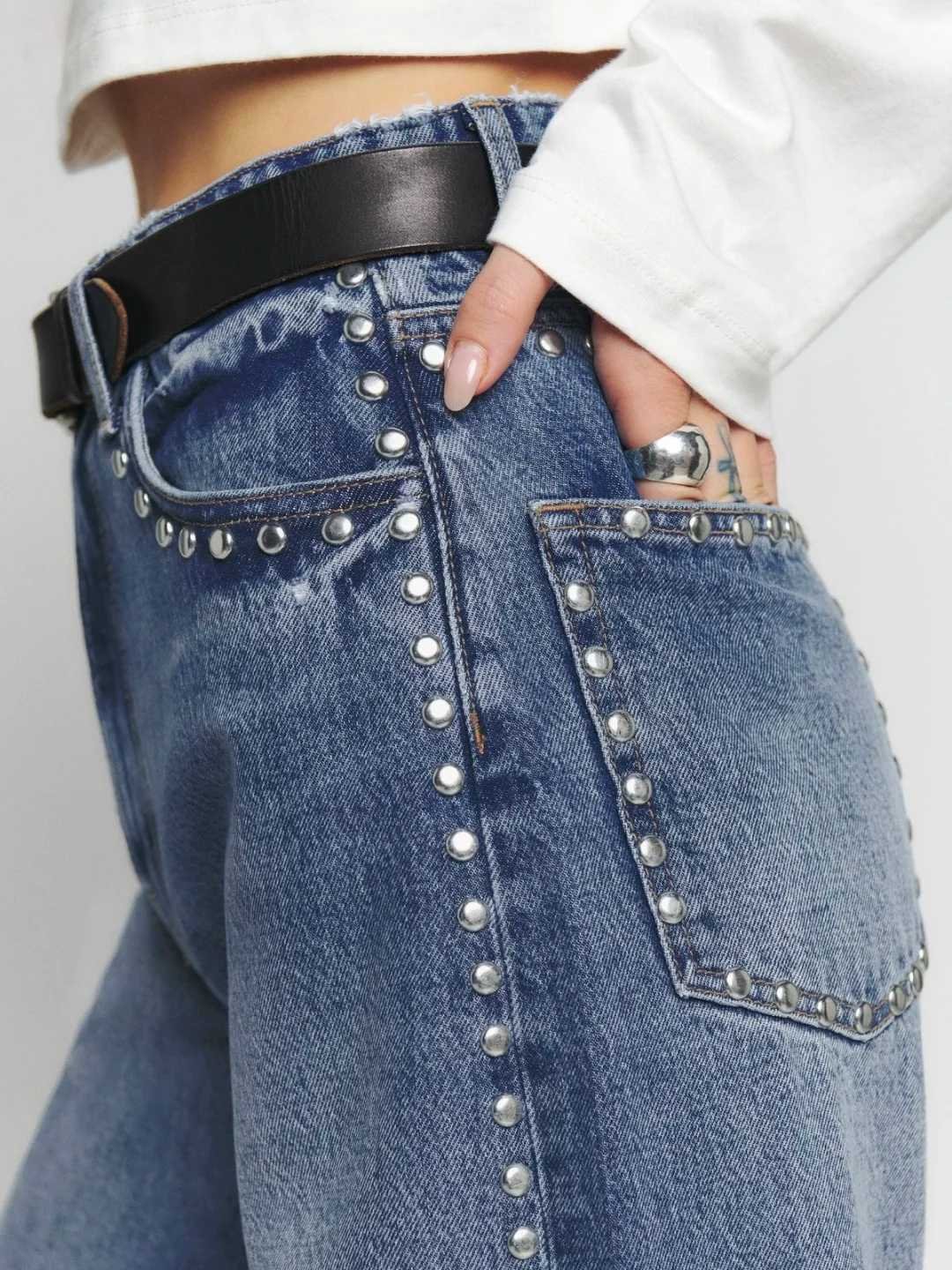
Metal Rivets
Reinforced copper or brass rivets applied at stress points—pockets, waistband, and fly—ensure durability while adding authentic denim detailing that elevates your flare jeans design and prevents seam failure.
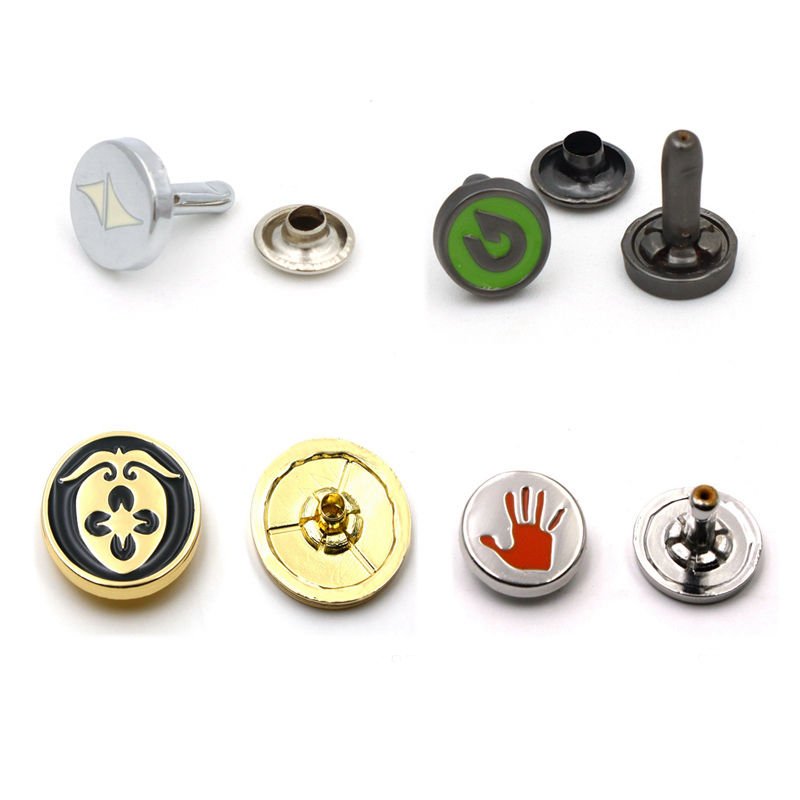
Branded Buttons
Custom-engraved metal buttons featuring your logo or brand name on the waistband closure create instant brand recognition and premium perceived value for your flare jeans collection.
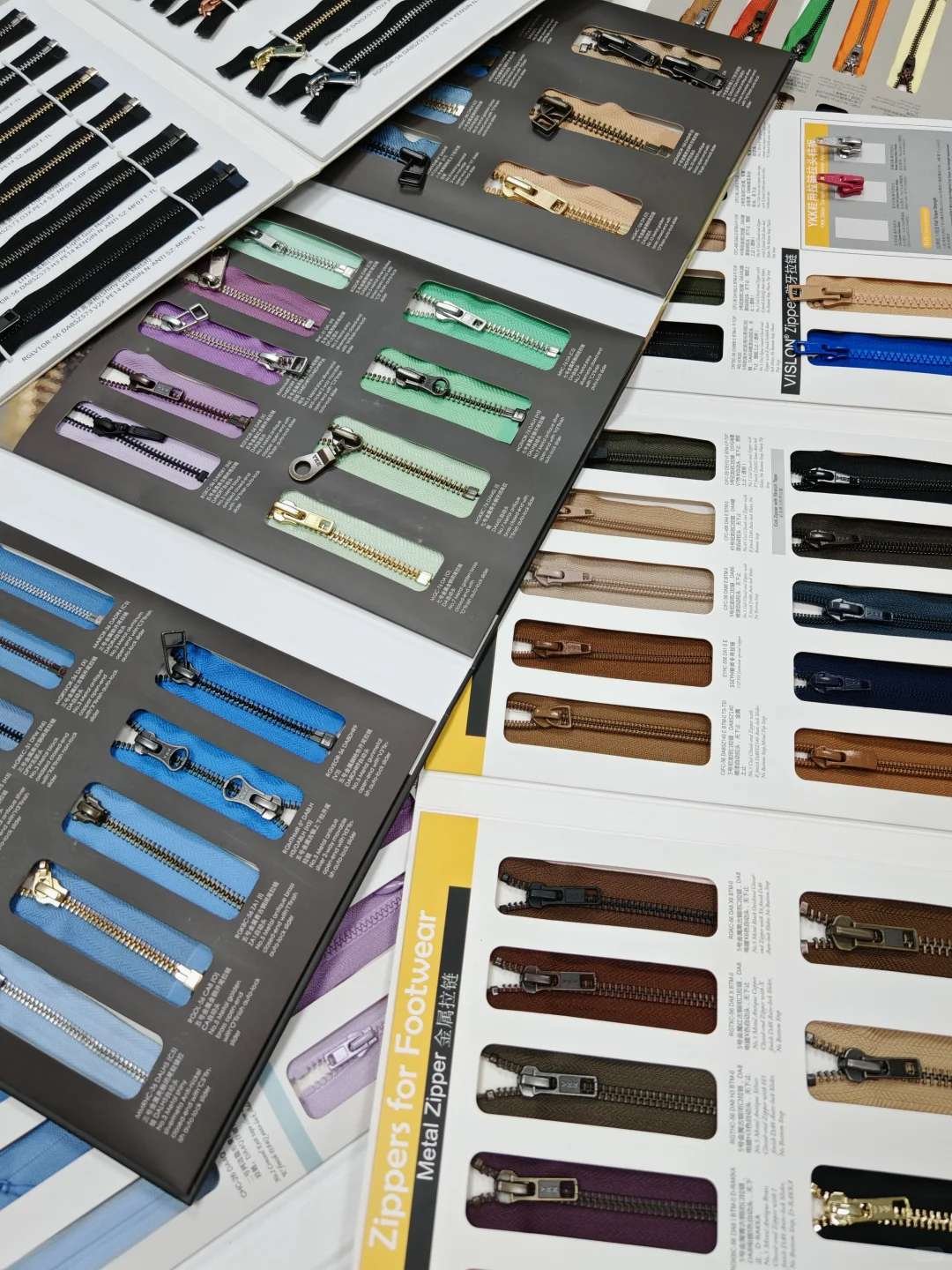
YKK Zippers
Industry-leading YKK fly zippers in nickel, antique brass, or custom finishes deliver smooth operation and long-lasting reliability, essential for high-quality flare jeans that customers wear season after season.
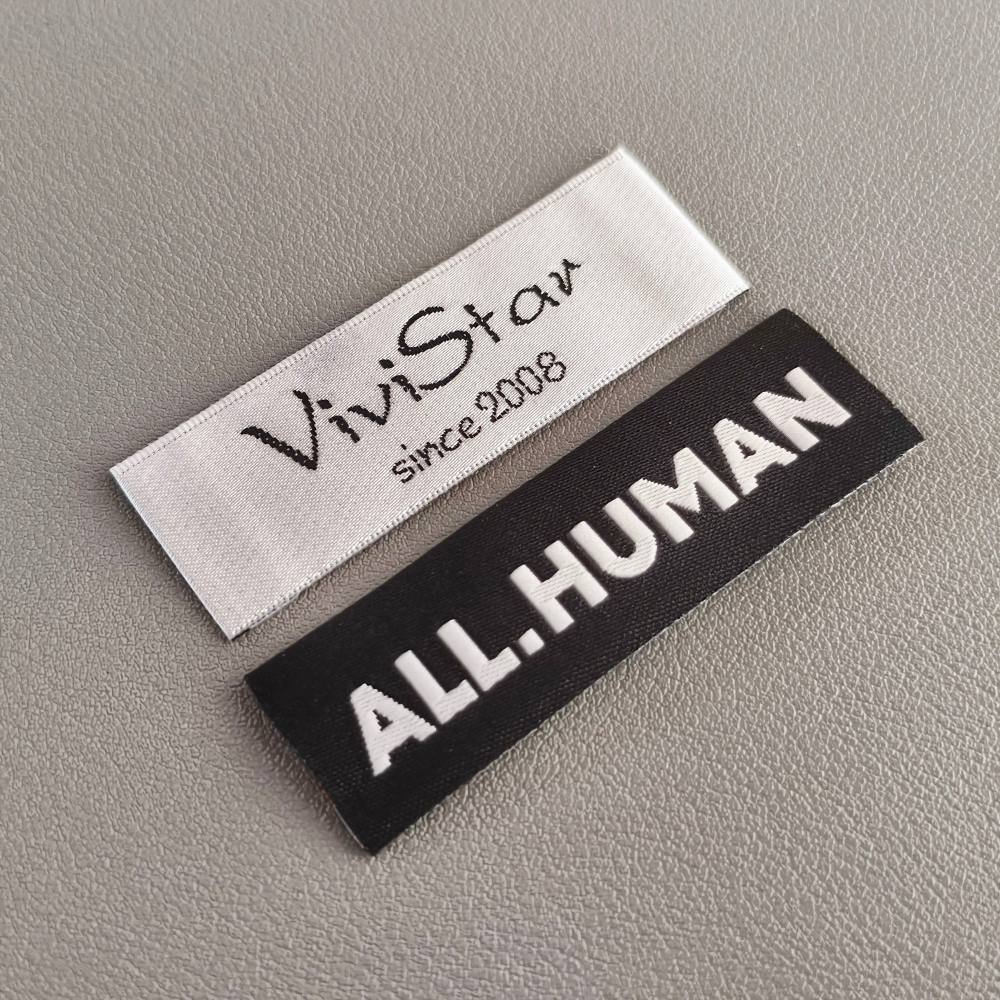
Woven Labels
High-definition woven brand labels sewn into the waistband or back pocket communicate your brand story and authenticity, transforming each pair of flare jeans into a branded experience.
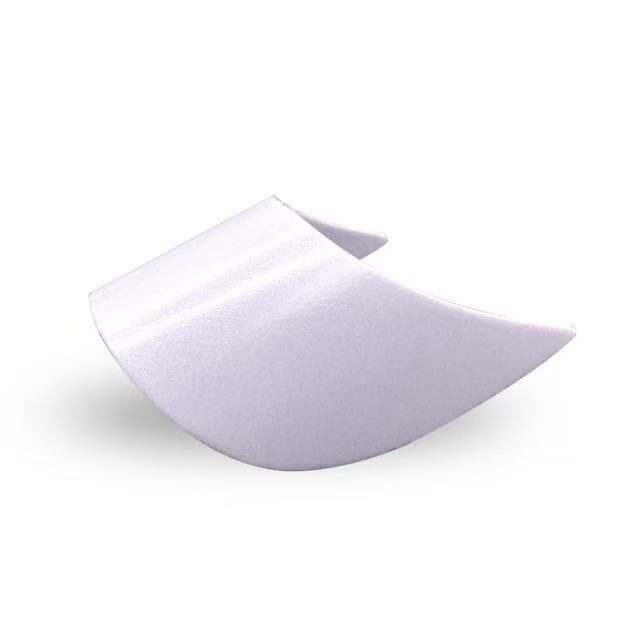
Lace Trim Panels
Decorative lace inserts along side seams or hem edges add feminine, bohemian flair to your denim designs, perfect for festival-inspired or vintage-aesthetic flare jeans collections.
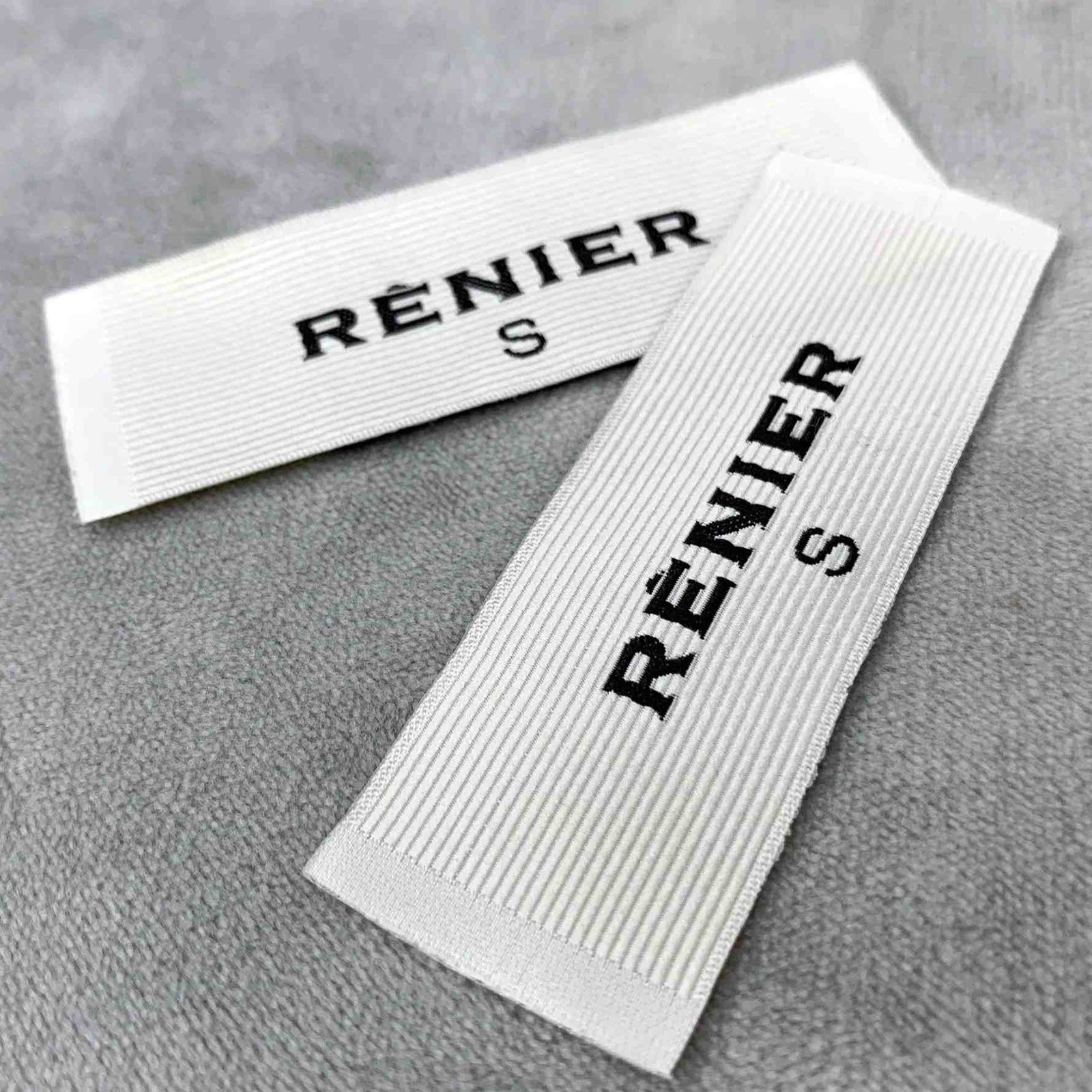
Custom Patches
Embroidered or woven patches applied to back pockets, thighs, or waistband inject streetwear edge and personalized branding into your flare jeans, ideal for influencer and creator-driven lines.
Your Trusted Flare Jeans Manufacturer
Founded in 2024 by Tesla Luo, Clothing Manufacturer Ltd was born from a mission to restore the global reputation of Chinese garment manufacturing through uncompromising quality standards. With over 10 years of production experience and 6 years specializing in streetwear, Luo witnessed too many manufacturers skip critical quality checks. He established our company to prove that rigorous testing at every production stage delivers superior results.
Backed by parent company Dongguan TuoZhen Clothing Co., Ltd., we combine startup agility with established manufacturing infrastructure. Our 15-person R&D team and 10 patents support clients across 100+ countries, from emerging fashion startups to global retailers. As a flare jeans manufacturer, we apply our proprietary 5-step QC process to every garment, ensuring trend-driven designs meet exacting quality benchmarks.
We partner with streetwear brands, independent designers, and influencer lines who demand premium craftsmanship without compromise. Our low MOQ options, fast turnaround for seasonal collections, and global logistics support empower brands at every growth stage to bring their vision to life with confidence.
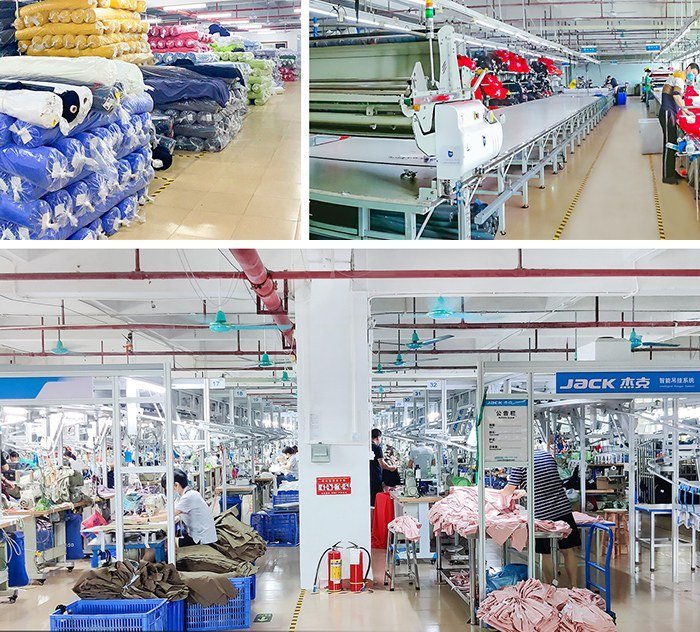
Our 5-Step Quality Control Process for Flare Jeans
Materials QC Testing
Every denim roll is inspected before cutting begins. We verify fabric weight, stretch recovery, color consistency, and shrinkage rates to ensure your flare jeans meet specifications from the very first stage of production.
- Fabric weight and density verification against approved samples
- Color fastness and dye consistency testing across entire rolls
- Stretch and recovery measurement for perfect fit retention
- Pre-production shrinkage testing to eliminate sizing surprises
Cutting QC Testing
Pattern pieces are measured and audited immediately after cutting. Our team confirms grain alignment, seam allowances, and piece counts to prevent fit issues and material waste before sewing begins.
- Pattern accuracy checks against approved tech packs
- Grain line alignment verification for consistent drape
- Seam allowance measurement to ensure proper construction
- Cut piece counting and labeling to prevent assembly errors
Clothing Craft QC Testing
Specialized techniques like flare shaping, pocket placement, and waistband construction are validated during assembly. This checkpoint ensures signature details that define premium flare jeans are executed flawlessly.
- Flare angle and leg opening measurements for silhouette accuracy
- Pocket positioning and symmetry verification on every pair
- Waistband and fly construction quality inspection
- Topstitching alignment and stitch density validation
Sewing Production & Finished Goods QC
Every completed pair undergoes comprehensive inspection covering seam strength, hardware function, and overall appearance. Only flare jeans that pass our rigorous final standards are approved for ironing, folding, and shipment to your brand.
- Seam strength testing and thread tension evaluation
- Button, rivet, and zipper functionality checks
- Inseam and outseam measurement verification for size accuracy
- Final appearance inspection for stains, pulls, and finishing defects
Why Brands Choose Our Flare Jeans Manufacturer Over Competitors
We deliver what typical suppliers promise but fail to execute: low minimums, rigorous quality control at every production stage, and true partnership from concept to delivery.
← 左右滑动查看 →
From Fabric to Finished Flare Jeans: Our Manufacturing Timeline
Every flare jeans order moves through our facility with rigorous QC checkpoints at each production phase, ensuring premium quality from sourcing to shipment.
Fabric Sourcing & Approval
Premium denim fabrics are selected and tested for stretch, weight, and durability. Materials undergo QC testing before production approval to ensure consistency.
Pattern Making & Cutting
Flare jeans patterns are graded and marked. Cutting QC testing verifies accuracy, grain alignment, and fabric utilization to minimize waste and defects.
Sewing & In-Line QC
Skilled operators assemble flare jeans with precise stitching. Sewing production QC testing catches issues in real-time, preventing defects from advancing through production.
Craft & Finishing Details
Hardware attachment, hem finishing, and decorative elements are applied. Clothing craft QC testing ensures trims, buttons, and zippers meet durability standards.
Final Quality Inspection
Completed flare jeans undergo finished clothing quality QC inspection. Each garment is checked for measurements, stitching integrity, and overall appearance before approval.
Packing & Global Shipping
Approved flare jeans are pressed, folded, and packaged to brand specifications. Our logistics team coordinates global shipping with full customs and tracking support.
How to Partner With a Flare Jeans Manufacturer
From design submission to global delivery, our streamlined process makes flare jeans production transparent and efficient for streetwear brands, startups, and independent designers.
Submit Your Tech Pack & Design
Share your flare jeans design specifications, fabric preferences, and fit requirements. Our team reviews your tech pack and provides expert recommendations for streetwear-ready production.
Receive Quote & Sample Approval
Get a transparent quote with no hidden fees. We produce pre-production samples for your approval, ensuring every detail matches your vision before bulk manufacturing begins.
Confirm Bulk Production Order
Place your order with MOQs as low as 50 pieces. Our production team schedules your flare jeans manufacturing with clear timelines and milestone updates throughout the process.
Quality Inspection & Secure Packing
Every pair undergoes our proprietary 5-step QC process—from materials testing to finished garment inspection. Approved jeans are professionally packed to protect quality during transit.
Global Shipment & Ongoing Support
We coordinate logistics and customs documentation for seamless delivery worldwide. Post-delivery support ensures your satisfaction and helps plan future collections with confidence.
Certified Flare Jeans Manufacturer — Compliance & Quality You Can Trust
Flare Jeans Manufacturer Trusted by Growing Streetwear Brands
We launched our flare jeans collection with just 80 pieces and grew from 2,000 to 53,000 Instagram followers in 6 months. The fit consistency and quality from Clothing Manufacturer Ltd gave us the confidence to scale fast.
After three failed sampling rounds with other factories, Clothing Manufacturer Ltd nailed our vintage flare design on the first try. Their 5-step QC eliminated the quality issues we faced before—zero defects across four production runs totaling 850 units.
Their flare jeans production cut our sampling time by 65% and delivered our seasonal collection 3 weeks ahead of schedule. The denim quality and hardware finish exceeded what we were getting from our previous manufacturer at twice the price.
Flare Jeans Manufacturing — Frequently Asked Questions
What is the minimum order quantity (MOQ) for your flare jeans manufacturer services?
How long does it take to receive samples from your flare jeans manufacturer?
Do you charge for flare jeans samples, or are they free?
What payment terms does your flare jeans manufacturer offer?
Can your flare jeans manufacturer handle global shipping and logistics?
How do you protect my designs and intellectual property as a flare jeans manufacturer?
Does your flare jeans manufacturer provide design support and technical assistance?
Are bulk discounts available for larger flare jeans orders?
What customization options are available for flare jeans production?
The Complete Buyer’s Guide to Choosing the Right Flare Jeans Manufacturer
This comprehensive guide walks you through every critical factor when selecting a flare jeans manufacturer—from fabric quality and construction standards to MOQ requirements and customization options—plus common sourcing mistakes to avoid and a proven framework for launching your denim line successfully.
1. What Is a Flare Jeans Manufacturer?
A flare jeans manufacturer is a specialized denim production facility that engineers and produces jeans with a widened leg opening from the knee downward, requiring pattern-grading expertise distinct from straight-leg or skinny denim construction. Unlike general apparel factories that handle multiple garment categories, qualified flare jeans manufacturers maintain dedicated pattern-making teams trained in calculating precise flare angles—typically ranging from 18 to 24 inches at the hem for standard flares and 24 to 26 inches for wide-leg variations—and grading these dimensions across size runs without distorting hip and thigh proportions.
Specialized capabilities include heavy-duty industrial sewing equipment rated for 12 oz to 14 oz denim weights, laser finishing systems for controlled distressing along flared panels, and steam-tunnel presses that set the leg shape without flattening the flare silhouette. Manufacturers like Clothing Manufacturer Ltd. implement five-step quality control protocols covering materials QC, cutting QC, craft QC, sewing QC, and finished-product inspection to ensure consistent leg symmetry and hem width across production runs of 50 pieces or more.
Brands source dedicated flare jeans manufacturers rather than producing in-house because pattern development for flare silhouettes demands iterative sampling—often three to five rounds—to balance aesthetic flare with structural integrity, and specialized factories maintain libraries of proven flare patterns across multiple rises and inseam lengths. A qualified manufacturer demonstrates pattern-grading software proficiency, experience with stretch-denim recovery rates (typically 60–70% elastane retention after washing), and finishing capabilities including enzyme washes, sandblasting alternatives, and hem-weighting techniques that prevent flare collapse during wear.
2. The Evolution of Flare Jeans in Modern Manufacturing
Flare jeans first dominated mainstream fashion between 1970 and 1979, when manufacturers relied on rigid denim (typically 12–14 oz without stretch) and simple boot-cut patterns that widened uniformly from the knee. Production tooling was straightforward: pattern blocks required only two leg-width measurements, and sewing machines handled thick, non-elastic fabrics with minimal tension adjustments. This era established the flare silhouette but offered limited fit customization, as manufacturers lacked the stretch fibers and engineered pattern-grading systems common today.
The 2000s brought low-rise bootcut styles that required new pattern blocks with dropped waistlines and subtle flares, pushing manufacturers to invest in computerized grading software and elastane-blend fabrics (1–3% stretch). By 2008, many denim factories had adopted laser-guided cutting tables and programmable sewing units to handle the increased complexity of stretch recovery—fabrics that return to shape after wear. These investments separated generalist apparel producers from denim specialists capable of maintaining consistent leg openings (typically 20–22 inches) across size runs.
Today’s high-waisted flare revival, accelerating since 2020, demands engineered silhouettes with 8–12% stretch, contoured waistbands, and precise flare angles that balance proportion and recovery. A flare jeans manufacturer must now maintain pattern libraries for multiple rise heights (10-inch, 11.5-inch, 13-inch), invest in elastane-compatible needles and thread, and run fit tests across body types. Trend cycles every 18–24 months force manufacturers to update tooling and train sewing teams on new construction techniques, which explains why factories with dedicated denim lines and quality-control checkpoints—like the five-step QC process—consistently outperform those treating flares as occasional orders.
3. Types of Flare Jeans Manufacturers
Flare jeans manufacturers vary widely by service model, scale, and geographic location. Understanding these categories helps brands match their volume, timeline, and design needs to the right production partner.
Full-Package Denim Mills
Full-package manufacturers handle fabric sourcing, dyeing, washing, cutting, sewing, and finishing under one roof. Turkey, China, and Pakistan host the largest vertically integrated denim mills, offering 30–45 day lead times for orders starting at 500–1,000 pieces per style.
These producers suit established brands requiring consistent color matching, complex washes, and scalable production. In-house dyeing and finishing lines ensure tighter quality control and faster turnaround than multi-vendor workflows.
Cut-Make-Trim (CMT) Factories
CMT factories provide sewing and assembly services only; clients supply all fabric, trims, and hardware. Mexico, China, and smaller Southeast Asian facilities operate this model, with MOQs as low as 100–300 pieces and 20–30 day production windows.
CMT is ideal for designers who source premium Japanese or Italian denim independently and need flexible, lower-volume runs. Communication and logistics coordination are critical, as the client manages the supply chain.
Vertically Integrated Producers
Vertically integrated producers own spinning, weaving, dyeing, and garment assembly, offering end-to-end transparency and the shortest supply chains. China’s Guangdong and Jiangsu provinces and Turkey’s Denizli region concentrate these operations, with MOQs of 500–2,000 pieces.
Global retailers and fast-growing streetwear brands benefit from single-source accountability, streamlined approvals, and reduced shipping complexity. Lead times average 35–50 days, including fabric development.
4. Denim Fabrics and Materials for Flare Jeans
Fabric selection defines the drape, recovery, and silhouette retention of flare jeans. A professional flare jeans manufacturer stocks multiple denim weights, stretch percentages, and weave structures to match brand aesthetics and target price points.
| Fabric Type | Stretch % | Weight (oz) | Best Use Case | Price Tier |
|---|---|---|---|---|
| 100% Cotton Rigid | 0% | 12–14 | Vintage flare, structured silhouette | Mid |
| Cotton-Elastane Blend | 1–3% | 10–12 | Everyday flare, slight recovery | Mid |
| High-Stretch Blend | 10–15% | 8–10 | Body-con flare, maximum comfort | High |
| Organic / Recycled | 0–3% | 9–12 | Sustainable collections | High |
Rigid and Low-Stretch Denim
100% cotton rigid denim (0% elastane) delivers authentic vintage drape and structure, ideal for retro-inspired flare silhouettes. Weights between 12–14 oz provide the body needed to hold a dramatic flare without collapsing at the hem.
Cotton-elastane blends with 1–3% spandex add recovery and comfort while preserving the rigid aesthetic. These fabrics reduce bagging at the knee and seat, critical for flares worn through multiple sit-stand cycles.
High-Stretch Denim Blends
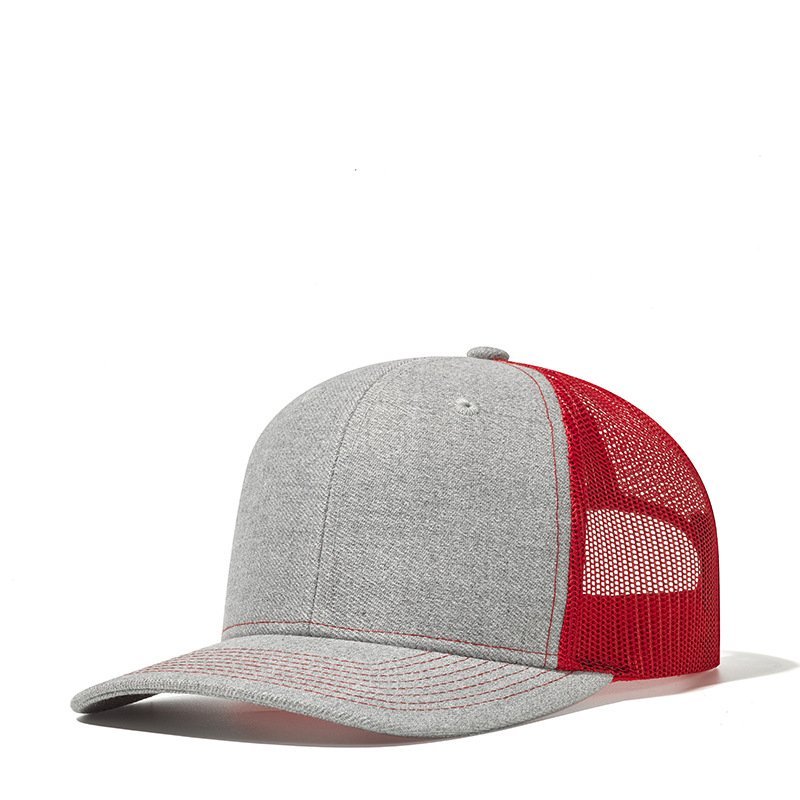
High-stretch denim (10–15% elastane) offers maximum mobility and body contouring, popular in contemporary flare styles. Lighter weights of 8–10 oz enhance drape, allowing the flare to move fluidly and emphasize leg length.
These blends require careful pattern grading; excess stretch can distort the flare opening over time. A flare jeans manufacturer with five-step quality control tests elasticity retention and dimensional stability before sewing.
Sustainable and Specialty Denim
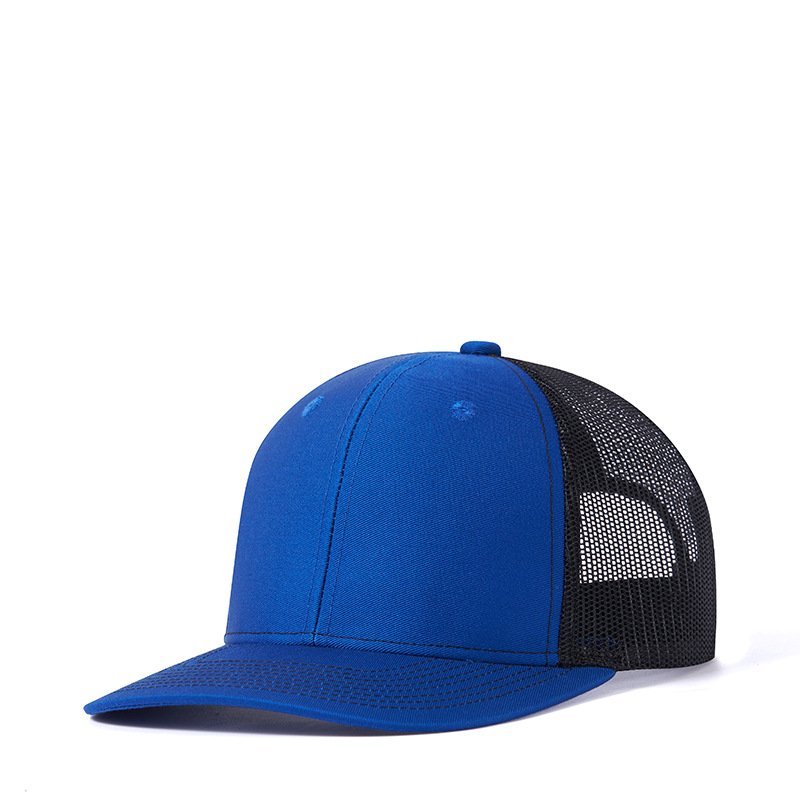
Organic cotton denim (GOTS-certified) and recycled-fiber blends meet eco-conscious brand positioning. Weights typically range 9–12 oz, balancing sustainability certifications with flare structure.
Slub and broken-twill weaves introduce texture variation, differentiating premium flare collections. Finishing options—raw, sanforized, or pre-washed—affect shrinkage and hand feel; sanforized denim shrinks less than 3%, ensuring consistent flare dimensions post-wash.
5. Customization and Branding Options with a Flare Jeans Manufacturer
A flare jeans manufacturer offers diverse customization and branding techniques to differentiate your product line. Each method carries distinct setup costs, per-unit pricing, and minimum order quantity implications that directly affect your launch timeline and budget.
| Technique | Setup Cost | Per-Unit Cost | Typical MOQ | Lead Time Impact |
|---|---|---|---|---|
| Custom Hardware (YKK zippers, rivets) | $100–$300 | $0.50–$2.00 | 500–1,000 pcs | +15–25 days |
| Embroidery / Appliqué | $30–$80 | $1.50–$5.00 | 100 pcs | +3–5 days |
| Leather / Jacron Patches | $50–$120 | $0.30–$2.50 | 100–200 pcs | +10–15 days |
| Laser Etching / Distressing | $20–$50 | $1.00–$8.00 | 50 pcs | +2–4 days |
| Custom Washes (stone, enzyme, acid) | $0 (sampling) | $1.50–$4.00 | 200–500 pcs | +10–20 days |
Custom Hardware and Trims
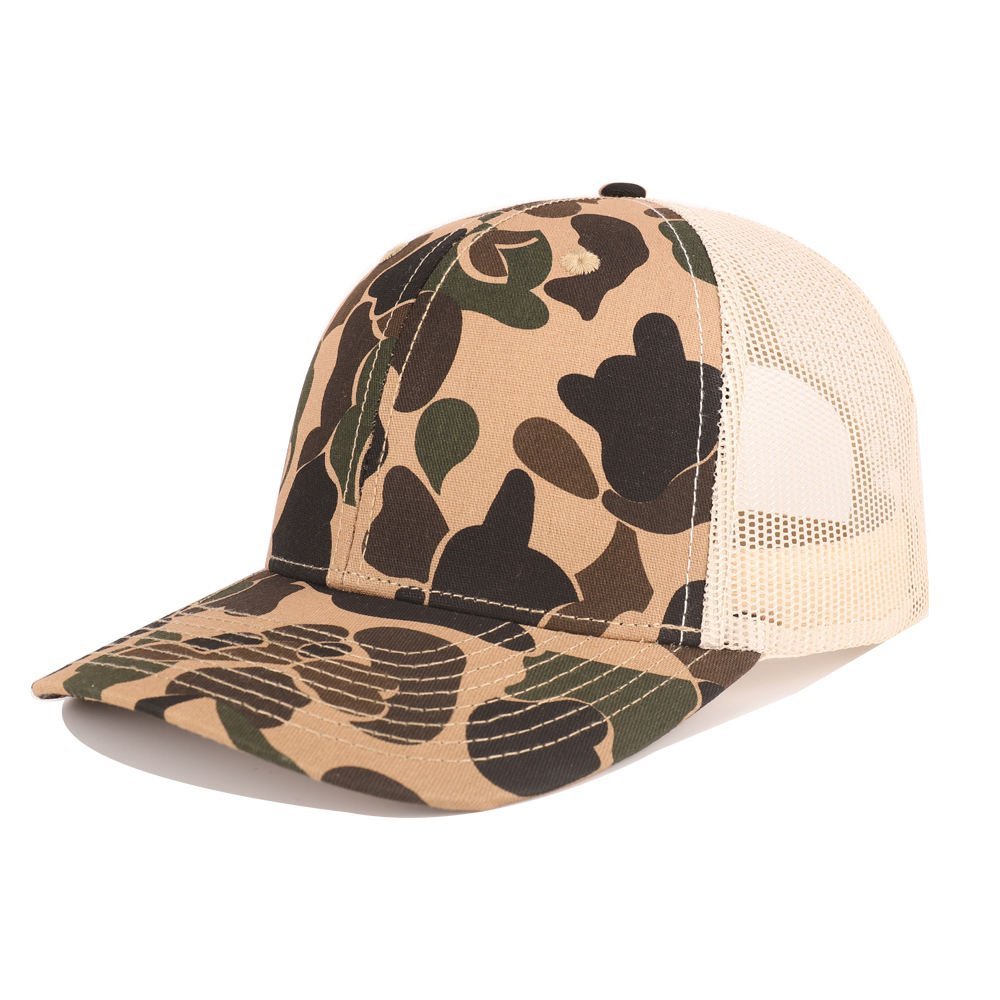
Buttons, rivets, and zippers offer immediate brand recognition. YKK custom-pull zippers typically require 1,000-unit minimums per style, with setup costs of $150–$300 for molds. Custom metal rivets and shanks start at 500-piece MOQs with $100–$200 tooling fees.
Lead time for custom hardware adds 15–25 days to production. Manufacturers often stock generic hardware for smaller runs, allowing brands to test designs before committing to custom tooling.
Embroidery and Appliqué
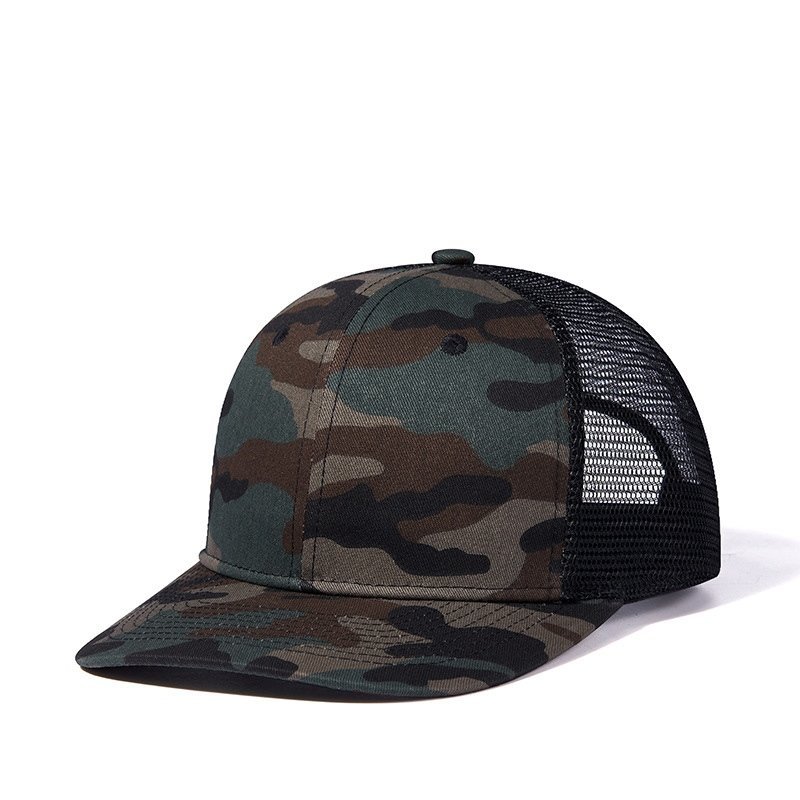
Embroidery delivers durable, premium branding on back pockets, waistbands, and leg panels. Digitizing fees range from $30–$80 per design, with per-unit costs of $1.50–$4.00 depending on stitch count. MOQs typically start at 100 pieces per colorway.
Appliqué work—fabric patches sewn onto denim—adds texture and dimension. Setup costs mirror embroidery, but labor-intensive placement can increase per-unit costs by $2–$5 and extend production by 3–5 days.
Patches: Leather, Jacron, and Woven Labels
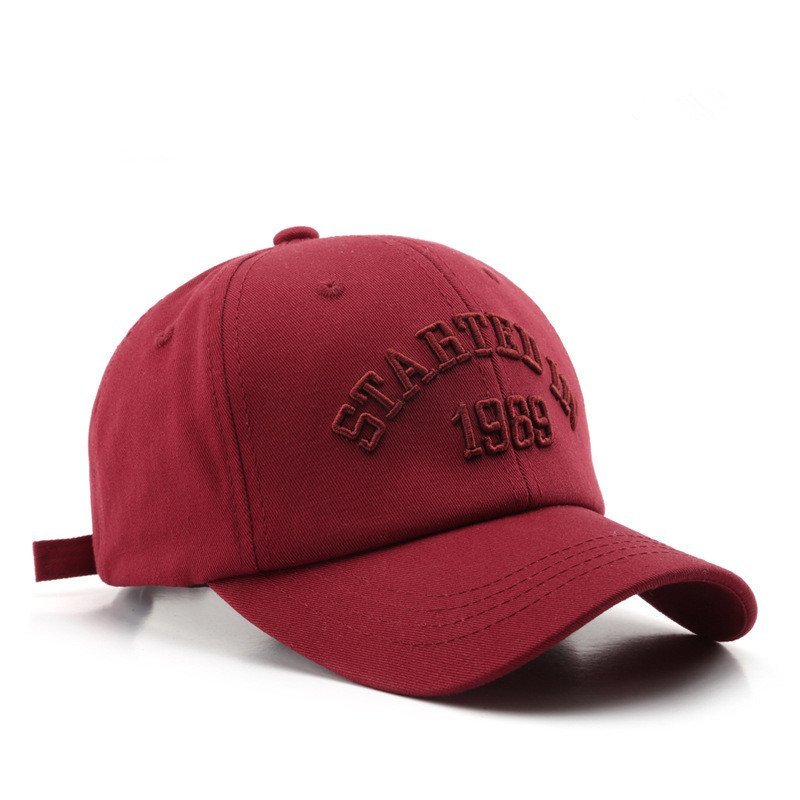
Leather and jacron patches anchor brand identity on waistbands. Genuine leather patches cost $0.80–$2.50 per unit with 200-piece minimums; jacron (paper-based) alternatives start at $0.30–$0.80 with 100-piece MOQs. Custom debossing or hot-stamping adds $50–$120 in tooling.
Woven labels sewn into inseams or pockets require 500–1,000 unit minimums, costing $0.10–$0.40 each. Lead time for patch production is 10–15 days before garment assembly begins.
Laser Etching and Distressing
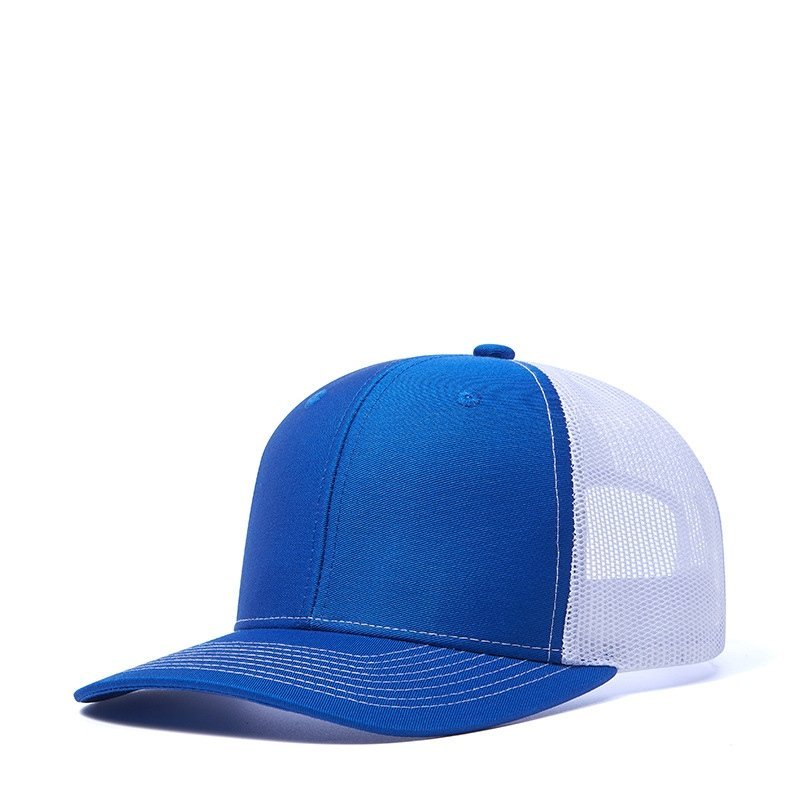
Laser technology creates precise patterns, logos, and distressing without manual labor variability. Setup costs are minimal—$20–$50 for digital file preparation—but per-unit costs range from $1.00–$3.50 based on coverage area. MOQs can be as low as 50 pieces.
Manual whiskering and distressing require skilled artisans, adding $3–$8 per garment and 2–4 days to production. A flare jeans manufacturer with five-step QC testing ensures distressing consistency across all units, preventing uneven fading or structural weakness.
Custom Washes: Stone, Enzyme, and Acid
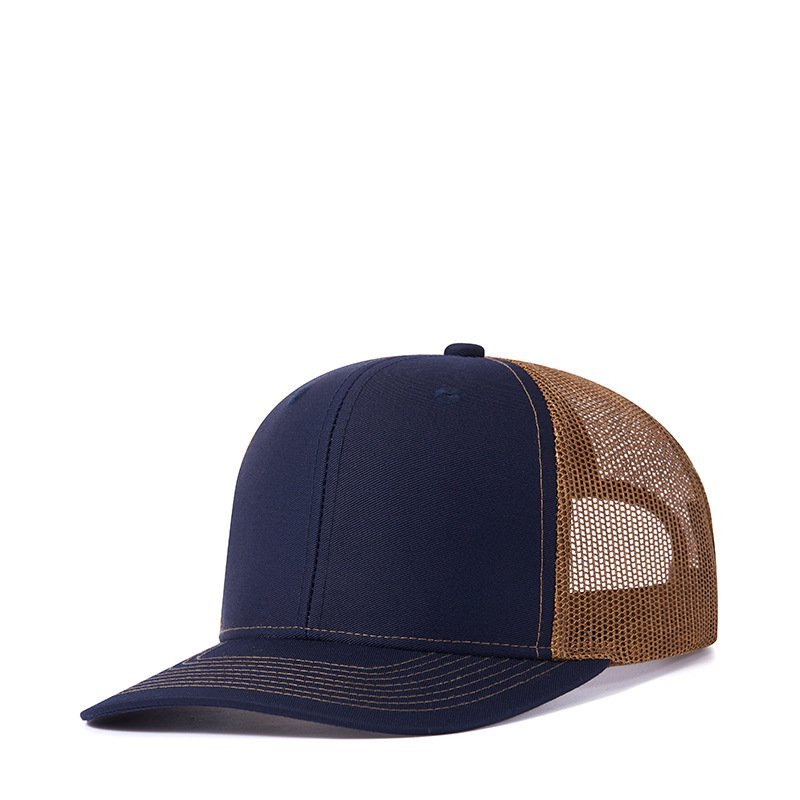
Wash treatments define flare jeans’ final aesthetic. Stone wash uses pumice stones to soften and fade denim; enzyme wash employs cellulase for a cleaner, controlled effect. Acid wash creates high-contrast marbling. Each wash type adds $1.50–$4.00 per unit, with 200–500 piece minimums to justify dyehouse setup.
Custom wash development requires sample rounds, extending timelines by 10–20 days. Manufacturers with in-house or dedicated partner dyehouses offer faster iteration and tighter color control than those outsourcing wash processes.
6. Key Quality Indicators When Evaluating a Flare Jeans Manufacturer
Quality control separates reputable flare jeans manufacturers from those who ship defects. A five-step QC methodology—covering materials, cutting, craft, sewing, and finished inspection—ensures every pair meets construction standards before packing.
Pattern Accuracy and Flare Symmetry
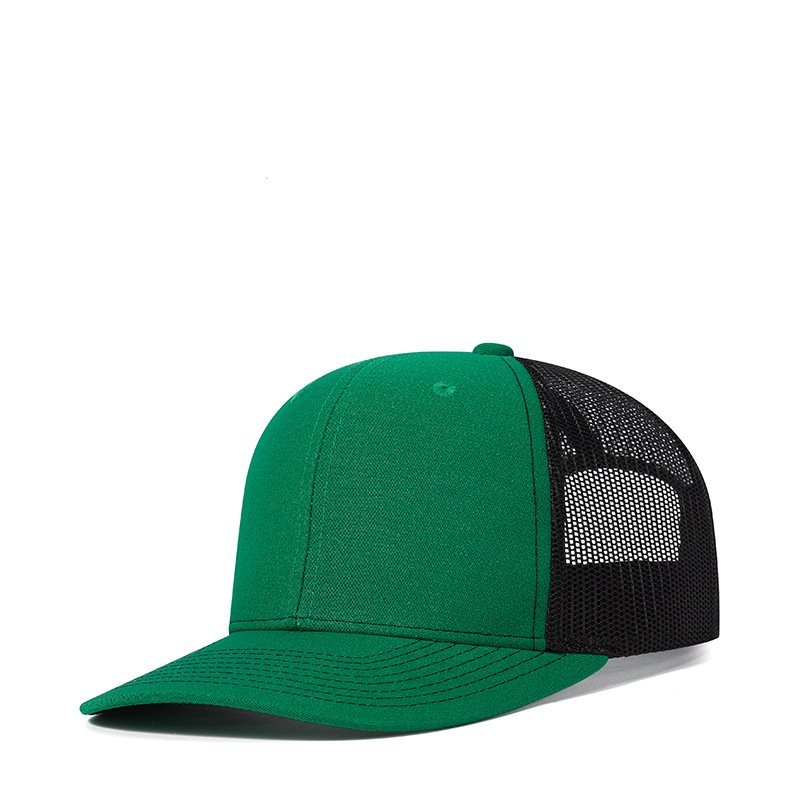
Pattern precision determines whether both legs flare identically from knee to hem. Measure the hem opening on each leg; variance beyond 0.5 cm indicates cutting or pattern-grading errors that compromise fit consistency.
Audit sample pairs by laying them flat and overlaying the legs. Asymmetry in flare width, inseam length, or rise height signals poor pattern control. Manufacturers with digital cutting tables and CAD grading typically maintain tighter tolerances than manual cutting operations.
Stitch Density and Reinforcement
Denim construction requires 10–12 stitches per inch (SPI) on main seams for durability under tension. Count stitches along the inseam and outseam over a one-inch span; fewer than 10 SPI risks seam failure after repeated wear.
Bar-tack reinforcement at pocket corners, belt loops, and fly ends prevents stress-point blowouts. Each bar-tack should show at least 20 overlapping stitches in a tight rectangle. Skipping this step is a red flag for cost-cutting that sacrifices longevity.
Waistband and Hardware Construction
A stable waistband uses interlining or fusible tape to prevent rolling and stretching. Flex the waistband; excessive give or visible buckling indicates inadequate support layers. The waistband should return to flat after bending.
Button shanks must anchor through all waistband layers with a backing button or rivet. Zippers require chain stitching along both tapes and a bar-tack at the bottom stop. YKK or SBS zippers offer reliable pull-strength and corrosion resistance for denim weights.
Hem Finish and Color Fastness
Flare jeans hems endure abrasion from footwear and pavement, so double-needle chain-stitch or coverstitch construction is standard. Inspect hem stitching for even spacing and no skipped stitches; uneven rows unravel quickly.
Color fastness testing—ISO 105 or AATCC standards—ensures indigo dye does not bleed excessively onto skin or light fabrics. Request lab reports for crocking (dry and wet rub) and wash fastness, targeting grade 3–4 or higher for commercial denim.
7. How to Choose the Right Flare Jeans Manufacturer for Your Brand
Selecting the right flare jeans manufacturer requires balancing production capabilities, compliance standards, and operational fit. A systematic vetting process across five core criteria ensures your partner can scale with your brand while maintaining quality and communication standards.
Minimum Order Quantity and Production Scale
MOQ tiers reveal a factory’s target customer segment. Manufacturers offering 50–500 pieces serve startups and independent designers testing collections, while 1,000+ MOQs suit established brands with proven demand.
Ask whether the factory can accommodate growth: a partner handling both small runs and scaled orders eliminates the need to switch manufacturers as your brand expands. Confirm whether sampling MOQs differ from bulk production minimums.
Lead Time and Turnaround Capacity
Standard sampling windows run 2–4 weeks; bulk production spans 6–10 weeks depending on order complexity and fabric sourcing. Factories with integrated cutting and finishing reduce handoff delays.
Request a production timeline breakdown covering fabric procurement, cutting, sewing, QC checkpoints, and shipping. Verify whether the manufacturer maintains buffer capacity for rush orders or seasonal peaks.
Certifications and Compliance Standards
WRAP and BSCI certifications confirm ethical labor practices; GOTS applies when sourcing organic denim. Retailers in North America and Europe increasingly mandate these credentials for vendor approval.
Review current certificates and expiration dates during initial outreach. Ask how the factory documents compliance for audits and whether they support third-party inspections.
Communication and Portfolio Review
Fluent English communication and responsive account management prevent costly misunderstandings on specs and revisions. Request work samples matching your aesthetic—streetwear-focused factories understand trend cycles and construction details like distressing and hardware.
During factory visits or video calls, observe QC stations and ask how defects are logged at each production stage. A transparent process signals a quality-first culture.
8. Common Mistakes When Sourcing a Flare Jeans Manufacturer
Sourcing a flare jeans manufacturer involves technical and commercial risks that can derail product quality, timelines, and profitability. Many brands repeat the same avoidable mistakes, from skipping fabric testing to neglecting contract protections. Understanding these pitfalls helps you select a partner who delivers consistent results.
Ignoring Fabric Shrinkage and Stretch Recovery Testing
Denim shrinks 3–7% after the first wash, and stretch fabrics lose recovery over repeated wear. Failing to test these properties before bulk production leads to sizing inconsistencies and customer returns.
Request pre-production wash tests on all denim blends, especially those with elastane or Lycra content. A reliable flare jeans manufacturer performs ASTM D4966 abrasion tests and ISO 6330 shrinkage protocols to confirm fabric stability across multiple wash cycles.
Choosing Solely on Price Without Quality Audits
The lowest quote often signals skipped QC steps, cheaper thread, or untested fabric. Brands that prioritize price over process face higher defect rates and long-term reputation damage.
Always audit a manufacturer’s five-step QC workflow—materials inspection, cutting checks, craft testing, sewing QC, and finished-garment inspection—before committing. Compare at least three suppliers on quality metrics, not unit cost alone.
Poor Tech-Pack Preparation Leading to Fit Issues
Incomplete or vague tech packs cause misaligned seams, incorrect rise measurements, and flare-leg proportions that don’t match your design. Fit errors discovered after sampling waste weeks and budget.
Provide graded spec sheets with tolerances (±0.5 cm for waistband, ±1 cm for inseam), construction details (flatlock vs. chain-stitch hems), and reference images for every size. Collaborate with your manufacturer’s pattern team to validate measurements before cutting.
Skipping Pre-Production Samples and Neglecting IP Protection
Jumping straight to bulk orders without pre-production samples risks costly rework. Similarly, failing to secure non-disclosure agreements exposes proprietary designs to copying.
Order fit samples in all sizes and conduct wear tests for at least two wash cycles. Sign NDAs and clarify IP ownership in your contract, especially for custom washes, embroidery artwork, and unique flare silhouettes.
9. Steps to Launch Your Flare Jeans Line with a Manufacturing Partner
Launching a flare jeans line with a manufacturing partner requires a structured workflow from design to delivery. Each step has specific deliverables and timelines that determine production success and time-to-market.
Develop Tech Packs and Fit Samples
Tech packs define every construction detail: fabric weight (10–14 oz denim typical for flare jeans), wash formulas, stitch types, hardware specs, and grading rules. Include flat sketches with measurement points of inseam (32–36 inches), knee width (18–22 inches), and leg opening (20–24 inches for classic flares).
Timeline: 1–2 weeks. Deliverables include CAD files, Pantone references for thread and trims, and a bill of materials listing all components from rivets to labels.
Request Quotes and Compare Proposals
Submit tech packs to three or more flare jeans manufacturers, specifying order quantity (50–500 pieces for startups) and target delivery date. Compare unit cost, MOQ, sampling fees, payment terms (30% deposit standard), and QC protocols.
Timeline: 3–5 days. Evaluate whether the factory offers in-line inspections or only final checks; five-step QC processes catch defects earlier than single-point inspection.
Order and Approve Pre-Production Samples
Pre-production samples validate fit, wash result, and construction before bulk cutting. Check rise depth, flare symmetry, topstitching tension, and hardware placement against your tech pack.
Timeline: 10–15 days for sample making, 3–5 days for your approval. Request size-run samples (S/M/L) if grading accuracy is critical; single-size samples may hide fit issues in larger or smaller sizes.
Negotiate Terms and Place Bulk Order
Finalize pricing, payment schedule (30% deposit, 70% before shipment typical), lead time (45–60 days for denim production), and penalty clauses for late delivery or quality failures. Confirm Incoterms (FOB, CIF, DDP) and shipping method.
Timeline: 2–3 days. Secure a signed purchase order or contract that references approved samples and tech packs to prevent disputes over specifications.
Conduct In-Line and Final QC Inspections
In-line QC at cutting and sewing stages catches fabric flaws and stitching errors before garments are finished. Final inspection measures every piece against AQL standards (2.5 standard for apparel) for thread breaks, misaligned seams, and wash inconsistencies.
Timeline: Ongoing during 45–60 day production cycle, final inspection 1 day before packing. Request photo reports or third-party audits if you cannot visit the factory.
Arrange Logistics and Import Compliance
Coordinate freight forwarding, customs clearance, and duty payment (denim jeans face 16.6% U.S. tariff under HTS 6203.42). Verify country-of-origin labeling, fiber-content tags, and care instructions meet destination-market regulations.
Timeline: 15–30 days for ocean freight, 3–7 days for air. Book shipping two weeks before production completes to avoid warehouse storage fees at the factory.
10. Flare Jeans Manufacturing Pricing and Cost Breakdown
FOB pricing for flare jeans from a flare jeans manufacturer typically ranges from $8 to $18 per unit depending on fabric grade, hardware complexity, and order volume. Mid-tier stretch denim (10–12 oz, 2% elastane) at 500-piece MOQ averages $10–$13 FOB, while premium selvedge or heavy-wash finishes push costs to $14–$18. Fabric accounts for 35–45% of total unit cost, trims and hardware (rivets, buttons, zippers) add $0.80–$2.50, and specialized washes—stone, enzyme, or distressing—contribute $1.20–$3.00 per garment.
Order quantity directly impacts per-unit economics: manufacturers offer tiered pricing because setup costs (pattern grading, cutting-room configuration, quality checkpoints) are amortized across larger runs. A 100-piece trial order may price at $15–$18 per unit, whereas 1,000 pieces drop to $9–$12 for identical specifications. Sampling costs range from $80 to $150 per prototype style, often credited back when production orders exceed 300 pieces.
Lead times vary by complexity and factory workload. Standard five-pocket flares in solid washes require 25–35 days from approved sample to ex-factory, while multi-process finishes (hand-sanding, laser etching, heavy distressing) extend timelines to 35–45 days. Payment terms in Dongguan and Humen Town typically follow 30% deposit on order confirmation, 70% balance before shipment, with some manufacturers offering net-30 terms for repeat clients above 500-piece orders.
| Order Quantity | Unit Price (FOB) | Sampling Cost | Lead Time | Payment Terms |
|---|---|---|---|---|
| 100–299 pcs | $15–$18 | $120–$150 | 30–40 days | 50% deposit, 50% before shipment |
| 300–499 pcs | $12–$15 | $100–$120 (credited) | 28–35 days | 30% deposit, 70% before shipment |
| 500–999 pcs | $10–$13 | $80–$100 (credited) | 25–32 days | 30% deposit, 70% before shipment |
| 1,000+ pcs | $9–$12 | Waived or credited | 25–30 days | 30% deposit, 70% balance or net-30 for repeat clients |
Ready to Launch Your Flare Jeans Line?
Partner with a trusted flare jeans manufacturer offering 50-piece MOQ, 5-step QC, and global shipping to 100+ countries.