
Premium Distressed Jeans Manufacturer for Streetwear Brands
Launch your distressed jeans line with a trusted distressed jeans manufacturer. 50-piece MOQ, 7-day samples, 5-step QC guarantee, and global shipping to 100+ countries.
Distressed Jeans & Streetwear Designs in Action
Why Choose Our Distressed Jeans Manufacturer
5-Step Quality Control Guarantee
Every distressed jean undergoes materials, cutting, craft, sewing, and finished-product QC testing before shipping—zero compromises on quality standards.
50-Piece Minimum Order Quantity
Launch your distressed denim line without massive inventory risk. Perfect for fashion startups, independent designers, and emerging streetwear brands.
7-Day Sample Turnaround
Get production-ready distressed jeans samples in one week. Fast iteration keeps your seasonal collections on schedule and trend-aligned.
In-House Streetwear Design Team
15-member R&D team with 6+ years streetwear expertise translates your vision into authentic distressed denim with trend-driven washes and finishes.
Advanced Distressing Techniques
Master rips, whiskering, sanding, stone-washing, and laser treatments. We deliver the authentic worn-in aesthetic streetwear customers demand.
Global Shipping & Logistics
Seamless customs, inspection, and freight forwarding to 100+ countries. Your distressed jeans arrive on time, anywhere your brand operates.
Distressed Jeans Manufacturer Categories & Custom Services
From classic ripped styles to fully customized washes and embroidery, our distressed jeans manufacturer services cover every trend-driven category your brand needs.
Ripped & Distressed Styles
Brands struggle to find manufacturers who can deliver authentic, trend-accurate distressing without compromising fabric integrity or creating inconsistent rip placements across production runs.
We produce ripped jeans with precision-placed distressing, reinforced edges, and consistent styling across every piece, backed by our 5-step quality control guarantee to ensure durability and aesthetic accuracy.
Custom Wash Variations
Achieving unique vintage washes, acid effects, or gradient fades requires specialized equipment and expertise that most generic factories lack, leading to flat, uninspired finishes that fail to stand out.
Our advanced washing and finishing techniques deliver authentic stonewash, acid wash, bleach splatter, and custom gradient effects that capture streetwear aesthetics and differentiate your collection in competitive markets.
High-Waisted & Fit Innovation
Independent designers and startups need modern silhouettes like high-waisted, mom-fit, and oversized cuts, but struggle with pattern development and grading that maintains fit integrity across sizes.
Our 15-person R&D team develops custom patterns for high-waisted, baggy, skinny, and hybrid fits with precise grading, delivering trend-forward silhouettes that fit consistently from size XS to 3XL.
Embroidered & Printed Customization
Adding brand logos, graphic prints, or embroidered details to distressed denim often results in misaligned placements, poor thread quality, or designs that fade after minimal wear and washing.
We integrate custom embroidery, screen printing, and heat-transfer graphics directly into production with precision placement and colorfastness testing, ensuring your branding stays vibrant through countless washes.
Full OEM/ODM Services
Emerging brands and influencer lines need end-to-end support from concept sketches to bulk production but lack the technical knowledge to navigate fabric sourcing, sampling, and manufacturing coordination.
Our complete OEM and ODM services guide you from initial design and tech pack development through sampling, production, and global shipping, with low 50-piece MOQs and 7-day sample turnaround for fast market entry.
Premium Denim Fabrics From Your Distressed Jeans Manufacturer
100% Cotton Denim
Classic rigid denim with authentic vintage texture. Ideal for traditional distressed jeans and raw-edge streetwear styles. Weight range: 10–14 oz. Breathable, durable, and ages beautifully with wear and washing.
Stretch Denim Blend
Cotton-spandex blend offering 2–4% elastane for comfort and recovery. Perfect for skinny fits, biker jeans, and performance streetwear. Weight: 9–12 oz. Retains shape while allowing freedom of movement.
Cotton-Poly Blend
Durable cotton-polyester fusion engineered for high-volume production and cost efficiency. Resists fading and shrinkage. Weight: 10–13 oz. Excellent for commercial streetwear lines requiring consistent wash results.
Raw Selvedge Denim
Premium unwashed denim with selvedge edge detailing. Sought after by high-end streetwear and designer labels. Weight: 12–16 oz. Stiff hand-feel that softens over time, creating unique fade patterns.
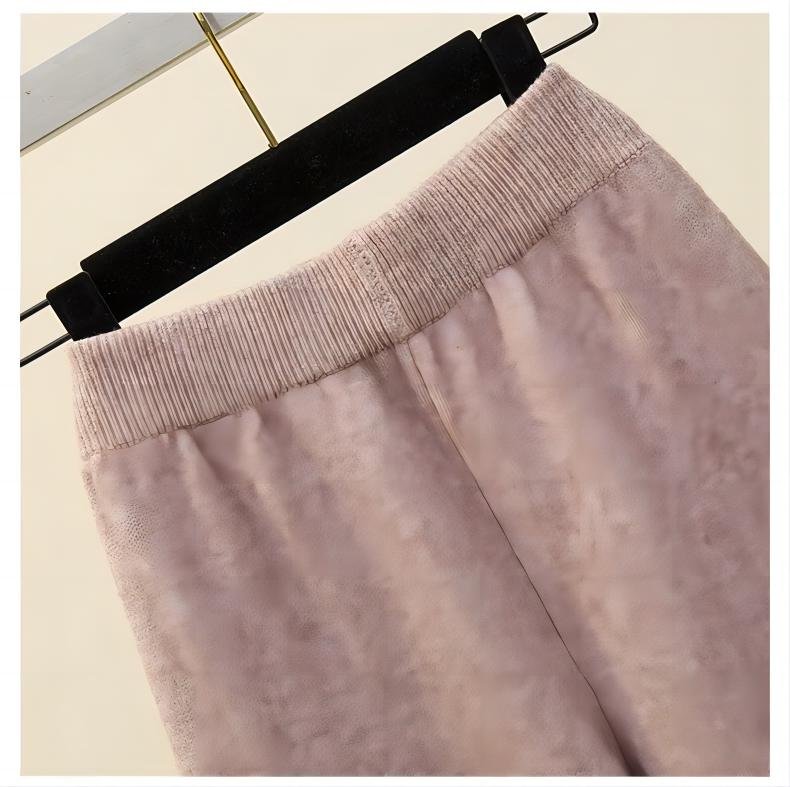
Lightweight Denim
Soft, breathable denim ideal for summer collections and layering pieces. Weight: 6–9 oz. Drapes elegantly while maintaining structure. Popular for denim shirts, lightweight jeans, and transitional streetwear.
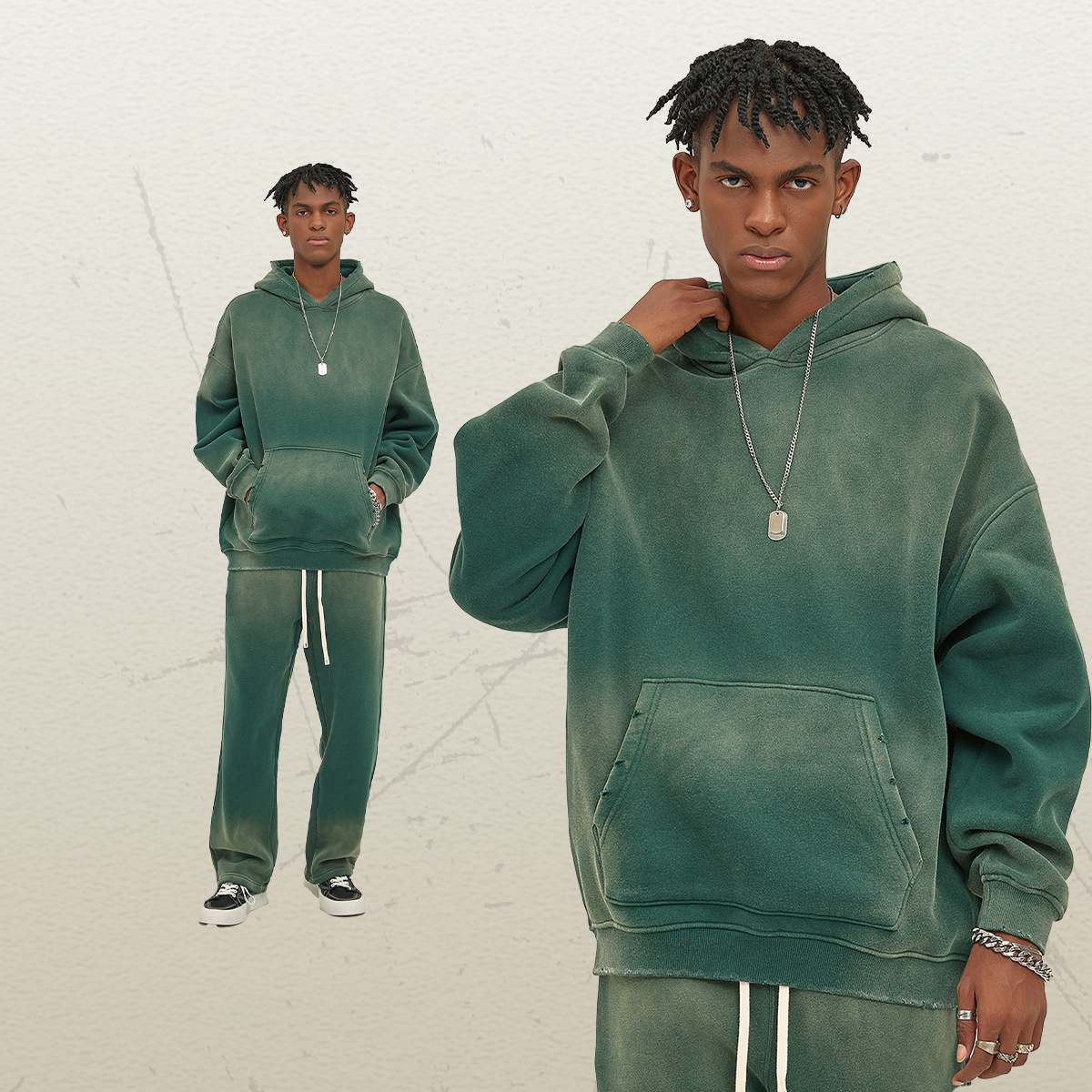
Heavyweight Denim
Robust, substantial denim built for extreme distressing and workwear-inspired streetwear. Weight: 14–16 oz. Exceptional durability and body. Holds rips, tears, and heavy washes without compromising integrity.
Advanced Distressing & Finishing Techniques From Your Distressed Jeans Manufacturer
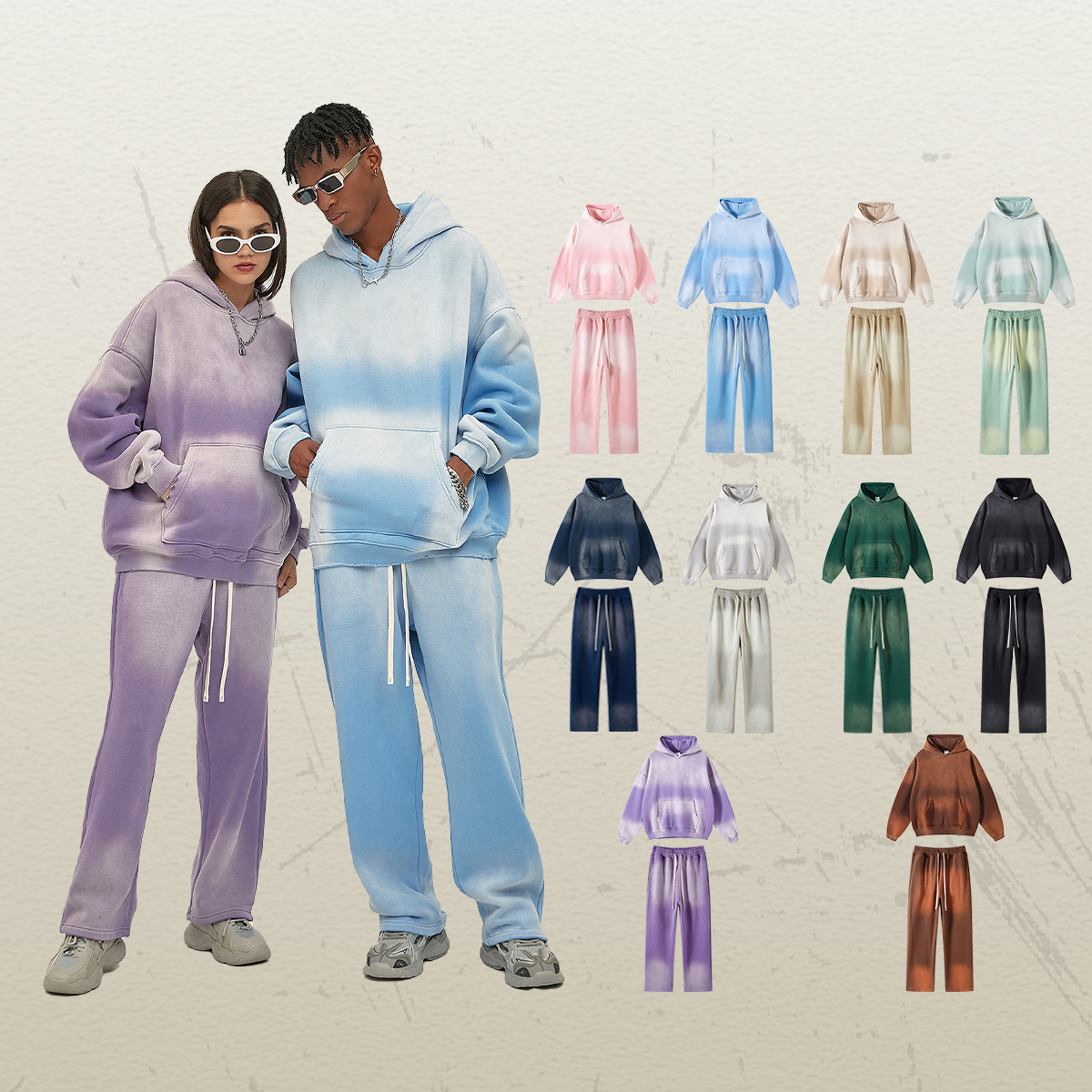
Laser Distressing
Computer-controlled laser technology creates precise rips, fades, and patterns with zero chemical waste. Delivers consistent, repeatable designs across production runs while maintaining fabric integrity and achieving ultra-modern streetwear aesthetics that resonate with trend-conscious consumers.
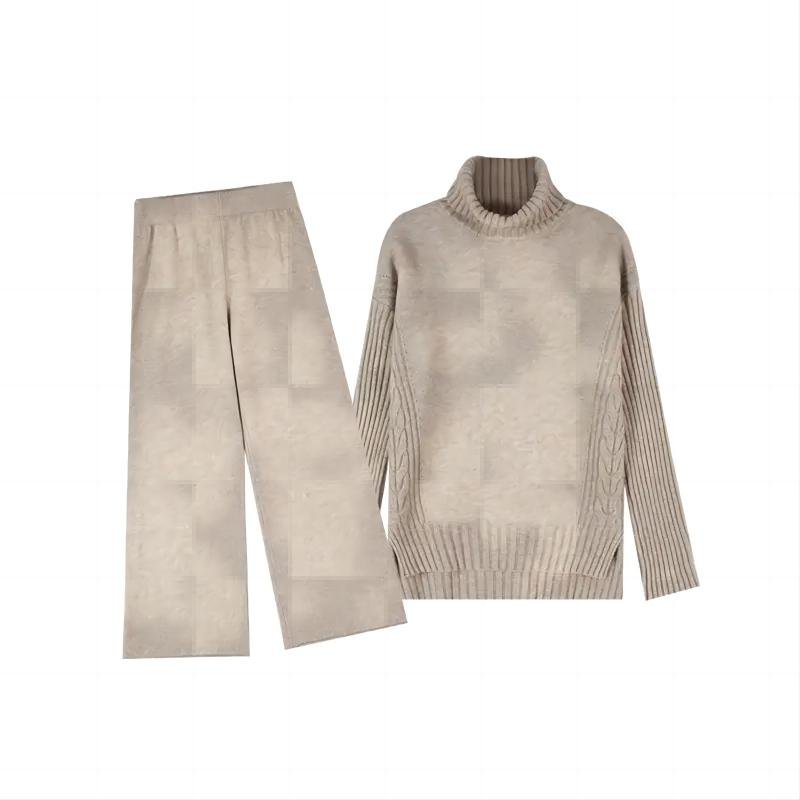
Hand Distressing
Skilled artisans manually sand, scrape, and tear denim to create one-of-a-kind vintage effects. Each piece receives individual attention, producing authentic worn-in character and unique variations that elevate premium streetwear collections with genuine craftsmanship and organic texture.
Chemical Washing
Controlled chemical treatments lighten denim and create specific color effects from ice blue to vintage gray. Our proprietary formulas ensure colorfastness and fabric longevity while achieving the exact shade your brand requires for seasonal collections and signature styles.
Stone Washing
Industrial stones tumble with denim to produce soft hand-feel and natural fading patterns. This classic technique delivers the broken-in comfort customers love while creating authentic vintage aesthetics that anchor timeless streetwear designs with lasting appeal and wearability.
Enzyme Washing
Bio-enzymes gently break down fabric surface for ultra-soft texture and subtle fading without harsh abrasion. This eco-conscious process preserves denim strength while creating contemporary worn effects, ideal for comfort-focused streetwear brands prioritizing both style and sustainability.
Acid Wash
Pumice stones soaked in chlorine create dramatic marbled and high-contrast effects for bold statement pieces. Perfect for retro-inspired streetwear collections, this technique produces eye-catching visual impact and nostalgic 80s aesthetics that command attention in competitive markets.
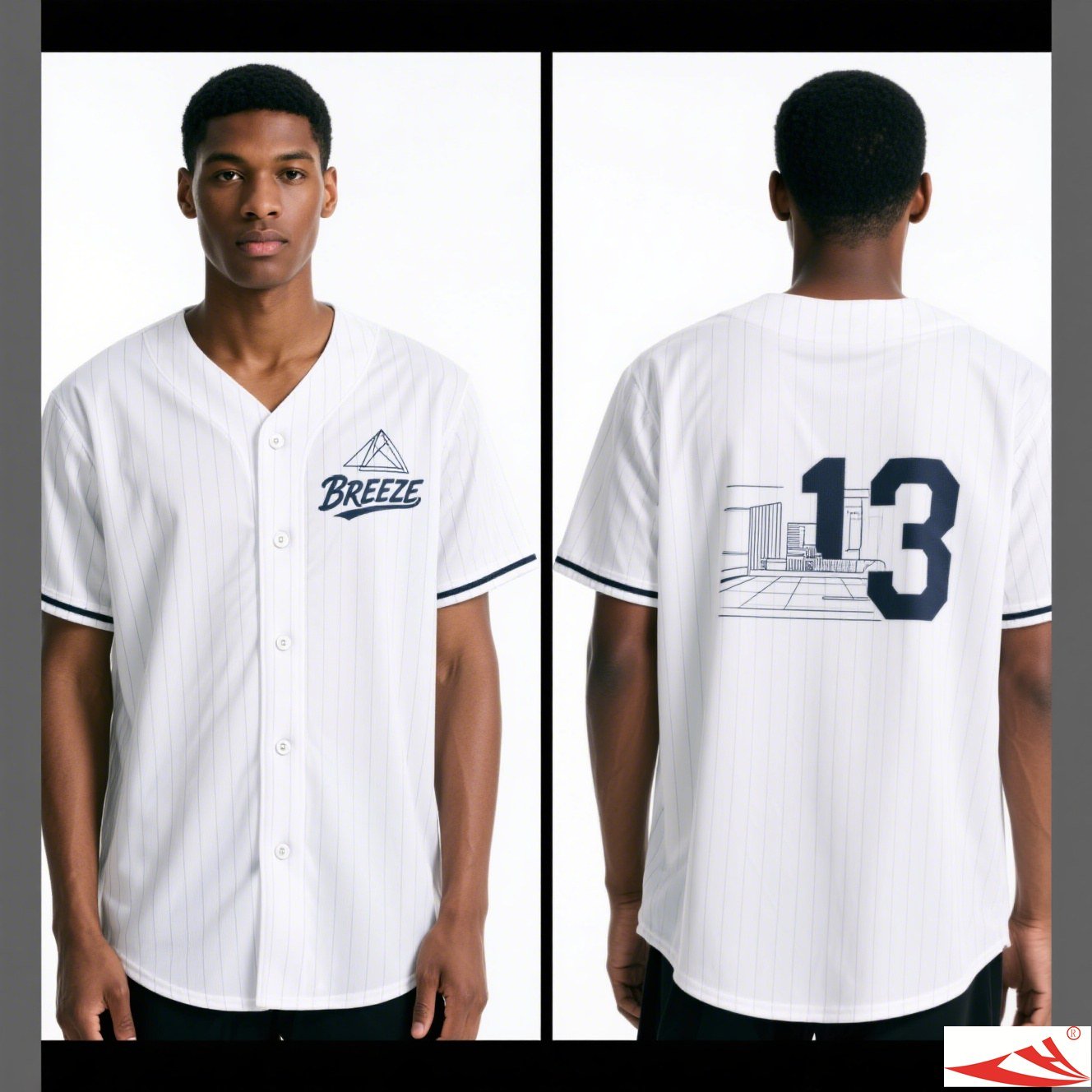
Custom Finishing
Combine multiple techniques—whiskering, stacking, patching, paint splatter, and more—to realize your unique design vision. Our experienced team collaborates with you to develop signature finishes that differentiate your brand and create the distinctive look your customers demand.
Distressed Jeans Manufacturer Trims, Labels & Hardware
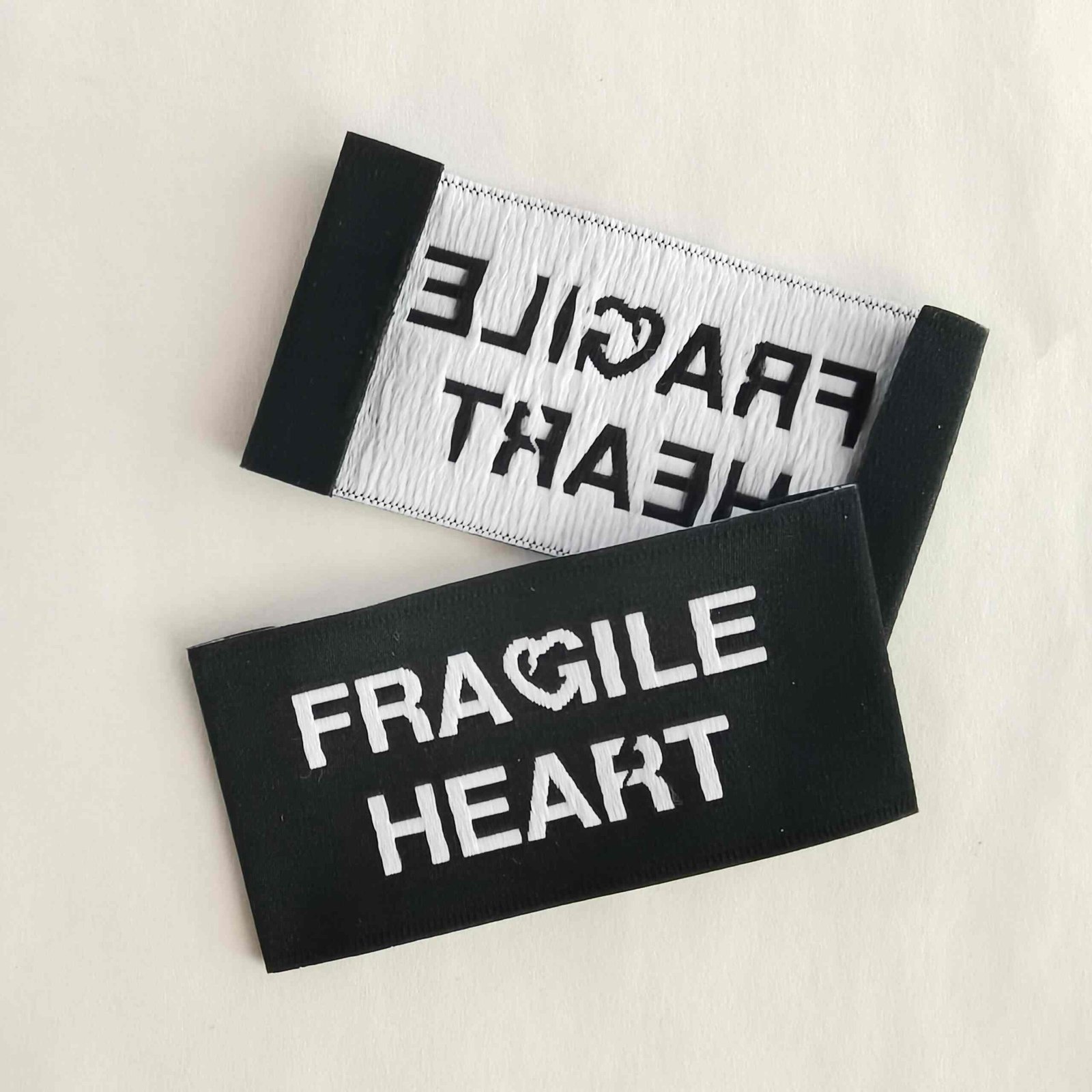
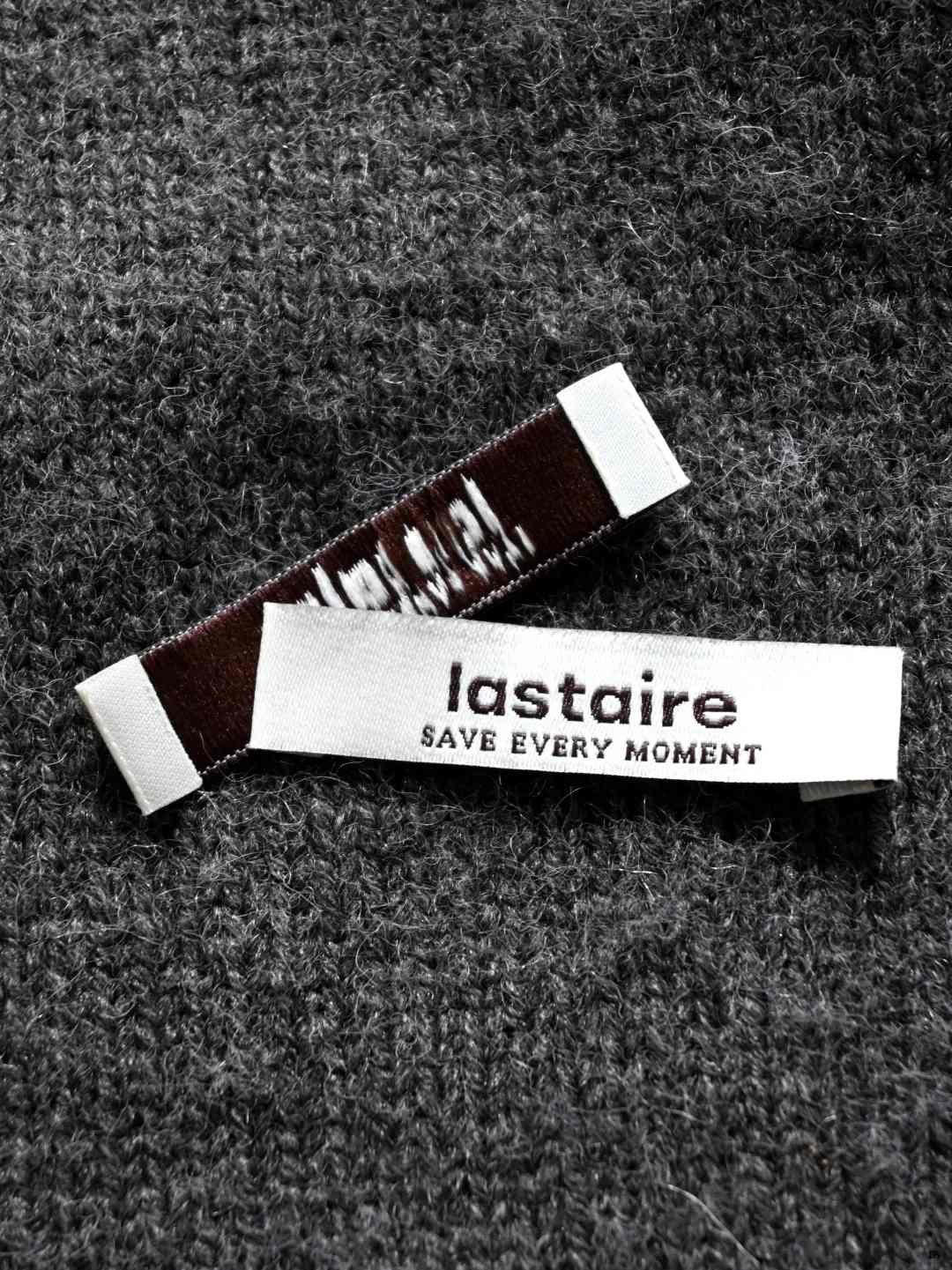
Woven Labels
Custom brand labels woven with your logo, tagline, or care instructions. Applied to waistbands, pockets, or hems to reinforce brand identity and add a professional finishing touch to every pair of distressed jeans.
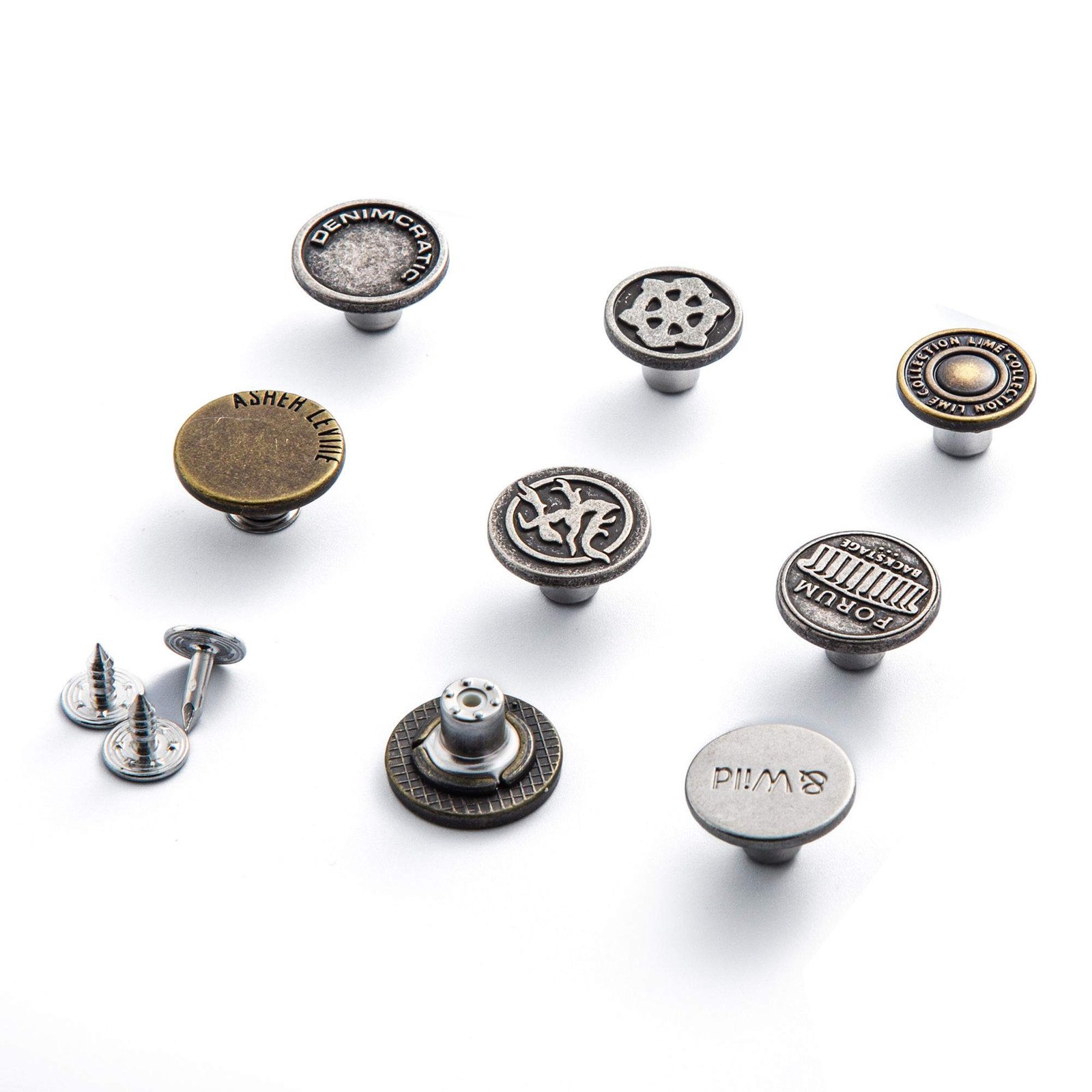
Metal Rivets
Durable copper, brass, or gunmetal rivets that reinforce stress points on pockets and seams. Essential hardware for authentic denim construction, available in custom finishes to match your distressed jeans aesthetic.
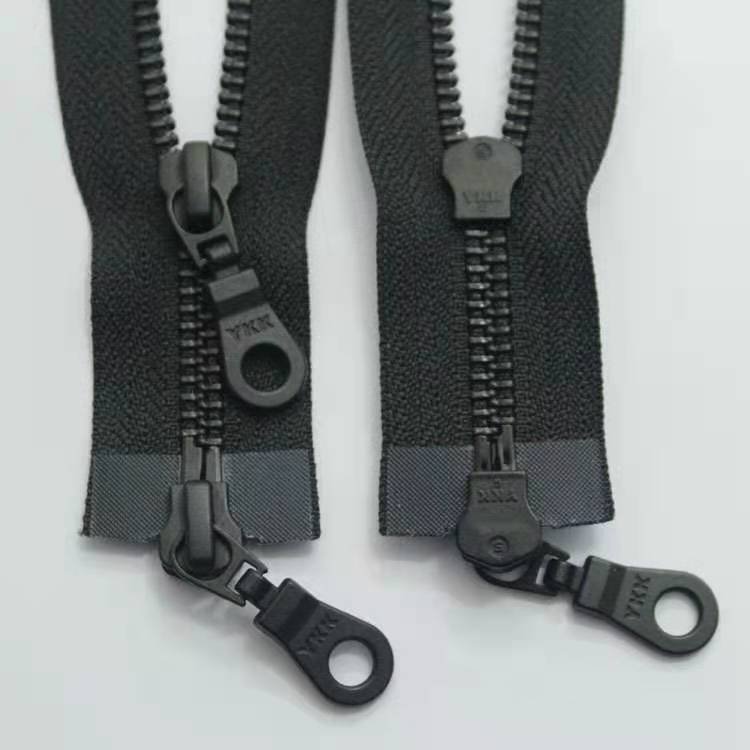
YKK Zippers
Premium YKK metal or coil zippers engineered for durability and smooth operation. Available in antique brass, black oxide, and custom colors to complement distressed washes and vintage-inspired streetwear designs.
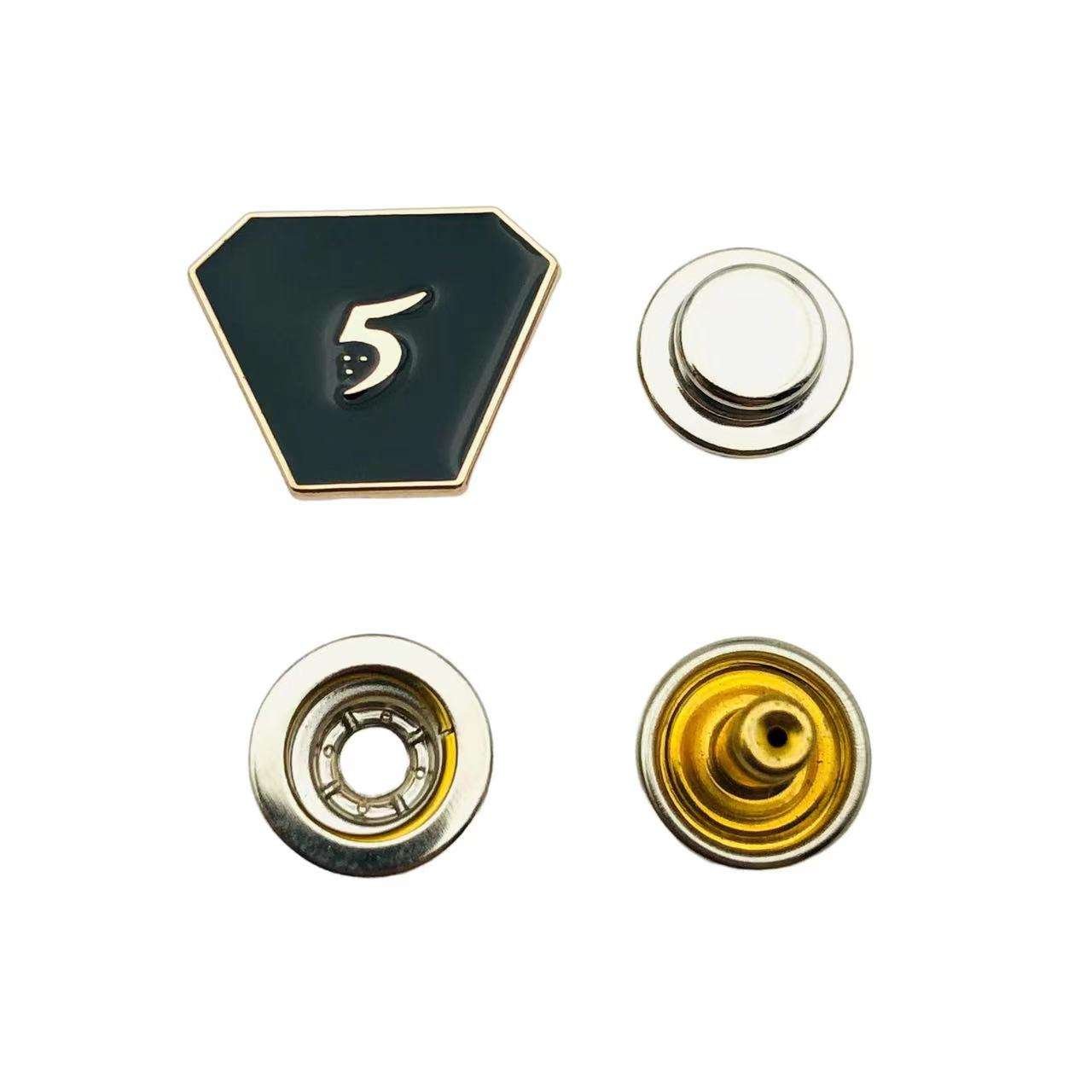
Custom Buttons
Logo-engraved shank or tack buttons in brass, gunmetal, or matte black finishes. Customize with your brand emblem or icon to create signature hardware that distinguishes your distressed jeans line.
Leather Patches
Genuine or vegan leather back-waist patches debossed or embossed with your brand logo. A classic denim detail that elevates perceived value and reinforces premium positioning for streetwear and designer labels.
Custom Embroidery
High-definition embroidered logos, graphics, or text applied to pockets, waistbands, or legs. Perfect for adding streetwear motifs, brand signatures, or limited-edition details that set your distressed jeans apart.
Your Trusted Distressed Jeans Manufacturer
Founded in 2024 by Tesla Luo, Clothing Manufacturer Ltd was built on a mission to eliminate low-quality clothing from global markets. With over 10 years of apparel production experience and 6 years specializing in streetwear, we serve fashion startups, independent designers, and trendy brands across 100+ countries. Our expertise spans every production stage, from fabric selection to advanced distressing techniques.
What sets us apart as a distressed jeans manufacturer is our proprietary 5-step quality control methodology. Unlike competitors who skip critical QC checkpoints, we test at materials, cutting, craft, sewing, and finishing stages. This zero-compromise approach ensures every pair of distressed jeans meets rigorous standards before shipping. Backed by a 15-member R&D team and 10 production patents, we deliver premium craftsmanship with fast turnaround and low MOQs for emerging brands.
We partner with streetwear labels, influencer brands, and global retailers who demand trend-driven designs without sacrificing quality. From 50-piece trial runs to scalable bulk production, our in-house design team and transparent communication empower your brand to grow with confidence. We are committed to restoring trust in Chinese manufacturing through hard work, integrity, and relentless quality assurance.
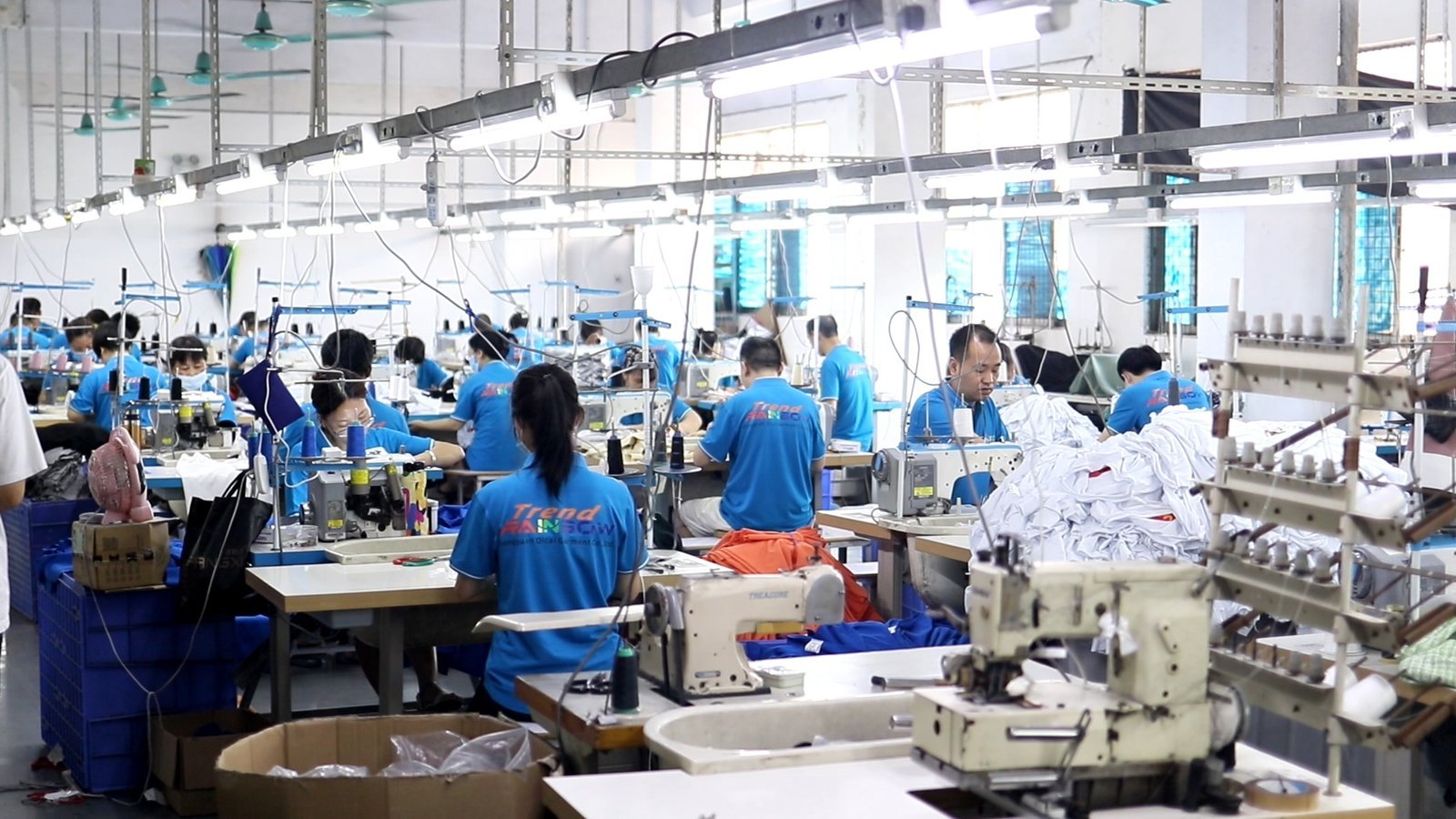
Distressed Jeans Manufacturer With In-House Expertise & Zero-Compromise Quality
In-House Design & Sampling Team
Our 15-member R&D team transforms your vision into production-ready samples in just 7 days. From custom distressing patterns to unique washes, we handle tech pack development, pattern grading, and prototype iteration under one roof—eliminating delays and miscommunication.
- 15-person design and development team with streetwear specialization
- 7-day turnaround for first samples and revisions
- Tech pack creation, pattern grading, and fit adjustments included
- Access to 10 patented production processes and finishing techniques
5-Step Quality Control at Every Stage
Unlike manufacturers who inspect only finished garments, our proprietary QC methodology tests materials, cutting, craft, sewing, and final products. Each distressed jean passes five independent checkpoints, ensuring rips, fades, and finishes meet your exact specifications every time.
- Materials QC: fabric weight, stretch recovery, and colorfastness testing
- Cutting & craft QC: precision pattern alignment and distressing placement
- Sewing production QC: stitch integrity, seam strength, and hardware attachment
- Finished garment inspection: wash consistency, measurements, and packaging standards
Fast Turnaround for Seasonal Collections
Streetwear moves fast—your distressed jeans manufacturer should too. We deliver bulk orders in 18–25 days from approval, with flexible scheduling for drops and seasonal launches. Our streamlined workflows and dedicated production lines keep your brand ahead of trends.
- 18–25 day bulk production after sample approval
- Dedicated production lines for repeat clients and urgent orders
- Flexible scheduling to align with your launch calendar and drops
- Real-time order tracking and transparent communication throughout
Global Logistics & Low MOQ Support
Whether you’re an emerging designer or an established retailer, we meet you where you are. Our 50-piece minimum order quantity empowers startups to test collections, while our end-to-end logistics network ensures smooth delivery to over 100 countries and regions worldwide.
- 50-piece MOQ—ideal for emerging brands and test runs
- Customs, freight, and documentation handled by our logistics team
- Proven shipping to 100+ countries across North America, Europe, Asia, and beyond
- Scalable production capacity to grow with your brand from startup to high volume
Why We Outperform Other Distressed Jeans Manufacturers
See how our 5-step QC process, low MOQs, and streetwear expertise set us apart from typical suppliers who cut corners on quality and service.
← 左右滑动查看 →
Our Production Process: 5-Step Quality Control at Every Stage
Every distressed jeans order passes through rigorous quality checkpoints from raw materials to finished goods, ensuring zero defects reach your customers.
Materials QC Testing
All denim fabrics, trims, and hardware undergo inspection for weight, composition, color fastness, and durability before entering production to guarantee premium quality.
Cutting QC Testing
Pattern accuracy, grain alignment, and fabric utilization are verified at the cutting stage to prevent sizing inconsistencies and material waste downstream.
Clothing Craft QC Testing
Distressing techniques, washes, rips, and finishing treatments are tested on samples to confirm aesthetic standards match your tech pack specifications exactly.
Sewing Production QC Testing
In-line quality checks monitor stitch density, seam strength, and construction integrity during assembly to catch and correct issues before garments are completed.
Finished Goods Quality Inspection
Every distressed jeans piece receives final inspection for fit, distressing placement, hardware function, and overall appearance before approval for packing and shipment.
Packing & Global Shipping
Approved garments are professionally packed with custom labels and branding, then dispatched via reliable logistics partners to your destination worldwide.
How to Partner With a Distressed Jeans Manufacturer: From Tech Pack to Bulk Production
Our streamlined process takes you from concept to finished distressed jeans in weeks, not months. With 50-piece MOQ and 7-day sampling, we make premium streetwear production accessible for brands of every size.
Submit Your Design & Tech Pack
Share your distressed jeans concept, reference images, and technical specifications. Our team reviews your requirements and confirms fabric, wash, and distressing details within 24 hours.
Receive Quote & Sampling Proposal
We provide transparent pricing for samples and bulk production, including MOQ options starting at 50 pieces. Approve the quote to move into our 7-day sampling phase.
Approve Samples & Finalize Order
Review physical samples for fit, distressing, and finishing quality. Request adjustments if needed, then confirm your bulk order specifications and production timeline with our team.
Production With 5-Step Quality Control
Your distressed jeans move through cutting, sewing, washing, and distressing with quality checks at every stage. Our rigorous QC ensures zero defects reach your customers.
Final Inspection & Global Shipment
Completed jeans undergo final quality inspection and professional packaging. We coordinate international logistics and provide tracking so your inventory arrives on schedule, ready to sell.
Certified Distressed Jeans Manufacturer with Proven Quality Standards
What Our Distressed Jeans Manufacturer Clients Say
We launched our first distressed denim collection in just 38 days from design to delivery. The 5-step QC process caught issues early, and our return rate stayed under 0.8%. Best manufacturing partner we’ve worked with.
Their distressed jeans quality helped us grow from 12K to 94K Instagram followers in six months. Customers love the authentic vintage wash and durability. We’ve reordered four times and MOQ flexibility made scaling easy.
Saved 22% on production costs compared to our previous manufacturer without sacrificing quality. Their team understands streetwear distressing techniques perfectly. Turnaround time for our seasonal drops is consistently fast.
Frequently Asked Questions About Distressed Jeans Manufacturing
What is the minimum order quantity for a distressed jeans manufacturer?
How long does it take to receive samples from your distressed jeans manufacturer?
Do you charge for distressed jeans samples?
What distressing techniques can your distressed jeans manufacturer provide?
What are your payment terms for bulk distressed jeans orders?
How do you protect my designs when working with a distressed jeans manufacturer?
What is your lead time for bulk production of distressed jeans?
Do you handle international shipping and logistics for distressed jeans orders?
How does your 5-step quality control apply to distressed jeans manufacturing?
The Complete Buyer’s Guide to Choosing the Right Distressed Jeans Manufacturer
Navigate the sourcing landscape with confidence. This guide delivers a proven decision framework, essential supplier criteria, quality benchmarks, and the most common mistakes to avoid when partnering with a distressed jeans manufacturer for your brand.
1. What Is a Distressed Jeans Manufacturer?
A distressed jeans manufacturer specializes in applying controlled wear, tear, and aging effects to denim garments through mechanical and chemical processes that standard denim producers typically do not offer in-house. Unlike conventional factories that focus on clean-finish jeans, a distressed jeans manufacturer operates dedicated equipment for ripping, fraying, sanding, acid washing, whiskering, and enzyme treatments. These techniques require laser machines, hand-sanding stations, industrial washing drums with ozone or enzyme systems, and trained artisans who can replicate vintage wear patterns at production scale.
Most brands partner with dedicated distressed specialists rather than attempting in-house distressing because the capital investment for laser cutters, stone-washing machines, and chemical treatment infrastructure typically exceeds 50,000 USD, and skilled hand-finishing labor demands 6–12 months of training per technician. A specialist manufacturer brings pattern libraries, proven wash formulas, and quality-control protocols that prevent over-distressing or fabric failure—common pitfalls when brands experiment without production experience. Clothing Manufacturer Ltd., for example, integrates five-step quality testing from materials inspection through finished-garment QC, catching distressing defects such as uneven fading or premature seam rupture before shipment.
The value proposition of a distressed jeans manufacturer centers on three pillars: technical expertise in achieving consistent, repeatable effects across production runs; access to specialized machinery that delivers faster turnaround than manual methods; and risk mitigation through pre-production sampling and in-process testing. For streetwear brands and independent designers, partnering with a specialist converts creative distressing concepts into scalable, market-ready products without the overhead of building internal finishing capabilities.
2. The Evolution of Distressed Denim Manufacturing
In the early 1980s, distressed denim emerged from punk subcultures in London and New York, where DIY techniques like razor slashing, bleach splatter, and sandpaper abrasion transformed standard jeans into anti-establishment statements. These hand-altered garments were one-of-a-kind, created by wearers themselves rather than manufacturers.
The 1990s grunge movement shifted distressed jeans from counterculture to mainstream retail, prompting factories to industrialize techniques that previously required manual labor. Brands began using pumice stone washing, chemical bleaching, and hand-sanding to replicate the worn-in aesthetic at scale, though quality control remained inconsistent and production times stretched 15–20 days per batch.
The 2000s premium denim boom elevated distressed jeans to luxury status, with brands charging $200–$400 per pair for intricate whisker patterns, strategic rips, and multi-stage washes. Japanese and Italian mills introduced selvedge denim and enzyme washes that delivered authentic fading without compromising fabric integrity, raising the bar for distressed jeans manufacturers worldwide.
Since 2015, laser distressing technology and ozone washing have replaced many manual and chemical-heavy processes, cutting water usage by up to 90 percent and reducing lead times to 7–10 days. Modern distressed jeans manufacturers now combine computer-controlled lasers for precise fading patterns with hand-finishing for authenticity, meeting both fast-fashion speed demands and sustainability standards like OEKO-TEX and GOTS. This evolution enables manufacturers to serve streetwear brands, independent designers, and global retailers with scalable, eco-conscious distressing methods that honor the aesthetic’s rebellious roots.
3. Types of Distressed Jeans a Manufacturer Can Produce
A distressed jeans manufacturer typically offers five core distressing categories, each with distinct aesthetic and production requirements. Understanding these styles helps buyers communicate design intent clearly and align production complexity with budget and timeline.
Light Distressing: Whiskering and Fading
Light distressing features subtle whiskering around the hips and thighs, plus controlled fading on knees and seat areas. This style appeals to mainstream fashion retailers and brands targeting consumers who want a worn-in look without overt damage.
Production involves hand-sanding, enzyme washes, or laser etching to create natural wear patterns. Complexity is low to moderate, making it suitable for first-time buyers and higher-volume runs where consistency across hundreds of units is critical.
Medium Distressing: Small Rips and Fraying
Medium distressing adds small deliberate rips, frayed hems, and pocket edges to the faded base. Target markets include streetwear labels, independent designers, and influencer brands seeking edgier aesthetics without extreme shredding.
Manufacturers use hand tools, grinding wheels, and selective thread removal to achieve controlled fraying. Production time increases 15–25 percent versus light distressing due to manual detailing and additional quality checks to prevent over-tearing.
Heavy Distressing: Large Tears and Shredding
Heavy distressing showcases large knee blowouts, thigh shreds, and exposed pocket linings. This bold style targets trend-driven streetwear brands, festival fashion lines, and creator brands with audiences seeking statement pieces.
Production demands skilled artisans who hand-cut and abrade denim while preserving structural integrity. Lead times extend 30–40 percent, and per-unit costs rise due to labor intensity and higher fabric waste from aggressive distressing techniques.
Vintage and Retro Wash Distressing
Vintage wash distressing replicates decades-old denim through acid washes, stone washes, and overdyed treatments combined with subtle abrading. Buyers include heritage-inspired brands, global retailers launching throwback collections, and designers targeting nostalgia-driven consumers.
Chemical wash formulas and multi-stage dyeing require specialized equipment and environmental compliance. A distressed jeans manufacturer with in-house wash facilities can deliver consistent vintage tones across production runs of 500–5,000 pieces.
Designer and Custom Distressing
Designer distressing encompasses bespoke patterns, asymmetric tears, painted accents, and hybrid techniques tailored to a brand’s unique vision. This category serves fashion startups, independent designers, and influencer labels requiring differentiation in crowded markets.
Custom work involves sample iterations, pattern development, and artisan handwork that can double lead times and unit costs. Manufacturers with R&D teams and patent-backed processes offer tighter tolerances and reproducibility for signature distressing styles.
4. Denim Fabrics and Materials for Distressed Jeans
Selecting the right denim fabric is critical for achieving your desired distressed aesthetic and ensuring durability through abrasive finishing processes. A distressed jeans manufacturer will typically offer five core fabric families, each with distinct performance characteristics. Understanding weight, stretch properties, and how each responds to ripping, sanding, or laser etching will guide your fabric decision.
| Fabric Type | Weight Range (oz) | Stretch % | Best Distressing Techniques | Price Tier |
|---|---|---|---|---|
| 100% Cotton Rigid | 12–14 | 0% | Heavy rips, sanding, stone-wash | Mid |
| Stretch (Elastane) | 10–12 | 1–3% | Laser, enzyme wash, light sand | Mid |
| Selvedge | 13–14 | 0% | Hand-sand, stone-wash, whiskers | Premium |
| Organic Cotton | 11–13 | 0–2% | Laser, enzyme, light abrasion | High |
| Recycled Denim | 10–13 | 0–2% | Enzyme wash, laser, moderate sand | Mid-High |
100% Cotton Rigid Denim
Rigid denim contains no elastane and weighs 12–14 oz per square yard, delivering the authentic hand-feel and durability that define classic workwear and heritage jeans. It accepts heavy distressing—rips, whiskering, sanding—without puckering or losing shape, because the tight weave and zero stretch maintain structural integrity even after aggressive abrasion.
Cost sits mid-range, typically 10–15 percent below selvedge but above stretch blends. Rigid denim suits brands targeting vintage-inspired or raw denim collections where stiffness and break-in character are selling points.
Stretch Denim with Elastane Blends
Stretch denim blends 1–3 percent elastane (spandex) into cotton, reducing fabric weight to 10–12 oz while adding recovery and comfort. The elastane fibers can fray or snap under heavy sanding or laser work, so distressing must be calibrated to avoid holes that widen during wear.
Price is competitive with rigid denim, and the hand-feel is softer with immediate comfort. Stretch denim dominates fast-fashion and athleisure-inspired streetwear, where mobility and fit retention outweigh raw authenticity.
Selvedge Denim
Selvedge denim is woven on shuttle looms with a self-finished edge, typically 13–14 oz, and commands a 30–50 percent price premium over standard rigid denim. The tighter weave and vintage shuttle-loom construction yield superior fade patterns and durability, making selvedge ideal for high-end distressed collections where craftsmanship storytelling justifies higher retail prices.
Distressing techniques like hand-sanding and stone-washing produce nuanced, artisanal results on selvedge. Brands targeting premium streetwear or heritage denim audiences prioritize selvedge for its authenticity and collector appeal.
Organic and Recycled Denim Options
Organic cotton denim (GOTS-certified) and recycled denim (post-consumer or post-industrial fibers) weigh 10–13 oz and meet sustainability mandates for eco-conscious brands. Organic fabric costs 20–30 percent more than conventional cotton, while recycled denim sits at parity or slightly above.
Both materials accept moderate distressing—lasers, enzyme washes, light sanding—but heavy mechanical abrasion can expose fiber inconsistencies in recycled blends. A distressed jeans manufacturer with a five-step QC process will test fabric response early, ensuring sustainable fabrics meet durability benchmarks before full production.
5. Distressing Techniques and Customization Options
Modern distressed jeans manufacturers employ seven core techniques, each delivering distinct aesthetics, cost profiles, and environmental footprints. Choosing the right method depends on your brand’s design language, budget, and sustainability commitments.
| Technique | Setup Cost | Per-Unit Cost | Environmental Impact |
|---|---|---|---|
| Hand-Sanding | <$500 | $2–$5 | Zero waste |
| Laser Etching | $40k–$120k | $0.50–$1.50 | Electricity only |
| Enzyme Wash | $15k–$50k | $1–$3 | Moderate water |
| Ozone Bleaching | $80k–$150k | $0.80–$2 | 95% water reduction |
| 3D Crinkle | $10k–$30k | $1–$2.50 | Low water, resin use |
Manual Hand-Sanding and Whiskering
Artisans use sandpaper or pumice stones to abrade targeted areas—thighs, knees, pockets—creating natural-looking fade patterns and whisker lines. This labor-intensive process offers maximum design control and zero chemical waste.
Per-unit costs run $2–$5 depending on complexity. Setup investment is minimal (under $500 for tools), but throughput is low: skilled workers finish 15–25 pairs per day. Ideal for premium collections where authenticity justifies higher labor.
Laser Etching Technology
CO₂ lasers vaporize indigo dye in programmable patterns, replicating hand-sanding at industrial speed. A single machine processes 60–100 pairs per hour with zero water or chemical use.
Capital cost ranges $40,000–$120,000; per-unit expense drops to $0.50–$1.50. Environmental impact is near-zero beyond electricity. Clothing Manufacturer Ltd.’s five-step QC includes laser calibration checks to ensure pattern consistency across production runs.
Enzyme and Stone Wash
Cellulase enzymes or pumice stones tumble with jeans in industrial washers, abrading fibers for an all-over vintage look. Stone wash consumes 50–80 liters of water per kilogram; enzyme wash cuts that by 30–40% and eliminates stone disposal.
Per-unit cost: $1–$3. Setup requires commercial washers ($15,000–$50,000). Ethical factories now favor enzyme formulations to reduce wastewater treatment loads.
Ozone Bleaching and 3D Crinkle
Ozone gas oxidizes indigo in sealed chambers, creating high-contrast fades without water or chemicals. 3D crinkle uses resin and heat to lock permanent wrinkles into fabric before garment assembly.
Ozone systems cost $80,000–$150,000 but slash water use by 95%. Per-unit expense: $0.80–$2. Both techniques align with OEKO-TEX and ZDHC standards, critical for brands targeting eco-conscious retailers.
6. Quality Benchmarks in Distressed Jeans Manufacturing
Evaluating a distressed jeans manufacturer requires objective inspection of construction and finish quality markers that separate durable products from fast-fashion failures. Clothing Manufacturer Ltd.’s five-step QC methodology tests materials, cutting, craft, sewing, and finished garments to ensure every distressed detail meets structural standards.
Reinforced Stitching at Distress Points
Distressed areas—rips, holes, frays—concentrate stress during wear, making reinforcement critical. Quality manufacturers add bar-tack stitching or double-needle seams around tears and at pocket corners to prevent uncontrolled unraveling.
Inspect samples by tugging gently at distressed edges; threads should hold firm without immediate separation. Look for 8–12 stitches per inch around openings and consistent thread tension across all distress zones.
Consistent Wash and Fade Replication
Batch-to-batch color consistency defines professional distressed jeans manufacturing. Industrial stone-washing, enzyme treatments, and laser fading must produce identical results across production runs of 500+ units.
Request lab dips or strike-off samples from three separate production dates. Compare under daylight; variance should stay within Delta E ≤ 1.5 for commercial consistency. Reliable manufacturers document wash formulas and cycle times to replicate finishes exactly.
Fabric Integrity Post-Distressing
Aggressive distressing weakens denim structure; quality control ensures fabric retains at least 70% of its original tensile strength after treatment. Check for thin spots, pilling, or fiber breakdown around abrasions.
Perform a stretch test: pull fabric horizontally and vertically near distressed zones. Recovery should be immediate, with no permanent deformation. Premium manufacturers test tear strength using ASTM D1424 standards before final approval.
Hardware Durability and Colorfastness
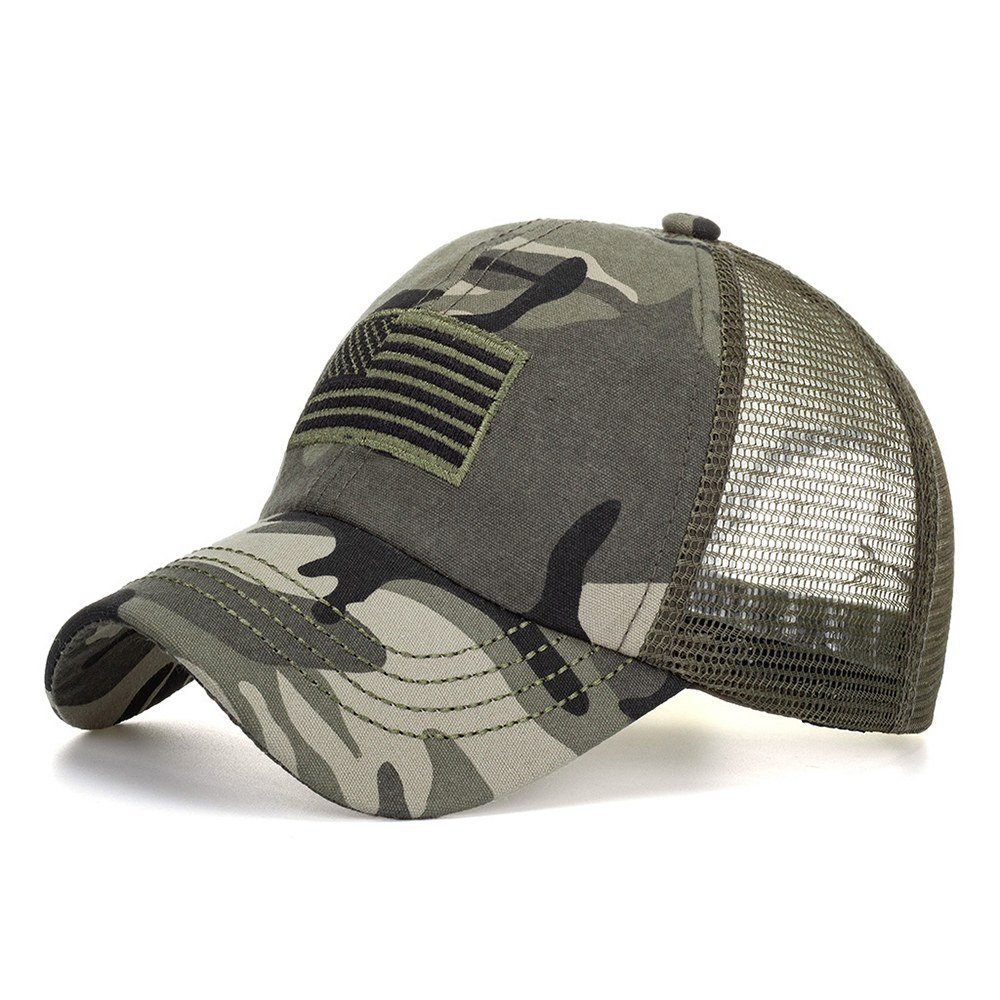
Rivets, buttons, and zippers endure repeated stress; low-grade hardware fails within weeks. Inspect rivet caps for secure crimping, button shanks for solid attachment, and YKK or equivalent zippers rated for 5,000+ cycles.
Test colorfastness by rubbing hardware against white cotton—no transfer indicates proper plating. Quality distressed jeans manufacturers source corrosion-resistant brass or stainless steel to withstand stone-washing and bleach treatments without tarnishing.
7. How to Choose the Right Distressed Jeans Manufacturer
Selecting a distressed jeans manufacturer requires evaluating multiple operational and quality criteria to ensure the partner can scale with your brand. The following framework helps you compare suppliers systematically and ask the right questions before committing.
Assess MOQ Flexibility and Order Tiers
Minimum order quantities typically range from 50 pieces for startups to 500 pieces for established brands. Confirm whether the factory offers tiered pricing and whether you can split orders across multiple styles or colorways.
Ask: ‘What is your lowest MOQ per style, and can I mix washes in one production run?’ Factories with 50–100 piece minimums enable faster testing of new designs without tying up capital.
Review Portfolio and Distressing Techniques
Request samples showing hand-sanding, laser etching, enzyme wash, and stone wash finishes. A diverse portfolio demonstrates technical capability and experience with varied aesthetics.
Ask: ‘Can you show finished samples with rips, whiskering, and patch repairs?’ Verify that the factory owns or partners with laser and enzyme facilities rather than outsourcing every specialty finish.
Verify Certifications and Compliance
OEKO-TEX Standard 100, GOTS, and SA8000 certifications confirm chemical safety, organic handling, and ethical labor practices. These credentials are increasingly required by retailers and e-commerce platforms.
Ask: ‘Do you hold current OEKO-TEX or GOTS certificates, and can you share audit reports?’ Certified factories reduce compliance risk and signal investment in quality systems.
Evaluate Sampling Speed and Cost
Sampling timelines range from 7 to 14 days; faster turnaround accelerates product development cycles. Confirm whether sample fees are refundable upon bulk order and whether revisions are included.
Ask: ‘What is your standard sampling lead time, and how many revision rounds are covered?’ Factories offering 7-day samples with one free revision demonstrate agility and customer focus.
Check Production Lead Times
Typical bulk production spans 30 to 60 days from approved sample to shipment. Shorter lead times require strong supply-chain coordination and in-house fabric inventory.
Ask: ‘What is your average lead time for a 500-piece order, and do you stock denim fabrics?’ Factories with 30–45 day cycles and fabric warehouses offer faster restocks and seasonal launches.
Confirm Communication and Design Support
Responsive communication and technical design assistance separate strategic partners from transactional vendors. Look for factories that assign dedicated account managers and offer tech-pack review.
Ask: ‘Will I have a single point of contact, and do you provide pattern grading and fit adjustments?’ Strong design support reduces sample iterations and ensures accurate execution of distressed details.
8. Common Mistakes When Sourcing a Distressed Jeans Manufacturer
Sourcing a distressed jeans manufacturer involves more than comparing MOQs and unit prices. Brands that overlook quality systems, compliance documentation, or design protection often face delays, cost overruns, and legal exposure that far exceed any initial savings.
Choosing Based on Price Alone
Selecting a distressed jeans manufacturer solely on the lowest quote ignores critical cost drivers: fabric quality, distressing precision, and QC rigor. A factory quoting 30% below market may skip quality testing stages, use inferior denim weights below 10 oz, or apply inconsistent hand-sanding that fails wash durability tests.
Clothing Manufacturer Ltd. implements five-step QC testing—materials, cutting, craft, sewing, and finished inspection—ensuring defects are caught early rather than discovered after shipment. Brands should request sample garments, ask for QC process documentation, and verify fabric certifications (OEKO-TEX, BCI) before committing to production runs.
Under-Specifying Distress Details in Tech Packs
Vague instructions like ‘light distressing’ or ‘vintage look’ leave manufacturers guessing, resulting in samples that miss brand vision. Tech packs must specify distress type (hand-sanding, laser, enzyme wash), placement coordinates in centimeters from seams, hole diameter ranges, and acceptable color variance (ΔE < 1.5 for production consistency).
Include reference images with annotations, Pantone codes for washes, and stitch-count requirements for reinforced distress edges. Clothing Manufacturer Ltd.’s 15-member R&D team translates detailed tech packs into production templates, reducing revision cycles and ensuring first samples align with designer intent.
Skipping Sample Approval Stages
Brands that approve samples via photo review alone often discover fit, hand-feel, or distress intensity issues only after bulk production ships. Physical sample approval should include wear testing over 3–5 days, wash durability checks (minimum 5 home laundry cycles), and seam-strength pull tests.
Request pre-production samples from the actual bulk fabric lot, not development yardage, to confirm dye-lot consistency. Clothing Manufacturer Ltd. ships 7-day samples and encourages clients to test garments under real-world conditions before authorizing full runs, reducing costly remakes and chargebacks.
Neglecting IP and Design Protection
Sharing proprietary distress patterns, custom washes, or brand logos without signed non-disclosure agreements (NDAs) and design-ownership clauses exposes brands to counterfeiting and gray-market leaks. Factories in major hubs may produce identical styles for competitors unless contracts explicitly prohibit design replication.
Clothing Manufacturer Ltd. signs NDAs before receiving tech packs and maintains confidential client files separate from general production archives. Brands should also register trademarks and copyrights in the manufacturer’s jurisdiction (China, for example) and include IP-protection clauses in purchase orders to enable legal recourse if designs are copied.
9. Steps to Launch Your Distressed Denim Brand
Launching a distressed denim brand requires coordinating design, production, quality control, and logistics in a fixed sequence. First-time buyers who follow a structured roadmap reduce sampling costs by 30–40% and compress time-to-market from concept to retail-ready inventory.
Define Brand Identity and Target Customer
Begin by documenting your brand’s aesthetic—vintage grunge, clean rips, heavy distressing, or subtle fading—and the demographic you serve: Gen Z streetwear fans, premium denim collectors, or fast-fashion retailers. Map three to five hero styles with specific distress placements (knee rips, thigh abrasions, hem fraying) and wash tones (light stone, dark indigo, black overdye).
This foundation guides fabric selection, distressing techniques, and pricing tiers. Brands that define their visual language before contacting a distressed jeans manufacturer receive more accurate quotes and faster sample turnarounds.
- Sketch or mood-board each style with distress locations marked
- Identify price points: budget ($15–25 wholesale), mid ($25–40), premium ($40+)
- List must-have features: hardware type, pocket style, fit silhouette
Create Tech Packs and Request Samples
Prepare a tech pack for each style: front and back flat sketches, measurements by size, denim weight (10–14 oz typical), distress intensity (light/medium/heavy), hardware specs (YKK zippers, rivets), and trim details. Include reference photos of desired rips, abrasions, and wash effects.
Submit tech packs to your distressed jeans manufacturer and request samples within 7–10 days. Clothing Manufacturer Ltd. delivers samples in seven days with its five-step QC process embedded from the first prototype, ensuring production-ready quality at the sampling stage.
- Specify denim composition: 98% cotton / 2% elastane for stretch, 100% cotton for rigid
- Detail distress zones: knee rip width, thigh scrape depth, pocket fraying
- Approve lab dips and strike-offs before bulk fabric orders
Finalize Pricing, MOQ, and Production Timeline
Review the manufacturer’s quote: unit cost, minimum order quantity (50–100 pieces per style for startups, 300+ for retailers), and lead time (typically 25–35 days post-sample approval). Confirm payment terms—30% deposit, 70% before shipment is standard—and lock in fabric sourcing, distressing labor, and finishing costs.
Negotiate QC checkpoints: materials inspection, mid-production inline checks, and pre-shipment final audit. Brands that plan quality gates during pricing discussions avoid costly rework and delays.
- Clarify MOQ per colorway and size run to avoid split-order surcharges
- Request a production schedule with cutting, sewing, distressing, and wash milestones
- Confirm sample approval triggers bulk fabric procurement
Place Order and Monitor Production QC
Issue a purchase order with style codes, quantities, delivery address, and Incoterms (FOB, CIF, or DDP). Your distressed jeans manufacturer begins materials QC testing, cutting QC, craft QC, sewing QC, and finished-goods inspection—the five-step framework Clothing Manufacturer Ltd. introduced in February 2025.
Request progress photos at each milestone: raw denim rolls, cut panels, distressed samples, and packed cartons. Inline inspections catch sizing drift, distress inconsistencies, and hardware defects before final production, reducing rejection rates from 8–12% to under 2%.
- Schedule a mid-production video call to review distress uniformity across sizes
- Approve or adjust wash intensity if lab samples differ from bulk runs
- Confirm AQL (Acceptable Quality Limit) standard: 2.5 major defects, 4.0 minor defects typical
Arrange Shipping, Customs, and Launch Prep
Coordinate freight: air shipment (5–7 days, higher cost) for urgent launches or sea freight (20–35 days, economical for 500+ units). Provide your freight forwarder or manufacturer with HS codes (6203.42 for men’s denim trousers, 6204.62 for women’s) and commercial invoices for customs clearance.
Plan your marketing calendar—product photography, influencer seeding, e-commerce listing copy—while goods are in transit. Brands that align inventory arrival with campaign launch dates achieve 25–40% higher first-month sell-through than those launching before stock lands.
- Request packing list and carton dimensions for warehouse receiving
- Verify duty rates and import quotas for your destination country
- Schedule quality re-inspection upon delivery to confirm in-transit condition
10. Pricing and Cost Breakdown for Distressed Jeans
Unit pricing for distressed jeans from a manufacturer in Dongguan typically ranges from $8.50 to $22.00 per piece, driven by fabric weight (10–14 oz denim), distressing complexity (manual hand-sanding versus laser etching), and hardware grade (standard rivets versus YKK zippers and custom buttons). A 50-piece order of medium-wash jeans with light rips and whiskering will land at $18–$22 per unit, while a 1,000-piece run of the same style drops to $9–$12 per unit due to economies of scale in cutting and finishing labor.
Distressing technique directly impacts both setup and per-unit costs. Manual hand-sanding and grinding require skilled labor and add $1.50–$3.00 per garment, whereas automated laser distressing incurs a one-time digital file setup fee of $150–$300 but reduces per-unit labor to $0.80–$1.20. Heavy destruction—multiple rips, fraying, and paint splatters—can add $2.50–$4.50 per piece compared to a clean rinse-wash baseline.
Sampling fees for a distressed jeans manufacturer range from $80 to $150 per prototype, including fabric, trims, and one round of distressing adjustments. Lead times compress as volume grows: 50-piece orders ship in 18–25 days, while 1,000-piece runs complete in 28–35 days when production schedules align. Brands ordering bi-monthly benefit from pre-negotiated tier pricing and priority queue slots, reducing per-unit costs by 8–12 percent over spot orders.
| Quantity Tier | Price per Unit (USD) | Typical Lead Time | Sampling Fee |
|---|---|---|---|
| 50 pcs | $18.00–$22.00 | 18–25 days | $80–$150 per style |
| 100 pcs | $14.00–$18.00 | 20–28 days | $80–$150 per style |
| 500 pcs | $10.50–$14.00 | 25–32 days | $80–$150 per style |
| 1,000+ pcs | $9.00–$12.00 | 28–35 days | $80–$150 per style |
Ready to Launch Your Distressed Jeans Line? Get Started Today
Partner with a trusted distressed jeans manufacturer. 7-day samples, 50-piece MOQ, and our 5-step QC guarantee—submit your tech pack now.