
Premium Carpenter Jeans Manufacturer for Streetwear Brands
Partner with a specialized carpenter jeans manufacturer offering low MOQ, 5-step quality control, and fast turnaround for emerging and established streetwear labels worldwide.
Carpenter Jeans Collection Showcase



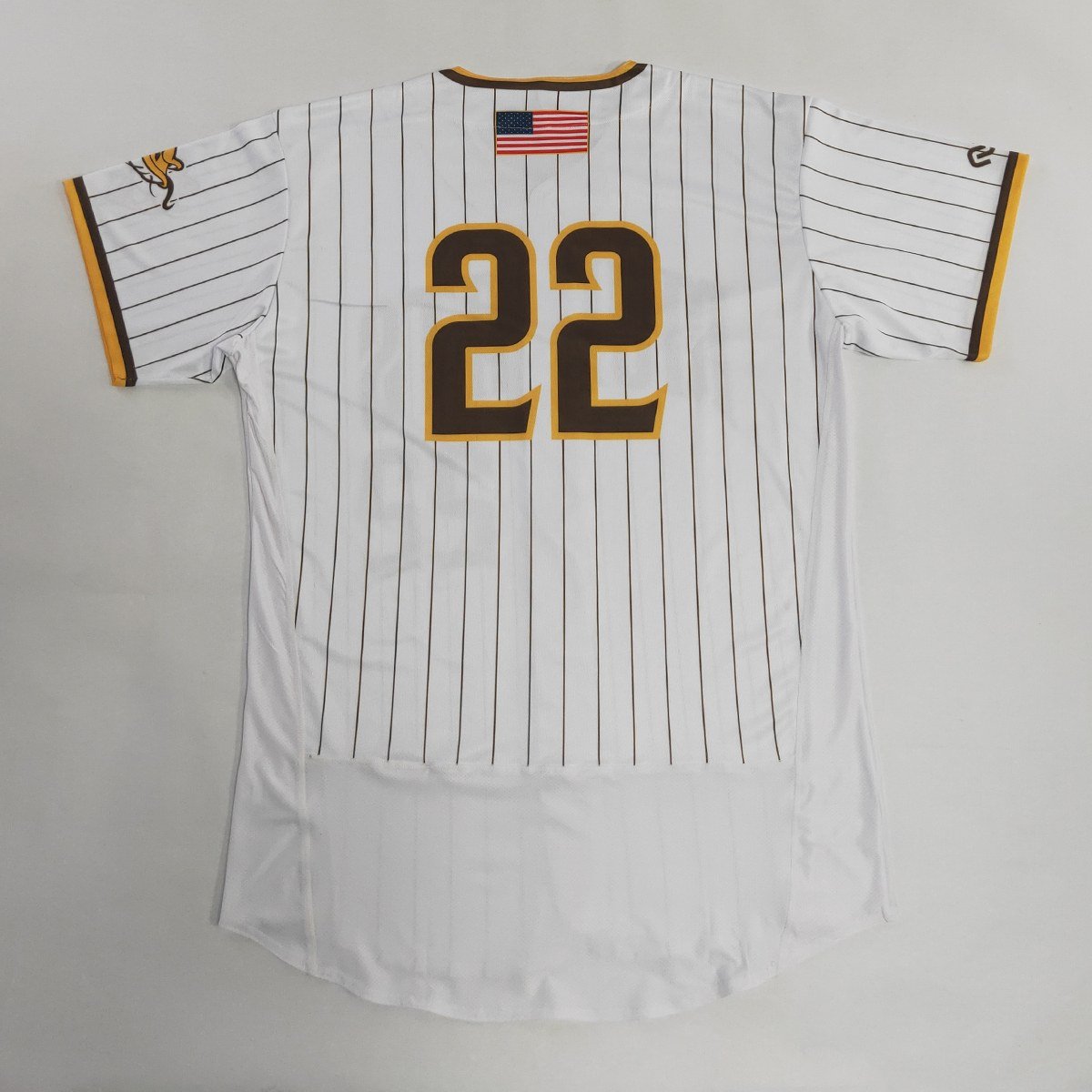
Why Choose Our Carpenter Jeans Manufacturer
We combine decade-long streetwear expertise with rigorous quality control to deliver carpenter jeans that meet the highest standards for emerging and established brands worldwide.
5-Step QC Guarantee
Every carpenter jean undergoes materials, cutting, craft, sewing, and finished product quality testing to eliminate defects before shipping.
In-House Design Team
Our 15-member R&D team creates trend-driven carpenter jean designs and delivers fast sampling for seasonal collections.
Low MOQ for Startups
Launch your carpenter jeans line without massive inventory risk. We support emerging brands with flexible minimum order quantities.
Fast Turnaround Production
Meet tight deadlines with our streamlined workflows. Quick sampling and efficient production keep your seasonal launches on schedule.
Streetwear Expertise
Six years specializing in streetwear production means we understand carpenter jean details, hardware, and the aesthetic your audience demands.
Global Logistics Support
Seamless shipping to over 100 countries with full customs, declaration, and tracking support for hassle-free international delivery.
Carpenter Jeans Manufacturer Product Categories & Custom Options
From classic workwear-inspired styles to oversized streetwear fits, our carpenter jeans manufacturing expertise spans every category. Explore the product lines that help streetwear brands, startups, and retailers build collections that resonate with today’s trend-driven consumers.
Classic Rigid Carpenter Jeans
Emerging streetwear brands struggle to source authentic, workwear-inspired carpenter jeans with proper construction details—reinforced stitching, hammer loops, and utility pockets—at accessible minimums that fit startup budgets and testing phases.
Launch your collection with timeless rigid denim carpenter jeans manufactured to exacting standards. Our low MOQ policy and 5-step QC process ensure every pair features durable construction, authentic hardware, and consistent sizing from your first production run.
Vintage Wash Carpenter Styles
Independent designers need vintage-washed carpenter jeans with distinctive character—stone wash, acid wash, or distressed finishes—but lack access to manufacturers who can deliver consistent, on-trend wash effects without compromising fabric integrity or turnaround speed.
Achieve authentic vintage aesthetics with our advanced washing and finishing techniques. We deliver trend-driven wash effects, controlled distressing, and unique patinas that elevate your carpenter jeans line while maintaining fabric strength and meeting seasonal collection deadlines.
Oversized & Baggy Fits
Streetwear retailers and influencer brands chasing current silhouette trends require oversized carpenter jeans with exaggerated proportions and relaxed fits, but many manufacturers lack pattern-making expertise to balance comfort, drape, and the signature utilitarian details at scale.
Capture the oversized streetwear aesthetic with precision-drafted patterns from our 15-person R&D team. We engineer relaxed, baggy carpenter jeans that maintain proper pocket placement, functional hardware, and flattering drape—delivered with fast turnaround for trend-responsive drops.
Custom Embroidery & Branding
Fashion startups and creator brands want to differentiate their carpenter jeans with custom embroidery, unique hardware, branded patches, or specialty trims, but traditional manufacturers impose high minimums or lack the in-house customization capabilities for small-batch, personalized production.
Bring your vision to life with full customization support—embroidered logos, contrast stitching, custom rivets, branded leather patches, and unique trim details. Our in-house design and sampling team collaborates closely to execute your branding at accessible minimums.
Premium Denim Fabrics from Your Carpenter Jeans Manufacturer
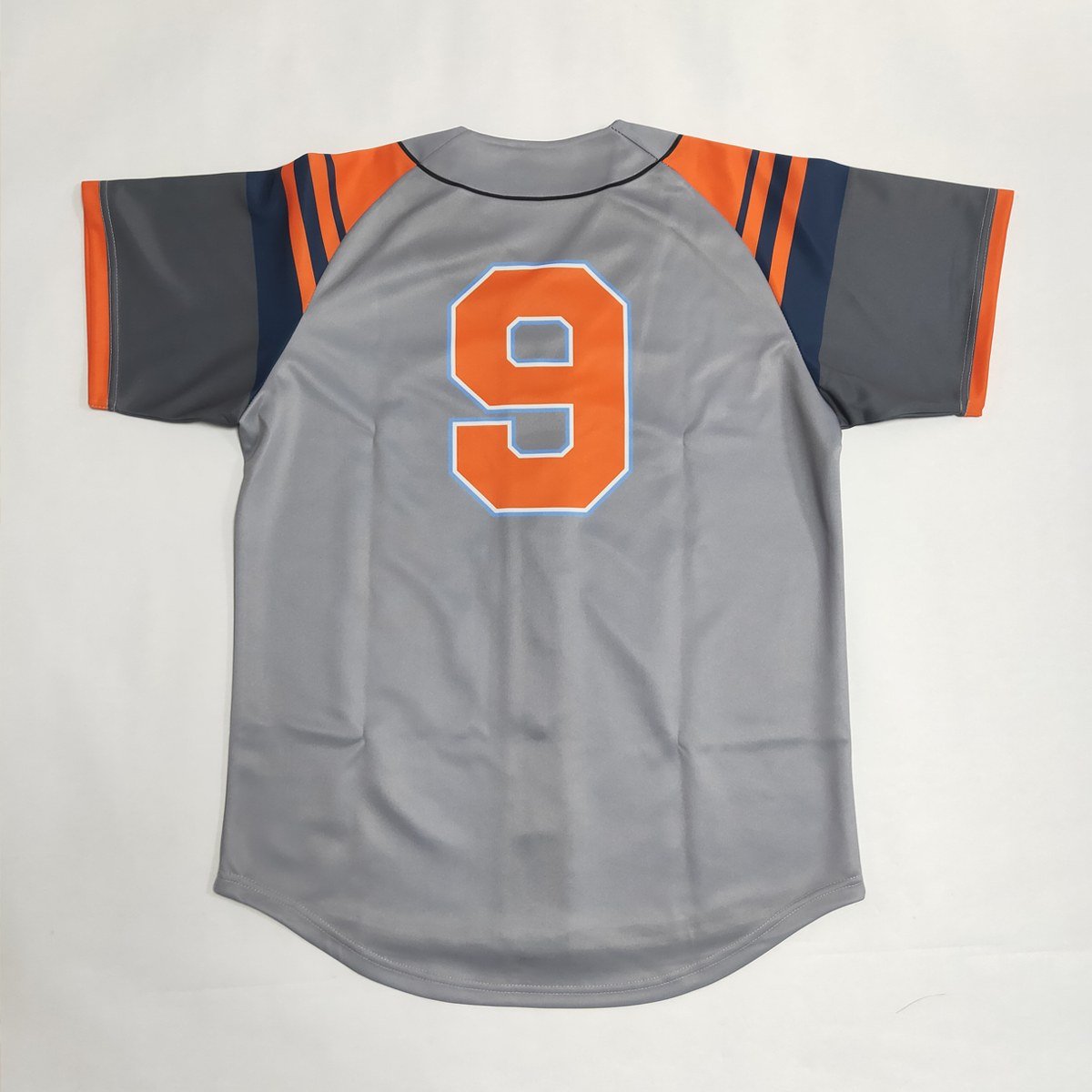
14oz Rigid Denim
Classic heavyweight cotton denim with zero stretch for authentic workwear durability. Ideal for traditional carpenter jeans that break in beautifully over time. Sanforized to minimize shrinkage and maintain dimensional stability through repeated washing.
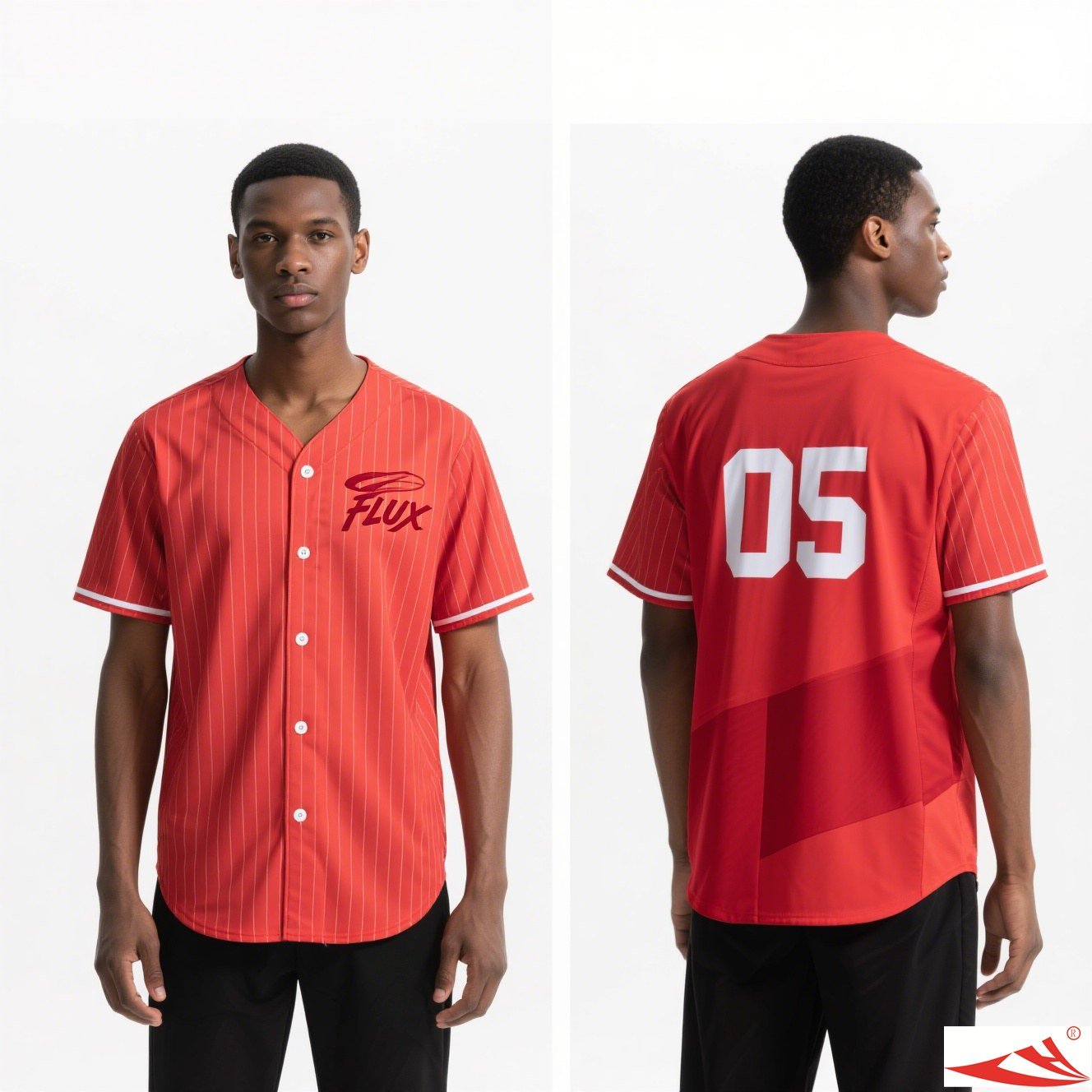
12oz Sanforized Twill
Medium-weight cotton denim with a smooth diagonal weave and pre-shrunk finish. Perfect for carpenter jeans requiring a softer hand-feel without sacrificing structure. Offers excellent color retention and consistent sizing across production runs.
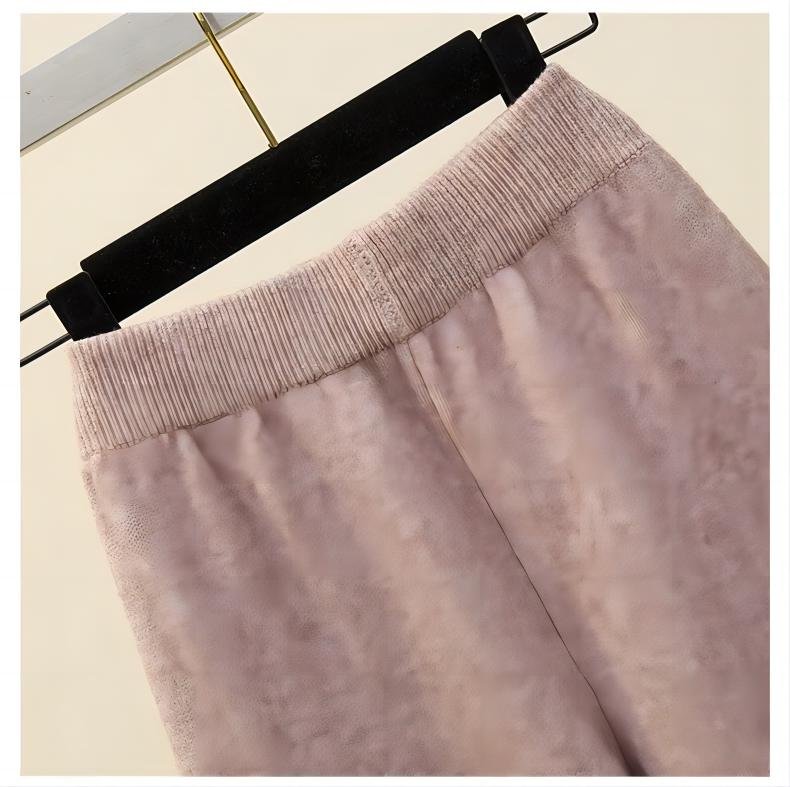
15oz Heavyweight Selvedge
Premium Japanese-inspired selvedge denim with a tight, dense weave for maximum longevity. Delivers the rugged aesthetic streetwear brands demand in carpenter jeans. Features clean, self-finished edges that resist fraying and add authentic detailing.
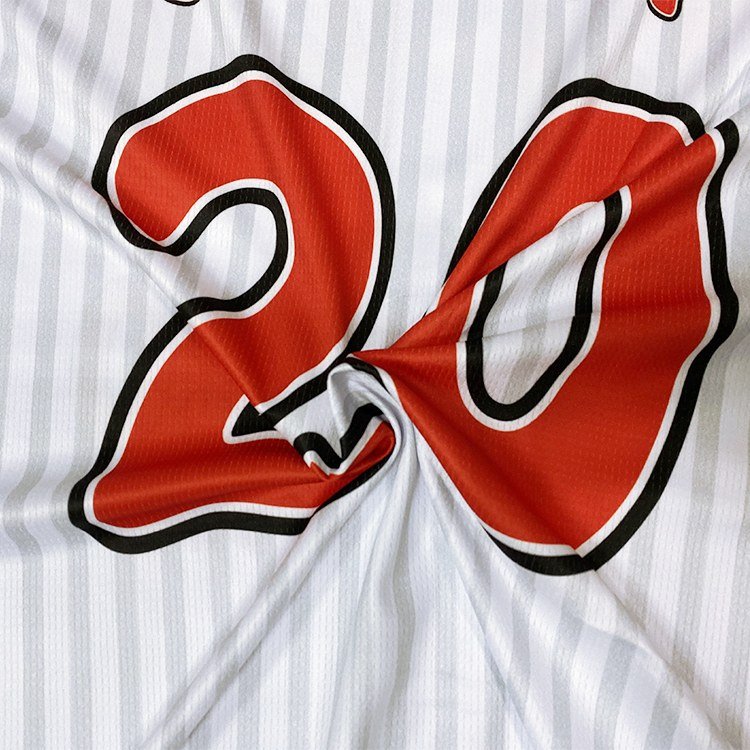
Stretch Blend Denim
Cotton-elastane blend combining traditional denim durability with 2-5% stretch for enhanced mobility. Ideal for modern carpenter jeans targeting active lifestyles and all-day comfort. Retains shape recovery after wear while maintaining authentic denim appearance.
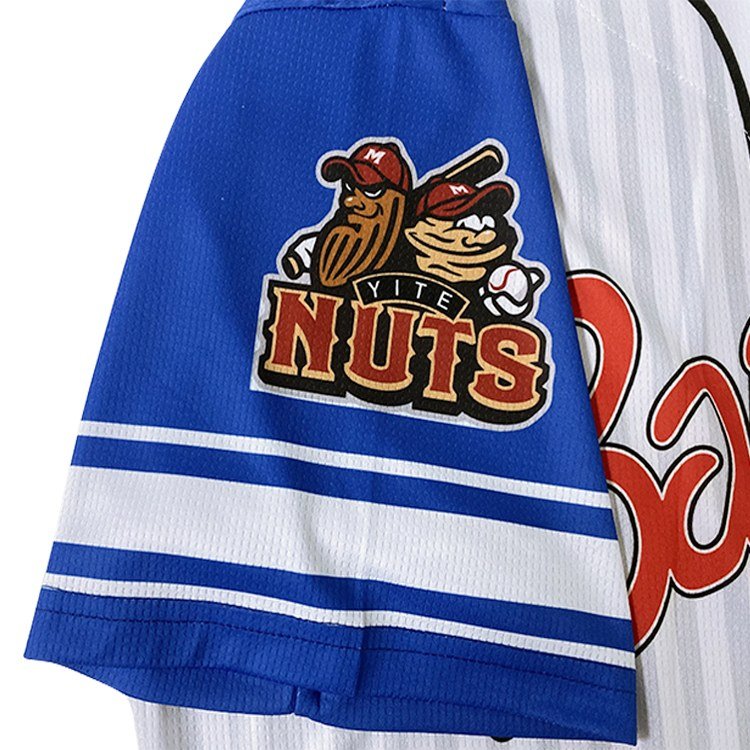
13oz Comfort Twill
Mid-weight cotton denim with a brushed interior for added softness against the skin. Balances workwear toughness with contemporary comfort for versatile carpenter jeans. Pre-washed to achieve a lived-in feel straight from production.
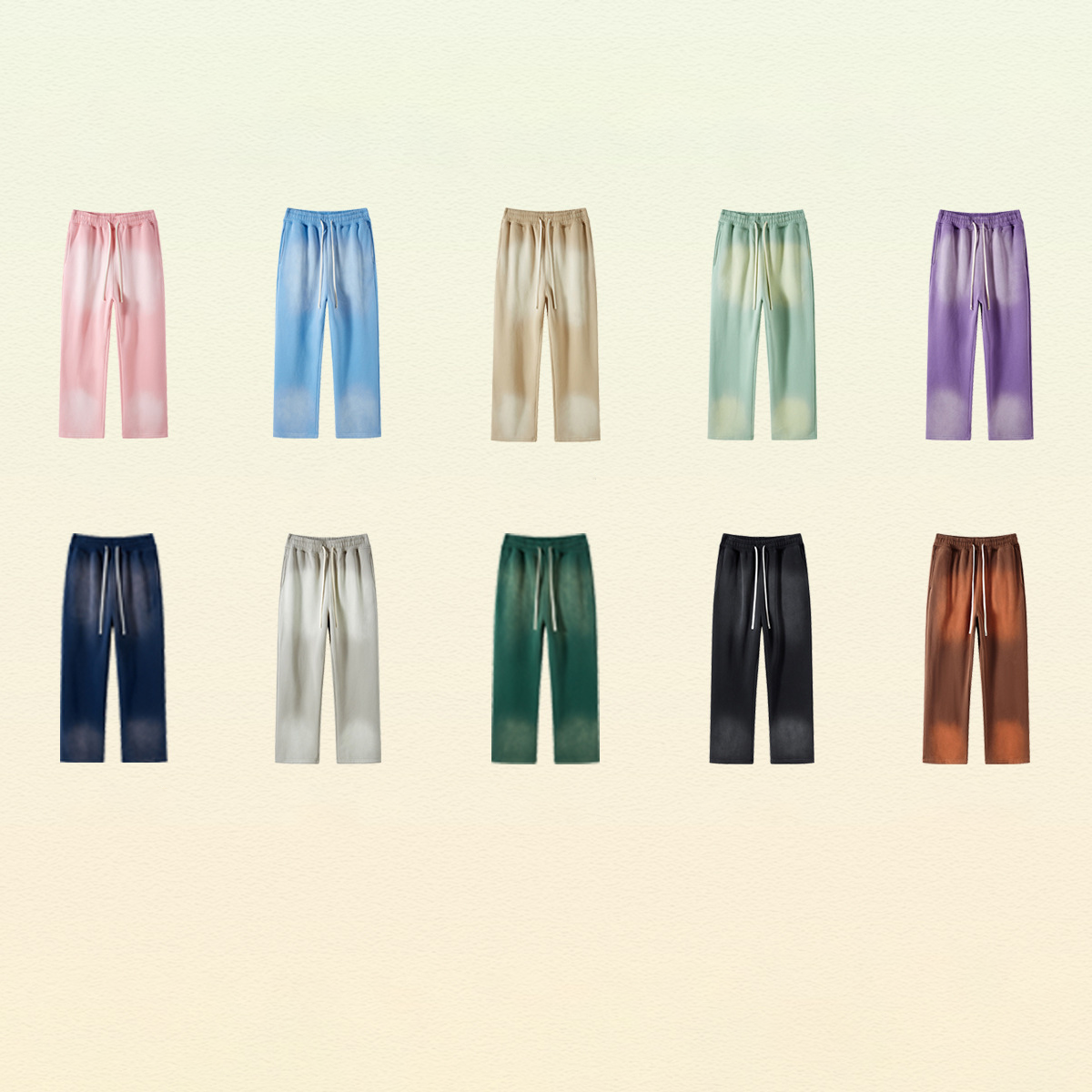
Organic Cotton Denim
Sustainable 12oz denim crafted from certified organic cotton with low environmental impact. Appeals to eco-conscious streetwear brands seeking responsible carpenter jeans production. Offers natural breathability and chemical-free processing for sensitive-skin customers.
Advanced Production Techniques for Carpenter Jeans Manufacturer
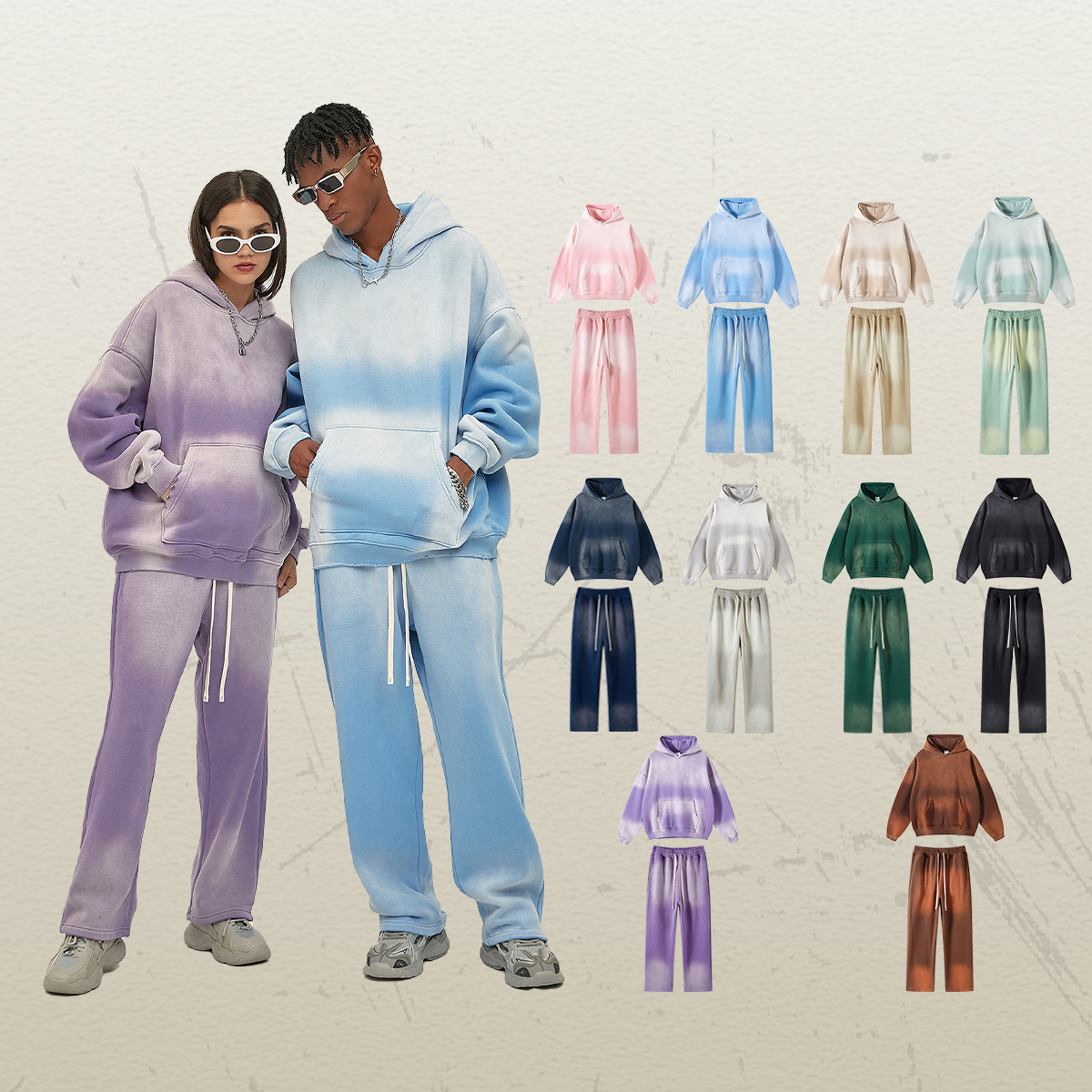
Raw Denim Finishing
Premium selvedge and raw denim treatment that creates authentic texture and fade patterns. Our finishing techniques preserve fabric integrity while delivering the vintage aesthetic streetwear brands demand, ensuring each pair develops unique character over time.
Custom Embroidery
High-density embroidery for logos, graphics, and streetwear motifs applied with precision stitching. Our in-house embroidery team executes intricate designs on pockets, legs, and waistbands with thread durability that withstands repeated washing and heavy wear.
Reinforced Stitching
Triple-needle bar tacks and reinforced seams at stress points including pockets, hammer loops, and tool holders. This construction technique ensures carpenter jeans maintain structural integrity through demanding use, meeting our 5-step quality control standards.
Hammer Loop Construction
Authentic carpenter details including riveted hammer loops, ruler pockets, and utility placements engineered for both function and streetwear style. Each functional element is tested during our sewing production QC phase to guarantee secure attachment and longevity.
Vintage Washing
Stone washing, enzyme treatments, and distressing techniques that create worn-in aesthetics without compromising fabric strength. Our controlled washing processes deliver consistent color variation and texture across production runs, perfect for cohesive brand collections.

Digital Printing
Direct-to-garment and screen printing for bold graphics, patterns, and custom artwork on denim surfaces. Our printing technology produces vibrant, wash-resistant designs that align with streetwear trends while maintaining the soft hand feel customers expect.
Hardware & Accessories for Carpenter Jeans Manufacturer
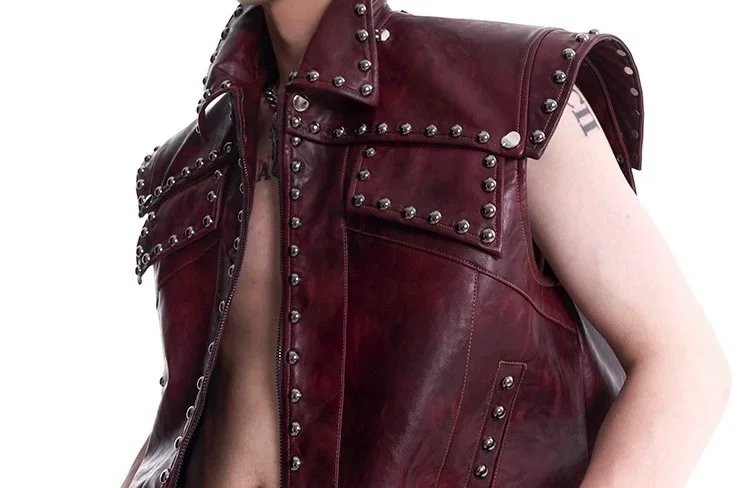
Heavy-Duty Rivets
Reinforced metal rivets engineered for high-stress points on carpenter jeans, including pockets and tool loops. Essential for workwear-inspired durability and authentic streetwear aesthetic that withstands repeated wear.
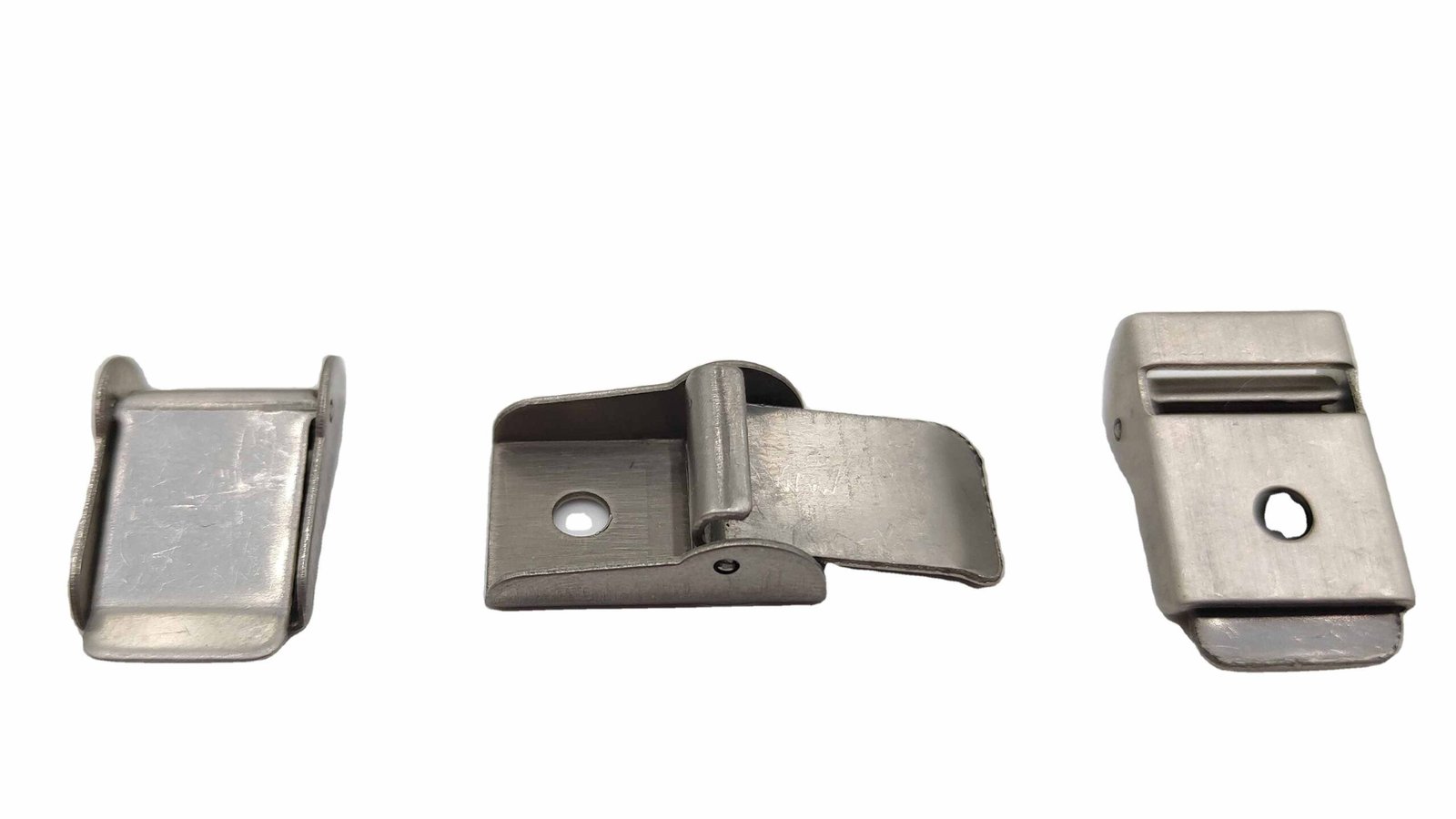
YKK Zippers
Premium YKK zippers for carpenter jeans fly closures and utility pockets. Smooth operation, corrosion-resistant finishes, and proven reliability ensure your branded jeans meet quality expectations through thousands of cycles.
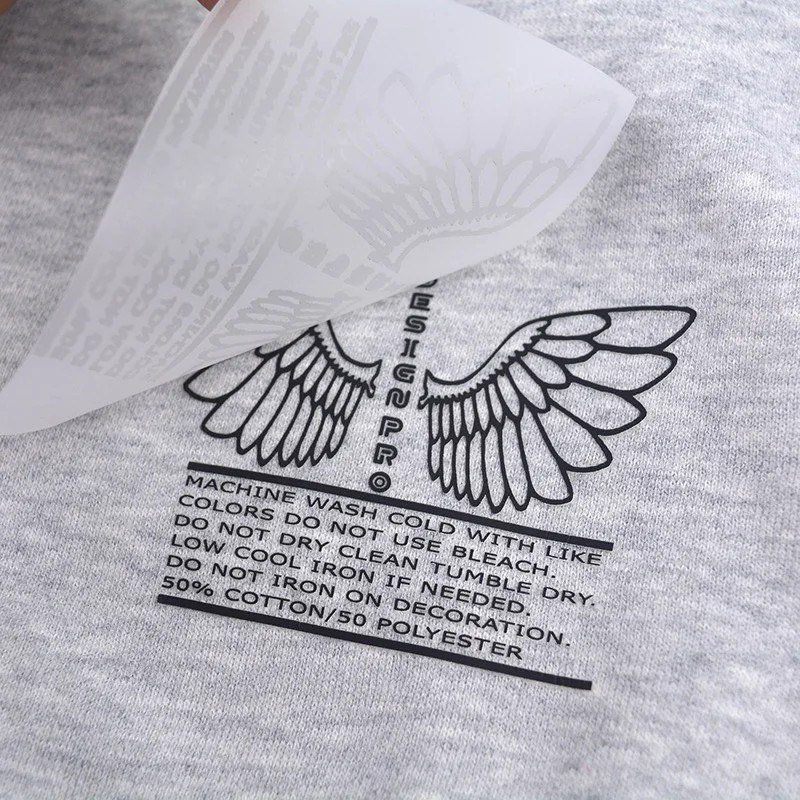
Leather Patches
Custom embossed or debossed leather patches for waistband branding. Adds premium tactile detail to carpenter jeans while showcasing your logo with the authentic craftsmanship streetwear customers value and remember.
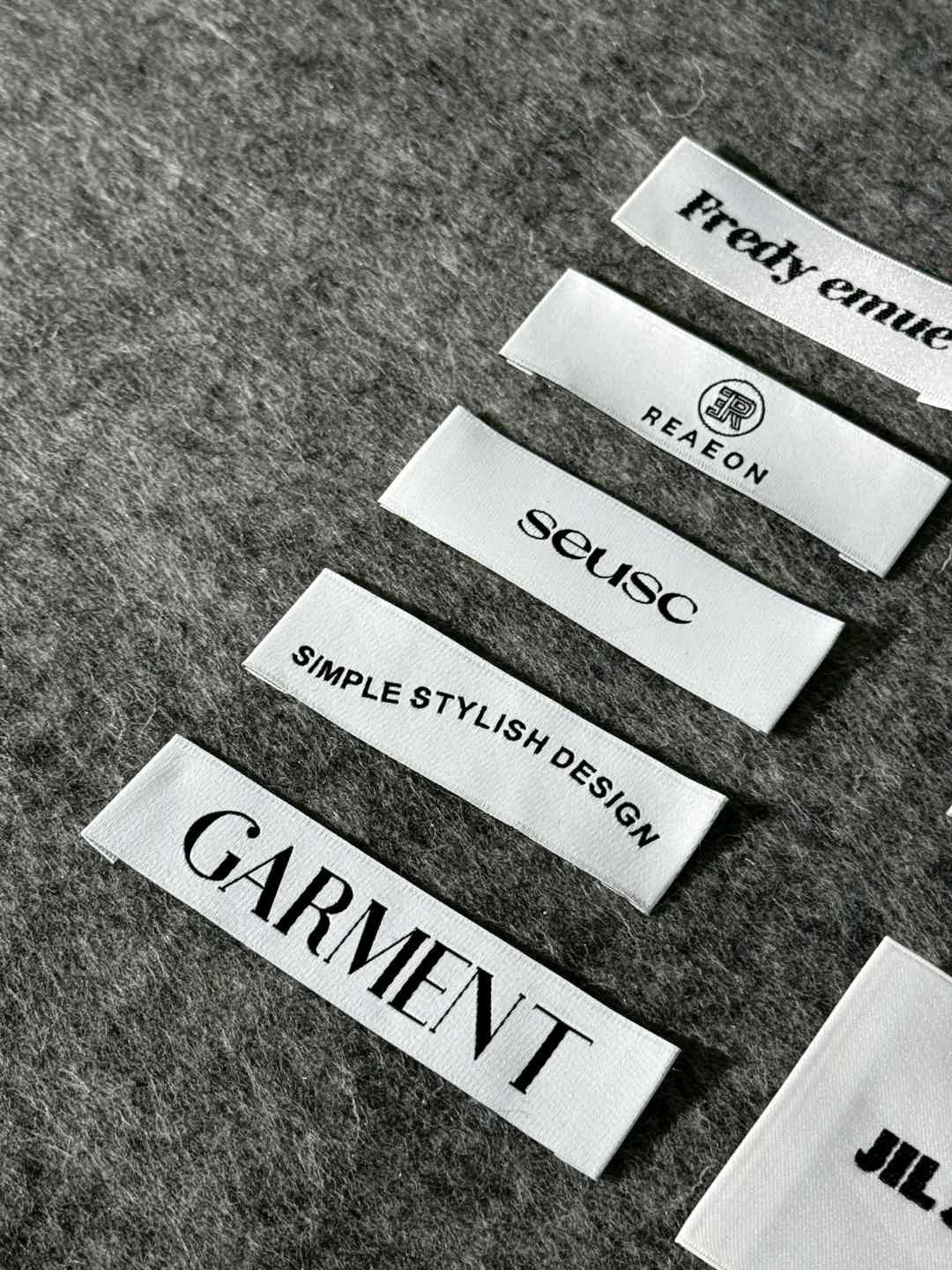
Woven Labels
High-definition woven labels for interior waistband and pocket placements. Durable, washfast construction ensures your brand identity remains crisp and legible throughout the lifecycle of every carpenter jeans piece.
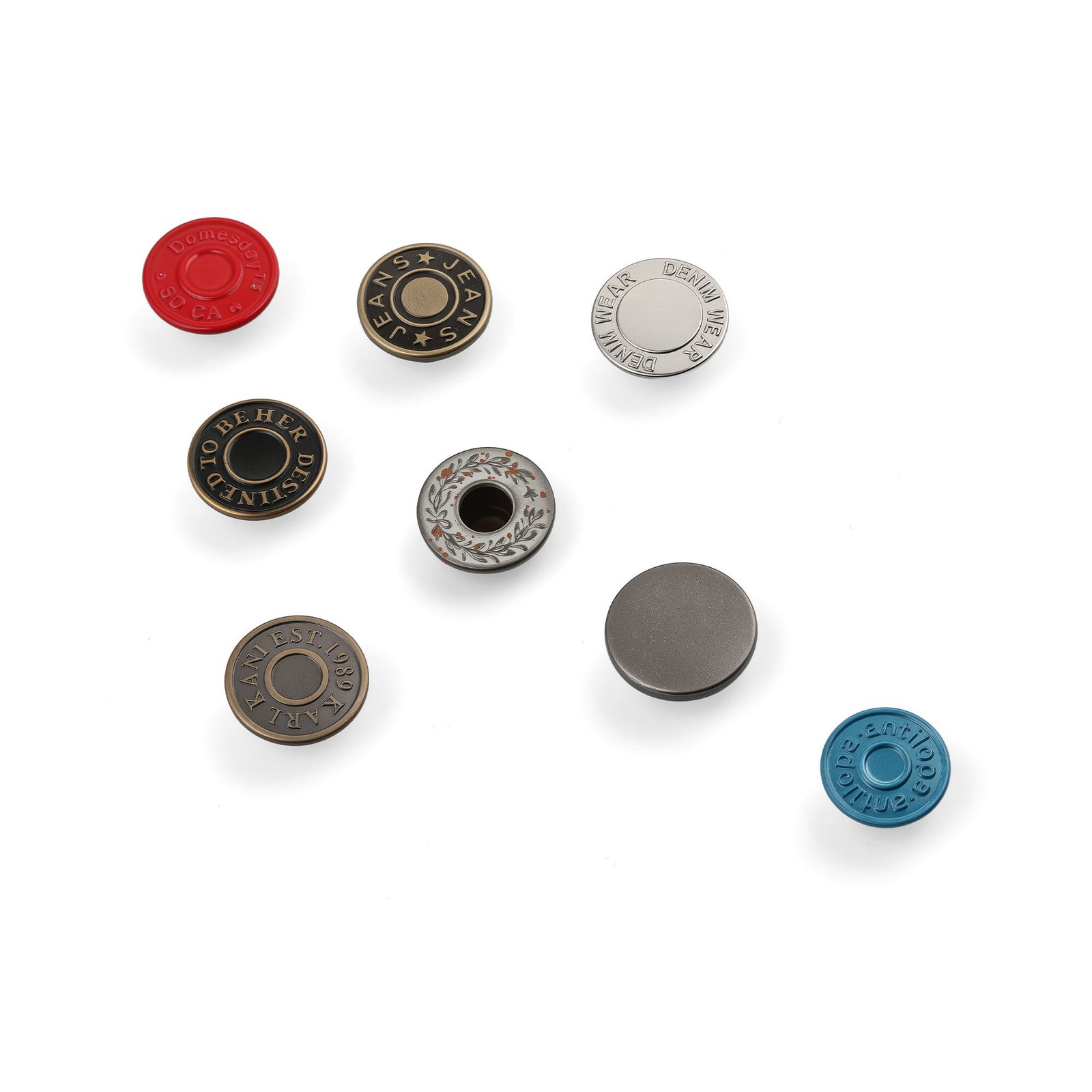
Custom Metal Buttons
Engraved or embossed metal buttons in antique brass, gunmetal, or custom finishes. Reinforces the utilitarian heritage of carpenter jeans while offering subtle branding opportunities at waistband and pocket closures.
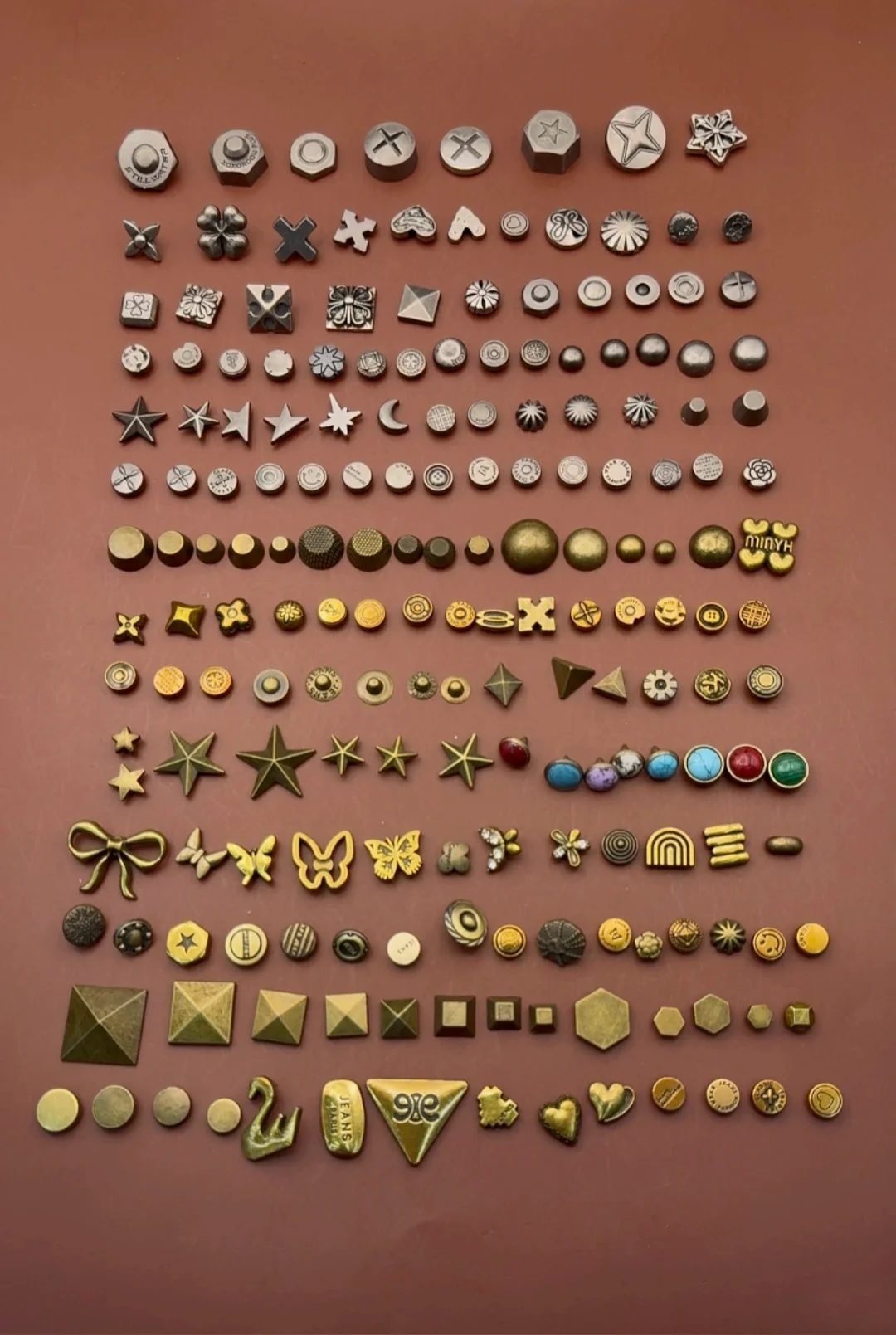
Reinforced Belt Loops
Double-stitched or bar-tacked belt loops constructed with heavy-duty thread. Critical for carpenter jeans functionality, ensuring loops withstand the weight of tool belts and accessories without tearing or detaching.
Carpenter Jeans Manufacturer You Can Trust
Founded in 2024 by Tesla Luo, Clothing Manufacturer Ltd brings over 10 years of apparel production expertise and 6 years of specialized streetwear experience to every carpenter jeans order. Raised in a garment manufacturing family and trained across every production role, Tesla witnessed too many factories skip quality testing entirely. He launched our company to restore trust in Chinese manufacturers through rigorous standards and transparent processes.
As a carpenter jeans manufacturer serving over 100 countries, we combine deep streetwear culture knowledge with a proprietary 5-step quality control system that tests materials, cutting, craftsmanship, sewing, and finished garments. Our 15-member R&D team and 10 patents support emerging brands and global retailers alike with low MOQs, fast turnarounds, and zero-compromise quality.
Backed by our parent company Dongguan TuoZhen Clothing Co., Ltd., we offer the agility of a focused streetwear specialist and the production capacity of an established operation. Every carpenter jean we produce reflects our mission: eliminate low-quality products and earn the respect of brands worldwide through hard work, trustworthiness, and relentless attention to detail.
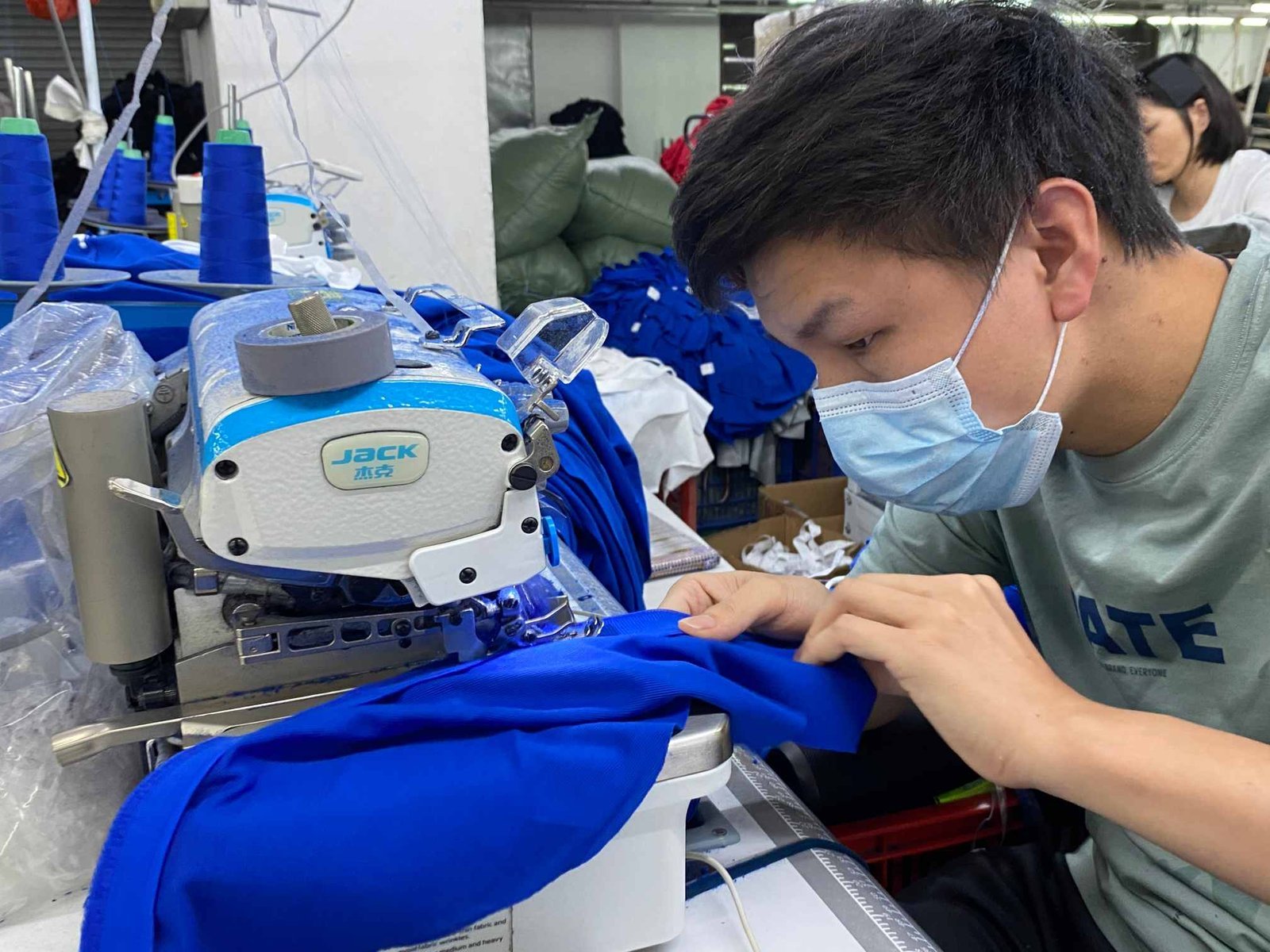
Our 5-Step Quality Control Guarantee for Carpenter Jeans
Materials QC Testing — Denim Verification
Before a single carpenter jeans pattern is cut, our team inspects every denim roll for weight consistency, colorfastness, and structural integrity. This first checkpoint ensures your carpenter jeans start with premium-grade fabric that withstands heavy wear and repeated washing.
- Fabric weight and density verification to meet carpenter jeans durability standards
- Colorfastness testing to prevent fading and dye transfer in finished garments
- Structural inspection for weave defects, slubs, or inconsistencies that compromise longevity
- Material certification review to confirm compliance with your brand specifications
Cutting & Craft QC Testing
Our cutting QC stage validates pattern accuracy and craft elements unique to carpenter jeans—tool pockets, hammer loops, and reinforced seams. Each piece is measured against your approved tech pack to ensure precise dimensions and correct placement of functional hardware before sewing begins.
- Pattern alignment verification to ensure symmetrical legs and consistent sizing across all pieces
- Tool pocket and hammer loop placement inspection for functional accuracy
- Reinforcement patch positioning checks at stress points—knees, seat, and pocket corners
- Hardware attachment point validation to prevent pull-through or tearing during use
Sewing Production QC Testing — In-Line Inspection
Unlike manufacturers who skip mid-production checks, we conduct real-time quality audits on the sewing floor. Our QC team examines stitch integrity, seam strength, and bartack placement while carpenter jeans are still in production, catching and correcting defects before they multiply down the line.
- Stitch-per-inch count verification to ensure seam strength meets workwear standards
- Bartack and reinforcement stitch inspection at pocket openings and stress zones
- Thread tension and color-match checks to maintain consistent finish quality
- In-process correction protocols that stop defective batches immediately, not at final inspection
Finished Garment Quality Inspection — Final Audit
Every completed carpenter jeans unit undergoes a comprehensive final inspection covering measurements, hardware function, wash quality, and visual defects. Only garments that pass all checkpoints earn our approval for ironing, folding, and shipment to your warehouse or fulfillment center.
- Full measurement audit—inseam, waist, rise, leg opening—against approved size specs
- Hardware functionality testing: zippers, buttons, rivets, and D-rings under load
- Visual defect screening for loose threads, staining, puckering, or misaligned seams
- Packaging readiness review to ensure each carpenter jeans piece is retail-ready on arrival
Carpenter Jeans Manufacturer vs. Standard Suppliers
We embed quality control at every production stage—not just at the end. See how our carpenter jeans manufacturing process delivers superior results for streetwear brands, startups, and independent designers.
← 左右滑动查看 →
Carpenter Jeans Manufacturer Production Timeline
Our streamlined 6-phase workflow ensures your carpenter jeans move from concept to completion with rigorous quality control at every stage, delivering premium streetwear denim on schedule.
Fabric Sourcing & Testing
We source premium denim and conduct materials QC testing to verify weight, stretch, colorfastness, and durability before any carpenter jeans production begins.
Pattern Development & Sampling
Our in-house design team creates custom patterns, places utility pockets and hammer loops, and produces samples with cutting QC testing for approval.
Bulk Cutting & Construction
Precision cutting of all denim panels and components, followed by sewing production QC testing to ensure accurate stitching and reinforced seams throughout.
Hardware Installation & Details
Rivets, buttons, zippers, and carpenter-specific hardware are installed with clothing craft QC testing to verify secure attachment and functional integrity.
Finishing & Final Inspection
Washing, distressing, ironing, and finished clothing quality QC inspection confirm every pair meets our zero-compromise standards before packing and labeling.
Packaging & Global Logistics
Custom packaging, carton preparation, and coordinated international shipping with full customs documentation support to deliver your carpenter jeans anywhere worldwide.
How to Partner with Our Carpenter Jeans Manufacturer
From concept to delivery, our streamlined workflow ensures your custom carpenter jeans meet exacting quality standards. Here’s how we bring your vision to life in five clear steps.
Submit Your Tech Pack
Share your carpenter jeans design specifications, fabric preferences, hardware requirements, and target quantities. Our team reviews every detail to understand your brand vision.
Receive Design Consultation & Sample
Our 15-member R&D team refines your concept and produces a complimentary sample. We collaborate on fit, pocket placement, hardware, and finishing details.
Confirm Quote and MOQ
Get transparent pricing with low minimum order quantities tailored for startups and independent designers. Lock in timelines and production schedules that match your launch.
Begin Bulk Production with QC
Your carpenter jeans enter our 5-step quality control process—materials testing, cutting inspection, craft review, sewing checks, and final garment inspection at every stage.
Approve Final Inspection & Ship
Review detailed QC reports and approve finished goods. We coordinate global logistics to deliver your carpenter jeans collection on time, anywhere in the world.
Certifications & Quality Standards
Carpenter Jeans Manufacturer — Real Success Stories
We scaled from 100 to 4,500 carpenter jeans units in just 7 months thanks to their low MOQ flexibility and consistent quality. Zero defects across three seasonal drops—our customers love the craftsmanship.
Their 5-step QC process delivered zero returns on our 2,200-piece carpenter jeans order. The hammer loop stitching and utility pocket reinforcement were flawless—exactly what our brand needed to stand out.
Fastest sampling turnaround in our entire supply chain—received three carpenter jeans prototypes in 9 days. Their team understood our vintage workwear aesthetic immediately and nailed the fit on the first iteration.
Carpenter Jeans Manufacturer — Frequently Asked Questions
What is the minimum order quantity (MOQ) for a carpenter jeans manufacturer?
How long does it take to produce custom carpenter jeans?
Does your carpenter jeans manufacturer provide sampling before bulk production?
What customization options are available for carpenter jeans?
What payment terms does your carpenter jeans manufacturer accept?
How do you protect my designs and intellectual property?
What quality guarantees come with your carpenter jeans production?
Do you handle international shipping for carpenter jeans orders?
Can you manufacture carpenter jeans for influencer and creator brands?
The Complete Buyer’s Guide to Choosing the Right Carpenter Jeans Manufacturer
Navigate the sourcing landscape with confidence. This guide delivers a proven decision framework, essential supplier evaluation criteria, quality benchmarks, customization options, and the most common mistakes fashion brands make when selecting a carpenter jeans manufacturer.
1. What Is a Carpenter Jeans Manufacturer?
A carpenter jeans manufacturer is a specialized apparel producer that designs, cuts, sews, and finishes denim workwear featuring utility-focused details such as tool loops, hammer loops, reinforced pockets, and extra utility compartments. These functional elements distinguish carpenter jeans from standard five-pocket denim, transforming them into workwear-inspired garments that appeal to streetwear brands, independent designers, and retailers seeking durable, trend-driven bottoms.
Manufacturers in this category provide end-to-end services across the apparel supply chain: pattern-making and grading, fabric sourcing (typically 10–14 oz denim), precision cutting, industrial sewing with reinforced bar tacks and triple-needle stitching, hardware attachment (rivets, buttons, metal loops), finishing (stone wash, enzyme wash, distressing), and private-label production including custom branding, hangtags, and packaging. Clothing Manufacturer Ltd., for example, applies a five-step quality control methodology—materials QC, cutting QC, craft QC, sewing QC, and finished-garment inspection—to ensure every pair meets defined standards before shipment.
Brands partner with specialized carpenter jeans manufacturers rather than producing in-house because garment production demands dedicated equipment (industrial flatbed and overlock machines, button-attaching presses, industrial irons), skilled labor trained in denim construction techniques, and quality systems that catch defects at every stage. Startups and influencer brands especially benefit from manufacturers that accept low minimum order quantities (MOQs), provide pattern development support, and maintain transparent communication across international logistics, customs, and order tracking—capabilities that require years of production experience and established supply-chain infrastructure to deliver reliably.
2. The Evolution of Carpenter Jeans and Manufacturing
Carpenter jeans originated in the late 19th century as functional workwear for tradespeople, featuring reinforced tool loops, hammer holders, and extra pockets sewn from 12–14 oz denim to withstand jobsite abrasion. Early manufacturers prioritized durability over aesthetics, using bar-tack stitching at stress points and triple-needle felled seams to prevent blowouts during heavy manual labor.
The 1990s marked the first major crossover into youth culture when skate brands adopted carpenter jeans for their loose fit and utilitarian details. Skaters repurposed tool loops for carabiners and chains, while the relaxed silhouette accommodated knee pads and freedom of movement. Manufacturers responded by introducing lighter 10–11 oz denim, stone-washing, and wider leg openings that appealed to streetwear consumers rather than construction workers.
By the 2020s, carpenter jeans experienced a global revival driven by Y2K nostalgia and streetwear’s appetite for functional design elements. Modern carpenter jeans manufacturers now balance heritage construction—reinforced stitching, genuine tool pockets—with contemporary fits including tapered legs, cropped inseams, and fashion washes like vintage indigo and overdyed black. Production techniques have evolved to include laser distressing, enzyme washes, and pattern grading for slim and regular fits, while retaining the iconic hammer loop and ruler pocket that signal authenticity.
Today’s leading manufacturers implement multi-stage quality control to ensure carpenter jeans meet both the durability standards of their workwear origins and the aesthetic precision demanded by streetwear brands and independent designers.
3. Types of Carpenter Jeans Manufacturers
Carpenter jeans manufacturer partners fall into five distinct categories, each serving different brand stages, order volumes, and service needs. Matching your production requirements to the right factory type ensures smoother collaboration and better margins.
Full-Package Manufacturers
Full-package suppliers handle design development, fabric sourcing, pattern making, sampling, production, and finishing under one roof. MOQs typically start at 500–1,000 pieces per style, with lead times of 60–90 days.
Ideal for fashion startups and independent designers who lack in-house technical teams. Clothing Manufacturer Ltd. operates as a full-package carpenter jeans manufacturer, combining R&D, 15-member design support, and five-step QC from materials through finished goods.
CMT Factories
Cut-make-trim facilities require buyers to supply all fabrics, trims, and tech packs. MOQs often begin at 300–500 units per colorway, with 30–45 day turnarounds.
Best suited for established brands with dedicated sourcing teams and existing fabric relationships. CMT pricing is lower but demands strong technical oversight and quality assurance from the client side.
Boutique Low-MOQ Specialists
Low-MOQ factories accept orders from 50–200 pieces, targeting influencer brands and creator labels testing new styles. Lead times run 45–60 days, with per-unit costs 15–25 percent higher than bulk rates.
Clothing Manufacturer Ltd. serves this segment through flexible production planning and scalable workflows, enabling emerging streetwear labels to launch carpenter jean collections without excessive inventory risk.
Large-Scale ODM Suppliers
Original design manufacturers offer pre-developed carpenter jean styles with minor customization. MOQs exceed 2,000 pieces per order, lead times compress to 30–45 days, and unit costs drop significantly.
Global apparel retailers benefit most, sacrificing design exclusivity for speed and volume pricing. ODM partners maintain seasonal catalogs and stock fabrics, accelerating time-to-market for trend-driven products.
4. Materials and Fabrics for Carpenter Jeans
Carpenter jeans fabric selection directly impacts durability, comfort, and brand positioning. A carpenter jeans manufacturer must balance weight, weave, and fiber content to meet the functional demands of utility-inspired streetwear while aligning with your target price point and aesthetic.
| Fabric Type | Weight (GSM / oz) | Stretch % | Durability | Typical Use Case | Price Tier |
|---|---|---|---|---|---|
| 100% Cotton Twill | 340–475 / 10–14 | 0% | High | Heritage, workwear-inspired lines | Mid–Premium |
| Cotton-Poly Blend | 305–407 / 9–12 | 0% | Very High | Fast fashion, high-volume retailers | Budget–Mid |
| Stretch Denim (1–3% Elastane) | 340–441 / 10–13 | 1–3% | Medium–High | Slim-fit streetwear, athleisure hybrids | Mid |
| Selvage Denim | 407–475 / 12–14 | 0% | Very High | Premium collectors, heritage brands | Premium |
| Organic / Recycled Cotton | 340–441 / 10–13 | 0–2% | Medium–High | Eco-conscious startups, certified lines | Premium |
Denim Weight and Weave Structures
Carpenter jeans typically use 10–14 oz denim, measured per square yard. Mid-weight 12–13 oz fabrics offer the best balance of structure and all-season wearability for streetwear brands. Heavier 14 oz options suit workwear-inspired lines targeting durability-focused customers.
Twill weave (3/1 right-hand or left-hand) is the industry standard, producing the diagonal ribbing that defines denim. Broken twill eliminates the center crease seen in straight twill, preventing leg twist after washing and improving garment longevity.
Fiber Content and Stretch Options
100% cotton denim delivers authentic texture and ages with natural fading, ideal for premium and heritage-positioned brands. Cotton-polyester blends (typically 98/2 or 95/5) add abrasion resistance and reduce shrinkage, lowering return rates for fast-fashion labels.
Stretch denim incorporates 1–3% elastane (spandex) for mobility and comfort. 1% stretch suits slim-fit carpenter jeans, while 2–3% elastane works for skinny and high-stretch styles popular with younger streetwear audiences.
Selvage, Raw, and Sustainable Denim
Selvage denim, woven on shuttle looms with a self-finished edge, commands premium pricing and appeals to heritage streetwear collectors. Non-selvage (projectile-loom) denim offers cost efficiency and faster production, suitable for volume orders.
Raw (unwashed) denim allows end-users to create personalized fading patterns, a selling point for enthusiast brands. Pre-washed denim reduces shrinkage and softens hand feel, lowering customer friction for mainstream labels. Organic cotton (GOTS-certified) and recycled cotton blends meet sustainability mandates for eco-conscious brands, though they add 15–30% to fabric cost.
5. Customization and Branding Options with a Carpenter Jeans Manufacturer
A carpenter jeans manufacturer offers extensive customization across fit, hardware, finishing, and branding to differentiate your line. Each option carries distinct MOQ and cost implications that scale with complexity and tooling requirements.
Fit and Silhouette Customization

Leg width, rise height, and pocket placement define carpenter jean silhouettes. Manufacturers typically offer relaxed, straight, tapered, and oversized fits, with custom pattern development adding 15–30 days to lead time and raising MOQs from 300 to 500 units per style.
Tool pocket configurations—side hammer loops, ruler pockets, or utility flaps—require dedicated pattern blocks and sample approval cycles. Brands seeking unique pocket geometry should budget for pattern-making fees of $50–$150 per style.
Hardware and Trims
Rivets, buttons, and zippers anchor carpenter jean durability and brand identity. YKK zippers remain the industry standard, while custom-engraved metal buttons or branded rivets add $0.20–$0.60 per unit and require 500–1,000 piece minimums per hardware SKU.
Contrast stitching—orange, yellow, or white thread on indigo denim—costs minimally but delivers strong visual impact. Chain-stitch hem finishes and bartack reinforcements at stress points are standard requests that most carpenter jeans manufacturers accommodate without MOQ increases.
Wash and Finishing Techniques
Stone wash, acid wash, enzyme wash, and whiskering create varied aesthetic effects. Stone wash softens fabric and lightens color in 30–60 minutes; acid wash produces high-contrast marbling. Each wash type adds $1.50–$4.00 per unit, with enzyme and laser distressing at the premium end.
MOQs for custom wash recipes start at 300–500 pieces because wash houses batch-process by formula. A carpenter jeans manufacturer with in-house or partner wash facilities can iterate samples faster, reducing development cycles from four weeks to two.
Branding Elements
Leather patches, woven labels, embroidered logos, and custom hang tags establish brand recognition. Leather patches cost $0.30–$1.00 each with 500-piece minimums; woven labels run $0.10–$0.40 at 1,000-piece orders. Embroidery on back pockets or tool loops adds $0.50–$2.00 per placement depending on stitch count.
Hang tags, care labels, and poly bags complete the unboxing experience. A full branding package—custom hardware, leather patch, hang tag, and embroidery—typically raises per-unit cost by $2–$5 and requires coordinated lead times across multiple suppliers.
6. Key Quality and Construction Elements to Inspect
Quality inspection at every production stage separates reputable carpenter jeans manufacturers from those who skip critical checkpoints. A five-step QC methodology—covering materials, cutting, craft, sewing, and finished garment inspection—ensures defects are caught early rather than discovered after shipment.
Stitching and Seam Quality
Double-needle or triple-needle stitching on inseams, outseams, and waistbands is standard for carpenter jeans subjected to heavy wear. Seam allowances should measure at least 1 cm to prevent fraying and allow alterations.
Bar-tack reinforcement at pocket corners, belt loops, and hammer loop attachment points prevents tearing under stress. Inspect stitch density: 10–12 stitches per inch delivers durability without fabric puckering.
Hardware Durability
YKK zippers offer consistent pull strength and corrosion resistance compared to generic alternatives that fail within months. Rivets at pocket corners and fly openings should withstand 50+ pounds of pull force.
Button shanks must be securely attached with bar-tack or lock-stitch backing. Test hardware by applying firm pressure during sample approval to identify weak points before bulk production.
Pocket Construction
Tool pockets and cargo pockets require bag fabric weight of at least 200 GSM to support hand tools without sagging. Pocket openings should be reinforced with double-fold binding or bias tape to resist abrasion.
Hammer loops demand triple-layer construction with bar-tack anchoring at both top and bottom attachment points. Inspect pocket depth consistency across all sizes to ensure functional utility.
Fit Consistency Across Sizes
Grade rules—the incremental size adjustments between S, M, L, XL—must maintain proportional pocket placement, inseam length, and rise measurements. Request fit samples in at least three sizes to verify pattern grading accuracy.
Waistband height should remain consistent relative to rise across the size run. Inconsistent grading leads to customer returns and damages brand reputation.
Finishing Standards
Loose threads, uneven hem stitching, and skipped stitches indicate inadequate final inspection. Finished garments should pass through a dedicated QC station where inspectors check every seam, button, and hardware component.
Pressing and folding quality reflects manufacturing discipline. Demand photographic evidence of the final QC process during factory audits to confirm inspection protocols are enforced, not merely documented.
7. How to Choose the Right Carpenter Jeans Manufacturer
Selecting the right carpenter jeans manufacturer requires a structured evaluation across six critical dimensions. Each criterion reveals whether a supplier can deliver consistent quality, meet your timeline, and scale with your brand.
Assessing Production Capacity and MOQ Flexibility
Ask for monthly output figures and current capacity utilization — factories running above 90% often miss deadlines. Confirm minimum order quantities align with your launch volume; emerging brands typically need 200–500 units per style, while established retailers order 1,000+.
Request lead times for first orders versus repeat runs. Red flags include vague ‘we can handle anything’ claims without specific numbers or reluctance to share production schedules.
Verifying Certifications and Compliance
Check for WRAP, BSCI, OEKO-TEX Standard 100, and ISO 9001 certificates with current expiration dates. These validate ethical labor practices, chemical safety, and quality management systems.
Request certificate copies and audit reports. Manufacturers who hesitate or provide expired documents may lack genuine compliance, exposing your brand to supply-chain risk.
Evaluating Sampling and Prototyping Speed
Benchmark sampling timelines: 7–10 days for initial prototypes is standard, 3–5 days signals strong R&D capability. Ask how many revision rounds are included and whether sampling fees credit toward production orders.
Slow sampling (15+ days) or unclear revision policies indicate bottlenecks that will delay your launch.
Reviewing Past Client Portfolios and References
Request case studies or client lists in your category — streetwear, workwear, or premium denim. Contact at least two references to verify on-time delivery rates and quality consistency.
Manufacturers refusing references or showing only unrelated product types may lack relevant carpenter jeans experience.
Understanding Communication and Project Management
Test response times during initial inquiries; replies within 12 hours indicate dedicated account management. Confirm whether you receive a single point of contact and access to production tracking dashboards.
Poor English fluency, delayed responses beyond 24 hours, or handoffs between multiple staff members create miscommunication risks throughout production.
Comparing Pricing Transparency
Request itemized quotes breaking out fabric, trim, labor, and finishing costs. Transparent pricing lets you understand cost drivers and negotiate effectively; lump-sum quotes hide margins and limit flexibility.
Beware of prices 20%+ below market averages — they often signal quality shortcuts or hidden fees appearing later.
8. Common Mistakes When Selecting a Carpenter Jeans Manufacturer
Selecting a carpenter jeans manufacturer on incomplete criteria leads to production delays, quality failures, and budget overruns that can derail a brand launch. Five recurring mistakes account for the majority of partnership breakdowns between brands and factories.
Choosing Solely on Price Without Quality Vetting
Brands that prioritize the lowest quote often receive carpenter jeans with inconsistent stitching, weak rivets, and misaligned tool pockets that fail after minimal wear. Factories offering prices 20–30% below market average typically skip quality control steps or substitute specified fabrics with inferior alternatives.
Request sample garments and conduct independent testing for seam strength, fabric weight (12–14 oz denim standard), and hardware durability before committing to production. Verify that the carpenter jeans manufacturer implements QC at cutting, sewing, and finishing stages rather than only final inspection.
Ignoring MOQ and Scalability Mismatches
Startups ordering 100 units from a factory with a 500-piece MOQ face pressure to over-order or accept compromised terms, while established brands needing 5,000 pieces may overwhelm a small workshop lacking capacity. Misaligned order volumes create friction, delays, and quality shortcuts.
Confirm the factory’s comfortable production range and ask for references from clients at your scale. A carpenter jeans manufacturer experienced with both 200-piece test runs and 2,000-piece reorders offers the flexibility independent designers and growing brands require.
Skipping Sample Validation and Fit Testing
Approving production based on digital mockups or a single sample without wear testing results in fit issues, uncomfortable inseams, and tool-loop placements that don’t accommodate actual tools. Bulk orders with these defects require costly reworks or write-offs.
Order pre-production samples in multiple sizes, conduct fit sessions with your target demographic, and validate pocket depth, hammer loop position, and knee articulation under movement before greenlighting the full run.
Underestimating Lead Times and Production Cycles
Brands assuming 30-day turnarounds for carpenter jeans with custom hardware, contrast stitching, and proprietary washes face missed launch dates when realistic timelines span 60–90 days including sampling, fabric sourcing, and finishing. Rushed orders compromise quality and inflate costs.
Map the full production cycle from fabric mill to final QC, add 15–20% buffer time for approvals and revisions, and align your launch calendar with the manufacturer’s capacity during peak and off-peak seasons.
Failing to Clarify IP and Design Ownership
Ambiguous contracts leave brands vulnerable when a carpenter jeans manufacturer reproduces proprietary pocket patterns, custom washes, or branded hardware for competitors. Intellectual property disputes are costly and damage brand differentiation.
Include explicit IP clauses in your manufacturing agreement that assign design ownership to your brand, prohibit pattern reuse, and require confidentiality for all custom specifications, embroidery files, and wash formulas developed during your partnership.
9. Steps to Launch Your Carpenter Jeans Line
Launching a carpenter jeans line requires structured planning across design, production, and logistics. Following a clear roadmap from concept to market reduces risk and ensures quality standards are met at every stage.
Define Your Brand Positioning and Target Customer
Identify whether you are targeting workwear enthusiasts, streetwear audiences, or utility-fashion crossover buyers before contacting a carpenter jeans manufacturer. Clear positioning determines fabric weight (10–14 oz denim for fashion, 12–16 oz for workwear), pocket configurations, and hardware choices.
Document your ideal customer’s age range, price tolerance, and style preferences in a one-page brief. This brief guides every subsequent decision, from wash treatments to MOQ negotiations, and ensures alignment between your vision and factory capabilities.
Create Tech Packs and Design Specifications
A complete tech pack includes flat sketches with measurements, fabric specifications (fiber content, weight, stretch percentage), hardware callouts (rivet size, button finish), and stitch types (chain stitch hems, bar tacks at stress points). Tech packs eliminate ambiguity and serve as the binding reference throughout sampling and production.
Include Pantone color codes for thread, labels, and trim, plus detailed placement measurements for tool loops, hammer holders, and utility pockets. Many carpenter jeans manufacturers provide tech pack templates; request these during initial inquiry to match their internal format and speed up sample approval.
Request and Approve Samples
Order one prototype sample to verify fit, construction, and aesthetic before committing to pre-production samples in multiple sizes. Expect 10–15 days for the first prototype and budget sample costs of 50–150 USD per piece, often credited against your first bulk order.
Conduct a detailed inspection: check pocket depth, reinforcement stitching at tool loops, zipper operation, and wash consistency. Use a QC checklist that covers seam allowances, topstitch alignment, and hardware attachment strength to ensure the sample meets your standards before advancing to production.
Negotiate Terms and Place Your First Order
Clarify MOQ (typically 200–500 pieces per style for carpenter jeans), payment terms (30% deposit, 70% before shipment is standard), and lead time (45–60 days post-sample approval). Request a formal quotation that itemizes fabric, labor, trims, packaging, and any customization fees.
Secure a written agreement covering sample approval sign-off, acceptable defect rates (industry standard ≤ 2.5% AQL 2.5), and penalty clauses for late delivery. Transparent terms protect both parties and establish accountability throughout the production cycle.
Manage Production Timelines and Quality Control
Request milestone updates at fabric arrival, cutting completion, mid-production, and final inspection. A five-step QC process—materials testing, cutting checks, craft inspection, sewing audits, and finished-goods review—catches defects early and reduces costly rework.
Schedule a third-party or in-house inspection before final shipment, verifying measurements against your tech pack, checking for loose threads, and testing hardware durability. Document findings with photos and request immediate corrections for any units failing your AQL threshold.
Plan Logistics and Inventory
Choose between air freight (7–10 days, higher cost) and sea freight (25–35 days, lower cost per unit) based on launch deadlines and budget. Factor in customs duties, port fees, and inland transport when calculating landed cost per piece.
Allocate inventory across sizes using pre-order data or standard bell-curve ratios (S 15%, M 30%, L 30%, XL 20%, XXL 5%). Maintain a 10–15% safety stock buffer for bestselling SKUs to avoid stockouts during your initial sales period.
10. Pricing and Cost Breakdown
Carpenter jeans unit costs typically range from $8.50 to $28.00 depending on fabric grade, hardware quality, wash complexity, and order volume. A 100-unit run using 12 oz ring-spun denim with standard rivets and a basic stone wash may cost $18–22 per piece, while 5,000 units of the same specification drop to $9–12 per unit due to economies of scale in cutting and sewing labor. Setup fees for sampling, pattern grading, and first-article inspection generally range from $150 to $600 per style, absorbed more easily across larger production runs.
Fabric weight and composition drive significant cost variance. Standard 10–12 oz cotton-polyester blends cost $2.80–4.20 per yard, whereas premium 13.5 oz 100% cotton selvedge denim runs $6.50–9.00 per yard, directly impacting the raw-material portion of each garment. Hardware selection adds $0.40–1.80 per unit: generic zinc-alloy hammer loops and tool clips cost roughly $0.40, while branded YKK zippers and custom-stamped metal hardware can reach $1.80 per jean.
Wash and finishing treatments represent the second-largest cost variable after fabric. A basic enzyme wash adds $1.20–1.80 per unit, while heavy distressing with hand-sanding, whiskering, and multiple rinse cycles increases finishing costs to $3.50–5.20 per piece. Brands ordering carpenter jeans from a carpenter jeans manufacturer should budget an additional 8–12 weeks of lead time for custom hardware tooling and complex multi-stage washes compared to standard production schedules.
| Quantity Tier | Unit Price Range (USD) | Setup / Sampling Fee | Typical Lead Time |
|---|---|---|---|
| 100 units | $18.00 – $22.00 | $400 – $600 | 6–8 weeks |
| 500 units | $13.50 – $16.50 | $250 – $400 | 5–7 weeks |
| 1,000 units | $11.00 – $14.00 | $150 – $250 | 4–6 weeks |
| 5,000 units | $9.00 – $12.00 | $150 (amortized) | 4–5 weeks |
Partner with a Trusted Carpenter Jeans Manufacturer
Low MOQ, fast turnaround, and 5-step QC guarantee. Launch your carpenter jeans collection with a partner who delivers quality and reliability.