
Premium Baggy Jeans Manufacturer for Streetwear Brands
Your trusted baggy jeans manufacturer with 5-step QC, 50-piece MOQ, and fast turnaround for emerging streetwear labels and independent designers worldwide.
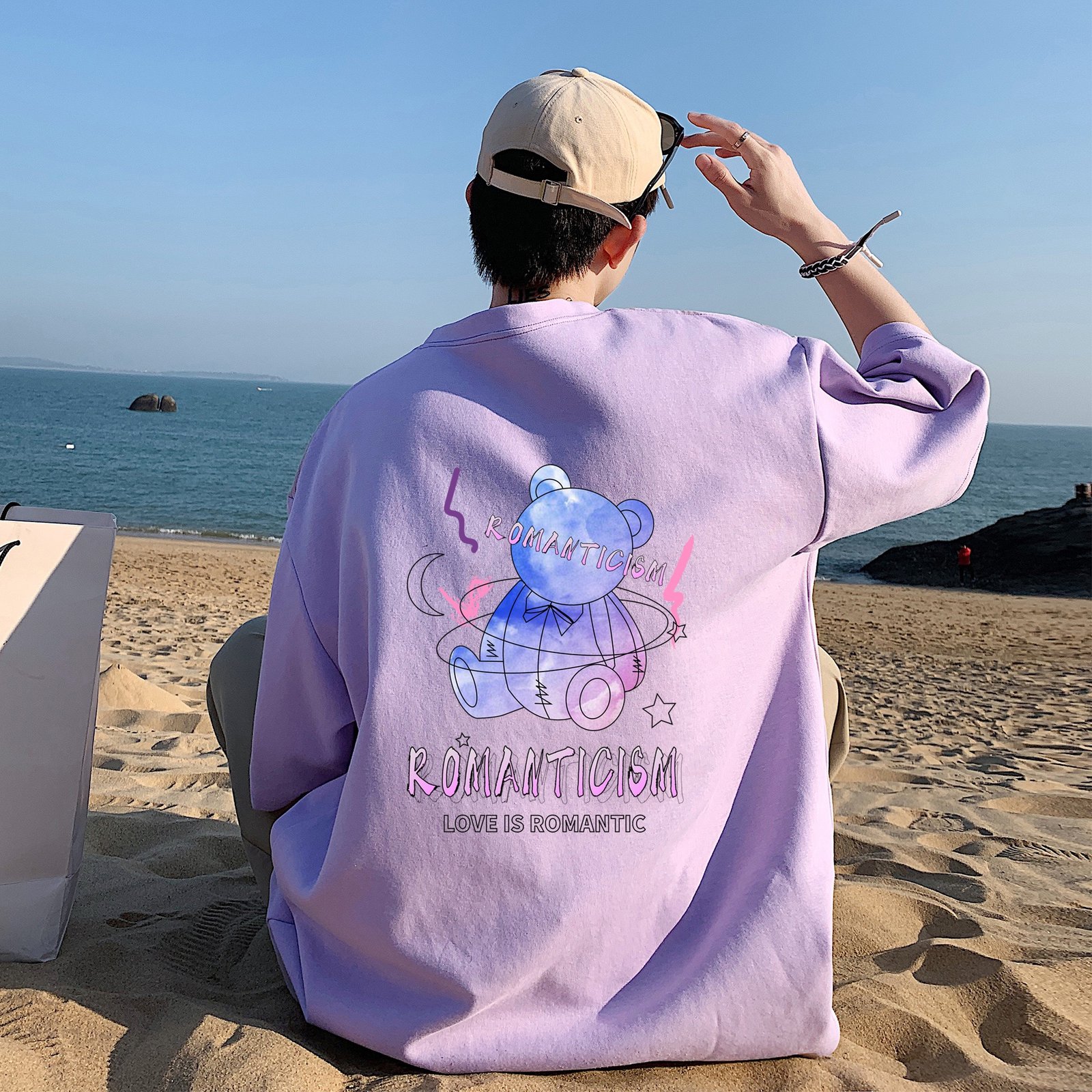
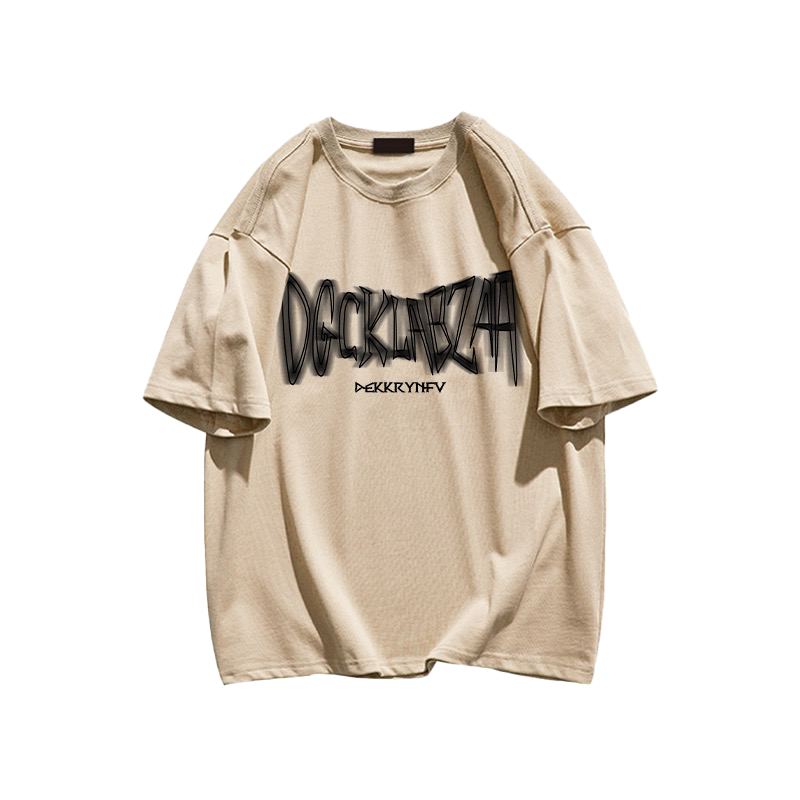
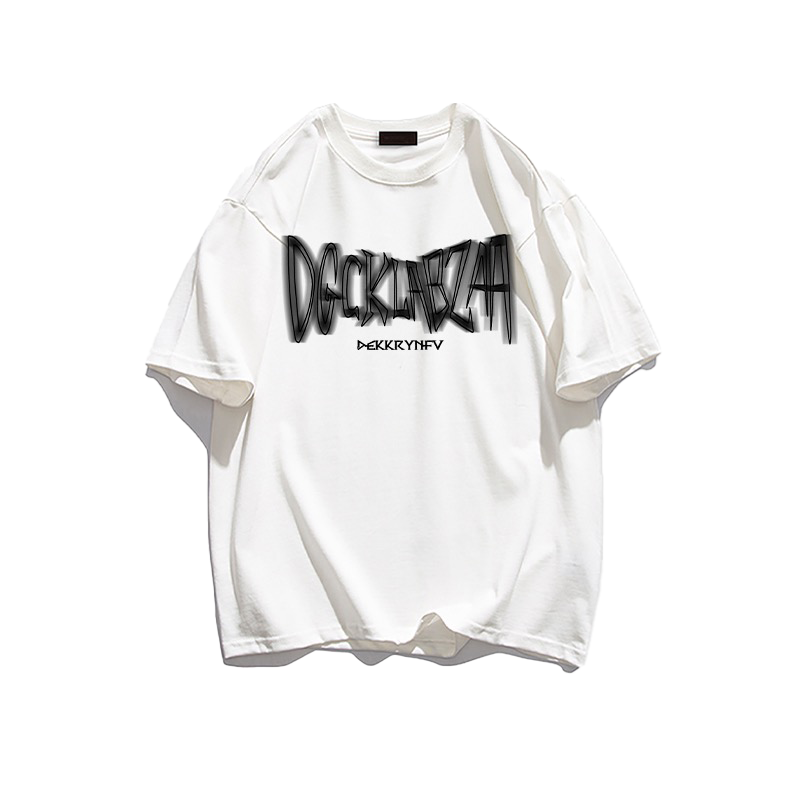
Baggy Jeans Collection Showcase

Why Choose Our Baggy Jeans Manufacturer
5-Step Quality Control Guarantee
Every pair undergoes rigorous testing at materials, cutting, craft, sewing, and finishing stages—zero defects reach your customers.
50-Piece Minimum Order Quantity
Launch or test new baggy jeans styles without massive inventory risk—perfect for startups and emerging streetwear brands.
7-Day Sample Turnaround
Validate fit, wash, and construction quickly so you can lock in seasonal collections and beat competitors to market.
In-House Streetwear Design Team
15-member R&D team fluent in baggy silhouettes, vintage washes, and trend-driven details that resonate with your audience.
10+ Years Streetwear Expertise
Deep knowledge of hip-hop, skate, and street culture ensures authentic fits and finishes that elevate your brand credibility.
Global Shipping & Logistics
Seamless customs, declaration, and freight support to over 100 countries—your baggy jeans arrive on time, every time.
Baggy Jeans Manufacturer Solutions for Every Brand Vision
From oversized streetwear staples to vintage-washed premium denim, our baggy jeans manufacturing expertise covers every style category. Explore which solution fits your collection.
Oversized Fit Baggy Jeans
Streetwear brands struggle to find manufacturers who understand the precise balance between exaggerated silhouette and wearable comfort, often receiving samples that look bulky rather than stylishly oversized.
Our pattern team delivers perfectly proportioned oversized baggy jeans with relaxed thighs and tapered or straight hems, tested through our 5-step QC to ensure consistent fit across every size run.
Cargo-Hybrid Baggy Jeans
Independent designers want functional utility pockets and straps on baggy denim silhouettes but lack production partners experienced in combining cargo details with premium jean construction without compromising durability.
We manufacture cargo-hybrid baggy jeans with reinforced pocket attachments, bartack stitching, and custom hardware placements, blending streetwear aesthetics with rugged functionality that passes rigorous quality testing.
Vintage-Wash Baggy Jeans
Fashion startups need authentic vintage washes—stone-washed, acid-washed, distressed—but worry about inconsistent color results, weak fabric after treatment, or washes that fade unevenly after customer laundering.
Our denim specialists apply controlled vintage wash treatments with pre-production fabric testing, ensuring every pair achieves the desired aged aesthetic while maintaining fabric integrity and colorfastness through finished goods inspection.
Premium Selvedge Denim Baggy Jeans
Established streetwear brands targeting higher price points require selvedge denim construction and clean interior finishing but struggle to find baggy jeans manufacturers who work with premium fabrics at accessible minimums.
We source premium selvedge denim from trusted mills and manufacture baggy jeans with authentic shuttle-loom fabric, flat-felled seams, and luxury finishing details—available from 50-piece MOQ with full materials QC testing.
Custom Print Baggy Jeans
Influencer brands want unique all-over prints, graffiti graphics, or custom embroidery on baggy jeans to differentiate their drops, but most manufacturers lack in-house design teams or charge premium fees for customization.
Our 15-person R&D team collaborates on custom prints, embroidery placement, and graphic applications for baggy jeans, with fast sampling turnaround and sewing production QC to ensure artwork integrity on every finished garment.
Premium Denim Options From Your Baggy Jeans Manufacturer
100% Cotton Denim
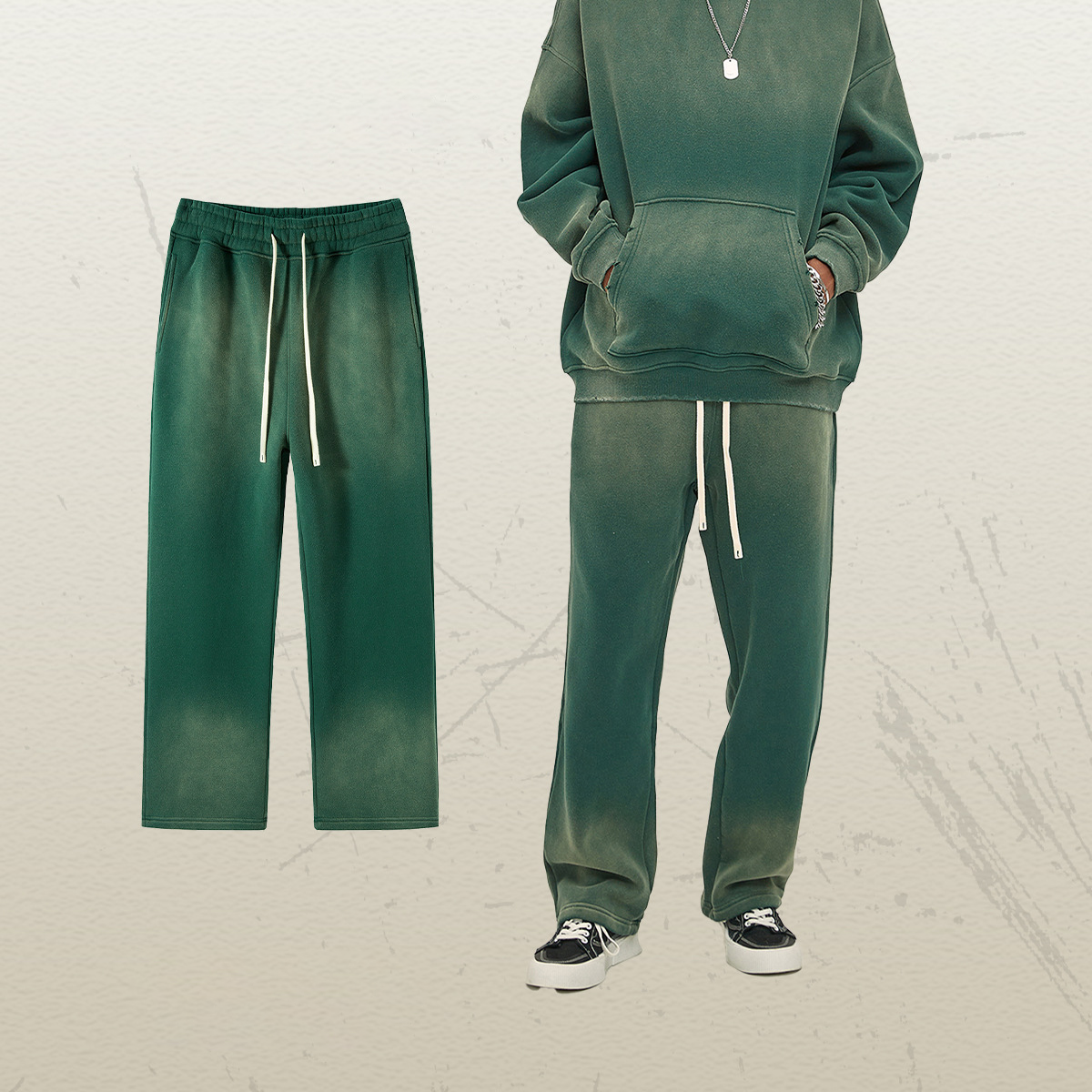
Classic heavyweight denim with authentic texture and breathability. Ideal for traditional baggy jeans with superior durability. Weight range: 12–14 oz, offering excellent structure and longevity for everyday streetwear.
Cotton-Poly Blend
Versatile mid-weight blend combining cotton comfort with polyester resilience. Perfect for baggy jeans requiring enhanced color retention and reduced shrinkage. Typically 80/20 cotton-poly ratio at 10–12 oz.
Stretch Denim
Premium cotton denim with 2–4% elastane for added flexibility and comfort. Maintains baggy silhouette while allowing freedom of movement. Weight: 11–13 oz with excellent recovery and shape retention.
Organic Cotton Denim
Sustainably sourced organic cotton for eco-conscious brands. Offers soft hand-feel and chemical-free production without compromising strength. Certified organic fibers at 12–13 oz weight for premium baggy jeans.
Recycled Denim
Eco-friendly fabric made from post-consumer recycled cotton and polyester fibers. Reduces environmental impact while delivering authentic denim aesthetics. Typically 9–11 oz, ideal for lightweight baggy styles.
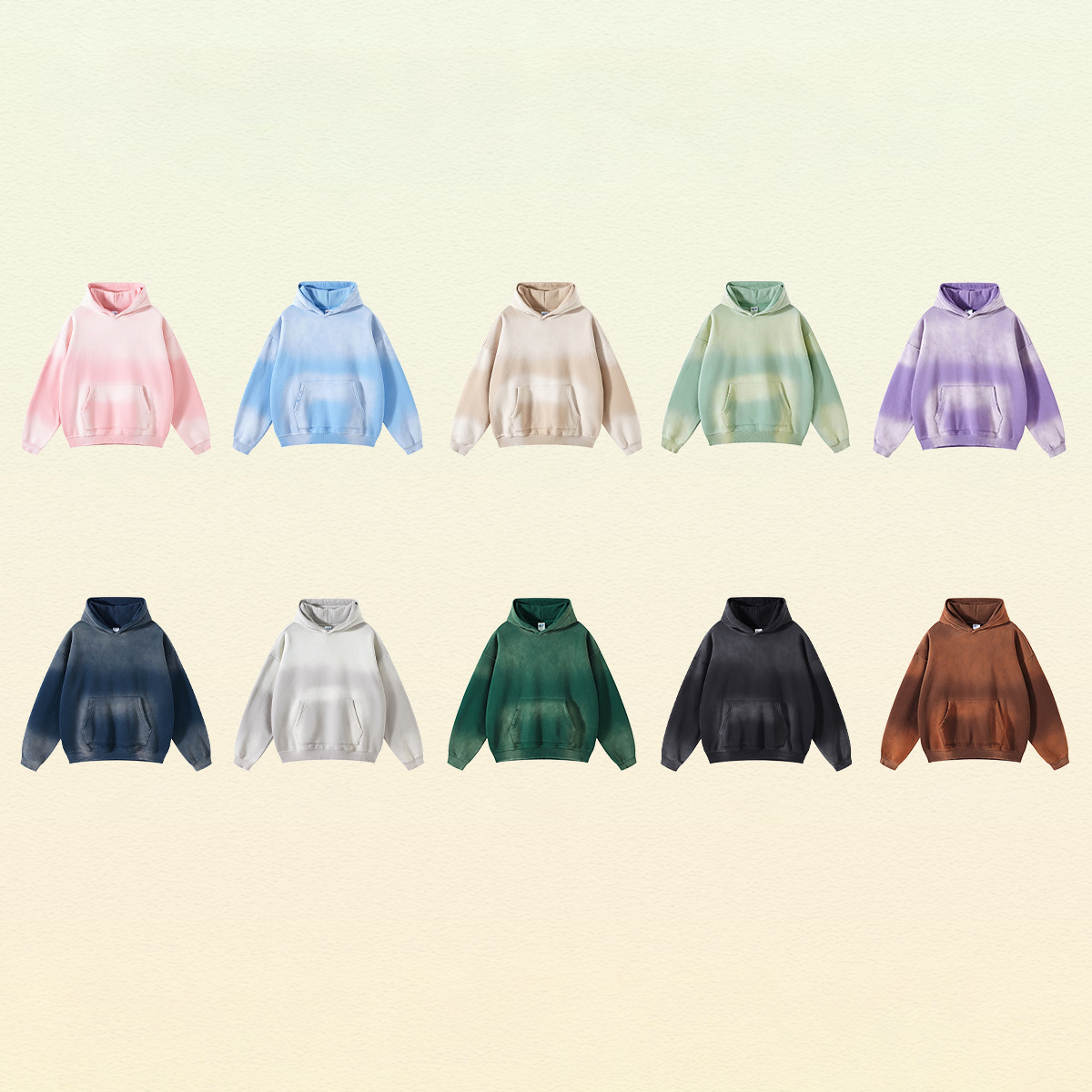
Selvedge Denim
Premium shuttle-loom woven denim with self-finished edges for luxury streetwear lines. Features tighter weave and superior durability with distinctive edge detail. Weight: 13–15 oz for high-end baggy jeans collections.
Advanced Production Techniques From Your Baggy Jeans Manufacturer
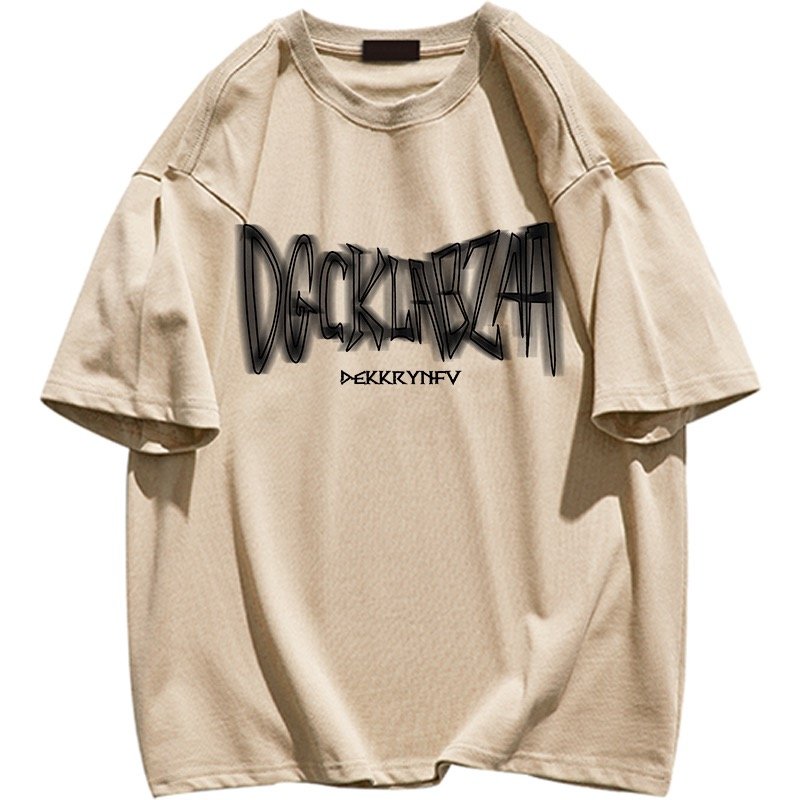
Stone Washing
Creates authentic vintage-worn texture and soft hand feel through tumbling with pumice stones. Delivers the classic broken-in look streetwear customers expect, with consistent fade patterns and enhanced comfort that lasts through repeated wear.
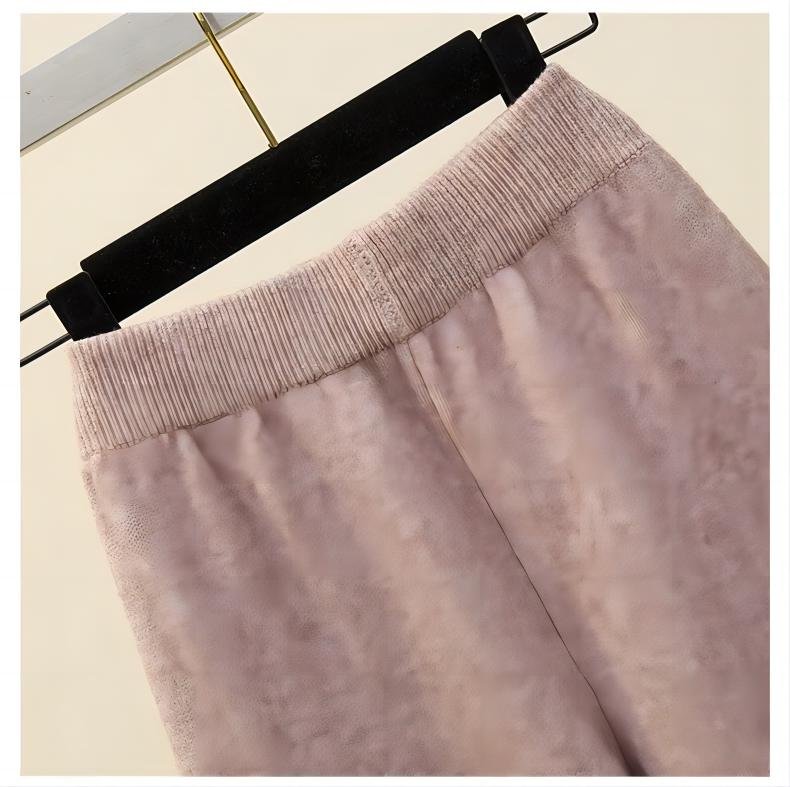
Acid Wash
Produces bold, high-contrast marbled effects and distressed patterns using controlled chemical treatment. Perfect for statement baggy jeans that capture 90s nostalgia and modern streetwear edge with unique, eye-catching color variations on every piece.
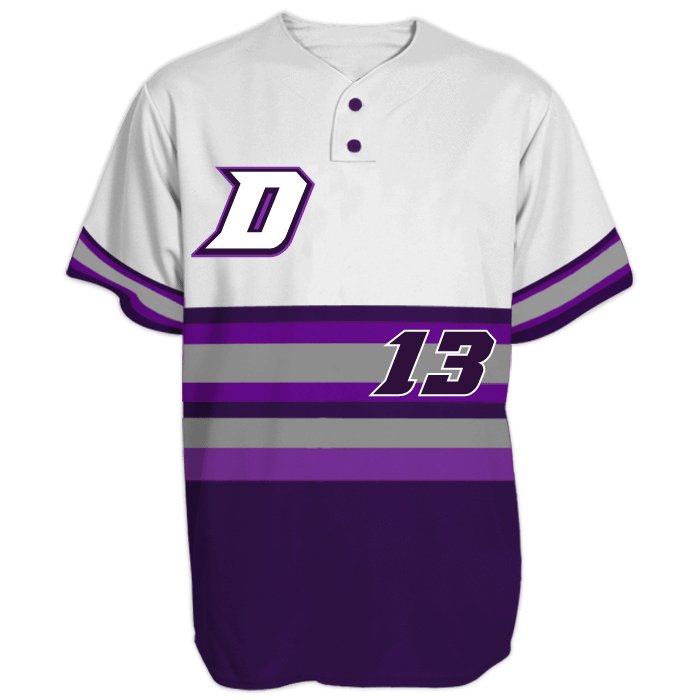
Custom Dyeing
Achieves precise color matching and vibrant hues from deep indigos to trending pastels and neons. Our controlled dyeing process ensures colorfast results and batch consistency, so your brand’s signature shades remain true across every production run.
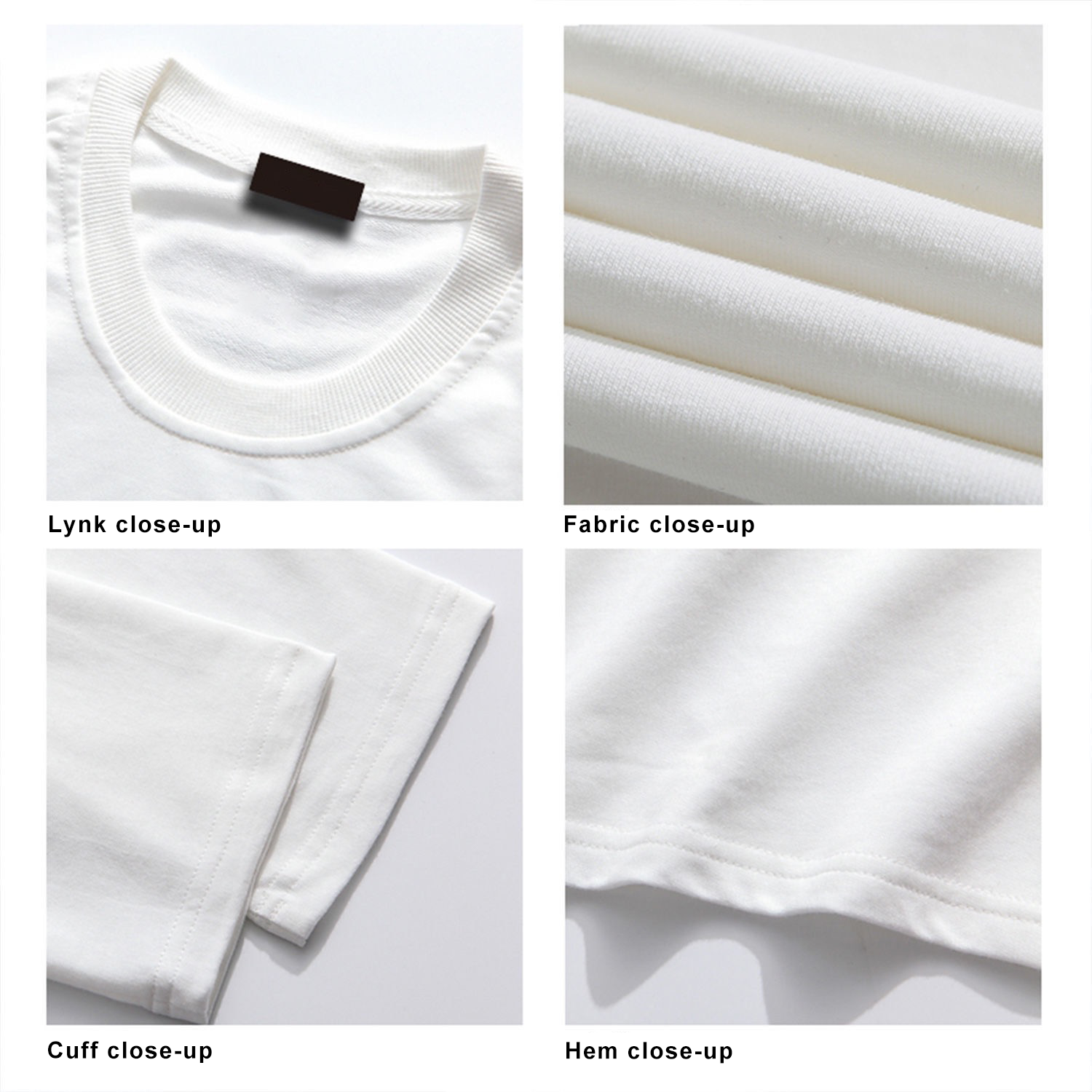
Embroidery Application
Adds premium dimensional branding and intricate designs with commercial-grade thread and precision stitching. Ideal for logos, graphics, and decorative elements that elevate perceived value and withstand industrial laundering without fraying or fading.
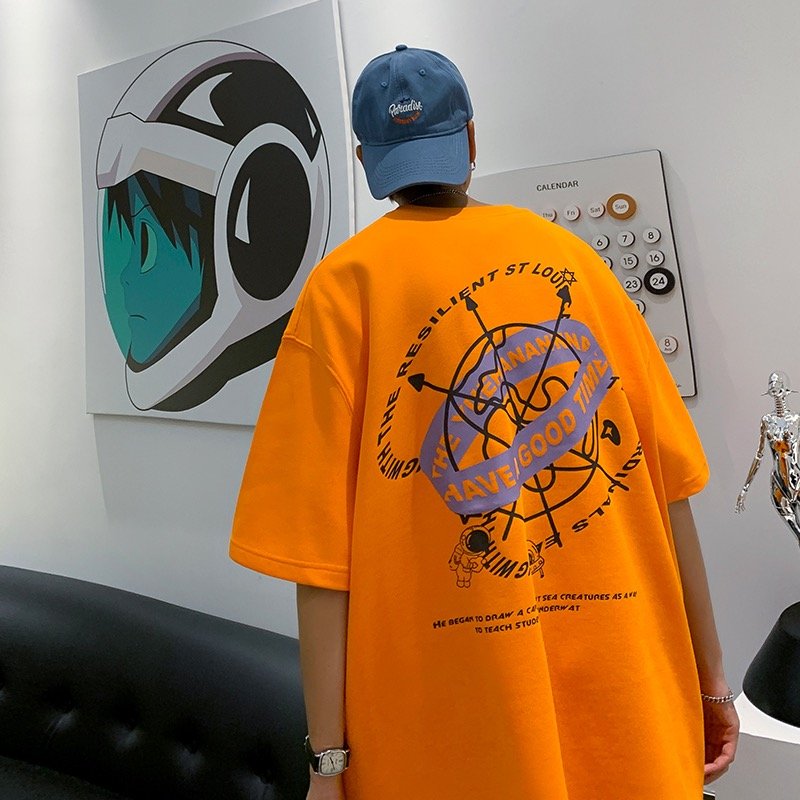
Screen Printing
Delivers bold, opaque graphics and text with excellent wash durability using plastisol or water-based inks. Perfect for large logo placements, back pocket designs, and waistband branding that maintains crisp edges and vibrant color through heavy use.
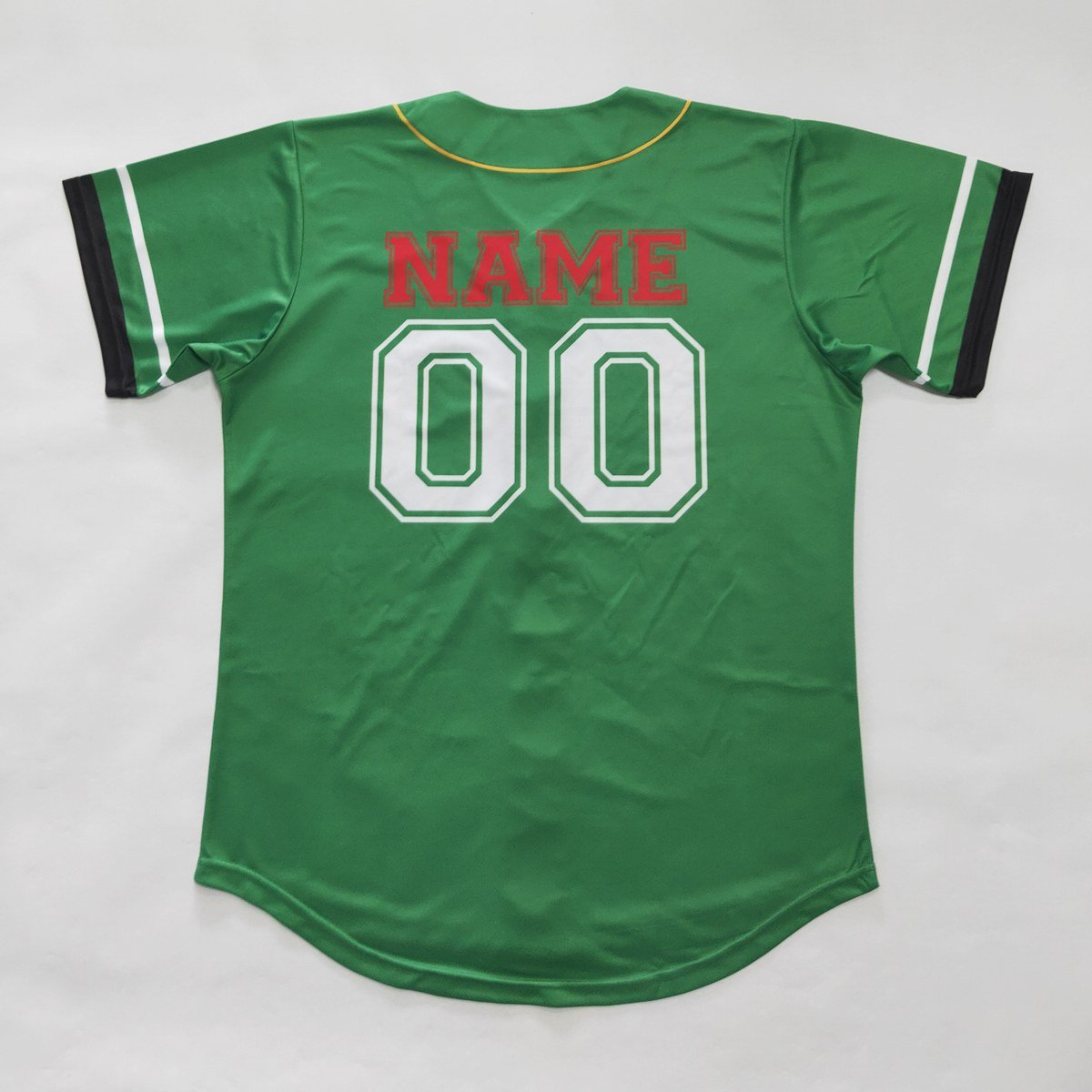
Heat Transfer
Applies detailed photographic prints, gradients, and multi-color designs with smooth finish and flexibility. Excellent for complex artwork and small-run custom graphics that require fine detail without setup costs, maintaining stretch and comfort in the denim.
Hardware & Finishing Accessories for Your Baggy Jeans Manufacturer Needs
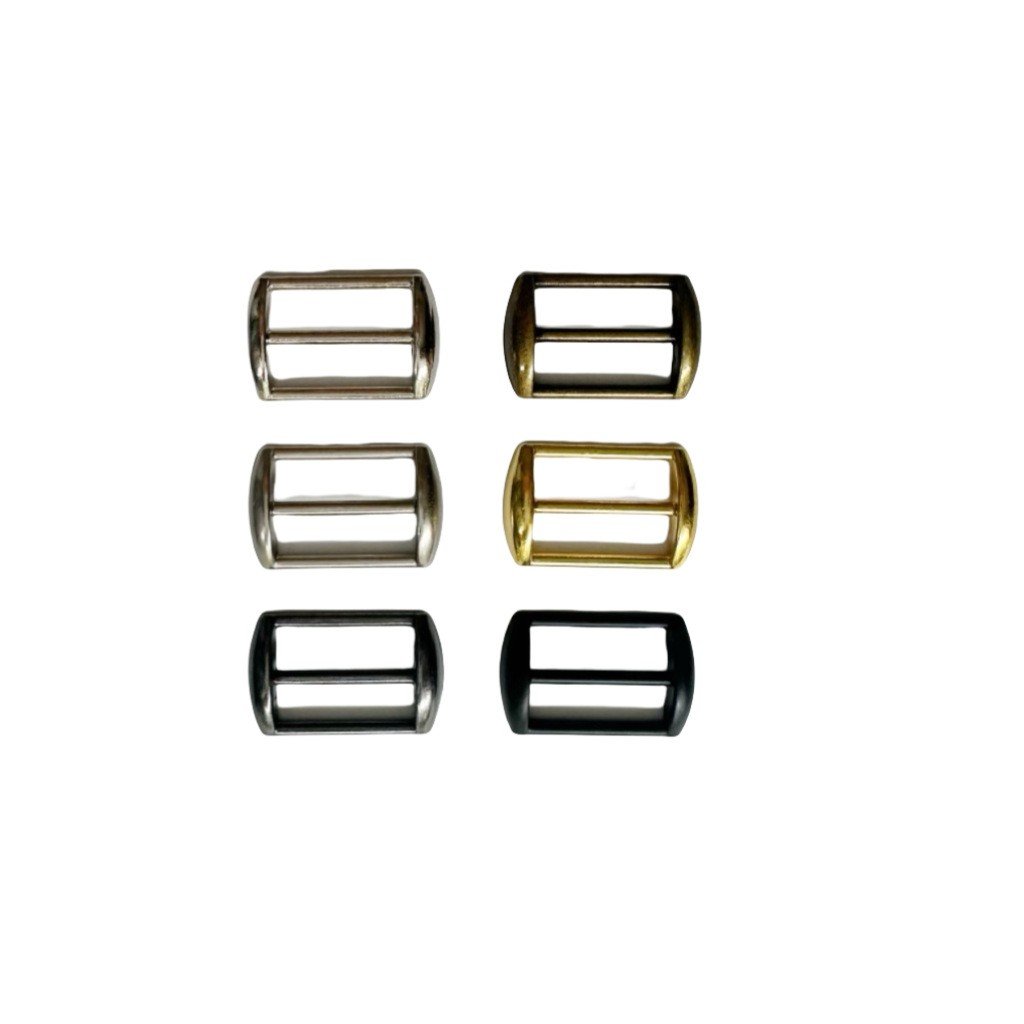
YKK Zippers
Premium Japanese zippers engineered for durability and smooth operation. Essential for baggy jeans fly closures, these industry-leading zippers withstand thousands of cycles while maintaining flawless functionality and streetwear-grade aesthetics.
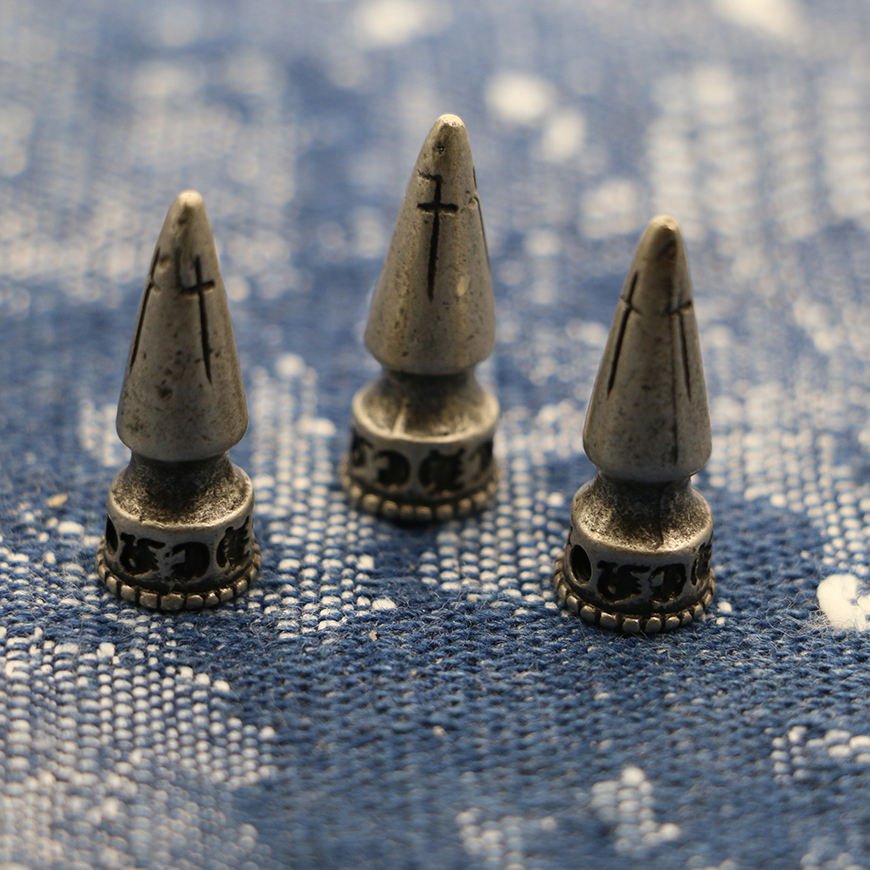
Custom Rivets
Branded metal rivets that reinforce stress points at pockets and seams while showcasing your logo. Available in antique brass, gunmetal, and custom finishes to match your baggy jeans design language and brand identity.
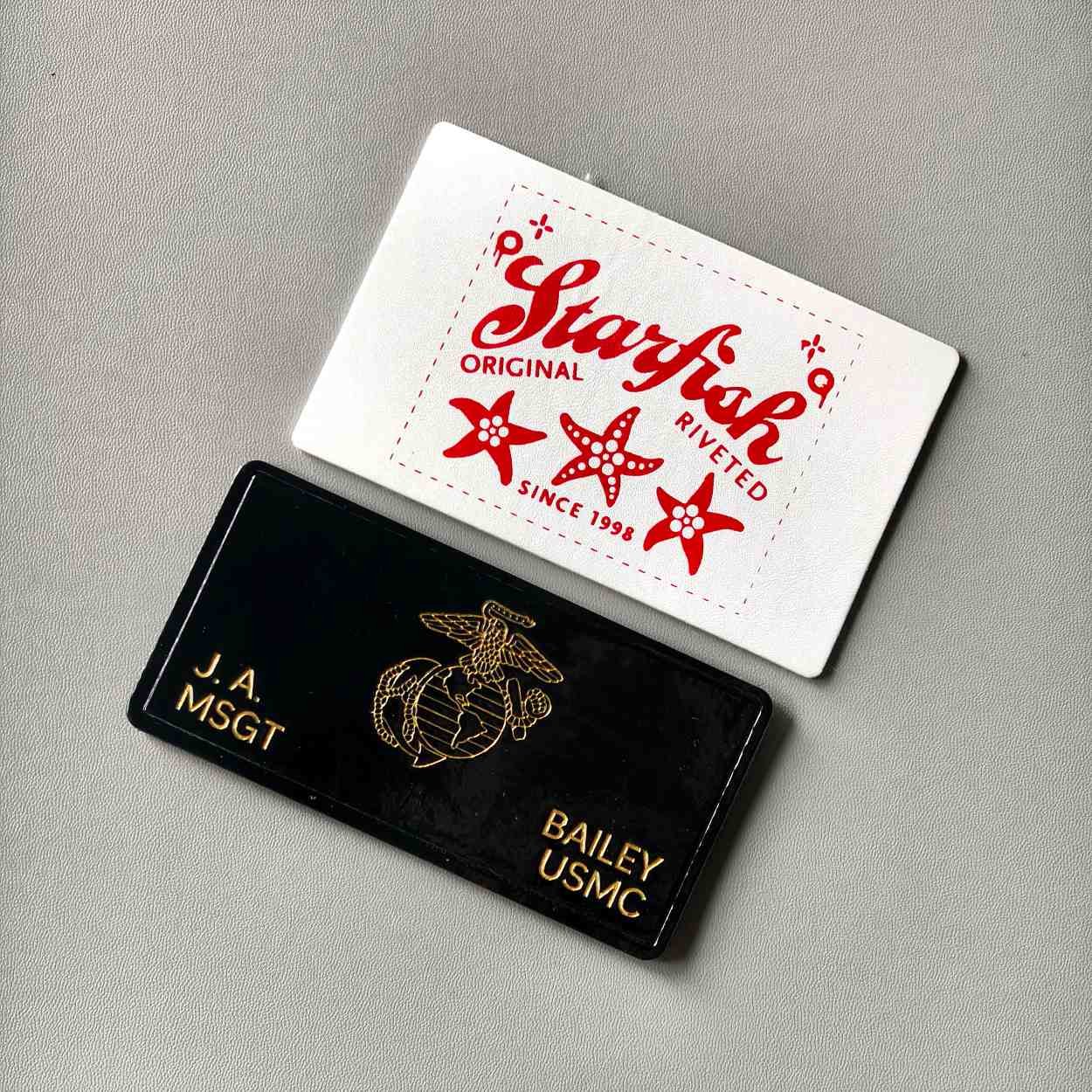
Woven Labels
High-definition woven brand labels for waistbands, back pockets, and interior placements. Crafted with fade-resistant threads, these labels communicate authenticity and premium positioning with every wear of your baggy jeans.
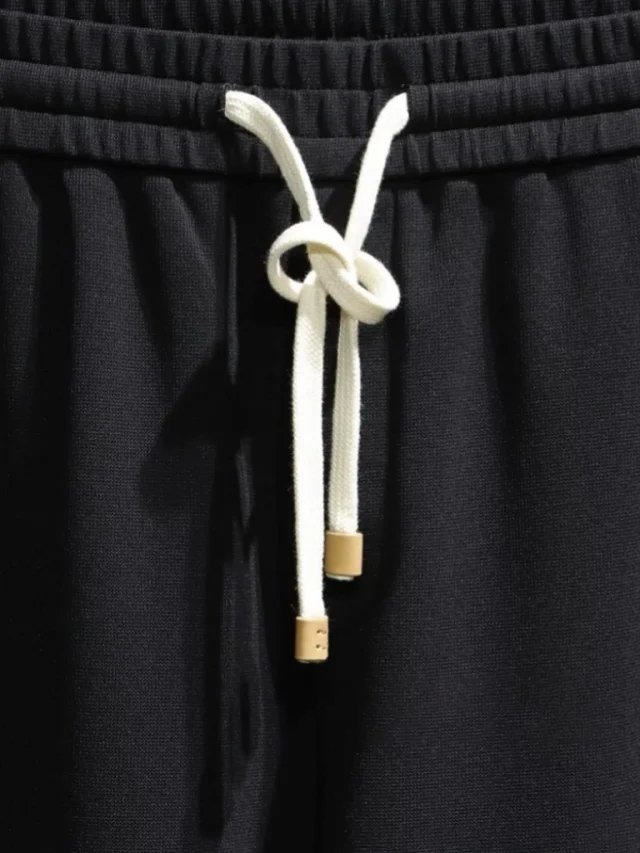
Drawcords & Tipping
Custom drawcords with metal or plastic aglets for adjustable waistbands and cargo pockets. Choose from round, flat, or reflective cord styles with branded tipping to add functional detail and signature style to baggy jeans.
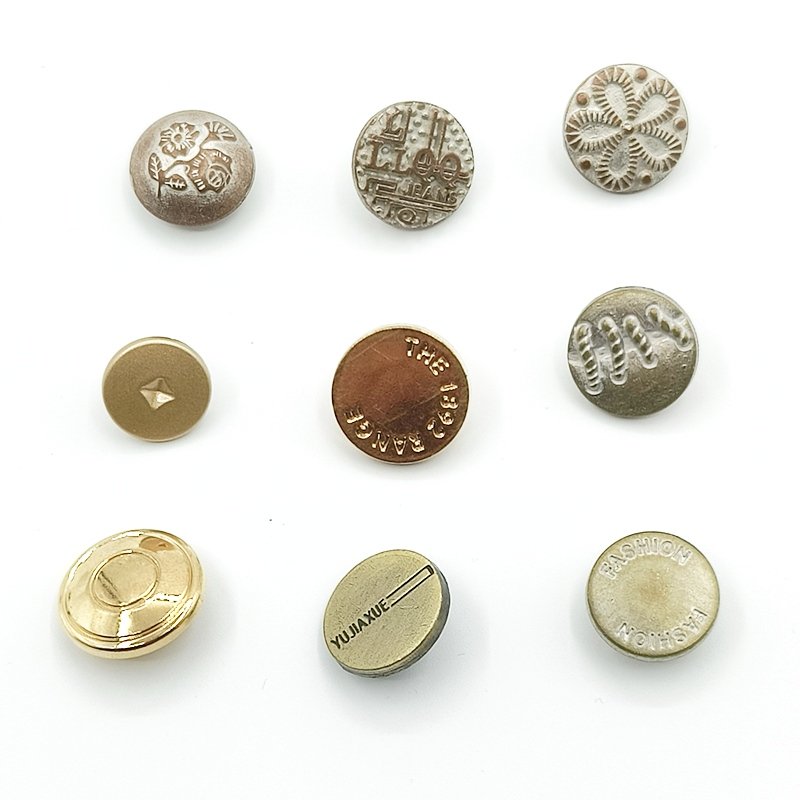
Custom Buttons
Engraved or embossed metal buttons for waistband closures and pocket details. We offer snap buttons, shank buttons, and jeans buttons in custom finishes that reinforce brand identity with tactile, high-quality hardware.
Embroidered Patches
Custom embroidered or woven patches for back pockets, leg panels, and waistband accents. Perfect for adding streetwear graphics, logos, or limited-edition branding that transforms standard baggy jeans into collectible statement pieces.
Trusted Baggy Jeans Manufacturer Since 2024
Founded by Tesla Luo in August 2024, Clothing Manufacturer Ltd. was born from a decade of hands-on garment production experience and a mission to restore the reputation of Chinese manufacturing. After witnessing too many factories skip quality checks, Luo built a baggy jeans manufacturer committed to zero-compromise standards, rigorous testing at every stage, and transparent collaboration with streetwear brands worldwide.
Our 15-person R&D team and 10 patented innovations power production for trendy brands, startups, and global retailers across 100+ countries. We specialize in streetwear aesthetics—bold silhouettes, trend-driven washes, and custom details—backed by our proprietary 5-step quality control process that catches defects before they reach your customers.
Whether you’re launching your first collection with a 50-piece MOQ or scaling an established line, we deliver premium baggy jeans with fast turnaround, in-house sampling, and global logistics support. Partner with a manufacturer who understands streetwear culture and refuses to compromise on craftsmanship.
Our 5-Step Quality Control Guarantee for Every Baggy Jeans Manufacturer Order
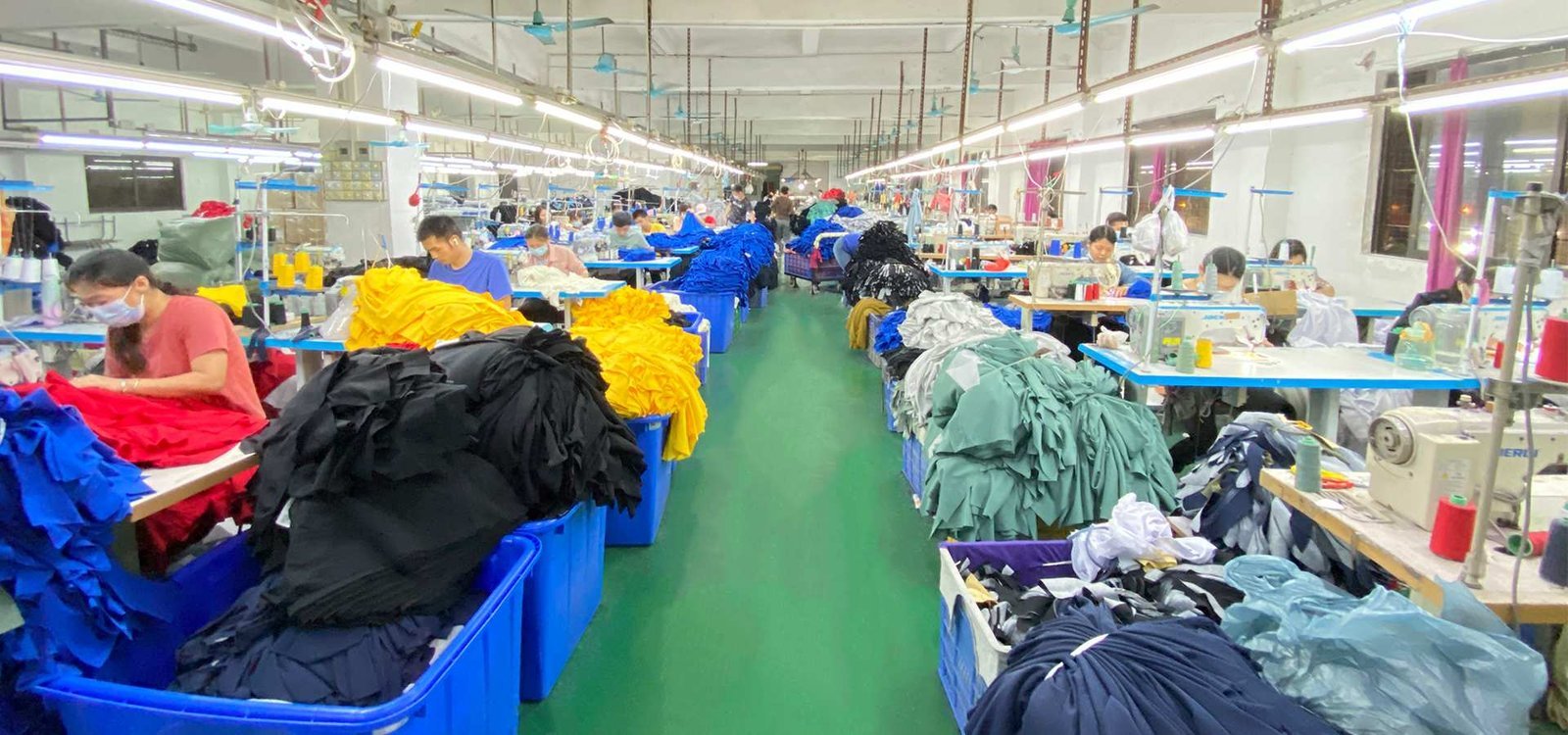
Materials QC Testing Before Production
Before a single cut is made, our team inspects every denim roll and fabric batch for weight consistency, color accuracy, stretch recovery, and weave integrity. This pre-production checkpoint eliminates defective materials that competitors often overlook until final inspection.
- Fabric weight and density verification against order specifications
- Color-fastness and dye-bleed testing to prevent wash-out issues
- Stretch and recovery testing for performance denim grades
- Surface inspection for slubs, pulls, and weave defects
Cutting QC Testing for Pattern Accuracy
Our cutting-stage quality control verifies that every baggy jeans pattern piece matches your approved tech pack dimensions. We check grain alignment, pattern placement, and cutting precision to ensure consistent fit across all sizes before pieces move to sewing.
- Pattern piece measurement verification against tech pack specs
- Grain-line alignment checks to prevent leg twisting after wash
- Marker efficiency review to minimize fabric waste
- Batch consistency testing across all size runs
Clothing Craft QC During Assembly
Mid-production craft inspections catch construction errors that typical suppliers miss. Our QC team examines seam allowances, stitch tension, pocket alignment, and hardware placement while garments are still in-progress, allowing immediate corrections before defects multiply down the production line.
- Seam allowance and stitch-per-inch verification at critical stress points
- Pocket placement, size, and reinforcement checks
- Zipper and button alignment before final assembly
- Inseam and outseam measurement spot-checks during sewing
Final Finished Garment Quality Inspection
Every completed pair of baggy jeans undergoes comprehensive final inspection covering measurements, stitching integrity, wash finish, hardware function, and visual appearance. Only garments that pass all checkpoints are approved for ironing, folding, and shipment to your brand.
- Full garment measurement audit against approved samples
- Stitch integrity and seam strength testing on waistband, inseam, and rise
- Hardware function checks (zippers, buttons, rivets, grommets)
- Visual inspection for thread ends, stains, and finishing defects
Baggy Jeans Manufacturer vs. Typical Suppliers
See why streetwear brands, startups, and independent designers choose Clothing Manufacturer Ltd. for their baggy jeans production—backed by rigorous quality control, flexible minimums, and expert design support that generic factories simply can’t match.
← 左右滑动查看 →
Our Baggy Jeans Manufacturer Production Workflow
From premium denim sourcing to final shipment, every phase of our baggy jeans manufacturing process is optimized for quality, speed, and transparency. Our 5-step QC guarantee ensures excellence at each milestone.
Fabric Sourcing & Inspection
Premium denim and specialty fabrics are selected and undergo materials QC testing to verify weight, stretch, color fastness, and durability before production begins.
Pattern & Cutting QC
Your baggy jeans patterns are graded, markers are laid, and fabric is precision-cut. Cutting QC testing ensures accuracy and minimal waste across all sizes.
Sewing & Craft Quality Control
Expert seamstresses assemble each garment using advanced stitching techniques. Clothing craft QC testing and sewing production QC testing monitor stitch integrity, fit, and construction throughout assembly.
Printing, Washing & Finishing
Custom prints, embroidery, distressing, or enzyme washes are applied. Garments are pressed, hardware attached, and labels sewn to achieve your brand’s signature look.
Final QC & Packaging
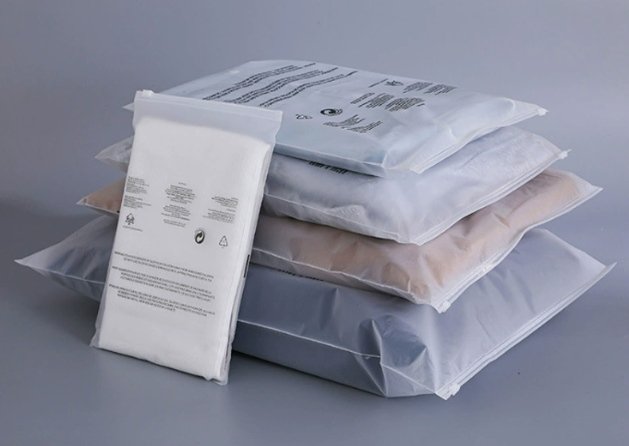
Finished clothing quality QC inspection verifies every pair meets our zero-compromise standards. Approved jeans are folded, bagged, and packed with your branded materials for shipment.
Global Shipping & Delivery
Orders are consolidated, documented, and dispatched via air or sea freight with full logistics support, tracking, and customs coordination to over 100 countries worldwide.
How to Partner With a Baggy Jeans Manufacturer
From concept to finished product, our streamlined process makes it simple to launch your baggy jeans collection with confidence and quality assurance at every step.
Submit Your Tech Pack
Share your design specifications, fabric preferences, and sizing details. Our team reviews your requirements and confirms feasibility within 24 hours for baggy jeans production.
Receive Free Sample Development
We create pre-production samples based on your tech pack. Review fit, wash, construction, and details before committing to bulk manufacturing orders.
Approve Quote and Timeline
Get transparent pricing with no hidden fees and a clear production schedule. Confirm your order details, MOQ starting at 50 pieces, and payment terms.
Begin Bulk Production
Your baggy jeans enter our five-step quality control process, with inspections at materials, cutting, crafting, sewing, and finishing stages to ensure premium standards.
Inspect and Ship Globally
Final QC inspection ensures every pair meets specifications. We coordinate global logistics and shipping, delivering your finished baggy jeans collection on schedule.
Certified Baggy Jeans Manufacturer You Can Trust
Baggy Jeans Manufacturer Success Stories & Testimonials
We launched our first baggy jeans collection with a 50-piece test order and grew from 0 to 47K Instagram followers in 8 months. The 5-step QC process meant zero returns, and our customers love the fit and quality.
As an influencer brand, consistent drops are everything. This baggy jeans manufacturer delivered three seasonal collections on time with perfect construction every time. Our reorder rate jumped to 68% after switching suppliers.
The design team helped us nail the oversized silhouette and vintage wash we wanted. Our baggy jeans became our best-seller within 6 weeks, accounting for 42% of total revenue. Communication was flawless throughout production.
Baggy Jeans Manufacturing FAQ
What is the minimum order quantity for your baggy jeans manufacturer services?
How long does it take to receive samples from a baggy jeans manufacturer?
What are the sampling costs when working with your baggy jeans manufacturer?
What payment terms does your baggy jeans manufacturer offer?
How do you protect my designs and intellectual property as a baggy jeans manufacturer?
Can you handle international shipping for bulk baggy jeans orders?
What customization options are available from your baggy jeans manufacturer?
How does your 5-step QC process work for baggy jeans production?
The Complete Buyer’s Guide to Choosing the Right Baggy Jeans Manufacturer
Navigate the sourcing landscape with confidence. This guide delivers a proven decision framework, essential supplier criteria, quality benchmarks, and the most common mistakes to avoid when partnering with a baggy jeans manufacturer for your streetwear brand.
1. What Is a Baggy Jeans Manufacturer?
A baggy jeans manufacturer specializes in producing oversized and relaxed-fit denim garments tailored to streetwear aesthetics, distinct from general denim factories that prioritize slim or standard fits. These specialists understand the technical demands of wide-leg patterns, dropped crotches, and exaggerated silhouettes that define contemporary streetwear, requiring pattern grading expertise beyond conventional denim production. Unlike mass-market denim suppliers, a dedicated baggy jeans manufacturer invests in tooling and workflows optimized for low-tension sewing, reinforced stress points, and fabric handling that prevents distortion in looser constructions.
Streetwear brands and independent designers seek baggy jeans specialists because oversized fits demand precise pattern engineering to maintain intended drape and avoid structural collapse during wear. A general denim factory typically runs high-volume orders for skinny or straight cuts, lacking the sampling flexibility and cultural fluency in streetwear elements like cargo pockets, utility straps, and distressed washes that resonate with trend-driven consumers. Minimum order quantities at specialized manufacturers often start at 50 to 100 pieces per style, compared to 500 to 1,000 pieces at traditional denim mills, enabling emerging brands to test designs without prohibitive inventory risk.
Quality control in baggy jeans production extends beyond standard denim checks to include fit consistency across oversized sizing, reinforced belt loops and pocket bars under fabric stress, and wash stability that preserves intended color fades. Clothing Manufacturer Ltd. applies a five-step QC methodology—materials testing, cutting inspection, craft verification, sewing checks, and finished garment review—ensuring every baggy jean meets streetwear standards before shipment.
2. The Evolution of Baggy Jeans in Streetwear
Baggy jeans first gained mainstream traction in the early 1990s through hip-hop acts like Tupac, Snoop Dogg, and skate brands such as JNCO, which released styles with leg openings exceeding 20 inches. These silhouettes required manufacturers to master pattern grading for dropped crotches (often 2–4 inches lower than standard rise), reinforced belt loops to handle the weight of excess fabric, and bar-tack stitching at stress points to prevent blowouts during movement.
Between 2005 and 2015, the industry pivoted sharply to slim and skinny fits, and many denim mills reduced their inventory of wider-width selvage and raw denim rolls. Factories retooled cutting tables and pattern libraries for narrow leg openings, leaving few suppliers equipped to produce authentic wide-leg construction when demand resurfaced.
The Y2K revival that accelerated in 2020 brought baggy jeans back to runways and social media, with Gen Z consumers driving searches for ‘wide-leg denim’ up 340 percent year-over-year by 2022. Modern baggy styles blend 1990s proportions with updated details: elastic waistbands for comfort, sustainable ring-spun cotton blends, and precision topstitching that maintains clean lines despite voluminous cuts.
Today’s brands require a baggy jeans manufacturer who understands both heritage techniques—such as chain-stitch hemming and copper rivet placement—and contemporary streetwear aesthetics, including oversized pocket placement, distressed finishes, and the ability to prototype dropped-crotch patterns without sacrificing structural integrity. Manufacturers who lack this dual expertise often deliver samples with poor drape, weak seams, or proportions that read as costumes rather than wearable streetwear.
3. Types of Baggy Jeans Manufacturers
Understanding the four main categories of baggy jeans manufacturer helps brands align production capabilities with business needs. Each type offers distinct advantages in MOQ flexibility, design support, and lead times, making the right match critical for startup success and scalability.
Full-Package OEM Specialists
Full-package OEM partners handle fabric sourcing, pattern development, sampling, production, and quality control under one roof. Typical MOQs range from 200 to 1,000 pieces per style, with lead times of 45 to 60 days from approved sample to delivery.
These manufacturers provide design consultation, tech pack refinement, and trim sourcing, making them ideal for fashion startups and independent designers who need end-to-end support. Clothing Manufacturer Ltd. operates in this category, offering 50-piece MOQs with full design collaboration and five-step QC testing embedded throughout production.
Cut-Make-Trim (CMT) Factories
CMT facilities execute cutting, sewing, and finishing based on client-supplied fabrics and trims. Brands retain control over material quality and cost but must manage fabric procurement, logistics, and inventory risk independently.
MOQs typically start at 500 pieces per colorway, with lead times of 30 to 45 days after materials arrive. CMT partners suit established brands with in-house design teams and existing fabric supplier relationships.
Small-Batch Artisan Workshops
Artisan workshops specialize in runs of 20 to 100 pieces, offering hand-finished details and premium construction. Lead times stretch to 60 to 90 days due to manual processes and limited production capacity.
Per-unit costs run 30 to 50 percent higher than full-package OEM, but these partners excel at prototype development and limited-edition collaborations for influencer and creator brands testing new silhouettes.
Vertically Integrated Denim Mills
Vertically integrated mills control every stage from yarn spinning and weaving to garment assembly and washing. MOQs often exceed 2,000 pieces per style, with lead times of 60 to 75 days.
These manufacturers deliver consistent fabric quality and color matching across reorders, serving global apparel retailers and high-volume streetwear labels requiring predictable supply chains and economies of scale.
4. Denim Fabrics and Materials for Baggy Jeans
Fabric selection determines how baggy jeans drape, hold shape, and age over time. A baggy jeans manufacturer must balance weight, weave, and fiber content to achieve the relaxed silhouette streetwear brands demand without sacrificing structure.
| Fabric Type | Weight Range | Drape | Cost Tier | Best Use Case |
|---|---|---|---|---|
| 100% Cotton Rigid | 12–14 oz | Stiff, structured | Mid-High | Heritage streetwear, raw denim |
| Cotton-Poly Blend | 10–12 oz | Moderate body | Low-Mid | Budget lines, high-volume retail |
| Stretch Denim (2–4% elastane) | 11–13 oz | Soft, mobile | Mid | Comfort-focused baggy fits |
| Slub Twill | 11–13 oz | Textured, relaxed | Mid-High | Vintage-inspired collections |
| Selvedge Raw | 13–14 oz | Rigid, premium | High | Limited editions, enthusiast brands |
Denim Weight and Drape
Baggy jeans typically use 10–14 oz denim; lighter weights (10–11 oz) offer soft drape and mobility, while heavier weights (13–14 oz) provide structure and prevent excessive billowing. Mid-weight 12 oz denim strikes a balance, holding wide-leg shapes without stiffness.
Heavier fabrics resist knee bagging and maintain a clean vertical line from hip to hem, essential for oversized silhouettes. Lighter denims work for summer collections but may lack the body needed for true baggy cuts.
Weaves and Textures
Right-hand twill is the industry standard, producing durable fabric with diagonal ribs that fade predictably. Broken twill eliminates leg twist during washing, critical for wide-leg patterns that amplify torque. Slub denim incorporates irregular yarns for vintage texture and visual interest.
Weave choice affects both aesthetics and production yield; broken twill requires precise loom setup but delivers consistent results across large batches.
Fiber Blends and Stretch
100% cotton delivers authentic vintage hand-feel and develops natural fading over time. Cotton-poly blends (98/2 or 95/5) add durability and wrinkle resistance at lower cost tiers. Stretch denim (2–4% elastane) improves comfort in baggy fits without compromising the loose aesthetic.
Many streetwear brands specify rigid (zero-stretch) denim to preserve the stiff, architectural drape associated with ’90s skate culture.
Finishes for Streetwear Appeal
Raw selvedge denim appeals to heritage-focused brands; the clean edge and unwashed state allow wearers to create personalized fading. Vintage washes—stone, enzyme, or acid—deliver ready-to-wear character and softer hand. Overdyed and coated finishes add depth and align with current streetwear trends.
A quality baggy jeans manufacturer maintains finish consistency across production runs, ensuring colorways match approved samples within Delta E 2.0 tolerance.
5. Customization and Branding Options
A baggy jeans manufacturer must offer diverse branding techniques to help streetwear labels differentiate their products. Each decoration method carries distinct cost structures, durability characteristics, and aesthetic implications that influence both production budgets and brand identity.
| Decoration Method | Setup Cost | Per-Unit Cost | Minimum Quantity | Lead-Time Impact |
|---|---|---|---|---|
| Embroidery | $30–$80 | $1.50–$4.00 | 50 pcs | +2–3 days |
| Screen Printing | $25–$60/color | $0.80–$2.50 | 100 pcs | +2–4 days |
| Heat Transfer | $15–$40 | $0.50–$1.80 | 50 pcs | +1–2 days |
| Leather Patch | $40–$100 | $1.20–$3.50 | 50 pcs | +3–5 days |
| Custom Hardware | $150–$500 | $0.40–$2.00 | 500–1,000 pcs | +10–15 days |
| Distressing/Wash | $50–$150 (sampling) | $1.50–$6.00+ | 50 pcs | +3–7 days |
Embroidery and Screen Printing
Embroidery delivers premium durability and a three-dimensional texture ideal for logos on back pockets or waistbands, with setup costs ranging from $30–$80 per design and per-unit charges of $1.50–$4.00 depending on stitch count. Screen printing offers vibrant graphics on denim at lower per-unit costs ($0.80–$2.50) but requires separate screens for each color, adding $25–$60 setup fees per screen.
Both methods integrate seamlessly into streetwear aesthetics, though embroidery withstands 50+ industrial washes without degradation while screen prints may fade after 30–40 cycles. Minimum quantities typically start at 50 pieces for embroidery and 100 for multi-color screen printing.
Heat Transfers and Leather Patches
Heat-transfer labels apply quickly with minimal setup ($15–$40 for film production) and per-unit costs of $0.50–$1.80, making them cost-effective for small runs, though they may peel after 20–25 washes. Leather patches convey heritage branding on waistbands, with laser-etched or debossed designs adding $1.20–$3.50 per unit and setup fees of $40–$100 for custom dies.
Leather patches align strongly with vintage streetwear trends and survive the garment’s lifespan, while heat transfers suit experimental capsule collections where longevity is secondary to design flexibility.
Metal Hardware, Buttons, and Rivets
Custom metal buttons and rivets replace standard hardware to reinforce brand identity, with engraved or embossed logos adding $0.40–$1.20 per garment and mold costs of $150–$400 for proprietary designs. YKK and similar suppliers offer branded zippers at $0.80–$2.00 per unit with no setup fees for stock finishes, or $200–$500 tooling for custom pullers.
Metal details enhance perceived quality and durability, enduring hundreds of wash cycles without loss of finish when electroplated correctly. Minimum order quantities for custom hardware typically begin at 500–1,000 pieces, extending lead times by 10–15 days.
Distressing and Unique Washes

Distressing techniques—hand sanding, laser abrasion, whiskering—and specialized washes like enzyme stone wash or acid wash create signature finishes that define streetwear collections. Per-garment costs range from $1.50 for basic enzyme wash to $6.00+ for multi-step distressing with hand-finished details, with no setup fees but potential sampling costs of $50–$150 to perfect the look.
These processes add 3–7 days to production timelines and require skilled labor to maintain consistency across batches. A baggy jeans manufacturer with in-house wash facilities and experienced technicians ensures color accuracy and repeatable distress patterns that preserve brand standards across reorders.
6. Key Quality Indicators When Evaluating a Baggy Jeans Manufacturer
Auditing a baggy jeans manufacturer requires evaluating specific construction benchmarks that directly impact durability, fit consistency, and customer satisfaction. The following checkpoints separate manufacturers who implement rigorous quality control from those who skip critical testing stages.
Reinforcement and Stitching Standards
Bar-tack stitching at pocket corners, belt loops, and fly openings prevents tearing under stress and reduces return rates by 30–40 percent in streetwear collections. Double-needle stitching along side seams and inseams ensures structural integrity even after repeated washing.
Chain-stitch hems on baggy jeans allow natural roping and fading that streetwear customers expect, while preventing unraveling better than single-needle lockstitch. Inspect sample garments by pulling seams firmly; quality construction shows no thread slippage or puckering.
Hardware and Closure Components
YKK or equivalent-grade zippers (SBS, Ideal) withstand 1,000+ cycles without failure, while budget alternatives often break within 200 uses. Metal rivets at stress points should be double-capped and secured through all fabric layers.
Button shanks must penetrate backing fabric fully, with bar-tack reinforcement visible on the interior. Request pull-test documentation showing hardware rated for minimum 15 kg force to ensure longevity in oversized, heavy denim constructions.
Pattern Grading and Wash Consistency
Pattern grading accuracy for baggy fits requires proportional adjustments across rise, thigh, and leg opening—not simple size scaling. Request graded spec sheets showing measurements for every size to verify proper oversized silhouette progression.
Wash consistency testing across production batches prevents color variation that damages brand reputation. A five-step quality control process, including materials QC and finished garment inspection, catches shade discrepancies before shipping and ensures every pair meets your approved standard.
7. How to Choose the Right Baggy Jeans Manufacturer
Selecting a baggy jeans manufacturer requires systematic evaluation across production capability, quality assurance, and partnership reliability. The following framework helps brands vet suppliers and avoid costly missteps.
Assess MOQ and Production Capacity
Confirm minimum order quantities align with your launch scale and cash flow. Streetwear startups typically need 50–200 pieces per style, while established brands order 500–2,000 units. Ask whether the factory handles denim exclusively or mixes product categories; specialized denim manufacturers deliver superior wash consistency and construction expertise.
Request lead times for sampling (7–14 days) and bulk production (30–45 days). Factories that quote unusually short timelines often skip quality checks or lack capacity buffers.
Verify Portfolio and Client References
Review the manufacturer’s portfolio for baggy-fit denim with comparable washes, hardware, and finishing. Ask for client references in your market segment—streetwear brands have different needs than fast-fashion retailers.
Request case studies showing order history, repeat rates, and problem resolution. A factory serving 100+ countries with documented growth stories demonstrates operational maturity and cross-border logistics fluency.
Confirm Certifications and QC Process
Require compliance certifications: WRAP or BSCI for social accountability, Oeko-Tex Standard 100 for textile safety. These third-party audits verify ethical labor and chemical restrictions.
Ask how many QC checkpoints the factory implements. A five-step process—materials, cutting, craft, sewing, finished goods—catches defects early and reduces rejection rates below 2%. Factories that inspect only finished garments ship higher defect volumes.
Evaluate Communication and Payment Terms
Test responsiveness during inquiry: replies within 24 hours and detailed answers signal strong account management. Clarify payment structures—30% deposit, 70% before shipment is standard; be wary of full prepayment demands from new suppliers.
Negotiate sampling costs (typically $50–150 per piece, often credited against bulk orders) and revision policies. Transparent pricing and willingness to iterate indicate a partnership mindset rather than transactional fulfillment.
8. Common Mistakes When Sourcing a Baggy Jeans Manufacturer
Sourcing a baggy jeans manufacturer involves more than comparing quotes and placing orders. Brands that skip critical diligence steps often face quality inconsistencies, delayed launches, and unexpected costs that erode margins and damage reputation.
Choosing on Price Alone
Selecting the lowest-cost baggy jeans manufacturer typically leads to compromised fabric quality, weak stitching, and inconsistent sizing. Factories that undercut market rates often skip quality control stages—such as mid-production inspections—to reduce labor costs.
Request detailed cost breakdowns that itemize fabric, trims, labor, and QC testing. Compare total value rather than unit price, and verify that the manufacturer implements a multi-stage quality process before committing to production runs.
Ignoring Fit-Sample Iterations
Baggy jeans require precise pattern grading to achieve the intended silhouette across sizes; skipping fit-sample rounds results in poor drape, twisted inseams, and returns. Many startups approve tech packs without physical samples, assuming digital specs translate directly to finished garments.
Always order at least two fit-sample iterations in your core size and one boundary size (XS or XXL). Test samples on live models, document adjustments in writing, and confirm pattern revisions before bulk production begins.
Underestimating Lead Times for Washes
Stone wash, enzyme wash, and distressing add 7–14 days to standard production schedules; brands that ignore wash lead times miss launch windows and incur air-freight penalties. Each wash cycle requires separate quality checks to ensure uniform color and controlled distress patterns.
Build wash time into your production calendar and request wash-sample approvals before sewing begins. Confirm that your baggy jeans manufacturer has in-house or vetted third-party wash facilities to avoid handoff delays.
Neglecting IP Protection Clauses
Without written non-disclosure and non-compete clauses, manufacturers can reproduce your designs for competitors or sell overruns under different labels. Independent designers and influencer brands are especially vulnerable when proprietary prints, embroidery, or signature fits are involved.
Include IP protection, confidentiality, and exclusivity terms in every manufacturing agreement. Specify that patterns, tech packs, and branding assets remain your property and cannot be reused or disclosed without written consent.
9. Steps to Launch Your Baggy Jeans Brand
Launching a baggy jeans collection requires coordination across design, production, and quality checkpoints. Working with an experienced baggy jeans manufacturer streamlines each phase and ensures your brand vision translates into market-ready product.
Concept Development and Tech-Pack Creation
Begin with mood boards that capture your silhouette, wash treatments, and hardware details. A complete tech-pack includes flat sketches, measurement specs (inseam, leg opening, rise), stitch types, and trim callouts.
Share your tech-pack with your baggy jeans manufacturer for a feasibility review. Manufacturers with streetwear experience, such as Clothing Manufacturer Ltd., can flag construction challenges early and suggest alternative seam placements or reinforcement methods that preserve your design intent while ensuring durability.
Fabric Sourcing and Sampling Rounds
Select denim weights (10–14 oz for most baggy styles) and request lab-dip approvals for custom washes. First samples typically arrive within 10–15 days and reveal fit, drape, and finishing quality.
Plan for two to three sampling iterations. Each round refines pocket placement, waistband tension, and hem width. Manufacturers using five-step QC processes test materials and cutting accuracy before sewing, reducing costly revisions later.
Pre-Production Meeting and Bulk Order
Conduct a pre-production meeting to confirm final samples, colorways, size grading, and packaging specs. Lock in your order quantity, payment terms, and delivery schedule in writing.
Bulk production for 50–500 pieces generally requires 20–35 days. Schedule mid-production QC inspections to verify stitch consistency and wash uniformity. Final inspections cover measurements, label placement, and packaging before shipment, ensuring every pair meets your brand standards.
10. Pricing and Cost Structure
Baggy jeans pricing varies by order quantity, fabric grade, and customization scope. A 50-unit starter order in mid-tier denim typically ranges $18–$28 per piece, while 1,000-unit production runs drop to $12–$18 per piece for the same fabric. Premium selvedge denim adds $4–$8 per unit across all tiers, and economy-grade stretch denim can reduce costs by $2–$4 per piece.
Setup fees include sampling ($150–$300 for the first tech pack and fit sample), grading ($80–$150 to develop a full size run from S to 3XL), and custom hardware such as branded rivets or buttons ($200–$400 tooling fee, then $0.30–$0.80 per unit). Decoration add-ons—embroidery, screen printing, or custom patches—range from $1.50 to $5.00 per placement depending on complexity and stitch count.
Lead times extend from 25–35 days for orders under 500 units to 35–50 days for runs exceeding 1,000 pieces, assuming fabric is in stock. Air freight adds $6–$10 per unit but cuts transit to 5–7 days, while sea freight costs $1.50–$3.00 per unit with 25–35 day delivery. Brands should budget an additional 10–15% contingency for pre-production revisions and quality control iterations when launching a new baggy jeans line.
| Quantity Tier | Economy Denim | Mid-Tier Denim | Premium Selvedge | Lead Time (days) |
|---|---|---|---|---|
| 50–99 units | $14–$22 | $18–$28 | $22–$36 | 25–35 |
| 100–499 units | $12–$20 | $16–$24 | $20–$32 | 30–40 |
| 500–999 units | $10–$16 | $14–$20 | $18–$28 | 35–45 |
| 1,000+ units | $8–$14 | $12–$18 | $16–$26 | 35–50 |
Partner With a Trusted Baggy Jeans Manufacturer
Get your custom baggy jeans quote in 24 hours. Low 50-piece MOQ, 5-step QC guarantee, and full design support for your brand.