
Premium Acid Wash Jeans Manufacturer for Streetwear Brands
Partner with an acid wash jeans manufacturer that delivers low MOQ, 7-day sampling, and a 5-step QC guarantee for every pair you produce.
Acid Wash Denim Collection Showcase
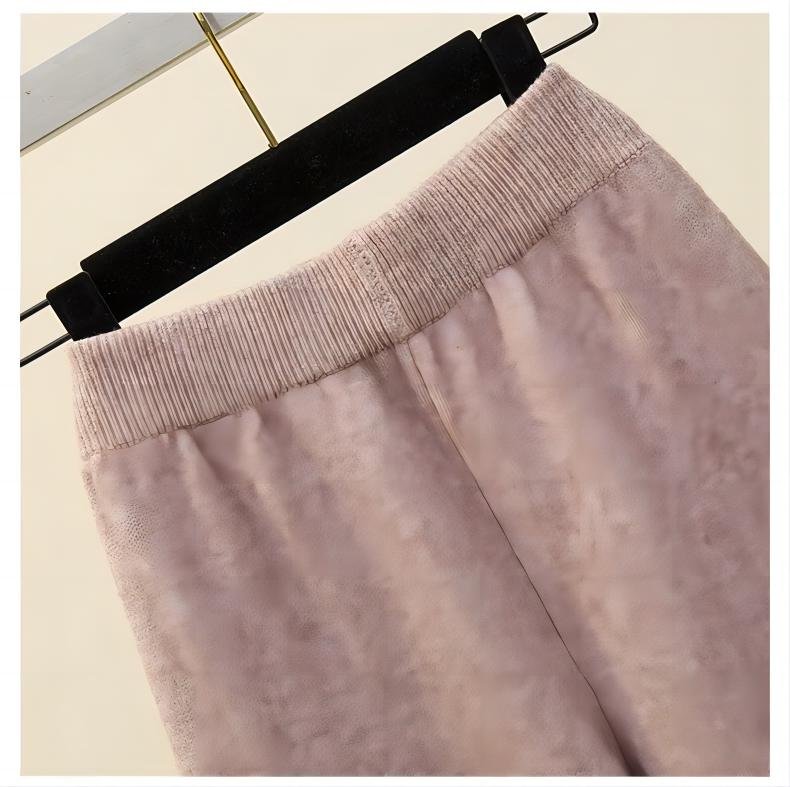
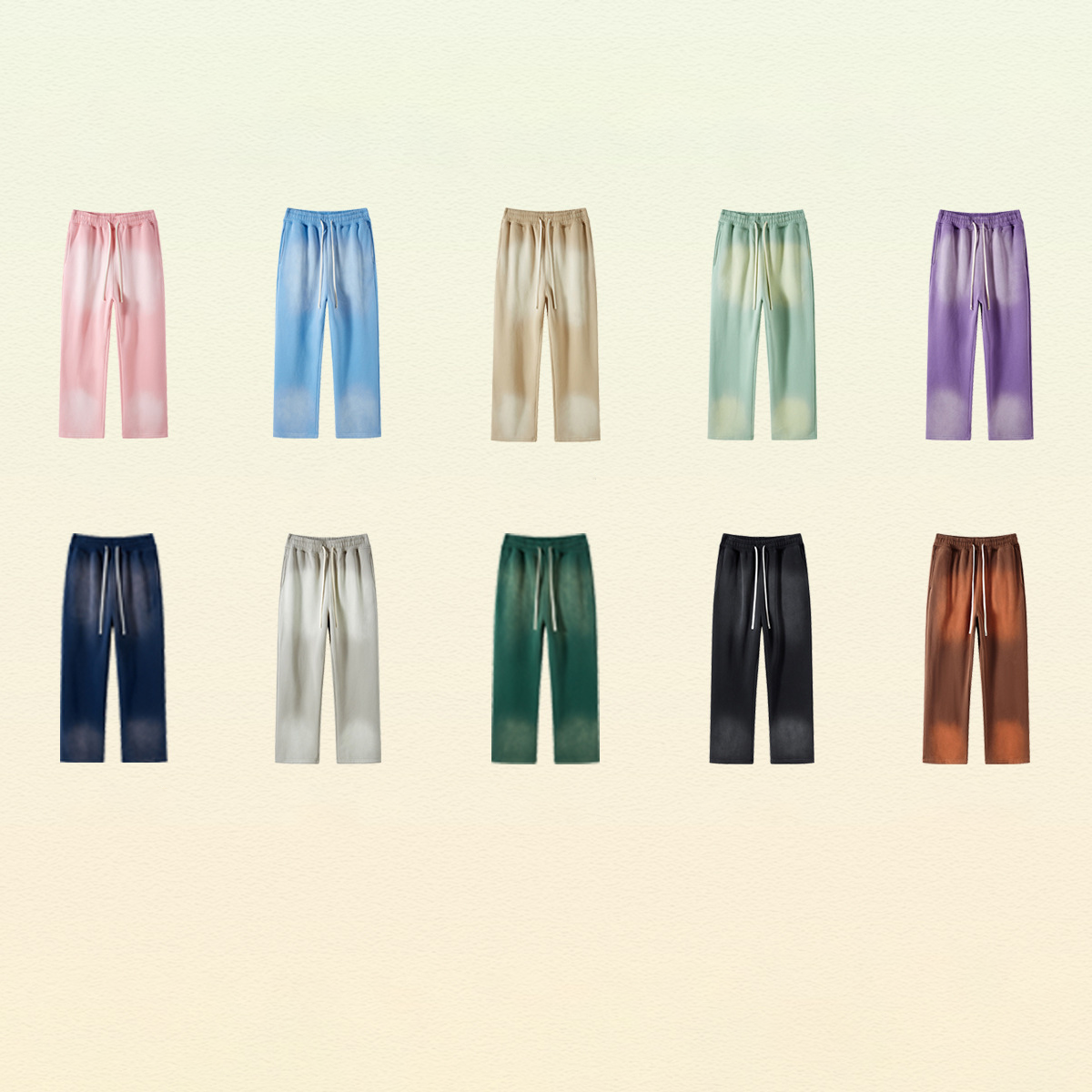
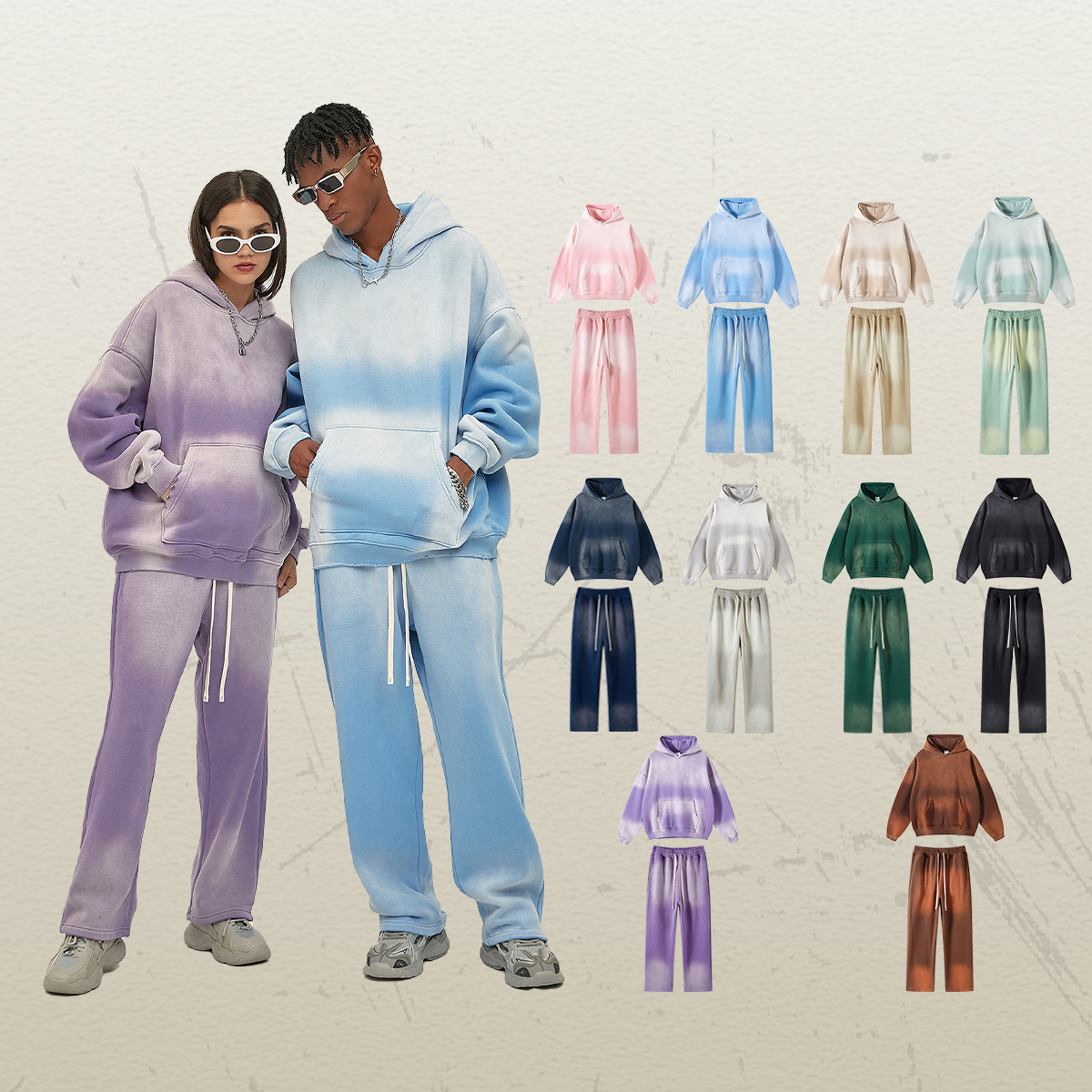
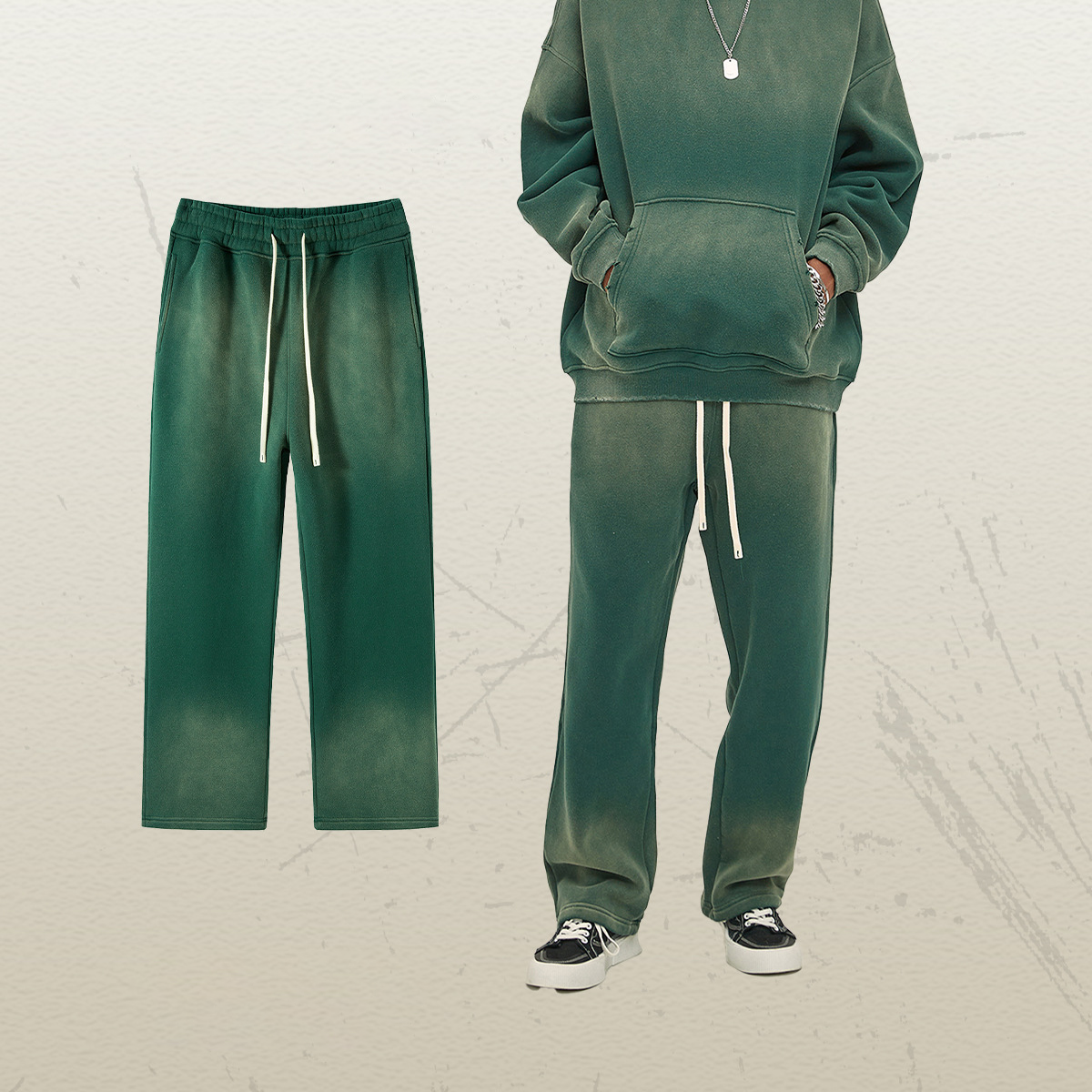
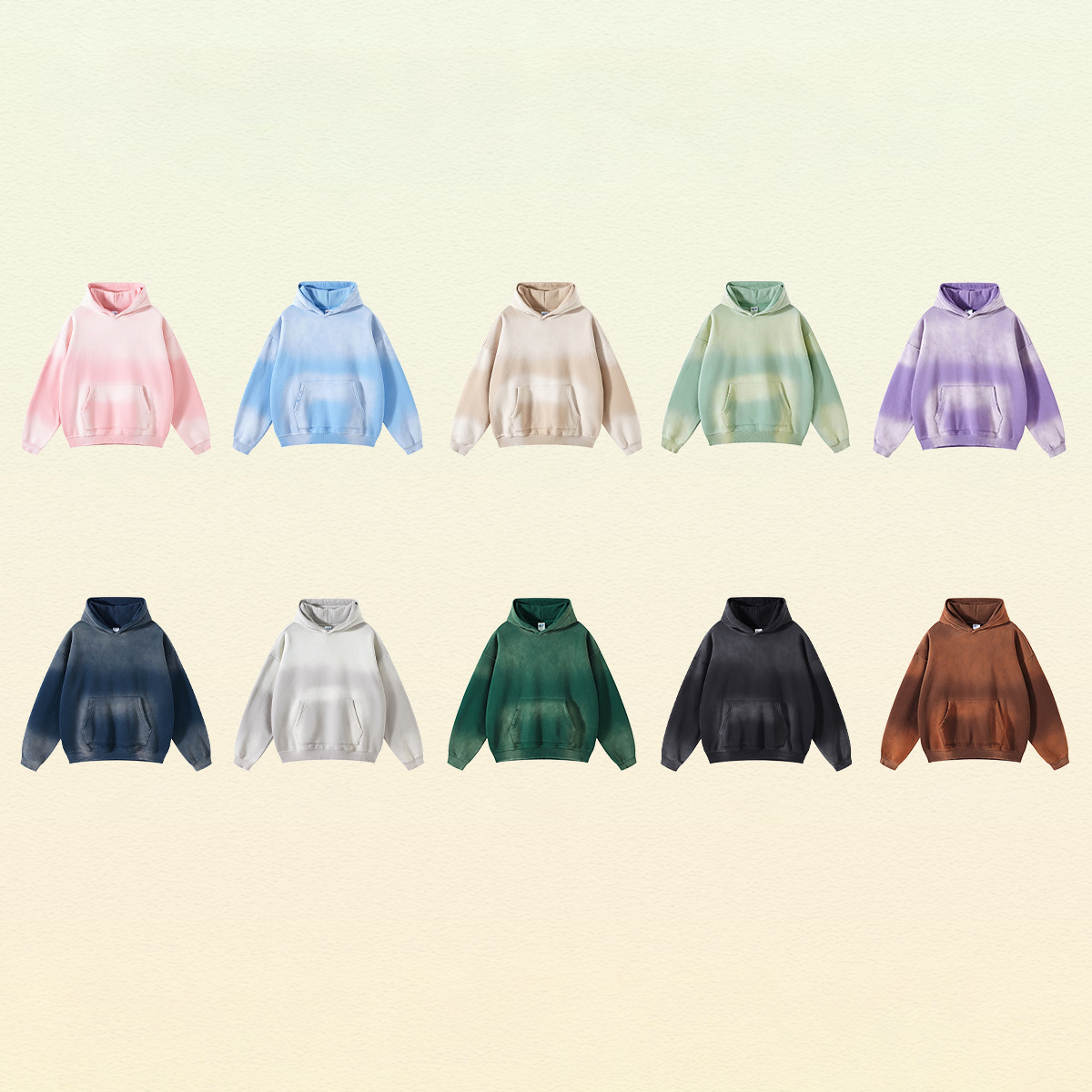
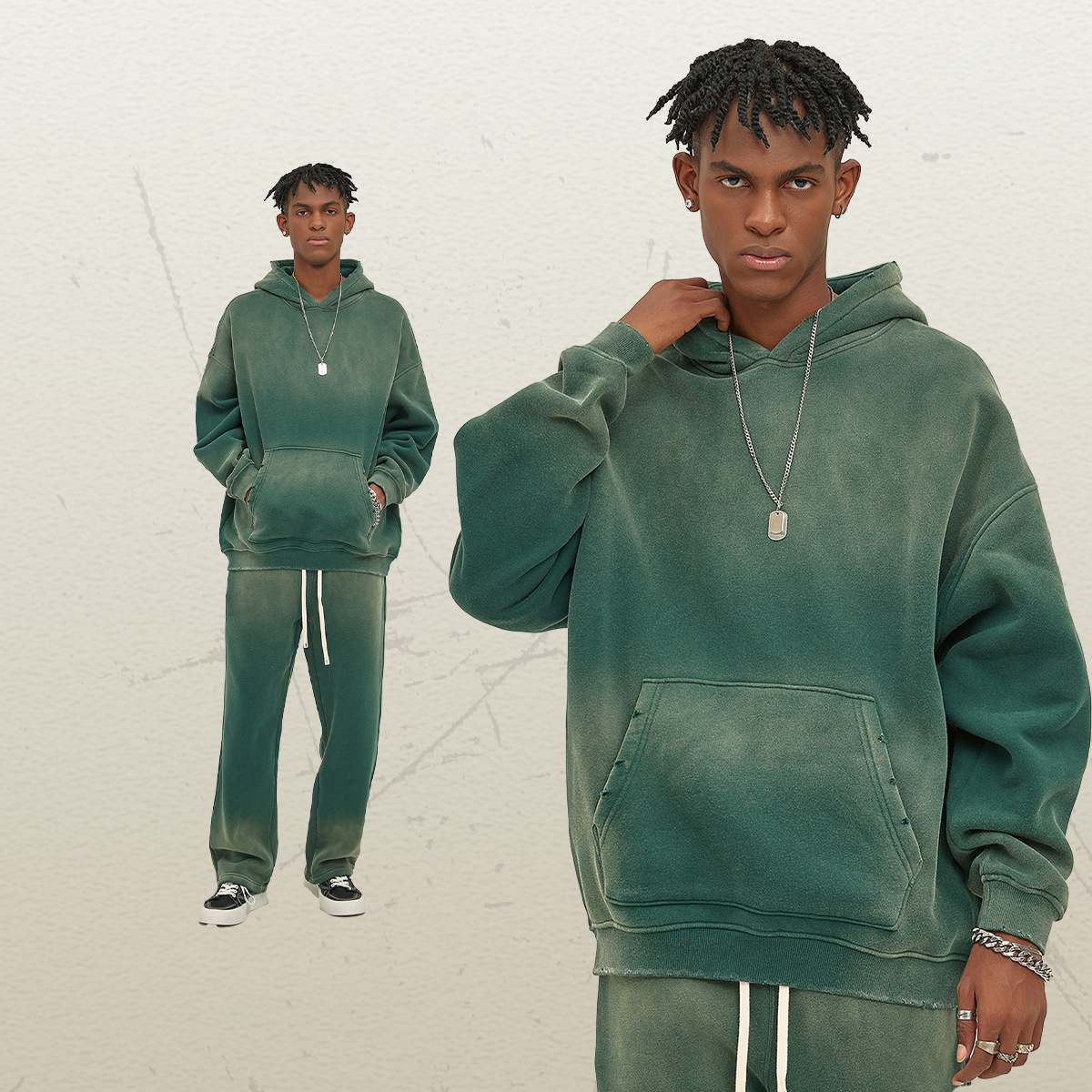
Why Brands Choose Our Acid Wash Jeans Manufacturer
Premium craftsmanship, flexible minimums, and streetwear expertise that eliminate production headaches and deliver runway-ready acid wash denim every time.
5-Step Quality Control Guarantee
Every acid wash jean passes materials, cutting, craft, sewing, and finished product QC testing before shipment to ensure zero defects.
Low MOQ from 50 Pieces
Launch your acid wash denim line without huge inventory risk. Perfect for fashion startups and independent designers testing new styles.
7-Day Sample Turnaround
Validate your acid wash designs fast. Our in-house team delivers production-ready samples in one week so you never miss seasonal deadlines.
In-House Streetwear Design Team
15-member R&D team with deep streetwear expertise translates your vision into trend-driven acid wash jeans that resonate with your audience.
6+ Years Streetwear Expertise
We’ve produced for influencer brands and global retailers across 100+ countries, mastering the bold aesthetics streetwear audiences demand.
Global Shipping & Logistics Support
Seamless customs, transparent tracking, and on-time delivery worldwide. We handle the complexity so you focus on building your brand.
Acid Wash Jeans Manufacturer — Every Style You Need
From vintage stone wash to bold tie-dye acid effects, our production capabilities cover the full spectrum of acid wash denim styles for streetwear and fashion brands worldwide.
Vintage Stone Wash Jeans
Streetwear brands struggle to source authentic vintage stone wash finishes that deliver consistent fading and soft hand-feel without compromising fabric integrity or color uniformity across production batches.
Our controlled stone wash process produces timeless, retro-inspired denim with even color distribution and superior softness, backed by our 5-step QC guarantee to ensure every pair meets your vintage aesthetic standards.
Acid Spray Denim
Emerging designers need dynamic acid spray patterns that stand out on social media and runways, but lack access to manufacturers with precision spray equipment and artistic finishing expertise.
We deliver bold, Instagram-ready acid spray effects with customizable intensity and placement, helping influencer brands and startups create signature looks that drive engagement and sales from the first drop.
Bleach Splatter Jeans
Independent labels want edgy bleach splatter designs for limited-edition collections but face high MOQs and long lead times that make experimental styles financially risky and miss seasonal windows.
Our low MOQ policy and 7-day sampling let you test bleach splatter concepts quickly and affordably, with fast turnaround on approved orders so your seasonal collections hit the market on trend.
Ombre Wash Denim
Fashion retailers require sophisticated ombre gradients that transition smoothly from dark to light, but many manufacturers deliver inconsistent fades with harsh lines or uneven color shifts that hurt brand reputation.
Our artisan finishing team creates seamless ombre transitions using advanced washing techniques, ensuring every gradient is smooth and repeatable across your entire production run with zero quality compromise.
Distressed Acid Wash Styles
Global streetwear brands need aggressive distressed acid wash jeans with strategic rips and fading, but struggle to find manufacturers who balance edgy aesthetics with structural durability and wearability.
We combine distressing and acid wash expertise to produce rugged, street-ready jeans that look authentically worn while maintaining strength at stress points, validated through rigorous quality testing at every production stage.
Premium Denim Fabrics Our Acid Wash Jeans Manufacturer Uses
100% Cotton Denim
Classic heavyweight denim with authentic texture and breathability. Ideal for traditional acid wash jeans with bold, high-contrast patterns. Weight ranges from 10-14 oz for durability and structure that holds vintage washes exceptionally well.
Stretch Denim Blend
Cotton-elastane blend offering 2-4% stretch for modern fit and comfort. Perfect for skinny and slim-fit acid wash styles. Maintains shape recovery while allowing chemical treatments to create dynamic, worn-in effects across movement zones.
Raw Denim
Unwashed, untreated denim with deep indigo color and stiff hand-feel. Accepts acid wash treatments to create dramatic contrast and unique fading patterns. Typically 12-16 oz weight, ideal for premium streetwear collections seeking authentic vintage aesthetics.
Slub Denim
Textured denim with intentional yarn irregularities creating visual depth. The uneven surface amplifies acid wash effects with varied tonal patterns. Medium-weight 9-12 oz construction offers distinctive character for trend-driven streetwear brands.
Cotton-Poly Blend
Durable blend combining cotton comfort with polyester resilience. Offers faster drying and wrinkle resistance while maintaining excellent acid wash receptivity. Weight 8-11 oz, ideal for high-volume production with consistent wash results and lower price points.
Organic Cotton Denim
Sustainably grown cotton denim for eco-conscious brands. Soft hand-feel with natural breathability, accepts acid wash treatments beautifully while meeting environmental standards. Available in 9-13 oz weights for premium, responsible streetwear collections.
Acid Wash Jeans Manufacturer Finishing Techniques
Stone Washing
Industrial tumbling with pumice stones creates soft, worn-in texture and faded color. Delivers consistent vintage appeal with enhanced comfort and a broken-in feel that resonates with streetwear audiences.
Acid Spray Treatment
Controlled application of bleach solution through spray techniques produces dramatic color contrast and unique patterns. Each piece achieves distinctive marbled effects that define authentic acid wash denim aesthetics.
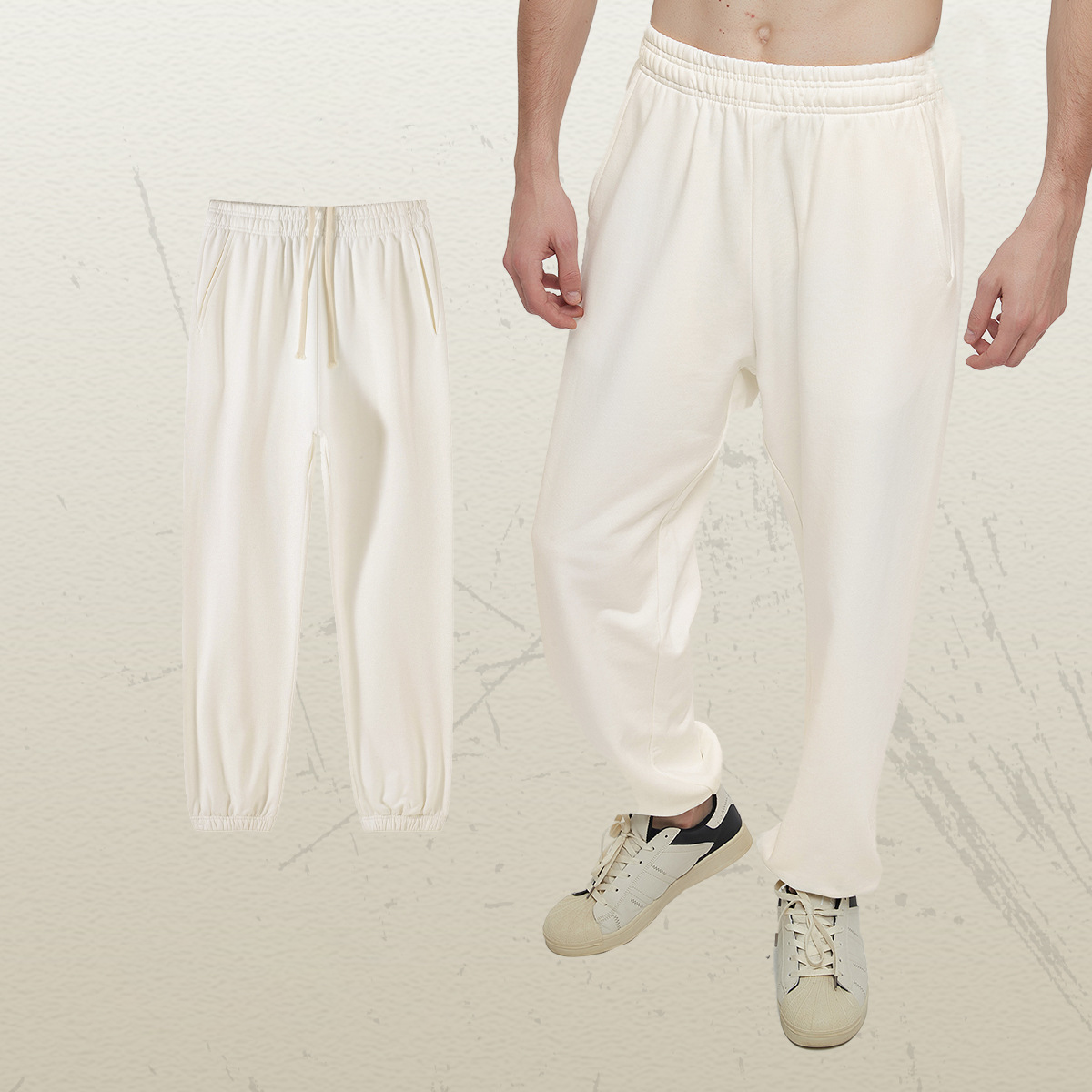
Bleach Splatter Finishing
Hand-applied bleach creates bold, irregular splatter patterns for one-of-a-kind visual impact. Perfect for limited-edition streetwear collections demanding high artistic value and exclusivity in every garment.

Enzyme Washing
Eco-friendly biological treatment softens fabric and lightens color without harsh chemicals. Achieves subtle vintage effects while preserving denim integrity and meeting sustainability standards for conscious brands.

Ozone Treatment
Advanced gas-phase technology fades denim with minimal water and chemical use. Delivers precise, repeatable wash effects with faster turnaround and reduced environmental impact for scalable production.
Hand Distressing
Skilled artisans manually abrade, rip, and weather denim for authentic worn details. Creates premium distressed finishes with controlled placement that elevates streetwear collections with artisan-level craftsmanship.
Hardware & Trims for Custom Acid Wash Jeans
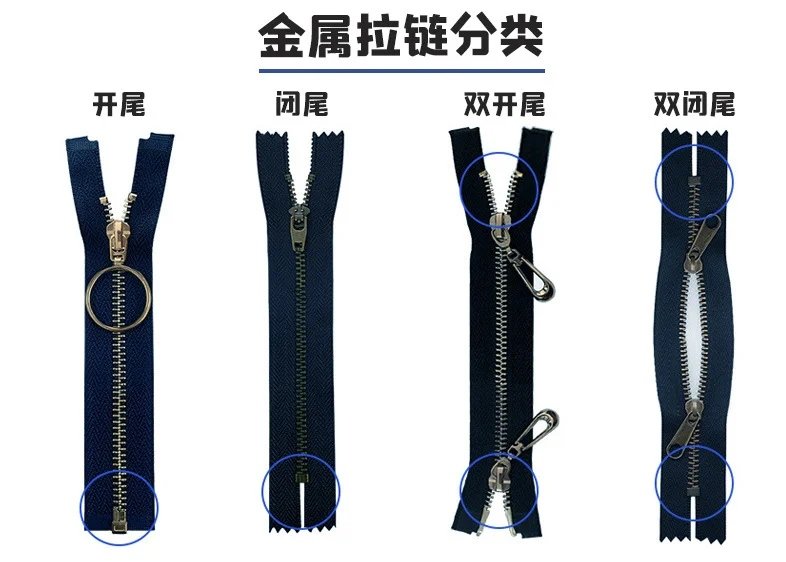
YKK Metal Zippers
Premium Japanese YKK zippers in antique brass, gunmetal, or custom finishes for fly closures and pocket details. Tested for 10,000+ cycles to withstand the rigors of streetwear use and frequent washing.
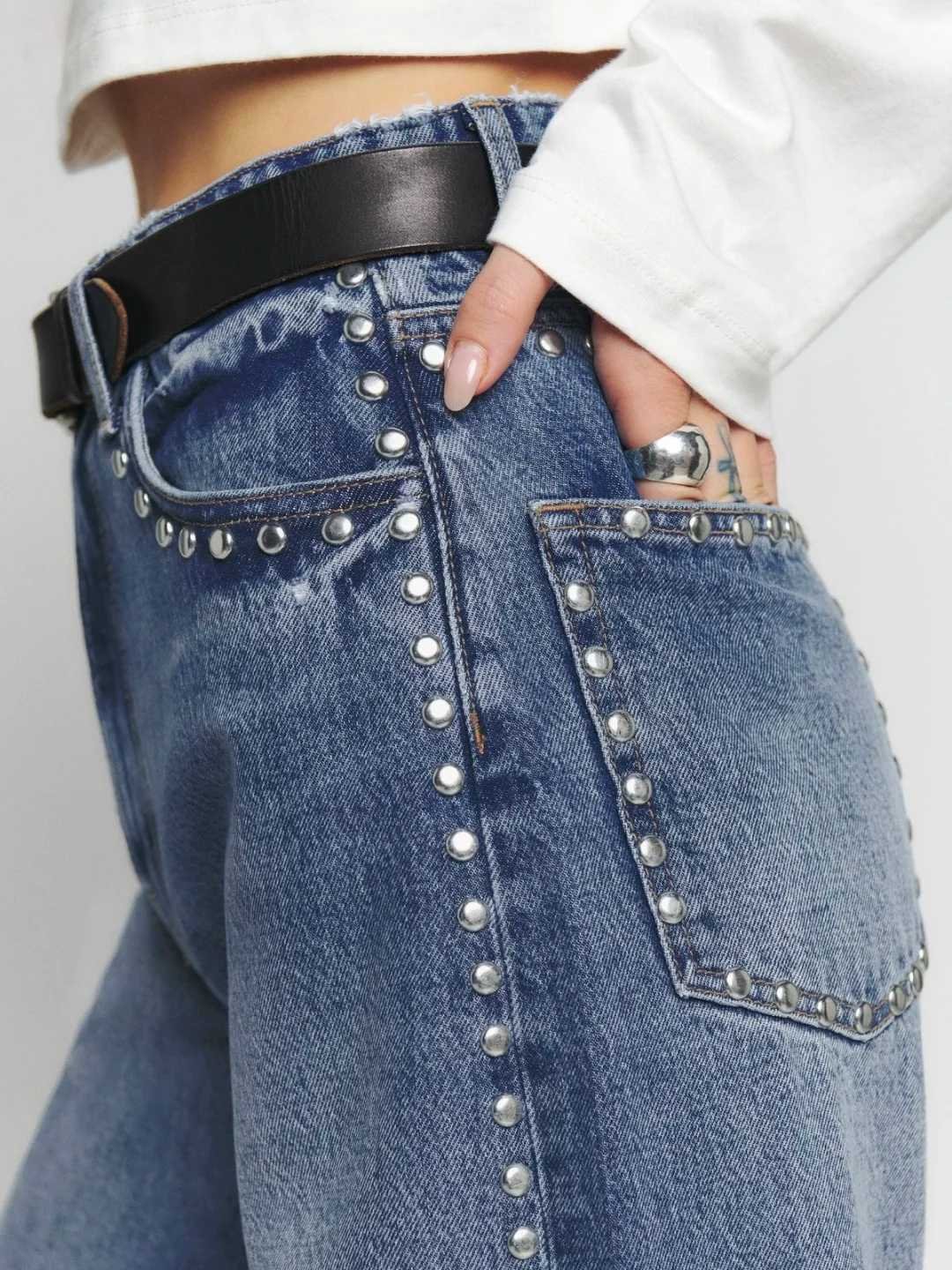
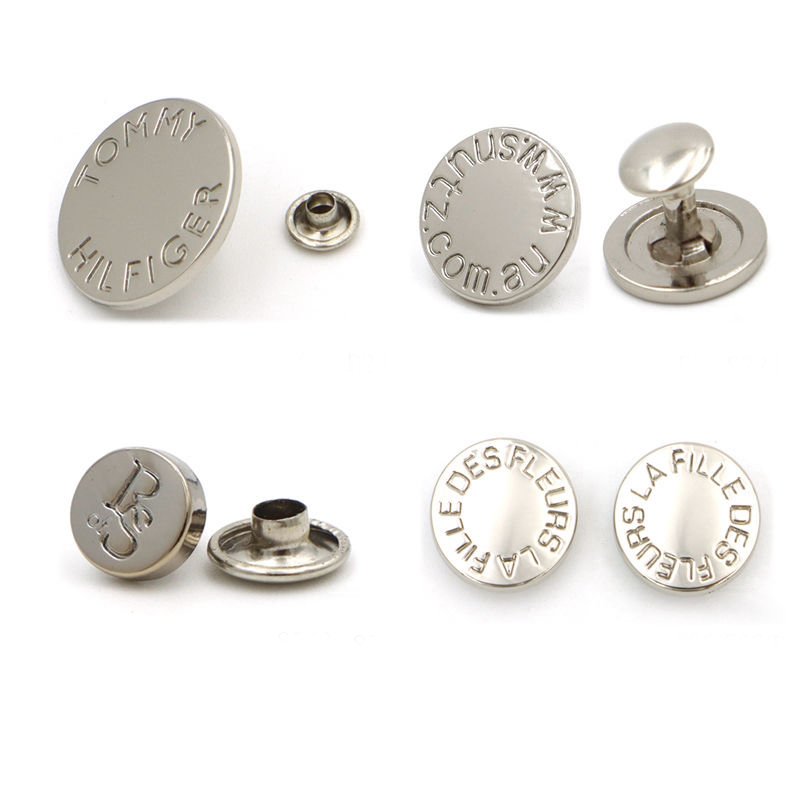
Custom Metal Buttons
Engraved or embossed metal shank buttons and tack buttons in zinc alloy, brass, or oxidized finishes. Perfect for waistband closures on acid wash jeans, available with your logo or brand iconography.
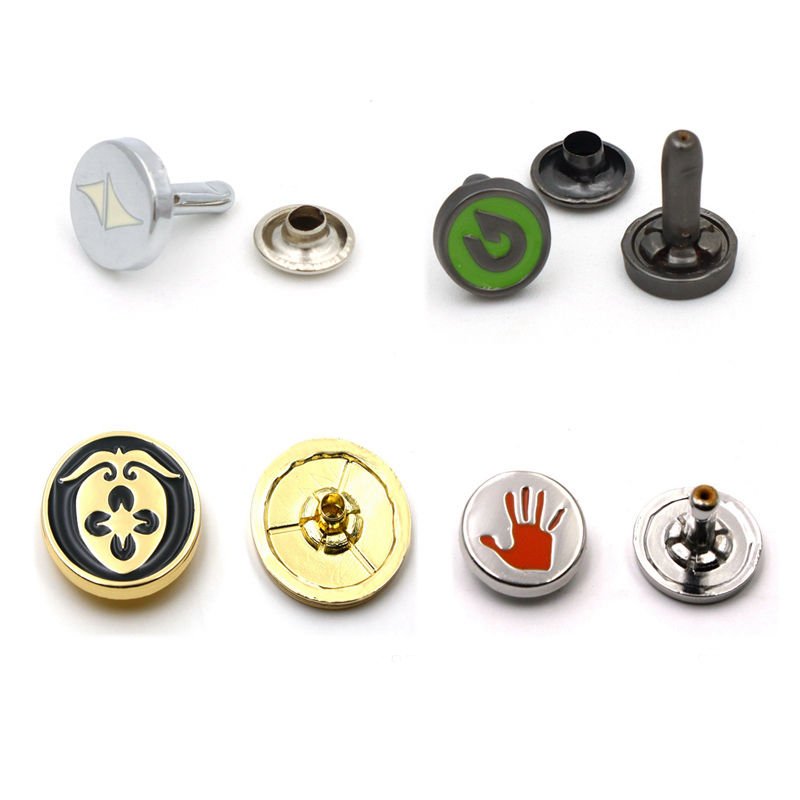
Copper Rivets
Heavy-duty copper or brass rivets for reinforcing stress points at pocket corners and belt loops. Classic denim hardware that adds authentic workwear heritage to modern acid wash styles.
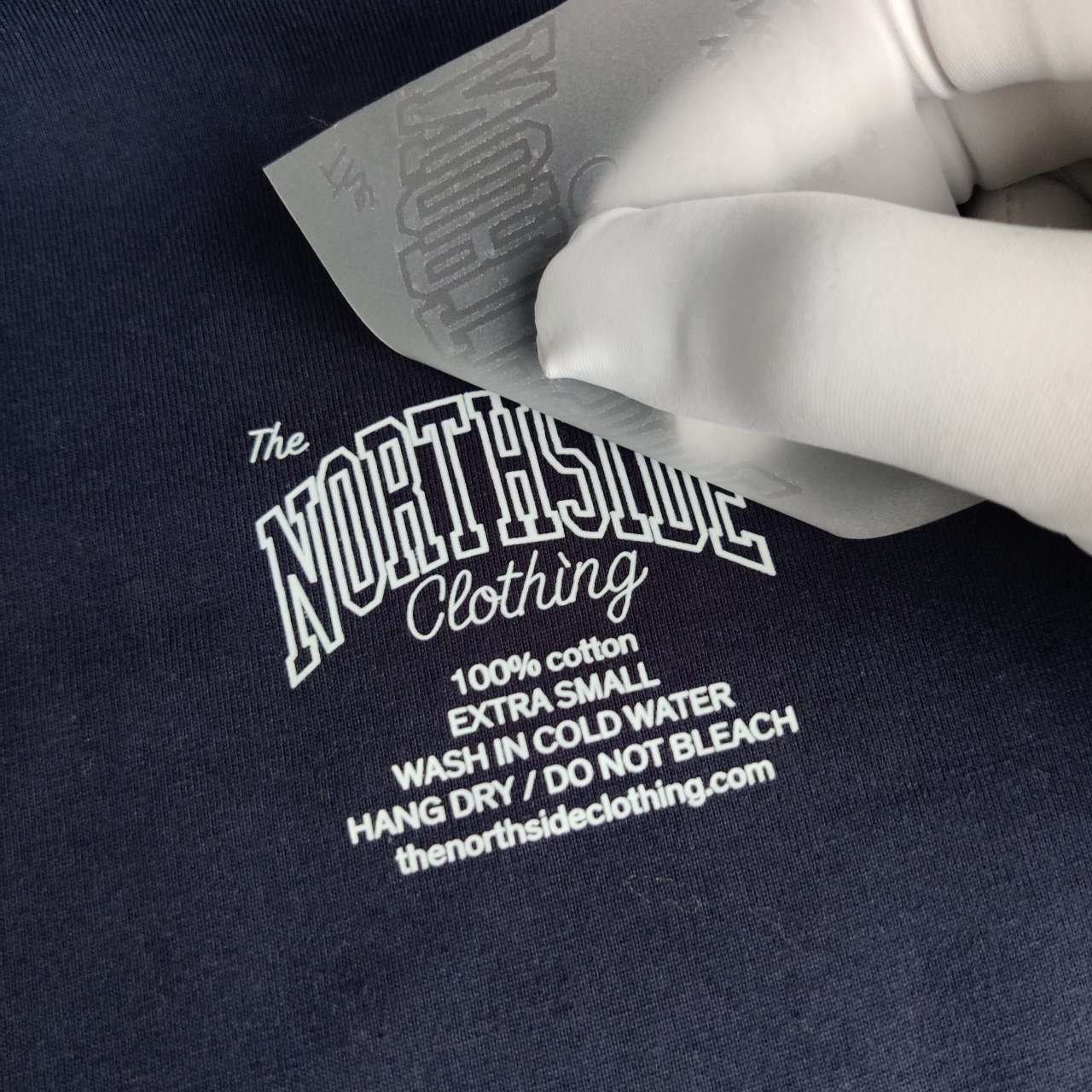
Leather Patches
Genuine or vegan leather back-waist patches with debossed, embossed, or printed branding. Heat-resistant and fade-proof to maintain brand presence even after acid wash treatment and repeated wear.
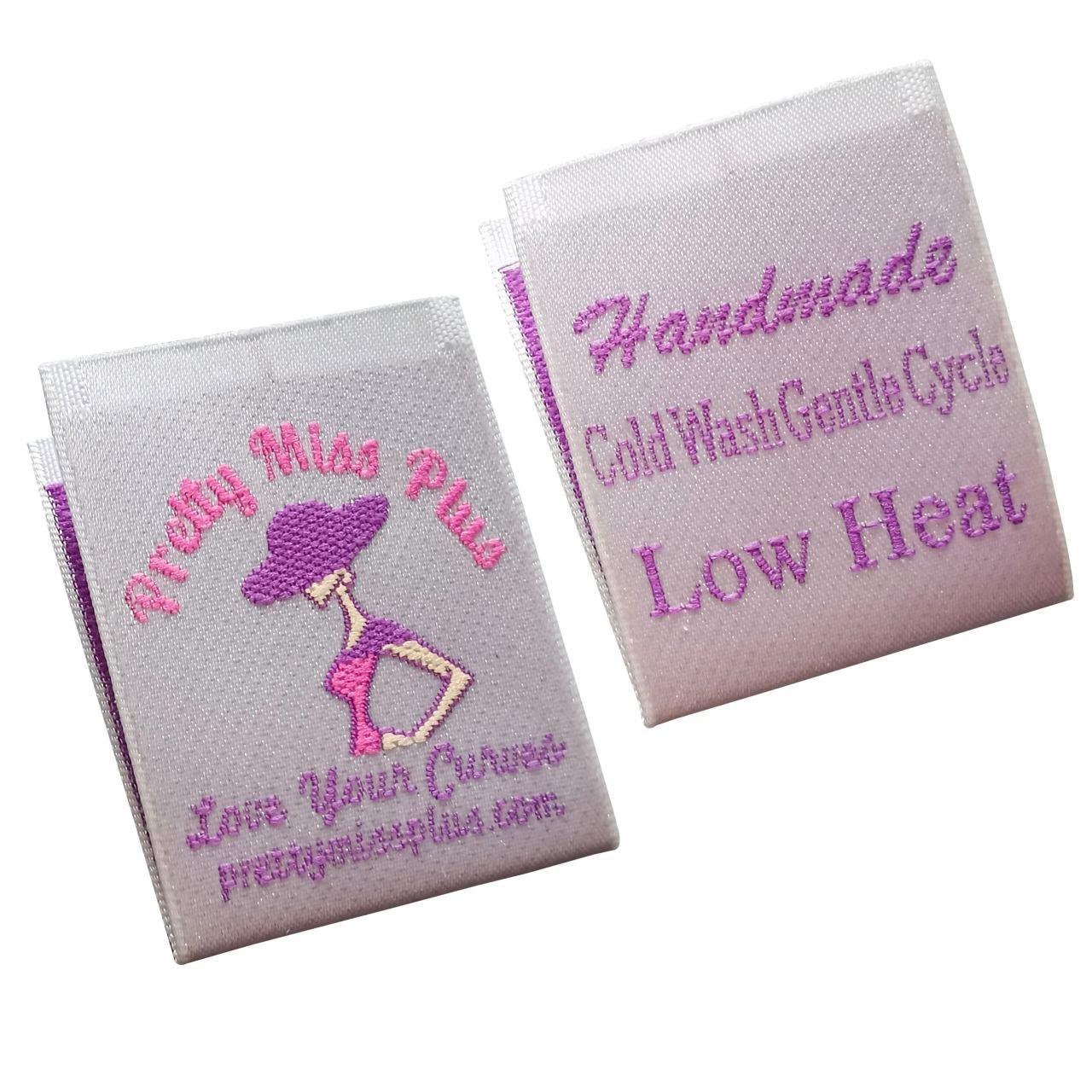
Woven Brand Labels
High-density woven damask labels for inseams, waistbands, and pocket bags. Fade-resistant polyester or cotton threads ensure your brand name stays sharp through acid treatments and industrial washing cycles.
Custom Hangtags
Die-cut cardstock or metal hangtags with your logo, size info, and care instructions. First touchpoint for retail customers—printed or embossed to match your acid wash jeans collection aesthetic.
About Clothing Manufacturer Ltd — Streetwear Specialists
Founded in 2024 by Tesla Luo, Clothing Manufacturer Ltd brings over 10 years of apparel production expertise and 6 years of specialized streetwear experience to brands worldwide. Raised in a garment manufacturing family and trained across every production role, Luo established our company to restore the reputation of Chinese manufacturers through uncompromising quality and transparency.
We serve trendy brands, fashion startups, independent designers, and global retailers across 100+ countries with premium acid wash jeans and streetwear production. Our proprietary 5-step quality control process tests materials, cutting, craftsmanship, sewing, and finished garments—ensuring zero defects reach your customers. Backed by a 15-member R&D team and 10 production patents, we deliver the craftsmanship and reliability your brand deserves.
Unlike factories that skip quality checks until the end, we embed rigorous testing at every production stage. From low MOQ options for emerging labels to fast turnaround for seasonal collections, we partner with brands at every growth stage—combining the agility of a streetwear specialist with the capacity of an established manufacturing operation.
Our Acid Wash Jeans Manufacturer Production Expertise
5-Step QC for Every Acid Wash Jean
As a leading acid wash jeans manufacturer, we implement rigorous quality control at five critical production stages—materials testing, cutting inspection, craft verification, sewing checks, and finished garment review—ensuring zero defects reach your customers.
- Denim fabric QC before cutting to verify weight, stretch, and colorfastness
- Acid wash pattern consistency checked across every batch
- Stitch integrity and wash durability tested on sample garments
- Final inspection covers measurements, hardware, and finish quality
In-House Acid Wash Design & Sampling
Our 15-member R&D team specializes in acid wash techniques and streetwear denim trends. We develop custom wash formulas, create tech packs, and deliver first samples within 7 days so your collection launches on schedule.
- Custom acid wash formulas tailored to your brand's aesthetic
- Pattern grading and fit adjustments included in sampling phase
- Digital mockups and physical samples for approval before bulk production
- Trend forecasting for seasonal colorways and distressing styles
Advanced Acid Wash Technique Mastery
With over 10 years of denim production experience, we’ve perfected traditional stone wash, laser fade, and eco-friendly enzyme treatments. Every acid wash jean is crafted to achieve the exact vintage or contemporary finish your brand demands.
- Stone wash, spray patterns, and hand-brushed effects available
- Laser technology for precise fade placement without chemical waste
- Controlled bleaching for consistent marbling and color variation
- Repeat-order color matching guaranteed through documented formulas

Sustainable Finishing & Low MOQ Flexibility
We offer water-saving ozone wash and biodegradable enzyme treatments alongside traditional methods. Start with as few as 100 pieces per style, perfect for fashion startups and influencer brands testing new acid wash designs.
- Ozone and enzyme washes reduce water usage by up to 70%
- Low minimum order quantities support emerging streetwear labels
- Scalable production from 100 to 10,000+ units per order
- Transparent pricing and lead times for every wash technique
Why Choose Our Acid Wash Jeans Manufacturer Over Competitors
We built our reputation on transparency, speed, and quality control at every stage. See how we compare to typical manufacturers who cut corners on QC and flexibility.
← 左右滑动查看 →
Acid Wash Jeans Manufacturer Production Timeline
From premium denim sourcing to final shipping, every phase includes rigorous quality control to ensure your acid wash jeans meet streetwear standards.
Fabric Sourcing & Testing
We source premium denim fabrics and conduct materials QC testing to verify weight, stretch, and durability before production begins.
Cutting & Acid Wash
Precision cutting QC testing ensures accurate patterns, followed by controlled acid wash application to achieve your desired vintage aesthetic.
Sewing & Craft Inspection
Expert garment construction with clothing craft QC testing and sewing production QC testing at every seam, stitch, and detail point.
Finishing & Hardware Assembly
Custom hardware, rivets, and trims are installed. Garments undergo washing, ironing, and meticulous finishing touches for retail readiness.
Final Quality Audit
Comprehensive finished clothing quality QC inspection checks color consistency, measurements, stitching integrity, and overall appearance against your specifications.
Packing & Global Shipping
Professional packaging with your branding, followed by global logistics support and tracking to deliver your acid wash jeans worldwide.
How to Partner With an Acid Wash Jeans Manufacturer
From concept to delivery, our streamlined five-step process ensures your custom acid wash jeans meet streetwear quality standards with full transparency at every stage.
Submit Your Tech Pack
Share your design specifications, fabric preferences, wash intensity, and fit requirements. Our team reviews every detail to ensure technical feasibility and alignment with your brand vision.
Approve Samples Within Days
Receive production-ready samples in as fast as seven days. Review wash effects, construction quality, and fit before committing to bulk orders with zero pressure.
Begin Bulk Production
Once approved, your order enters our manufacturing line with real-time updates. Low MOQ options support emerging brands, while scalable capacity serves established retailers globally.
Pass Five-Step Quality Control
Every garment undergoes materials QC, cutting QC, craft QC, sewing QC, and finished goods inspection—our proprietary process that eliminates defects before packing and shipment.
Receive Global Shipment Support
We handle logistics, customs documentation, and shipping coordination to deliver your acid wash jeans collection on schedule, anywhere in the world, with full tracking transparency.
Certified Acid Wash Jeans Manufacturer You Can Trust
Brands Trusting Our Acid Wash Jeans Manufacturer
We launched 6 acid wash denim SKUs with Clothing Manufacturer Ltd and sold over 42,000 units in our first season. Their 5-step QC caught issues our previous supplier always missed. Game changer for our brand.
Cut our sampling costs by 38% and turnaround time in half. The acid wash consistency across 12,000 pieces was flawless. Finally found a manufacturer who understands streetwear quality standards and delivers every time.
Started with 200-unit MOQ to test our influencer line. Now we’re in 18 countries with four seasonal drops per year. Their team gets streetwear culture and the acid wash techniques are consistently on-trend.
Acid Wash Jeans Manufacturing — FAQs
What is the minimum order quantity for an acid wash jeans manufacturer?
How long does it take to receive samples from your acid wash jeans manufacturer?
Do you charge for acid wash jeans samples?
What are the payment terms when working with an acid wash jeans manufacturer?
How does your acid wash jeans manufacturer handle international shipping and customs?
How do you protect my designs and intellectual property?
Can I request design revisions during the sampling phase?
How accurate is color matching for acid wash jeans?
What lead time should I expect for bulk acid wash jeans production?
The Complete Buyer’s Guide to Choosing the Right Acid Wash Jeans Manufacturer
This comprehensive guide walks you through everything you need to know about sourcing from an acid wash jeans manufacturer—from evaluating production capabilities and quality standards to understanding pricing structures and avoiding common sourcing mistakes that cost brands time and money.
1. What Is an Acid Wash Jeans Manufacturer?
An acid wash jeans manufacturer specializes in producing denim garments treated with chemical and mechanical processes that create distinctive faded, marbled, or mottled surface patterns. The core acid wash process involves saturating pumice stones with chlorine or sodium hypochlorite solution, then tumbling them with dry or damp denim in industrial washing machines for 20 to 60 minutes, depending on the desired intensity. The abrasive action of the stones combined with the bleaching agents strips indigo dye unevenly, producing the signature high-contrast streaks and worn-in aesthetic that became iconic in the 1980s and has cycled back into streetwear collections worldwide.
Standard denim factories typically lack the specialized equipment and chemical handling expertise required for consistent acid wash results. Dedicated acid wash jeans manufacturers invest in heavy-duty industrial washers with reinforced drums, ventilation systems to manage chlorine fumes, wastewater treatment facilities to neutralize bleach and dye effluent, and trained technicians who control stone-to-garment ratios, chemical concentrations, and cycle times. A single miscalculation in chlorine strength or tumble duration can result in fabric degradation, uneven fading, or color that fails to match approved samples.
Clothing Manufacturer Ltd. integrates acid wash capabilities within its five-step quality control framework, testing fabric integrity after chemical treatment and inspecting finished jeans for uniform pattern distribution and seam strength. For streetwear brands launching acid wash collections, partnering with a specialized acid wash jeans manufacturer ensures reproducible results across production runs, compliance with environmental discharge standards, and the technical precision that differentiates premium distressed denim from inconsistent, low-quality washes.
2. The Evolution of Acid Wash Denim in Fashion
Acid wash denim emerged in 1986 when Italian designer Adriano Goldschmied popularized the technique, using pumice stones soaked in chlorine to create irregular bleached patterns that defined 1980s fashion. By 1987, brands like Guess and Levi’s had launched mass-market acid wash lines, with production volumes reaching millions of units annually as the finish became synonymous with rock music and youth culture. Traditional acid wash relied on tumbling garments with chlorine-soaked stones for 20 to 60 minutes, a water-intensive process that consumed 50 to 80 liters per jean and released harsh chemicals into wastewater.
The 1990s grunge movement reinterpreted acid wash as a distressed, anti-fashion statement, but by the early 2000s the finish had largely disappeared from mainstream collections, dismissed as dated. Between 2018 and 2024, streetwear’s embrace of nostalgic 1980s and 1990s aesthetics drove a major revival, with acid wash jeans appearing in collections from emerging independent designers and established brands alike. Modern acid wash jeans manufacturers now offer laser wash technology that uses focused light to bleach denim in 90 seconds with zero water and no chemical discharge, plus ozone finishing that oxidizes indigo dye in controlled chambers, reducing water use by up to 95 percent compared to traditional methods.
Understanding this evolution allows buyers to specify authentic stone-washed textures for vintage-inspired lines or request eco-friendly laser and ozone alternatives that meet sustainability certifications like OEKO-TEX and bluesign. When you communicate finish preferences to an acid wash jeans manufacturer, referencing these techniques ensures alignment on aesthetic goals, production timelines, and environmental compliance from the first sample.
3. Types of Acid Wash Techniques and Finishes
Every acid wash jeans manufacturer offers multiple finishing techniques, each producing distinct visual effects and cost structures. Understanding the six core methods—pumice stone, marble, snow, laser, ozone, and spray—enables you to specify the exact aesthetic and durability profile your brand requires when requesting samples.
Traditional Pumice Stone Wash
Pumice stones tumble with denim in industrial washers, abrading indigo dye to create irregular, high-contrast fades. This method delivers authentic vintage texture but adds 15–25% to base production costs due to stone procurement, machine wear, and extended cycle times.
Durability remains excellent because fabric structure stays intact; only surface dye is removed. Best for heritage streetwear lines and premium collections where tactile authenticity justifies the price premium.
Marble Wash Technique
Marble wash combines pumice stones with chlorine or potassium permanganate, yielding sharper, more defined white streaks than standard stone wash. The chemical accelerates dye removal, cutting wash time by 30–40% and reducing per-unit costs by 10–15%.
Fabric hand softens noticeably, appealing to customers prioritizing comfort. Ideal for mid-tier streetwear brands balancing visual impact with competitive pricing.
Snow Wash and Spray Methods
Snow wash applies dry pumice pre-soaked in bleach, creating fine, scattered white speckles across dark denim. Spray techniques use airbrush or industrial nozzles to target bleach onto specific zones, offering precise pattern control.
Both methods suit small-batch runs and influencer brands seeking unique, non-repeatable designs. Setup costs run 20–30% higher per style due to manual labor, but fabric longevity matches traditional washes.
Laser Acid Wash Technology
Laser systems vaporize indigo dye with programmed precision, eliminating water, chemicals, and manual inconsistency. Initial equipment investment is high, but per-garment costs drop below traditional methods at volumes above 500 units.
Repeatability and environmental compliance make laser ideal for global retailers and brands scaling rapidly. Clothing Manufacturer Ltd integrates laser finishing within its five-step QC process to ensure pattern accuracy and colorfastness.
Ozone Bleaching Process
Ozone gas oxidizes dye in sealed chambers, producing soft, even fades without water or stone abrasion. Cycle time averages 20 minutes versus 60–90 minutes for wet processes, reducing energy consumption by up to 60%.
The finish lacks high-contrast drama but excels in sustainable collections and minimalist streetwear. Cost parity with marble wash makes ozone a practical choice for fashion startups prioritizing eco-credentials.
4. Denim Fabrics and Materials for Acid Wash Jeans
Fabric selection determines both the visual outcome and longevity of acid wash jeans. Weight, fiber blend, and weave structure each influence how pumice stones and bleach interact with denim, shaping contrast intensity and pattern clarity.
| Fabric Type | Weight (oz) | Stretch | Wash Compatibility | Price Tier |
|---|---|---|---|---|
| 100% Cotton Twill | 11–14 | None | Excellent | Mid |
| Cotton-Poly Blend | 9–12 | None | Good | Low–Mid |
| Cotton-Spandex (≤3%) | 10–12 | Low | Good | Mid–High |
| Cotton-Spandex (>3%) | 8–11 | High | Moderate | High |
| Slub Denim | 10–13 | None/Low | Excellent | High |
Denim Weight and Acid Wash Performance
Most acid wash jeans manufacturers work with denim between 8 and 14 ounces per square yard. Lighter weights (8–10 oz) produce softer hand feel and faster processing times but show less dramatic contrast because thinner yarns absorb bleach more uniformly. Mid-weight fabrics (11–12 oz) balance durability with wash intensity, making them the industry standard for streetwear collections.
Heavier denims (13–14 oz) deliver bold, high-contrast acid wash effects and superior abrasion resistance, ideal for premium lines. However, heavier fabrics require longer tumbling cycles and more aggressive chemical treatments, increasing production time and cost per unit.
Fiber Blends and Stretch Compatibility
100% cotton denim offers the most authentic vintage acid wash appearance, with crisp white highlights and deep indigo retention. Cotton-polyester blends (typically 80/20 or 70/30) reduce shrinkage and improve color fastness but may yield less pronounced contrast because synthetic fibers resist bleach.
Cotton-spandex blends (usually 98/2 or 95/5) introduce stretch for modern skinny and slim fits. Spandex content below 3% tolerates standard acid wash processes; higher percentages risk elasticity loss during prolonged chemical exposure. An acid wash jeans manufacturer with experience in stretch denim will adjust tumbling duration and bleach concentration to preserve recovery.
Weave Types and Pattern Expression
Standard right-hand twill (3/1 weave) is the most common denim construction, delivering consistent acid wash results with predictable fade patterns. Broken twill eliminates the diagonal leg twist common in traditional denim, ensuring garments hang straight after washing and reducing production adjustments.
Slub denim incorporates intentional yarn irregularities that create texture variation. When acid washed, slub yarns produce uneven bleach absorption, resulting in organic, high-low contrast patterns prized in contemporary streetwear. This weave requires careful quality control during the washing phase to avoid excessive fabric weakening at slub points.
5. Customization and Branding Options with Your Acid Wash Jeans Manufacturer
Working with an acid wash jeans manufacturer unlocks a full spectrum of branding and design variables, from wash intensity to hardware and trims. Understanding MOQ thresholds, cost adders, and lead-time impacts for each customization tier ensures you budget accurately and schedule production realistically.
Custom Washes and Color Depth
Acid wash intensity ranges from light vintage fades to high-contrast marble effects; most manufacturers offer 3–5 standard depth levels before moving to custom formulations. Custom color depth typically adds 5–7 days to sampling and requires MOQs of 300–500 pieces per colorway to justify dye-lot setup.
Cost adders for bespoke washes run 8–15 percent above standard finishes, covering extra chemical trials and quality-control washes. Factories with in-house laundry lines can iterate faster, while those outsourcing washing may batch your order with others to meet their own minimums.
Hardware: Buttons, Rivets, and Zippers
YKK zippers, branded metal buttons, and custom-engraved rivets are the fastest ways to elevate perceived quality. Standard hardware carries no MOQ penalty, but logo-engraved buttons or custom-finish rivets typically require 1,000–2,000 pieces per SKU and add 10–14 days to production.
Hardware upgrades cost $0.50–$2.00 per garment depending on finish—antique brass, gunmetal, or matte black—and whether you supply molds. Factories often stock generic hardware, so swapping to premium suppliers like YKK or SBS adds lead time but minimal per-unit cost at scale.
Labels, Hang Tags, Embroidery, and Patches

Woven labels, printed neck labels, and hang tags are low-MOQ branding tools; many manufacturers accept 100–300 pieces per design. Embroidery and woven patches require digitizing fees ($20–$50 per design) and MOQs of 200–500 garments due to machine setup time.
Embroidery adds $1.50–$4.00 per placement depending on stitch count; large back pieces or multi-color patches push costs higher. Lead time for custom labels is 7–10 days, while embroidery digitizing and sampling adds another 5–7 days to the first production run.
Distressing, Rips, and Fit Adjustments
Hand-sanded distressing, laser-cut rips, and whiskering are labor-intensive finishes that add $2–$6 per garment and 3–5 days to production. Custom distressing maps require sample approval; factories charge $30–$80 for initial prototypes to lock placement and intensity.
Fit and pattern modifications—tapered legs, dropped crotch, or cropped inseams—require new grading and marker making, typically feasible at 300+ units per style. Pattern adjustments add 10–15 days to first orders but no per-unit cost once approved, making them ideal for brands planning multi-season collections.
6. Quality Standards and Construction Elements to Inspect
Rigorous quality inspection at every production stage separates reliable acid wash jeans manufacturers from those who ship defects. Clothing Manufacturer Ltd.’s five-step QC methodology—materials testing, cutting checks, craft inspection, sewing validation, and finished-goods review—ensures batch consistency and construction integrity before shipment.
Stitch Integrity and Reinforcement Points
Bar tacks at pocket corners, fly openings, and belt loops must withstand 15–20 kg pull force without thread breakage. Chain stitch on inseams and outseams prevents puckering after repeated wash cycles, critical for acid wash denim where chemical exposure weakens fibers.
Request pull-test documentation on pre-production samples and inspect thread type—polyester core-spun thread resists acid degradation better than cotton. Ask your acid wash jeans manufacturer for stitch-per-inch counts: 10–12 SPI on seams, 8–10 on topstitching.
Wash Consistency Across Batches
Color variation exceeding ΔE 2.0 between garments in the same batch signals poor wash control. Demand side-by-side photos of five random pieces from each production lot and request Pantone or lab dip references for acid wash tone.
Ask whether the manufacturer uses stone-wash drums with controlled pumice ratios and fixed chemical concentrations. Batch sizes under 500 pieces typically show tighter color matching than runs above 2,000 units.
Fabric Hand-Feel and Weight Retention
Acid wash processes remove 8–15% of fabric weight; finished denim should retain 10–12 oz/yd² for mid-weight jeans. Request before-and-after fabric samples to assess hand-feel—over-processing leaves denim papery and prone to tearing.
Specify acceptable GSM loss in your tech pack and ask for tensile strength reports post-wash. Fabrics below 9 oz/yd² after treatment lack durability for everyday wear.
Hardware Durability and Finish Matching
Rivets, buttons, and zippers must resist corrosion from residual acid and repeated laundering. YKK or SBS zippers with antique brass or gunmetal finishes align with acid wash aesthetics and survive 500+ cycle tests.
Request hardware samples with wash finish swatches to verify color harmony. Ask whether rivets are double-cap construction and if metal trims receive protective coating to prevent oxidation during storage.
Pattern Accuracy and Fit Tolerance
Inseam variance beyond ±0.5 cm, rise shifts over ±0.3 cm, or leg opening deviations past ±0.4 cm compromise fit consistency across size runs. Demand graded spec sheets with tolerance windows and request measurement reports on pre-production samples.
Ask your acid wash jeans manufacturer how pattern adjustments account for shrinkage—denim contracts 2–4% in length and 1–2% in width after chemical wash. Verify that cutting QC testing catches misaligned grain lines before sewing begins.
7. How to Choose the Best Acid Wash Jeans Manufacturer for Your Brand
Choosing the right acid wash jeans manufacturer requires evaluating multiple operational and compliance factors in parallel. A systematic comparison across six core criteria helps you shortlist partners who align with your brand’s scale, speed, and sustainability requirements.
Production Capacity and MOQ Flexibility
MOQ thresholds range from 50 pieces per style for emerging brands to 500+ for volume retailers. Verify that the manufacturer’s monthly output (typically 10,000–100,000 units for mid-tier factories) can accommodate both your launch quantities and future reorder spikes.
Ask whether the facility runs dedicated acid wash lines or shares equipment with other processes, as shared lines often impose higher minimums to justify changeover costs.
Wash Facility Certifications and Compliance
Oeko-Tex Standard 100 and GOTS certificates confirm that chemicals and wastewater meet international safety limits. Request documentation of wastewater treatment systems, particularly neutralization tanks and sediment filtration, to ensure the factory handles acid and bleach runoff responsibly.
Factories without certified treatment infrastructure pose compliance risks for brands entering EU or North American markets with strict environmental import regulations.
Sample Turnaround and Design Support
Industry-standard sample lead times run 7–14 days for acid wash prototypes. Manufacturers offering in-house pattern development and wash recipe iteration save 3–5 days compared to vendors requiring external tech packs.
Confirm whether the team provides digital mockups or physical wash swatches before full sample production to reduce revision cycles.
Geographic Location and Shipping Logistics
Proximity to major ports (Shenzhen, Shanghai, Los Angeles) cuts 5–10 days from ocean freight transit. Evaluate whether the manufacturer coordinates customs documentation, freight forwarding, and consolidation services, or if you must arrange third-party logistics separately.
8. Common Mistakes When Sourcing from an Acid Wash Jeans Manufacturer
Sourcing from an acid wash jeans manufacturer requires attention to process-specific details that many buyers overlook. Five common mistakes account for the majority of quality issues, delivery delays, and cost overruns in acid wash denim production.
Skipping Sample Approval Stages
Many buyers approve only one sample round before bulk production, yet acid wash results vary batch to batch due to chemical concentration and dye lot differences. Skipping pre-production samples (PPS) after bulk fabric arrives leads to color mismatches in 30–40% of orders.
Always request PPS using actual production fabric and hardware. Clothing Manufacturer Ltd. implements a three-stage approval process — initial sample, revised sample, and PPS — ensuring wash intensity and pattern match brand expectations before cutting begins.
Underestimating Lead Times for Custom Washes
Standard indigo denim ships in 45–60 days, but custom acid wash adds 10–15 days for wash trials, drying, and quality testing. Buyers who assume identical timelines face late launches and missed retail windows.
Build 70–80 day lead times into your calendar for custom acid wash jeans. Confirm wash trial schedules upfront and request milestone updates at cutting, sewing, and wash stages.
Ignoring Wash Fastness Testing
Acid wash weakens dye bonds, making colorfastness testing critical. Jeans that pass visual inspection but fail AATCC 61 (colorfastness to laundering) or ISO 105-X12 tests bleed onto customers’ garments, triggering returns.
Specify minimum Grade 3–4 wash fastness in your tech pack. Request lab reports for each wash recipe, not just final inspection photos.
Failing to Specify Hardware Quality
Buyers focus on wash effects but neglect rivets, buttons, and zippers. Low-grade hardware corrodes during acid wash, causing rust stains and functional failures that surface only after customer use.
Require YKK or equivalent zippers, brass or stainless-steel rivets, and corrosion-resistant buttons. Clothing Manufacturer Ltd.’s five-step QC includes hardware inspection before and after washing.
Not Accounting for Shrinkage Post-Wash
Acid wash denim shrinks 3–5% in length and 2–3% in width during processing. Brands that spec finished measurements without shrinkage allowances receive undersized garments that cannot be corrected.
Provide your acid wash jeans manufacturer with finished measurements and confirm shrinkage rates for your chosen fabric weight. Cut patterns 4–6% oversize to compensate, and verify post-wash dimensions on PPS.
9. Steps to Launch Your Acid Wash Jeans Collection
Launching an acid wash jeans collection requires a clear production roadmap and realistic timelines at every stage. Following a structured six-phase process from design definition through marketing ensures quality control and minimizes costly revisions.
Define Your Target Aesthetic and Wash Style
Document your desired acid wash intensity, pattern placement, and denim weight before contacting manufacturers. Specify whether you want light cloud effects, heavy marble patterns, or gradient washes, along with fabric weight ranges (10–14 oz for standard fits, 14–16 oz for heavyweight styles).
Collect reference images showing exact wash tones and distressing levels. Clear visual briefs reduce sampling rounds and align manufacturer expectations with your brand identity from the outset.
Request and Evaluate Samples from Multiple Manufacturers
Contact 2–3 acid wash jeans manufacturers and request strike-off samples within 7–14 days. Compare wash consistency, fabric hand-feel, stitching quality, and hardware durability across all submissions.
Evaluate each sample against your tech pack specifications, checking seam strength, wash fastness, and dimensional stability after laundering. This side-by-side comparison reveals which manufacturer can execute your aesthetic at your target price point.
Finalize Tech Pack and Place Pilot Order
Lock your tech pack with final measurements, wash formulas, thread colors, and hardware specs. Place a pilot order of 100–300 units to test full production workflows and quality consistency.
Production timelines typically span 30–45 days for acid wash denim, including washing, drying, and finishing. Build an additional 7–10 days for quality inspection and any necessary corrections before bulk orders.
Launch Marketing and Fulfillment
Coordinate inventory arrival with your marketing calendar, ensuring product photography and campaign assets are ready before stock lands. Plan fulfillment logistics, including warehouse receiving, SKU setup, and shipping carrier integrations.
Launch pre-orders or limited drops to gauge demand and manage cash flow. Use initial sales data to inform reorder quantities and adjust wash styles or fits for subsequent production runs.
10. Pricing and Cost Breakdown for Acid Wash Jeans Manufacturing
Acid wash jeans pricing varies by order quantity, fabric weight, wash complexity, and customization level. Most acid wash jeans manufacturers quote in four quantity tiers, with per-unit costs dropping significantly as volume increases. Clothing Manufacturer Ltd. offers 7-day sample turnaround and low minimum order quantities to support fashion startups and independent designers testing new collections.
Setup costs typically include pattern development ($50–$150 per style), sample production ($30–$80 per sample), and wash development ($100–$300 for custom acid wash formulas). These one-time fees are amortized across production runs, making higher volumes more economical. Fabric weight affects cost: 10–12 oz denim runs $0.50–$1.20 per yard more than 8–10 oz options, while premium selvage or organic cotton adds $2–$4 per yard.
Wash complexity is a major cost driver. Standard acid wash processes add $1.50–$3.00 per unit, while multi-stage treatments combining acid wash with stone wash, enzyme wash, or hand-sanding can add $3.50–$6.00 per garment. Optional add-ons include custom metal hardware ($0.80–$2.50 per piece), embroidery ($1.20–$4.00 per placement), and custom labels or hang tags ($0.30–$1.00 each). Brands ordering 1,000+ units benefit from economies of scale in both fabric procurement and wash processing time.
| Quantity Tier | Price per Unit (USD) | Lead Time | Notes |
|---|---|---|---|
| 50–99 units | $18–$28 | 18–25 days | Ideal for sample runs and testing |
| 100–499 units | $14–$22 | 20–28 days | Startup and independent designer range |
| 500–999 units | $11–$17 | 25–35 days | Mid-volume production; better fabric pricing |
| 1,000+ units | $9–$14 | 30–40 days | Bulk pricing; economies of scale apply |
| Setup costs | $180–$530 | Before production | Pattern, sample, wash development (one-time) |
| Add-ons | +$2.30–$7.50/unit | Varies | Custom hardware, embroidery, labels |
Start Your Acid Wash Jeans Collection Today
Partner with a trusted acid wash jeans manufacturer. Low MOQ, 7-day samples, and our 5-step QC guarantee on every order.