
Knit Beanie Manufacturer: 5-Step Quality Guarantee for Brands Worldwide
As a premier knit beanie manufacturer serving 100+ countries, we combine premium craftsmanship, low MOQ, and a proprietary 5-step QC system built for streetwear and emerging brands.
Our Knit Beanie Designs
Why Brands Choose Our Knit Beanie Manufacturer
From a 50-piece minimum to a 5-step QC guarantee, every advantage is engineered to help your brand launch faster and land with zero quality regrets.
Low MOQ, Zero Compromises
Launch your beanie line from just 50 pieces — built for startups and independent designers ready to test bold new collections.
5-Step Quality Control Guarantee
Every beanie clears five rigorous QC checkpoints — materials through finished product — so only flawless pieces ever leave our facility.
7-Day Sample Turnaround
Receive production-ready samples in as few as 7 days, keeping your seasonal drops and influencer collabs perfectly on schedule.
Global Shipping & Logistics
We manage customs, freight, and last-mile delivery to 100-plus countries so your beanies arrive on time, every single order.
Custom Design & In-House Sampling
Our 15-member R&D team transforms your creative brief into market-ready beanies with bespoke graphics, colorways, and branded finishes.
Premium, Responsibly Sourced Yarns
We source only top-tier, compliance-verified yarns and fabrics that deliver the texture, durability, and streetwear appeal your customers demand.
Your Knit Beanie Manufacturer for Every Brand Stage
From a first streetwear drop to a global seasonal rollout, we match our production capabilities, MOQ flexibility, and 5-step QC guarantee to exactly where your brand stands today.
Launch Your First Beanie Line
You have a bold streetwear vision but cannot afford massive minimum orders or the risk of a supplier that skips quality checks and ships defective product under your brand name.
Our low MOQ policy lets emerging brands order small, test the market, and scale confidently — every beanie backed by our 5-step QC guarantee before it ever ships.
Scale Seasonal Retail Collections
Retailers sourcing beanies at volume need consistent quality, on-trend designs, and reliable delivery within tight seasonal windows, but most manufacturers cut corners or miss deadlines as order size grows.
Our dedicated production capacity and global shipping logistics ensure large seasonal beanie orders arrive on time, with every unit passing our 5-step QC inspection before leaving the factory floor.
Drop-Ready Creator Collab Beanies
Content creators launching limited-edition merch drops need beanies that capture their unique aesthetic fast. Most factories lack the streetwear design fluency and speed to keep up with your content calendar.
Our in-house design and sampling team delivers trend-driven, creator-branded beanies with rapid sampling turnarounds, helping influencers launch drops that sell out and build lasting audience loyalty.
Realize Your Designer Vision
Independent designers need a knit beanie manufacturer that honors their creative direction, offers flexible minimums, and maintains exacting craftsmanship without forcing them into generic, cookie-cutter production runs.
We guide independent designers from concept to finished beanie, providing material consultation, technical sampling support, and our 5-step QC process so every piece reflects your vision without compromise.
Premium Materials Behind Every Knit Beanie We Manufacture
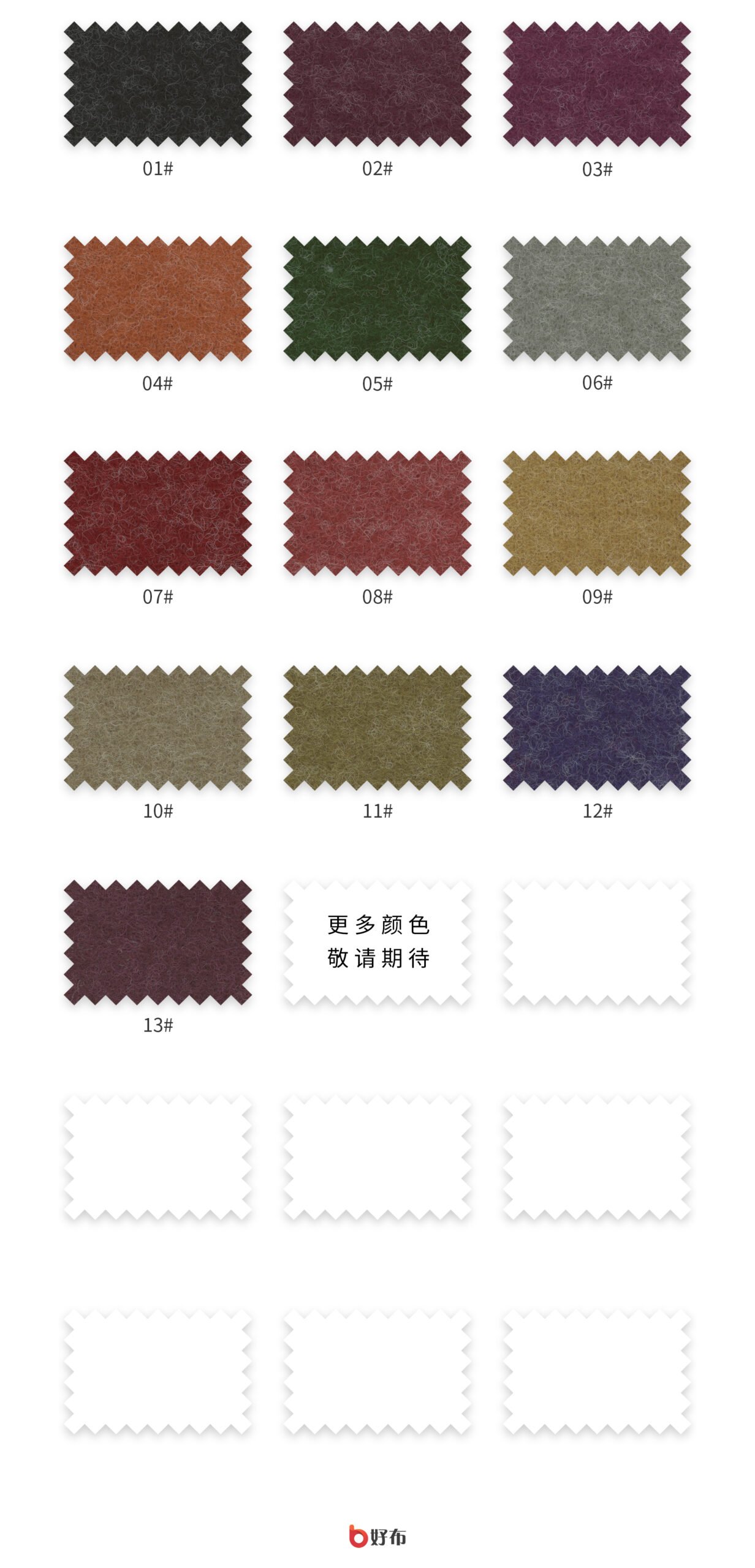
Acrylic Yarn Blend
Soft, pill-resistant, and cost-efficient, this blend delivers consistent stitch definition and vibrant color retention. Ideal for everyday streetwear beanies, it offers machine-washability across yarn weights ranging from 200g to 400g.
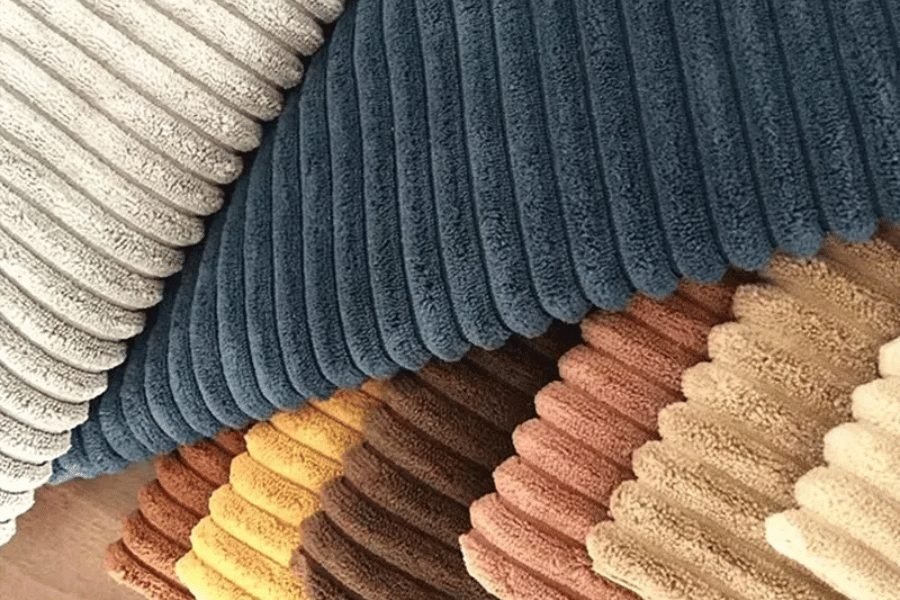
Merino Wool
Ultra-fine fibers provide a featherlight, itch-free hand-feel with natural temperature regulation. Perfect for premium cold-weather beanies, merino’s 17–19 micron count ensures exceptional softness while actively wicking moisture away from the scalp.
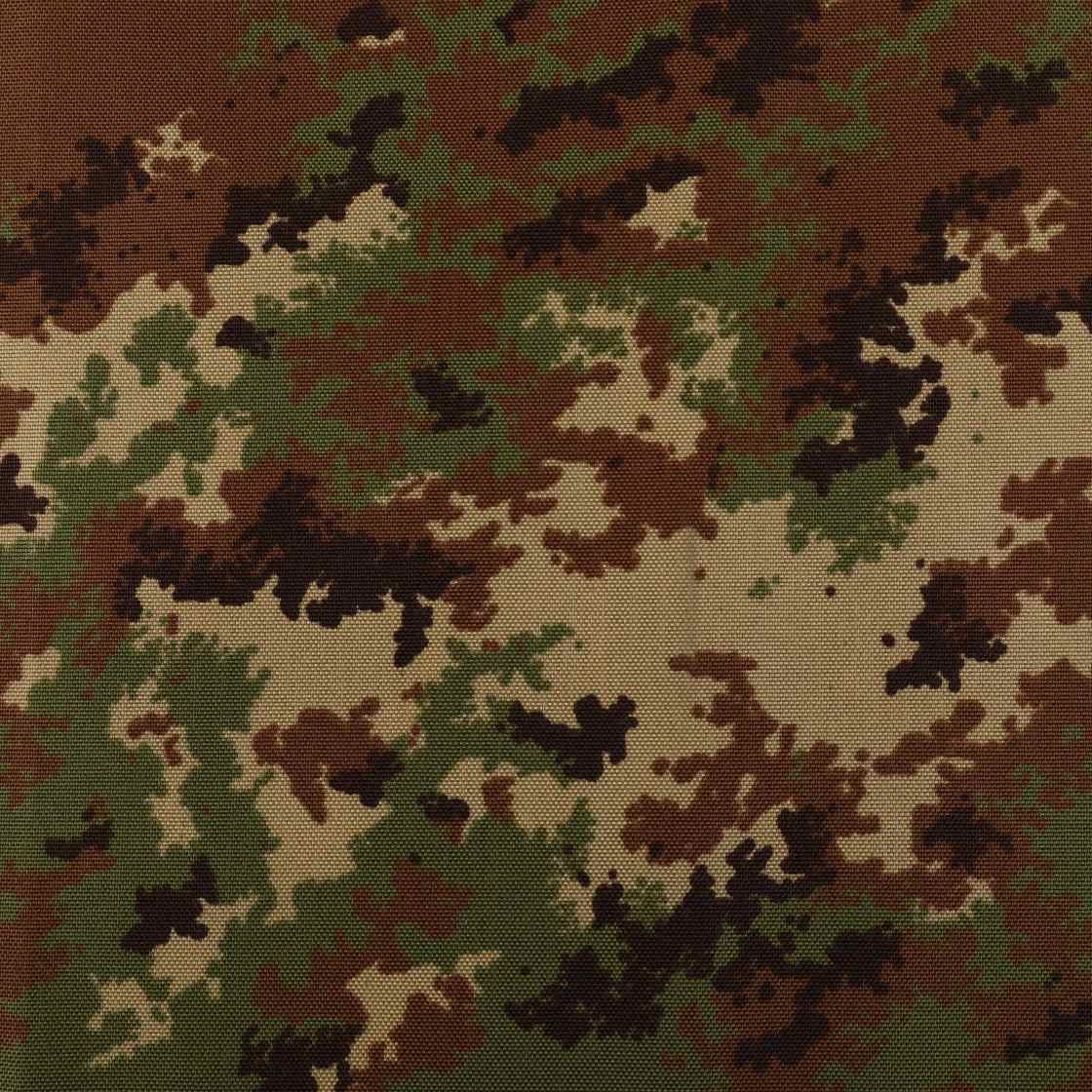
Organic Cotton Knit
Breathable and hypoallergenic, this GOTS-certified organic cotton knit suits year-round lifestyle beanies and eco-conscious streetwear lines. Its structured loop construction holds stitch patterns cleanly and softens further with each wash.
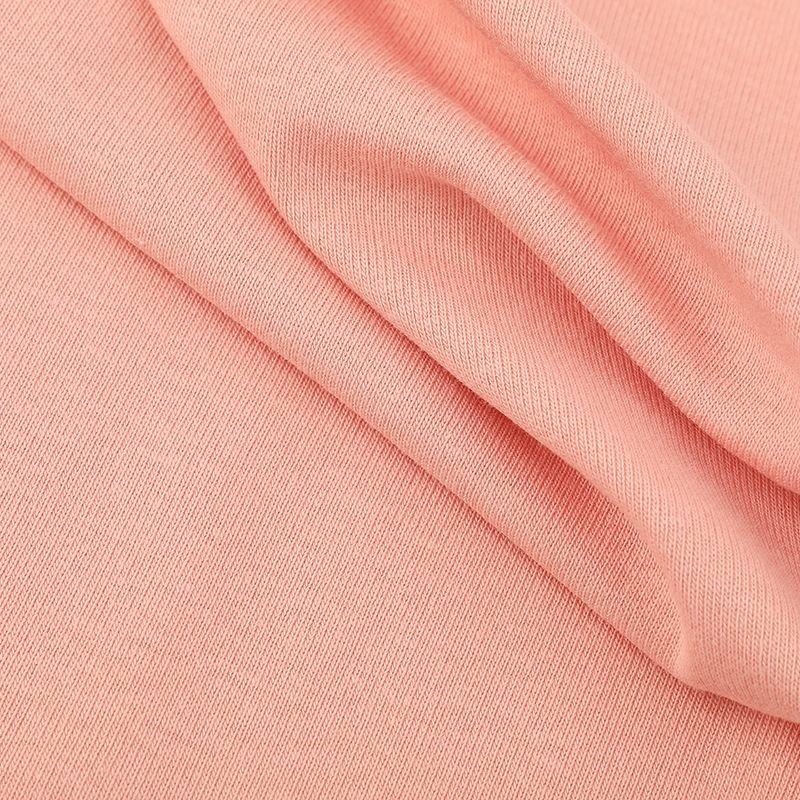
Fleece-Lined Knit
A dual-layer construction pairing a textured knit exterior with a plush polar fleece interior rated for -15°C comfort. The go-to choice for outdoor and technical streetwear beanie collections that demand genuine, all-day warmth.
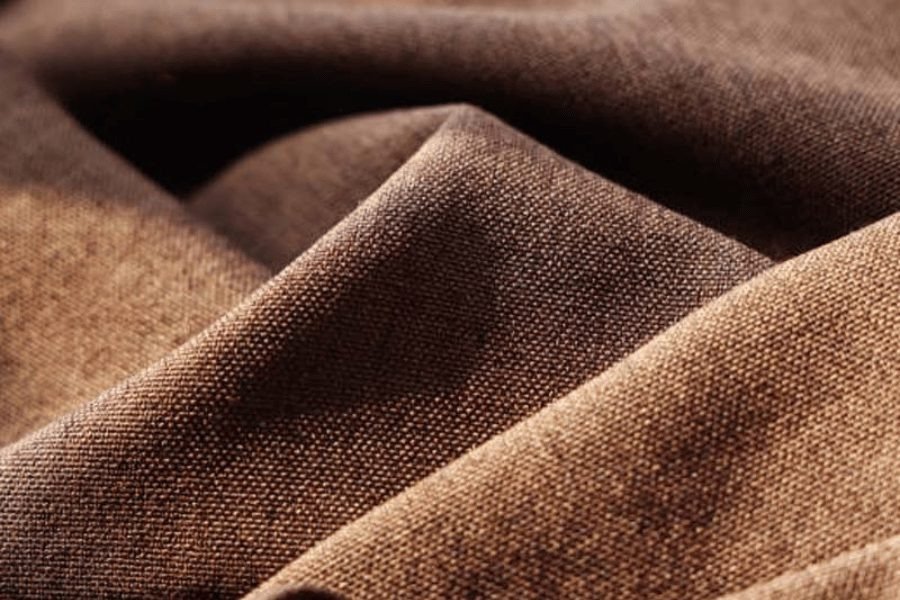
Recycled Performance Knit
Engineered from GRS-certified recycled polyester, this lightweight technical fabric offers 4-way stretch and moisture-wicking properties. Favored by sustainable brands and active-lifestyle labels requiring high-performance beanies with a reduced environmental footprint.
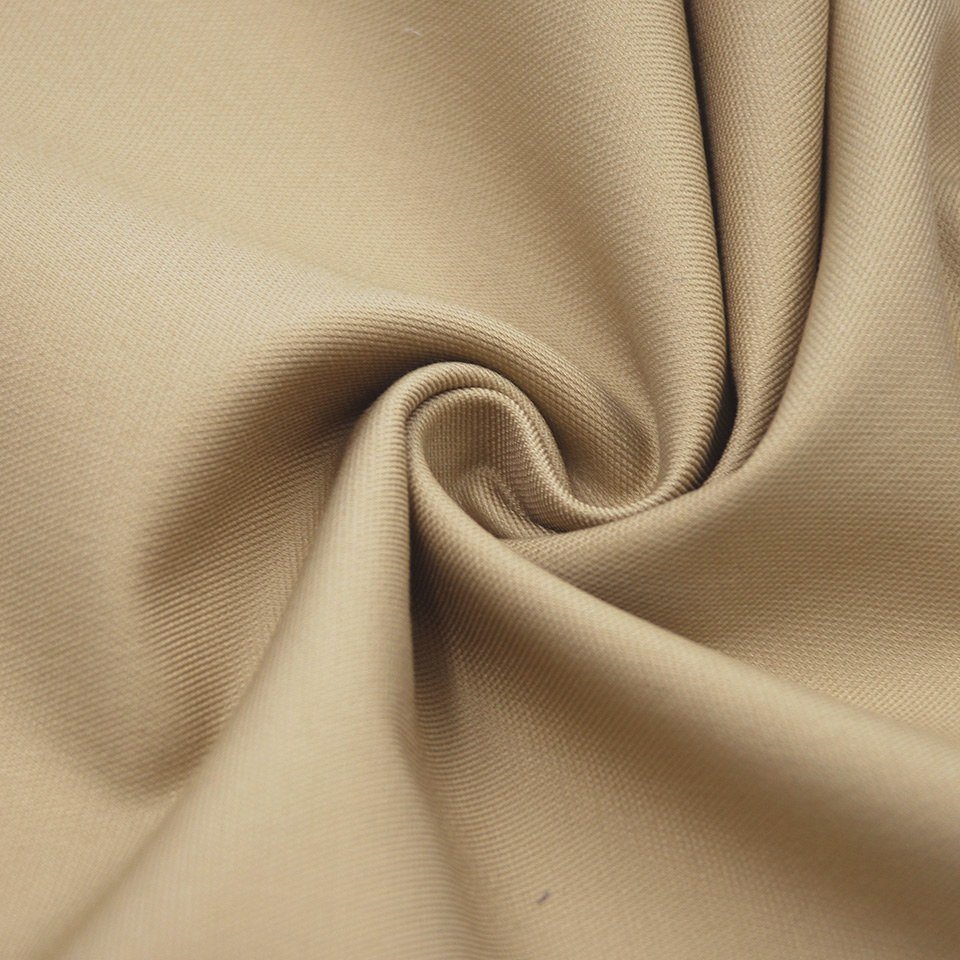
Chunky Wool Blend
A heavyweight 80% wool, 20% acrylic loose-gauge knit delivering the oversized, tactile look central to current streetwear aesthetics. Bold visible ribbing and thick hand-feel make it the top pick for statement beanies and influencer drops.
Advanced Techniques From Your Expert Knit Beanie Manufacturer
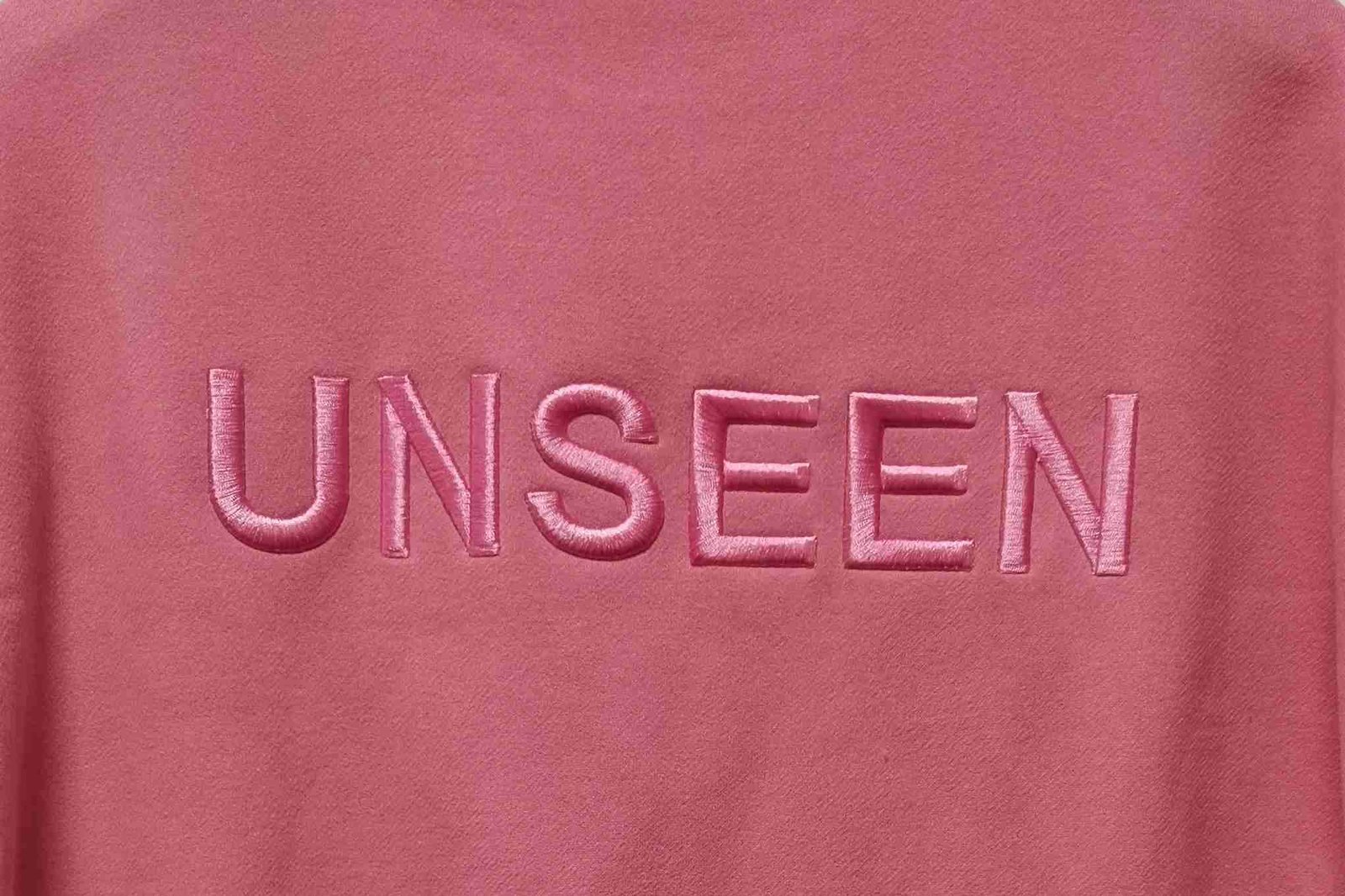
Hand Flat Knitting
A traditional flatbed knitting method guided by skilled operators, delivering precise stitch control and rich texture variation — ideal for artisan-quality, limited-edition streetwear beanies that demand a premium tactile finish.
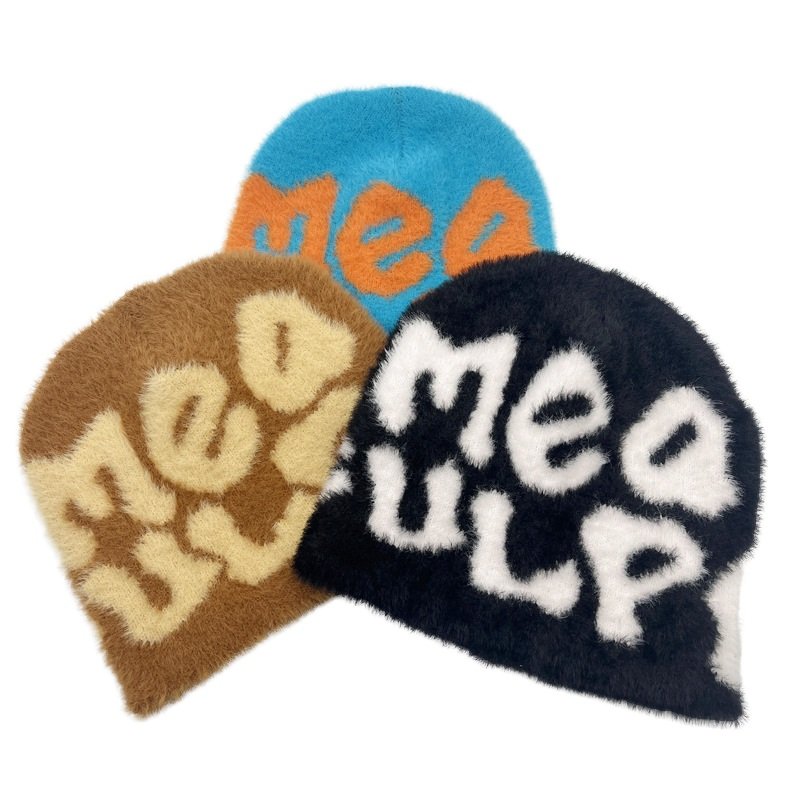
Seamless Machine Knit
Fully fashioned on computerized circular machines, this single-piece construction eliminates seam bulk for a superior fit and consistent structure, reducing material waste while supporting high-volume, scalable production runs.
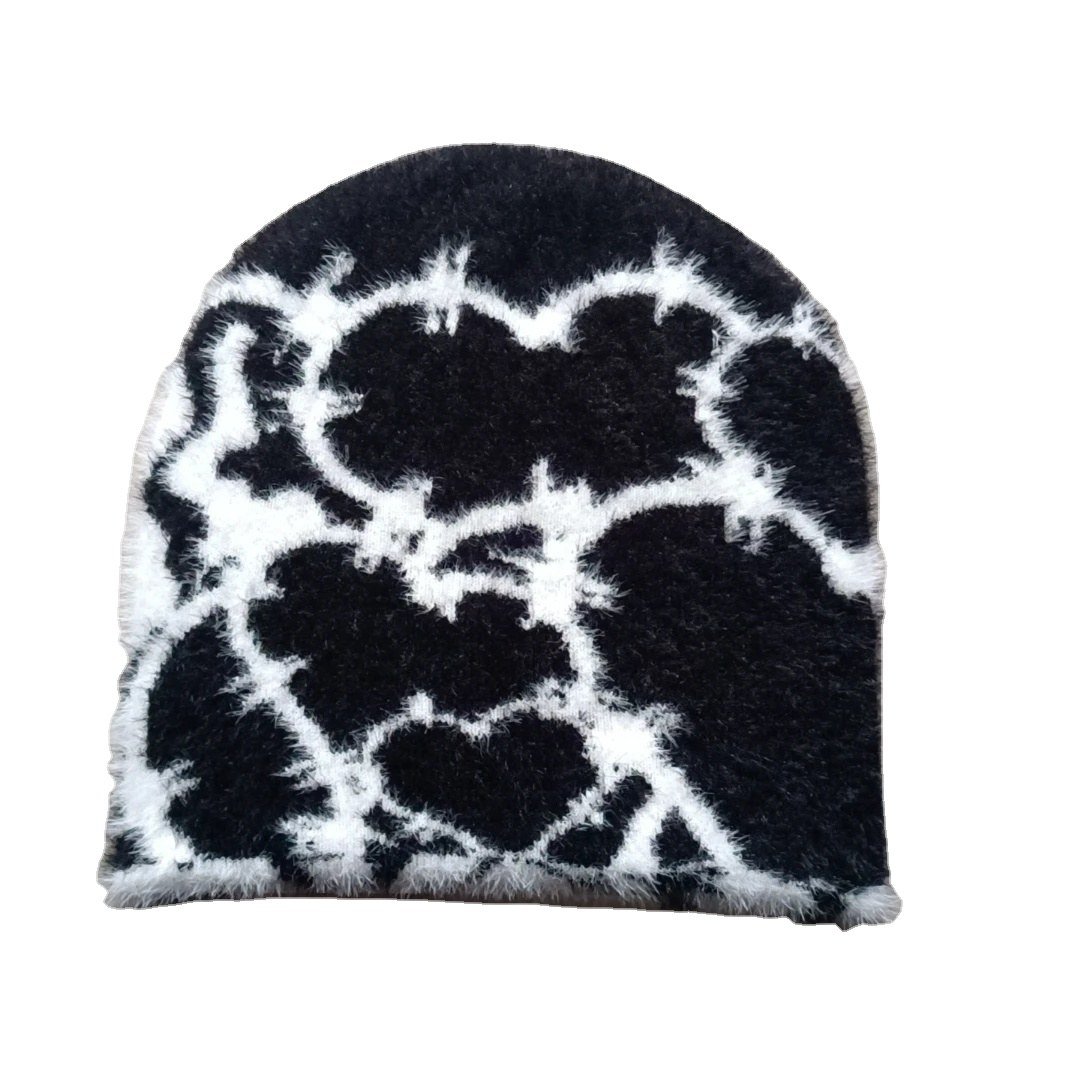
Jacquard Patterning
Multi-color logos, graphics, and brand motifs are knitted directly into the beanie fabric using programmable jacquard looms, producing vibrant, durable designs that never crack, peel, or fade with wear.
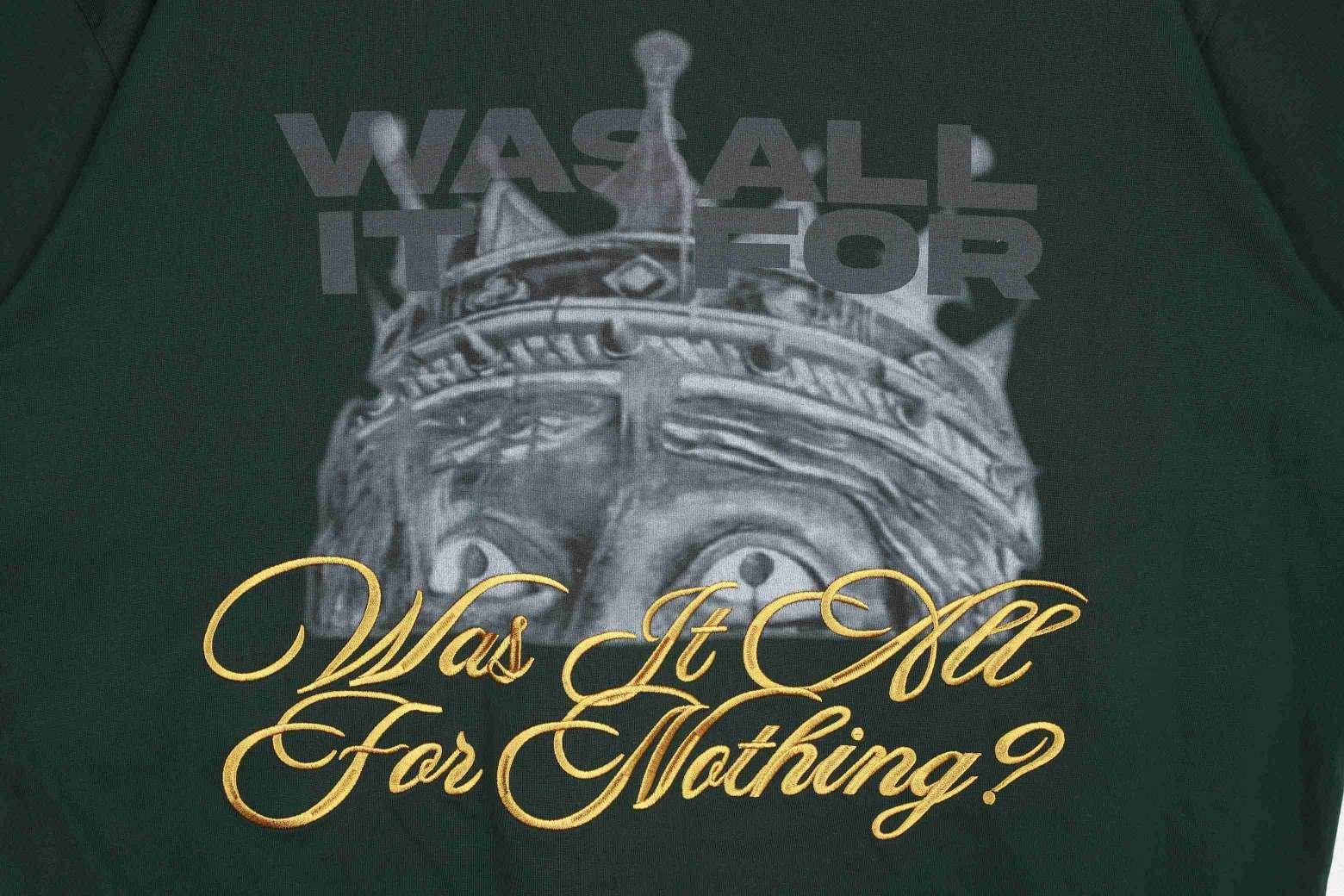
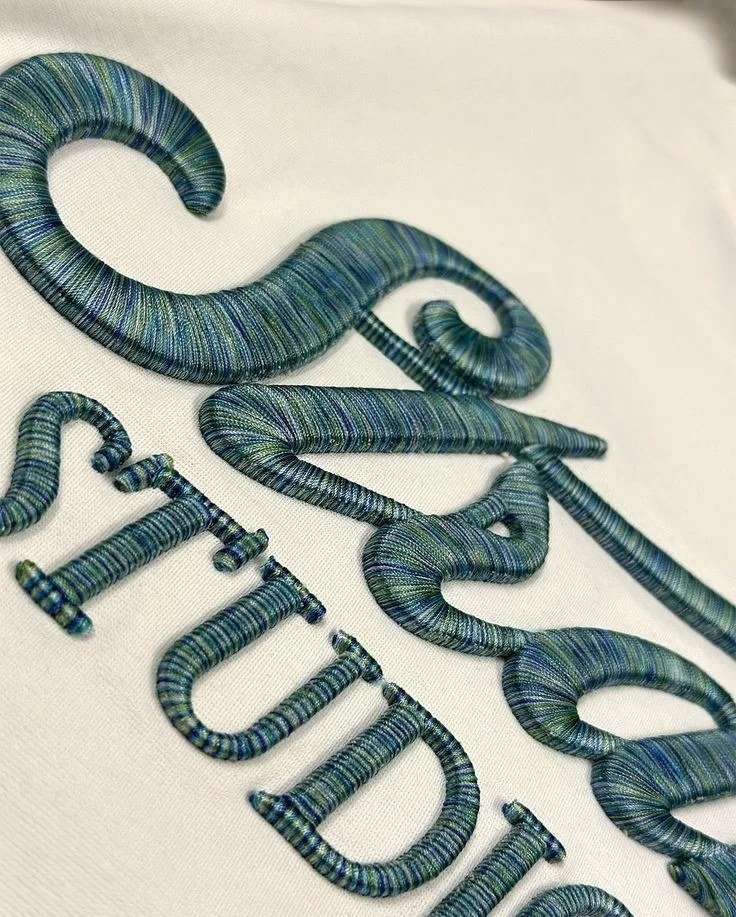
Precision Embroidery
High-density embroidery up to 15,000 stitches per design adds dimensional logos and artwork to finished beanies, with thread-locked backing ensuring lasting durability through repeated wear and washing cycles.
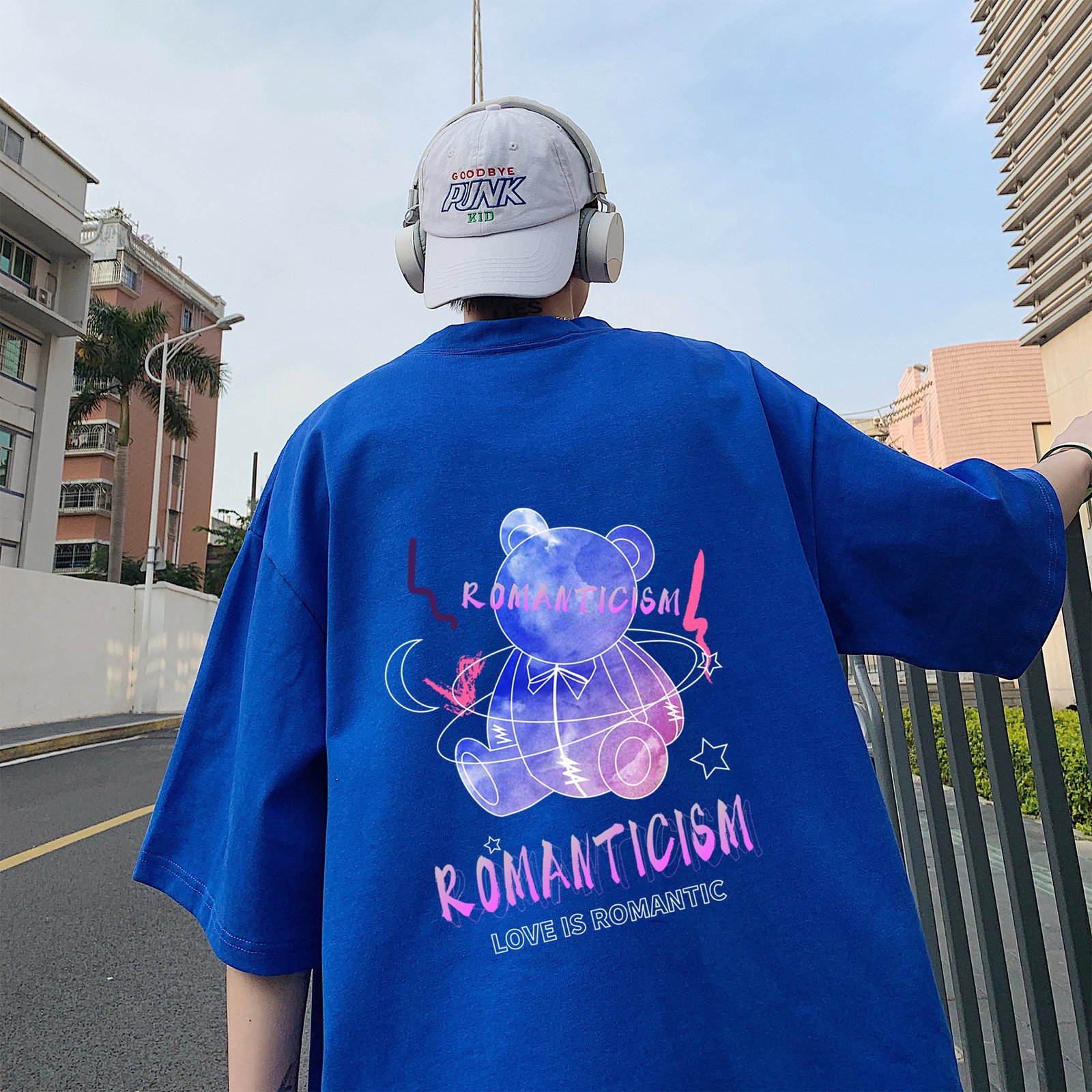
Garment Overdyeing
Finished beanies are immersed in specialty dye baths post-production to achieve rich vintage-washed tones and unique color depth unavailable through standard yarn dyeing — perfect for exclusive streetwear colorways.
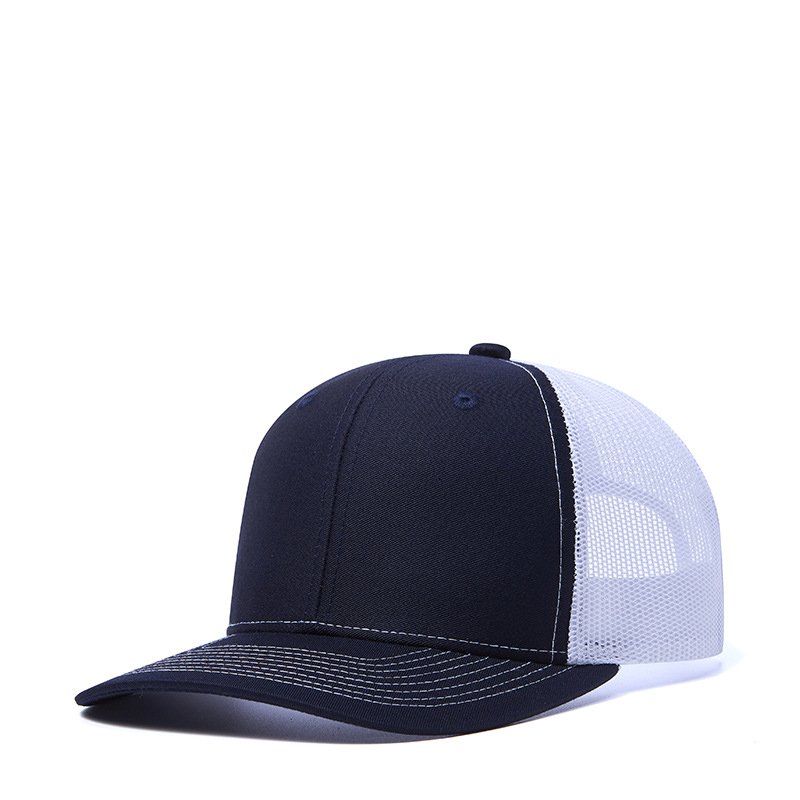
Heat Transfer Graphics
Full-color photographic and graphic prints are thermally bonded to beanie panels, enabling complex high-resolution artwork with a soft hand feel, engineered to survive repeated washing without cracking or color loss.
Customization Options & Premium Finishes From Your Knit Beanie Manufacturer
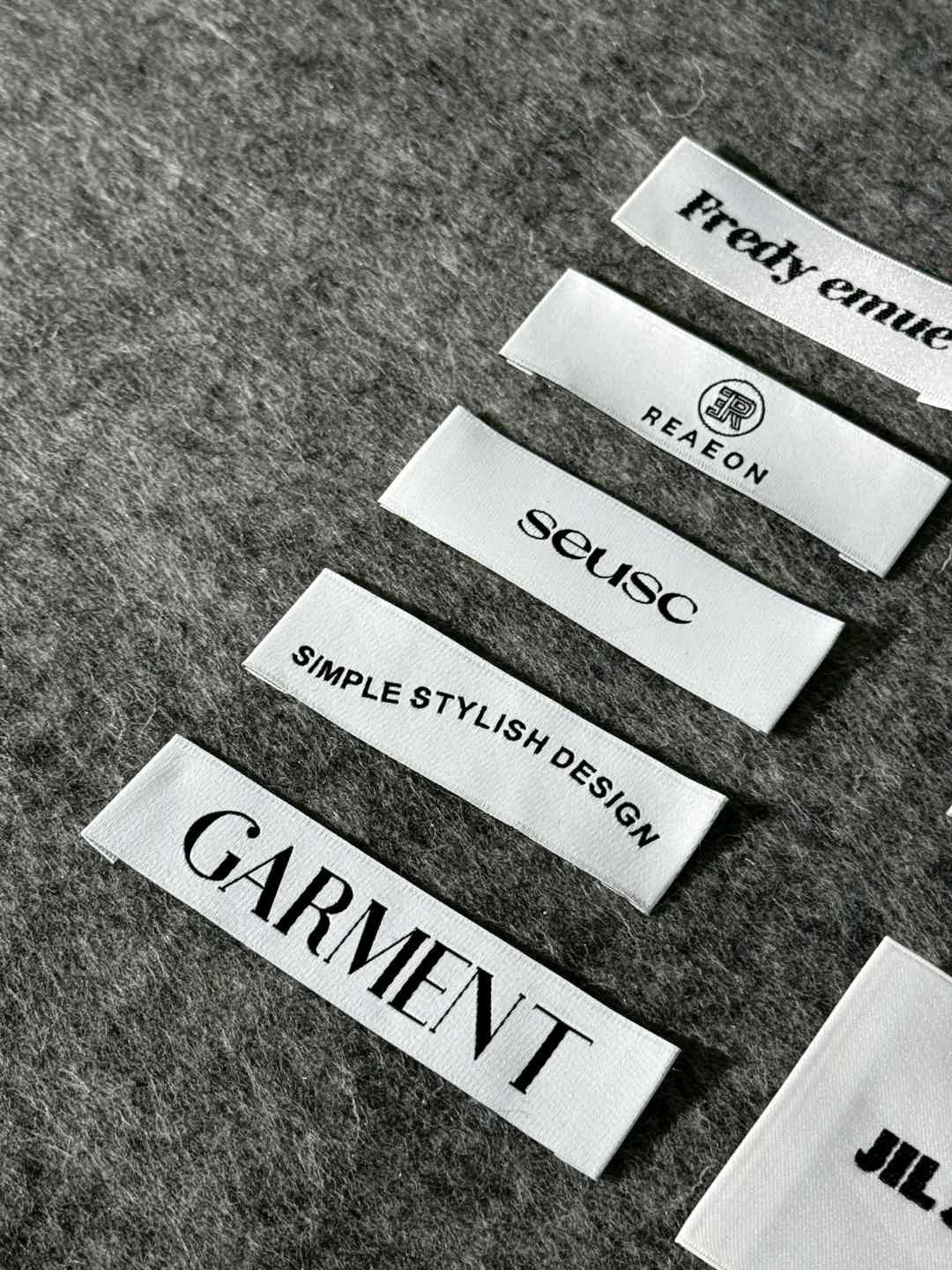
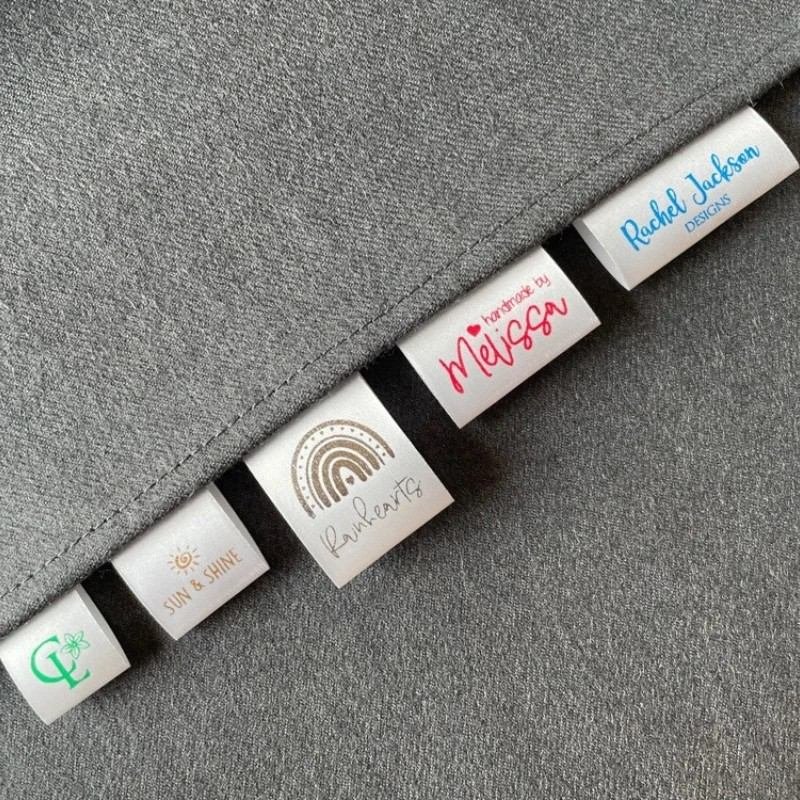
Woven Labels
Precision-woven brand labels stitched into the inner cuff or back panel, available in damask or satin weave. Ideal for streetwear and influencer lines that demand a polished, retail-ready brand identity.
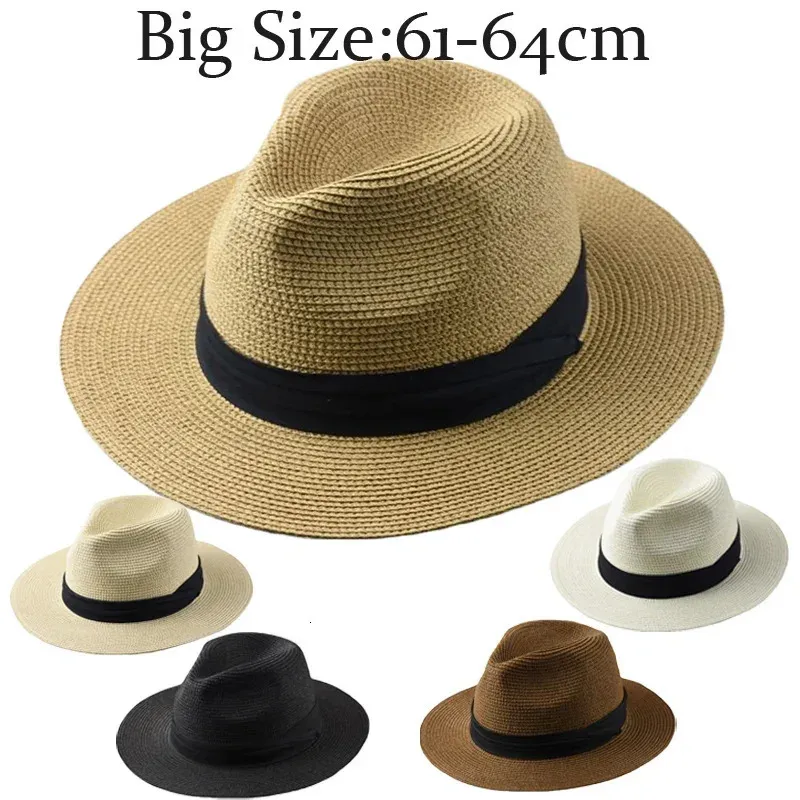
Embroidered Patches
High-definition embroidered patches applied to the front panel or folded cuff, engineered for bold logos and streetwear motifs. Our in-house digitizing team ensures sharp, consistent stitch reproduction at any order size.
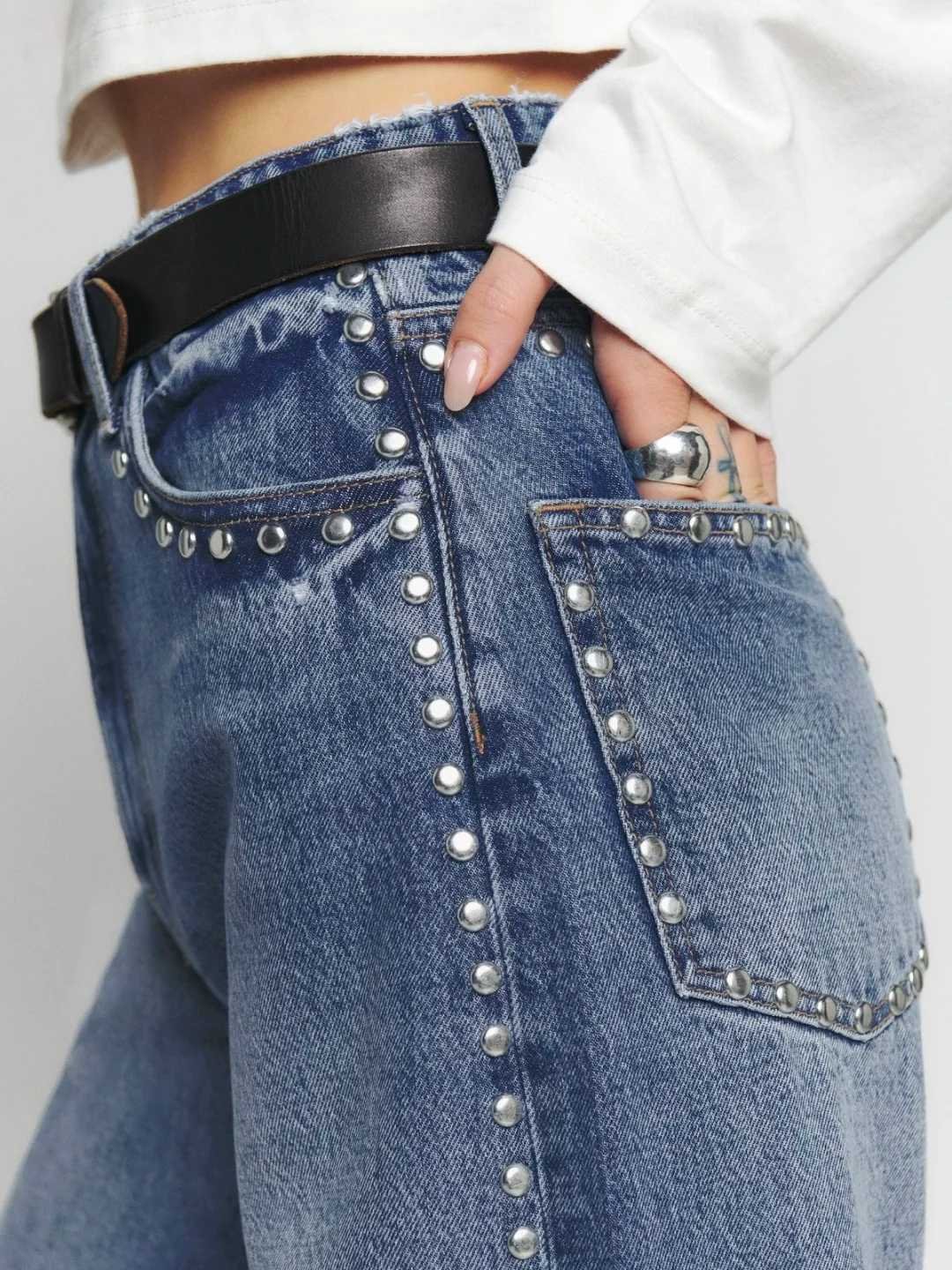
Pom-Pom Tops
Signature pom-poms in faux fur, genuine wool, or recycled fiber attached securely to the crown for a distinctive retail finish. Available in unlimited colorways to match your seasonal collection or drop palette exactly.
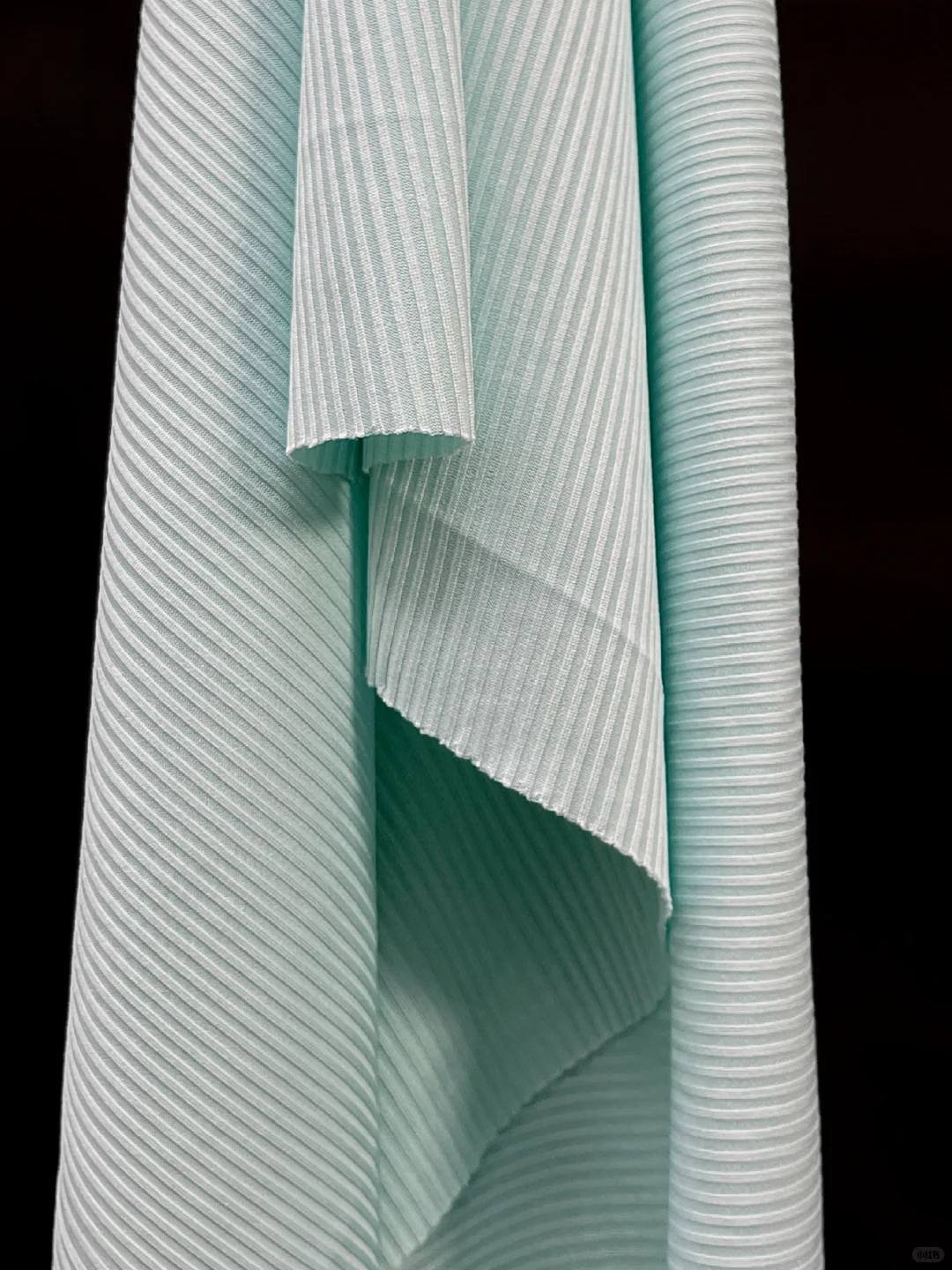
Fleece Inner Lining
Soft polar fleece or microfleece bonded to the inner knit shell for premium warmth and next-to-skin comfort. A high-perceived-value upgrade that supports stronger retail price points across cold-weather collections.
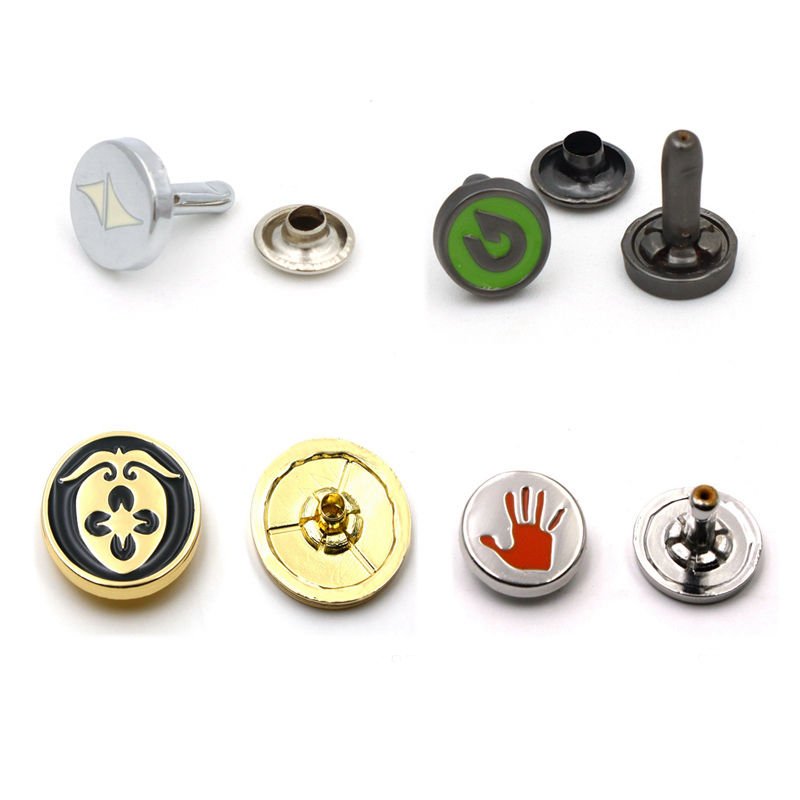
Custom Hang Tags
Branded hang tags in kraft, coated card, or premium paper stock, printed with your logo, sizing, care symbols, and scannable QR codes. Attached pre-shipment so every beanie arrives fully shelf-ready and presentation-perfect.
Branded Packaging
Custom polybags, kraft pouches, or rigid gift boxes printed with your artwork, perfect for DTC fulfillment, influencer seeding kits, and retail drops. Our logistics team ensures secure, presentation-ready delivery worldwide.
The Story Behind Your Trusted Knit Beanie Manufacturer
Tesla Luo founded Clothing Manufacturer Ltd. in 2024 after more than a decade in garment production — a career built literally from the factory floor up. Raised in a family of senior apparel professionals, he spent childhood summers rotating through every production role in Dongguan’s factories. His mission: eliminate low-quality manufacturing and restore global trust in Chinese garment producers.
Today, we serve brands across more than 100 countries, backed by an R&D team of 15 specialists and 10 production patents. Our in-house design and sampling team, low MOQ options, and fast seasonal turnarounds make us the preferred knit beanie manufacturer for streetwear startups, independent designers, influencer labels, and global retailers at every stage of growth.
What distinguishes us is what others skip: quality control embedded at every stage of production, not just the end. Our proprietary five-step QC methodology — covering materials, cutting, craftsmanship, sewing, and finished goods inspection — ensures every beanie leaving our facility meets exacting standards. That same rigor has helped hundreds of brands grow from their first drop to communities in the hundreds of thousands.
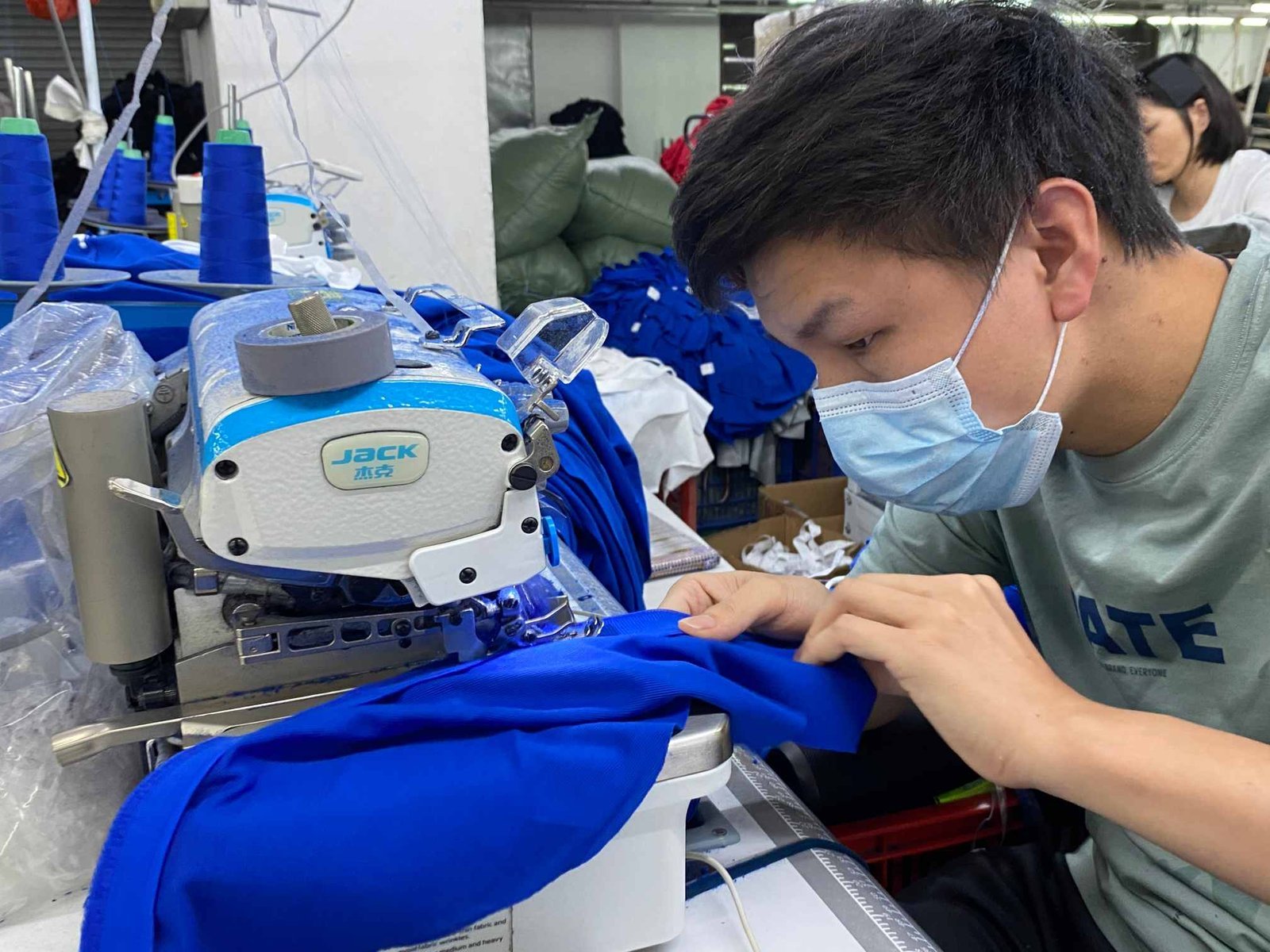
5-Step Quality Control: Our Knit Beanie Manufacturer Standard
Materials QC Testing Before a Stitch Is Sewn
We rigorously test every yarn, fabric, and raw material against your spec before cutting begins. Substandard inputs are rejected outright, ensuring only premium-grade materials enter production for your knit beanie order.
- Yarn tensile strength and colorfastness verified against spec
- Fabric weight, gauge, and shrinkage tested in-house
- Raw material certifications cross-checked against order requirements
- Defective inputs rejected before a single panel is cut
Cutting QC Locks In Precision Before Sewing Starts
Panel accuracy at the cutting stage determines the final shape and sizing of every beanie. Our cutting QC team measures each piece against approved templates, catching dimension errors before they compound downstream.
- Panel dimensions verified against approved patterns and tech packs
- Fabric grain direction and alignment checked per cut
- Batch sampling eliminates systematic sizing inconsistencies
- Cut records documented for full production traceability
Craft and Sewing QC Inspected in Real Time
Two dedicated inline stages — craft specification and sewing production QC — monitor construction quality as beanies are assembled. Stitch density, seam alignment, and detailing are verified continuously so defects never accumulate.
- Stitch density and tension checked against approved tech pack
- Seam strength and alignment verified at mid-production intervals
- Inline sampling stops defect buildup across production batches
- Embroidery, jacquard, and finish details inspected at point of creation
Finished Goods QC: Zero Defects Leave Our Factory
Every completed beanie undergoes a thorough finished-goods inspection before packing. Measurements, appearance, labeling, and packaging are verified against your approved samples so what ships matches exactly what you signed off on.
- 100% measurement and appearance check against pre-production samples
- Labels, hang tags, and packaging accuracy verified per order spec
- Defect rate tracked and reported transparently with every shipment
- Final QC sign-off required before goods are packed and dispatched
Our Advantage Over Typical Knit Beanie Manufacturers
Not every knit beanie manufacturer is built the same. See exactly how Clothing Manufacturer Ltd. raises the bar where others cut corners.
← 左右滑动查看 →
How Your Knit Beanie Manufacturer Delivers Quality, Start to Ship
Six structured phases with QC embedded at every stage — so your order arrives on spec, on time, and free of surprises.
Design & Sample Approval
Share your concept or choose from our in-house streetwear designs. Our sampling team crafts approved prototypes before a single production unit is knitted.
Premium Fabric Sourcing
We audit and source premium yarns through our vetted supplier network, applying materials QC testing to confirm every input meets your brand’s standards before production begins.
Precision Knitting & Production
Production launches only after your sample sign-off. Our skilled knitting team executes your exact specs, with cutting and clothing-craft QC checks applied throughout the run.
Embedded 5-Step QC Gates
Our proprietary five-step QC methodology inspects materials, cutting, craft, sewing, and finished goods — catching defects early so nothing substandard ever reaches your label.
Custom Packing & Labeling
Every beanie is folded, packed, and labeled to your exact requirements — hang tags, custom poly bags, or bulk cartons — with a final finished-goods inspection completed before sealing.
Worldwide Shipping & Delivery
We coordinate DDP, FOB, or express shipping to your door anywhere in the world, managing customs documentation, logistics tracking, and compliance from our Dongguan facility.
Partner With Your Knit Beanie Manufacturer in 3 Simple Steps
From design brief to global delivery — a clear, friction-free process built for streetwear brands, independent designers, and fast-scaling retailers.
Share Your Design Brief
Upload your tech pack or design concept and tell us your colorways, fabric preferences, and target quantity. Our in-house team responds with a tailored quote within 24 hours.
Approve Your Free Sample
Receive a factory sample at no charge, review fit, construction, and materials, then request any refinements. We iterate fast to keep your seasonal launch timeline fully on track.
Scale to Bulk Production
Once your sample is approved, we move into full production backed by our 5-step QC guarantee at every stage, then arrange global shipping directly to your warehouse or fulfillment center.
Your Knit Beanie Manufacturer, Backed by Global Compliance Certifications
Trusted by Emerging Streetwear Brands
We started with just 50 units — their low MOQ made our launch possible. Samples arrived in 9 days, zero defects on delivery. Our beanie drop sold out in 72 hours and our Instagram grew from 0 to 31K followers within four months.
Our old supplier had a 10% defect rate that was killing our margins. Clothing Manufacturer Ltd.’s 5-step QC process cut that to under 1%. We shipped 4,000 custom knit beanies to our retail partners on schedule — not a single return complaint.
We needed 7,500 units for our fall seasonal drop in six weeks — a timeline most factories refused. They delivered every beanie on time, consistent quality across the full run. Our wholesale buyers reordered 30% more units the following season.
Your Knit Beanie Manufacturer Questions, Answered
Everything brands, startups, and retailers need to know about MOQs, sampling, quality control, and global shipping before placing an order.
What is the minimum order quantity (MOQ) for a knit beanie manufacturer?
How long does sampling take with your knit beanie manufacturer?
How does a knit beanie manufacturer protect my designs and intellectual property?
What payment terms does your knit beanie manufacturer offer?
How fast can you turn around seasonal beanie collections?
What global shipping and logistics options do you offer?
Can I fully customize the yarn, colors, labels, and packaging?
What quality certifications and standards does your factory meet?
How quickly can I reorder once a style sells out?
The Complete Buyer’s Guide to Knit Beanie Manufacturer Selection
Cut through the noise with a proven decision framework: discover how to evaluate any knit beanie manufacturer on quality, MOQ, customization depth, and lead time — plus the supplier red flags and sourcing mistakes that cost brands thousands.
1. What Is a Knit Beanie Manufacturer?
A knit beanie manufacturer controls the full production chain — sourcing spun yarn (acrylic, merino wool, or cotton blends typically in the 200–400 GSM weight range), knitting fabric on flatbed or circular machines, then finishing each hat through linking, seaming, and washing before applying branded labels and hang tags. Every step from raw fiber to retail-ready headwear happens under one roof at a true factory.
Three distinct supplier types operate under the label ‘knit beanie manufacturer’: a factory owns the knitting machines and cuts out the middleman; a trading company brokers orders across multiple factories and typically adds a 15–30% markup; and a private-label supplier sells pre-made blanks with your branding applied, offering little to no control over construction or materials. Confusing these three is the most common and costly mistake first-time buyers make.
For streetwear labels, fashion startups, and global retailers placing an initial order, that distinction directly controls price, minimum order quantities (MOQs often start at 50–300 units per style at a direct factory versus 500 or more through a trading company), and the degree of input you get over stitch density, yarn weight, and colorways.
Working with a knit beanie manufacturer that embeds quality checks at each production stage — not only at final shipment — is the fastest route from a concept sketch to a retail-ready product that earns lasting brand credibility. The sections that follow break down exactly how to find, vet, and partner with the right one.
2. A Brief History of Knit Beanie Manufacturing
By the 1850s, knit beanies were standard-issue workwear in British and American industrial towns — hand-knitted from wool by cottage workers or produced on early flatbed frames, they protected dock hands, miners, and mill workers from the cold. The term ‘watch cap’ entered naval vocabulary during this period, cementing the beanie as functional headwear, not a fashion object.
The introduction of circular knitting machines in the early 20th century shifted production from cottages to factories, dropping per-unit costs dramatically and enabling volume runs of identical styles. By the 1960s and 1970s, domestic mills in the UK, US, and Portugal were running continuous circular knit lines to supply department stores and military contracts at scale.
The 1990s hip-hop and skate scenes repositioned the beanie as a cultural statement, driving demand for shorter runs, bolder colorways, and custom jacquard logos — requirements that challenged traditional bulk mills. Fast fashion then accelerated turnover cycles further, while influencer-driven drops after 2015 created spikes of 500–2,000 units per SKU with 3–6 week lead-time expectations that domestic mills rarely could meet.
Production migrated steadily to lower-cost regions: China — particularly Guangdong and Zhejiang provinces — captured the largest share by the 2000s through computerized flatbed and circular knitting lines, followed by Bangladesh for commodity basics, Turkey for European proximity and mid-range quality, and Portugal for premium small-batch runs. Today a knit beanie manufacturer in these hubs can execute custom intarsia, 3D-knit structures, and OEKO-TEX certified yarn programs that would have been impossible on pre-CNC equipment.
3. Types of Knit Beanie Manufacturer to Know
Not every knit beanie manufacturer operates on the same model. Five core supplier types define the sourcing landscape — picking the wrong category often means over-paying on MOQ or waiting months for a first sample.
| Type | Typical MOQ | Best For |
|---|---|---|
| Full-Package OEM | 300–1,000 units | Global retailers, seasonal programs |
| ODM Supplier | 100–500 units | Creator brands, concept testing |
| Artisan Knitter | 12–50 units | Streetwear startups, limited drops |
| Domestic Maker | 50–300 units | Speed-to-market, compliance buyers |
| Vertically Integrated Mill | 500–2,000 units | High-volume, yarn-level control |
Full-Package OEM and ODM Factories
OEM factories build to your exact tech pack; standard MOQs run 300–1,000 units per colorway and suit global retailers ordering seasonal programs. ODM suppliers offer pre-built style blocks — creator brands can select a base, add branding, and receive samples in 7–14 days without custom tooling costs.
Small-Batch and Artisan Knitters
Artisan and small-batch knitters accept MOQs as low as 12–50 units per style, making them the right fit for streetwear startups testing a limited drop before scaling. Per-unit cost typically runs 2–3× factory pricing and lead times stretch to 6–10 weeks — a fair trade for genuine exclusivity.
Vertically Integrated Mills and Domestic Makers
Vertically integrated mills own yarn spinning through finished-goods output — tighter Pantone matching at the fiber stage and shorter internal cycle times come standard. Domestic manufacturers in the U.S. or EU carry 3–5× higher unit costs but deliver 2–4 week lead times, easier GOTS or WRAP compliance, and simplified customs.
4. Materials & Fabrics Used by Every Knit Beanie Manufacturer
Yarn choice is the primary cost and quality driver for any knit beanie manufacturer. Fiber type determines warmth rating, pilling resistance, stretch recovery, and the retail price tier a brand can credibly occupy.
| Material | Weight/GSM | Warmth | Durability | Price Index | Best For |
|---|---|---|---|---|---|
| Acrylic | 200–280 GSM | Low–Mid | High | $ | Startups, volume retailers |
| Cotton | 180–240 GSM | Low | Mid | $$ | Basics, warm-weather markets |
| Recycled PET | 200–260 GSM | Mid | High | $$ | Eco-focused brands |
| Merino Wool | 220–300 GSM | High | Mid | $$$ | Premium DTC, influencer brands |
| Lambswool | 230–310 GSM | High | Mid | $$$ | Heritage, lifestyle labels |
| Cashmere Blend | 200–260 GSM | Very High | Low–Mid | $$$$ | Luxury, creator brands |
Acrylic, Cotton, and Recycled PET Fleece
Acrylic runs 200–280 GSM, resists moisture, and keeps FOB costs under $3 — ideal for high-volume startups. Ring-spun acrylic pills far less than open-end spun varieties, making yarn specification critical at order placement.
Recycled PET fleece, made from post-consumer bottles, is OEKO-TEX certifiable and suits eco-positioned brands without a sharp premium over commodity acrylic. Cotton (180–240 GSM) fits warm-weather basics lines but delivers low warmth and only moderate stretch recovery.
Merino Wool, Lambswool, and Cashmere Blends
Merino wool at 220–300 GSM delivers a high warmth-to-weight ratio and natural odor resistance — strong DTC selling points. Lambswool (230–310 GSM) performs similarly at a slightly lower cost, suiting heritage lifestyle labels.
Cashmere blends, typically 70/30 cashmere-merino at 200–260 GSM, offer exceptional softness but require GOTS-certified supply chains to support luxury price points above $60.
How Yarn Grade Shapes Brand Perception
Open-end acrylic pills within 10–15 washes, eroding brand equity at retail. Ring-spun or combed yarns maintain surface integrity through 30-plus wash cycles, typically recovering 95% of original stretch.
Brands retailing above $40 should specify yarn grade in purchase orders and request OEKO-TEX Standard 100 documentation as a quality signal to wholesale buyers.
5. Customization & Decoration Options from a Knit Beanie Manufacturer
Every knit beanie manufacturer offers a layered menu of decoration techniques, from structural knit-in logos to surface embellishments added post-production. Knowing which options suit your MOQ tier and launch timeline protects both brand margin and turnaround speed.
| Technique | Min MOQ | Cost Add | Low-MOQ Friendly |
|---|---|---|---|
| Jacquard logo | 100–300 pcs | +$0.50–$1.50/unit | No |
| Embroidery | 50 pcs | +$0.30–$1.00/unit | Yes |
| Woven label | 100 pcs | +$0.10–$0.40/unit | Yes |
| Pom-pom | 50 pcs | +$0.20–$0.80/unit | Yes |
| Custom liner | 200+ pcs | +$1.00–$2.50/unit | No |
| Hang-tag | 50 pcs | +$0.10–$0.30/unit | Yes |
Knit-In Jacquard & Ribbing Patterns
Jacquard knitting weaves logos or graphics directly into the fabric during production, typically requiring 100–300 pieces per colorway to justify machine programming costs. Ribbing gauge options — 2×2, 3×1, or 1×1 — add structural texture at zero extra cost from the first unit.
Embroidery, Patches & Woven Labels
Embroidery tolerates MOQs as low as 50 pieces and delivers a raised, premium texture ideal for streetwear logos. Woven labels with Pantone-matched thread ensure color accuracy across reorders and are available from 100 pieces.
Pom-Poms, Custom Liners & Hang-Tag Branding
Detachable pom-poms in faux fur or acrylic run from 50-piece MOQs. Fleece or silk custom liners require 200+ pieces due to cut-and-sew steps.
Hang-tag branding with QR codes adds $0.10–$0.30 per unit and ships in 10–15 days — fast enough for influencer drops.
6. Key Construction Quality Elements to Inspect
A finished beanie from any knit beanie manufacturer reveals quality long before bulk production begins. Inspecting six construction elements — gauge, seam finish, cuff depth, stretch recovery, colorfastness, and label attachment — keeps defect rates near zero and protects your brand.
Stitch Density and Gauge
Gauge measures needles per inch on the knitting machine; 3-gauge yields a chunky open knit, while 7- to 12-gauge delivers a fine, dense fabric suited to streetwear silhouettes. Specify gauge in your tech pack with a ±1 tolerance so factories cannot substitute lower-cost machinery without your approval.
Seam Finish: Linked vs. Overlock
Linked seams join two knit edges loop-by-loop, producing a flat, nearly invisible join with full stretch retention — the standard for premium beanies. Overlock seams are faster and cheaper but add bulk and can reduce elasticity by up to 15%, acceptable only on economy-tier SKUs.
Cuff Depth and Stretch Recovery
Cuff depth should measure 3–4 inches (7.5–10 cm) to ensure a secure fit across head circumferences of 54–60 cm. After five donning cycles, the cuff must return to within 5% of its original width — document this recovery tolerance explicitly in your tech pack.
Colorfastness Under Wash
ISO 105-C06 wash testing rates colorfastness on a 1–5 scale; specify a minimum Grade 4 for color change and Grade 3–4 for staining in your purchase order. Reactive dyes on acrylic or merino blends reach Grade 4–5 when paired with OEKO-TEX certified dye processes.
Label Attachment and Tech Pack Tolerances
Woven labels must be sewn with a lockstitch at minimum 8 stitches per inch; heat-transfer labels require a 30-second press test at 150°C to confirm adhesion before bulk approval. Your tech pack should state ±0.5 cm dimensional tolerances and reference Pantone TPX codes for all brand colors.
7. How to Choose the Right Knit Beanie Manufacturer
Selecting a knit beanie manufacturer comes down to five checkpoints. Work through them in order — skipping volume alignment or certification review early costs more in sampling and resampling later.
| Buyer Type | MOQ Range | Cert Priority | Key Contract Focus |
|---|---|---|---|
| Fashion Startup | 50–200 units | OEKO-TEX Standard 100 | IP ownership clause |
| Global Retailer | 500–2,000+ units | BSCI + GOTS | Audit rights provision |
| Influencer Brand | 100–300 units | OEKO-TEX Standard 100 | NDA + design exclusivity |
Define Volume and Budget First
Startups typically need MOQs of 50–200 units; global retailers require 500–2,000+. Confirm volume fit before sampling — bulk-run factories quote unprofitably on small orders. Build a 20% cost buffer for sampling revisions and first-run replacements.
Shortlist by Capability and Certifications
Request OEKO-TEX Standard 100, GOTS, and BSCI audit certificates — not just logos on a website. A certified knit beanie manufacturer provides dated audit reports on demand. Factories lacking documentation should be deprioritized regardless of price.
Request and Evaluate Samples Against Spec
Send a tech pack specifying GSM, yarn type (ring-spun vs. open-end), Pantone color codes, and stitch gauge. Evaluate returned samples for seam integrity, rib elasticity, and colorway accuracy. Reject and re-sample if more than two spec points deviate.
Audit Lead Times and Communication
Standard beanie production runs 30–60 days post-sample approval. Request a milestone schedule and test reply speed during sampling — factories that respond within 24 hours maintain better production cadence. Slow communication at the RFQ stage predicts delays later.
Review Payment Terms and IP Protection
Standard terms are 30% deposit, 70% before shipment. Require a signed NDA covering your logo, colorways, and stitch patterns before sharing design files. Verify that your brand retains all design IP — not the factory.
8. Common Mistakes Buyers Make Sourcing a Knit Beanie Manufacturer
Sourcing errors at the start of a production relationship compound quickly — a bad knit beanie manufacturer decision made in month one can cost three to six months of rework and lost sell-through. Each pitfall below pairs a real-world consequence with a single corrective action.
Choosing on Unit Price Alone
Factories quoting $1.50 per unit often skip mid-production QC, shipping defective lots. The real landed cost — rework, reshipping, lost sales — routinely doubles the original quote.
Fix: compare total cost of quality, not ex-factory unit price alone.
Skipping the Sample Stage
A pre-production sample costs $30–$80 but catches gauge errors, seam placement issues, and colorway drift before 500+ units are cut. Brands that skip samples often lose two to four weeks correcting bulk runs.
Fix: approve a sealed sample before authorizing any bulk production.
Underspecifying the Tech Pack
A tech pack missing fabric weight (GSM), stitch gauge, and Pantone references forces the knit beanie manufacturer to guess, producing inconsistent sizing and off-brand colorways across reorders.
Fix: include yarn spec, stitch count per inch, and Pantone codes in every brief.
Ignoring MOQ Scalability
A factory with a 1,000-unit MOQ suits a launch but bottlenecks at 10,000 units per SKU. Switching manufacturers mid-growth resets quality baselines and delays seasonal drops.
Fix: confirm maximum monthly capacity alongside the minimum order quantity.
Neglecting Compliance Certifications
EU markets require REACH compliance; US children’s beanies fall under CPSC lead-content rules. Non-compliant shipments trigger customs holds and retailer chargebacks.
Fix: request OEKO-TEX Standard 100 certificates and market-specific test reports before placing orders.
Poor Communication on Colorways
Verbal color names like ‘navy’ vary by dye batch and machine. Without a Pantone TPX or TPG reference, reorders can drift 5–10 Delta-E units, failing retail shelf consistency.
Fix: lock every colorway to a Pantone code and retain an approved physical swatch per batch.
9. Steps to Launch Your Brand With a Knit Beanie Manufacturer
First-time streetwear and influencer labels often stall on logistics, not creativity. An eight-stage roadmap matched with a knit beanie manufacturer offering low MOQs moves a concept from sketch to shelf in roughly 8–14 weeks.
From Mood Board to Tech Pack
Pull Pantone color references and streetwear motif sketches — skeleton, cross, or animal-print elements translate well into jacquard or embroidery specs. Convert these into a tech pack defining yarn weight (100–200 g), needle gauge (3–5 mm), rib structure, and label placement. Budget 1–2 weeks for this stage before contacting any supplier.
Supplier Shortlist and Sample Round
Shortlist 3–5 manufacturers using OEKO-TEX certification, stated MOQ, and in-house QC as filters. Submit your tech pack and request proto samples; standard turnaround runs 14–21 days per round. Low-MOQ suppliers accepting under 50 units per colorway — like Clothing Manufacturer Ltd. — let influencer labels test demand before committing bulk capital.
Bulk Production Through Retail-Ready Delivery
After sample sign-off, place your bulk order with a 30–50% upfront deposit and confirm lead time in writing. A five-step QC process covering materials, cutting, craft, sewing, and finished-goods inspection catches defects before shipment.
Sea freight from Dongguan to U.S. ports runs 18–25 days; specify retail poly bags and hang tags in the original tech pack to avoid a separate production round. Budget 6–9 weeks from order confirmation to door.
10. Pricing & Cost Guide for Knit Beanie Manufacturer Orders
Three variables drive most price swings at any knit beanie manufacturer: yarn grade (acrylic vs. ring-spun Merino vs. cashmere blend), knit gauge (3-gauge chunky vs. 7-gauge fine-rib), and production geography — Guangdong-based mills typically run 15–30% below comparable Turkish or Bangladeshi factories on identical specs.
Sampling fees of $80–$150 per colorway are industry standard; most factories credit this against bulk orders of 300 units or more. OEKO-TEX certified yarn adds roughly $0.30–$0.60 per unit but is increasingly required by EU and North American retailers.
- Embroidery logo: $80–$120 setup + $0.80–$1.50 per unit; ideal for bold lettering and crests.
- Jacquard knit-in logo: $150–$250 setup + $0.60–$1.20 per unit; seamless, no-sew brand integration.
- Custom woven label: $60–$100 setup + $0.20–$0.40 per unit; inside-neck branding industry standard.
- Pom-pom upgrade (faux or real fur): $0.50–$1.80 per unit; lifts perceived retail value significantly.
| Quantity Tier | Est. Unit Cost (USD) | Lead Time | Customization Included |
|---|---|---|---|
| 50 units | $7.50–$10.00 | 25–30 days | Basic label, 1 color |
| 100 units | $5.80–$8.00 | 20–25 days | Custom label, 2 colors |
| 300 units | $4.20–$6.00 | 18–22 days | Custom label + woven patch |
| 500 units | $3.50–$5.00 | 15–18 days | Full custom + hang tag |
| 1,000+ units | $2.50–$3.80 | 12–15 days | Full custom + branded packaging |
Partner With a Knit Beanie Manufacturer That Never Compromises
Get your free design review, 7-day sample turnaround, and low MOQ pricing — backed by our 5-step quality guarantee.