
Embroidered Hat Manufacturer for Streetwear Brands & Startups
Partner with a trusted embroidered hat manufacturer delivering 5-step QC, low MOQ from 50 pieces, fast 7-day samples, and global shipping to 100+ countries.
Featured Embroidered Hat Designs
Why Partner With Our Embroidered Hat Manufacturer
Six real advantages over typical low-cost factories — designed around the pain points growing streetwear brands face every season.
5-Step QC, Zero Defects
Materials, cutting, crafting, sewing, and finished-product inspection — five mandatory checkpoints that most low-cost factories skip entirely.
50-Piece MOQ for New Brands
Launch your embroidered hat line without massive upfront risk — ideal for startups and independent designers testing bold new styles.
7-Day Sample Turnaround
Receive a production-quality embroidered hat sample in just seven days, keeping your seasonal launch timelines firmly on track.
In-House Design & Sampling Team
Our 15-member R&D team brings real streetwear cultural fluency to every cap concept, from initial sketch to approved sample.
Global Shipping, 100+ Countries
End-to-end logistics, customs declaration, and delivery coordination across 100-plus countries — your brand reaches customers everywhere, effortlessly.
Deep Streetwear Design Expertise
From skeleton motifs to graffiti graphics, our team understands streetwear aesthetics that resonate with young, trend-driven audiences worldwide.
Embroidered Hat Manufacturer Collections for Every Brand Style
From laid-back dad hats to precision structured caps — identify the silhouette that fits your brand aesthetic, backed by a 50-piece MOQ and our 5-step quality control guarantee.
Unstructured Dad Hats for Streetwear
Streetwear labels need relaxed, worn-in silhouettes that feel authentic but must carry sharp embroidery without distorting on a soft, low-profile crown when ordered in small quantities.
Our unstructured dad hats deliver clean, crisp embroidery on premium cotton twill with a 50-piece MOQ, so emerging streetwear brands can launch capsule drops without overcommitting to inventory.
Trucker Caps for Influencer Brands
Content creators and influencer brands want retro trucker silhouettes with bold front-panel embroidery but struggle to find an embroidered hat manufacturer who nails foam-front structure with fast sampling.
We produce foam-front trucker caps with high-stitch-count embroidery built for camera close-ups, with 7-day sample turnaround so creator brands can test the look before committing to a full production run.
Flat-Brim Snapbacks for Retailers
Retailers sourcing snapbacks need consistent colorways, exact sizing across large SKU counts, and embroidery that holds wash after wash — all at wholesale margins that actually make business sense.
Our 5-step QC-verified structured snapbacks ship with uniform sizing and color-consistent embroidery every time, enabling retailers to reorder confidently with fast seasonal turnarounds and full global logistics support.
Custom Beanies for New Labels
Fashion startups launching cold-weather accessories face steep MOQs, limited sampling options, and suppliers who deprioritize small accounts, making it nearly impossible to debut embroidered beanies at a competitive cost.
With a 50-piece minimum and an in-house design and sampling team, we help new labels develop premium embroidered beanies and receive production-ready samples within 7 days to move fast.
Fitted Structured Caps, Zero Compromise
Independent designers building signature fitted-cap lines need precise multi-color embroidery on structured crowns, but most factories reject small runs or lack the technical skill to execute intricate artwork cleanly.
Our 15-member R&D and sampling team renders complex multi-color embroidery on fully structured fitted caps with zero stitch compromise, supporting designers from first sample all the way through scalable production.
Premium Fabrics From Your Embroidered Hat Manufacturer
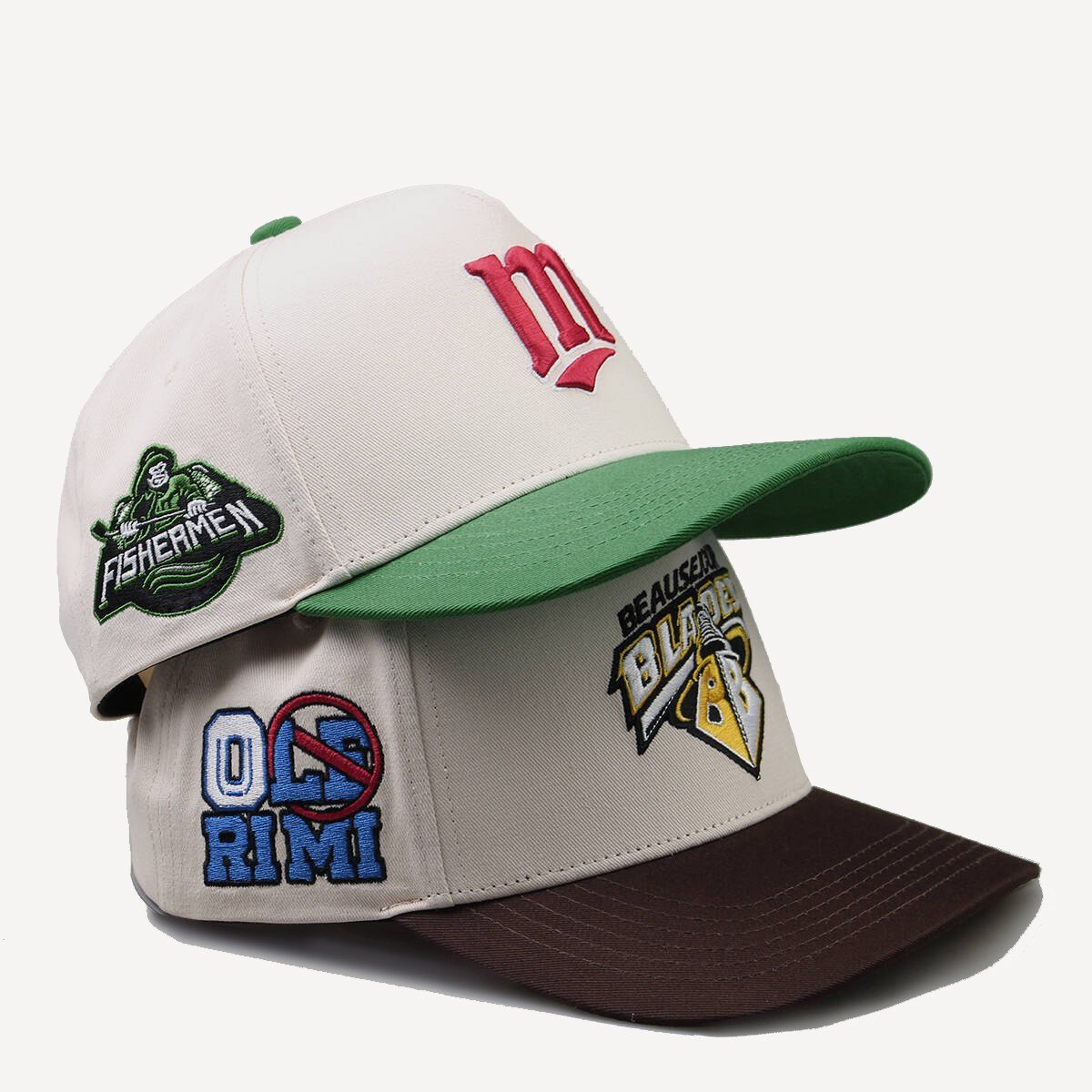
Cotton Twill
Soft, tightly woven, and naturally breathable, cotton twill is the go-to base for structured snapbacks and 6-panel caps. At 280–320 gsm, it holds embroidery crisp without puckering — ideal for bold streetwear logo designs.
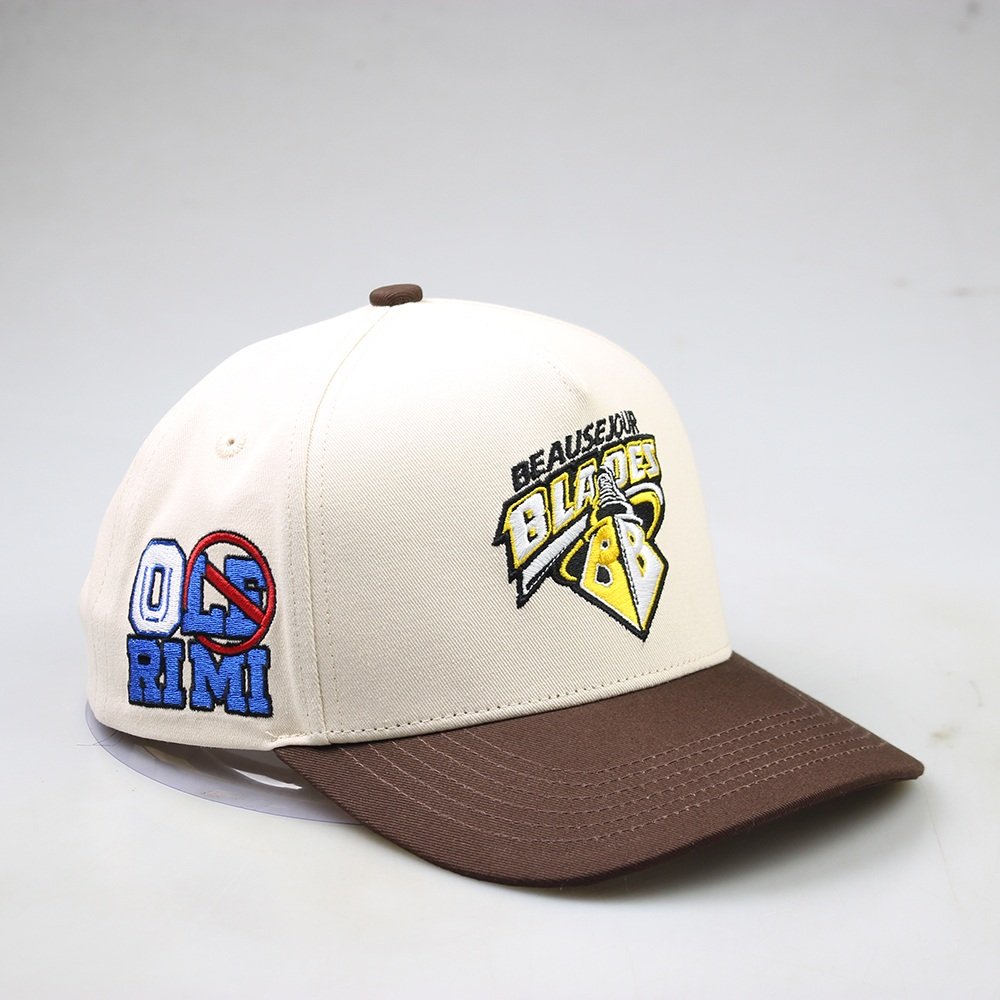
Polyester Mesh
Lightweight and highly ventilated, polyester mesh delivers all-day moisture-wicking performance for trucker hats and sport-hybrid caps. Its open-weave structure, typically 100–150 gsm, pairs cleanly with front-panel embroidery for a sharp streetwear finish.
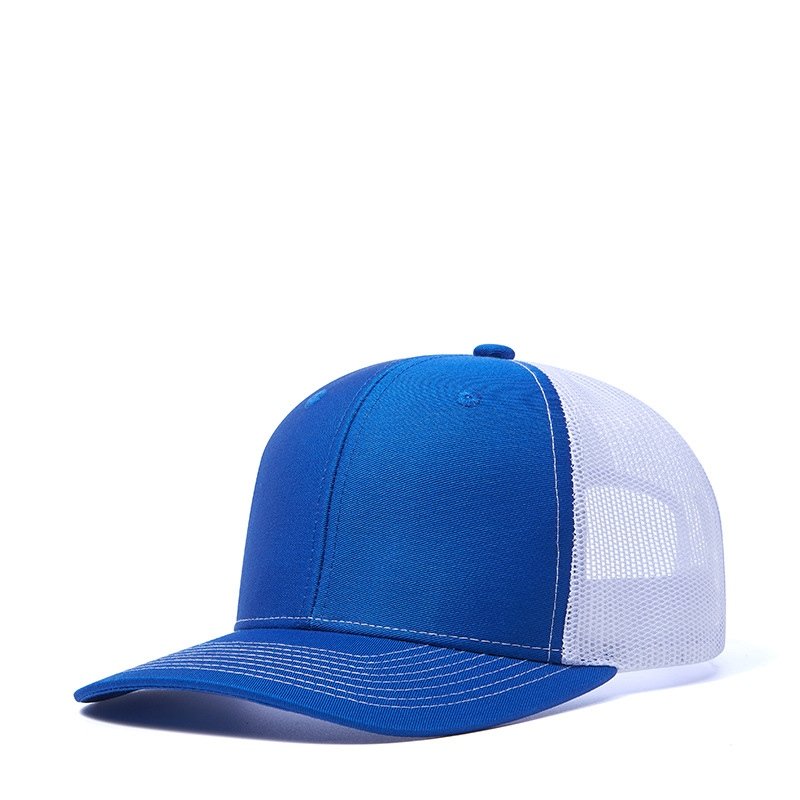
Wool Blend
Rich in texture and naturally temperature-regulating, wool blend gives fitted caps and dad hats a premium, structured hand-feel. A 60/40 wool-poly composition retains its silhouette season after season and accepts fine-detail embroidery beautifully.
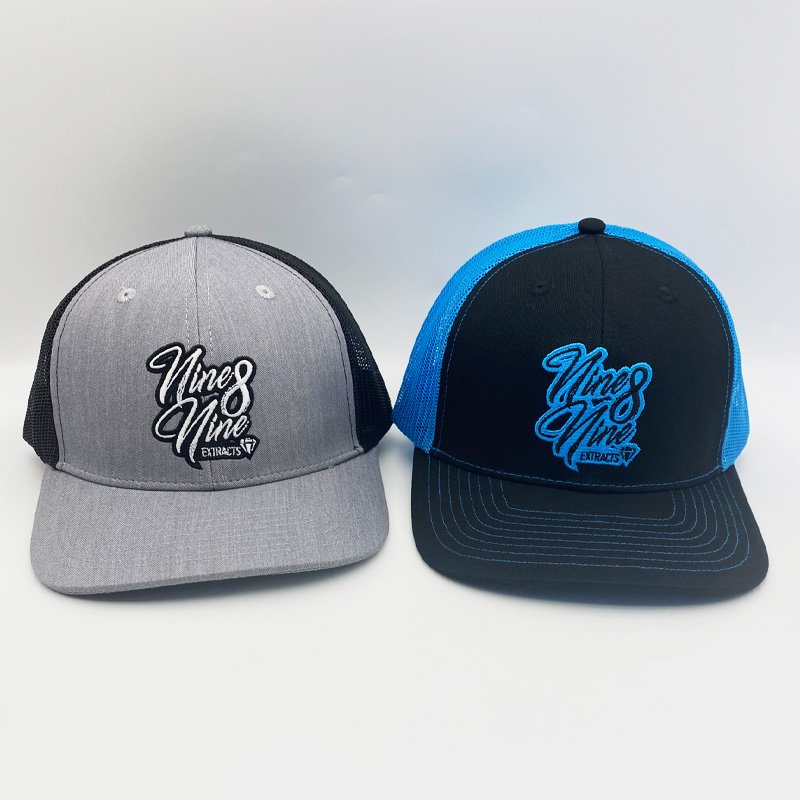
Heavyweight Canvas
Dense, durable, and built to last, heavyweight canvas provides an industrial-grade base for work caps, outdoor styles, and statement streetwear hats. At 400+ gsm, it anchors puff embroidery and intricate patch work with exceptional stability.
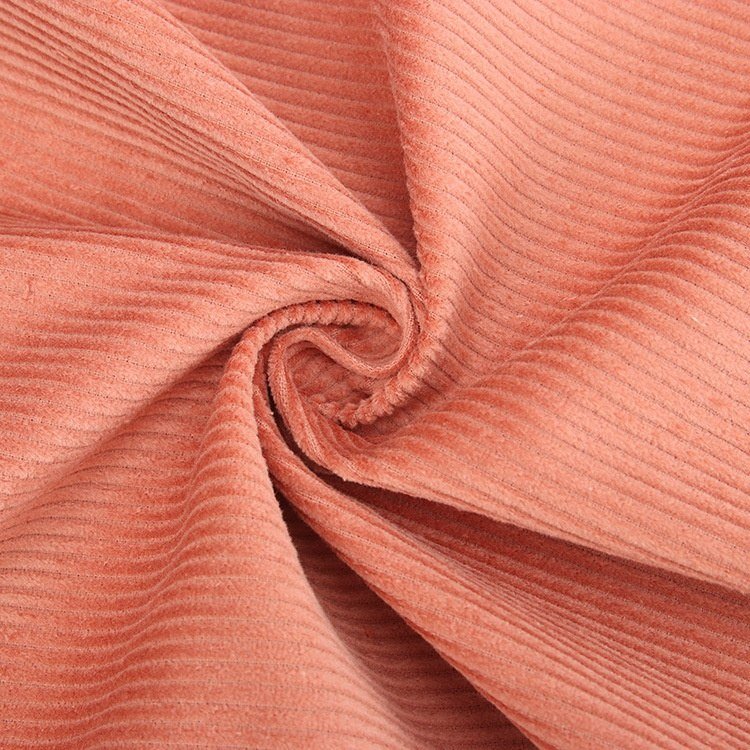
Structured Felt
Firm and velvety to the touch, structured felt lends classic heritage styling to bucket hats and wide-brim silhouettes. Its tightly compressed 380 gsm composition delivers natural stiffness that holds embroidered motifs cleanly without an internal frame.
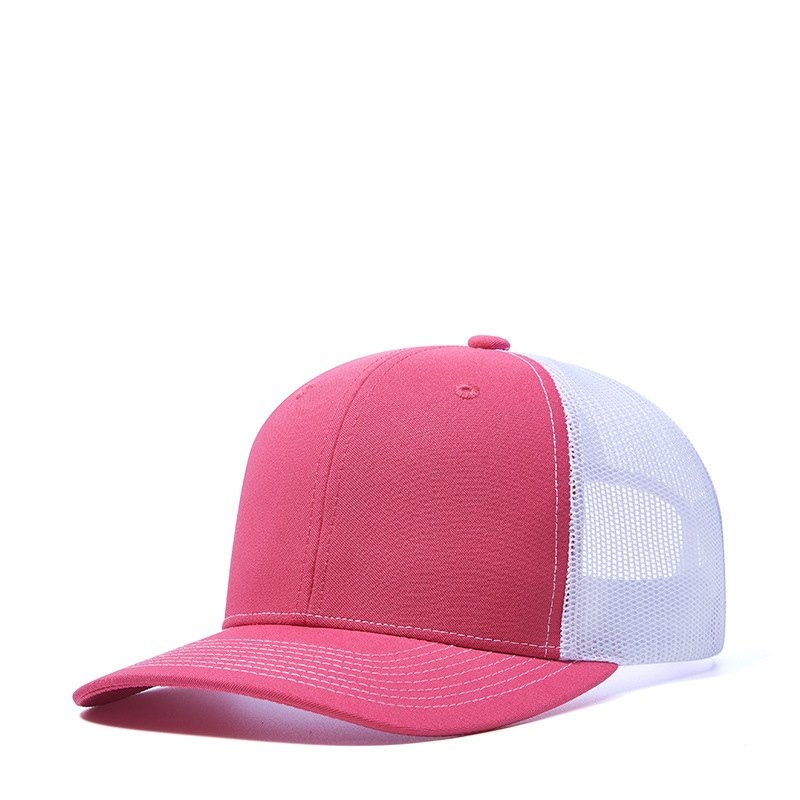
Linen Blend
Crisp, breathable, and naturally textured, linen-blend fabric is the warm-weather choice for open-crown sun hats and relaxed dad caps. Its 55/45 linen-cotton composition stays under 200 gsm while maintaining enough body for flat, clean embroidery.
Embroidery & Decoration Techniques From Your Embroidered Hat Manufacturer
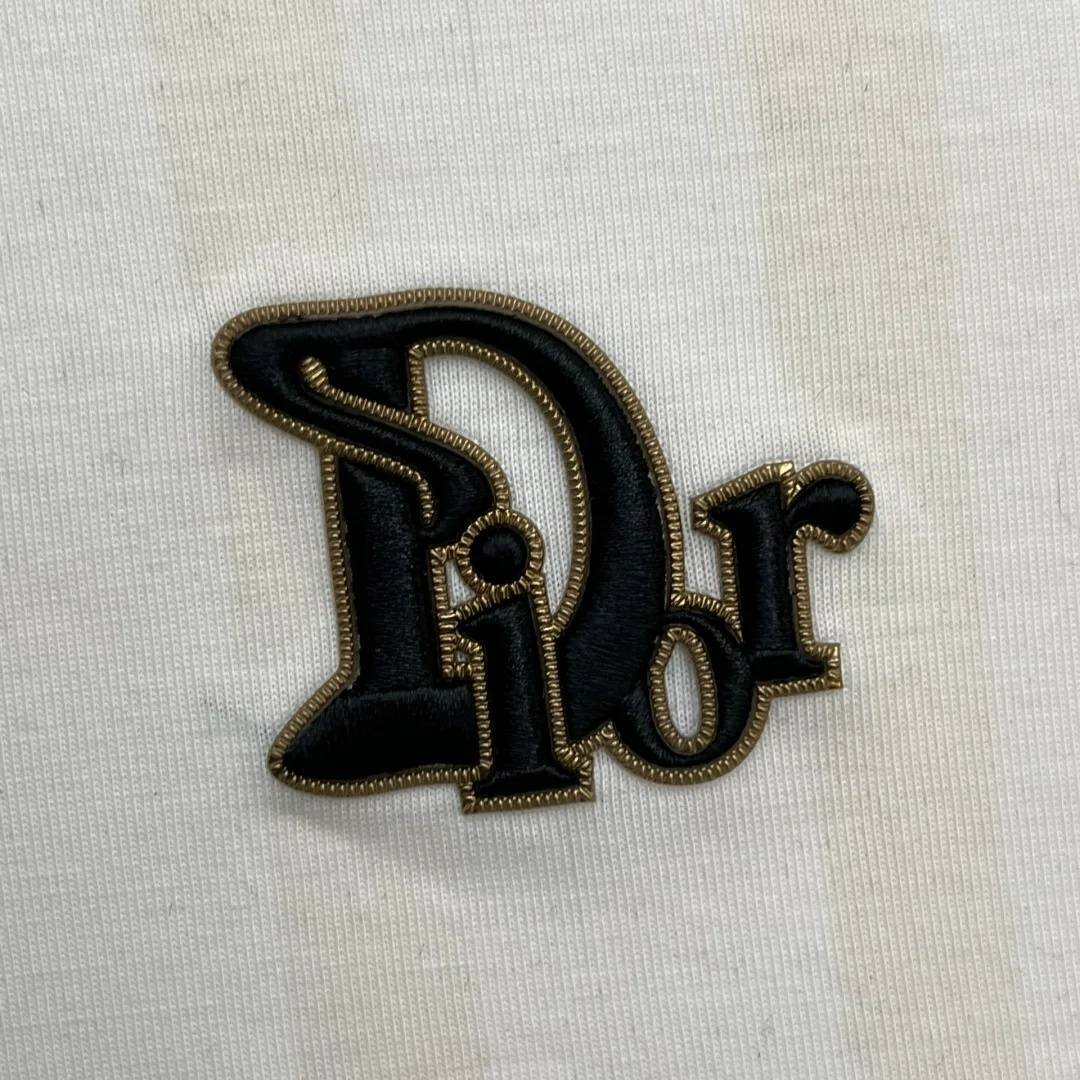
Flat Embroidery
Classic thread-on-fabric technique delivering crisp logos and intricate graphics. Durable, colorfast, and ideal for clean brand marks on both structured and unstructured caps.
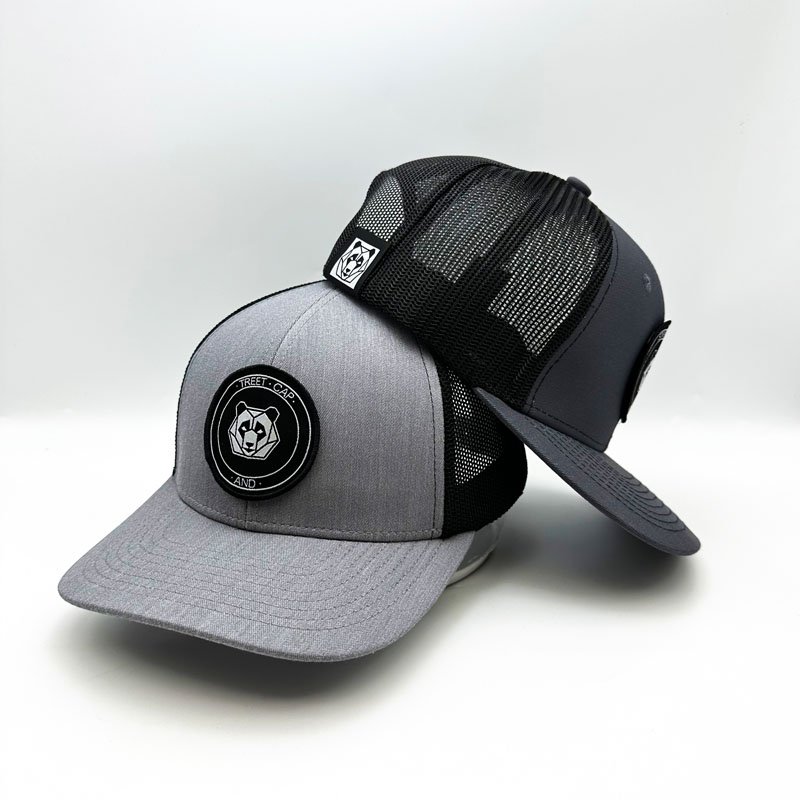
3D Puff Embroidery
Foam-backed stitching raises your design off the fabric surface for bold, tactile dimension. A streetwear staple that commands attention on snapbacks, dad hats, and fitted caps alike.
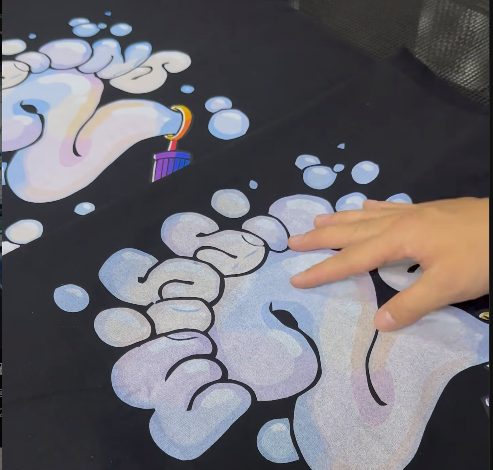
Chenille Embroidery
Soft, varsity-style looped thread construction creates plush, retro texture. Perfect for oversized lettering and logos that channel classic athletic and collegiate streetwear aesthetics on any cap style.
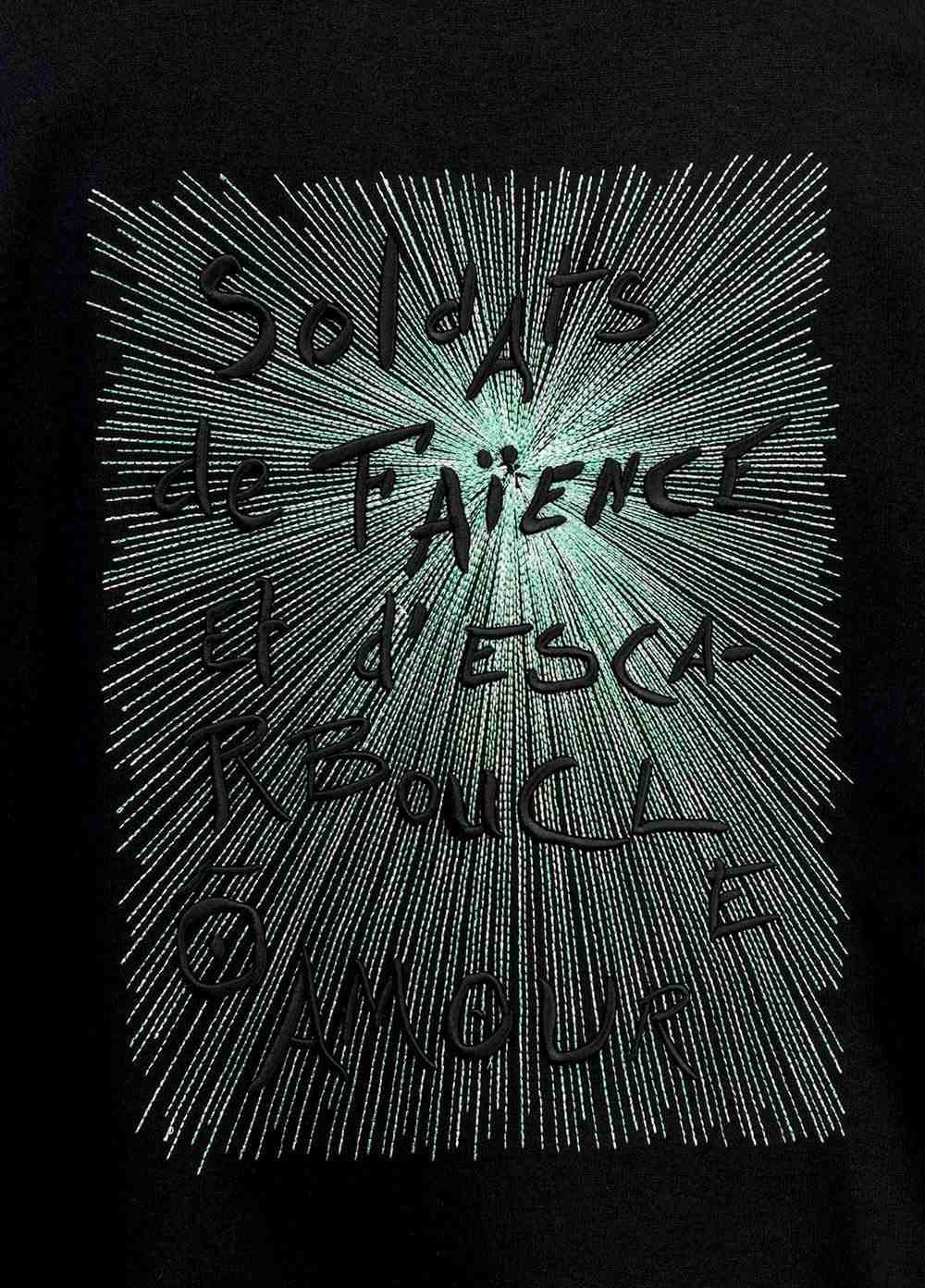
Applique Embroidery
Fabric cut-outs stitched onto the hat base layer add color-block depth and a premium, multi-material finish. Ideal for large fills and mixed-texture designs that stand out on shelves.
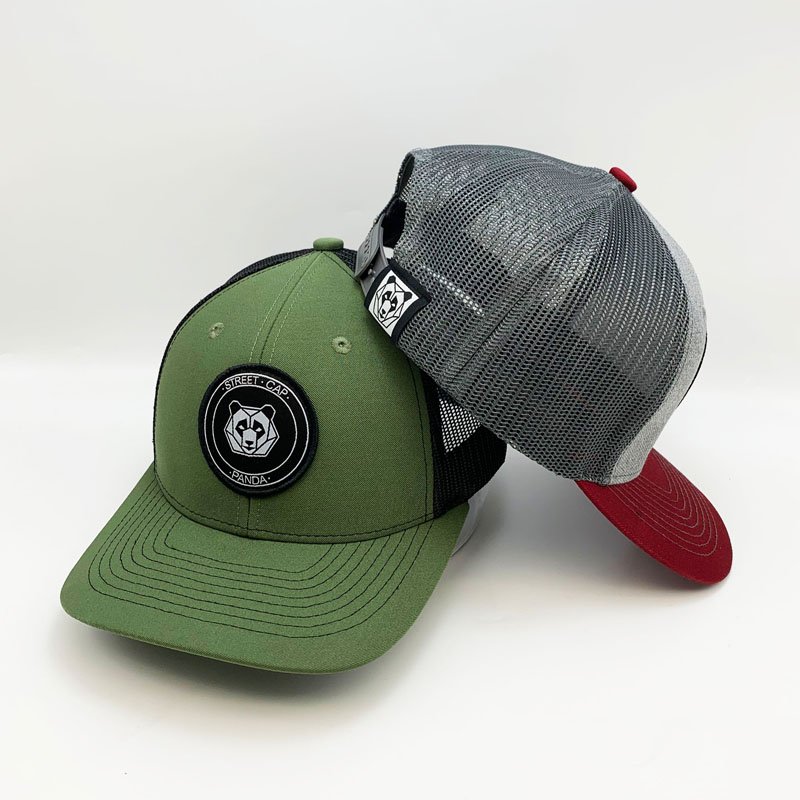
Screen Printing
Plastisol or water-based inks pressed through stencil screens deliver vivid, high-coverage graphics on hat panels. Best for bold artwork and large placements requiring sharp edges and saturated color.
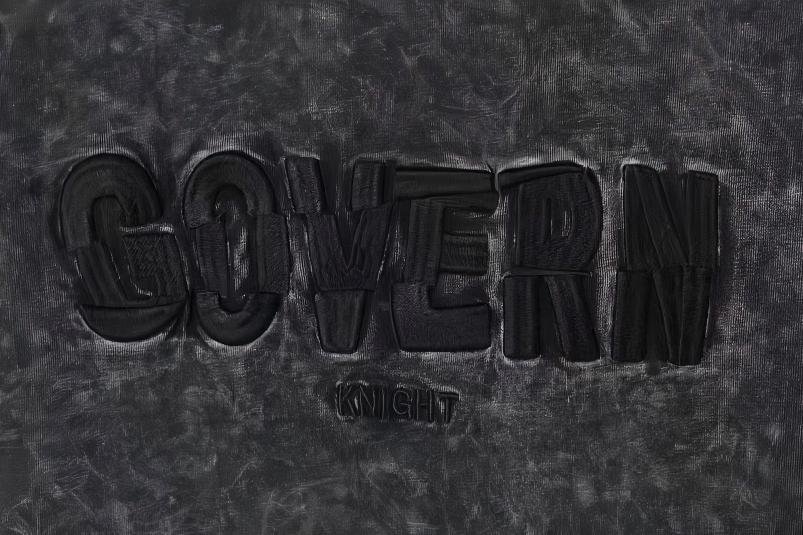
Heat Transfer
Precision-cut vinyl or sublimation films bonded under controlled heat produce photo-realistic detail and metallic finishes unavailable through embroidery alone. Ideal for complex, full-color brand statements and limited drops.
Customizable Hardware & Accessory Options for Your Embroidered Hat Manufacturer Order
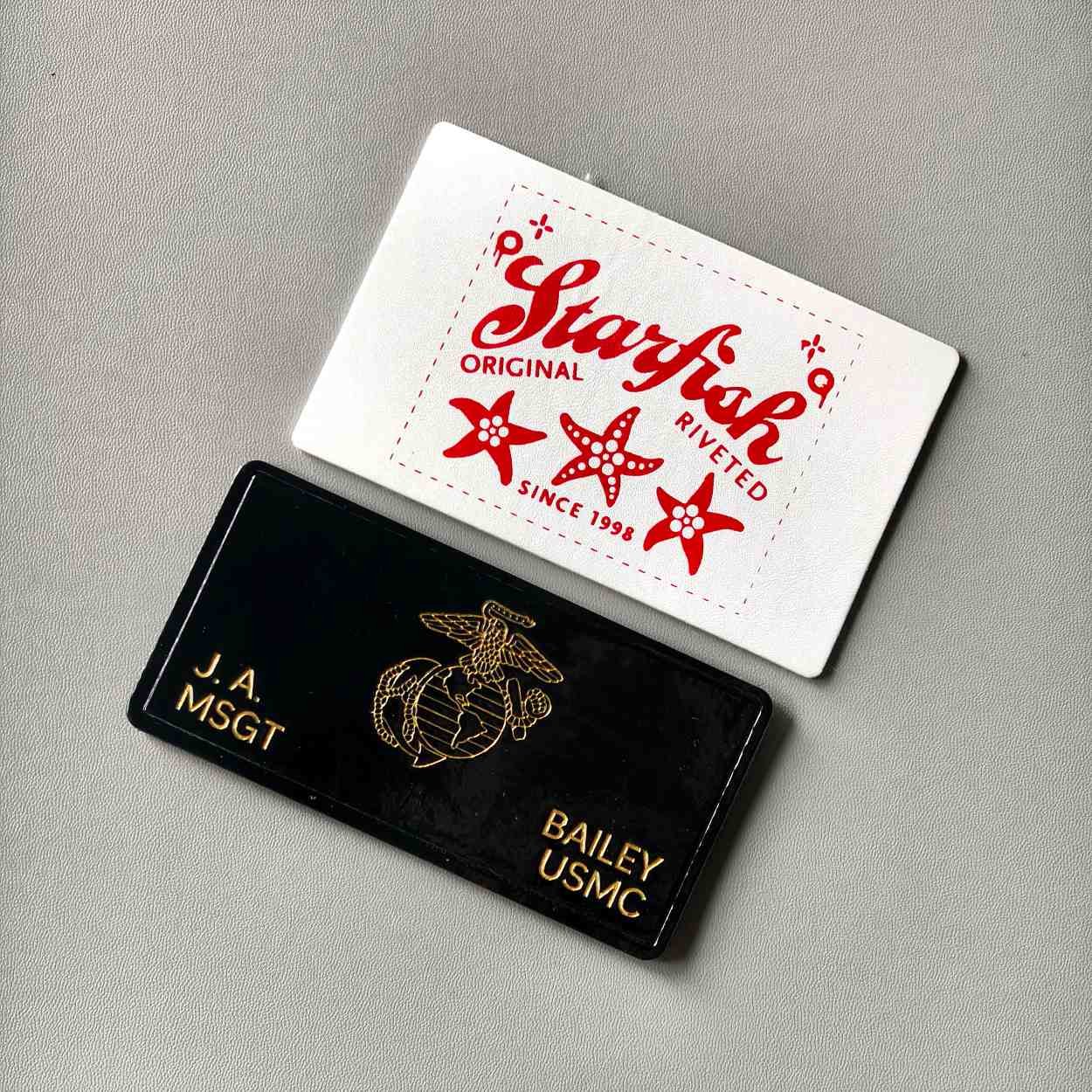
Leather Brand Patches
Debossed or embossed leather patches sewn onto the front panel or rear strap for a premium, tactile brand statement. Ideal for streetwear labels and influencer collections seeking a heritage-meets-hype aesthetic.
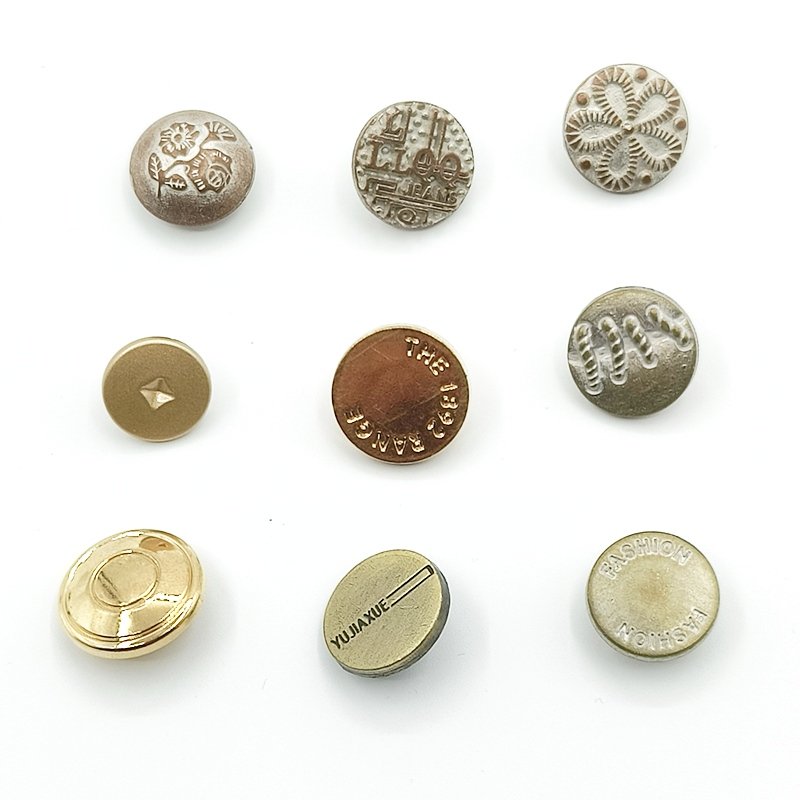
Metal Snap Buttons
Durable brass or zinc-alloy snap closures for adjustable back straps, available in custom finishes including antique gold, brushed silver, and matte black to match any colorway or brand identity.
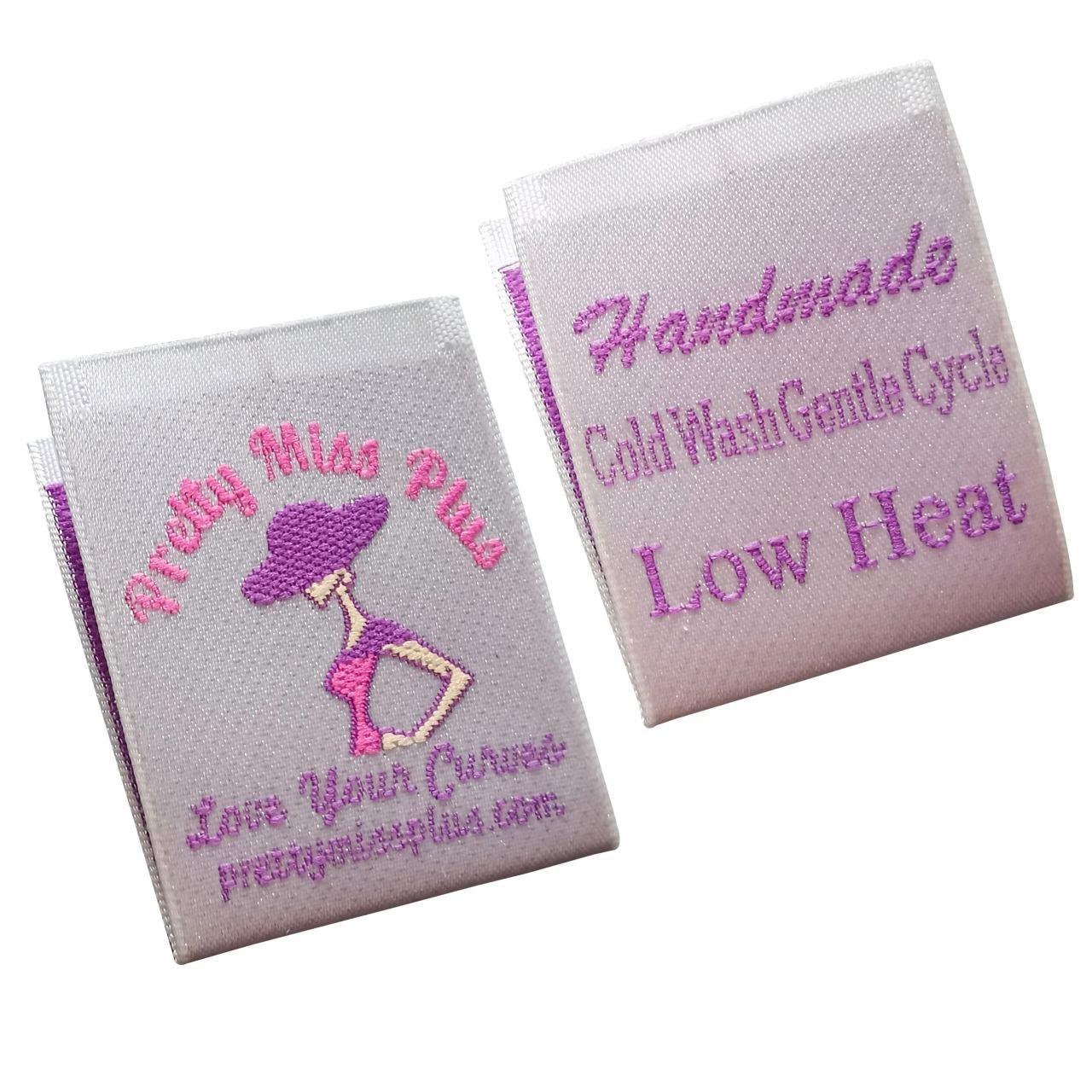
Custom Woven Labels
High-thread-count woven brand labels stitched inside the crown or along sweatband seams. Carry your logo, care instructions, and size info — a mark of authenticity that passes every retailer and influencer unboxing test.
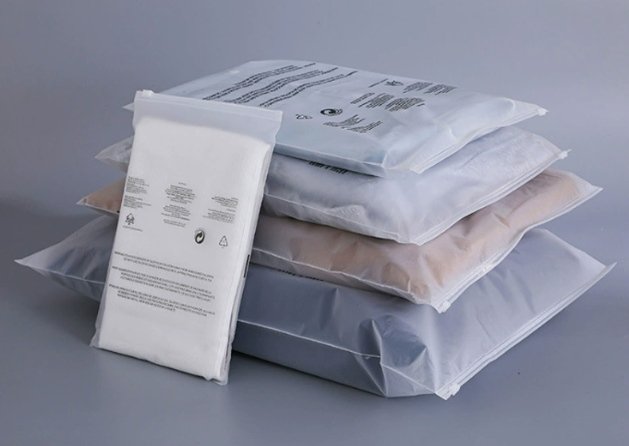
Interior Sweatbands
Moisture-wicking cotton or satin-finish interior sweatbands printed or woven with your branding. Elevates comfort and perceived quality — a detail that sets serious embroidered hat manufacturer partners apart from off-the-shelf options.
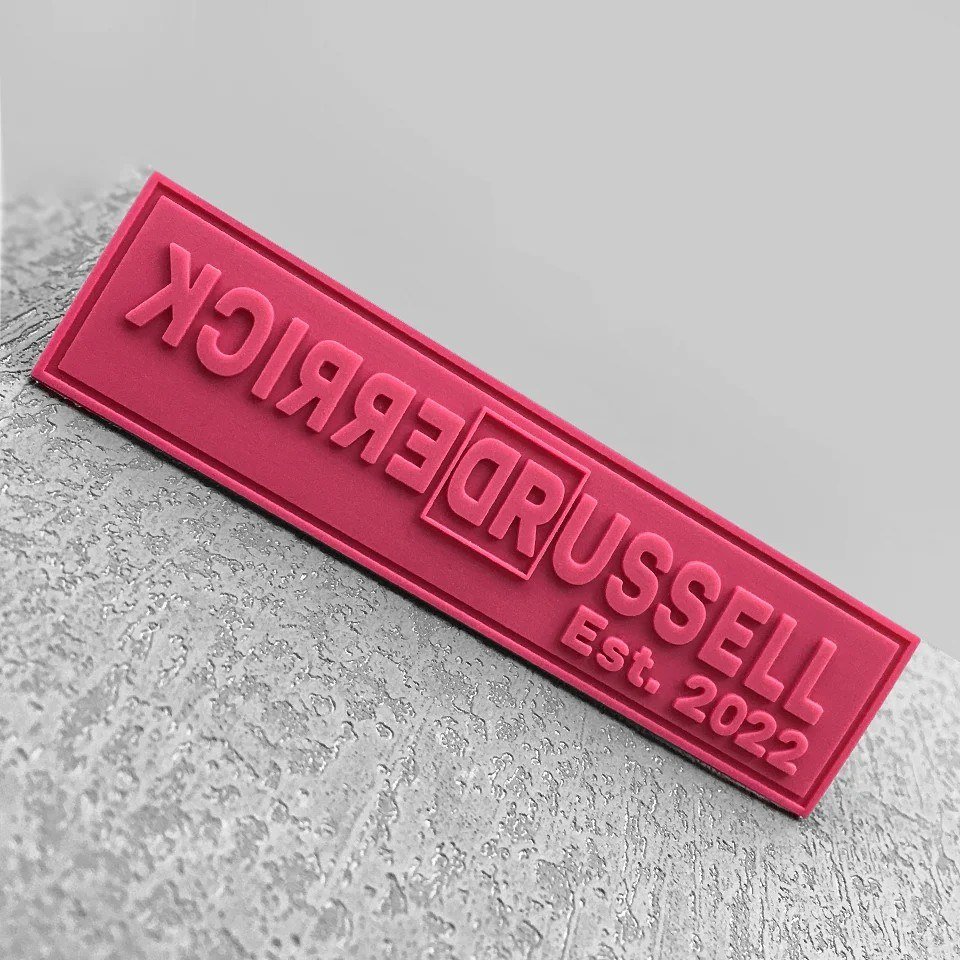
Branded Hang Tags
Custom die-cut or folded hang tags in card stock, kraft, or coated finishes, attached via metal eyelets or cord. Perfect for retail-ready presentation, limited drops, and storytelling for startup and creator brands.
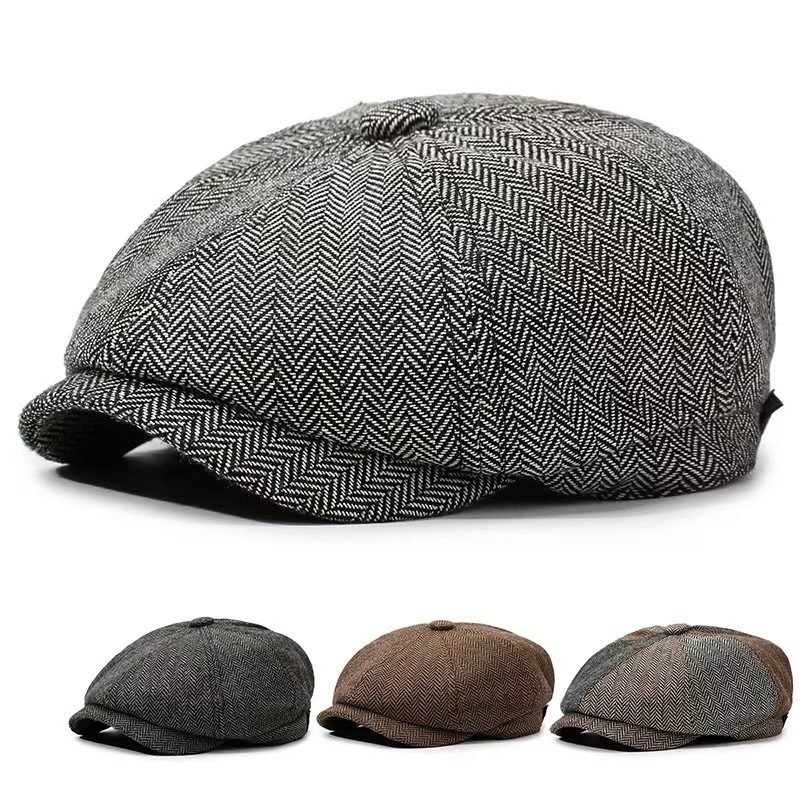
Contrast Drawcords
Waxed, braided, or flat drawcords with custom tipping for bucket hats and adjustable styles. Available in any color to accent embroidery designs — finished with branded aglets for a polished, streetwear-ready detail.
The Embroidered Hat Manufacturer Built on Experience
Founded in 2024 by Tesla Luo, Clothing Manufacturer Ltd. was built on more than 10 years of hands-on apparel production experience — spanning every factory role from sewing and cutting to quality control and logistics. Raised in a garment industry family in Dongguan, Luo watched firsthand as factories skipped quality testing entirely. His mission: prove that Chinese manufacturers can earn global trust through rigorous craftsmanship, not shortcuts.
As a dedicated embroidered hat manufacturer serving clients across more than 100 countries, we combine the agility of a focused streetwear specialist with the production infrastructure of our parent company, Dongguan TuoZhen Clothing Co., Ltd. Our 15-member R&D team, 10 registered patents, and in-house design and sampling capabilities give brands at every growth stage everything they need under one roof.
What sets us apart is our proprietary five-step quality control process — embedded at every stage of production, not bolted on at the end. Low MOQ from 50 pieces, fast sample turnaround, and deep expertise in streetwear aesthetics make us the partner of choice for fashion startups, influencer labels, and global retailers launching with confidence, from a first drop to large-scale seasonal collections.
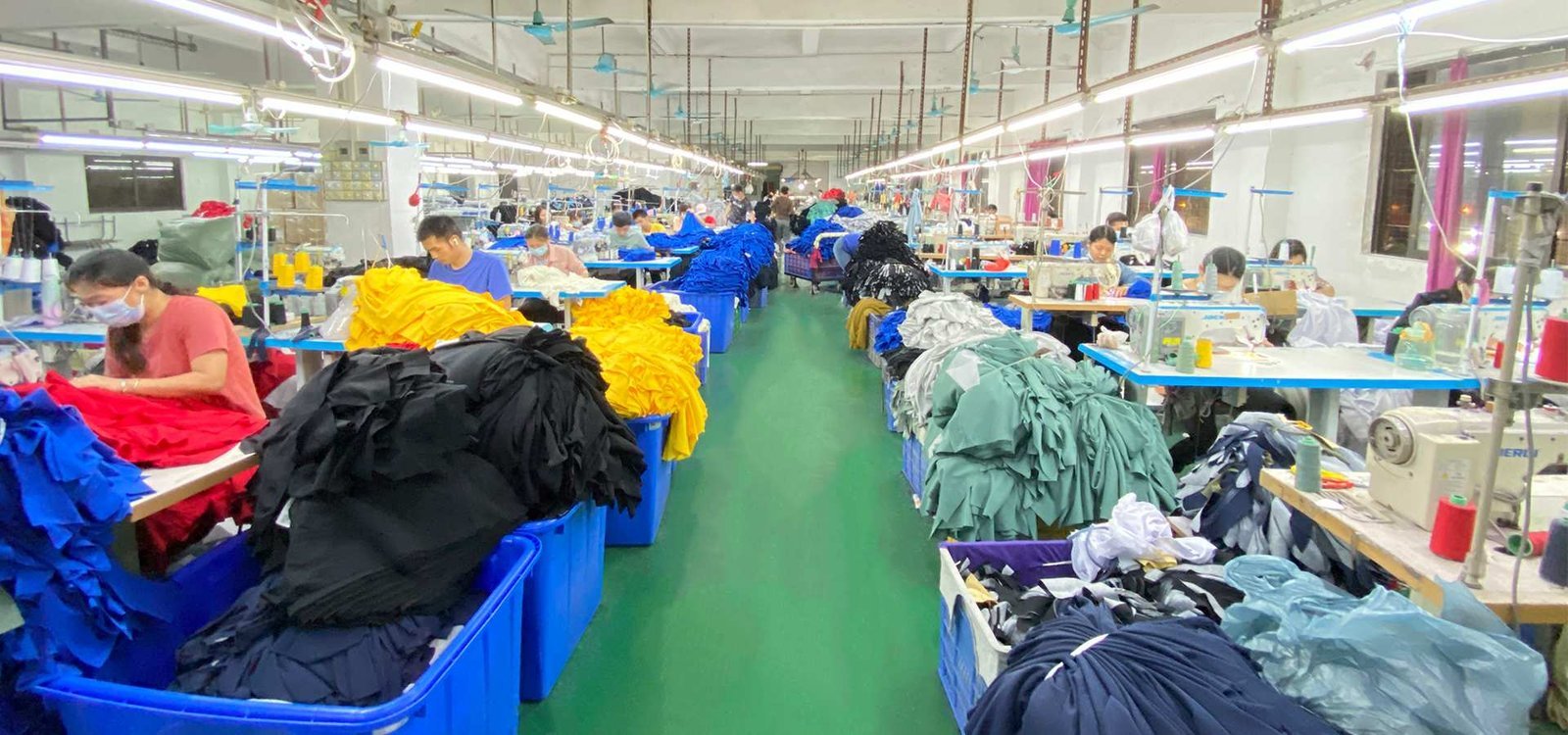
Our Embroidered Hat Manufacturer QC Process: 5 Steps, Zero Shortcuts
Steps 1 & 2: Materials and Cutting Verified First
Before a single needle moves, every fabric roll and embroidery thread is tested against color, weight, and tensile specifications. Cut panels are then measured for dimensional accuracy, so every hat blank enters production right from the start.
- Fabric weight, shrinkage, and colorfastness confirmed before cutting begins
- Embroidery thread tested for break strength and dye consistency
- Cut panels checked for dimensional tolerance and grain alignment
- Defective materials rejected outright before they enter the production line
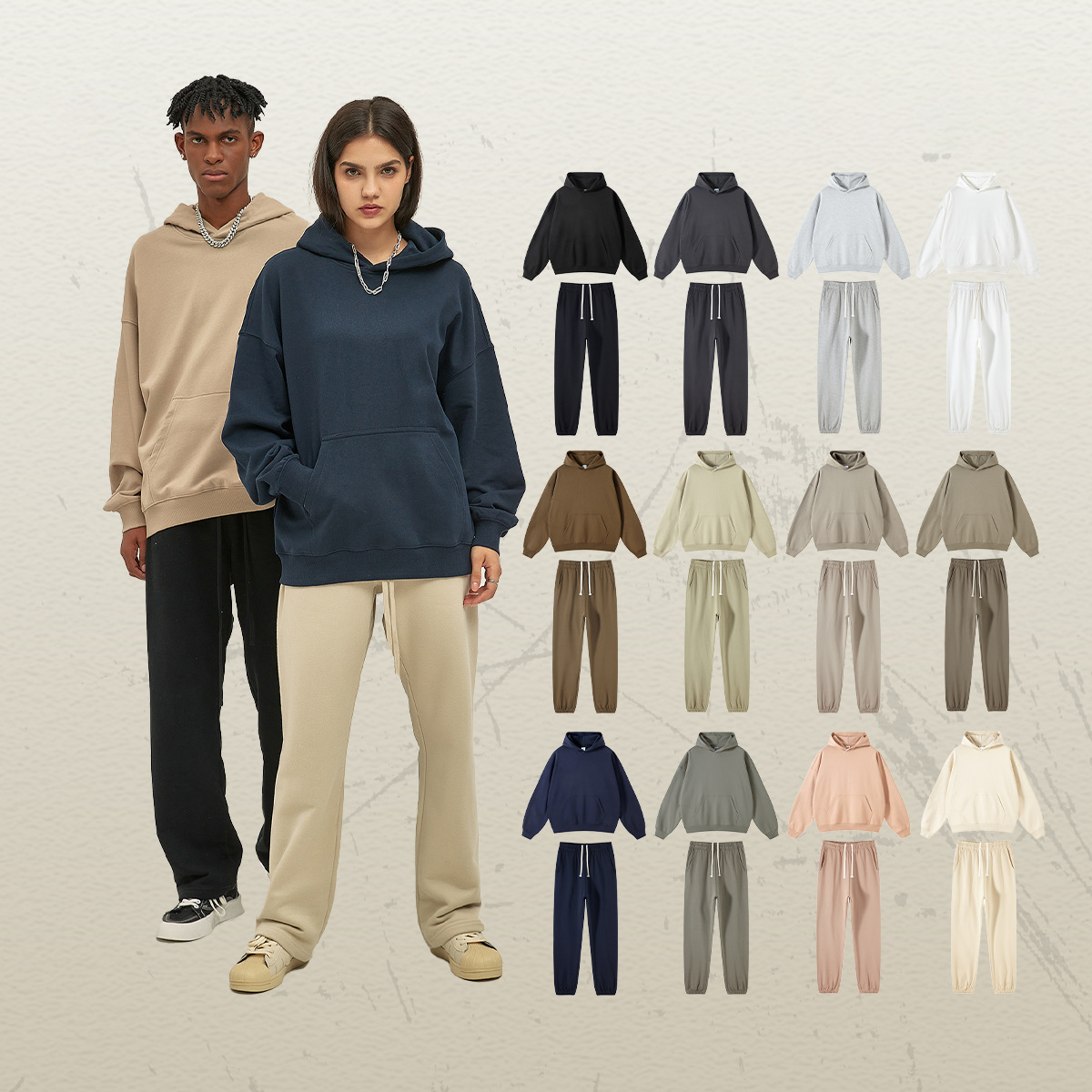
Step 3: Craft Audit — Mid-Process, Not End-of-Line
Most competitors only inspect finished hats. Our craft audit runs during production, catching stitch-density errors, backing misalignment, and embroidery registration faults before a single defect can multiply across hundreds of units.
- Embroidery stitch density and design registration verified against approved strike-offs
- Backing and stabilizer placement audited for correct application technique
- Patch, woven label, and hardware attachment methods reviewed in real time
- Defects caught here cost a fraction of what end-of-line corrections require
Step 4: Sewing QC Runs Live on the Factory Floor
Our sewing production QC is continuous, not a single end-of-shift sweep. Seam strength, stitch-per-inch counts, and crown shaping are measured at timed intervals so any deviation is corrected within the same production shift, not discovered too late.
- Seam strength and stitch-per-inch counts sampled at timed production intervals
- Crown shaping, brim stiffness, and sweatband alignment verified mid-run
- Supervisors authorized to pause the line the moment tolerances drift
- Per-batch records maintained for full order traceability and client transparency
Step 5: Final Inspection Before Every Shipment Leaves
The fifth gate is a comprehensive finished-product inspection covering appearance, construction, labeling, and packaging. Nothing ships without clearing this audit. A detailed QC report accompanies every completed order so your brand stays protected at every step.
- 100% visual inspection of embroidery appearance, color accuracy, and symmetry
- Structural checks on brim flatness, closure function, and sweatband integrity
- Labels, hangtags, and packaging verified line-by-line against your brand spec sheet
- Full QC report delivered with every order for brand records and peace of mind
Embroidered Hat Manufacturer Standards: Us vs. Industry Average
Most factories skip quality checks and hide behind long lead times. Here is exactly how Clothing Manufacturer Ltd does it differently — at every stage, not just the end.
← 左右滑动查看 →
Our Embroidered Hat Manufacturer Process: Order to Delivery
Six clear phases, zero guesswork. Every custom hat order tracked from brief to doorstep with full visibility at every production stage.
Order Intake & Design
Share your brief, artwork, and embroidery specs. Our in-house design and sampling team finalizes tech packs and confirms digital embroidery proofs within 48 hours.
Fabric Sourcing & Prep
We source premium streetwear-grade fabrics and trims from vetted suppliers, then complete our materials QC inspection before a single component enters the cutting room.
Cutting & Production Launch
Precision pattern-cutting begins with your approved tech pack. Even at our 50-piece MOQ, structured production scheduling keeps your seasonal collection reliably on track.
5-Step QC Checkpoints
Five dedicated checkpoints cover materials, cutting, craft, sewing, and finished goods. Defects are identified and resolved in-line — never discovered after your hats are packed.
Finishing, Packing & Labeling
Every hat is ironed, tagged, and packed to your exact brand specifications. Custom labels, hangtags, and retail-ready packaging are all verified before final sign-off.
Global Logistics & Shipping
We manage international freight, customs documentation, and last-mile delivery to over 100 countries, with full shipment tracking from our Dongguan factory to your warehouse.
Order From Our Embroidered Hat Manufacturer in 5 Simple Steps
Whether you are launching your first drop or scaling a seasonal run, our streamlined process removes every barrier from initial design brief to doorstep delivery.
Submit Your Design or Tech Pack
Share your artwork, logo, or tech pack and we will review your specifications, recommend the right embroidery techniques, and confirm hat styles that match your brand vision.
Receive Your Quote and Free Sample
Get a detailed, itemized quote within 24 hours. We then produce a free pre-production sample so you can inspect embroidery quality and fit before any bulk commitment.
Approve Sample and Confirm Order
Review your embroidered hat sample, request any refinements, then place your bulk order starting at just 50 pieces per style with no hidden fees or quality compromise.
Enter Production With Full QC Coverage
Our in-house team manufactures your hats through our proprietary five-step QC process, catching defects at materials, cutting, craft, sewing, and finished-goods stages before they can ship.
Ship Globally to Your Warehouse
Once finished hats clear final QC inspection, they are professionally packed and dispatched via trusted global logistics partners with full end-to-end tracking direct to your door.
Quality & Compliance Certifications from a Trusted Embroidered Hat Manufacturer
What Streetwear Brands Say About Their Embroidered Hat Manufacturer
We ordered 300 custom 3D puff embroidered hats for our spring drop and sold out in 11 days. Zero defects thanks to the 5-step QC, and our Instagram grew to 80,000 followers within a month of launch. Clothing Manufacturer Ltd. is our permanent production partner.
As a startup we needed low MOQ without compromising quality. We started with 50 embroidered snapback hats featuring our skeleton rose design and scaled to 600 units the following season. The in-house sampling team nailed the embroidery perfectly on the very first sample.
We placed a 2,000-unit order for custom embroidered trucker hats across 8 colorways for our retail network. Delivery took just 18 days, every piece passed QC, and our first-quarter sell-through rate hit 93%. The global logistics support made the whole process completely stress-free.
Embroidered Hat Manufacturer — Frequently Asked Questions
Everything you need to know about MOQs, lead times, quality guarantees, and more — answered with full transparency before you place a single order.
What is the minimum order quantity (MOQ) for your embroidered hat manufacturer services?
How fast can an embroidered hat manufacturer turn around a pre-production sample?
How much does a sample cost, and is that fee credited toward my bulk order?
What quality guarantee does your embroidered hat manufacturer provide?
What payment terms and methods do you accept for international orders?
How do you protect my custom embroidery designs and intellectual property?
What customization options are available beyond the embroidery itself?
Do you offer global shipping, and do you handle customs documentation?
Can you handle fast-turnaround production for influencer drops and limited-edition streetwear releases?
The Complete Buyer’s Guide to Choosing an Embroidered Hat Manufacturer
Evaluate every embroidered hat manufacturer on quality, MOQ, lead times, and price — with a clear decision framework, supplier vetting criteria, and the most common sourcing mistakes to avoid before placing your first bulk order.
1. What Is an Embroidered Hat Manufacturer?
An embroidered hat manufacturer is a specialized factory or supplier whose entire production workflow is built around custom-branded headwear produced through thread-based embroidery — not screen printing, heat transfer, or patch application. A seasoned embroidered hat manufacturer typically operates commercial multi-head embroidery machines capable of running 6 to 15 heads simultaneously, stitching at 850 to 1,200 stitches per minute to maintain consistent output across large runs.
Before a single needle fires, the manufacturer converts a brand’s artwork into a stitch file using dedicated digitizing software — a process that determines thread density, pull-compensation values, and underlay settings specific to structured headwear panels. General apparel suppliers rarely invest in this capability in-house; without it, logos distort on curved hat brims and fine-line artwork loses definition entirely.
Headwear construction demands skills no flat-garment factory inherits automatically: three-dimensional hooping of structured six-panel caps, tension calibration for foam-front trucker crowns, and Pantone-matched thread selection drawn from 300-plus color libraries such as Madeira or Robison-Anton. These combined disciplines — machine engineering, digitizing expertise, and hat-specific construction knowledge — are precisely why brands sourcing from a dedicated embroidered hat manufacturer consistently achieve tighter stitch registration and sharper logo reproduction than those routing orders through a generalist cut-and-sew facility.
2. A Brief History of the Embroidered Hat Manufacturer
Embroidered headwear dates to at least the 14th century, when European heraldic guilds hand-stitched crests onto velvet caps using silk and metallic thread — a process that could take 40-plus hours per piece. The Industrial Revolution changed the calculus: Singer’s 1851 chain-stitch machine and Schiffli multi-needle looms introduced in the 1860s cut production time by roughly 80%, laying the groundwork for the first commercial embroidered hat manufacturer operations.
By the 1970s, Major League Baseball’s licensed cap program had turned the six-panel structured cap into a mainstream consumer product, and the 1980s celebrity endorsement boom pushed brands of every size to put logos on headwear. Factories in Taiwan and South Korea scaled chain-stitch and flat-lock embroidery lines to fill tens of thousands of units per run, cementing MOQs of 500 to 1,000 pieces as the industry norm.
The streetwear explosion of the early 2000s fractured demand into smaller, faster drops — independent labels needed 50 to 100 units, not 500. Wilcom and Tajima digitizing software, commercially mature by 2005, let a single embroidered hat manufacturer program complex multi-color designs in hours and switch art files between runs with zero retooling cost, collapsing MOQs and cutting sample lead times to 7 to 10 days.
Today’s embroidered hat manufacturer market reflects all three eras at once: established factories with structured-cap tooling and high-volume capacity, software-driven operations built for low-MOQ drops, and streetwear-fluent teams that handle Pantone-matched thread colors and intricate multi-element artwork. Buyers who understand this lineage can read a factory’s equipment list and sample turnaround as direct signals of which order scale it was built to serve.
3. Types of Hats Every Embroidered Hat Manufacturer Produces
A full-service embroidered hat manufacturer typically offers seven core silhouettes, each with distinct construction specs and closure hardware. Matching the right silhouette to your brand persona cuts sampling cycles and prevents costly production mismatches.
Structured 6-Panel Baseball Cap
The 6-panel is the industry workhorse, built on a buckram-backed front panel that holds a mid-profile crown (3.5–4 in.) without a head inside. Closures run flexfit elastic, strapback, or hook-and-loop velcro. Bold streetwear and creator brands dominate orders for this silhouette because the rigid front panel anchors dense embroidery without distortion.
Snapbacks and 5-Panel Styles
Snapbacks use a flat brim and plastic snap closure calibrated to a standard 58 cm head. 5-panel construction eliminates the center-front seam, creating a larger, cleaner embroidery field. Both silhouettes suit bold streetwear and skate-adjacent creator brands that prioritize strong graphic presence over adjustability.
Unstructured Dad Hat
Unstructured dad hats carry no buckram stiffening, yielding a low-profile curved-brim silhouette that softens over time. A brass or nickel strapback is the standard closure. Luxury minimal and lifestyle creator brands favor this profile for tonal or small-hit embroidery where a relaxed, worn-in aesthetic is the design goal.
Beanies
Knit beanies — typically 100% acrylic or merino wool at 200–280 GSM — use cuffed or slouch construction with no closure hardware. An embroidered hat manufacturer applies patch or direct embroidery to the cuff panel. Outdoor and streetwear personas drive the highest beanie volume, especially for cold-weather seasonal drops.
Bucket Hats and Trucker Caps
Bucket hats feature a 360° downward brim with no closure or an internal drawstring, favored by outdoor and festival-forward brands. Trucker caps add a structured foam front and mesh rear panel with a snapback closure for ventilation. Both silhouettes index strongly toward outdoor lifestyle and creator personas seeking casual, wearable branding.
4. Materials & Fabrics Used by Top Hat Manufacturers
Shell fabric selection sets the foundation for every embroidered hat manufacturer’s product lineup, directly influencing embroidery backing needs, retail price tier, and end-use comfort. GSM weight ranges from 180 g/m² for lightweight polyester to 420 g/m² for structured wool blends.
| Fabric | GSM Range | Best Use Case | Care |
|---|---|---|---|
| Cotton Twill | 240–300 g/m² | Everyday caps, mid-tier retail | Machine wash cold, air dry |
| Canvas | 280–400 g/m² | Workwear, outdoor brands | Spot clean or hand wash |
| Wool Blend | 350–420 g/m² | Premium headwear, autumn/winter | Dry clean recommended |
| Polyester | 180–240 g/m² | Performance, activewear | Machine wash warm |
| Corduroy | 300–380 g/m² | Fashion-forward, streetwear | Machine wash cold |
| Denim | 280–360 g/m² | Casual, heritage branding | Machine wash cold |
Durability and Breathability by Fiber Type
Cotton twill rates highest for breathability among structured cap fabrics; polyester lasts 3–5× longer under UV exposure and abrasion. Wool blends excel in shape retention across seasonal temperature swings, making them the default choice for premium autumn/winter collections.
Sweatband Materials That Affect Comfort
Cotton terry sweatbands (300–400 g/m²) absorb moisture well and suit fashion-focused caps where breathability is secondary. Moisture-wicking mesh sweatbands — common in performance and athletic categories — move sweat away from skin faster and dry in under 30 minutes.
A 25 mm minimum sweatband width is the standard for adult sizing; narrower bands signal cost-cutting and tend to curl after repeated washing.
Underbill Colors and Quality Tier Signals
Gray underbills dominate budget and mid-range caps because gray dye is inexpensive and hides scuffing. Green underbills — particularly kelly green — became a streetwear and premium cap signal after widespread adoption by heritage American brands during the 1990s.
White underbills indicate top-tier finishing; they require cleaner cut-and-sew tolerances and brighter base fabric, making defects immediately visible. Buyers sourcing from an embroidered hat manufacturer should request underbill swatches alongside shell fabric samples to confirm color consistency across a production run.
5. Customization & Decoration Options for Branded Headwear
Beyond flat embroidery, an embroidered hat manufacturer offers multiple decoration methods — each with distinct stitch economics, color limits, and durability profiles. Choosing the right technique aligns brand aesthetic with production budget.
3D Puff Embroidery for Bold Logo Impact
Foam underlay beneath thread raises stitch count 20–30% and adds $0.50–$1.00 per unit. Color is capped at 3–5 solid Pantone tones — no gradients possible.
Durability matches flat embroidery at 80–100+ wash cycles. Best for chunky, high-relief logo marks in hip-hop and skate-driven streetwear.
Appliqué and Woven Patches
Appliqué cuts stitch count 30–50% by layering cut fabric over the base panel, lowering thread cost on large designs. Woven patches reach 80–150 threads per centimeter and support 8–12 colors.
MOQ typically starts at 50–100 pieces. Both techniques suit graphic-heavy, collector-edition aesthetics where color range matters more than cost.
Leather and PU Patches
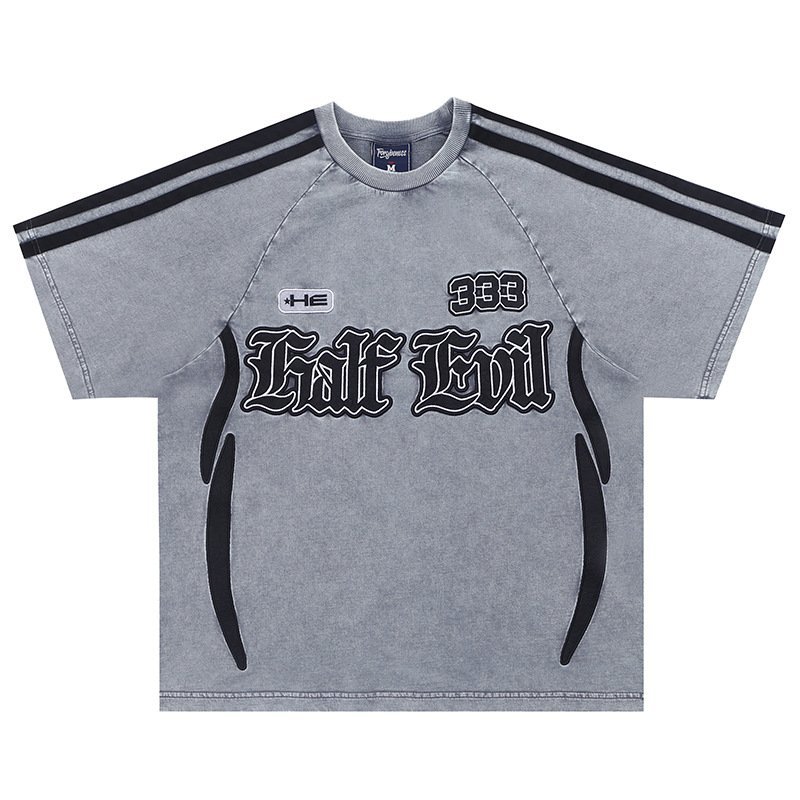
Genuine leather patches run $0.80–$2.00 per unit; PU alternatives reduce cost roughly 40%. Both endure 50+ wash cycles with a tactile premium quality thread cannot replicate.
Debossed logos work best in 1–2 tones. Ideal for heritage, workwear-inspired, or mid-to-premium retail brands.
Heat Transfer and Printed Patches
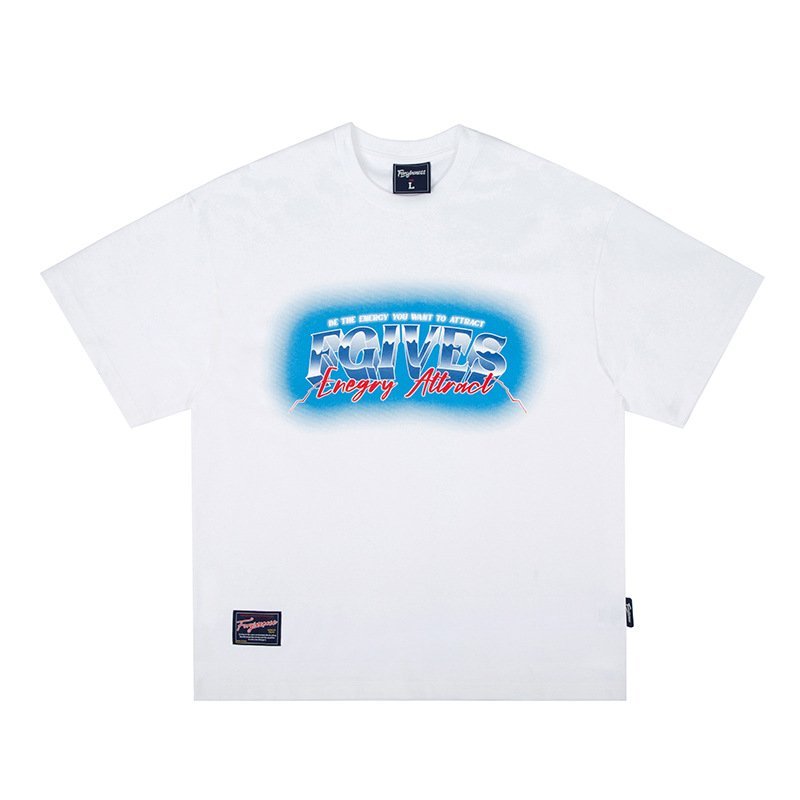
Heat transfer supports full CMYK printing — unlimited colors, gradients, fine typography — at lower per-unit cost versus embroidery on complex artwork.
Durability averages 30–50 wash cycles versus 100+ for embroidery. Best for fast-trend collections where color fidelity outweighs long-term wear resistance.
Tonal Tone-on-Tone Embroidery
Tone-on-tone uses thread within the same Pantone family as the hat fabric, creating a light-shift texture visible only at an angle.
Stitch count and price match standard flat embroidery — no premium applies. Suits understated luxury basics and premium minimalist brand identities.
6. Key Construction Quality Elements to Inspect Before Ordering
A sample review checklist built around measurable benchmarks lets buyers cut through supplier claims and compare hat manufacturers objectively. These checkpoints reveal whether quality controls run throughout production or only at final inspection.
Stitching Density and Thread Tension
Industry standard for embroidered hats is 8–12 stitches per inch on structural seams. Pull crown panels apart gently — seams should resist with no thread popping.
Thread tension inconsistency shows as puckered fabric or loose loops on the embroidery underside, both signs of poorly calibrated machines.
Backing Stabilizer Type
Cut-away stabilizer outperforms tear-away for structured caps because it remains bonded to fabric after production, preventing design distortion during wear and washing. Tear-away is acceptable only for lightweight logos on unstructured hats.
Ask the manufacturer to expose the stabilizer cross-section on the sample so you can verify the material grade before approving bulk production.
Seam Allowances and Sweatband Attachment
A 3/8-inch minimum seam allowance is standard on six-panel crown construction; narrower allowances fray after 20+ wash cycles. The sweatband should be sewn with a lockstitch — chain stitches unravel from a single pulled thread.
Run your finger along the interior seam to confirm even tension and no raw edges.
Brim Stiffness and Stitching Rows
Premium brims use a buckram or polyethylene insert rated for 200+ shape-retention cycles. Count the stitching rows across the brim underside — a minimum of 6 rows indicates structural integrity; fewer allow warping after moisture exposure.
A rigid brim should not flex more than 5 mm under moderate thumb pressure.
Closure Hardware Durability
Metal adjusters in brass or zinc alloy outlast plastic snapbacks by 3–5× in pull-force testing; always request the hardware spec sheet. Velcro closures should use hook-and-loop rated for 10,000+ engagement cycles.
Test the sample closure ten times in rapid succession — any loosening or misalignment signals low-grade hardware that will fail in bulk.
7. How to Choose the Right Embroidered Hat Manufacturer for Your Brand
Vetting an embroidered hat manufacturer on price alone leaves brands exposed to inconsistent output and missed deadlines. The criteria below separate a scalable, long-term partner from a one-order vendor — a distinction that matters most for fashion startups and global retailers scaling quickly.
MOQ Thresholds and Flexibility
Entry MOQs for embroidered hats typically range from 50 to 144 pieces per colorway; bulk pricing tiers begin at 300+ units. A trustworthy partner adjusts MOQ thresholds as order history grows rather than enforcing identical floors on every reorder.
In-House vs. Outsourced Digitizing
In-house digitizing compresses stitch-file revision cycles from 7 days to 24–48 hours. Outsourced digitizing introduces third-party lag with no direct accountability for density errors or thread-pull failures. Ask which facility owns the embroidery machines and who controls file revisions.
Sample Turnaround Time
Industry-standard sample lead times run 10–14 days; a 7-day cycle signals dedicated sampling capacity and in-house embroidery. Confirm whether sample costs are credited against the first bulk order — reputable manufacturers typically absorb this cost after initial placement.
Ethical Certifications
OEKO-TEX STANDARD 100 verifies fabric safety at fiber level. BSCI and WRAP audits confirm labor-standard and supply-chain-ethics compliance. Request the live certificate number — global retailers increasingly require an active audit on file before issuing a purchase order.
Communication Responsiveness
A 24-hour response window across time zones is the baseline for a reliable manufacturing partner. Factories that exceed 48 hours during sampling consistently mirror those delays at production milestones — treat slow replies as an early-warning signal.
Post-Shipment Support Policies
Post-shipment policies covering defect claims, reship windows, and QC dispute resolution define whether a manufacturer is a true partner. Look for manufacturers whose QC is embedded across production stages — materials, cutting, craft, sewing, and finished goods — rather than applied only at final inspection.
8. Common Mistakes Buyers Make Sourcing an Embroidered Hat Manufacturer
Sourcing errors made before a single stitch is placed cost brands thousands in scrapped bulk runs. Six mistakes recur across buyers at every level — knowing them before you contact any embroidered hat manufacturer cuts risk immediately.
Skipping the Paid Sample Stage
A buyer who approved digitized artwork remotely and placed a 500-piece order found 30% arrived with puckered crowns and misaligned logos. Paid samples, typically $30–$80 each, expose digitizing errors and fabric compatibility issues before bulk production locks in costs.
Submitting Raster Art Instead of Vector Files
JPEGs below 300 DPI force embroiderers to re-digitize freehand, adding $25–$60 per design and introducing shape distortion. Always supply .AI or .EPS vector files with outlined fonts; the digitizing team converts vectors to stitch paths precisely.
Assuming Pantone Colors Transfer Directly to Thread
Pantone 286 C and its nearest Madeira or Isacord thread equivalent can differ by 15–20 Delta-E units under retail lighting. Request a physical thread-swatch sign-off before bulk approval — no email confirmation of a color name alone is sufficient.
Ignoring Stitch Count Pricing Tiers
A logo exceeding 10,000 stitches typically triggers a per-piece surcharge of $0.50–$1.50, which compounds fast at 200-piece MOQs. Ask for a stitch-count estimate alongside every price quote; redesigning to 8,000 stitches or fewer often preserves visual impact at lower cost.
Choosing the Lowest-Bid Supplier Without Vetting
A quote 30% below market average almost always signals skipped mid-production QC — the practice that eroded trust in many Chinese factories and motivated quality-first manufacturers to introduce stage-by-stage inspection frameworks. Request itemized QC reports, not just finished-goods photos, before wiring any deposit.
Failing to Specify Labeling and Packaging Upfront
Hangtags, woven neck labels, poly-bag dimensions, and barcode placement each carry unit cost implications that factories pass on as change orders if left unaddressed. Include a packaging spec sheet in your initial RFQ — it prevents late-stage surcharges averaging $0.20–$0.60 per unit.
9. Steps to Launch Your Brand With an Embroidered Hat Manufacturer
Working with an embroidered hat manufacturer for the first time is manageable when the process is broken into six discrete steps. Each stage builds on the last, reducing costly revisions and protecting launch timelines.
Concept and Silhouette Selection
Pick your silhouette first — structured 6-panel, unstructured 5-panel, or bucket hat. Crown height, brim width, and closure type (snapback vs. strapback) must be finalized before artwork is created, since these dimensions directly affect digitizing stitch counts and sample costs.
Artwork Vectorization and Digitizing Brief
Supply vector files in AI or EPS format at 300 DPI minimum. A digitizing brief specifies stitch type (satin, fill, or running stitch), thread color in Pantone codes, and maximum stitch count — typically 5,000–15,000 stitches for a standard front-panel logo.
Sample Request and Revision Cycle
Most factories quote a 7-day sample lead time. Budget two revision rounds and always request a physical sew-out sample — not just a digital mockup — to verify thread sheen, pull compensation, and hat shape under real embroidery tension.
Bulk Order Placement and Spec Sheet
A complete spec sheet locks bill construction, fabric GSM, closure hardware (YKK buckle vs. plastic snap), label placement, Pantone thread codes, and packaging instructions. Submit it alongside your purchase order so every variable is confirmed before cutting begins.
Pre-Shipment QC Inspection Checklist
Request inspection across five points before goods ship: embroidery alignment, stitch density uniformity, thread trimming quality, hat shape retention, and label accuracy. A reliable embroidered hat manufacturer embeds checks at each production stage rather than only at final packing.
Delivery, Storage, and First-Drop Rollout
Bulk orders typically move by sea freight (25–35 days) or air freight (5–7 days). Store hats crown-up on flat shelves to preserve shape, and for a first drop, launch 30% of inventory while holding 70% as a restock buffer to absorb demand spikes.
10. Pricing & Cost Breakdown for Embroidered Hats
Stitch count is the single largest cost variable — a 5,000-stitch front logo costs $0.50–$1.00 less per hat than a 15,000-stitch all-around design. Each additional decoration location (side patch, back hit) adds $0.50–$1.50 per unit, and premium fabric grades such as wool-blend or OEKO-TEX certified cotton raise the base cost by 20–35%.
Sample production typically runs $25–$50 per hat plus a one-time $30–$50 digitizing fee before any bulk order begins. International sea freight from Dongguan averages $0.40–$0.80 per unit at volume; U.S. import duties on headwear (HTS 6505) range from 12–37.5%. Branded woven labels, custom hang tags, and polybag packaging add $0.30–$0.80 per unit — costs many buyers overlook at the quoting stage.
A brand launching 100 hats from scratch — two samples, digitizing, sea freight, duties, and basic branded packaging — should realistically budget $1,500–$2,500 total, or $15–$25 all-in per hat delivered to the U.S.
| Quantity Tier | Unit Price Range | Digitizing Fee (one-time) | Standard Lead Time |
|---|---|---|---|
| 50 pcs | $8–$14 | $30–$50 | 20–25 days |
| 100 pcs | $6–$11 | $30–$50 | 18–22 days |
| 250 pcs | $5–$8.50 | $30–$50 | 15–20 days |
| 500 pcs | $4–$7 | $30–$50 | 12–18 days |
| 1,000+ pcs | $3–$5.50 | $30–$50 | 10–15 days |
Partner With a Leading Embroidered Hat Manufacturer Today
50-piece MOQ, 7-day samples, and a 5-step QC guarantee — get your streetwear line into the market with confidence.