
Custom Beanie Manufacturer for Streetwear & Trendy Brands
Partner with a custom beanie manufacturer backed by 10+ years of streetwear expertise, low MOQ, fast turnaround, and a zero-compromise 5-step QC guarantee.
Beanie Designs & Collections
Why Our Custom Beanie Manufacturer Delivers More
From zero-defect QC to global logistics, every advantage is built to help your brand grow with confidence.
Zero-Compromise 5-Step QC Guarantee
Materials, cutting, craft, sewing, and finished-product inspections at every production stage ensure zero defective beanies reach your customers.
Low MOQ for Emerging Brands
Launch your first beanie collection without heavy inventory risk — perfect for startups and independent designers testing bold new styles.
Fast Turnaround for Seasonal Drops
Tight launch windows demand speed. We deliver trend-ready beanie collections on schedule so your brand never misses a drop.
In-House Design & Sampling Team
Our 15-member R&D team transforms your creative concepts into production-ready prototypes, handling original designs and samples entirely in-house.
Global Shipping & Logistics Support
We manage international freight, customs, and end-to-end logistics, reliably delivering your branded beanies to customers across 100-plus countries.
Authentic Streetwear Culture Expertise
From skeleton graphics to bold animal prints, our team deeply understands streetwear aesthetics that resonate with hip-hop and skate culture.
Your Custom Beanie Manufacturer for Every Style & Scale
From classic knit beanies to embroidered streetwear statements, Clothing Manufacturer Ltd. delivers every category your brand demands — with low MOQ, fast turnaround, and zero quality compromises.
Launching Your First Knit Beanie
You have a bold concept for a knit beanie line but minimum order quantities at most factories are too high, leaving your startup unable to test the market without overcommitting capital.
Our low MOQ custom beanie manufacturer model lets you launch small, validate demand, and scale confidently — backed by our 5-step QC guarantee on every unit from the very first run.
Embroidered Beanies for Streetwear Labels
Your streetwear brand needs intricately embroidered beanies with skull motifs, bold typography, and signature graphics, but finding a manufacturer who understands streetwear aesthetics without sacrificing stitch quality is nearly impossible.
Our in-house design and sampling team translates your streetwear vision into precision-embroidered beanies, with materials QC and craft testing at every step ensuring every graphic lands exactly as intended.
Creator Drops & Seasonal Collections
Influencer and creator brands live and die by the calendar — a late seasonal drop means missed hype, lost revenue, and followers who move on to the next label.
Our fast-turnaround production pipeline and dedicated order management keep your seasonal streetwear beanie collections on schedule, with global shipping and logistics support ensuring drops hit your audience exactly on time.
Performance Beanies for Global Retailers
Large retailers sourcing performance beanies across multiple markets need batch-consistent quality and scalable production capacity, but supplier inconsistencies and weak quality control create costly chargebacks and damage to hard-earned brand reputation.
Clothing Manufacturer Ltd.'s five-step QC process — covering materials, cutting, craft, sewing, and finished-product inspection — delivers audit-ready performance beanies at scale, with global logistics support built in from day one.
Premium Fabrics From Your Custom Beanie Manufacturer
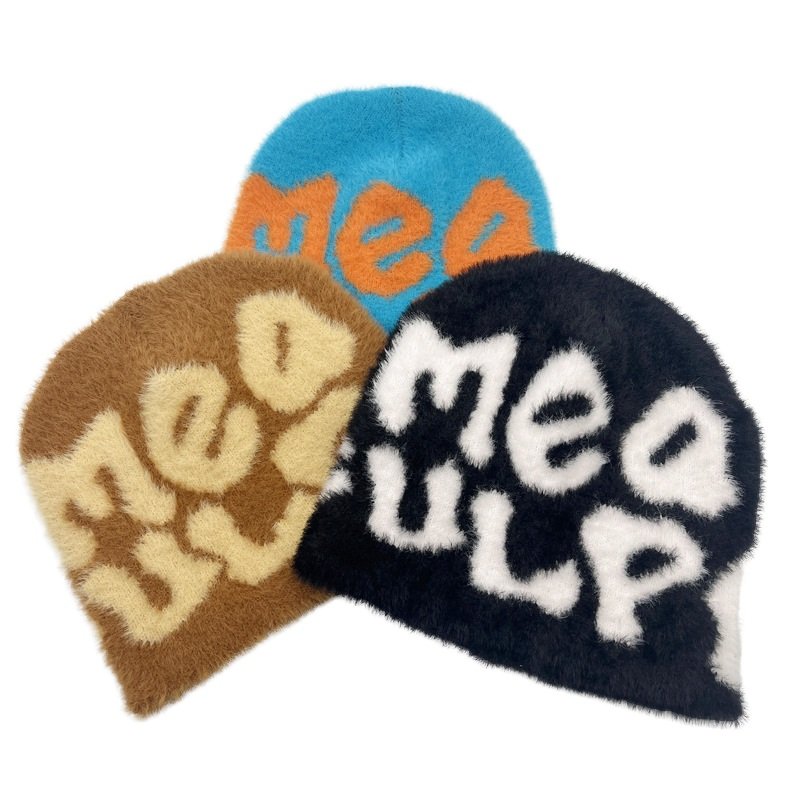
Acrylic Blend Knit
Soft, lightweight, and budget-friendly with excellent color vibrancy for bold streetwear graphics. Machine-washable and shape-retentive at 150–200gsm, it is the go-to choice for high-volume beanie runs without sacrificing comfort.
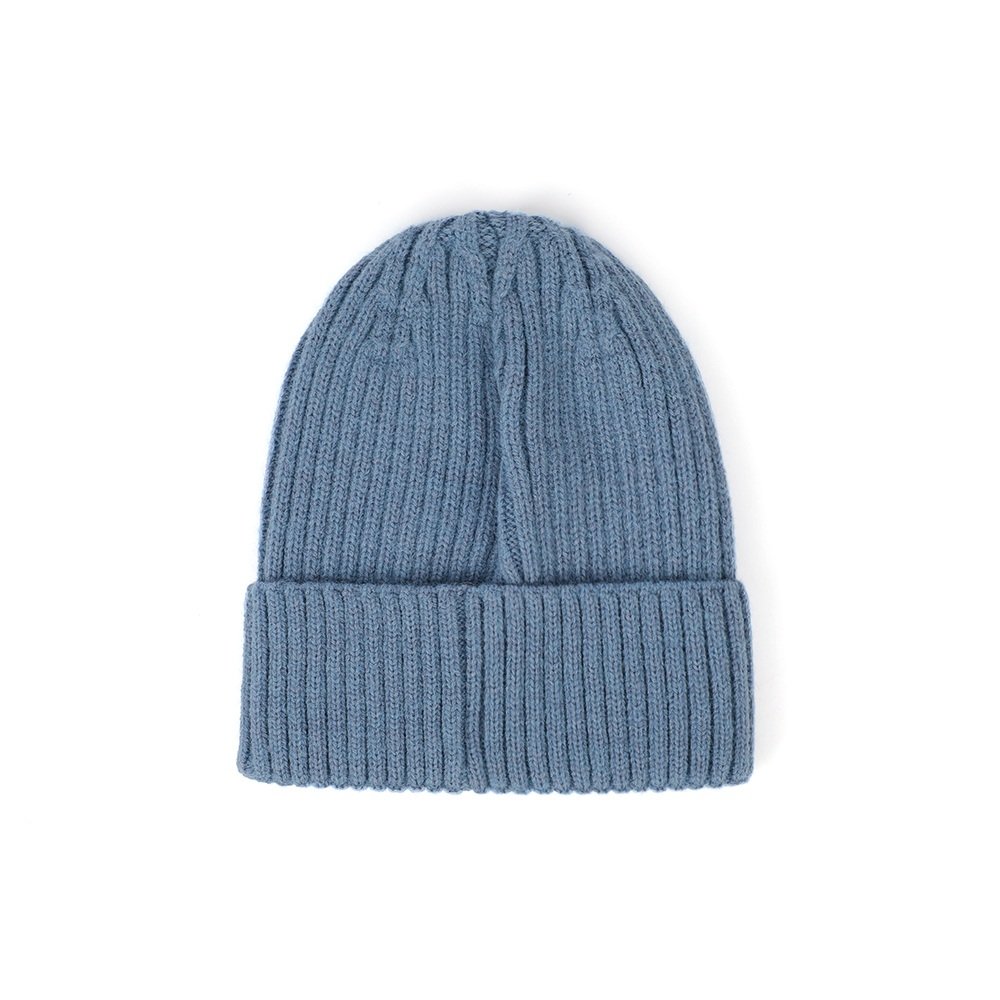
Merino Wool
Ultra-soft at 17–19 microns with natural temperature regulation, merino wool delivers premium warmth without added bulk. Naturally odor- and moisture-resistant, it elevates luxury winter beanies designed for designer and influencer collections.
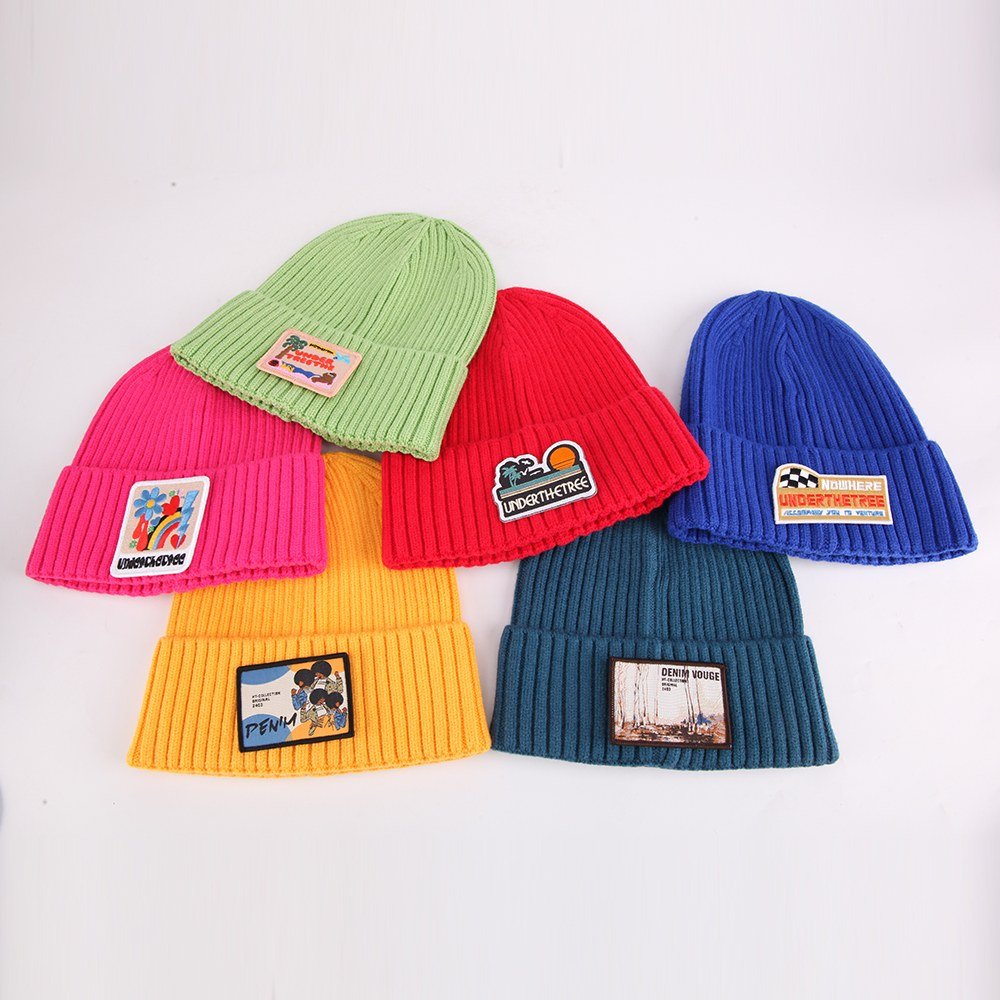
Cotton Blend Knit
A 60/40 cotton-poly blend that balances breathability with lasting durability across all seasons. At 180–220gsm, this fabric suits year-round streetwear beanies that demand a clean structure and soft, skin-friendly hand-feel.
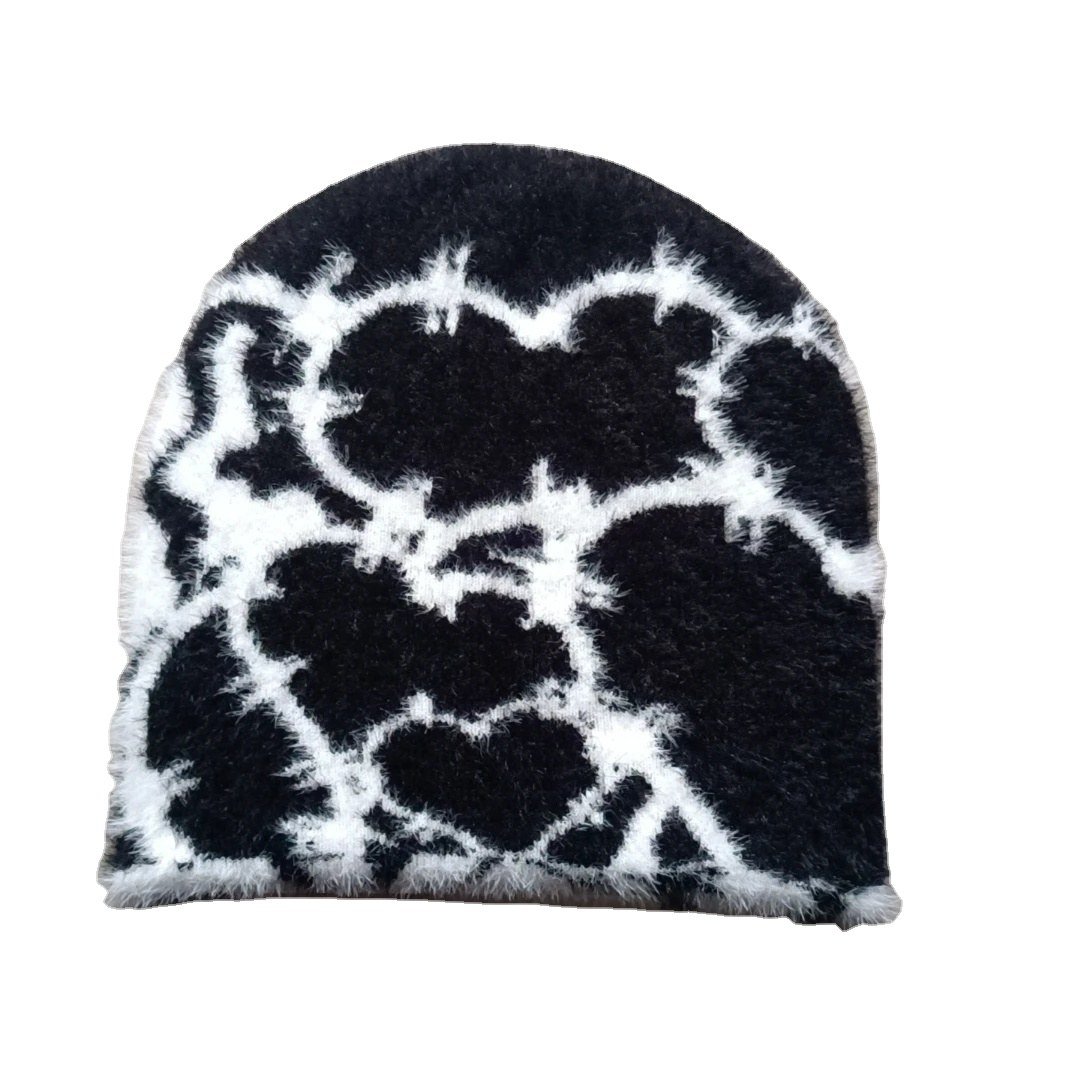
Fleece-Lined Interior
A 280gsm polar fleece lining added inside any outer knit shell for serious cold-weather insulation. It dramatically boosts warmth ratings while preserving a sleek, fitted silhouette — a standout feature in premium streetwear beanie lines.
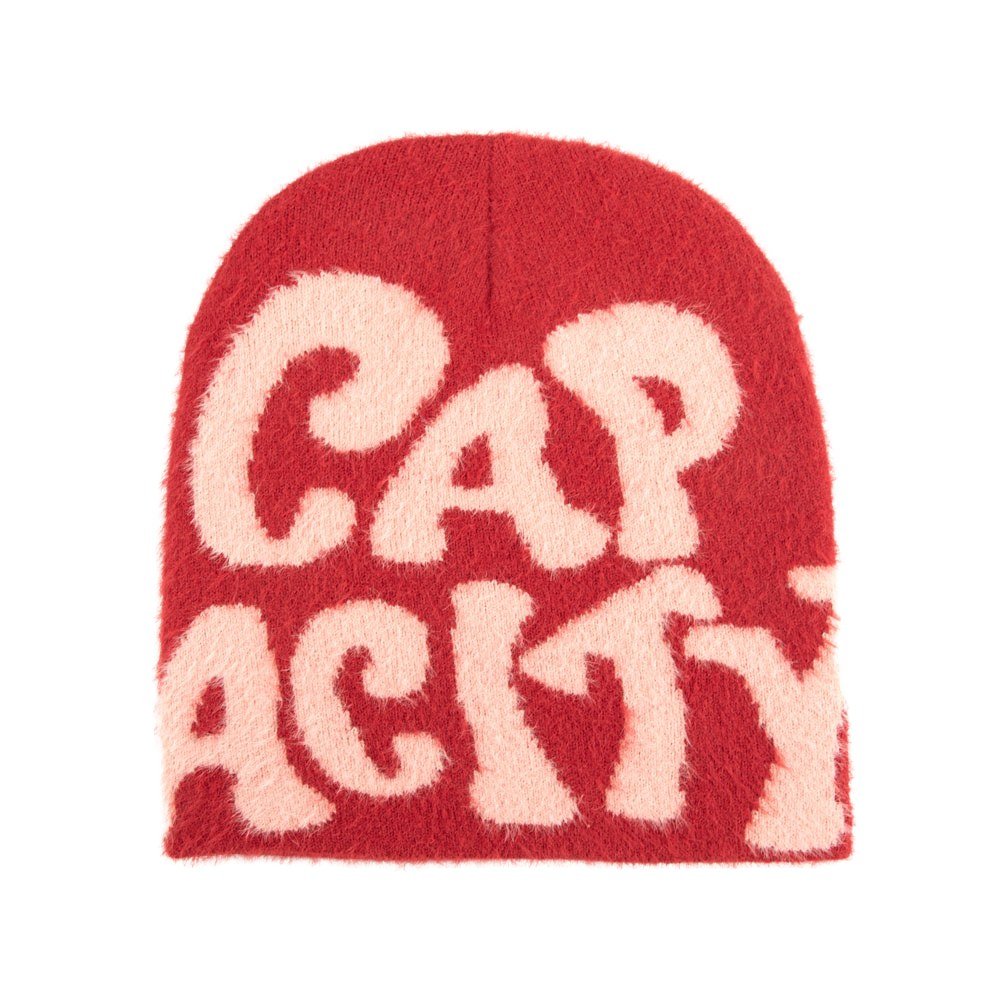
Performance Tech Knit
A polyester-spandex blend offering 4-way stretch and active moisture-wicking for athletic streetwear use. Lightweight yet highly durable, this technical fabric is ideal for branded beanies worn in outdoor, sport, and high-movement urban settings.
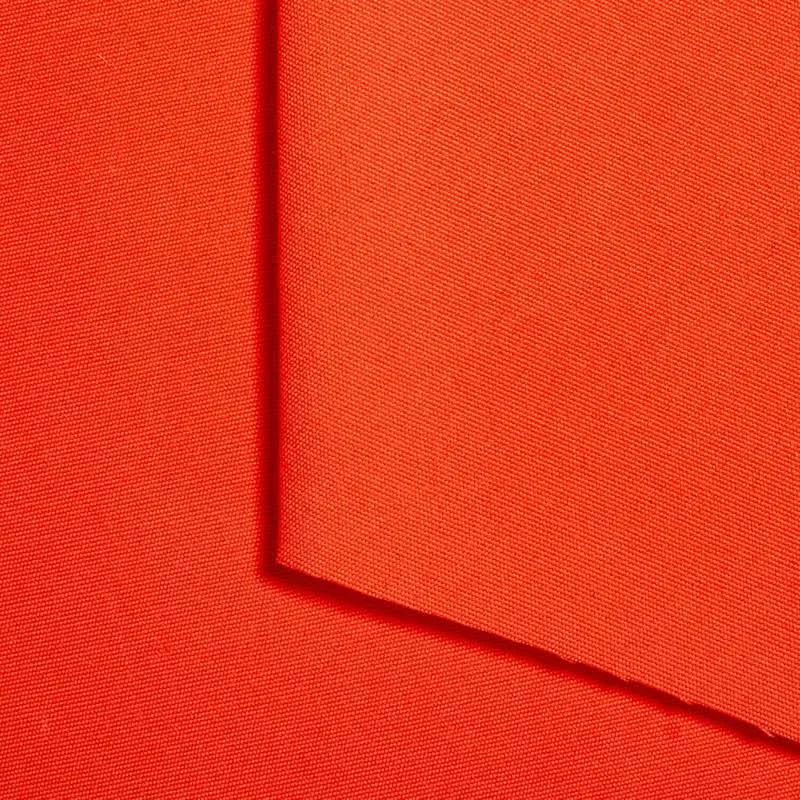
Chunky Cable Knit
Thick, textural, and fashion-forward at 380–420gsm, heavyweight cable knit delivers the bold, oversized aesthetic central to streetwear culture. Its exceptional warmth retention and artisanal surface appeal make it perfect for statement-season collections.
Custom Beanie Manufacturer Techniques That Elevate Your Brand
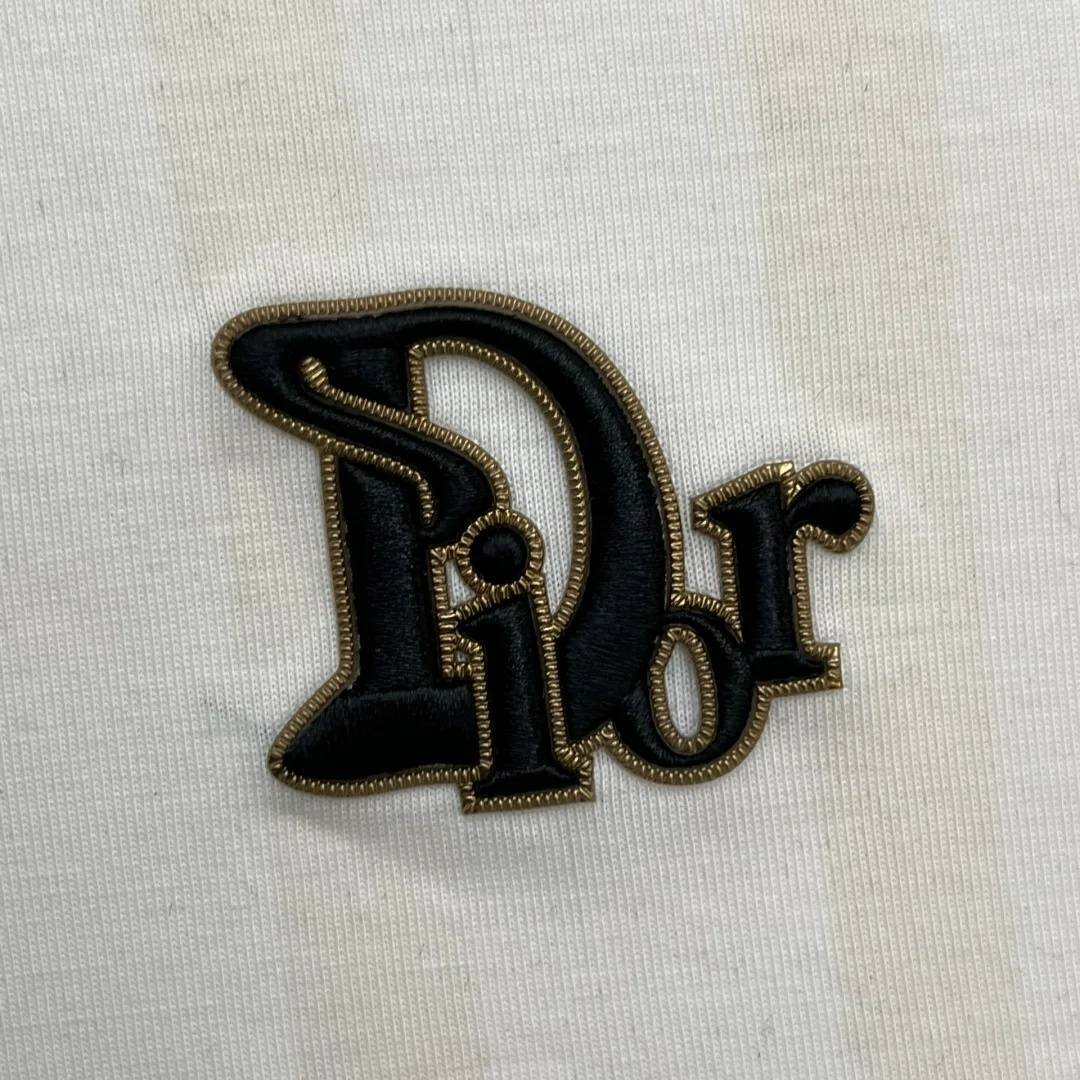
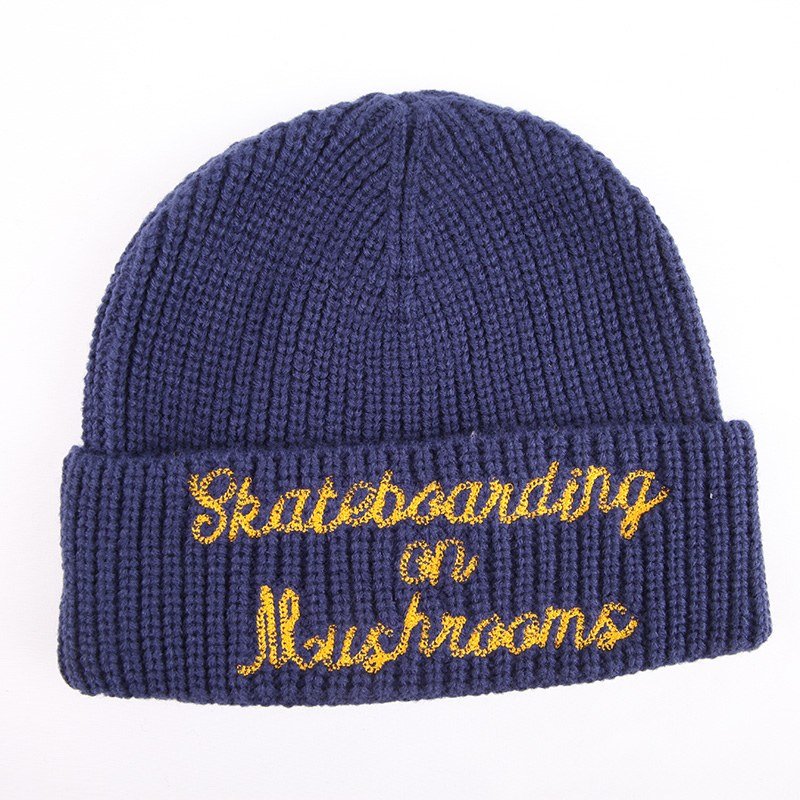
Precision Embroidery
High-definition thread stitching renders logos, graphics, and streetwear motifs with a bold raised finish. Colorfast and wash-durable, it is the go-to technique for standout branded beanies with tactile impact.
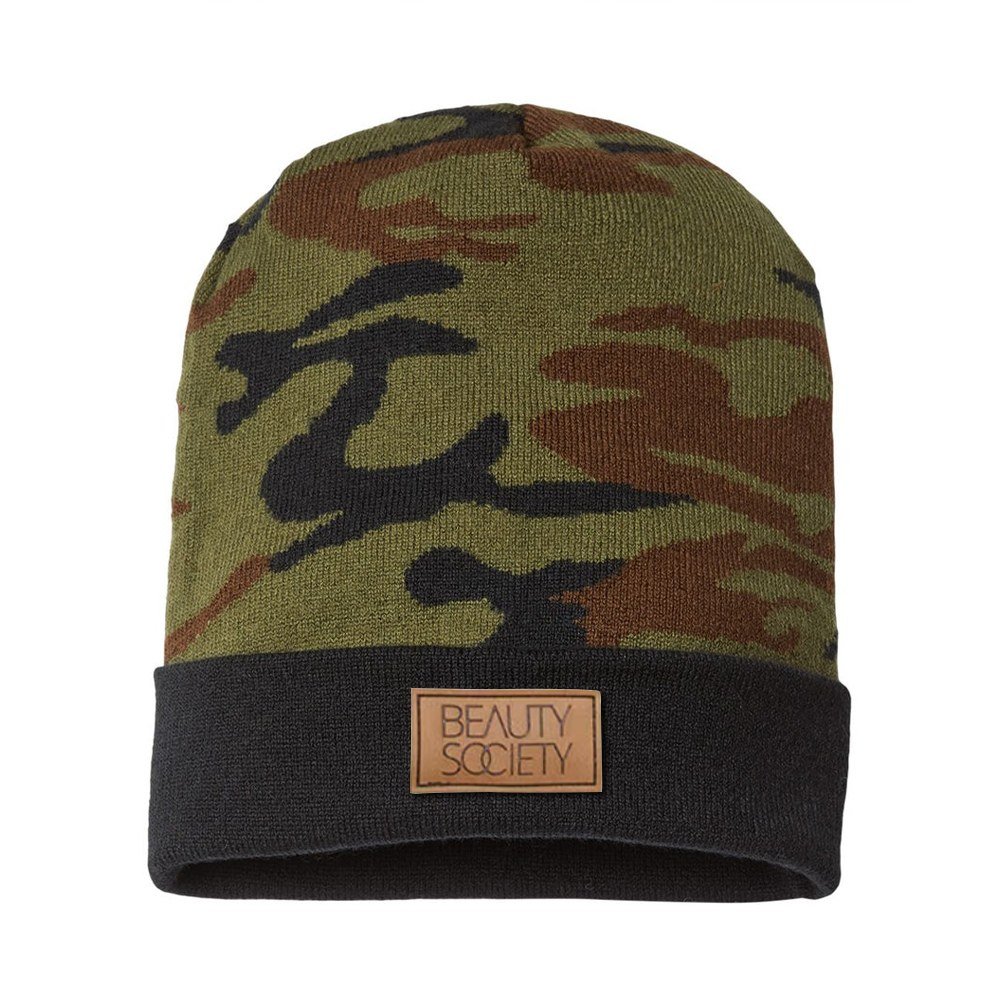
Knit-In Patterns
Logos and geometric designs are integrated directly into the beanie’s knit structure during production, creating seamless, colorfast jacquard patterns with zero risk of peeling, cracking, or fading over time.
Dye Sublimation
Full-color graphics are fused into the fabric at the fiber level, delivering vivid photographic detail, wash-resistant vibrancy, and seamless edge-to-edge coverage — ideal for all-over print streetwear beanies.
Woven Labels
Custom woven brand labels featuring fine thread detail are sewn inside or outside the beanie, delivering a premium retail-grade finish that reinforces brand identity and perceived value with every wear.
Custom Hang Tags
Branded paper, card, or fabric hang tags designed to your exact specifications add a polished retail-ready finish, communicating brand story, care instructions, and sizing details to customers at point of sale.
Heat Transfer Printing
Specialty heat transfer films bond graphics, metallic finishes, and reflective elements directly onto beanie surfaces, producing eye-catching effects with razor-sharp edge definition and durable, long-lasting color fills.
Finishing Touches from Your Custom Beanie Manufacturer
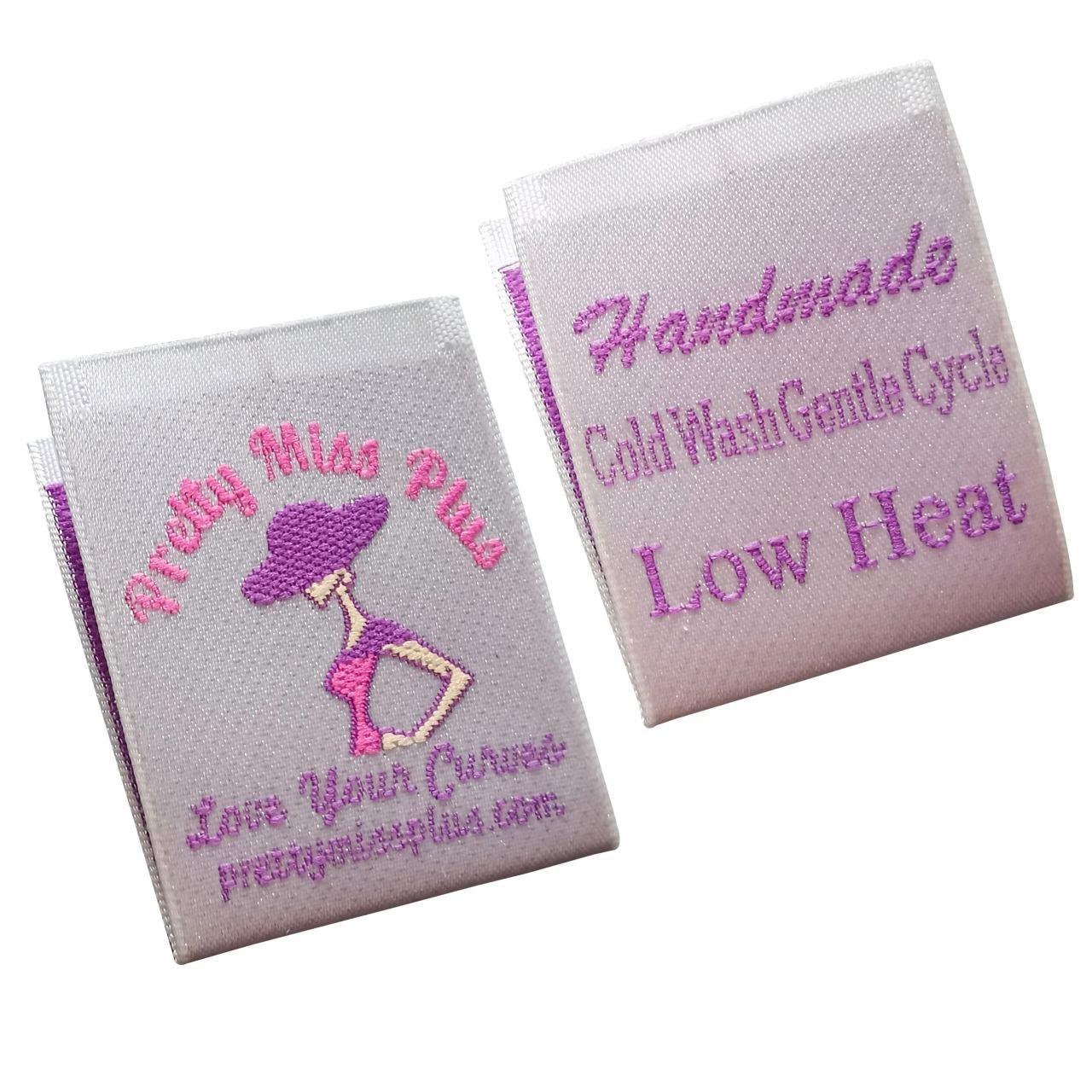
Woven Labels
Custom woven labels stitched inside the cuff or hem embed brand identity into every piece. Essential for streetwear labels and influencer collections that demand a polished, professional finish without added bulk.
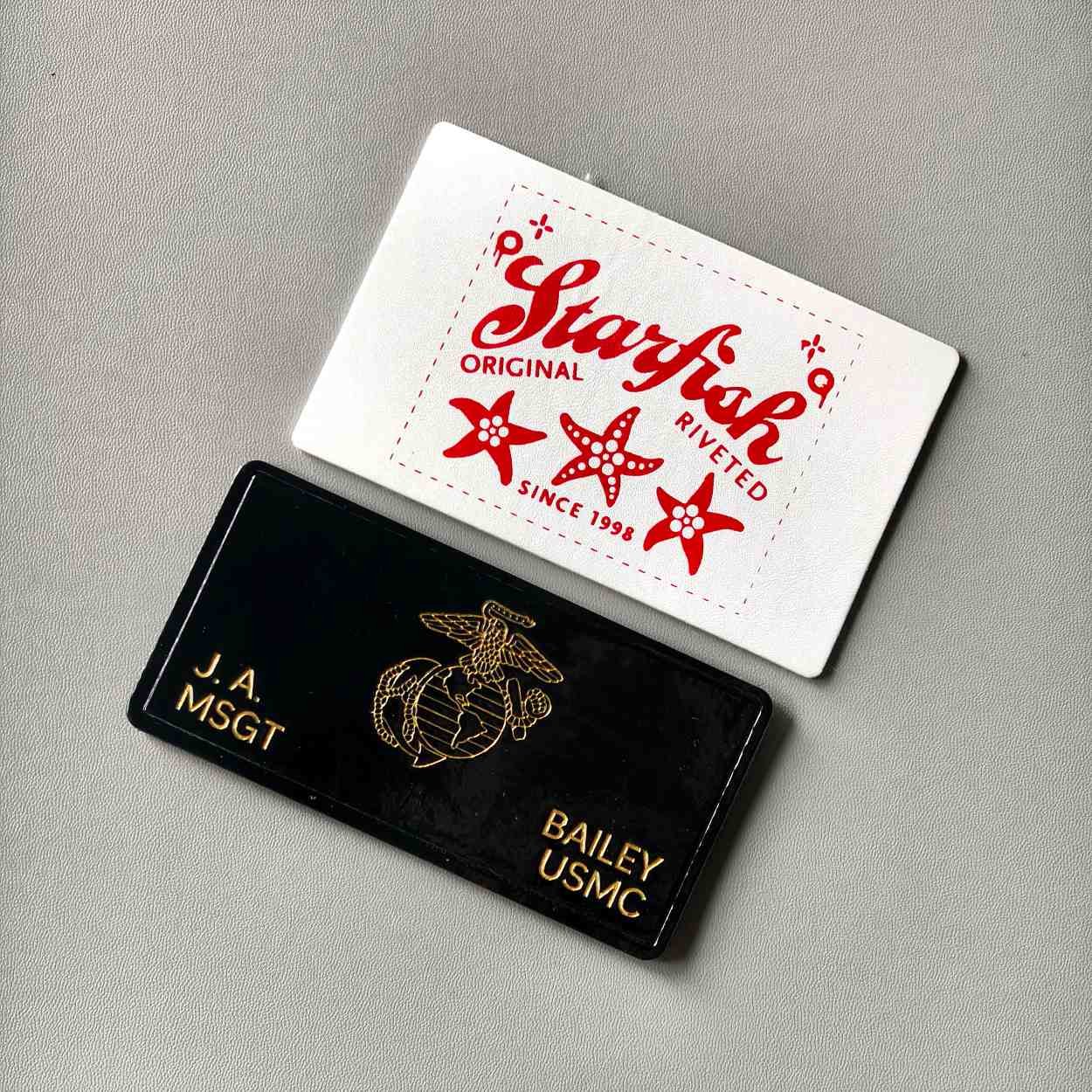
Leather Patches
Debossed or embossed leather patches applied to the cuff deliver a high-end streetwear aesthetic. Ideal for independent designers and trendy brands looking to elevate perceived value and stand out at retail.
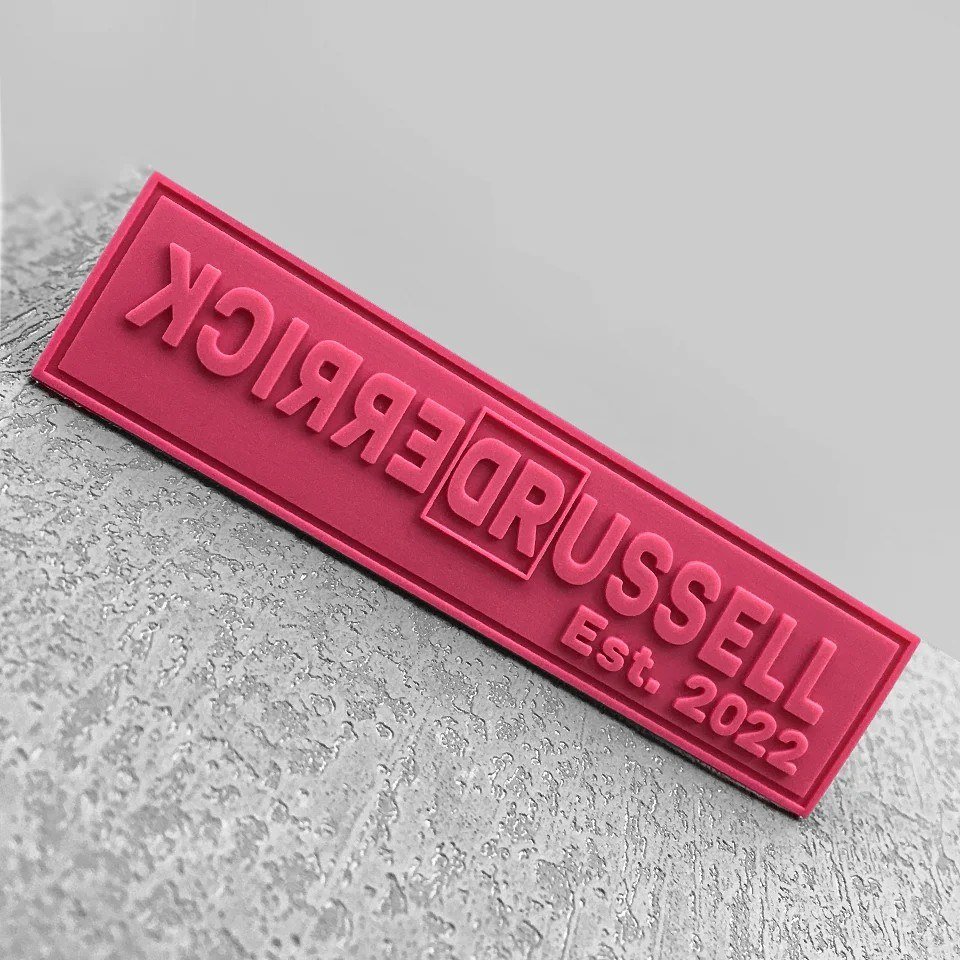
Custom Hang Tags
Branded hang tags attached during finishing communicate pricing, care instructions, and your brand story. A critical touchpoint for startup and influencer brands that strengthens the unboxing moment and signals premium quality.
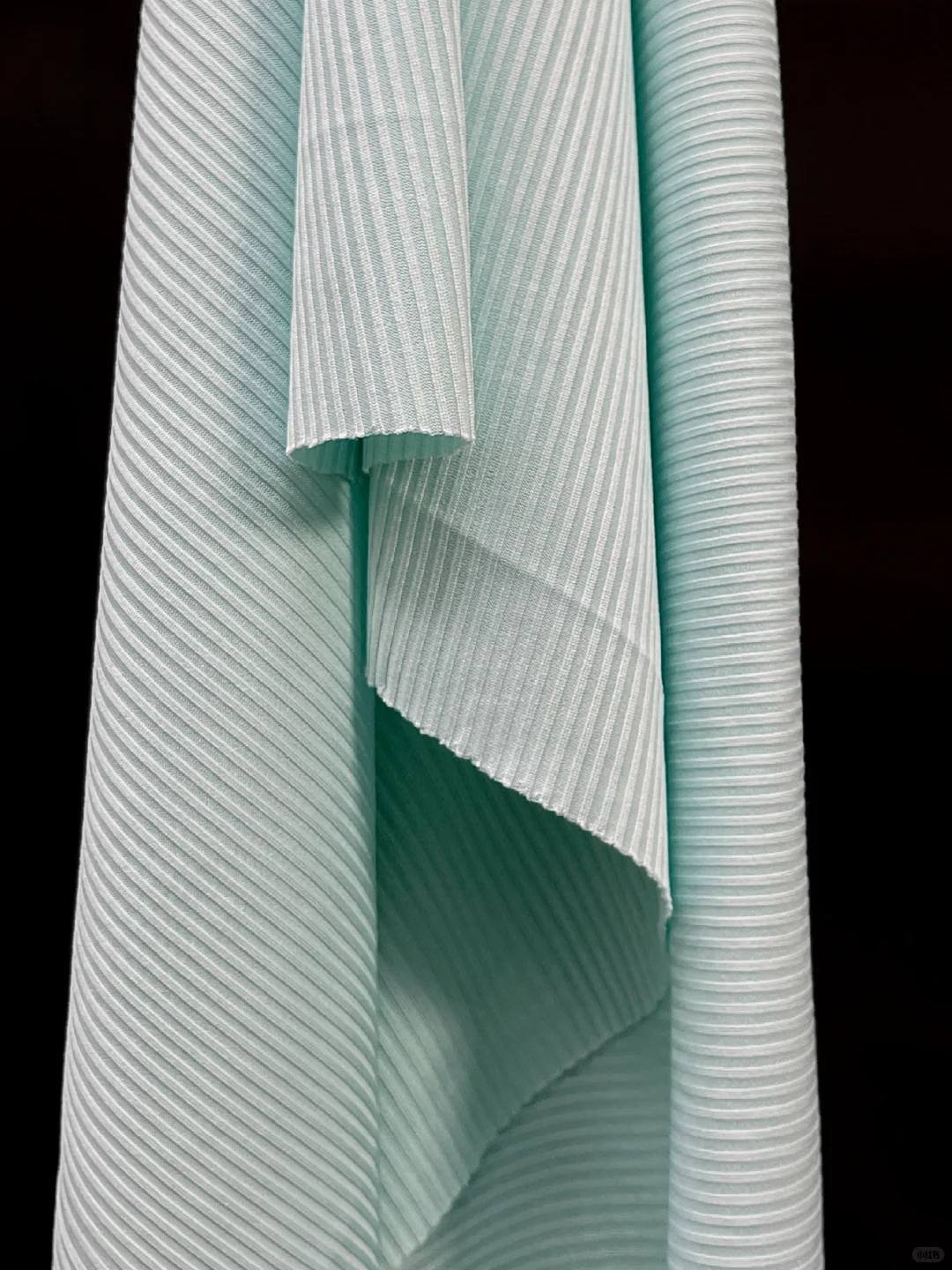
Care Labels
Printed or woven care labels sewn inside each beanie meet global labeling compliance standards. Available in multiple languages to support brands shipping across the 100-plus countries we serve worldwide.
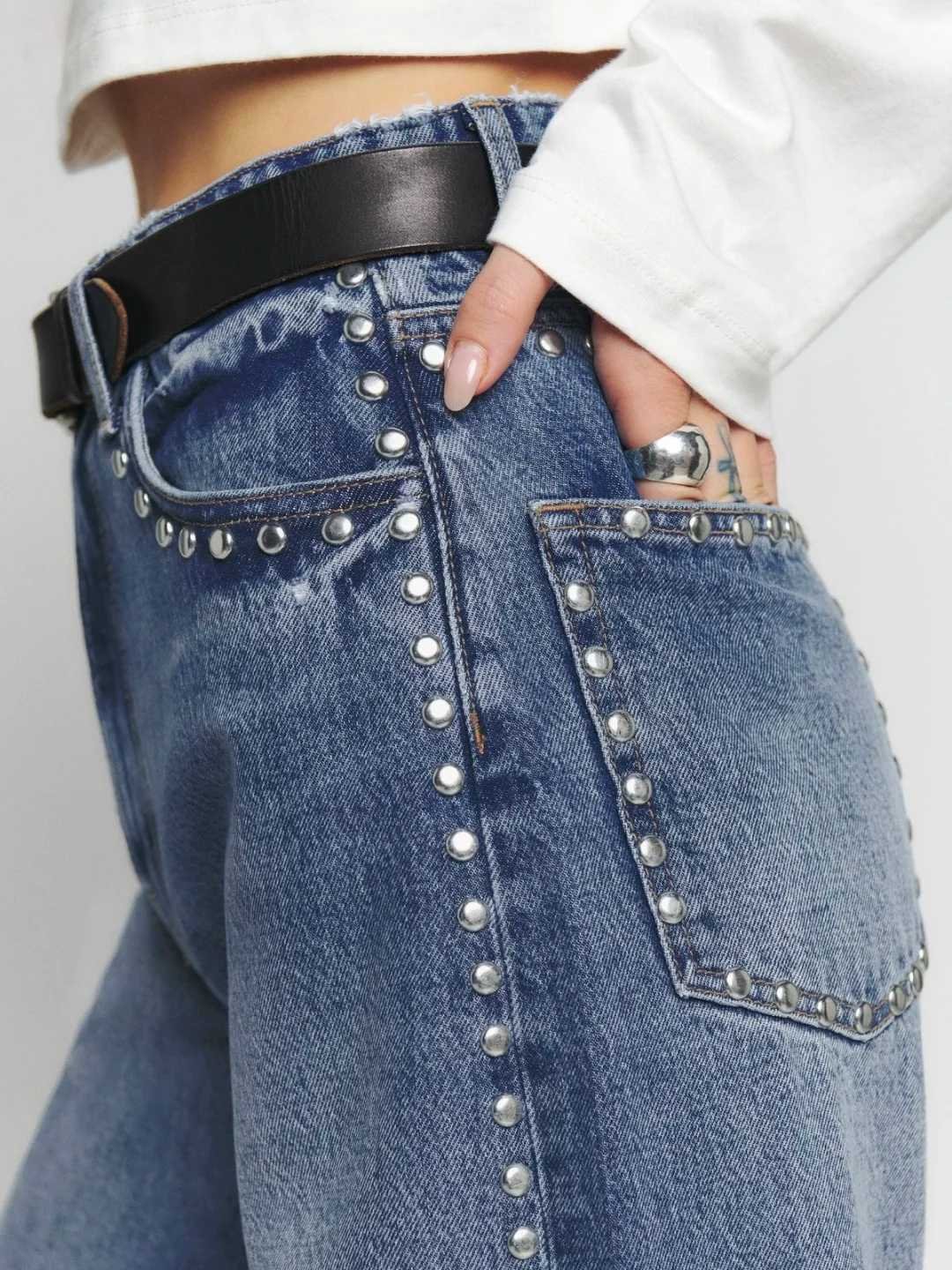
Drawcord & Tipping
Custom drawcords in matching or contrast colorways, finished with metal or plastic tipping, add functional detail to slouch and sport beanies, ensuring each piece feels deliberately designed from crown to hem.
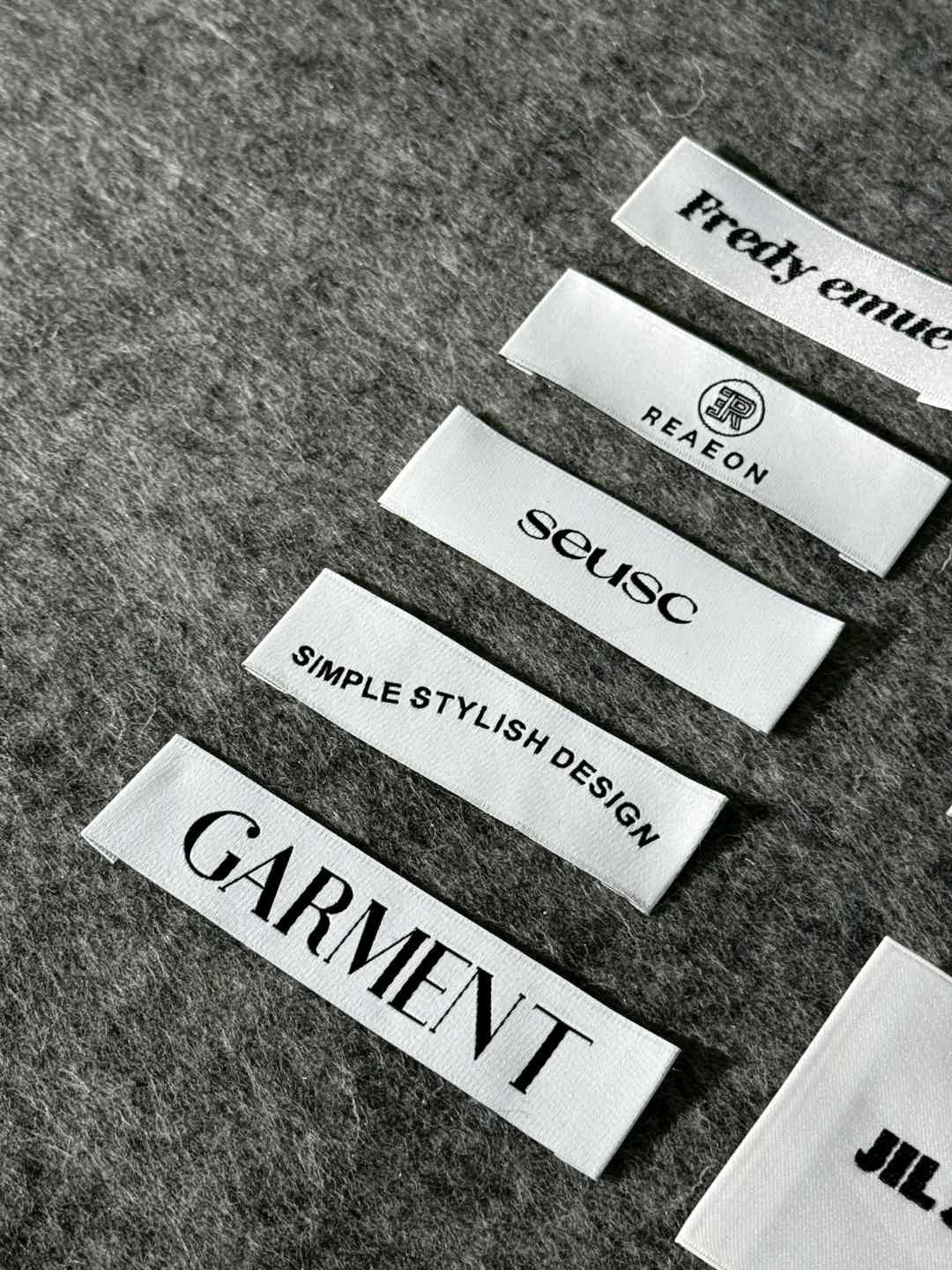
Custom Patches
Embroidered or woven patches heat-pressed or sewn onto the cuff or crown transform any beanie into a statement piece, perfect for streetwear brands channeling bold graphics, cultural motifs, and seasonal drops.
Custom Beanie Manufacturer Built on Real Expertise
In 2024, Tesla Luo founded Clothing Manufacturer Ltd after witnessing a systemic failure: factories across China were moving orders straight from sewing to packaging with no quality testing in between. Drawing on more than 10 years of apparel production experience and six years immersed in streetwear culture, Luo built this company on one conviction — that rigorous quality inspection at every production stage is non-negotiable, not optional.
Backed by the manufacturing infrastructure of Dongguan TuoZhen Clothing Co., Ltd., we combine the focus of a dedicated streetwear specialist with serious, scalable production capacity. Our 15-member in-house R&D team holds 10 production patents and drives trend-forward design from initial concept through to finished sample. We currently serve brands across more than 100 countries and regions, offering low MOQ flexibility for emerging labels and fast turnaround for seasonal collections at any scale.
What sets us apart is quality embedded throughout the process, not bolted on at the end. Our proprietary five-step QC system covers materials, cutting, craftsmanship, sewing, and finished garment inspection — catching defects early so none reach your customers. From influencer startups launching their first drop to global retailers scaling proven lines, we are the custom beanie manufacturer that delivers craftsmanship, transparency, and speed without compromise.
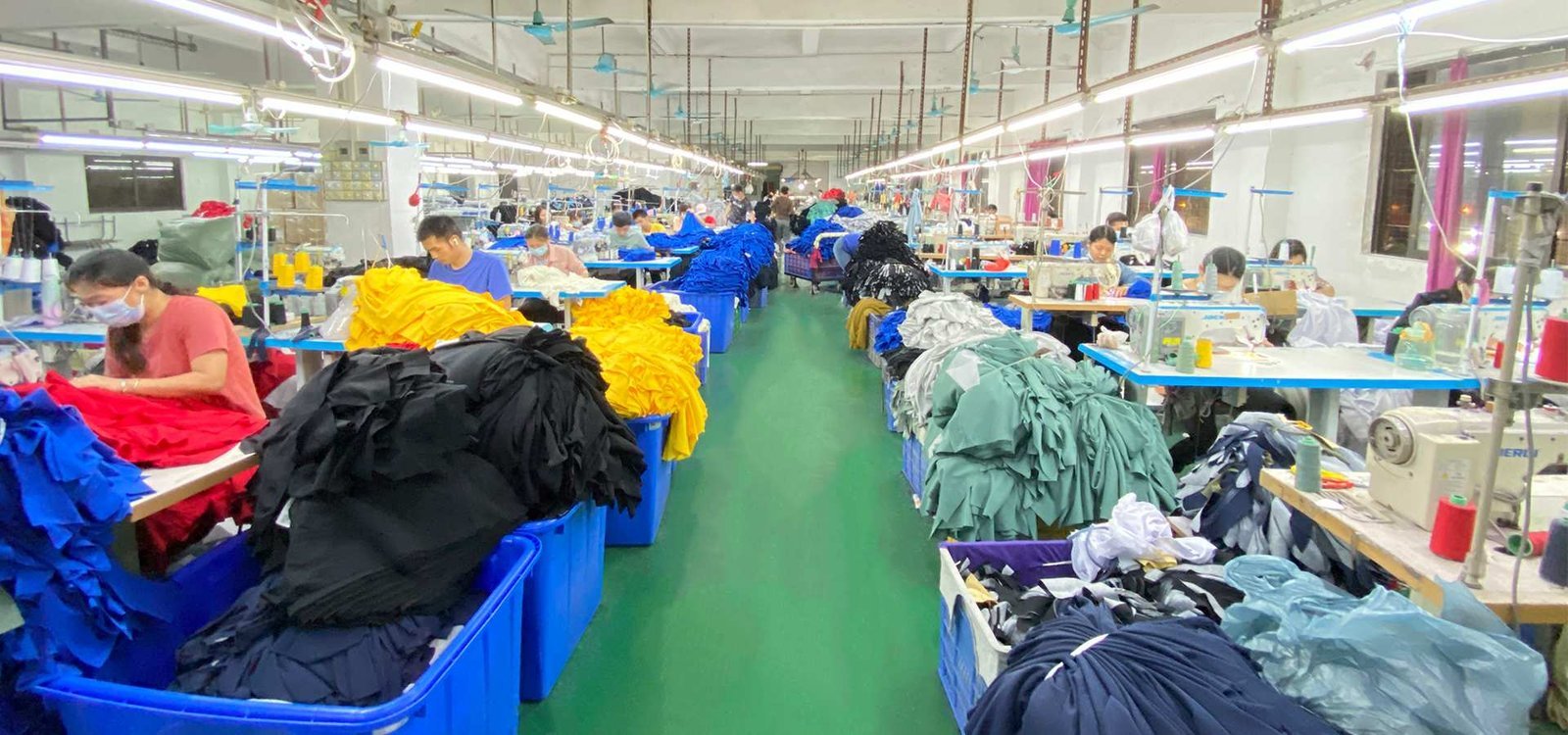
The Custom Beanie Manufacturer 5-Step QC Guarantee
Fabric and Materials Quality Inspection First
Before a single stitch is sewn, every beanie yarn, fabric, and accessory undergoes rigorous materials QC testing. We verify fiber composition, colorfastness, shrinkage rates, and tensile strength — eliminating substandard inputs before production ever begins.
- Fiber composition verified against client spec sheets for every incoming batch
- Colorfastness tested under wash, light, and sweat conditions to approved standards
- Shrinkage rates and fabric weight checked to prevent downstream sizing inconsistencies
- Defective materials rejected and replaced before cutting begins, eliminating costly rework
Precision Cutting Checked Before Sewing Starts
Accurate cutting is the foundation of consistent beanie sizing and silhouette. Our cutting QC team inspects every pattern piece for dimensional accuracy and grain alignment, catching errors that would otherwise compound across an entire production run.
- Pattern dimensions cross-checked against approved technical specifications for every style
- Grain direction and fabric alignment verified on every cutting layer before proceeding
- Crown panels, brims, and cuff sections inspected for symmetry and correct proportion
- Faulty cuts flagged and corrected immediately before pieces reach the sewing floor
In-Process Craft and Sewing Quality Control
Most factories inspect only finished goods. As a custom beanie manufacturer built on a different standard, we embed QC checkpoints throughout craft and sewing phases, catching stitch defects and seam failures mid-production to keep rejection rates near zero.
- Stitch density and tension verified against the approved pre-production sample throughout the run
- Seam strength tested across crown, brim, and cuff joins while sewing is live
- Embroidery, woven patches, and branding elements checked for alignment and adhesion quality
- In-line batch sampling every 50 to 100 units detects and corrects production drift early
100% Final Inspection Before Your Order Ships
The fifth QC gate ensures every beanie leaving our facility matches your approved specification exactly. Finished garments are measured, visually inspected, and stress-tested before zero-defect batches are sealed, labeled, and cleared for global shipping on schedule.
- Full measurement audit conducted against all approved tech pack tolerances per style
- Visual inspection targets snags, loose threads, color inconsistencies, and label placement errors
- Seam and closure stress-tests simulate real-world wear conditions before sign-off
- Packing QC confirms correct labeling, hang tags, folding method, and polybag specifications
Your Custom Beanie Manufacturer vs. Typical Suppliers
See why global retailers, streetwear brands, and startups choose Clothing Manufacturer Ltd. over generic apparel suppliers — on quality, flexibility, speed, and scale.
← 左右滑动查看 →
How Your Custom Beanie Manufacturer Builds Every Order
Six tightly controlled production phases, each with an embedded QC checkpoint, so every beanie that ships matches your exact specifications.
Brief, Quote & Sample
Share your vision and specs. Our in-house design team creates samples, confirms your MOQ, and locks in pricing before production begins.
Fabric Sourcing & QC
Premium streetwear fabrics are sourced and tested in our Step 1 materials QC check, rejecting substandard yarn and thread before a single cut.
Precision Cutting QC
Every panel is cut to exact pattern specifications. Step 2 cutting QC testing verifies dimensional accuracy and consistency across your entire production run.
Craft, Embroidery & Print QC
Logos, embroidery, prints, and trims are applied with precision. Step 3 clothing craft QC testing checks placement, tension, and finish on every piece.
Sewing & Assembly QC
Skilled sewers assemble each beanie while Step 4 sewing production QC checks monitor every seam, stitch, and structural join throughout the assembly line.
Final Inspection, Pack & Ship
Step 5 finished clothing QC inspection clears every unit before branded packing and global shipping, supported by our dedicated logistics team worldwide.
How to Partner with Our Custom Beanie Manufacturer
From first sketch to global delivery, our streamlined process keeps quality locked in and timelines tight — at any MOQ.
Submit Your Design or Tech Pack
Share your artwork, tech pack, or concept brief. Our in-house design team refines it into a production-ready spec, even if you are starting from scratch.
Receive Your Quote and Sample Plan
We respond with a transparent quote, fabric swatches, and low-MOQ sampling options so you can validate quality before committing to full bulk production.
Approve Your Pre-Production Sample
Review a physical sample from our artisan team. Request revisions freely — we only advance to bulk production once every detail meets your full approval.
Launch Bulk Production with Full QC
Our 5-step quality control process checks materials, cutting, craft, sewing, and finished goods at every stage — so zero defects ever leave our facility.
Ship Globally, Track Every Step
Your finished beanies are packed, documented, and dispatched worldwide via our logistics partners, with fast seasonal turnaround times and real-time shipment tracking included.
Quality Certifications & Industry Standards
What Growing Brands Say About Our Custom Beanie Manufacturer
We’ve completed 4 production runs with Clothing Manufacturer Ltd. and every beanie has passed our QC checks — zero rejects. Their 5-step system caught a stitching defect on day two of sampling that would have cost us thousands. This level of consistency is genuinely rare.
Samples arrived in 7 days and we approved our 500-piece beanie run in under 3 weeks. Their design team nailed our streetwear aesthetic on the first revision. We dropped the collection to our followers and sold out in 48 hours — season two is already in production.
As a startup we feared high MOQs, but they let us launch with just 100 units per style. The collaboration on our skull and rose graphics was seamless. We grew our Instagram following from 2,000 to 18,000 in one season — our beanie line drove the entire spike.
Frequently Asked Questions About Our Custom Beanie Manufacturer
Everything B2B buyers need to know before placing an order — MOQs, lead times, sampling, payments, and more.
What is the minimum order quantity (MOQ) at your custom beanie manufacturer?
How long does production take at a custom beanie manufacturer based in China?
How do I find the right custom beanie manufacturer for my streetwear brand?
How much does a beanie sample cost, and how long does sampling take?
What customization options does your beanie production support?
What payment terms are available for international beanie orders?
How do you protect my beanie designs and intellectual property?
Does your custom beanie manufacturer ship globally, and can you handle DDP or FOB terms?
What production capacity do you have for large seasonal or retail orders?
The Complete Buyer’s Guide to Finding a Custom Beanie Manufacturer
Discover how to evaluate any custom beanie manufacturer with confidence — covering material specs, decoration techniques, MOQ tiers, red-flag mistakes, and a step-by-step framework for launching your branded headwear line.
1. What Is a Custom Beanie Manufacturer?
Yarn weight in finished beanies typically ranges from 100 to 400 GSM, a variable that only a custom beanie manufacturer — not a wholesaler or decorator — controls from raw fiber selection onward. A wholesaler buys finished stock and resells it; a decorator adds logos to pre-made blanks; a manufacturer owns the full production stack including fiber sourcing, knitting, linking, boarding, and finished-goods packaging. Streetwear labels and fashion startups that require original silhouettes or proprietary colorways have no viable path except a manufacturer.
End-to-end production at a qualified custom beanie manufacturer runs through five linked stages: yarn procurement (ring-spun acrylic, merino wool, cotton-acrylic blends, or OEKO-TEX-certified fibers), knitting, seam linking, steaming or boarding to lock garment shape, and branded packaging with woven labels or heat-transfer patches. Minimum order quantities at this level typically open at 50 to 300 units per colorway — well below the 1,000-plus unit floors common at large knitting mills. Fulfillment services, including polybag packing, hangtag insertion, and direct-to-consumer shipping, are agreed upon at the contract stage.
Two service models are commonly conflated: private-label production, where the factory supplies a pre-approved base pattern the brand labels as its own, versus fully custom production, where gauge, yarn, construction, and silhouette are engineered to spec. Private-label is faster — lead times can compress to 15–25 days — but any competitor can order the identical blank from the same factory. Fully custom production, the core offering of a serious custom beanie manufacturer, creates product architecture that cannot be replicated off a generic price sheet.
2. A Brief History of Beanie Manufacturing
By the early 1900s, close-knit wool caps were standard-issue workwear for dockworkers, miners, and longshoremen across North America and Europe, valued for warmth and zero-brim clearance in confined spaces. Domestic wool mills in New England and the UK produced these caps in bulk on flat-bed knitting machines, with gauge and fit as the only variables.
From the 1940s onward, collegiate athletics and ski culture adopted the snug-fit cap as sportswear, and manufacturers began blending acrylic into yarn to cut raw-material costs. By the 1970s, open-end spun acrylic had largely displaced hand-loomed wool in mass production, pushing per-unit prices down and output volumes up across the category.
The 1990s streetwear surge — powered by hip-hop, skateboarding, and graffiti scenes — repositioned the beanie as a cultural identity marker rather than a utility item. Labels like Supreme and Carhartt WIP reissued workwear silhouettes at premium price points, triggering a manufacturing shift to offshore factories in China, South Korea, and Bangladesh where lower labor costs allowed MOQs to fall below 500 units.
Today’s DTC and creator-brand economy has compressed order minimums further — established custom beanie manufacturer operations now routinely accept runs of 50 to 100 units. Nearshore factories in Turkey, Portugal, and Mexico have gained share among brands prioritizing lead times under 30 days, while Chinese manufacturers retain the edge on Pantone-matched yarn variety and per-unit price for runs exceeding 300 units.
3. Types of Beanies a Custom Beanie Manufacturer Can Produce
Silhouette choice signals brand identity before a logo is ever read. A skilled custom beanie manufacturer can produce six core style families, each with distinct knit structures, fit profiles, and production complexity levels.
Classic Cuffed Beanie
1×1 or 2×2 rib-knit construction gives the cuffed beanie its structured fold, typically 200–280 GSM. It suits skate, streetwear, and youth brands. Production complexity is low, making it the standard entry-point style for new labels.
Slouch and Baggy Beanie
Looser 1×1 rib or interlock knit with 20–30% extra length creates the signature drape. Hip-hop and artist brands favor this silhouette. Cut-and-sew or full-fashion knitting both work; full-fashion adds minimal labor cost.
Pom-Pom Beanie
A cuffed or slouch base is topped with a separately manufactured pom, typically faux fur or yarn tufts 6–8 cm in diameter. Lifestyle and women’s brands favor this style. The pom attachment adds one assembly step.
Fitted Skull Cap
4-way stretch spandex-blend or tight 2×2 rib knit hugs the head without a cuff, running 180–220 GSM. Cycling, running, and athletic brands prioritize this silhouette. Consistent sizing across S/M/L/XL demands tighter grading tolerance.
Reversible Beanie
Two knit panels—often contrasting colors—are joined at the brim with a clean flatlock seam, doubling material cost. Lifestyle and gift-market brands use this to extend SKU value. MOQs typically run 20–30% higher per colorway.
Tactical and Outdoor Beanie
Merino wool, Polartec, or brushed acrylic fleece at 280–350 GSM delivers wind and cold resistance. Outdoor retailers and military-adjacent brands specify this style. Anti-pilling finishing and OEKO-TEX certification are standard client requirements for this category.
4. Materials & Fabrics Used by a Custom Beanie Manufacturer
Yarn choice is the first decision any custom beanie manufacturer locks in — warmth rating, hand-feel, care requirements, and landed cost all trace back to fiber. The six most-sourced options occupy distinct performance and price tiers, as the table below shows.
| Material | Weight (GSM equiv.) | Season Suitability | Price Index | Eco Credentials |
|---|---|---|---|---|
| Acrylic | 200–280 gsm | All-season | $ | Low — petroleum-based |
| Merino Wool | 180–260 gsm | Fall–Winter | $$$ | High — OEKO-TEX cert available |
| Lambswool | 220–300 gsm | Winter | $$$ | Medium — natural, biodegradable |
| Cotton | 160–240 gsm | Spring–Fall | $$ | Medium — GOTS cert available |
| rPET | 200–260 gsm | All-season | $$ | High — recycled plastic bottles |
| Blends | 180–280 gsm | All-season | $–$$ | Varies by component |
Acrylic and Cotton: Everyday Volume Staples
Acrylic dominates volume production at 200–280 gsm — machine-washable, colorfast across Pantone ranges, and the lowest cost index of any beanie fiber. Cotton sits mid-tier at 160–240 gsm; ring-spun cotton delivers softer hand-feel than open-end yarn, and GOTS certification is available for eco-positioned lines.
Premium Wools: Merino and Lambswool Compared
Merino runs 18–24 microns, producing next-to-skin softness that supports OEKO-TEX Standard 100 labeling and commands $$$ pricing on premium streetwear drops. Lambswool, sheared from a sheep’s first clip, matches warmth at 220–300 gsm with a slightly coarser hand; both require hand-wash or dry-clean care labels.
rPET and Blends: Eco and Hybrid Options
Recycled rPET yarn, spun from post-consumer plastic bottles, hits 200–260 gsm at a $$ price index — a strong fit for creator brands building sustainability narratives. Blends such as 80% acrylic/20% wool let a manufacturer balance cost, softness, and machine-wash convenience within a single SKU.
5. Customization & Decoration Options
A custom beanie manufacturer typically offers six core decoration methods. Choosing the right one — matched to streetwear drops, corporate gifting, or retail shelf — determines unit economics and the durability of the final product.
| Technique | Best Use | Setup Cost | MOQ |
|---|---|---|---|
| Jacquard knit | Streetwear drops | $80–$150 | 100 pcs |
| Flat embroidery | Retail, corporate | $20–$50 | 50 pcs |
| 3D puff embroidery | Streetwear logos | $30–$60 | 50 pcs |
| Woven label | All categories | $15–$30 | 100 pcs |
| Heat-transfer patch | Corporate gifting | No setup fee | 30 pcs |
| Sublimation | Full-color retail | $0–$20 | 50 pcs |
| Silicone print | Streetwear, retail | $30–$50 | 50 pcs |
Jacquard Knit-In Logos
Jacquard encodes the logo into the knitting machine file — no post-production step required. Setup runs $80–$150; per-unit premium is $0.50–$1.20 at 100-pc MOQ.
The design is permanent — it cannot peel or crack. Top choice for streetwear drops where the logo is built directly into the fabric structure.
Flat and 3D Puff Embroidery
Flat embroidery suits cuff bands and front panels; 3D puff foam raises the logo 3–4 mm — a core streetwear texture. Digitizing: $20–$60 one-time; per-unit cost $0.80–$2.50 at 50-pc MOQ.
Thread holds Pantone-matched color through 50+ washes on acrylic or wool blends — solid for retail shelf and corporate gifting alike.
Woven Labels and Heat-Transfer Patches
Woven labels (fold-over cuff or inner neck tape) run $0.05–$0.20/pc at 100-pc MOQ and last the garment’s full life — the retail private-label standard.
Heat-transfer patches apply at 30-pc MOQ with no setup fee ($0.30–$0.80/pc) — the low-barrier pick for corporate gifting and event merchandise.
Sublimation and Silicone Printing
Sublimation prints unlimited full-color designs onto polyester-fleece panels only; MOQ starts at 50 pcs with no per-unit ink surcharge — best fit for vivid, photographic retail product.
Silicone printing deposits a raised, tactile logo at $0.40–$1.00/pc ($30–$50 screen setup) with 40+ wash durability — strongly preferred by streetwear labels and premium retail buyers.
6. Key Construction Quality Elements to Inspect
Before approving bulk production, evaluate every sample against measurable benchmarks. Skipping this step is how brands absorb costly defects at scale — a rigorous checklist forces any custom beanie manufacturer to meet your standards upfront.
Stitch Gauge and Seam Finishing
Standard knit beanies run 12–14 stitches per 2 cm; deviation beyond ±1 stitch signals inconsistent tension that causes distortion after washing.
Seam finishing determines durability: linking (looping) produces a flat join ideal for fine-gauge merino, while overlocking suits heavier acrylic builds. Specify the method in your tech pack.
Cuff Tension and Rib Integrity
Cuff rib must recover fully after stretching to 2× its resting width within 5 seconds; slow recovery indicates under-tensioned yarn or the wrong rib ratio.
Confirm whether the spec calls for 1×1 or 2×2 rib — 1×1 offers tighter recovery, 2×2 gives more comfort stretch.
Colorfastness and Shrinkage Standards
AATCC Test Method 61 is the accelerated-laundering standard for colorfastness; require a minimum gray-scale rating of 4 out of 5.
Dimensional change after three home washes must not exceed ±3% per AATCC 135. Both tests should run on pre-production samples, not finished bulk.
Pre-Bulk Quality Checklist
Send these criteria to any custom beanie manufacturer alongside your sample request.
- Stitch gauge 12–14 per 2 cm, deviation ≤ ±1 stitch
- Seam finish type (linking or overlocking) documented in tech pack
- Cuff rib full recovery within 5 seconds at 2× stretch
- AATCC 61 colorfastness rating ≥ 4 on gray scale
- Shrinkage ≤ ±3% after 3 washes per AATCC 135
- Woven labels: four-edge lockstitch, no fraying after 50 wash cycles
7. How to Choose the Right Custom Beanie Manufacturer
Selecting the right custom beanie manufacturer shapes product quality, unit economics, and launch timelines. A five-step framework applied before placing any deposit separates reliable production partners from risky ones.
Five-Step Vetting Framework
Step 1 — set a firm MOQ floor and per-unit cost ceiling before outreach; knit beanie factories typically require 50–300 pieces per colorway. Step 2 — order a paid sample ($30–$80 is standard) and expect return within 7–14 days from a capable factory.
Step 3 — verify certifications: OEKO-TEX Standard 100 for chemical safety, BSCI for social compliance, and GRS if recycled yarns are specified. Step 4 — send a test inquiry and measure reply speed; 24–48 hours indicates an organized team. Step 5 — request two to three brand references and confirm order histories directly.
Domestic vs. Overseas Sourcing Trade-Offs
Domestic manufacturers (U.S., EU) offer faster local shipping at 5–10 days and simpler dispute resolution, but MOQs often start at 500+ units and unit costs run 2–3× higher. Overseas factories — particularly in Dongguan, a historic hub of China’s garment industry — deliver lower per-unit costs, broader customization, and MOQs as low as 50 pieces, with typical lead times of 25–45 days including shipping.
Alibaba, Dedicated Factories, and Full-Service Partners
Alibaba aggregates thousands of listings but requires heavy vetting: check Trade Assurance status, factory audit reports, and verified buyer reviews before engaging. Dedicated headwear factories offer deep knit expertise but limited apparel context for brands building full collections.
Full-service partners like Clothing Manufacturer Ltd. embed a five-step QC process — covering materials, cutting, craft, sewing, and finished goods — giving brands consistent output without managing multiple vendors.
8. Common Mistakes Brands Make When Sourcing a Custom Beanie Manufacturer
Fast-scaling influencer brands and fashion startups repeat the same five sourcing errors when engaging a custom beanie manufacturer — and each one costs real money, missed seasons, or shipments held at customs.
Skipping the Sample Stage
Bypassing pre-production samples to shave 10–14 days off a launch timeline routinely causes 500+ unit reruns. A $150 sample confirms stitch density, seam placement, and colorway accuracy — and prevents a $3,000+ defect correction charge on a full production run.
Ignoring Seasonal Lead-Time Buffers
Knitted beanies carry 45–75 day production windows before port cutoffs apply. Missing a holiday drop by two weeks surrenders the peak retail window entirely. Build a 3–4 week contingency buffer into every seasonal purchase order.
Under-Specifying Colorways
Ordering ‘navy blue’ without a Pantone reference — such as PMS 289 C — leaves dye matching entirely to factory discretion. Dye-lot variance across 300 units can exceed Delta-E 3.0, making the colorway unsellable as a unified set.
Overlooking HS Codes and Import Duties
Knitted beanies typically classify under HS code 6505.00, attracting duties of 7–32% depending on origin and destination market. Misclassification triggers customs holds and landed-cost spikes that can erase margin on a low-MOQ order entirely.
Choosing on Price Without Quality Benchmarks
A factory quoting $1.20 per beanie against a market range of $2.50–$4.00 is almost certainly skipping QC stages. Without written benchmarks — yarn GSM, stitch count per inch, seam-strength pull tests — there is no enforceable standard when defects arrive.
9. Steps to Launch Your Branded Beanie Line
Launching a branded beanie line follows seven sequential steps. Mapping ownership — brand, manufacturer, or shared — at each stage prevents miscommunication and rework, saving two to four weeks on a typical first production run.
| Step | Owner | Typical Timeline |
|---|---|---|
| Brief and mood-board | Brand | 1–2 days |
| Material and silhouette selection | Brand + manufacturer | 2–3 days |
| Tech-pack creation | Brand | 2–3 days |
| Sample rounds and approval | Both | 10–21 days |
| Production and QC inspection | Manufacturer | 14–30 days |
| Shipping and customs | Both | 5–30 days |
| Retail or DTC launch | Brand | 1–2 weeks |
Brief, Mood-Board, and Material Selection
Brand-owned. Compile 10–15 reference images covering colorways, fit, and motif direction. Specify target Pantone colors and silhouette — cuffed, slouch, or pom-pom — before approaching any custom beanie manufacturer.
Material choice follows: acrylic for budget MOQs, merino wool or cotton-acrylic blends for premium positioning. Manufacturer confirms yarn availability within 2–3 days.
Tech-Pack Creation and Sign-Off
Brand creates a tech-pack listing knit structure, yarn weight, label placement, and trim specs — a 2–3 day task. Precision here directly reduces sample revision rounds.
Manufacturer reviews the tech-pack and flags construction conflicts within 3–5 days. Shared sign-off on the final spec closes this stage.
Sample Rounds and Production Approval
First proto sample arrives in 10–14 days. Budget 1–2 revision rounds; brand checks gauge, Pantone color match, seam integrity, and label placement before issuing a production approval.
Issue a purchase order only after sample sign-off. Skipping this step is the single most common cause of defective bulk runs for first-time brands.
Production, QC, Shipping, and Launch
Manufacturer runs five QC checkpoints — materials, cutting, craft, sewing, and finished-goods — during the 14–30-day production window. Brand receives photo QC reports before shipment.
Sea freight (20–30 days) suits orders above 500 units; air freight (5–7 days) covers urgent drops. File HS code 6505.00 for customs clearance. Stage inventory 2–3 weeks before launch for DTC photography.
10. Pricing & Cost Guide for Custom Beanie Manufacturing
Yarn and knitting account for 55–70% of the ex-factory unit cost at a custom beanie manufacturer; a 12-oz acrylic cuffed beanie typically uses $1.20–$2.80 in yarn alone. Switching from acrylic to merino wool or cashmere-blend shifts material cost by $2.50–$7.00 per unit before any decoration is applied.
Woven labels, hang tags, and poly-bag packaging add $0.30–$0.80 per unit on average. Sea freight from Dongguan to U.S. West Coast ports runs $0.15–$0.40 per unit on a full-carton order; air freight for rush drops adds $2.50–$4.00 per unit.
- Embroidery: $80–$150 one-time digitizing fee; +$0.60–$1.20 per unit per logo placement.
- Jacquard knit-in logo: $120–$250 pattern setup fee; +$0.80–$1.50 per unit.
- Woven patch: $60–$120 setup; +$0.40–$0.90 per unit heat-applied or sewn on.
- DTF / heat-transfer print: $30–$60 screen fee; +$0.50–$1.00 per unit.
- Custom pom-pom or rib-color change: $0 setup on reorders; +$0.15–$0.30 per unit.
| Quantity Tier | Unit Price (USD) | MOQ | Est. Lead Time |
|---|---|---|---|
| 50 units | $8.50–$12.00 | 50 pcs | 15–20 days |
| 100 units | $6.00–$9.00 | 100 pcs | 15–20 days |
| 500 units | $4.50–$6.50 | 500 pcs | 20–25 days |
| 1,000 units | $3.50–$5.00 | 1,000 pcs | 25–30 days |
| 5,000 units | $2.20–$3.50 | 5,000 pcs | 30–45 days |
Launch Your Line With a Custom Beanie Manufacturer
Backed by our 5-step QC guarantee, low MOQ, and fast turnaround — your streetwear brand deserves production you can trust.