
Premium Sherpa Fleece Jacket Manufacturer for Global Streetwear Brands
Launch your cozy streetwear line with a sherpa fleece jacket manufacturer that delivers low MOQs, fast sampling, and our exclusive 5-step QC guarantee at every production stage.
Sherpa Fleece Jacket Gallery
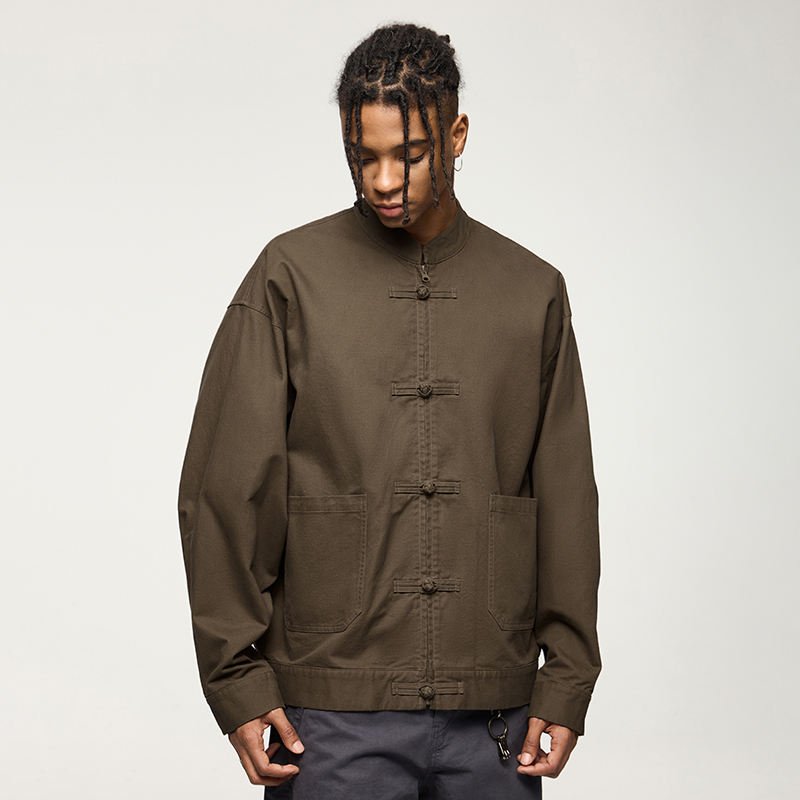
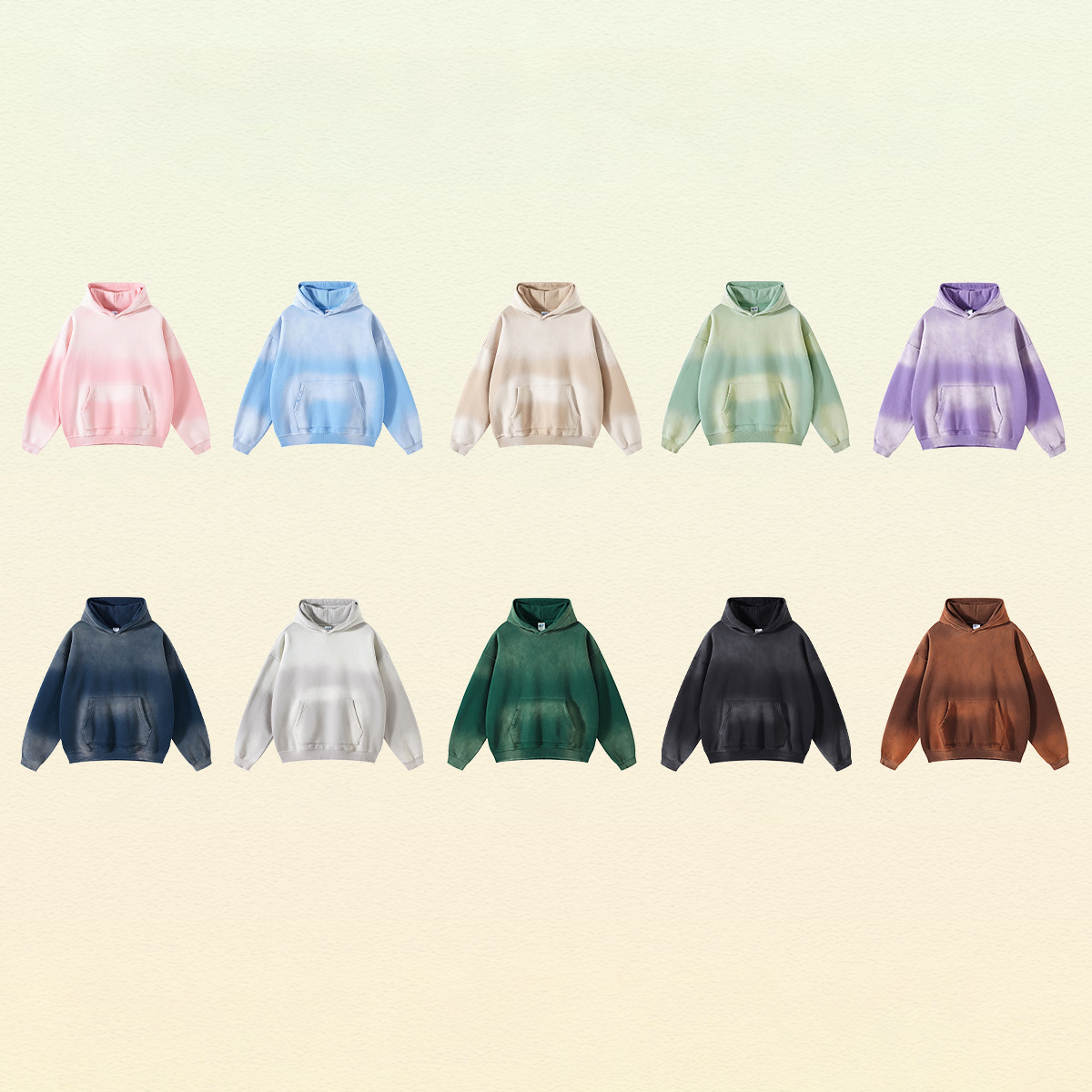
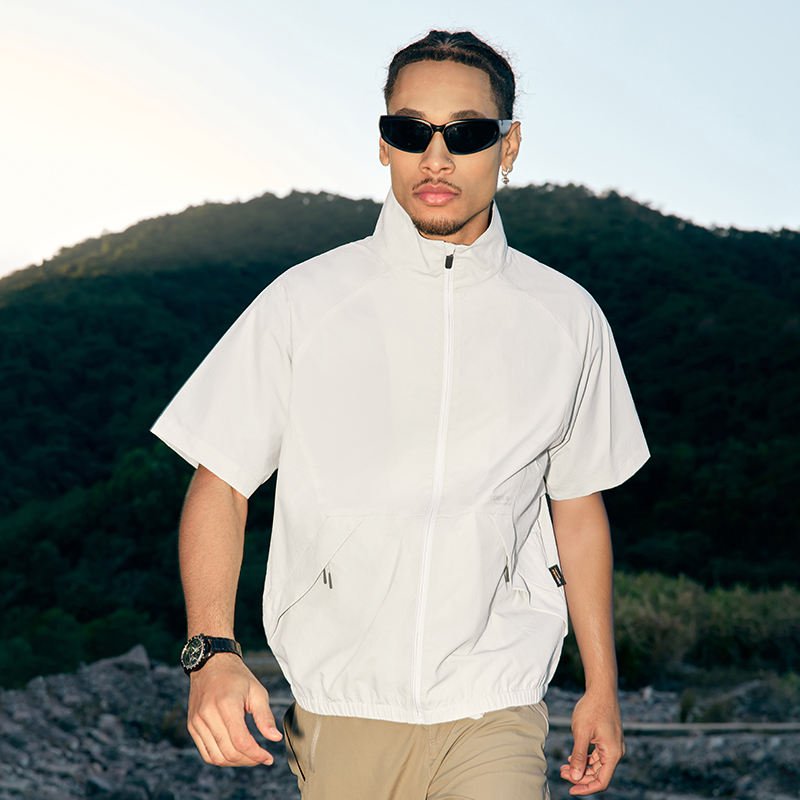
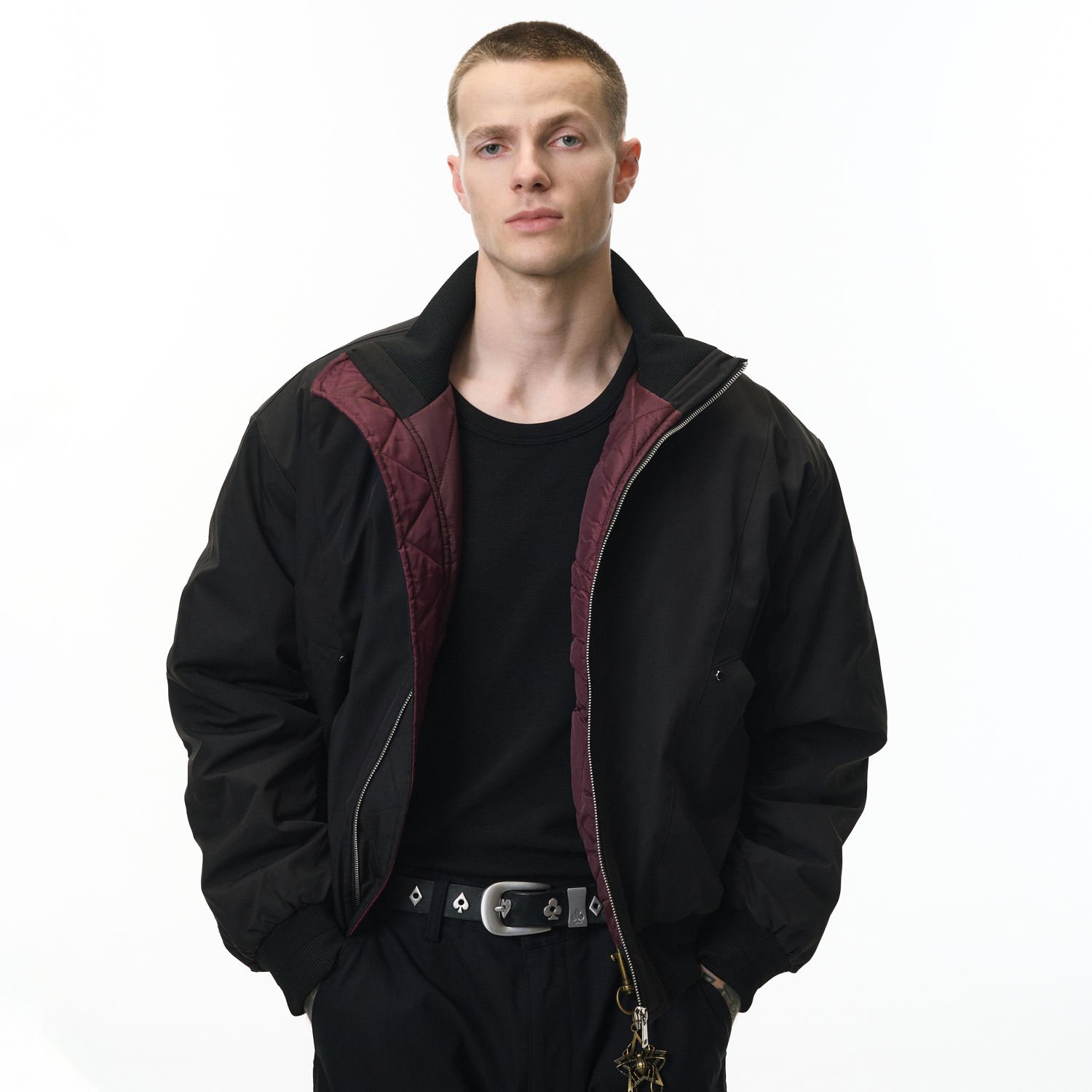
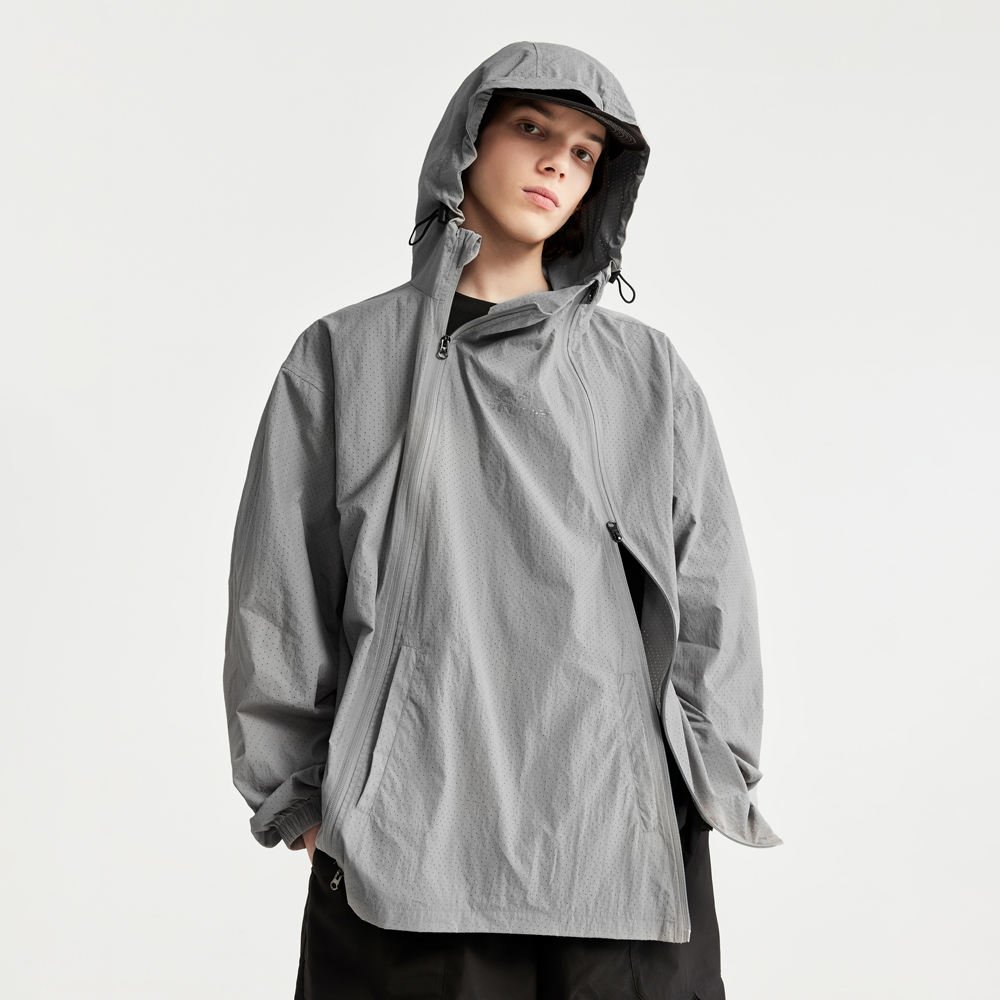
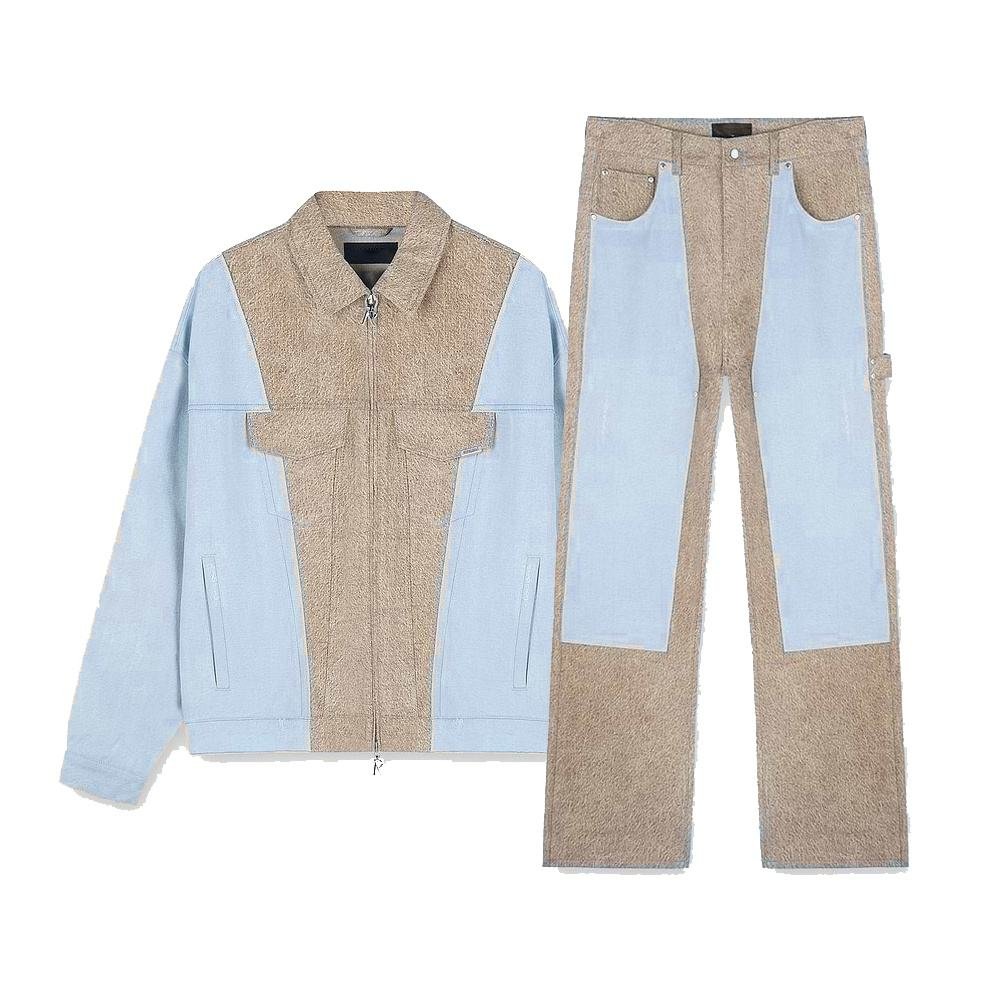
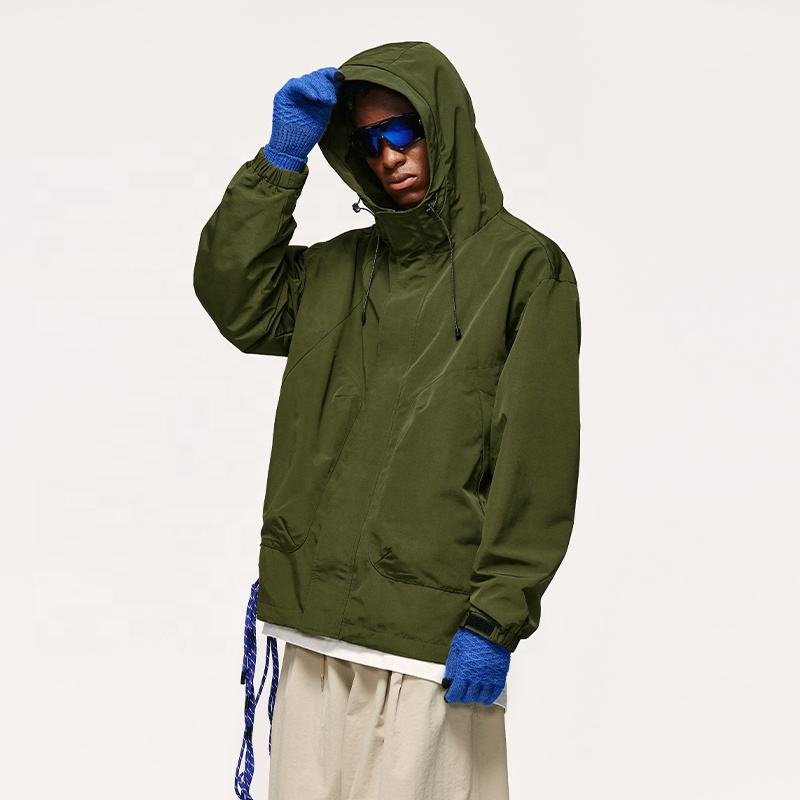
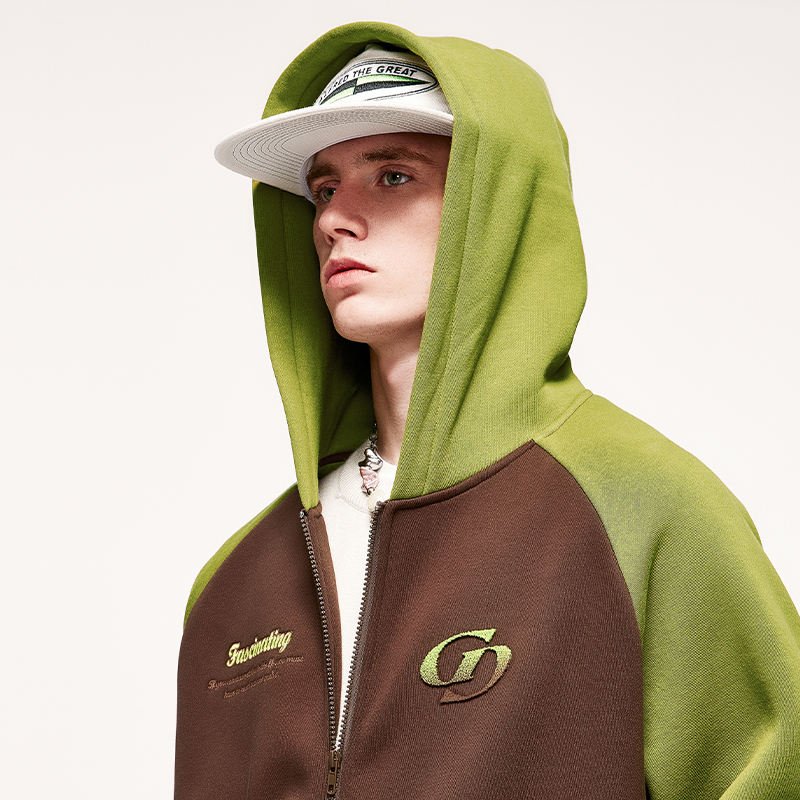
Why Choose Our Sherpa Fleece Jacket Manufacturer
Premium craftsmanship, trend-driven designs, and zero-compromise quality control for streetwear brands worldwide.
5-Step QC Guarantee
Every sherpa fleece jacket passes rigorous quality checks at materials, cutting, craft, sewing, and finished product stages before shipment.
Low MOQ — 50 Pieces
Launch your streetwear line without massive inventory risk. Perfect for fashion startups, influencer brands, and independent designers testing new styles.
7-Day Sample Turnaround
Fast sampling for seasonal collections and trend-driven drops. Get your sherpa jacket prototypes quickly to stay ahead of market demands.
In-House Design Team
15-member R&D team with streetwear expertise translates your vision into production-ready patterns, tech packs, and custom sherpa jacket designs.
Streetwear Culture Expertise
Six years specializing in trend-driven apparel. We understand oversized fits, bold graphics, and the aesthetic details streetwear audiences demand.
Global Shipping & Logistics
Seamless international fulfillment to over 100 countries. Customs, documentation, and reliable delivery handled with full transparency and support.
Sherpa Fleece Jacket Manufacturer: Custom Options for Every Style
From oversized streetwear hoodies to classic bombers, we produce every sherpa fleece jacket category with premium fabrics, trend-driven designs, and our 5-step QC guarantee.
Oversized Sherpa Hoodies
Streetwear brands need trending oversized fits with authentic sherpa texture, but most manufacturers lack streetwear expertise and deliver boxy, unflattering silhouettes that miss the mark.
Custom oversized patterns engineered for drop-shoulder aesthetics and layered styling. Low MOQ from 100 pieces, in-house sampling, and 2-week turnaround for seasonal drops.
Sherpa-Lined Bomber Jackets
Designer brands require premium sherpa-lined bombers with clean quilting and durable hardware, but struggle to find manufacturers who balance quality craftsmanship with accessible minimums for emerging labels.
Precision quilting, YKK zippers, and reinforced stitching across every bomber. Our 5-step QC catches defects early, ensuring consistent quality from prototype through full production runs.
Sherpa Crew Jackets
Retailers launching private-label lines face long lead times and inconsistent sherpa pile density, resulting in delayed launches and customer complaints about shedding or thin fleece coverage.
High-density sherpa fleece tested at materials QC stage. Fast 4–6 week production cycles with global shipping support, so your shelves stay stocked for peak seasons.
Sherpa Zip-Up Pullovers
Influencer brands need standout sherpa pullovers with bold colorways and unique design details, but typical suppliers offer only basic styles with limited customization and high minimums.
Full design collaboration with our 15-person R&D team. Custom embroidery, appliqué, and color-blocking options. Low MOQ from 50–100 units to test new styles before scaling.
Technical Sherpa Performance Jackets
Activewear startups require sherpa jackets with moisture-wicking linings and windproof shells, but struggle to source factories with both technical fabric expertise and streetwear-forward design sensibilities.
Hybrid construction combining performance textiles with sherpa insulation. Our cutting and sewing QC testing ensures lamination integrity and seam-sealed durability for active use.
Premium Sherpa & Fleece Fabrics for Your Jacket Line
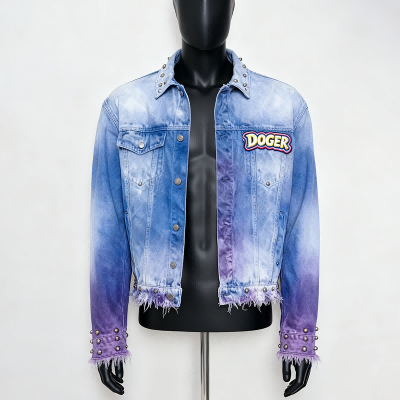
100% Polyester Sherpa
Ultra-plush, high-pile fleece with exceptional warmth retention. Ideal for statement outerwear and oversized streetwear jackets. Weight: 280–320 GSM. Resists pilling and maintains loft after repeated washing.
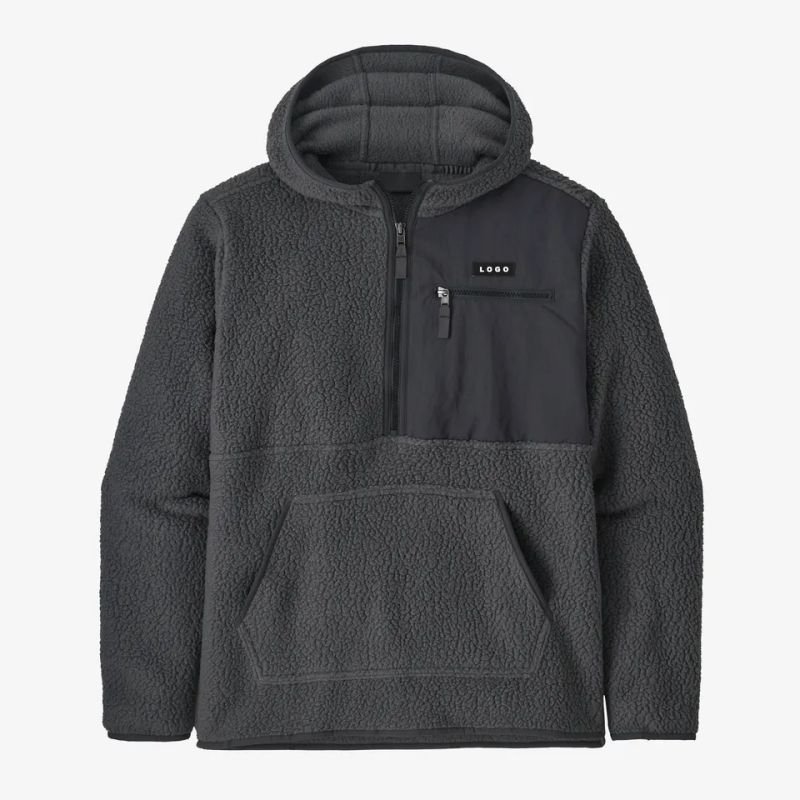
Cotton-Blend Sherpa
Soft, breathable sherpa combining 65% polyester and 35% cotton for natural comfort. Perfect for layering pieces and transitional-season jackets. Weight: 260–300 GSM. Offers superior moisture wicking with cozy texture.
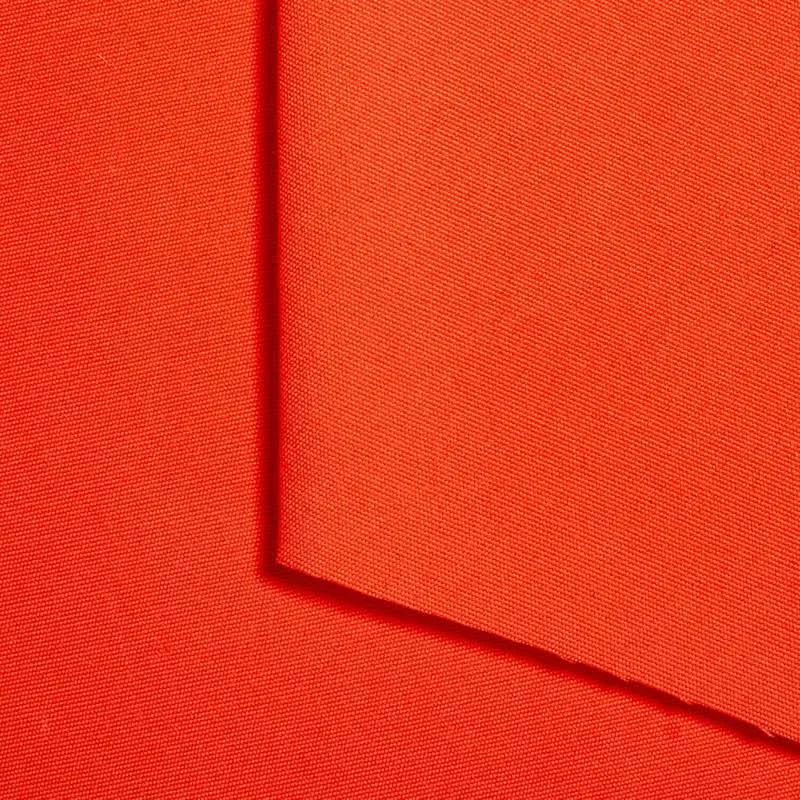
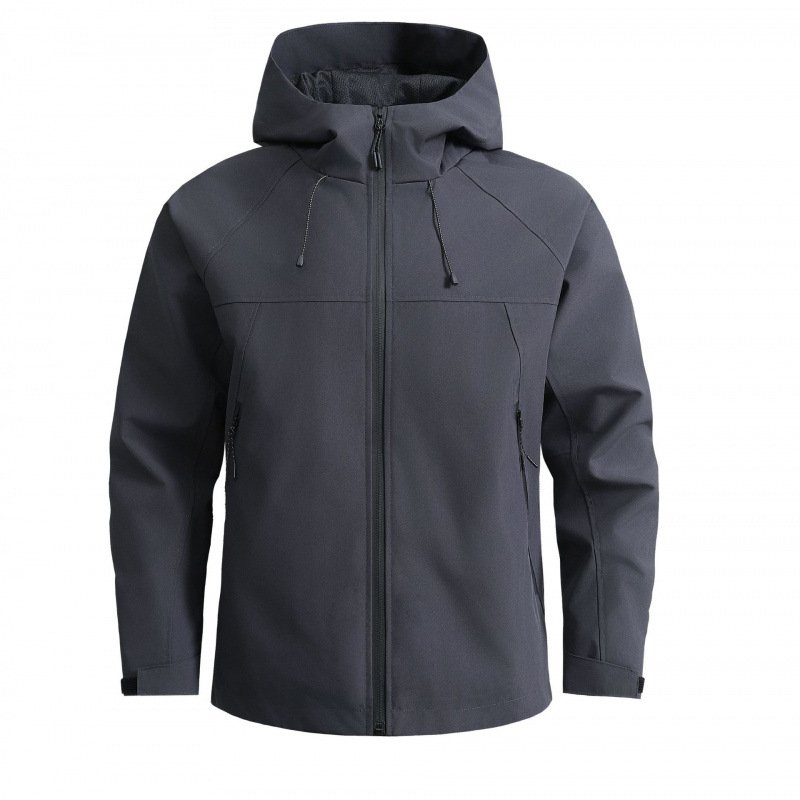
Micro-Fleece Lining
Lightweight, anti-static fleece ideal for jacket linings and reversible designs. Provides insulation without added weight. Weight: 180–220 GSM. Quick-drying properties make it perfect for active lifestyle brands.
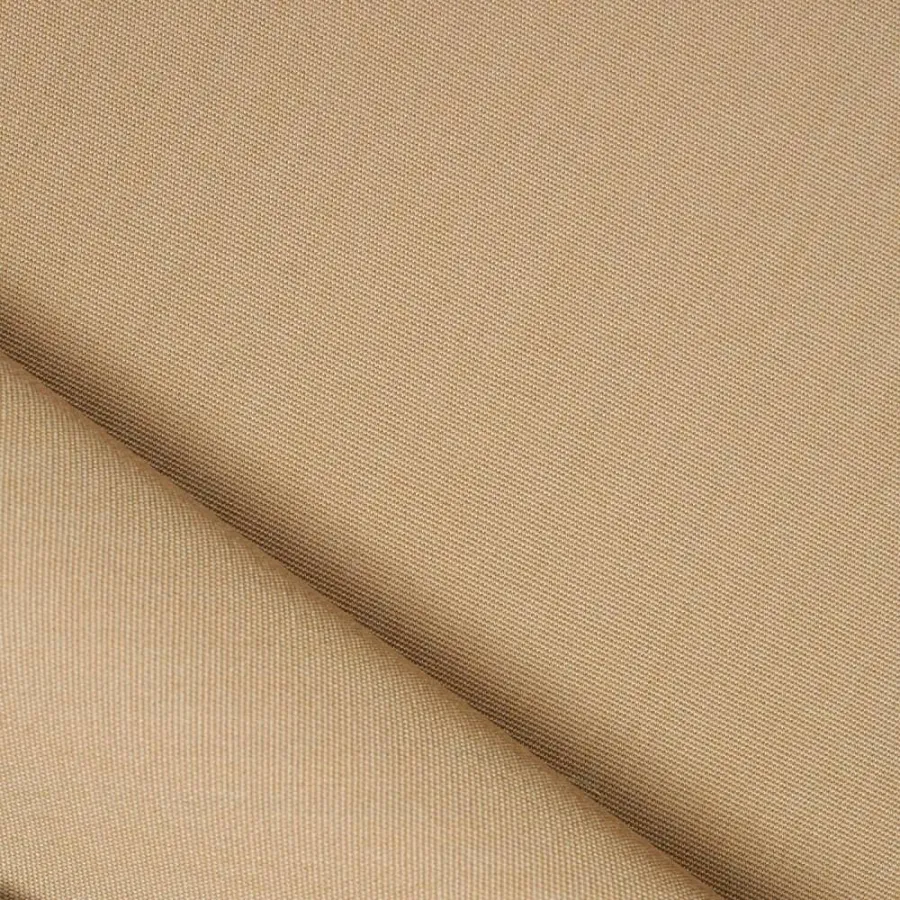
Heavyweight Sherpa
Premium-density sherpa fleece engineered for maximum warmth and luxury hand-feel. Best for high-end collections and winter outerwear lines. Weight: 340–380 GSM. Dense pile construction ensures long-lasting plushness and durability.
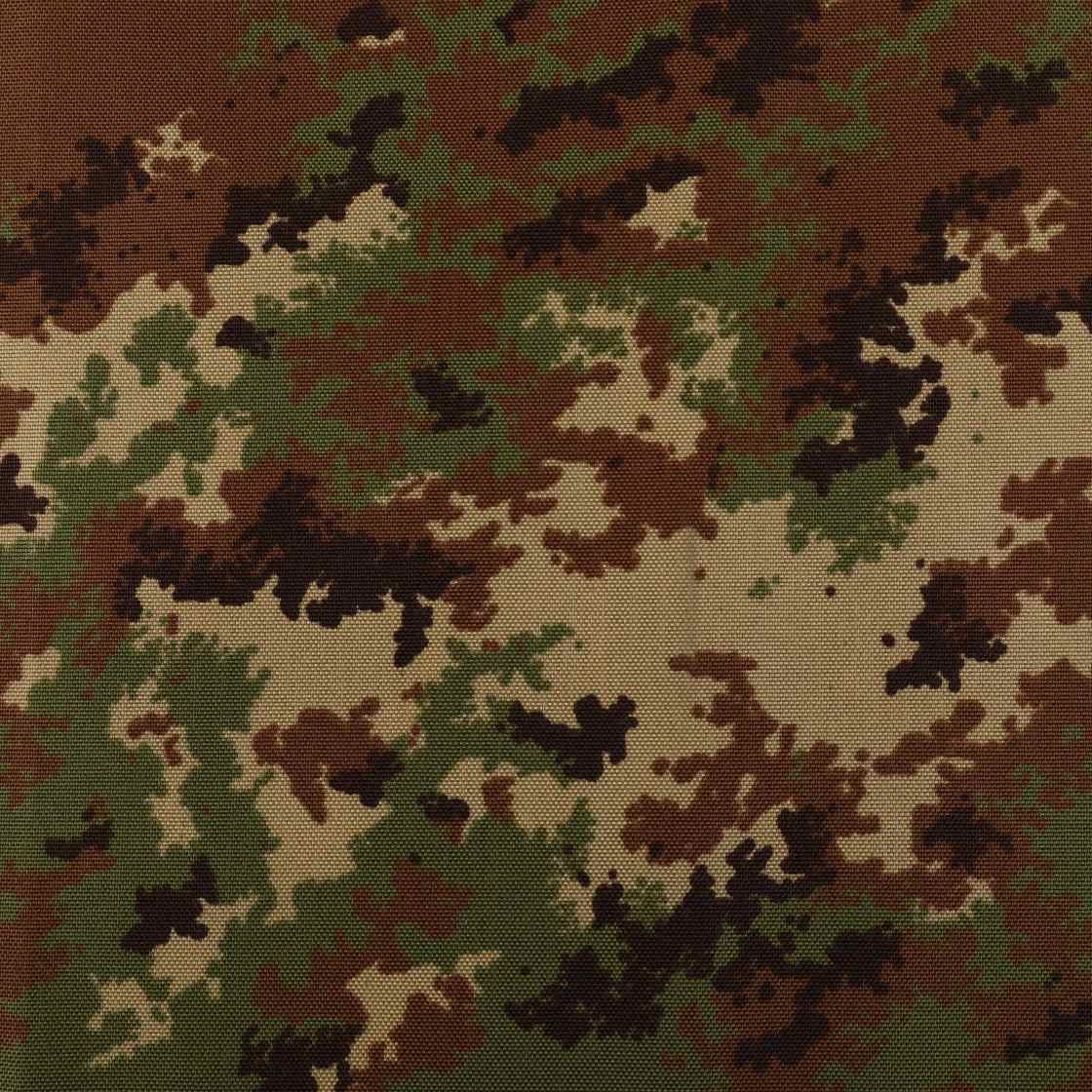
Recycled Polyester Sherpa
Eco-conscious sherpa made from post-consumer recycled fibers without compromising softness or warmth. Ideal for sustainable streetwear brands. Weight: 270–310 GSM. Meets global sustainability standards while delivering premium performance.
Sherpa Fleece Jacket Manufacturer Production Processes & Techniques
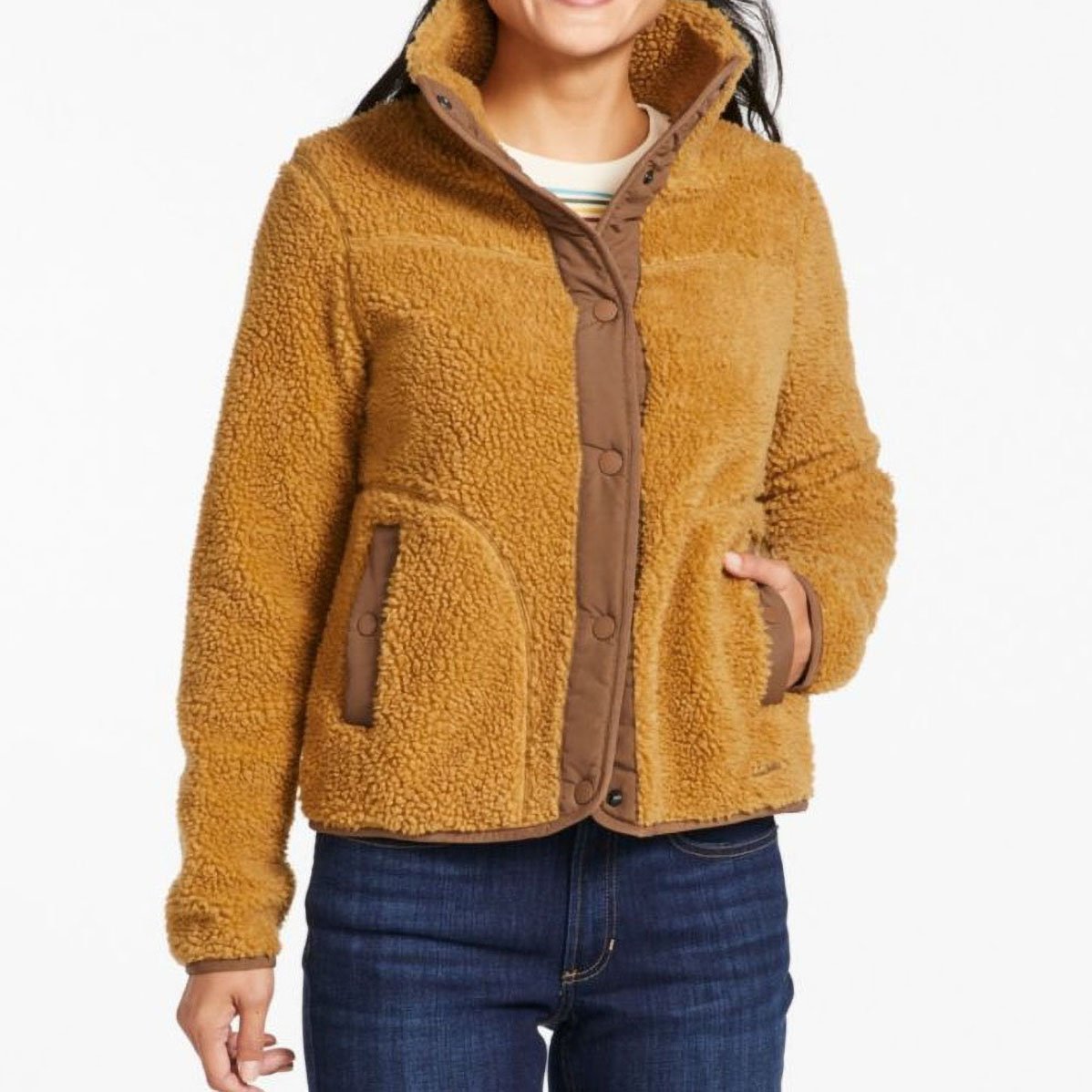
Custom Embroidery
High-density thread embroidery for logos, patches, and intricate designs. Adds premium texture and durability to sherpa fleece jackets, perfect for streetwear branding that stands out and withstands repeated wear.
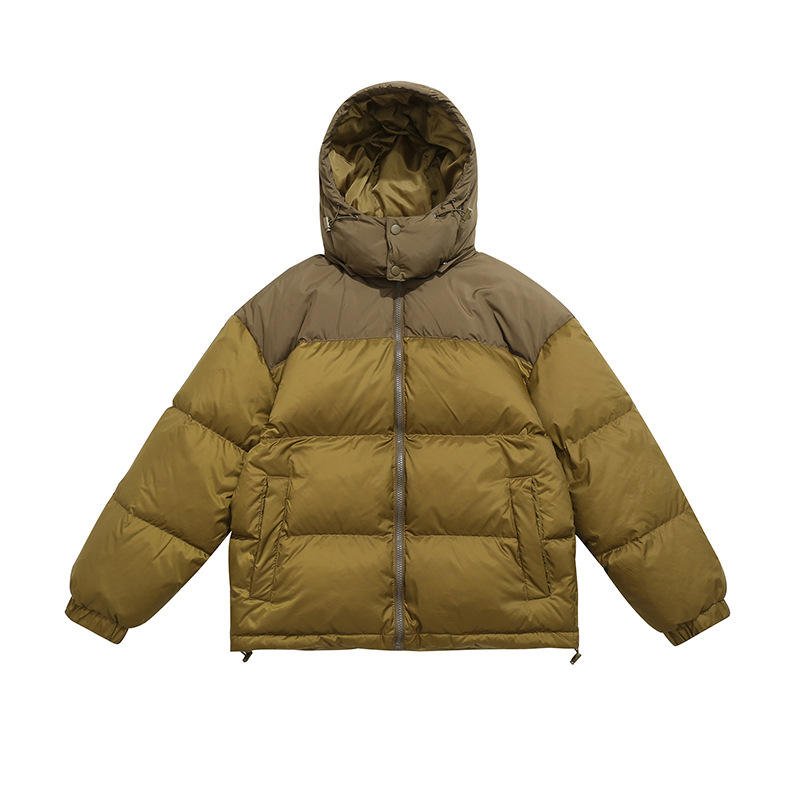
Screen Printing
Vibrant, long-lasting ink application ideal for bold graphics, text, and large-area designs. Delivers sharp color saturation on fleece surfaces, ensuring your streetwear statements stay vivid wash after wash.
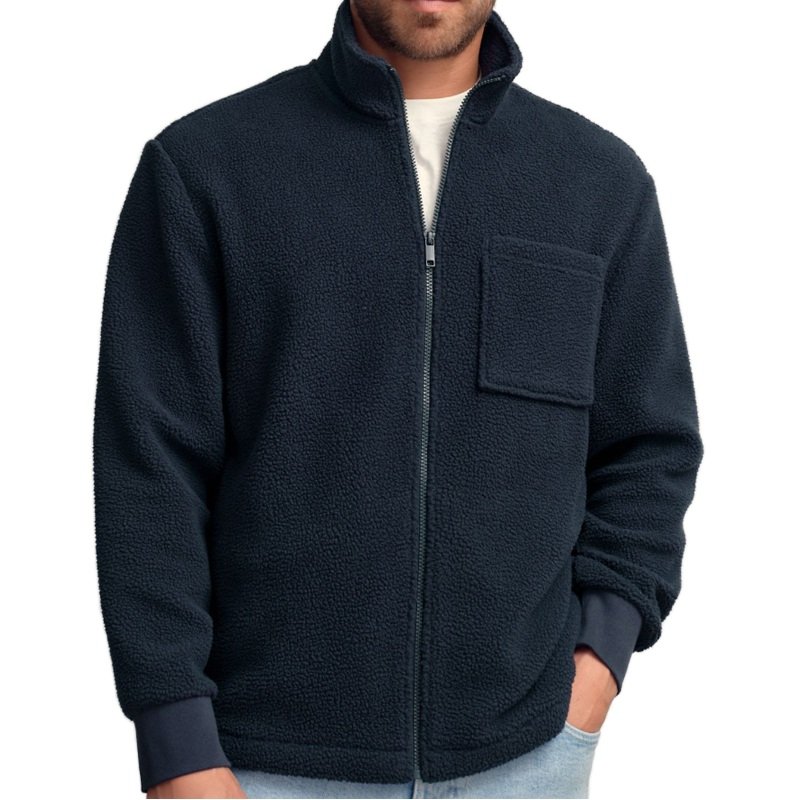
Heat Transfer Printing
Precise, full-color graphics transferred under heat and pressure. Perfect for complex artwork, photographic images, and gradient effects on sherpa jackets, offering flexibility for limited-edition streetwear drops.
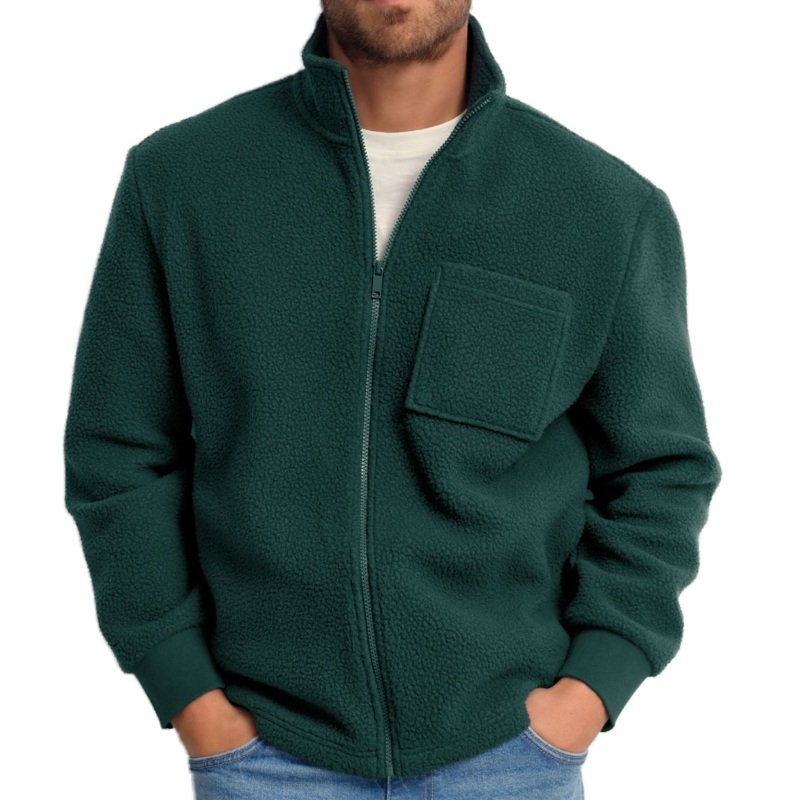
Custom Dyeing
In-house fabric dyeing for unique colorways and trend-driven palettes. Achieve exclusive sherpa fleece tones that differentiate your collection, with consistent color matching across production batches for brand integrity.
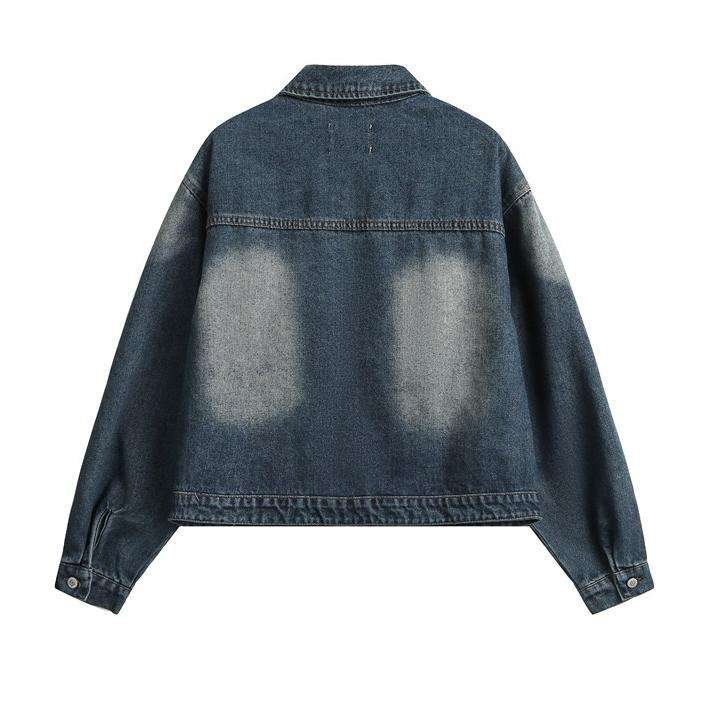
Woven Labels
Premium woven brand labels with intricate detail and soft hand-feel. Elevate your sherpa jacket’s finishing with professional neck labels, care tags, and exterior branding that communicate quality and authenticity.
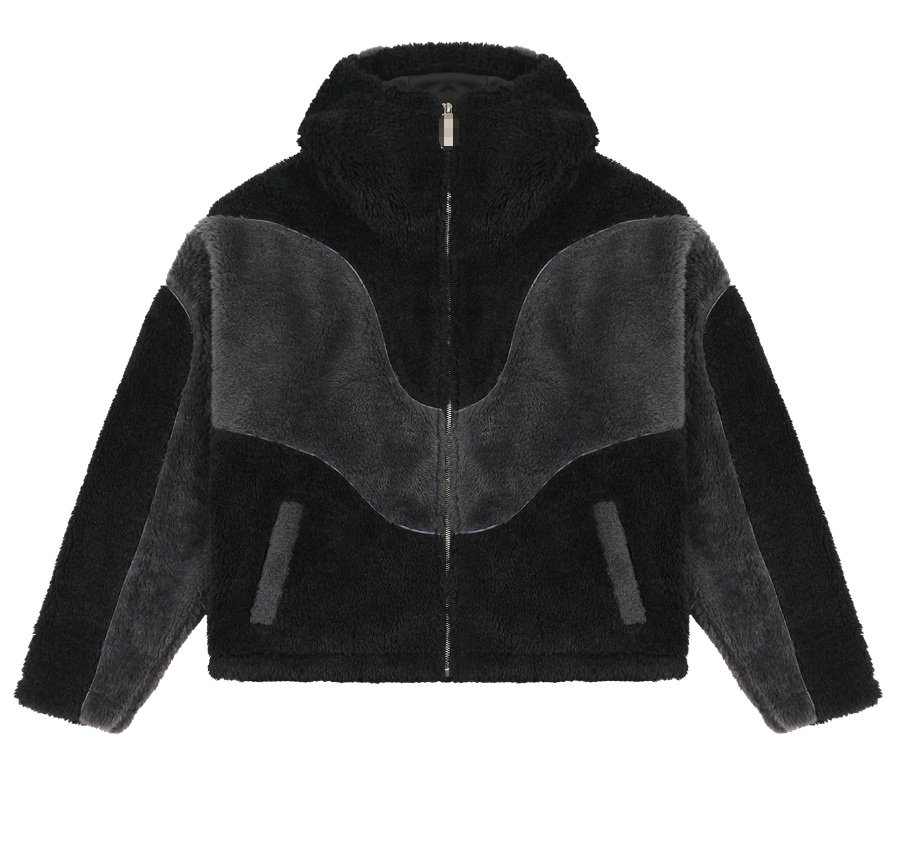
Sublimation Printing
Dye-sublimation process for all-over prints and seamless patterns. Infuses ink directly into fabric fibers for fade-resistant, breathable designs ideal for statement sherpa fleece pieces that demand maximum visual impact.
Hardware & Accessories for Sherpa Fleece Jacket Manufacturer Projects
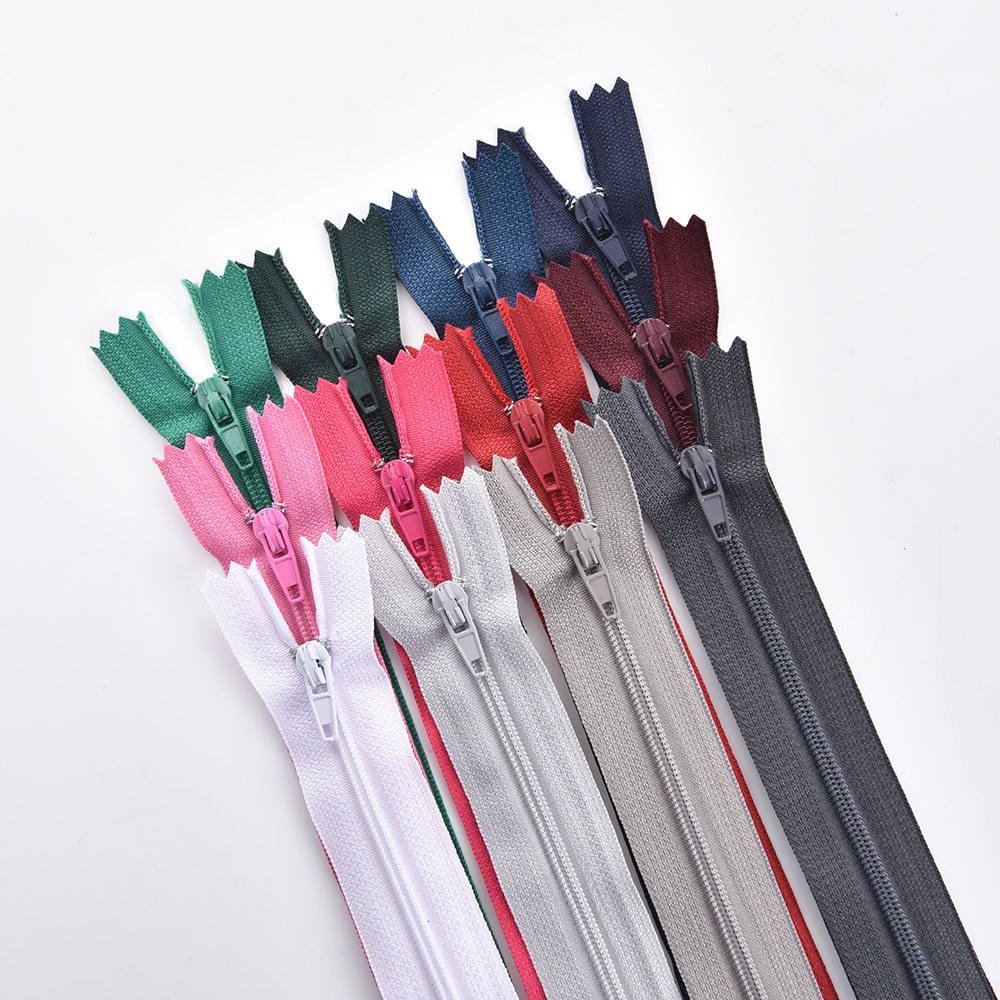
YKK Zippers
Premium Japanese-engineered zippers in metal, resin, or coil finishes. Tested for 5,000+ cycles, ideal for center-front closures and pocket applications on sherpa fleece jackets requiring smooth, reliable performance.
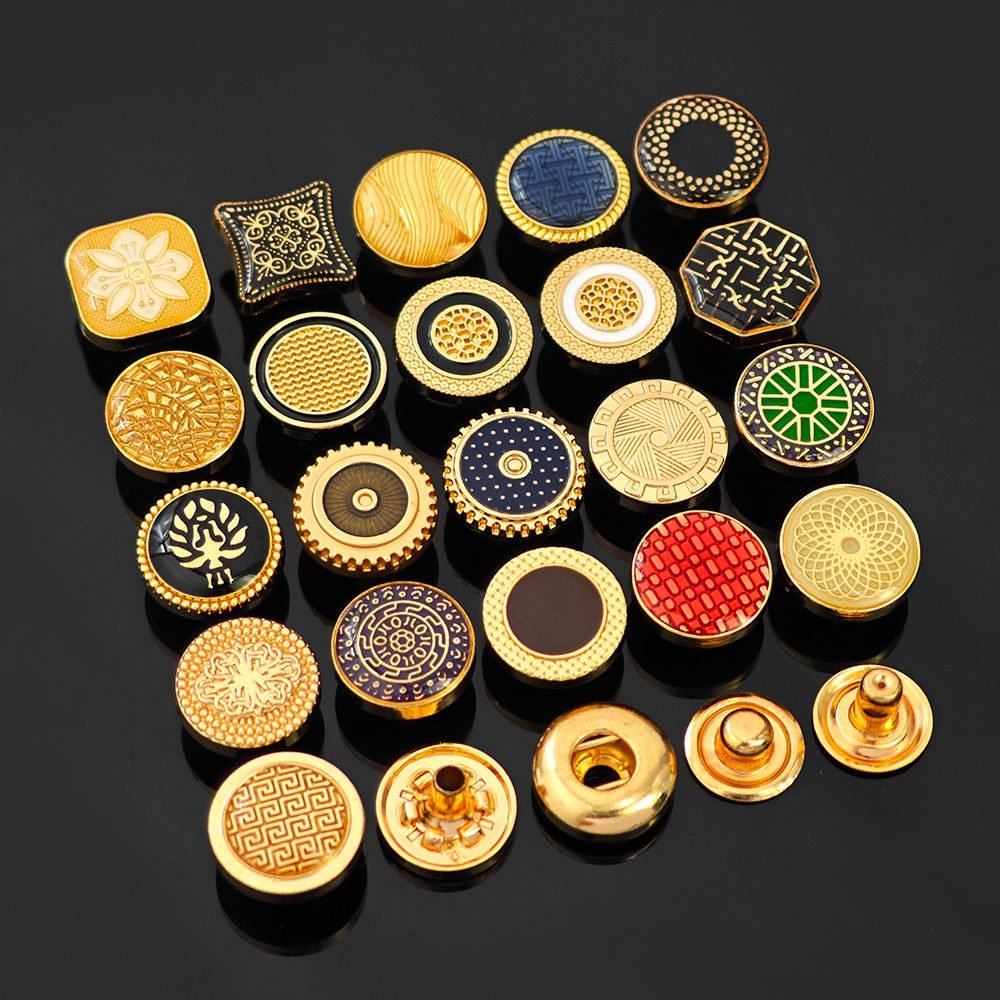
Metal Snap Buttons
Corrosion-resistant brass or stainless steel snaps in custom finishes including matte black, antique brass, and gunmetal. Perfect for plackets, cuffs, and adjustable collar closures on streetwear sherpa jackets.
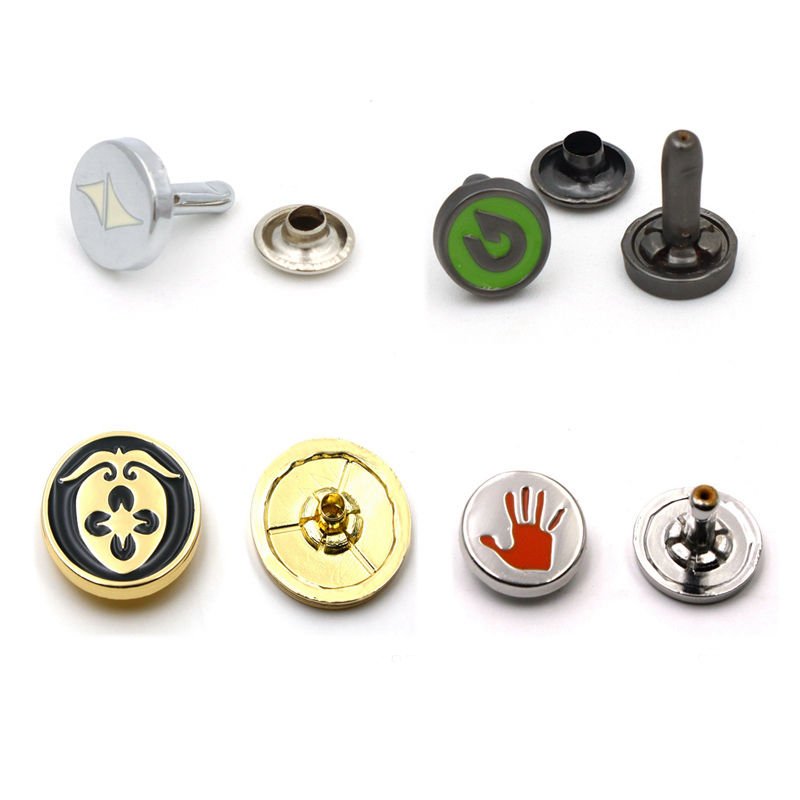
Drawcords & Tipping
Round or flat drawcords with metal, silicone, or branded plastic tipping in coordinating colors. Essential for adjustable hems and hoods, adding functional style to oversized sherpa fleece silhouettes.
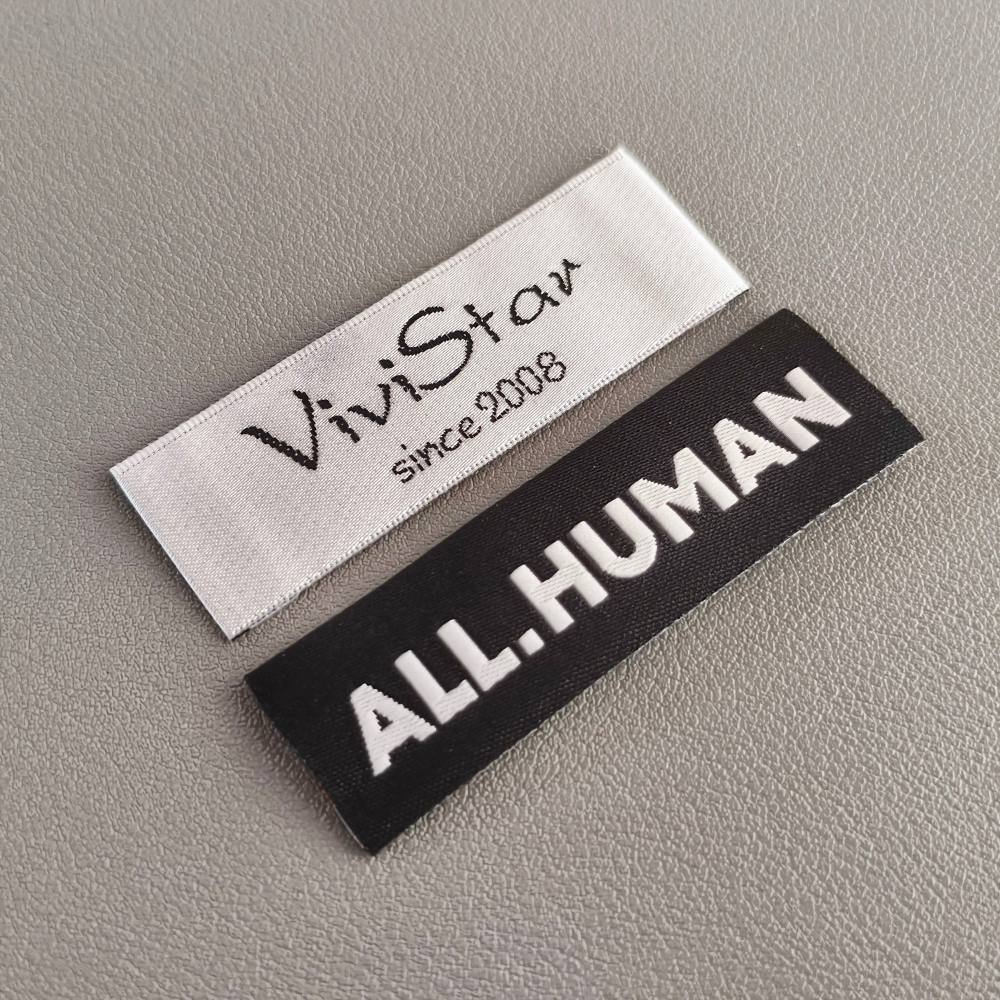
Woven Labels
High-density woven damask or taffeta labels with your logo in up to eight colors. Sewn into neck, side seam, or exterior placements to reinforce brand identity on every sherpa jacket.
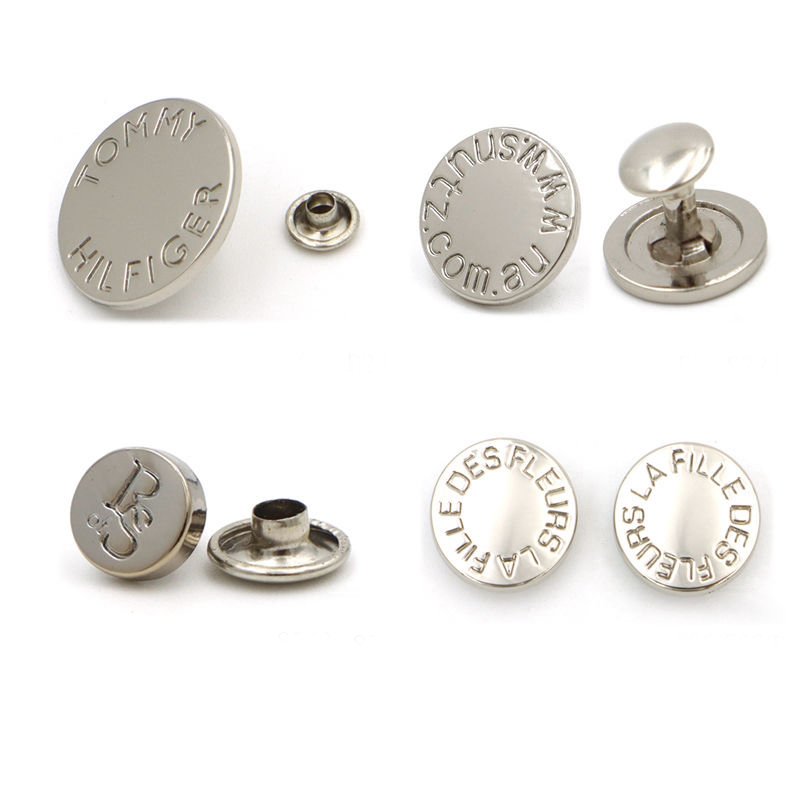
Metal Eyelets
Rustproof brass or aluminum eyelets for ventilation, drawcord reinforcement, or decorative detailing. Available in sizes 4mm to 12mm with powder-coated or polished finishes for streetwear aesthetics.
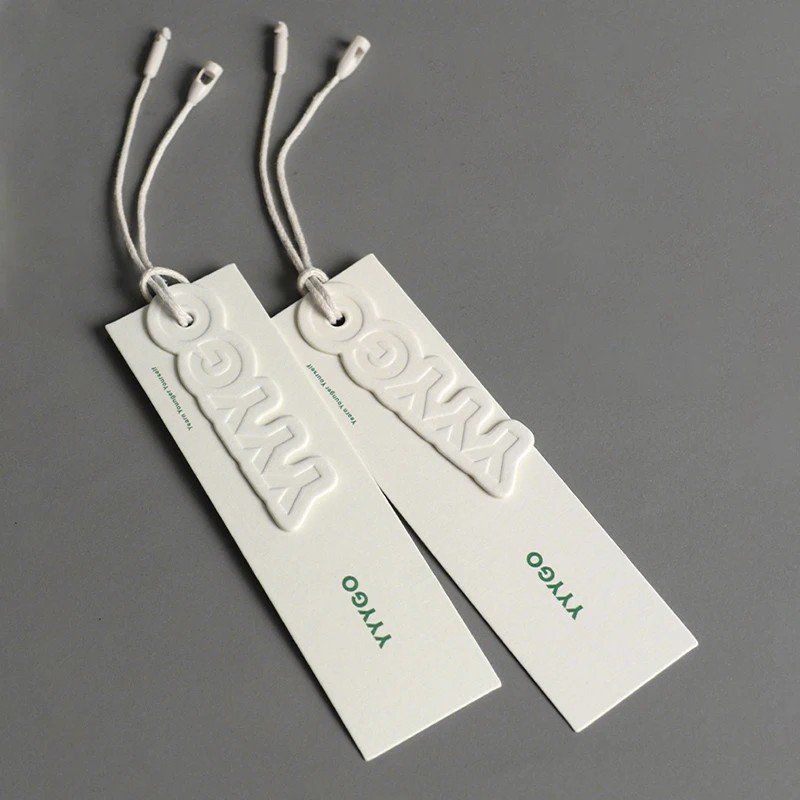
Custom Hang Tags
Printed or embossed hang tags on 300gsm cardstock, kraft, or specialty paper with foil stamping and die-cut options. Communicate your brand story and care instructions at point of sale.
Your Trusted Sherpa Fleece Jacket Manufacturer
Founded in 2024 by Tesla Luo, Clothing Manufacturer Ltd. was built on a decade of apparel production expertise and six years of specialized streetwear experience. Our mission is clear: restore the global reputation of Chinese garment manufacturers through zero-compromise quality control. We serve trendy brands, fashion startups, independent designers, and global retailers across more than 100 countries, delivering premium sherpa fleece jackets with the craftsmanship and reliability modern brands demand.
As a sherpa fleece jacket manufacturer, we combine hands-on production knowledge with rigorous quality assurance. Our proprietary five-step QC guarantee tests materials, cutting, craftsmanship, sewing, and finished garments at every production stage, eliminating defects before they reach your customers. Backed by a 15-member R&D team and 10 manufacturing patents, we offer low MOQs for emerging brands, fast turnaround for seasonal collections, and full global shipping support.
Whether you are launching your first collection or scaling an established line, we partner with you from fabric selection through final packaging. Our expertise in streetwear aesthetics, trend-driven design, and technical garment construction ensures your sherpa fleece jackets meet the highest standards. We do not cut corners, we build trust through transparency, hard work, and a commitment to quality that sets us apart from suppliers who skip critical testing steps.
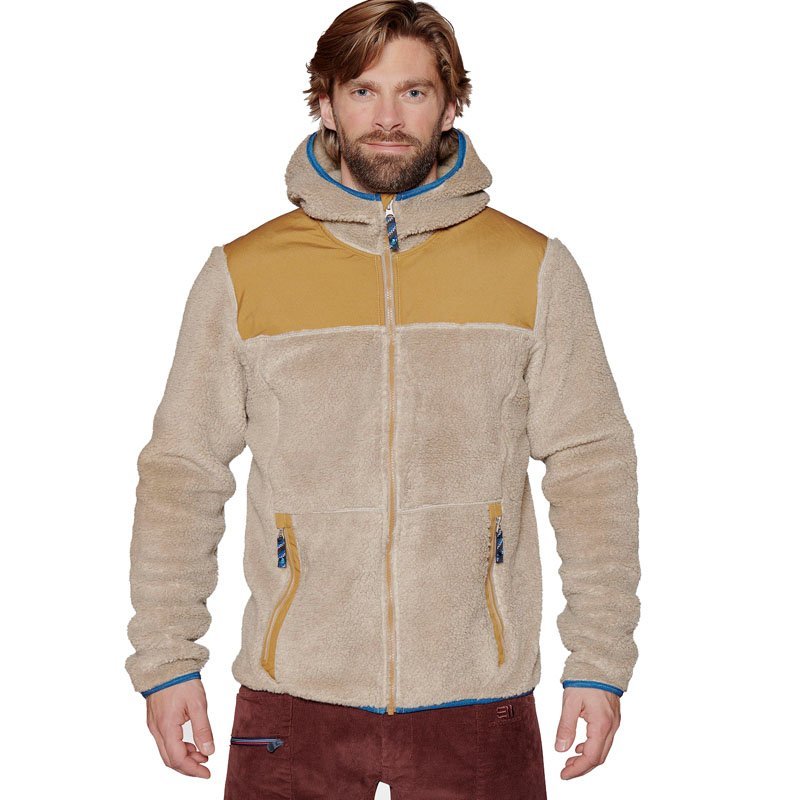
Our 5-Step QC Guarantee — Quality at Every Stage
Materials QC Testing
Every sherpa fleece fabric roll undergoes rigorous inspection before production begins. We verify pile density, weight, color consistency, and tensile strength to ensure your jackets start with premium materials that meet your brand’s specifications and performance standards.
- Pile height and density measurements for plush sherpa texture
- Color-fastness testing to prevent fading and bleeding
- Fabric weight verification (GSM) against order specifications
- Stretch recovery and tear resistance validation
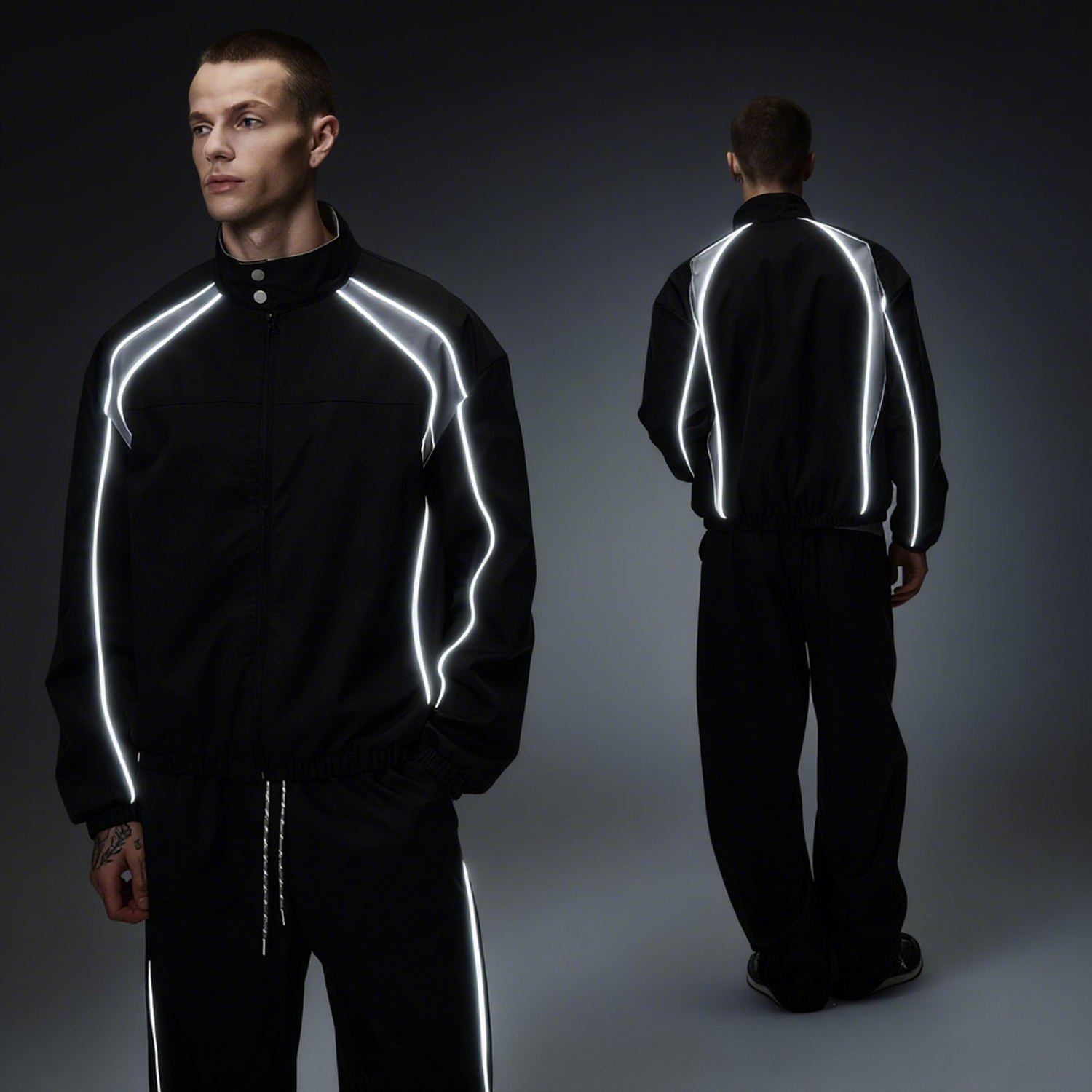
Cutting QC Testing
Precision cutting ensures consistent sizing and minimizes fabric waste. Our cutting QC team verifies pattern alignment, grain direction, and piece dimensions against technical packs, catching errors before they multiply through hundreds of units in production.
- Pattern piece count verification for each size run
- Grain alignment checks to prevent distortion and twisting
- Notch and marking accuracy for seamless assembly
- Dimensional tolerance checks (±3mm standard)
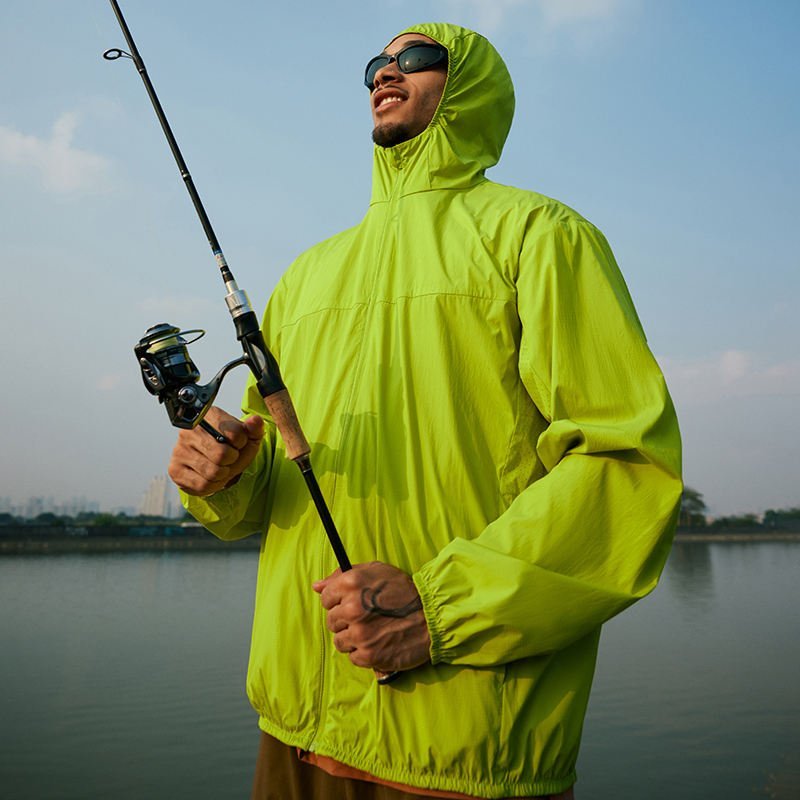
Craft & Sewing Production QC
In-line quality checks during sewing catch defects in real time. Our QC inspectors monitor stitch density, seam strength, zipper alignment, and pocket placement at critical production milestones, ensuring every sherpa fleece jacket meets construction standards before moving to finishing.
- Stitch-per-inch counts for seam durability and appearance
- Zipper function testing and tape alignment verification
- Pocket placement and symmetry checks across all sizes
- Lining attachment and hem evenness inspection
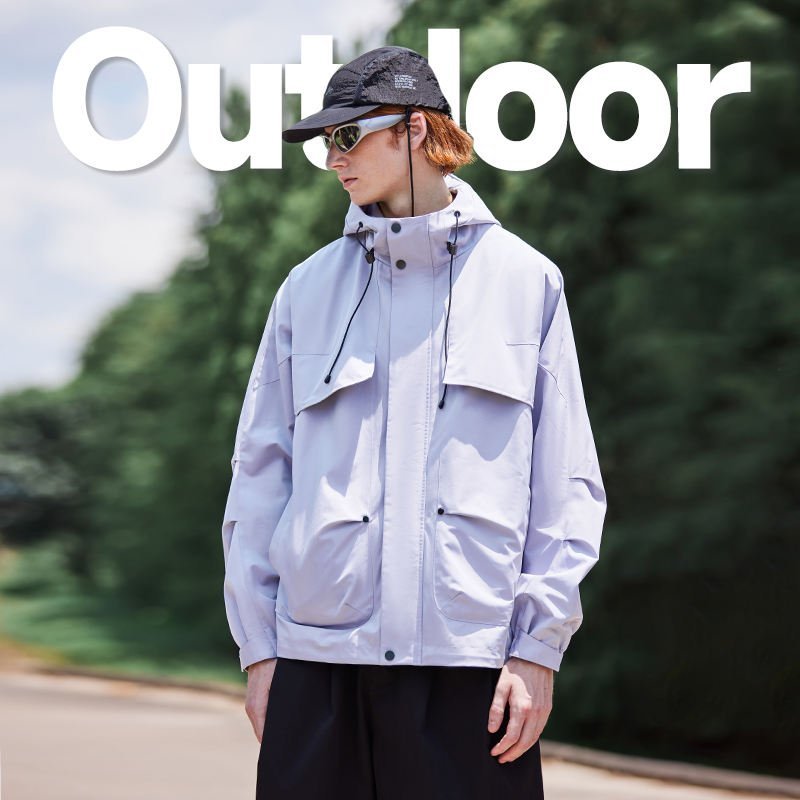
Finished Goods Quality Inspection
Final inspection is your last line of defense. Every completed sherpa jacket undergoes comprehensive examination for visual defects, measurements, labeling accuracy, and packaging integrity. Only garments that pass our 47-point checklist ship to your warehouse.
- Full garment measurement audit against size spec sheets
- Visual inspection for stains, snags, and loose threads
- Label placement, care instructions, and branding verification
- Packaging quality check and carton labeling accuracy
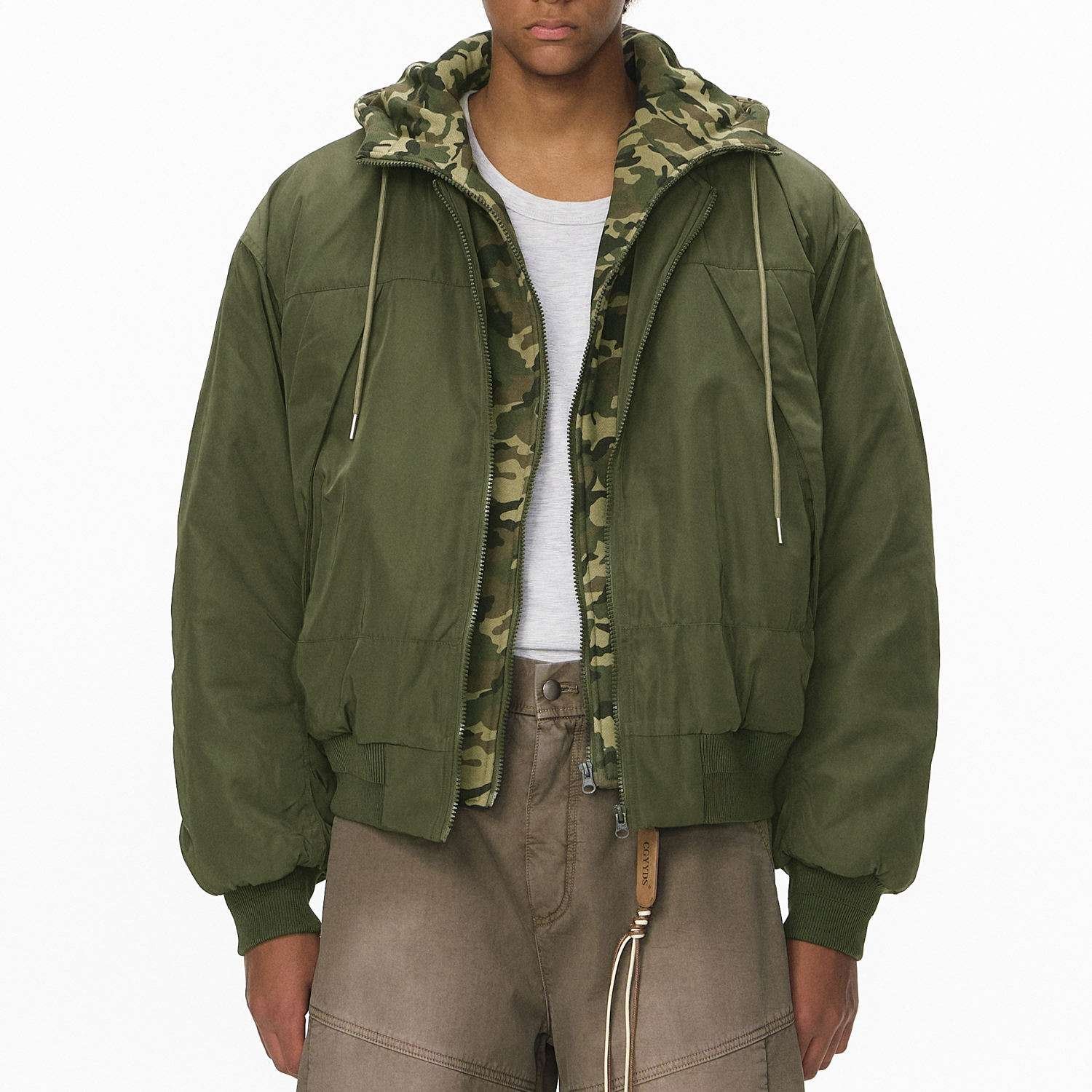
Why Brands Choose Our Sherpa Fleece Jacket Manufacturer Over Typical Suppliers
We eliminate the compromises and delays that plague low-cost suppliers. Compare our proven approach to the industry standard and see why streetwear brands, startups, and global retailers trust Clothing Manufacturer Ltd. for their sherpa fleece jacket production.
← 左右滑动查看 →
Sherpa Fleece Jacket Manufacturer Production Timeline
From fabric sourcing to global delivery, every sherpa fleece jacket passes through our rigorous 5-step QC process at each production phase.
Fabric Sourcing & Approval
We source premium sherpa and fleece materials, conduct materials QC testing for durability and softness, and secure your approval before production begins. Typical duration: 3-5 days.
Pattern Development & Sampling
Our in-house design team creates custom patterns and produces samples with cutting QC testing to ensure precision fit and streetwear aesthetics. Typical duration: 5-7 days.
Cutting & Production Launch
Approved patterns move to cutting with strict QC checks, then production begins with clothing craft QC testing to verify construction standards. Typical duration: 2-4 days.
Sewing & Assembly
Skilled technicians assemble each sherpa fleece jacket while sewing production QC testing monitors stitching quality, seam strength, and hardware attachment throughout. Typical duration: 7-10 days.
Finishing & Final Inspection
Jackets undergo ironing, finishing touches, and comprehensive finished clothing quality QC inspection to guarantee every piece meets our zero-compromise standards. Typical duration: 2-3 days.
Packing & Global Shipping
Final products are professionally packed per your specifications and shipped worldwide with full logistics support and tracking for seamless delivery. Typical duration: 1-2 days plus transit.
How to Partner With Your Sherpa Fleece Jacket Manufacturer in 3 Simple Steps
From design brief to bulk production, our streamlined process ensures fast sampling, transparent pricing, and low MOQ for emerging streetwear brands.
Submit Your Tech Pack & Design Brief
Share your sherpa fleece jacket specifications, fabric preferences, and branding requirements. Our team reviews your project within 24 hours and confirms technical feasibility and low MOQ options.
Receive Quote & Free Sample
Get a detailed quote with transparent pricing and material breakdowns. Approve the quote, and we’ll deliver a free physical sample within 7 days for your review and approval.
Approve Sample & Place Bulk Order
Once you approve the sample quality, place your bulk order with confidence. Production begins immediately with our 5-step QC guarantee ensuring every jacket meets your standards.
Certified Sherpa Fleece Jacket Manufacturer You Can Trust
Customer Success Stories — Brands Scaling with Our Sherpa Fleece Jacket Manufacturer
We launched our first sherpa fleece jacket collection with Clothing Manufacturer and grew from 2,000 to 47,000 Instagram followers in 8 months. Their 5-step QC process meant zero returns on our first 500-unit order.
As a startup, the low MOQ of 50 pieces per design let us test three colorways without huge risk. Sampling turnaround was 7 days, and we reduced our go-to-market time by 60% compared to our previous supplier.
We needed 1,200 custom sherpa jackets for our winter drop with embroidered logos and custom zippers. Clothing Manufacturer delivered on time with flawless quality—our influencer partners loved them and reorder rate hit 34%.
FAQ — Sherpa Fleece Jacket Manufacturer Questions
What is the minimum order quantity (MOQ) for a sherpa fleece jacket manufacturer?
How long does production take with your sherpa fleece jacket manufacturer?
Do you offer free samples as a sherpa fleece jacket manufacturer?
What are the payment terms when working with your sherpa fleece jacket manufacturer?
Can you ship sherpa fleece jackets internationally?
How do you protect my designs and intellectual property?
What makes your sherpa fleece jacket manufacturer different from other suppliers?
Can you customize sherpa fleece jackets with my brand’s unique design elements?
Do you have experience manufacturing sherpa fleece jackets for influencer and streetwear brands?
The Complete Buyer’s Guide to Choosing a Sherpa Fleece Jacket Manufacturer
Navigate the sourcing landscape with confidence. This guide delivers a proven decision framework, critical supplier evaluation criteria, material specifications, customization options, and the most common mistakes fashion brands make when partnering with a sherpa fleece jacket manufacturer.
1. What Is a Sherpa Fleece Jacket Manufacturer?
A sherpa fleece jacket manufacturer is a specialized apparel producer that sources high-pile sherpa fleece fabric, engineers patterns, cuts panels, sews garments, and finishes jackets with plush pile linings or exteriors. Unlike generic garment factories that handle diverse product categories, dedicated sherpa specialists maintain expertise in managing the technical challenges of thick, textured fleece—such as controlling bulk at seams, preventing pile distortion during cutting, and ensuring consistent loft across batches.
Full-package manufacturers deliver design-to-delivery services: they develop tech packs, source fabrics and trims, produce samples, grade patterns across size runs, handle private labeling, conduct multi-stage quality control, and coordinate logistics and customs. CMT (cut-make-trim) shops provide sewing labor only; brands must supply all materials, approved samples, and graded patterns. Clothing Manufacturer Ltd. operates as a full-package partner, integrating a five-step QC methodology—materials testing, cutting inspection, craft review, sewing checks, and finished-garment audits—introduced February 12, 2025, to catch defects at every production stage rather than only at final inspection.
Brands choose sherpa fleece jacket manufacturers over general contractors for three reasons: fabric expertise (sherpa fleece typically ranges 200–400 GSM and requires specialized needle gauges), construction know-how (flatlock or cover-stitch seams prevent bulk), and quality assurance systems that verify pile consistency and colorfastness. Typical services include sampling within 7–14 days, pattern grading to six or more sizes, woven or printed private labels, OEKO-TEX or BSCI compliance documentation, and consolidated shipping with customs-ready paperwork.
2. Evolution of Sherpa Fleece in Apparel Manufacturing
In the late 1970s, outdoor brands like Patagonia introduced retro pile jackets as lightweight alternatives to wool, using polyester fleece that mimicked natural sheep pile at a fraction of the weight. Early production relied on hand-brushed techniques to raise fibers on knit polyester base fabrics, creating a plush surface that trapped warm air while remaining breathable. By the mid-1980s, Malden Mills (now Polartec) pioneered high-pile synthetic fleece technology, enabling automated knitting machines to produce consistent, voluminous textures that became the foundation for modern sherpa fleece.
The 2000s saw sherpa fleece migrate from technical outerwear into casual fashion, but it remained a niche trim or lining detail until the 2010s. Between 2015 and 2020, Y2K nostalgia and the athleisure boom propelled sherpa fleece jackets into streetwear collections, with brands layering oversized silhouettes and bold colorways onto the cozy texture. Modern sherpa fleece jacket manufacturers use computerized circular knitting to produce high-pile fabrics at 250–400 GSM, then bond them to jersey or tricot backings for durability and shape retention.
Understanding this evolution helps buyers evaluate a sherpa fleece jacket manufacturer’s technical heritage: factories with experience in both pile knitting and bonding can troubleshoot common issues like shedding, pilling, and inconsistent pile height. Manufacturers who entered the category only during the recent streetwear surge may lack the process knowledge to maintain quality across large production runs or adapt pile density for seasonal weight variations.
3. Types of Sherpa Fleece Jacket Manufacturers
Sherpa fleece jacket manufacturers fall into distinct categories by service model, scale, and geographic footprint. Understanding these types helps streetwear startups, influencer brands, and global retailers match production partners to their volume, budget, and control requirements.
Full-Package OEM/ODM vs. CMT Contractors
Full-package factories handle design, fabric sourcing, trim procurement, and production under one roof, ideal for fashion startups and influencer brands without in-house sourcing teams. ODM providers offer ready-to-customize templates, while OEM executes your tech packs.
CMT (cut-make-trim) contractors require you to supply all materials, giving established retailers tighter control over fabric quality and margins. CMT pricing typically runs 30–40 percent lower than full-package but demands expertise in textile procurement and logistics.
Niche Sherpa Specialists vs. Broad-Spectrum Factories
Dedicated sherpa fleece jacket manufacturers maintain specialized bonding equipment, pile-finishing tools, and QC protocols for high-loft fabrics. Broad-spectrum outerwear factories produce parkas, bombers, and coaches jackets alongside sherpa styles, offering one-stop convenience but less depth in fleece construction.
Clothing Manufacturer Ltd. combines streetwear specialization with sherpa expertise, applying its five-step QC methodology to every fleece jacket order.
Low-MOQ Boutique vs. High-Volume Mass Producers
Boutique manufacturers accept orders from 50–300 pieces, serving independent designers and creator brands testing new drops. High-volume facilities require 1,000–5,000 piece minimums, suited to global retailers with established demand.
Low-MOQ partners charge 15–25 percent premiums per unit but enable agile product launches. Clothing Manufacturer Ltd. supports both emerging labels and scaling brands, balancing flexible minimums with the production infrastructure of parent company Dongguan TuoZhen Clothing Co., Ltd.
4. Materials and Fabric Options for Sherpa Fleece Jackets
Sherpa fleece jacket construction begins with fabric selection, which directly impacts warmth, weight, cost, and brand positioning. A sherpa fleece jacket manufacturer typically stocks four core sherpa types and multiple shell options to match diverse design briefs and price points.
| Fabric Type | GSM Range | Typical Use Case | Price Tier |
|---|---|---|---|
| 100% Polyester Sherpa | 200–400 | Core collections, high-volume runs | Budget–Mid |
| Poly-Cotton Blend Sherpa | 250–380 | Premium comfort, lifestyle brands | Mid–High |
| Recycled Polyester Sherpa | 220–350 | Sustainable lines, eco-positioning | Mid–High |
| Bonded Sherpa + Shell | 280–420 | Technical streetwear, fast production | Mid |
| Nylon Taffeta Shell | 50–70 | Windproof, athletic styles | Budget |
| Canvas / Denim Shell | 240–420 | Workwear, heritage aesthetics | Mid–High |
Core Sherpa Fleece Fabric Types
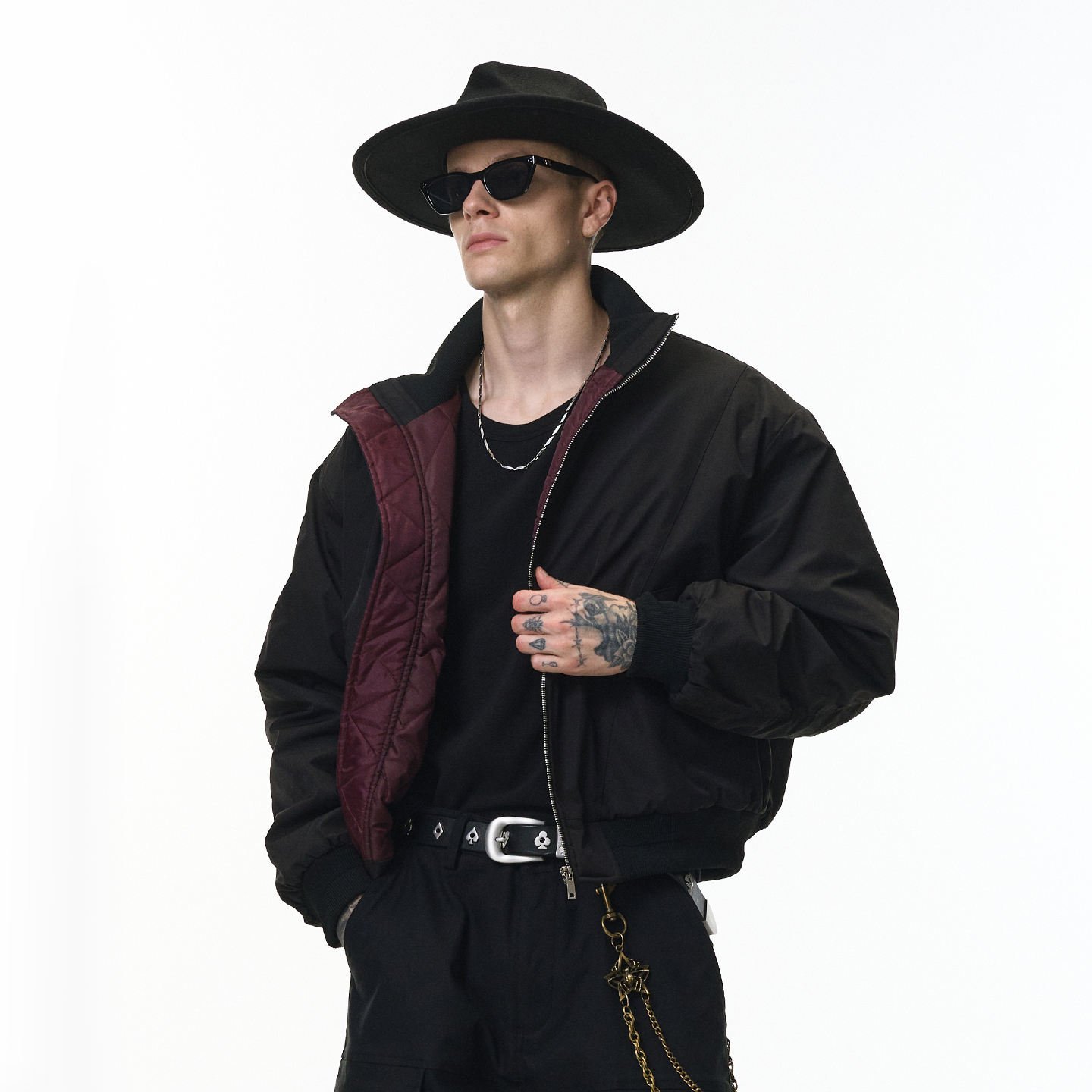
100% polyester high-pile sherpa remains the industry standard, offering pile heights of 10 mm (lightweight), 12 mm (midweight), and 15 mm (premium warmth). Polyester-cotton blends (typically 80/20 or 70/30) add breathability and a softer hand feel at a slight cost premium. Recycled polyester sherpa, often GRS-certified, appeals to eco-conscious brands and commands 10–15% higher pricing.
Bonded sherpa—fleece laminated to a woven shell—eliminates the need for separate lining and reduces construction time by approximately 20%. GSM ranges span 200–250 for lightweight spring jackets, 280–320 for midweight fall wear, and 350–400 for heavy winter styles.
Shell Fabric Options
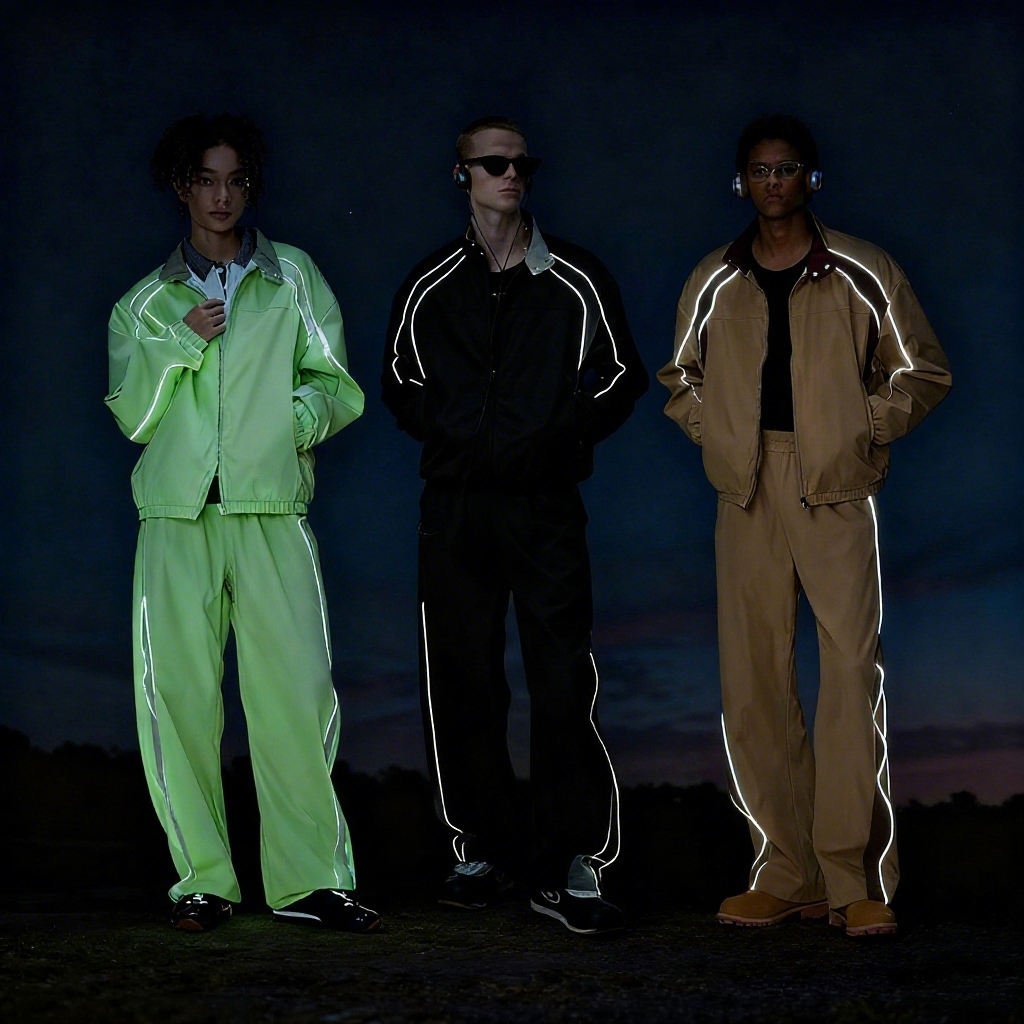
Nylon taffeta (50–70 GSM) provides wind resistance and a technical aesthetic popular in streetwear. Ripstop nylon adds tear resistance for outdoor-inspired designs. Canvas (8–12 oz) and denim (10–14 oz) deliver rugged, workwear-influenced looks that pair well with sherpa collars and linings.
Shell choice affects both construction complexity and final garment weight; denim shells require heavy-duty needles and slower sewing speeds compared to taffeta.
Performance Treatments and Finishes
Anti-pilling treatments extend sherpa lifespan by 30–50 washes, critical for premium positioning. DWR (durable water repellent) finishes on shell fabrics enable light rain protection without adding bulk. Stretch blends—typically 3–5% spandex—improve mobility for activewear-oriented designs but increase fabric cost by 8–12%.
- Anti-pilling: enzyme or silicone treatments applied post-dyeing
- DWR finish: fluorocarbon-free options now standard for eco-compliance
- Stretch blends: require specialized cutting and sewing tension adjustments
5. Customization and Decoration Techniques
Sherpa fleece jackets offer multiple branding and personalization methods, each with distinct technical requirements and minimum-order-quantity implications. Understanding the constraints of each decoration technique ensures your designs remain production-ready and cost-effective.
| Decoration Method | Setup Cost (USD) | Durability (Washes) | Visual Impact |
|---|---|---|---|
| Embroidery (shell) | $30–80 | 100+ | High detail, premium |
| Embroidery (sherpa) | $30–80 | 80–100 | Bold, textured |
| Screen print | $25–50/color | 50+ | Vibrant, flat |
| Heat-transfer patch | $0–15 | 30–40 | Full-color, flexible |
| Woven label | $0.10–0.40/pc | 100+ | Subtle, professional |
| Custom zipper pull | $0.50–1.50/pc | Indefinite | Functional branding |
Embroidery on Shell and Sherpa Panels
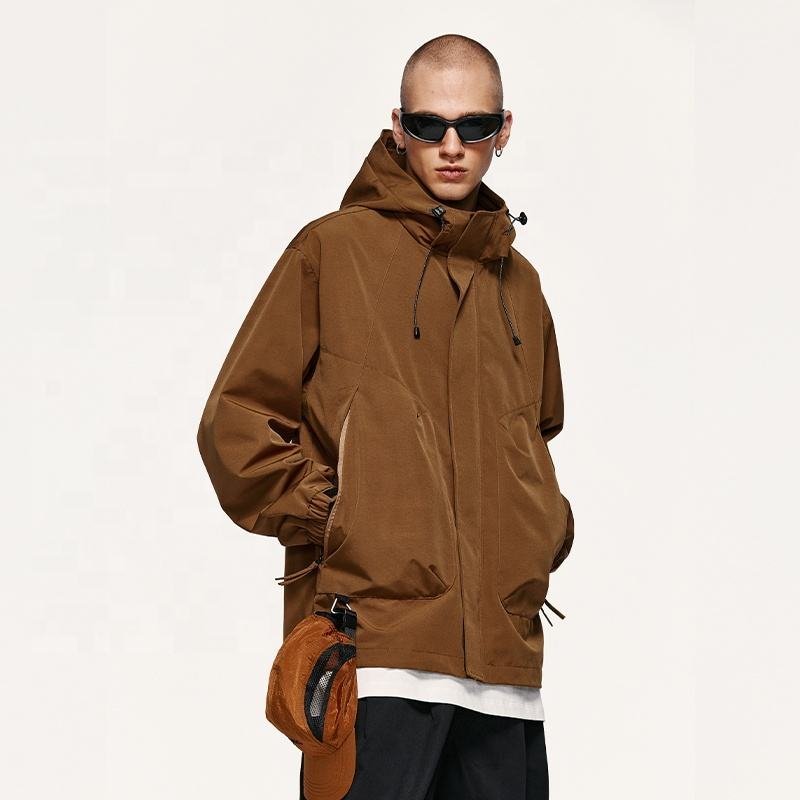
Chest logos and sleeve patches work best on smooth shell fabric, where standard embroidery achieves crisp detail down to 0.5 mm stitch spacing. High-pile sherpa requires tear-away or cut-away stabilizer backing to prevent pile compression and thread sinking; expect minimum stitch density of 4–5 mm to maintain visibility.
MOQs for embroidered sherpa fleece jackets typically start at 100–200 pieces per design due to digitizing fees ($30–80 per logo) and setup time. Multi-head machines reduce per-unit cost at volumes above 500 pieces.
Screen Printing and Heat-Transfer Patches
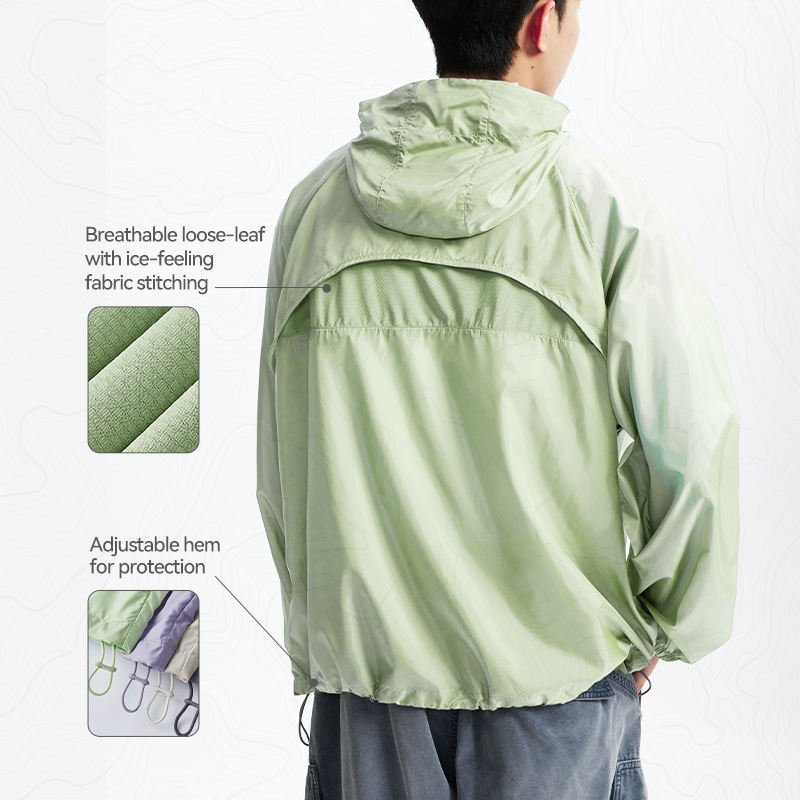
Screen printing applies only to smooth polyester or nylon shell panels; the technique cannot adhere to sherpa pile. Setup costs range $25–50 per screen color, making it economical above 200 units. Heat-transfer patches and sublimation labels offer full-color flexibility with no screen fees, ideal for runs under 100 pieces, though durability drops after 30–40 wash cycles versus screen print’s 50+ cycles.
Hardware and Trim Customization
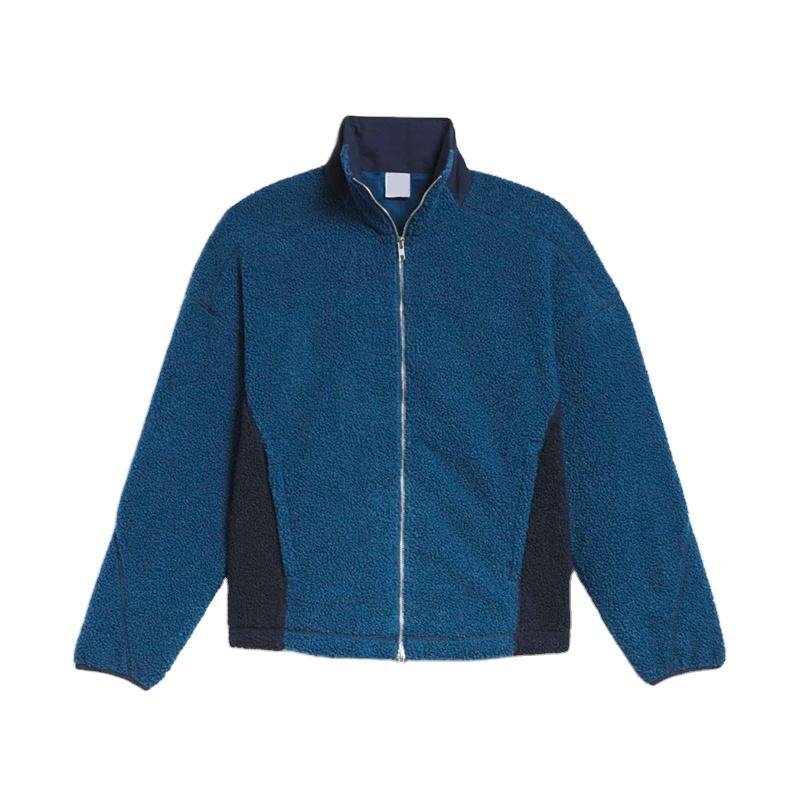
Custom zipper pulls, woven labels, and contrast binding personalize sherpa jackets without decoration setup fees. YKK custom sliders require 1,000–2,000 unit minimums; generic custom pulls start at 500 pieces. Woven neck and hem labels typically need 200–500 pieces per design. Color-blocking—combining sherpa and shell fabrics in contrasting hues—adds $1.20–2.50 per jacket with no MOQ penalty beyond standard production minimums.
6. Key Quality and Construction Elements
Quality construction separates premium sherpa fleece jackets from budget alternatives that fail after a few washes. Buyers must verify specific structural details, zipper hardware, and finishing techniques before committing to production. A systematic quality control process ensures every garment meets brand standards.
Critical Construction Details to Verify
Reinforced stress seams at shoulders and underarms prevent tearing under daily wear. Double-stitched hems and cuffs maintain shape after repeated laundering, while flatlock or overlock seams prevent fraying on fleece edges.
Pattern grading accuracy ensures consistent fit across XS to 3XL size runs. Anti-pill fleece backing extends garment lifespan by reducing surface pilling, and colorfast dyes rated for 40+ washes prevent fading in streetwear collections that demand vibrant, lasting colors.
- Bar-tack reinforcement at pocket corners and zipper stress points
- YKK zippers vs. generic brands: failure rates differ by 15–20%
- Bias-tape finishing on armholes for stretch and durability
The 5-Step QC Process Explained
Materials QC testing inspects fabric weight, pile density, and dye consistency upon arrival. Cutting QC verifies pattern accuracy and grain alignment to prevent twisted seams. Clothing craft QC and sewing production QC catch stitching errors, skipped stitches, and tension issues during assembly.
Finished clothing quality inspection applies AQL sampling (typically 2.5 or 4.0 acceptance levels) before shipping. This multi-stage approach identifies defects early, reducing rework costs and ensuring that no substandard sherpa fleece jacket manufacturer output reaches your customers.
- Fabric inspection: GSM tolerance ±5%, pile height variance <1 mm
- In-line checks every 50–100 units during sewing runs
- Pre-ship audit: random sampling of 10–15% of finished units
Requesting and Evaluating Pre-Production Samples
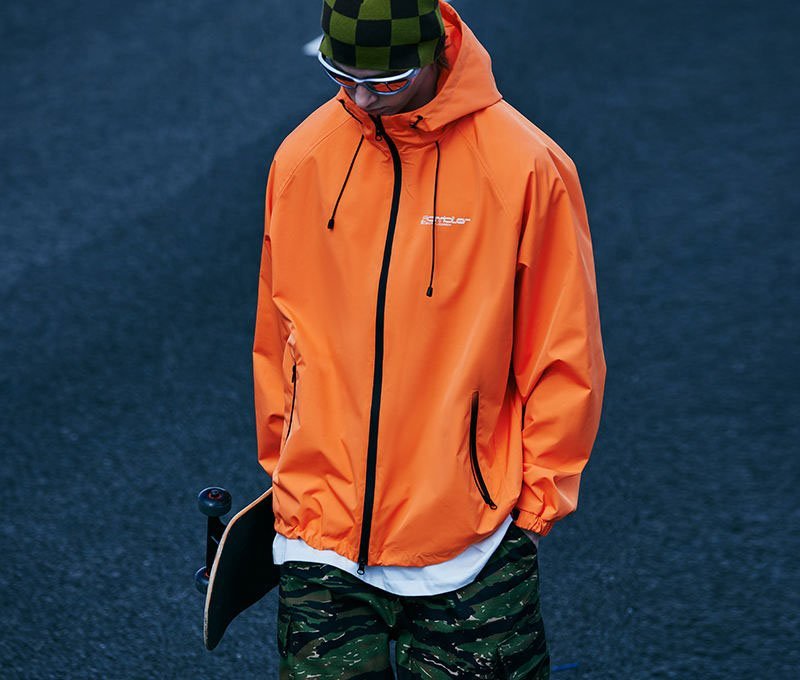
Request fit samples in three sizes (S, M, XL) to verify grading accuracy and construction quality. Examine zipper pull smoothness, seam allowances (typically 1–1.5 cm), and pile direction consistency across panels.
Wash samples twice at 30°C to test shrinkage, pilling resistance, and colorfastness. Compare sample weight and measurements against your tech pack specifications, flagging any deviations before bulk production begins.
7. How to Choose the Right Sherpa Fleece Jacket Manufacturer
Selecting the right sherpa fleece jacket manufacturer requires a systematic vetting process that protects your brand investment and ensures production quality. The following framework helps streetwear brands, fashion startups, and independent designers evaluate manufacturers across seven critical dimensions before committing to a production partner.
Verify Certifications and Compliance Standards
Request documentation for WRAP, BSCI, OEKO-TEX Standard 100, and GRS (Global Recycled Standard) if you plan to market recycled sherpa fleece content. These third-party certifications confirm ethical labor practices, chemical safety, and environmental claims.
Manufacturers serving global apparel retailers typically maintain at least two active certifications. A sherpa fleece jacket manufacturer that cannot provide current certificates or physical factory addresses should raise immediate concerns about transparency and accountability.
Assess Production Capacity and Lead Times
Confirm monthly output capacity, typical lead times (30–45 days for sherpa fleece jackets is standard), and peak-season constraints. Manufacturers with 15+ R&D staff and established parent companies offer better scalability for growing influencer and creator brands.
Ask for recent production schedules and client references to verify claimed capacity. Factories that overpromise lead times or lack detailed production timelines often miss deadlines during high-volume periods.
Evaluate MOQ Flexibility for Startups
Minimum order quantities vary widely—established factories typically require 300–500 units per style, while manufacturers targeting fashion startups may accept 100–200 pieces. MOQ flexibility is critical for independent designers testing new sherpa fleece jacket designs before scaling.
Request MOQ breakdowns by fabric type, color count, and decoration complexity. Hidden MOQ increases for custom Pantone colors or specialized embroidery often surprise first-time buyers.
Request Samples and Inspect Quality
Demand fabric swatches, strike-off samples, and pre-production prototypes before placing bulk orders. Reputable sherpa fleece jacket manufacturers provide samples at cost (typically $50–$150 per jacket) and refund fees upon order confirmation.
Red flags include reluctance to ship samples, requests for full upfront payment, or vague explanations about quality control processes. Manufacturers implementing five-step QC testing—from materials inspection through finished garment checks—demonstrate commitment to eliminating defects at every production stage.
8. Common Mistakes When Sourcing a Sherpa Fleece Jacket Manufacturer
First-time buyers often stumble over avoidable errors when selecting a sherpa fleece jacket manufacturer, errors that cascade into quality failures, budget overruns, and missed launch dates. Understanding these pitfalls before you commit to production saves both time and capital.
Choosing on Price Without Sampling
The lowest quote rarely reflects the best value. Factories that undercut competitors often substitute lower-GSM fleece or skip QC steps to preserve margin.
Always request pre-production samples before signing a purchase order. Compare pile density, stitch integrity, and zipper pull strength across at least two suppliers to validate cost differences.
Ignoring Fabric GSM and Pile-Height Specs
Sherpa fleece typically ranges from 180 to 350 GSM, with pile heights between 8 and 15 mm. Vague ‘high-quality fleece’ claims mask wide variance in warmth and durability.
Specify exact GSM, pile height, and base-fabric composition in your tech pack. Request lab reports or fabric swatches stamped with weight per square meter to confirm compliance.
Underestimating Lead Times for Custom Colors
Standard colors ship within 25–35 days, but custom Pantone dye lots add 10–15 days for color matching and lab dips. Rush orders often incur 15–30 percent surcharges.
Build a 45–60 day production window for custom hues and lock dye formulas in writing to prevent shade drift across reorders.
Skipping Pre-Production Approval
Manufacturers proceed to bulk sewing once patterns are cut. Without a signed-off pre-production sample, fit errors, colorway mismatches, and branding placement mistakes trigger costly remakes.
Demand a golden sample with all trims, labels, and embroidery in place. Approve it in writing before authorizing bulk production.
Failing to Negotiate IP and Design Ownership
Factories may resell your patterns or graphics to competitors if contracts lack IP clauses. Design theft is common in volume production hubs.
Include a non-disclosure agreement and a clause assigning all design rights to your brand. Register trademarks and copyrights before sharing artwork.
Overlooking Shipping Incoterms
FOB (Free On Board) quotes exclude freight, insurance, and destination duties; DDP (Delivered Duty Paid) covers end-to-end costs. Misunderstanding terms inflates landed costs by 20–40 percent.
Clarify whether the factory quote is FOB or DDP. Budget separately for customs duties, freight forwarding, and port handling fees to avoid cash-flow surprises.
9. Steps to Launch Your Brand with a Sherpa Fleece Jacket Manufacturer
Launching a streetwear brand with a sherpa fleece jacket manufacturer requires a structured workflow from concept to retail. Following these nine steps helps startups and influencer brands avoid common pitfalls and manage limited budgets effectively.
Define Target Market and Price Point
Identify your customer demographic—age range, lifestyle, and spending capacity—before contacting manufacturers. Streetwear startups typically target retail price points between $60–$120 for sherpa fleece jackets, which translates to manufacturing costs of $15–$30 per unit at standard markup ratios.
Influencer brands with smaller audiences often start at 100–300 units to test demand, while established labels may order 500–1,000 pieces. Clear pricing parameters help manufacturers recommend appropriate fabric grades and construction methods that fit your margin structure.
Create Tech Packs or Reference Samples
A complete tech pack includes flat sketches, measurements for all sizes, fabric specifications (GSM, fiber content), colorways with Pantone codes, and hardware details. Brands without design software can provide reference samples and detailed notes on desired modifications.
Manufacturers like Clothing Manufacturer Ltd. use tech packs to generate accurate quotes and reduce revision rounds. Include stitch types, seam allowances, label placement, and any custom branding elements to avoid misunderstandings during sampling.
Request Quotes and Order Pre-Production Samples
Contact three to five sherpa fleece jacket manufacturers with your tech pack and request itemized quotes covering fabric, trims, labor, and sampling fees. Compare MOQ requirements, lead times (typically 25–45 days), and payment terms—many factories ask 30–50% deposit before production.
Order pre-production samples from your top two candidates, budget $80–$150 per sample, and approve fit, fabric hand-feel, and construction quality before issuing a purchase order. This step prevents costly bulk-production errors.
Monitor Production and Arrange QC Inspection
Finalize your purchase order with clear payment milestones tied to production stages: deposit, mid-production (after cutting), and balance before shipment. Request photo updates at cutting, sewing, and finishing to catch issues early.
Arrange a third-party QC inspection or rely on the manufacturer’s quality process—Clothing Manufacturer Ltd. applies five-step QC testing at materials, cutting, craft, sewing, and finished-goods stages. Inspect random samples for stitch integrity, colorway accuracy, and sizing consistency before authorizing shipment.
Coordinate Logistics and Plan Launch Marketing
Work with your manufacturer or a freight forwarder to arrange sea or air shipping, customs clearance, and duty payments. Sea freight costs $2–$4 per unit for 500-piece orders but requires 25–35 days transit; air freight doubles cost but cuts time to 5–7 days.
Plan launch marketing—social media teasers, influencer seeding, email campaigns—while goods are in transit. Allocate inventory for pre-orders, retail partners, and restocks to maintain momentum after launch and avoid stockouts during peak demand windows.
10. Pricing and Cost Breakdown
Sherpa fleece jacket pricing varies by order quantity, fabric weight, and construction complexity. A 50-unit run typically costs $28–$42 per jacket, while 1,000+ units drop to $18–$26 per piece, reflecting economies of scale in cutting, sewing, and quality control overhead. Sampling fees of $80–$150 per prototype cover pattern development and the five-step QC process that tests materials, cutting, craft, sewing, and finished garments before bulk production begins.
Fabric GSM drives material cost: 280 GSM sherpa fleece runs $3.20–$4.50 per yard, whereas 380 GSM premium fleece reaches $5.80–$7.20 per yard. Custom Pantone dyeing adds $0.90–$1.40 per jacket for minimum 300-yard dye lots, and complex construction—contrast side panels, multiple zippered pockets, or reinforced elbow patches—increases labor time by 12–18 minutes per unit, raising costs $2.50–$4.00. Air shipping (7–10 days) costs $6–$9 per jacket for small orders, while sea freight (25–35 days) drops to $1.20–$2.00 per unit on palletized shipments.
Low-MOQ runs carry 35–50% higher per-unit costs because fabric mills require minimum yardage and cutting efficiency drops below 200 units. First-time brands should budget $1,800–$2,400 for a 50-piece test order including sampling, production, and express shipping to validate fit and quality before scaling. Lead times extend one to two weeks when custom dyeing or specialized trims are specified, so factor production windows into seasonal launch calendars.
| Order Quantity | Price per Unit (USD) | Lead Time (weeks) | Setup/Sampling Fee |
|---|---|---|---|
| 50 units | $28–$42 | 3–4 | $80–$150 |
| 100 units | $24–$36 | 3–4 | $80–$150 |
| 500 units | $20–$30 | 4–5 | $80–$150 |
| 1,000+ units | $18–$26 | 5–6 | $80–$150 |
Ready to Launch Your Sherpa Fleece Jacket Line?
Partner with a trusted sherpa fleece jacket manufacturer. 50-piece MOQ, 7-day samples, and 5-step QC on every order. Limited sampling slots available.