
Premium Lightweight Down Jacket Manufacturer with 5-Step QC Guarantee
Partner with a lightweight down jacket manufacturer built for streetwear brands, startups, and influencer labels — low MOQ, fast samples, zero quality compromises.
Lightweight Down Jacket Manufacturer: Our Collections
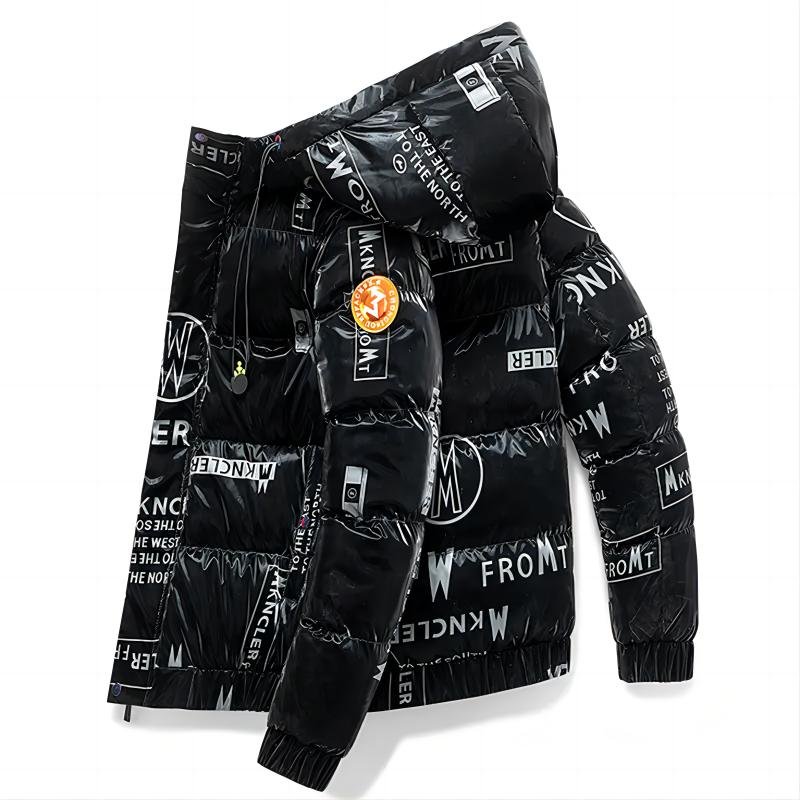
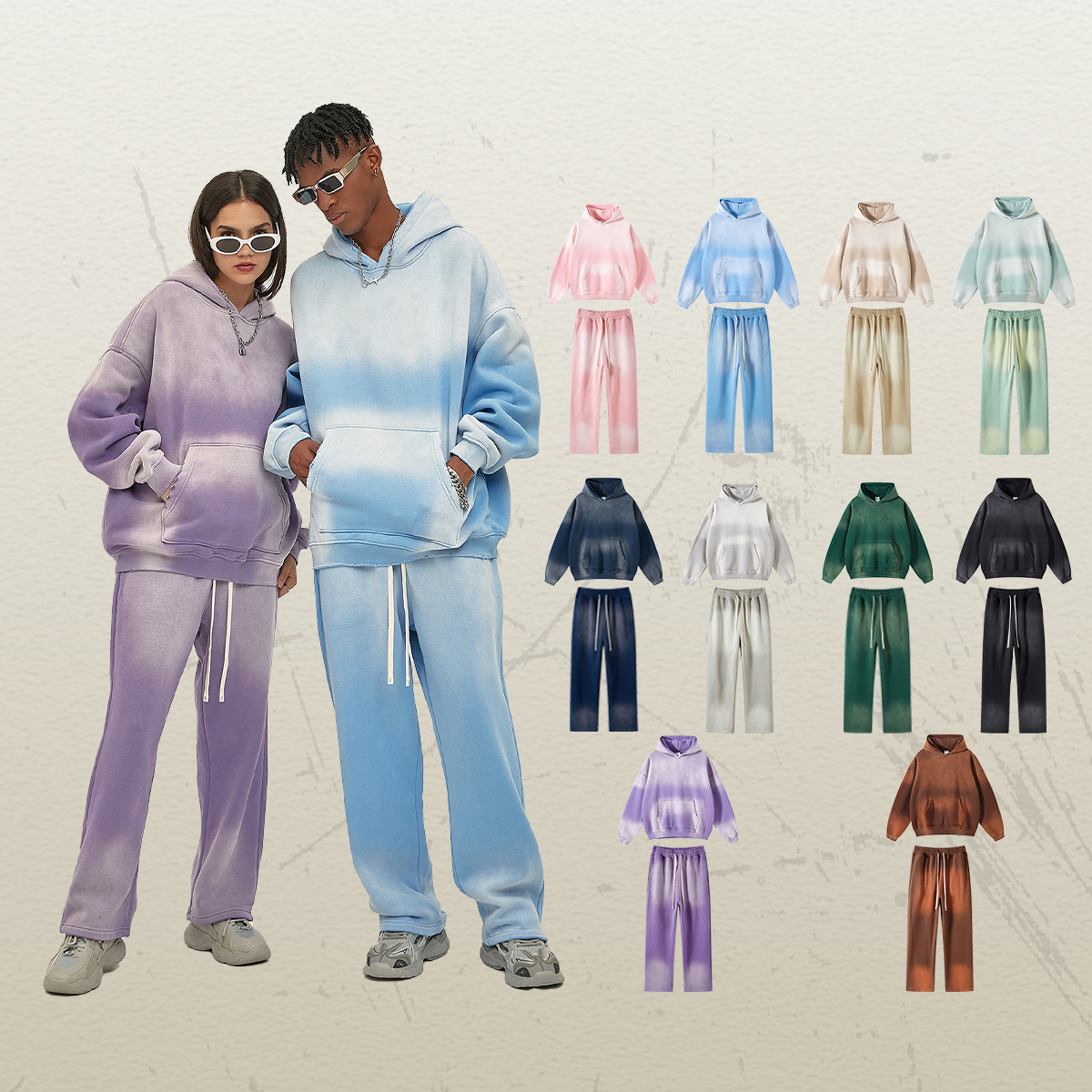
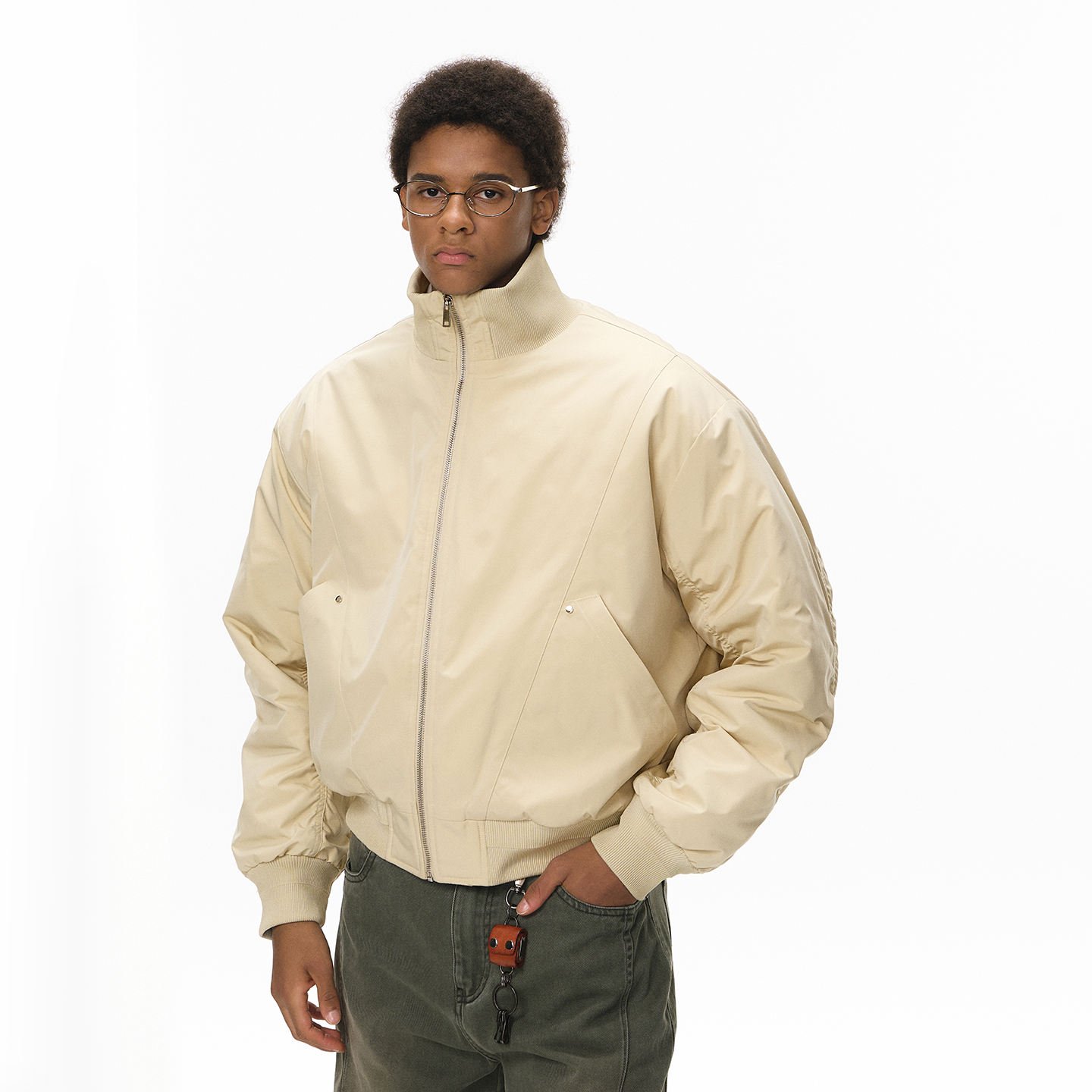
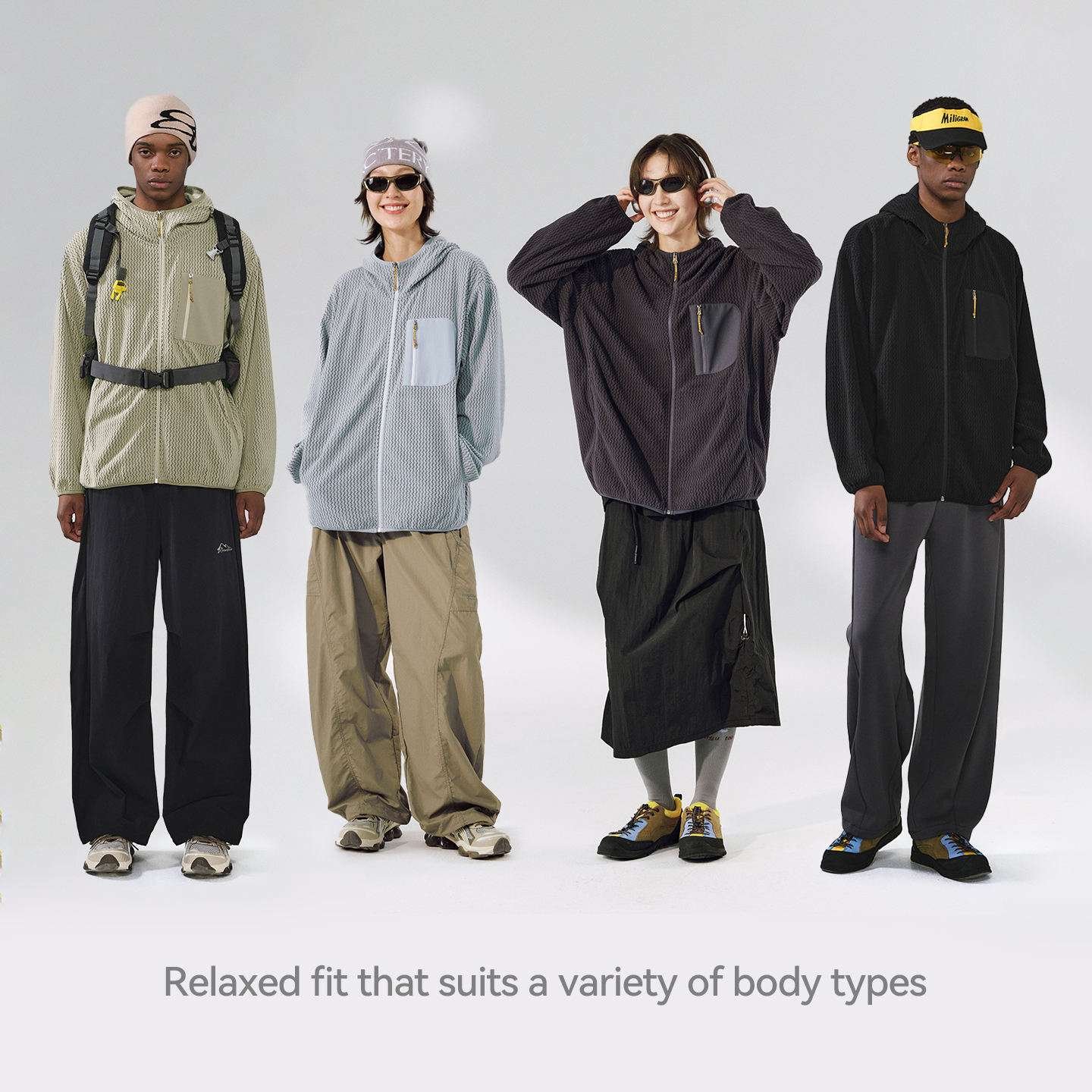
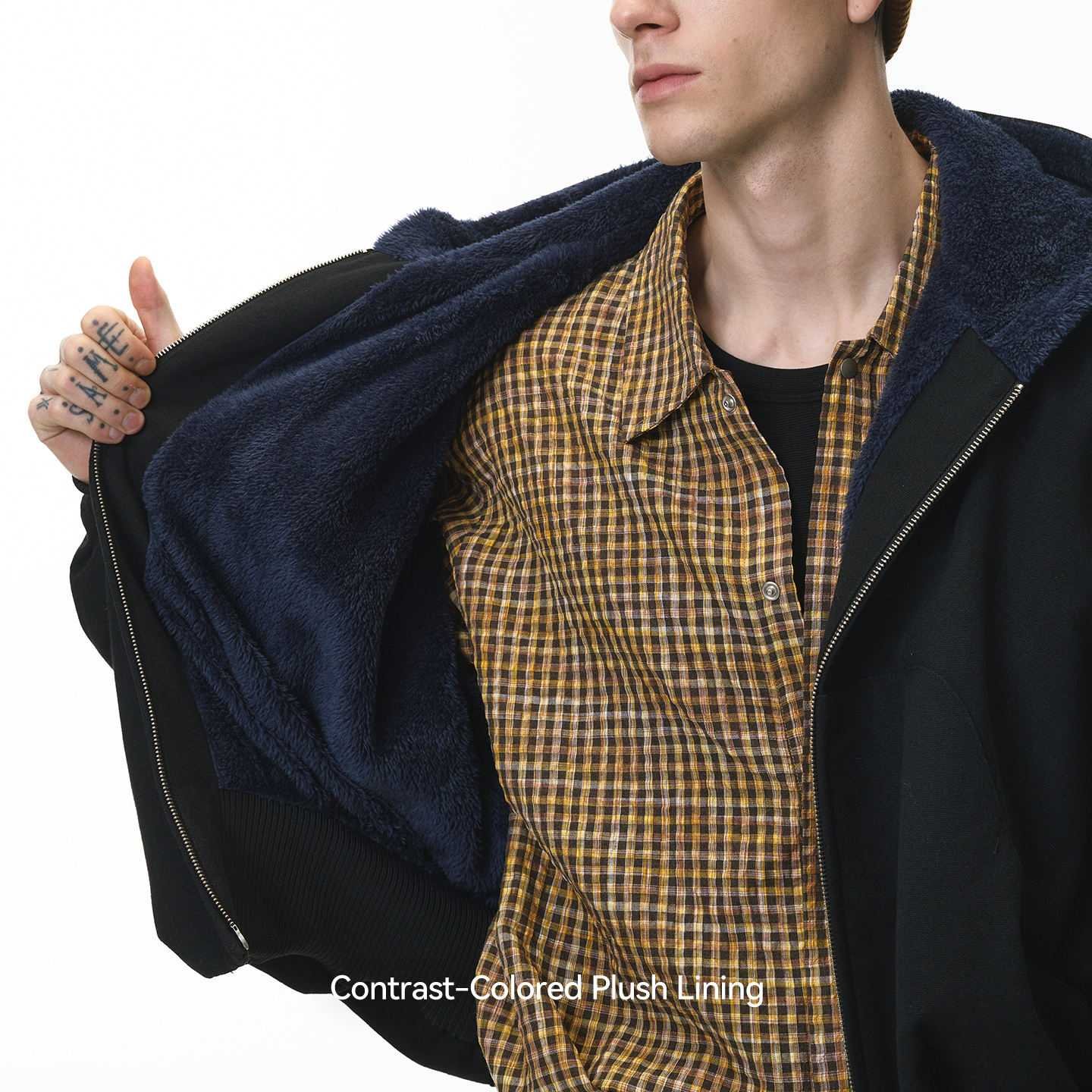
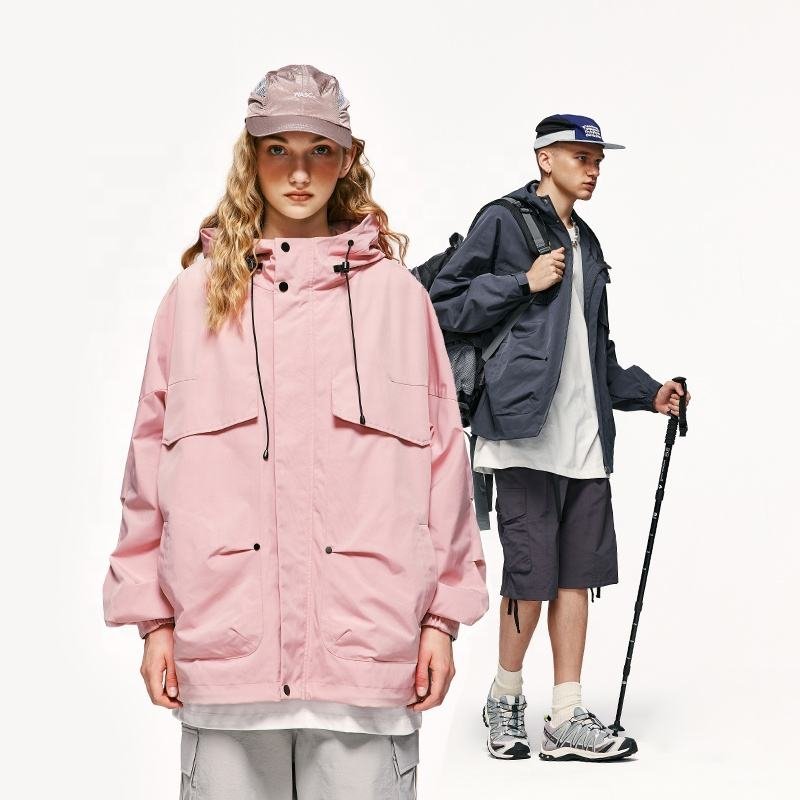
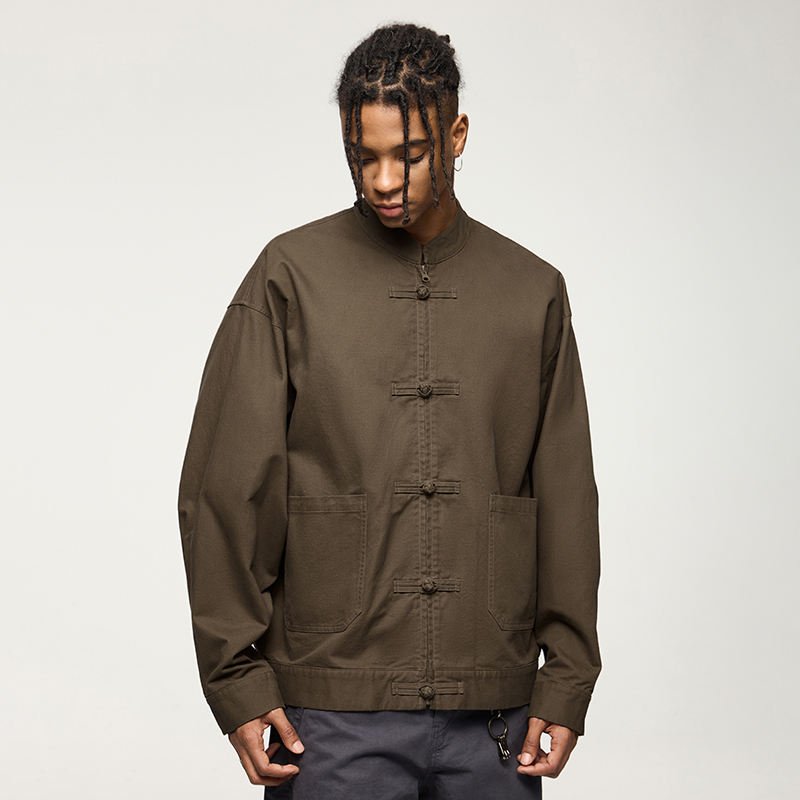
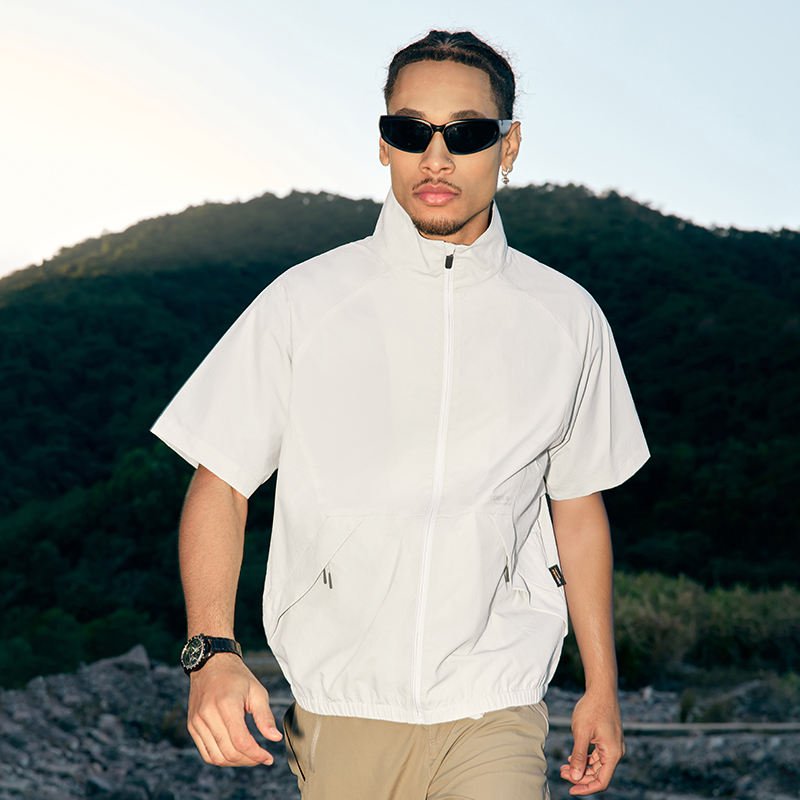
Why Brands Choose Our Lightweight Down Jacket Manufacturer
From ironclad quality checks to 7-day samples, every advantage we offer is built to help your brand move faster and sell better.
5-Step Production QC Guarantee
Quality checks at every stage — materials, cutting, craftsmanship, sewing, and final inspection — so defects never reach your customers.
Low MOQ for Emerging Brands
Launch your first collection without overcommitting — flexible low minimums make premium down jacket production accessible for startups and independent designers.
7-Day Sample Turnaround
Receive production-ready samples in just 7 days so you can validate designs, iterate quickly, and never miss a seasonal deadline.
15-Member In-House Design Team
Our R&D team manages pattern development, trend research, and custom sampling — bringing your streetwear vision from concept to finished sample.
Global Shipping & Fulfillment Support
We handle international logistics, customs, and delivery to 100-plus countries, so your collection reaches end customers reliably and on schedule.
Deep Streetwear Trend Expertise
Six-plus years of specialized streetwear experience means we translate bold graphics, prints, and cultural motifs into standout, market-ready collections.
Your Lightweight Down Jacket Manufacturer for Every Season & Brand Aesthetic
From ultra-light insulated layers to bold oversized streetwear silhouettes, we manufacture the down jacket styles your customers are already searching for — with low MOQ and full custom branding.
Winter Collection Launches
Launching a winter line without a proven supplier means risking late samples, inconsistent fill power, and jackets that look great in photos but disappoint customers on delivery.
Our lightweight insulated styles feature certified fill power, trend-ready cuts, and full custom branding at low MOQ — so your winter launch arrives on time and sells through fast.
All-Season Retail Collections
Retailers sourcing hooded, weather-resistant styles struggle to find a manufacturer who balances technical waterproof performance with the fashion-forward silhouettes that actually move units across global markets.
We produce hooded weather-resistant down jackets combining DWR-coated shells with streetwear-inspired cuts, all backed by our 5-step QC guarantee for consistent quality across every bulk reorder.
Packable Styles for Influencer Brands
Influencer and creator brands need packable, travel-friendly jackets that photograph beautifully, compress into their own pocket, and carry custom branding — but most factories impose sky-high order minimums.
Our packable down jacket program offers ultra-low MOQ, fast sampling, and complete branding customization — helping creator brands launch viral travel pieces their audiences genuinely want to wear.
Oversized Streetwear Down Jackets
Streetwear labels demand oversized silhouettes with bold graphics, dropped shoulders, and premium fills — but few down jacket factories understand streetwear proportions or can execute custom artwork at scale.
Our streetwear-specialist team designs oversized down jackets with statement graphics, dropped-shoulder cuts, and full custom branding — on fast-turnaround schedules built for drop-culture seasonal release calendars.
Premium Materials & Insulation Technologies
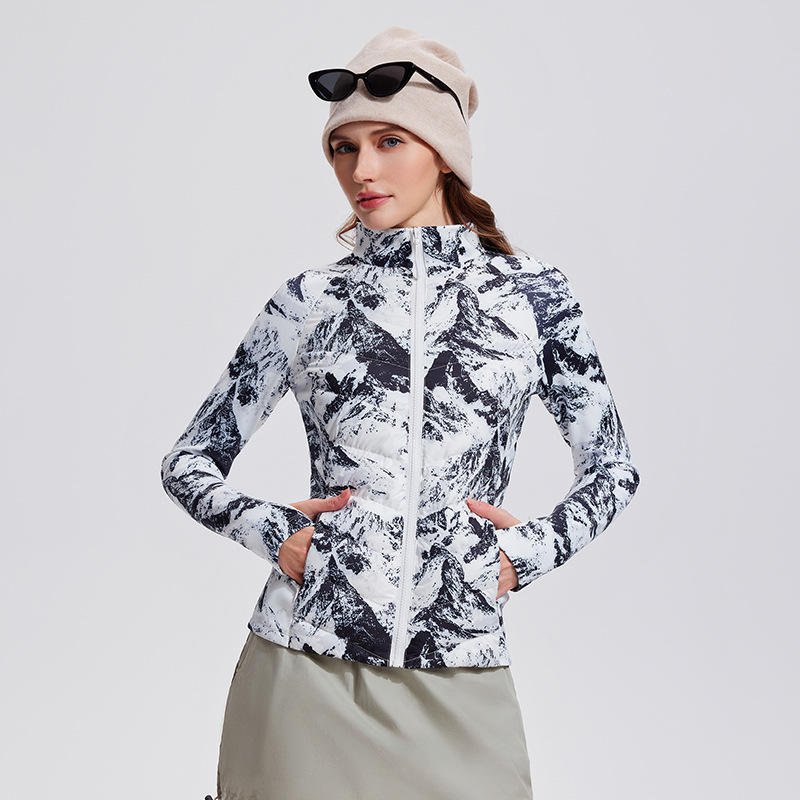
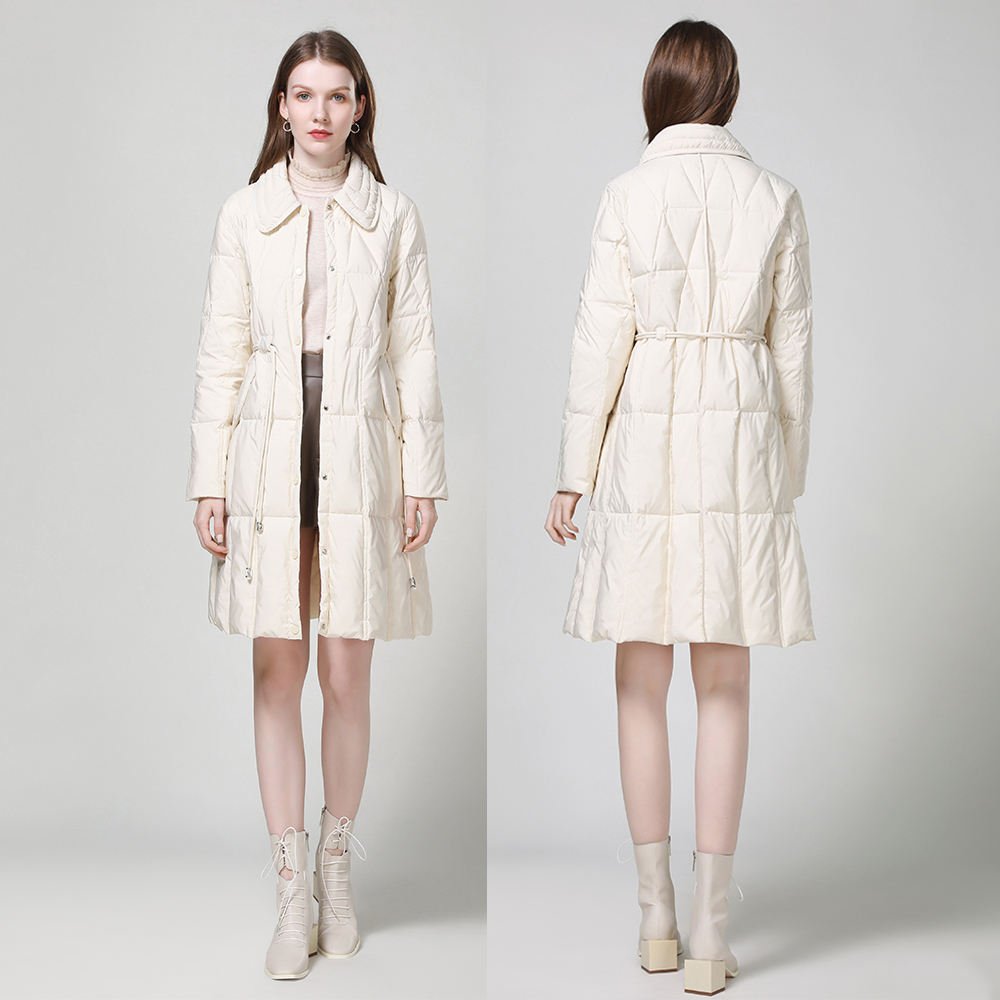
550-Fill Duck Down
Responsibly sourced duck down blend offers reliable thermal performance at an accessible price point. With 550 fill power, it suits mid-tier transitional jackets — ideal for startup brands building their first down collection.
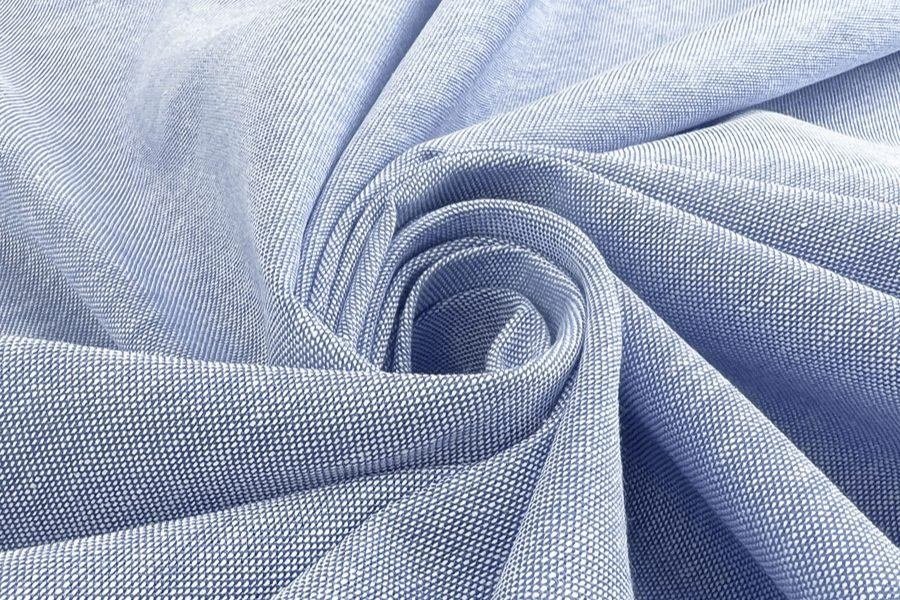
PrimaLoft Synthetic Fill
Vegan-friendly insulation alternative that maintains 95% thermal efficiency when wet. Perfect for performance-oriented streetwear and activewear crossover styles where warmth-when-wet performance and animal-free brand credentials are non-negotiable priorities.
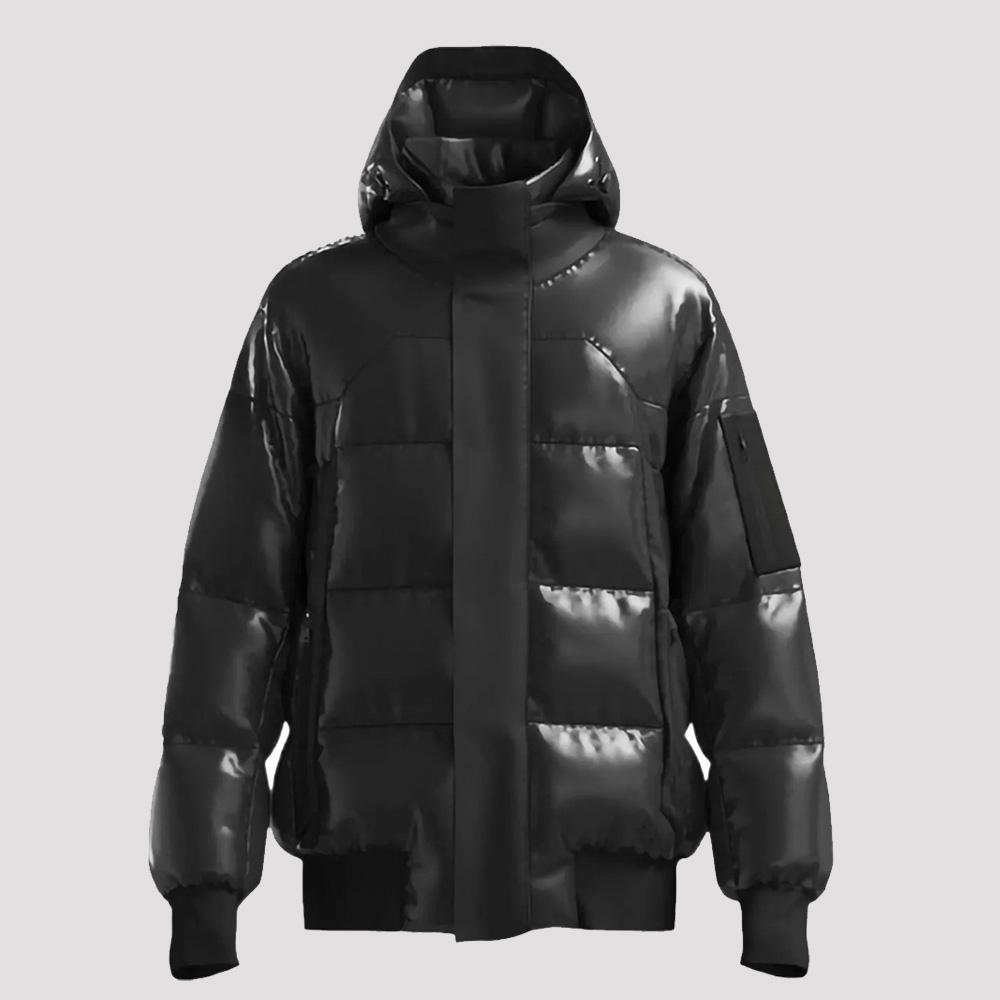
20D Ripstop Nylon
Featherlight outer shell built for packable, minimalist down jacket construction. The 20-denier ripstop weave resists tears and punctures, with a DWR coating rated to 10,000mm hydrostatic head for reliable everyday rain resistance.
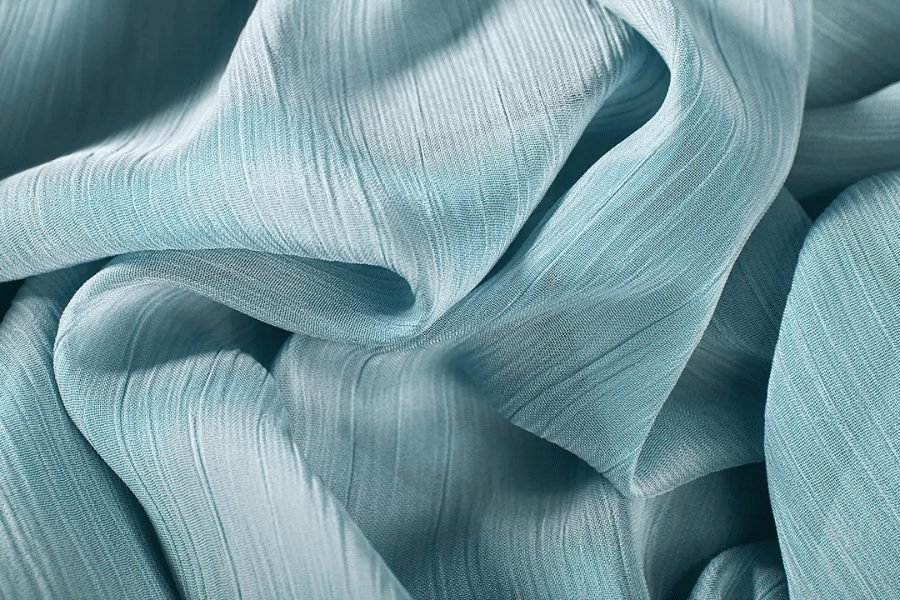
Matte Taslan Shell
Street-ready 70D Taslan nylon delivers a premium matte finish with a soft, brushed hand-feel. DWR-treated for wind and light rain resistance, it suits bold urban outerwear designs that demand both function and visual edge.
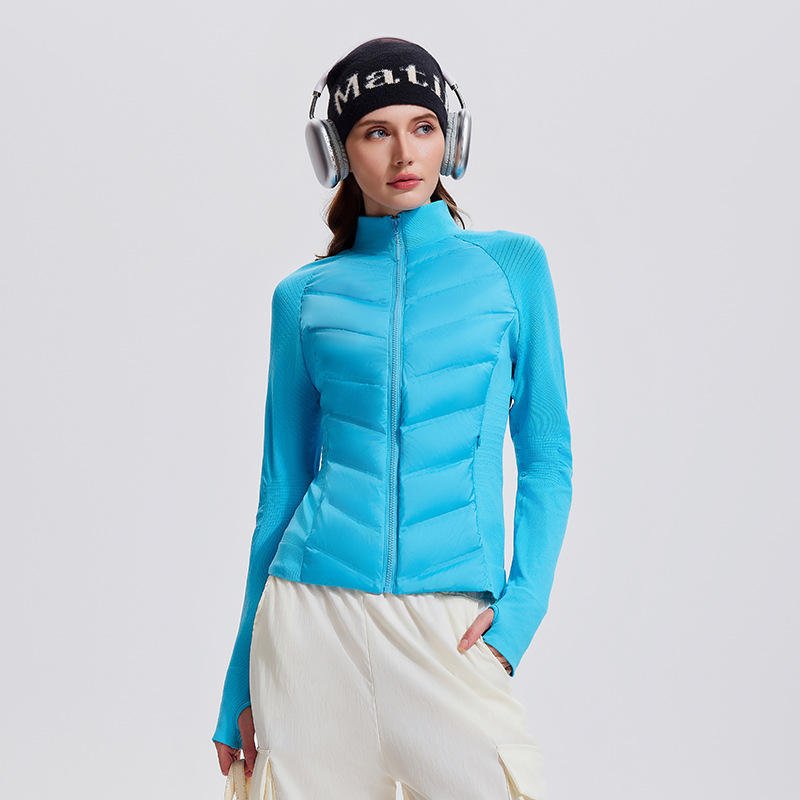
Anti-Rip Taffeta Lining
Ultrathin 20D taffeta lining ensures effortless layering and smooth interior comfort. Its breathable weave controls moisture buildup while maintaining down loft retention with precision 3mm stitch spacing — our standard across all jacket builds.
Advanced Processes From Your Lightweight Down Jacket Manufacturer
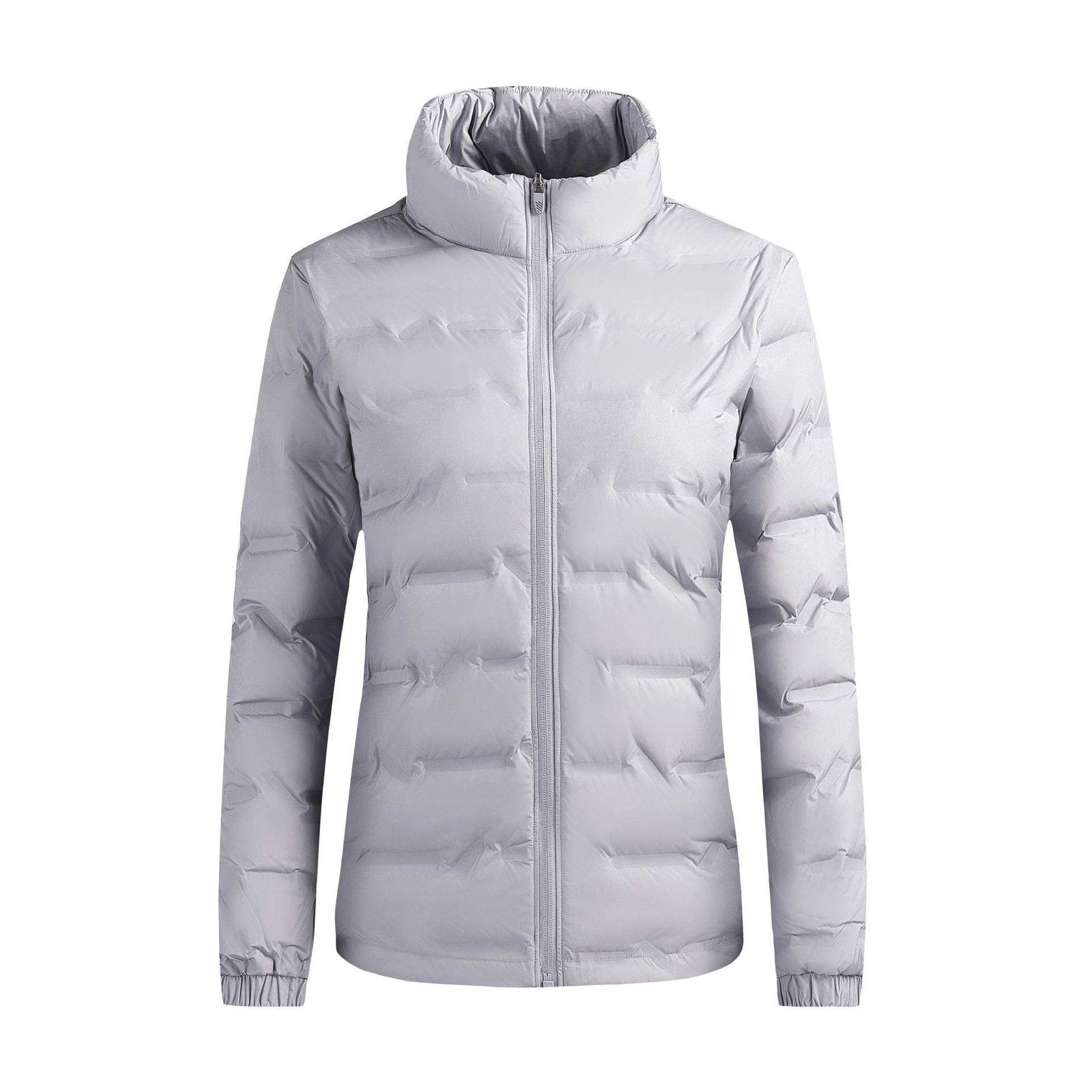
Down-Proof Quilting
Precision stitch patterns lock fill power in every baffle, preventing down migration while creating the clean, structured silhouettes that define premium outerwear. Verified at both cutting and sewing QC stages.
Seam Tape Waterproofing
Heat-bonded seam tape seals every stitch line against wind and moisture intrusion, extending garment lifespan and sustaining thermal performance in harsh weather without adding bulk or weight.
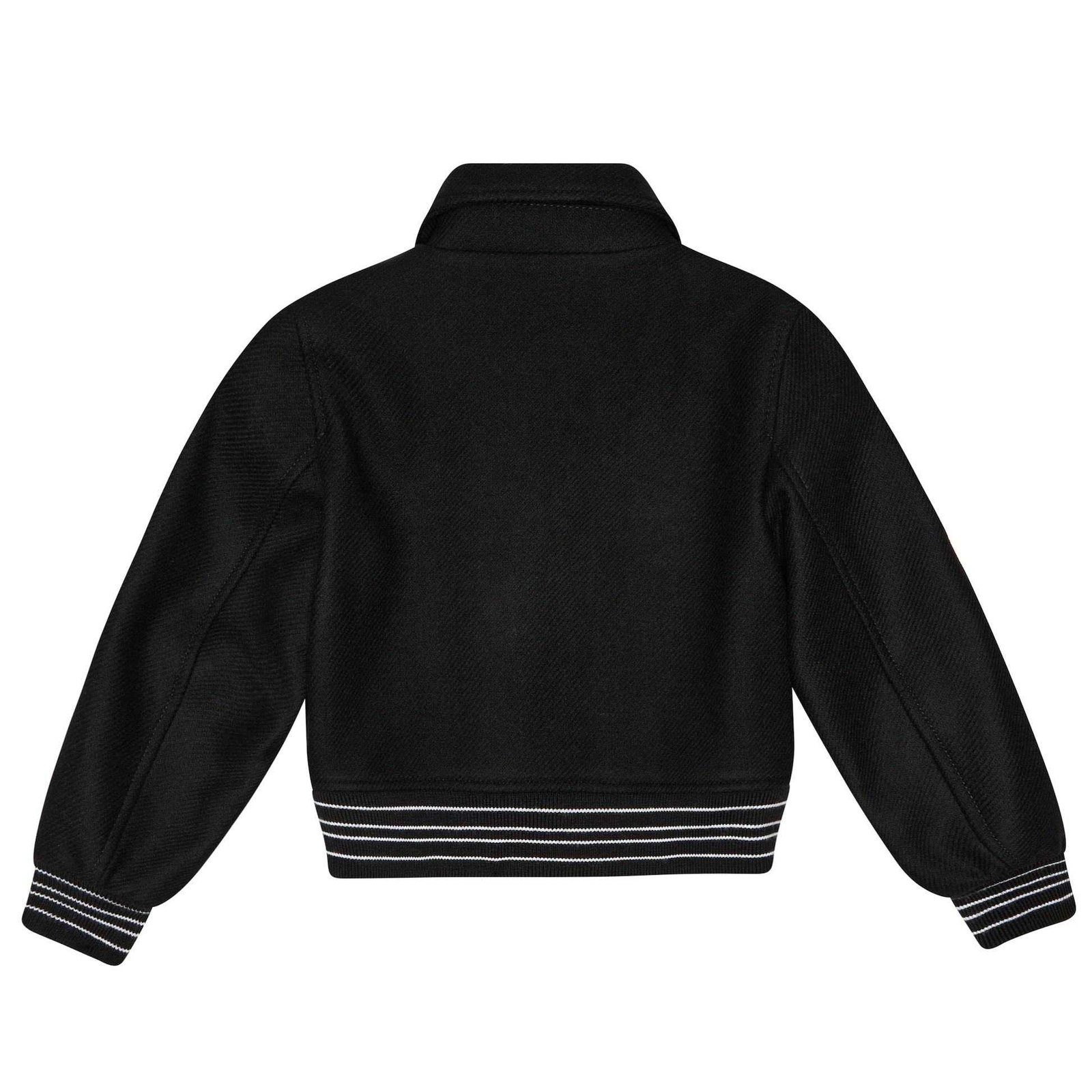
DWR Coating Treatment
A durable water-repellent finish causes moisture to bead and roll off shell fabric instantly, preserving insulation efficiency and keeping your brand’s outerwear performing beautifully across every weather condition.
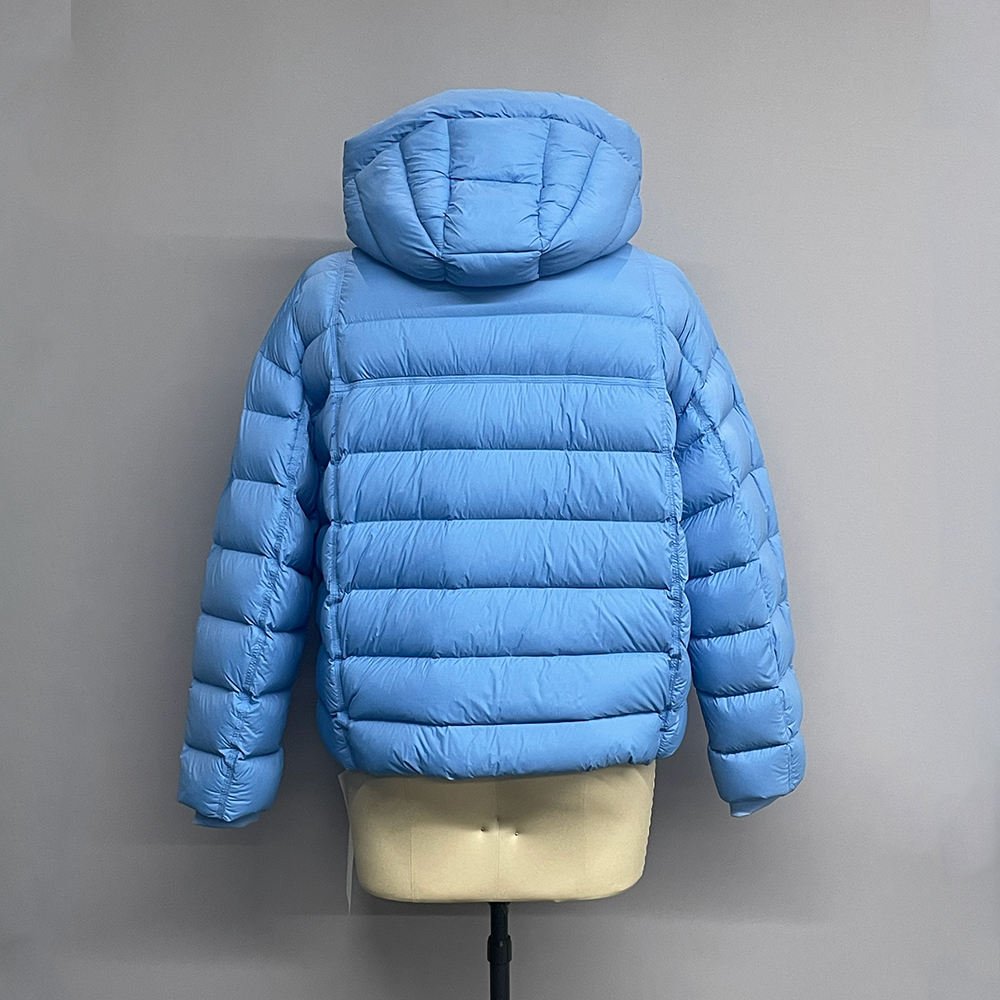
Thermal Bonding
Ultrasonic and heat-bonded construction eliminates stitching in critical zones, reducing cold-spot leakage and delivering the sleek, minimalist aesthetic that today’s premium streetwear down collections demand most.
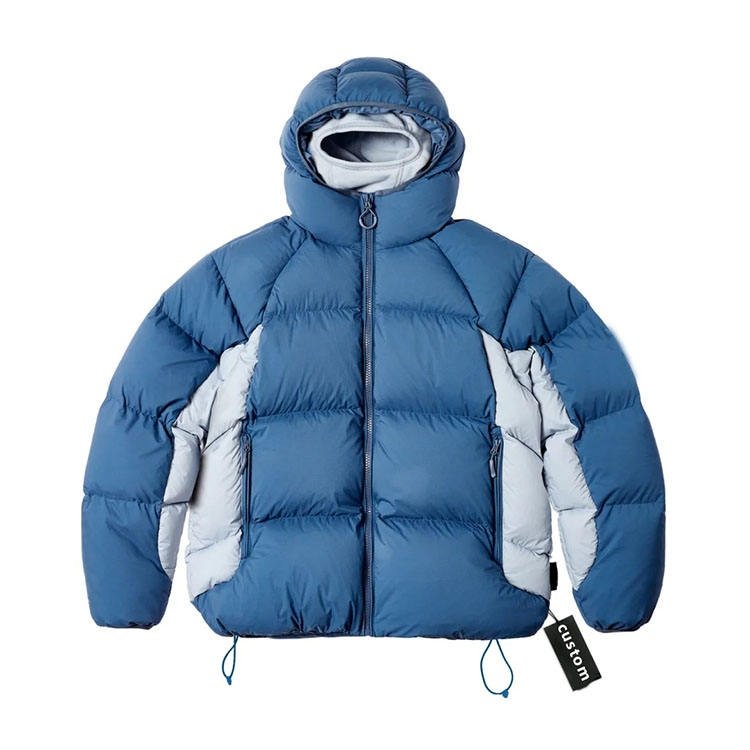
Custom Embroidery
Our in-house embroidery stations handle up to 15-color thread designs with pinpoint accuracy, adding tactile brand identity — logos, motifs, streetwear graphics — that elevates perceived value and retail price points.
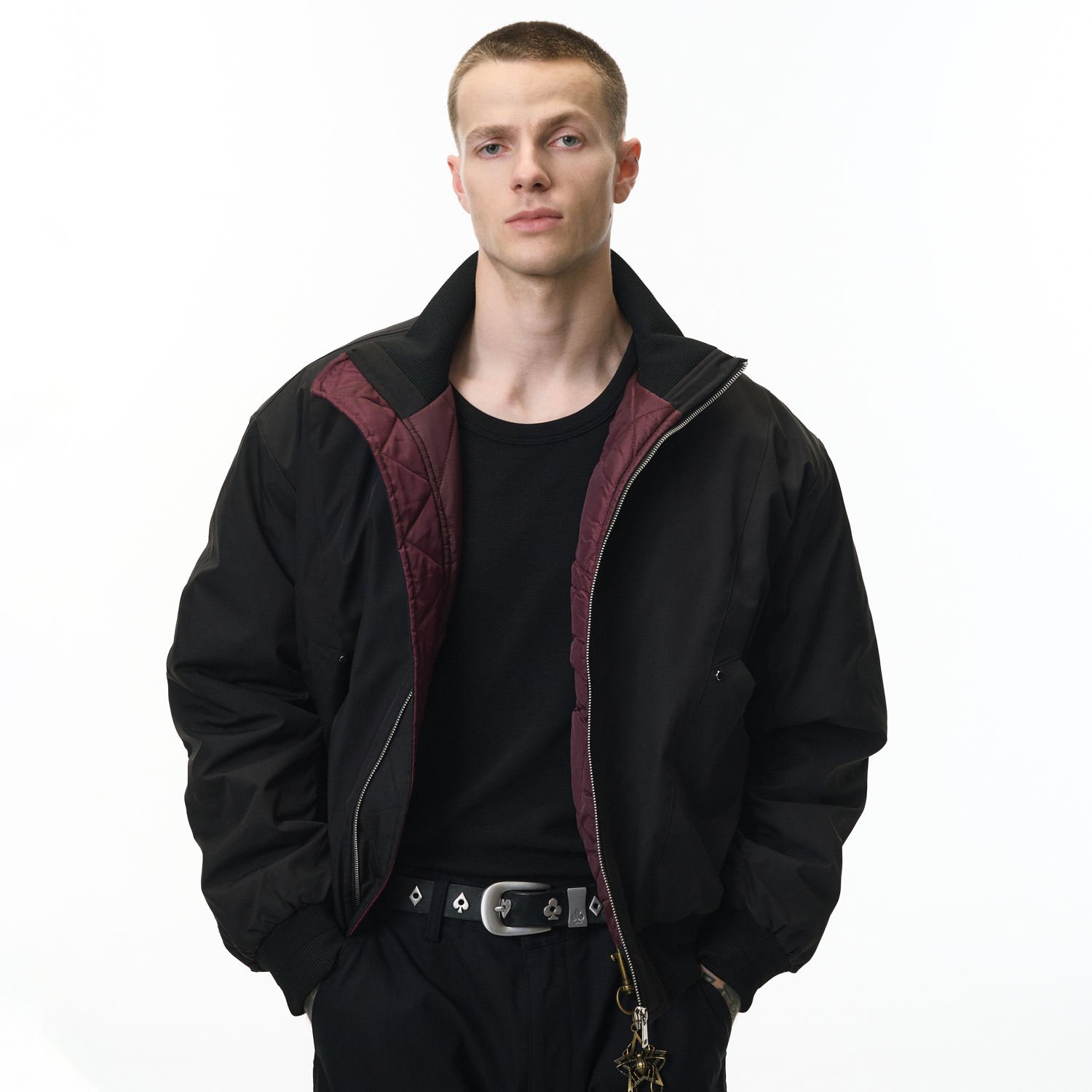
Shell Finish Treatments
Specialized garment-wash, enzyme, or stone-wash finishing techniques add distinctive hand-feel and visual texture to jacket shells, giving your collection a unique market presence that commands immediate shelf attention.
Premium Hardware, Labels & Brand Customization from Your Lightweight Down Jacket Manufacturer
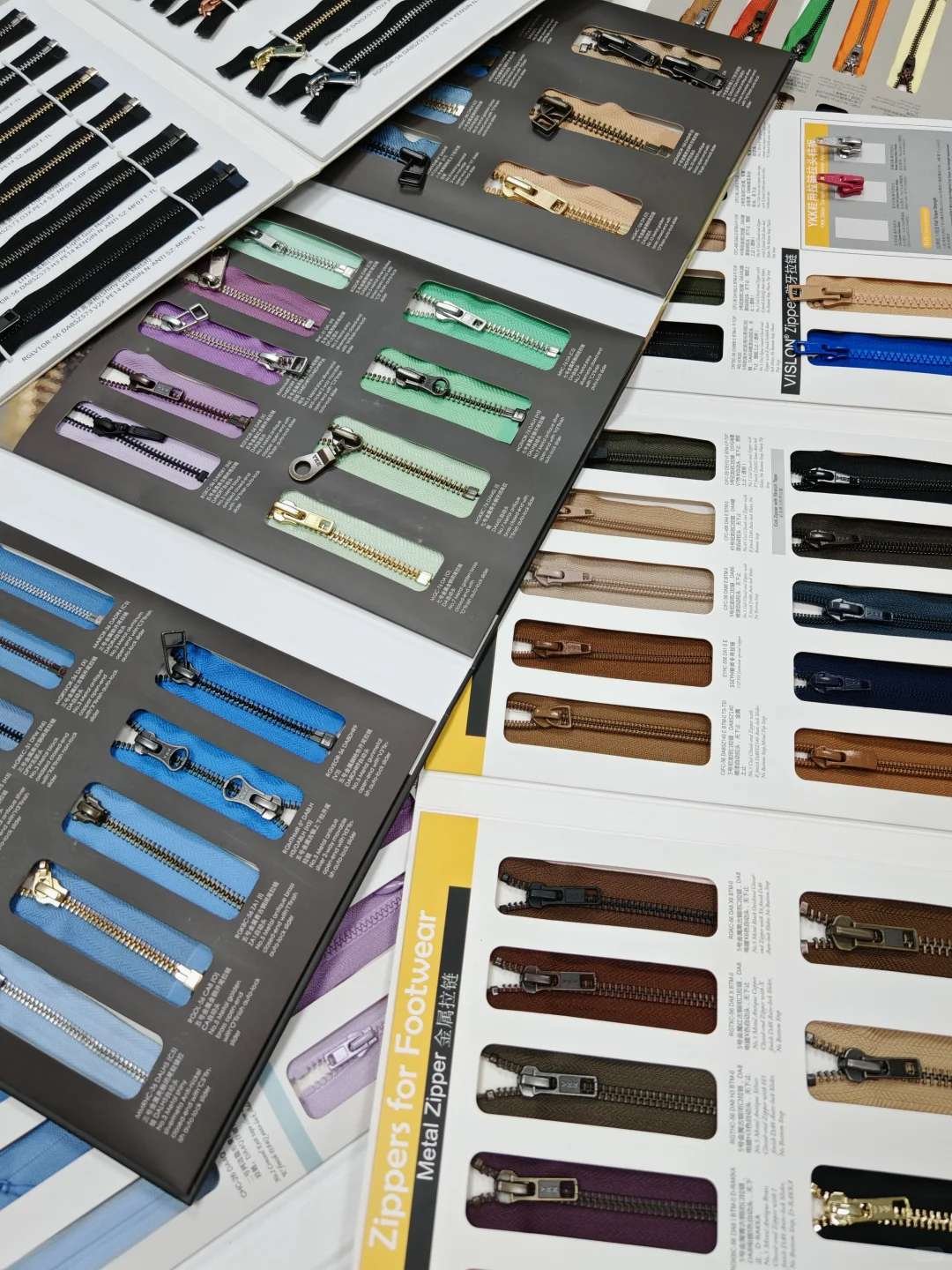
YKK Zippers
Industry-standard YKK zippers deliver smooth, reliable operation on main closures and pockets. Available in waterproof, reverse-coil, and two-way configurations with custom zipper pulls to match your brand colorway.
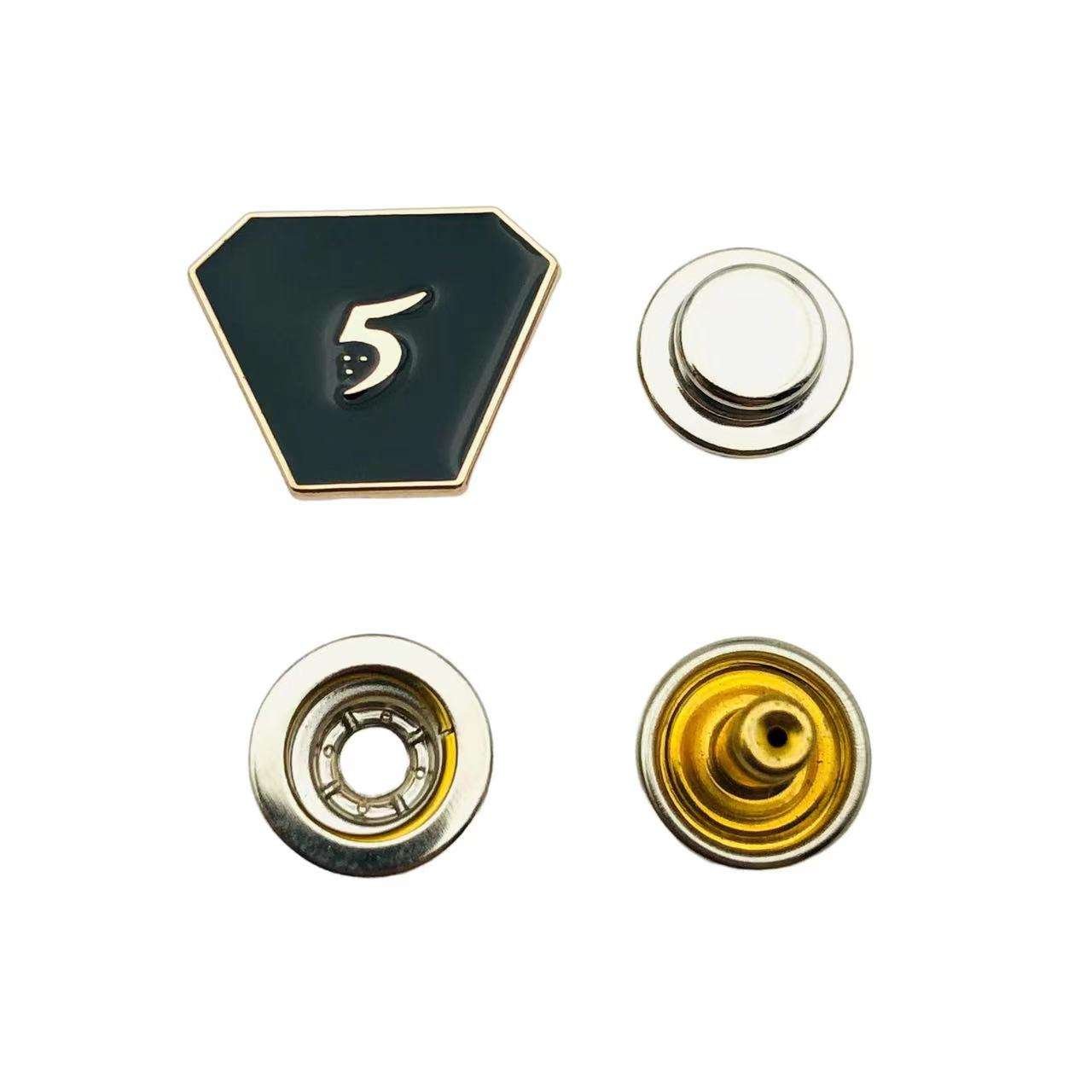
Metal Snap Buttons
Heavy-duty metal snap buttons add a premium, tactile finish to plackets, cuffs, and pockets. Rust-resistant and rigorously tested for tensile strength, they reinforce both durability and upscale brand perception.
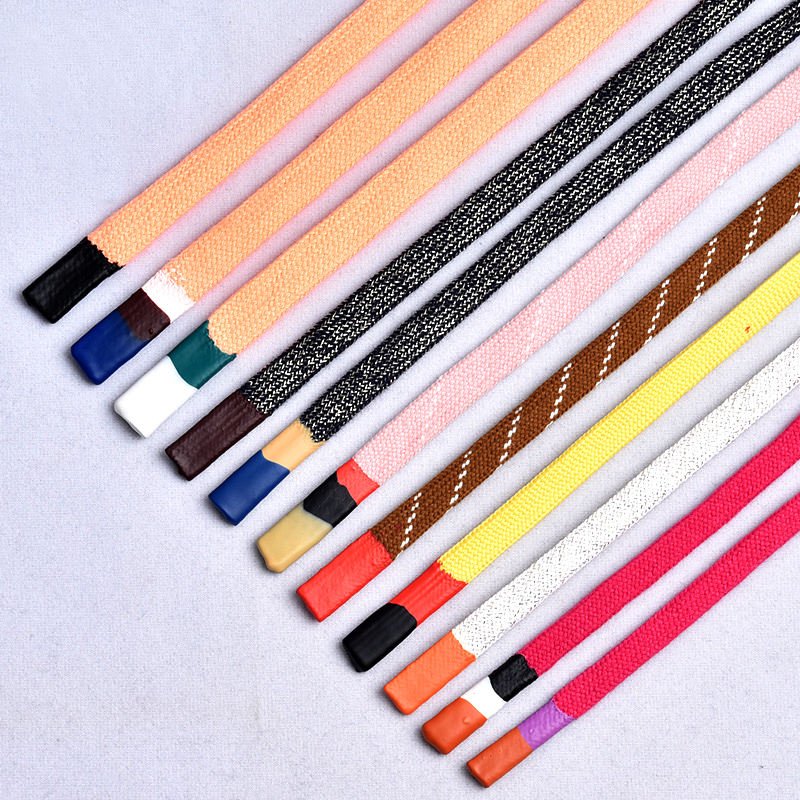
Custom Drawcords
Woven, braided, or cord-lock drawcords in brand-matched colors for hem and hood channels. Tipped in metal or silicone aglets for a polished finish that elevates every streetwear and fashion-forward silhouette.
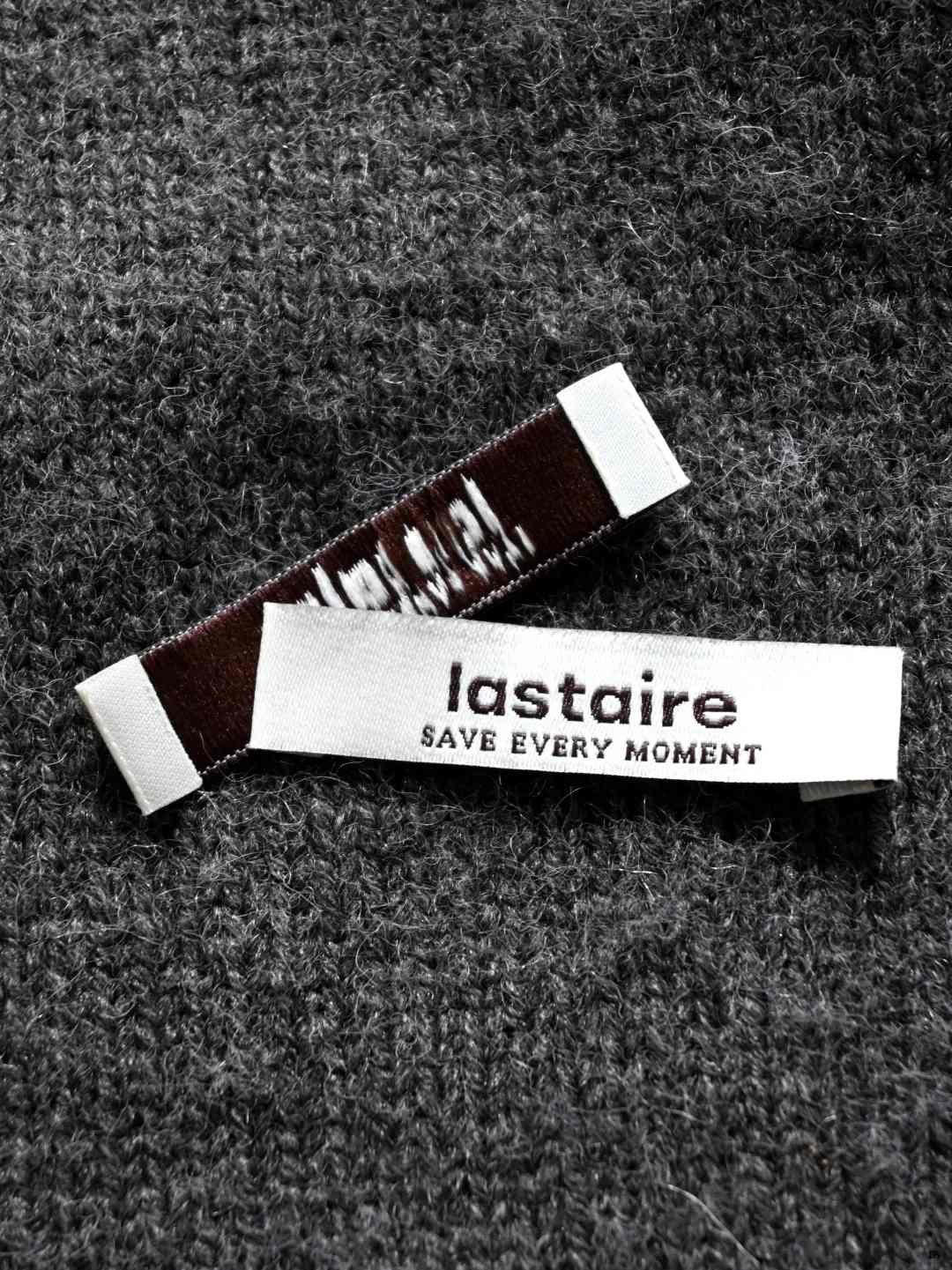
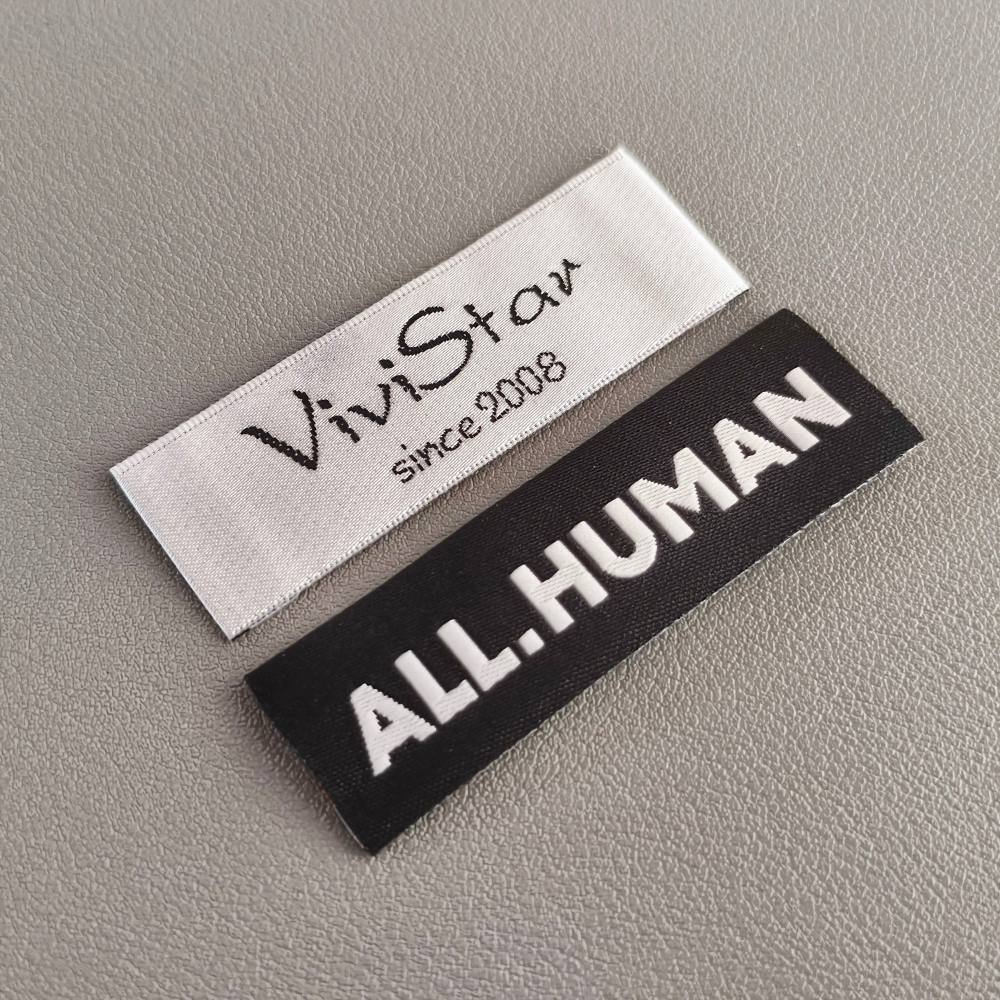
Woven Labels
High-thread-count woven labels carry your logo, care instructions, and size info with sharp clarity. Soft against skin and fade-resistant through repeated washing, they are a core element of professional brand identity.
Embroidered Hang Tags
Custom hang tags with embroidered logos or heat-foil detailing create a premium unboxing moment for retail and DTC channels. Fully customizable in shape, stock weight, and finish to align with your brand story.
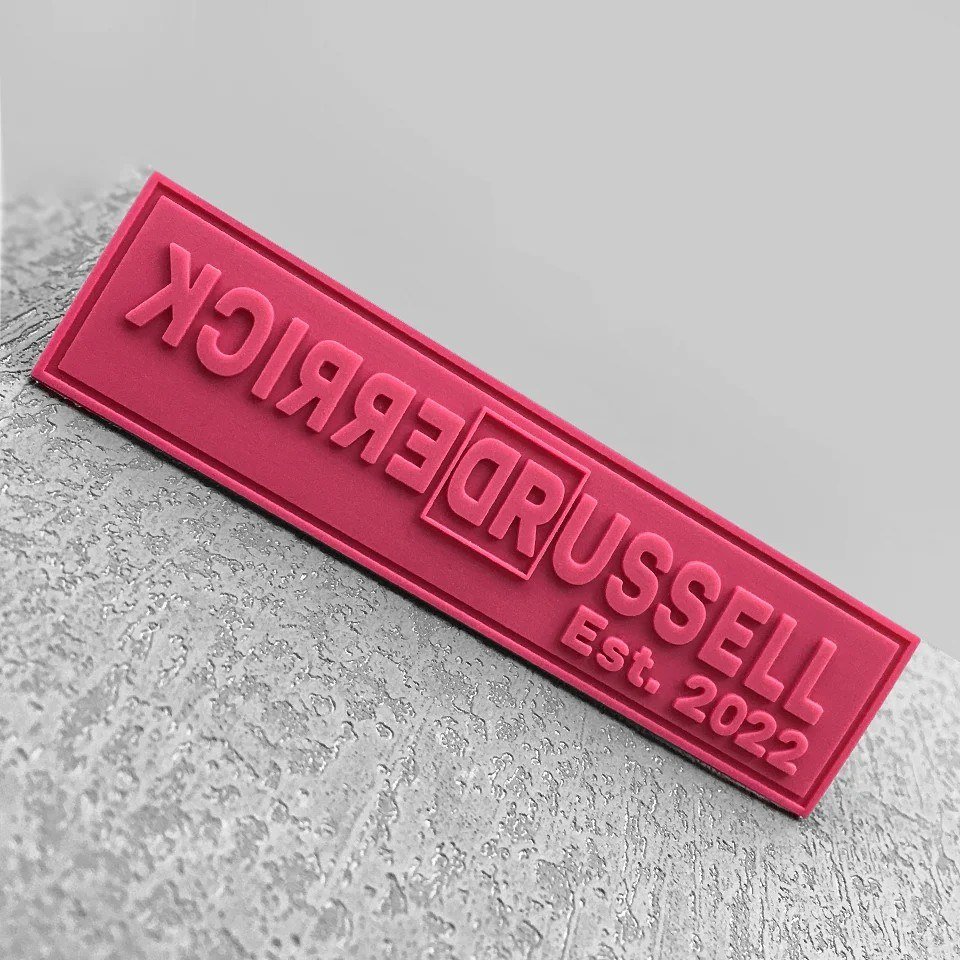
Custom Patches
Embroidered, woven, PVC, or heat-transfer patches applied to chest, sleeve, or back panels. A signature streetwear branding tool that transforms a blank jacket into an instantly recognizable, collectible brand piece.
Meet the Lightweight Down Jacket Manufacturer
Tesla Luo founded Clothing Manufacturer Ltd. on August 8, 2024, with one mission: restore integrity to Chinese garment manufacturing. Raised inside Dongguan’s factories — rotating through sewing, cutting, QC, and packing every summer — and later managing accounts for over 1,000 international clients, Luo spent a decade witnessing factories skip quality control entirely. He built this company to end that practice.
As a specialized lightweight down jacket manufacturer and streetwear production house, Clothing Manufacturer Ltd. backs every order with a 15-member in-house R&D team, 10 registered production patents, and a proprietary five-step QC process that audits materials, cutting, craftsmanship, sewing, and finished goods at every stage — not just at the end of the line.
The result is a manufacturing partner that scales with your brand. Whether you are a fashion startup placing your first low-MOQ run or a global retailer demanding consistent volume, Clothing Manufacturer Ltd. delivers trend-driven streetwear, fast sample turnaround, and full global logistics support to clients across more than 100 countries — all backed by a quality guarantee built into every stitch.
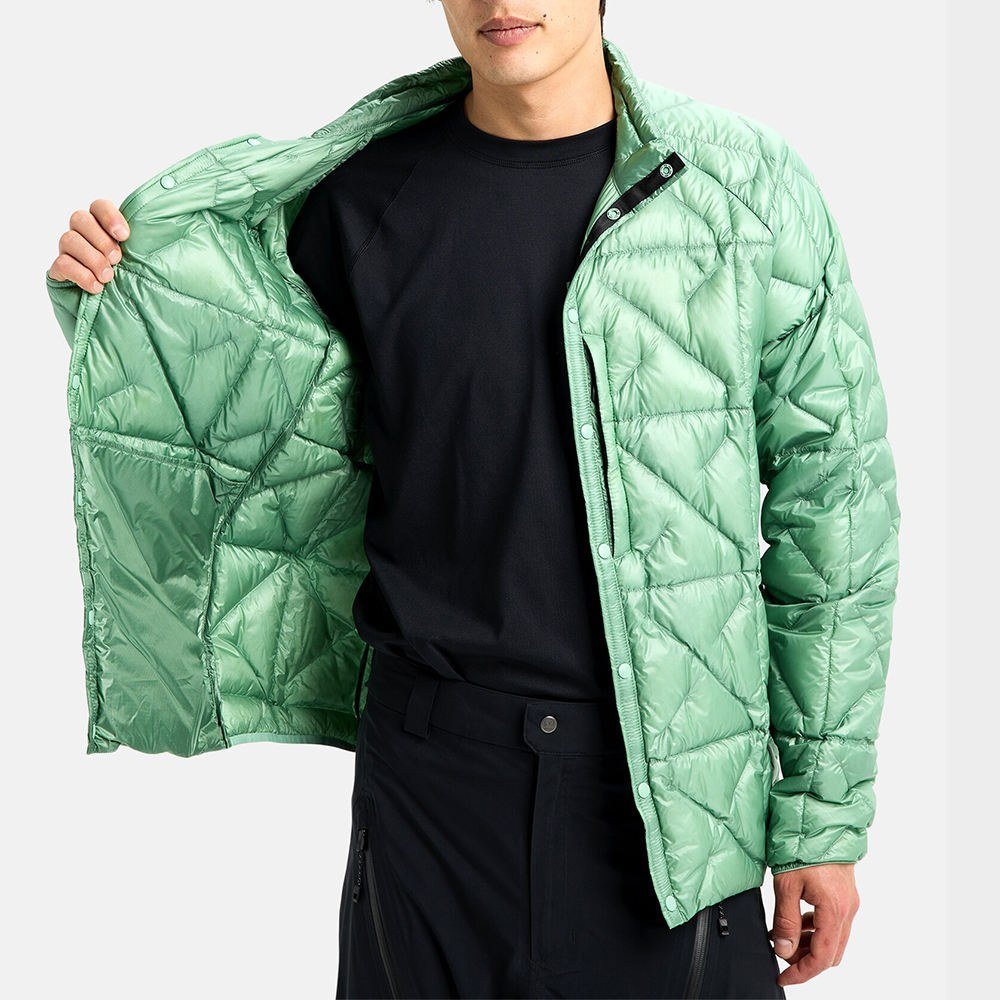
Our Core Strengths as a Lightweight Down Jacket Manufacturer
5-Step QC: Quality Built Into Every Stage
Every lightweight down jacket we produce passes five dedicated quality checkpoints — materials, cutting, craft, sewing, and final inspection. Unlike factories that skip in-process checks, we catch defects early so only zero-defect garments reach your customers.
- Materials QC verifies fabric weight, fill power, and thread integrity before a single cut is made
- Cutting QC ensures panel alignment and pattern accuracy to eliminate costly downstream defects
- Mid-production sewing QC inspects stitching tension, seam strength, and baffle construction in real time
- Final inspection reviews every finished jacket against your exact brand specifications before shipment
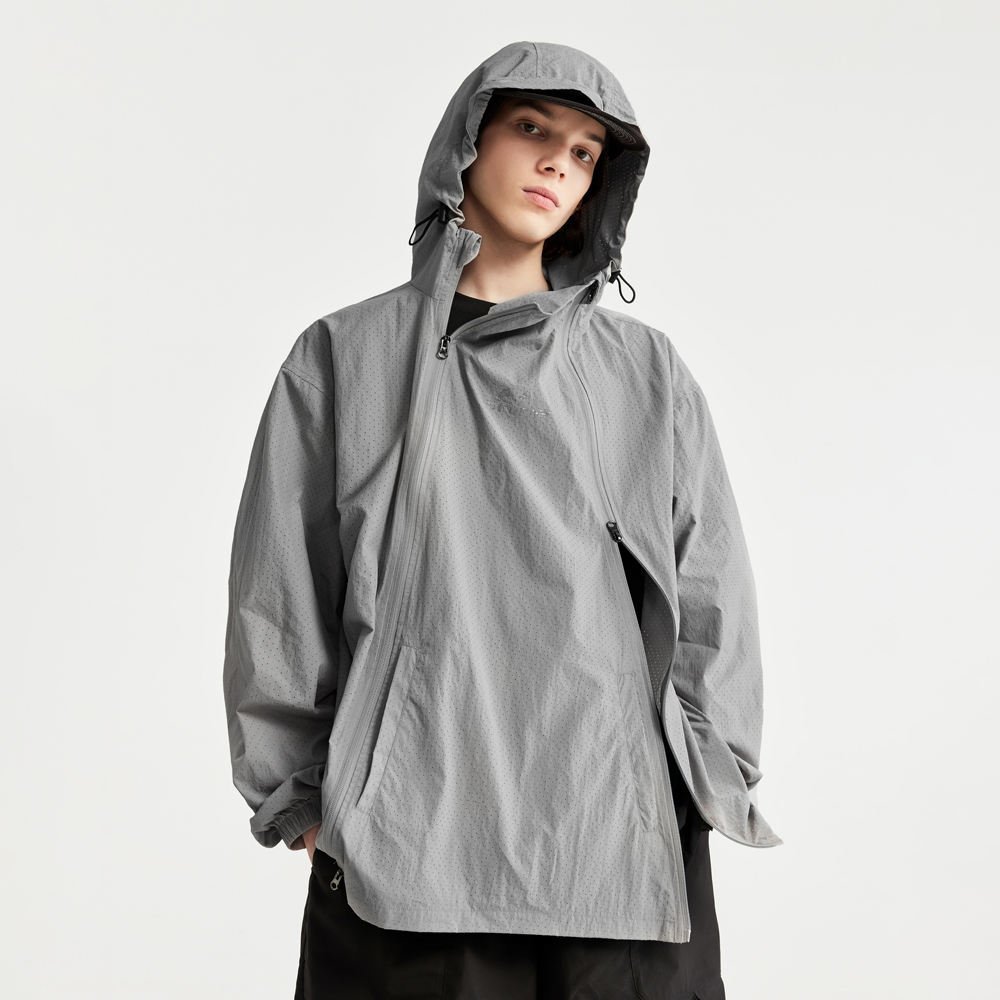
Streetwear Design Fluency Rooted in Culture
Our 15-member R&D team translates streetwear’s boldest motifs — skeleton graphics, rose elements, animal prints, and more — into production-ready designs. With 10 filed patents, we bring cultural authenticity and technical precision to every collection we develop.
- In-house designers fluent in skeleton, cross, rose, war, and animal-print streetwear aesthetics
- On-trend colorways and graphic placements developed in sync with each season's streetwear pulse
- Custom pattern development and salesman samples delivered directly from your concept sketch
- Proven track record producing for influencer-driven and emerging brands across more than 100 countries
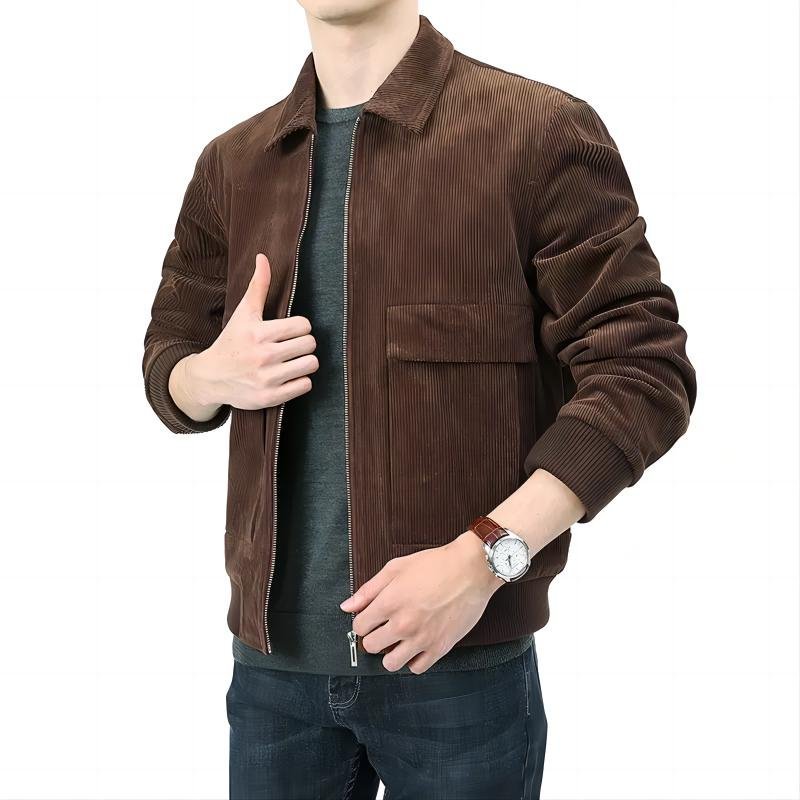
Low MOQ, Zero Compromise on Quality
Emerging brands and independent designers can launch their first lightweight down jacket line without sky-high minimums. Our low-MOQ program delivers the same rigorous 5-step QC, in-house sampling, and fast seasonal turnarounds that established global labels depend on.
- Accessible starting MOQs purpose-built for debut collections and test-market drops
- In-house sampling team turns concept approvals into production-ready prototypes fast
- Scalable manufacturing capacity grows with your brand from first launch to high-volume global retail
- End-to-end global logistics support from our Dongguan facility to your warehouse door
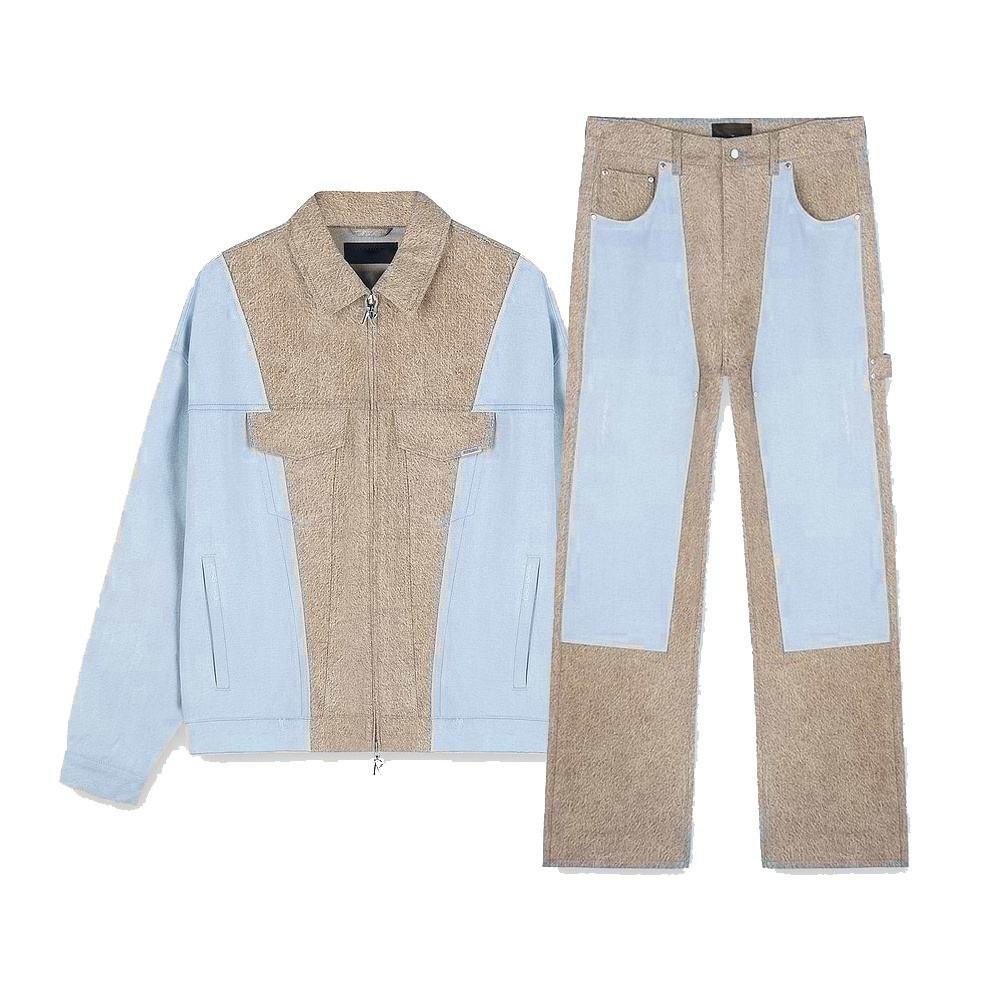
How Our Lightweight Down Jacket Manufacturer Beats the Competition
Side-by-side proof that not all suppliers are built the same — see exactly where we pull ahead on quality, speed, and partnership.
← 左右滑动查看 →
Lightweight Down Jacket Manufacturer: From Concept to Customer Delivery
Every order follows a six-phase production cycle with embedded QC checkpoints, so your collection ships on schedule and meets your exact quality standards.
Material Sourcing & Lab Inspection
We select premium down fill and outer shell fabrics, then run certified lab tests for fill power, warmth rating, and durability before a single cut is made.
Design & Free Sampling
Our 15-member R&D team develops your tech pack, refines fit and colorways, and delivers free pre-production samples — revised as many times as needed for your sign-off.
Cutting & Pattern QC
Panels are precision-cut to approved patterns, then audited for grain alignment, dimensional tolerances, and layer accuracy before any sewing work begins.
Assembly with Inline QC
Skilled operators assemble each jacket while our inline QC team checks stitching density, seam strength, baffle integrity, and down fill distribution at every production station.
Finishing & Final Audit
Garments are pressed, branded, and subjected to a full finished-goods inspection covering fit, appearance, zipper function, and fill weight before final approval is issued.
Packing & Global Logistics
Jackets are folded, tagged, and packed to your exact spec, then shipped worldwide via trusted freight partners with full tracking, customs documentation, and delivery support.
Getting Started With Your Lightweight Down Jacket Manufacturer in 5 Steps
From first inquiry to finished collection — a transparent, founder-led process built for brands at every stage of growth.
Share Your Design Requirements
Send us your tech pack, reference designs, and order specs. Our team reviews your vision and confirms production feasibility within 24 hours.
Receive Your Quote and MOQ Options
Get a clear pricing breakdown, flexible MOQ options sized for emerging brands, and a confirmed sampling timeline tailored to your launch schedule.
Evaluate Samples and Approve Quality
Inspect physical samples benchmarked against our 5-step QC process. Request revisions or sign off to advance confidently into full production.
Confirm Order and Production Schedule
Submit your deposit, lock in order quantities, and co-sign the production timeline. We send milestone updates at every stage of manufacturing.
Receive Goods and Scale Your Brand
Take delivery with global logistics support included. Our team stays available for reorders, new colorways, and fast-turnaround seasonal collection drops.
Certified Excellence: Standards We Uphold as Your Lightweight Down Jacket Manufacturer
Real Results: Why Global Brands Trust Our Lightweight Down Jacket Manufacturer
We launched 3 seasonal drop collections in under 10 months and grew from zero to 85,000 Instagram followers. The 5-step QC process meant zero defective returns — our customers came back every single drop.
As a startup, low MOQ was non-negotiable. We scaled from 12 SKUs to over 400 in just 14 months. Their in-house sampling team turned our concepts into production-ready pieces in 12 days flat.
We expanded our outerwear range with 6 new lightweight down jacket styles and achieved 100% on-time delivery across 3 continents in our first season. The QC documentation gave our wholesale buyers total confidence.
Lightweight Down Jacket Manufacturer: Answers to Your Questions
Everything emerging brands, independent designers, and global retailers ask before placing their first order — answered directly by the team that builds it.
What is your MOQ as a lightweight down jacket manufacturer?
Do you offer free or paid sampling for down jacket orders?
Can you support fully custom design for my down jacket collection?
How does the 5-step QC process actually work for down jacket production?
What are your payment terms and deposit structure?
Which lightweight down jacket manufacturer offers true international shipping support?
How do you protect our brand designs and intellectual property?
What are typical lead times for bulk down jacket production?
Can a lightweight down jacket manufacturer really scale with a fast-growing brand?
The Complete Buyer’s Guide to Lightweight Down Jacket Manufacturer
Discover how to evaluate every lightweight down jacket manufacturer against proven supplier criteria, navigate fill power and fabric trade-offs, avoid the costliest sourcing mistakes, and launch your branded line with confidence.
1. What Is a Lightweight Down Jacket Manufacturer?
A specialized lightweight down jacket manufacturer handles the full production chain — spec development, fill sourcing, shell fabrication, baffle engineering, and finishing — under one roof. These factories differ from general outerwear producers in that every process decision targets a narrow weight band: typically 150–350 grams for the finished garment, fill included.
Fill power is the defining technical threshold: lightweight jackets require a minimum of 600-fill-power (FP) duck down or 700–900 FP goose down to deliver warmth-to-weight ratios that compress to a packable volume under 3 liters. Shell fabrics run 20–40 GSM in ripstop or taffeta nylon with a durable water-repellent (DWR) finish, keeping total garment weight below 350 g without sacrificing wind resistance.
Baffle construction — sewn-through, box-wall, or V-baffle — controls cold spots and insulation loft; a factory specializing in lightweight builds maintains dedicated jig rigs and heat-seam tooling to seal baffles at 1–1.5 cm widths without adding gram-weight from excess thread. Third-party standards such as the Responsible Down Standard (RDS) and OEKO-TEX STANDARD 100 govern fill traceability and are baseline requirements from most D2C and retail buyers.
If your brief targets a finished weight below 400 g, packs to a stuff-sack or internal pocket, and specifies 600 FP fill or higher, you need a true lightweight down jacket manufacturer rather than a general insulated-outerwear factory. Streetwear and fashion brands sourcing quilted styles with decorative baffle patterns also fall squarely within this factory type’s core competency.
2. Evolution of the Lightweight Down Jacket Manufacturer
By the 1980s, technical outerwear brands had standardized goose-down fill-power ratings — 550-fp to 800-fp — as the core benchmark for expedition jackets. These early pieces prioritized warmth-to-weight ratios over aesthetics, keeping the category firmly in the performance-outdoor lane for nearly two decades.
The 2000s introduced two pivotal shifts: PrimaLoft and other synthetic-fill alternatives entered mainstream production, and the Responsible Down Standard (RDS) launched in 2014 to certify traceable, humanely sourced fill. Brands could finally address consumer pressure on animal welfare without sacrificing insulation performance, widening the category’s retail appeal well beyond mountaineering.
From roughly 2015 onward, OEM/ODM factories in Guangdong Province began lowering MOQs from the legacy 500–1,000 units per colorway down to 50–200 units, making private-label down programs accessible to startups and independent designers for the first time. Sample turnarounds compressed from a 30-day industry norm to 7–15 days, and that speed became a hard competitive differentiator among lightweight down jacket manufacturers.
Streetwear labels and influencer-driven brands reshaped expectations further after 2018, demanding cropped silhouettes, bold colorblocking, oversized channel baffles, and custom heat-transfer labels alongside technical specs. Today a serious lightweight down jacket manufacturer is expected to deliver Pantone-matched shell fabrics, YKK hardware, and OEKO-TEX-certified insulation — all within a single, agile production model built for trend-cycle velocity.
3. Types of Lightweight Down Jacket Manufacturer to Know
Not every lightweight down jacket manufacturer operates the same way — five distinct factory types serve different brand stages. Matching your model to the right type determines MOQ, lead time, and customization depth.
Full-Package ODM Factories
ODM factories handle design, materials sourcing, sampling, and production end-to-end. MOQs typically start at 300–500 units per style, with lead times of 60–90 days. Best for established brands needing turnkey production with minimal internal design resources.
OEM Cut-and-Sew Specialists
OEM specialists execute buyer-supplied tech packs with precision cutting and sewing. MOQs run 100–300 units; lead times average 45–60 days. Ideal for brands with in-house design teams who control their own patterns and fabrics.
Sustainable and Certified-Down Niche Factories
These factories source RDS-certified or recycled down fill and carry OEKO-TEX or bluesign certifications. MOQs are often higher — 500+ units — and lead times stretch to 75–100 days for certified material sourcing. Right for eco-positioned labels.
Fashion-Forward Trend-Driven Manufacturers
Trend-driven factories maintain in-house R&D teams and release seasonal lookbooks, cutting design lag by weeks. MOQs range 200–500 units with 45–75-day lead times. Perfect for streetwear and influencer brands racing seasonal drop calendars.
Low-MOQ Sample-First Studios
Sample-first studios accept MOQs as low as 30–50 units and prioritize rapid prototyping — typically 15–25-day sample turnaround. Per-unit costs run 30–50% higher than bulk. Best for startups validating a design before committing to a full production run.
4. Materials & Fabrics Used by a Lightweight Down Jacket Manufacturer
Shell fabric, fill type, and lining together determine a jacket’s warmth-to-weight ratio, packability, and market positioning. A skilled lightweight down jacket manufacturer selects materials at every layer to hit specific performance and price targets.
| Fabric Type | GSM | Weight | DWR Rating | Best Use Case |
|---|---|---|---|---|
| 20D Ripstop Nylon | 40–55 | Ultra-light | C0/C6, 90/10 | Packable performance puffer |
| 70D Ripstop Nylon | 70–80 | Light | C0/C6, 80/20 | Durable outdoor jacket |
| Recycled Polyester | 80–100 | Medium | C0, 80/20 | Sustainable streetwear |
| Taslan Nylon | 100–120 | Medium | C6, 80/20 | Casual lifestyle outerwear |
| Synthetic Fill Shell | 80–120 | Medium | Optional | Wet-climate activewear |
Shell Fabric Options
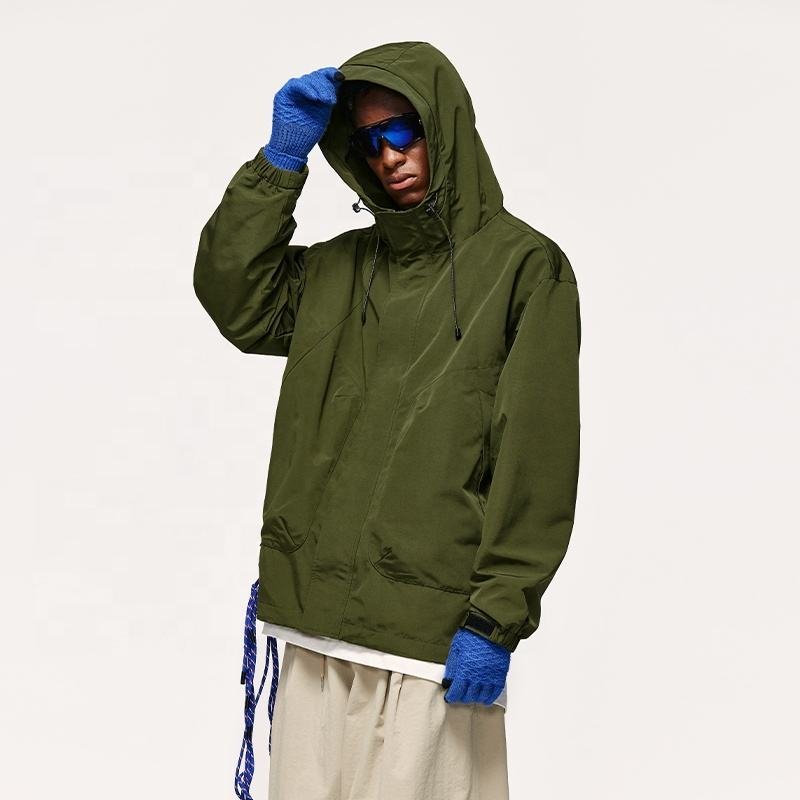
Ripstop nylon (20D–70D, 40–80 GSM) dominates lightweight shells for its tear resistance and low pack weight. Recycled polyester and taslan weaves offer sustainability and a softer hand-feel at 80–120 GSM.
All performance shells require a DWR finish — C0 (PFC-free) or C6 — rated 80/20 or 90/10 on the standard spray test.
Fill Types and Power Ratings
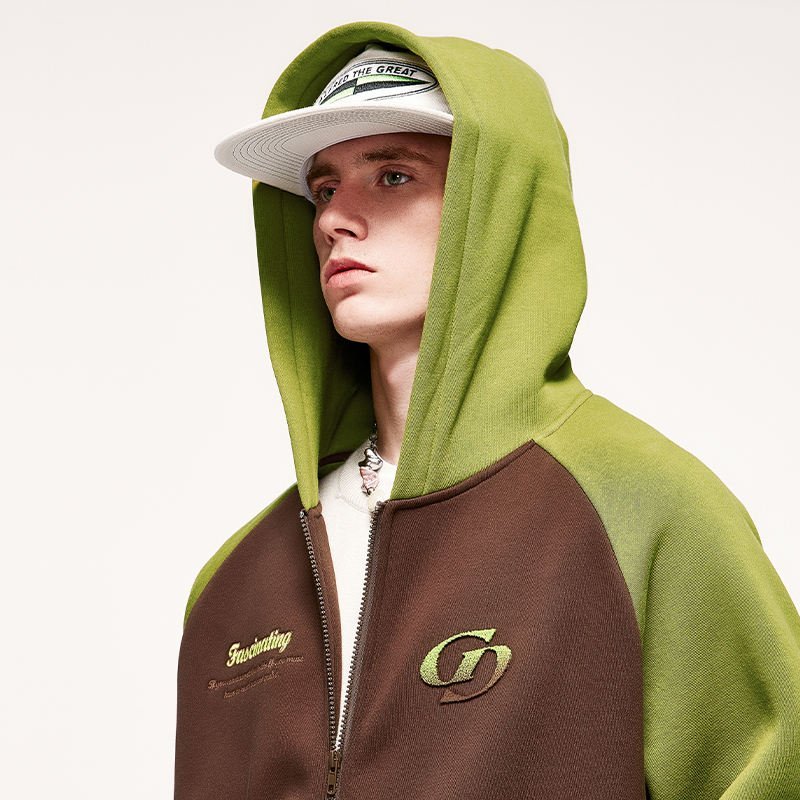
800+ fill-power white goose down delivers the highest warmth-to-weight ratio; 60g at 800FP matches the warmth of 90g at 650FP. RDS (Responsible Down Standard) certification is now a baseline requirement for major global retailers.
Synthetic fills such as PrimaLoft and Thermore run 80–120 GSM and retain insulation when wet, though pack volume runs 20–30% larger than equivalent down.
Lining Choices for Packability
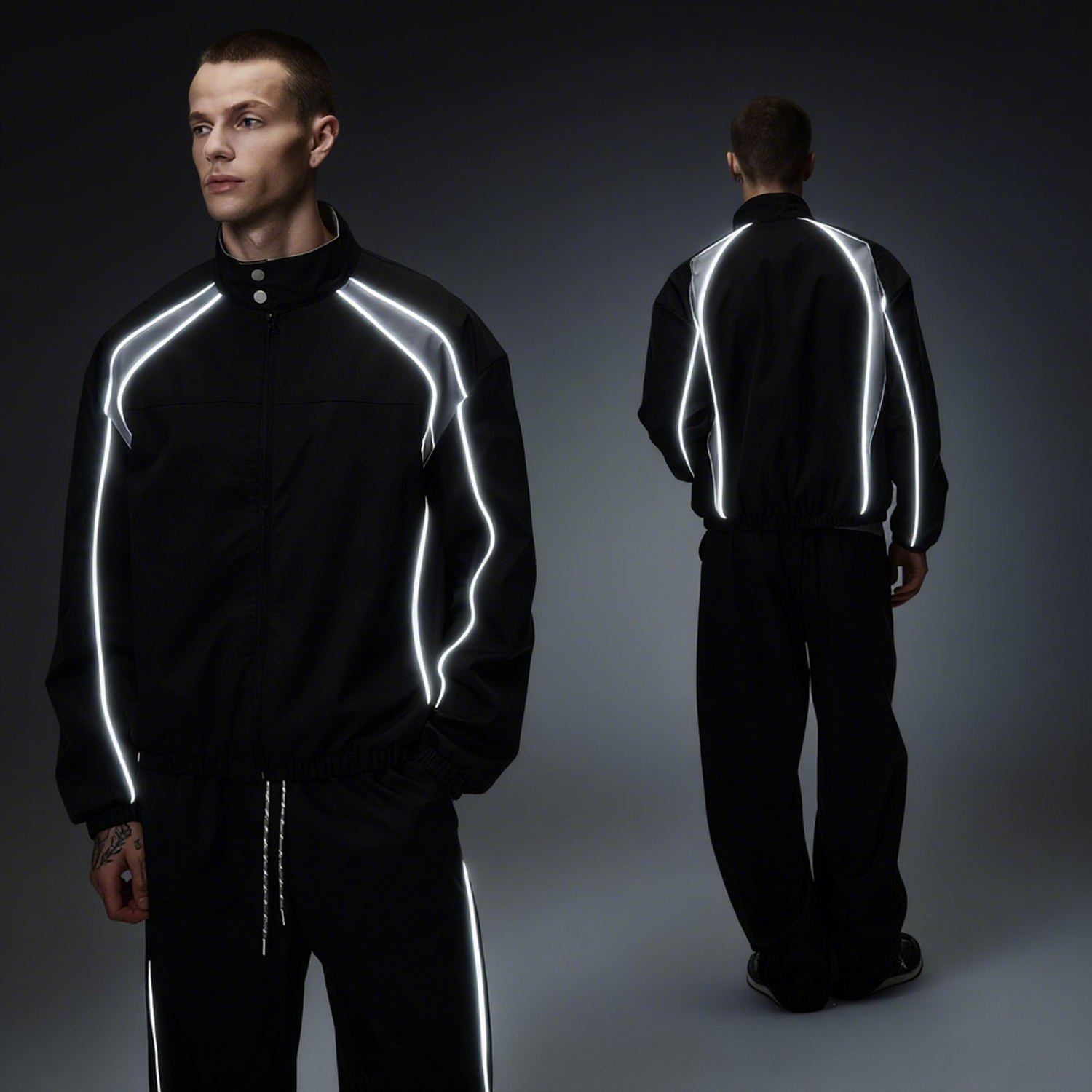
Taffeta nylon (30D, 20–40 GSM) is the standard lining for packable styles — its slippery hand-feel reduces fill migration and aids layering. Tricot knit linings add 10–20 GSM but improve comfort against skin for lifestyle-oriented designs.
5. Customization Options Your Lightweight Down Jacket Manufacturer Can Offer
Every credible lightweight down jacket manufacturer offers decoration options that define shelf presence. Knowing which techniques are viable at low MOQ versus high volume prevents costly missteps when launching a collection.
Embroidery and Label Branding Techniques
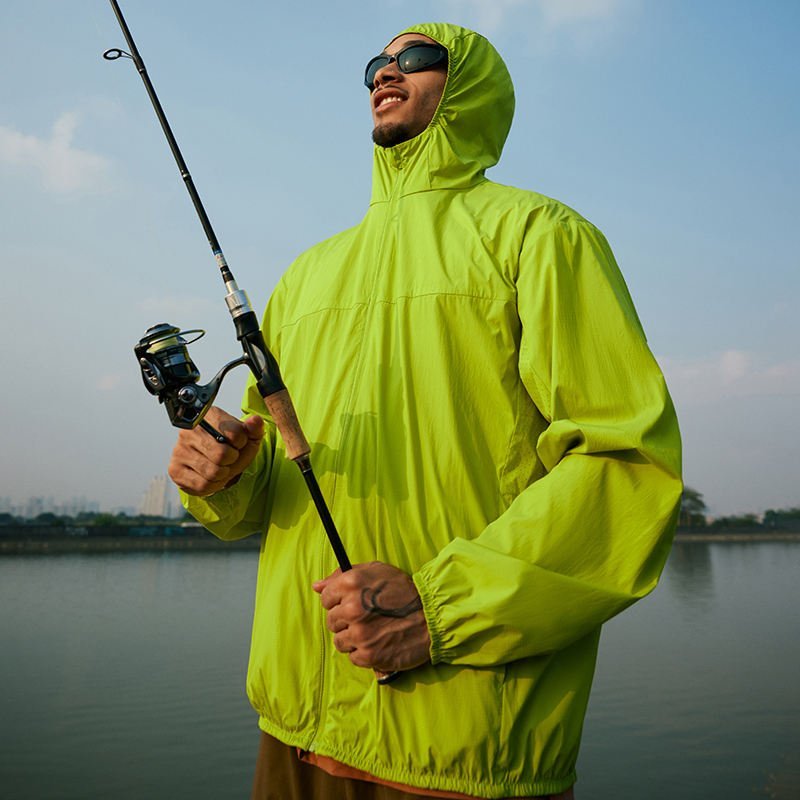
Tonal embroidery on chest or sleeve panels works from MOQ 50 pieces upward and is a top choice for streetwear and creator brands. Woven labels require a one-time setup fee of roughly $50–$100 but deliver a premium hand feel; heat-transfer labels need zero tooling and suit runs as low as 30 units.
Screen Printing and Custom Hardware
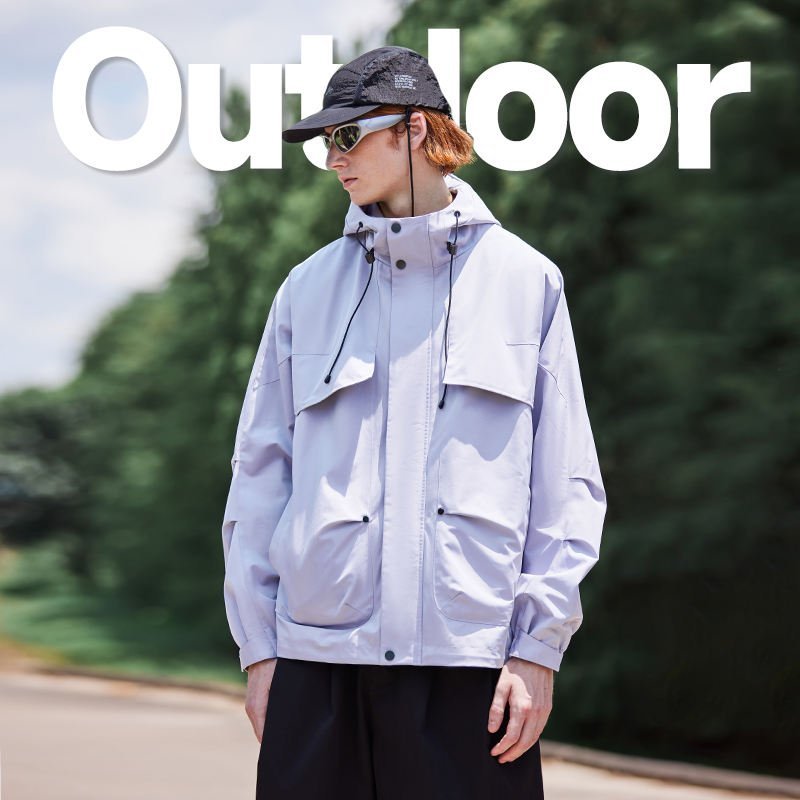
Screen printing on nylon shell panels suits graphic-heavy streetwear but typically requires 100+ pieces per colorway to justify screen setup costs. YKK or custom-logo zippers and cord pulls are available at MOQ 200+; smaller orders should use stock hardware paired with branded hang-tags instead.
Colorway Development and Quilting Patterns
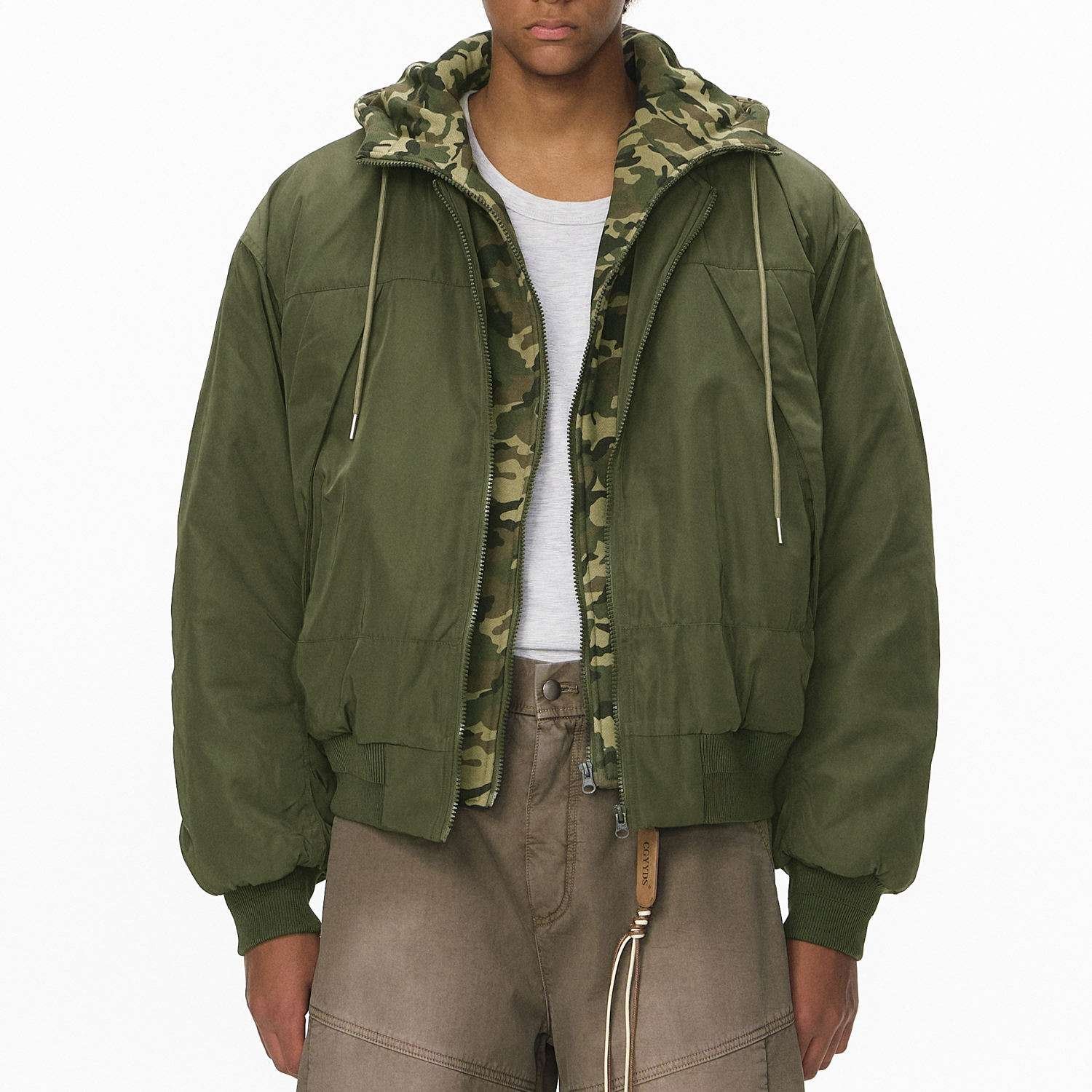
Pantone-matched colorway development usually adds 2–3 weeks to sampling lead time. Custom quilting patterns — diamond, baffle-box, or branded geometric — are programmed at the cutting stage and add no per-unit cost at scale, though most factories require a minimum 100-unit run to offset pattern digitization fees.
Private Label Packaging and Packable Pouches
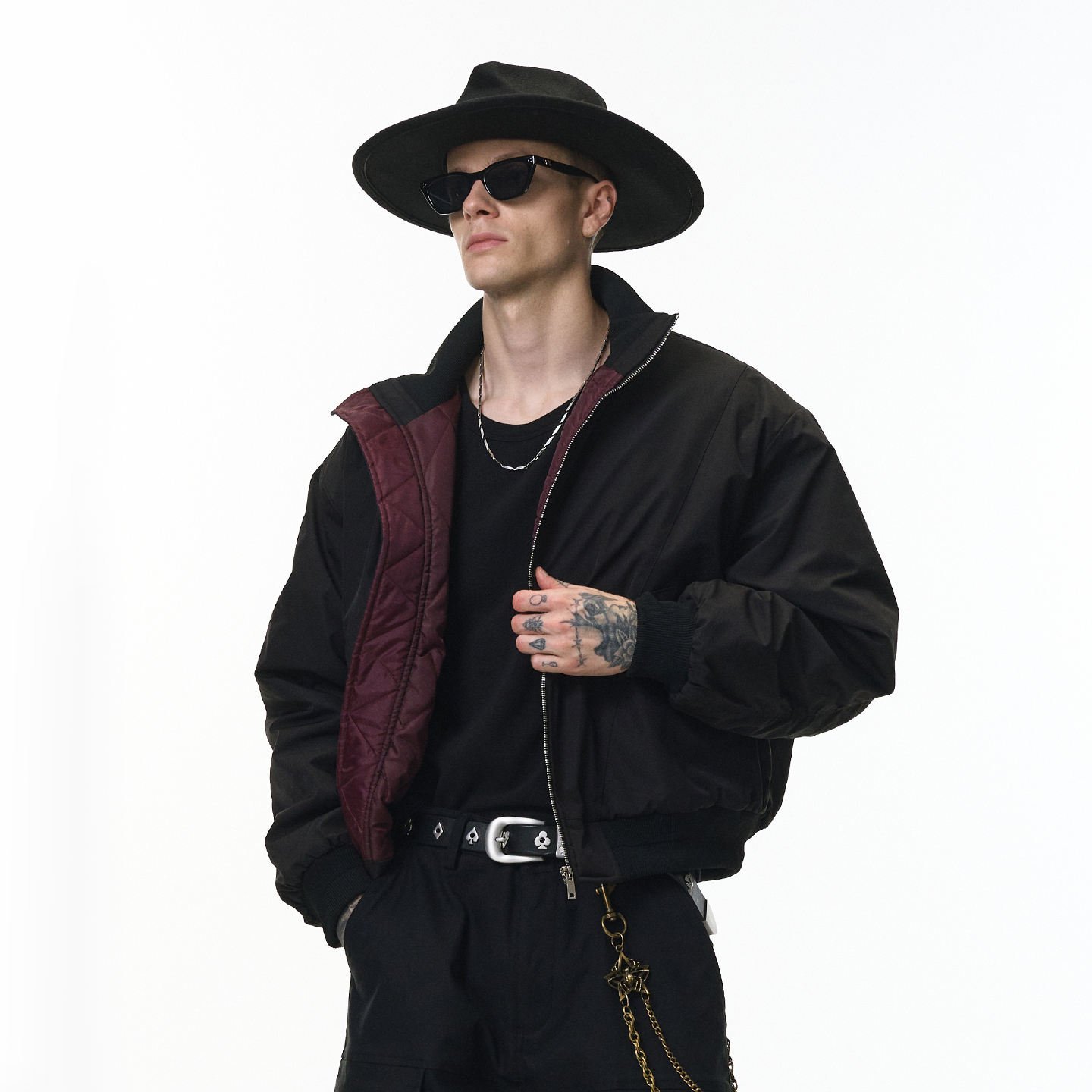
Custom packable pouches and co-ord set packaging are streetwear favorites, turning a jacket into a gift-ready SKU. Poly bag printing, hang-tags, and branded tissue paper start at MOQ 50–100 units; rigid box packaging typically demands 200+ units to offset tooling costs.
6. Key Construction Quality Elements to Inspect
Separating a premium lightweight down jacket manufacturer from a commodity supplier comes down to construction details invisible in product photos but obvious in a pre-shipment sample. Inspect these six elements before approving bulk production.
Baffle Construction Types
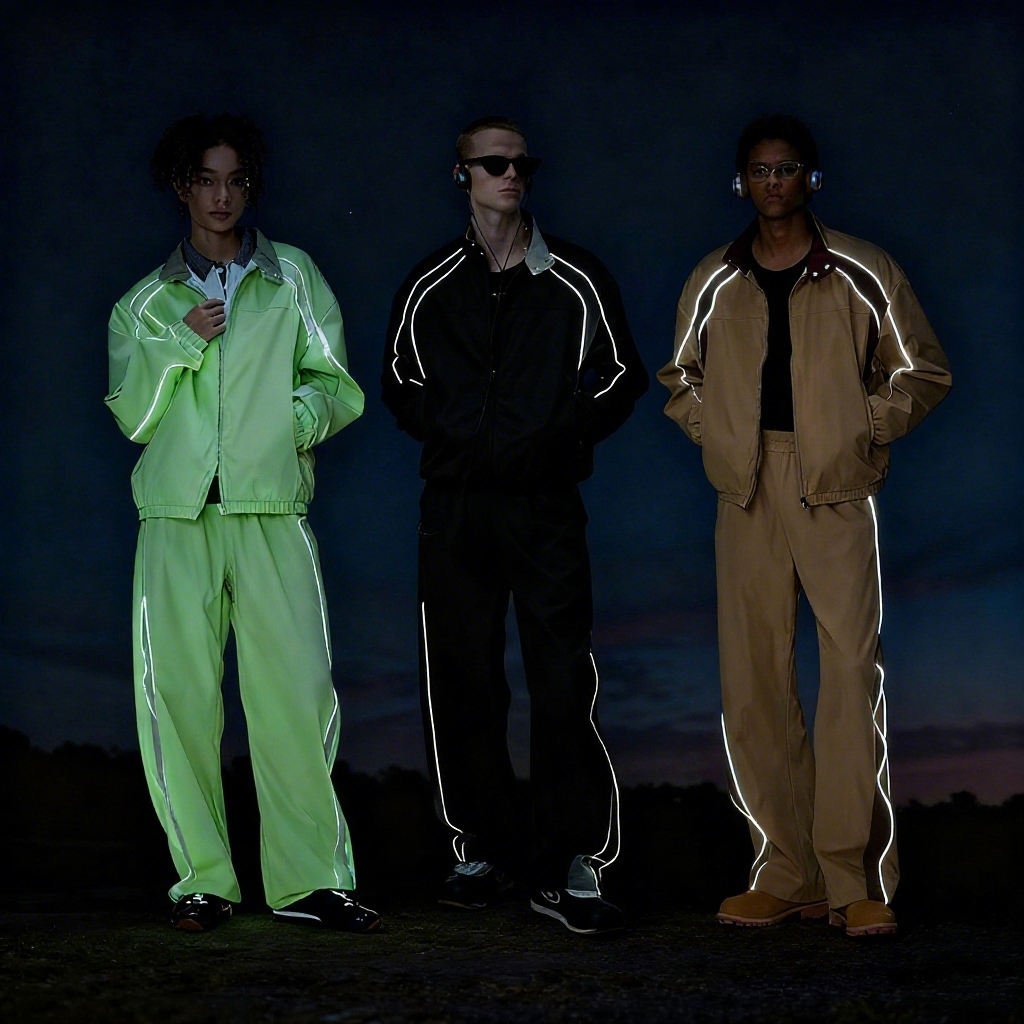
Sewn-through baffles stitch the outer shell directly to the lining — lightweight but create cold bridges at every seam. Box-wall and channel baffles use an interior fabric wall to eliminate cold spots, adding 15–25% more material cost but delivering meaningfully better thermal retention at equivalent fill weights.
Down-Proof Lining and Seam Sealing
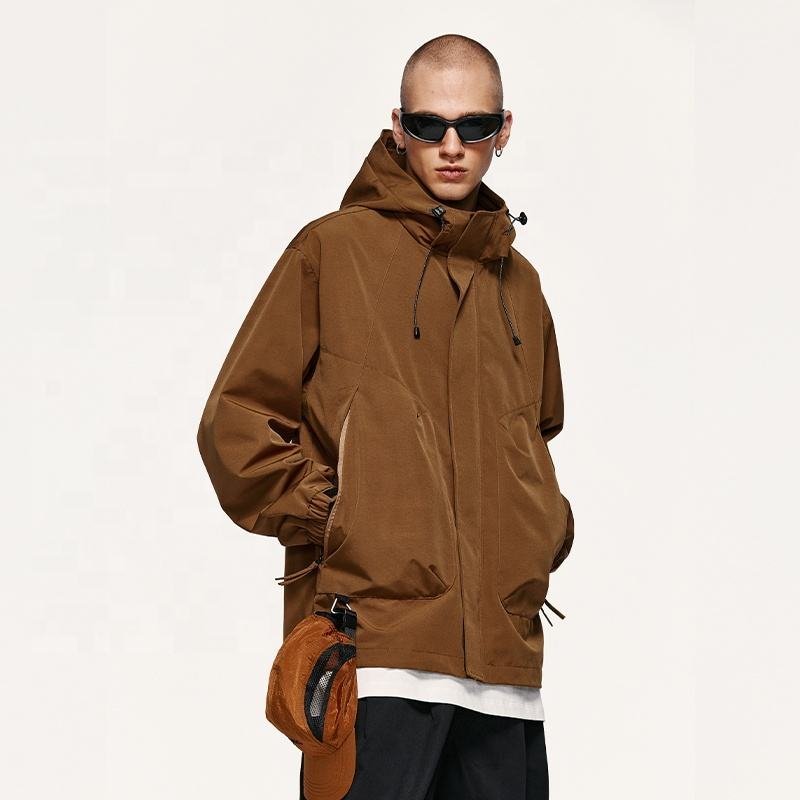
Down-proof lining must achieve a thread count above 230T with a calendering finish; anything lower allows feather quills to pierce through the shell. Taped or welded seams add $1.50–$3.00 per jacket but are mandatory for 650-plus fill-power down to prevent feather migration at stitch holes.
Stitch Density and Zipper Storm Flaps
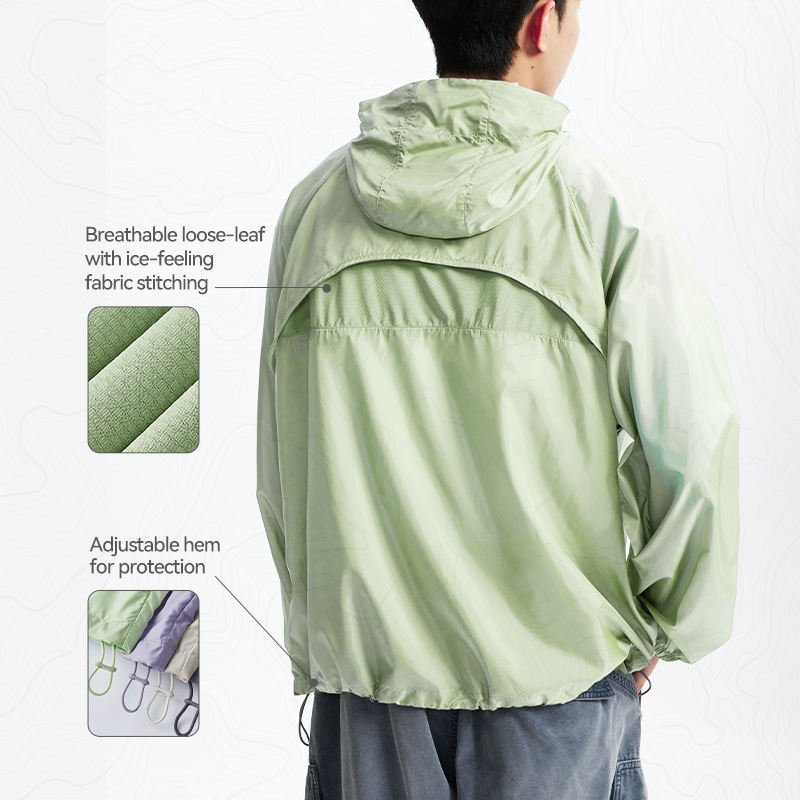
Stitch density below 8 stitches per inch on outer shell seams creates gaps that accelerate wear and allow wind infiltration. YKK or SBS zippers with a backing storm flap at least 2.5 cm wide are the industry standard; narrower flaps expose the zipper coil to wind and moisture.
Red Flags in Pre-Shipment Samples
Five defects visible without lab equipment reliably signal a commodity-grade supplier.
- Feather quills poking through shell fabric — lining thread count is below 230T
- Uneven baffle chambers indicating inconsistent fill distribution across panels
- Storm flap width under 2 cm or absent entirely on the main zipper
- Collar gap exceeding 1 cm when the jacket is fully zipped
- Seam puckering at shoulder joins signaling mismanaged stitch tension
7. How to Choose the Right Lightweight Down Jacket Manufacturer
Qualifying a lightweight down jacket manufacturer in 30 days is achievable with a structured checklist. Prioritize verifiable certifications, MOQ fit, and sample speed before committing to any production run.
Certifications to Require
RDS (Responsible Down Standard), OEKO-TEX Standard 100, and ISO 9001 are the three non-negotiable credentials. RDS certifies humane animal treatment; OEKO-TEX confirms no harmful substances in shell fabrics; ISO 9001 validates systematic quality management.
Ask for certificate numbers and verify them on the issuing body’s website. Expired or unverifiable certificates are a disqualifying flag — walk away.
MOQ Flexibility and Sample Turnaround
Startups should target manufacturers offering MOQs of 50–100 pieces per style; retailers scaling to 500+ units need tiered pricing structures. Confirm MOQ in writing before requesting samples.
Sample turnaround benchmarks: 7–10 days for a standard spec sample, 14–21 days for a development sample with custom fill power. Faster is possible — but verify with past client references.
Communication Responsiveness and Factory Audits
Response time within 24 hours across WeChat, email, or WhatsApp is a baseline standard. Manufacturers who take 72+ hours at inquiry will be slower mid-production when defects surface.
Request a virtual or third-party factory audit — services like Bureau Veritas or SGS provide reports for $300–$600 USD. Audit scope should cover production capacity, QC stations, and worker headcount.
IP Protection and Reference Checks
Require a signed NDA and IP protection clause before sharing design files or proprietary patterns. Specify that molds, prints, and colorways are client-exclusive for a minimum of 12 months.
Ask for two to three reference contacts from brands of similar size. Ask references specifically about defect rates, communication quality, and on-time delivery — not just general satisfaction.
8. Common Mistakes Buyers Make With a Lightweight Down Jacket Manufacturer
First-time brand owners sourcing from a lightweight down jacket manufacturer routinely lose margin, miss launch windows, or ship defective units — almost always because of six avoidable errors made before bulk production begins.
Choosing on Price Alone
Down fill quality, shell GSM, and seam construction vary widely across price tiers. A quote priced 15–20% below market average typically uses 550-fill duck down instead of 800-fill goose down. Always request a full cost breakdown before comparing bids.
Skipping Fill-Power Verification
Fill power — measured in cubic inches per ounce — is the key warmth metric in down outerwear, yet most buyers never request a lab certificate. Insist on IDFL or SGS fill-power test reports for every new down lot, not supplier-supplied spec sheets alone.
Ignoring Lead-Time Buffers
Ethically sourced 800-fill goose down requires 60–90 days of procurement lead time before cutting begins. Buyers who ignore raw-material sourcing timelines routinely face 4–6 week delays. Build a 10-week buffer into your production calendar from order placement.
Under-Specifying Tech Packs
A tech pack missing baffle width, stitch type, or shell fabric weight forces factories to make assumptions that become bulk defects. Specify shell GSM, lining material, YKK zipper model, and fill weight in grams per panel before sampling.
Neglecting Ethical Certification Requirements
Major retailers increasingly require Responsible Down Standard (RDS) or OEKO-TEX STANDARD 100 documentation before placing orders. Sourcing uncertified down saves 5–8% upfront but can disqualify a collection from retail entirely. Confirm certifications cover both fill and shell materials.
Failing to Lock Sizing Standards
Accepting a factory’s default grading increments — often sized for domestic Chinese markets — creates fit failures across your full size run. Submit a measurement table with tolerance ranges (±0.5 cm) before approving any pre-production sample.
9. Steps to Launch Your Brand With a Lightweight Down Jacket Manufacturer
First-time outerwear launches carry more variables than a standard cut-and-sew drop. A structured six-step roadmap helps influencer brands and independent designers avoid sample rework, certification delays, and costly bulk mistakes.
Define Your Product Brief and Tech Pack
A tech pack must specify fill power (600–800FP for lightweight styles), shell fabric GSM, seam type, Pantone colorways, and target retail price. Without these details, any lightweight down jacket manufacturer will quote inconsistently and sample revisions will multiply fast.
Shortlist Manufacturers and Send RFQs
Target three to five factories with documented down outerwear experience and MOQs of 100–300 pieces per colorway. Attach your tech pack to every RFQ and state required certifications — OEKO-TEX Standard 100 or RDS (Responsible Down Standard) — upfront to filter out non-compliant suppliers immediately.
Request and Evaluate Samples
A salesman sample (SS) typically costs $80–$200 and ships in 10–15 days. Evaluate fill loft 24 hours after unpacking, inspect baffle stitch uniformity, and test zipper pull force on YKK hardware — these three checks reveal most first-sample failures before bulk production begins.
Negotiate Terms and Certifications
Standard payment terms run 30% deposit against purchase order, 70% against bill of lading. Request factory audit reports (BSCI or WRAP) and written lead-time guarantees — 45–60 days for bulk — before signing. Creator brands building a public audience need supplier transparency as much as any retailer.
Place Pilot Order, Run QC, and Scale
A pilot run of 100–200 units confirms sizing, fill distribution, and packaging before full commitment. Insist on in-line quality checks at cutting, sewing, and finishing rather than end-of-line inspection only — defects caught mid-production cost a fraction of post-shipment returns. Confirmed sell-through then justifies a scaled reorder with locked unit pricing.
10. Pricing & Cost Guide for a Lightweight Down Jacket Manufacturer
At 50 units, a lightweight down jacket manufacturer typically quotes $28–$38 per piece; that same jacket drops to $10–$15 at 1,000+ units, a 60–65% reduction driven largely by fabric yield and cutting efficiency gains between the 100- and 300-piece tiers.
Four variables move cost outside the volume table: fill power (600-fill vs. 800-fill goose down adds $3–$8/unit), shell fabric (20D vs. 30D ripstop nylon adds $2–$5), third-party certifications (RDS, OEKO-TEX, or BSCI audits add $500–$2,000 one-time), and packaging complexity (poly bag vs. branded retail box adds $0.50–$3.00/unit).
- Custom embroidery logo: $150–$300 setup, +$1.50–$3.00 per unit
- Shell screen print (per color): $80–$200 setup, +$0.80–$2.00 per unit
- YKK zipper upgrade from standard coil: no setup fee, +$1.00–$2.50 per unit
- Branded woven label set: $50–$100 setup, +$0.30–$0.60 per unit
- Custom lining print or pattern: $200–$400 setup, +$2.00–$4.00 per unit
| Quantity Tier | Unit Price (USD) | Lead Time | Sample Cost |
|---|---|---|---|
| 50 units | $28–$38 | 25–30 days | $80–$120 |
| 100 units | $22–$30 | 20–25 days | $80–$120 |
| 300 units | $16–$22 | 18–22 days | $60–$80 |
| 500 units | $13–$18 | 15–20 days | $60–$80 |
| 1,000+ units | $10–$15 | 12–18 days | $40–$60 |
Launch Your Line With a Lightweight Down Jacket Manufacturer
5-step QC guarantee, 7-day samples, and low MOQ — give your brand the premium manufacturing partner it deserves.