
Premium Work Pants Manufacturer for Streetwear & Trendy Brands
Partner with a trusted work pants manufacturer offering low MOQ, 5-step QC guarantee, and proven streetwear expertise serving 100+ countries worldwide.
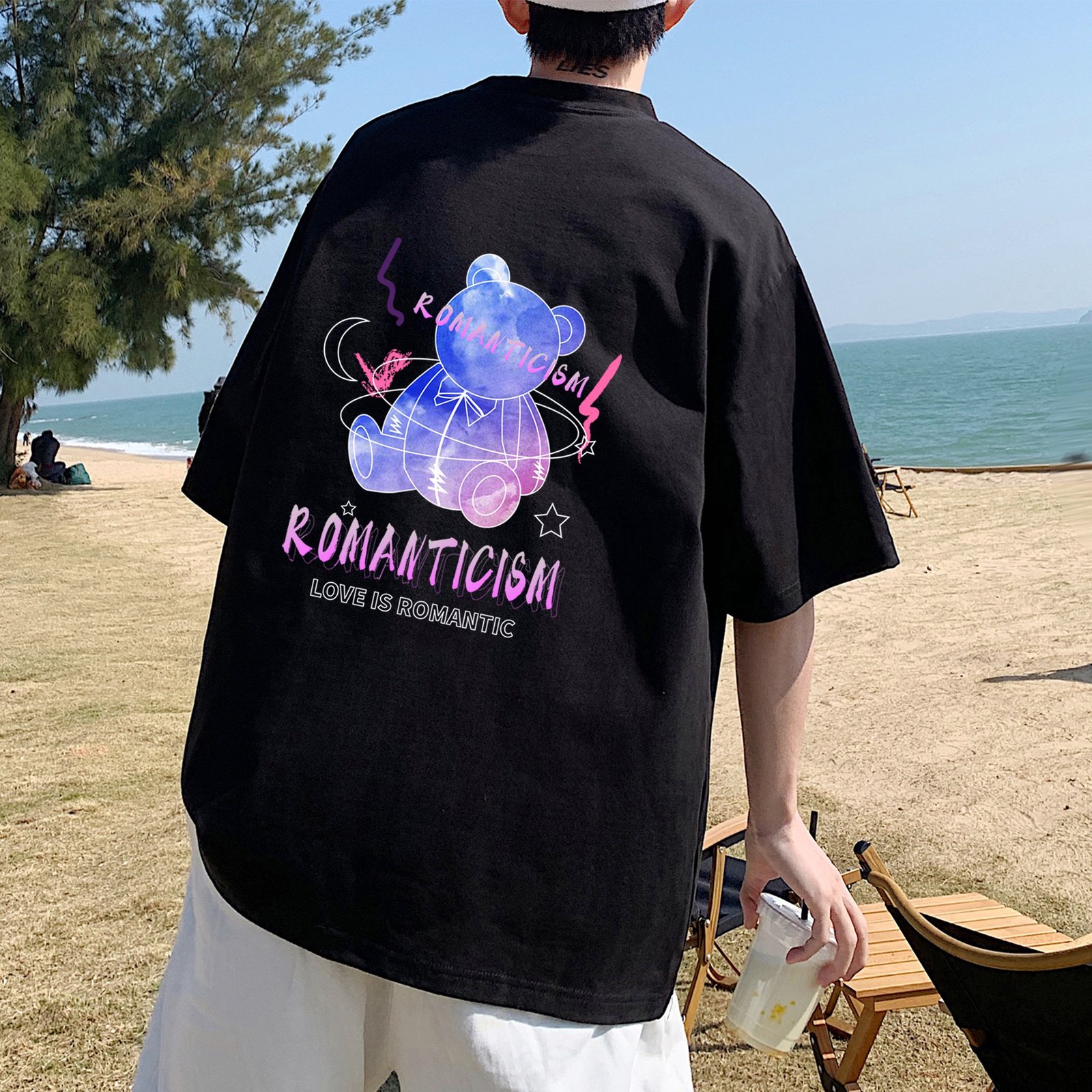
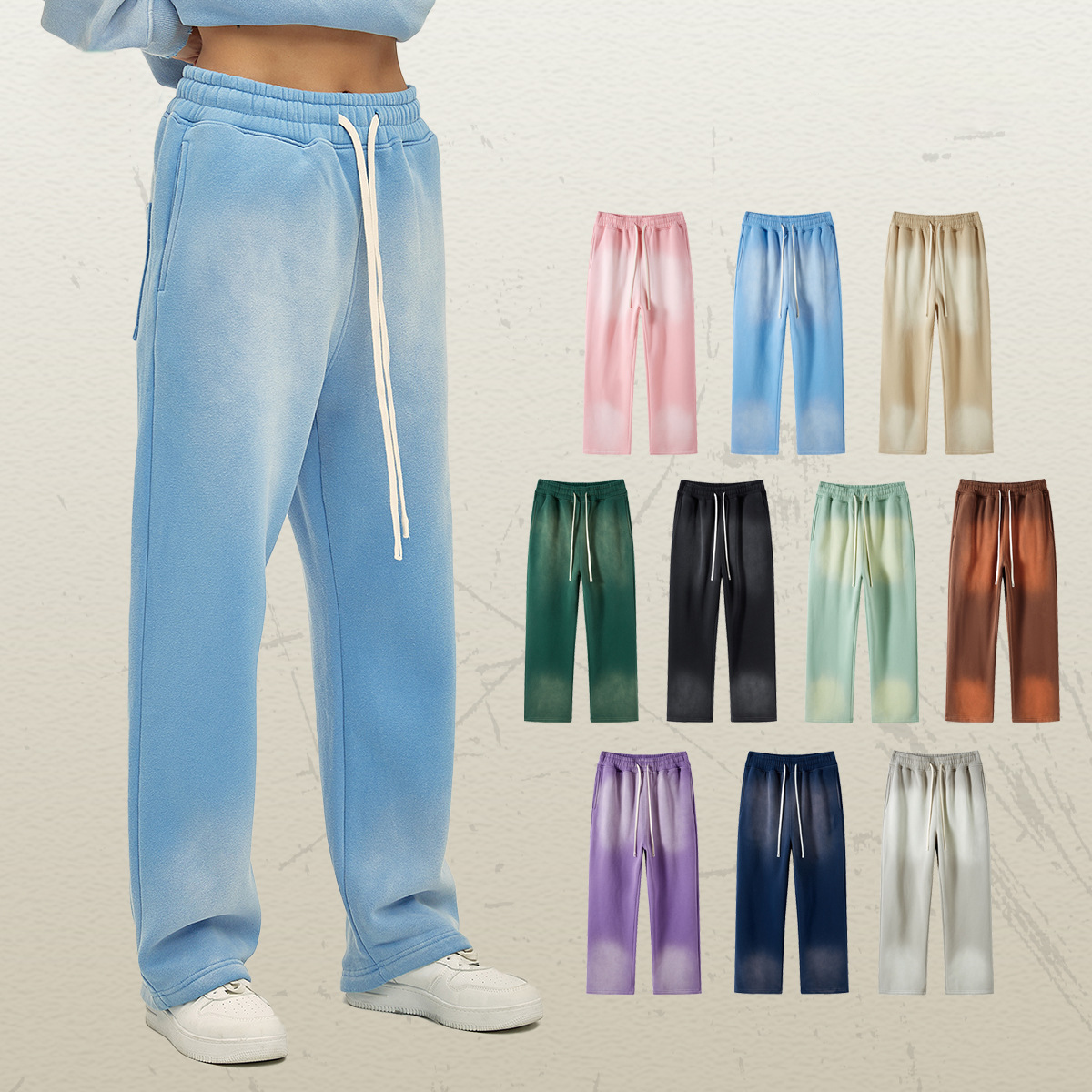
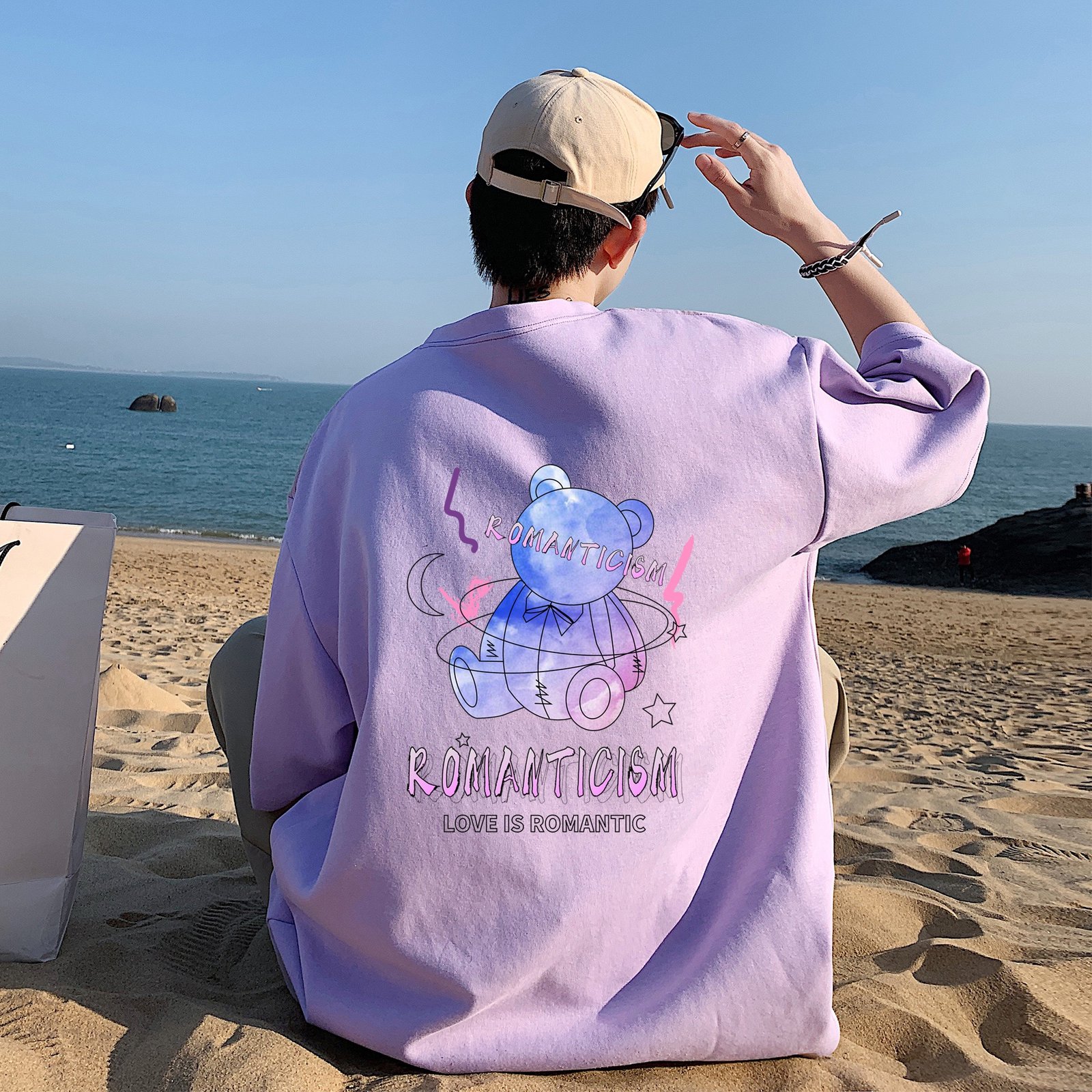
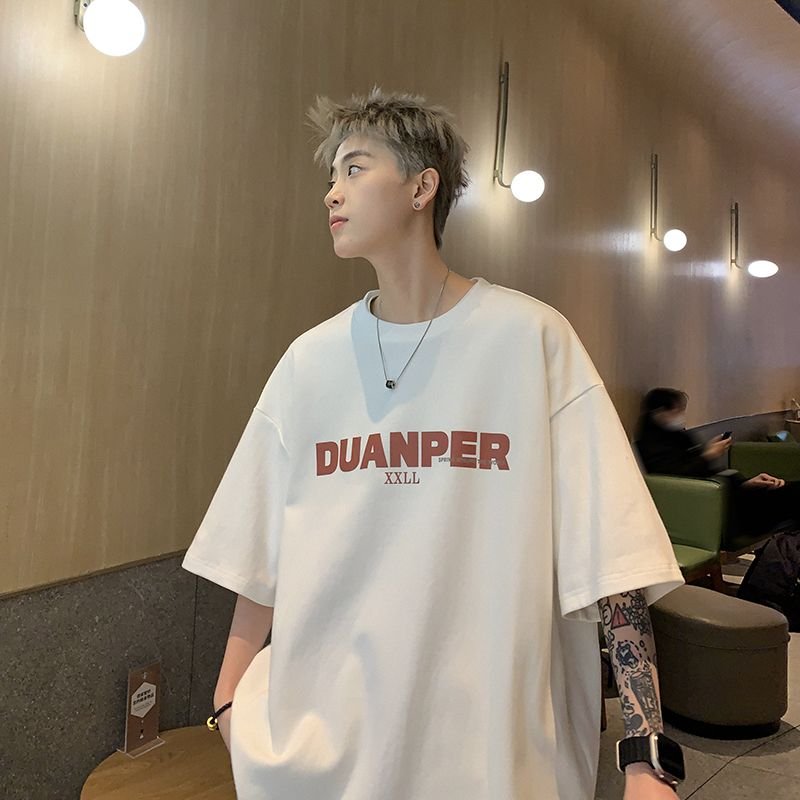
Work Pants & Streetwear Collection Showcase
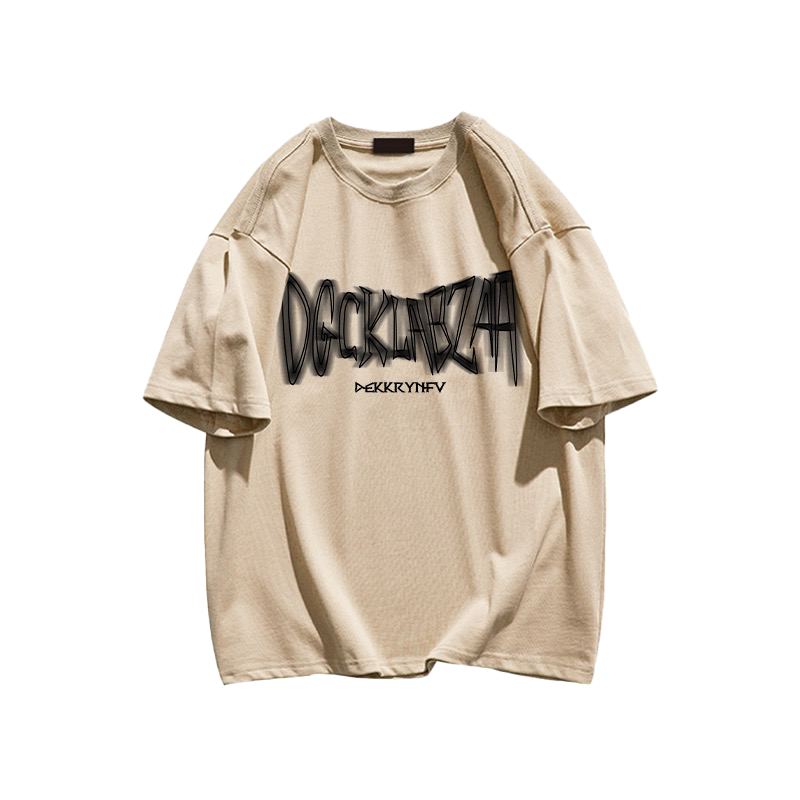
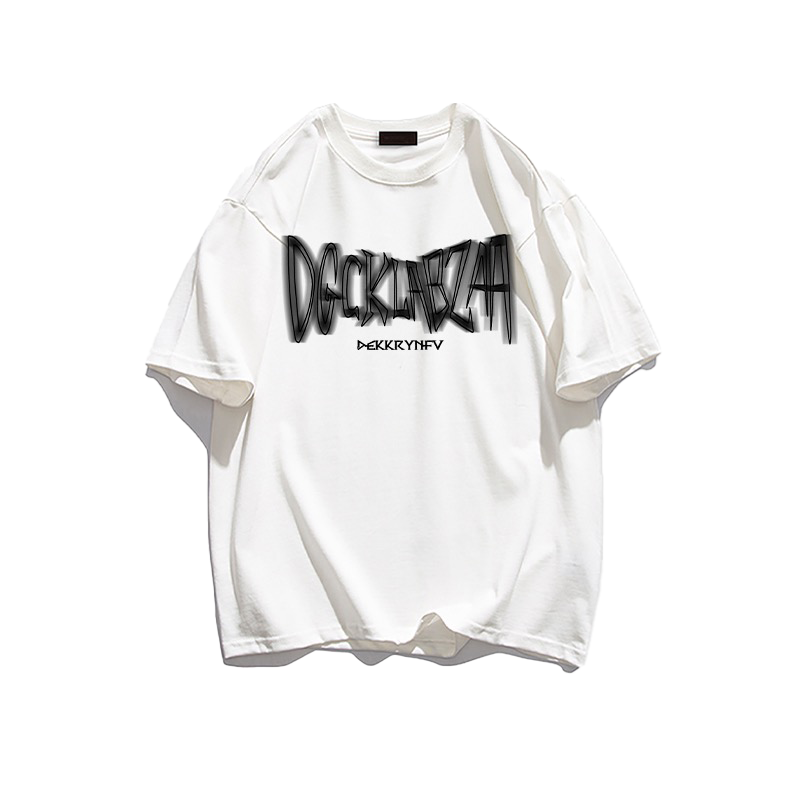
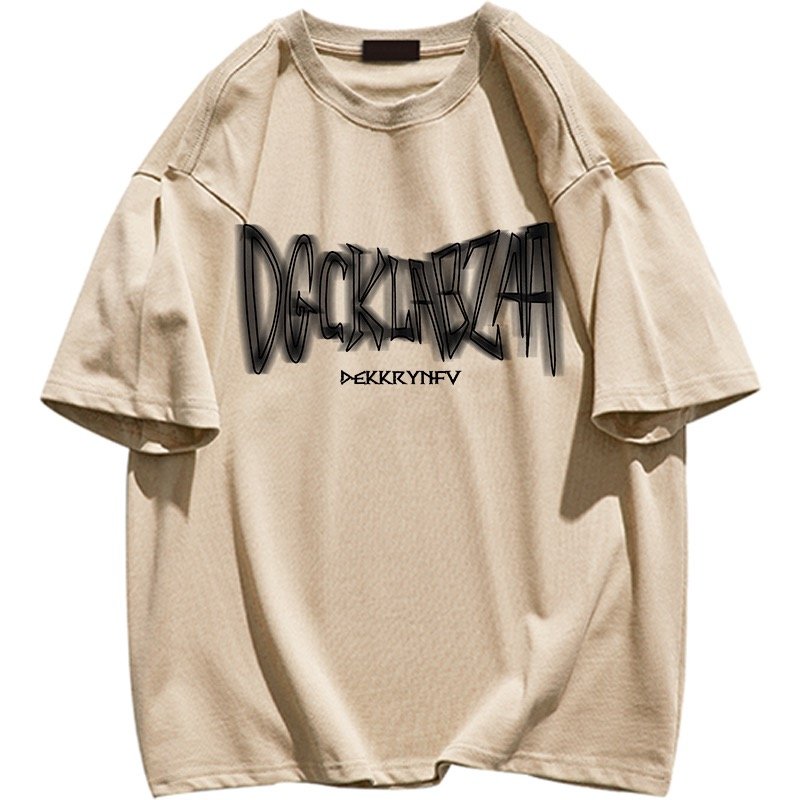
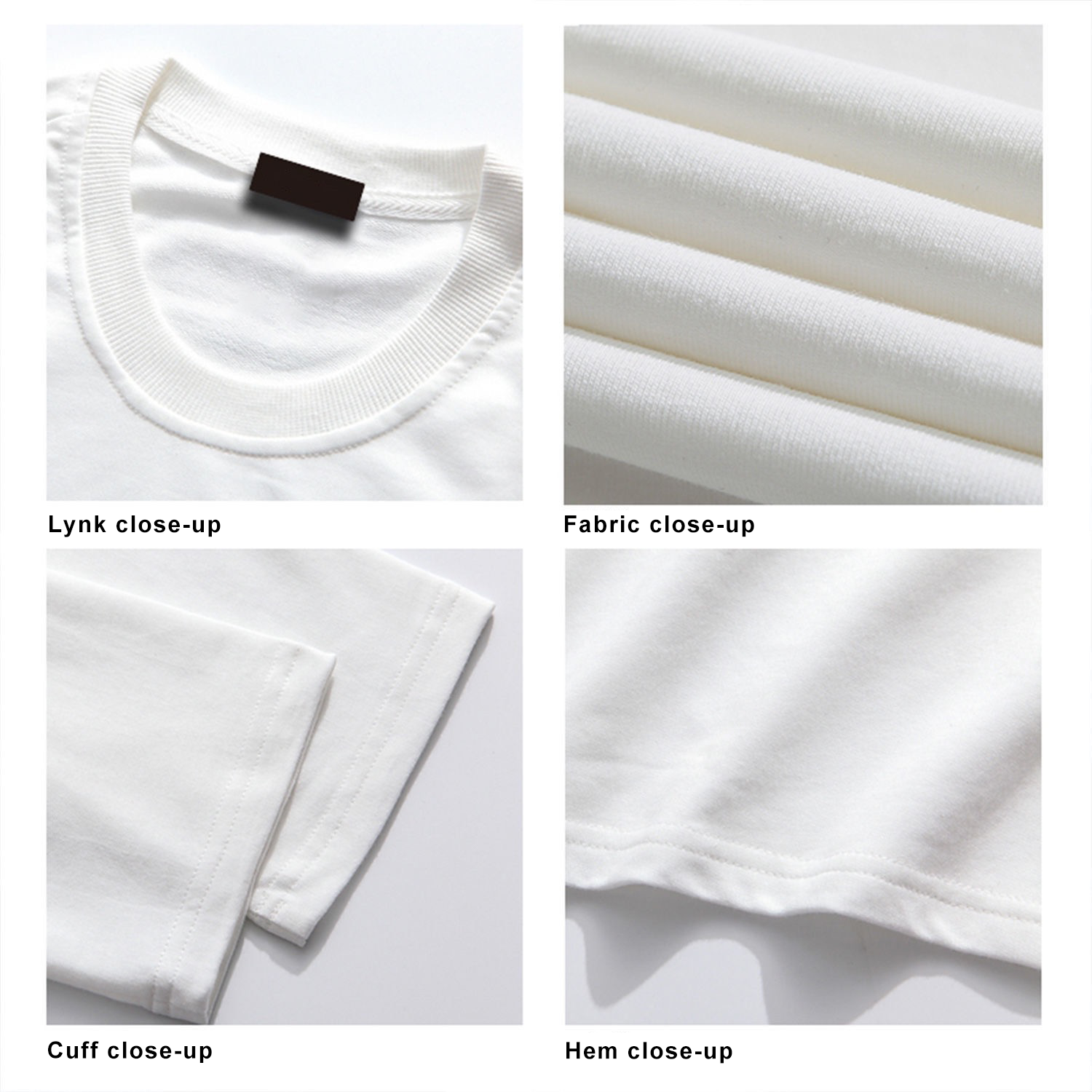
Why Choose Our Work Pants Manufacturer
Empowering streetwear brands and fashion startups with premium craftsmanship, flexible production, and a zero-compromise quality guarantee
5-Step QC Guarantee
Every work pants order undergoes rigorous quality checks at materials, cutting, craft, sewing, and finished stages for zero defects.
Low MOQ from 50 Pieces
Start your streetwear collection without massive inventory risk. Perfect for fashion startups and independent designers testing new styles.
Fast 7-Day Sampling
Get your work pants samples quickly to meet seasonal deadlines. Rapid turnaround keeps your trendy brand ahead of competitors.
In-House Design Team
Our 15-member R&D team translates your streetwear vision into production-ready patterns with authentic trend-driven design expertise.
Streetwear Expertise Since 2019
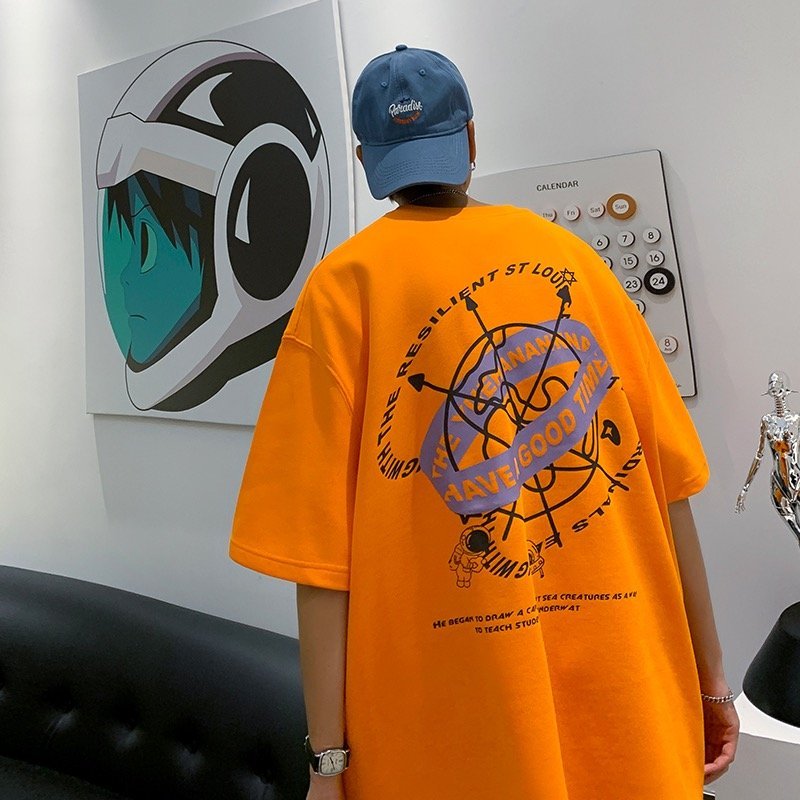
Six years specializing in streetwear production with deep knowledge of skeleton, graffiti, and urban design elements your audience loves.
Global Shipping & Logistics
Seamless delivery to over 100 countries with customs support, tracking, and transparent communication throughout your work pants production.
Work Pants Manufacturer Solutions for Every Streetwear Category
From cargo pants to tactical joggers, our work pants manufacturing expertise spans every style your brand needs. Discover how we solve production challenges across multiple product lines.
Streetwear Cargo Pants
Emerging streetwear brands struggle to find a work pants manufacturer who can produce trendy cargo styles with multiple pockets, reinforced stitching, and oversized fits at low minimum order quantities for test launches.
Our low-MOQ cargo pants production lets startups launch signature styles with premium hardware, custom pocket configurations, and trend-driven silhouettes. Brands test market demand without overcommitting inventory or capital.
Tactical Joggers & Techwear
Designer brands need tactical pants with functional details like adjustable straps, utility buckles, and water-resistant fabrics, but most manufacturers lack the technical expertise to execute complex techwear construction reliably.
Our in-house design team engineers tactical joggers with functional hardware, reinforced stress points, and performance fabrics. Five-step QC testing ensures every buckle, zipper, and seam meets durability standards for demanding customers.
Oversized Trousers & Wide-Leg Pants
Fashion-forward retailers require oversized and wide-leg work pants that maintain structure and drape despite voluminous cuts, but struggle with manufacturers who can't pattern or finish these silhouettes without sagging or twisting.
Our pattern development expertise and cutting QC testing deliver oversized trousers with perfect proportions and stable construction. Global retailers receive consistent sizing and premium finishing across every production run for their seasonal collections.
Workwear-Inspired Streetwear Pants
Influencer brands want authentic workwear details like hammer loops, contrast stitching, and heavy-duty twill fabrics for their streetwear lines, but need fast turnaround to capitalize on trending styles before market windows close.
Our fast-turnaround production and streetwear expertise bring workwear-inspired pants from concept to shipping in weeks. Influencer brands launch trend-aligned collections quickly with authentic construction details that resonate with their audiences.
Custom Denim & Twill Work Pants
Independent designers need custom work pants in specialized fabrics like selvedge denim, brushed twill, or ripstop canvas with unique washes and finishes, but lack access to manufacturers who offer fabric customization without prohibitive minimums.
Our materials sourcing and R&D team develop custom fabric solutions and finishing techniques for unique work pants collections. Designers differentiate their brands with exclusive textiles and washes backed by rigorous quality inspection at every production stage.
Premium Fabrics From Your Work Pants Manufacturer
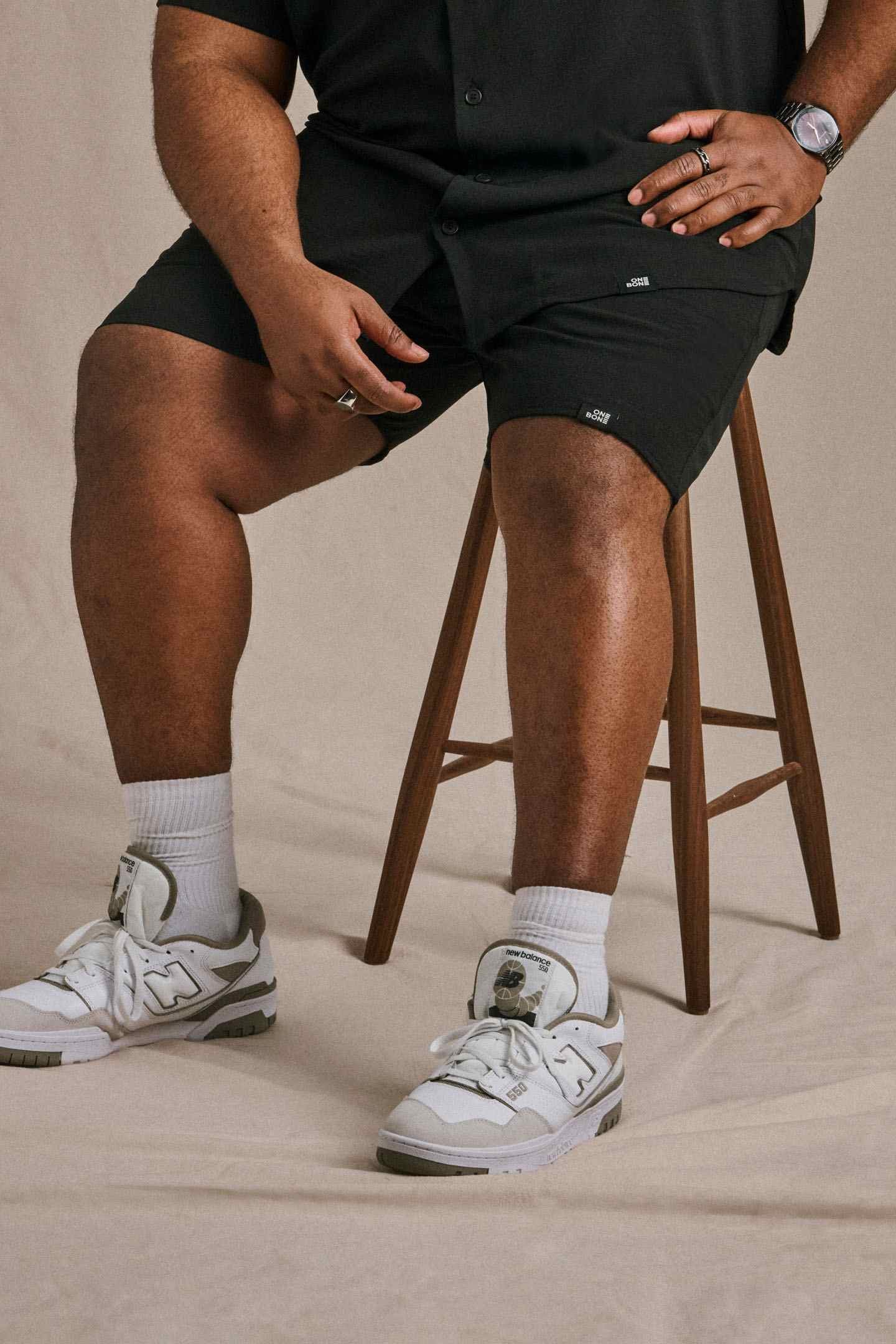
Cotton-Poly Twill
Medium-weight blend (7-9 oz) offering superior wrinkle resistance and colorfastness. Ideal for cargo work pants and utility styles where durability meets clean aesthetics. Breathable yet structured for all-day wear.
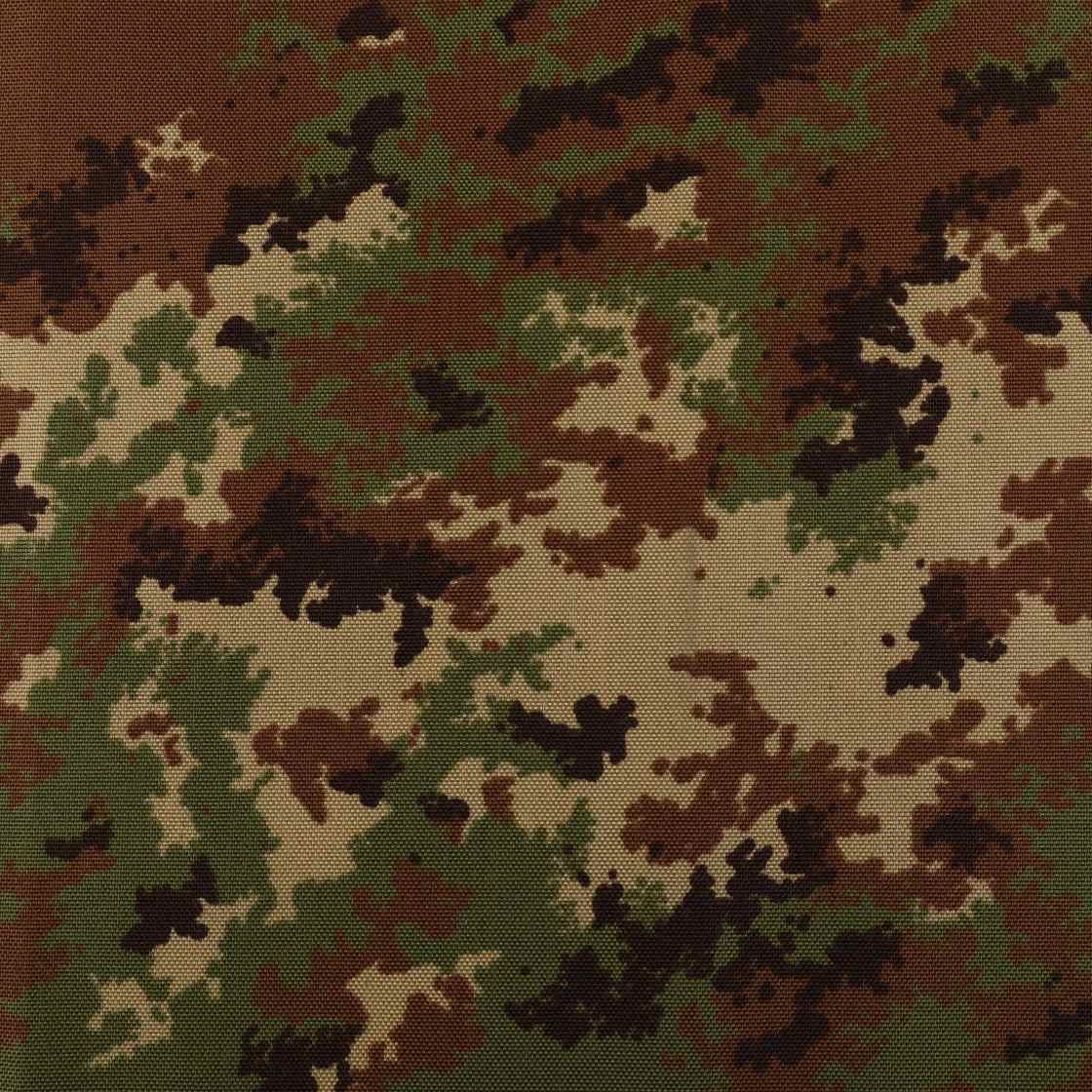
Ripstop Canvas
Reinforced weave construction (8-10 oz) with embedded grid pattern preventing tear propagation. Perfect for heavy-duty work pants requiring maximum abrasion resistance. Maintains shape through repeated industrial washing cycles.
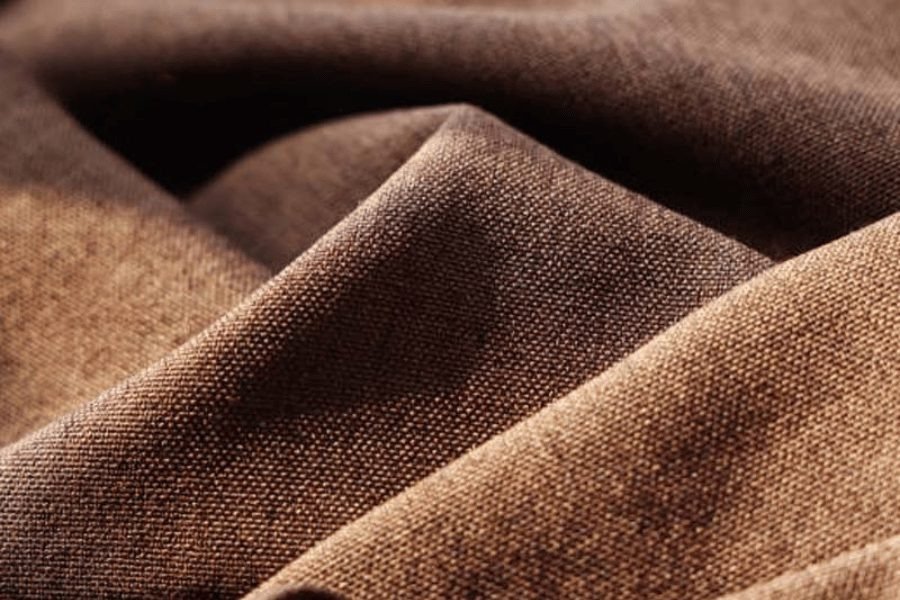
Stretch Gabardine
Diagonal twill weave with 2-5% spandex integration (9-11 oz) delivering four-way stretch and recovery. Engineered for modern fit work pants combining mobility with professional appearance. Excellent drape and crease retention.
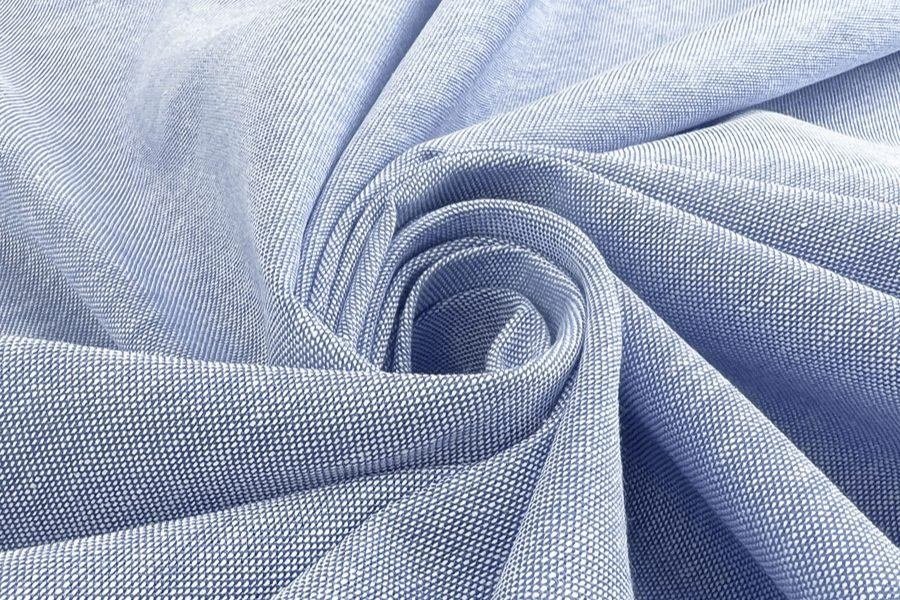
Heavyweight Denim
Robust cotton or cotton-blend denim (12-14 oz) with reinforced selvage construction. Classic choice for workwear-inspired streetwear pants demanding authentic texture and vintage appeal. Softens beautifully with age and wear.
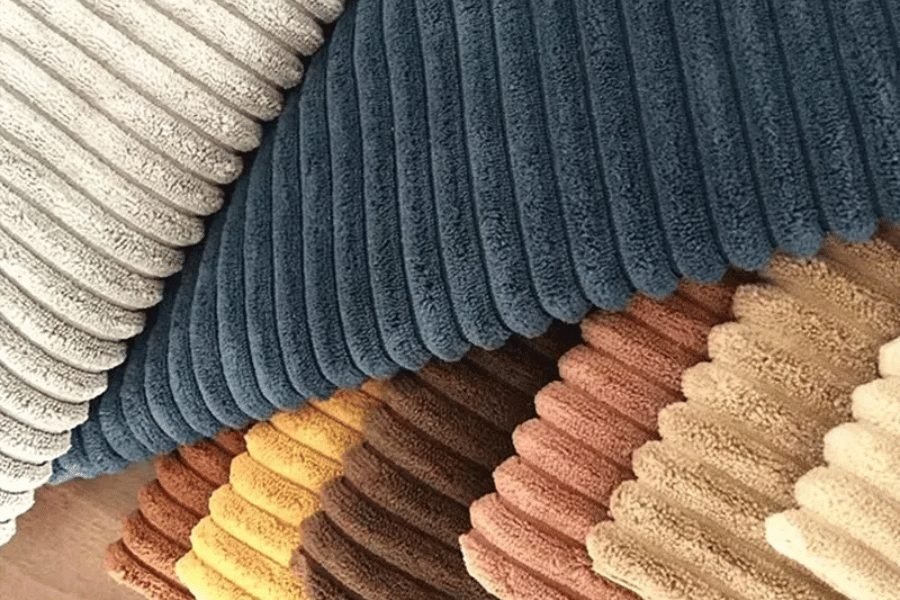
Nylon Blend Tactical
High-tenacity nylon-cotton blend (6-8 oz) offering water resistance and rapid dry performance. Designed for technical work pants and urban utility styles. Lightweight yet exceptionally durable with excellent color saturation.
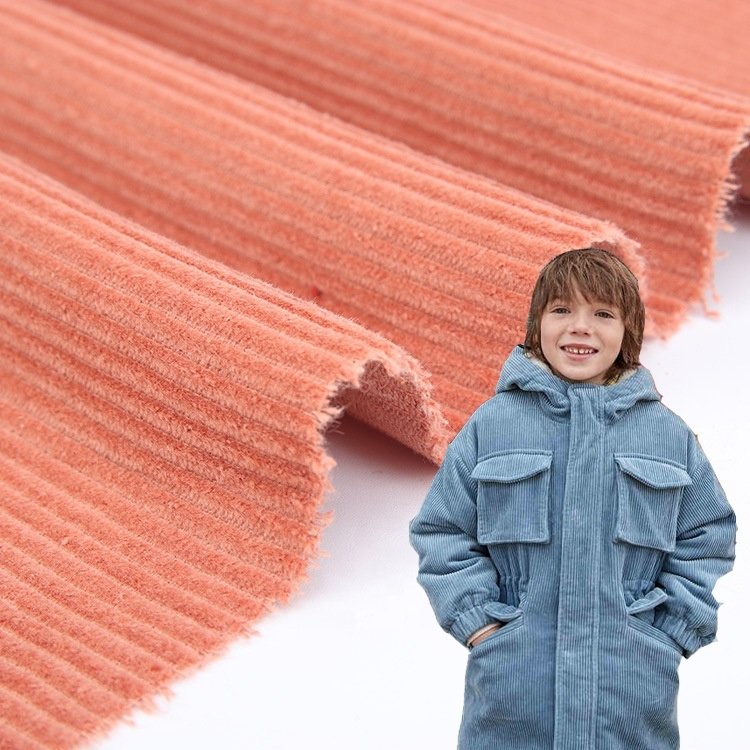
Brushed Cotton Duck
Tightly woven plain weave canvas (10-12 oz) with soft brushed interior finish. Premium choice for carpenter pants and heritage workwear styles. Provides warmth, wind resistance, and a substantial hand-feel that commands quality.
Advanced Production Techniques from Your Work Pants Manufacturer
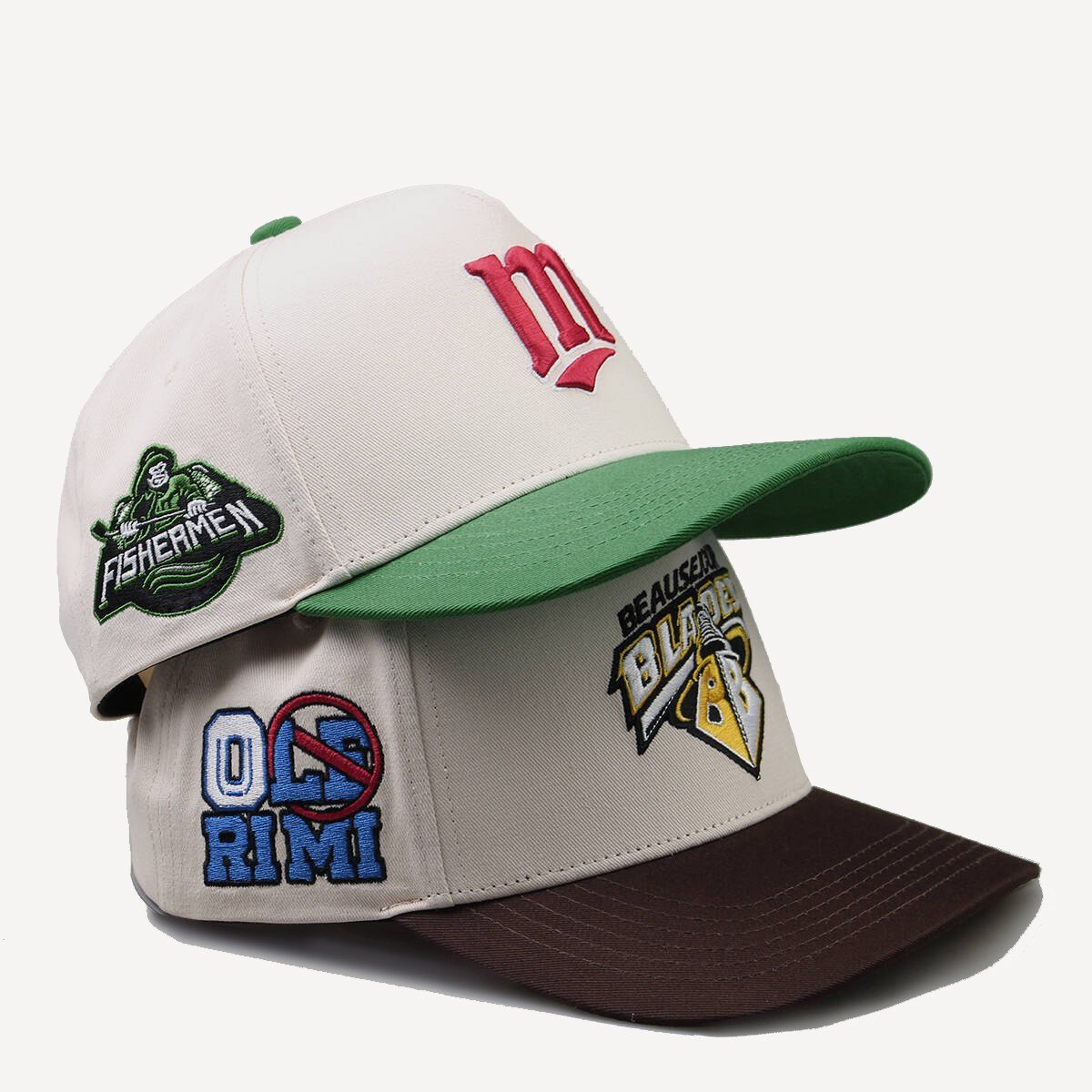
Precision Cutting
Computer-aided cutting ensures every work pants panel is cut with millimeter accuracy, minimizing fabric waste and guaranteeing consistent sizing across your entire production run. QC tested at the cutting stage for pattern alignment.
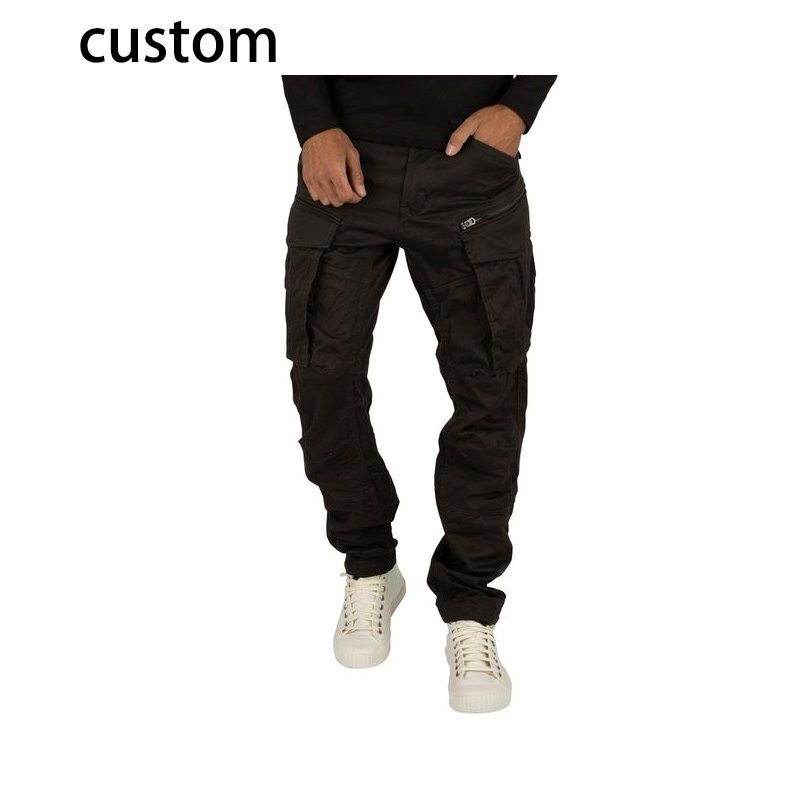
Screen Printing
High-opacity screen printing delivers bold graphics, logos, and streetwear designs on work pants with exceptional color vibrancy. Ideal for large-scale branding and trend-driven prints that withstand repeated washing and heavy wear.
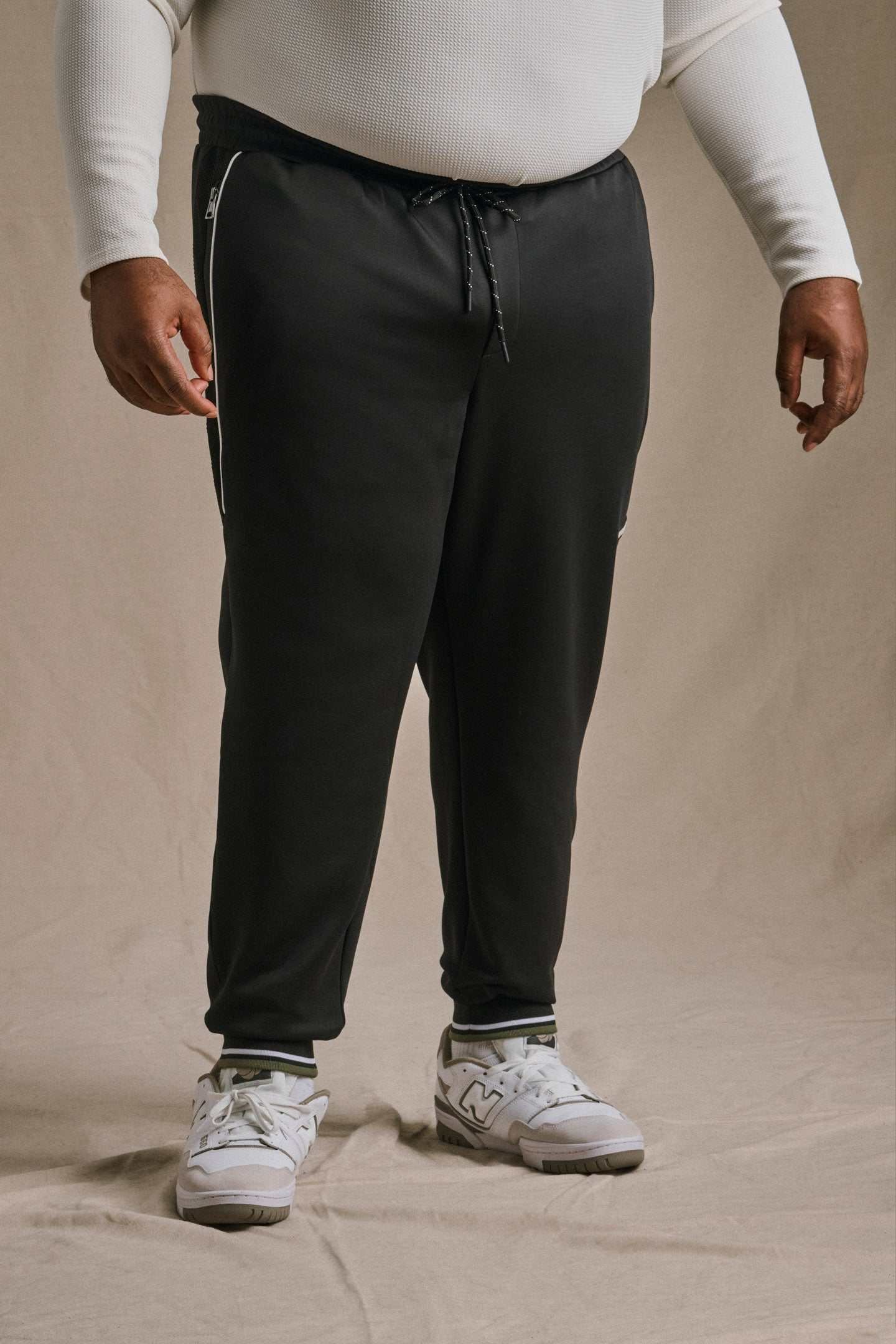
Embroidery Application
Premium thread embroidery adds dimension and luxury to work pants branding, pockets, and details. Our computerized embroidery machines ensure crisp lettering and intricate designs that elevate perceived value and resist fading or fraying.
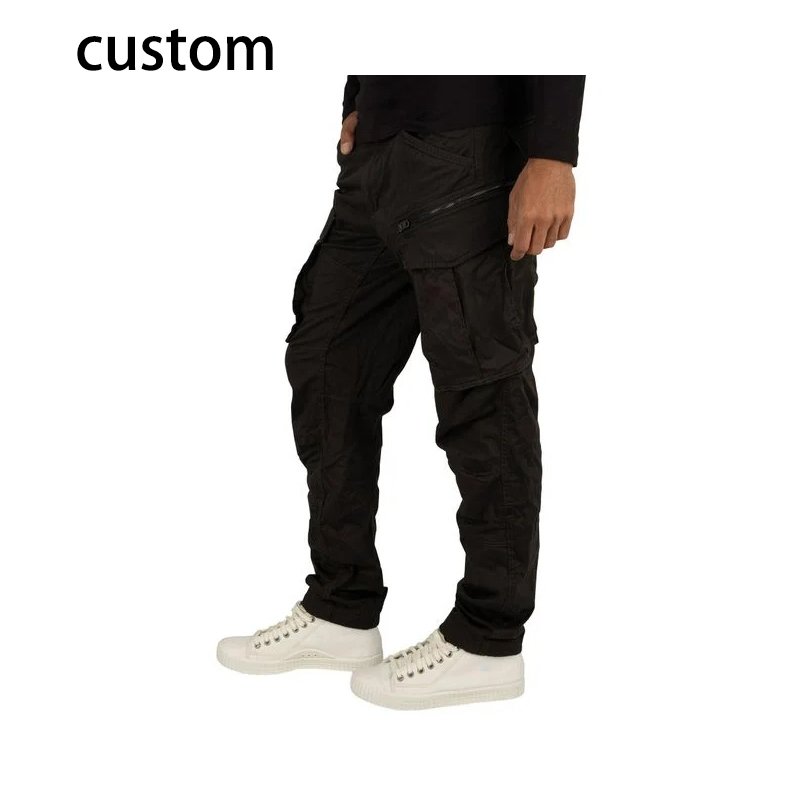
Custom Dyeing
Achieve unique colorways and vintage washes with our custom dyeing processes. From solid dyes to gradient effects and distressed finishes, we create distinctive work pants that align with your brand’s streetwear aesthetic and seasonal trends.
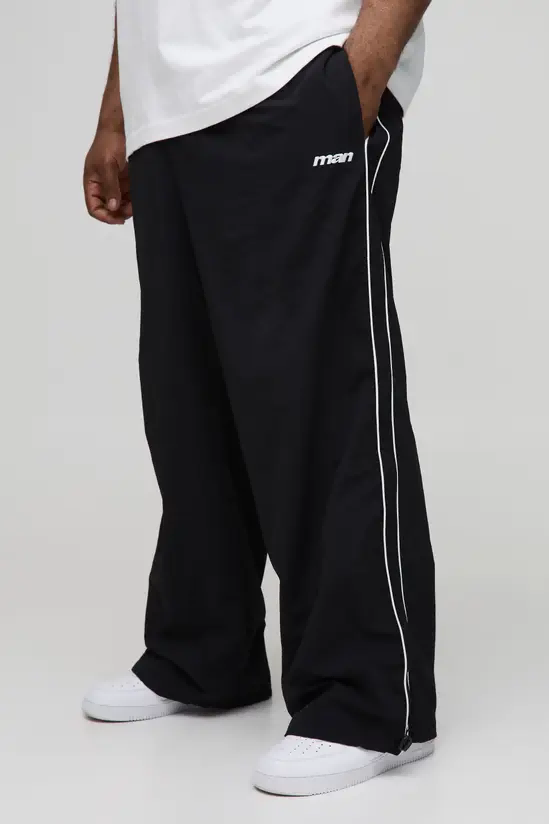
Heat Transfer
Heat transfer application enables photorealistic graphics, reflective elements, and complex multi-color designs on work pants without minimum order constraints. Perfect for limited drops and influencer collaborations requiring intricate visual detail.
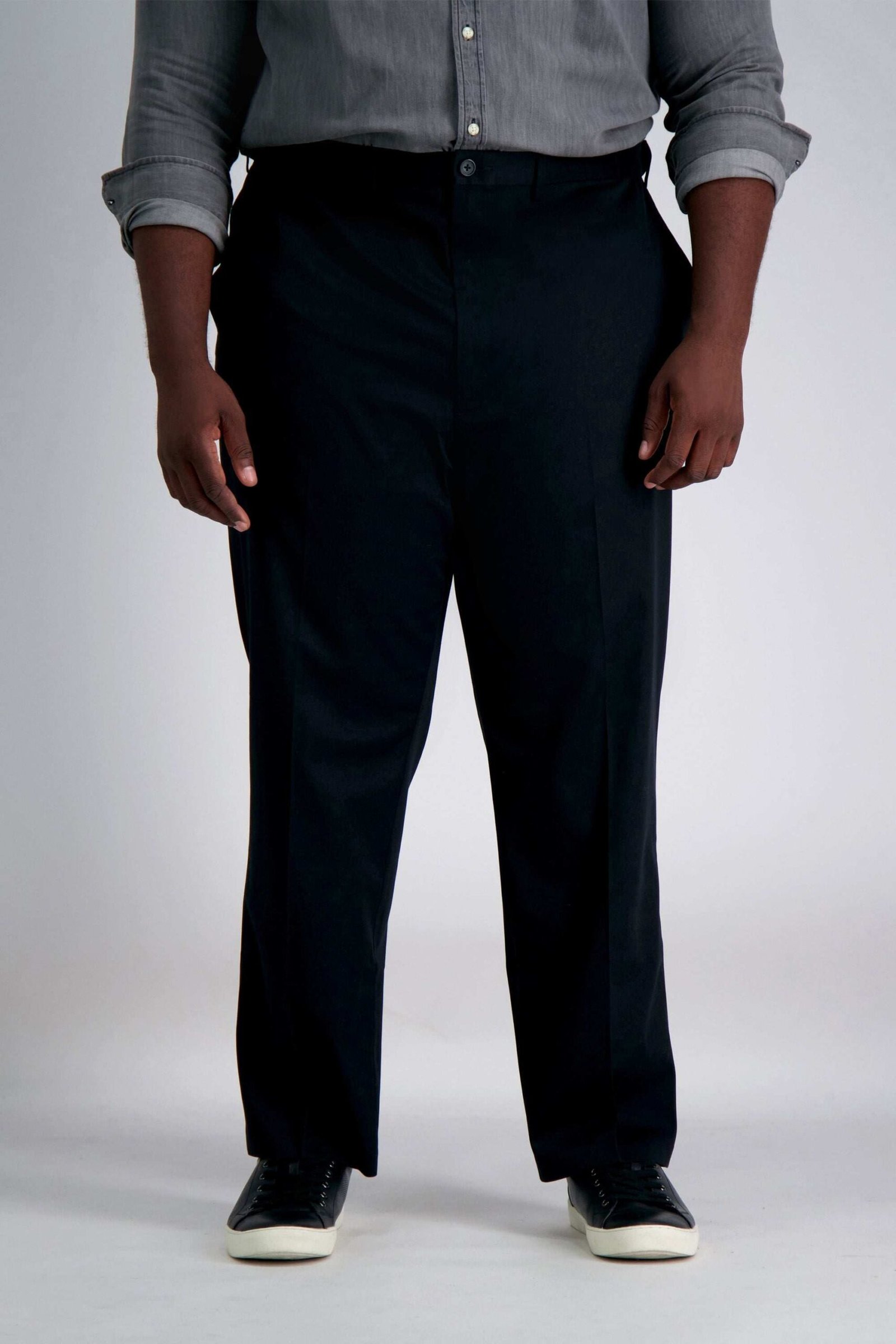
Reinforcement Stitching
Strategic bar-tack and double-needle stitching reinforces high-stress areas including pockets, belt loops, and seams. This essential work pants technique ensures long-lasting durability that meets the demands of both fashion and function.
Accessories & Hardware for Work Pants Manufacturer Orders
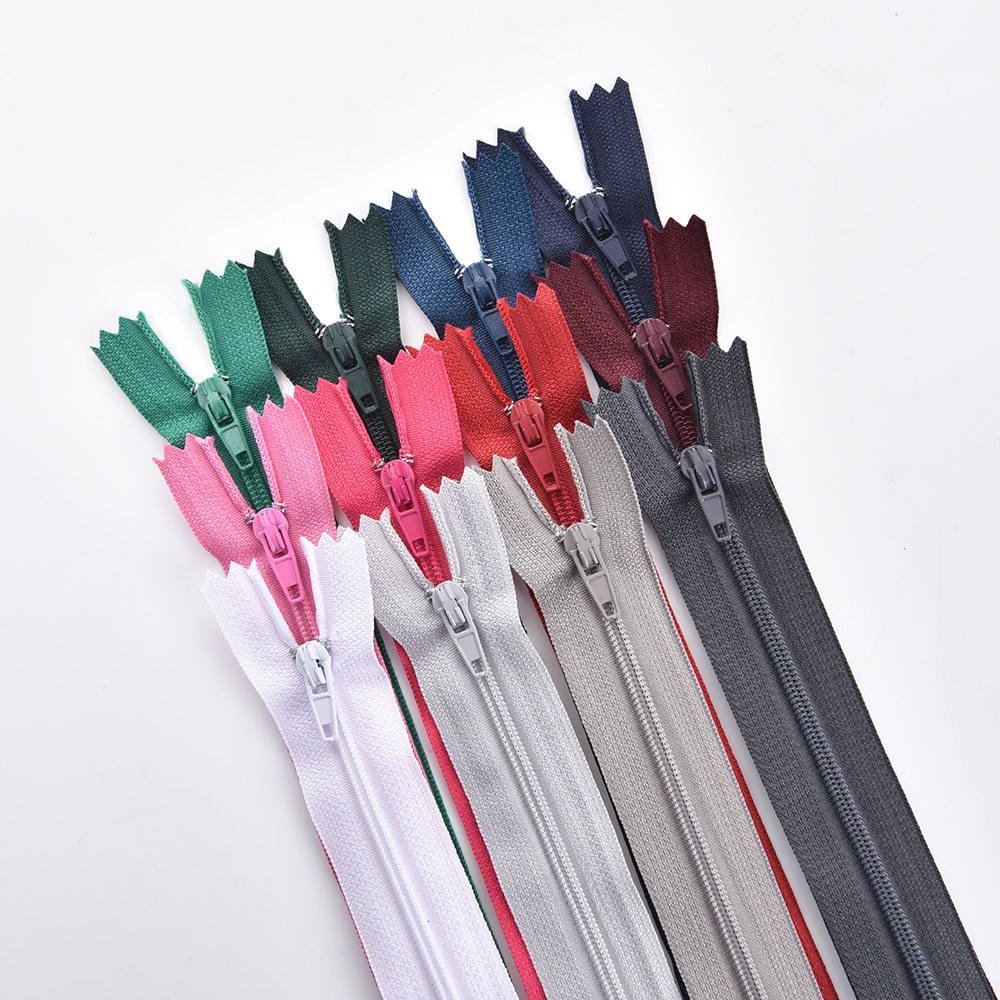
YKK Metal Zippers
Heavy-duty YKK zippers engineered for work pants that endure daily wear. Perfect for cargo pockets, fly closures, and utility compartments, these zippers deliver smooth operation and lasting durability that matches your brand’s quality standards.
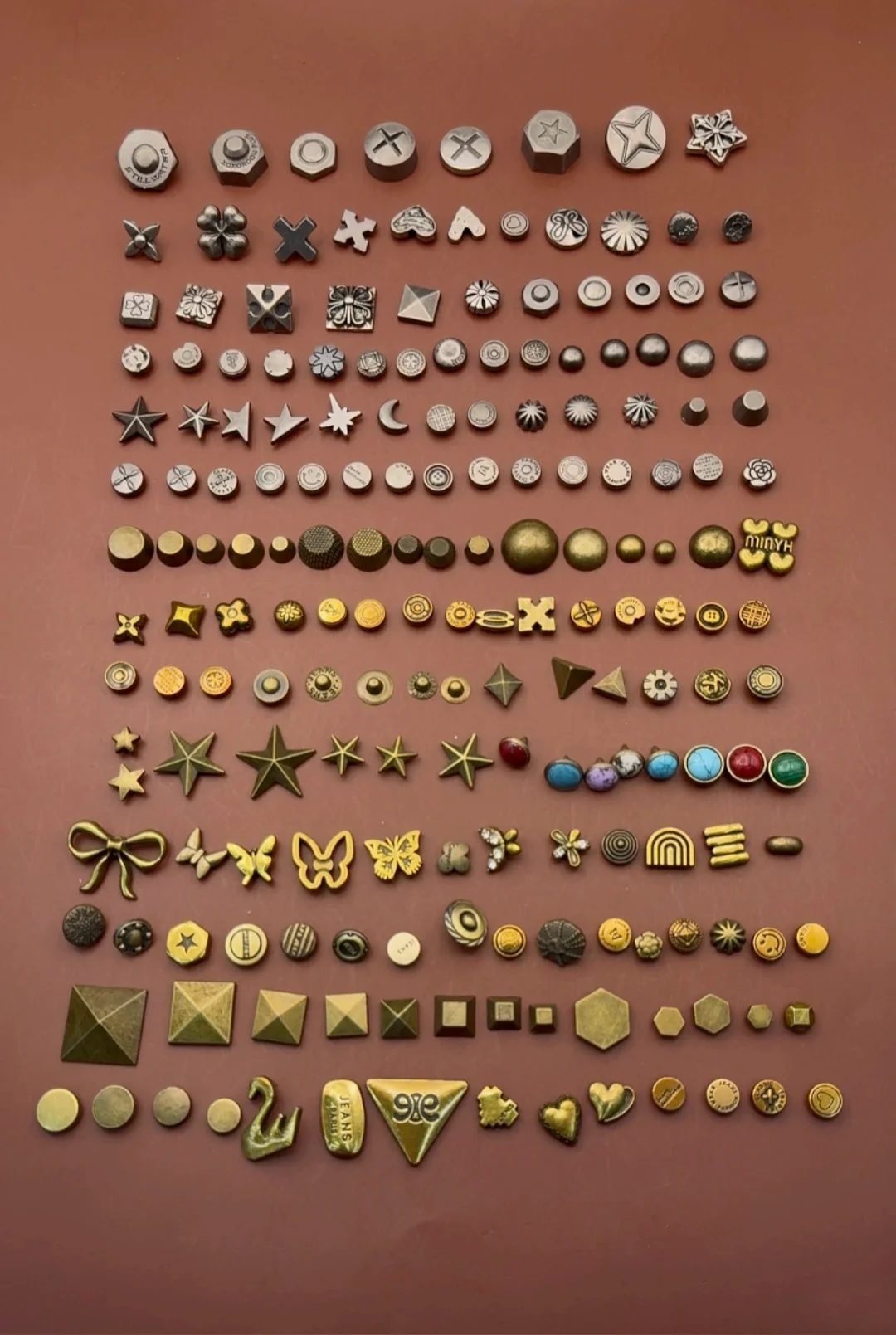
Reinforced Snap Buttons
Industrial-grade snap buttons and rivets designed for high-stress areas on work pants including waistbands, pocket flaps, and adjustable straps. Available in brushed metal, antique brass, or custom finishes to complement your streetwear aesthetic.
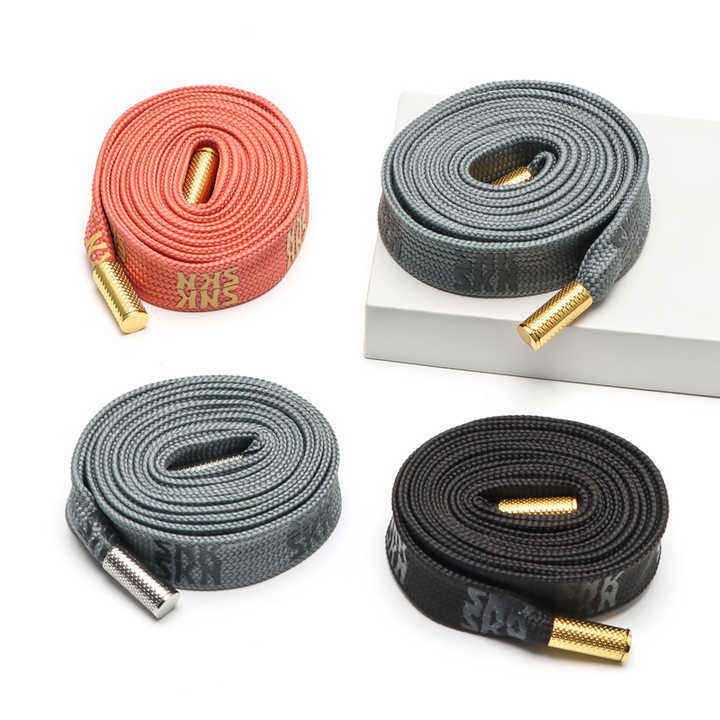
Drawcords & Tipping
Custom drawcords with branded metal or plastic tipping for adjustable waistbands, leg cuffs, and cargo pockets. Choose from flat, round, or elastic cord styles in colors that align with your collection’s palette and branding.
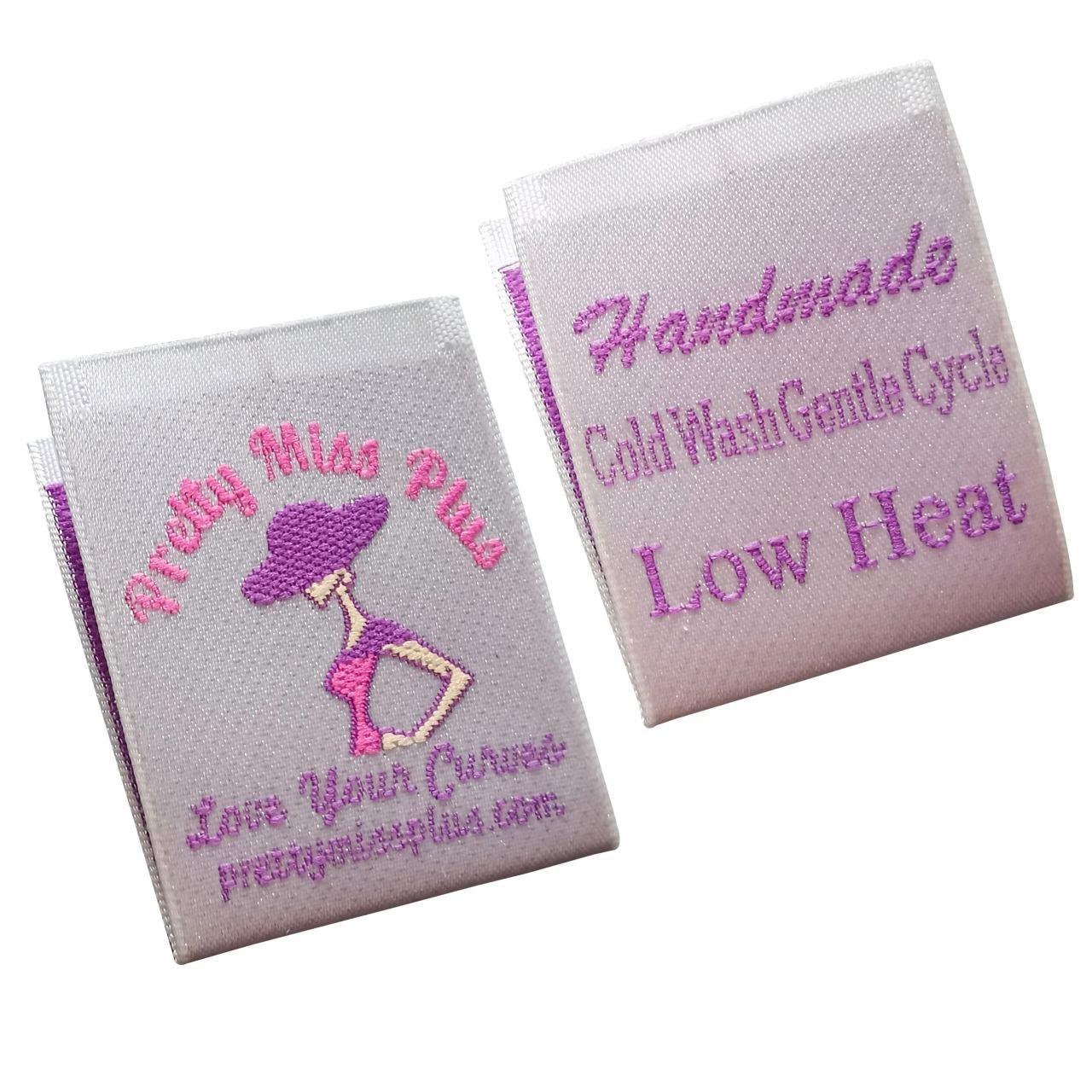
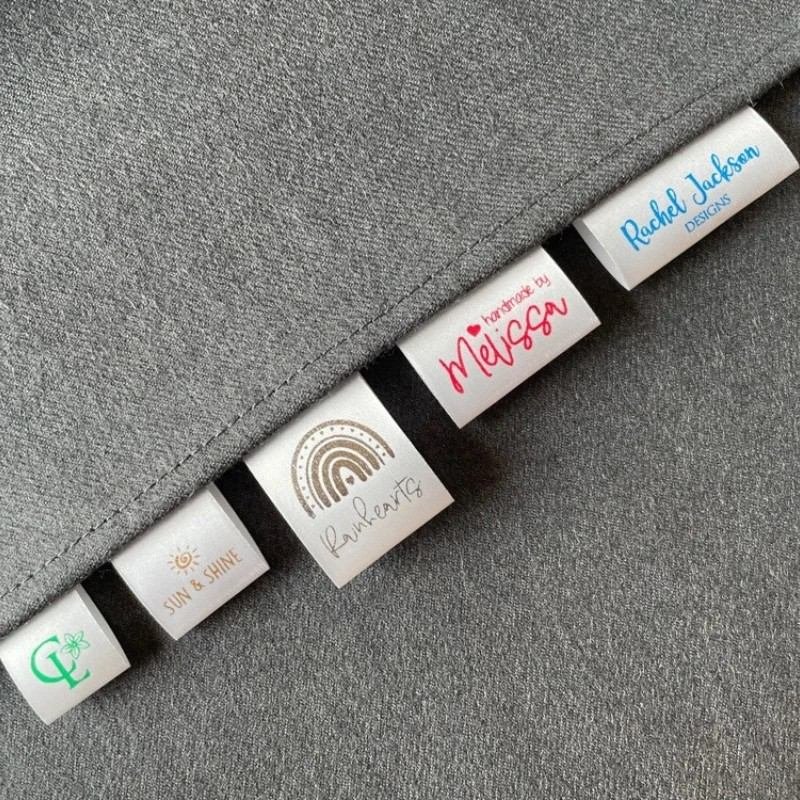
Woven Brand Labels
High-definition woven labels with your logo, care instructions, and brand story. Strategically placed on waistbands, back pockets, or interior seams, these labels elevate perceived value and reinforce brand identity on every work pants piece.
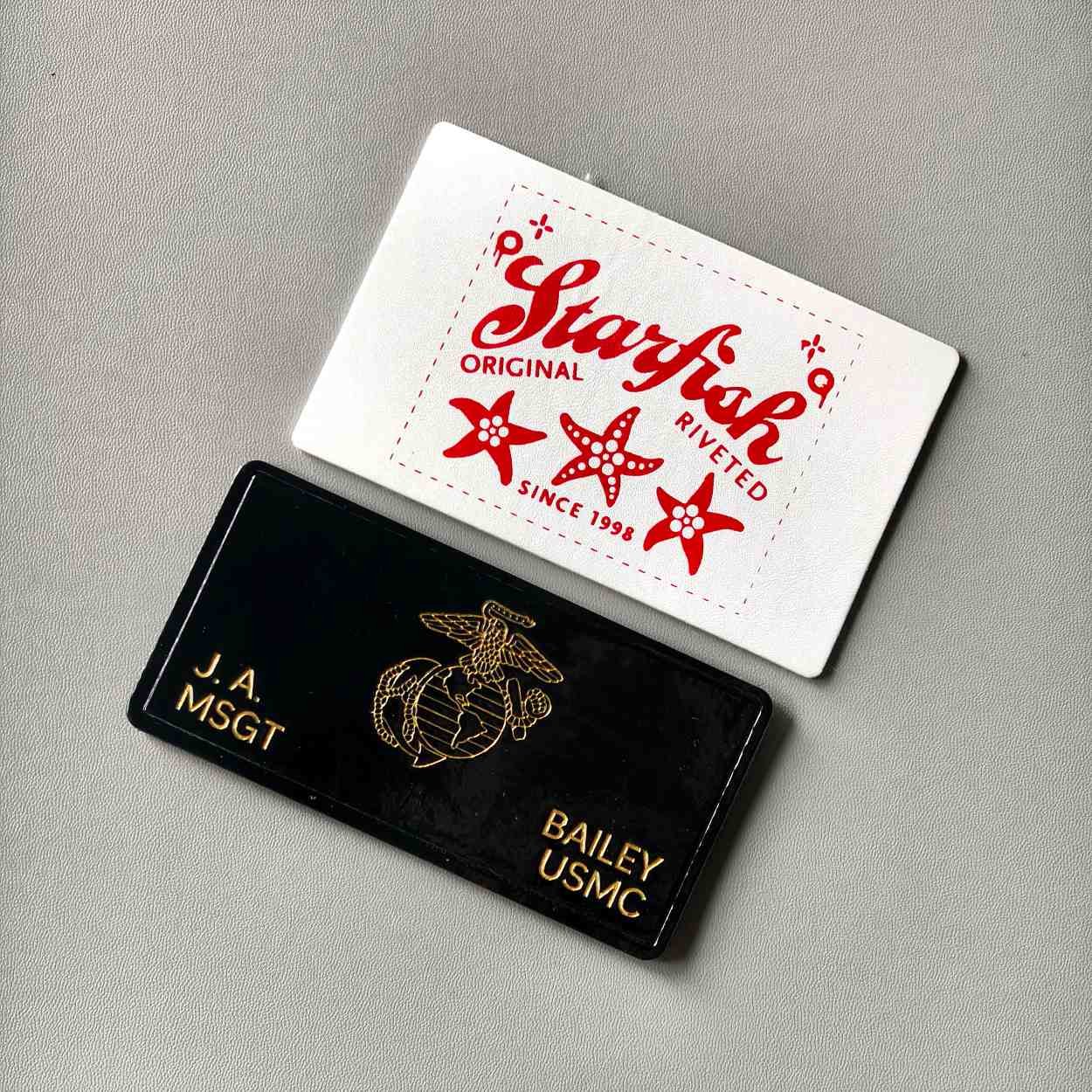
Custom Patches
Embroidered or PVC patches featuring your brand logo, graphics, or streetwear motifs. Applied to thighs, back pockets, or cargo flaps, custom patches transform functional work pants into statement pieces that resonate with trend-driven audiences.
Hangtags & Packaging
Professionally designed hangtags and branded packaging that communicate quality before the first wear. Our work pants manufacturer coordinates tags, poly bags, and box inserts to deliver a complete unboxing experience aligned with your brand positioning.
Your Trusted Work Pants Manufacturer
Founded in 2024 by Tesla Luo, Clothing Manufacturer Ltd brings over 10 years of apparel production expertise and 6 years of specialized streetwear experience to every order. Raised in a garment manufacturing family, Tesla learned every production role from cutting to quality control, building the foundation for a company committed to eliminating low-quality clothing through rigorous testing at every stage.
Operating from Dongguan’s Humen Town garment hub, we serve streetwear brands, fashion startups, and global retailers across 100+ countries. Our proprietary 5-step quality control process ensures that every work pant, hoodie, and streetwear piece meets exacting standards—from fabric inspection through final packaging. Unlike manufacturers who skip in-process testing, we catch defects early and deliver only premium-quality garments.
With a 15-member R&D team, 10 production patents, and deep cultural fluency in streetwear design, we partner with brands at every growth stage. Low MOQs support emerging labels, while fast turnaround and global logistics infrastructure scale with established retailers. We combine the agility of a streetwear specialist with the reliability of a work pants manufacturer trusted worldwide.
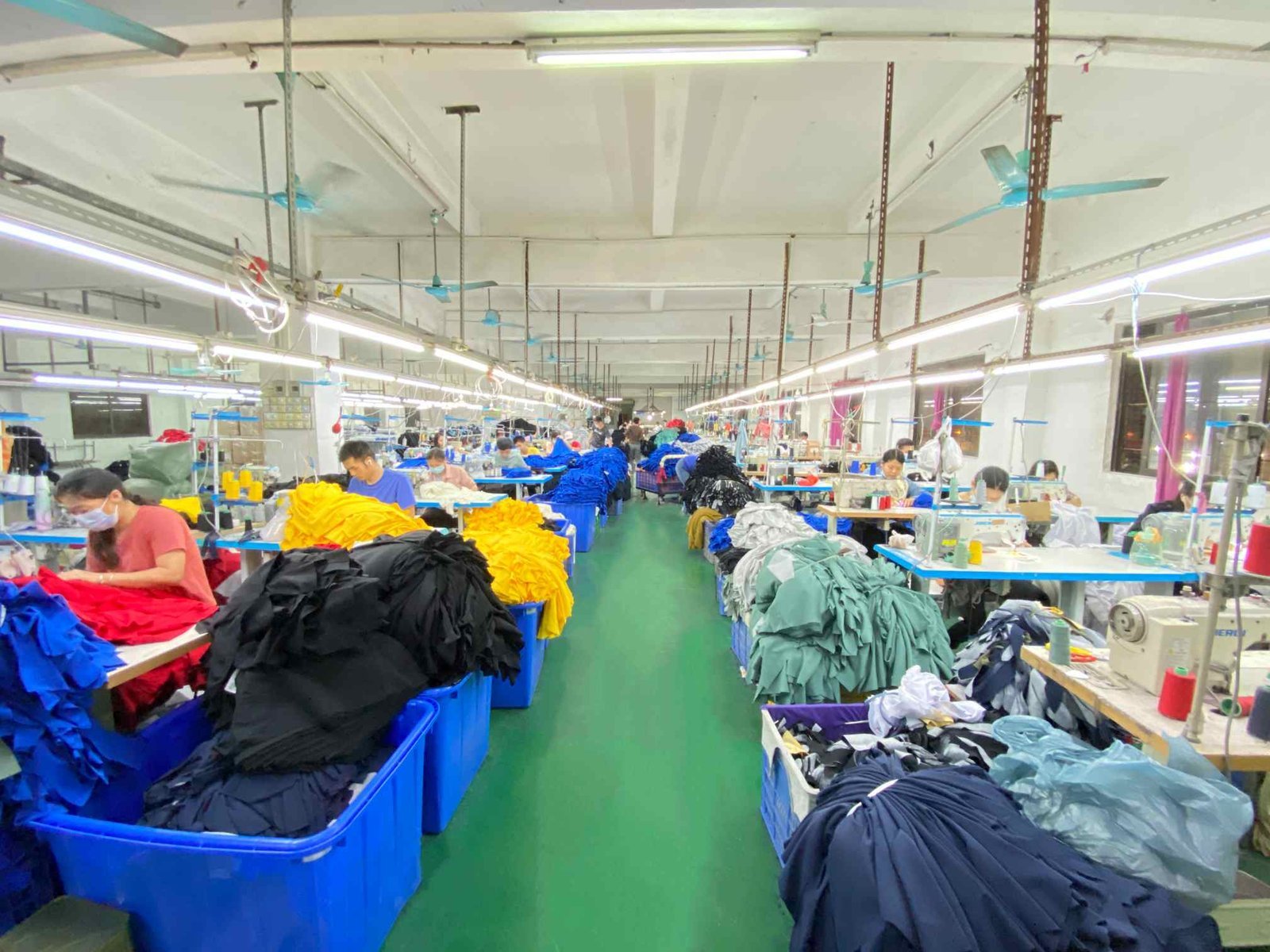
Our Work Pants Manufacturer 5-Step Quality Control Guarantee
Materials QC Testing
Before production begins, every fabric roll and trim component undergoes rigorous inspection. Our work pants manufacturer verifies weight, colorfastness, shrinkage rates, and durability to ensure only premium materials enter your production line.
- Fabric weight and density verification against specifications
- Colorfastness testing for wash and light resistance
- Shrinkage rate measurement to guarantee sizing accuracy
- Hardware and trim quality checks for zippers, buttons, rivets
Cutting QC Testing
Precision cutting determines fit and fabric efficiency. Our QC team inspects every pattern piece after cutting to confirm measurements, grain alignment, and marker accuracy, eliminating sizing inconsistencies before sewing begins.
- Pattern piece measurement verification to ±2mm tolerance
- Grain line alignment checks for consistent drape and wear
- Marker layout review to minimize fabric waste
- Matching checks for plaids, stripes, and directional prints
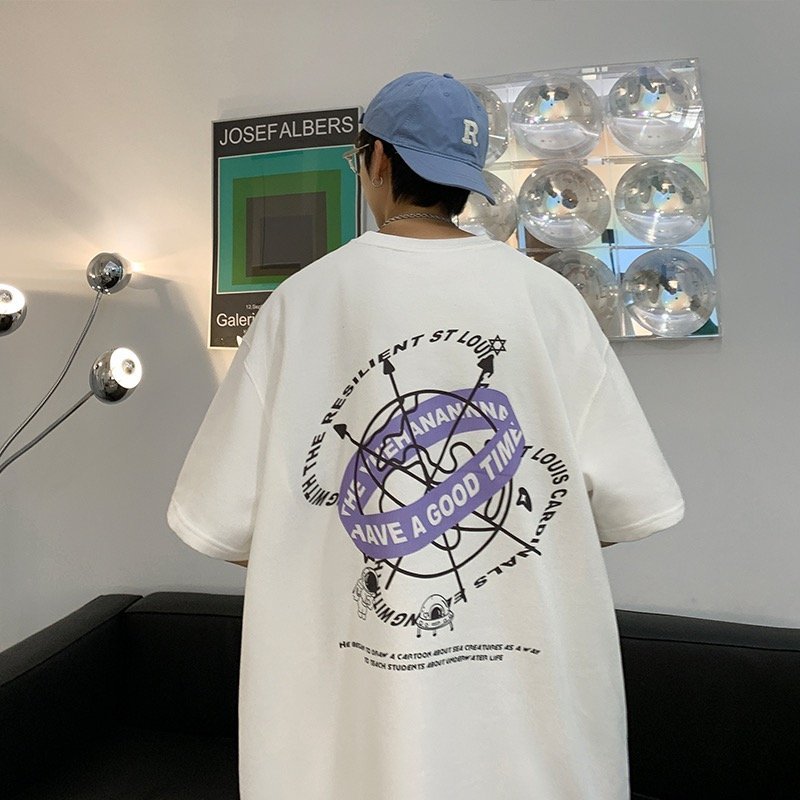
Clothing Craft & Sewing Production QC
During assembly, our work pants manufacturer conducts in-line inspections at critical construction points. Seam strength, stitch density, and reinforcement placement are verified in real time, catching defects when corrections cost minutes, not hours.
- Seam strength testing at stress points and pocket attachments
- Stitch-per-inch counts to meet durability standards
- Reinforcement verification on knees, seat, and cargo pockets
- Symmetry checks for belt loops, pockets, and topstitching
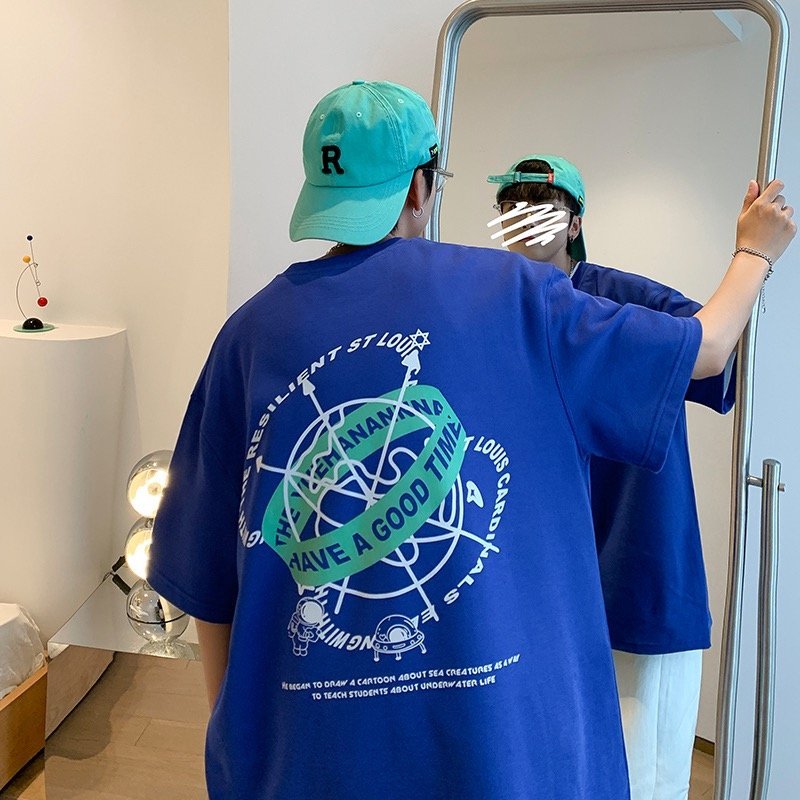
Finished Clothing Quality Inspection
Every completed garment receives a comprehensive final audit. Our inspectors evaluate measurements, finishing details, pressing quality, and packaging readiness, ensuring your work pants meet brand standards before they leave our facility.
- Full measurement audit against approved size specs
- Visual inspection for loose threads, skipped stitches, stains
- Finishing quality check: buttons secure, zippers smooth, labels straight
- Final press and fold inspection before protective packaging
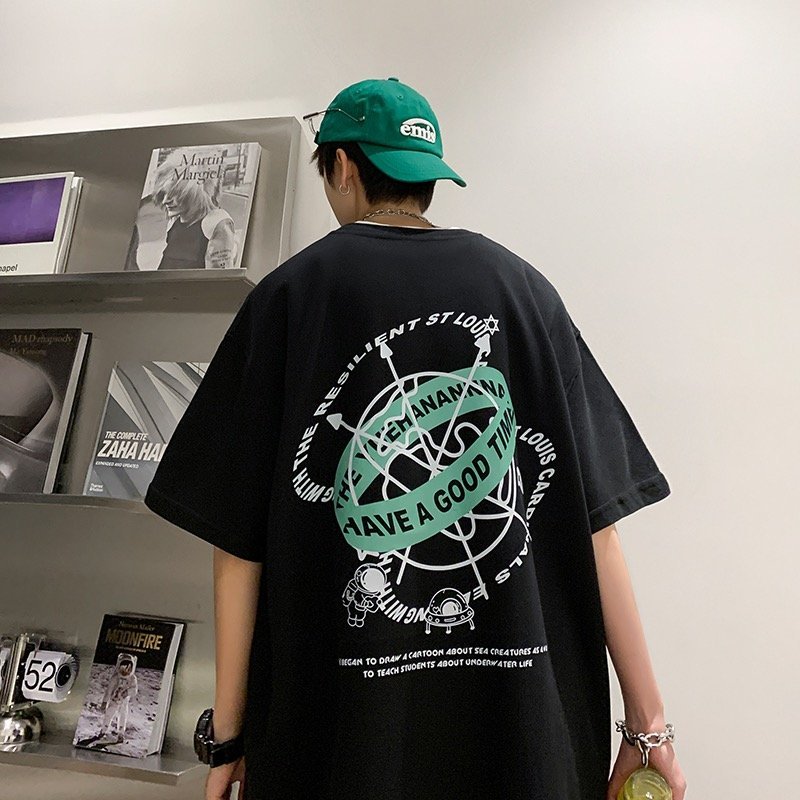
How We Outperform Typical Work Pants Manufacturers
When you partner with Clothing Manufacturer Ltd as your work pants manufacturer, you gain access to rigorous quality control, flexible minimums, and transparent processes that standard factories simply cannot match. Here’s how we stand apart from competitors in the streetwear apparel manufacturing space.
← 左右滑动查看 →
Work Pants Manufacturer Production Workflow & Timeline
Our streamlined 6-phase process takes your work pants from concept to finished product with full transparency, rigorous quality control at every checkpoint, and reliable lead times to keep your brand on schedule.
Tech Pack Submission
Submit your design specifications, fabric preferences, and sizing requirements. Our team reviews technical details and confirms material availability for your work pants order.
Sampling & Approval
We produce pre-production samples with your chosen fabrics and hardware. You review fit, construction quality, and design accuracy before bulk production begins.
Bulk Production Launch
Cutting, sewing, and assembly begin once samples are approved. Our work pants manufacturer implements materials QC, cutting QC, and craft QC during this phase.
5-Step QC Checkpoints
Every work pant passes through sewing production QC and finished garment inspection. Defects are identified early and corrected before moving to finishing stages.
Finishing & Packing
Garments are pressed, labeled, and packaged according to your brand specifications. Final count verification and packing list preparation ensure accurate order fulfillment.
Global Shipping Coordination
We arrange logistics, customs documentation, and freight forwarding to your destination. Real-time tracking keeps you informed until delivery to your warehouse or fulfillment center.
How to Partner with Our Work Pants Manufacturer
From concept to finished product, we’ve streamlined every stage of work pants production. Our transparent process removes friction for first-time buyers and scales seamlessly for established brands.
Submit Your Design Brief
Share your tech pack, sketches, or reference images with fabric preferences and quantities. Our team reviews every detail to ensure production feasibility and alignment.
Receive Quote & Sample Timeline
Within 24 hours, we provide a detailed quote covering materials, labor, and shipping, plus a clear timeline for sampling and bulk production milestones.
Order Samples with Fast Turnaround
Approve the quote and we produce your work pants samples in just seven days, complete with our first-stage quality control testing for fit and construction.
Approve & Place Bulk Order
Review samples, request any adjustments, and confirm your bulk order. We accommodate low minimum order quantities ideal for startups and emerging streetwear brands.
Receive Quality-Guaranteed Finished Goods
Your work pants undergo our full five-step QC process at every production stage, then ship globally with full logistics support and tracking documentation.
Certified Work Pants Manufacturer You Can Trust
Real Results from Brands Who Trust Our Work Pants Manufacturer
We launched our first streetwear work pants collection in just 48 days with zero defects. The 5-step QC process caught issues before production even started. Our Instagram grew from 12K to 68K followers in three months.
As a startup, we needed low MOQ and fast turnaround. Clothing Manufacturer delivered 500 custom work pants with reinforced stitching in 6 weeks. Defect rate was under 0.8%. Now we’re scaling to our third seasonal drop.
Their streetwear expertise transformed our vision into production-ready work pants with utility pockets and branded hardware. We sold out our 1,200-unit first run in 11 days and reordered immediately. Quality is consistently excellent.
Frequently Asked Questions About Our Work Pants Manufacturer
What is the minimum order quantity (MOQ) for work pants from your work pants manufacturer?
How long does it take to produce a custom work pants order?
Does your work pants manufacturer charge for sampling and design development?
What payment terms does your work pants manufacturer offer?
How do you protect my designs and intellectual property?
What shipping and logistics support do you provide for international orders?
Can you customize work pants with specific hardware, labels, and finishes?
What quality guarantees does your work pants manufacturer provide?
Do you work with small fashion startups and influencer brands?
The Complete Buyer’s Guide to Choosing a Work Pants Manufacturer
Navigate the complexities of sourcing durable, stylish work pants with confidence. This guide delivers a proven decision framework, essential supplier criteria, quality benchmarks, and the critical mistakes to avoid when partnering with a work pants manufacturer.
1. What Is a Work Pants Manufacturer?
A work pants manufacturer is a specialized apparel factory that designs, sources materials for, and produces work-style pants for brands, retailers, and designers. Unlike generic clothing factories that handle diverse garment categories with limited technical depth, a dedicated work pants manufacturer maintains expertise in the construction techniques, reinforced stitching, and durable fabric specifications that define functional work pants—whether for traditional workwear, streetwear-inspired utility styles, or fashion-forward cargo silhouettes.
Three manufacturing models dominate the supply chain: OEM (Original Equipment Manufacturer) producers execute your designs and specifications exactly as provided; ODM (Original Design Manufacturer) suppliers offer pre-developed styles you can rebrand; and full-service manufacturers combine both, providing design consultation, tech pack development, and custom production. Full-service partners typically maintain in-house pattern makers, fabric sourcing teams, and quality control departments, streamlining the entire workflow from concept to finished garment.
Brands choose specialized work pants manufacturers over general apparel factories for four reasons: deep knowledge of utility garment construction (bar-tack reinforcement, articulated knees, multi-needle felling), access to performance fabrics (ripstop, canvas, stretch twill in 240-340 GSM weights), dedicated sampling workflows that iterate fit and details quickly, and quality control systems that test stress points and hardware durability. A five-step QC process—covering materials, cutting, craft, sewing, and finished inspection—ensures defects are caught early rather than discovered after bulk production, a discipline many generic factories omit to reduce costs.
2. The Evolution of Work Pants in Streetwear and Fashion
Carhartt and Dickies introduced canvas work pants in the 1920s for railroad workers, mechanics, and construction crews, prioritizing double-knee reinforcement and heavy-duty twill weaves exceeding 300 GSM. By the late 1980s, California skate crews adopted these pants for their abrasion resistance on concrete, transforming utilitarian garments into subcultural uniforms. Hip-hop artists in the 1990s — particularly East Coast and West Coast rappers — wore baggy Dickies and Carhartt work pants as symbols of working-class authenticity, cementing the silhouette in street culture and driving mass-market demand beyond blue-collar trades.
Designer collaborations in the 2010s elevated work pants into high fashion: Supreme × Carhartt (2013), Vetements oversized carpenter pants (2016), and Jacquemus tailored work-pant hybrids (2019) merged heritage workwear details with runway-ready cuts. These partnerships validated work pants as a legitimate category for fashion startups and independent designers, who recognized that consumers valued both durability and cultural resonance. Modern work pants manufacturers now blend ripstop nylon, stretch twill, and organic cotton with tapered legs, articulated knees, and utility pockets sized for smartphones rather than hammers.
Fashion startups and influencer brands favor work pants today because the category offers instant street credibility, functional design language, and broad demographic appeal across skate, hip-hop, and outdoor lifestyle communities. A single work-pant silhouette can anchor a debut collection, scale into seasonal colorways, and support storytelling around craftsmanship and authenticity — key pillars for brands building follower trust and repeat purchase behavior in competitive social-commerce environments.
3. Types of Work Pants Manufacturers Offer
A professional work pants manufacturer produces five core silhouettes, each with distinct construction details and audience appeal. Understanding these categories helps brands select styles that match their positioning and customer demographics.
Classic Carpenter Pants
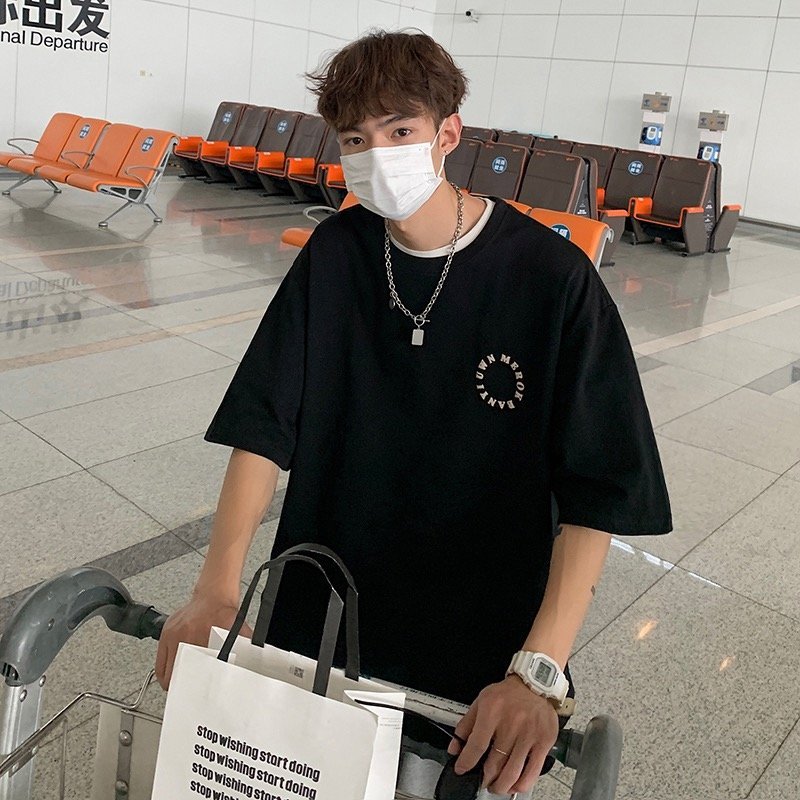
Carpenter pants feature hammer loops, ruler pockets on the thigh, and reinforced knees with double-layer fabric or bar tacks. Manufacturers typically build these from 10–14 oz cotton duck, canvas, or denim.
This silhouette appeals to workwear heritage brands and streetwear labels seeking authentic utility details. The relaxed fit and tool-carrying features translate well into fashion contexts when paired with oversized tops.
Utility Cargo Pants
Cargo pants offer large flap or zipper pockets on the outer thigh, elastic cuffs or drawcord hems, and articulated knees. Common fabrics include ripstop nylon, poly-cotton blends at 200–280 GSM, and stretch twill.
Trendy brands and influencer lines favor cargo styles for their bold silhouette and functional storage. The military-inspired aesthetic resonates with streetwear audiences aged 16–30 who value statement pieces.
Painter Pants and Chore Pants
Painter pants include side tool pockets, contrast stitching, and a straight-leg cut, often in white or natural canvas. Chore pants emphasize clean lines, minimal pockets, and workwear-inspired topstitching in heavier twill or herringbone.
Independent designers and minimalist brands choose these styles for their versatile, understated look. Both silhouettes bridge workwear and casual fashion, appealing to customers seeking timeless, durable basics.
Modern Tapered Work Pants
Tapered work pants combine utility details—reinforced knees, side pockets—with a slim ankle opening and contemporary fit. Manufacturers use stretch canvas, technical twill, or blended fabrics at 9–12 oz for mobility.
Fashion startups and global retailers targeting urban professionals prefer this hybrid silhouette. The refined cut maintains workwear credibility while fitting modern streetwear and athleisure wardrobes.
4. Materials and Fabrics for Work Pants
A work pants manufacturer selects fabrics based on durability, weight, and end-use requirements. Fabric weight is measured in grams per square meter (GSM), with heavier weights delivering greater abrasion resistance and lighter weights offering improved breathability for warm climates or fashion-forward designs.
| Fabric Type | Typical GSM Range | Durability Rating | Best Applications |
|---|---|---|---|
| Cotton Duck Canvas | 280–400 | Very High | Heavy-duty workwear, utility streetwear |
| Cotton Twill | 200–300 | High | Classic work pants, casual streetwear |
| Poly-Cotton Blend | 200–280 | High | Fast-dry workwear, everyday wear |
| Ripstop | 180–250 | Very High | Outdoor utility, tactical streetwear |
| Denim | 340–475 (10–14 oz) | Very High | Fashion-forward work pants, heritage styles |
| Technical Synthetics | 180–240 | Medium-High | Performance streetwear, activewear hybrids |
Cotton Duck Canvas and Twill
Cotton duck canvas ranges from 280 to 400 GSM and provides exceptional tear resistance for heavy-duty applications. Cotton twill, typically 200 to 300 GSM, offers a diagonal weave that resists wrinkles and maintains shape through repeated wear.
Both fabrics breathe naturally, making them suitable for moderate climates and all-day comfort. Many work pants manufacturers treat cotton with enzyme or stone washes to soften hand feel while preserving structural integrity.
Poly-Cotton Blends and Ripstop
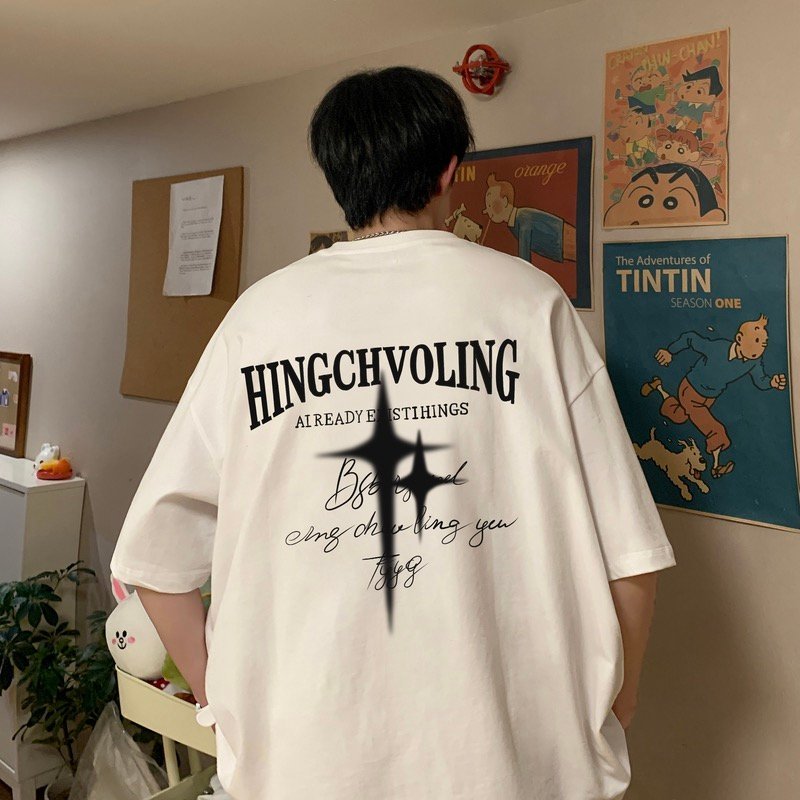
Poly-cotton blends combine 65% polyester with 35% cotton in weights from 200 to 280 GSM, delivering faster drying times and reduced shrinkage compared to pure cotton. Ripstop fabrics incorporate reinforced grid patterns that halt tear propagation, ideal for brands targeting outdoor or utility-focused streetwear.
These blends retain color vibrancy longer and require less post-production finishing, reducing lead times for fashion startups working with tight launch schedules.
Denim and Technical Synthetics
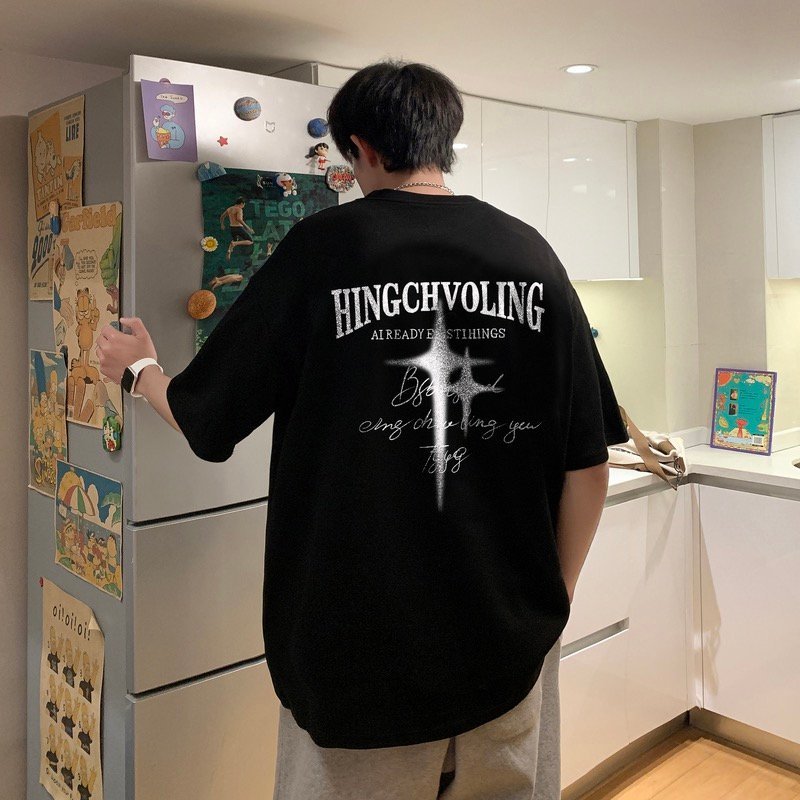
Denim for work pants ranges from 10 oz to 14 oz (approximately 340 to 475 GSM), offering iconic aesthetics with robust construction. Technical synthetics such as nylon-spandex blends (180 to 240 GSM) provide four-way stretch and moisture-wicking properties for performance-oriented collections.
A work pants manufacturer with streetwear expertise will guide fabric selection based on target audience, climate, and brand positioning, ensuring each material aligns with both durability standards and style objectives.
5. Customization and Branding Options with a Work Pants Manufacturer
A professional work pants manufacturer offers extensive customization to differentiate your brand in competitive streetwear and retail markets. From pattern adjustments and hardware selection to multi-technique branding, these services transform generic silhouettes into signature pieces that reflect your design vision and quality standards.
| Decoration Method | Cost per Unit (USD) | Wash Durability | Typical MOQ |
|---|---|---|---|
| Embroidery | 1.00–3.00 | Excellent (50+ washes) | 50–100 units |
| Screen Printing | 0.50–1.50 | Good (30–40 washes) | 100–300 units |
| Woven Labels | 0.20–0.80 | Excellent (50+ washes) | 200–500 units |
| Leather Patches | 1.00–4.00 | Excellent (50+ washes) | 100–300 units |
| Heat Transfers | 0.30–1.00 | Fair (15–25 washes) | No minimum |
Custom Fits, Patterns, and Pocket Configurations
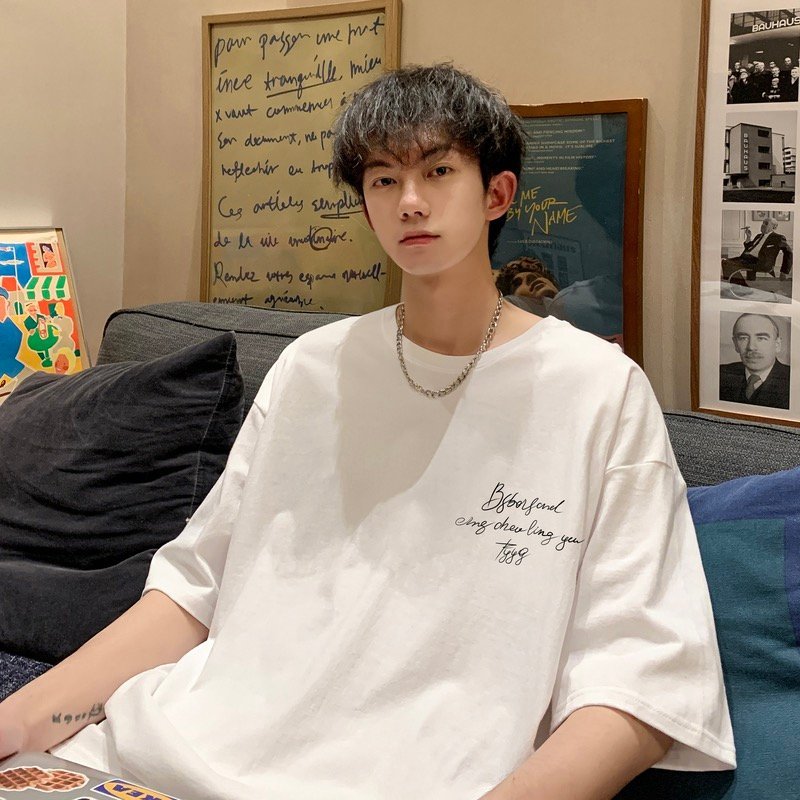
Manufacturers can modify rise height, leg taper, and inseam proportions to create brand-specific fits—relaxed, slim, or cargo-style. Pattern grading ensures consistent sizing across XS to 3XL, critical for streetwear brands targeting diverse demographics.
Pocket configurations range from traditional side-entry and back patch pockets to utility-style cargo pockets with flap closures, snap buttons, or hidden zippers. Placement, depth, and reinforcement stitching are customizable to balance function and aesthetic, particularly for influencer brands emphasizing tactical or workwear-inspired details.
Hardware and Color Dyeing Options
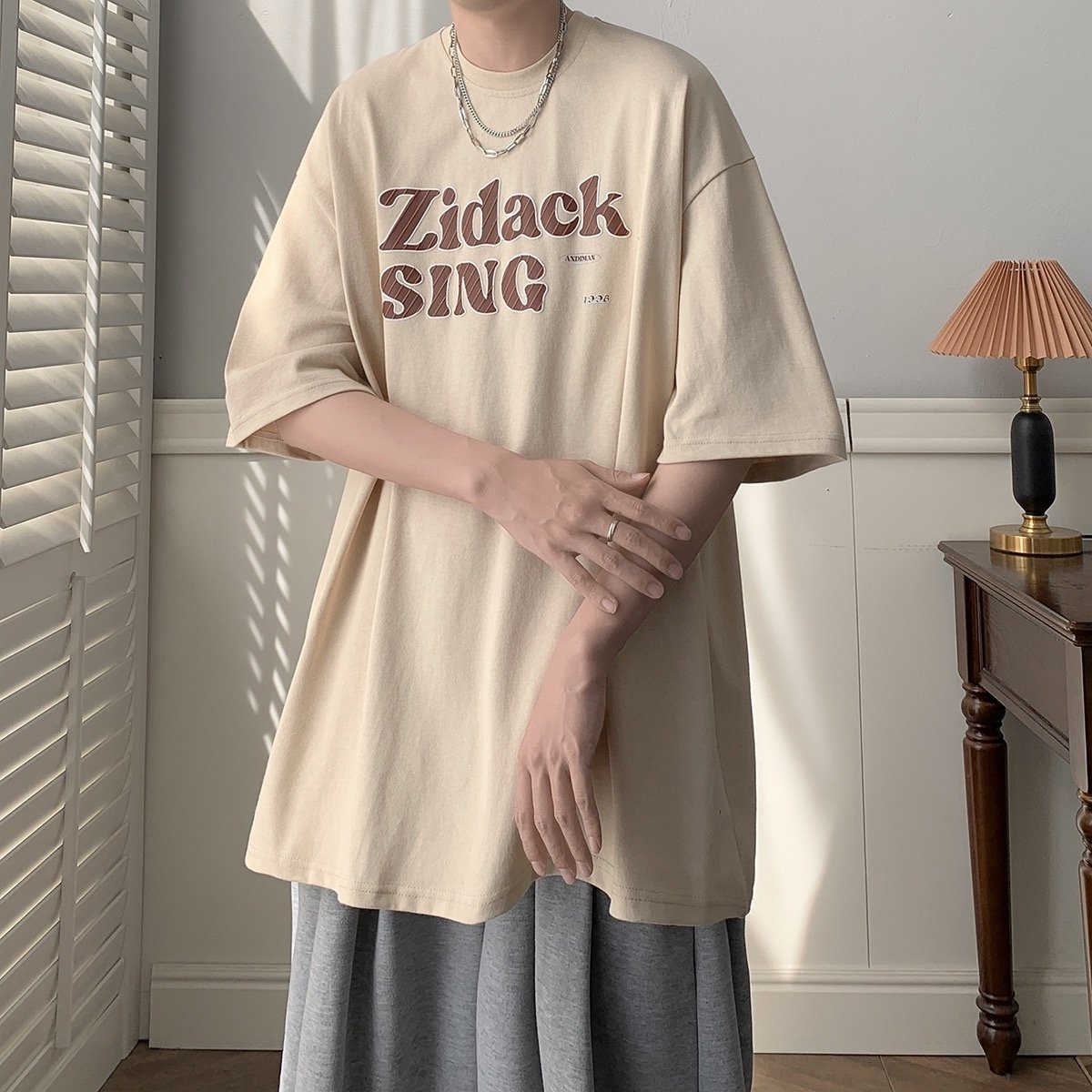
YKK zippers, metal rivets, and branded buttons elevate durability and brand perception. Manufacturers source hardware in gunmetal, brass, matte black, or custom finishes to align with your design language.
Color dyeing supports Pantone matching for precise brand colors, with options for solid dyes, garment-washed effects, or reactive dyeing on cotton and blends. Lead times for custom dyeing typically add 7–10 days, and minimums often start at 300–500 units per colorway depending on fabric type.
Decoration Techniques for Branding
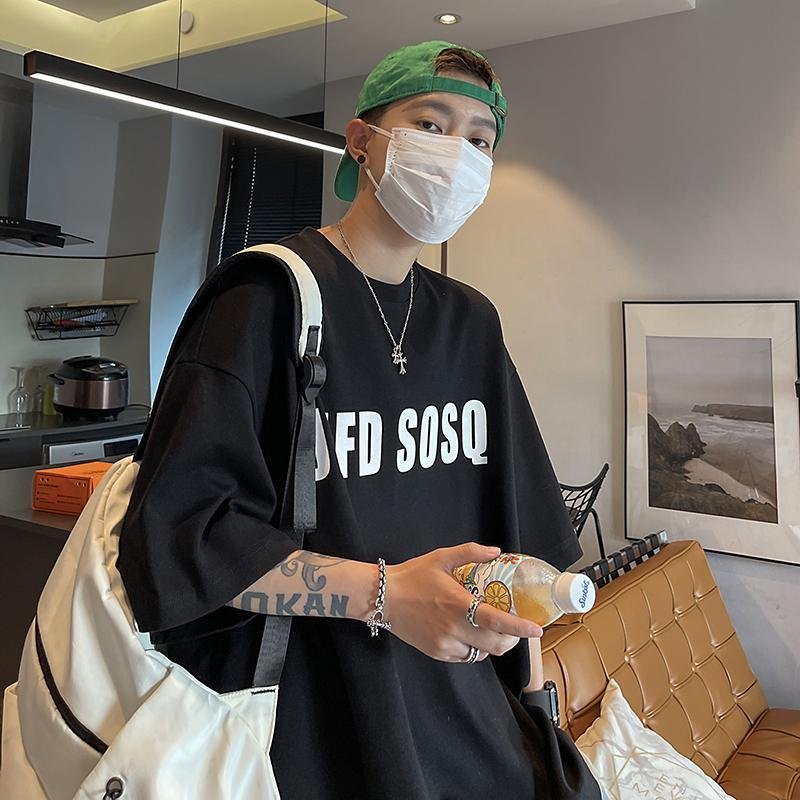
Embroidery delivers premium, durable branding ideal for logos on waistbands or back pockets; setup costs range from 50–150 USD per design, with per-unit costs of 1–3 USD. Screen printing offers vibrant graphics at lower per-piece costs (0.50–1.50 USD) but requires minimums of 100–300 units per design.
Woven labels, leather patches, and heat transfers provide additional options: woven labels suit interior waistbands (0.20–0.80 USD each, 200-unit minimums), leather patches add tactile luxury (1–4 USD, 100–300 minimums), and heat transfers enable full-color artwork with no setup fees but lower wash durability than embroidery.
6. Key Quality and Construction Elements to Evaluate
Quality work pants rely on specific construction techniques and hardware that separate durable garments from fast-fashion imitations. Before committing to bulk production, buyers should evaluate samples against a detailed checklist of reinforced stress points, stitch types, and finishing standards.
Reinforced Stress Points and Stitching
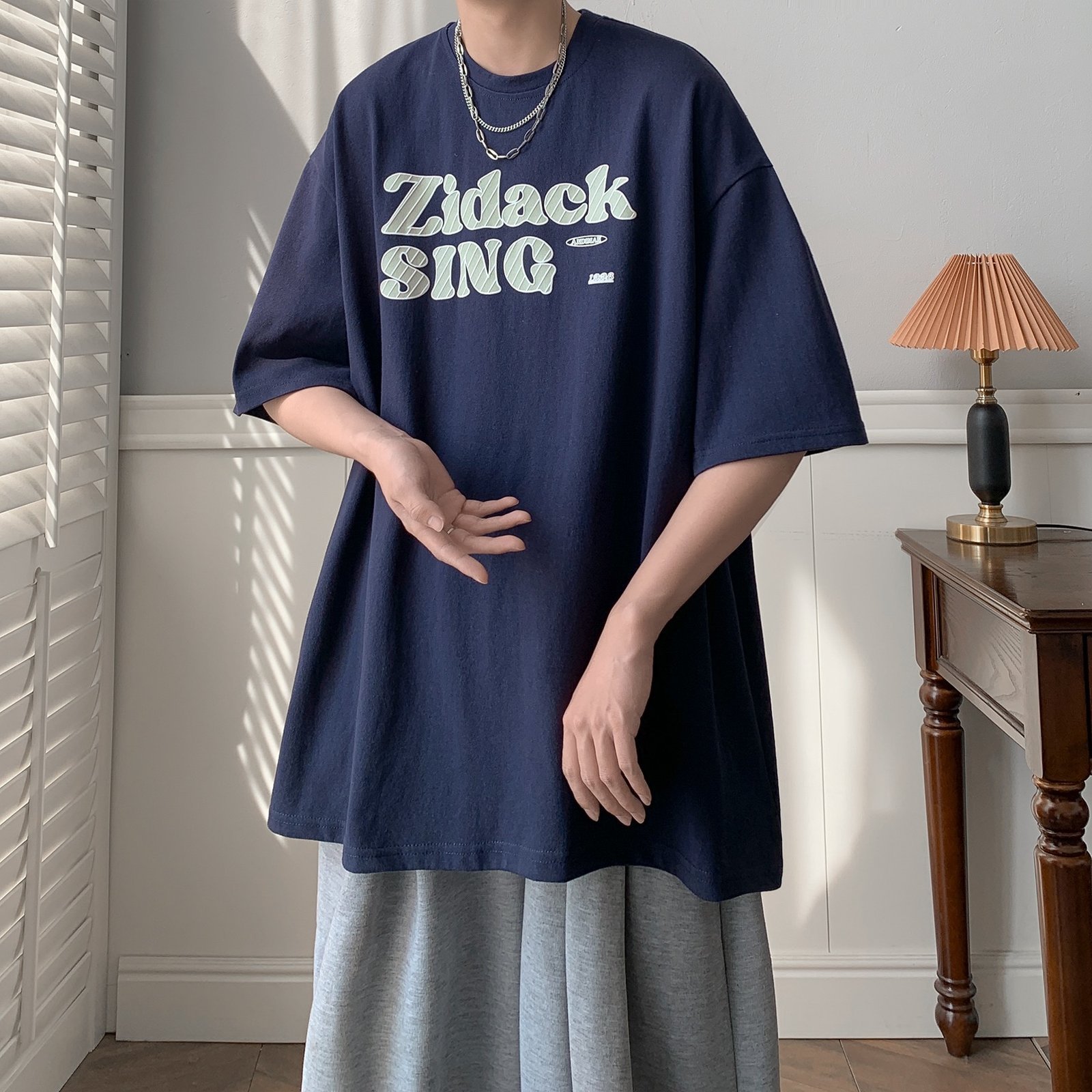
Bar-tack stitching at pocket corners, belt loops, and fly openings prevents tearing under repeated stress. Triple-needle seams along inseams and outseams distribute tension across three parallel rows, a standard for workwear that extends garment life by 40–60 percent compared to single-needle construction.
Knee and seat areas should feature double-layer fabric or articulated panels that accommodate movement without stretching the main material. Clothing Manufacturer Ltd. applies its five-step QC process to verify bar-tack density and seam integrity at the sewing production stage, catching weak points before garments reach finishing.
Hardware and Fasteners
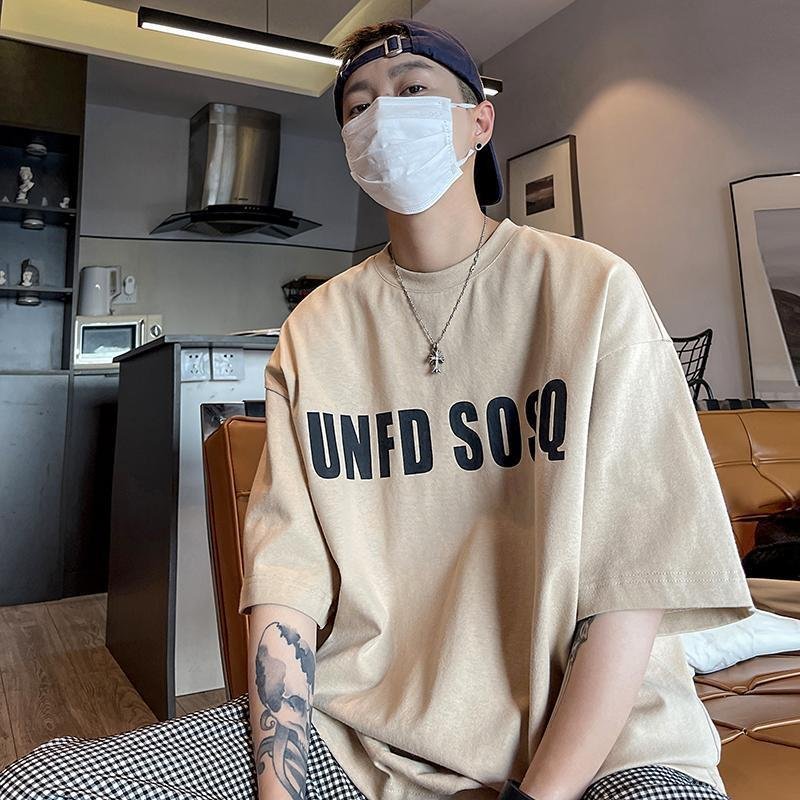
YKK zippers and metal rivets at pocket stress points are industry benchmarks for durability. Brass or copper rivets resist corrosion better than plated steel, while YKK’s self-locking sliders reduce zipper failure rates to below 1 percent over 5,000 cycles.
Button shanks should be reinforced with backing buttons on the interior waistband. Snap closures require minimum pull strength of 8–10 kg to meet workwear standards, verified during the finished clothing quality QC inspection phase.
Pattern Grading and Fit Consistency
Proper grading ensures that each size scales proportionally across waist, inseam, rise, and leg opening. A 2 cm grade between consecutive sizes maintains fit integrity from XS to 3XL, preventing the ‘scaled-up small’ problem common in low-quality production.
Request samples in at least three non-consecutive sizes (e.g., S, L, XXL) to verify grading accuracy. Measure key points against your tech pack and check that pocket placement, knee articulation, and hem width scale correctly, a step embedded in Clothing Manufacturer Ltd.’s cutting QC testing protocol.
7. How to Choose the Right Work Pants Manufacturer for Your Brand
Selecting a work pants manufacturer requires evaluating production capabilities, quality systems, and alignment with your brand’s growth stage. Fashion startups prioritize low MOQs and flexible sampling, while established retailers need scalable capacity and consistent lead times.
Assess MOQ Flexibility and Production Capacity
Minimum order quantities typically range from 50 pieces per style for boutique manufacturers to 500+ for large-scale facilities. Startups and independent designers benefit from partners offering MOQs below 100 units, enabling test launches without excess inventory risk.
Production capacity determines turnaround speed and scalability. Verify whether the manufacturer operates dedicated lines or shares equipment across clients, and confirm typical lead times — industry standards range from 25 to 45 days for custom work pants orders after sample approval.
Verify Certifications and Ethical Practices
ISO 9001 certification signals standardized quality management, while WRAP and BSCI accreditation confirm ethical labor practices. OEKO-TEX Standard 100 ensures fabrics are free from harmful chemicals, a critical consideration for brands targeting health-conscious consumers.
Request documentation of workplace safety audits and wage compliance. Manufacturers committed to transparency provide facility photos, third-party audit reports, and clear answers about worker conditions and environmental initiatives.
Request Samples and Evaluate Quality
Sample evaluation reveals construction precision before committing to production. Examine stitch density (12–14 stitches per inch for durability), seam reinforcement at stress points, and fabric hand feel. Compare sample quality against your technical spec sheet.
Negotiate sample costs upfront — fees range from $30 to $150 per prototype depending on complexity. Reputable manufacturers refund or credit sample fees against bulk orders, demonstrating confidence in conversion rates.
Check References and Communication Responsiveness
Request client references from brands in similar market segments. Contact at least two references to verify on-time delivery rates, defect percentages, and problem resolution speed.
Communication responsiveness predicts partnership success. Manufacturers replying within 24 hours to inquiries, providing detailed answers, and offering proactive updates typically maintain smoother production cycles and fewer costly misunderstandings.
8. Common Mistakes When Partnering with a Work Pants Manufacturer
Even experienced brands make costly errors when selecting a work pants manufacturer. Recognizing these pitfalls before production begins saves time, money, and brand reputation, especially for streetwear labels and startups working with tight margins.
Ignoring Fabric Shrinkage and Pre-Washing
Many buyers approve samples without confirming pre-wash treatment, only to discover finished work pants shrink 3–5% after the first customer wash. Cotton twill and canvas blends require pre-shrinking or sanforization to stabilize dimensions.
Specify shrinkage tolerances in your tech pack and request washed samples. Reputable manufacturers test fabric stability before cutting, preventing size inconsistencies that damage customer trust and trigger returns.
Choosing Manufacturers Solely on Price
Selecting the lowest bidder often means skipped quality control steps, inferior hardware, and inconsistent stitching. A work pants manufacturer quoting 30% below market rate typically omits critical QC testing during cutting, sewing, and finishing stages.
Prioritize partners who document their five-step quality process and provide transparent breakdowns of material, labor, and testing costs. Saving $2 per unit upfront can cost $10 per unit in returns and lost customers.
Skipping Fit Testing Across Size Runs
Approving only one sample size leaves brands blind to grading errors that distort proportions in XS and XXL. Work pants require precise inseam, rise, and waist ratios across the full size spectrum to maintain fit integrity.
Request fit samples in at least three sizes—small, medium, and extra-large—and test them on real wearers. Document any adjustments in writing before bulk production begins, ensuring consistency across every unit shipped.
9. Steps to Launch Your Work Pants Collection Successfully
Launching a work pants collection requires careful orchestration across research, design, production, and marketing phases. Each step builds on the previous, and timeline planning determines whether your collection reaches market on schedule or misses critical seasonal windows.
Market Research and Design Development
Allocate 4–6 weeks to analyze competitor pricing, fabric preferences, and silhouette trends in your target segment. Streetwear brands often blend cargo utility with tapered fits, while workwear-inspired labels prioritize reinforced knees and tool pockets.
Create detailed tech packs specifying fabric weight (typically 10–14 oz canvas or twill), hardware (YKK zippers, bar-tack reinforcements), and colorways. Clear documentation reduces sampling revisions and accelerates manufacturer onboarding.
Manufacturer Vetting and Pre-Production Sampling
Request samples from 3–5 shortlisted work pants manufacturer candidates, evaluating stitch density, seam strength, and finishing quality. Clothing Manufacturer Ltd.’s five-step QC process—materials, cutting, craft, sewing, and finished-goods inspection—ensures defects are caught early rather than at final packing.
Approve pre-production samples within 1–2 weeks to maintain schedule. Confirm all construction details, labeling placement, and packaging before authorizing bulk production.
Bulk Order, Inspection, and Launch Logistics
Place bulk orders with 30–50 percent deposit; typical lead times range 25–45 days depending on order volume and fabric availability. Schedule third-party or in-house QC inspection before shipment to verify compliance with approved samples.
Coordinate air or sea freight based on budget and launch deadlines—air freight costs 4–6× more but cuts transit from 30 days to 5–7 days. Align delivery with pre-launch marketing campaigns, influencer seeding, and retail or e-commerce go-live dates to maximize initial momentum and repeat-order scalability.
10. Pricing and Cost Breakdown for Work Pants Manufacturing
Work pants manufacturing costs vary by order volume, fabric selection, and customization depth. A 100-unit order of basic twill work pants typically ranges from $18–$25 per unit, while 2,500-unit runs drop to $10–$14 per piece as setup costs amortize across larger quantities. Sampling fees of $80–$150 per prototype cover pattern development and fit testing before bulk production begins.
Fabric grade drives 40–50% of total unit cost. Standard cotton twill (280–320 GSM) costs $2.50–$4.00 per meter, while premium ripstop blends or stretch canvas run $5.00–$7.50 per meter. Hardware quality adds another $1.50–$3.00 per garment: YKK zippers, reinforced rivets, and metal buttons increase durability but raise material expense compared to generic alternatives.
Customization complexity impacts both setup and per-unit pricing. Embroidered logos add $0.80–$2.00 per placement depending on stitch count, while screen-printed graphics cost $0.50–$1.20 after a $60–$100 setup charge per color. Contrast stitching, utility pockets, and knee-pad inserts each contribute $0.40–$1.00 to labor costs. Lead times compress as order size grows: 100 units require 25–30 days, 500 units need 20–25 days, and 2,500-unit orders complete in 18–22 days due to production efficiency gains at scale.
| Quantity Tier | Price per Unit (USD) | Sampling Cost | Lead Time |
|---|---|---|---|
| 100 units | $18–$25 | $80–$150 | 25–30 days |
| 500 units | $14–$19 | $80–$150 | 20–25 days |
| 1,000 units | $12–$16 | $80–$150 | 18–23 days |
| 2,500 units | $10–$14 | $80–$150 | 18–22 days |
Partner with a Trusted Work Pants Manufacturer
Low MOQ, fast sampling, and our 5-step QC guarantee ensure your work pants collection launches on time with zero compromises on quality.