
Premium Wide Leg Cargo Pants Manufacturer for Global Brands
Partner with a wide leg cargo pants manufacturer offering 50-piece MOQ, 5-step quality control, fast sampling, and trend-driven designs for streetwear brands worldwide.
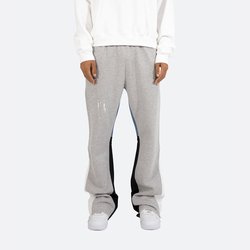
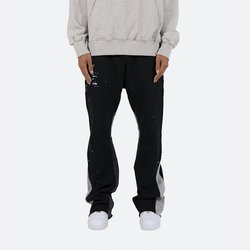
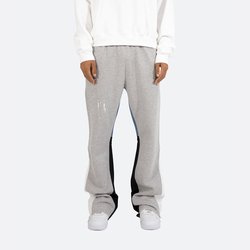
Wide Leg Cargo Pants Collection

Why Brands Choose Our Wide Leg Cargo Pants Manufacturer
Premium craftsmanship, flexible minimums, and streetwear expertise that set your collection apart from day one.
5-Step QC Guarantee
Every pair passes through materials, cutting, craft, sewing, and final inspection—eliminating defects before shipping.
50-Piece Low MOQ
Launch your wide leg cargo pants line without massive inventory risk. Perfect for startups and test drops.
7-Day Sampling Turnaround
Get physical samples in one week so you can validate fit, fabric, and design before bulk production.
In-House Design Team
15-member R&D team translates your vision into technical patterns, with streetwear trend expertise built in.
Streetwear Expertise
Six years specializing in trend-driven cargo pants, oversized silhouettes, and the details influencer brands demand.
Global Logistics Support
Seamless shipping to over 100 countries with customs, documentation, and tracking handled end-to-end.
Wide Leg Cargo Pants Manufacturer: Categories & Customization
From classic utility to oversized streetwear fits, we produce every wide leg cargo pants variant your brand needs—with fast turnaround and our 5-step QC guarantee on every order.
Classic Utility Cargo Pants
Streetwear brands need timeless utility cargo pants with authentic workwear details, but most manufacturers compromise on pocket construction, stitching durability, and authentic hardware that defines the classic look.
We deliver classic wide leg cargo pants with reinforced multi-pocket construction, military-grade stitching, and authentic metal hardware—production-ready in 25–35 days with our 5-step quality control at every stage.
Oversized Fit Cargo Pants
The oversized streetwear trend demands exaggerated silhouettes and dropped crotches, but achieving the right drape and proportion requires advanced pattern-making that many factories lack, resulting in unflattering fits.
Our in-house design team engineers oversized wide leg cargo pants with precise pattern grading for balanced proportions, flattering drape, and true streetwear aesthetics—backed by sampling and fit approval before bulk production.
Tapered Ankle Cargo Pants
Fashion-forward brands want wide leg cargos that taper at the ankle for a modern silhouette, but achieving smooth taper transitions and secure ankle cuffs without bunching is technically challenging for standard manufacturers.
We produce tapered ankle cargo pants with engineered leg shaping, elasticized or adjustable cuffs, and clean finishing—delivering the contemporary streetwear look influencer brands demand with low 50-piece MOQ.
Multi-Pocket Tactical Designs
Trendy brands and designers seek statement cargo pants with multiple functional pockets, flap closures, and tactical details, but complex pocket placement and reinforcement require specialized sewing expertise often missing in generic factories.
Our experienced production team executes multi-pocket cargo pants with up to 8+ pockets, reinforced bartacks, secure closures, and functional design—each piece passing clothing craft QC and sewing production QC testing.
Custom Colors & Washes
Retailers and startups need wide leg cargo pants in seasonal colors, custom dye lots, and unique washes to differentiate their collections, but coordinating dyeing, washing, and color consistency across batches is complex and risky.
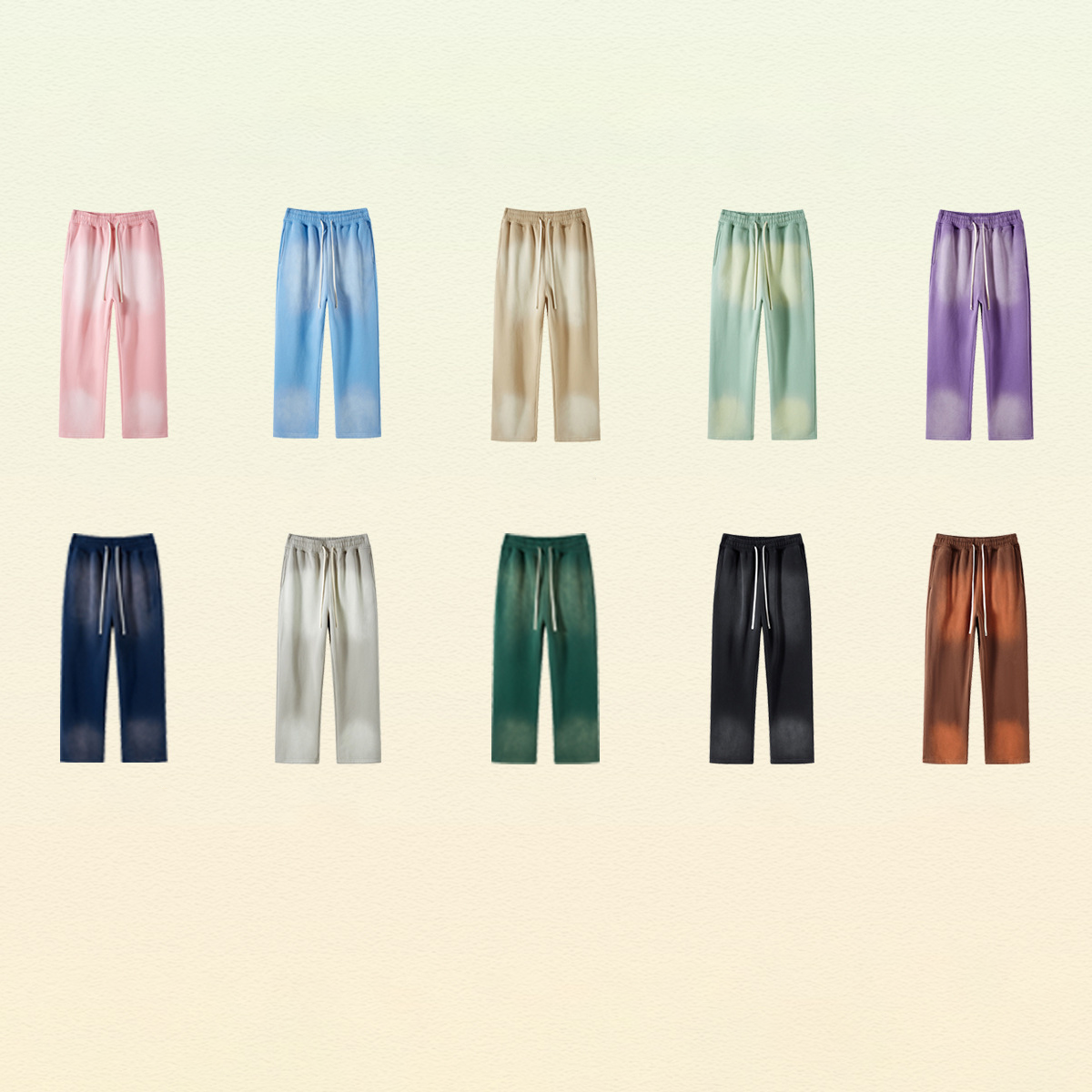
We offer full color customization including garment dyeing, enzyme washes, and vintage treatments with strict materials QC testing—ensuring your wide leg cargo pants match your brand palette perfectly across every production run.
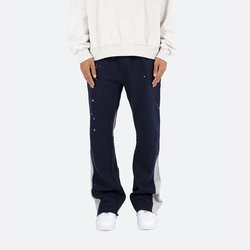
Premium Fabrics for Wide Leg Cargo Pants Manufacturer Production
Cotton-Poly Blend
A balanced 65/35 cotton-polyester blend offering breathable comfort with wrinkle resistance and shape retention. Ideal for everyday streetwear cargo pants that maintain structure through repeated wear and washing. Medium-weight construction at 240-280 GSM ensures year-round versatility.
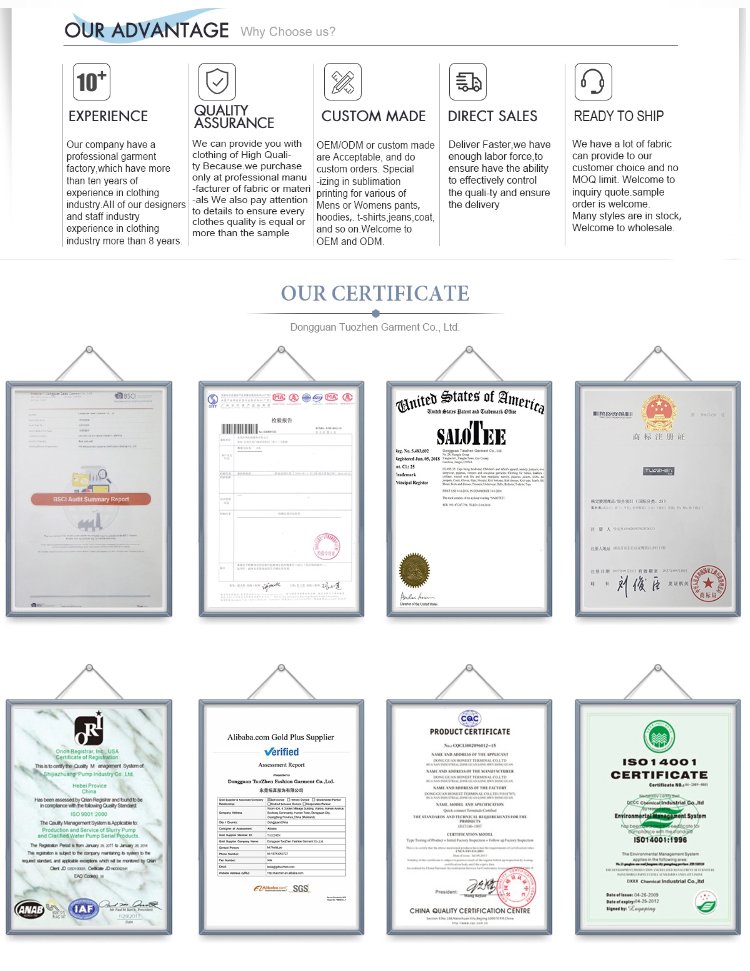
Ripstop Twill
Reinforced grid-pattern weave engineered to resist tearing and abrasion, perfect for utility-inspired cargo designs. The crosshatch structure provides exceptional durability while maintaining a lightweight feel. Available in 200-220 GSM for technical streetwear applications.
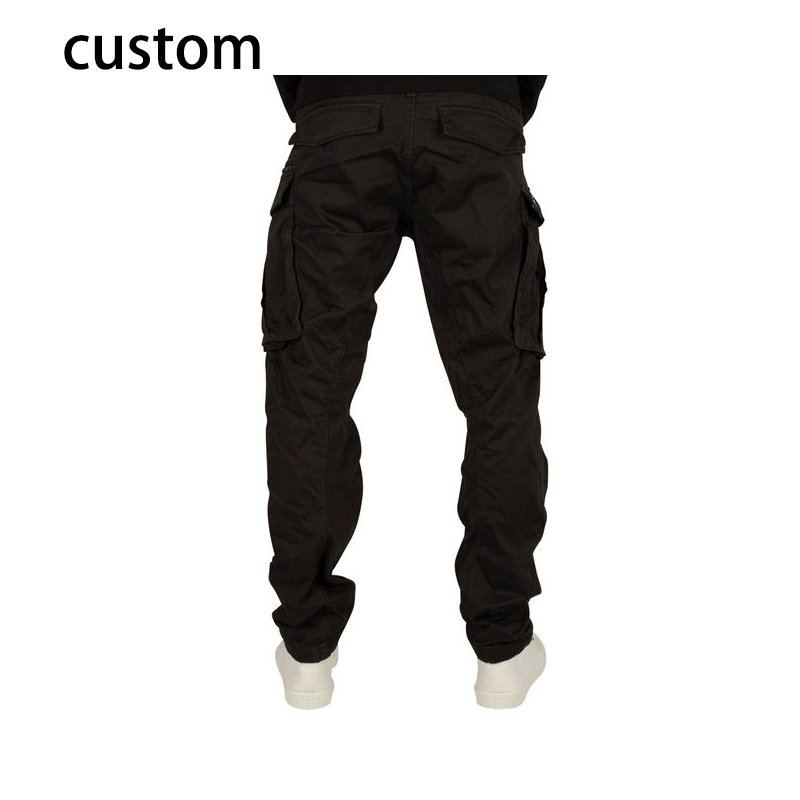
Heavyweight Denim
Premium 12-14 oz denim with robust construction for cargo pants that age beautifully and withstand heavy use. The dense weave delivers authentic workwear aesthetics with modern comfort. Ideal for brands seeking vintage-inspired or rugged streetwear silhouettes.
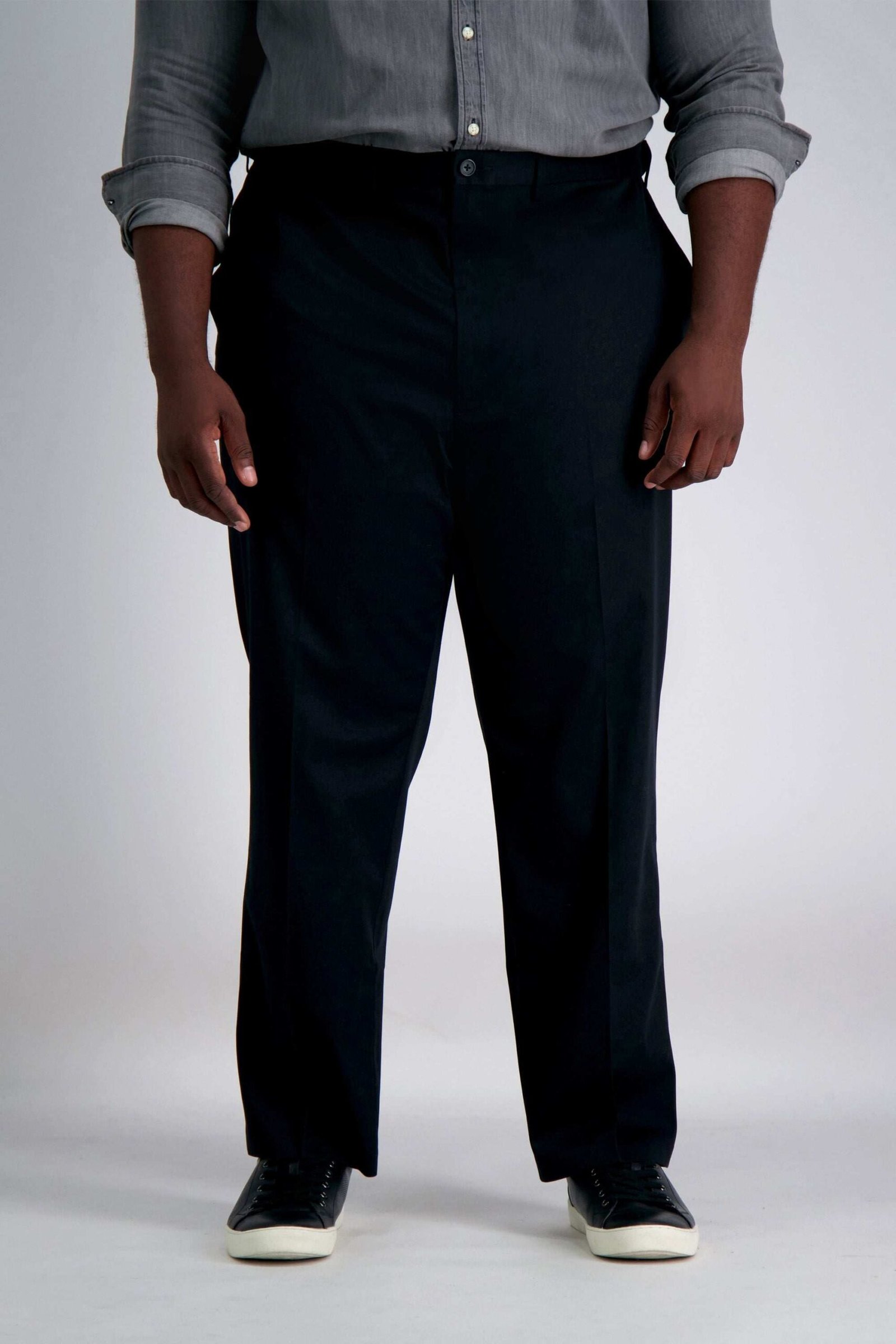
Stretch Cotton Canvas
Traditional canvas durability enhanced with 2-5% elastane for freedom of movement in oversized fits. The structured hand-feel maintains wide-leg silhouettes while allowing natural mobility. Perfect for contemporary cargo pants blending style and functionality at 280-320 GSM.
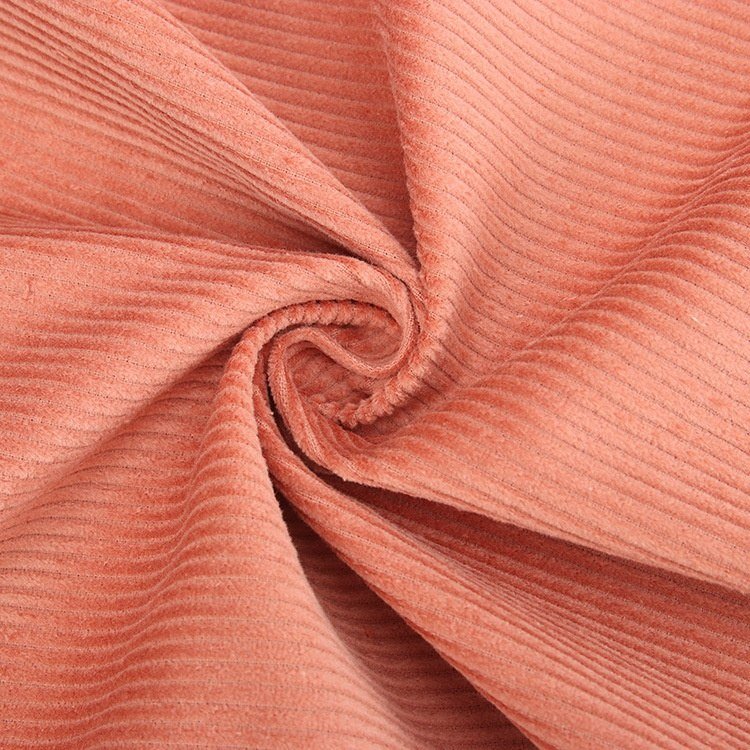
Recycled Polyester Twill
Eco-conscious fabric crafted from post-consumer plastic bottles, delivering sustainability without compromising performance. Offers excellent color retention, quick-dry properties, and wrinkle resistance. Ideal for environmentally-focused brands seeking responsible manufacturing at 220-260 GSM.
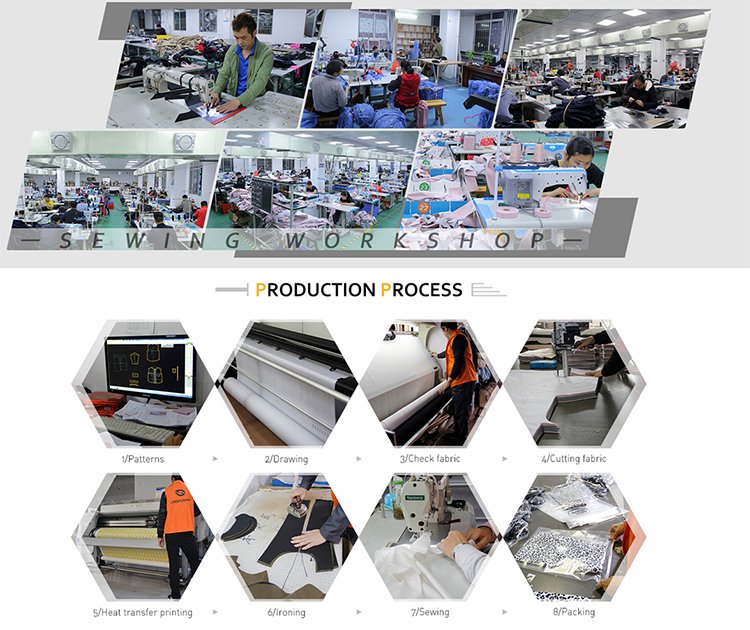
Brushed Cotton Twill
Soft-hand twill with a lightly brushed interior for enhanced comfort against skin. The smooth surface accepts prints and embroidery beautifully while maintaining a premium drape. Perfect for elevated streetwear cargo pants requiring both luxury feel and casual versatility.
Wide Leg Cargo Pants Manufacturer Production Techniques & Finishing
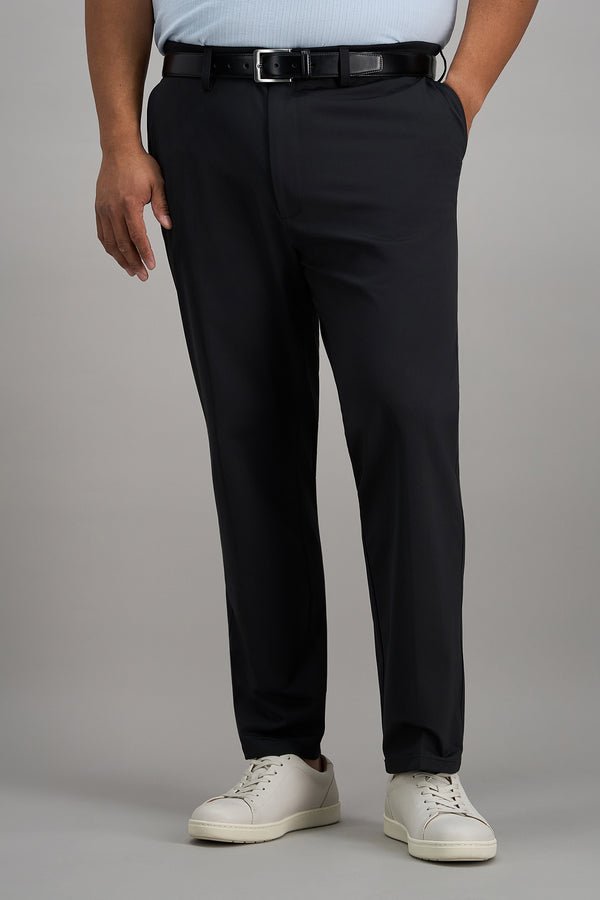
Precision Pattern Cutting
Computer-aided cutting ensures consistent wide leg silhouettes and accurate pocket placements across every size. Minimizes fabric waste while maintaining the relaxed fit and proportions that define modern cargo pants. Quality-checked before sewing begins.

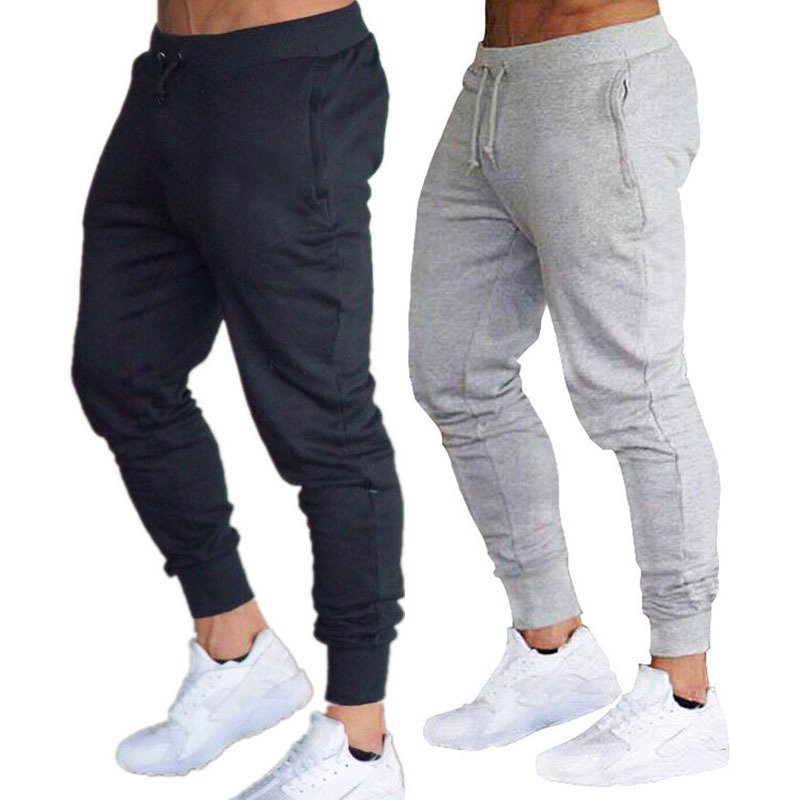
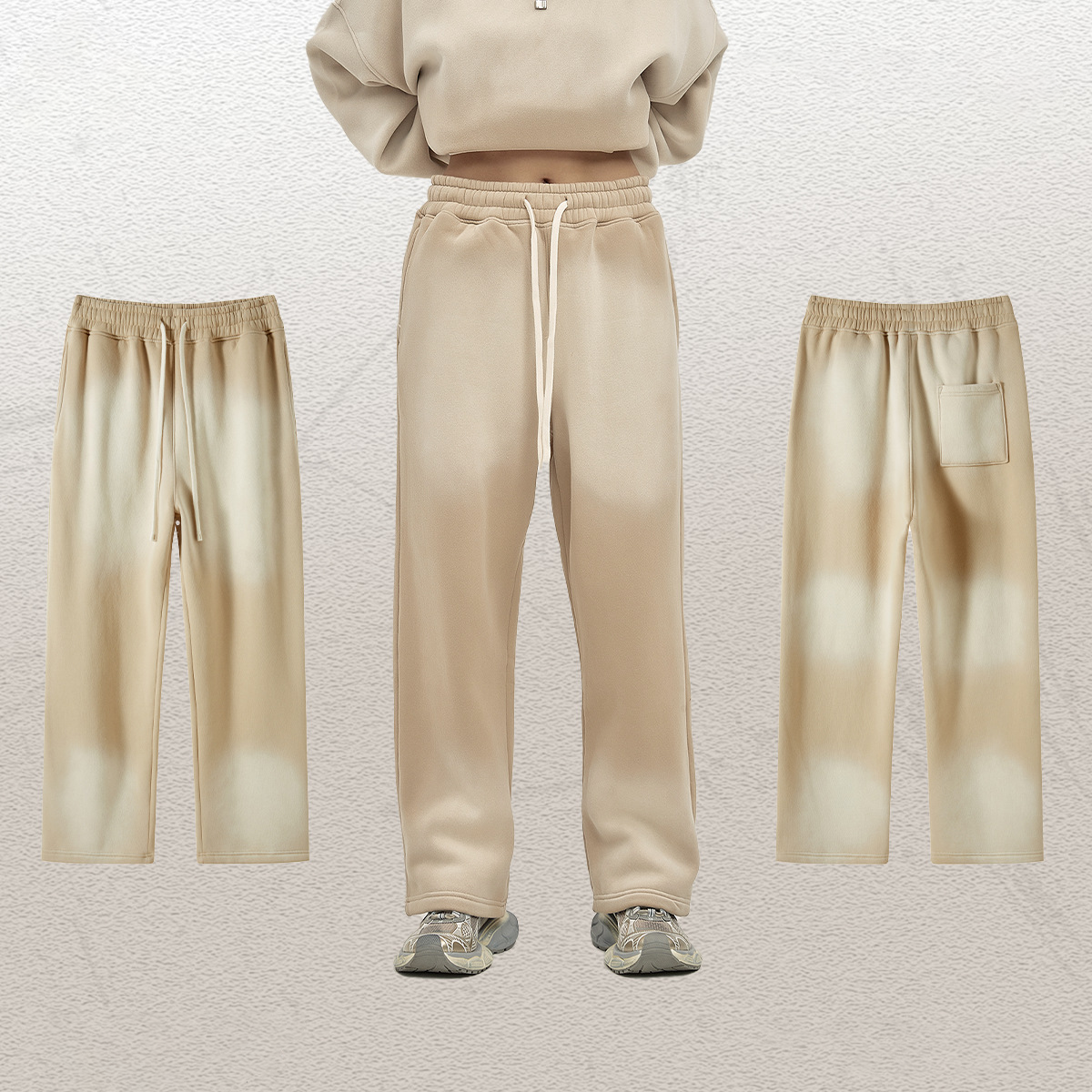
Garment Dyeing & Washing
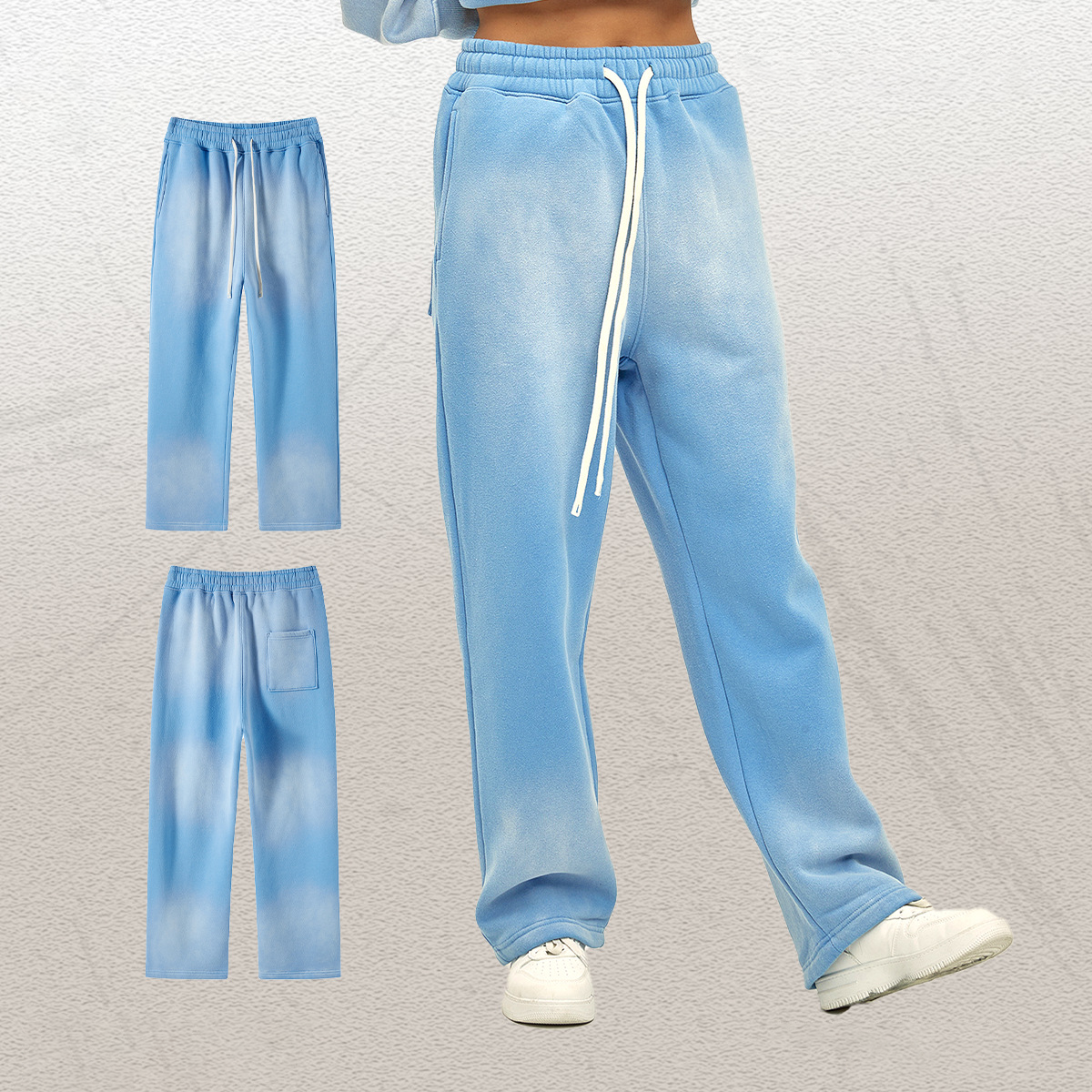
Post-construction dyeing and enzyme washing create authentic vintage effects, soft hand-feel, and unique color depth. Ideal for distressed, faded, or lived-in looks that resonate with streetwear audiences. Colorfastness tested to ensure longevity and consistent results.
Screen Print & Embroidery
High-definition screen printing and precision embroidery add custom graphics, logos, and streetwear motifs to cargo pants. Durable, wash-resistant finishes maintain vibrant colors and sharp details. Perfect for branded waistbands, pocket graphics, and signature design elements.
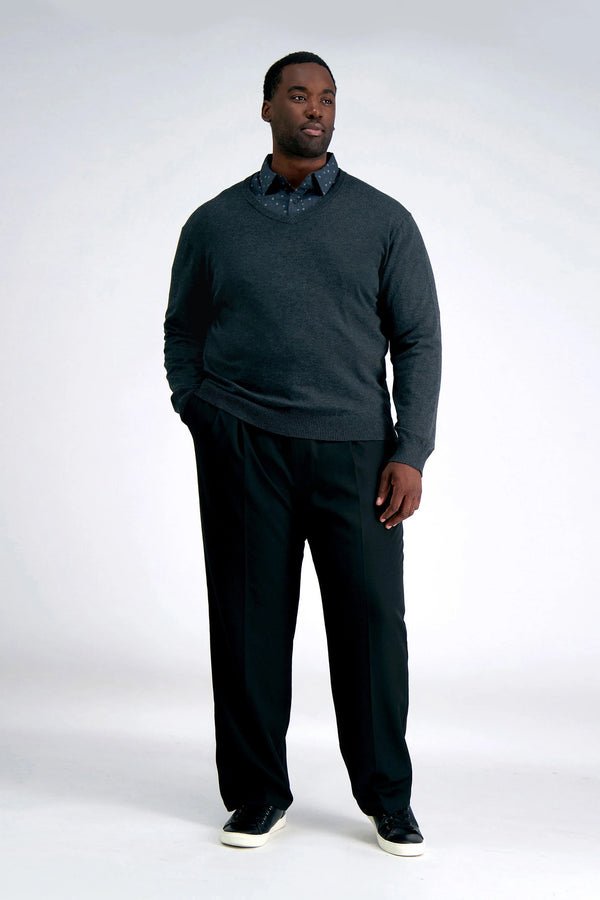
Hardware & Trim Application
Professional installation of zippers, buckles, D-rings, drawcords, and metal eyelets using industrial-grade equipment. Every hardware component is function-tested and secured to withstand repeated wear. Elevates cargo pants from basic to premium with tactile, on-trend details.
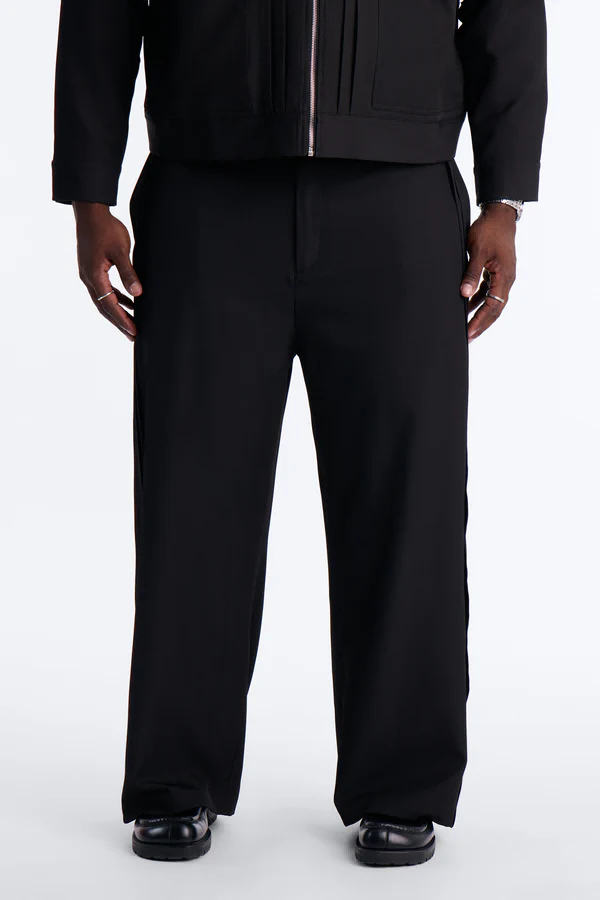
Final Pressing & Packaging
Steam pressing sets creases, smooths seams, and ensures each wide leg cargo pant arrives retail-ready. Garments are individually inspected, folded to brand specifications, and packaged with protective wrapping. The final checkpoint in our 5-step quality control process.
Hardware & Accessories for Wide Leg Cargo Pants
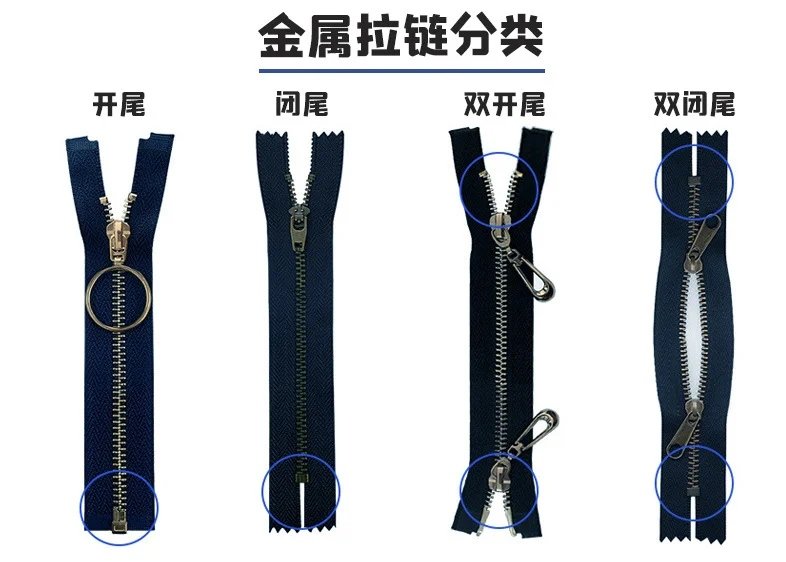
YKK Zippers
Premium Japanese YKK zippers for cargo pockets and fly closures ensure smooth operation and long-lasting durability. Available in metal or coil styles, custom pullers, and branded options that match your streetwear aesthetic.
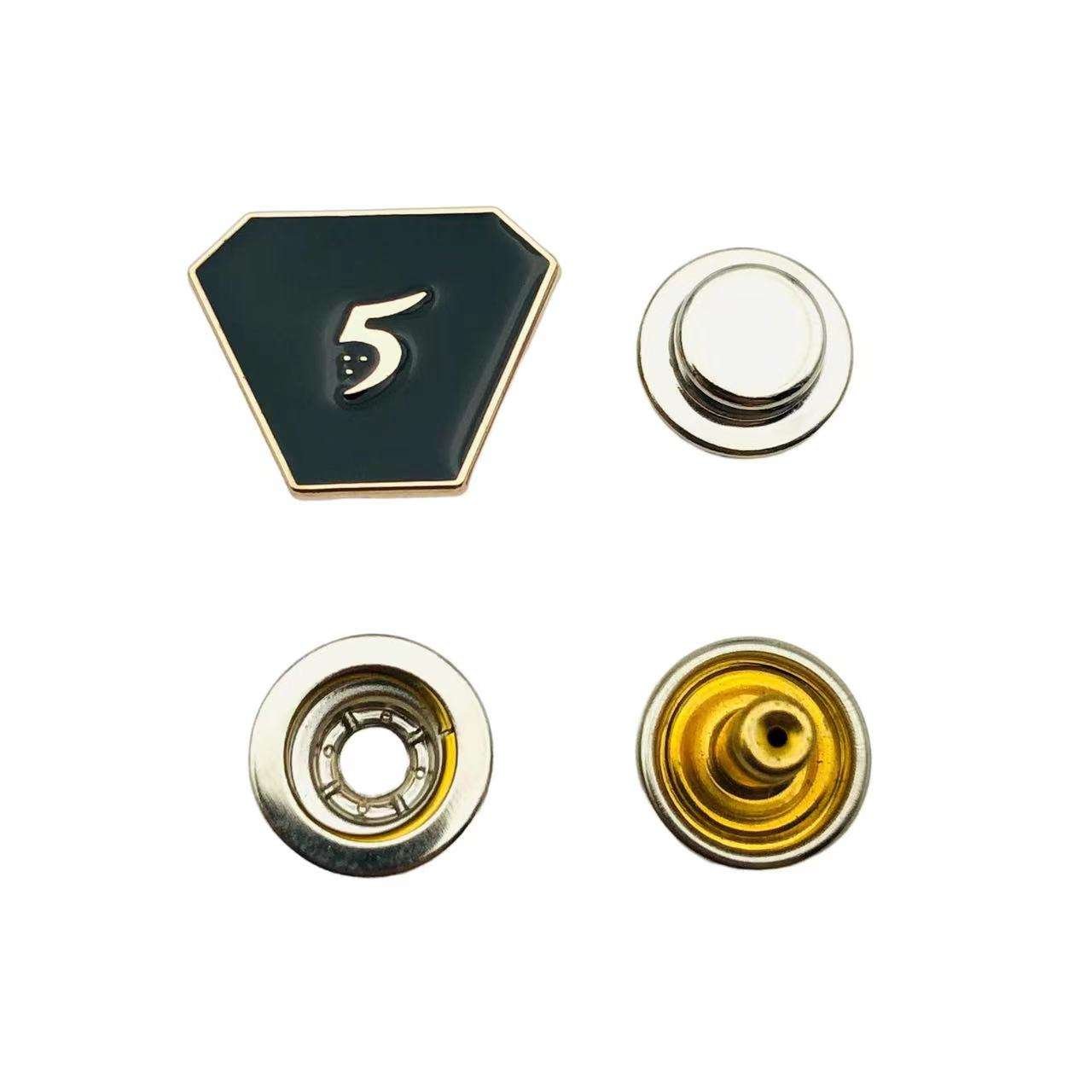
Metal Snap Buttons
Heavy-duty snap buttons for cargo pocket flaps and waistband adjustments provide secure closure with an authentic utilitarian look. Choose from gunmetal, brass, or custom-engraved finishes that reinforce your brand identity.
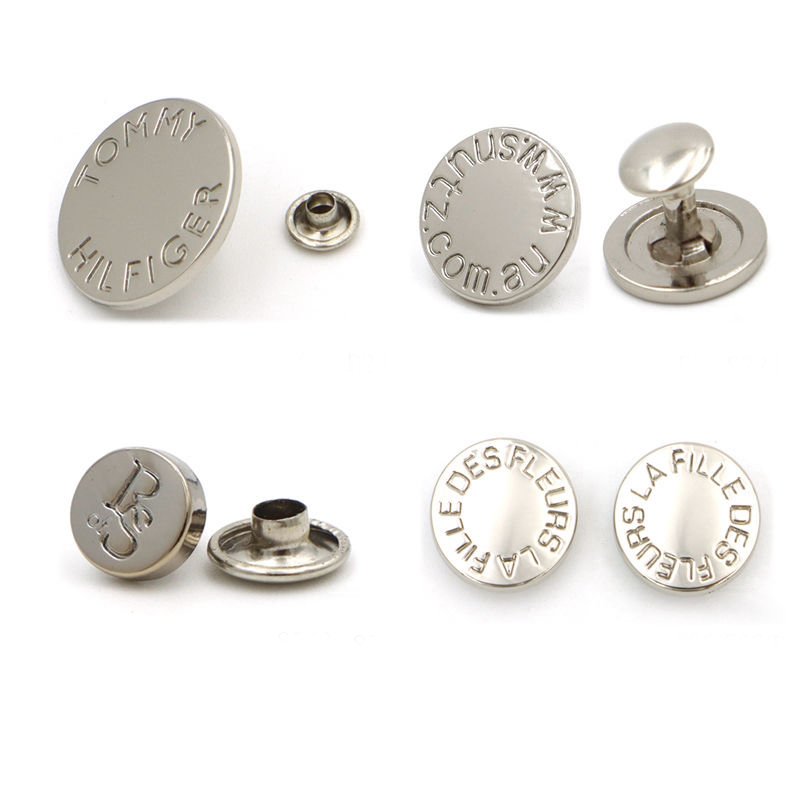
Drawcord & Tipping
Custom drawcords with branded metal or plastic tipping for adjustable hems and waistbands. Available in round, flat, or elastic styles with color-matched or contrast options to complement your wide leg cargo pants design.
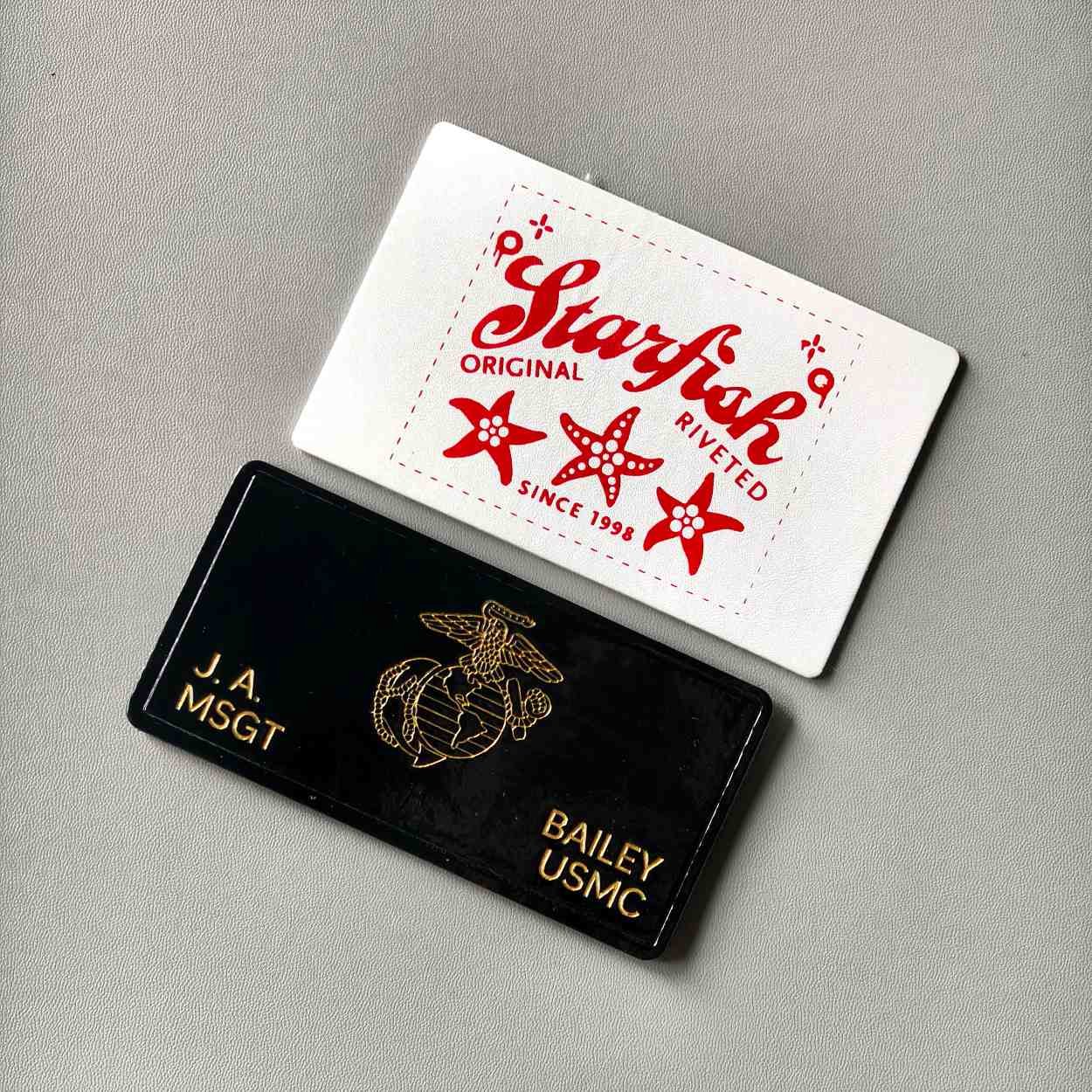
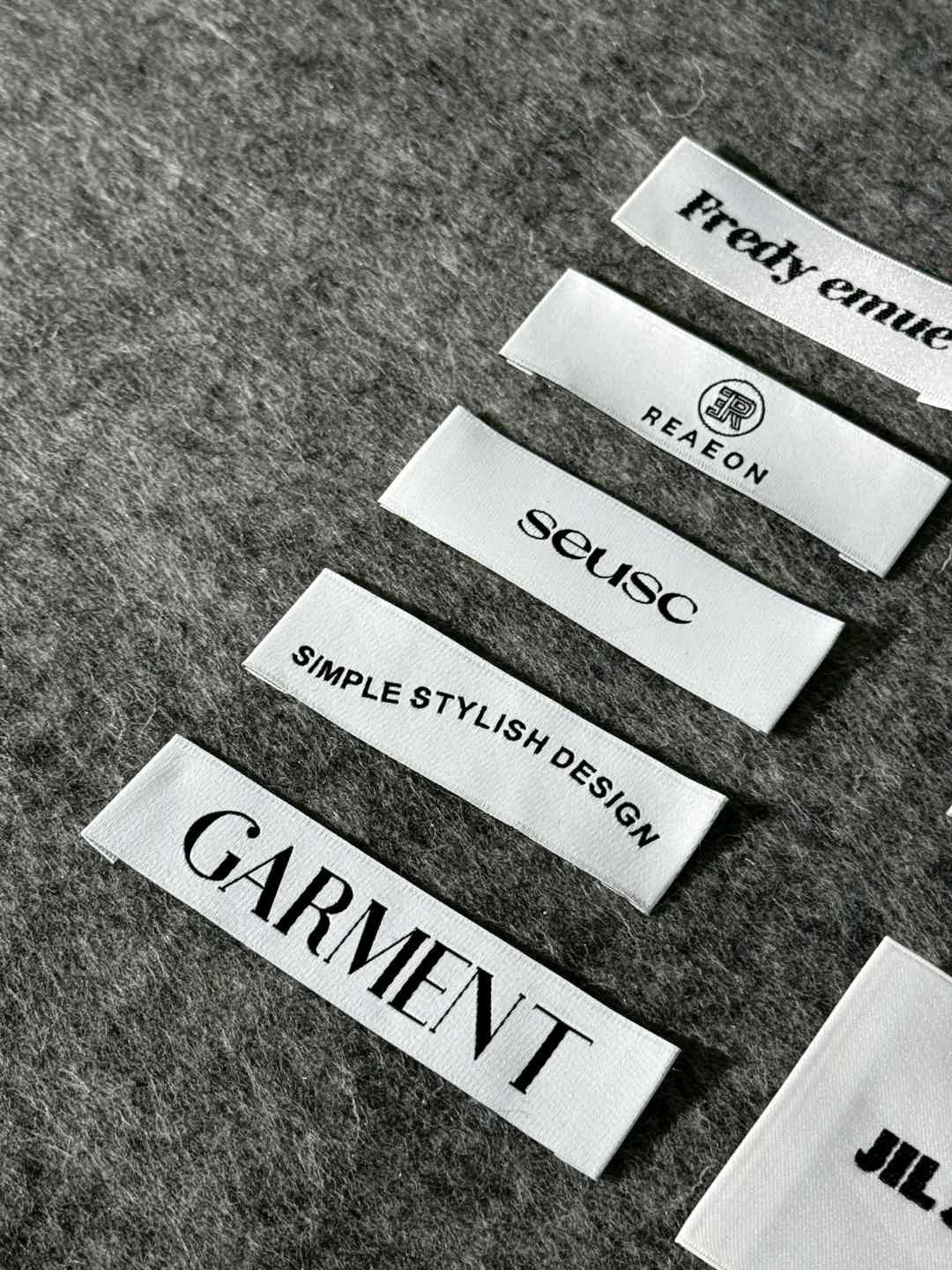
Woven Labels
High-definition woven brand labels for waistband, pocket, or outseam placement. Damask or taffeta weave with your logo, tagline, and care instructions creates a professional finishing touch that customers notice and remember.
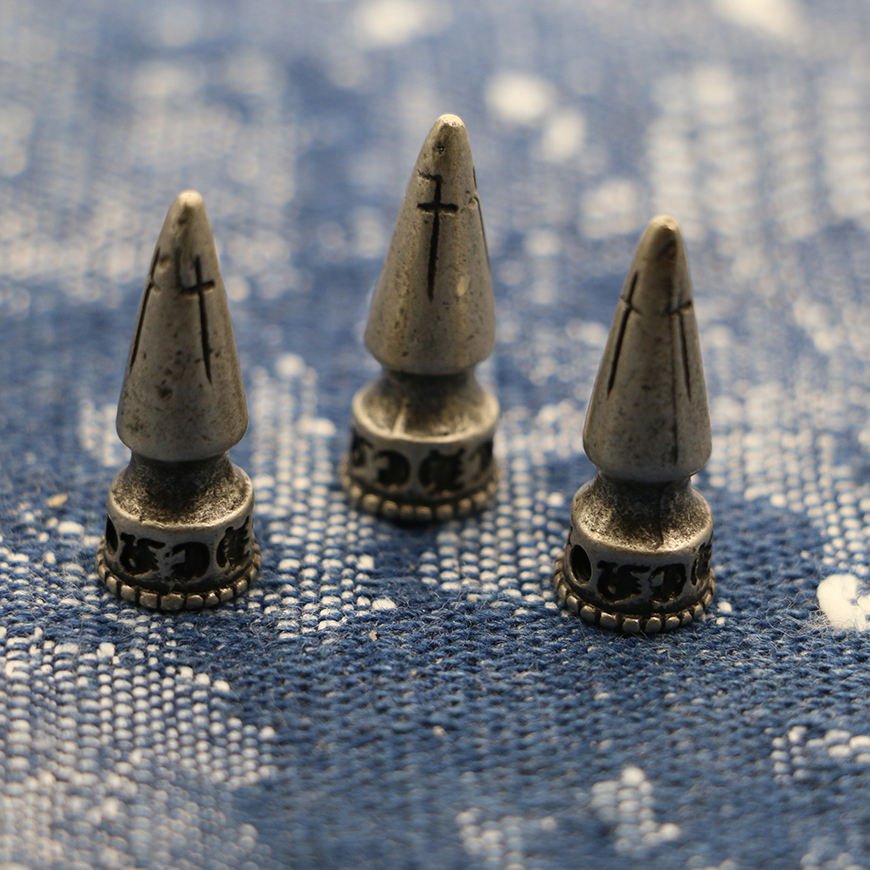
Metal Rivets
Reinforced metal rivets at stress points and pocket corners prevent tearing and add authentic workwear detailing. Custom embossing available to showcase your logo on every rivet for subtle brand reinforcement throughout the garment.
Custom Hangtags
Die-cut hangtags printed on premium cardstock or specialty materials communicate your brand story at point of sale. Include QR codes, care instructions, and brand messaging that connect with your streetwear audience before they even try on the pants.
Your Wide Leg Cargo Pants Manufacturer
Founded in 2024 by Tesla Luo, Clothing Manufacturer Ltd. emerged from a mission to restore trust in Chinese apparel production. With over 10 years in garment manufacturing and 6 years specializing in streetwear, Luo witnessed too many factories skip quality control entirely. He built this company on a different principle: rigorous testing at every production stage, not just at the end.
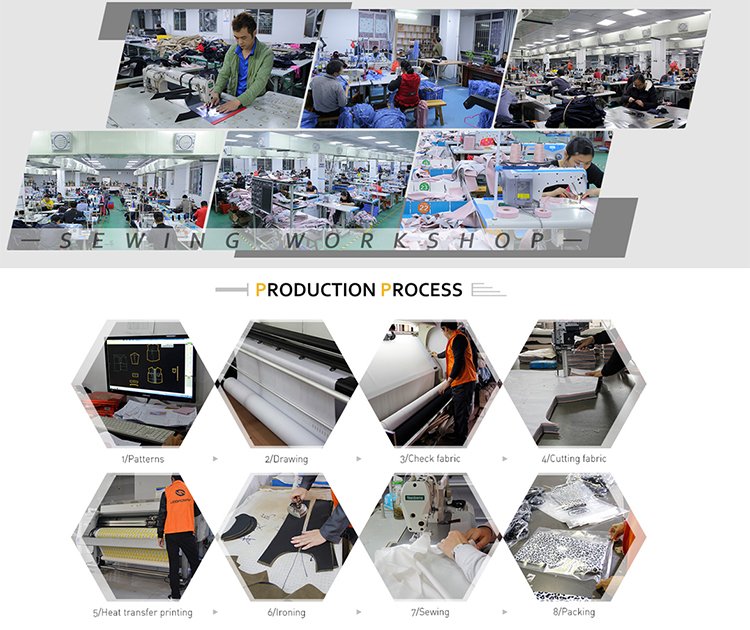
Today we serve streetwear brands, independent designers, and retailers across 100+ countries as a trusted wide leg cargo pants manufacturer. Our proprietary 5-step QC process—covering materials, cutting, craft, sewing, and finished inspection—ensures every pair meets our zero-compromise standard. Backed by a 15-member R&D team and 10 production patents, we combine trend-driven design with manufacturing excellence.
Whether you’re launching your first collection or scaling a global line, we deliver premium wide leg cargo pants with low 50-piece MOQs, fast turnaround, and transparent communication. Our expertise spans fabric selection, pattern development, hardware customization, and worldwide logistics—empowering your brand to compete at the highest level.
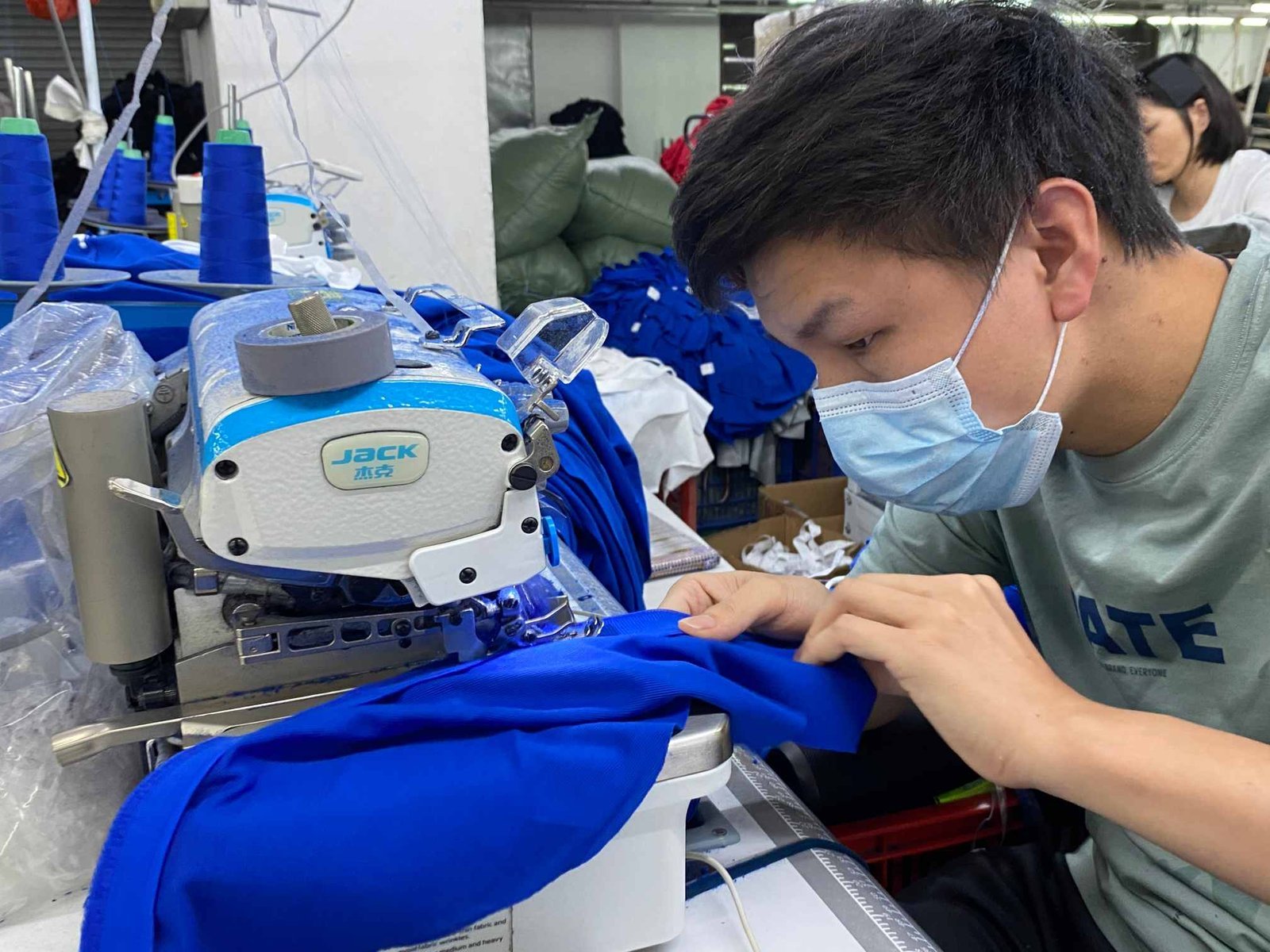
Our Signature 5-Step Quality Control Process for Wide Leg Cargo Pants
Materials QC Testing Before Production
Every fabric roll, thread spool, and hardware component undergoes rigorous inspection before cutting begins. We verify fabric weight, colorfastness, shrinkage rates, and durability to ensure your wide leg cargo pants meet streetwear standards from the first stitch.
- Fabric composition and weight verification against specifications
- Colorfastness testing for wash and wear durability
- Pre-production shrinkage analysis to guarantee fit accuracy
- Hardware and trim strength testing for zippers, buttons, and cargo pockets
Cutting QC for Pattern Precision
After materials pass inspection, our cutting QC ensures every panel is sized accurately and grain alignment is perfect. This step prevents fit inconsistencies and fabric waste, guaranteeing that your wide leg cargo pants maintain their signature silhouette across every unit.
- Pattern piece measurement verification to ±2mm tolerance
- Fabric grain and pattern alignment checks for consistent drape
- Cutting defect identification to eliminate flawed panels early
- Batch consistency audits across all sizes and colorways
Craft QC During Sewing Production
Unlike manufacturers who skip mid-production checks, we inspect garments at critical construction milestones. Our craft QC catches stitching errors, pocket misalignment, and construction flaws before they become costly rework, ensuring every wide leg cargo pant meets our zero-defect standard.
- Real-time stitch quality and seam strength inspection
- Cargo pocket placement and symmetry verification
- Waistband and leg width consistency checks across batches
- In-line correction of construction deviations before completion
Finished Garment Quality Inspection
Every completed wide leg cargo pant undergoes comprehensive final inspection covering measurements, stitching integrity, hardware function, and aesthetic finish. Only garments passing all criteria are approved for ironing, packaging, and shipment to your brand, protecting your reputation in every market.
- Full garment measurement audit against tech pack specifications
- Functional testing of all zippers, buttons, and cargo closures
- Surface inspection for loose threads, stains, or fabric defects
- Fit and drape assessment to confirm the wide leg silhouette standard
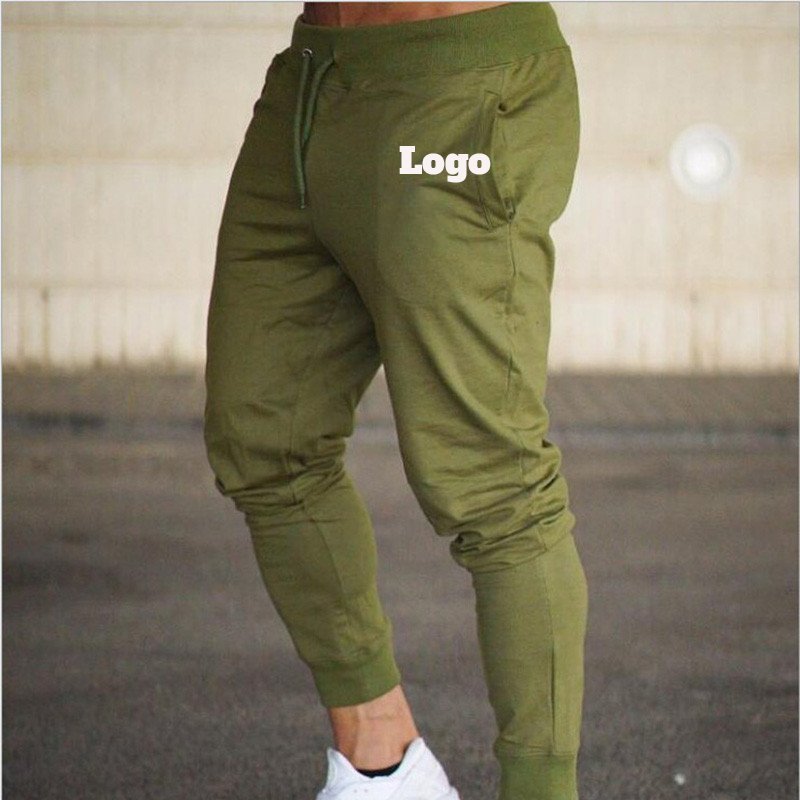
Wide Leg Cargo Pants Manufacturer: Us vs. Standard Suppliers
See how our streetwear-focused production, rigorous quality control, and flexible minimums set us apart from typical cargo pants suppliers who compromise on quality and service.
← 左右滑动查看 →
Wide Leg Cargo Pants Manufacturer Production Timeline
From fabric sourcing to global delivery, every phase is optimized for speed and quality. Our 5-step QC process is embedded throughout to ensure your wide leg cargo pants meet streetwear standards.
Fabric Sourcing & Inspection
Premium materials selected and tested through our materials QC process. We verify weight, stretch, colorfastness, and durability before production begins.
Pattern Development & Cutting
Patterns finalized for wide leg silhouettes and cargo details. Cutting QC testing ensures precision before fabric moves to sewing lines.
Sewing & In-Line Quality Gates
Garments assembled with clothing craft QC and sewing production QC checkpoints. Each cargo pocket, seam, and waistband is inspected during construction.
Finishing & Final Inspection
Finished clothing quality QC inspection verifies fit, stitching, hardware, and print integrity. Only approved units proceed to ironing and folding.
Packing & Quality Documentation
Garments packed to your specifications with poly bags, hangtags, and carton labeling. QC reports and production photos provided for transparency.
Global Shipping & Delivery
Express or sea freight arranged with full logistics support. Tracking and customs documentation handled to ensure on-time arrival worldwide.
How to Partner With a Wide Leg Cargo Pants Manufacturer in 3 Simple Steps
From concept to delivery, our streamlined workflow makes it easy for streetwear brands, startups, and retailers to launch premium wide leg cargo pants with zero hassle and full quality assurance.
Submit Your Design or Tech Pack
Share your wide leg cargo pants design, tech pack, or reference samples with our team. No tech pack? Our 15-member R&D team will help develop your vision into production-ready specifications.
Receive Quote and Free Sample
Within 48 hours, we’ll provide a detailed quote with pricing, MOQ options starting at 50 pieces, and timeline. Approve the sample to move forward with confidence in fit and quality.
Bulk Production and Global Delivery
Your order enters our 5-step QC process from materials to finished garments. We handle production, inspection, packaging, and worldwide shipping—delivering streetwear-grade cargo pants on schedule.
Certified Wide Leg Cargo Pants Manufacturer You Can Trust
Wide Leg Cargo Pants Manufacturer — Trusted by Growing Brands
We launched our first wide leg cargo collection with just 100 units. Within 18 months, we scaled to 12,000 units per quarter. The 5-step QC process means zero returns, and their turnaround kept up with our viral growth.
As an influencer brand, quality is everything. Their wide leg cargo pants hit the perfect balance of durability and streetwear aesthetics. We went from 500 pieces to 8,500 in our second drop—no quality issues at all.
We needed a manufacturer who understood oversized silhouettes and utility details. Their sampling team nailed our vision in two rounds, and the 50-piece MOQ let us test three colorways before scaling to 3,000 units.
FAQ — Wide Leg Cargo Pants Manufacturing
What is the minimum order quantity for a wide leg cargo pants manufacturer?
How long does production take from order confirmation to delivery?
Do you offer sampling services before bulk production?
What customization options does your wide leg cargo pants manufacturer provide?
What payment terms do you accept for manufacturing orders?
How does your wide leg cargo pants manufacturer ensure quality control?
What shipping and logistics support do you provide for international orders?
How do you protect my designs and intellectual property?
Can you accommodate small brands and fashion startups?
The Complete Buyer’s Guide to Choosing a Wide Leg Cargo Pants Manufacturer
Navigate the sourcing landscape with confidence. This guide delivers a proven decision framework, essential supplier criteria, quality benchmarks, and the critical mistakes to avoid when partnering with a wide leg cargo pants manufacturer for your brand.
1. What Is a Wide Leg Cargo Pants Manufacturer?
A wide leg cargo pants manufacturer specializes in producing oversized, relaxed-fit cargo trousers with functional multi-pocket designs, reinforced construction, and trend-driven silhouettes that general apparel factories typically lack the expertise to execute. Unlike generic garment suppliers who handle basic cuts and standard seam allowances, these specialists engineer wide-leg patterns with precise inseam-to-hem ratios (often 22–26 inches at the hem opening versus 14–16 inches for standard fits), cargo pocket placements that balance utility with streetwear aesthetics, and bartack reinforcements at high-stress points to support heavier pocket loads.
Specialized wide leg cargo pants manufacturers maintain pattern libraries for dropped crotches, tapered ankles with elastic cuffs, and adjustable waistband systems—design elements that require dedicated grading and sample iteration. Clothing Manufacturer Ltd., for example, applies a five-step quality control process across materials QC, cutting QC, craft QC, sewing QC, and finished-goods inspection to ensure every pair meets streetwear standards for durability and fit consistency, a rigor absent in factories that treat cargo pants as commodity bottoms.
Brands choose specialized manufacturers because wide-leg cargos demand fabric selection knowledge (ripstop nylon, heavyweight twill at 280–320 GSM, parachute polyester), hardware sourcing (YKK zippers, snap buttons, D-ring attachments), and trend fluency in streetwear culture—skeleton graphics, utility straps, and color-blocking—that generic suppliers cannot reliably deliver. A dedicated wide leg cargo pants manufacturer combines technical garment construction with cultural insight into hip-hop, skate, and street-art influences, ensuring each piece aligns with the bold, oversized aesthetic that drives sales in today’s market.
2. The Evolution of Wide Leg Cargo Pants in Fashion
Wide leg cargo pants originated in military supply chains during the 1940s, designed with reinforced ripstop cotton at 200–250 GSM and multi-pocket configurations for field utility. By the mid-1990s, streetwear brands adopted the silhouette, pairing oversized cuts with lighter 180–220 GSM twill and denim blends to meet hip-hop and skate culture demand. Manufacturing during this era prioritized volume and loose tolerances, with pocket placement and leg width varying significantly between factories.
The early 2000s saw a sharp decline as slim-fit denim dominated retail, forcing many wide leg cargo pants manufacturers to retool cutting tables and pattern libraries for tapered silhouettes. Factories reduced inventory of wider fabric rolls and shifted pocket-engineering expertise toward minimalist designs. This decade-long contraction left fewer suppliers with institutional knowledge of wide leg construction, including proper inseam balance, cargo pocket reinforcement stitching, and pattern grading for 22–26 inch leg openings.
Since 2020, Gen Z and Y2K nostalgia have driven a resurgence, with search volume for wide leg styles increasing over 300 percent on major retail platforms. Modern manufacturing now combines traditional wide silhouettes with updated fabric technology—stretch ripstop, moisture-wicking polyester blends, and enzyme-washed finishes—requiring suppliers to master both heritage construction techniques and contemporary textile handling. Brands that understand this cycle can anticipate fabric lead times, negotiate better MOQs during peak demand, and specify construction details that ensure longevity beyond short-term trend spikes, making manufacturer selection a strategic decision rather than a transactional one.
3. Types of Wide Leg Cargo Pants Manufacturers
Wide leg cargo pants manufacturers fall into five distinct categories, each serving different brand needs, production scales, and customization requirements. Understanding these types helps you match your business model to the right production partner.
Full-Service ODM/OEM Factories
Full-service factories handle design, pattern development, sampling, and production under one roof. MOQs typically range from 300 to 1,000 pieces per style, with lead times of 45 to 60 days. These manufacturers offer comprehensive customization including fabric selection, hardware sourcing, and branding integration, making them ideal for established retailers and growing streetwear brands that need end-to-end support without maintaining in-house technical teams.
Cut-and-Sew Specialists
Cut-and-sew shops focus exclusively on garment construction from client-supplied patterns and materials. MOQs start at 100 to 300 pieces per colorway, with 30 to 45 day turnarounds. Customization flexibility is limited to construction details and finishing techniques. This model suits independent designers and fashion startups with strong design capabilities who want production control while outsourcing labor-intensive sewing operations.
Small-Batch Artisan Workshops
Artisan workshops specialize in low-volume, high-touch production with MOQs as low as 50 to 100 pieces. Lead times range from 20 to 35 days due to smaller production runs. These facilities offer maximum customization flexibility, accommodating unique fabric requests, hand-finished details, and iterative sampling. Clothing Manufacturer Ltd. operates in this category, combining small-batch agility with a five-step QC process that ensures startup and influencer brands receive factory-grade quality at accessible minimums.
4. Materials and Fabrics for Wide Leg Cargo Pants
Fabric selection determines drape, durability, and pocket structure in wide leg cargo pants. A wide leg cargo pants manufacturer typically offers six core fabric families, each with distinct GSM ranges and performance characteristics. Understanding these options ensures your design aligns with target use cases and seasonal demand.
| Fabric Type | GSM Range | Breathability | Cost Tier | Ideal Season |
|---|---|---|---|---|
| Cotton Twill | 200–280 | High | Mid | Spring/Summer |
| Canvas | 280–340 | Moderate | Mid | Fall/Winter |
| Cotton-Poly Blend | 220–260 | Moderate-High | Low-Mid | Year-Round |
| Ripstop Nylon | 140–180 | High | Mid-High | Spring/Summer |
| Denim | 340–475 | Low-Moderate | Mid-High | Fall/Winter |
| Technical Synthetics | 200–240 | Very High | High | Year-Round |
Cotton Twill and Canvas
Cotton twill (200–280 GSM) delivers moderate drape and breathability, ideal for casual streetwear and spring/summer collections. Canvas (280–340 GSM) offers heavier body and superior abrasion resistance, suited to workwear-inspired designs where pocket structure must hold shape under load.
Both fabrics accept garment washes and enzyme treatments well, enabling vintage and distressed finishes. Heavier GSM canvas maintains crisp pocket flaps and reinforced knee panels without sagging.
Cotton-Poly Blends and Ripstop Nylon
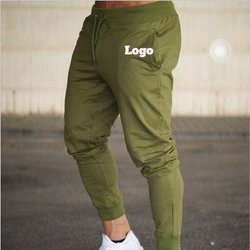
Cotton-poly blends (65/35 or 80/20 ratios, 220–260 GSM) reduce shrinkage and improve wrinkle recovery while retaining natural hand feel. Ripstop nylon (140–180 GSM) features reinforced grid patterns that prevent tear propagation, common in performance and utility cargo pants.
Ripstop’s low weight and high tensile strength suit technical designs with multiple cargo pockets, though its stiff drape requires pattern adjustments to achieve the relaxed silhouette wide leg cuts demand.
Denim and Technical Synthetics
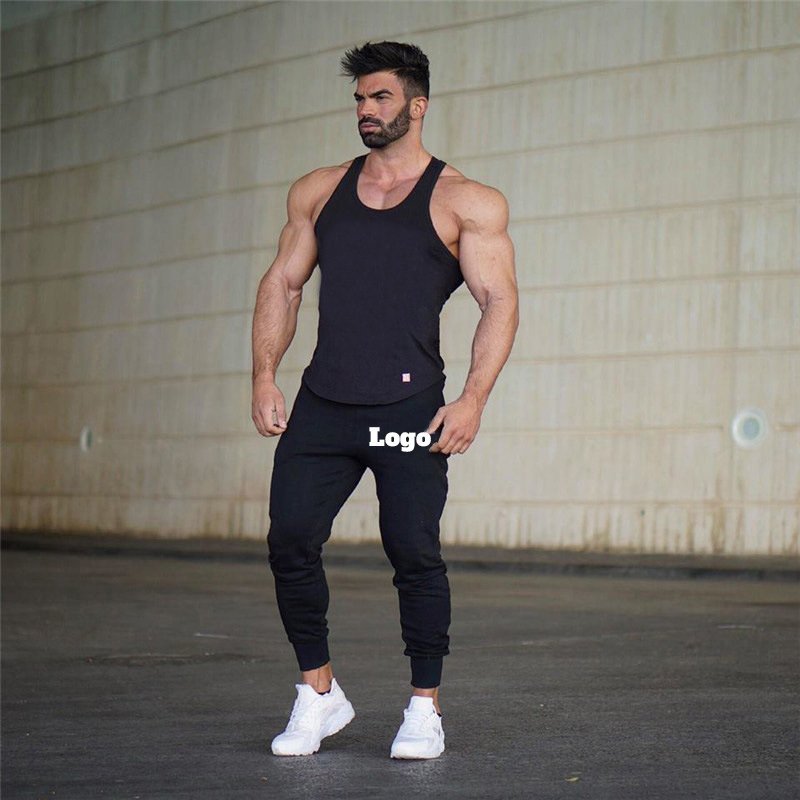
Denim (10–14 oz, approximately 340–475 GSM) provides heritage appeal and long-term durability, popular in streetwear cargo hybrids. Technical synthetics like nylon-spandex blends (200–240 GSM) offer four-way stretch and moisture wicking for activewear-inspired cargo pants.
Heavier denim requires reinforced stitching at pocket attachment points; synthetics allow seamless pocket construction but demand specialized needles and thread to prevent skipped stitches during high-speed sewing.
5. Customization and Branding Options with a Wide Leg Cargo Pants Manufacturer
A wide leg cargo pants manufacturer offers multiple decoration and personalization methods to build brand identity. Each technique carries distinct setup costs, per-unit pricing, durability ratings, and minimum order implications that directly affect your launch budget and brand positioning.
| Technique | Setup Cost | Per-Unit Cost | Durability | Lead Time |
|---|---|---|---|---|
| Embroidery | $50–150 | $1.50–4.00 | High (50+ washes) | 12–18 days |
| Screen Printing | $25–75 | $0.50–2.00 | Medium (30–40 washes) | 10–14 days |
| Heat Transfers | $10–30 | $0.30–1.50 | Low (15–25 washes) | 5–8 days |
| Woven Labels | $0 (label MOQ) | $0.15–0.60 | High (50+ washes) | 10–15 days |
| Metal Hardware | $0–200 (custom mold) | $0.20–2.50 | Very High | 15–25 days |
Embroidery, Screen Printing, and Heat Transfers
Embroidery delivers premium durability with setup fees of $50–150 per design and per-unit costs of $1.50–4.00, ideal for logos on pockets or waistbands. Screen printing costs $25–75 per screen setup with $0.50–2.00 per unit, suitable for large graphic placements but less flexible for multi-color small runs.
Heat transfers require minimal setup ($10–30) and $0.30–1.50 per unit, offering fast turnaround for test batches but lower wash durability than embroidery or screen printing. Most manufacturers set minimum order quantities of 50–100 pieces per design for embroidery, 100–300 for screen printing, and 25–50 for heat transfers.
Woven Labels and Metal Hardware
Woven labels typically cost $0.15–0.60 per piece with 200–500 unit minimums, delivering professional branding on waistbands or pocket flaps. Metal hardware — zippers, rivets, eyelets, and custom buckles — ranges from $0.20–2.50 per component depending on finish (gunmetal, brass, antique) and supplier (YKK versus generic).
Hardware choices define your brand’s perceived quality: premium metal trims signal streetwear authenticity, while plastic alternatives reduce cost but compromise tactile appeal. Lead times for custom woven labels run 10–15 days; custom metal hardware 15–25 days.
Custom Pocket Configurations and Adjustable Features
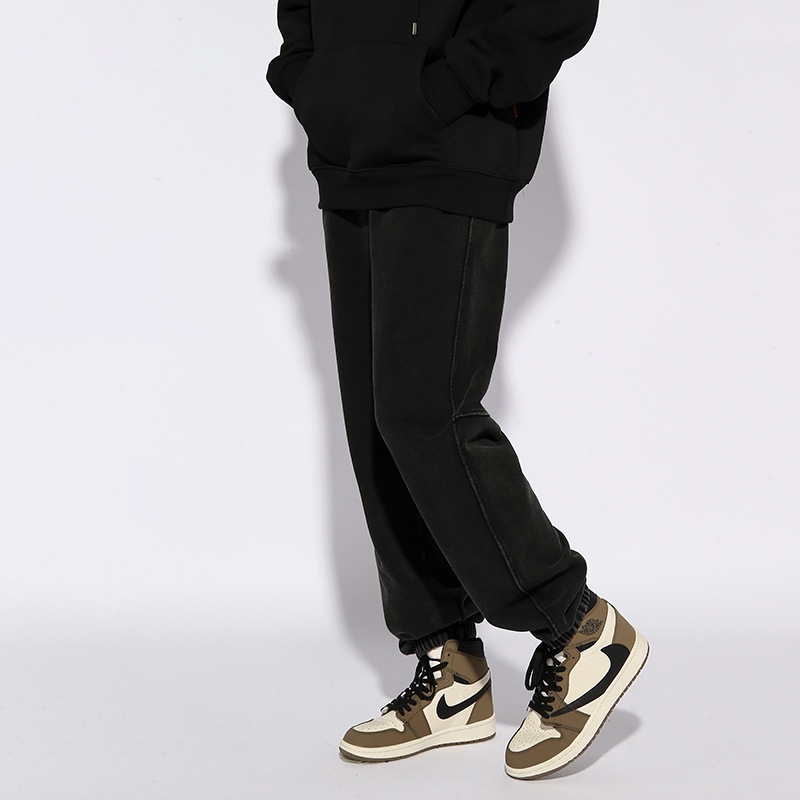
Custom pocket placements, flap shapes, and cargo pocket sizes require pattern adjustments that add $50–200 in sampling fees but zero per-unit cost once approved. Adjustable waistbands with elastic inserts or side tabs cost $0.80–2.00 per garment, while drawstrings with metal or rubberized tips add $0.30–1.20.
These functional customizations reinforce brand identity through silhouette differentiation and wearer comfort, critical for repeat purchases in streetwear and independent designer markets.
6. Key Quality and Construction Elements to Inspect
Inspecting quality and construction before production scales is the difference between repeat customers and costly returns. A wide leg cargo pants manufacturer should demonstrate rigorous checkpoints at every stage, from fabric arrival to final packaging.
Reinforced Pocket Stitching and Bar Tacks
Cargo pockets endure constant stress from phones, keys, and other items, making reinforced stitching non-negotiable. Bar tacks—dense zigzag stitches at pocket corners and flap attachment points—prevent tearing under load.
Inspect bar tack density (minimum 20 stitches per inch) and thread weight (typically T-40 or T-50 polyester). Factories that skip this step produce pants that fail within weeks of wear, damaging brand reputation and triggering refund requests.
Double-Needle Seams and Grading Consistency
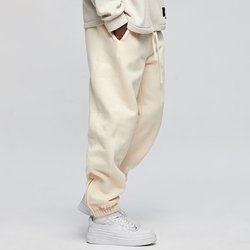
Double-needle construction on side seams, inseams, and waistbands distributes tension across two parallel stitch lines, reducing blowout risk. This technique is standard for durable streetwear but often omitted by cost-cutting manufacturers.
Proper grading ensures that size M to XXL maintains proportional pocket placement, leg width, and rise measurements. Request a graded size set during sampling to verify that each size scales correctly, not just duplicates the pattern at larger dimensions.
Hardware, Dyeing, and Fabric Pre-Treatment

YKK or equivalent zippers (SBS, Ideal) offer consistent pull strength above 15 kg and corrosion-resistant teeth. Snap buttons should be nickel-free and pass 50-cycle pull tests without detachment.
Colorfast dyeing with a grade 4 or higher rating on the AATCC scale prevents fading after five washes. Pre-shrunk fabric treatment—typically sanforized or compressive shrinkage below 3 percent—eliminates post-purchase size complaints and ensures pattern alignment at seams remains intact through laundering.
7. How to Choose the Right Wide Leg Cargo Pants Manufacturer
Selecting a wide leg cargo pants manufacturer requires systematic due diligence across certifications, production capabilities, and communication standards. A structured evaluation framework protects your brand from quality failures, missed deadlines, and hidden costs that plague rushed sourcing decisions.
Verify Certifications and Compliance Standards
Request documentation for WRAP, BSCI, or OEKO-TEX certifications that confirm ethical labor practices and chemical safety. Factories holding these credentials demonstrate commitment to international standards and typically maintain more rigorous internal quality systems.
Certified manufacturers face regular third-party audits, reducing risk of non-compliance issues that can halt shipments or damage brand reputation in key markets.
Review Portfolio and Client References
Examine past work samples and request contact details for at least three current clients in your market segment. A wide leg cargo pants manufacturer with streetwear experience will show portfolio pieces featuring functional pocket construction, reinforced stitching, and trend-aware silhouettes.
Direct client references reveal patterns in on-time delivery, sample accuracy, and responsiveness during production runs—insights no marketing material provides.
Request Tech Packs and Physical Samples
Submit a detailed tech pack specifying measurements, fabric weight, hardware, and finishing requirements. Compare the returned sample against your specifications for accuracy in leg width, pocket placement, waistband construction, and overall fit.
Inconsistent sample quality or deviations from your tech pack signal weak production controls. A reliable partner delivers samples that match specifications within 2–3 mm tolerance on critical measurements.
Confirm MOQ Flexibility and Lead Times
Clarify minimum order quantities—startups and independent designers often need 50–200 piece runs, while retailers may require 500+ units. Verify production lead times from order confirmation to shipment, typically 25–45 days for cargo pants depending on fabric sourcing and customization complexity.
Flexible MOQ terms and transparent timelines indicate a manufacturer willing to scale with emerging brands rather than prioritizing only high-volume contracts.
Identify Red Flags Early
Vague pricing structures, reluctance to provide references, or delayed sample submissions indicate operational weaknesses. Manufacturers who skip quality control steps between sewing and finishing often produce inconsistent batches that damage your brand credibility.
A trustworthy wide leg cargo pants manufacturer offers itemized quotes, welcomes factory visits or third-party audits, and implements stage-gate QC testing throughout production.
8. Common Mistakes When Sourcing a Wide Leg Cargo Pants Manufacturer
Sourcing a wide leg cargo pants manufacturer requires more than comparing quotes and placing orders. Many brands encounter preventable delays, quality disputes, and cost overruns by overlooking critical steps during the selection and contracting process.
Choosing Solely on Price
Selecting the lowest-cost wide leg cargo pants manufacturer often leads to compromised fabric weight, inconsistent stitching, and skipped quality checks. Factories that quote 20–30 percent below market rates typically eliminate pre-production testing and multi-stage QC to reduce overhead.
Request itemized quotes that separate fabric, labor, trims, and quality control costs. Compare total landed cost including shipping and potential rework expenses rather than FOB price alone.
Neglecting Fit Samples Across All Sizes
Approving only a single medium sample leaves size-run grading unverified, resulting in pockets misaligned on XL or leg openings too narrow on XS. Wide leg cargo pants require proportional pocket placement and inseam adjustments across the full range.
Order fit samples in your smallest, middle, and largest sizes before bulk production. Measure pocket height from waistband, cargo flap width, and leg opening circumference on each to confirm consistent grading.
Skipping Fabric Pre-Production Testing
Omitting wash tests and colorfastness checks before bulk cutting risks shrinkage beyond tolerance and dye bleeding onto contrast stitching. Cotton-blend twills for cargo pants may shrink 3–5 percent in length if not pre-shrunk.
Request lab reports for shrinkage, pilling (≥ grade 3), and colorfastness to washing (≥ grade 4) before approving yardage. Specify Pantone TPX codes and require strike-off swatches for every colorway.
Omitting Clear Quality Standards in Contracts
Vague acceptance criteria lead to disputes over acceptable stitch-per-inch counts, seam allowances, and defect rates. Without AQL (Acceptable Quality Limit) definitions, factories may ship garments with crooked pocket flaps or uneven hem widths.
Include AQL 2.5 for critical defects and AQL 4.0 for major defects in purchase orders. Define critical points: pocket symmetry within ±3 mm, bartack minimum 30 stitches, and topstitch straightness within 2 mm.
9. Steps to Launch Your Wide Leg Cargo Pants Brand
Launching a wide leg cargo pants line requires a structured workflow from concept to first shipment. Following a clear roadmap reduces costly revisions and ensures your manufacturer can execute your vision accurately.
Define Target Audience and Design Aesthetic
Identify your core customer demographic—age range, style preferences, price sensitivity—and map design elements to their expectations. Streetwear brands targeting Gen Z may prioritize oversized fits with bold utility details, while premium labels lean toward refined tailoring and muted colorways.
Document your aesthetic in a mood board that includes reference images, color palettes, and hardware finishes. This clarity prevents miscommunication when briefing your wide leg cargo pants manufacturer and accelerates sample approval cycles.
Create Detailed Tech Packs
A complete tech pack lists measurements for waist, hip, inseam, leg opening, rise, and pocket dimensions across all sizes, plus construction notes for stitching, seam allowances, and topstitching widths. Include flat sketches with call-outs for pocket placement, cargo flap dimensions, drawcord routing, and any asymmetric design features.
Specify fabric weight in GSM, thread type, stitch count per inch, and finishing treatments such as enzyme wash or garment dye. Manufacturers rely on these specs to price accurately and produce consistent results across production runs.
Source and Approve Fabric Swatches
Request physical swatches of candidate fabrics—cotton twill at 280–320 GSM, ripstop nylon, or stretch canvas blends—and test them for drape, recovery, and colorfastness. Compare dyeing methods (reactive vs. pigment) and confirm shrinkage rates before finalizing yardage orders.
Approve lab dips or strike-offs that match your Pantone references within acceptable Delta E tolerances. Locking fabric specs early prevents costly mid-production substitutions and ensures your wide leg cargo pants manufacturer can source materials on schedule.
Order Pre-Production Samples and Finalize Branding
Request fit samples in at least two sizes to verify grading accuracy, pocket function, and overall silhouette. Budget 10–14 days for sample production and another week for international shipping.
During this phase, finalize trim details: custom woven labels, metal or coated zippers, branded rivets, and hang tags. Confirm placement and attachment methods in writing so your manufacturer integrates them into the production workflow without delays.
Place Production Order and Plan Fulfillment
Once samples are approved, issue a purchase order specifying quantities per size and color, delivery Incoterms, and payment milestones. Typical lead times range from 30–45 days for orders of 500–1,000 units, with an additional 15–30 days for ocean freight.
Arrange warehouse receiving, quality inspection upon arrival, and integration with your e-commerce or retail fulfillment platform. Clear communication of shipping deadlines and inventory timelines ensures your launch aligns with marketing campaigns and pre-order commitments.
10. Pricing and Cost Breakdown
Wide leg cargo pants pricing from a manufacturer typically ranges from $8.50 to $28.00 per unit depending on order quantity, fabric grade, and customization complexity. A 50-piece MOQ at mid-tier fabric (280–320 GSM cotton twill) generally costs $18–22 per unit, while 1,000-piece orders drop to $10–14 per unit for the same specification. Setup fees for sampling, pattern development, and grading usually run $150–400 per style, though many factories waive these costs at higher volumes.
Fabric selection drives the largest cost variance in wide leg cargo pants production. Economy-grade polyester blends (200–240 GSM) reduce per-unit costs by 20–30 percent compared to premium ring-spun cotton or ripstop fabrics (320+ GSM). Custom hardware—branded metal buckles, YKK zippers, reinforced D-rings—adds $1.50–3.00 per garment, while embroidered logos or screen-printed graphics contribute $0.80–2.50 depending on stitch count and color complexity.
Lead times correlate directly with order size and factory workload. Standard production for 100–500 units requires 18–25 days after sample approval, while rush orders (7–12 days) incur 25–40 percent surcharges. Factories in Guangdong Province, China—including Humen Town, a historic garment manufacturing hub—offer competitive pricing due to vertical supply chains and proximity to fabric mills, trims suppliers, and logistics infrastructure. Brands should budget an additional 15–20 percent above quoted unit costs to cover shipping, customs duties, and quality inspection services when calculating total landed cost.
| Quantity Tier | Economy Fabric ($/unit) | Mid-Tier Fabric ($/unit) | Premium Fabric ($/unit) | Lead Time (days) |
|---|---|---|---|---|
| 50–99 units | $14.00–18.00 | $18.00–22.00 | $24.00–28.00 | 20–25 |
| 100–499 units | $11.00–14.00 | $14.00–17.00 | $19.00–23.00 | 18–23 |
| 500–999 units | $9.50–12.00 | $12.00–15.00 | $16.00–20.00 | 16–21 |
| 1,000+ units | $8.50–10.00 | $10.00–14.00 | $14.00–18.00 | 15–20 |
| Sampling/Setup Fee | $150–250 | $200–350 | $250–400 | 5–7 |
| Custom Hardware (add-on) | +$1.50–2.50 | +$1.80–3.00 | +$2.00–3.50 | — |
| Embroidery/Print (add-on) | +$0.80–1.50 | +$1.00–2.00 | +$1.20–2.50 | — |
Start Your Wide Leg Cargo Pants Collection Today
Partner with a trusted wide leg cargo pants manufacturer. 50-piece MOQ, 5-step QC guarantee, and fast turnaround for your brand.