
Premium Utility Pants Manufacturer for Streetwear Brands
Partner with a specialized utility pants manufacturer offering 50-piece MOQ, fast sampling, trend-driven designs, and our rigorous 5-step quality control guarantee for every order.
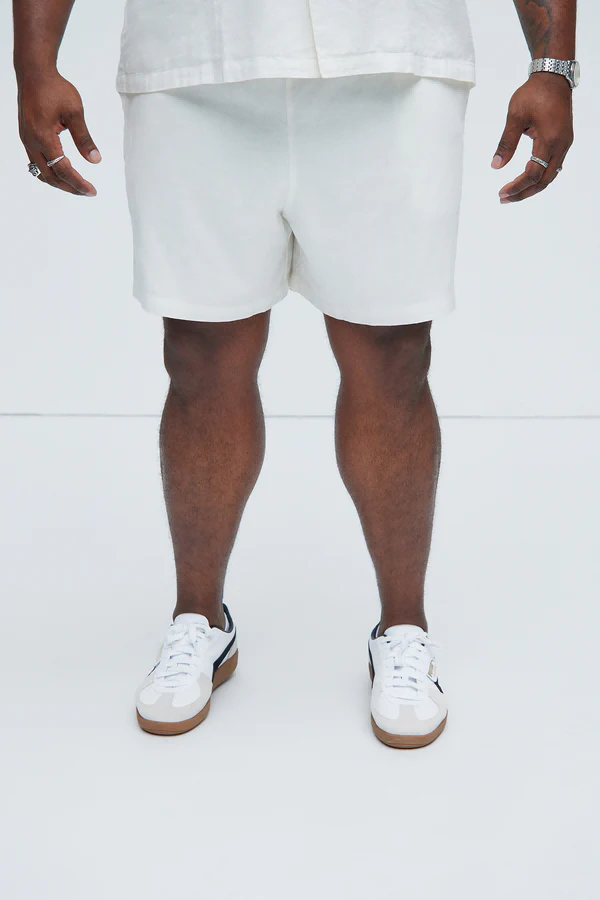
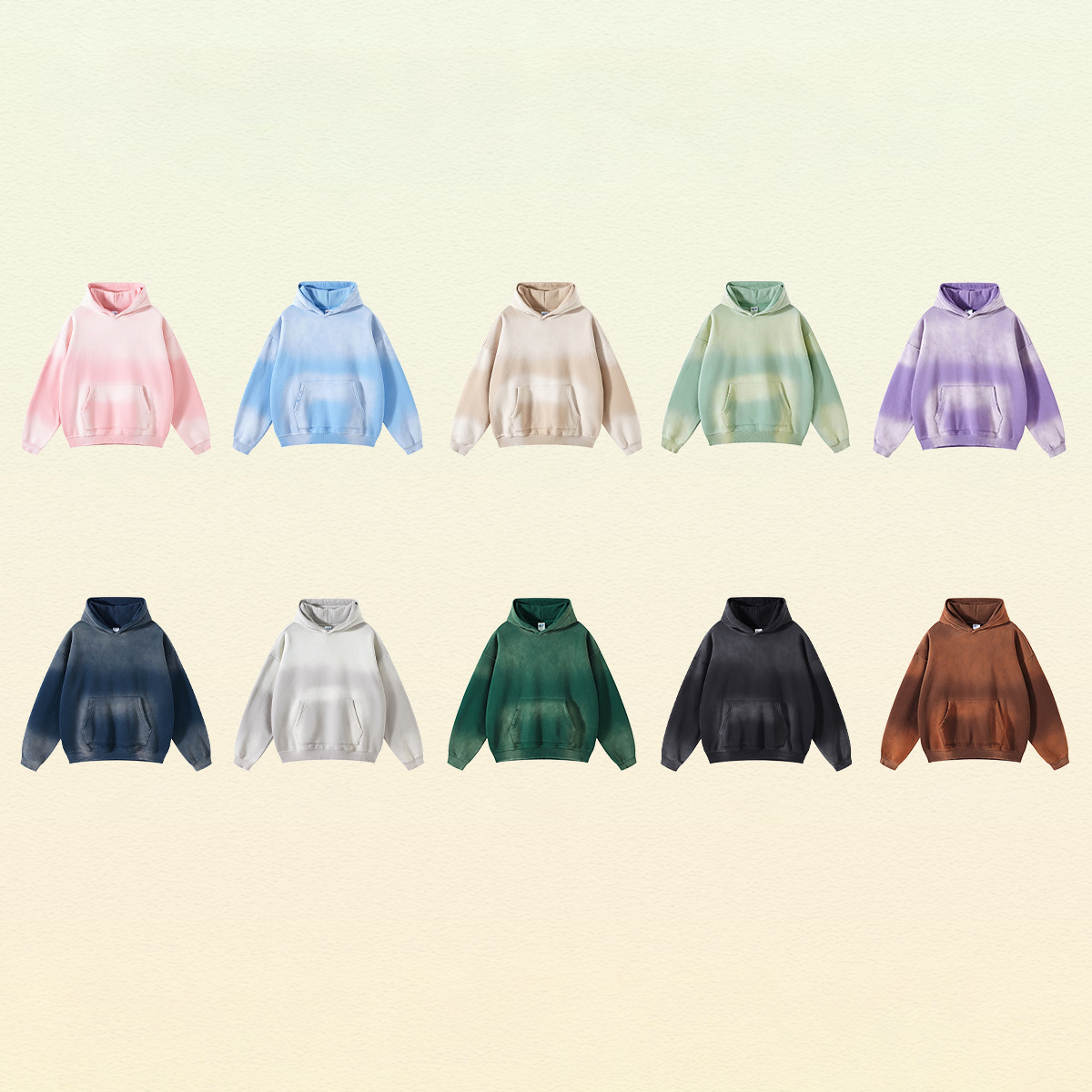
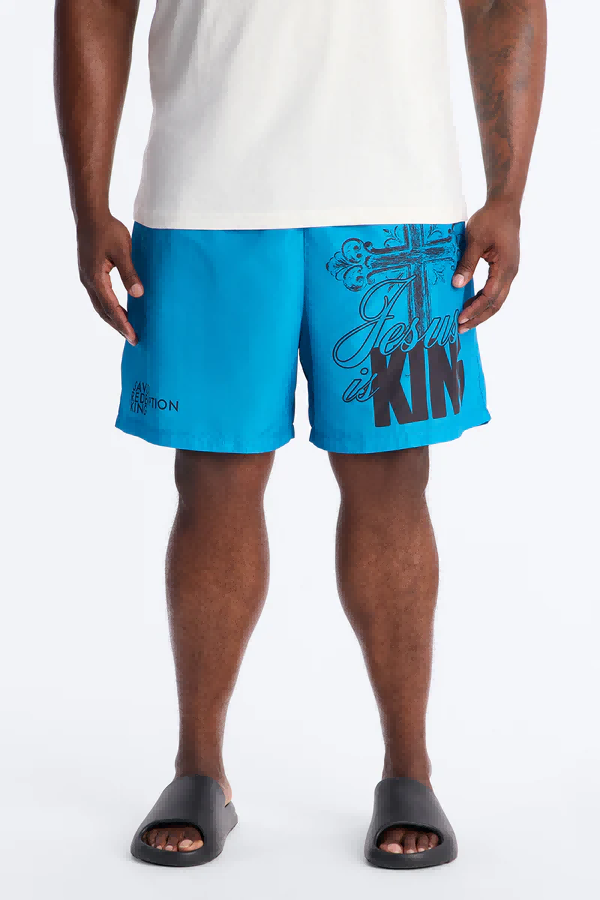
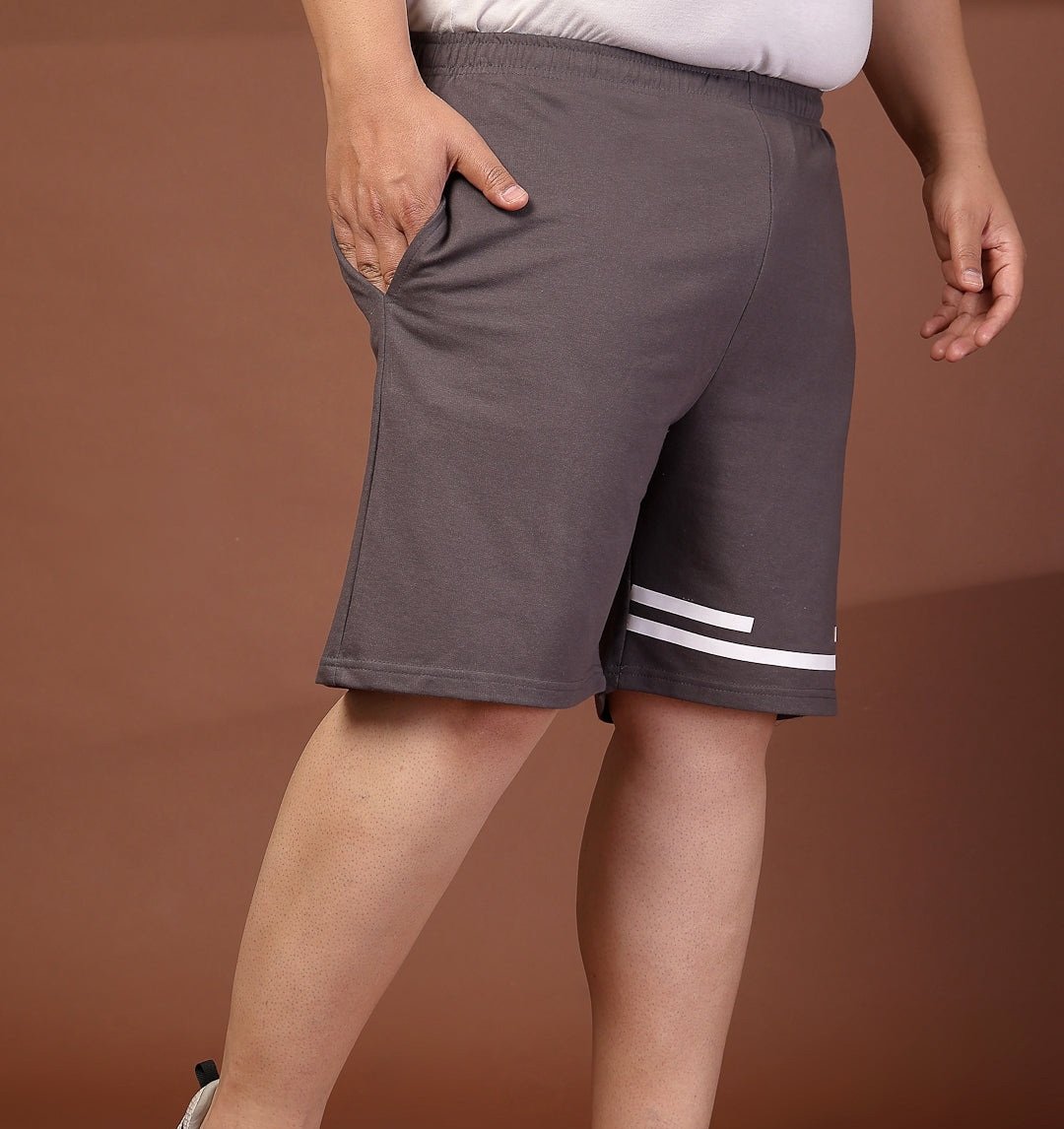
Utility Pants & Streetwear Collection Showcase
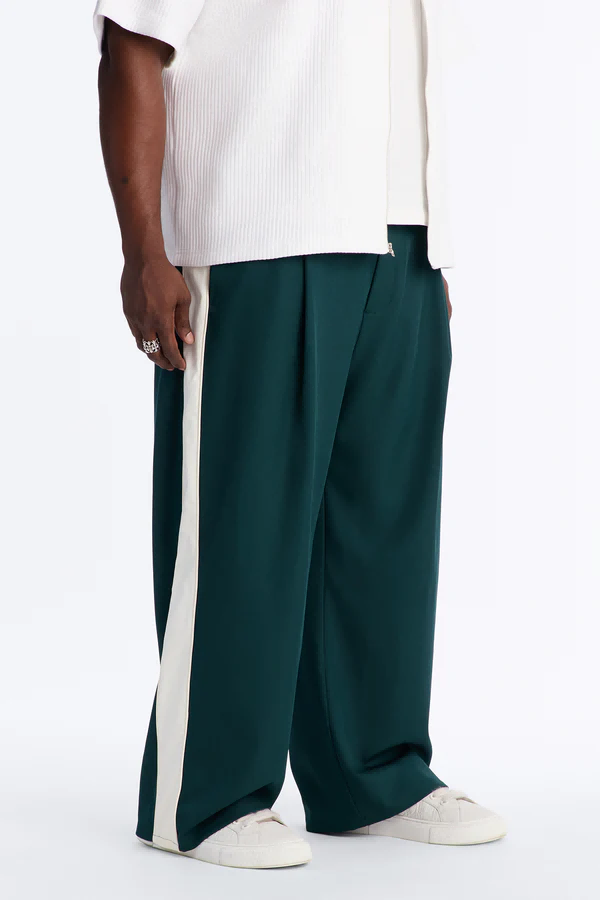
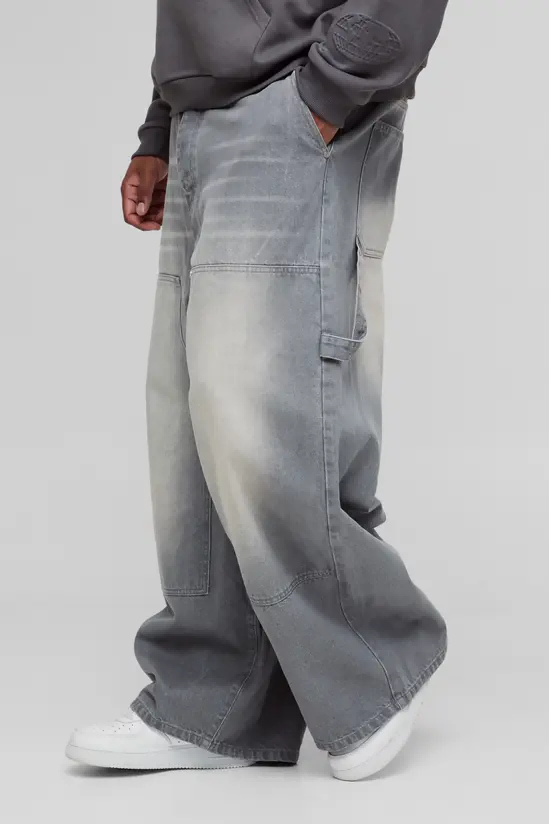
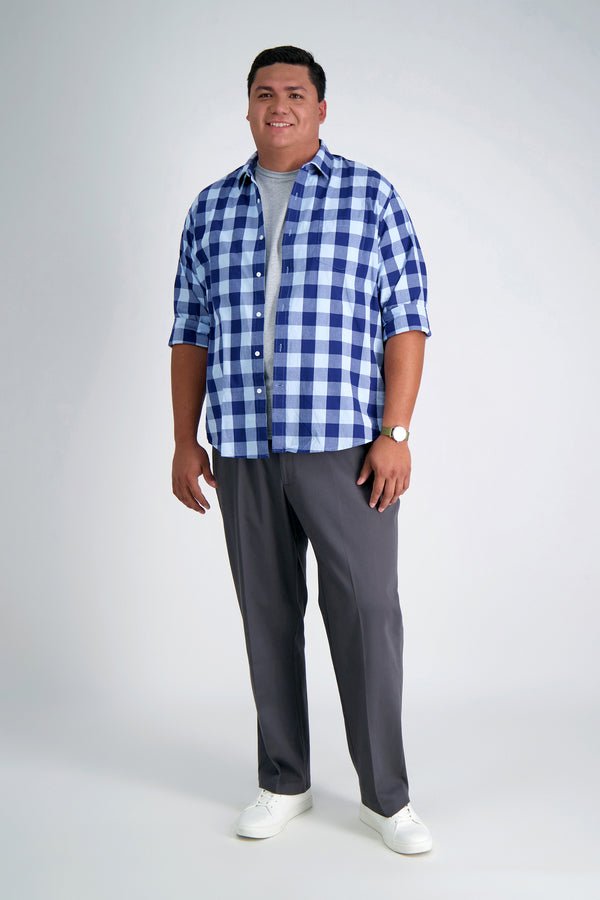
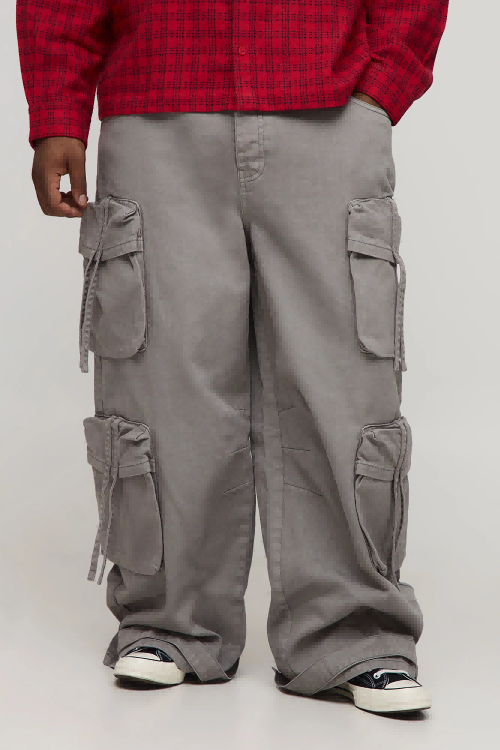
Why Brands Choose Our Utility Pants Manufacturer
From emerging streetwear labels to established retailers, our utility pants manufacturing combines premium craftsmanship with flexible minimums and rigorous quality control at every production stage.
5-Step QC Guarantee
Quality testing at materials, cutting, craft, sewing, and finished stages ensures every utility pant meets streetwear standards before shipping.
50-Piece Minimum Order
Launch your utility pants line without massive inventory risk. Perfect for fashion startups, influencer brands, and test collections.
7-Day Sample Turnaround
Rapid sampling lets you validate fit, fabric, and hardware choices before committing to full production runs for seasonal drops.
In-House Design Team
15-member R&D team translates your utility pants vision into production-ready tech packs with streetwear-specific detailing and hardware.
Streetwear Expertise Since 2019
Six years specializing in trend-driven utility pants, cargo styles, and tactical streetwear for brands across 100+ countries worldwide.
Global Shipping & Logistics
End-to-end support from Dongguan production hub to your warehouse, with customs documentation and freight coordination handled seamlessly.
Utility Pants Manufacturer Categories & Customization Options
From tactical cargo styles to oversized streetwear fits, our utility pants manufacturer expertise covers every category. Explore challenge-outcome scenarios that help you envision your branded collection.
Multi-Pocket Cargo Utility Pants
Streetwear brands struggle to source cargo pants with functional pocket configurations that maintain clean silhouettes. Generic manufacturers deliver bulky designs that sacrifice style for utility, failing to meet modern streetwear aesthetics.
Our utility pants manufacturer team engineers streamlined cargo designs with reinforced pocket structures, hidden zipper compartments, and tapered fits. Brands receive functional yet fashion-forward pieces that resonate with trend-conscious customers and drive repeat purchases.
Tactical & Techwear Utility Pants
Emerging techwear labels need technical fabrics, modular strap systems, and precision hardware but face high MOQs and quality inconsistencies. Standard factories lack expertise in advanced construction techniques required for tactical streetwear.
We produce tactical utility pants with water-resistant coatings, adjustable webbing, and military-grade hardware at 50-piece MOQs. Our 5-step QC process ensures every buckle, strap, and seam meets techwear durability standards, empowering startups to compete confidently.
Oversized & Relaxed Fit Utility Pants
Independent designers envision oversized utility pants with exaggerated proportions and unique draping, but manufacturers misinterpret pattern specs, resulting in ill-fitting samples that require costly revisions and delay seasonal launches.
Our in-house design team collaborates on pattern development for oversized silhouettes, providing digital mockups and fit samples before bulk production. Designers receive precisely proportioned utility pants that capture their creative vision and ship on schedule for drop releases.
Tapered & Slim Utility Pants
Retailers targeting urban markets need tapered utility pants that blend streetwear edge with everyday wearability, but struggle to find manufacturers who balance technical details like reinforced knees with refined, slim cuts.
We manufacture tapered utility pants combining stretch twill fabrics, articulated knees, and slim ankle cuts. Retailers receive versatile pieces that transition from street to casual, supported by our global logistics for consistent restocks across multiple regions.
Custom Dyed & Printed Utility Pants
Influencer brands want signature colorways and custom prints on utility pants to differentiate their collections, but face minimum dye-lot requirements and color-matching failures that compromise brand identity and waste budgets on unsellable inventory.
Our utility pants manufacturer offers low-MOQ custom dyeing, garment washing, and screen printing with Pantone matching. Influencer brands launch exclusive drops with consistent color accuracy, building recognizable aesthetics that convert followers into loyal customers.
Premium Fabrics from Your Utility Pants Manufacturer
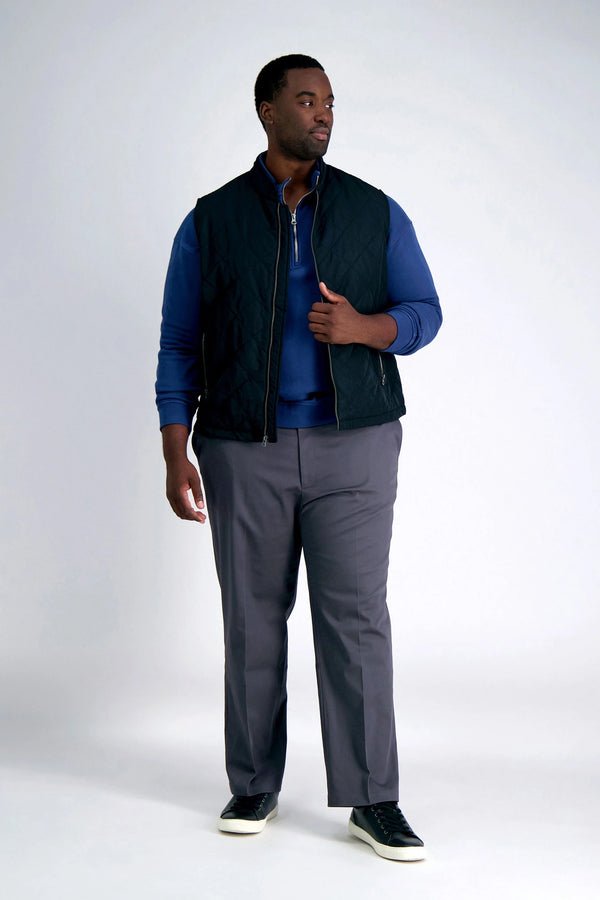
Cotton Ripstop
Lightweight, tear-resistant weave with a distinctive grid pattern. Ideal for cargo and tactical-style utility pants requiring durability without bulk. Weight: 180–220 GSM, breathable with natural hand-feel and excellent color retention.
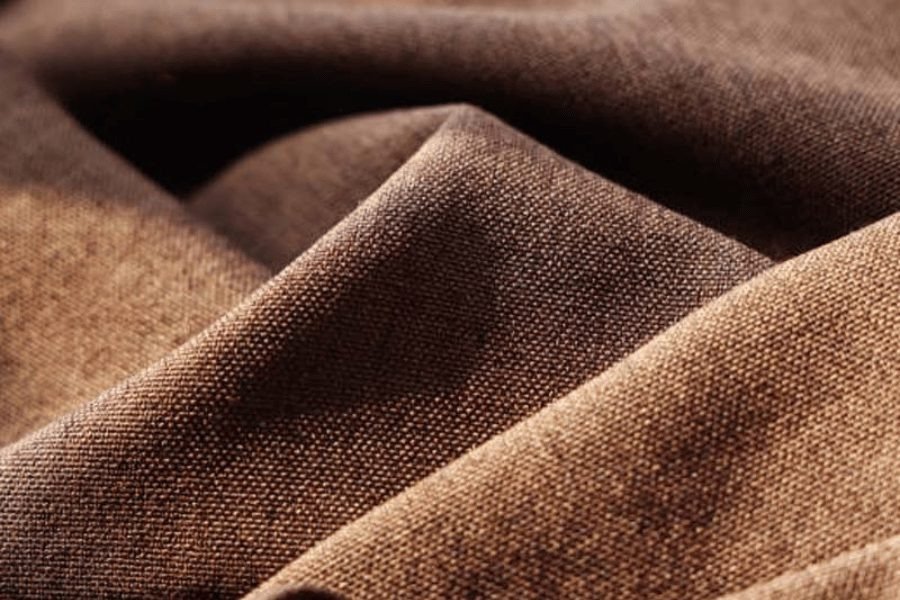
NYCO Blend
Nylon-cotton hybrid engineered for strength and comfort. Combines cotton’s breathability with nylon’s abrasion resistance, perfect for high-performance utility pants. Weight: 200–240 GSM, quick-drying with superior tensile strength.
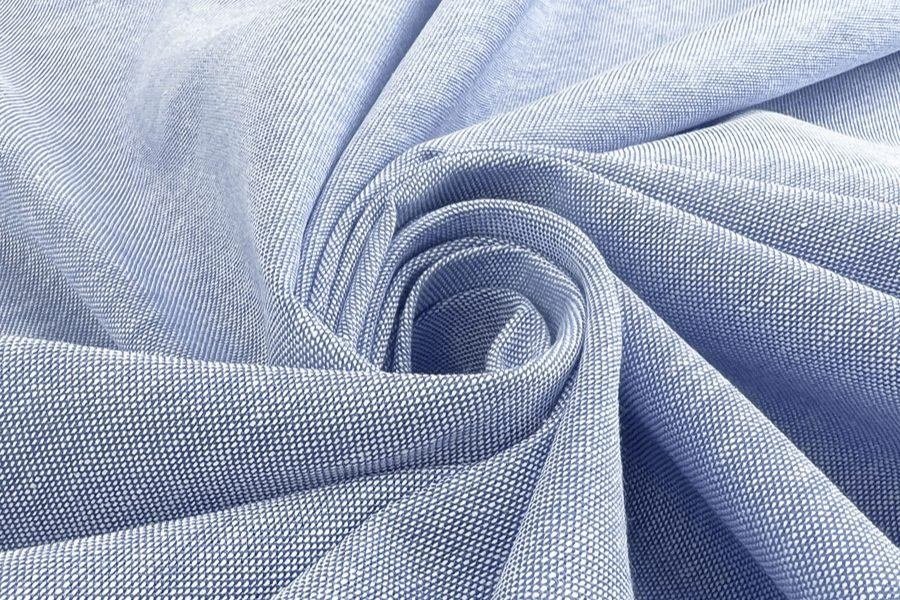
Stretch Canvas
Heavy-duty cotton-poly canvas with 2–5% spandex for mobility. Delivers classic workwear aesthetic with modern stretch comfort for active streetwear. Weight: 280–320 GSM, firm structure with four-way flex at stress points.
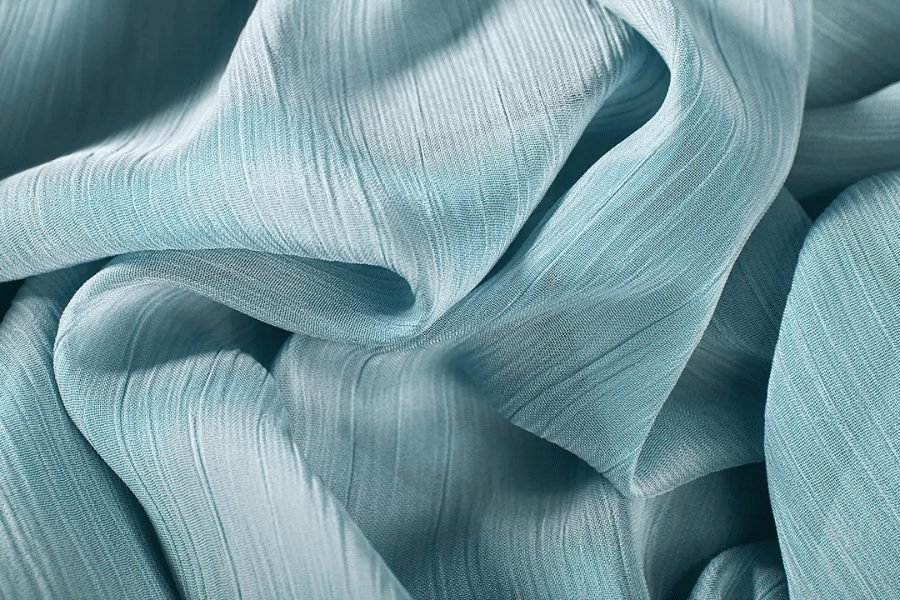
Heavyweight Twill
Diagonal-weave cotton or poly-cotton with premium drape and resilience. The go-to choice for structured utility pants with clean lines and long wear life. Weight: 260–300 GSM, smooth surface with excellent crease retention.
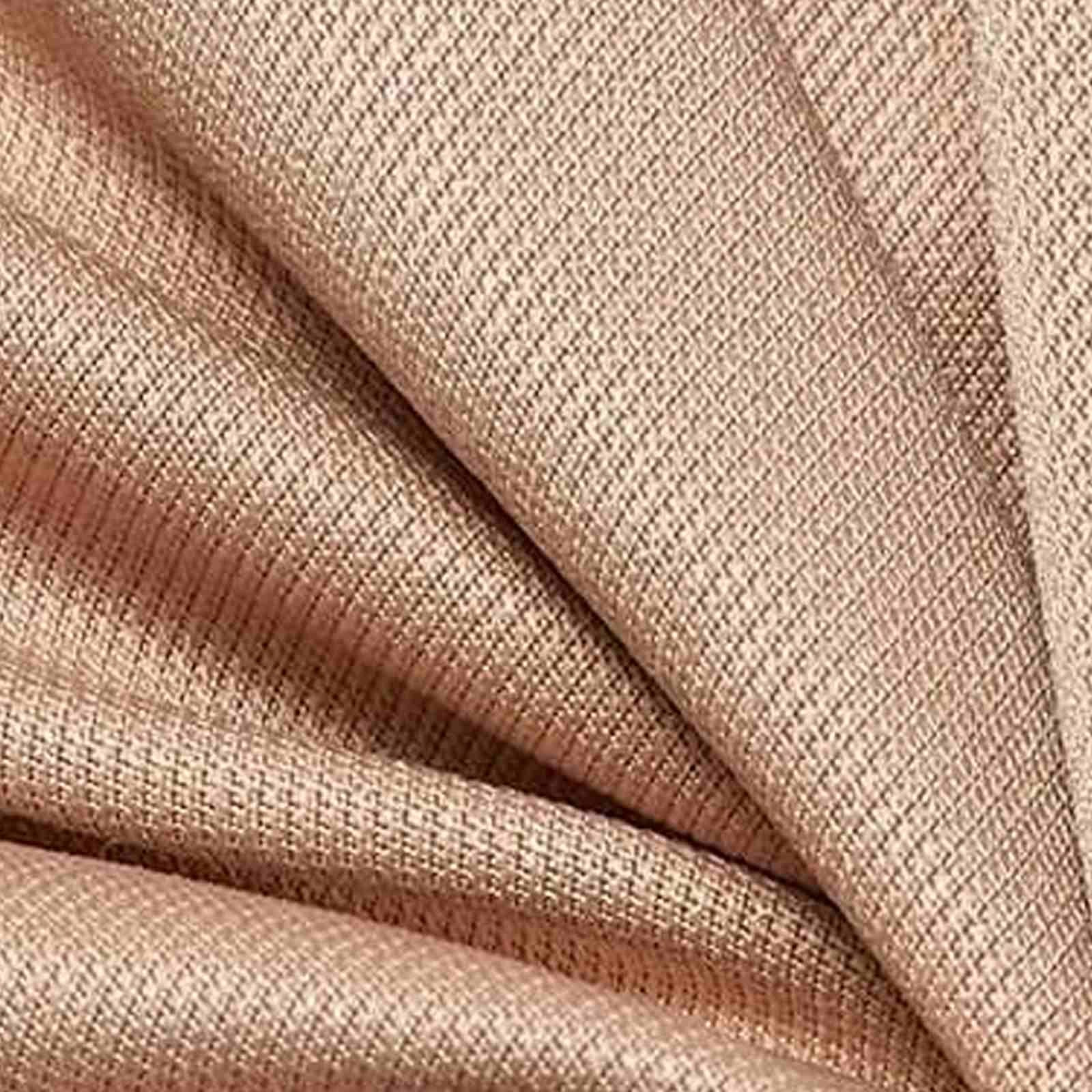
Technical Poplin
Tightly woven cotton-poly with water-repellent finish options. Lightweight yet durable for utility pants designed for urban weather and year-round wear. Weight: 160–200 GSM, crisp hand with DWR coating compatibility.
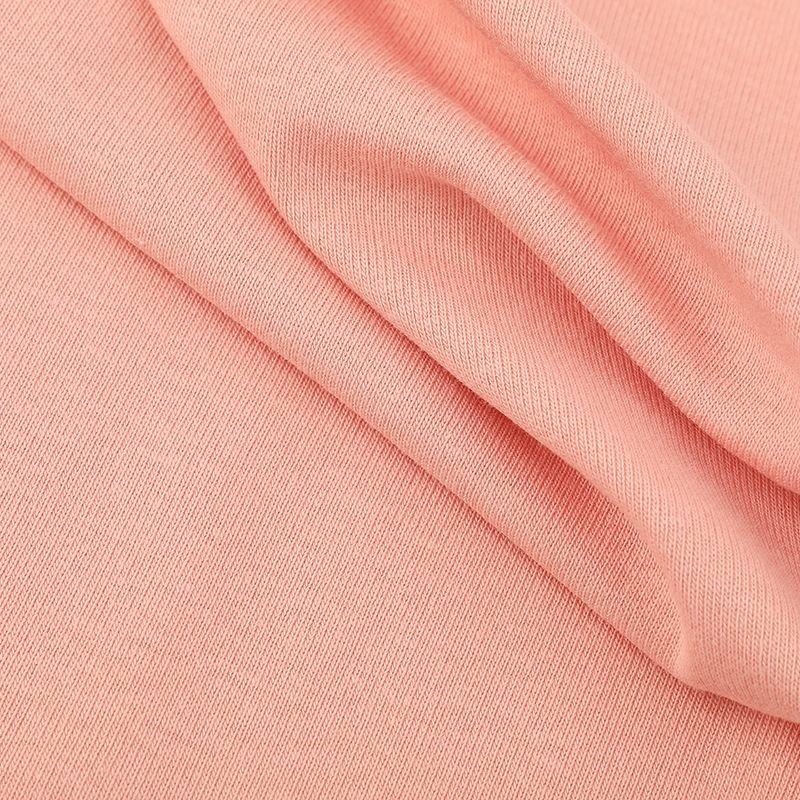
Poly-Cotton Drill
Workhorse fabric blending polyester durability with cotton comfort. Resists wrinkles and fading, ideal for utility pants requiring minimal care and maximum longevity. Weight: 240–280 GSM, robust twill construction with colorfast dyeing.
Advanced Production Techniques from Your Utility Pants Manufacturer
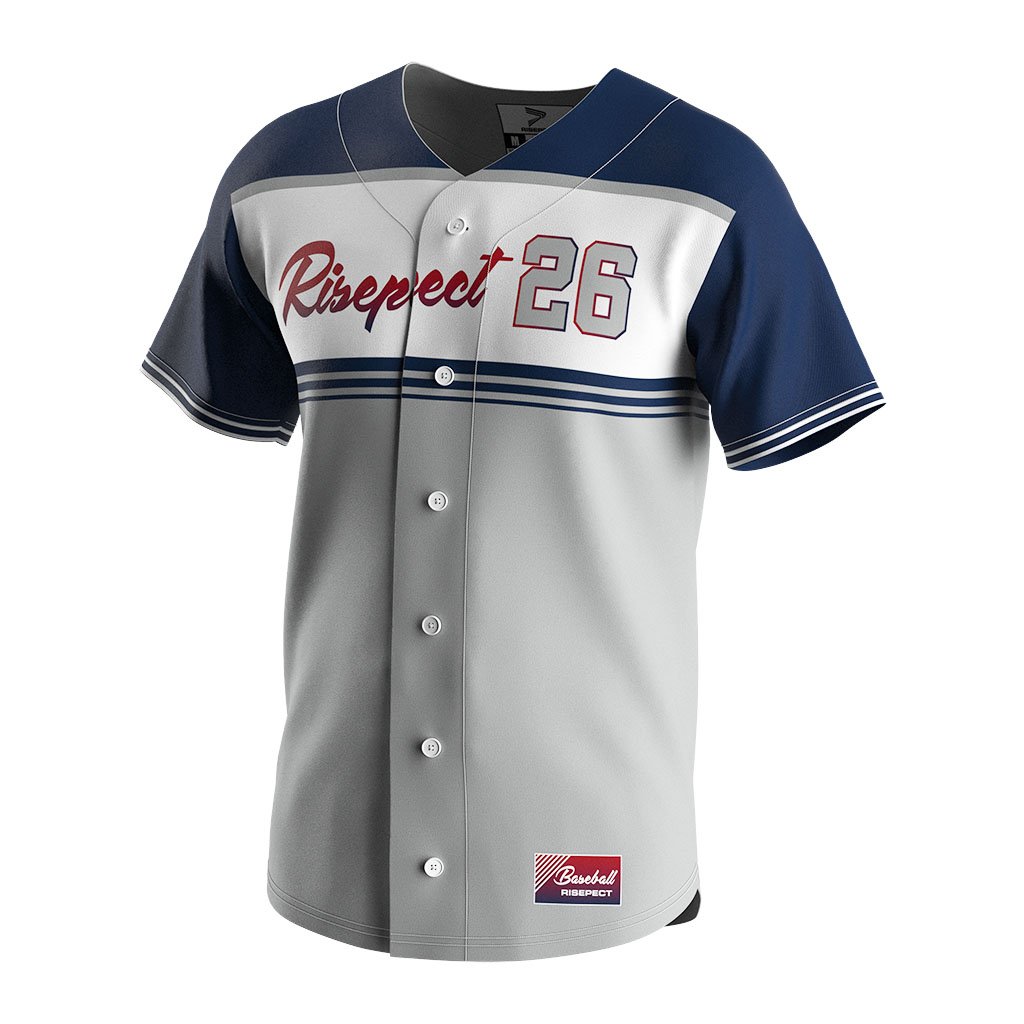
Custom Embroidery
High-density thread embroidery for logos, patches, and intricate designs on pockets, waistbands, and legs. Delivers premium texture, exceptional durability, and a tactile brand signature that withstands hundreds of washes without fading or fraying.
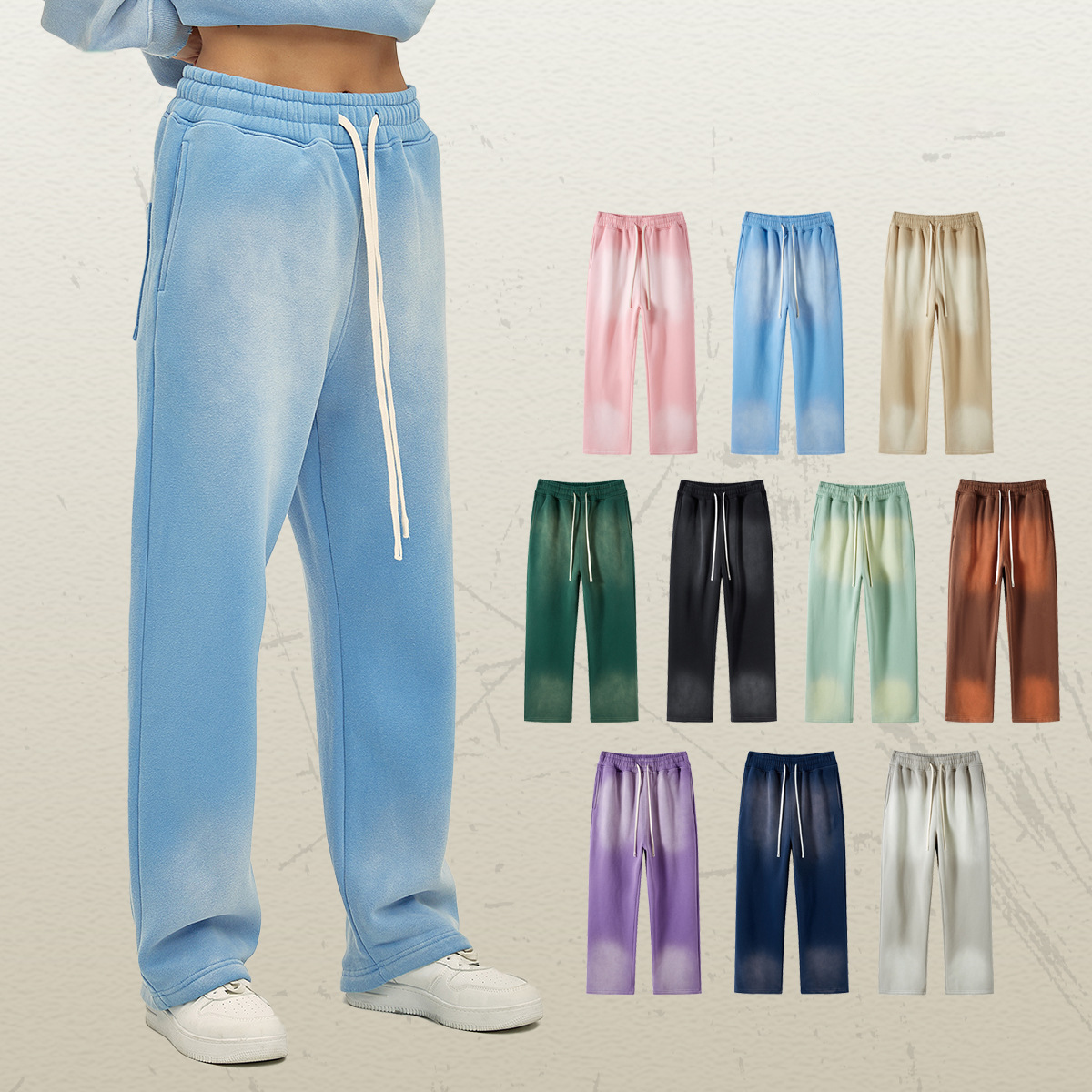
Screen Printing
Vibrant, long-lasting ink application for bold graphics, logos, and pattern elements across fabric surfaces. Ideal for large designs and repeating motifs, offering crisp detail, excellent color saturation, and wash-resistant finish for streetwear collections.
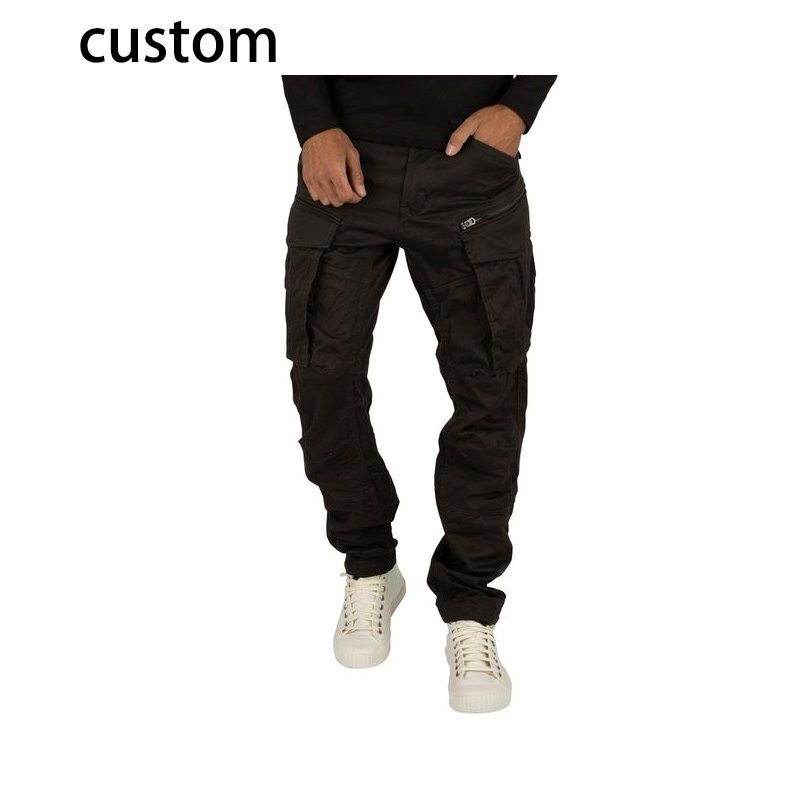
Garment Dyeing
Post-construction dyeing for unique color depth, vintage wash effects, and custom colorways unavailable through standard fabric dyeing. Creates authentic worn-in aesthetics and rich, dimensional hues that define premium streetwear utility pants.
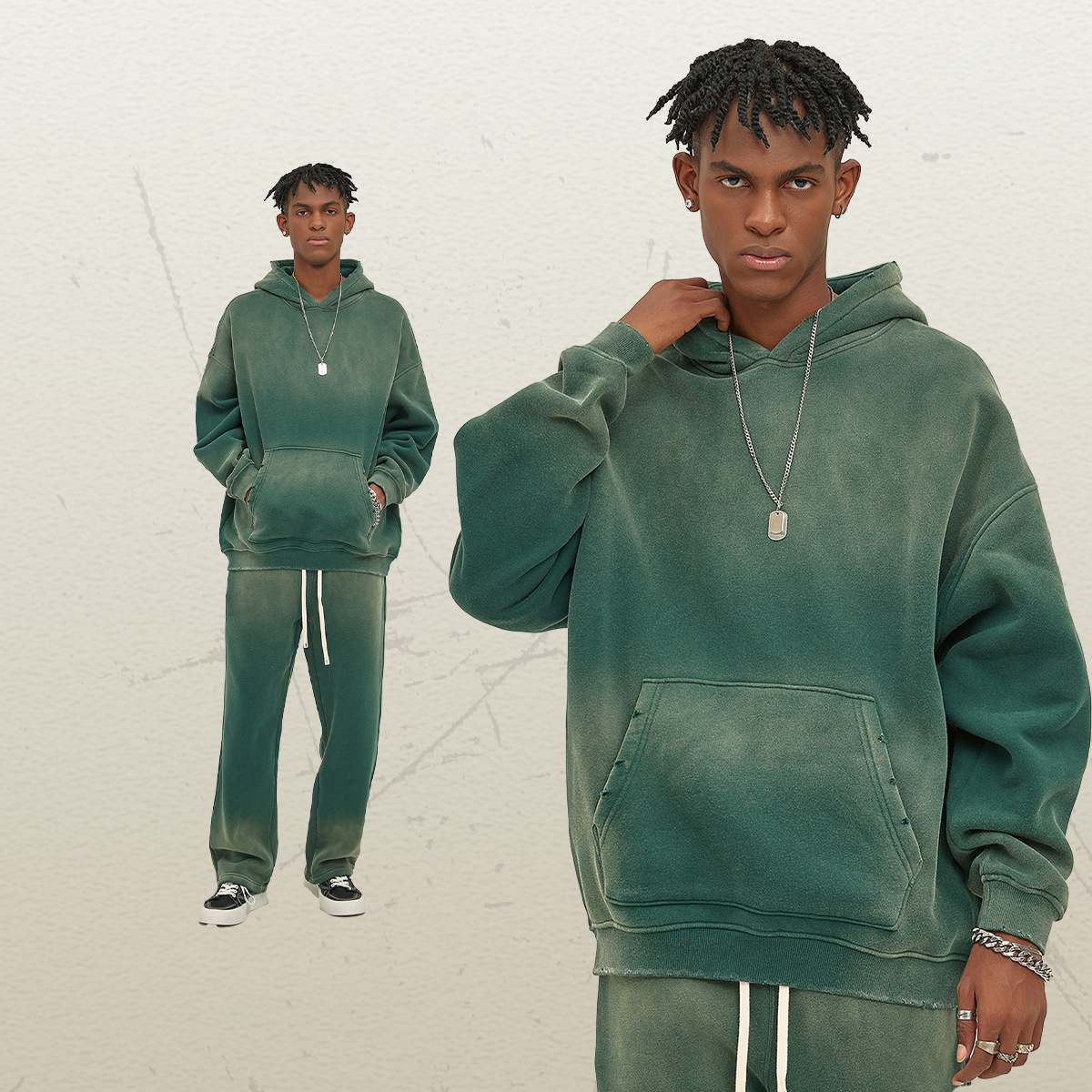
Distressing & Weathering
Controlled abrasion, fraying, and vintage treatment techniques for authentic streetwear edge. From subtle wear patterns to aggressive distressing, each piece achieves the lived-in look your brand demands while maintaining structural integrity and longevity.
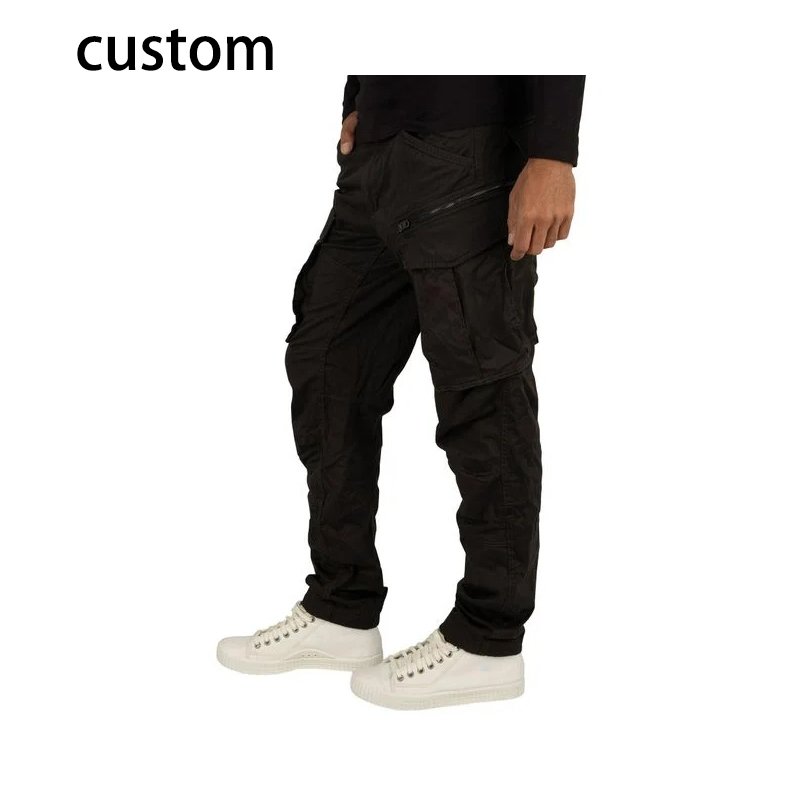
Heat Transfer Application
Precision heat-applied graphics, reflective elements, and custom patches for modern utility pants branding. Offers sharp detail on complex designs, excellent adhesion on technical fabrics, and the flexibility to incorporate reflective safety elements into streetwear aesthetics.
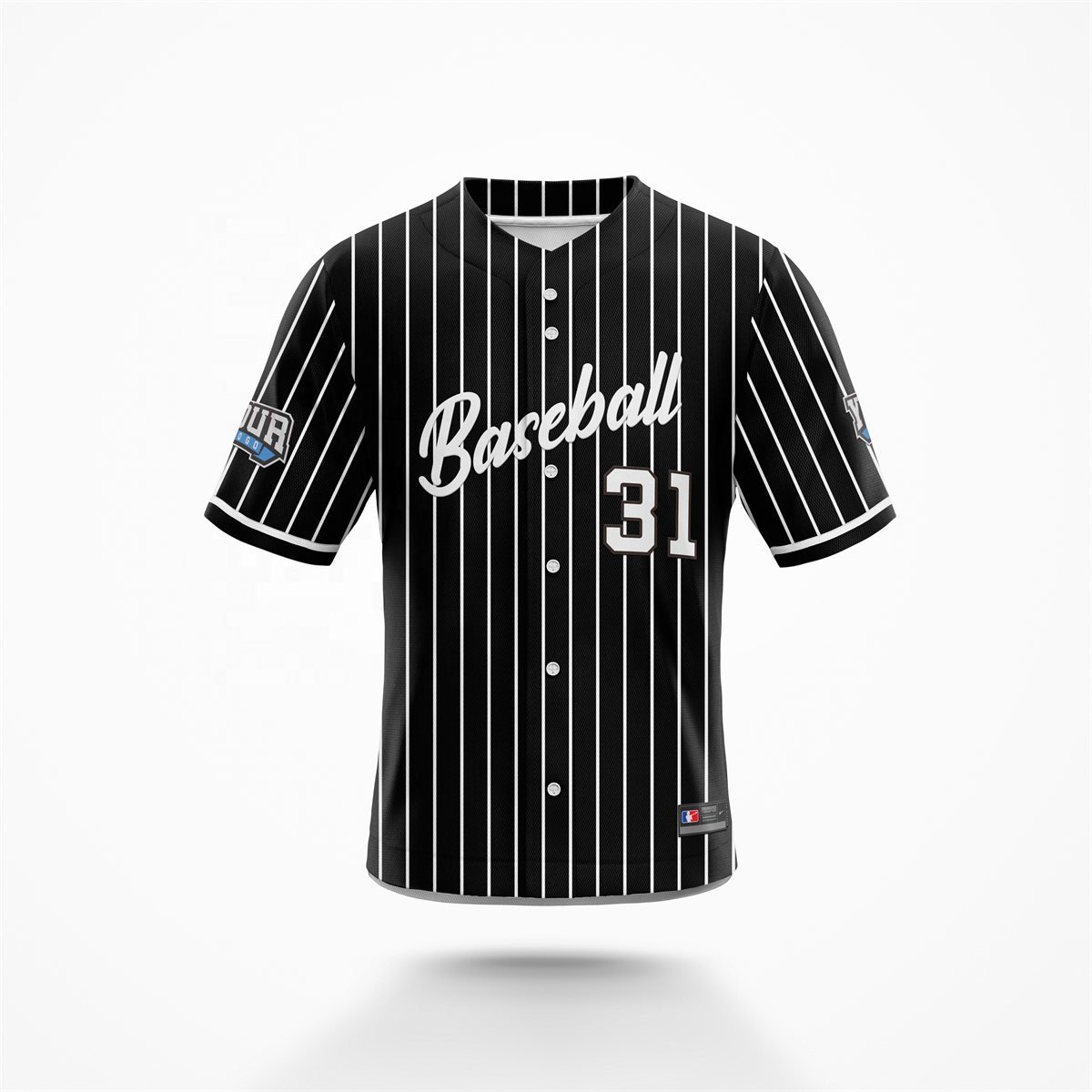
Custom Hardware Installation
Expert application of zippers, buckles, D-rings, snaps, and functional hardware that defines utility pants functionality. Our team ensures perfect alignment, reinforced stitching at stress points, and hardware selection that balances authentic utility with contemporary streetwear design.
Hardware & Accessories for Utility Pants Manufacturer Customization
YKK Zippers
Premium-grade YKK zippers for cargo pockets, fly closures, and decorative details. Engineered for smooth operation and long-lasting durability, these zippers withstand heavy use while maintaining a polished streetwear aesthetic on utility pants.
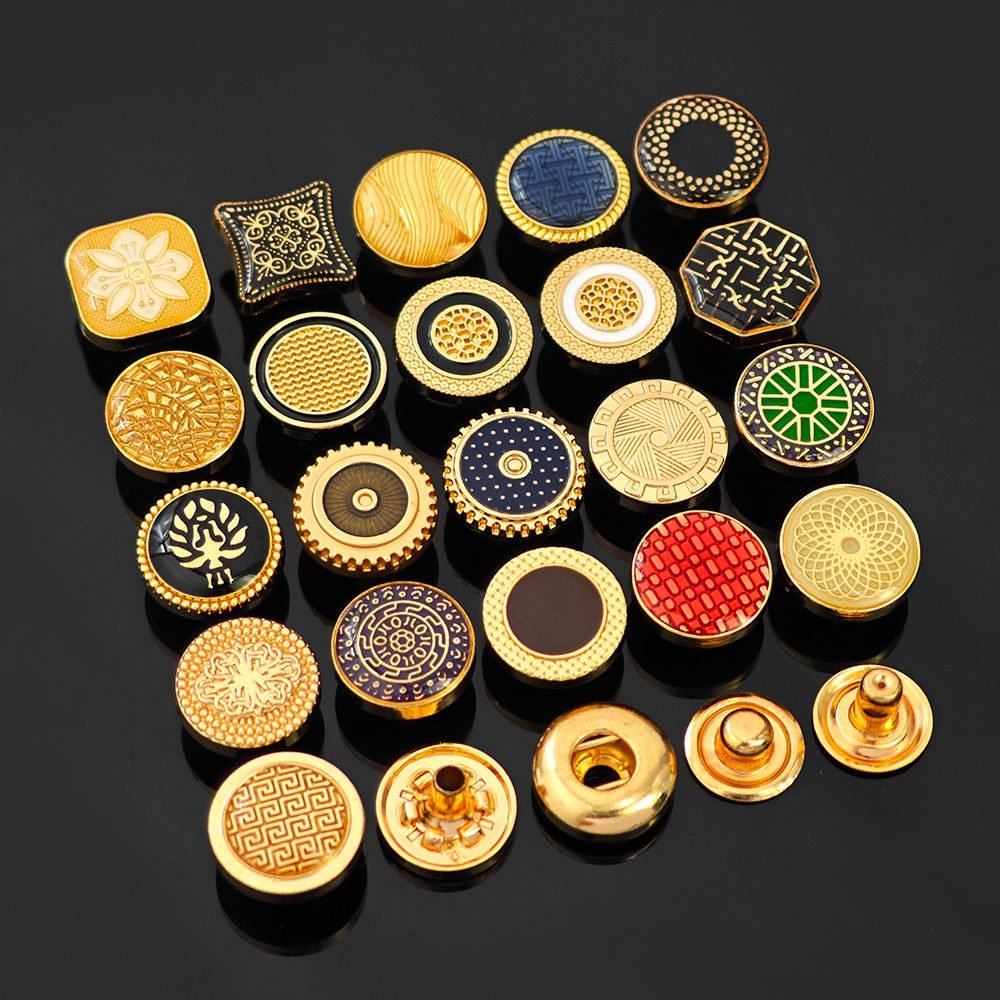
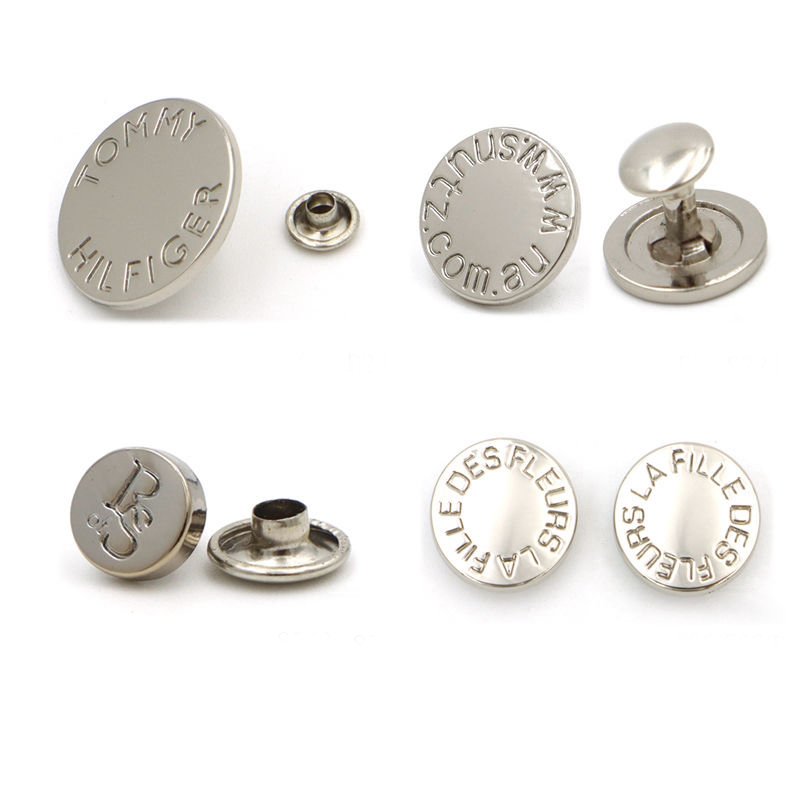
Metal Snap Buttons
Heavy-duty snap buttons for waistband adjustments, pocket closures, and functional accents. Available in gunmetal, brass, and custom finishes, these snaps add tactical styling while ensuring secure closure on high-wear utility pant details.
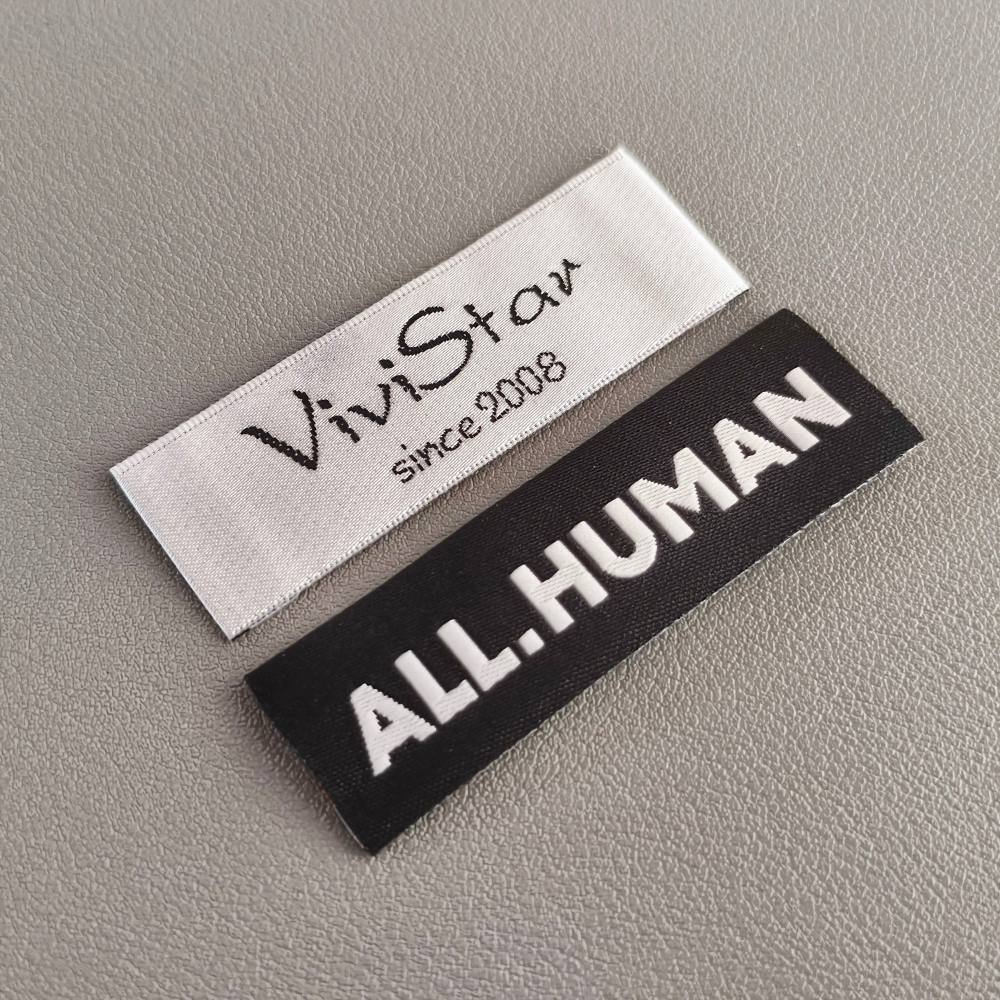
Woven Brand Labels
Custom woven labels featuring your brand logo and care instructions. Precision-woven with fade-resistant thread, these labels reinforce brand identity on every garment and communicate professionalism to your customers wearing utility pants.
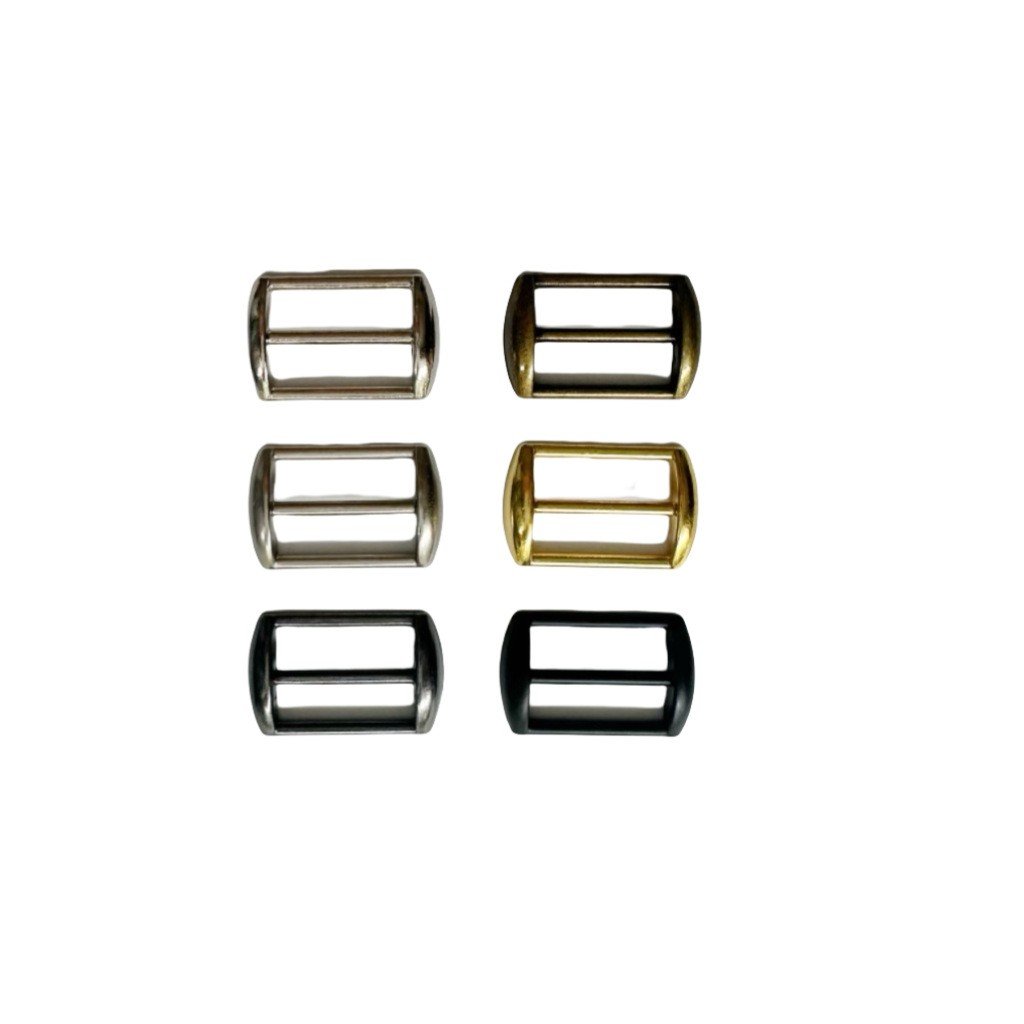
D-Rings & Hardware
Functional metal D-rings, carabiners, and utility clips for authentic tactical styling. These hardware elements add versatility to cargo pockets and belt loops, enabling wearers to attach accessories while enhancing the utilitarian aesthetic.
Drawcords & Tipping
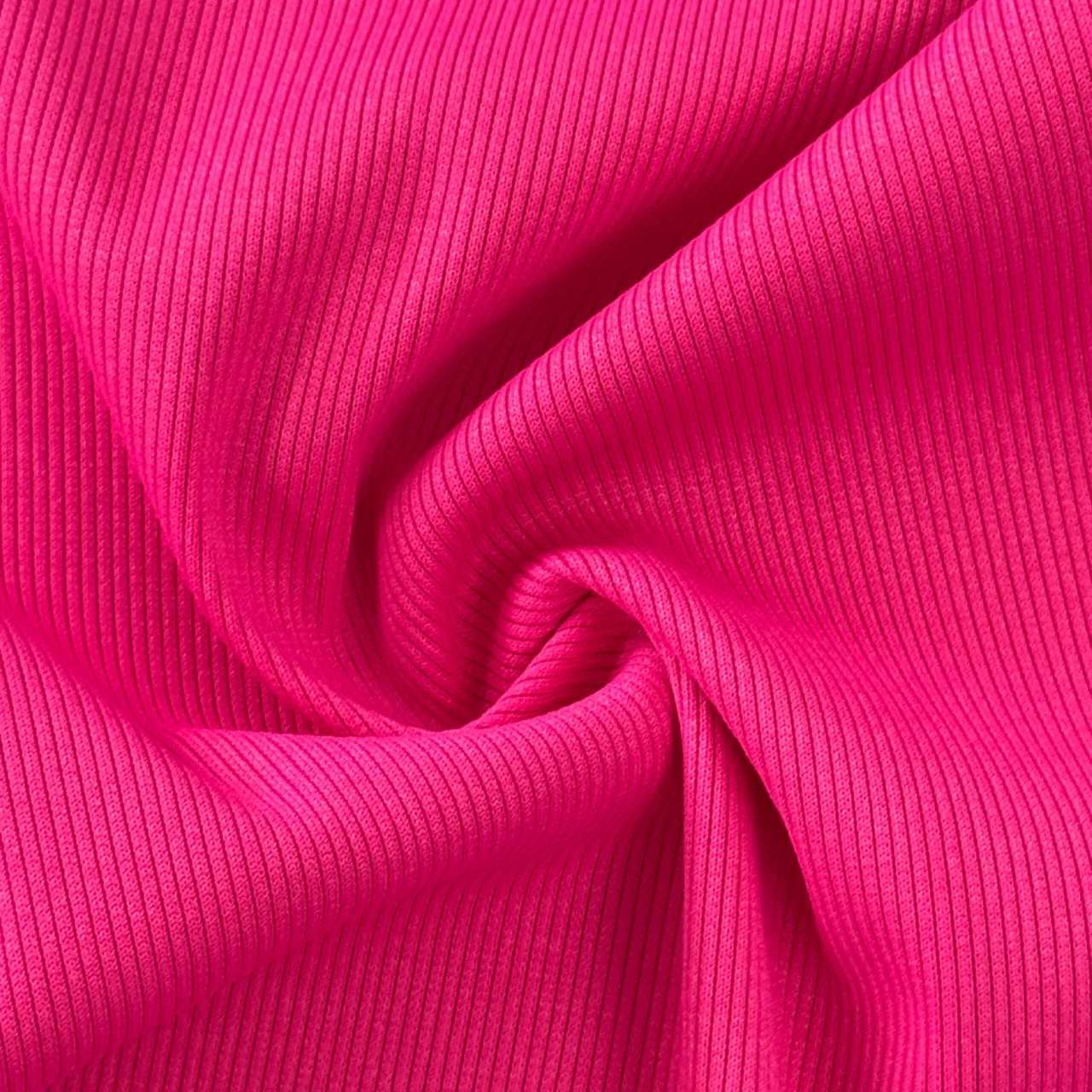
Adjustable drawcords with custom-tipped ends for waistbands, ankle cuffs, and cargo pocket cinches. Available in contrast colors and branded aglets, these functional details enable fit customization while reinforcing your streetwear design language.
Metal Rivets
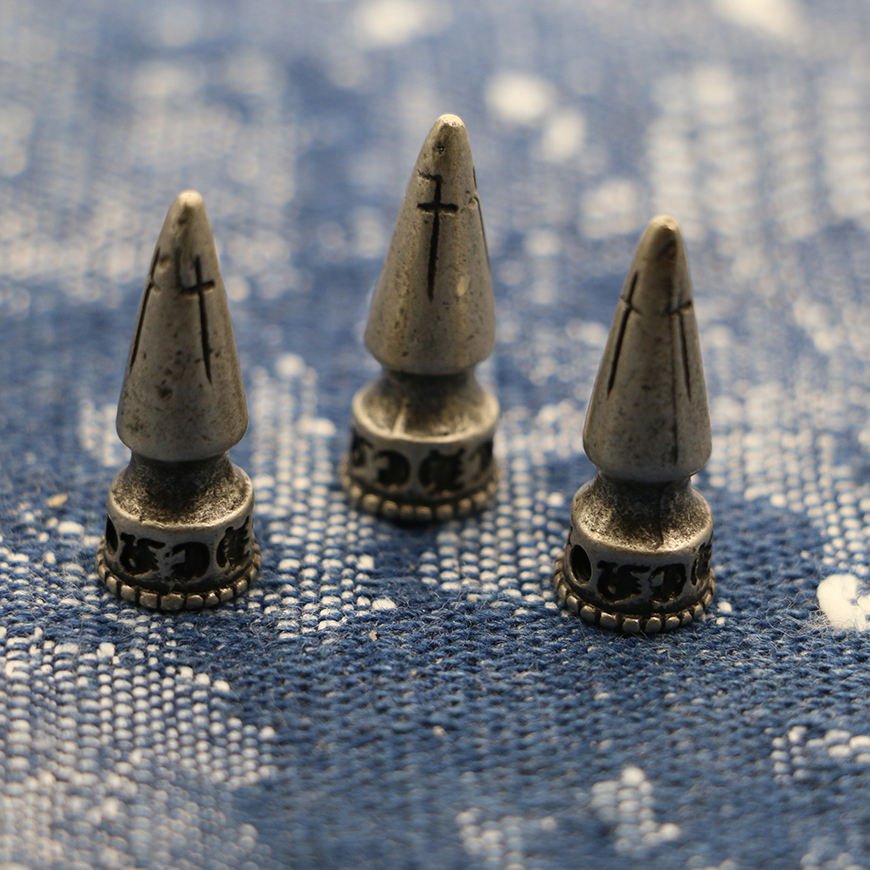
Reinforced metal rivets for high-stress areas including pocket corners, belt loops, and seam junctions. These industrial-grade fasteners prevent tearing and add authentic workwear-inspired detailing that defines quality utility pants construction.
Your Trusted Utility Pants Manufacturer
Clothing Manufacturer Ltd. was founded in 2024 by Tesla Luo, who grew up immersed in garment production through his parents’ senior roles in apparel manufacturing. From childhood factory rotations through cutting, sewing, and quality control to managing international streetwear brands, Luo gained comprehensive expertise across every production stage. His mission: restore the reputation of Chinese manufacturers by eliminating low-quality output through rigorous testing at every step.
Since 2019, Luo and his team have served over 1,000 clients across 100+ countries, helping emerging brands and influencers scale from zero to tens of thousands of followers. With 15 R&D specialists, 10 patents, and a proprietary five-step quality control process, we deliver premium utility pants and streetwear with zero compromise. Our expertise spans trend-driven design, technical construction, and transparent communication tailored to startups and established labels alike.
As a utility pants manufacturer, we combine a decade of craftsmanship with low 50-piece MOQs, fast turnaround for seasonal collections, and global logistics support. Every garment undergoes materials testing, cutting inspection, craft verification, sewing checks, and finished-product QC before shipment. We partner with streetwear brands, independent designers, and retailers who demand quality, reliability, and a manufacturer they can trust to bring their vision to life.
Our Signature 5-Step Quality Control Process
Materials QC Testing — Every Fabric Inspected
Before cutting begins, our utility pants manufacturer team inspects every fabric roll for color consistency, weight accuracy, and defect-free surfaces. This first checkpoint prevents flawed materials from entering production, saving time and ensuring your streetwear meets premium standards from the start.
- Color matching verified against approved samples and Pantone standards
- Fabric weight and stretch properties tested for spec compliance
- Surface inspection for snags, stains, or weaving defects before cutting
- Documented material certificates and test reports for full traceability
Cutting QC Testing — Precision Pattern Accuracy
After materials pass inspection, our cutting team verifies pattern alignment, grain direction, and piece dimensions. Each utility pants component is measured against technical specifications to guarantee consistent sizing and fit across every unit in your order, eliminating costly remakes.
- Pattern placement checked to optimize fabric usage and match stripes or prints
- Grain alignment confirmed for proper drape and durability in finished pants
- Piece-by-piece dimension verification using digital measuring tools
- Batch sampling to catch and correct cutting variances immediately
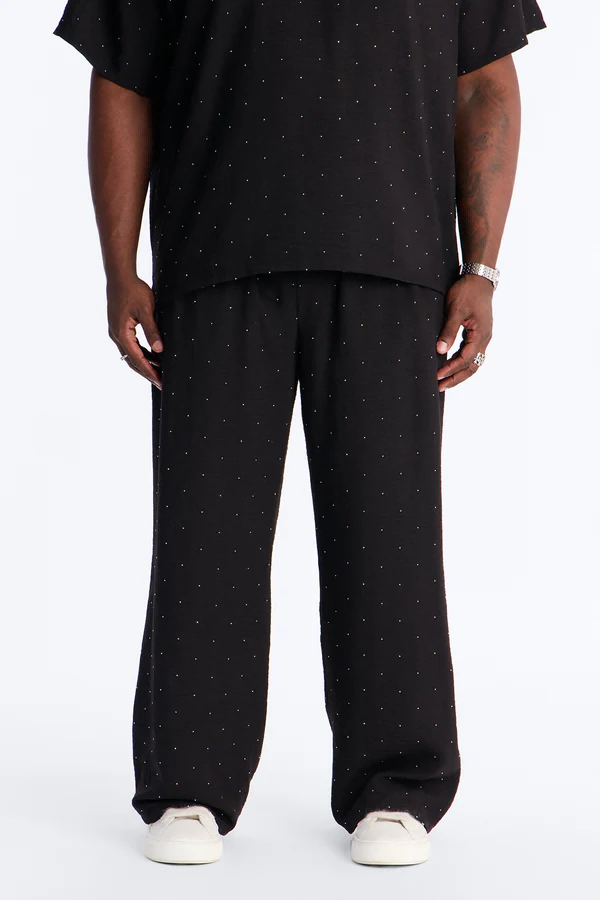
Craft & Sewing QC — In-Process Quality Checkpoints
Unlike factories that skip mid-production checks, our utility pants manufacturer conducts dual inspections during assembly. Craft QC reviews stitching techniques and seam strength, while sewing QC monitors thread tension, topstitching alignment, and hardware attachment at each workstation to catch defects before they multiply.
- Seam strength tested at stress points including pockets, waistbands, and cargo flaps
- Stitch density and thread tension monitored for durability and clean finish
- Hardware placement and reinforcement verified for zippers, snaps, and D-rings
- Real-time corrections at each station prevent defective pieces from advancing
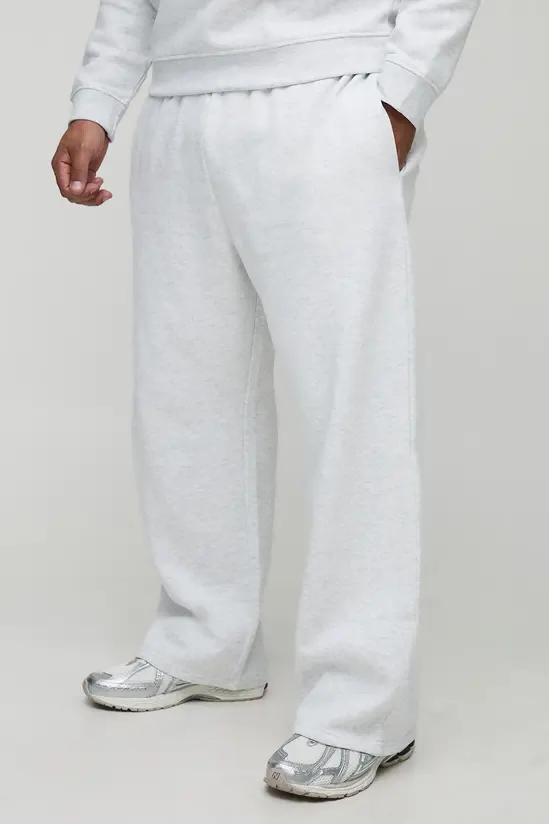
Finished Clothing Quality Inspection — Final Validation
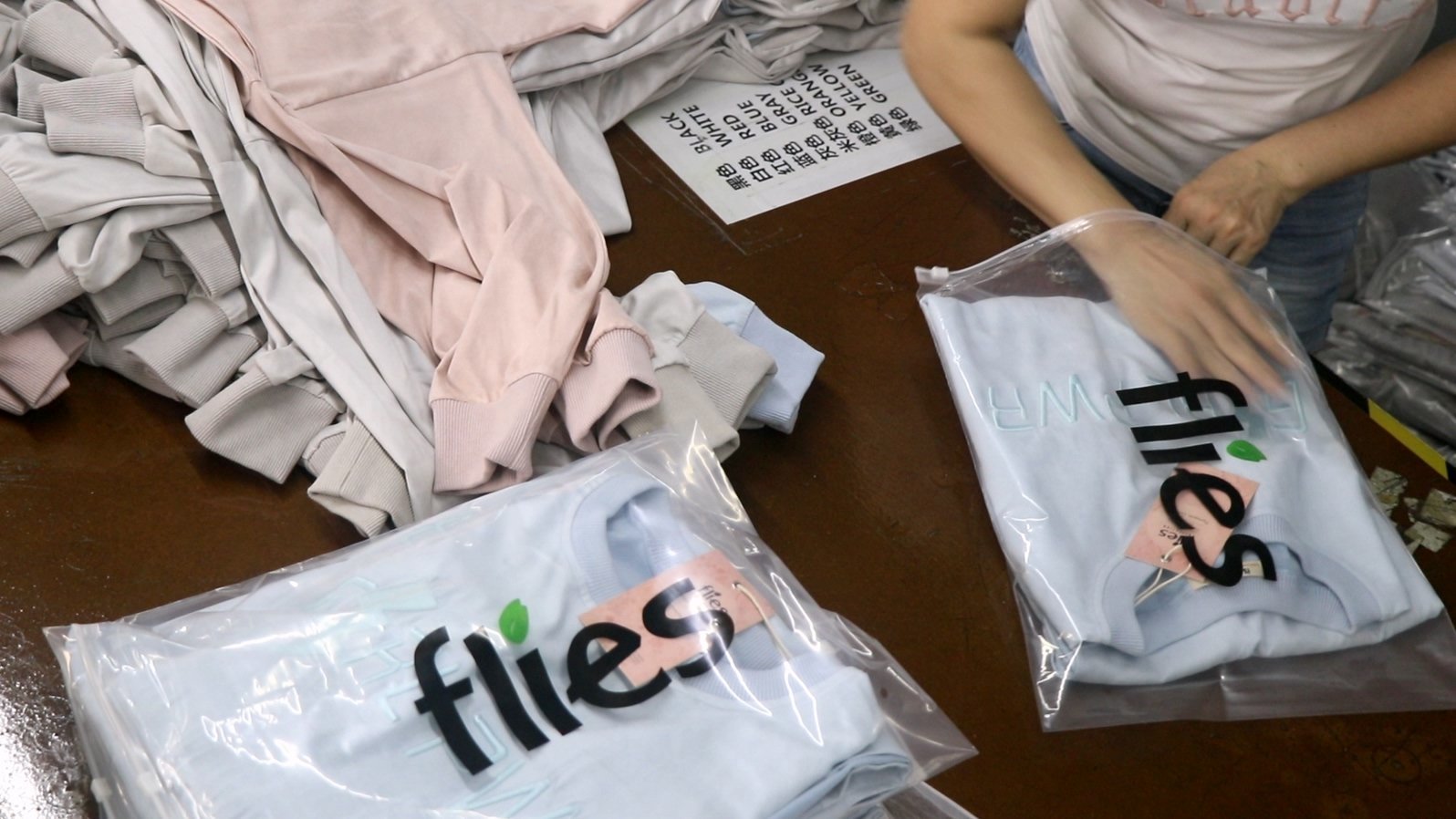
Every completed utility pant undergoes a comprehensive final inspection covering measurements, appearance, functionality, and packaging readiness. This last checkpoint ensures only garments that meet our zero-compromise standard reach your customers, protecting your brand reputation and reducing returns.
- Full measurement audit of waist, inseam, rise, and leg opening against tech pack
- Visual inspection for loose threads, stains, or finishing imperfections
- Functional testing of all zippers, buttons, drawstrings, and adjustable features
- Proper folding, tagging, and packaging verified before shipment approval
Utility Pants Manufacturer vs. Standard Suppliers
Not all manufacturers are created equal. See how our streetwear-focused approach, rigorous quality control, and transparent processes deliver superior utility pants compared to typical low-cost suppliers who cut corners.
← 左右滑动查看 →
Utility Pants Manufacturer Production Workflow — From Design to Delivery
Our transparent 6-phase process ensures every utility pants order meets streetwear standards, with quality checks embedded at every stage from initial sampling to final shipment.
Design & Sampling
Our 15-member R&D team creates tech packs, develops patterns, and produces samples for approval, refining fit and details until your vision is perfect.
Fabric Sourcing & Inspection
We source premium utility pants fabrics—ripstop, cotton twill, canvas—and conduct materials QC testing to verify weight, durability, and colorfastness standards.
Cutting & Pre-Production QC
Precision cutting follows approved patterns, with cutting QC testing ensuring accurate measurements and alignment before pieces move to the sewing floor.
Sewing & In-Line Quality Control
Skilled operators assemble utility pants with reinforced stitching and hardware attachment, while sewing production QC testing catches defects in real time.
Finishing & Final Inspection
Garments undergo ironing, labeling, and finished clothing quality QC inspection to verify fit, stitching integrity, hardware function, and overall streetwear aesthetics.
Packing & Global Shipping
Approved utility pants are carefully packed per your specifications and shipped worldwide with full logistics support, tracking, and customs documentation assistance.
How to Order Custom Utility Pants from Our Manufacturer — 4 Simple Steps
From concept to delivery, our streamlined process ensures your utility pants meet every specification with zero compromise on quality.
Submit Your Tech Pack or Design
Share your utility pants specifications, sketches, or tech pack with our team. No design yet? Our 15-member R&D team can develop custom concepts tailored to your brand vision.
Receive Quote and Sample
Within 48 hours, we’ll provide a detailed quote and production timeline. Approve pricing, and we’ll create a pre-production sample using your exact fabrics and hardware specifications.
Approve Production and QC
Once you approve the sample, bulk production begins with our proprietary 5-step quality control process embedded at every stage—materials, cutting, craft, sewing, and final inspection.
Receive Bulk Shipment Worldwide
Your finished utility pants are packed, inspected, and shipped globally with full logistics support. Track every milestone from our facility in Dongguan to your warehouse door.
Certified Utility Pants Manufacturer with Global Quality Standards
Utility Pants Manufacturer Trusted by Streetwear Brands Worldwide
We launched our first utility pants collection with Clothing Manufacturer Ltd. and grew from 0 to 47,000 Instagram followers in 8 months. Their 5-step QC process meant zero defects in our first 500-piece order.
As an influencer brand, timing is everything. This utility pants manufacturer delivered three seasonal collections on schedule with a 50-piece MOQ that let us test designs before scaling. Quality exceeded our LA-based competitors.
Their in-house team nailed our cargo utility pants with custom hardware on the first sample. We’ve reordered 12 times in 18 months with consistent quality and a 98% on-time delivery rate. Game changer for our startup.
FAQ — Utility Pants Manufacturing & Ordering
What is the minimum order quantity for a utility pants manufacturer?
How long does it take to receive samples from your utility pants manufacturer?
Do you charge for utility pants samples and are fees refundable?
What customization options does your utility pants manufacturer offer?
What payment terms do you offer for bulk utility pants orders?
How do you protect my designs and intellectual property?
What is the production lead time for bulk utility pants orders?
Do you handle international shipping and what are typical delivery times?
What quality guarantees does your utility pants manufacturer provide?
The Complete Buyer’s Guide to Choosing a Utility Pants Manufacturer
Navigate the sourcing landscape with confidence. This guide delivers a proven decision framework, essential supplier criteria, quality benchmarks, and the most common mistakes to avoid when partnering with a utility pants manufacturer for your streetwear or fashion brand.
1. What Is a Utility Pants Manufacturer?
A utility pants manufacturer specializes in producing multi-pocket, functional bottoms that blend workwear-inspired construction with contemporary streetwear aesthetics, distinguishing itself from general apparel factories through expertise in technical pattern-making, reinforced stitching, and hardware integration. Unlike standard garment producers who handle basic cuts and silhouettes, a dedicated utility pants manufacturer masters the engineering of cargo pockets, drawstring systems, articulated knees, modular straps, and zipper placements that define the utility category. Clothing Manufacturer Ltd., founded in 2024 with over 10 years of production experience and 6 years of streetwear specialization, exemplifies this focused approach by combining deep knowledge of streetwear design elements with rigorous quality control at every production stage.
These manufacturers bring value to fashion startups, independent designers, and streetwear brands by offering technical construction capabilities that general factories often lack—such as bartack reinforcement on stress points, YKK hardware sourcing, and pattern development for complex pocket configurations. A proprietary five-step quality control methodology introduced on February 12, 2025, ensures materials QC testing, cutting QC testing, clothing craft QC testing, sewing production QC testing, and finished clothing quality inspection occur throughout the workflow rather than only at final packing. This systematic approach addresses the industry-wide problem of skipping mid-production checks, which compromises durability and finish quality in functional garments.
For brands launching utility pant lines, partnering with a specialized manufacturer means access to trend-forward design consultation, fabric selection guidance for ripstop and canvas weights, and scalable production from prototype runs to bulk orders across global markets.
2. Evolution of Utility Pants in Streetwear and Fashion
Utility pants trace their lineage to 1938, when the U.S. military introduced cargo-pocket trousers for paratroopers who needed accessible storage for maps, ammunition, and field gear. By the 1960s, workwear brands adopted reinforced multi-pocket designs for construction and industrial applications, establishing the core silhouette of thigh pockets, reinforced knees, and durable cotton twill that defines the category today.
Streetwear culture embraced utility pants during the mid-1990s as hip-hop artists and skateboarders gravitated toward oversized silhouettes and functional design. Brands began reinterpreting military surplus aesthetics with baggy fits, contrast stitching, and bold colorways, transforming utilitarian workwear into a statement of urban identity. The style peaked in the early 2000s, when cargo pockets and tactical details became synonymous with street fashion across North America, Europe, and Asia.
Since 2015, utility pants have re-emerged in premium streetwear collections with technical fabrics, tapered cuts, and modular pocket systems that blend heritage workwear with contemporary tailoring. Today’s utility pants manufacturer produces styles ranging from classic six-pocket cargos in ripstop nylon to slim-fit tactical joggers with hidden zipper compartments, catering to brands that value both heritage authenticity and modern innovation. The enduring appeal lies in the balance of form and function—utility pants deliver practical storage and rugged construction while serving as a canvas for the graphic elements, color-blocking, and oversized branding that define current streetwear trends.
3. Types of Utility Pants Manufacturers Produce
A utility pants manufacturer typically produces five core categories, each defined by silhouette, pocket layout, and fabric choice. Understanding these distinctions helps brands select styles that match their positioning and customer expectations.
Cargo Pants
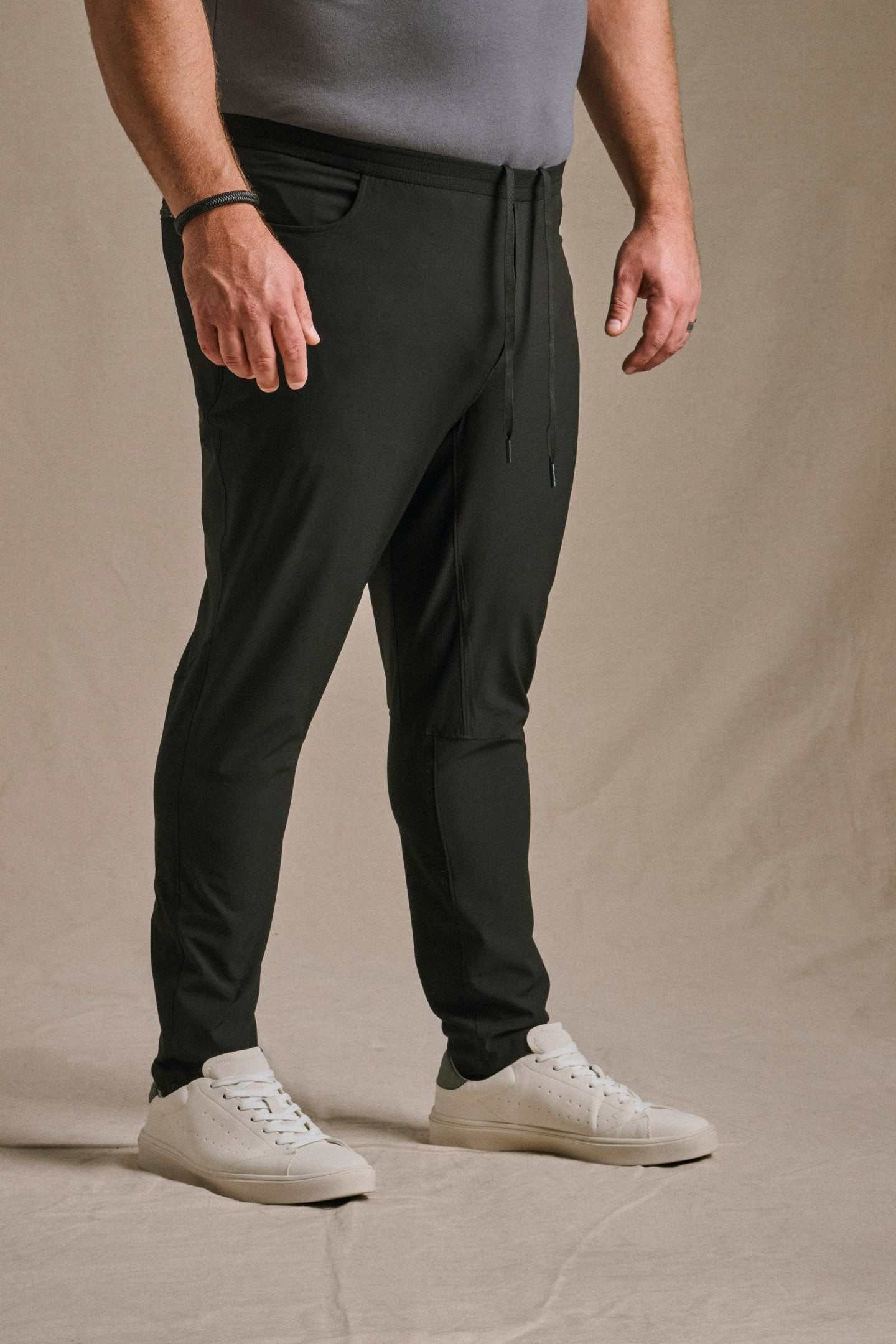
Cargo pants feature oversized patch pockets on the thighs, straight or tapered legs, and reinforced stitching at stress points. Manufacturers use ripstop cotton, cotton-poly blends (200–280 GSM), or lightweight canvas.
This style targets streetwear brands and independent designers seeking bold, utilitarian silhouettes. Multiple pocket configurations—from classic flap closures to zipper-secured compartments—allow customization for brand identity.
Tactical Pants
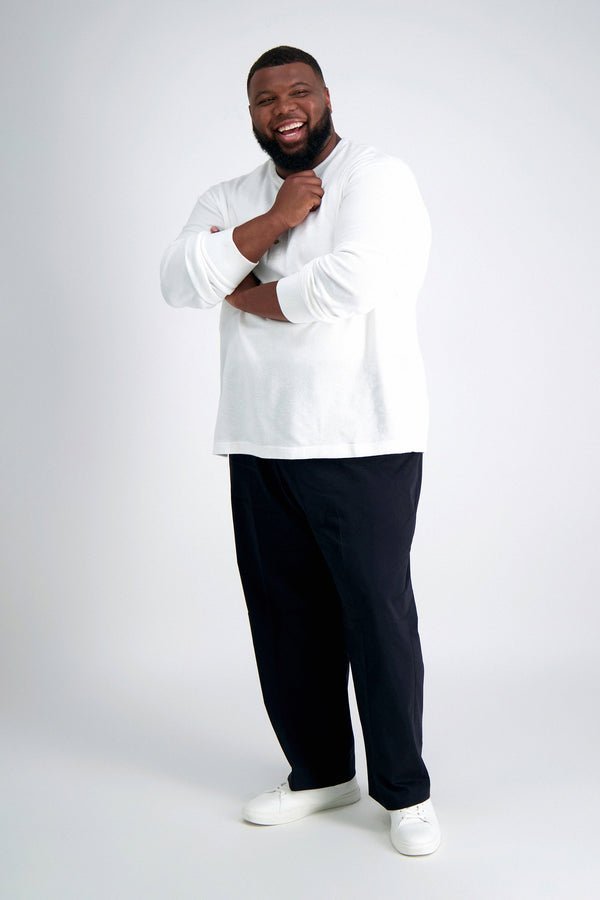
Tactical pants incorporate hidden zippered pockets, articulated knees, and gusseted crotches for mobility. Fabrics include stretch ripstop (240–300 GSM) and technical nylon blends with DWR coatings.
Global apparel retailers and performance-oriented brands favor this category for customers prioritizing function and durability over pure aesthetics.
Parachute Pants
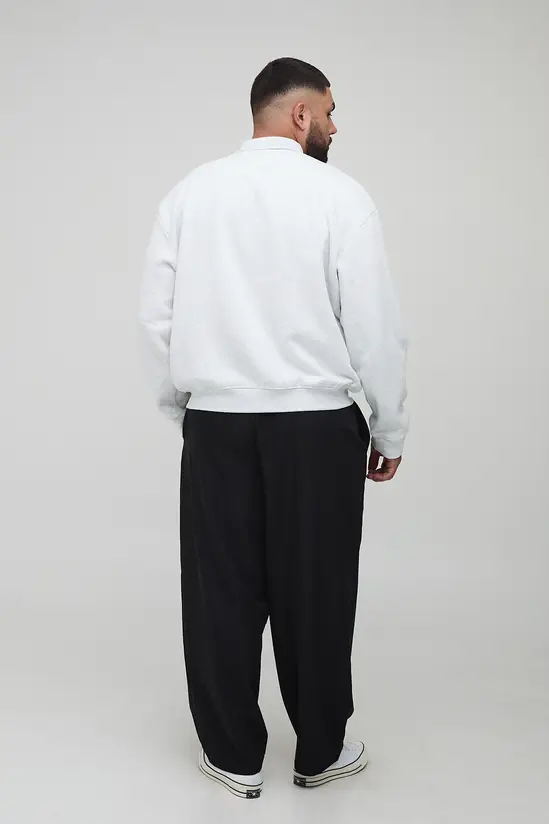
Parachute pants use lightweight nylon or polyester taffeta (80–120 GSM), tapered ankles with elastic or snap cuffs, and minimal pocket volume. The relaxed, billowy fit references 1990s rave and hip-hop culture.
Influencer and creator brands targeting Gen Z customers choose parachute pants for their nostalgic appeal and high visual impact on social media.
Convertible Utility Pants
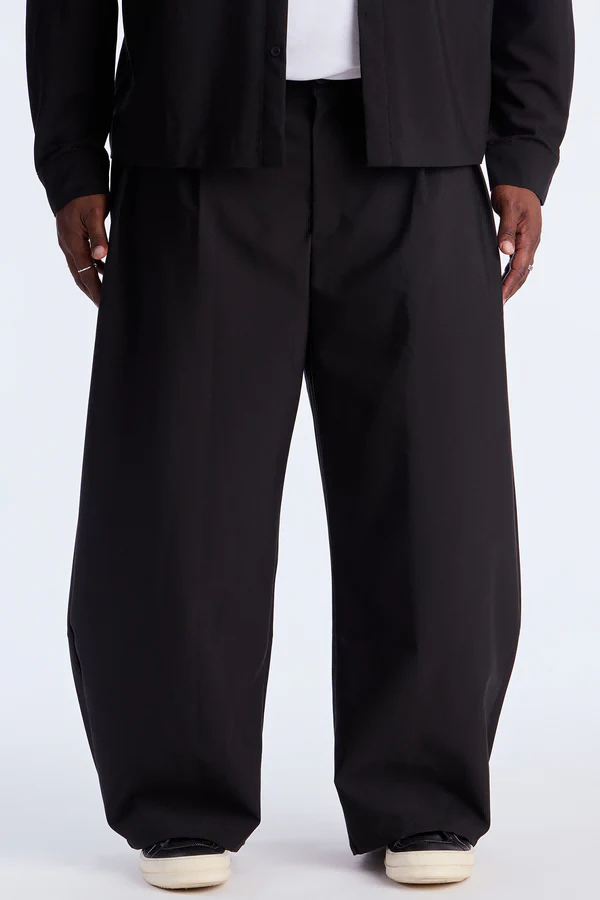
Convertible utility pants feature zip-off legs that transform full-length pants into shorts, reinforced knee panels, and cargo pockets. Manufacturers use quick-dry cotton-poly or nylon blends (200–260 GSM).
Fashion startups and outdoor-influenced streetwear labels select this versatile style to offer customers multi-season functionality.
Hybrid Jogger-Utility Styles
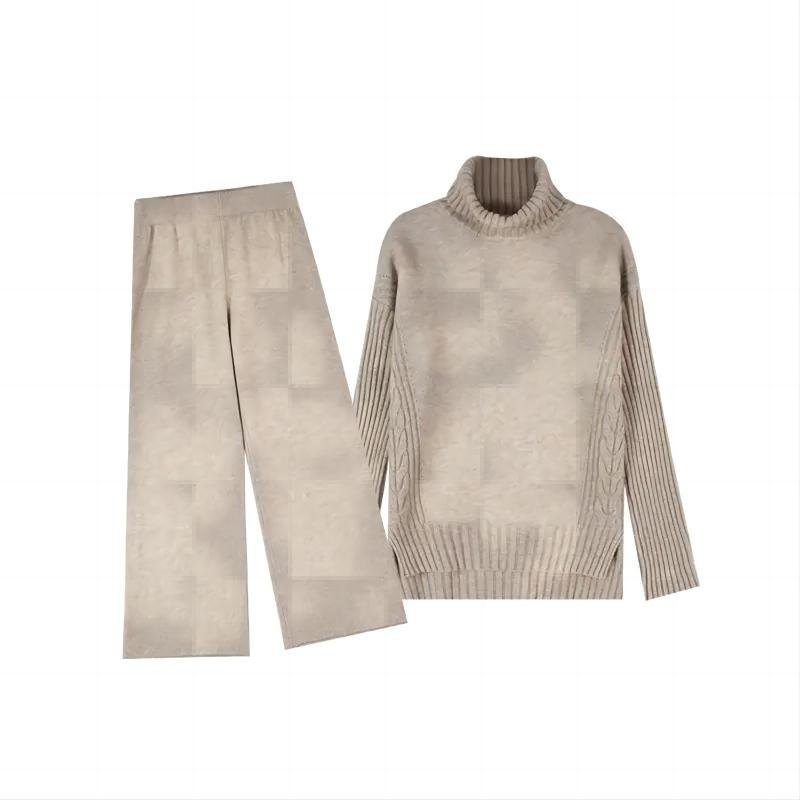
Hybrid jogger-utility pants combine elastic waistbands, ribbed or drawstring cuffs, and utility pockets on relaxed jogger silhouettes. Fabrics range from French terry (240–280 GSM) to technical stretch wovens.
Trendy brands and streetwear labels use hybrids to bridge comfort-driven athleisure and statement utility design, appealing to customers seeking everyday wearability with edge.
4. Materials and Fabrics for Utility Pants Manufacturing
Fabric selection determines the durability, drape, and price point of every utility pant style a utility pants manufacturer produces. Cotton twill, ripstop nylon, cotton-poly blends, canvas, and technical synthetics each offer distinct performance and aesthetic characteristics suited to different streetwear applications.
| Fabric Type | Typical GSM Range | Best Use Case | Relative Price Tier |
|---|---|---|---|
| Cotton Twill | 200–340 | Casual utility pants, workwear streetwear | Mid |
| Canvas | 300–450 | Heavy-duty cargo pants, structured silhouettes | Mid-High |
| Ripstop Nylon | 80–150 | Lightweight tactical, techwear utility pants | High |
| Technical Synthetics | 180–280 | Performance utility pants, stretch techwear | Premium |
| Cotton-Poly Blends | 220–300 | Everyday utility pants, wrinkle-resistant styles | Low-Mid |
Cotton Twill and Canvas
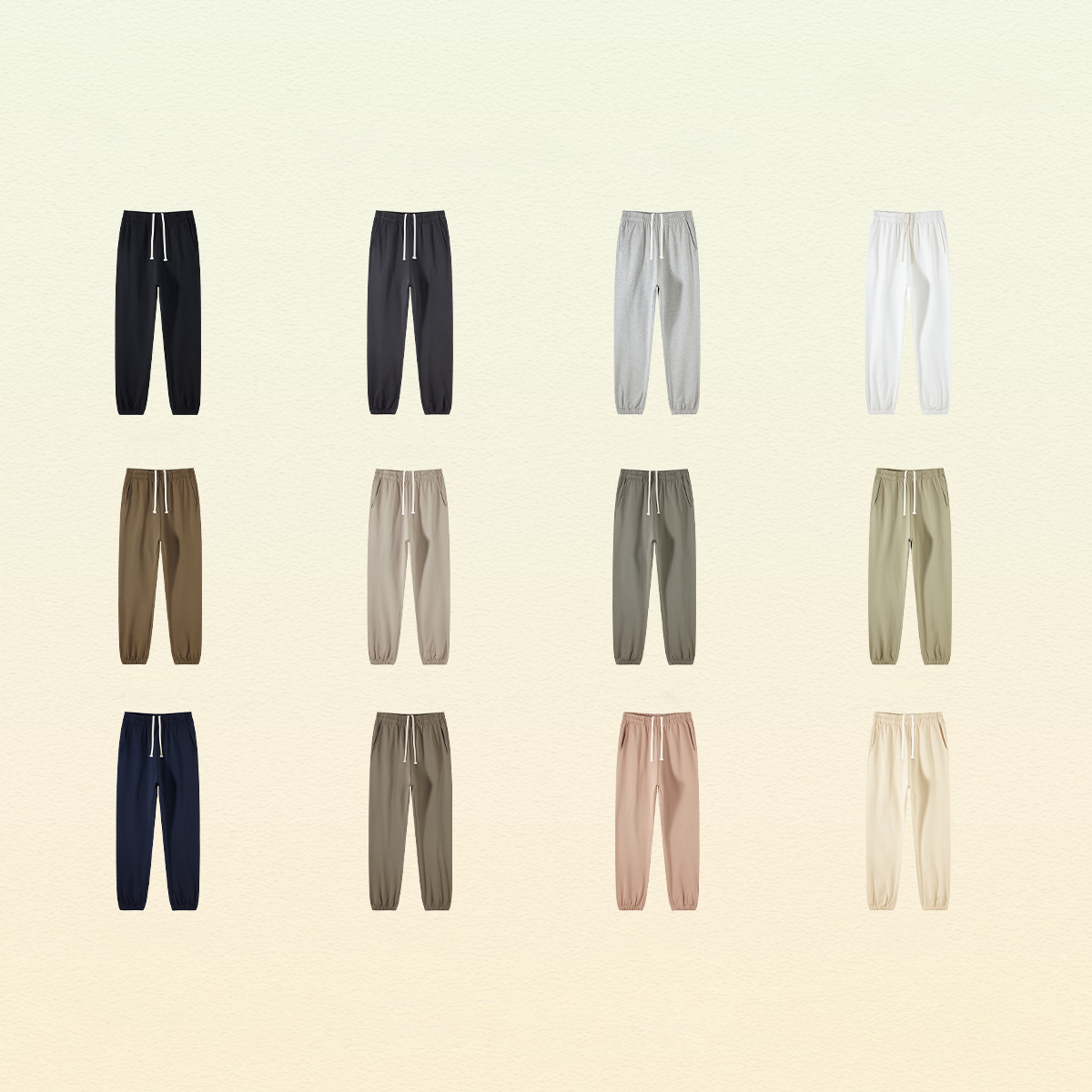
Cotton twill ranges from 200 to 340 GSM and delivers excellent drape with moderate durability, making it ideal for casual utility pants and workwear-inspired streetwear. Canvas fabrics typically weigh 300 to 450 GSM, offering superior abrasion resistance and a structured silhouette that holds cargo pockets and reinforced panels without sagging.
Both fabrics accept dye evenly and age naturally, appealing to brands targeting authentic workwear aesthetics. Cotton twill costs less per meter than canvas but requires reinforcement at stress points, while canvas provides built-in durability at a higher material cost.
Ripstop Nylon and Technical Synthetics
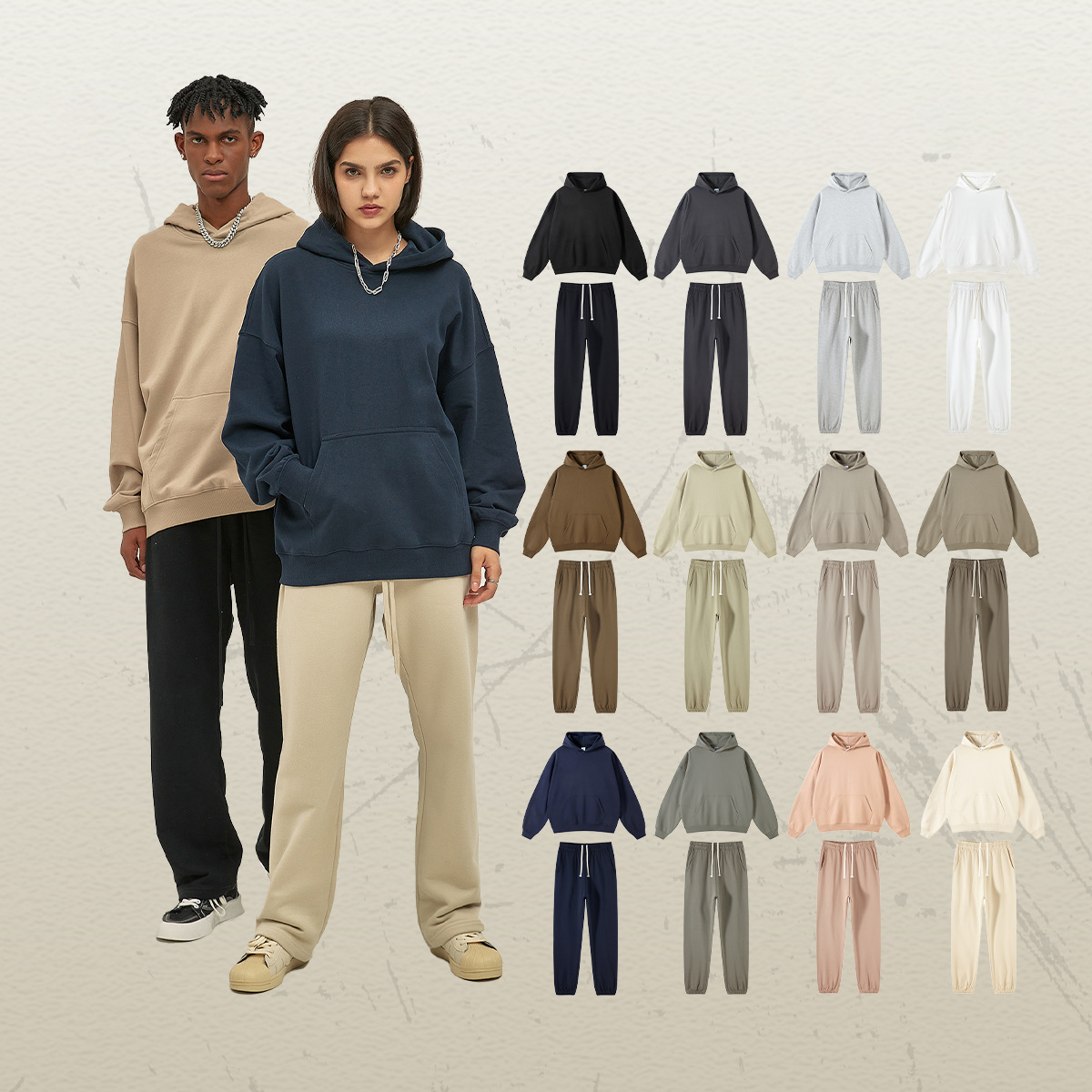
Ripstop nylon weighs 80 to 150 GSM and features a grid pattern that prevents tear propagation, making it the top choice for lightweight tactical and techwear utility pants. Technical synthetics such as nylon-spandex blends and polyester-elastane fabrics range from 180 to 280 GSM, offering four-way stretch, water resistance, and quick-dry properties.
These materials command premium pricing but enable performance features like moisture-wicking and UV protection. A utility pants manufacturer with experience in streetwear technical apparel can source coated ripstop and laminated synthetics that meet both fashion and functional requirements.
Cotton-Poly Blends
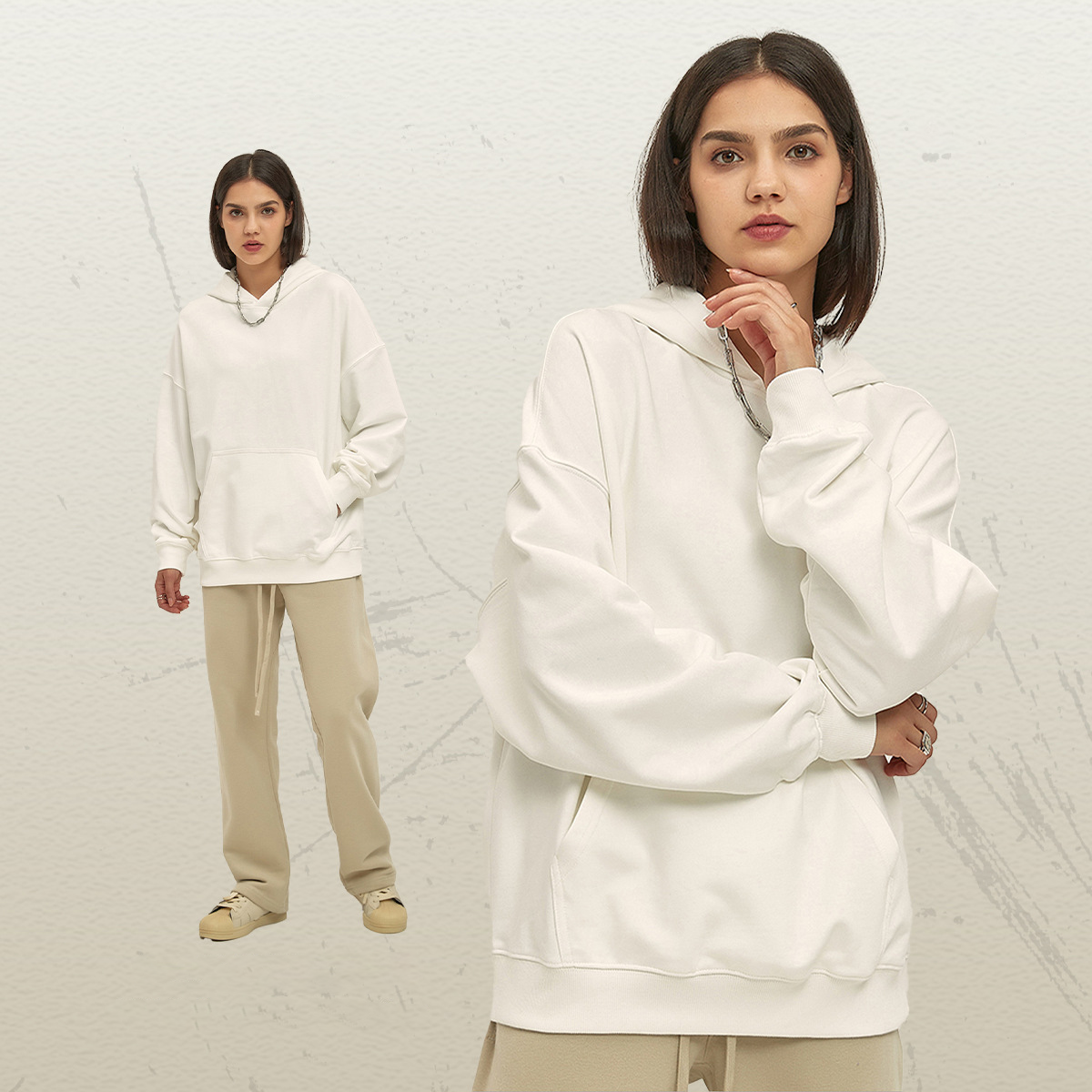
Cotton-polyester blends in 65/35 or 50/50 ratios typically weigh 220 to 300 GSM and balance the breathability of cotton with the wrinkle resistance and color retention of polyester. These blends reduce shrinkage and maintain shape through repeated washing, lowering long-term quality complaints for independent designers and influencer brands.
Blends cost 10 to 20 percent less than pure cotton twill of equivalent weight and offer faster drying times, making them a practical mid-tier option for utility pants that require frequent laundering.
5. Customization and Branding Options with a Utility Pants Manufacturer
A utility pants manufacturer offers multiple decoration and hardware customization paths to embed brand identity into every garment. Setup costs, minimum order quantities, and durability vary significantly across embroidery, screen printing, woven labels, heat transfers, and custom hardware, making method selection critical for startups and established labels alike.
| Method | Setup Cost | Typical MOQ | Durability | Best Use Case |
|---|---|---|---|---|
| Embroidery | $15–$50 | 50–100 pcs | Excellent (100+ washes) | Pockets, waistbands, logos |
| Screen Printing | $25–$75 | 50–100 pcs | Good (30–50 washes) | Flat panels, large graphics |
| Heat Transfer | $0 | 1+ pcs | Fair (20–30 washes) | Limited editions, samples |
| Woven Labels | $50–$200 | 200–500 pcs | Excellent (100+ washes) | Waistbands, interior tags |
| Custom Hardware | $100–$500 | 500–1,000 pcs | Excellent (product lifetime) | Zippers, buckles, snaps |
Embroidery and Screen Printing Techniques
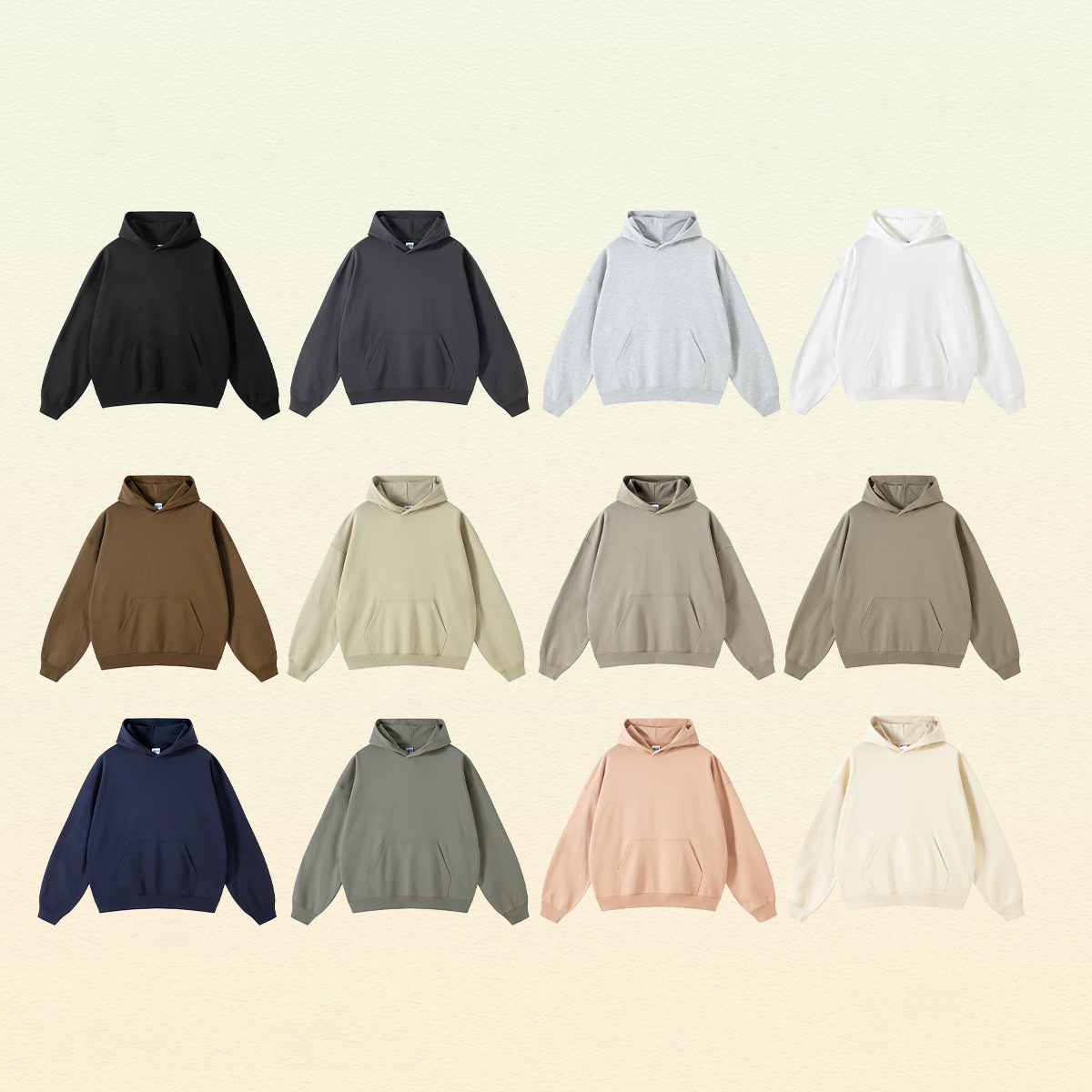
Embroidery delivers premium durability with setup costs ranging from $15–$50 per design and typical minimums of 50–100 pieces per colorway. It excels on pockets, waistbands, and cargo flaps where thread density creates tactile brand presence.
Screen printing offers lower per-unit costs—often $0.50–$2.00 per print after a $25–$75 screen setup—but performs best on flat fabric panels before assembly. Heat transfers require no setup fee and start at single-digit quantities, yet durability through 20–30 washes makes them suitable for limited drops rather than core collections.
Woven Labels and Custom Hardware
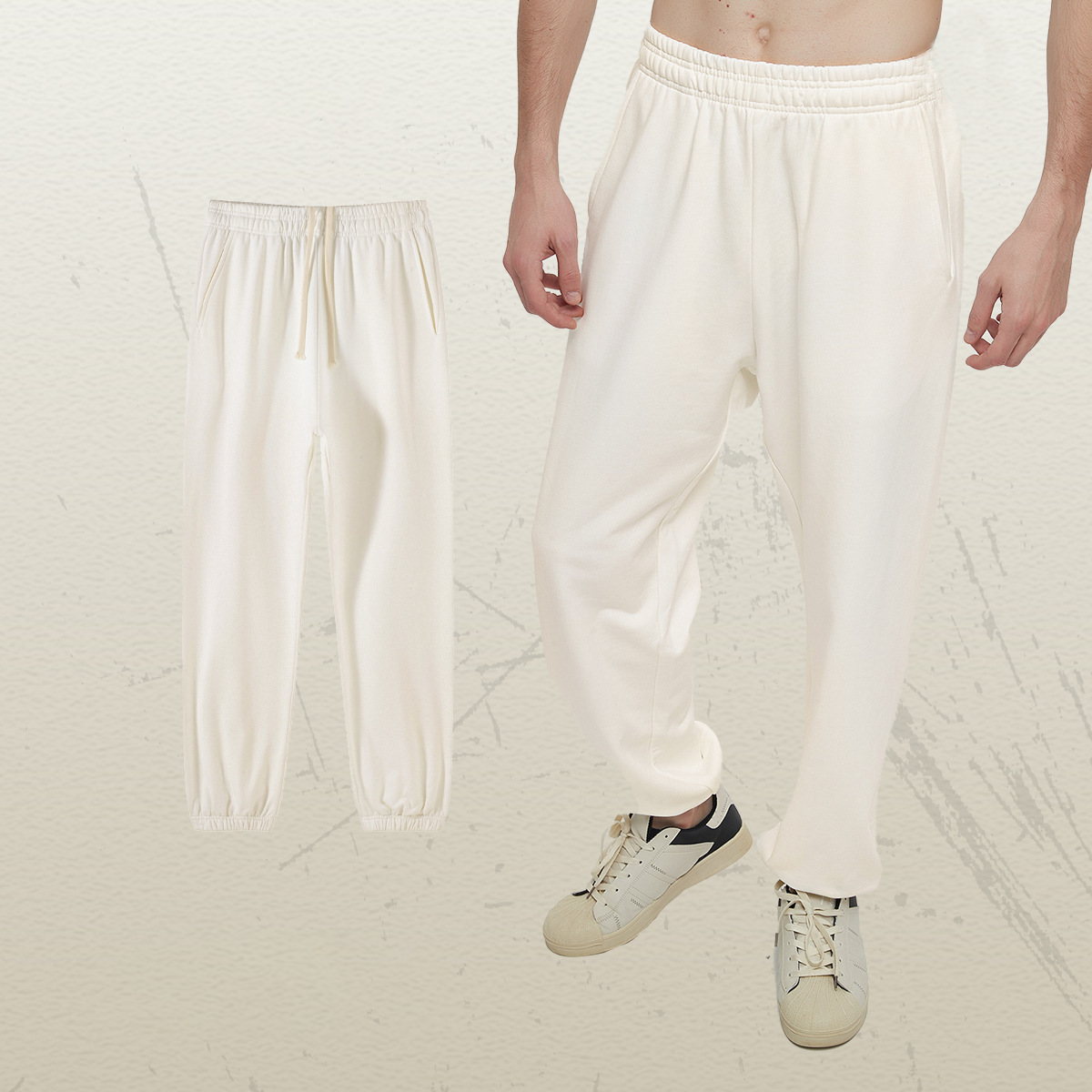
Woven labels typically require 200–500 piece minimums at $0.10–$0.40 each, with damask weave providing sharper detail than taffeta for intricate logos. A utility pants manufacturer integrates these into waistbands, cargo pockets, or interior seams during assembly.
Custom hardware—YKK zippers with branded pullers, metal snaps, paracord loops, and D-ring buckles—reinforces functional aesthetics. Minimum orders range from 500 to 1,000 units per hardware SKU, with lead times of 4–6 weeks and per-piece costs between $0.30 and $1.50 depending on finish and complexity.
Unique Pocket Designs for Brand Differentiation
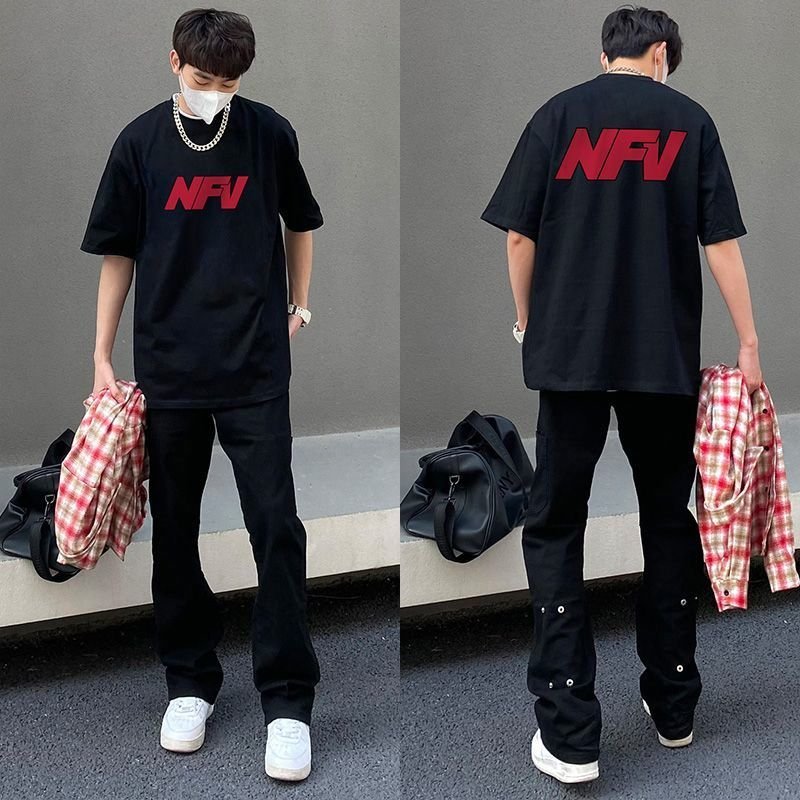
Cargo pocket placement, shape, and closure systems define utility pant identity. A manufacturer with pattern-development expertise can engineer asymmetric flap pockets, hidden zipper compartments, or modular MOLLE-webbing panels without additional tooling fees beyond initial sampling.
Pocket customization incurs pattern adjustment costs of $50–$150 per style but spreads across production runs of 100+ units. Brands like Mifland and Emline, served by experienced teams, use distinctive pocket architecture to create signature silhouettes that customers recognize instantly.
6. Key Quality and Construction Elements to Evaluate
Quality construction separates utility pants that earn repeat purchases from those that generate returns and damage brand reputation. A utility pants manufacturer’s approach to reinforcement, hardware, and finishing directly determines product longevity and customer satisfaction.
Reinforced Stitching and Bar-Tack Placement
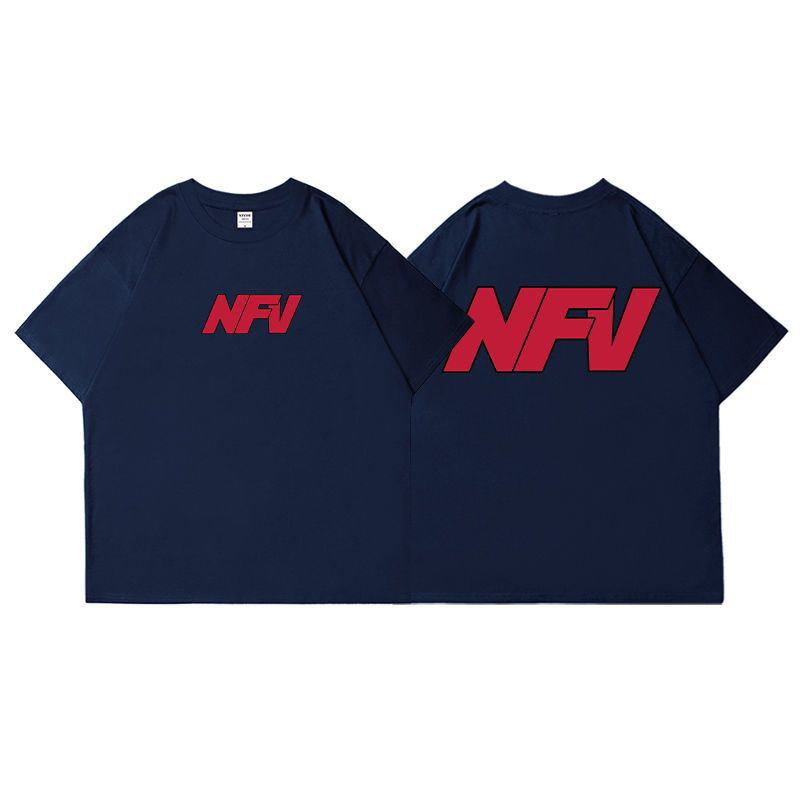
Stress points at pocket corners, belt loops, and fly openings require bar-tack reinforcement — dense zigzag stitching that prevents tearing under tension. Manufacturers who skip this step see return rates climb above 8 percent as seams fail within weeks of wear.
Quality utility pants feature double-needle stitching along side seams and inseams, distributing stress across two parallel rows. Clothing Manufacturer Ltd. applies its five-step QC process to verify bar-tacks at every pocket corner and belt-loop attachment before garments leave production.
Pocket Lining and Cargo Pocket Construction
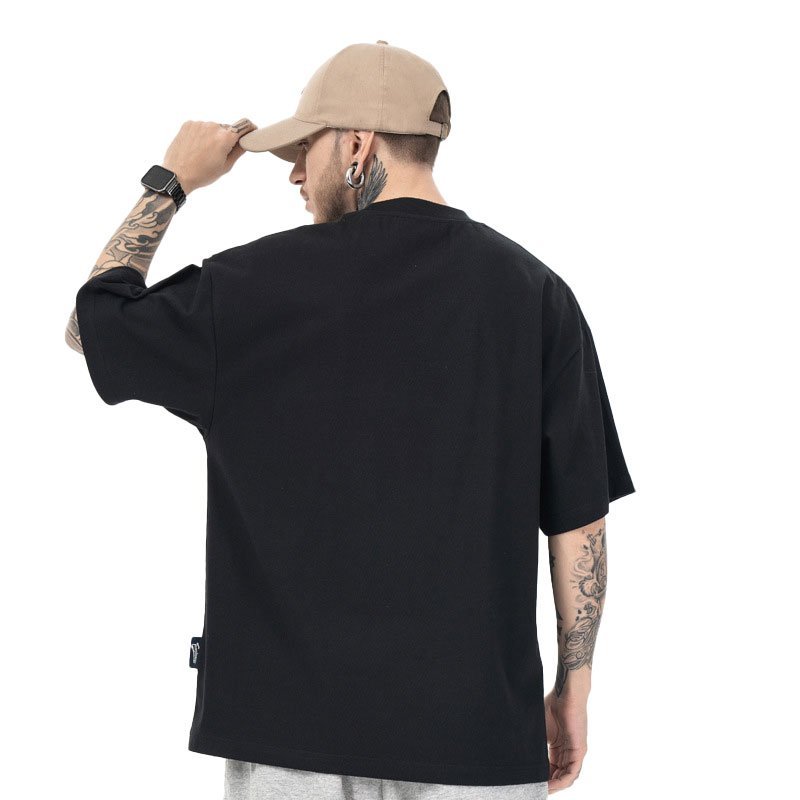
Pocket linings in utility pants endure constant friction from keys, phones, and tools. Manufacturers using lightweight linings below 120 GSM create weak points that tear or sag after minimal use.
Cargo pockets require reinforced box-stitch construction at attachment points and double-fold hems to maintain shape under load. Inspect whether pocket flaps include interfacing and whether corner stitching uses bar-tacks rather than simple backstitching.
Waistband, Zipper, and Hardware Durability
Waistband construction should include interlining or fusible interfacing to prevent rolling and maintain structure through repeated washing. A 3–4 cm waistband width with topstitching offers the best balance of comfort and durability.
YKK or equivalent metal zippers rated for 1,000+ cycles outlast generic plastic alternatives that fail within months. Rivets, snaps, and D-rings should be corrosion-resistant and secured with backing washers to prevent pull-through under stress.
7. How to Choose the Right Utility Pants Manufacturer
Selecting a utility pants manufacturer requires systematic vetting across production capability, quality systems, and operational transparency. A structured evaluation framework helps brands identify partners who can execute complex multi-pocket designs while maintaining consistent output and responsive communication.
Assess MOQ Flexibility and Production Capacity
Minimum order quantities for utility pants typically range from 50 to 500 pieces per style, depending on fabric type and pocket complexity. Startups and independent designers benefit from manufacturers offering 50–100 piece MOQs, allowing test runs before scaling. Verify that the factory’s monthly capacity aligns with your growth projections; a manufacturer producing 10,000+ units monthly can support expansion without sourcing delays.
Evaluate Technical Expertise in Multi-Pocket Construction
Utility pants demand precision in pocket placement, reinforced stitching at stress points, and consistent alignment across sizes. Ask for samples demonstrating flatlock seams, bartack reinforcement, and functional zipper or snap closures. Manufacturers with 6+ years of streetwear experience understand cargo-pocket draft patterns, flap-pocket symmetry, and the interplay between fabric weight and hardware selection, ensuring durability and aesthetic consistency.
Verify Quality Control Processes and Compliance
A five-step QC methodology—covering materials, cutting, craft, sewing, and finished inspection—identifies defects early and reduces rework rates. Request documentation of QC checkpoints and ask whether inspections occur during production or only at completion. Ethical compliance certifications (WRAP, BSCI, OEKO-TEX) signal adherence to labor and environmental standards. Red flags include reluctance to share factory photos, vague timelines, or skipping pre-production samples.
8. Common Mistakes When Sourcing from a Utility Pants Manufacturer
Even experienced brands make costly errors when partnering with a utility pants manufacturer for the first time. Avoiding these pitfalls saves time, money, and protects your brand reputation before production begins.
Ignoring Fabric Pre-Shrinkage Testing
Many brands skip pre-shrinkage testing and discover their utility pants shrink 3–5% after the first wash, rendering size charts inaccurate. Cotton twill and canvas blends require sanforization or compressive shrinkage treatment before cutting to stabilize dimensions.
Request lab reports confirming shrinkage rates below 3% in both length and width. Clothing Manufacturer Ltd. includes materials QC testing in its five-step quality control process, verifying fabric stability before patterns are cut to prevent post-wash sizing failures.
Underestimating Hardware Sourcing Lead Times
Custom metal buckles, YKK zippers in specific finishes, and branded snap buttons often require 15–25 days to source, yet brands assume immediate availability. Delayed hardware shipments push back entire production schedules, missing seasonal launch windows.
Confirm hardware lead times during the sampling phase and approve alternatives if custom components exceed your timeline. Manufacturers with established supplier networks can expedite standard hardware, but bespoke metal trims always add weeks to your calendar.
Skipping Fit Samples Across Size Runs
Approving only one sample size—usually medium—hides grading errors that emerge in XS and XXL. Utility pants with cargo pockets and adjustable waistbands require precise grading to maintain pocket placement and strap proportions across the full size range.
Order fit samples in at least three sizes (S, L, XXL) to verify that pocket depth, knee articulation, and waist hardware scale correctly. This step prevents customer returns and negative reviews citing inconsistent fit.
Choosing Price Over Construction Quality
Selecting the lowest quote often means manufacturers skip reinforcement stitching at stress points, use thinner thread, or omit bar-tack reinforcements on pocket corners. Utility pants endure heavy use; construction shortcuts lead to seam failures and high return rates.
Compare stitch density (12–14 stitches per inch for durability), thread weight (typically tex 40 or heavier for utility styles), and reinforcement details in quotes. Clothing Manufacturer Ltd.’s sewing production QC testing catches weak points before garments reach finished inspection, ensuring long-term wearability.
9. Steps to Launch Your Utility Pants Line Successfully
Launching a utility pants line requires coordinated execution across design, production, and market entry. First-time brands typically need 90–120 days from concept to delivery, with quality checkpoints at every stage to avoid costly rework.
Market Research and Trend Analysis
Identify your target demographic and analyze competitor pricing, fit preferences, and pocket configurations before committing to design. Streetwear buyers aged 18–30 prioritize oversized silhouettes and tactical details, while outdoor enthusiasts favor ripstop fabrics and reinforced knees.
Allocate 2–3 weeks for this phase. Review Instagram hashtags, TikTok trends, and retailer bestsellers to validate demand for specific colorways and hardware finishes.
Tech Pack Creation and Manufacturer Vetting
Develop a complete tech pack with flat sketches, measurements, fabric specifications (GSM, blend ratio), hardware callouts (YKK zippers, snap sizes), and construction details (flatlock seams, bar-tack reinforcement). A detailed pack reduces sampling rounds and miscommunication.
Vet manufacturers by requesting their five-step QC process documentation, patent portfolios, and client references. Confirm MOQ alignment—50-piece minimums suit startups, while 500-piece runs lower per-unit costs for established brands.
Sampling, Pre-Production Approvals, and Bulk Production
Order 2–3 samples in different sizes to verify fit, pocket depth, and fabric hand-feel. Allow 10–15 days for sampling and 5–7 days for revisions. Lock approvals in writing before bulk production begins.
Bulk production spans 25–35 days for 200–500 pieces. Schedule materials QC, cutting QC, sewing QC, and finished-goods inspection at each milestone to catch defects early, not after shipment.
Logistics, Fulfillment, and Go-to-Market Strategy
Coordinate sea freight (30–40 days) or air freight (5–7 days) based on launch deadlines. Pre-sell via social media or crowdfunding to validate demand and fund inventory.
Plan your launch 60 days before delivery: seed influencers with samples, schedule photoshoots, and finalize e-commerce listings with size charts and care instructions to minimize returns.
10. Pricing and Cost Breakdown for Utility Pants Manufacturing
Minimum order quantities for utility pants typically start at 50 pieces per style and colorway, with per-unit costs decreasing significantly as volume increases. A basic cargo pant with standard pockets and single-color fabric at 50 units may cost $18–$22 per piece, while the same design drops to $12–$15 at 500 units and $9–$12 at 1,000+ units. Technical multi-pocket styles with reinforced stitching, multiple fabric panels, and functional hardware add $4–$8 per unit across all tiers.
Sampling fees range from $80 to $150 per prototype depending on complexity, and most utility pants manufacturers credit this cost against production orders above 200 units. Setup costs for custom labels, hangtags, and poly-bag packaging typically add $0.50–$1.20 per unit at lower quantities, dropping to $0.20–$0.40 at scale. Decoration services such as screen printing, embroidery, or woven patches incur separate setup fees of $40–$80 per location plus $1.50–$3.50 per unit.
Lead times vary by order size and season: 50–100 pieces require 18–25 days from approved samples, 200–500 pieces need 25–35 days, and orders exceeding 1,000 units extend to 35–45 days. Payment terms standard in the industry include 30–50% deposit upon order confirmation and the balance before shipment, with some manufacturers offering net-30 terms for repeat clients with established credit history.
| Quantity Tier | Basic Cargo (per unit) | Technical Multi-Pocket (per unit) | Lead Time (days) |
|---|---|---|---|
| 50–99 units | $18–$22 | $24–$30 | 18–25 |
| 100–299 units | $15–$18 | $20–$25 | 20–28 |
| 300–499 units | $13–$16 | $17–$22 | 25–32 |
| 500–999 units | $12–$15 | $15–$20 | 28–35 |
| 1,000+ units | $9–$12 | $13–$17 | 35–45 |
Ready to Launch Your Utility Pants Line with a Trusted Manufacturer?
Partner with our expert utility pants manufacturer. 50-piece MOQ, 5-step QC guarantee, and fast turnaround for your streetwear brand.