
Parachute Pants Manufacturer With 5-Step QC Guarantee
Trusted parachute pants manufacturer delivering trend-driven designs, low MOQ for startups, and rigorous quality control at every production stage.
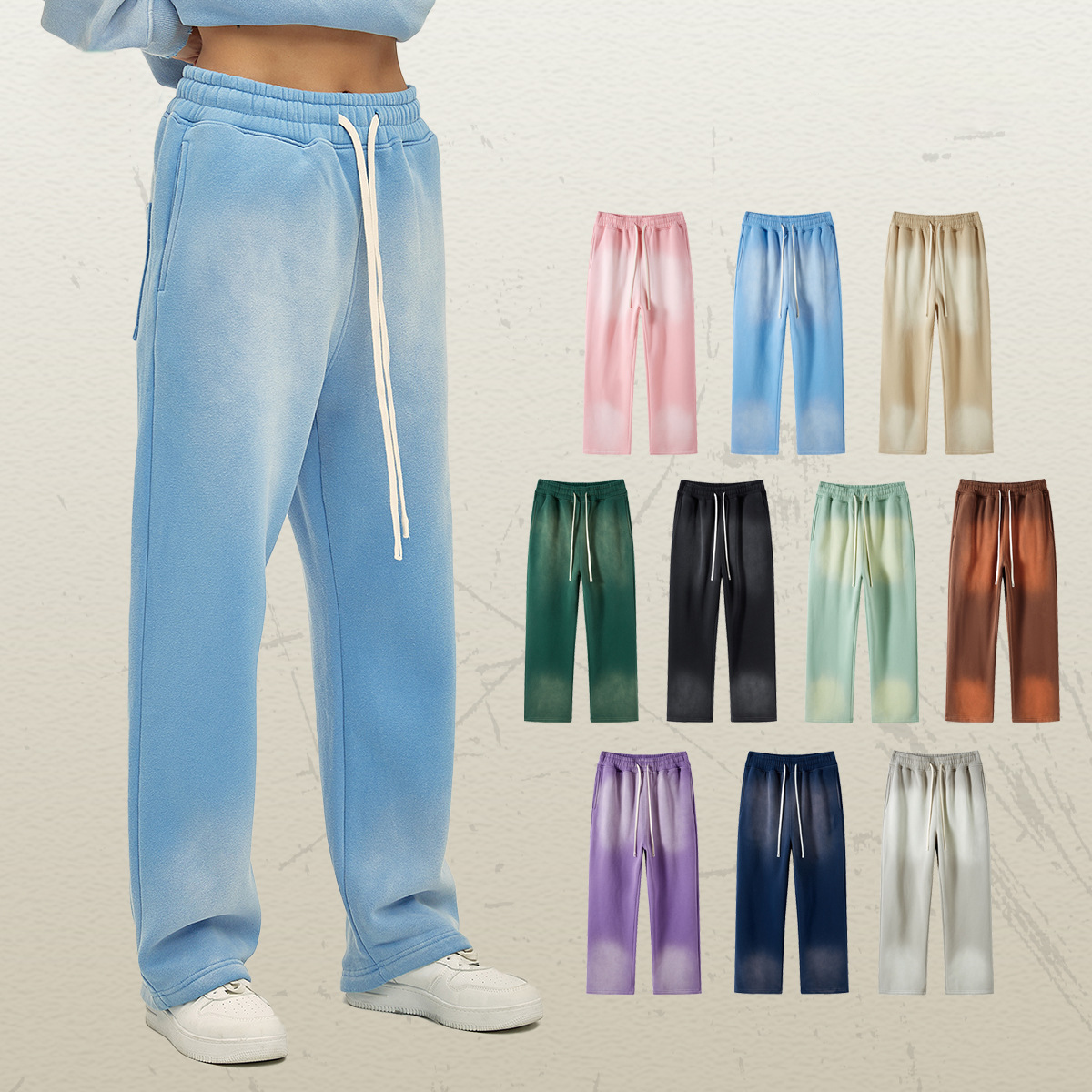
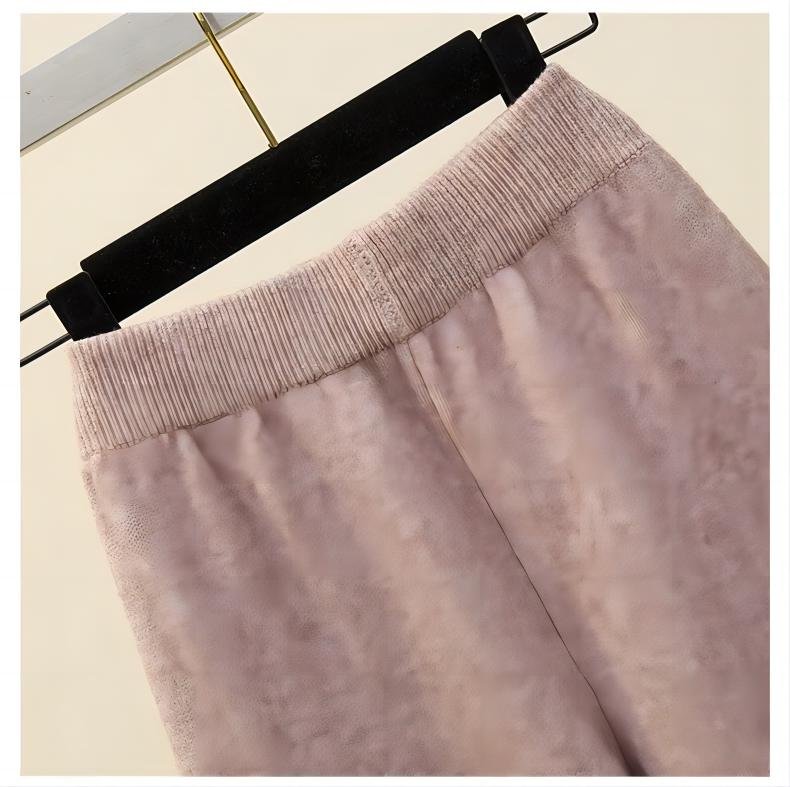
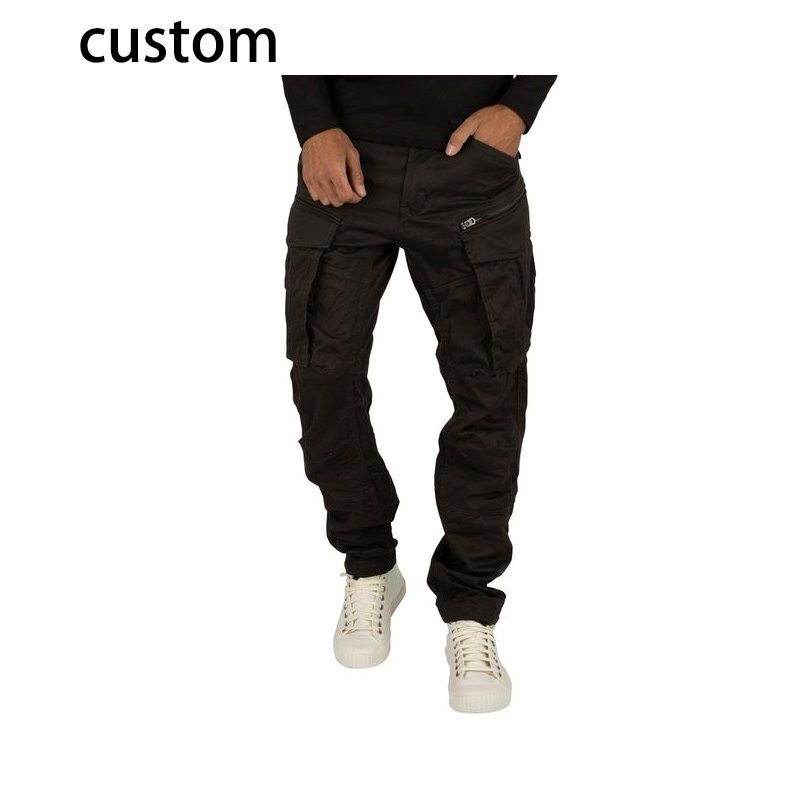
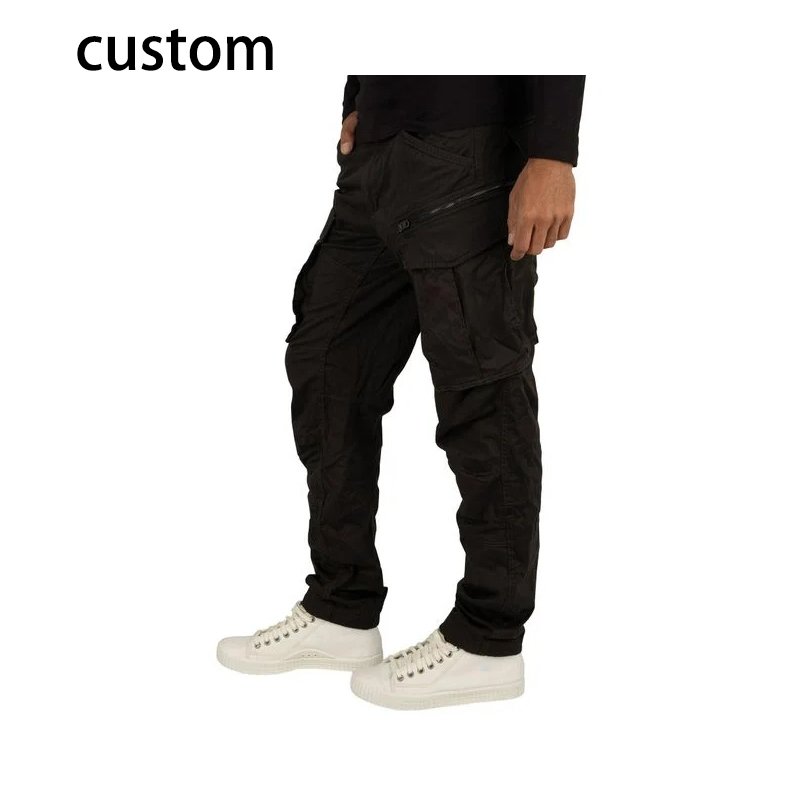
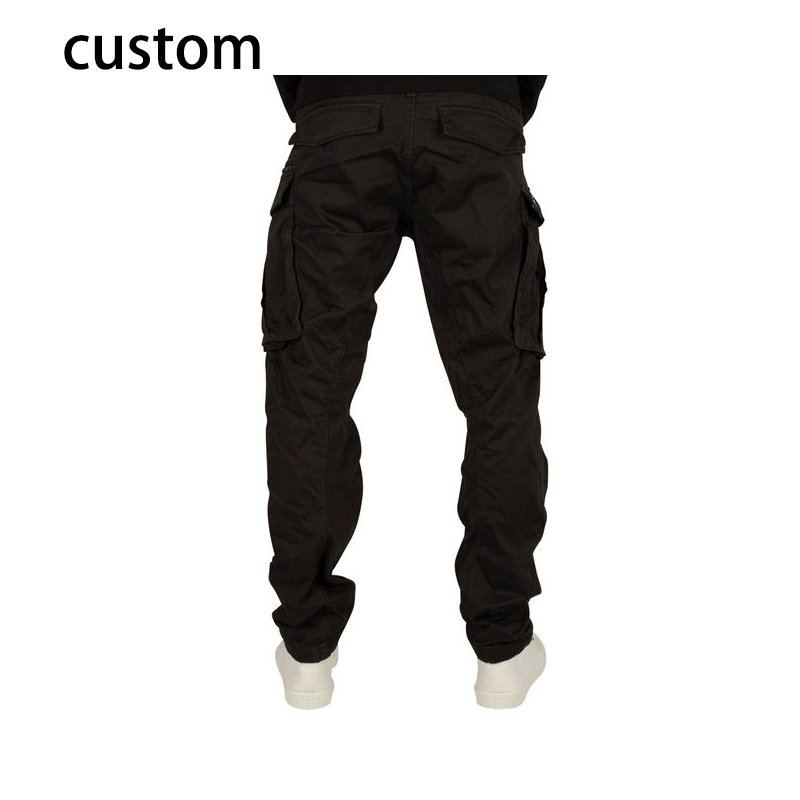
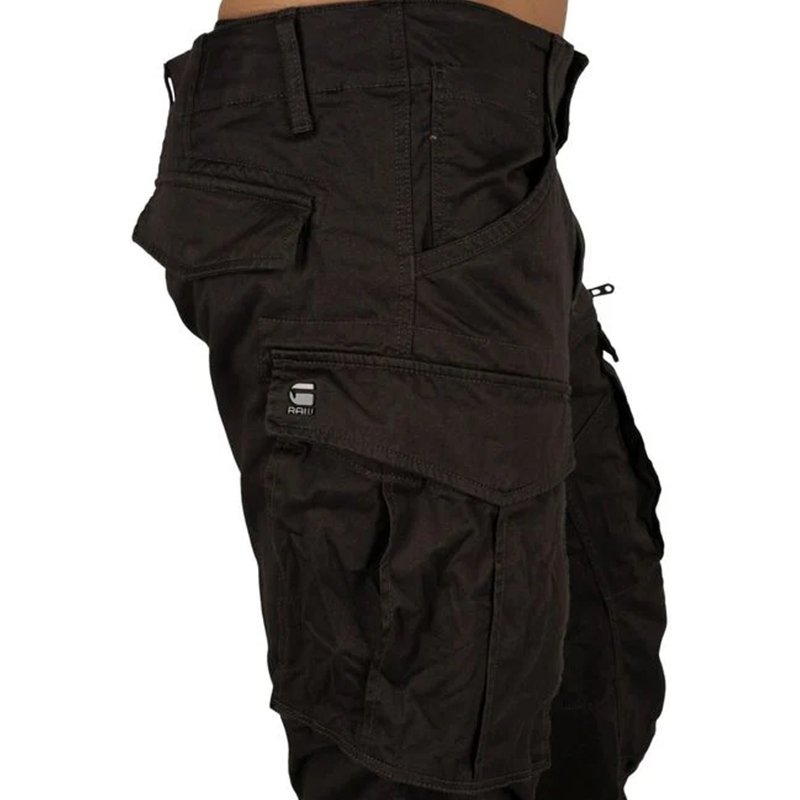
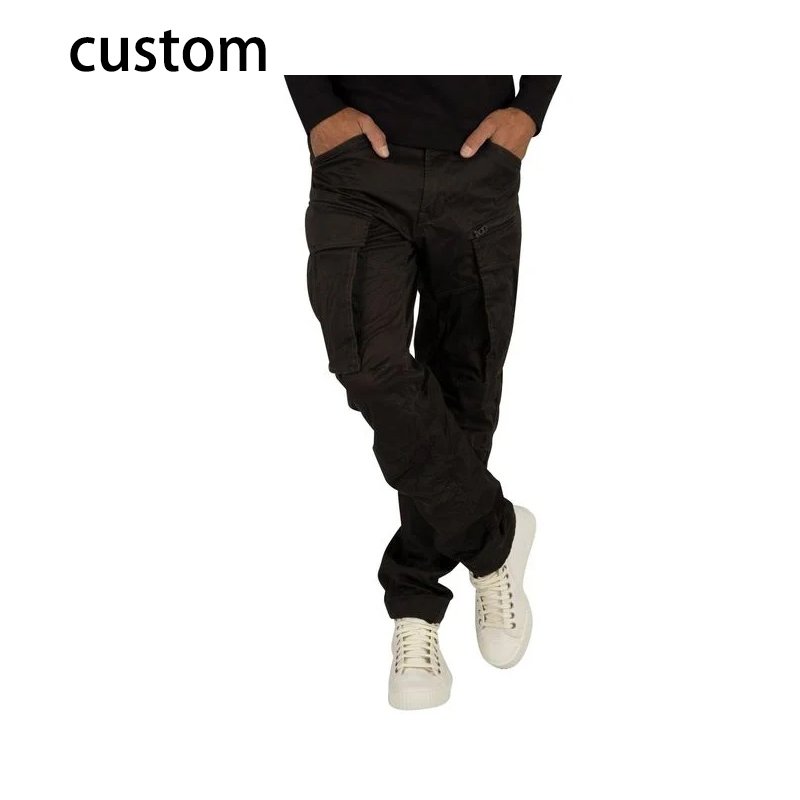
Parachute Pants Designs in Action
Why Choose Our Parachute Pants Manufacturer
We combine streetwear expertise, rigorous quality control, and flexible production to deliver parachute pants that meet your brand’s vision and your customers’ expectations.
5-Step Quality Control Guarantee
Every parachute pant undergoes materials, cutting, craft, sewing, and finished product QC testing before shipping to your customers.
Low MOQ for Startups
Launch your parachute pants collection without massive inventory risk. We support emerging brands with flexible minimum order quantities.
Fast Sampling and Turnaround
Our in-house design team delivers quick samples and rapid production cycles to keep pace with seasonal streetwear trends.
In-House Streetwear Design Team
Fifteen dedicated designers with deep streetwear culture knowledge translate your vision into trend-driven parachute pants that resonate.
Global Shipping and Logistics
Seamless international fulfillment to over one hundred countries, with transparent customs and shipping support for every order.
Streetwear and Influencer Expertise
Over six years specializing in streetwear production, helping influencer brands grow from zero to tens of thousands of followers.
Parachute Pants Manufacturer Product Lines
From classic nylon silhouettes to tech-fabric innovations, our parachute pants manufacturing expertise covers every streetwear category your brand needs.
Classic Nylon Parachute Pants
Emerging streetwear brands struggle to find manufacturers who can produce authentic 90s-inspired nylon parachute pants with proper drape, reinforced stitching, and adjustable drawcords at accessible minimum order quantities.
We deliver classic parachute pants with premium nylon fabrics, authentic vintage details, and our 5-step QC process—starting at low MOQs perfect for fashion startups testing their first seasonal drop.
Tech-Fabric Performance Variants
Influencer brands and athletic streetwear labels need parachute pants that blend style with function—water resistance, breathability, and stretch—but most manufacturers lack the technical fabric sourcing and construction expertise.
Our in-house design team sources cutting-edge tech fabrics and engineers parachute pants with moisture-wicking liners, articulated knees, and reflective details that perform as well as they look on camera.
Oversized & Baggy Silhouettes
Global retailers targeting Gen-Z customers demand oversized parachute pants with exaggerated proportions and cargo pockets, but achieving the right balance between volume and wearability requires specialized pattern development.
We pattern and produce oversized parachute pants with trend-driven silhouettes, multiple pocket configurations, and adjustable cuffs—all validated through our rigorous cutting QC and sewing production QC testing stages.
Custom Colorways & Prints
Independent designers need parachute pants in unique colorways, gradients, tie-dye effects, or custom prints to differentiate their collections, but coordinating dyeing, printing, and quality control across vendors creates delays and inconsistencies.
Our integrated production handles custom color development, sublimation printing, and pattern placement in-house, ensuring your parachute pants match your brand vision with fast turnaround and consistent color matching across reorders.
Limited-Edition Seasonal Drops
Trendy brands launching hype-driven seasonal drops face tight deadlines and need a parachute pants manufacturer who can execute complex designs—embroidery, appliqué, mixed materials—without sacrificing quality under pressure.
Leveraging our 15-member R&D team and parent company infrastructure, we produce limited-edition parachute pants with premium embellishments and streetwear details, delivered on schedule with zero-compromise quality every time.
Premium Fabrics Our Parachute Pants Manufacturer Uses
Nylon Ripstop
Lightweight yet tear-resistant fabric with reinforced crosshatch weave. Ideal for classic parachute pants that demand durability without bulk. Features excellent wind resistance and a signature crisp hand-feel at 70–90 GSM weight.
Coated Nylon Taffeta
Smooth, water-repellent nylon with a subtle sheen that captures authentic ’90s streetwear vibes. Perfect for jogger-style parachute pants. Offers breathability with a lightweight 80–100 GSM construction and superior color saturation.
Technical Polyester Blend
High-performance synthetic blend engineered for active streetwear. Combines moisture-wicking properties with four-way stretch for modern parachute pants designs. Durable 150–180 GSM weight ensures shape retention through repeated wear.
Breathable Nylon-Spandex
Soft-touch nylon blended with spandex for enhanced mobility and comfort. Ideal for tapered parachute pants that require flexibility. Features 5–10% stretch with excellent recovery and a lightweight 110–130 GSM construction.
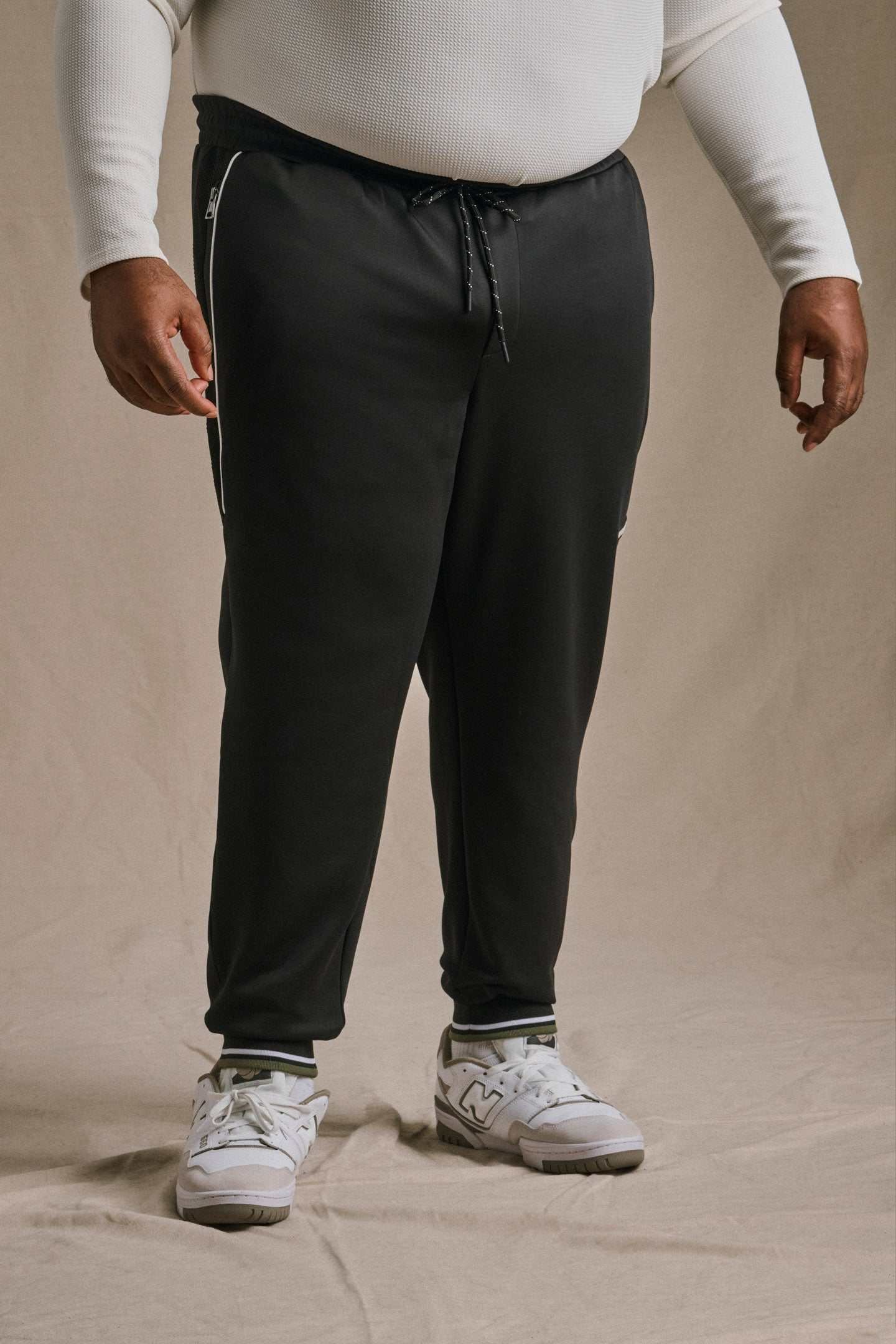
Parachute Nylon Canvas
Heavier-weight nylon with a matte finish and substantial drape. Perfect for cargo-style parachute pants requiring structure and durability. Offers exceptional abrasion resistance at 140–170 GSM with a premium hand-feel.
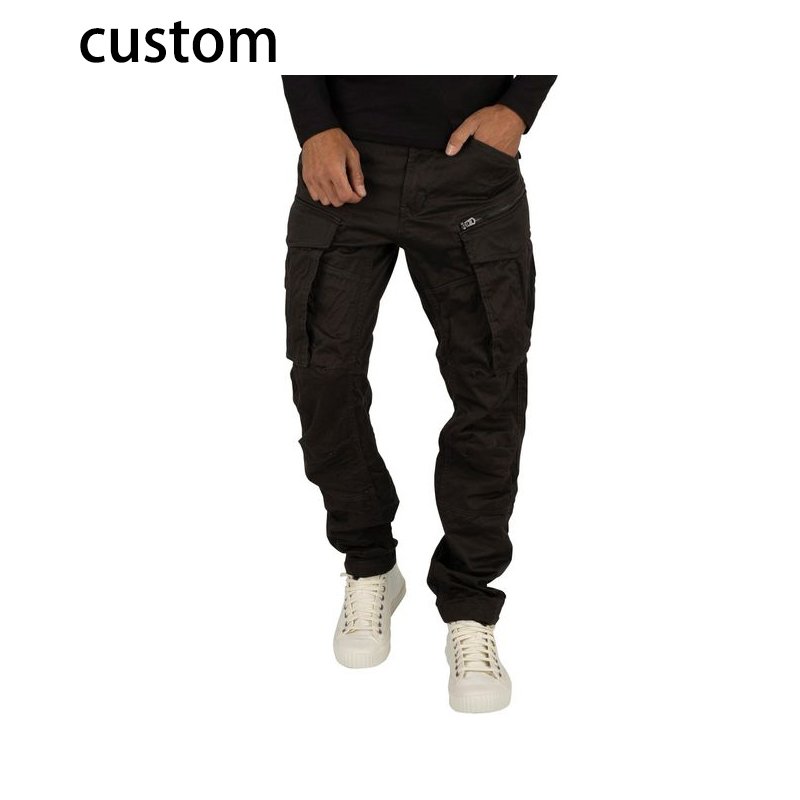
Metallic Coated Nylon
Fashion-forward nylon with reflective or iridescent coating for bold streetwear statements. Creates eye-catching parachute pants for influencer and trendsetter brands. Lightweight 75–95 GSM with striking visual impact under various lighting.
Advanced Parachute Pants Manufacturer Production Processes
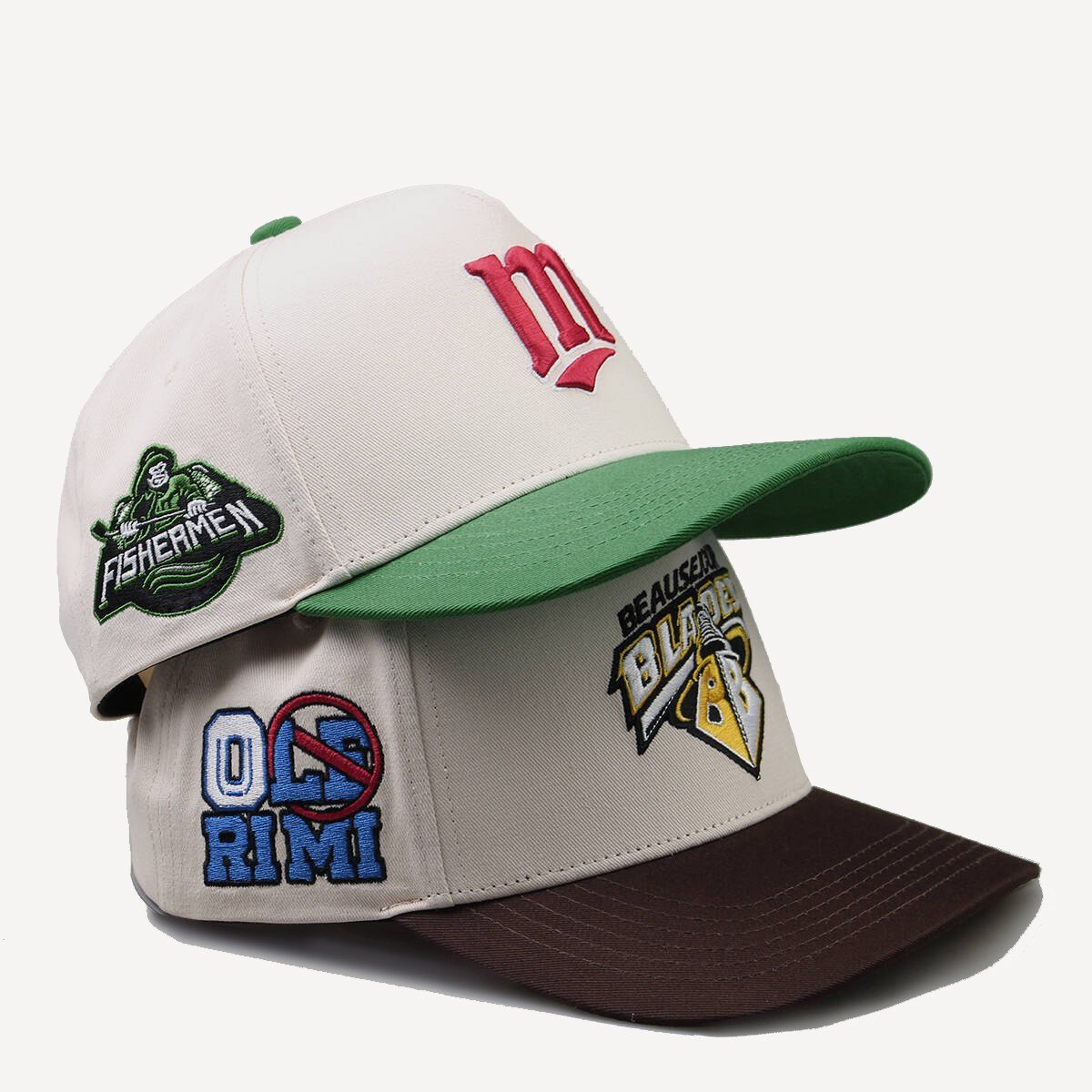
Precision Cutting
Computer-guided cutting systems ensure every parachute pants panel is cut to exact specifications with zero fabric waste. This precision guarantees consistent sizing across production runs and sharp, clean edges that enhance durability and fit.
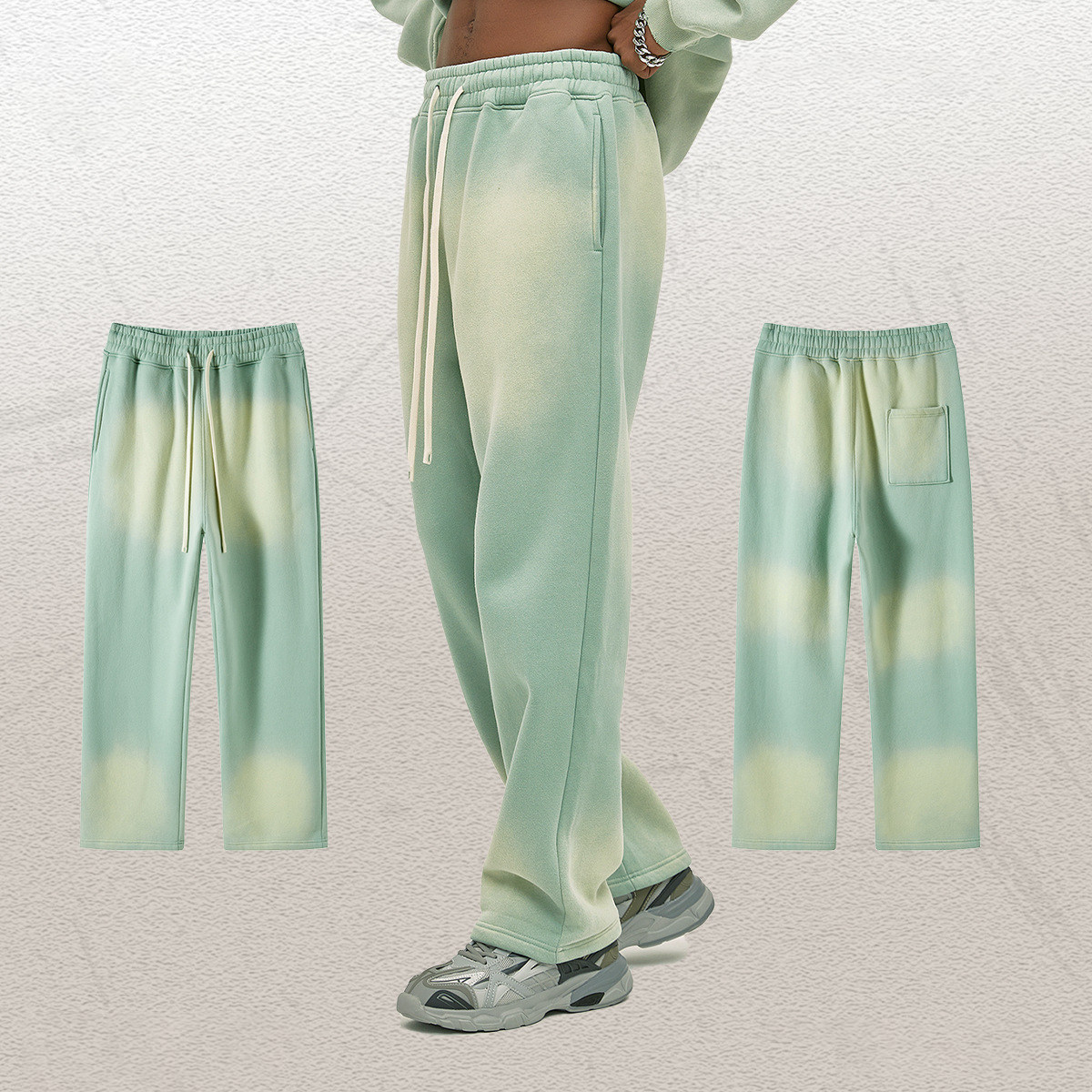
Multi-Needle Sewing
Industrial multi-needle machines create reinforced seams that withstand the movement demands of streetwear. The result is professional topstitching, secure pocket construction, and seams that hold up through repeated wear and washing.
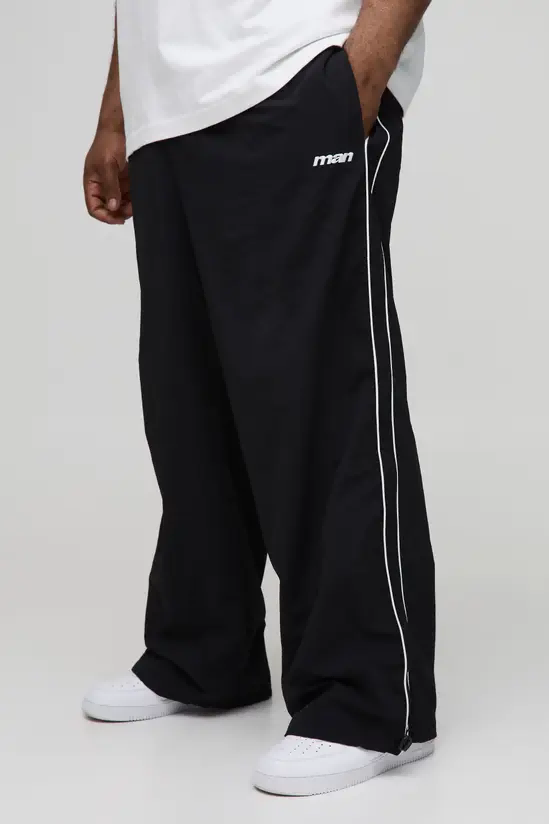
Heat-Seal Seams
Advanced heat-sealing technology bonds fabric layers without traditional stitching for a sleek, modern aesthetic. This process delivers waterproof seams, smooth interior finishes, and the futuristic look that defines contemporary parachute pants.
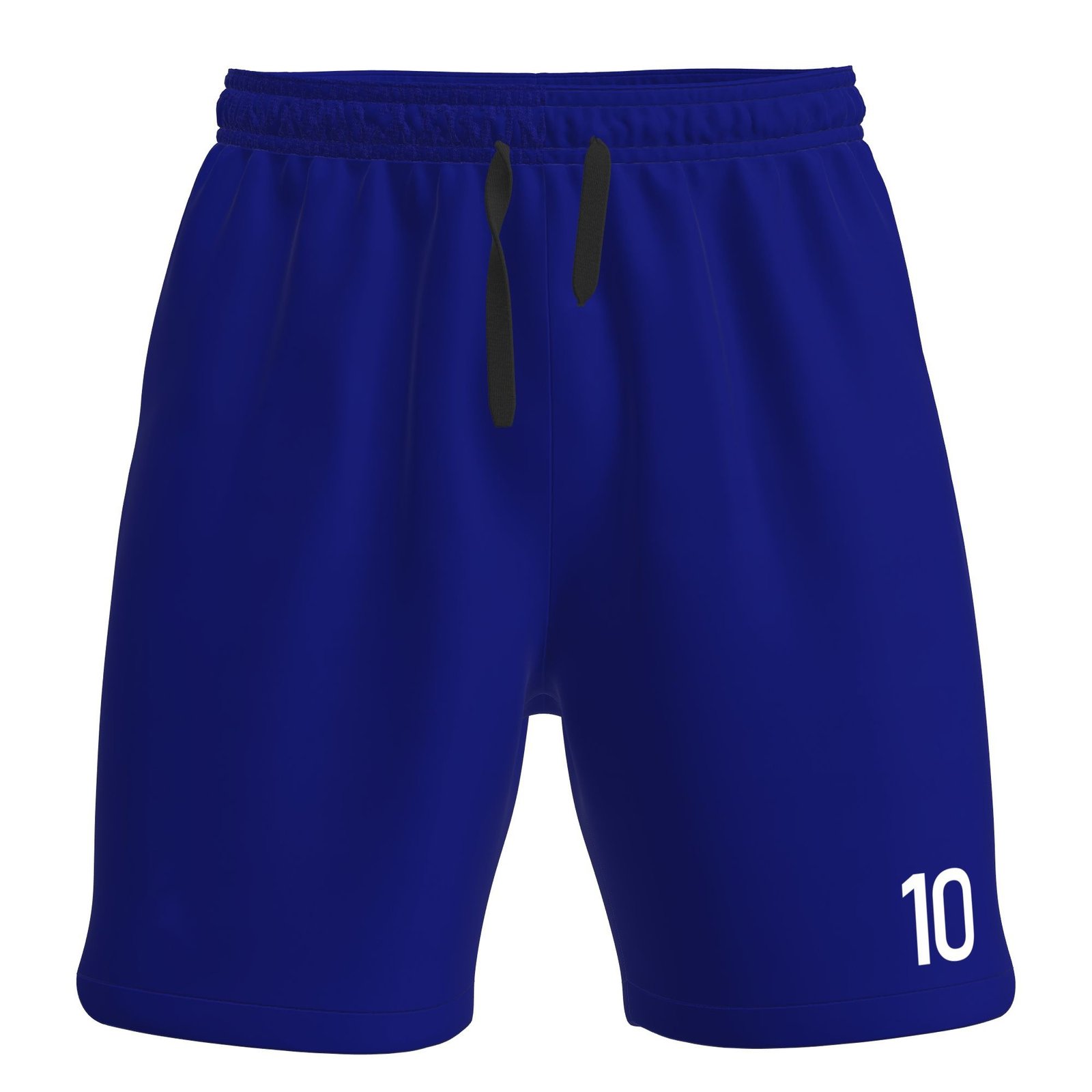
Custom Dyeing
In-house dyeing facilities allow us to match any Pantone color or create unique gradients and washes. Each batch is color-tested to ensure vibrancy, colorfastness, and consistency across your entire parachute pants collection.
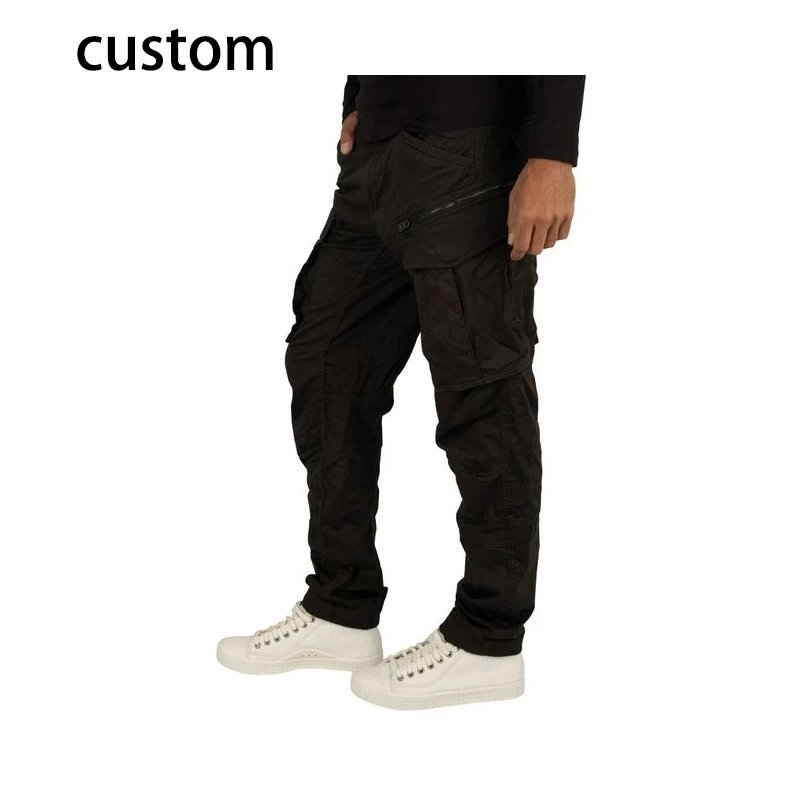
Screen Printing
High-definition screen printing applies bold graphics, logos, and streetwear motifs with exceptional clarity and color saturation. Our water-based and plastisol inks deliver prints that remain vibrant and crack-resistant through countless washes.
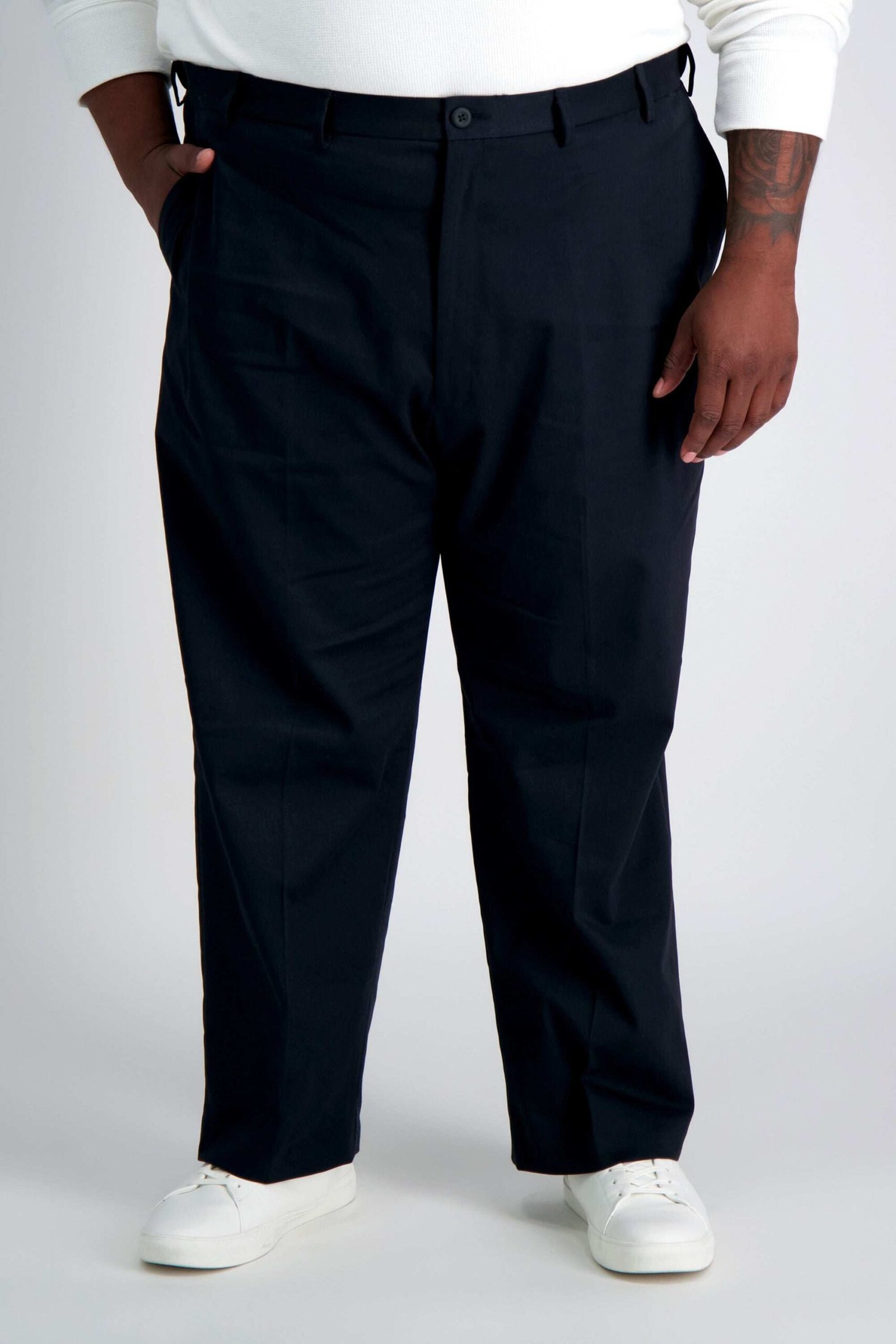
Embroidery Application
Computerized embroidery machines stitch intricate logos, text, and designs with thread counts up to 15 colors. This premium finishing technique adds tactile dimension and lasting brand identity that elevates every pair of parachute pants.
Customizable Accessories & Details for Your Parachute Pants
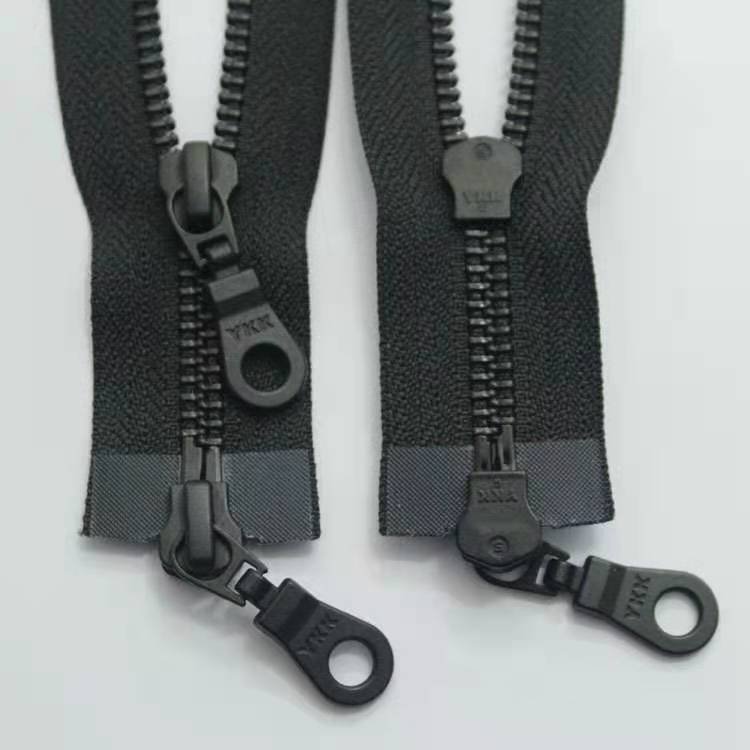
YKK Zippers
Premium YKK zippers for cargo pockets, ankle closures, and decorative details. Available in metal, nylon, and coil styles with custom pullers to ensure smooth operation and long-lasting durability on every parachute pant.
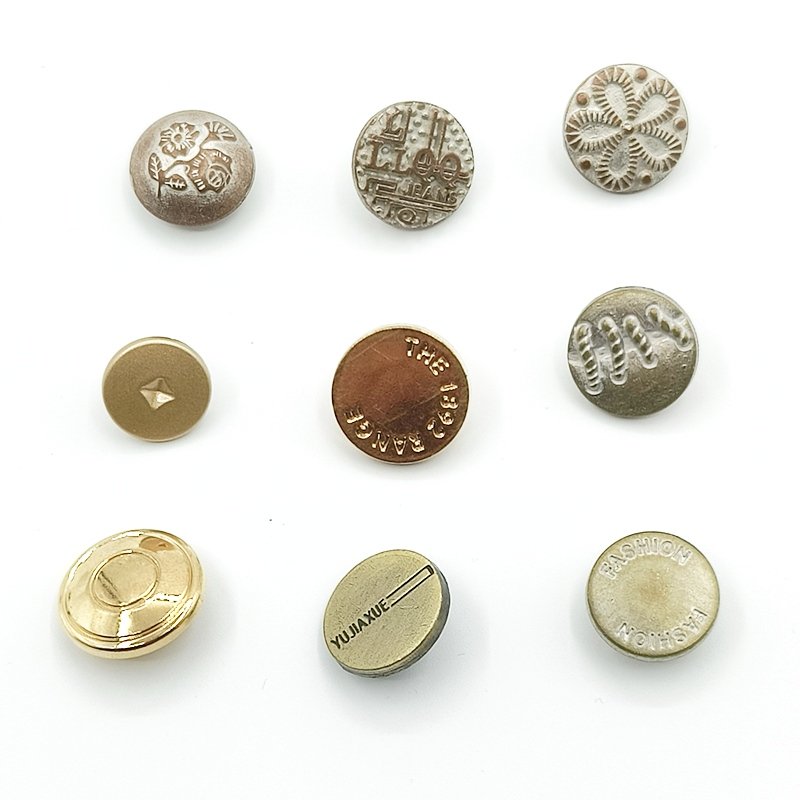
Snap Buttons
Heavy-duty snap buttons and press studs for adjustable waistbands, pocket flaps, and ankle cuffs. Choose from gunmetal, brass, or custom-engraved finishes that withstand repeated wear while adding functional streetwear appeal.
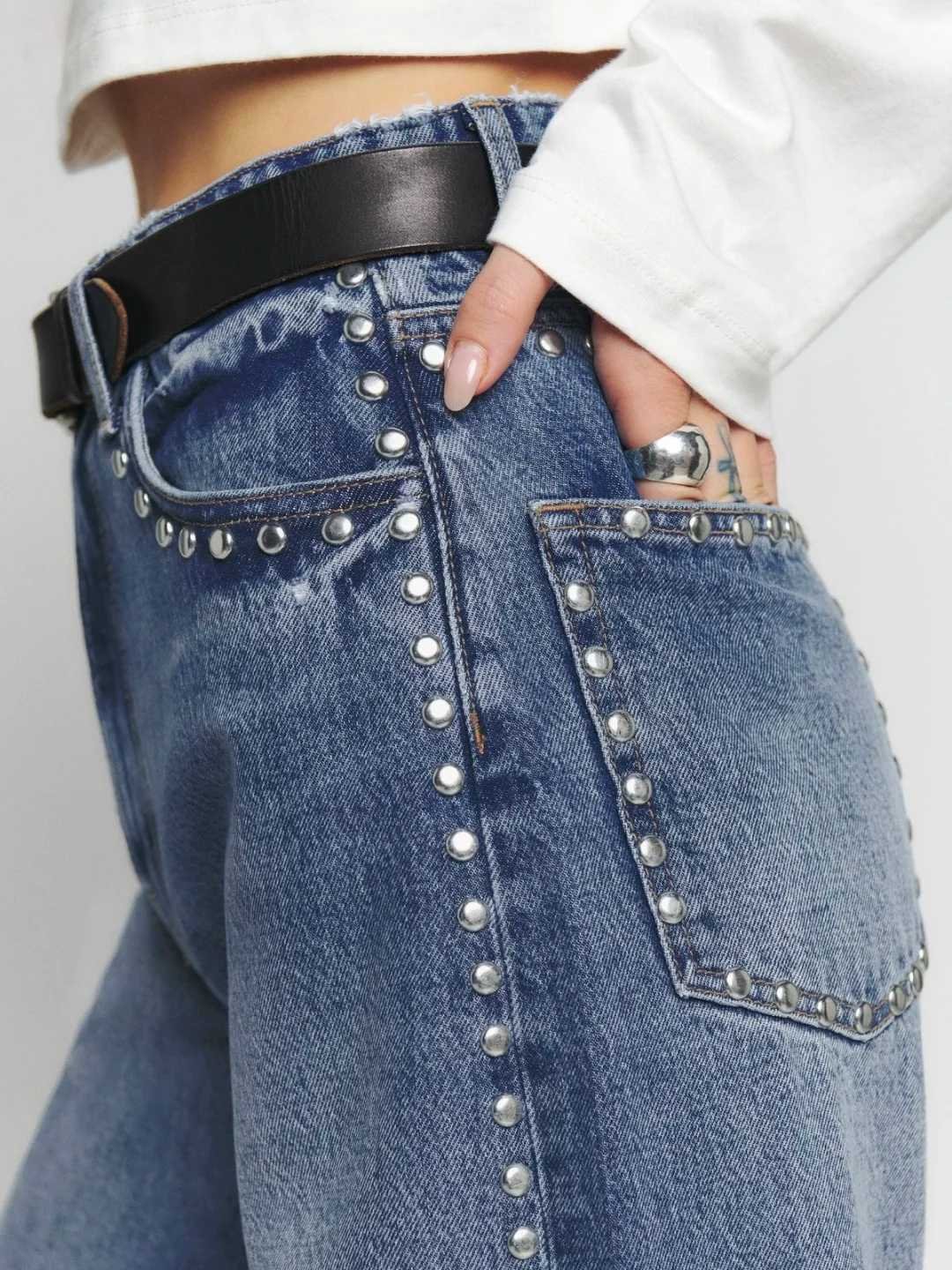
Drawcord & Tipping
High-strength drawcords with metal or plastic tipping for waistbands and leg hems. Available in round, flat, and reflective styles with custom colors and branded aglets to enhance adjustability and streetwear styling.
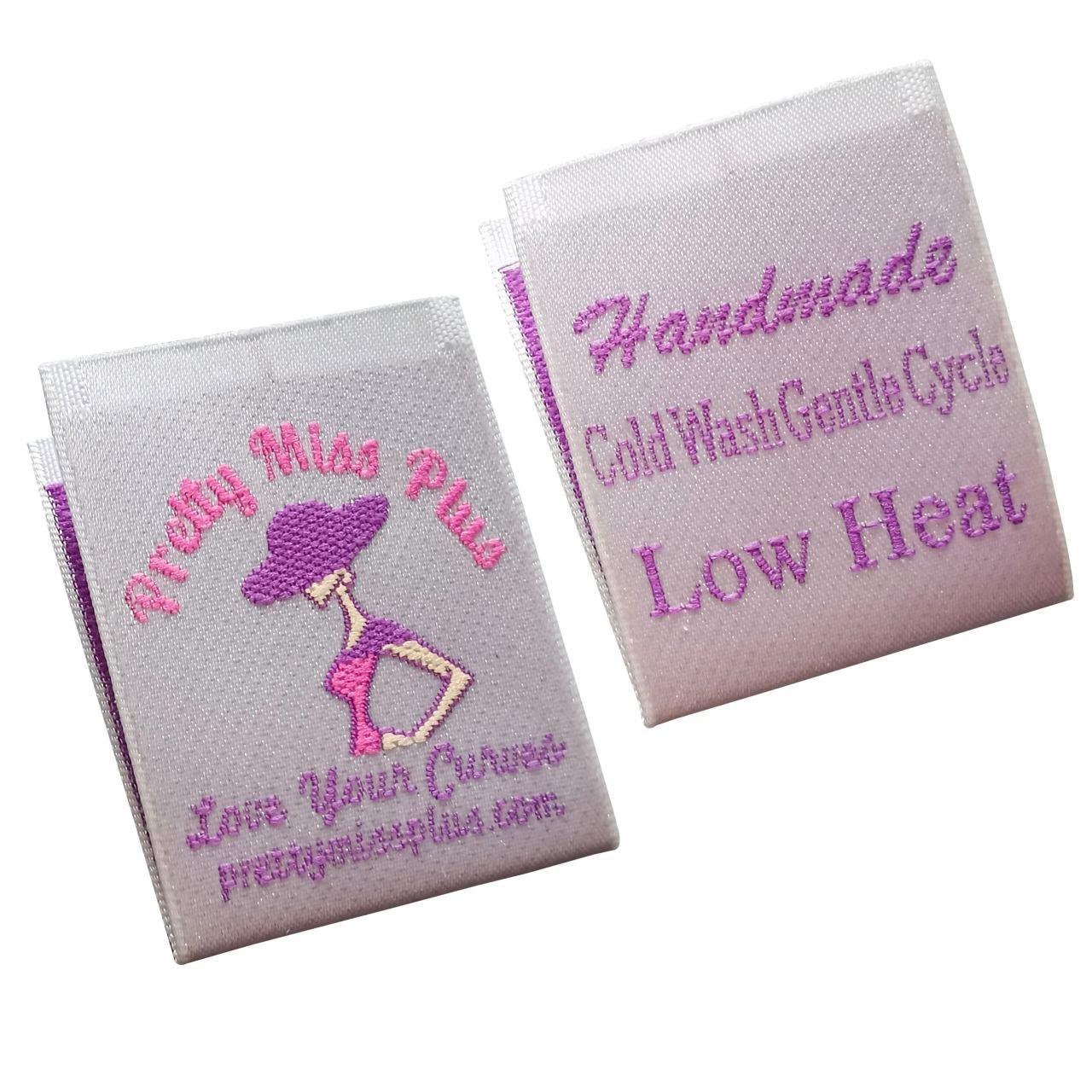
Woven Labels
Custom woven brand labels in damask, taffeta, or satin for necklines, waistbands, and pocket interiors. Fully customizable with your logo, care instructions, and brand story to reinforce authenticity on every garment.
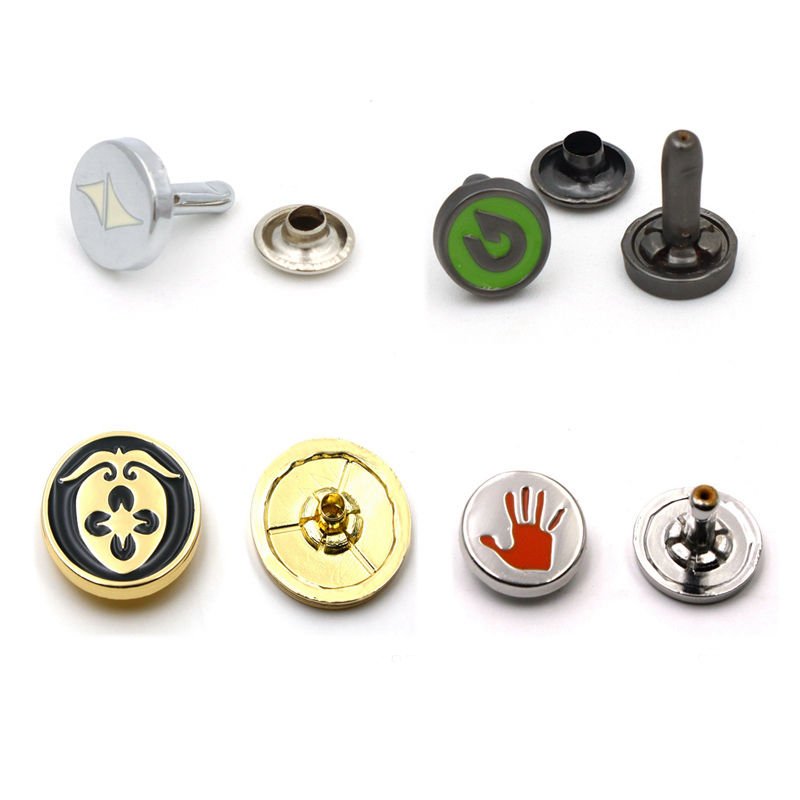
Metal Rivets
Reinforced metal rivets for high-stress pocket corners, belt loops, and cargo flaps. Available in brushed nickel, antique brass, and custom logo embossing to add industrial durability and signature streetwear detailing.
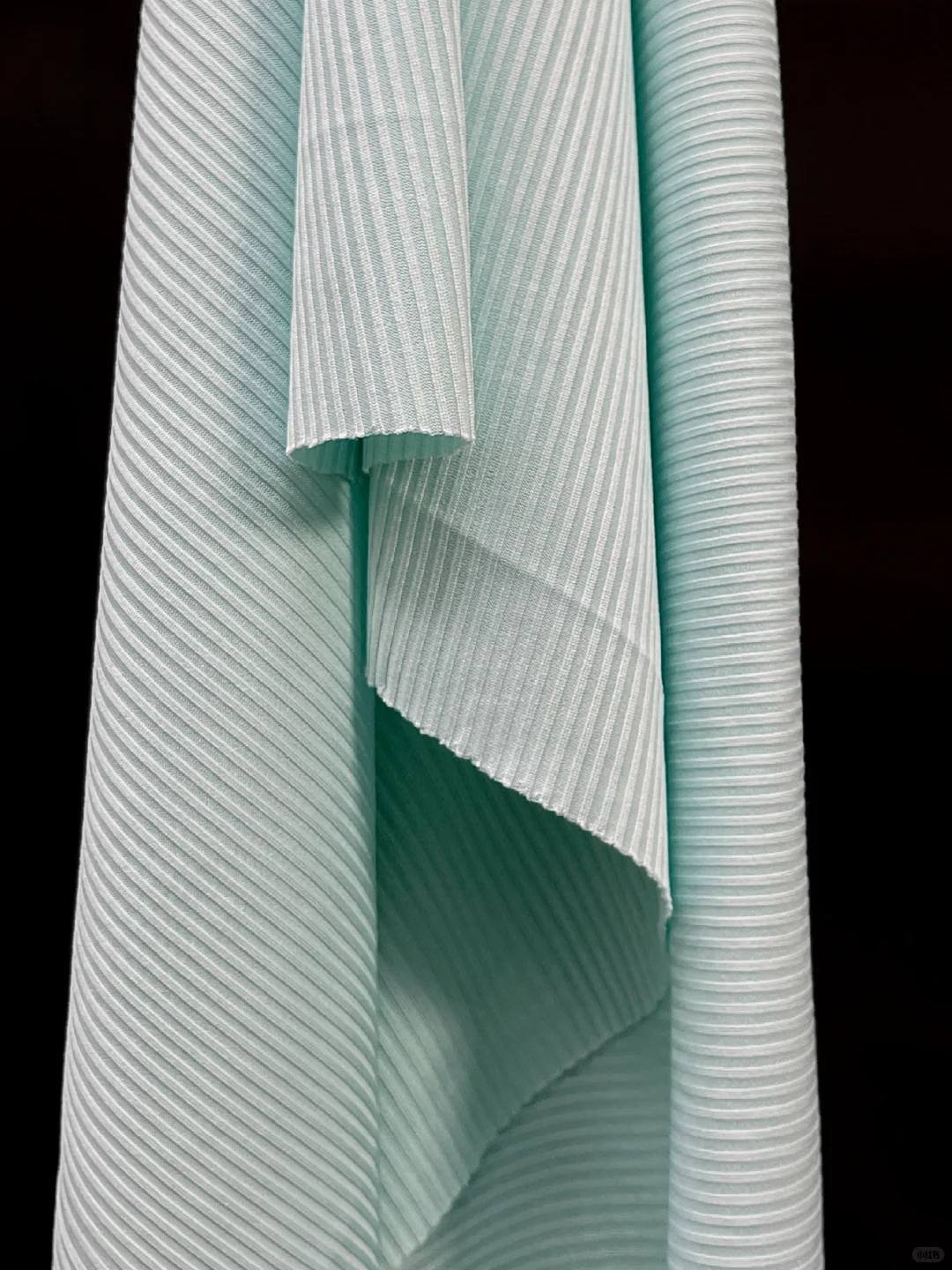
Custom Patches
Embroidered, woven, or PVC patches for thighs, cargo pockets, and waistbands. Design your own graphics, logos, or streetwear motifs with vibrant thread colors and 3D effects that make your parachute pants instantly recognizable.
About Your Parachute Pants Manufacturer
Founded in 2024 by Tesla Luo, Clothing Manufacturer Ltd. was born from a mission to eliminate low-quality clothing and restore trust in Chinese garment manufacturing. With over 10 years of apparel production experience and 6 years specializing in streetwear, Tesla grew up immersed in the industry, learning every production role from cutting to quality control in his family’s Dongguan factories.
Today, we serve streetwear brands, fashion startups, and retailers across 100+ countries, combining premium craftsmanship with our proprietary 5-step quality control process. Our 15-member R&D team and 10 patents support low-MOQ production, fast turnaround, and trend-driven designs that help emerging brands and established labels alike bring bold parachute pants and streetwear collections to life.
We partner with influencer lines, independent designers, and global retailers who refuse to compromise on quality. From fabric selection to final inspection, every parachute pants order undergoes rigorous QC testing at five critical stages, ensuring your brand receives products that meet the highest standards and earn customer loyalty worldwide.
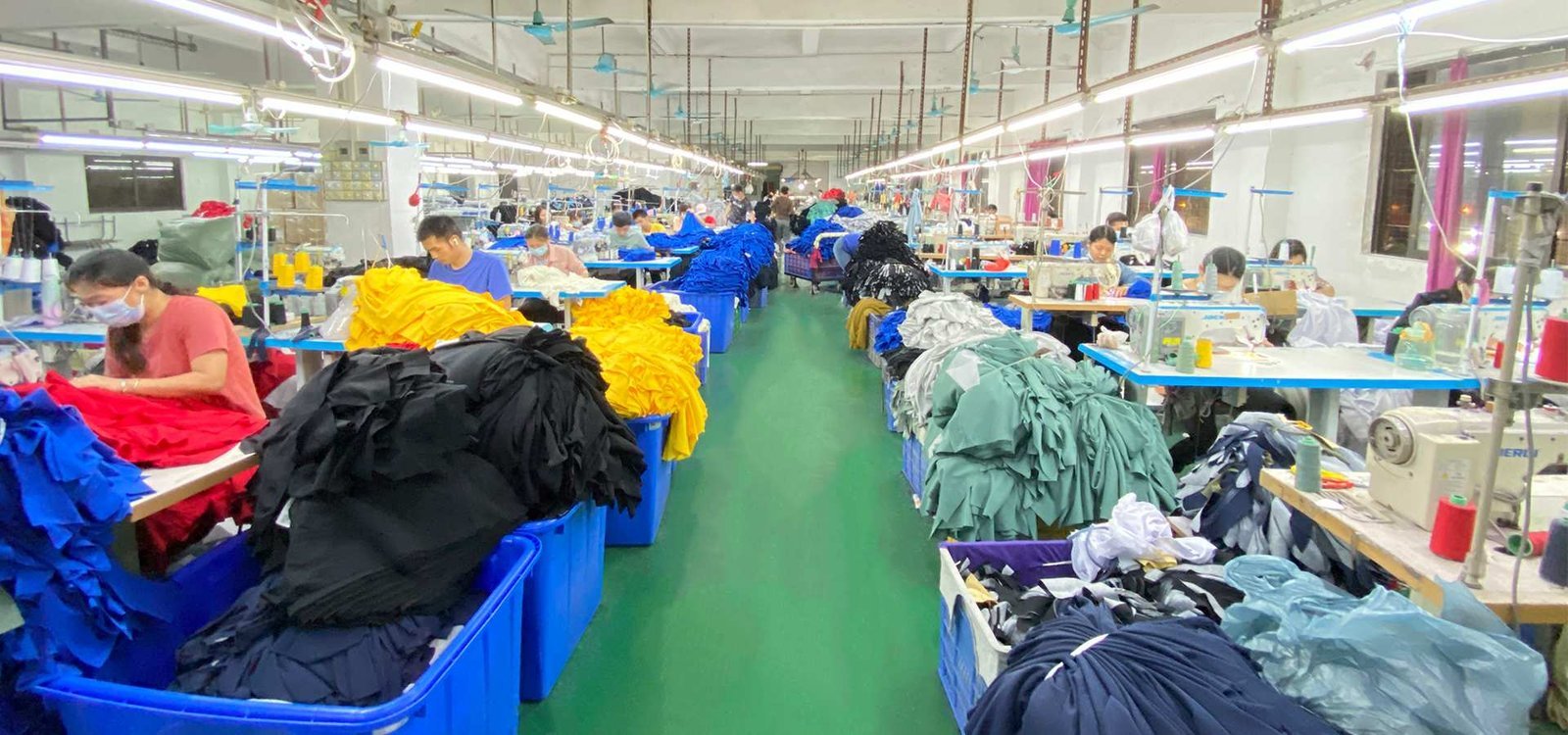
Our 5-Step Quality Control Guarantee for Every Parachute Pants Manufacturer Order
Materials QC Testing Before Production Starts
Before a single parachute pant is cut, our team inspects every fabric roll for color consistency, weight accuracy, and structural integrity. This first checkpoint ensures defective materials never enter your production line, protecting your brand reputation from day one.
- Fabric weight and thickness verified against specifications
- Color fastness and dye consistency tested across full rolls
- Stretch recovery and durability assessed for parachute pant performance
- Material certificates validated to match order requirements
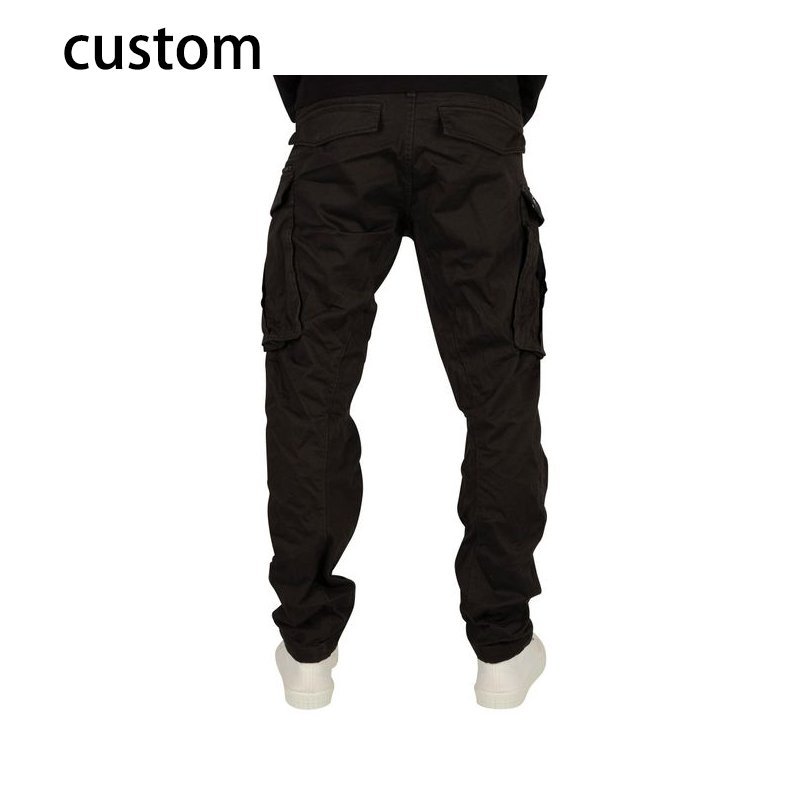
Cutting QC Testing for Precision Patterns
Our cutting quality control verifies that every pattern piece matches your approved samples exactly. We measure dimensions, check grain alignment, and confirm marker efficiency so your parachute pants maintain consistent fit and drape across every unit in the production run.
- Pattern dimensions cross-checked against tech packs and graded specs
- Fabric grain alignment inspected to prevent twisting or distortion
- Notch placement and matching points verified for assembly accuracy
- Cutting waste monitored to optimize fabric utilization and cost
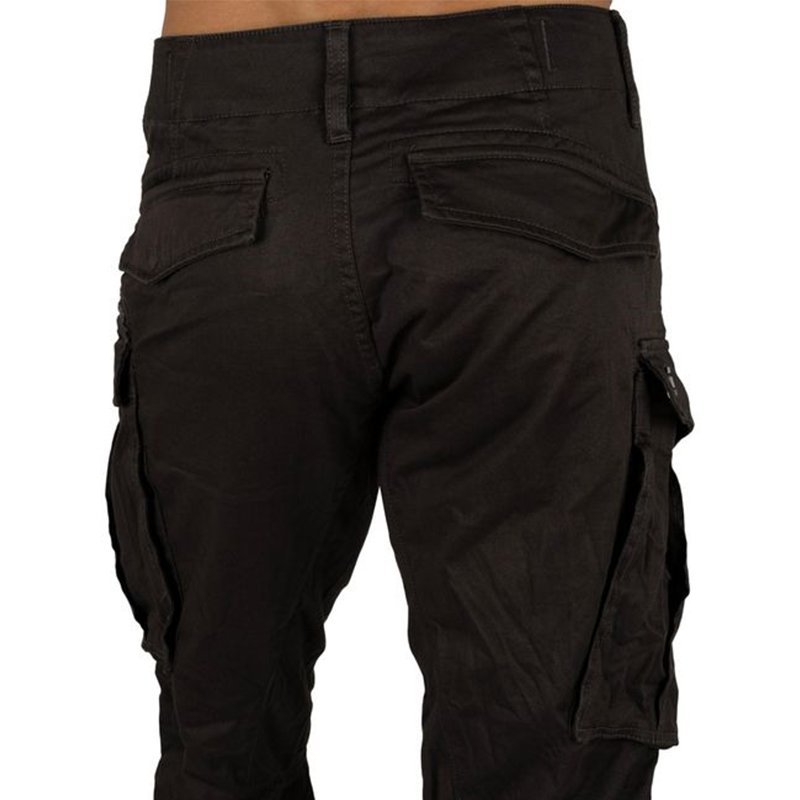
Clothing Craft QC During Assembly Stages
As parachute pants move through assembly, our craft quality inspectors examine stitching techniques, seam allowances, and construction details at critical milestones. This in-process testing catches errors early, reducing rework costs and keeping your production schedule on track.
- Stitch density and tension evaluated for durability and appearance
- Seam alignment and topstitching precision checked at each stage
- Pocket construction, zipper installation, and hardware placement verified
- Elastic waistbands and drawstrings tested for function and finish
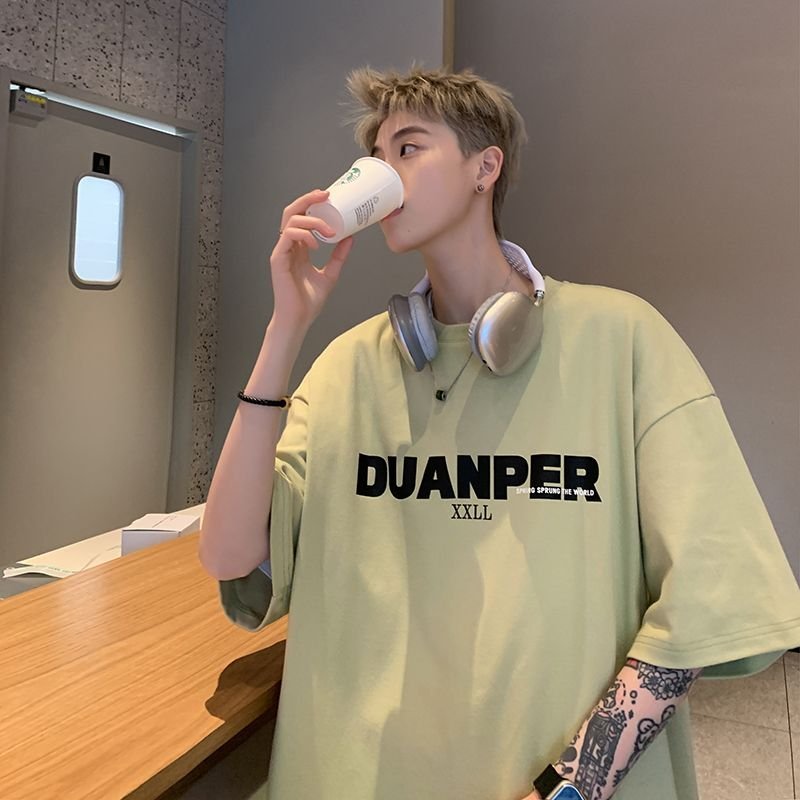
Finished Clothing Quality Inspection Before Shipping
Every completed parachute pant undergoes a comprehensive final inspection covering measurements, appearance, functionality, and packaging. Only garments that pass all criteria earn our approval for shipment, ensuring your customers receive the premium streetwear quality your brand promises.
- Full garment measurements validated against approved size charts
- Surface inspection for stains, snags, loose threads, and defects
- Functional testing of all closures, adjusters, and reinforced stress points
- Packaging and labeling verified to match brand guidelines and destination requirements
Why Brands Choose Our Parachute Pants Manufacturer
Compare our proven quality systems, flexible minimums, and design support against typical low-cost suppliers. See why streetwear brands and startups trust us to deliver parachute pants that meet their standards every time.
← 左右滑动查看 →
Our Parachute Pants Manufacturer Production Workflow
From fabric selection to final shipment, every phase of our parachute pants production integrates rigorous quality control and streetwear expertise to deliver exceptional results.
Fabric Sourcing & Approval
We select premium nylon, ripstop, and technical fabrics tailored for parachute pants, then conduct materials QC testing to verify durability and performance standards.
Pattern Development & Sampling
Our 15-member R&D team creates custom patterns and produces samples, followed by cutting QC testing to ensure precision fit and streetwear aesthetics.
Cutting & Pre-Assembly
Fabric panels are cut using advanced equipment with strict tolerances, then inspected through clothing craft QC testing before moving to production lines.
Sewing & In-Line QC
Skilled technicians assemble each garment while sewing production QC testing monitors stitching quality, seam strength, and construction details at every workstation.
Finishing & Final Inspection
Completed parachute pants undergo ironing, accessory attachment, and finished clothing quality QC inspection to guarantee zero defects before packaging.
Packaging & Global Shipping
Garments are carefully packed with custom branding and labels, then shipped worldwide with full logistics support and transparent tracking for your brand.
How to Partner With Your Parachute Pants Manufacturer
From tech pack to finished product, our streamlined process ensures your parachute pants meet every quality standard and deadline.
Submit Your Tech Pack
Share your parachute pants design specifications, fabric preferences, and target quantities. Our team reviews your requirements within 24 hours and provides initial feedback.
Receive Quote and Samples
We deliver a detailed production quote and create physical samples using your exact specifications. Review fit, fabric quality, and construction before committing to bulk orders.
Approve Production Start
Once you approve samples and pricing, we schedule your production run. Our team confirms timelines, materials sourcing, and assigns your dedicated quality control inspector.
Monitor 5-Step Quality Control
Your parachute pants undergo rigorous inspection at materials, cutting, craft, sewing, and finished product stages. We document every checkpoint and share progress updates throughout.
Receive Global Shipment
After final QC approval, we handle packaging, customs documentation, and logistics coordination. Track your order from our Dongguan facility to your warehouse worldwide.
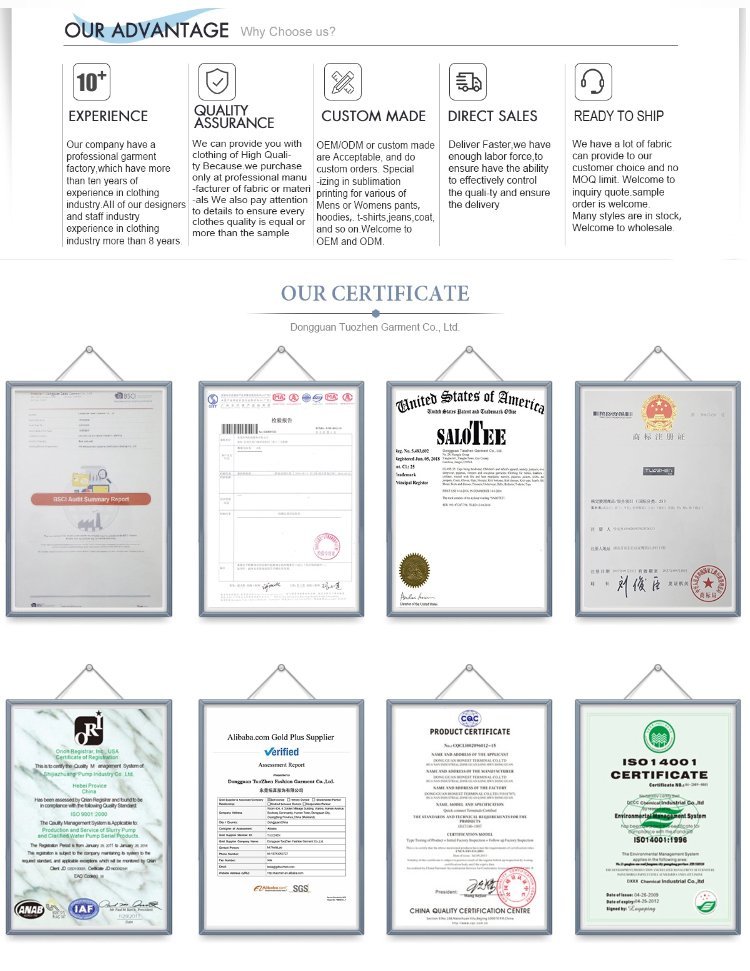
Certified Parachute Pants Manufacturer With Global Quality Standards
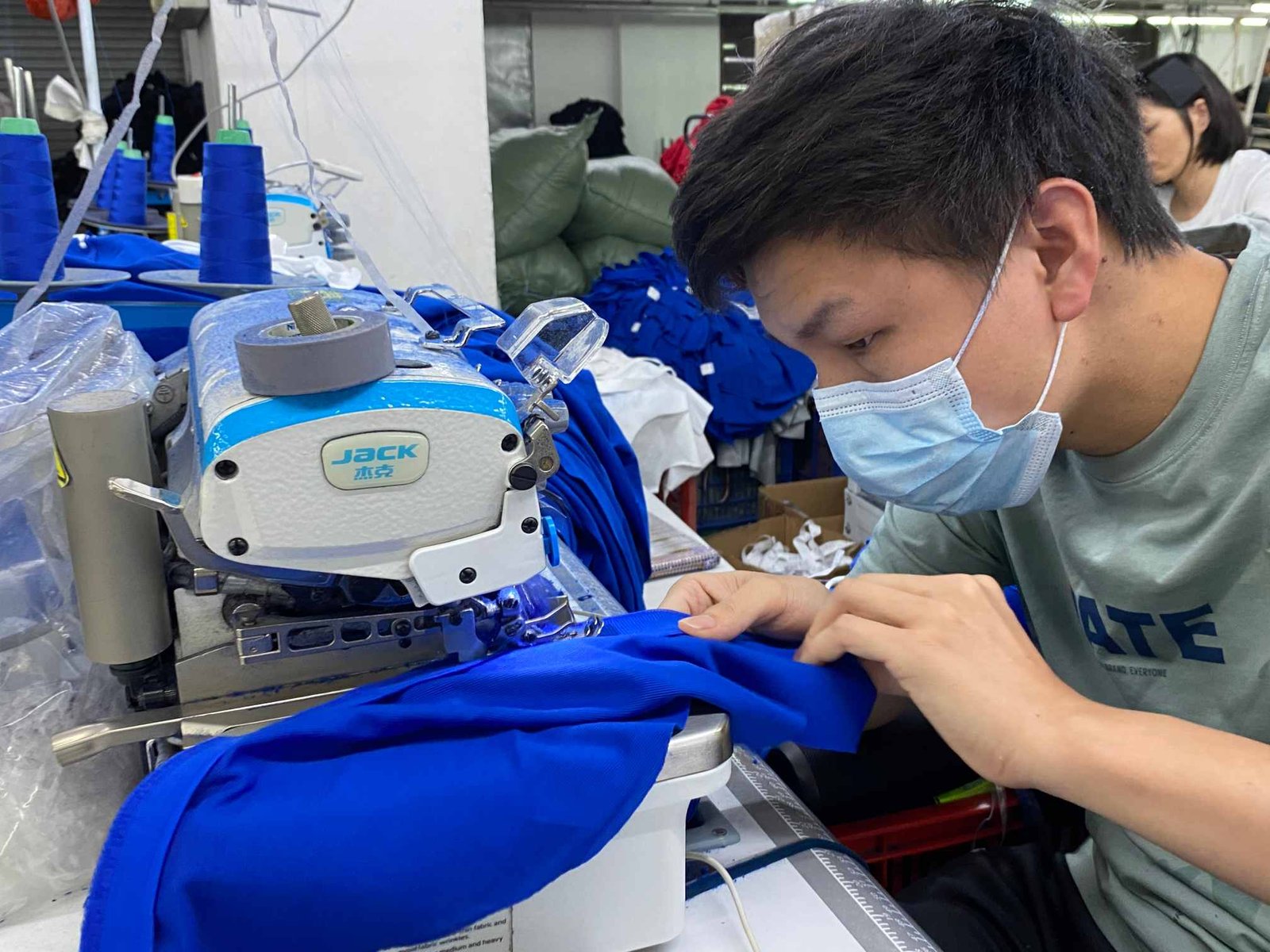
Trusted Parachute Pants Manufacturer for Streetwear Brands Worldwide
We launched our first parachute pants collection with only 150 units. The 5-step QC caught issues before production, and we sold out in 11 days. Our Instagram grew from 8,000 to 24,000 followers in one season.
As an influencer brand, speed matters. Clothing Manufacturer delivered 500 custom parachute pants in 18 days with zero defects. We’ve reordered three times this year and our community loves the quality and fit.
We tested four parachute pants manufacturers before finding Clothing Manufacturer Ltd. Their low MOQ let us test designs risk-free, and the craftsmanship is unmatched. Now they produce all our bottoms—over 2,000 units quarterly.
Frequently Asked Questions About Working With a Parachute Pants Manufacturer
What is the minimum order quantity (MOQ) for a parachute pants manufacturer?
How long does production take with your parachute pants manufacturer?
Do you charge for samples when working with a parachute pants manufacturer?
What payment terms does your parachute pants manufacturer offer?
How does a parachute pants manufacturer protect my designs and intellectual property?
What customization options are available from your parachute pants manufacturer?
Does your parachute pants manufacturer handle international shipping and logistics?
What quality control measures does a parachute pants manufacturer use?
Can your parachute pants manufacturer scale production as my brand grows?
The Complete Buyer’s Guide to Choosing the Right Parachute Pants Manufacturer
Navigate the sourcing landscape with confidence. This guide delivers a proven decision framework, essential supplier criteria, quality benchmarks, and the most common mistakes to avoid when partnering with a parachute pants manufacturer for your streetwear or fashion brand.
1. What Is a Parachute Pants Manufacturer?
A parachute pants manufacturer is a specialized apparel producer that designs and fabricates lightweight, nylon-based baggy pants featuring elastic or drawstring waistbands and elasticated ankle cuffs. The term ‘parachute pants’ originates from the use of ripstop nylon and other parachute-like synthetic fabrics — materials prized for their durability, wind resistance, and distinctive sheen. These factories maintain dedicated cutting tables, industrial overlock machines, and elastic-application equipment to handle the slippery, low-friction nature of technical fabrics that general garment factories often struggle to sew consistently.
Typical production capabilities include pattern grading across size runs (XS to 3XL), custom colorway development (often 8–12 Pantone-matched shades per season), and MOQs ranging from 100 to 500 pieces per style for emerging brands. A dedicated parachute pants manufacturer invests in specialized presser feet, ballpoint needles, and quality-control protocols for seam strength and elastic tension — ensuring cuffs retain shape after repeated wear. General factories lack this focus, leading to puckered seams, uneven gathers, and premature elastic failure.
Since 2022, Y2K nostalgia and streetwear’s embrace of oversized silhouettes have driven a 40–60 percent surge in parachute pant inquiries among fashion startups and influencer brands. Streetwear labels seek manufacturers fluent in both technical fabrication and trend-driven design elements — cargo pockets, reflective piping, and bold logo placements. This resurgence positions the parachute pants manufacturer as a critical partner for brands aiming to capture the intersection of retro aesthetics and modern performance-wear functionality.
2. The Evolution and History of Parachute Pants
Parachute pants emerged in the early 1980s as a staple of breakdancing culture, originally constructed from ripstop nylon—the same lightweight, tear-resistant fabric used in military parachutes. The baggy silhouette, elastic cuffs, and cargo pockets defined the era’s street aesthetic, allowing dancers full range of motion while the slick nylon enabled spins and slides on cardboard and linoleum. By 1984, brands like Bugle Boy and Zubaz had turned parachute pants into a mainstream fashion phenomenon, with production centered on simple cut-and-sew techniques and limited colorways due to fabric-dyeing constraints.
The 1990s saw a sharp decline as grunge and minimalist styles displaced the bold, synthetic look. Manufacturing shifted away from ripstop nylon toward cotton blends and denim, and parachute pants largely disappeared from retail floors by the mid-1990s. Production knowledge became fragmented, with few factories maintaining the specialized pattern-making and finishing expertise required for authentic parachute-pant construction.
Today’s streetwear revival has reintroduced parachute pants with significant design and manufacturing evolution. Modern parachute pants manufacturers now offer slim-fit and tapered cuts alongside classic baggy silhouettes, utilizing recycled polyester, organic cotton blends, and moisture-wicking technical fabrics that meet sustainability certifications like OEKO-TEX and GRS. Digital sublimation printing enables all-over graphics and custom colorways previously impossible with traditional dyeing, while laser-cutting and ultrasonic welding replace older seam-finishing methods. Buyers today expect parachute pants manufacturers to deliver heritage aesthetics with contemporary fit, eco-conscious materials, and rigorous quality control—standards that align with the five-step QC methodology and streetwear expertise that define modern production partners.
3. Types of Parachute Pants Manufacturers
Parachute pants manufacturers fall into four primary categories, each offering distinct service models and production capabilities. Understanding these types helps buyers align their business stage, budget, and design requirements with the right parachute pants manufacturer partner.
Full-Package Manufacturers
Full-package providers handle every stage from fabric sourcing and pattern development through cutting, sewing, finishing, and packaging. Typical MOQs range from 300 to 1,000 pieces per style, with lead times of 45 to 75 days depending on fabric availability and customization complexity.
Ideal for startups and independent designers who lack technical pattern-making resources or fabric supplier networks. Full-package parachute pants manufacturers absorb the complexity of coordinating multiple vendors, though unit costs run 15 to 25 percent higher than CMT-only arrangements due to bundled services and material markup.
Cut-Make-Trim (CMT) Specialists
CMT manufacturers require buyers to supply all fabrics, trims, and finalized tech packs, then execute cutting, sewing, and finishing only. MOQs often start at 500 pieces per colorway, with lead times of 30 to 50 days once materials arrive at the factory.
Best suited to established brands with in-house design teams and existing fabric vendor relationships. CMT offers tighter cost control and faster turnarounds but demands that buyers manage procurement, quality testing of incoming materials, and logistics coordination across multiple suppliers.
Private-Label Specialists
Private-label producers maintain catalog collections of pre-developed parachute pant styles that buyers rebrand with custom labels, hangtags, and packaging. MOQs can be as low as 100 to 300 pieces per design, with lead times of 20 to 35 days.
Ideal for influencer brands and fashion startups testing market demand without upfront design investment. Trade-off: limited differentiation since multiple clients may source identical or near-identical silhouettes, reducing brand uniqueness in competitive streetwear markets.
Sustainable and Eco-Focused Producers
Eco-focused parachute pants manufacturers prioritize organic cotton, recycled nylon, low-impact dyes, and certifications such as OEKO-TEX or GOTS. MOQs typically range from 500 to 1,500 pieces, with lead times of 60 to 90 days due to certified material sourcing and third-party audits.
Targeted at brands with sustainability mandates or consumer bases willing to pay premium pricing. Unit costs run 20 to 40 percent above conventional production, but certifications and transparent supply chains support higher retail price points and brand storytelling.
4. Materials and Fabrics for Parachute Pants
Fabric selection defines the performance, durability, and market positioning of parachute pants. A parachute pants manufacturer typically offers five core material categories, each optimized for specific use cases, weight ranges, and functional properties that align with streetwear, activewear, or technical performance applications.
| Fabric Type | GSM Range | Key Properties | Typical Applications |
|---|---|---|---|
| Ripstop Nylon | 80–140 GSM | High tear resistance, lightweight, water-resistant, low breathability | Casual streetwear, retro styles, windbreakers |
| Polyester Blends | 120–180 GSM | Durable, wrinkle-resistant, moderate breathability, quick-dry | Everyday streetwear, travel pants, athleisure |
| Cotton-Nylon Mix | 150–220 GSM | Soft hand feel, moderate durability, good breathability, minimal water resistance | Premium casual wear, lifestyle brands, comfort-focused designs |
| Recycled Polyester | 100–160 GSM | Eco-friendly, comparable durability to virgin polyester, moisture-wicking | Sustainable streetwear lines, eco-conscious brands |
| Technical Performance | 140–200 GSM | 4-way stretch, high breathability, moisture management, DWR coating | Activewear, training pants, outdoor performance |
5. Customization and Decoration Options with a Parachute Pants Manufacturer
A parachute pants manufacturer offers multiple decoration techniques to build brand identity, each with distinct setup costs, minimum order quantities, and durability profiles. Choosing the right method depends on design complexity, budget, and the streetwear aesthetic you want to achieve.
| Decoration Method | Setup Cost | Durability (Wash Cycles) | Visual Impact |
|---|---|---|---|
| Screen Printing | $25–$75 per color | 50+ | Bold, opaque |
| Heat Transfer | $0 setup | 15–30 | Full-color, photographic |
| Embroidery | $15–$50 digitizing | 100+ | Textured, premium |
| Woven Labels | $0 setup (min 500) | 100+ | Subtle, professional |
| Rubber Patches | $100–$300 mold | 80+ | 3D, streetwear edge |
| Reflective Print | $30–$60 screen | 40–60 | High-visibility, technical |
Screen Printing and Heat Transfer
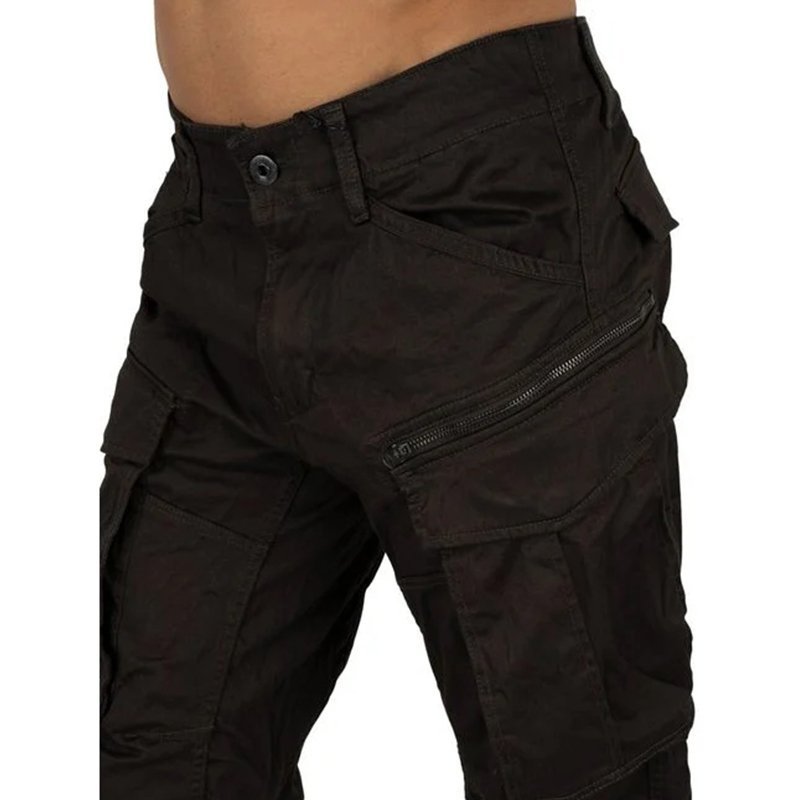
Screen printing delivers bold, opaque graphics on parachute nylon and polyester blends, with setup fees typically ranging from $25 to $75 per color and MOQs starting at 50–100 pieces per design. Heat transfer eliminates screen setup costs and supports full-color artwork, making it ideal for small runs of 10–25 units, though durability is lower on technical fabrics subject to friction.
For streetwear brands prioritizing vibrant logos or large back prints, screen printing offers superior wash resistance — up to 50+ laundry cycles without cracking — while heat transfer works best for limited drops or sample runs where setup speed outweighs longevity.
Embroidery and Woven Labels
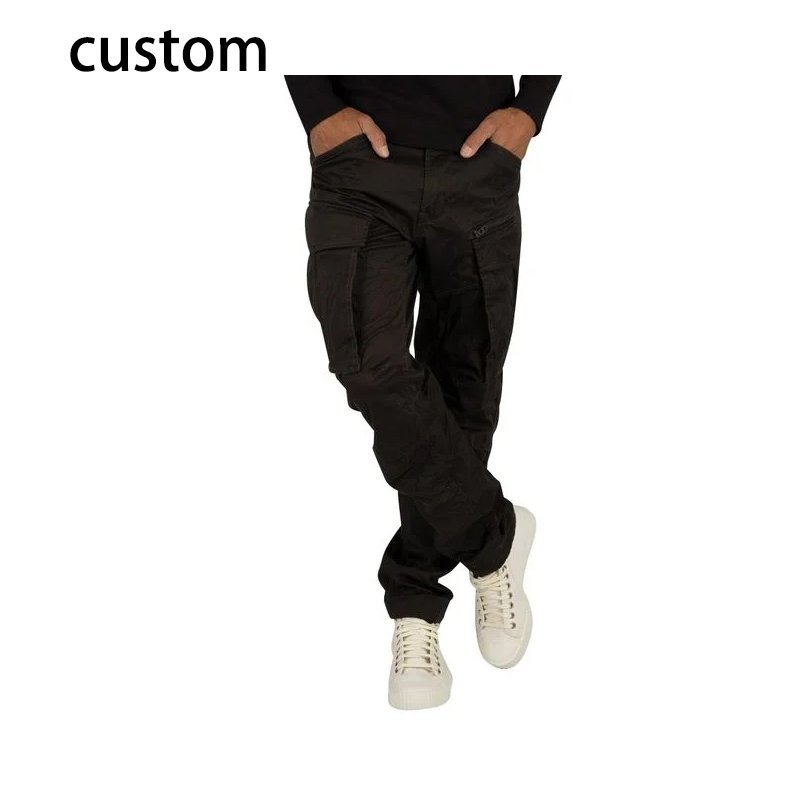
Embroidery adds texture and premium feel to waistbands, pockets, and leg panels, with digitizing fees of $15–$50 per design and per-piece costs of $0.50–$3.00 depending on stitch count. Woven labels sewn into seams or heat-sealed onto exterior surfaces cost $0.10–$0.40 each at quantities above 500 units, providing durable branding that withstands abrasion and repeated washing.
Clothing Manufacturer Ltd. integrates embroidery and label placement into its five-step QC process, inspecting thread tension and label alignment during sewing production QC testing to prevent puckering or misalignment common in rushed production.
Rubber Patches, Reflective Prints, and Custom Hardware
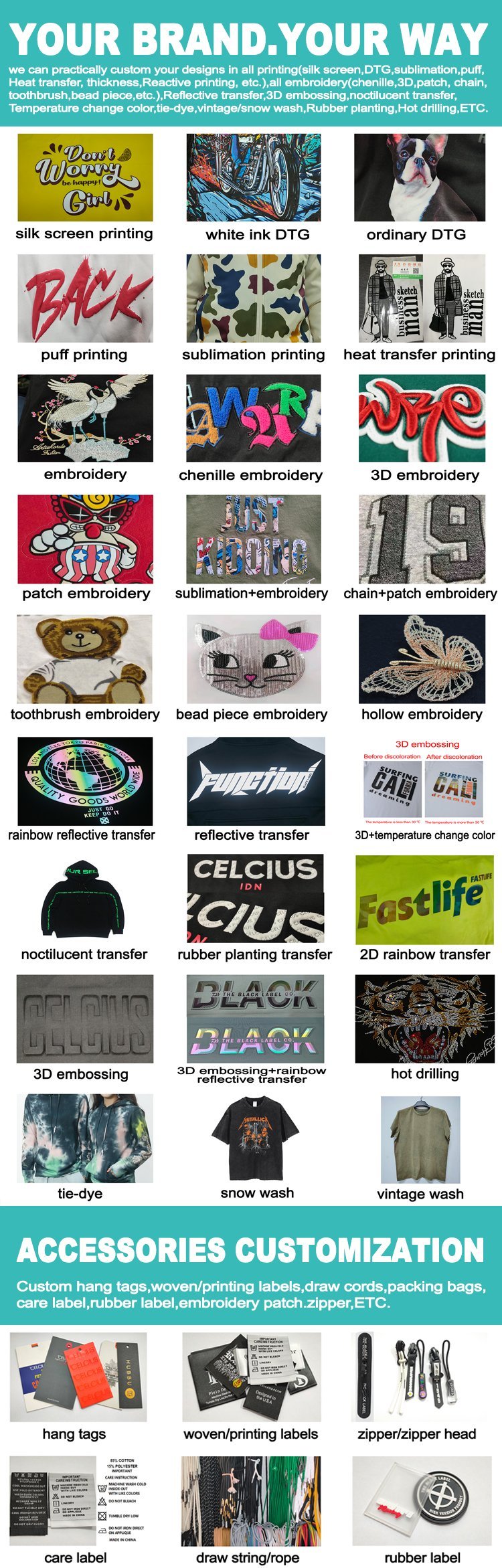
Rubber or silicone patches deliver three-dimensional branding with streetwear edge, costing $0.80–$2.50 per patch at MOQs of 100–300 pieces; reflective screen printing or heat-transfer vinyl enhances nighttime visibility and aligns with technical streetwear trends, adding $0.50–$1.50 per garment. Custom hardware — YKK zippers with branded pullers, metal-tipped drawstrings, or logo-engraved snaps — ranges from $0.30–$2.00 per component and typically requires minimums of 500–1,000 units per SKU.
These techniques elevate perceived value and differentiate parachute pants in crowded streetwear markets, though buyers should budget for longer lead times of 15–25 days when custom hardware or complex multi-method decoration is involved.
6. Key Quality and Construction Elements to Inspect
Quality control separates reliable parachute pants manufacturers from those shipping defective goods. Inspect pre-production samples against specific checkpoints before committing to bulk orders.
Reinforced Stitching at Stress Points
Crotch seams, pocket corners, and waistband attachment points endure the highest tension during wear. Bar tacks or double-needle stitching at these junctions prevent blowouts. Check that thread weight matches fabric — 40-weight polyester for nylon ripstop, 30-weight for heavier twill.
Pull each stress point firmly during sample inspection; properly reinforced seams show no thread slippage or puckering.
Elastic Waistband and Cuff Durability
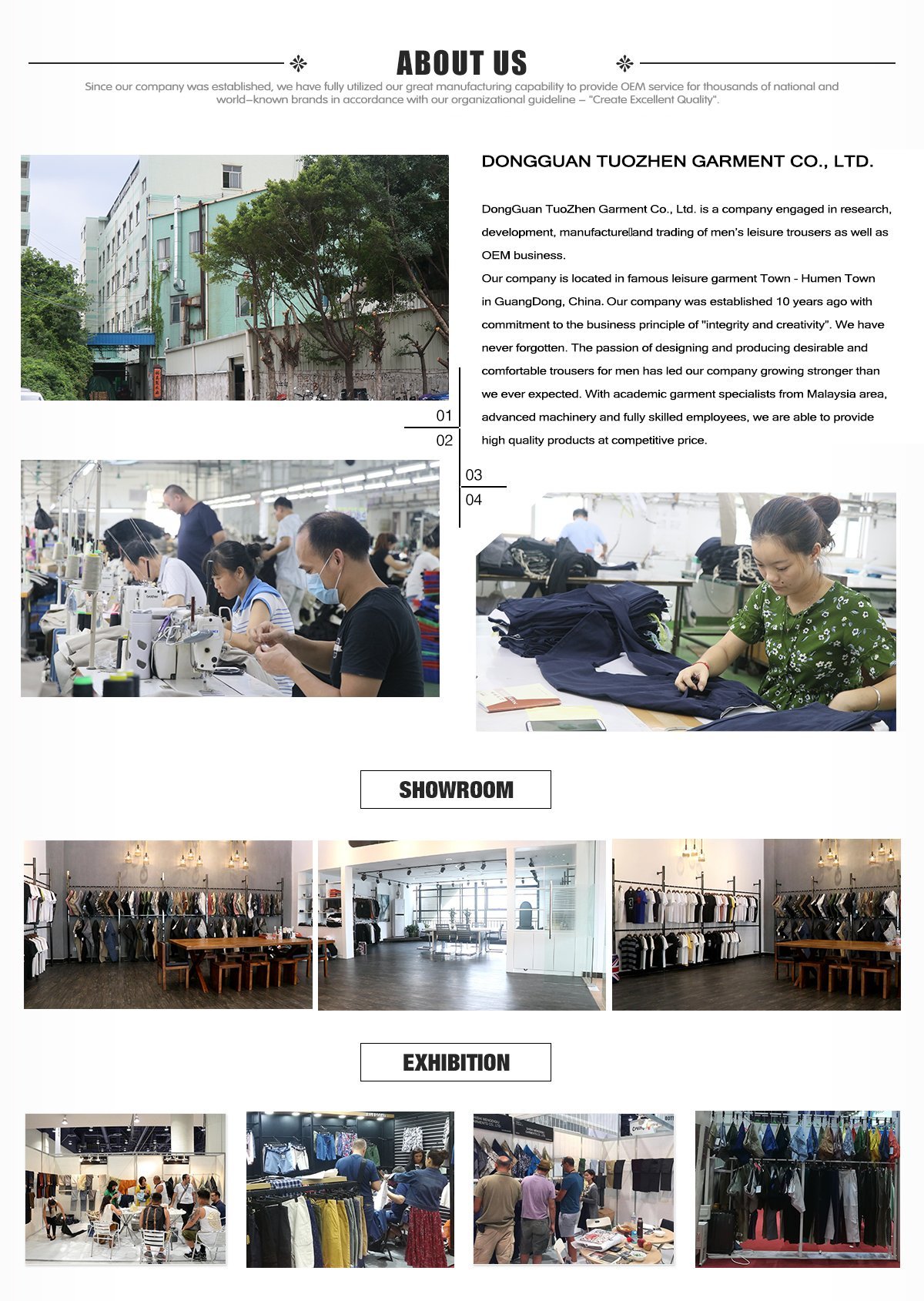
Premium parachute pants use covered elastic (fabric-wrapped) rather than exposed rubber to resist UV degradation and maintain recovery after 50+ wash cycles. Waistband elastic should measure 25–40 mm wide; cuffs typically use 15–25 mm.
Stretch a 10 cm section to double its length and release; quality elastic returns to within 2 mm of original dimension within three seconds.
Seam Finishing and Fabric Hand-Feel
Flatlock seams lie flat against skin and suit lightweight nylon; overlock (serged) seams work for mid-weight twill. Raw edges inside the garment fray after washing and signal poor construction.
Fabric hand-feel should match the stated GSM and fiber content. A 180 GSM nylon ripstop feels crisp and smooth; 240 GSM polyester twill has a softer drape and slight texture.
Five-Step QC in Parachute Pants Manufacturing
Reputable parachute pants manufacturers implement materials QC (fabric weight, colorfastness), cutting QC (pattern accuracy), craft QC (stitching tension), sewing production QC (in-line checks every 50 units), and finished garment inspection (measurement, function tests). This approach catches defects early rather than at final packing, reducing rework costs by 40–60 percent and ensuring consistent output across production runs.
- Materials QC: verify fabric GSM ±5%, colorfastness grade 4 minimum, elastic recovery >90%
- Cutting QC: confirm pattern pieces within ±2 mm tolerance, grain alignment correct
- Sewing production QC: inline checks every 50 units for stitch density (12–14 SPI), seam strength
- Finished garment QC: measure waist, inseam, cuff openings; test all zippers and snaps under load
7. How to Choose the Right Parachute Pants Manufacturer
Selecting the right parachute pants manufacturer requires a systematic evaluation of production capabilities, quality standards, and business practices. A structured framework helps brands avoid costly mistakes and identify partners who can scale with their growth.
Assess Production Capacity and MOQ Alignment
Verify that the manufacturer’s minimum order quantity matches your current volume needs and growth trajectory. Startups typically require 100–500 pieces per style, while established brands order 1,000–5,000 units. Ask about lead times for initial samples (7–14 days) and bulk production (30–45 days for parachute pants with standard nylon or polyester fabrics).
Confirm the factory can handle your customization requirements — embroidery, screen printing, woven labels, and specialty hardware — without outsourcing to third parties, which adds time and cost.
Verify Certifications and Quality Systems
Request documentation for ISO 9001 (quality management), WRAP (workplace standards), and OEKO-TEX Standard 100 (fabric safety) certifications. These credentials indicate compliance with international labor and environmental standards.
Ask for a detailed quality control process. Manufacturers implementing multi-stage QC — materials inspection, cutting checks, in-line sewing audits, and final garment inspection — consistently deliver lower defect rates than those conducting only end-of-line checks.
Review Portfolio and Request Samples
Examine past projects in streetwear and technical apparel categories. A manufacturer experienced with parachute pants will show samples demonstrating clean topstitching, secure elastic casings, reinforced stress points, and consistent fabric hand.
Always order pre-production samples before committing to bulk orders. Evaluate fit accuracy, fabric weight (typically 80–120 GSM for parachute pants), hardware durability, and print or embroidery quality. Red flags include refusal to provide samples, vague timelines, or lack of transparency about production stages.
8. Common Mistakes Buyers Make When Sourcing a Parachute Pants Manufacturer
Sourcing a parachute pants manufacturer for the first time often exposes brands to costly missteps that delay launches and damage reputations. Recognizing these pitfalls early helps both startups and established labels avoid rework, quality disputes, and budget overruns.
Choosing on Price Alone Without Quality Checks
Many buyers prioritize the lowest unit cost and skip sample approval or factory audits. This approach frequently results in shipments with inconsistent stitching, mismatched colors, or fabric that tears after a few wears.
Always request pre-production samples and verify that the parachute pants manufacturer implements in-process quality control—such as cutting QC, sewing QC, and finished-garment inspection—rather than testing only at the end. A five-step QC methodology catches defects early and protects your brand reputation.
Underestimating Lead Times for Custom Fabrics
Custom nylon or polyester blends for parachute pants can add 15–30 days to production schedules, yet first-time buyers often assume standard timelines. Missing launch windows or pre-order deadlines erodes customer trust.
Confirm fabric sourcing and dyeing lead times in writing before signing the purchase order. Build a buffer of at least two weeks into your project timeline when specifying custom GSM weights or proprietary colorways.
Neglecting Clear Spec Sheets and Sizing Standards
Vague tech packs lead to mismatched inseams, waistbands, and pocket placements. A parachute pants manufacturer may interpret ‘relaxed fit’ differently than your design intent, resulting in costly remakes.
Provide graded spec sheets with measurements for every size, stitch types, seam allowances, and Pantone references. Specify whether you follow US, EU, or Asian sizing conventions to eliminate guesswork during pattern development.
Failing to Clarify IP and Design Ownership
Without a written agreement, original prints, patterns, or silhouettes may be reproduced for other clients. This risk is especially high when sharing proprietary streetwear graphics or unique cargo-pocket configurations.
Include a non-disclosure clause and design-ownership terms in your contract. Confirm that all artwork files, tech packs, and samples remain your intellectual property and cannot be resold or replicated.
9. Steps to Launch Your Parachute Pants Brand
Launching a parachute pants line requires coordinated planning across design, production, and marketing. Fashion startups and independent designers benefit from breaking the process into discrete phases with realistic timelines and budget checkpoints at each stage.
Concept Development and Trend Research
Spend 2–4 weeks analyzing current streetwear trends, competitor offerings, and target customer preferences. Identify design elements—silhouette, colorways, hardware, branding placement—that differentiate your parachute pants from existing market options.
Allocate 5–10% of your total launch budget to mood boards, fabric swatches, and initial sketches. Document your findings in a brand brief that guides tech pack creation and manufacturer conversations.
Tech Pack Creation and Manufacturer Selection
Develop detailed tech packs that specify measurements, fabric GSM (typically 180–220 for nylon or polyester parachute pants), hardware (YKK zippers, snap buttons), and construction methods. Clear tech packs reduce sample revision cycles and miscommunication.
Request quotes from 3–5 parachute pants manufacturer candidates, comparing MOQ (often 100–300 pieces per colorway), unit cost, lead time (8–12 weeks for first production), and quality control protocols. Verify five-step QC or equivalent inspection processes before committing.
Sample Iteration, Bulk Production, and Go-to-Market
Order 2–3 sample rounds to refine fit, finish, and fabric hand feel; budget 4–6 weeks and $200–500 per round. Conduct fit testing on multiple body types and document adjustments in updated tech packs.
Once samples are approved, place bulk orders 10–14 weeks before your planned launch date to account for production (6–8 weeks), shipping (3–4 weeks), and customs clearance (1–2 weeks). Simultaneously, seed samples to influencers, set up e-commerce storefronts (Shopify, WooCommerce), and negotiate retail partnerships or pop-up placements to maximize launch visibility.
10. Pricing and Cost Breakdown
Parachute pants pricing varies by fabric weight, finish, and order volume. Lightweight 190T–210T nylon shell fabric typically costs $2.50–$4.00 per unit in raw material, while premium ripstop or coated textiles add $1.00–$2.50 per garment. Labor for standard parachute pants runs $3.50–$5.50 per unit in Dongguan, depending on seam count, pocket construction, and elastic casing complexity.
Customization fees layer onto base production costs. Screen printing averages $0.80–$1.50 per print location with a $60–$120 setup charge per color; embroidery runs $1.20–$3.00 per 1,000 stitches with $40–$80 digitizing fees. Heat-transfer labels cost $0.15–$0.40 each, while woven hang tags add $0.10–$0.25. Sampling charges range from $50–$150 per style, often credited back after order confirmation above MOQ thresholds.
Shipping and lead time scale with order size. Sea freight for 500 units averages $0.60–$1.20 per unit to North America (30–40 days), while air freight costs $3.50–$6.00 per unit (7–10 days). Standard production spans 18–25 days after sample approval; rush orders under 15 days incur 15–25 percent surcharges.
Fabric choice and decoration complexity drive final landed cost. A 500-unit run of basic nylon parachute pants with single-color screen print lands at approximately $11.50–$14.00 per unit FOB, versus $15.00–$19.00 for ripstop fabric with embroidered patches and custom woven labels. Buyers should budget 10–15 percent contingency for trim upgrades and QC-related adjustments during the first production cycle with any parachute pants manufacturer.
| Quantity Tier | Unit Price (FOB) | Setup Cost | Lead Time |
|---|---|---|---|
| 100 units | $16.00–$20.00 | $200–$350 | 25–30 days |
| 500 units | $11.50–$14.00 | $150–$250 | 20–25 days |
| 1,000 units | $9.00–$11.50 | $100–$200 | 18–23 days |
| 2,500 units | $7.50–$9.50 | $80–$150 | 18–22 days |
Partner With a Trusted Parachute Pants Manufacturer
Get your custom quote today and experience premium craftsmanship, low MOQ flexibility, and our industry-leading 5-step QC guarantee.