
Premium Mens Cargo Pants Manufacturer for Streetwear Brands
Trusted mens cargo pants manufacturer with 50-piece MOQ, 5-step quality control, and fast turnaround. Empowering startups and global brands with custom production.
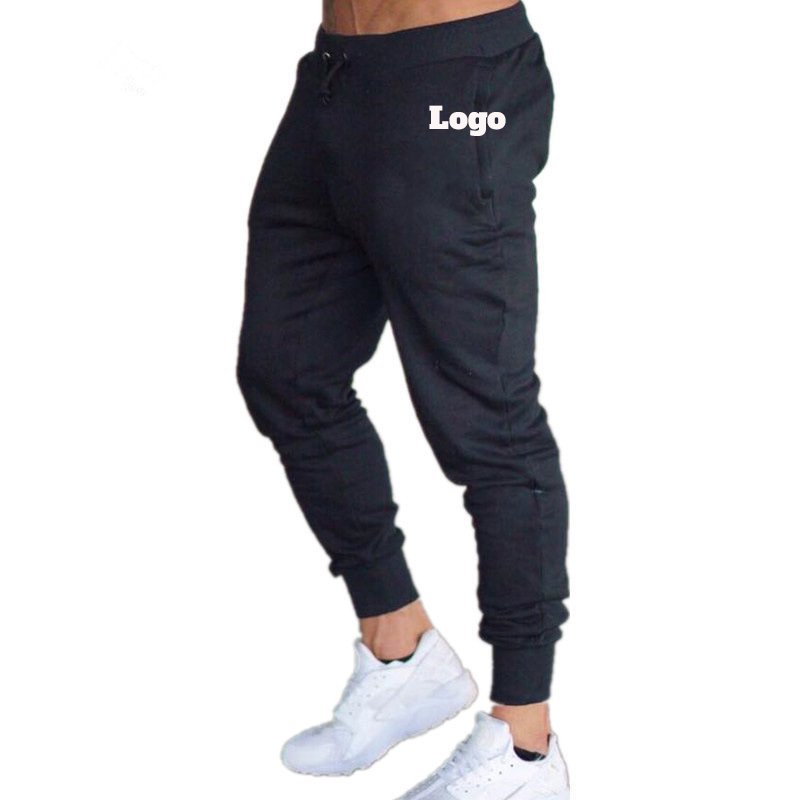
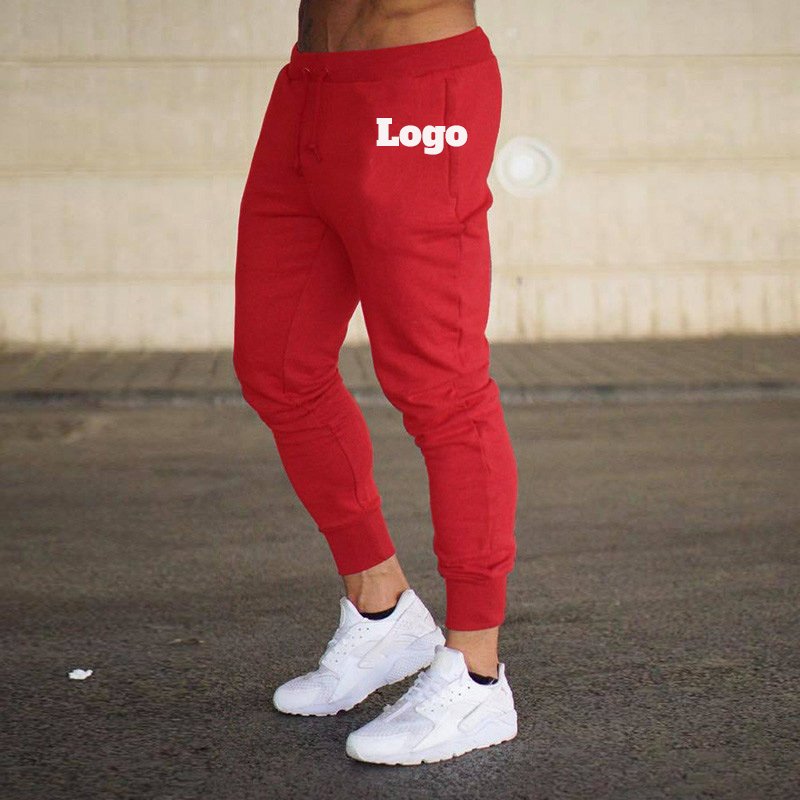
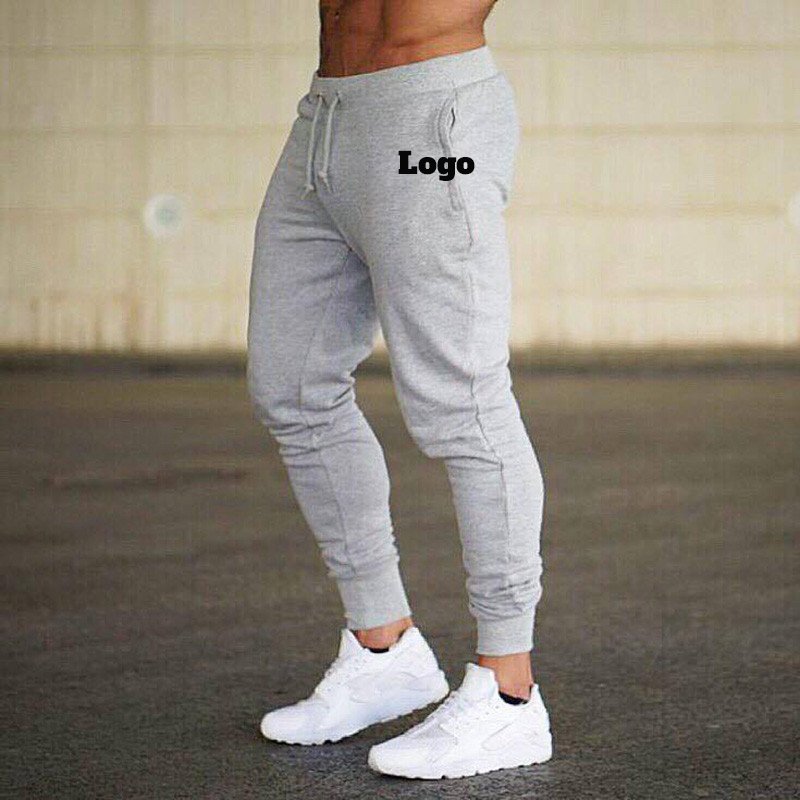
Cargo Pants Design & Sample Gallery
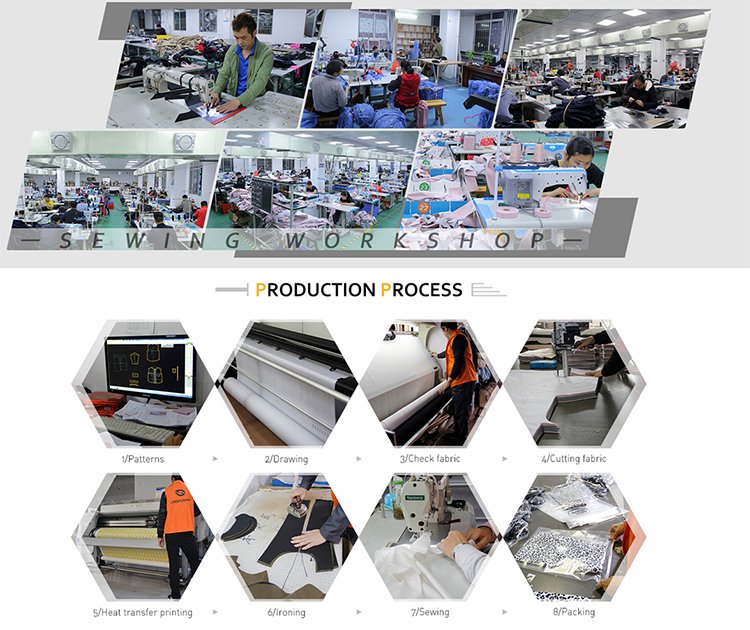
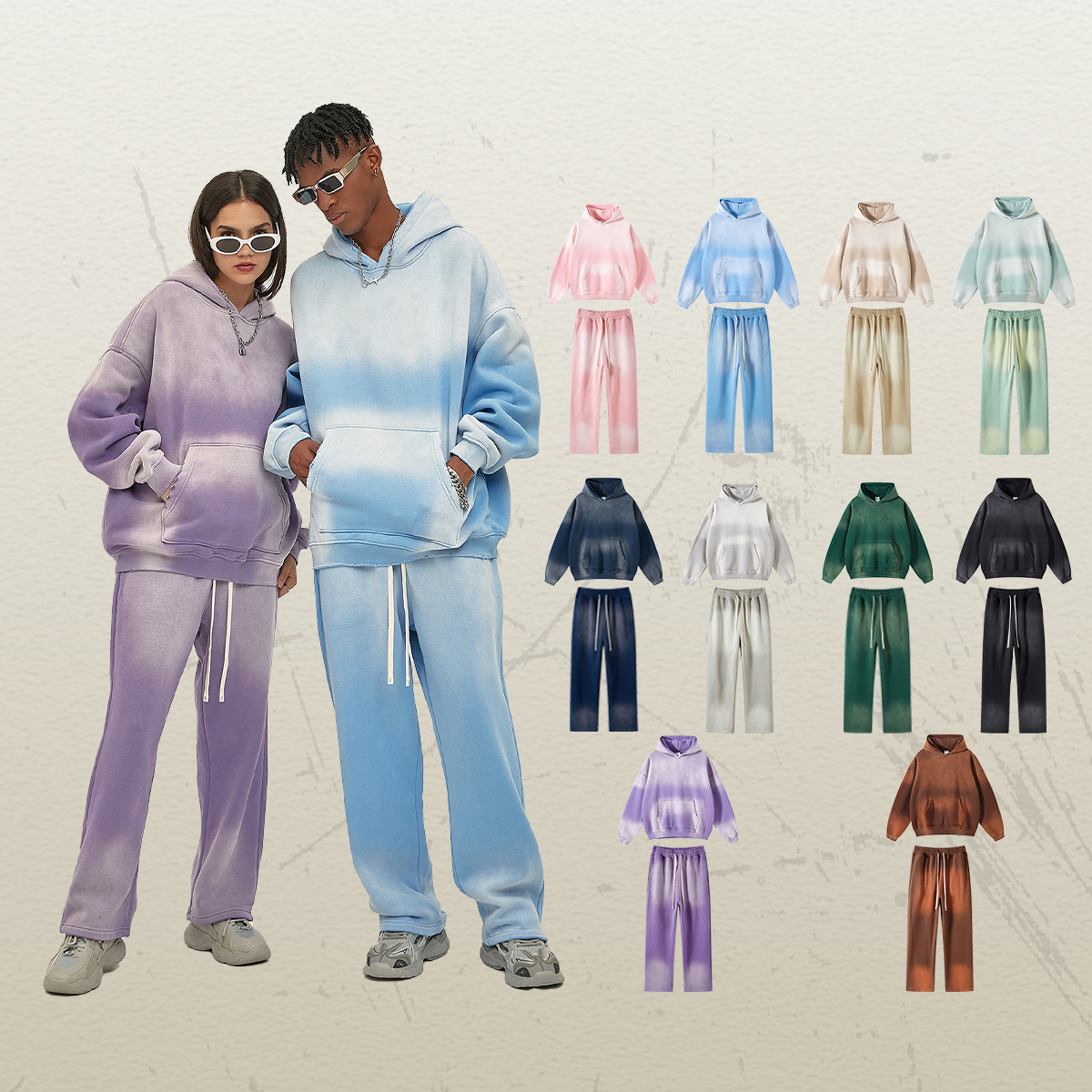

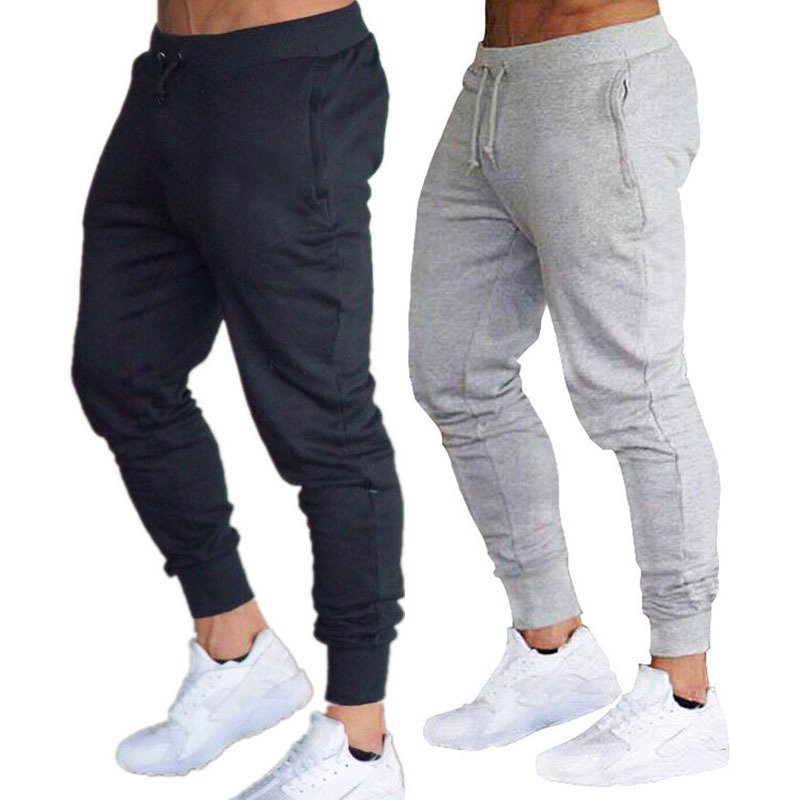
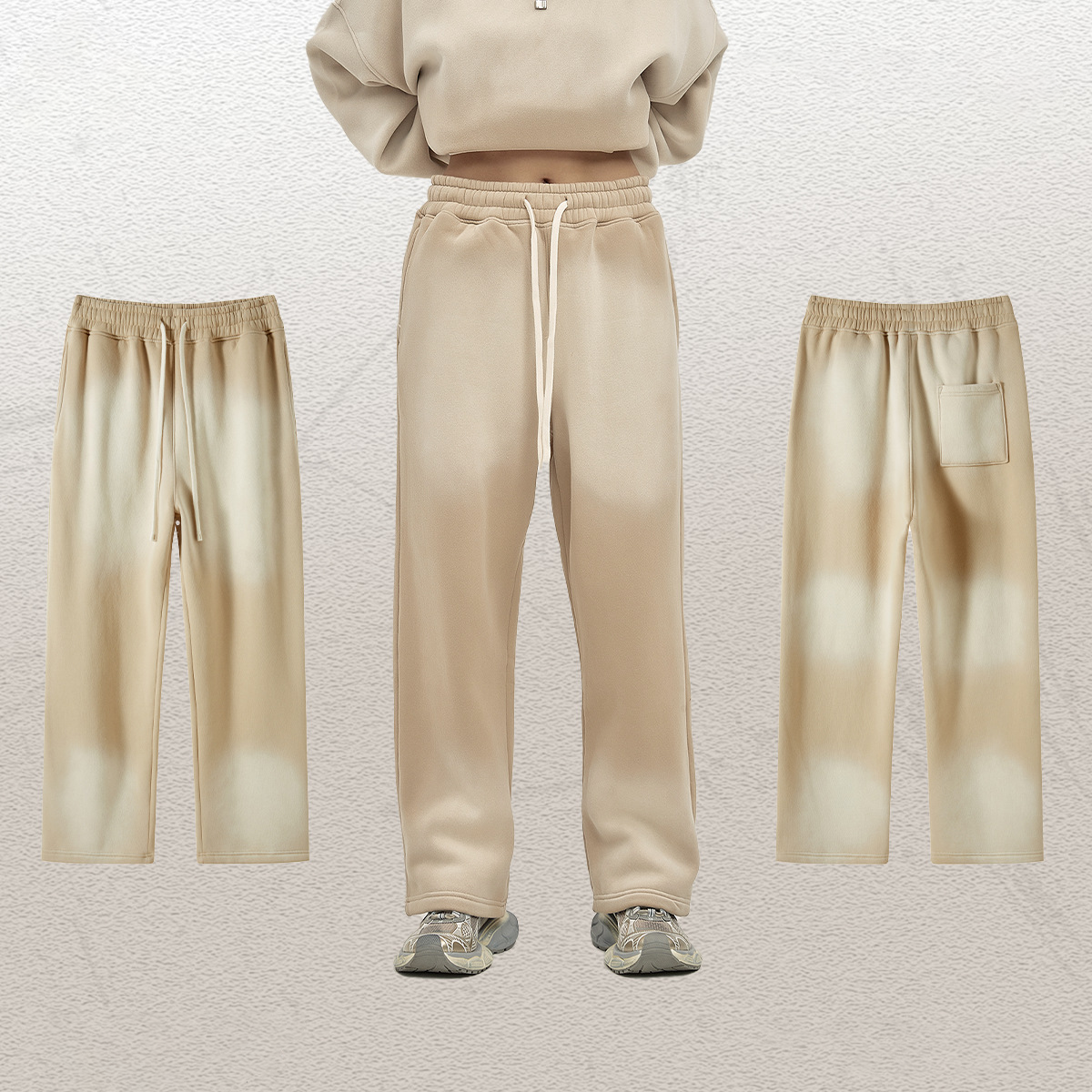
Why Choose Our Mens Cargo Pants Manufacturer
5-Step Quality Control Guarantee
Every cargo pant undergoes rigorous QC at materials, cutting, craft, sewing, and final inspection stages—no defects slip through.
50-Piece Low MOQ
Launch your cargo pants line without massive inventory risk. Perfect for startups, designers, and influencer brands testing new styles.
7-Day Sample Turnaround
In-house design and sampling team delivers production-ready cargo pants prototypes fast, so you never miss seasonal deadlines.
Streetwear Design Expertise
Six years specializing in streetwear trends—utility pockets, tactical details, oversized fits, and bold colorways that resonate with your audience.
Global Shipping & Logistics
Seamless customs, tracking, and delivery to over 100 countries. We handle documentation so you focus on growing your brand.
End-to-End Production Support
From fabric sourcing and pattern development to finishing and packaging, our 15-member R&D team guides every manufacturing step.
Mens Cargo Pants Manufacturer — Categories We Specialize In
From classic utility to oversized streetwear silhouettes, our production expertise covers every cargo pants style your brand needs. Each category is backed by our 5-step QC process and low 50-piece MOQ.
Classic Utility Cargo Pants
Many brands struggle to source traditional cargo pants that balance authentic workwear details with modern fit standards, often receiving bulky, outdated silhouettes that don't appeal to today's consumers.
We produce timeless utility cargo pants with reinforced stitching, functional pockets, and refined proportions that honor heritage workwear while meeting contemporary streetwear expectations for fit and durability.
Tapered Streetwear Cargo Pants
Emerging streetwear brands need cargo pants with a sleek, tapered leg that showcases footwear, but most manufacturers only offer baggy cuts or lack the pattern-making expertise for technical tapered fits.
Our in-house design team engineers tapered cargo pants with articulated knees, ankle zippers, and adjustable cuffs that deliver the modern streetwear aesthetic influencer brands and fashion startups demand.
Oversized & Baggy Cargo Pants
Trendy brands pursuing the oversized cargo trend face manufacturers who can't scale proportions correctly, resulting in pants that look sloppy rather than intentionally baggy with proper drape and structure.
We specialize in oversized cargo pants with precisely calculated volumes, dropped crotches, and wide legs that maintain shape and movement, perfect for brands targeting bold, trend-driven streetwear collections.
Tactical & Hybrid Cargo Pants
Retailers seeking technical cargo pants with performance fabrics and modular pockets often encounter factories unfamiliar with tactical construction methods, leading to poorly executed functional details and weak hardware attachment.
Our production team delivers tactical-grade cargo pants with ripstop fabrics, MOLLE-compatible webbing, reinforced stress points, and premium hardware—combining military-inspired utility with streetwear styling for global apparel retailers.
Premium Fabrics From Your Trusted Mens Cargo Pants Manufacturer
100% Cotton Twill
Classic medium-weight fabric with diagonal weave structure, offering breathable comfort and natural durability. Weight range 240-280 GSM. Ideal for traditional cargo pants with a soft hand-feel that improves with wear and washing.
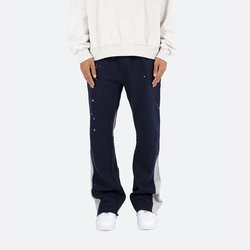
Cotton-Poly Blend
High-performance 65/35 cotton-polyester blend combining natural breathability with wrinkle resistance and color retention. Weight 260-300 GSM. Perfect for cargo pants requiring low-maintenance care and extended wear cycles in active streetwear collections.
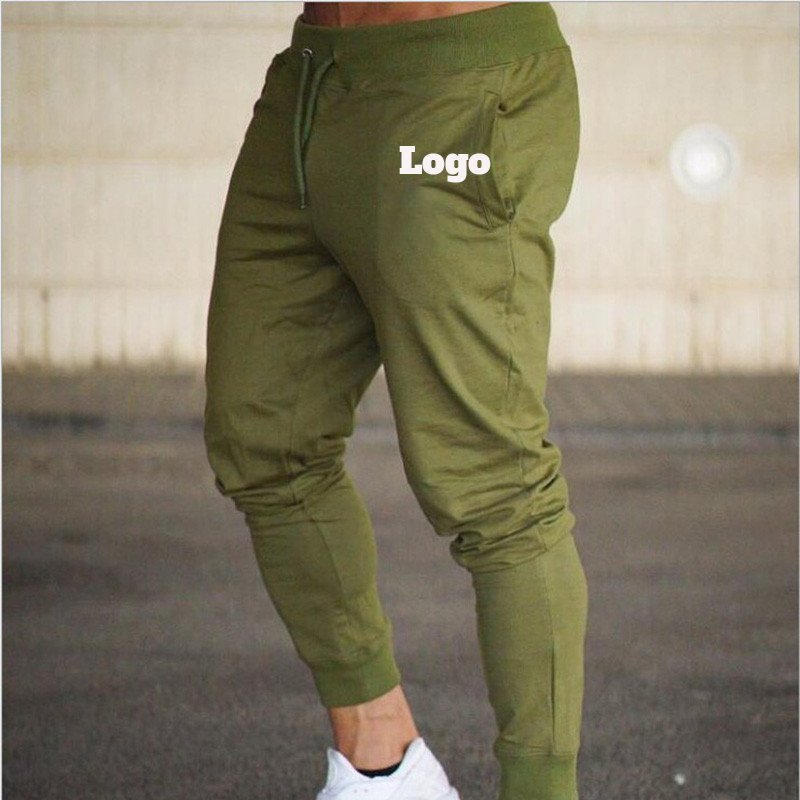
Ripstop Fabric
Reinforced grid-pattern weave engineered to resist tearing and ripping, featuring lightweight construction at 180-220 GSM. Delivers technical performance for utility-inspired cargo pants favored by streetwear brands targeting urban explorers and outdoor enthusiasts.
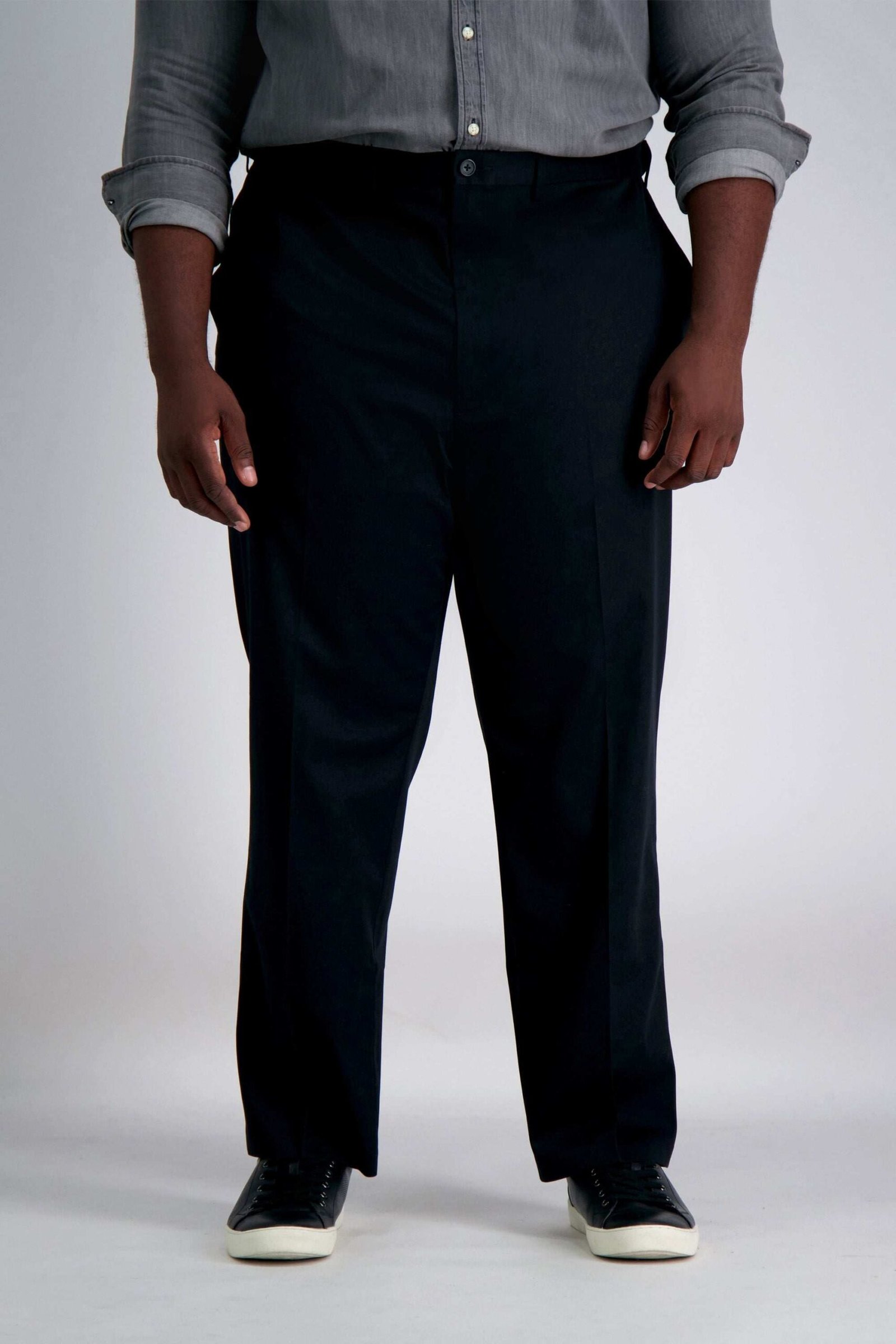
Stretch Cotton Twill
Cotton twill blended with 2-5% elastane for enhanced mobility and shape retention. Weight 260-290 GSM with excellent recovery properties. Provides modern comfort and flexibility for slim-fit or tapered cargo pant silhouettes without sacrificing structure.
Heavyweight Canvas
Robust plain-weave cotton fabric at 340-400 GSM, delivering exceptional durability and workwear-inspired aesthetic. Ideal for oversized, baggy cargo pants and vintage-style streetwear pieces requiring substantial weight and structured drape with minimal stretch.
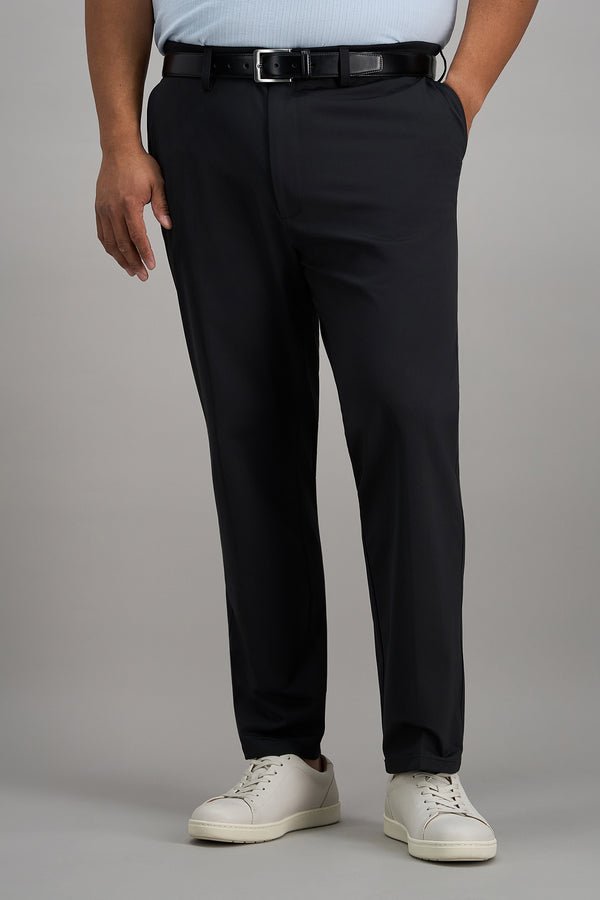
Recycled Cotton Blend
Sustainable fabric combining recycled cotton fibers with virgin cotton or polyester, maintaining 240-280 GSM weight. Supports eco-conscious brand positioning while delivering comparable durability and comfort to conventional fabrics for environmentally-focused cargo pant lines.
Mens Cargo Pants Manufacturer Production Techniques & Finishing Processes
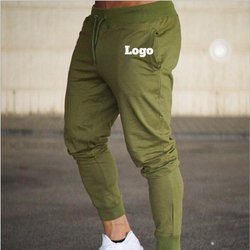
Screen Printing
High-opacity ink application perfect for bold graphics, logos, and streetwear artwork on cargo pants. Delivers vibrant, long-lasting color with excellent wash durability and a professional finish that maintains sharpness through repeated wear.
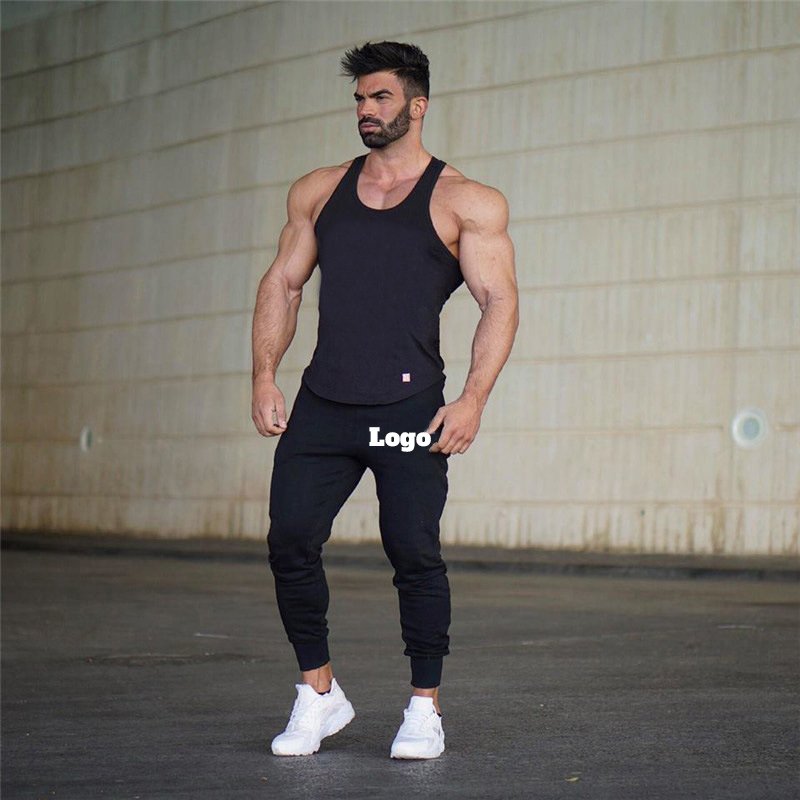
Custom Embroidery
Premium thread-based decoration for logos, patches, and intricate designs on cargo pants pockets and panels. Creates a raised, textured finish with superior durability that elevates brand perception and resists fading or peeling over time.
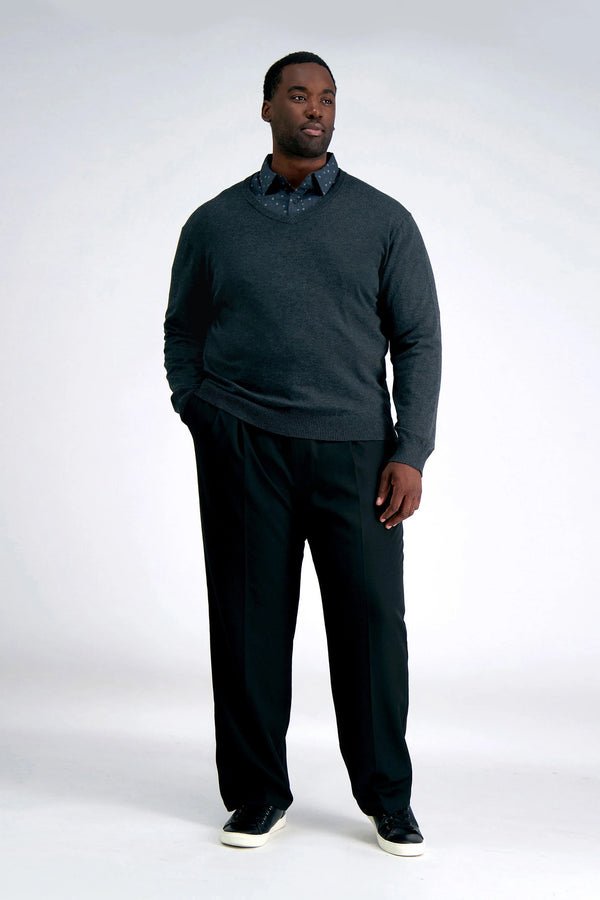
Garment Dyeing
Post-construction dyeing process that creates unique washed effects and rich, saturated color throughout mens cargo pants. Achieves authentic vintage aesthetics and soft hand-feel while ensuring consistent color penetration across all fabric weights.
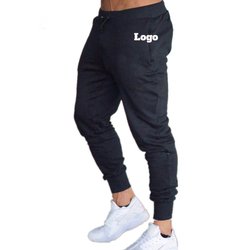
Distressing & Washing
Specialized techniques including enzyme wash, stone wash, and manual distressing to create authentic worn-in looks. Produces the coveted streetwear aesthetic with controlled fading, whiskering, and texture that appeals to trend-conscious consumers.
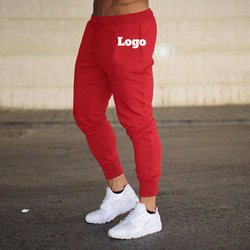
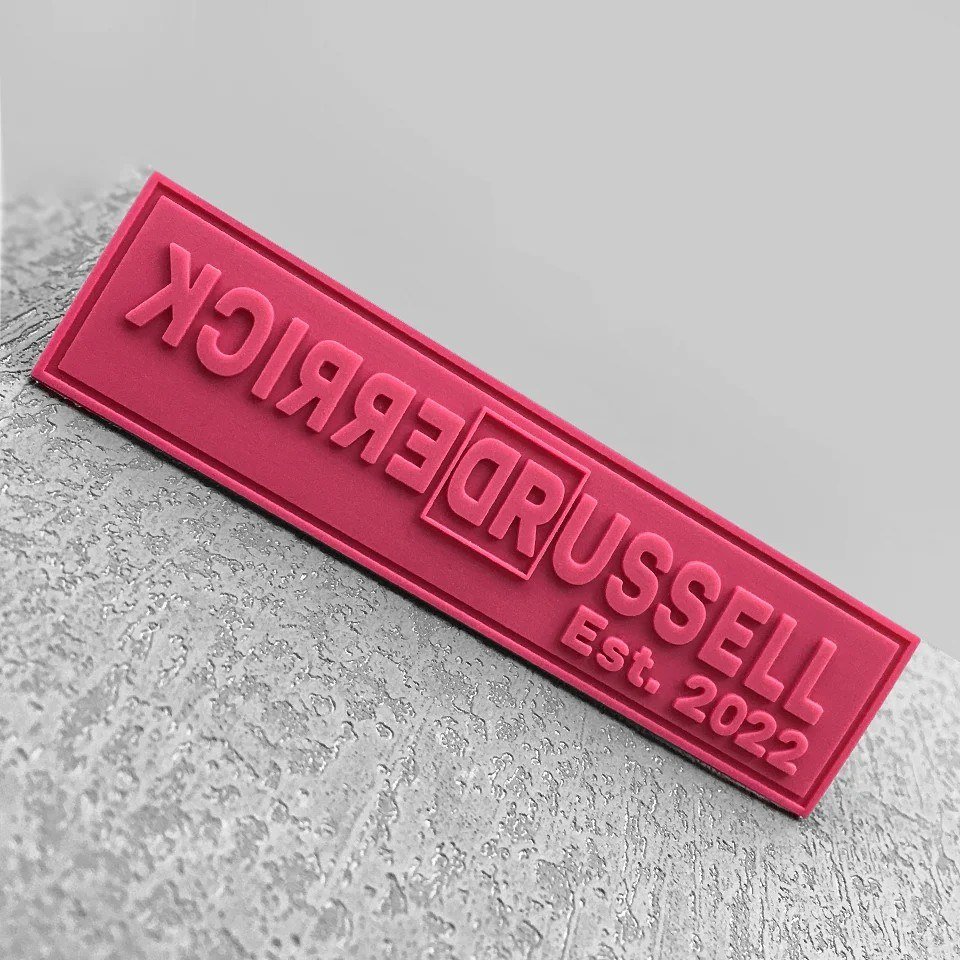
Patch Application
Precision attachment of woven labels, rubber badges, and custom patches to cargo pants using heat-seal or stitching methods. Adds dimensional branding elements with secure adhesion that withstands rigorous use and maintains visual integrity.
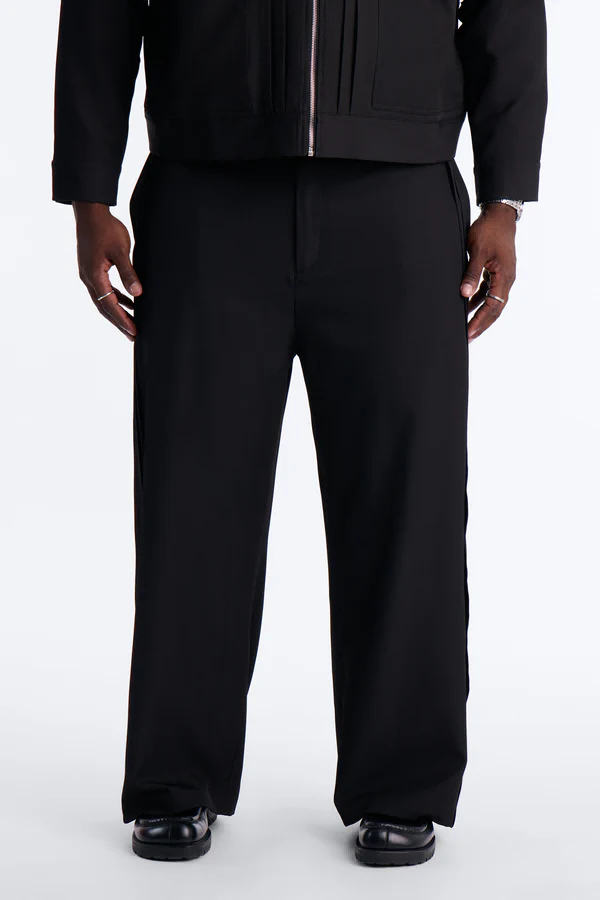
Sublimation Printing
Heat-transfer dye process for full-color, photographic-quality designs on polyester cargo pants. Creates seamless, breathable graphics with zero texture or cracking, ideal for all-over prints and complex patterns that demand exceptional detail and colorfastness.
Hardware & Accessories From Your Mens Cargo Pants Manufacturer
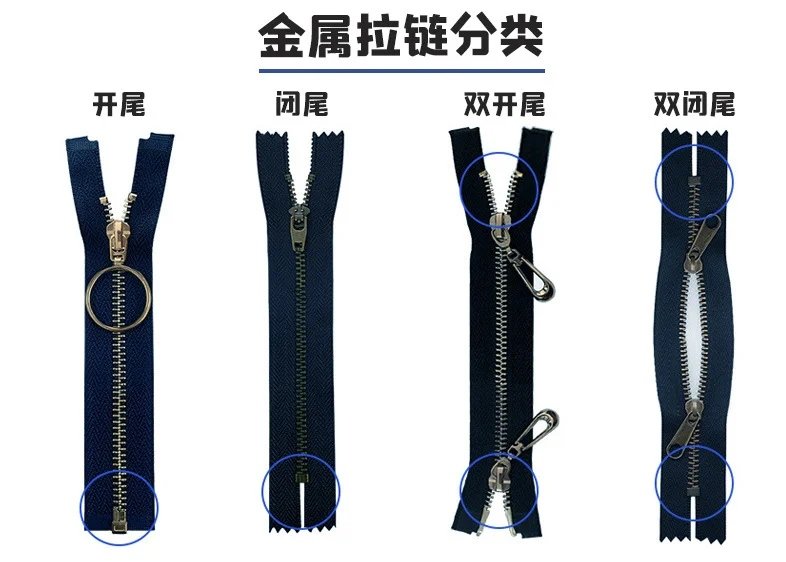
YKK Metal Zippers
Premium YKK zippers for cargo pockets, fly closures, and decorative details. Tested for 10,000+ cycles to ensure smooth operation and long-lasting durability in high-stress areas of your cargo pants.
Snap Buttons
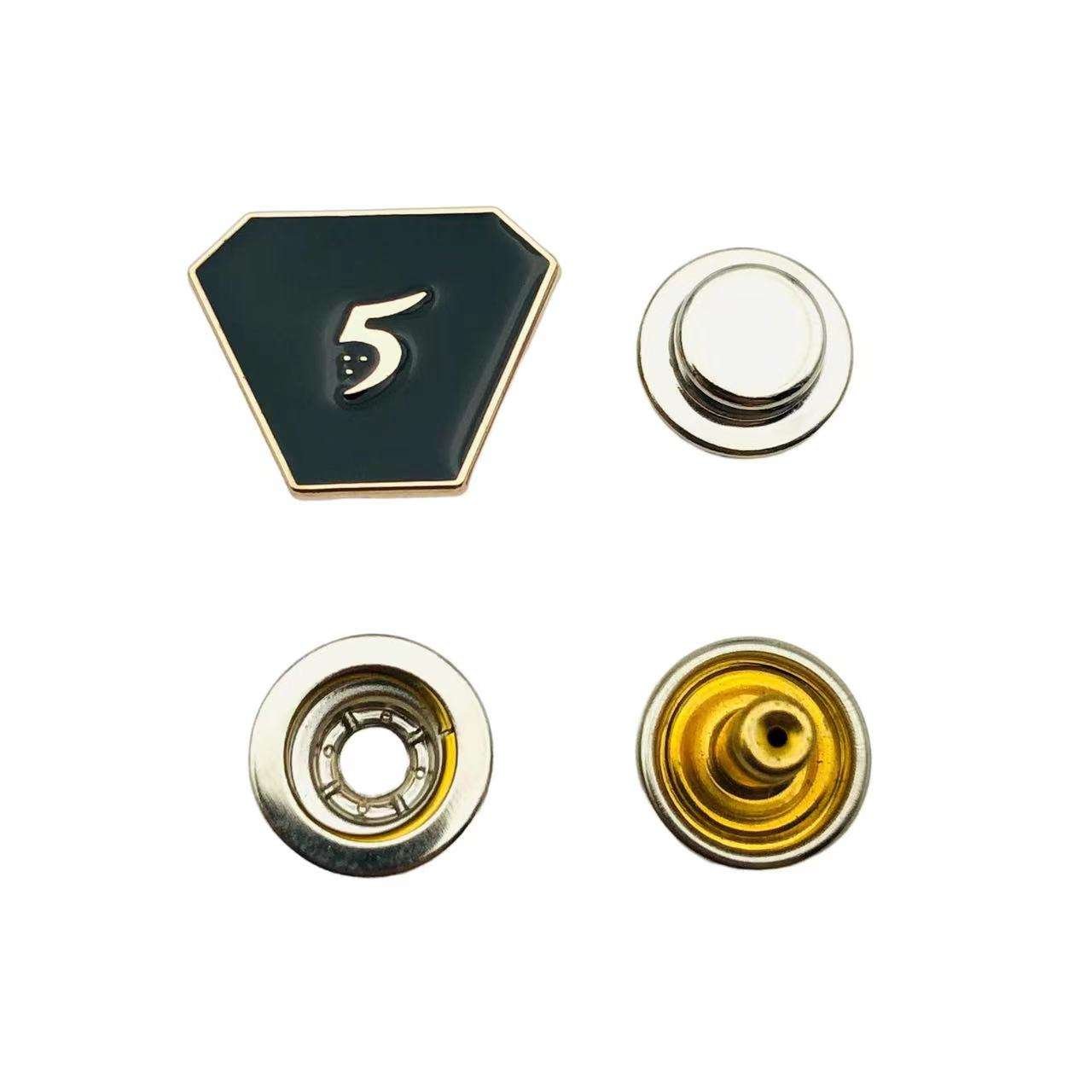
Heavy-duty metal or resin snap buttons for cargo pocket flaps, waistband adjusters, and decorative closures. Available in custom finishes including gunmetal, brass, and matte black to match your brand aesthetic.
Drawcords & Tipping
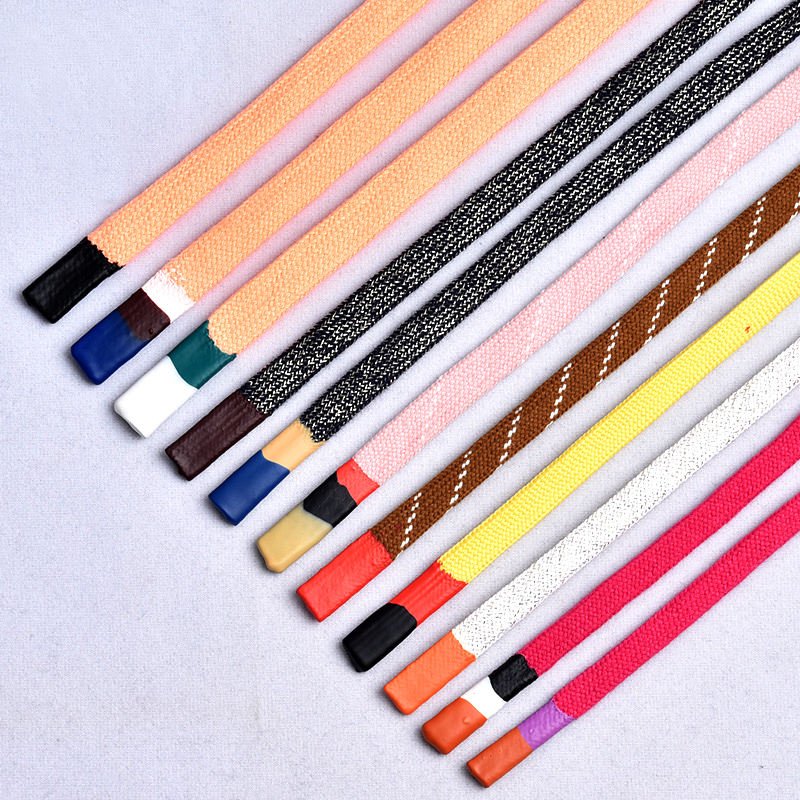
Custom drawcords with branded metal or plastic tipping for waistbands, ankle cuffs, and adjustable hems. Choose from round, flat, or reflective cord styles in any color to complement your cargo pants design.
Woven Labels
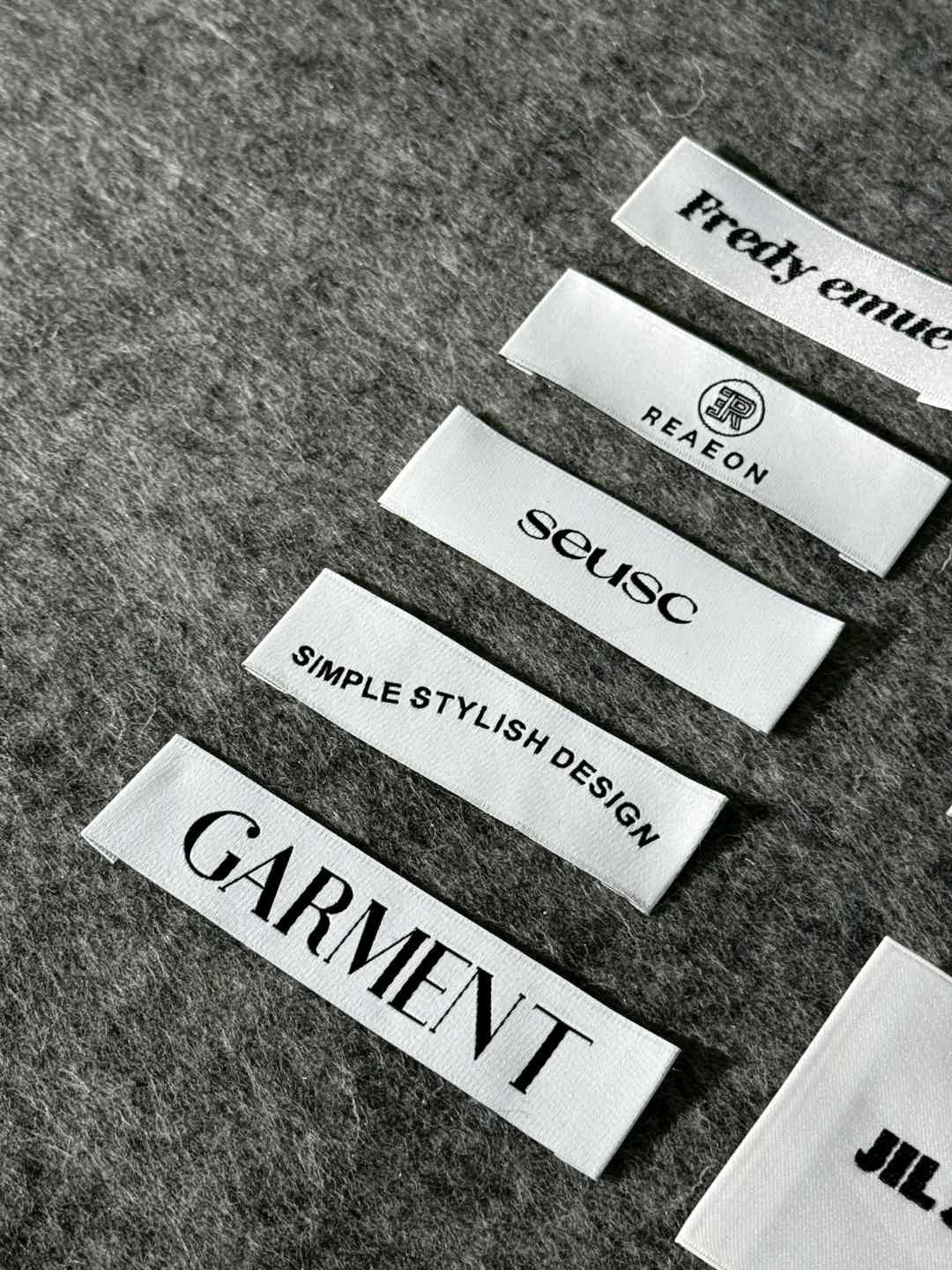
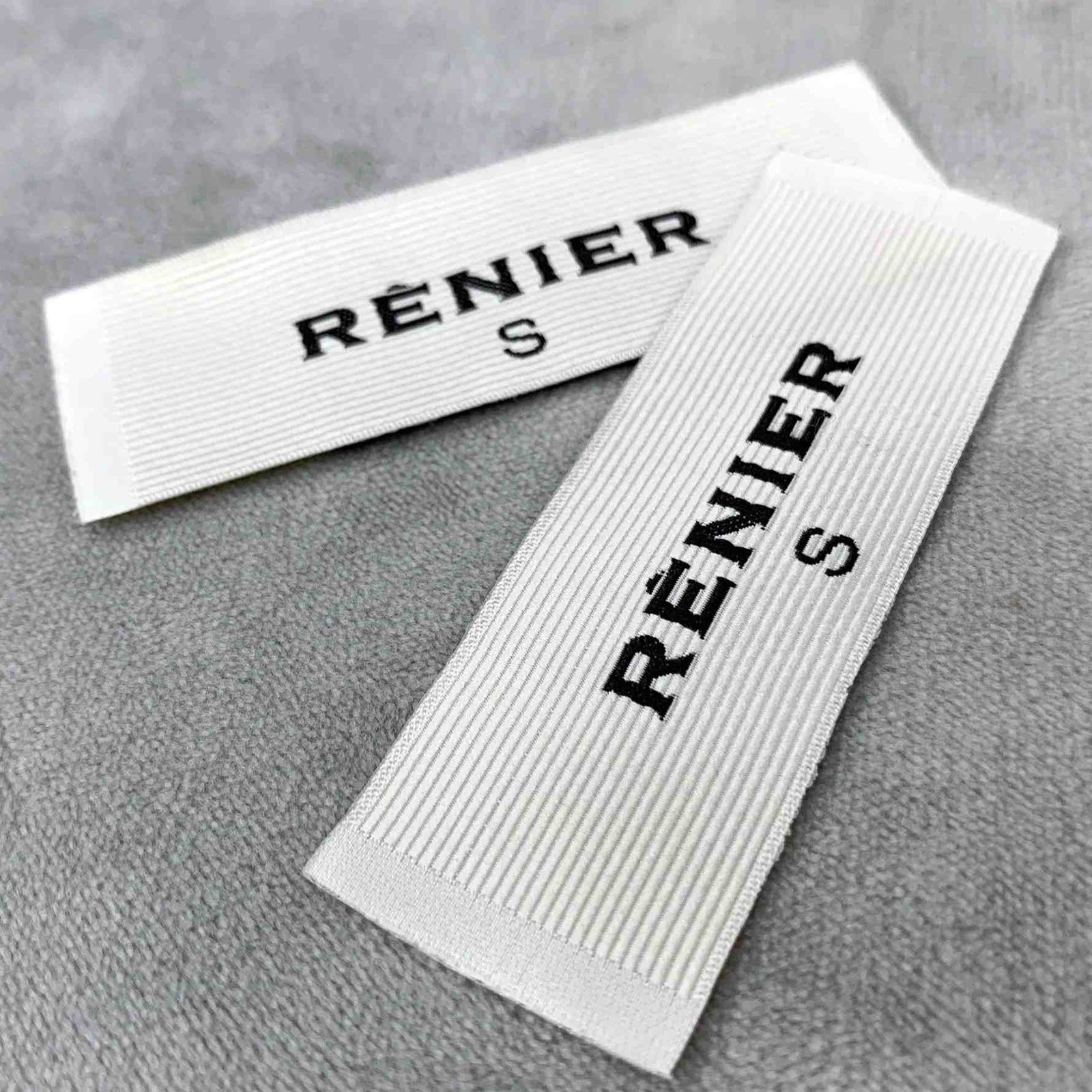
High-definition woven labels featuring your logo and branding for waistband placement, pocket details, or exterior branding. Fade-resistant threads ensure your brand identity remains crisp through countless washes.
Leather Patches
Genuine or vegan leather patches for premium branding on waistbands or back pockets. Debossed, embossed, or laser-etched with your logo to add luxury appeal and tactile quality to your cargo pants line.
Custom Hangtags
Branded hangtags printed on premium cardstock or specialty materials with custom shapes, finishes, and messaging. Complete your cargo pants presentation with professional tags that communicate your brand story at retail.
Trusted Mens Cargo Pants Manufacturer
Founded in 2024 by Tesla Luo, Clothing Manufacturer Ltd. brings over 10 years of apparel production expertise and 6 years of specialized streetwear experience to every order. Raised in a garment manufacturing family and trained across every production role from cutting to quality control, Tesla witnessed how shortcuts damage the reputation of Chinese manufacturers. He built this company to restore trust through rigorous standards and transparent processes.
Our mission is simple: eliminate low-quality clothing products from the market. As a dedicated mens cargo pants manufacturer, we implement a proprietary 5-step QC process that tests materials, cutting, craftsmanship, sewing, and finished garments—ensuring every pair meets global brand standards. With an in-house R&D team of 15 and 10 production patents, we serve streetwear brands, fashion startups, and retailers across 100+ countries.
Whether you’re launching your first cargo pants collection or scaling an established line, we offer low 50-piece MOQs, fast turnaround for seasonal drops, and full global logistics support. Partner with a mens cargo pants manufacturer that understands streetwear culture and refuses to compromise on quality.
Our 5-Step Quality Control Process — The Mens Cargo Pants Manufacturer Difference
Materials QC Testing Before Production Begins
Every bolt of fabric, webbing, zipper, and buckle undergoes rigorous inspection before cutting. As a trusted mens cargo pants manufacturer, we verify weight, colorfastness, shrinkage, and durability to ensure your cargo pants meet spec from the first stitch.
- Fabric weight and density verification against approved samples
- Colorfastness testing to prevent bleeding and fading issues
- Shrinkage pre-testing to guarantee accurate sizing after wash
- Hardware stress testing for zippers, snaps, and utility buckles
Cutting QC Testing for Pattern Accuracy
After materials pass inspection, our cutting team verifies every pattern piece against your tech pack. Precision cutting ensures consistent pocket placement, leg taper, and cargo flap dimensions across every unit in your production run.
- Digital pattern verification before blade touches fabric
- Grain alignment checks to prevent twisting and distortion
- Pocket and cargo flap placement accuracy measurement
- Piece count audits to eliminate shortages or miscuts
Craft QC and Sewing Production Testing
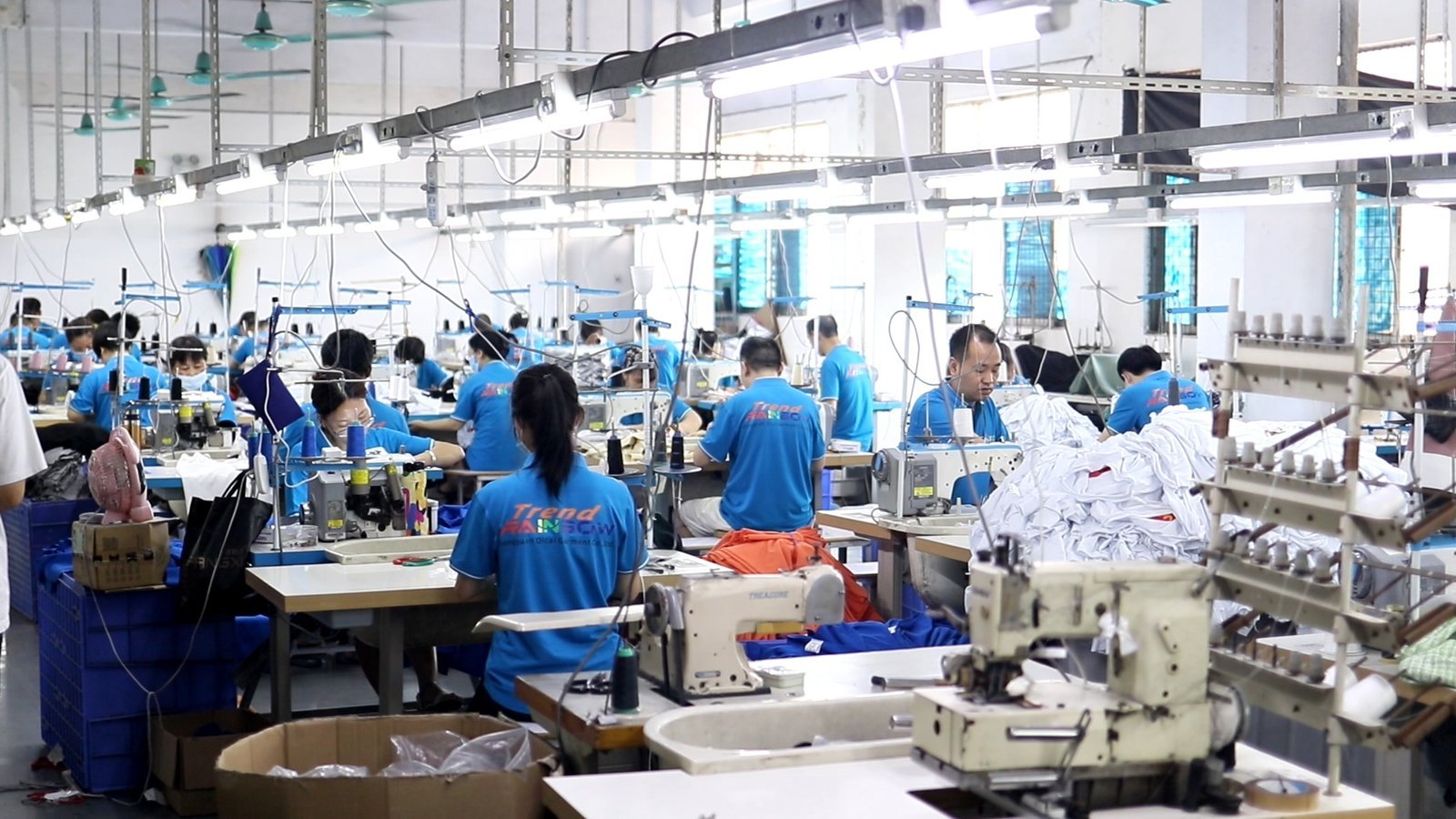
Unlike manufacturers who skip mid-production checks, we inspect garments during assembly. Our QC team monitors stitch density, seam strength, and construction details as cargo pants move through the sewing line, catching defects before they multiply.
- Real-time stitch-per-inch monitoring on all seams and hems
- Reinforcement checks at stress points like pocket corners and belt loops
- Alignment verification for cargo pockets, zippers, and waistbands
- In-line defect flagging to prevent flawed units from advancing
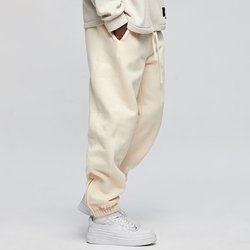
Finished Garment Quality Inspection Before Shipping
Every completed cargo pant receives a final inspection covering measurements, appearance, and functionality. Our finishing QC ensures that only garments meeting your brand standards leave our facility, protecting your reputation and eliminating costly returns.
- Full measurement audit against approved size spec sheets
- Visual inspection for loose threads, stains, and fabric flaws
- Functional testing of all zippers, buttons, snaps, and closures
- Pressing and packaging standards check before boxing

How We Outperform Other Mens Cargo Pants Manufacturers
Most low-cost factories skip critical quality checks and cut corners on service. We combine rigorous QC, design expertise, and flexible minimums to deliver premium cargo pants without the premium price tag.
← 左右滑动查看 →
Mens Cargo Pants Manufacturer — From Concept to Shipping
Every order follows our proven six-phase production system, ensuring your custom cargo pants meet exacting quality standards and arrive on schedule.
Design & Sampling
Our 15-member R&D team develops your cargo pants design, creates tech packs, and produces samples with your branding and pocket configurations for approval.
Material Sourcing & QC
We source premium fabrics, zippers, and hardware for your cargo pants, conducting materials QC testing to verify durability and specifications before production.
Cutting & Marking
Patterns are laid out for maximum fabric efficiency. Each piece undergoes cutting QC testing to ensure accurate dimensions and minimize material waste.
Sewing & Craftsmanship
Skilled operators assemble your cargo pants with reinforced stitching and pocket construction, monitored by sewing production QC testing at every workstation.
Finishing & Final Inspection
Garments are pressed, hardware is secured, and each piece passes finished clothing quality QC inspection before approval for packing and shipment.
Packing & Global Logistics
Your cargo pants are packaged to your specifications with custom labels and poly bags, then shipped worldwide with full tracking and customs support.
How to Partner With Your Mens Cargo Pants Manufacturer
From initial concept to finished product, we’ve streamlined the manufacturing journey for streetwear brands, startups, and retailers. Our three-step process ensures quality, transparency, and speed at every stage.
Submit Your Design or Tech Pack
Share your cargo pants design, tech pack, reference images, or sketches. Our in-house team reviews specifications, fabric preferences, and hardware requirements to ensure manufacturability and alignment with your vision.
Receive Quote and Approve Samples
Within 48 hours, we provide a detailed quote covering materials, production timeline, and MOQ options starting at 50 pieces. Approve your pre-production sample to lock in fit, finish, and quality.
Confirm Bulk Order and Track Production
Place your bulk order with confidence. Our 5-step QC process ensures every cargo pant meets your standards, and our global logistics team handles shipping directly to your warehouse or fulfillment center.
Certifications & Quality Standards — Your Trusted Mens Cargo Pants Manufacturer
Customer Success — Brands Trusting Our Mens Cargo Pants Manufacturer
We scaled from 500 to 4,200 cargo pants per month in just six months. The 5-step QC process meant zero defects on our first three bulk orders. Game-changer for our streetwear line.
Launched our cargo pants collection in 15 countries with their logistics support. The low MOQ let us test colorways without huge risk, and turnaround was under 28 days every time.
Their team nailed our custom utility pocket design on the first sample. We’ve produced over 8,000 cargo pants together, and quality has been rock-solid across every production run.
FAQ — Mens Cargo Pants Manufacturer Questions Answered
What is the minimum order quantity for a mens cargo pants manufacturer?
How long does production take from order confirmation to shipping?
Do you charge for samples when working with a mens cargo pants manufacturer?
What payment terms does your mens cargo pants manufacturer offer?
How do you protect my designs and intellectual property?
What customization options are available for mens cargo pants?
How does your 5-step quality control process work?
What are the shipping options and timelines for international orders?
Can you help with tech pack development if I only have design sketches?
The Complete Buyer’s Guide to Choosing the Right Mens Cargo Pants Manufacturer
This comprehensive guide walks you through everything you need to know—from evaluating supplier capabilities and fabric choices to avoiding common sourcing mistakes—so you can confidently partner with a mens cargo pants manufacturer that delivers quality, reliability, and scalability for your brand.
1. What Is a Mens Cargo Pants Manufacturer?
A mens cargo pants manufacturer is a specialized apparel production facility that handles the complete development and manufacturing of cargo-style trousers, from initial design through finished garment delivery. These suppliers typically offer two service models: full-package (FP), where the factory sources fabrics, trims, and handles all production steps, and cut-make-trim (CMT), where the brand supplies materials and the factory executes cutting, sewing, and finishing only. Full-package partners like Clothing Manufacturer Ltd. manage fabric procurement, pattern grading, sample development, bulk production, and quality control under one roof, reducing coordination overhead for brands.
Specialized cargo pants manufacturers maintain capabilities that generic apparel factories often lack, including multi-pocket construction expertise, reinforced stitching for utility details, and pattern-making for articulated knees and tapered silhouettes popular in streetwear. A dedicated mens cargo pants manufacturer employs pattern makers familiar with cargo-specific design elements—flap pockets, drawstring hems, side cargo pockets with button or Velcro closures—and sources hardware such as YKK zippers, metal snaps, and durable webbing. Quality control processes tailored to cargo pants inspect pocket alignment, bartack reinforcement at stress points, and consistent inseam measurements across size runs.
Brands partner with specialized manufacturers rather than general contractors because cargo pants demand technical precision in construction and trend awareness in fit and styling. Factories experienced in streetwear and utility bottoms understand fabric weight requirements (typically 240–320 GSM twill or ripstop), color-fastness standards, and the balance between durability and comfort. Clothing Manufacturer Ltd. applies a five-step QC methodology—materials, cutting, craft, sewing, and finished garment inspection—to ensure every pair meets brand specifications before shipment.
2. Evolution of Cargo Pants in Modern Menswear
Cargo pants originated in the British Army during the 1930s and were widely adopted by U.S. paratroopers in the 1940s, designed with large thigh pockets to carry ammunition, maps, and field equipment. The original M-1942 paratrooper uniform featured six pockets and was constructed from heavyweight cotton twill in the 200–250 GSM range, prioritizing durability and utility over aesthetics. Military surplus stores introduced these garments to civilian markets in the 1960s, but cargo pants remained niche workwear until the 1990s.
The 1990s marked cargo pants’ transition into mainstream streetwear, driven by hip-hop culture, skate brands, and outdoor-lifestyle labels. Baggy silhouettes with 22–26 inch leg openings dominated this era, often sewn from 8–10 oz cotton twill or cotton-polyester blends. Brands embraced oversized fits, multiple cargo pockets, and utilitarian colorways—olive, khaki, black—that resonated with youth seeking functional, rebellious style. By the late 1990s, cargo pants had become a streetwear staple alongside hoodies and graphic tees.
Since 2015, mens cargo pants manufacturers have shifted toward tapered, cropped, and slim-fit silhouettes with 14–16 inch leg openings, replacing heavy cotton twill with technical fabrics such as ripstop nylon, stretch cotton blends (95% cotton / 5% spandex), and water-resistant polyester. Modern designs incorporate flatlock stitching, YKK zippers, and modular pocket systems that appeal to both fashion-forward streetwear brands and performance workwear lines. This evolution—from military utility to 1990s baggy fits to today’s tailored, tech-fabric constructions—explains why cargo pants remain essential: they bridge function and style, adapt to cultural shifts, and offer mens cargo pants manufacturer partners a versatile silhouette that serves streetwear, workwear, and athleisure segments simultaneously.
3. Types of Mens Cargo Pants Manufacturers
Mens cargo pants manufacturer partners fall into four distinct service models, each suited to different brand maturity levels and operational capabilities. Matching your business stage to the right manufacturer type determines speed-to-market, cost structure, and design control.
Full-Package Manufacturers
Full-package providers handle fabric sourcing, pattern development, grading, cutting, sewing, finishing, and packaging under one roof. Clothing Manufacturer Ltd. operates as a full-package mens cargo pants manufacturer, managing every step from tech-pack interpretation through final QC inspection.
This model suits fashion startups and independent designers lacking in-house production teams. Brands submit design sketches or reference images; the manufacturer sources materials, develops samples, and delivers finished goods. Minimum order quantities typically start at 50–100 pieces per colorway, enabling smaller labels to launch collections without vertical infrastructure.
- Ideal for brands with design vision but no production staff
- Single point of contact reduces coordination overhead
- Higher per-unit cost offset by zero fabric-sourcing labor
CMT (Cut-Make-Trim) Manufacturers
CMT factories execute cutting, sewing, and trimming using client-supplied fabrics and trims. Brands purchase their own twill, ripstop, or canvas; ship materials to the factory; and receive finished cargo pants.
This model appeals to established retailers with fabric-buying leverage or specific mill relationships. CMT pricing runs 30–40 percent lower than full-package, but brands absorb fabric procurement risk, inventory holding costs, and logistics complexity. MOQs often climb to 300–500 pieces because factories prioritize efficiency over small custom runs.
- Best for brands with fabric sourcing expertise
- Lower manufacturing cost per garment
- Requires managing multiple suppliers and shipments
Sampling-Only Specialists
Sampling houses produce pre-production prototypes without committing to bulk manufacturing. Designers order 2–5 samples to test fit, fabric hand, and pocket placement before selecting a production partner.
Sampling specialists charge USD 80–150 per cargo pant prototype, with 10–15 day lead times. This route suits influencer and creator brands validating concepts before bulk investment, though transitioning samples to a different bulk manufacturer introduces fit-consistency risk.
- Rapid iteration for design validation
- No bulk MOQ commitment required
- Sample fit may differ from final production factory
Hybrid and Private-Label Providers
Hybrid manufacturers maintain in-stock cargo pant templates available for logo embroidery, custom washes, or minor design tweaks. Private-label catalogs offer 15–30 pre-developed styles with 30–50 piece MOQs and 20–25 day turnarounds.
This model accelerates time-to-market for streetwear and trendy brands testing new SKUs. Customization depth remains limited—pocket count, rise, and silhouette stay fixed—but brands gain speed and lower risk. Clothing Manufacturer Ltd. combines hybrid flexibility with full five-step QC testing, ensuring private-label quality matches custom-order standards.
- Fastest route from order to shelf
- Lower MOQs than fully custom development
- Limited design differentiation versus competitors
4. Fabrics and Materials for Cargo Pants Production
Fabric selection determines durability, comfort, and brand positioning for every cargo pants line. A mens cargo pants manufacturer typically stocks six core material families, each suited to distinct performance and aesthetic requirements.
| Fabric | GSM Range | Stretch | Best Use | Price Tier |
|---|---|---|---|---|
| Cotton Twill | 240–320 | 0–2% | Workwear, Heritage | Mid |
| Canvas | 300–400 | 0% | Outdoor, Military | Mid-High |
| Stretch Denim | 280–360 | 2–5% | Streetwear | High |
| Ripstop Nylon | 180–220 | 0–3% | Techwear, Utility | Mid-High |
| Technical Nylon | 200–260 | 5–10% | Athleisure, Performance | High |
| Poly-Cotton Blend | 240–280 | 0–2% | Retail, Volume | Low-Mid |
Cotton-Based Fabrics
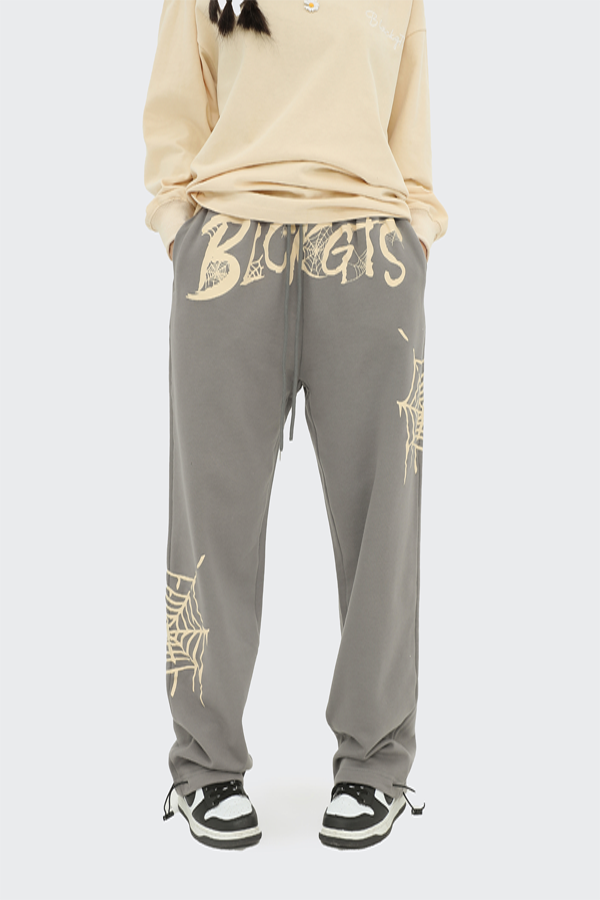
Cotton twill (240–320 GSM) remains the workwear standard, offering breathability and a matte finish that appeals to heritage and utility-focused brands. Canvas (300–400 GSM) delivers heavier-duty construction for outdoor and military-inspired lines, while stretch denim blends (10–14 oz with 2–5% elastane) suit streetwear silhouettes that require mobility.
Ring-spun cotton twill costs 15–25% more than open-end equivalents but resists pilling and holds dye saturation longer, a critical factor for dark colorways in trend-driven collections.
Synthetic and Technical Fabrics
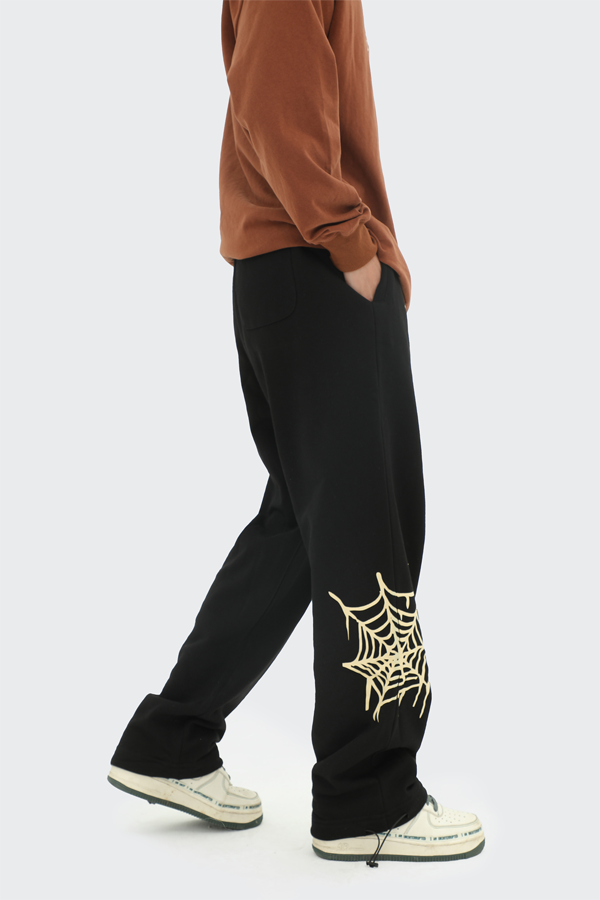
Ripstop nylon (180–220 GSM) incorporates crosshatch reinforcement threads, preventing tear propagation in high-stress zones like cargo pockets and knee areas. Technical nylon blends (200–260 GSM) add water-repellent coatings for athleisure and techwear applications.
Synthetic fabrics dry 3–4 times faster than cotton and weigh 30–40% less at equivalent thickness, making them ideal for performance-oriented brands targeting active consumers.
Blended Fabrics for Versatility
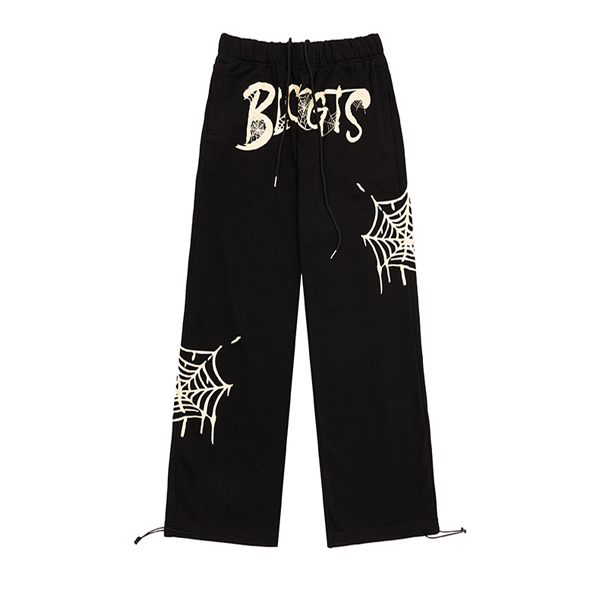
Poly-cotton blends (65/35 or 50/50 ratios, 240–280 GSM) balance wrinkle resistance with natural hand-feel, reducing garment care requirements while maintaining breathability. These blends occupy the mid-price tier and suit high-volume retail programs.
A mens cargo pants manufacturer running five-step QC testing verifies fabric weight tolerance (±5% GSM) and colorfastness (Grade 4+ to washing) before cutting, ensuring consistency across production runs.
5. Customization and Branding Options with a Mens Cargo Pants Manufacturer
A mens cargo pants manufacturer offers multiple customization vectors to differentiate your line. Pocket configuration, leg silhouette, waistband construction, and branding placement each contribute to a unique product signature that resonates with your target audience.
Design Customization: Pockets, Legs, and Waistbands
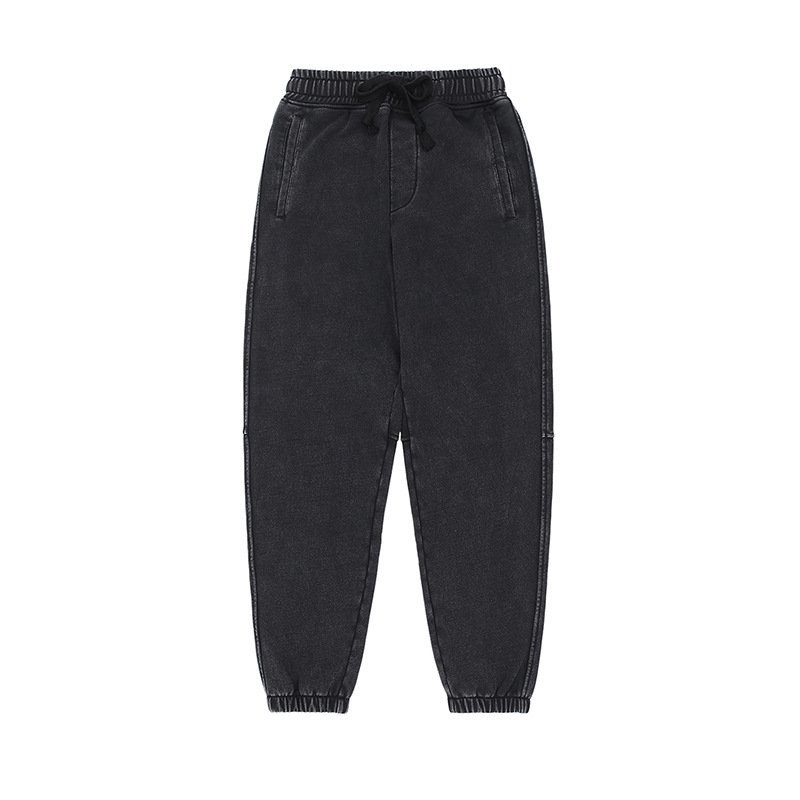
Pocket configurations include flap closures (button or snap), YKK zippers (coil or metal teeth), Velcro tabs, and hidden interior pockets for valuables. Flap pockets deliver classic utility; zippered cargo pockets appeal to urban commuters; Velcro offers quick access for streetwear aesthetics.
Leg styles range from tapered fits (ankle opening 13–15 cm) for a modern silhouette, relaxed straight cuts (16–18 cm openings) for workwear heritage, to jogger cuffs with ribbed elastic or adjustable drawcords. Tapered legs pair well with high-top sneakers; jogger cuffs suit athleisure crossover.
Waistband options include full elastic (comfort-first), elastic with external drawstring (adjustable fit), traditional belt loops at 5 cm spacing, or hybrid elastic-back constructions. Independent designers often specify internal drawstrings with branded aglets to balance function and clean exterior lines.
Decoration Techniques for Brand Identity
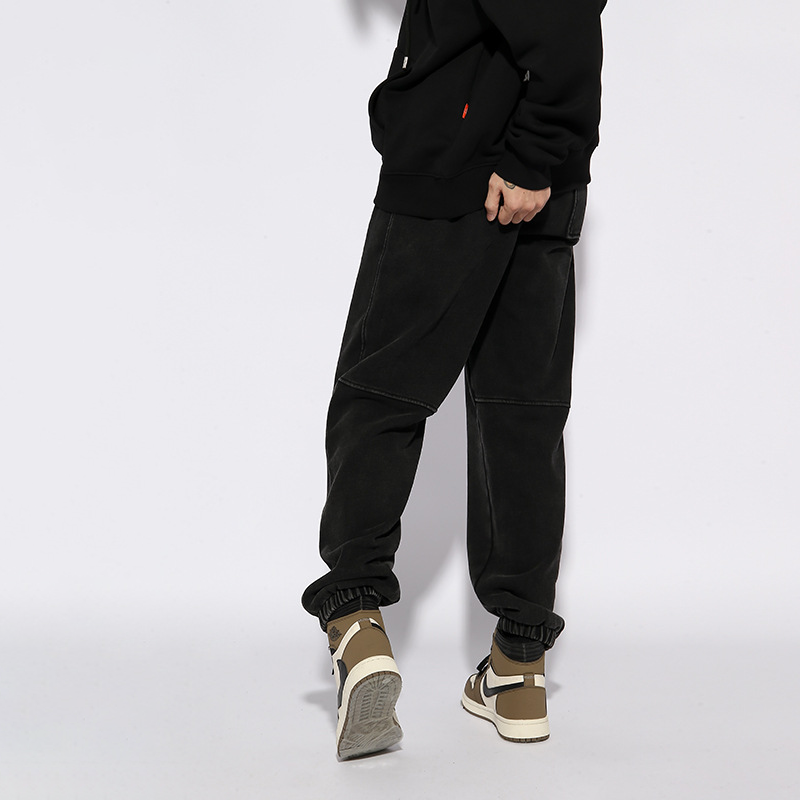
Woven labels (damask or taffeta) sewn into the back waistband or side seam provide durable branding with up to 8-color detail. Embroidery on cargo pockets or back yoke uses 75-denier polyester thread for 3D texture; typical logo sizes range 5–8 cm.
Screen printing on interior waistbands or exterior thigh panels accommodates large graphics with plastisol or water-based inks. Metal hardware—branded rivets, custom zipper pulls, or logo snap buttons—adds premium tactile differentiation. A mens cargo pants manufacturer with in-house decoration reduces lead time by 5–7 days versus outsourced finishing.
Hardware and Trim Options
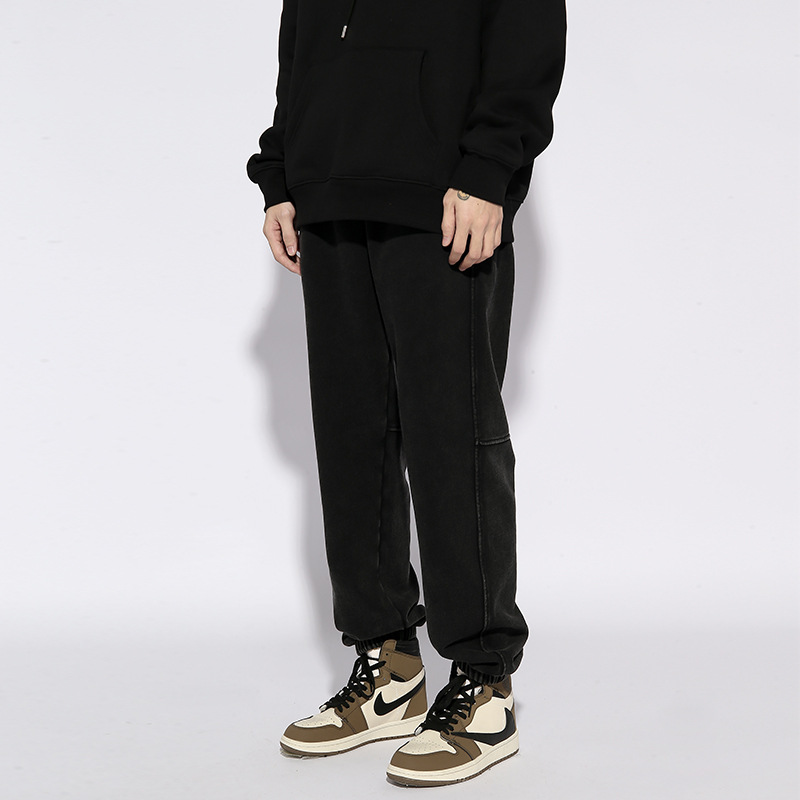
Custom metal hardware includes logo-engraved D-rings, carabiner clips, and branded shank buttons in antique brass, gunmetal, or matte black finishes. Reflective piping (3M Scotchlite or equivalent) along seams enhances visibility for technical or safety-oriented collections.
Drawcord aglets, bartack reinforcements in contrasting thread (12–15 stitches per tack), and custom woven tape for interior waistbands extend brand storytelling into garment details. Manufacturers holding 10+ patents in production processes often prototype hardware integration to ensure durability under the five-step QC testing framework.
6. Key Quality Control Checkpoints in Cargo Pants Manufacturing
Quality control determines whether your cargo pants reach customers as premium products or return as complaints. A mens cargo pants manufacturer must implement checkpoints at fabric intake, construction, and finishing to catch defects before shipping.
Fabric Inspection and Pre-Production Testing
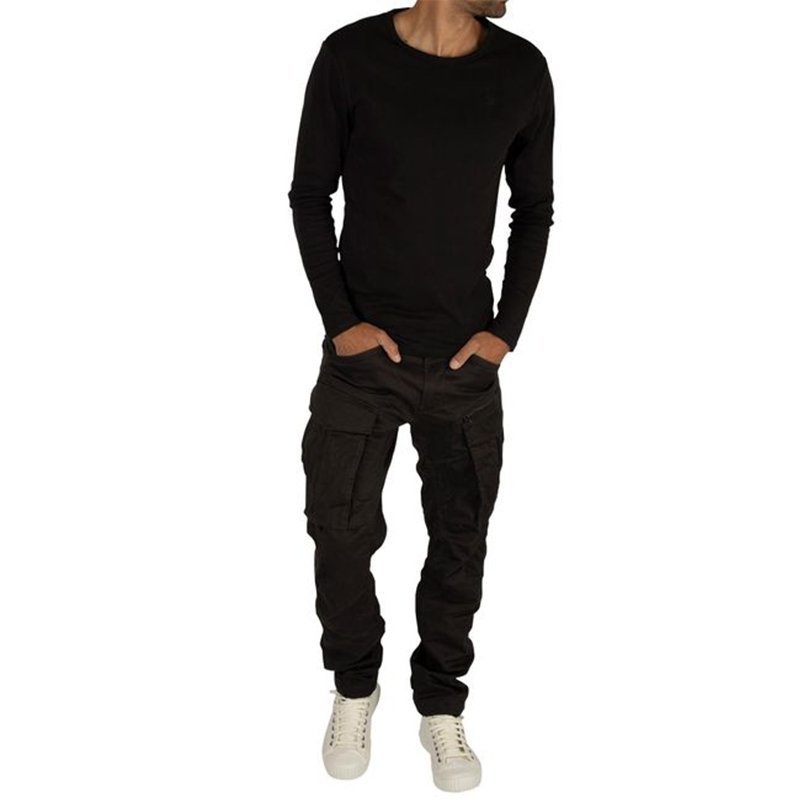
Fabric QC begins with shrinkage testing, typically measuring dimensional stability after three wash cycles at 40°C to ensure garments maintain sizing claims. Colorfastness testing against water, perspiration, and light exposure prevents dye migration that ruins multi-color designs.
Tensile strength and GSM verification confirm that incoming rolls match specifications. A 280 GSM cotton twill should measure within ±5% tolerance, and any variance triggers batch rejection before cutting begins.
Construction and Stitching Integrity Checks
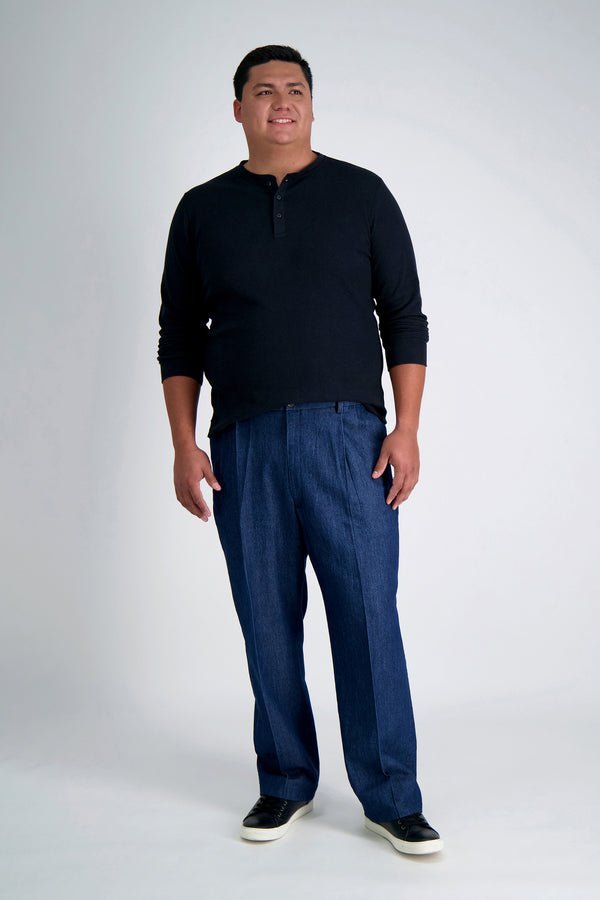
Bar tacks at pocket corners and belt loops require minimum 20-stitch counts to withstand stress; a mens cargo pants manufacturer inspects every reinforcement point during inline QC. Seam strength testing pulls stitched samples to 15 kg force to verify thread tension and stitch density meet ISO 13935 standards.
Pocket reinforcement layers—typically double or triple fabric thickness at cargo flap attachment—are checked for alignment and secure stitching. Hardware durability tests include snap closure cycles (minimum 500 cycles) and zipper pull strength to prevent field failures.
Final Fit and Finishing Quality Control
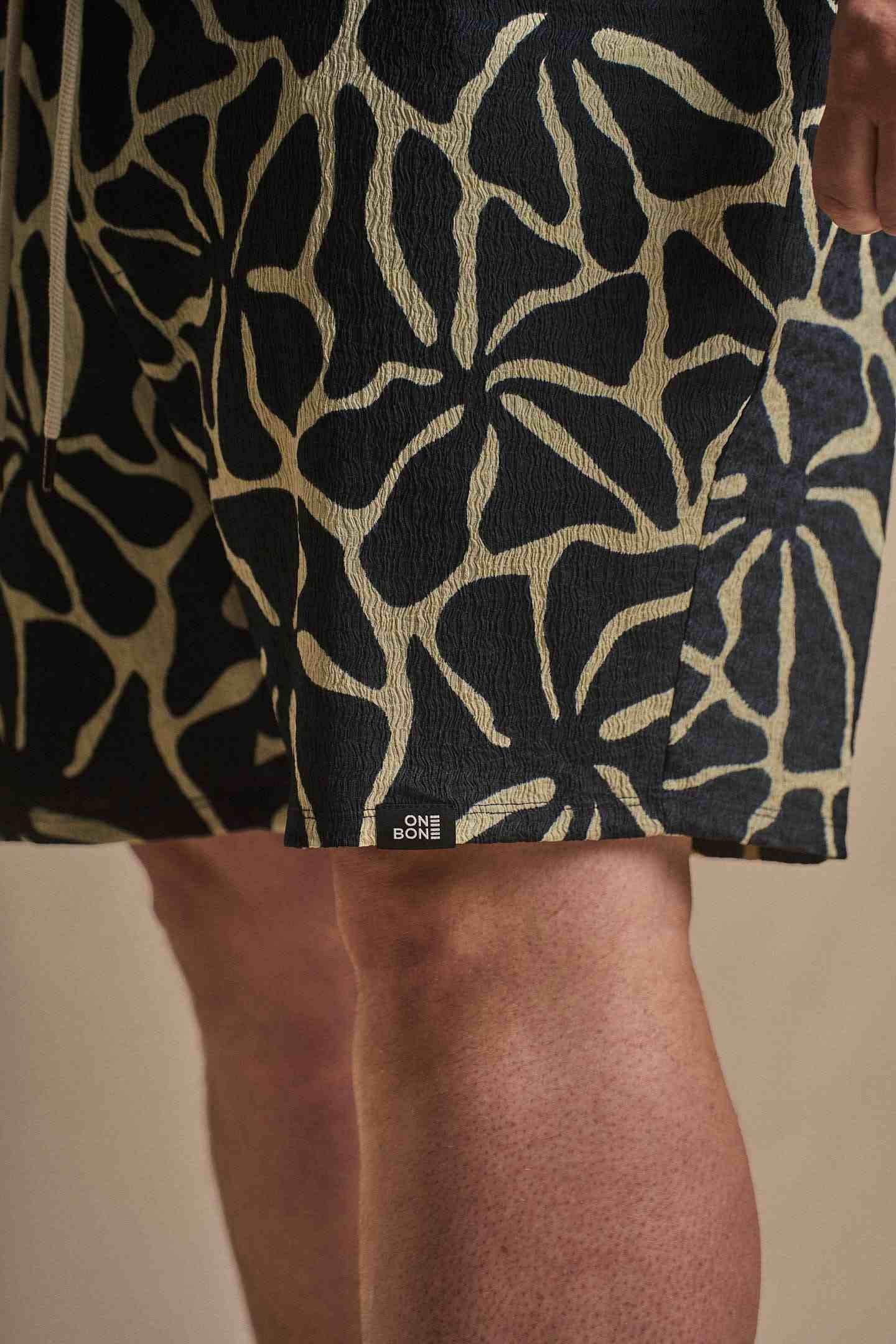
Finished garments undergo fit checks against tech packs, measuring waist, inseam, rise, and leg opening within ±1 cm tolerance. Symmetry inspections compare left and right pocket placement, ensuring alignment errors do not exceed 3 mm.
Final QC examines thread trimming, label attachment security, and packaging presentation. Clothing Manufacturer Ltd.’s five-step methodology includes this finishing checkpoint to ensure every cargo pant meets brand standards before export, reducing return rates below 1%.
7. How to Choose the Right Mens Cargo Pants Manufacturer for Your Brand
Selecting the right mens cargo pants manufacturer requires evaluating production capabilities, quality systems, and communication standards. A reliable partner balances flexibility, compliance, and proven streetwear or workwear expertise to ensure consistent output and scalable growth.
Assess MOQ Flexibility and Lead Times
MOQ thresholds reveal whether a factory accommodates startups or only established retailers. Manufacturers offering 50–100 piece minimums support emerging brands testing designs, while rigid 500+ piece floors favor volume players. Lead times for bulk orders typically range 25–45 days; factories quoting under 20 days may skip quality steps.
Sampling turnaround separates agile partners from slow bureaucracies. Expect 7–10 days for first samples and 3–5 days for revisions. Delays beyond two weeks signal capacity constraints or poor workflow management.
Verify Compliance Certifications
WRAP, BSCI, and Oeko-Tex certifications confirm ethical labor practices and chemical safety standards. WRAP audits social compliance across hiring, wages, and working hours. BSCI focuses on environmental and labor responsibility in supply chains. Oeko-Tex Standard 100 certifies fabrics free from harmful substances, critical for brands targeting EU or US markets.
Request certificate copies with valid dates and scope; expired or generic documents indicate non-compliance. Factories with no certifications may expose your brand to regulatory or reputational risk.
Evaluate Communication and Portfolio
Response time under 24 hours and fluency in your language prevent costly misunderstandings. Test initial inquiries: factories replying within 12 hours with detailed answers demonstrate strong client support infrastructure.
Review portfolios for similar streetwear or workwear clients. A mens cargo pants manufacturer with experience in multi-pocket tactical pants, utility joggers, or streetwear bottoms understands reinforced stitching, hardware placement, and fabric durability. Ask for client references and finished samples to verify craftsmanship consistency.
8. Common Mistakes When Sourcing from a Mens Cargo Pants Manufacturer
Even experienced brands encounter costly delays and quality failures when sourcing cargo pants, often due to preventable oversights in sampling, specification, and vendor selection. Understanding these common pitfalls enables you to structure orders that protect both timelines and product integrity from the outset.
Skipping Physical Samples and Fabric Testing
Many buyers approve production based solely on digital mockups or fabric swatches, bypassing pre-production samples that reveal fit, drape, and hardware functionality. Fabric pre-shrink testing is frequently overlooked, leading to garments that shrink 3–5% after the first wash and render size charts inaccurate.
Clothing Manufacturer Ltd. conducts materials QC testing as the first checkpoint in its five-step quality control process, verifying shrinkage, colorfastness, and weight before cutting begins. Requesting a full pre-production sample with your specified fabric, hardware, and pocket construction uncovers issues such as buckle misalignment or cargo-flap sagging that cannot be detected in flat samples.
Underestimating Lead Times for Custom Hardware
Custom metal buckles, branded snaps, and zipper pullers typically add 15–25 days to production schedules, yet brands often allocate only standard lead times. Suppliers may substitute generic hardware without approval if custom components arrive late, compromising brand identity.
Documenting hardware specifications—finish (gunmetal, brushed nickel), size (15 mm vs 20 mm), and logo debossing—in a written purchase order prevents last-minute changes. Confirm that your mens cargo pants manufacturer sources hardware before cutting fabric, ensuring all components align with your launch calendar.
Choosing Manufacturers Based Solely on Price
Selecting the lowest-cost supplier without evaluating quality checkpoints or production capacity frequently results in missed deadlines, inconsistent sizing, and high defect rates. Factories that skip in-process QC testing deliver garments with uneven seam allowances, misaligned pockets, and poor topstitching that require costly rework or disposal.
Clothing Manufacturer Ltd.’s five-step QC methodology—materials, cutting, craft, sewing, and finished-product inspection—ensures defects are identified and corrected at each stage rather than after bulk production. Prioritize manufacturers with documented quality processes and transparent communication over those offering the lowest per-unit price but no accountability for spec accuracy or delivery reliability.
9. Step-by-Step Process to Launch Your Cargo Pants Line
Launching a cargo pants line with a mens cargo pants manufacturer follows a structured workflow that spans 8–12 weeks from concept to finished inventory. Each phase builds on the previous, ensuring design intent, quality standards, and production timelines align before bulk manufacturing begins.
Concept and Mood Board Development
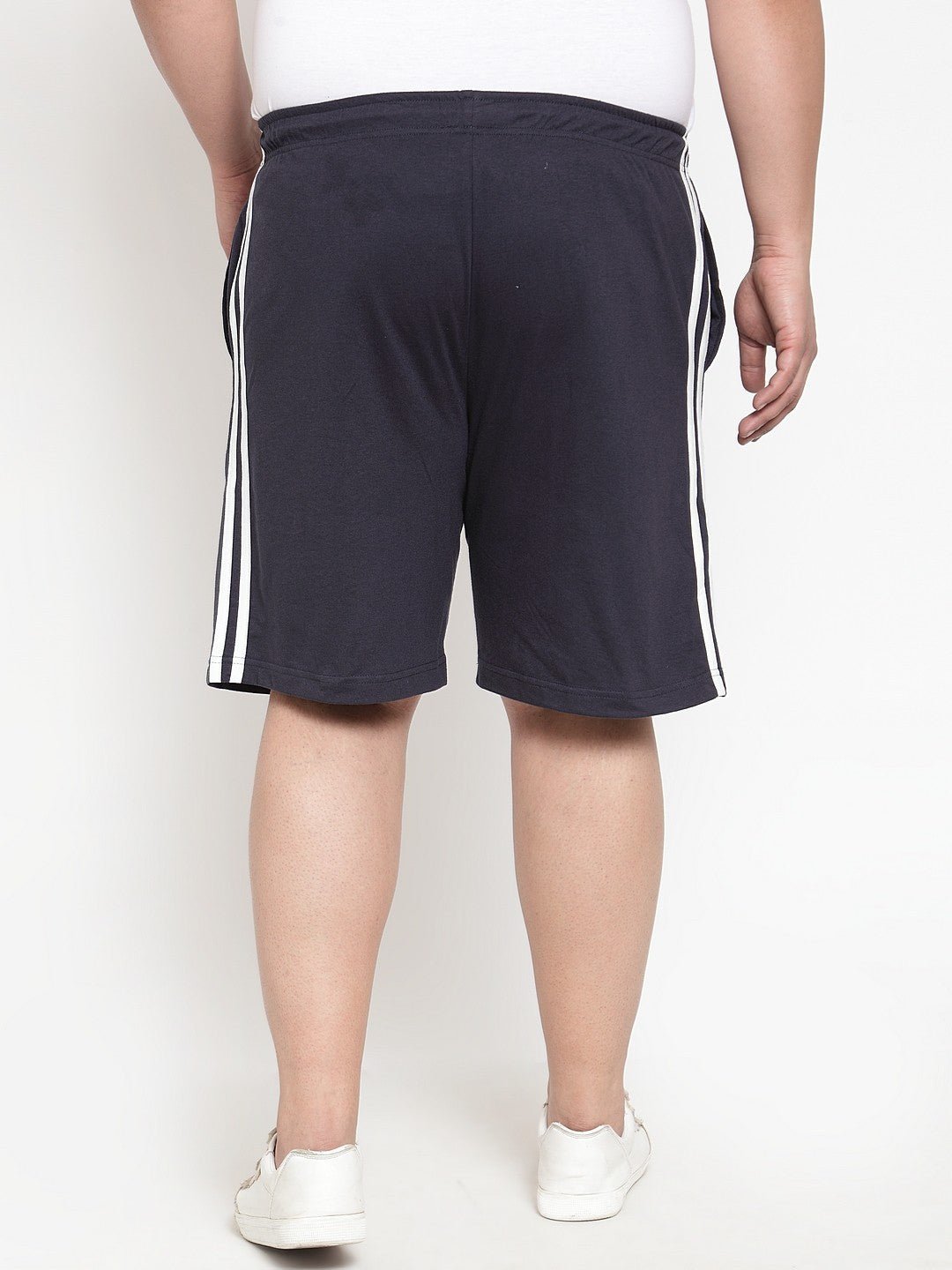
Define your cargo pants aesthetic — utility workwear, tactical streetwear, or slim-fit casual — and compile reference images, color palettes, and pocket configurations. Share mood boards with your mens cargo pants manufacturer to confirm feasibility of design elements such as flap pockets, cargo volume, and hardware placement.
This phase typically takes 3–5 days and establishes the creative direction that guides tech pack creation and fabric selection.
Tech Pack Creation and Fabric Sourcing
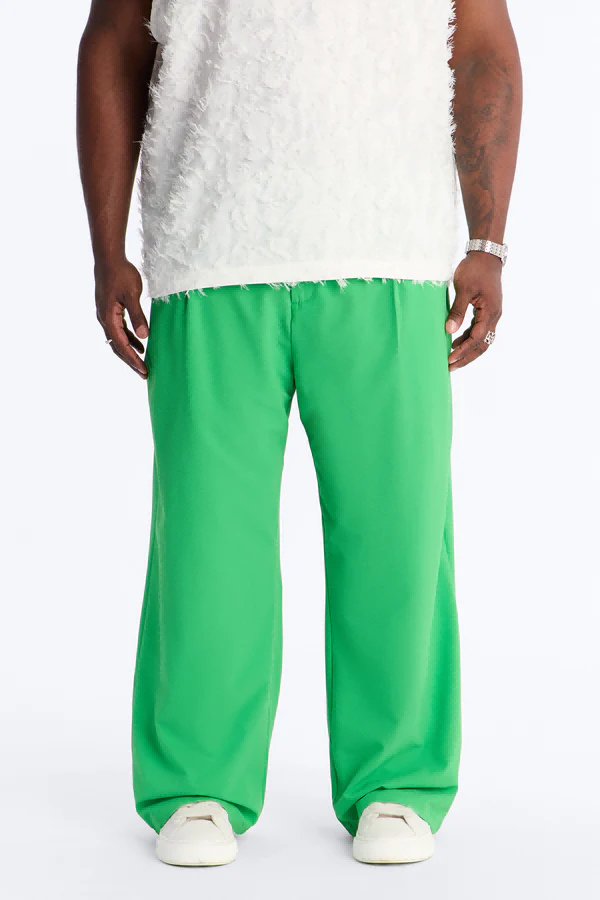
Convert your concept into a technical specification document listing measurements, stitch types, pocket dimensions, zipper lengths, and construction details. Simultaneously source fabrics — cotton twill at 240–280 GSM for classic cargo, ripstop nylon for tactical styles, or stretch blends for modern fits.
Manufacturers with 15-member R&D teams can recommend trims (YKK zippers, reinforced bartacks, metal snaps) and finalize the tech pack within 5–7 days, ensuring all components are production-ready.
Sampling, Fit Approval, and Pre-Production Meeting
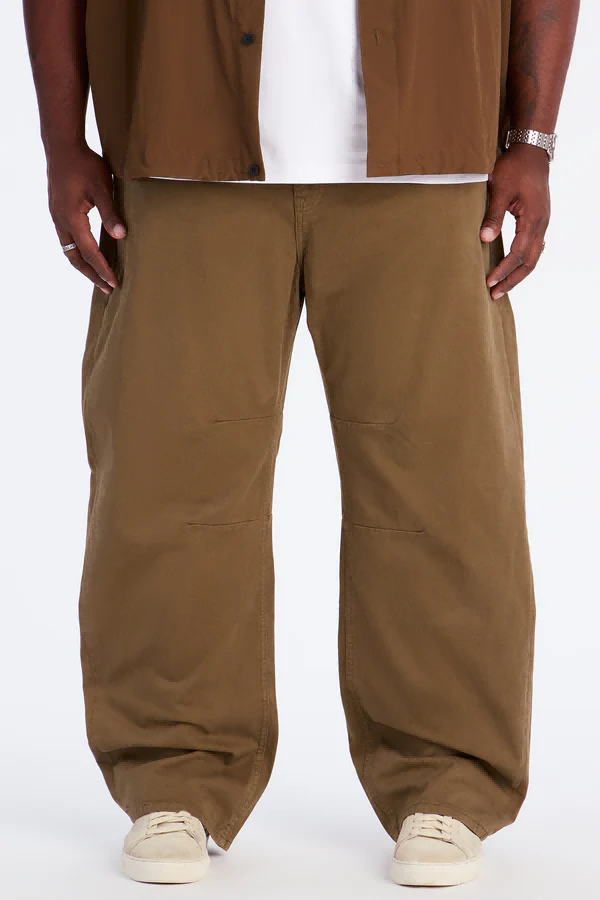
Receive a first sample in 7–10 days to evaluate fit, pocket function, and overall construction. Request revisions for waistband height, leg taper, or cargo pocket volume, then approve a final sample before bulk production.
Conduct a pre-production meeting to confirm order quantity (often 50–500 pieces), colorways, labeling, and packaging. Lock in the five-step QC protocol — materials, cutting, craft, sewing, and finished inspection — to ensure defects are caught at every stage.
Bulk Production, QC Inspection, and Shipping
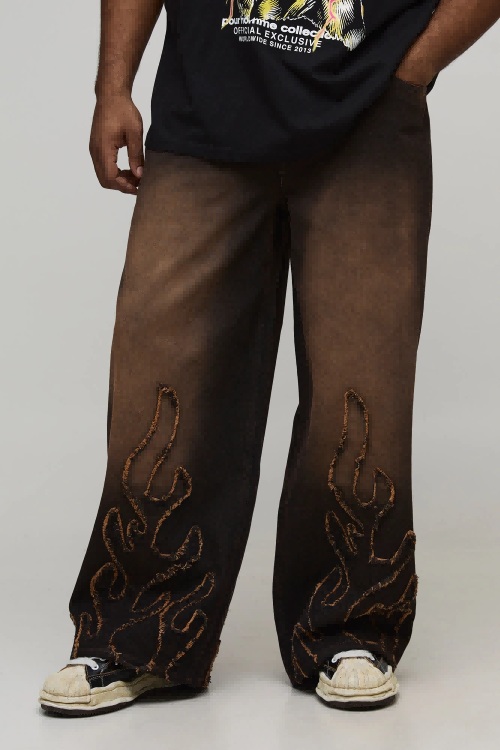
Bulk production runs 20–30 days depending on order size and fabric lead times. Quality control testing occurs at materials receipt, after cutting, during sewing, and before final packaging, eliminating defects that single-endpoint inspection misses.
Once all units pass finished-goods QC, the manufacturer arranges sea or air freight. Sea shipping to North America takes 25–35 days; air freight reduces transit to 5–7 days but costs 4–6× more per kilogram.
10. Pricing and Cost Breakdown for Cargo Pants Manufacturing
Cargo pants pricing varies primarily by order volume, fabric selection, and design complexity. A 50-piece minimum order of basic cotton-poly twill cargo pants (280–320 GSM) typically costs $18–$24 per unit with a 25–30 day lead time, while 1,000-piece runs drop to $12–$15 per unit as cutting, grading, and setup costs amortize across higher volume. Fabric weight drives material expense: lightweight ripstop (180–220 GSM) runs $1.20–$1.80 per meter, mid-weight canvas (300–340 GSM) costs $2.50–$3.50 per meter, and premium stretch twill with spandex (320–360 GSM) reaches $3.80–$5.00 per meter.
Pocket complexity and hardware specifications add measurable cost. Each additional cargo pocket with flap closure and reinforced bar-tack stitching increases labor by $0.80–$1.20 per garment; switching from standard plastic snaps to YKK metal zippers or custom-engraved buttons adds $0.50–$1.50 per closure. Embroidery decoration costs $1.50–$3.00 per placement for logos up to 10,000 stitches, while screen printing runs $0.80–$1.50 per color per print location with a $45–$75 one-time screen setup fee.
Sampling fees typically range from $80–$150 for a single proto-sample with standard fabric and construction, refundable against production orders above 250 units. Clothing Manufacturer Ltd. applies its five-step QC process at every tier, ensuring materials testing, cutting verification, craft inspection, sewing checks, and final garment review occur regardless of order size, maintaining consistent quality from 50-piece launches to 1,000+ restocks.
| Order Quantity | Unit Cost (USD) | Lead Time | Notes |
|---|---|---|---|
| 50–100 units | $18–24 | 25–30 days | Ideal for test launches; includes 5-step QC |
| 250–500 units | $15–19 | 20–25 days | Volume discount; faster turnaround |
| 500–1,000 units | $13–16 | 18–22 days | Optimized cutting efficiency; lower per-unit setup |
| 1,000+ units | $12–15 | 15–20 days | Best economy of scale; priority scheduling |
| Proto-sample | $80–150 | 7–10 days | Refundable on orders ≥250 units |
| Custom hardware upgrade | +$0.50–1.50/unit | — | YKK zippers, metal snaps, engraved buttons |
Partner with a Trusted Mens Cargo Pants Manufacturer Today
Get your free quote in 24 hours. Low 50-piece MOQ, 5-step QC guarantee, and global shipping for streetwear brands worldwide.