
Premium Satin Bomber Jacket Manufacturer for Streetwear Brands
Partner with a satin bomber jacket manufacturer offering low MOQ, fast sampling, and a rigorous 5-step QC guarantee to bring your custom designs to life.
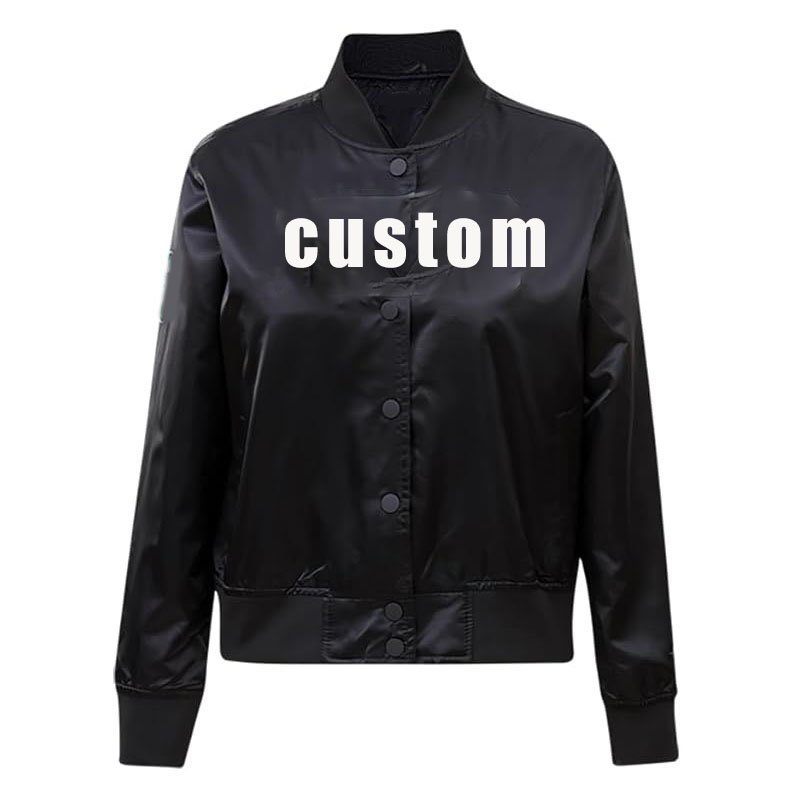
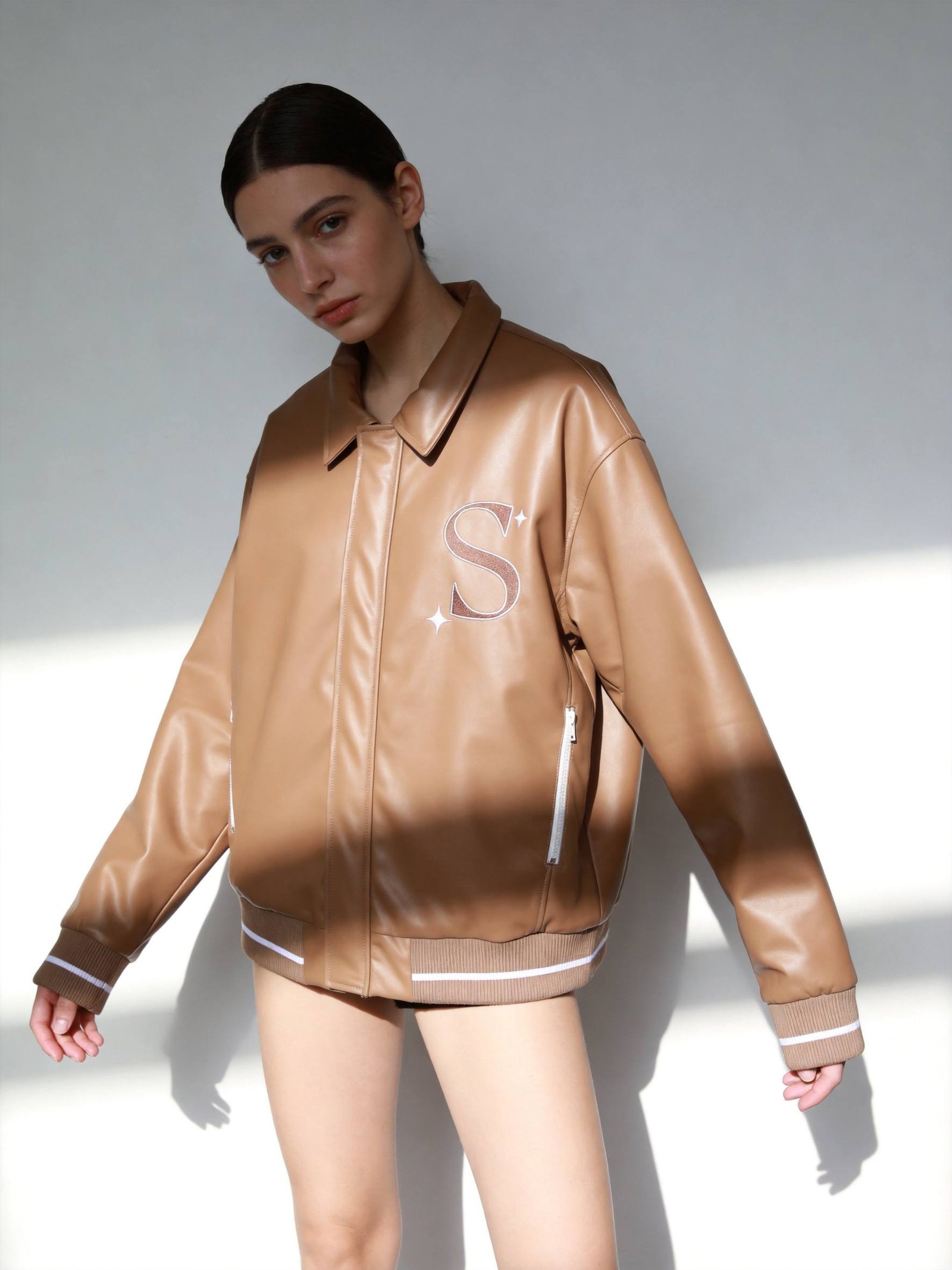
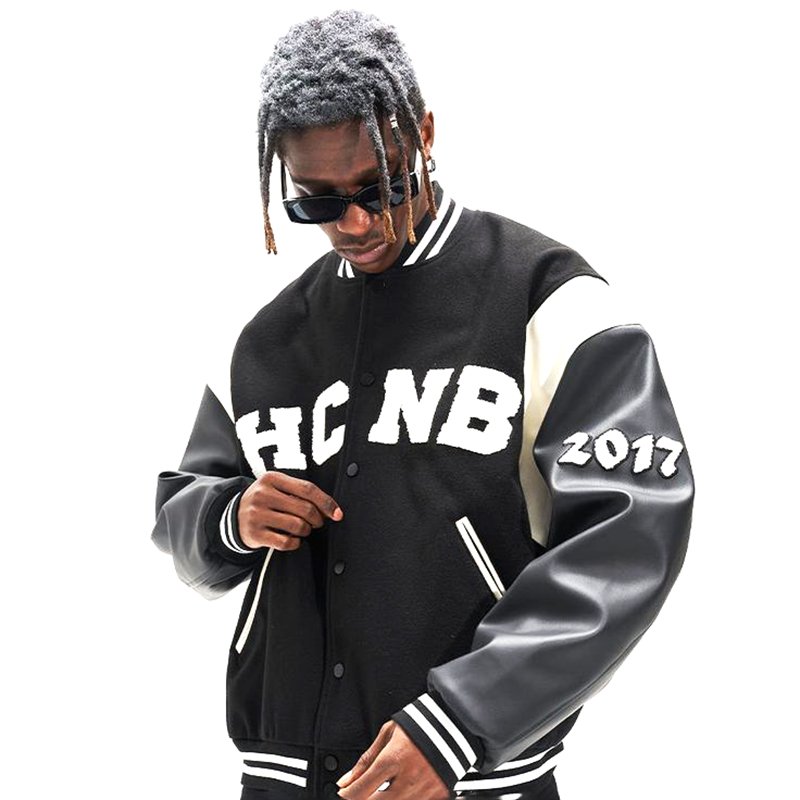
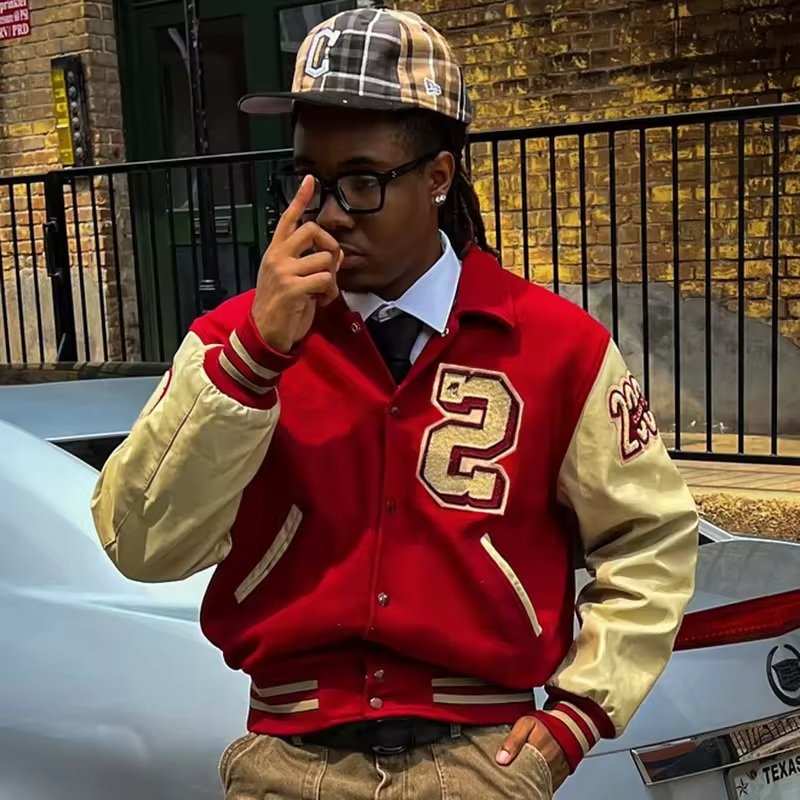
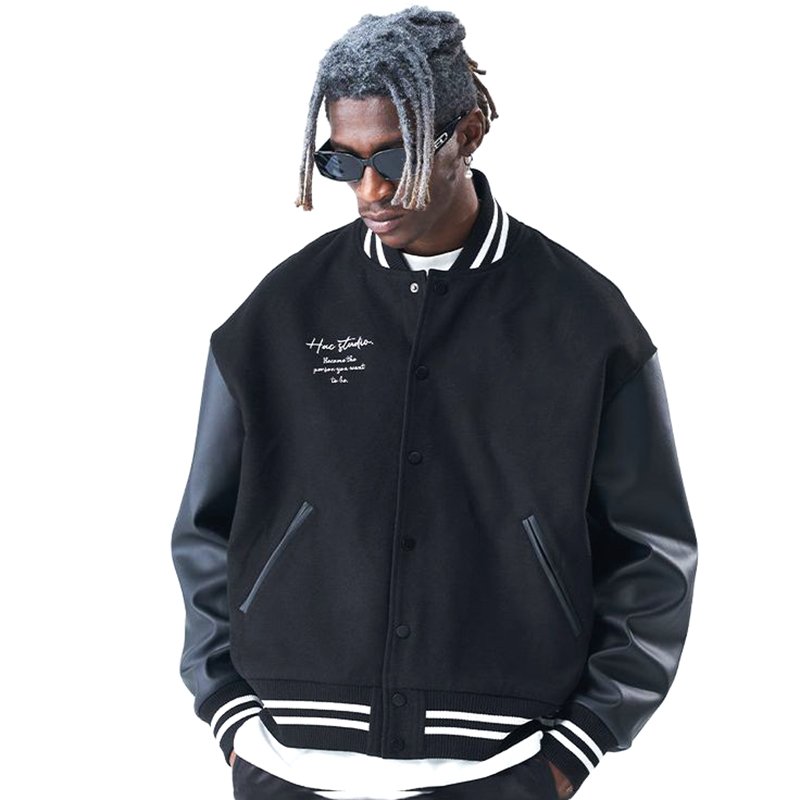
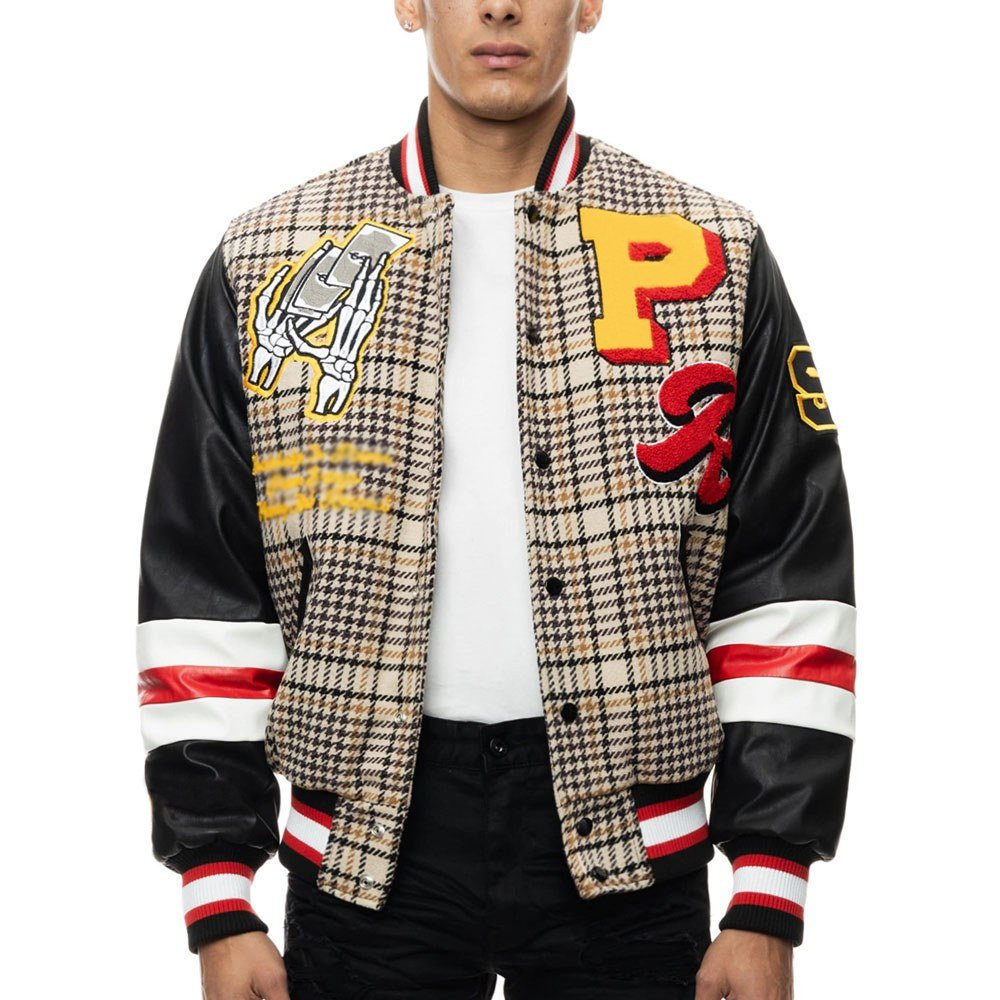
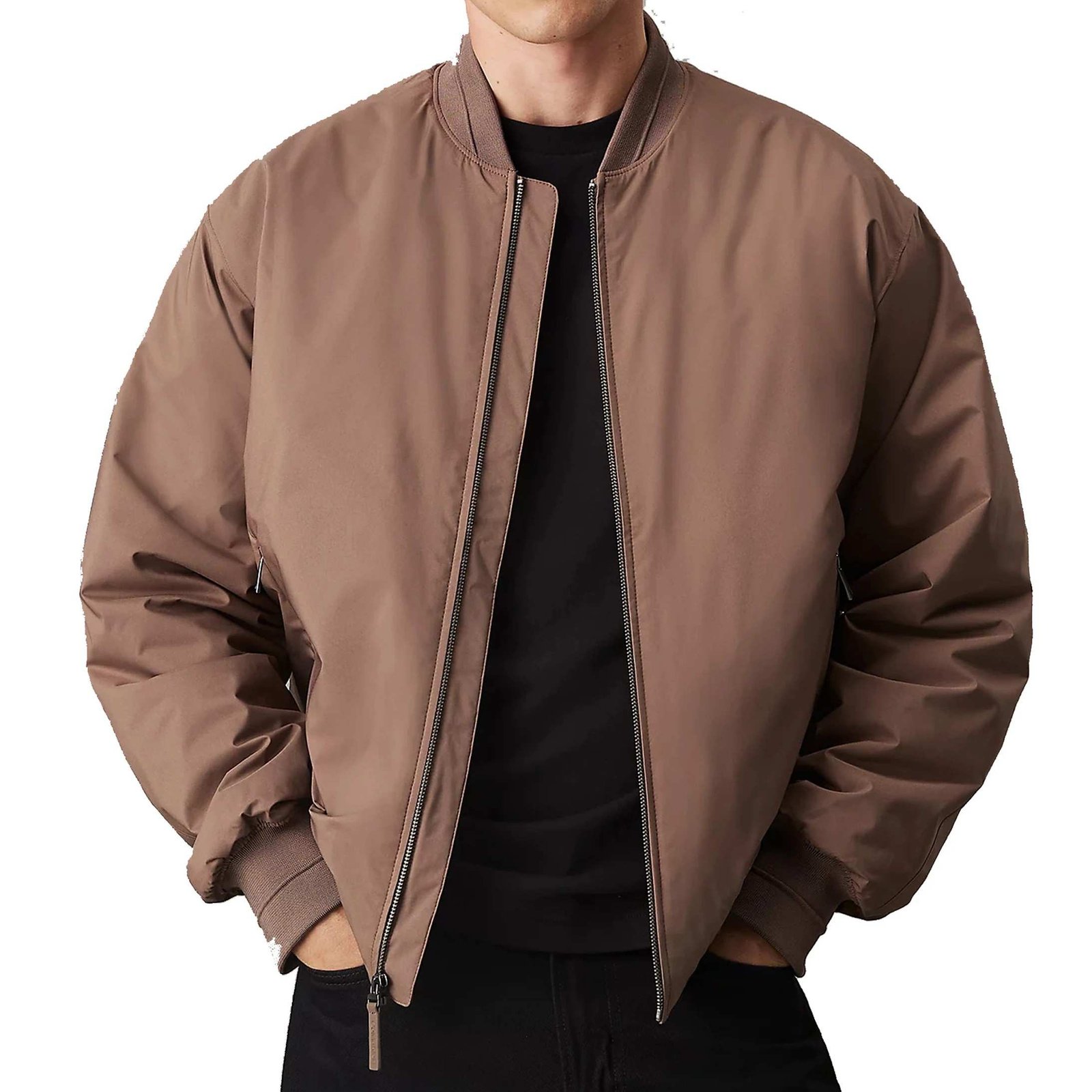
Satin Bomber Jacket Samples & Production Gallery
Why Choose Our Satin Bomber Jacket Manufacturer
We combine premium craftsmanship, flexible production, and rigorous quality control to bring your satin bomber jacket designs to life with zero compromise.
5-Step Quality Control Guarantee
Every satin bomber jacket passes through materials, cutting, craft, sewing, and finished product QC testing before shipment to ensure flawless quality.
50-Piece Minimum Order Quantity
Launch your satin bomber jacket line without overcommitting. Our low MOQ empowers startups and independent designers to test markets affordably.
7-Day Sample Turnaround
Get production-ready satin bomber jacket samples in just one week, so you can approve designs and launch seasonal collections faster.
In-House Design & Sampling Team
Our 15-member R&D team brings your vision to life with trend-driven streetwear expertise, custom embroidery, prints, and hardware options.
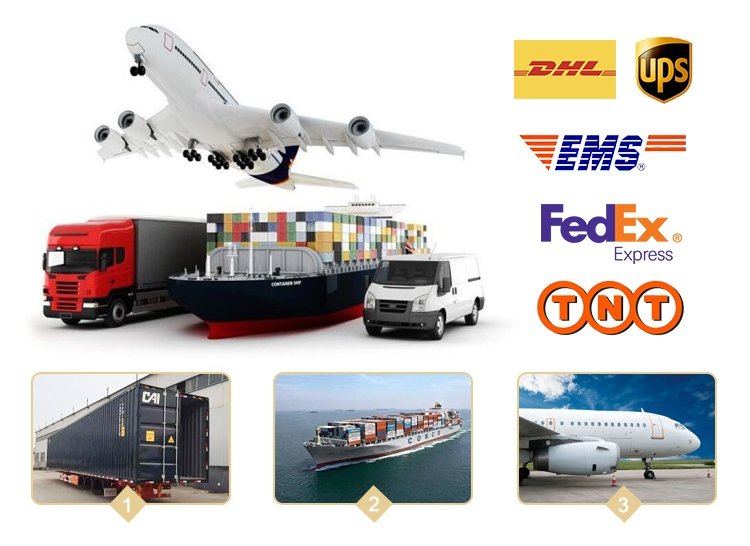
Global Shipping & Logistics Support
We handle customs, freight, and delivery to over 100 countries, ensuring your satin bomber jackets arrive on time, anywhere worldwide.
10+ Years Streetwear Expertise
Our founder’s decade of production experience and six years in streetwear ensure your satin bomber jackets reflect authentic trends and craftsmanship.
Satin Bomber Jacket Manufacturer: Product Lines & Customization
From classic varsity styles to bold custom colorways, our satin bomber jacket manufacturing expertise covers every category your brand needs—with low MOQs and our 5-step QC guarantee on every piece.
Classic Varsity Satin Bombers
Traditional brands and college apparel retailers need timeless varsity-style satin bombers with consistent fit, durable ribbing, and authentic detailing—but struggle to find manufacturers who understand heritage construction techniques.
We produce classic varsity satin bombers with reinforced snap closures, premium rib-knit trims, and precise chenille patch placement. Our 5-step QC ensures every jacket meets authentic varsity standards, perfect for schools and heritage brands.
Embroidered Custom Satin Bombers
Influencer brands and designer labels want intricate embroidery, appliqué patches, and custom graphics on satin bombers, but many manufacturers lack in-house embroidery capabilities or charge prohibitive setup fees for small runs.
Our in-house design and sampling team delivers complex embroidery, 3D puff details, and multi-color appliqué work with no minimum artwork fees. We've helped creator brands launch signature embroidered bombers from just 50 pieces.
Oversized & Streetwear Satin Bombers
Streetwear startups need oversized, drop-shoulder satin bombers with exaggerated silhouettes and trend-driven details like extended sleeves and cropped hems—styles that require specialized pattern grading and construction knowledge.
Leveraging 6 years of streetwear expertise, we engineer oversized satin bombers with balanced proportions, reinforced shoulder seams, and authentic streetwear aesthetics. Fast turnaround supports your seasonal drops and limited releases.
Custom Colorway Satin Bombers
Fashion startups and independent designers envision unique color blocking, gradient dyes, and custom fabric combinations for their satin bomber collections, but face high fabric minimums and rigid supplier color charts.
We source or custom-dye satin in your exact Pantone specifications with low fabric MOQs. Our R&D team develops custom colorways, reversible designs, and mixed-material bombers that differentiate your brand in crowded markets.
Limited Edition Satin Bombers
Global retailers and influencer brands launching exclusive capsule collections need premium satin bombers with unique embellishments, numbered editions, and luxury finishes—delivered quickly without sacrificing quality on small batches.
Our low MOQ policy and agile production let you launch limited-edition satin bombers with custom hang tags, specialty embroidery, and premium packaging. Global shipping and logistics support ensure your drops reach customers worldwide on time.
Premium Fabrics for Satin Bomber Jacket Manufacturing
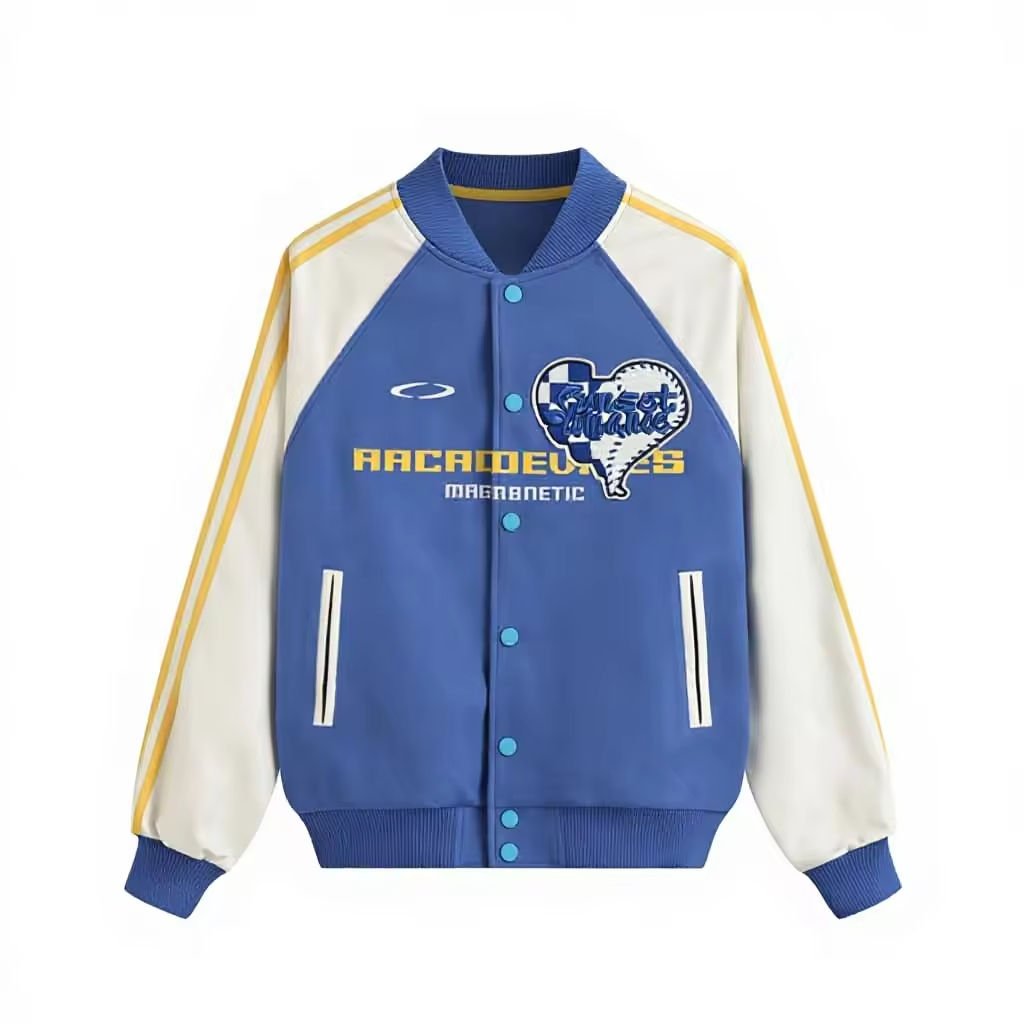
Polyester Satin
Smooth, high-sheen fabric with excellent color vibrancy and wrinkle resistance. Ideal for classic bomber shells with a luxurious drape. Weight range 90-120 GSM, offering durability and easy care for everyday streetwear.
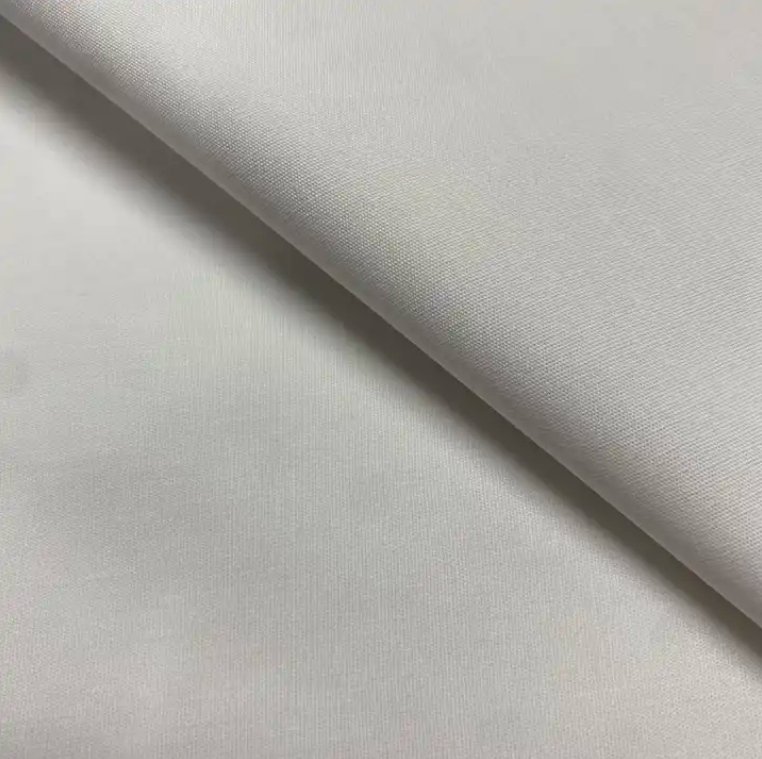
Silk-Blend Satin
Premium natural-synthetic blend combining silk’s breathability with polyester’s strength. Delivers superior softness and refined luster for high-end collections. Typically 19-22 momme weight with enhanced moisture-wicking properties.
Nylon Taffeta Lining
Lightweight, slippery lining fabric that ensures easy on-off wear and smooth interior finish. Resists static buildup and adds minimal bulk. Standard 190T-210T density provides excellent tear resistance for long-lasting bomber jackets.
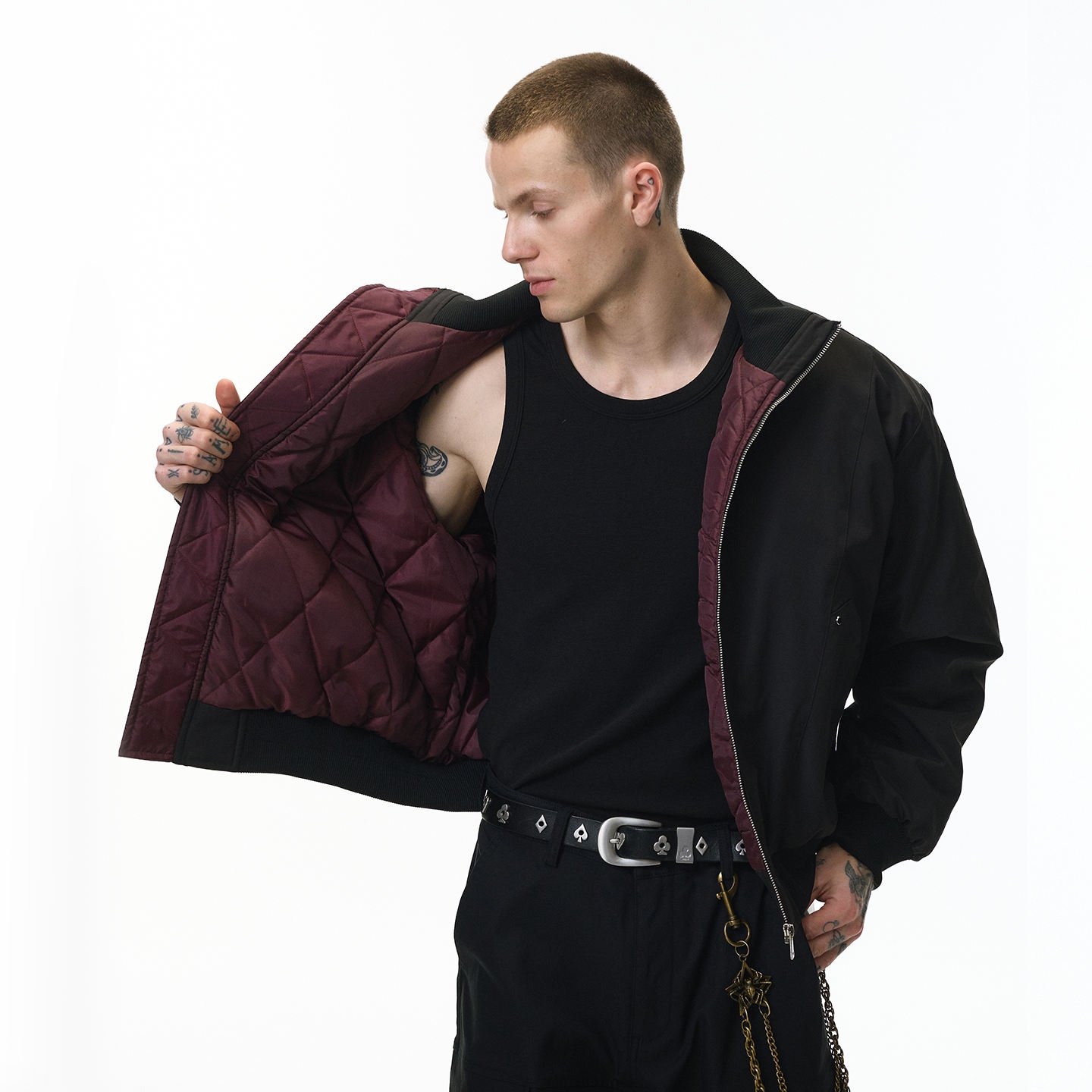
Quilted Poly Lining
Insulated diamond or channel-quilted lining offering warmth without excessive weight. Perfect for fall and winter bomber styles. Features polyester fill ranging from 60-100 GSM for customizable thermal performance and structure.
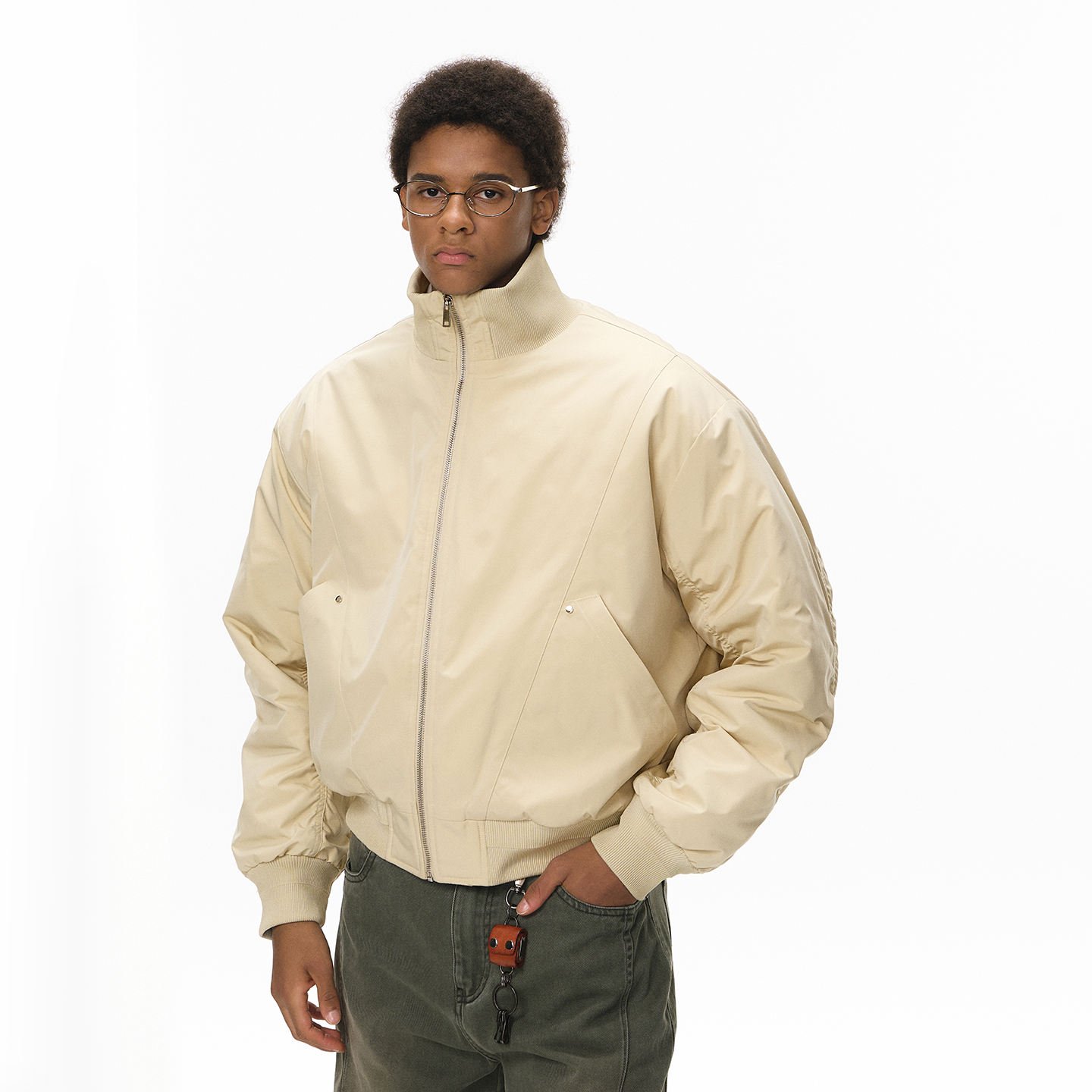
Acetate Satin
Semi-synthetic fabric with silk-like hand feel and exceptional drape characteristics. Provides brilliant color depth and natural breathability. Weighs 110-140 GSM, making it ideal for premium lightweight bombers with refined aesthetics.
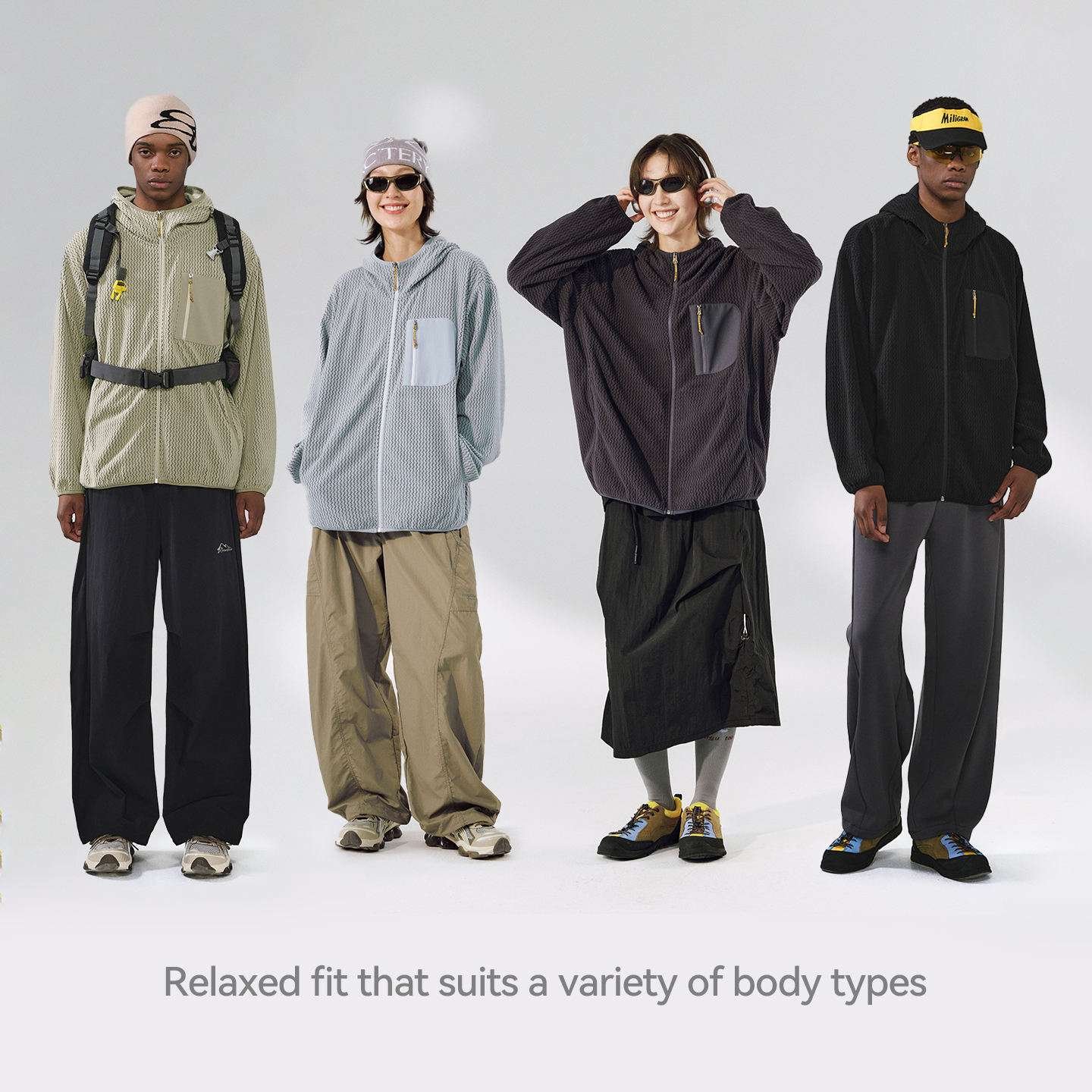
Nylon Satin
Durable, water-resistant satin with superior abrasion resistance and tensile strength. Maintains sheen through repeated wear and washing. Typically 100-130 GSM, perfect for streetwear brands requiring performance-oriented bomber jackets with lasting quality.
Advanced Production Techniques for Satin Bomber Jacket Manufacturing
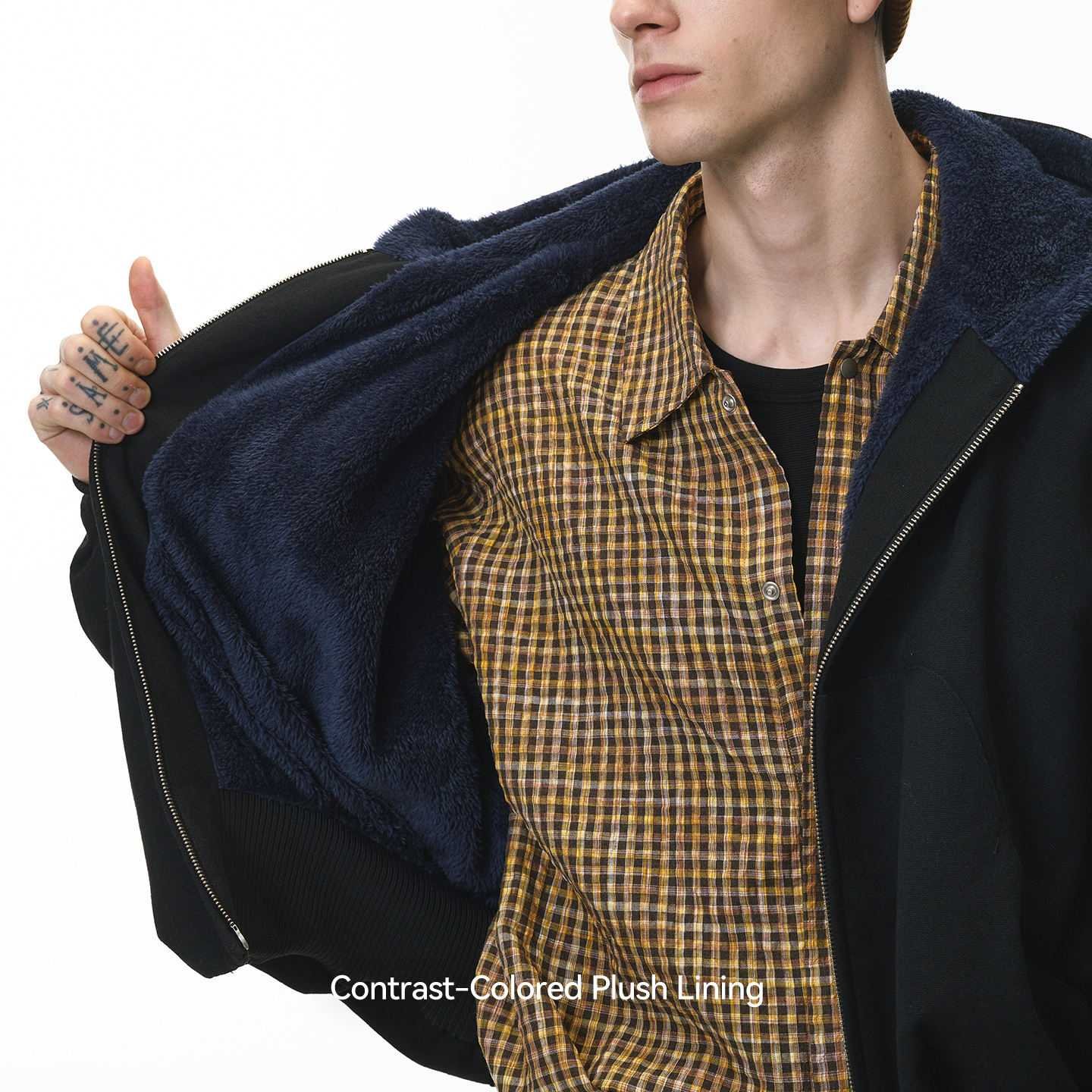
Precision Cutting
Computer-aided pattern cutting ensures every satin panel is precisely measured and aligned. This foundation step guarantees consistent sizing, minimal fabric waste, and perfect symmetry across all jacket components for a professional finish.
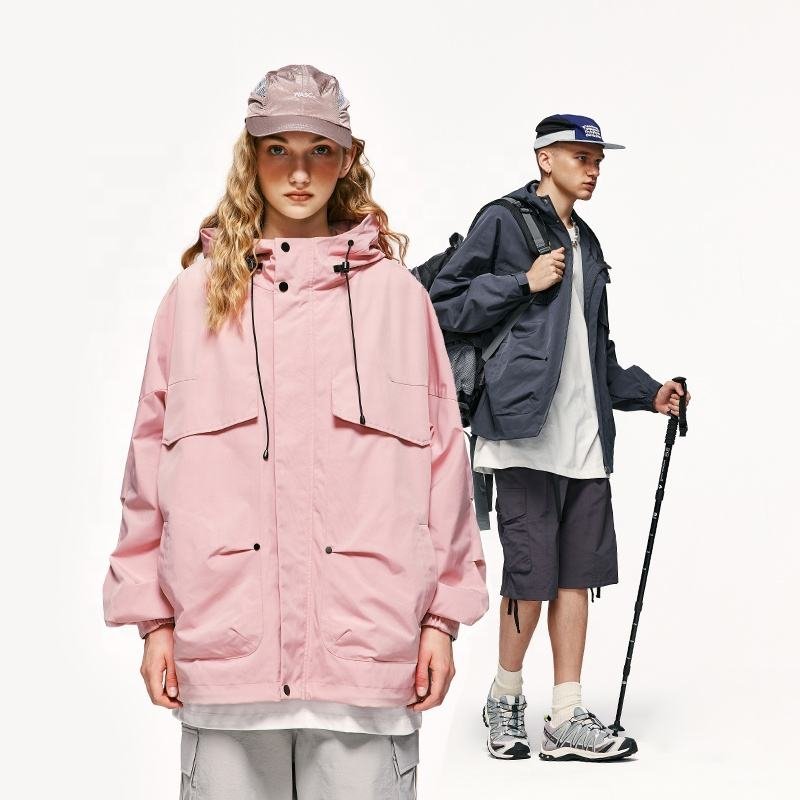
Custom Embroidery
High-density embroidery adds dimensional logos, text, and streetwear graphics to satin bombers. Our multi-head machines deliver intricate detail with excellent thread tension, creating durable designs that elevate brand identity and visual impact.
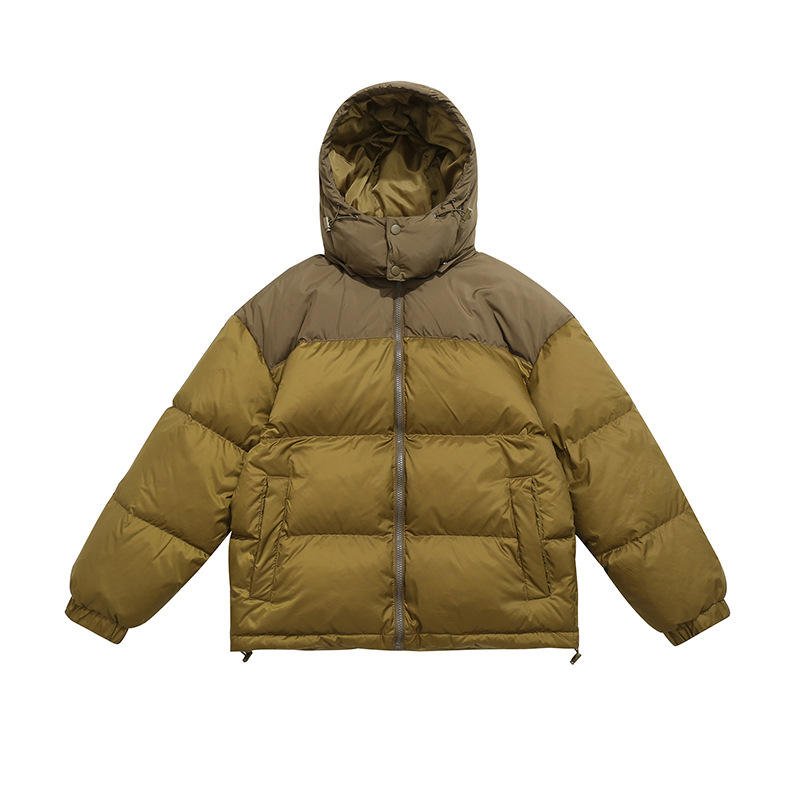
Screen Printing
Specialty ink formulations bond seamlessly with satin surfaces for bold, vibrant graphics. Ideal for large logos and back prints, our screen printing delivers excellent color saturation and wash durability without compromising fabric drape.
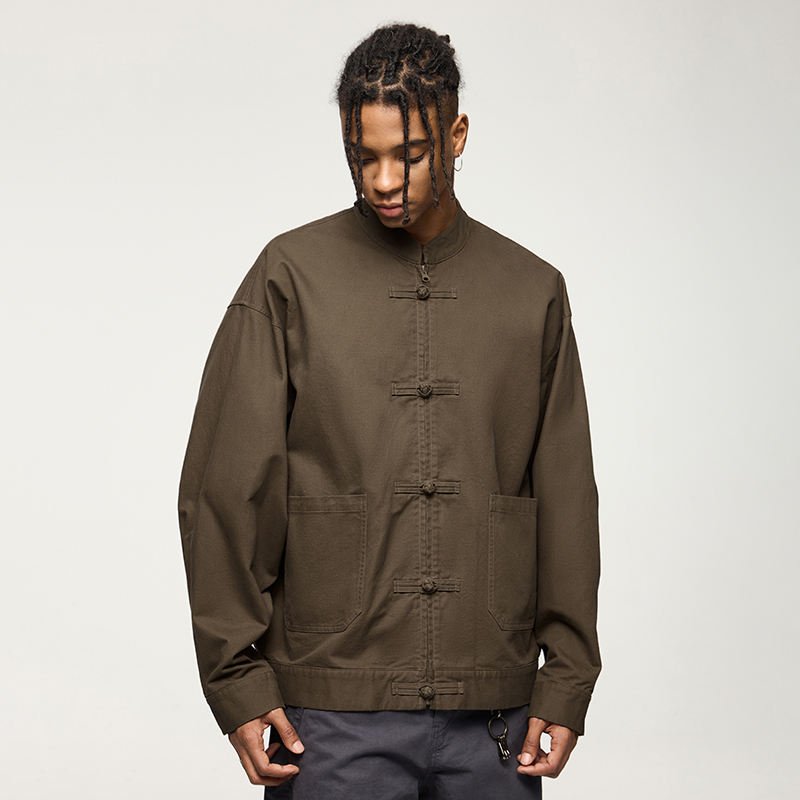
Heat Transfer Application
Precision heat press technology applies custom patches, metallic foils, and reflective elements to satin bombers. This versatile process enables complex multi-color designs and special effects that enhance streetwear aesthetics with lasting adhesion.
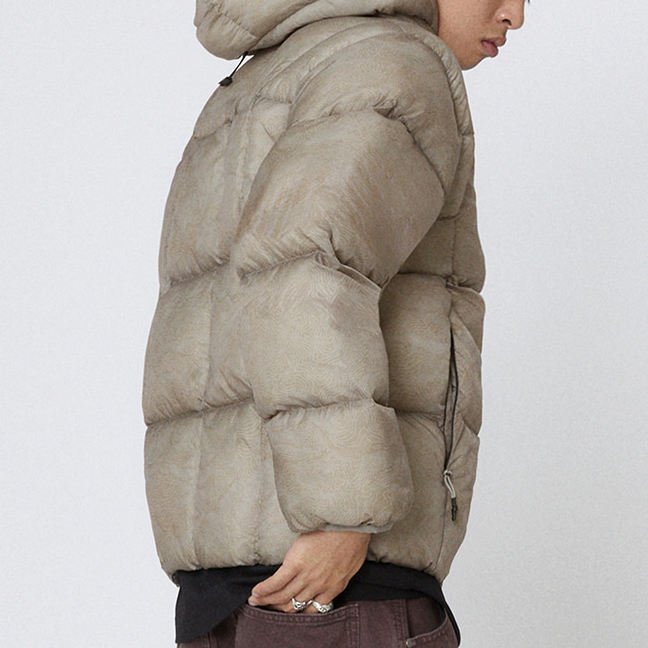
Custom Dyeing
Controlled dye-bath processes achieve exact Pantone matches and unique color gradients on satin fabrics. Our dyeing expertise ensures consistent color reproduction across production runs, delivering the bold, trend-driven palettes streetwear brands demand.
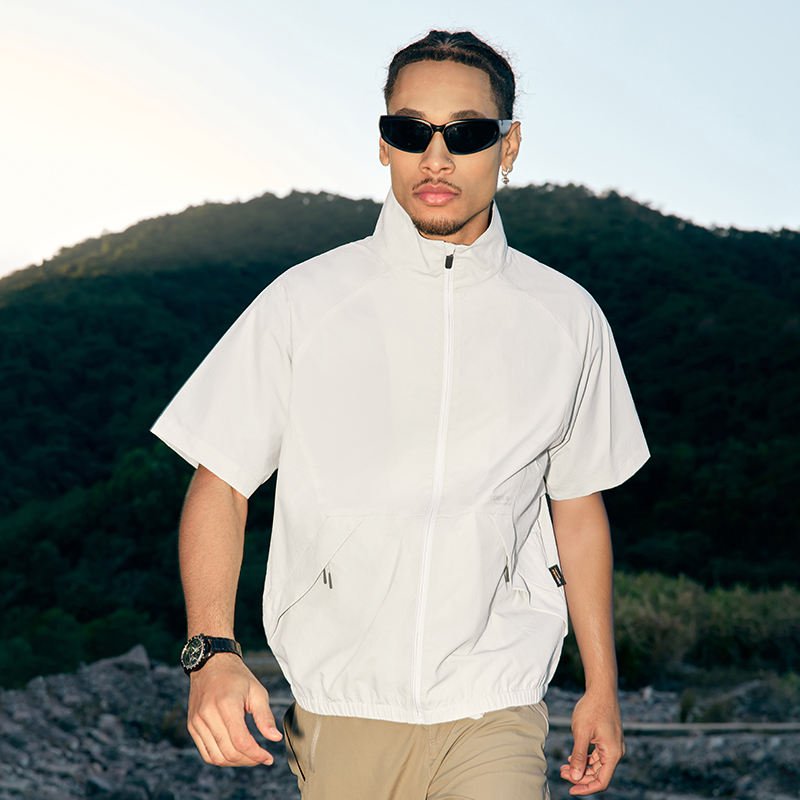
Professional Finishing
Steam pressing, quality inspection, and protective packaging complete every satin bomber jacket. Our finishing process eliminates wrinkles, verifies all details meet specifications, and ensures garments arrive retail-ready with premium presentation.
Hardware & Finishing Options for Your Satin Bomber Jacket Manufacturer Order
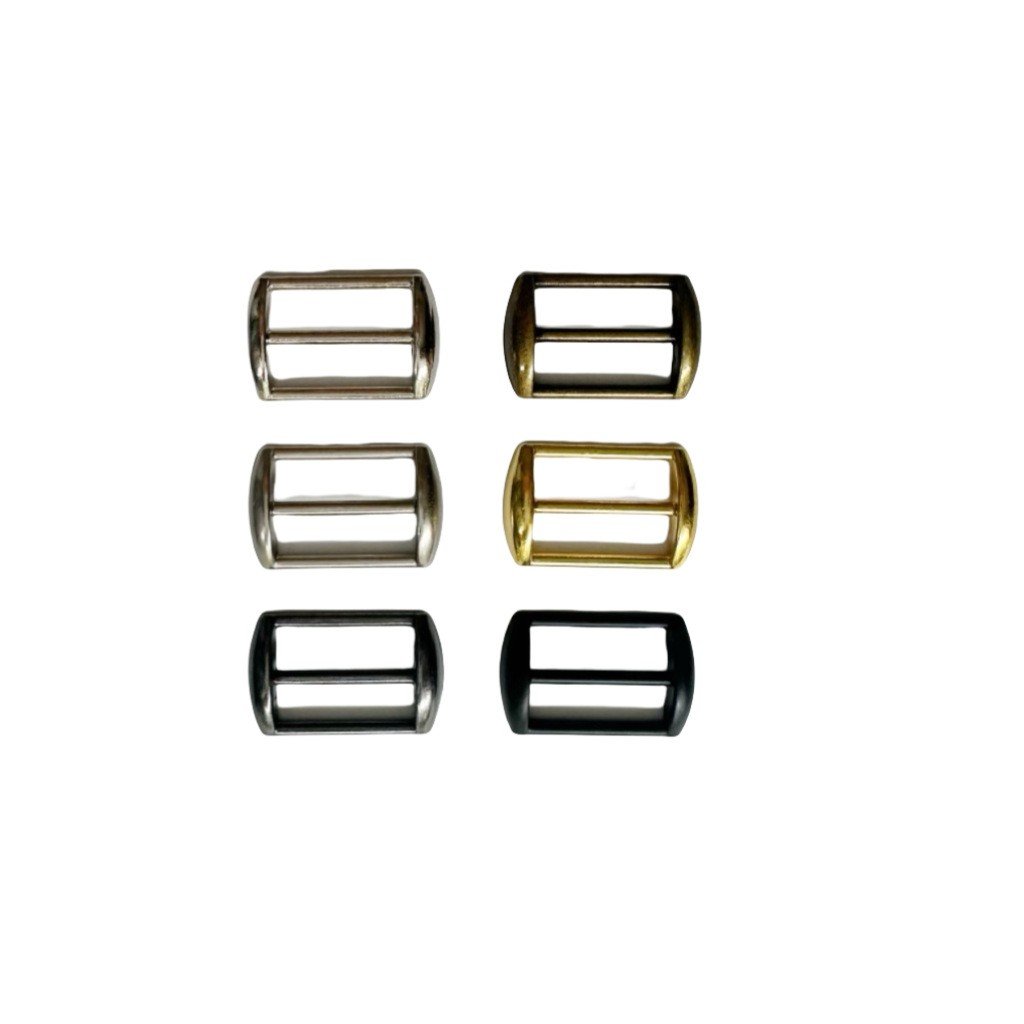
YKK Zippers
Premium YKK front zippers and pocket zippers engineered for smooth operation and long-lasting durability. Essential for satin bomber jackets requiring reliable closure hardware that withstands thousands of open-close cycles without snagging delicate satin fabric.
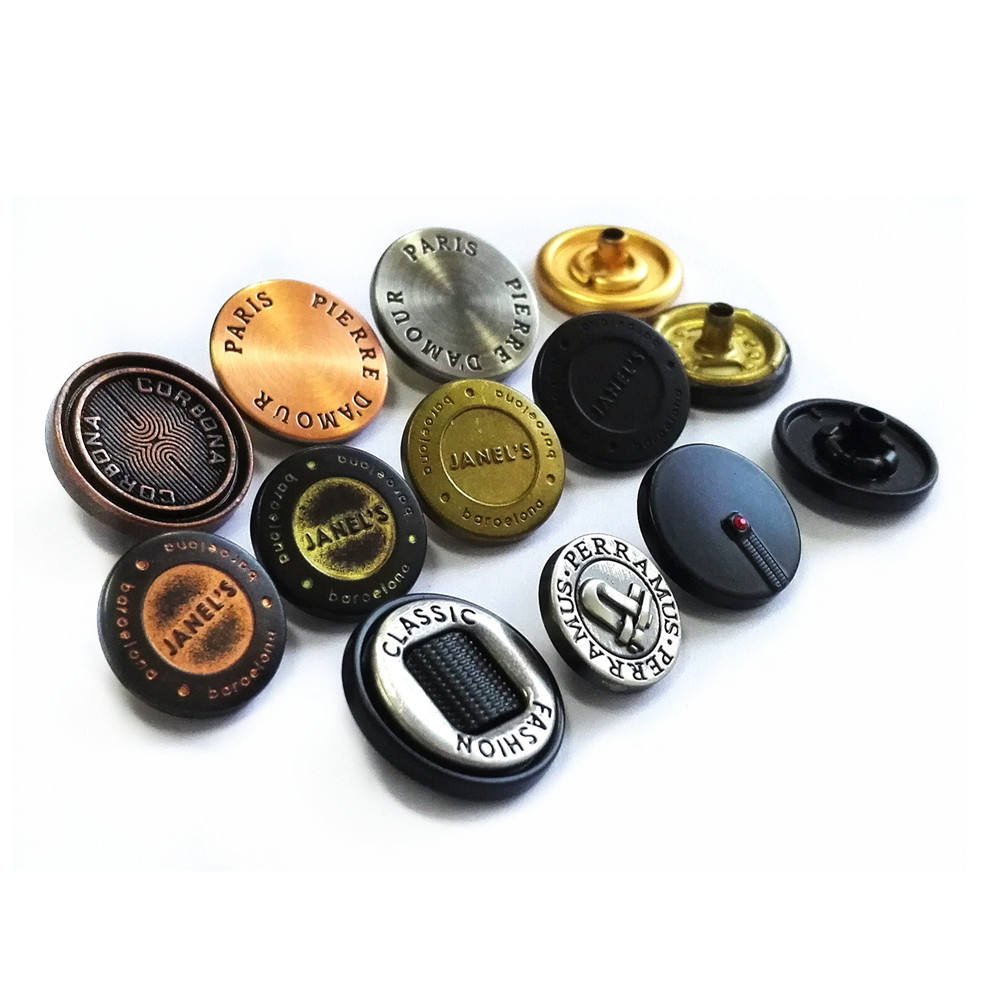
Snap Buttons
Heavy-duty metal or resin snap buttons for cuffs, pockets, and closures. Available in gunmetal, brass, silver, and custom finishes to match your streetwear aesthetic. Perfect for adding functional detail to collar stands and storm flaps on satin bombers.
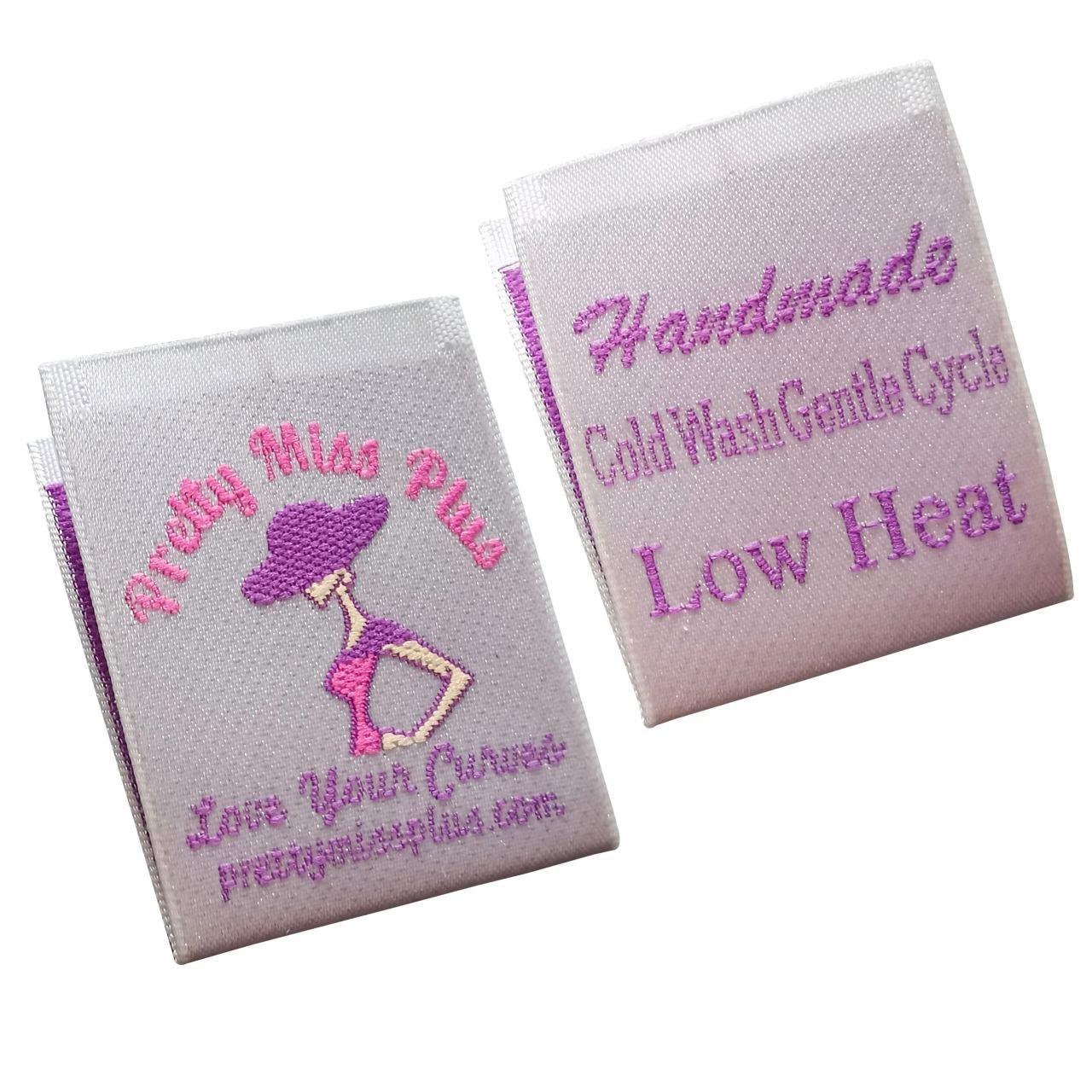
Custom Woven Labels
High-definition woven brand labels for neck, sleeve, or interior placement. Designed to showcase your logo with crisp detail and soft hand feel. We produce labels that complement the luxury finish of satin bomber jackets without scratching or irritation.
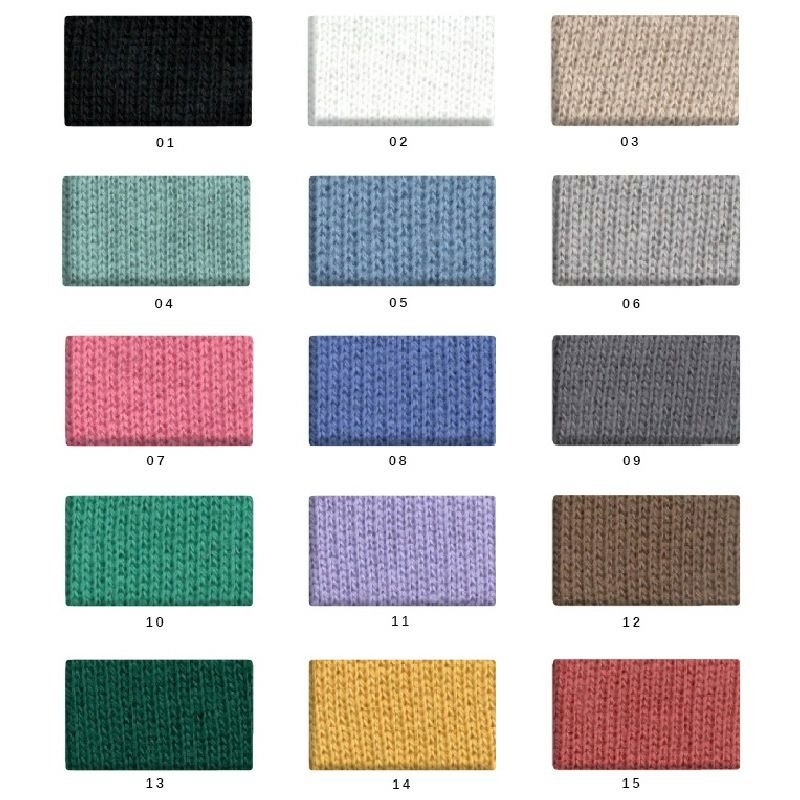
Embroidered Patches
Fully customizable embroidered patches for chest, sleeves, or back panels. Created with dense stitching and vibrant thread colors that capture streetwear motifs—skulls, roses, logos, or graphic elements. Securely attached to satin fabric without puckering or distortion.
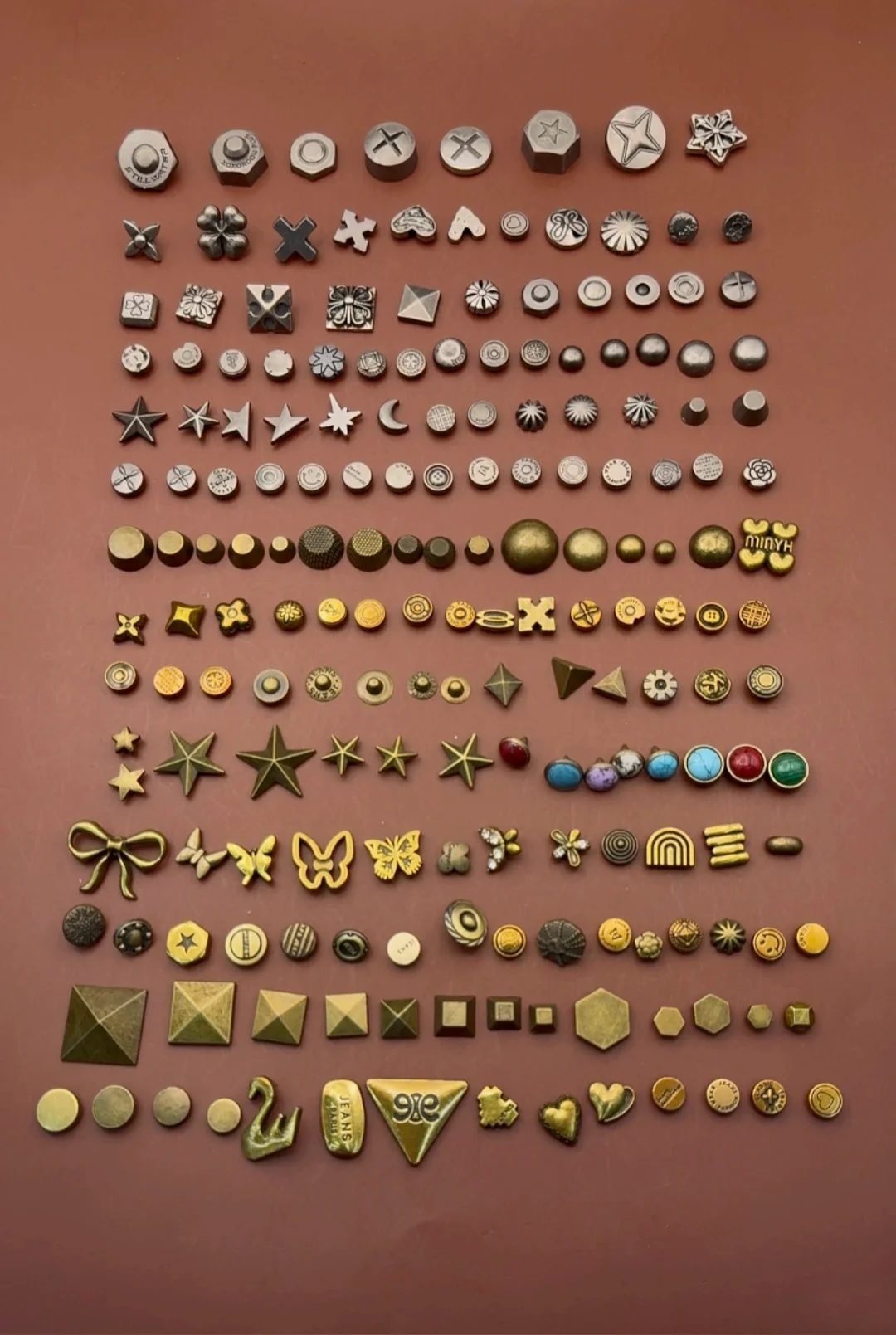
Drawcords & Tipping
Braided or flat drawcords with metal or plastic aglets for hem and hood adjustments. Available in matching or contrasting colors to enhance the silhouette of your satin bomber. Tested for pull strength and colorfastness during our cutting QC stage.
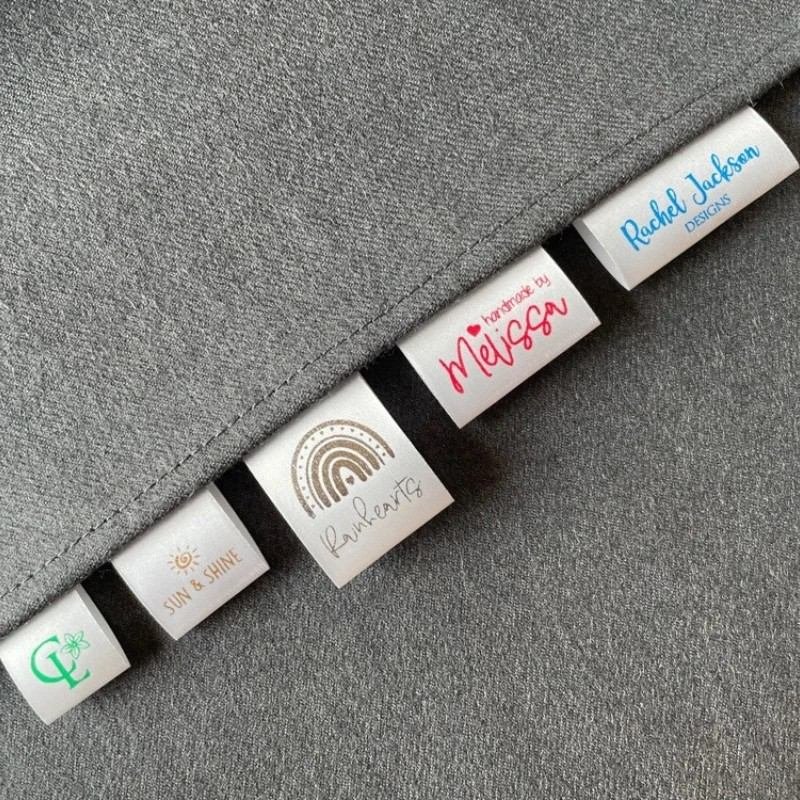
Custom Hangtags
Branded hangtags printed on premium cardstock or specialty materials with foil stamping, embossing, or full-color graphics. The first touchpoint for retail customers, reinforcing brand story and quality before the satin bomber jacket is ever worn.
Your Trusted Satin Bomber Jacket Manufacturer
Founded in 2024 by Tesla Luo, Clothing Manufacturer Ltd. brings over 10 years of apparel production expertise and 6 years of specialized streetwear experience to every satin bomber jacket we craft. After serving 200+ clients personally and witnessing too many manufacturers skip quality checks, Tesla built our company on one mission: eliminate low-quality products through rigorous testing at every production stage.
Today we serve streetwear brands, fashion startups, and retailers across 100+ countries with our proprietary five-step quality control process. Our 15-member R&D team and 10 patents ensure your satin bomber jackets meet the highest standards, from fabric selection through final inspection. We combine the agility of a focused specialist with the production capacity of our parent company, Dongguan TuoZhen Clothing Co., Ltd.
Whether you’re launching your first collection or scaling an established line, we offer low MOQs, fast turnaround for seasonal drops, and transparent communication every step of the way. Our zero-compromise approach to quality has earned the trust of influencer brands and global retailers who demand satin bomber jackets that reflect their vision and reputation.
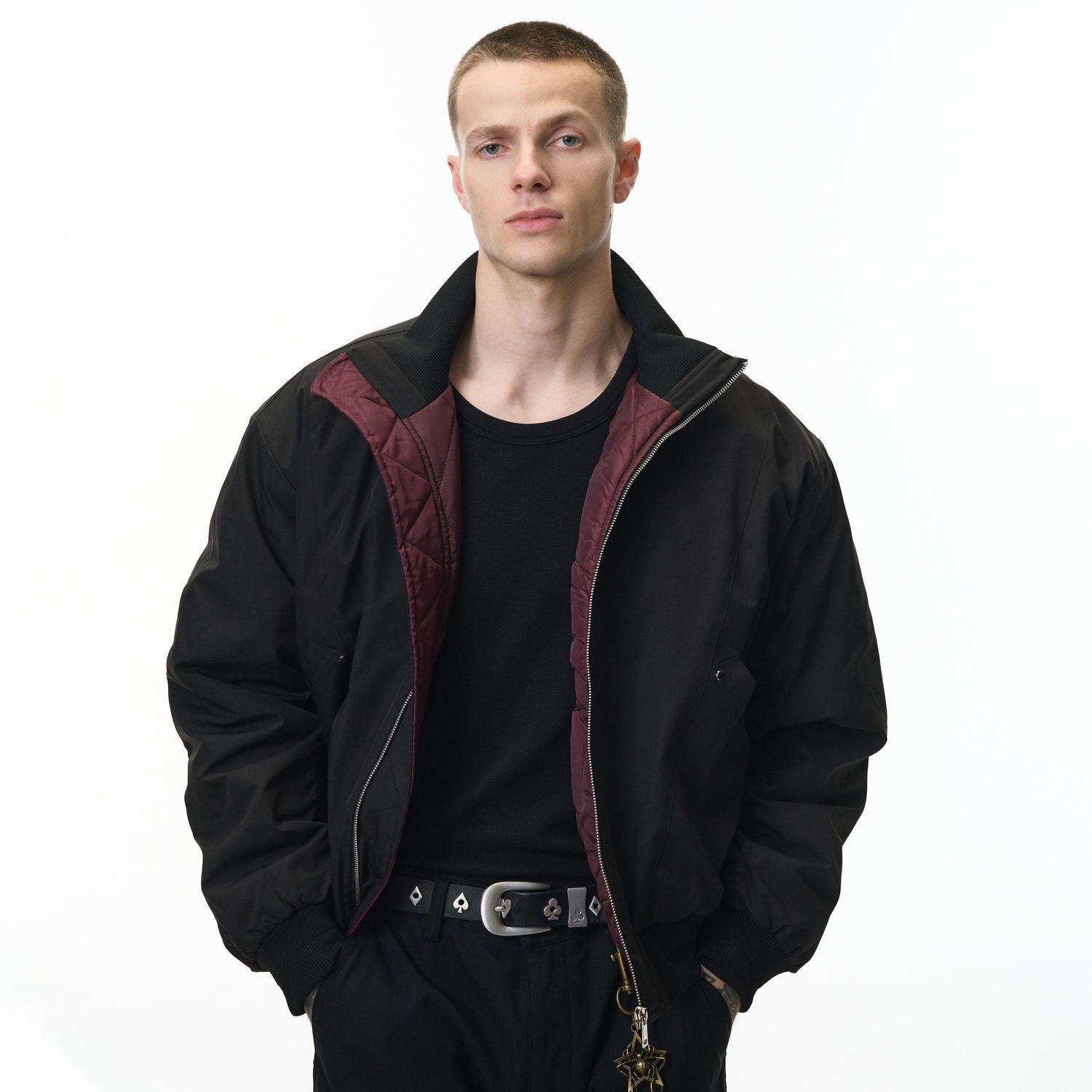
Our Five-Step Quality Control Process for Satin Bomber Jackets
Materials QC Testing
Before production begins, every satin fabric roll undergoes rigorous inspection. We verify color consistency, sheen uniformity, weight specifications, and dimensional stability to ensure your bomber jackets start with premium materials that meet your brand standards.
- Color fastness testing to prevent fading and bleeding during wear
- Fabric weight and density verification against technical specifications
- Surface inspection for snags, pulls, or weaving defects
- Shrinkage and stretch testing to guarantee fit consistency
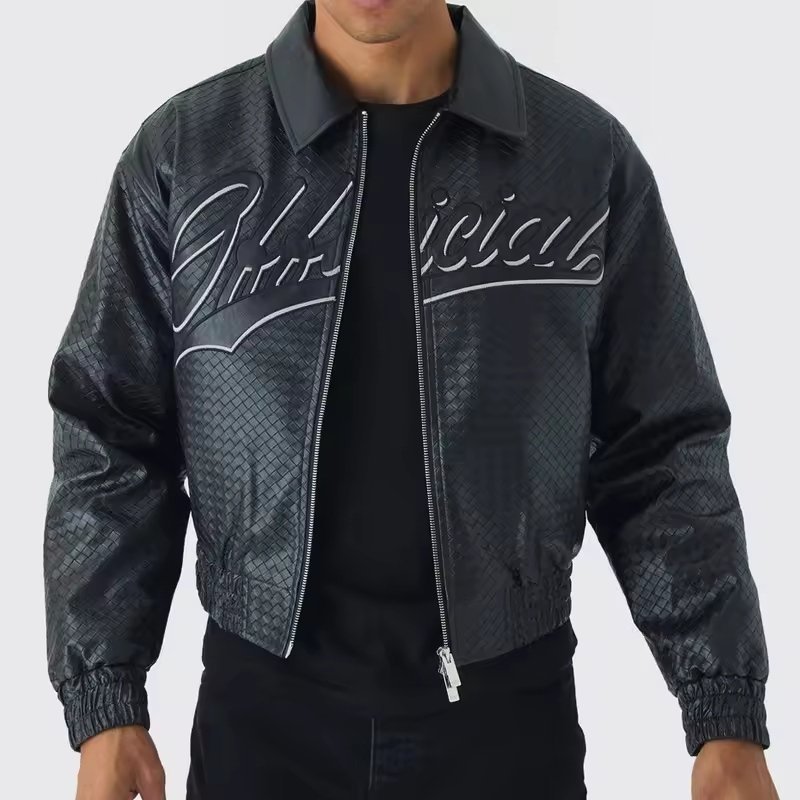
Cutting QC Testing
Our cutting stage quality control ensures pattern accuracy and fabric efficiency. Each cut piece is inspected for dimensional precision, grain alignment, and pattern matching so your satin bomber jackets maintain consistent sizing and professional construction throughout every production run.
- Pattern piece measurement verification against tech packs
- Grain line alignment checks to prevent twisting and distortion
- Notch and marking accuracy to ensure proper assembly
- Fabric utilization review to minimize waste and control costs
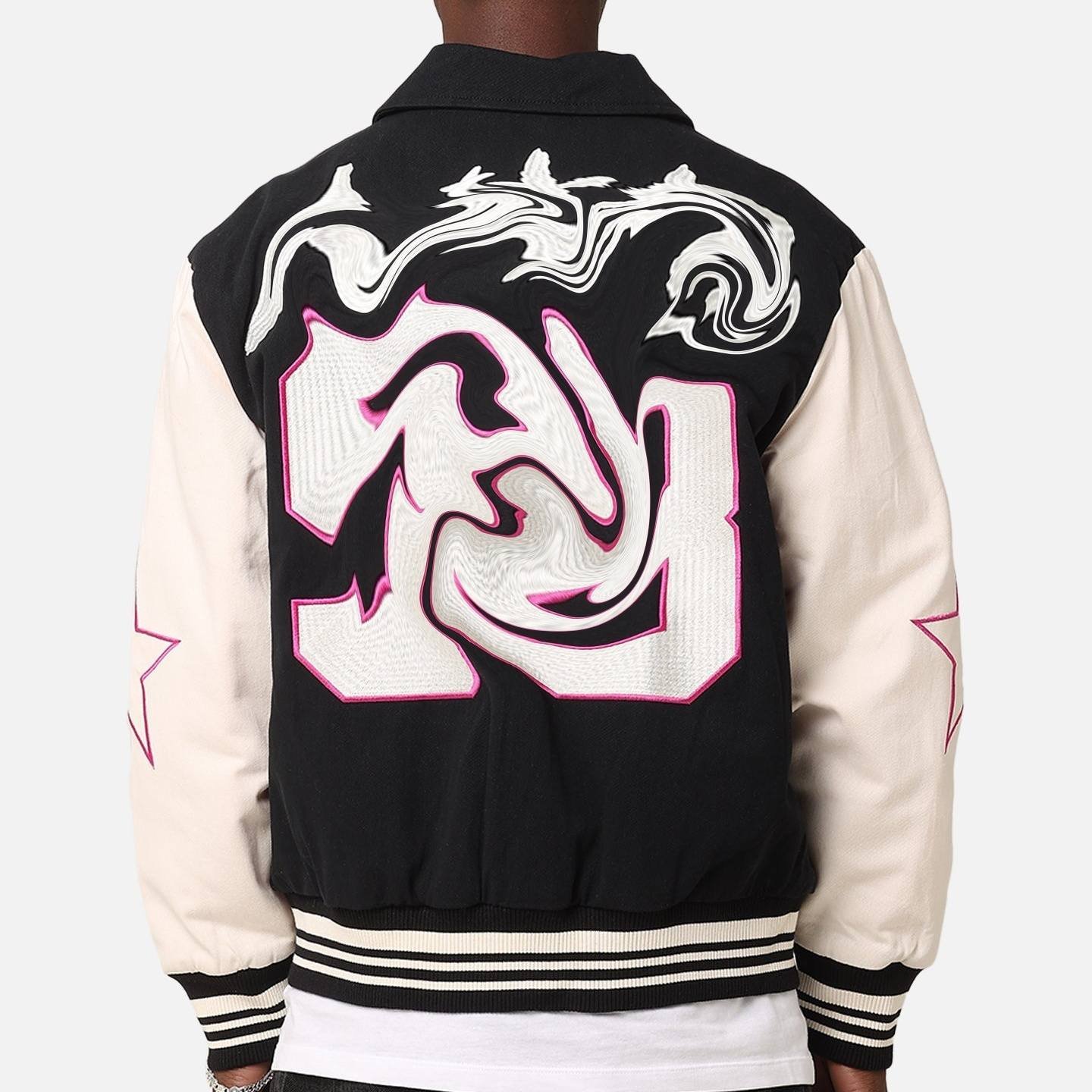
Clothing Craft QC Testing
During assembly, our craft specialists monitor construction techniques and component attachment. We verify that ribbed cuffs, collar bands, zipper installations, and pocket placements meet streetwear quality standards, catching errors before they compound through production stages.
- Ribbing attachment strength and stretch recovery testing
- Zipper functionality and alignment verification at every jacket
- Pocket placement accuracy and reinforcement stitching checks
- Lining attachment and interior finish quality assessment
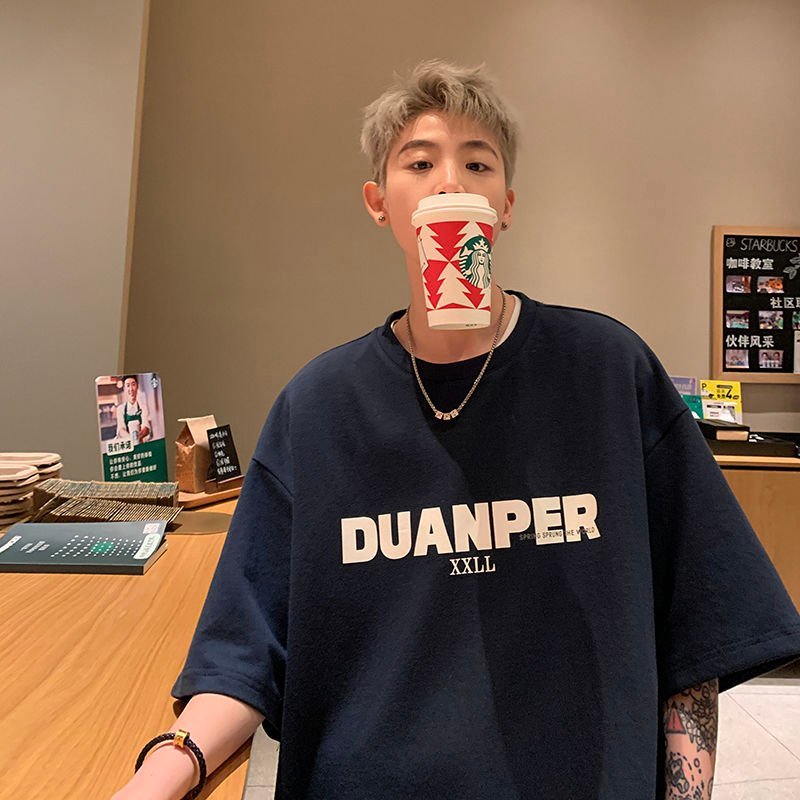
Sewing Production QC Testing
Throughout the sewing process, our as your satin bomber jacket manufacturer, we conduct real-time inspections of seam quality, stitch density, and thread tension. This continuous monitoring prevents defects from progressing and ensures every jacket leaving the production line reflects the premium craftsmanship your brand demands.
- Seam strength testing and stitch-per-inch count verification
- Thread tension balance checks to prevent puckering on satin
- Topstitching alignment and consistency across all panels
- Real-time defect identification and immediate correction protocols
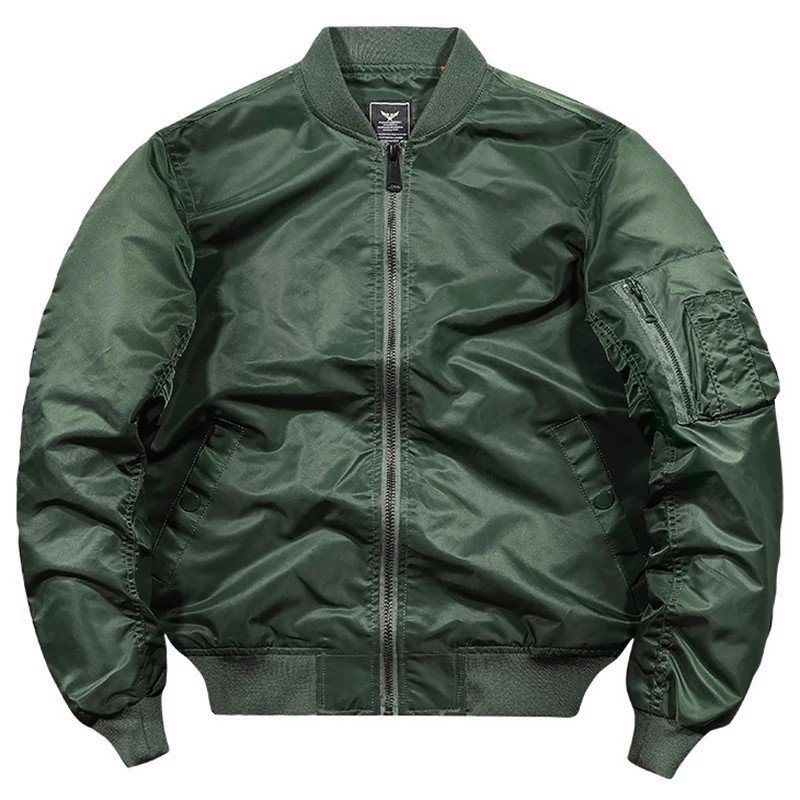
How We Compare: Satin Bomber Jacket Manufacturer vs. Typical Suppliers
We built our reputation on rigorous quality control, transparent communication, and streetwear expertise. See how our approach to satin bomber jacket manufacturing stacks up against typical suppliers who cut corners.
← 左右滑动查看 →
Satin Bomber Jacket Manufacturer Production Timeline
From fabric sourcing to final shipment, our proven process ensures every satin bomber jacket meets premium streetwear standards through continuous quality control at each production phase.
Fabric Sourcing & Materials QC
We select premium satin fabrics and conduct materials QC testing to verify weight, sheen, durability, and colorfastness before production begins.
Pattern Development & Cutting QC
Our design team creates custom patterns for your bomber jacket. Cutting QC testing ensures precise dimensions and minimal fabric waste throughout.
Sewing Production & Craft QC
Skilled technicians assemble each jacket with reinforced stitching. Clothing craft QC testing monitors seam strength, stitch consistency, and construction quality continuously.
Hardware Installation & Sewing QC
Zippers, snaps, and custom hardware are installed. Sewing production QC testing verifies all functional elements operate smoothly and securely.
Finishing & Final Quality Inspection
Jackets are pressed, inspected for defects, and undergo finished clothing quality QC inspection. Only garments passing all checks proceed to packaging.
Packaging & Global Shipping
Approved satin bomber jackets are carefully packaged with your branding and shipped worldwide with full logistics support and tracking documentation.
How to Partner With a Satin Bomber Jacket Manufacturer
Our transparent, collaborative process takes you from concept to finished product with quality assurance at every stage. Here’s how we work together to bring your custom satin bomber jackets to life.
Submit Your Tech Pack
Share your design specifications, fabric preferences, and customization details. Our team reviews your requirements and provides expert recommendations to optimize production and quality.
Approve Your Sample
We create a pre-production sample of your satin bomber jacket with our in-house design team. Review fit, finish, and details before committing to bulk production.
Begin Bulk Production
Once approved, production starts with low MOQ flexibility. Our 5-step quality control process monitors materials, cutting, craftsmanship, sewing, and final inspection throughout manufacturing.
Complete Quality Assurance Testing
Every finished satin bomber jacket undergoes rigorous final QC inspection. We verify measurements, stitching integrity, hardware function, and overall construction before packaging begins.
Receive Global Shipping
Your order is carefully packaged and shipped with full logistics support. We handle customs documentation and tracking to ensure timely delivery to your location worldwide.
Certified Satin Bomber Jacket Manufacturer You Can Trust
Customer Testimonials: Brands That Trust Our Satin Bomber Jacket Manufacturer
We launched our first satin bomber collection with zero defects across 3,200 units. The 5-step QC process caught issues before production, saving us thousands in returns. Our Instagram grew from 12K to 68K followers in six months.
As an influencer brand, timing is everything. Clothing Manufacturer delivered three seasonal satin bomber drops on schedule with MOQs as low as 150 pieces. Our sell-through rate hit 94% because the quality matched our premium positioning.
We tested five manufacturers before finding Clothing Manufacturer. Their satin bomber jackets passed our internal quality audit with a 98.7% score. The custom embroidery and hardware options let us differentiate in a crowded market.
FAQ: Satin Bomber Jacket Manufacturing & Ordering
What is the minimum order quantity (MOQ) with your satin bomber jacket manufacturer?
How long does it take to produce custom satin bomber jackets?
Do you charge for sampling when working with a satin bomber jacket manufacturer?
What payment terms does your satin bomber jacket manufacturer offer?
How do you protect my designs and intellectual property?
What shipping and logistics support do you provide as a satin bomber jacket manufacturer?
What customization options are available for satin bomber jackets?
What quality guarantees does your satin bomber jacket manufacturer provide?
Can you match specific Pantone colors and fabric specifications for satin bomber jackets?
The Complete Buyer’s Guide to Choosing the Right Satin Bomber Jacket Manufacturer
Navigate the sourcing landscape with confidence. This guide delivers a proven decision framework, essential supplier criteria, quality benchmarks, customization options, and the critical mistakes to avoid when partnering with a satin bomber jacket manufacturer.
1. What Is a Satin Bomber Jacket Manufacturer?
A satin bomber jacket manufacturer is a specialized apparel producer that designs, cuts, sews, and finishes bomber-style jackets using satin and satin-weave fabrics, typically working with brands on orders ranging from 50 to 5,000 units per style. These manufacturers sit at the production tier of the fashion supply chain, bridging fabric mills and finished-goods brands by transforming rolls of polyester satin, acetate satin, or silk-blend satin into wearable outerwear with ribbed trims, zipper closures, and lining systems. Unlike general jacket factories that handle canvas, denim, or technical shells, a dedicated satin bomber jacket manufacturer maintains expertise in handling slippery, lustrous fabrics that require specialized presser feet, needle types (typically ballpoint 70/10 or 80/12), and lower-tension sewing to prevent puckering and snags.
Satin fabrications demand distinct capabilities because the weave structure—characterized by floating warp or weft yarns that create the signature sheen—is prone to snagging, fraying, and water spotting during cutting and assembly. Factories specializing in satin bombers invest in rotary cutters or laser systems, use tissue-paper underlays during sewing, and employ trained operators familiar with directional nap and light reflection. They also source coordinating rib-knit cuffs and waistbands in matching or contrast colors, stock YKK or SBS metal and nylon zippers in 15–30 cm lengths for front closures, and maintain relationships with print houses for custom embroidery or screen-print decoration on satin surfaces.
Brands seek a dedicated satin bomber jacket manufacturer to ensure consistent sheen, minimize fabric waste (satin yields average 75–82 percent utilization versus 85–90 percent for wovens), and access pattern-making teams experienced in drafting raglan or set-in sleeves that drape correctly on slippery substrates.
2. The Evolution of Satin Bomber Jackets in Fashion
Bomber jackets originated in 1917 when the U.S. Army Aviation Clothing Board introduced the first flight jackets for open-cockpit pilots who required warm, durable outerwear at high altitudes. By the 1950s, military surplus MA-1 nylon bombers entered civilian fashion, but the shift to satin fabrications began in the 1970s when American sports teams adopted shiny polyester satin for varsity and team jackets, leveraging the fabric’s smooth surface for embroidery and screen-printing of logos and mascots.
Hip-hop culture accelerated satin bomber adoption in the 1980s and early 1990s, with artists and crews wearing custom team-style satin jackets as status symbols and crew identifiers. Brands like Starter and Chalk Line produced millions of satin team jackets during this era, establishing the silhouette as streetwear essential. Simultaneously, Japanese streetwear labels began sourcing satin bomber jacket manufacturers to produce souvenir-style jackets (sukajan) that blended military silhouettes with embroidered motifs, further cementing satin’s place in youth fashion.
Luxury fashion houses entered the category in the 2010s, with Saint Laurent, Gucci, and Balenciaga releasing high-end satin bombers priced between $1,200 and $3,500, elevating the garment from sportswear to runway staple. Manufacturing techniques evolved to include digital embroidery, heat-transfer printing, and custom jacquard satin weaves, allowing satin bomber jacket manufacturers to offer decoration options previously unavailable at scale.
Current market demand remains strong across all price tiers, driven by nostalgia cycles, gender-neutral styling, and the garment’s versatility as both outerwear and layering piece. Global search volume for satin bombers peaks seasonally in spring and fall, with independent brands and influencer labels representing the fastest-growing customer segment for custom production.
3. Types of Satin Bomber Jacket Manufacturers
Satin bomber jacket manufacturers fall into distinct categories based on service model, production capacity, and specialization. Understanding these archetypes helps brands match their needs to the right factory partner.
Full-Package vs. CMT Manufacturers
Full-package manufacturers handle design, fabric sourcing, pattern making, production, and finishing under one roof. MOQs typically range from 100 to 500 pieces per style, with lead times of 45–60 days.
CMT (cut-make-trim) factories require clients to supply all materials and tech packs. MOQs drop to 50–200 pieces, and lead times shorten to 25–35 days. Fashion startups and independent designers benefit from full-package partners who streamline logistics, while established brands with in-house design teams prefer CMT for cost control.
Boutique vs. High-Volume Factories
Boutique satin bomber jacket manufacturers specialize in runs of 50–300 units, offering flexible customization and faster sampling (7–10 days). Influencer brands and creator labels rely on these partners for limited drops.
High-volume factories produce 1,000+ units per order with 30–45 day lead times and lower per-unit costs. Global apparel retailers and established streetwear labels leverage this capacity for seasonal collections and restocks.
Custom Small-Batch Specialists
Small-batch specialists accept orders as low as 20–100 pieces and support extensive customization: embroidery, screen printing, appliqué, and unique colorways. Lead times run 30–40 days, ideal for fashion startups testing market fit.
These manufacturers often maintain in-house R&D teams and offer design consultation. Brands launching their first satin bomber collection benefit from hands-on collaboration and lower financial risk.
4. Satin Fabrics and Materials Used by Manufacturers
A satin bomber jacket manufacturer selects fabrics based on sheen, weight, and end-use performance. Polyester satin dominates streetwear production due to its durability and low cost, while silk and acetate variants serve luxury applications. Understanding GSM ranges, weave structures, and lining materials ensures your brand specifies the right combination for quality and price.
| Fabric Type | Typical GSM | Cost Tier | Best Use Case | Care |
|---|---|---|---|---|
| Polyester Satin | 110–130 | Low | Streetwear, high-volume runs | Machine wash cold |
| Silk Satin | 80–100 | High | Luxury, limited editions | Dry clean only |
| Acetate Satin | 100–120 | Mid | Mid-tier brands, premium feel | Hand wash or dry clean |
| Poly-Silk Blend | 100–120 | Mid | Balanced sheen and durability | Gentle machine wash |
Polyester Satin: Industry Workhorse
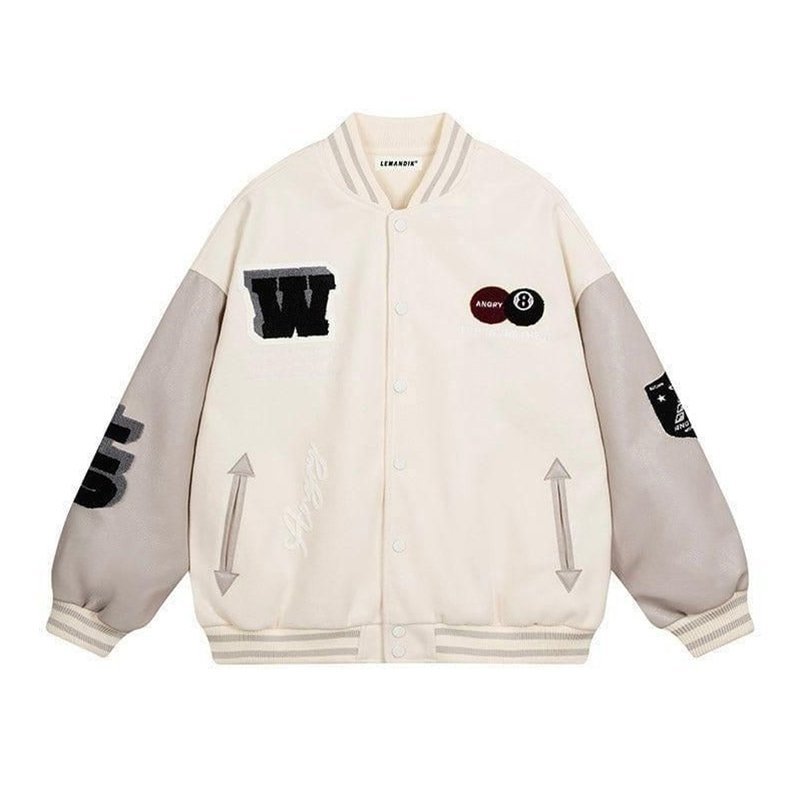
Polyester satin accounts for over 80% of bomber jacket production globally. Typical GSM ranges from 90 to 150, with 110–130 GSM offering the best balance of drape and durability for streetwear.
Manufacturers prefer polyester satin because it resists wrinkles, holds vibrant dye, and withstands frequent washing. Care is straightforward: machine wash cold, tumble dry low, and avoid bleach.
Silk and Acetate Satin: Premium Options
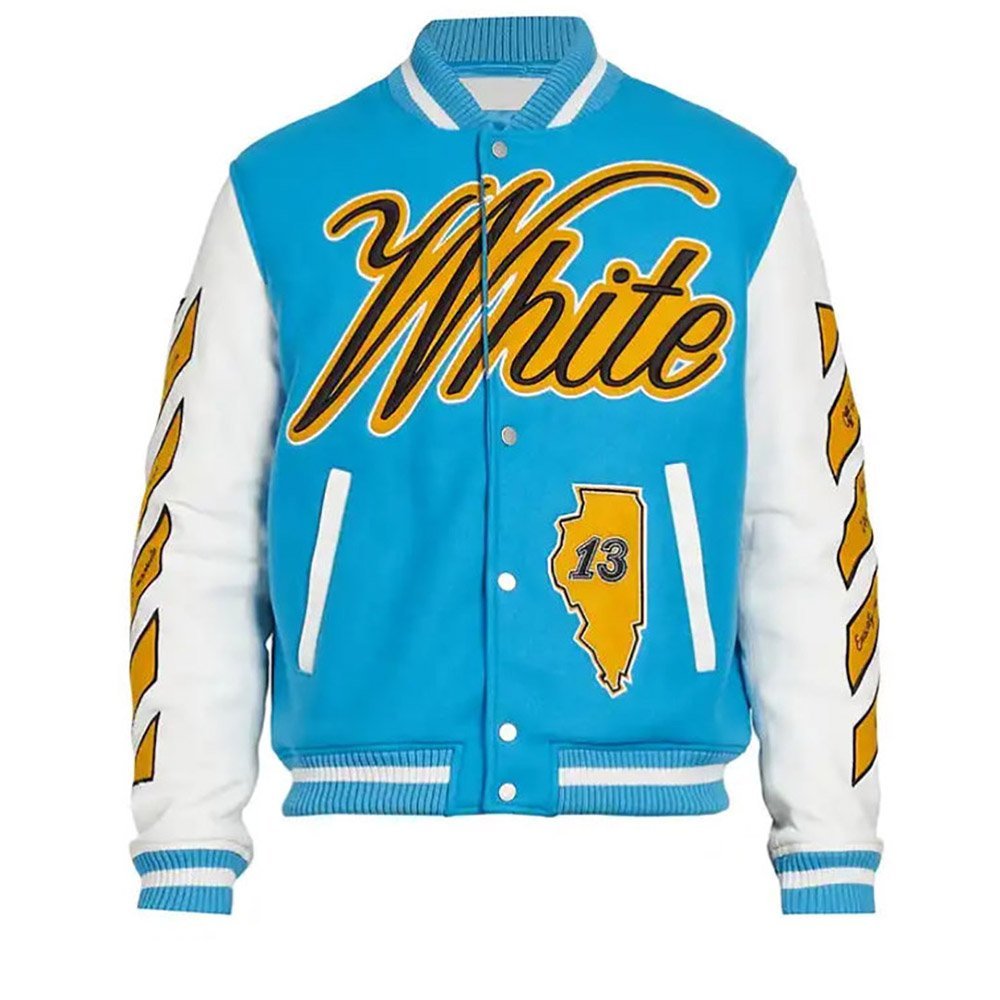
Silk satin delivers unmatched luster and hand-feel, typically milled at 80–100 GSM for bomber jackets. Acetate satin mimics silk’s sheen at mid-tier cost, ranging 100–120 GSM.
Both require dry cleaning or gentle hand wash and are prone to water spotting. Brands targeting luxury or limited-edition drops specify these fabrics despite higher material cost and care complexity.
Lining, Hardware, and Ribbing Components
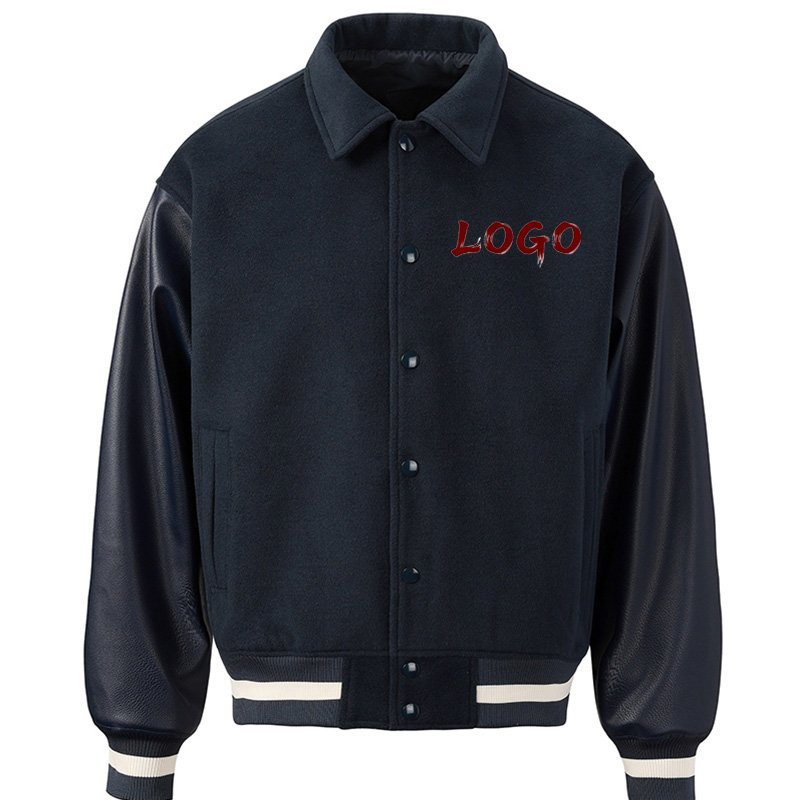
Quilted polyester lining (80–100 GSM) provides warmth; mesh lining (60–80 GSM) improves breathability for spring/summer styles. YKK or equivalent metal zippers ensure longevity, while snap buttons and rib-knit cuffs (typically 2×2 or 1×1 rib) complete the classic bomber silhouette.
A satin bomber jacket manufacturer sources these trims in coordinated colors to match shell fabric and branding requirements.
5. Customization and Decoration Options with a Satin Bomber Jacket Manufacturer
A satin bomber jacket manufacturer offers multiple decoration techniques, each with distinct cost structures, durability profiles, and file requirements. Understanding setup fees, per-unit pricing, and minimum order quantities helps brands allocate budgets and choose methods that align with design complexity and production scale.
| Decoration Method | Setup Cost | Per-Unit Cost | Durability (Wash Cycles) |
|---|---|---|---|
| Embroidery | $30–$80 | $2–$20 | 50+ |
| Screen Printing | $25–$60 | $0.80–$3 | 40–50 |
| Heat Transfer | $0 | $2–$6 | 20–30 |
| Chenille Patch | $0 | $3–$12 | 50+ |
| Appliqué | $15–$40 | $2–$5 | 40+ |
Embroidery: Chest, Back, and Sleeve Placement
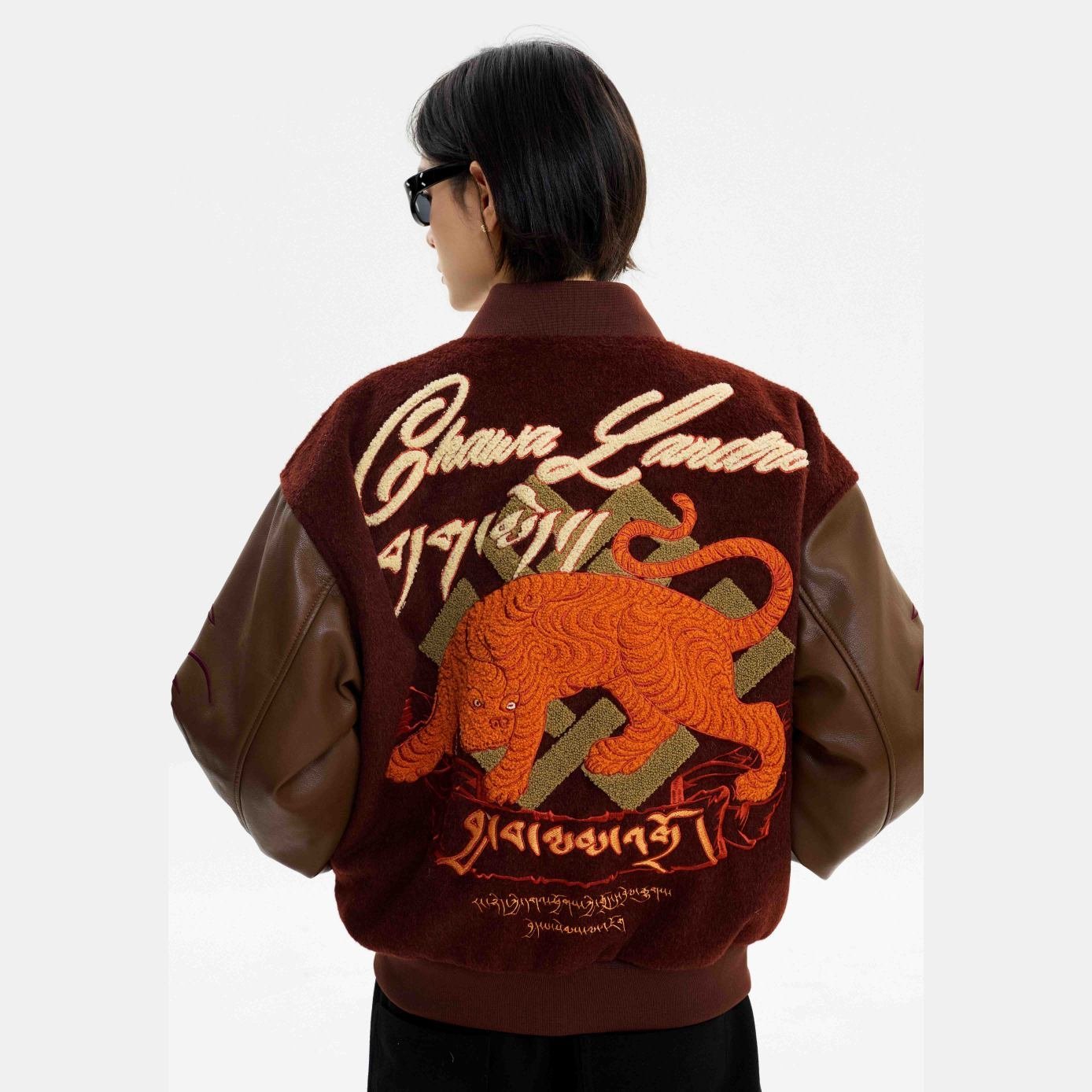
Embroidery delivers premium durability on satin, withstanding 50+ wash cycles without fading when properly stabilized. Setup costs range from $30–$80 per design depending on stitch count; per-unit costs run $2–$8 for chest logos and $8–$20 for full-back designs.
Manufacturers require vector files (DST, EMB) with stitch counts below 15,000 for most placements. Sleeve embroidery adds $1.50–$4 per jacket and typically requires 50-piece minimums per colorway to justify machine setup.
Screen Printing and Heat Transfer
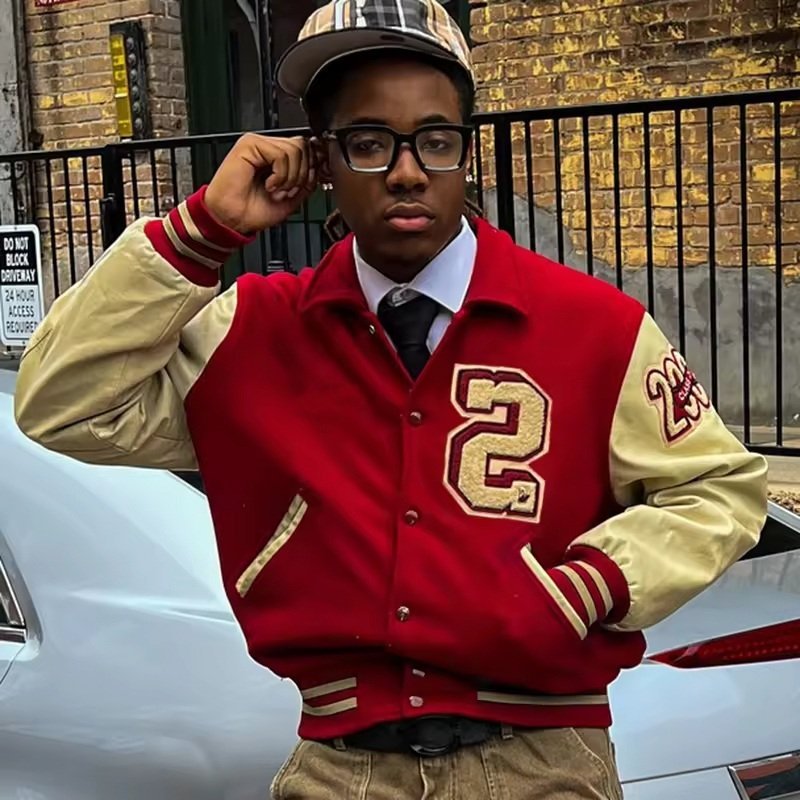
Screen printing on satin demands plastisol or water-based inks; setup costs are $25–$60 per screen, with per-unit costs of $0.80–$3 for simple designs. Heat transfer eliminates setup fees but costs $2–$6 per placement and shows lower wash durability—typically 20–30 cycles before cracking.
Screen printing requires 100-piece minimums per color; heat transfer works for runs as low as 10 units. Both methods need high-resolution raster files (300 DPI PNG or vector AI) with separated color layers.
Chenille Patches, Appliqué, and Custom Linings
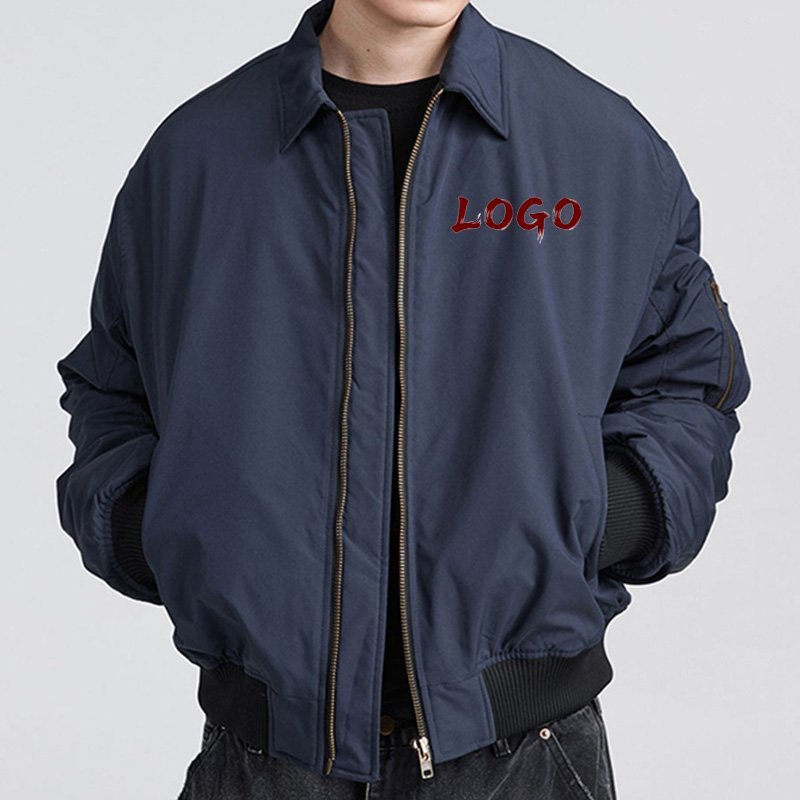
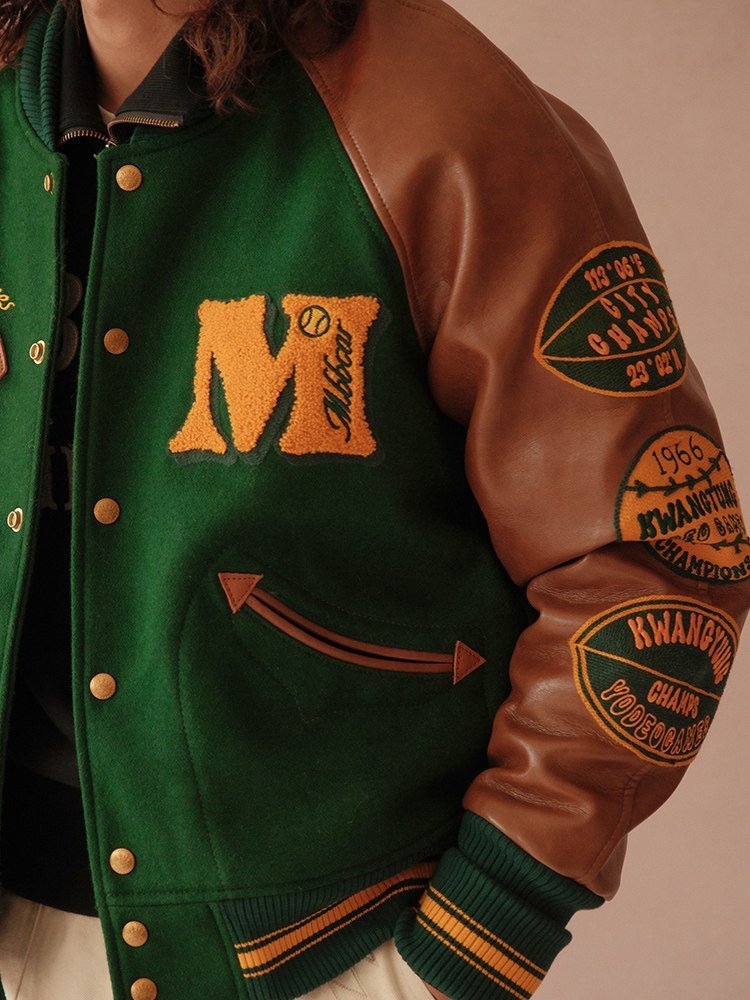
Chenille patches cost $3–$12 per unit depending on size and are sewn onto satin for a varsity aesthetic; they require 50-piece minimums and vector artwork. Appliqué fabric cutouts add $2–$5 per jacket and demand precise die-cutting.
Custom linings (printed or contrast satin) add $1.50–$4 per jacket with 100-piece minimums. Contrast ribbing in custom Pantone colors costs $0.80–$2 extra per jacket. Hardware upgrades—YKK metal zippers, branded pullers—range from $0.50–$3 per component and require 200-piece minimums for custom finishes.
6. Key Quality Control Elements in Satin Bomber Production
Quality control in satin bomber production determines whether a garment reaches the customer or ends up in the returns pile. A satin bomber jacket manufacturer must inspect fabric, stitching, hardware, and finishing at multiple stages to prevent defects from compounding through the production line.
Materials QC Testing
Fabric inspection begins before cutting, when satin yardage is unrolled and examined under consistent lighting for snags, pulls, and sheen inconsistencies. Reputable manufacturers reject rolls with dye lot variations exceeding industry tolerance (typically ΔE < 1.0 in color measurement) or surface flaws larger than 2 mm.
Ribbing knit cuffs and waistbands are tested for elasticity retention — samples are stretched to 150 percent of original width 10 times, then measured for recovery. Zippers from suppliers like YKK undergo function tests: 50 cycles of open-close before approval.
Cutting and Sewing QC Testing
Pattern pieces are checked post-cutting for dimensional accuracy within ±2 mm, ensuring symmetry in left and right panels. During sewing, seam strength is tested on sample pieces — a minimum breaking strength of 40 N (newtons) is standard for woven satin.
Topstitching on satin requires tension calibration to avoid puckering; QC inspectors verify stitch density (12–14 stitches per inch) and thread tension on every fifth garment in a batch.
Finished Garment Quality Inspection
Final QC checks zipper alignment (teeth must mate without gaps), ribbing attachment (no loose threads or skipped stitches), and lining integrity (no raw edges or bunching). Each bomber is pressed at controlled temperatures (satin typically requires 110–130°C) to restore sheen without scorching.
Red flags include skipping in-process checks, relying solely on end-of-line inspection, or lacking documented QC records. A five-step process — materials, cutting, craft, sewing, and final inspection — catches defects early and reduces rework costs by up to 60 percent.
7. How to Choose the Best Satin Bomber Jacket Manufacturer for Your Brand
Selecting the right satin bomber jacket manufacturer requires a systematic evaluation of production capabilities, quality standards, and business alignment. A thorough vetting process protects your brand reputation and ensures long-term manufacturing partnerships that scale with your growth.
Core Vetting Criteria for Manufacturer Selection
MOQ requirements typically range from 50 to 500 pieces per style for satin bombers; startups should confirm minimum order flexibility before committing. Fabric sourcing transparency is critical — ask whether the manufacturer owns fabric inventory, sources from verified mills, or uses third-party suppliers with unknown origins.
Certifications such as WRAP, BSCI, and Oeko-Tex Standard 100 validate ethical labor practices and chemical safety in textile processing. Review client portfolios to assess experience with similar streetwear aesthetics, satin fabric handling, and decoration techniques like embroidery or screen printing.
Essential Questions to Ask During RFQ
Request detailed information on the sampling process: typical turnaround (7–14 days is standard), sample costs, and whether fees are refundable against bulk orders. Clarify payment terms upfront — common structures include 30–50% deposit with balance due before shipment.
Ask about the quality control methodology: manufacturers using multi-stage QC testing (materials, cutting, sewing, finishing) demonstrate commitment to defect prevention rather than post-production inspection only. Confirm communication channels, response times, and whether a dedicated account manager will oversee your orders.
How to Request and Evaluate Samples
Submit a sample request with your tech pack, fabric specifications (satin type, weight, finish), colorways, and any custom decoration or hardware details. Evaluate received samples for fabric hand-feel, stitch consistency, zipper function, lining attachment, and overall construction quality.
Compare sample turnaround against quoted timelines and assess communication clarity during the sampling phase — responsiveness during pre-order stages predicts reliability throughout production. Request fabric swatches separately to verify satin sheen, drape, and colorfastness before committing to full garment samples.
8. Common Mistakes When Sourcing a Satin Bomber Jacket Manufacturer
Sourcing a satin bomber jacket manufacturer requires careful attention to details that many brands overlook. Avoiding common pitfalls saves time, money, and protects your brand reputation from the outset.
Choosing Based on Price Alone
Selecting the lowest-cost satin bomber jacket manufacturer often leads to compromised fabric quality, skipped QC steps, and inconsistent construction. Factories that undercut competitors typically eliminate quality testing between production stages, shipping defective garments that damage brand credibility.
Compare total cost including fabric grade, QC protocols, and rework rates. A manufacturer with five-step quality control may charge 8–12% more per unit but delivers fewer returns and stronger customer satisfaction.
Skipping Sample Orders and Tech Packs
Proceeding to bulk production without approved samples and detailed tech packs causes misaligned expectations on fit, fabric hand-feel, and finishing details. Unclear specifications result in costly rework cycles and delayed launch timelines.
Always order pre-production samples with complete tech packs specifying satin type, GSM, colorways, hardware specs, and decoration placements. Confirm every detail in writing before authorizing full production runs.
Ignoring Decoration and IP Capabilities
Failing to verify embroidery, screen printing, or appliqué capabilities upfront can halt production mid-cycle if your manufacturer lacks the equipment or expertise. Similarly, not negotiating design protection and non-disclosure agreements exposes proprietary graphics and patterns to unauthorized replication.
Confirm decoration methods, turnaround times, and IP agreements during initial negotiations. Request portfolio samples of similar techniques and secure signed NDAs before sharing original artwork.
9. Steps to Launch Your Brand with a Satin Bomber Jacket Manufacturer
Launching a collection with a satin bomber jacket manufacturer requires a structured approach from concept to delivery. Each phase—design, sampling, production, and logistics—demands clear communication and documented specifications to ensure the final product matches your brand vision.
Concept Development and Tech Pack Creation
Begin by defining your satin bomber design: silhouette, colorways, hardware, and embellishments. A complete tech pack includes flat sketches, measurement charts (graded by size), fabric specifications (satin weight, composition, finish), trim details (zippers, ribbing GSM, label placement), and construction notes (stitch types, seam allowances).
Tech packs serve as the blueprint for your satin bomber jacket manufacturer, reducing miscommunication and revision cycles. Include Pantone references for color matching and specify any custom elements like embroidery placement or printed linings.
Request Quotes and Compare Manufacturers
Submit your tech pack to 3–5 manufacturers and request detailed quotations covering unit price, MOQ, sampling cost, lead times, and payment terms. Compare not only pricing but also QC processes—manufacturers using five-step quality control testing catch defects early, reducing rejection rates.
Ask for references, production capacity, and certifications (WRAP, BSCI, OEKO-TEX). Evaluate responsiveness and willingness to answer technical questions about satin handling and construction methods.
Sample Orders and Fit Refinement
Order samples in 2–3 sizes to verify fit, fabric hand-feel, and construction quality. Check satin sheen consistency, zipper function, ribbing elasticity, and stitching tension. Most manufacturers require 10–15 days for initial samples.
Provide detailed feedback on any adjustments: sleeve length, body width, shoulder drop, or trim changes. A second sample round ensures all revisions are correctly implemented before bulk production.
Production Order and Timeline Management
Confirm final samples, then issue a purchase order specifying quantity by size/color, delivery date, packaging requirements, and payment schedule (typically 30–50% deposit, balance before shipment). Production timelines for satin bombers range from 25–45 days depending on order size and decoration complexity.
Request weekly progress updates and photos at key milestones: fabric arrival, cutting complete, 50% sewing done, finishing stage. Transparent communication prevents delays and allows early intervention if issues arise.
Pre-Shipment Inspection and Logistics
Conduct a pre-shipment inspection when 80% of production is complete, checking random samples for defects, measurements, and color accuracy. Third-party inspectors or manufacturer QC teams using finished clothing quality inspection protocols verify compliance.
Coordinate logistics: FOB, CIF, or DDP terms; freight forwarder selection; customs documentation. Plan for 15–30 days ocean freight or 5–7 days air, and schedule inventory receipt to align with your launch calendar.
10. Pricing and Cost Breakdown for Satin Bomber Jackets
Satin bomber jacket unit costs typically range from $18 to $45 depending on order volume, fabric grade, and decoration complexity. A 50-unit order using mid-weight polyester satin with basic embroidery averages $32–$38 per piece, while a 1,000-unit run of the same specification drops to $18–$22 per unit as fixed costs are amortized across larger quantities. Setup fees for sampling, pattern grading, and first-article inspection usually fall between $150 and $400 per style, absorbed more easily by higher-volume orders.
Fabric grade drives the largest cost variance: economy polyester satin (80–100 GSM) starts around $2.50 per yard, mid-grade charmeuse satin (120–140 GSM) runs $4–$6 per yard, and premium silk-blend or heavyweight duchess satin (160+ GSM) reaches $8–$12 per yard. Each bomber jacket consumes approximately 2.2–2.8 yards depending on size and pattern efficiency, so fabric alone can shift unit cost by $5–$20.
Decoration add-ons include screen printing ($1.50–$3 per location for orders above 100 units), embroidery ($3–$8 per 10,000 stitches), and heat-transfer patches ($2–$5 each). Complex multi-color embroidery or custom woven labels increase costs by 15–30 percent. Lead times compress as quantities rise: 50-unit orders require 25–30 days, while 1,000-unit runs leverage production-line efficiencies to complete in 18–22 days, assuming no fabric delays.
| Quantity Tier | Unit Price Range (USD) | Decoration Add-On | Lead Time (Days) |
|---|---|---|---|
| 50–99 units | $32–$38 | $3–$8 (embroidery) | 25–30 |
| 100–249 units | $26–$32 | $1.50–$5 (print/patch) | 22–28 |
| 250–499 units | $22–$28 | $1.50–$4 | 20–25 |
| 500–999 units | $20–$24 | $1–$3 | 18–23 |
| 1,000+ units | $18–$22 | $1–$2.50 | 18–22 |
Ready to Launch Your Satin Bomber Jacket Line?
Partner with a trusted satin bomber jacket manufacturer. 5-step QC, low MOQ, fast turnaround, and global shipping to 100+ countries.