
Premium Nylon Bomber Jacket Manufacturer for Streetwear Brands
Partner with a nylon bomber jacket manufacturer that delivers 5-step QC, low MOQ for startups, fast sampling, and global shipping for trend-driven collections.
Nylon Bomber Jacket Gallery & Samples
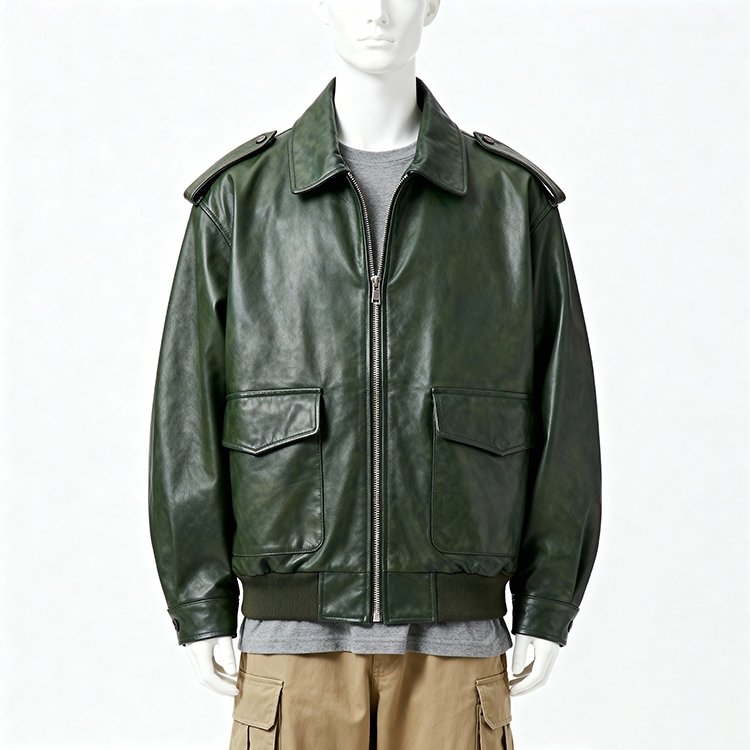
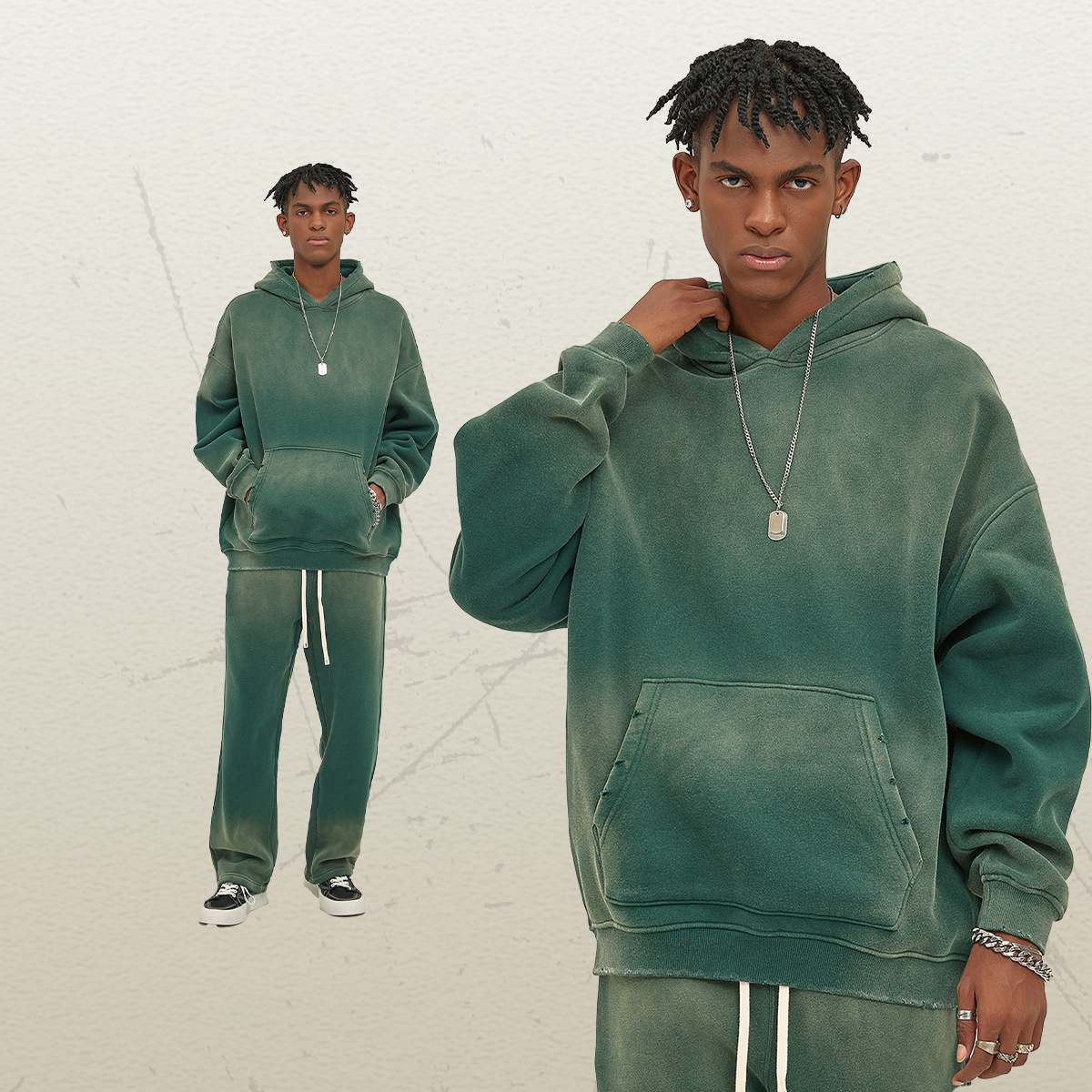
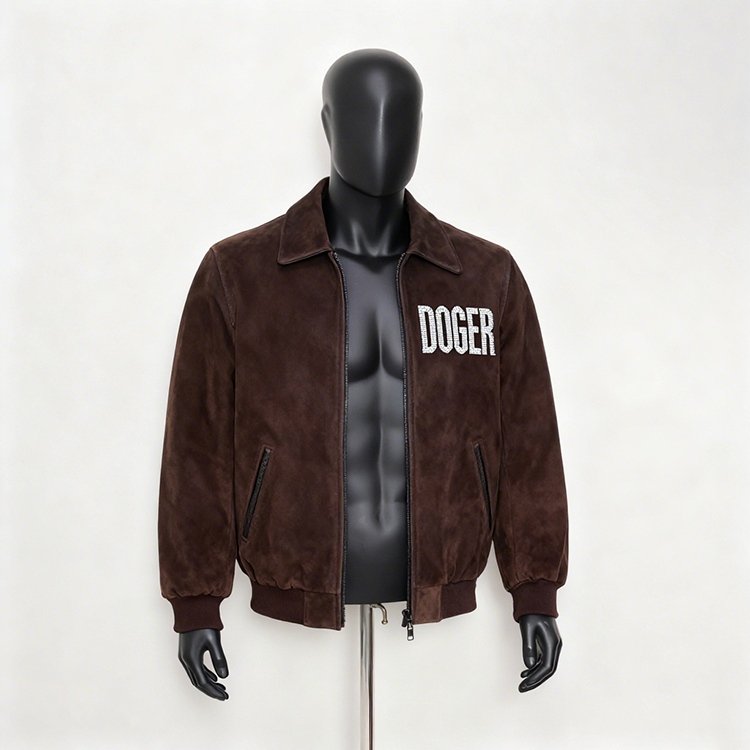
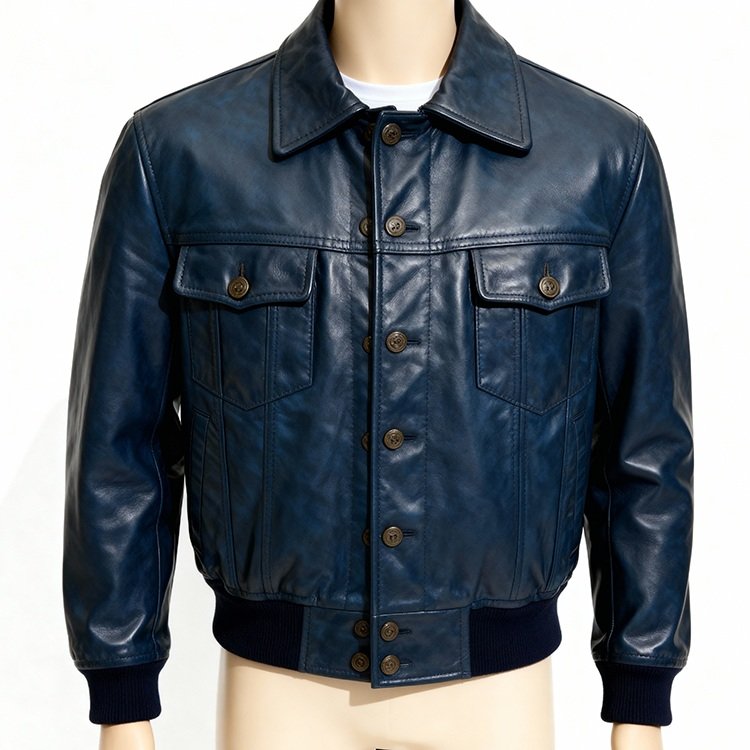
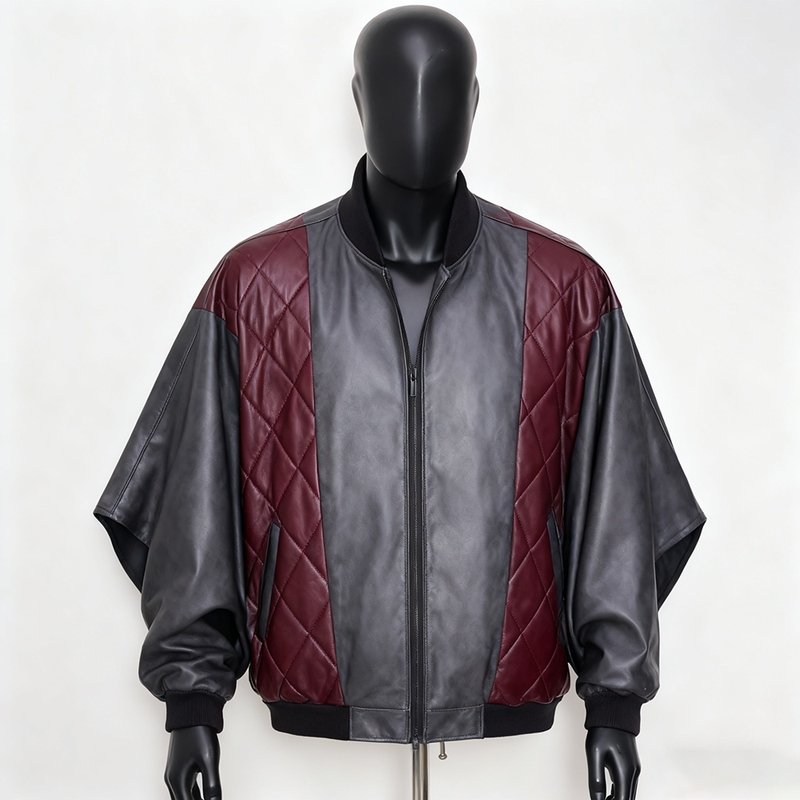
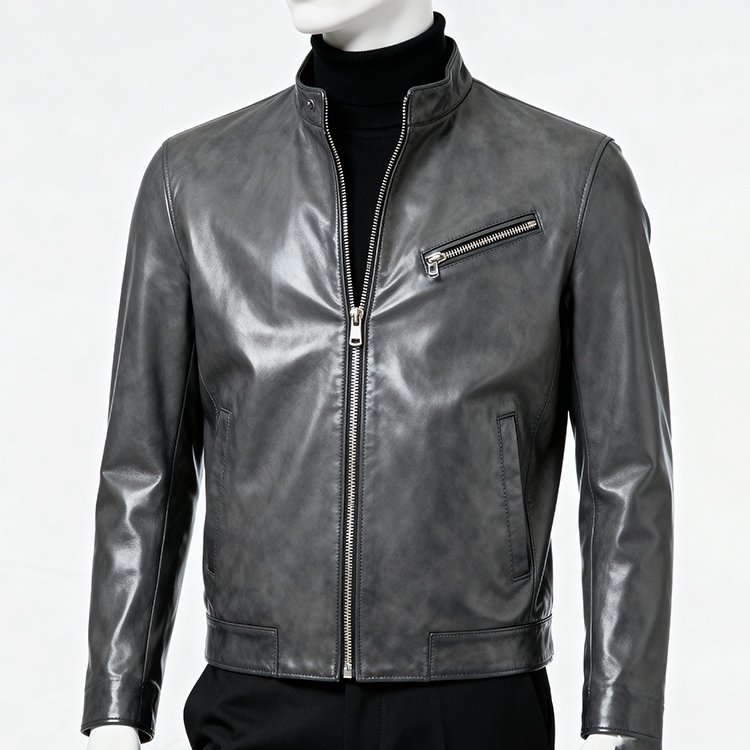
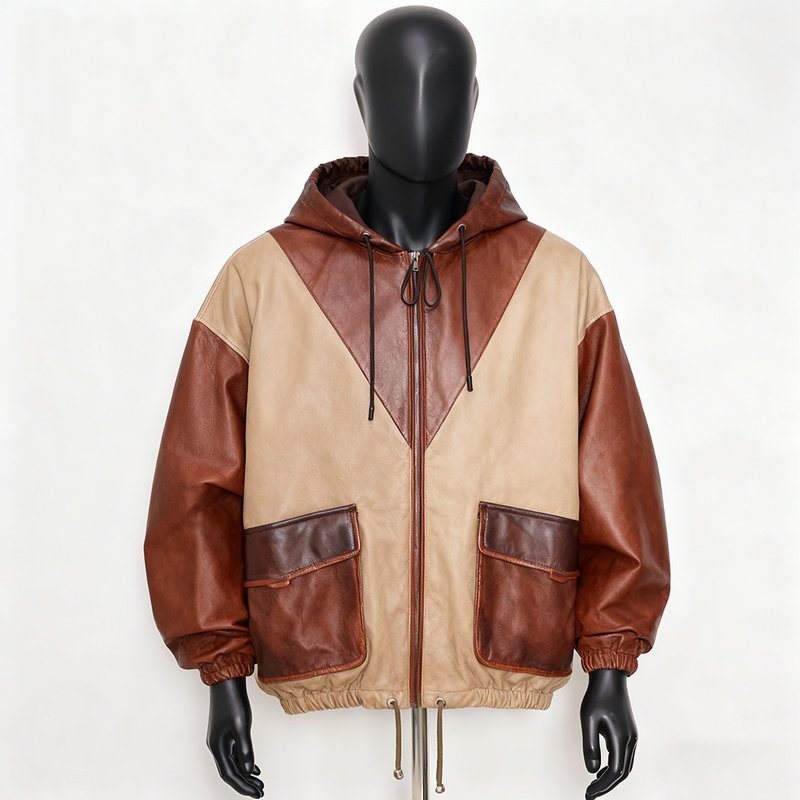
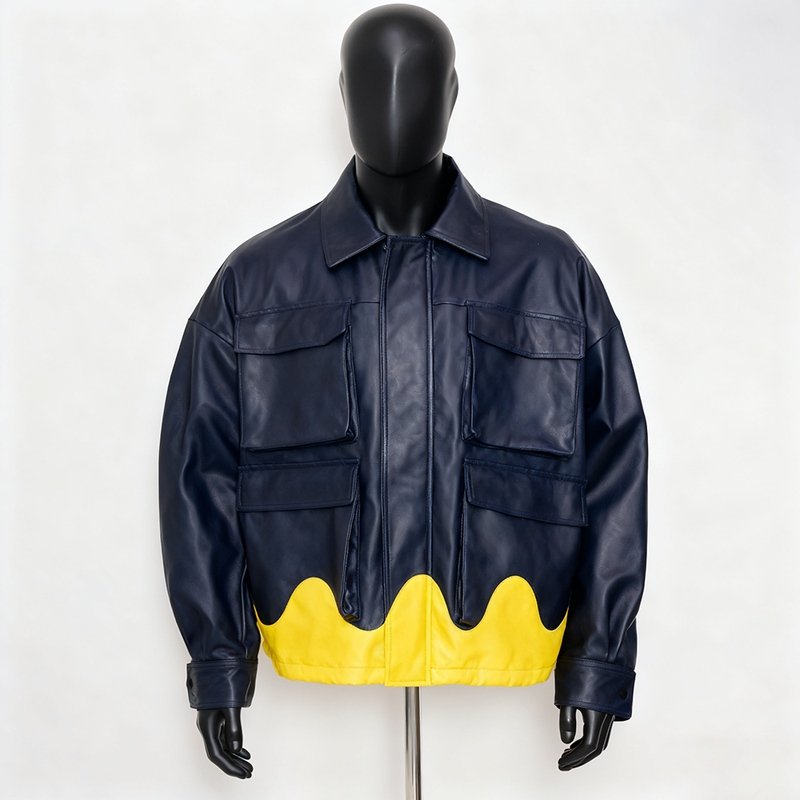
Why Choose Our Nylon Bomber Jacket Manufacturer
Clothing Manufacturer Ltd delivers premium nylon bomber jackets with proven quality control, low minimums, and expert streetwear design—trusted by brands in over 100 countries.
5-Step QC Guarantee
Every nylon bomber jacket passes rigorous quality checks at materials, cutting, craft, sewing, and finishing stages before shipment.
Low MOQ 50 Pieces
Launch your bomber jacket line without massive inventory risk. Perfect for fashion startups and independent designers testing new collections.
7-Day Sample Turnaround
Rapid sampling lets you validate designs and fit before production. Stay ahead of seasonal trends with fast prototype delivery.
In-House Design Team
Our 15-member R&D team brings streetwear expertise and 10 patented processes to refine your nylon bomber jacket concepts.
Streetwear Production Expertise
Six years specializing in streetwear aesthetics, from oversized silhouettes to bold graphics, serving influencer brands and global retailers.
Global Shipping & Logistics
Seamless customs, documentation, and delivery to over 100 countries. We handle the complexity so you focus on your brand.
Nylon Bomber Jacket Manufacturer Categories & Customization
From classic MA-1 styles to oversized streetwear cuts, our nylon bomber jacket manufacturer capabilities cover every trend and customization your brand needs.
Classic MA-1 Bomber Jackets
Brands struggle to source authentic MA-1 silhouettes with proper military-spec details like ribbed cuffs, utility pockets, and orange satin lining without sacrificing modern fit standards.
Our pattern team delivers true-to-heritage MA-1 construction with updated fits for today's streetwear market, backed by 5-step QC to ensure every zipper, pocket, and rib knit meets spec.
Oversized & Relaxed Fit
Emerging streetwear brands need oversized bomber silhouettes that maintain structure and drape without looking shapeless, but lack the sampling budget to iterate multiple prototypes.
We offer low-MOQ sampling with expert pattern grading for oversized fits, ensuring your dropped shoulders and boxy cuts achieve the perfect balance of volume and wearability from the first sample.
Embroidered & Printed Bombers
Designer brands want custom embroidery, chenille patches, screen prints, or heat transfers on nylon bombers but face quality issues with puckering, misalignment, and poor wash durability from inexperienced manufacturers.
Our in-house embroidery and printing team applies streetwear graphics with precision stabilization techniques, tested at the craft QC stage to guarantee flawless placement and long-lasting detail on every jacket.
Premium Satin-Lined Bombers
Retailers seeking elevated bomber jackets with luxe satin or printed linings often receive poorly attached linings that bunch, tear at seams, or fade after minimal wear.
We source premium satin and quilted linings, secure them with reinforced stitching, and inspect lining integrity during sewing production QC, delivering bombers that feel as premium as they look.
Seasonal & Limited Drops
Influencer brands and creator labels need fast-turnaround production for limited seasonal drops, but traditional manufacturers demand high MOQs and long lead times that kill hype-driven launches.
Our streamlined process supports low MOQs and rapid production cycles, enabling you to launch trend-responsive nylon bomber collections on time with the same rigorous quality standards as large-scale orders.
Premium Nylon & Fabric Options from Your Nylon Bomber Jacket Manufacturer
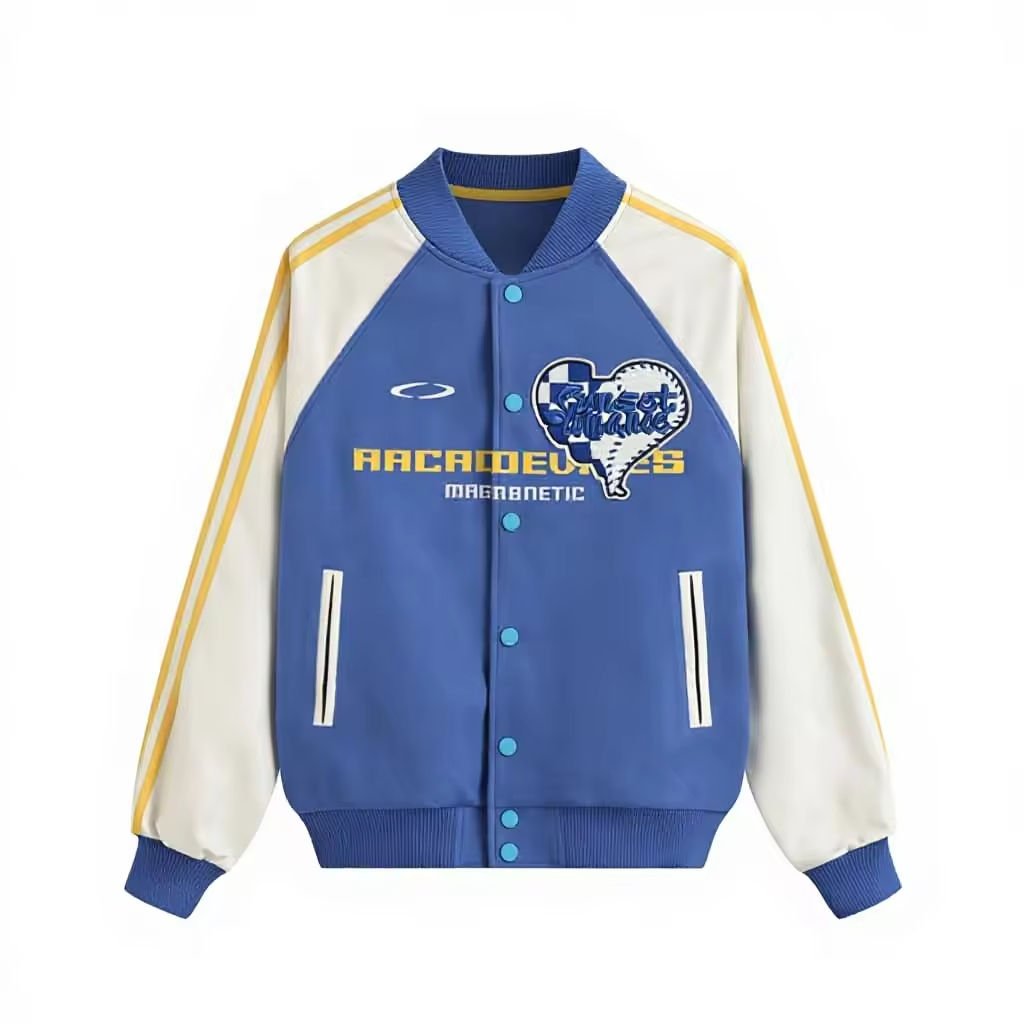
Ripstop Nylon
Lightweight yet tear-resistant weave with reinforced crosshatch pattern. Ideal for technical bombers and outerwear that balances durability with breathability. Weight: 70–90 GSM, excellent wind resistance.
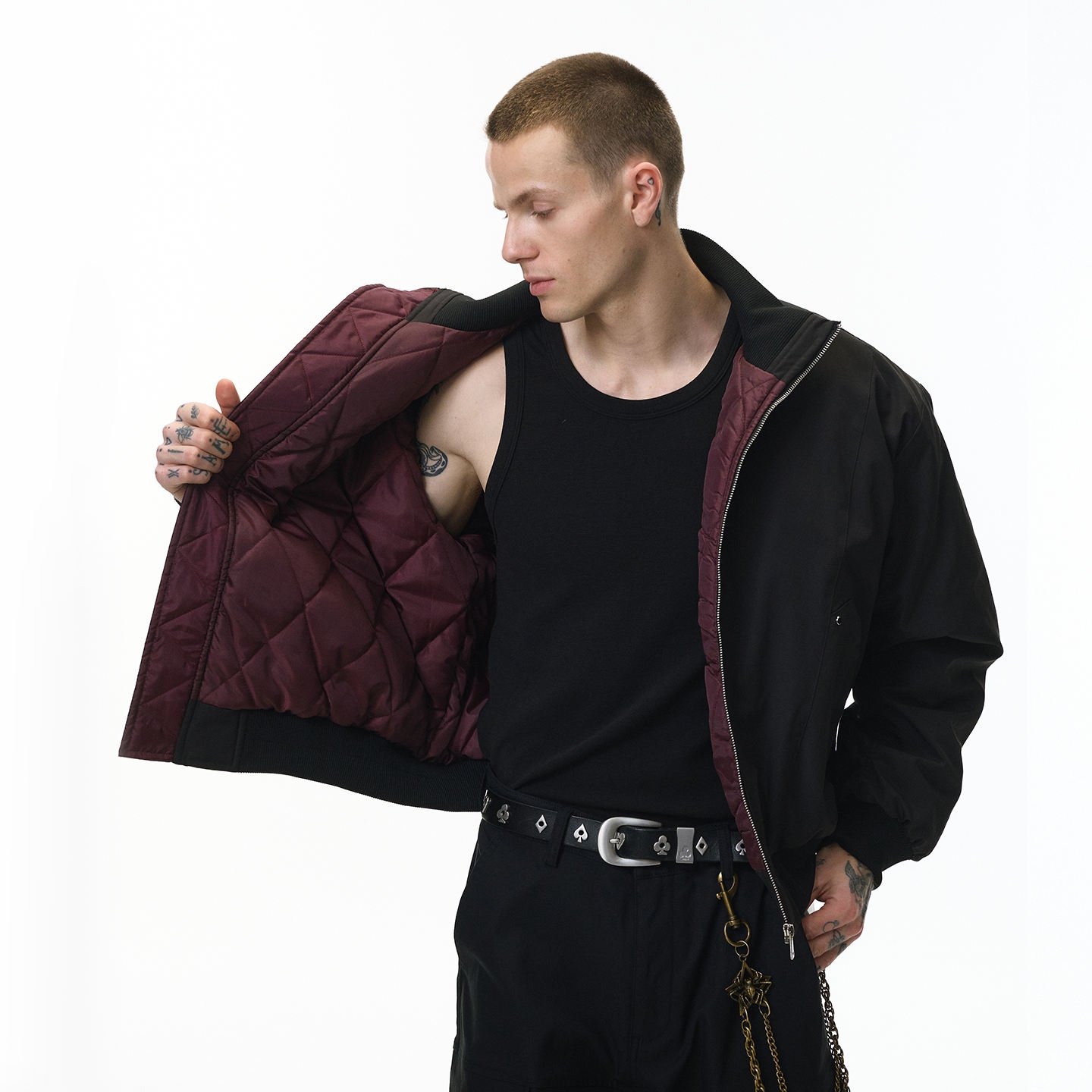
Satin Nylon
Smooth, lustrous face with a soft hand-feel and subtle sheen. Perfect for premium bomber jackets targeting fashion-forward streetwear lines. Weight: 100–120 GSM, drapes beautifully.
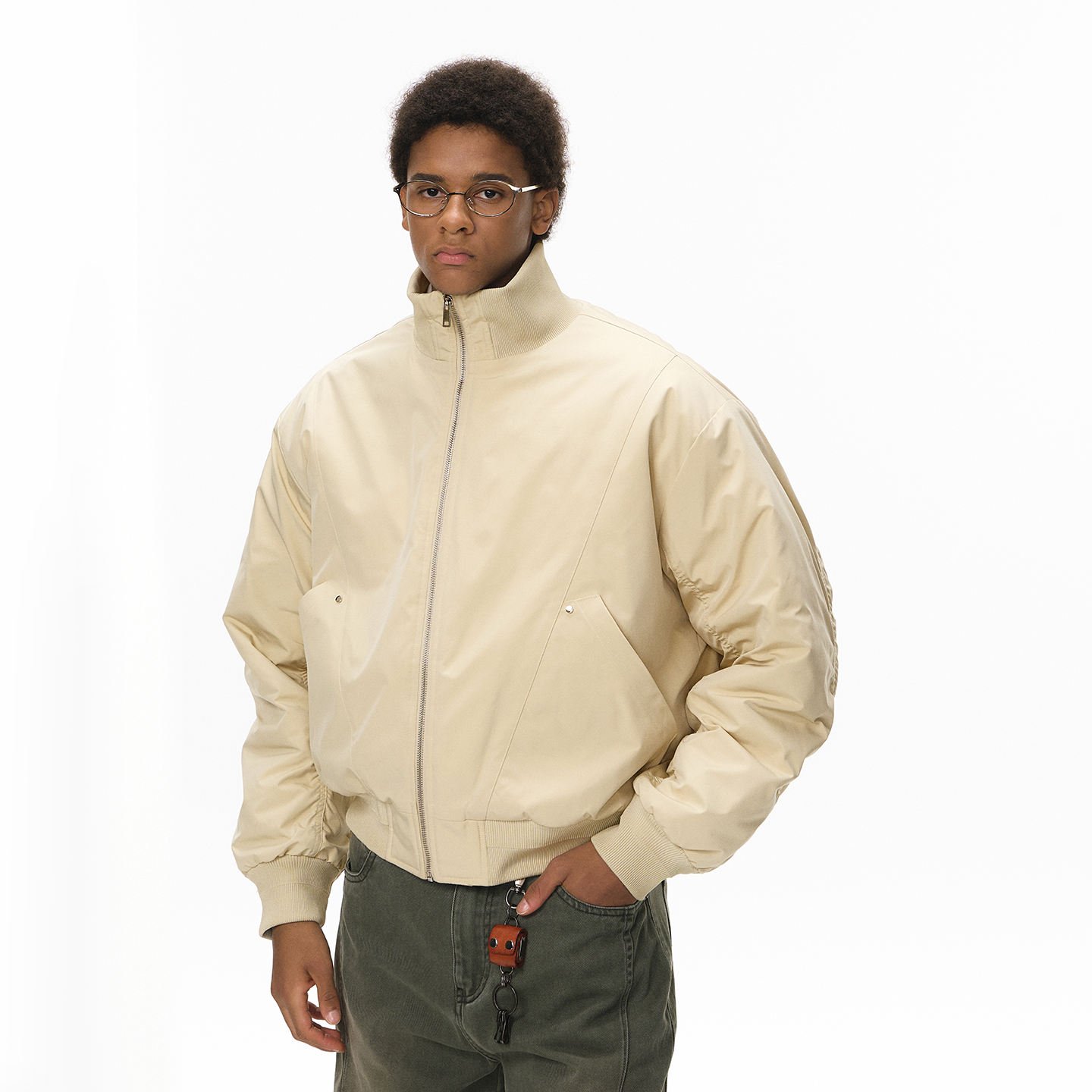
Water-Resistant Nylon
DWR-coated fabric that repels moisture while maintaining breathability. Essential for all-weather bombers and functional streetwear. Weight: 110–140 GSM, quick-drying finish.
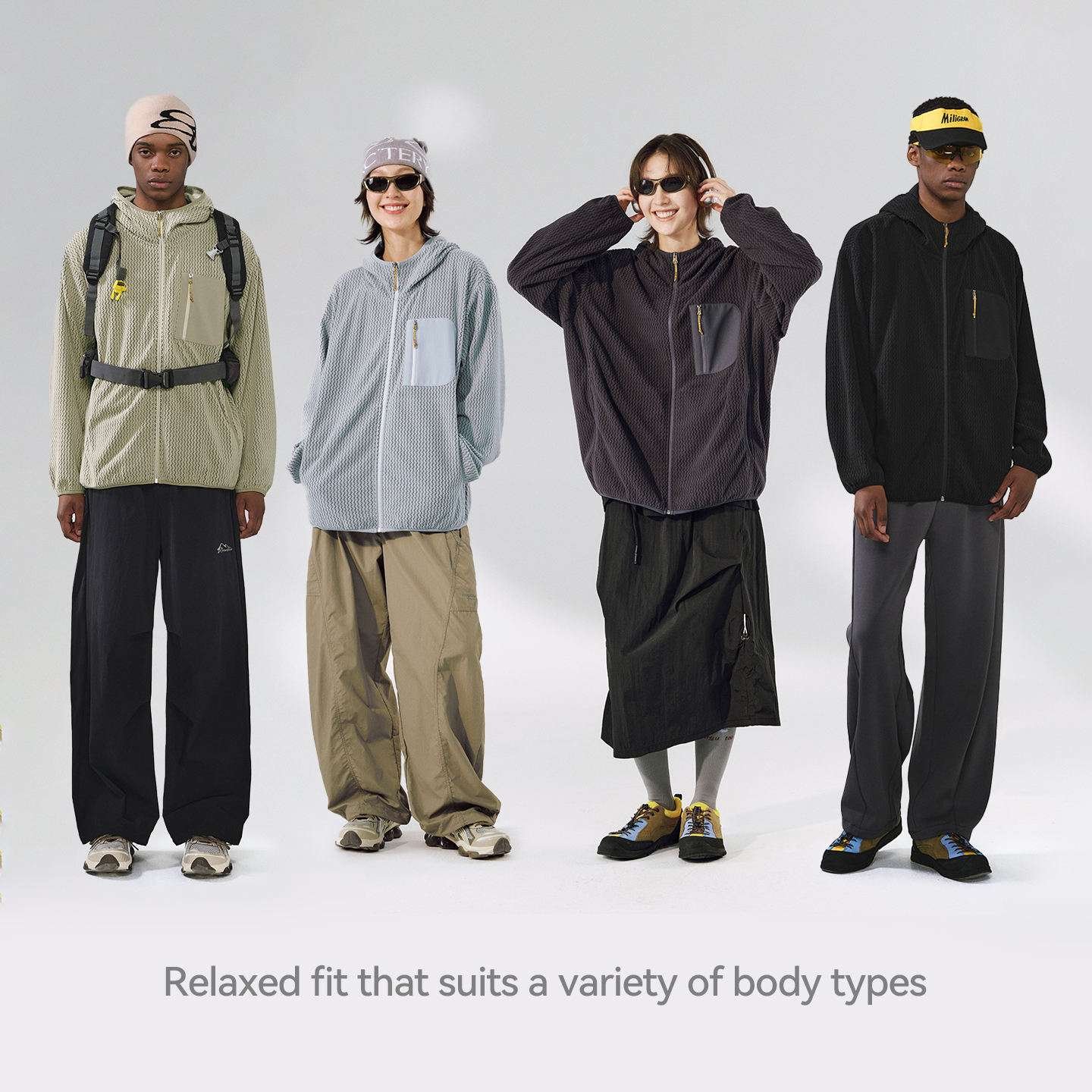
Matte Nylon Twill
Non-reflective diagonal weave with a refined, understated finish. Ideal for minimalist bomber designs and elevated streetwear collections. Weight: 120–150 GSM, excellent color retention.
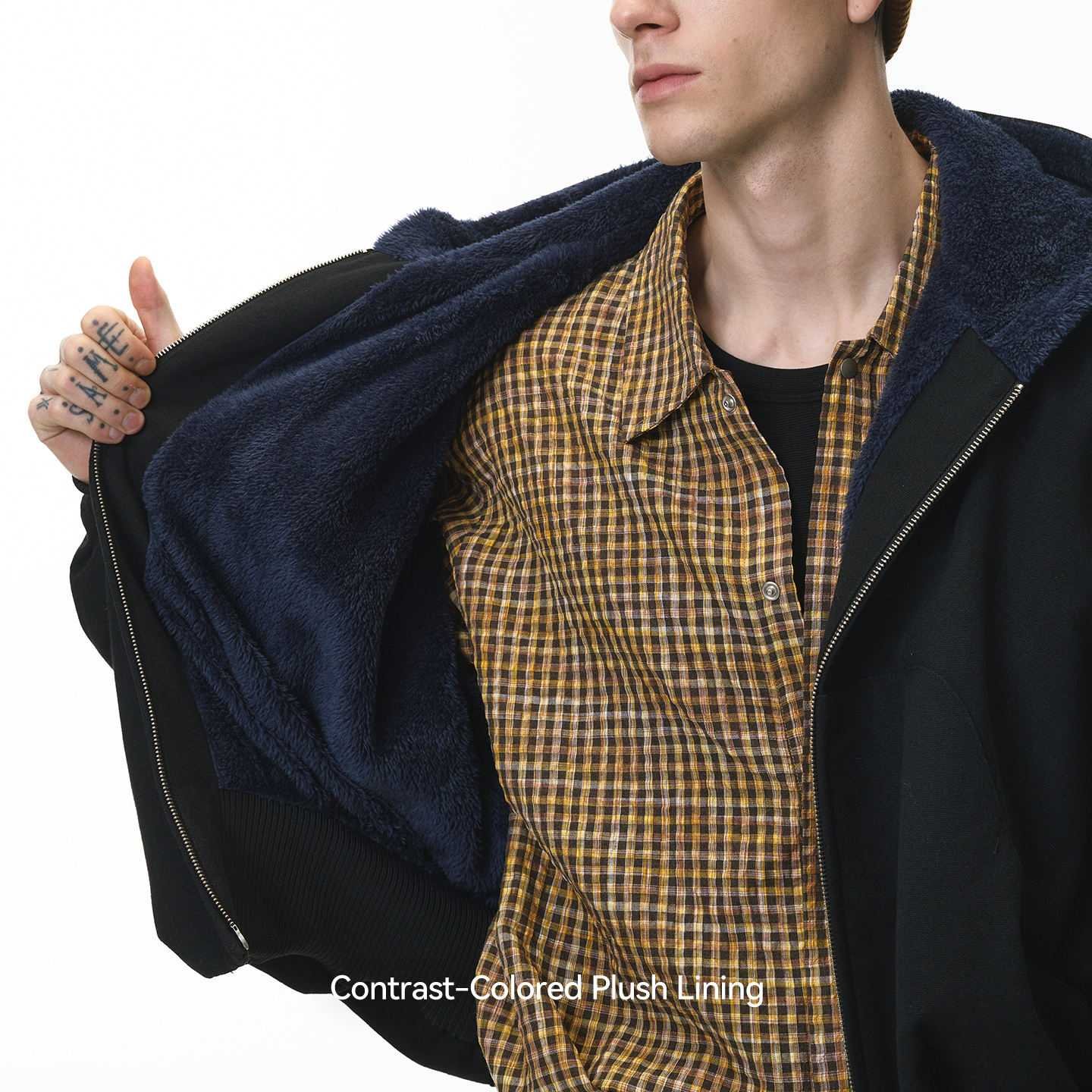
Peach-Skin Nylon
Brushed surface with a soft, suede-like texture and luxurious feel. Popular for premium bombers that prioritize comfort and tactile appeal. Weight: 100–130 GSM, gentle stretch.
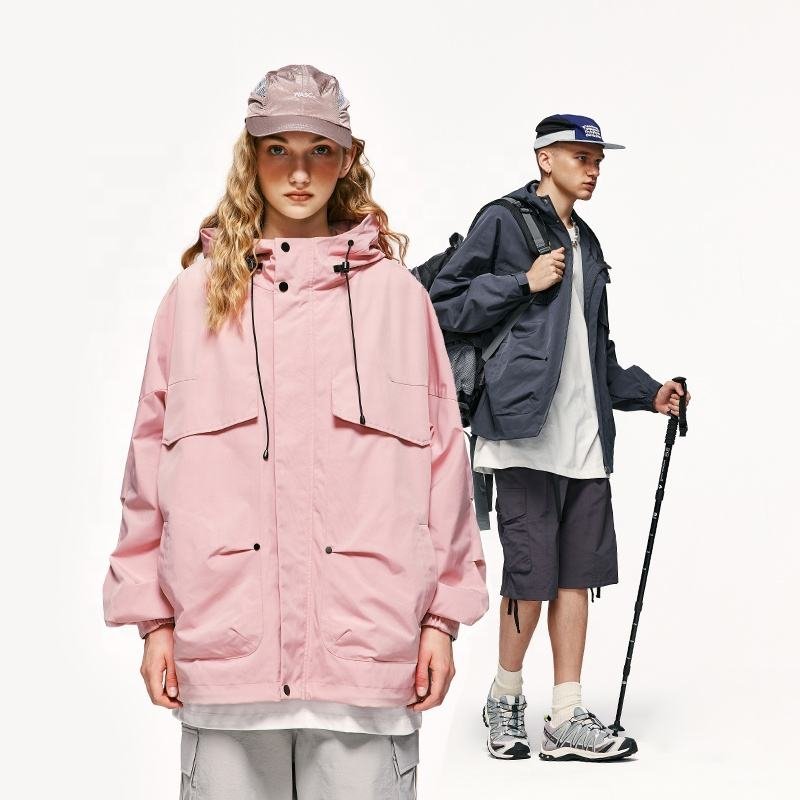
Heavyweight Nylon Canvas
Durable, structured fabric with a rugged hand-feel for oversized and utility-inspired bomber jackets. Weight: 180–220 GSM, exceptional shape retention and abrasion resistance.
Nylon Bomber Jacket Manufacturer Production Techniques & Finishing
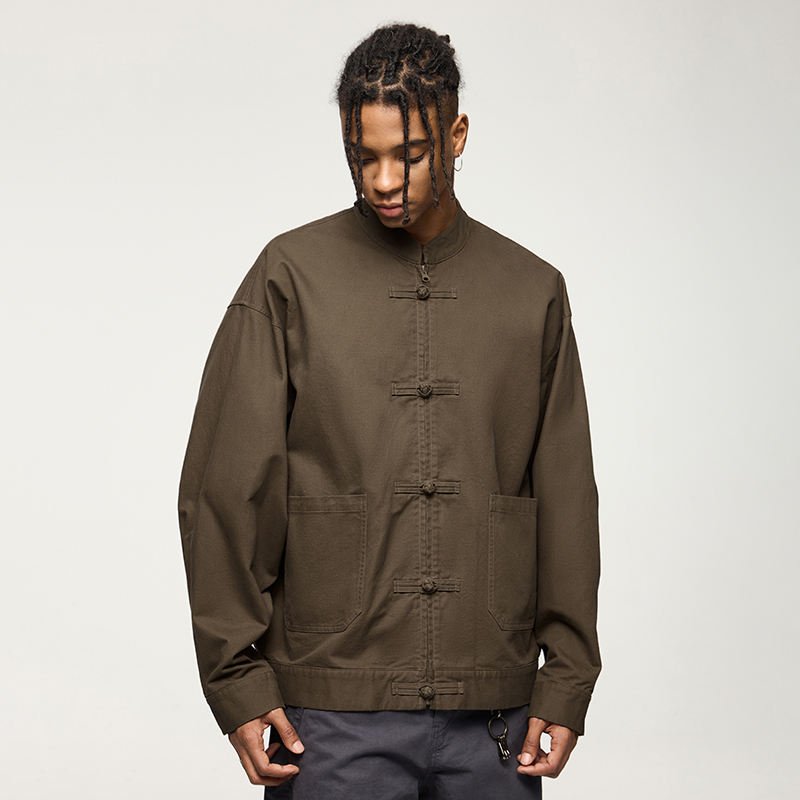
Screen Printing
Vibrant, high-opacity ink layered directly onto nylon fabric for bold graphics and logos. Ideal for streetwear designs with solid colors, delivering excellent wash durability and crisp detail on bomber jackets.
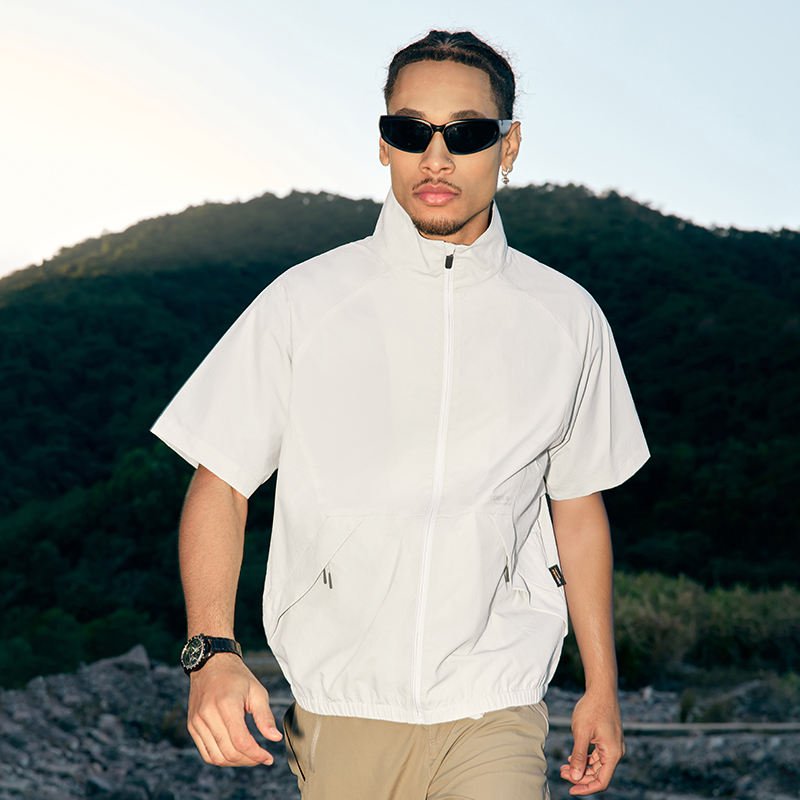
Embroidery
Premium thread stitching for logos, text, and intricate designs that add dimension and luxury. Our computerized machines ensure precise placement and consistent tension, perfect for chest patches and sleeve branding on nylon bombers.
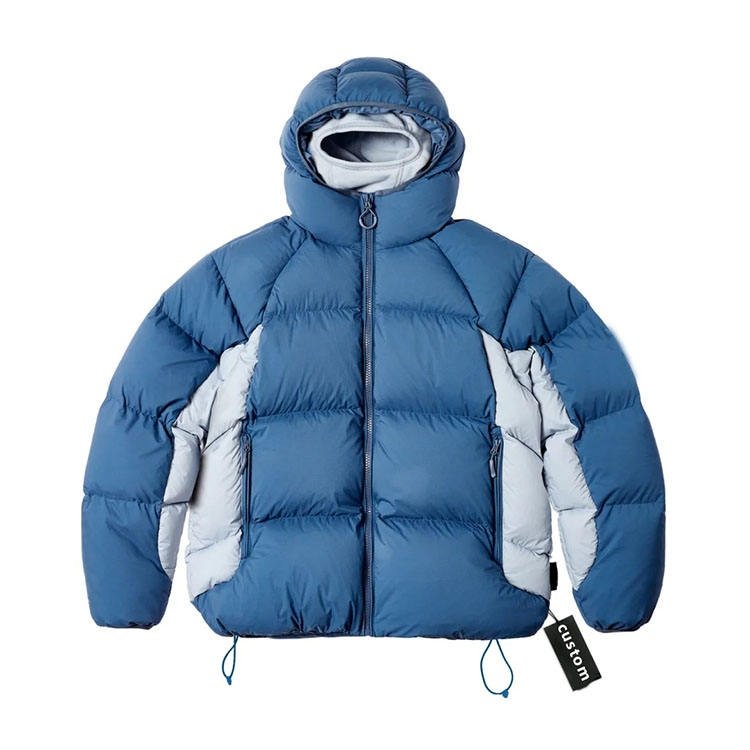
Sublimation Printing
Heat-activated dye transfer that bonds permanently with polyester-blend nylon for full-color, photorealistic patterns. Creates seamless all-over prints and gradient effects without adding weight or compromising breathability.
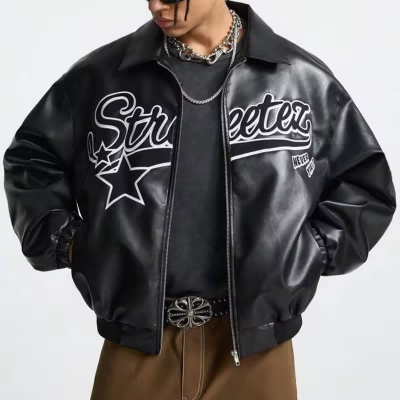
Woven Labels
Custom-designed fabric labels with your brand name, logo, and care instructions woven in high-definition thread. Soft, durable, and professional—sewn into neck, hem, or pocket for a polished finishing touch.
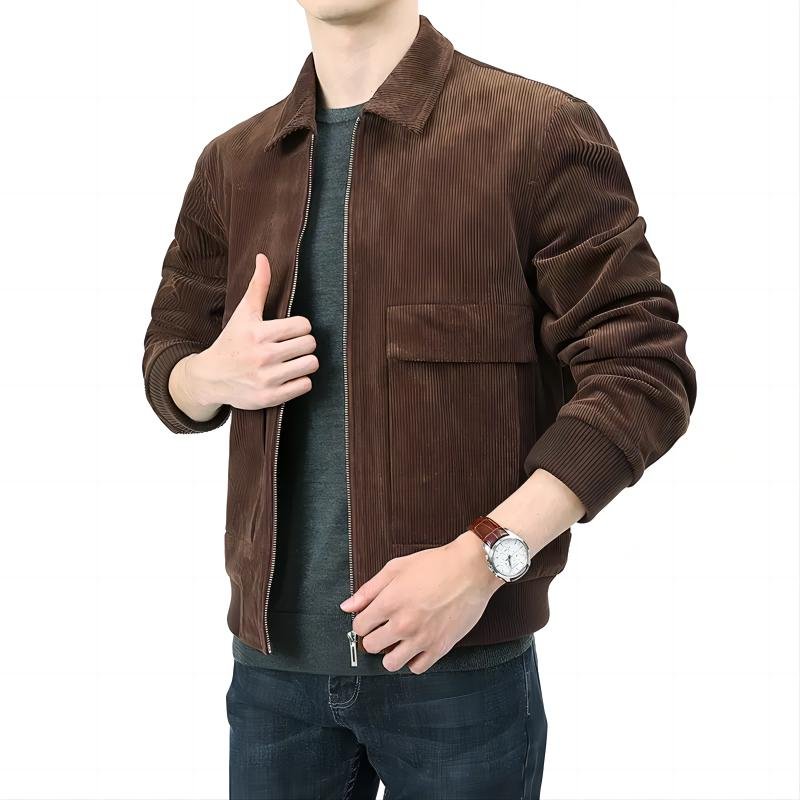
Custom Zippers
Branded metal or coil zippers with custom pullers, engraved logos, or colored tape to match your design. Smooth operation and reinforced stitching ensure long-lasting performance and signature streetwear style.
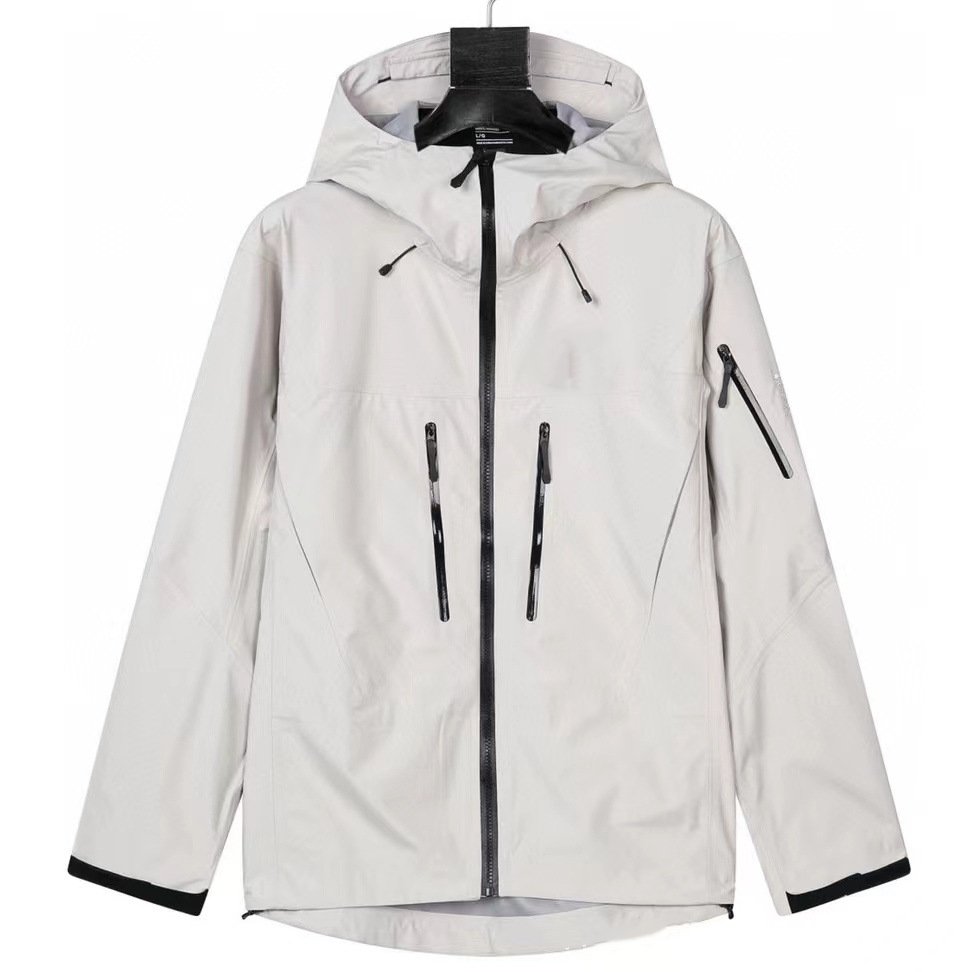
Heat Transfer
Precision heat-applied graphics and patches for complex multi-color designs and photographic images. Lightweight, flexible finish that moves with the nylon fabric, ideal for limited-edition drops and influencer collaborations.
Hardware & Accessories for Nylon Bomber Jacket Manufacturer Orders
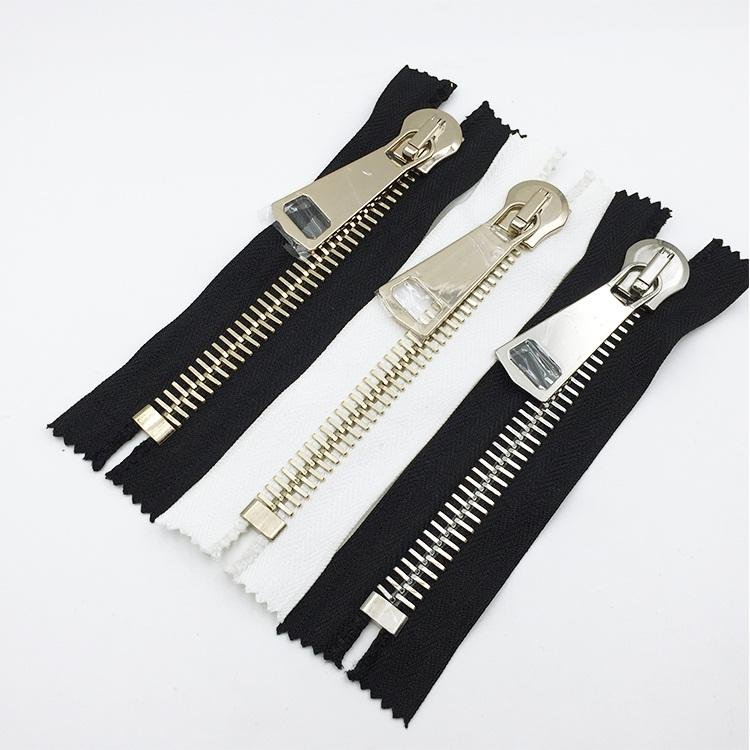
YKK Zippers
Premium front and pocket zippers engineered for smooth operation and long-lasting durability. Essential for nylon bomber jackets, available in metal or coil finishes with custom pullers to match your brand aesthetic.
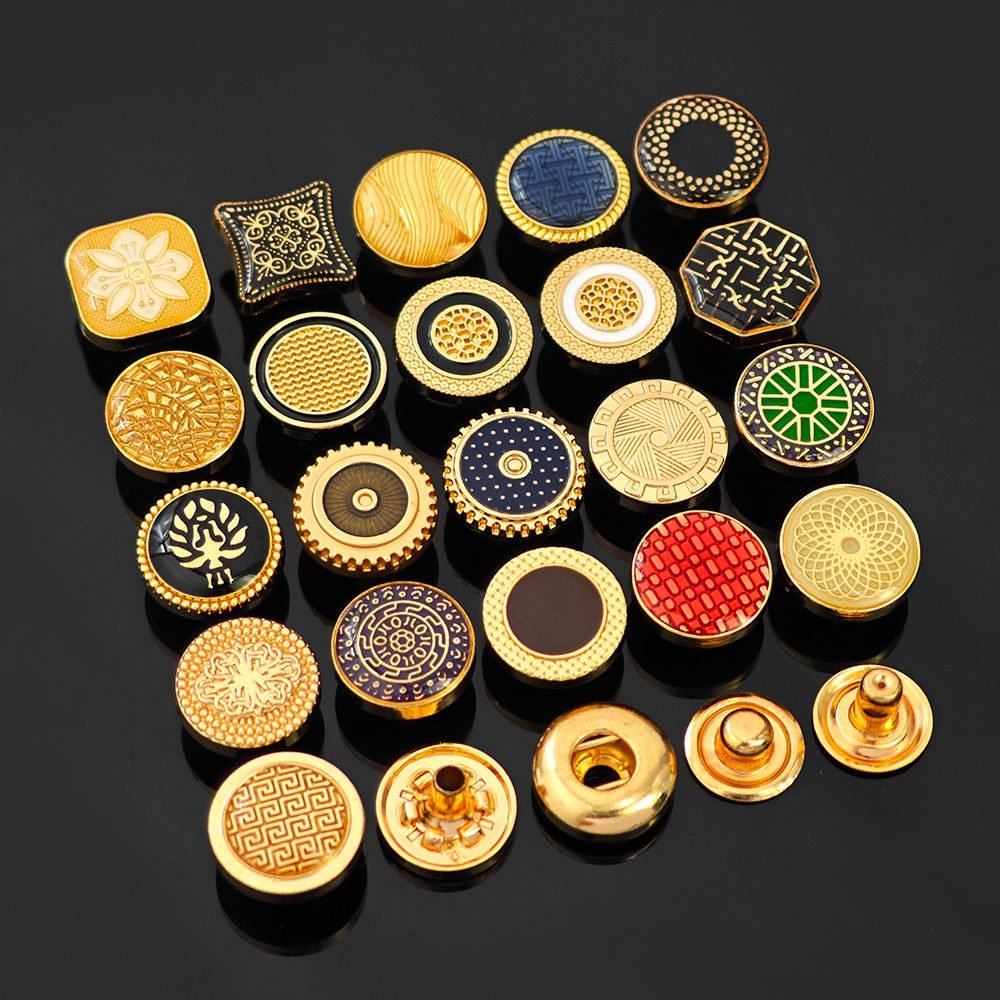
Snap Buttons
Heavy-duty metal or resin snap closures for cuffs, pockets, and plackets. Ideal for streetwear bomber jackets requiring secure fastening with a bold, industrial look that withstands repeated wear.
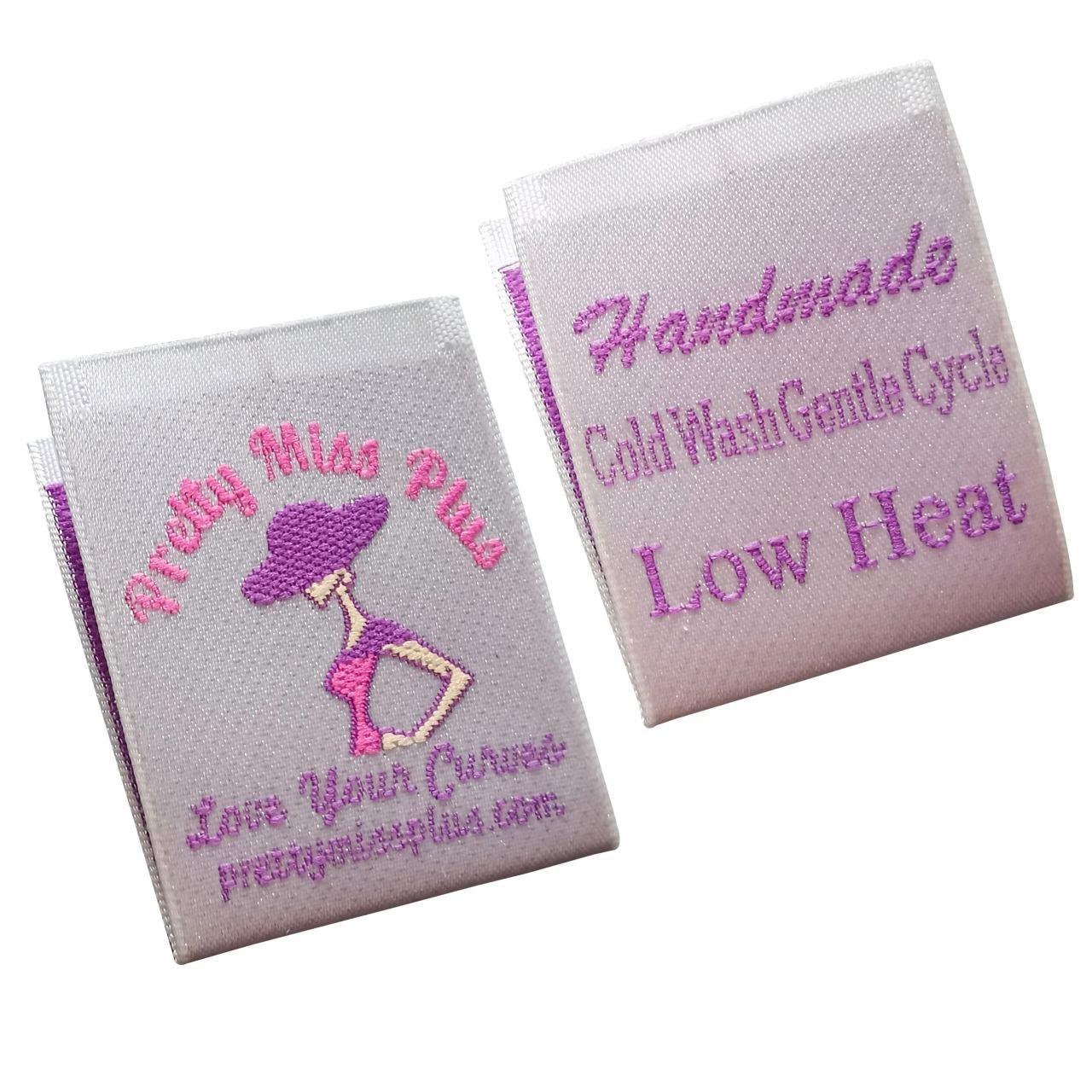
Woven Labels
Custom woven brand labels in premium damask or taffeta for neck, sleeve, or interior placement. Reinforce your brand identity with high-definition logos and care instructions that never fade or peel.
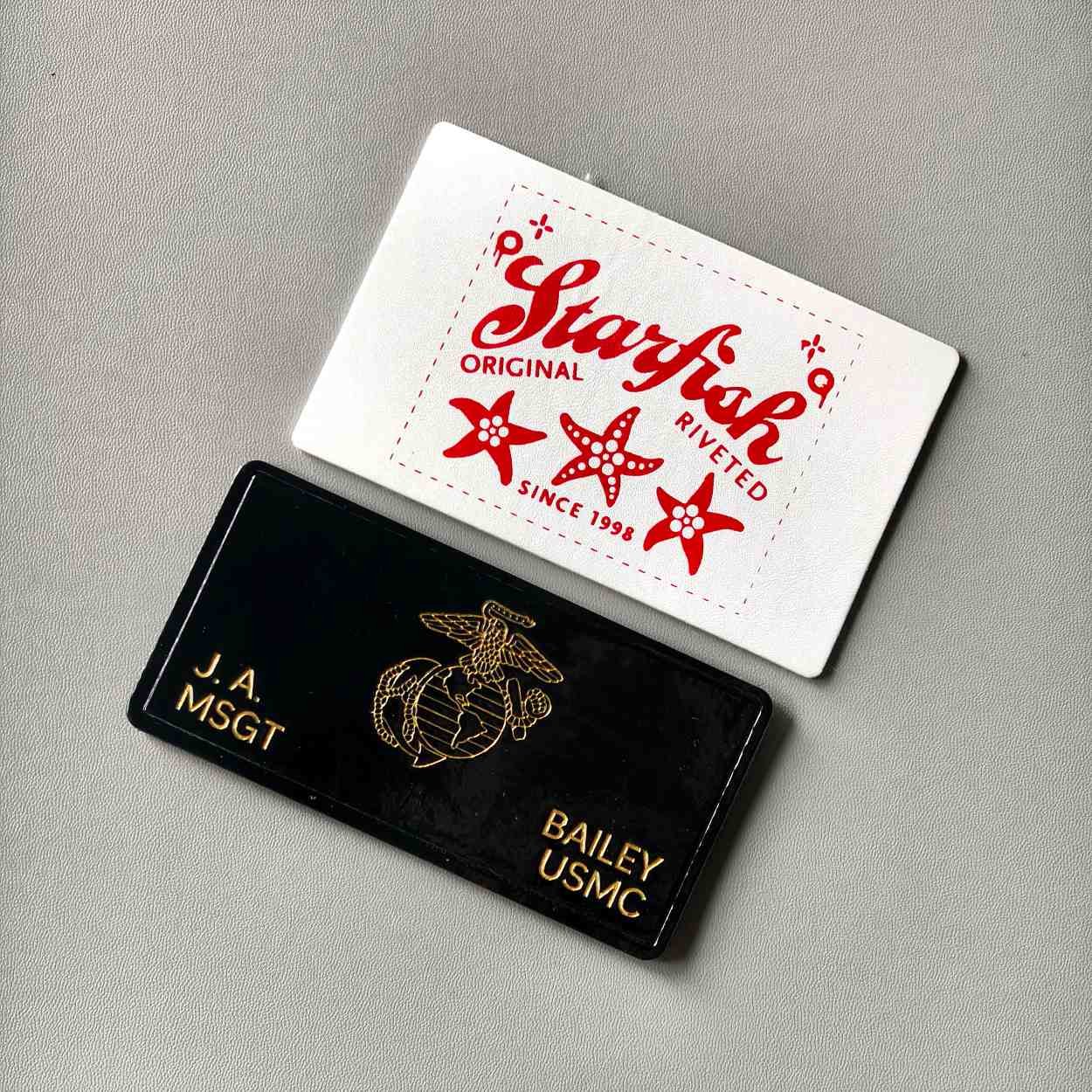
Custom Patches
Embroidered or woven patches featuring your logo, artwork, or streetwear graphics. Perfect for chest, sleeve, or back placement on bomber jackets, adding dimension and premium brand storytelling to every piece.
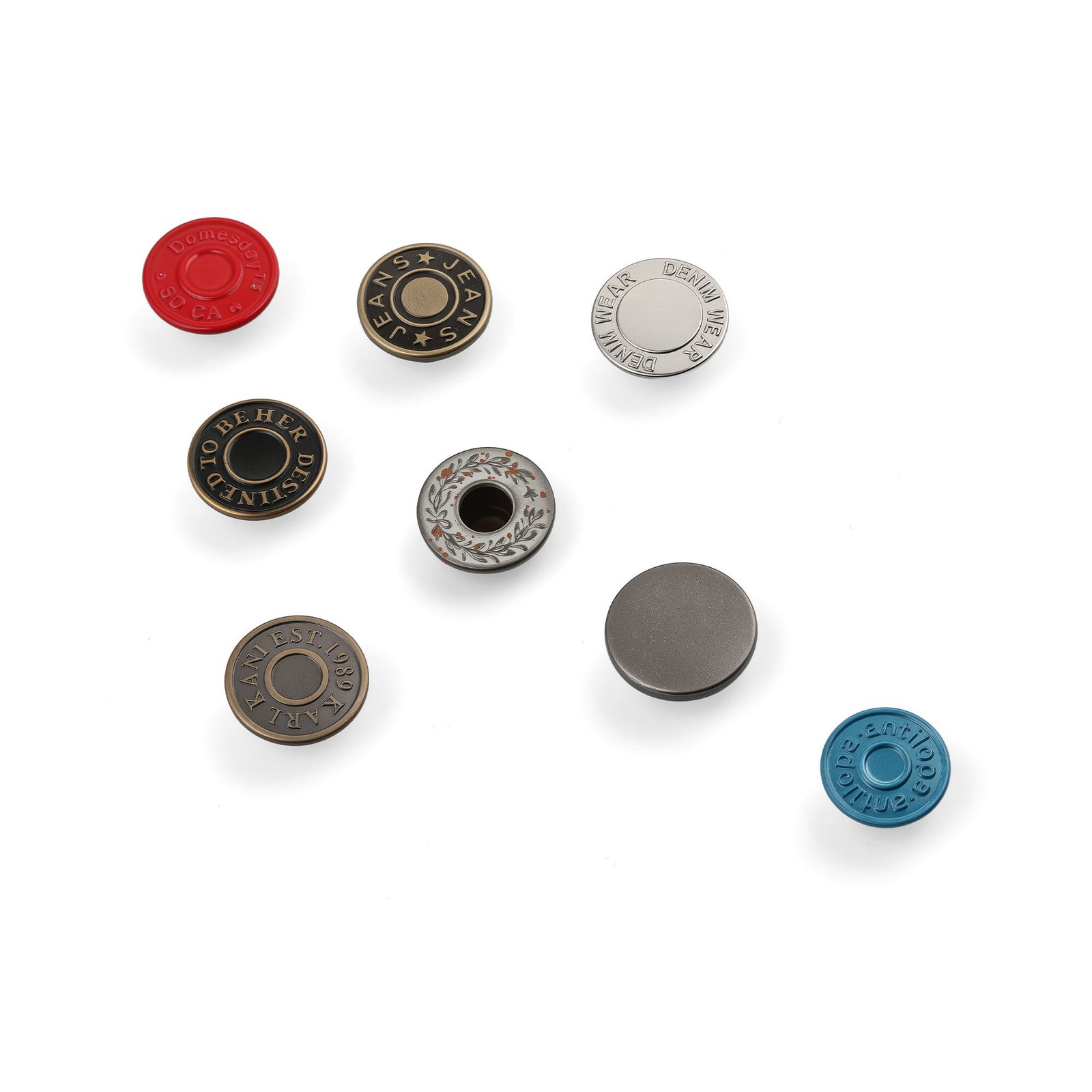
Drawcords & Tipping
Adjustable drawcords with metal or plastic aglets for hem and hood customization. Functional and stylish, these details let wearers personalize fit while adding signature color accents to your nylon bomber design.
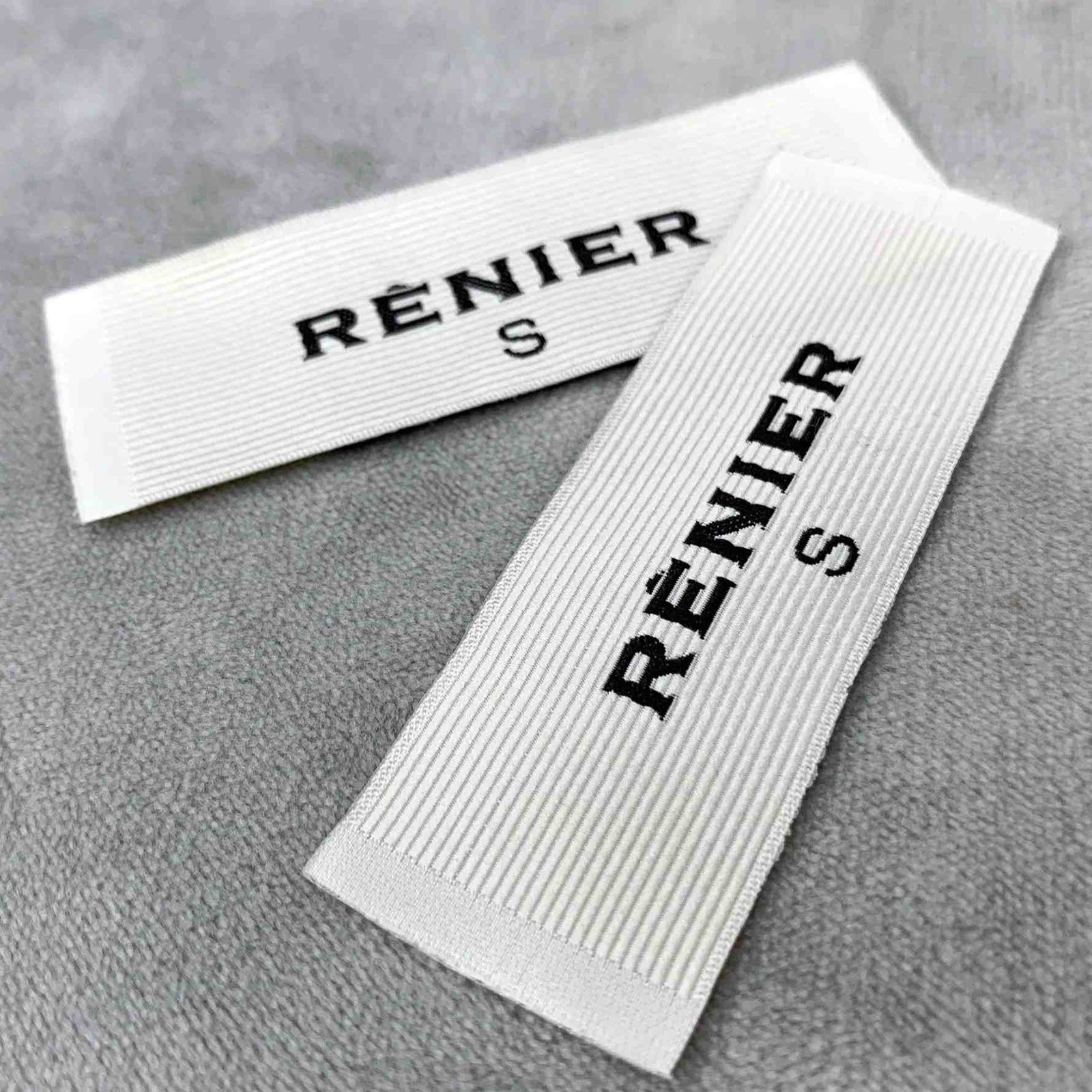
Custom Hangtags
Die-cut hangtags printed on premium cardstock or specialty materials with your branding, product details, and care instructions. The first touchpoint for retail customers, reinforcing quality and professionalism at point of sale.
Your Trusted Nylon Bomber Jacket Manufacturer
Founded in 2024 by Tesla Luo, Clothing Manufacturer Ltd was born from a mission to eliminate low-quality garments through rigorous quality control. With over 10 years in apparel production and 6 years specializing in streetwear, Tesla witnessed too many manufacturers skip essential QC steps. He built this company to restore trust in Chinese manufacturing, serving brands across 100+ countries with uncompromising standards.
As a dedicated nylon bomber jacket manufacturer, we combine deep streetwear expertise with our proprietary 5-step quality control process that tests every stage from fabric inspection to final packaging. Our 15-person R&D team and 10 production patents ensure your bomber jackets meet the highest craft standards, whether you’re launching your first collection or scaling an established line.
We empower fashion startups, independent designers, and global retailers with low MOQs, fast turnaround, and transparent communication. Backed by our parent company Dongguan TuoZhen Clothing Co., Ltd., we offer the agility of a streetwear specialist with the production capacity and reliability of an established factory. Your brand deserves manufacturing partners who care as much about quality as you do.
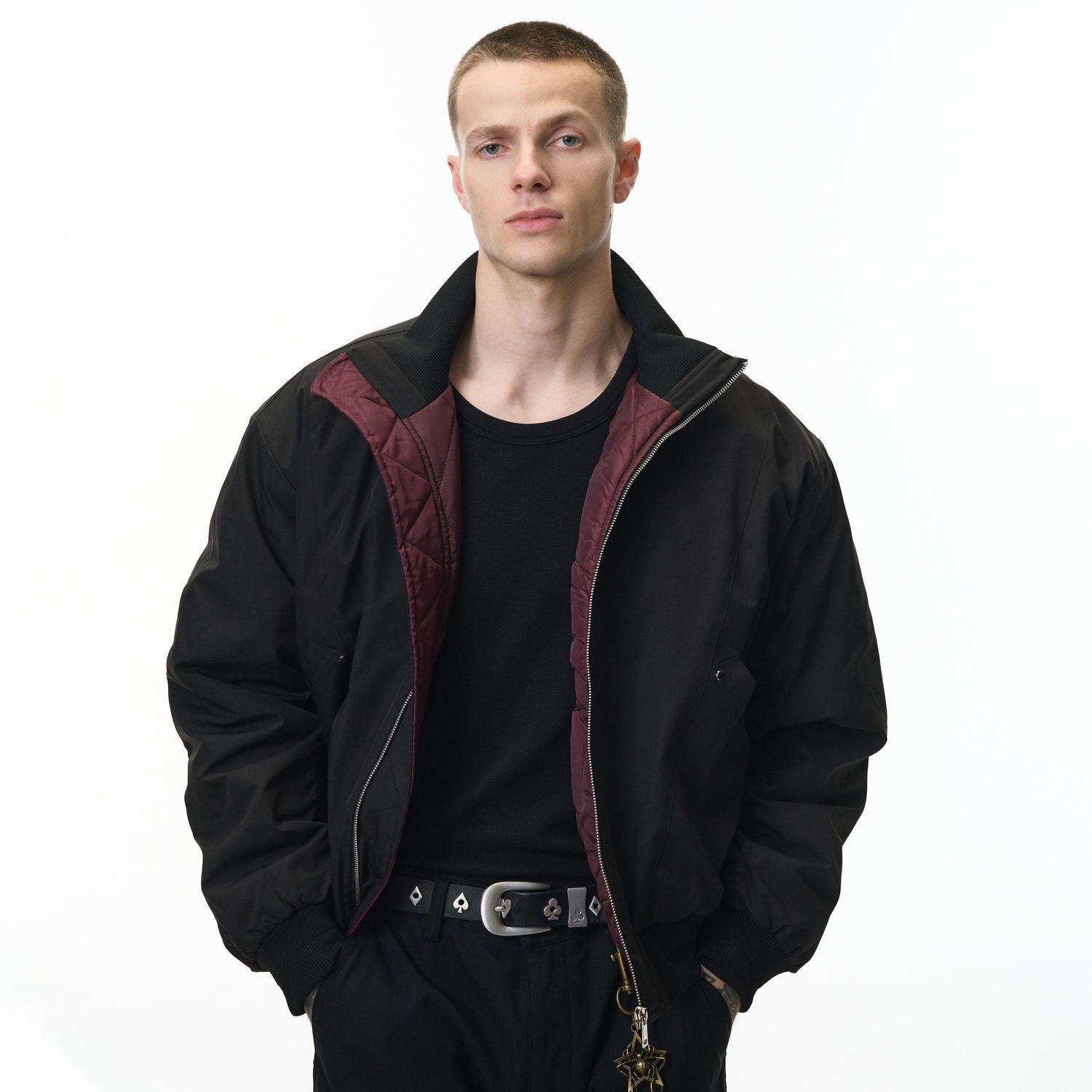
Our 5-Step Quality Control Process for Every Nylon Bomber Jacket
Materials QC Testing Before Production
Every roll of nylon fabric, lining, and trim undergoes rigorous inspection before cutting begins. We verify weight, color consistency, water resistance, and durability to ensure only premium materials enter your bomber jacket production line.
- Fabric weight and density verification against specifications
- Color-fastness testing to prevent fading and bleeding
- Water-repellent coating inspection for performance nylon
- Supplier certification and material traceability documentation
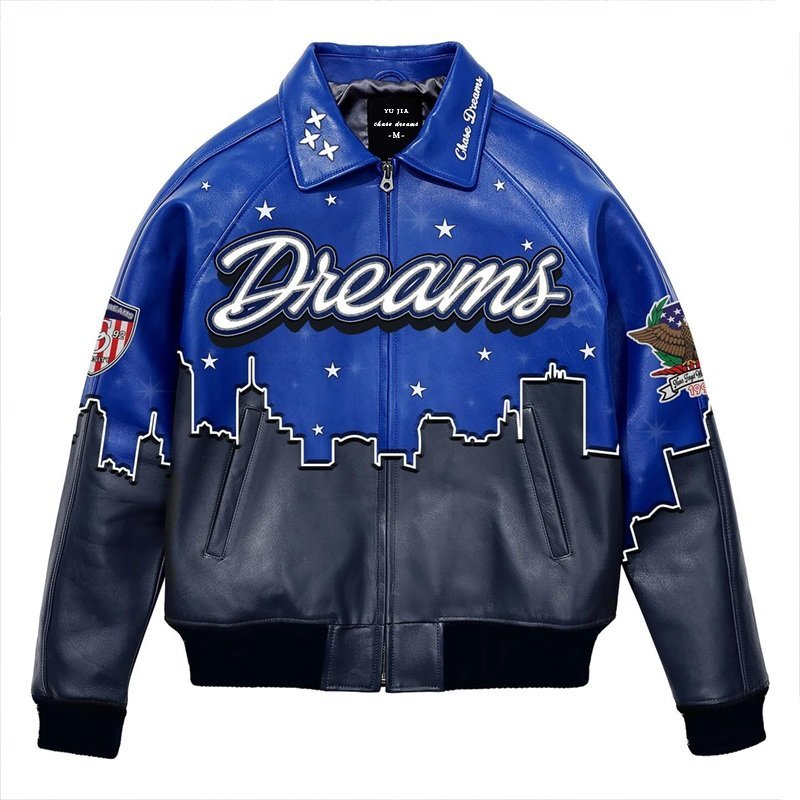
Cutting QC Testing for Pattern Accuracy
After materials pass inspection, our cutting QC ensures every panel is precisely measured and cut to pattern specifications. This step eliminates sizing errors and fabric waste while guaranteeing consistent fit across your entire nylon bomber jacket order.
- Digital pattern verification against approved tech packs
- Grain-line and directional print alignment checks
- Panel count and labeling accuracy for each size run
- Cutting tolerance inspection to maintain fit consistency
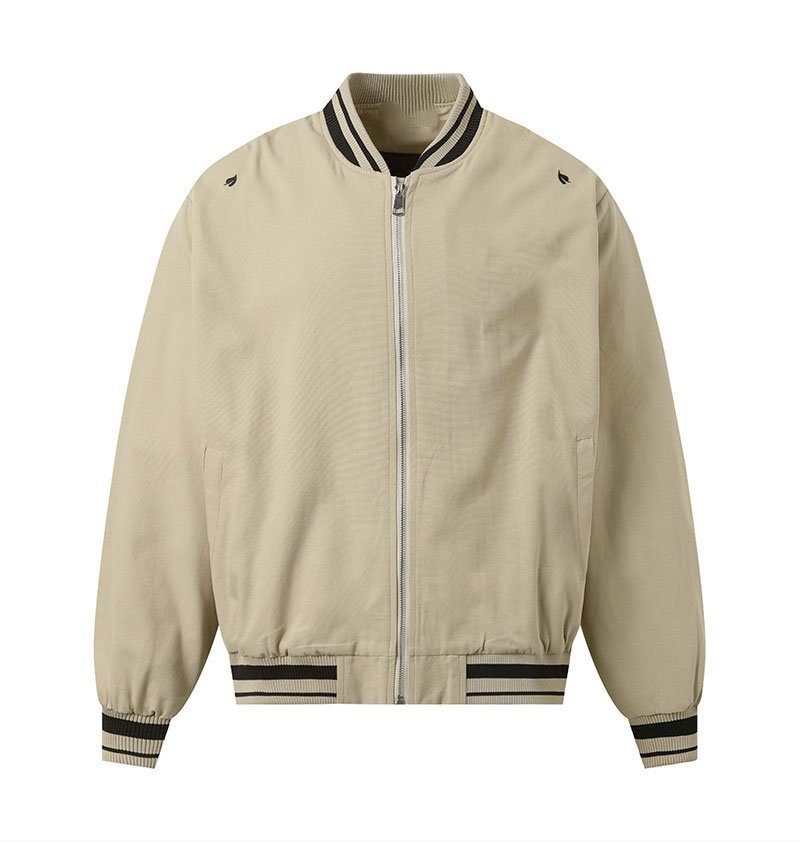
Craft QC and Sewing Production Testing
During assembly, our QC team monitors stitching tension, seam strength, and construction techniques at multiple checkpoints. This in-line inspection catches defects immediately, ensuring every zipper, pocket, and ribbed cuff meets streetwear durability standards before moving forward.
- Stitch density and seam strength testing on critical joins
- Zipper functionality and alignment verification
- Ribbed cuff and hem elasticity and attachment quality
- Pocket placement, lining attachment, and topstitching precision
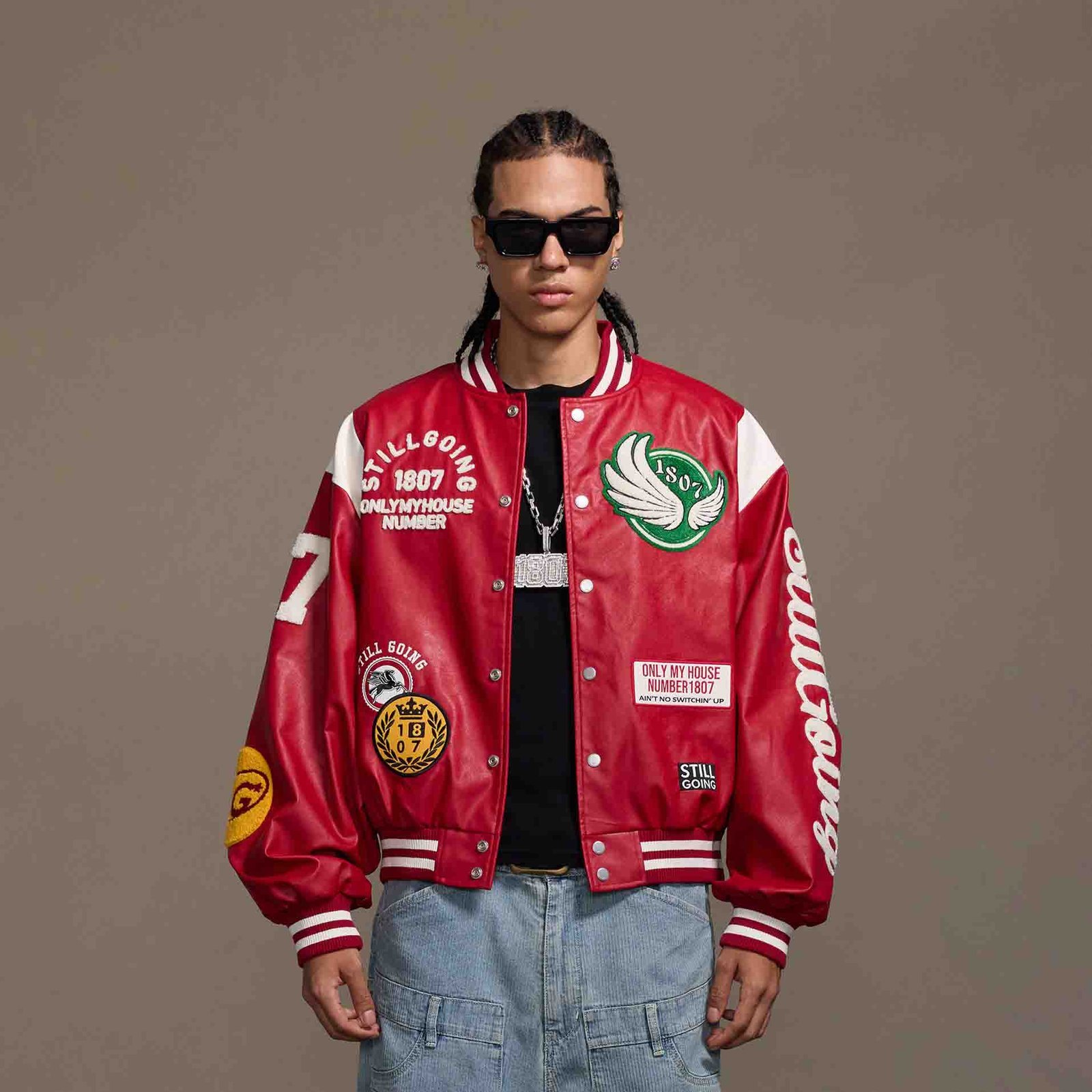
Finished Clothing Quality Inspection Before Shipment
Every completed nylon bomber jacket undergoes a comprehensive final inspection covering measurements, appearance, functionality, and packaging. Only garments that pass all criteria are approved for shipment, protecting your brand reputation and eliminating costly returns.
- Full garment measurement verification against size charts
- Surface inspection for stains, pulls, and fabric defects
- Hardware and trim functionality testing (zippers, snaps, drawcords)
- Pressing, folding, and packaging quality standards compliance
Nylon Bomber Jacket Manufacturer vs. Standard Suppliers
Not all manufacturers are created equal. See how our streetwear-focused approach, rigorous quality control, and transparent processes deliver superior nylon bomber jackets compared to typical low-cost alternatives.
← 左右滑动查看 →
From Order to Delivery: Our Nylon Bomber Jacket Manufacturer Production Timeline
Transparent lead times and clear milestones from tech pack review to global shipping. Every phase includes our rigorous quality control to ensure your nylon bomber jackets meet streetwear standards.
Tech Pack Review & Sampling
Our design team reviews your specifications, selects nylon fabrics and hardware, and produces your first physical sample with detailed construction notes for approval.
Fabric Sourcing & Cutting
Materials QC testing confirms nylon quality and colorfastness. Approved fabrics move to precision cutting with our cutting QC protocol to eliminate pattern errors early.
Sewing & Craft QC
Skilled sewers assemble bomber jackets with clothing craft QC and sewing production QC checkpoints at every stage, catching defects before they reach finishing.
Finishing & Final Inspection
Jackets undergo ironing, hardware attachment, and our finished clothing quality QC inspection. Only garments passing all five QC steps proceed to packing.
Packaging & Documentation
Your nylon bomber jackets are carefully folded, poly-bagged, and carton-packed with all export documentation, labels, and hang tags per your brand guidelines.
Global Shipping & Delivery
We coordinate air or sea freight, customs clearance, and final-mile delivery to your warehouse or fulfillment center, with full tracking and logistics support.
How to Partner With a Nylon Bomber Jacket Manufacturer: 3 Simple Steps
From concept to finished product, we’ve streamlined the ordering process for streetwear brands, startups, and designers—whether you’re launching your first collection or scaling production.
Submit Your Design or Tech Pack
Share your nylon bomber jacket design, tech pack, or reference images. Our in-house team reviews specifications, fabric choices, and customization details to ensure feasibility and alignment.
Receive Quote and Sample Approval
We provide a transparent quote with pricing, MOQ, and timeline. Approve your sample produced with our 5-step QC process before committing to bulk production.
Approve and Launch Bulk Production
Once you confirm the sample, we begin full-scale manufacturing with rigorous quality checks at every stage, followed by global shipping and logistics support to your destination.
Certified Nylon Bomber Jacket Manufacturer You Can Trust
Nylon Bomber Jacket Manufacturer Success Stories
We launched our first nylon bomber collection with zero defects. The 5-step QC process caught issues before production, and we grew from 0 to 47K Instagram followers in eight months thanks to the quality.
Their team delivered three seasonal nylon bomber jacket drops on time with MOQs that fit our startup budget. Customer returns dropped by 92% compared to our previous manufacturer. Absolute game-changer for our brand.
We needed custom embroidered nylon bombers with specialty hardware for our influencer line. They handled sampling, production, and global shipping flawlessly. Sold out 500 units in 72 hours—our best launch ever.
Nylon Bomber Jacket Manufacturer FAQ
What is the minimum order quantity with your nylon bomber jacket manufacturer?
How long does it take to produce custom nylon bomber jackets?
Do you charge for samples when working with a nylon bomber jacket manufacturer?
What payment terms does your nylon bomber jacket manufacturer offer?
Can you handle international shipping and customs for nylon bomber jackets?
How do you protect my designs and intellectual property?
What if I need design revisions during the sampling process?
What makes your quality control different from other manufacturers?
The Complete Buyer’s Guide to Choosing a Nylon Bomber Jacket Manufacturer
Navigate the sourcing landscape with confidence. This guide delivers a proven decision framework, essential supplier criteria, quality benchmarks, and the most common mistakes to avoid when partnering with a nylon bomber jacket manufacturer.
1. What Is a Nylon Bomber Jacket Manufacturer?
A nylon bomber jacket manufacturer is a specialized apparel production partner that designs, cuts, sews, and finishes nylon bomber jackets at scale for brands, retailers, and designers. These manufacturers operate under two primary business models: ODM (Original Design Manufacturer), where the factory offers pre-developed designs that clients can rebrand, and OEM (Original Equipment Manufacturer), where the factory produces custom designs provided by the client. Both models allow brands to access professional garment production without building in-house facilities.
Typical services span the entire production lifecycle: pattern development and grading, sample creation for approval, bulk manufacturing, quality control inspection, and coordination of logistics including packaging and shipping. A competent nylon bomber jacket manufacturer maintains expertise in working with technical nylon fabrics—ranging from 70–210 GSM ripstop and taffeta to coated and waterproof variants—and understands construction details such as ribbed cuffs, zip hardware (often YKK), quilted linings, and flatlock seaming that define the bomber silhouette.
Brands outsource to specialized manufacturers for four core reasons: capital efficiency (avoiding factory investment), speed to market (leveraging existing production lines and supplier networks), technical expertise (access to pattern makers, sewers, and QC teams experienced in outerwear construction), and scalability (flexible MOQs and the ability to ramp volume as demand grows). For streetwear startups and independent designers, partnering with a nylon bomber jacket manufacturer eliminates the need for costly equipment, trained labor, and fabric sourcing relationships, enabling faster launch cycles and lower financial risk.
2. Evolution and History of the Nylon Bomber Jacket
In 1958, the U.S. military introduced the MA-1 flight jacket, replacing leather with nylon to meet the needs of jet-age pilots flying at higher altitudes. Nylon offered a lightweight, water-resistant, and durable alternative that performed better in cramped cockpits and variable climates. The fabric’s quick-drying properties and resistance to mildew made it ideal for military use, while its smooth shell allowed pilots to move freely without bulk.
By the 1970s and 1980s, the nylon bomber jacket migrated from military surplus stores into punk and hip-hop subcultures, where its utilitarian aesthetic and bold silhouette became symbols of rebellion and street credibility. Brands like Alpha Industries, the original MA-1 contractor, saw their military-spec jackets adopted by youth movements across the U.S. and Europe. The jacket’s reversible orange lining — originally a rescue signal — became an iconic design detail in streetwear.
Luxury fashion houses began collaborating with nylon bomber jacket manufacturers in the 2000s, elevating the style from functional outerwear to high-fashion statement pieces. Designers experimented with technical fabrics, oversized fits, and hybrid constructions that blended heritage military details with contemporary tailoring. Today’s market demands jackets that balance authentic MA-1 proportions with modern performance textiles, from ripstop nylon to water-repellent coatings.
Manufacturing standards now determine whether a nylon bomber jacket manufacturer can deliver the durability and finish that streetwear brands and independent designers require. Inconsistent stitching, poor fabric selection, or skipped quality checks compromise both the garment’s heritage and its market viability.
3. Types of Nylon Bomber Jacket Manufacturers
Nylon bomber jacket manufacturers operate across four distinct models, each defined by service scope, minimum order quantities, and production capacity. Understanding these categories helps brands match their volume needs and business stage to the right manufacturing partner.
Full-Package Manufacturers
Full-package manufacturers handle every step from fabric sourcing and pattern development to sewing, finishing, and packaging. These partners typically require MOQs of 300–1,000 units per style and deliver in 45–75 days.
Cost per unit ranges from $18–$45 depending on fabric grade and decoration complexity. This model suits established brands and retailers seeking turnkey production without managing multiple vendors. Dongguan Clothing Manufacturer Ltd. operates as a full-package nylon bomber jacket manufacturer, implementing five-step QC testing across materials, cutting, craft, sewing, and finished goods inspection.
Cut-Make-Trim (CMT) Factories
CMT factories sew garments from materials and patterns the client provides, charging $8–$15 per unit for labor and trim installation. MOQs start at 500 units with 30–45 day lead times.
This model works for brands with in-house design teams and existing fabric suppliers who need production capacity only. CMT partners do not source materials or develop patterns, placing procurement and technical design responsibility on the buyer.
Small-Batch Artisan Workshops
Artisan workshops accept orders as low as 50–200 units, ideal for fashion startups and independent designers testing new styles. Per-unit costs rise to $35–$70 due to lower economies of scale, with 20–40 day turnarounds.
These partners offer flexibility and personalized service but lack the quality control infrastructure and scalability of larger manufacturers. Startups often begin here, then transition to full-package partners as order volumes grow beyond 500 units per season.
4. Materials and Fabrics for Nylon Bomber Jackets
A nylon bomber jacket manufacturer selects shell fabrics, linings, and insulation based on target weight, seasonality, and price point. GSM (grams per square meter) typically ranges from 80 to 200, directly affecting drape, durability, and end use.
| Fabric Type | GSM Range | Best Use Case | Cost per Yard (USD) |
|---|---|---|---|
| Ripstop Nylon | 80–100 | Lightweight, packable bombers | $2.50–$4.00 |
| Taffeta Nylon | 100–120 | Classic mid-tier bombers | $2.00–$3.50 |
| Taslan Nylon | 120–150 | Premium soft-hand streetwear | $3.50–$5.50 |
| Ballistic Nylon | 150–200 | Heavy-duty, workwear-inspired | $5.00–$8.00 |
Nylon Shell Fabric Types
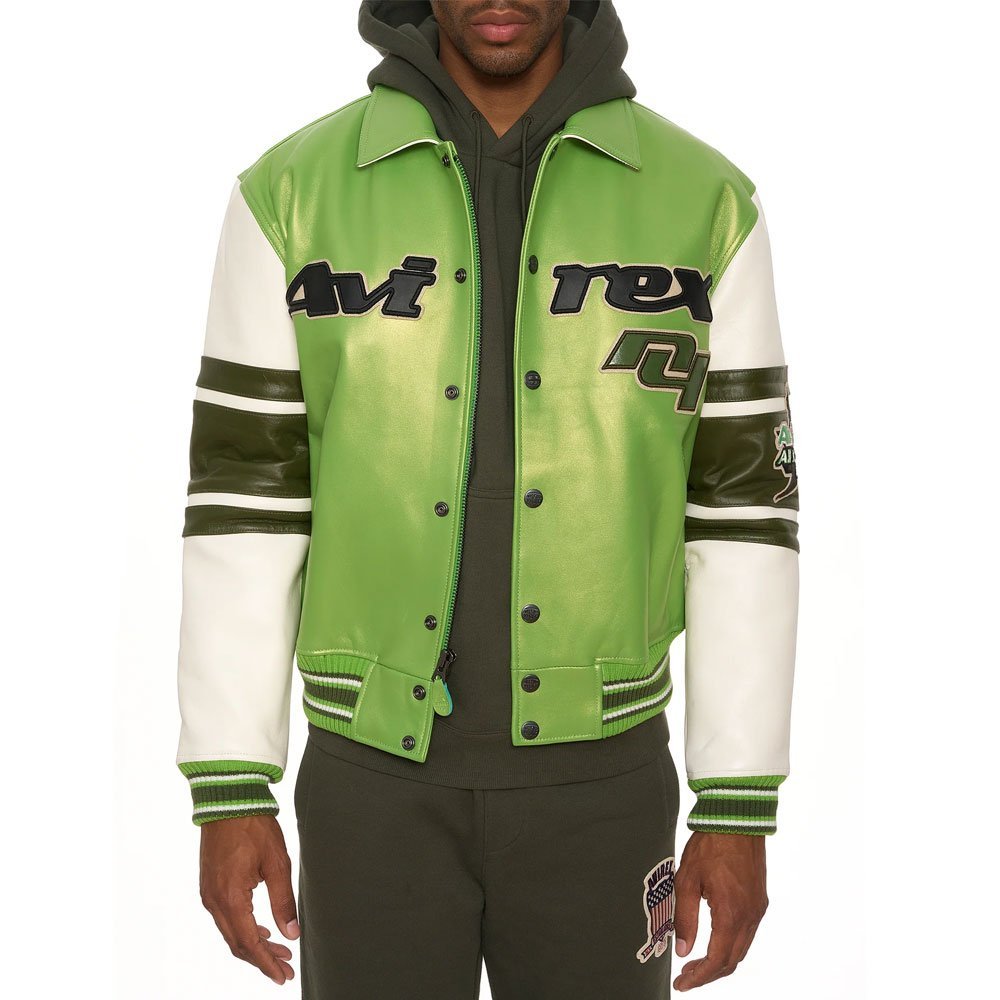
Ripstop nylon features a crosshatch reinforcement pattern that resists tearing, making it ideal for lightweight, packable bombers in the 80–100 GSM range. Taffeta nylon offers a smooth, slightly shiny surface and moderate weight (100–120 GSM), balancing cost and durability for mid-tier collections.
Taslan nylon undergoes air-jet texturing to create a soft, matte hand feel and natural drape, typically at 120–150 GSM, popular in premium streetwear. Ballistic nylon, originally developed for military flak jackets, runs 150–200 GSM with exceptional abrasion resistance, suited to heavy-duty or workwear-inspired designs.
Finishes and Treatments
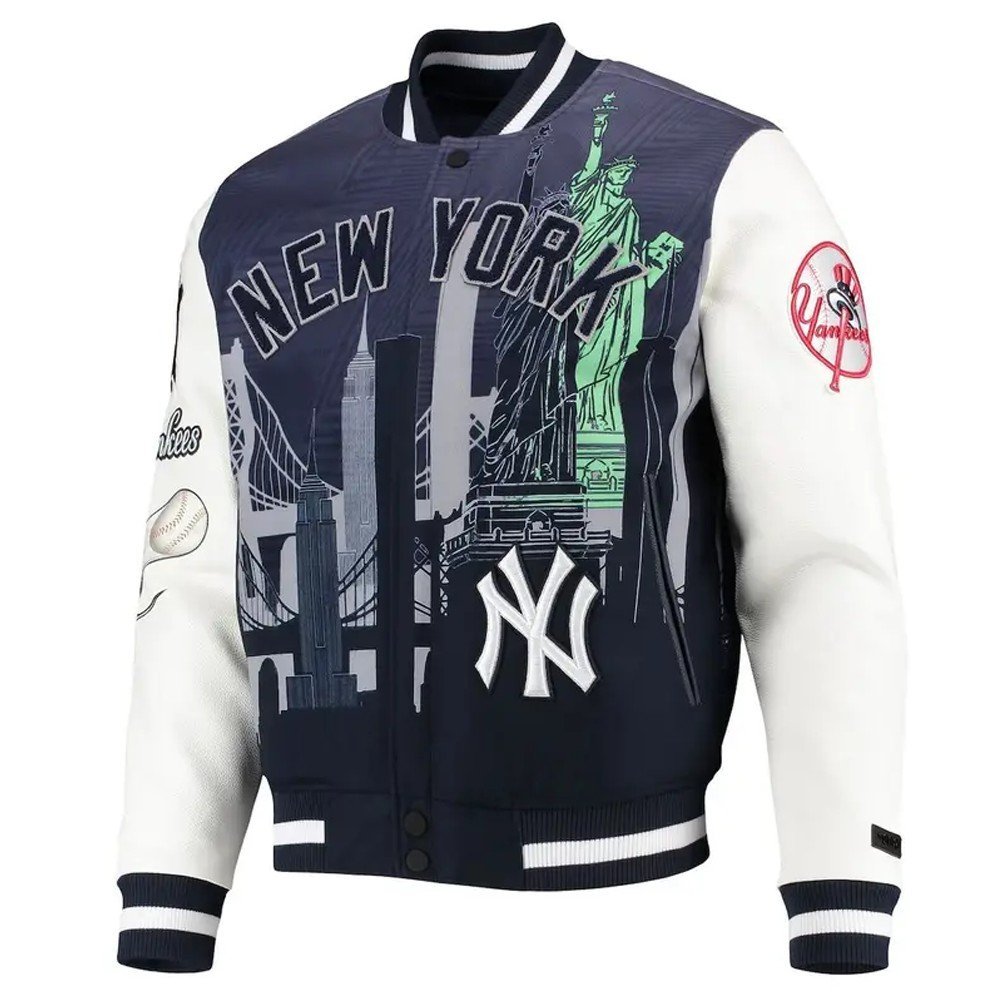
DWR (durable water repellent) coatings cause water to bead on the fabric surface, essential for outerwear functionality without adding weight. Matte finishes appeal to minimalist streetwear aesthetics, while shiny taffeta delivers a classic bomber look reminiscent of MA-1 heritage.
Anti-static treatments prevent fabric cling and dust attraction, particularly important for synthetic shells in dry climates. Clothing Manufacturer Ltd. applies finish testing during the materials QC stage of its five-step quality control process to verify coating durability before cutting.
Lining and Insulation Options
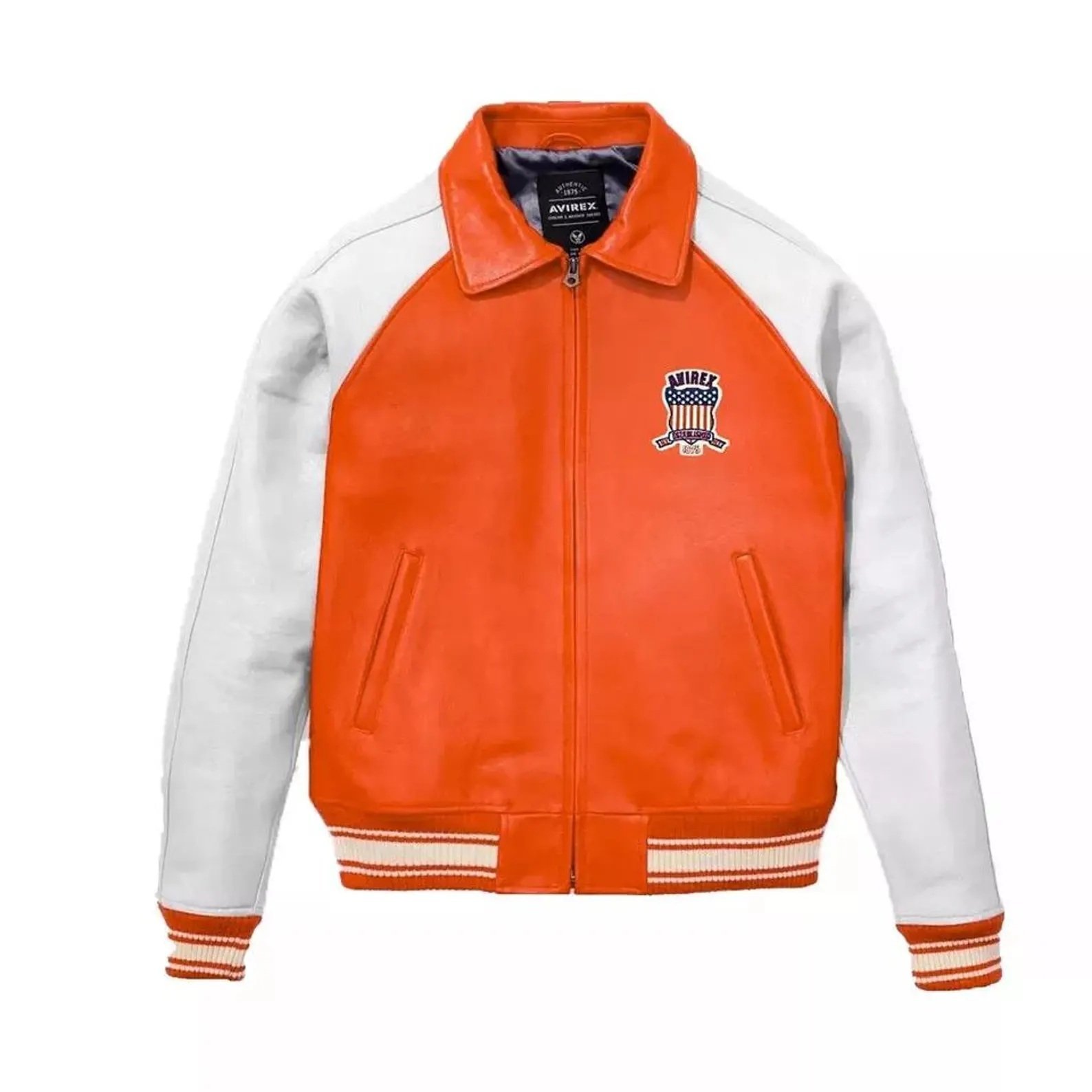
Polyester mesh lining (40–60 GSM) provides breathability for uninsulated spring and fall bombers, reducing interior friction and improving comfort. Quilted polyester satin lining (80–100 GSM) adds a premium feel and light warmth, common in mid-weight designs.
Lightweight poly-fill insulation (60–100 GSM) transforms a bomber into a transitional or winter piece without excessive bulk. Uninsulated shells remain the streetwear standard, prioritizing layering flexibility and year-round wearability.
5. Customization and Decoration Options
A nylon bomber jacket manufacturer offers multiple branding techniques to differentiate your collection. Each decoration method carries distinct setup costs, minimum order quantities, durability ratings, and aesthetic impacts that influence both production budgets and brand identity.
| Decoration Method | Setup Cost | Per-Unit Cost | Durability (Washes) | Minimum Quantity |
|---|---|---|---|---|
| Embroidery | $35–$75 | $1.50–$4.00 | 200+ | 50–100 pcs |
| Screen Printing | $25–$50 | $0.50–$1.00 | 100–150 | 100–200 pcs |
| Heat Transfer | $40–$60 | $2.00–$3.50 | 50–75 | 25–50 pcs |
| Woven Labels | $45–$85 | $0.15–$0.35 | Permanent | 200–500 pcs |
Embroidery Placement and Durability
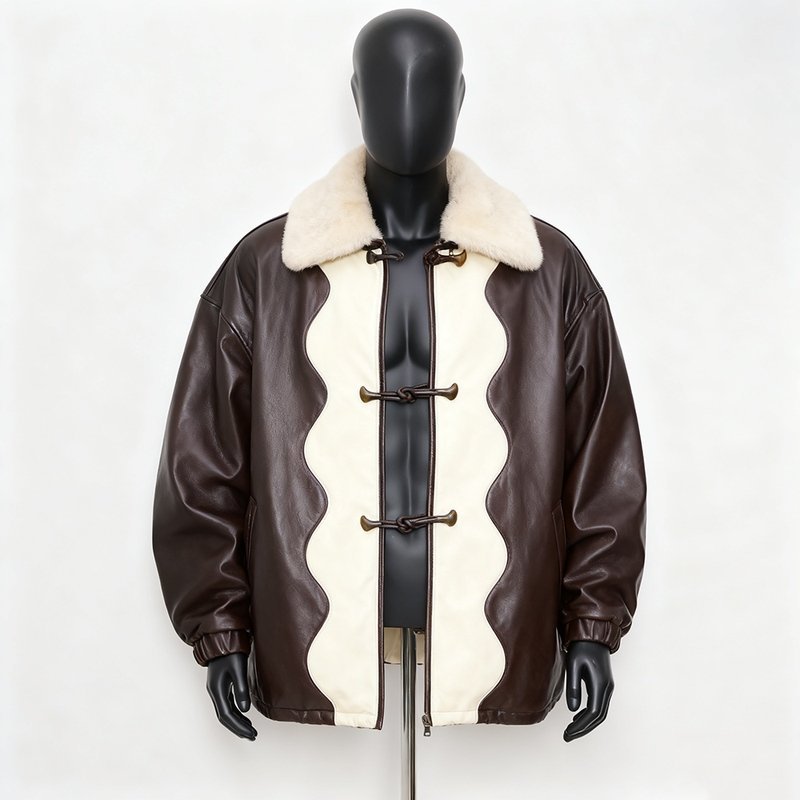
Embroidery on chest, sleeves, and back panels delivers premium perceived value and exceptional wash durability. Setup costs range from $35–$75 per design depending on stitch count (typically 5,000–15,000 stitches), with per-unit costs of $1.50–$4.00 per placement.
Most nylon bomber jacket manufacturers require 50–100 piece minimums per embroidered colorway. Pantone thread matching ensures brand consistency across production runs, and high-density embroidery on nylon requires backing stabilizers to prevent puckering during the sewing stage.
Screen Printing and Heat Transfer
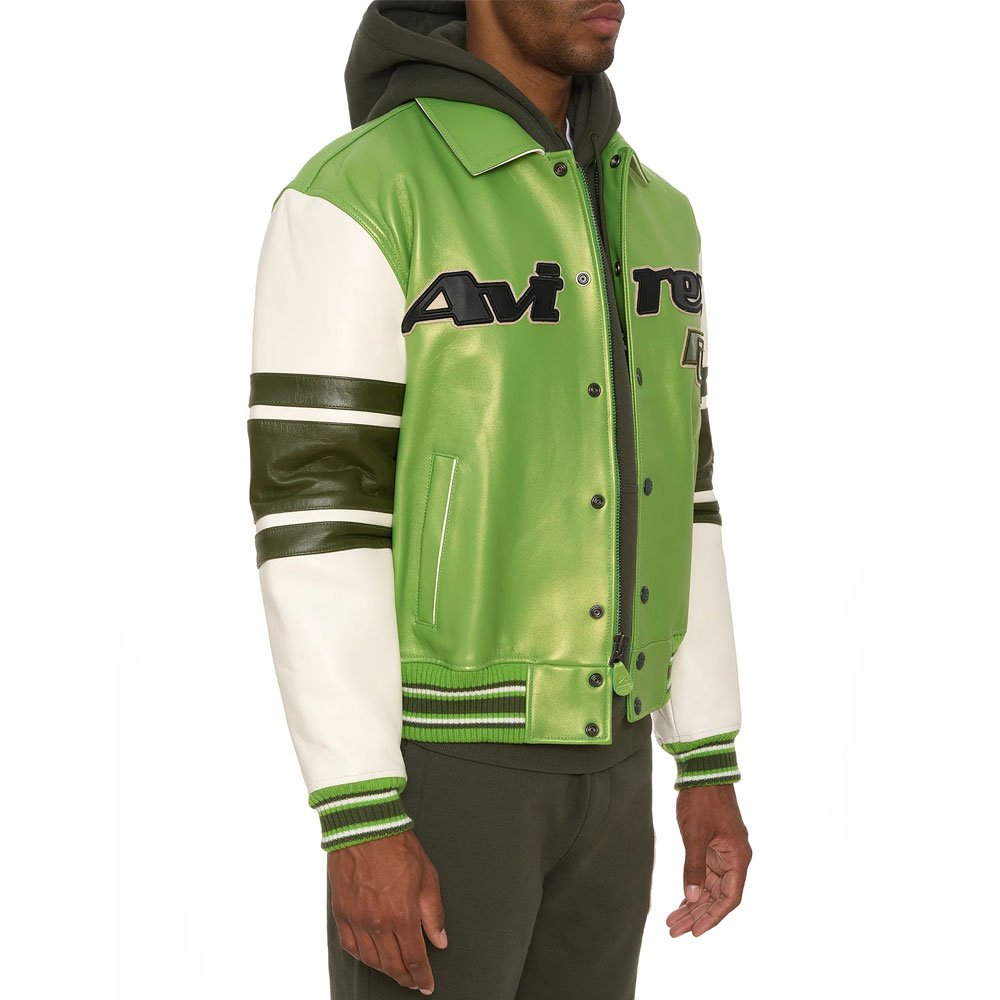
Screen printing works well for large back graphics and interior lining prints, with setup fees of $25–$50 per screen and per-unit costs under $1.00 for single-color designs. Heat transfer offers full-color flexibility at $40–$60 setup and $2.00–$3.50 per unit, ideal for small runs or photographic artwork.
Screen prints on nylon require plastisol or specialty inks that cure at lower temperatures to avoid fabric distortion. Heat transfers show moderate durability (50–75 washes) compared to embroidery’s 200+ wash lifespan.
Custom Hardware and Interior Labels
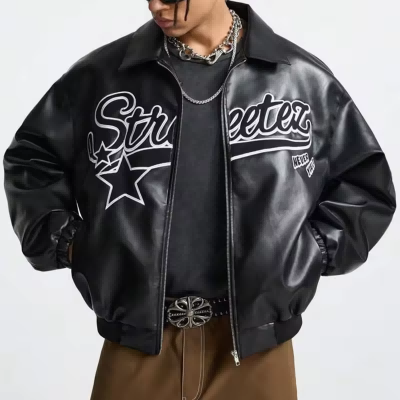
YKK zippers cost $1.20–$2.50 per jacket versus $0.30–$0.60 for generic alternatives, but offer superior pull-strength and brand recognition. Custom zipper pulls with logo debossing add $0.40–$0.80 per unit at 200-piece minimums.
Woven labels (neck and interior hang tags) require $45–$85 setup for woven damask or satin styles, with per-unit costs of $0.15–$0.35. These permanent branding elements reinforce authenticity and comply with country-of-origin labeling regulations.
6. Key Construction and Quality Control Elements
Nylon bomber jackets demand rigorous construction standards and multi-stage quality control to ensure durability, fit consistency, and brand reputation. A nylon bomber jacket manufacturer implementing systematic QC checkpoints at every production phase prevents costly defects and returns that plague brands working with factories that inspect only finished goods.
Critical Construction Points to Inspect
Seam strength determines jacket lifespan. Flat-felled seams offer superior durability for high-stress areas like shoulders and side seams, while overlock stitching suffices for low-tension zones but frays faster under wear.
Zipper quality and alignment separate premium from budget jackets. YKK or SBS zippers with auto-lock sliders prevent accidental opening; misaligned zipper tape by even 2 mm creates puckering that buyers notice immediately. Ribbed cuffs and hems must retain 80% elasticity after 50 wash cycles, tested via stretch-recovery labs. Pocket reinforcement with bar-tack stitching at stress points and double-layer lining attachment prevent the tearing that generates negative reviews.
- Flat-felled seams: 12–14 stitches per inch for shoulder and side seams
- YKK or SBS zippers with auto-lock sliders and ±1 mm alignment tolerance
- Ribbed knit cuffs/hems: minimum 80% elasticity retention after 50 washes
- Bar-tack reinforcement at pocket corners and lining attachment points
Industry QC Standards and AQL Levels
Acceptable Quality Limit (AQL) standards define defect thresholds. AQL 2.5 permits 2.5% major defects and 4.0% minor defects in a random sample, typical for mid-tier brands; AQL 1.5 tightens tolerances for premium labels. Most nylon bomber jacket manufacturers apply AQL 2.5 for general streetwear, but fashion startups targeting quality-conscious consumers should specify AQL 1.5 or lower in contracts to reduce chargebacks.
- AQL 2.5: industry standard for mid-tier streetwear (2.5% major, 4.0% minor defects)
- AQL 1.5: premium threshold for quality-focused brands
- AQL 1.0 or 0.65: luxury and technical outerwear requirements
Five-Step QC Process Breakdown
A comprehensive five-step QC process intercepts defects early. Materials QC testing verifies nylon fabric weight (typically 210–280 GSM), colorfastness (grade 4 minimum), and water-repellent coating performance before cutting. Cutting QC testing confirms pattern accuracy within ±2 mm to prevent fit variance. Clothing craft QC testing audits stitching density, seam allowances, and zipper installation during assembly. Sewing production QC testing checks each finished panel before joining. Finished clothing quality inspection measures garment dimensions against tech packs (±1 cm tolerance), inspects all hardware, and validates packaging accuracy before shipment.
- Materials QC: fabric GSM, colorfastness grade 4+, water-repellent performance
- Cutting QC: pattern accuracy within ±2 mm tolerance
- Sewing production QC: in-line stitch density and seam checks
- Final inspection: dimension verification (±1 cm), hardware function, packaging audit
7. How to Choose the Right Nylon Bomber Jacket Manufacturer
Selecting the right nylon bomber jacket manufacturer requires systematic evaluation of credentials, capabilities, and communication standards. A structured checklist helps brands avoid costly mistakes and identify partners who deliver consistent quality and transparent timelines.
Verify Certifications and Compliance
ISO 9001, WRAP, and BSCI certifications indicate that a manufacturer meets recognized quality management and ethical labor standards. Request copies of current certificates and verify their validity through issuing bodies.
Certified facilities demonstrate commitment to systematic process control and social responsibility, reducing risk for brands targeting regulated markets in North America and Europe.
Review Portfolio and Client References
Examine past production samples and ask for references from clients in similar product categories. A nylon bomber jacket manufacturer with streetwear experience will understand construction details like ribbed cuffs, snap closures, and lining attachment.
Request case studies or testimonials that detail order volumes, lead times, and quality outcomes to gauge consistency and scalability.
Assess Communication and Sampling Speed
Responsiveness within 24 hours and clear English communication signal professionalism. Request a sample within 7–14 days to evaluate craftsmanship and turnaround capability.
Red flags include vague timelines, reluctance to provide samples, or demands for full payment upfront before production begins.
Compare MOQs and Pricing Transparency
Minimum order quantities for nylon bombers typically range from 50 to 500 units per style. Request itemized quotes covering fabric, labor, trims, and shipping to avoid hidden fees.
Transparent pricing structures and flexible MOQs support startups and independent designers testing new designs without overcommitting inventory.
8. Common Mistakes When Sourcing a Nylon Bomber Jacket Manufacturer
Sourcing errors cost streetwear brands thousands in rework, missed launches, and damaged reputation. Understanding common pitfalls when selecting a nylon bomber jacket manufacturer helps startups and designers avoid delays, quality failures, and budget overruns that derail product launches.
Choosing on Price Alone Without Quality Vetting
Selecting the lowest-cost nylon bomber jacket manufacturer without verifying QC processes leads to defects in stitching, zippers, and fabric durability. Brands that skip factory audits often receive jackets with misaligned seams, faulty YKK alternatives, or untested nylon that pills after one wash.
Clothing Manufacturer Ltd.’s five-step QC methodology—materials testing, cutting QC, craft QC, sewing QC, and finished inspection—prevents defects at every stage. Request documented QC protocols and third-party certifications before committing to any supplier based solely on unit price.
Skipping Sample Approval and Fabric Shrinkage Testing
Approving production without pre-production samples or shrinkage tests results in sizing errors and garment distortion after the first customer wash. Nylon blends can shrink 2–5% if heat-setting is omitted, turning a size M into a size S.
Always order strike-off samples with your exact nylon fabric weight (typically 210–280 GSM for bombers) and request lab wash tests at 40°C and 60°C. Verify dimensional stability before bulk production to avoid costly chargebacks from retailers.
Unclear Tech Packs and Poor Fit Communication
Vague tech packs without graded spec measurements, stitch types, or construction details cause misinterpretation and rework cycles. A missing ribbing width or unclear sleeve pitch forces the factory to guess, delaying delivery by 2–4 weeks.
Provide CAD drawings, Pantone references, stitch callouts (e.g., 301 lockstitch, 504 overlock), and a fit sample or detailed grade rule for every size. Clear documentation eliminates ambiguity and accelerates first-sample approval.
9. Steps to Launch Your Brand with a Nylon Bomber Jacket Manufacturer
Launching a nylon bomber jacket collection requires navigating a sequence of production milestones, each with specific deliverables and timelines. Understanding the end-to-end workflow from concept to inventory helps first-time buyers allocate resources, set realistic launch dates, and avoid costly delays.
Concept and Design Development
Define your bomber jacket’s silhouette, colorways, hardware, and branding elements before contacting manufacturers. Prepare mood boards, reference images, and sketches that communicate fit (oversized, cropped, classic), fabric weight (lightweight 70–100 GSM ripstop or mid-weight 150–200 GSM), lining choices, and decoration placements.
Share Pantone codes for colors, specify zipper brands (YKK or equivalent), and note any unique details like contrast ribbing, reflective piping, or embroidered patches. Clear upfront direction reduces revision cycles and accelerates sampling timelines.
Creating Detailed Tech Packs
A complete tech pack includes flat sketches with front, back, and inside views; a graded size chart (XS–XXL or custom); fabric specifications (fiber content, GSM, finish); construction notes (stitch types, seam allowances); and trim callouts (zipper length, snap diameter, label placement).
Include tolerance ranges (±1 cm for body measurements, ±2% for fabric shrinkage) and quality standards. Manufacturers use tech packs to generate accurate quotes and production samples, so precision here prevents misinterpretation and rework.
Requesting and Approving Samples
Sample production typically requires 2–3 weeks after tech pack approval. Request a fit sample in one size to verify pattern grading, then a pre-production sample in all colors to confirm fabric hand, print registration, and hardware functionality.
Conduct wear tests: check zipper durability over 50+ cycles, inspect stitching under tension, and launder samples per care label instructions. Document any revisions (adjust sleeve length, darken print tone) and request a revised sample before approving bulk production.
Placing the Bulk Order and Production Milestones
Bulk production for nylon bomber jackets runs 4–6 weeks depending on order quantity and decoration complexity. Manufacturers following a five-step QC process conduct inspections at materials receipt, cutting, sewing, and final packing stages.
Request weekly progress updates with photos of cut panels, in-line sewing, and finished units. Confirm that fabric lot numbers match approved samples and that decoration (embroidery, screen prints) aligns with tech pack specifications before final assembly begins.
Pre-Shipment Inspection and Logistics
Schedule a pre-shipment inspection when 80% of the order is complete. Check random samples for stitch integrity, zipper alignment, colorway accuracy, and packaging compliance (polybags, hangtags, carton labeling).
Arrange freight (air for urgent launches, sea for cost efficiency) and prepare customs documentation (commercial invoice, packing list, country-of-origin certificates). Factor 1–2 weeks for sea freight booking and 3–5 days for air, plus customs clearance time in your destination market.
10. Pricing and Cost Breakdown
Nylon bomber jacket pricing varies by quantity tier, fabric quality, and customization complexity. A basic 210D nylon shell with standard ribbing costs $18–22 per unit at 100 pieces, dropping to $12–15 at 1,000+ units as fixed costs like pattern grading and cutting setup amortize across larger runs. Premium 400D nylon with YKK zippers, custom embroidery, and woven labels adds $6–10 per jacket depending on decoration density and hardware specifications.
Fabric and trim account for 40–50% of total manufacturing cost. Mid-weight nylon (280–320 GSM) ranges from $2.80 to $4.50 per yard, ribbing costs $1.20–2.00 per set (cuffs, waistband, collar), and metal snap closures or custom pullers add $0.80–1.50 per unit. Labor in Guangdong Province averages $0.90–1.40 per garment for standard construction; complex quilted linings or multi-panel color-blocking can increase sewing time by 30–50%, raising labor to $1.80–2.20 per piece.
Sampling fees typically run $80–150 per prototype, refundable on orders above 200 units. Decoration setup includes screen-printing ($45–80 per color), embroidery digitizing ($25–60 per design), and heat-transfer tooling ($30–50). Sea freight from Guangdong to Los Angeles averages $1.20–1.80 per jacket (45–60 days), while air express costs $6–9 per unit (7–10 days). Import duties for HS code 6201.93 (man-made fiber jackets) stand at 27.7% under standard U.S. tariff schedules.
| Quantity Tier | Price per Unit (USD) | Lead Time (days) | Total Investment (USD) |
|---|---|---|---|
| 50 units | $24–28 | 25–30 | $1,200–1,400 |
| 100 units | $18–22 | 28–35 | $1,800–2,200 |
| 500 units | $14–17 | 35–42 | $7,000–8,500 |
| 1,000+ units | $12–15 | 40–50 | $12,000–15,000 |
Ready to Launch Your Nylon Bomber Jacket Line?
Partner with a trusted nylon bomber jacket manufacturer. Low MOQ, 5-step QC, and fast turnaround for your brand.