
Premium Flight Jacket Manufacturer for Streetwear Brands
Partner with a trusted flight jacket manufacturer offering 50-piece MOQ, 7-day sampling, and our proprietary 5-step QC guarantee—built for emerging labels and global retailers.
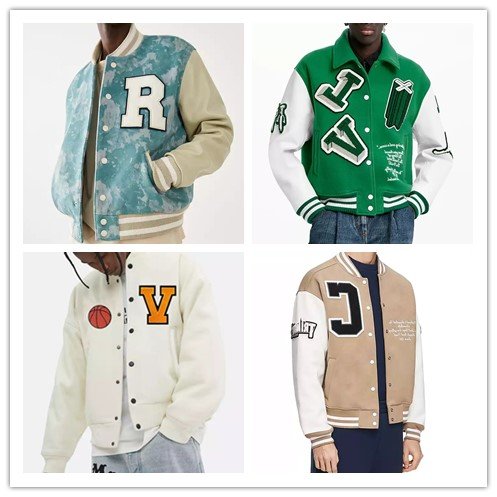
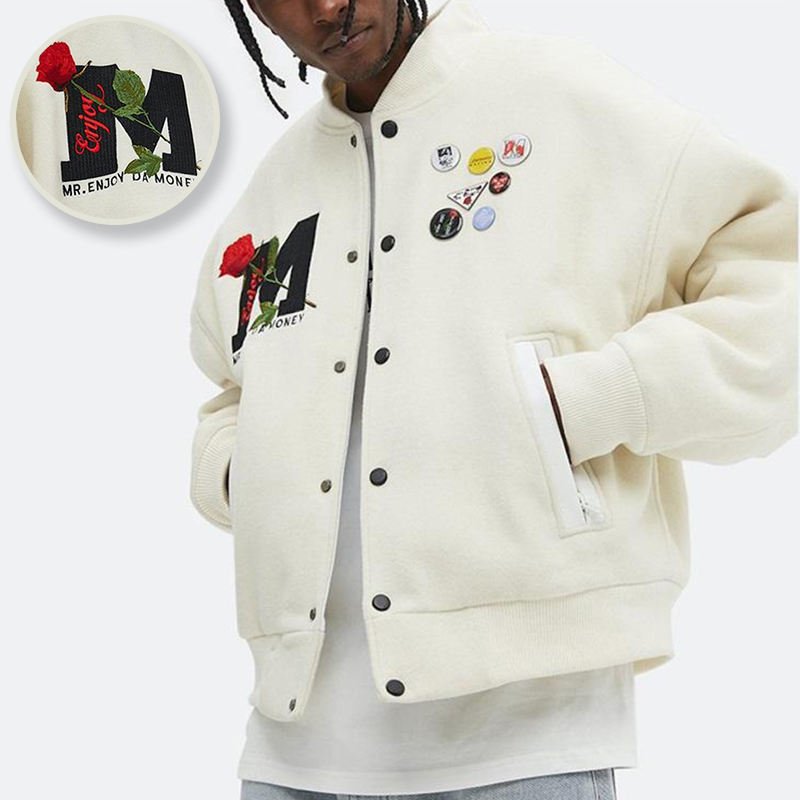
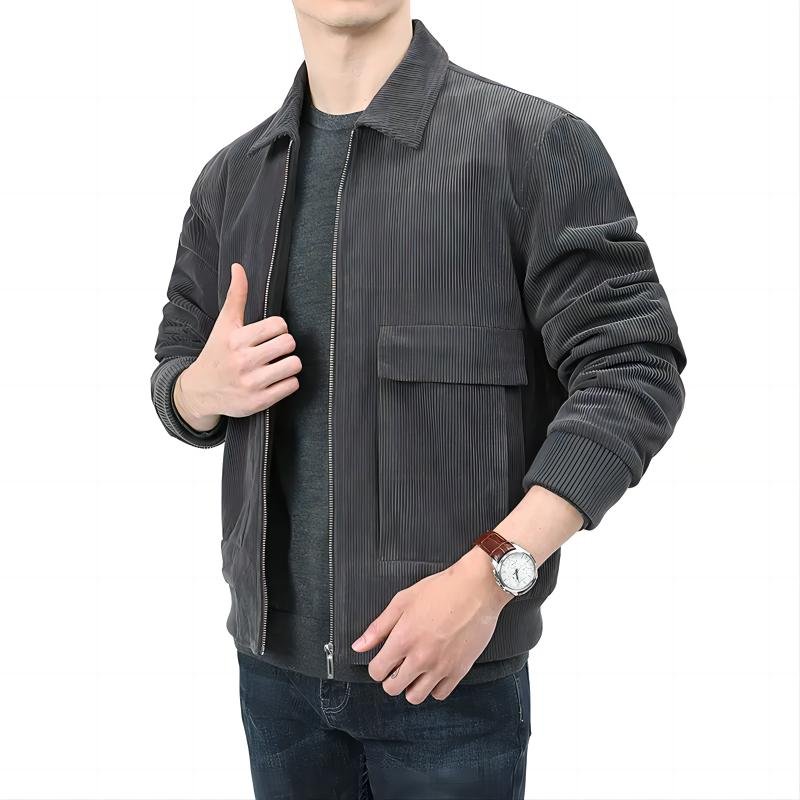
Flight Jacket & Bomber Styles Gallery
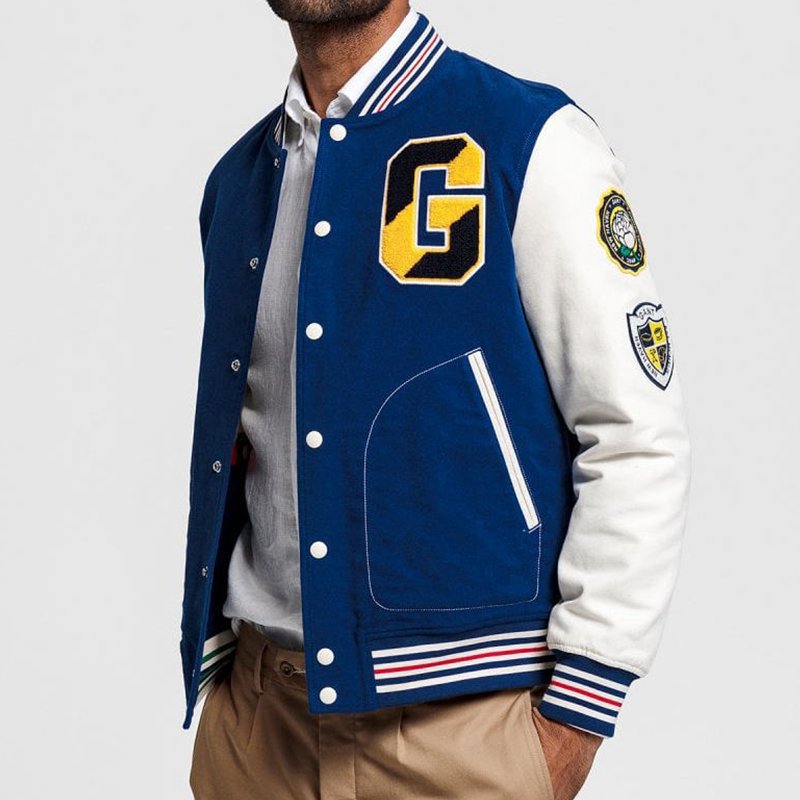
Why Choose Our Flight Jacket Manufacturer
5-Step Quality Control Guarantee
Every flight jacket undergoes rigorous testing at materials, cutting, craft, sewing, and finished product stages before shipping.
7-Day Sample Turnaround
Get your flight jacket samples fast so you can validate designs and launch seasonal collections without delay.
50-Piece Minimum Order Quantity
Launch your flight jacket line without massive upfront investment—perfect for fashion startups and independent designers.
In-House Design Team
Our 15-member R&D team brings streetwear expertise and 10 patents to refine your flight jacket concepts.
Streetwear Flight Jacket Expertise
Six years specializing in trend-driven bomber and flight jackets for influencer brands and global streetwear labels.
Global Shipping & Logistics
Seamless delivery to over 100 countries with full customs, inspection, and tracking support from Dongguan to your door.
Flight Jacket Manufacturer for Every Brand Vision
From classic leather bombers to modern streetwear flight jackets, our manufacturing expertise spans every style. Discover how different flight jacket categories solve unique brand positioning and audience needs.
Classic A-2 Leather Bombers
Heritage brands and vintage-inspired labels struggle to find flight jacket manufacturers who understand authentic military details, premium leather sourcing, and period-correct hardware that collectors and enthusiasts demand.
We produce museum-quality A-2 leather flight jackets with genuine goatskin or cowhide, period-accurate knit cuffs and waistbands, and authentic military hardware. Our 5-step QC ensures every stitch honors the original 1930s specifications.
Modern CWU Nylon Variants
Contemporary streetwear brands need lightweight, functional flight jackets with modern cuts and technical fabrics, but most manufacturers only offer outdated patterns or compromise on utility features like MA-1 pockets and arm zippers.
Our team engineers CWU-style nylon flight jackets with updated silhouettes, water-resistant nylon twill, custom colorways, and functional details. Low 50-piece MOQ lets emerging brands test seasonal drops without overcommitting inventory.
Vintage Bomber Streetwear Editions
Influencer brands and independent designers want oversized, embroidered bomber jackets that blend vintage military aesthetics with bold graphics and unique patches, but lack production partners who can execute complex custom embellishments at accessible minimums.
We specialize in streetwear flight jackets featuring custom embroidery, appliqué patches, screen-printed linings, and oversized fits. Our in-house design team translates your creative vision into production-ready samples within 7 days, with full embellishment capabilities.
Luxury Fashion Flight Jackets
Premium fashion labels require flight jacket manufacturers capable of elevated fabrications like Italian leather, Japanese satin linings, and bespoke hardware with meticulous finishing standards that justify luxury price points and brand positioning.
Our R&D team and 5-step quality control process deliver luxury-grade flight jackets with premium materials, hand-finished details, and zero defects. We've partnered with global retailers to produce high-end bomber collections that command premium retail margins.
Seasonal Capsule Collections
Fashion startups launching limited-edition flight jacket drops face tight deadlines, need fast sampling for social media previews, and require flexible production schedules that align with influencer launch campaigns and pre-order windows.
Fast 7-day sampling and agile production timelines let you capture seasonal trends and coordinate launches with marketing calendars. Our global shipping and logistics support ensures your flight jacket collection reaches customers worldwide on schedule.
Premium Fabrics for Flight Jacket Manufacturer Excellence
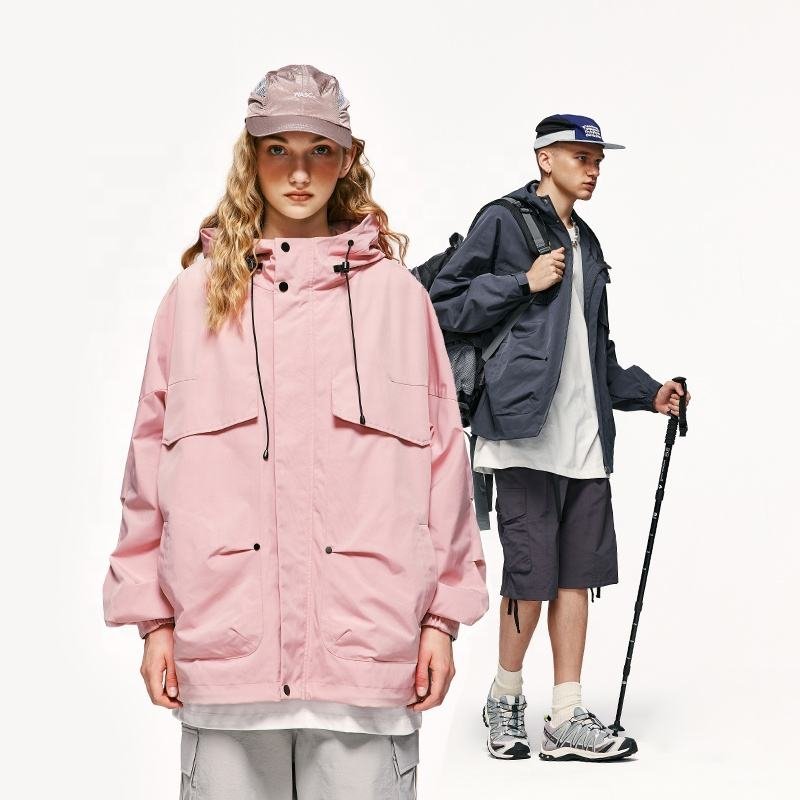
MA-1 Nylon
Lightweight yet durable 100% nylon shell fabric with water-resistant finish. Classic flight jacket material offering wind protection and authentic bomber aesthetic. Weight: 4-6 oz/yd². Ideal for spring/fall streetwear collections.
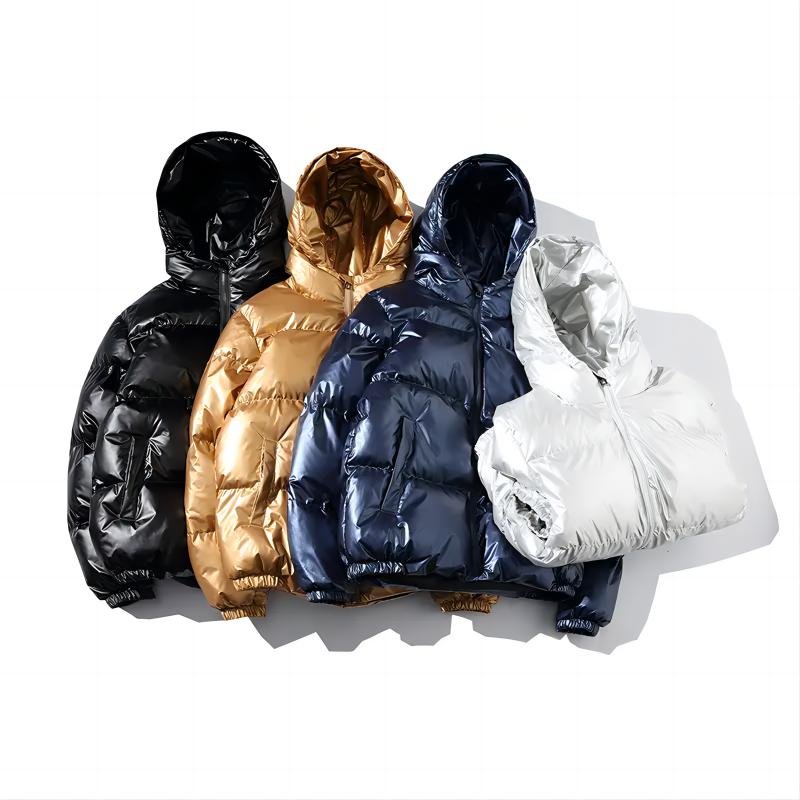
Heavyweight Cotton Twill
Dense 10-12 oz cotton twill with soft hand-feel and excellent shape retention. Perfect for vintage-inspired flight jackets and rugged streetwear designs. Breathable, durable, and ages beautifully with wear.
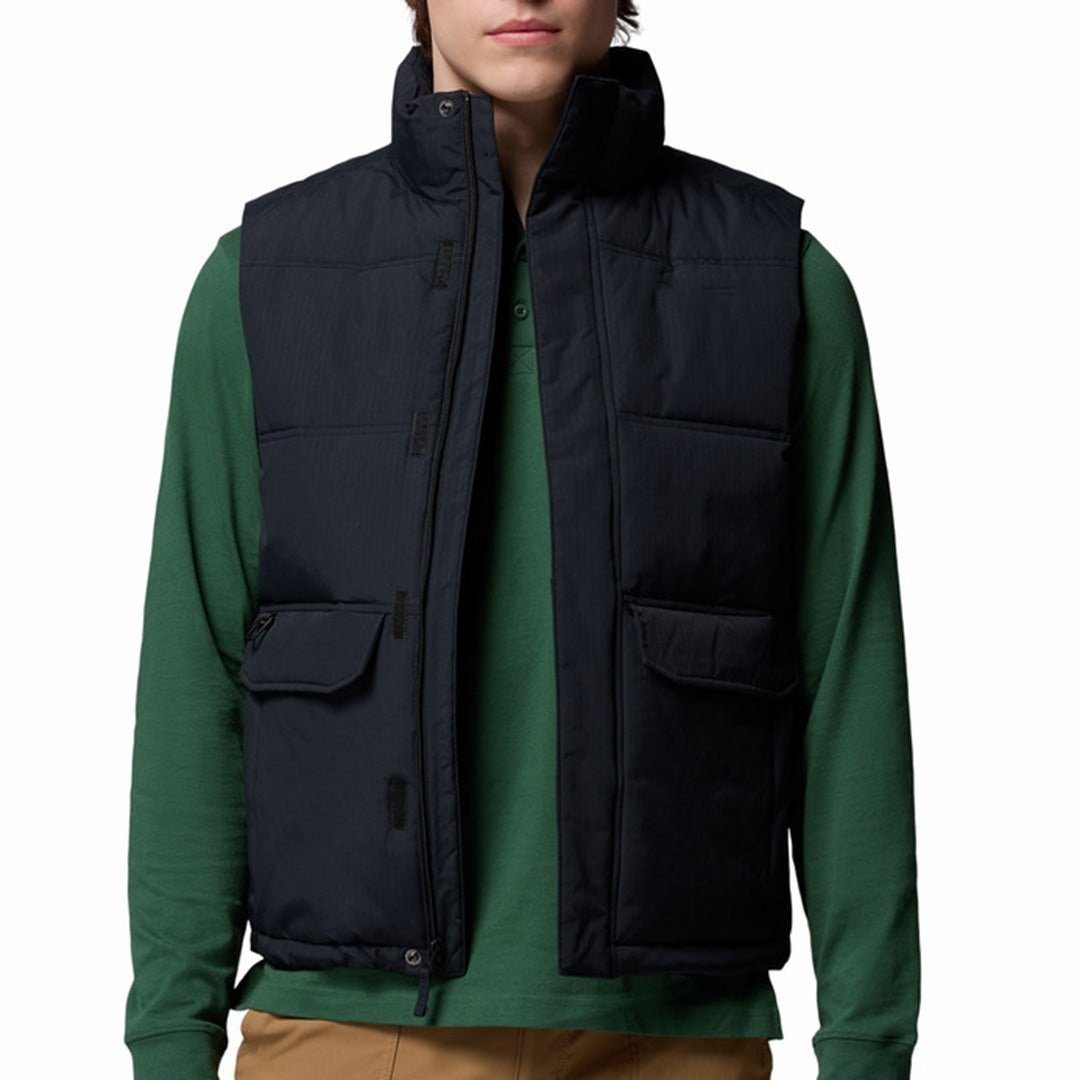
Genuine Leather
Premium cowhide and lambskin leather for luxury bomber jackets. Supple texture with natural grain variation, exceptional durability, and timeless appeal. Weight: 1.0-1.2mm thickness. Ages into rich patina over time.
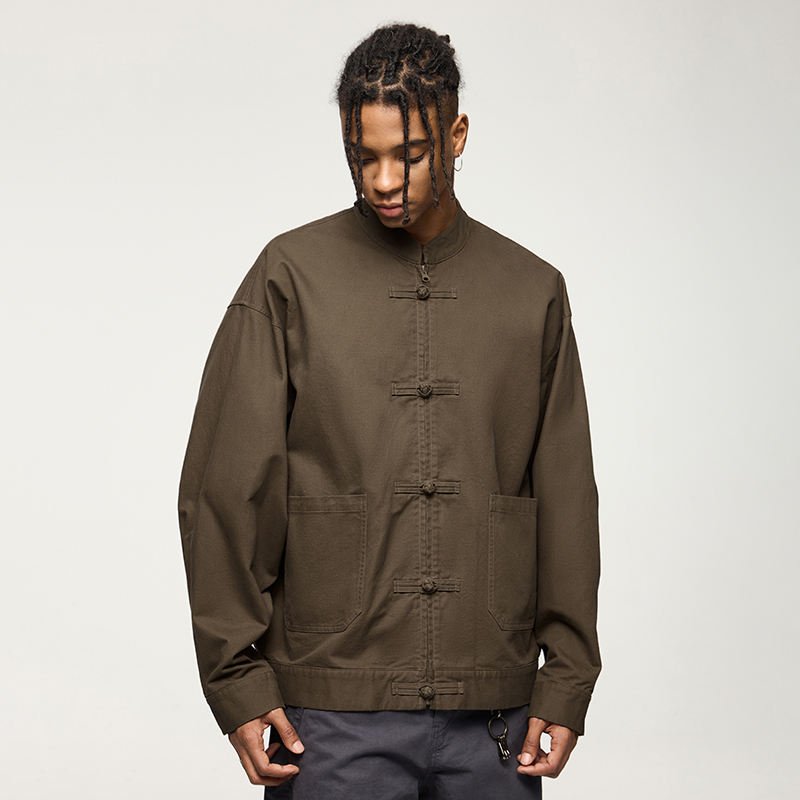
Satin Lining
Smooth polyester satin lining in classic orange, olive, and custom colors. Provides effortless on-off wear, moisture-wicking comfort, and iconic flight jacket interior aesthetic. Lightweight at 2-3 oz/yd².
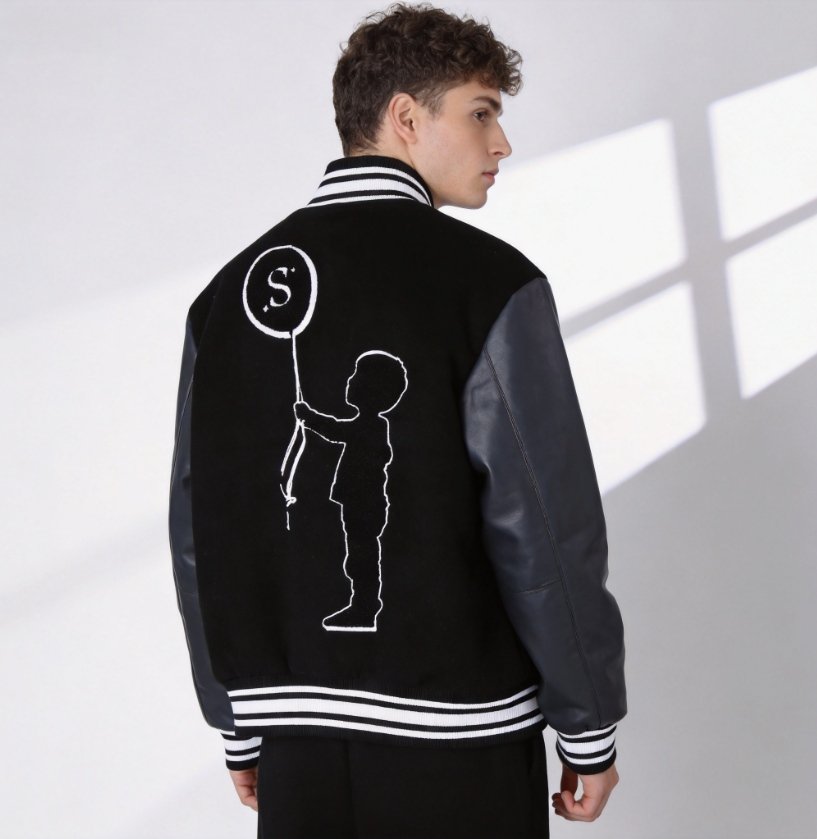
Sherpa Fleece
Plush polyester sherpa with wool-like texture for collar and body linings. Adds warmth, vintage bomber character, and cozy street appeal. Medium-weight with excellent insulation properties for winter collections.
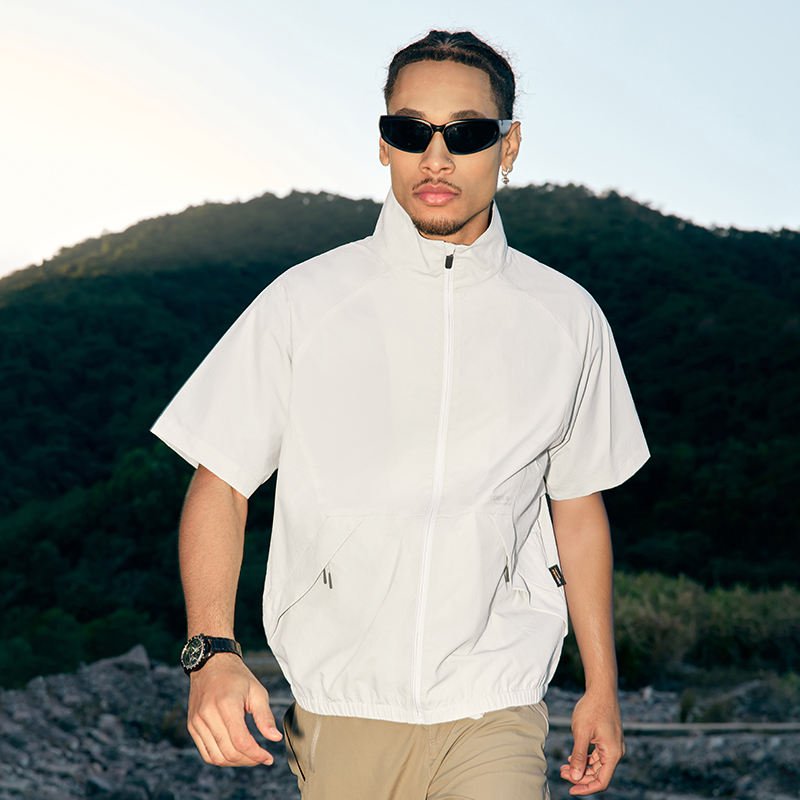
Technical Ripstop
High-tenacity nylon ripstop with reinforced grid weave to prevent tears. Lightweight, water-resistant, and perfect for modern tactical-inspired flight jackets. Offers superior durability at 3-4 oz/yd² with minimal bulk.
Flight Jacket Manufacturer Production Techniques
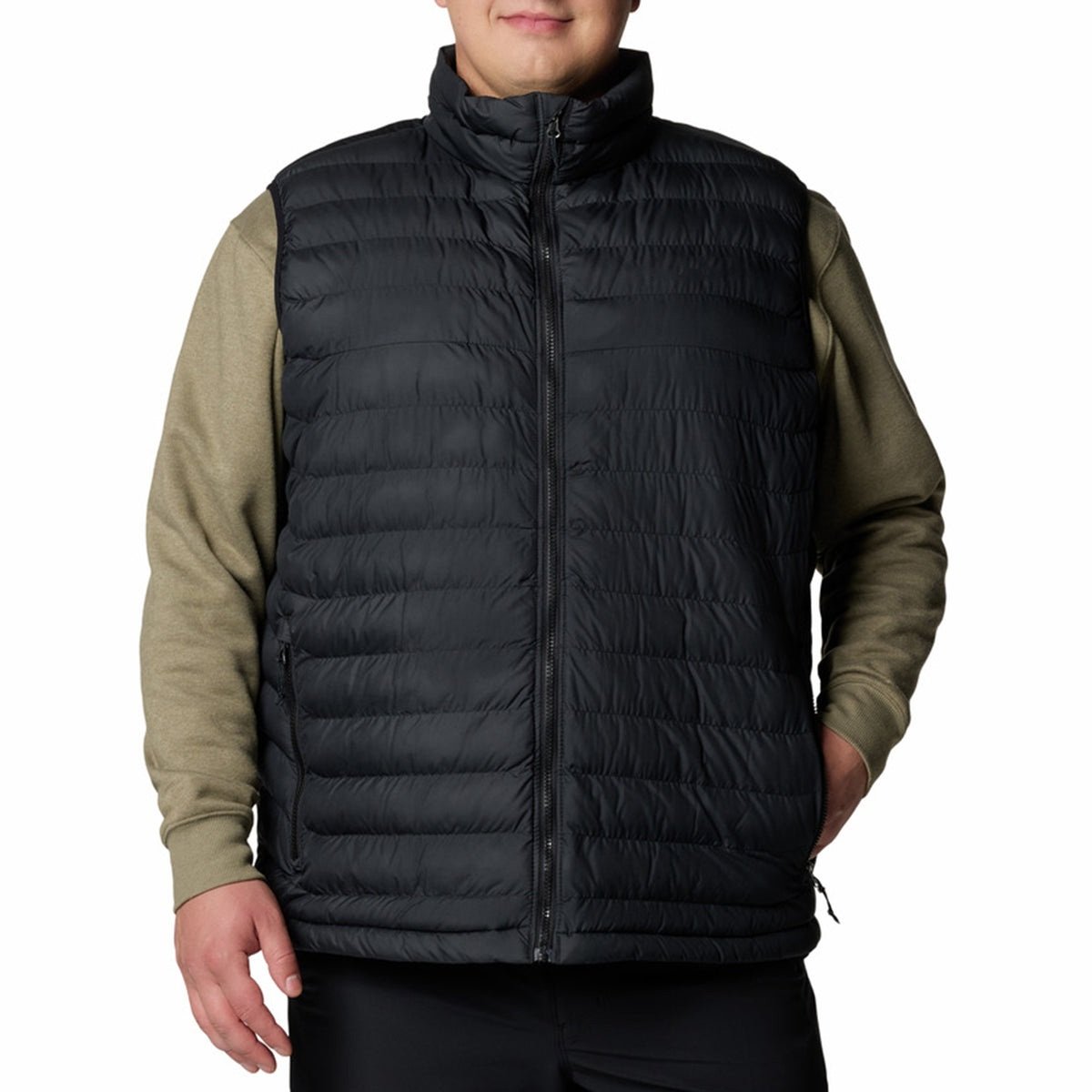
Leather Treatment
Premium vegetable-tanned and chrome-tanned leather finishing for authentic bomber aesthetics. Our treatment process creates supple, durable surfaces with rich color depth and natural aging characteristics that improve over time.
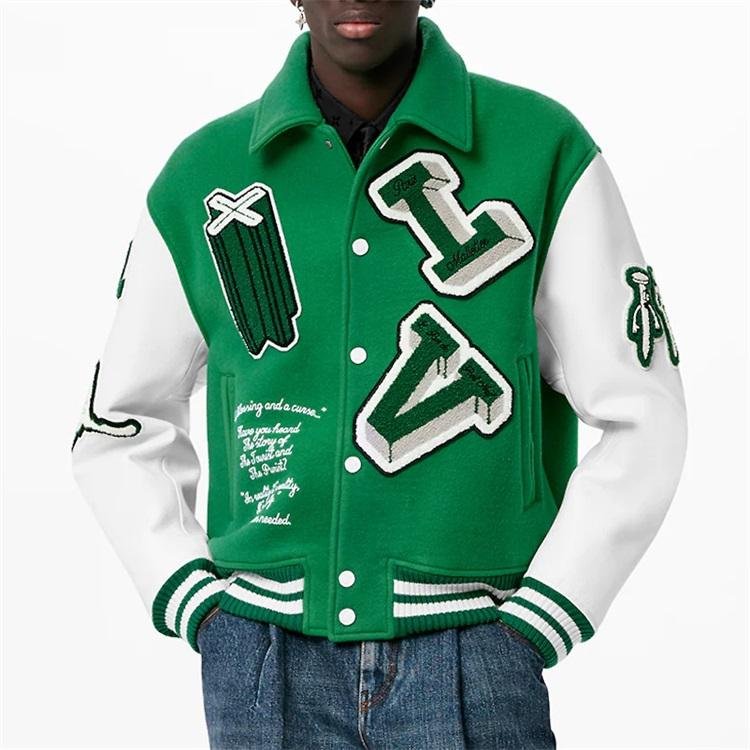
Nomex Finishing
Specialized heat-resistant Nomex fabric treatment for technical flight jackets. This process ensures flame-retardant properties while maintaining breathability and comfort, ideal for performance-driven streetwear collections.
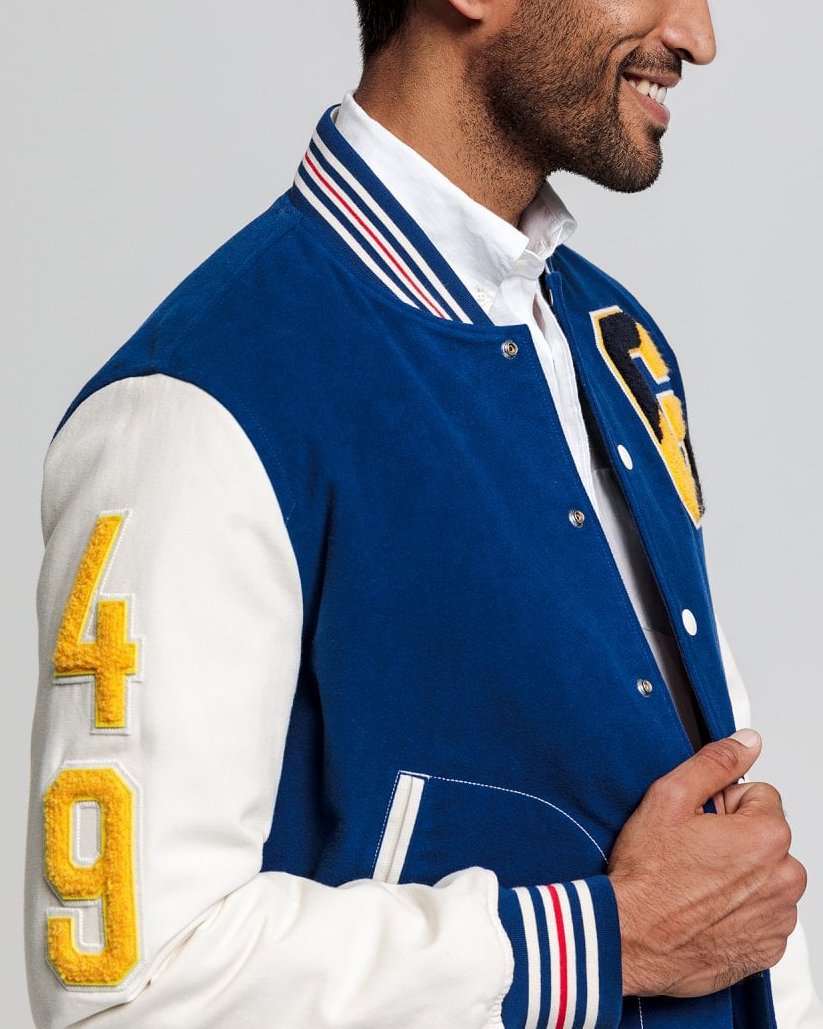
Custom Embroidery
High-density embroidery for patches, squadron logos, and brand emblems. Our precision stitching delivers sharp detail and dimensional texture that withstands repeated wear, washing, and the demands of daily streetwear use.
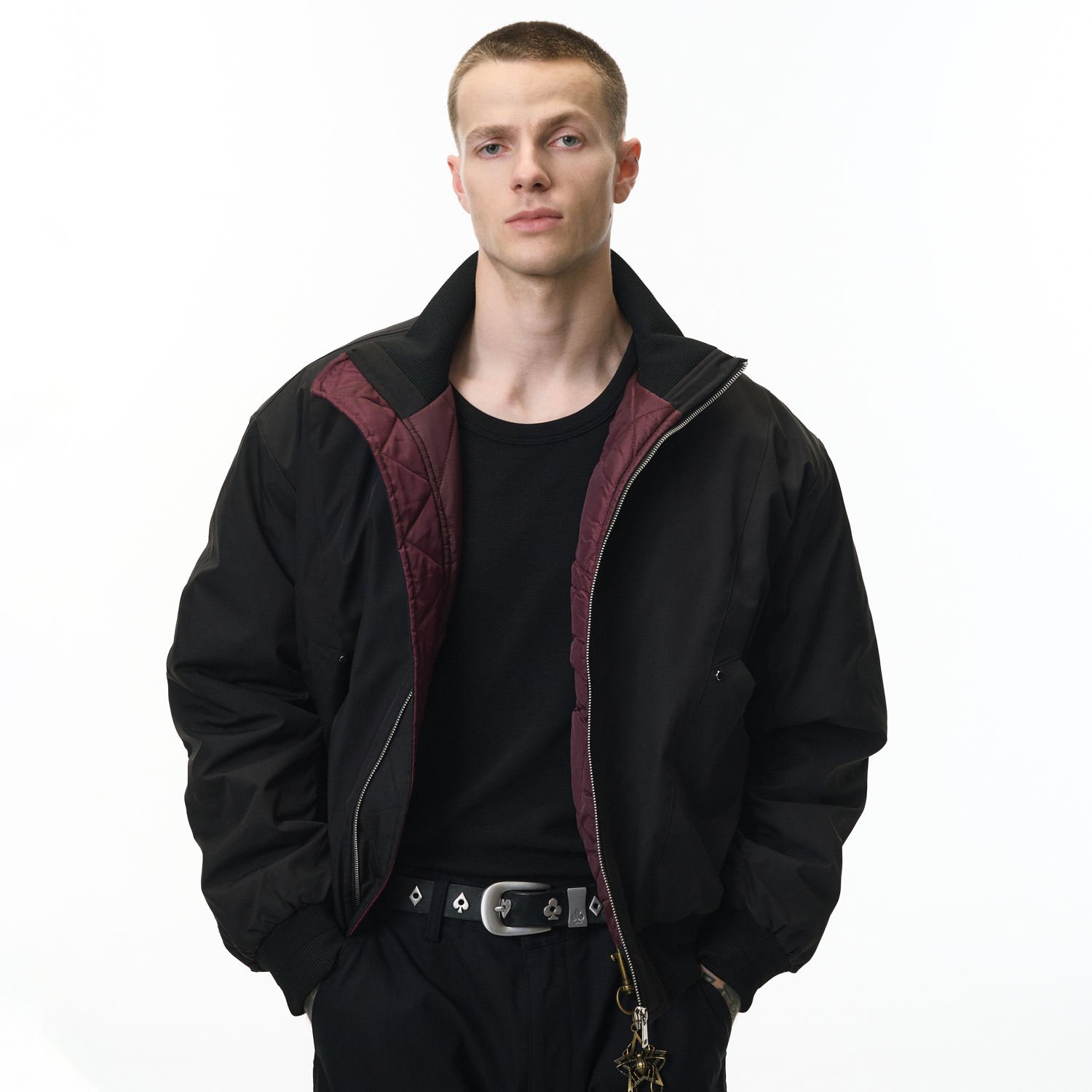
Screen Printing
Multi-color screen printing for bold graphics and vintage-inspired insignias. Produces vibrant, opaque prints on nylon, polyester, and cotton shells with excellent wash fastness and crack resistance for long-lasting visual impact.
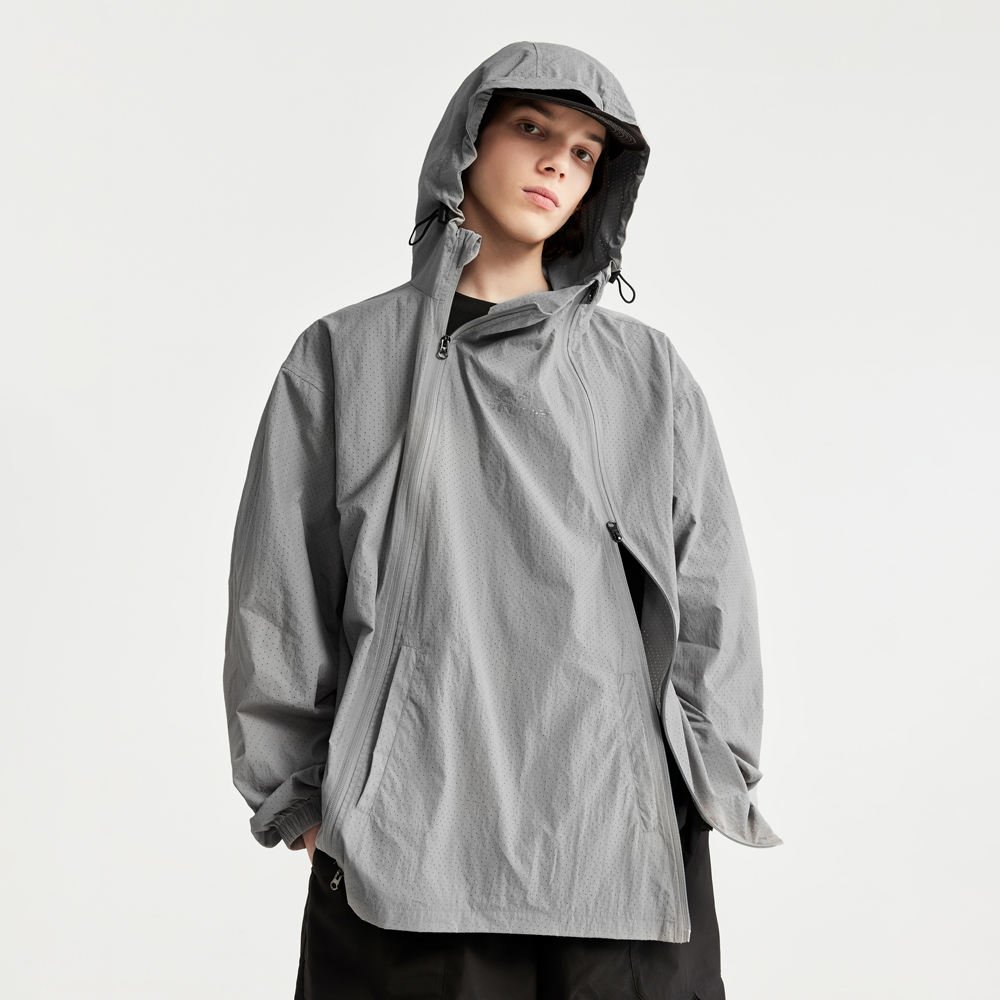
Sublimation Printing
Full-color dye sublimation for complex patterns and photographic designs on polyester flight jackets. Creates permanent, fade-resistant graphics that integrate into fabric fibers without adding weight or altering hand feel.
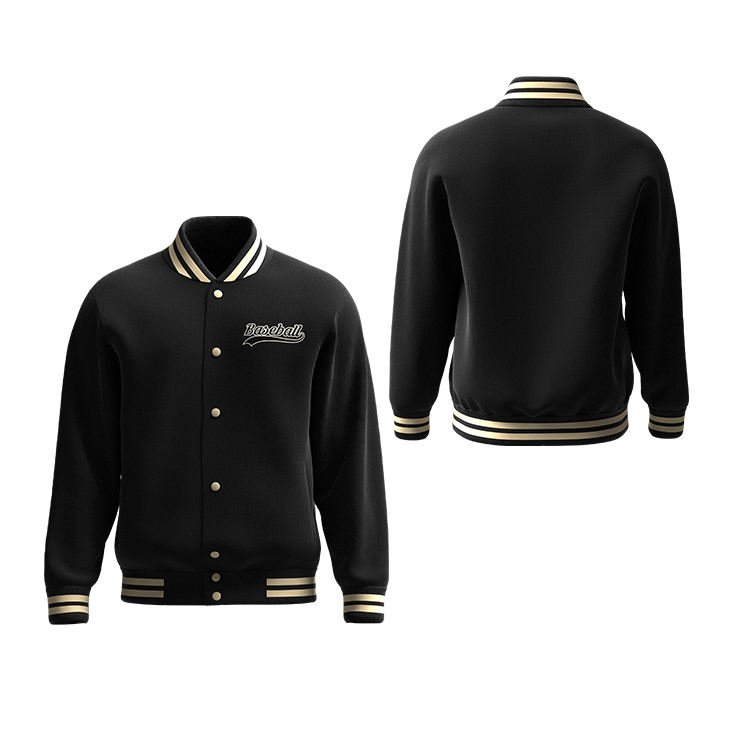
Patch Application
Secure attachment of woven, embroidered, and PVC patches using industrial stitching or heat-seal methods. Ensures patches remain firmly bonded through wear and laundering while maintaining clean, professional edges and authentic military styling.
Flight Jacket Manufacturer Hardware & Accessories
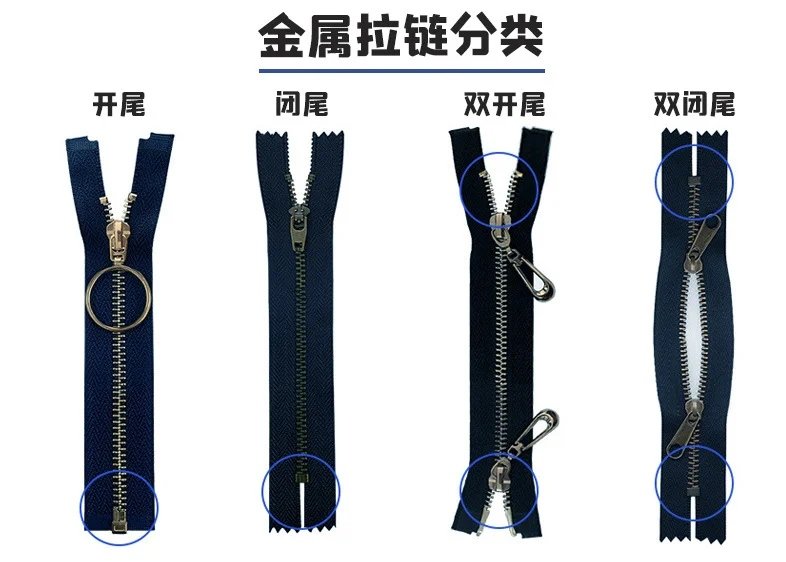
YKK Zippers
Premium YKK metal and coil zippers engineered for flight jackets. Heavy-duty construction ensures smooth operation through thousands of cycles, while authentic military-style zipper pulls add period-correct detail to bomber and MA-1 designs.
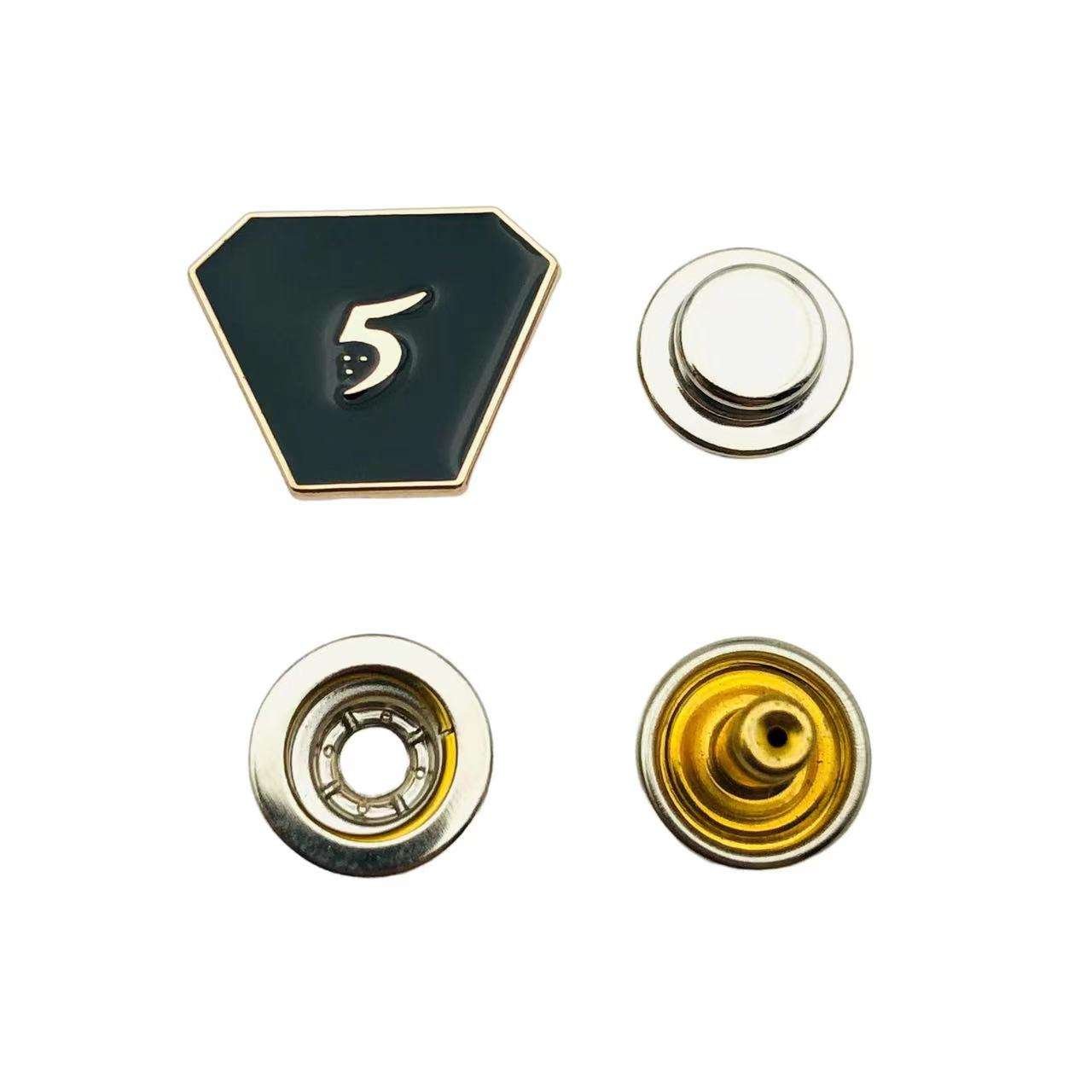
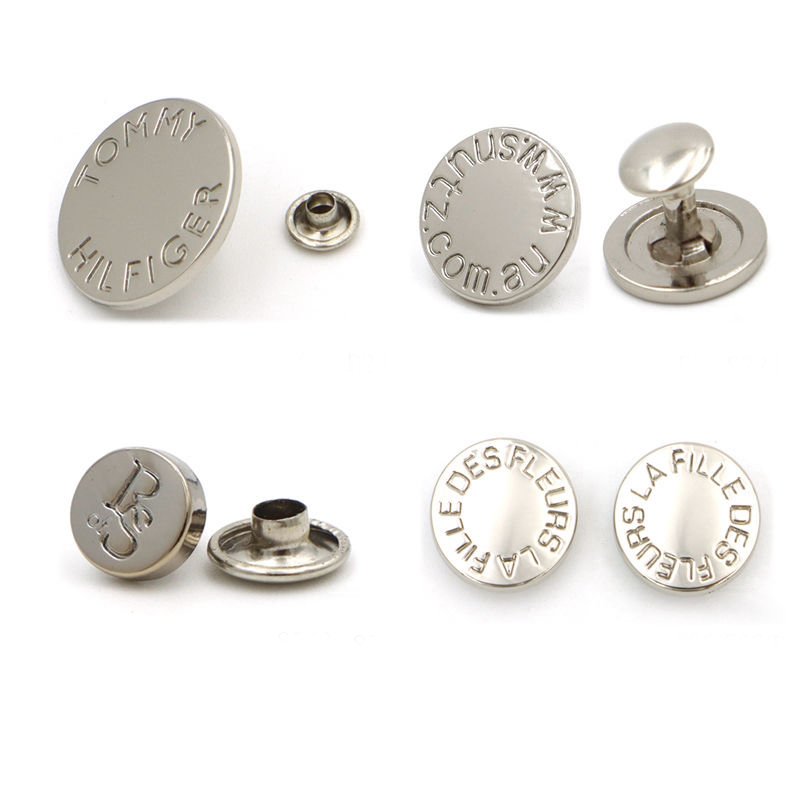
Snap Buttons
Military-grade snap buttons for collar closures, storm flaps, and pocket details. Available in gunmetal, brass, and custom finishes, these heavy-duty snaps withstand repeated wear while maintaining the authentic flight jacket aesthetic your customers expect.
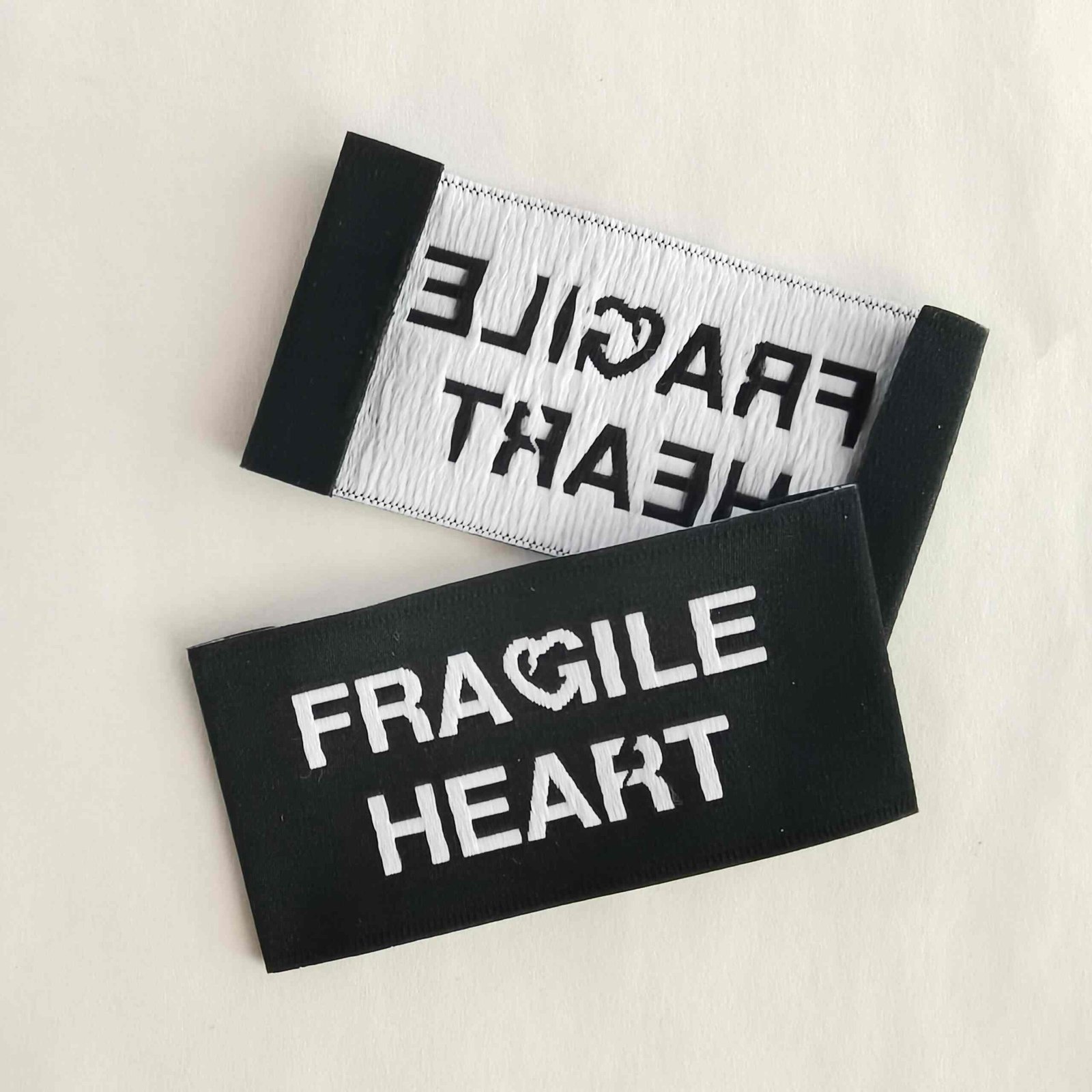
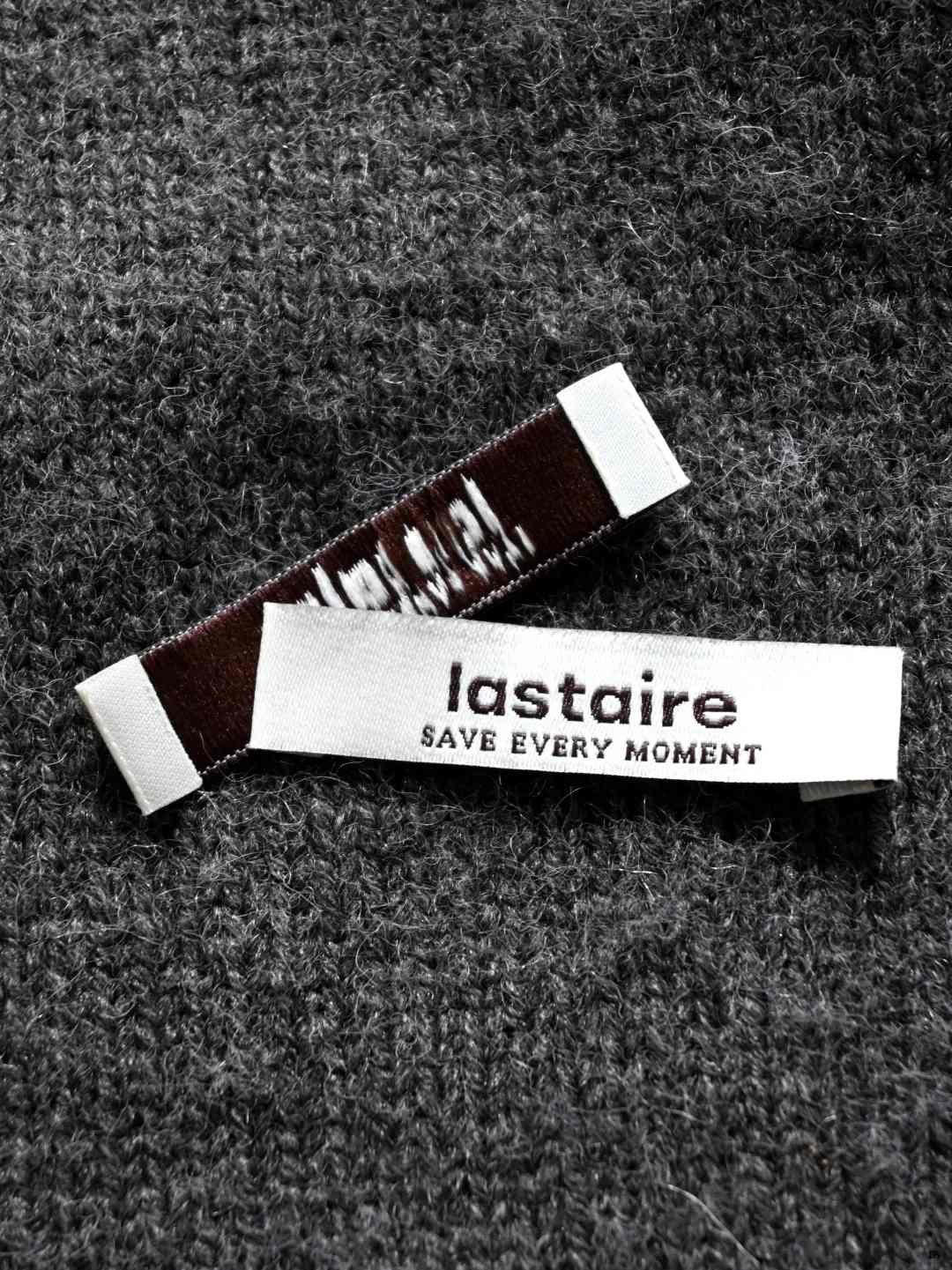
Woven Labels
Custom woven labels in satin, damask, or taffeta for neck, sleeve, or interior placement. High-definition weaving captures intricate brand logos and text, adding a premium finishing touch that reinforces brand identity in every flight jacket.
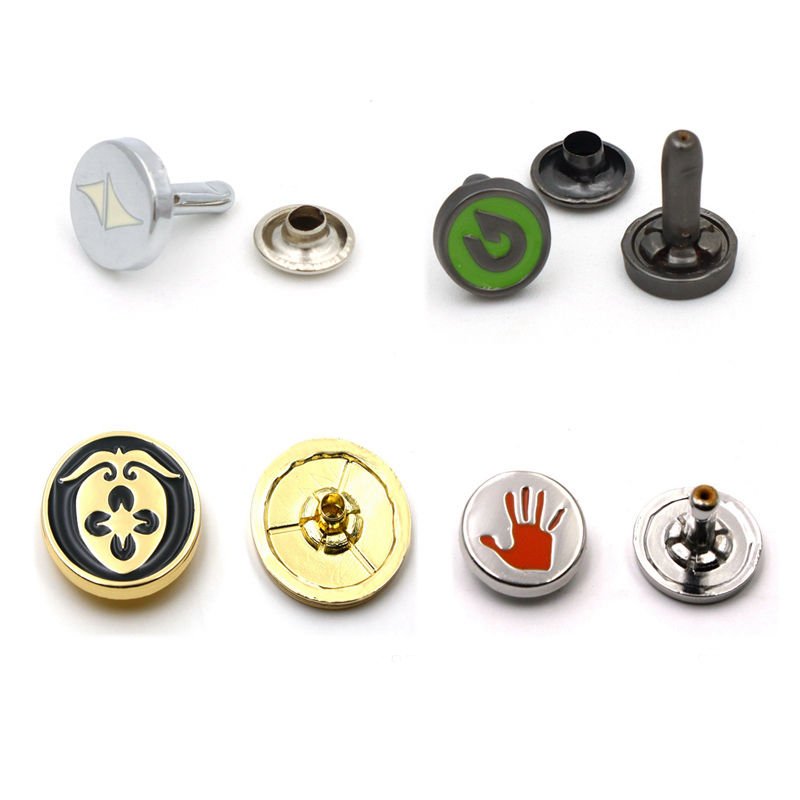
Leather Patches
Genuine or vegan leather patches for shoulders, chest, or sleeves. Debossed, embossed, or laser-etched with your logo or insignia, these patches deliver the rugged, tactical look that defines authentic streetwear flight jackets.
Embroidered Insignia
Custom embroidered patches and insignia using high-density stitching for sharp detail. Squadron badges, brand logos, or vintage-inspired graphics are expertly applied to sleeves, chest, or back panels, creating signature statement pieces.
Drawcords & Tipping
Round or flat drawcords with metal or plastic aglets for hem and waist adjustments. Available in matching or contrast colors with custom tipping, these functional details enhance fit while adding subtle brand differentiation to every flight jacket.
Trusted Flight Jacket Manufacturer Since 2024
Founded by Tesla Luo, Clothing Manufacturer Ltd. was born from a mission to restore the global reputation of Chinese garment production. With over 10 years in apparel manufacturing and 6 years specializing in streetwear, Tesla witnessed too many factories skip quality control entirely. He built this flight jacket manufacturer on a different foundation: rigorous testing at every production stage, transparent communication, and zero-compromise craftsmanship that earns trust worldwide.
Growing up in a garment family, Tesla rotated through every factory role from cutting to QC, learning what separates exceptional outerwear from mediocre products. That hands-on expertise now powers our 15-member design team, 10 proprietary patents, and our signature 5-step quality control process. We have served customers across more than 100 countries, helping streetwear startups and established brands alike bring premium flight jackets to market with confidence.
As a specialized flight jacket manufacturer, we combine deep technical knowledge of bomber construction with cultural fluency in streetwear trends. Whether you are launching your first collection or scaling an influencer line, we offer low MOQs, fast sampling, and the production consistency that transforms your vision into retail-ready outerwear. Every jacket reflects our commitment: hard work, trustworthiness, and quality that restores respect for made-in-China craftsmanship.
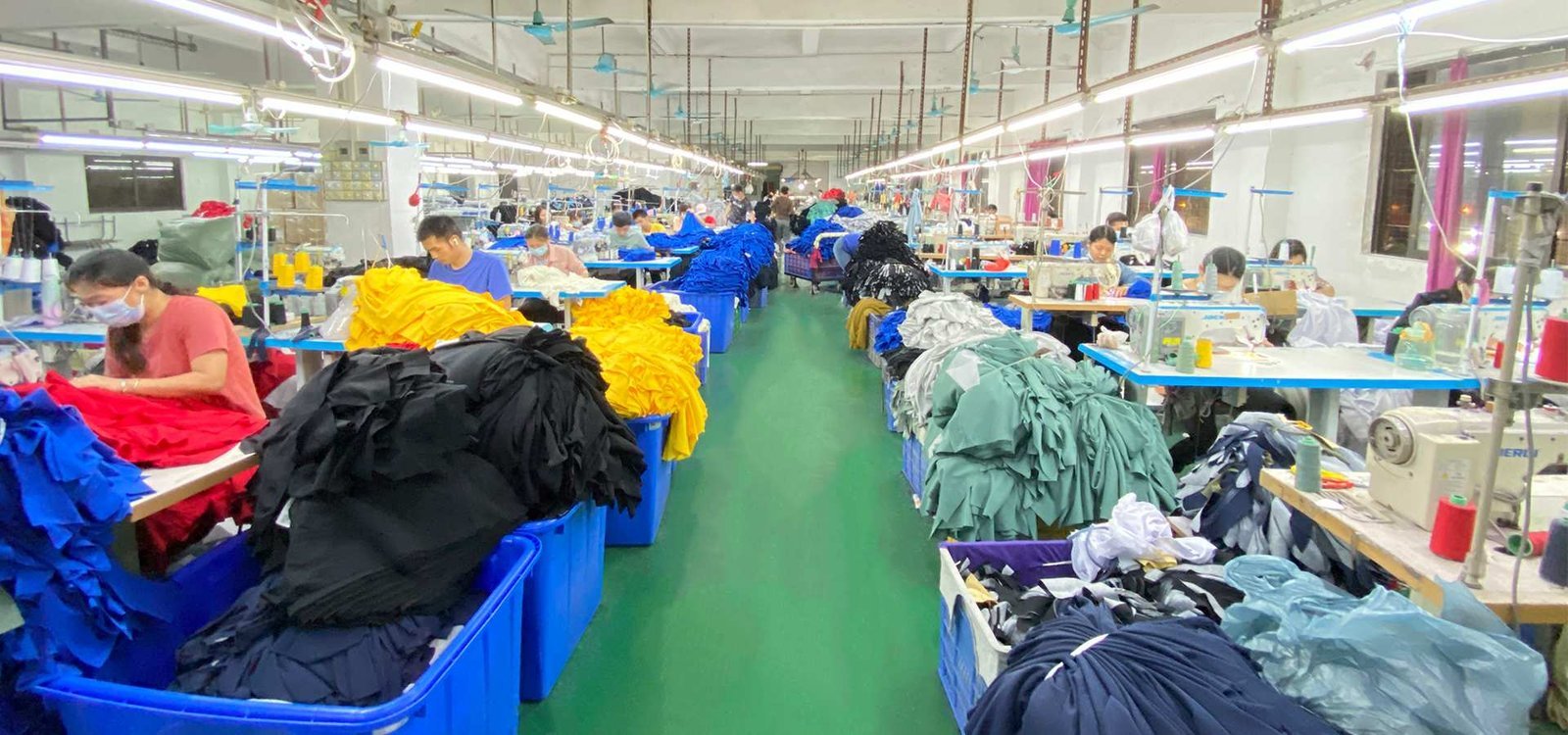
Flight Jacket Manufacturer With 5-Step Quality Control
Materials QC Testing Before Production
Every flight jacket begins with rigorous fabric and component inspection. We verify weight, colorfastness, shrinkage rates, and durability before a single cut is made, ensuring your bomber jackets start with materials that meet streetwear performance standards.
- Weight and density verification for nylon, polyester, and satin fabrics
- Colorfastness testing to prevent fading and bleeding during wear
- Shrinkage rate analysis to maintain sizing accuracy after washing
- Hardware and zipper durability checks for long-lasting performance
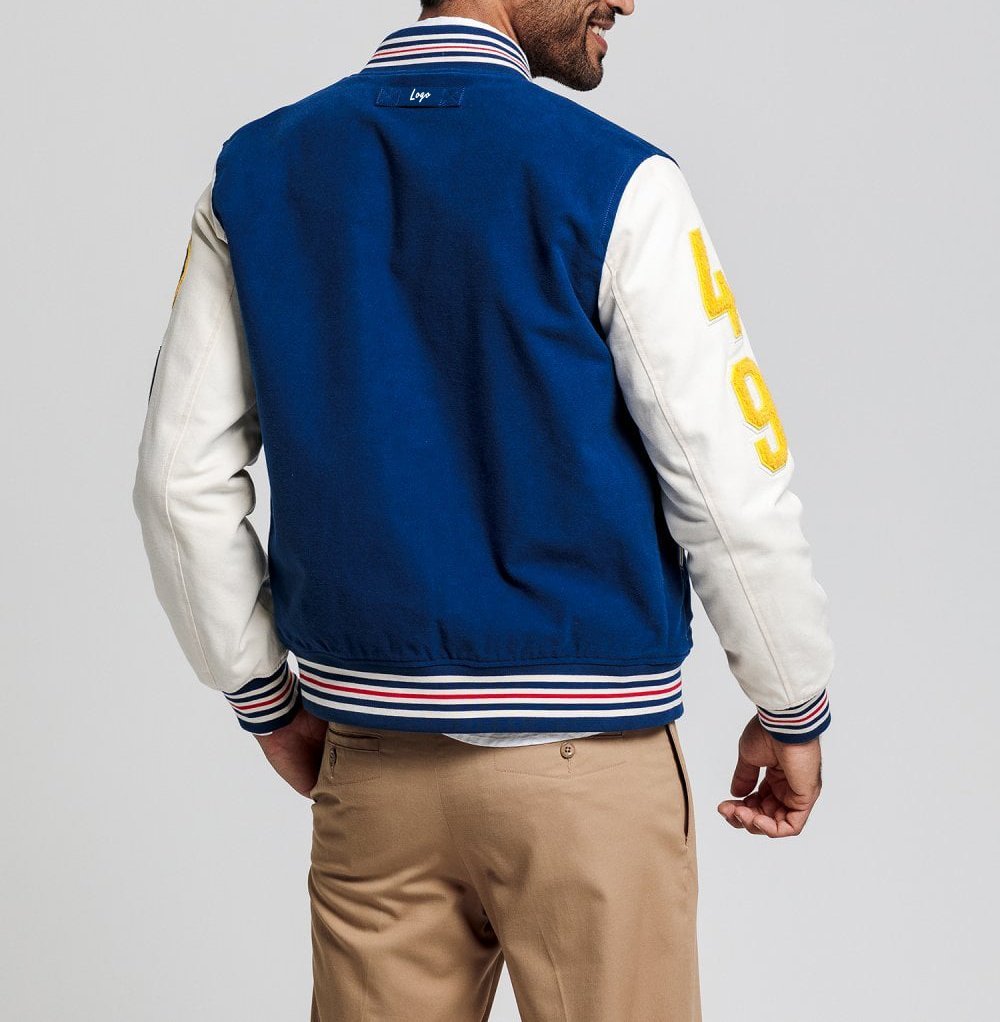
Cutting QC Testing for Precision
After materials pass inspection, our cutting QC ensures pattern accuracy and fabric alignment. We verify that every panel, sleeve, and collar piece is cut to exact specifications, eliminating fit issues before sewing begins.
- Pattern alignment checks to ensure symmetrical flight jacket panels
- Measurement verification against approved tech packs and samples
- Fabric grain direction inspection for consistent drape and structure
- Quantity and labeling confirmation to prevent assembly errors
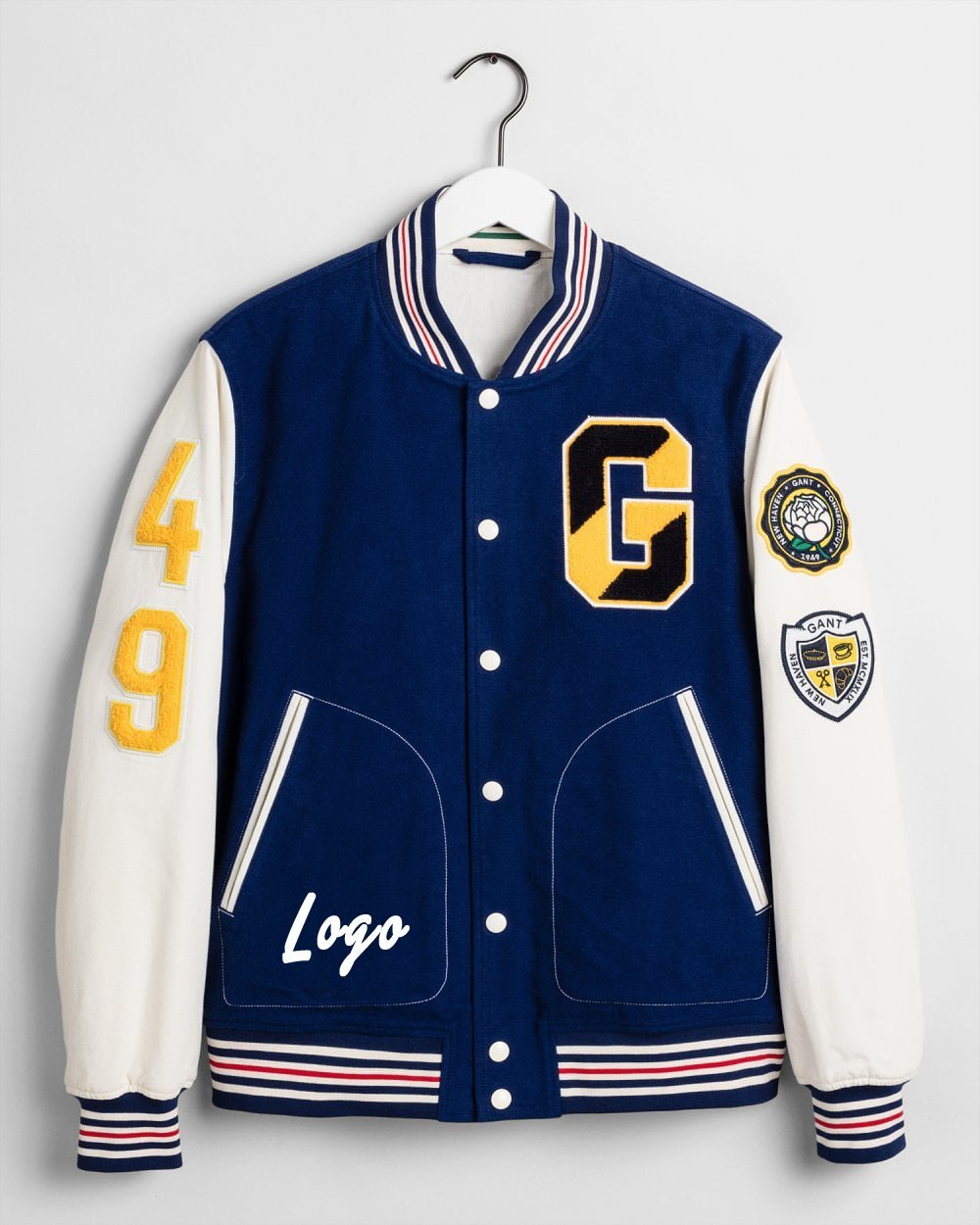
Clothing Craft and Sewing Production QC
During assembly, our dual-layer QC monitors both craftsmanship standards and real-time sewing quality. Inspectors verify stitch density, seam strength, lining attachment, and ribbing application as each flight jacket takes shape on the production line.
- Stitch-per-inch density checks for seam strength and durability
- Lining attachment and pocket construction quality verification
- Ribbing and cuff alignment inspections for professional finish
- In-process defect identification and immediate correction protocols
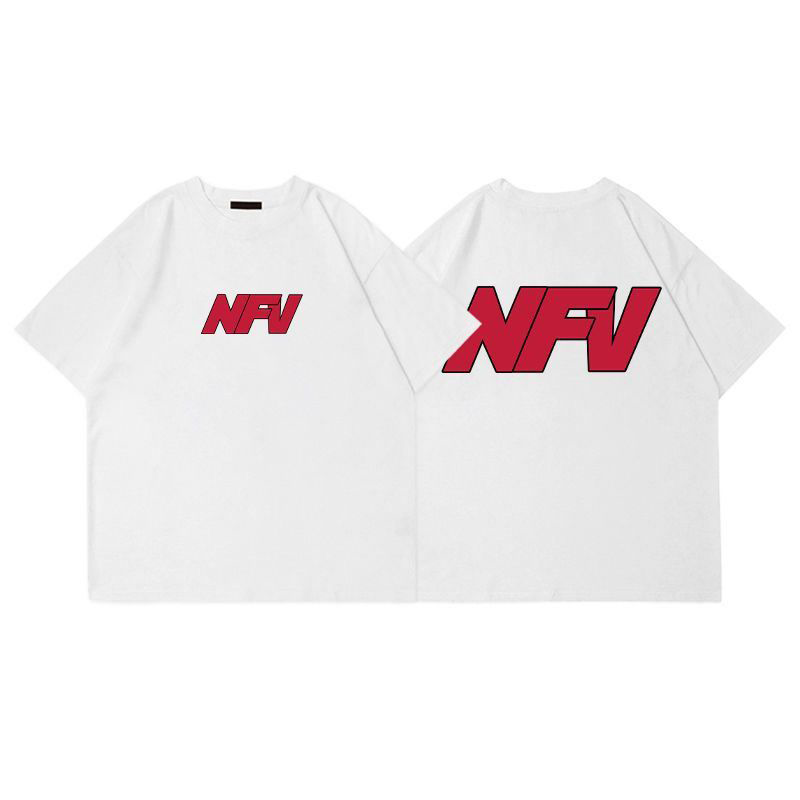
Finished Clothing Quality Inspection
Before packaging, every completed flight jacket undergoes comprehensive final inspection. Our QC team examines appearance, fit, hardware function, and overall construction, ensuring only garments that meet our zero-compromise standards reach your customers.
- Full garment measurement verification against approved specifications
- Zipper, snap, and button functionality testing on every jacket
- Surface inspection for loose threads, stains, or fabric flaws
- Packaging quality check to ensure pristine delivery condition
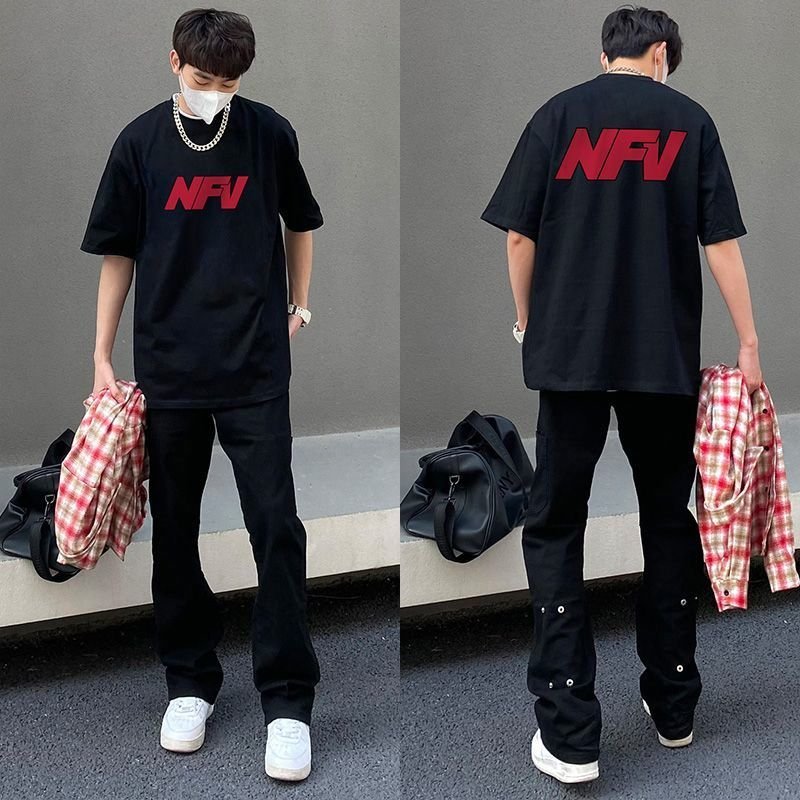
Flight Jacket Manufacturer vs. Standard Suppliers
Clothing Manufacturer Ltd. combines streetwear expertise, rigorous 5-step QC, and flexible minimums to deliver premium flight jackets that standard low-cost suppliers simply cannot match.
← 左右滑动查看 →
Flight Jacket Manufacturer Production Timeline
From fabric approval to global delivery, our transparent 6-phase workflow ensures your flight jackets meet streetwear quality standards at every checkpoint.
Fabric Sourcing & Approval
We source premium nylon, polyester, and specialty flight jacket fabrics, submit samples for your approval, and conduct materials QC testing before production begins.
Pattern Development & Cutting
Our team creates precise patterns tailored to your flight jacket design, then executes cutting with QC testing to ensure accuracy and minimal waste.
Sewing & In-Line Quality Control
Skilled craftspeople assemble your flight jackets while our clothing craft QC and sewing production QC testing catch defects at every stage, not just at the end.
Finishing & Final Inspection
Each flight jacket undergoes ironing, hardware installation, and finished clothing quality QC inspection to guarantee it meets our zero-compromise standards before packing.
Packing & Documentation
We pack flight jackets to your specifications, prepare all export documentation, and coordinate customs clearance to streamline your receiving process and reduce delays.
Global Shipping & Delivery
With logistics support covering over 100 countries, we arrange air or sea freight and provide tracking so your flight jacket order arrives on schedule.
How to Partner With Your Flight Jacket Manufacturer
From initial design to final shipment, our streamlined process makes it easy to launch your flight jacket collection with confidence and zero compromise on quality.
Submit Your Design or Tech Pack
Share your flight jacket concept, reference images, or detailed tech pack. Our team reviews your specifications and confirms fabric, hardware, and customization requirements within 24 hours.
Receive Quote and Free Sample
Get a transparent pricing breakdown and timeline. Approve your sample within 7 days to verify fit, fabric quality, stitching, and finishing before committing to bulk production.
Approve Production and Place Order
Confirm your order with a 50-piece minimum. Our production team schedules your run, sources premium materials, and assigns dedicated quality control checkpoints throughout the workflow.
Bulk Manufacturing with 5-Step QC
Your flight jackets move through cutting, sewing, and finishing stages. Each phase undergoes rigorous quality testing to catch defects early and ensure every piece meets our standards.
Final Inspection and Global Shipment
Completed jackets pass a final quality inspection, then are packed and shipped worldwide. Track your order with full logistics support from our Dongguan facility to your door.
Flight Jacket Manufacturer Certifications & Quality Standards
What Our Flight Jacket Manufacturer Clients Say
We grew from 2,000 to 47,000 Instagram followers in 8 months after launching our MA-1 bomber line with Clothing Manufacturer. Their 7-day sampling let us test three colorways before our drop, and every jacket passed our QC perfectly.
As a new brand, the 50-piece MOQ was a lifesaver. We ordered custom flight jackets with embroidered patches and the 5-step QC caught a stitching issue before production—saved us thousands. Now on our fourth reorder in six months.
We’ve worked with five manufacturers in China. Clothing Manufacturer is the only flight jacket manufacturer that actually tests quality at every stage. Our return rate dropped from 8% to under 1% after switching. Their team understands streetwear.
Flight Jacket Manufacturing FAQ
What is the minimum order quantity for a flight jacket manufacturer?
How long does it take to receive flight jacket samples?
Can a flight jacket manufacturer customize bomber styles with my brand logo?
What is the typical production lead time for flight jackets?
How does your flight jacket manufacturer protect my designs?
What payment terms does a flight jacket manufacturer typically offer?
Do you handle international shipping for flight jacket orders?
What quality guarantees does your flight jacket manufacturer provide?
Can you produce different flight jacket styles in one order?
The Complete Buyer’s Guide to Choosing the Right Flight Jacket Manufacturer
Navigate supplier selection with confidence. This guide delivers a proven decision framework, critical quality criteria, customization options, and the most common mistakes fashion brands make when sourcing flight jackets from manufacturers.
1. What Is a Flight Jacket Manufacturer?
A flight jacket manufacturer is a specialized apparel production partner that designs, samples, and produces bomber-style outerwear for streetwear brands, independent designers, and retailers worldwide. Unlike general garment factories that handle T-shirts, hoodies, and simple cut-and-sew pieces, flight jacket manufacturers maintain expertise in complex construction techniques including ribbed collar attachment, zipper insertion, quilted lining assembly, and multi-panel shell fabrication. These facilities typically require minimum order quantities ranging from 50 to 500 units per style and deliver sample garments within 7 to 14 days.
Three production models dominate the flight jacket manufacturing landscape: OEM (Original Equipment Manufacturing), where the brand provides complete tech packs and the factory executes production; ODM (Original Design Manufacturing), where the manufacturer offers pre-designed styles that brands can customize with logos and colorways; and full-service partnerships that include fabric sourcing, pattern development, grading, sampling, bulk production, and multi-stage quality control. Full-service partners like Clothing Manufacturer Ltd. implement systematic QC testing at materials intake, cutting, craft assembly, sewing production, and final inspection stages rather than checking quality only after garments are finished.
Streetwear brands and fashion startups choose specialized flight jacket manufacturers over general factories because outerwear demands technical knowledge of insulation materials, hardware compatibility (YKK zippers, snap buttons, D-rings), and finishing processes including topstitching, bartacking, and pocket construction. A manufacturer with 10-plus years of streetwear production experience understands trend-driven design elements—skeleton graphics, rose embroidery, mystery symbols—and can advise on fabric weights (typically 200–400 GSM for shell fabrics) and construction methods that balance durability with the oversized, statement silhouettes popular in contemporary streetwear collections.
2. The Evolution of Flight Jackets in Fashion
World War II introduced three iconic flight jacket silhouettes that still define production standards today: the A-2 leather jacket (1931–1943), the shearling-lined G-1 for Navy pilots, and the nylon MA-1 bomber (1949) developed for jet-age cockpits. The MA-1’s signature orange rescue lining, knit cuffs, and lightweight nylon shell became the template every flight jacket manufacturer references when developing contemporary streetwear collections.
By the 1980s, hip-hop artists and skateboard crews adopted surplus MA-1 jackets as everyday wear, transforming military surplus into cultural signifiers of rebellion and authenticity. This crossover accelerated in the 2000s when luxury houses like Saint Laurent and Acne Studios reinterpreted bomber silhouettes in silk and technical fabrics, proving the style’s versatility across price tiers and fashion segments.
Modern flight jacket manufacturers preserve four heritage design elements: ribbed knit cuffs and waistbands (typically 2×2 rib construction), zip-front closures with snap-down storm flaps, utility pockets (sleeve or chest), and the cropped bomber silhouette that ends at the waist. These features translate seamlessly into streetwear because they balance function with a bold, graphic profile that complements oversized fits and layered looks.
Flight jackets remain streetwear staples because their military provenance conveys authenticity while their simple construction allows endless customization — embroidered patches, printed linings, contrast sleeves, and branded hardware. For fashion startups and independent designers, partnering with a flight jacket manufacturer experienced in both classic MA-1 specs and trend-driven modifications ensures collections honor heritage while meeting contemporary aesthetic demands.
3. Types of Flight Jackets Manufacturers Produce
Flight jacket manufacturers produce five core styles, each with distinct construction signatures and fabric requirements. Understanding these variants helps brands select the right silhouette for their target market and price tier.
MA-1 Bomber Jacket
The MA-1 features a reversible nylon shell, typically 100–200 GSM nylon flight satin, with orange rescue lining and polyester fill ranging from 60–120 GSM. Signature details include a zippered utility pocket on the left sleeve, elastic knit cuffs and hem, and a two-way front zipper.
This style dominates streetwear collections due to its clean silhouette and bold color-blocking potential. Manufacturers produce MA-1s for trendy brands, independent designers, and influencer labels seeking accessible price points with strong visual impact.
A-2 Leather Flight Jacket
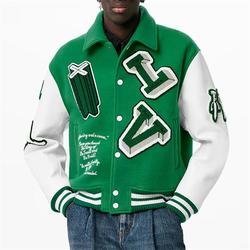
A-2 jackets use vegetable-tanned or chrome-tanned cowhide, goatskin, or lambskin at 0.8–1.2 mm thickness, with snap-flap chest pockets, knit waistband and cuffs, and a shirt-style collar. The construction requires specialized leather-sewing equipment and skilled operators.
Global apparel retailers and heritage-inspired brands favor this style for premium collections. Lead times extend 4–6 weeks beyond nylon variants due to leather sourcing and hand-finishing steps.
G-1 Shearling Collar Jacket
The G-1 combines goatskin or cowhide body panels with a removable mouton shearling collar, bi-swing back for shoulder mobility, and internal wind flap. Collar shearling typically measures 18–25 mm pile height.
This variant appeals to fashion startups targeting luxury streetwear segments and cold-climate markets. The shearling component adds 15–30 percent to production cost versus standard collars.
CWU-45P Tactical Flight Jacket

CWU-45P models use Nomex or flame-resistant Cordura nylon at 200–300 GSM, with concealed two-way zippers, internal map pockets, and pen slots on the left sleeve. Military-spec versions meet MIL-DTL-83382 standards.
Tactical brands and workwear labels source this style for functional collections. Manufacturers must verify flame-resistance certifications and maintain tighter tolerances on pocket placement and zipper alignment.
Modern Hybrid Streetwear Interpretations
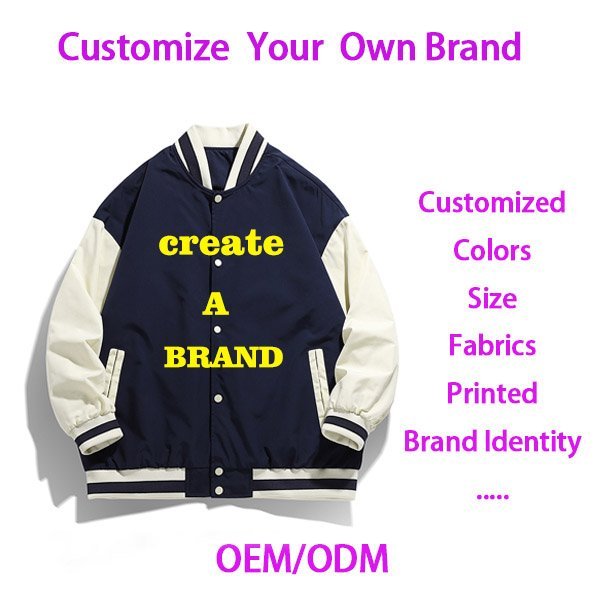
Hybrid flight jackets blend classic silhouettes with contemporary elements: oversized fits, graphic embroidery, mixed-material panels (nylon/leather/mesh), detachable hoods, and streetwear motifs including skeleton prints, graffiti-inspired graphics, and cross elements.
Influencer brands and creator labels drive demand for these customized variants. A flight jacket manufacturer with in-house R&D teams and pattern development expertise can execute hybrid designs while maintaining the five-step quality control process across cutting, sewing, and finishing stages.
4. Materials and Fabrics Used by Flight Jacket Manufacturers
Material selection drives production cost, minimum order quantity, and lead time for every flight jacket manufacturer. Fabric weight, durability, and finish determine both retail price tier and target customer segment.
| Fabric Type | Weight (GSM) | Durability | Price Tier | Best Use Case |
|---|---|---|---|---|
| Nylon flight satin | 180–220 | High | Mid | Classic MA-1 style |
| Ripstop nylon | 140–180 | Very high | Mid-high | Outdoor/technical |
| Polyester blend | 200–240 | Medium-high | Budget | High-volume retail |
| Genuine leather | 1.0–1.2 mm | Very high | Premium | Luxury collections |
| Faux leather (PU) | 0.6–0.8 mm | Medium | Budget-mid | Fast fashion/startups |
Shell Fabric Options
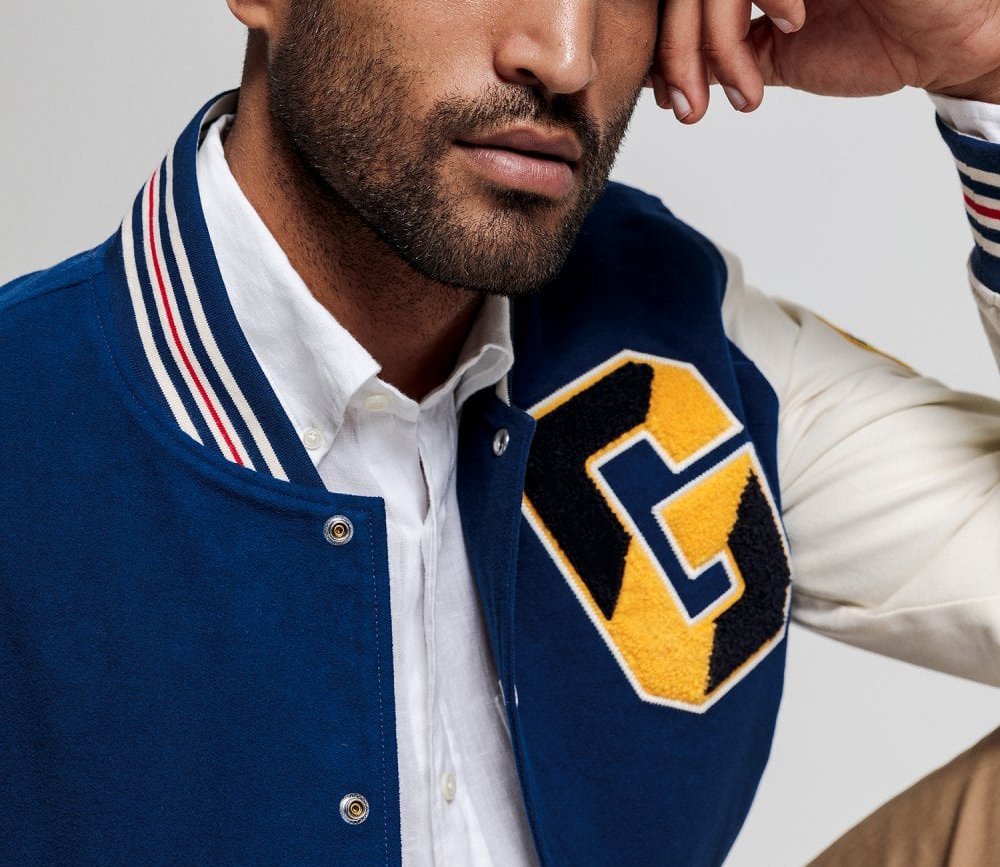
Nylon flight satin at 180–220 GSM delivers the classic MA-1 sheen and drape, while ripstop nylon at 140–180 GSM offers tear resistance for outdoor-focused collections. Polyester blends (65/35 poly-cotton) provide breathability at 200–240 GSM and lower dye costs than pure nylon.
Genuine leather shells—cowhide (1.0–1.2 mm), lambskin (0.6–0.8 mm), and goatskin (0.7–0.9 mm)—require 30–45 day lead times and MOQs starting at 100 pieces due to hide sourcing and specialized cutting. Faux leather (PU, 0.6–0.8 mm) matches the aesthetic at half the cost and 50-piece MOQs.
Lining and Insulation Materials
Polyester taffeta lining (190T–210T) is the industry standard for uninsulated shells, offering smooth slip-on comfort. Quilted padding with 80–120 GSM polyester fill adds warmth without bulk, while sherpa fleece (220–280 GSM) creates vintage bomber styling.
Satin linings (charcoal or orange) reference military heritage but add 15–20% to material cost and require careful handling during sewing QC testing to prevent snags.
5. Customization and Branding Options with a Flight Jacket Manufacturer
Customization transforms a standard flight jacket into a signature brand asset. Decoration techniques vary widely in cost, durability, and minimum-order requirements, making it essential to match the method to your brand positioning and budget.
| Technique | Setup Cost | Per-Unit Cost | Durability (Washes) | Typical MOQ |
|---|---|---|---|---|
| Embroidery (small logo) | $30–$150 | $2–$12 | 50+ | 50–100 pcs |
| Screen printing | $25–$75/screen | $1–$3 | 25–40 | 200+ pcs |
| Heat transfer | $0 | $2–$5 | 15–25 | 20–50 pcs |
| Custom hardware | $0–$200 | $0.15–$0.80 | Indefinite | 100–500 pcs |
| Woven labels | $50–$150 | $0.10–$0.40 | 50+ | 200–500 pcs |
Embroidery: Patches, Logos, and Back Artwork
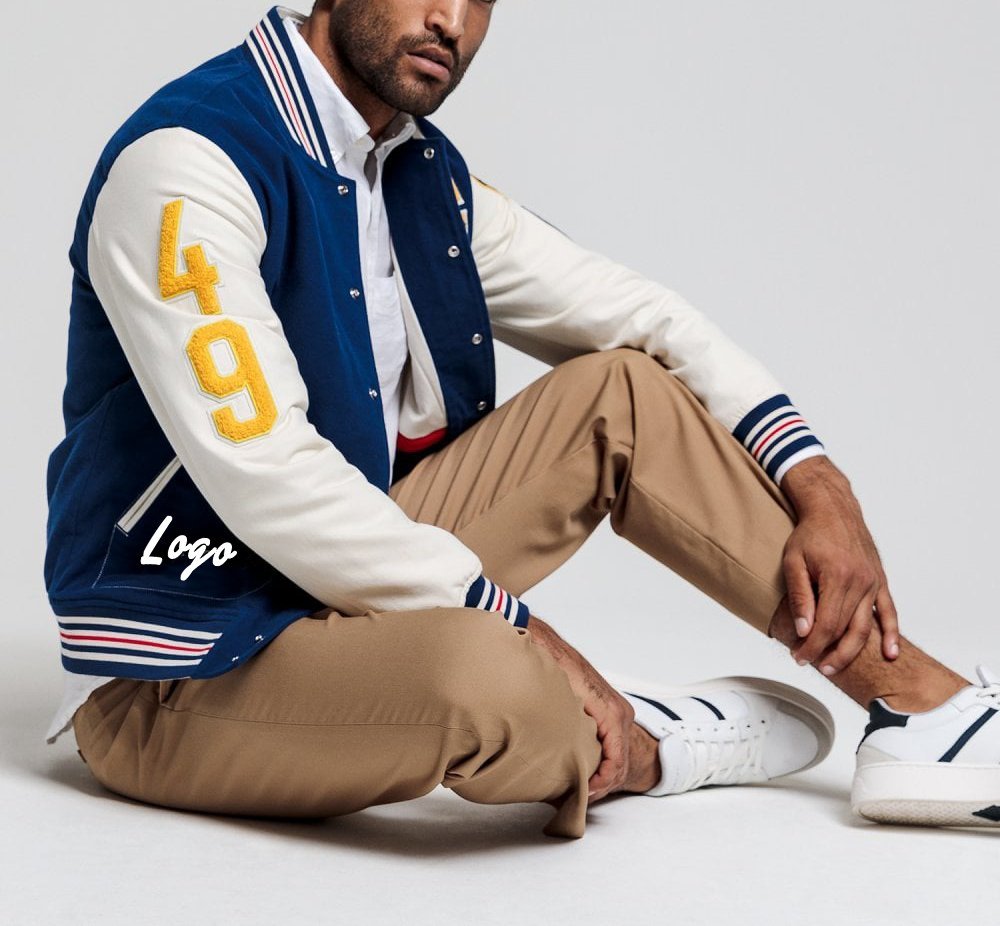
Embroidery delivers premium durability and texture, ideal for chest logos, sleeve patches, and large back designs. Setup costs range from $30 to $150 per design depending on stitch count; per-unit costs run $2 to $12 for small logos and $15 to $40 for full-back artwork.
Most flight jacket manufacturers require 50- to 100-piece minimums for custom embroidery. Turnaround adds 7 to 10 days to production. Embroidered patches withstand 50+ industrial washes without fading, making them a go-to for streetwear brands seeking long-lasting branding.
Screen Printing and Heat Transfer
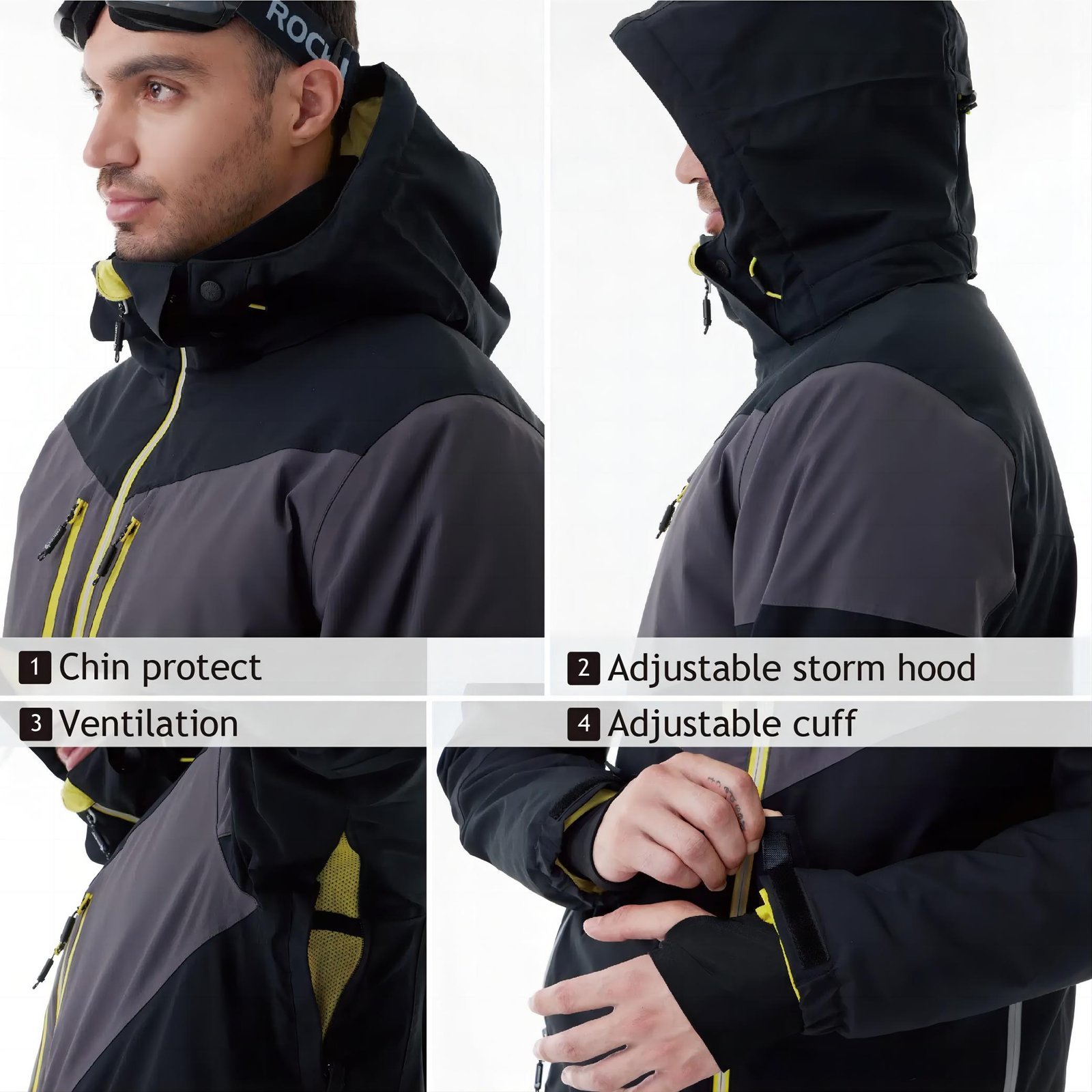
Screen printing suits large graphic runs with vivid color; setup costs are $25 to $75 per screen, and per-unit costs drop to $1 to $3 at 200+ pieces. Heat transfer offers lower minimums (often 20 to 50 pieces) with no screen fees, but durability is limited to 15 to 25 washes.
Lining prints—often heat-transferred or sublimated—add hidden branding inside flight jackets. Expect $2 to $5 per unit and 5- to 7-day lead times for lining customization.
Custom Hardware and Woven Labels
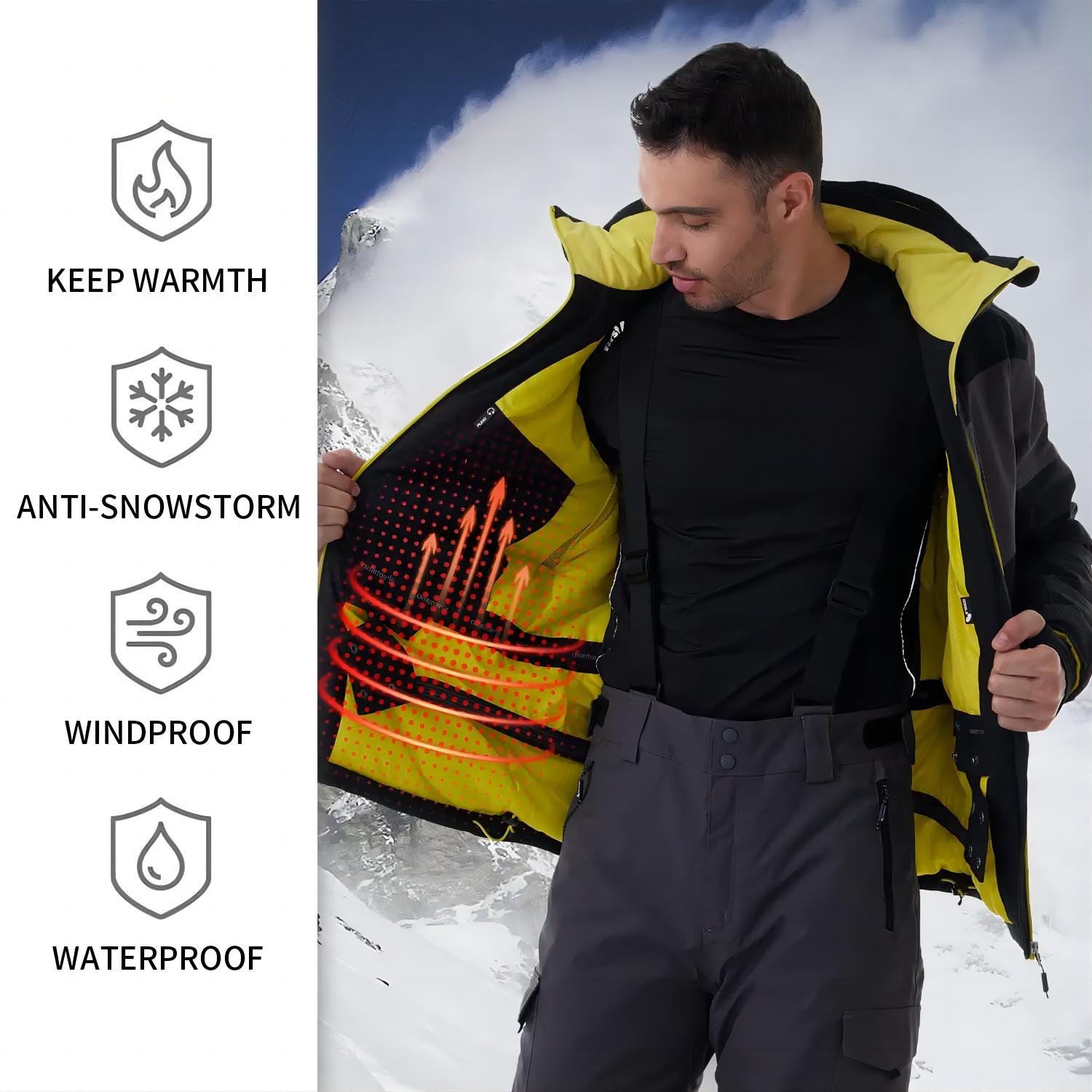
Branded zippers, snap buttons, and zipper pullers reinforce brand identity on every wear. YKK custom pullers start at 500-piece minimums with $0.30 to $0.80 per unit; generic custom hardware drops minimums to 100 pieces at $0.15 to $0.50 each.
Woven labels (neck, hem, sleeve) require 200- to 500-piece minimums, cost $0.10 to $0.40 per label, and add 10 to 14 days. These details differentiate influencer and streetwear brands by signaling craftsmanship and attention to finish.
6. Key Quality Indicators When Evaluating a Flight Jacket Manufacturer
Flight jacket quality separates respected brands from those plagued by returns and chargebacks. Professional flight jacket manufacturers implement stage-gate quality control at materials, cutting, sewing, and finishing, catching defects before they reach customers. Evaluating construction details, hardware standards, and inspection protocols ensures your jackets meet streetwear market expectations.
Stitching and Seam Construction
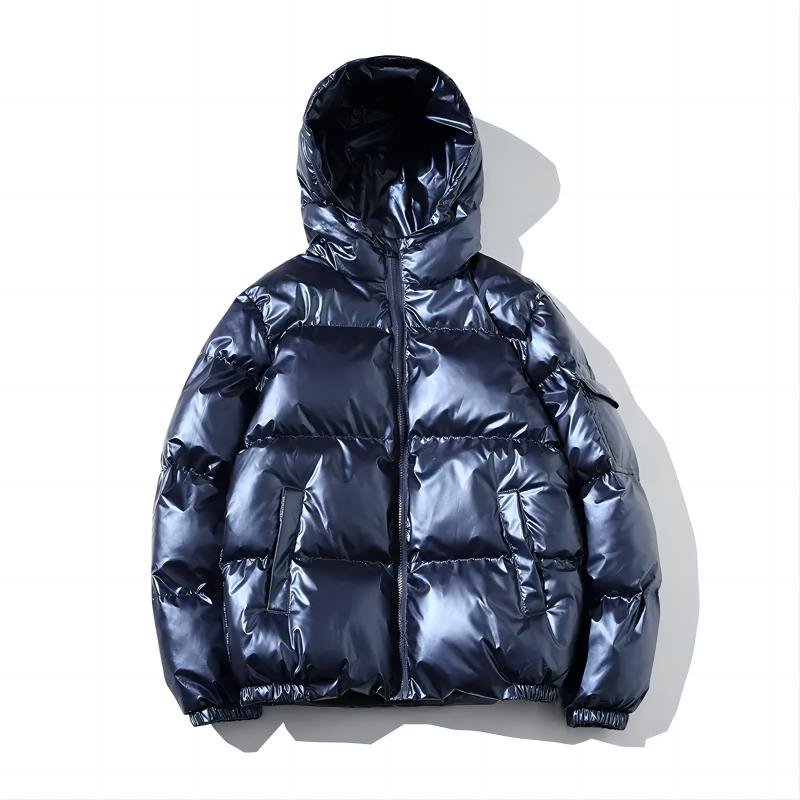
Double-needle seams at shoulders, side seams, and sleeve attachments are standard for flight jackets enduring daily wear. Reinforced bar-tack stitching at pocket corners, zipper terminals, and stress points prevents tearing under load. Inspect stitch density — 12 to 14 stitches per inch (SPI) for woven nylon, 10 to 12 SPI for heavier canvas — and verify thread matches fabric weight.
Request samples with visible seam allowances (typically 1 to 1.5 cm) and check for puckering or skipped stitches along curved seams like armholes. Flatlock or overlock finishing on internal seams prevents fraying and adds durability.
Zipper and Hardware Quality
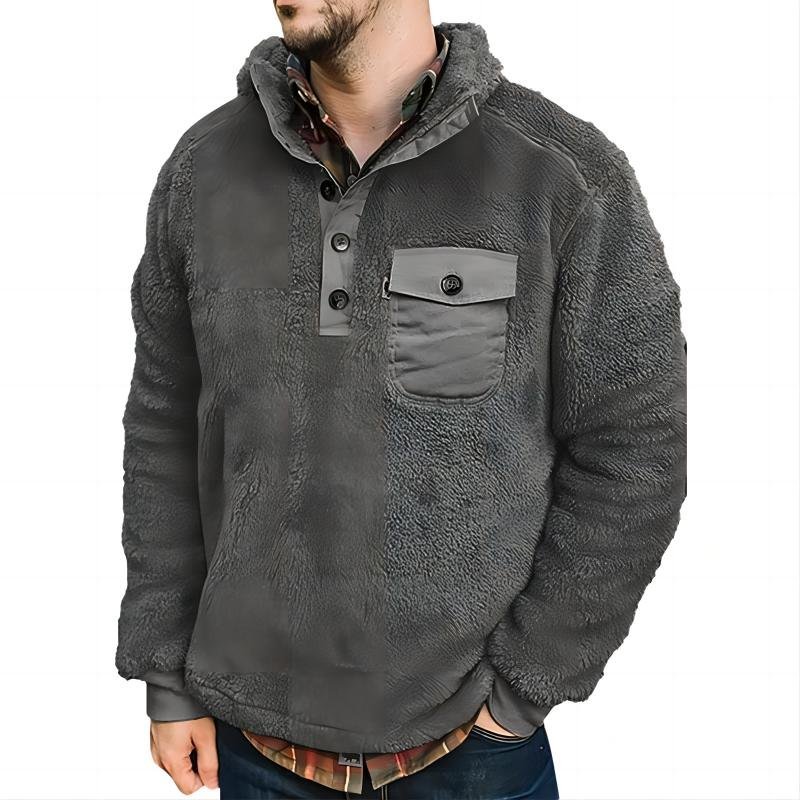
YKK zippers remain the industry benchmark for flight jackets, offering consistent pull strength (200+ cycles) and corrosion resistance. Generic zippers may cost 30 to 40 percent less but fail within weeks of regular use, damaging brand reputation.
Snap buttons, D-rings, and buckles should be nickel-free or coated to prevent tarnish and skin irritation. Test zipper pull weight — a smooth, firm action without snagging indicates proper tape alignment and slider calibration.
Fit Consistency and Symmetry
Order three samples from the same production batch and measure chest, sleeve length, and hem width with a tape measure. Variance beyond ±1 cm signals inconsistent pattern grading or cutting errors. Check collar height symmetry, pocket placement alignment, and sleeve set balance — asymmetry reveals rushed sewing or inadequate quality checks.
Tech packs with tolerance specifications (e.g., ±0.5 cm for critical measurements) enable objective pre-production approval and reduce fit-related rejections.
Finishing and Defect Inspection
Loose threads, uneven topstitching, and misaligned pattern panels indicate skipped quality control stages. Professional manufacturers perform finished-garment inspection for thread trimming, button security, and label attachment before packing.
Request photos of the final QC checklist and ask how defects are logged and corrected. A five-step quality control process — materials, cutting, craft, sewing, and finished inspection — catches errors early and maintains output standards across production runs.
7. How to Choose the Best Flight Jacket Manufacturer for Your Brand
Selecting the right flight jacket manufacturer requires a systematic evaluation of production capabilities, quality standards, and business alignment. The following framework helps brands vet partners efficiently and avoid costly mismatches.
Assess MOQ Flexibility and Production Capacity
Minimum order quantities separate accessible manufacturers from those suited only to large retailers. Factories offering 50-piece MOQs enable startups and independent designers to test designs and manage cash flow, while 500-piece minimums suit established brands with predictable demand.
Production capacity and lead times determine whether a manufacturer can scale with your brand. Ask for current monthly output, typical production cycles (30–45 days for flight jackets is standard), and peak-season availability to ensure alignment with your launch calendar.
Verify Certifications and Quality Systems
WRAP, BSCI, and ISO certifications indicate that a flight jacket manufacturer follows ethical labor practices and standardized quality protocols. Request copies of current certificates and ask how quality control is implemented—factories conducting QC testing at materials, cutting, sewing, and finishing stages catch defects early.
Manufacturers without formal quality systems often skip in-process checks, leading to high rejection rates and delayed shipments. A five-step QC methodology ensures every batch meets specifications before packing.
Evaluate Sampling Speed, Portfolio, and References
Sampling turnaround reveals a manufacturer’s responsiveness and technical capability. Seven-day sample production with reasonable costs (typically $80–$150 per flight jacket prototype) indicates efficient workflows and prioritization of new clients.
Review portfolios for style diversity—manufacturers experienced in MA-1, CWU-45, and custom flight jackets demonstrate versatility. Request references from brands in your segment (luxury, fast fashion, streetwear) to confirm the factory aligns with your positioning and communication expectations.
8. Common Mistakes Brands Make When Sourcing from a Flight Jacket Manufacturer
Even experienced brands stumble when sourcing flight jackets, often repeating avoidable errors that delay launches, inflate costs, or compromise quality. Recognizing these pitfalls before signing a purchase order saves time, money, and brand reputation.
Skipping Sample Approval and Wash Testing
Many startups approve digital mockups without ordering physical pre-production samples, only to discover color mismatches, incorrect sizing, or fabric hand that differs from expectations. Flight jacket fabrics—especially nylon twill and polyester blends—can shrink 3–5% after the first wash if not pre-treated.
Request strike-off samples and conduct wash tests at 40°C and 60°C before bulk production. A five-step QC process that includes materials testing catches fabric instability early, preventing costly chargebacks from retailers.
- Order at least one full pre-production sample in your target colorway
- Wash samples three times to verify dimensional stability and color fastness
- Check zipper function, rib knit recovery, and lining attachment after laundering
Choosing Price Over Quality Standards
Quotes that undercut market rates by 30% or more often signal skipped QC steps, substandard hardware, or untested fabrics. A flight jacket manufacturer offering $18 per unit when competitors quote $28 may eliminate in-line sewing QC and finished garment inspection.
Prioritize manufacturers with documented quality control at cutting, sewing, and finishing stages. Investing an extra $6–10 per piece reduces return rates from 8–12% to under 2%, protecting margins and customer trust.
Underestimating Lead Times and Production Cycles
Independent designers frequently request 500-piece orders with 21-day turnaround, unaware that flight jackets require 35–50 days from fabric procurement to final inspection. Rushing production forces manufacturers to skip curing time for prints, compromise stitching quality, or ship without final QC.
Build 45–60 days into your timeline for custom flight jackets with embroidery or specialty linings. Communicate launch deadlines upfront so your flight jacket manufacturer can schedule cutting, assembly, and inspection without cutting corners.
Neglecting Tech Pack Details and Size Grading
Vague instructions like ‘oversized fit’ or ‘standard MA-1 style’ leave critical specs—sleeve length, shoulder drop, hem width—open to interpretation. Missing grading rules cause size Medium to fit correctly while Large and XL run too tight or too loose.
Provide a complete tech pack with measurements for every size, stitch types (e.g., 301 lockstitch at seams, 504 overlock at raw edges), and tolerances (±1 cm). Request fit samples in at least three sizes before approving the full run.
9. Steps to Launch Your Flight Jacket Collection
Launching a flight jacket collection requires coordinated steps from concept to retail. Fashion startups and influencer brands typically need 90–120 days from initial design to shipment, with budget allocation split across sampling (10–15%), bulk production (60–70%), and logistics (15–20%).
Concept Development and Tech Pack Creation
Define your flight jacket silhouette, colorways, and branding elements before contacting a flight jacket manufacturer. A complete tech pack includes flat sketches, construction details, stitch specifications, hardware callouts (zipper gauge, snap size), and trim placement.
Most manufacturers require tech packs in PDF or AI format with measurements in centimeters. Include fabric weight targets (280–320 GSM for nylon shells, 200–250 GSM for linings) and Pantone references for thread and hardware finishes to eliminate ambiguity during sampling.
- Flat sketches with front, back, and detail views
- Bill of materials listing fabric, zippers, snaps, labels, and hang tags
- Graded size chart covering XS–XXL or your target range
- Construction notes specifying seam types and topstitch widths
Sample Rounds and Fit Approval
Request a fit sample first to validate pattern proportions and sleeve length. Pre-production samples (PPS) confirm final fabrics, trims, and construction before bulk cutting. Salesman samples serve as sales tools and photo shoot garments.
Allocate 14–21 days per sample round, including international shipping. Budget $80–150 per sample unit depending on jacket complexity and hardware count.
- Fit sample: pattern and construction validation
- Pre-production sample: final materials and finishing
- Salesman sample: photography and sales presentation
Bulk Order and Production Timeline
Minimum order quantities for flight jackets typically start at 50–100 pieces per colorway. Production lead times range from 30–45 days after sample approval, depending on fabric availability and factory scheduling.
Confirm deposit terms (usually 30–50% upfront) and balance payment timing before cutting begins. Coordinate with your flight jacket manufacturer on inspection checkpoints at cutting, sewing midpoint, and final packing stages.
Quality Control and Shipping Logistics
Implement inspection at materials receipt, mid-production, and finished goods stages to catch defects early. A five-step QC process reduces rejection rates from 8–12% to below 2%.
Sea freight costs $1.50–$3.00 per jacket for standard cartons; air freight runs $8–$15 per unit but cuts transit from 30–40 days to 5–7 days. Plan customs clearance and domestic distribution to align with your launch calendar.
10. Flight Jacket Manufacturing Pricing and Cost Breakdown
Flight jacket manufacturing costs vary by material grade, order volume, and customization complexity. Budget nylon MA-1 styles at 50-piece MOQ typically range $28–$42 per unit, while premium leather A-2 jackets at the same tier run $95–$140 per unit due to material cost and labor intensity. Doubling order volume to 100 pieces reduces per-unit cost by 12–18 percent as fixed setup expenses amortize across more garments.
Sampling fees for flight jackets average $80–$150 per prototype depending on fabric and hardware specifications; brands ordering 200+ pieces often receive one free sample. Decoration costs add $2.50–$6.00 per jacket for embroidered patches (up to 10,000 stitches), $1.80–$3.20 for screen-printed back artwork, and $4.50–$8.00 for custom woven labels. YKK metal zippers, satin linings, and ribbed knit cuffs account for 18–22 percent of total production cost in mid-tier builds.
Lead times compress as volume scales: 50-piece orders require 18–25 days from approval to shipment, while 1,000-piece runs leverage batch cutting and assembly-line efficiency to deliver in 28–35 days. Premium leather and shearling collars extend timelines by 7–10 days due to specialized tanning and stitching requirements. The five-step QC process adds 2–3 days but eliminates post-shipment defect claims that cost brands an average of $12 per returned unit in reverse logistics and reputation damage.
| Quantity Tier | Budget Nylon ($/unit) | Mid-Tier Poly-Blend ($/unit) | Premium Leather ($/unit) | Lead Time (days) |
|---|---|---|---|---|
| 50 pieces | $28–$42 | $48–$65 | $95–$140 | 18–25 |
| 100 pieces | $24–$36 | $42–$56 | $82–$120 | 20–28 |
| 500 pieces | $19–$28 | $34–$46 | $68–$95 | 25–32 |
| 1,000+ pieces | $16–$24 | $28–$38 | $58–$82 | 28–35 |
Ready to Launch Your Flight Jacket Line?
Partner with a trusted flight jacket manufacturer offering 50-piece MOQ, 7-day samples, and our zero-compromise 5-step QC guarantee.