The venture of establishing your own clothing label is thrilling. However, moving from a brilliant idea to the actual garment can sometimes pose challenges. Your search for “clothing producers near me” is the first major step in this journey. Having a suitable supplier is the key to your success.

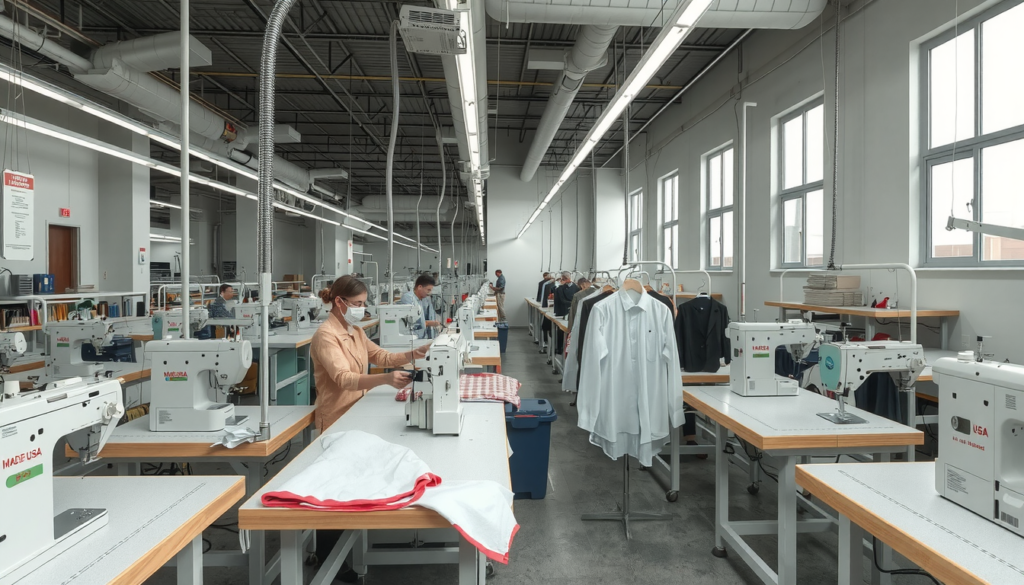
It is not easy for a newbie company to find a good local factory. A local sewing factory is a good partner. You will have better control over product quality and easier communication. You can make a trip to their factory, monitor your order, and perhaps carry out some team bonding. This writing will provide you with easy steps to follow.
As an experienced clothing manufacturer, we know the new challenges you deal with. We want to support you by sharing our knowledge to help your brand grow. We will guide you on how to locate, verify, and partner with the best nearby clothing manufacturers you need for your startup.
The “Why Local” Advantage: Key Benefits of a Manufacturer Near You
In the beginning, local manufacturers are a gear choice for new brands. Individual items might cost slightly more than overseas. However, the benefits usually outweigh the cost. Working with corporate producers of clothes near you, you will get more control and less concern.
These are the major benefits when you produce your apparel locally:
| Benefit | Impact |
|---|---|
| Hands-On Quality Control | Visiting the factory place would give you the chance to approve samples and check the production stage. This would majorly reduce errors and assure you that your design is correctly done. |
| Easier Communication | There will be no issues with time differences or language barriers. You can easily have short calls or meet up to discuss the issues and clear them quickly. |
| Faster Turnaround Times | Getting samples and finished products is significantly faster. Local factory shipping takes a few days instead of weeks or months. |
| Lower Shipping Costs | Inland shipping is simpler and cheaper than international freight costs. You can also avoid import taxes and customs delays. |
| Support for Local Economy | Working with local businesses helps to create jobs and supports your community. This could be a great story for your brand. |
| Lower Minimum Orders | Many of the local shops are ready to work with startups. They usually have lower minimum order quantities (MOQs), which is affordable for small budgets. |
The main drawback is usually the cost. Employment is more costly locally. Thus denim jeans could come out a bit more expensive than what you could buy overseas. However, for a brand new firm, the profit that you acquire from the control and speed could be beyond measure.
Your Search Toolkit: 5 Effective Ways to Find Local Apparel Manufacturers
Seeing the advantages, the question that arises is: Where can you find these local partners? Your search for “apparel manufacturers near me” certainly entails more than just exploiting a search engine. Here are five effective methods we recommend.
Leverage Online Manufacturing Directories
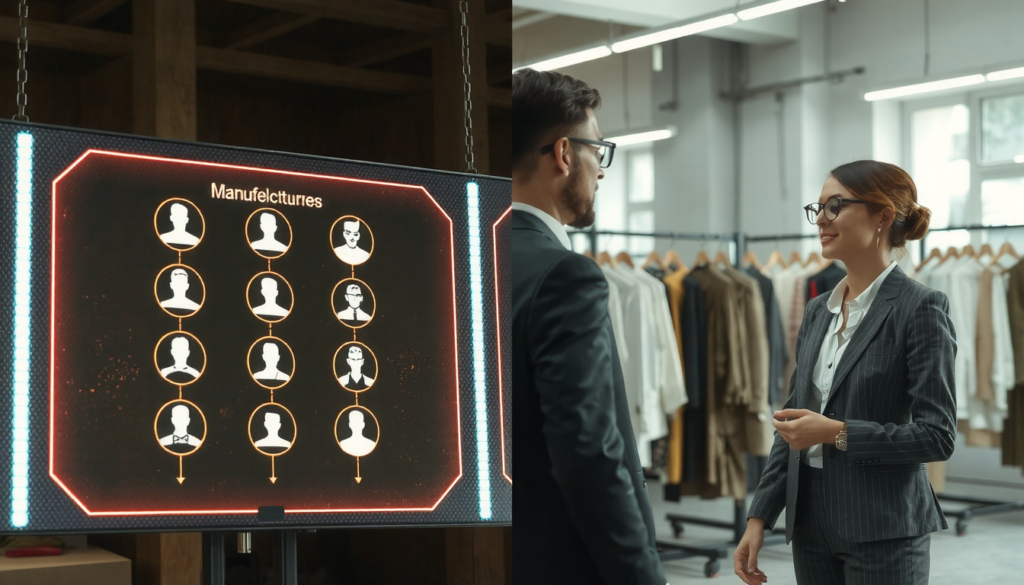
Online directories contain factory databases. These are designed to network brands needing manufacturers like yours. These platforms provide location, specialty, and order size filters. Thus, they help you to find a factory that suits your requirements in your area.
Directories like these ensure the credibility of their collections. Thus, you will start your search with a list of trustworthy options. Many such reputable electronic directories are available including Maker’s Row which lists the manufacturers by state and specialty. Your search can be helped by others such as Thomasnet and Kompass.

Explore Local Fashion Hubs and Incubators
Many big cities have areas known for fashion and design. These “fashion districts” are full of resources. They have fabric stores, pattern makers, and apparel manufacturers.
Look for fashion incubators or design centers in your city. These groups exist to support new designers. They often have lists of trusted local factories. For example, exploring fashion hubs like California’s apparel industry can connect you with a whole network of skilled professionals in one area.
Utilize Social & Professional Networks (LinkedIn & Instagram)
Social media is a powerful tool. On Instagram, search for hashtags like #cutandsew, #madein[yourcity], or #apparelmanufacturing. You can often find small factories or designers who show off their work.
LinkedIn is great for professional networking. Search for job titles like “Apparel Production Manager” or “Factory Owner” in your region. You can connect with them and ask for advice or referrals. A polite and professional message can open many doors.
Attend Industry Trade Shows
Trade shows are events where people in the fashion industry meet. Fabric mills, trim suppliers, and manufacturers gather to show their services. Attending a show is a great way to meet potential partners in person.
Look for shows like Texworld, LA Textile, or DG Expo. Even if the show isn’t in your city, local manufacturers often attend to find new clients. You can talk to them directly. You can see the quality of their work and learn a lot in one day.
Ask for Referrals
Sometimes the best way to find a great partner is to ask around. Talk to other designers, local fabric stores, or pattern makers. People in the industry often know who is reliable and does good work.
A personal recommendation is very valuable. If someone you trust has had a good experience with a local clothing manufacturer, that is a strong signal. Don’t be afraid to ask for introductions.

The Vetting Gauntlet: How to Qualify an Apparel Manufacturer
You have a list of potential apparel manufacturers near you. Now comes the most important part: vetting. This means checking them carefully to see if they are the right fit for your brand. Choosing the wrong partner can be a costly mistake.
From our experience, the most successful partnerships begin with asking the right questions. Don’t be shy. A professional factory will expect you to do your homework. Here is the checklist we recommend to every new brand.
-
What is your Minimum Order Quantity (MOQ)?
- What to look for: An MOQ is the smallest number of items they will produce per style. As a startup, you need a factory with a low or flexible MOQ. Look for 25 to 100 units. This lets you test your product without a huge investment.
-
Can you share a portfolio of past work or client references?
- What to look for: Look at the quality of the clothes they have made. Are they similar to what you want to create? Ask if you can contact one of their past clients. A good factory will be proud of their work and happy to share.
-
What is your pricing structure?
- What to look for: Ask if they offer CMT (Cut, Make, Trim) or FPP (Full Package Production). We will explain these more later. You want clear, transparent pricing with no hidden fees.
-
What are your typical lead times for samples and for production?
- What to look for: Lead time is how long it takes to make your items. Ask for timelines for the first sample, any revisions, and the final production run. Look for realistic timelines. Avoid promises that sound too good to be true.
-
What types of garments do you specialize in?
- What to look for: This is a critical question. A factory that makes amazing t-shirts might not know how to make structured jackets. Be specific about your product. Not every factory is a specialized hoodie manufacturer, so ensure their skills match your needs.
-
How do you handle quality control checks?
- What to look for: A good factory has a clear process for checking quality. They should check the items at different stages of production, not just at the end. Ask who is responsible for this and how they handle mistakes.
-
Can I take a factory tour and get a sample?
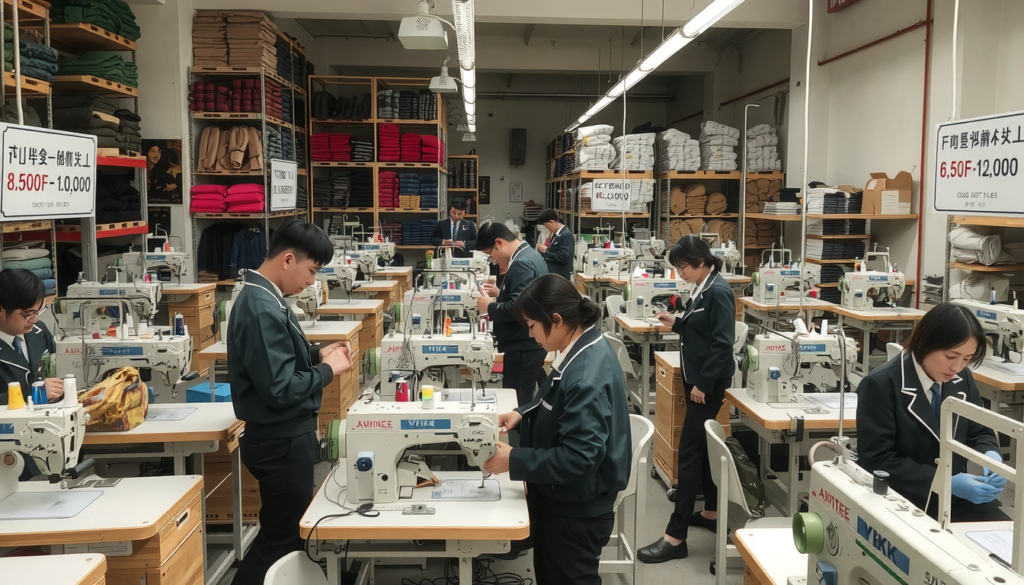
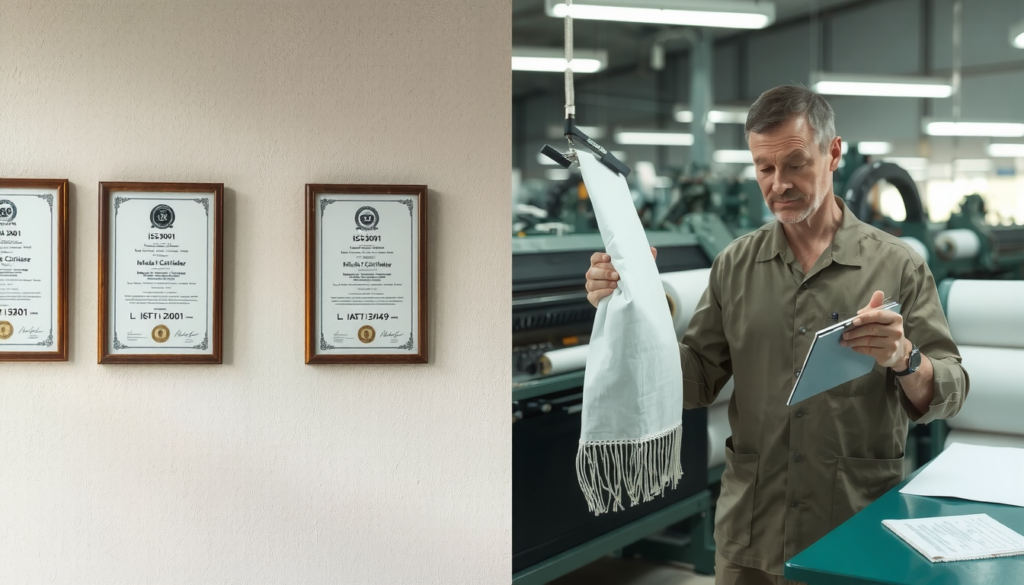
- What to look for: The best way to judge a factory is to see it for yourself. A tour lets you see their equipment, organization, and working conditions. Always ask for a sample of their work. This lets you feel the quality of their stitching and finishing.
Preparing for First Contact: Your Professional Toolkit
When you first contact an apparel manufacturer, you want to look professional and serious. Factories are busy places. They are more likely to work with brands that are prepared. Having the right documents ready saves time. It also shows you respect their process.

Think of it like a job interview. You need to bring your resume. For a clothing brand, your “resume” is a collection of documents. These documents clearly explain your product.
The Tech Pack: Your Product’s Blueprint
A Tech Pack is the single most important document you will create. It contains all the technical details for your product. A manufacturer cannot give you an accurate price or make a sample without it. It is not optional. Approaching a local clothing manufacturer without one is a sign of an amateur.
Your tech pack should include several key parts:
- Flat sketches: These are technical drawings of your garment from the front, back, and side. They should show all the seams and details.
- Bill of Materials (BOM): This is a complete list of every material needed. It includes your fabric, thread, zippers, buttons, and labels. Be as specific as you can.
- Graded Spec Sheet: This is a chart of measurements for every size you plan to make. It starts with your sample size. Then it “grades” the measurements up and down for other sizes.
- Construction Details: This section explains how the garment should be sewn. It details the types of stitches, seam finishes, and any special techniques.
- Colorway Information: This lists all the colors for your garment. Use standard color codes, like Pantone. This makes sure everyone is on the same page.
Physical Samples & Sourcing
A tech pack is essential. But a physical sample is also very helpful. If you have a sample garment that is close to what you want to make, bring it with you. It helps the factory understand the fit and feel you are going for.
You also need to think about sourcing. Sourcing is the process of finding your fabrics and trims. Some brands source everything themselves. Others rely on the factory to do it. This is part of the difference between CMT and FPP manufacturing. We will cover this in the FAQ.
Expanding Your Search: When to Look Beyond “Near Me”
Finding apparel manufacturers near me is the ideal goal for most startups. However, sometimes the perfect partner isn’t in your city. It is important to know when to broaden your search. You might need to look at other parts of the country or even overseas.
Here are a few situations where looking further makes sense:
- Highly Specialized Production: Your design might require special machines or skills. For example, finding an expert puff print hoodie manufacturer might require looking at specialists across the country. These specialists have the right equipment and experience.
- Specific Materials: If you need a unique fabric, you may have to work with a manufacturer located near the mill that produces it. This can save on shipping costs and time.
- Scaling for Volume: As your brand grows, you will need to produce more units. A small local shop may not be able to handle large orders. At this point, cost per unit becomes more important. A larger domestic or overseas factory may be a better choice.
Even when you look beyond your immediate area, you can still find clusters of experts. There are many online guides for specific cities like San Francisco that can help you find the right partner. Just remember that working with a non-local manufacturer adds new challenges. These include shipping logistics and communication across time zones.
Frequently Asked Questions (FAQ) about Apparel Manufacturing
As you continue your search for apparel manufacturers near you, you will have more questions. Here are answers to some of the most common ones we hear from new designers.
What is a realistic budget for a small production run?
This is a tough question because it varies a lot. Costs depend on the garment’s complexity, the fabric, and the factory’s rates. For a simple item like a t-shirt, a small run could cost between $3,000 and $10,000. This budget needs to cover pattern making, sample creation, materials, and the final production cost for each unit. Always get a detailed quote before you start.
What’s the difference between “Cut, Make, Trim” (CMT) and “Full Package Production” (FPP)?
These are two common pricing models. With CMT, you are responsible for providing everything. This includes the patterns, graded specs, fabric, and all trims (buttons, labels, etc.). The factory just provides the labor. They cut the fabric, sew the garment, and add the trims. With FPP, the factory handles everything from sourcing the fabric to delivering finished, packaged products. FPP is often a better choice for beginners. The factory manages more of the complex details.
Can I find apparel manufacturers near me with low MOQs?
Yes, this is one of the biggest advantages of working locally. Many small, local factories specialize in helping startups. They understand that you can’t order thousands of pieces at first. It is common to find local shops offering MOQs as low as 25-50 units per style or color. The cost per unit will be higher. But it allows you to get started with less risk.
Do I need a registered business to work with a manufacturer?
In most cases, yes. A very small hobby-level shop might work with an individual. But professional manufacturers will require you to be a legitimate business. This usually means having a registered business name (like an LLC or Sole Proprietorship) and a tax ID number. This is for legal and financial reasons, like invoicing and liability.
How long does the process take from first contact to finished product?
Building a product correctly takes time. It is not a fast process. The development stage can take 4 to 8 weeks. This includes creating your tech pack, sourcing materials, and making samples. Once you approve the final sample, the actual production run can take another 6 to 12 weeks. The exact time depends on your order size and how busy the factory is.
Your Next Step
Finding the right local apparel manufacturer is a major milestone in building your brand. The process involves careful research, asking smart questions, and being professionally prepared. By following these steps, you can build a strong partnership that will help your business succeed.
The journey from a design sketch to a finished garment is challenging but incredibly rewarding. Take your time, do your research, and choose a partner who believes in your vision. As experts in this field, we know that a solid manufacturing relationship is the foundation of a great clothing brand.