
Custom Embroidered T Shirt Manufacturer for Streetwear Brands
As a trusted embroidered t shirt manufacturer, we deliver premium craftsmanship, low MOQ, and a 5-step QC guarantee — built for startups and global brands alike.
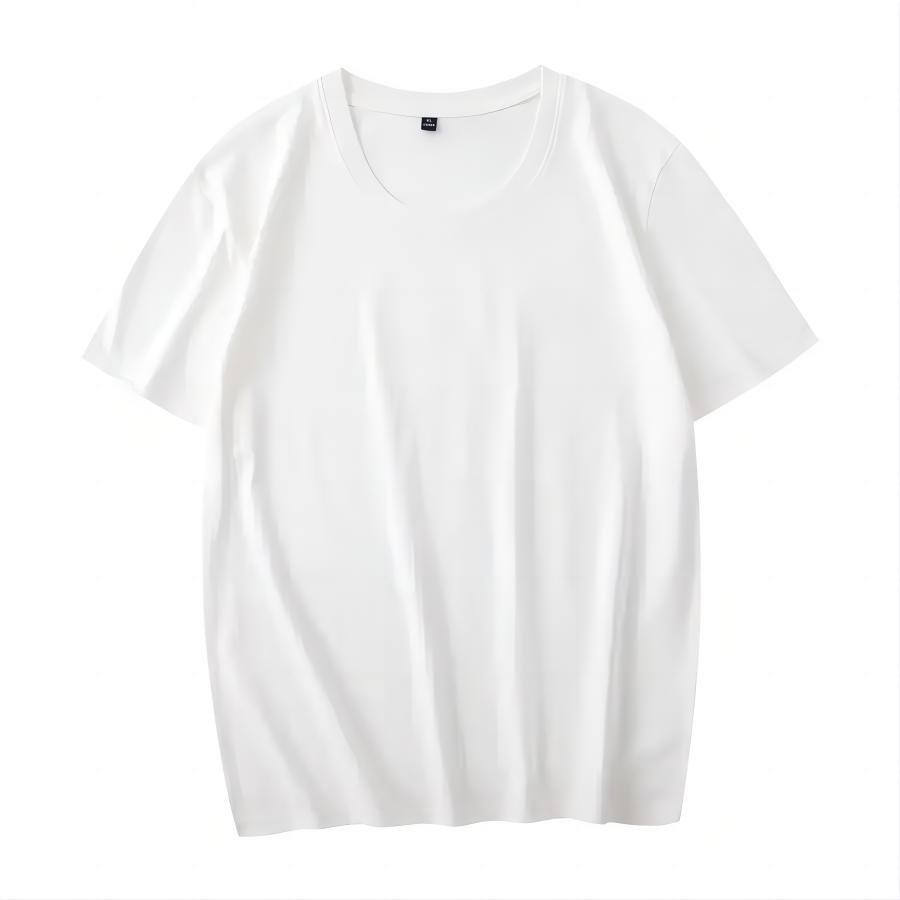
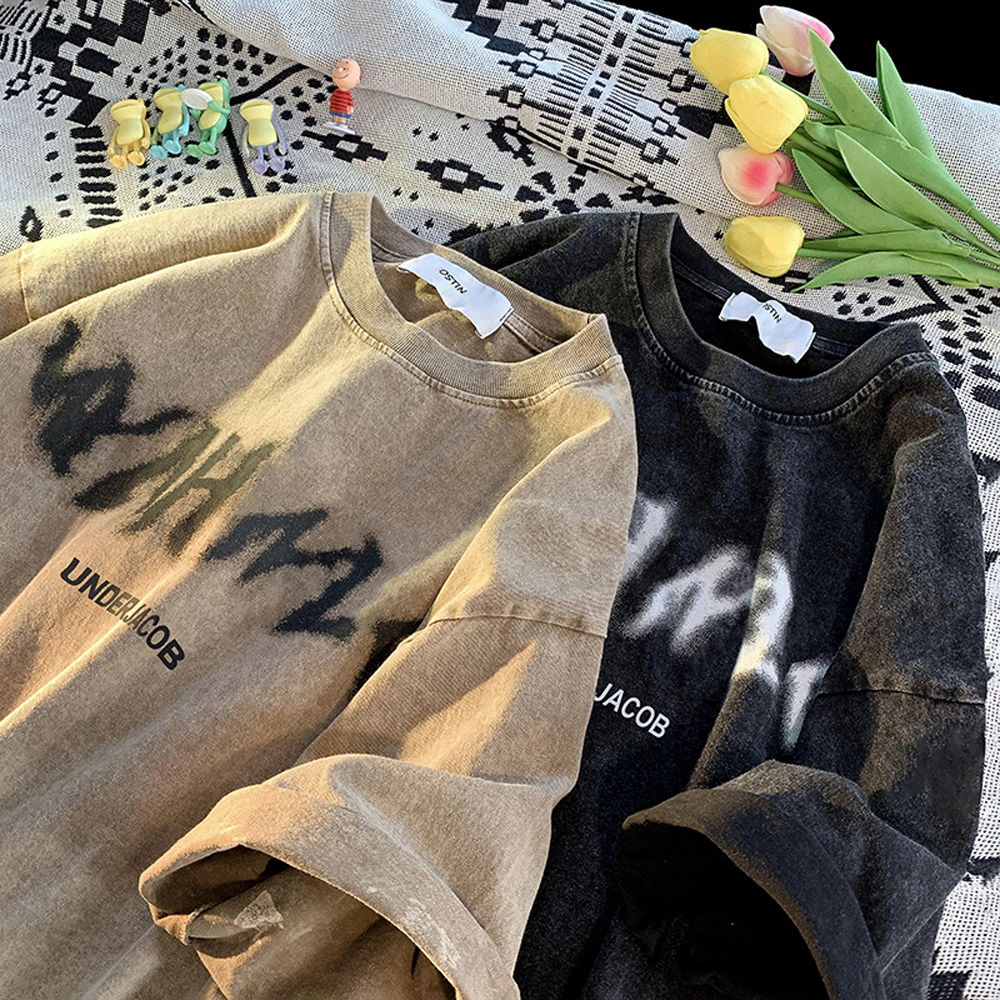
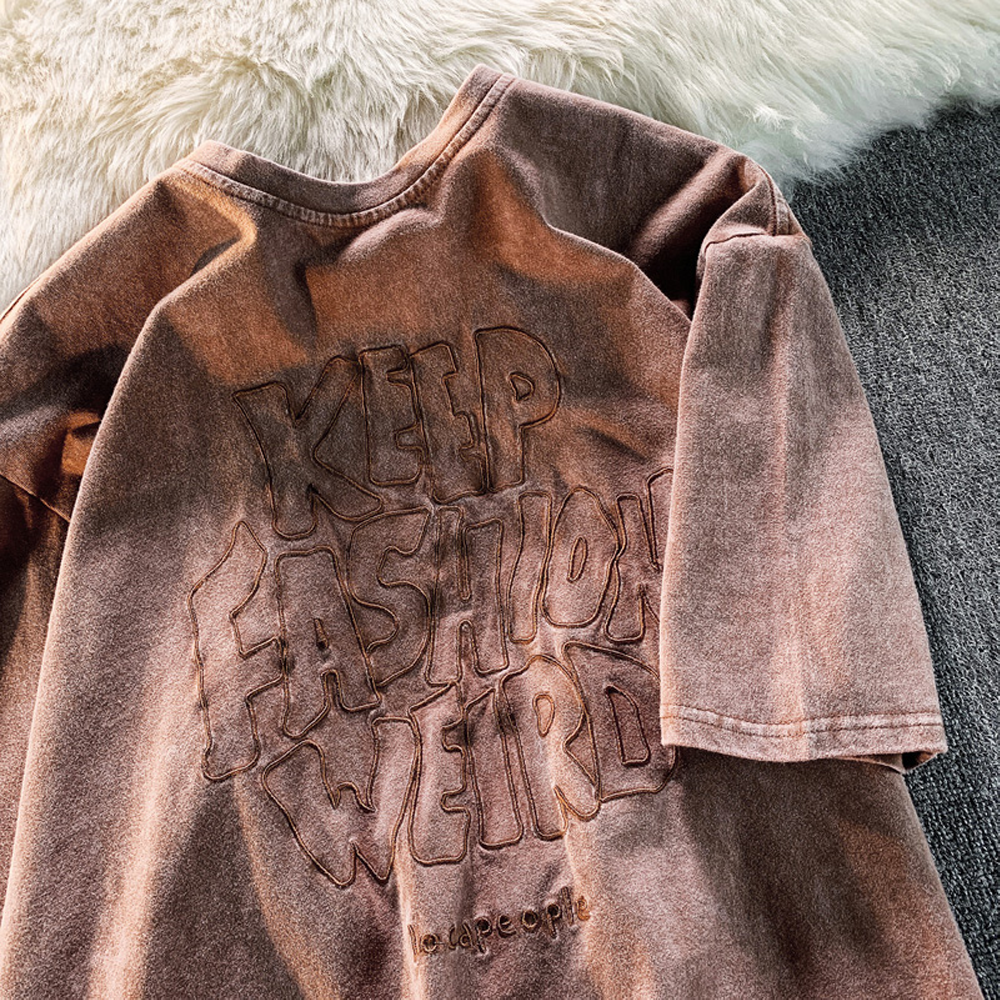
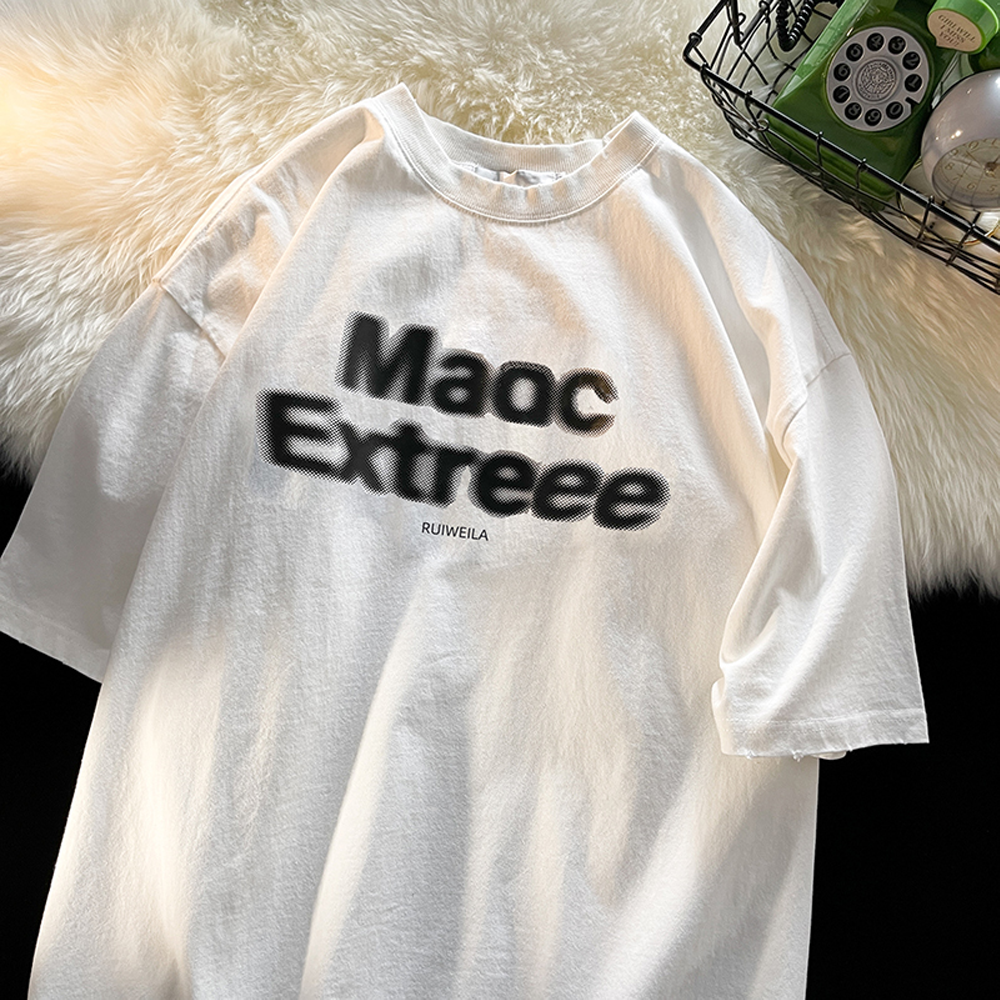
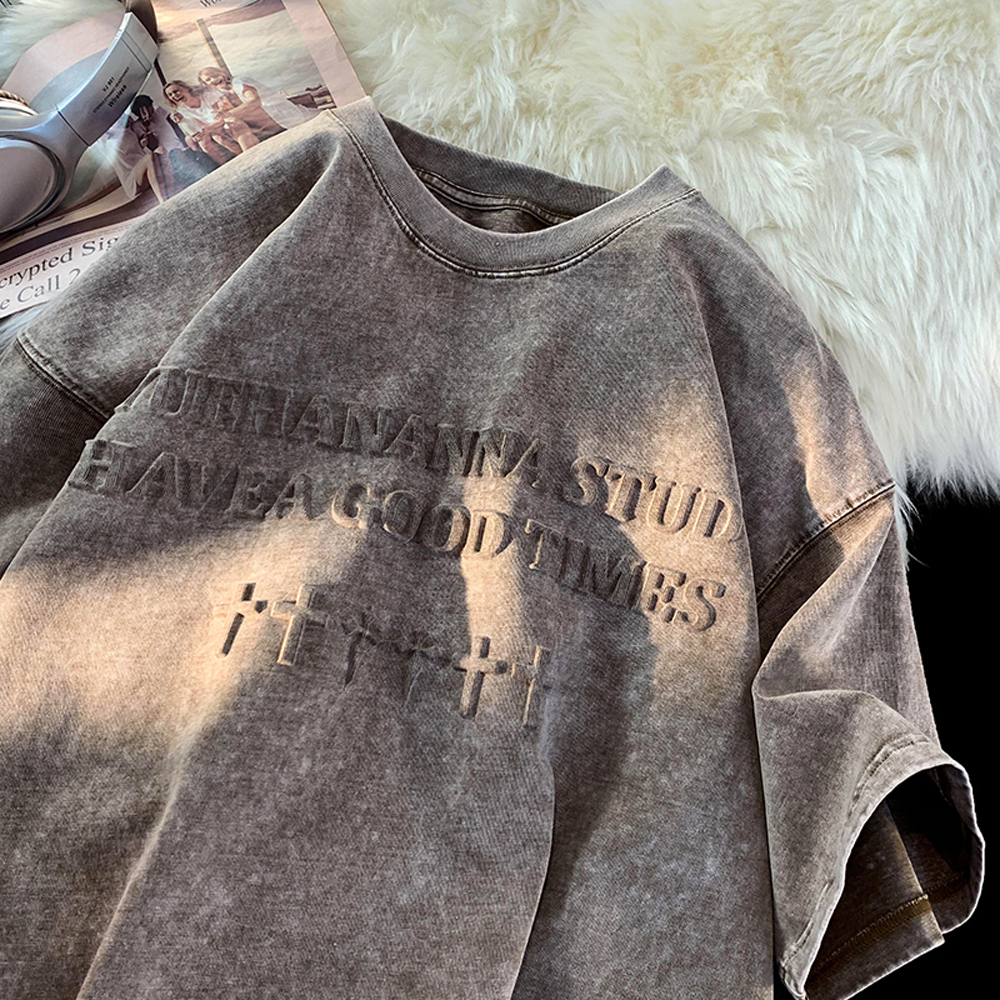
Embroidered T Shirt Collections
Why Choose Our Embroidered T Shirt Manufacturer
Built on 10+ years of hands-on production experience, every advantage we offer is engineered to protect your brand and accelerate your growth.
5-Step QC Guarantee
Our proprietary quality checks at every production stage — not just the end — mean zero-defect embroidered tees leave our floor.
Low MOQ, Launch-Ready
Emerging brands start small with confidence. Our low minimums let startups and designers debut collections without overcommitting inventory.
Fast Sampling & Turnaround
In-house sampling cuts back-and-forth time sharply, so your seasonal drops and trend-driven releases hit market before the moment passes.
In-House Design Team
Our 15-member R&D team translates your creative brief — from skeleton motifs to rose graphics — into production-ready embroidery artwork.
Deep Streetwear Expertise
Founder Tesla Luo spent 6+ years immersed in streetwear culture, giving our team genuine fluency in the aesthetics that resonate with your audience.
Global Shipping & Logistics
We handle customs, documentation, and last-mile logistics to 100+ countries, so your embroidered T-shirts arrive on time, anywhere in the world.
Every Streetwear Style, One Embroidered T Shirt Manufacturer
From vintage-wash staples to limited-edition drops, explore the full range of styles our team produces — with the same 5-step quality guarantee applied to every single piece.
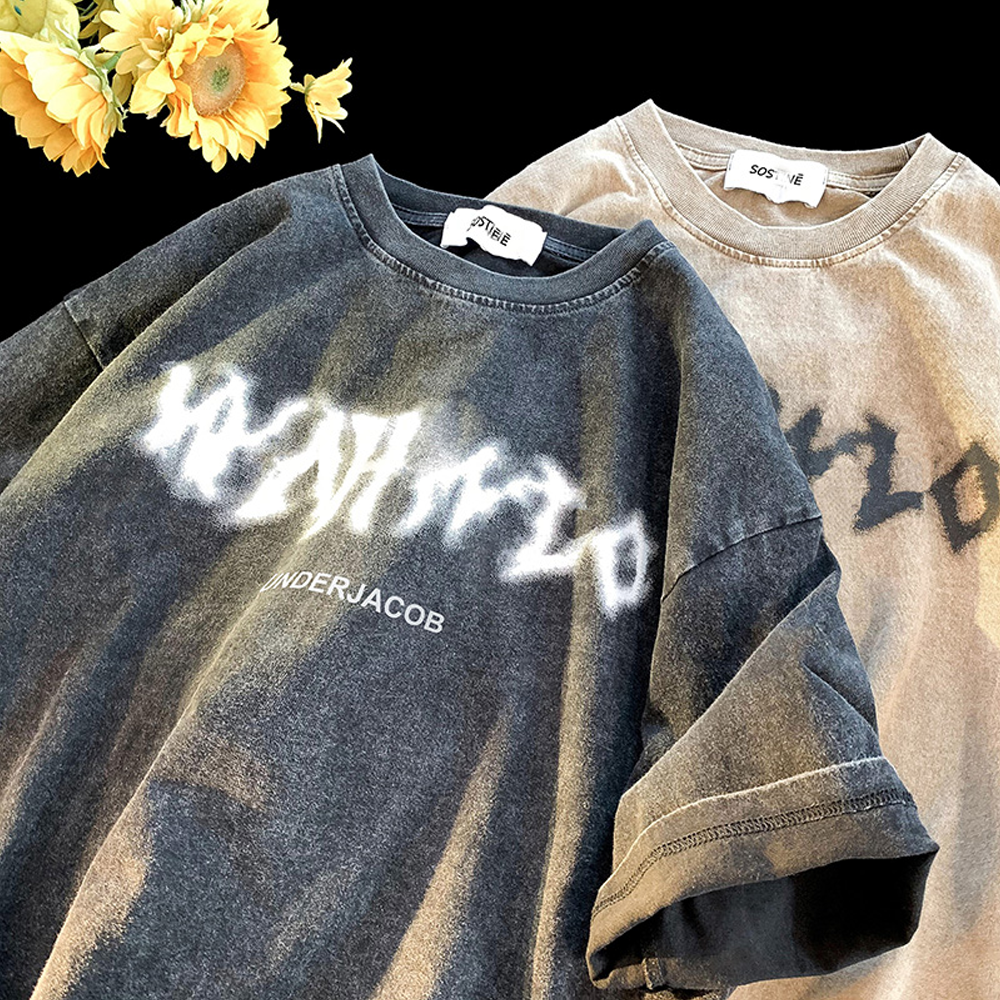
Vintage-Wash Embroidered Tees
Finding a manufacturer who nails authentic vintage distressing alongside precise embroidery is nearly impossible — most factories sacrifice wash quality for speed, leaving your signature aesthetic compromised.
Our embroidered t shirt manufacturer delivers perfectly distressed vintage-wash tees with crisp, durable embroidery that survives repeated washing — exactly the worn-in look your streetwear customers crave.
Oversized Graphic Streetwear Tees
Bold oversized silhouettes demand exact proportioning and consistent sizing across large runs — one measurement error ruins the boxy streetwear fit your brand identity and loyal customers depend on.
Precision pattern-making and our 5-step QC process ensure every oversized tee ships with the exact boxy fit and crisp graphic placement your streetwear line requires, from first sample to bulk.
Heavyweight Hoodies and Sets
Sourcing heavyweight fleece that holds structured embroidery without puckering or distortion is costly and inconsistent — most suppliers cannot deliver the right weight, hand-feel, and embroidery clarity together.
Our in-house design team and embroidery specialists pair premium 400-500gsm fleece with reinforced stitch backing, producing heavyweight hoodies that feel substantial and look sharp season after season.
Limited-Edition Drop Collections
Influencer-driven limited drops live and die by timing — a missed seasonal window or delayed shipment kills the hype and leaves unsold inventory, damaging your brand's carefully built release momentum.
Low MOQs and fast-turnaround production let creator brands launch limited embroidered drops on schedule, with global shipping support ensuring your audience receives exclusive pieces before the hype fades.
Retail-Scale Logo Tee Programs
Retailers scaling across multiple SKUs need consistent embroidery quality at volume — color drift, thread tension issues, and missed QC checks create rejects that eat into margins and delay shelf dates.
Our five-step quality control process eliminates color drift and stitch defects across large retail runs, so every embroidered t shirt on your shelves meets the same exacting standard, every time.
Premium Fabrics for Embroidered T Shirt Manufacturing
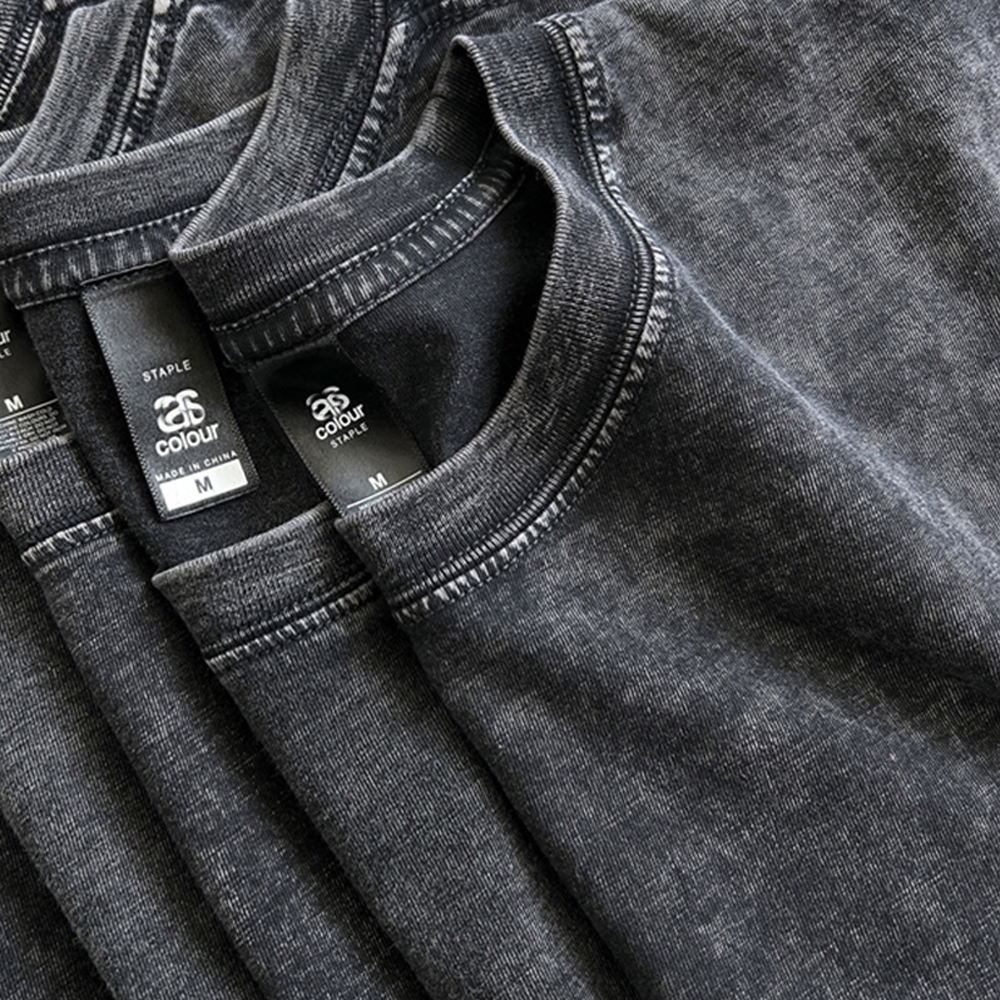
Heavyweight Cotton Jersey
At 220 GSM, this firm yet comfortable cotton jersey anchors embroidery cleanly without puckering or distortion. Ideal for oversized streetwear tees, it holds its structure wash after wash while showcasing intricate, multi-color stitch work.
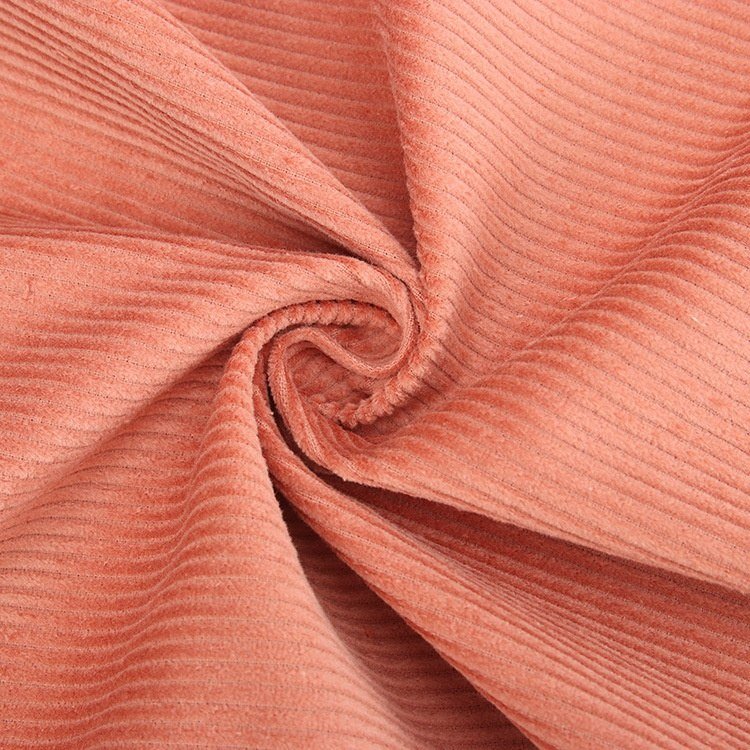
Cotton-Poly Blend
A 60/40 cotton-polyester construction delivers superior shape retention and vibrant color fastness. Slight mechanical stretch resists shrinkage, making it a reliable base for detailed embroidery across high-volume retail and influencer brand production runs.
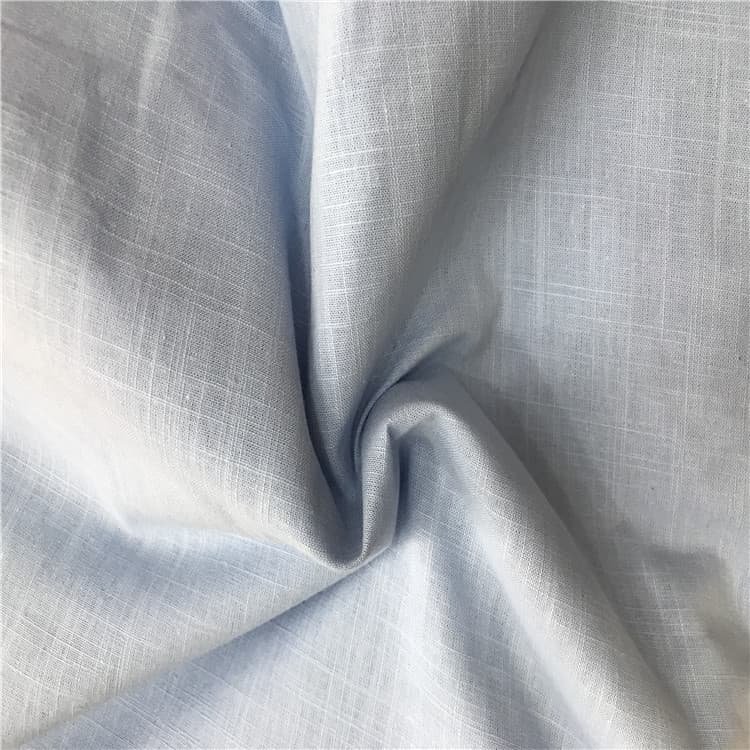
Organic Cotton Jersey
GOTS-certified organic cotton at 180 GSM offers a silky, breathable hand-feel with zero harsh chemical treatments. Perfect for sustainable streetwear labels seeking genuine eco credentials without compromising embroidery precision or long-term fabric durability.
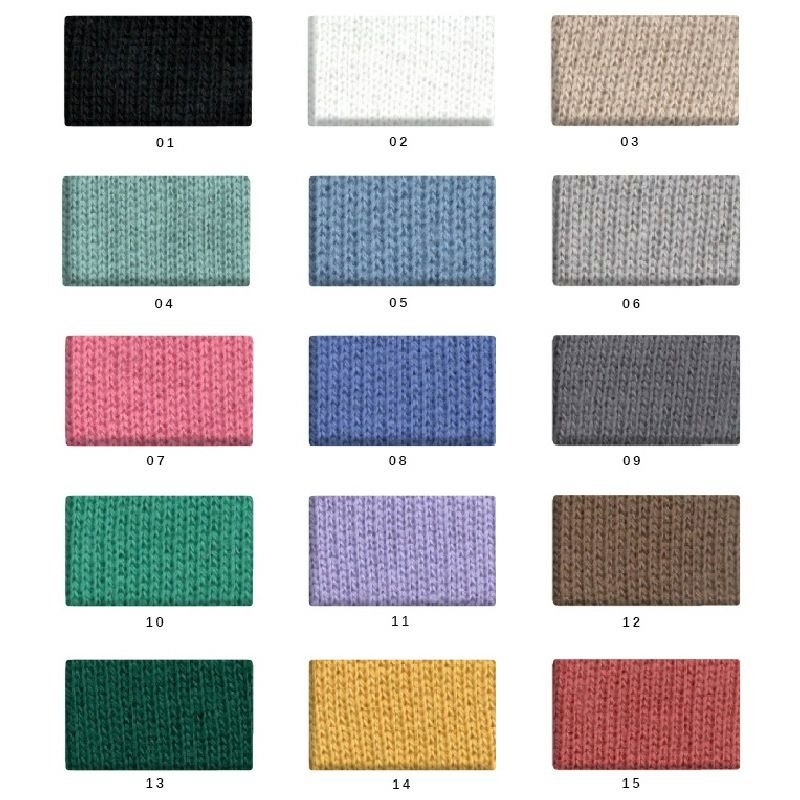
French Terry Cotton
Smooth on the outside and looped on the inside, this 280 GSM French terry provides exceptional surface stability for large-format embroidery designs. A go-to choice for premium heavyweight tees, seasonal drops, and bold statement streetwear pieces.
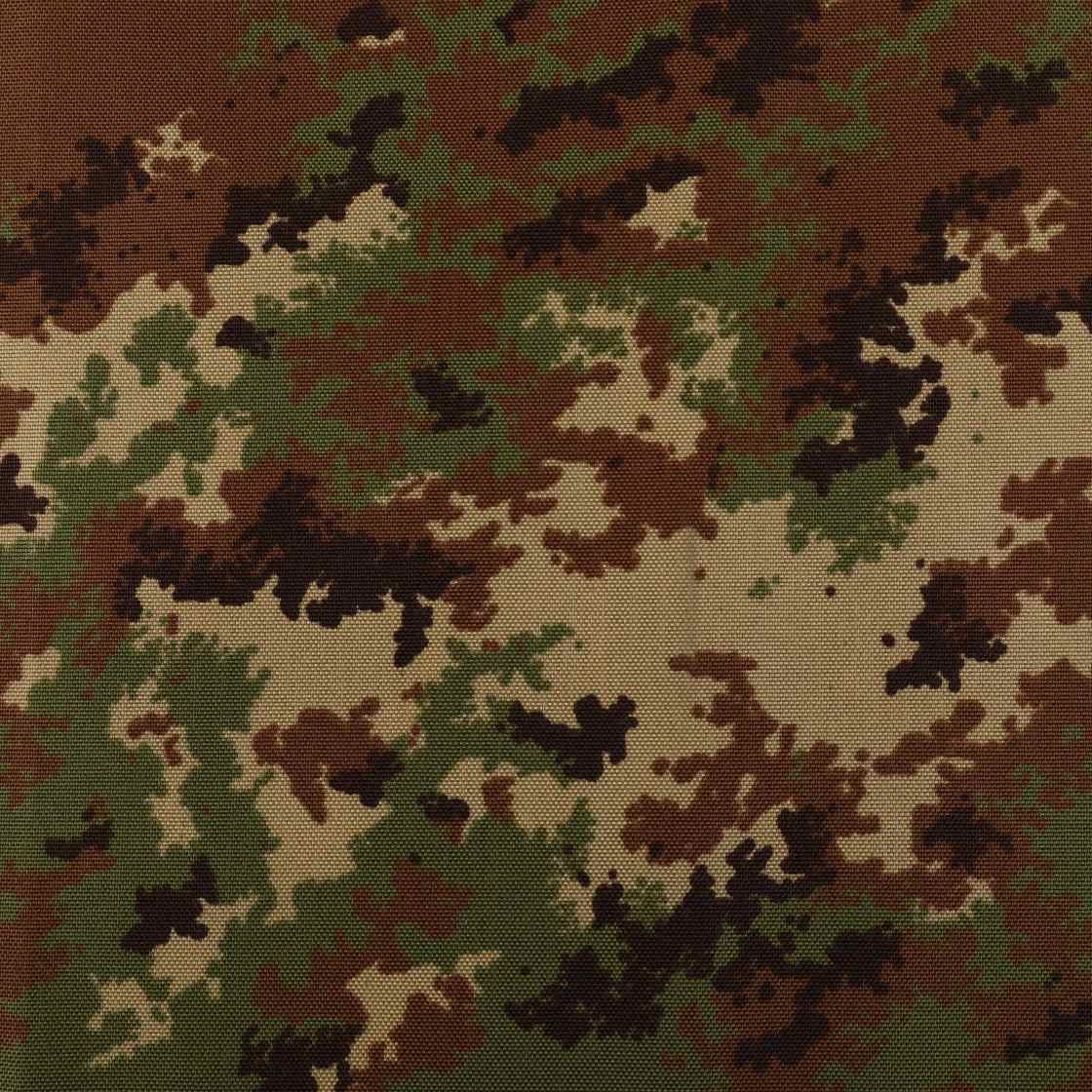
Pique Knit Cotton
A structured two-dimensional weave delivers a textured surface and exceptional dimensional stability at 200 GSM. Embroidery registers crisply on pique, making it the preferred choice for polo-style branded tees and consistent global retail collections.
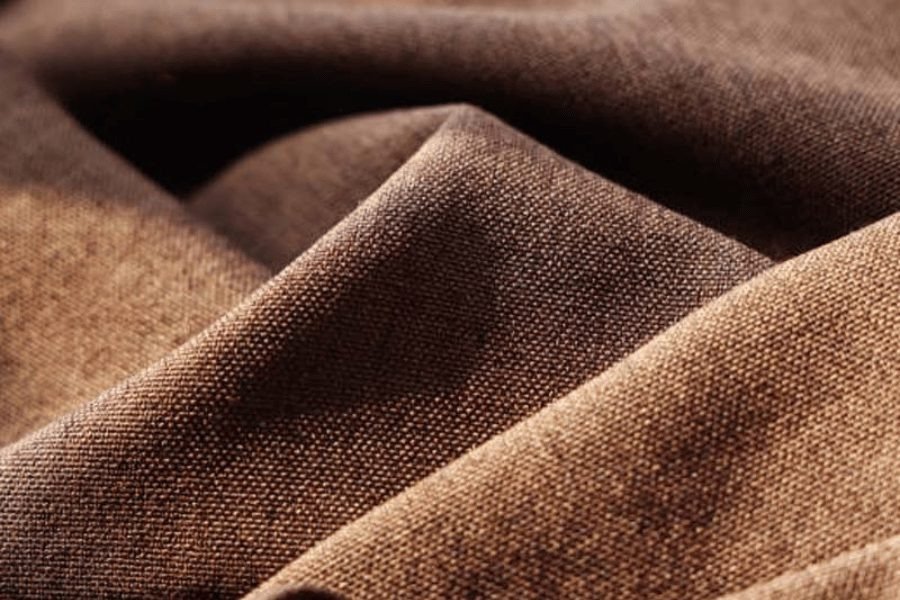
Ringspun Cotton
Ultra-fine ringspun fibers tightly twisted at 160 to 180 GSM create an exceptionally smooth, soft surface. Delivers clean embroidery registration with minimal backing distortion, ideal for fine-detail logo work and creator brand capsule collections.
Production Techniques From Your Embroidered T Shirt Manufacturer
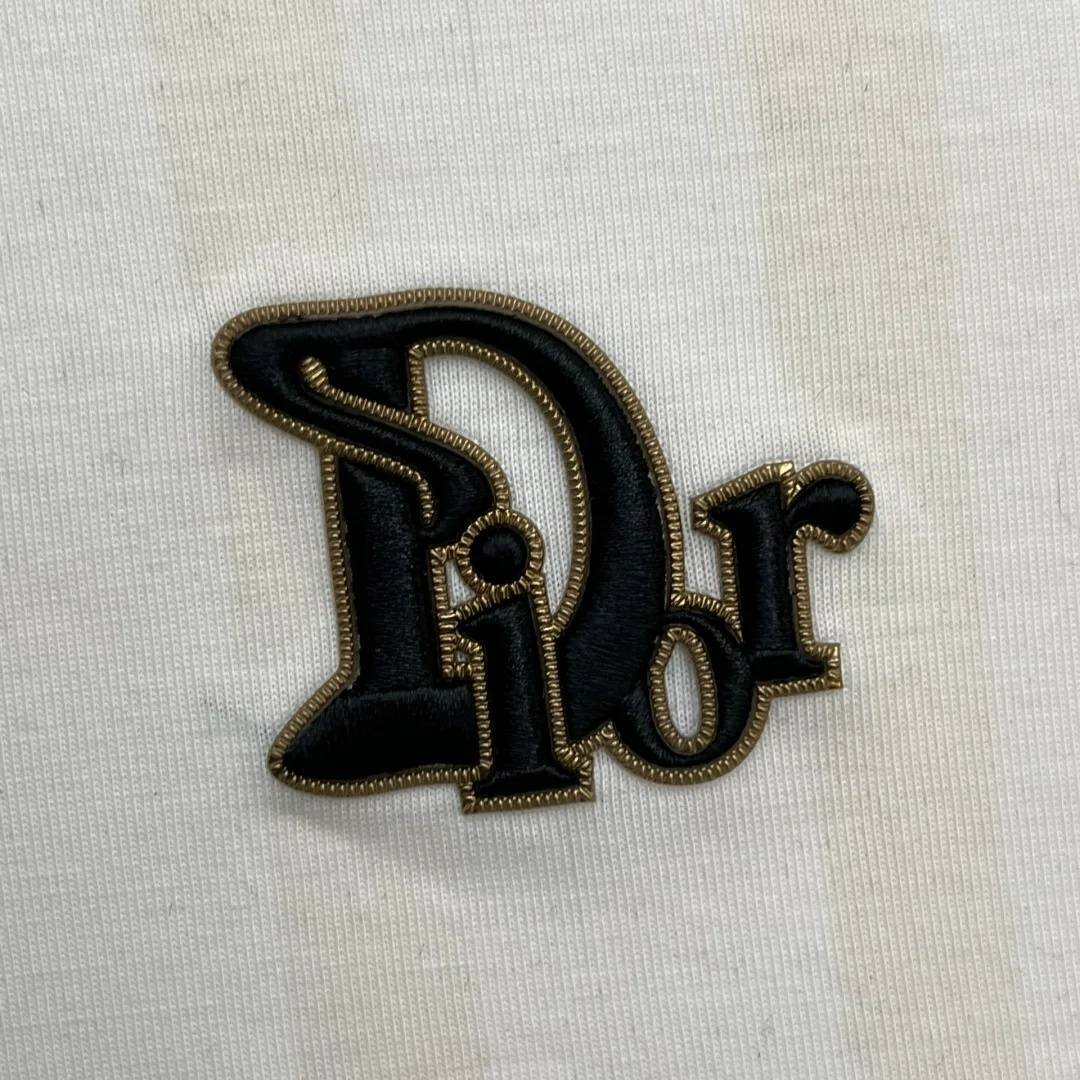
Flat Embroidery
The classic needle-and-thread technique producing clean, precise logos and text directly on fabric. Exceptionally durable through hundreds of washes, it delivers a polished, premium finish ideal for chest branding on streetwear tees.
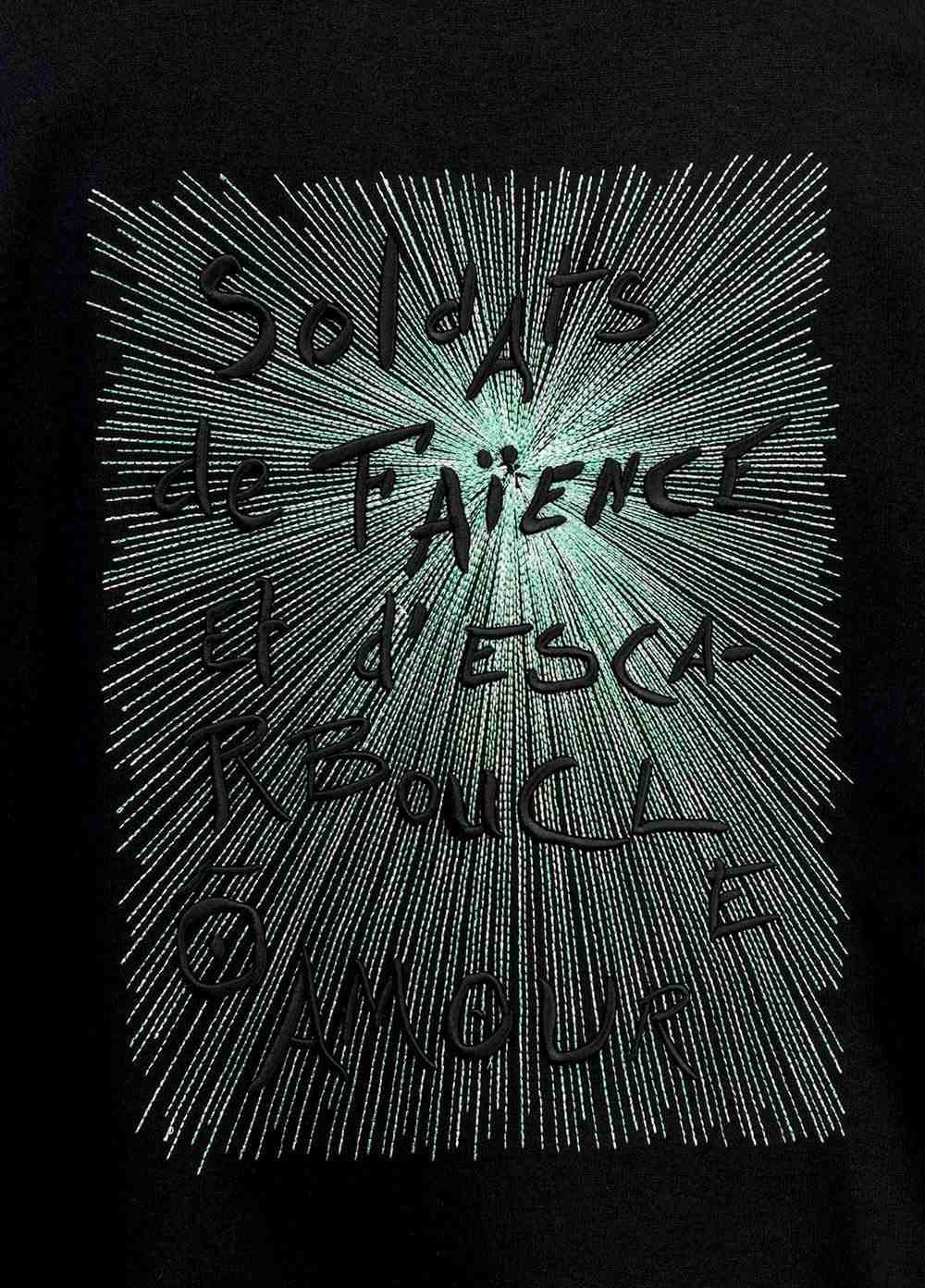
3D Puff Embroidery
Foam backing beneath the thread raises your logo off the fabric surface for bold, dimensional impact. Widely used on streetwear caps and tees, puff embroidery transforms flat branding into eye-catching, tactile artwork.
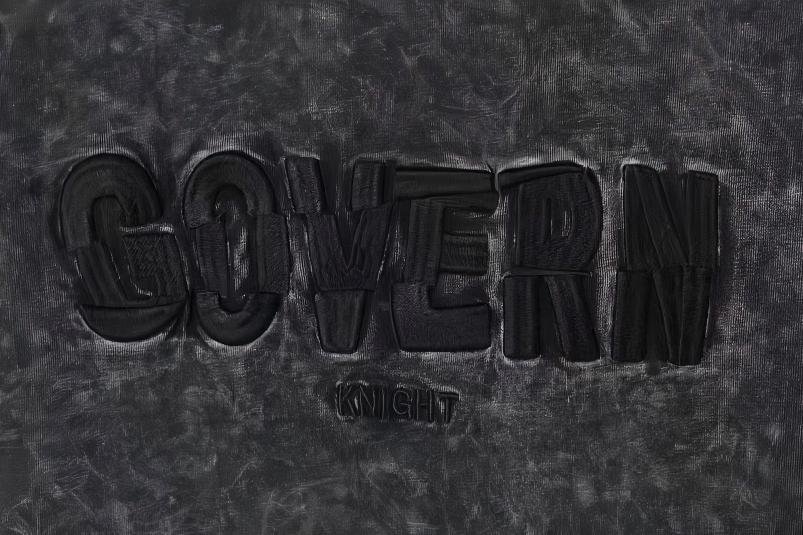
Chain Stitch Embroidery
A looping thread technique rooted in vintage American workwear and Japanese denim culture. Produces deeply saturated, textured lettering and motifs that add a heritage, artisanal character to premium streetwear collections.
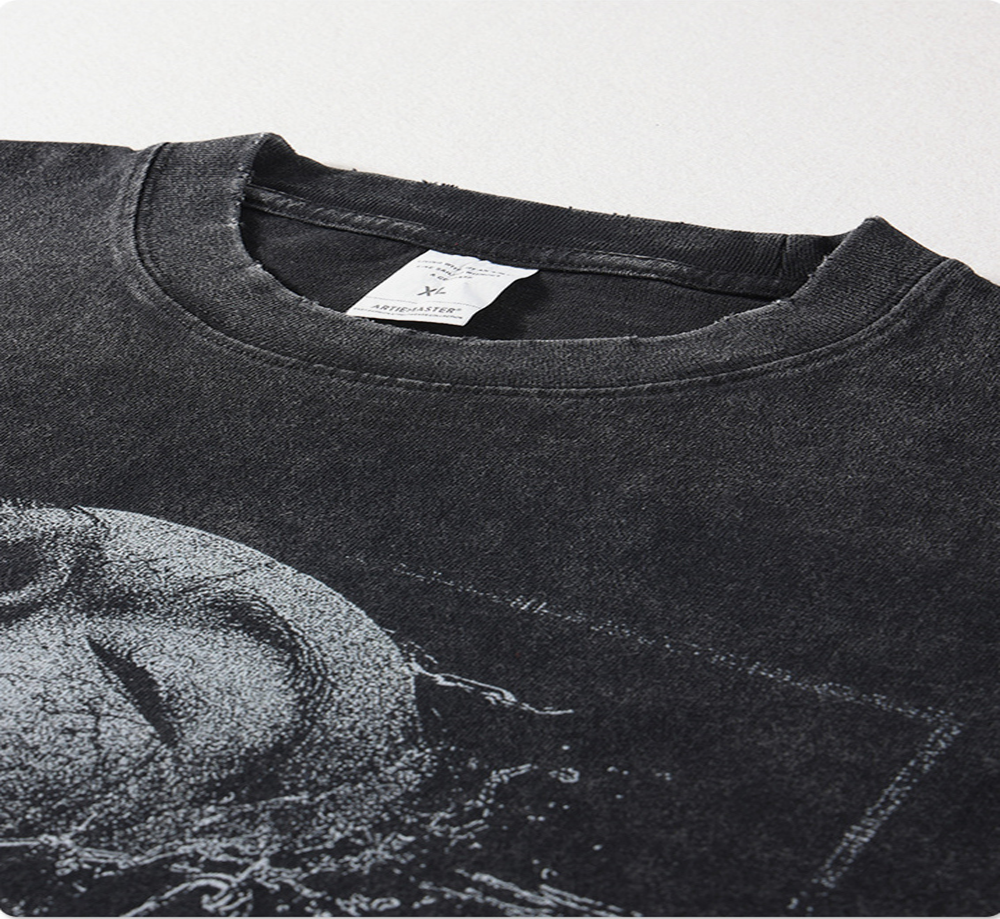
Screen Printing
Ink forced through a mesh stencil onto fabric produces vivid, wash-resistant graphics. Cost-efficient at high volume, it is the go-to method for bold statement tees and large-run seasonal streetwear drops.
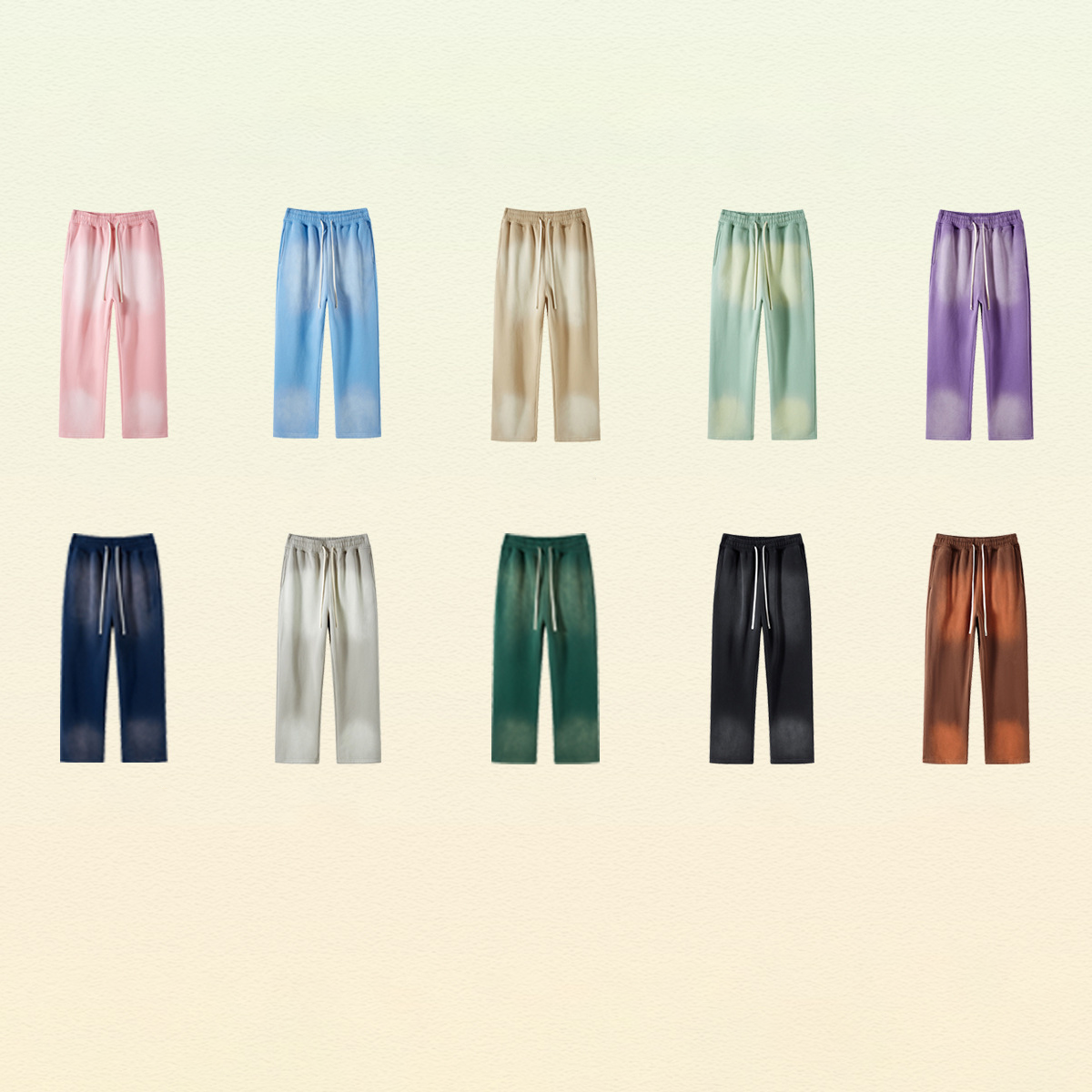
DTG Printing
Inkjet technology deposits full-color designs directly onto fabric with no screens or setup fees. Perfect for short-run influencer drops and photorealistic artwork demanding unlimited colors and fine gradient detail.
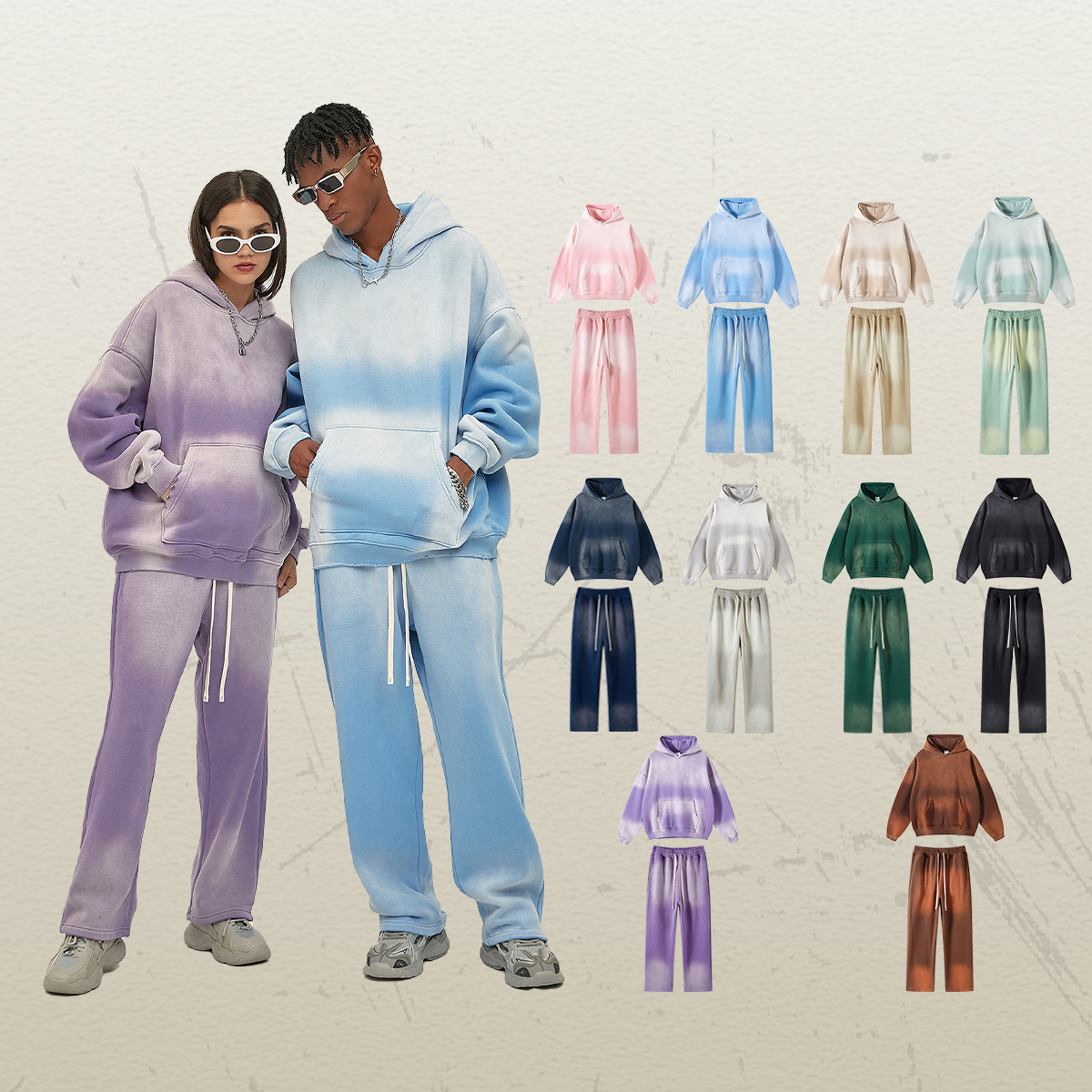
Heat Transfer
Pre-printed designs bonded to fabric via heat and pressure, enabling photorealistic detail, metallic effects, and holographic finishes. Ideal for limited-edition streetwear pieces requiring premium visual complexity beyond traditional print methods.
Custom Accessories for Every Embroidered T Shirt
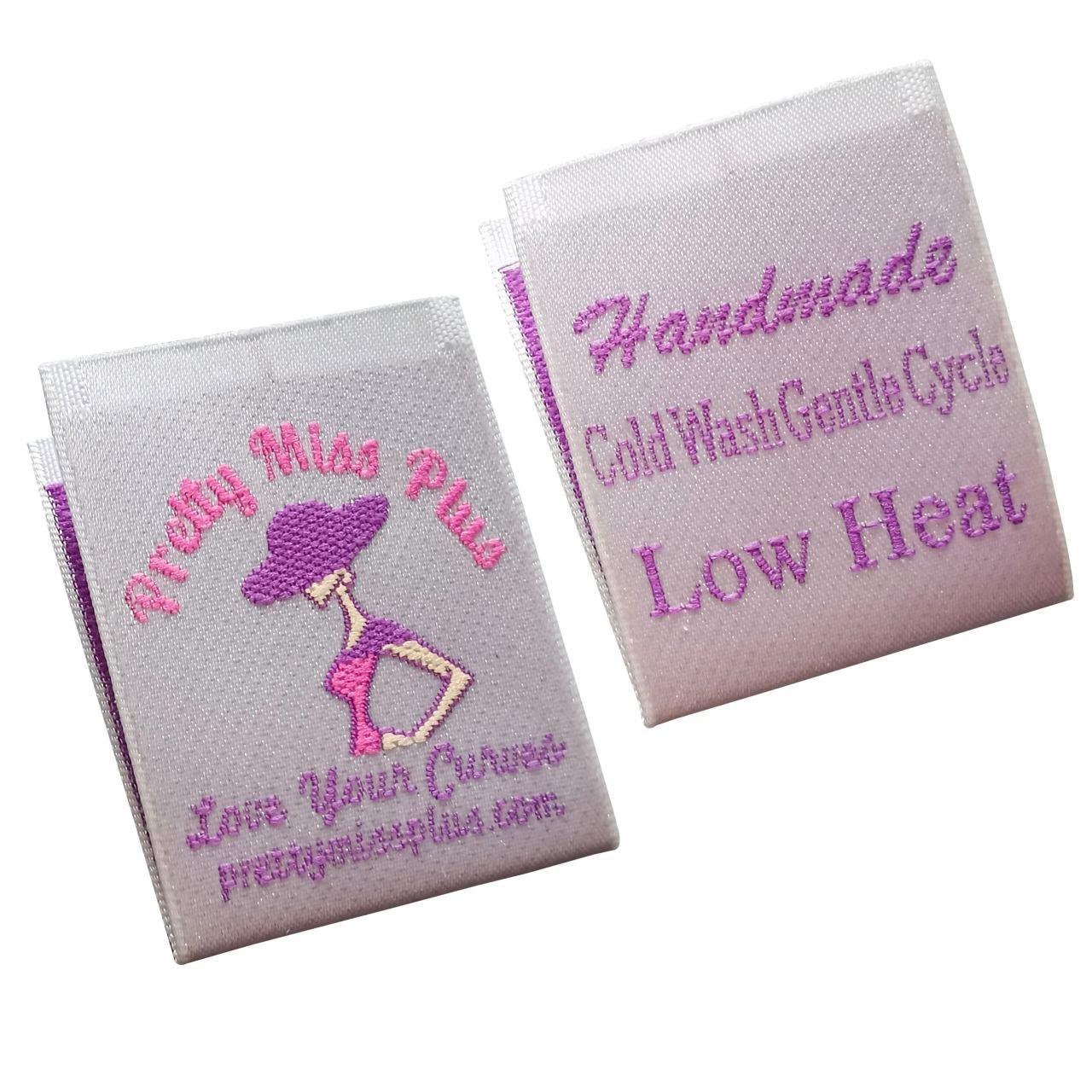
Woven Labels
Custom woven neck, size, and care labels in satin, damask, or taffeta weaves. Reinforce brand identity inside every embroidered t-shirt and deliver a professional, retail-ready finish your customers immediately notice.
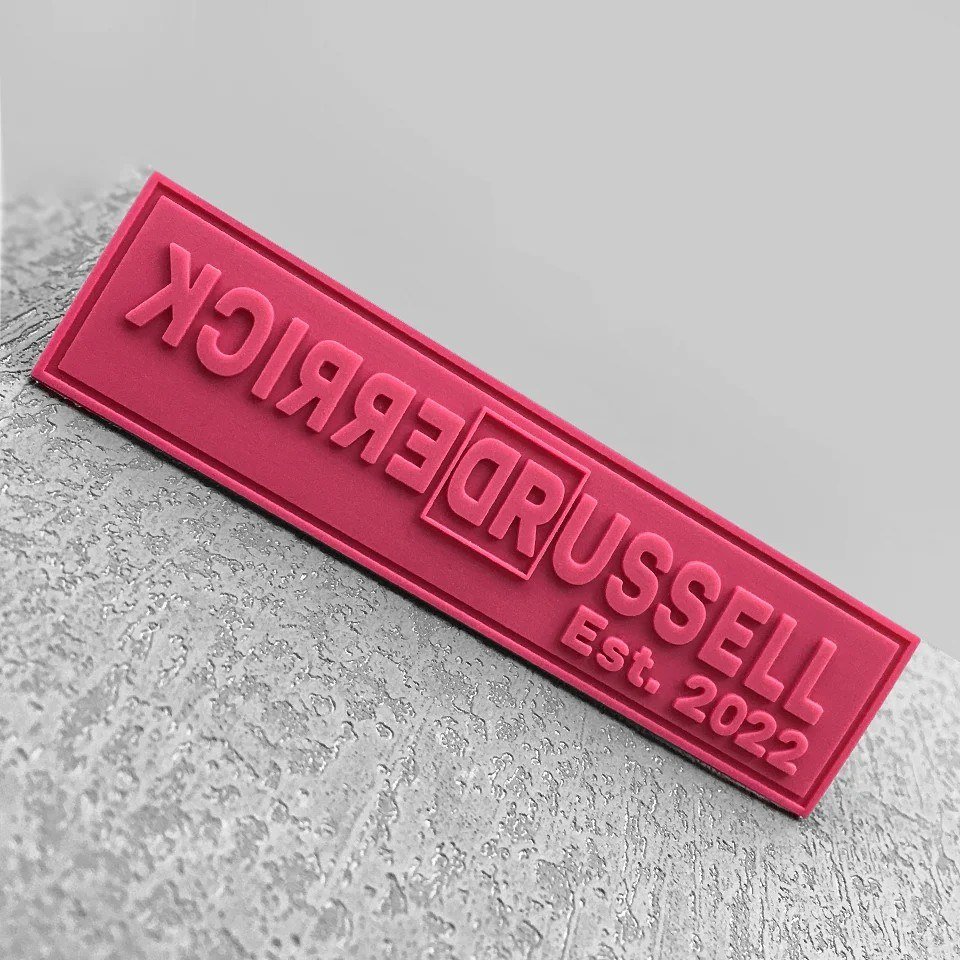
Custom Hang Tags
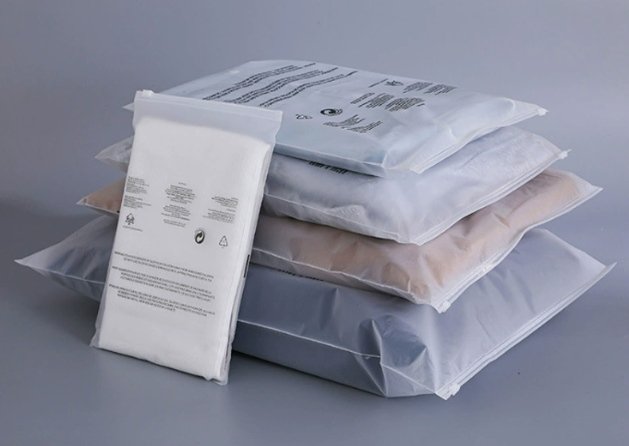
Premium printed or die-cut hang tags that communicate your brand story, sizing, and care instructions. Applied at final finishing, they elevate perceived value and create a polished, memorable unboxing experience.
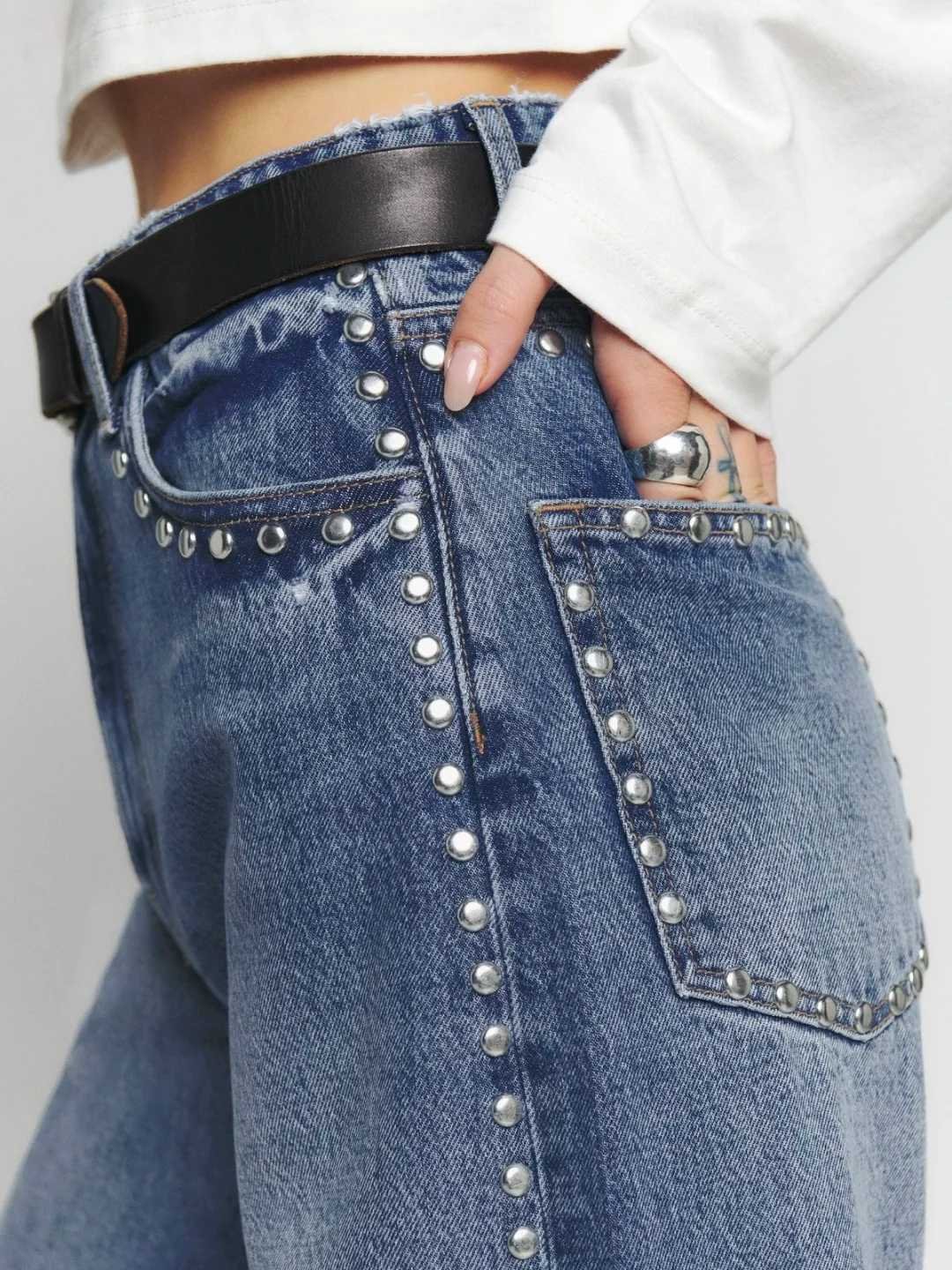
Drawcord & Tipping
Flat or round cotton and polyester drawcords fitted with metal or plastic tipping, ideal for streetwear tees featuring drawcord hemlines or kangaroo pocket details that define an authentic urban aesthetic.
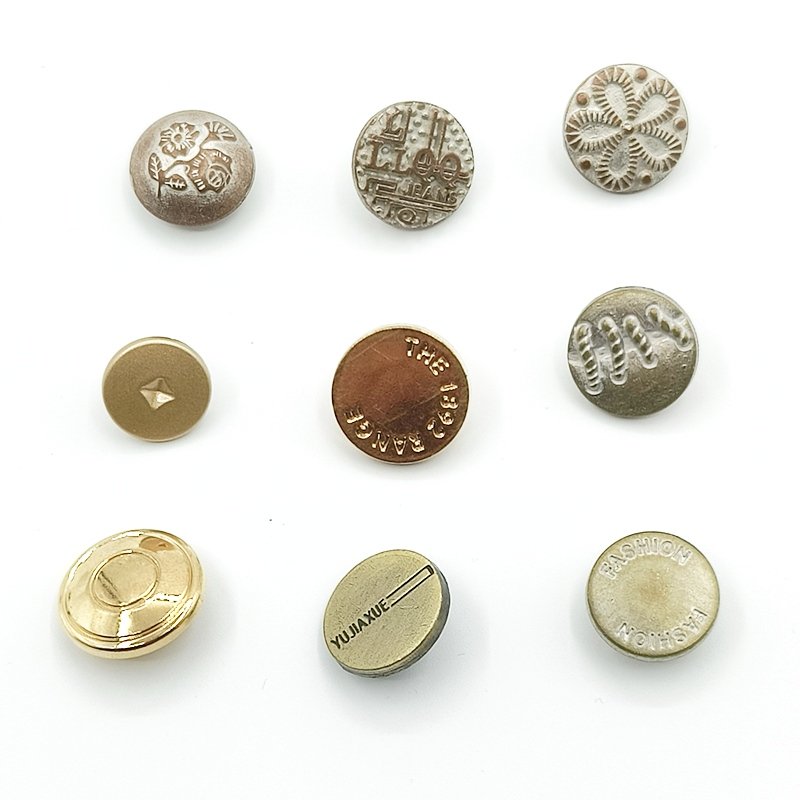
Snap Buttons
Durable metal or resin snap buttons for chest pockets, plackets, or decorative closures. Available in matte, brushed, or polished finishes to seamlessly complement your embroidered t-shirt design and brand color palette.
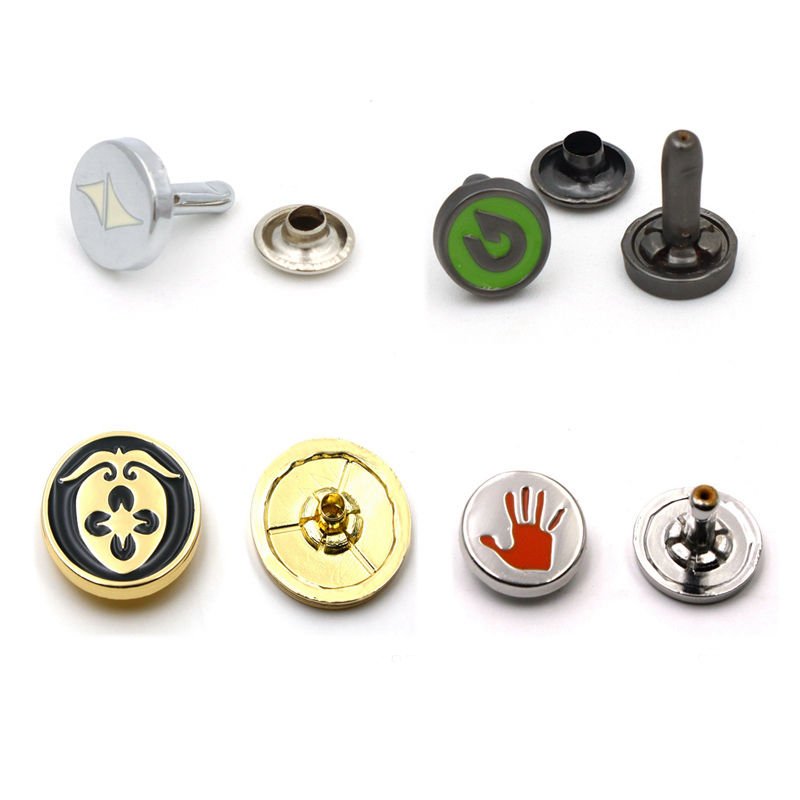
Metal Eyelets
Precision-set brass or stainless steel eyelets for ventilation panels, lacing details, or decorative accents. Corrosion-resistant and reinforced for long-term durability on high-wear streetwear and activewear pieces.
Custom Patches
Woven, embroidered, or PVC patches applied via heat seal or sew-on methods. Add secondary branding or bold graphic accents alongside primary embroidery for a layered, distinctive streetwear aesthetic.
Your Dedicated Embroidered T Shirt Manufacturer
Clothing Manufacturer Ltd was founded in 2024 by Tesla Luo, a garment industry veteran with over 10 years of production experience and 6 years specializing in streetwear. Raised in a family rooted in apparel manufacturing, Luo spent years rotating through every production role before launching his own embroidered t shirt manufacturer with one mission: restore global trust in Chinese garment quality.
Headquartered in Humen Town, Dongguan — the heartland of China’s garment industry — we operate under the parent infrastructure of Dongguan TuoZhen Clothing Co., Ltd., backed by an in-house R&D team of 15 specialists and 10 registered patents. From startups launching their first collection to established global retailers scaling production, we serve brands across more than 100 countries with low MOQ options and fast seasonal turnaround.
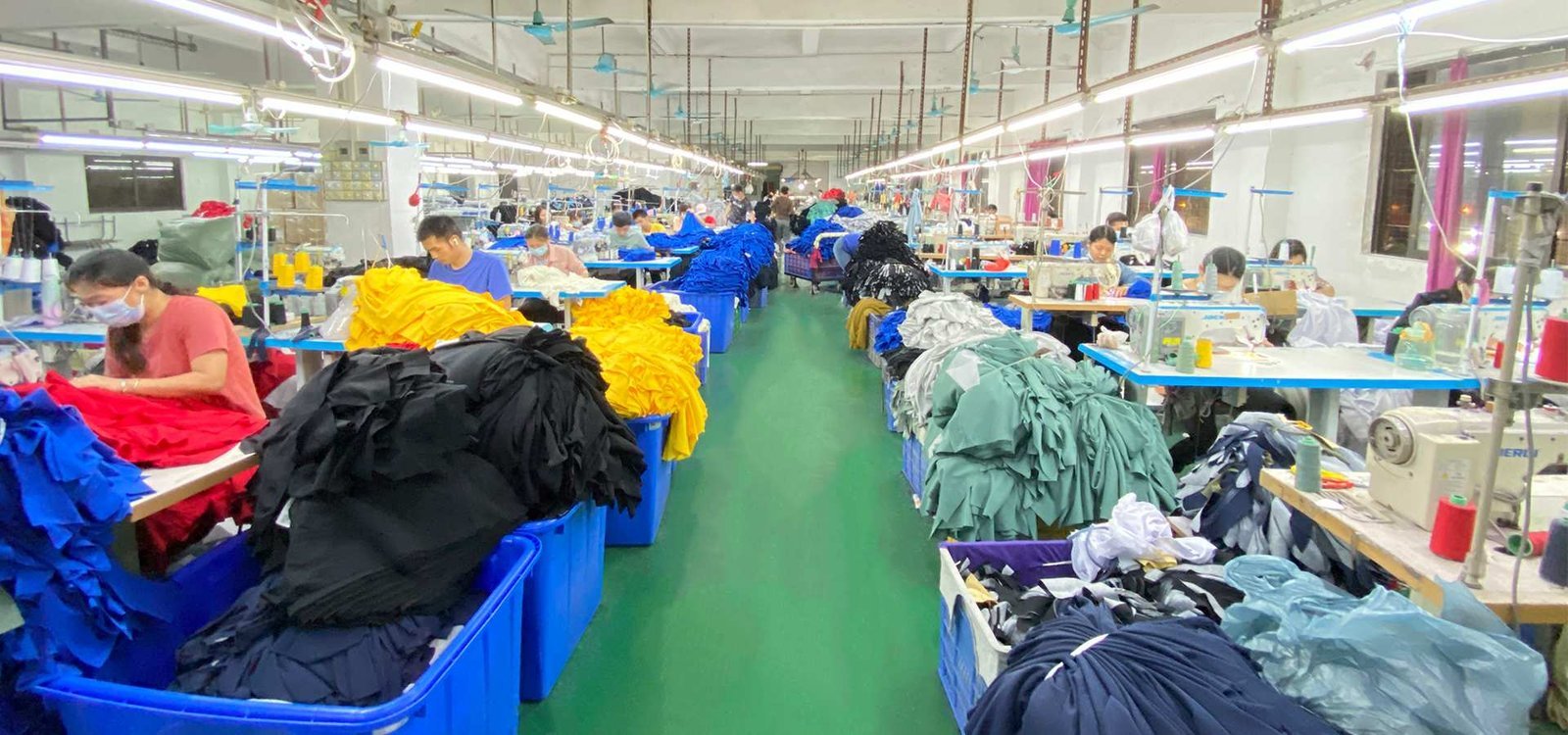
What sets us apart is our proprietary five-step quality control process, embedded at every stage from materials and cutting through sewing to final inspection. Unlike factories that treat QC as an afterthought, we identify and correct defects before they reach your product. For streetwear brands, influencer lines, and independent designers who cannot afford quality compromises, that difference defines everything we do.
Your Embroidered T Shirt Manufacturer’s 5-Step Quality Guarantee
Materials QC: Where Zero Defects Start
Every embroidered t-shirt begins with rigorous fabric and thread testing. We inspect yarn weight, colorfastness, shrinkage tolerance, and embroidery thread durability before a single stitch is placed — catching issues at the source, not at the end of the line.
- Fabric tensile strength and shrinkage tested to spec before cutting begins
- Embroidery thread colorfastness verified against industry wash and fade standards
- Trim and interlining components inspected for consistency and compatibility
- Defective materials quarantined and replaced before production advances
Cutting and Craft QC: Precision at Scale
Accurate pattern cutting and correct garment construction are non-negotiable for flawless embroidered pieces. Our QC team checks each cut bundle for dimensional accuracy and verifies that every craft specification — placement, seam allowance, and panel alignment — meets approved samples.
- Cut panels measured against approved patterns for dimensional accuracy
- Grain-line alignment and symmetry checked on every bundle
- Embroidery placement coordinates verified before hoop-framing begins
- Craft specifications cross-referenced against signed-off sample for every style
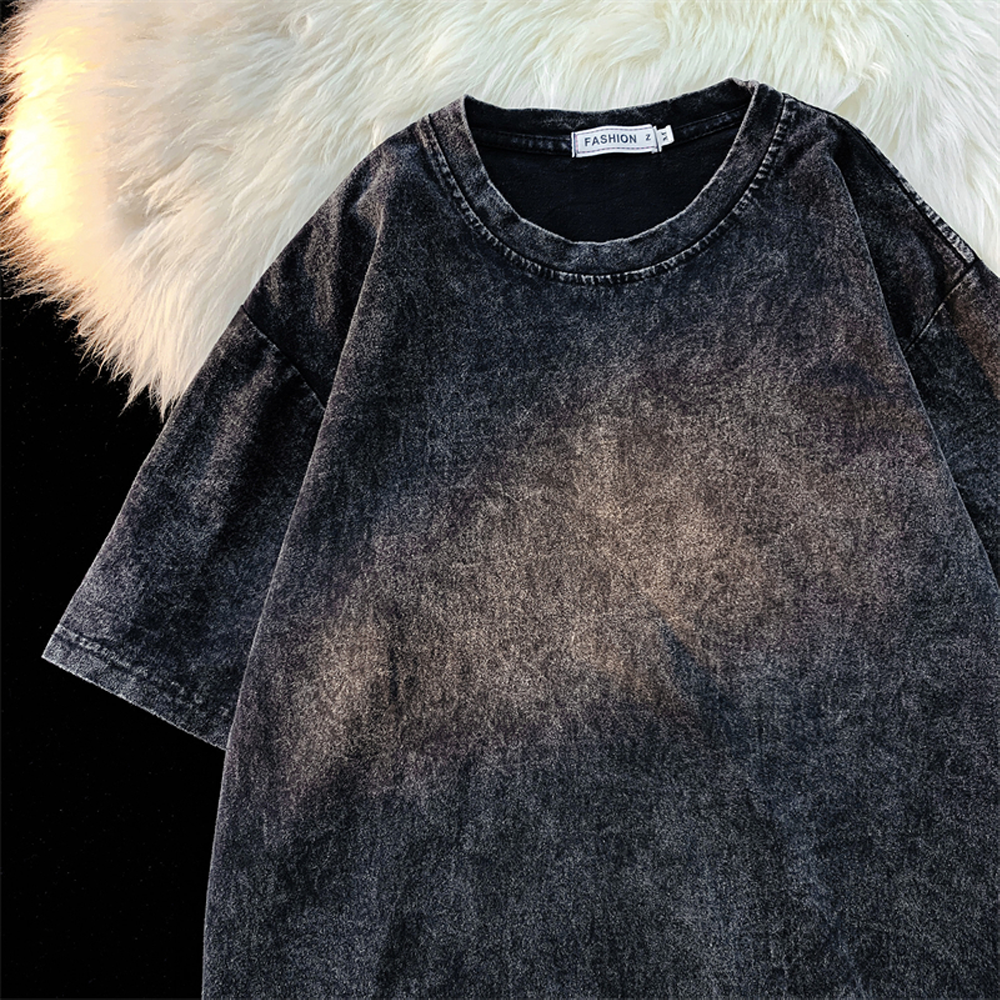
Sewing Production QC: In-Line Station Monitoring
Rather than waiting until garments are finished to spot errors, our supervisors conduct in-line quality audits at each sewing station. Stitch density, seam integrity, and embroidery tension are monitored continuously, reducing rework rates and protecting your delivery schedule.
- Stitch-per-inch density audited at every machine station during active runs
- Seam strength and tension tested throughout production, not just at the end
- Embroidery registration and thread density spot-checked every 50 units
- Inline defect rate tracked and corrected before progressing to the next stage
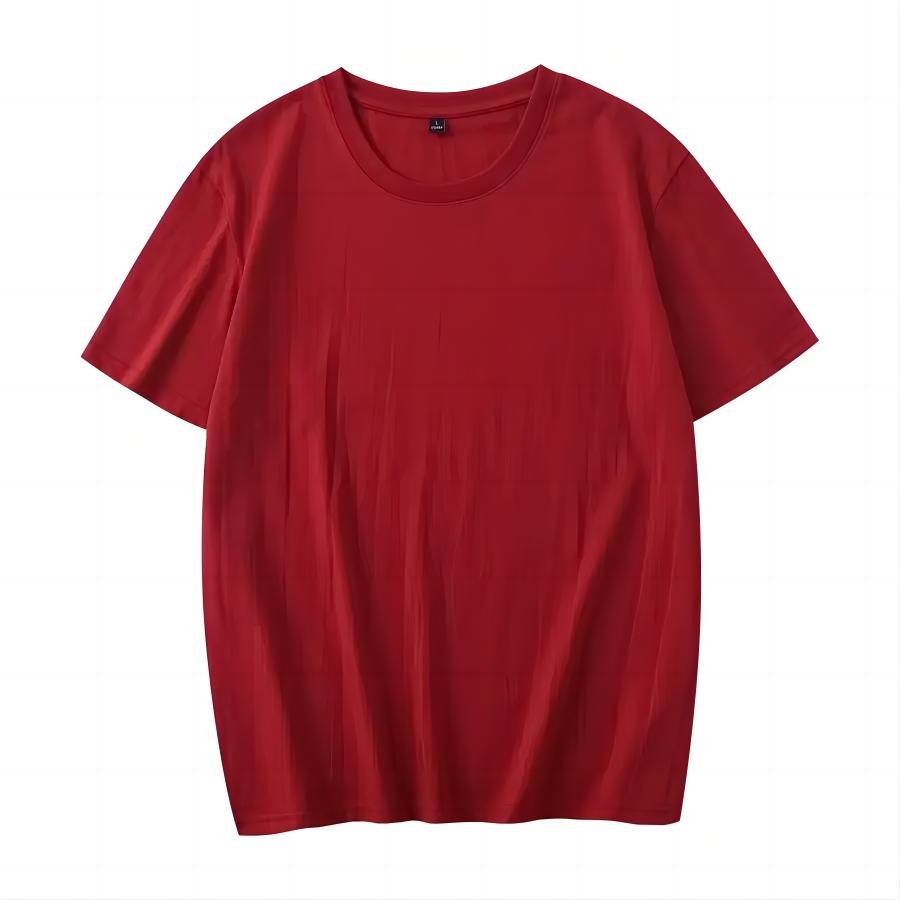
Final Inspection: No Garment Ships Unchecked
Every completed embroidered t-shirt undergoes a thorough finished-goods inspection before packing. Measurement conformity, embroidery definition, color consistency, and overall presentation are evaluated against your original approval sample — only garments that pass all criteria are cleared for shipment.
- Full measurement audit against tech-pack specs on every finished piece
- Embroidery detail and thread cleanliness inspected under controlled lighting conditions
- Color consistency compared to approved strike-off and original customer sample
- Packing, labeling, and hang-tag placement verified before carton sealing
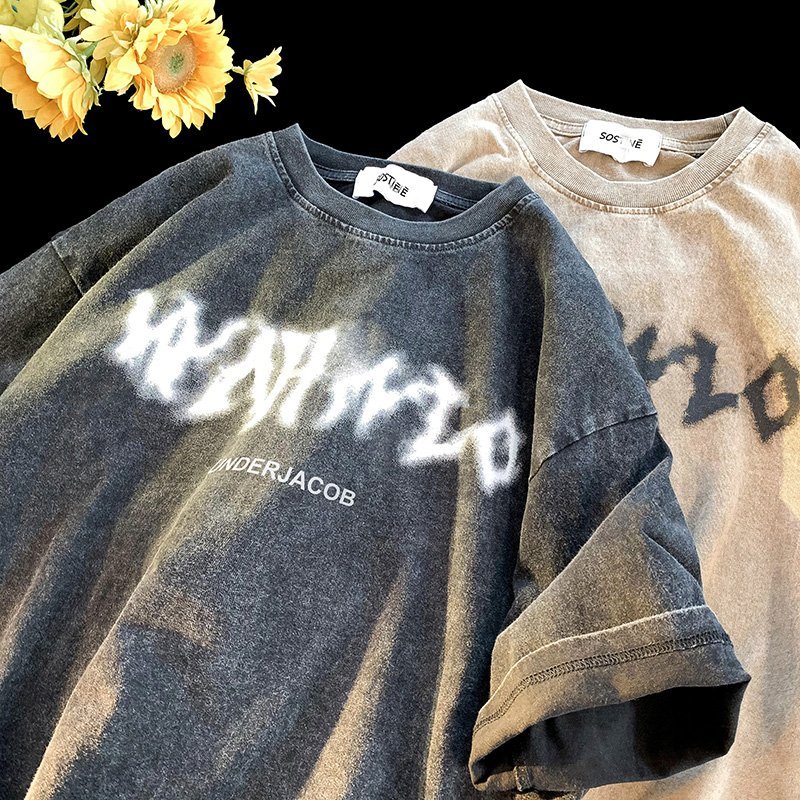
Not All Embroidered T Shirt Manufacturers Are Equal
See how Clothing Manufacturer Ltd. stacks up against typical suppliers on the factors that matter most to growing brands.
← 左右滑动查看 →
Embroidered T Shirt Manufacturer Production Timeline
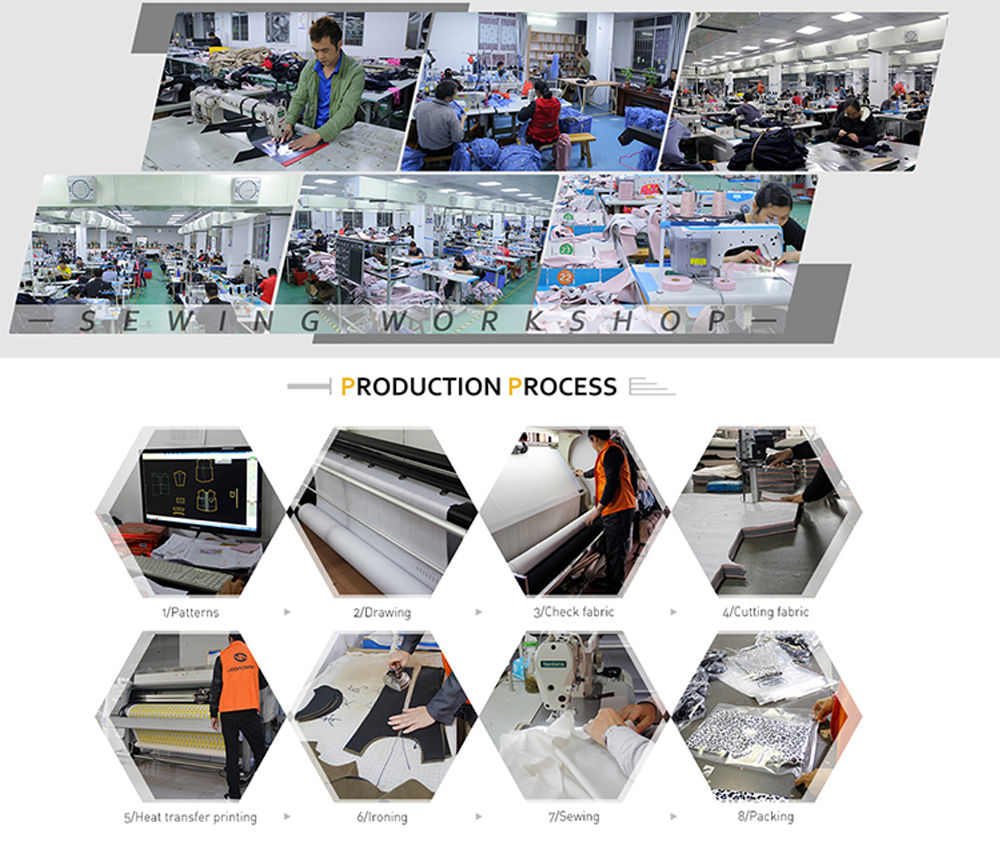
Quality is built into every phase — not inspected in at the end. See exactly how we take your brief from raw fabric to finished, export-ready product.
Order Intake & Briefing
Your design files, fabric preferences, embroidery specs, and MOQ details are confirmed upfront, setting a clear production roadmap before a single thread is cut.
Materials QC Testing
Every fabric roll and trim component undergoes our Step 1 QC audit — shrinkage, colorfastness, and tensile strength tested before cutting ever begins.
Pattern & Sample Development
Our in-house design team builds patterns and embroidery strike-off samples for your approval, verifying stitch density, thread colorways, and fit before bulk production.
Precision Cutting & Craft QC
Approved fabrics are cut to exact specs and immediately inspected — our cutting and clothing craft QC steps catch misalignment or defects before sewing begins.
Embroidery, Sewing & Inline QC
Panels move through embroidery and sewing stations with real-time checks on stitch counts, seam integrity, and construction consistency at every production stage.
Final Inspection & Global Shipping
Every finished garment clears our Step 5 QC inspection before expert packing and global logistics dispatch, arriving at your warehouse on schedule and defect-free.
How to Work With Our Embroidered T Shirt Manufacturer
A straightforward five-step process designed to take your concept from initial brief to worldwide delivery — with zero quality compromises at any stage.
Submit Your Tech Pack
Share your design files, embroidery artwork, and fabric preferences. Our in-house team reviews every detail and responds with personalized production recommendations within 24 hours.
Get a Tailored Quote
We deliver a clear, itemized quote covering fabric, embroidery technique, unit pricing, MOQ, and lead time — so you can plan your budget with complete confidence.
Approve Physical Samples
Our sampling team hand-produces embroidered t-shirt samples for your review. Request as many revisions as needed — we refine every stitch until your brand vision is realized.
Confirm Your Bulk Order
Lock in quantities, colorways, and your delivery date. Our 5-step QC process activates immediately — running quality checks from fabric intake through to finished garment inspection.
Receive Global Delivery
We coordinate international shipping, customs clearance, and logistics end-to-end. Your finished embroidered t-shirts arrive on time, properly packed, and ready for retail or online fulfillment.
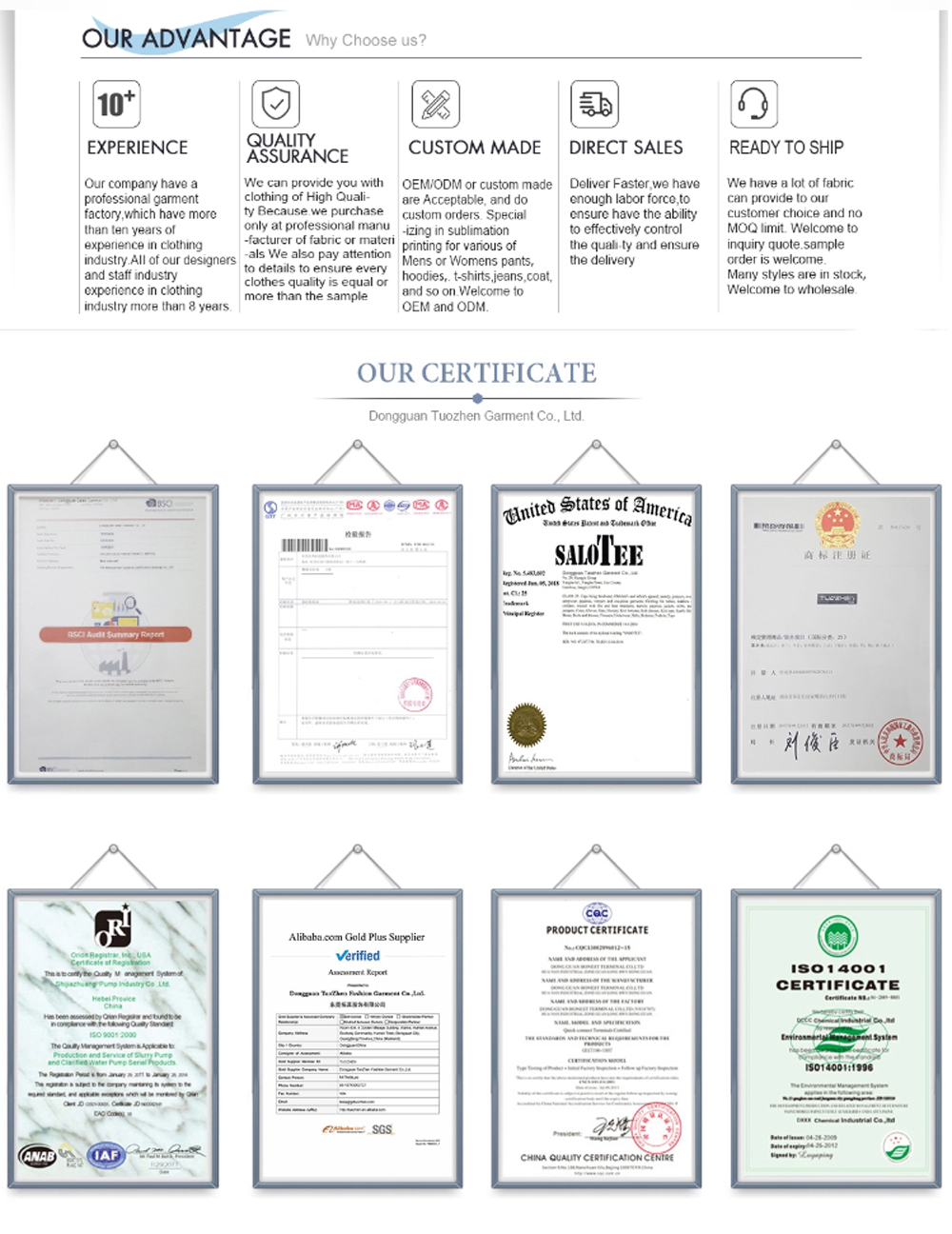
Certified Embroidered T Shirt Manufacturer — Standards Global Buyers Trust
What Brands Are Saying About Our Embroidered T Shirt Manufacturer
We launched our debut embroidered tee drop of 500 units in just 12 days and sold out within 48 hours. Our Instagram following jumped from zero to 32,000 in the first month. Clothing Manufacturer Ltd.’s 5-step QC meant zero returns.
I needed low MOQ to test my concept — they delivered 200 premium embroidered tees with zero defects. That single drop grew my audience from 14k to 79k followers in six weeks. I have reordered three times since.
Three seasons, over 9,000 embroidered units, and quality has been identical across every batch. Lead times held even during peak demand. After seven years sourcing globally, Clothing Manufacturer Ltd. is the most consistent production partner we have worked with.
Embroidered T Shirt Manufacturer FAQ
Everything streetwear brands, startups, and global retailers need to know before placing an order.
What is the minimum order quantity (MOQ) at your embroidered t shirt manufacturer?
How long does production take at an embroidered t shirt manufacturer like yours?
How much does sampling cost, and how long does it take?
What quality guarantees does your embroidered t shirt manufacturer provide?
How do you protect my designs and intellectual property?
What payment terms do you offer?
What is your revision policy if I am not satisfied with the embroidered sample?
Which embroidered t shirt manufacturer can ship globally and handle customs documentation?
Can you handle embroidered t shirt orders for influencer and creator brands?
The Complete Buyer’s Guide to Choosing an Embroidered T Shirt Manufacturer
Everything streetwear labels, fashion startups, and global retailers need to evaluate an embroidered t shirt manufacturer — from stitch quality and fabric specs to supplier vetting, MOQ tiers, and the critical mistakes that derail first-time orders.
1. What Is an Embroidered T Shirt Manufacturer?
An embroidered t-shirt manufacturer operates under one roof a complete production chain — blank garment construction, in-house digitizing, and multi-head embroidery machines capable of 850 to 1,500 stitches per minute. Unlike a print-on-demand platform, which applies heat-transfer or DTG ink to finished blanks, a full-scope manufacturer controls fabric selection, cutting, sewing, and decoration from a single facility. This vertical integration allows consistent quality at scalable MOQs, typically starting at 50 to 300 pieces per colorway.
Three core capabilities define a true embroidered t-shirt manufacturer: a digitizing department that converts artwork into machine-readable DST or EMB files, a fleet of Tajima- or Barudan-class multi-head machines, and a QC process checking thread tension, registration, and backing trim at every production stage. Clothing Manufacturer Ltd. applies a five-step quality control methodology — covering materials, cutting, craft, sewing, and finished-goods inspection — rather than a single end-of-line audit.
A decorator buys blank garments wholesale and applies embroidery only; a wholesaler stocks pre-made goods and resells without customization. Only an embroidered t-shirt manufacturer sources or produces the base garment and handles decoration, giving brands control over fabric weight (typically 180–280 GSM for streetwear tees), OEKO-TEX-certified materials, and construction details like flatlock seams or ribbed collars.
For brands that need branded, production-ready garments — not just decorated samples — a manufacturer is the correct supplier tier. Streetwear labels, independent designers, and global retailers benefit from a manufacturer’s control over the full process, from ring-spun cotton selection to finished packing. If your brand requires consistent stitch counts, Pantone-matched thread colors, and lead times of 15–30 days, a dedicated embroidered t-shirt manufacturer is the right partner.
2. History & Evolution of Embroidered T Shirt Manufacturing
Embroidery on apparel predates industrial manufacturing by millennia, but the craft’s commercial turning point arrived in 1863 when Isaak Groebli invented the Schiffli shuttle loom in St. Gallen, Switzerland. That machine replicated hand-stitch patterns across wide fabric widths, cutting production labor by roughly 90 percent and making embellished garments economically viable beyond royal courts and luxury houses.
The next structural shift came with computer-controlled multi-head machines from manufacturers such as Tajima (founded 1944, Japan) and ZSK (founded 1981, Germany). Modern 12- to 30-head commercial units run at up to 1,200 stitches per minute per head, enabling a single operator to embroider hundreds of identical chest logos simultaneously — a throughput impossible under Schiffli or hand methods.
Digitizing software, introduced commercially in the 1980s and refined through platforms like Wilcom EmbroideryStudio, converted vector artwork into precise stitch paths with sub-millimeter registration. A brand logo is translated once into a DST or EMB file and reproduced identically across thousands of runs, eliminating the manual re-mapping that caused inconsistency in earlier production eras.
That layered provenance matters for brand founders: every skilled embroidered t shirt manufacturer working today inherits both the tactile density of hand-craft tradition and the repeatability of industrial-grade machinery. Heritage quality and scalable production are no longer in tension — they are the same workflow, separated only by a century of engineering.
3. Types of Embroidered T Shirt Manufacturer to Know
Not every embroidered t shirt manufacturer operates the same way. Five distinct archetypes serve different volume tiers, timelines, and brand-positioning goals — knowing which type you are dealing with prevents costly mismatches before a single sample is cut.
Full-Package OEM Factories With In-House Embroidery
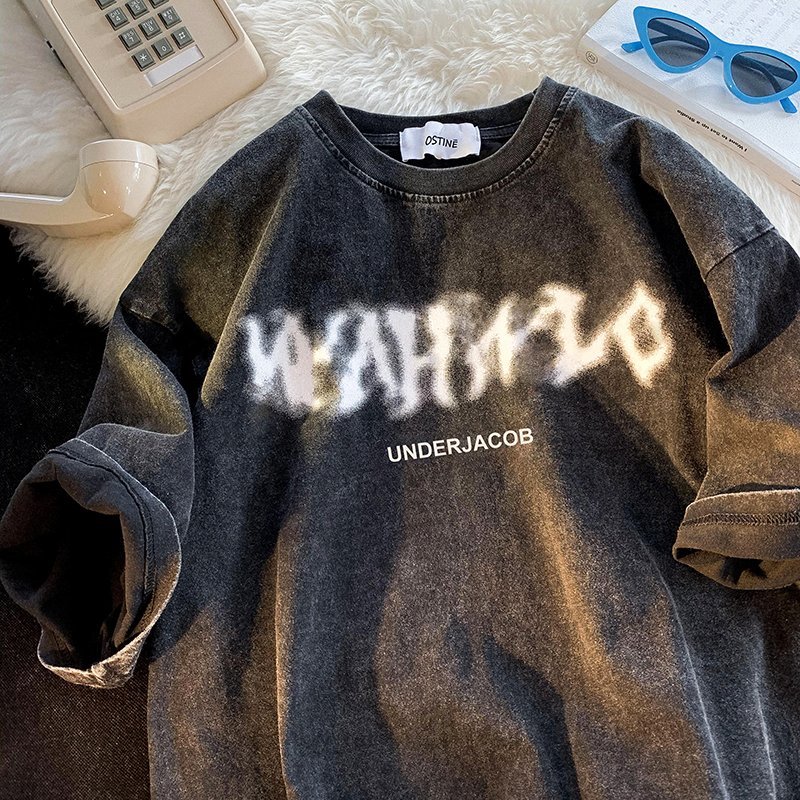
Full-package OEM factories handle every production step in-house — fabric sourcing, cutting, sewing, and multi-head embroidery — under one roof. MOQs typically start at 200–500 pieces per style, with 30–45-day lead times. This model suits brands needing scalable, consistent output with a single accountable vendor.
Decoration-Only Embroidery Contractors
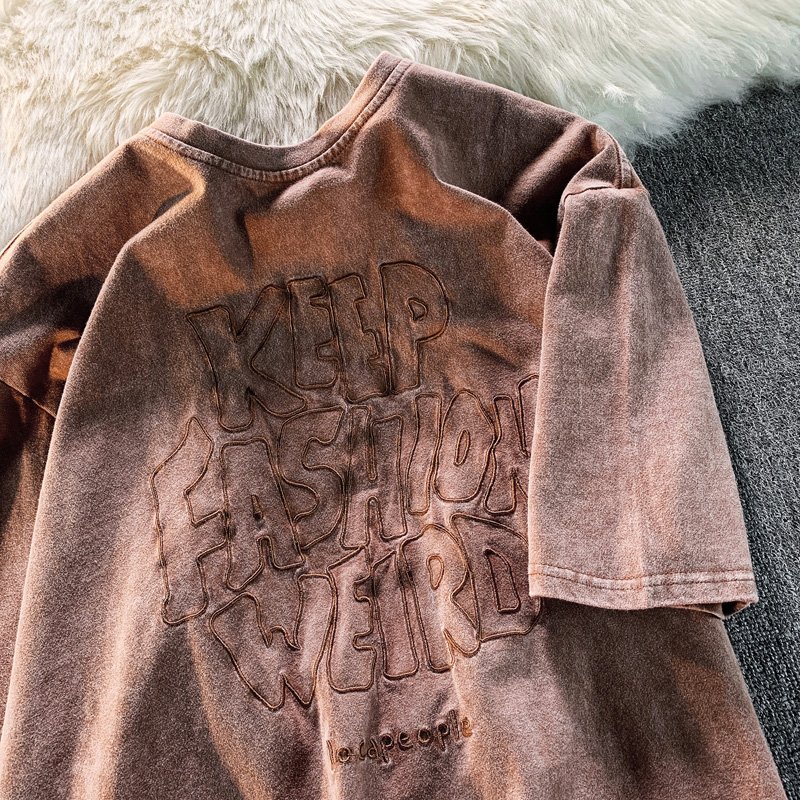
Decoration-only contractors apply embroidery onto blanks you supply — often Gildan, Bella+Canvas, or similar wholesale blanks. They price by the 1,000-stitch block and accept MOQs as low as 12–24 pieces. Use them for quick-turn branded merch when you already control blank sourcing.
Private-Label Specialists for Brand Exclusivity
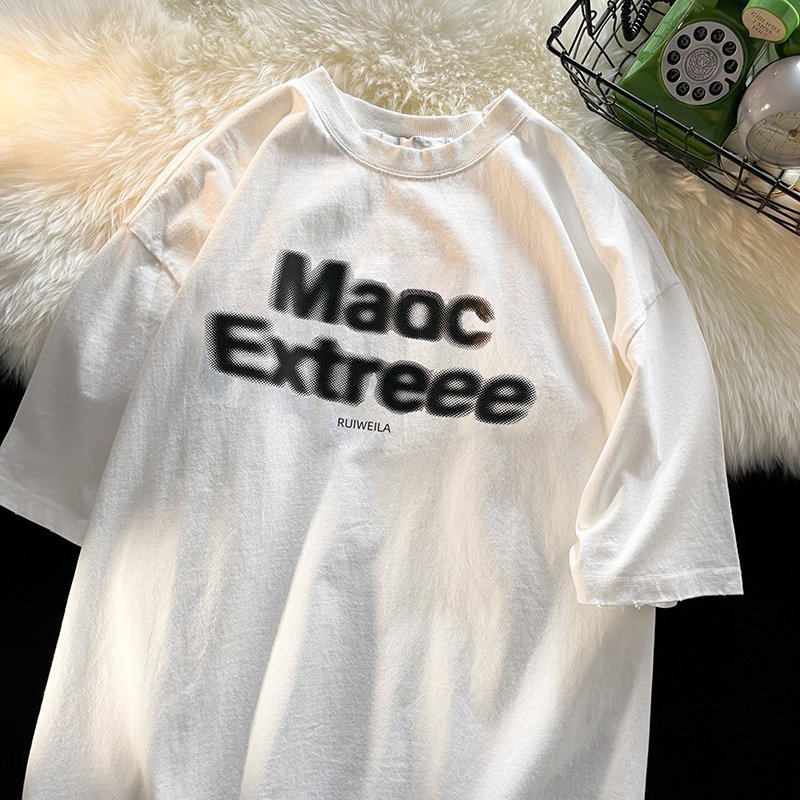
Private-label manufacturers develop custom fabric specs, woven labels, and hang tags so every finished piece carries your brand exclusively. Typical MOQs run 300–1,000 units per style. Streetwear labels needing a signature 240 GSM ring-spun tee with custom neck labels benefit most from this structure.
Small-Batch Artisan Studios for Premium Drops
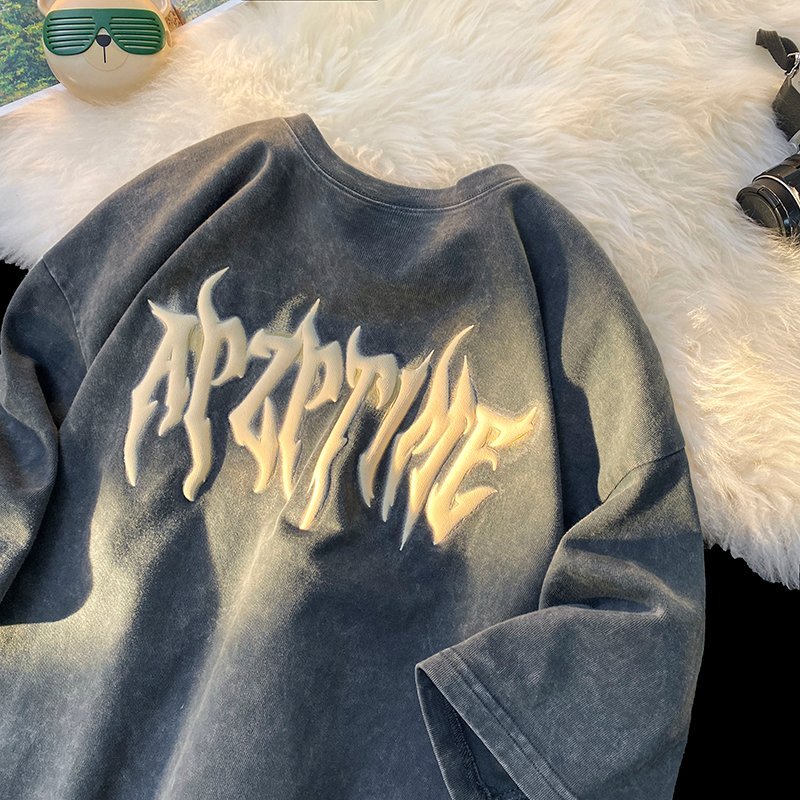
Artisan studios specialize in low-MOQ runs of 30–100 pieces, often using single-head machines or hand-guided frames for intricate streetwear artwork. Unit costs run 3–5× higher than OEM factories, but finish quality supports retail pricing above $80. These studios suit capsule collections and influencer exclusives where perceived craft value matters.
Offshore, Nearshore, and Domestic Compared
Offshore factories in China, Bangladesh, and Vietnam offer the lowest unit costs and broadest capacity, with 25–60-day shipping windows. Nearshore options like Mexico and Portugal cut transit to 7–14 days at a 20–40% cost premium. Domestic US or EU producers command the highest unit price but satisfy ‘made in USA’ positioning and deliver the fastest sample turnarounds.
4. Materials & Fabrics Used by a Quality Embroidered T Shirt Manufacturer
Fabric selection is the most controllable variable an embroidered t shirt manufacturer manages before production begins. GSM, fiber content, and weave structure each directly determine how stitches register, hold tension, and survive repeated washing.
| Fabric Type | GSM Range | Embroidery Suitability | Ideal Use Case |
|---|---|---|---|
| 100% Combed Cotton | 160–200 gsm | Excellent | Premium streetwear, basics |
| Cotton-Poly Blend (65/35) | 150–180 gsm | Good | Activewear, budget tees |
| Tri-Blend | 130–160 gsm | Moderate | Fashion tees, soft drape |
| Piqué | 180–220 gsm | Very Good | Polo shirts, structured pieces |
| Performance Fabric | 120–150 gsm | Low–Moderate | Athletic, moisture-wicking tees |
How GSM and Weave Affect Embroidery
Fabrics in the 160–200 gsm range offer the stability most commercial embroidery machines require for clean registration. Tighter ring-spun weaves resist ‘pull’—the distortion that occurs when dense stitch counts drag surrounding fibers inward.
Open-end spun cotton below 150 gsm risks puckering under high-density fill stitches, particularly on chest placements exceeding 10,000 stitches.
Fiber Content and Stitch Density
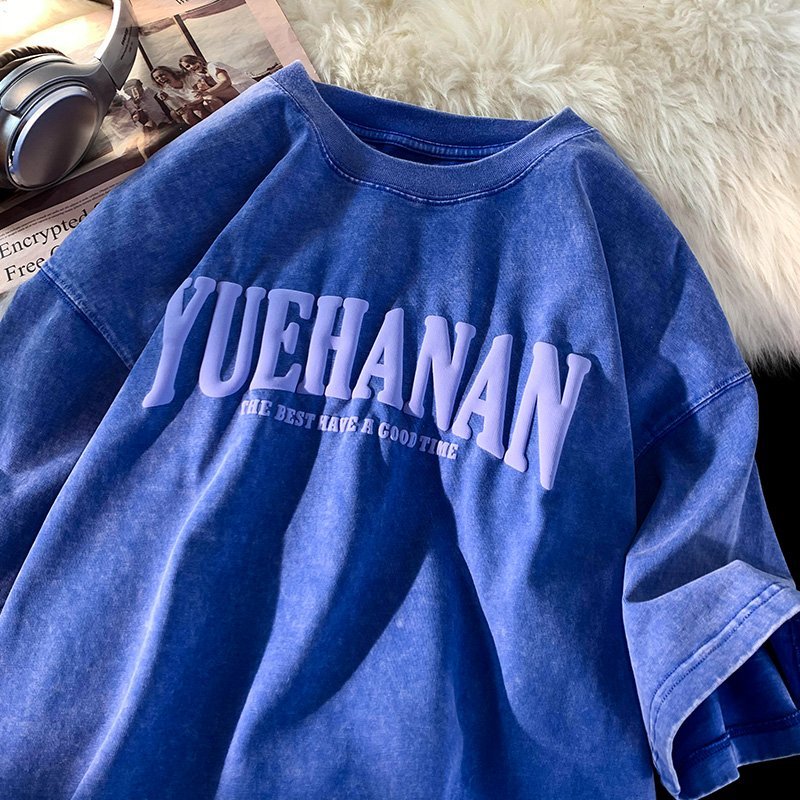
100% combed cotton absorbs embroidery thread cleanly and delivers the sharpest edge definition on logos and wordmarks. Polyester blends at 65/35 or 50/50 ratios reduce shrinkage but require lower stitch density to prevent bobbin-thread blowthrough.
Tri-blends add rayon for drape, which softens detail registration on complex multi-color fills and gradient designs.
Backing and Stabilizer Materials
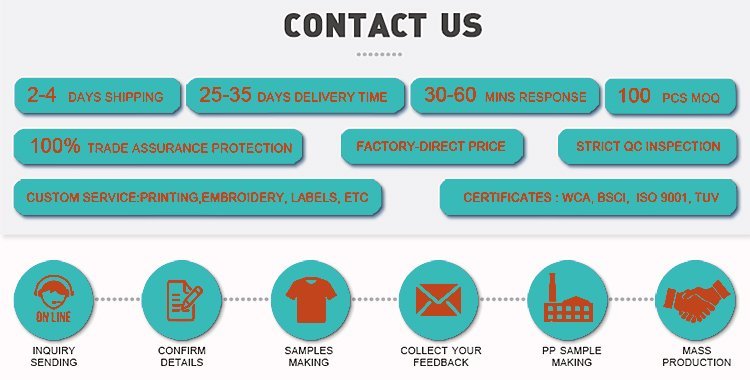
Every quality embroidered t shirt manufacturer hoops a cut-away or tear-away stabilizer behind the embroidery zone before stitching begins. Cut-away non-woven polyester backing is standard on stretch knits; tear-away suits woven piqué and tightly structured fabrics.
Topping—a water-soluble film placed over the fabric surface—preserves stitch definition on textured grounds like French terry or loopback fleece.
5. Customization & Decoration Options Beyond Standard Embroidery
A qualified embroidered t shirt manufacturer offers far more than flat-stitch logos. Understanding the full decoration menu — and when each technique fits your design, fabric, and budget — prevents costly revisions after sampling.
Flat and 3D Puff Embroidery
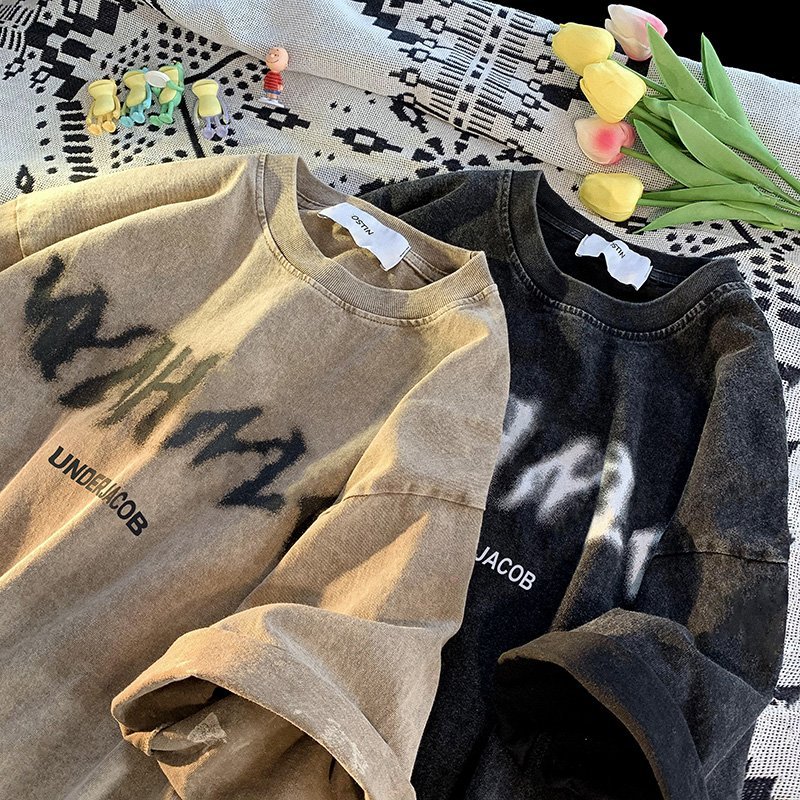
Flat embroidery suits detailed logos under 10,000 stitches on lightweight jersey (150–180 GSM). 3D puff adds a foam underlayer for raised lettering, ideal for bold wordmarks on caps and heavier 220 GSM fleece — stitch counts run 20–40% higher, raising per-piece cost accordingly.
Chain-Stitch and Appliqué Techniques
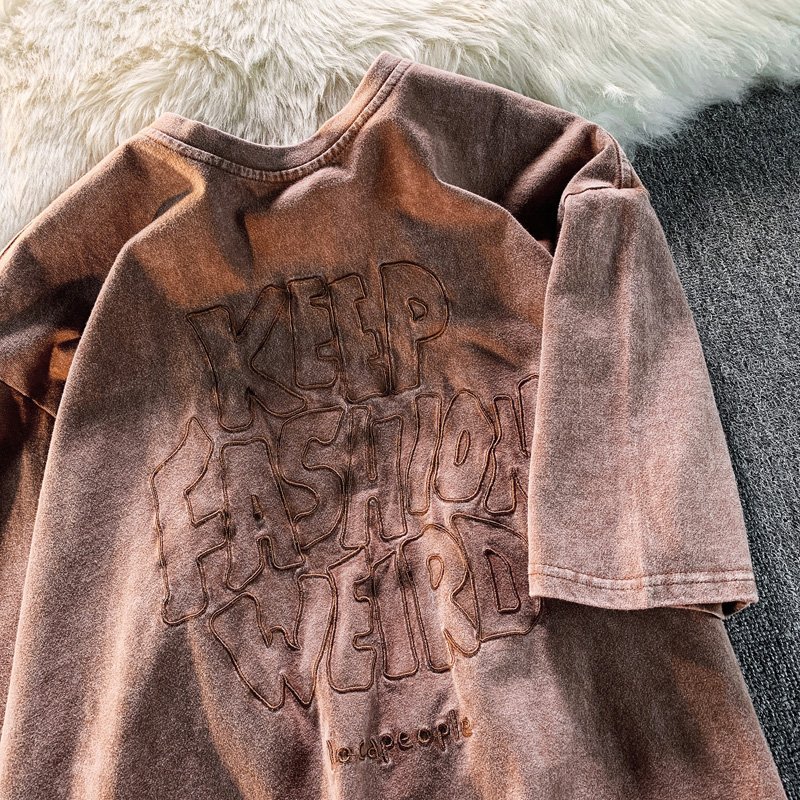
Chain-stitch creates a looped texture prized in vintage streetwear — one thread per line means faster run times but limited color complexity. Appliqué bonds a cut fabric patch before border-stitching, reducing stitch count by up to 60% on large fills and cutting cost on oversized chest or back placements.
Mixed Embroidery and Screen Print
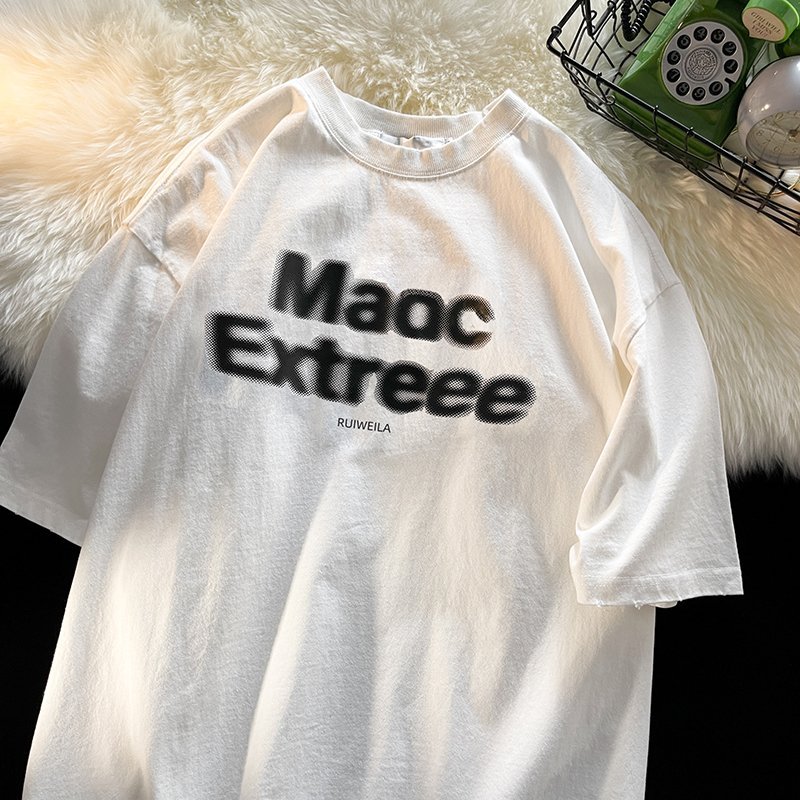
Combining an embroidery header with Plastisol or water-based screen print lets brands balance tactile texture with large-area color. Most suppliers charge $40–$80 per screen plus a $15–$30 digitizing fee, so this hybrid technique pays off at production runs above 100 pieces.
Woven Labels and Heat Transfers as Complements
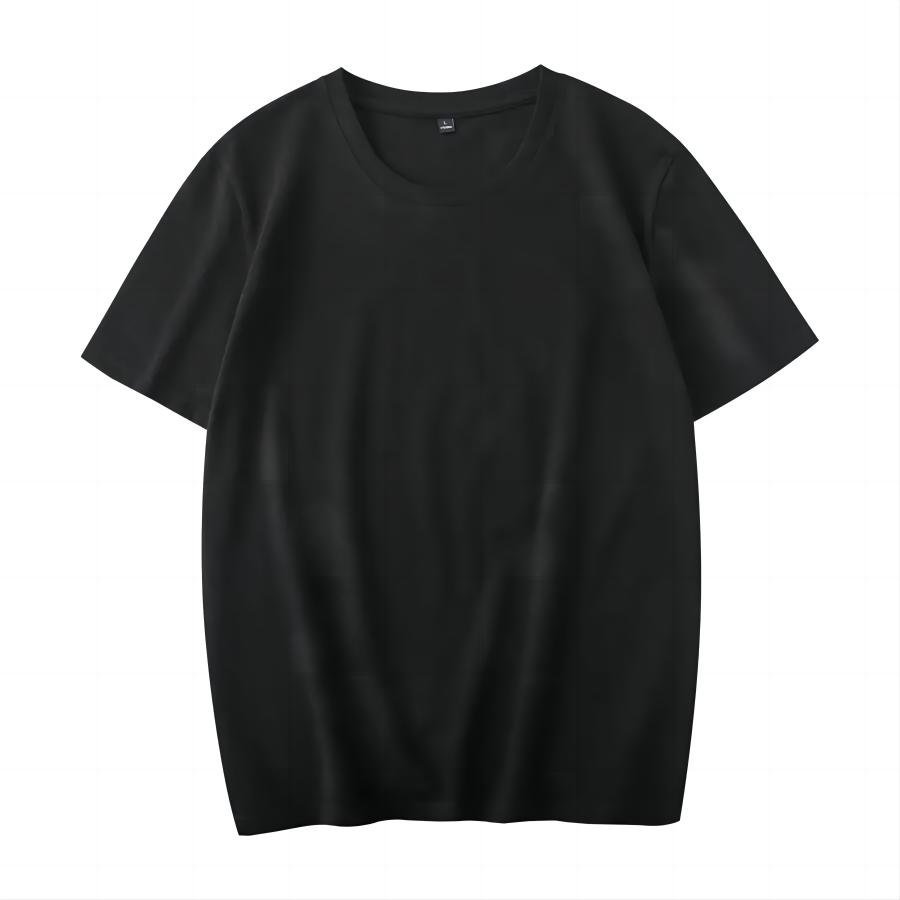
Woven labels (damask weave, 60–300 denier thread) and heat transfers add branding without extra needle penetrations on the fabric face. Heat transfers handle photographic gradients that embroidery cannot replicate; woven labels anchor brand identity at the neck, hem, or sleeve without distorting the knit.
Digitizing Files and Stitch Count Costs
Every embroidery design requires a .DST or .PES digitizing file before production begins; setup fees typically range $15–$50 per design. Stitch count directly drives per-piece machine time: a 5,000-stitch logo costs roughly half as much per unit to run as a 10,000-stitch equivalent, making early design simplification a meaningful cost lever.
6. Key Construction Quality Elements to Evaluate
Evaluating a sample before committing to bulk production separates reliable factories from costly mistakes. A skilled embroidered t shirt manufacturer will pass every checkpoint below without renegotiation.
Stitch Density and Backing Material Standards
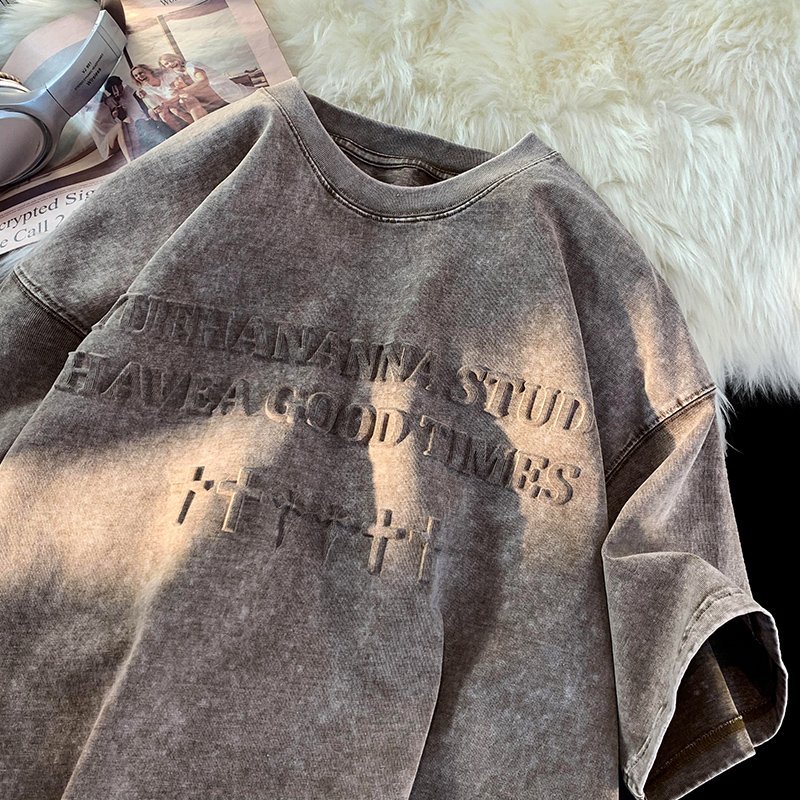
Quality embroidery runs 400–600 stitches per square centimeter on standard chest logos — lower counts show thread gaps after 10 washes.
Request woven cutaway backing trimmed within 3mm of the embroidery border. Tear-away backing degrades structurally after five or more wash cycles.
Seam Construction — Side-Seam vs. Tubular
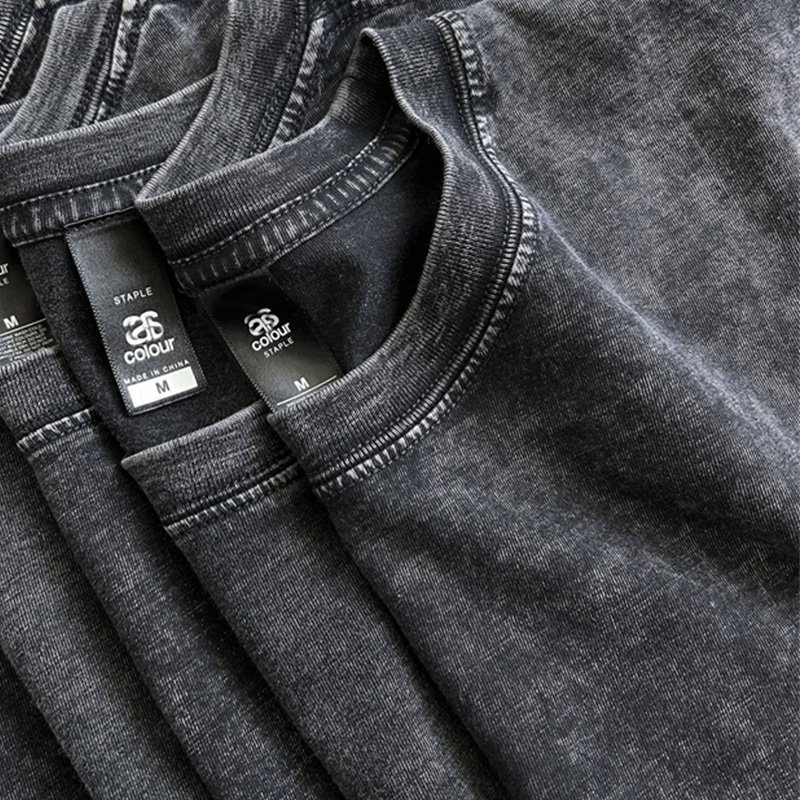
Tubular-knit tees cost less but twist at the seam after repeated washing. Side-seam construction adds roughly 0.15–0.25 USD per unit and holds a cleaner silhouette.
Inspect seam allowance — 10mm minimum with flatlock or double-needle stitching signals durable build quality throughout the garment.
Collar Ribbing and Pre-Shrunk Treatment
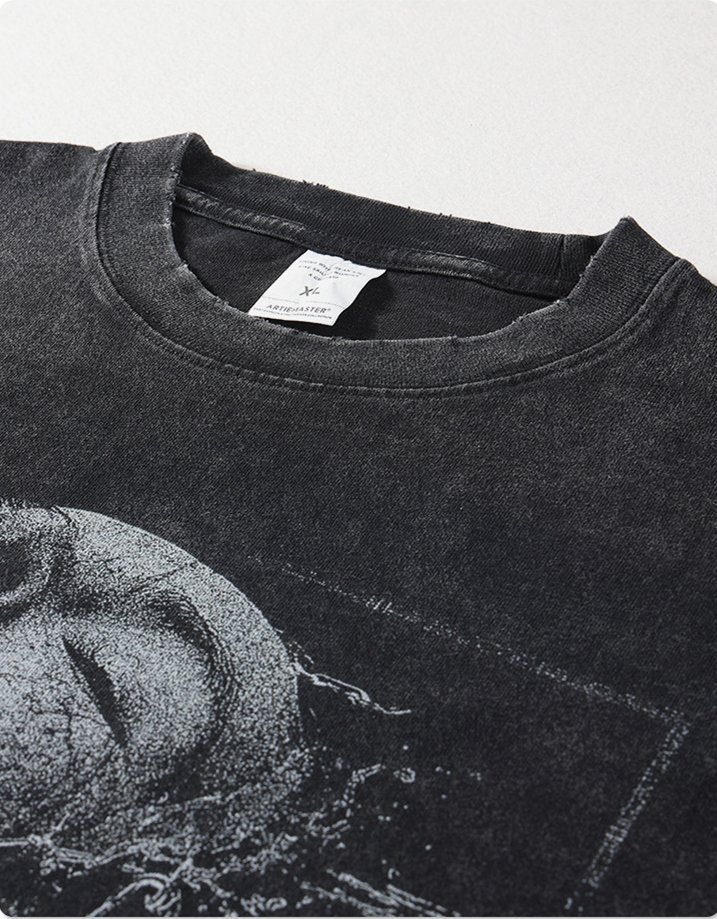
Collar ribbing should rebound after 30+ stretch cycles — thin 1×1 rib loses shape within five washes.
Sanforized, pre-shrunk fabric shrinks less than 3% per AATCC 135 standards. Confirm this spec is documented in the tech pack before approving any bulk run.
Colorfastness Ratings and Key Certifications
Colorfastness to washing must score Grade 4–5 on the ISO 105-C06 scale to survive retail return windows. Anything below Grade 3 signals dye instability.
OEKO-TEX Standard 100, GOTS, and ISO 9001 certifications confirm a factory embeds quality checks throughout production — not only at final inspection. Request certificates dated within the past 12 months.
7. How to Choose the Right Embroidered T Shirt Manufacturer for Your Brand
Vetting an embroidered t shirt manufacturer requires more than comparing price sheets — it demands a structured checklist covering samples, certifications, contracts, and communication cadence before a single order is placed.
Define MOQ and Drop Flexibility
Streetwear labels running limited drops need MOQs of 50–100 units per colorway; bulk retailers often require 300–500+ units with guaranteed replenishment windows. State your volume and drop cadence in every RFQ so manufacturers can confirm capacity upfront.
- Minimum order per colorway and per design?
- Can MOQ split across multiple sizes or fits?
- What is the replenishment lead time after the initial run?
Request Digitized Strike-Off Samples
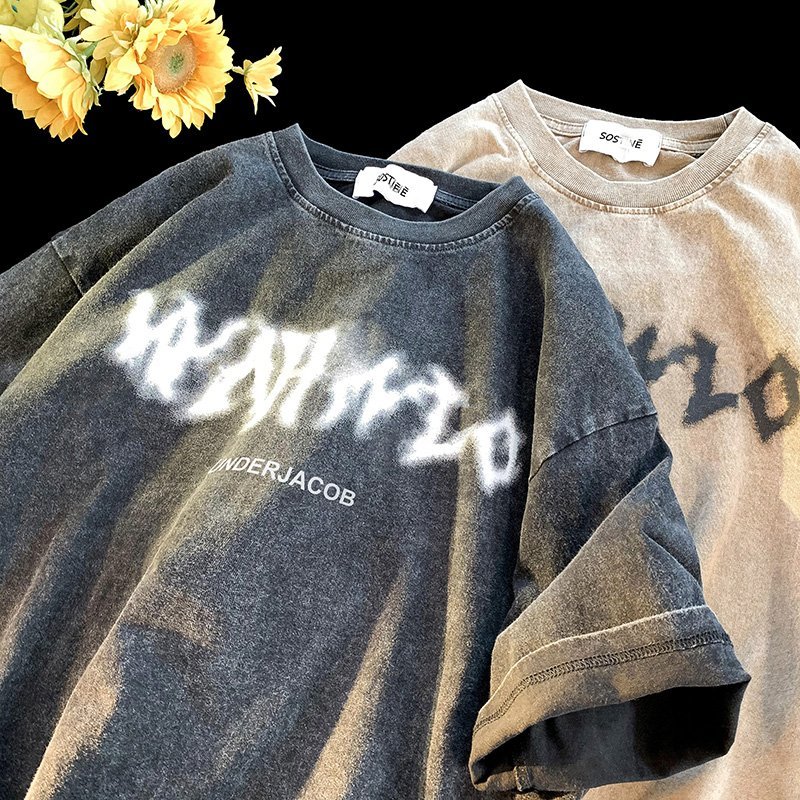
Always request a digitized strike-off — a pre-production embroidery sample stitched on your actual fabric — before approving artwork files. Reviewing thread count, stitch density, and Pantone color matching on a real garment prevents costly rework on bulk runs.
Audit Factory Certifications and Ethics
Look for OEKO-TEX Standard 100, GOTS, WRAP, or BSCI audit certificates as baseline indicators of ethical sourcing compliance. Suppliers without third-party verification introduce supply-chain risk, especially for brands selling into EU or North American markets.
- OEKO-TEX Standard 100: confirms fabric free of harmful substances
- BSCI or WRAP: verifies ethical labor and factory conditions
- GOTS: required for certified organic cotton supply chains
Check Lead Times and Communication Speed
Standard embroidered tee production runs 15–30 days; rush orders under 10 days typically carry a 20–30% cost premium. Time a manufacturer’s RFQ response — a reply within 24 hours is the baseline standard for dependable order management.
Review IP and Exclusivity Clauses
Confirm that design files, digitized embroidery programs, and colorway specifications remain your intellectual property under contract. Exclusivity clauses preventing a manufacturer from selling identical designs to competitors are especially critical for limited-edition streetwear drops.
8. Common Mistakes Buyers Make When Sourcing an Embroidered T Shirt Manufacturer
Six recurring errors account for most failed launches among fashion startups placing their first run. Catching them before you commit to an embroidered t shirt manufacturer can prevent weeks of rework and thousands in scrapped inventory.
Skipping the Pre-Production Sample
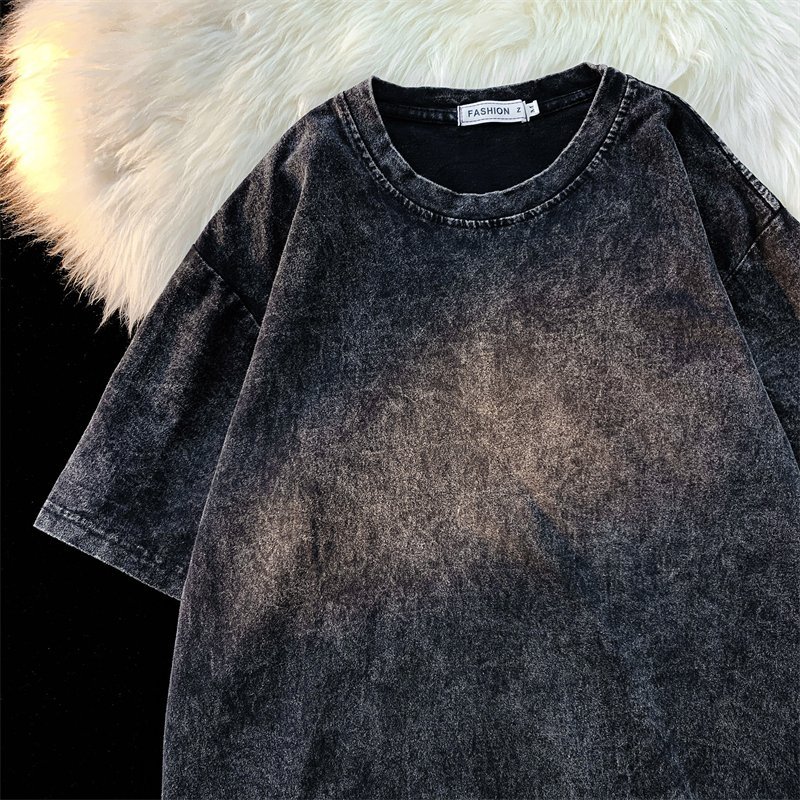
A missing sample stage is the single costliest mistake factories see from new buyers. Embroiderers digitize art differently — a 3-inch chest logo can lose thread detail or pucker 180gsm jersey without a physical stitch-out.
Fix: always order a sewn sample and approve it in writing before releasing any bulk payment.
Underspecifying Digitizing Instructions
Sending only a PNG forces the factory to guess thread count and stitch type. A 15,000-stitch logo using satin columns behaves differently on open-end cotton versus 180gsm ring-spun jersey.
Fix: supply a Pantone thread reference and specify fill, satin, and running-stitch zones explicitly in your tech pack.
Ignoring Per-Colorway MOQ Minimums
MOQs apply per colorway, not per style — a 200-piece minimum means 200 units of identical thread colors. Splitting one style into 3 colorways at 70 pieces each often triggers a 30–50% small-run surcharge.
Fix: consolidate colorways or confirm the per-colorway floor with your supplier before finalizing your range.
Failing to Confirm In-House Embroidery
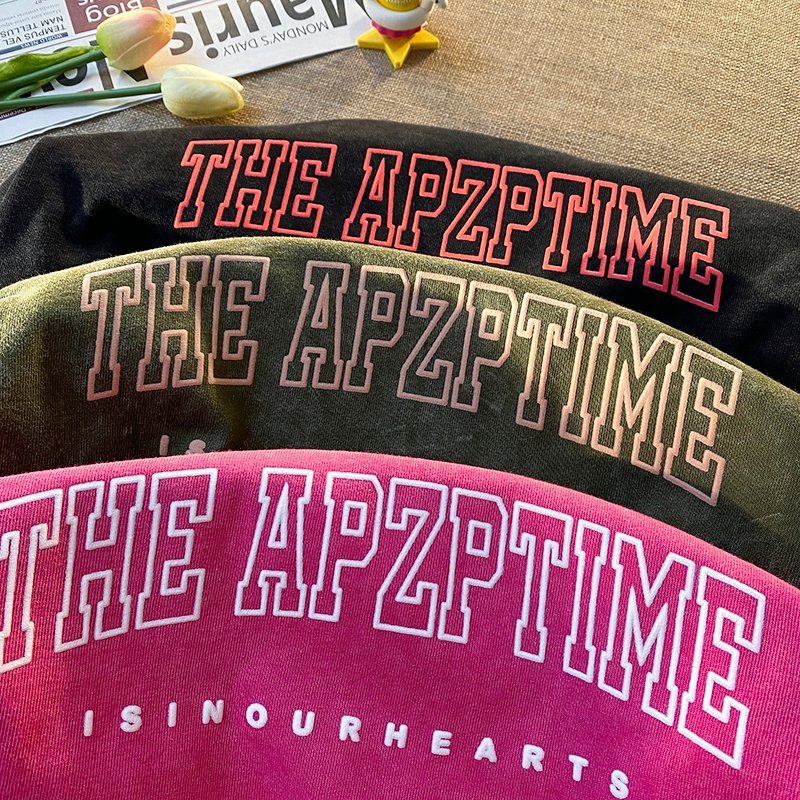
Some manufacturers subcontract embroidery to third-party embellishment shops, adding 7–14 days and a hidden margin layer. Quality control breaks down when stitching leaves the factory floor.
Fix: ask specifically whether embroidery is done in-house and request a photo of the machines on premises before signing.
Choosing on Ex-Factory Price Alone
A $6 ex-factory quote can land at $9–$11 once sea freight, Section 301 tariffs (7.5–25% on Chinese apparel), and customs broker fees are added. Comparing suppliers on ex-factory price alone distorts true margin.
Fix: request a DDP quote or build a landed-cost model before finalizing any supplier comparison.
9. Steps to Launch Your Brand with an Embroidered T Shirt Manufacturer
Launching a first collection means sequencing nine decisions correctly — skip one and costs compound downstream. This roadmap gives independent designers and influencer brands a repeatable framework, from brand brief to reorder trigger, when partnering with an embroidered t shirt manufacturer.
Build Your Brand Brief and Tech Pack
A complete tech pack includes fabric weight (180–220 GSM for streetwear tees), Pantone color references, stitch count targets, and placement measurements in millimeters. Without it, factories quote blind and samples require costly revisions.
Shortlist Manufacturers and Send RFQs
Contact three to five factories simultaneously; include your tech pack, target MOQ (typically 50–300 pieces for embroidered tees), and required certifications such as OEKO-TEX or WRAP. Compare quoted lead times — usually 25–45 days — alongside price per unit.
Approve Digitized Embroidery Samples
Digitization converts your artwork into machine-readable stitch files; request a physical sample before approving. Check density, underlay, pull compensation on seams, and color match against your Pantone reference under daylight conditions.
Negotiate Terms, Sign Contract, and Place Order
Standard payment terms run 30% deposit on order placement and 70% balance before shipment. Lock in defect-rate thresholds, revision rights, and delivery windows in the contract before wiring any funds.
Conduct Mid-Production QC and Arrange Freight
Request inline inspection reports at the cutting and sewing stages — a five-step QC process catches defects before they compound.
Book freight at least 3–4 weeks before the target delivery date; sea freight from Guangdong typically takes 18–35 days to US or EU ports.
Receive Delivery and Plan Reorder Triggers
Inspect the delivery against your AQL sampling plan within 48 hours of receipt. Set a reorder trigger at 30% remaining inventory to allow 45–60 days of combined production and transit lead time without stockouts.
10. Pricing & Cost Breakdown for Embroidered T Shirt Manufacturer Orders
A one-time digitizing fee of $50–$150 converts your artwork into a machine stitch file; after that, per-piece cost is governed by stitch count, quantity tier, and blank garment grade. The table below shows indicative landed costs for a standard 5,000-stitch left-chest logo on a 180 GSM ring-spun cotton tee shipped from Dongguan by an embroidered t shirt manufacturer.
Freight and duties are the two line items buyers most consistently underestimate — sea LCL from Dongguan to Los Angeles or Rotterdam typically adds $1.50–$2.50 per unit at 100 pieces, falling below $1.00 per unit at FCL volumes above 500 pieces.
- Stitch count multiplier: a 15,000-stitch back graphic costs 2–3× more per piece than a 5,000-stitch chest logo
- Finishing and poly-bag packaging adds $0.20–$0.40/unit; a custom woven label and hangtag add $0.10–$0.25
- Import duties vary by destination HTS code and origin rules — budget 12–20% of FOB value as a planning reserve
- Consolidating colorways into one PO compresses both freight cost and per-unit blank garment price simultaneously
| Quantity Tier | Unit Garment Cost | Embroidery Cost | Setup Fee (Amortized) | Est. Landed Cost/Unit |
|---|---|---|---|---|
| 50 pcs | $5.50–$7.00 | $2.80–$3.50 | $2.00 | $13.00–$16.00 |
| 100 pcs | $4.50–$5.50 | $2.20–$2.80 | $1.00 | $10.00–$12.00 |
| 300 pcs | $3.50–$4.50 | $1.60–$2.20 | $0.35 | $7.50–$9.50 |
| 500 pcs | $3.00–$4.00 | $1.20–$1.80 | $0.20 | $6.50–$8.50 |
| 1,000+ pcs | $2.50–$3.50 | $0.80–$1.20 | $0.10 | $5.50–$7.00 |
Partner With a Trusted Embroidered T Shirt Manufacturer
Low MOQ, 5-step QC, and global shipping — everything your brand needs to launch and scale with confidence.