
Heavyweight Sweatshirt Manufacturer for Global Streetwear Brands
Partner with a heavyweight sweatshirt manufacturer built on 10+ years of streetwear expertise, low MOQ, and a zero-compromise 5-step quality control guarantee — from first sample to global delivery.
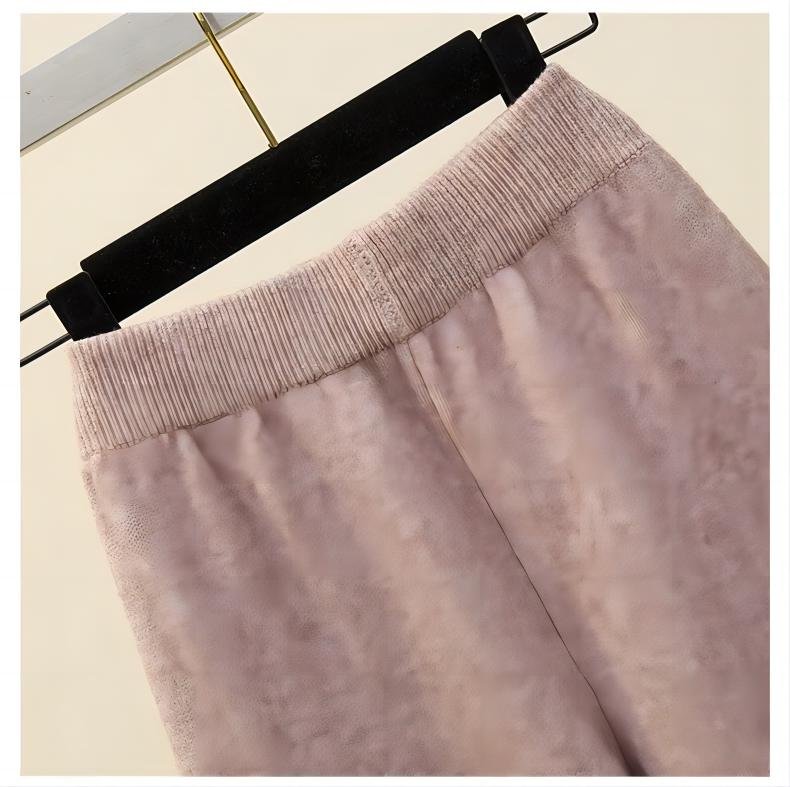
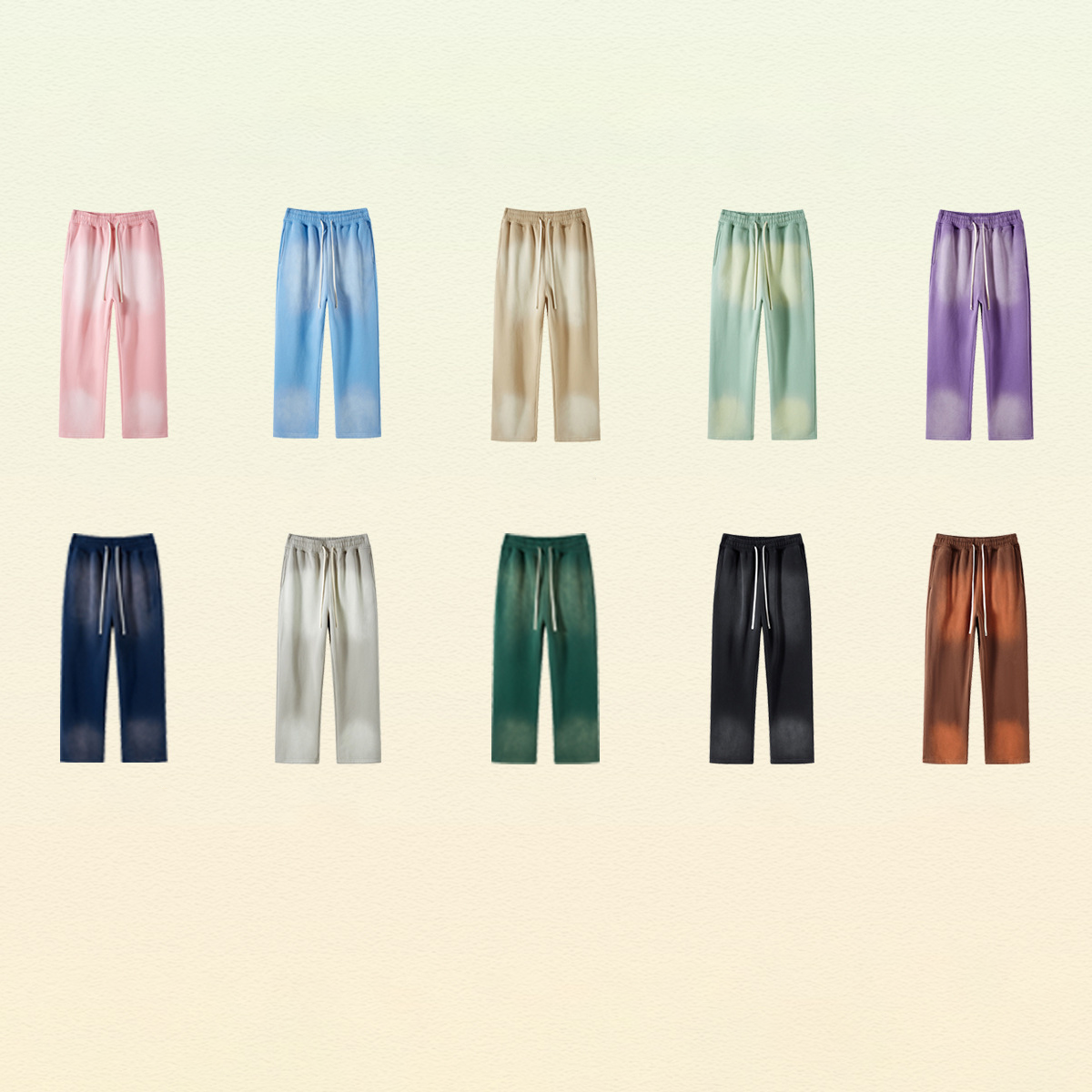
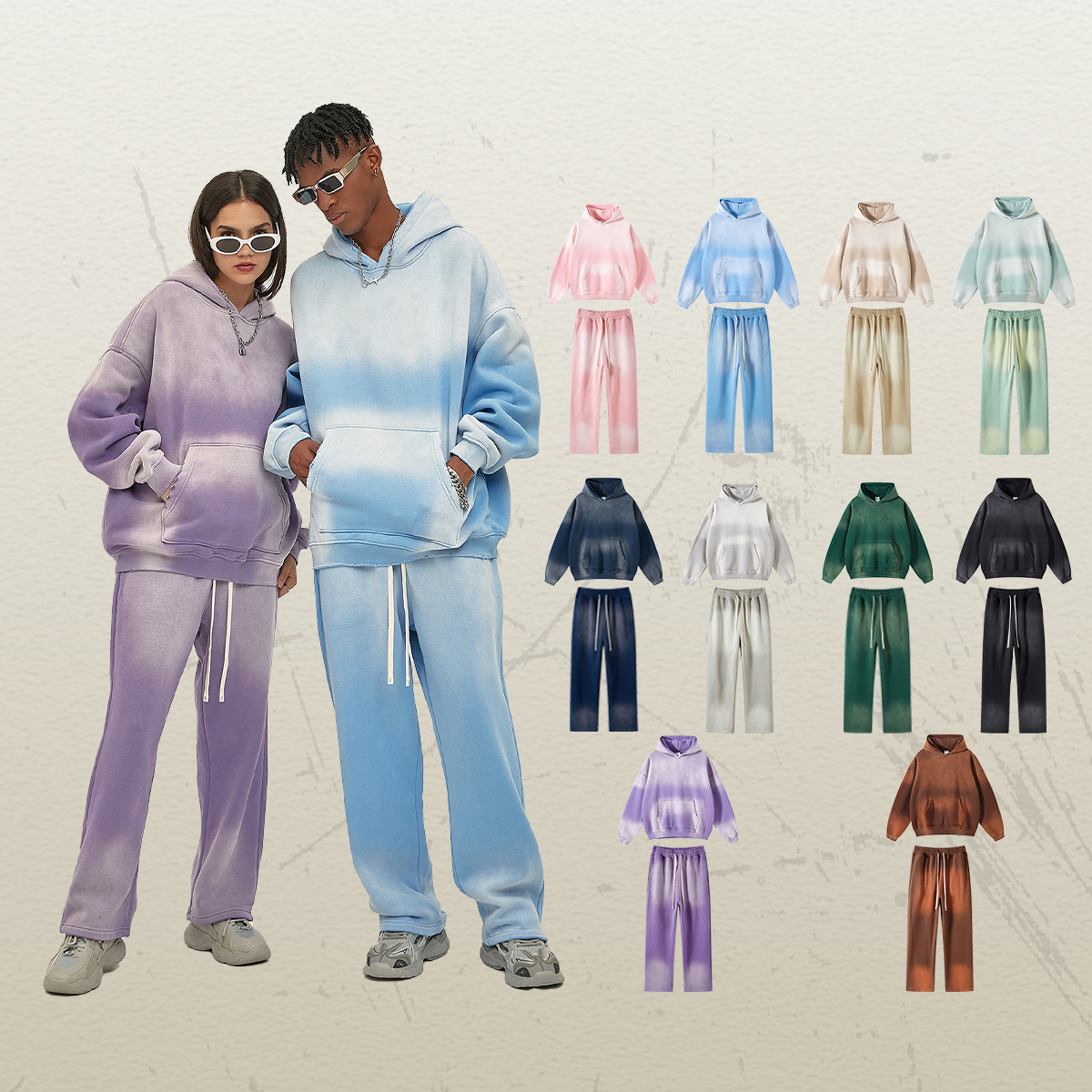
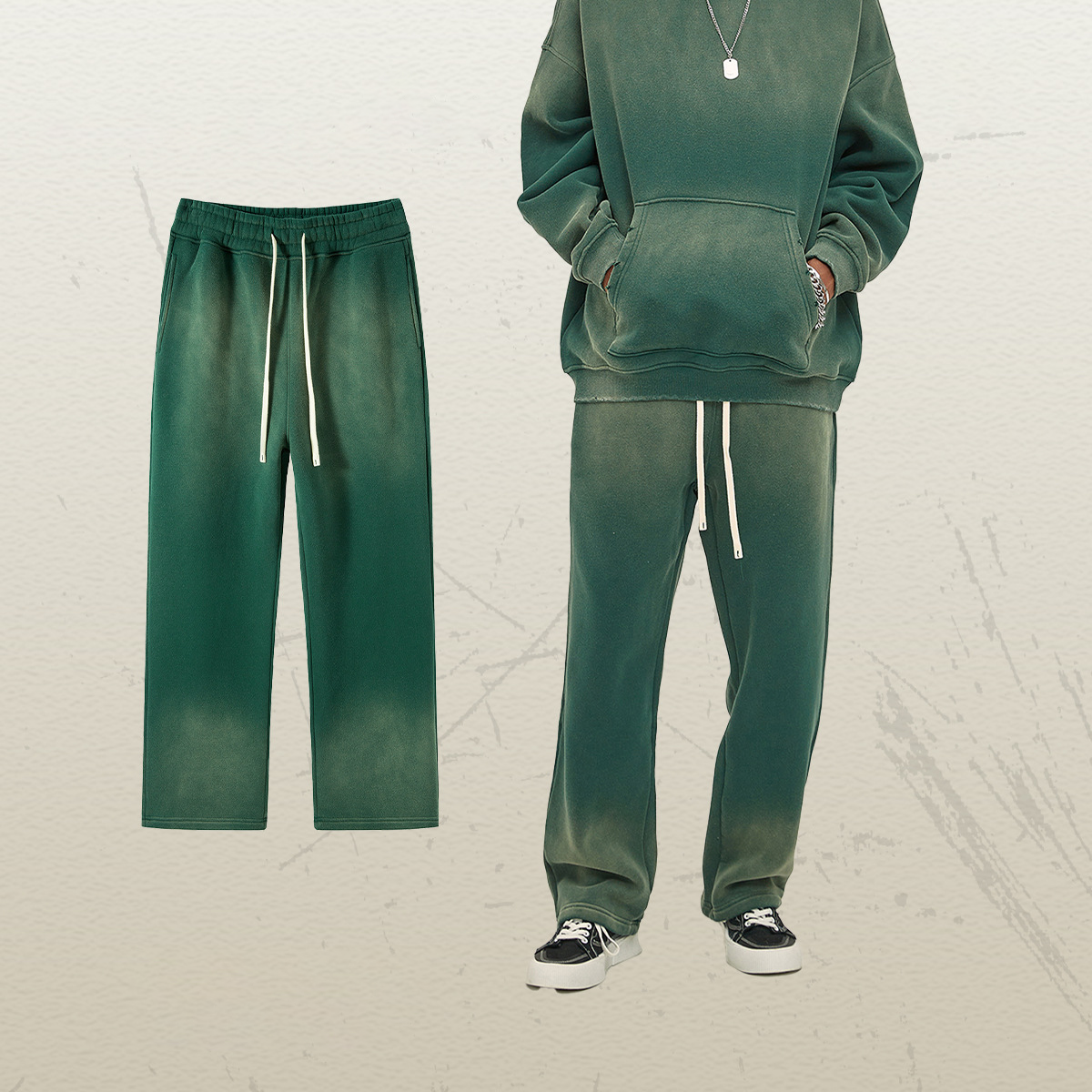
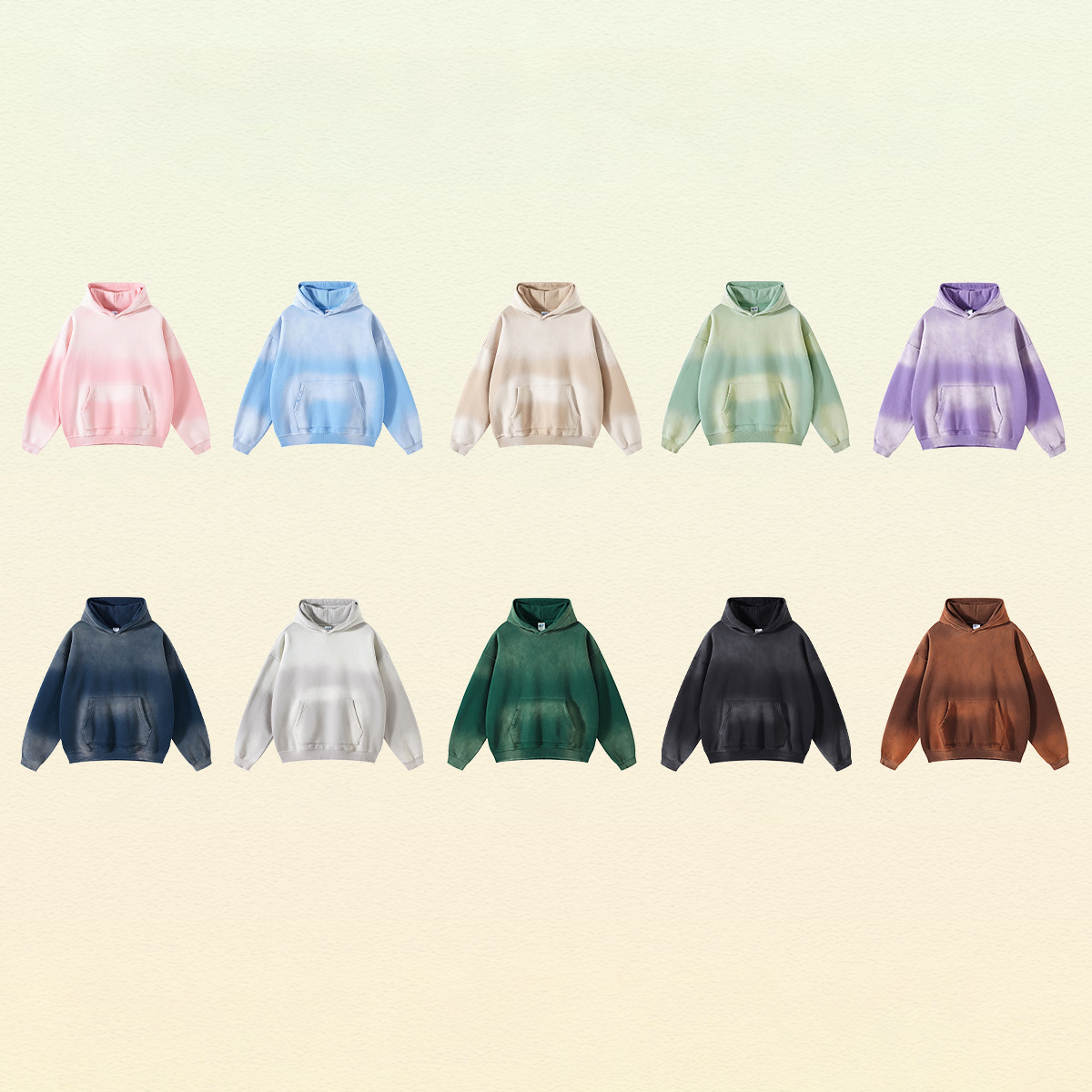
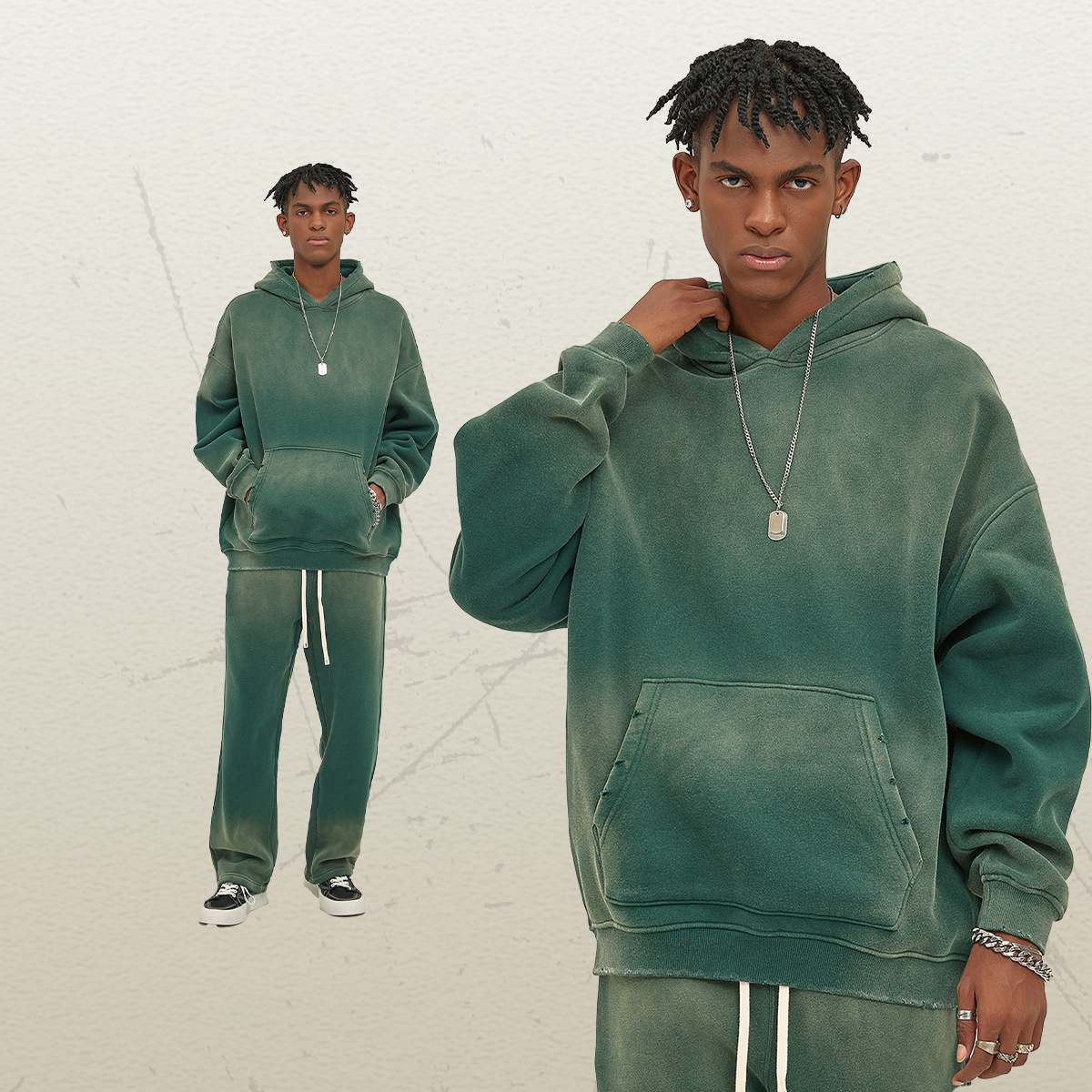
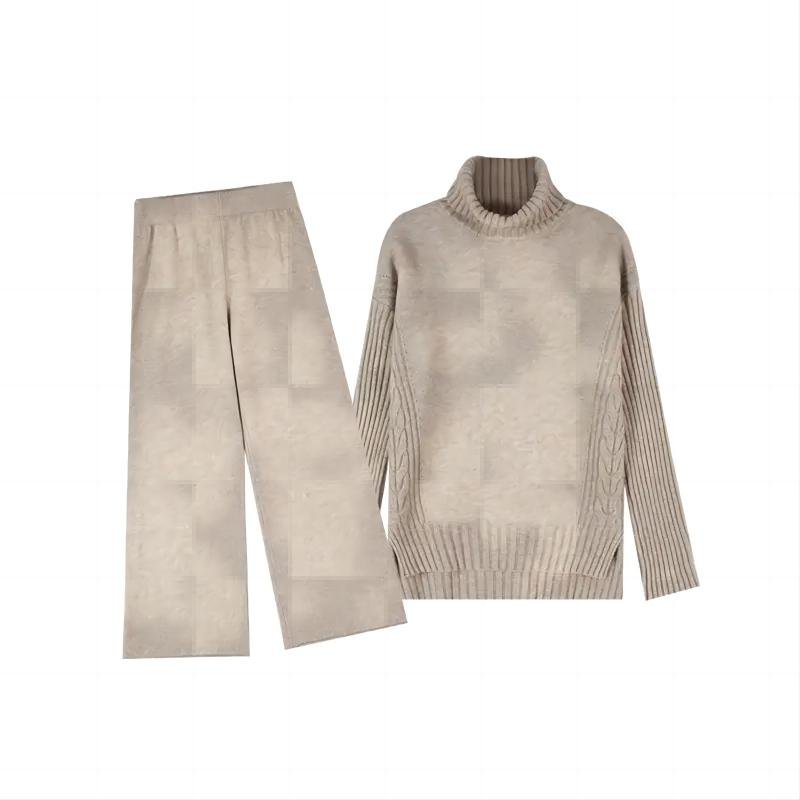
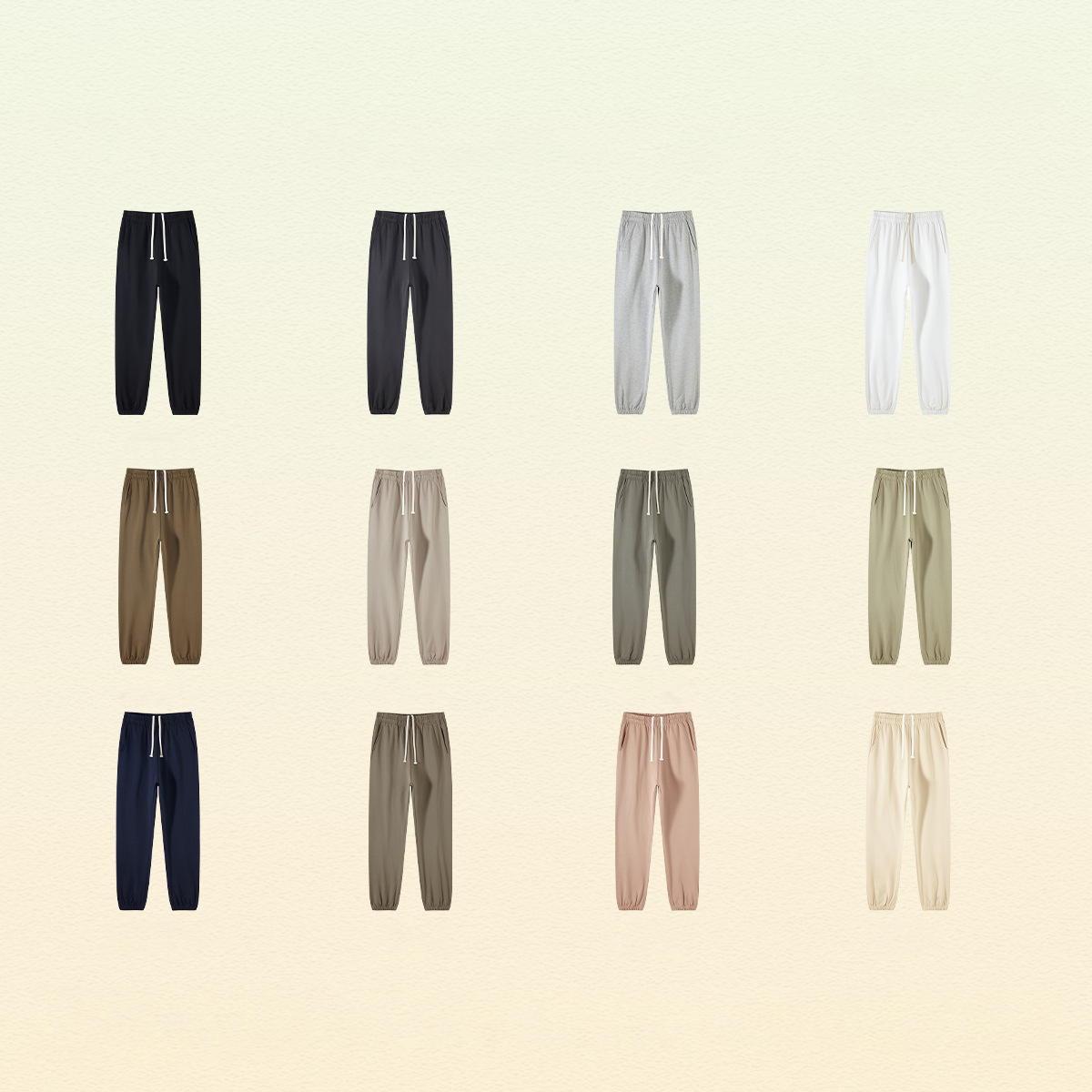
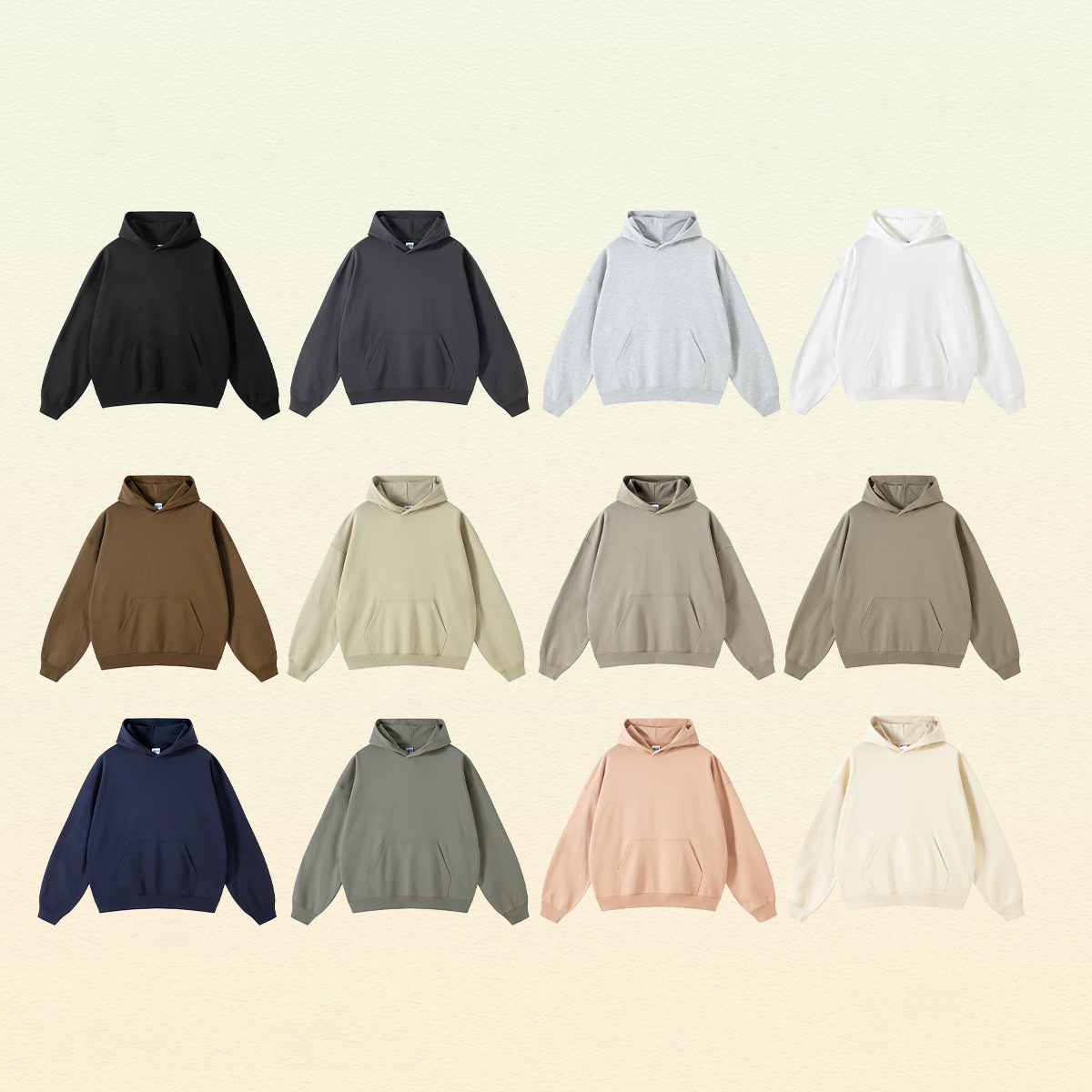
Featured Heavyweight Sweatshirt Designs
Why Brands Choose Our Heavyweight Sweatshirt Manufacturer
From emerging labels to global retailers, we deliver the craftsmanship, speed, and quality controls that set serious brands apart.
5-Step QC Guarantee
Our proprietary quality control process checks materials, cutting, craftsmanship, sewing, and finished goods — zero defects reach your customers.
Low MOQ for Emerging Brands
Startup-friendly minimum order quantities let independent designers and new labels launch premium heavyweight sweatshirt lines without overcommitting inventory.
Fast Turnaround, Every Season
Agile production scheduling means your seasonal drops and limited-edition collections hit market on time, every time — no missed windows.
In-House Design & Sampling Team
Our 15-member R&D team with 10 patents translates your creative vision into production-ready samples, fast — from mood board to physical sample.
Global Shipping & Logistics Support
End-to-end logistics management covering customs, freight, and delivery to 100+ countries keeps your supply chain simple and reliable worldwide.
Decade-Proven Streetwear Expertise
With 10+ years in apparel and 6+ years in streetwear, we understand influencer lines, trendy brand aesthetics, and the quality standards global retailers demand.
Heavyweight Sweatshirt Manufacturer Solutions for Every Brand Stage
From first-collection startups to high-volume global retailers, our production capabilities and 5-step QC guarantee scale with your ambitions.
Launch Your First Collection
Most factories price out emerging brands with steep minimum orders, forcing founders to overcommit inventory long before their first design has been proven in the market.
With low MOQ options and in-house sampling support, emerging brands launch their first heavyweight sweatshirt collection confidently, backed by a 5-step QC guarantee from day one.
Realize Your Signature Designs
Independent designers struggle to find a manufacturer that can faithfully execute bold streetwear graphics, complex construction details, and unique fabric combinations without losing creative intent.
Our in-house R&D and sampling team translates your vision — from skeleton and rose motifs to custom color-blocking — into precise, production-ready samples that bring your brief to life.
Hit Every Seasonal Drop
Trend windows close fast. A slow manufacturer means missed seasonal hype, last-minute delays, and racks of unsellable inventory that damage your brand's momentum and margins.
Fast turnaround production cycles keep your drops on schedule, with our 5-step QC checks embedded at every stage so speed never becomes an excuse for poor quality.
Scale Wholesale Orders Globally
High-volume retailers need consistent quality across large runs and a supplier equipped to manage global logistics — two things budget manufacturers routinely fail to deliver at scale.
Batch-to-batch consistency through our 5-step quality control system, paired with end-to-end global shipping support, ensures your wholesale orders arrive on spec and on time, every run.
Build Your Creator Brand Line
Creator brands need limited-edition drops that feel premium and exclusive, but traditional factories impose high minimums that destroy the scarcity model and tie up valuable cash flow.
Flexible low-MOQ production runs and streetwear-native design expertise help influencer and creator labels release limited drops that generate real demand, delight followers, and build lasting brand equity.
Premium Fabrics From Your Heavyweight Sweatshirt Manufacturer
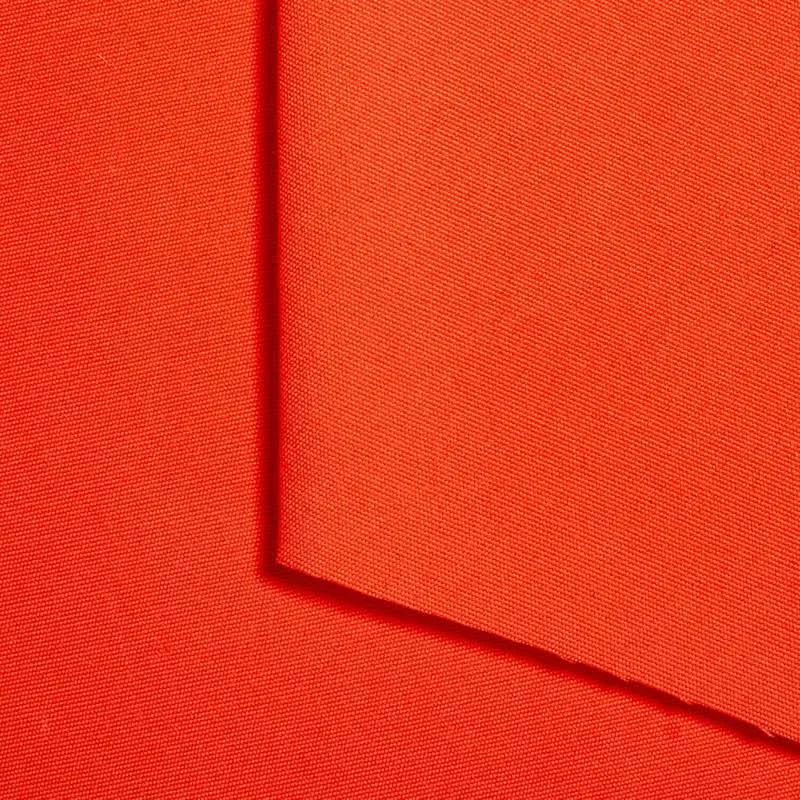
480GSM Cotton Fleece
A true workhorse for premium streetwear drops. This 480gsm, 100% ring-spun cotton fleece delivers a dense, structured hand-feel with a plush brushed interior — ideal for oversized hoodies and crew necks built to last.
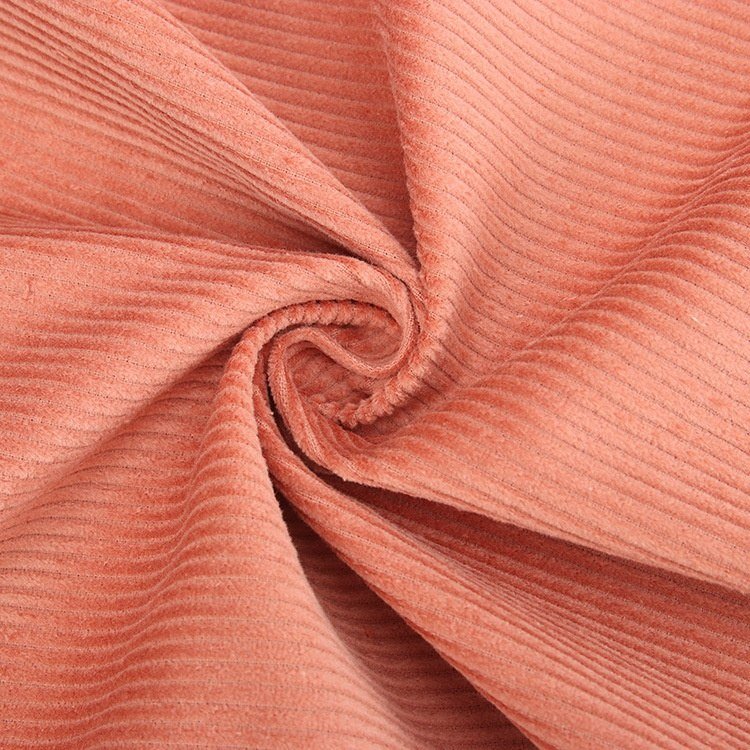
French Terry Knit
Weighing in at 380gsm, this cotton-rich French terry offers a smooth face and looped interior for breathable comfort. A go-to for mid-layer streetwear pieces that need stretch recovery and all-season wearability.
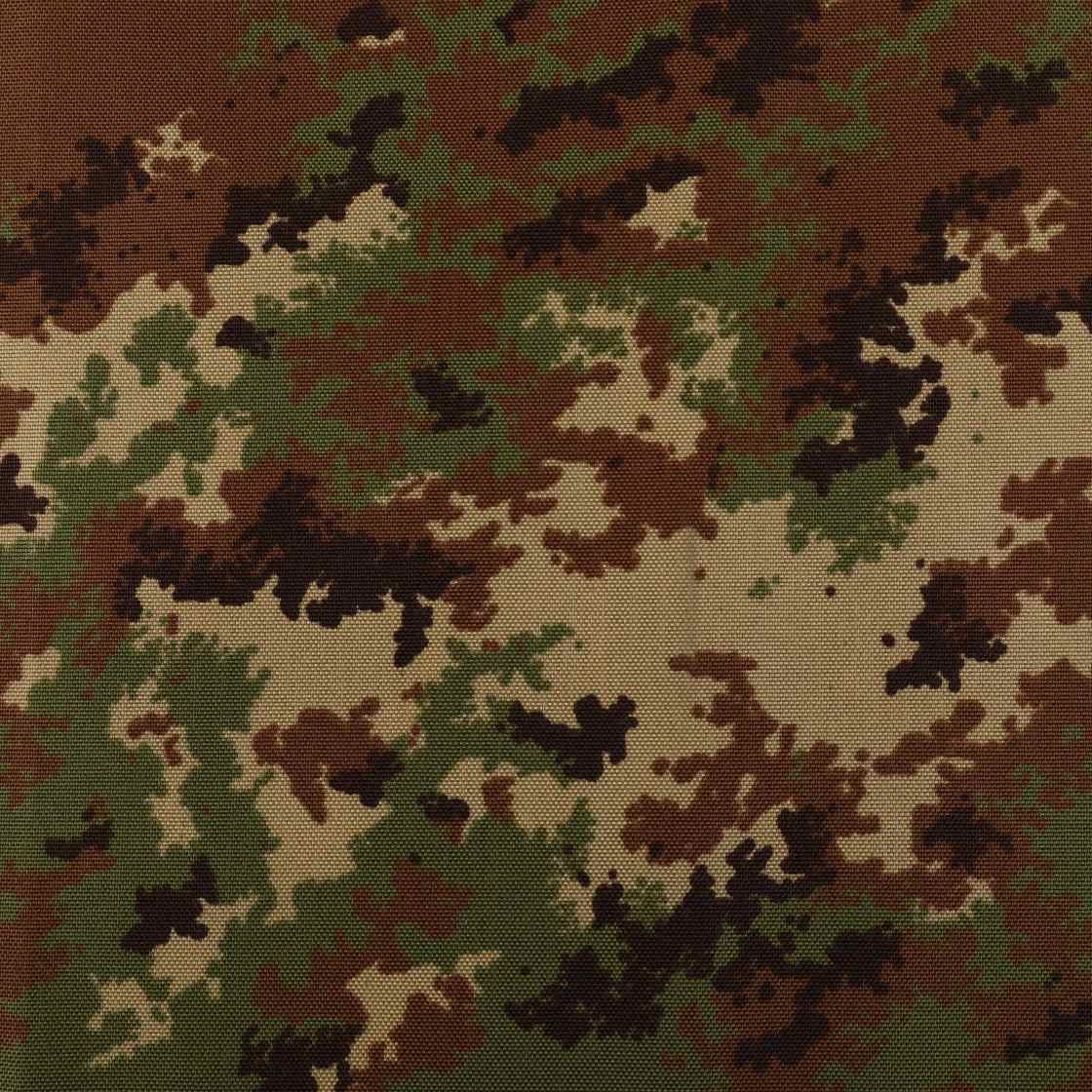
Polar Fleece Blend
A 320gsm polyester-cotton polar fleece engineered for warmth-to-weight efficiency. The anti-pill surface and tight loop structure make it the ideal choice for branded outerwear sweatshirts targeting colder-climate retail markets.
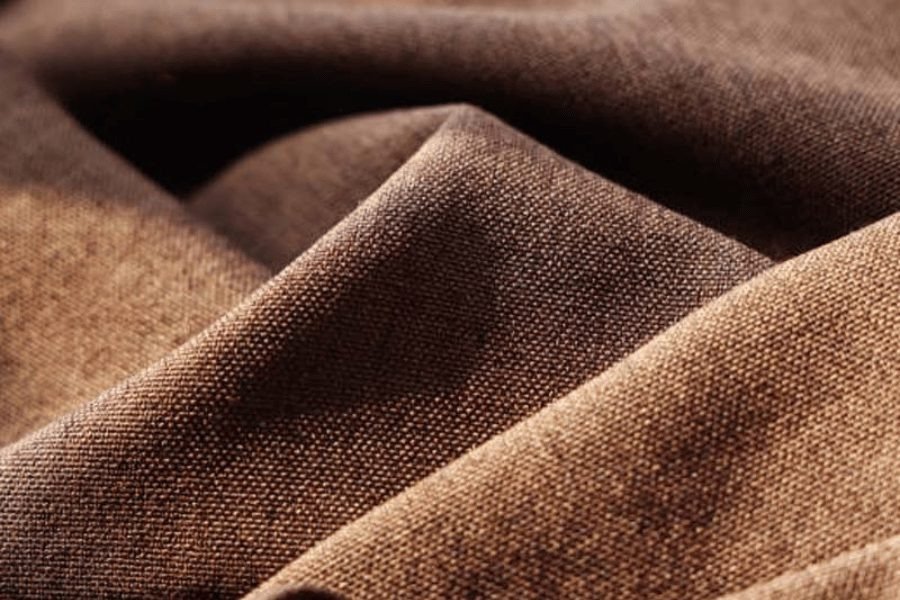
Organic Cotton Terry
GOTS-eligible 400gsm organic cotton terry for brands that lead with sustainability credentials. Naturally soft with minimal chemical processing — perfect for influencer labels and eco-conscious streetwear collections demanding premium positioning.
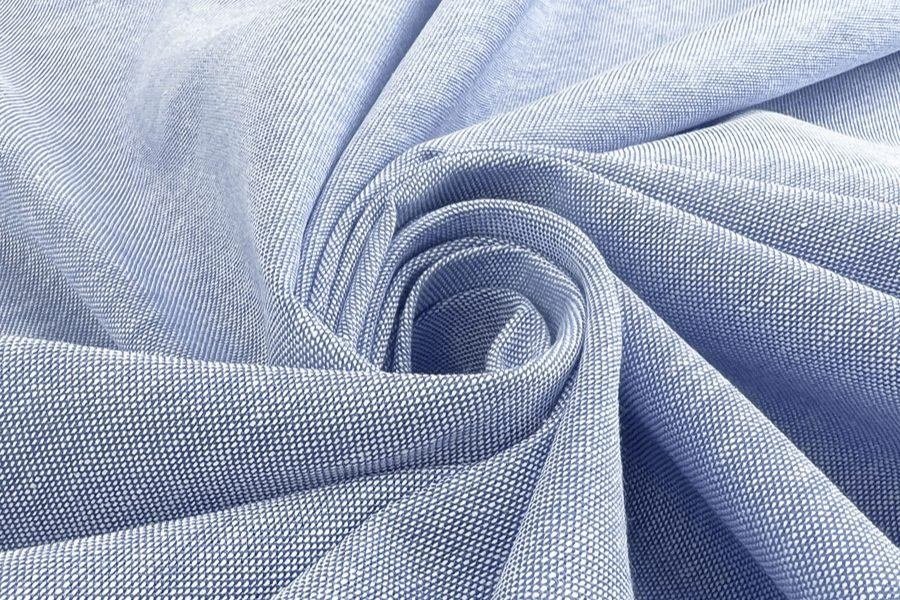
Heavyweight Waffle Knit
A textured 360gsm cotton-polyester waffle knit that adds visual depth without bulk. Its thermal grid structure traps heat efficiently, making it a strong choice for layering pieces in fall and winter seasonal collections.
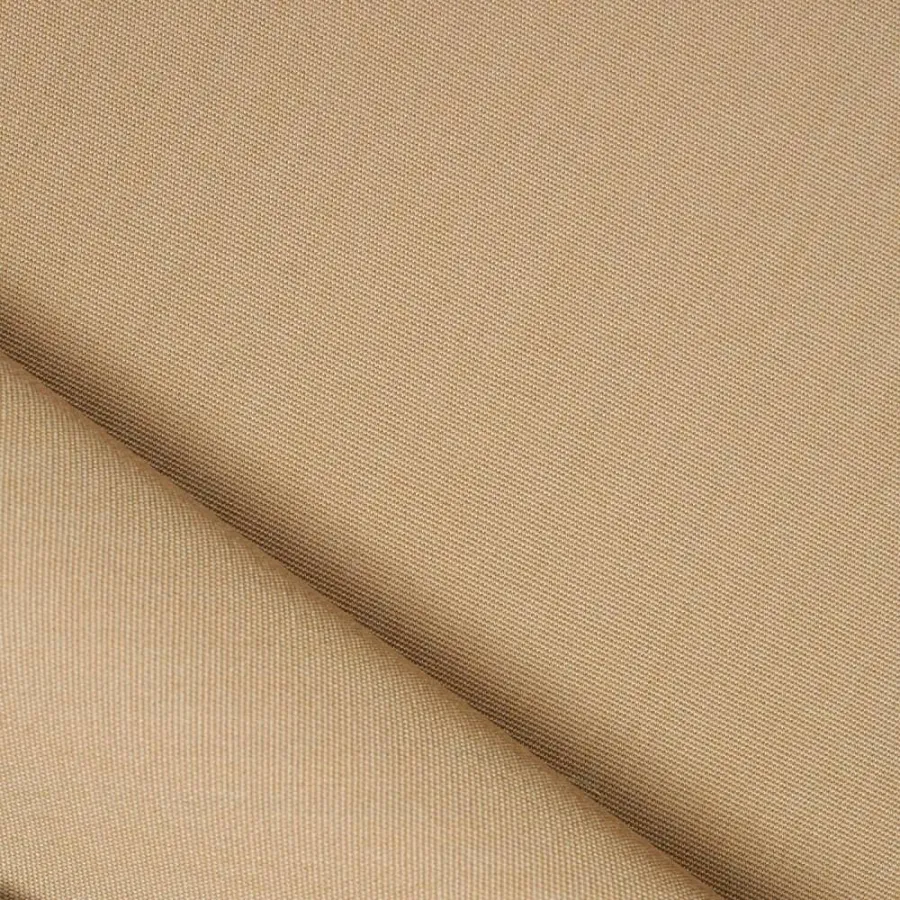
Brushed Cotton Fleece
At 420gsm, this double-brushed cotton fleece achieves an ultra-soft, suede-like interior finish. Favored for premium brand drops where tactile luxury is a selling point — drapes cleanly on oversized silhouettes with minimal shrinkage.
Heavyweight Sweatshirt Production Techniques That Set Your Brand Apart
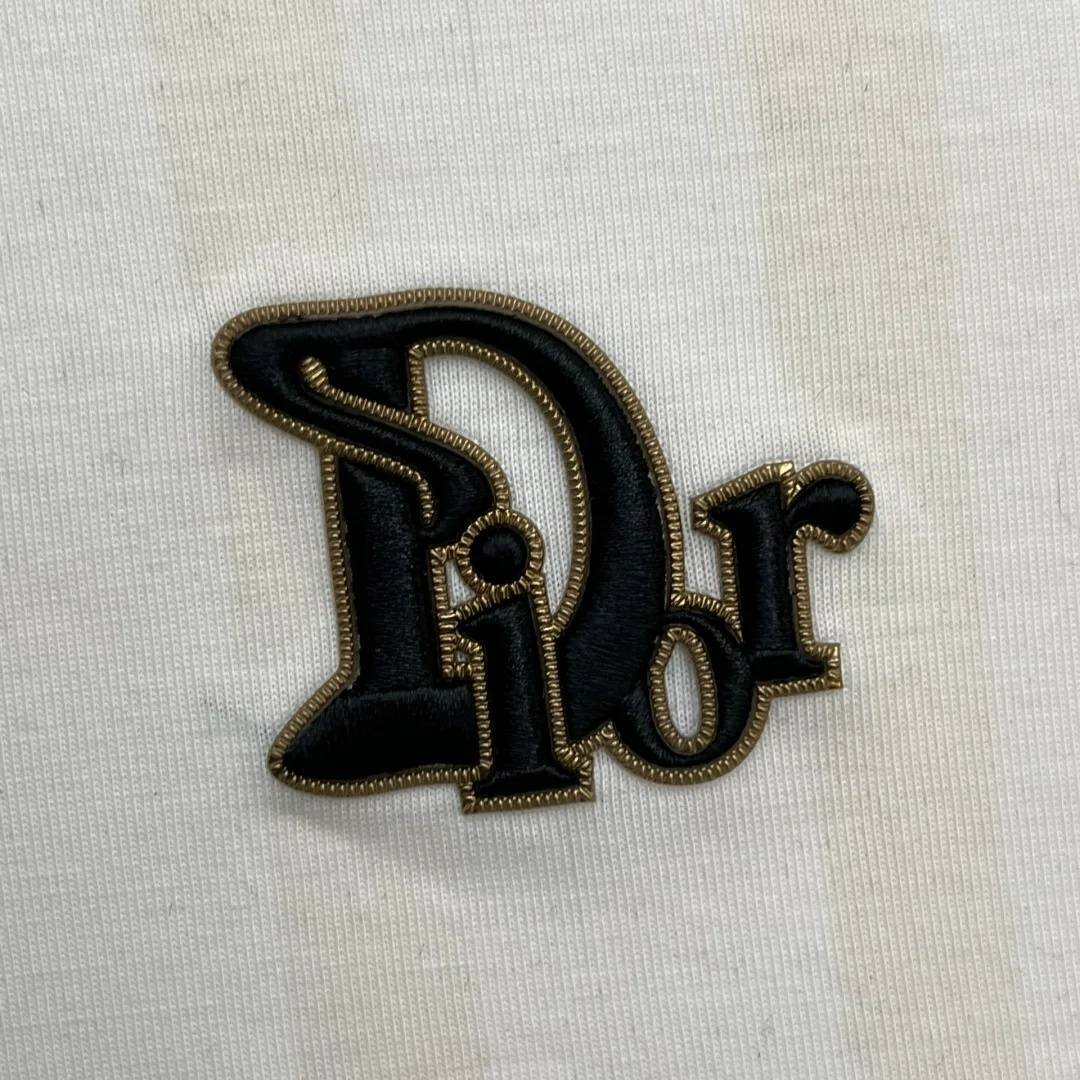
Premium Embroidery
Raised, textured stitching that adds dimension and a luxury feel to chest logos, sleeve hits, and back graphics. Highly durable — withstands repeated washing without fading or cracking.
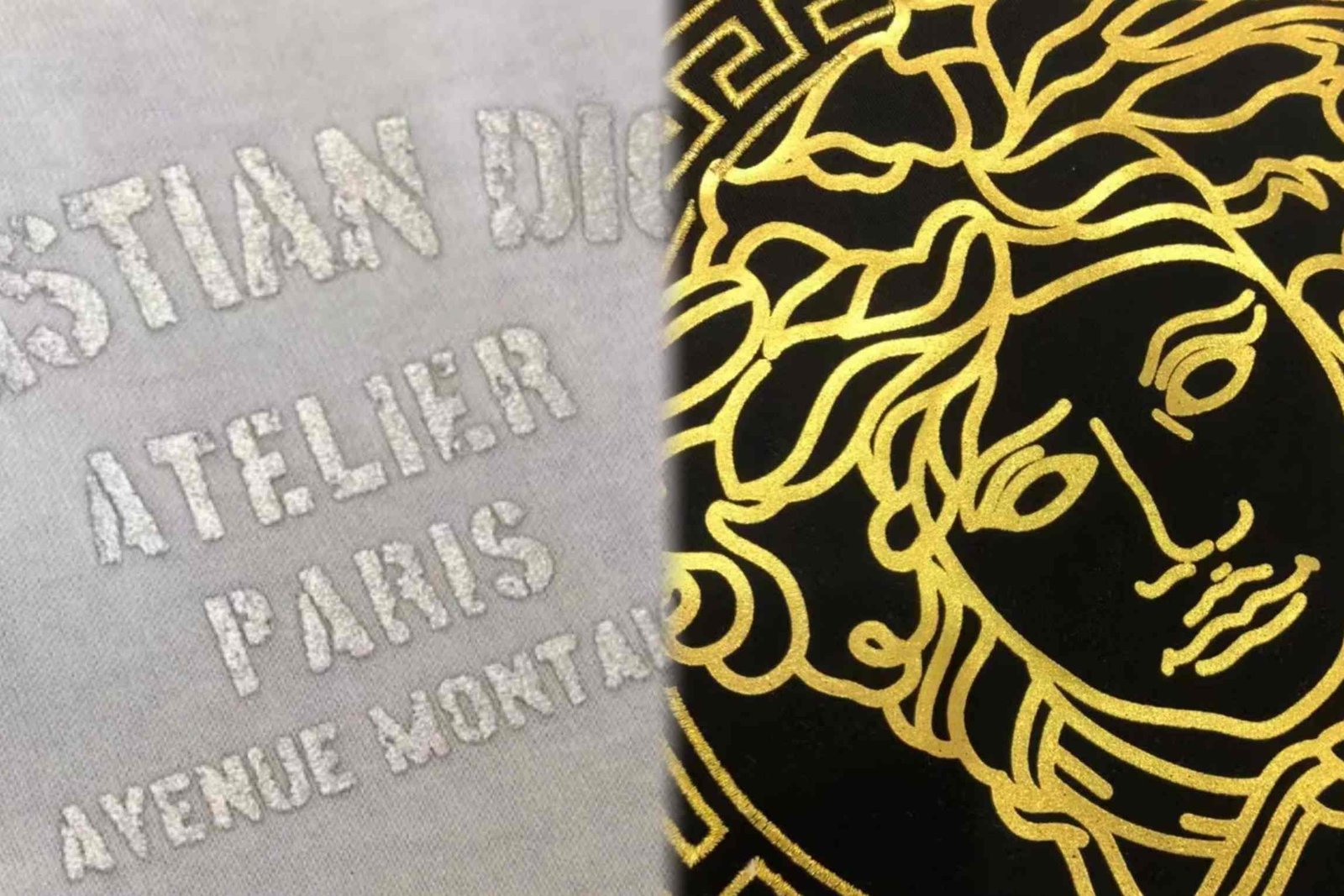
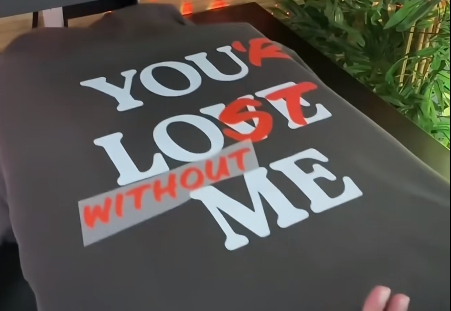
Screen Printing
Vibrant, ink-saturated graphics applied through stenciled mesh screens, delivering bold streetwear aesthetics with sharp edges and rich opacity. Ideal for high-impact production runs and oversized graphic designs.
All-Over Sublimation
Dye is heat-transferred deep into fabric fibers for full-coverage, edge-to-edge prints. Colors stay vivid wash after wash and never crack, peel, or feel raised on the surface.

Woven Labels
Custom neck and hem labels woven directly in your brand colors and logo. A powerful brand-ownership detail that separates your private-label sweatshirts from unbranded commodity product.
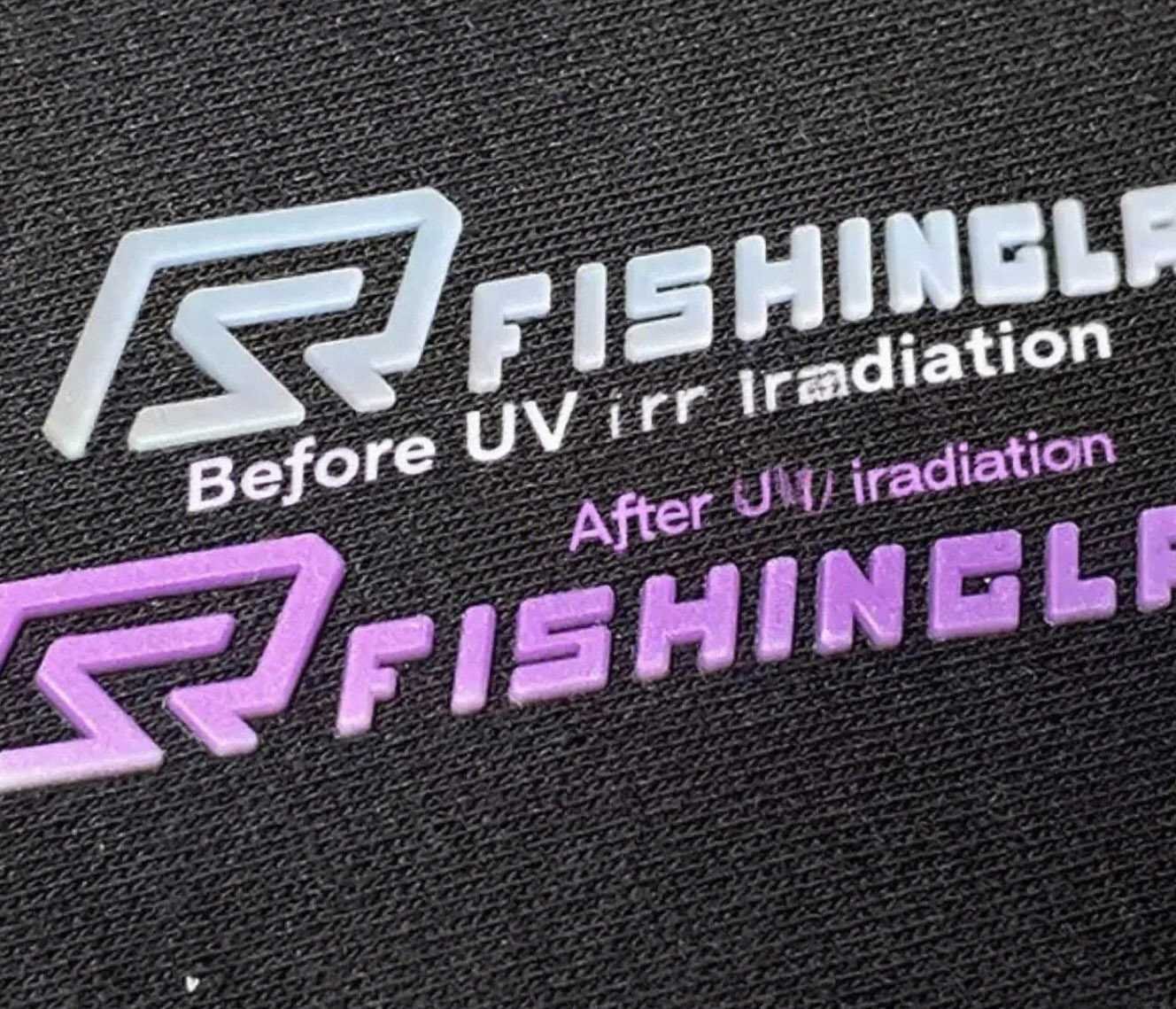
Custom Garment Dyeing
Finished sweatshirts are piece-dyed to achieve soft, lived-in vintage tones or bold seasonal colorways. Each batch develops unique character, making your drops feel exclusive and demand-driven.
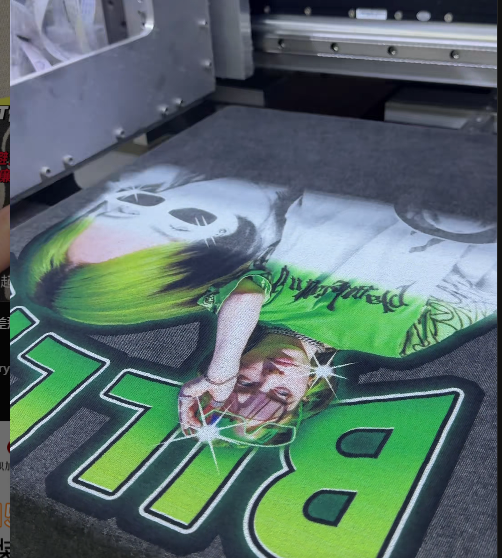
Digital Printing
Photorealistic artwork is printed directly onto fleece with no screens or setup fees. Perfect for limited drops, sample validation, and complex multi-color designs featuring gradients or fine detail.
Premium Trim & Hardware From Your Heavyweight Sweatshirt Manufacturer
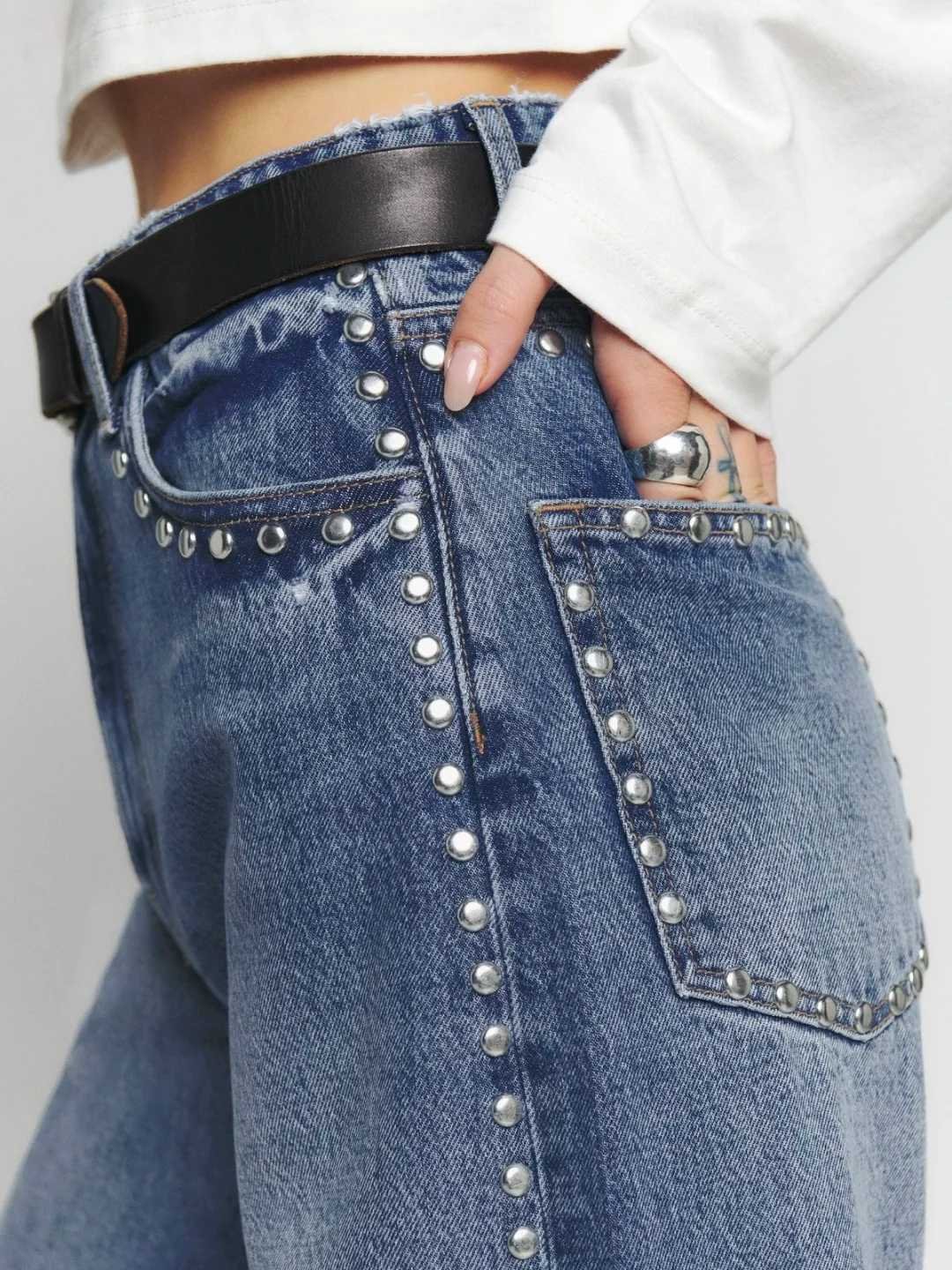
Metal Drawcords
Metal-tipped drawcords threaded through hood channels add an industrial, high-end streetwear edge while reinforcing stress points for durability. Available in matte, gloss, and custom branded finishes.
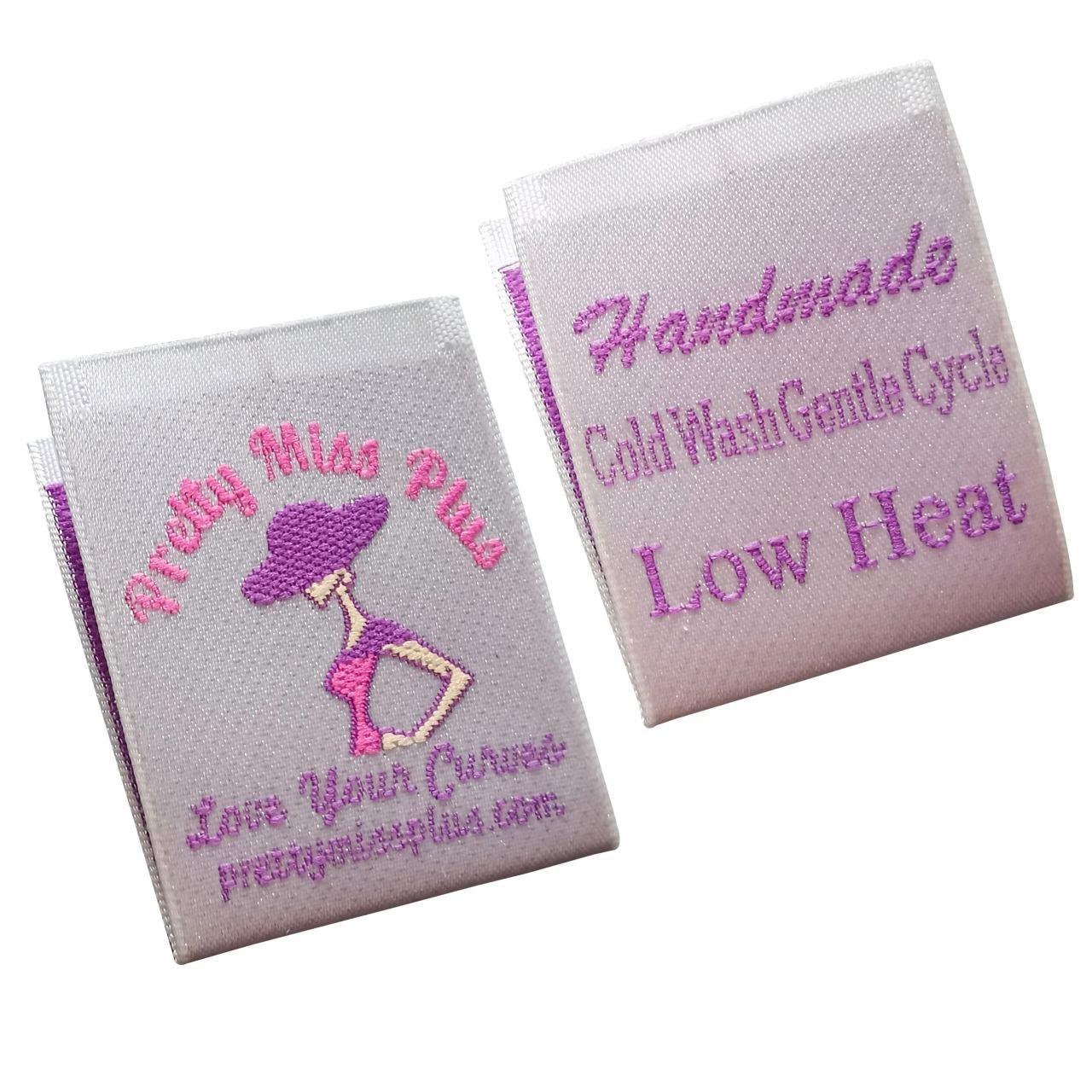
Woven Brand Labels
Custom woven labels stitched at the collar or inner hem preserve logo sharpness and color accuracy wash after wash, positioning your brand identity front and center for a polished, retail-ready finish.
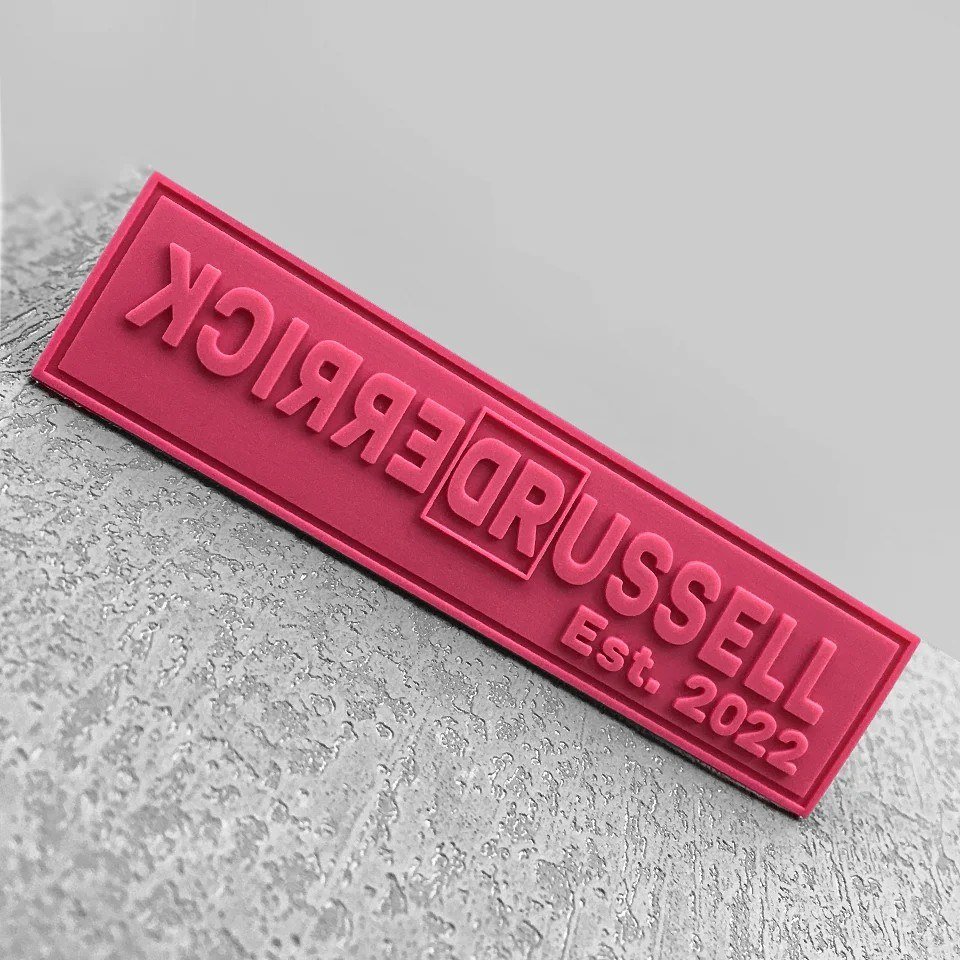
Branded Hang Tags
Die-cut or kraft-board hang tags with full custom printing communicate your brand story, sizing, and care info while crafting an unboxing moment that elevates perceived product value and drives repeat purchases.
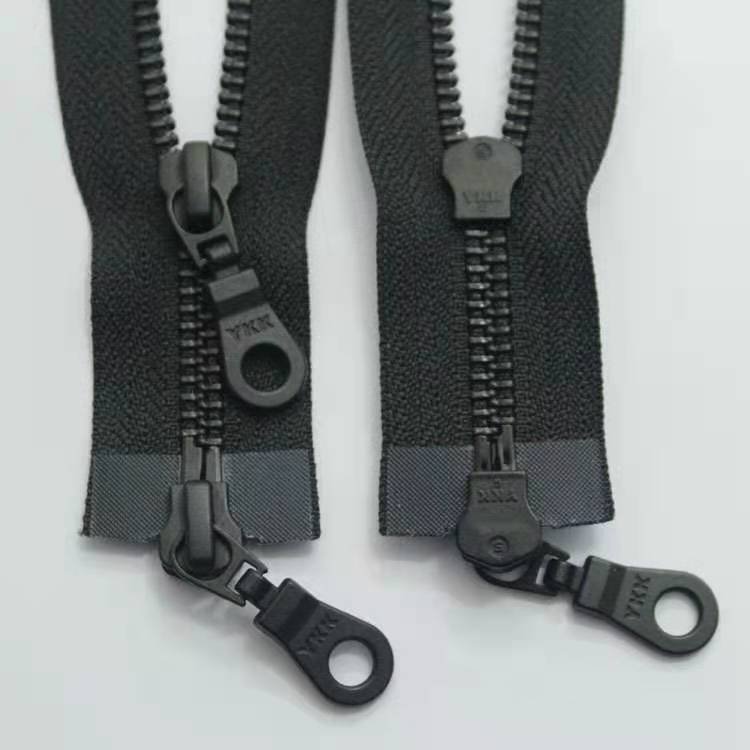
Custom Zipper Pulls
Engraved or debossed metal zipper pulls on full-zip sweatshirts transform a functional closure into a signature brand touchpoint, reinforcing premium positioning and giving customers a tactile reminder of your label.
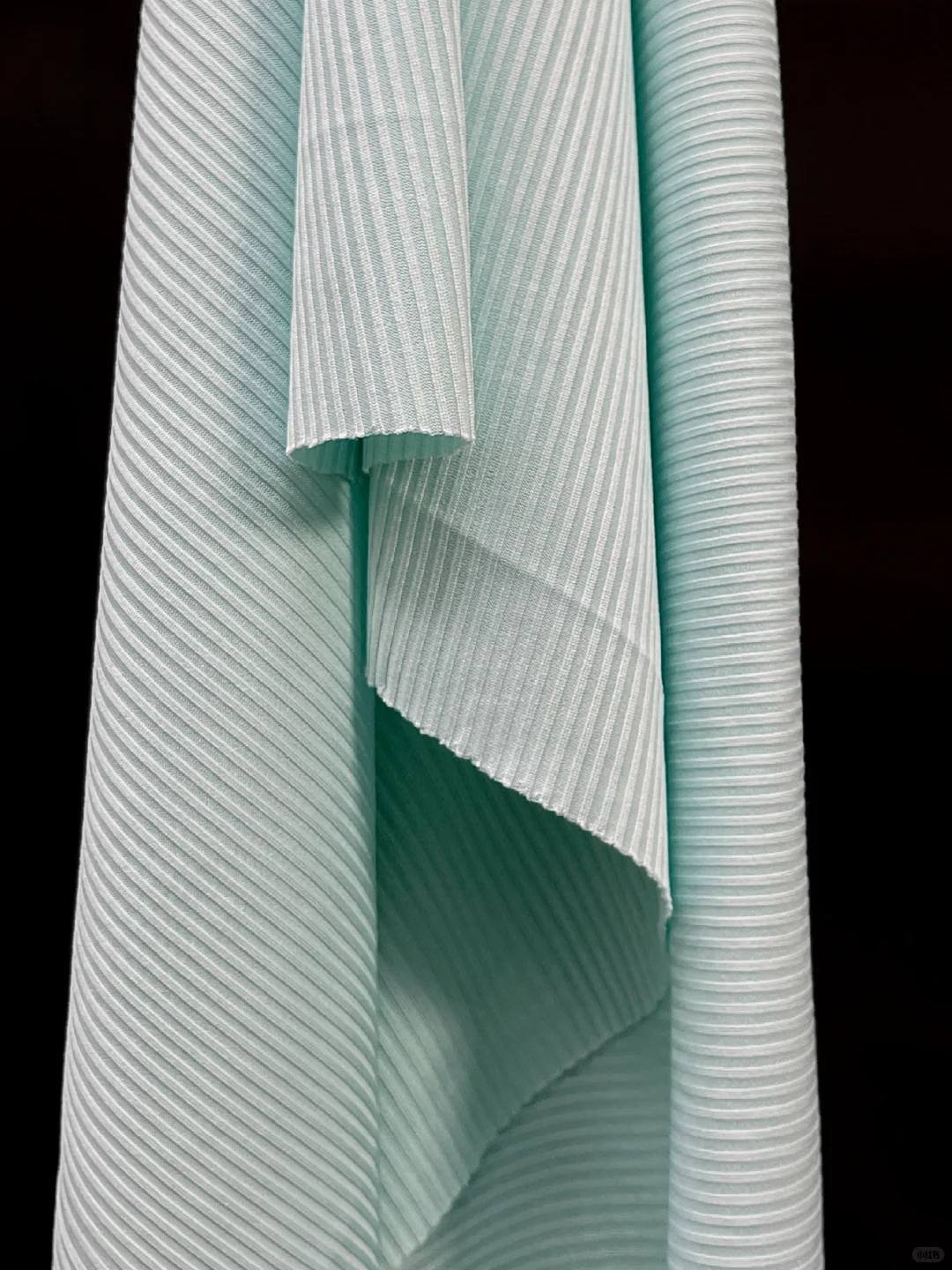
Ribbing Alternatives
Flat-knit, spandex-blend, or contrast-color ribbing at cuffs and hem lets you tailor silhouette and stretch recovery while introducing a distinctive design detail that separates your collections from generic competitors.
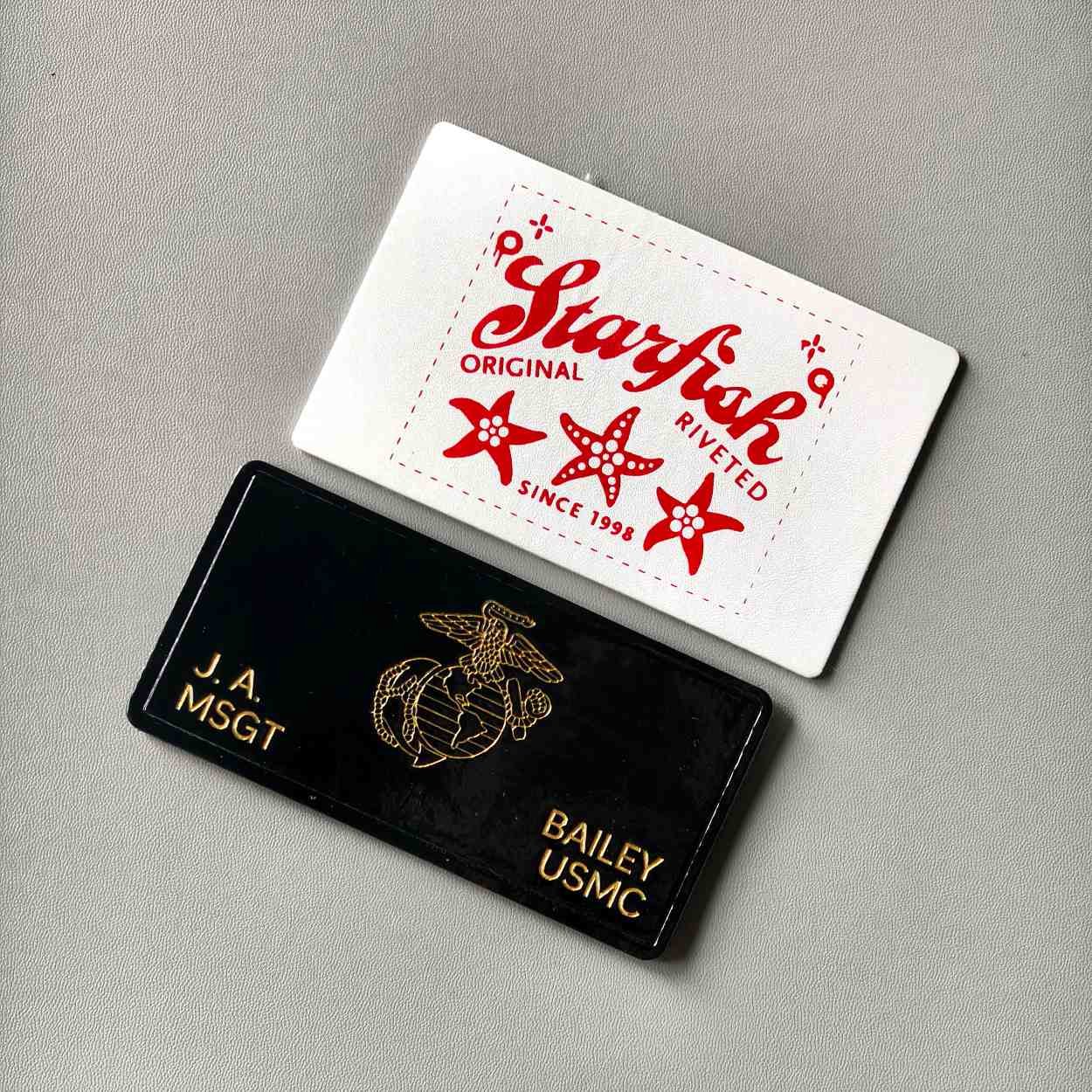
Internal Care Labels
Custom-printed or woven internal labels carry your brand name, sizing grid, and care symbols to satisfy global compliance requirements while reinforcing a professional identity inside and out, wear after wear.
Heavyweight Sweatshirt Manufacturer Built on Legacy
Tesla Luo founded Clothing Manufacturer Ltd. in August 2024 after more than a decade immersed in garment production — literally growing up on Dongguan factory floors where his parents held senior manufacturing roles. That hands-on foundation, spanning sewing, cutting, QC, and logistics, shaped a single mission: become the heavyweight sweatshirt manufacturer that global streetwear brands, fashion startups, and independent designers can trust unconditionally, across every order and every country.
Operating from Humen Town — China’s historic garment manufacturing hub — and backed by the production infrastructure of parent company Dongguan TuoZhen Clothing Co., Ltd., Clothing Manufacturer Ltd. combines startup agility with factory-grade capacity. Tesla personally served over 200 clients and helped scale American influencer brands from zero to hundreds of thousands of followers. Today the company ships to 100-plus countries, supported by a 15-member R&D team, 10 patents, and low MOQ policies designed to give emerging labels the same access as established retailers.
What truly differentiates Clothing Manufacturer Ltd. is a refusal to treat quality as an afterthought. After witnessing Chinese factories skip QC entirely — shipping straight from sewing to packaging — Tesla built a proprietary five-step quality control system that checks materials, cutting, craft, sewing, and finished goods at every stage. Combined with deep cultural fluency in streetwear aesthetics — from skeleton motifs to street-art graphics — this quality-first philosophy makes us the heavyweight sweatshirt manufacturer of choice for brands that refuse to compromise.
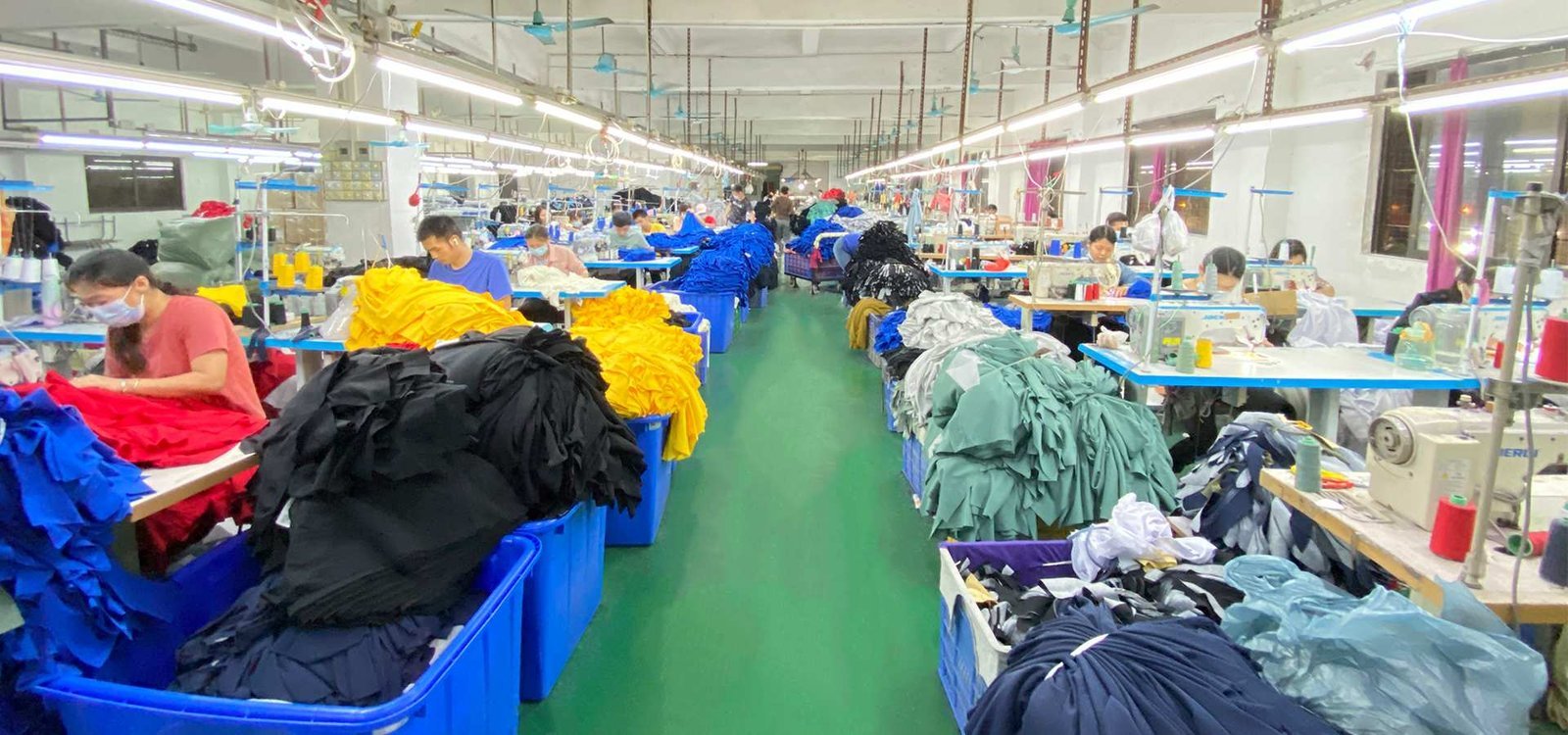
5-Step Quality Control: What Sets Our Heavyweight Sweatshirt Manufacturer Apart
Raw Materials Tested Before Production Begins
Every heavyweight sweatshirt fabric we source undergoes rigorous inspection before a single piece is cut. We verify GSM weight, composition, colorfastness, and shrinkage tolerance — only materials that pass your spec enter the production line.
- GSM weight verification on every incoming fabric roll
- Colorfastness and wash-shrinkage testing conducted on arrival
- Full defect scan of fabric surface before cutting approval
- Supplier-agnostic testing — your brand standard is the benchmark
Cutting QC: Accuracy Checked Layer by Layer
Imprecise cutting is the silent killer of garment quality. Our cutting QC team audits every layer spread for alignment, grain consistency, and pattern accuracy before blades ever touch the fabric — eliminating costly downstream errors at the source.
- Layer-by-layer alignment checks on all fabric spreads
- Grain-line verification to prevent post-sew distortion
- Pattern piece audit against approved tech packs
- Out-of-spec bundles are rejected and re-cut before advancing
Craft QC: The Step Most Manufacturers Skip
Between cutting and final assembly, our craft QC stage inspects panel preparation, embroidery, printing, and specialty treatments. Defects caught here cost a fraction of what they cost after sewing — which is exactly why most factories skip this step.
- Embroidery and screen-print registration verified pre-assembly
- Pocket bags, zipper tapes, and drawstring hardware checked against spec
- Panel measurement audit before bundles are cleared for the sewing line
- Documented supervisor sign-off required at every craft checkpoint
Sewing Line QC and Final Finished Inspection
Inline sewing inspectors monitor seam integrity, stitch density, and construction accuracy throughout the production run. A comprehensive finished-goods inspection follows — every outgoing heavyweight sweatshirt is measured against your approved sample before it ships.
- Inline sewing audits conducted at regular intervals during production
- Seam strength and stitch count measured against approved spec
- Final AQL inspection on all finished garments before packing
- Full photo and measurement report delivered with every order shipment
Why Choose Clothing Manufacturer Ltd Over Other Heavyweight Sweatshirt Manufacturers
From 5-step in-process QC to low MOQ and in-house design, see exactly where we outperform typical suppliers on the factors that matter most to growing brands.
← 左右滑动查看 →
From Design to Delivery: Our Heavyweight Sweatshirt Manufacturer Process
Six tightly managed phases, five built-in QC gates, and zero shortcuts — so your brand receives exactly what was approved, on schedule.
Fabric Sourcing & Materials QC
We source premium heavyweight fleece, French terry, and cotton fabrics, then run our first QC gate verifying GSM weight, shrinkage, and colorfastness before any cutting begins.
Design, Sampling & Approval
Our 15-member in-house R&D team builds tech packs and physical samples reflecting your streetwear vision, with fast turnaround so you approve fit and details before committing to production.
Precision Cutting & Craft QC
Approved patterns guide precision cutting, followed by our third QC checkpoint verifying panel accuracy, seam allowances, and garment construction standards — defects stopped before they multiply.
Sewing & Inline Production QC
Experienced sewers assemble every piece under active inline monitoring, with our fourth QC gate catching stitch irregularities, hardware misalignment, and seam failures mid-production, not after.
Finishing & Final Inspection
Every garment is steamed, trimmed, and put through our fifth and final QC inspection, ensuring each heavyweight sweatshirt meets your approved spec before it leaves our floor.
Packing & Global Dispatch
Orders are folded, poly-bagged, and packed to your exact requirements, then shipped worldwide via our trusted logistics partners with full tracking and customs documentation support.
Partner With a Heavyweight Sweatshirt Manufacturer in 4 Simple Steps
From first design file to final delivery, here is exactly how we work together to bring your collection to life with full transparency and zero surprises.
Share Your Design Vision
Submit your tech pack, design brief, or mood board. Our in-house team reviews your specs, recommends fabrics, and aligns on construction details for your heavyweight sweatshirt.
Approve Your Prototype Samples
Receive physical pre-production samples from our expert sampling team. Test weight, stitching, and fit firsthand, then request revisions until every detail meets your brand standard.
Confirm Your Quote and Timeline
Get a transparent, itemized quote covering low MOQ options, unit pricing, and lead times, with our 5-step QC milestones confirmed before bulk cutting begins.
Launch Production and Ship Worldwide
Your order enters our quality-controlled production line. Every stage is inspected under our 5-step QC process, then shipped to your location anywhere in the world.
Certified Heavyweight Sweatshirt Manufacturer: Quality, Ethics & Innovation Verified
Customer Success Stories: Scaling With a Heavyweight Sweatshirt Manufacturer
We launched our first drop with just 50 units thanks to their low MOQ. After 3 collections, our Instagram following grew from 8,000 to 94,000. The quality consistency made every repost count. This team genuinely knows streetwear.
We had a 6-week window for our fall drop and needed 1,200 heavyweight sweatshirts on time. They hit every milestone, delivered ahead of schedule, and defect rate was under 0.5%. We have reordered three times since without a single missed deadline.
Our previous supplier ran a defect rate of around 12%. After switching, defects dropped to under 1% on our first order of 800 units. The 5-step QC process is the real deal — we stopped absorbing return costs and reshipping expenses overnight.
Frequently Asked Questions About Our Heavyweight Sweatshirt Manufacturer
Real answers to the questions buyers ask before placing their first production order — no fluff, no runaround.
What is the minimum order quantity at your heavyweight sweatshirt manufacturer?
How long does it take a heavyweight sweatshirt manufacturer to develop and deliver samples?
What customization options does your heavyweight sweatshirt manufacturer offer?
How do you protect my designs and intellectual property during production?
What payment terms do you accept for bulk production orders?
How does your 5-step QC process reduce defects in heavyweight sweatshirt production?
Can your heavyweight sweatshirt manufacturer ship globally, including to the US and Europe?
What fabric weights do you use, and can I request a specific GSM for my collection?
How quickly can a heavyweight sweatshirt manufacturer turn around a seasonal or trend-driven drop?
The Complete Buyer’s Guide to Heavyweight Sweatshirt Manufacturer
Everything streetwear brands, independent designers, and global retailers need to evaluate a heavyweight sweatshirt manufacturer — from fabric weight and construction quality to MOQ tiers, customization options, and the sourcing mistakes that kill launch timelines.
1. What Is a Heavyweight Sweatshirt Manufacturer?
400–600 GSM is the weight range that separates a true heavyweight sweatshirt from the 280–350 GSM mid-weights sold by most general apparel factories. GSM — grams per square meter — measures fabric density; at 400 GSM and above, a sweatshirt gains the structured drape, durability, and premium hand-feel that streetwear buyers and private-label retailers specifically demand. Anything below 380 GSM is typically classified as standard-weight and will not satisfy customers accustomed to premium drops.
A heavyweight sweatshirt manufacturer is a factory — or vertically integrated production partner — whose equipment, yarn sourcing, and quality control workflows are calibrated for these dense constructions. Standard cut-and-sew facilities optimized for lightweight T-shirts or fast-fashion fleece lack the ring-spun cotton blends, loop-back or French terry knitting infrastructure, and reinforced stitch settings required to produce consistent 400+ GSM output at scale.
In the supply chain, these manufacturers serve three primary buyer profiles: streetwear brands sourcing statement pieces with precise GSM specs, independent designers and fashion startups placing low-MOQ sampling orders, and global retailers building private-label programs that require consistent batch-to-batch weight tolerances. Each profile demands different service capabilities — from size-run flexibility to OEKO-TEX certified fabric traceability.
When you search ‘heavyweight sweatshirt manufacturer,’ you are specifically looking for a production partner with verified GSM capability, in-house or audited knitting and fabric sourcing, and a quality control process that confirms weight, shrinkage, and construction at multiple production stages — not simply a general factory willing to attempt a heavier-weight spec on request.
2. A Brief History of Heavyweight Sweatshirt Manufacturing
In the early 1920s, Benjamin Russell Jr. replaced itchy wool football jerseys with a cotton-fleece sweatshirt, launching what would become a core athletic workwear staple. By the 1930s, heavyweight fleece construction — typically 400–500 GSM ring-spun cotton — was standard issue for American college athletics and physical labor.
The 1980s and 1990s streetwear boom transformed the heavyweight sweatshirt from gym utility to cultural currency. Hip-hop, skateboarding, and graffiti scenes adopted oversized heavy blanks as canvases for screen printing and embroidery, driving demand for heavier constructions that held graphics without distortion and conveyed authentic street credibility.
Through the 1990s and 2000s, production migrated from domestic US mills to offshore hubs — Bangladesh, Pakistan, China, and Portugal — where lower labor costs enabled brands to source 400 GSM+ blanks at viable margins. China’s Pearl River Delta, including manufacturing centers such as Dongguan’s Humen Town, emerged as a dominant hub for cut-and-sew streetwear at scale.
Since 2020, reshoring and nearshoring pressures — driven by supply chain disruptions, tariff volatility, and sustainability mandates such as OEKO-TEX certification requirements — have pushed some buyers toward Portugal and Mexico. Yet heavyweight sweatshirt manufacturer operations in China that embed rigorous quality control at every production stage continue to retain premium-brand clients who prioritize output consistency over geographic proximity alone.
3. Types of Heavyweight Sweatshirt Manufacturer to Know
Six factory models serve the heavyweight sweatshirt market, each built for a different buyer stage and volume tier. Matching your order size and customization goals to the right type prevents costly misalignment from the start.
| Factory Type | Typical MOQ | Lead Time | Best For |
|---|---|---|---|
| Blank commodity manufacturer | 300–1,000 pcs/colorway | 30–45 days | Resellers, print-on-demand brands |
| Cut-and-sew custom factory | 100–300 pcs/style | 45–75 days | Brands needing proprietary silhouettes |
| Private-label full-package producer | 200–500 pcs | 60–90 days | Retailers wanting turnkey production |
| Low-MOQ boutique manufacturer | 30–100 pcs | 21–35 days | Startups and independent designers |
| Vertically integrated mill | 500–2,000 pcs | 50–70 days | Scaling brands needing fabric control |
| Domestic/nearshore specialty producer | 50–200 pcs | 14–28 days | Brands prioritizing speed and compliance |
Blank and Cut-and-Sew Factories
Blank commodity manufacturers produce undyed or pre-colored 320–480 GSM fleece blanks in bulk runs of 300+ pieces, prioritizing unit-price efficiency over custom detailing. Cut-and-sew custom factories build patterns from scratch — the right heavyweight sweatshirt manufacturer match when a proprietary silhouette is non-negotiable.
Private-Label and Low-MOQ Boutique Producers
Private-label full-package producers handle fabric sourcing, grading, sampling, and branded hang tags, requiring 200–500 pieces but delivering a retail-ready garment. Low-MOQ boutique manufacturers accept runs as small as 30 pieces with 3–5-week sample turnarounds — the practical entry point for most fashion startups and independent designers.
Vertically Integrated Mills and Nearshore Options
Vertically integrated mills control the full chain from yarn spinning to finished garment, offering superior GSM consistency and OEKO-TEX traceability but demanding 500+ piece minimums. Domestic and nearshore producers charge a 30–60% unit-price premium yet compress lead times to 2–4 weeks, making them valuable for trend-reactive limited drops.
4. Materials and Fabrics Used by a Heavyweight Sweatshirt Manufacturer
Fabric selection determines how a sweatshirt wears, drapes, and holds up after 50 wash cycles. Every reputable heavyweight sweatshirt manufacturer quotes against a specific GSM and fiber specification — not a vague ‘heavy’ description. Locking in the right construction before sampling prevents costly mid-production changes.
| Fabric Type | GSM Range | Best For | Print Compatibility | Typical Cost Premium |
|---|---|---|---|---|
| 100% Ring-Spun Cotton Fleece | 380–520 gsm | Premium basics, bold graphics | Excellent — screen, DTG, embroidery | Baseline |
| 80/20 Cotton-Poly Fleece | 350–480 gsm | Retail staples, durability | Very good — screen, DTG | +0–5% |
| 60/40 Cotton-Poly Fleece | 320–420 gsm | Budget streetwear, activewear | Good — screen print | −5% |
| 50/50 Cotton-Poly Fleece | 300–400 gsm | Promotional, fast fashion | Moderate — screen only | −8–10% |
| French Terry | 300–420 gsm | Athleisure, layering pieces | Good — DTG, screen | +5–10% |
| Tri-Blend (Cotton/Poly/Rayon) | 280–350 gsm | Vintage drape, soft hand-feel | Moderate — DTG preferred | +10–15% |
| Organic / Recycled Fiber | 380–500 gsm | Sustainability-positioned brands | Excellent | +15–25% |
Ring-Spun Cotton and Poly Blend Fleece
100% ring-spun cotton fleece at 380–520 gsm delivers a soft hand-feel, minimal pilling, and strong print adhesion for both screen and DTG applications.
Cotton-poly blends (80/20 down to 50/50) cut shrinkage from 5–8% to under 3% and reduce per-unit cost, but higher poly content dulls DTG color vibrancy — a trade-off to specify explicitly in your tech pack.
French Terry and Tri-Blend Fabrics
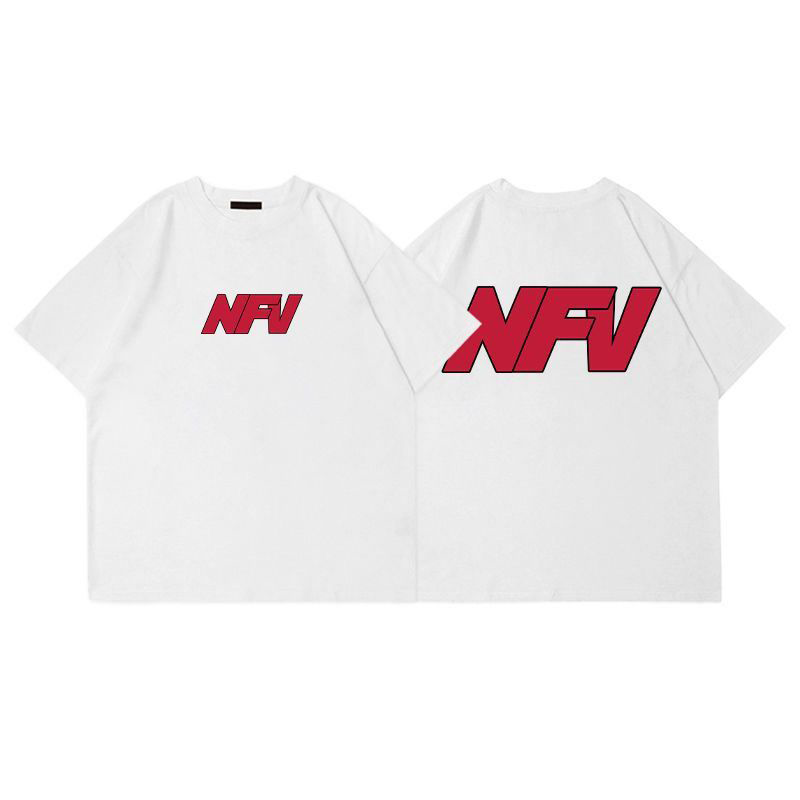
French terry’s looped interior at 300–420 gsm is lighter and more breathable than standard fleece, making it the go-to for athleisure and layering pieces.
Tri-blend (cotton/polyester/rayon) runs 280–350 gsm with a vintage drape; DTG is preferred because rayon content resists plastisol screen ink adhesion and increases post-wash peel risk.
Organic and Recycled Fiber Options
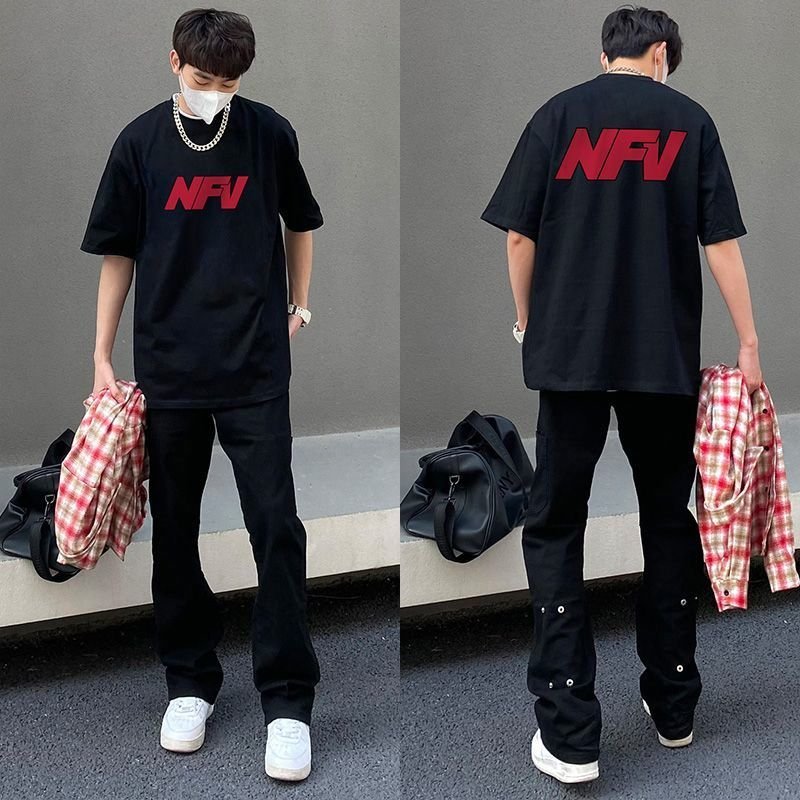
GOTS-certified organic cotton and GRS-certified recycled polyester fleece typically land at 380–500 gsm with hand-feel matching conventional counterparts.
Expect a 15–25% cost premium plus longer lead times for certification documentation, but OEKO-TEX or GOTS labeling supports higher retail price points for sustainability-positioned brands seeking verifiable credentials.
5. Customization and Decoration Options From Your Manufacturer
A quality heavyweight sweatshirt manufacturer should offer at least 8–10 decoration methods — each carrying different setup costs, washability ratings, and MOQ thresholds. Matching technique to fabric weight and reorder volume before sampling prevents costly rework and ensures print longevity.
| Decoration Method | Setup Cost | Per-Unit Cost | Wash Durability | Best Fabric Match |
|---|---|---|---|---|
| Screen printing | $50–150/color | $0.50–2 | 50+ washes | 300–500 GSM fleece |
| DTG | $0 | $3–8 | 30–40 washes | 100% cotton |
| Embroidery | $50–150 digitize | $2–6 | 100+ washes | 380+ GSM |
| Puff print | $80–200 | $1.50–3 | 40+ washes | 320–500 GSM fleece |
| Chenille patches | $100–300 | $4–10 | 80+ washes | Any GSM |
| Woven labels | $80–150 | $0.20–0.80 | Lifetime | Any fabric |
| Heat transfer | $20–80 | $0.80–2 | 25–35 washes | Blended fabrics |
| Garment dyeing | $200–500 | $3–8 add-on | 60+ washes | 100% cotton |
| Enzyme wash | $100–300 | $1–3 | N/A (one-time finish) | 100% ring-spun cotton |
| Custom ribbing/hardware | $150–400 | $1–4 | Lifetime | All weights |
Print Techniques: Screen, DTG, and Puff
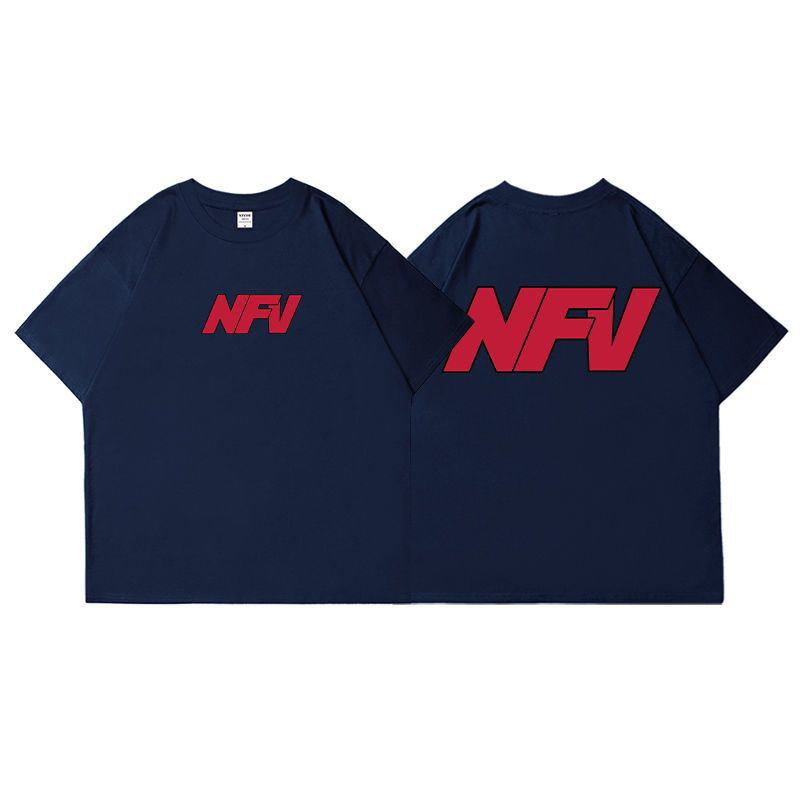
Screen printing suits runs of 12+ pieces with $50–150 per-color setup and durable results on 300–500 GSM fleece.
DTG needs zero setup but costs $3–8 per unit and fades faster on blended fabrics — best capped at runs under 24 pieces.
Puff print adds raised dimensional texture; budget $80–200 in setup fees with 40+ wash durability.
Sewn Decoration: Embroidery and Chenille Patches
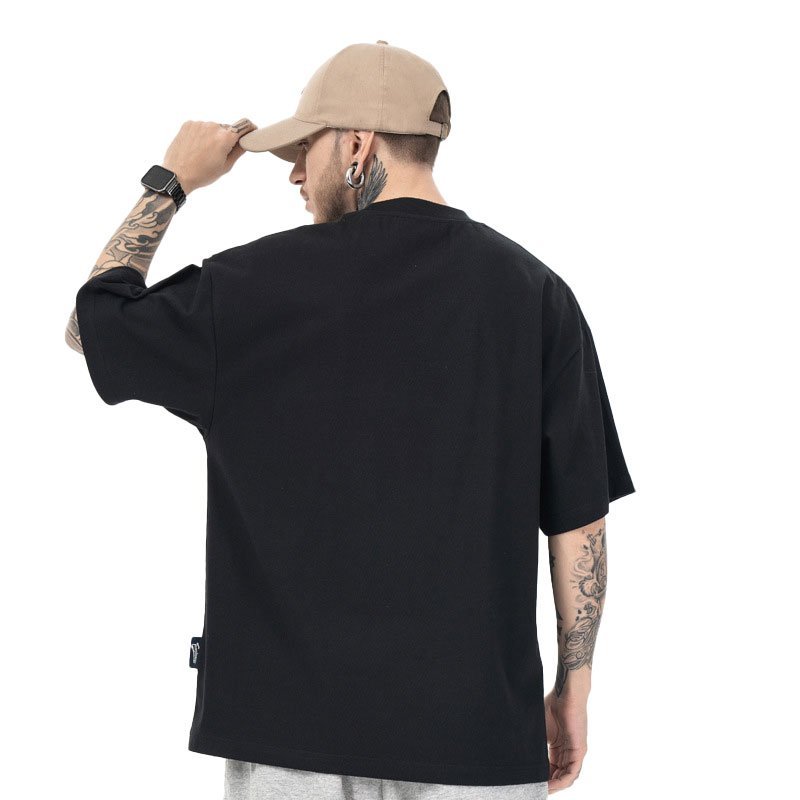
Embroidery digitization costs $50–150 one-time and delivers 100+ wash durability — the strongest branding option for chest logos on 380+ GSM garments.
Chenille patches run $4–10 per unit with $100–300 tooling; sew-on or heat-seal backing survives 80+ washes with no color loss.
Garment Dyeing, Enzyme Wash, and Custom Hardware
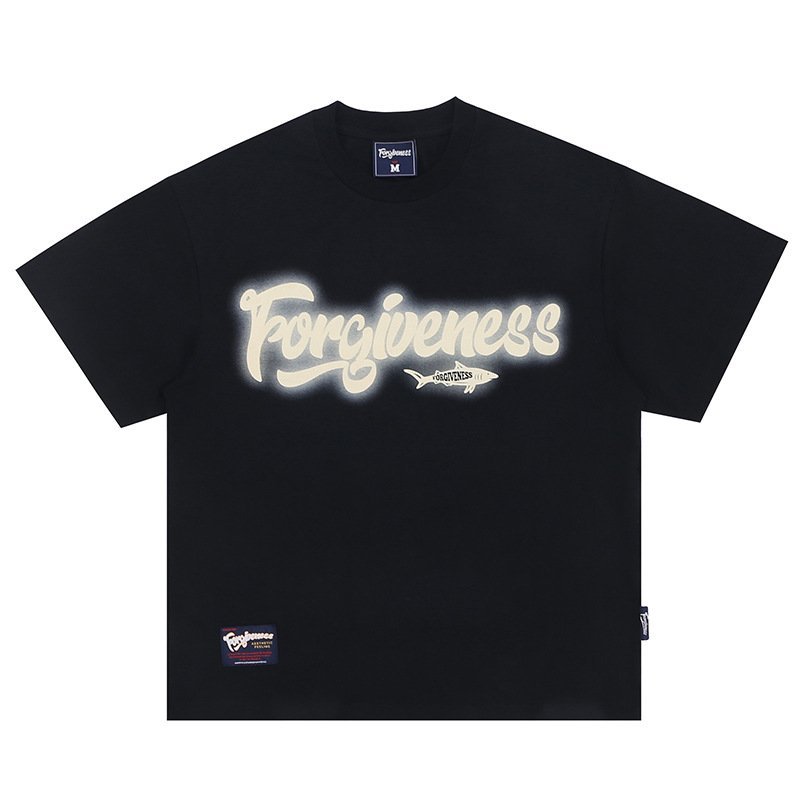
Garment dyeing requires 100% ring-spun cotton and adds $3–8 per unit, producing vintage color variation that synthetic blends cannot replicate.
Enzyme washing softens hand-feel permanently — it is a one-time production finish, not a washability metric.
Custom ribbing colors and metal hardware such as YKK zippers or antique-brass eyelets add $1–4 per unit with $150–400 tooling.
6. Key Construction Quality Elements to Demand From Any Heavyweight Sweatshirt Manufacturer
A sample reveals what a spec sheet cannot. Before committing to bulk production, inspect these construction points — each separates a premium piece from a commodity sweatshirt that pills, shrinks, or splits at the seams.
Stitching Type and Seam Allowance
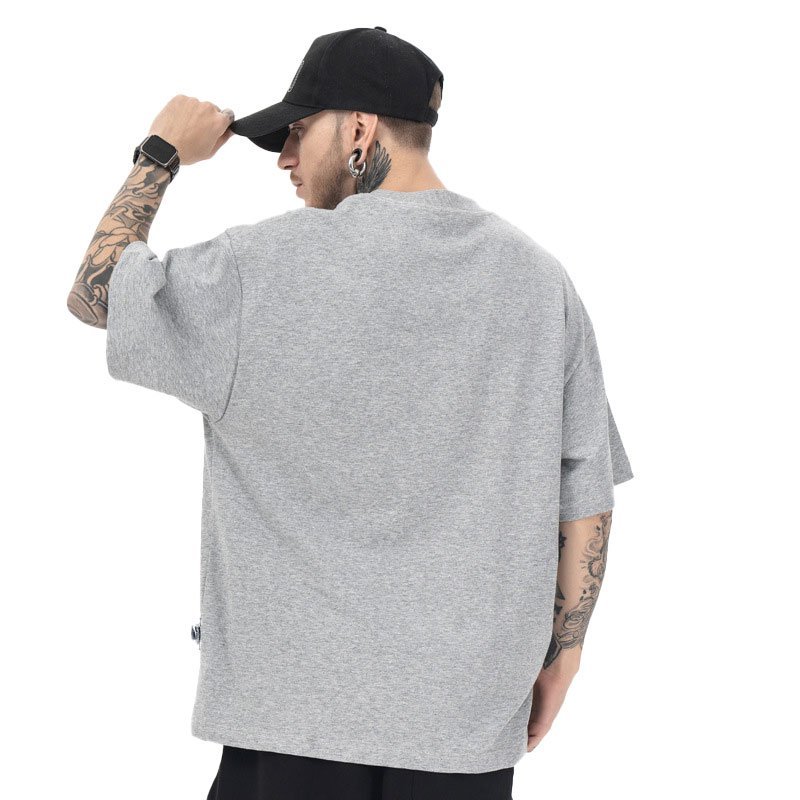
Flatlock stitching lies flat against skin and handles stress better than a standard chainstitch on side seams. Coverstitch — two needles top, one looper underneath — is the benchmark for necklines and cuffs.
Minimum 1 cm seam allowances are non-negotiable; commodity producers often cut to 6 mm, which frays under repeated washing. Check every interior seam on your sample before approving bulk.
Rib Weight and Hood Lining
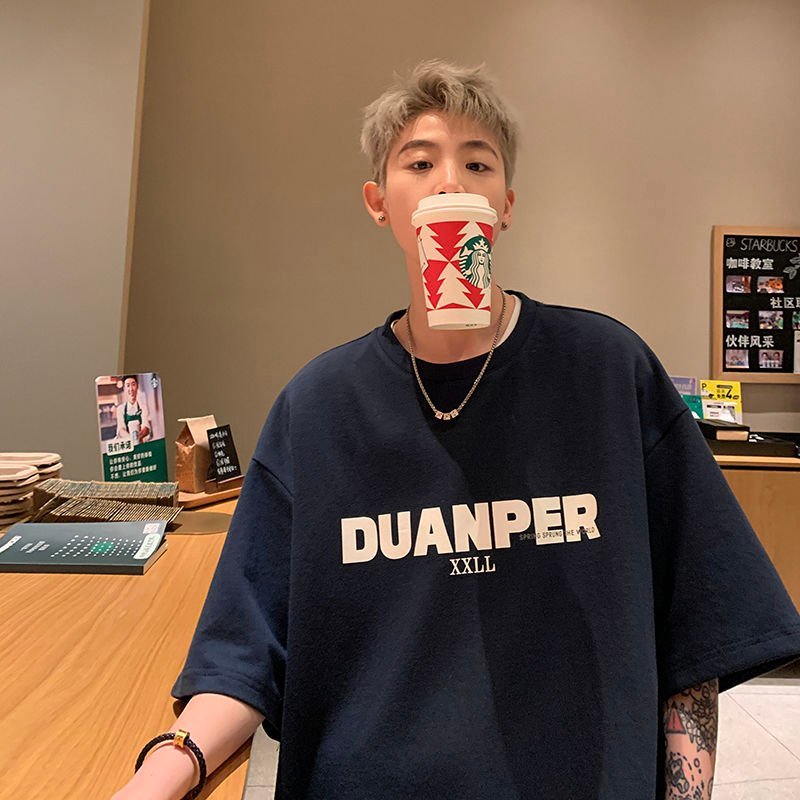
Cuff and waistband ribs should use 1×1 or 2×2 construction at 400–500 GSM — lighter ribs lose elasticity within 20 washes. Stretch the sample cuff and release; it should snap back without distortion.
Hood lining options range from raw jersey to brushed fleece; a lined hood adds structure and warmth but adds 15–25 g to total garment weight. Confirm lining fabric matches the shell GSM spec.
Kangaroo vs. Welt Pocket Construction
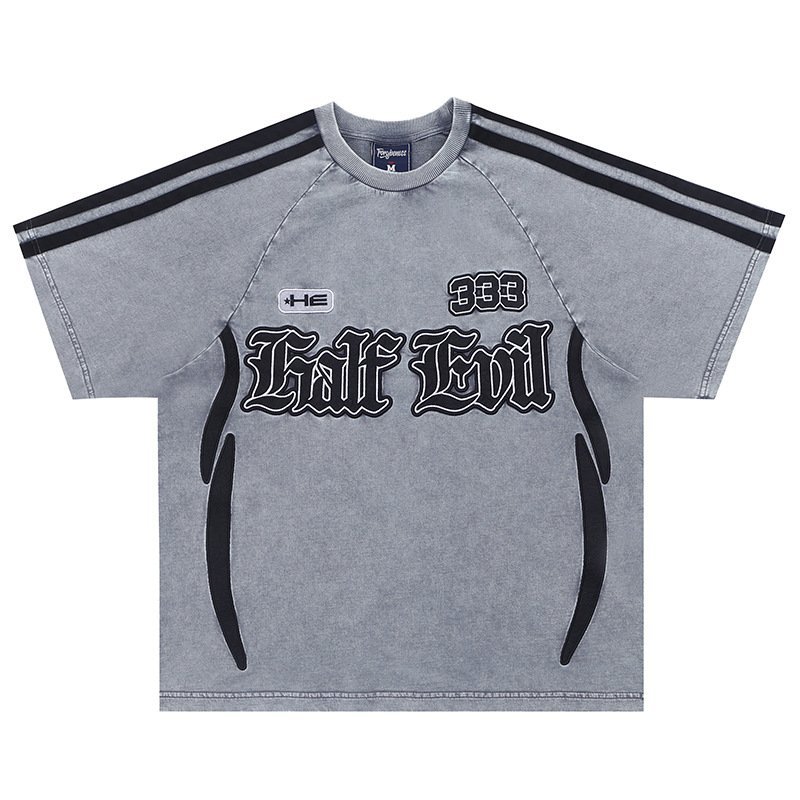
Kangaroo pockets require a reinforced bar-tack stitch at each corner to resist tearing under load — verify by firmly pulling the pocket edge on your sample. Welt pockets offer a cleaner silhouette but demand precise cutting and cost more to produce.
Loose stitching at pocket corners ranks among the top defects flagged by retailers — ask your heavyweight sweatshirt manufacturer for pull-test results on pocket openings before approving bulk.
Pre-Shrunk vs. Raw Fabric Processing
Pre-shrunk (Sanforized) fabric shrinks under 3% after washing; raw fabric can shrink 8–12%, causing fit failures at retail. Wash your sample three times and re-measure chest, body length, and sleeve length before approving.
Mill-level Sanforizing prevents the fit failures that drive bulk returns — confirm this step is completed before cutting, as low-cost producers routinely skip it.
7. How to Choose the Right Heavyweight Sweatshirt Manufacturer for Your Brand
Picking the right heavyweight sweatshirt manufacturer demands systematic vetting, not gut feel. Run this five-step framework before transferring any deposit or signing a production agreement.
Define Your Volume and Budget First
MOQs for heavyweight fleece programs typically start at 50–300 units per colorway; global retailers often need 500+ per SKU. Know your unit economics before shortlisting suppliers — a factory optimized for 1,000-piece runs cannot serve a 50-piece startup efficiently.
Request Samples and Clarify Sample Fees
Most reputable factories charge $50–$200 per sample and deduct fees from the bulk order upon confirmation. Request a 400–500 GSM reference swatch alongside the finished garment to verify fabric density claims independently.
Audit Factory Certifications
OEKO-TEX Standard 100 certifies fabric is free of harmful substances; BSCI and SA8000 verify ethical labor conditions. GOTS certification is required for any organic cotton claims. Ask for current certificate numbers — expired certs are common and carry zero legal weight.
- OEKO-TEX Standard 100: chemical safety for finished fabrics
- GOTS: organic fiber traceability from farm to factory
- BSCI/SA8000: labor ethics and social compliance audits
Evaluate Lead Times and Communication Speed
Standard sample lead time runs 7–15 days; bulk production typically 30–60 days after approval. A factory that takes more than 24 hours to respond to initial inquiries will likely cause delays mid-production — treat response speed as a direct proxy for reliability.
Check References and IP Ownership Policies
Ask for three verifiable brand client names before committing. Confirm that all tech packs, patterns, and custom tooling you pay for are legally yours. Streetwear startups and influencer brands especially must confirm IP ownership in writing to prevent design leakage to competing labels.
- Startups: confirm low-MOQ tiers and sample fee deduction policy
- Influencer brands: verify NDA coverage and exclusivity on custom graphics
- Global retailers: request BSCI audit reports and full compliance documentation
8. Common Mistakes Buyers Make When Sourcing a Heavyweight Sweatshirt Manufacturer
Sourcing errors made before production begins are the costliest kind — they surface as delayed launches, margin erosion, or rejected shipments at customs. Knowing the eight most common mistakes lets you avoid them entirely.
Price-Only Selection and Missed Sample Approval
A quote 15% below market average signals cut corners, not efficiency — factories recoup margin through cheaper yarn blends or skipped QC steps. Always request a sealed pre-production sample before approving bulk.
Skipping formal sample sign-off means the manufacturer interprets specs freely. One missed stitch-density detail can result in a 400 GSM sweatshirt that feels like 320 GSM — unmarketable at a premium price point.
Underspecifying GSM and Colorway Sign-Off
Tech packs that list only ‘heavyweight fleece’ without a GSM range — typically 380–500 GSM for true heavyweights — give factories license to ship lighter fabric. Specify GSM, yarn type (ring-spun vs. open-end), and fabric construction explicitly.
Colorway approvals sent verbally or via screenshots rarely match Pantone references. Require a signed color-lab dip approval against the Pantone TPX or TCX standard before cutting bulk fabric.
Lead Times, Compliance, and Tooling Ownership
Peak-season orders placed without 90–120-day lead-time buffers routinely miss retail windows. Build calendar slack for customs clearance, freight delays, and pre-shipment inspection.
U.S. and EU markets require OEKO-TEX, WRAP, or BSCI compliance documentation plus correct care-label language; missing paperwork triggers port holds. Clarify in writing who owns screen-printing screens, embroidery digitization files, and cut patterns — otherwise the manufacturer can re-sell your designs.
- Confirm tooling, screen, and pattern ownership in the purchase contract before sampling.
- Budget $50–$200 per colorway for sample tooling fees upfront to avoid surprise invoices.
- Request OEKO-TEX or BSCI certificates before placing your first bulk order.
9. Steps to Launch Your Brand With a Heavyweight Sweatshirt Manufacturer
Turning a sweatshirt concept into retail-ready product typically spans 10–16 weeks across seven distinct stages. Understanding each milestone — and its timeline — helps brands avoid costly delays and keeps first production runs on schedule.
Brief, Tech Pack, and RFQ
A complete tech pack includes fabric spec (GSM, fiber content, construction), Pantone colorways, seam type (flatlock or chain stitch), and trim details. Allow 1–2 weeks to finalize this document before contacting any heavyweight sweatshirt manufacturer.
Sample Development and Revision Rounds
Initial samples typically arrive within 7–14 days of tech pack approval. Budget 2–3 revision rounds — each adding 5–7 days — to dial in fit, weight, and print registration before signing off on a golden sample.
Bulk Order Negotiation and PO Issuance
Once a golden sample is approved, negotiate MOQ tiers — commonly 50–300 units per colorway — unit pricing, and payment terms, typically 30% deposit with 70% before shipment. Issue a formal PO within 3 business days to secure your production slot.
Production Monitoring and Mid-Line QC
A five-step QC process covering materials, cutting, craft, sewing, and finished goods catches defects at every stage rather than only at final inspection. Request inline inspection reports at 20–30% and 80% production milestones; bulk manufacturing runs typically take 25–45 days.
Shipping, Customs, and Fulfillment Handoff
Sea freight from Dongguan to US or EU ports adds 18–35 transit days; air freight compresses that to 5–8 days at roughly 4–6× the cost. Confirm HS codes, OEKO-TEX or GOTS certificates, and commercial invoice accuracy before cargo departs to avoid customs holds.
10. Pricing and Cost Guide for Heavyweight Sweatshirt Manufacturer Orders
Unit prices for heavyweight sweatshirts (380–580 GSM) range from $8 to $28 depending on order volume, with the widest spread falling between 50-unit sample runs and 500-plus unit bulk orders. A heavyweight sweatshirt manufacturer quoting below $8 per unit on sub-300 orders typically signals cut-rate open-end fleece or skipped mid-production quality checks.
Three variables add $1.50–$5.00 to any base quote. Custom metal hardware — YKK zippers, die-cast drawcord tips, branded rivets — adds $0.80–$2.00 per unit. GOTS or OEKO-TEX certified organic fabric adds $1.50–$3.00 due to audited fiber and dye sourcing. Nearshore production in Mexico, Turkey, or Portugal commands a 30–60% premium over equivalent China-based output — a trade-off buyers accept for shorter shipping lanes and faster reorder cycles.
- Screen print (1–3 colors): +$0.80–$2.50 per unit; setup fee $25–$60 per color
- Embroidery (up to 10k stitches): +$2.00–$4.50 per unit; digitizing fee $20–$50 once
- DTG (direct-to-garment): +$3.00–$6.00 per unit; no minimum, ideal for sampling
- Heat transfer or sublimation: +$1.50–$3.00 per unit; best on light-base ring-spun fabrics
- Puff or gel print: +$1.50–$3.00 per unit; adds tactile depth to streetwear graphics
- Woven label plus hang-tag set: +$0.40–$1.20 per unit depending on size and quantity
| Order Quantity | Fabric GSM | Est. Unit Price (USD) | Sample Lead Time | Bulk Lead Time |
|---|---|---|---|---|
| 50–100 pcs | 380–420 GSM | $22–$28 | 10–14 days | 30–40 days |
| 100–300 pcs | 380–420 GSM | $16–$22 | 10–14 days | 25–35 days |
| 100–300 pcs | 480–540 GSM | $18–$25 | 12–15 days | 30–40 days |
| 300–500 pcs | 420–480 GSM | $12–$17 | 10–14 days | 25–35 days |
| 500–1,000 pcs | 420–480 GSM | $9–$14 | 10–14 days | 20–30 days |
| 1,000+ pcs | 480–580 GSM | $8–$12 | 10–14 days | 20–28 days |
Partner With a Heavyweight Sweatshirt Manufacturer Built for Scale
Low MOQ, 5-step QC, and global shipping ready — get a quote today and launch your streetwear collection in weeks.