
Premium Streetwear Hoodie Manufacturer with 5-Step QC Guarantee
Launch your hoodie collection with a streetwear hoodie manufacturer that delivers trend-driven designs, rigorous quality control at every production stage, and flexible 50-piece minimum orders for emerging brands.
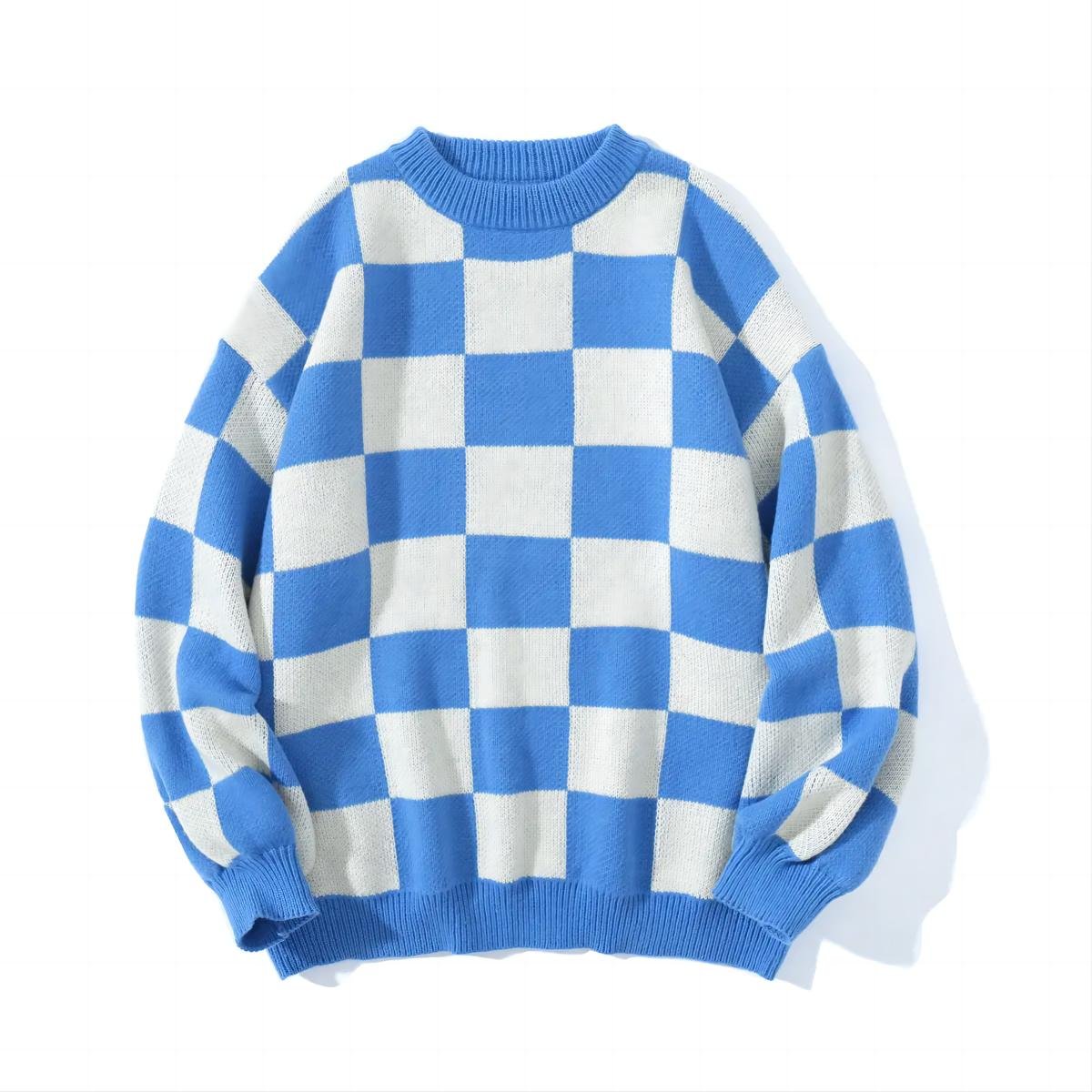
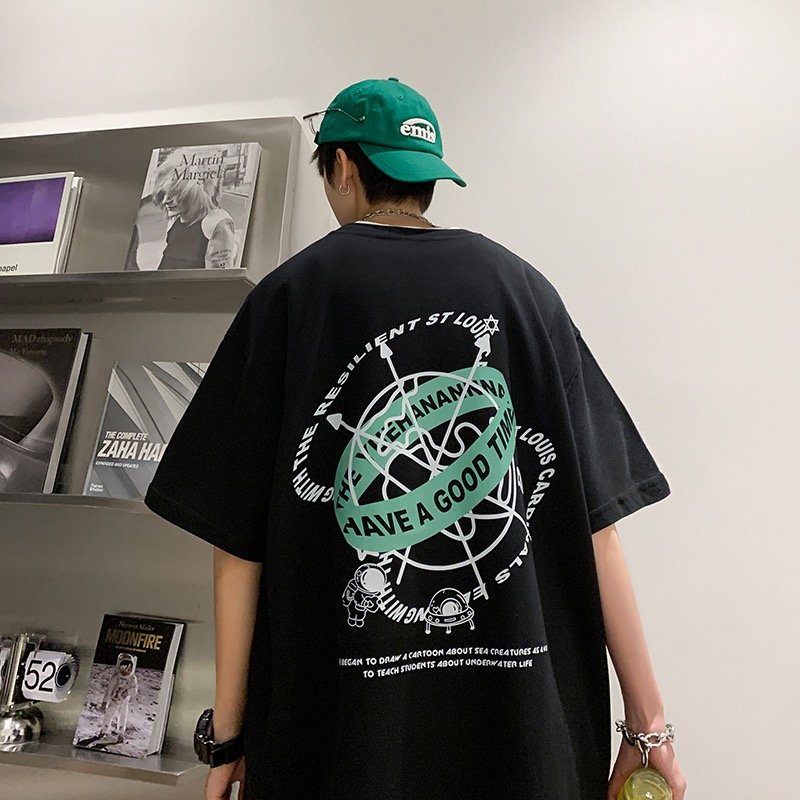
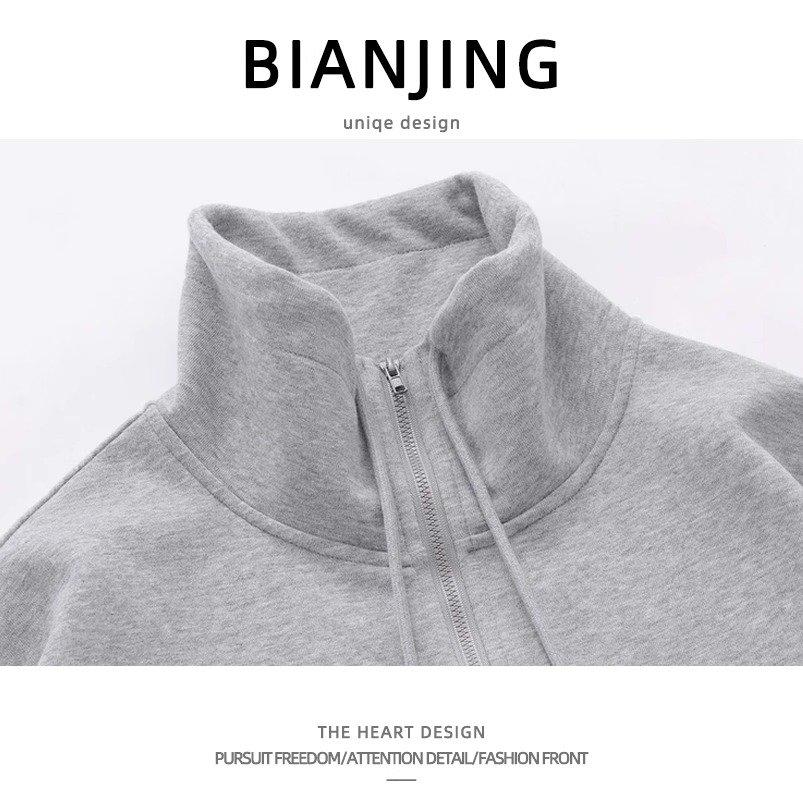
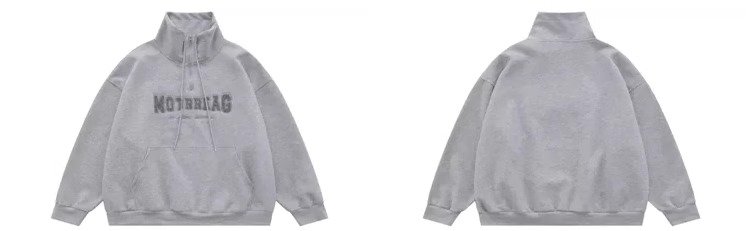
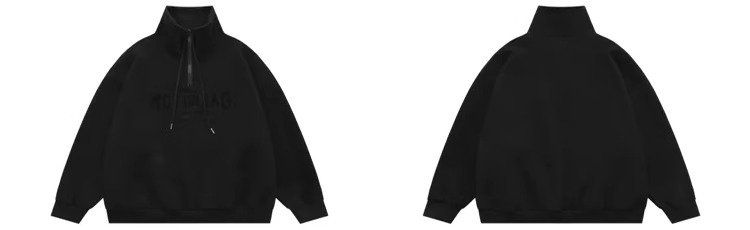
Streetwear Hoodie Designs & Samples
Why Choose Our Streetwear Hoodie Manufacturer
5-Step Quality Control Guarantee
Every hoodie passes rigorous QC at materials, cutting, craft, sewing, and final inspection stages—eliminating defects before shipping.
In-House Design & Sampling
Our 15-member R&D team brings your streetwear vision to life with fast prototyping and trend-driven design expertise.
Low 50-Piece MOQ
Launch your hoodie collection without massive inventory risk. Perfect for startups, influencers, and independent designers testing new drops.
Fast Turnaround for Seasonal Drops
Meet tight deadlines with streamlined production workflows designed for the pace of streetwear trends and limited releases.
Global Shipping & Logistics
Reliable international shipping to over 100 countries with full customs, documentation, and tracking support for your orders.
10+ Years Streetwear Expertise
Founded by Tesla Luo with a decade of production experience and deep knowledge of streetwear culture, design, and manufacturing.
Streetwear Hoodie Manufacturer Solutions for Every Brand Type
From classic pullovers to tech-enhanced designs, our streetwear hoodie manufacturing expertise delivers the perfect style for your target audience with rigorous quality control at every step.
Classic Pullover Hoodies
Emerging streetwear brands need timeless pullover hoodies with premium construction but face high MOQs from traditional manufacturers that make launching a first collection financially risky.
Our 50-piece MOQ and 5-step QC process let fashion startups launch classic pullover hoodies with heavyweight fabrics, reinforced stitching, and consistent sizing—building brand credibility from day one.
Full-Zip Streetwear Hoodies
Independent designers creating layered streetwear collections struggle to find manufacturers who can execute quality metal zippers, color-matched zipper tape, and dual-slider functionality without defects.
Our cutting QC and sewing production testing ensure every full-zip hoodie features durable YKK-grade zippers, precise alignment, and smooth operation—delivering the technical quality your designs deserve.
Oversized & Boxy Fits
Influencer brands targeting Gen Z audiences need oversized, drop-shoulder hoodies with exaggerated proportions, but many factories lack pattern-making expertise for non-standard fits and trendy silhouettes.
Our 15-member R&D team specializes in streetwear-specific pattern development, creating oversized hoodies with balanced drape, intentional volume, and accurate grading across sizes—ready for your influencer collaborations.
Tech Fabric Performance Hoodies
Global retailers launching athleisure-streetwear hybrids require hoodies in technical fabrics like moisture-wicking blends and four-way stretch, but struggle to find partners with both streetwear aesthetics and performance fabric expertise.
We combine streetwear design fluency with materials QC testing for tech fabrics, producing performance hoodies that merge bold graphics, contemporary cuts, and functional properties—meeting both style and performance standards.
Limited Edition Capsule Collections
Creator brands dropping seasonal capsules face tight deadlines and need fast-turnaround production for limited-run hoodies with custom embroidery, screen prints, or unique washes without sacrificing quality.
Our fast turnaround workflow and finished clothing quality inspection deliver limited-edition hoodies on schedule with flawless custom details—helping you capitalize on seasonal trends and maintain hype-driven release calendars.
Premium Fabrics for Streetwear Hoodie Manufacturer Production
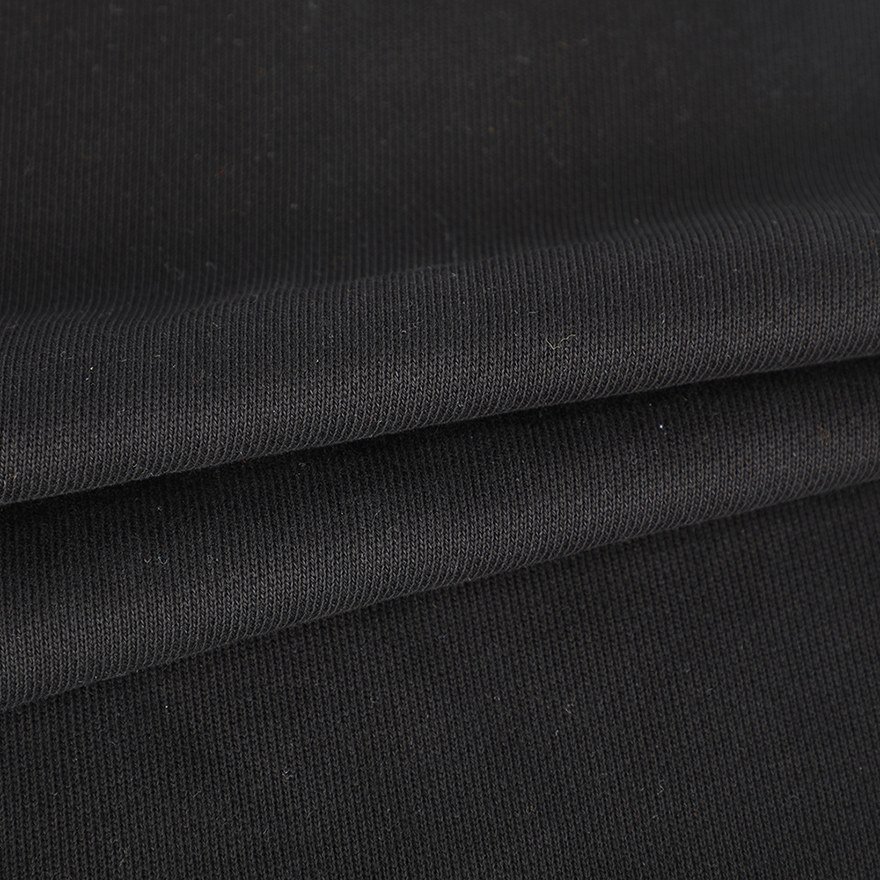
French Terry
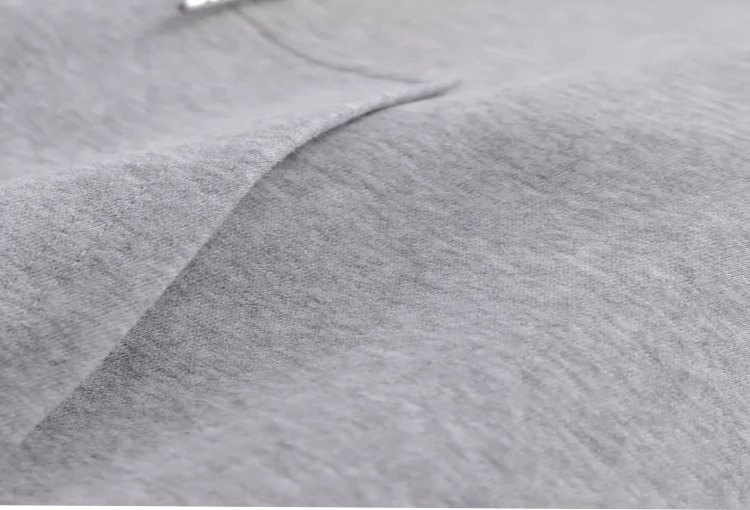
Soft looped interior with smooth exterior face, ideal for lightweight hoodies and layering pieces. Mid-weight construction (240–280 GSM) offers breathability and year-round wearability for everyday streetwear collections.
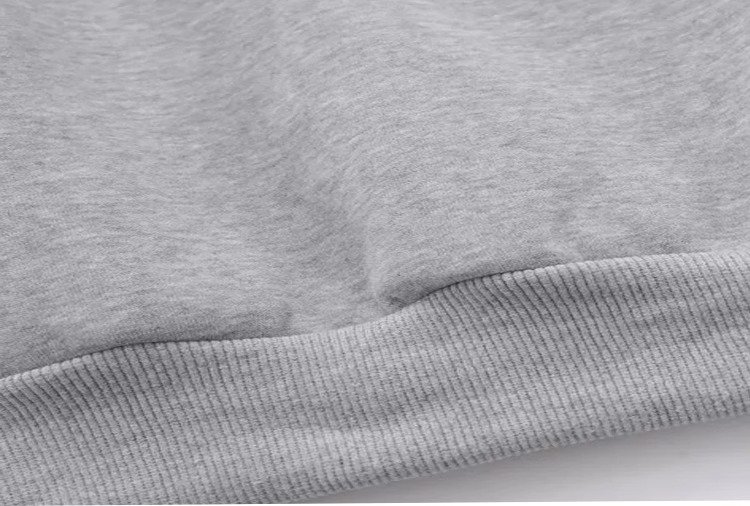
Heavyweight Cotton Blend
Dense, structured fabric combining cotton richness with polyester durability for premium oversized hoodies. Superior shape retention at 320–400 GSM ensures that bold prints and embroidery stand out with lasting quality.
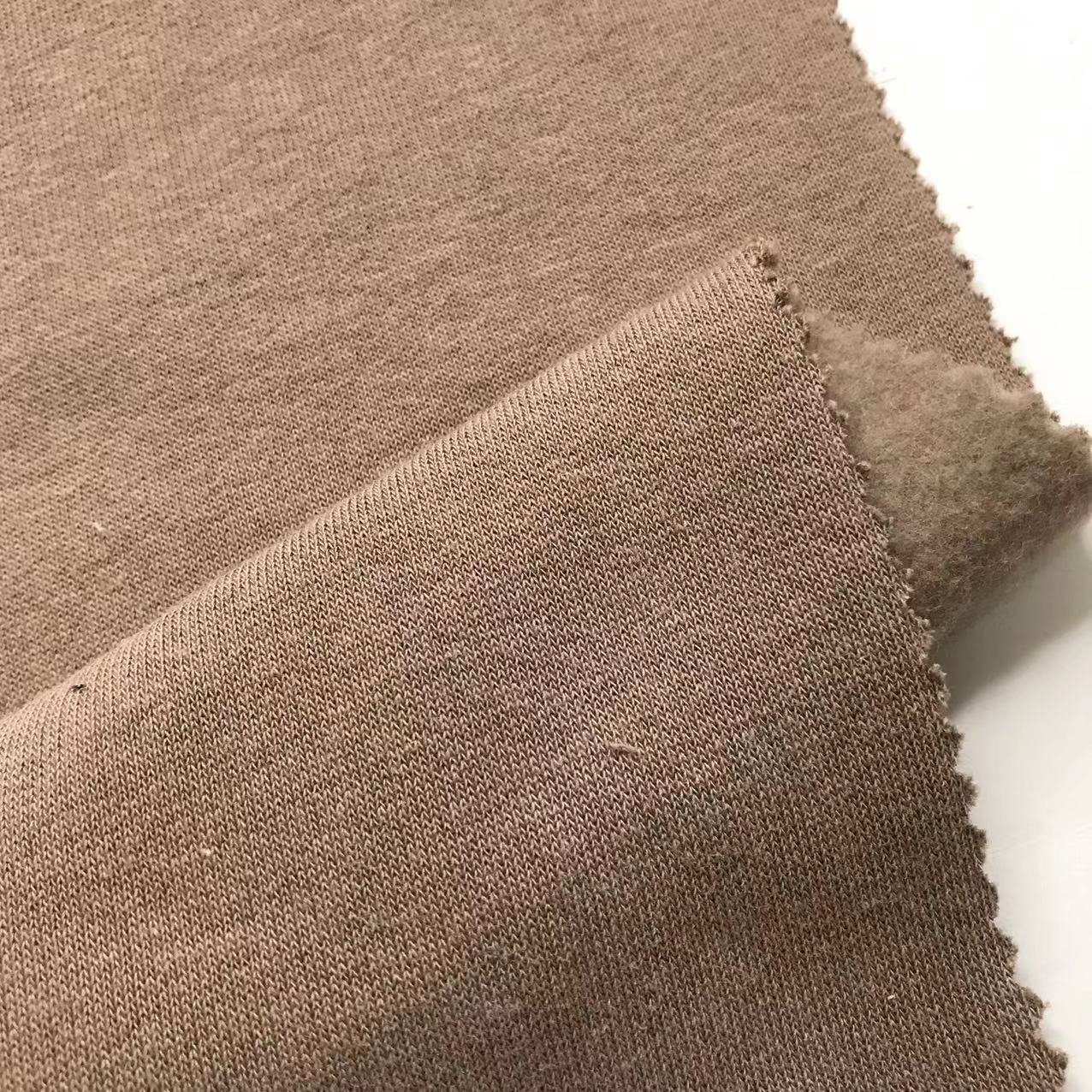
Polar Fleece
Ultra-plush brushed interior delivers maximum warmth and cozy hand-feel for cold-weather streetwear. Lightweight yet insulating at 280–320 GSM, perfect for statement hoodies that prioritize comfort without bulk.
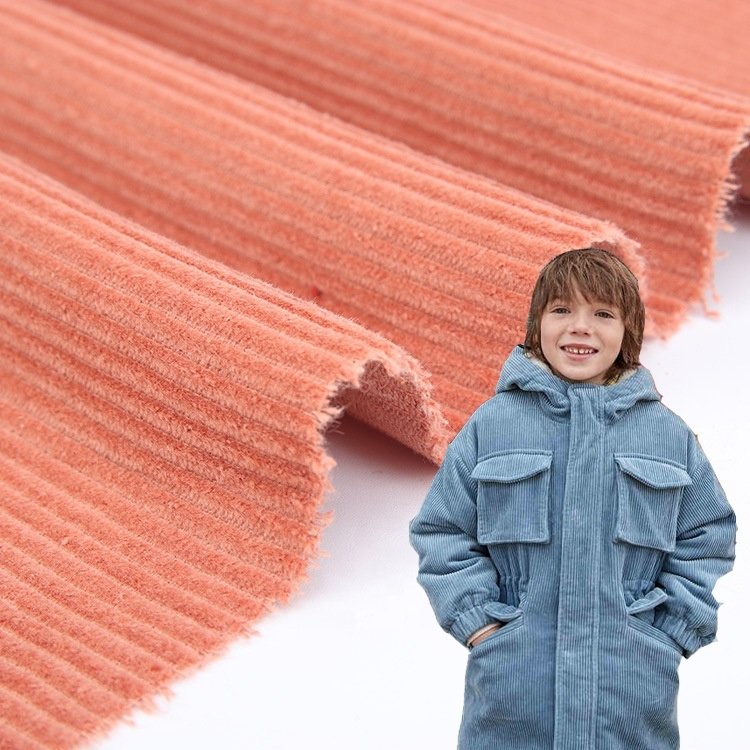
Performance Knit
Moisture-wicking polyester blend engineered for active streetwear and athleisure hoodie lines. Four-way stretch and quick-dry properties at 240–260 GSM support movement-focused designs favored by influencer and creator brands.
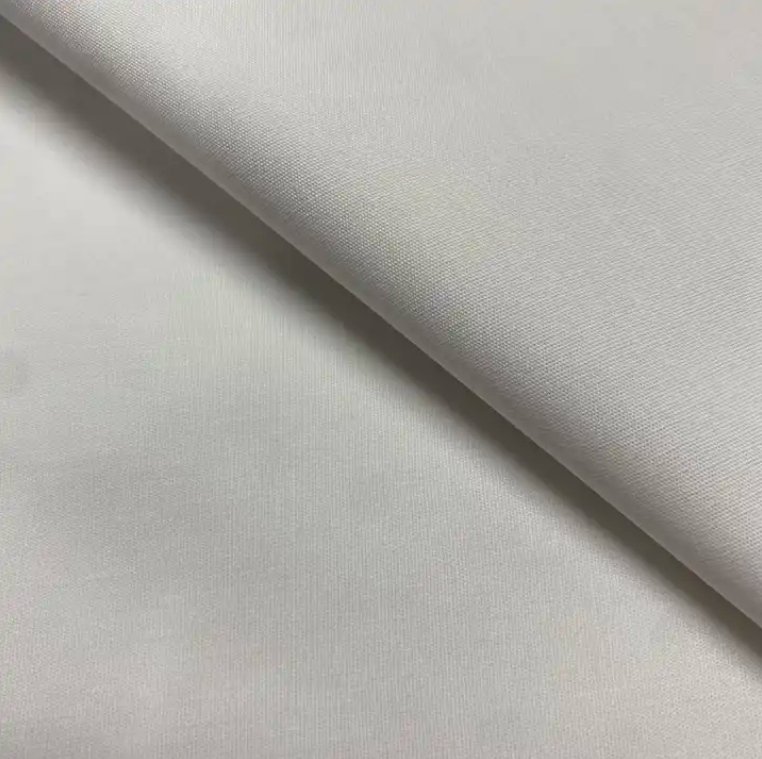
Organic Cotton
GOTS-certified sustainable fabric offering natural softness and eco-conscious branding appeal. Grown without synthetic pesticides, this 260–300 GSM material meets the demand of environmentally aware streetwear consumers.
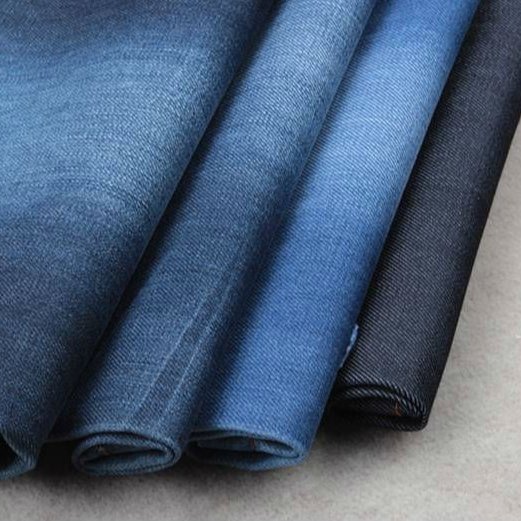
Recycled Polyester
Post-consumer recycled fibers reduce environmental impact while maintaining technical performance and vibrant dye uptake. Durable 280–320 GSM construction supports sustainable streetwear collections with a reduced carbon footprint.
Advanced Production Processes from Your Streetwear Hoodie Manufacturer
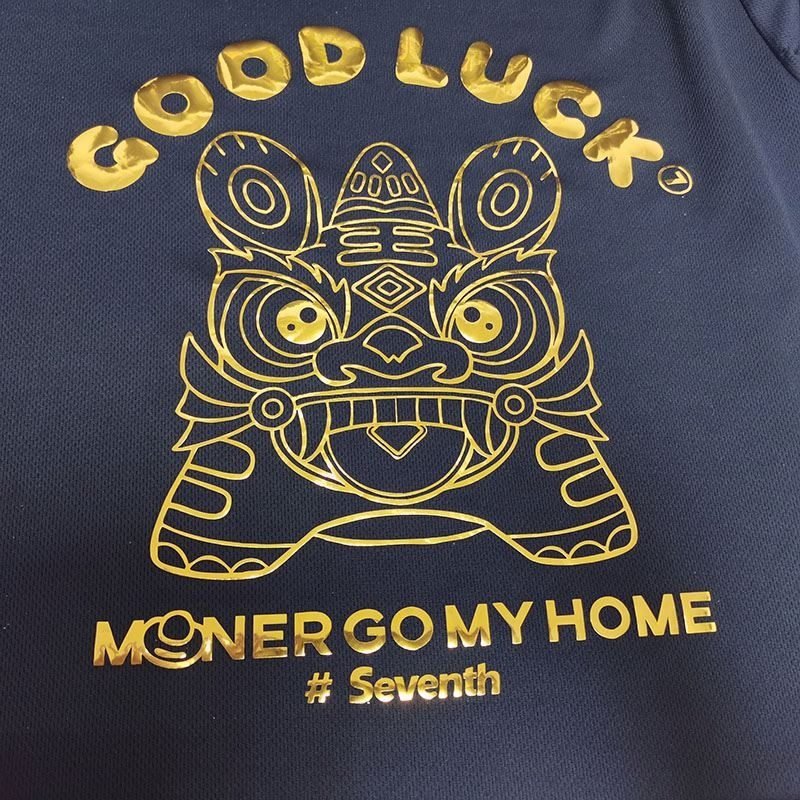
Screen Printing
High-opacity ink layers create vibrant, long-lasting graphics ideal for bold streetwear designs. Perfect for skeleton motifs, logos, and color-blocking with exceptional wash durability and a professional matte or glossy finish.
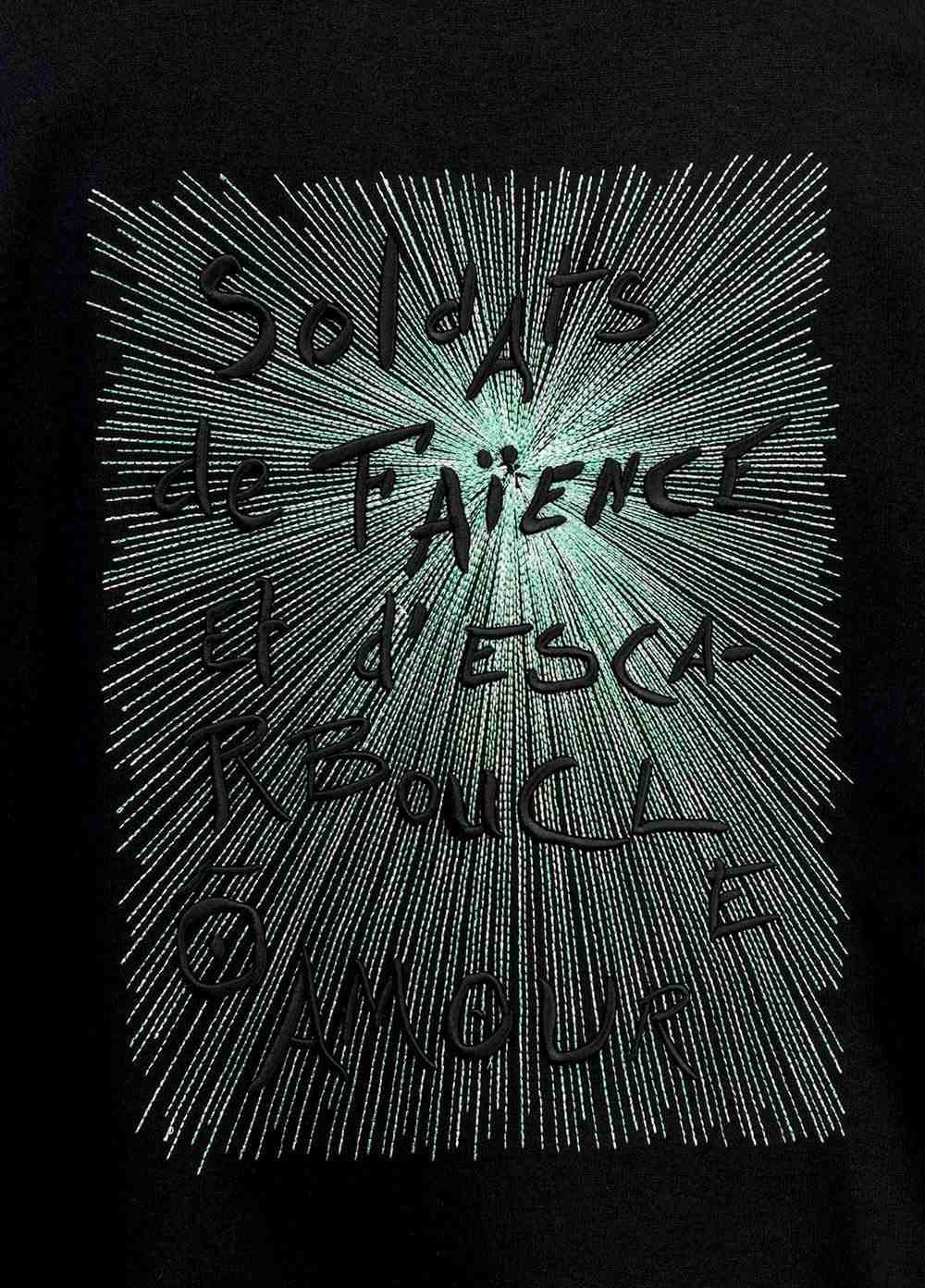
Embroidery
Premium thread stitching adds dimensional texture and luxury to hoodies. Ideal for brand logos, cross elements, and intricate patterns that demand a tactile, high-end feel with superior colorfastness and durability.
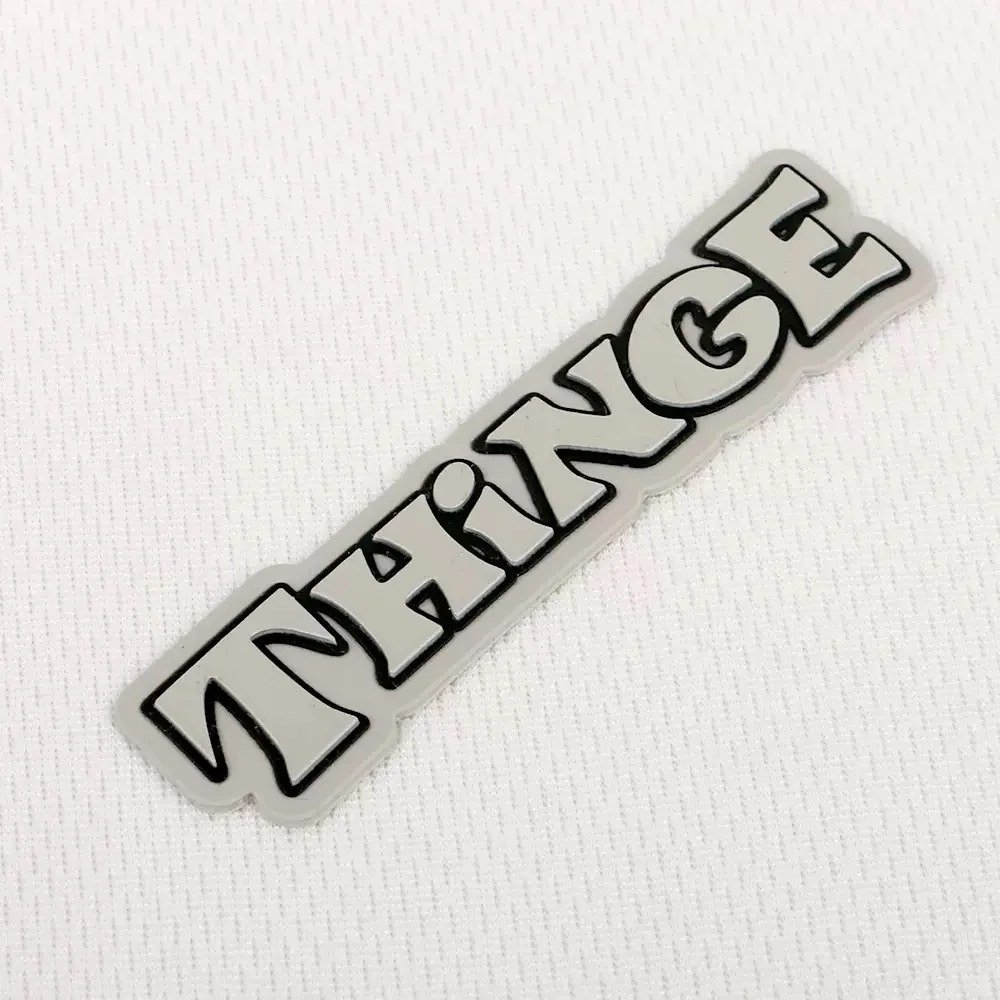
Sublimation Printing
Dye-infused fabric technique delivers full-color, photorealistic designs with zero surface texture. Perfect for all-over prints, graffiti-inspired artwork, and complex color gradients that won’t crack, peel, or fade over time.

Custom Dyeing
Specialized garment dyeing creates unique washes, vintage effects, and exclusive colorways. Achieve acid-wash finishes, tie-dye patterns, or custom Pantone matches that set your streetwear hoodie collection apart from competitors.
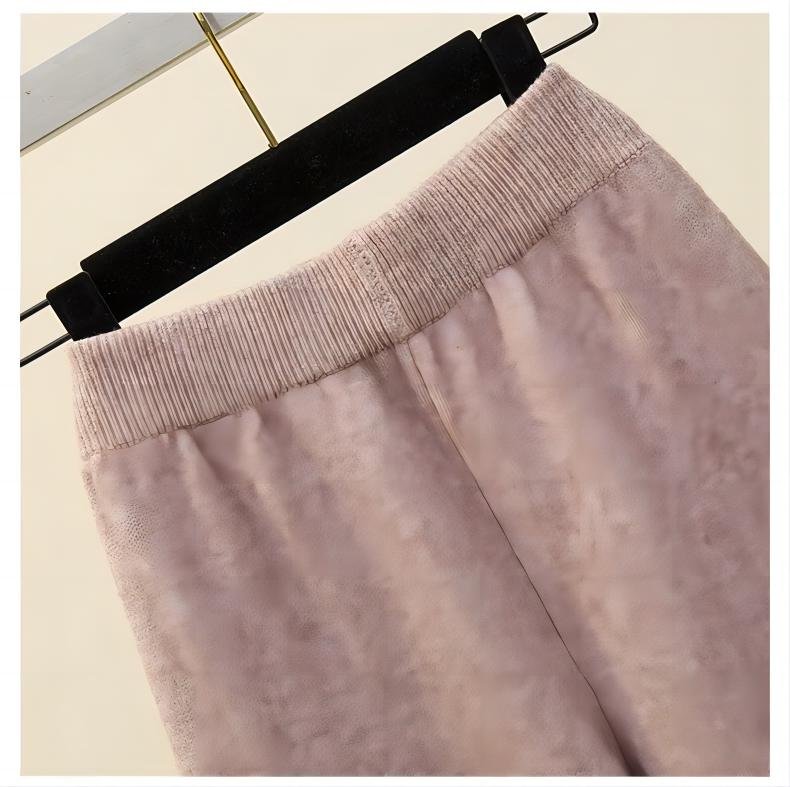
Heat Transfer
Precision application of vinyl, foil, and reflective materials for eye-catching details. Ideal for metallic accents, reflective safety elements, and layered graphics that add depth and street-ready attitude to every piece.
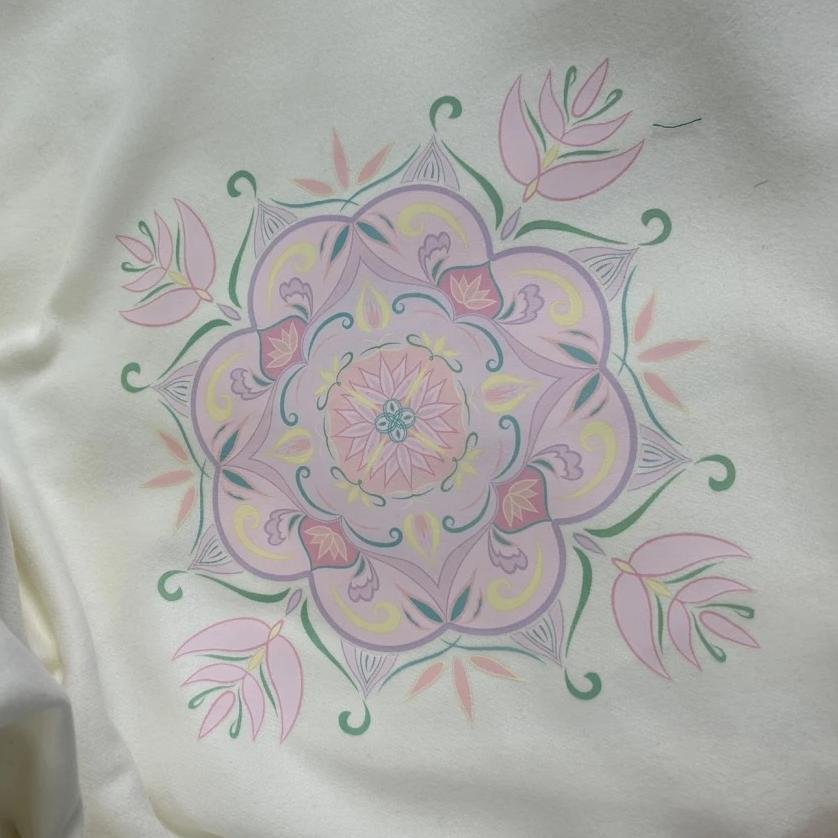
Digital Printing
Direct-to-garment technology renders intricate designs with photographic detail and soft hand-feel. Perfect for limited drops, influencer collaborations, and complex artwork featuring demons, angels, or mystery symbols with no minimum color restrictions.
Premium Hoodie Accessories from Your Streetwear Hoodie Manufacturer
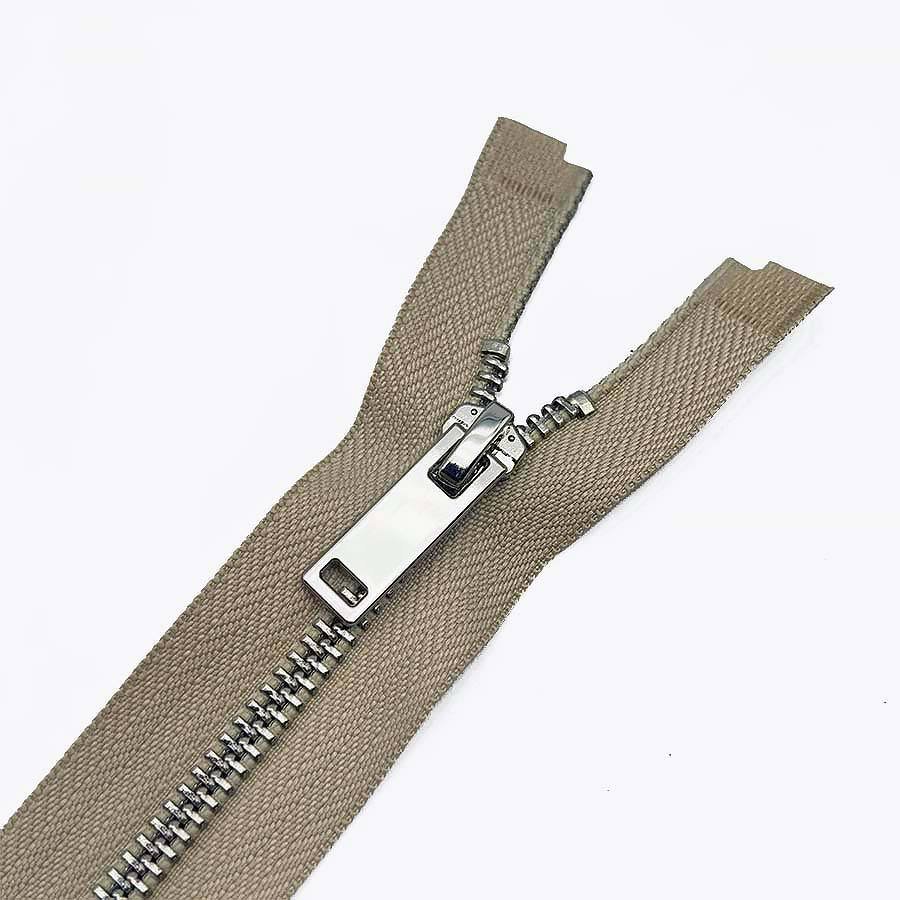
YKK Metal Zippers
Premium YKK zippers for front closures and pocket details. Tested for smooth operation and durability through thousands of cycles. Available in antique brass, gunmetal, and custom finishes to match your streetwear aesthetic.
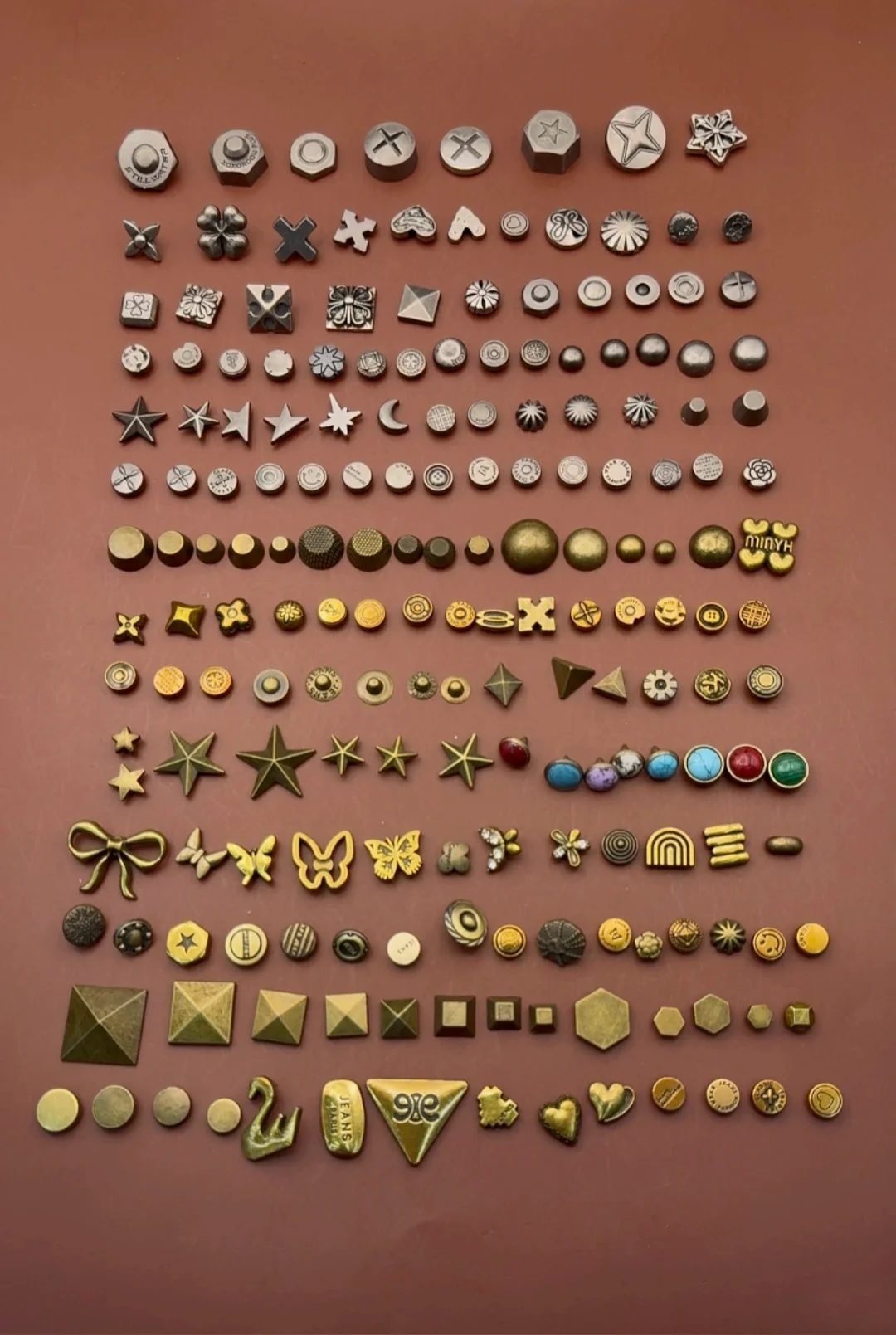
Custom Drawcords & Aglets
Heavy-duty drawcords with branded metal or plastic aglets for hood adjustment. Choose from flat, round, or rope styles in unlimited colors. Metal-tipped aglets add premium streetwear detailing your customers will notice.
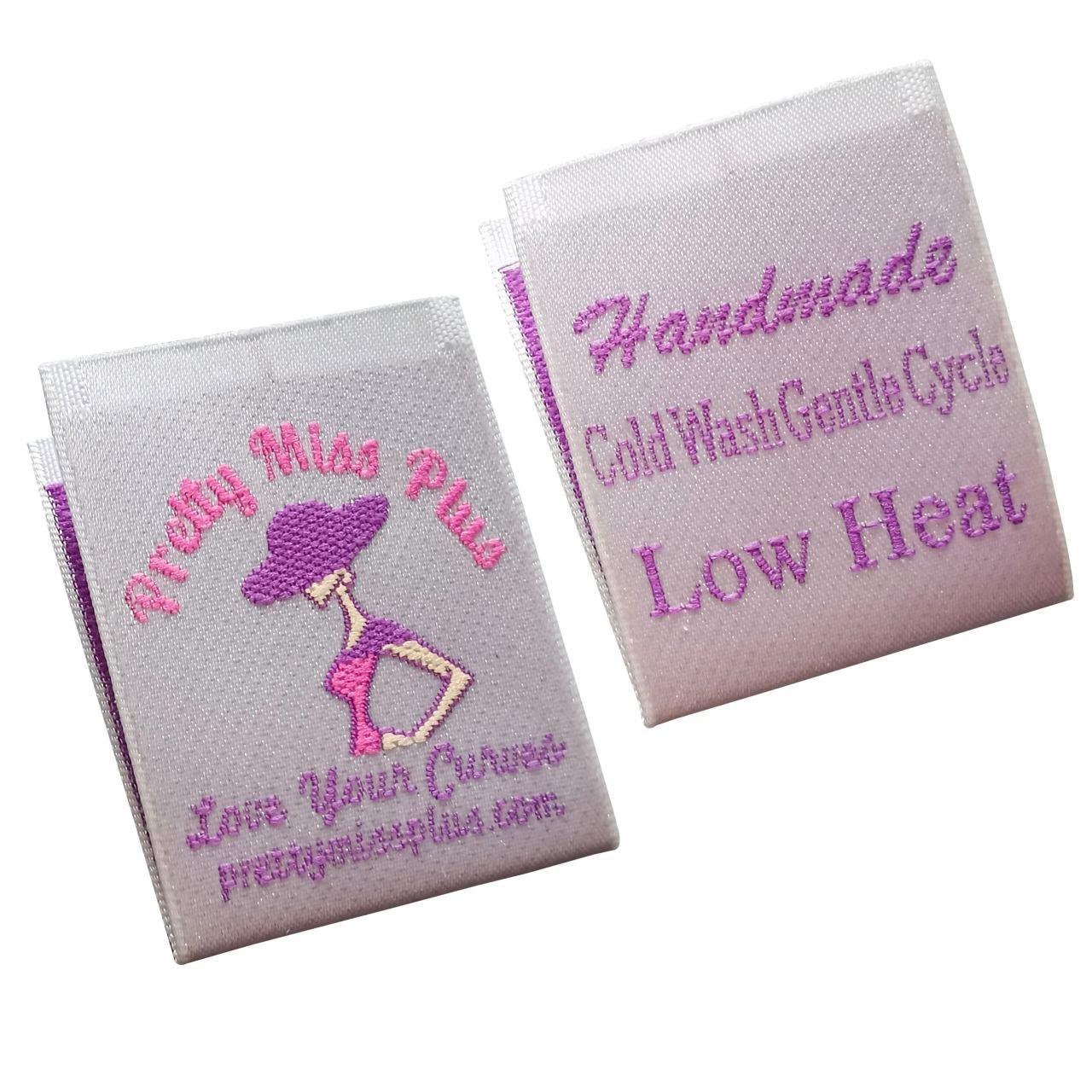
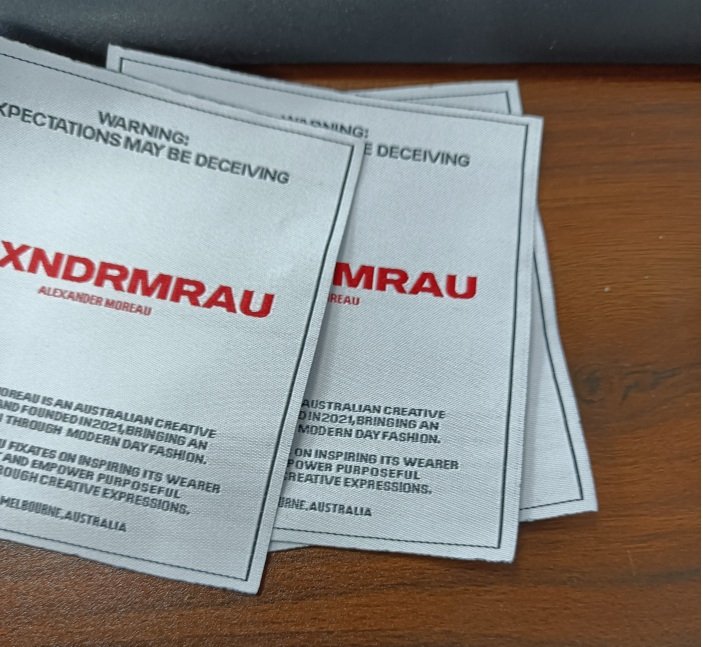
Woven Brand Labels
High-definition woven labels for neck, hem, or sleeve placement. Damask or taffeta weave with your logo and care instructions. Soft-touch backing prevents irritation while showcasing your brand on every hoodie.
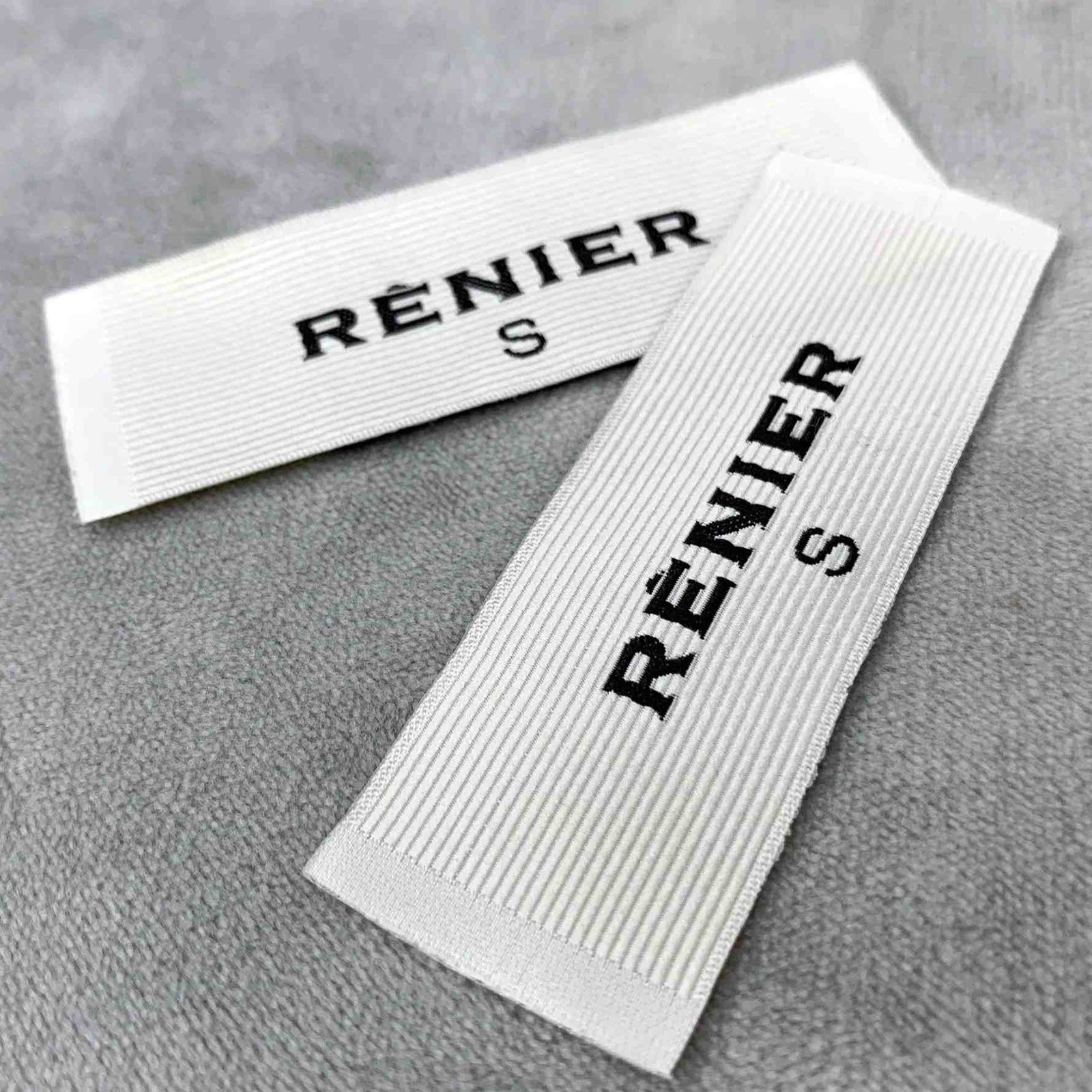
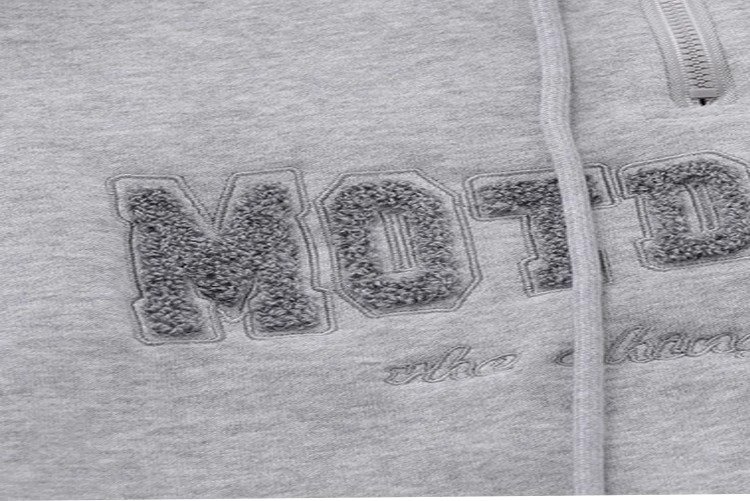
Custom Embroidered Patches
Chenille, PVC, or embroidered patches for chest, sleeve, or back placement. Perfect for streetwear branding, limited editions, and collaborations. Heat-seal or stitched application ensures patches stay secure through repeated wear and washing.
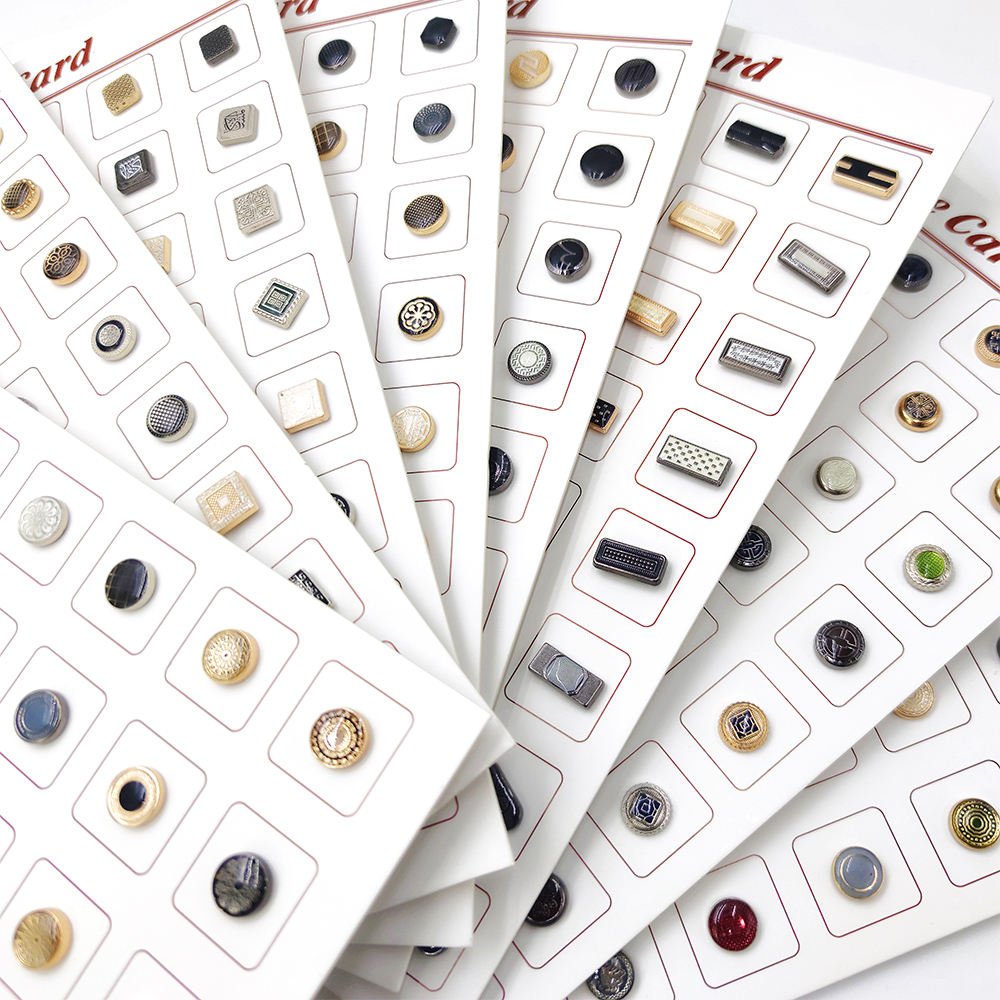
Metal Snap Buttons
Durable snap button closures for plackets, pockets, and cuff details. Available in brushed nickel, antique brass, and custom logo engraving. Adds functional hardware appeal that elevates your hoodie from basic to premium streetwear.
Custom Hangtags & Packaging
Branded hangtags with rope, string, or plastic fasteners to complete your hoodie presentation. Includes size tags, price tags, and story cards. Custom poly bags and boxes available to deliver a complete unboxing experience.
Streetwear Hoodie Manufacturer You Can Trust
Founded in 2024 by Tesla Luo, Clothing Manufacturer Ltd. brings over 10 years of apparel production expertise and 6 years of specialized streetwear experience to brands worldwide. Born into a garment manufacturing family, Tesla grew up mastering every production role—from cutting and sewing to quality control—before serving 200+ clients across 100+ countries and building a mission-driven company.
We established Clothing Manufacturer Ltd. to eliminate the low-quality practices plaguing the industry. Too many factories skip in-process quality checks, shipping defective products that damage brand reputations. Our proprietary 5-step QC process tests materials, cutting, craftsmanship, sewing, and finished garments at every stage—ensuring zero compromises and restoring trust in Chinese manufacturing.
Backed by our parent company Dongguan TuoZhen Clothing Co., Ltd., we combine startup agility with proven infrastructure. Our 15-member R&D team, 10 patents, and deep streetwear culture expertise empower fashion startups, independent designers, and global retailers to launch premium hoodie collections with low MOQs, fast turnarounds, and unmatched quality assurance.
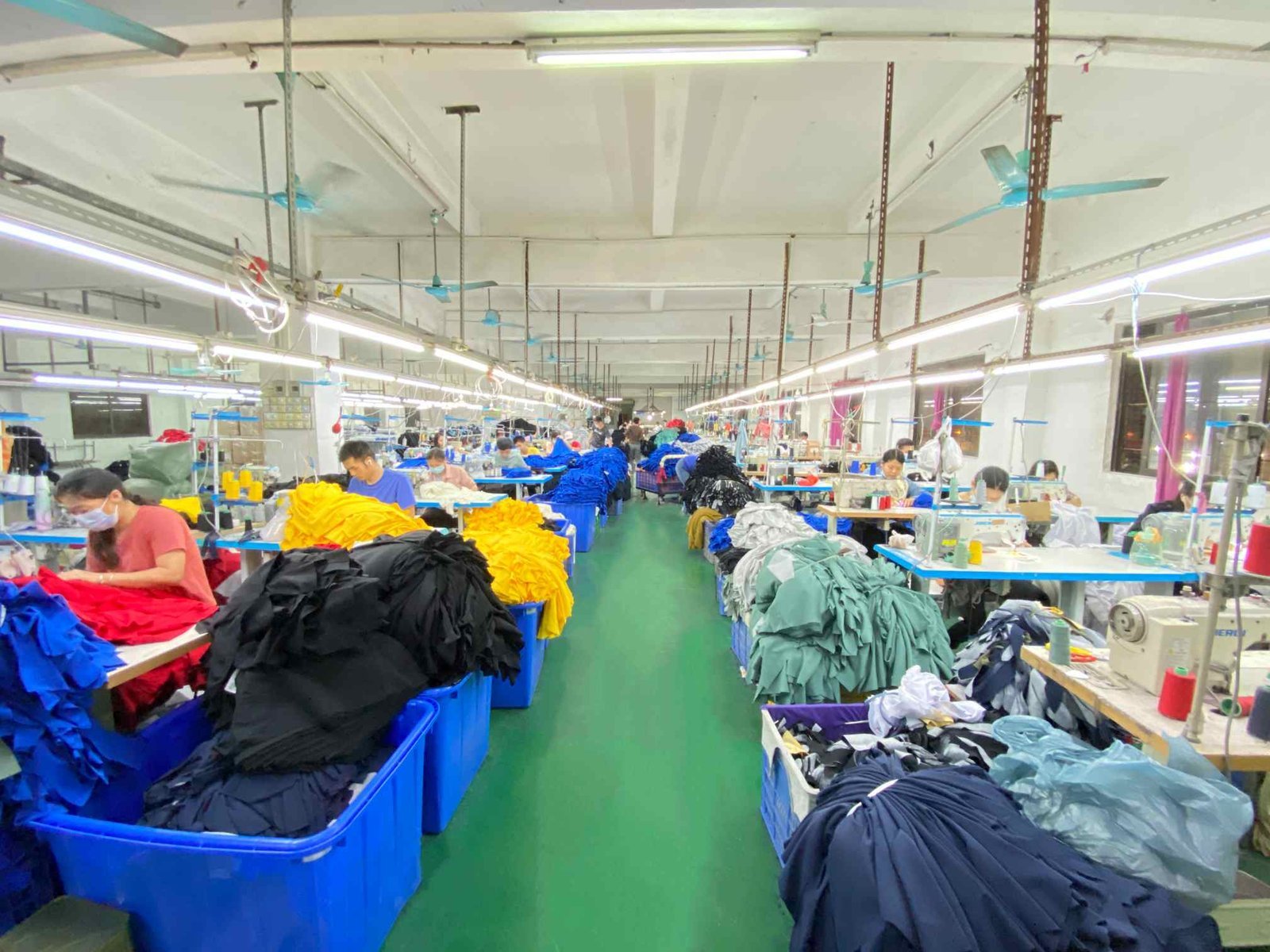
Our 5-Step Streetwear Hoodie Manufacturer Quality Control
Materials QC Testing Before Production
Every fabric roll, zipper, drawstring, and trim undergoes rigorous inspection before cutting begins. We verify weight, stretch recovery, colorfastness, and durability against your specifications—eliminating defects at the source that competitors miss until it’s too late.
- Fabric weight and composition verification to match approved samples
- Colorfastness testing for wash and light resistance on all dyed materials
- Hardware and trim quality checks including zippers, eyelets, and cords
- Dimensional stability testing to prevent shrinkage after first wash

Cutting QC Testing for Precision
After pattern grading and marker making, our cutting QC ensures every panel matches technical specs. We check grain alignment, pattern matching at seams, and panel dimensions—catching errors many manufacturers only discover during sewing, when fabric is already wasted.
- Panel dimension verification against approved tech packs and patterns
- Grain line and fabric direction checks for consistent drape and appearance
- Pattern alignment inspection for stripes, prints, and directional fabrics
- Quantity accuracy audits to prevent shortages during assembly
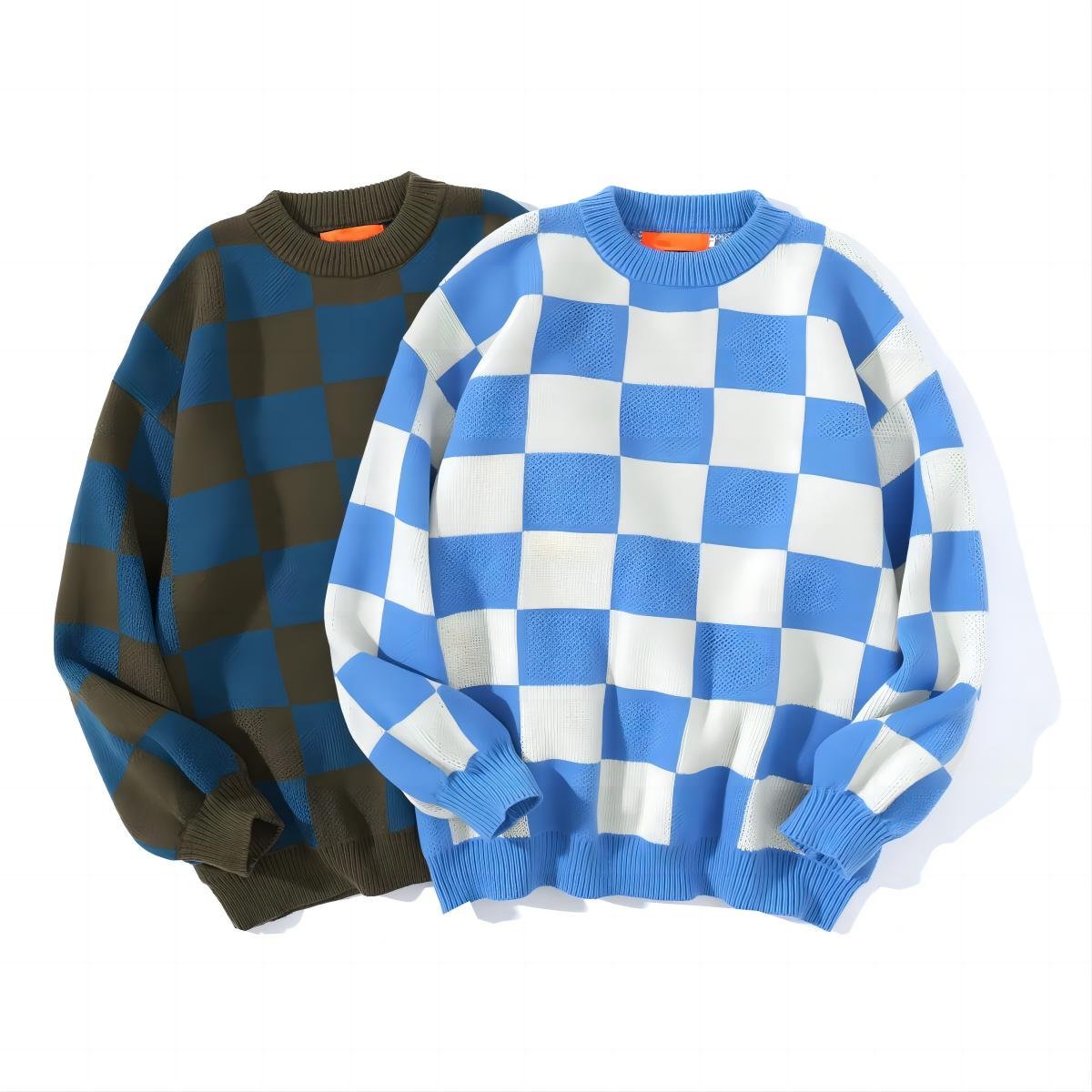
Clothing Craft & Sewing Production QC
Mid-production inspections occur at critical construction milestones—shoulder seams, hood attachment, pocket placement, ribbing application. This proactive approach stops defects in real time, unlike factories that skip in-line checks and ship flawed hoodies to unsuspecting brands.
- Seam strength and stitch density checks at stress points like shoulders and cuffs
- Hood symmetry and drawstring placement verification during assembly
- Pocket alignment and reinforcement testing before final closure
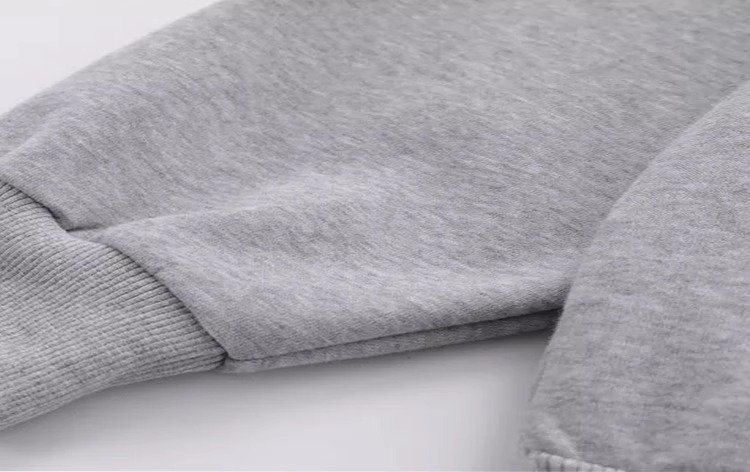
- Ribbing tension and recovery inspections to prevent sagging after wear
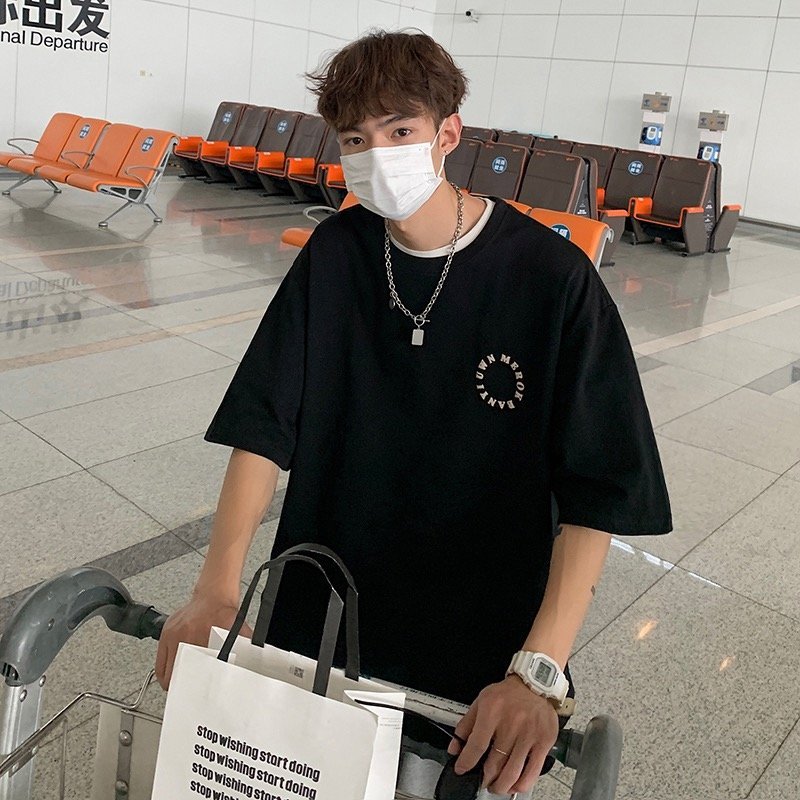
Finished Clothing Quality Inspection
Every completed hoodie undergoes a comprehensive final audit covering measurements, construction integrity, print quality, and aesthetic finish. Our inspectors use AQL standards adapted for streetwear, ensuring only hoodies that meet your brand’s standards leave our facility—not a post-shipment surprise.
- Full garment measurement verification against approved size spec sheets
- Print and embroidery quality checks for clarity, placement, and adhesion
- Thread trimming, pressing quality, and overall aesthetic finish review
- Functional testing of zippers, drawstrings, and all hardware components
Why Brands Choose Our Streetwear Hoodie Manufacturer Over Budget Factories
We deliver the quality, speed, and expertise that typical low-cost factories can’t match. Here’s how we stand apart from competitors who cut corners on streetwear production.
← 左右滑动查看 →
Streetwear Hoodie Manufacturer Production Timeline
From concept to delivery, our six-phase workflow ensures every hoodie meets our 5-step QC standards and ships on schedule for your brand.
Design & Sampling
Our 15-member R&D team develops tech packs, creates patterns, and produces physical samples with your branding and custom streetwear elements for approval.
Fabric Sourcing & Testing
We procure premium cotton, fleece, or technical fabrics from trusted suppliers and conduct materials QC testing to verify weight, stretch, and durability.
Cutting & Printing
Precision cutting ensures pattern accuracy while screen printing, embroidery, or heat transfers apply your graphics. Cutting QC testing validates all measurements before sewing.
Sewing & Inline QC
Skilled operators assemble hoodies with reinforced seams and quality hardware. Clothing craft QC and sewing production QC testing catch defects during assembly.
Final Inspection & Finishing
Every finished hoodie undergoes comprehensive quality inspection, checking stitching, print alignment, zippers, and fit before ironing and final approval for your order.
Packing & Global Shipping
Hoodies are folded, poly-bagged, and carton-packed per your specifications. Our logistics team coordinates customs documentation and shipping to over one hundred countries.
How to Partner With a Streetwear Hoodie Manufacturer
From concept to delivery, our streamlined process makes launching your streetwear hoodie collection simple, transparent, and quality-guaranteed at every stage.
Submit Your Design or Tech Pack
Share your hoodie concept, sketches, or complete tech pack with fabric preferences and customization details. Our team reviews your requirements within 24 hours.
Receive Quote and Free Sample
Get a detailed quote with pricing, timeline, and MOQ options. Approve a pre-production sample to verify fit, fabric quality, and design accuracy before bulk orders.
Approve Bulk Production Start
Once you confirm the sample, production begins with our 5-step QC process ensuring every hoodie meets your standards from cutting through final inspection.
Manage Logistics and Delivery
We coordinate global shipping, customs documentation, and tracking. Your finished streetwear hoodies arrive on schedule, ready to launch or sell to your customers.
Certifications & Quality Standards for Your Streetwear Hoodie Manufacturer
Streetwear Hoodie Manufacturer Trusted by Growing Brands Worldwide
We launched our first hoodie drop with Clothing Manufacturer and grew from 0 to 47,000 followers in 8 months. Their 5-step QC meant zero returns—every piece was perfect.
As an independent designer, I needed a streetwear hoodie manufacturer with low MOQ. Started with 50 pieces, sold out in 3 days, and now we’re on our fifth reorder. Quality is unmatched.
Switched to Clothing Manufacturer after two bad experiences elsewhere. Their hoodies helped us hit $120K in revenue last quarter—customers love the fabric weight and print durability.
Frequently Asked Questions About Streetwear Hoodie Manufacturing
What is the minimum order quantity (MOQ) for a streetwear hoodie manufacturer?
How long does production take with your streetwear hoodie manufacturer?
Do you offer free samples as a streetwear hoodie manufacturer?
What payment terms does your streetwear hoodie manufacturer require?
Can a streetwear hoodie manufacturer ship globally?
How do you protect my designs and intellectual property?
What customization options are available for streetwear hoodies?
What makes your quality control better than other manufacturers?
Can you help with streetwear hoodie design if I only have an idea?
The Complete Buyer’s Guide to Choosing a Streetwear Hoodie Manufacturer
Navigate the sourcing landscape with confidence. This guide walks you through manufacturer types, fabric selection, customization options, quality benchmarks, and proven vetting criteria—while highlighting the most common pitfalls that cost brands time and money.
1. What Is a Streetwear Hoodie Manufacturer?
A streetwear hoodie manufacturer specializes in producing urban, trend-driven hooded garments for brands targeting youth culture and self-expression, rather than generic cut-and-sew basics. Unlike conventional apparel factories that prioritize high-volume orders of 3,000–5,000 units per style, a dedicated streetwear hoodie manufacturer typically accepts MOQs of 50–500 pieces per design, enabling emerging labels and independent designers to test collections without excessive inventory risk. These specialists maintain rapid sampling cycles of 5–10 days instead of the 15–25 days common in mass-market facilities, allowing brands to iterate designs quickly in response to fast-changing street trends.
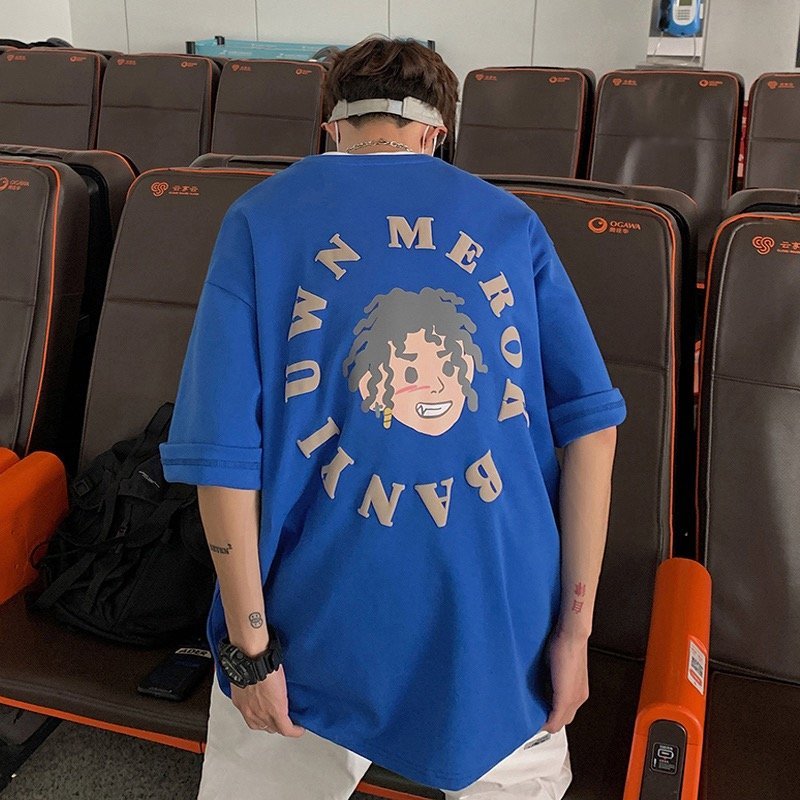
Streetwear-focused manufacturers understand the technical requirements of oversized silhouettes—dropped shoulders, elongated torsos, and boxy cuts—that define contemporary streetwear aesthetics. They employ pattern makers fluent in proportions that differ significantly from standard athletic or casual fits, ensuring sleeve length, hood depth, and kangaroo pocket placement align with youth culture expectations. Graphic placement expertise is equally critical: a streetwear hoodie manufacturer coordinates screen printing, embroidery, and appliqué positioning across chest, back, and sleeve panels to preserve design impact through garment drape and movement.
Cultural fluency separates streetwear specialists from generic contractors. Manufacturers immersed in streetwear recognize motifs such as skeleton graphics, graffiti-inspired typography, Japanese kanji, and anime references that resonate with target demographics. This knowledge informs fabric selection—heavyweight French terry (300–400 GSM) and brushed fleece interiors—and construction details like reinforced kangaroo pockets, metal aglets, and contrast drawcords that elevate a hoodie from commodity to statement piece.
2. Evolution of Streetwear Hoodie Manufacturing
In the early 1990s, streetwear brands operated through DIY screen-printing on blank Champion and Russell Athletic hoodies, often producing runs of 50–200 units in garage workshops. Hip-hop crews and skate shops relied on local print houses to apply graphics to pre-made garments, with minimal control over fabric weight or construction details. This era established the hoodie as a canvas for cultural expression but left manufacturing entirely in the hands of sportswear incumbents.
By the mid-2000s, heavyweight French terry (300–400 GSM) emerged as the fabric standard when brands like Supreme and The Hundreds began specifying custom knits and garment-dyed finishes. Factories in Los Angeles and later Guangdong Province shifted from decorating blanks to producing fully custom-cut hoodies with proprietary patterns, dropped shoulders, and oversized silhouettes. This transition required manufacturers to invest in pattern development teams and sampling capabilities, raising the barrier to entry but enabling true design differentiation.
The 2010s brought hype culture and social-media drops, compressing lead-time expectations from 90–120 days to 30–45 days for limited releases of 200–500 pieces. Streetwear hoodie manufacturers adapted by adopting digital printing, laser cutting, and on-demand production workflows to support weekly or bi-weekly capsule launches. Factories introduced low-MOQ tiers (50–100 units) and flexible scheduling to accommodate influencer brands testing designs before scaling, fundamentally reshaping production economics to align with the velocity and scarcity dynamics of modern streetwear.
3. Types of Streetwear Hoodie Manufacturer
Streetwear hoodie manufacturers fall into distinct archetypes, each optimized for different brand stages, order volumes, and service needs. Understanding these categories helps you match your production requirements to the right partner model and avoid costly misalignments.
Full-Package ODM Factories
Full-package ODM (Original Design Manufacturer) factories handle everything from fabric sourcing and pattern development to cutting, sewing, decoration, and packaging. MOQs typically range from 300 to 1,000 pieces per design, with lead times of 45–75 days.
These partners suit established streetwear brands and global retailers requiring consistent quality, scalable production, and minimal hands-on oversight. Clothing Manufacturer Ltd. operates in this category, offering comprehensive streetwear production backed by a five-step QC process at materials, cutting, craft, sewing, and finished-goods stages.
Cut-Make-Trim (CMT) Specialists
CMT factories provide labor only: you supply all fabrics, trims, and tech packs, and they cut, sew, and finish your hoodies. MOQs start around 200–500 pieces, with lead times of 25–40 days once materials arrive.
This model appeals to designers and brands with strong technical knowledge, established fabric suppliers, and tight margin control. CMT partners require detailed specifications and offer little design support, making them ideal for repeat orders rather than first-time launches.
On-Demand and Print-on-Demand Platforms
POD platforms print graphics on blank hoodies and ship individual units with no MOQ. Lead times run 3–10 business days per order. Service scope is limited to decoration; fabric choice and construction quality are fixed by the platform’s blank inventory.
These platforms suit influencer brands, creator merchandise, and fashion startups testing designs before committing to bulk production. Unit costs are high—often $25–$45 retail—but zero inventory risk makes POD attractive for validating demand.
Vertical Mills with In-House Knitting
Vertical mills control yarn spinning, knitting, dyeing, and garment assembly under one roof. MOQs are steep—often 1,500+ pieces per colorway—but lead times compress to 35–50 days and fabric consistency is exceptional.
Global apparel retailers and high-volume streetwear brands benefit most, especially when launching signature fabrics or proprietary blends. The integrated supply chain reduces hand-offs and ensures traceability from fiber to finished hoodie.
4. Materials and Fabrics for Streetwear Hoodies
Fabric selection defines the hand feel, durability, and price positioning of every streetwear hoodie. A streetwear hoodie manufacturer must balance weight, drape, and cost to meet brand expectations, with GSM (grams per square meter) serving as the primary metric for fabric density and perceived quality.
| Fabric Type | Typical GSM | Hand Feel & Drape | Best Use Case | Price Tier |
|---|---|---|---|---|
| French Terry (Loop-Back) | 240–280 | Smooth face, textured back, moderate drape | Lightweight hoodies, layering | Mid |
| French Terry (Brushed) | 280–320 | Soft both sides, structured drape | All-season hoodies, comfort-focused | Mid-High |
| Fleece (Standard) | 280–320 | Warm, napped interior, moderate body | Classic pullover hoodies | Mid |
| Fleece (Heavyweight) | 340–400 | Dense, plush, minimal drape | Premium streetwear, winter styles | High |
| Jersey | 160–220 | Smooth, drapey, stretchy | Lightweight zip hoodies, layering | Low-Mid |
| Cotton-Poly Blend | 260–320 | Durable, less shrinkage, firm hand | High-volume production, cost control | Low-Mid |
| Cotton-Spandex Blend | 240–300 | Stretch recovery, fitted drape | Slim-fit hoodies, athletic cuts | Mid |
French Terry and Fleece: Core Streetwear Knits
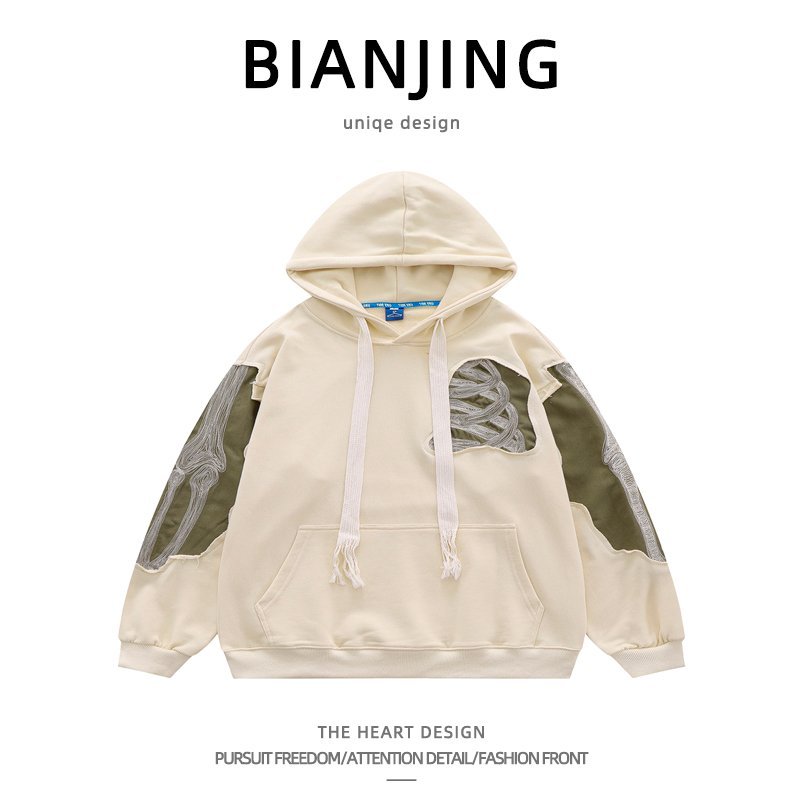
French terry features a smooth face and looped back, available in loop-back (lighter, 240–280 GSM) or brushed (softer, 280–320 GSM) finishes. Fleece adds a napped interior for warmth: standard fleece runs 280–320 GSM, heavyweight 340–400 GSM, and polar fleece 400+ GSM.
Jersey, a single-knit fabric at 160–220 GSM, offers drape and stretch for lightweight hoodies but lacks the structure streetwear brands typically demand. Cotton-polyester blends (80/20, 60/40) reduce shrinkage and cost, while cotton-spandex (95/5, 97/3) adds recovery for fitted silhouettes.
Why GSM Matters for Streetwear Perception
Heavyweight fabrics (340+ GSM) signal premium construction and justify higher retail prices, a key positioning tool for emerging streetwear brands. Lighter weights (240–280 GSM) suit layering pieces and warmer climates but risk feeling insubstantial.
Clothing Manufacturer Ltd. applies its five-step QC process to verify GSM consistency at the materials testing stage, ensuring every roll meets spec before cutting begins.
Organic Cotton, Recycled Polyester, and Sustainability
Organic cotton (GOTS-certified) and recycled polyester (GRS-certified) now appear in 30–40% of new streetwear collections, driven by retailer mandates and consumer demand. These materials add 15–25% to fabric cost but unlock sustainability marketing and access to eco-conscious retail channels.
A streetwear hoodie manufacturer with certified supply chains can source both conventional and sustainable fabrics, letting brands test sustainability without committing entire runs.
5. Customization and Decoration Techniques
A streetwear hoodie manufacturer typically offers eight core decoration methods, each with distinct cost structures, durability profiles, and aesthetic outcomes. Choosing the right technique depends on design complexity, production volume, and the cultural codes of streetwear—bold graphics, tactile detail, and wash resilience.
| Technique | Setup Cost | Per-Piece Cost | Wash Durability | Best For |
|---|---|---|---|---|
| Screen Print (Plastisol) | $50–150/color | $1.50–3.00 | Excellent (50+ washes) | Large runs, bold graphics |
| Screen Print (Water-Based) | $50–150/color | $1.80–3.50 | Very Good (40+ washes) | Soft hand, vintage feel |
| DTG (Direct-to-Garment) | $0 | $4–8 | Good (30–40 washes) | Photo-realistic, small batches |
| Embroidery | $30–80/design | $2–6 | Excellent (100+ washes) | Logos, premium texture |
| Puff Print | $60–180/color | $2–4 | Very Good (40+ washes) | 3D effect, street aesthetic |
| Chenille Patches | $1–3/patch | $1–3/patch | Excellent (50+ washes) | Varsity, retro branding |
| Heat Transfer | $0–20 | $0.50–2 | Fair (20–30 washes) | Prototypes, names, numbers |
| Sublimation | $0 | $3–6 | Excellent (50+ washes) | All-over prints, polyester only |
6. Key Quality Indicators When Evaluating a Streetwear Hoodie Manufacturer
Premium streetwear hoodies differ from budget alternatives in measurable construction details that directly affect durability and consumer perception. A streetwear hoodie manufacturer committed to quality will demonstrate consistent standards across stitch density, seam reinforcement, hardware selection, and fabric finishing.
Stitch Density and Seam Types
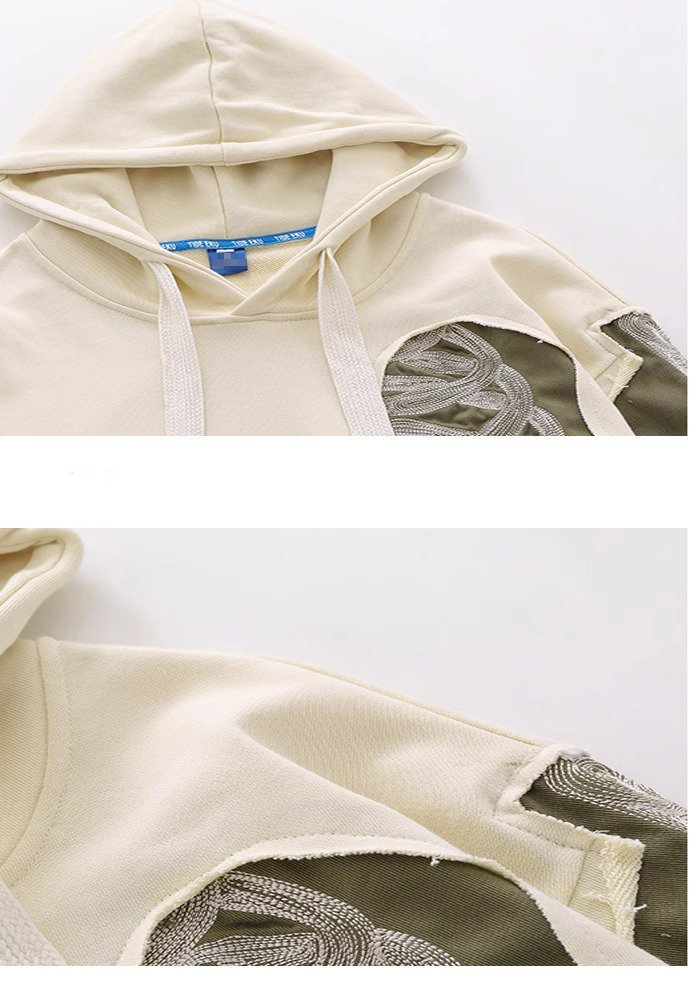
Premium hoodies use 12–14 stitches per inch (SPI) for main seams, compared to 8–10 SPI in budget production. Higher SPI prevents seam failure under stress and maintains shape through repeated washing.
Flatlock seams lie flat against the body and eliminate bulk in side seams and shoulder joins. Overlock (serged) seams finish raw edges and prevent fraying, while coverstitch hems on cuffs and waistbands provide stretch and a clean interior finish. Inspect samples by turning garments inside-out to verify consistent stitch length and thread tension.
Reinforced Stress Points
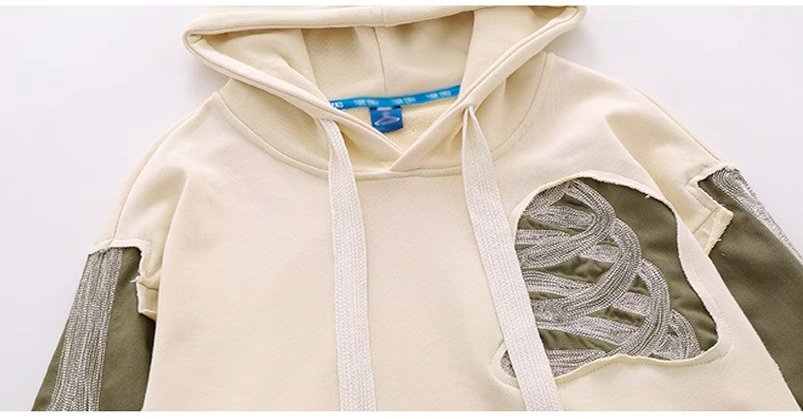
Bar-tack stitching at pocket corners, hood grommets, and drawstring exits prevents tearing at high-stress zones. Shoulder seams in quality hoodies feature double-needle topstitching or tape reinforcement to support weight without stretching.
Armhole seams and kangaroo pocket entry points should show visible reinforcement stitching. A reliable streetwear hoodie manufacturer will bar-tack every stress point as standard practice, not as an upgrade.
Hardware Quality and Pre-Shrinking
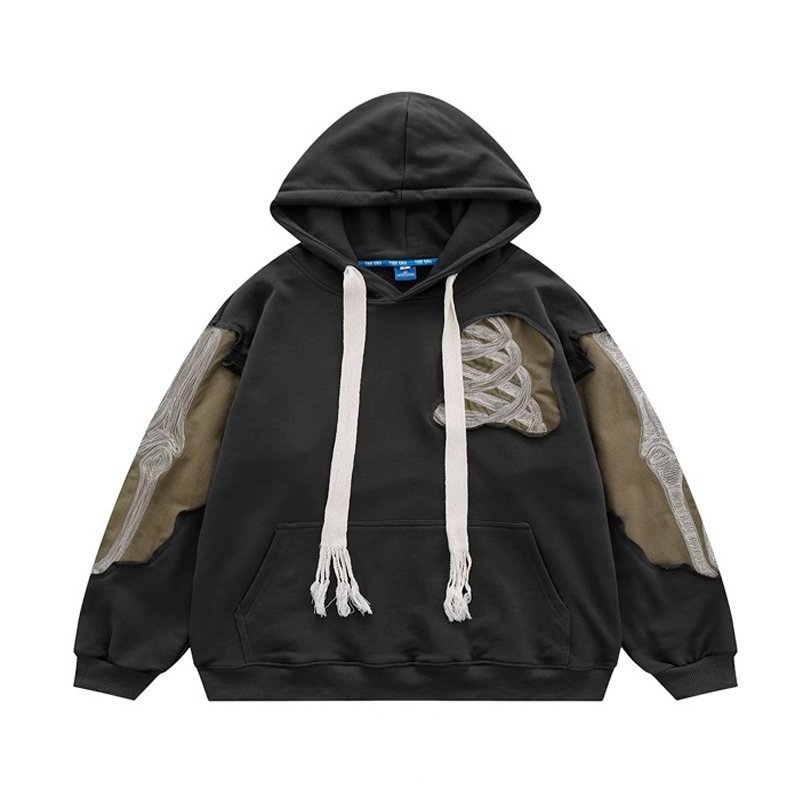
Metal aglets outlast plastic alternatives and signal attention to detail; YKK zippers offer smoother operation and longer lifecycles than generic hardware. Check drawstring tips and zipper pulls for branding and weight.
Pre-shrinking (sanforization or compacting) limits post-wash shrinkage to under 3 percent. Request fabric treatment documentation and wash-test samples before approving production runs.
Colorfastness and Print Adhesion Testing
ISO 105 colorfastness standards rate dye stability on a 1–5 scale; grades 4 and above ensure minimal color transfer or fading. Request test reports for water, perspiration, and light fastness.
Print adhesion testing involves crosshatch tape tests (ASTM D3359) and wash cycles to confirm graphics remain intact. Manufacturers using quality inks and curing processes will provide adhesion ratings and warranty print durability through 50+ washes.
7. How to Choose the Right Streetwear Hoodie Manufacturer
Selecting a streetwear hoodie manufacturer requires a systematic evaluation of production capabilities, quality standards, and business alignment. Fashion startups, influencer brands, and scaling retailers each face distinct MOQ constraints, timeline pressures, and certification needs that must be matched to the right manufacturing partner.
Assess MOQ and Budget Alignment
Startups and influencer brands typically require MOQs between 50–200 units per design, while scaling retailers may order 500–2,000 units. Confirm the manufacturer’s minimum order thresholds match your launch or restock volume to avoid overstocking or cash-flow strain.
Request itemized quotes covering fabric, labor, decoration (screen print, embroidery), and packaging. Compare unit costs across 100, 300, and 500-piece tiers to identify breakpoints where economies of scale reduce per-hoodie pricing by 15–25 percent.
Verify Certifications and Quality Systems
Check for WRAP, BSCI, or ISO 9001 certifications that demonstrate ethical labor practices and process control. OEKO-TEX Standard 100 certification confirms fabrics are free from harmful chemicals, a critical selling point for health-conscious consumers.
Ask how quality control is implemented—manufacturers using multi-stage QC (materials inspection, cutting checks, sewing audits, final inspection) deliver defect rates below 2 percent, versus single-endpoint testing that often exceeds 5 percent.
Review Portfolio and Streetwear Experience
Examine past client work for design complexity: oversized fits, dropped shoulders, kangaroo pockets, and layered graphics. A portfolio showing skeleton motifs, graffiti prints, or embroidered patches signals fluency in streetwear aesthetics versus basic blank apparel.
Request references from brands in your category—fashion startups, influencer lines, or independent designers. Contact at least two references to verify on-time delivery, sample accuracy, and responsiveness during revisions.
Evaluate Communication and Tech-Pack Turnaround
Submit a sample tech pack detailing fabric weight, colorways, print placement, and hardware specs. Professional manufacturers return detailed quotes and clarification questions within 24–48 hours, demonstrating organized workflows and English-fluent account management.
Red flags include vague responses (‘we can do it’), failure to ask about stitch types or trim suppliers, and turnaround delays beyond 72 hours without explanation.
Request Pre-Production Samples and Check Scalability
Always order a pre-production sample before committing to bulk orders. Samples reveal fabric hand-feel, print registration, stitching quality, and fit accuracy that photos cannot convey. Reputable manufacturers charge sample fees ($30–80 per hoodie) refundable upon bulk order.
Confirm lead times for initial runs (typically 25–35 days) and reorder capacity. Scaling retailers need partners who can increase volume from 500 to 2,000+ units within the same lead window without quality degradation.
8. Common Mistakes When Sourcing a Streetwear Hoodie Manufacturer
Sourcing a streetwear hoodie manufacturer involves more than comparing quotes. Many startups and independent designers lose thousands of dollars by repeating preventable errors that compromise quality, timelines, and intellectual property.
Choosing Solely on Price
Selecting the lowest-cost streetwear hoodie manufacturer often results in skipped QC steps, inferior 180 GSM fabrics instead of premium 300+ GSM French terry, and inconsistent stitching. A $2 per-unit savings can lead to 15–25% defect rates and damaged brand reputation.
Clothing Manufacturer Ltd. implements five-step QC testing at materials, cutting, craft, sewing, and finished-goods stages to prevent defects before shipping. Prioritize manufacturers who embed quality checks throughout production, not only at the end.
Skipping Sample Approval
Proceeding to bulk production without approving a pre-production sample locks in fit, fabric weight, and print placement errors across entire orders. A misaligned chest print or incorrect hood lining can render 500 hoodies unsellable.
Always request and approve a physical sample with final fabrics, trims, and decoration before authorizing mass production. Document approvals with dated photos and written sign-off to avoid disputes.
Ignoring Fabric Shrinkage and Unclear Tech Packs
Cotton fleece shrinks 3–5% after washing; failing to account for this in pattern grading results in undersized hoodies. Vague tech packs without stitch-type specifications, seam-allowance measurements, or Pantone codes invite misinterpretation.
Provide detailed tech packs with flat sketches, measurements at every point of measure, fabric-shrinkage allowances, and clear callouts for flatlock or coverstitch seams. Request pre-shrunk fabric or factor shrinkage into grading.
Neglecting IP Protection and Lead Times
Sharing original graphics without signed non-disclosure agreements exposes designs to theft; unscrupulous factories may reproduce your artwork for competitors. Custom Pantone dye lots require 14–21 days beyond standard lead times, yet many buyers budget only for cut-and-sew.
Secure NDAs before sending artwork and register trademarks in your target markets. Add 3–4 weeks to timelines for custom dye lots and budget 20–30% of product cost for international shipping, duties, and tariffs.
9. Steps to Launch Your Streetwear Brand with a Hoodie Manufacturer
Launching a streetwear brand with a hoodie manufacturer requires a structured workflow with defined milestones and approval gates. From initial concept to final delivery, the process typically spans 60–90 days, depending on sampling rounds and production volume. Clear written communication at each stage prevents costly revisions and ensures your vision translates accurately into finished garments.
Concept Development and Tech Pack Creation
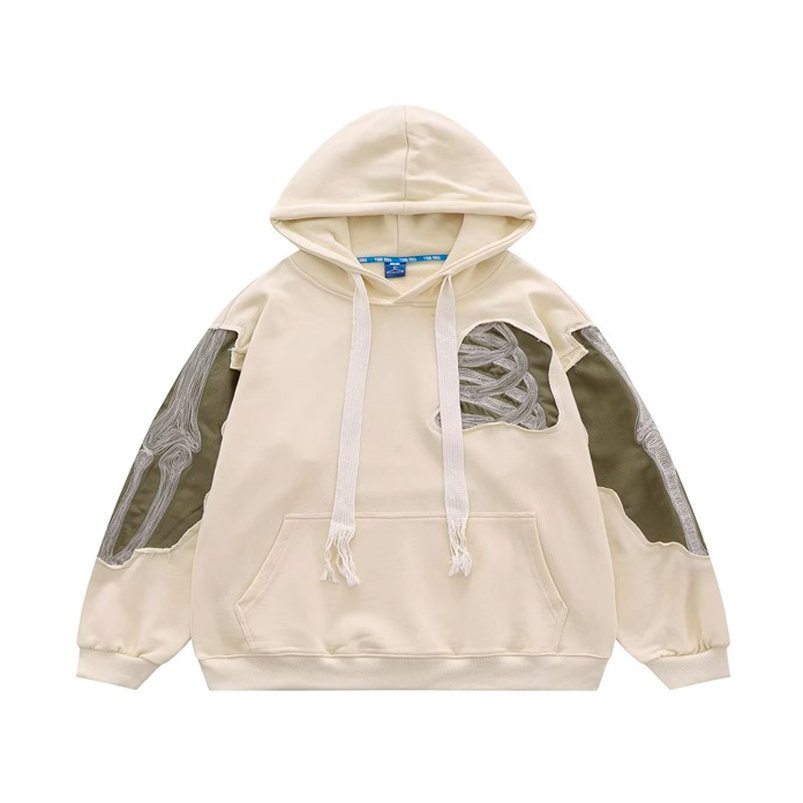
Start by assembling a mood board that captures your brand’s aesthetic—color palettes, graphic references, silhouette inspiration, and trim details. Share this with your streetwear hoodie manufacturer alongside a detailed tech pack that specifies measurements, grading rules, seam allowances, and tolerances (typically ±0.5 cm for body measurements, ±0.3 cm for details).
Include trim specifications: zipper type and brand (YKK is standard), drawcord diameter and tip style, ribbing width and stretch recovery, label placement, and hang-tag attachment method. Written approval of the tech pack by both parties establishes the production blueprint and prevents scope creep.
Fabric and Color Selection
Work with your manufacturer to select fabric weight (280–400 GSM for hoodies), composition (cotton, poly-cotton blends, or French terry), and finish (brushed fleece, loopback, or slub). Request lab-dip swatches for each Pantone color to approve shade accuracy before bulk yardage is ordered.
Manufacturers typically provide 3–5 color options per shade within 7–10 days. Approve lab dips in writing with photos and Pantone references to lock in color standards for production.
Sampling Rounds and Approvals
Expect three sampling stages: fit sample (to verify measurements and construction), pre-production sample (with final fabrics, trims, and graphics), and salesman sample (production-ready reference). Each round requires 10–15 days and written sign-off before proceeding.
Clothing Manufacturer Ltd.’s five-step QC process begins at the fit-sample stage, testing materials and cutting accuracy before sewing. Document all revisions—sleeve length adjustments, hood depth changes, pocket placement—in writing with annotated photos to ensure consistency.
Bulk Production and Quality Checkpoints
Once pre-production samples are approved, place your bulk order with a 30–50% deposit. Production timelines range from 25–35 days for orders of 300–1,000 pieces. Inline QC inspections occur during sewing (checking stitch density, seam strength, and pattern alignment), and final random inspections sample 10–15% of finished units.
Request daily production updates and photos of in-progress garments. Written approval at inline checkpoints allows you to catch issues—misaligned prints, incorrect thread color—before full runs are completed.
Logistics and Delivery Terms
Choose between FOB (Free On Board, where you arrange shipping from the factory port) or DDP (Delivered Duty Paid, where the manufacturer handles customs, duties, and delivery to your door). FOB offers cost control but requires freight-forwarder coordination; DDP simplifies logistics but adds 15–25% to landed costs.
Confirm packing specifications—poly bags, carton dimensions, units per carton—and shipping method (air for samples, sea for bulk). Typical sea freight from Dongguan to North America takes 18–25 days; air freight 5–7 days.
10. Pricing and Cost Breakdown for Streetwear Hoodie Manufacturing
Understanding unit economics is critical when sourcing from a streetwear hoodie manufacturer. Most factories price hoodies on a sliding scale: 50-unit orders typically range $18–$28 per piece, 100 units drop to $15–$22, 250 units fall to $12–$18, 500 units reach $10–$15, and orders above 1,000 units can achieve $8–$12 per hoodie depending on fabric weight and construction complexity. Setup fees for sampling usually run $150–$300 per style, covering pattern development and first-article approval.
Decoration method directly impacts per-unit cost and minimum order requirements. Screen printing adds $1.50–$3.00 per location for orders above 100 units but requires higher setup fees ($50–$100 per screen); embroidery costs $2.50–$5.00 per 1,000 stitches and works well for smaller runs; direct-to-garment (DTG) printing charges $4–$8 per print with no setup but suits photo-realistic designs on light fabrics. Each additional print location or color typically increases unit cost by 10–15 percent.
Fabric weight, custom dyeing, and hardware upgrades shift the baseline price. Upgrading from 280 GSM to 400 GSM heavyweight fleece adds $2–$4 per unit; custom Pantone dye lots require 500-unit minimums and add $0.80–$1.50 per piece; premium YKK zippers, metal aglets, and woven labels collectively add $1.20–$2.50 per hoodie. Lead times compress as order size grows: 50-unit runs need 25–30 days, while 500+ unit orders often complete in 18–22 days due to production efficiencies.
| Quantity Tier | Price per Unit (USD) | Lead Time (Days) | Setup & Sampling |
|---|---|---|---|
| 50 units | $18–$28 | 25–30 | $150–$300 |
| 100 units | $15–$22 | 22–28 | $150–$300 |
| 250 units | $12–$18 | 20–25 | $150–$300 |
| 500 units | $10–$15 | 18–22 | $150–$300 |
| 1,000+ units | $8–$12 | 18–22 | $150–$300 |
Partner With a Trusted Streetwear Hoodie Manufacturer
Launch your collection with our 5-step QC guarantee, 50-piece low MOQ, and fast turnaround times for emerging and established brands.