
Custom Softshell Jackets for Streetwear Brands That Mean Business
We produce premium custom softshell jackets for streetwear labels, fashion startups, and influencer brands — low MOQ, fast turnaround, and a 5-step QC guarantee on every order.
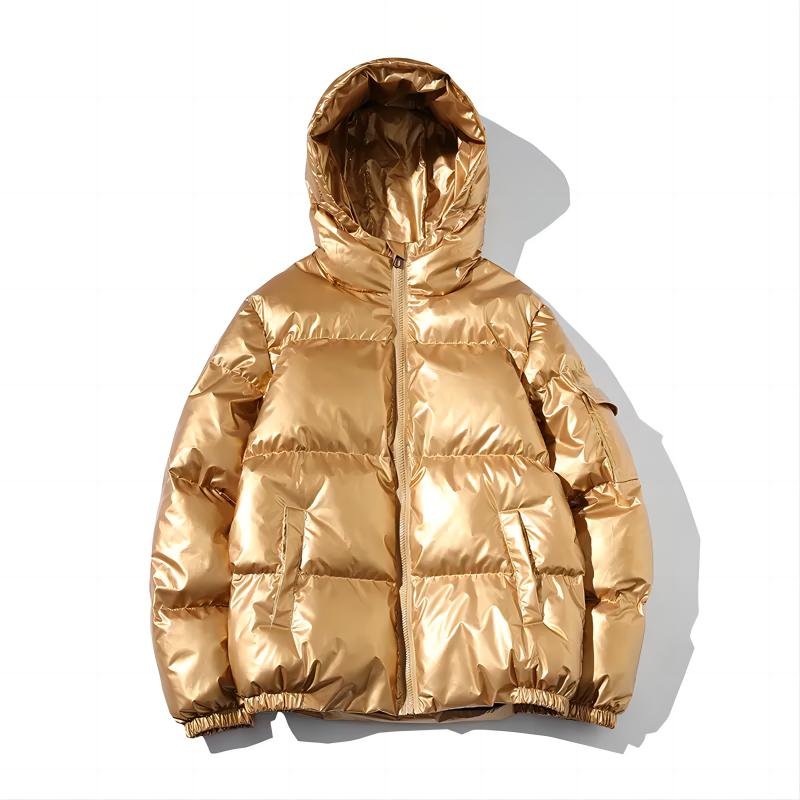
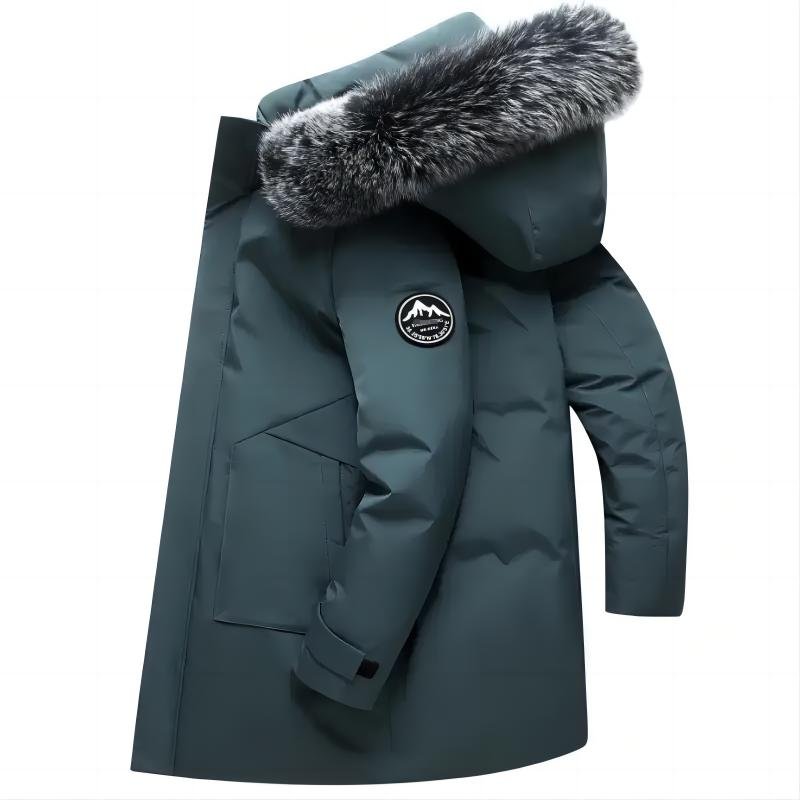
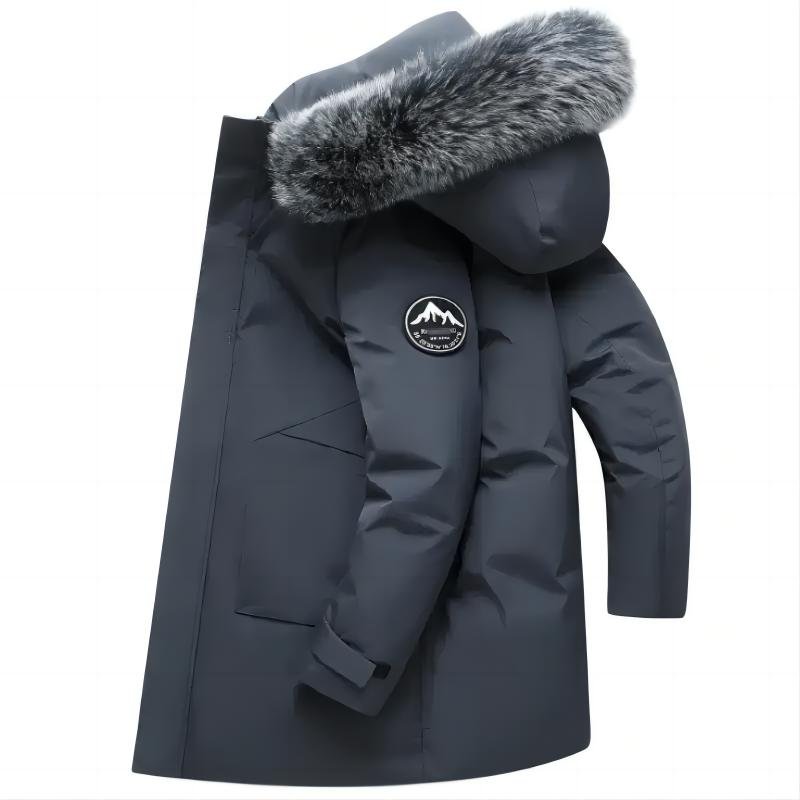
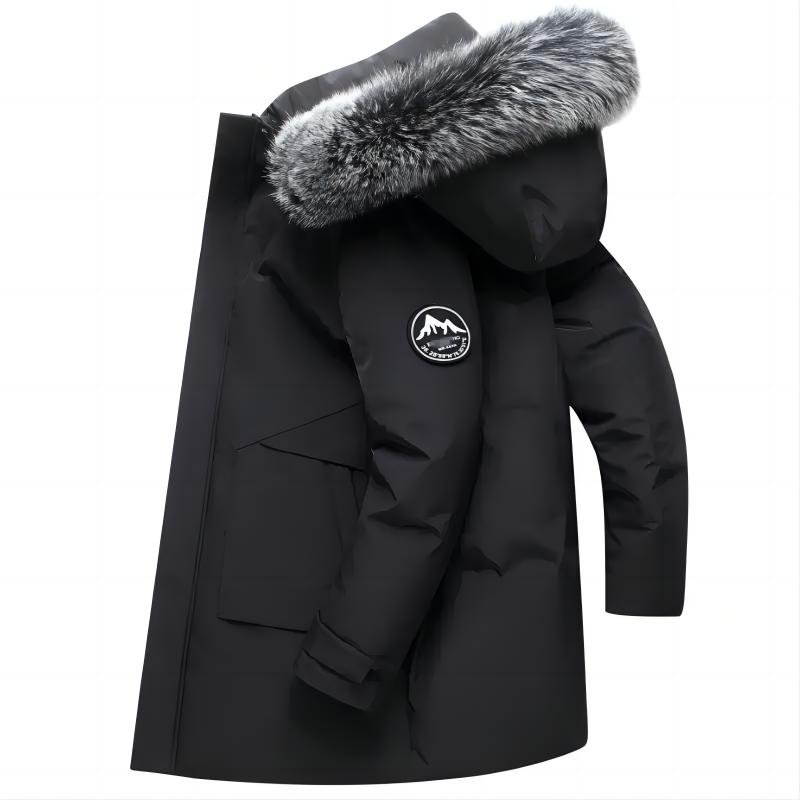
Custom Softshell Jacket Collection
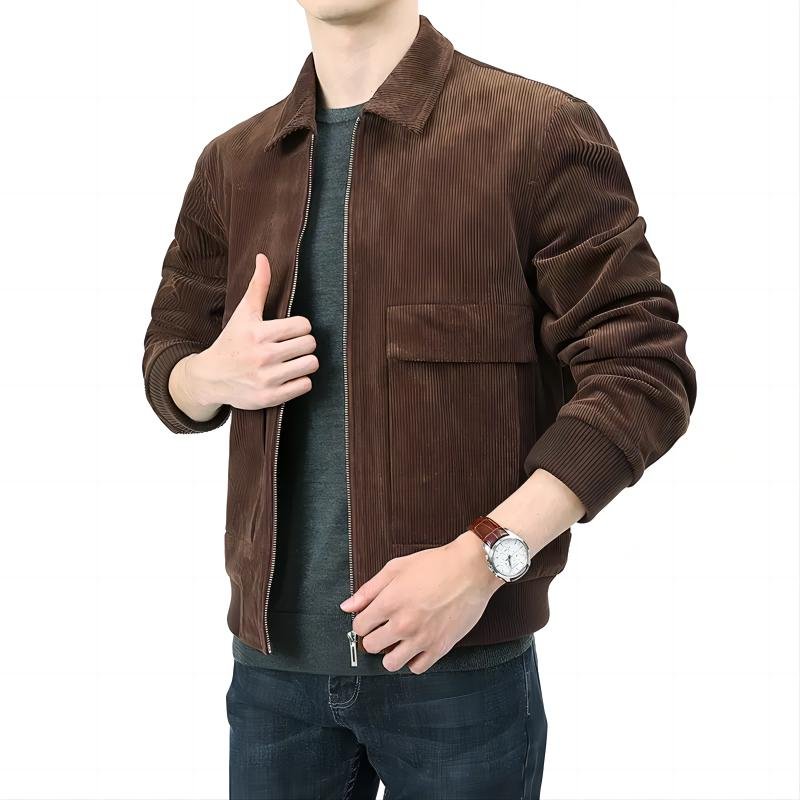
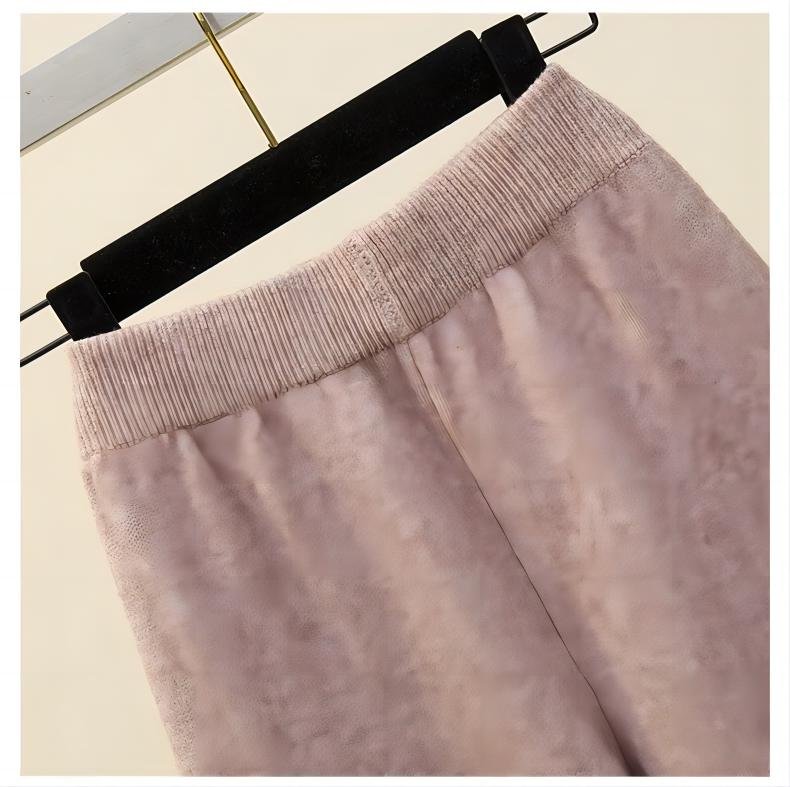
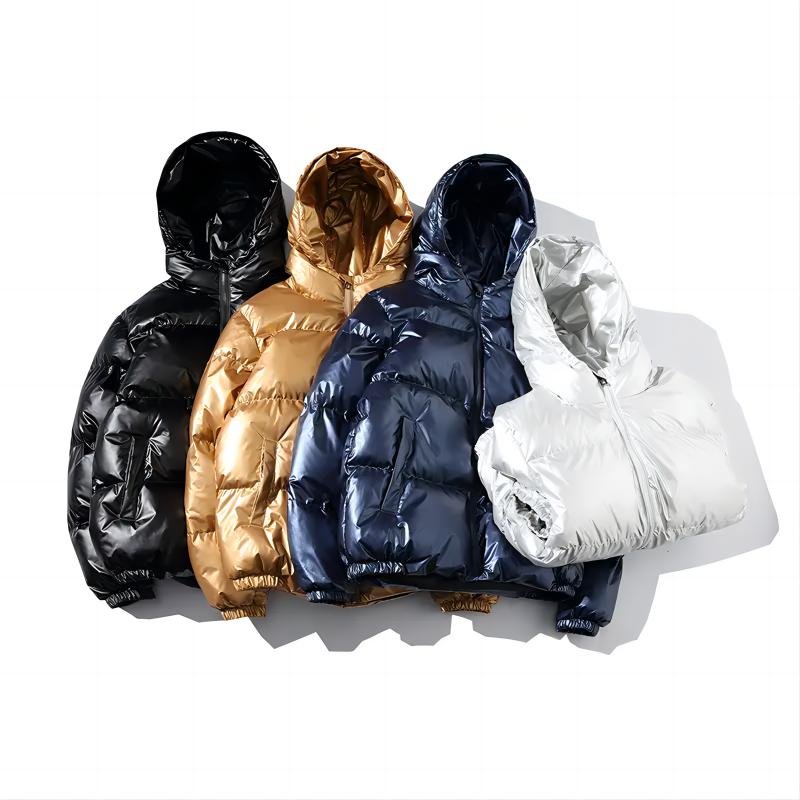
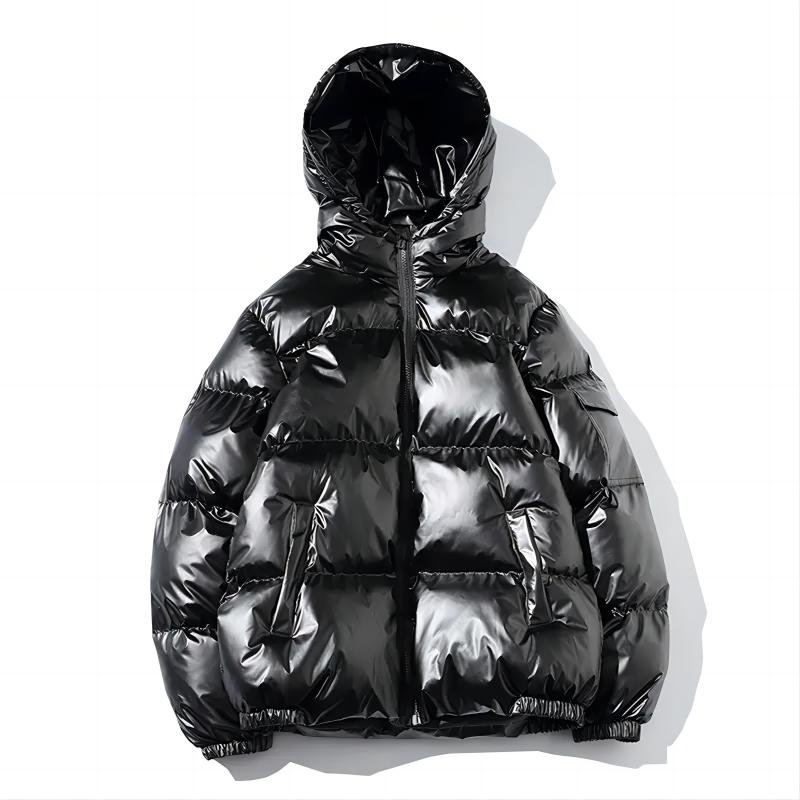
Why Brands Choose Our Custom Softshell Jackets
From zero-compromise quality control to rapid sampling and global delivery — concrete advantages that generic overseas suppliers simply cannot match.
5-Step Quality Control Guarantee
Every jacket passes five rigorous QC checkpoints — materials, cutting, craft, sewing, and final inspection — before it ships.
Low MOQ for Emerging Brands
Launch your first collection without overcommitting capital. Our startup-friendly minimums let new streetwear labels move fast and test confidently.
Samples Ready in 7 Days
Approve your custom softshell design fast with rapid sample turnaround, so seasonal drops and influencer collabs never miss their window.
In-House Streetwear Design Team
Our 15-member R&D team brings deep streetwear fluency — bold colorways, graphic motifs, and trend-driven details — directly to your brief.
Global Shipping & Logistics Support
We handle customs, documentation, and door-to-door delivery across 100-plus countries, so your custom jackets land on time, anywhere.
Free Design Consultation Included
Speak directly with our production experts — no middlemen — to sharpen your softshell jacket concept before a single sample is cut.
Custom Softshell Jackets for Every Brand Stage
From first-drop startups to global retailers, our production scales with your ambition — backed by a 5-step QC guarantee at every stage.
Emerging Streetwear Startups
High factory MOQs block emerging labels from launching their first custom softshell jacket collection. You're left choosing between overcommitting on inventory or abandoning a design that could define your brand.
Our low MOQ program lets startup brands order custom softshell jackets in small runs, backed by a 5-step QC guarantee that ensures every unit looks and performs like a premium product.
Influencer & Creator Brands
Trend cycles move fast, and influencer brands need seasonal custom softshell jacket drops that match the moment — not production timelines that lag weeks behind the cultural conversation.
Our fast turnaround production and in-house design team help creator brands launch trend-aligned custom softshell jackets on schedule, with global shipping support to reach fans in any market.
Global Apparel Retailers
Scaling a private-label softshell jacket program across multiple markets demands consistent quality at volume — yet most factories apply quality checks only at the end, letting defects slip through undetected.
Our 5-step QC process catches defects at every production stage, delivering custom softshell jackets at scale with uniform quality across large runs, supported by full global logistics and customs coordination.
Independent Fashion Designers
Independent designers have original concepts but lack the technical manufacturing expertise and sampling resources to translate a custom softshell jacket idea into a production-ready garment without costly trial and error.
Our 15-member in-house R&D and sampling team collaborates directly with designers to refine patterns, select fabrics, and produce sample custom softshell jackets before any full production run begins.
Premium Fabrics for High-Performance Custom Softshell Jackets
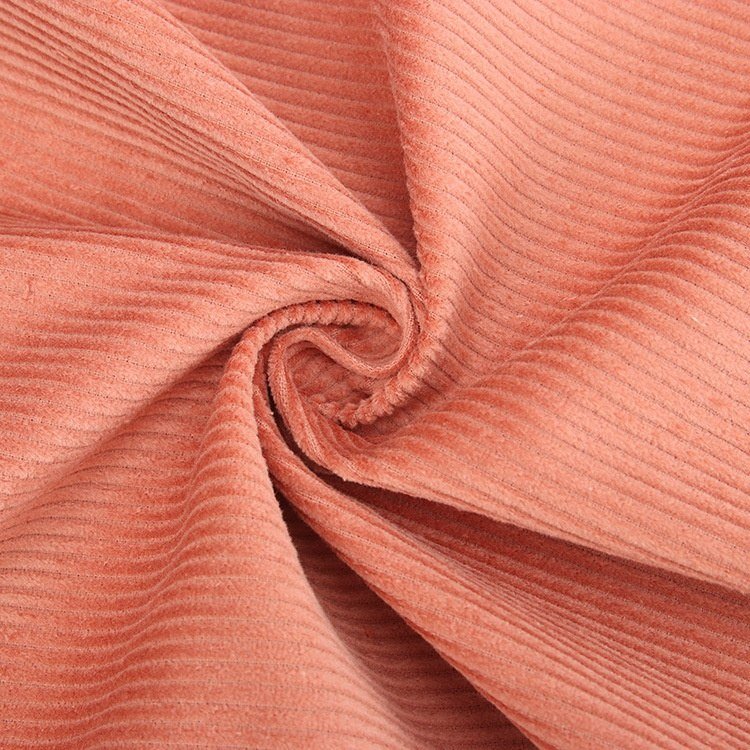
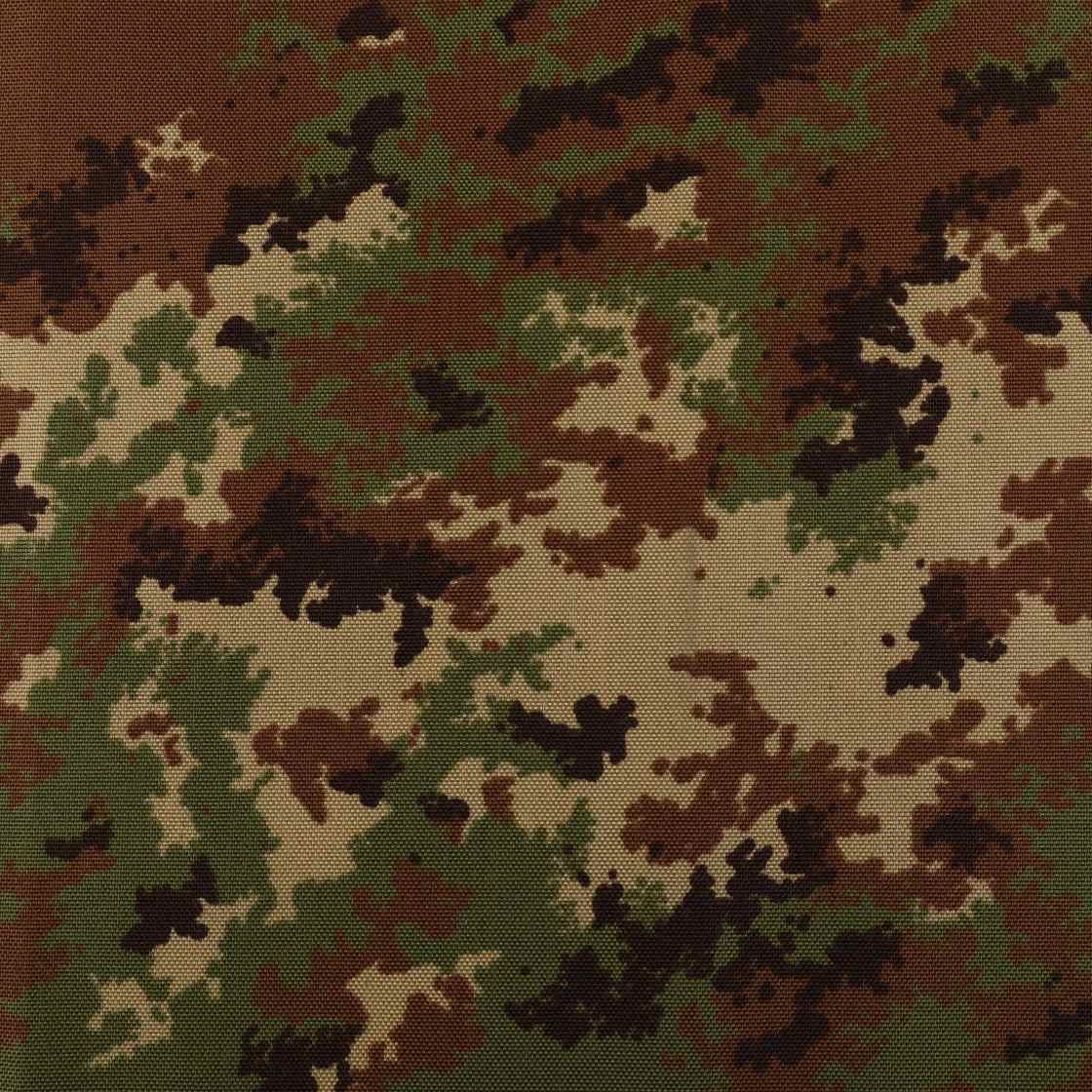
4-Layer Breathable Softshell
A hidden moisture-wicking membrane sits between a smooth woven face and tricot inner, rated at 5,000 mm waterproof column. Ideal for all-season performance jackets requiring simultaneous breathability and light rain protection.
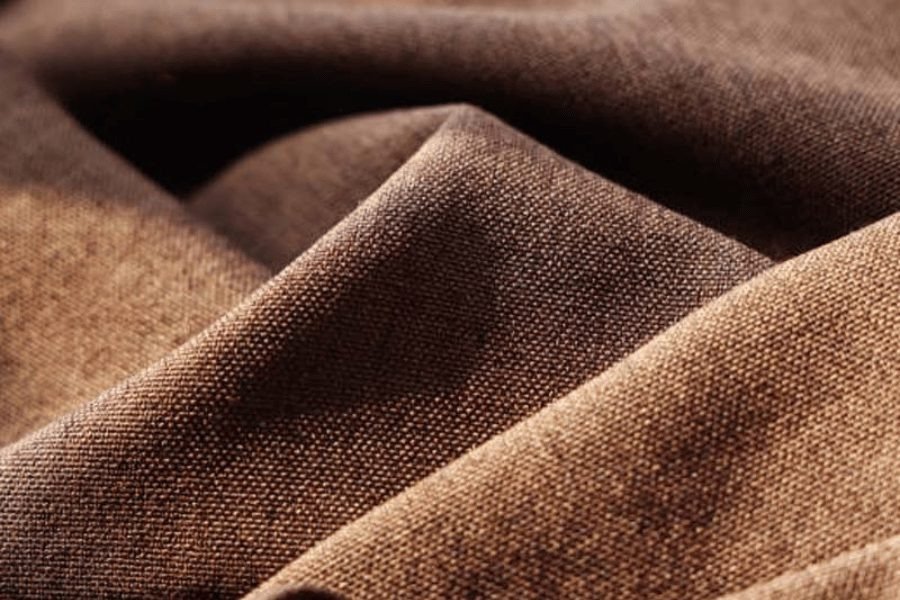
Windproof Bonded Softshell
A tightly woven 300T polyester face bonded to a windproof barrier film and a soft inner lining. Blocks wind chill without sacrificing packability — a core selection for urban outerwear and branded streetwear collections.
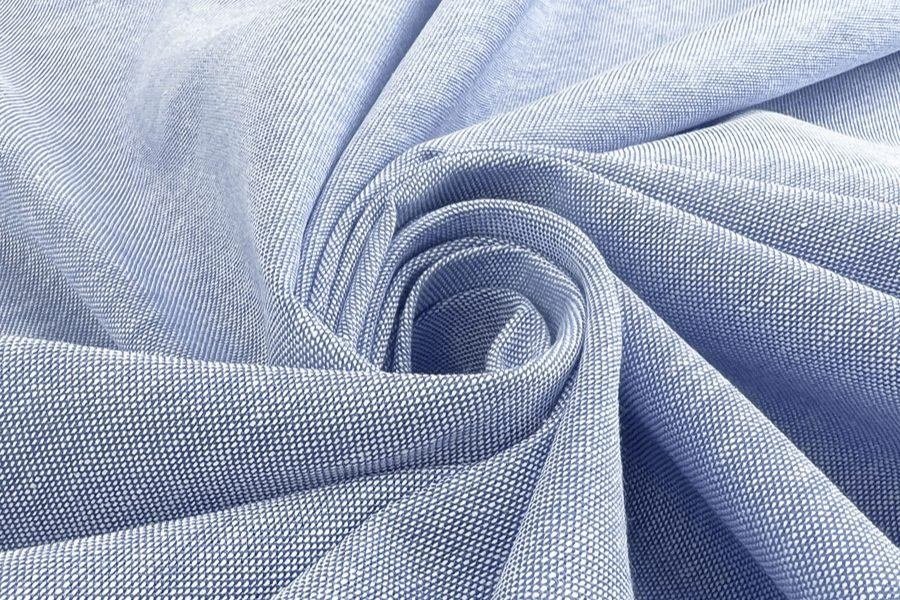
Heavyweight Polar Fleece Softshell
A 350 gsm woven outer bonded to a dense polar fleece backer for superior cold-weather insulation. Its plush hand-feel and warmth-to-weight ratio make it a standout choice for premium winter drop collections.
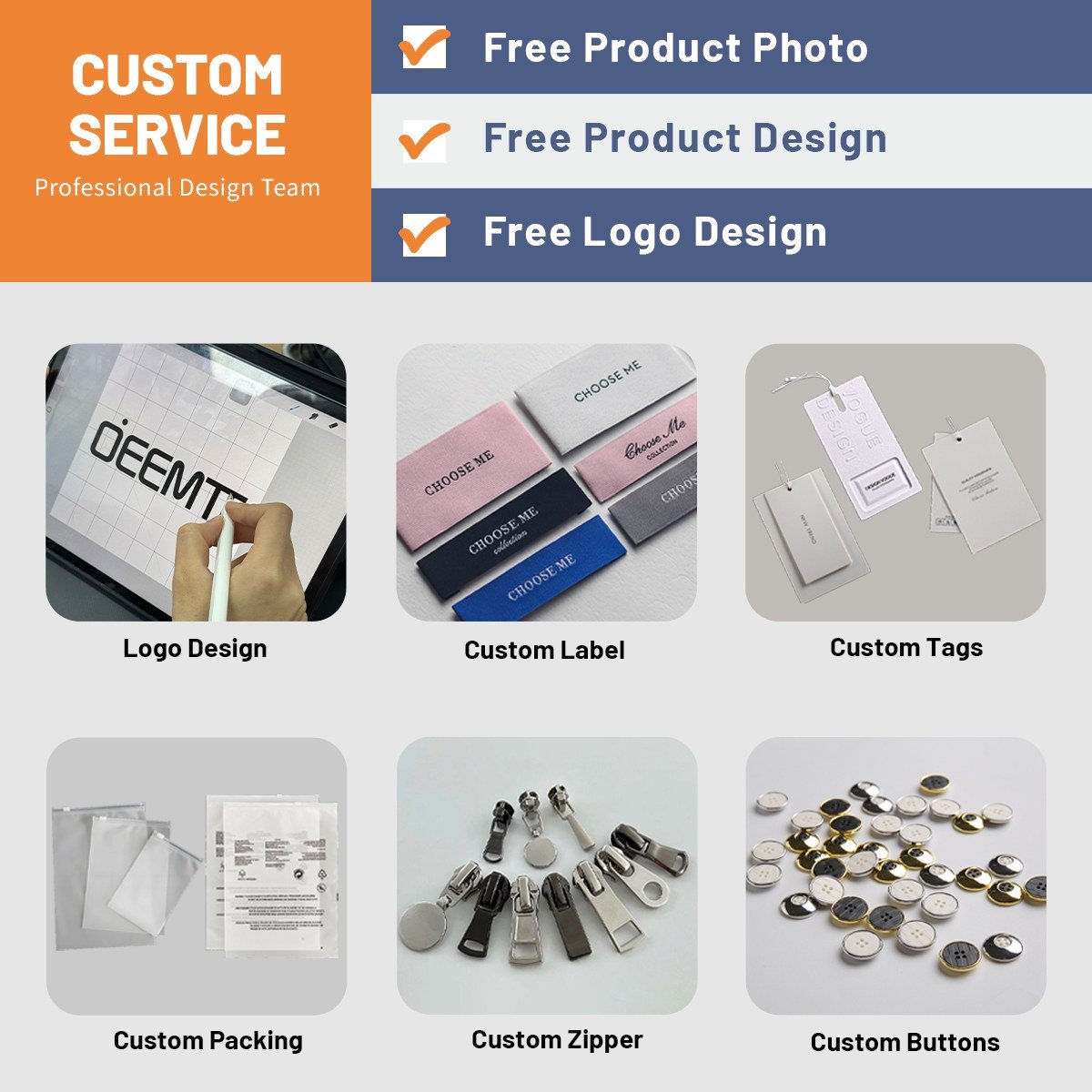
Ripstop Nylon Softshell
A reinforced ripstop weave outer bonded to a lightweight fleece layer at 260–290 gsm. Resists tearing and seam abrasion under heavy wear — preferred for utility-influenced streetwear and workwear-crossover silhouettes.
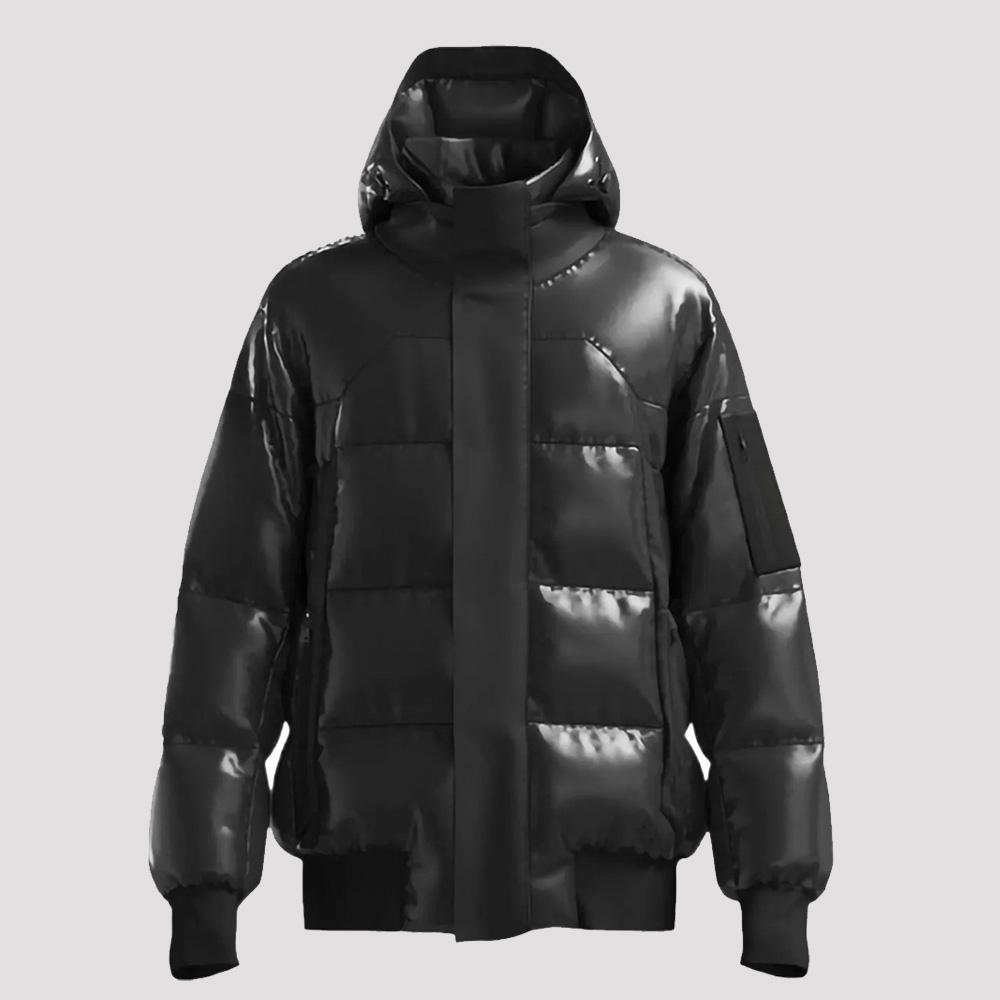
TPU Membrane Softshell
An eco-solvent TPU film laminated between outer and inner layers, delivering 10,000 mm waterproof performance and 8,000 g/m² breathability. The benchmark material for premium waterproof streetwear and high-profile influencer outerwear launches.
Decoration Techniques for Custom Softshell Jackets
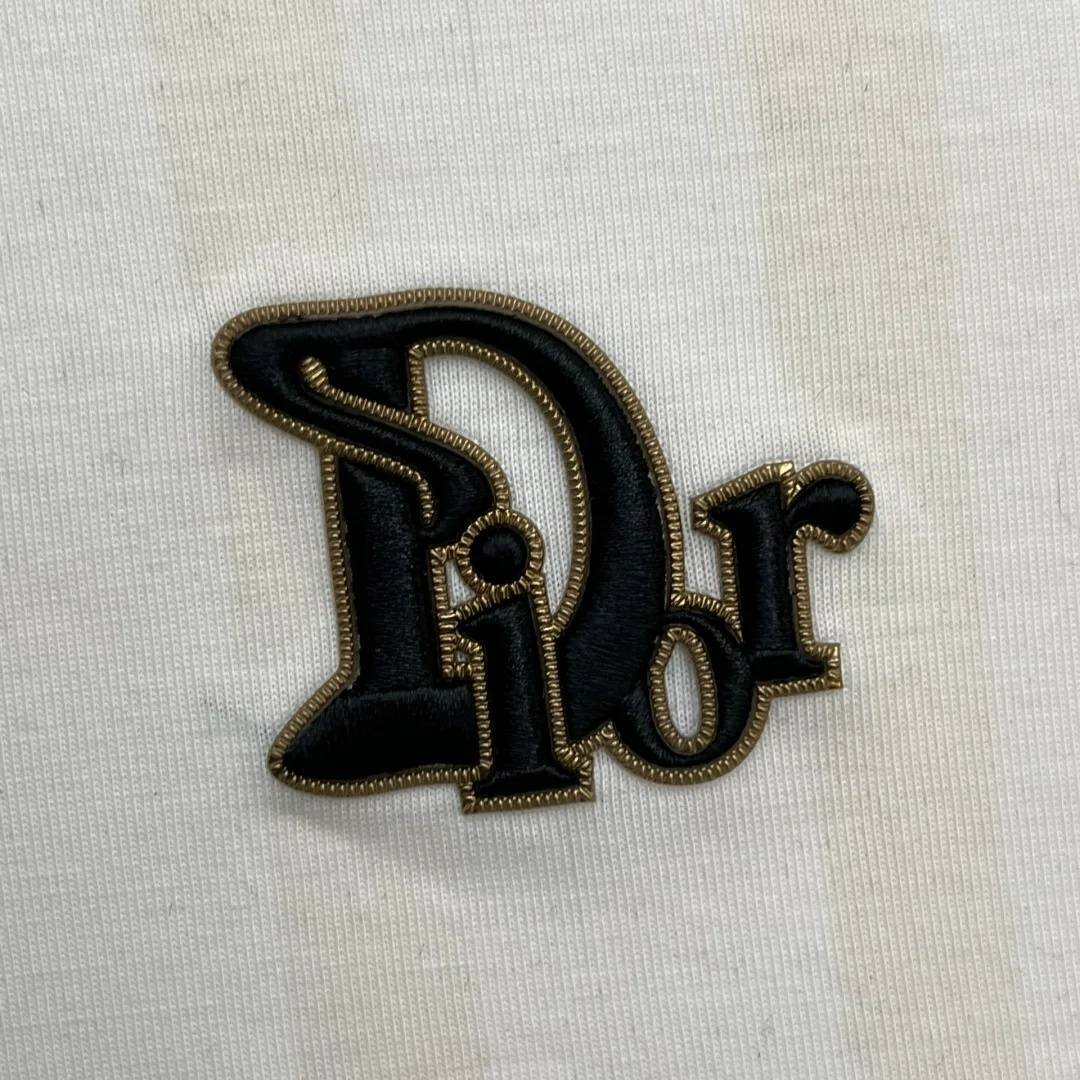
Precision Embroidery
Needle-and-thread stitching applied directly to softshell fabric for raised, dimensional logos and brand marks. Exceptionally durable — resists washing and fading — ideal for chest badges, sleeve hits, and collar details.
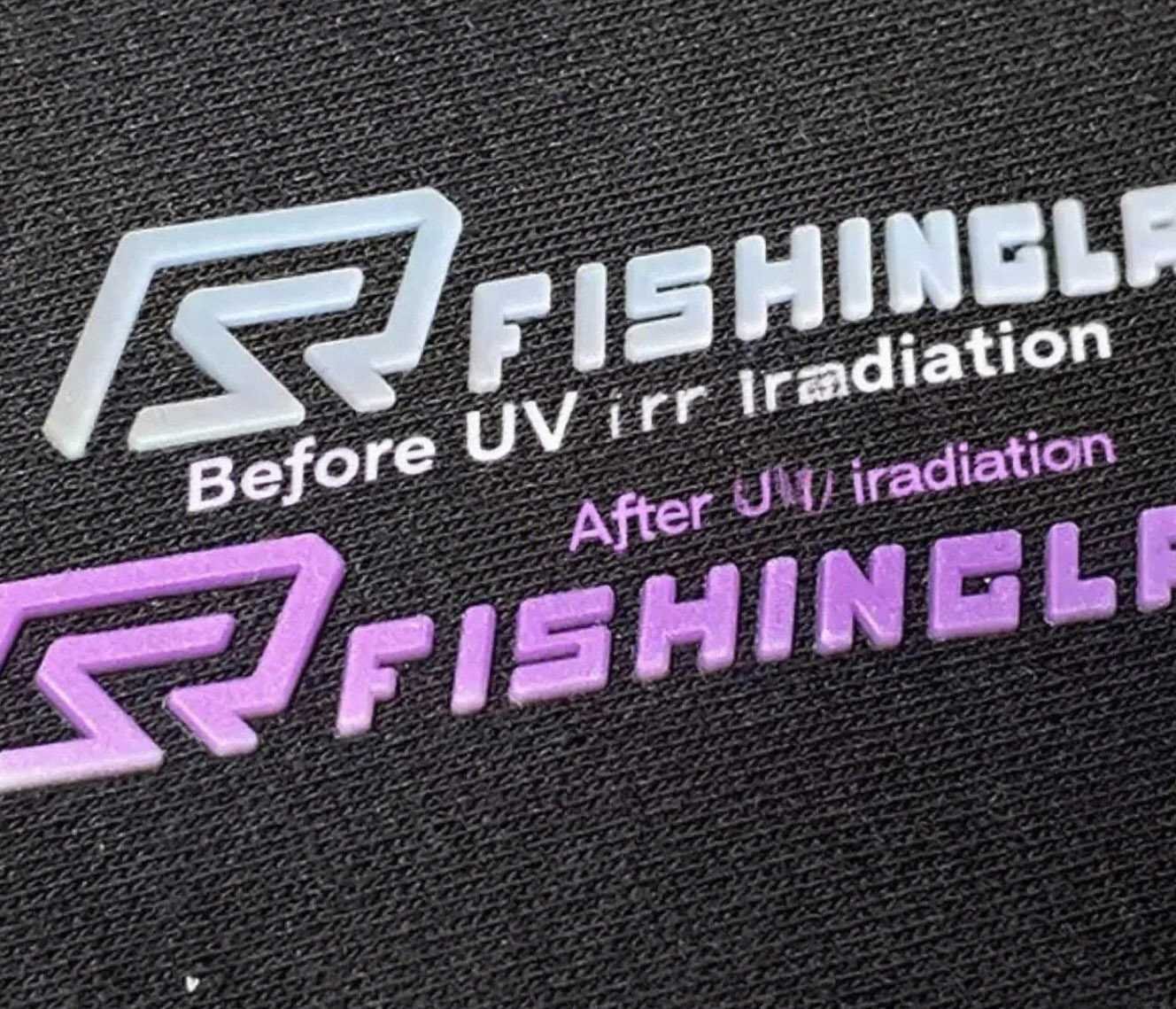
Screen Printing
Bold, flat-ink graphics applied panel by panel in vivid, high-contrast layers. Water-based and plastisol options suit large logo placements, slogans, and multi-color streetwear graphics with sharp, clean edges.
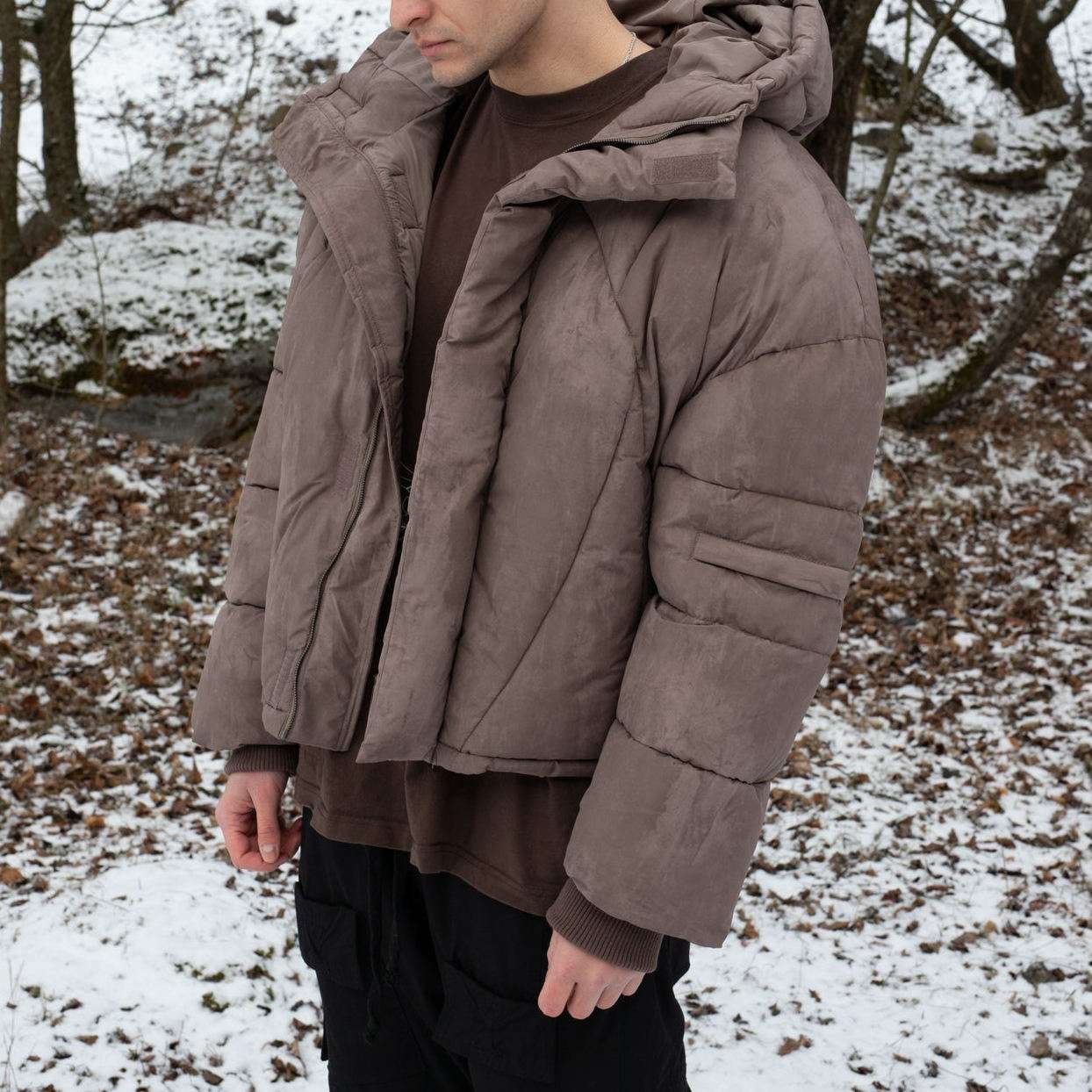
Sublimation Printing
Heat-activated dye fused at a molecular level into softshell fabric, producing photo-realistic, edge-to-edge artwork with zero hand-feel. Colors stay vibrant and crack-free through hundreds of wash cycles.
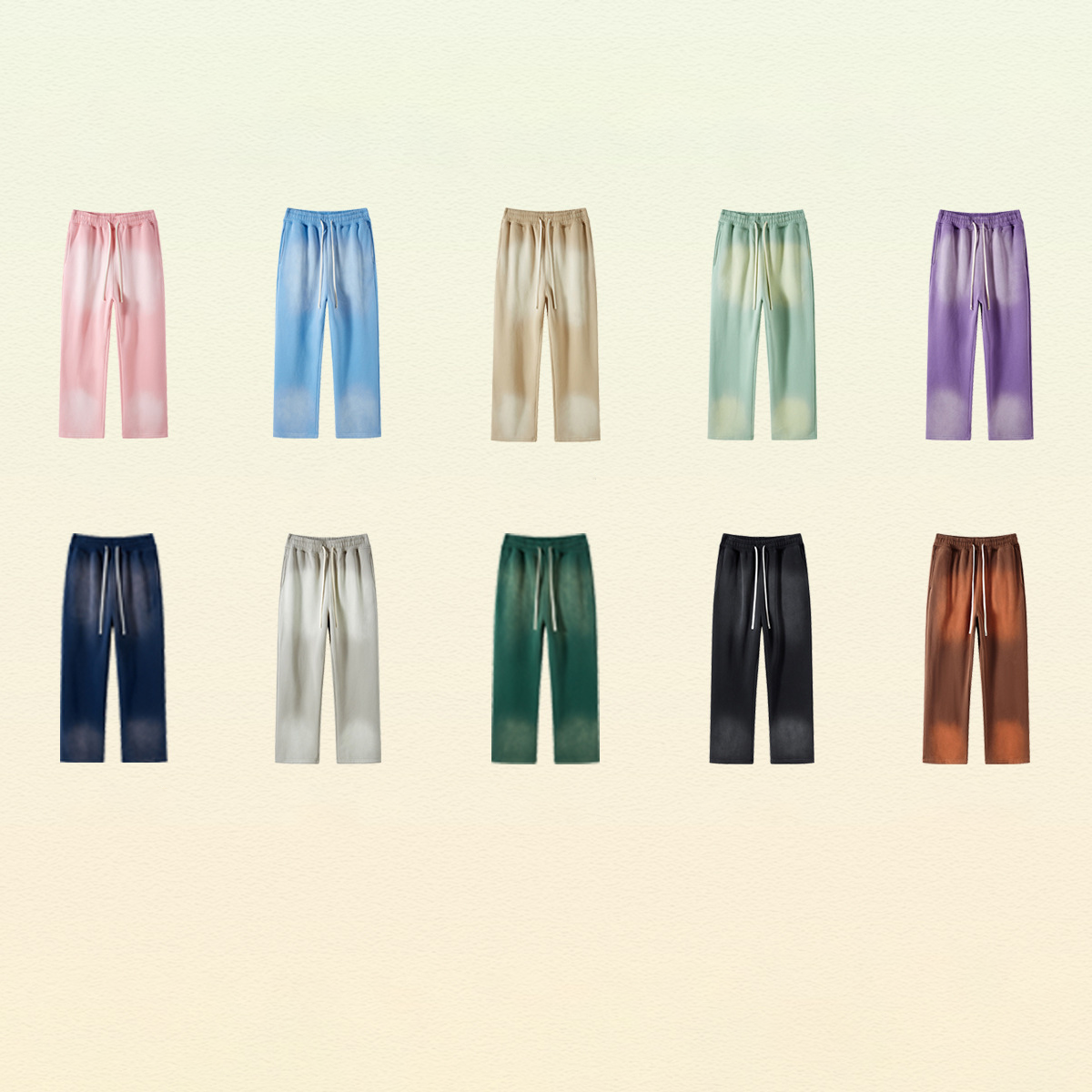
Heat Transfer
Precision-cut graphic films thermally bonded to softshell panels, delivering sharp lines, metallic finishes, and reflective effects. Ideal for complex multi-color artwork and trend-driven streetwear statement pieces on limited runs.
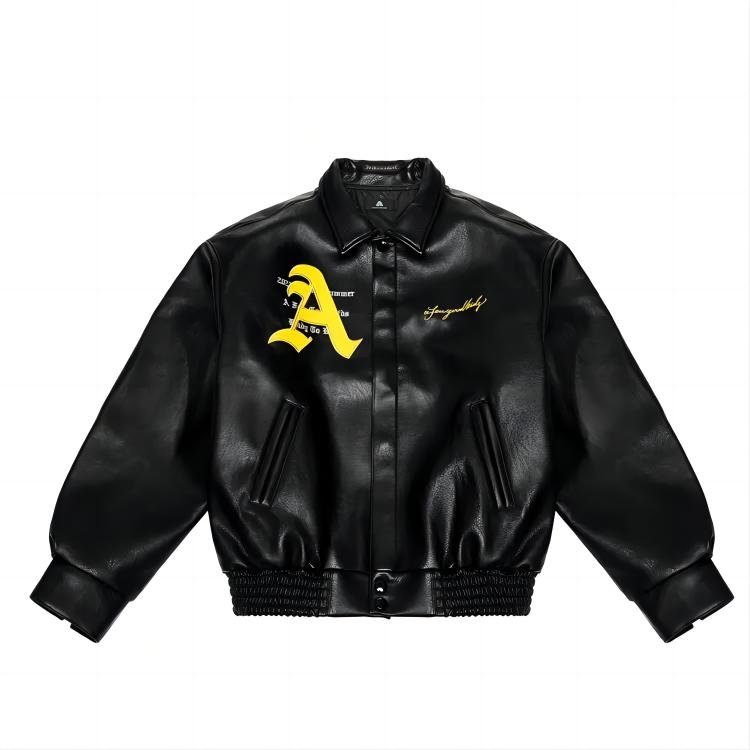
Appliqué Patches
Cut fabric or PU patches stitched or heat-bonded onto softshell panels, adding layered texture and three-dimensional brand presence. Mix materials, shapes, and outlines for collector-worthy streetwear details at any production scale.
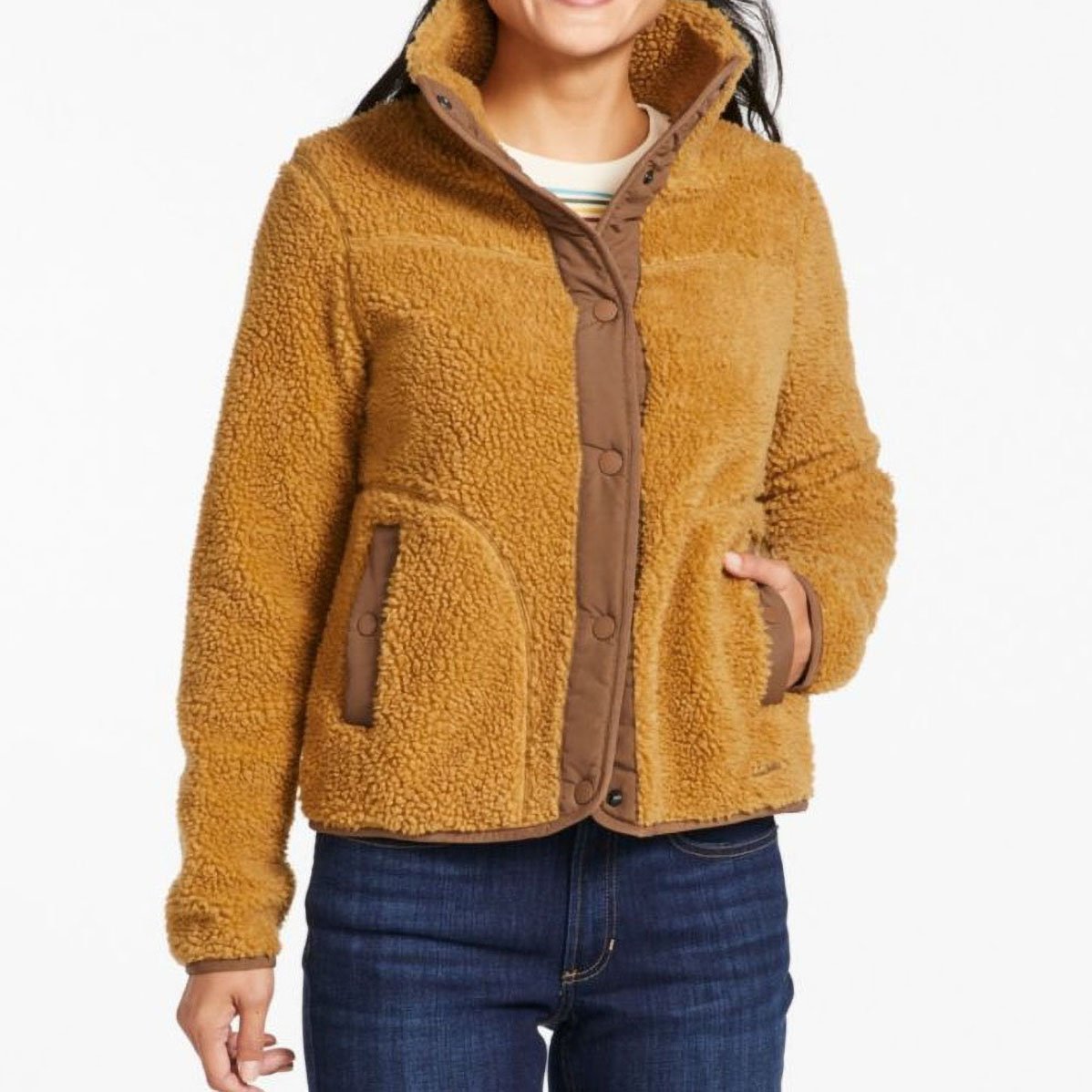
Woven Labels
Custom-woven brand labels in polyester or damask threads sewn inside collar or hem. Delivers a premium, tactile brand identity that elevates perceived value across retail, influencer, and private-label softshell collections.
Hardware & Finishes for Custom Softshell Jackets
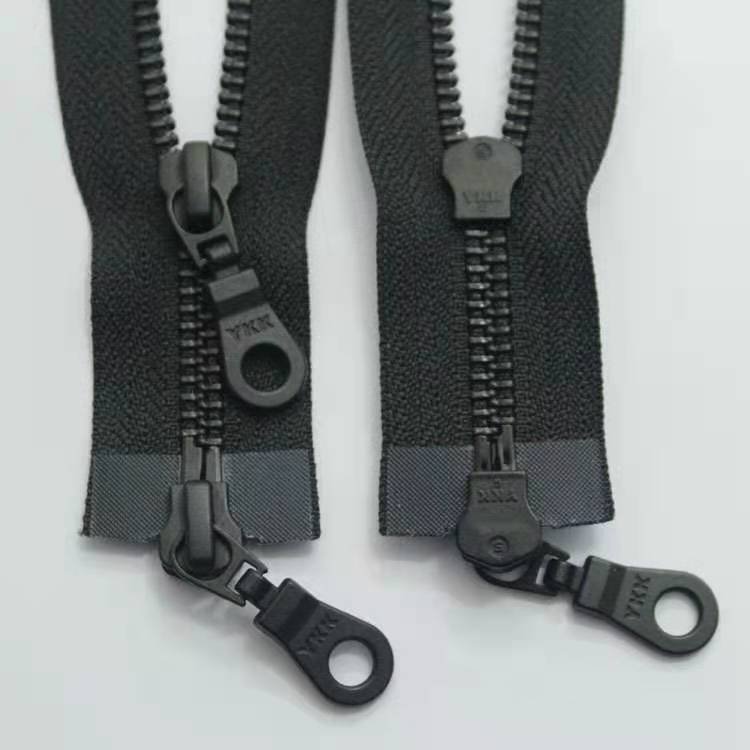
YKK Zippers
Industry-standard YKK zippers deliver smooth, reliable operation on main zips, chest pockets, and hand pockets. Choose custom-dyed coils, water-resistant finishes, or branded pulls to match your exact colorway.
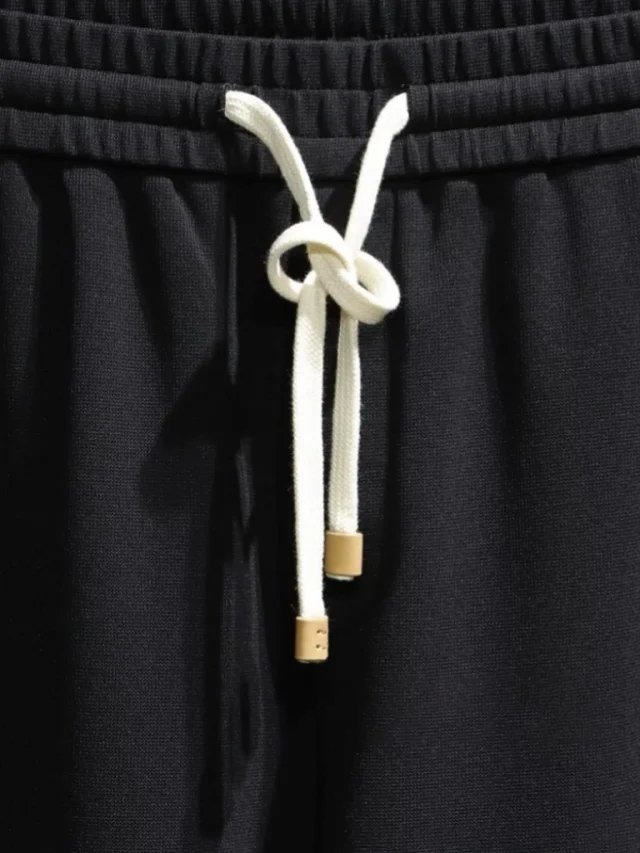
Drawcord & Tipping
Aglet-tipped drawcords thread through hoods and hemlines for a clean, athletic finish. Available in flat, round, or elastic styles with custom cord colors and branded or plain metal tipping.
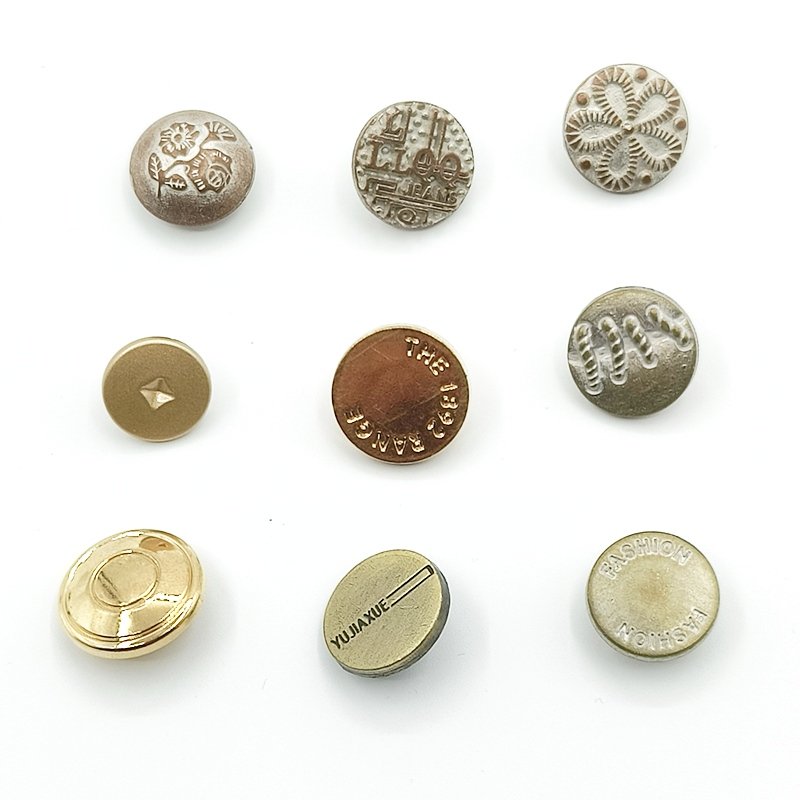
Snap Buttons
Heavy-duty snap buttons reinforce cuffs, storm flaps, and placket closures with a satisfying tactile quality. Offered in brushed nickel, matte black, or custom metal finishes aligned to your brand palette.
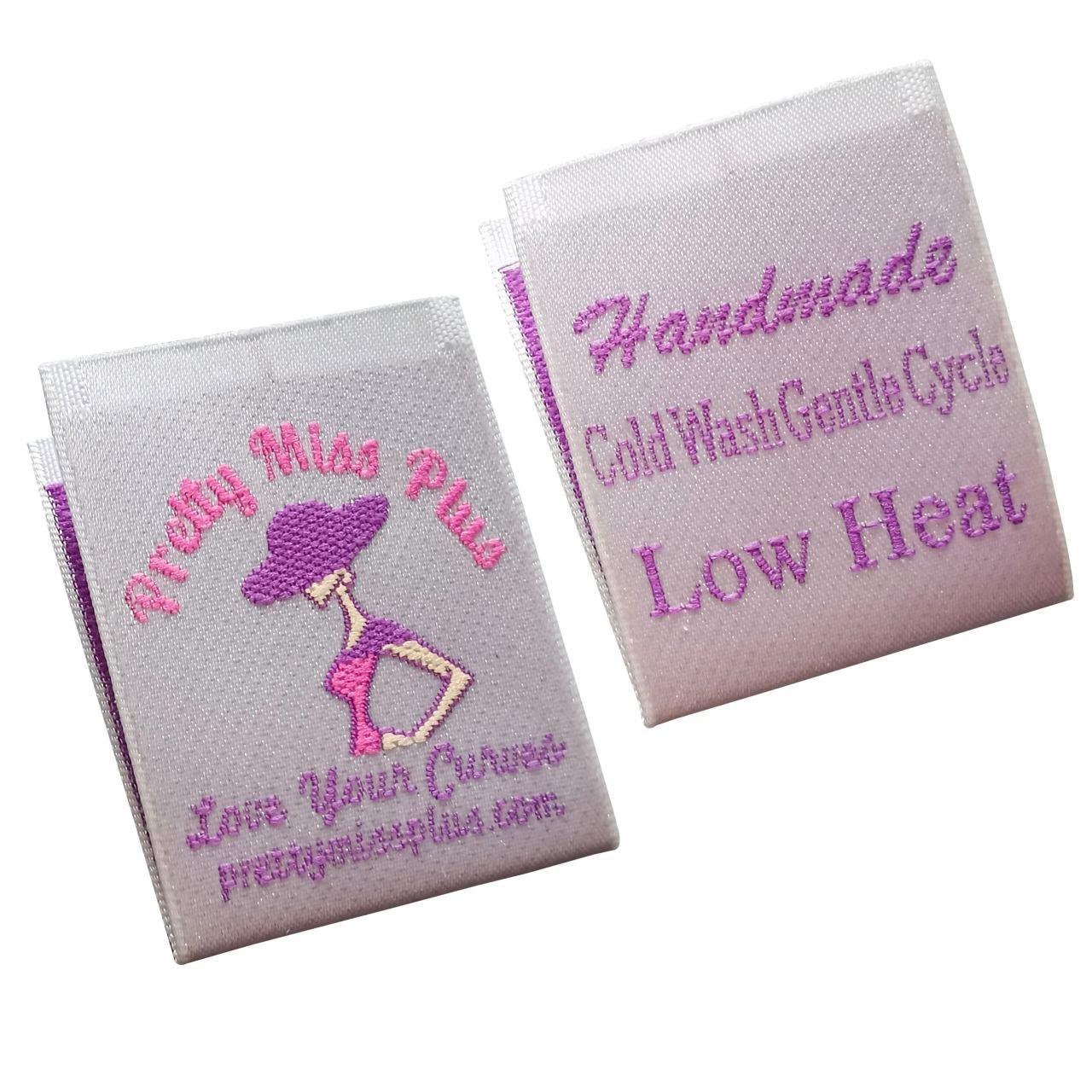
Woven Labels
Custom woven labels carry your logo, care instructions, and sizing at the back neck or inner hem. High-thread-count weaving reproduces intricate artwork cleanly, reinforcing brand identity through every wash cycle.
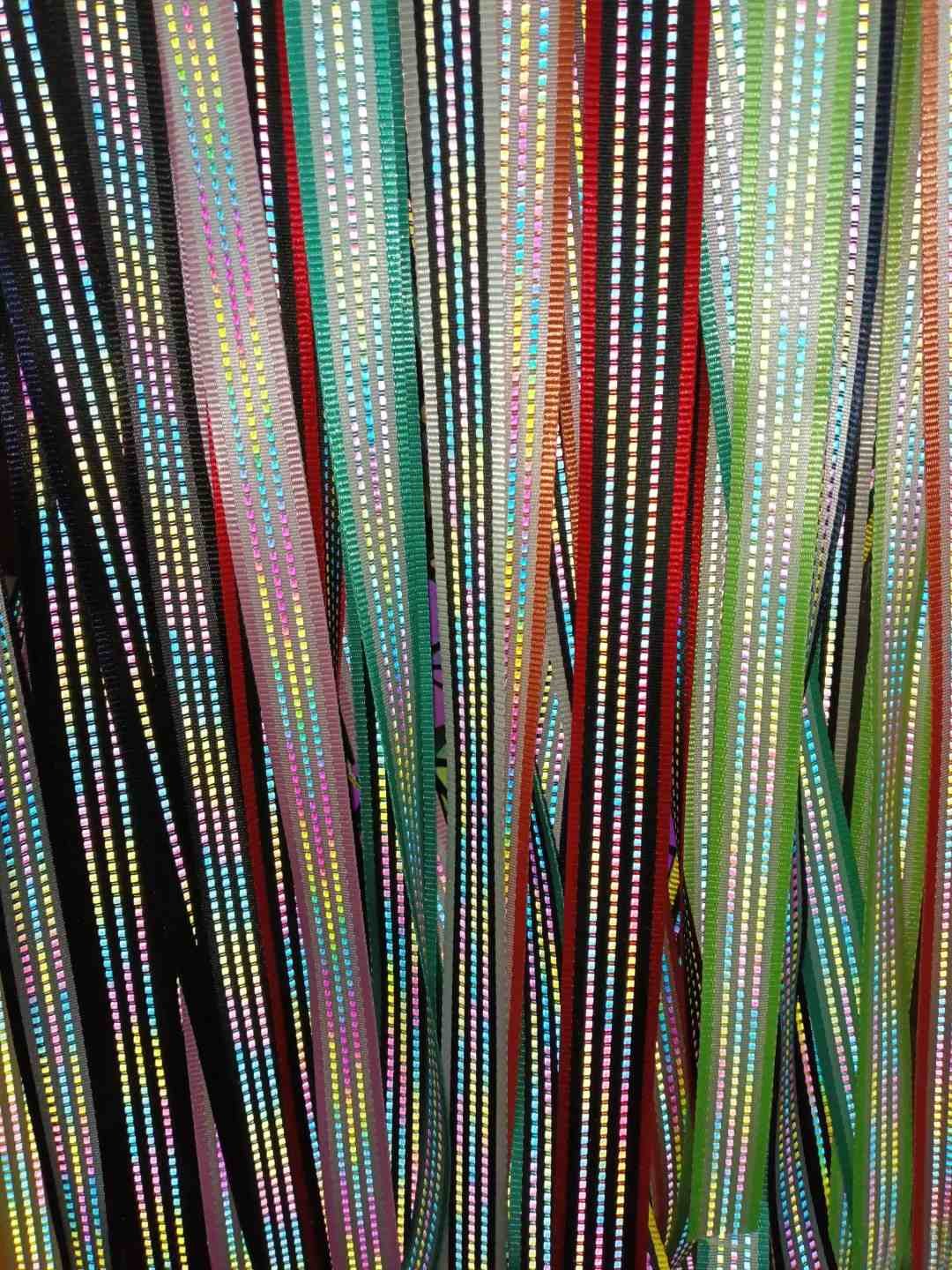
Reflective Tape
Heat-applied or sewn reflective tape adds a streetwear-forward visibility element to shoulders, sleeves, or back panels. Retro-reflective grades pop in low light while keeping the jacket’s daytime aesthetic sharp.
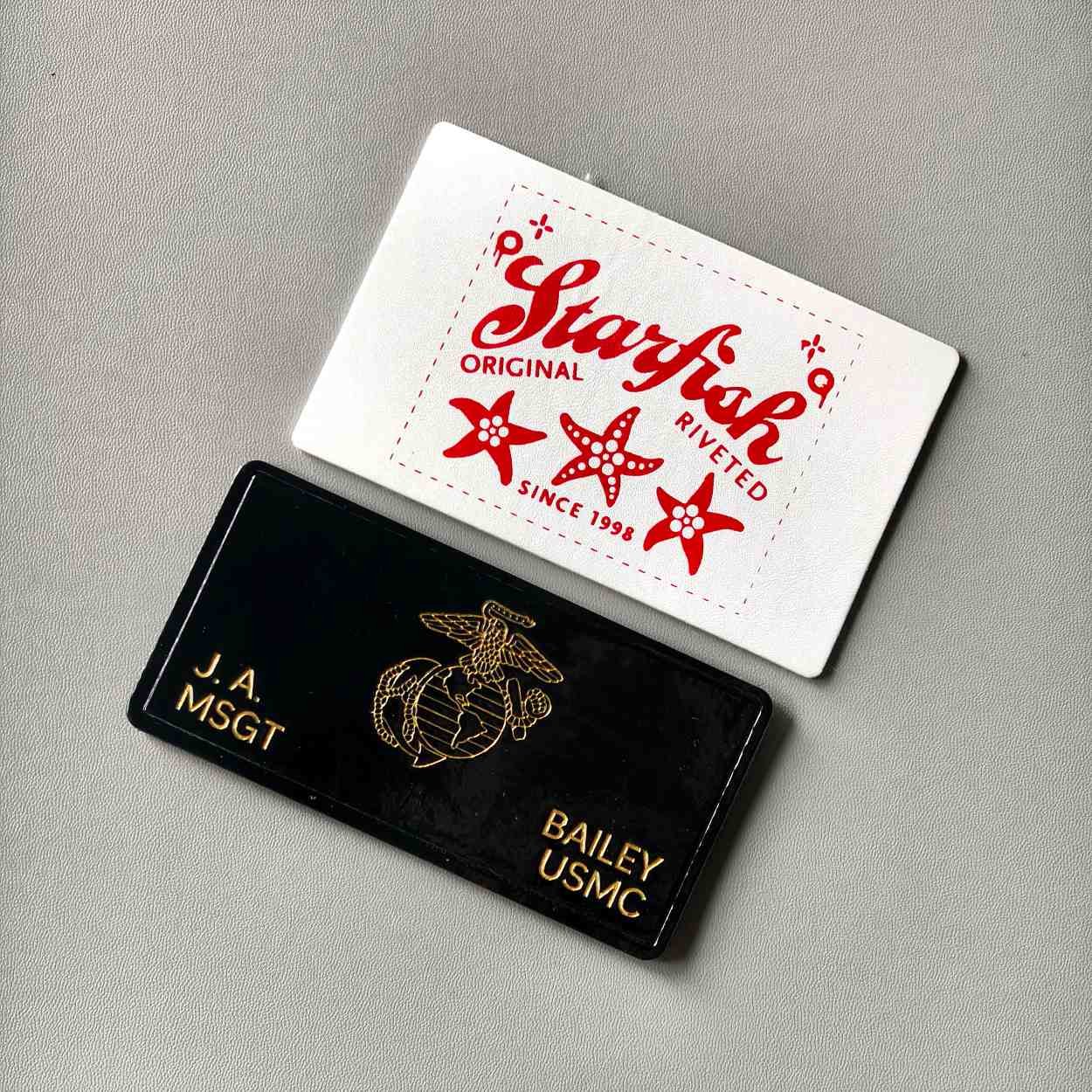
Custom Patches
Embroidered or woven patches applied to chest, sleeve, or back panels turn your softshell into a brand canvas. Custom dimensions, thread counts, and iron-on or sew-on backing options are all available.
Built on a Mission to Elevate Custom Softshell Jackets
Clothing Manufacturer Ltd. was founded in 2024 by Tesla Luo, who grew up inside garment factories in Dongguan, China, rotating through every production role from sewing and cutting to QC and shipping. With 10+ years of apparel manufacturing experience and 6 years focused specifically on streetwear, Tesla launched this venture with one clear mission: to restore global trust in Chinese manufacturers by embedding rigorous quality control at every single step of production — not just at the end.
After witnessing countless factories ship orders straight from the sewing line to packaging without a single quality check, Tesla built a proprietary 5-step QC methodology that covers materials, cutting, craft, sewing, and finished-goods inspection. The result is a specialist studio where custom softshell jackets and streetwear pieces meet the same exacting standards whether you are a founder launching your first 50-piece drop or an established retailer scaling into thousands of units across global markets.
Today, Clothing Manufacturer Ltd. serves brands across more than 100 countries, backed by a 15-member R&D team, 10 production patents, and a supply chain rooted in Humen Town — the historic heart of China’s garment industry. From low-MOQ sample runs for independent designers to fast-turnaround seasonal collections for influencer labels and global retailers, we are the manufacturing partner built to grow alongside your brand.
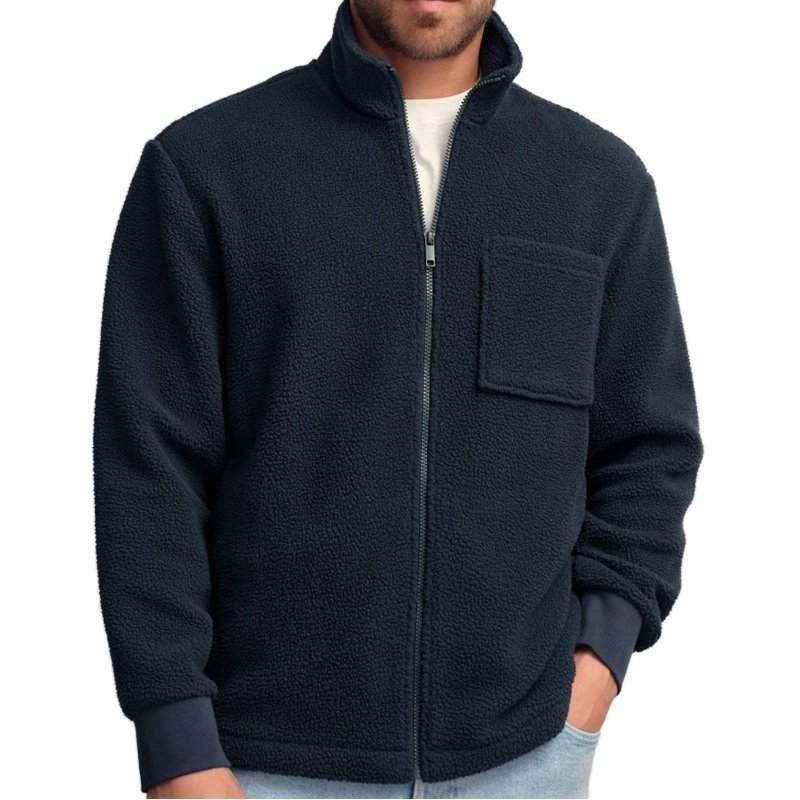
How We Guarantee Quality in Every Custom Softshell Jacket
Fabric Passes Before a Single Cut
Every custom softshell jacket starts with a materials QC gate — fabrics are tested for weight, stretch-recovery, water-resistance, and colorfastness before a single panel is cut. Defective rolls are rejected immediately, eliminating root-cause defects at the source.
- Fabric weight, hand-feel, and waterproof coating verified against client spec sheets
- Cutting QC checks panel dimensions, grain alignment, and marker accuracy
- Off-spec material flagged and replaced before reaching the sewing floor
- Zero defective rolls passed downstream — a hard rule, not a guideline
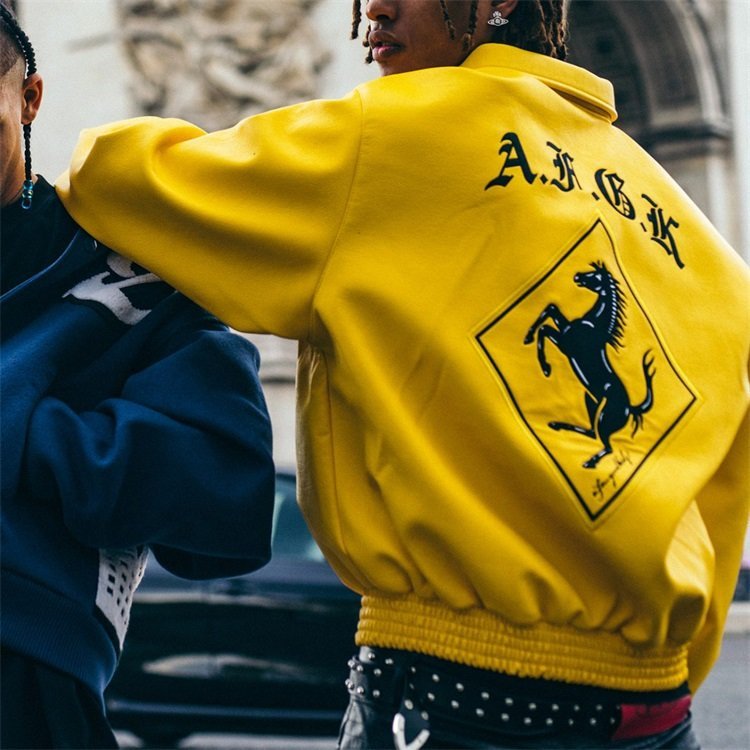
In-Line Craft and Sewing QC Checks
While most factories jump straight from sewing to packaging, our craft QC and sewing production QC stages inspect seam integrity, stitch density, zipper alignment, and pocket placement mid-line — catching errors when correction is still fast and affordable.
- Garment craft QC validates construction techniques against your approved sample
- Sewing production QC audits stitch density, seam strength, and hem consistency
- Zipper, drawcord, and hardware alignment checked against your technical specifications
- Mid-line corrections cost a fraction of end-of-line rework or costly reshipping
Nothing Ships Until Final Inspection Clears
Our fifth QC stage is a full finished-garment audit: measurements, color consistency, print placement, hardware function, and packaging integrity are all verified against your approved sample before any custom softshell jacket leaves our facility.
- Garment measurements verified against size chart tolerances on every unit
- Color, print, and embroidery matched to approved sample under standardized lighting
- Zippers, snaps, and drawcords function-tested across the finished production run
- Packing list, labeling, and hang-tag accuracy confirmed in full before dispatch
Five QC Gates, Zero Surprise Defects
Because defects are caught at every stage — not just the end — reorder rates drop, timelines hold, and your brand reputation stays intact. Our 5-step QC framework means the custom softshell jackets your customers receive match exactly what you approved.
- Dramatically lower defect rates vs. factories relying on end-of-line inspection alone
- Fewer rework cycles keeps seasonal turnarounds on schedule and on budget
- Photo and data reports issued at each QC gate for full client transparency
- Framework proven across streetwear and influencer brands in 100-plus countries
Custom Softshell Jackets Done Right: Us vs. the Typical Supplier
See exactly where we outperform generic manufacturers — from first fabric check to final shipment.
← 左右滑动查看 →
Custom Softshell Jacket Production Timeline
Six transparent phases with quality checks built in at every step — so you know exactly where your order stands and when it ships.
Design & Sampling
Share your brief and our in-house design team develops tech packs, fit prototypes, and approved samples for your custom softshell jackets within 5–7 days.
Fabric & Materials Sourcing
We select premium softshell fabrics and hardware from vetted suppliers, then run our materials QC test to verify specs before a single panel is cut.
Precision Cutting & Prep
Panels are precision-cut against your approved patterns; our dedicated cutting QC check confirms alignment, dimensions, and layer consistency across the full production batch.
Printing, Embroidery & Finishing
Screen printing, embroidery, heat-transfer, and branding details are applied, then verified against your approved specs during our clothing craft QC inspection stage.
Sewing & Inline QC
Skilled operators assemble every jacket while our inline sewing QC team monitors seam strength, stitching density, and construction standards in real time throughout production.
Final QC, Pack & Ship
Finished jackets pass our comprehensive final QC inspection, are carefully branded and packed to your spec, then dispatched via your preferred global logistics channel on schedule.
How to Order Custom Softshell Jackets
Five clear, quality-checked steps from concept to doorstep — built to eliminate ambiguity and get your brand moving fast.
Submit Your Design or Tech Pack
Send us your artwork, tech pack, or rough concept. Our in-house design and sampling team reviews your brief and follows up with any clarifying questions within 24 hours.
Receive Your Quote and Approve Samples
We deliver a transparent, low-MOQ-friendly quote, then produce a pre-production sample for your hands-on review and sign-off before any bulk run begins.
Kick Off Bulk Production
Once samples are approved, your custom softshell jackets enter full production — governed from day one by our proprietary 5-step QC process at every manufacturing stage.
Pass Our Final QC Inspection
Finished jackets are checked against your approved spec — stitching, fit, hardware, and finishes all verified — before any single unit is cleared to leave our facility.
Ship Globally with Full Support
We coordinate export documentation, customs clearance, and global freight so your order arrives on schedule, no matter where in the world your brand operates.
Certifications & Quality Standards for Custom Softshell Jackets
What Streetwear Brands Say About Our Custom Softshell Jackets
We launched our first custom softshell jackets with just 50 units and sold out in 11 days. The 5-step QC caught a stitching defect before production finished — zero returns. Our Instagram following grew from 4,200 to 18,000 that same month.
We’ve run three seasonal drops with Clothing Manufacturer Ltd. Our defect rate fell from 4.8% with our old supplier to under 0.5%. The fall collection shipped 6 days ahead of schedule — unheard of at this quality level for custom softshell jackets.
We ordered 2,000 custom softshell jackets across 14 colorways for retail stores in 12 countries. Every unit passed our internal QC at a 99.7% acceptance rate, and their logistics team handled customs documentation for each region without a single delay.
Custom Softshell Jacket FAQs
Everything cost-conscious and first-time import buyers ask before placing an order — answered directly and honestly.
What is the minimum order quantity for custom softshell jackets?
How long does it take to get samples of custom softshell jackets?
How much does a sample cost, and is the fee credited back?
What payment terms do you offer for new buyers?
How do you protect my designs and intellectual property?
What happens if my custom softshell jackets arrive with defects?
How durable is the softshell fabric used in your jackets?
How do you handle international shipping, customs, and logistics?
How many design revisions are included before production is locked in?
The Complete Buyer’s Guide to Custom Softshell Jackets
Everything streetwear brands, fashion startups, and global retailers need to confidently source custom softshell jackets — from fabric selection and decoration techniques to supplier vetting criteria, pricing tiers, and the five critical mistakes that inflate costs and delay launch.
1. What Are Custom Softshell Jackets?
Three-layer bonding is what defines a softshell jacket at the construction level: a stretch-woven face fabric — typically 88–96% polyester with 4–12% elastane — is laminated to a wind-blocking membrane or DWR-treated film, then bonded to a brushed fleece or microfleece backer. That architecture delivers wind resistance and water repellency with 4-way stretch mobility, none of the rigid bulk of a hardshell PTFE or PU construction.
Four buyer-controlled variables define what you are ordering when you source custom softshell jackets: base fabric weight (typically 280–380 GSM for mid-weight builds), colorway matched to a Pantone reference, brand decoration method — embroidery, woven label, heat-transfer, or screen print — and silhouette cut, whether cropped, longline, fitted, or relaxed. Each choice sets a cost floor and signals a specific market tier to the consumer who picks the jacket off a rack or scrolls past it online.
A 300 GSM stretch-woven shell bonded to a 100 GSM polar fleece backer retails comfortably in the $80–$140 window at standard keystone markup, while a premium 4-way-stretch ripstop bonded to a TPU membrane pushes toward $140–$220. Knowing that relationship before you finalize a tech pack prevents the most common sourcing error: approving a fabric hand-feel without pricing the full bill of materials.
At Clothing Manufacturer Ltd., every custom softshell jacket passes through a five-step QC process — materials, cutting, craft, sewing, and finished-garment inspection — so the construction spec you approve on paper matches what consumers unbox. That discipline gives streetwear startups and influencer brands the same quality parity as established labels from their very first production run.
2. The Evolution of Custom Softshell Jackets
The softshell category emerged in the mid-1980s as a direct response to Gore-Tex’s rigidity, with brands engineering stretch-woven and bonded fabrics that traded absolute waterproofing for mobility and breathability. By the early 1990s, three-layer laminate constructions — face fabric, polyurethane membrane, and a backer fleece — were the backbone of technical mountaineering shells retailing above $300 per piece.
The athleisure wave of 2010–2016 pulled softshell construction out of alpine contexts and into gym-to-street wardrobes, with the global activewear market surpassing $300 billion by 2020. Lower-cost polyester-spandex bonded fabrics in the 270–340 GSM range replaced premium laminates, making the silhouette viable for mid-market sportswear and lifestyle labels that couldn’t justify technical outerwear price points.
Advances in ultrasonic bonding and heat-transfer lamination after 2015 eliminated bulky seam tape, producing clean, minimalist panels that aligned directly with streetwear’s aesthetic demands. YKK zippers, laser-cut vents, and seamless bonded hems became the differentiators separating credible streetwear-grade production from commodity output, accelerating the streetwear crossover of custom softshell jackets.
Factory MOQs dropped from 500–1,000 units per colorway a decade ago to as low as 50–100 units by the early 2020s, driven by modular cutting systems and digital pattern grading. This compression in minimum order quantities allowed fashion startups and independent designers to enter the custom softshell jackets category with limited capital, validating colorways and fits at small scale before committing to full production runs.
3. Types of Custom Softshell Jackets for Every Brand
Not all custom softshell jackets serve the same brief. Six distinct constructions dominate the market, each carrying a different silhouette, performance ceiling, and brand fit — knowing the difference prevents costly sourcing mismatches.
Standard Zip-Up Softshell
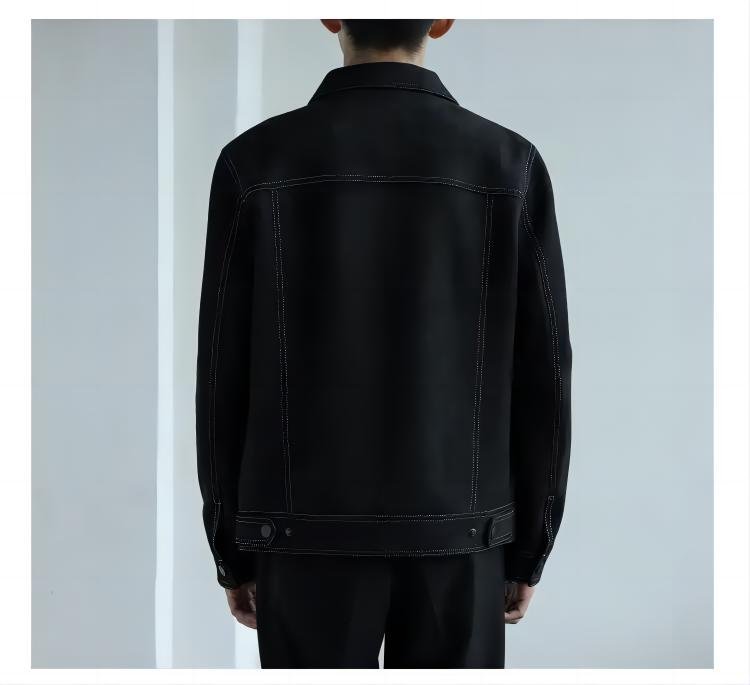
A hoodless, slim silhouette built on 2-layer stretch-woven shell with 4-way stretch and a DWR finish. Wind resistance and light rain deflection are the core performance claims.
Ideal for corporate gifting, team uniforms, and first retail drops. Suits brands wanting clean branded outerwear without heavy technical positioning.
Hooded Softshell
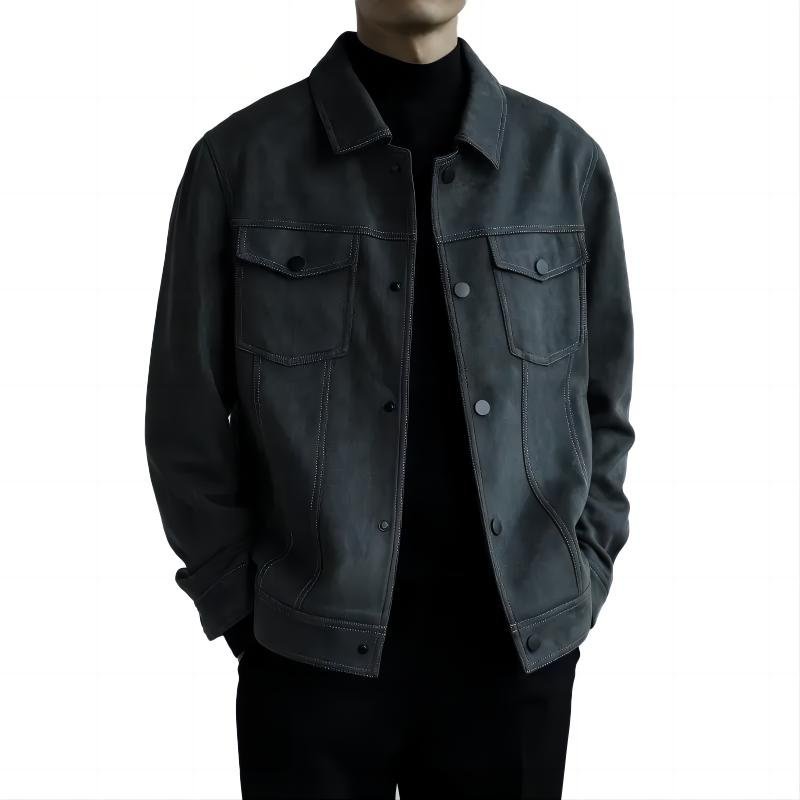
An attached or detachable hood transforms this into a streetwear-ready silhouette with added weather utility. Relaxed or oversized fits dominate 280–320 GSM builds.
Perfect for graphic capsule drops and influencer lines. The hood elevates perceived value, making it a go-to for streetwear and creator brands.
Bonded Fleece-Lined Softshell
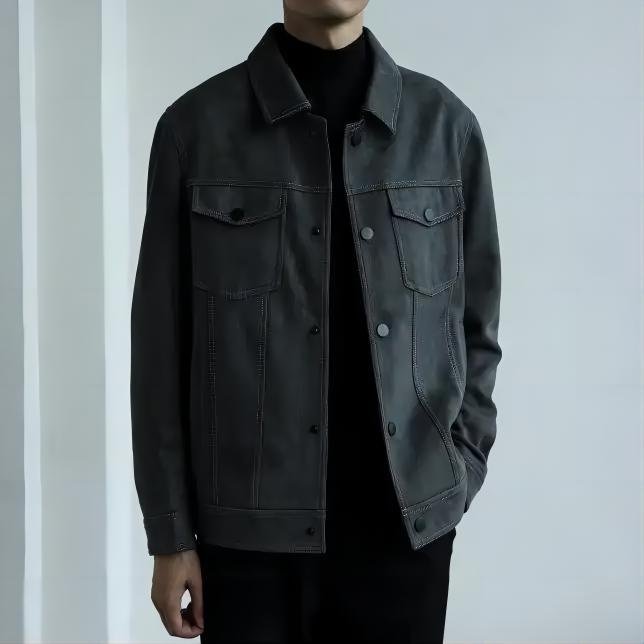
A bonded 300–400 GSM fleece interior adds substantial warmth without bulk. The outer shell retains stretch and DWR performance throughout.
Strong fit for fall/winter lifestyle collections and outdoor-adjacent retailers. Brands targeting cold-climate markets or weekend-outdoor aesthetics favor this construction.
3-Layer Laminate Softshell
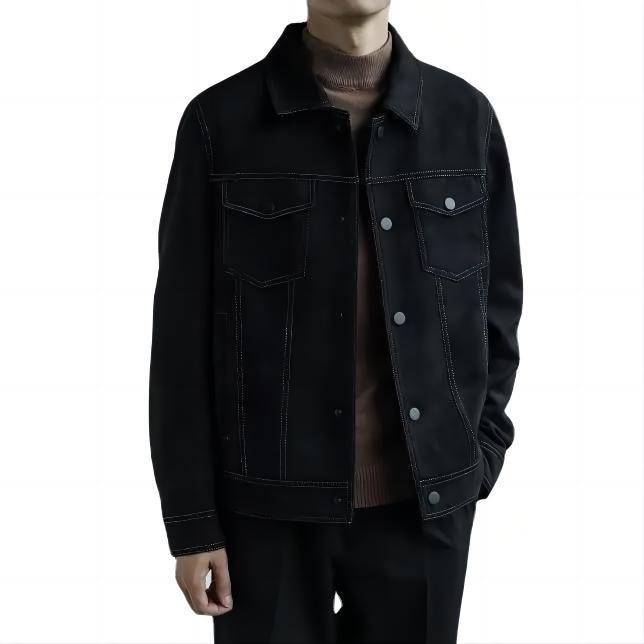
Three bonded layers — outer face, waterproof-breathable membrane, and inner jersey — deliver the highest wind and rain protection in the softshell category.
Targets premium outdoor lifestyle and technical collections. Brands pricing at $120–$200 retail use 3-layer builds to justify performance claims and margin.
Hybrid Insulated Softshell
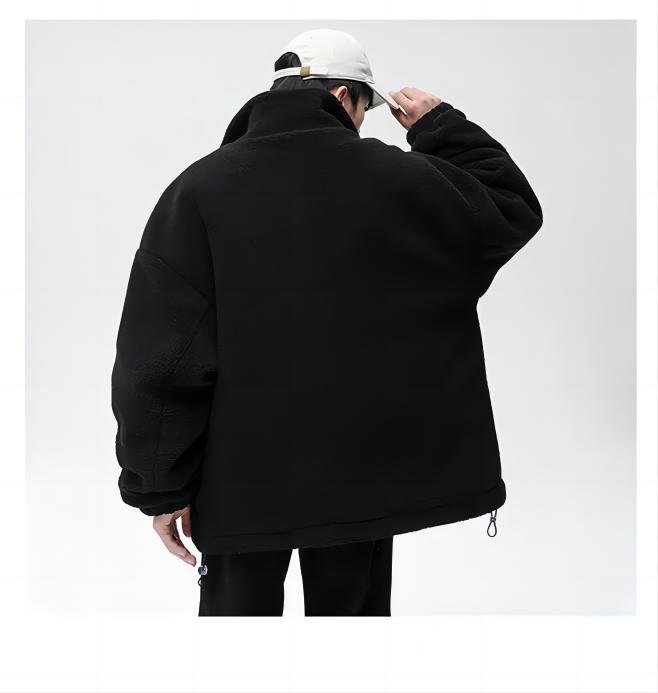
Body-mapped quilted baffles combine softshell panels with 60–80g synthetic fill for active warmth. This hybrid delivers stretch where needed and insulation at the core.
Best for performance capsule lines and influencer drops targeting active outdoor or ski-adjacent audiences seeking one versatile piece.
Softshell Vest and Gilet
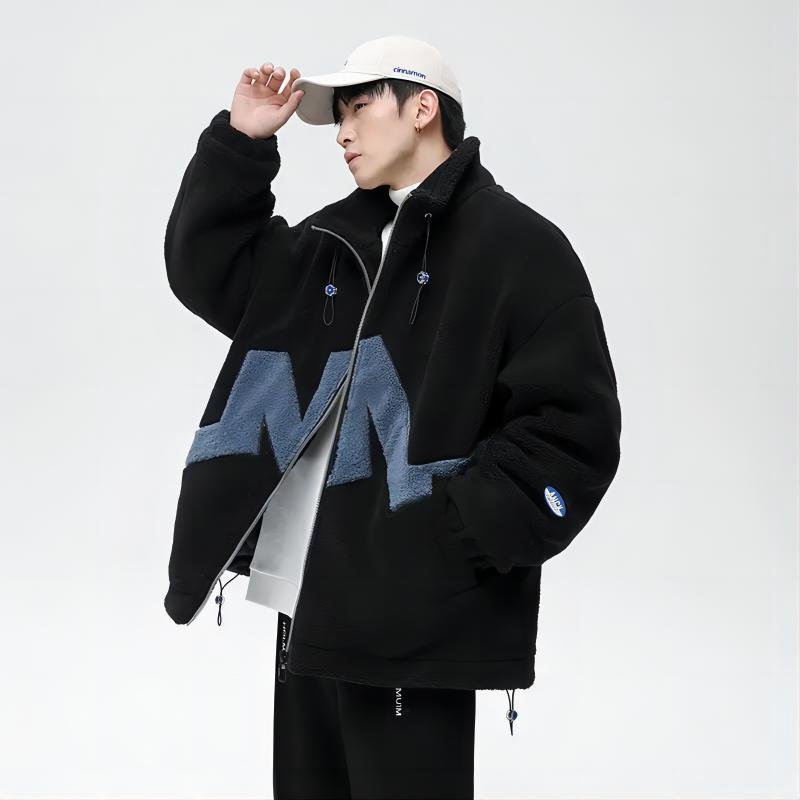
A sleeveless silhouette that functions as a mid-layer or standalone statement piece. 2-layer shells at 250–320 GSM keep the profile clean and packable.
Fits corporate layering sets, streetwear vest drops, and brand gifting programs where versatility across seasons matters.
4. Materials & Fabrics: Choosing the Right Build
Fabric choice drives every downstream decision for custom softshell jackets — from price point and MOQ to performance ratings and brand positioning. Four primary fabric families cover the full spectrum of streetwear and technical production needs.
| Fabric Type | GSM Range | Stretch % | Water Resistance | Ideal Brand Category |
|---|---|---|---|---|
| Polyester Softshell | 240–320 g/m² | 15–25% | DWR / 500–1,000 mm | Streetwear startups, budget labels |
| Nylon-Spandex Blend | 200–280 g/m² | 25–30% | DWR / 800–1,500 mm | Independent designers, mid-tier brands |
| Recycled rPET | 240–300 g/m² | 15–20% | DWR / 500–1,000 mm | Sustainable & creator brands |
| TPU-Laminated | 300–400 g/m² | 10–20% | 10,000–20,000 mm | Premium labels, global retailers |
Core Fabric Families Explained
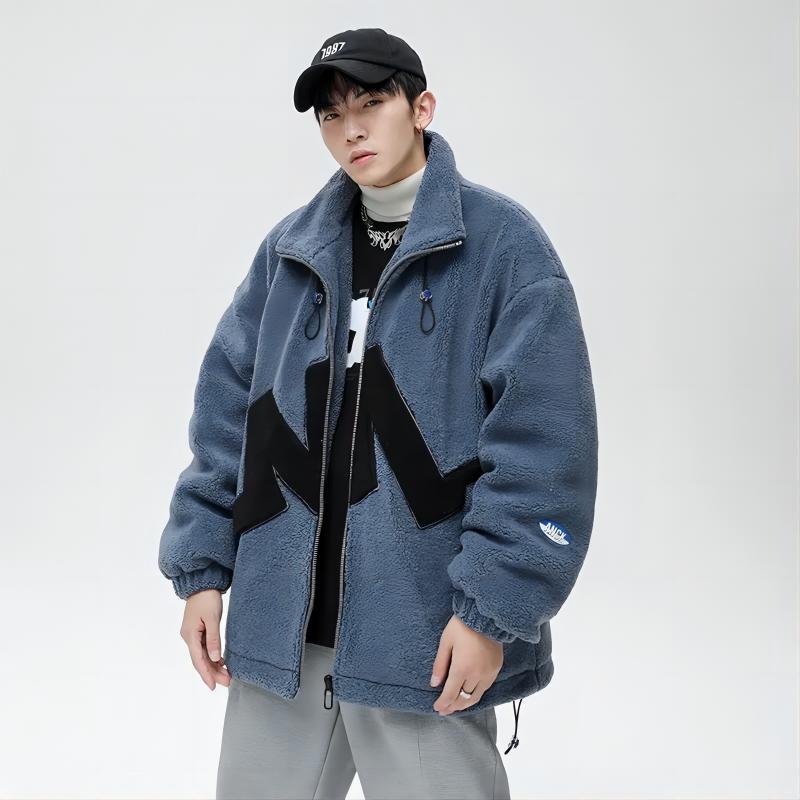
Polyester softshell (96% polyester/4% spandex) is the industry baseline, running 240–320 g/m² with 15–25% four-way stretch. Nylon-spandex blends (88/12) deliver superior abrasion resistance at 200–280 g/m² and stretch up to 30%.
Recycled rPET constructions use post-consumer plastic bottles and carry OEKO-TEX or GRS certification, appealing to sustainability-driven labels. TPU-laminated softshell bonds a thermoplastic polyurethane film to a knit backer, achieving 10,000 mm+ hydrostatic head ratings for genuine weather protection.
Fabric Pairings by Brand Tier
Budget-tier streetwear brands pair 240 g/m² polyester softshell with a DWR finish for accessible price points. Mid-tier labels favor 280–320 g/m² nylon-spandex blends for premium hand-feel without full technical outerwear pricing.
High-end and performance-focused brands specify TPU-laminate at 340–400 g/m² for authentic outerwear credentials. rPET fabric suits sustainably positioned labels at any tier — GRS-certified material typically commands a 10–15% premium over virgin polyester equivalents.
5. Customization & Decoration Options for Custom Softshell Jackets
Decoration choice shapes brand perception, unit economics, and wash durability on custom softshell jackets. Seven techniques — from embroidery to reflective tape — each carry distinct setup costs and run-size thresholds worth matching carefully to your production plan.
| Technique | Setup Cost | Per-Unit Add-On | Wash Durability | Min Run |
|---|---|---|---|---|
| Embroidery | $15–$40 | $1–$3 | Excellent (50+ washes) | 50 pcs |
| Screen Printing | $30–$80/color | $0.50–$1.50 | Good (30–40 washes) | 100 pcs |
| Heat Transfer | $0–$20 | $0.80–$2 | Fair (20–30 washes) | 12 pcs |
| Sublimation | $50–$150 | $2–$5 | Excellent (50+ washes) | 50 pcs |
| Woven Labels | $50–$100 | $0.20–$0.60 | Excellent | 100 pcs |
| Debossed Zipper Pulls | $80–$200 (mold) | $0.30–$0.80 | Excellent | 100 pcs |
| Reflective Tape | None | $0.30–$0.80 | Good (30+ washes) | No minimum |
Print and Embroidery Techniques
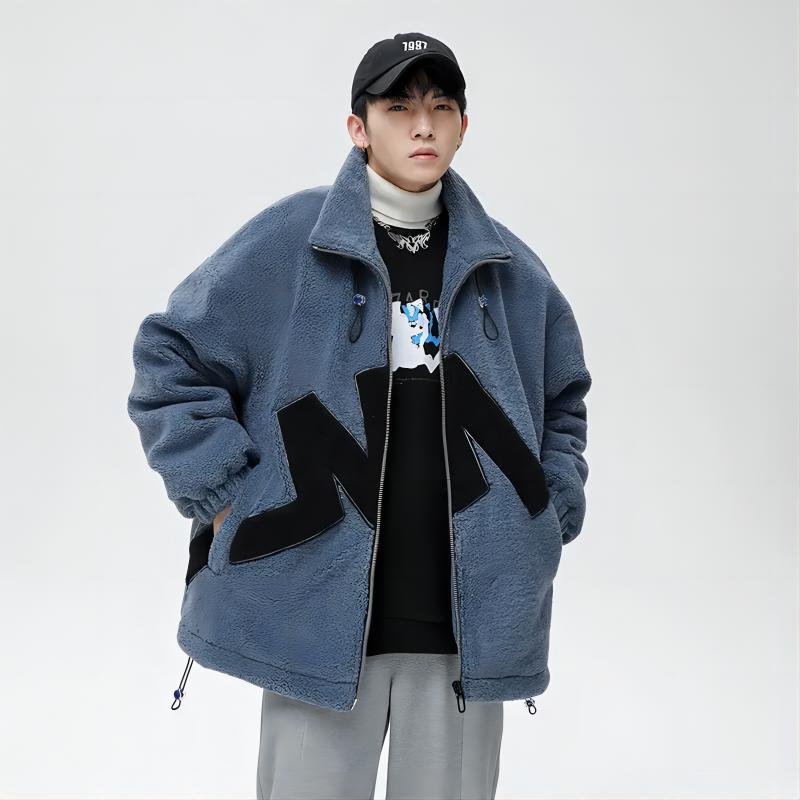
Embroidery, screen printing, heat transfer, and sublimation are the four core decoration methods. Embroidery needs a $15–$40 digitizing fee and suits runs of 50+ pieces; sublimation requires full-polyester fabric but delivers excellent wash durability.
Screen printing hits its stride above 100 pieces, amortizing the $30–$80 per-color screen cost. Heat transfer launches from just 12 pieces with minimal setup but color adhesion fades after roughly 20–30 wash cycles.
Labels, Hardware, and Reflective Details
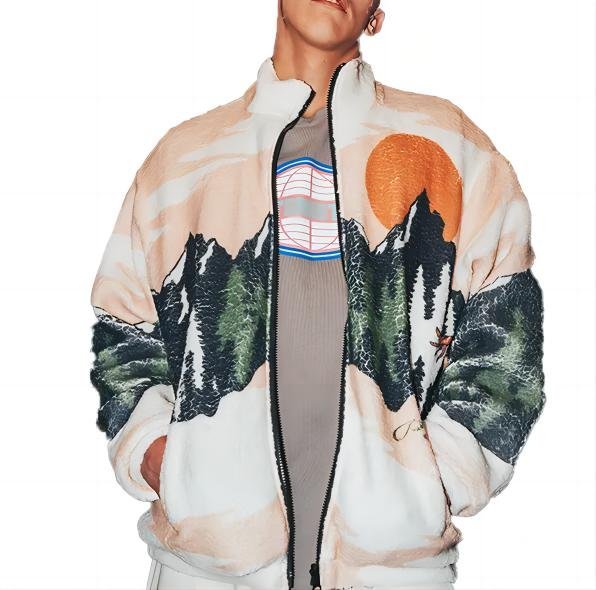
Woven labels at the interior collar carry brand identity through the garment’s full lifespan without fading risk. Loom setup runs $50–$100, adding $0.20–$0.60 per unit at quantities of 100 or more.
Debossed zipper pulls ($80–$200 mold tooling) and 3M Scotchlite reflective tape at sleeve seams deliver functional branding with zero per-wash degradation — strong choices for premium SKUs.
Optimal Placement Zones
Left chest suits embroidery or heat transfer logos; the back yoke handles large-format screen-printed or sublimated artwork cleanly. Sleeve panels absorb reflective tape strips or woven brand stripes without restricting movement.
Interior lining is prime territory for woven care labels, Pantone-matched brand-story patches, and QR-code heat transfers — details that signal quality to the end consumer at the moment of unboxing.
6. Key Construction Quality Elements to Inspect
Premium custom softshell jackets fail at structural details long before fabric wears out. Seam type, zipper grade, and bartack placement each need an explicit QC checkpoint backed by a detailed tech pack.
Seam Construction: Flatlock vs. Taped
Flatlock seams produce a 3 mm flat profile by interlocking threads across both fabric faces — essential for next-to-skin layers.
Fully taped seams bond a TPU strip over the stitch line, reaching 10,000 mm hydrostatic head ratings. Critically taped versions cover only high-stress zones, reducing cost 15–25% while preserving functional weather resistance.
Zipper and Hardware Grades
YKK #5 coil suits body and pocket zippers; #8 coil handles heavy front plackets on custom softshell jackets. Specify pull type, tape color, and auto-lock slider in your tech pack — factories substitute cheaper grades when specs are vague.
A storm flap with chin guard cuts wind penetration at the zipper line and reduces abrasion against exposed skin.
Bonded Hems and Cuff Finishes
Bonded hems use heat-activated PU adhesive, achieving 50+ industrial wash cycles under ISO 6330 test conditions.
Elastic cuffs need a 70–80% stretch-recovery spec and 1.5 cm rib gauge written into the tech pack. Flatlock-finished hems add $0.30–0.50 per unit and visibly signal premium construction to end buyers.
Pocket Ergonomics and Bartack Reinforcement
Chest pockets set 8–10 cm below the shoulder seam and hand pockets at natural wrist hang reduce reach fatigue across size grades.
Bartack reinforcement at pocket corners and zipper bases must withstand 50–80 kg pull force per ASTM D751. Specify bartack length (1 cm is standard) and stitch density in the tech pack.
Three-Stage QC Checkpoint Protocol
Pre-production QC confirms fabric GSM and Pantone colorway accuracy before a single panel is cut.
Inline checks at 10–20% of active units surface sewing tension faults and zipper misalignment while corrections remain low-cost. Final inspection under AQL 2.5 measures finished garments against the approved spec sheet before any unit ships.
7. How to Choose a Custom Softshell Jackets Manufacturer
Selecting the right source for custom softshell jackets affects unit cost, quality consistency, and delivery reliability across every order. Six criteria — scored and weighted before you commit — cut through sales pitches and surface partners with genuine production depth.
| Supplier Type | Typical MOQ | Unit Cost | QC Control |
|---|---|---|---|
| Direct Factory | 50–300 pcs | Baseline price | Full in-house |
| Trading Company | 100–500 pcs | +10–25% markup | Subcontractor-dependent |
Direct Factory vs. Trading Company
Direct factories eliminate the 10–25% trading-company markup and allow real-time production oversight on every order.
For custom softshell jackets where bonded seams, YKK zipper sourcing, and in-house embroidery control are critical, a direct factory with its own sample room is usually the stronger choice.
Six Criteria to Score Every Supplier
Six weighted criteria separate reliable suppliers from risky ones — rate each candidate before signing or paying any deposit.
- MOQ flexibility: target 50–200 pieces per colorway for startup or independent brands
- Sample lead time: 7–14 days is standard; longer often signals subcontracting
- QC certifications: require ISO 9001 process control and OEKO-TEX Standard 100 fabric safety
- In-house customization: request factory-floor photos confirming an on-site sample room
- Communication responsiveness: 24-hour reply window across time zones is the baseline
- Verifiable references: ask for direct contacts at two or three active brand clients
Build a Weighted Scoring Shortlist
Assign percentage weights before scoring: QC rigor (30%), MOQ fit (20%), sample speed (20%), references (15%), communication (15%). Evaluate four to six candidates, then request a paid sample from your top two finalists before any bulk commitment.
8. Common Mistakes Brands Make When Sourcing
Even experienced buyers lose time and money on avoidable sourcing errors. The five mistakes below surface repeatedly across custom softshell jackets orders — each has a clear root cause and a concrete preventive fix.
Ordering the Wrong Fabric Weight
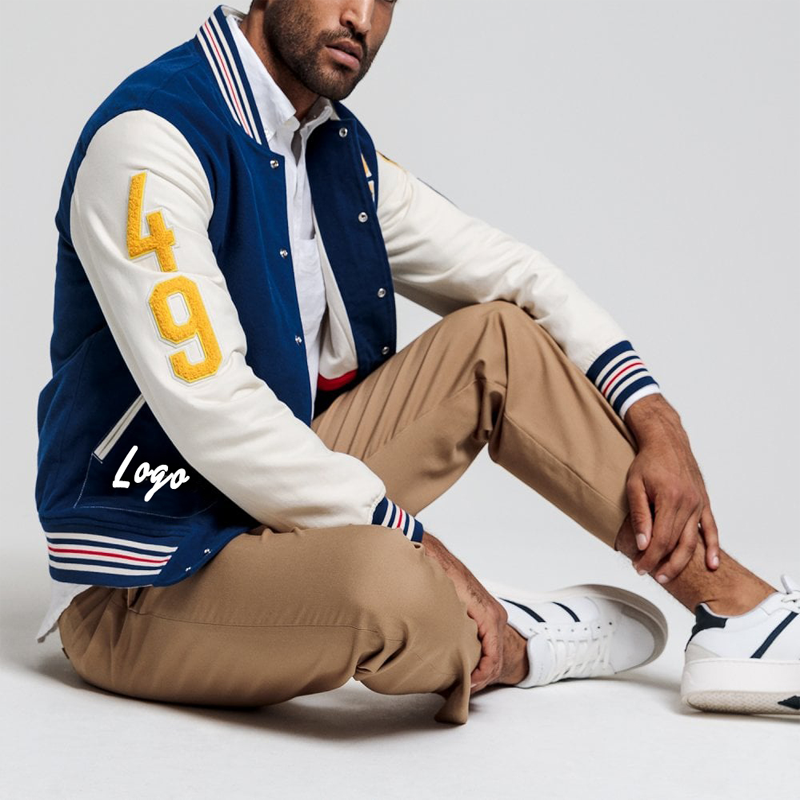
Softshell fabrics run 200–380 GSM; over-speccing weight for a tropical market produces a jacket buyers won’t wear. Under-speccing for a cold-weather line generates returns.
Fix: request fabric data sheets and match GSM to your primary climate zone before finalizing specs.
Skipping Pre-Production Samples
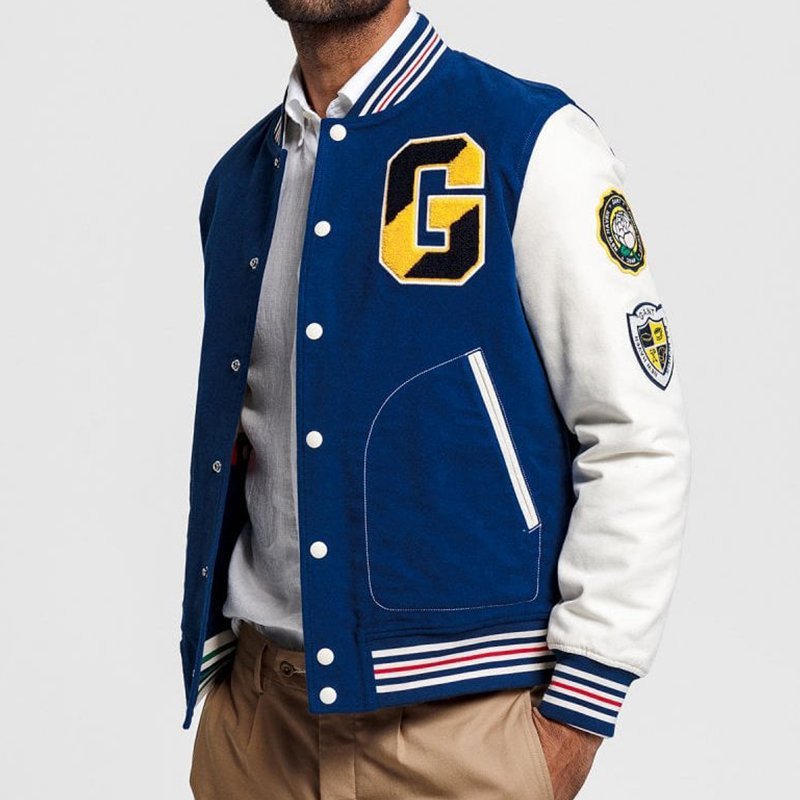
Timeline pressure is the root cause — brands sacrifice samples to shave 10–15 days, then discover fit or trim issues only after bulk production. A single pre-production sample costs a fraction of a full rework.
Fix: build sample review into every purchase order before bulk fabric is cut.
Ignoring Wash and Colorfastness Testing
ISO 105-C06 wash testing and AATCC 8 colorfastness standards exist because unverified dye lots can fade unevenly within 5 wash cycles. Skipping these tests shifts risk entirely onto the brand.
Fix: require certified lab test reports on colorway approval before bulk production begins.
Underestimating Custom Trim Lead Times
YKK zippers, woven labels, and heat-transfer patches each carry independent lead times of 3–6 weeks. Brands that order trims after production starts routinely delay shipping by a full month.
Fix: place all custom trim orders simultaneously with fabric procurement.
Choosing Lowest Quote Over Verified QC
A quote 20% below market almost always signals skipped inspection steps — many factories move straight from sewing to ironing and packaging with no in-process checks. Root cause: no visibility into the supplier’s QC protocol.
Fix: require a written QC process covering materials, cutting, sewing, and finished-goods inspection before awarding any order.
9. Steps to Launch Your Custom Softshell Jacket Line
Launching a line of custom softshell jackets overseas follows a repeatable five-step sequence. Knowing the realistic timeline for each milestone prevents costly delays and protects first-time brand founders from the most common sourcing pitfalls.
| Milestone | Key Output | Typical Timeline |
|---|---|---|
| Brand & Silhouette | Pantone colorways, fit brief | 3–5 days |
| Tech Pack | Construction spec document | 5–10 days |
| Sample Approval | Sealed pre-production sample | 15–25 days |
| Bulk Production | Finished units, progress photos | 30–45 days |
| QC & Logistics | Inspected, cleared shipment | 18–25 days (sea) |
Define Brand Positioning and Silhouette
Spend 3–5 days mapping your target customer, price tier, and core silhouette before contacting any factory.
Decide on fit (relaxed, athletic, or slim), shell weight (200–350 GSM), and two or three hero colorways using Pantone references. This clarity shortens every downstream factory conversation.
Build a Detailed Tech Pack
A tech pack typically takes 5–10 business days to prepare and eliminates guesswork for your manufacturer.
Include flat sketches, stitch type (flatlock or chainstitch), zipper brand (YKK recommended), and OEKO-TEX certification requirements. Factories quote faster and more accurately with a complete pack in hand.
Request, Review, and Approve Samples
Proto samples typically arrive 15–25 days after the factory receives your tech pack.
Review fit, seam integrity, and zipper function, then send written correction notes. Formally approve a sealed pre-production sample before bulk cutting begins.
Place Bulk Order with Milestone Payments
Standard first-order terms run 30% deposit before production and 70% balance before shipment, confirmed by wire transfer.
Bulk production for custom softshell jackets typically spans 30–45 days. Request weekly progress photos so delays surface early.
Conduct QC Inspection and Manage Logistics
Book a third-party AQL 2.5 Level II inspection before releasing the balance payment.
Sea freight from Dongguan runs 18–25 days to a US port; air freight takes 5–7 days at roughly 4–6× the cost. Confirm HS codes and import duties with your customs broker before goods ship.
10. Pricing & Cost Breakdown for Custom Softshell Jackets
Unit pricing for custom softshell jackets is governed primarily by order volume — the table below uses 300D–500D bonded polyester softshell with YKK zippers as the baseline spec; actual prices shift with fabric selection and trim complexity.
Four variables move these benchmarks materially: fabric tier (standard polyester vs. OEKO-TEX certified stretch softshell or GORE-TEX laminate), custom trims (branded zipper pulls, woven labels, silicone patches), FOB vs. DDP shipping terms (DDP typically adds 8–15% to landed cost), and seasonal factory capacity — October through January is peak season and can extend production timelines by 1–2 weeks.
Decoration method costs below reflect one-time setup fees and per-unit add-ons layered on top of the base jacket unit price.
- Screen print (chest logo): $80–$150 one-time setup / $1.50–$3.00 per-unit add-on
- Embroidery (up to 10k stitches): $100–$200 setup / $2.00–$5.00 per-unit add-on
- Heat-transfer or sublimation: $60–$120 setup / $1.00–$2.50 per-unit add-on
- Custom woven brand label: $150–$250 setup / $0.50–$1.50 per-unit add-on
- Branded YKK zipper pull: $200–$350 setup / $0.80–$2.00 per-unit add-on
| Quantity Tier | Est. Unit Price (USD) | Lead Time | Best For |
|---|---|---|---|
| 50 units | $28–$38 | 25–30 days | Capsule drops, influencer launches, sampling |
| 100 units | $22–$30 | 20–25 days | Small brand launch, limited editions |
| 300 units | $17–$23 | 18–22 days | Growth-stage brands, wholesale retailers |
| 500 units | $14–$19 | 15–20 days | Seasonal collections, established labels |
| 1,000+ units | $10–$15 | 12–18 days | Volume retailers, large-scale drops |
Start Your Custom Softshell Jacket Order Today
Share your brief or tech pack and receive a response within 24 hours — low MOQ, 5-step QC, and global shipping included.