
Apparel Size Guide: Custom Sizing for Global Brands
Our comprehensive apparel size guide ensures every streetwear piece fits perfectly — from emerging startups to established retailers shipping across 100+ countries.
Visual Sizing Standards & Fit Charts
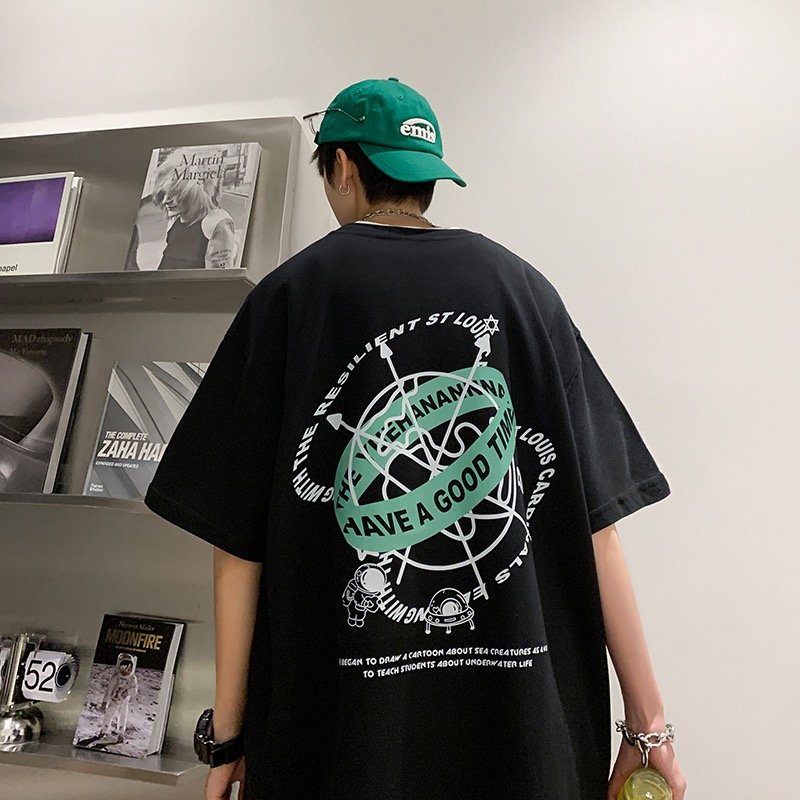

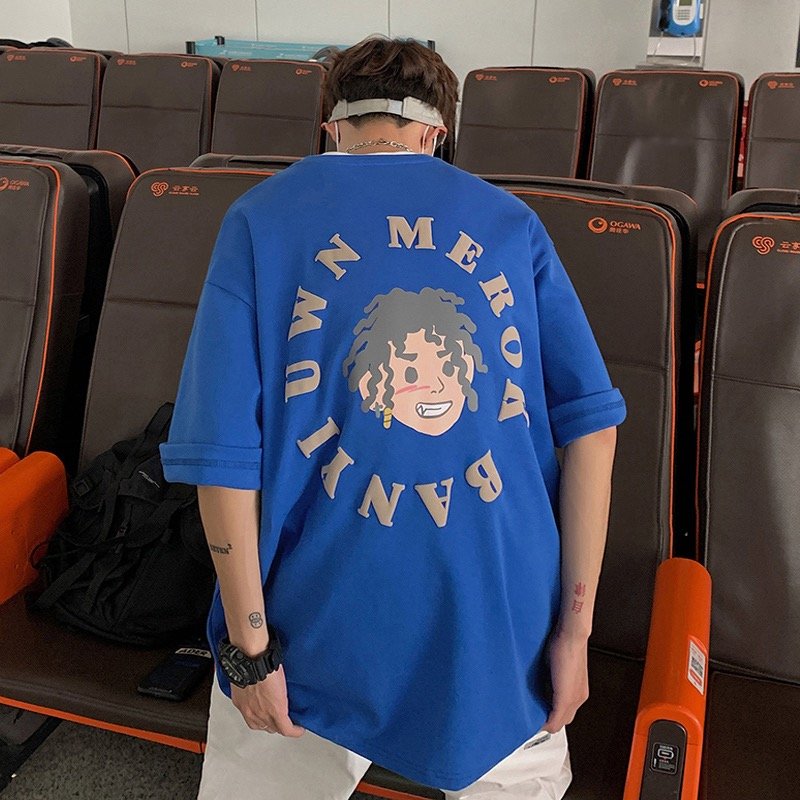
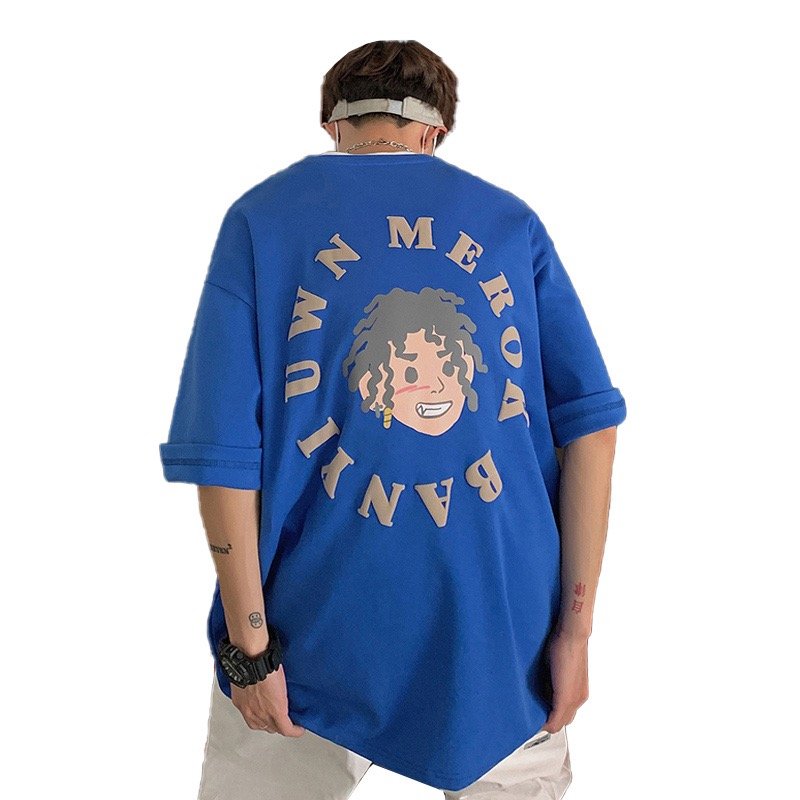
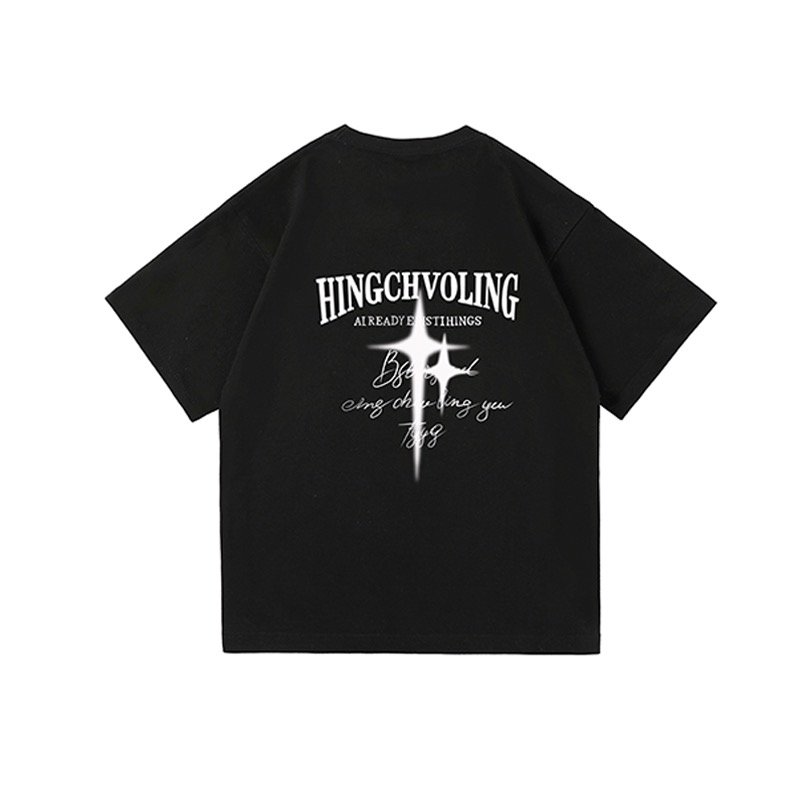
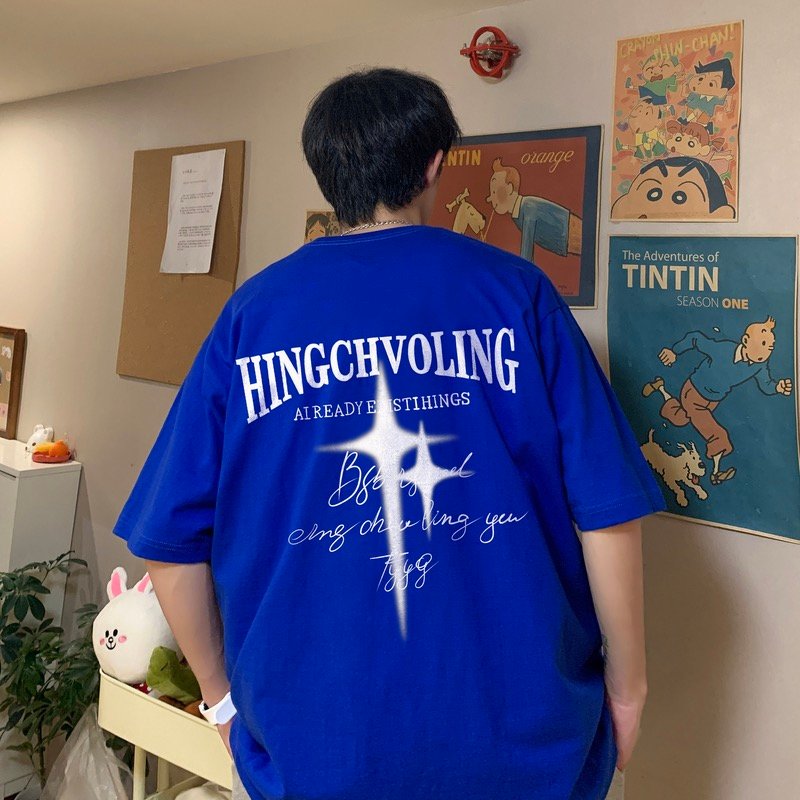
Why Apparel Size Guide Matters for Your Brand
Precision sizing is the invisible engine behind lower returns, stronger conversion, and a brand customers trust across every market.
Slash Returns, Protect Margins
A precise apparel size guide eliminates costly return cycles, protecting your revenue and keeping customers satisfied long-term.
Build Global Customer Trust
Consistent, accurate sizing across US, EU, and Asian markets gives shoppers confidence to buy and reorder without hesitation.
QC-Backed Sizing at Every Step
Our 5-step quality control process catches sizing deviations early in production, so every garment ships perfectly to spec.
Season-Proof Brand Consistency
Standardized size specs keep your entire collection cohesive from debut drop through scaled reorders, across every SKU.
Faster Launches, Zero Delays
Pre-approved size templates and our in-house sampling team compress approval cycles so seasonal collections hit market on time.
Expert Fit for Streetwear Lines
Our streetwear-specialized team translates your creative vision into production-ready size specifications that fit and flatter every drop.
Apparel Size Guide, Category by Category
Every product type carries its own sizing challenge. Here is how we solve each one.
Hoodies & Fleece Tops
Oversized streetwear hoodies demand precise chest, sleeve, and body-length specs. Off-spec fits alienate customers and drive returns that can stall an emerging brand's early momentum.
Our apparel size guide framework maps every hoodie dimension to your target market's regional standards, cutting returns and delivering the relaxed, oversized fit your customers expect every time.
Graphic T-Shirts
T-shirt sizing varies sharply across US, EU, and Asian markets. Without a clear size chart, inconsistent chest widths and body lengths trigger customer complaints and kill repeat purchases.
We build a custom size spec for each target market, calibrating chest width, body length, and shoulder points so your tees fit right the first time across every region.
Coordinated Streetwear Sets
Matching sets require waistband, inseam, and torso dimensions to align across tops and bottoms. A single size mismatch between pieces undermines the look and erodes customer trust instantly.
Our production team grades every piece in tandem, ensuring your streetwear sets ship with matched sizing that keeps the coordinated look intact across every size from XS to 3XL.
Seasonal Capsule Collections
Capsule drops mix silhouettes, fits, and fabrics across a tight launch timeline. Managing consistent sizing across varied SKUs while hitting a seasonal drop date tests even experienced brand teams.
Our in-house design and sampling team builds a unified size spec for the entire capsule, enabling fast-turnaround production without sacrificing cross-garment consistency your customers trust drop after drop.
Influencer & Creator Lines
Influencer brands face highly engaged audiences with zero tolerance for sizing errors. A viral complaint about poor fit can stall a drop's momentum and erode the community trust you built.
With low MOQ options and our five-step QC guarantee, we help creator brands launch size-perfect collections that generate hype, repeat orders, and loyal communities from the very first drop.
How Premium Fabrics Define Your Apparel Size Guide
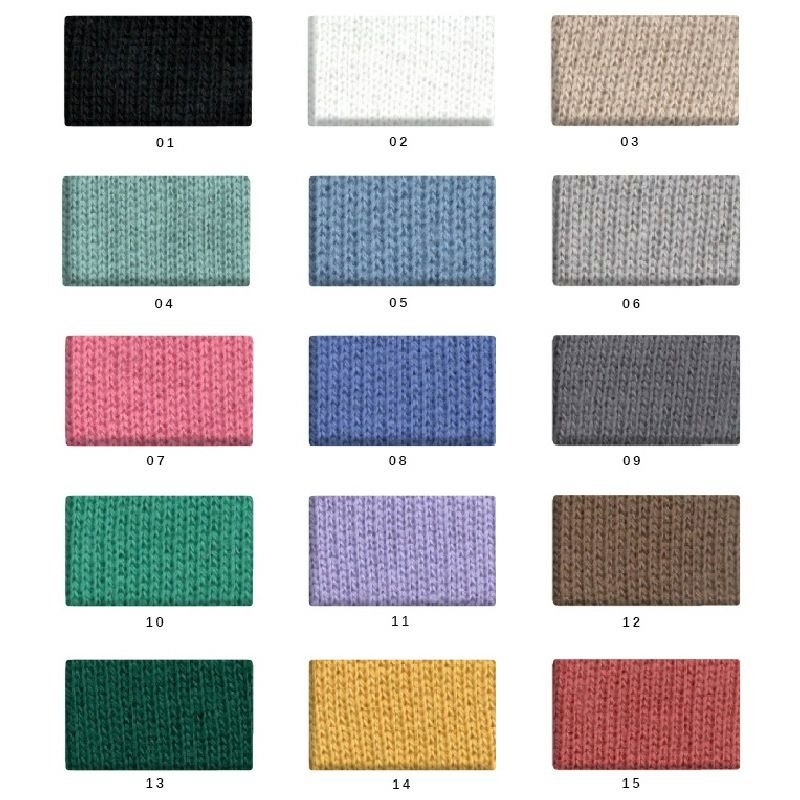
Heavyweight Cotton Terry
The foundation for premium hoodies and crewnecks, this 380–450 GSM loop-back fabric delivers dense, plush warmth with minimal stretch — ensuring true-to-size consistency and clean, structured streetwear silhouettes.
French Terry Knit
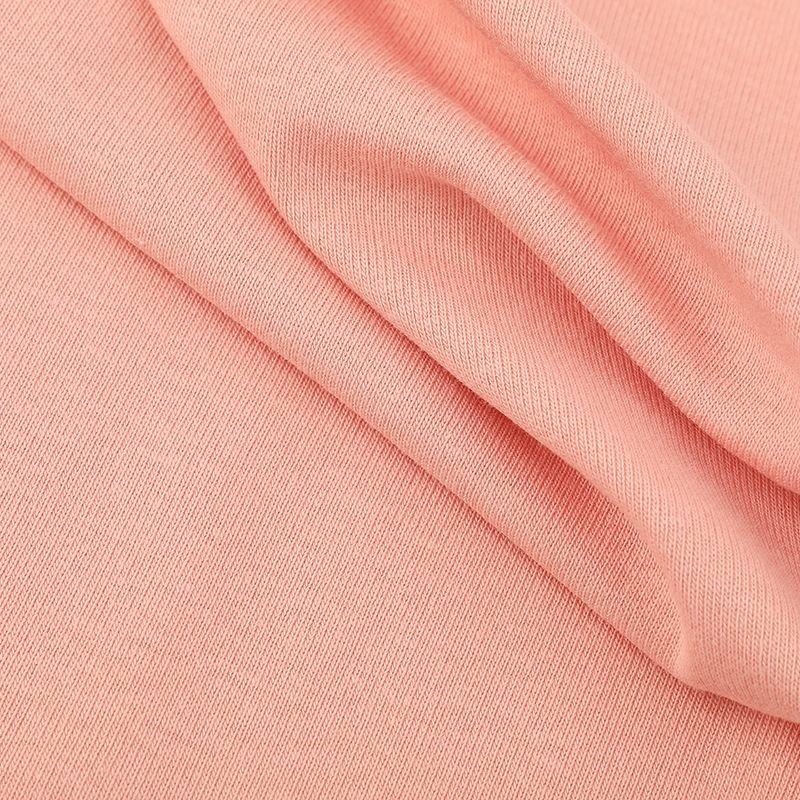
At 260–320 GSM with a looped interior and 15–20% horizontal stretch, French Terry drapes with relaxed ease. Ideal for joggers and oversized tees where a slightly generous fit and moisture management both matter.

Polar Fleece
A brushed polyester fabric running 200–300 GSM with soft loft and 25–35% two-way stretch. Its forgiving elasticity supports generous sizing on zip-through jackets and layering pieces without restricting movement.

Heavyweight Twill
A 380–480 GSM cotton-polyester twill with a tight diagonal rib, near-zero stretch, and firm hand-feel. Structural integrity makes it essential for cargo pants and work-inspired streetwear demanding stable, precise sizing.
Polyester Tricot
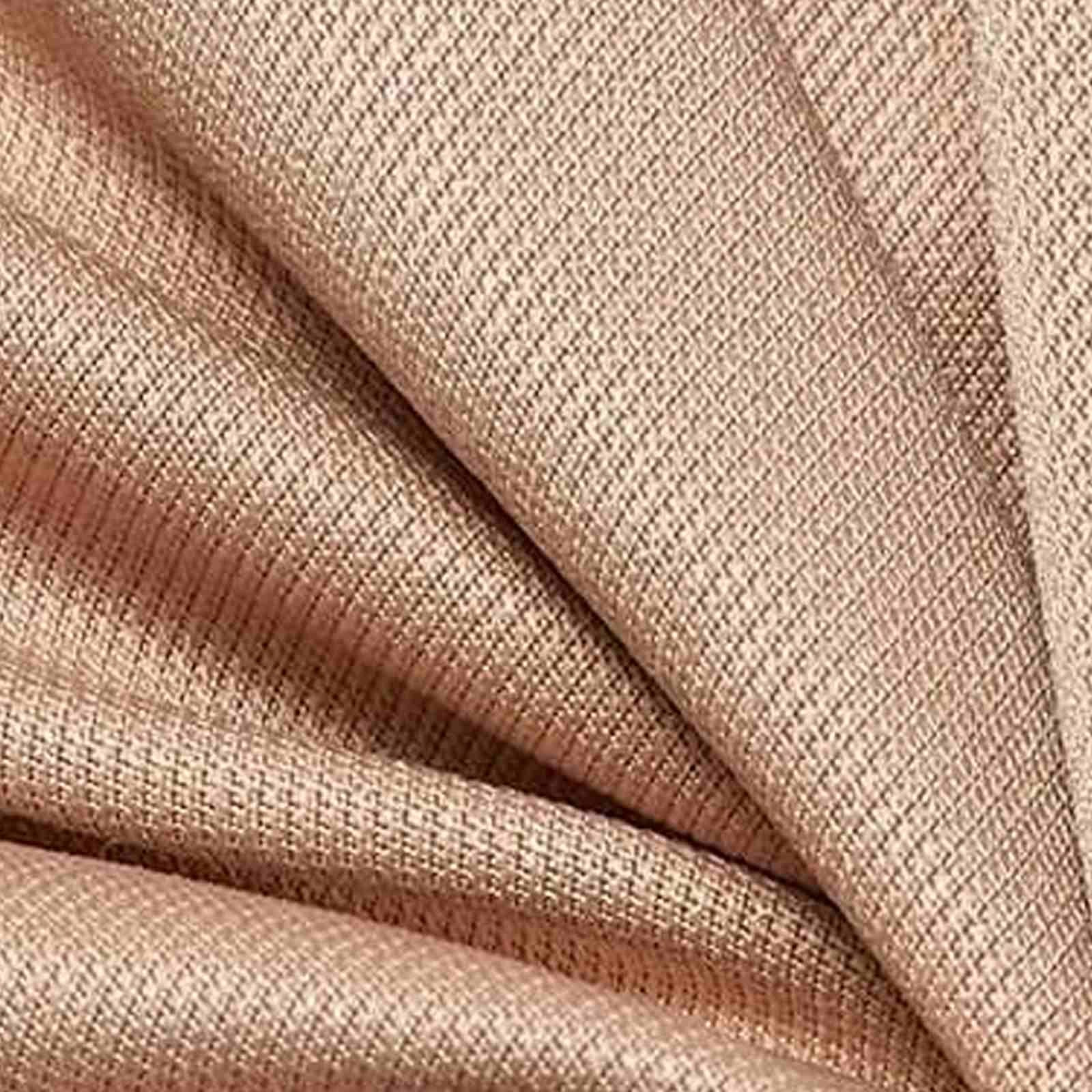
A smooth 180–220 GSM performance knit delivering 30–40% four-way stretch and excellent shape retention. Fits close-to-body for tracksuits and windbreakers, with consistent size grades across athletic streetwear lines.
Stretch Cotton Interlock
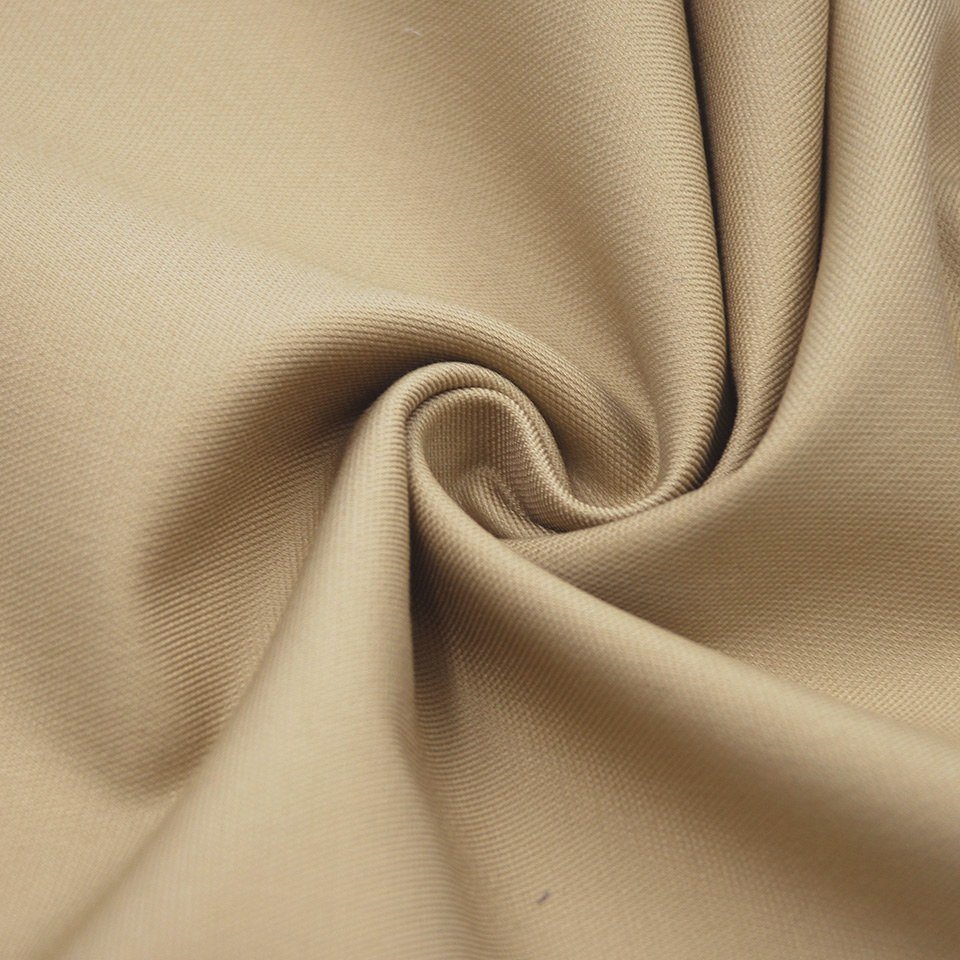
A double-knit cotton blend at 200–260 GSM offering 20–30% stretch with strong recovery. Its smooth face and medium weight elevate fit for premium tees and fitted streetwear basics where sizing precision is non-negotiable.
Production Techniques That Protect Your Apparel Size Guide Integrity
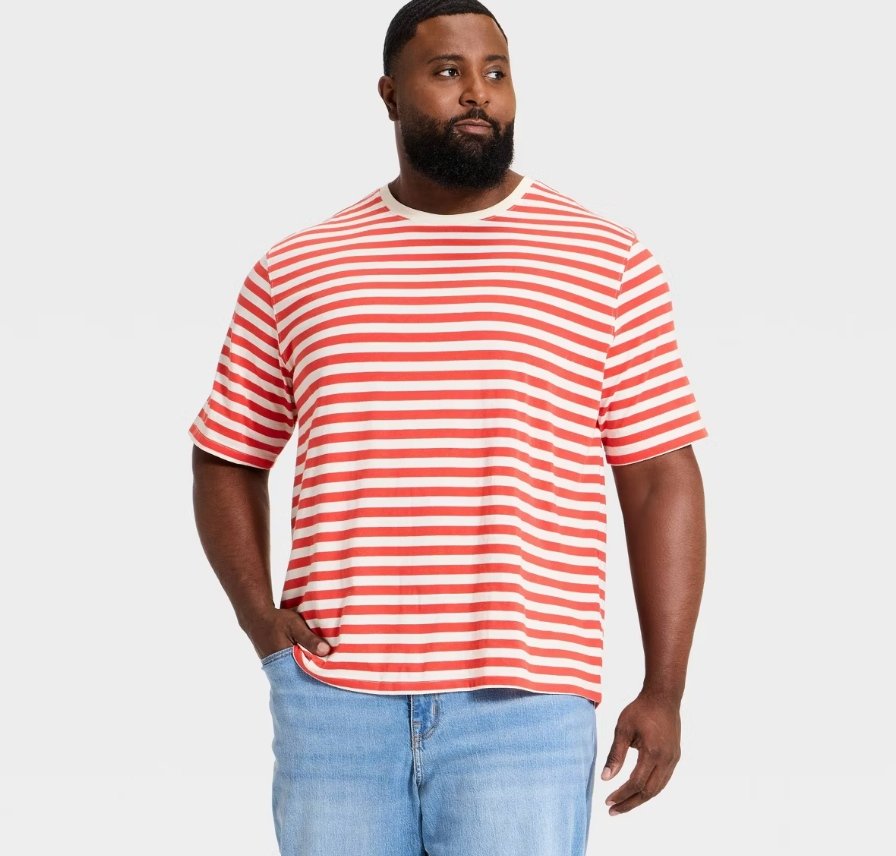
Screen Printing
Vibrant, ink-layered graphics applied through precision-cut screens. Pre-shrunk fabrics and controlled squeegee pressure preserve dimensional stability, ensuring finished garments align with your apparel size guide from the first unit to final shipment.
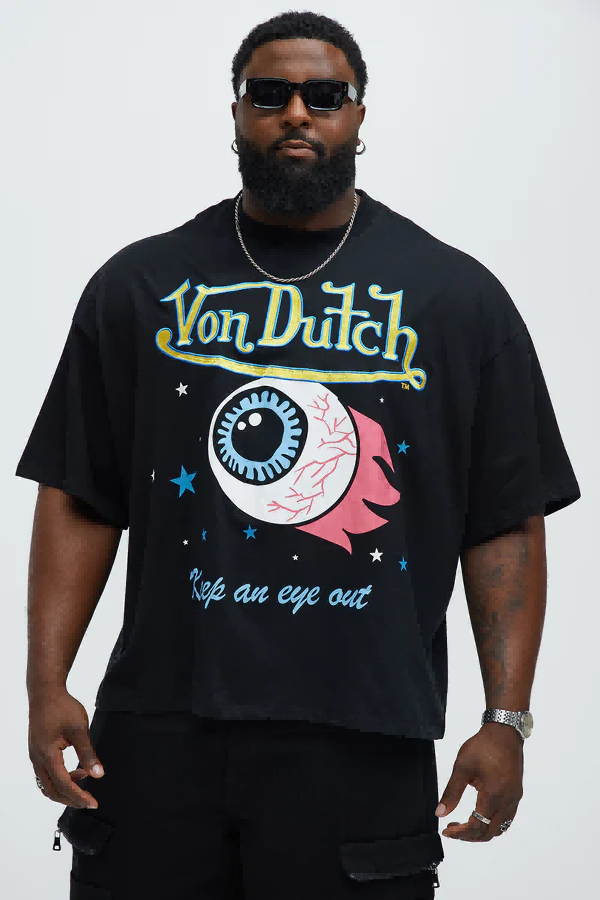
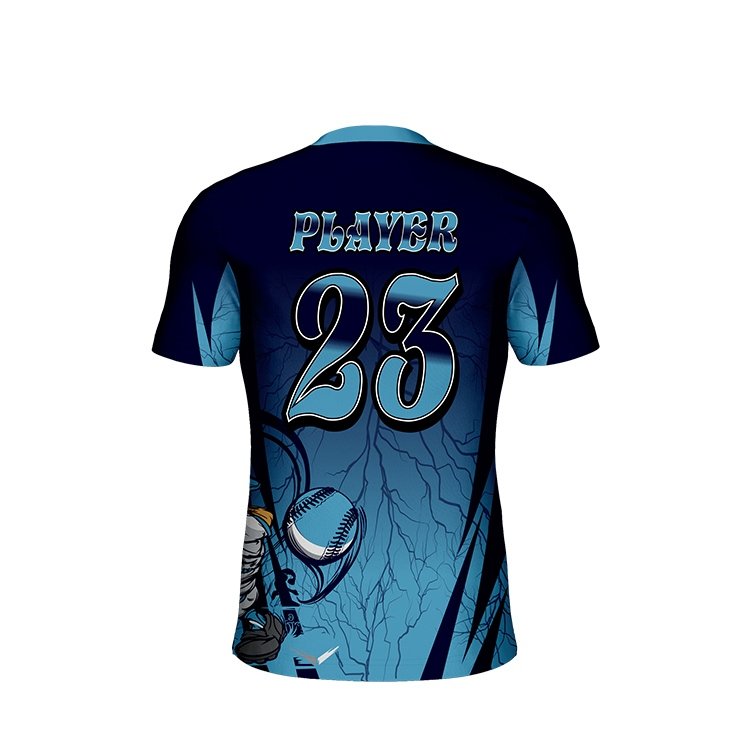
Dye Sublimation
Heat-fused dye penetrates fabric fibers rather than sitting on the surface, eliminating cracking and peeling. Ideal for all-over prints on performance wear, adding zero bulk that could shift your established size guide measurements.
Embroidery Stitching
High-density thread patterns stitched directly into the garment using programmable machines. Backing materials are carefully selected to prevent puckering and fabric distortion, maintaining the dimensional accuracy specified in your size guide.
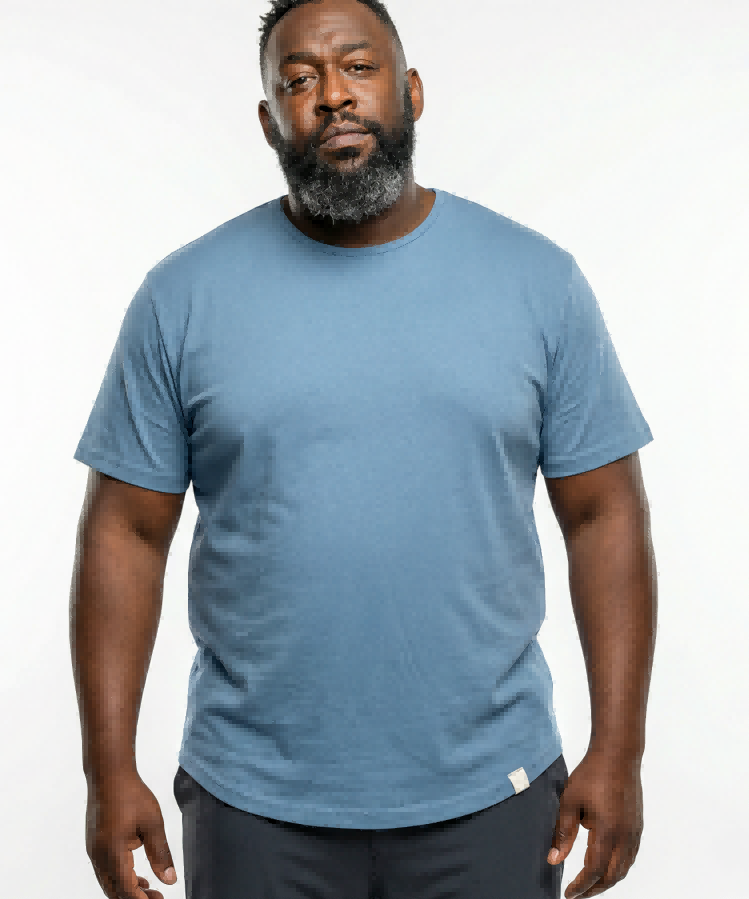
Heat Transfer
Specialty films and printed transfers bonded to fabric under calibrated heat and pressure. Our 5-step QC team tests each application for adhesion strength and verifies that heat exposure does not alter garment dimensions or fit.
DTG Printing
Direct-to-garment digital printing delivers photographic-grade detail on cotton and blended fabrics. Pre-treatment and curing are calibrated to minimize shrinkage, keeping every printed piece consistent with your established size specifications.

Patch Application
Woven, PVC, or embroidered patches affixed by sewing or heat-bonding for durable brand accents. Placement is mapped to each size layout to ensure consistent positioning across all sizes in your apparel size guide.
Finishing Options That Reinforce Your Apparel Size Guide
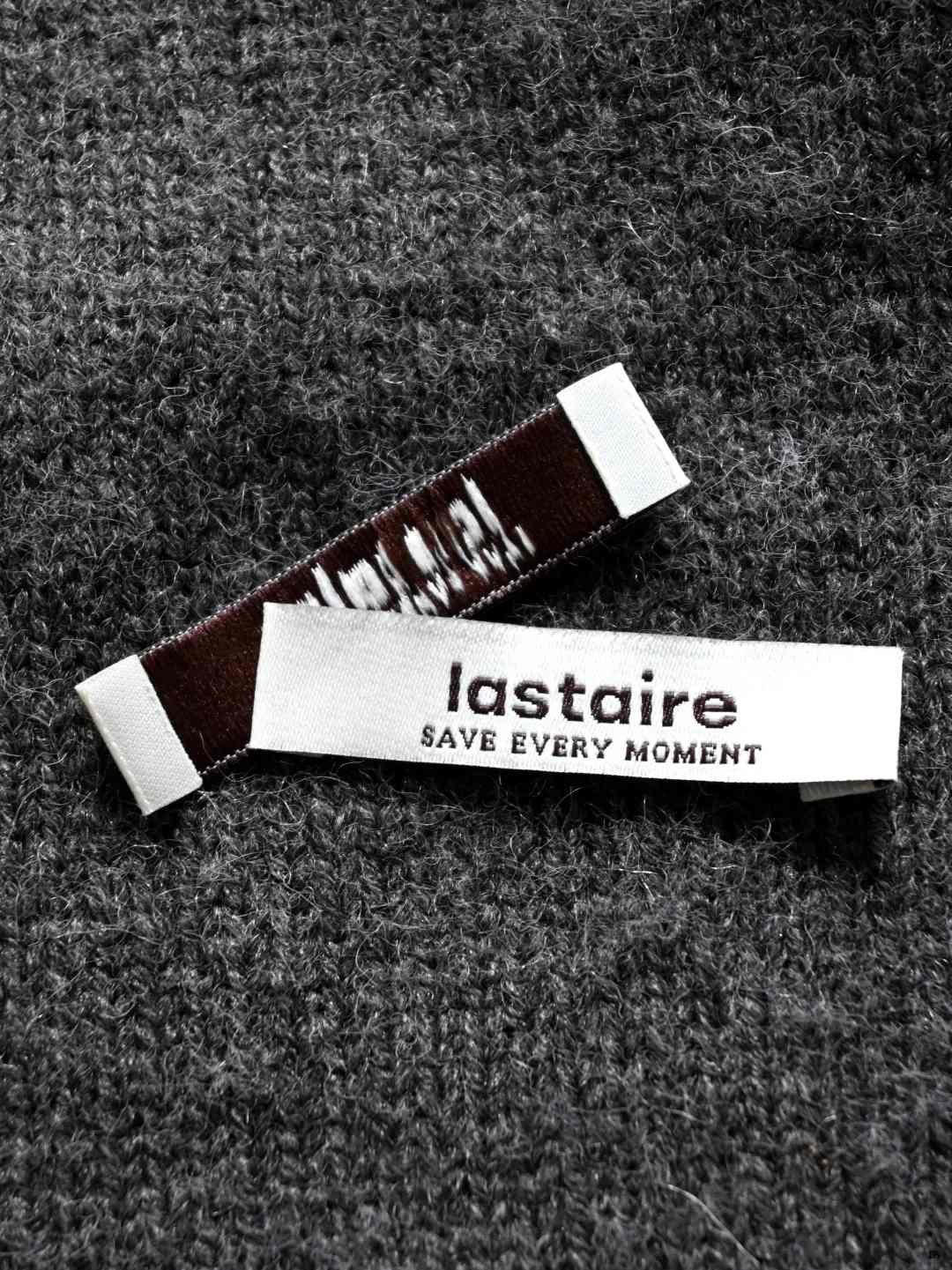
Woven Size Labels
Custom woven labels carry your exact sizing data from XS through 5XL, aligned to your apparel size guide. Stitched at the neckline or side seam, they ensure every garment ships with accurate, readable size information.
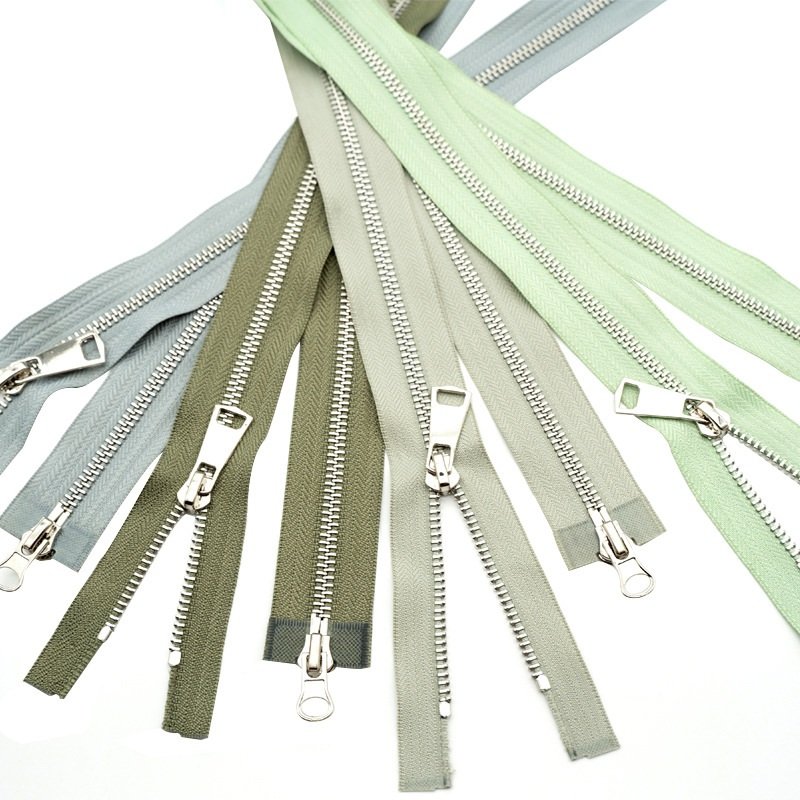
YKK Zippers
Industry-standard YKK zippers for hoodies, jackets, and cargo pants deliver smooth operation and long-term durability. Pull placement is coordinated with your fit specs to maintain consistent front-length measurements across all sizes.

Drawcord & Tipping
Flat or round drawcords with branded tipped aglets add functional style to hoodies and joggers. Length is calibrated per size run to maintain consistent drop and waist measurements across your full size range.
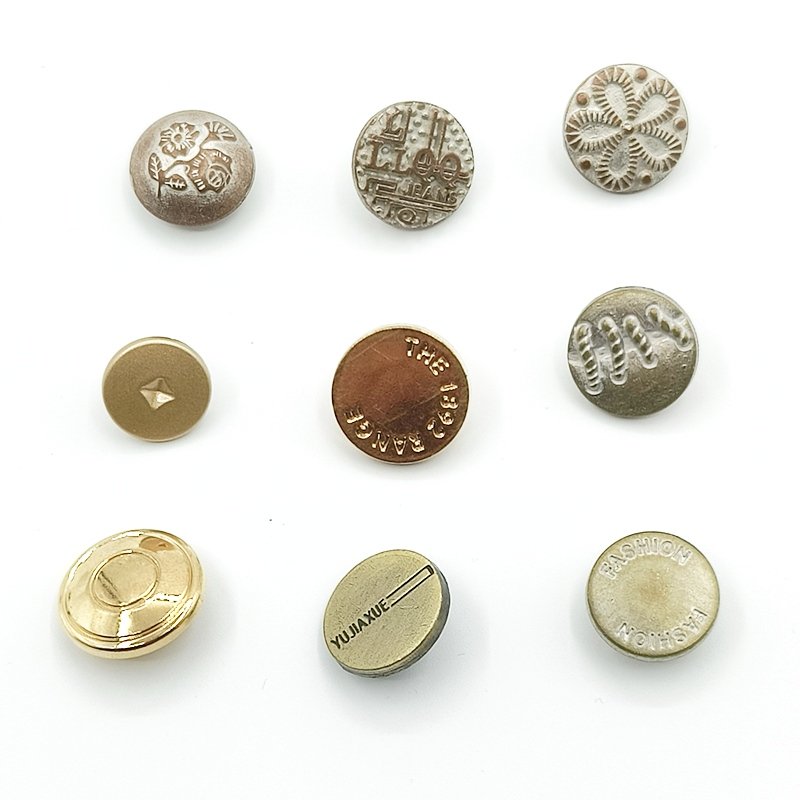
Snap Buttons
Heavy-duty metal snap buttons provide secure closures on overshirts, cargo pants, and outerwear. Placement is engineered to your fit specs, keeping button spacing proportional and consistent across every size in your production run.
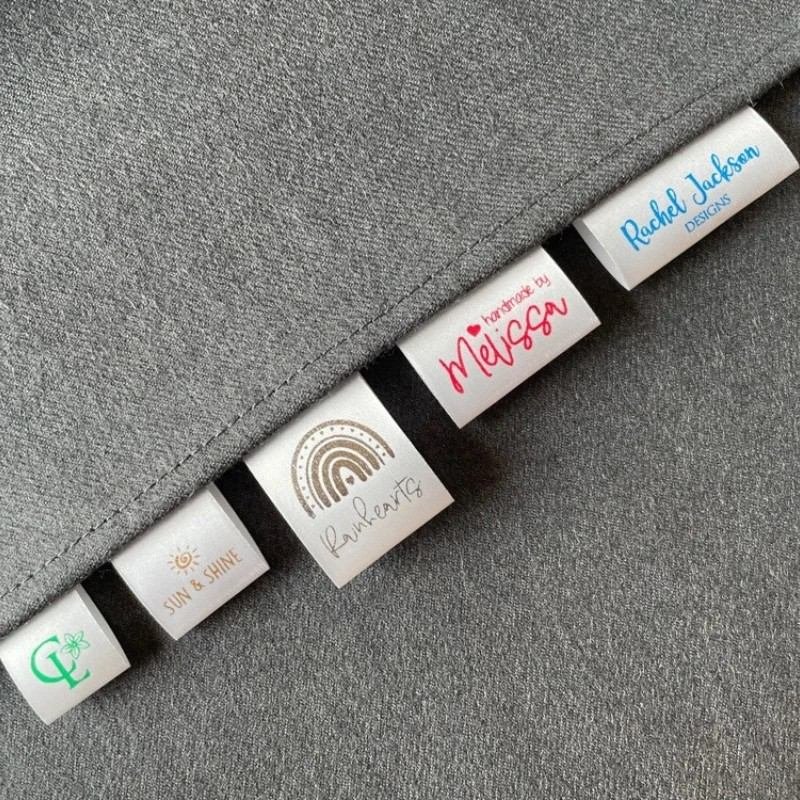
Custom Hang Tags
Branded hang tags display your logo, care instructions, and sizing details for a polished retail finish. Printed or embossed options reinforce brand identity from the moment a customer picks up your garment.
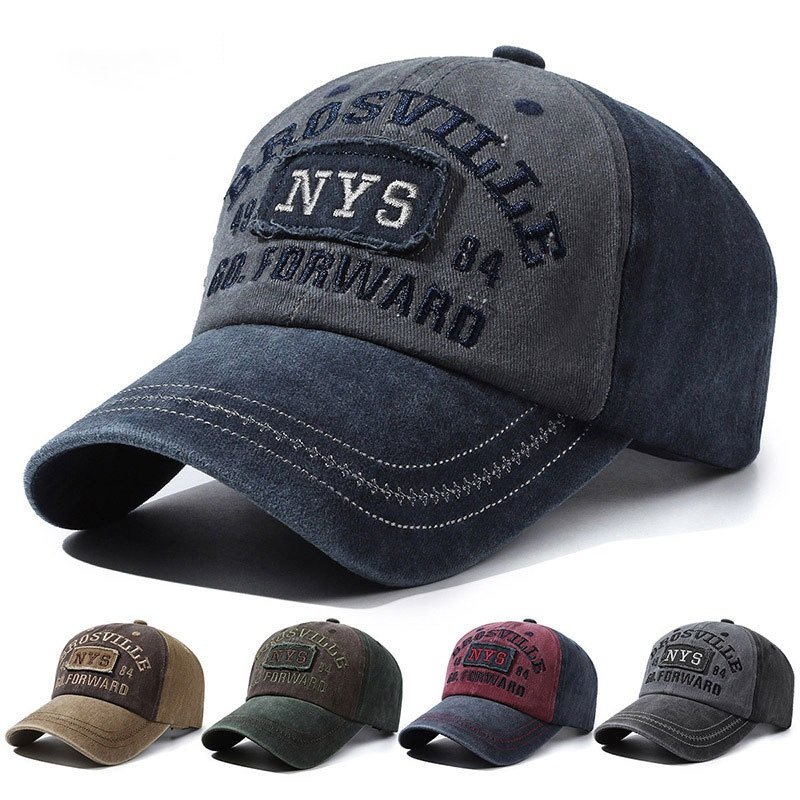
Custom Patches
Embroidered or woven patches deliver bold streetwear branding on sleeves, chests, and backs. Patch dimensions and placement are locked to each size’s measurements, keeping proportions visually balanced from XS to 4XL.
Apparel Size Guide Partner: 10+ Years of Expertise
Tesla Luo founded Clothing Manufacturer Ltd. in 2024 with a clear mission: eliminate the quality shortcuts plaguing Chinese garment manufacturing. Raised in a family of garment professionals and shaped by over a decade of hands-on production experience, Luo built this company to prove that rigorous quality control and premium streetwear craftsmanship can coexist at scale.
Operating from Humen Town, Dongguan, a historic hub of global garment production, Clothing Manufacturer Ltd. has served clients across more than 100 countries since its founding. Backed by a 15-member R&D team, 10 proprietary patents, and an in-house design and sampling team, the company supports streetwear brands, fashion startups, and global retailers from first sample through full production run.
What sets Clothing Manufacturer Ltd. apart is a proprietary five-step quality control process that inspects every garment from raw materials through finished product, not just at the end of the line. Combined with low MOQ options, fast turnaround for seasonal collections, and deep streetwear expertise, every apparel size guide we produce is backed by zero-compromise standards.
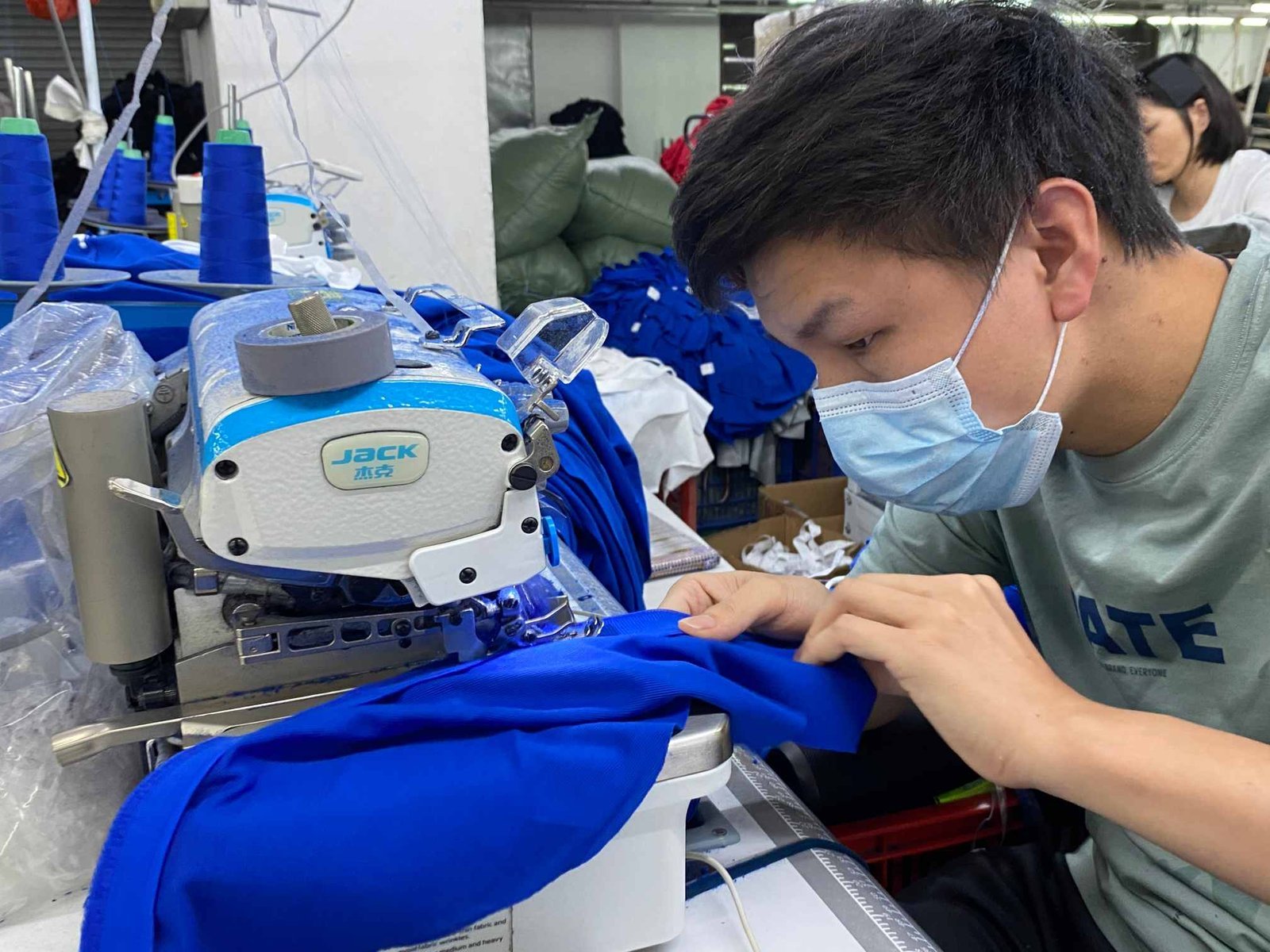
Apparel Size Guide: Our 5-Step Quality Control System
Materials QC: Where Sizing Accuracy Begins
Before a single seam is sewn, our materials QC testing validates every fabric against your approved specs — shrinkage rates, color fastness, weight, and stretch properties — ensuring your apparel size guide measurements hold true from raw material to finished garment.
- Fabric shrinkage and wash-test validation completed before cutting begins
- Color fastness and fabric weight cross-checked against approved swatches
- Stretch and recovery testing applied to knits and performance fabrics
- Any material substitutions flagged and client-approved before production proceeds
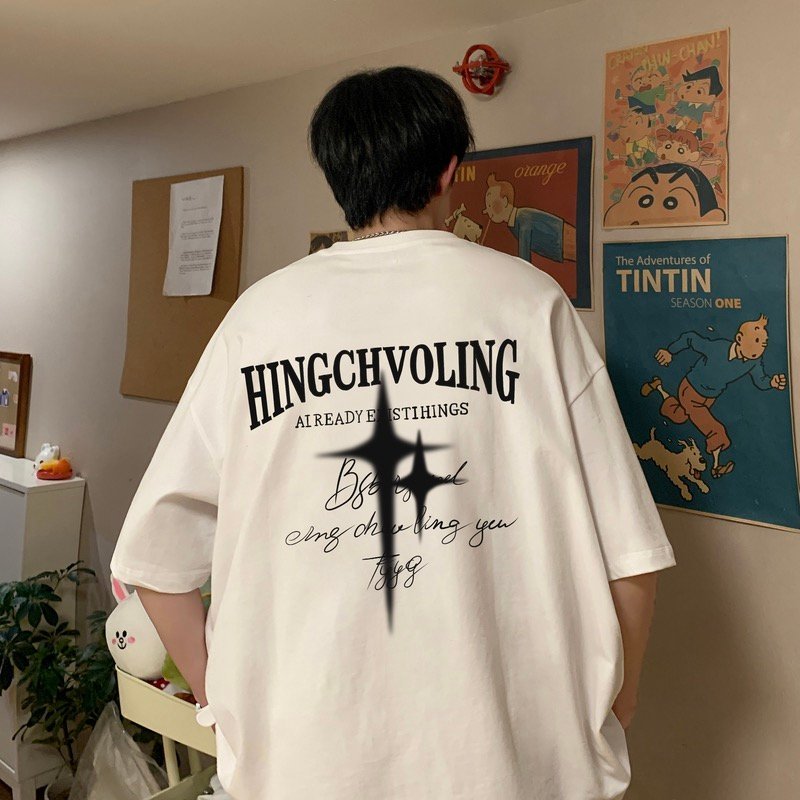
Cutting QC: Every Pattern Matches Your Spec
Our cutting QC stage cross-checks every pattern piece against your tech pack and approved size chart before mass cutting begins. We measure tolerance margins to fractions of a centimeter, preventing fit issues from propagating across an entire production run.
- Pattern grading verified across every size in your production run
- Cutting tolerance held within plus or minus 2mm of approved measurements
- Marker layouts reviewed to maintain consistent piece dimensions at scale
- Size sequencing and label placement mapped and confirmed before bulk cutting

Craft and Sewing QC for Flawless Fit
Our clothing craft QC and sewing production QC checkpoints run concurrently on the floor, auditing seam integrity, panel alignment, pocket placement, and waistband tension — catching deviations the moment they occur so no sizing error reaches the next production stage.
- Seam strength and stitch density audited per garment type and fabric weight
- Panel alignment and symmetry verified at inline QC stations throughout sewing
- Craft details — embroidery, screen prints, and hardware — inspected for exact placement
- Defect rate tracked in real time and corrected before each batch advances

Finished Clothing QC: Nothing Ships Without Approval
Every finished garment undergoes a comprehensive final QC inspection before it ships — measurements verified against your approved apparel size guide, stitching examined, trims checked, and packaging confirmed. Only items that pass every checkpoint leave our Dongguan facility.
- Final measurements compared point-by-point against your official size chart
- All trims, labels, hangtags, and packaging verified before folding and packing
- AQL sampling protocol applied for consistent, auditable batch quality assurance
- Defective units quarantined and reworked — never shipped to your customers

Why Leading Brands Choose Our Apparel Size Guide Over Generic Suppliers
From precision sizing and low MOQ to our 5-step QC guarantee, see exactly what sets Clothing Manufacturer Ltd apart from the competition.
← 左右滑动查看 →
From Design to Doorstep: Our Apparel Size Guide Production Timeline
Six precision-driven phases, each anchored by dedicated quality checkpoints, so your brand’s sizing is consistent, scalable, and market-ready from the very first run.
Fabric Sourcing & Materials QC
We source premium streetwear fabrics and run materials QC testing to confirm stretch, shrinkage, and weight meet your exact size specifications before cutting begins.
Design, Grading & Fit Charts
Our 15-member in-house design team grades patterns across all sizes, building precise fit charts so every SKU aligns with your target market’s sizing expectations.
Precision Cutting & Pattern QC
Trained cutters verify each pattern piece against approved size specs during cutting QC testing, ensuring zero deviation across all sizes before bulk production begins.
Sewing & Inline Production QC
Sewing production QC testing runs continuously inline, catching fit or construction issues at the stitch level so no defect compounds through the full production run.
Finishing & Size Verification
Every finished garment is measured against your apparel size guide during final QC inspection before ironing, tagging, and packaging to guarantee on-spec delivery.
Global Packing & Shipping
Approved orders ship through our global logistics network with customs documentation handled in-house, delivering your collection on time to customers across 100-plus countries.
Launch Your Brand: From Apparel Size Guide to Bulk Production
Five clear steps to turn your sizing specs and creative vision into a QC-verified streetwear collection, delivered anywhere in the world.
Submit Your Tech Pack
Send us your tech pack, size chart, and design details so our team can assess your requirements and prepare an accurate, tailored quote.
Get Your Quote and Samples
We deliver a competitive quote fast, then craft pre-production samples built to your exact apparel size guide specs and construction standards.
Approve Samples, Lock In Production
Review your physical samples, request any fit adjustments, and give final sign-off on sizing and quality before we schedule bulk production.
Produce with 5-Step QC Assurance
Our five-step QC process runs checks at every stage — materials, cutting, craftsmanship, sewing, and final inspection — so zero defects reach your warehouse.
Ship Globally with Full Support
Your finished collection is professionally packed and shipped to any destination worldwide with full logistics support, tracking, and customs documentation included.
Certified Quality Behind Every Apparel Size Guide We Produce
Brands Worldwide Trust Our Apparel Size Guide
Clothing Manufacturer Ltd built a custom apparel size guide for our US and EU drops that cut returns by 38%. Their 5-step QC caught every inconsistency before a single unit shipped. We scaled from 300 to 2,000 units per drop inside one year.
I launched my first collection at just 50 units per style. Their team produced a precise size guide and had samples ready in 12 days. Every piece cleared QC on the first pass and I sold out completely within 3 weeks of launch.
Size inconsistency was costing us thousands in returns across 15 markets. Clothing Manufacturer Ltd overhauled our entire sizing system and our return rate dropped 52%. Reorder turnaround is faster than any supplier we have worked with in 8 years.
Apparel Size Guide: Common Sizing & Manufacturing Questions
Straight answers to the questions brands ask most before placing their first order with us.
Do you provide a custom apparel size guide for international markets?
How do I build an apparel size guide that works across multiple regions?
Can you customize an apparel size guide to match my brand’s unique fit standards?
What is your minimum order quantity for custom streetwear?
How long does sampling take and what does it cost?
How does your 5-step quality control process protect my order?
How many revision rounds are included during the sampling phase?
What payment terms do you offer for new brand clients?
How do you protect my designs and intellectual property?
The Complete Buyer’s Guide to Apparel Size Guide for Global Brands
Discover a proven decision framework for selecting the right apparel size guide system, evaluate supplier capabilities and construction quality, and avoid the most costly sizing mistakes that derail brand launches and bulk orders.
1. What Is an Apparel Size Guide and Why It Matters
An apparel size guide is a standardized reference document that maps body measurements to finished garment dimensions across every SKU in a collection. In custom and wholesale manufacturing, it functions as a binding technical specification — not a suggestion — that the factory cuts, sews, and inspects against at each production stage. Without one, a ‘size M’ hoodie from one factory run can measure 2–3 cm wider than the next batch, creating silent, compounding inconsistency.
A complete apparel size guide typically includes body measurement charts, point-of-measure (POM) diagrams, graded size specs from XS through 4XL, fit type designations (relaxed, oversized, slim), and tolerance windows — commonly ±1 cm for chest and length, ±0.5 cm for sleeve width. Streetwear silhouettes, which favor dropped shoulders and boxy fits, demand especially precise tolerances because even a 2 cm deviation in shoulder seam placement visibly distorts the intended silhouette.
Industry data consistently links poor sizing documentation to return rates above 30 percent in e-commerce apparel, along with chargebacks, negative reviews, and eroded customer lifetime value. For independent designers and emerging labels, a single problematic production run can consume the entire profit margin of that collection.
Tesla Luo, founder of Clothing Manufacturer Ltd., observed across more than 200 client engagements that brands lacking a formal apparel size guide at sample stage routinely encountered fit discrepancies by bulk production. Establishing your size guide before the first sample is cut is the single most cost-effective quality control step available to any streetwear brand or fashion startup.
2. Evolution of the Apparel Size Guide: A Brief History
In 1832, the U.S. Army conducted one of the first systematic body measurement surveys to standardize uniform production — a turning point that proved consistent sizing could reduce waste and improve fit across large populations. By World War II, the U.S. government had expanded this approach, commissioning a nationwide study of 15,000 women’s measurements that formed the basis of commercial sizing standards published in the 1950s.
The 1958 U.S. commercial standard CS215-58 introduced numeric size designations for women’s garments, but the system was voluntary and inconsistently adopted. By the 1980s and 1990s, brands began ‘vanity sizing’ — incrementally enlarging garments while keeping the same size label — eroding any universal reference point in the apparel size guide.
The rise of cross-border e-commerce in the 2000s exposed a deeper problem: a size ‘L’ in the United States, Europe, Japan, and South Korea can represent four completely different body measurements. Platforms serving global shoppers forced brands to publish region-specific apparel size guides mapping local codes to actual centimeter measurements, or risk return rates exceeding 30%.
Since 2015, the body-positivity and plus-size movements have pushed brands to extend grading well beyond traditional XS–XL ranges, with many retailers now offering up to 7X. Today, AI-driven fit technology — using 3D body scanning, machine learning algorithms, and millions of anonymized measurement data points — is reshaping how manufacturers and retailers build and validate their apparel size guides for accuracy at scale.
3. Types of Apparel Size Guide Systems Explained
At least five distinct sizing systems are in active commercial use globally, each carrying different numeric conventions and fit assumptions. Choosing the right framework for your apparel size guide directly affects return rates and international reach.
| System | Primary Region | Label Format | Typical Use Case |
|---|---|---|---|
| US Alpha | North America | S / M / L / XL | DTC, streetwear, casual |
| European Numeric | EU / Continental | 36–60 | Fashion retail, premium brands |
| UK Sizing | United Kingdom | 6–22 | UK retail, online marketplaces |
| Asian (JP/KR/CN) | East Asia | 155/80A, 44, 100 | Slim-fit, youth streetwear |
| Unisex / Inclusive | Global | XS–4XL | Gender-neutral, plus-size lines |
Streetwear-Specific Sizing Conventions
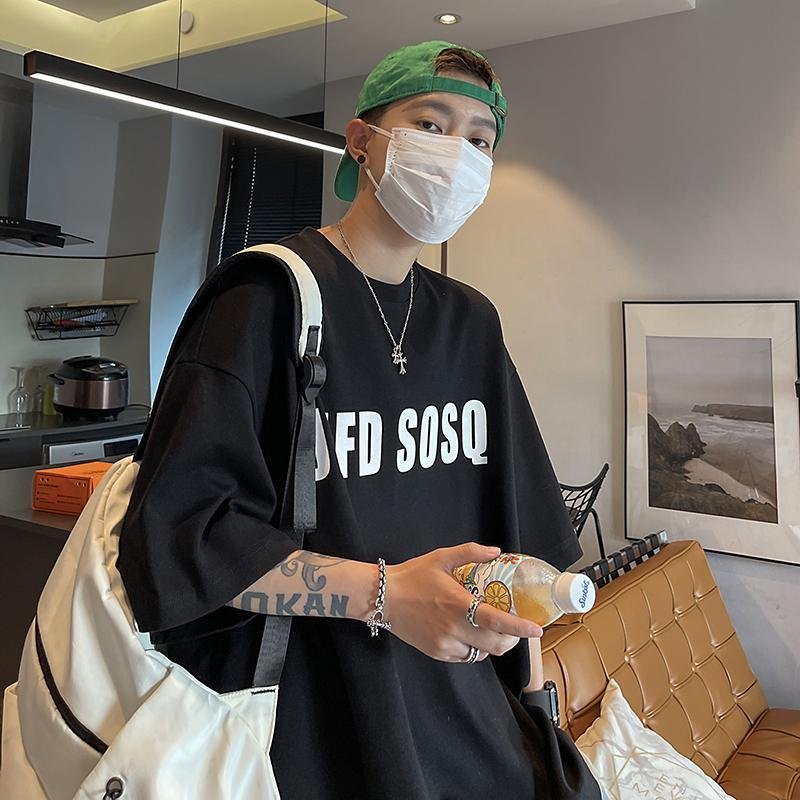
Oversized and boxy silhouettes require a separate grading scale from standard alpha sizing — a streetwear ‘L’ typically carries 4–6 cm additional chest ease versus a conventional cut.
Slim-fit lines often follow Japanese sizing logic, running 1–2 sizes smaller than US alpha. Documenting fit intent in your apparel size guide prevents factory miscommunication.
Custom Brand-Specific Sizing Scales
Brand-specific scales decouple your labels from any standard reference, letting you define exact body measurements per size run. Premium streetwear labels commonly use this approach to establish a signature fit.
A manufacturer validating grading at cutting, sewing, and finished-goods stages catches size drift early — critical when your custom scale has no external benchmark for comparison.
Which System Fits Your Brand
US alpha sizing suits North American DTC brands selling S–XL ranges online. European numeric sizing is preferred for EU retail placement, where consumers expect numeric labels.
Brands targeting multiple continents often publish a dual-reference apparel size guide — listing US alpha alongside EU numeric or Asian sizing — to reduce returns and customer service load.
4. Key Measurements and Construction Elements in an Apparel Size Guide
A precise apparel size guide anchors every production run to measurable specs. Seven core dimensions plus construction tolerances determine whether garments ship correctly or generate costly returns.
Core Body and Garment Measurements
Chest, waist, hip, shoulder width, body length, sleeve length, and inseam are the seven non-negotiable measurements in any apparel size guide. Each is taken at a fixed anatomical point and entered directly onto the spec sheet.
For tops, chest is measured 1 inch below the armhole seam. Sleeve length runs from center-back neck to cuff hem.
Grading Increments and Tolerance Ranges
Standard grading increments run 1 inch at the chest and 0.5 inch at the shoulder per size step. Waist and hip grade at 1 inch in most Western systems.
Acceptable bulk-production tolerances are ±0.5 cm for wovens and ±1 cm for knits. Both figures must be documented in the apparel size guide to keep cut markers consistent across the full size run.
Construction Details That Affect Size Accuracy

Seam allowance (1 cm for serged, 1.5 cm for flat-felled) reduces interior space after sewing; specs must reflect this before cutting. Hem allowance of 2–4 cm shortens finished body length if not built into the cut pattern.
Stretch percentage — 25–50% for French terry, 50–75% for 4-way stretch jersey — must be stated alongside ease allowances so fit accuracy holds across different fabric constructions.
5. Materials, Fabrics, and How They Impact Your Apparel Size Guide
Fabric choice shapes fit as much as pattern measurements do, and every variable belongs in your apparel size guide. Jersey and denim cut to identical specs will fit completely differently once worn and washed.
| Fabric Type | Stretch % | Tolerance | Pre-Shrink |
|---|---|---|---|
| Jersey (cotton) | 25–35% | ±0.75 in. | Yes |
| Spandex blend | 40–60% | ±1.0 in. | Yes |
| Denim (woven) | 0–5% | ±0.5 in. | Yes (sanforized) |
| Canvas (woven) | 0–3% | ±0.5 in. | No |
| Performance mesh | 15–25% | ±0.75 in. | No |
Stretch Fabrics and Sizing Tolerances
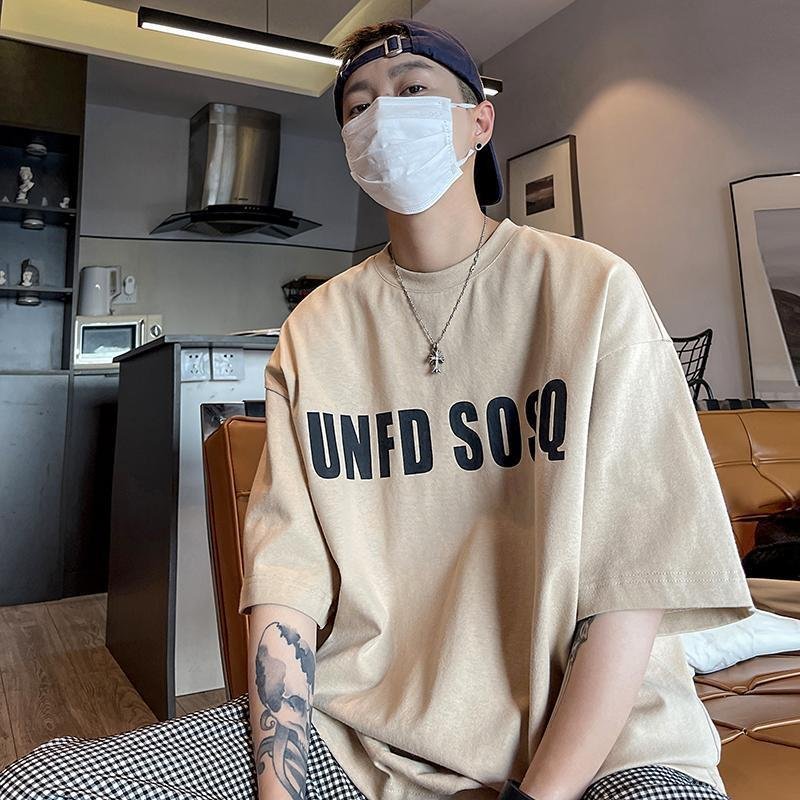
Jersey and spandex blends typically stretch 25–60%, allowing patterns to be cut smaller than the target finished measurement. Tolerance windows for knits run ±0.75–1.0 in., compared to ±0.5 in. for non-stretch wovens like denim or canvas.
GSM, Drape, and Fit Impact
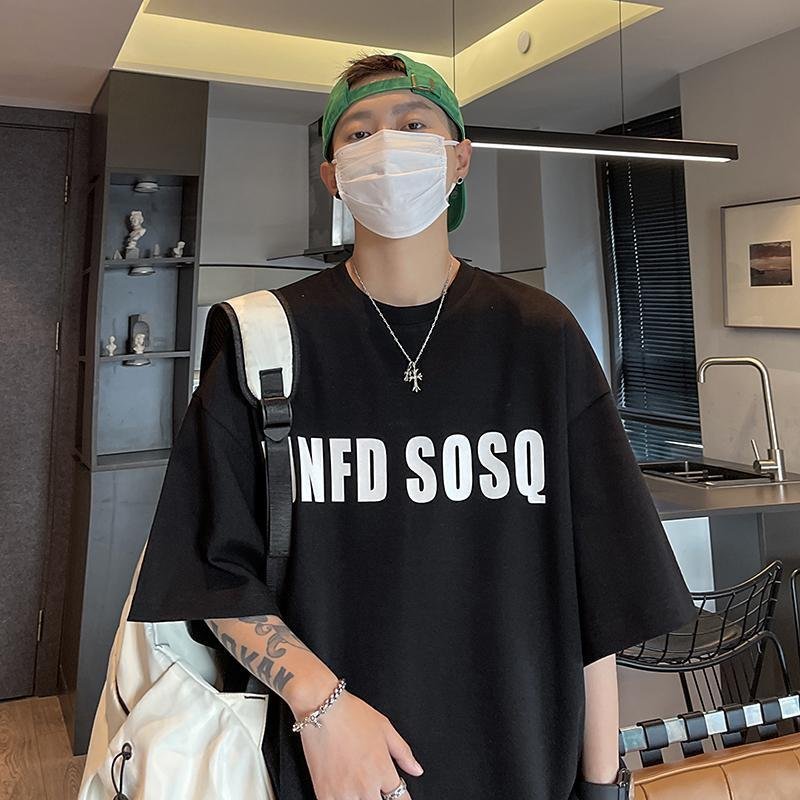
GSM (grams per square meter) runs from 120 GSM for lightweight jersey to 400+ GSM for heavy fleece. Higher GSM adds bulk at the chest and shoulder, requiring adjusted ease allowances in your size guide.
Pre-Shrinkage Testing and Post-Wash Sizing
Cotton-rich fabrics can shrink 3–8% after the first wash if untreated, shifting a size M into near-size S territory. Pre-shrinking fabric before cutting — or specifying sanforized denim — and publishing post-wash dimensions in your size guide prevents customer returns.
6. Customization and Branding Options Within Your Apparel Size Guide
Your apparel size guide is more than a spec sheet — it is a brand touchpoint embedded in every label, hang tag, and digital asset a customer encounters before and after purchase.
Custom Labels, Hang Tags, and Naming Conventions
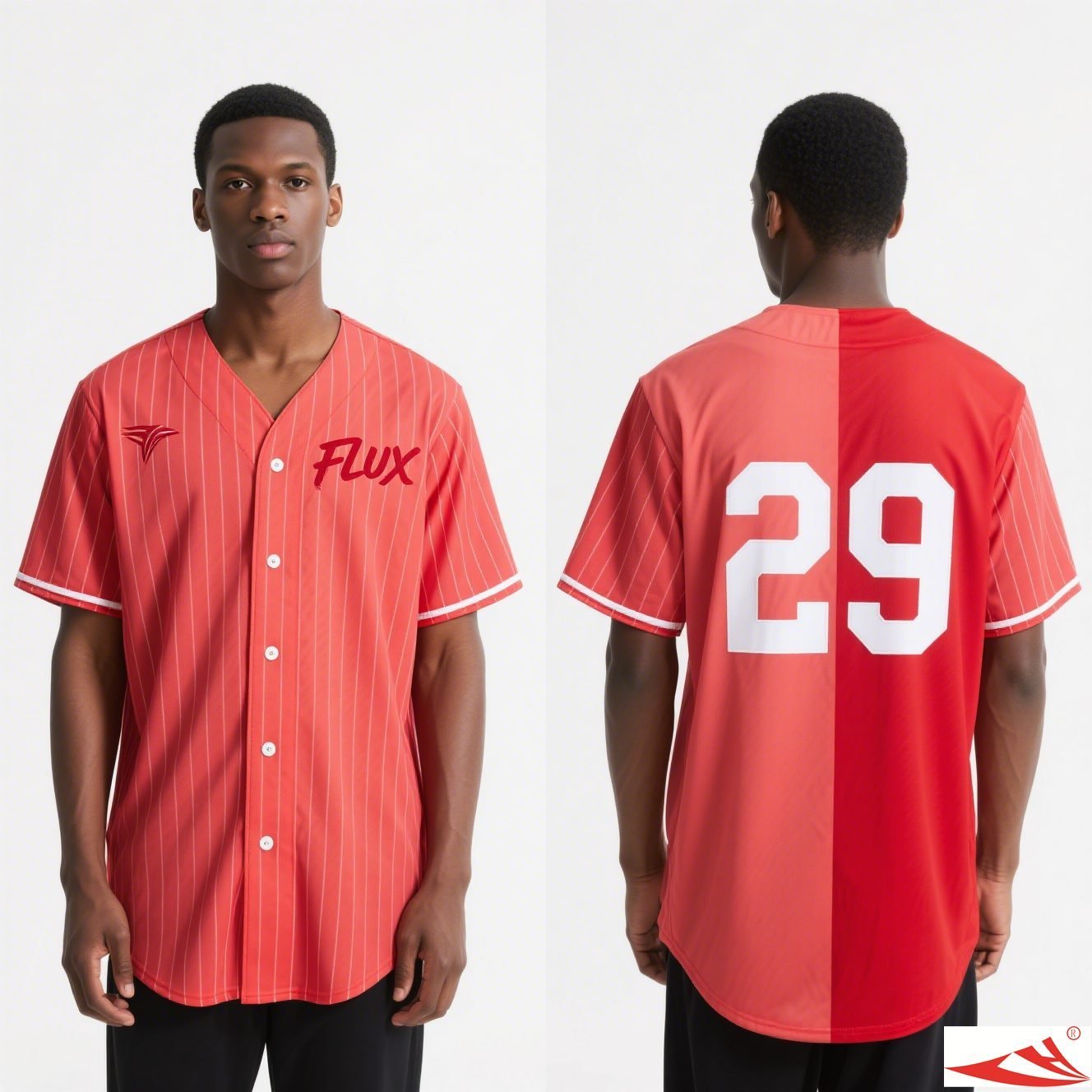
Woven or printed size labels at the neckline or side seam are the highest-touch brand element in a garment. Brands can specify Pantone-matched label colors, custom typography, and tear-away versus sew-in formats.
Three naming systems dominate: letter-based (XS–3XL), numeric (1–5), and brand-exclusive proprietary names. Streetwear labels increasingly adopt custom names — ‘Drop One,’ ‘Relaxed Fit’ — to own sizing language and reduce competitor cross-shopping.
QR-Linked Digital Size Guides for DTC Brands
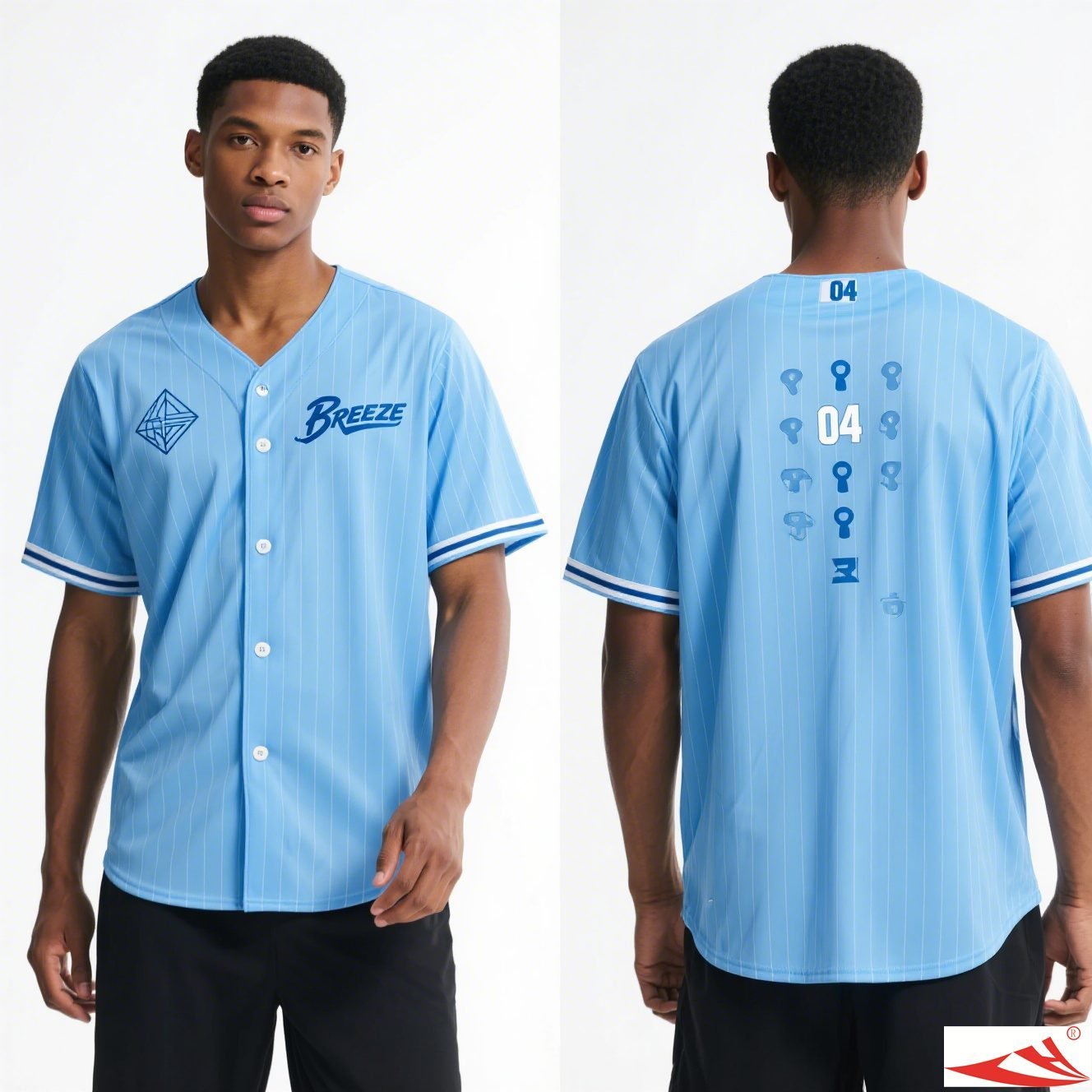
A QR code on a hang tag or inside label can link to a brand-hosted size video, a live fit calculator, or a fit-model gallery. DTC and influencer brands use this touchpoint to cut apparel return rates, which industry data places at 20–30% on average.
The QR asset costs near zero to print but captures first-party scan data — location, timestamp, device — feeding customer intelligence back to the brand.
Fit-Model Selection and Brand Sizing DNA
A fit model is the human reference from which every size in the apparel size guide is graded. Selecting a model whose proportions match the target customer demographic defines the brand’s sizing DNA for every collection that follows.
Changing fit models mid-season risks grade breaks — where a size L in one drop fits visibly different than the last. Consistent fit-model specs, documented in the tech pack, protect brand identity at scale.
7. How to Choose a Manufacturer Who Respects Your Apparel Size Guide
Selecting a manufacturer who truly honors your apparel size guide demands a structured evaluation of grading capability, QC measurement protocols, and sample approval rounds — not just a factory tour or a low MOQ promise.
Grading Capability and Pattern Infrastructure
In-house pattern grading using digital files (DXF or Gerber format) is non-negotiable for sizing accuracy at scale. Factories that outsource grading introduce lag and miscommunication that distort your grade rules across the full size run.
QC Measurement Protocols and AQL Standards
Reputable manufacturers apply AQL 2.5 or stricter inspection levels at finished-goods review. Insist on a point-of-measure (POM) measurement report per bulk shipment — a factory that resists this likely skips in-line measurement checks entirely.
Red Flags in Supplier Evaluation
Several practices signal a factory will not protect your size specifications at volume.
- No fit sample offered before bulk production begins
- Fixed grade rules with no client customization allowed
- QC conducted only at final inspection, not in-line
- No measurement tolerance records available on request
- Verbal-only size confirmations with no POM documentation
Green Flags That Signal Size Accuracy
Strong partners embed size compliance throughout production, not only at the end of the line.
- Dedicated technical design team managing and archiving pattern files
- Digital pattern files (DXF/Gerber) retained per style for future reorders
- Signed POM measurement report included with every bulk shipment
- Multiple sample approval rounds: proto, fit, and pre-production
- Five-step in-process QC covering materials, cutting, sewing, craft, and finished goods
8. Common Mistakes Brands Make With Their Apparel Size Guide
Sizing errors are among the top drivers of apparel return rates, which industry benchmarks consistently place above 30% for online purchases. Five avoidable mistakes account for the majority of customer fit complaints and brand credibility losses.
Copying Competitor Charts Without Fit Testing
Borrowing a rival’s chart skips the validation step that ties measurements to your specific patterns and materials. A size ‘M’ cut from 240 GSM heavyweight fleece differs meaningfully from one sewn in 180 GSM jersey.
Commission at least one physical fit session using your actual fabric and construction before publishing any apparel size guide.
Ignoring Regional Size Conversion for Global Markets
A US size L maps to EU 52 or an Asian XL — differences of up to 4 cm in chest circumference. Brands shipping internationally without conversion notes see elevated returns and lost repeat customers.
Add region-specific columns or a dedicated conversion table to every apparel size guide page at launch.
Not Updating the Chart After Fabric Changes
Switching from ring-spun cotton to a cotton-polyester blend can shift finished measurements by 2–5% after the first wash cycle. Keeping the old chart live sends customers inaccurate expectations.
Treat any fabrication spec change as a trigger for a mandatory chart review before the new production run ships.
Using One Fit Model for All Size Ranges
A single straight-size fit model — typically a size 8–10 — cannot validate graded proportions across junior, plus, or tall ranges. Poorly graded size runs produce visible fit breaks at the shoulder seam and hip.
Use a minimum of three fit models spanning your full size spectrum to confirm grading accuracy.
Omitting Wash-Shrinkage Data From the Guide
100% ring-spun cotton garments can shrink 3–8% in body length after a standard 60°C wash. Customers who launder before wearing receive a misfit product with no warning.
Include both pre-wash and post-wash measurements in your guide, or state clearly that all dimensions are ‘taken after one standard wash cycle.’
9. Steps to Build and Launch a Brand-Ready Apparel Size Guide
Launching without a validated apparel size guide is one of the costliest first-collection mistakes an independent designer can make. The seven steps below give startups a repeatable framework — from demographic research to live retail distribution — before bulk production begins.
Define Target Demographics and Select a Sizing System
Survey your target customer’s body data before selecting a sizing system. U.S. brands typically reference ASTM D6829; EU labels follow EN 13402.
Streetwear lines often adopt a unisex boxy fit, requiring custom grading even when starting from a standard base.
Conduct Fit Sessions and Document Grading Rules
Schedule 2-3 fit sessions using models at both ends of your size range, not just a mid-size fit model.
Record every accepted adjustment as a grading increment — chest, sleeve length, and back rise typically step ±0.5 cm per size.
Create Digital and Printed Size Chart Assets
Build a digital chart for DTC product pages and a printed spec sheet for retail partners.
Include both body measurements and garment measurements — customers and factories read them differently. Export in PDF and editable formats so partners can embed without reformatting.
- List ‘to fit’ body measurements alongside finished garment measurements on the same chart.
- Add a how-to-measure diagram for customers unfamiliar with self-measurement.
- Provide both metric and imperial columns for international retail partners.
Validate Pre-Production Samples and Publish Across Channels
Order pre-production samples in at least 3 size points and measure finished garments against your spec sheet.
Deviations beyond ±1 cm signal a grading error to fix before bulk production. Publish the final apparel size guide on your DTC store and send PDF copies to every retail partner.
10. Apparel Size Guide Pricing, MOQs, and Production Cost Breakdown
Grading a base pattern across 5–7 sizes typically adds $80–$150 per style in upfront engineering fees, with each fit-sample round costing $30–$80 in materials and labor. QC measurement reporting — where every cut panel and finished garment is checked against spec sheet tolerances — adds roughly $0.15–$0.40 per unit at production scale. Custom woven labels printed with size indicators run $0.04–$0.12 per label at MOQs of 1,000 units.
Expanding a SKU run from 3 sizes to 7 sizes multiplies inventory positions across warehouse and retailer systems, raising effective per-unit costs even before fabric or labor are factored in. At 300 total pieces split across 7 sizes, each size averages fewer than 43 units — well below the 60–80 piece minimum that maximizes cutting-room efficiency and minimizes fabric waste per roll end.
Return rates for online apparel average 20–30%, with poor fit cited as the primary driver in most consumer surveys. Brands that front-load investment in a rigorous apparel size guide — including graded technical specs, per-size tolerance bands, and step-by-step measurement instructions — typically recover those sizing costs within two to three seasons through reduced return-processing fees and higher repeat-purchase rates.
| Quantity Tier | Number of Sizes | Unit Price Range | Lead Time |
|---|---|---|---|
| 100–299 pcs | 3–4 sizes | $18–$28 / unit | 25–35 days |
| 300–499 pcs | 3–5 sizes | $14–$22 / unit | 22–30 days |
| 500–999 pcs | 4–6 sizes | $10–$17 / unit | 20–28 days |
| 1,000–2,999 pcs | 5–7 sizes | $7–$13 / unit | 18–25 days |
| 3,000+ pcs | 5–7 sizes | $5–$10 / unit | 15–22 days |
Launch Your Brand With a Precision Apparel Size Guide
Submit your tech pack today and get matched with a production team that delivers perfect fit, fast turnaround, and zero-compromise quality.