
Premium Knit Polo Shirt Manufacturer for Global Streetwear Brands
Partner with a trusted knit polo shirt manufacturer offering low MOQ, a proprietary 5-step QC guarantee, and fast global delivery built for streetwear brands and startups.
Our Premium Knit Polo Collection
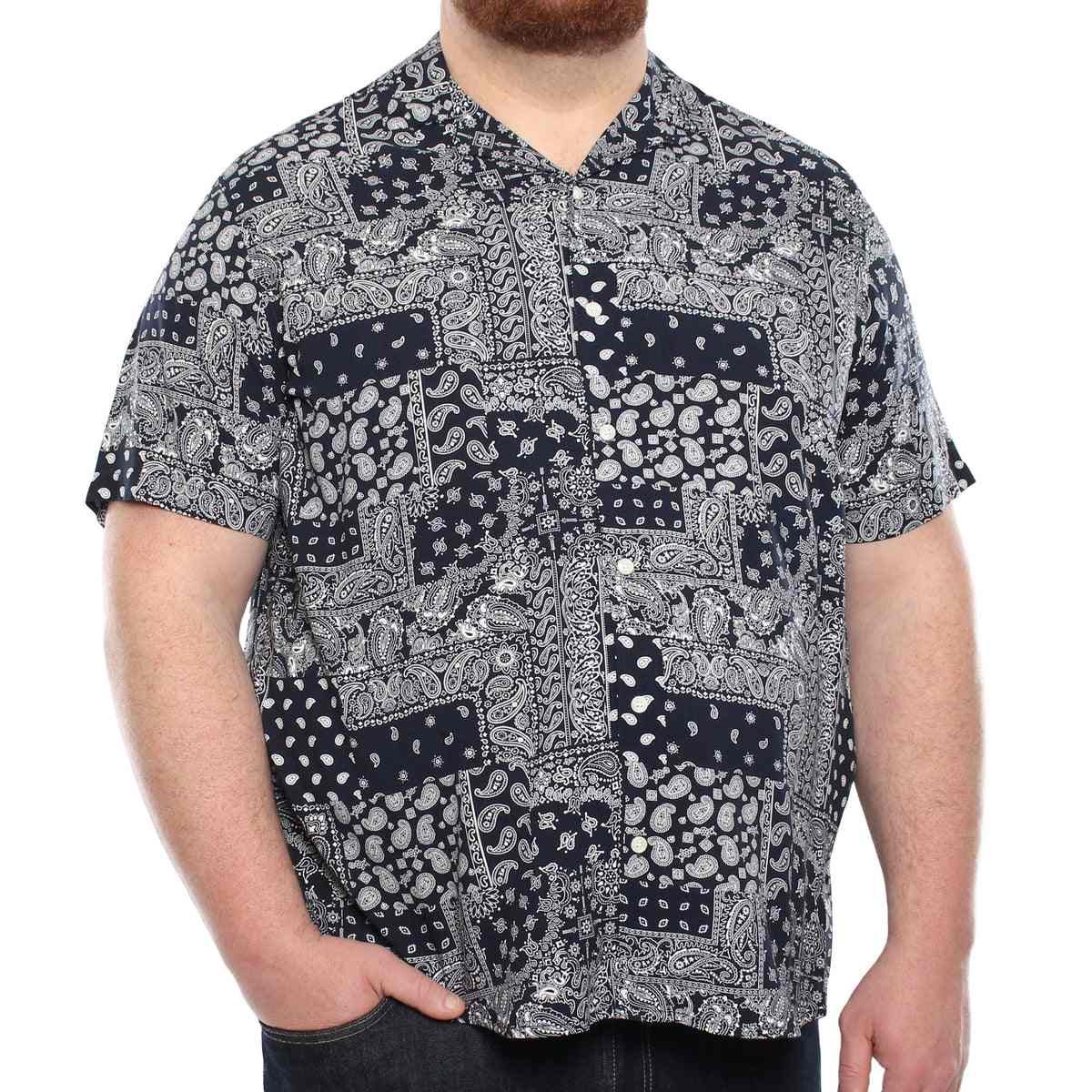
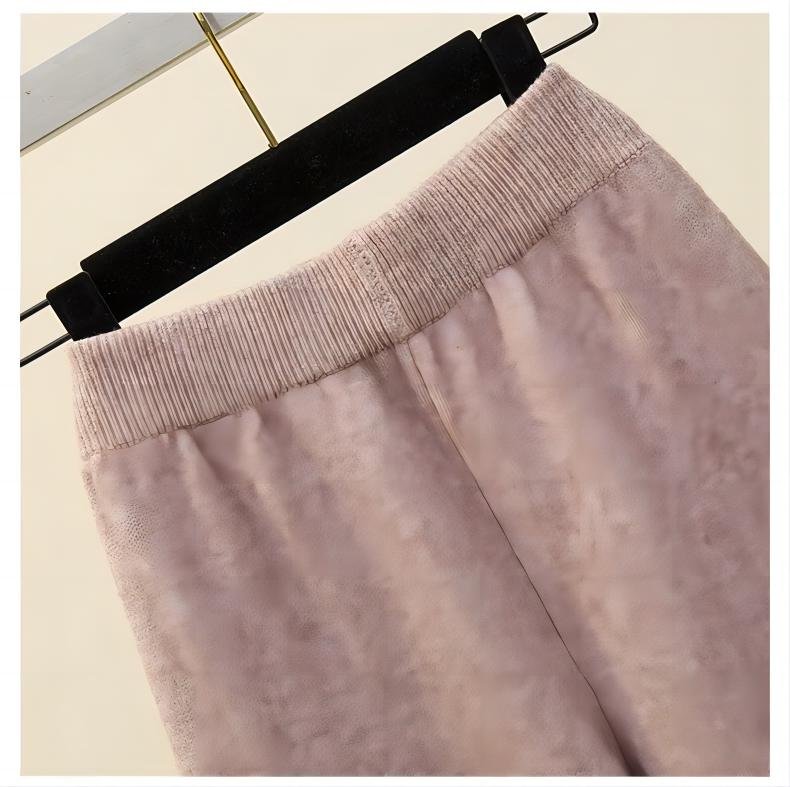
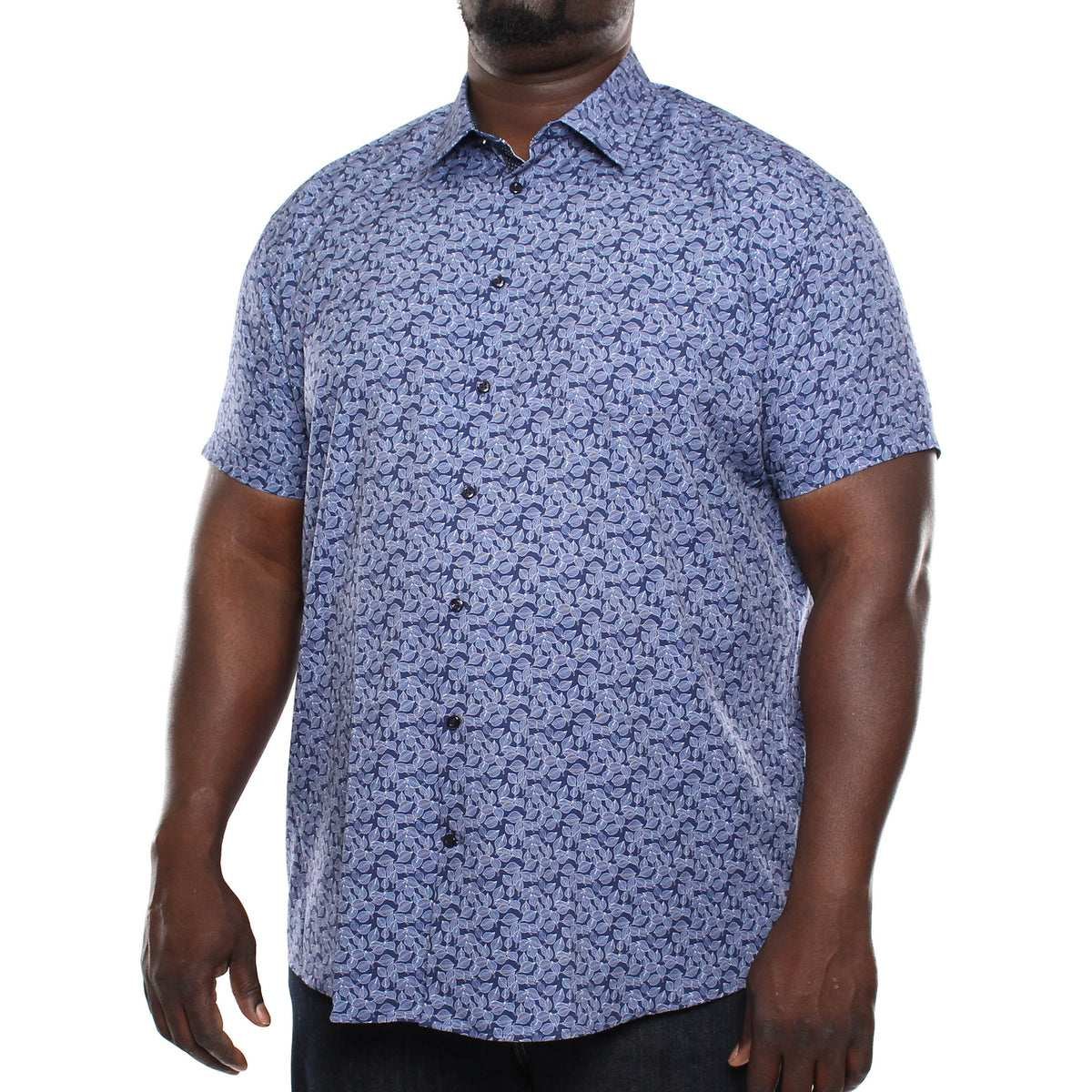
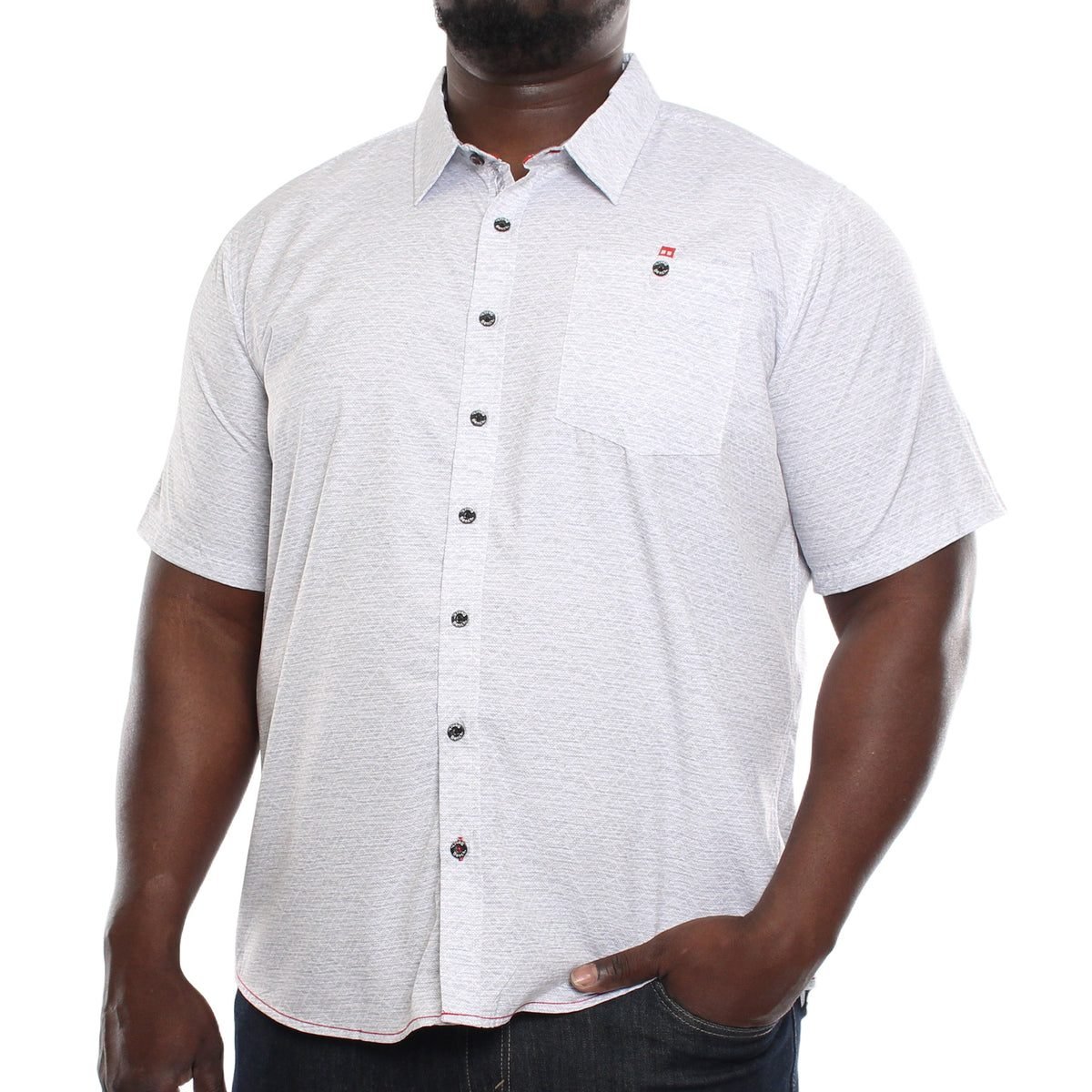
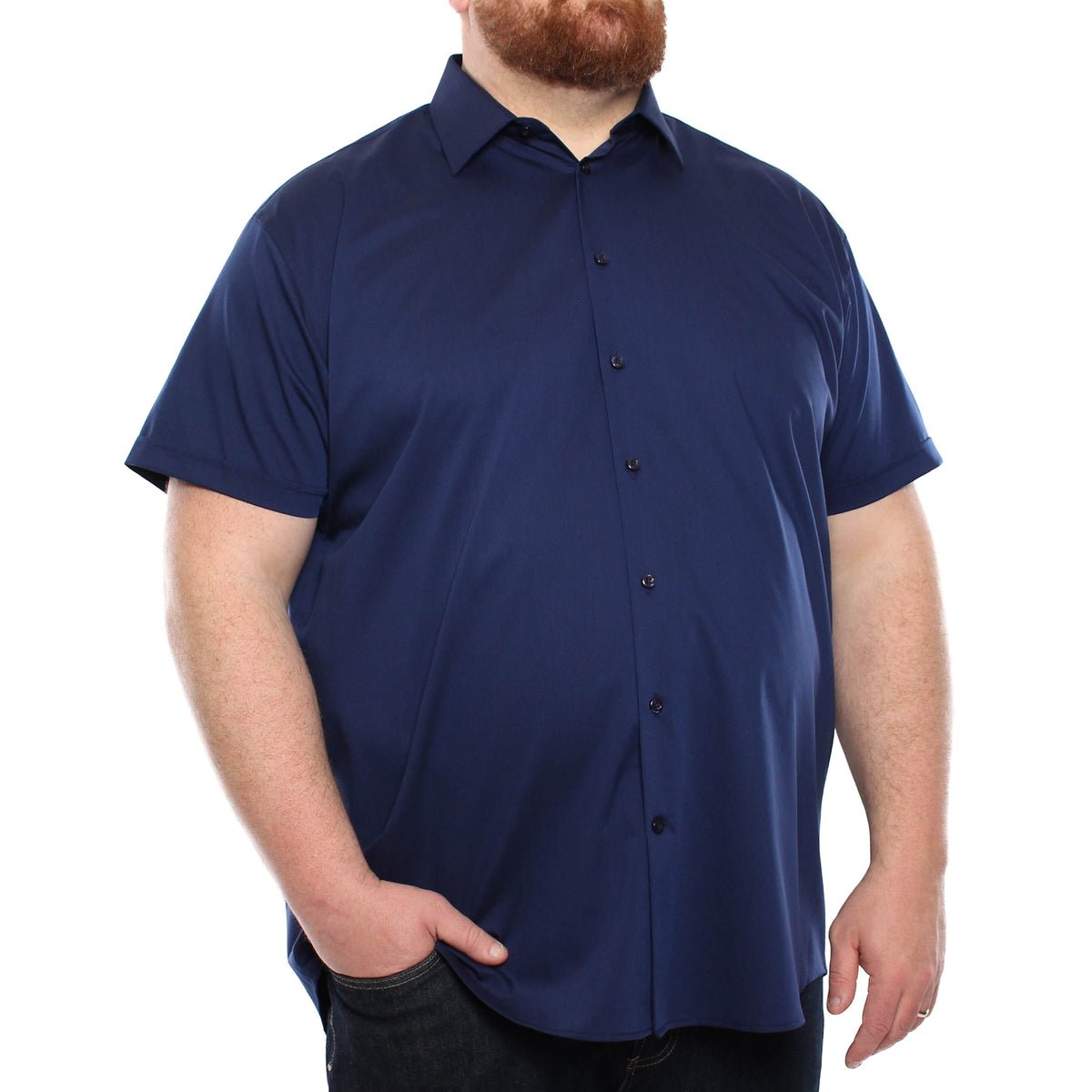
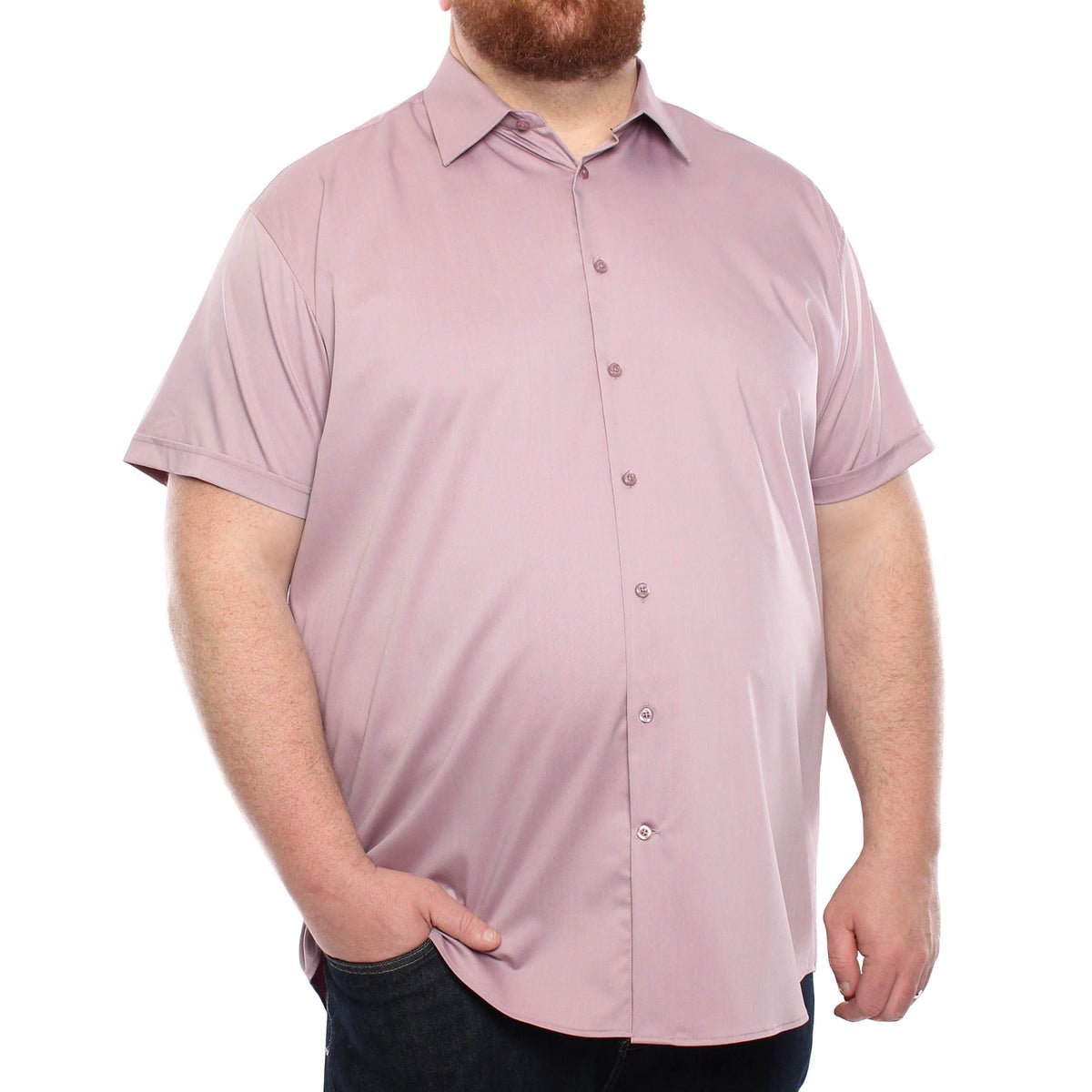
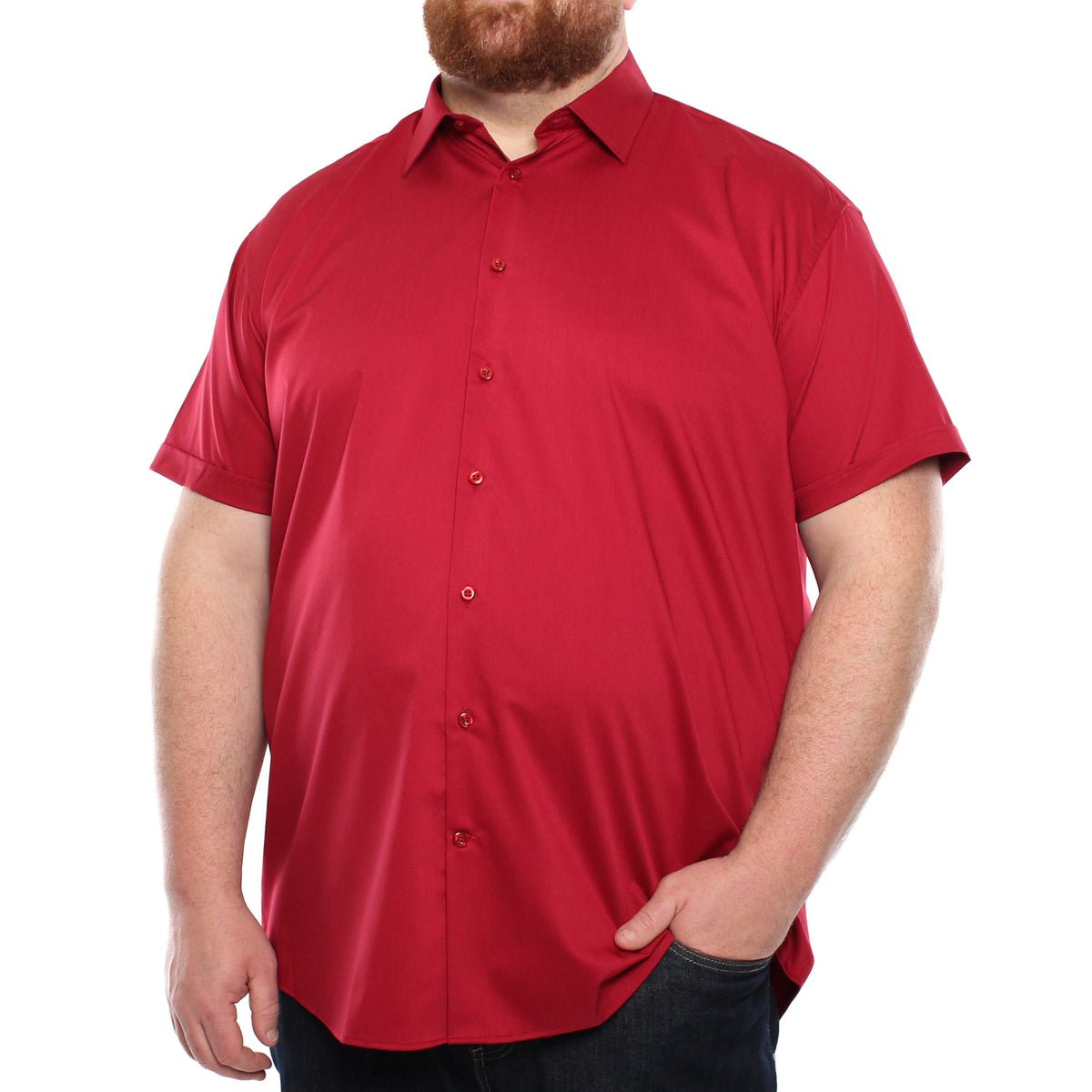
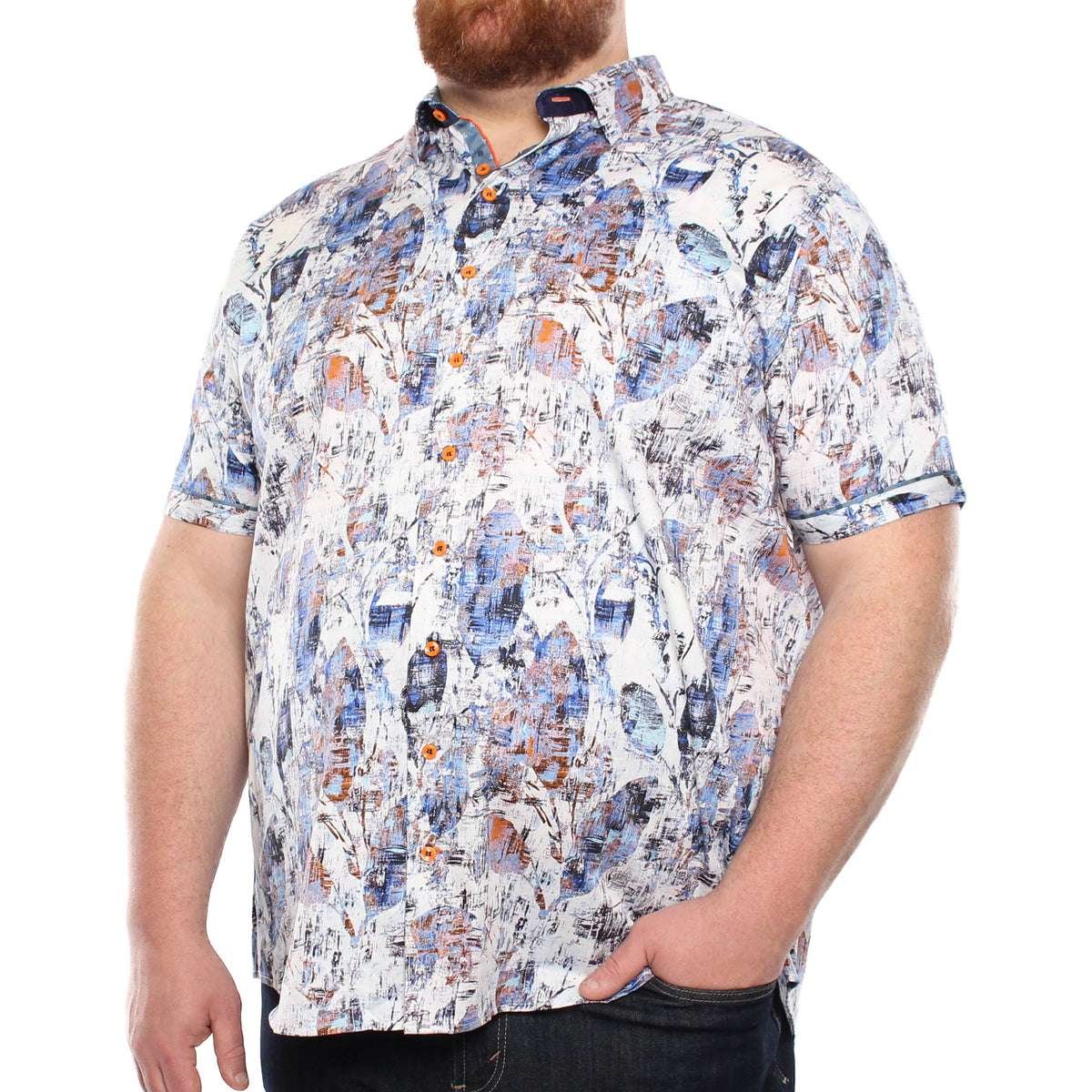
Why We’re the Knit Polo Shirt Manufacturer Brands Choose
From 50-piece debut runs to global-scale rollouts — every order is protected by our proprietary 5-step QC guarantee.
Proprietary 5-Step QC Process
Our five-stage inspection — materials, cutting, craft, sewing, and finished garment — catches every defect before it ships.
Start at Just 50 Pieces
A 50-piece minimum lets emerging streetwear labels launch premium knit polos without taking on oversized inventory risk.
Samples Ready in 7 Days
Rapid 7-day sample turnaround keeps your seasonal deadlines on track and creative momentum moving without delays.
Certified Premium Knit Fabrics
Globally certified, ethically sourced yarns deliver the consistent texture, color fastness, and durability your brand demands.
Ships to 100-Plus Countries
End-to-end logistics support ensures your finished polo shirts arrive reliably, on schedule, to any market worldwide.
In-House Design & Sampling
Our 15-member R&D team collaborates with you from first concept through production-ready sample with full transparency.
One Knit Polo Shirt Manufacturer, Every Style You Need
From timeless classics to bold streetwear silhouettes, we produce every knit polo cut your brand demands — with low MOQ and our 5-step QC guarantee built into every style.
Classic Fit Polo Shirts
Heritage and lifestyle brands need timeless polo silhouettes that hold their structure wash after wash, but most manufacturers cut corners on fabric weight and collar construction, resulting in limp, inconsistent products.
Our classic knit polo shirts feature reinforced collar tape, precise rib-knit construction, and a 5-step QC process that guarantees consistent weight, finish, and fit across every unit in your run.
Slim-Fit Tailored Polos
Fashion-forward brands and independent designers demand sharp, body-conscious silhouettes, but finding a knit polo shirt manufacturer that can nail precise slim-fit grading across sizes without distorting the knit structure is a constant struggle.
Our in-house sampling team develops size-graded slim-fit patterns that preserve knit integrity, with low MOQ runs available so emerging labels can test new silhouettes without overcommitting to inventory.
Oversized Streetwear Polo Cut
Streetwear labels and influencer brands need oversized polo cuts with dropped shoulders and boxy frames, but standard factories default to modified basics that lose the authentic street aesthetic their customers demand.
With 6 years of dedicated streetwear production experience, we engineer oversized knit polo shirts from the ground up with on-trend proportions, custom graphics, and fast turnaround timed to seasonal drops.
Performance Blend Sport Polo
Active lifestyle brands and global retailers sourcing technical polos need moisture-wicking, stretch-friendly fabrications, but most knit polo manufacturers lack the materials expertise to blend function with premium streetwear-level aesthetics.
Our 15-member R&D team selects and tests performance fabric blends — including pique, tech mesh, and moisture-management knits — running full materials QC before a single stitch is sewn.
Influencer Drop-Ready Polos
Creator brands launching limited-edition polo drops face tight windows, unpredictable demand, and suppliers who miss deadlines or deliver inconsistent quality that damages the brand's reputation with their growing online audience.
We have helped over 200 creator brands scale from zero to tens of thousands of followers, offering low MOQ production, agile scheduling, and global shipping support to hit every drop date with confidence.
Premium Fabrics From Your Trusted Knit Polo Shirt Manufacturer
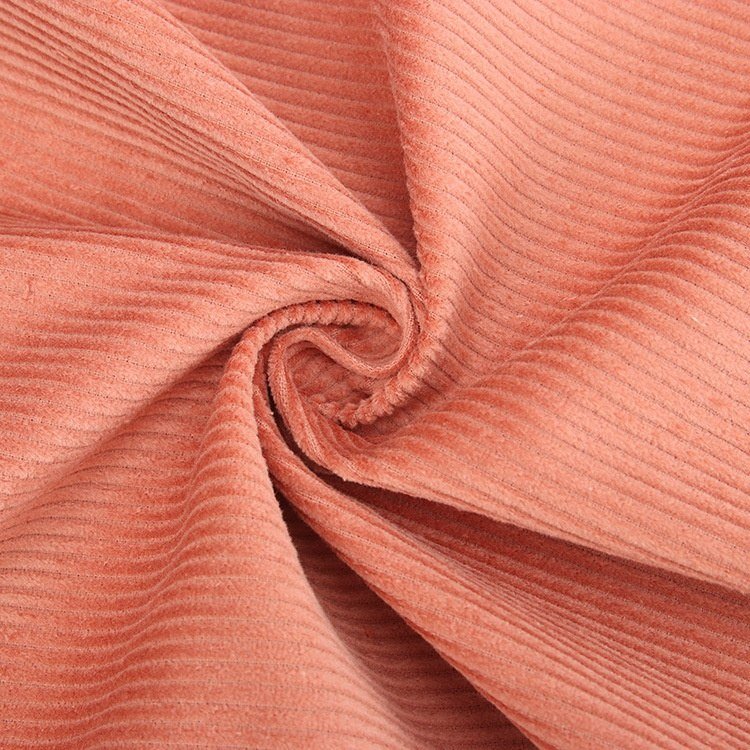
Combed Cotton Piqué
The definitive polo fabric — combed cotton piqué delivers a distinctive textured surface and crisp drape. Its 200–220 gsm weight holds sharp structure wash after wash, ideal for premium streetwear polos.
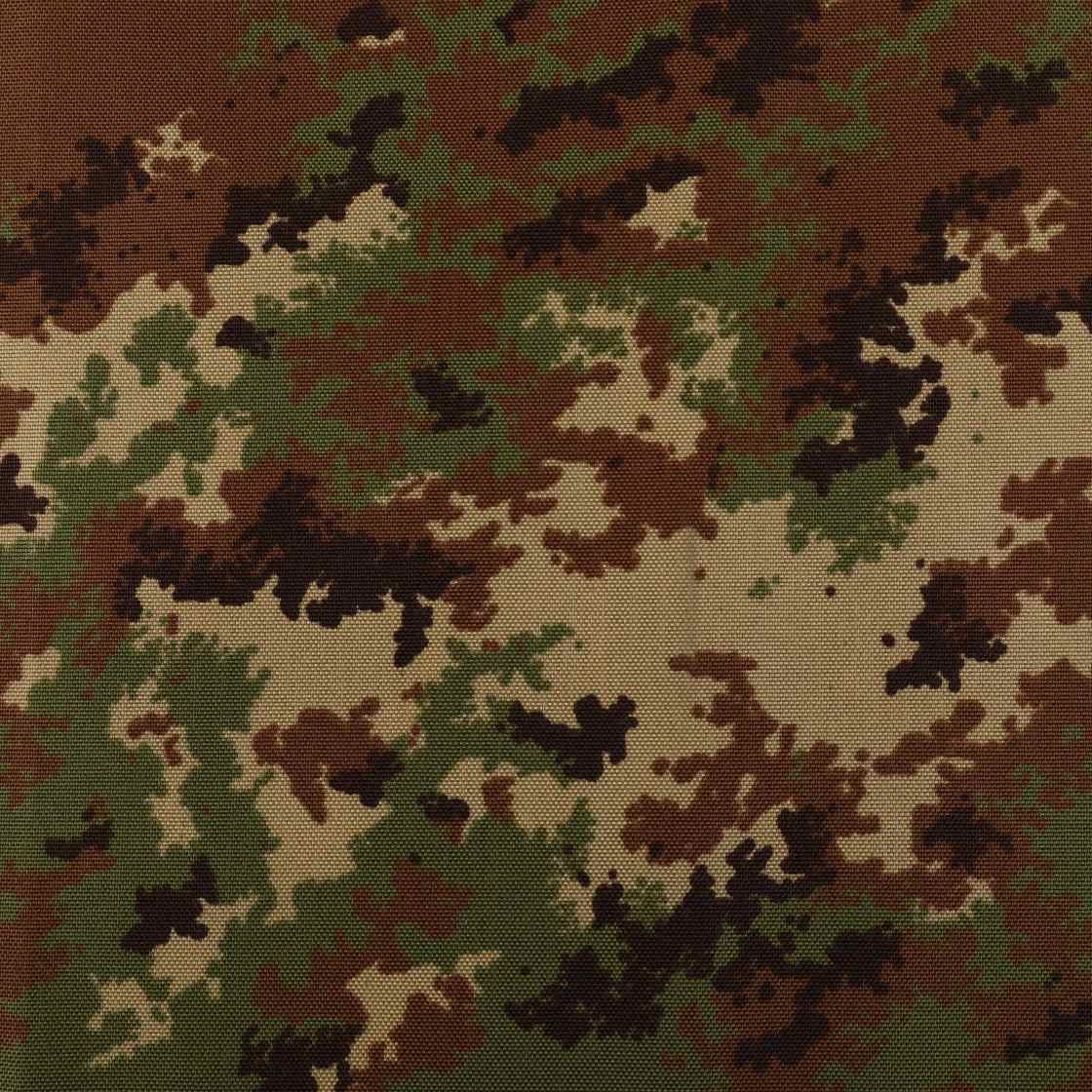
Organic Cotton Piqué
GOTS-certified organic cotton piqué offers the same signature raised texture as conventional piqué with a lower environmental footprint. At 200 gsm, it suits eco-conscious brands seeking heritage polo aesthetics with sustainable credentials.
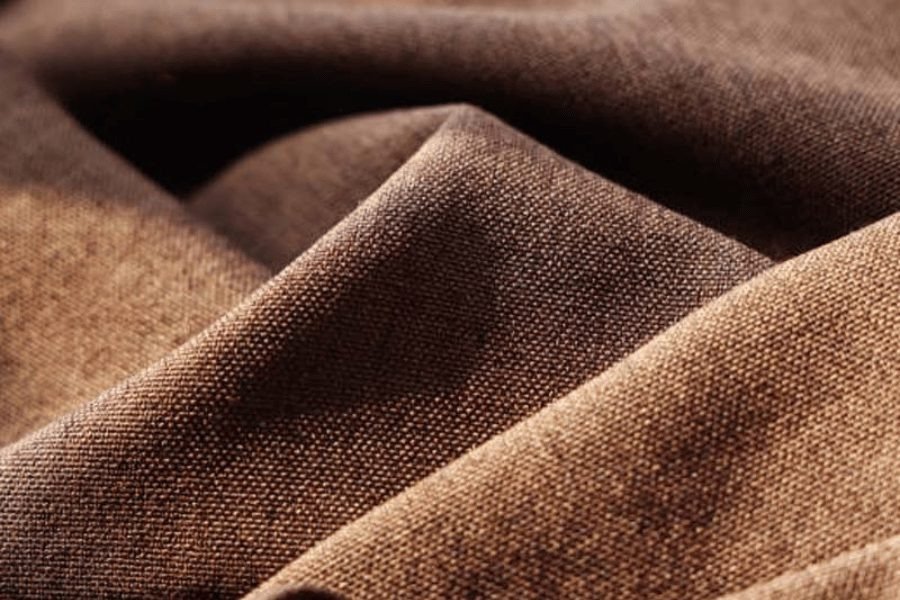
Moisture-Wicking Polyester
Engineered polyester with moisture-wicking channels pulls sweat away from skin rapidly. Weighing 160–180 gsm, this lightweight performance fabric excels in athletic and active streetwear polo styles designed for constant movement.
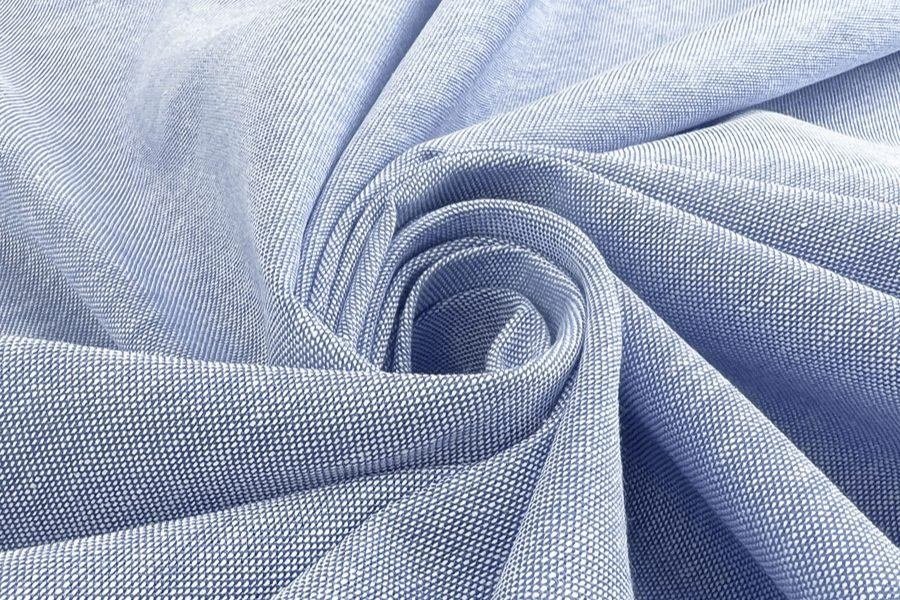
Cotton-Spandex Interlock
A smooth double-knit construction blending cotton with 5–8% spandex delivers four-way stretch and a body-conforming fit. Perfect for slim-cut polo silhouettes trending across influencer-driven and streetwear collections worldwide.
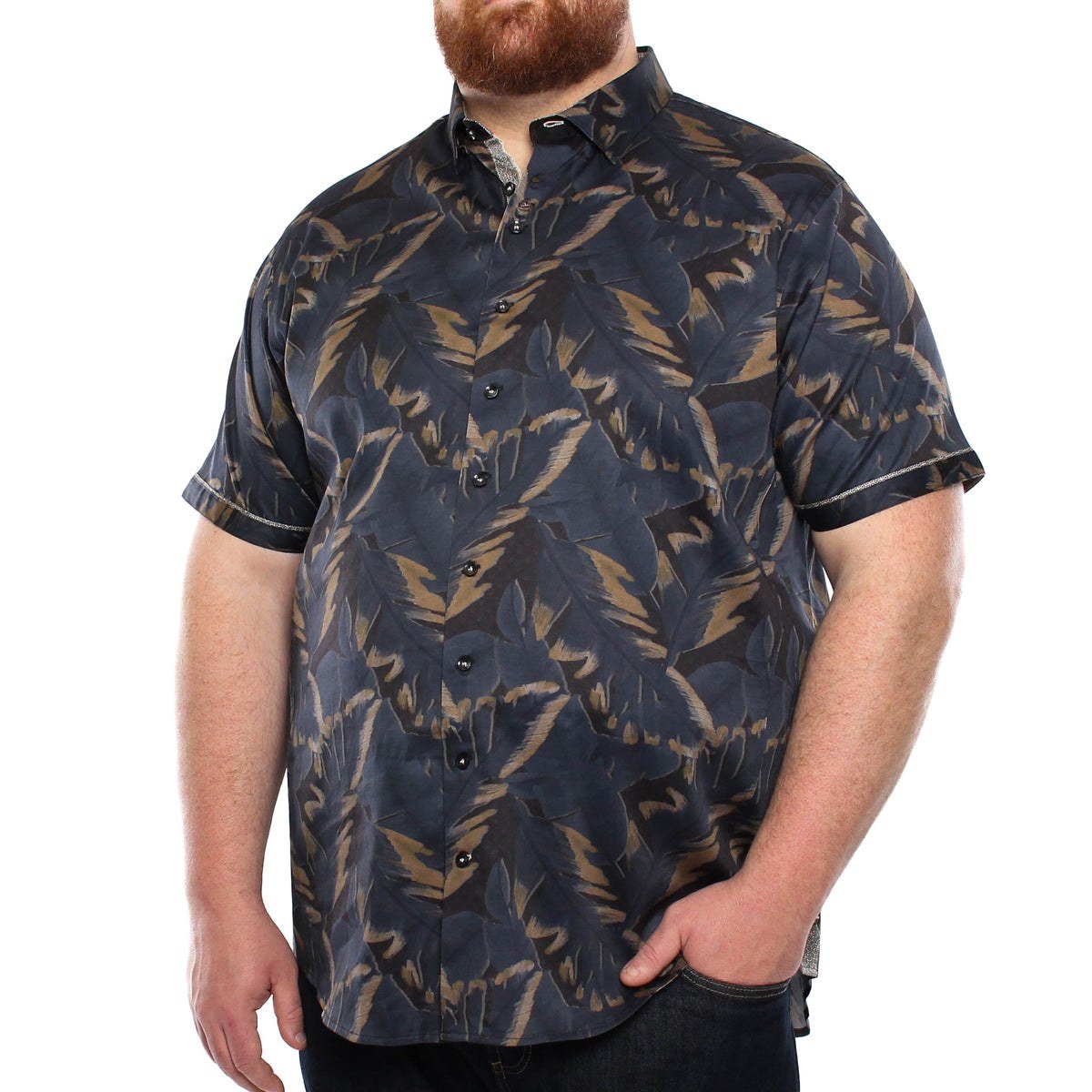
Mercerized Cotton
Treated under tension with caustic soda, mercerized cotton gains a silky luster and enhanced dye uptake for vivid, lasting color. At 180 gsm, it elevates polo shirts destined for premium retail and luxury streetwear lines.

Bamboo Cotton Blend
A 70/30 bamboo-cotton blend delivers naturally antibacterial properties and an exceptionally soft, buttery hand-feel. At around 190 gsm, it suits breathable, eco-forward polo collections targeting wellness-oriented and lifestyle-driven global markets.
Knit Polo Customization Techniques
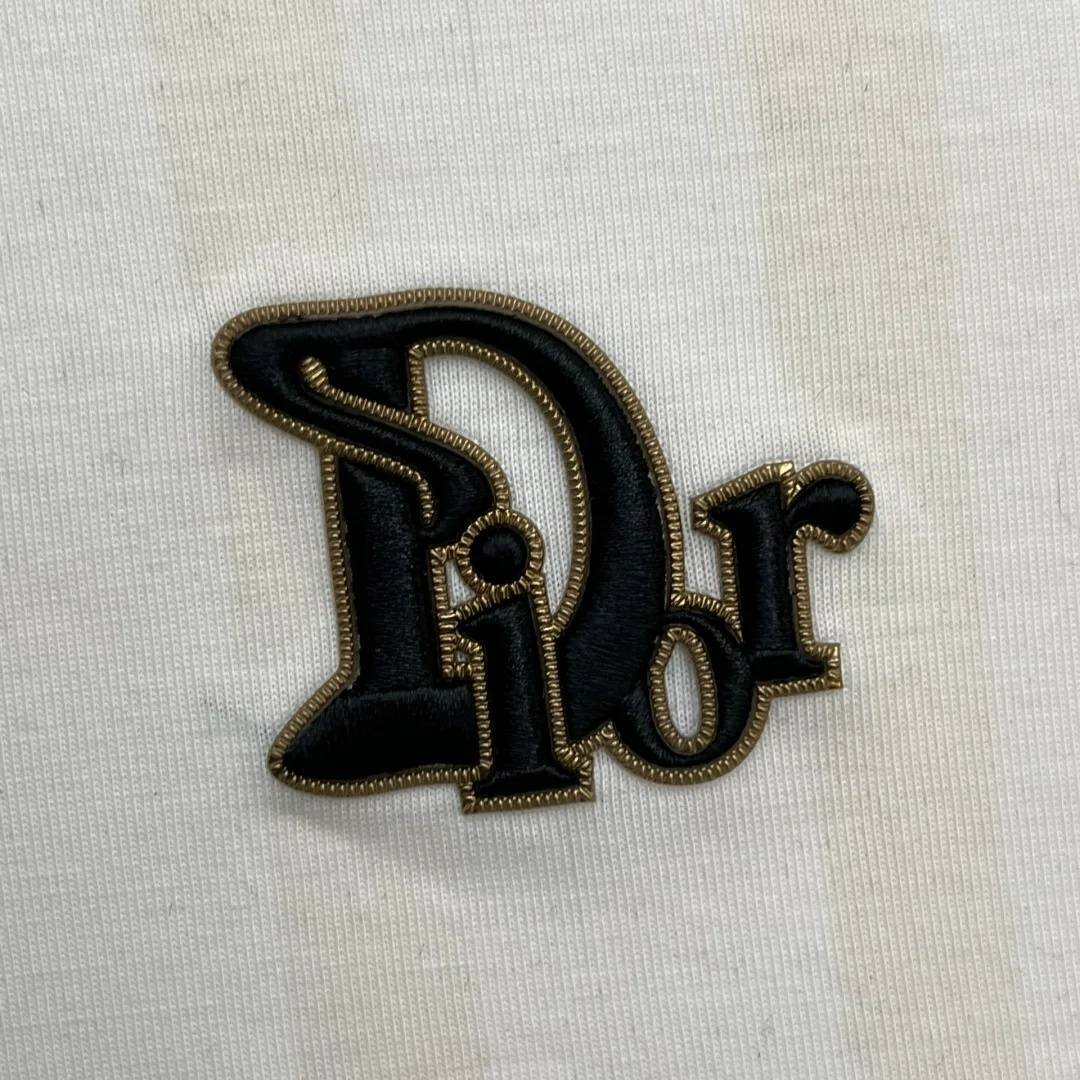
Precision Embroidery
Thread-based logo and motif application using multi-head machines for crisp, dimensional results. Ideal for chest crests, sleeve badges, and collar branding that retains color and structure wash after wash.
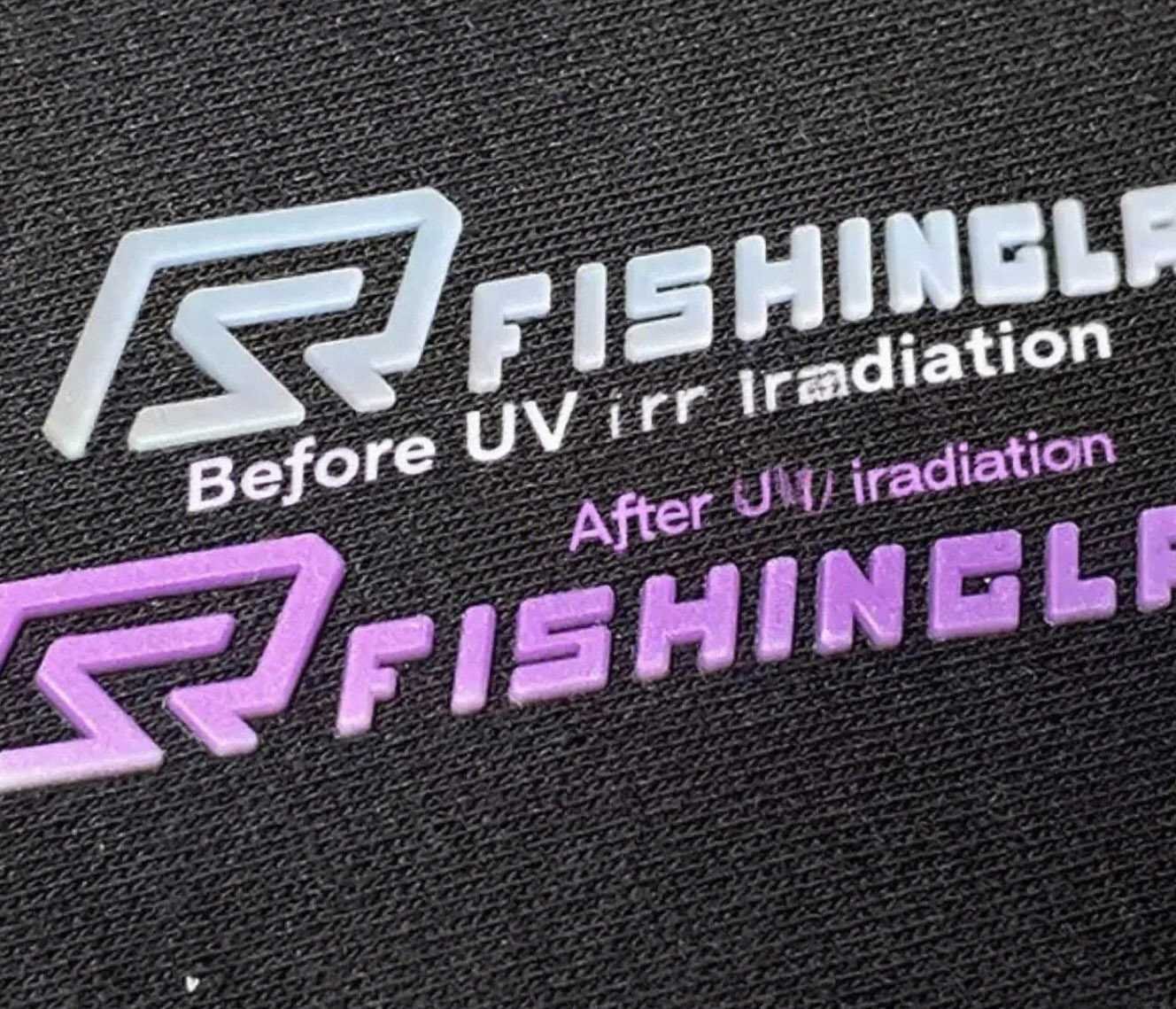
Screen Printing
Plastisol and water-based inks pressed through stenciled screens for bold, opaque graphics. Perfect for high-contrast streetwear artwork, slogans, and repeat patterns that stay vibrant across high-volume production runs.
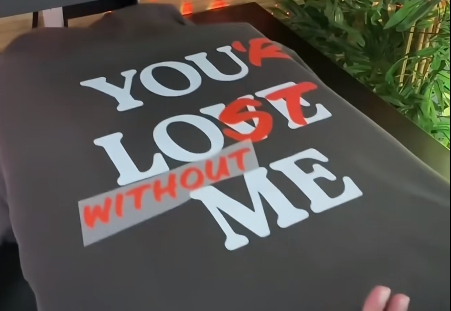
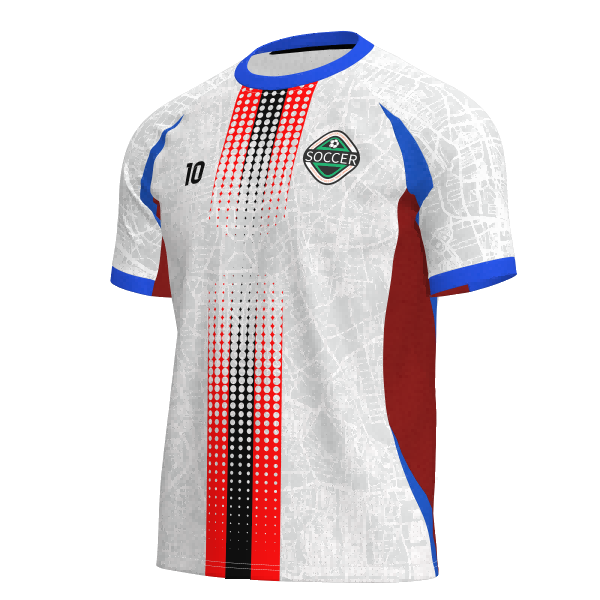
Sublimation Printing
Heat-activated dye infused directly into polyester-blend knit fabric for all-over, photographic-quality prints. Colors are permanently embedded in the fibers, delivering fade-resistant, soft-hand results with zero cracking or peeling.
Yarn Dyeing
Raw yarn is dyed before knitting, producing deep, uniform color throughout the fabric construction. Supports rich heathered textures and multi-tone stripe effects with superior colorfastness and a distinctly premium hand feel.
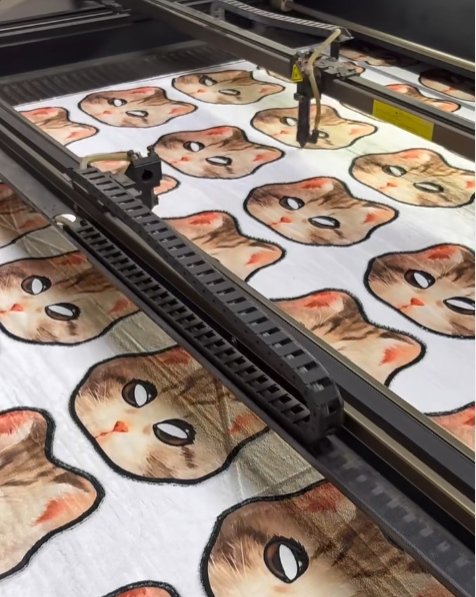
Heat Transfer
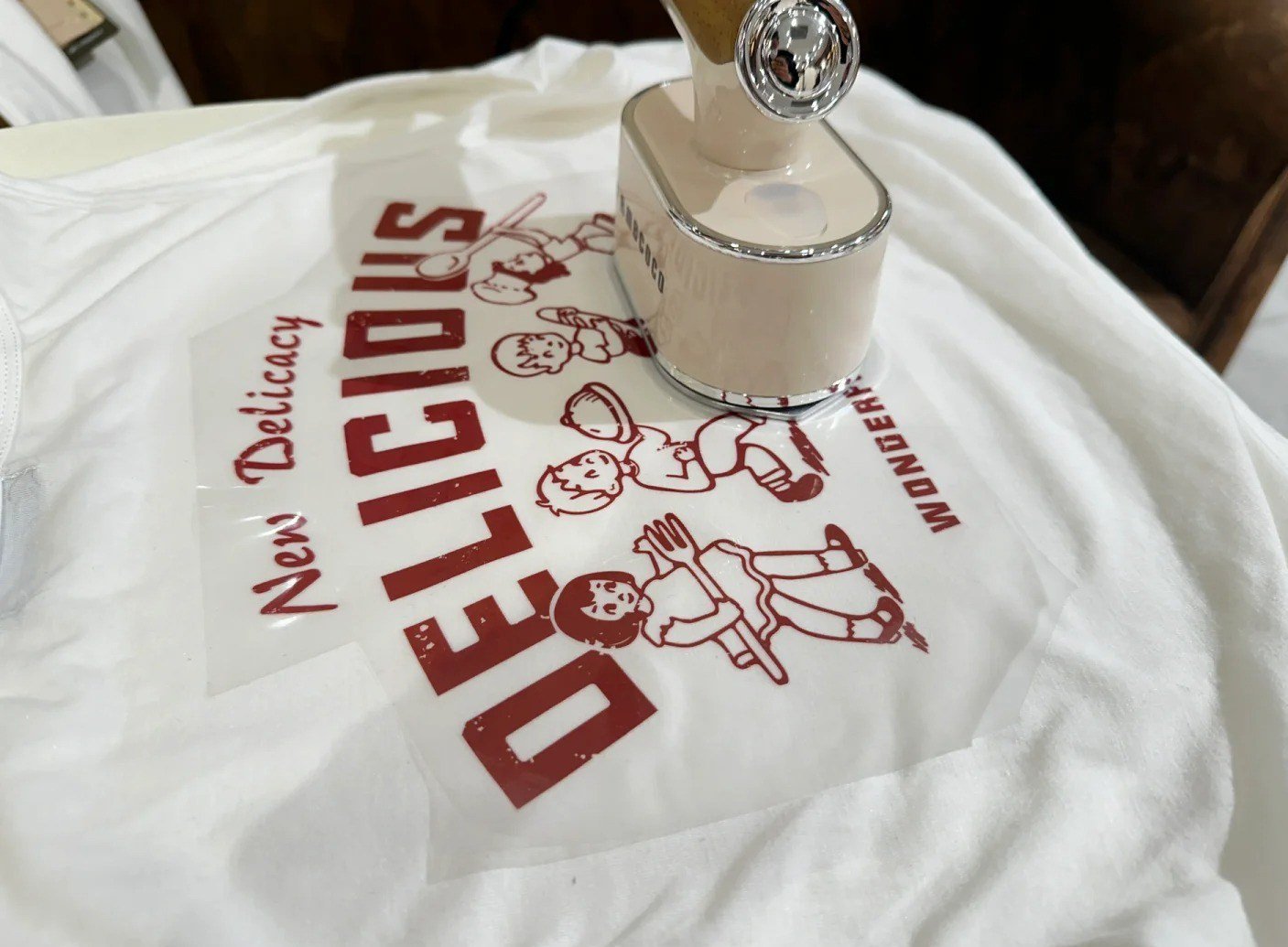
Pre-cut graphic films bonded to fabric under precise heat and pressure for clean, detail-rich decoration. Supports metallic, holographic, and rubberized finishes ideal for the bold visual language of contemporary streetwear brands.
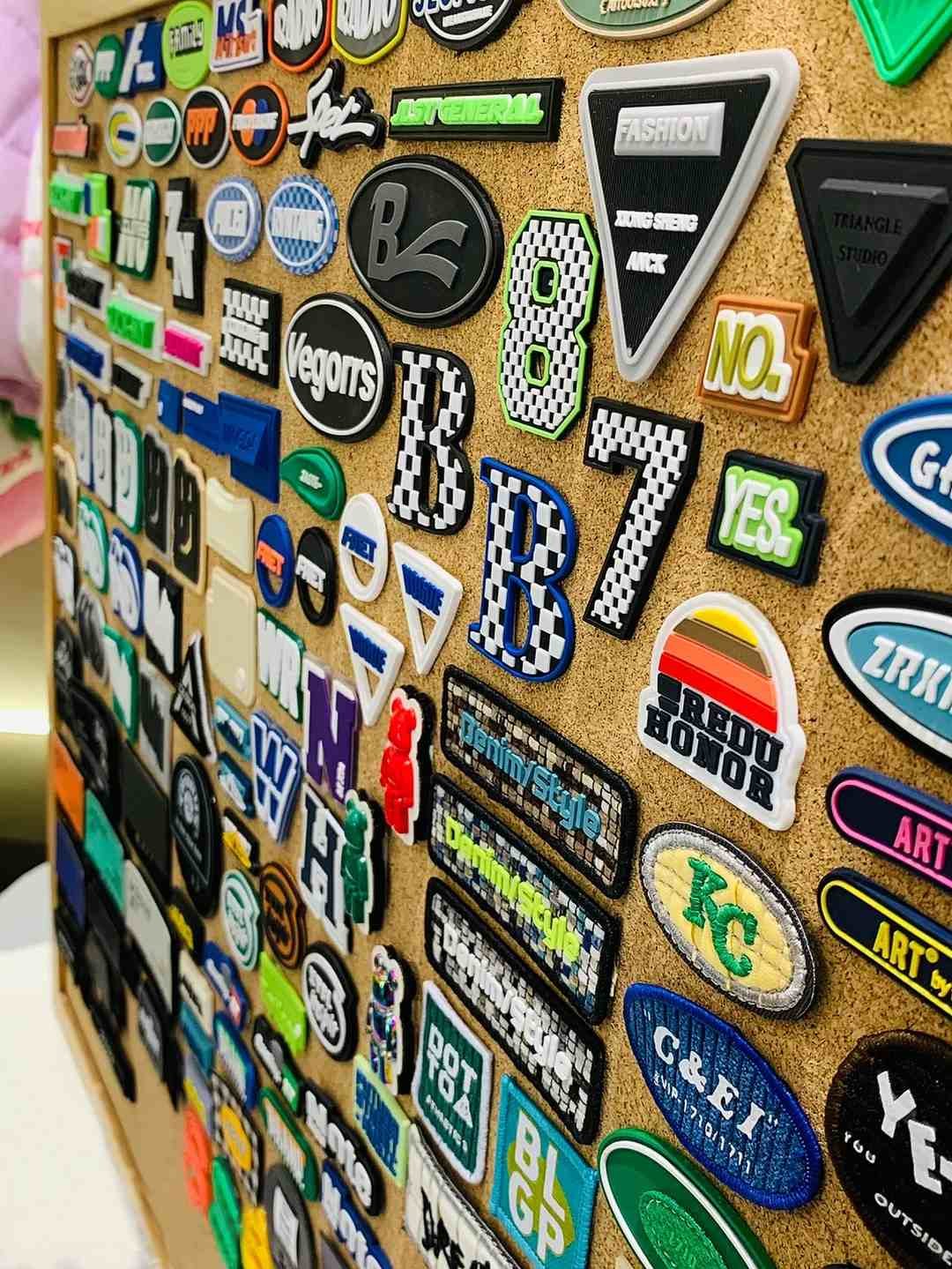
Custom Labeling
Woven, printed, heat-transfer, and tear-away label options integrated into every polo for complete brand ownership. Neck labels, hem tags, and hang tags are produced to your exact specs, reinforcing identity at every touchpoint.
Polo Shirt Hardware & Trims
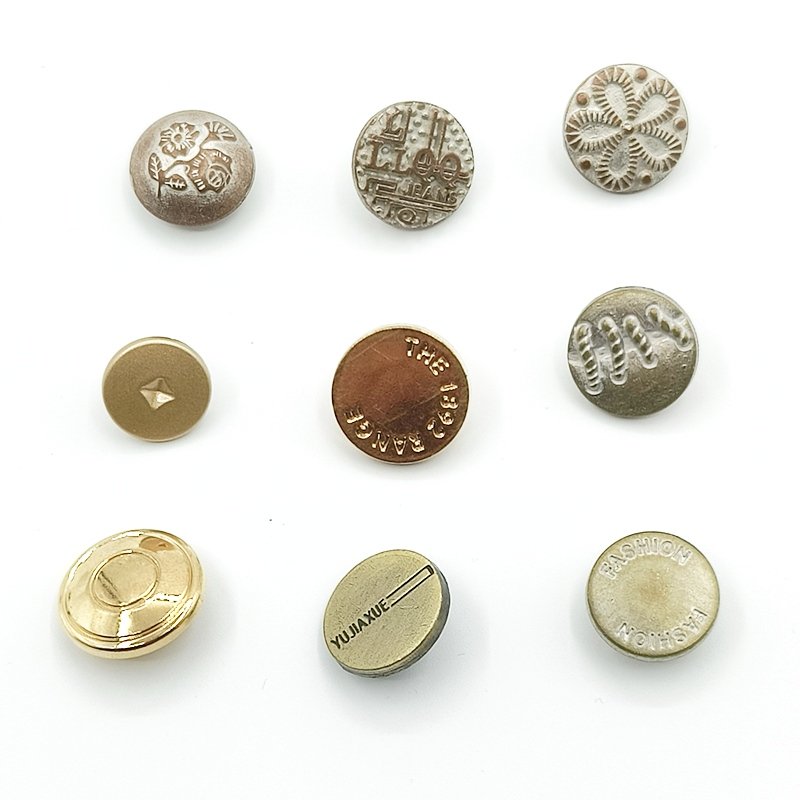
Snap Buttons
Durable metal or resin snap closures for polo plackets, available in matte, gloss, and custom-painted finishes. Pull-strength and color consistency are verified at our dedicated sewing QC stage before any unit ships.
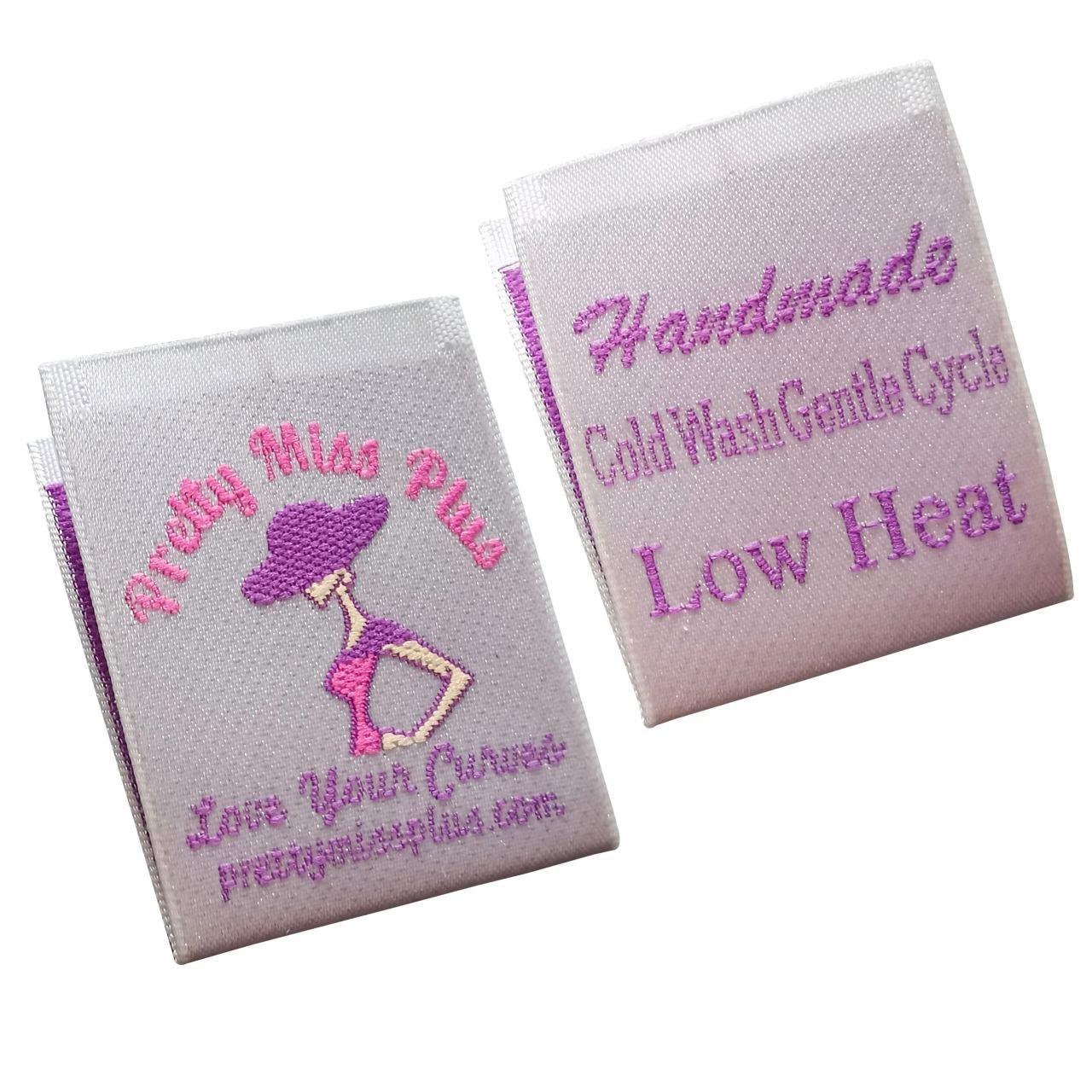
Woven Neck Labels
Custom-loomed labels carrying your logo, size, and care symbols, stitched neatly inside the collar. Ultra-soft backing ensures they sit comfortably against skin while reinforcing brand identity through repeated washing and wear.
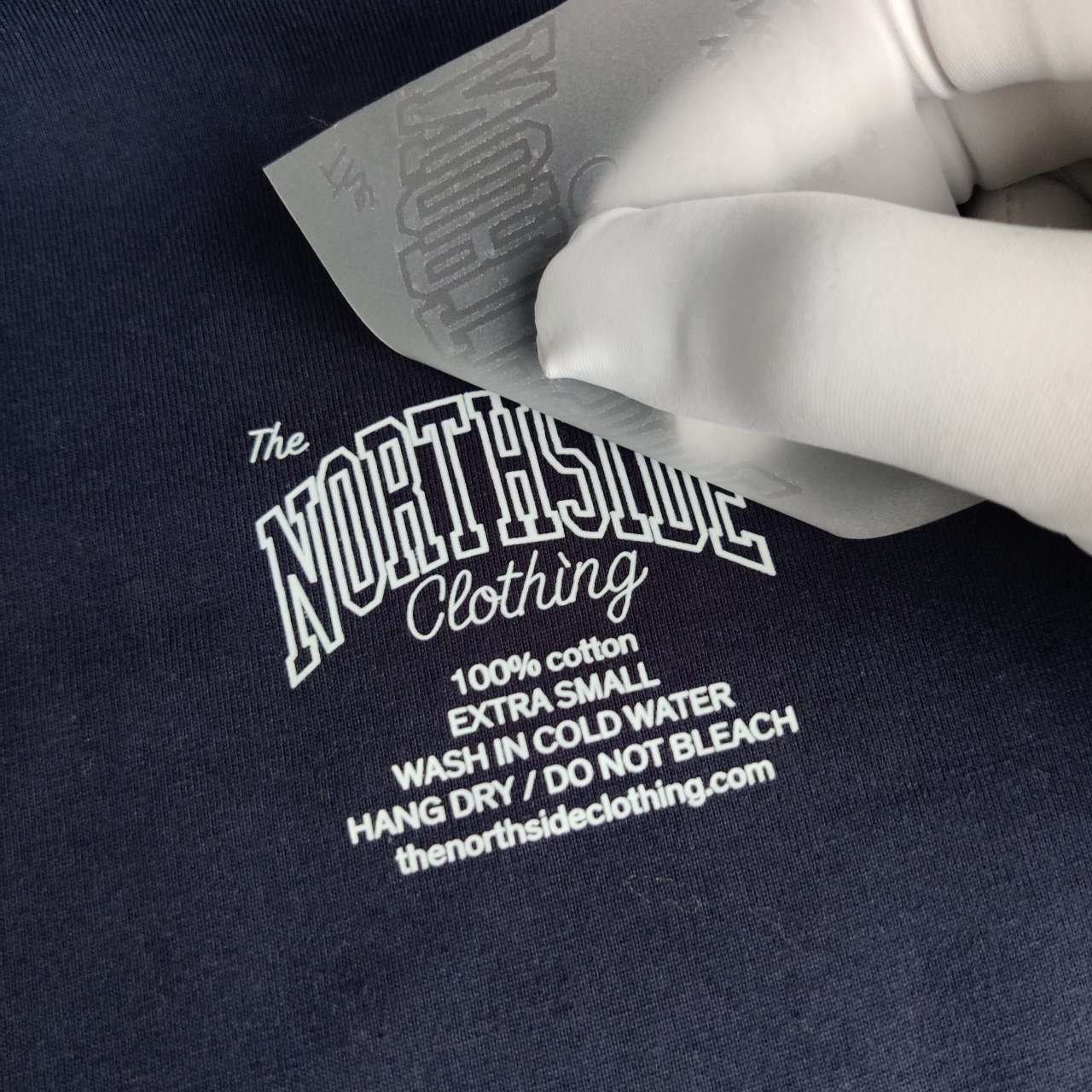
Printed Care Labels
Heat-transfer or satin-printed labels sewn inside the collar or side seam, delivering care instructions and compliance data in multiple languages to meet the retail requirements of your global target markets.
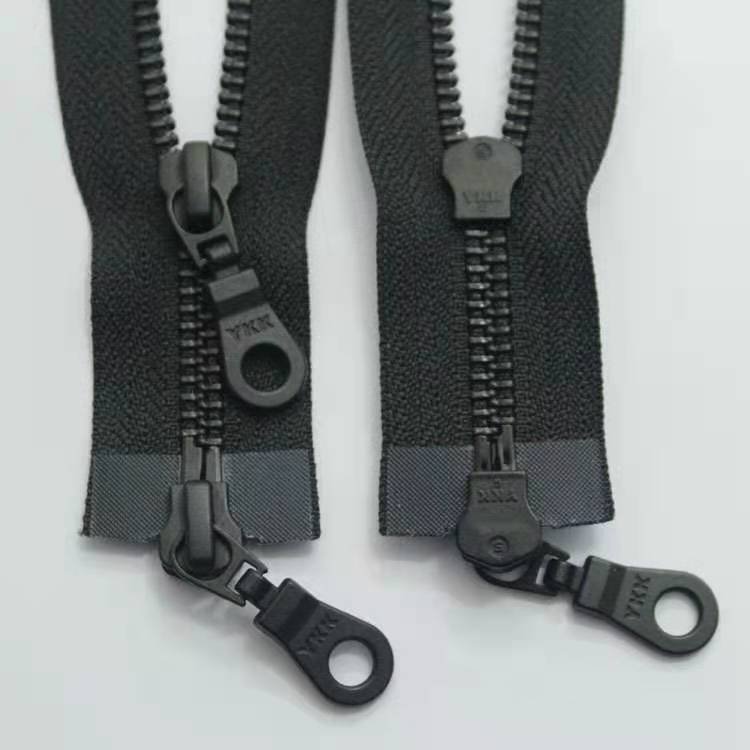
YKK Zippers
Industry-standard YKK coil, invisible, and metal-tooth zippers for half-zip polo variations. Smooth, long-lasting operation is confirmed through our dedicated sewing and finishing quality control inspection before packing begins.
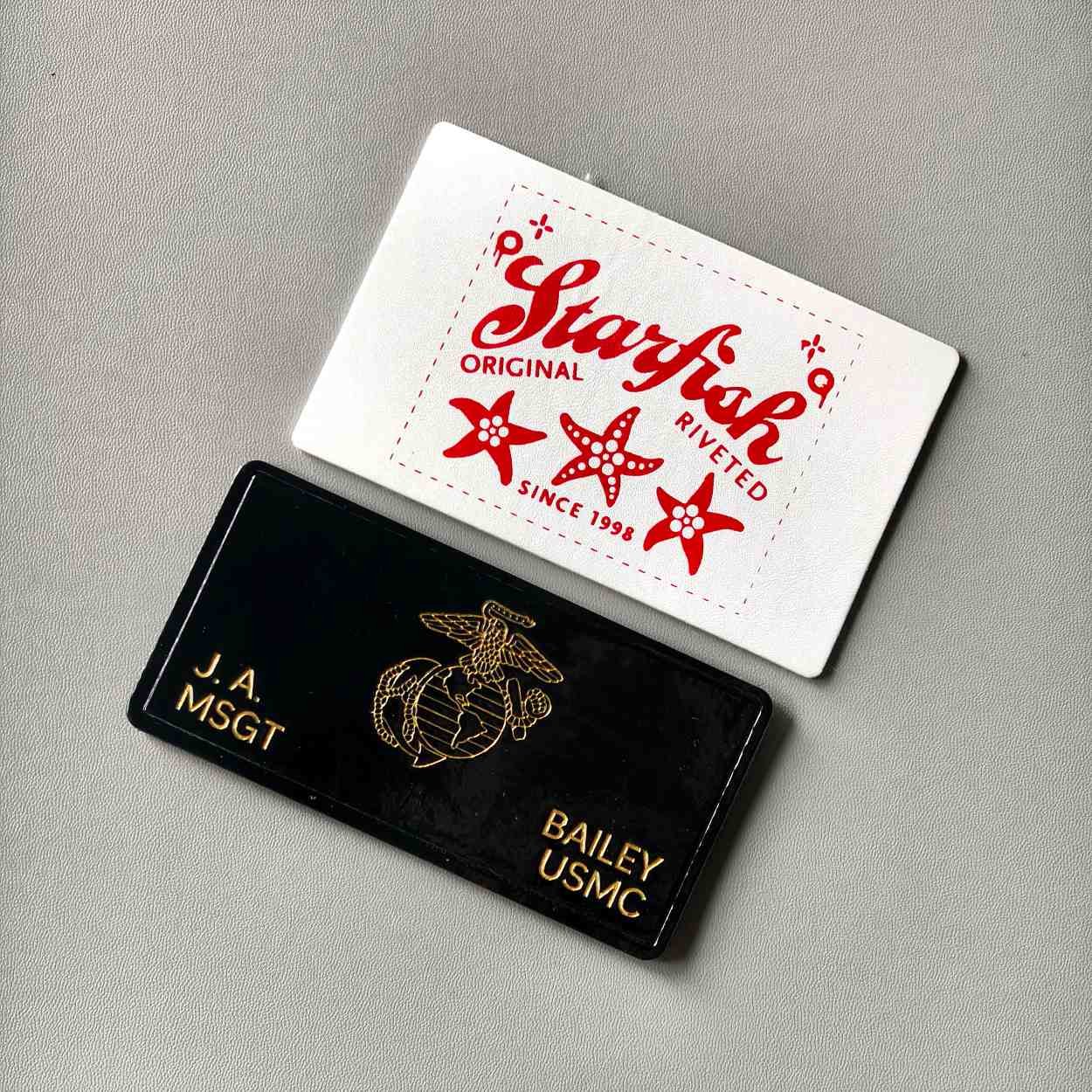
Custom Hangtags
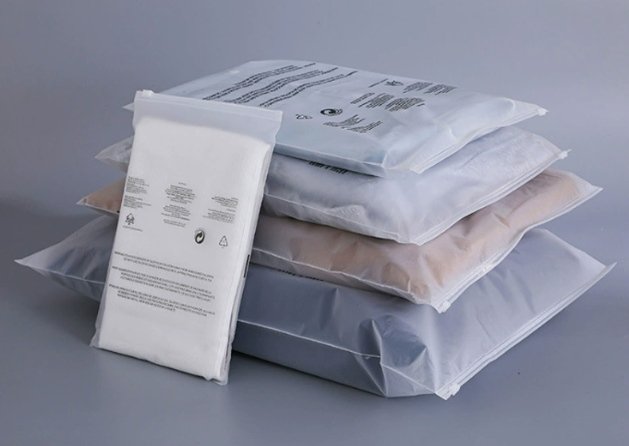
Die-cut paper or card hangtags in your brand colors with options for foil stamping, QR codes, and barcodes. Attached at the hem or sleeve for a polished, retail-ready presentation on every unit.
Woven Patches
High-definition woven, embroidered, or rubber patches for chest logos, sleeve hits, and back panels — a core streetwear branding tool that transforms your knit polo into a bold, instantly recognizable label statement.
A Knit Polo Shirt Manufacturer Built on Heritage
Tesla Luo founded Clothing Manufacturer Ltd. in August 2024 with a mission forged by a lifetime in apparel production. Born into a family of garment makers — his father a factory director, his mother a workshop supervisor — Tesla spent childhood summers in Dongguan rotating through every production role, from cutting and sewing to quality control and shipping, building a ground-level mastery of manufacturing few founders can match.
After more than a decade serving over 1,000 clients across 100-plus countries as a knit polo shirt manufacturer and streetwear production partner, Tesla brought that experience into a focused venture. Clothing Manufacturer Ltd. combines an in-house R&D team of 15 specialists and 10 registered patents with low MOQ programs and fast seasonal turnarounds — giving startups, influencer brands, and global retailers a single reliable production home.
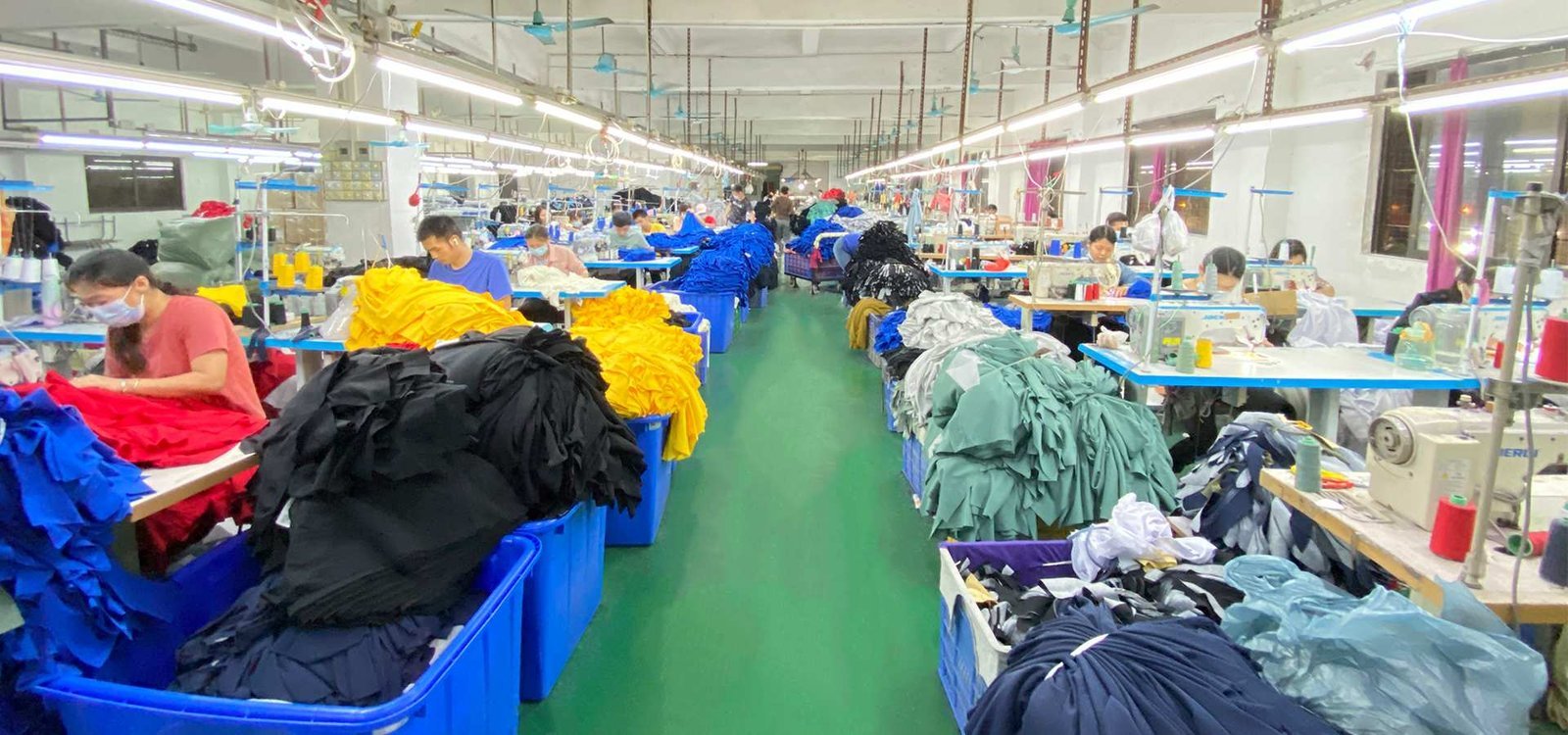
What truly sets Clothing Manufacturer Ltd. apart is a proprietary five-step quality control process — spanning materials, cutting, craft, sewing, and final inspection — built to eliminate the production shortcuts Tesla witnessed firsthand across the industry. Every knit polo leaves our Humen, Dongguan facility only after clearing all five checkpoints, a zero-compromise standard that restores confidence in Chinese manufacturing and delivers the premium results global brands demand.
Knit Polo Shirt Manufacturer Built on Quality-First Principles
Five QC Stages, Zero Compromise on Quality
Most factories inspect only after sewing is complete. Our proprietary 5-step QC methodology embeds mandatory checkpoints at materials, cutting, craft, sewing, and finished-goods stages — catching defects early and eliminating costly surprises before your order ships.
- Materials QC: every fabric tested and verified before a single cut is made
- Cutting and craft checks confirm pattern accuracy and construction technique mid-production
- Sewing QC validates stitch integrity and seam strength across every unit in the run
- Final finished-goods inspection audits each piece individually before packaging and dispatch
15 R&D Specialists, 10 Proprietary Patents
Our in-house team of 15 R&D specialists and 10 registered production patents give us capabilities most knit polo manufacturers simply cannot match — from advanced knit constructions to precision finishing techniques refined across more than a decade of streetwear production.
- Proprietary knit structures engineered specifically for streetwear drape, durability, and hand-feel
- 10 patents spanning cutting, sewing, and finishing process innovations unique to our factory
- In-house pattern development reduces reliance on external studios and accelerates sample timelines
- Ongoing R&D into new fabric blends, functional finishes, and emerging trend-driven design details
Rapid Sampling That Keeps Your Launch on Track
Seasonal windows are unforgiving. Our in-house sampling team converts concept briefs into production-ready prototypes fast, with every sample reviewed under our 5-step QC framework from day one — so you approve with full confidence, not guesswork.
- In-house sampling eliminates third-party delays, handoff errors, and miscommunication
- Quick-turn prototypes built for streetwear drops, influencer capsules, and limited-edition releases
- 5-step QC applied at the sampling stage — not just final production — for zero surprises
- Transparent revision tracking with clear sign-off milestones until you are fully satisfied
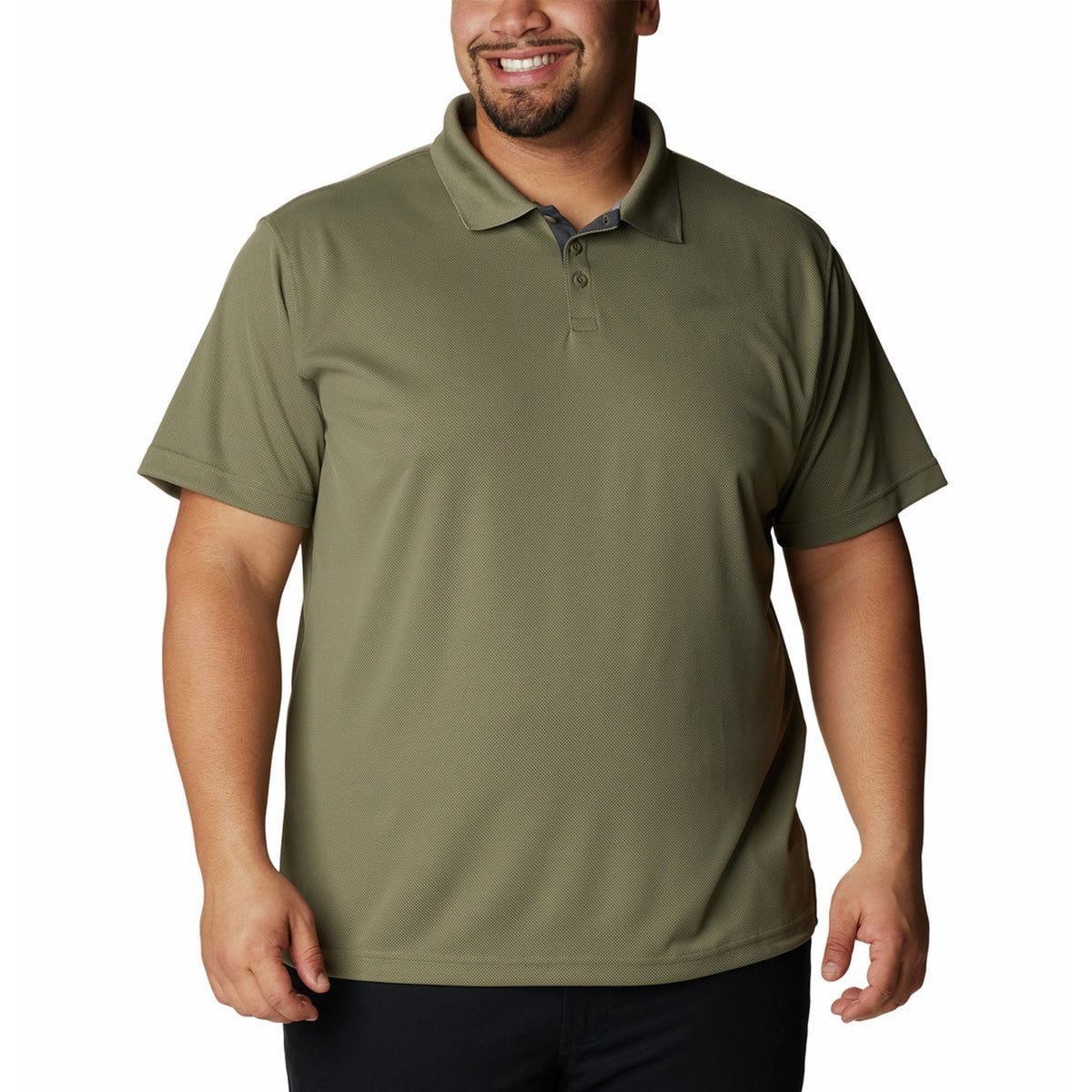
Low MOQ, Full Quality for Every Brand
As a knit polo shirt manufacturer that grew alongside independent designers and startups, we built our production model for flexibility. Emerging labels receive the same premium craftsmanship and rigorous QC standards as established global retailers, regardless of order size.
- Low minimum order quantities ideal for first collections, test runs, and limited drops
- Production infrastructure scales smoothly as your brand grows and seasonal volumes increase
- Identical 5-step QC standards enforced whether you order 50 units or 5,000 pieces
- End-to-end global shipping and logistics support managed from our factory floor to your door
Our Knit Polo Shirt Manufacturer vs. The Competition
See exactly how Clothing Manufacturer Ltd outperforms typical overseas suppliers on every dimension that matters to your brand’s growth.
← 左右滑动查看 →
Our Knit Polo Shirt Manufacturing Process, Step by Step
From raw fabric to your front door, every order follows a transparent, rigorously controlled workflow built to deliver consistent quality at scale.
Fabric Sourcing & Selection
We source premium knit fabrics from vetted mills, matching weight, hand-feel, and fiber composition precisely to your design brief and brand performance requirements.
Design & Sample Development
Our 15-member in-house R&D team converts your concept into technical patterns and physical samples, iterating until every construction detail earns your sign-off.
Precision Cutting & Materials QC
Approved fabrics undergo dedicated materials QC testing before computerized cutting, eliminating misalignment and waste while confirming each component meets spec from the start.
Sewing & Inline Production QC
Skilled sewers assemble each polo under continuous craft and sewing QC monitoring, catching seam-level defects in real time before they compound downstream.
5-Step Final QC Inspection
Every finished garment clears our proprietary five-step QC process — materials, cutting, craft, sewing, and final inspection — ensuring zero-defect goods leave our facility.
Finishing, Packing & Shipping
Polos are pressed, branded, folded, and packed to your exact spec, then dispatched through our global logistics network with end-to-end tracking to your door.
Three Steps to Launch Your Line With a Knit Polo Shirt Manufacturer
From your first design brief to your first delivery, our streamlined process is built for speed, transparency, and zero guesswork at every stage.
Submit Your Design or Tech Pack
Share your artwork, tech pack, or concept brief. Our in-house design and sampling team converts your vision into production-ready specs and precise fabric recommendations fast.
Approve Your Sample and Quote
We produce a physical knit polo shirt sample alongside a clear, itemized quote. Request revisions freely until every construction detail and finish meets your exact brand standard.
Place Your Order and Ship Globally
Lock in your bulk order with flexible MOQ and payment terms. Our 5-step QC process runs throughout production before we coordinate global logistics direct to your door.
Certified Excellence from a Trusted Knit Polo Shirt Manufacturer
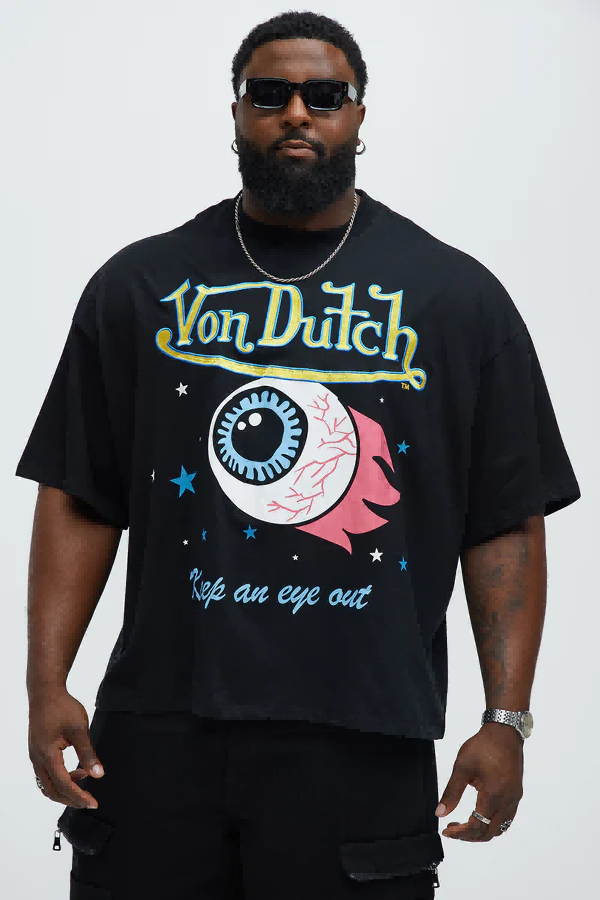
Trusted by Brands Worldwide as Their Knit Polo Shirt Manufacturer
We launched our debut polo drop with just 50 pieces per colorway. The 5-step QC meant zero returns — we sold out in 11 days and immediately reordered 300 units. The only knit polo shirt manufacturer we will ever use.
Our Instagram following grew from 9,000 to 74,000 after we dropped the custom knit polos. The quality basically marketed itself. Turnaround was 17 days for a 150-piece run and we have placed 5 reorders since launch.
We sourced from five Asian suppliers before switching. Clothing Manufacturer Ltd. cut our defect rate to under 0.5% across three consecutive 600-piece bulk orders. Our buyers in Europe and the US have not raised a single quality complaint.
Common Questions About Our Knit Polo Shirt Manufacturer
Everything you need to know before placing your first order — MOQs, sampling, lead times, QC, and more.
What is the minimum order quantity (MOQ) for a knit polo shirt manufacturer like Clothing Manufacturer Ltd.?
How long does sampling take when working with your knit polo shirt manufacturer?
Why should I choose a knit polo shirt manufacturer based in Dongguan, China over sourcing locally?
How does your 5-step quality control process actually protect my brand?
Can you produce custom streetwear graphics, embroidery, and jacquard designs on knit polo shirts?
What are typical bulk production lead times for knit polo orders?
What payment terms do you offer, and are there any hidden fees?
How do you protect my intellectual property and proprietary designs?
Do you handle global shipping and customs for international polo shirt orders?
The Complete Buyer’s Guide to Knit Polo Shirt Manufacturer
Discover how to evaluate every knit polo shirt manufacturer against proven supplier criteria, navigate fabric and construction decisions, avoid the costliest sourcing mistakes, and launch your brand with confidence using our end-to-end decision framework.
1. What Is a Knit Polo Shirt Manufacturer?
At 160–240 GSM, piqué and interlock jersey — the looped-yarn fabrics that define a knit polo — behave fundamentally differently from the interlaced warp-and-weft construction of a woven dress shirt. A knit polo shirt manufacturer operates circular-knit machinery, coverstitch and flatlock sewing lines, and ribbed-collar knitting attachments that a standard woven-shirt CMT factory does not stock. These are distinct production environments, and that gap surfaces at the first sample.
Four core capabilities define a genuine specialist: fabric knitting or certified-fabric sourcing (ring-spun vs. open-end yarn determines pill resistance and hand-feel), cut-and-sew with polo-specific patterns, finishing (steam pressing, shrink pre-treatment, Pantone color matching), and multi-stage quality control. A generic CMT operation typically offers cut-and-sew only, skipping knitting expertise and the embedded QC checks that catch defects before they compound. Without calibrated machinery, details like a two-ply tipped collar or three-button placket with horn buttons cannot be produced at consistent quality.
3 polo-specific performance variables — stretch recovery, seam torque, and collar roll stability — expose the gap between a knit specialist and a generic CMT factory faster than any spec sheet. A specialist’s patterns, machinery tensions, and QC protocols are calibrated to piqué and jersey behavior from cutting table to final inspection; a generalist rotating between polo orders and woven trousers is not. When you search for a ‘knit polo shirt manufacturer,’ you are looking for vertically integrated control over knitting, cut-and-sew, finishing, and quality checks — and the verified ability to execute each stage consistently at scale.
2. Evolution of the Knit Polo Shirt Industry
René Lacoste introduced the piqué-knit tennis shirt in 1926, replacing the stiff woven collar with a soft rib-knit placket and creating what the industry now calls the polo’s defining construction signature. By the 1980s, brands like Ralph Lauren and Lacoste drove a preppy boom that pushed annual global polo shirt production into the hundreds of millions of units, anchored by mills in France, England, and Italy.
Manufacturing gravity shifted decisively toward Asia between 1990 and 2010, as Guangdong Province — home to Humen Town’s dense garment cluster — became the world’s dominant source for knit polo production, offering ring-spun cotton piqué at scale, competitive FOB pricing, and fast iteration on seasonal colorways. That geographic consolidation gave Asian factories decades of accumulated pattern libraries, fabric sourcing networks, and specialized finishing know-how that European nearshore producers are still rebuilding.
Heritage matters when vetting a knit polo shirt manufacturer because a factory’s institutional memory — how it tensions a three-button placket, how it controls GSM consistency run-to-run — is built over years, not months. A manufacturer who has produced polo silhouettes through multiple trend cycles understands how construction details translate across fabrications, from 180 GSM piqué to 260 GSM French terry.
Since 2020, low-MOQ digital sampling has fundamentally lowered the entry barrier for streetwear startups and creator brands. Physical sample approvals that once required 300-unit minimums now run at 30–50 pieces, with 3D virtual sampling cutting pre-production lead times from six weeks to under two, letting independent designers validate fit and colorway before committing to full runs.
3. Types of Knit Polo Shirts a Manufacturer Can Produce
A capable knit polo shirt manufacturer masters at least six distinct constructions, each tied to different end-uses, GSM ranges, and buyer segments. Choosing the right knit structure upfront prevents costly re-sampling and misaligned fabric specs.
Classic Piqué Polo
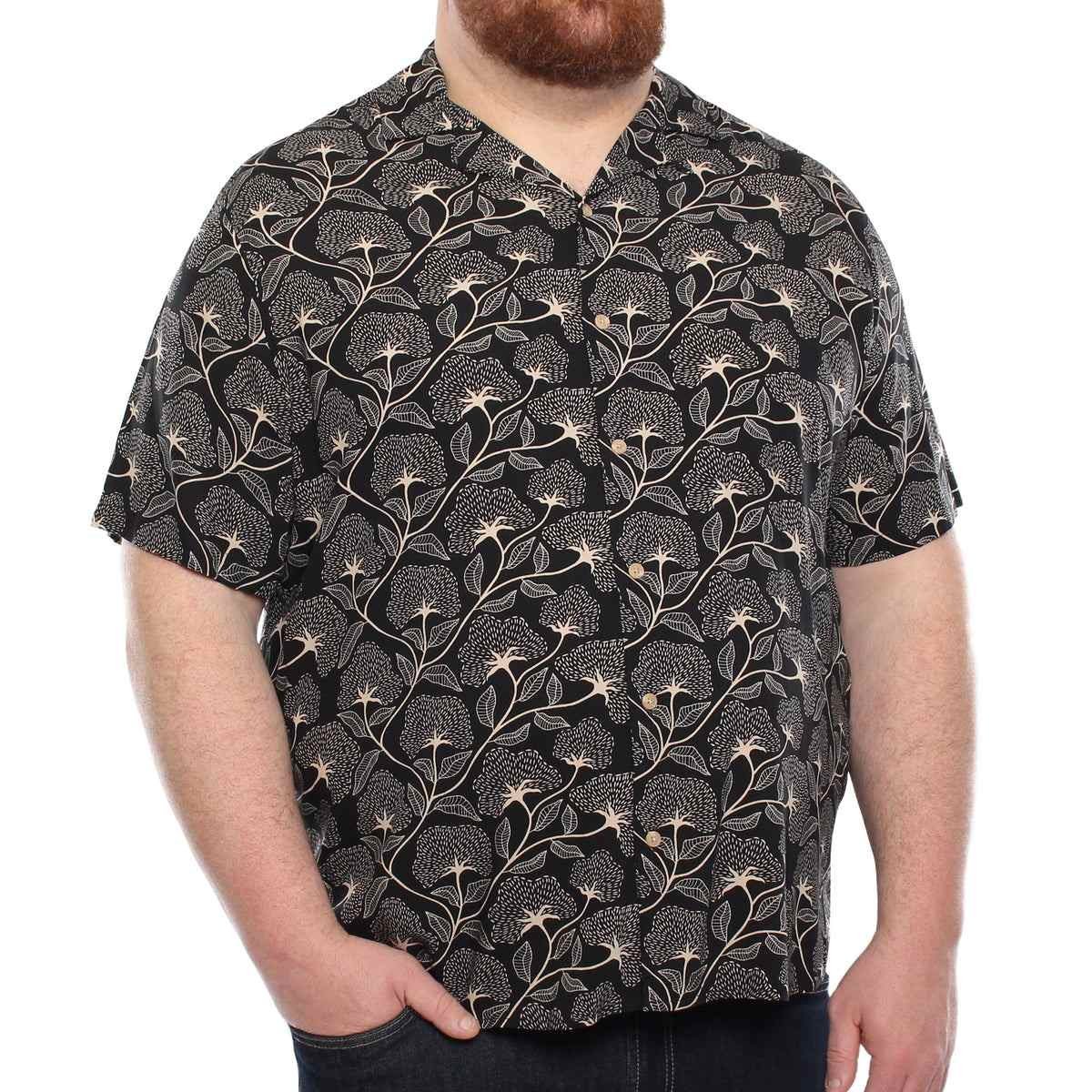
Piqué is the industry default: a double-knit construction with a textured surface, typically 180–220 GSM. It holds shape through repeated washing and suits global apparel retailers and corporate uniform buyers who need consistent bulk production.
Interlock Polo
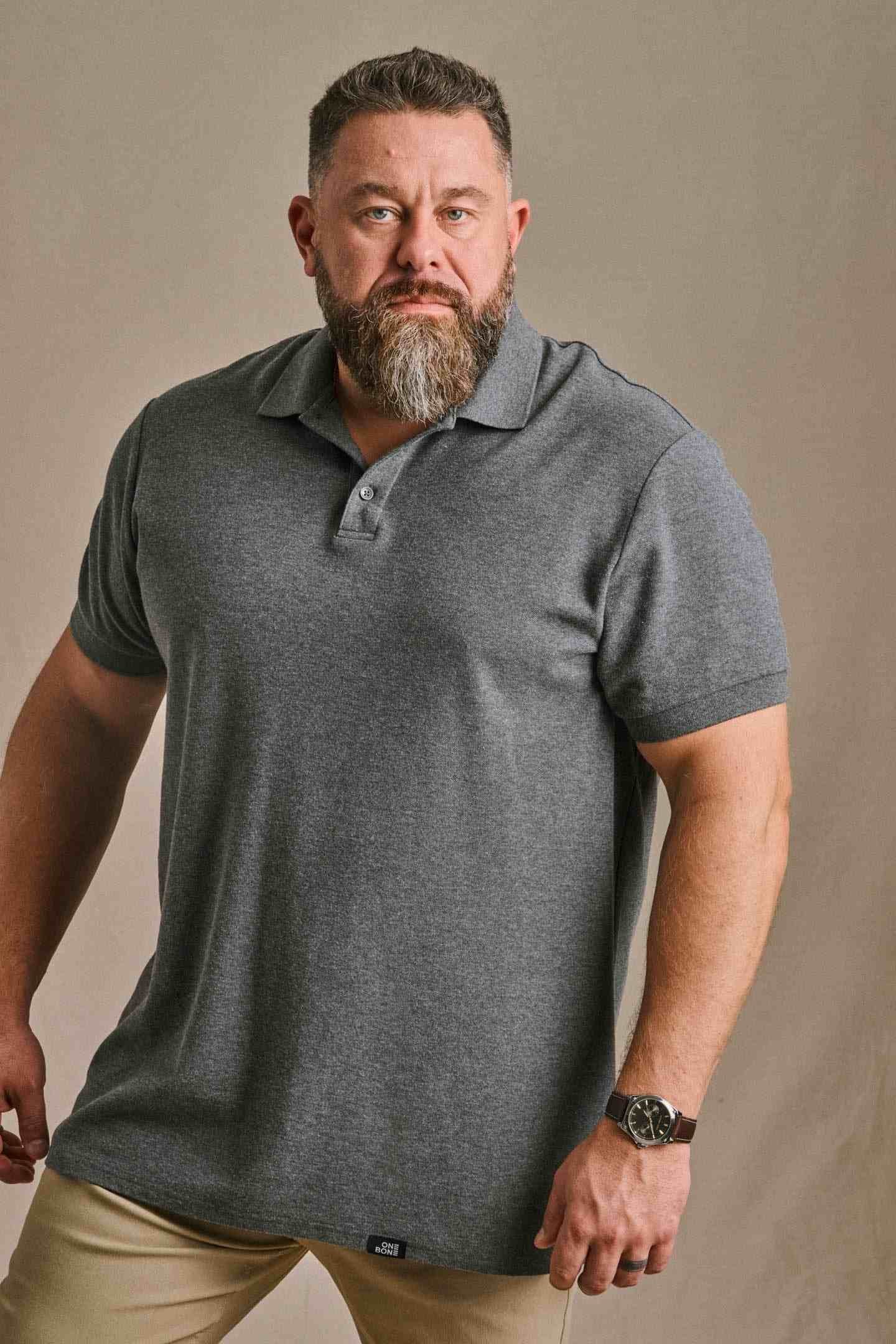
Interlock uses a tighter double-knit structure, landing at 200–240 GSM with a smooth face on both sides. This construction suits fashion startups and influencer brands seeking a refined, elevated look over standard piqué texture.
Waffle-Knit Polo
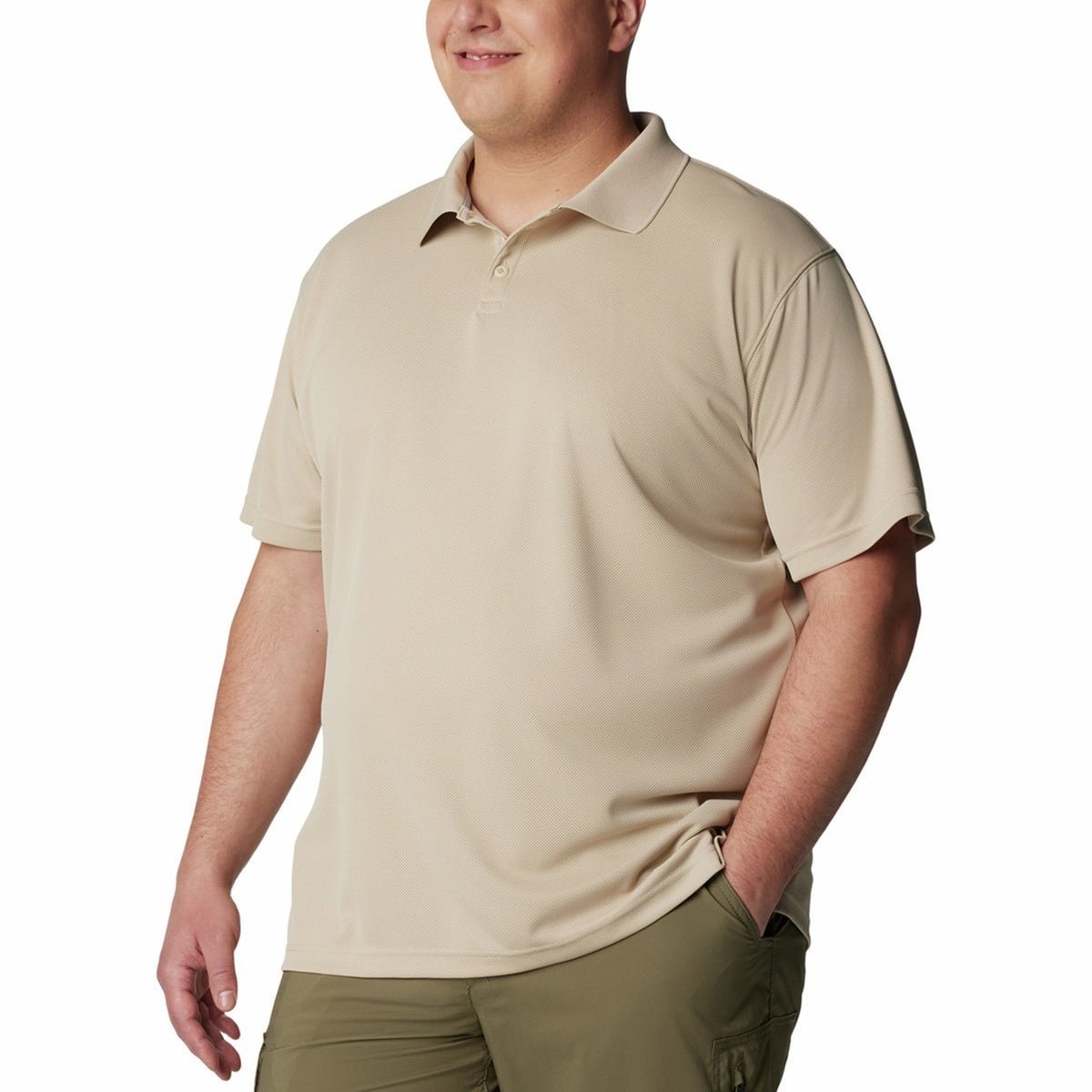
Waffle knit produces a distinctive grid-surface texture, running 200–260 GSM with strong thermal properties. It attracts streetwear and trendy brands looking for tactile visual interest and suits limited-edition drops and capsule collections.
Ribbed-Collar Rugby Polo
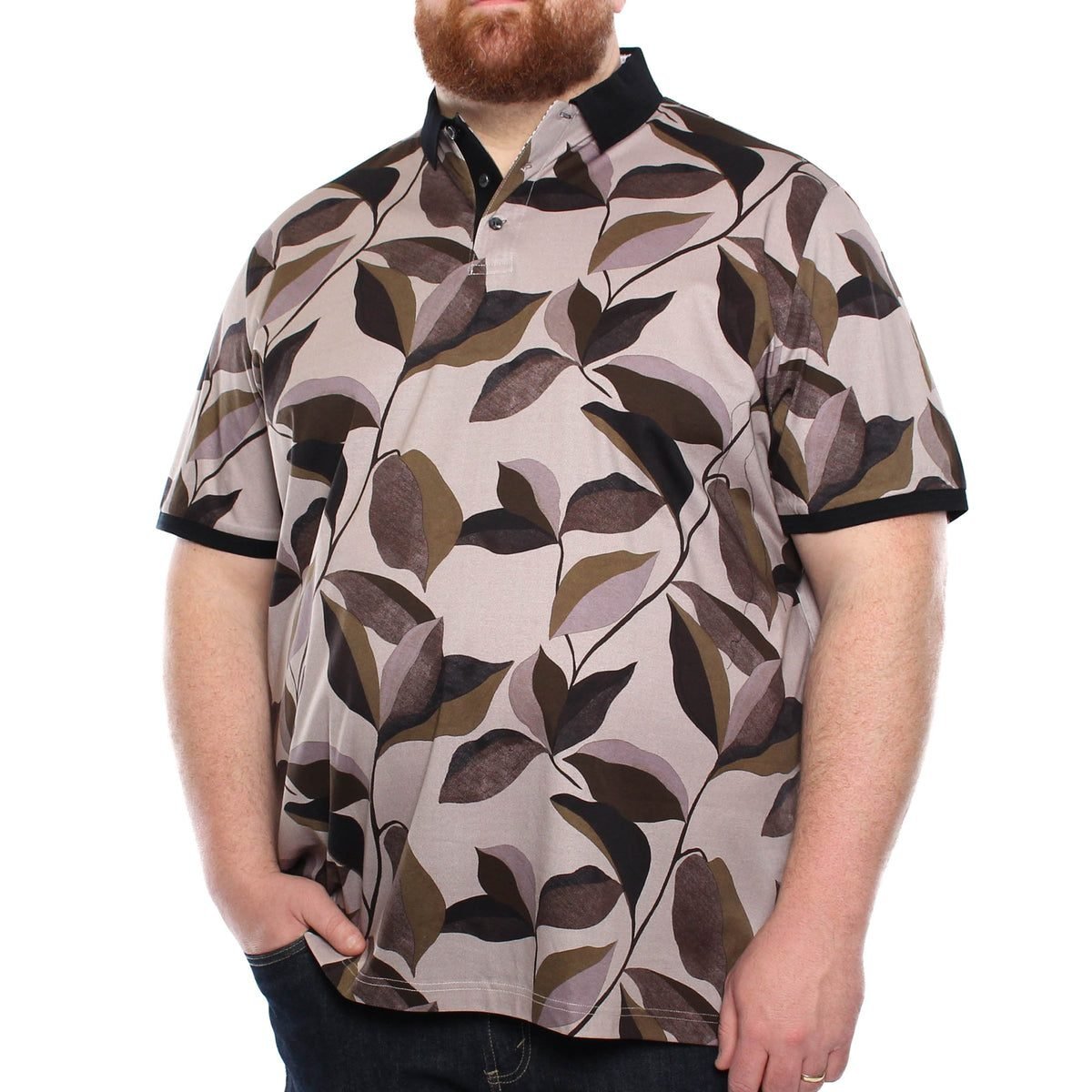
Rugby polos pair a heavier body (240–280 GSM) with wide ribbed collars and contrast sleeve stripes. Streetwear labels and influencer brands use this silhouette for a bold, athletic-heritage aesthetic that photographs well for social content.
Oversized Streetwear Polo
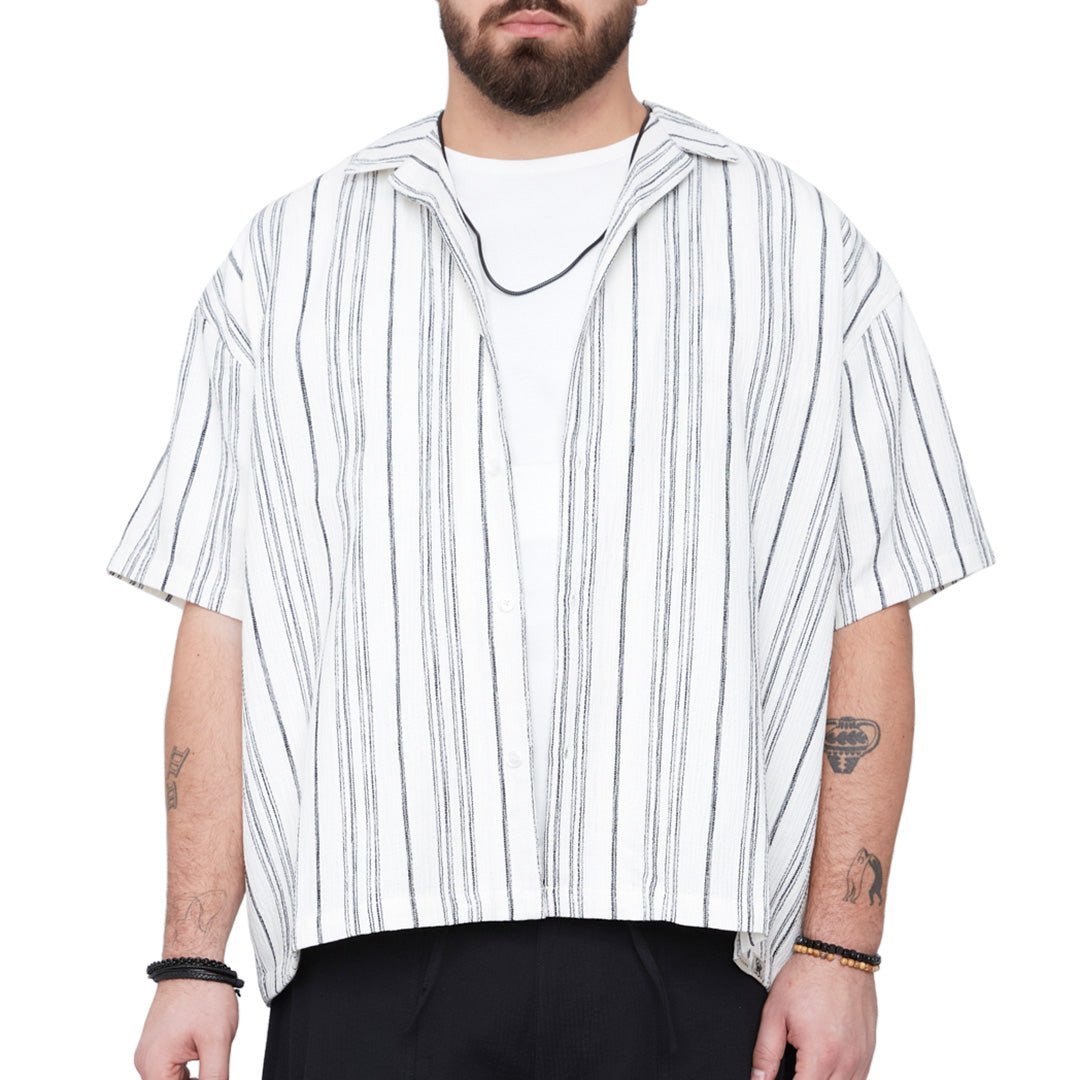
Oversized cuts in 220–260 GSM piqué or French terry are the streetwear segment’s highest-demand polo format. Independent designers and influencer brands favor dropped shoulders and extended hems to align with current hip-hop and skate-culture silhouettes.
Performance Moisture-Wicking Polo
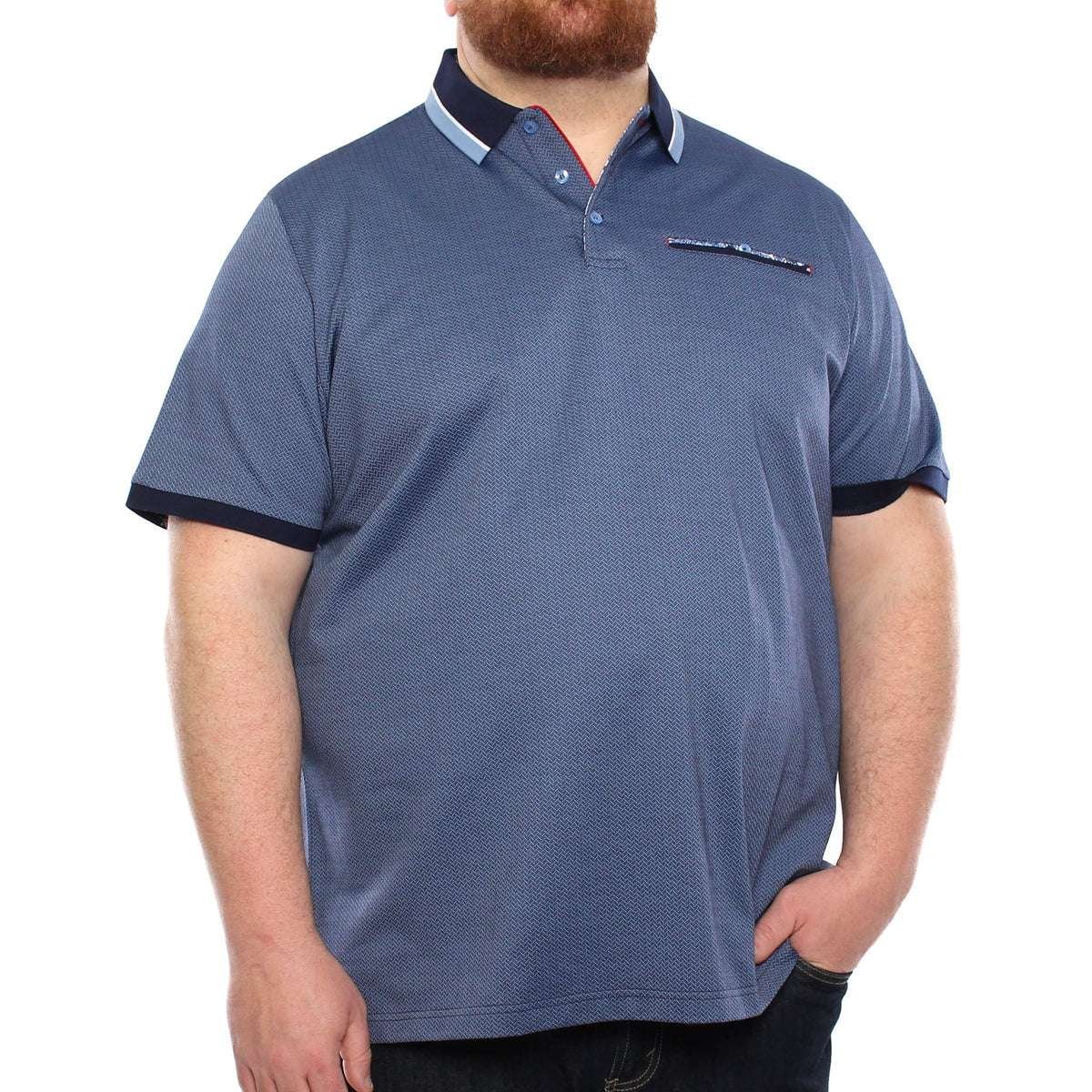
Performance polos use polyester-blend knits (120–180 GSM) with moisture-wicking finishes, targeting activewear retailers and corporate gifting buyers. OEKO-TEX certified yarns are standard for export orders requiring chemical safety compliance across EU and North American markets.
4. Materials & Fabrics Used by a Knit Polo Shirt Manufacturer
Fabric choice locks in a polo’s hand-feel, durability, and retail positioning before sampling begins. Every knit polo shirt manufacturer works from six core inputs — the table below maps them so you can spec the right cloth on the first order.
| Fabric | GSM Range | Hand-Feel | Shrinkage Risk | Eco Rating | Price vs. Base |
|---|---|---|---|---|---|
| 100% Cotton Piqué | 180–240 | Crisp, breathable | Medium (~5%) | None | Base |
| CVC 60/40 | 180–220 | Soft, stable | Low (<2%) | None | +5–10% |
| Polyester Performance Knit | 140–200 | Smooth, wicking | Very Low | None | +5–8% |
| Organic/GOTS Cotton | 180–240 | Same as piqué | Medium | GOTS certified | +20–30% |
| Bamboo-Viscose Blend | 160–200 | Silky, cool | Medium-High | OEKO-TEX partial | +15–25% |
| Recycled rPET | 140–190 | Smooth, lightweight | Low | GRS certified | +10–20% |
Cotton Piqué and CVC — the Workhorses
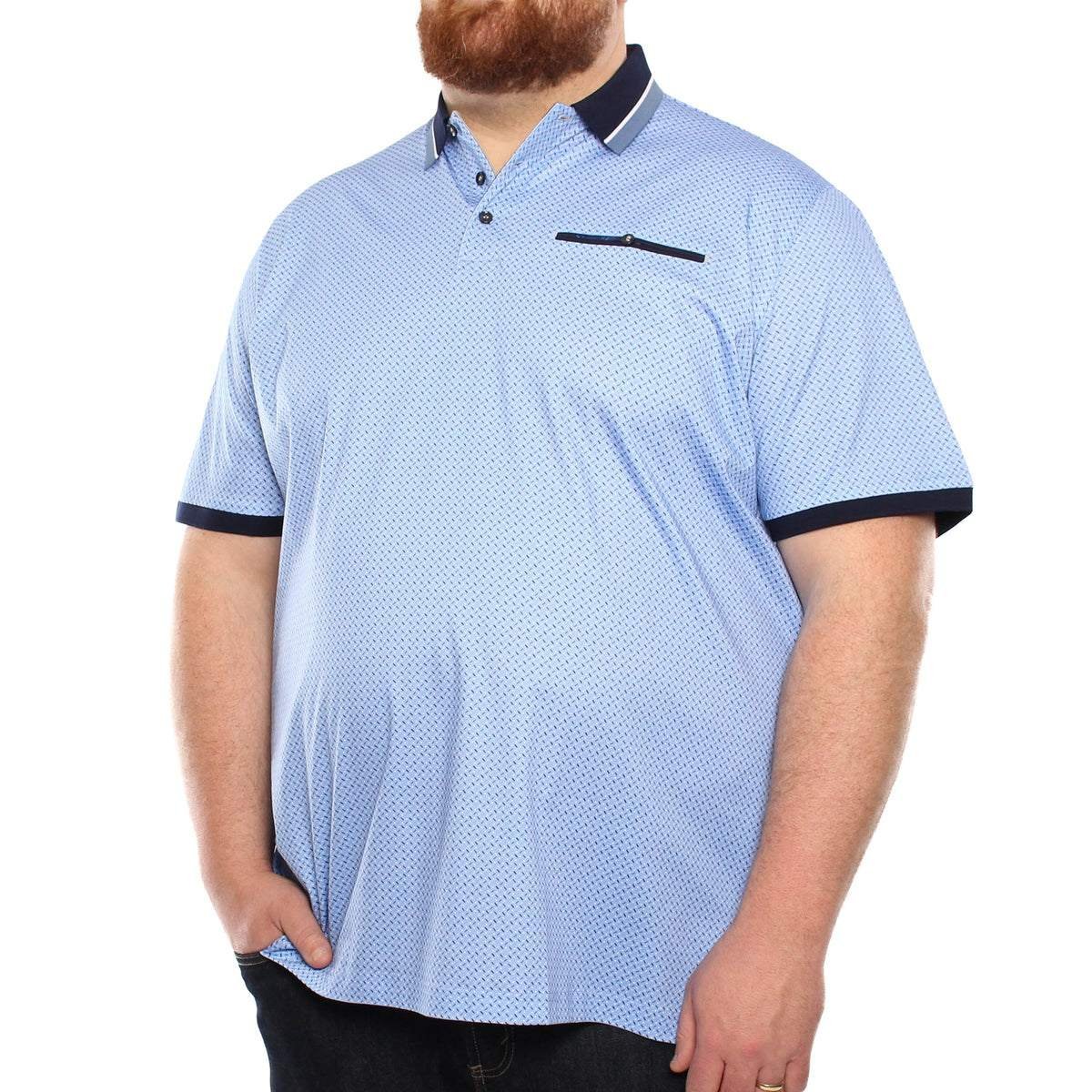
100% ring-spun cotton piqué (180–240 GSM) is the default for heritage and prep labels: breathable, dyeable, and universally legible as ‘polo.’ CVC blends (60% cotton, 40% polyester) reduce shrinkage from roughly 5% to under 2% and cut material cost by 5–10%.
Performance Knit and Sustainable Fabrics
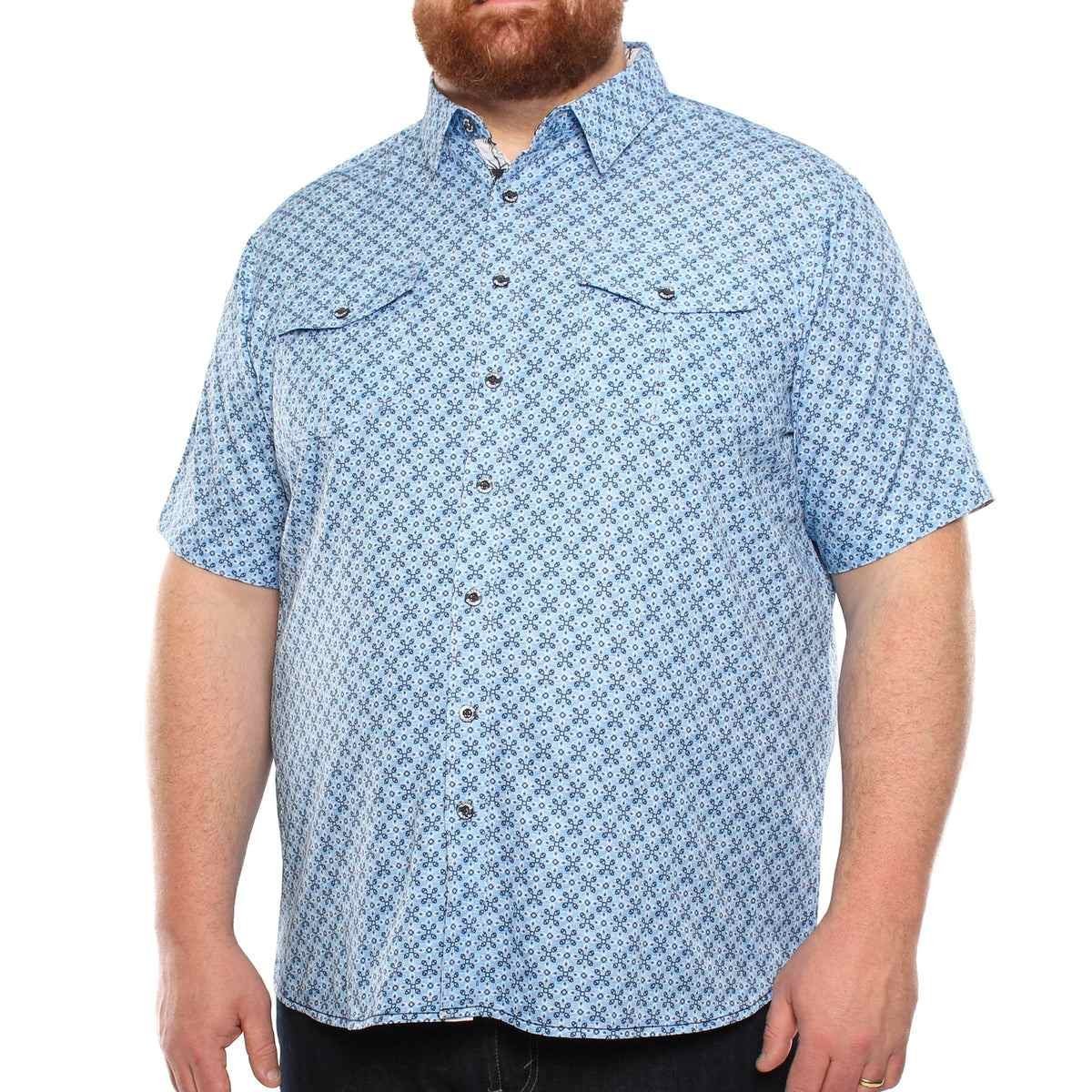
Polyester performance knit (140–200 GSM) targets athleisure and sport-adjacent streetwear — moisture-wicking, virtually shrink-proof, and the lowest-cost tier. Organic/GOTS cotton commands a 20–30% premium but unlocks eco-retail channels; recycled rPET (GRS-certified) and bamboo-viscose blends satisfy sustainability mandates at a smaller price step.
Matching Fabric to Your Brand Positioning
Heritage and premium lifestyle brands should default to 100% cotton piqué or GOTS organic cotton. Streetwear and activewear crossover labels perform best on CVC or polyester knit. Sustainability-forward brands targeting Gen Z can differentiate with rPET or bamboo-viscose, both certifiable to OEKO-TEX Standard 100.
5. Customization & Decoration Options at a Knit Polo Shirt Manufacturer
A knit polo shirt manufacturer offers more customization levers than most brands expect — collar construction, placket style, decoration method, and fit grading each carry distinct MOQ thresholds and setup costs. Knowing the numbers before sampling prevents costly mid-development redesigns.
| Technique | Setup Fee | MOQ | Best For |
|---|---|---|---|
| Chest Embroidery | $25–$50 digitizing | 50–100 pcs | Logo and brand hits |
| Screen Print | $40–$80 per color | 100 pcs | Bold graphic placements |
| Heat Transfer | None | 50 pcs | Small runs, creator brands |
| Woven Label | $30–$60 loom fee | 200–500 pcs | Premium neck branding |
| Custom Buttons | None | 100 pcs | Hardware upgrades |
| AOP Sublimation | None | 50 pcs | Full-surface streetwear prints |
Collar and Placket Construction Options
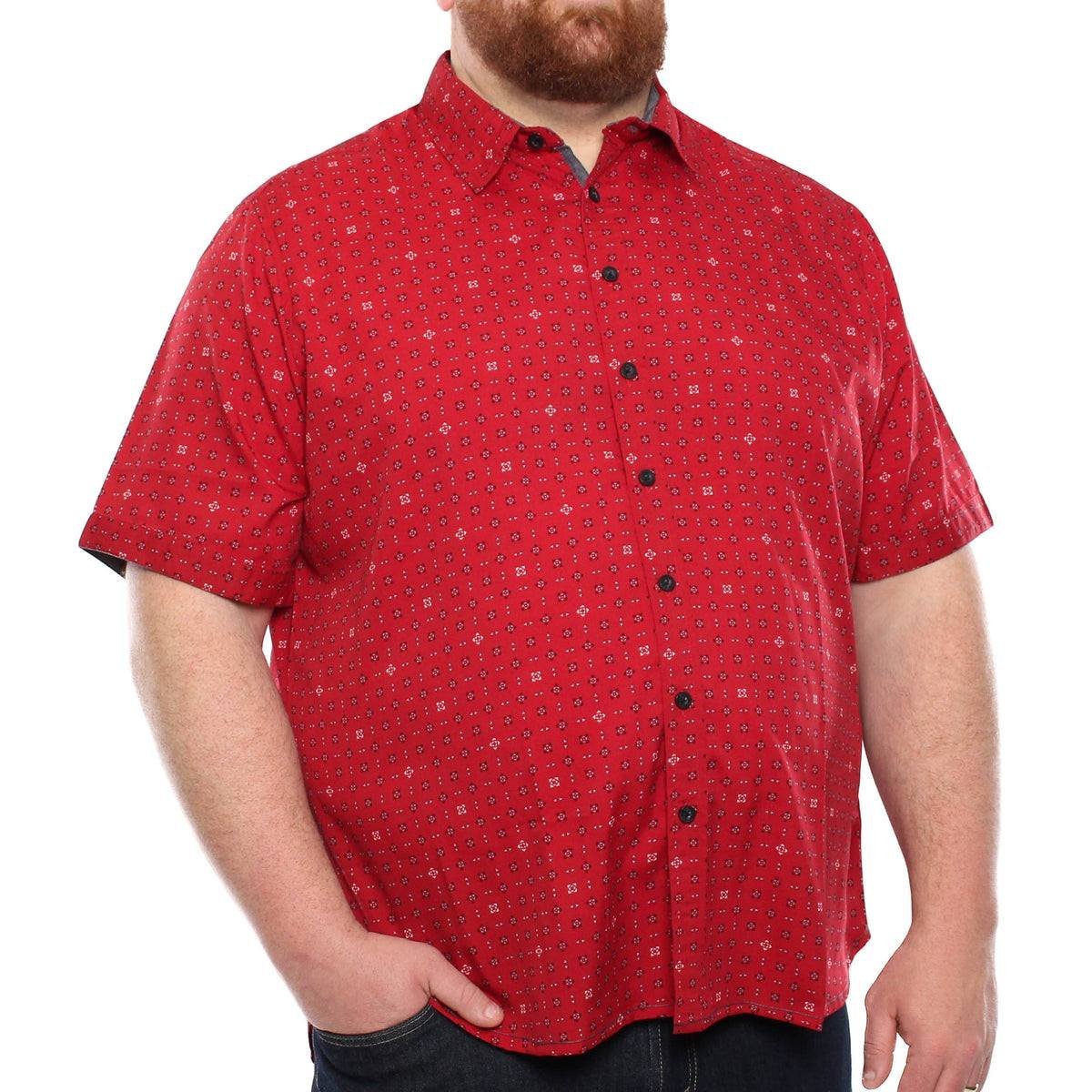
Flat-knit collars are the standard baseline; contrast tipping — a contrasting yarn stripe at the collar edge — adds $0.30–$0.80 per unit with no tooling fee. Hidden plackets deliver a cleaner streetwear silhouette; zip plackets require a YKK zipper upcharge of $0.50–$1.20 per piece.
Embroidery, Screen Print, and Heat Transfer
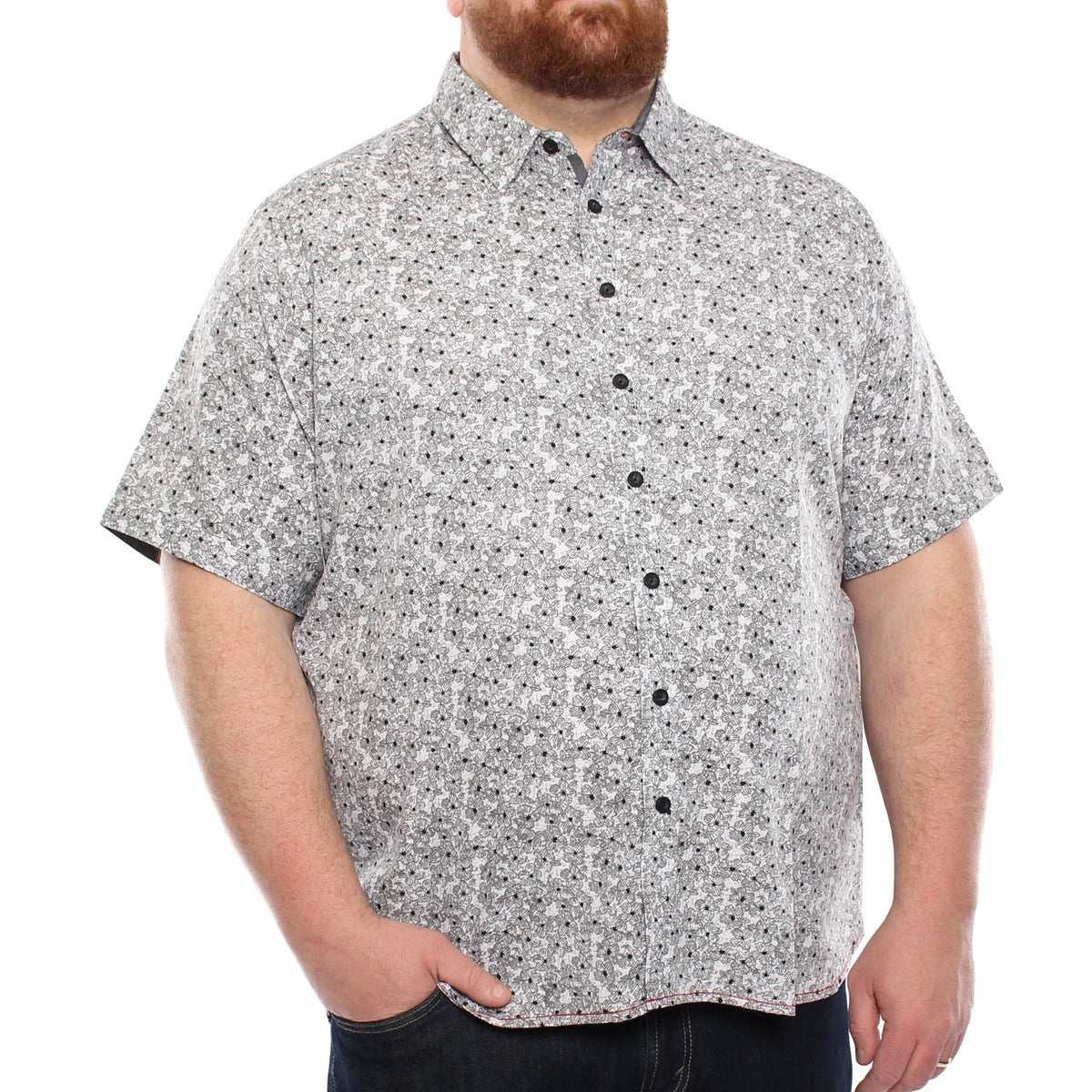
Chest logo embroidery carries a one-time $25–$50 digitizing fee with a 50-piece MOQ; a sleeve hit adds a second digitizing charge.
Screen printing requires a $40–$80 screen per color at a 100-piece minimum; heat-transfer decoration skips the screen fee entirely and runs from 50 pieces — ideal for creator brands testing a debut drop.
Woven Labels, Custom Buttons, and Hardware
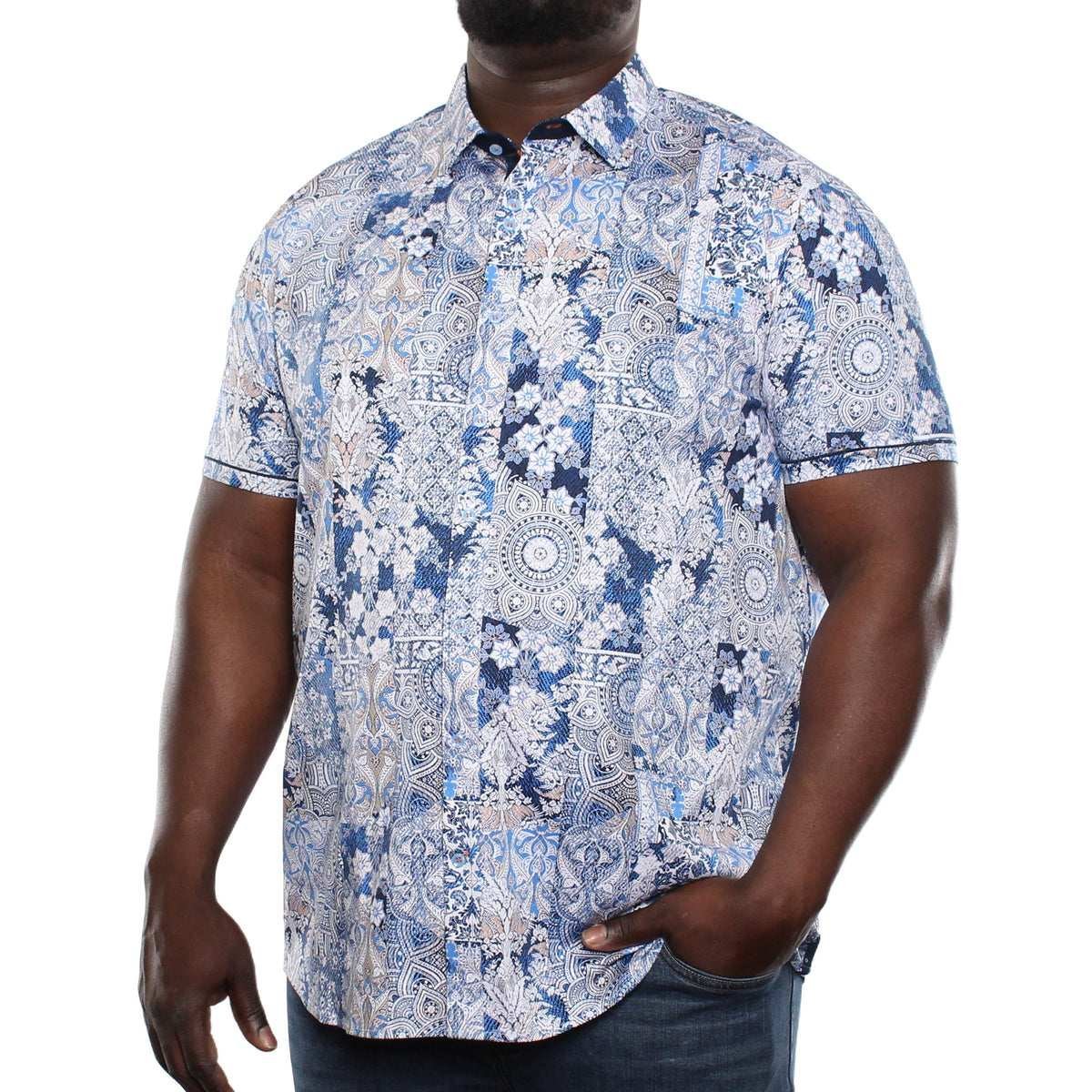
Woven neck labels require a $30–$60 loom setup and a 200–500-piece minimum; heat-transfer labels carry no tooling cost and work from 50 pieces. Custom resin buttons add $0.15–$0.60 per piece; natural shell buttons run $0.40–$1.00 each depending on diameter and source.
Bespoke Fit Grading and All-Over Print
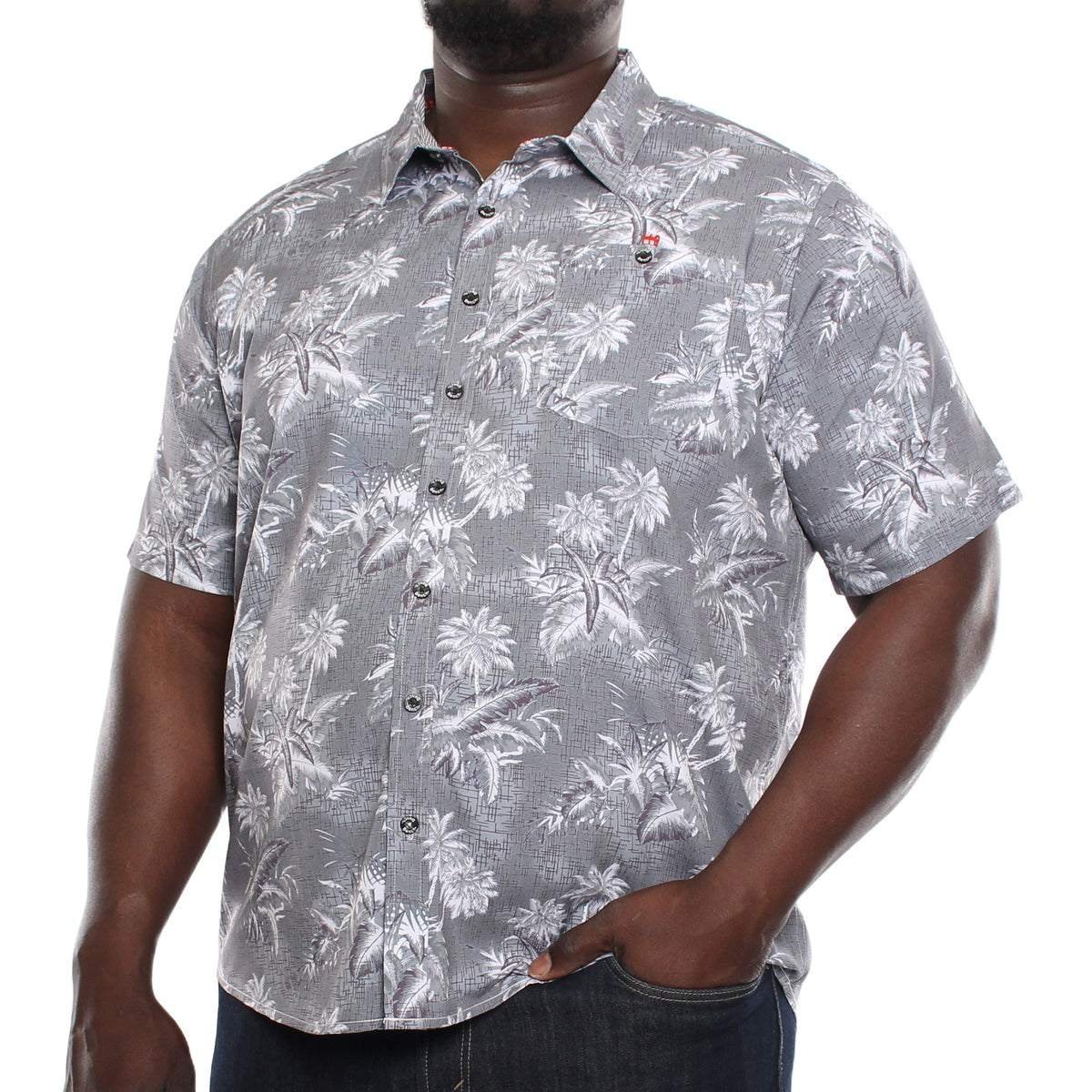
Custom fit grading across a 5–7 size run costs $80–$150 as a one-time pattern fee — worth amortizing once initial sales confirm the silhouette.
All-over print via sublimation works on polyester-blend pique from 50 pieces with no screen setup; reactive AOP on cotton requires a 100-piece minimum and a $60–$120 layout fee.
6. Key Construction & Quality Elements to Inspect
Visual quality on a sample reveals little without checking construction. Buyers must audit stitching, seams, and finishing details before committing to bulk production runs with any knit polo shirt manufacturer.
Stitch Density and Seam Type
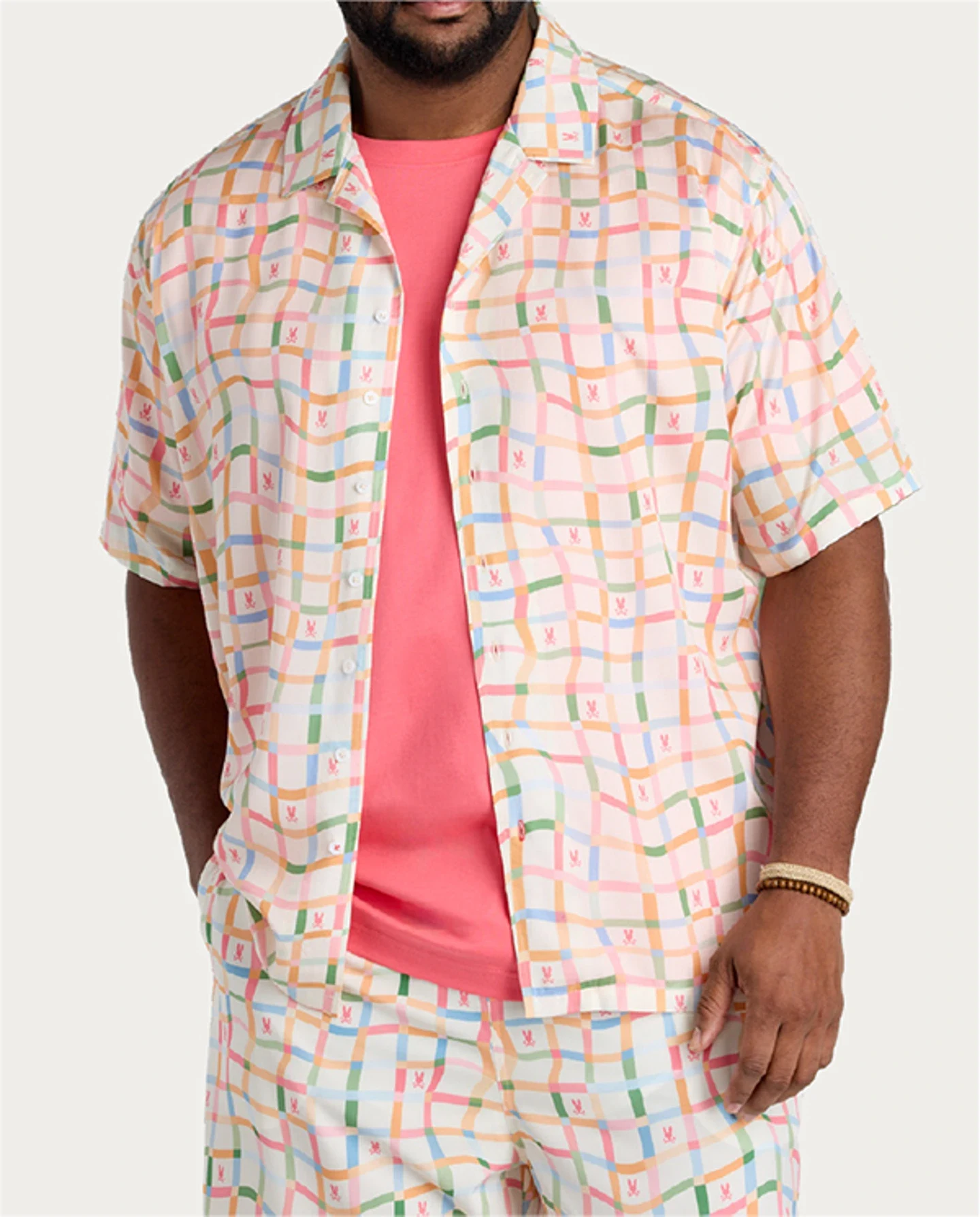
Knit polo shirts require 12–14 stitches per inch (SPI) for seams that resist stretch distortion under repeated wear. Flatlock seams lie flat against skin and suit athletic-cut silhouettes; overlock seams work for casual fits but add bulk at stress points. Request a seam-strength spec sheet — not just a physical sample — before approving bulk production.
Collar Stability and Placket Alignment
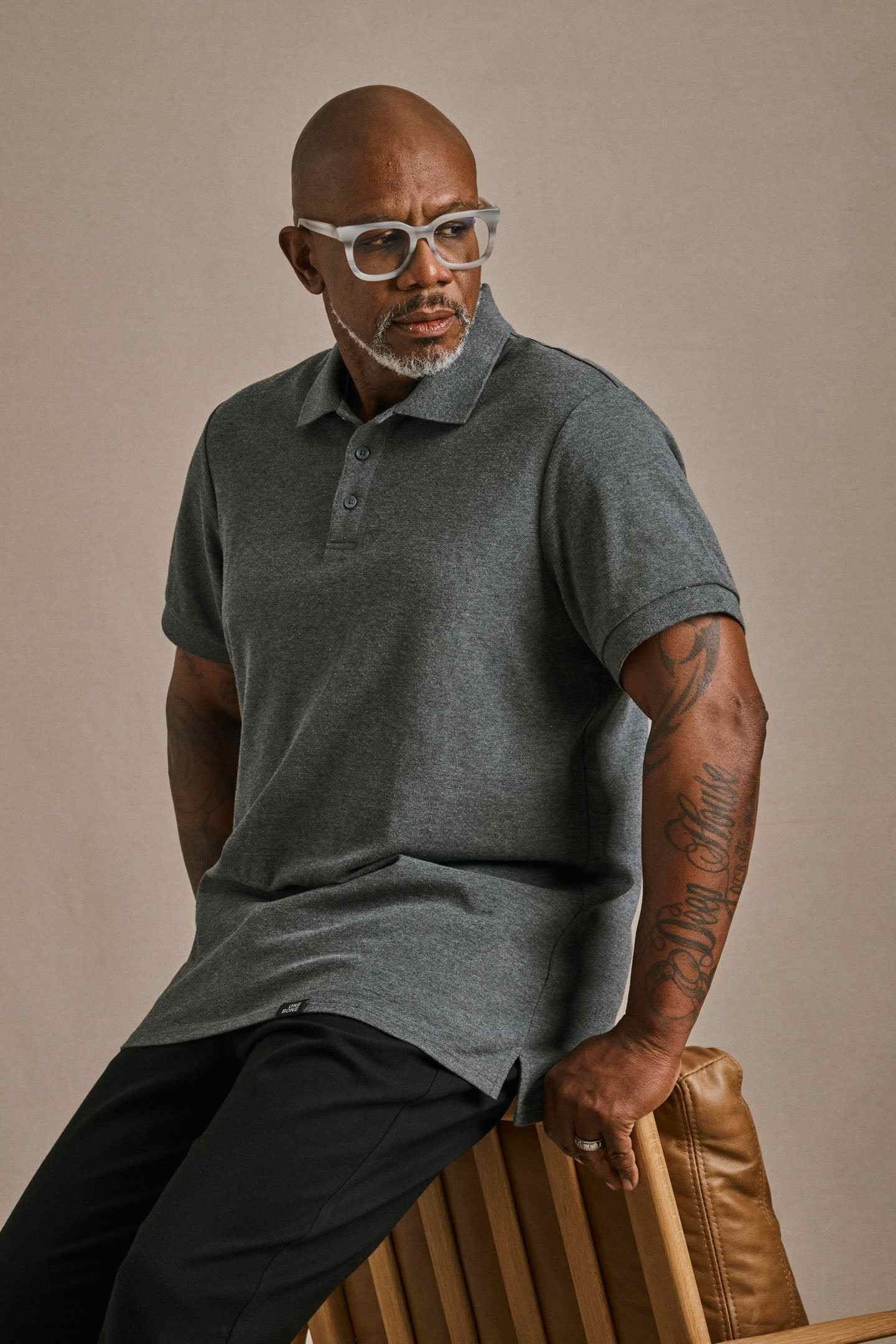
Rib-knit collars should hold their shape after 30 wash cycles; ask the factory for a wash-test report, not a verbal assurance. Placket alignment tolerance is ±2mm — anything wider signals weak cutting-room control. Button attachment must withstand a minimum 10N pull-force without detaching from the shell fabric.
Shrinkage Pre-Treatment and Colorfastness
Compressive shrinkage pre-treatment should keep dimensional change under 3% after five standard washes. Colorfastness to washing is graded 1–5; Grade 4 or above is the floor for retail-quality knit polos. OEKO-TEX Standard 100 certification independently confirms that dyes and finishes are free of harmful substances.
Reading a Tech Pack
A complete tech pack specifies fabric GSM, yarn count, Pantone color references, target SPI, seam allowances, and approved trim sourcing. Confirm that your manufacturer builds samples directly from your tech pack spec — not a generic in-house template. Discrepancies between the tech pack and the pre-production sample indicate weak process control.
Five-Stage QC Inspection Framework
A rigorous manufacturer runs quality checks at five distinct stages: materials, cutting, garment craft, sewing production, and finished-goods inspection. Embedding QC throughout production — rather than inspecting only at the end — catches defects while correction is still inexpensive. Factories that skip mid-production checks are the primary source of bulk-order rejects in China’s export garment sector.
7. How to Choose the Right Knit Polo Shirt Manufacturer
Shortlisting the right knit polo shirt manufacturer demands a structured scorecard, not gut instinct. Five criteria separate reliable long-term partners from suppliers who cut corners: capacity fit, sample speed, certifications, communication, and ethical compliance.
| Buyer Type | MOQ Target | Priority Certs | Vetting Method |
|---|---|---|---|
| Fashion Startup | 50–200 units | OEKO-TEX | Sample order + virtual audit |
| Influencer Brand | 100–300 units | OEKO-TEX | Communication speed test + sample |
| Global Retailer | 500–5,000+ units | BSCI, WRAP, ISO 9001 | Full audit + reference checks |
Match MOQ and Capacity to Your Stage
Startups and influencer brands typically need MOQs of 50–200 units per style; global retailers require 500–5,000+ units. Confirm the factory’s monthly output in pieces and request a production schedule to verify they can absorb your order without subcontracting to unknown facilities.
Prioritize Sample Speed and Communication
Reliable factories deliver first samples in 7–14 days. Send a tech pack before committing and measure reply time — under 24 hours signals a dedicated account manager. Influencer brands on trend cycles cannot afford partners who take 72+ hours to confirm fabric or color availability.
Require the Right Certifications
OEKO-TEX Standard 100 certifies fabric safety; GOTS covers organic supply chains; ISO 9001 verifies the quality management system. Global retailers typically mandate all three, while startups can begin with OEKO-TEX alone. Always cross-check certificate numbers on the issuing body’s online registry — documents are easily forged or expired.
Vet Ethical Compliance and Factory Conditions
BSCI and WRAP audits confirm fair labor and safe conditions, required by most European retailers. Request the latest audit report and its expiry date. Supplement paperwork with a virtual factory walkthrough and two client reference calls before placing your first production order.
8. Common Mistakes Brands Make When Sourcing a Knit Polo Shirt Manufacturer
New streetwear and influencer brands routinely repeat the same sourcing errors when approaching a knit polo shirt manufacturer. Avoiding these six mistakes can save months of delays, wasted samples, and costly compliance failures.
Choosing on Price Alone
Factories quoting under $3 per polo typically skip mid-production QC checks, delivering high defect rates. Vet manufacturers by requesting their quality control documentation and stage-by-stage inspection records, not just FOB price.
Ignoring MOQ Scalability
A factory with a 500-piece minimum per colorway looks affordable at launch but forces over-ordering as your SKU count grows. Confirm MOQ tiers at 50, 100, and 500 units before signing any contract.
Skipping Fit Samples
Ordering bulk without approving a fit sample locks in sizing errors across every unit — returns can exceed 20% of revenue. Always approve a size-set sample before releasing production.
Underestimating Lead Times
Standard knit polo production runs 45–60 days excluding shipping; adding custom yarn dyeing extends timelines by 15–20 days. Missing a drop date by two weeks can cost an influencer brand an entire seasonal campaign.
Failing to Sign an NDA
Sharing original graphics, pattern files, or colorway specs without a non-disclosure agreement leaves IP unprotected. Require a signed NDA covering design files, client lists, and production data before sending any artwork.
Skipping Labeling and Compliance
The U.S. requires FTC fiber content and care labels; the EU requires REACH compliance declarations. Specify woven label content, language, and placement in your tech pack to avoid customs holds.
9. Steps to Launch Your Brand With a Knit Polo Shirt Manufacturer
Getting a knit polo from concept to consumer follows five sequential gates. Skipping any gate — especially pre-production sampling — is the single largest source of costly bulk errors for emerging brands.
Define Your Tech Pack and Target Customer
A complete tech pack includes flat sketches, Pantone color references, a GSM spec (180–240 GSM for knit polos), stitch type, collar construction, and size grading. Without this document, every factory quote is a guess and sample revisions multiply quickly.
Shortlist and Audit Manufacturers
Request BSCI or WRAP audit reports and verify MOQ tiers — most knit polo shirt manufacturers set minimums at 100–300 pieces per colorway. Using a sourcing agent adds 10–20% cost but handles vetting; going direct saves margin but demands your own factory audits and follow-ups.
Order Proto and Fit Samples
Proto samples typically cost $50–$150 each and expose construction issues before bulk fabric is cut. Approve fit, seam type (flatlock vs. overlock), collar rib tension, and button quality (YKK or equivalent) before proceeding to bulk.
Approve Bulk and Pre-Production Sample
A pre-production (PP) sample is cut from actual bulk fabric and trims — it is mandatory documentation before production starts. Collect the PP approval form, fabric test report, and signed tech pack as your binding paper trail.
Arrange QC Inspection and Shipping
Book a third-party AQL 2.5 inline or final random inspection before goods leave the factory. Collect a packing list, commercial invoice, certificate of origin, and applicable test reports (CPSC, REACH) for smooth customs clearance.
10. Pricing & Cost Breakdown for a Knit Polo Shirt Manufacturer
Knit polo shirt unit prices at a knit polo shirt manufacturer typically range from $8–$22 per unit depending on fabric weight (180–280 GSM piqué vs. interlock), construction complexity, and order volume. Sampling costs run $50–$150 per style for a standard proto sample, with development lead times of 7–14 days before bulk production begins.
Fabric accounts for roughly 40–50% of the unit cost, followed by CMT (cutting, making, trimming) at 25–30%, trims and labels at 8–12%, five-step QC at 3–5%, and freight at 5–10% depending on destination and incoterm — FOB Guangzhou pricing gives brands maximum control over landed cost by letting them manage their own freight forwarder.
Embroidery adds $0.80–$2.50 per placement depending on stitch count (sub-5,000 stitches vs. 10,000+), while screen printing or DTG runs $0.40–$1.20 per color hit. Streetwear brands stacking a chest logo, sleeve hit, and back graphic should negotiate stitch count caps and consolidate print colors to protect margin.
| Quantity Tier | Unit Price Range | Sample Cost | Lead Time |
|---|---|---|---|
| 50–100 units | $16–$22 | $80–$150 / style | 18–25 days |
| 101–300 units | $12–$16 | $60–$100 / style | 15–20 days |
| 301–500 units | $10–$13 | $50–$80 / style | 12–18 days |
| 500+ units | $8–$11 | $50 / style or waived | 10–15 days |
Start Strong With Your Knit Polo Shirt Manufacturer
From tech pack to finished sample — low MOQ, 5-step QC, and global delivery for brands at every stage of growth.