
Big and Tall T Shirt Manufacturer for Streetwear Brands
Partner with a big and tall t shirt manufacturer offering low MOQ, fast turnaround, and our zero-compromise 5-step QC guarantee for premium quality every time.
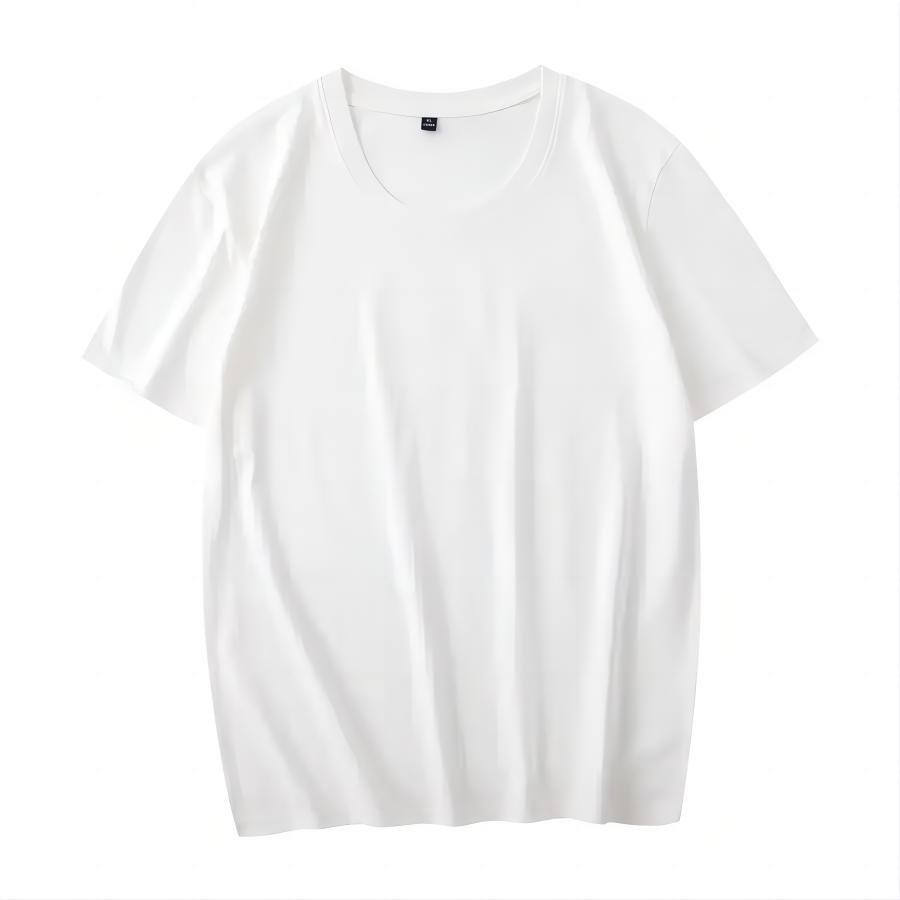
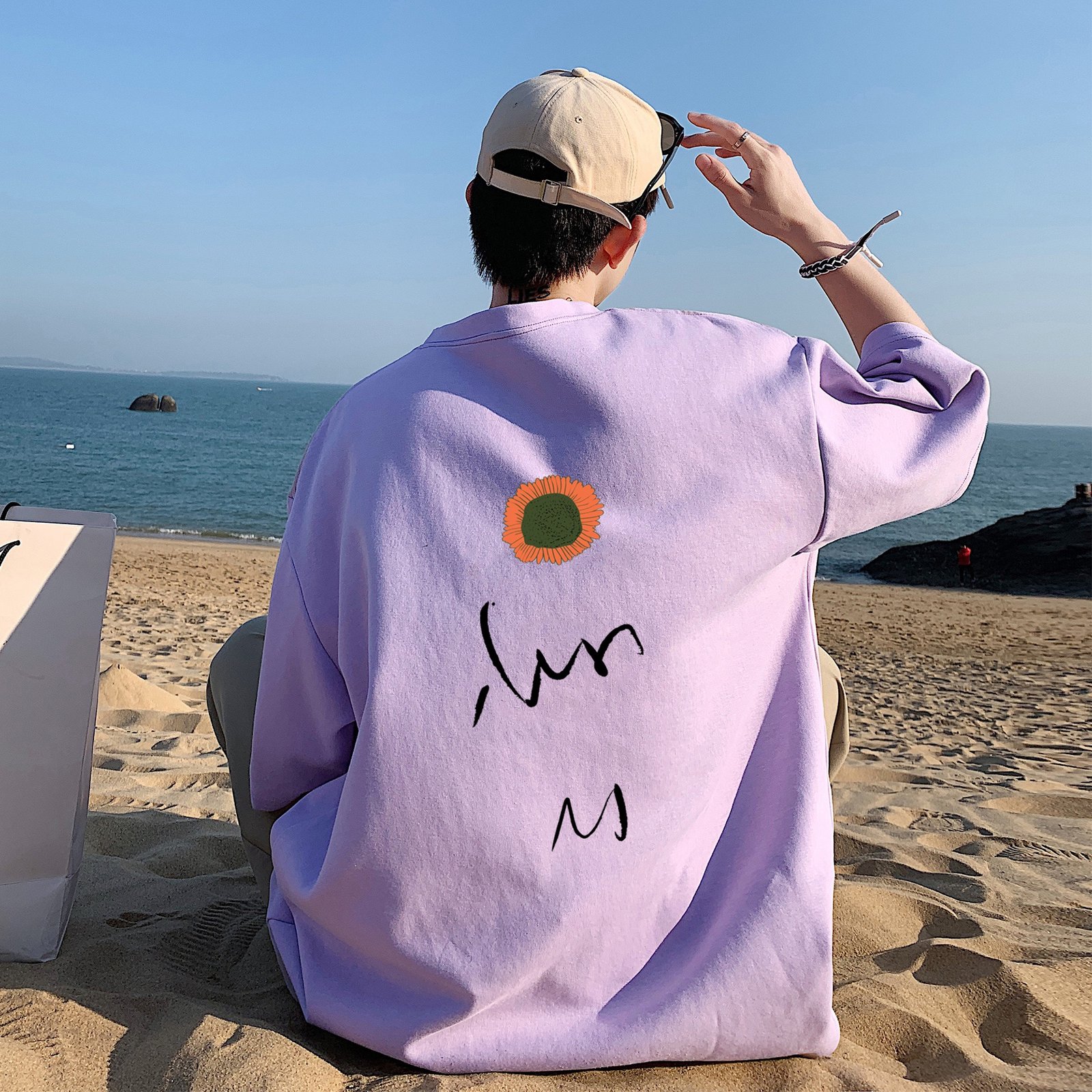
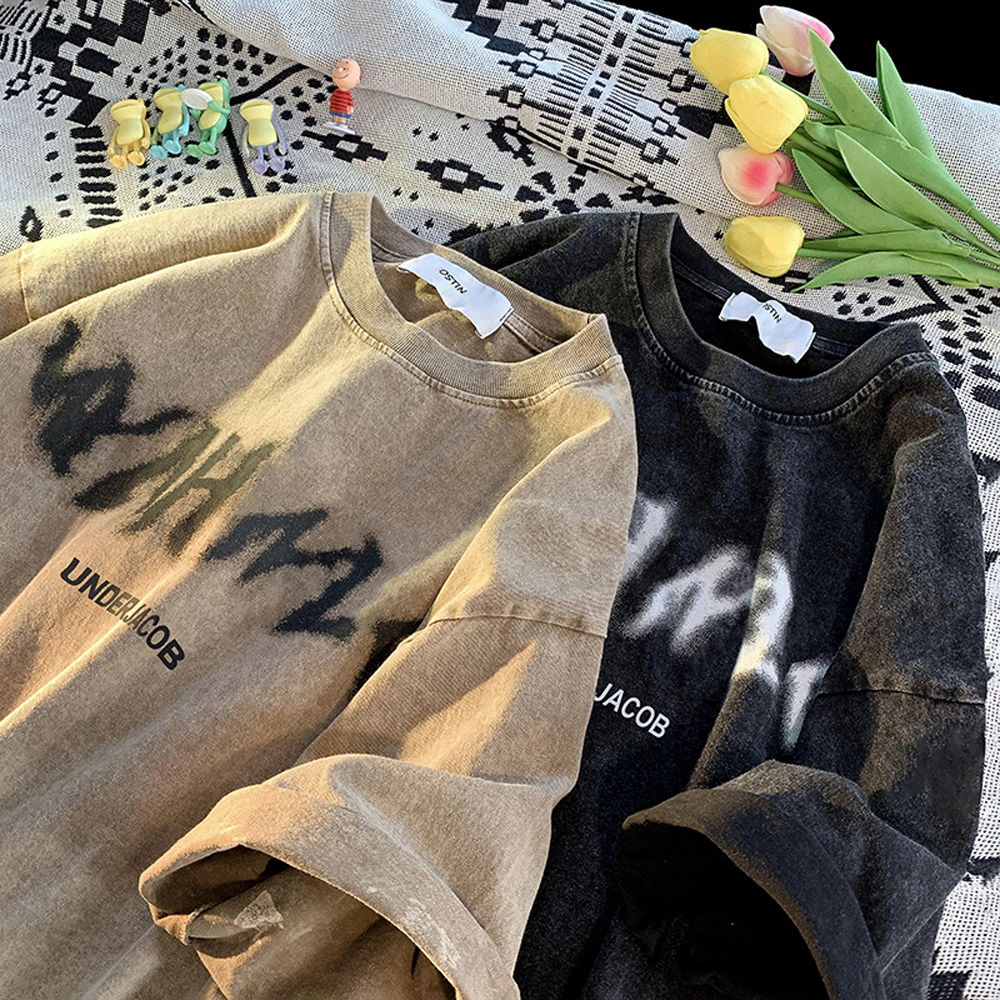
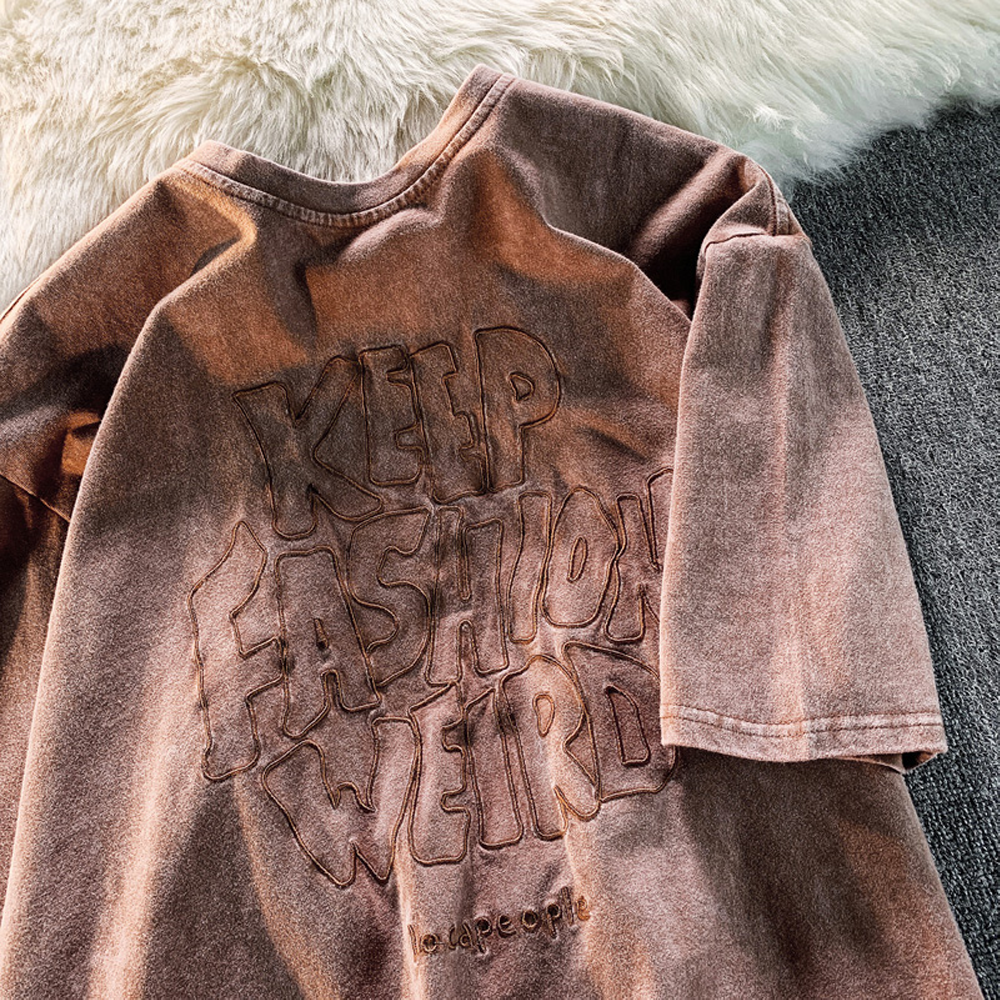
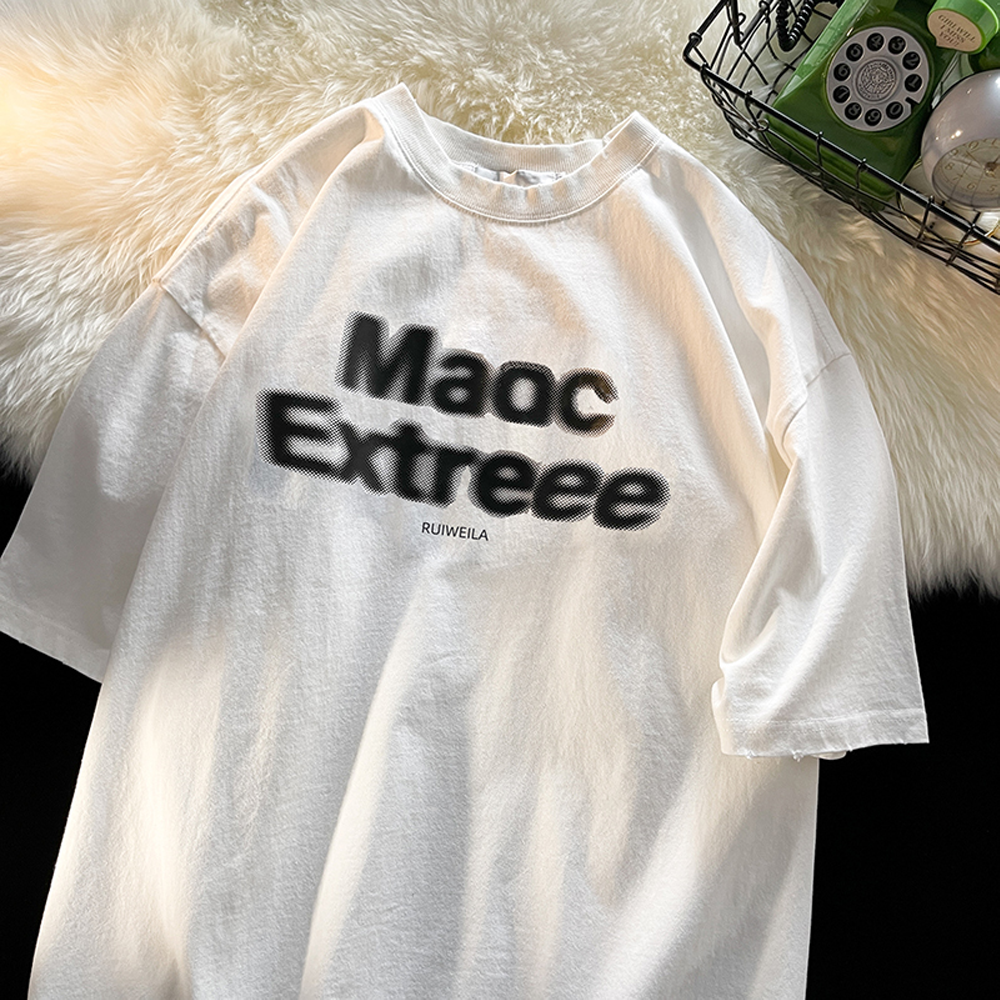
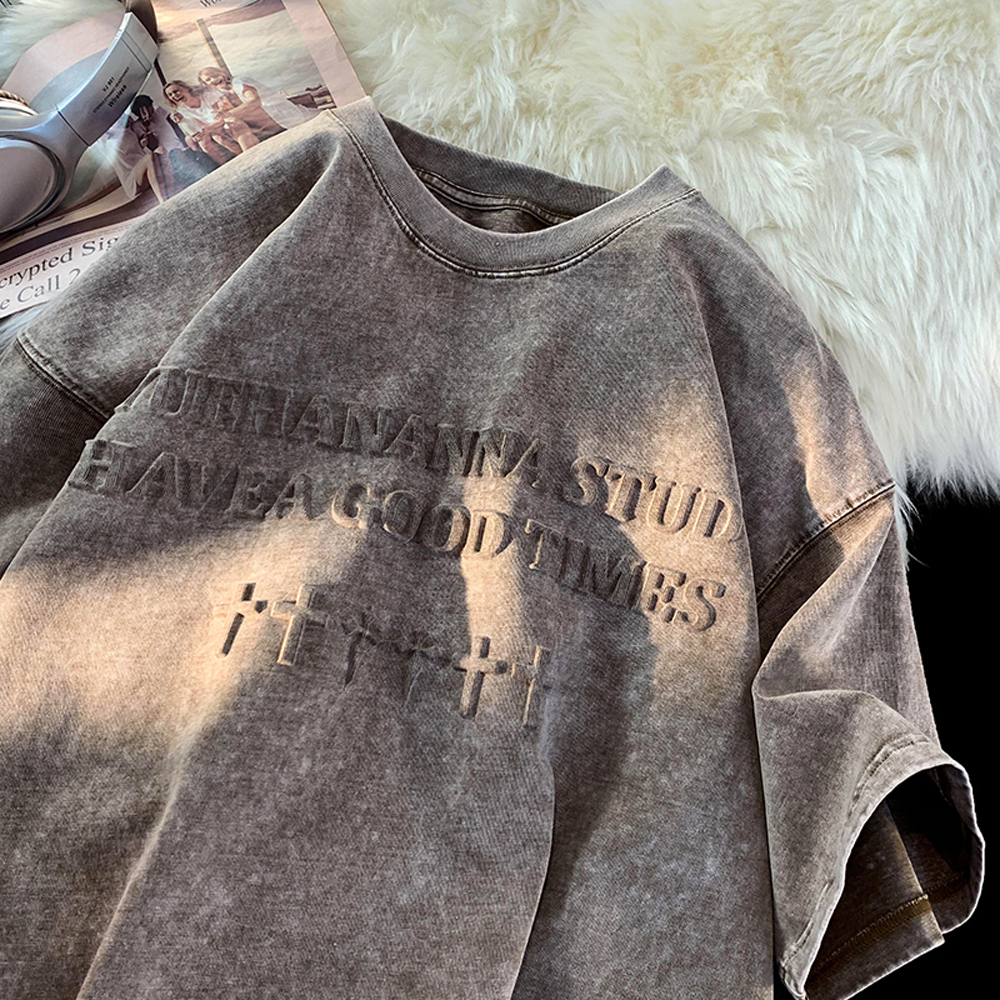
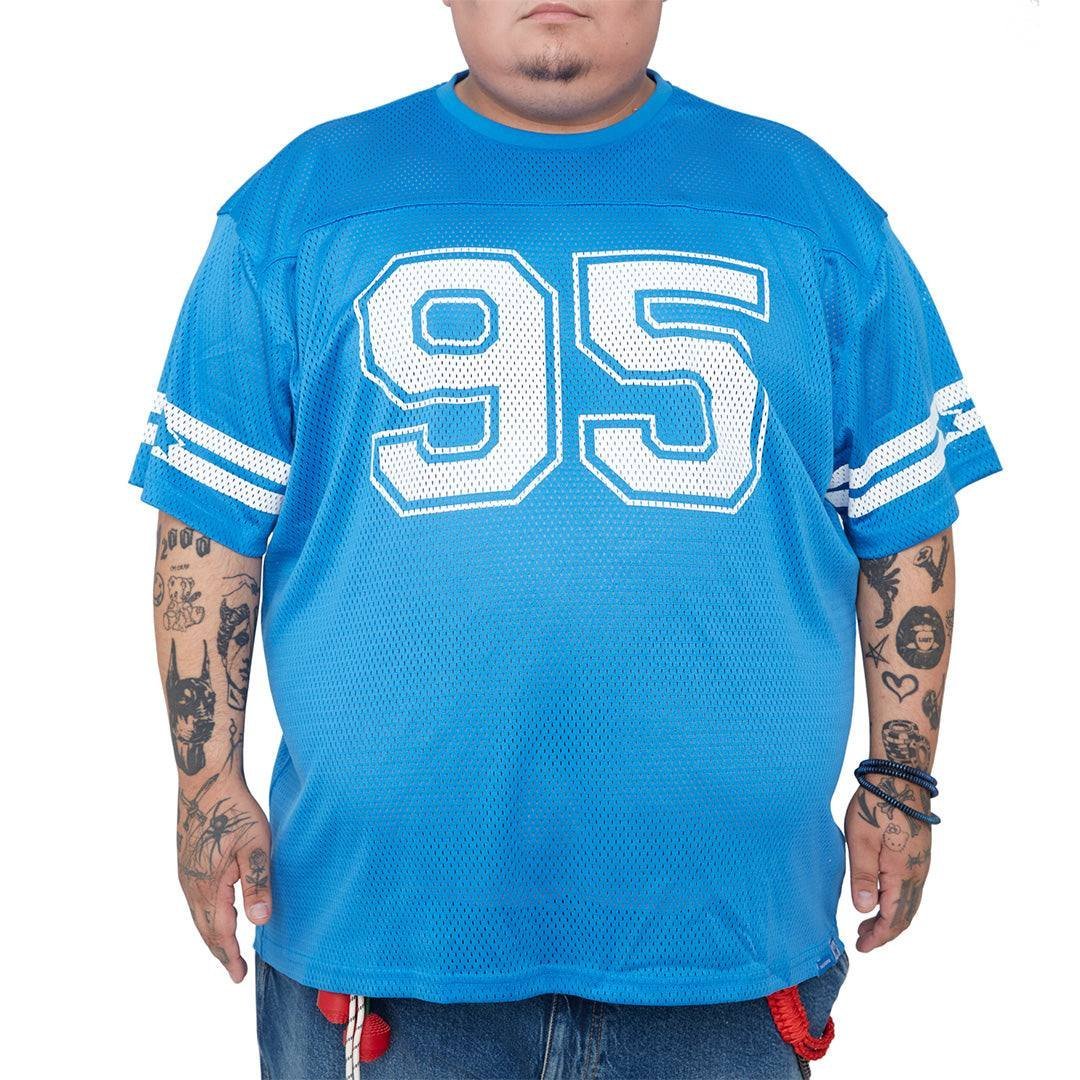
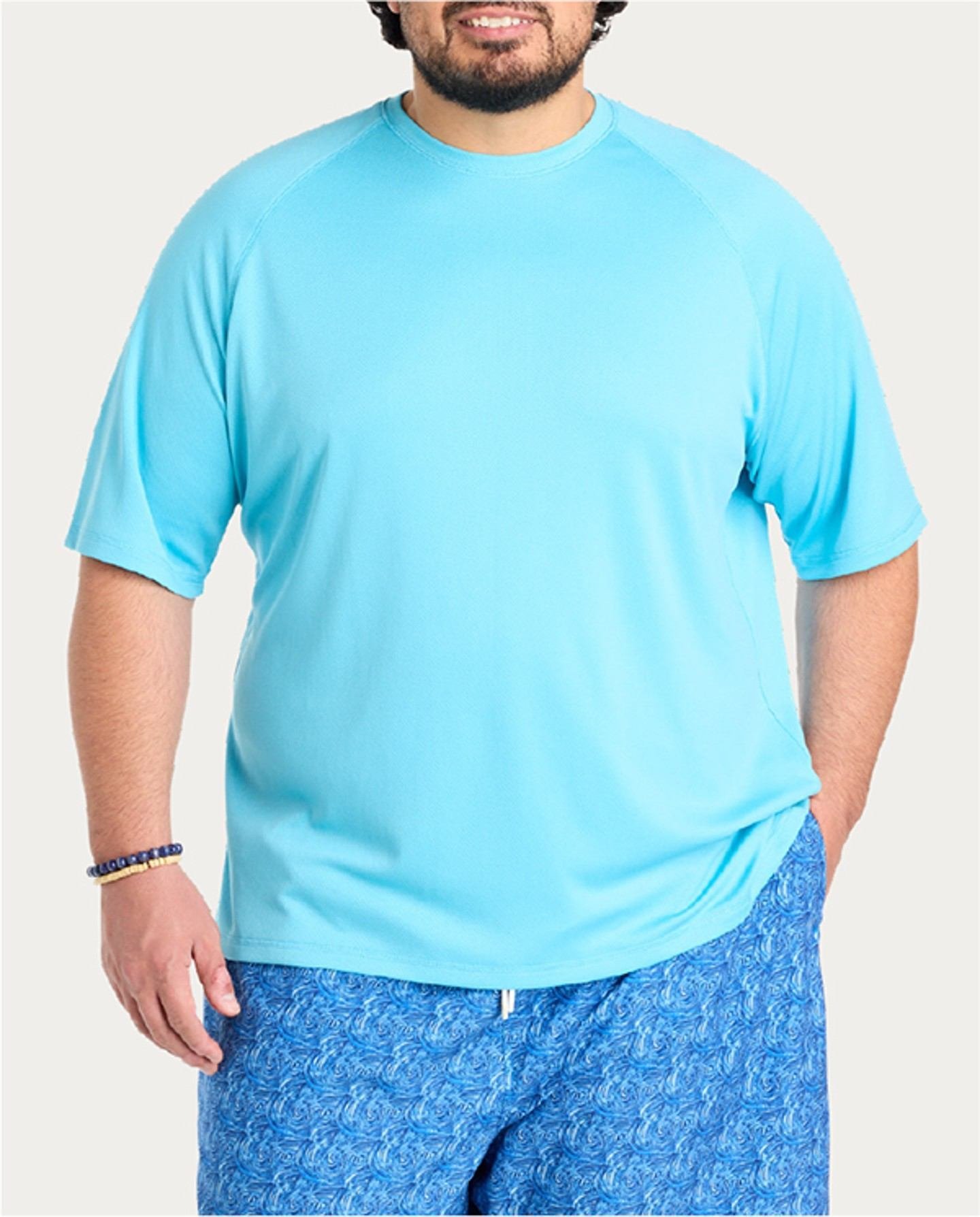
Big and Tall T Shirt Collections in Action
Why Brands Choose Our Big and Tall T Shirt Manufacturing
5-Step QC Guarantee
Every big and tall tee inspected at materials, cutting, craft, sewing, and final stages to eliminate defects before shipment.
Low 50-Piece MOQ
Launch your big and tall line without massive inventory risk. Perfect for startups, influencers, and test collections.
7-Day Sampling Turnaround
In-house design and sampling team delivers prototypes fast so you can validate fits and move to production quickly.
Streetwear Expertise Since 2019
Six years specializing in trend-driven streetwear cuts, oversized silhouettes, and bold graphics that resonate with your audience.
Global Shipping & Logistics
Served customers in over 100 countries with reliable customs, documentation, and door-to-door delivery support worldwide.
15-Member R&D Team
Collaborate with our in-house designers to refine patterns, fabrics, and finishing for big and tall fits that sell.
Big and Tall T Shirt Manufacturer Categories We Produce
From classic fits to oversized streetwear cuts, our specialized production capabilities cover every big and tall tee style your brand needs—all backed by our 5-step QC guarantee.
Classic Crew-Neck Big & Tall
Many manufacturers struggle to maintain consistent proportions in extended sizes, resulting in tees that fit awkwardly—too boxy in some areas, too tight in others—forcing brands to compromise on quality for larger customers.
Our pattern development team engineers proportionally balanced crew-neck tees across all big and tall sizes, ensuring your customers experience the same premium fit and comfort whether they order XL or 5XL.
Oversized Streetwear Cuts
Achieving the perfect oversized drape requires specialized pattern-making expertise that generic factories lack, leaving streetwear brands with boxy, unflattering silhouettes that miss the mark on trend-driven aesthetics young customers demand.
With 6 years of streetwear specialization, we craft oversized big and tall tees with intentional drop shoulders, extended hems, and relaxed fits that capture authentic street style while maintaining structural integrity through every wash.
Long-Sleeve Tall Tees
Standard factories often simply scale up regular tees for tall sizes, creating sleeves that ride up, torsos that expose midriffs, and inconsistent sleeve-to-body ratios that frustrate taller customers and damage brand reputation.
Our tall-specific patterns feature extended torso lengths and properly proportioned sleeves tested through our cutting QC and sewing QC stages, delivering long-sleeve tees that actually fit tall frames without compromise.
Graphic Print Ready-to-Customize
Big and tall blanks from mass producers often use inferior base fabrics that crack, fade, or distort prints after application, forcing influencer brands and designers to choose between size inclusivity and print quality.
Our print-optimized big and tall tees use premium cotton blends verified through materials QC testing, providing a smooth, stable canvas for screen printing, DTG, embroidery, or heat transfer that maintains vibrancy and detail.
Premium Fabrics for Big and Tall T Shirt Manufacturer Excellence
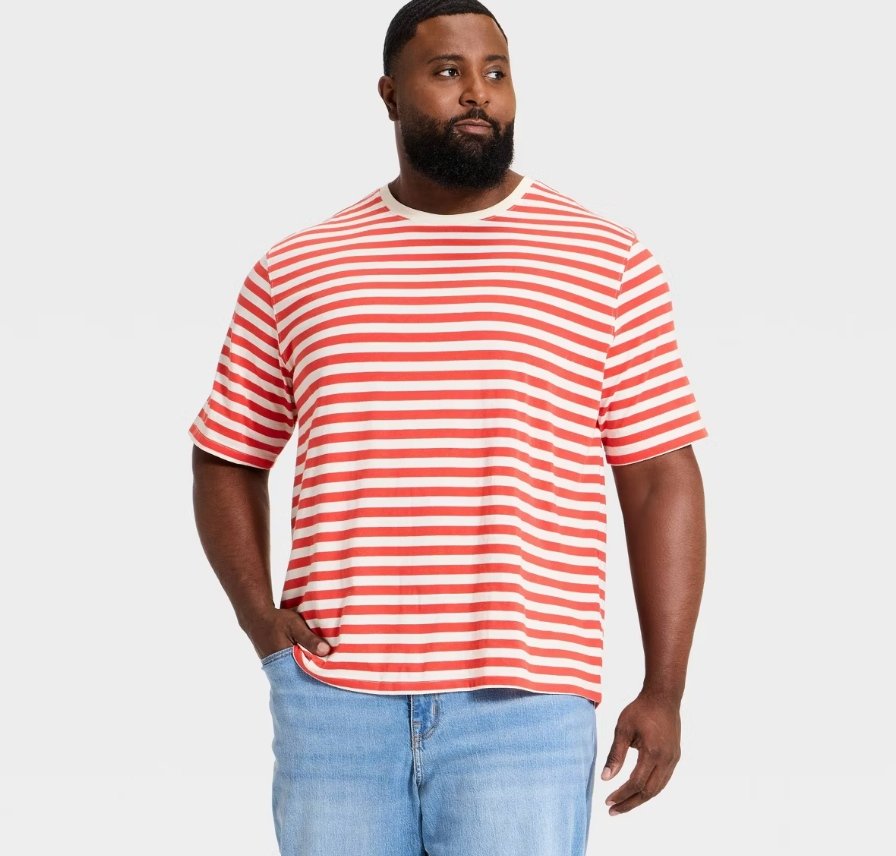
Heavyweight Cotton Jersey
Dense 220–260 GSM pure cotton with a structured hand-feel. Ideal for oversized streetwear tees that hold their shape without clinging. Excellent breathability and minimal shrinkage after pre-treatment, ensuring consistent sizing in big and tall fits.
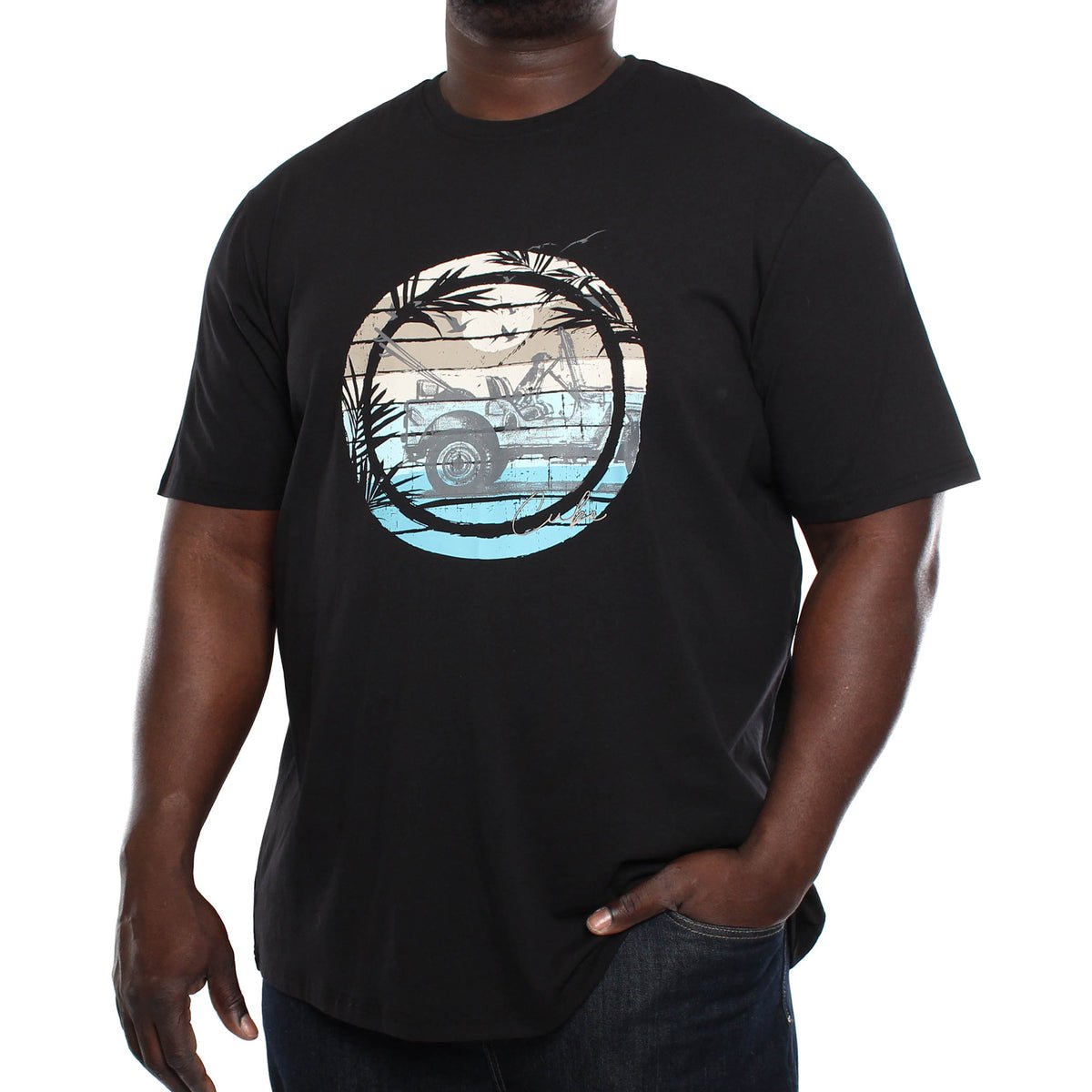
Cotton-Polyester Blend
Balanced 60/40 or 50/50 cotton-poly construction at 180–200 GSM. Combines softness with enhanced durability and wrinkle resistance. Perfect for high-volume tall tee production where wash-and-wear performance matters, with superior color retention across multiple washes.
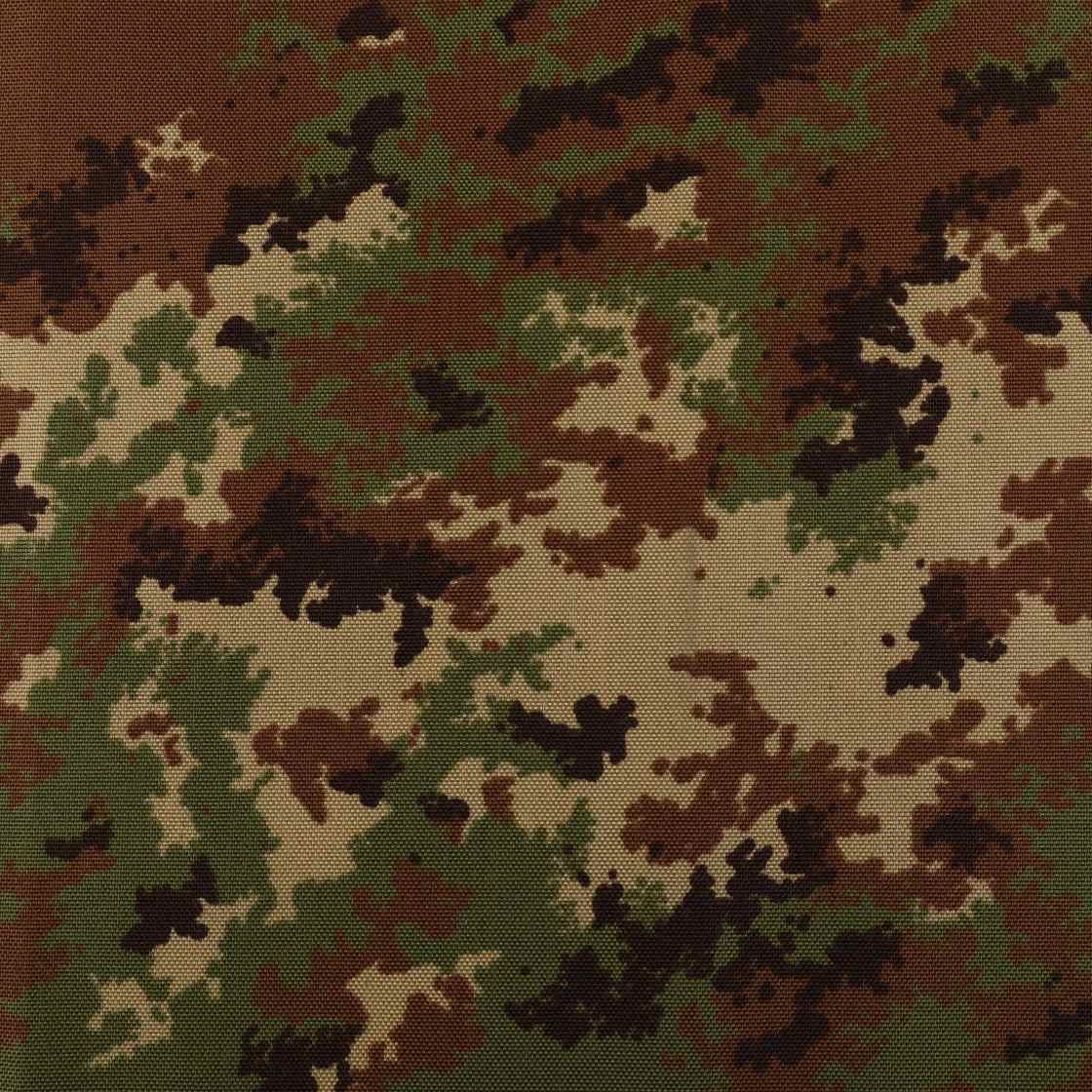
Performance Stretch Knit
Technical jersey with 5–10% spandex integration at 200–220 GSM. Offers four-way stretch for maximum comfort in athletic-inspired big and tall styles. Moisture-wicking properties and shape recovery make it ideal for active streetwear and performance casual lines.
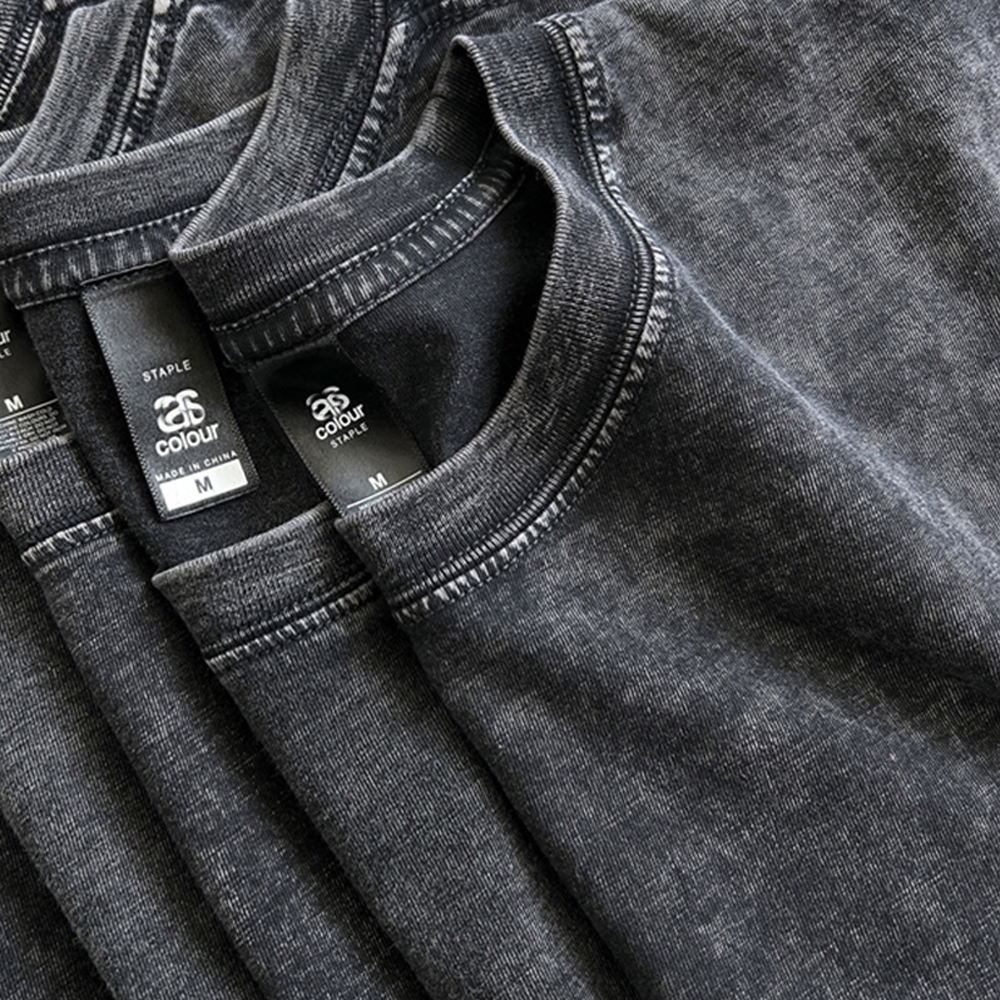
Organic Cotton Terry
GOTS-certified organic cotton in a looped terry construction at 240–280 GSM. Luxuriously soft with a plush interior texture. Sustainable choice for premium oversized tees and loungewear, offering exceptional absorbency and a distinctive elevated hand-feel.
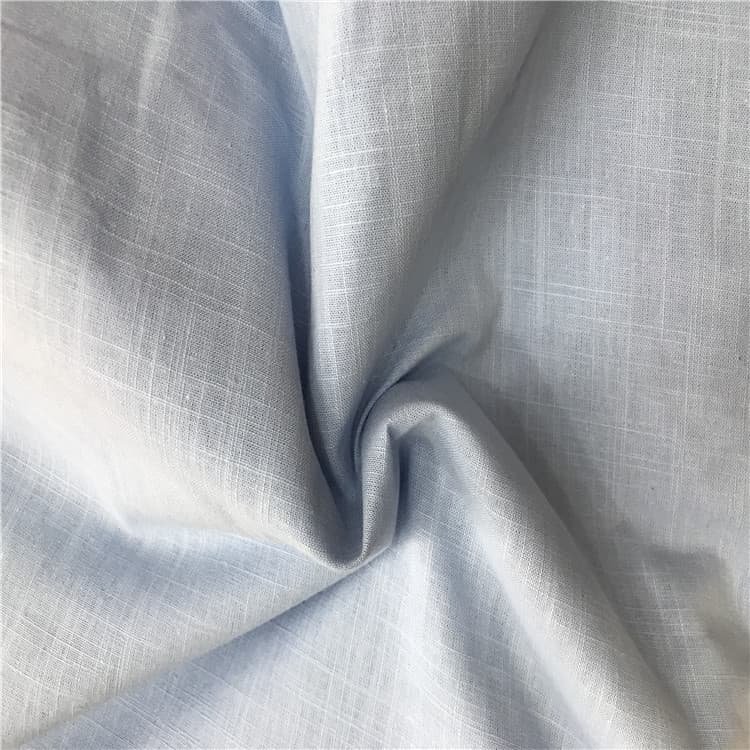
Slub Cotton Jersey
Textured cotton knit with intentional yarn variations at 170–190 GSM. Creates authentic vintage aesthetics with natural surface irregularities. Lightweight yet opaque, perfect for relaxed-fit tall tees with a lived-in streetwear vibe and excellent drape in extended sizes.
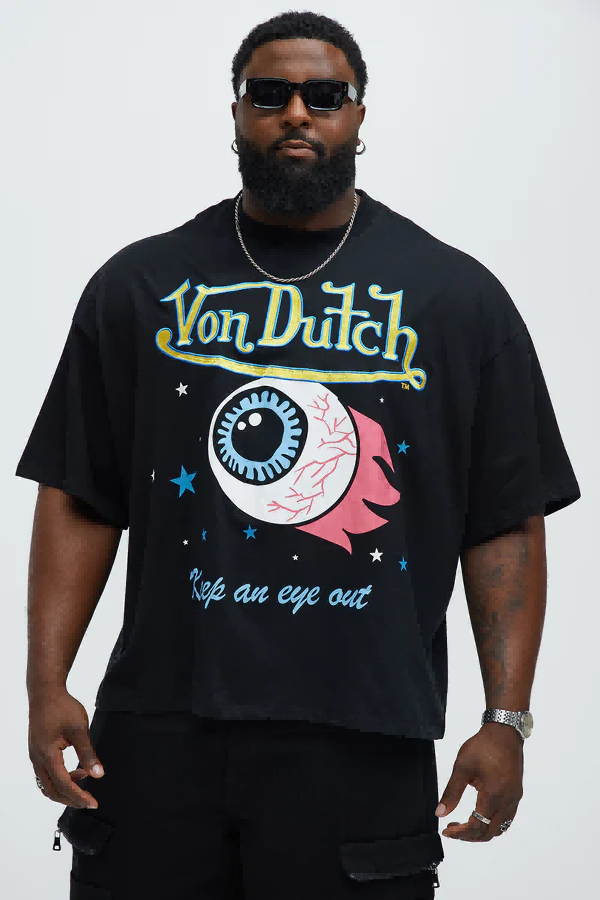
Pima Cotton Supima
Premium extra-long staple cotton at 190–220 GSM with superior softness and tensile strength. Resists pilling and maintains color vibrancy longer than standard cotton. The ultimate choice for luxury big and tall tee lines where fabric quality differentiates your brand.
Advanced Production Processes for Big and Tall T Shirt Manufacturer Excellence
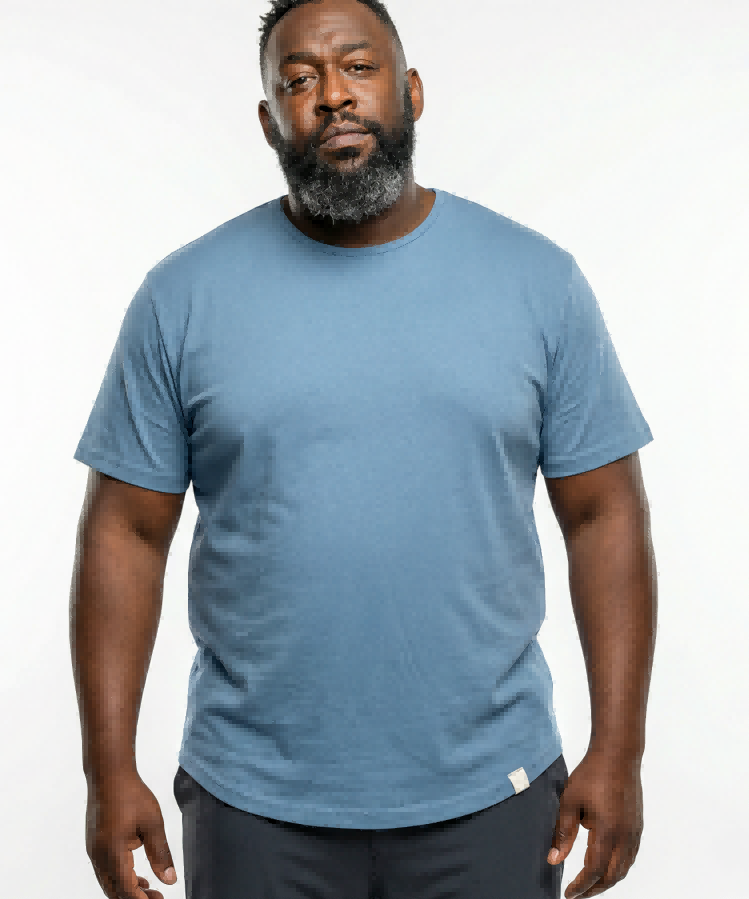
Precision Pattern Cutting
CAD-guided cutting systems ensure accurate proportions for tall lengths and big widths, eliminating size inconsistencies. Each cut piece undergoes our cutting QC testing phase to verify measurements before sewing begins.
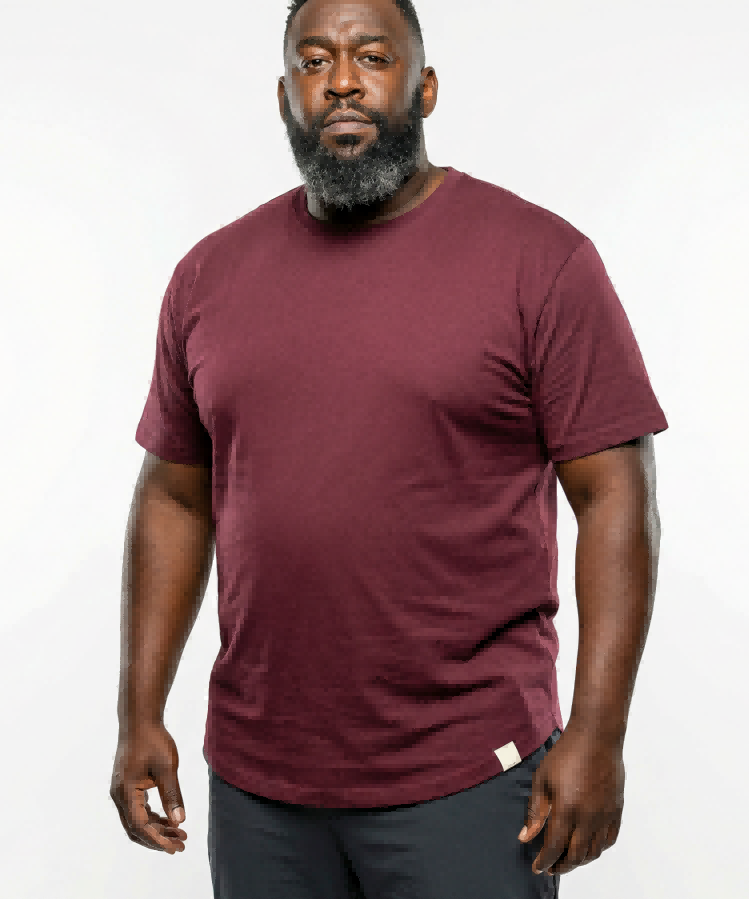
Reinforced Seam Construction
Double-needle stitching and bar-tack reinforcement at stress points guarantee durability in larger sizes. Our sewing production QC testing catches weak seams before garments reach finishing, preventing future failures.
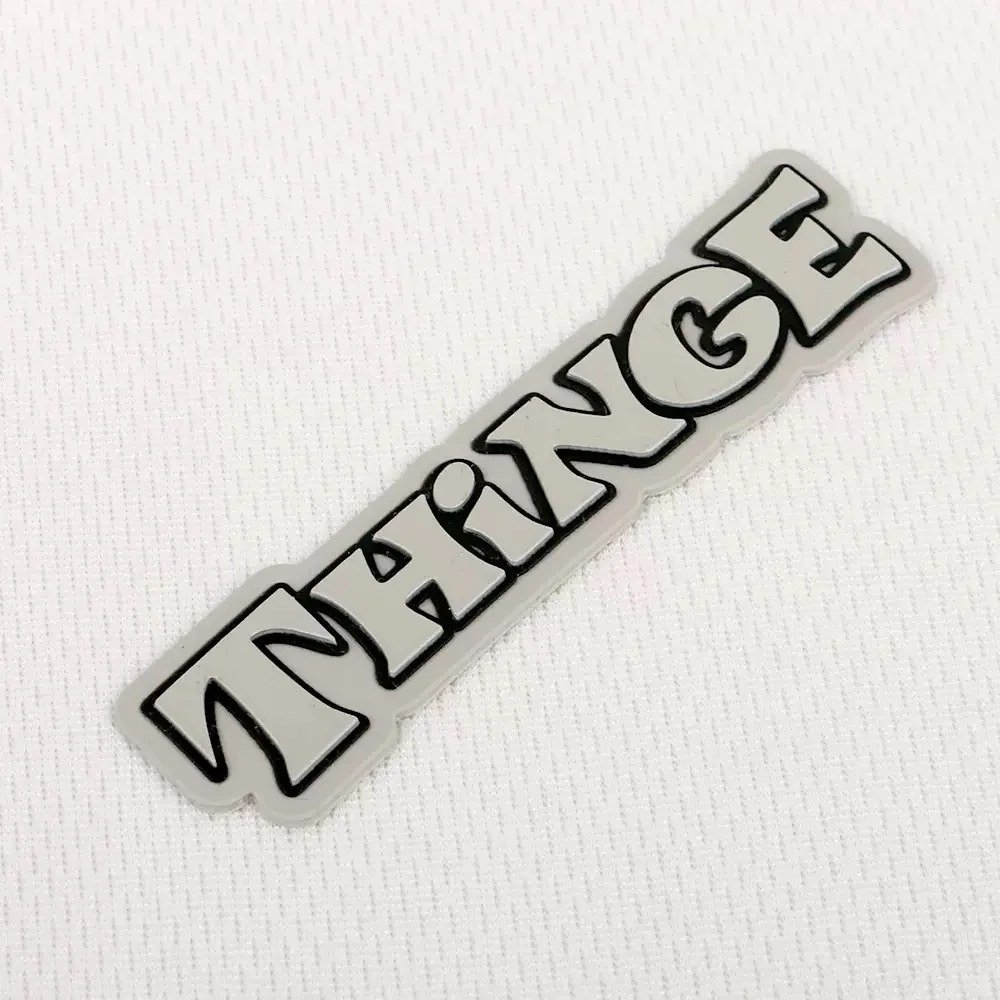
Screen Printing
High-opacity plastisol and water-based inks deliver bold, vibrant graphics that withstand repeated washing. Perfect for streetwear designs, our materials QC ensures ink adhesion meets durability standards from the start.
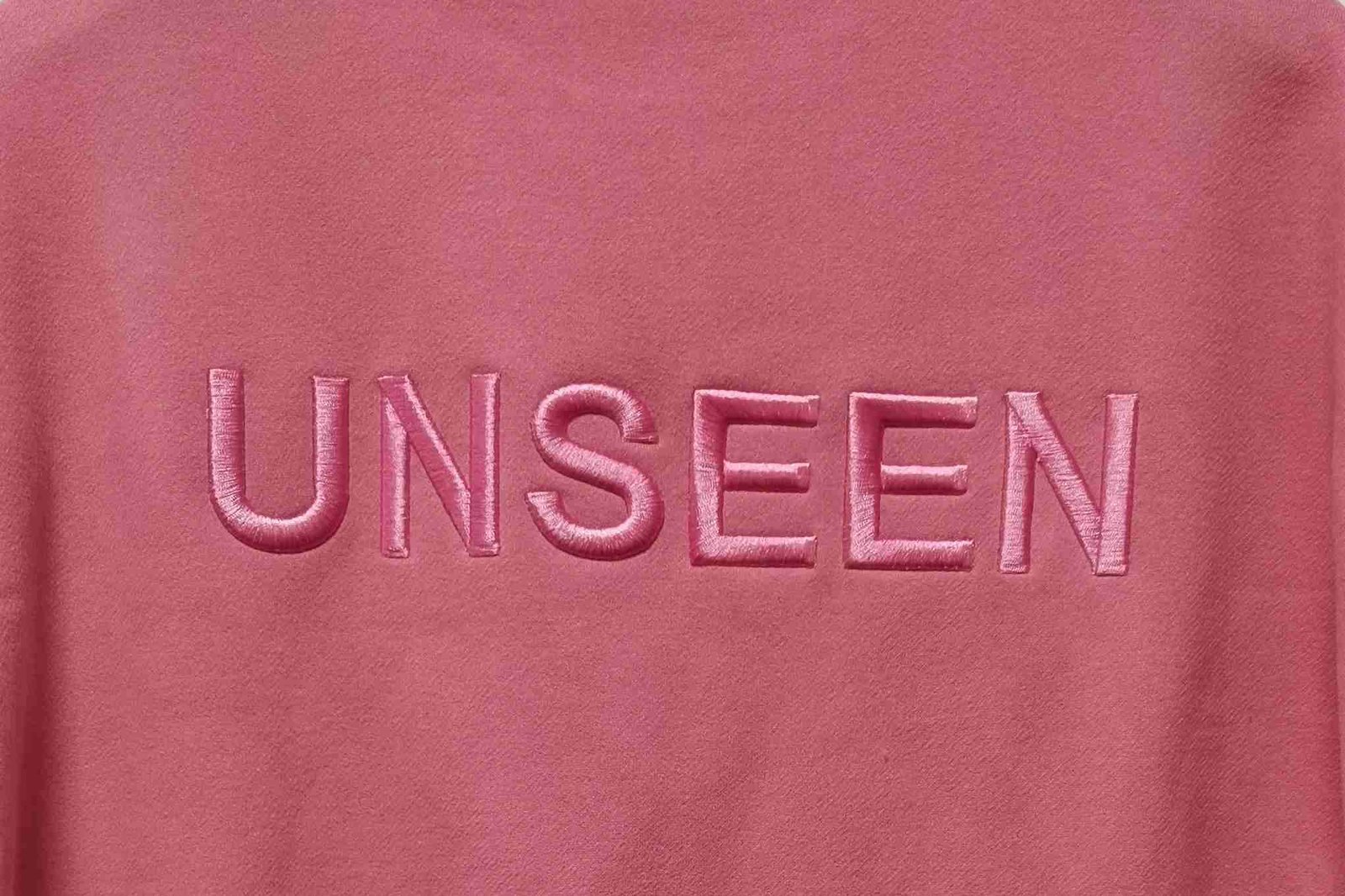
Custom Embroidery
Multi-head embroidery machines create premium raised logos and intricate designs with superior thread density. Clothing craft QC testing verifies stitch quality and placement accuracy on every embroidered piece.
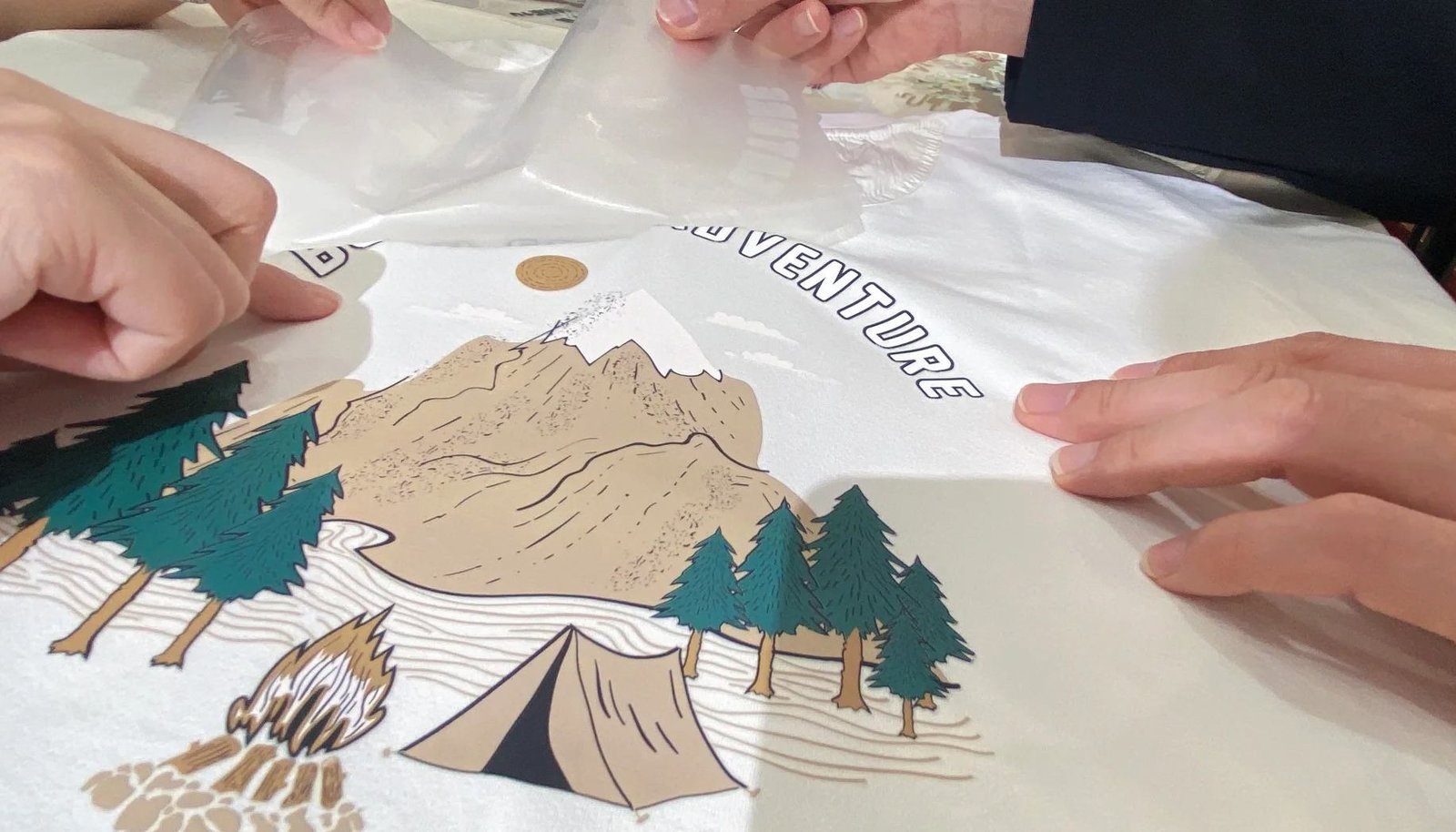
Sublimation Printing
Dye-sublimation technology produces full-color, all-over prints with exceptional color fastness and breathability. Ideal for performance streetwear, our finished clothing quality inspection confirms color vibrancy and print permanence.
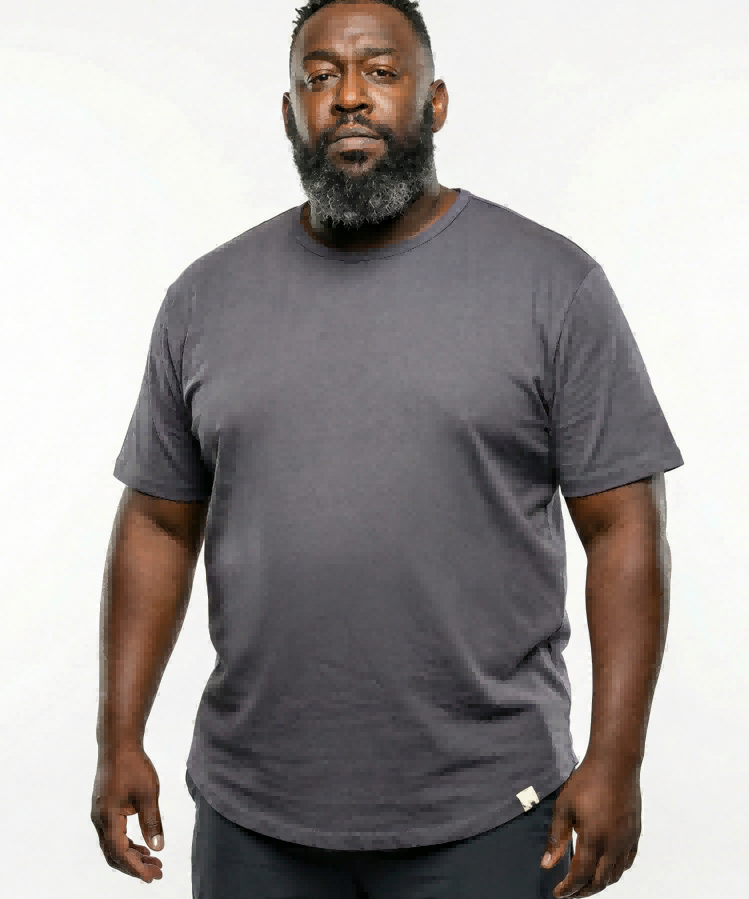
Custom Fabric Dyeing
Reactive and vat dyeing processes achieve rich, uniform color across heavyweight fabrics for big and tall tees. Our materials QC phase tests colorfastness and shade consistency before fabric enters production.
Customization & Finishing Options for Your Big and Tall T Shirt Manufacturer Needs
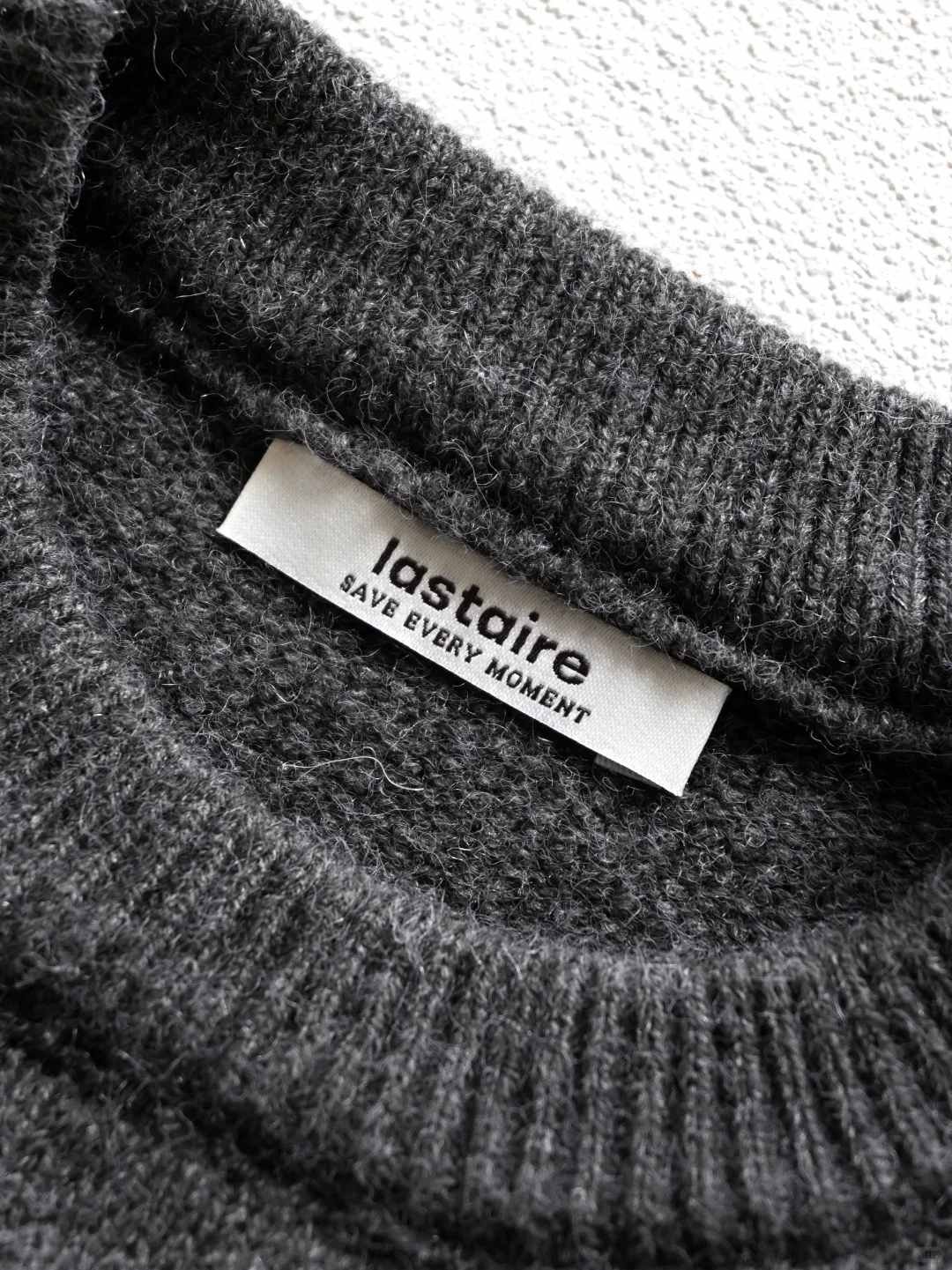
Woven Labels
Custom woven labels featuring your brand logo and care instructions, sewn into neck, side seam, or hem. Essential for brand recognition and compliance in big and tall collections, available in damask, taffeta, and satin finishes.
Custom Hangtags
Branded hangtags with your logo, size information, and product story. Reinforce brand positioning at point of sale for big and tall streetwear lines. Options include die-cut shapes, foil stamping, and eco-friendly materials.
Heat Transfer Patches
High-definition heat transfer patches and custom graphics applied to chest, sleeves, or back. Perfect for adding bold streetwear elements, logos, and limited-edition branding to oversized and extended-size tees without bulk or weight.
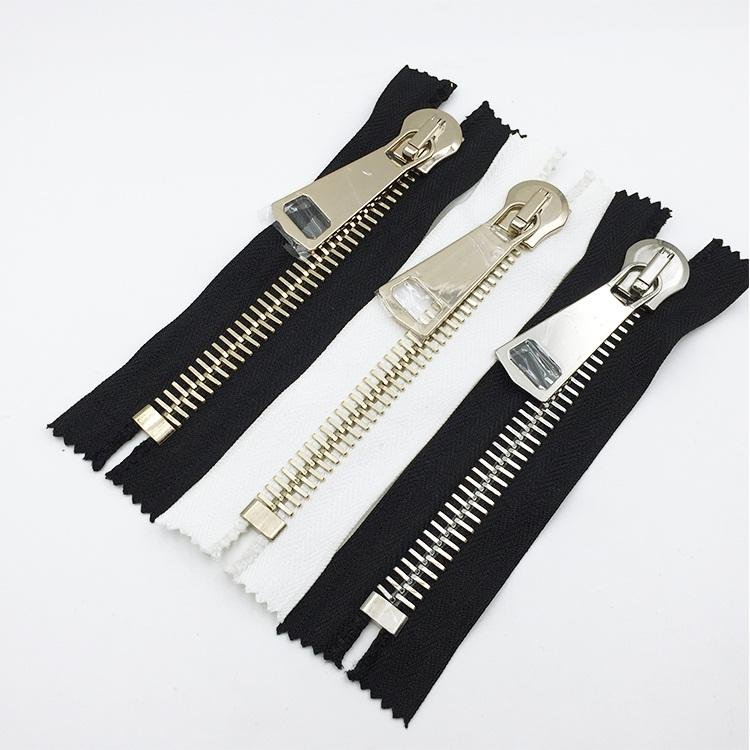
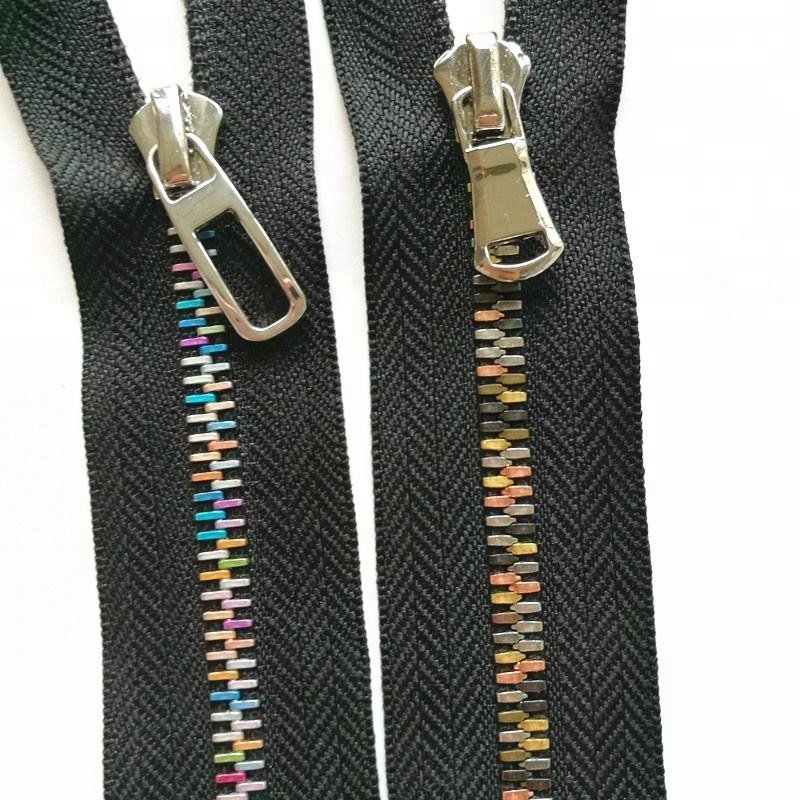
YKK Zippers
Premium YKK zippers for side-zip tees, quarter-zip styles, and layering pieces in big and tall ranges. Ensures smooth operation, durability, and elevated perceived value. Available in metal, coil, and invisible configurations.
Custom Poly Bags
Branded poly bags or compostable packaging with your logo and care messaging. Protects garments during shipping while reinforcing brand identity. Ideal for direct-to-consumer big and tall streetwear brands seeking professional presentation and unboxing experience.
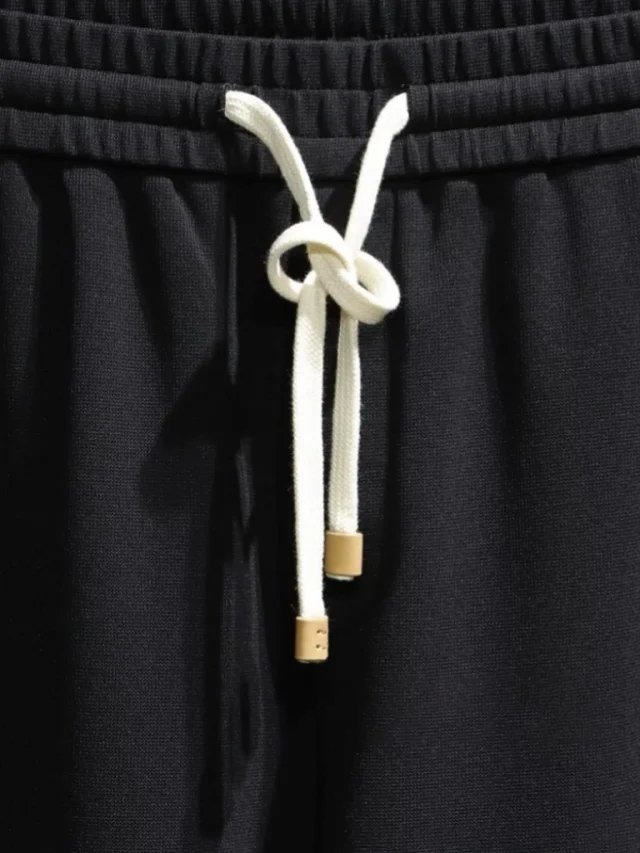
Drawcords & Tipping
Custom drawcords with branded metal or plastic tips for hooded tees and layering pieces. Add functional detail and visual interest to big and tall designs. Choose from flat, round, or reflective cord styles.
Big and Tall T Shirt Manufacturer You Can Trust
Founded in 2024 by Tesla Luo, Clothing Manufacturer Ltd brings over 10 years of apparel production experience and 6 years of specialized streetwear expertise to every order. Raised in China’s garment industry heartland, Tesla learned manufacturing from the ground up—working every role from cutting to quality control in his family’s factories. This hands-on heritage drives our mission: to restore trust in Chinese manufacturing through uncompromising quality standards.
We’ve served customers in more than 100 countries, partnering with fashion startups, independent designers, and global retailers who demand precision sizing and durability in big and tall t shirt manufacturing. Our 15-member R&D team and 10 production patents support brands at every growth stage, from first samples to scaled collections. Unlike factories that skip mid-production checks, we implement a rigorous 5-step QC process at materials, cutting, craft, sewing, and final inspection stages.
Every big and tall tee we produce reflects our zero-compromise philosophy: premium streetwear fabrics, trend-driven construction techniques, and quality testing embedded throughout the production cycle. We offer low MOQs for emerging brands, fast turnaround for seasonal drops, and transparent communication backed by a decade of building influencer lines and global apparel brands. Your reputation is our responsibility.
Our 5-Step Quality Control Guarantee
Materials QC Testing for Big and Tall
Before cutting begins, every fabric roll destined for big and tall t shirt manufacturing undergoes rigorous inspection. We verify weight, stretch recovery, colorfastness, and dimensional stability to ensure extended sizes maintain their shape and comfort through repeated wear and washing.
- Fabric weight and density verification for consistent drape across all sizes
- Stretch and recovery testing to prevent sagging in larger garments
- Colorfastness checks ensuring vibrant, fade-resistant prints and dyes
- Shrinkage pre-testing so finished big and tall tees match spec sheets
Cutting QC for Precise Pattern Grading
Big and tall sizing demands flawless pattern grading and cutting accuracy. Our cutting QC stage verifies that each piece—from XL to 6XL—is cut to exact dimensions, ensuring shoulder width, chest, length, and sleeve proportions scale correctly without distortion or fabric waste.
- Digital pattern verification against approved tech packs and size charts
- Measurement audits on cut pieces before they reach the sewing floor
- Grain-line and bias checks to prevent twisting in finished garments
- Batch sampling to catch deviations early and protect bulk production
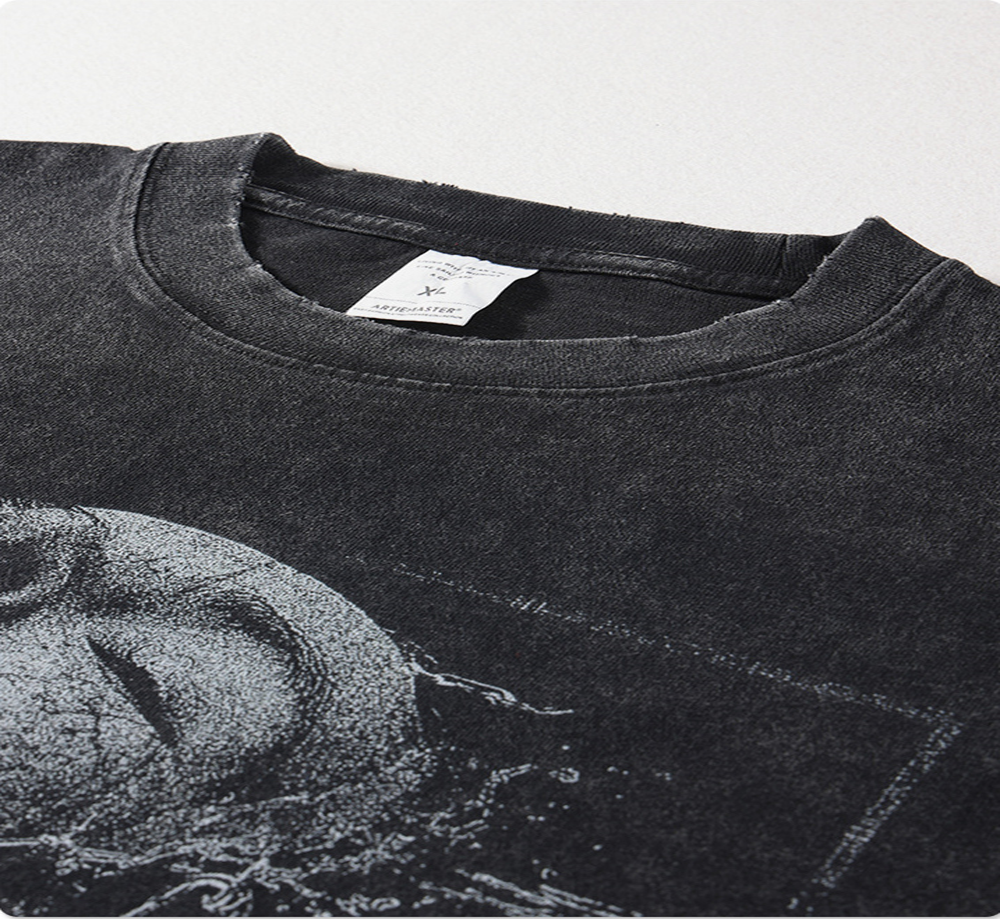
Clothing Craft and Sewing Production QC
During assembly, our QC team monitors stitch integrity, seam strength, and construction details in real time. Big and tall t shirts face higher stress at seams and hems; we inspect tension, thread quality, and reinforcement stitching to guarantee durability and professional finish across extended size runs.
- In-line stitch quality checks every 50 units to catch issues immediately
- Seam-strength testing on stress points: shoulders, side seams, and necklines
- Thread tension and lockstitch verification for consistent, pucker-free seams
- Reinforcement audits on larger sizes to ensure long-lasting wear
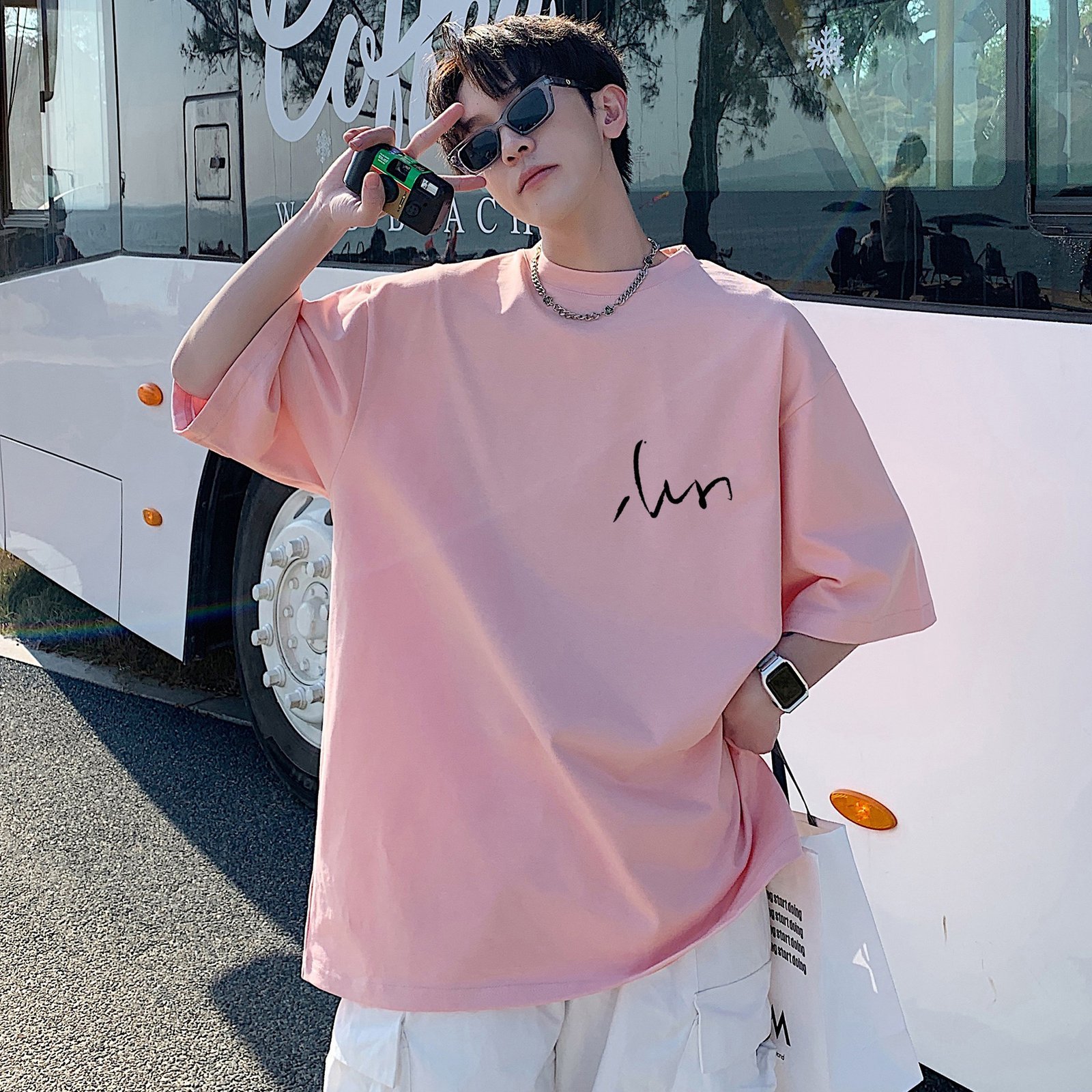
Finished Goods Inspection Before Shipment
Every completed big and tall t shirt undergoes final inspection covering measurements, print alignment, label placement, and overall appearance. Only garments that pass all criteria—free from defects, correctly sized, and presentation-ready—are approved for ironing, folding, and dispatch to your brand.
- Full-size measurement verification against approved spec sheets
- Print and embroidery alignment checks for professional presentation
- Visual inspection for loose threads, stains, holes, or fabric flaws
- Packaging audit to ensure correct labeling, hangtags, and polybag standards
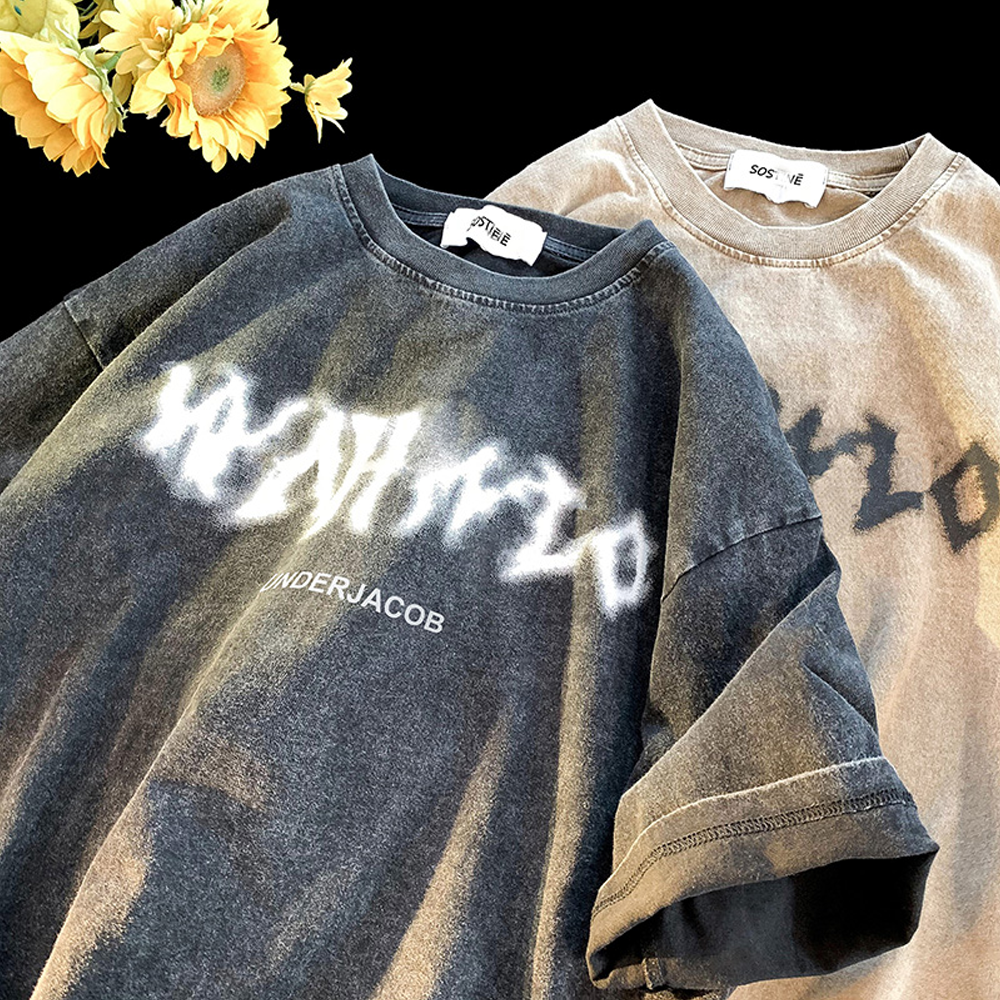
How We Outperform Typical Big and Tall T Shirt Manufacturers
Most big and tall t shirt suppliers cut corners on quality control and force high minimums. We built our process differently—with rigorous 5-step QC, flexible MOQs, and streetwear expertise that emerging brands and global retailers depend on.
← 左右滑动查看 →
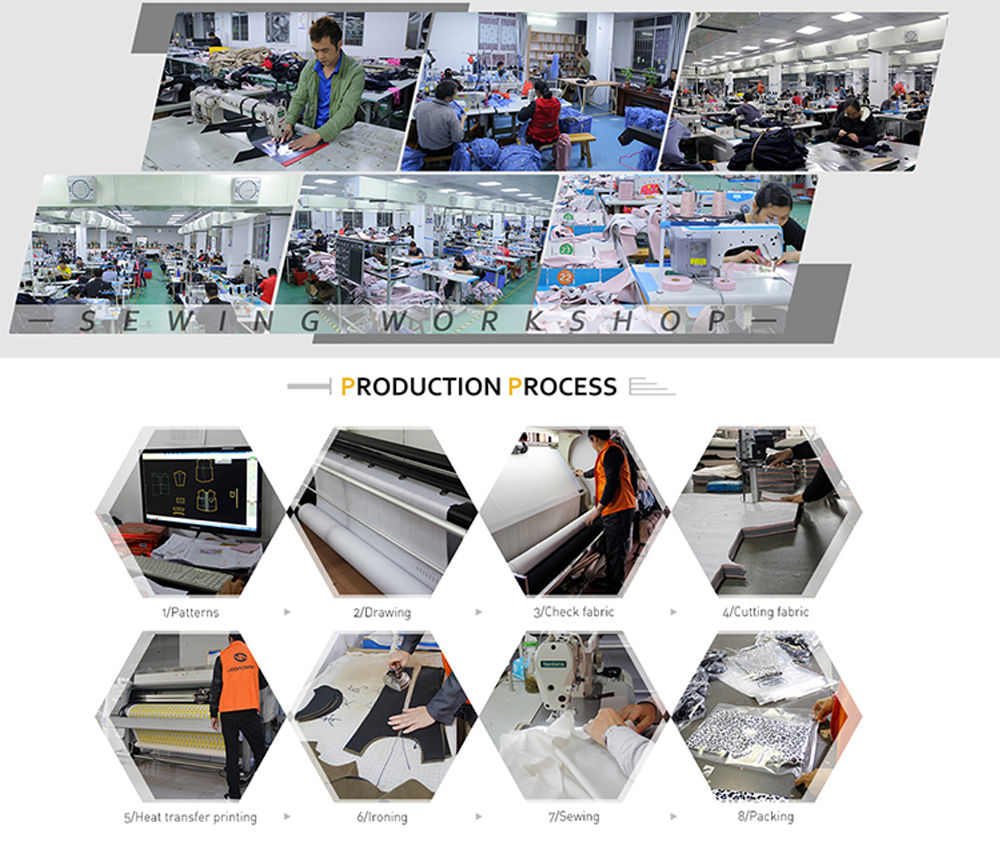
Big and Tall T Shirt Manufacturer Production Timeline
From tech pack to finished garment, every big and tall tee order follows our proven 6-phase workflow with built-in quality checkpoints at each stage.
Tech Pack Review
Our team reviews your specifications, sizing charts, and design details to confirm fabric, fit, and construction requirements for big and tall dimensions.
Sampling & Approval
We produce pre-production samples in your extended sizes, conduct materials QC testing, and ship samples for your fit and quality approval.
Bulk Cutting
After approval, we execute cutting QC testing on all fabric panels to ensure accurate pattern placement and consistent big and tall sizing.
Sewing & Craft QC
Garments move through our sewing lines with continuous clothing craft QC and sewing production QC testing to catch defects before they multiply.
Final Quality Inspection
Every finished big and tall tee undergoes our comprehensive finished clothing quality QC inspection—measurements, stitching, print alignment, and packaging standards verified.
Packing & Global Shipping
We handle custom labeling, poly-bagging, carton packing, and coordinate international logistics to deliver your order on schedule to any destination.
How to Partner With a Big and Tall T Shirt Manufacturer in 3 Simple Steps
From concept to finished product, our streamlined process makes it easy for streetwear brands, startups, and independent designers to launch big and tall collections with confidence and zero compromise on quality.
Submit Your Tech Pack and MOQ
Share your design specifications, fabric preferences, sizing requirements, and desired order quantity. We welcome low MOQ orders to support emerging brands and fast-growing influencer lines.
Review Quote and Approve Sample
Receive a transparent quote within 24 hours and a complimentary sample showcasing our premium craftsmanship and 5-step quality control process before committing to bulk production.
Approve and Launch Bulk Production
Once you approve the sample, we begin full-scale manufacturing with rigorous QC at every stage, followed by global shipping support to deliver your big and tall tees on time.
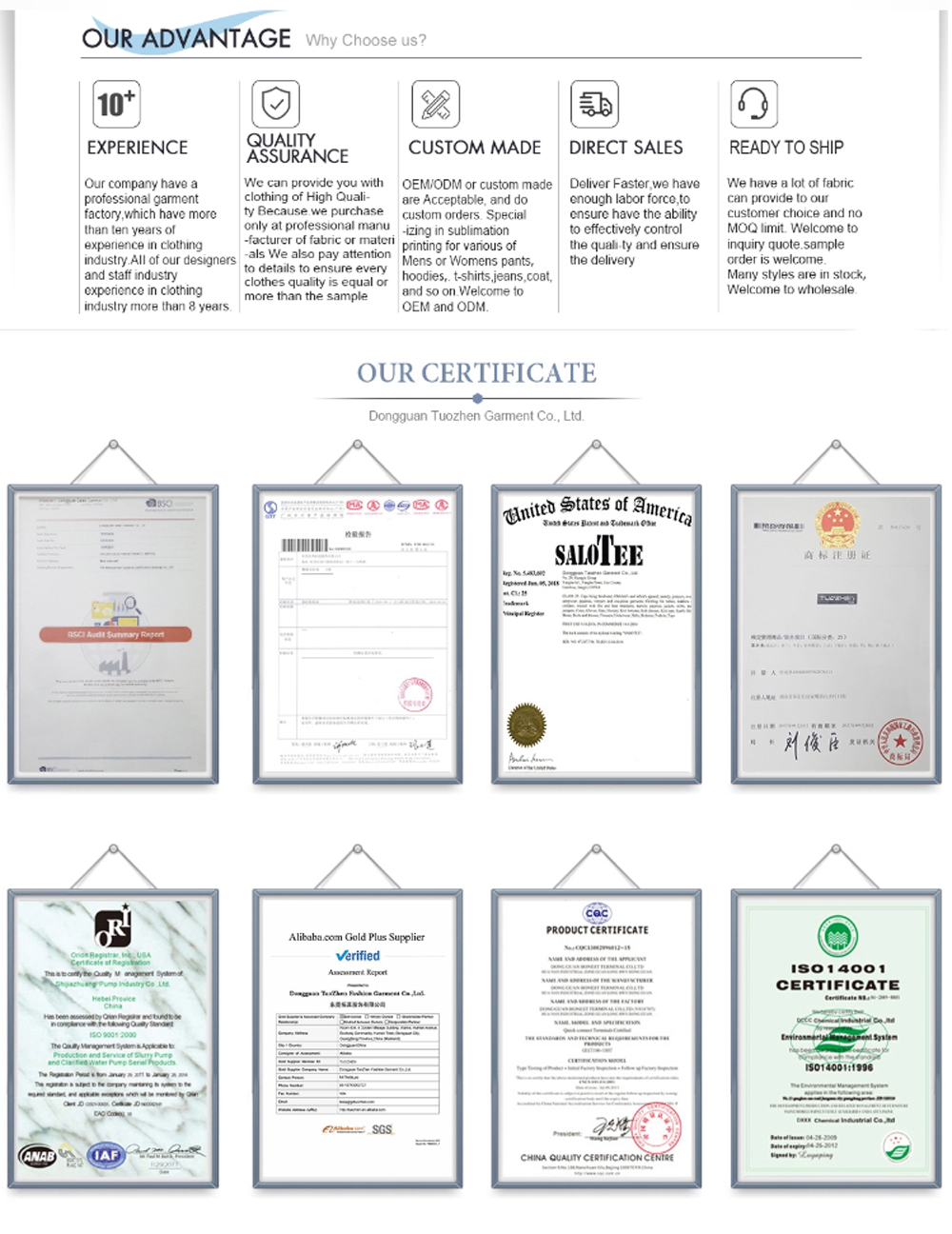
Certifications & Quality Standards for Big and Tall T Shirt Manufacturing
Trusted Big and Tall T Shirt Manufacturer: Customer Success Stories
We launched our big and tall streetwear line with just 150 units per style. Within 6 months we scaled to 1,200 pieces per drop thanks to their consistent quality and fast 18-day turnaround. Game changer for our brand.
Their 5-step QC process caught sizing inconsistencies before shipping that would have destroyed our influencer launch. We received 800 big and tall tees with zero defects. Finally found a manufacturer we trust completely.
As a startup, low MOQ was critical. We started with 100 big and tall tees across 4 sizes. Quality exceeded our expectations and we’ve reordered 5 times in 8 months. Their team understands streetwear culture deeply.
FAQ: Big and Tall T Shirt Manufacturing & Ordering
What is the minimum order quantity (MOQ) for a big and tall t shirt manufacturer?
How long does sampling take when working with your big and tall t shirt manufacturer?
What are the lead times for bulk orders from a big and tall t shirt manufacturer?
Do you offer custom sizing and fit adjustments for big and tall tees?
What payment terms do you offer for new clients?
How do you protect my designs and intellectual property?
What shipping and logistics options are available for international orders?
Can you handle complex customization like custom labels, hang tags, and packaging?
What quality guarantees come with your big and tall t shirt production?
The Complete Buyer’s Guide to Choosing a Big and Tall T Shirt Manufacturer
Navigate the sourcing landscape with confidence. This guide delivers a proven decision framework, essential supplier criteria, quality benchmarks, customization options, and the most common mistakes to avoid when partnering with a big and tall t shirt manufacturer.
1. What Is a Big and Tall T Shirt Manufacturer?
A big and tall t shirt manufacturer specializes in producing garments sized from XL through 6XL and beyond, engineered with extended body length (typically 2–4 inches longer than standard) and proportionally wider chest, shoulder, and waist measurements. Unlike standard apparel producers, these manufacturers maintain dedicated grading systems that account for the non-linear relationship between size increases and body proportions—simply scaling a medium pattern by 150% produces unwanted armhole drop, incorrect sleeve pitch, and poor drape.
Proper big and tall production requires fit engineering expertise that addresses how fabric behaves across larger surface areas and higher stress points. Manufacturers must adjust neckline depth, sleeve cap height, side-seam curves, and hem circumference independently rather than applying uniform scaling factors. Pattern graders working in this niche typically hold 5+ years of experience in plus-size construction and use specialized CAD modules that manage multi-point grading rules for each pattern piece.
Standard manufacturers lack the technical infrastructure for extended-size production: their cutting tables, spreading equipment, and quality-control jigs are calibrated for sizes S–XXL, and their sample-room teams rarely possess the fit knowledge to evaluate balance and ease on larger dress forms. A dedicated big and tall t shirt manufacturer invests in wider spreading tables (up to 2 meters), larger pressing equipment, and QC protocols that test seam strength under greater fabric tension. This specialization ensures that every size delivers consistent fit, comfort, and durability rather than appearing as an afterthought stretched from a smaller base pattern.
2. Evolution of Big and Tall Apparel Manufacturing
Before the 1990s, big and tall apparel remained largely the domain of specialty tailors and a handful of regional retailers who stocked limited cuts in extended sizes. Mainstream brands rarely graded patterns beyond XL, forcing consumers over 6’2″ or above 220 pounds to rely on custom alterations or accept poor fit. During the 1990s, dedicated big and tall chains emerged in North America and Europe, yet selection remained narrow—typically five to eight styles per season—and pricing carried a 20–40 percent premium over standard sizing.
The early 2000s brought computerized pattern grading software that automated proportional adjustments for chest, sleeve, and torso length, reducing development time from weeks to days. CAD systems enabled manufacturers to maintain consistent fit across size runs from L to 6XL without manual re-drafting, a breakthrough that lowered per-unit costs and encouraged broader retail adoption. By 2010, athletic and streetwear brands began incorporating big and tall lines as standard SKUs rather than special orders.
The 2015–2020 period marked the rise of direct-to-consumer brands built exclusively around inclusive sizing, leveraging e-commerce platforms and body-scan data to refine fit algorithms. Today’s big and tall t shirt manufacturer operations integrate 3D garment simulation, laser cutting for precision at scale, and automated quality checks—such as the five-step QC methodology introduced by forward-thinking factories—to deliver consistent quality across extended size matrices. This evolution has transformed big and tall from a niche afterthought into a core segment for streetwear labels, fashion startups, and global retailers serving diverse body types.
3. Types of Big and Tall T Shirt Manufacturers
Big and tall t shirt manufacturer options fall into distinct categories, each serving different brand needs and order volumes. Understanding these models helps you match production capabilities to your business stage and design requirements.
Full-Package vs. CMT Manufacturers
Full-package manufacturers handle fabric sourcing, pattern development, cutting, sewing, finishing, and packaging under one roof. They typically require MOQs of 300–500 units per style but deliver complete turnkey production ideal for startups and independent designers.
CMT (cut-make-trim) factories expect you to supply fabrics and trims, then execute cutting and sewing only. MOQs often drop to 100–200 units, appealing to brands with established fabric relationships or specific material requirements.
Domestic vs. Overseas Factories
Domestic big and tall t shirt manufacturer operations offer 2–4 week lead times and easier communication but command unit costs 40–60% higher than overseas alternatives. They suit rapid prototyping and small test batches for influencer brands.
Overseas factories in China, Vietnam, and Bangladesh deliver 6–10 week lead times with MOQs of 500+ units per colorway. Clothing Manufacturer Ltd. combines Dongguan’s manufacturing infrastructure with direct communication, serving over 100 countries since 2024.
Specialists vs. General Apparel Makers
Specialists focus exclusively on extended sizing, grading patterns from 2XL to 6XL with proportion adjustments for shoulder drop, sleeve length, and torso taper. They understand big and tall fit nuances that general factories often overlook.
General apparel makers add big and tall sizes as an afterthought, often scaling patterns uniformly without adjusting rise, armhole depth, or neckline placement. This approach results in poor fit and higher return rates for streetwear and trendy brands.
4. Fabrics and Materials for Big and Tall T Shirts
Fabric selection for big and tall t-shirts directly impacts comfort, durability, and customer retention. Larger garments require materials that balance breathability, stretch recovery, and structural integrity across extended dimensions, while accommodating diverse climates and use cases.
| Fabric Type | GSM Range | Best Use Case | Cost Tier |
|---|---|---|---|
| Ring-Spun Cotton | 160–200 | Premium retail, streetwear | Mid-High |
| Combed Cotton | 180–220 | Luxury basics, minimalist lines | High |
| Cotton-Poly Blend | 180–200 | Everyday wear, promotional | Low-Mid |
| Tri-Blend | 145–165 | Soft drape, fashion-forward | Mid |
| Performance Polyester | 140–160 | Activewear, warm climates | Low-Mid |
| Bamboo Blend | 180–220 | Eco-conscious, breathability | Mid-High |
Cotton Varieties and Construction Methods
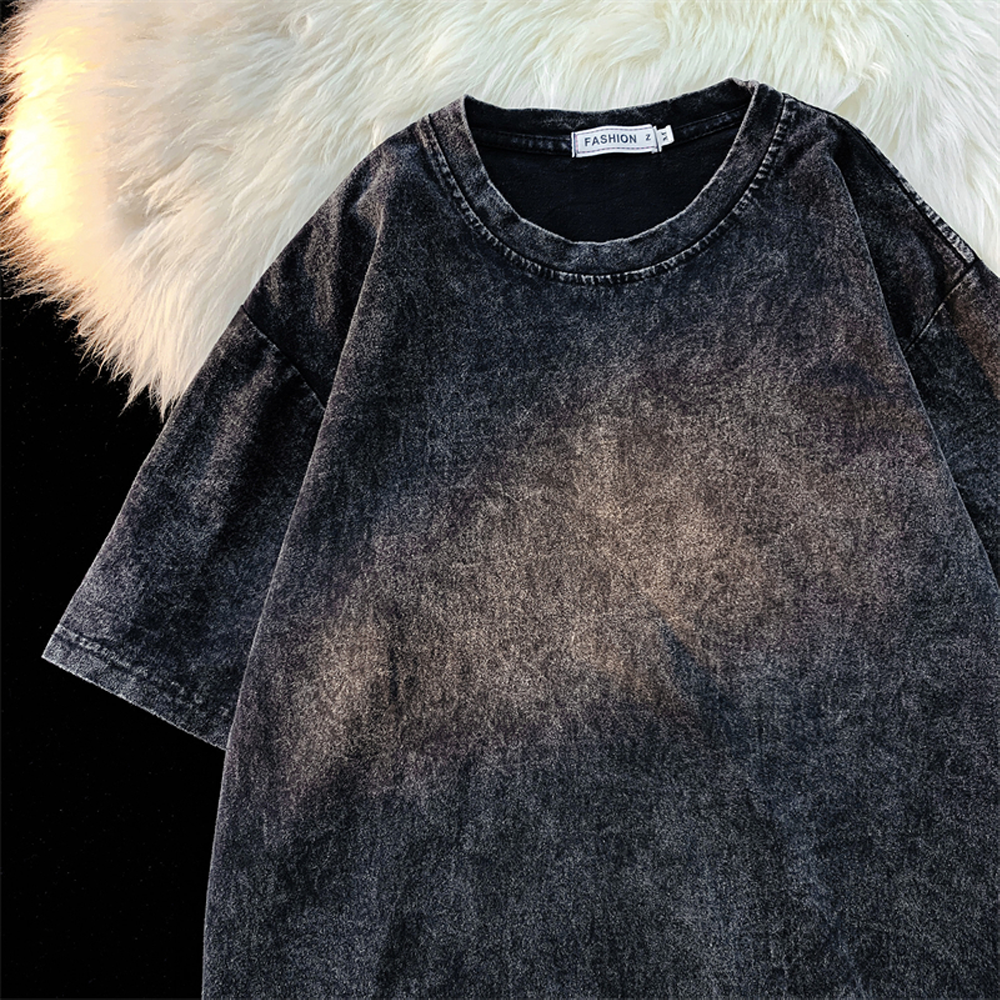
Ring-spun cotton (160–200 GSM) offers superior softness and strength compared to open-end alternatives, making it ideal for premium streetwear and retail lines. Combed cotton removes short fibers for a smoother hand feel and reduced pilling, while organic cotton appeals to eco-conscious brands despite 15–25% higher material costs.
For big and tall sizes, ring-spun construction maintains fabric integrity under stress at armholes and side seams. Clothing Manufacturer Ltd. sources ring-spun and combed cotton for clients prioritizing hand feel and longevity, applying materials QC testing to verify fiber consistency before cutting.
Blends and Performance Fabrics
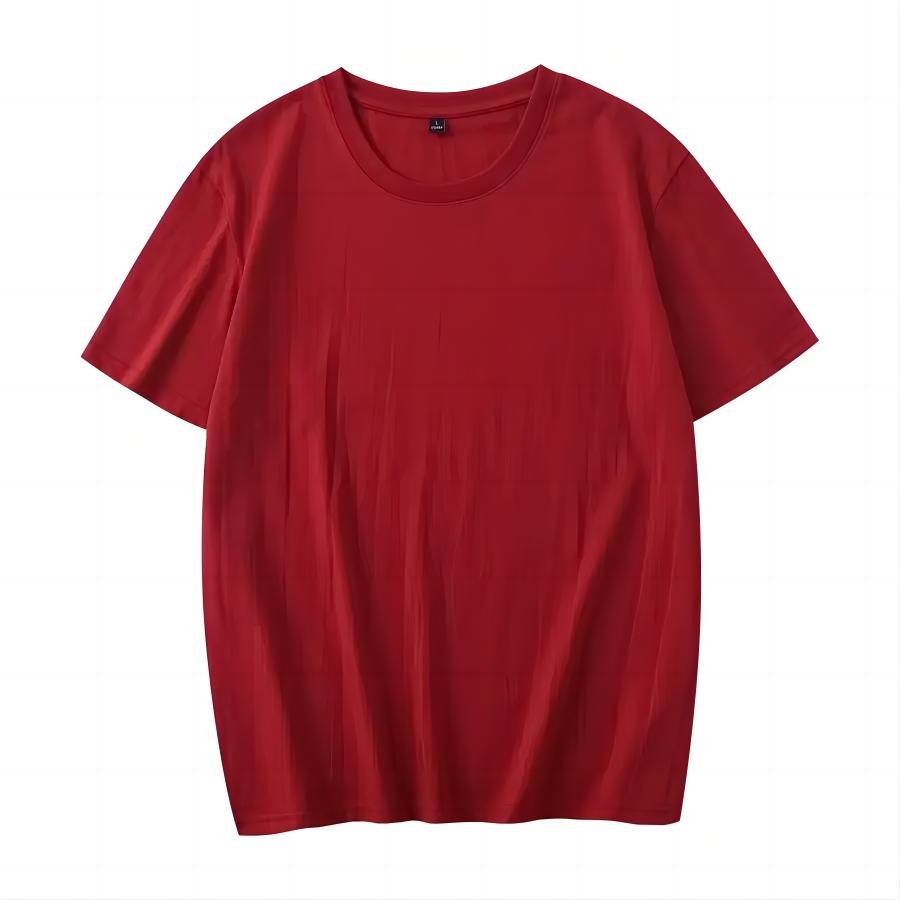
Cotton-poly blends (50/50 or 60/40 at 180–200 GSM) reduce shrinkage and improve shape retention, critical for larger sizes that experience more torso movement. Tri-blends (cotton-poly-rayon, 145–165 GSM) deliver drape and stretch but require careful sewing to prevent seam distortion.
Performance synthetics (polyester moisture-wicking, 140–160 GSM) suit activewear and warm climates, while bamboo blends (180–220 GSM) offer natural antimicrobial properties and breathability for year-round comfort.
5. Customization and Decoration Techniques
Big and tall t-shirts present unique decoration challenges due to expanded print areas and fabric stretch across larger sizes. A chest graphic that measures 12×16 inches on a standard tee may require 14×18 inches or more on 3XL–6XL garments, directly impacting setup costs, ink consumption, and minimum order quantities for most decoration techniques.
| Technique | Setup Cost | Per-Unit Cost (Big & Tall) | Wash Durability |
|---|---|---|---|
| Screen Printing | $15–$40/color | $0.50–$2.00 | 50+ cycles |
| Direct-to-Garment | $0 | $4.00–$8.00 | 25–40 cycles |
| Heat Transfer | $0–$25 | $1.50–$4.00 | 25–40 cycles |
| Embroidery | $25–$50 digitizing | $2.50–$6.00 | 100+ cycles |
| Appliqué | $25–$50 digitizing | $3.00–$7.00 | 75–100 cycles |
Screen Printing for Large-Format Graphics
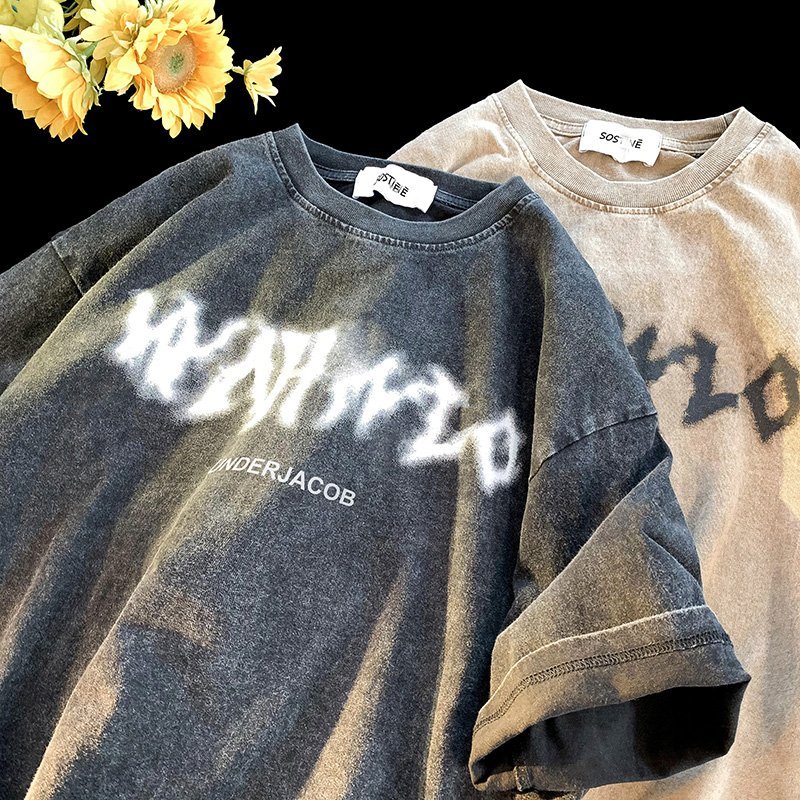
Screen printing remains the most cost-effective method for big and tall orders above 50–100 units per design. Each screen costs $15–$40 depending on print area; larger screens for extended sizes add 20–30 percent to setup fees. Multi-color designs require one screen per color, making simple 1–3 color graphics ideal for streetwear brands managing budgets.
Wash durability exceeds 50+ cycles when plastisol or water-based inks cure properly at 320°F (160°C). Larger print areas consume more ink, raising per-unit costs by $0.30–$0.80 compared to standard sizes, but bulk orders distribute setup costs efficiently.
Direct-to-Garment and Heat Transfer
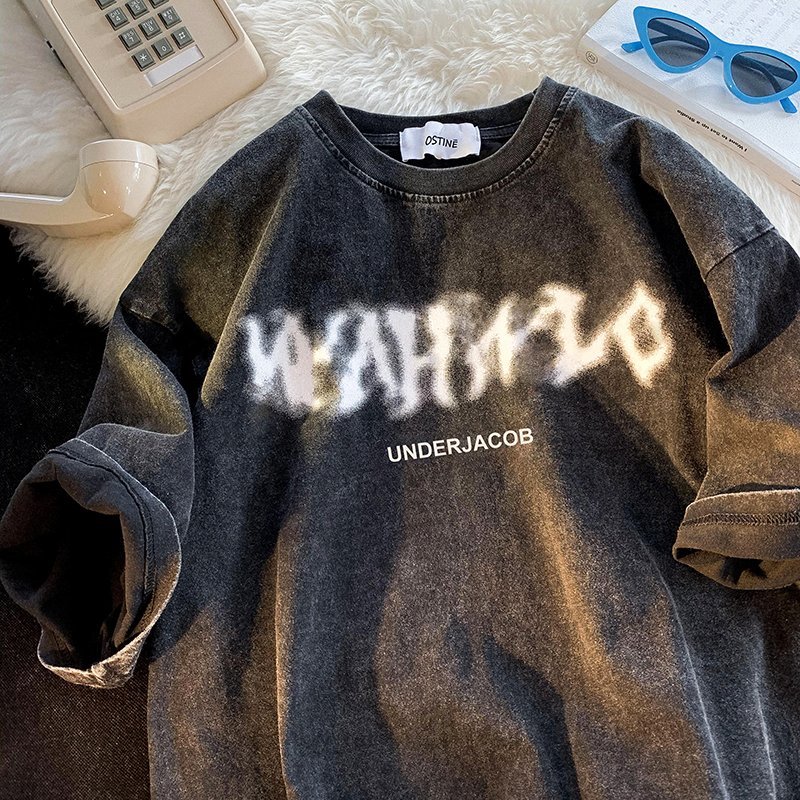
DTG printing handles full-color designs and photo-realistic graphics without setup fees, making it suitable for low-MOQ runs of 10–25 units. Per-unit costs range $4–$8 for big and tall sizes due to increased ink coverage; white or light fabrics print faster than dark garments requiring underbase layers.
Heat transfer vinyl and sublimation (polyester-only) offer mid-range durability of 25–40 washes. Transfers work well for names, numbers, and small logos but may crack on high-stretch areas if not applied with proper pressure and temperature calibration.
Embroidery and Appliqué Details
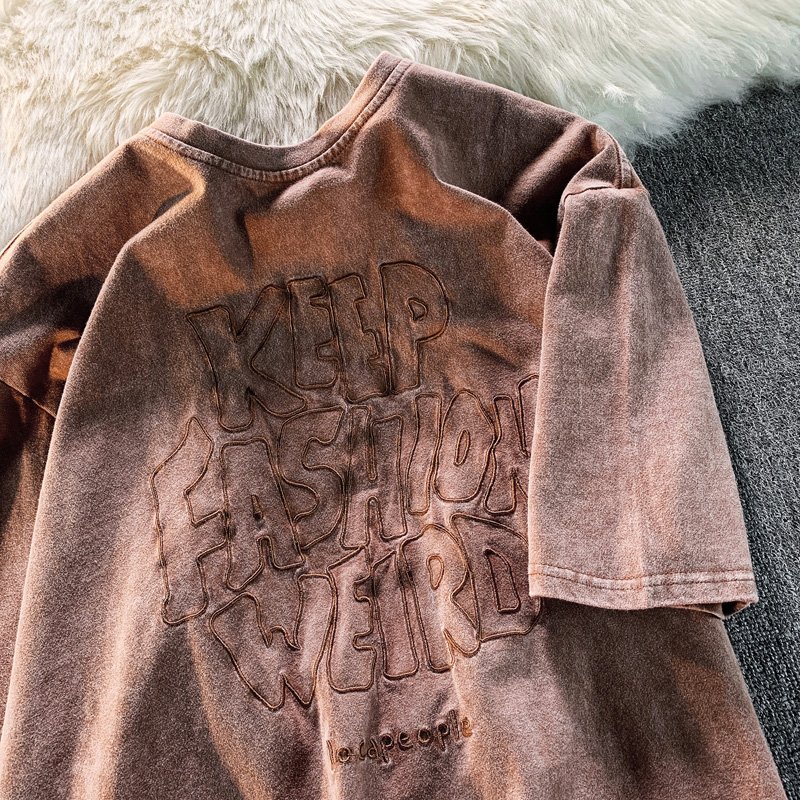
Embroidery delivers premium texture and 100+ wash durability, ideal for left-chest logos up to 4×4 inches. Stitch counts of 8,000–15,000 per design add $2.50–$6.00 per garment; larger designs increase production time and thread consumption. Heavy embroidery on lightweight knits may pucker without proper backing stabilizers.
Appliqué combines fabric patches with embroidered borders, reducing stitch counts by 30–50 percent while maintaining visual impact. This hybrid technique suits oversized back graphics on big and tall streetwear, balancing cost and durability for independent designers and influencer brands.
6. Key Quality Indicators for Big and Tall T Shirts
Big and tall t-shirts demand construction and fit markers that generic QC checklists often overlook. Standard inspection protocols focus on stitch density and seam strength but miss shoulder slope, armhole depth, and hem drape that determine wearability for extended sizes.
Reinforced Seams and Double-Stitching
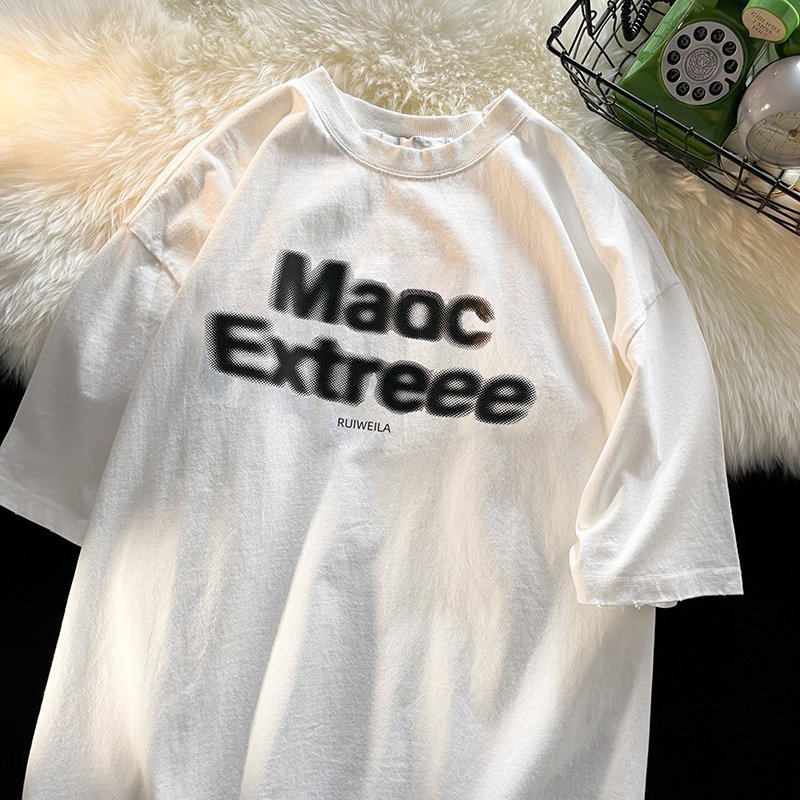
Shoulder seams, side seams, and sleeve hems should use double-needle stitching with 12–14 stitches per inch to handle stress from movement and washing. Single-needle construction fails quickly under tension in sizes 2XL and above.
Reinforced stress points at underarm gussets and neckline prevent tearing during wear. Clothing Manufacturer Ltd. applies its five-step QC process to verify stitch integrity during cutting QC testing and sewing production QC testing, catching weak seams before final assembly.
Proper Shoulder Slope and Armhole Depth
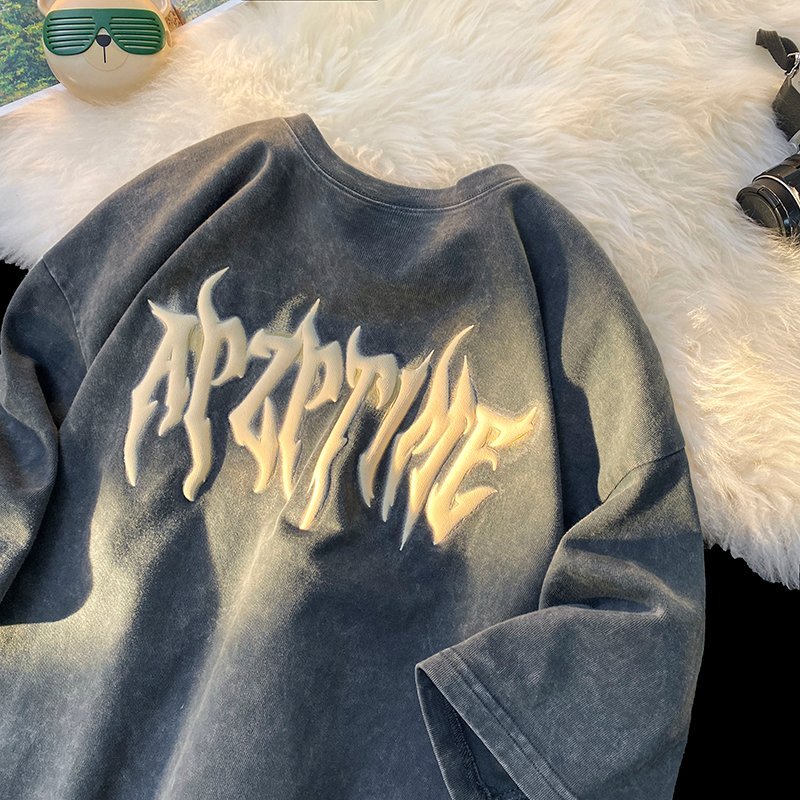
Big and tall patterns require wider shoulder slopes and deeper armholes to prevent binding and ride-up. Standard fit armholes typically measure 9–10 inches; big and tall versions should extend to 11–13 inches depending on size grade.
Shoulder seams must sit naturally on the shoulder point, not creep toward the neck or droop past the deltoid. Sample approval should include on-body fit checks with movement tests — raising arms, twisting torso — to confirm adequate mobility.
Side Vents and Curved Hems for Drape
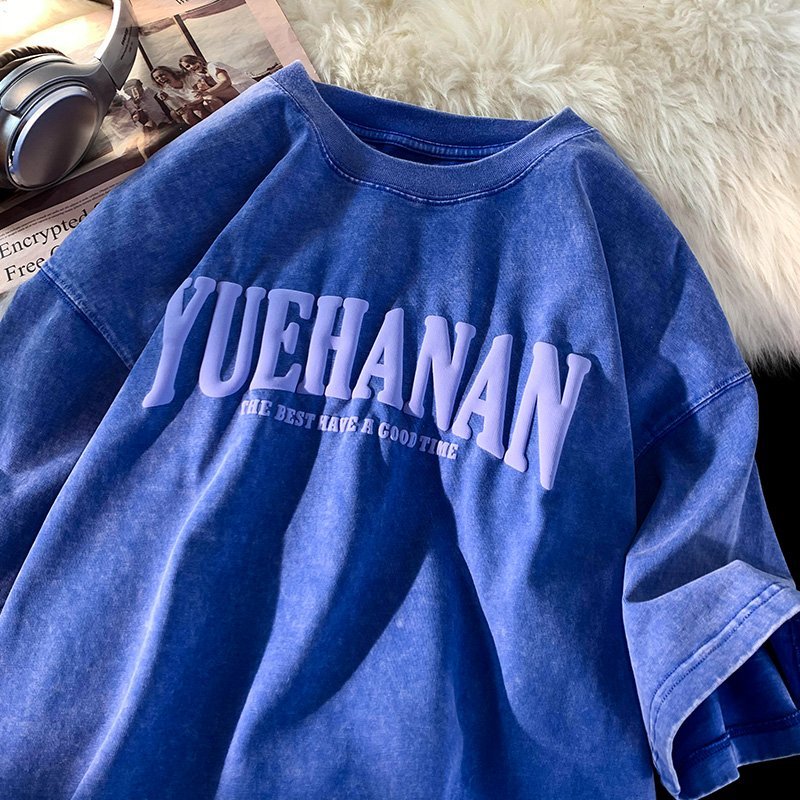
Curved or vented hems allow fabric to drape over the waist and hips without clinging or pulling. Straight-cut hems common in standard sizes create unflattering bunching in extended proportions.
Hem finishing should include coverstitching or twin-needle hems that stretch with the fabric. Pre-production samples must be washed and dried to verify hem curl and twist remain within 2–3 percent tolerance.
Pre-Shrunk Fabric and Colorfast Dye
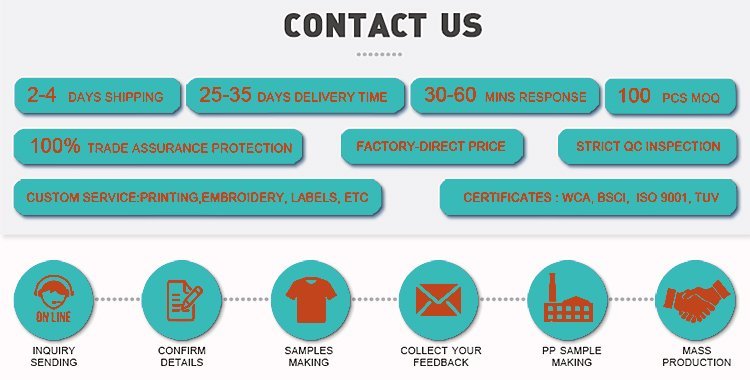
Knit fabrics for big and tall t-shirts should undergo compacting or sanforization to limit shrinkage to under 5 percent after three wash cycles. Untreated jersey can shrink 8–12 percent, rendering fit adjustments useless.
Colorfast dye processes using reactive or vat dyes prevent fading and color transfer. Finished clothing quality QC inspection at Clothing Manufacturer Ltd. includes wash testing to confirm colorfastness meets ISO 105-C06 Grade 4 or higher, ensuring garments retain appearance through repeated laundering.
7. How to Choose the Right Big and Tall T Shirt Manufacturer
Selecting a big and tall t shirt manufacturer requires a structured evaluation of technical capabilities, quality systems, and operational flexibility. The right partner will demonstrate proven expertise in extended sizing, transparent quality processes, and scalable production terms that align with your brand’s growth trajectory.
Evaluate Size Range Capability and Grading Accuracy
Confirm the factory maintains grading patterns for sizes 2XL through 6XL or larger, with proportional adjustments to shoulder width, chest, sleeve length, and torso length. Request grading charts and sample garments across the full size spectrum to verify fit consistency.
Inexperienced suppliers often scale patterns uniformly without accounting for body shape variation in larger sizes, leading to poor fit and high return rates.
Review Portfolio and Client References
Ask for case studies or references from brands serving the plus-size or big-and-tall market. A manufacturer with streetwear and independent designer clients in over 100 countries demonstrates breadth of experience and adaptability to diverse brand requirements.
Request production samples in extended sizes to assess fabric hand, seam construction, and finishing quality before committing to a partnership.
Assess MOQ Flexibility and Scalability
Startups and emerging brands require lower minimum order quantities—typically 50 to 200 pieces per design—while established retailers need capacity to scale into the thousands. Verify the factory can accommodate your current volume and future growth without sacrificing quality or lead times.
Verify Certifications and Quality Systems
Look for WRAP, BSCI, or Oeko-Tex certifications, which confirm ethical labor practices and chemical safety standards. A proprietary multi-stage QC process—such as materials testing, cutting inspection, craft verification, sewing checks, and finished-garment review—signals a commitment to quality over speed.
Red flags include factories that skip in-process inspections, offer no sampling terms, provide vague lead times, or cannot produce grading documentation for extended sizes.
8. Common Mistakes When Sourcing a Big and Tall T Shirt Manufacturer
Sourcing a big and tall t shirt manufacturer requires attention to details that standard-sizing brands often overlook. Missteps in fit validation, fabric planning, and quality vetting can derail timelines, inflate costs, and damage brand reputation.
Assuming Standard Sizing Can Be Stretched
Many startups believe they can simply scale up a medium or large pattern to create big and tall sizes. Proportions change dramatically above XL: sleeve length, shoulder slope, torso rise, and armhole depth all require independent adjustment rather than uniform grading.
Clothing Manufacturer Ltd.’s five-step QC methodology includes cutting QC testing to verify that each size block maintains proper proportions. Brands should request graded spec sheets for every size tier and compare neck-to-hem ratios, shoulder-to-cuff lengths, and chest-to-waist drops across the range.
Skipping Fit Samples on Real Body Types
Approving samples on standard mannequins or smaller team members leads to fit failures in production. Big and tall customers have diverse body shapes—athletic builds, fuller midsections, broader shoulders—that a single graded pattern cannot address without wear testing.
Request fit samples in at least three size points (2XL, 4XL, 6XL) and test on actual wearers within those ranges. Document feedback on sleeve tightness, hem length, and torso comfort before approving bulk production.
Underestimating Fabric Consumption and Unit Cost
A 5XL tee can require 40–60% more fabric than an XL, yet many brands budget only 20–30% cost increases. Fabric consumption scales non-linearly because wider panels demand fuller fabric widths and generate more cutting waste.
Ask your big and tall t shirt manufacturer for a fabric yield table showing square meters per garment across sizes. Build cost models that reflect actual consumption, and negotiate volume pricing separately for extended sizes to maintain margin targets.
Ignoring Shrinkage Testing
Big and tall garments already push fabric limits; post-wash shrinkage of 3–5% can render a borderline fit unwearable. Cotton-rich blends and ring-spun jerseys are especially prone to length and width contraction.
Specify pre-shrunk or compacted fabrics in your tech pack, and require the manufacturer to provide wash-test reports showing dimensional stability after three home-laundry cycles at 40°C. Clothing Manufacturer Ltd. includes finished-clothing quality QC inspection to verify post-wash dimensions before shipment.
Choosing the Lowest Bid Without Vetting Quality
Price-driven sourcing often leads to skipped QC steps, substandard stitching, and inconsistent sizing. Factories that omit in-process inspections cannot catch defects until final packing—too late and too costly to remedy.
Request a detailed breakdown of the manufacturer’s QC process, including materials testing, sewing-line checks, and final inspection protocols. Compare sample quality, stitch density (14–16 stitches per inch for knit tees), and seam finishing before awarding contracts.
9. Steps to Launch Your Big and Tall T Shirt Line
Launching a big and tall t shirt line requires a structured roadmap that balances design, production, and quality milestones. Each step builds on the previous, ensuring your brand enters the market with tested products and reliable supply chains.
Conduct Market Research and Define Your Size Range
Survey your target demographic to identify the most in-demand sizes, typically 2XL through 5XL for big and tall customers. Analyze competitor offerings and customer reviews to pinpoint gaps in fit, fabric weight, or style.
Define your graded size chart with chest, length, and shoulder measurements for each increment. Budget 2–4 weeks for this research phase and allocate funds for sample garments from competitors to benchmark quality and construction.
Create Detailed Tech Packs with Graded Specs
Develop tech packs that include front and back sketches, fabric specifications (GSM, composition), colorways, and trim details. For big and tall lines, include a full grade rule table showing how each measurement scales from 2XL to 5XL.
Share these tech packs with 3–5 manufacturers to ensure clarity and reduce sampling errors. Allow 1–2 weeks for tech pack creation and manufacturer review.
Request and Evaluate Samples from Multiple Manufacturers
Order pre-production samples from at least three big and tall t shirt manufacturer partners to compare fit, fabric hand-feel, and construction quality. Evaluate stitching consistency, neck tape application, and hem finishes.
Budget $50–$150 per sample set and plan a 3–4 week sampling window. Document feedback on each sample to guide your final manufacturer selection.
Place a Pilot Run and Implement Five-Step QC
Start with a pilot production run of 100–300 units per colorway to validate manufacturing processes before scaling. Implement a five-step quality control process: materials QC, cutting QC, craft QC, sewing QC, and finished garment inspection.
Schedule 4–6 weeks for pilot production and allocate 5–8% of your budget for QC checkpoints. This phased approach minimizes risk and ensures your big and tall line meets brand standards before full-scale launch.
10. Pricing and Cost Structure
Big and tall t-shirts carry 20–40% higher material costs than standard sizes due to increased fabric consumption per unit. A 3XL garment typically requires 1.8–2.2 yards of 60-inch-wide knit fabric compared to 1.2–1.5 yards for a size Large, directly impacting base pricing. Grading complexity adds $150–$300 per style in setup fees because pattern makers must recalculate proportions for chest, sleeve, and torso dimensions across extended size runs.
Decoration costs scale with print area: a 12×16-inch chest graphic on a 4XL tee consumes 30–50% more ink and screen time than an 8×10-inch standard print, adding $0.40–$0.80 per unit for screen printing and $1.20–$2.00 for direct-to-garment methods. Shipping weight increases proportionally — a carton of 72 big and tall tees weighs 28–35 lbs versus 18–22 lbs for standard sizes, raising freight costs by 25–40% on international orders.
Sampling budgets should allocate $80–$150 per size for initial prototypes and $50–$80 per revision round. Clothing Manufacturer Ltd. implements its five-step quality control process at every production tier, ensuring consistent standards whether you order 100 units or 2,500. Lead times extend 2–4 days for big and tall runs due to additional grading and cutting precision required for larger pattern pieces.
| Quantity Tier | Price per Unit (USD) | Setup Cost | Lead Time |
|---|---|---|---|
| 100 units | $8.50–$11.20 | $400–$600 | 18–22 days |
| 500 units | $6.80–$8.90 | $400–$600 | 20–25 days |
| 1,000 units | $5.70–$7.50 | $350–$550 | 22–28 days |
| 2,500 units | $4.90–$6.40 | $300–$500 | 25–32 days |
Ready to Launch Your Big and Tall T Shirt Line?
Partner with a big and tall t shirt manufacturer that delivers premium quality, 5-step QC, and 7-day sampling for your brand.