
Thermal Insulated Jacket Manufacturer for Premium Streetwear Brands
Partner with a trusted thermal insulated jacket manufacturer backed by 10+ years of expertise, 5-step QC, low MOQ, and fast samples for emerging and established brands worldwide.
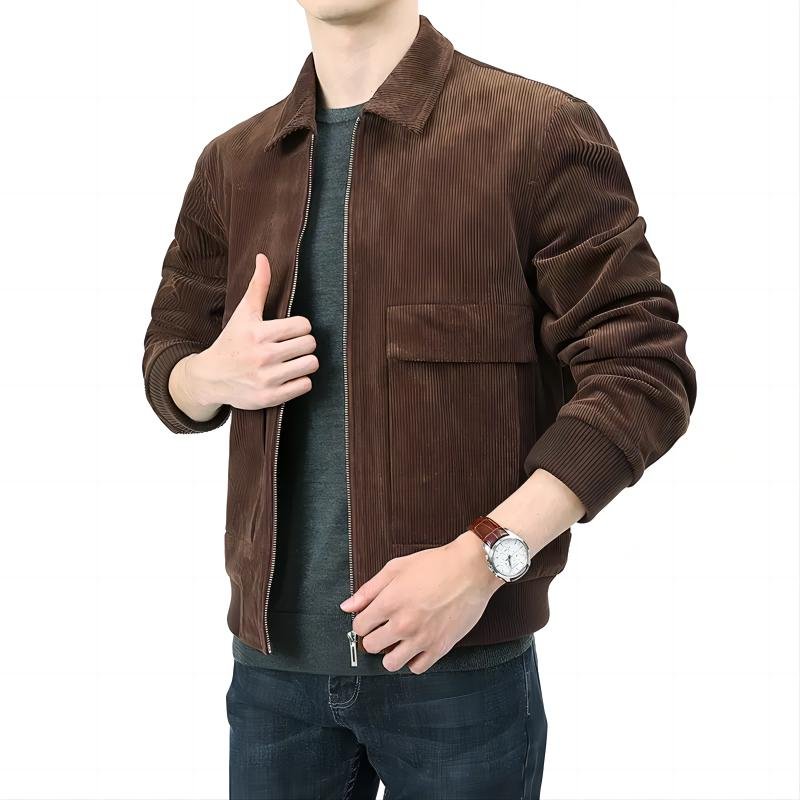
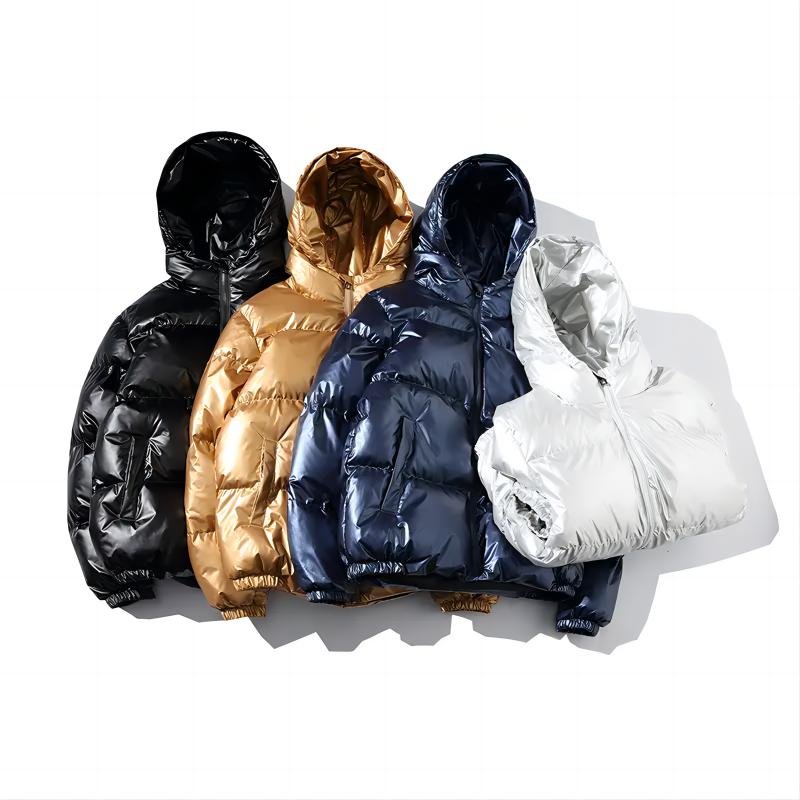
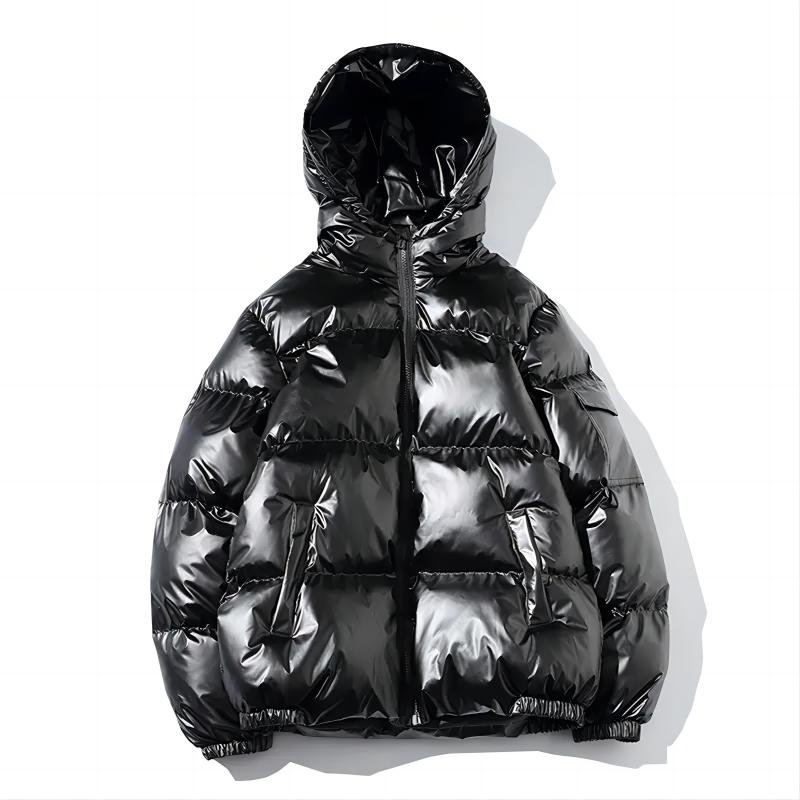
Our Thermal Insulated Jacket Collections
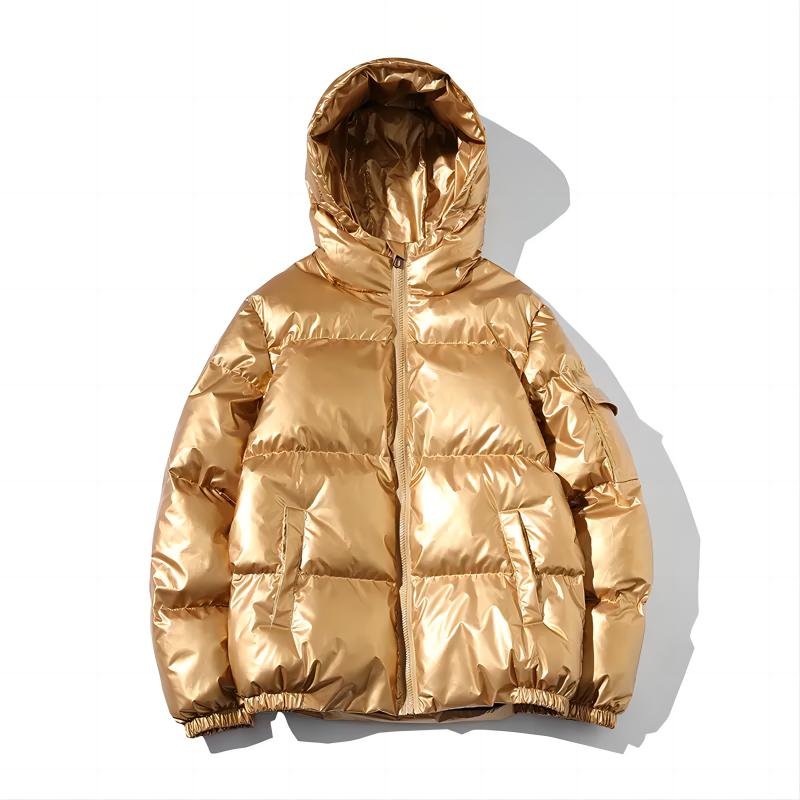
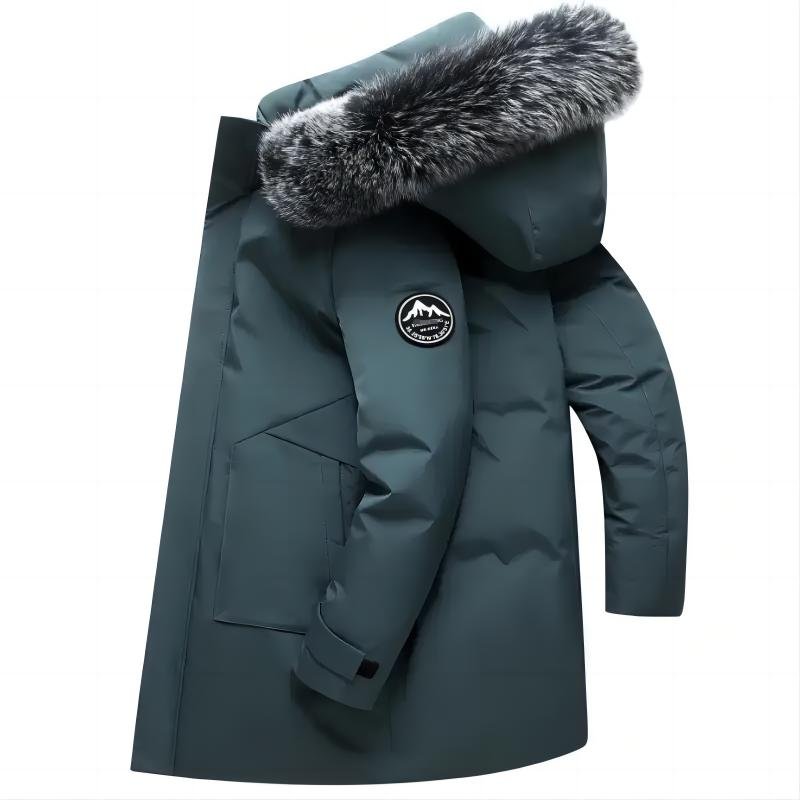
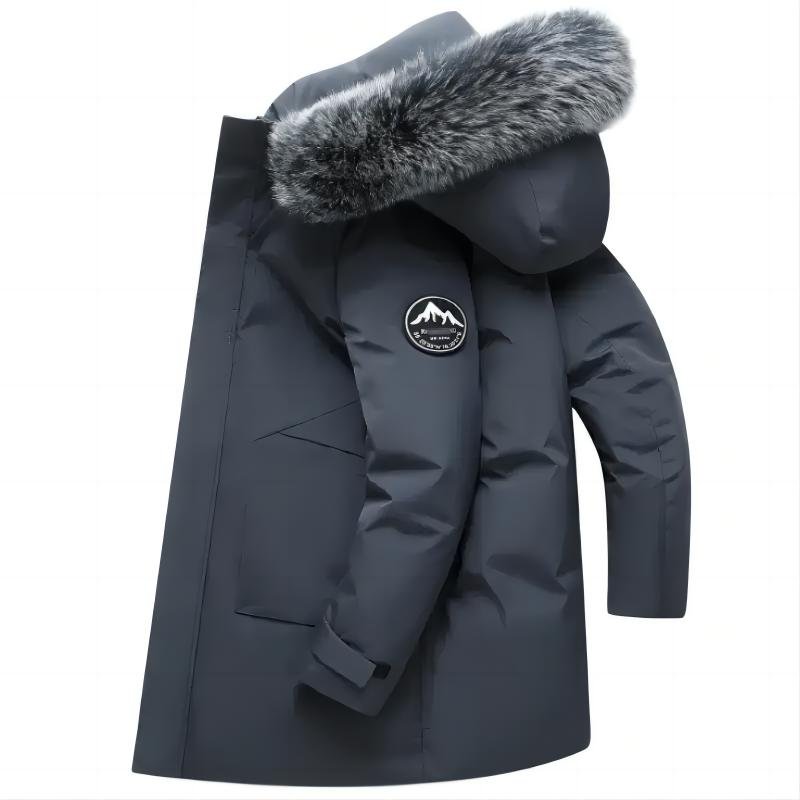
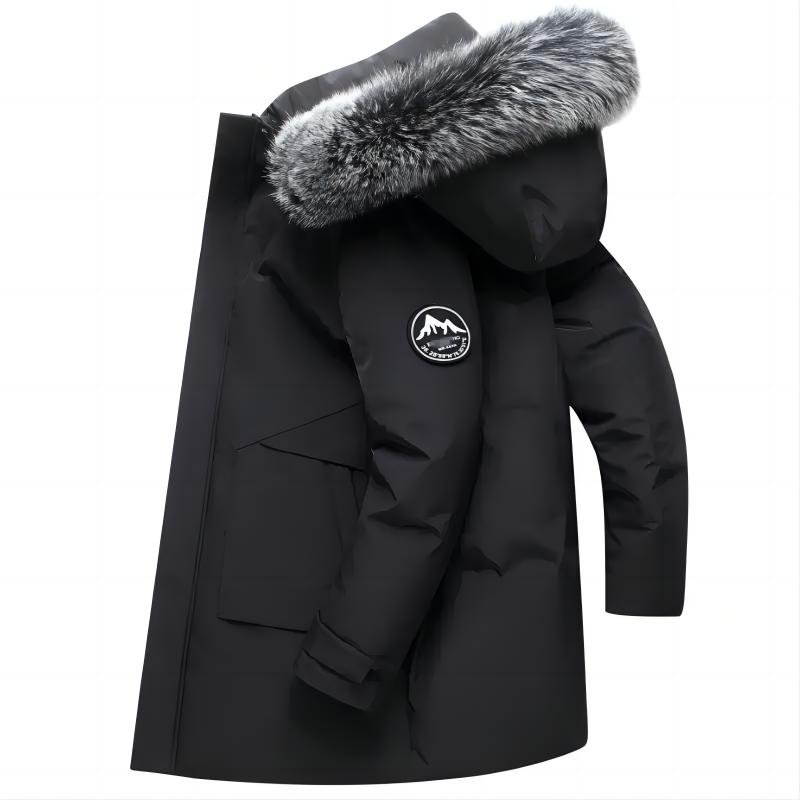
Why Brands Choose Our Thermal Insulated Jacket Manufacturer
From 50-piece minimums to doorstep delivery in 100+ countries, every advantage is built around one goal: your brand’s growth.
5-Step QC, Zero Compromise
Our proprietary five-stage quality control catches defects at every production step, guaranteeing flawless thermal jacket output every run.
50-Piece Low MOQ
Start with as few as 50 pieces — purpose-built for emerging streetwear labels and fashion startups testing new styles.
Fast Samples & Turnaround
Production-ready samples delivered in days so your seasonal thermal jacket collections hit market before the competition does.
Streetwear Design Mastery
Our 15-member R&D team speaks streetwear fluently — bold graphics, skeleton motifs, and trend-first aesthetics executed with precision.
Global Reach, 100+ Countries
End-to-end logistics and customs support ensure your finished jackets arrive reliably on retail shelves across more than 100 countries.
In-House Design & Sampling
From tech packs and pattern development to first prototypes, our in-house team owns every step before production begins.
Thermal Insulated Jacket Manufacturer for Every Brand Style
From oversized puffer silhouettes to featherlight insulated shells, our production capabilities span every thermal jacket category your brand needs to grow.
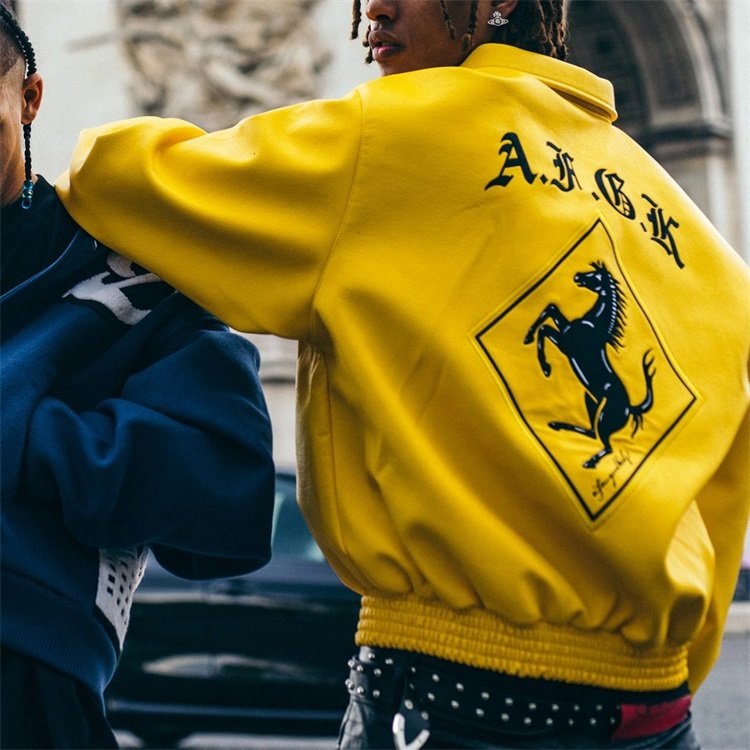
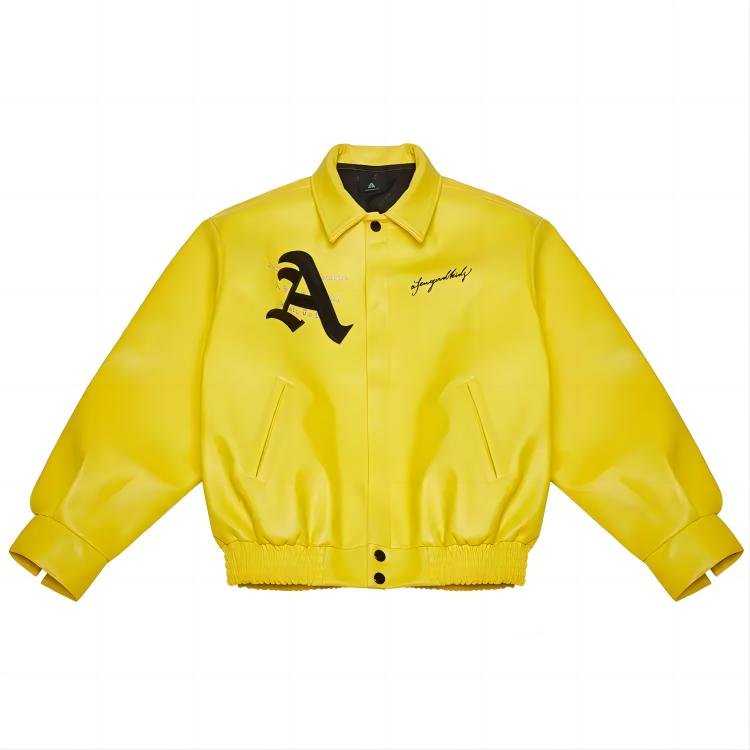
Oversized Streetwear Puffer Jackets
Streetwear brands need bold, oversized puffer silhouettes with consistent fill power and on-trend colorways, but most factories can't execute intricate quilting patterns or custom baffling at accessible MOQs.
We produce street-ready puffer jackets with custom quilting layouts, oversized fits, and premium fill — backed by our 5-step QC guarantee and low MOQ options built for emerging streetwear labels.
Synthetic Fill Jackets, Low MOQ
Fashion startups launching their first insulated line face steep minimum order requirements and long lead times that stall momentum before the collection ever reaches customers or generates real revenue.
Our low MOQ production and rapid sampling let new brands launch synthetic insulated jackets fast, with in-house design support refining fit and construction details before any bulk run begins.
Down-Blend Jackets for Retailers
Global apparel retailers sourcing down-blend jackets demand consistent warmth-to-weight ratios, responsible fill sourcing, and scalable production that holds quality standards across large, multi-SKU seasonal orders without defect spikes.
We deliver certified down-blend jackets at retail scale, with stage-by-stage materials QC ensuring uniform fill distribution, clean stitching, and export-ready finishing across every global market we ship to.
Lightweight Jackets for Creator Brands
Influencer and creator brands need photogenic, trend-driven lightweight insulated styles with fast turnaround to align drops with content calendars — most standard factories are far too slow to keep pace.
We produce lightweight insulated jackets built for visual impact and wearability, with rapid sampling and seasonal turnaround that keeps creator brands ahead of cultural moments and content release windows.
Technical Jackets for Independent Designers
Independent designers developing technical insulated pieces need a manufacturer who can execute complex construction — articulated seams, integrated baffles, custom pocket systems — without compromising craftsmanship at any production stage.
Our 15-member R&D team translates intricate tech packs into production-ready thermal jackets, with hands-on sampling support that perfects every construction detail before your bulk production order ever begins.
Premium Materials from a Trusted Thermal Insulated Jacket Manufacturer
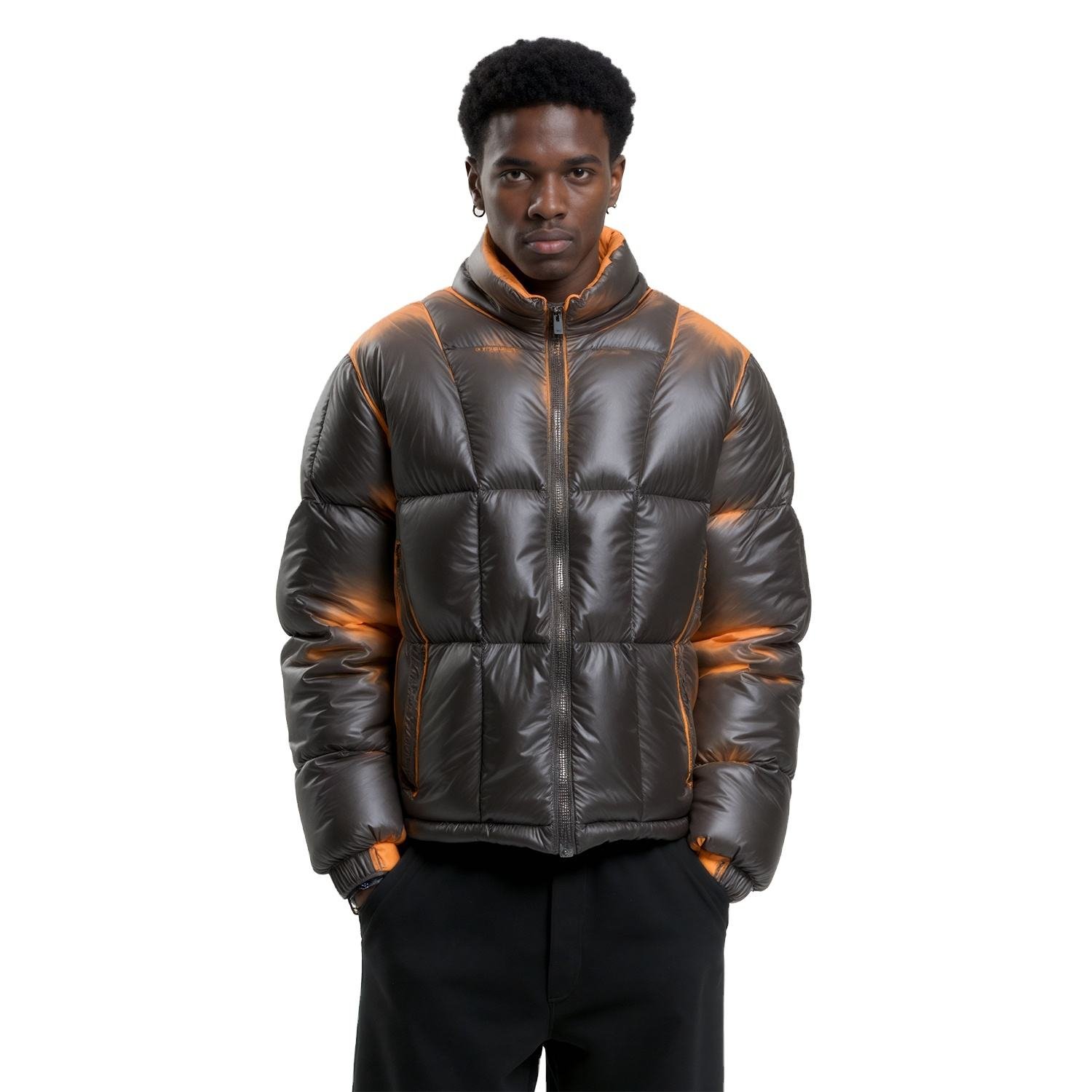
Duck Down Fill
Premium 650+ fill-power natural insulation delivering exceptional warmth-to-weight performance. Ideal for lightweight puffer and winter jackets. Clusters compress for packability without sacrificing heat retention in cold-weather collections.
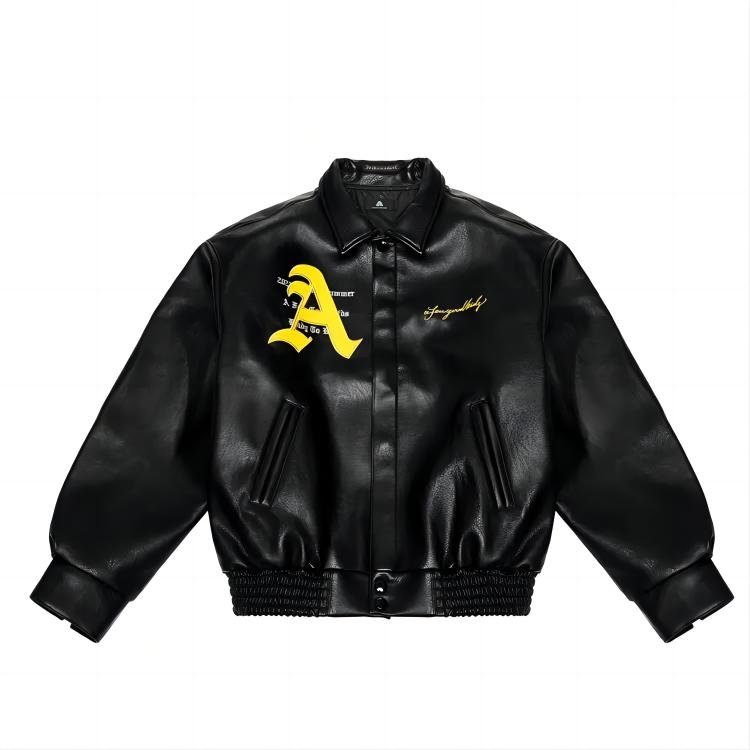
Recycled PrimaLoft
High-performance synthetic insulation crafted from recycled fibers, retaining up to 97% warmth when wet. Perfect for all-weather streetwear jackets where moisture resistance, sustainability credentials, and consistent loft are priorities.
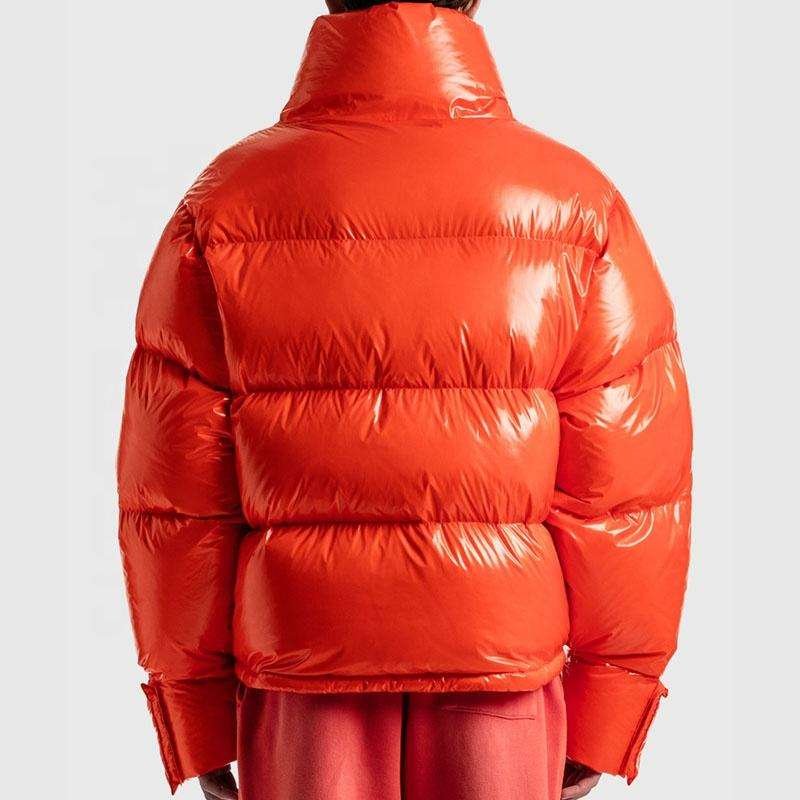
Ripstop Nylon Shell
Lightweight 70D ripstop nylon outer shell with a DWR water-repellent finish. Wind-resistant and abrasion-tolerant, suited for performance puffers and seasonal streetwear collections demanding durability at a low fabric weight.
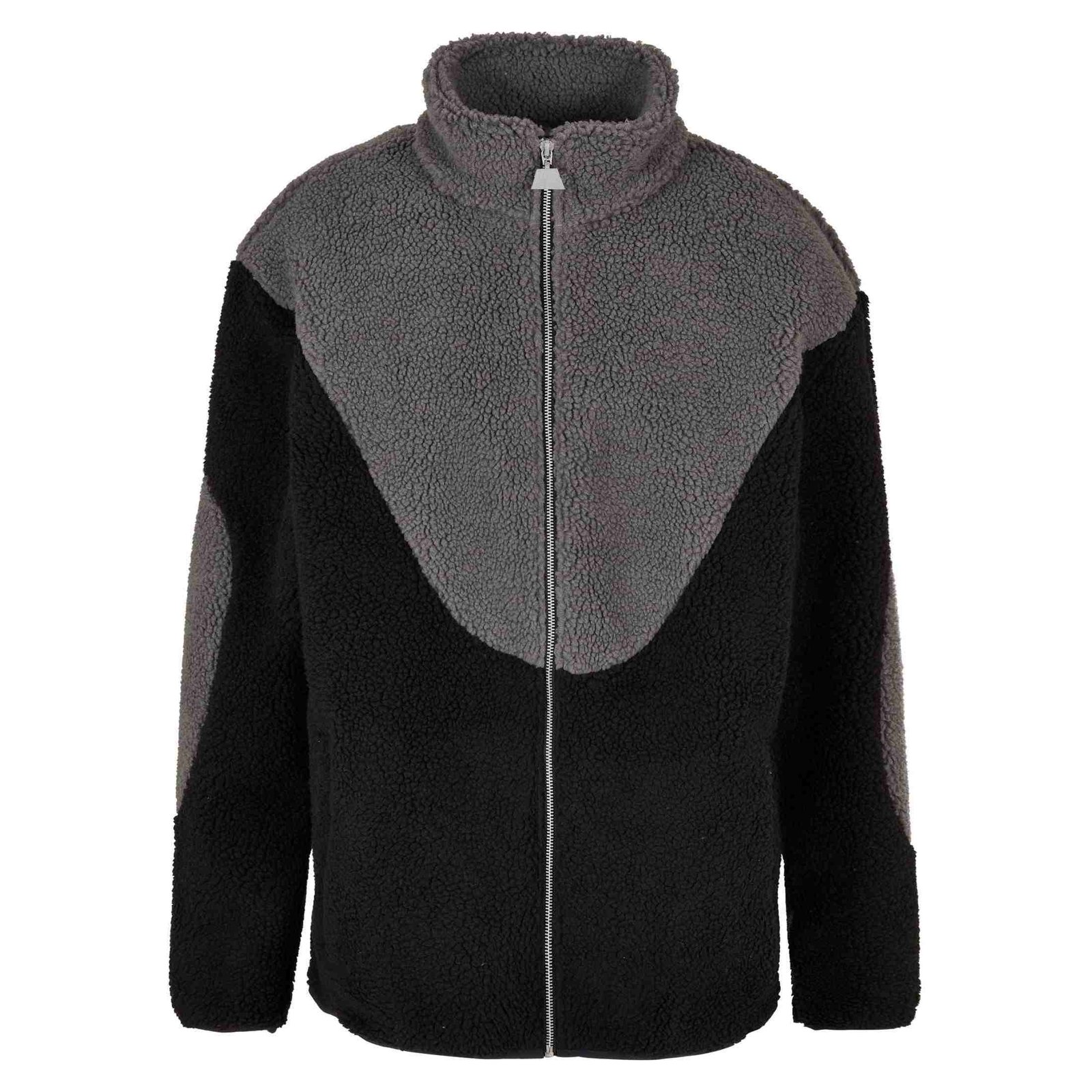
Polar Fleece Lining
Ultra-soft 280gsm polar fleece interior lining offering superior thermal retention and breathability. A go-to for bombers and stadium jackets; the brushed hand-feel delivers premium next-to-skin comfort in any colorway.
Bonded Softshell
Three-layer bonded technical fabric combining a stretch woven face, breathable membrane, and fleece backer for windproofing with 4-way mobility. Ideal for transitional-season thermal jackets in active and urban streetwear lines.
Heavyweight Oxford Cloth
Durable 600D polyester Oxford with PU coating delivering structured water resistance and a boxy silhouette. Preferred for workwear-inspired thermal jackets and oversized streetwear styles requiring substantial body and visual weight.
The Production Techniques Behind Our Thermal Insulated Jacket Manufacturing

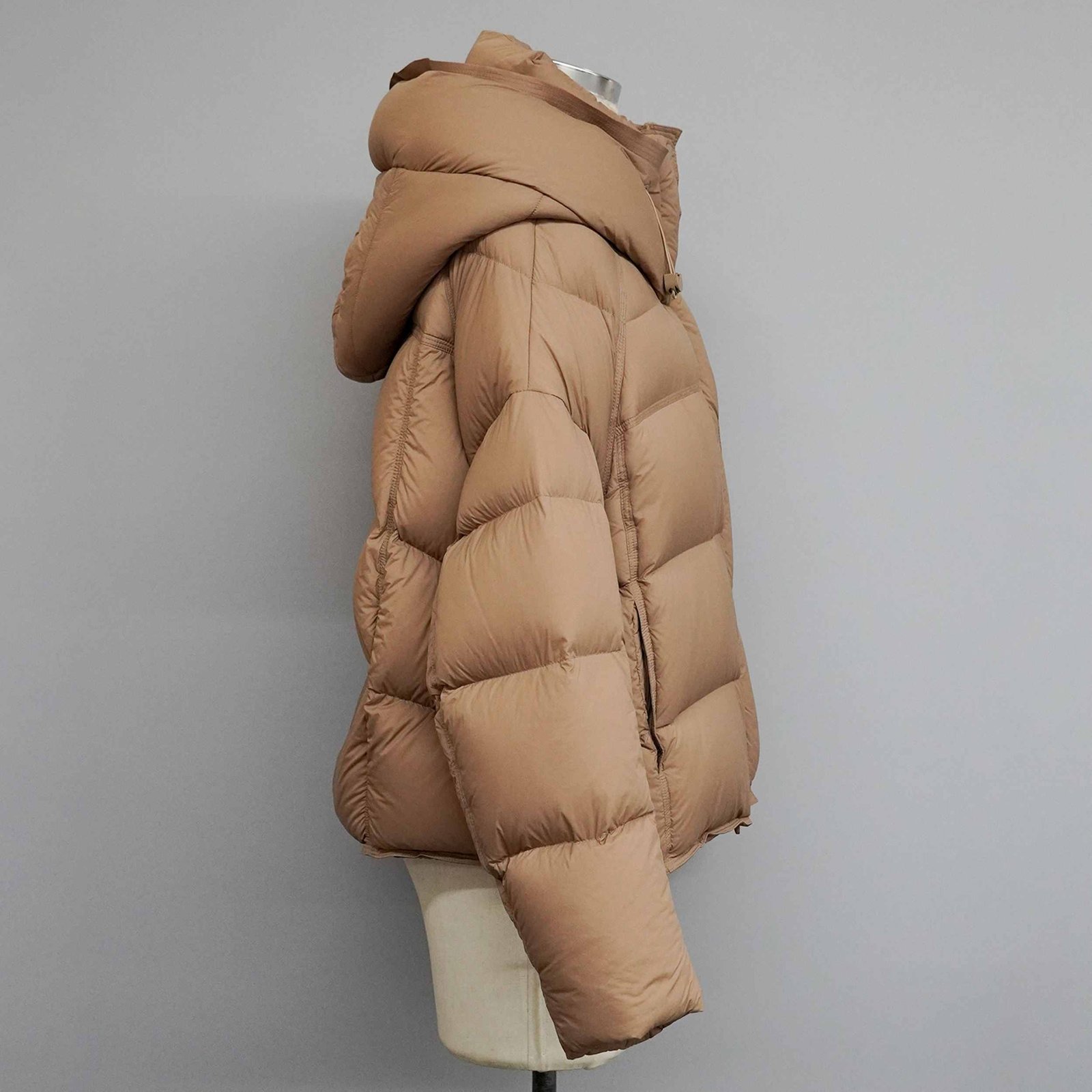
Channel Quilting
Precision-stitched quilting patterns lock insulation fill firmly in place, eliminating cold spots and in-wash shifting. The result is uniform thermal performance and a signature visual texture consistent across every batch.
Insulation Bonding
Synthetic or down fill is attached to inner shell layers via heat-activated adhesives combined with mechanical stitching, ensuring even fill distribution and preventing bunching through repeated washing and extended daily wear.
DWR Finish Application
A Durable Water Repellent coating is applied to outer shell fabrics, causing water to bead and roll off instantly while preserving breathability, keeping jacket performance intact across wet weather and demanding streetwear conditions.
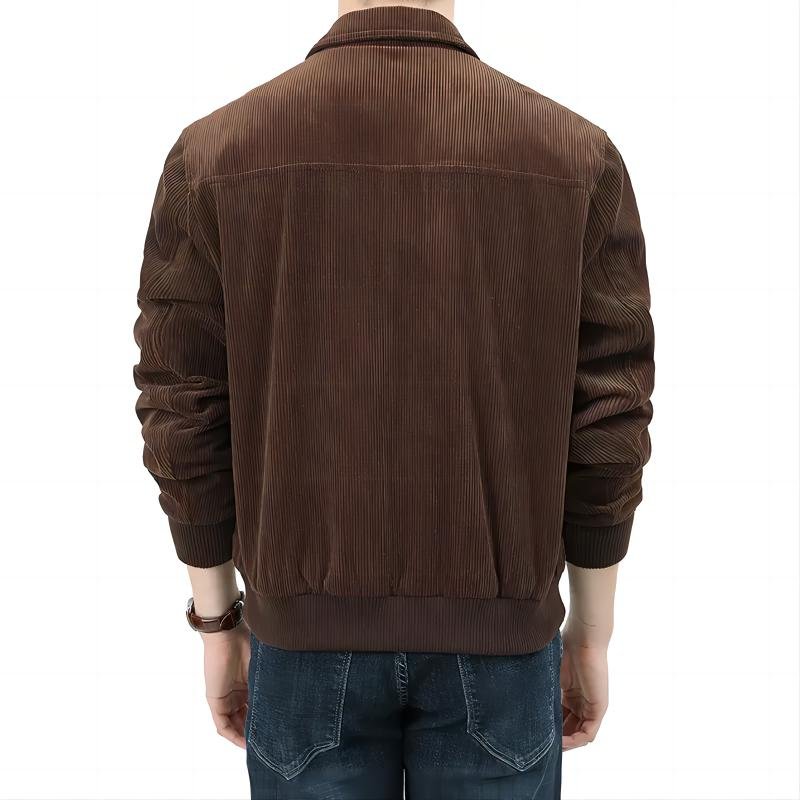
Heat-Seal Taping
Thermally bonded seam tape is applied directly over every stitch line, sealing out wind and moisture at the jacket’s most vulnerable points — delivering maximum weatherproofing without adding bulk or restricting freedom of movement.
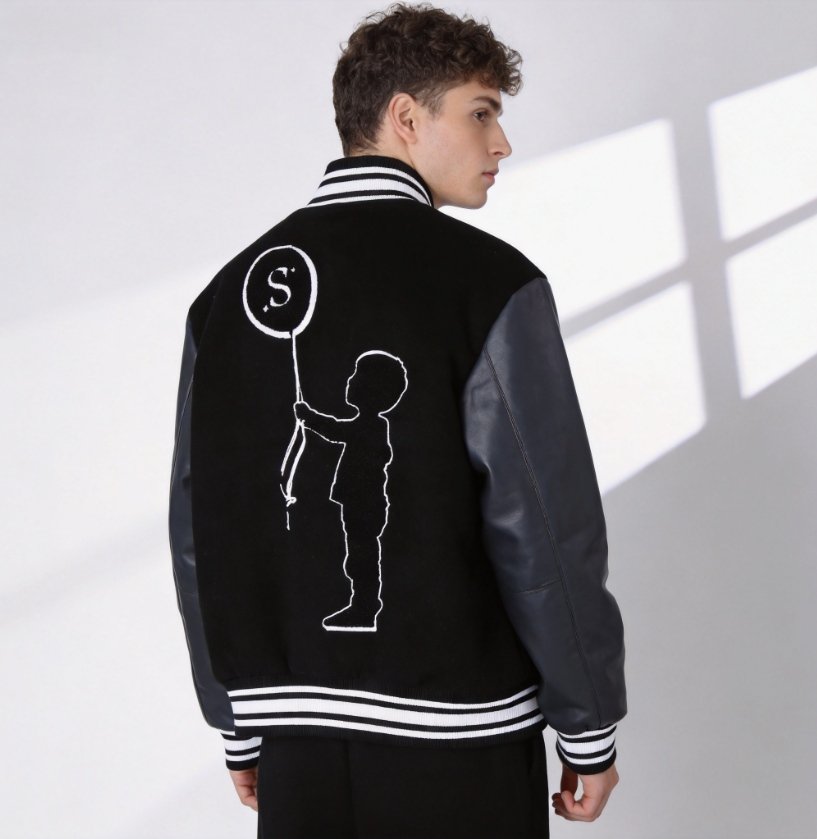
Baffle Construction
Precision-sewn internal baffles create compartmentalized chambers that contain insulation fill, preventing cold bridging and maintaining consistent loft and warmth distribution across the full jacket body regardless of movement or compression.
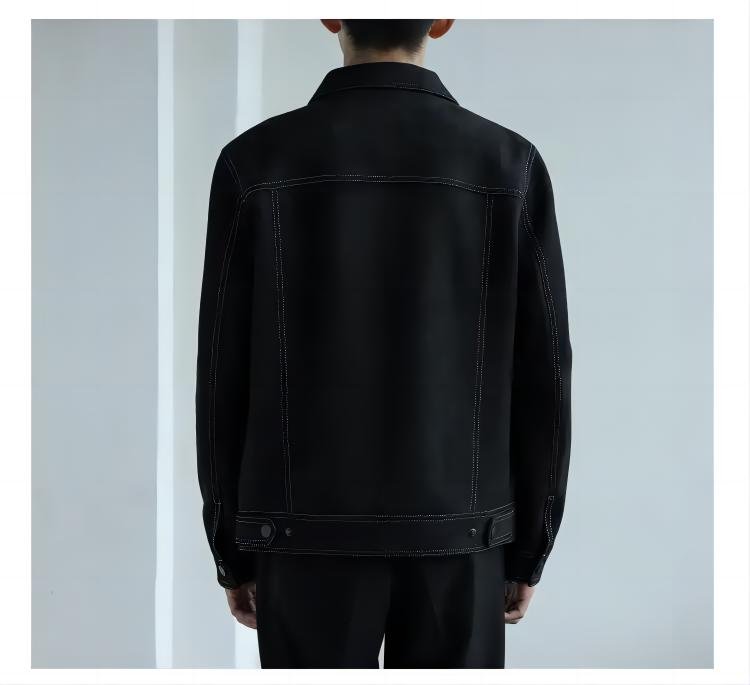
Laser-Cut Bonding
Laser-cut fabric panels joined with heat-fused adhesives eliminate raw edges and bulky seam allowances, producing a sleek, streamlined silhouette with superior structural integrity — ideal for premium streetwear and minimalist outerwear aesthetics.
Premium Hardware & Trimmings for Custom Thermal Jackets
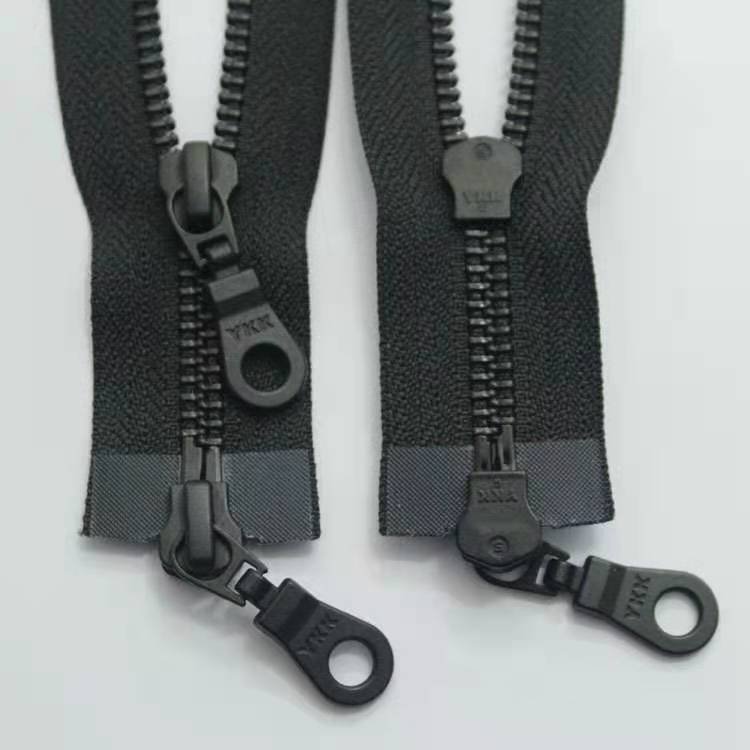
YKK Zippers
Industry-standard YKK zippers guarantee smooth, reliable operation across every outerwear piece we produce. Choose from coil, vislon, or water-resistant styles in custom lengths and brand-matched colors for a premium, market-ready finish.
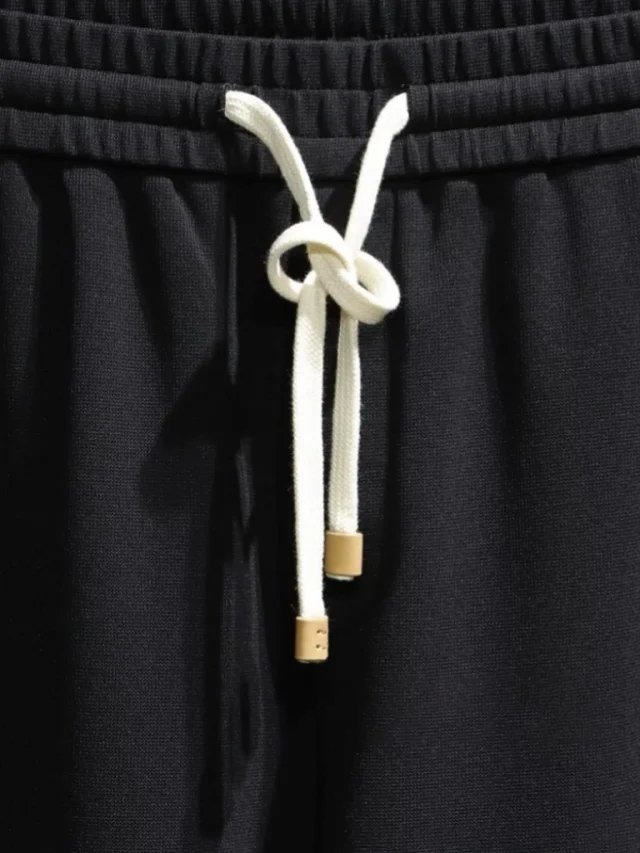
Hood Drawcords
Flat or round drawcords threaded through reinforced hood tunnels deliver a secure, adjustable fit. Available with branded tipped ends in matching or contrast colorways to sharpen the streetwear aesthetic of your finished jacket.
Hem Drawcords
Woven or tubular hem drawcords seal in warmth and block wind on insulated outerwear. Offered in brand-matching or contrast colors with custom tipping options that reinforce your label’s identity down to every last detail.
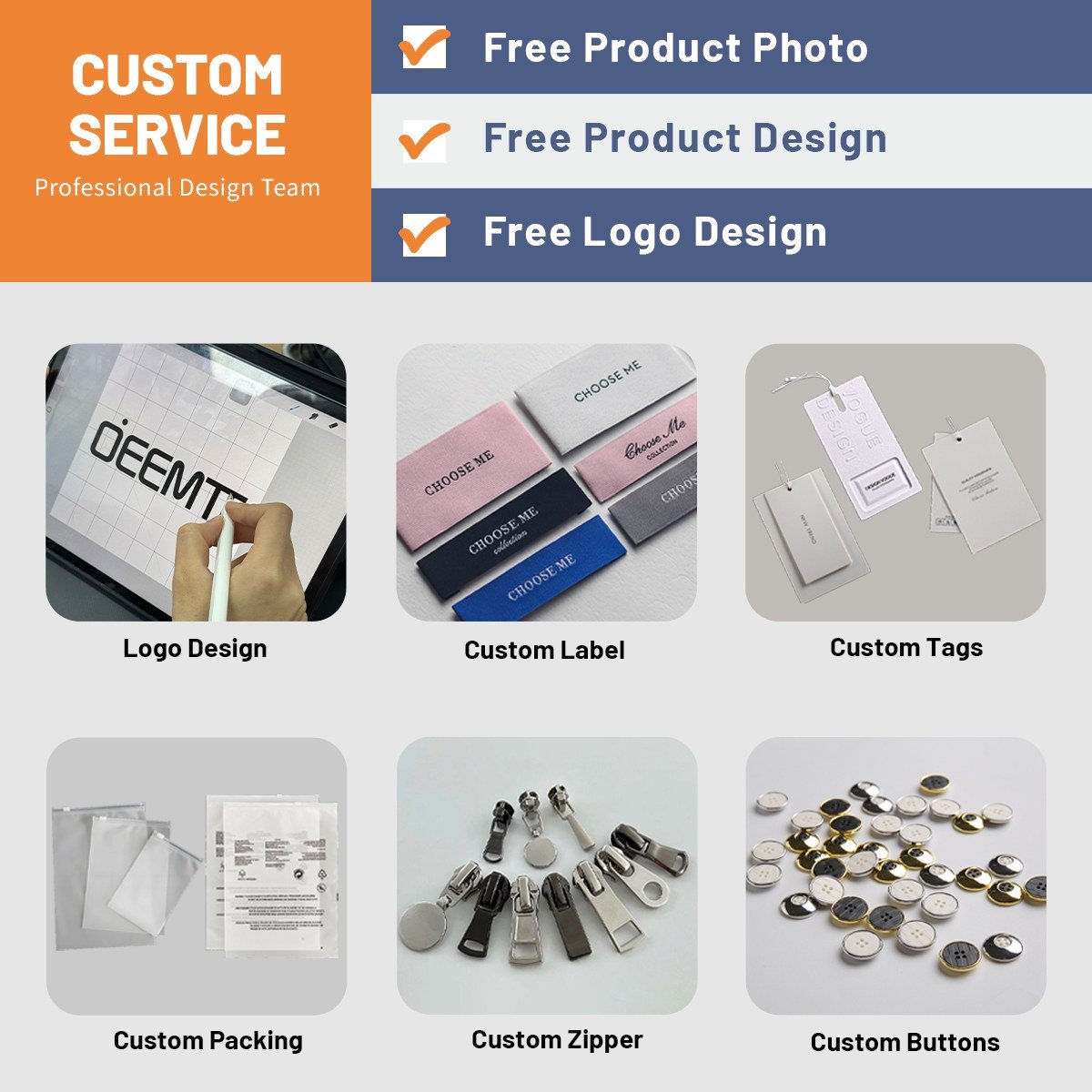
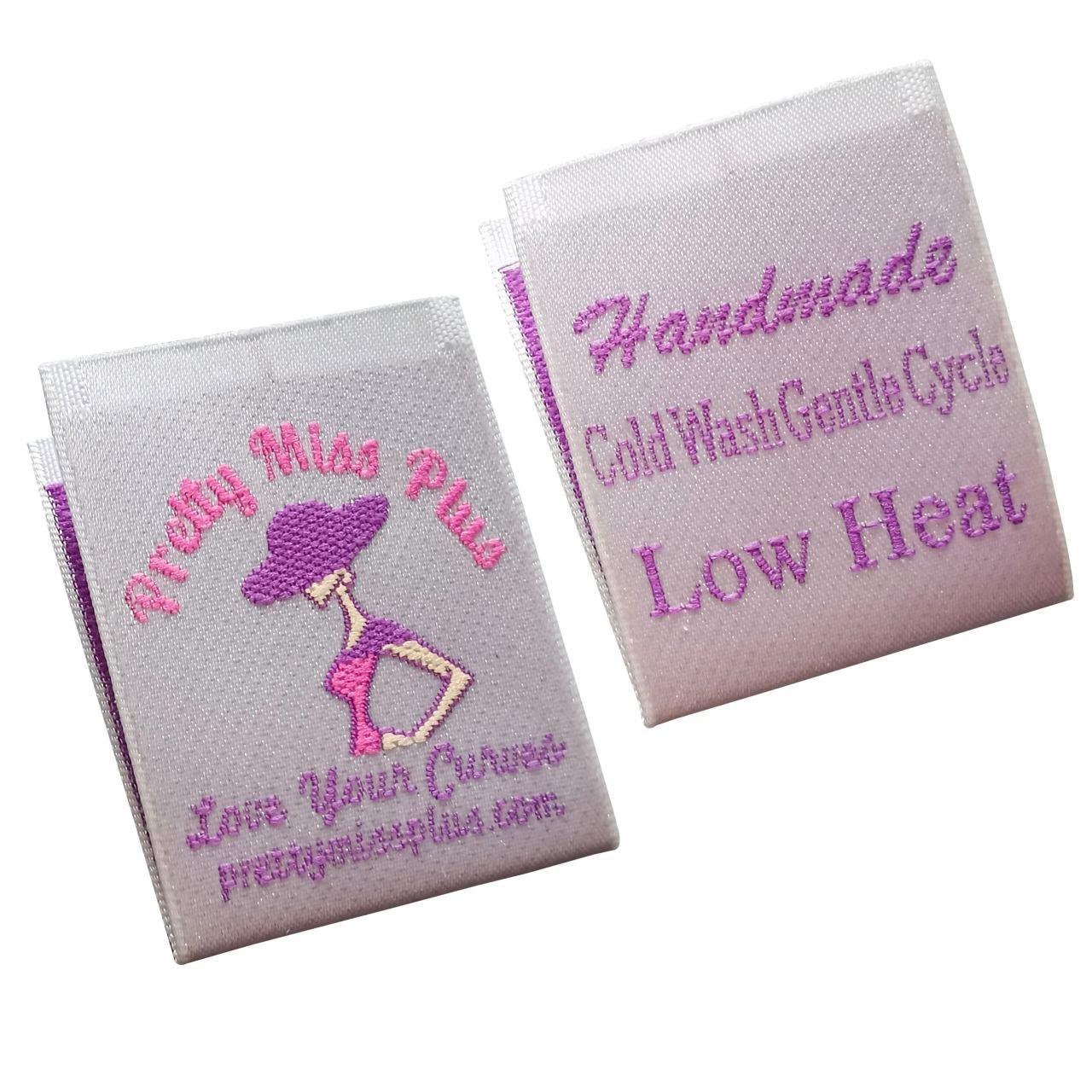
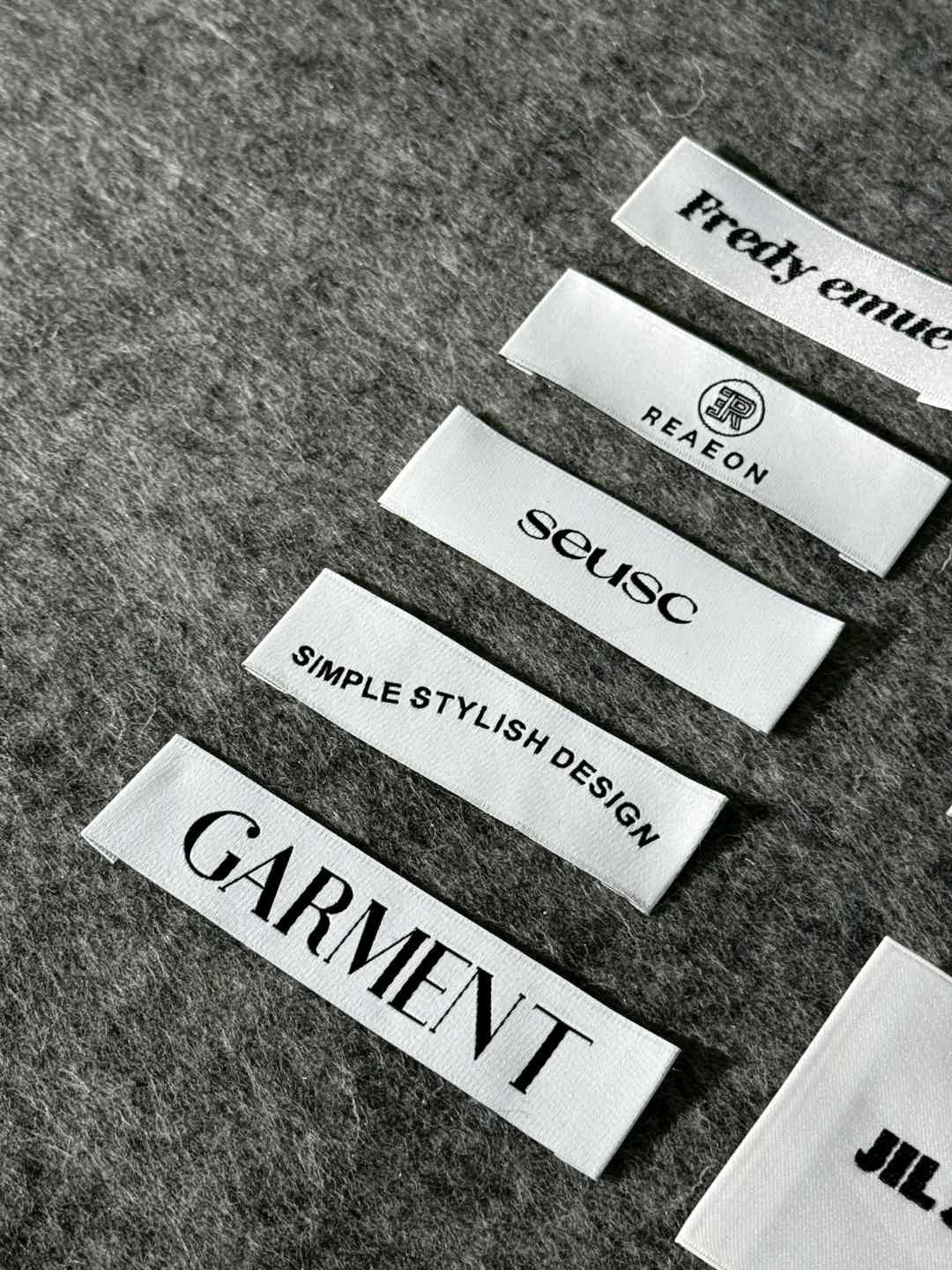
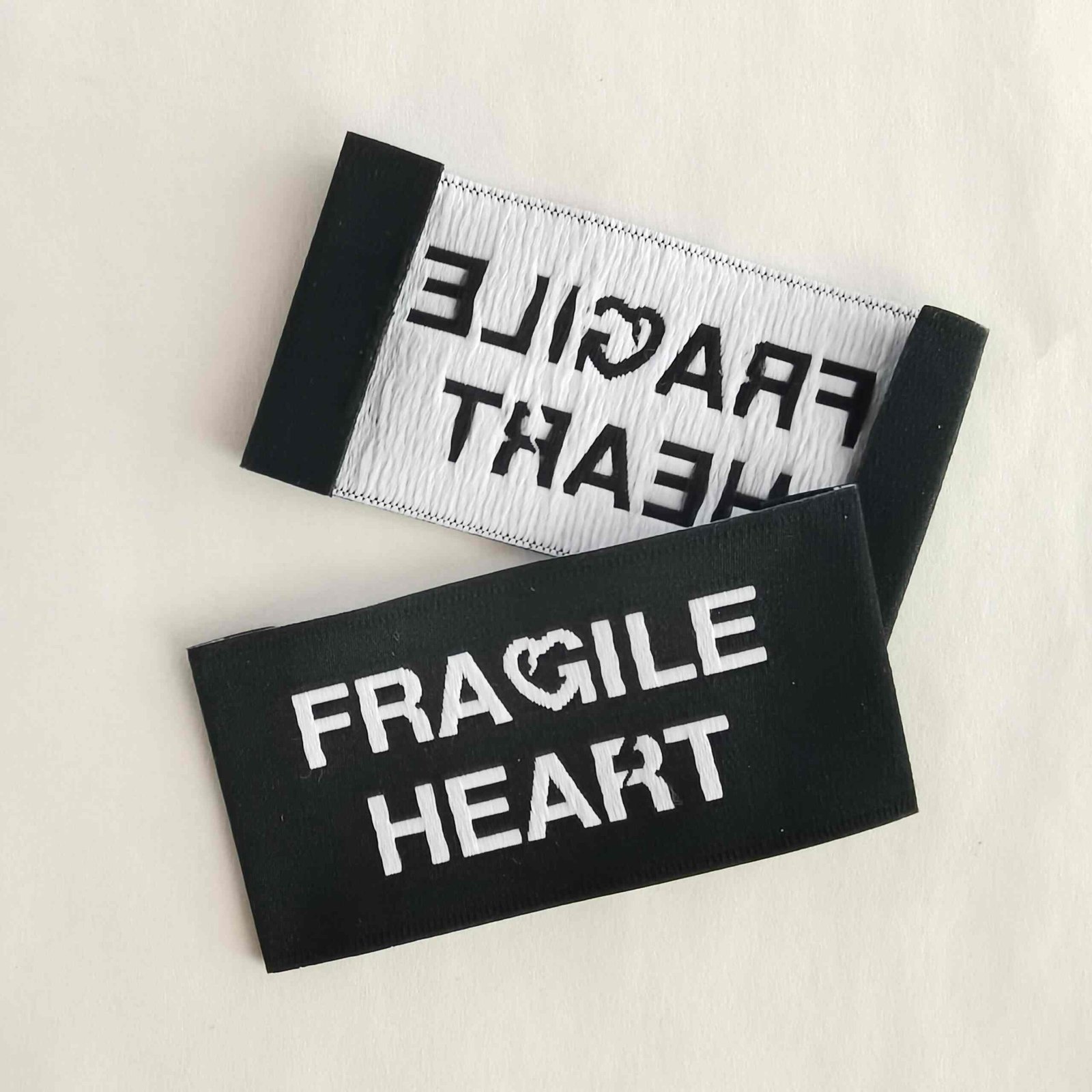
Woven Labels
Precision-woven brand labels stitched at collars, cuffs, or interior seams communicate craftsmanship and authenticity. Custom size, color, and weave density options are available to match your brand’s exact visual and quality standards.
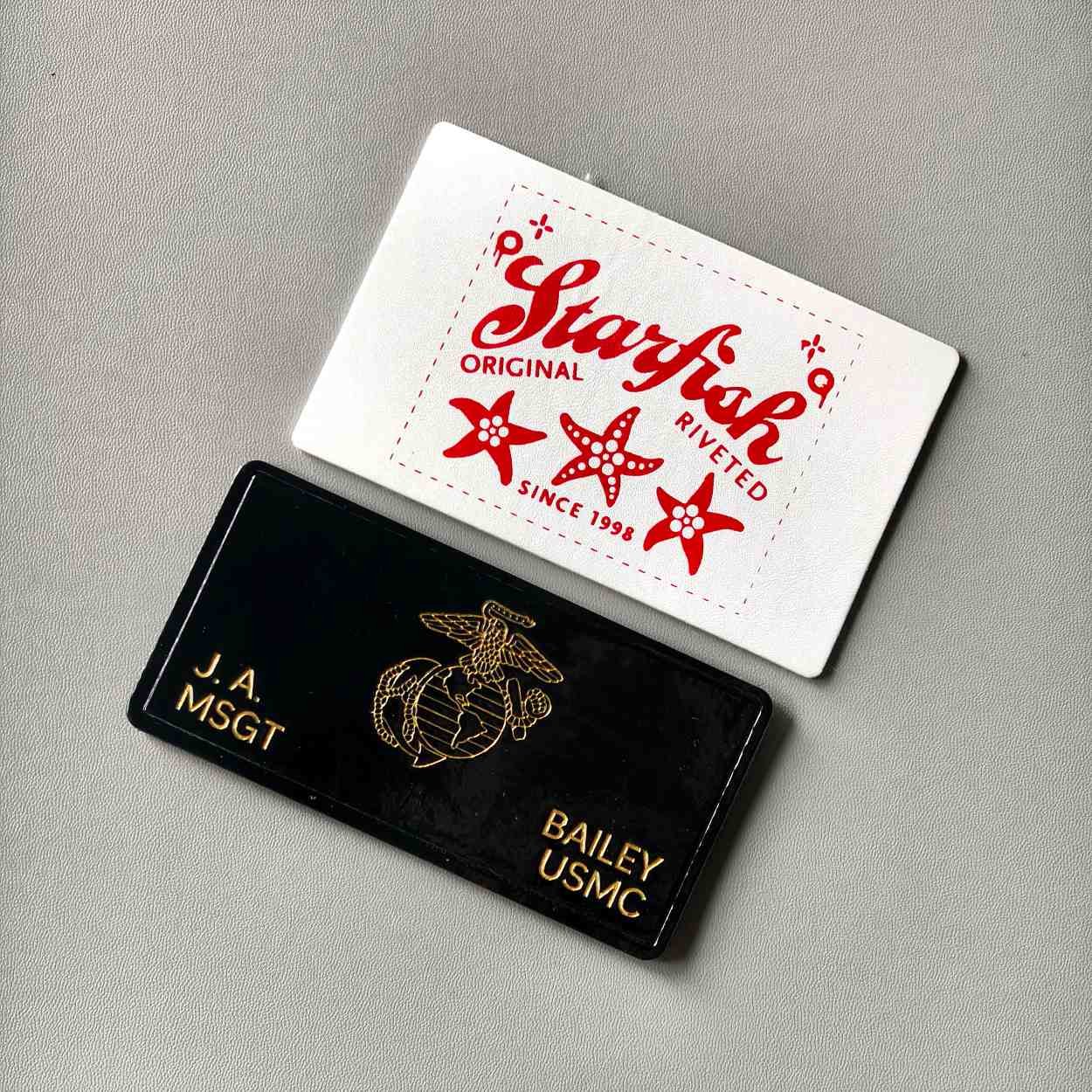
Custom Patches
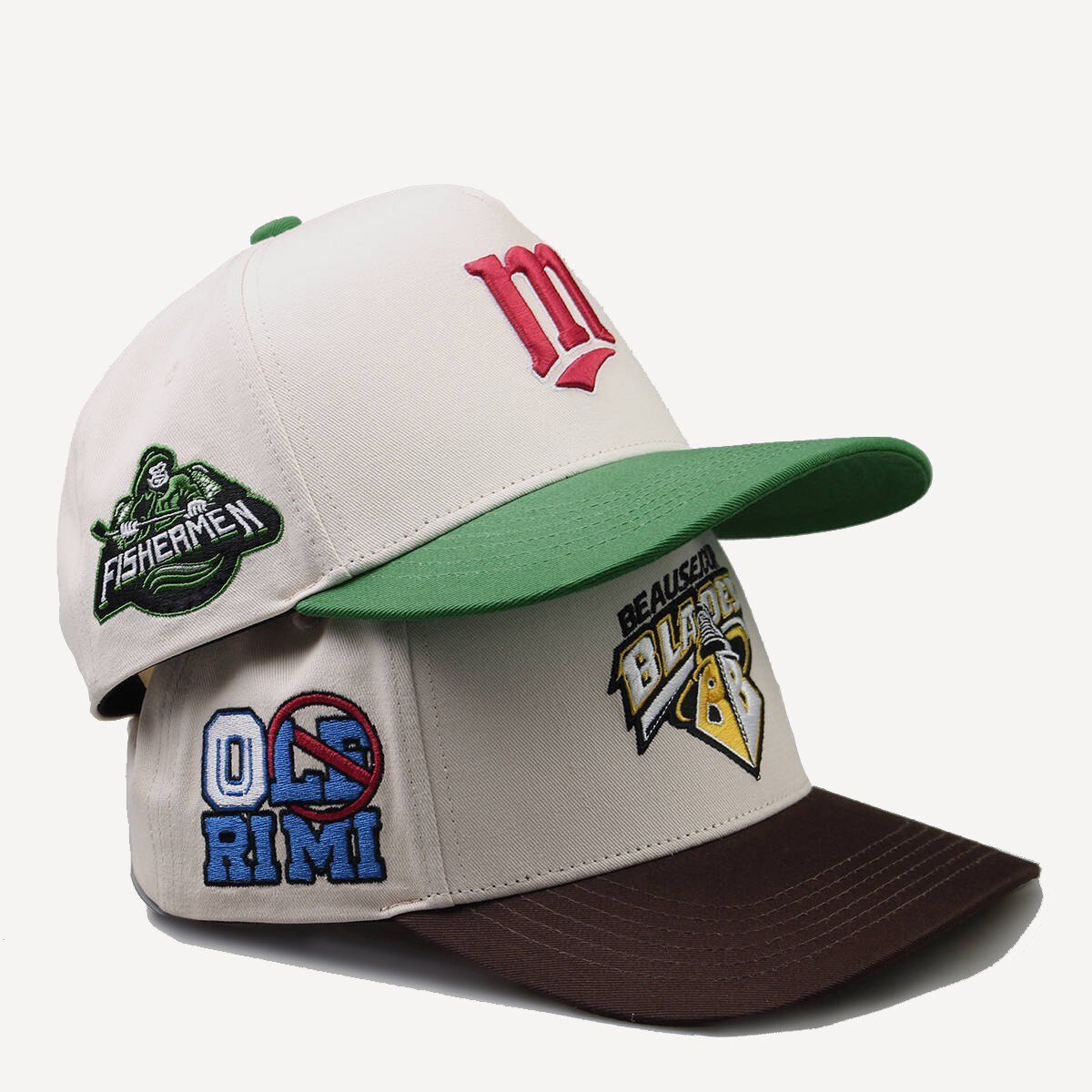
Embroidered or woven patches applied at the chest, sleeve, or back panel transform finished jackets into signature brand statements. Compatible with sew-on and heat-seal attachment methods for streetwear-grade durability and longevity.
Branded Hangtags
Premium board or custom-printed hangtags complete the retail presentation of every finished jacket. Include QR codes, care instructions, or brand storytelling to create a compelling unboxing experience for your end consumers.
Thermal Insulated Jacket Manufacturer Restoring Industry Trust
Clothing Manufacturer Ltd. was founded in 2024 by Tesla Luo, who grew up immersed in garment manufacturing and spent his career witnessing a troubling industry norm: factories skipping quality control entirely. Determined to change that, Luo built a company on hard work, transparency, and a proprietary 5-step QC methodology — checking materials, cutting, craft, sewing, and finished goods at every stage, not just at the end.
As a trusted thermal insulated jacket manufacturer and full-spectrum streetwear production partner, we serve trendy brands, independent designers, fashion startups, and global retailers across more than 100 countries. Backed by the manufacturing infrastructure of parent company Dongguan TuoZhen Clothing Co., Ltd., we offer low MOQs for emerging labels, fast turnaround for seasonal collections, in-house design and sampling, and end-to-end global logistics support.
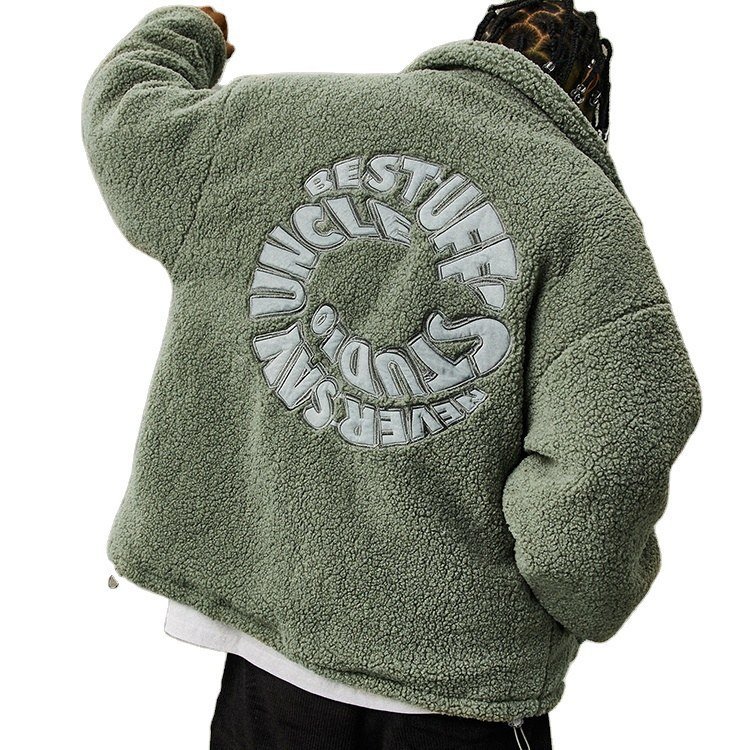
What sets us apart is deep cultural fluency in streetwear — from skeleton graphics and animal prints to bold color-blocking — combined with the production discipline of a 15-member R&D team and 10 registered patents. We have helped brands grow from zero to hundreds of thousands of followers, and we bring that same growth-partner mindset to every order we take on.
What Sets Our Thermal Insulated Jacket Manufacturer Apart
In-House Design Team Rooted in Streetwear Culture
Our 15-member R&D team blends technical garment engineering with authentic streetwear cultural knowledge — from skeleton and demon motifs to bold color-block patterns — producing original, production-ready designs that speak directly to your trend-driven audience.
- Trend research spanning hip-hop, skate, graffiti, and street art aesthetics
- Full tech pack development from concept sketch to pattern-ready spec
- Brand-aligned sampling with low MOQ so startups can validate designs before scaling
- 10 registered patents covering proprietary construction and design innovations
CAD Precision Cutting for Flawless Thermal Panels
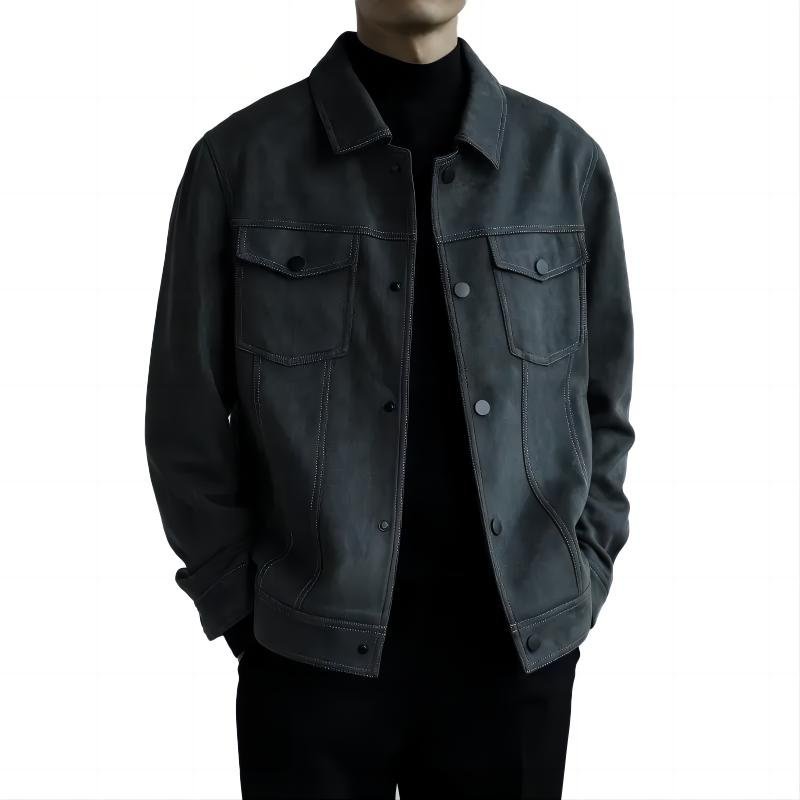
Every insulated jacket panel is engineered using computer-aided pattern grading, eliminating sizing inconsistencies across your entire production run and reducing fabric waste — essential when working with high-loft insulation layers, bonded membranes, and technical shell materials.
- CAD-graded patterns guaranteeing true size consistency from XS through 4XL
- Automated cutting sequences optimized for technical and bonded insulation fabrics
- Dedicated cutting QC checkpoint as part of our 5-step quality control process
- Handles complex multi-layer constructions including baffled down and synthetic-fill panels
5-Step QC Process Woven Into Every Production Stage
We do not inspect only at the end. Our proprietary quality methodology embeds checks at materials intake, cutting, garment craft, sewing production, and final inspection — catching defects at the source and ensuring every jacket ships to your standard.
- Materials QC: insulation loft, shell fabric weight, and colorfastness verified before cutting begins
- Sewing production QC: stitch density, seam strength, and seam-sealing integrity checked in-line
- Finished product inspection covering fit accuracy, zipper function, and branding placement
- Batch-level QC documentation provided for full traceability and brand peace of mind
Global Shipping Infrastructure Covering 100-Plus Countries
From our Dongguan production facility to your warehouse anywhere in the world, our logistics team manages customs documentation, carrier coordination, and import compliance — delivering your finished thermal jackets on schedule and without costly clearance surprises.
- In-house handling of export documentation, customs declaration, and inspection procedures
- Air and sea freight options matched to your seasonal deadline and budget
- Proven compliance experience with US, EU, and Asia-Pacific import regulations
- Dedicated account manager providing real-time updates from production through delivery
Thermal Insulated Jacket Manufacturer Comparison: Why We Stand Out
Not every supplier is built equal. See how Clothing Manufacturer Ltd. measures up against typical offshore factories on the criteria that define a successful brand partnership.
← 左右滑动查看 →
5-Step Quality Control Built Into Every Thermal Insulated Jacket We Manufacture
Most factories inspect only at the end. We embed rigorous QC at every production stage, so defects are caught early and never reach your brand.
Materials QC Testing
Every thermal fabric, insulation fill, and lining is tested for weight, density, and colorfastness before a single panel is cut.
Cutting QC Testing
Cut panels are verified against approved patterns for dimensional accuracy, ensuring consistent thermal jacket construction and minimizing costly material waste.
Clothing Craft QC Testing
Pocket placements, zipper alignment, bonding integrity, and seam specifications are all validated before full sewing runs begin on the production floor.
Sewing Production QC Testing
In-line inspectors monitor stitch density, seam strength, and assembly consistency throughout sewing, catching and correcting defects before they compound downstream.
Finished Garment Inspection
Every completed jacket is reviewed for fit, function, finish quality, and packaging standards before receiving final approval for global shipment to your brand.
Your Thermal Insulated Jacket Manufacturer, Step by Step
Five clear stages from first inquiry to global delivery — every step backed by our 5-step QC guarantee and 10-plus years of streetwear production expertise.
Share Your Design or Tech Pack
Upload your artwork, tech pack, or sketch. Our in-house design team reviews your specs and confirms feasibility within 24 hours, no commitment required.
Receive Samples and a Full Quote
We produce pre-production samples of your thermal insulated jacket and deliver a transparent quote covering unit pricing, MOQ options, and lead time.
Review, Approve, and Refine
Evaluate samples against our 5-step QC checklist. Request revisions until every detail — insulation fill, stitching, and hardware — meets your exact standard.
Confirm and Launch Bulk Production
Lock in your order quantities and our team schedules your run, applying all five QC checkpoints from material intake through finished garment inspection.
Ship Globally with Full Logistics Support
We handle export documentation, customs compliance, and freight coordination, delivering finished jackets to warehouses or end customers across 100-plus countries.
Certifications That Prove We’re the Thermal Insulated Jacket Manufacturer You Can Trust
Real Results: What Brands Say About Our Thermal Insulated Jacket Manufacturer
We scaled our winter drop from 150 to 1,200 units in a single season. The 5-step QC caught every defect before shipping — zero customer returns. Hands down the most reliable thermal insulated jacket manufacturer we’ve worked with.
As a startup, low MOQ was everything. We launched our first insulated jacket line with just 50 pieces per colorway, and 3 styles sold out in under 2 weeks. Samples arrived in 12 days — faster than any factory we had tried before.
We have completed 8 production runs over 18 months and every batch hits our specs exactly. Their QC team flagged a stitching issue in run 4 before it reached us — that level of transparency is why we are not looking elsewhere.
Thermal Insulated Jacket Manufacturer FAQ: MOQ, Samples, Lead Times & More
Straight answers to the questions streetwear brands and fashion startups ask most before placing their first order with Clothing Manufacturer Ltd.
What is the minimum order quantity (MOQ) at your thermal insulated jacket manufacturer?
How long does it take to receive a sample from your thermal insulated jacket manufacturer?
What customization options does your thermal insulated jacket manufacturer offer?
How do you protect my designs and intellectual property when I share them?
What payment terms do you offer first-time buyers?
How does your 5-step quality control process apply to thermal jacket production?
Can you handle global shipping and customs clearance for my order?
How quickly can you produce a seasonal thermal insulated jacket collection?
Do I need to provide a full tech pack, or can your team help develop my design?
The Complete Buyer’s Guide to Thermal Insulated Jacket Manufacturer
This guide gives streetwear brands, fashion startups, and global retailers a proven decision framework for selecting a thermal insulated jacket manufacturer — covering supplier criteria, material specs, customization options, quality benchmarks, and the costliest sourcing mistakes to avoid.
1. What Is a Thermal Insulated Jacket Manufacturer?
Fewer than 15% of global outerwear factories possess the insulation-specific tooling — baffling jigs, down-fill chambers, and seam-sealing presses — required to produce a thermal insulated jacket that performs reliably below 0°C. A thermal insulated jacket manufacturer occupies a distinct tier in the apparel supply chain: a production partner whose core competency is heat-retention engineering, not simply cut-and-sew assembly. These specialists source and test fill materials such as 90/10 duck down (rated by fill power, from 550 to 900+), recycled PrimaLoft, or Thinsulate batting before a single panel is cut.
A general outerwear factory typically holds GSM-rated shell fabrics and basic lining inventory but lacks the in-house capability to test thermal resistance (CLO values), water-column pressure (measured in millimeters, commonly 10,000–20,000 mm for performance shells), or down leakage under mechanical stress. Specialist thermal manufacturers embed performance testing at the sewing and finishing stages — not just as a final-inspection afterthought — and can certify compliance with OEKO-TEX Standard 100, bluesign, or RDS (Responsible Down Standard) traceability requirements.
For streetwear and trendy brands, sourcing from a specialist thermal insulated jacket manufacturer matters because retail buyers, influencers, and end consumers increasingly scrutinize technical credibility. A jacket tagged ‘650-fill-power recycled down’ or ‘windproof 20,000 mm shell’ must be backed by a production partner whose quality control process — covering materials, cutting, craft, sewing, and finished-goods inspection — can substantiate those claims across every production run, not just the sample.
2. Evolution & History of Thermal Insulated Jacket Manufacturing
By the 1940s, military procurement agencies in the U.S. and Europe had standardized goose-down fill in flight jackets and cold-weather combat gear, establishing the first formal benchmarks for thermal insulation. Those early specifications — fill-power ratings, stitched-baffle construction, and shell weight targets — became the technical vocabulary every thermal insulated jacket manufacturer still references today.
In 1985, Albany International (later spun off as PrimaLoft) introduced microfiber synthetic insulation under a U.S. Army contract, solving down’s critical failure: loft collapse when wet. That single material breakthrough forced manufacturers to invest in new quilting equipment, needle gauges, and liner-bonding techniques, raising the baseline competency required to compete globally.
By the early 2000s, CNC-controlled quilting machines executed complex geometric stitch patterns at 800–1,200 stitches per minute, enabling consistent baffle geometry at scale without hand-finishing. Post-consumer PET recycled-fill batting — typically 40–80 GSM — followed, earning OEKO-TEX and bluesign certifications and adding a sustainability credential that serious suppliers now compete on.
DTC brand disruption after 2012 compressed standard lead times from 90–120 days to under 45 days in many cases, forcing manufacturers to carry fabric and fill inventory on hand rather than sourcing per order. Today, the credible thermal insulated jacket manufacturer combines heritage quilting expertise, certified sustainable materials, and real-time production traceability — capabilities that took decades of deliberate investment to build, and that separate credible partners from commodity assemblers.
3. Types of Thermal Insulated Jackets Your Manufacturer Should Offer
Not every thermal insulated jacket manufacturer handles all six core silhouettes with equal depth. Before issuing an RFQ, map your brand’s positioning and seasonal drop calendar to the specific construction capabilities each category demands.
Puffer and Quilted Jackets
Down or synthetic-fill puffers dominate streetwear and cold-weather retail, using 80/20 duck down or 100–200g polyester fill. Confirm your manufacturer handles box-stitch, channel-quilt, and heat-sealed baffle construction to eliminate cold spots.
Softshell Hybrid Jackets
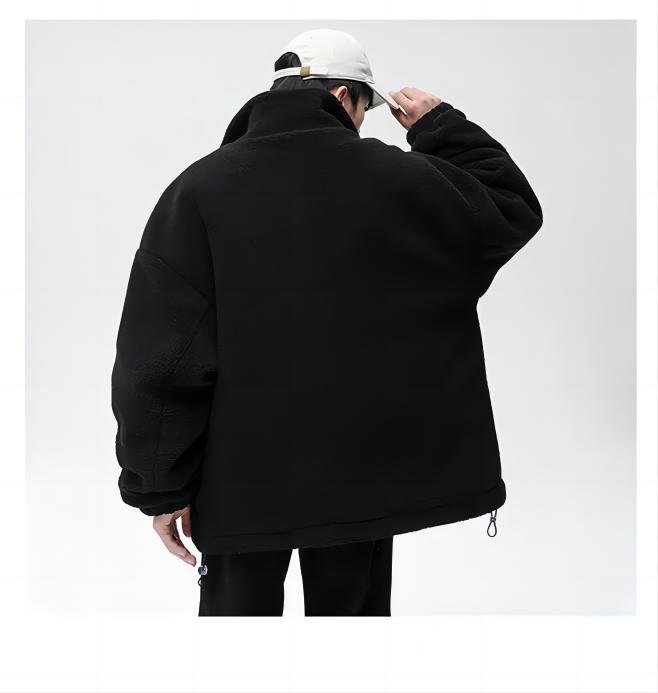
Softshell hybrids bond a woven outer face to a fleece or membrane liner, targeting outdoor-urban crossover buyers. Verify the factory manages 3-layer lamination and installs YKK waterproof zippers rated to at least 10K/10K breathability.
Parka-Length Styles
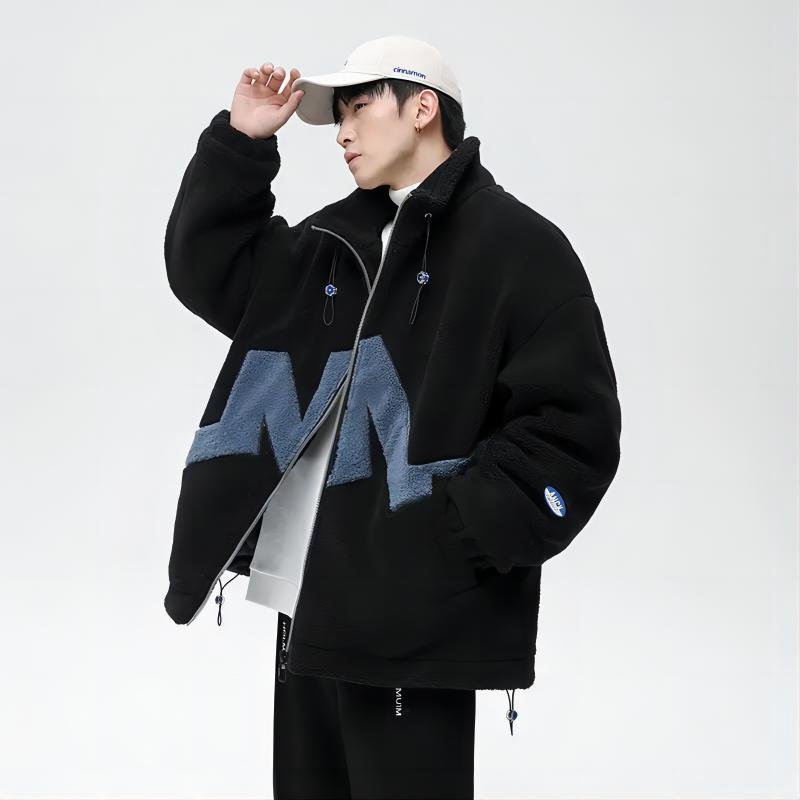
Parkas extend below the hip and suit fashion retail and oversized streetwear drops. Longer seam runs, structured hood attachment, and faux-fur trim increase complexity — confirm the manufacturer sources OEKO-TEX certified faux fur and secures it without adhesive bleed.
Gilets and Vests
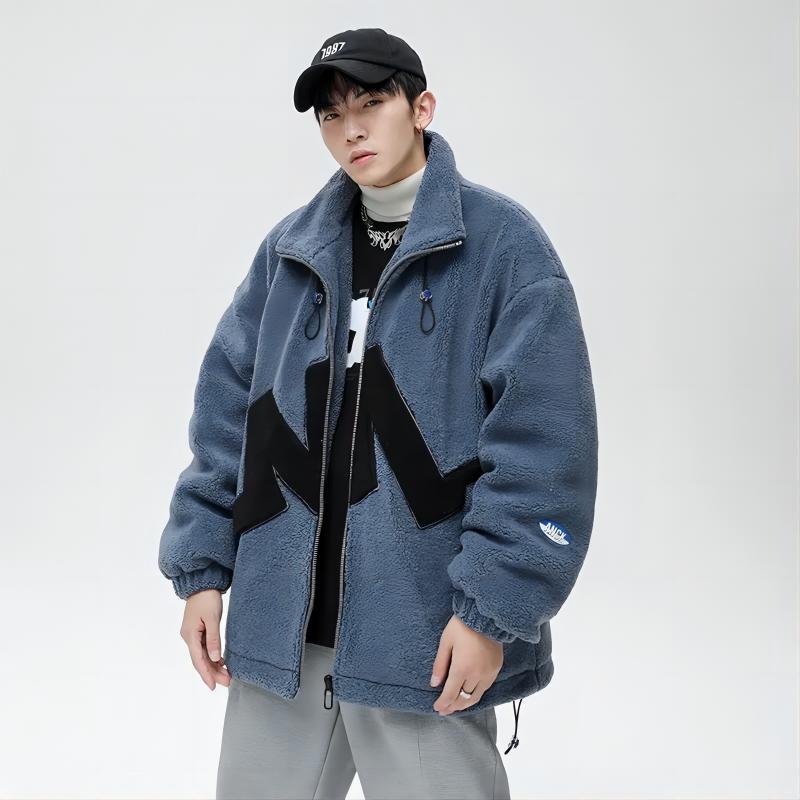
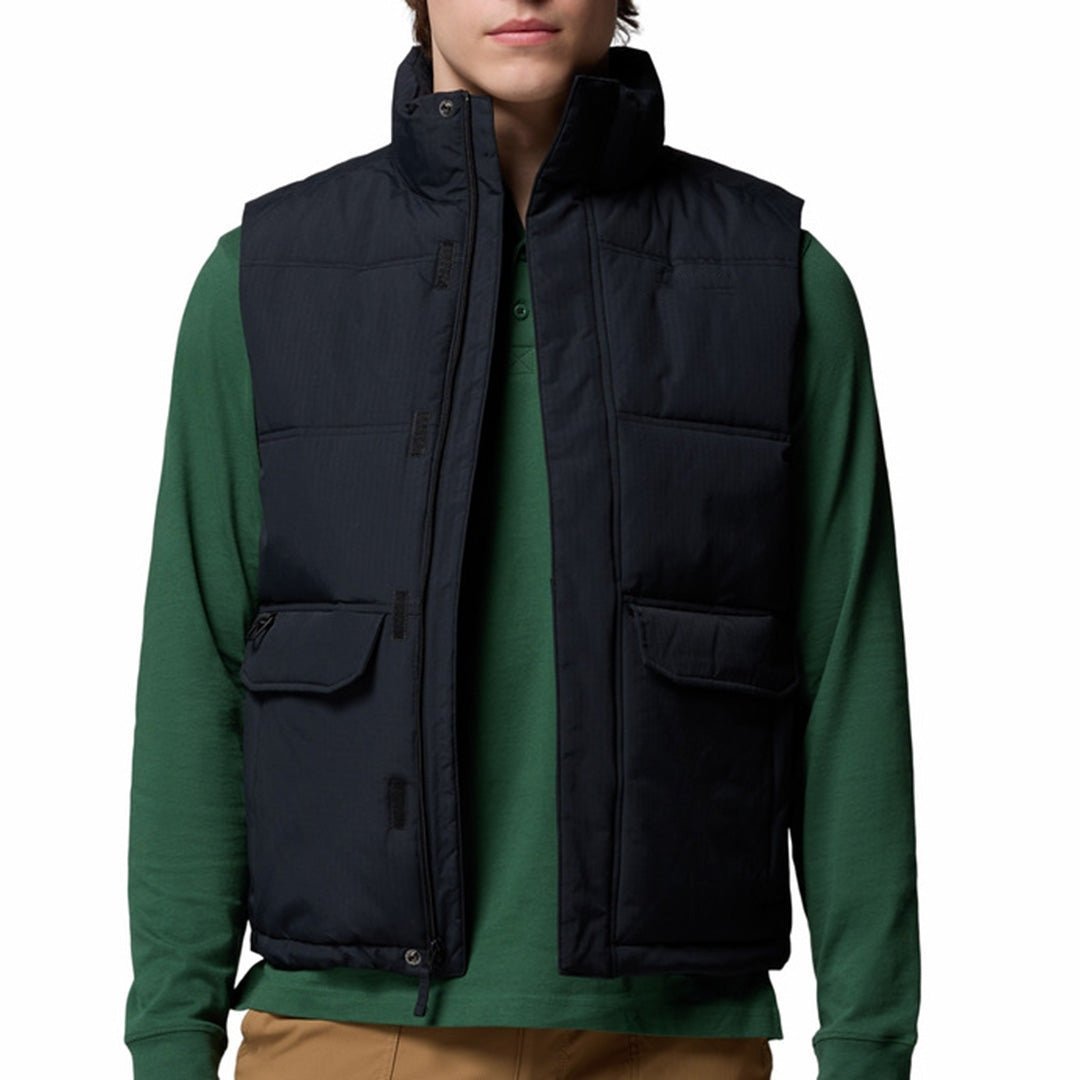
Sleeveless gilets carry strong sell-through in transitional seasons and layer naturally over hoodies. They require the same fill and baffle work as full jackets but less seam complexity, making them a practical low-MOQ entry style for emerging brands.
Reversible Designs
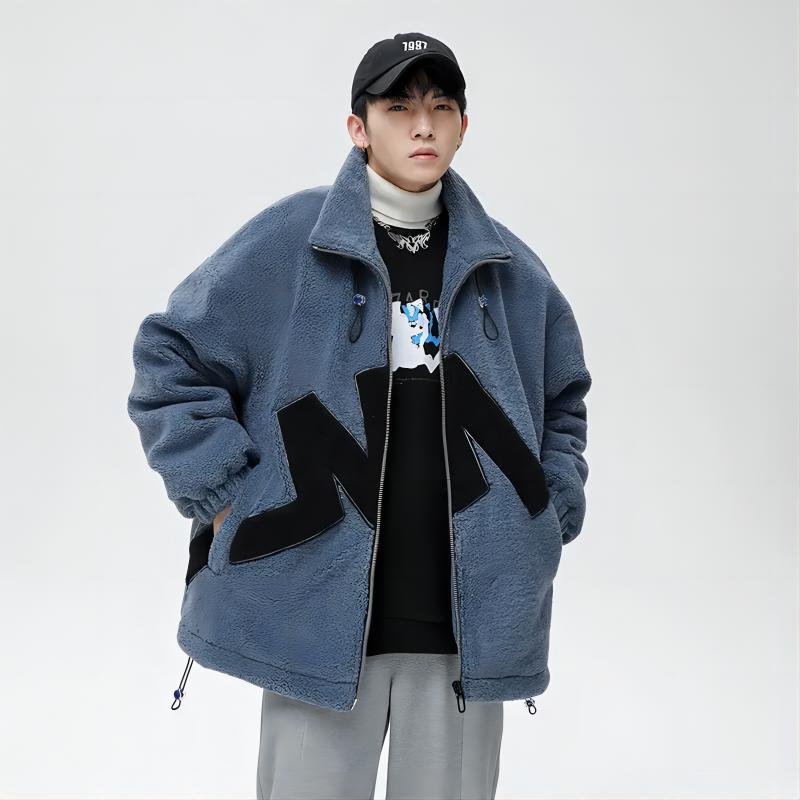
Reversible jackets require clean seam finishing on both faces — typically flatlock or bound-seam construction. Ask your thermal insulated jacket manufacturer how they align zipper-pull placement and maintain even fill distribution across both shell layers.
Lightweight Packable Options
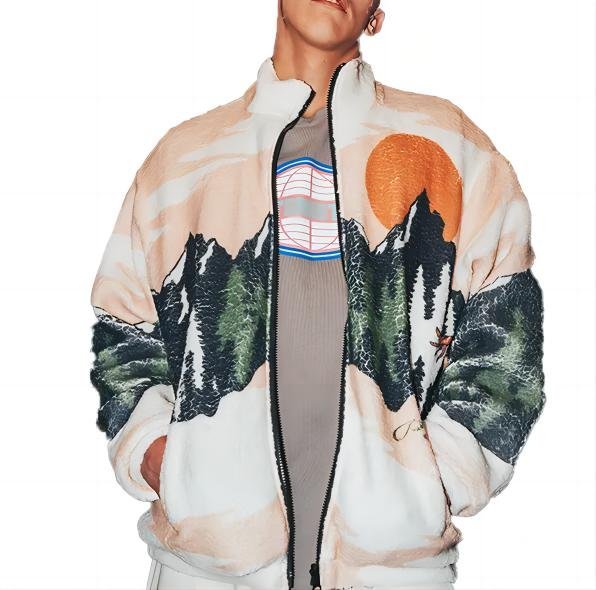
Packable styles use 20D–30D ripstop nylon shells with 60–80g synthetic fill or 550-fill-power down, compressing to a 10–15cm stuff sack. The manufacturer must handle ultralight fabrics without needle damage and integrate a built-in storage pouch cleanly.
4. Materials & Fabrics Used by a Thermal Insulated Jacket Manufacturer
Specifying materials precisely is the fastest way to align expectations with any thermal insulated jacket manufacturer — vague briefs produce inconsistent samples. Shell fabric, lining, and fill choice each affect warmth, packability, cost, and certification eligibility.
| Fill Type | Warmth Rating | Fill Weight | Price Tier |
|---|---|---|---|
| Duck Down 700+ fp | High++ | 60–120 GSM | Premium |
| PrimaLoft Gold Synthetic | High | 120–180 GSM | Mid-Premium |
| Recycled Poly Fiberfill | Moderate | 180–300 GSM | Budget–Mid |
| Aerogel Blend | High++ | 80–130 GSM | Premium+ |
Shell Fabrics: Nylon, Polyester, and Recycled Ripstop
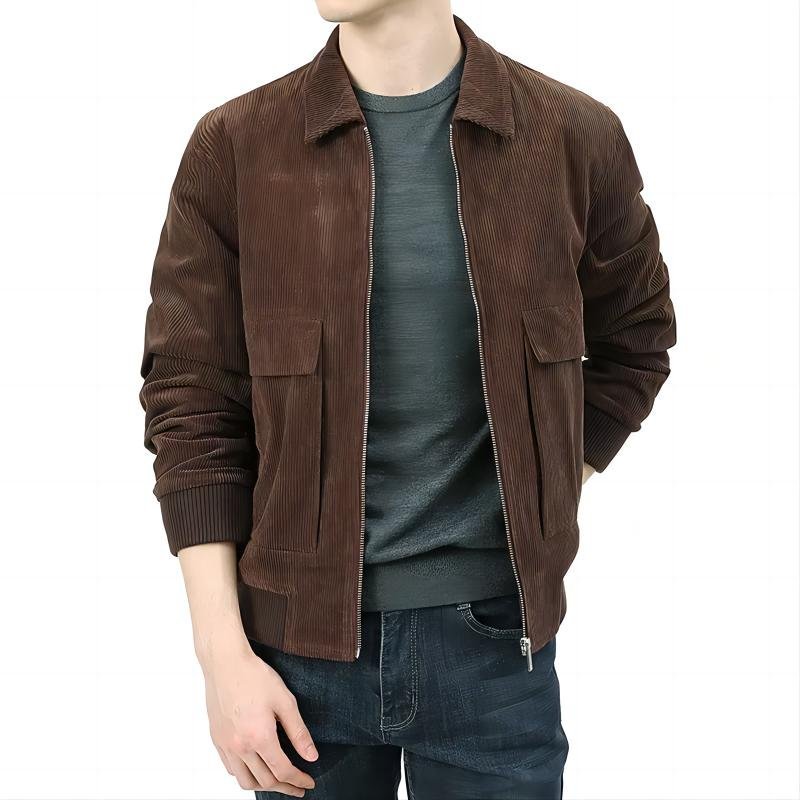
Nylon ripstop (40D–70D, 50–80 GSM) offers superior tear resistance; 100% polyester ripstop runs 10–15% cheaper at comparable weights. Recycled ripstop from GRS-certified rPET delivers nearly identical tensile strength while reducing virgin plastic use.
DWR finishing is standard on shells — specify C0 (PFC-free) DWR to meet bluesign and OEKO-TEX STANDARD 100 requirements, which increasingly matter for EU and North American retail buyers.
Lining Materials for Thermal Jackets
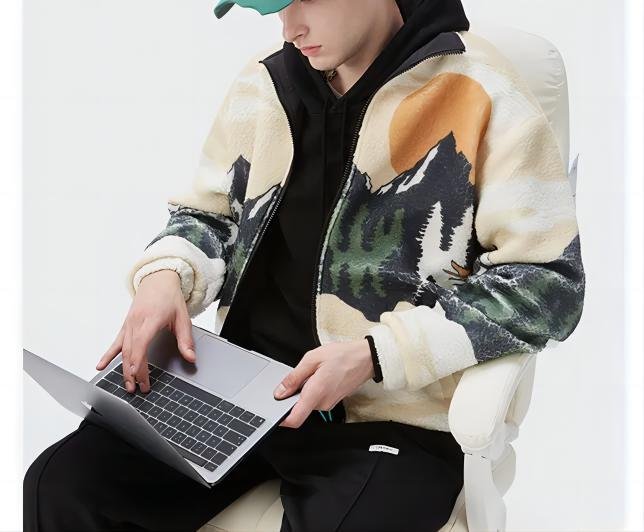
Nylon taffeta (30D, 30–40 GSM) is the industry default lining for down and synthetic-fill jackets — lightweight, slippery hand-feel, easy baffle insertion. Polyester mesh (80–100 GSM) suits active styles demanding higher breathability.
Insulation Fills and Sustainability Certifications
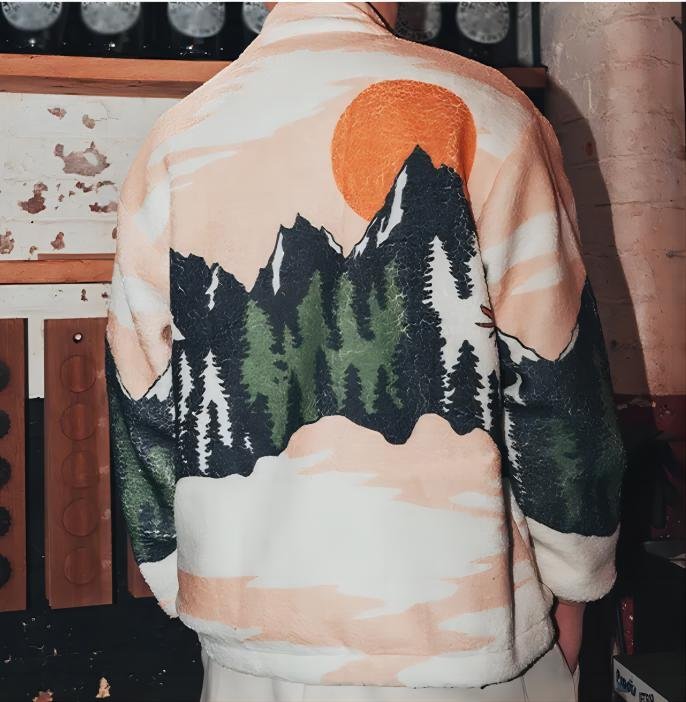
Duck down (600–800 fill power) remains the warmth-to-weight benchmark; RDS (Responsible Down Standard) certification is now baseline for most EU retail buyers. Synthetic options — PrimaLoft Gold, recycled polyester fiberfill (100–300 GSM), and aerogel blends — close the gap while outperforming down when wet.
5. Customization & Decoration Options for Your Jacket Line
A thermal insulated jacket manufacturer typically offers 8–12 customization layers, from shell color blocking to private-label hang tags. Each technique carries distinct MOQ thresholds and lead-time additions that directly affect launch budgets and timelines.
| Technique | Best Fit | MOQ Threshold | Lead-Time Added |
|---|---|---|---|
| Color blocking | Streetwear / Performance | None | +5–7 days |
| Embroidery | Streetwear / High-fashion | 50–100 pcs | +7–10 days |
| Screen print | Streetwear | 100+ pcs | +3–5 days |
| Heat-transfer label | All segments | 50 pcs | +2–3 days |
| Woven patch | Streetwear / High-fashion | 100 pcs | +7–10 days |
| Reflective taping | Performance | None | +3–5 days |
| Custom YKK hardware | All segments | 200+ pcs | +10–14 days |
Color Blocking and Panel Construction
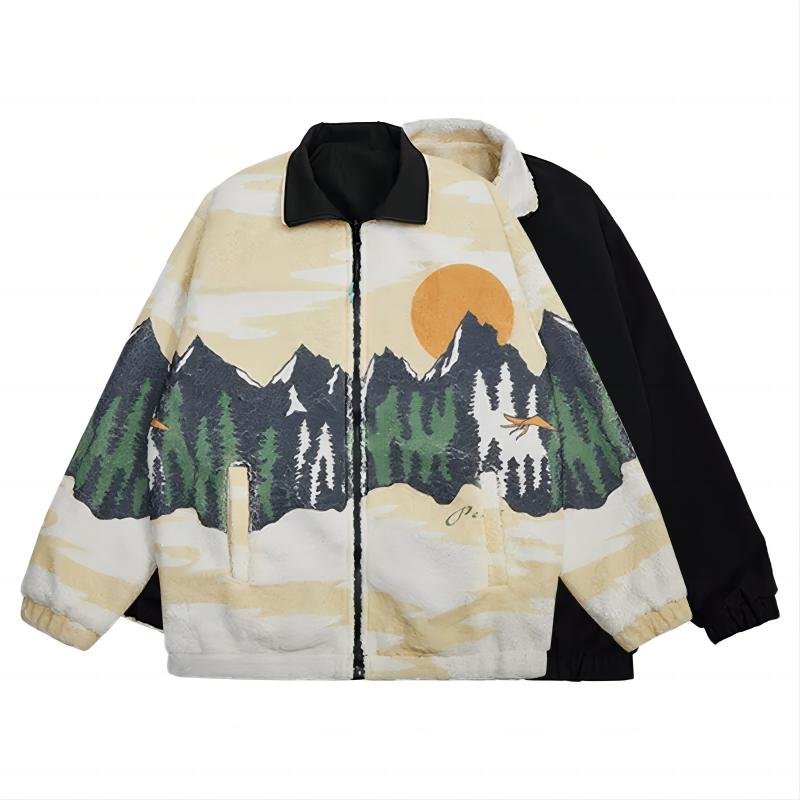
Color blocking divides the jacket into 2–6 Pantone-matched panels, requiring precise seam placement diagrams in your tech pack. This construction technique adds 5–7 days to production but carries no additional MOQ penalty.
Surface Decoration Techniques
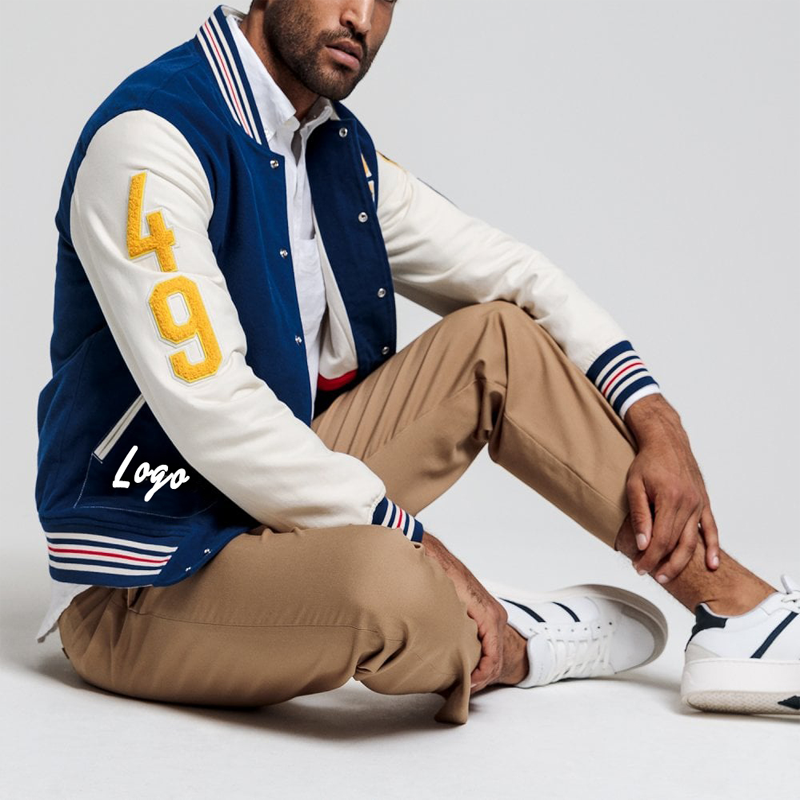
Embroidery suits streetwear and high-fashion positioning, with MOQs starting at 50–100 pieces and adding 7–10 production days. Screen printing requires 100-plus pieces and adds 3–5 days, best for bold graphic streetwear drops.
Hardware, Labels, and Private Branding
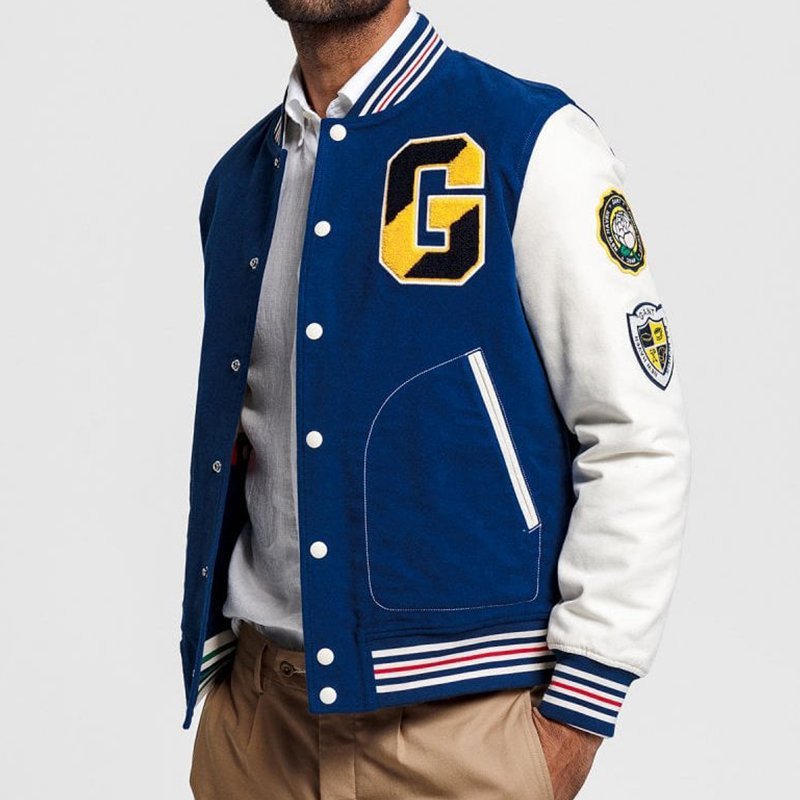
Custom YKK zippers and branded hardware require 200-plus pieces and 10–14 additional days for tooling. Heat-transfer labels and woven patches — core private-label branding tools — clear at 50–100 pieces and suit startups launching first collections.
Tech Pack Essentials for Briefing Suppliers
A complete tech pack must include Pantone color codes, panel layout diagrams, stitch-count specs for embroidery, and precise placement coordinates for each decoration. Omitting any element forces revision rounds that add 5–10 business days to sample approval.
6. Key Construction Quality Elements to Inspect
A single audit checklist separates brand-worthy outerwear from returns-generating rejects. Buyers sourcing from a thermal insulated jacket manufacturer must verify structural details at the construction stage, not after bulk goods ship.
Stitch Density and Seam Integrity
Industry standard for outerwear runs 8–12 SPI (stitches per inch); dropping below 7 cuts seam strength sharply under cold-weather flex. Request a seam-break test report on shell samples before approving bulk.
Taped or welded seam sealing blocks cold air and moisture through needle holes. Prioritize underarm gussets, shoulder seams, and pocket entries—the three highest-stress zones on a thermal jacket.
Baffle Construction Types Compared
Sewn-through baffles are cheapest but introduce cold spots at every stitch line—suitable for liners, not jackets rated below 0°C. Box baffles offset inner and outer seams to eliminate cold bridges and are standard in performance-grade down outerwear.
Welded baffles remove needle holes entirely, improving waterproofness; confirm with a hydrostatic-head test result above 1,000 mm on the finished panel.
Zipper Grade and Hardware Standards
YKK and SBS are the only two zipper brands buyers should accept by name on a tech pack. YKK #5 and #8 coil zippers handle main closures; unbranded equivalents commonly fail within 200–300 open-close cycles.
REACH-compliant heavy-metals testing covers snaps, aglets, and drawcord hardware. Specify 48-hour minimum salt-spray resistance on all metal trims when supplying coastal or maritime markets.
Certifications That Signal a Reliable Factory
ISO 9001 confirms a factory operates documented quality-management systems at every production stage. BSCI and WRAP audits certify labor and social compliance—both are standard requirements for European and North American retail buyers.
Certificate numbers and expiry dates are verifiable directly with each issuing body—always cross-check before committing to bulk. A factory applying QC gates at materials, cutting, craft, sewing, and finished goods maps precisely to what these audits measure.
7. How to Choose the Right Thermal Insulated Jacket Manufacturer
Choosing a thermal insulated jacket manufacturer requires more than comparing per-unit prices. For startups and influencer brands, five operational criteria determine whether a supplier becomes a long-term growth partner or a costly mistake.
Five Criteria for Evaluating Any Supplier
Low-MOQ flexibility — ideally 50–100 pieces per style — is the first filter for startups. Sample turnaround under 14 days is the second; delays here compound directly into missed launch windows.
Certifications such as OEKO-TEX Standard 100, BSCI, or WRAP verify compliance for retail and export channels. Communication responsiveness (replies within 24–48 hours) and the ability to scale from 100 to 1,000+ units per run complete the five-point checklist.
Factory-Direct vs. Trading Company
Factory-direct sourcing cuts out intermediary markup — typically 15–30% — giving direct access to production timelines and QC data. Trading companies offer broader style catalogs but add a communication layer that slows sample revisions.
For low-MOQ thermal jacket lines, factory-direct partnerships with a dedicated account contact deliver faster iteration, transparent Pantone color matching, and cleaner itemized cost breakdowns.
Red Flags That Signal a Bad Partner
Vague per-unit pricing without an itemized fabric-and-labor breakdown signals hidden costs will surface at invoice stage. Any supplier unable to share OEKO-TEX, BSCI, or WRAP certificates should be removed from your shortlist immediately.
- No verifiable client references or brand case studies
- Quote shifts more than 10% between sample stage and bulk approval
- Sample delivery exceeds 21 days with no proactive update
- Response time routinely exceeds 48 hours on routine inquiries
- Cannot confirm factory address or share in-process production photos
8. Common Mistakes Buyers Make When Sourcing a Manufacturer
First-time brand founders routinely lose 20–40% of their launch budgets to avoidable sourcing errors. Each of the five mistakes below carries a direct financial or operational consequence — along with a specific prevention tip.
Choosing a Manufacturer on Unit Price Alone
A thermal insulated jacket manufacturer quoting $18 FOB often hides $4–6 in rework costs when defect rates exceed 8%. Request an itemized cost breakdown and a factory audit scorecard before awarding any order.
Skipping Pre-Production Samples
Bypassing a pre-production sample — typically $80–200 per style — can lock a brand into 500+ units of mis-sized or off-Pantone product worth $8,000 or more. Require a signed approval sample before any bulk fabric is cut.
Ignoring Lead Times in Seasonal Planning
Thermal insulated jackets carry 60–90 day standard production lead times; missing a Q4 winter window by two weeks strands inventory for an entire season. Back-plan from your retail ship date and build in a minimum two-week buffer.
Omitting IP and Label-Ownership Clauses
Without explicit IP and woven-label ownership clauses, a manufacturer retains legal rights to your tech packs, patterns, and branded trims. Include a work-for-hire clause and label-ownership language in every production contract before sampling begins.
Over-Customizing Before Validating Demand
Ordering 10 custom hardware finishes, 4 exclusive colorways, and proprietary lining prints on a first run can push MOQ requirements to 500+ units per SKU. Launch with 1–2 colorways and a stock lining, then customize once sell-through data confirms demand.
9. Steps to Launch Your Brand with a Thermal Jacket Manufacturer
A six-step roadmap reduces launch risk and keeps timelines predictable. Moving from brief to bulk order typically takes 90–150 days for a thermal insulated jacket, with defined decision gates at each phase to catch problems early.
Define Your Brief and Tech Pack
A complete tech pack includes flat sketches, fabric callouts (GSM, shell, insulation fill weight), colorways in Pantone codes, and construction notes on seam types.
Expect 1–2 weeks to finalize this document before approaching any thermal insulated jacket manufacturer.
Shortlist Suppliers and Issue RFQs
Target 5–8 suppliers and send a standardized RFQ covering MOQ tiers, sample cost, lead time, and certifications such as OEKO-TEX or BSCI.
Allow 7–10 business days for responses; eliminate any supplier unable to provide factory audit documentation.
Order and Evaluate Samples
Sample costs typically run $80–$250 per jacket; order from your top 2–3 finalists.
Evaluate fill power distribution, seam integrity, zipper pull weight (YKK is the benchmark), and thermal retention before committing to production.
Negotiate Pricing, MOQ, and Terms
MOQs for thermal jackets typically start at 100–300 units per colorway. Standard payment terms run 30% deposit with the balance paid before shipment; net-30 is achievable once a production track record is established.
Place Bulk Order and Manage Milestones
Issue a purchase order with checkpoints: fabric approval at week 2, pre-production sample sign-off at week 4, and mid-production QC at the 50% completion mark.
This structure prevents late-stage defect accumulation that raises rework costs.
Arrange QC Inspection and Freight
Book a third-party AQL 2.5 inspection before cargo is loaded. Compare FOB versus CIF freight terms — FOB gives you freight-cost control; allow 3–5 weeks for sea freight from Guangdong to major ports.
10. Pricing & Cost Guide for Thermal Insulated Jackets
Fill type is the single largest unit-cost driver when sourcing from a thermal insulated jacket manufacturer — standard 100g polyester fill runs $8–$14/unit at 300 pieces, while 90/10 RDS-certified duck-down adds $12–$20 to that baseline. Shell fabric grade (20D ripstop vs. 70D Oxford nylon) and third-party certifications such as OEKO-TEX Standard 100 or bluesign each push unit cost up by roughly 5–12%.
The pricing table below reflects standard construction with polyester fill and a mid-grade shell; quotes shift once you lock in fill weight, shell GSM, and finish requirements. Sample fees are typically credited toward your first bulk order at 300+ units.
- Embroidery (chest or sleeve logo): +$1.20–$2.50/unit; digitizing setup ~$50
- Woven or heat-transfer custom labels: +$0.30–$0.80/unit
- YKK zippers or custom metal hardware: +$1.50–$4.00/unit over standard
- Seam sealing (critically or fully taped): +$2.00–$5.00/unit
- OEKO-TEX Standard 100 or RDS certification surcharge: +5–12% on fabric cost
| Quantity Tier | Est. Unit Cost (USD) | Lead Time | Sample Fee (USD) |
|---|---|---|---|
| 50 units | $38–$58 | 25–30 days | $150–$200 |
| 100 units | $28–$45 | 20–25 days | $100–$160 |
| 300 units | $18–$32 | 18–22 days | $80–$120 |
| 500 units | $14–$26 | 15–20 days | $60–$100 |
| 1,000+ units | $10–$20 | 12–18 days | Often waived |
Partner With a Trusted Thermal Insulated Jacket Manufacturer Today
Request a free quote, submit your tech pack, or claim samples — low MOQ, fast turnaround, and our 5-step QC guarantee included.