
The Down Vest Manufacturer Built for Bold Streetwear Brands
Partner with a down vest manufacturer offering 5-step QC assurance, low MOQ flexibility, fast sampling, and global shipping for trend-driven collections.
Down Vest Design Collection
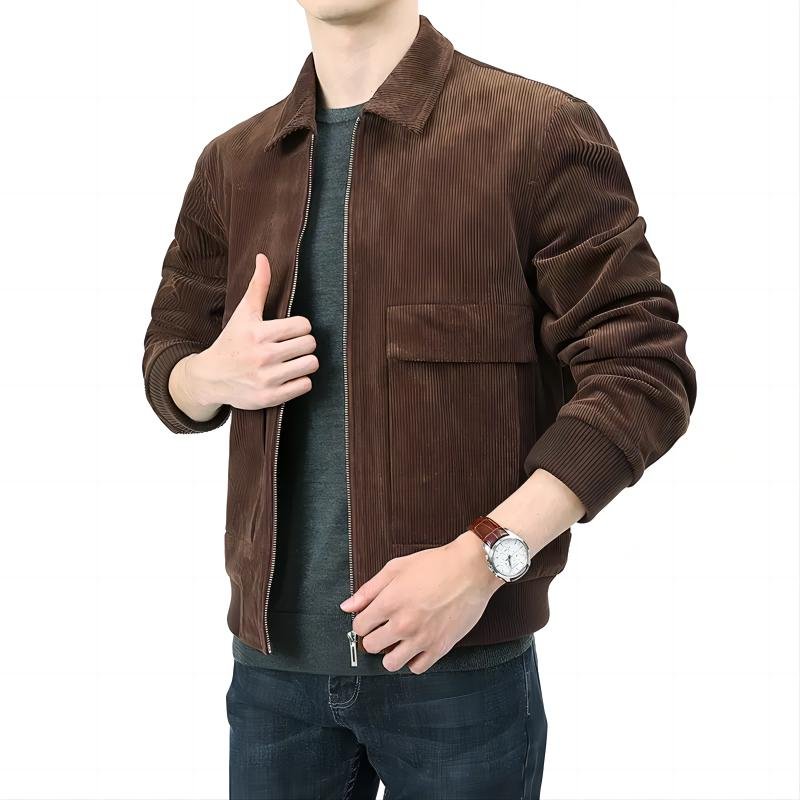
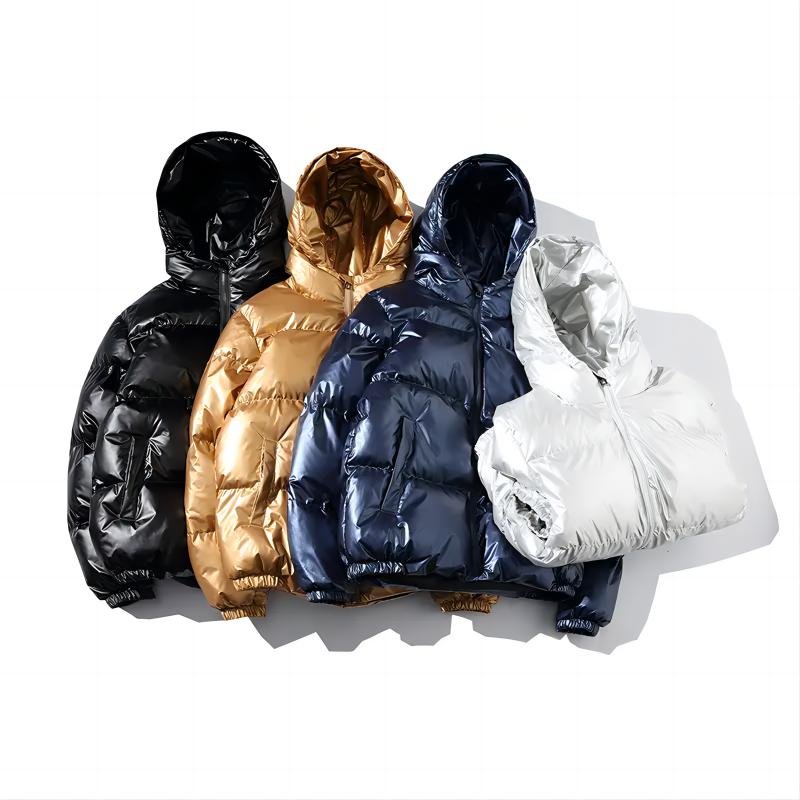
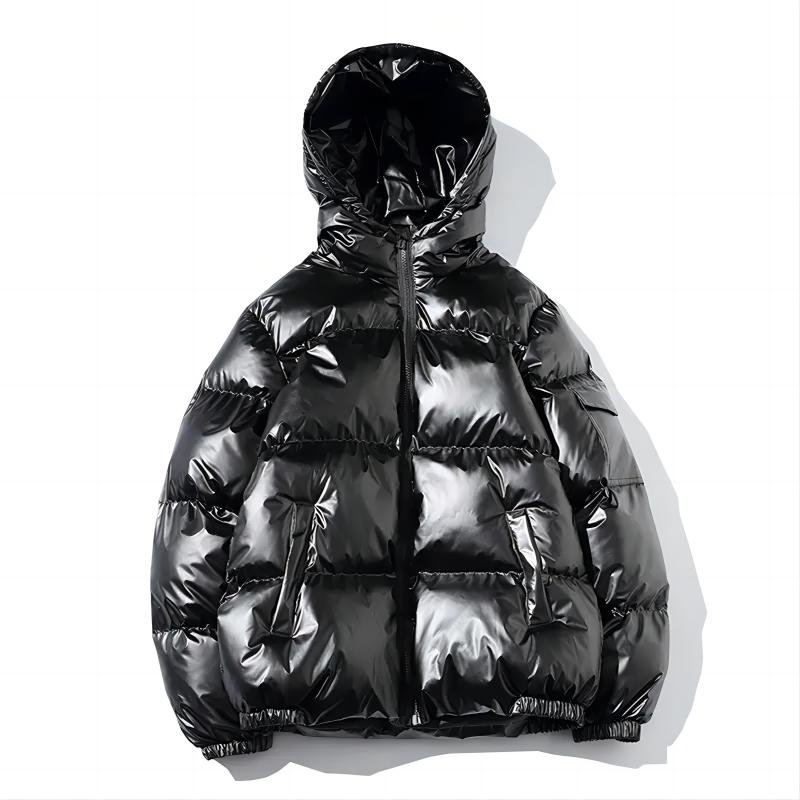
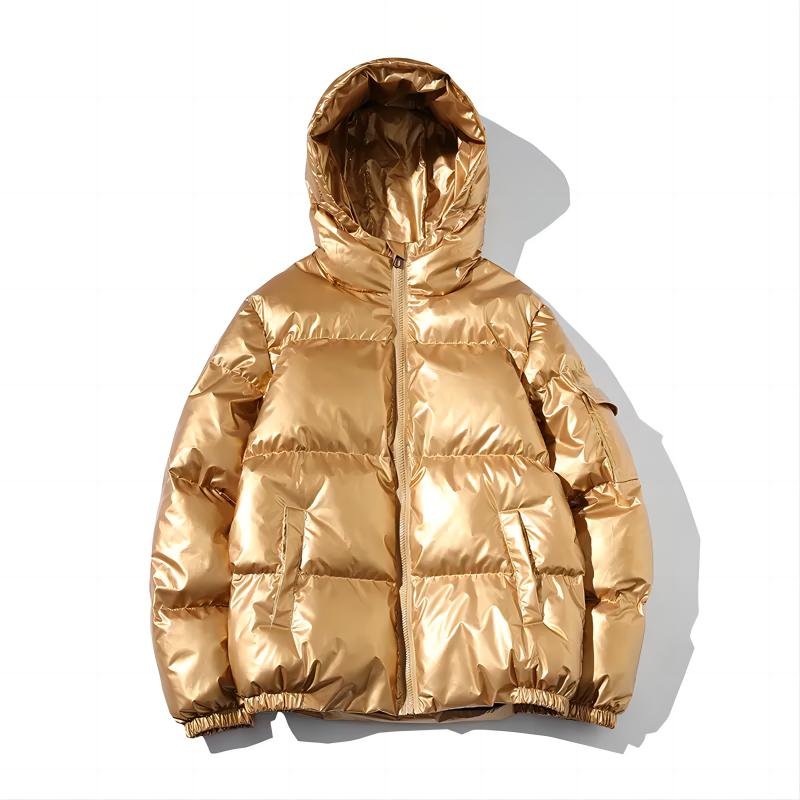
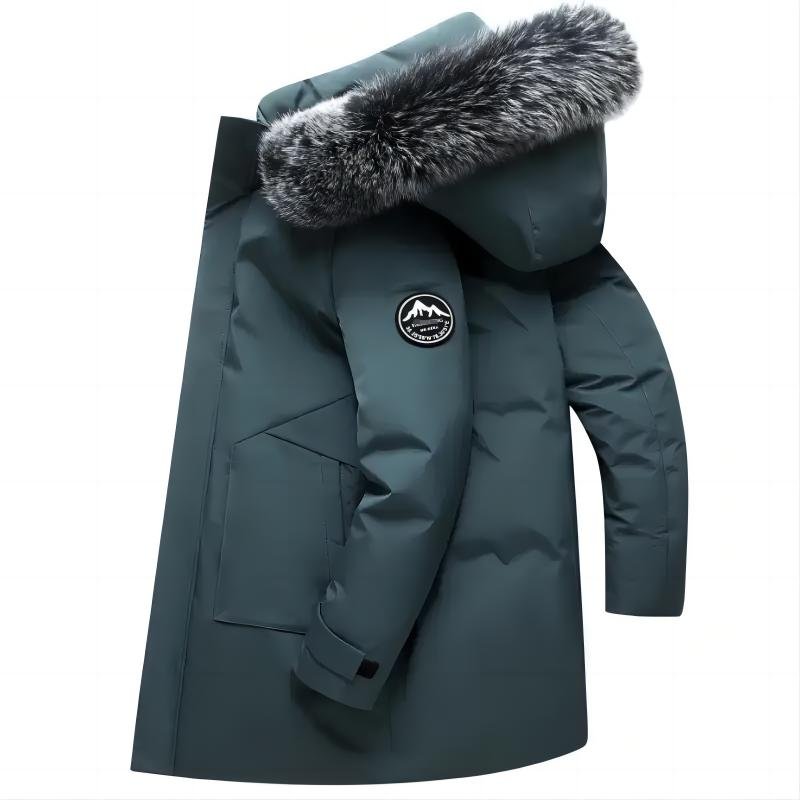
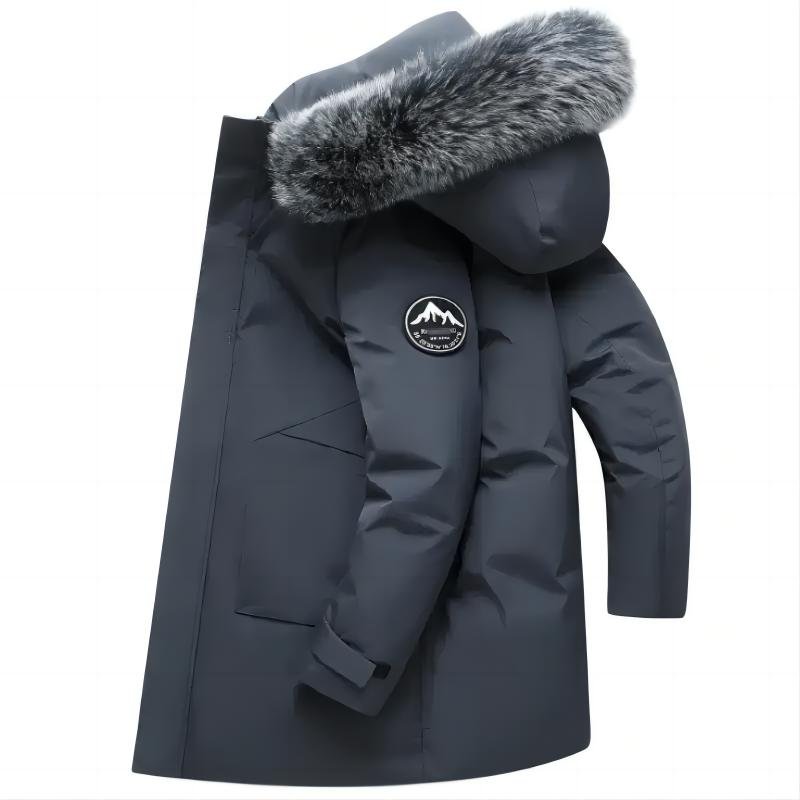
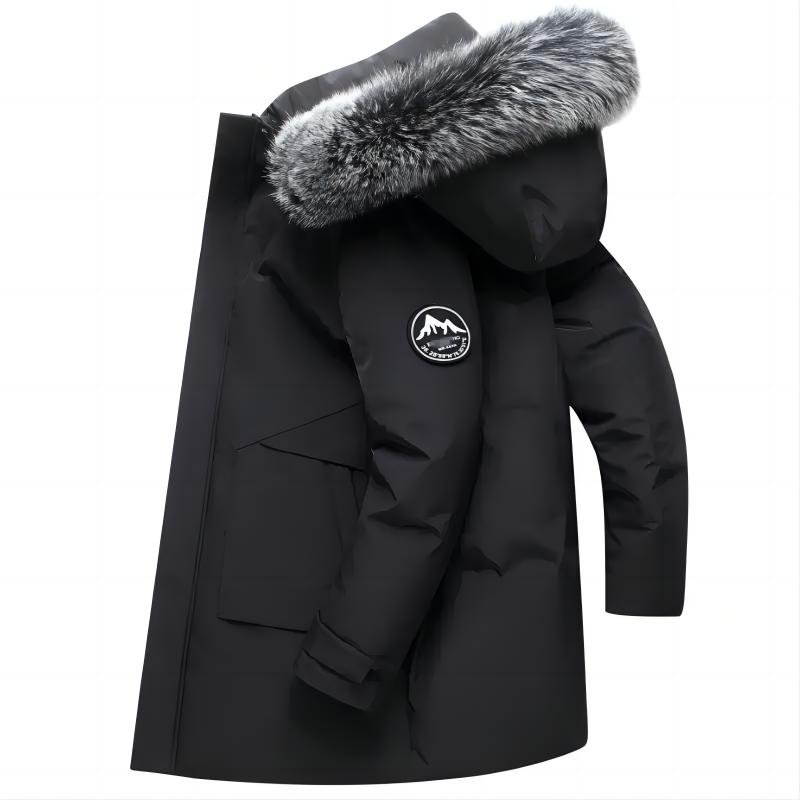
Why Choose This Down Vest Manufacturer
Six production advantages that separate us from mass-market suppliers — built for streetwear brands, startups, and global retailers who refuse to compromise.
5-Step QC at Every Stage
Quality checks at materials, cutting, crafting, sewing, and finishing ensure zero-defect down vests reach your customers every time.
7-Day Sample Turnaround
Receive a production-accurate down vest sample within seven business days, so seasonal launches never miss a critical market window.
50-Piece Low MOQ
Emerging brands and independent designers can launch with just 50 pieces, removing the biggest barrier to premium streetwear production.
In-House Design & R&D Team
Our 15-member design team develops custom patterns, streetwear graphics, and brand-specific colorways from initial sketch through approved sample.
Deep Streetwear Trend Expertise
Six-plus years mastering hip-hop, skate, and street-art aesthetics ensure your down vest collection resonates with trend-driven, style-conscious buyers.
Global Logistics & Shipping Support
End-to-end freight coordination, customs documentation, and delivery to 100-plus countries keep your supply chain moving without costly delays.
One Down Vest Manufacturer, Every Style Covered
From technical performance builds to trend-driven streetwear silhouettes, our production capabilities span the full range of down vest categories — each backed by 5-step QC, low MOQs, and fast seasonal turnaround.
Men’s Performance Down Vest
Performance activewear labels need technical features — precise fill power ratings, DWR-treated shells, and baffled construction — but most factories skip the spec validation that proves a vest actually performs as advertised.
We produce men's performance down vests with certified fill power, DWR shells, and functional baffling — verified through 5-step QC at every production stage, hitting seasonal delivery windows without sacrificing a single spec.
Women’s Fitted Down Vest
Women's styles demand precise patterning and proportional fill distribution. Many factories skip fit trials, shipping vests that look accurate on spec sheets but wear poorly and drive returns from end customers.
Our in-house sampling team refines every pattern and seam for women's fitted vests, delivering consistent sizing, flattering silhouettes, and low-MOQ flexibility that lets independent designers launch with confidence and minimal financial risk.
Unisex Oversized Streetwear Vest
Streetwear's oversized aesthetic requires exaggerated proportions, bold quilt patterns, and custom hardware that most commodity factories cannot execute or understand — and inconsistent sizing destroys the statement look brands need to stand out.
Rooted in authentic streetwear culture, we engineer oversized unisex down vests with drop shoulders, heavy baffling, and custom hardware — at low MOQs for emerging labels and fast turnaround for trend-driven seasonal drops.
Lightweight Packable Down Vest
Travel and lifestyle retailers need vests that compress small and endure heavy use, but finding a reliable down vest manufacturer for packable styles is hard — poor shell weight, weak seams, and low fill quality are widespread.
We source premium lightweight shells and high-fill-power down to build packable vests for long-term performance, with materials QC at every production stage and global logistics support to reach retail partners worldwide.
Premium Shell Fabrics & Fills From Your Down Vest Manufacturer
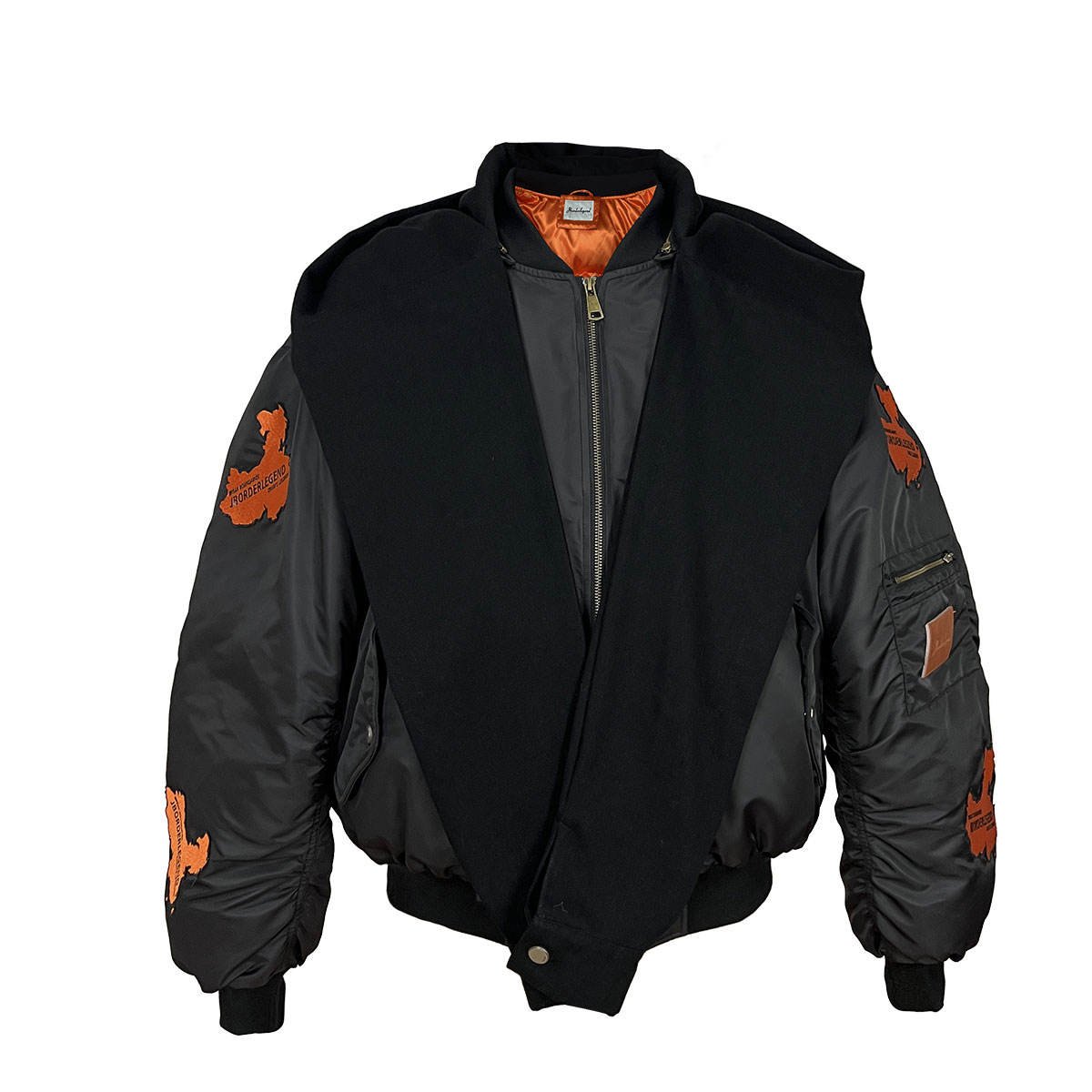
Nylon Ripstop Shell
A durable, lightweight shell fabric featuring a distinctive grid-reinforced weave. Weighing 40–70 gsm, it resists tears and abrasions while carrying a DWR water-repellent finish ideal for technical streetwear and outdoor-ready down vests.
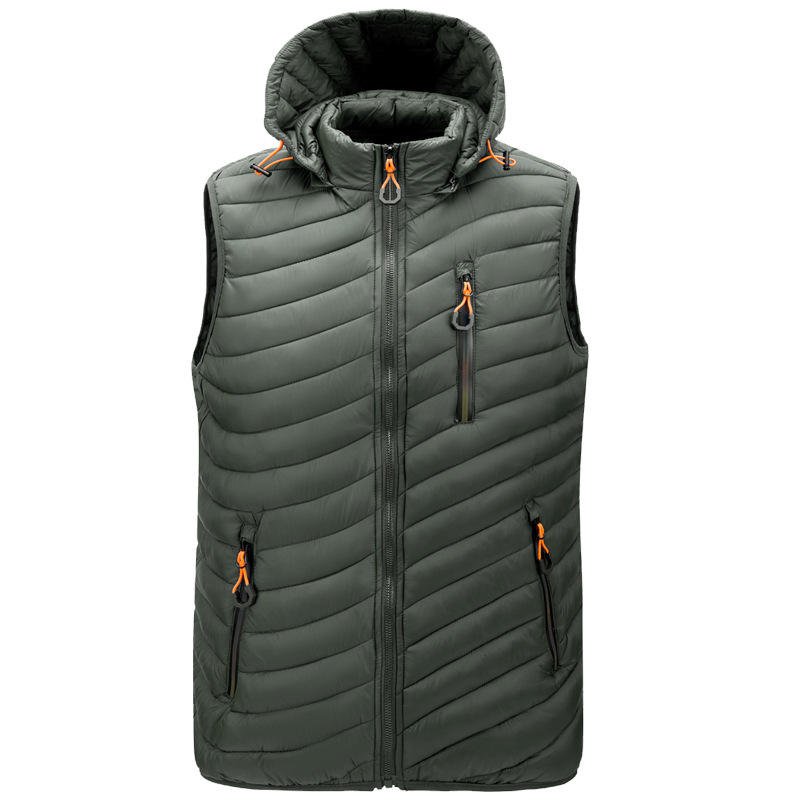
Polyester Taffeta Shell
Smooth, low-bulk shell fabric available in 50–80 gsm weights. Its tight plain weave delivers reliable wind resistance and a clean drape, making it the go-to choice for fashion-forward down vests with a refined, minimalist silhouette.
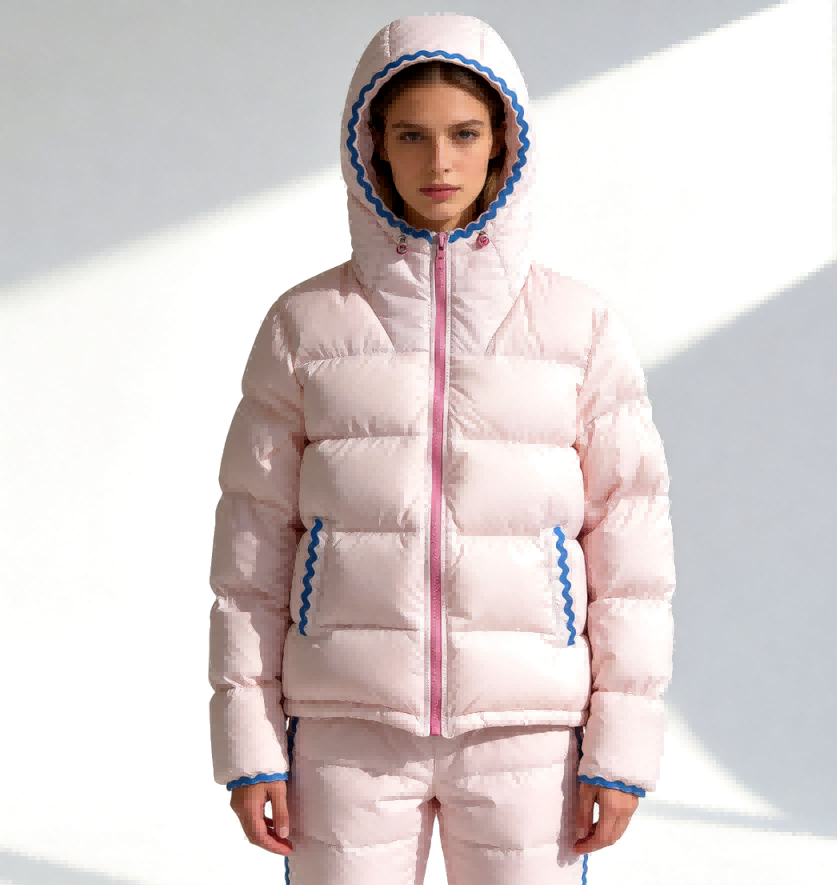
Recycled Polyester Shell
Spun from post-consumer PET bottles, this eco-conscious shell performs comparably to virgin polyester at 60–80 gsm. Ideal for sustainability-focused brands seeking GRS-certified materials without sacrificing the down-proof barrier performance their vests demand.
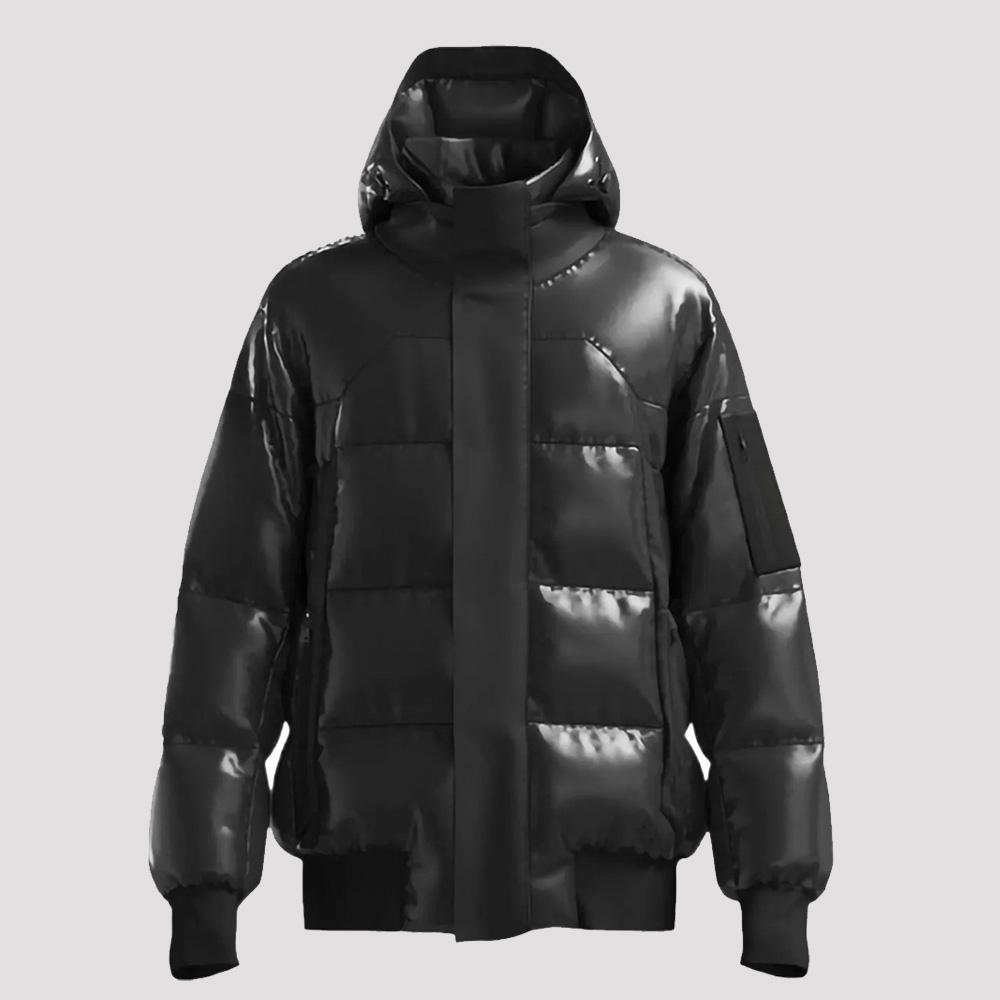
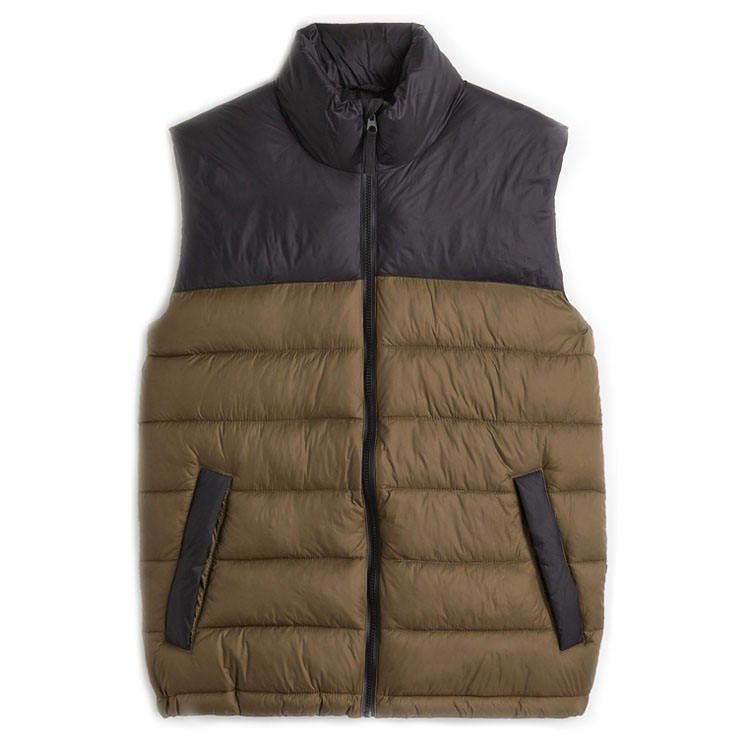
Duck Down Fill
A proven 75/25 duck down blend rated at 600–650 fill power provides dependable warmth at an accessible price point. Widely specified for mid-range streetwear vests, it balances loft, durability, and cost efficiency across volume production runs.
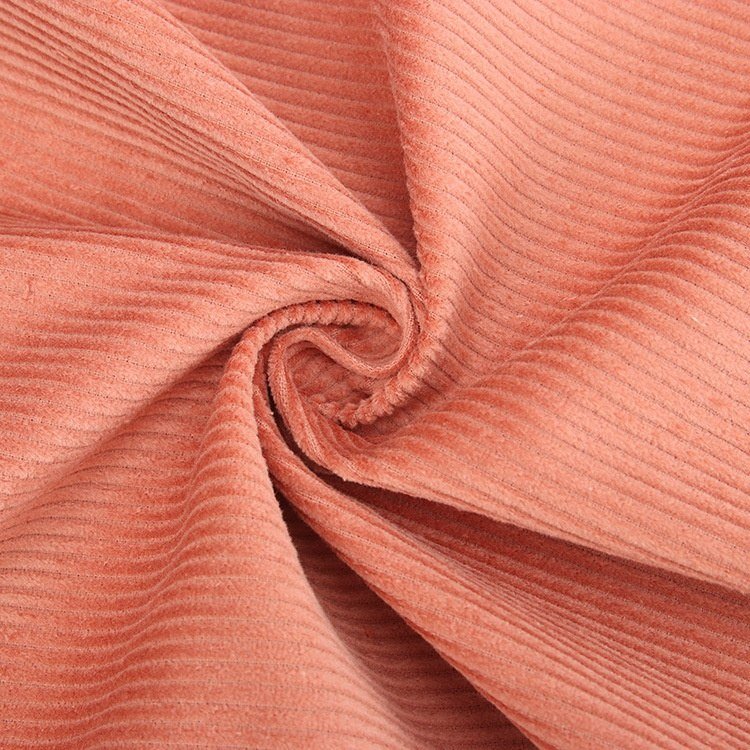
Synthetic Down Fill
High-loft polyester microfiber insulation available at 60–100 gsm. Retains warmth when wet unlike natural down, making it the preferred fill for water-resistant styles, certified-vegan collections, and allergy-sensitive markets worldwide.
Production Techniques From a Trusted Down Vest Manufacturer
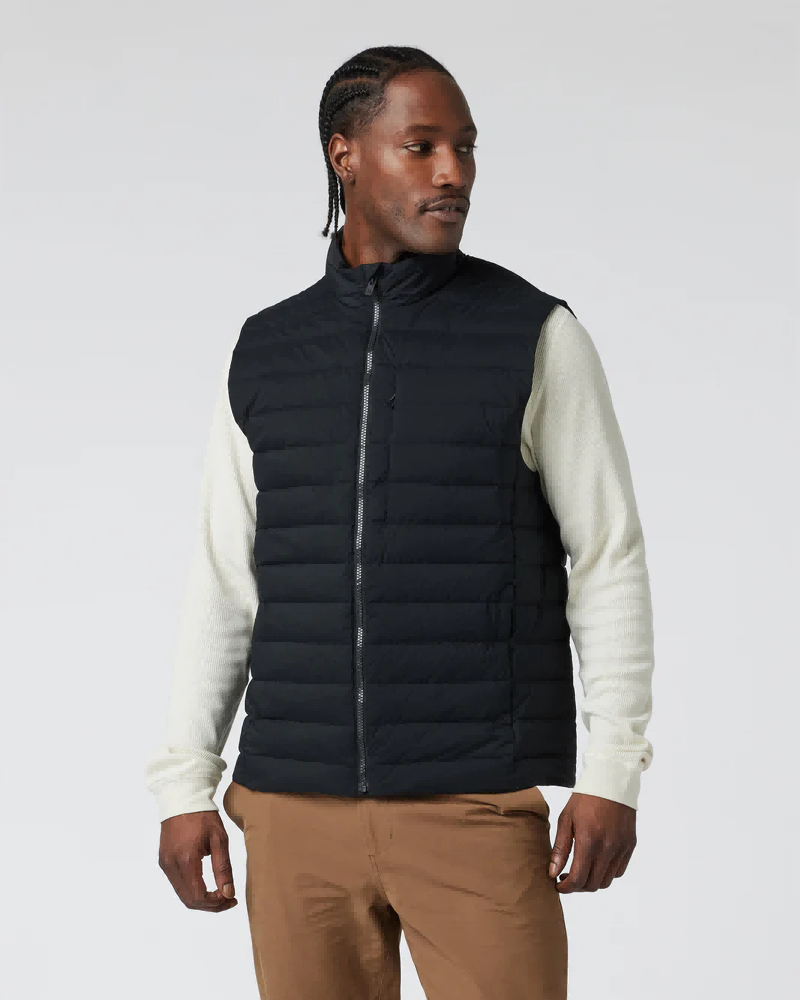
Box Quilting
A structured grid-stitch pattern distributes down fill evenly across vest panels, creating a clean geometric silhouette with consistent warmth retention — the go-to technique for streetwear styles demanding sharp, defined lines.
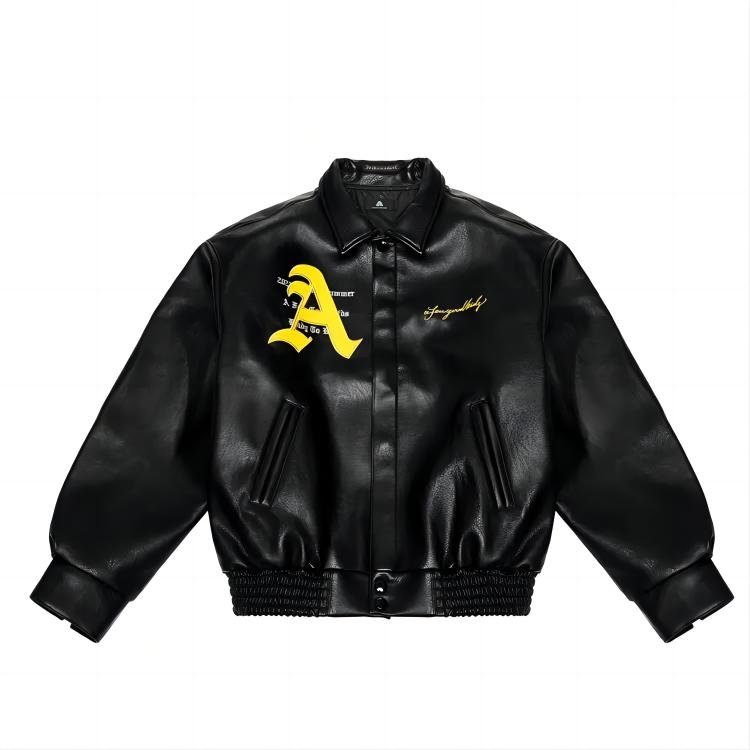
Baffled Construction
Individual sewn baffles form sealed chambers that lock down fill in place, maximizing loft and insulation performance. This premium build adds tactile dimension and elevates warmth-to-weight ratio for high-end streetwear and designer labels.
DWR Coating
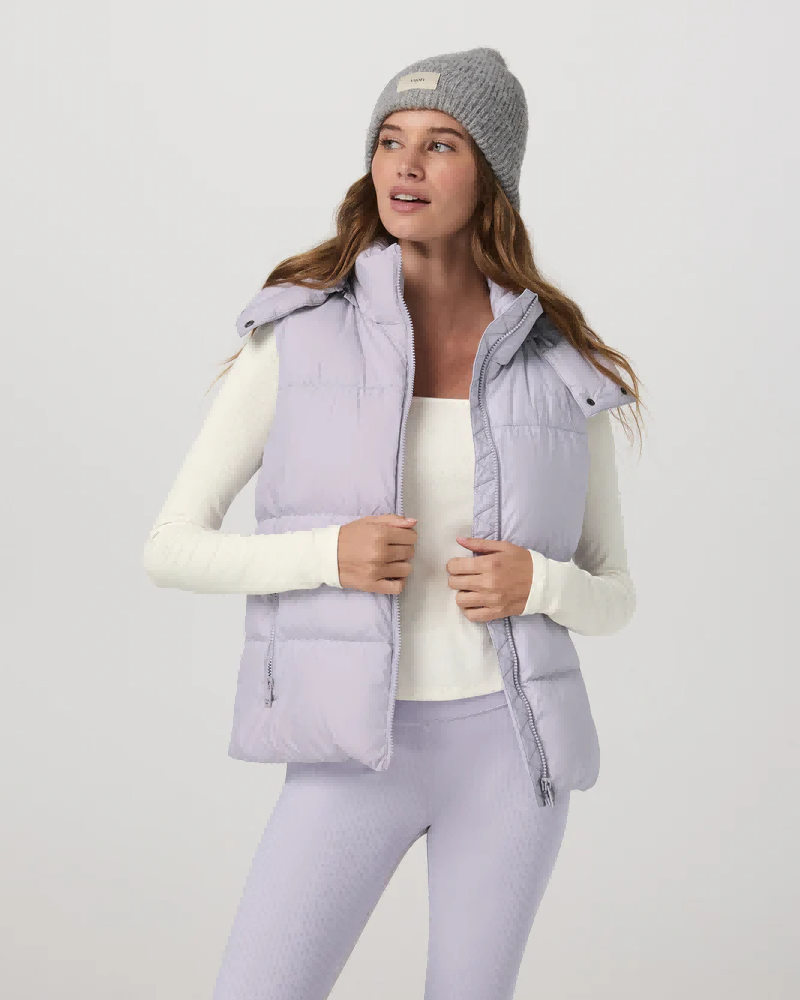
A Durable Water Repellent finish bonds to shell fabric at a molecular level, shedding moisture without sacrificing breathability — delivering the weather-ready performance urban streetwear consumers expect from a premium down vest.

Dye Sublimation
Heat-activated sublimation infuses vivid, full-color graphics deep into shell fabric for fade-resistant all-over prints with zero hand-feel. Ideal for bold streetwear colorways, influencer drops, and limited-edition branded collection launches.
Custom Embroidery
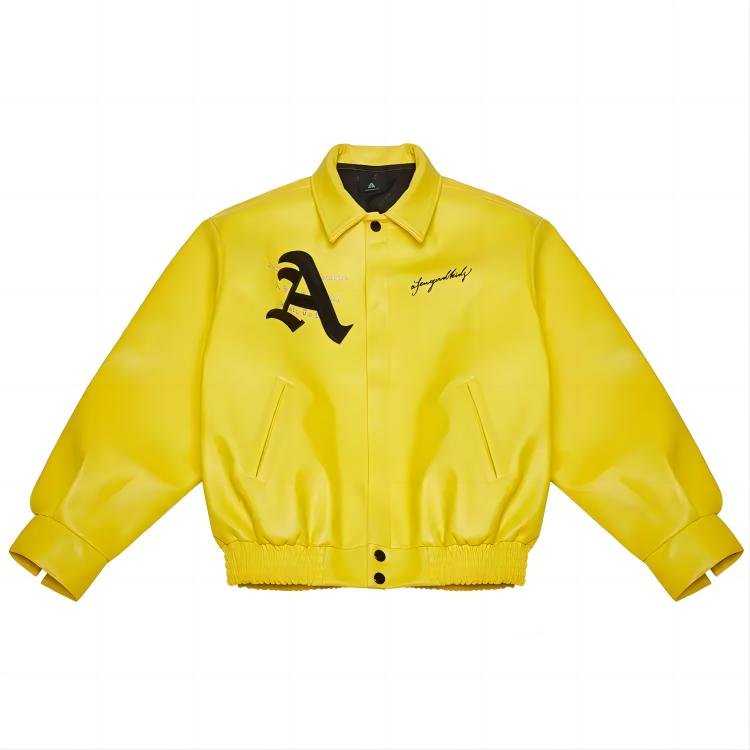
High-density embroidery anchors logos, wordmarks, and streetwear motifs with raised thread texture built to outlast repeated washing. Available in flat, 3D puff, and tonal finishes for a distinctive branded signature.
Stitch Detailing
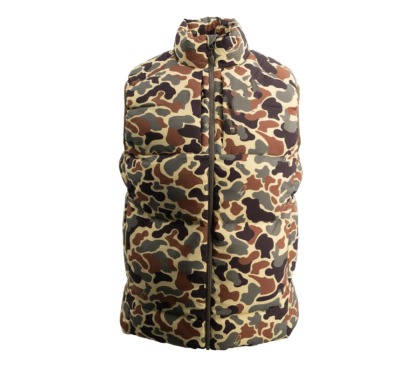
Decorative topstitching and contrast thread lines reinforce critical seams while adding visual depth and brand-defining surface texture — elevating a functional down vest into a standout streetwear statement piece.
Down Vest Hardware & Customization Options
YKK Metal Zippers
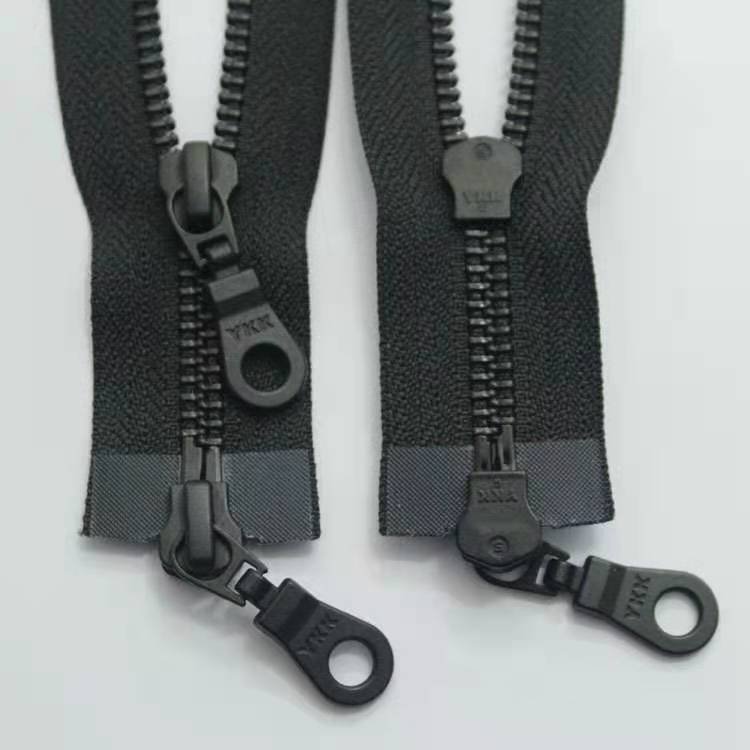
Premium YKK or custom metal zippers for center-front and pocket closures, available in brushed gunmetal, antique brass, and custom-painted finishes — built to withstand heavy use while sharpening your brand identity.
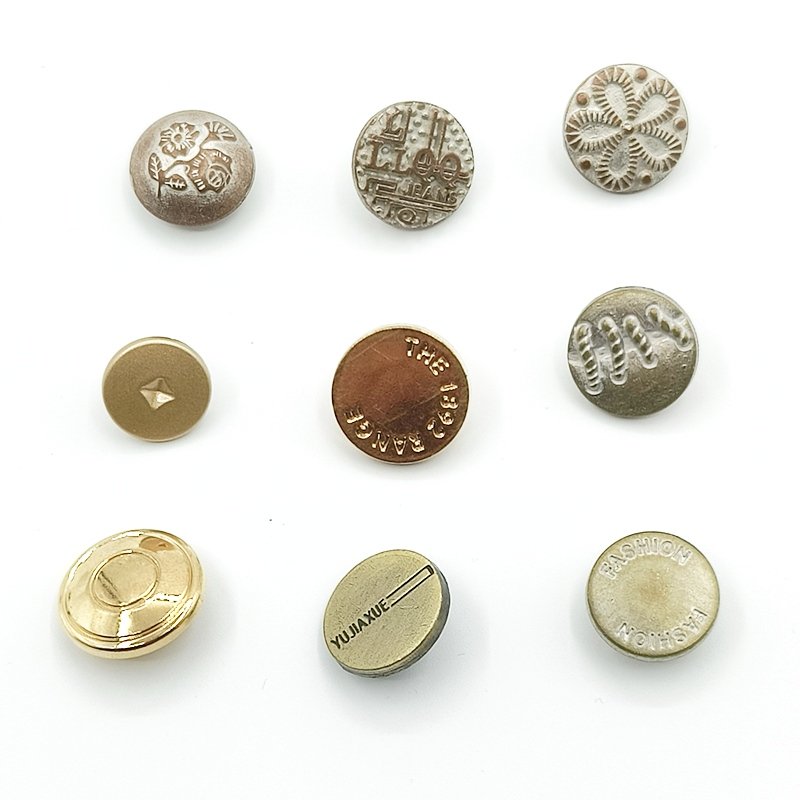
Branded Snap Buttons
Custom-engraved or debossed metal snap buttons for pocket flaps and stand collars, offered in matte black, antique gold, and nickel finishes — a refined hardware detail that signals craftsmanship at first touch.
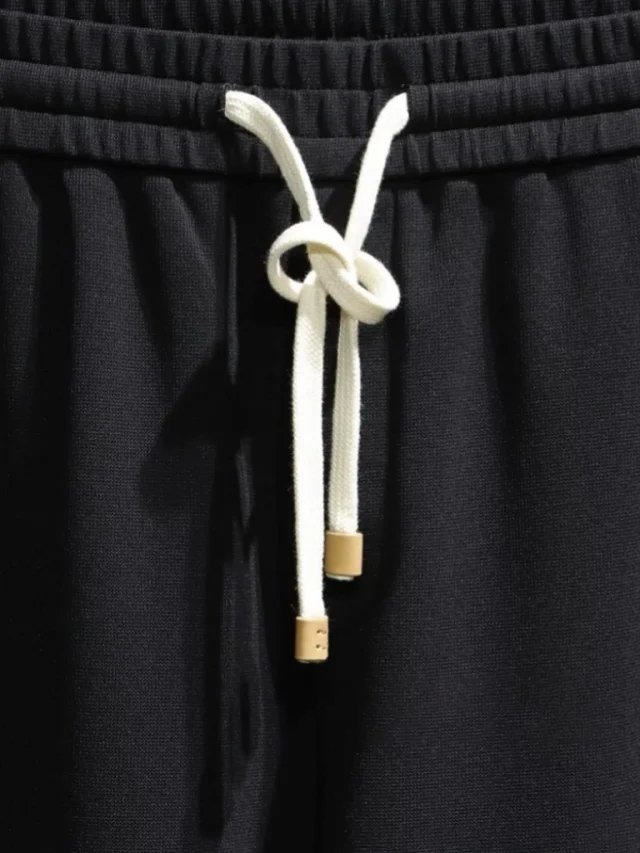
Custom Drawcords
Flat, round, or tubular drawcords for hem channels and waist adjusters, offered in limitless colorways with custom cord-end hardware and tipping materials to perfectly complement your down vest’s overall palette.
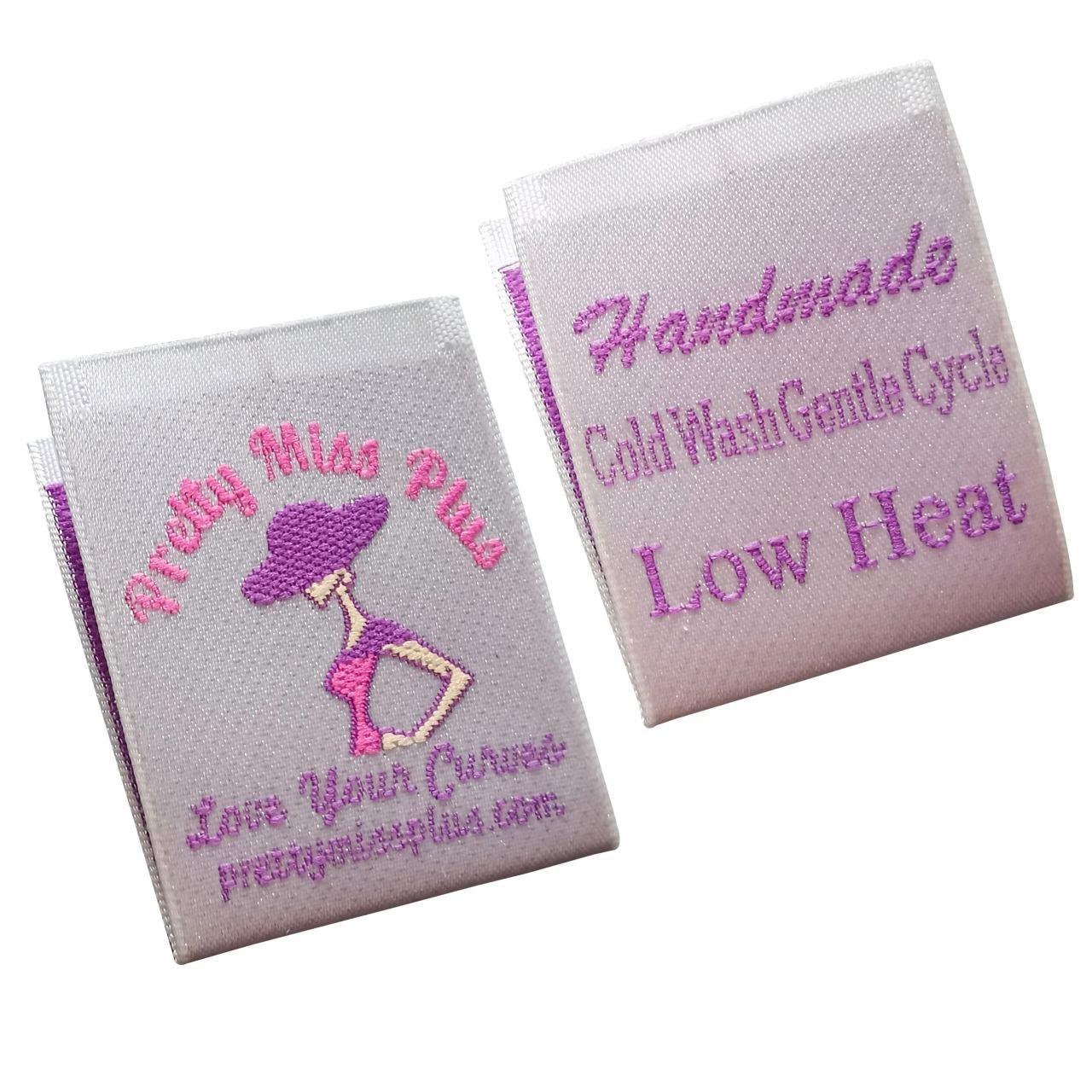
Woven Label Sets
Fully branded woven main labels, size tabs, and care labels crafted to your exact specifications, installed at collar and side-seam points for a professional, retail-ready finish that builds lasting brand recognition.
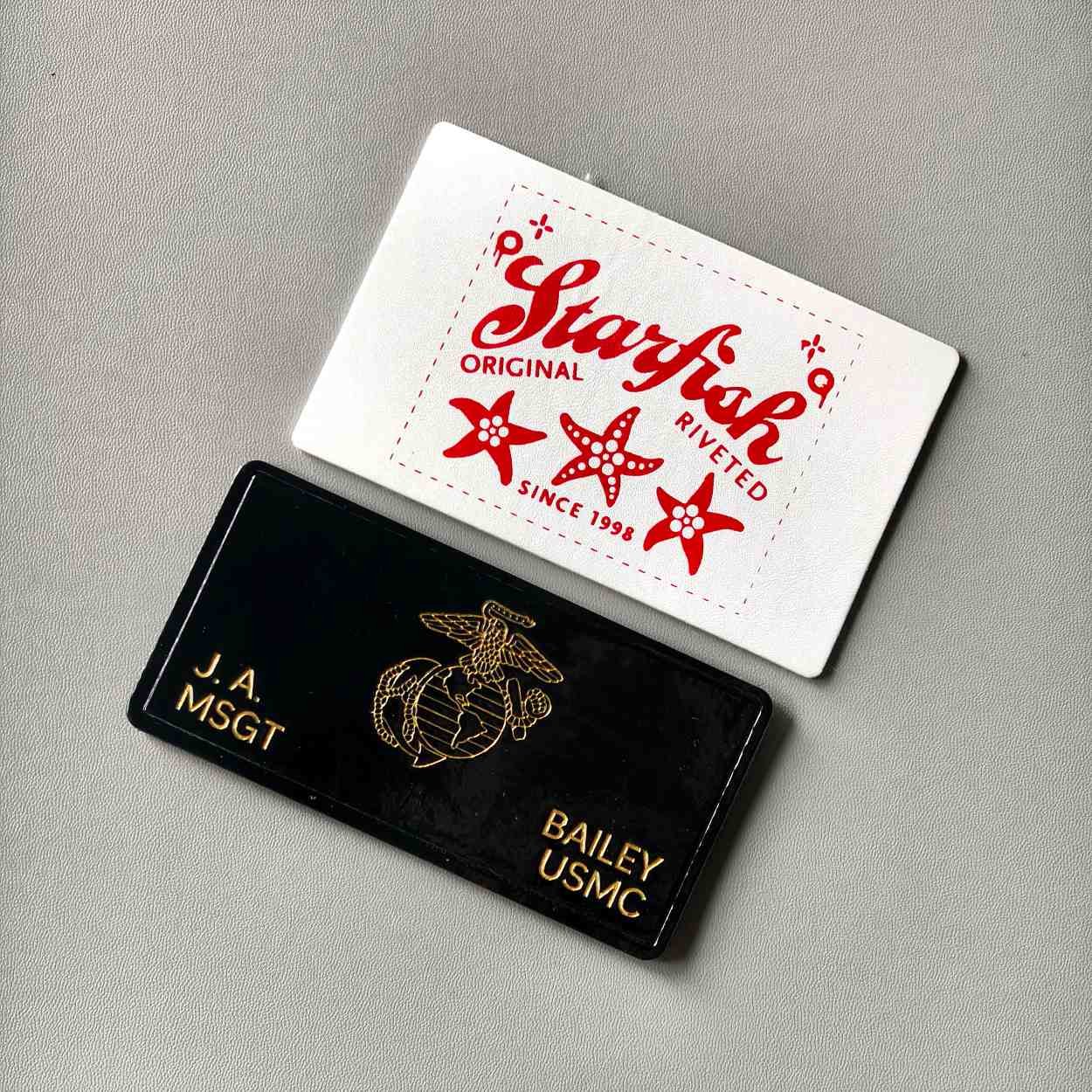
Embroidered Patches
Chenille, woven, or sublimated patches for chest and sleeve placement, supporting intricate streetwear motifs — skulls, roses, cross symbols, and more — produced with precise stitch counts for vibrant, durable brand expression.
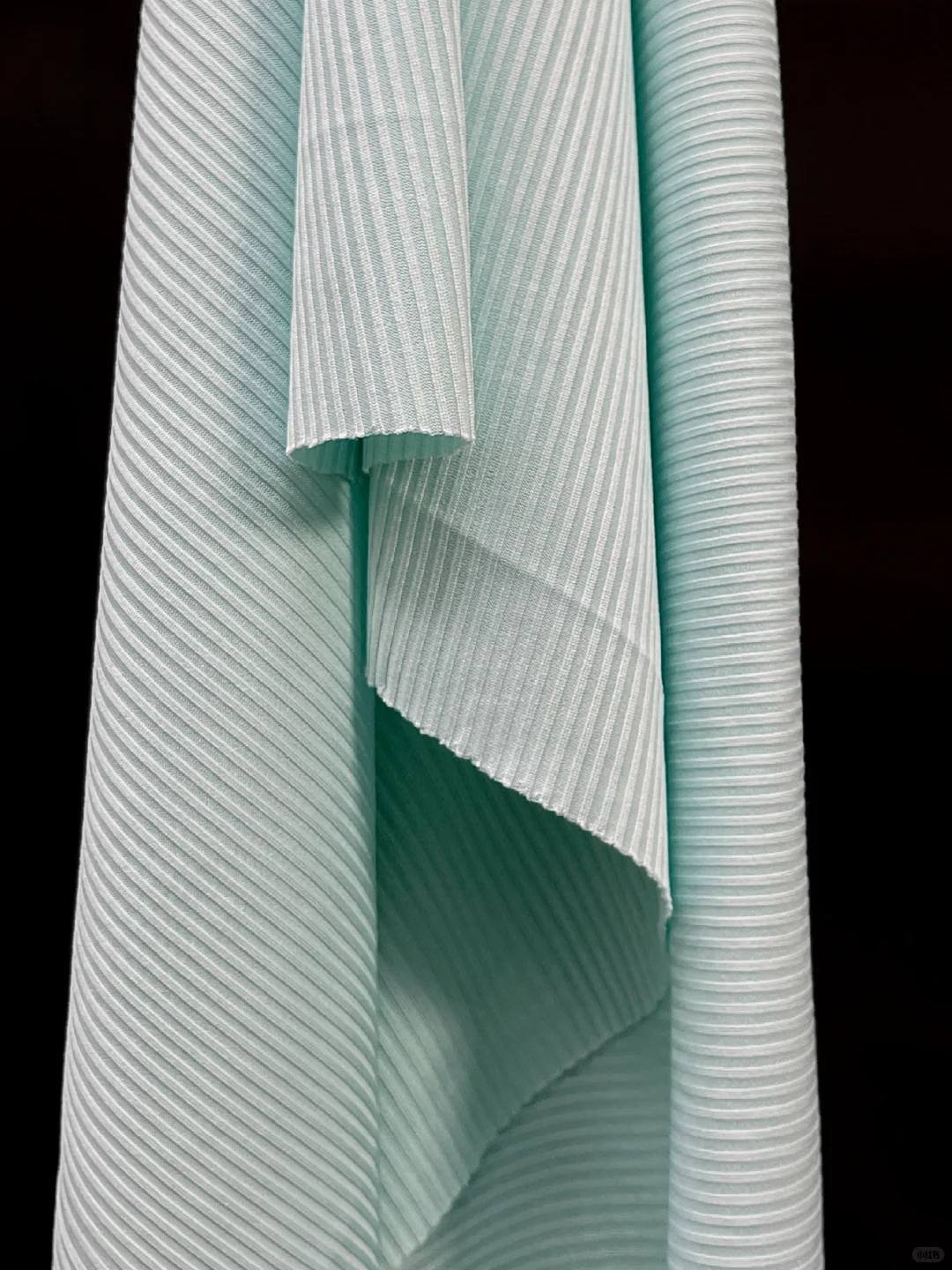
Contrast Hem Tapes
Grosgrain or twill tapes stitched along cuffs, bottom hems, and inner seams in contrasting or tonal colorways, adding structural reinforcement and a signature designer finish that sets your vest apart at retail.
A Down Vest Manufacturer Built on Mastery
Tesla Luo grew up inside garment factories — his parents held senior production roles, and from childhood he rotated through every workshop station in Dongguan’s Humen Town. That hands-on foundation, combined with 10-plus years of industry experience and 6 years of specialized streetwear expertise, led him to found Clothing Manufacturer Ltd. in 2024 with a single commitment: zero-compromise quality at every stage of production.
Since launch, the company has served customers across more than 100 countries, backed by a 15-member R&D team, 10 production patents, and the full manufacturing infrastructure of parent company Dongguan TuoZhen Clothing Co., Ltd. From low-MOQ debut runs to high-volume seasonal collections, we deliver fast turnarounds and end-to-end global shipping without sacrificing craftsmanship.
What truly sets this down vest manufacturer apart is cultural fluency married to technical depth. Luo’s deep study of streetwear aesthetics — from skeleton motifs and bold color patterns to graffiti-inspired graphics — means every collection resonates with today’s style-driven consumer. Layer in a proprietary 5-step QC process embedded at every production stage, and you get a manufacturing partner built for brands that refuse to compromise.
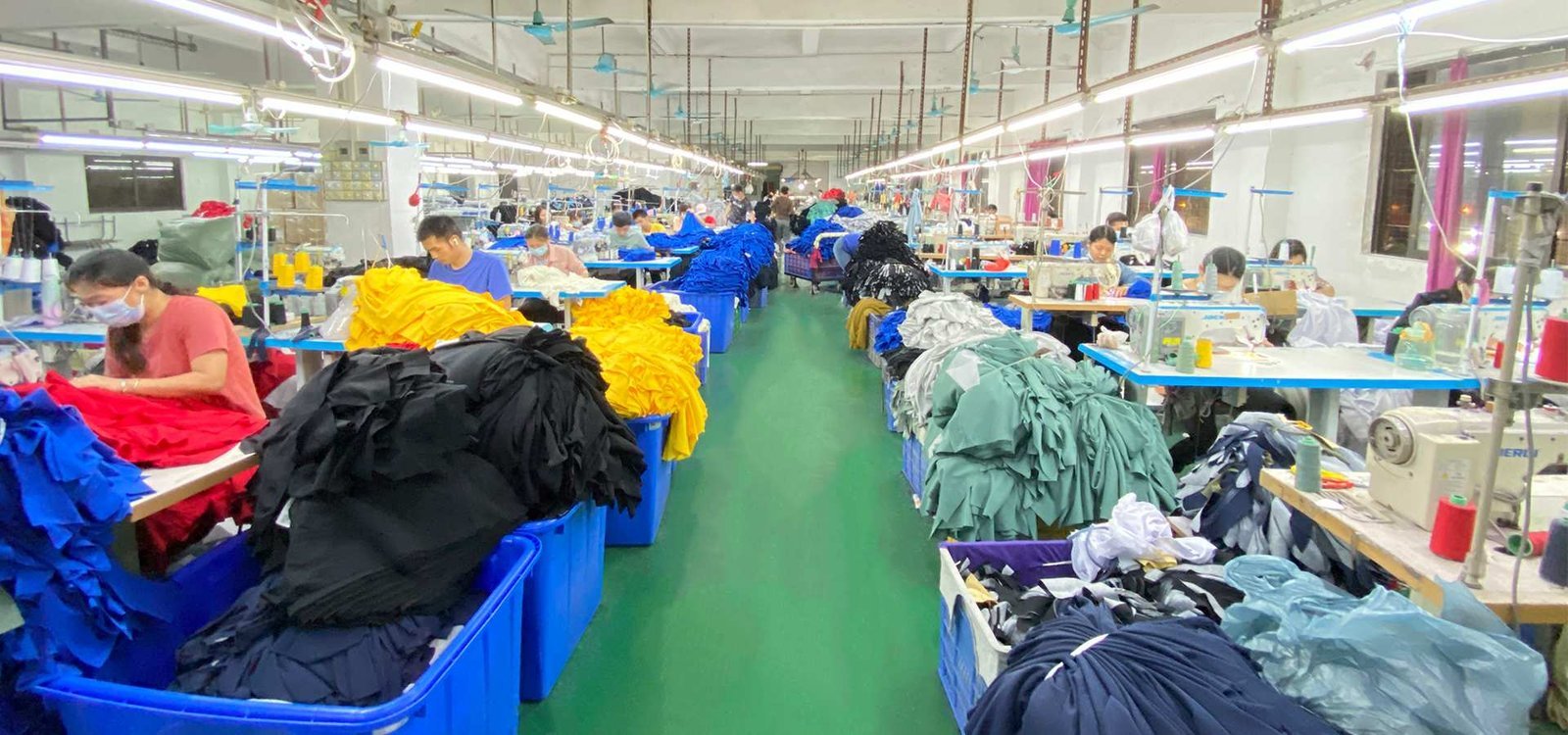
5-Step QC: The Down Vest Manufacturer Standard
Stage 1: Materials Verified Before Cutting Begins
Before production starts, every fabric swatch, fill power rating, and lining material is rigorously tested against your spec sheet. Substandard inputs are rejected at the source — not discovered in the finished garment.
- Fill power and down cluster density verified to specification before any cutting
- Shell fabrics tested for windproof rating and DWR coating integrity
- Lining, zipper, and hardware materials cross-checked against your approved samples
- Non-conforming materials flagged and replaced before a single panel is cut
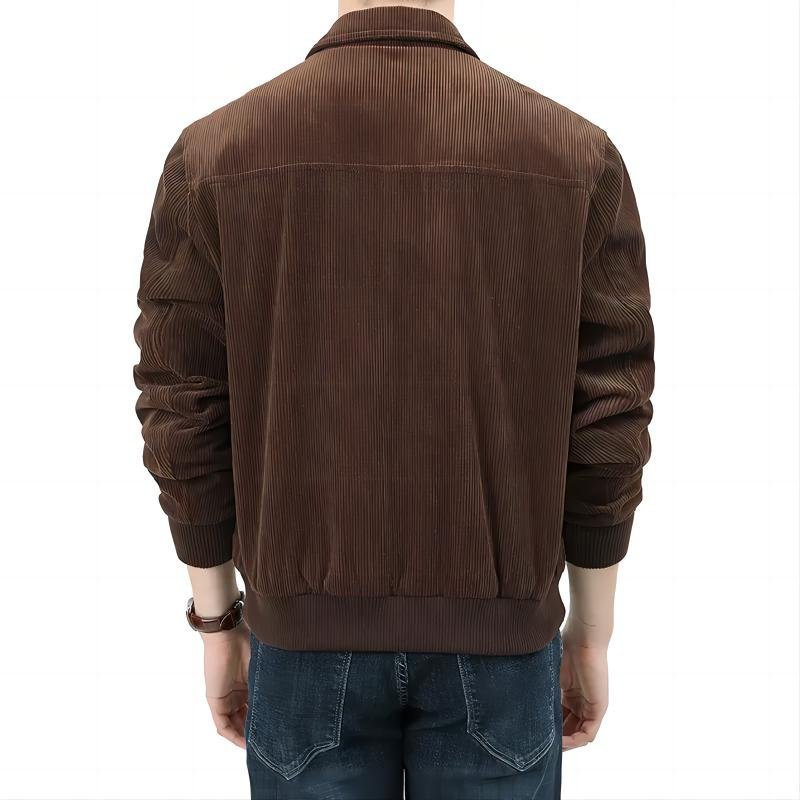
Stage 2–3: Precision Cutting and Craft Verification
Pattern accuracy and construction technique are locked in before sewing begins. Our QC team validates every cut piece for dimensional accuracy and reviews baffle construction, seam sealing plans, and craft techniques against your approved samples.
- Cut panels measured against master patterns to tight dimensional tolerances
- Down baffle layout and seam allowances verified before assembly starts
- Quilting, seam sealing, and baffling techniques approved at this checkpoint
- Early-stage corrections eliminate compounding defects downstream in production
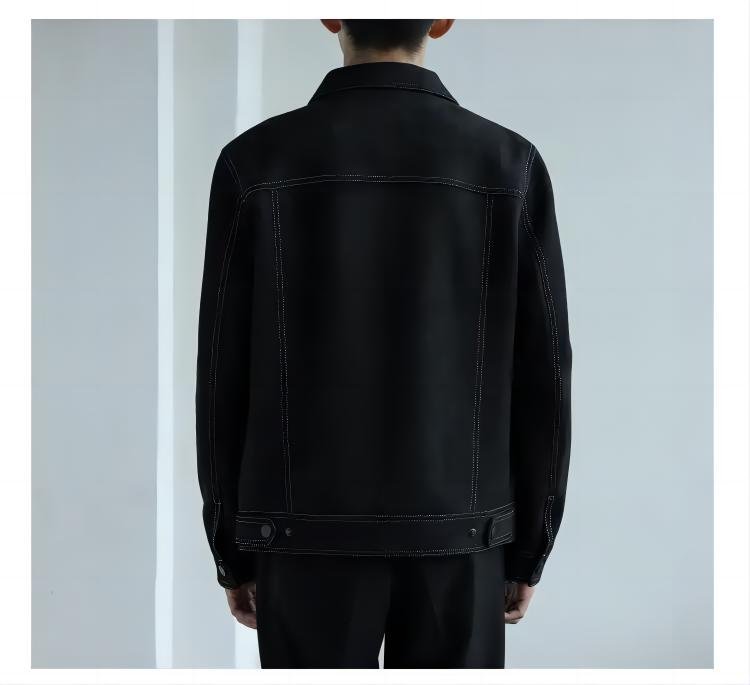
Stage 4: Inline Sewing Checks, Not Just End-Line
Most factories inspect only at the end — we inspect during sewing. Every operator station is monitored for stitch density, seam strength, and down-proof shell integrity, catching defects as they form — the standard that separates a serious down vest manufacturer from factories that skip inline checks.
- Real-time stitch density and tension monitoring at each sewing workstation
- Down-proof shell and baffle seam integrity checked throughout production runs
- Defect rate tracked by batch and corrected before the next run begins
- Inline QC data logged for full traceability and transparent client reporting
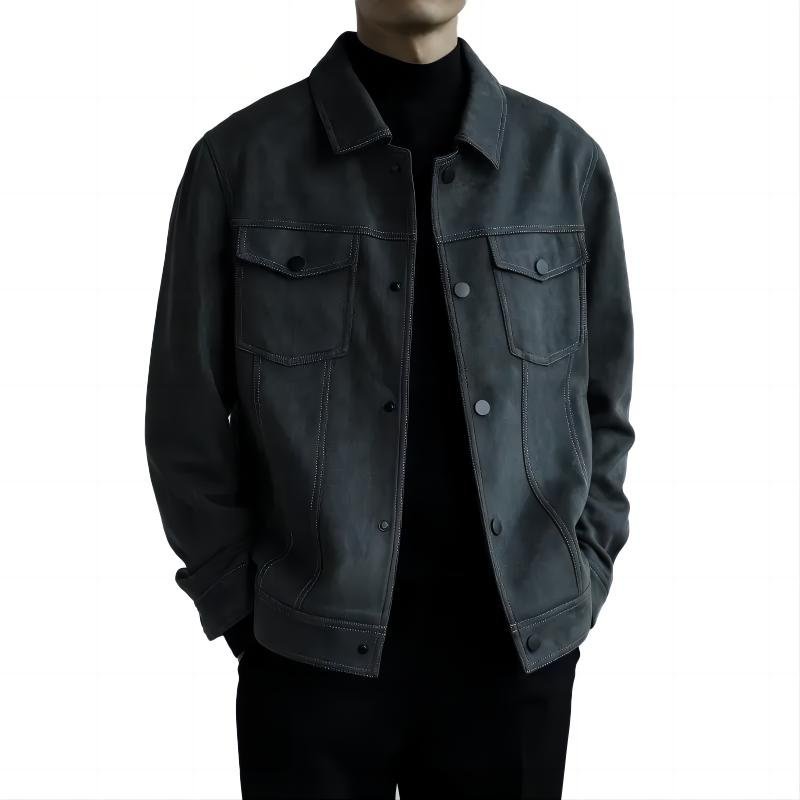
Stage 5: Zero-Compromise Finished-Goods Final Inspection
Every completed down vest undergoes a comprehensive final audit — fill weight, hardware function, thermal performance, and visual finish — before packaging. Only units that clear every checkpoint leave our facility and reach your customers.
- Fill weight verified unit by unit to ensure warmth-to-weight consistency across the batch
- Zipper pull, snap, and buckle function tested on every single piece
- Visual inspection for stitching uniformity, logo placement, and finishing quality
- Approved units tagged, packed to your spec, and cleared for global shipment
Down Vest Manufacturer Comparison: What Sets Us Apart
See how Clothing Manufacturer Ltd delivers where typical suppliers fall short — from startup-friendly MOQs to inline quality control at every production stage.
← 左右滑动查看 →
From Concept to Delivery: Your Down Vest Manufacturer’s Production Timeline
Six deliberate phases — not an assembly-line rush. Every order moves through our end-to-end process so your vests arrive on brand, on spec, and on time.
Tech Pack Review & Brief
We analyze your tech pack, sketches, and brand specs, then assign a dedicated account manager to align on materials, colorways, silhouette, and MOQ requirements.
Sampling & Design Sign-Off
Our in-house design and sampling team builds a physical prototype for your review. Revisions move fast so you approve a sample that matches your exact vision.
Bulk Material Sourcing
We source certified down fill, outer shell fabrics, and hardware from vetted suppliers, completing our materials and cutting QC checkpoints before bulk production begins.
Cutting, Quilting & Assembly
Precision cutting, quilting, and assembly run under live QC supervision. Craft and sewing production checkpoints catch and correct defects at the workstation, not the end of the line.
5-Stage QC Milestones
Every vest clears our proprietary five-step QC process — materials, cutting, craft, sewing, and finished-goods inspection — ensuring zero-compromise quality before anything leaves our facility.
Packing & Global Logistics
Approved vests are packed, branded, and handed to our global logistics partners. We handle customs documentation and coordinate shipping to more than 100 countries on your behalf.
4 Steps to Launch Your Line With a Trusted Down Vest Manufacturer
From your first inquiry to doorstep delivery — an organized, startup-friendly process built for brands at every stage of growth.
Submit Your Tech Pack and MOQ
Share your design files, fabric preferences, and target order quantity. Our in-house sampling team reviews your specs and responds within 24 hours with initial feasibility feedback.
Receive Quote and Approve Sample
Get a transparent production quote alongside a precision-crafted sample. Evaluate fit, materials, and finish firsthand — then give the green light before any bulk cutting begins.
Place Your Bulk Order Confidently
Lock in your production schedule with low MOQ options for emerging startups or high-volume runs for global retailers. Fast-turnaround slots keep seasonal collections on track.
Produce, Ship, and Scale
Your order advances through our 5-step QC gates at every production milestone. We coordinate global logistics and provide post-launch support so your brand ships on time, every time.
Certifications That Define Our Down Vest Manufacturer Standards
Why Growing Brands Choose Us as Their Down Vest Manufacturer
We launched our debut streetwear line — 500 pieces across 4 down vest styles — on schedule for our fall drop. The 5-step QC process meant zero returns on our first order. As a startup, finding a down vest manufacturer this reliable was a game-changer.
After switching to Clothing Manufacturer Ltd., our defect rate dropped from 8% to under 0.5%. They handle our 3,000-unit quarterly runs with consistent quality across every SKU. Transparent communication, real deadlines — exactly what a scaling brand needs.
We started with a 200-piece test order and now produce 10,000 units per quarter. Their team nailed our streetwear aesthetic from day one — skeleton graphics, oversized silhouettes, bold colorways — and the quality has never slipped as we scaled.
Down Vest Manufacturing FAQs: MOQ, Sampling, Payment & Shipping
Every question a serious buyer asks before placing an order — answered directly and without the runaround.
What is the minimum order quantity (MOQ) for a down vest manufacturer like Clothing Manufacturer Ltd.?
How long does sampling take, and is there a sampling fee?
What if I don’t have design files — can your down vest manufacturer help develop the concept?
What payment terms does your down vest manufacturer offer?
Can you handle rush orders for time-sensitive seasonal collections?
How does your down vest manufacturer protect my designs and intellectual property?
What quality certifications and standards does your down vest manufacturer follow?
Which countries do you ship to, and how long does delivery take?
How do I know finished down vests will match my approved sample exactly?
The Complete Buyer’s Guide to Finding a Down Vest Manufacturer
Discover a proven decision framework for evaluating every down vest manufacturer — from materials and construction quality to customization options, pricing tiers, and the critical sourcing mistakes that cost brands time and money.
1. What Is a Down Vest Manufacturer?
Fill powers between 550 and 900 separate entry-level insulation from premium loft, and a specialist down vest manufacturer is built around those specifications — maintaining down-proof shell fabrics, baffle-box stitching equipment, and fill-weight precision that general cut-and-sew shops are not configured to deliver. Unlike a full-outerwear factory producing parkas or trench coats, a vest specialist holds grading systems calibrated for sleeveless silhouettes and invests in sealed-seam and quilting machinery dedicated to vest-specific construction.
In the apparel supply chain, a down vest manufacturer serves streetwear labels, fashion startups, influencer brands, and global retailers as the production node where a concept sketch becomes a shippable, quality-controlled product — sourcing OEKO-TEX certified shell fabrics, Responsible Down Standard (RDS) certified fill, and YKK hardware before cutting begins. Brands that route vest orders through a general CMT (cut, make, trim) factory frequently encounter fill leakage, uneven baffle seams, and shell delamination — defects that appear only after the product reaches end consumers.
Three production models define every sourcing relationship before a buyer contacts any factory: OEM, ODM, and private-label. Each shifts design ownership, lead time, and minimum order quantities differently — choosing the wrong model at the outset means renegotiating terms mid-production.
| Model | Who Designs | Typical Lead Time | Best For |
|---|---|---|---|
| OEM | Buyer supplies full tech pack, patterns, and BOM | 60–90 days | Brands with in-house design teams |
| ODM | Factory adapts its own existing designs for your label | 30–60 days | Startups and influencer brands scaling fast |
| Private-Label | Factory delivers a finished, brand-ready garment | 14–30 days | Retailers and resellers entering new product categories |
2. Evolution of Down Vest Manufacturing
By the 1940s, military and expedition outfitters had standardized goose and duck down as primary insulation, rating fill power between 550 and 900 to measure loft-per-ounce efficiency. The sleeveless silhouette emerged as a practical solution for core warmth without restricting arm movement — and early construction relied on hand-sewn box baffles and channel stitching to prevent down migration, techniques that remain a baseline benchmark for any down vest manufacturer today.
PrimaLoft’s commercial launch in the late 1980s — originally developed under a U.S. Army contract — introduced synthetic fill that performed even when wet, directly challenging natural down’s dominance in outerwear. By the early 2000s, athleisure brands repositioned the vest as a lifestyle layer, pairing 20D ripstop nylon shells with 80/20 down-feather blends and YKK zippers to create a crossover silhouette that sold equally in sporting-goods chains and fashion boutiques.
Heat-sealing technology, widely adopted from 2010 onward, eliminated quilting needle perforations in shell fabrics, producing clean-lined waterproof-membrane vests that streetwear labels demanded for both performance and aesthetics. Automated quilting machines capable of executing diamond, chevron, and horizontal-baffle patterns at volume allowed factories to meet fashion-driven design requirements without compromising structural integrity.
From 2015 onward, Responsible Down Standard (RDS) certification and bluesign-approved recycled-fill sourcing shifted buyer expectations, requiring traceability documentation from fill-power grading through final packaging. A down vest manufacturer’s command of baffling geometry, heat-seal bonding, and certified sourcing — capabilities built across decades of production evolution — directly predicts whether they can execute today’s technically demanding streetwear silhouettes at consistent quality.
3. Types of Down Vest a Manufacturer Can Produce
A qualified down vest manufacturer should handle at least six distinct product categories. Matching your brand’s target customer to the right vest type before placing an order saves costly sampling rounds and production delays.
Classic Puffer and Quilted Vests
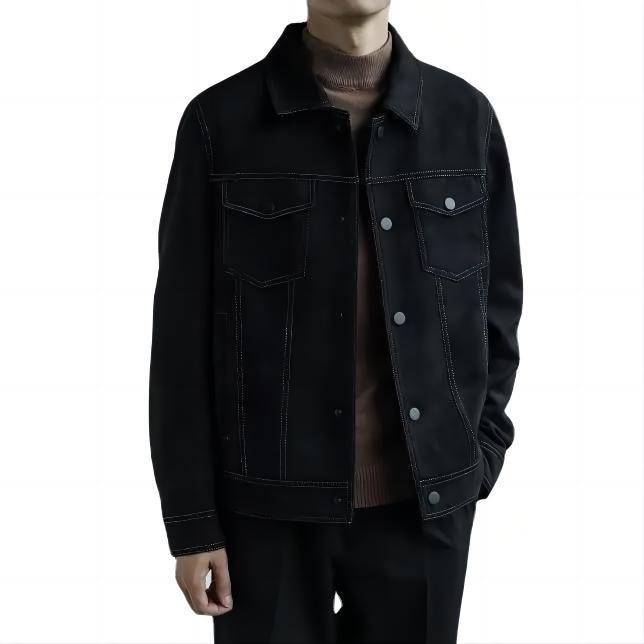
Channel-quilted construction uses 550–650 fill power duck or goose down, targeting everyday lifestyle consumers. Box-baffle stitching prevents cold spots. MOQs typically start at 100–200 units per colorway.
Lightweight Packable Vests
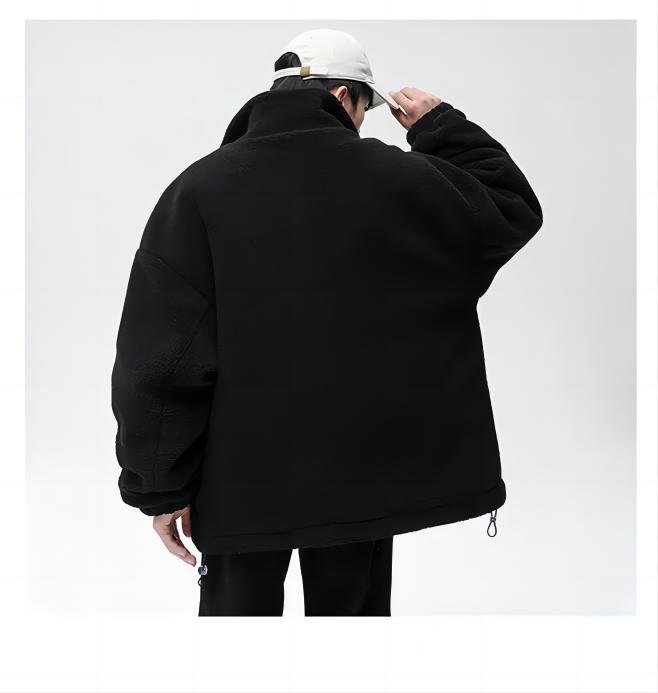
450–550 fill power down in 20–30 gsm ripstop nylon shells creates vests that compress into a chest pocket. Appeals to travel and activewear brands seeking versatile layering pieces.
Oversized Streetwear Silhouettes
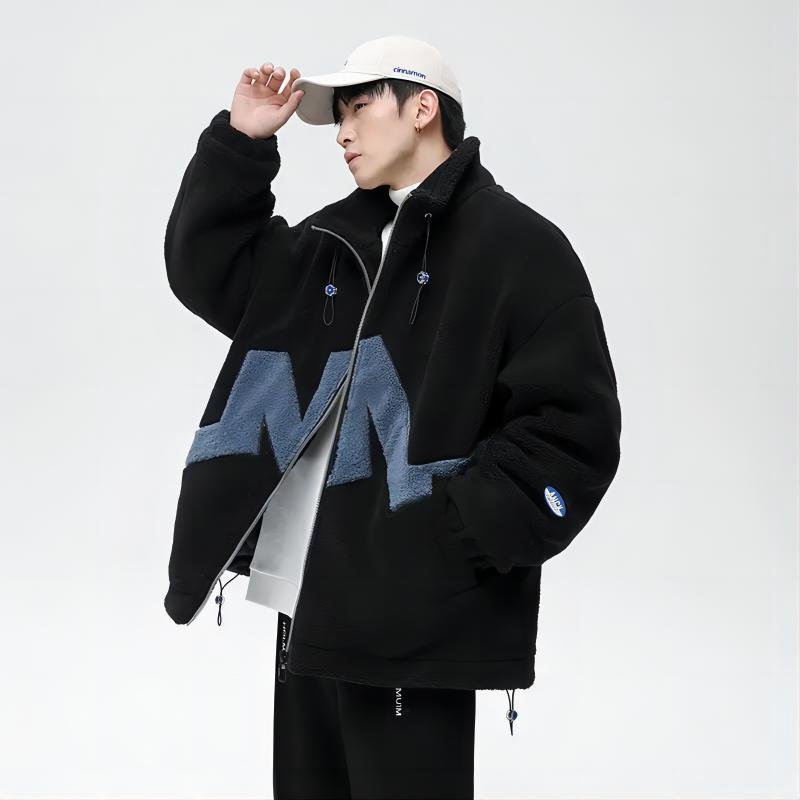
Drop-shoulder patterns with extended body length define this category; 550–650 fill power balances loft with manageable bulk. Hip-hop and skate-influenced brands drive most demand for exaggerated proportions and contrast baffling.
Technical Outdoor Vests
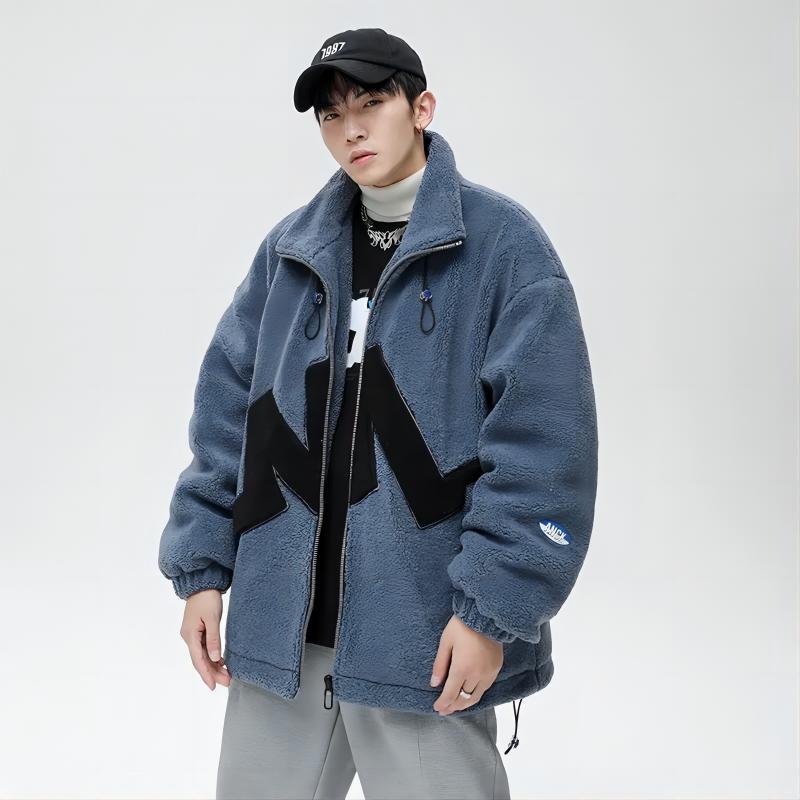
700–900 fill power RDS-certified goose down inside 40–70 gsm DWR-coated face fabric targets mountaineering and trail-running markets. YKK waterproof zippers and articulated patterning are non-negotiable construction requirements.
Reversible Vests
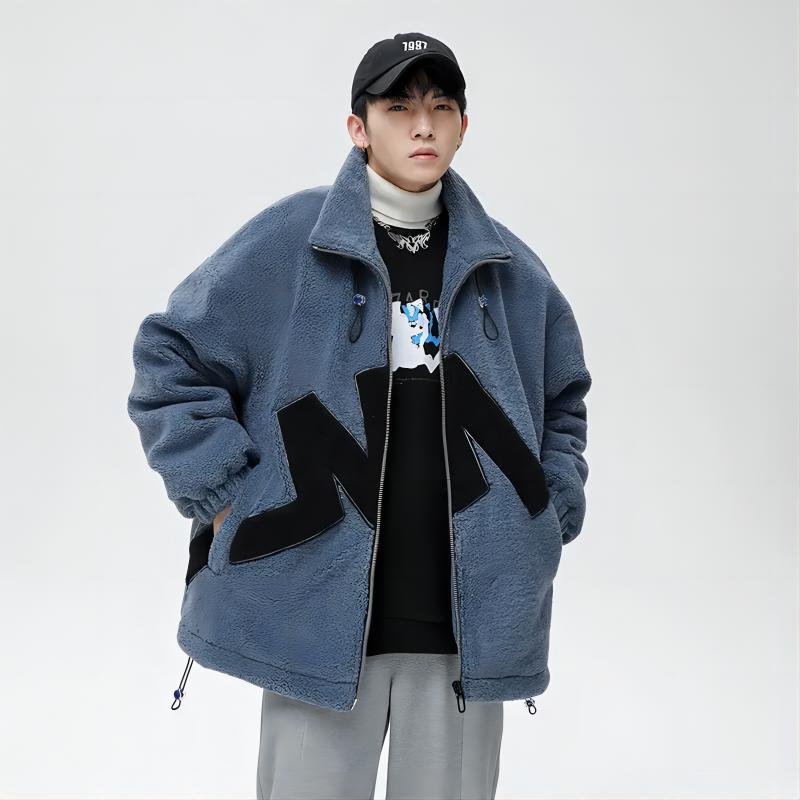
Two finished face fabrics — typically a quilted down side and a woven or fleece side — demand precise seam alignment within 2mm tolerance. Targets lifestyle and premium retail buyers seeking SKU efficiency.
Hybrid Insulated Vests
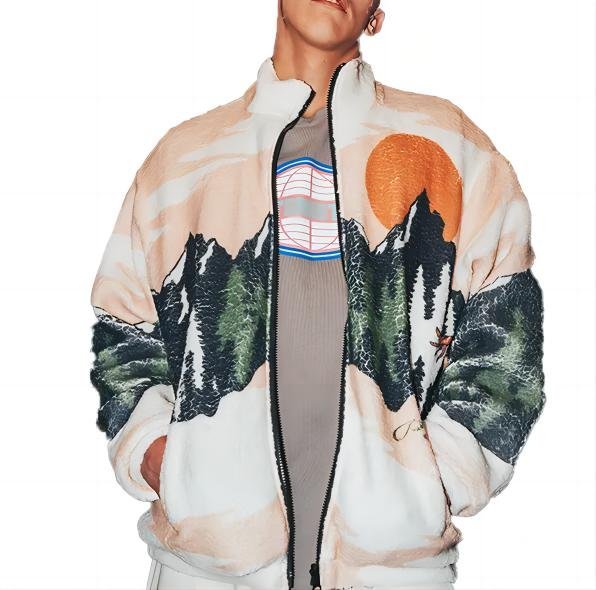
PrimaLoft or Thermolite synthetic panels replace down at moisture-prone zones while 650+ fill power down insulates the core. Outdoor performance brands and athleisure labels use this construction for wet-weather versatility.
4. Materials & Fabrics Used by Down Vest Manufacturers
Material selection sets a vest’s warmth-to-weight ratio, cost floor, and sustainability story. A skilled down vest manufacturer sources across four layers — fill, shell, lining, and baffling — each demanding deliberate trade-off decisions.
| Fill Type | Warmth-to-Weight | Cost Index | Sustainability |
|---|---|---|---|
| Goose Down 800+ FP | Excellent | High | Moderate — RDS certified |
| Duck Down 650 FP | Good | Medium | Moderate — RDS certified |
| PrimaLoft Gold | Very Good | Medium-High | High — recycled content |
| Thinsulate 200g | Good | Medium | Moderate |
| Recycled Poly Fill | Moderate | Low | High — OEKO-TEX certified |
Fill Types: Real Down and Synthetic Alternatives
Goose down reaches 800–900+ fill power at premium grades, delivering the highest warmth-to-weight ratio in the industry. Duck down, rated 550–750 fill power, costs 20–40% less and suits mid-tier price points.
Synthetic fills — PrimaLoft Gold, Thinsulate 200g, and recycled polyester — retain insulation when wet and carry OEKO-TEX Standard 100 certification. They appeal to vegan and eco-focused buyers and reduce supply-chain volatility.
Shell Fabrics, GSM, and Water Resistance
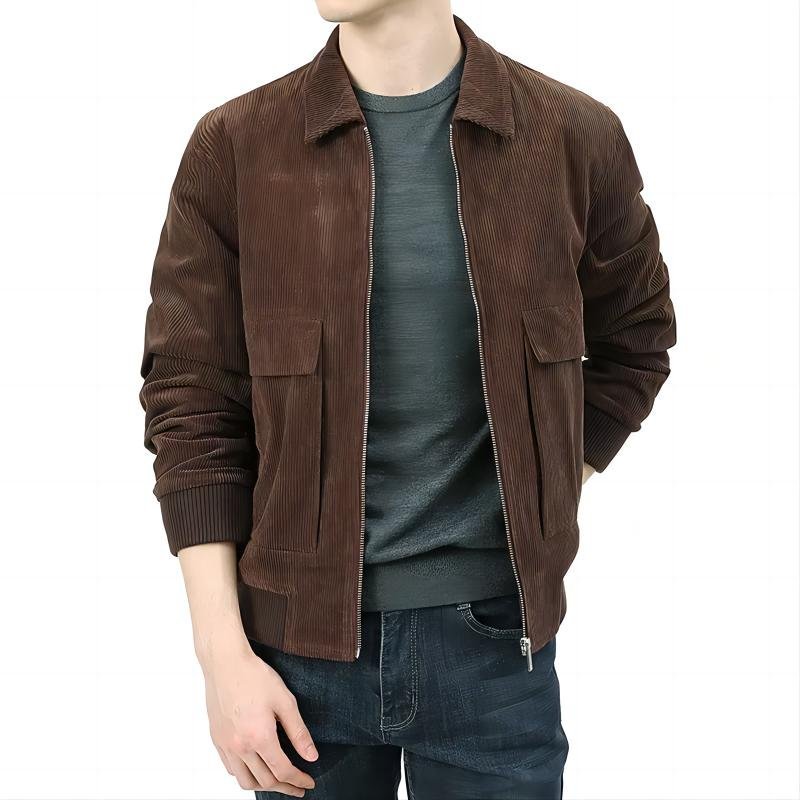
Nylon ripstop shells run 40–70 GSM with standard DWR coatings achieving 80–90% water repellency. Polyester shells (80–120 GSM) cost 10–15% less and accept PFC-free DWR treatments, now mandatory for most EU import compliance.
REPREVE recycled-nylon adds a traceable sustainability credential. Woven jacquard polyester (100–150 GSM) delivers retail-grade texture at a 15–25% shell cost premium over standard polyester.
Lining Materials and Inner Baffling
Taffeta nylon (20–30 GSM) is the standard lining — lightweight and smooth for layering under outerwear. Fleece-back lining adds comfort but raises pack weight by 15–20%.
Baffle construction runs stitch-through, channel, or box configurations. Box baffles prevent fill migration and suit 650+ fill-power down; stitch-through baffles lower cost but create cold spots at sewn seams.
5. Customization Options Your Down Vest Manufacturer Should Offer
A capable down vest manufacturer should offer end-to-end customization spanning construction details, hardware selection, and branding decoration — not just color swaps. Understanding which options align with your order volume prevents costly minimum-quantity surprises at the sampling stage.
| Technique | Min MOQ | Best For |
|---|---|---|
| Screen-printed liner / hang tags | 50 pcs | All tiers, incl. independents |
| Embroidery | 100 pcs | Independent designers & startups |
| Woven labels | 200 pcs | Small–mid brands |
| Heat-transfer patches | 200 pcs | Small–mid brands |
| Custom zipper pulls | 500 pcs | Large retail orders |
Silhouette, Pockets & Hood Options
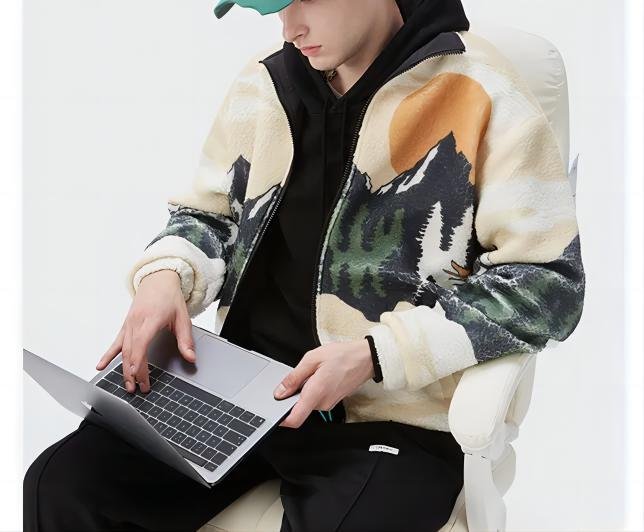
Pattern development covers cropped, longline, oversized, and vest-hybrid silhouettes, each requiring a separate tech pack.
Pocket configurations — welt, kangaroo, hand-warmer, hidden zip — and detachable hood attachment rings add SKU complexity; confirm your manufacturer grades across at least XS–3XL before committing.
Quilting Patterns & Zipper Hardware
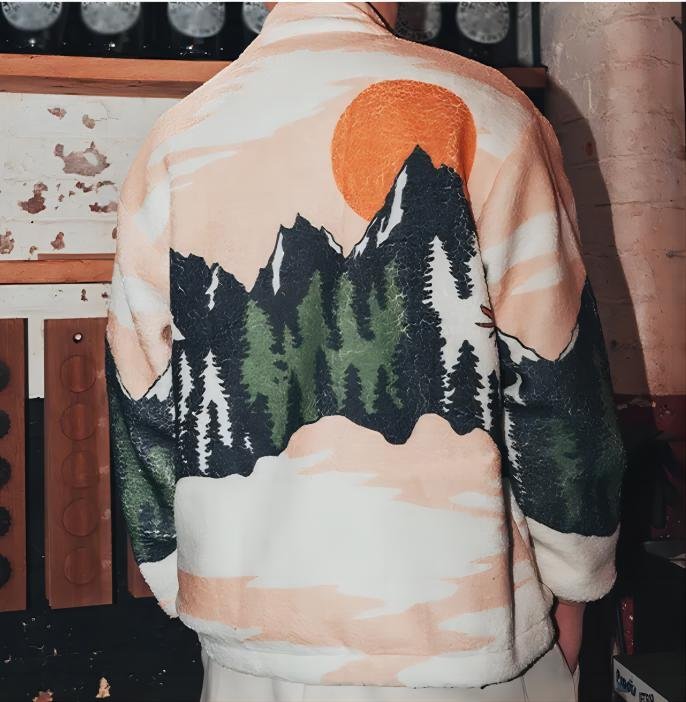
Quilting pitch ranges from 1-inch box to 2-inch diamond or custom channel widths; stitching under 1.5 inches raises per-unit cost roughly 15–20%.
For closures, YKK #5 and #8 coil are the industry benchmark; generic alternatives save $0.30–$0.80 per unit but frequently fail salt-spray and 500-cycle endurance tests.
Branding Decoration Techniques
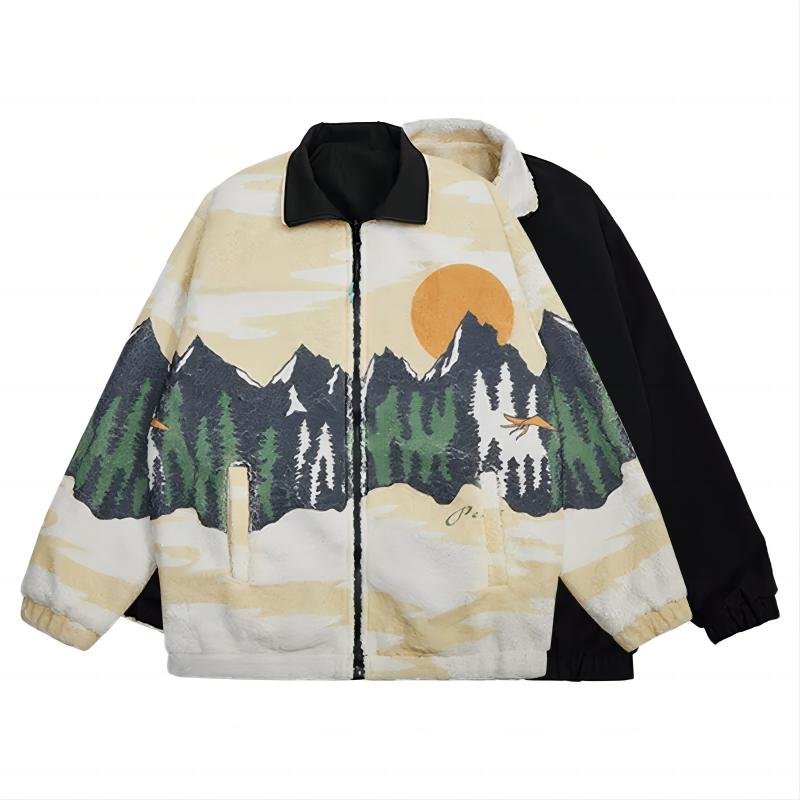
Embroidery suits logos under 10,000 stitches and typically carries a 100-piece MOQ — accessible for independent designers.
Woven labels, heat-transfer patches, and custom zipper pulls each require 200–500 pieces minimum. Screen-printed interior liners and hang tags start at 50 pieces via digital print, with per-unit cost dropping sharply above 300 units.
6. Key Quality Standards to Demand From a Down Vest Manufacturer
Not every down vest manufacturer enforces the same benchmarks — demanding documented compliance across fill testing, construction methods, and certifications is the only way to protect product integrity and retail shelf life.
Fill Power Verification and Lab Testing
Fill power measures loft per ounce; 550-fill suits budget lines while 700-800+ targets technical outerwear. Require IDFB or IDFL lab certificates — factory self-reports carry no independent verification.
RDS (Responsible Down Standard) or a recycled-fill supplier declaration confirms humane sourcing and supply-chain traceability, two requirements increasingly mandated by EU and US retailers.
Baffle Construction and Stitch Integrity
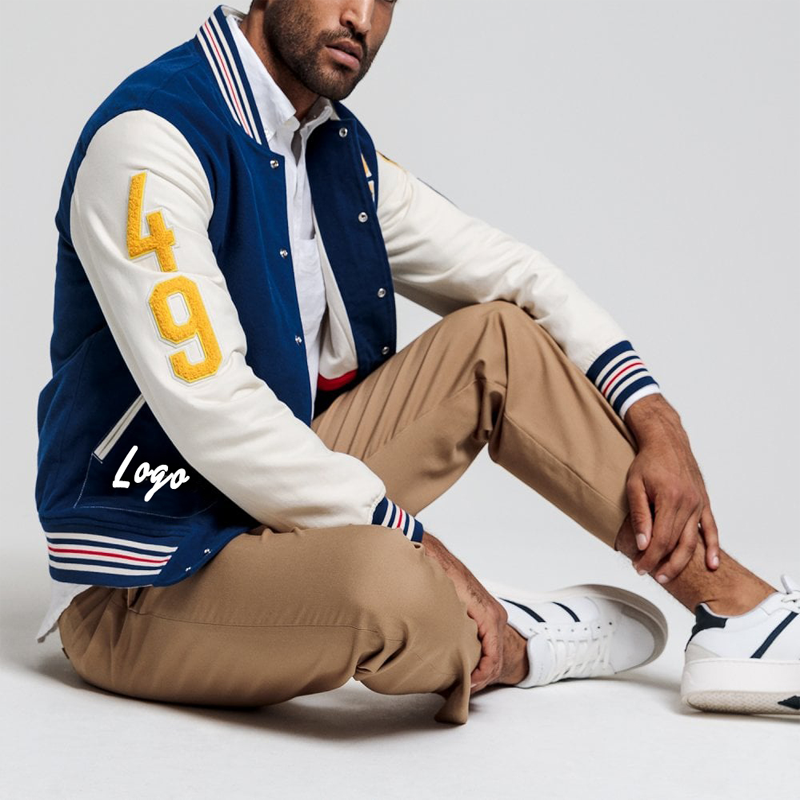
Sewn-through baffles are lightest but produce cold spots at every seam; box-wall and offset baffles eliminate cold bridges by adding a 3-4mm fill chamber depth. Specify a minimum of 10-12 stitches per inch on all seam types.
Down-proof shell fabric should achieve a thread count of 230T or higher to block fill migration without requiring a separate membrane layer.
Shell Fabric Certifications to Require
OEKO-TEX Standard 100 certification verifies the shell contains no harmful substances — a baseline entry requirement for EU and North American retail. Request the certificate number and cross-check it on the OEKO-TEX label check portal before approving bulk fabric.
Pair shell certification with RDS documentation for brands targeting sustainability-focused retail partners or eco-conscious consumers.
Tech Pack Specs and Inspection Protocol
A complete tech pack must specify fill weight per zone in grams, baffle type, stitches per inch, shell GSM, and zipper spec such as YKK #5 vs #3. Missing any one field gives a manufacturer room to substitute materials without formal deviation notice.
Inline QC checks fill weight at the cutting stage; pre-shipment inspection verifies seam integrity and label compliance on a 2.5 AQL sampling plan.
7. How to Choose the Right Down Vest Manufacturer for Your Brand
Selecting the right down vest manufacturer determines your brand’s quality floor and margin ceiling. Evaluate factories on six criteria — certifications, sample quality, MOQ flexibility, communication speed, capacity, and references — before signing any production agreement.
Audit Certifications and Communication Speed
Require OEKO-TEX Standard 100, BSCI, or WRAP certificates before requesting samples. Factories lacking third-party audits routinely skip in-process QC checks.
Response time under 24 hours signals reliable order management; slow replies at the inquiry stage reliably predict problems during bulk production.
Sample Quality and MOQ Flexibility
Request a sealed sample specifying fill power (600–800 FP) and shell GSM before committing budget. Inspect baffle construction, stitch density, and zipper brand (YKK or equivalent).
Startups scaling from 100 to 10,000 units need a down vest manufacturer offering tiered MOQs — 100 units at launch, 500+ at growth stage — without repricing the full range.
Sourcing Region Trade-Offs
China leads on full-package capability, certifications, and cost at MOQs from 100 units. Vietnam suits mid-volume orders; Bangladesh offers the lowest unit cost but typically requires 500+ unit MOQs and 45–60-day lead times.
| Region | MOQ Range | Lead Time | Cost Index | Key Strength |
|---|---|---|---|---|
| China | 100–500 units | 30–45 days | Low | Full-package, certifications |
| Vietnam | 300–500 units | 35–50 days | Low–Mid | Growing capacity |
| Bangladesh | 500+ units | 45–60 days | Lowest | High-volume basics |
| Portugal | 50–200 units | 25–35 days | High | EU compliance, premium |
Must-Ask Questions Before Committing
Ask these five questions before placing any production order with a down vest manufacturer.
- What certifications do you hold — OEKO-TEX, BSCI, or WRAP?
- What is your MOQ at launch (100 units) vs. scale (1,000+)?
- Do you run in-process QC at cutting, sewing, and finishing stages?
- What are your standard sample and bulk production lead times?
- Can you share references from brands at a comparable scale?
8. Common Mistakes Brands Make When Sourcing a Down Vest Manufacturer
First-time production runs expose knowledge gaps that cost brands real money. These six mistakes surface repeatedly when startups and influencer labels engage a down vest manufacturer for the first time — and every one is preventable with early diligence.
Choosing on Price Alone
Fill-power ratings are routinely misrepresented on low-cost quotes — 600-fill duck down and 800-fill goose down look identical on paper yet perform very differently in warmth-to-weight ratio. Request a third-party fill-power test certificate before accepting any quote from a prospective supplier.
Skipping Sample Approval
Approved pre-production samples are the legal benchmark against which bulk output is judged. Brands that skip directly to bulk often receive baffles with incorrect loft or off-spec shell fabric GSM. Require a signed, sealed sample before releasing any production deposit.
Underestimating Custom Hardware Lead Times
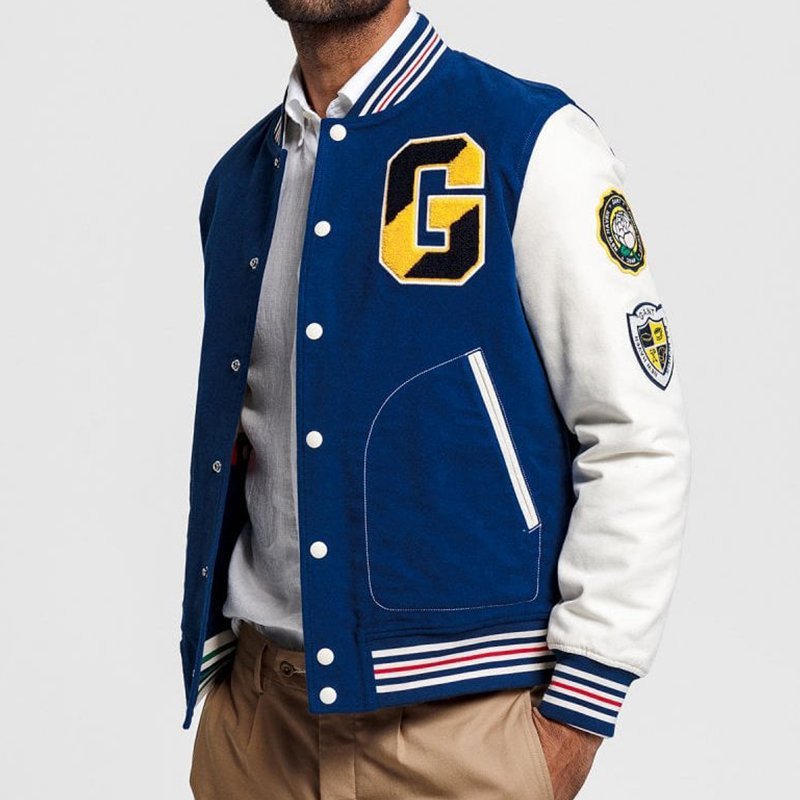
Custom YKK zippers, branded snap buttons, and laser-engraved pullers each add 30–45 days to a standard 60-day production timeline. Startups that discover this mid-order miss seasonal sell-through windows. Lock hardware specs — color, finish, and nominated supplier — in your tech pack at the quoting stage.
Missing Tech Pack Detail Before Quoting
Vague briefs generate vague quotes — factories fill unspecified details with the cheapest available materials. A complete tech pack must define shell fabric GSM, lining type, fill weight per panel in grams, and Pantone color codes. Without it, every revision adds cost and delay.
Failing to Confirm RDS or Recycled-Fill Certification
Responsible Down Standard (RDS) and recycled-fill certifications are increasingly required by major retailers and expected by conscious consumers. Assuming a down vest manufacturer holds these without written proof is a costly oversight. Request the certificate number and verify it directly on the issuing body’s public registry.
Not Negotiating Incoterms Early
EXW, FOB, and DDP Incoterms determine who pays freight, handles customs clearance, and absorbs transit risk. Brands that agree to EXW without a freight forwarder in place face unexpected landed costs of 15–25% above the quoted price. Confirm Incoterms in writing before signing any production contract.
9. Steps to Launch Your Brand With a Down Vest Manufacturer
Launching with a down vest manufacturer takes roughly 90–120 days end-to-end. Skipping any stage — especially mid-production QC — is the fastest way to receive a defect-laden shipment that wrecks your launch margin.
| Production Stage | Typical Duration |
|---|---|
| Tech pack finalization | 1–2 weeks |
| Factory RFQ and quotes | 5–7 days |
| Sample production and review | 2–3 weeks |
| Bulk production | 45–60 days |
| Pre-shipment QC | 3–5 days |
| Sea freight to US/EU | 25–35 days |
Define Concept and Build Your Tech Pack
Lock silhouette decisions first: channel-quilted vs. baffle-stitch, hooded vs. collarless, fill power 600 vs. 800+.
A complete tech pack includes flat sketches, BOM, Pantone colorways, and seam specs. Budget 1–2 weeks to finalize before sending any RFQs.
Shortlist Manufacturers and Issue RFQs
Contact 3–5 down vest manufacturers simultaneously. Specify fill weight in grams, shell GSM, MOQ target, and required certifications such as OEKO-TEX or RDS.
Quotes return in 5–7 business days; always compare landed cost, not ex-factory price alone.
Sample Evaluation and Materials Sign-Off
Strike-off samples take 2–3 weeks including international shipping. Assess fill distribution, baffle integrity, and zipper action — YKK is the industry benchmark.
Approve fabric, trims, and hang-tags in writing before releasing bulk production.
Place Order and Manage Production QC
Standard payment terms: 30% deposit to start, 70% balance before shipment. Run inline QC at 30–40% completion to catch sewing faults early.
Pre-shipment inspection applies AQL 2.5 sampling to finished goods; bulk lead time runs 45–60 days for typical MOQs.
Freight, Customs, and Launch Planning
Sea freight from Guangdong adds 25–35 days to US or EU ports; air freight takes 5–7 days at 4–6× the cost.
File under HS 6201 or 6211 and confirm duties with your broker upfront. Back-plan your launch date 120 days from tech-pack approval.
10. Pricing & Cost Breakdown by Down Vest Manufacturer Tier
China-based down vest manufacturers in Guangdong Province typically quote 20–40% lower unit costs than Vietnam or Bangladesh competitors at identical MOQs, owing to vertically integrated supply chains for shell fabrics and RDS-certified fill. Sampling fees are generally credited against your first production order once MOQ is confirmed.
A down vest manufacturer that embeds QC at every production stage — materials, cutting, craft, sewing, and finished-goods inspection — adds negligible per-unit cost but cuts rework chargebacks that typically run 3–8% of order value when end-of-line-only inspection is the standard.
- Custom quilting pattern: +$1.50–$3.00/unit; one-time tooling fee $200–$400
- Woven labels (500-pc minimum): +$0.15–$0.40/unit
- RDS-certified fill premium over standard duck down: +$0.80–$1.50/unit
- Packaging upgrade from poly bag to branded hang-tag box: +$0.60–$1.20/unit
| Quantity Tier | Unit Cost (USD) | Lead Time | Sample Cost | Customization Included |
|---|---|---|---|---|
| 50–100 | $28–$45 | 25–35 days | $80–$150 | Basic woven labels only |
| 300–500 | $18–$28 | 20–30 days | $60–$120 | Labels + custom poly bag |
| 1,000–3,000 | $12–$18 | 18–25 days | $40–$80 | Labels, packaging, custom quilting |
| 5,000+ | $8–$13 | 15–22 days | $30–$60 | Full custom package included |
Your Down Vest Manufacturer Is Ready to Partner
Low MOQs, fast seasonal turnarounds, and a 5-step QC guarantee — let’s build your brand together.